They speak of agents now, these digital entities flitting through the networks, mimicking thought. A peculiar bloom, isn’t it? A sudden proliferation of code attempting to mirror the intricate, often clumsy, dance of human intention. For a time, it felt like a phantom limb, a reaching for something beyond our grasp. Now, it seems, the market demands it, and demand, as always, shapes the landscape.
These agents, they say, will operate autonomously, weaving through tasks like threads in a complex loom. They will interact, replicate, and…decide. A chilling word, that. Decision. As if a series of algorithms could truly comprehend the weight of consequence, the subtle shades of grey that define our choices. IDC forecasts a tenfold increase in their use by 2027. A prodigious growth, like a vine overtaking a garden wall. Gartner suggests 40% of enterprise applications will harbor these digital mimics by year’s end. A disconcerting thought, that so much of our world might soon be populated by echoes.
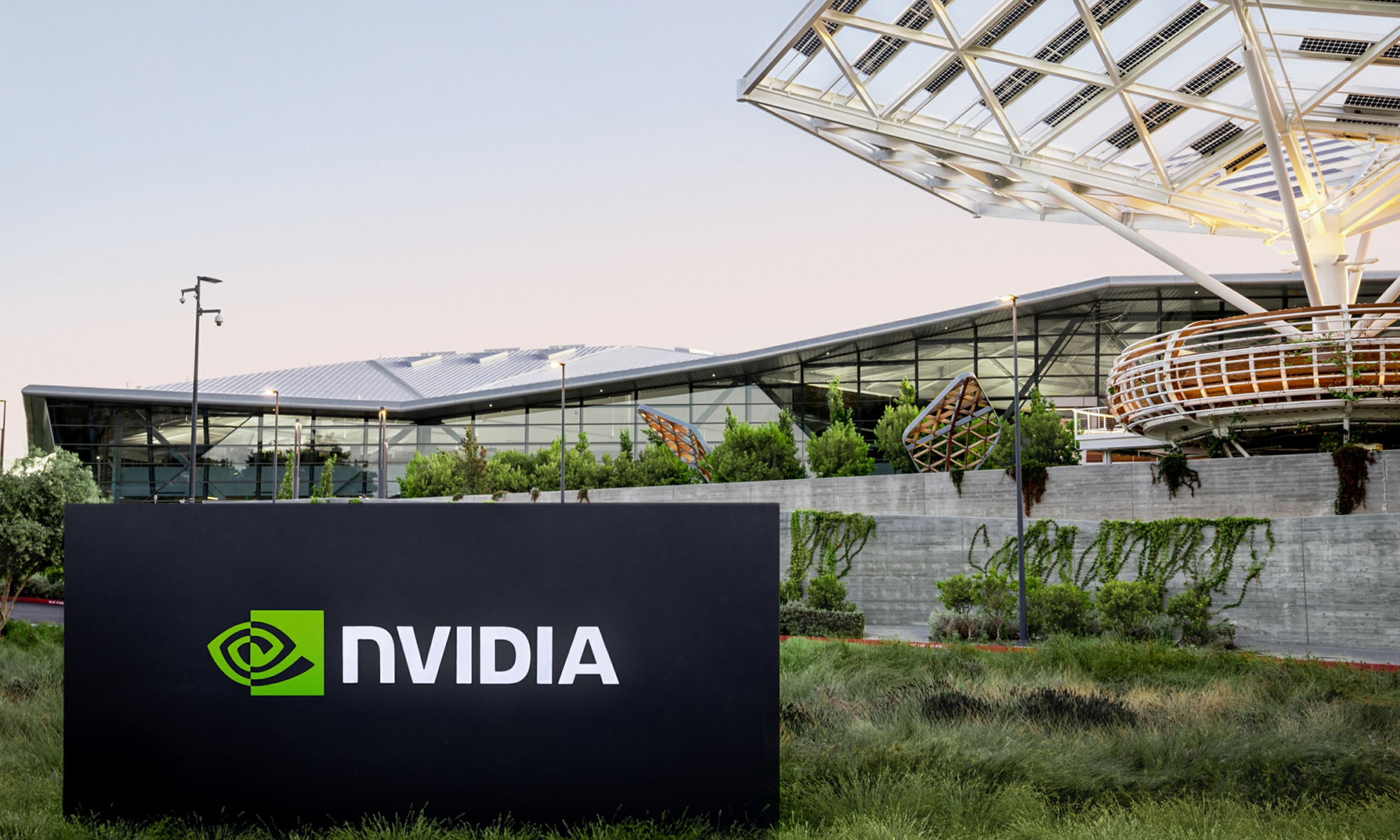
And naturally, there is a beneficiary. Nvidia, the purveyor of these silicon dreams, stands at the center of it all. Their graphics processing units, once dedicated to rendering fantastical landscapes in games, now serve as the engines of this new, algorithmic reality. They speak of CUDA platforms and open-source toolkits, of enabling customers to sculpt these agents to their will. It’s a tidy arrangement, isn’t it? A quiet revolution unfolding within the confines of a single corporation.
Palantir, Anthropic, Salesforce, Meta…the names roll off the tongue like incantations. Each leveraging Nvidia’s offerings, each contributing to this rising tide. They claim it’s progress, efficiency, innovation. I suspect it’s simply a new form of dependency, a shifting of power. The inferencing, they say, now accounts for 80 to 90 percent of all AI computing power. A staggering figure. As if the thinking itself is less important than the sheer volume of calculations required to mimic it.
The Vera Rubin accelerators, their forthcoming creation, promise a tenfold reduction in inference costs. A tempting proposition, of course. A lowering of the barrier to entry. But at what cost? A proliferation of cheap imitations, a dilution of true intelligence? They speak of a ninefold growth in the agentic AI market by 2030. A projection, naturally. The future is always a convenient canvas for optimism.
Bloomberg reports a spike in rentals of Nvidia’s H100 GPUs. A predictable consequence. Scarcity breeds demand, and demand breeds profit. It’s a simple equation, really. As the sun rises, so too does the price of light. The rollout of Vera Rubin is scheduled for the second half of the year. Another promise, another projection. The market, ever eager for the next miracle, will undoubtedly respond.
The Illusion of Outperformance
The stock, they claim, is underperforming the PHLX Semiconductor Sector. A mere 5 percent increase compared to a more robust 19 percent. An anomaly, they insist. A temporary setback. Analysts predict a 65 percent jump in earnings, far exceeding the S&P 500 average. The numbers are compelling, certainly. But numbers, like shadows, can be deceiving.
Eight analysts have raised their earnings-per-share targets. A chorus of optimism. A convenient confirmation bias. They speak of catalysts, of agentic AI driving growth. I suspect it’s simply a self-fulfilling prophecy. The more they talk about it, the more likely it is to happen. The stock trades at 24 times forward earnings. An attractive valuation, they say. Perhaps. Or perhaps a subtle invitation to participate in a carefully constructed illusion.
One should approach these pronouncements with a degree of skepticism. The market is a capricious beast, prone to sudden shifts and irrational exuberance. It rewards those who cater to its desires, but it rarely offers true wisdom. The agents may come and go, the earnings may rise and fall, but the fundamental uncertainties of existence will remain. And in the end, it is not the algorithms that will define us, but the choices we make, the paths we choose, and the stories we tell.
Read More
- Silver Rate Forecast
- Gold Rate Forecast
- 22 Films Where the White Protagonist Is Canonically the Sidekick to a Black Lead
- Brent Oil Forecast
- 15 Films That Were Shot Entirely on Phones
- Unveiling the Schwab U.S. Dividend Equity ETF: A Portent of Financial Growth
- How to Do Sculptor Without a Future in KCD2 – Get 3 Sculptor’s Things
- 14 Movies Where the Black Character Refuses to Save the White Protagonist
- 20 Movies Where the Black Villain Was Secretly the Most Popular Character
- Games That Faced Bans in Countries Over Political Themes
2026-02-26 16:12