
The market, as always, is a capricious mistress. One observes the current infatuation with electric vehicles, and a certain weariness descends. Not from disbelief in the technology itself – progress, after all, is a relentless tide – but from the sheer, unyielding optimism that clings to these ventures like morning mist. Yet, amidst the flurry of activity, one name whispers a promise beyond mere replication of the established order: Rivian. It is not a question of surpassing Tesla immediately, but of possessing the potential to do so, a seed carefully planted in the shadow of a giant.
The pursuit of autonomous driving, so loudly proclaimed, has yielded results… modest, perhaps, compared to the initial fanfare. Experts now speak of artificial intelligence as the true engine of this revolution, a force capable of transforming mere transportation into something approaching foresight. Billions are committed, naturally. The modern world rarely allows for restraint. But money alone does not guarantee mastery. It requires, above all, a certain… intuition, a feel for the contours of the future.
Tesla, undeniably, holds a commanding position. Its early investment in AI, coupled with a degree of vertical integration – a control over its own destiny, as it were – has given it a considerable advantage. The ability to innovate rapidly, fueled by real-world data gathered from millions of miles driven, is a formidable asset. The larger technology firms, those behemoths of the digital age, are, of course, formidable competitors. Yet, they remain, in a sense, reliant on others, bound by the constraints of outsourcing. It is a subtle difference, perhaps, but one that carries weight.
The Echo of Innovation
To rival Tesla is not merely to mimic its achievements, but to forge a new path, to discover a unique advantage. And here, Rivian displays a glimmer of promise. It, too, recognized the importance of AI early on, and now speaks of a vertically integrated system, even contemplating the production of its own chips. A bold ambition, to be sure, and one fraught with risk. But it is precisely such audacity that separates the contenders from the merely hopeful.
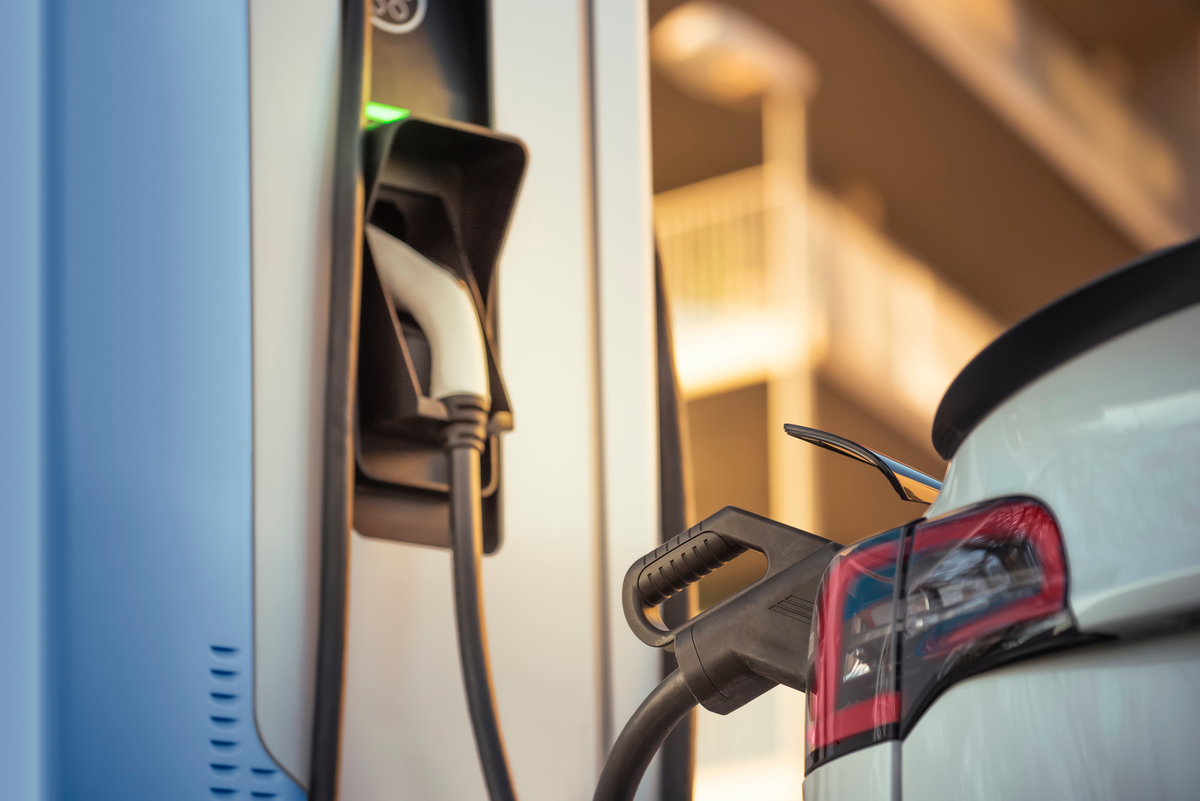
The crucial element, however, lies in accessibility. Tesla’s success, while impressive, has been largely confined to a certain segment of the market. Rivian, with its anticipated release of a vehicle priced under $50,000, aims to broaden the appeal, to bring the benefits of this technology to a wider audience. This, in turn, will generate a wealth of data, a stream of information that can be used to refine its AI models. It is a virtuous cycle, if it can be sustained.
For the discerning investor, the key lies in identifying companies that possess not only a clear vision for AI integration but also the financial resources to execute it. Control over the supply chain is paramount, as is the ability to generate vast amounts of real-world data. Rivian, while still trailing Tesla in overall AI capabilities, is assembling the necessary pieces, laying the foundation for a potential challenge. It is a long road, to be certain, and the outcome remains uncertain. But in the ever-shifting landscape of the automotive industry, a seed of promise, carefully nurtured, can sometimes blossom into something extraordinary. It is a quiet hope, perhaps, but one worth considering in the grand, relentless march of progress.
Read More
- Gold Rate Forecast
- 22 Films Where the White Protagonist Is Canonically the Sidekick to a Black Lead
- Silver Rate Forecast
- 15 Films That Were Shot Entirely on Phones
- Unveiling the Schwab U.S. Dividend Equity ETF: A Portent of Financial Growth
- How to Do Sculptor Without a Future in KCD2 – Get 3 Sculptor’s Things
- 20 Movies Where the Black Villain Was Secretly the Most Popular Character
- Brent Oil Forecast
- New HELLRAISER Video Game Brings Back Clive Barker and Original Pinhead, Doug Bradley
- Superman Flops Financially: $350M Budget, Still No Profit (Scoop Confirmed)
2026-02-25 17:02