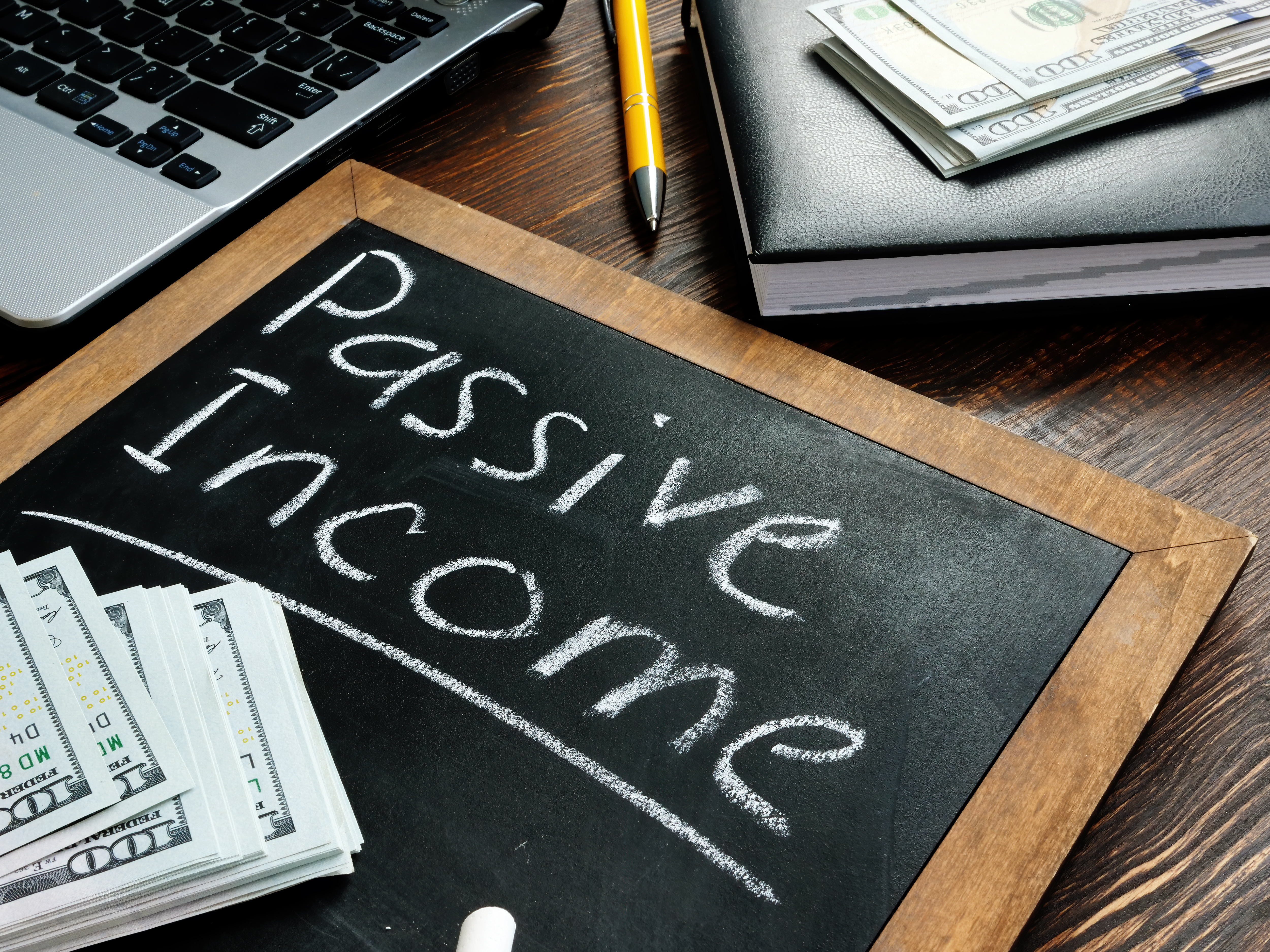
The universe, as anyone who’s accidentally glanced at a spreadsheet knows, is fundamentally about the transfer of energy. Mostly it’s dark energy doing mysterious things, but occasionally it’s a dividend payment landing in your brokerage account. Which, frankly, is a far more satisfying phenomenon. The idea, of course, is to get paid while actively not working. A concept so radical it’s almost certainly against some galactic regulation. Rental income, royalties, and dividends all fall into this category – money that appears as if by magic, or, more accurately, as a result of someone else doing the actual work. It’s a bit like being a benevolent space parasite, but without the messy bits.
Thankfully, acquiring this passive income in the stock market is comparatively straightforward. You simply purchase a dividend-paying stock or, even better, an exchange-traded fund (ETF) and then…wait. It’s a test of patience, a demonstration of faith in the inherent order (or, at least, the predictable chaos) of the financial universe. You’re not relying solely on the stock price to increase; you’re getting rewarded for simply existing as a shareholder. A rather civilized arrangement, all things considered.
Now, not all dividend-yielding entities are created equal. Some are shimmering mirages, yield traps designed to lure unsuspecting investors into a financial quicksand. (These are often accompanied by optimistic press releases and suspiciously enthusiastic analysts.) The Schwab U.S. Dividend Equity ETF (SCHD 0.65%) however, appears to have taken a slightly more sensible approach. If you’re looking for a source of passive income that might actually last for a decade or two – a positively preposterous length of time – it’s a fund worth considering.
Avoiding the Yield Singularity
Many dividend ETFs operate on the principle of “highest yield wins,” which is a bit like choosing a spaceship based solely on its flashing lights. It often overlooks the fundamental health of the underlying businesses. SCHD, however, applies a stricter set of criteria. It only includes companies that have consistently increased their dividends for at least ten years (a sign of remarkable stubbornness, if nothing else), possess a healthy cash flow relative to debt (essential for avoiding unpleasant phone calls from creditors), and demonstrate a high return on equity (indicating they’re reasonably good at turning profits into, well, more profits).
This naturally filters out the weaker, more precarious businesses that might be offering unsustainable dividends. Sustainability, as anyone who’s tried to build a sandcastle during high tide knows, is paramount. Here’s a snapshot of SCHD’s top 10 holdings and their dividend yields as of this writing:
| Company | Percentage of SCHD | Dividend Yield |
|---|---|---|
| ConocoPhillips | 4.82% | 2.62% |
| Lockheed Martin | 4.79% | 2.10% |
| Chevron | 4.70% | 3.48% |
| Verizon Communications | 4.47% | 5.52% |
| Bristol Myers Squibb | 4.22% | 4.20% |
| Altria | 4.13% | 6.39% |
| Merck | 4.08% | 2.90% |
| Coca-Cola | 3.94% | 2.71% |
| Texas Instruments | 3.83% | 2.91% |
| PepsiCo | 3.81% | 2.71% |
Notice the conspicuous absence of flashy tech stocks or high-growth startups. SCHD prefers the “boring” businesses – the ones that consistently generate profits, even if they don’t make headlines. These companies may lack the excitement of a new social media platform, but they’re often far more reliable and shareholder-friendly. (It’s a bit like choosing a sturdy, slightly dented spaceship over a sleek, experimental model. The former might not be glamorous, but it’s less likely to explode.)
Lucrative Returns and the Art of Delayed Gratification
Over the past decade, the Schwab U.S. Dividend Equity ETF has averaged a dividend yield above 3% (approximately $30 paid per $1,000 invested annually). However, the real magic happens when you reinvest those dividends. (Think of it as a compounding effect, where your money makes money, which makes more money, which eventually leads to a small, but noticeable, distortion in the fabric of spacetime.)
Since its inception in October 2011, SCHD has averaged a 13% annual total return. Past performance, of course, is no guarantee of future results (the universe is notoriously unpredictable). But let’s optimistically assume it continues at this rate. Here’s a projection of how your investments could grow over 20 years, based on different monthly contributions:
| Monthly Investment | Investment Value After 20 Years |
|---|---|
| $100 | $96,450 |
| $250 | $241,140 |
| $500 | $482,280 |
| $1,000 | $964,570 |
| $1,500 | $1,446,000 |
At these investment levels, you could receive anywhere from $2,893 to $43,380 annually in passive income. Whether you choose to take cash payouts along the way is a personal decision. But reinvesting those dividends will amplify the compounding effect, potentially creating a self-sustaining financial ecosystem. (It’s not quite a black hole, but it’s a good start.)
Read More
- Gold Rate Forecast
- 22 Films Where the White Protagonist Is Canonically the Sidekick to a Black Lead
- Games That Faced Bans in Countries Over Political Themes
- Silver Rate Forecast
- Unveiling the Schwab U.S. Dividend Equity ETF: A Portent of Financial Growth
- Celebs Who Narrowly Escaped The 9/11 Attacks
- Brent Oil Forecast
- How to Do Sculptor Without a Future in KCD2 – Get 3 Sculptor’s Things
- Superman Flops Financially: $350M Budget, Still No Profit (Scoop Confirmed)
- 14 Movies Where the Black Character Refuses to Save the White Protagonist
2026-03-23 16:03