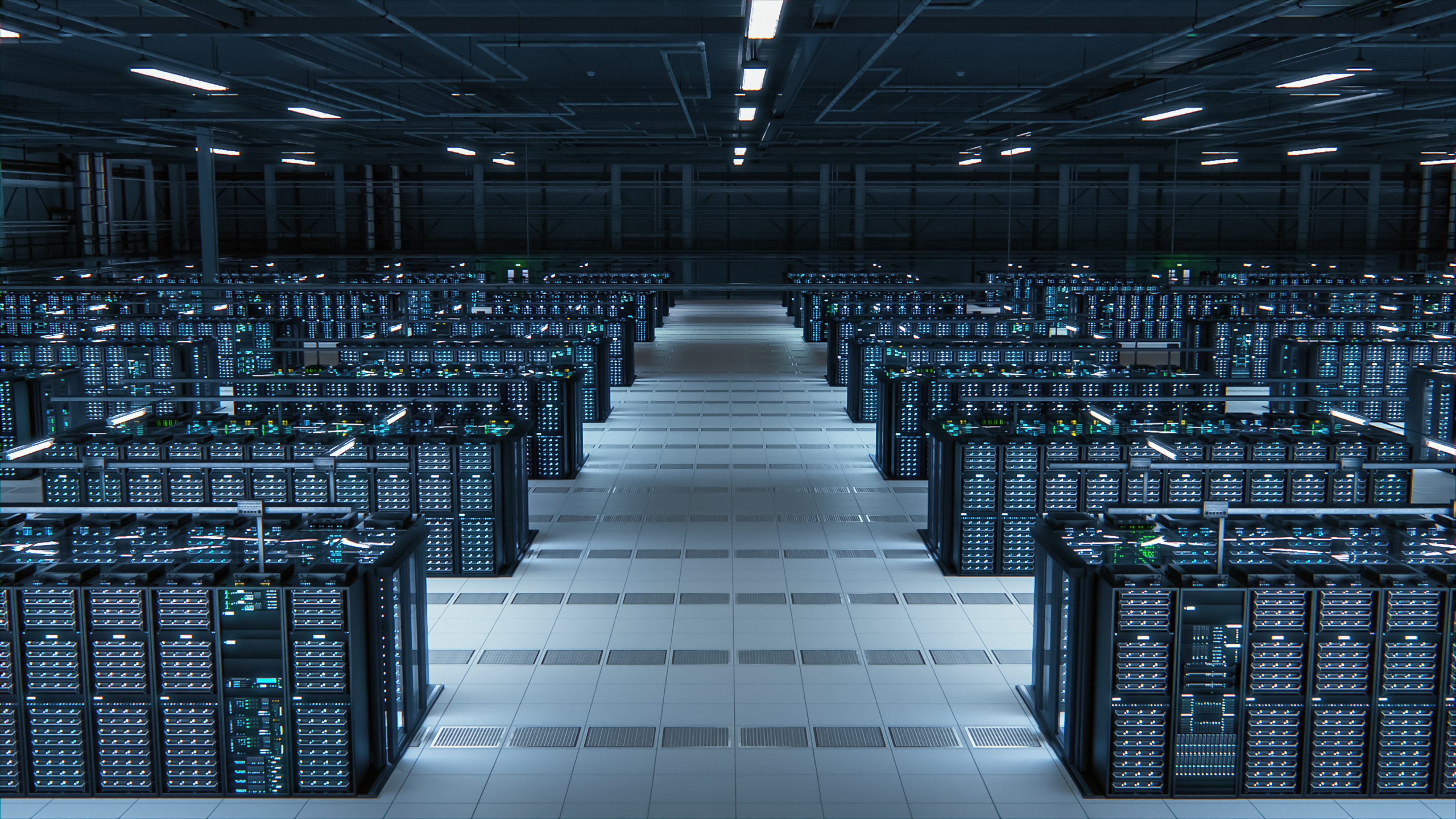
So, artificial intelligence. It’s everywhere, isn’t it? Promises of a future both dazzling and slightly unnerving. But let’s pull back from the robots for a moment and consider something rather more prosaic: electricity. All this cleverness requires a truly astonishing amount of power, and that, as it happens, is where things get interesting. We’re witnessing, if you will, an infrastructure supercycle – a fancy term for a whole lot of building and upgrading – and one company, Eaton, is rather nicely positioned to benefit.
Eaton, for those unfamiliar, isn’t exactly a household name in the way, say, Apple is. They don’t make gadgets you covet. They make the stuff that makes the gadgets work – power management systems, circuit breakers, the unglamorous but utterly essential components of modern life. For decades they’ve been a solid, dependable company. But now, with the insatiable appetite of AI data centers, they’re potentially poised for something more. It’s a bit like a quiet librarian suddenly finding herself in charge of a rock concert.
From Circuit Breakers to Liquid Cooling: Eaton’s Evolving Role
The old model of data centers – rows of servers humming along, cooled by standard air conditioning – is rapidly becoming obsolete. These new AI processors aren’t just faster; they’re significantly hungrier for power. We’re talking about moving from, say, a toaster oven to a small nuclear reactor in terms of energy consumption. Standard cooling simply won’t cut it. Enter liquid cooling – a system that, as the name suggests, uses liquid to draw heat away from the processors. It’s a bit like giving a feverish patient an ice pack, but on a much larger scale.
Eaton isn’t just supplying the electrical components anymore. They’ve embarked on what they call a “chip-to-grid” strategy – essentially building an end-to-end system to manage power and thermal demands. They recently spent a cool $9.5 billion acquiring Boyd Thermal, a leader in liquid cooling technology. Apparently, Boyd Thermal’s engineers are generations ahead of the curve, working with silicone designs that won’t see commercial release for years. It’s a bit like having a team of wizards in the basement. Eaton believes the liquid cooling market could grow by a remarkable 35% annually through 2028, which, if true, is rather exciting.
In the last quarter of the year, data center orders at Eaton’s Electrical America segment surged by 200% year over year. Their total backlog hit $19.6 billion, with Electrical America accounting for a hefty $13.2 billion. They’ve even achieved a book-to-bill ratio of 1.2, which, in plain English, means demand is outpacing their ability to fulfill orders. That’s a good problem to have, though a potentially stressful one for the logistics department.
Mega-Projects and the Risks Ahead
Of course, no investment is without risk. The biggest question mark is whether the data center buildout will happen as quickly – or on the scale – currently predicted. If hyperscalers – those enormous companies building and operating these data centers – don’t see a sufficient return on their massive capital expenditures, things could slow down. Also, Eaton anticipates some margin pressure in the near term as they invest $1.5 billion to expand capacity, and a temporary headwind in 2026 as new plants come online.
However, Eaton is optimistic, pointing to a wave of “mega-projects” – large-scale capital investments totaling over $3 trillion. These projects take years to come to fruition, but they represent a potentially durable long-term tailwind for the business. Eaton boasts a 40% win rate on bids for these projects, which, considering the competition, is rather impressive.
For investors looking for a “pick-and-shovel” stock – a company that benefits from a broader trend rather than being directly involved in it – Eaton appears to be a solid choice. It’s not a glamorous company, and it won’t make headlines in the same way as the latest tech gadget. But it’s a quietly competent company, well-positioned to profit from the electricity-guzzling world of artificial intelligence. And in a world increasingly reliant on power, that’s a rather good place to be.
Read More
- Gold Rate Forecast
- Games That Faced Bans in Countries Over Political Themes
- Silver Rate Forecast
- 20 Movies Where the Black Villain Was Secretly the Most Popular Character
- Unveiling the Schwab U.S. Dividend Equity ETF: A Portent of Financial Growth
- 15 Films That Were Shot Entirely on Phones
- 22 Films Where the White Protagonist Is Canonically the Sidekick to a Black Lead
- The Best Directors of 2025
- Brent Oil Forecast
- New HELLRAISER Video Game Brings Back Clive Barker and Original Pinhead, Doug Bradley
2026-02-27 23:52