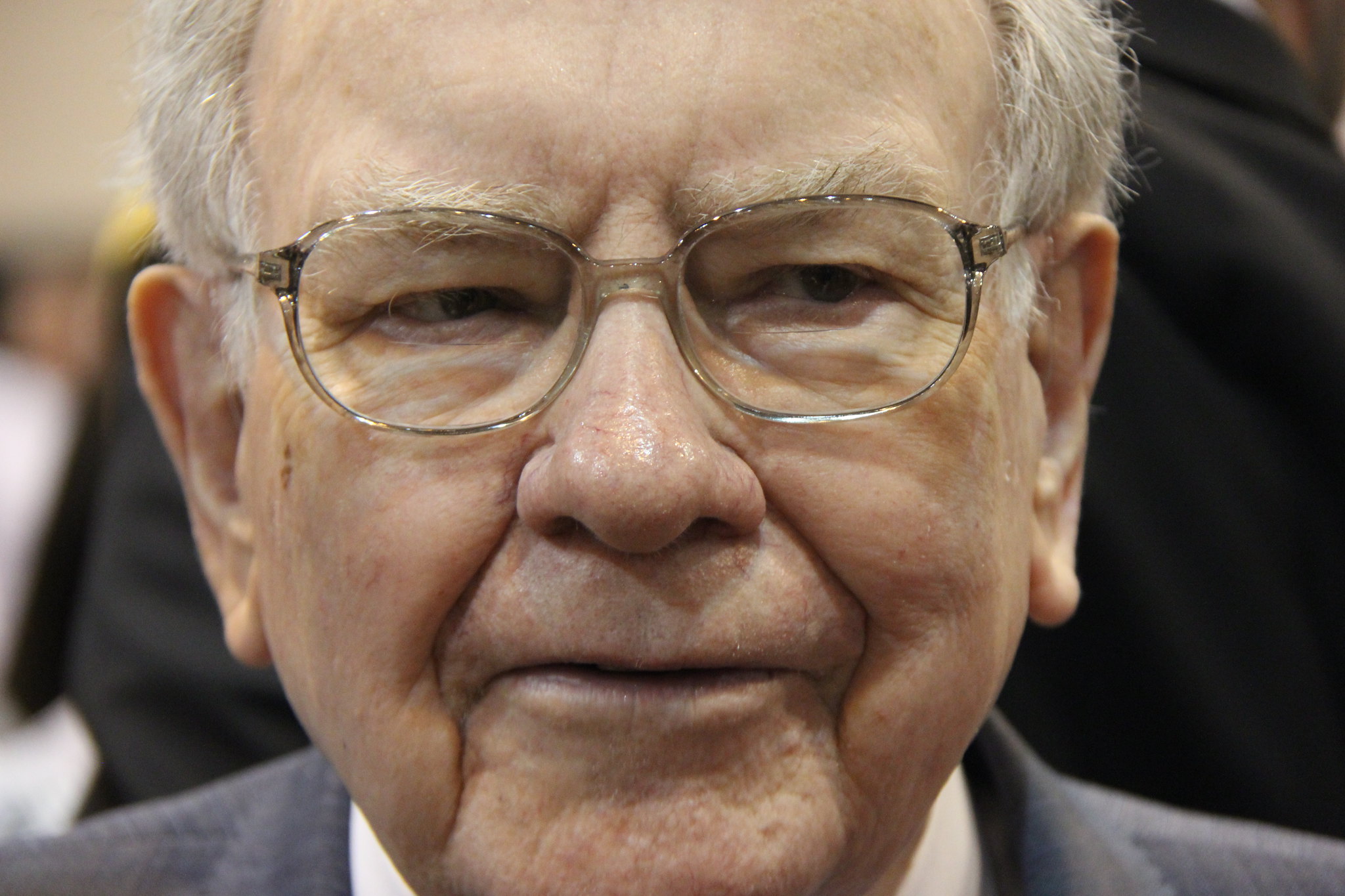
The quarterly pronouncements from the Oracle – or, as the Guild of Alchemists and Venture Capitalists now refer to him, “The Former Oracle” – are always treated with the reverence usually reserved for deciphering the entrails of a particularly stubborn goat.1 These filings, these 13Fs, are supposed to be roadmaps. What they usually are is a fascinating demonstration of how even the most astute observers can mistake a temporary upswell for a permanent tide. And, as of December 31st, 2025, the Oracle has hung up his abacus. Retired. Which means, naturally, everyone is desperately trying to read tea leaves in his last pronouncements.
It appears the Former Oracle, in his final quarter of overseeing Berkshire Hathaway’s hoard, decided to lighten the load. Not just lighten, mind you, but to positively shed holdings in companies that, until recently, were considered sacred cows. Amazon, Apple, Bank of America… all trimmed, pruned, and, in some cases, rather brutally hacked back. It’s like a gardener deciding, in the autumn of his years, that roses are overrated and he prefers turnips.2
The selling wasn’t a sudden whim, mind you. For a good fifteen months – a worrying length of time, even for someone who’s seen a few market cycles – Berkshire has been a net seller. A consistent, if understated, vote of no confidence. The numbers are, as always, illuminating. 7,724,000 shares of Amazon vanished. A rather substantial 10,294,956 shares of Apple took flight. And a truly alarming 50,774,078 shares of Bank of America were… well, let’s just say they’ve found new pastures. The Oracle wasn’t merely trimming hedges; he was performing a full-scale deforestation.
The cuts were significant. A 77% reduction in Amazon holdings. Apple saw a 75% haircut. And Bank of America… a 50% reduction. It’s as if the Former Oracle decided that growth stocks were all well and good, but a nice, solid pile of cash was a far safer bet. A perfectly reasonable position, of course, for someone who’s spent decades accumulating a truly impressive pile of… well, everything.
The usual explanations are trotted out, naturally. Tax considerations. Valuation concerns. The ever-popular “it’s just a normal portfolio adjustment.” But let’s be frank: these explanations smell faintly of dragon dung.3 Apple, for instance, used to trade at a sensible price-to-earnings ratio. Now? It’s priced as if it holds the secret to eternal youth. Bank of America, similarly, used to be a bargain basement find. Now it’s trading at a premium to its book value. The Former Oracle, it seems, prefers to buy things when they’re undervalued, not when everyone else is already convinced they’re a sure thing.
Amazon, of course, is a different beast entirely. It’s always been expensive, but the Former Oracle has long been wary of companies that promise the world and deliver… well, a lot of packages.4

But the most intriguing part of this whole affair isn’t what the Former Oracle sold, but what he bought. A rather substantial $352 million stake in The New York Times. Yes, that New York Times. The purveyor of news, opinion, and crossword puzzles. A company that, in this age of instant gratification and ephemeral content, seems… quaint.5
The Former Oracle, you see, has always had a fondness for brands. For companies that have built trust with their customers. The New York Times, with its long history and established reputation, fits the bill nicely. It also pays a modest dividend and buys back its own shares, which is always a good sign. A solid, dependable investment. Like a well-made pair of boots.
The New York Times, it must be said, is doing rather well. Digital subscriptions are climbing (12.78 million as of December 31st). Average revenue per user is increasing. And digital advertising is providing a healthy boost. It’s a rare example of a traditional media company that seems to be adapting to the digital age. A bit like a wizard learning to use a smartphone.
The valuation, however, is… ambitious. The Former Oracle paid a forward price-to-earnings ratio of 24 for The New York Times stock. That’s not exactly a bargain basement price. But then again, the Former Oracle has never been afraid to pay a premium for quality. He’s a connoisseur, after all. And sometimes, you have to pay a little extra for a good story.
So, what does it all mean? Is the Former Oracle signaling the end of the bull market? Is he warning us of a looming recession? Or is he simply enjoying his retirement and making a few bets on companies he likes? The answer, as always, is probably a bit of everything. The market, after all, is a complex and unpredictable beast. And even the most astute observers can only guess at what the future holds. But one thing is certain: the Former Oracle’s last gambit is a fascinating reminder that even the most successful investors are still human. And sometimes, the best thing to do is simply follow your gut. And maybe, just maybe, read a good newspaper.
1 The Guild, incidentally, is notoriously bureaucratic. Obtaining a permit to analyze the Former Oracle’s filings requires filling out seventeen forms and submitting a sample of your beard.
2 Turnips, you see, are vastly underrated. They’re nutritious, versatile, and surprisingly delicious.
3 Dragon dung, while unpleasant, is a surprisingly effective fertilizer.
4 The sheer volume of packages being delivered is, frankly, terrifying. It’s as if everyone is ordering everything online.
5 Quaint, in this context, is a polite way of saying “anachronistic.”
Read More
- 2025 Crypto Wallets: Secure, Smart, and Surprisingly Simple!
- Wuchang Fallen Feathers Save File Location on PC
- Gold Rate Forecast
- Brown Dust 2 Mirror Wars (PvP) Tier List – July 2025
- Macaulay Culkin Finally Returns as Kevin in ‘Home Alone’ Revival
- HSR 3.7 breaks Hidden Passages, so here’s a workaround
- Solel Partners’ $29.6 Million Bet on First American: A Deep Dive into Housing’s Unseen Forces
- Where to Change Hair Color in Where Winds Meet
- Crypto Chaos: Is Your Portfolio Doomed? 😱
- Brent Oil Forecast
2026-02-18 03:54