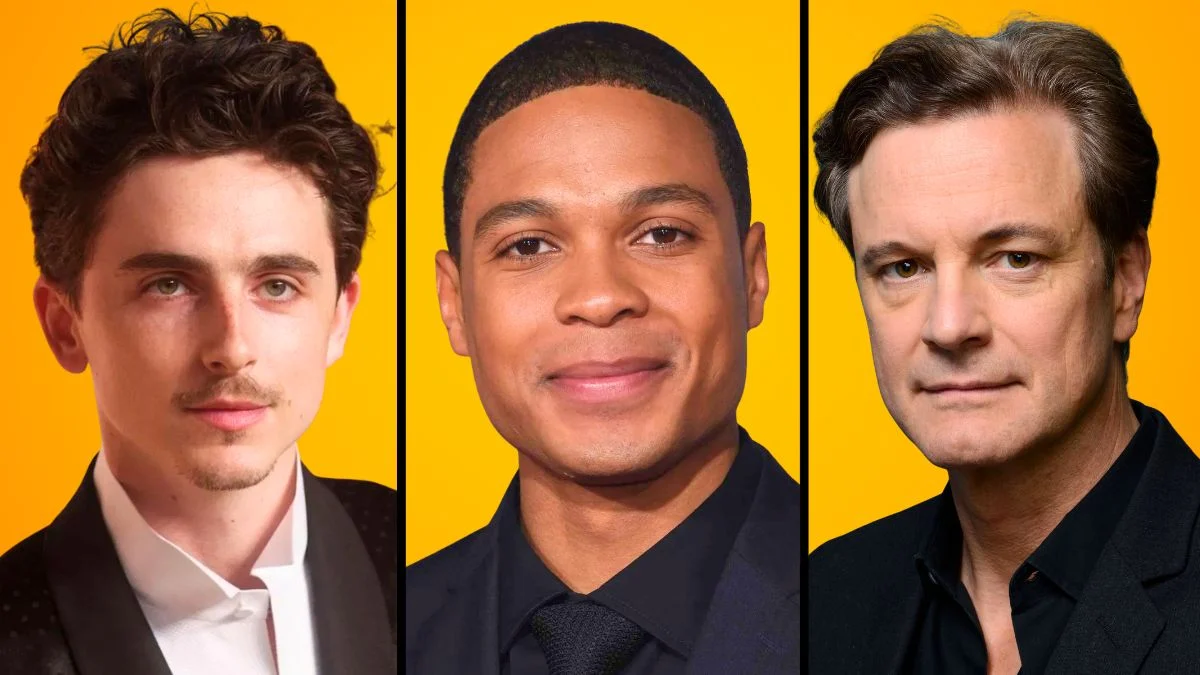
We’re seeing more and more well-known actors refusing to work with directors who have faced accusations of misconduct or have a history of abusive behavior. They’re often passing up potentially big paydays or publicly stating they’ll never collaborate with these filmmakers again, especially after negative experiences. Increasingly, male actors are using their influence to speak out about harmful work environments and ethical problems in Hollywood. This change shows a stronger commitment to doing what’s right and protecting the people they work with. These situations demonstrate how personal values and career choices are connected in today’s entertainment industry.
George Clooney
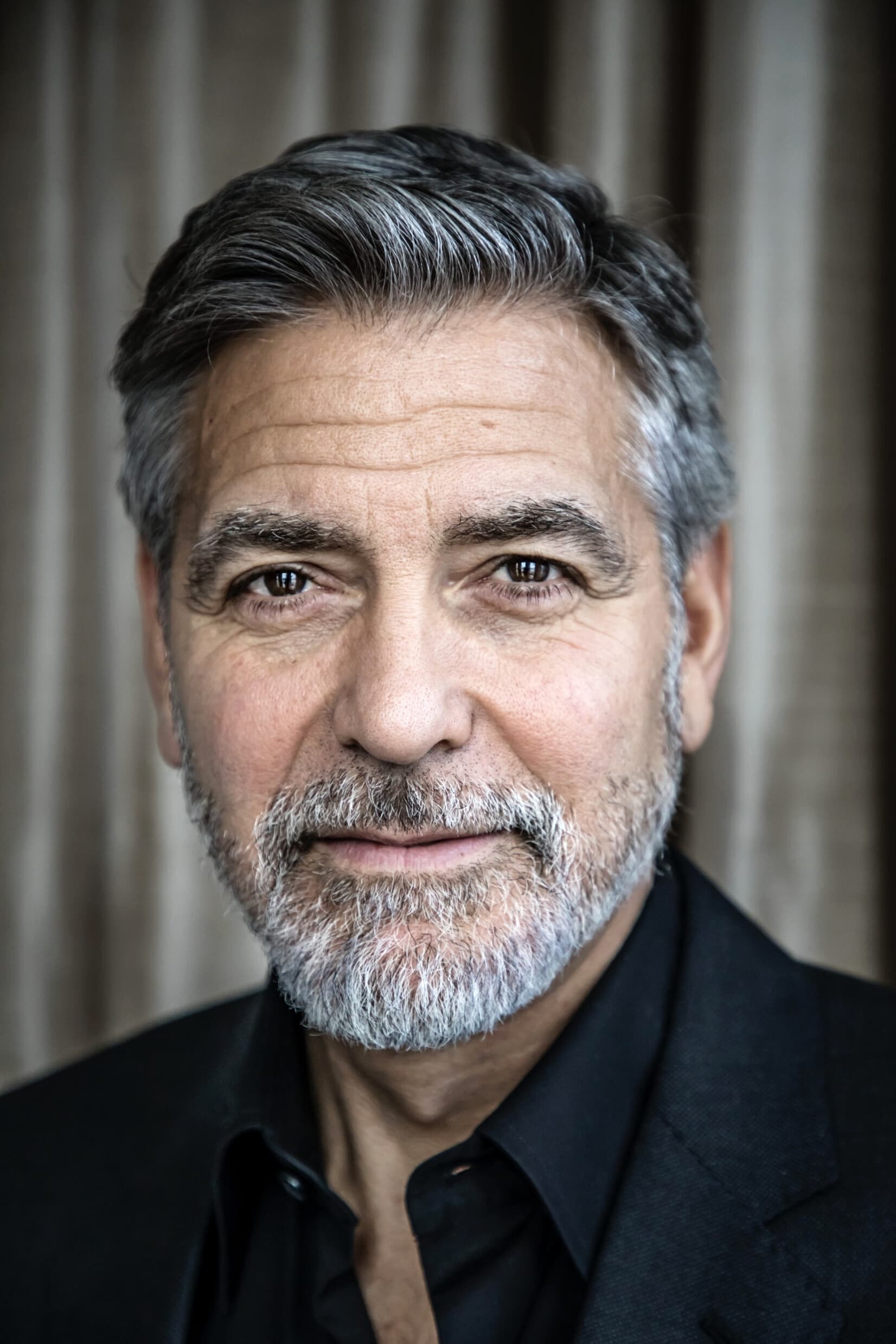
In the late 1990s, George Clooney got into a physical altercation with director David O. Russell on the set of ‘Three Kings’ after witnessing Russell verbally abusing members of the crew. Clooney described it as the worst experience of his career and refused to work with the director again. He’s consistently spoken out about the need for respectful workplaces on film sets, and the incident is now seen as a key moment when a leading actor stood up for better treatment of film crew members.
Timothée Chalamet
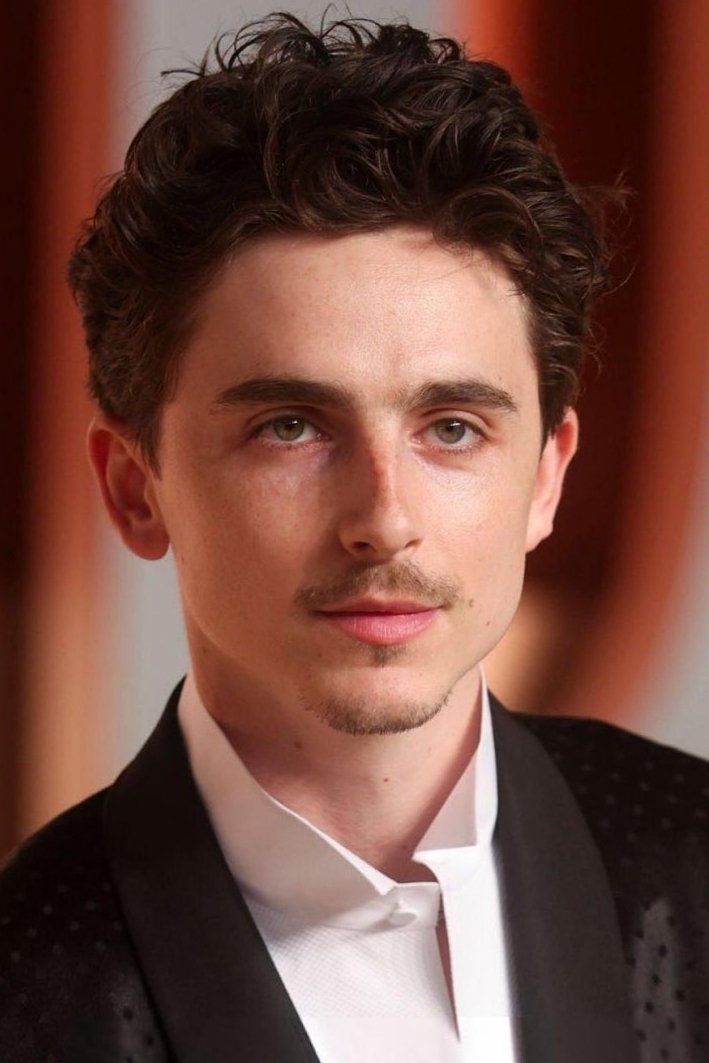
Timothée Chalamet acted in Woody Allen’s film ‘A Rainy Day in New York,’ but later publicly separated himself from the director. He decided to donate his entire salary from the movie to charity, stating he didn’t want to profit from the project given the renewed allegations against Allen. Chalamet explained he wanted to support those working for fairness and justice. Since then, he’s been careful to avoid working with directors who have faced similar controversies.
Michael Caine
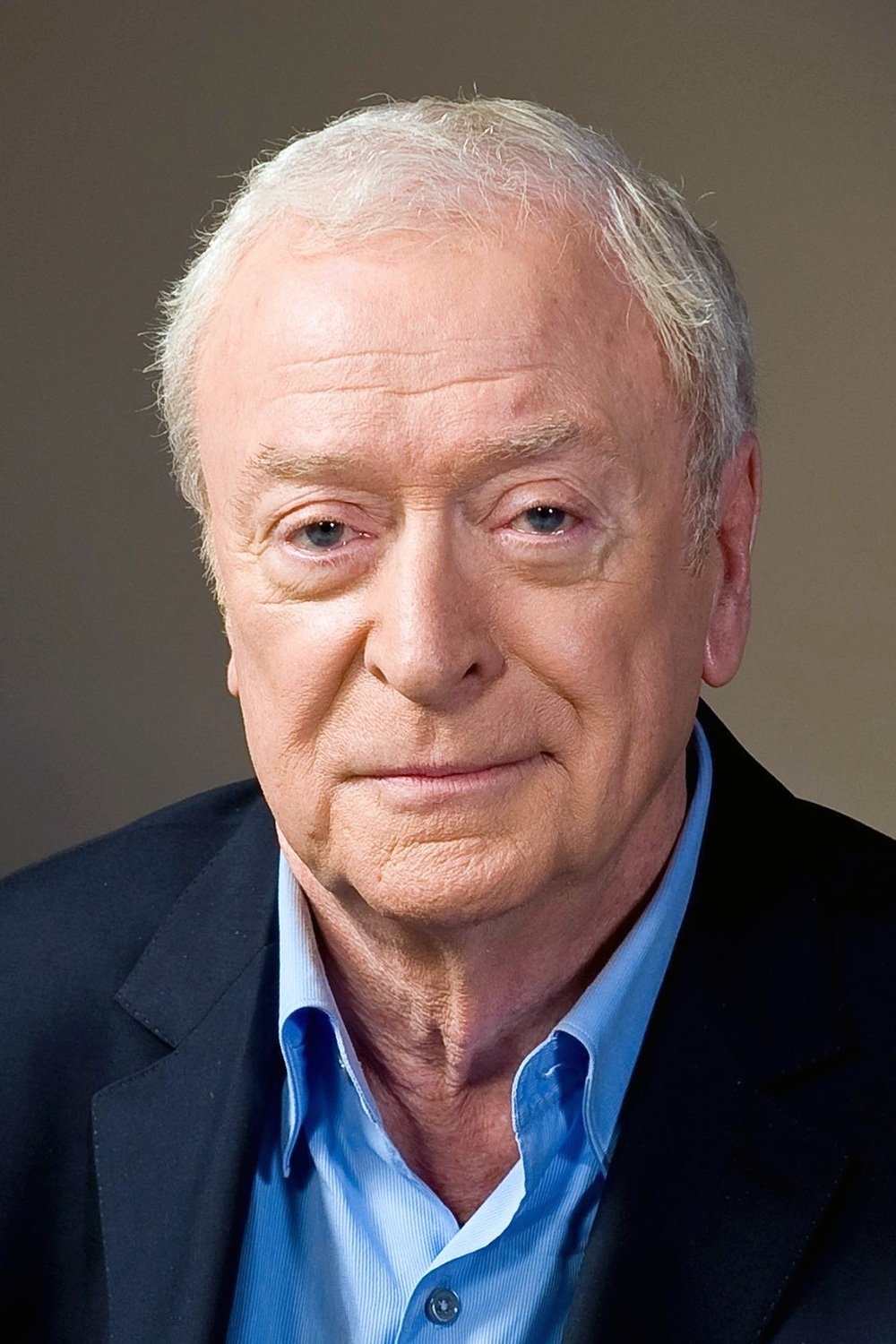
I’ve always been a huge Michael Caine fan, and I really admire his recent actions. He worked with Woody Allen back in the eighties on ‘Hannah and Her Sisters,’ a fantastic film, but as Allen’s personal issues came to light, Caine openly said he regretted that collaboration. He was very clear – he’d never work with Allen again, and it wasn’t a professional decision, but a moral one. He said he stood with the victims, and as someone with so much experience and respect in the industry, his statement felt really powerful and important. It showed a real commitment to doing the right thing.
Colin Firth
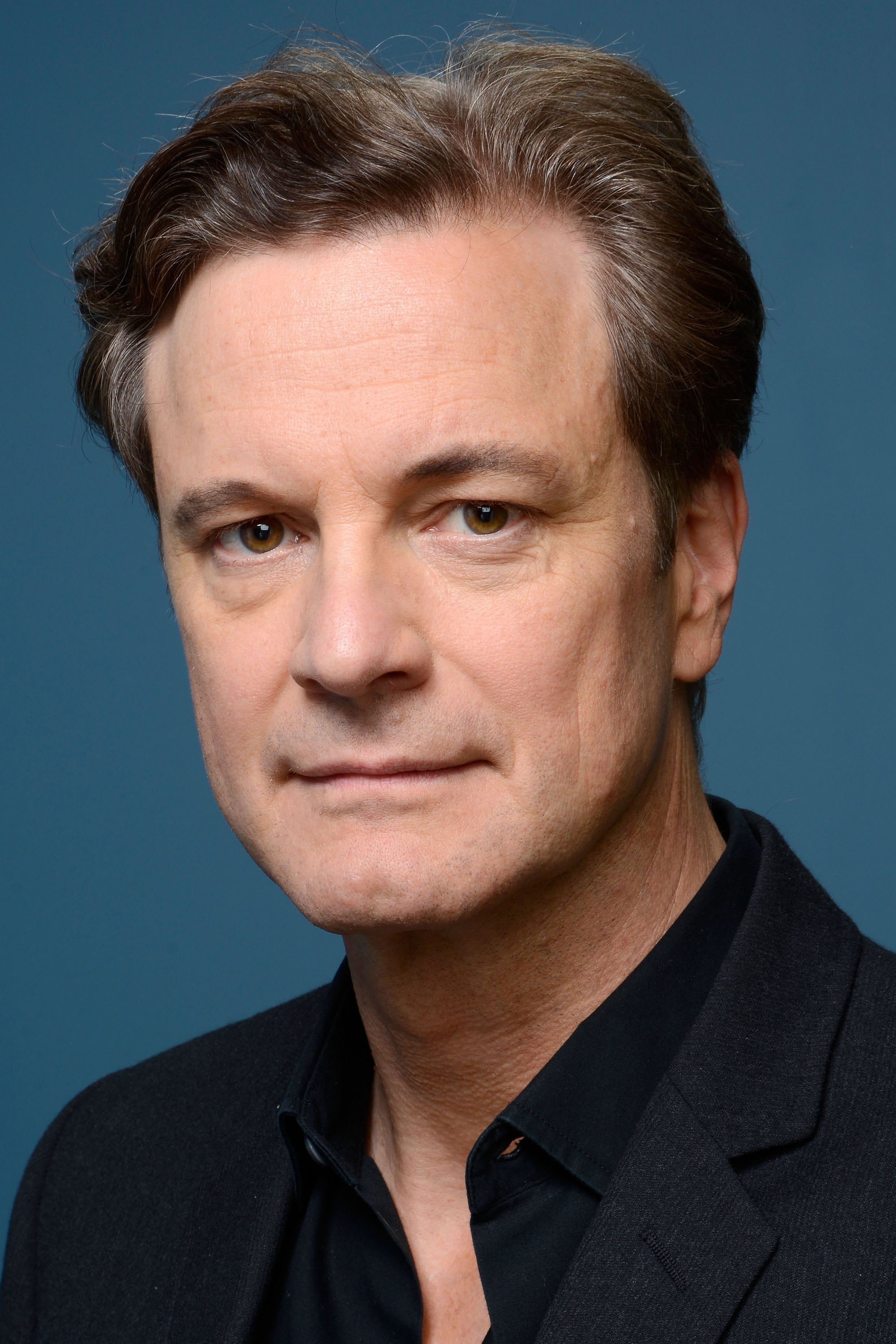
Colin Firth has stated he will no longer work with Woody Allen. Though he appeared in Allen’s film ‘Magic in the Moonlight,’ Firth has since decided against future collaborations. This decision came as more attention was being paid to past allegations of misconduct in Hollywood, and Firth joined others in the industry who chose to prioritize their values over professional opportunities.
Griffin Newman

Griffin Newman had a small part in Woody Allen’s film ‘A Rainy Day in New York,’ but later expressed regret for participating. He publicly stated he wished he hadn’t worked with Allen and pledged to donate his salary to charity. After spending a few days on set, Newman decided he could no longer support Allen professionally and encouraged other actors to carefully consider the backgrounds of those they collaborate with. His apology was a notable example of an up-and-coming actor taking a principled stand.
Peter Sarsgaard
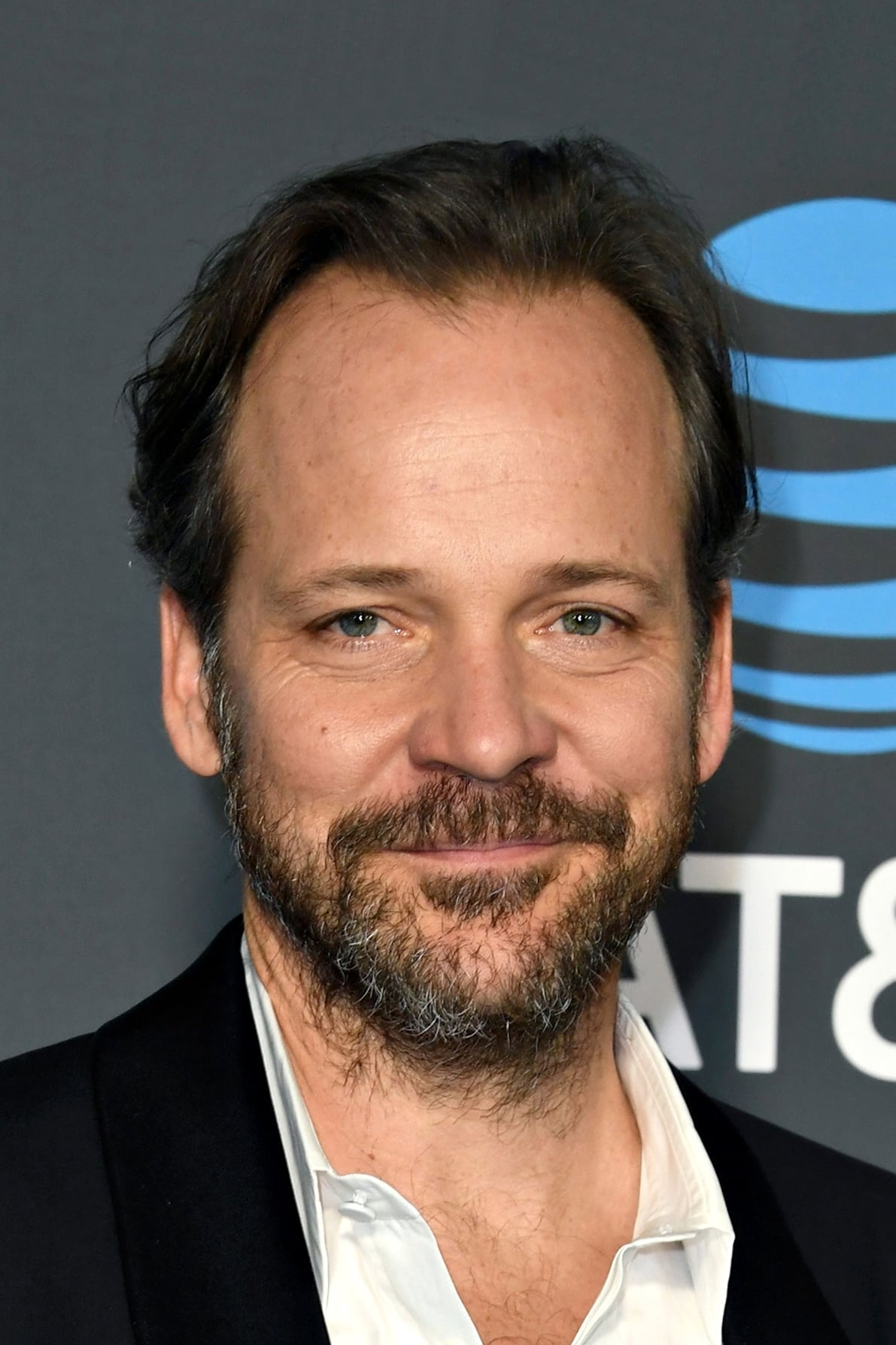
Peter Sarsgaard appeared in Woody Allen’s critically acclaimed film ‘Blue Jasmine,’ but later said he wouldn’t work with Allen again. He explained that an actor’s decision to join a project can be affected by the director’s personal life. Sarsgaard prioritizes working with filmmakers who create positive and professional workplaces. This decision highlights a growing trend of actors considering a director’s character and behavior before accepting a role.
Ray Fisher
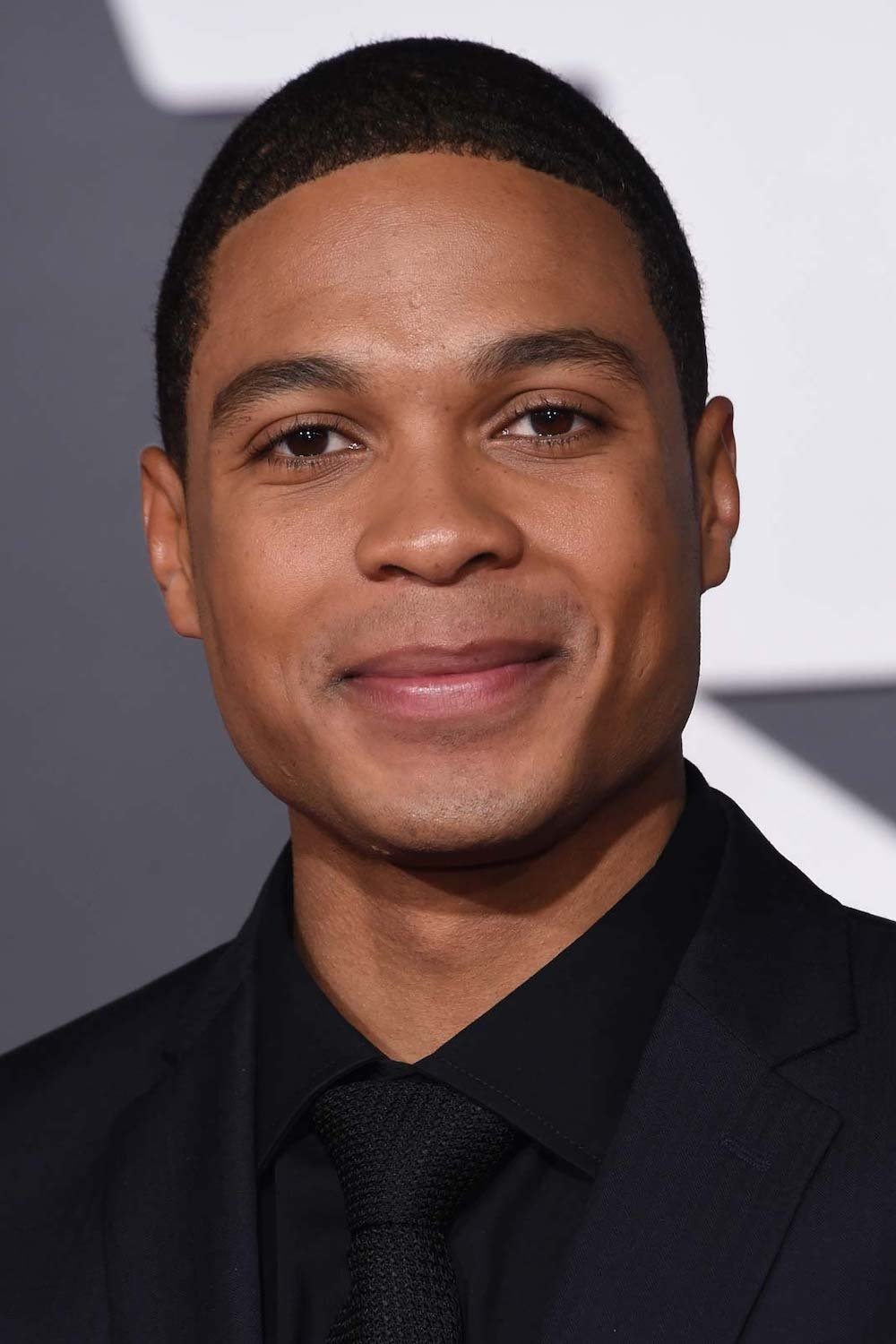
Ray Fisher publicly spoke out against harmful behavior on the set of ‘Justice League’ after his negative experience with director Joss Whedon during reshoots. He alleged unprofessional and inappropriate conduct, and then led a campaign calling for the studio to address the issue. This led to an internal investigation. Fisher has stated he won’t work with directors who mistreat people on set, and continues to push for changes to prevent abuse and protect performers in the entertainment industry.
Jason Momoa
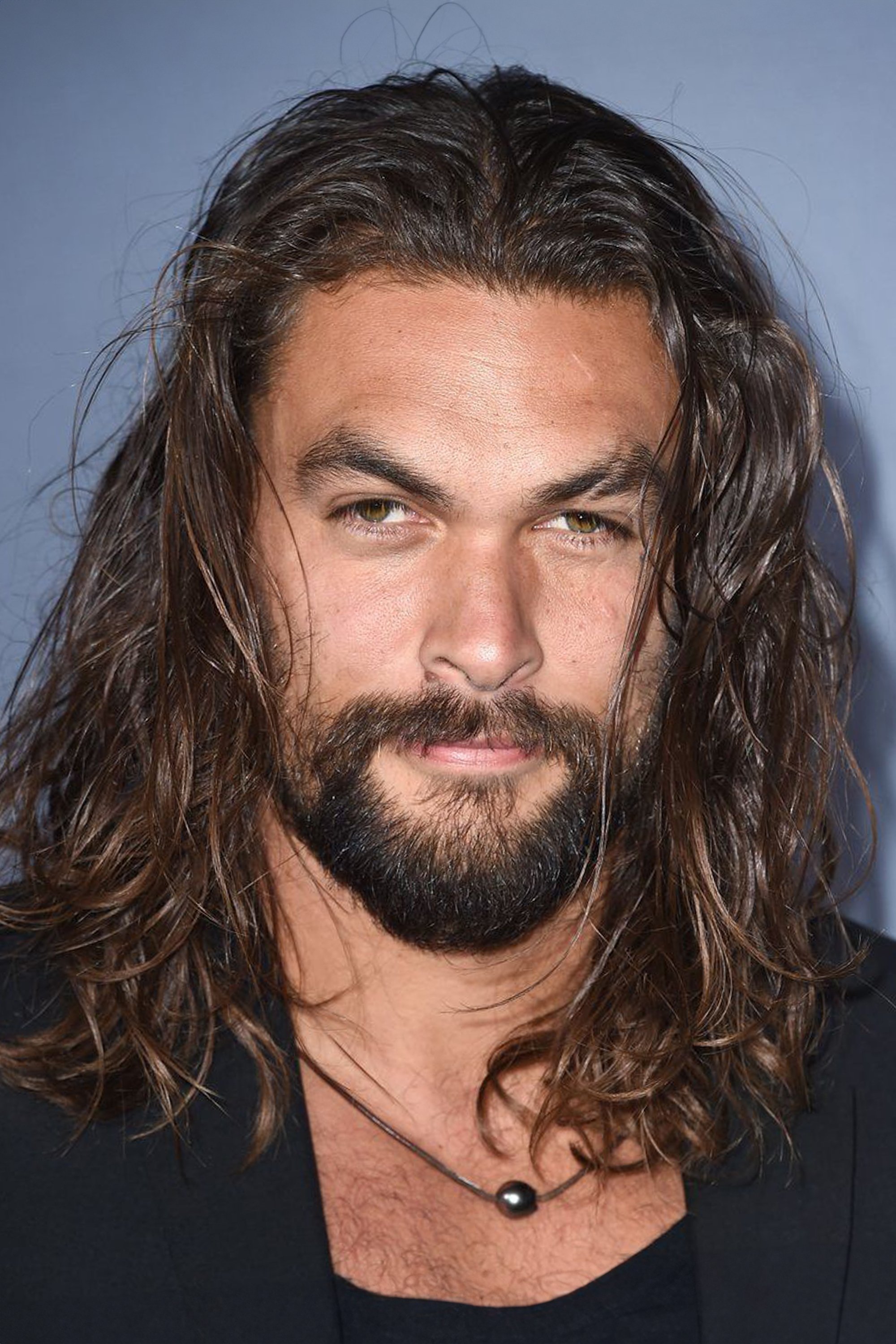
Jason Momoa publicly backed his ‘Justice League’ co-star, Ray Fisher, while Fisher’s allegations against Joss Whedon were being investigated. Momoa used his social media to confirm Fisher’s accounts of inappropriate behavior and a negative work environment on set, and stated he wouldn’t accept similar situations in the future. By supporting Fisher, Momoa demonstrated how influential actors can help shape better standards in the entertainment industry. Since then, Momoa has prioritized working with directors who create positive and welcoming sets.
Seth Rogen
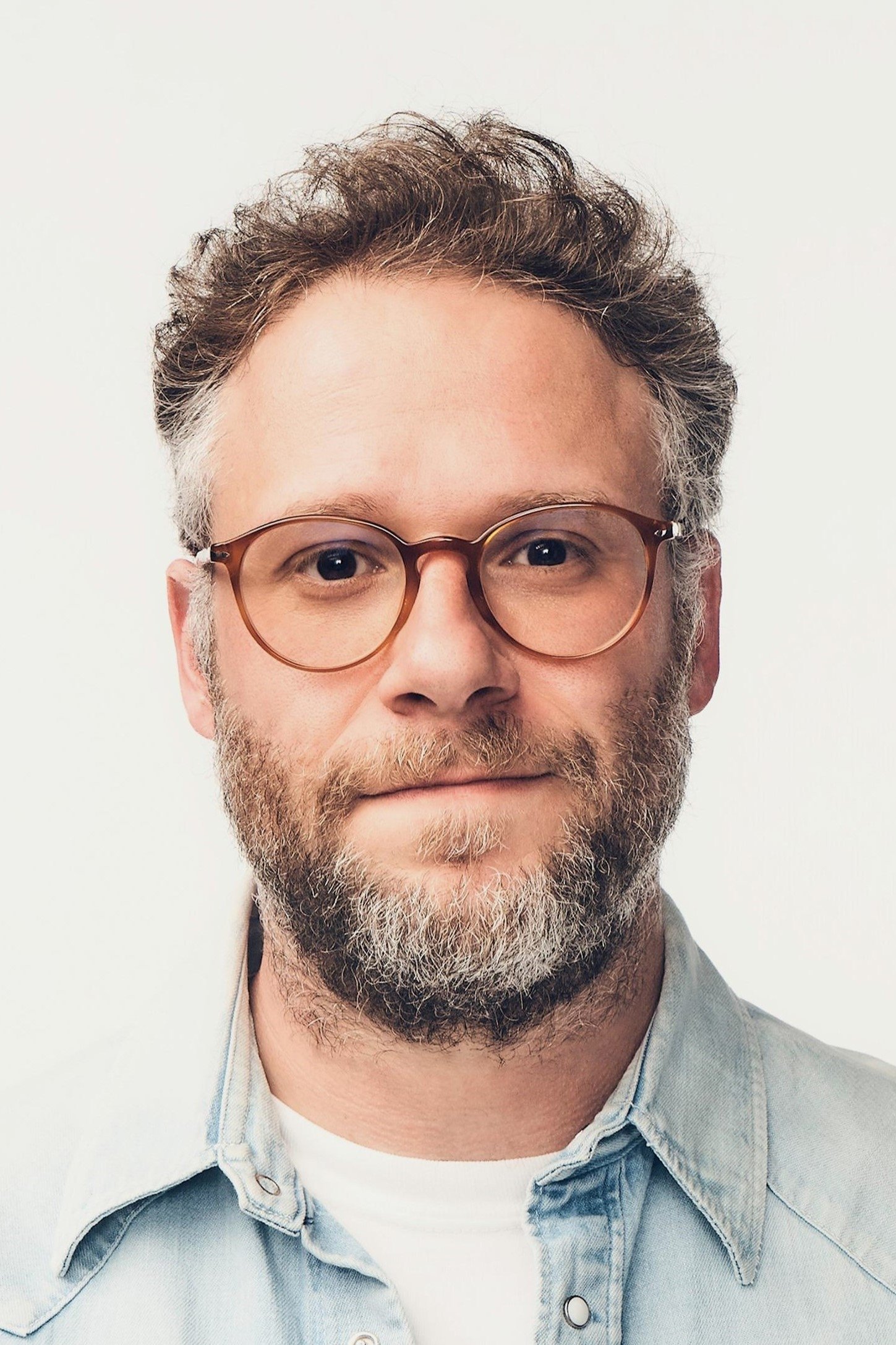
I used to really admire Seth Rogen and James Franco working together – they seemed like a great team. But after hearing about the allegations against James, Seth made it clear he’s no longer going to collaborate with him. He’s explained that it just wasn’t right to continue working with him, given what came to light, and he needed to prioritize the people who were affected. Honestly, it’s good to see him take a stand and say he won’t work with Franco again. He’s made it clear that creating a safe and comfortable environment for everyone in the industry is the most important thing, and I respect him for that.
Rami Malek
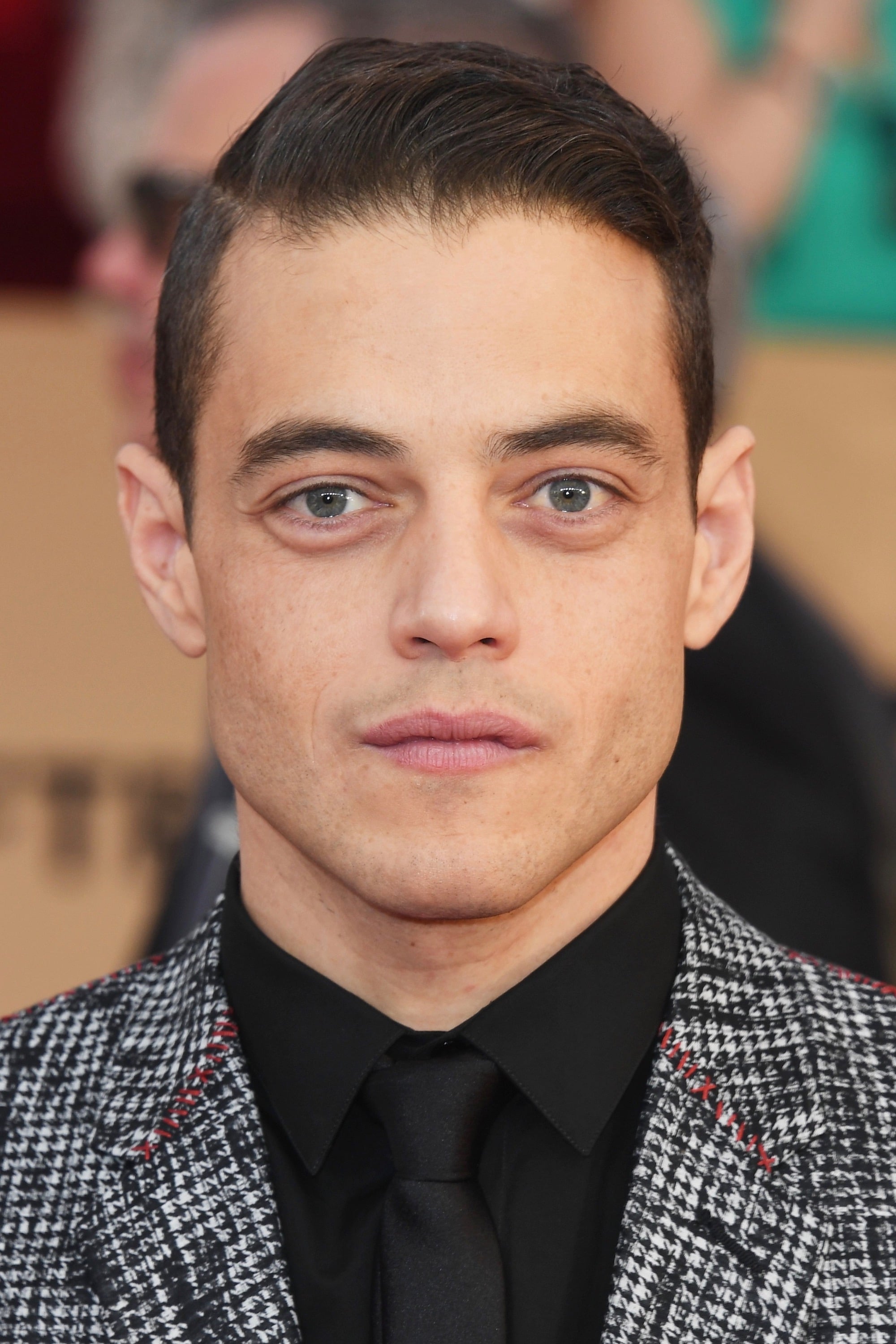
Rami Malek had a tough time working with director Bryan Singer on the 2018 film ‘Bohemian Rhapsody.’ He’s described the experience as negative and mentioned Singer was ultimately removed from the project. Malek has said he wouldn’t work with Singer again, citing differences in their approaches and concerns about the director’s behavior. Since then, he’s been careful about choosing projects and prefers to work with directors known for being reliable. Although Malek won an Oscar for the film, he’s maintained distance from the director who initially led it.
Wil Wheaton
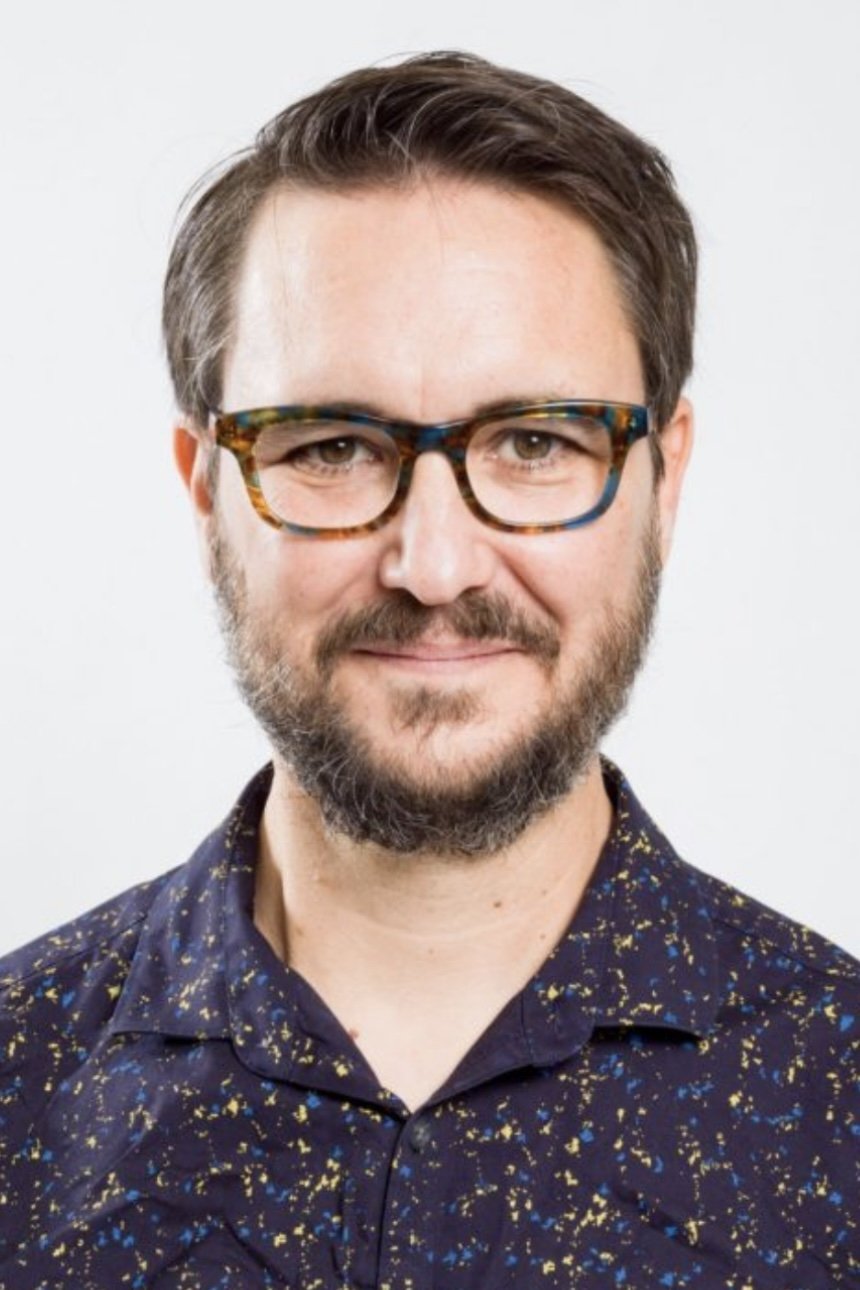
Wil Wheaton consistently speaks out against working with directors known for mistreating people. He frequently draws on his experiences as a young actor to emphasize the need to protect performers, especially children. Wheaton believes the entertainment industry needs to prioritize safety over simply recognizing talent. He uses his public voice to support those who have experienced abuse and push for significant changes in how Hollywood operates, working towards a more ethical and open industry.
Patton Oswalt
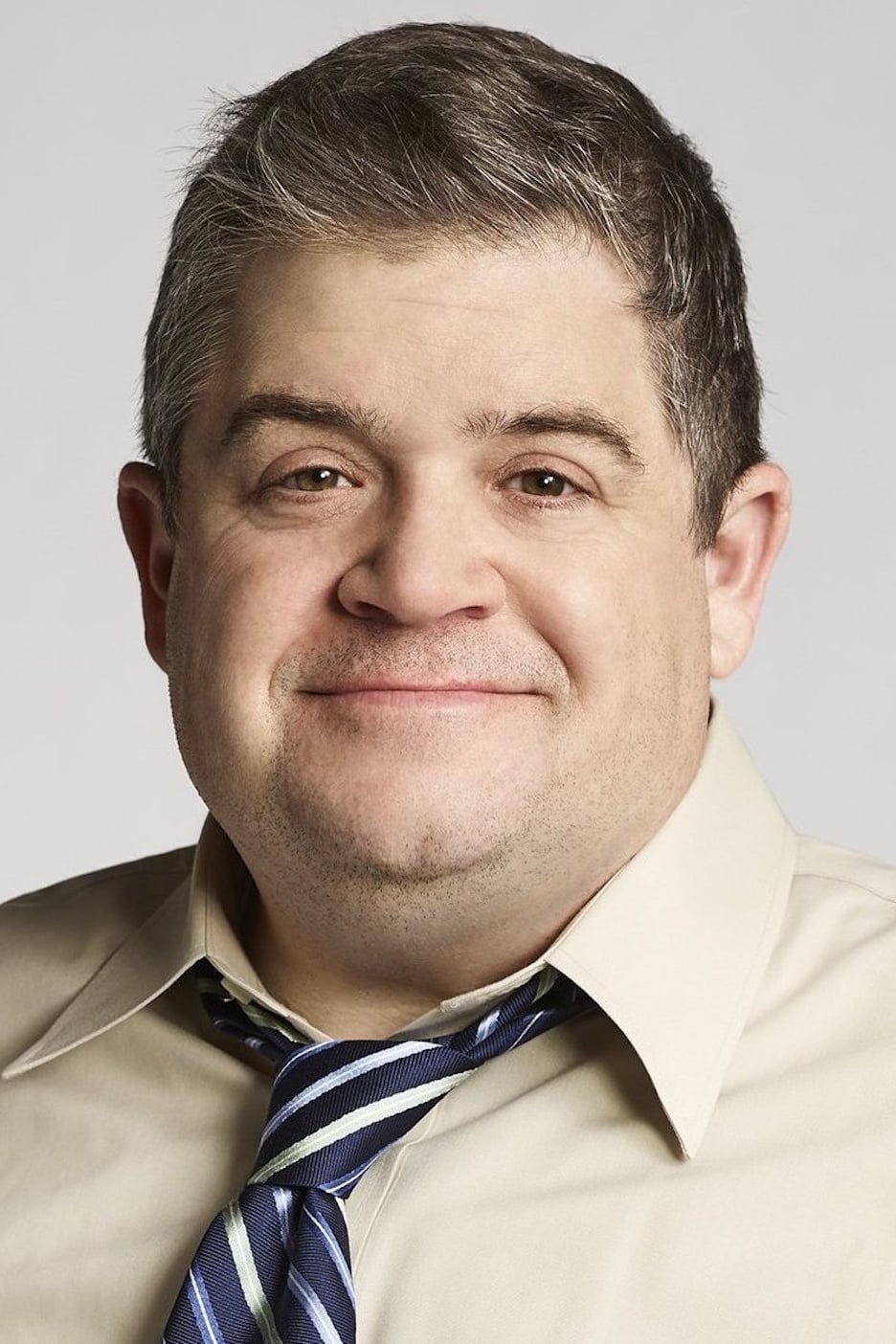
Patton Oswalt has been vocal about the need for the film industry to carefully investigate directors before hiring them, especially those with serious misconduct allegations. He argues that someone’s talent doesn’t justify harmful behavior or a history of abuse, and consistently supports victims while pushing for fairer and more ethical hiring practices. Oswalt actively uses his public voice to keep these important issues in the spotlight.
Anthony Edwards
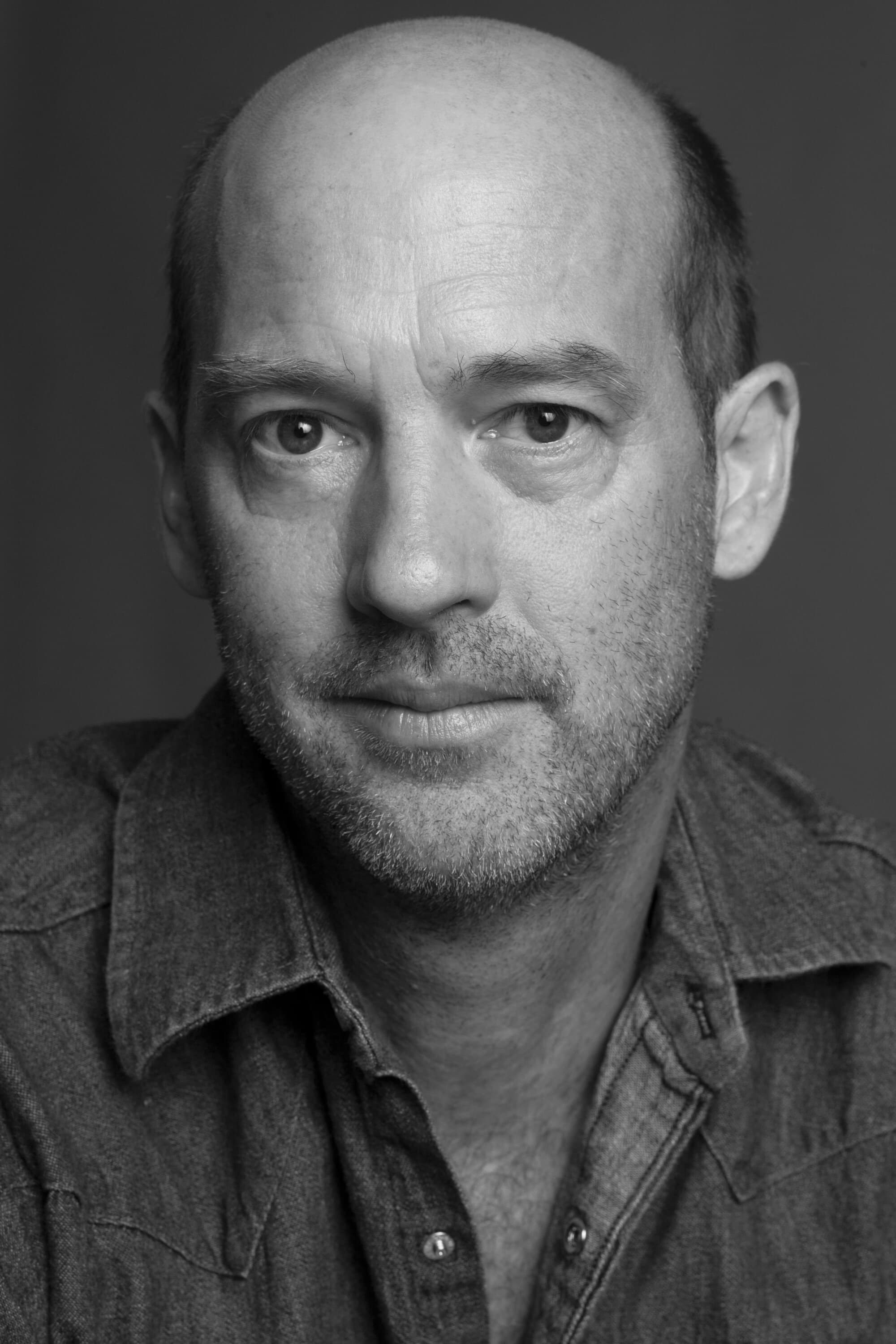
Anthony Edwards publicly spoke out against Bryan Singer, sharing his own experiences with misconduct. He explained why directors with a history of harmful behavior shouldn’t be allowed to lead films, and stated he won’t work with people who exploit others. By coming forward, Edwards encouraged other actors to share their own stories. He continues to push for more openness and safety in the entertainment industry.
Hugh Grant
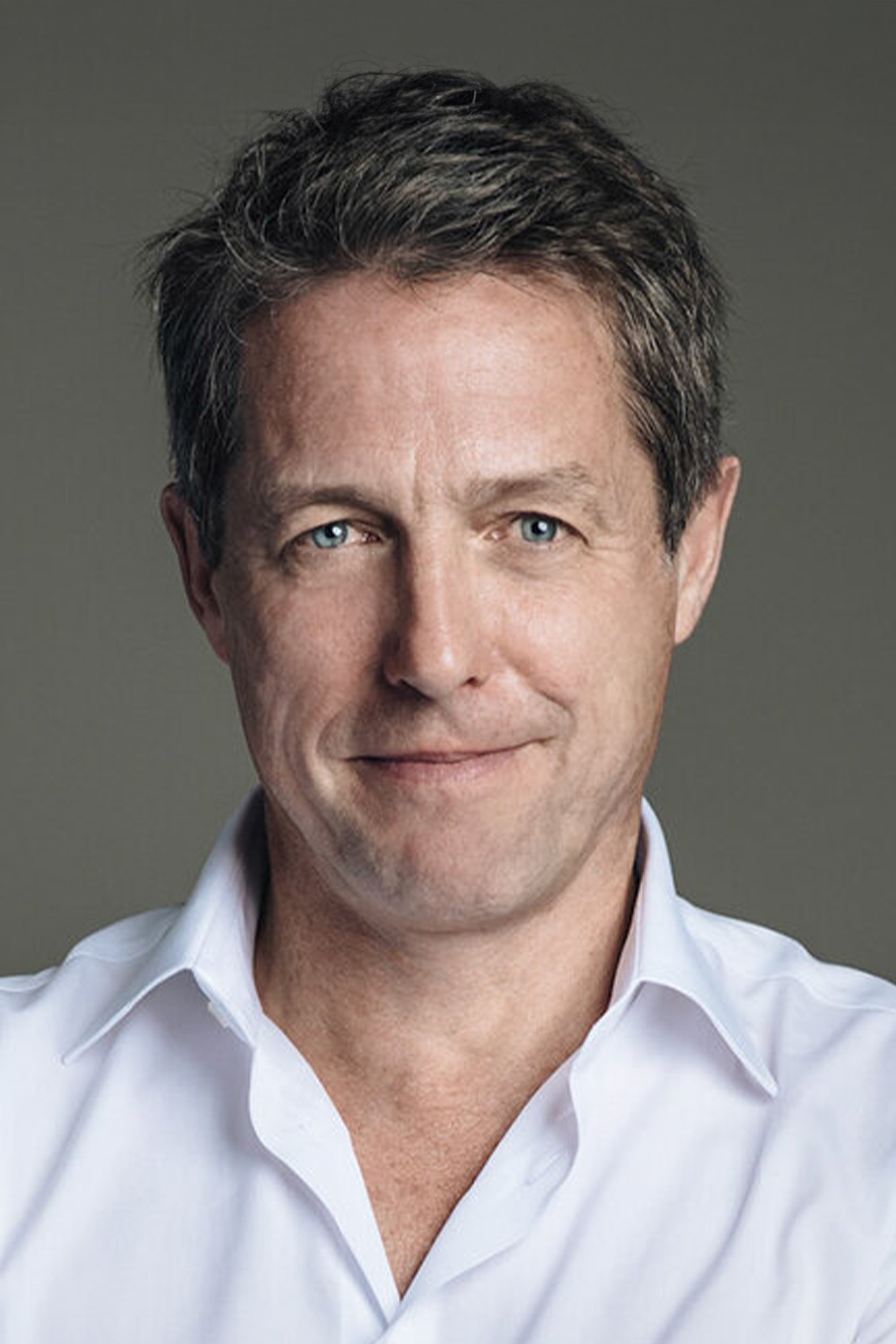
Hugh Grant apparently declined a part in ‘The Ghost Writer’ because Roman Polanski directed it. Even though the film boasted a strong cast and a well-written script, Grant chose not to participate. This decision reflects a pattern throughout his career of prioritizing his own ethical and legal beliefs. He showed that he’s willing to pass up significant roles if it means staying true to his principles, and continues to carefully choose who he works with.
Colin Farrell
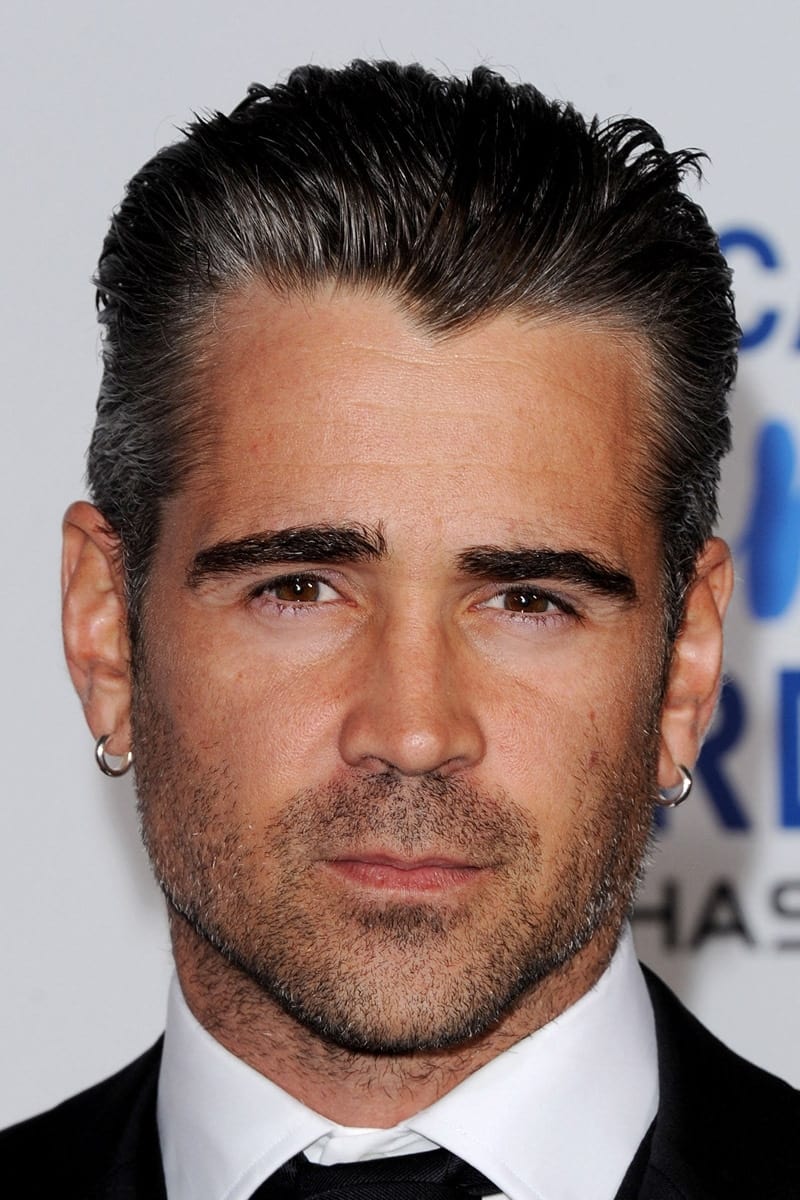
Colin Farrell turned down a role in a film directed by Roman Polanski, joining other actors who have chosen to avoid working with him because of his past legal issues. Farrell generally prefers to collaborate with directors who have unblemished professional reputations. By declining the project, he made it clear where he draws the line as an actor. He continues to be a popular and in-demand actor, and carefully selects projects that align with his values.
James D’Arcy
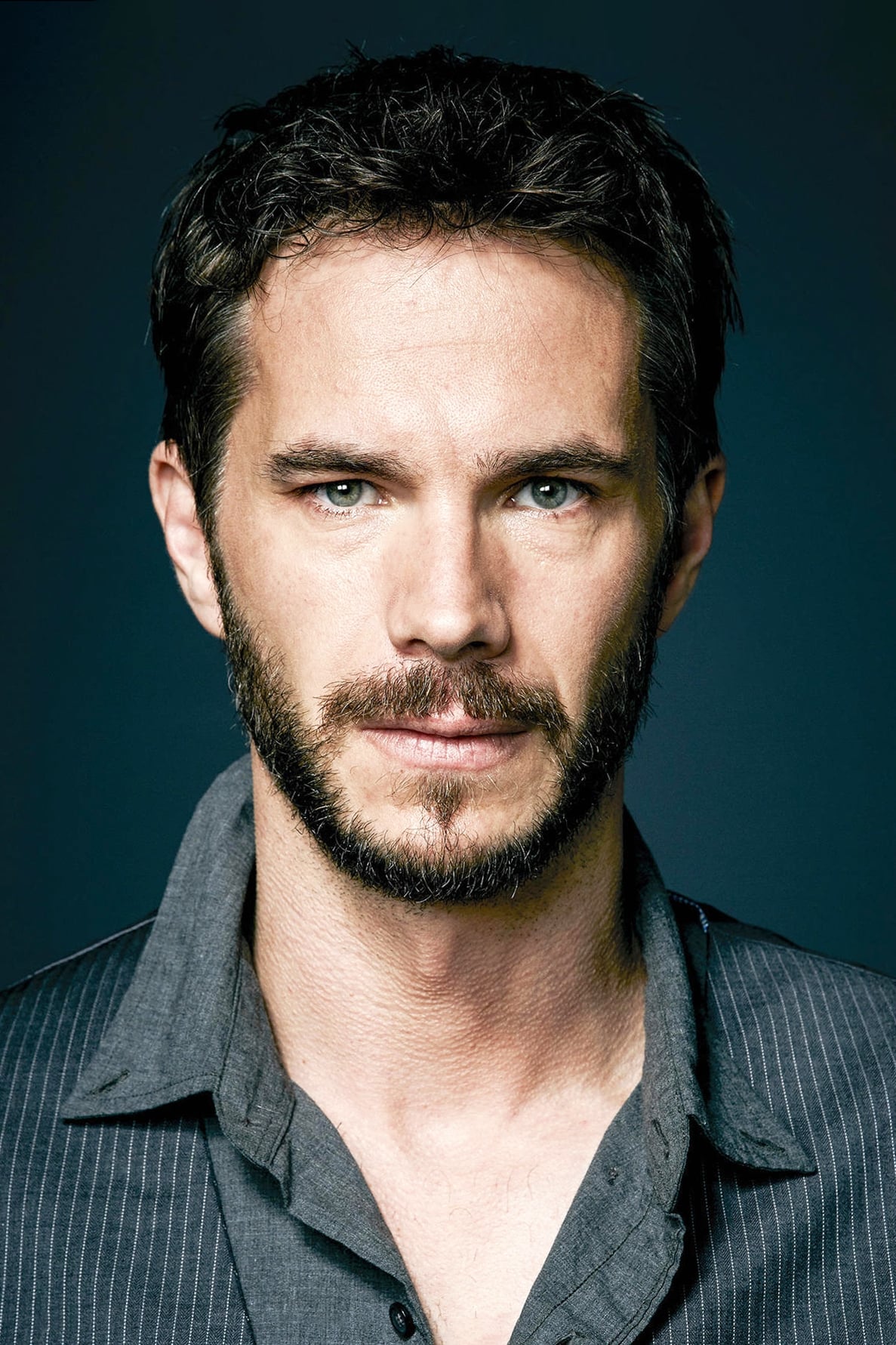
James D’Arcy is one of several actors who chose not to work with Roman Polanski on a significant film, citing the director’s ongoing legal problems and the resulting public debate. D’Arcy has consistently worked with well-regarded directors in a variety of films, and he carefully considers his own principles when deciding on projects and collaborations. He’s an example of the many actors who thoughtfully make ethical decisions privately.
Ben Stiller
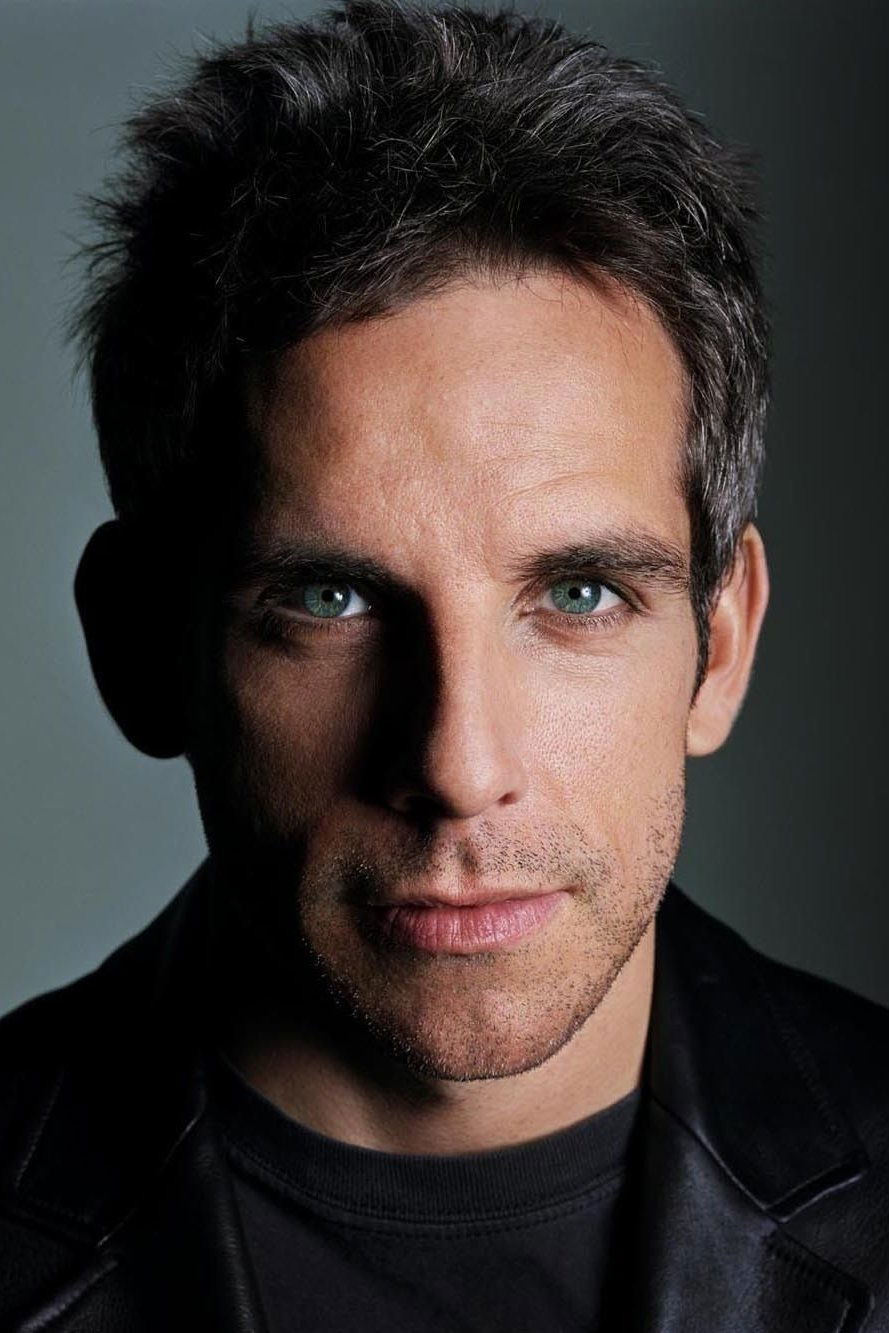
Ben Stiller once signed a petition supporting Roman Polanski, but he later said he deeply regretted doing so. He stated he wouldn’t work with Polanski given the serious accusations against him. Since then, Stiller has focused more on producing and directing his own work, allowing him greater control over his projects and the environment around them. He’s become more aware of how supporting controversial people can affect the entertainment industry and now encourages more careful consideration when choosing professional collaborations.
Brad Pitt
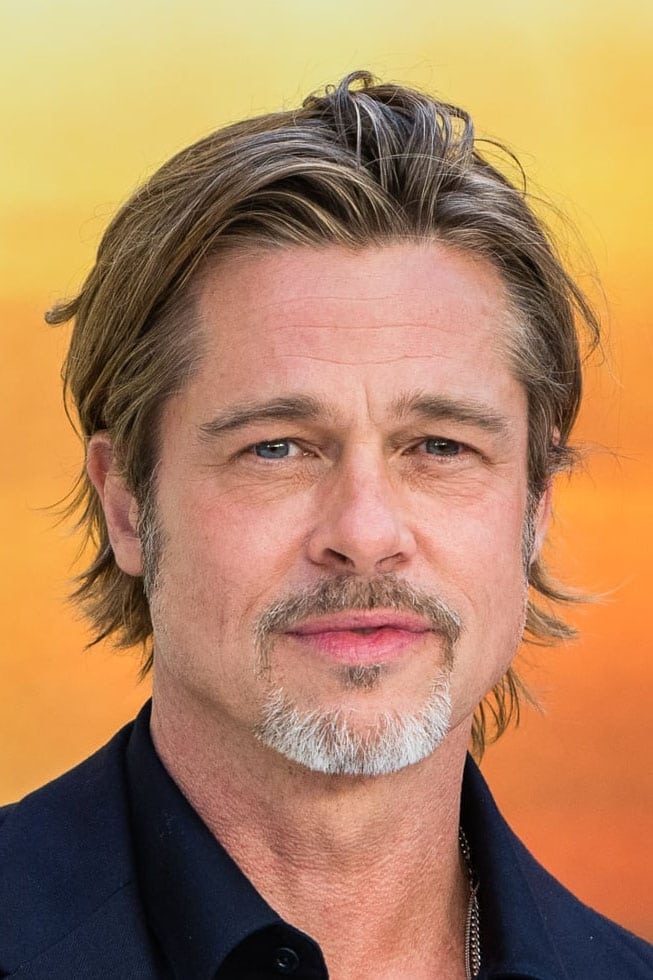
Early in his career, Brad Pitt confronted Harvey Weinstein after Weinstein mistreated Gwyneth Paltrow. Pitt told Weinstein to never treat her that way again and, as a result, avoided direct collaborations with him for many years. Later, Pitt started his own production company to stay independent from powerful and potentially problematic studio executives. He’s consistently spoken out about the need to change the systems that allowed this kind of behavior to continue. Pitt’s willingness to confront Weinstein is often remembered as a rare instance of a male colleague defending a peer in the industry.
David Arquette
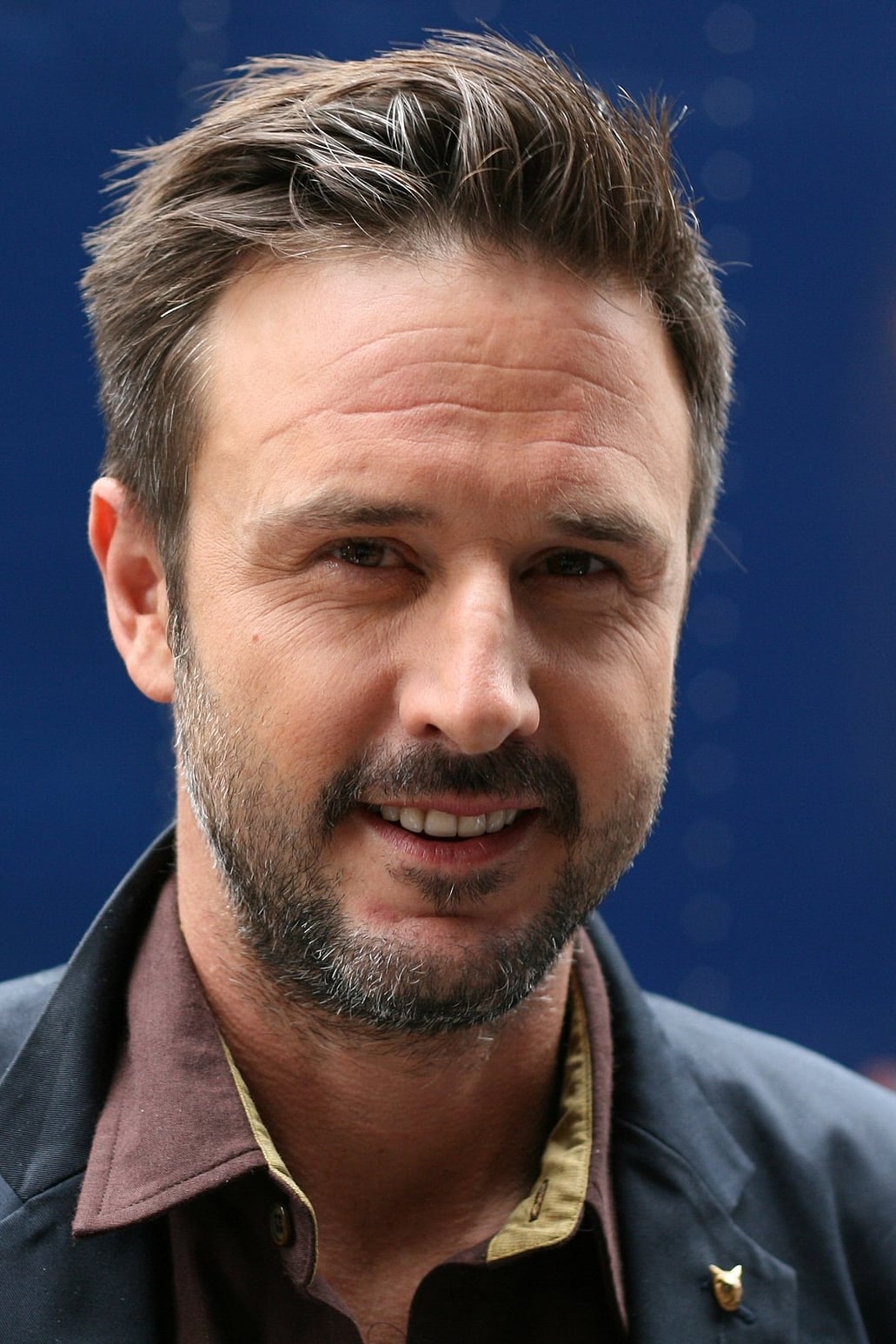
David Arquette has discussed the past tendency to protect those in power who behaved badly, and he’s committed to preventing that from happening again. He won’t work on projects that ignore inappropriate behavior and strongly believes in supporting those who come forward. Arquette carefully checks out the people he works with to make sure they share his values, and he wants to help create a safer and more supportive environment for actors just starting out.
Channing Tatum
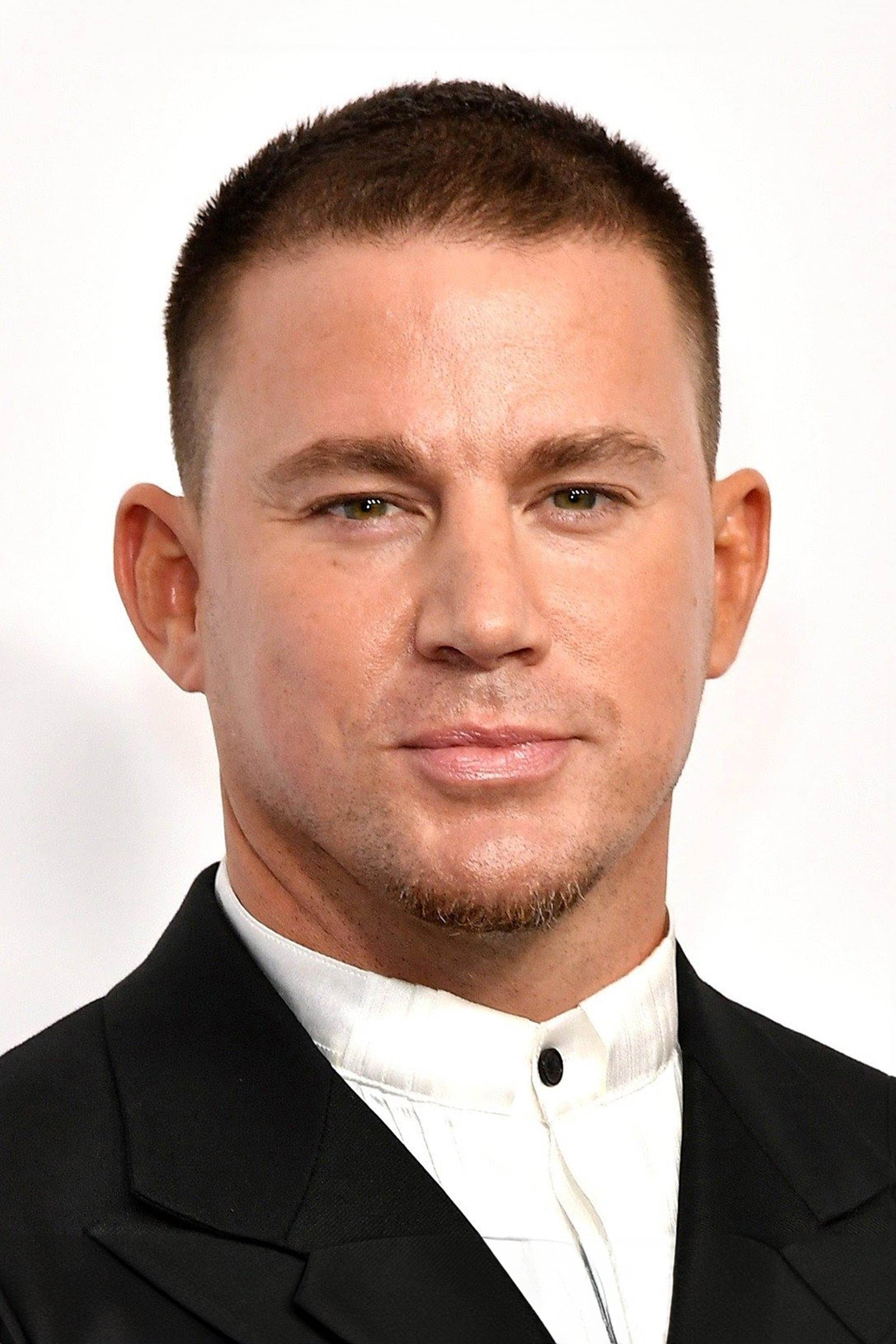
When allegations against Harvey Weinstein came to light, Channing Tatum quickly decided to stop working with The Weinstein Company. He publicly stated his support for the victims and explained he didn’t want to be associated with the studio. Tatum has since prioritized collaborating with filmmakers known for their ethical conduct. Cancelling a promising project showed how seriously he takes his values.
Ben Affleck
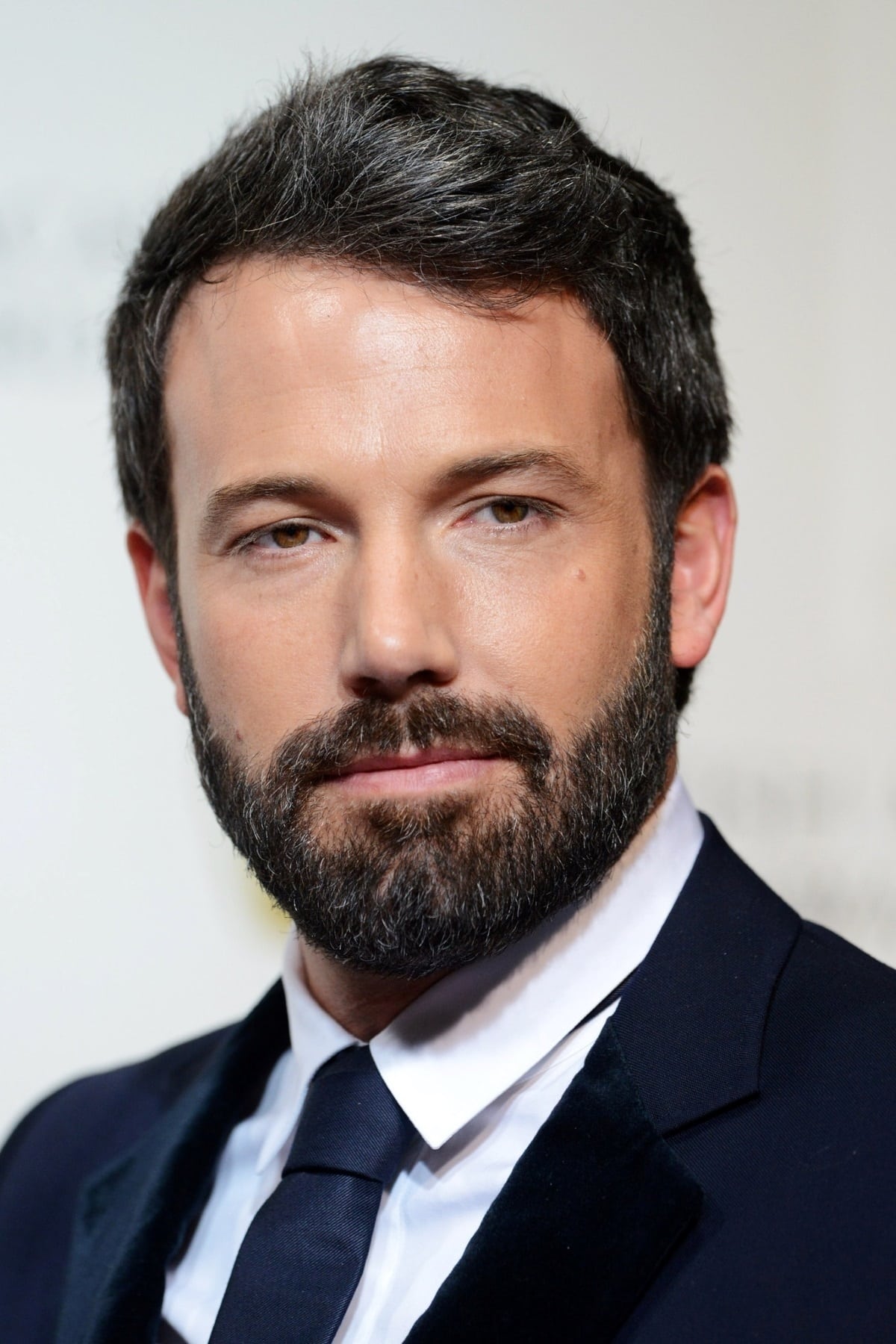
Ben Affleck has decided to donate all future earnings from his older movies made with Miramax or The Weinstein Company. He’s doing this to separate himself from Harvey Weinstein’s history and give back to charity. Affleck admits he wishes he’d been more aware of the problems earlier in his career and is now committed to working with filmmakers who prioritize ethical behavior. He’s continuing to use his platform to encourage greater responsibility and accountability within the entertainment industry.
Corey Feldman
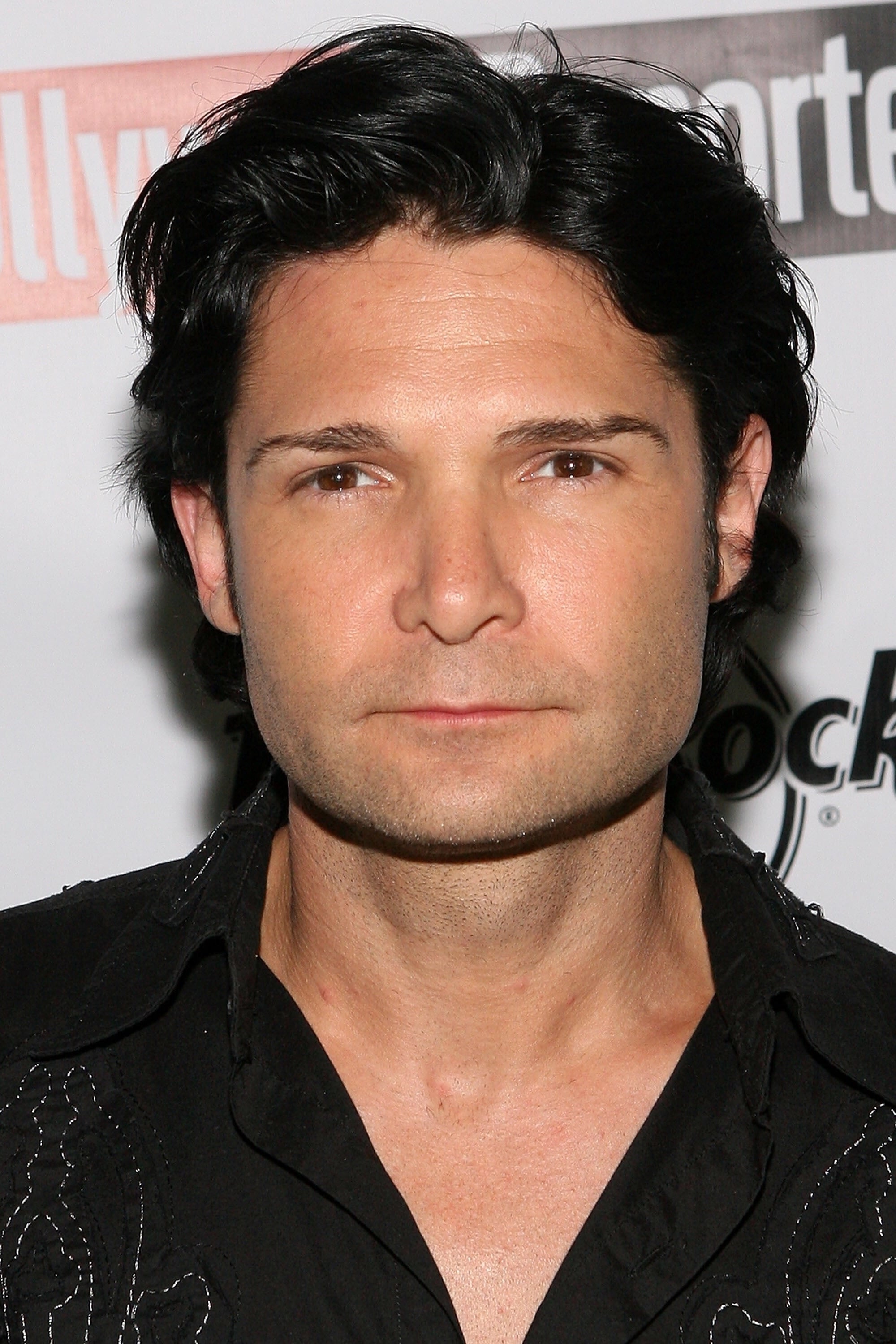
Corey Feldman has consistently spoken out against abusive directors and the Hollywood system that enables them. Over the years, he’s publicly identified people he considers dangerous and has avoided working with them. Feldman has made it his mission to reveal the troubling underbelly of the entertainment industry, often cautioning young performers about the potential dangers of collaborating with certain powerful individuals who haven’t faced consequences for their actions. This advocacy has made him a well-known, though sometimes controversial, voice in the push for change within the industry.
Elijah Wood
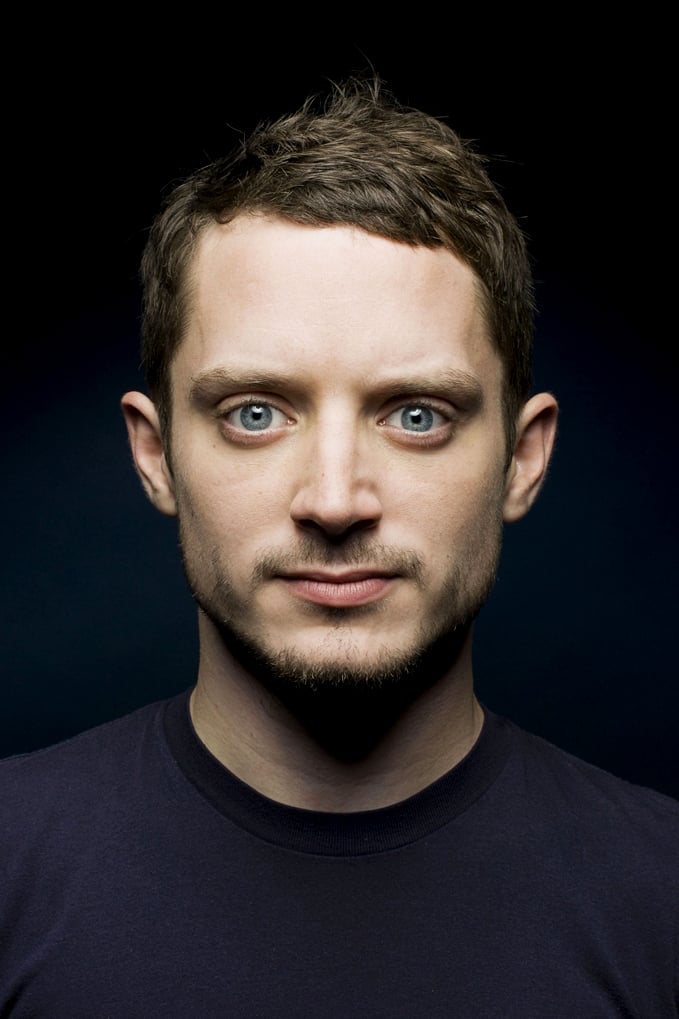
Elijah Wood has spoken out about the problems of powerful directors mistreating young actors. He actively avoids working with anyone known to have abused their position. By consistently choosing well-regarded, independent projects, he’s built a thriving career. Wood believes the film industry needs to do a better job of protecting performers from abuse of power and continues to advocate for a safer, more ethical work environment.
James Corden
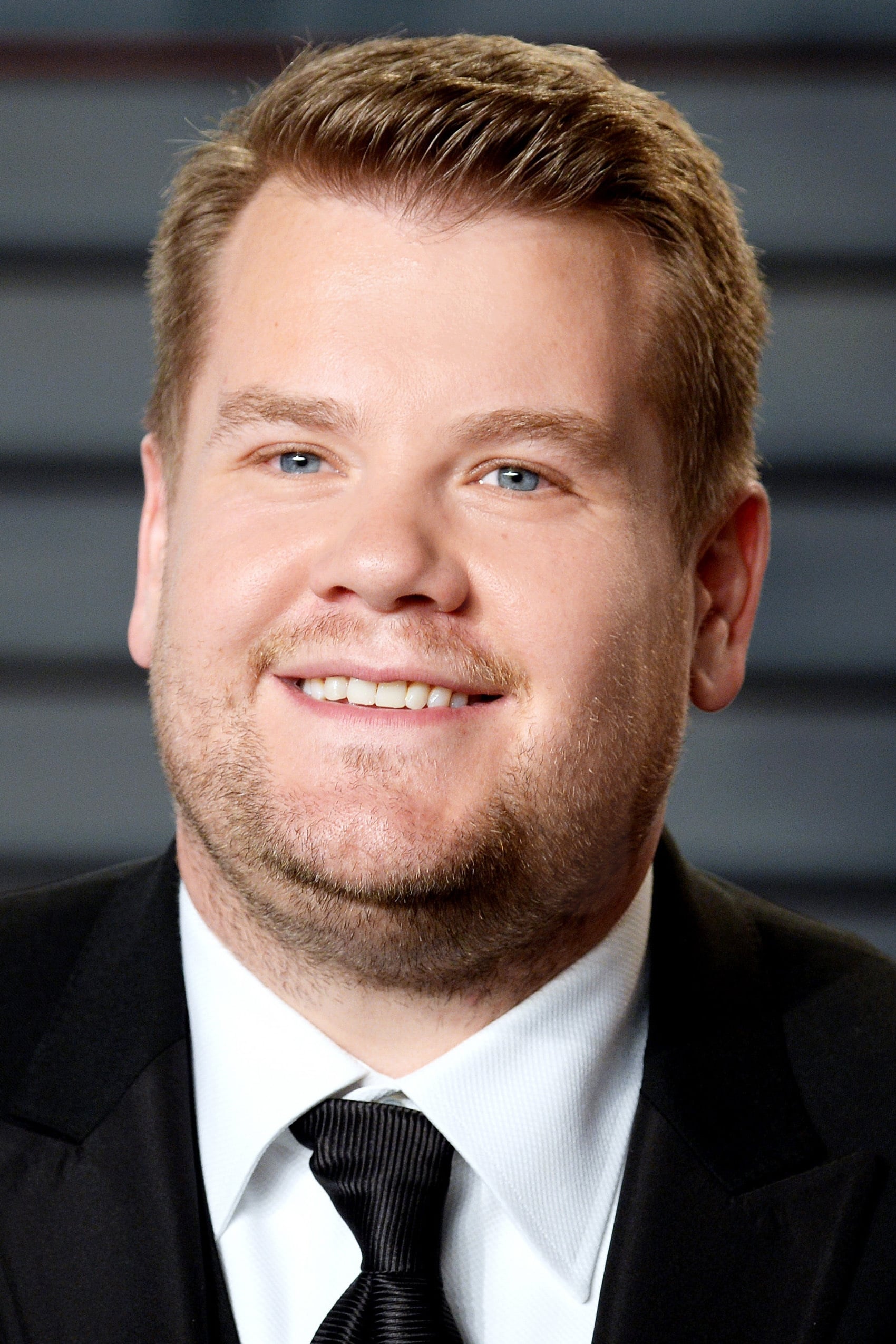
James Corden publicly protested against Bryan Singer by refusing to introduce him at an industry event. He wanted to distance himself from the director due to serious allegations. Corden has consistently used his talk show to support efforts to hold people accountable for misconduct in the entertainment industry, emphasizing that skill or fame shouldn’t excuse harmful behavior. He makes a point of collaborating with people who create positive and respectful work environments.
Dev Patel
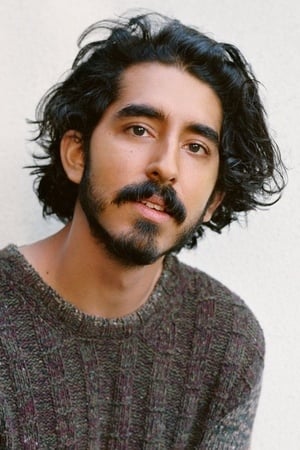
Dev Patel made a conscious decision early in his career to prioritize ethical considerations, and reportedly turned down a chance to work with Woody Allen because of this. He consistently chooses roles in films that promote diversity and human rights, valuing a film’s message just as much as its script or director’s reputation. This careful approach has allowed him to build a career known for its integrity and quality.
Dylan O’Brien
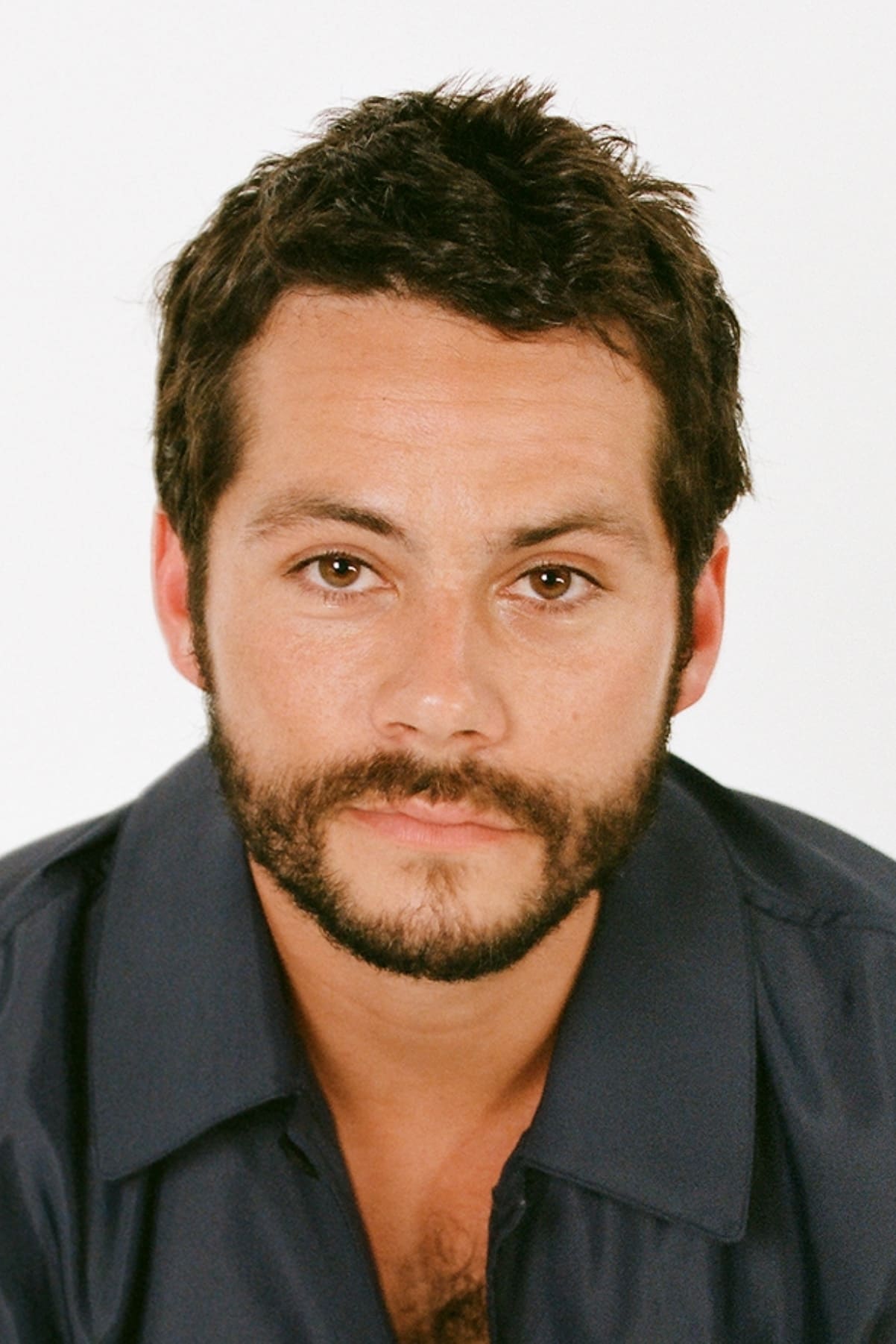
Dylan O’Brien has publicly stated he won’t work with Roman Polanski, pointing to the director’s past as the reason. Through social media, O’Brien explained his belief that it’s important to reconsider supporting filmmakers with troubling histories. He feels that an artist’s work can’t be viewed separately from their actions when those actions involve serious crimes. O’Brien is actively choosing to collaborate with a new wave of directors who demonstrate strong ethical principles and modern values, and he’s becoming known as a young actor who prioritizes doing what’s right over career advancement.
Mark Ruffalo
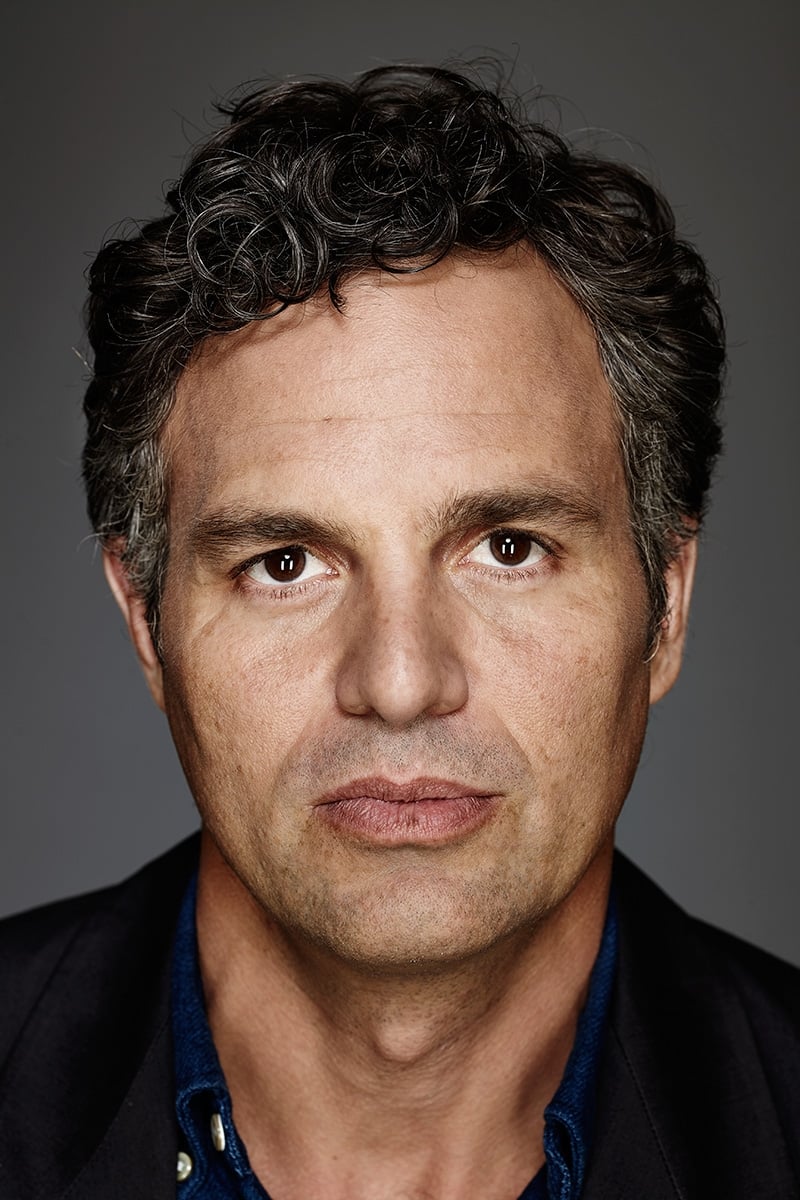
Mark Ruffalo is a strong supporter of people who have experienced abuse and has openly criticized directors like Woody Allen. He’s consistently backed those who have come forward with allegations against Allen, and he’s stated he won’t work with him. Beyond acting, Ruffalo is known for his activism and dedication to social justice, both in Hollywood and beyond. He frequently urges other actors to use their platform to push for positive change and accountability from those in positions of power. Ruffalo continues to be a leading voice calling for significant improvements within the film industry.
David Schwimmer
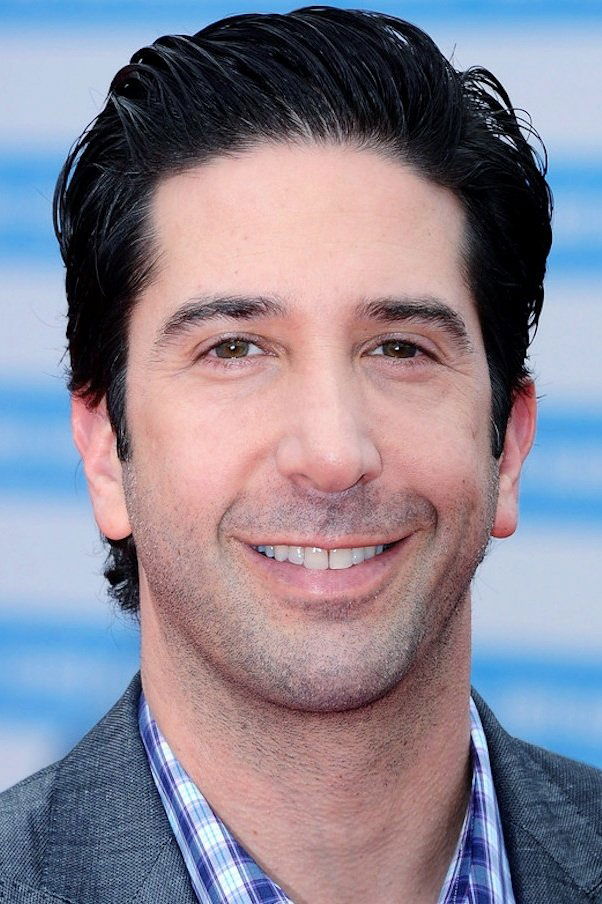
David Schwimmer has publicly said he will not work with Woody Allen, citing the serious allegations against him. Schwimmer, a longtime children’s advocate and supporter of related charities, explained that these allegations led him to make a firm decision about who he collaborates with professionally. He believes in creating safe and respectful workplaces and feels his refusal to work with Allen is consistent with his commitment to fighting exploitation.
David Cross
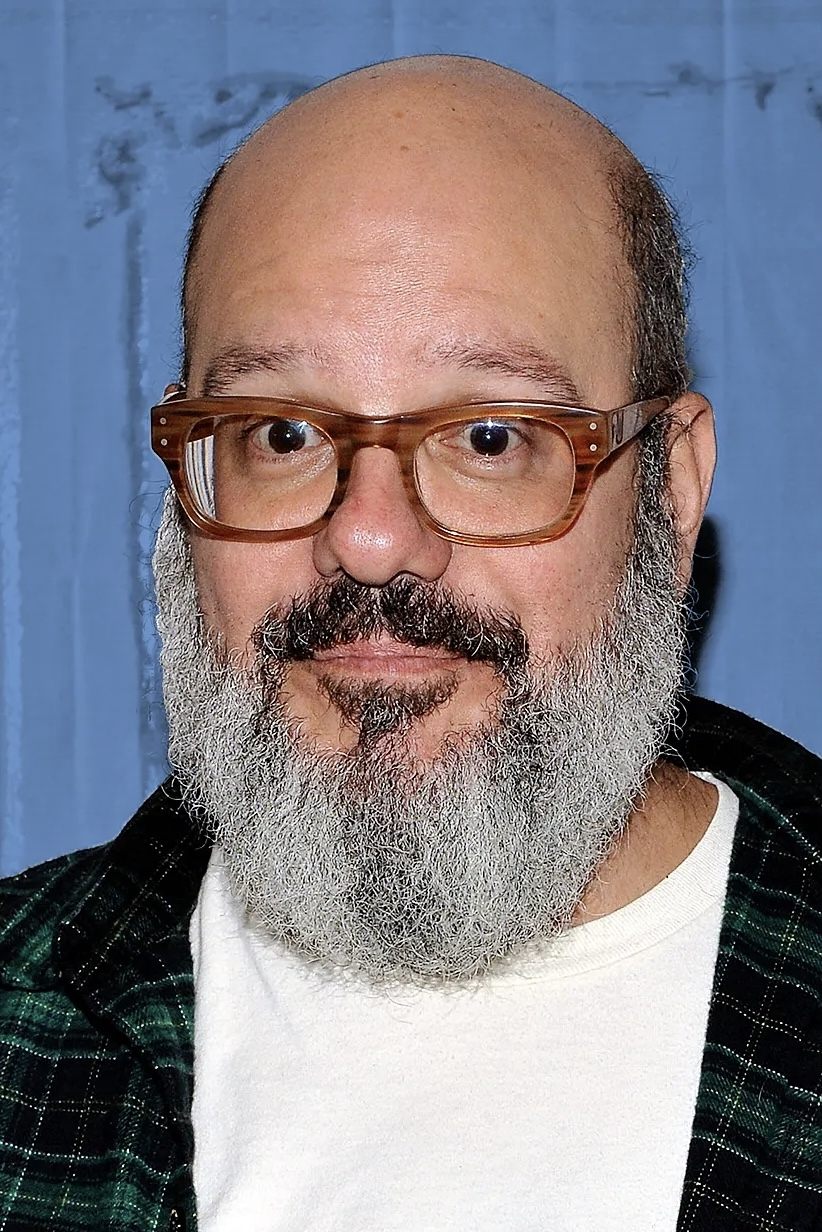
David Cross now regrets having worked with Woody Allen, especially after learning about the controversies surrounding him. He says he wouldn’t work with Allen again today. Cross has publicly discussed how his views on people in the entertainment industry have changed, and he feels actors should think about the kind of people they’re supporting with their work. He remains outspoken against abuse of power in Hollywood.
Matthew Modine
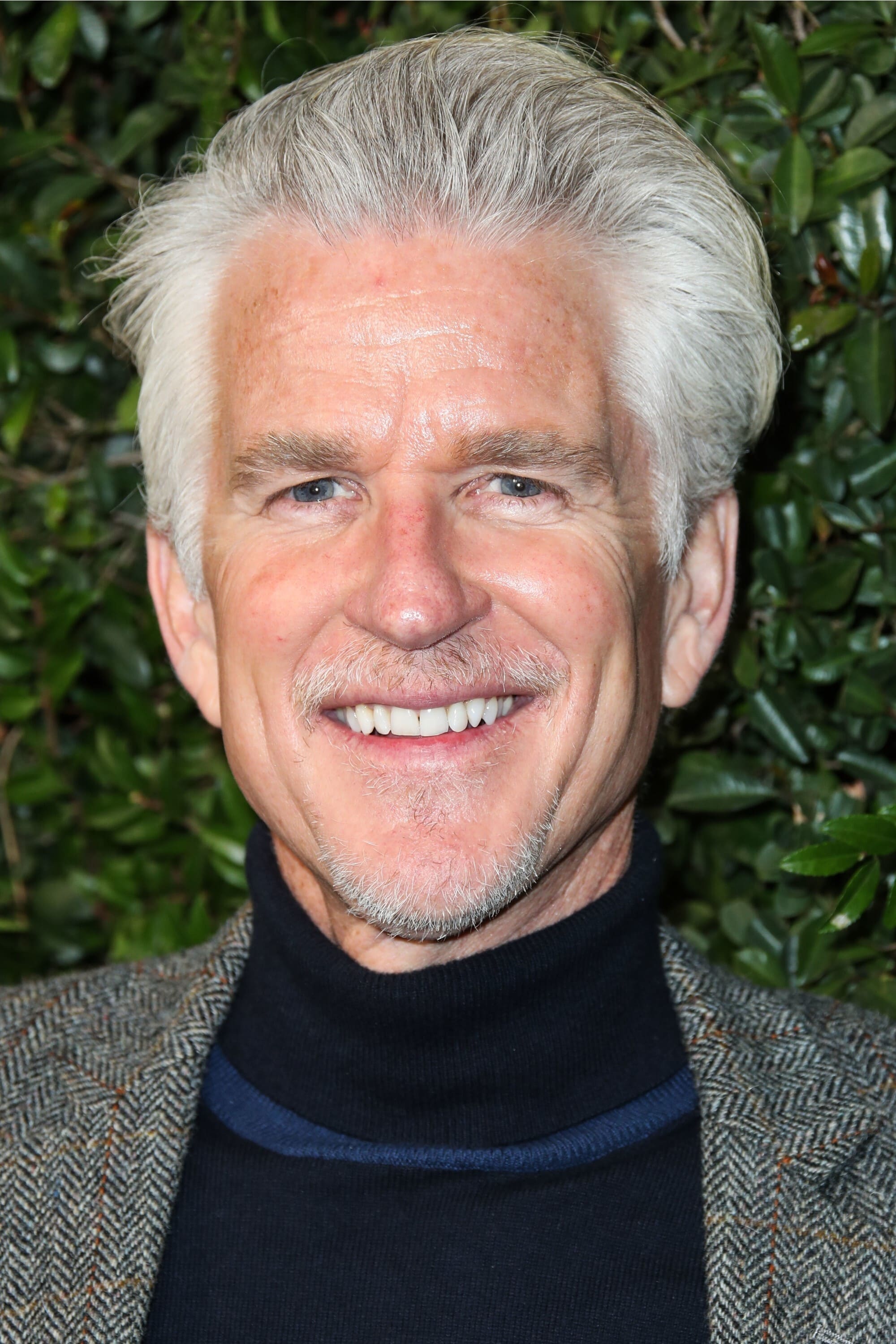
Matthew Modine has publicly criticized director Bryan Singer and expressed solidarity with those who’ve had negative experiences working with him. Modine prefers collaborating with directors known for being professional and considerate, and he feels the industry needs to move away from tolerating abusive behavior from talented individuals. Throughout his career, he’s been a vocal advocate for a more empathetic and respectful environment on film sets, and continues to champion ethical conduct in filmmaking.
Mark Hamill
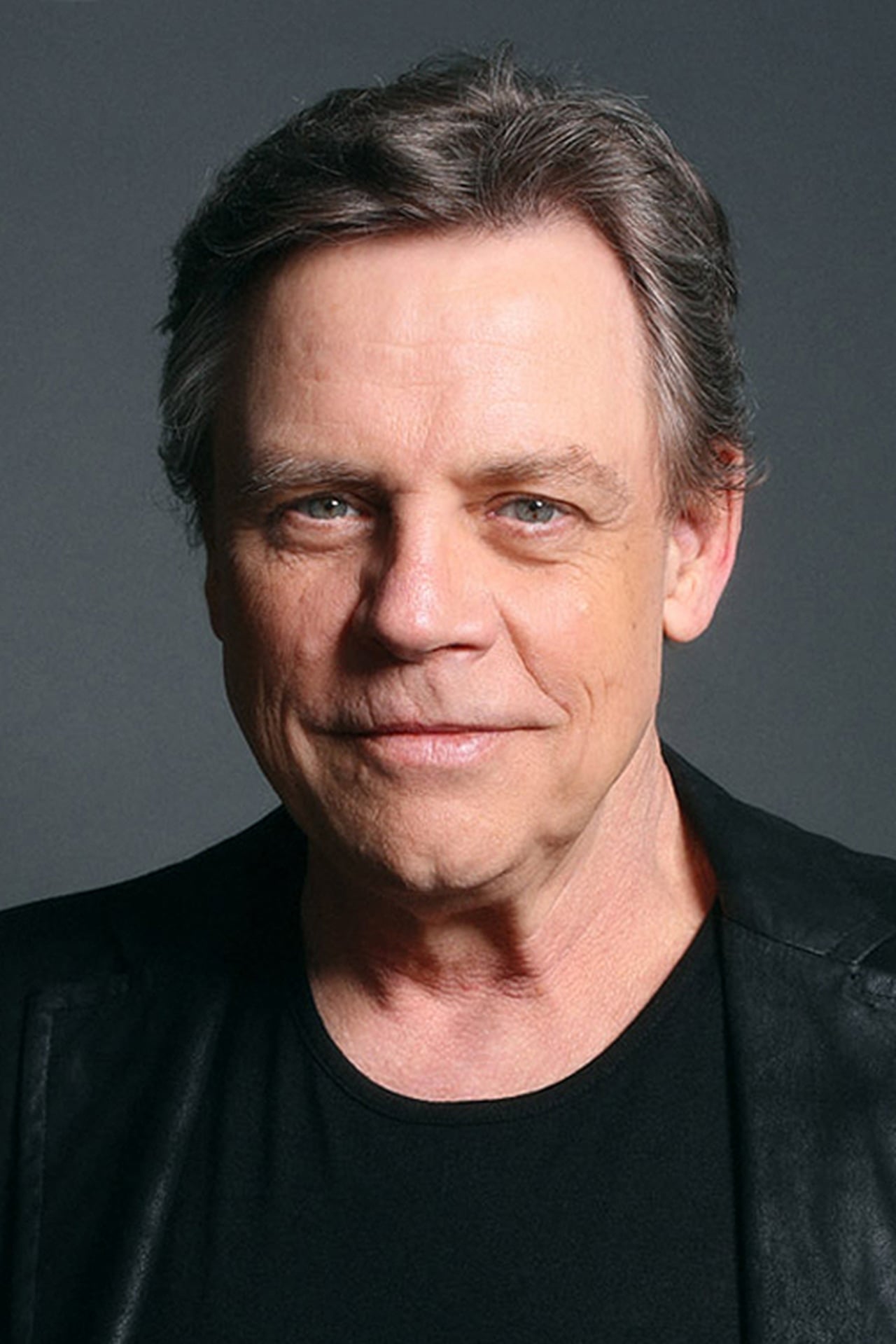
Mark Hamill consistently stands with people who have shared experiences of misconduct involving directors. He’s made it clear he won’t work with anyone who fosters a harmful or unsafe work environment. As a well-respected actor, he uses his platform to advocate for what he believes in, prioritizing a safe and supportive film industry for everyone. His support is especially important because it shows experienced actors backing up their newer colleagues.
Simon Pegg
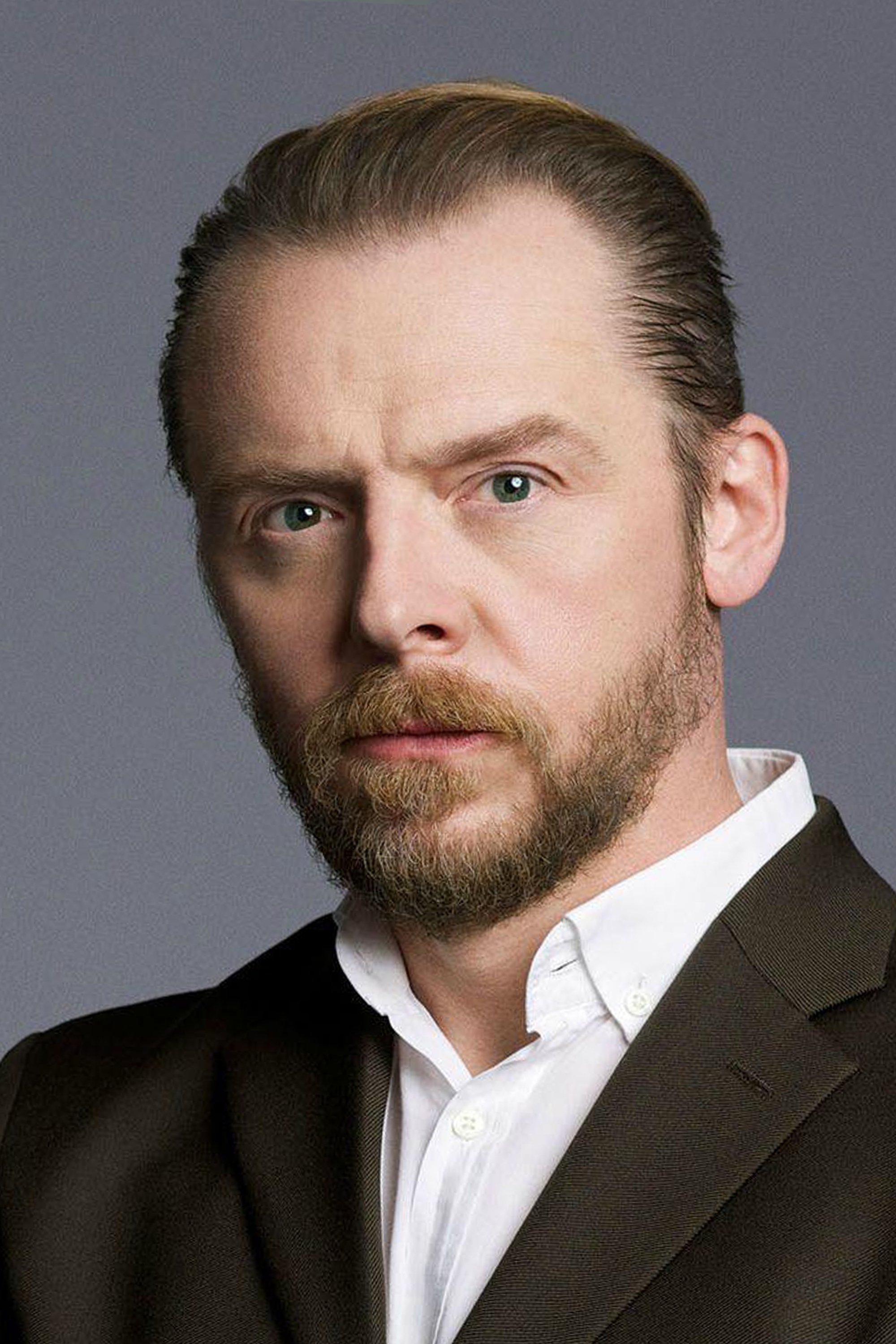
Simon Pegg prioritizes working with respectful and positive people in the film industry. He carefully researches directors before joining a project, valuing their reputation as a key factor. Throughout his career, he’s intentionally collaborated with filmmakers known for both their talent and kindness. Pegg believes that being skilled shouldn’t excuse abusive behavior and is committed to fostering professional, respectful work environments.
Daniel Radcliffe
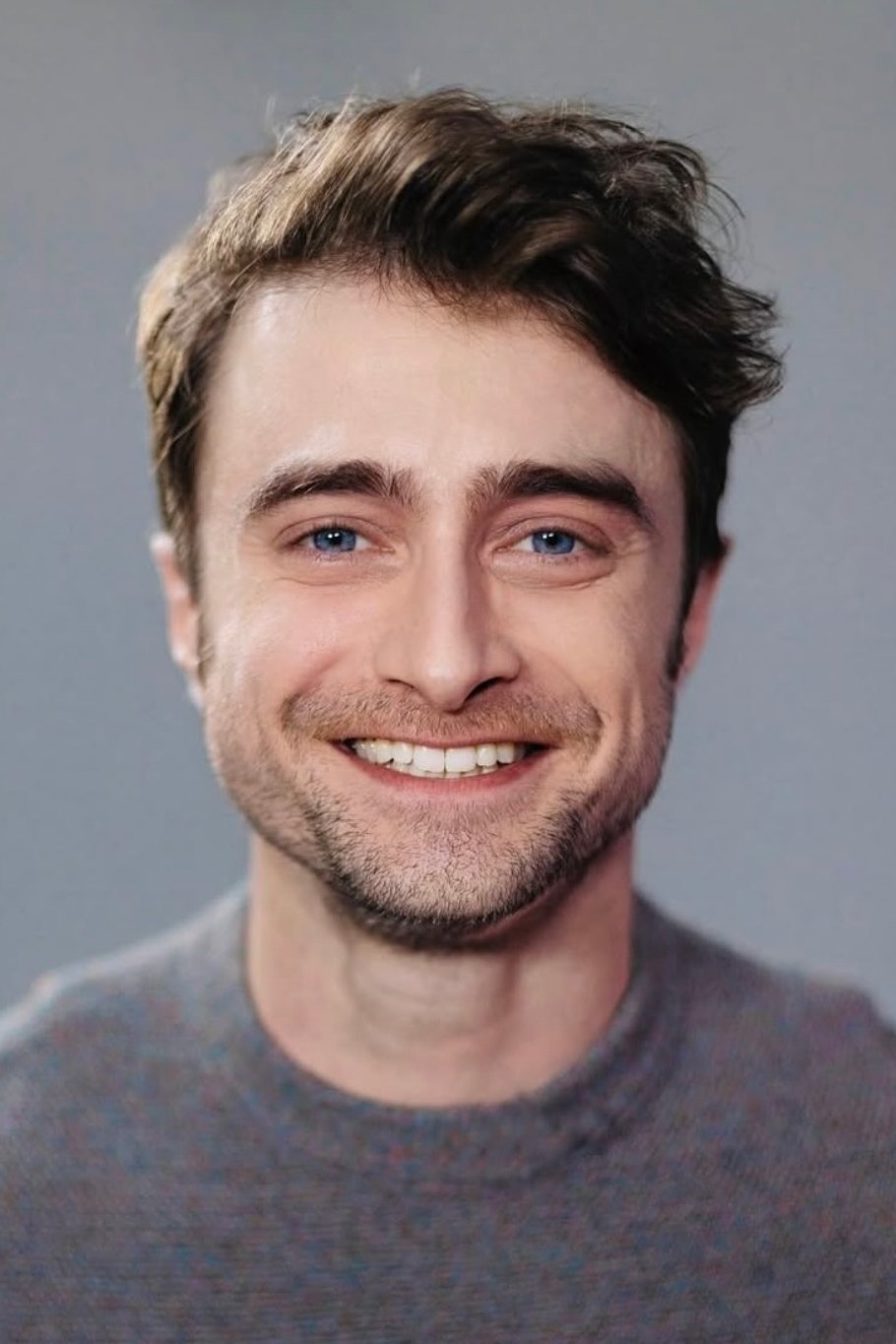
As a movie fan, I really admire what Daniel Radcliffe is doing. He’s made it clear he doesn’t want to work with people who say or do things he finds harmful, and he actively uses his voice to support groups who need it. He’s super careful about who he chooses to collaborate with, making sure they share his commitment to inclusivity. He’s even willing to turn down roles if it means staying true to his principles, which I think is amazing. Honestly, he’s become a real example of doing the right thing in an industry that doesn’t always make it easy.
Idris Elba
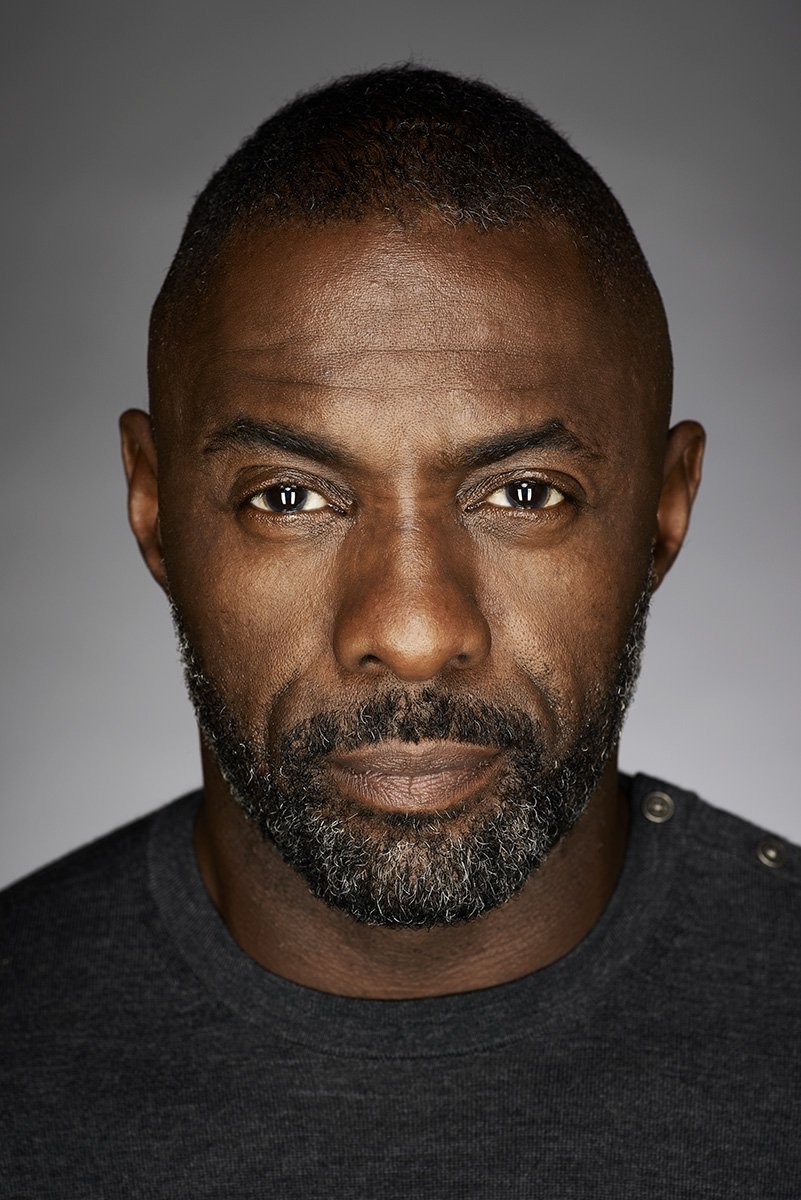
Idris Elba stresses the need for respectful and inclusive workplaces, especially on film sets. He actively seeks out directors who treat everyone with respect and has turned down projects with leaders known for bad behavior. Elba believes a positive and supportive environment not only improves the quality of work but also helps build a healthier, more lasting film industry. He firmly believes success shouldn’t come at the expense of people’s well-being.
Michael B. Jordan
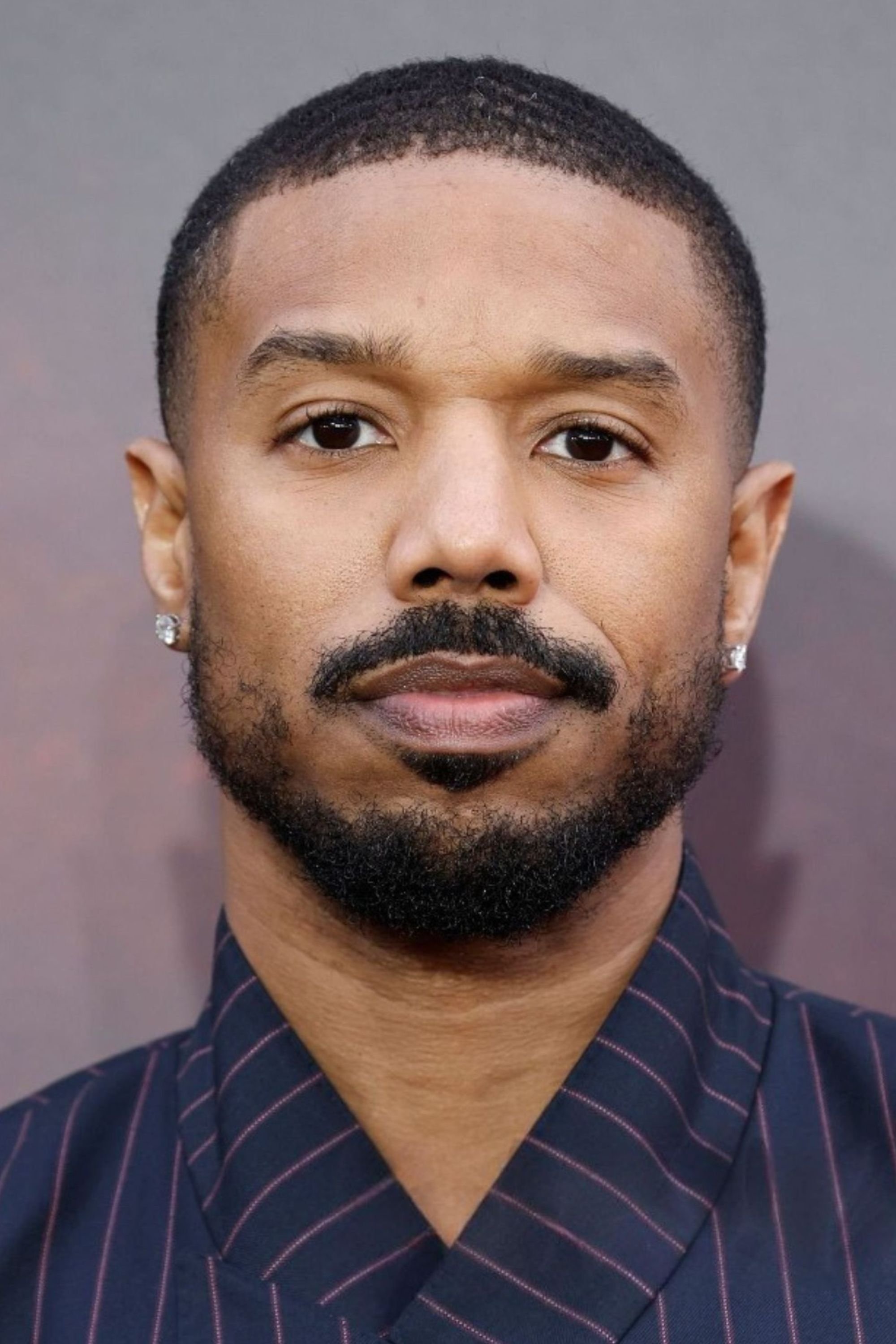
Michael B. Jordan was an early advocate for diversity and workplace safety in Hollywood, implementing a clause in his contracts to ensure both. This allows him to avoid collaborations with directors who don’t prioritize a fair and respectful work environment. He’s actively working to reform Hollywood from within, refusing to participate in projects that don’t meet his standards for inclusivity and professional behavior. Jordan continues to be a leading voice in the push for a more just and ethical film industry.
John Boyega
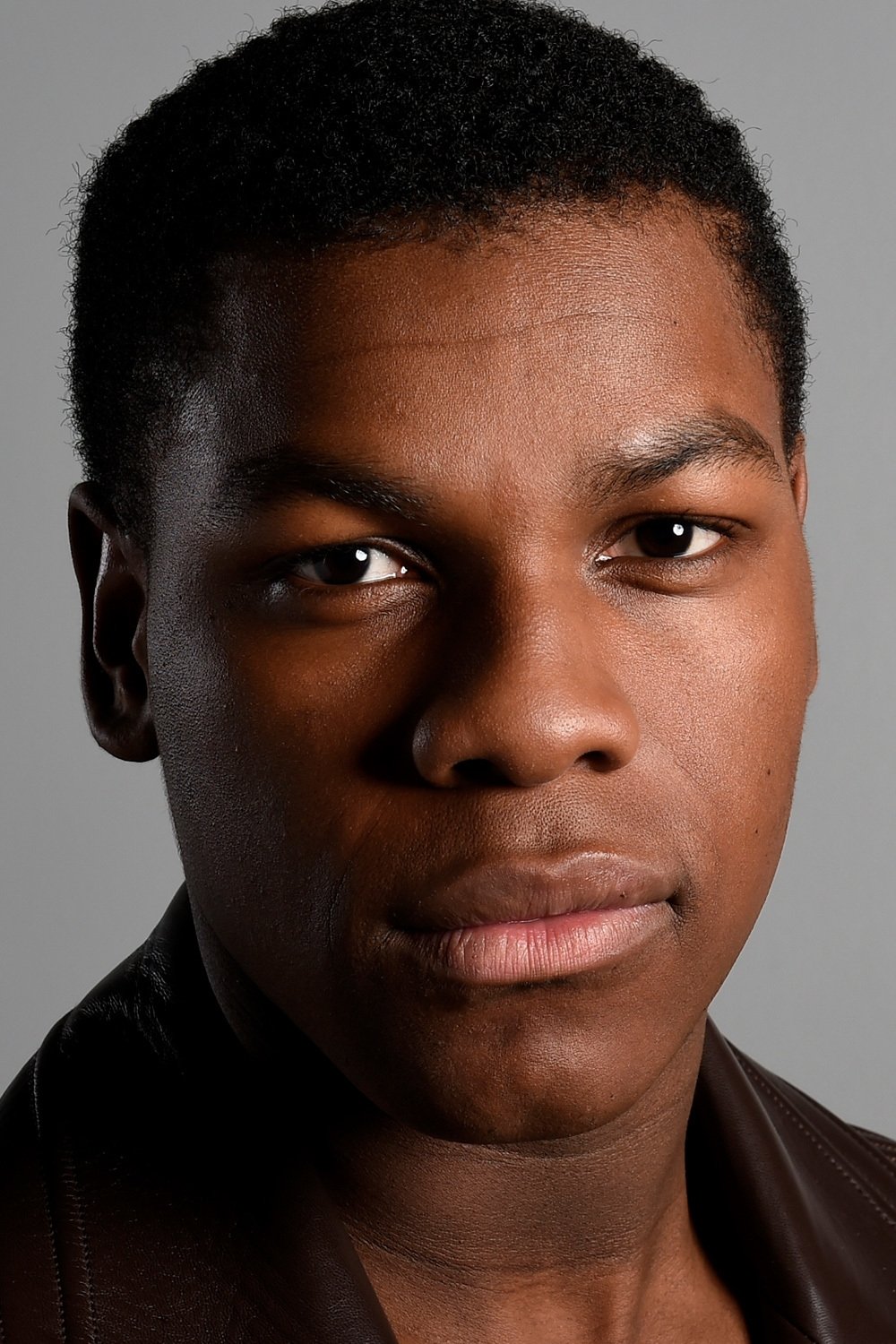
John Boyega has been very open about facing difficult and harmful situations in the film industry and how important it is for directors to support their teams. He’s stated he’ll only work with filmmakers who are willing to protect the well-being of everyone on set. Boyega uses his public voice to call for responsibility from studios and their employees, prioritizing honesty and bravery in his work over simply achieving fame or high profits. He remains a strong advocate for positive change and for standing up for people who are treated unfairly.
Kumail Nanjiani
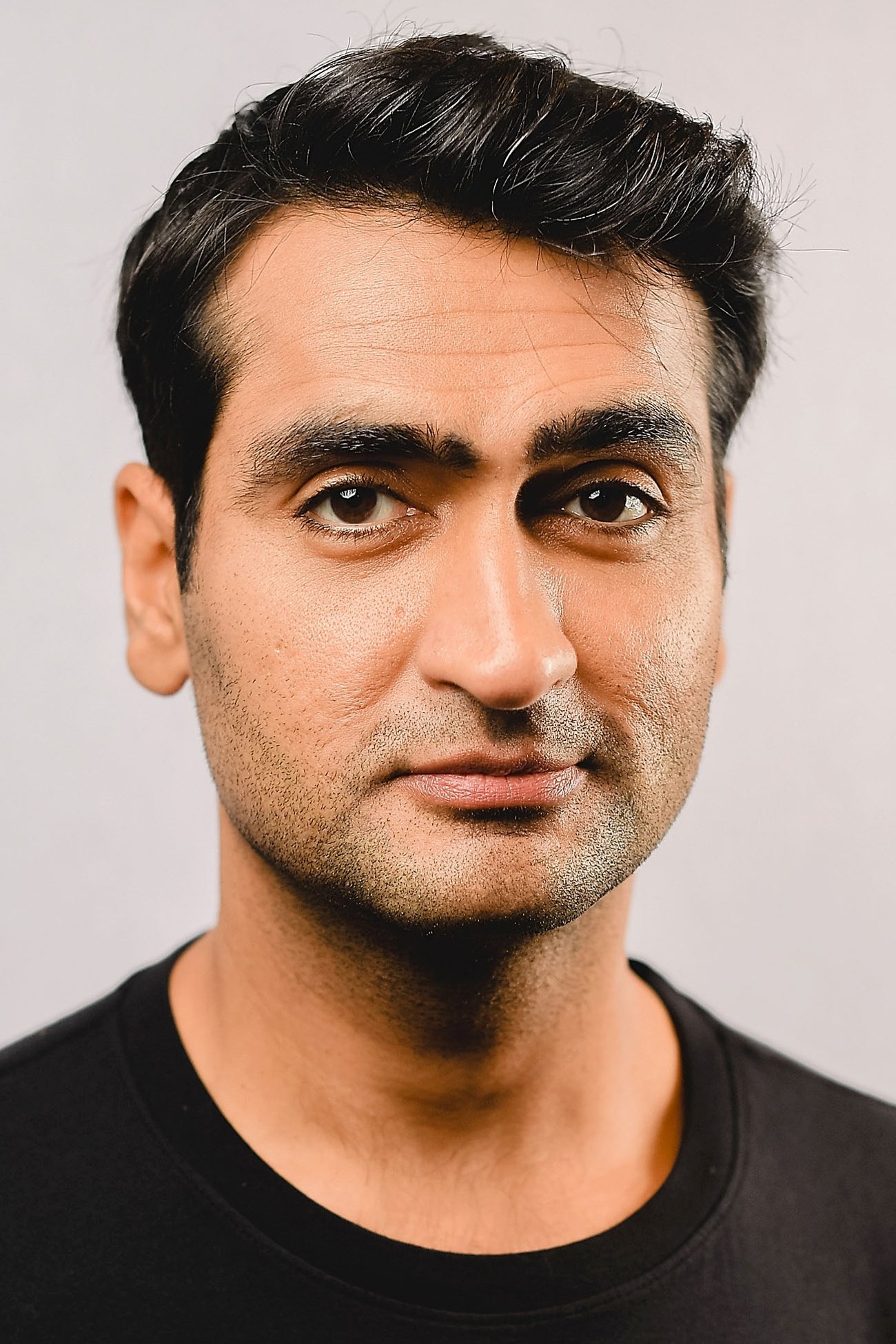
Kumail Nanjiani is dedicated to collaborating with directors who create respectful and welcoming workplaces. He’s openly stated he won’t work on projects with people who have behaved badly in the past. Nanjiani feels the entertainment industry needs to do a better job of checking the backgrounds of its leaders to protect people from abuse. He carefully considers the character of the people leading a project, just as much as he considers the script itself. Ultimately, Nanjiani is known for prioritizing his principles in all his professional decisions.
Robert Pattinson
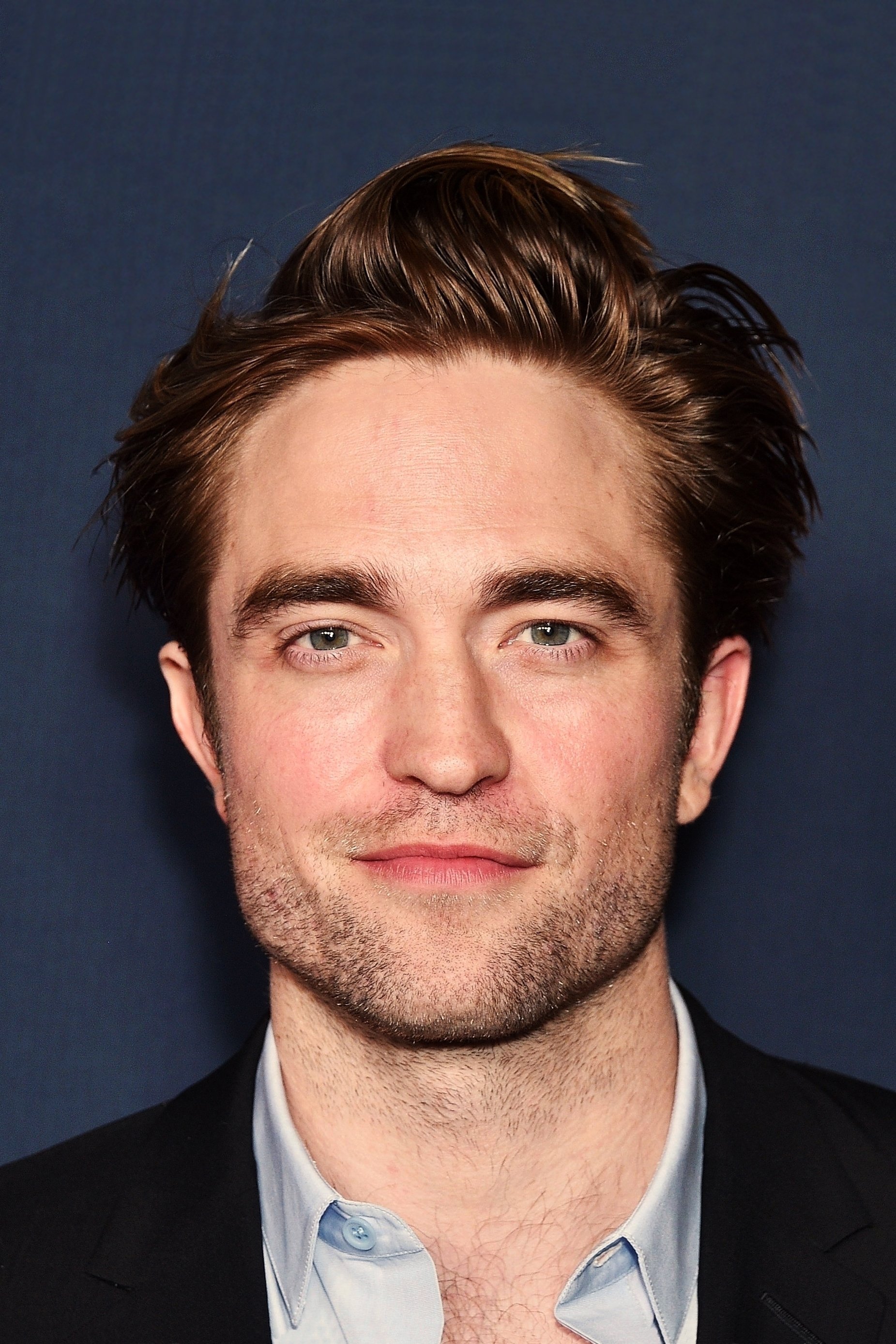
Robert Pattinson is known for carefully choosing directors to ensure a positive and supportive work environment. He avoids filmmakers with a history of being overly demanding or mistreating actors, preferring collaborations where his creative input is valued. This careful approach has helped him successfully move from big-budget films to critically acclaimed independent projects, proving that prioritizing a healthy work life is beneficial for his career.
Jake Gyllenhaal

Jake Gyllenhaal had a tough time filming ‘Nailed’ with director David O. Russell, and the experience really stuck with him. The movie faced a lot of problems, and since then, Gyllenhaal has become more careful about who he works with. He now prefers directors who create a calm and professional environment, even when things get difficult. Throughout his career, Gyllenhaal has focused on delivering powerful performances while staying away from on-set conflicts. He continues to look for filmmakers who prioritize quality and treat everyone with respect.
Cary Elwes
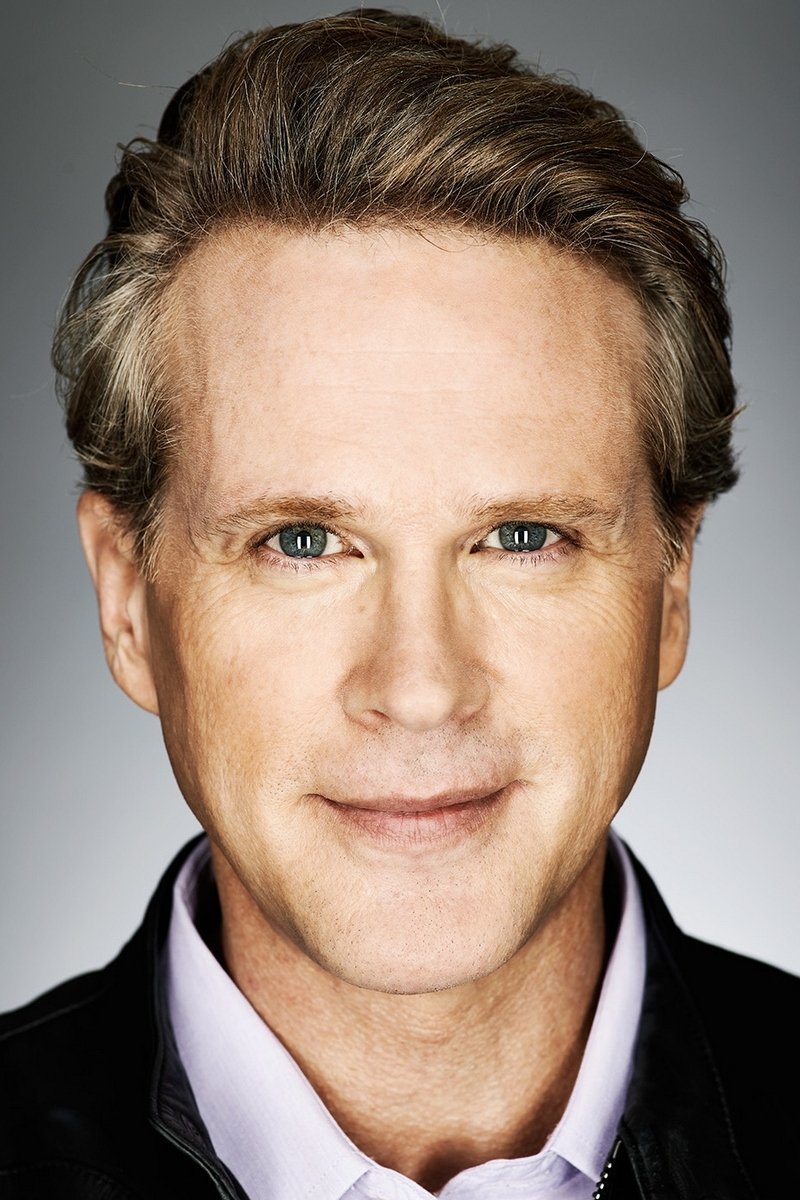
As a fan, I really admire Cary Elwes’ principles. He’s made it clear he won’t work with directors accused of wrongdoing, and I think that’s fantastic. He’s said it’s so important to support people who speak out about bad behavior in Hollywood, and he’s careful about the projects he chooses to make sure he’s not helping anyone with a history of misconduct. It’s encouraging to hear him say things are changing for the better, and I appreciate him using his voice to push for safer, more accountable movie sets. He’s a real role model!
Share your thoughts on these actors and their choices in the comments.
Read More
- 2025 Crypto Wallets: Secure, Smart, and Surprisingly Simple!
- Here Are the Best TV Shows to Stream this Weekend on Paramount+, Including ‘48 Hours’
- 20 Films Where the Opening Credits Play Over a Single Continuous Shot
- Top gainers and losers
- 10 Underrated Films by Wyatt Russell You Must See
- Top 20 Overlooked Gems from Well-Known Directors
- ‘The Substance’ Is HBO Max’s Most-Watched Movie of the Week: Here Are the Remaining Top 10 Movies
- Brent Oil Forecast
- 50 Serial Killer Movies That Will Keep You Up All Night
- HSR Fate/stay night — best team comps and bond synergies
2026-02-15 08:19