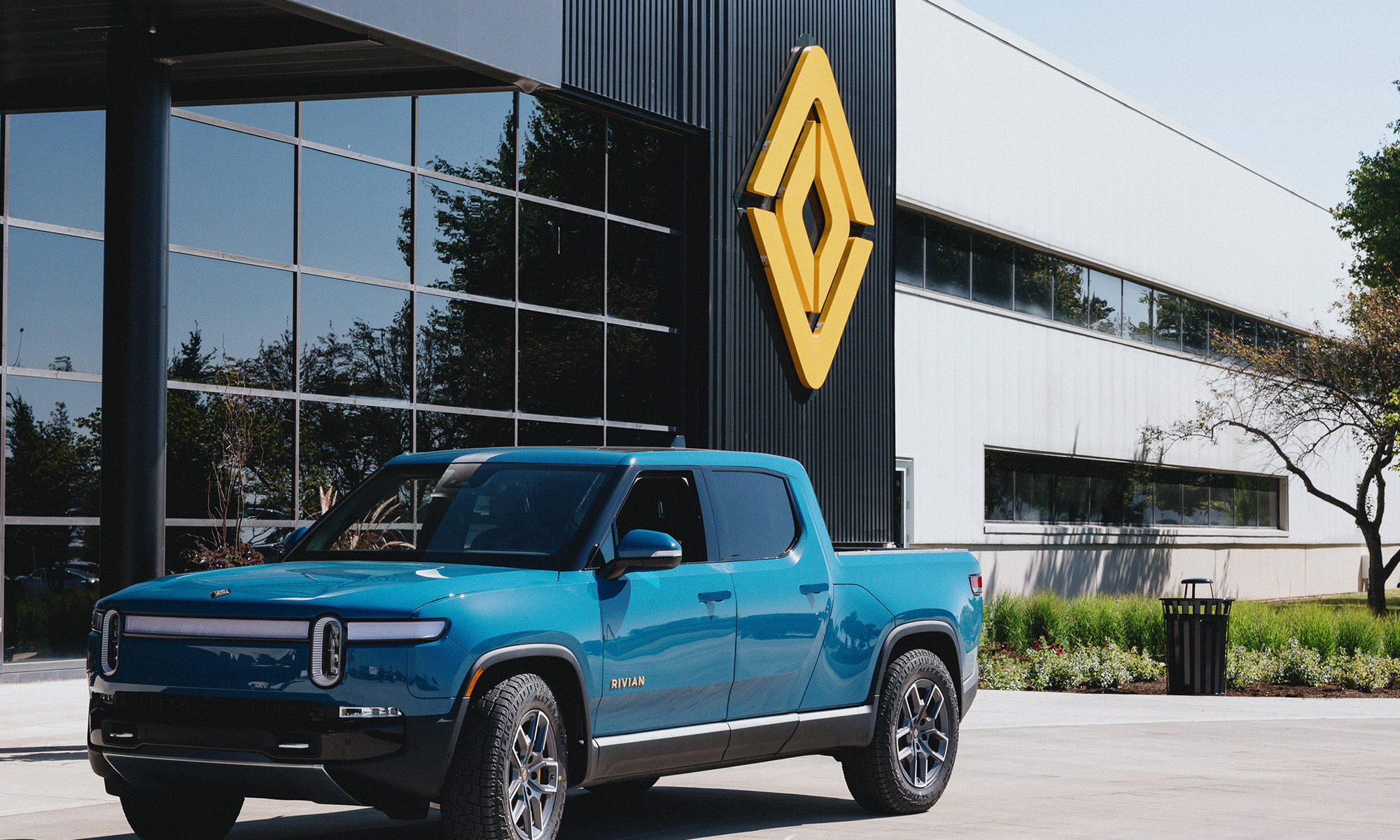
Rivian. Yes, still a thing. (One occasionally wonders if entire corporations aren’t just elaborate performance art pieces, existing solely to confuse economists. Rivian, at least, makes vehicles. Mostly.) The company continues to occupy a space somewhere between “promising disruption” and “expensive hobby,” and this year promises to be… eventful. Milestones, they call them. We prefer to think of them as points on a graph, relentlessly marching towards either profitability or a particularly elegant bankruptcy.
The question, of course, is where will Rivian be in three years? Investors, bless their optimistic hearts, are monitoring storylines. We, being cynical observers of the human condition, are simply bracing for impact. But let’s indulge the notion of prediction anyway.
1. The Sub-$50,000 Illusion (and Why It Matters)
Tesla, that behemoth of electric ambition, achieved its current stature, at least in part, by producing vehicles that didn’t require mortgaging a small nation. The Model 3 and Y, priced (relatively) within reach of ordinary humans, were pivotal. (It’s a curious thing, this obsession with affordability. As if the universe cares whether you drive a sensible sedan or a spaceship. It doesn’t. It’s perfectly happy to swallow you whole regardless.) Nearly 70% of Americans apparently desire a vehicle costing less than $50,000. This is either a rational economic decision or a collective delusion. The jury is still out.
Rivian, until recently, has been largely absent from this crucial “mass market” segment. They’ve been busy building vehicles for people who enjoy irony and have access to a trust fund. But the R2 model, due to ship soon, promises to change that. Priced (they say) under $50,000, it’s their attempt to join the fray. And they have plans for R3 and R3X models as well. It’s a bold move. Or a desperate one. Time, as always, will tell.
If the R2 actually materializes at that price point, it could be significant. It won’t necessarily make Rivian the next Tesla, but it might prevent it from becoming a footnote in the history of electric vehicles.
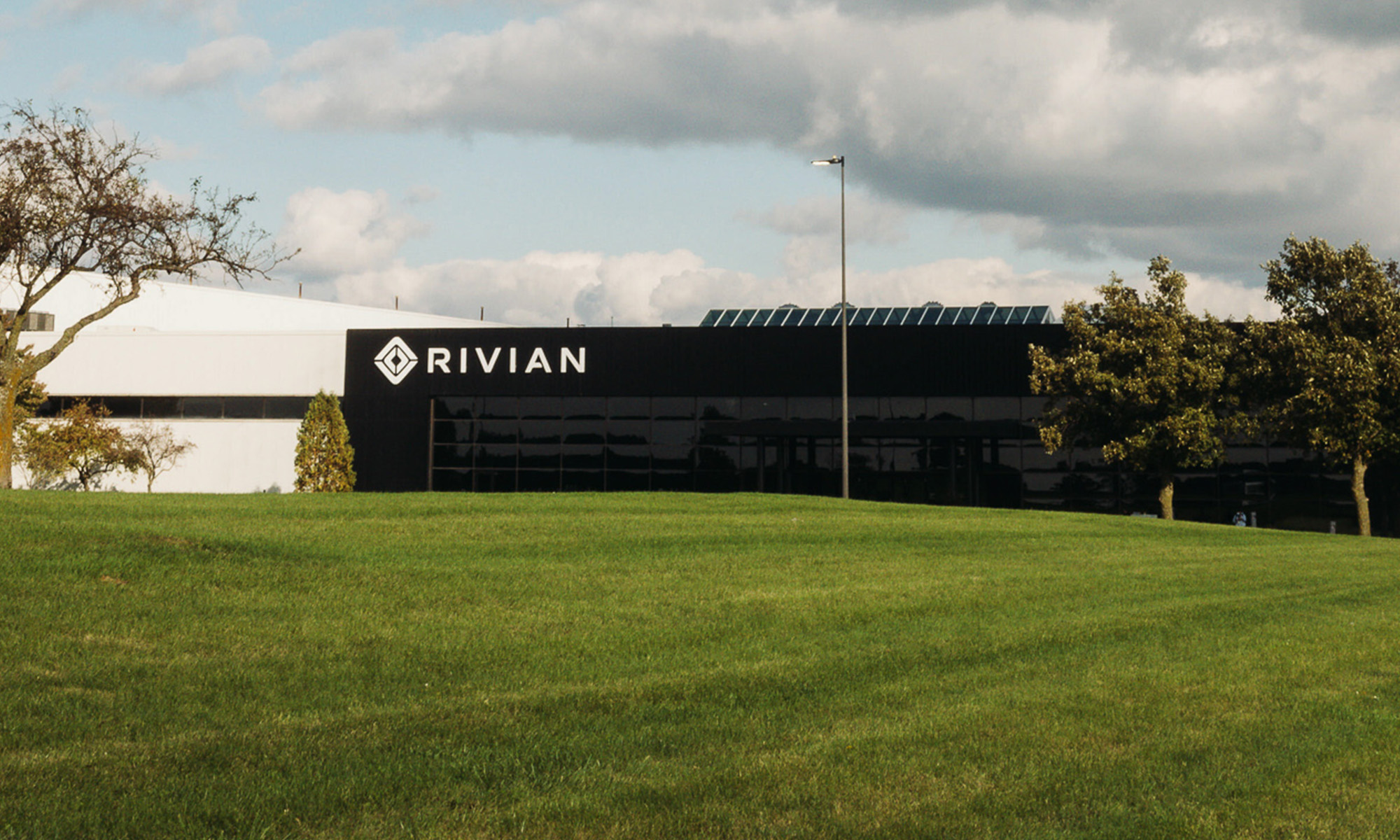
2. The AI Singularity (and Why Your Car Might Judge You)
Cars are becoming computers on wheels. This is not news. The real question is whether those computers will eventually decide they don’t need us anymore. (One imagines a future where cars form a union and demand better treatment. More frequent washes, perhaps. And an end to reckless parallel parking.) The promise of fully autonomous vehicles has been dangling on the horizon for decades. But recent advancements in AI might actually bring that future closer.
If you want to sell a car in the future, it won’t be enough to offer a comfortable ride and decent fuel efficiency. You’ll need to offer intelligence. Artificial intelligence, to be precise. And Rivian, surprisingly, is making a serious play in this space.
Tesla, naturally, is leading the charge, having poured billions into its AI efforts. Rivian, despite being a relative newcomer, is investing heavily as well. They seem to believe that AI is the key to unlocking the next level of automotive innovation. (Or, possibly, to justifying their high stock price. One can never be certain.)
Whether Rivian can actually compete with Tesla in the AI arena remains to be seen. But they’re betting their capital on it. And, in a world increasingly dominated by algorithms and data, that might be a smart move. Or a spectacularly foolish one. Again, time will tell.
Read More
- 2025 Crypto Wallets: Secure, Smart, and Surprisingly Simple!
- Here Are the Best TV Shows to Stream this Weekend on Paramount+, Including ‘48 Hours’
- 20 Films Where the Opening Credits Play Over a Single Continuous Shot
- Top gainers and losers
- ‘The Substance’ Is HBO Max’s Most-Watched Movie of the Week: Here Are the Remaining Top 10 Movies
- Brent Oil Forecast
- 50 Serial Killer Movies That Will Keep You Up All Night
- HSR Fate/stay night — best team comps and bond synergies
- 10 Underrated Films by Ben Mendelsohn You Must See
- All the Movies Coming to HBO Max in September 2025
2026-02-15 02:14