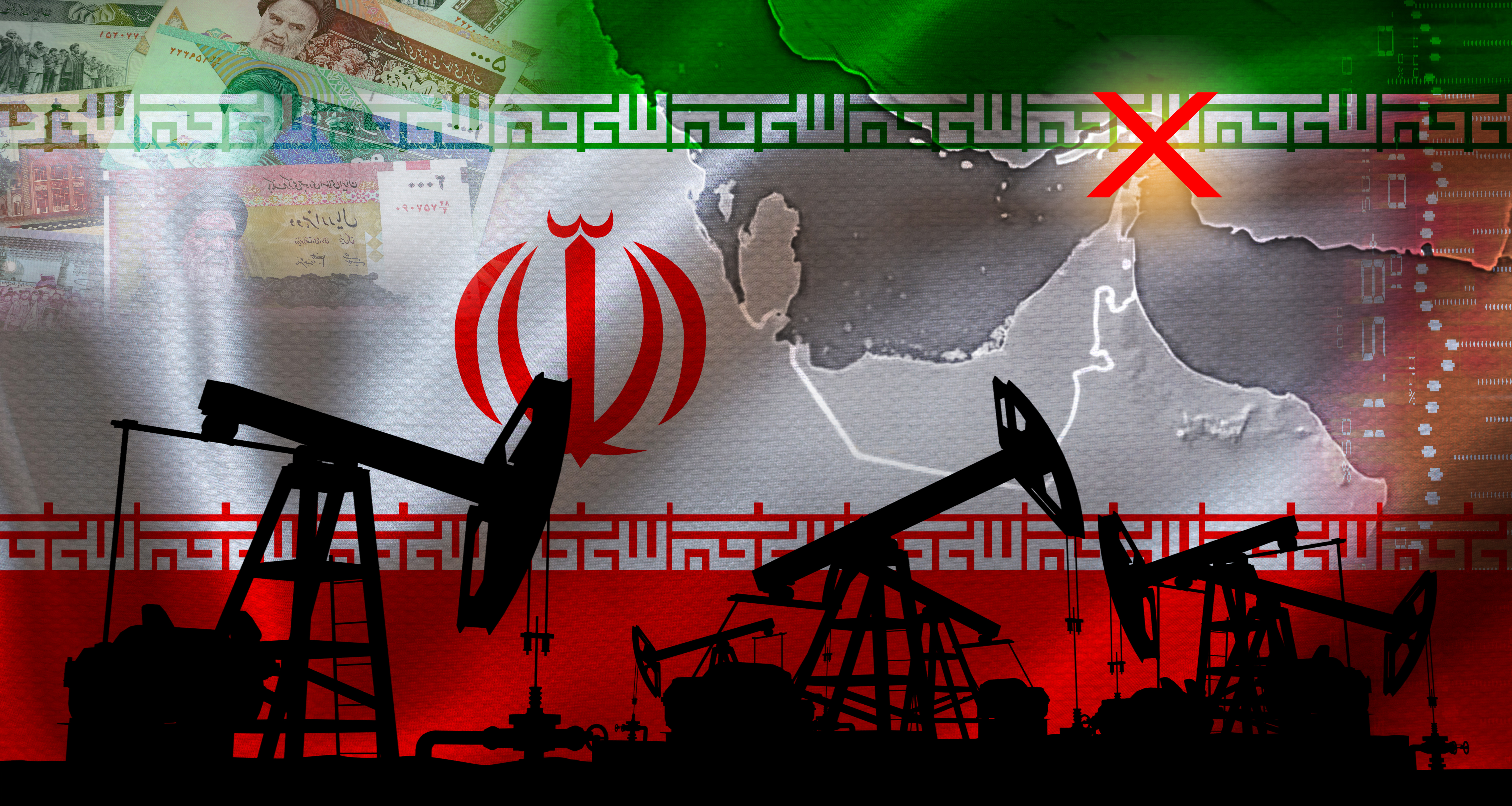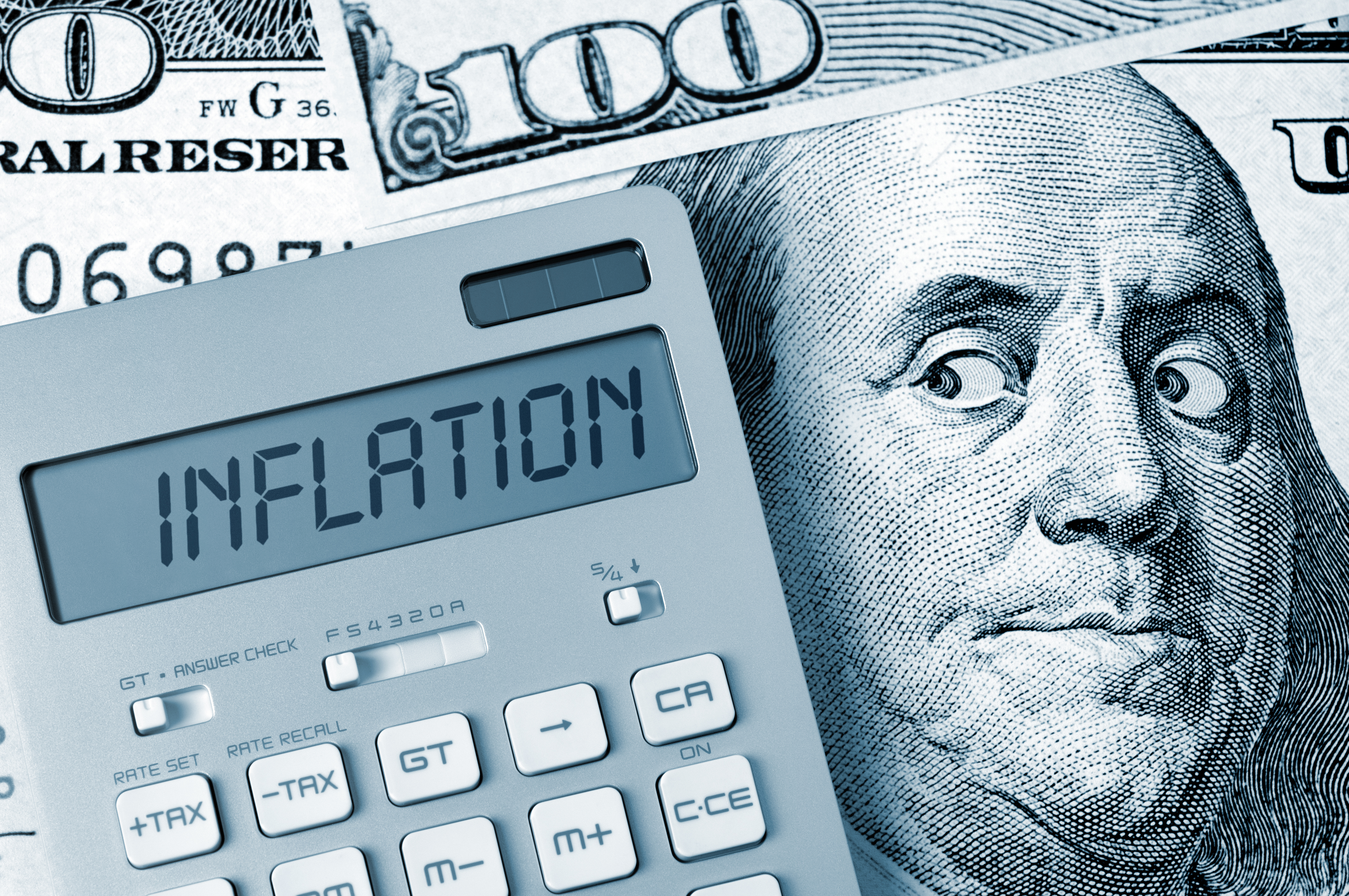
Costco, you see, sells gasoline, not as a service to mankind, but as a lure. A shiny bauble to draw folks in and then… well, then they get you to buy everything else. They undercut the competition by a penny or two—sometimes a bit more, sometimes less—but it’s enough to get folks talkin’. My local establishment currently offers the stuff for around $3.60 a gallon, while the fellas down the street are askin’ closer to $3.80. A trifling difference, some might say, but when multiplied by a tankful, and then by the number of members Costco boasts… well, it adds up. They’re quick to raise prices when the oil barons demand it, but slow to lower them when things settle down – a tactic as old as commerce itself.