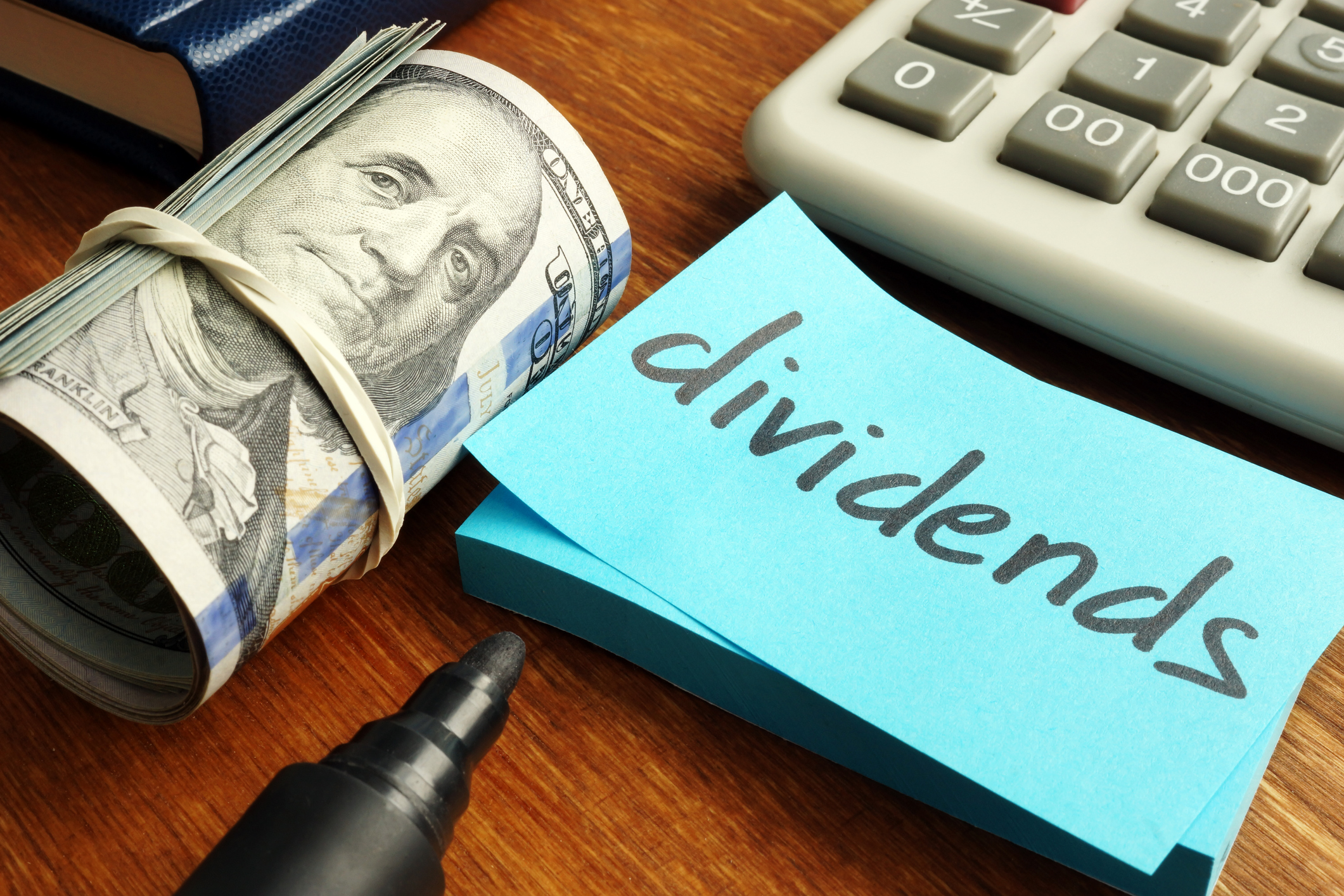
The portfolio, like an aging relative, sometimes requires a little bolstering. Not with fanciful growth stocks—those bright promises so easily dimmed—but with something…steadier. Something that doesn’t demand constant attention, and doesn’t offer much in the way of excitement, either. One seeks not triumph, but a quiet defense against the inevitable erosion of capital. A small, reliable income, if one is fortunate.
PepsiCo: The Lesser Rival
Coca-Cola, of course, is the established name. The one everyone recognizes, the one with the history. It is a comfortable choice, like a well-worn armchair. But comfort, as one discovers, rarely translates to exceptional return. PepsiCo, perhaps, is the slightly overlooked sibling. Its yield, at 3.5%, is a modest offering, admittedly, but the market has already accounted for the sluggishness in its snack food division. It is a stock that asks for little, and may, in time, offer a little more than expected. One shouldn’t expect miracles, of course.
Pfizer: Beyond the Pandemic’s Shadow
The recent past clings to Pfizer like a persistent cough. The surge of pandemic revenue, so remarkable at the time, has receded, leaving a void. The company, having focused so intently on a single, urgent task, finds itself with a somewhat depleted pipeline. It is a common story, really. A burst of energy, followed by a period of quiet exhaustion. Yet, they speak of eight potential blockbuster drugs by 2030, a projected $20 billion in revenue. One wonders if such projections aren’t merely a palliative, a way to soothe anxious shareholders. Still, at a yield of 6.3%, it might offer a temporary respite.
Realty Income: The Monthly Ritual
Realty Income, a real estate investment trust, is an odd sort of creature. It doesn’t produce anything tangible, not in the traditional sense. It simply collects rent and distributes it to shareholders. And it has been doing so, monthly, for over half a century. A remarkable consistency, certainly. The yield, around 5%, is respectable, and the occupancy rate—98.7%—suggests a certain resilience. They specialize in brick-and-mortar retail, a sector many deem to be in decline. Perhaps, though, they have simply chosen the most enduring of tenants: 7-Eleven, Dollar General, FedEx. The practical necessities, it seems, will always find a place.
Verizon: The Quiet Dependence
Verizon offers little in the way of dramatic growth. It is a utility, essentially, disguised as a technology company. The vast majority of Americans own a mobile phone, and they are, for the most part, hopelessly dependent on it. They spend, on average, five hours a day staring at the screen. It is a curious addiction, really. And Verizon, quietly, profits from it. The yield is 5.8%, and the company has consistently increased its dividend for nineteen years. It is not a glamorous investment, but it is a reliable one. Like a sturdy pair of boots, it simply… endures.
IBM: A Legacy and a Question Mark
IBM, once a titan of the technology world, now occupies a more… nuanced position. It is a company steeped in history, yet struggling to define its future. It still pays a respectable dividend—2.6%—and has increased it annually for thirty years. But a significant portion of its revenue now comes from software and consulting services. It is a transition, a slow and sometimes painful adaptation to a changing world. The company’s subscription revenue is now $23.6 billion, a steady stream of income. One wonders, however, if this is enough to sustain the legacy. Perhaps not. But then, very little ever truly is.
The market, like life, is a series of compromises. One seeks not to conquer, but to preserve. To find those quiet corners where a small measure of security can be found. It is a modest ambition, perhaps. But it is, in the end, all one can reasonably hope for.
Read More
- Gold Rate Forecast
- Invincible Season 4 Gender Swaps Tech Jacket As Fans Question Major Comic Change
- 22 Films Where the White Protagonist Is Canonically the Sidekick to a Black Lead
- 14 Movies Where the Black Character Refuses to Save the White Protagonist
- Silver Rate Forecast
- Unveiling the Schwab U.S. Dividend Equity ETF: A Portent of Financial Growth
- Superman Flops Financially: $350M Budget, Still No Profit (Scoop Confirmed)
- The Best Former NFL Players Turned Actors, Ranked
- ONE PIECE Season 2 Confirms Sanji’s OTHER Backstory in the Live-Action
- Why Won’t It Just *Do* What You Ask? Unpacking the Quirks of AI Language
2026-02-22 21:52