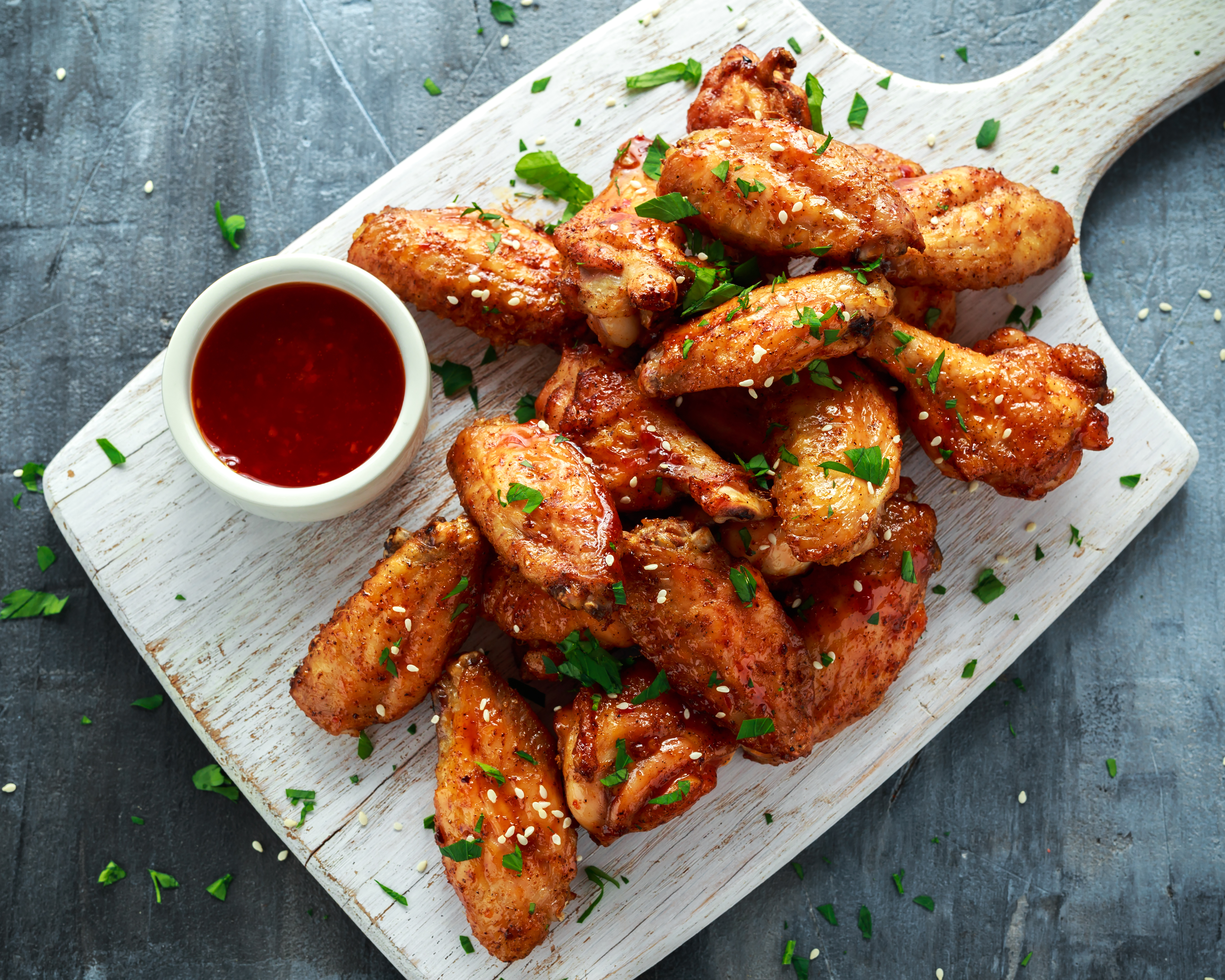
Many years later, as the accountants tallied the final numbers of the quarter, old man Tiberio would remember the scent of brine and pepper, the phantom taste of wings clinging to the air of his grandfather’s kitchen – a kitchen where the future, it seemed, always arrived smelling of fried things and regret. It was in that kitchen, amidst the simmering sauces and the endless clatter of plates, that he first learned that even the most golden of businesses could be shadowed by a slow, creeping melancholy. And now, in the sterile light of the corporate headquarters, that same melancholy descended upon Wingstop, a chain built on the simple, primal joy of poultry, as the numbers revealed a halting in the relentless march of growth.
For twenty-one years, the company had known only ascent, a seemingly perpetual summer of rising sales. But the heat had begun to dissipate, the air thickening with a premonition of change. The year 2023 had been a flamboyant spectacle, an eighteen-and-three-tenths percent surge in domestic growth, followed by an almost identical performance in 2024. Such exuberance, of course, was unsustainable. It created a formidable shadow, a ghost of success against which the present could only appear diminished. The first half of the current year offered a brief respite, a deceptive calm before the storm, before the third quarter brought a chilling decline of 5.6 percent. The pressure, it seemed, was not merely economic, but a weight upon the very spirit of the consumer.
Management, initially confident in a continuation of the golden age, had projected modest, single-digit growth. But the whispers of the market, the subtle shifts in consumer behavior, proved more insistent. Guidance cuts followed, each one a tiny erosion of faith, until the forecast now predicted a 3 to 4 percent decline. The heartland states – Texas, California, Florida, Illinois – bore the brunt of the slowdown, their labor markets troubled, their diners increasingly cautious. The stock, after a period of frantic oscillation, had settled into a weary plateau, down a mere ten percent over the past year – a deceptive calm that masked the underlying currents.
The Alchemy of Royalties
Wingstop’s brilliance, however, lay not in owning the kitchens, but in collecting the whispers of profit that rose from them. Ninety-eight percent of its locations were held by franchisees, a network of independent spirits bound by a common craving for perfectly sauced wings. This was an asset-light model, a deliberate shedding of responsibility, a quiet acknowledgment that the true alchemy lay not in the cooking, but in the collecting. It insulated the company from the rising costs of labor and ingredients, allowing it to skim the cream from the top, to gather the royalties like dew from a summer field.
The menu, stubbornly focused on wings and tenders, remained a simple equation. An average ticket in the low to mid twenty-dollar range. But the real engine of growth was the efficiency of the footprint. Small locations, meticulously designed, saturated with technology, maximizing throughput. Digital orders now accounted for over seventy-two percent of systemwide sales – a silent, efficient tide washing over the landscape. This allowed the company to collect royalties on over five billion dollars in systemwide sales, a steady stream of income tied to the top line, a bulwark against the storms of inflation. By offloading the operational burdens, Wingstop earned remarkably high margins – around thirty-five percent based on earnings before interest, taxes, depreciation, and amortization.
Two initiatives offered a glimmer of hope. The Smart Kitchen technology, now ubiquitous in domestic locations, promised to streamline operations, to squeeze every last drop of efficiency from the process. And the Club Wingstop loyalty program, scheduled to launch in mid-2026, aimed to bind customers more tightly, to coax them back with the promise of future rewards. These were small gestures, perhaps, but in a world of shifting fortunes, even the smallest spark could ignite a resurgence.
The Expansion, a Relentless Bloom
Despite the cooling sales, adjusted EBITDA had grown by a remarkable 18.5 percent to a record 64 million dollars in the third quarter. This was not a miracle, but a testament to the power of scale. Recurring revenue, amplified by the opening of new locations, had driven the growth. Total systemwide sales had risen by ten percent to 1.4 billion dollars. Even the company-owned stores had benefited from easing wing commodity costs – a small reprieve in a turbulent market.
Management, emboldened by these results, had revised its development outlook, targeting around 480 net new restaurants. This aggressive pace suggested that the unit economics remained healthy, even as individual store performance slowed. Domestic average unit volumes had dipped slightly to 2.06 million dollars, but franchisee demand for new locations remained strong. These brand partners, seasoned entrepreneurs, continued to deploy capital because they understood the underlying value, the enduring appeal of a perfectly cooked wing.
Wingstop had surpassed 3,000 total locations late in the year, with 95 percent of new domestic openings coming from existing franchisees. This was a vote of confidence, a testament to the strength of the brand and the profitability of the model. The long-term goal, ambitious and perhaps a little fantastical, was to reach 10,000 global restaurants. While the domestic market remained the primary driver, international markets – the Middle East, India – offered tantalizing possibilities.
The Price of Dreams
Despite the near-term headwinds, Wingstop shares continued to trade at a premium – around 68 times this year’s projected earnings. This multiple, while lower than in the past, remained nearly triple that of its quick-service restaurant peers. Restaurant Brands International traded near 18 times earnings, while McDonald’s and Yum! Brands both sat closer to 26. The market, it seemed, was willing to pay a premium for the company’s asset-light model, its high margins, and its ambitious growth plans.
During the third-quarter earnings call, management had acknowledged the pressure on traffic but expressed confidence in a return to positive growth. They also reaffirmed their commitment to aggressive expansion, anticipating mid-teens store growth in the coming year. Sustaining the 10,000-store global goal, however, required a stabilization of transaction counts. Persistent weakness would eventually erode the unit economics that drove franchisee reinvestment.
With fourth-quarter earnings due on February 18th, investors could afford to be patient. If the results confirmed a broadening of the slowdown, a pullback in share price could offer a more attractive entry point. The business, despite its current challenges, possessed a genuine quality and a significant opportunity. But at today’s price, the margin of safety was limited. The scent of brine and pepper, after all, could linger for a long time, even after the last wing had been eaten.
Read More
- Gold Rate Forecast
- Silver Rate Forecast
- Games That Faced Bans in Countries Over Political Themes
- 15 Films That Were Shot Entirely on Phones
- Unveiling the Schwab U.S. Dividend Equity ETF: A Portent of Financial Growth
- 20 Movies Where the Black Villain Was Secretly the Most Popular Character
- Brent Oil Forecast
- New HELLRAISER Video Game Brings Back Clive Barker and Original Pinhead, Doug Bradley
- Superman Flops Financially: $350M Budget, Still No Profit (Scoop Confirmed)
- 14 Movies Where the Black Character Refuses to Save the White Protagonist
2026-02-06 14:34