
For a long time, Hollywood has often chosen actors based on their popularity and potential to sell tickets, even if it meant ignoring historical facts or the original stories. This has frequently led to white actors playing characters who were originally written as Black, African, or other people of color, and to stories about Black history being told from a white perspective. Though some of these performances were praised and even won awards, they’ve since raised important questions about fairness and opportunity in the movie industry. The following examples highlight instances where white actors took on roles that overshadowed or excluded actors of color.
‘Othello’ (1965)
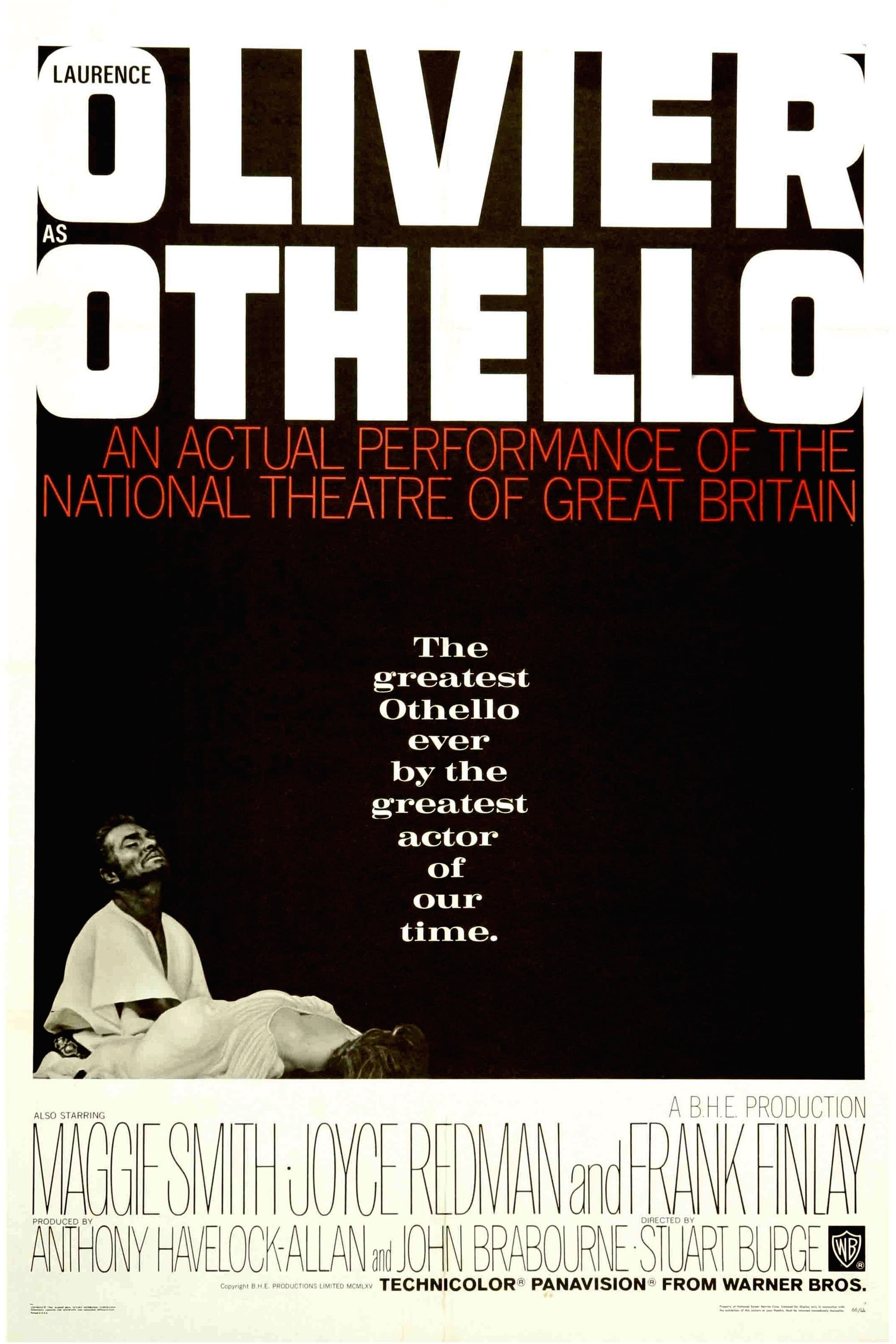
Laurence Olivier powerfully portrays Othello, the central character in Shakespeare’s tragic play, in this close adaptation of the original work. To play the general, Olivier used dark makeup and a lower voice to distinguish him from the other characters. The film stays true to Shakespeare’s language as Othello is manipulated by Iago and consumed by jealousy. While the performance earned Olivier an Oscar nomination, the use of blackface is now widely seen as problematic and controversial.
‘Cleopatra’ (1963)
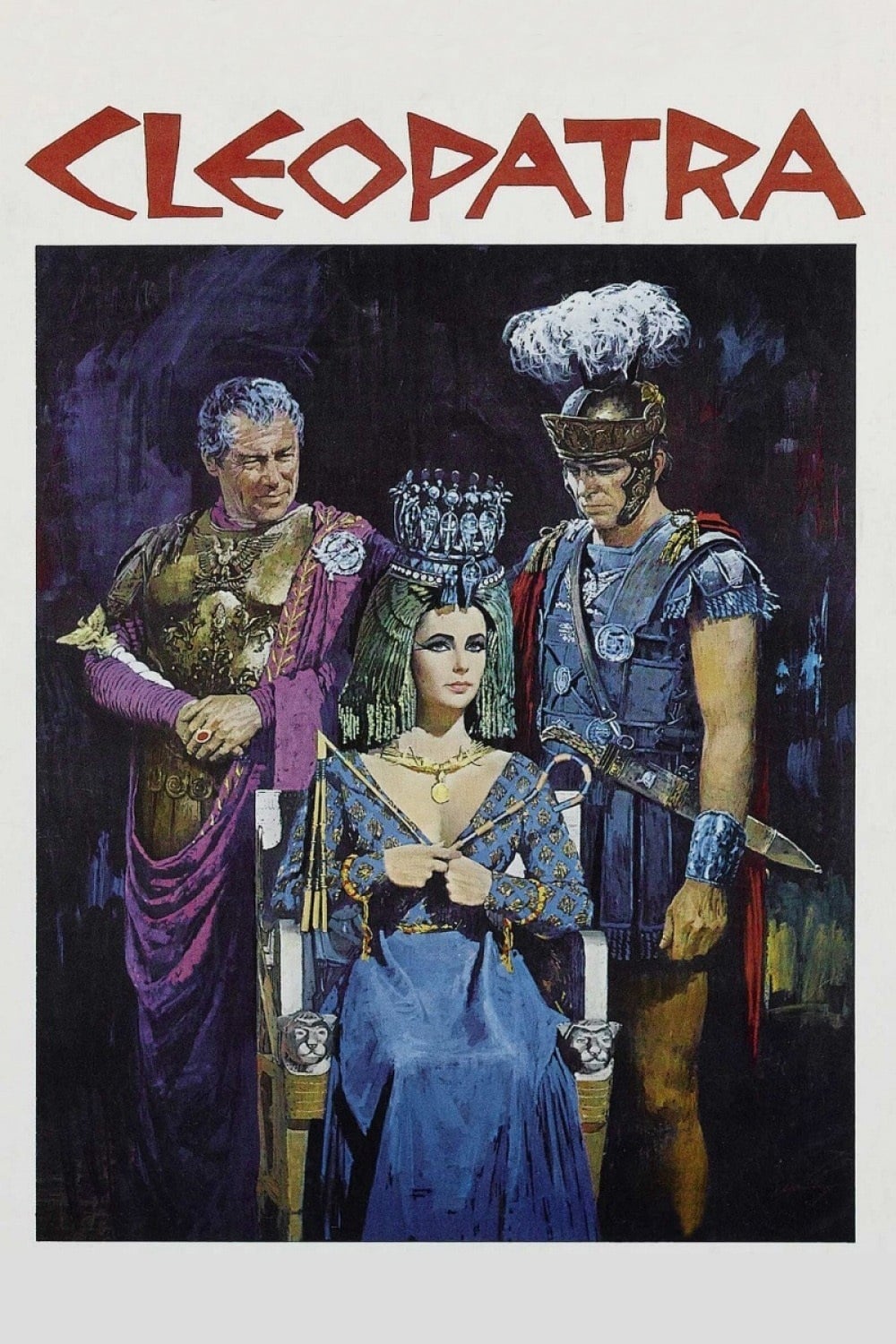
Elizabeth Taylor delivers a captivating performance as Cleopatra, the famous Egyptian queen, in a film that was incredibly costly to make. Though historians debate Cleopatra VII’s ancestry, she was an African ruler, but Taylor plays her as a white woman with purple eyes. The movie depicts Cleopatra’s complicated relationships with both Julius Caesar and Mark Antony as Rome grew its empire. Despite criticism about the film overlooking African history, it won four Oscars and cemented Taylor’s place as a legendary movie star.
‘A Mighty Heart’ (2007)
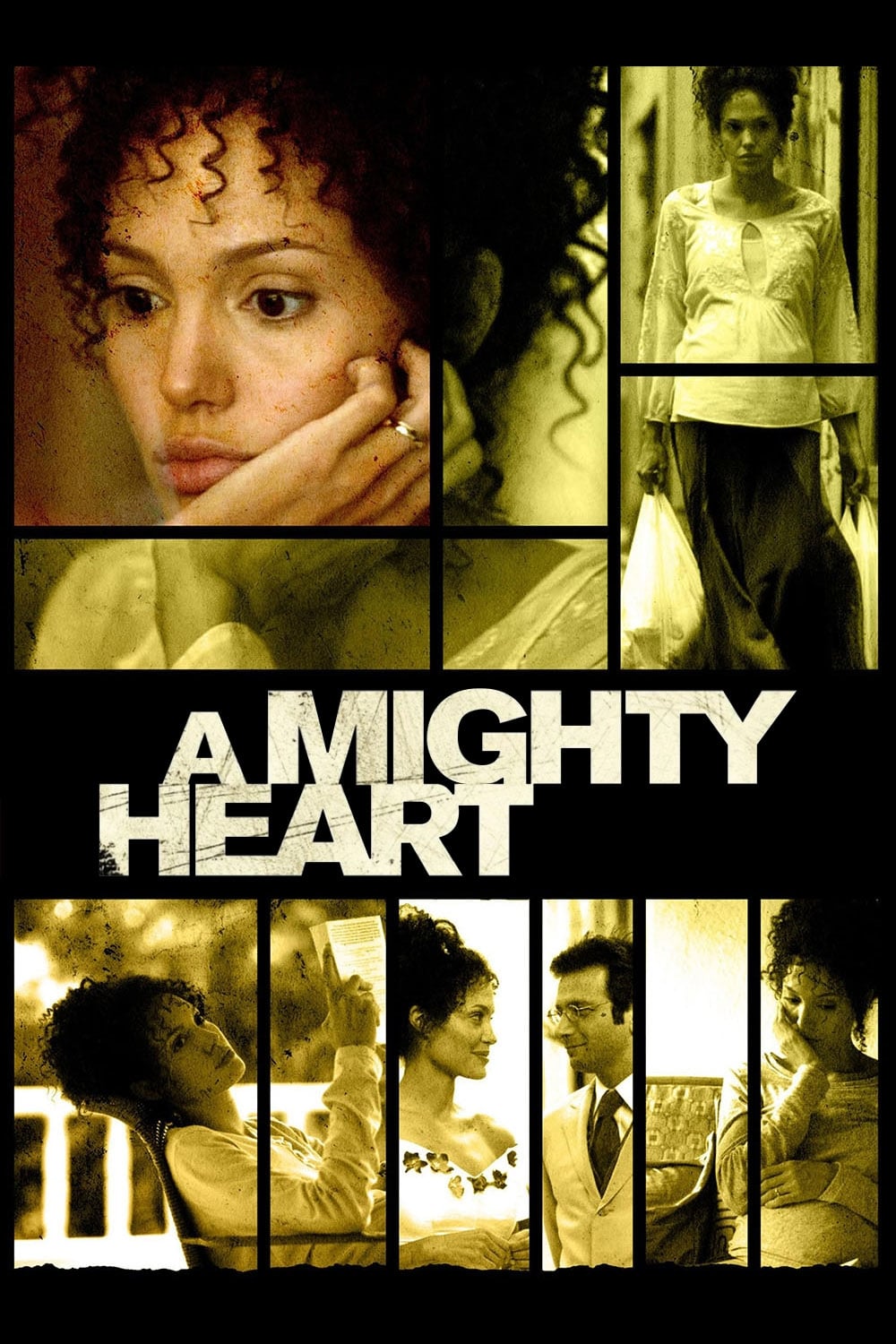
As a film buff, I remember being really moved by Angelina Jolie’s performance in the movie about Mariane Pearl, the journalist whose husband, Daniel Pearl, was tragically kidnapped. It’s a powerful story, but the casting always struck me as a bit complicated. You see, Mariane is Afro-Cuban and Dutch, with naturally curly hair and a darker complexion. Angelina, while giving a committed performance, isn’t a woman of color, so the filmmakers had her darken her skin and wear a wig to resemble Mariane. While she got a Golden Globe nod for it, a lot of people rightly questioned why they didn’t cast a Black or mixed-race actress who more closely matched Mariane’s background.
‘The Human Stain’ (2003)
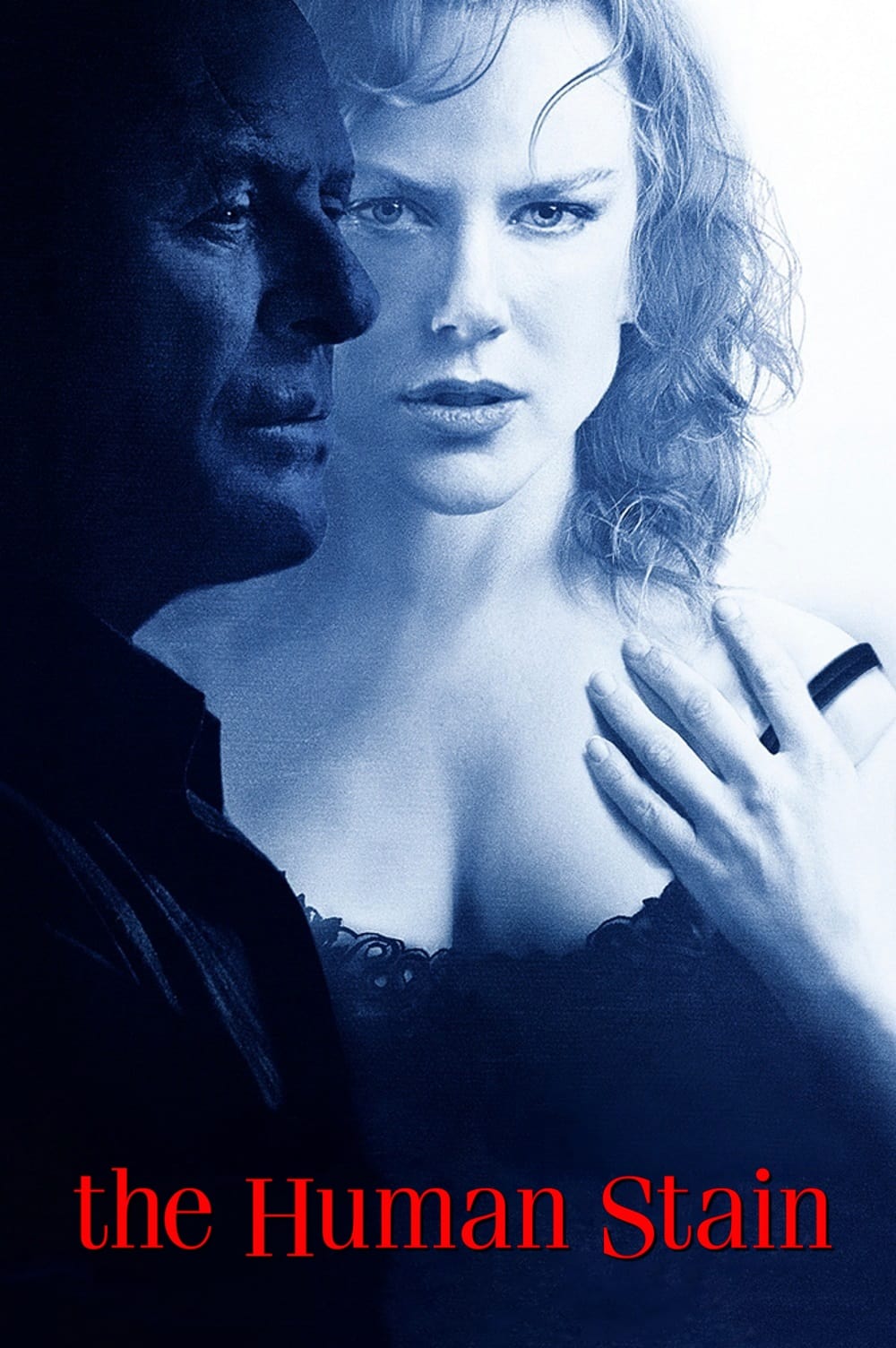
In the film, Sir Anthony Hopkins portrays Coleman Silk, a college professor who has been living a secret life – he’s actually a light-skinned Black man who has been passing as white. This hidden identity and his African-American background are key to the story, which is based on a novel by Philip Roth. While Hopkins is a white actor, the film asks viewers to accept this when considering Silk’s life story. The movie examines how keeping this secret impacts Silk’s work and personal connections, though some felt the casting lessened the powerful racial issues present in the original book.
‘Pay It Forward’ (2000)
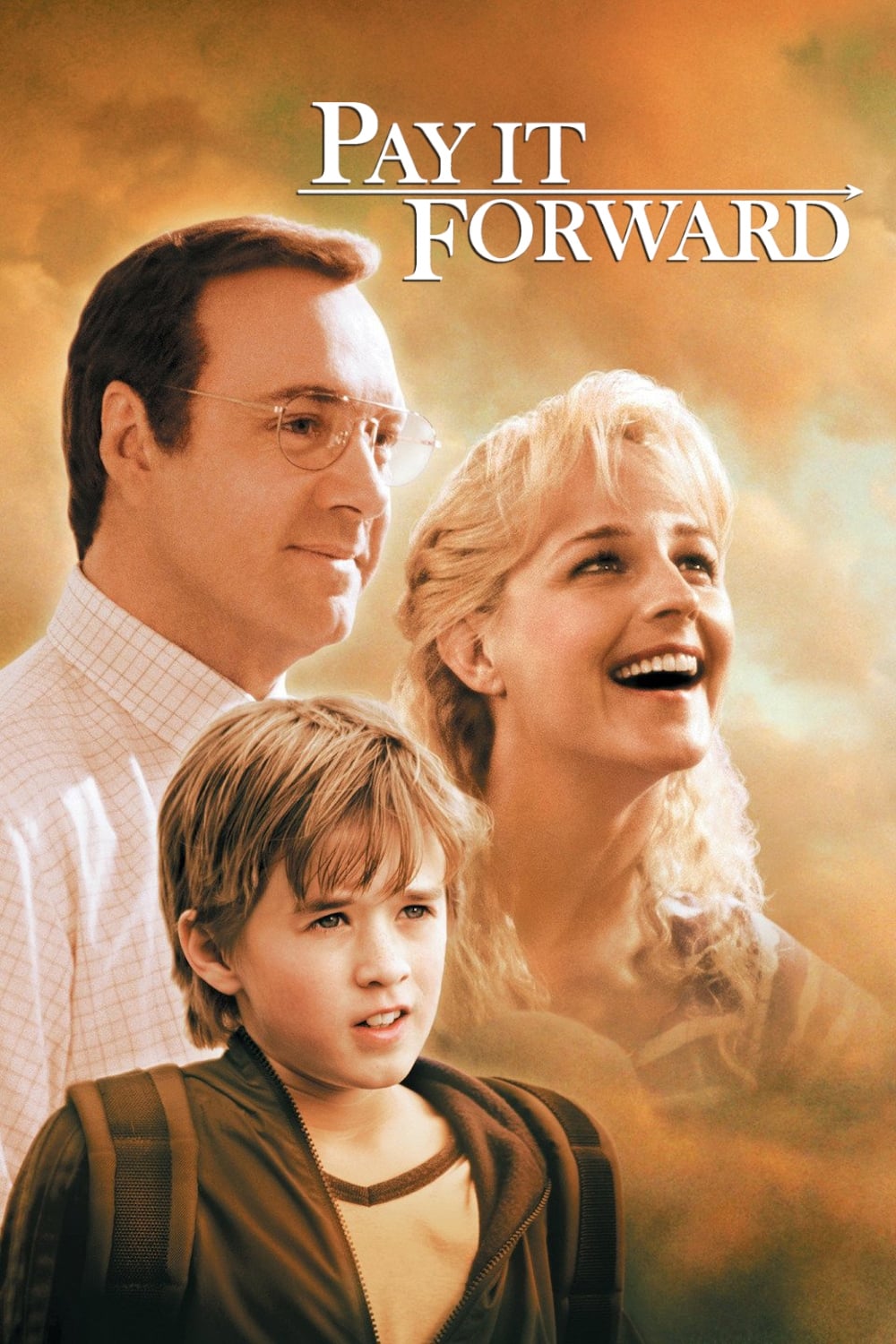
Kevin Spacey plays Eugene Simonet, a teacher who’s been through a lot and starts the film’s core idea of ‘paying it forward’ by doing good deeds. In the original book by Catherine Ryan Hyde, this character, Reuben St. Clair, was Black. The movie changed him to white, which removed the important issues of race that were part of the story. Spacey’s portrayal emphasizes the character’s emotional pain and his reluctance with romance, making it quite different from how he’s described in the book.
‘Tropic Thunder’ (2008)
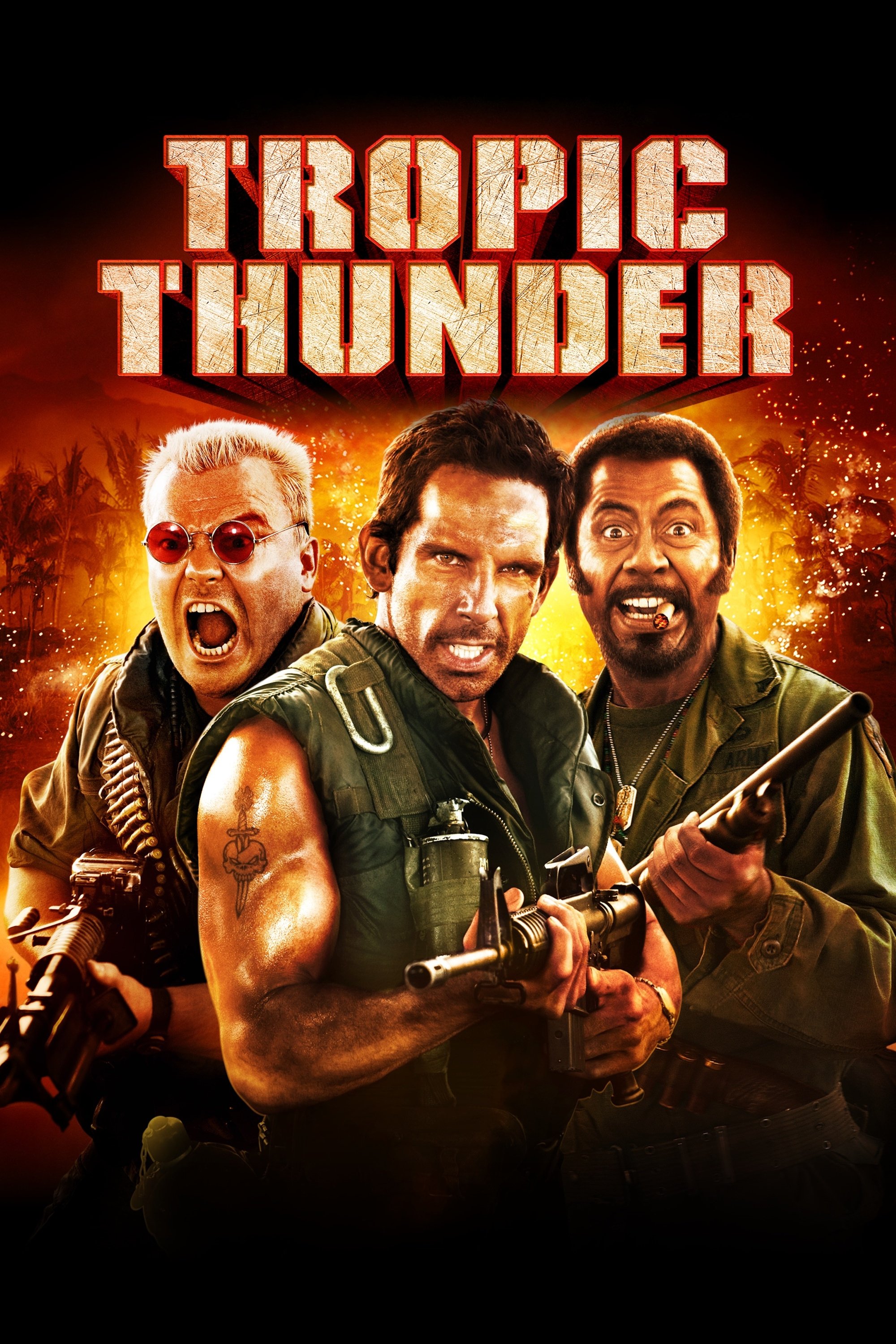
Robert Downey Jr. portrays Kirk Lazarus, an Australian actor who dramatically changes his appearance, including darkening his skin, to play a Black soldier in a film. The role is a critique of Hollywood’s past use of blackface and how far actors will go to win awards. Downey Jr. spends most of the movie with darkened makeup and a wig, using exaggerated speech patterns. Despite the controversial nature of the role, he received an Oscar nomination for Best Supporting Actor, with the Academy acknowledging the performance as a satire of the entertainment industry, not a genuine instance of blackface.
‘Exodus: Gods and Kings’ (2014)

Christian Bale stars as Moses in this large-scale film about the biblical story of the Exodus. The movie depicts Moses leading the Hebrews in a rebellion against the Egyptian Pharaoh Ramses. However, the film received significant criticism for casting mostly white actors to portray characters in a story set in ancient Africa, with Black actors largely limited to minor roles like servants and guards. This led to accusations of ‘whitewashing’ a historically African narrative.
‘The Blind Side’ (2009)
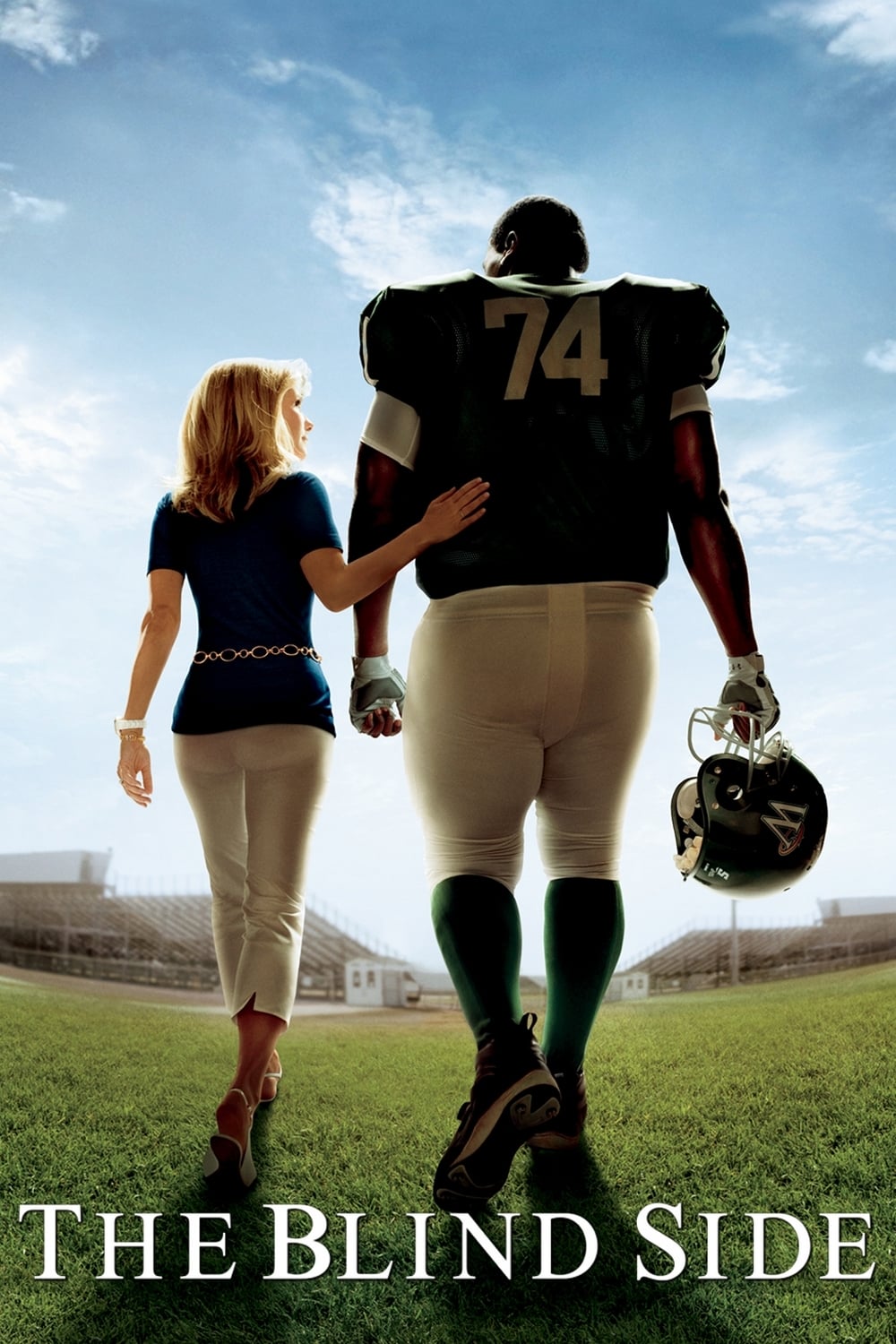
The film features Sandra Bullock as Leigh Anne Tuohy, a well-off woman who welcomes Michael Oher, a homeless teenager, into her life. Oher later achieves success as an NFL player. Though based on a real story, many critics felt the movie relied too heavily on the ‘white savior’ trope, highlighting Tuohy’s kindness instead of Oher’s own efforts and challenges. Bullock’s award-winning performance was central to the film’s emotional impact, and it became a box office hit. However, it’s often cited as an example of Hollywood telling Black stories from a white perspective.
‘Gods of Egypt’ (2016)
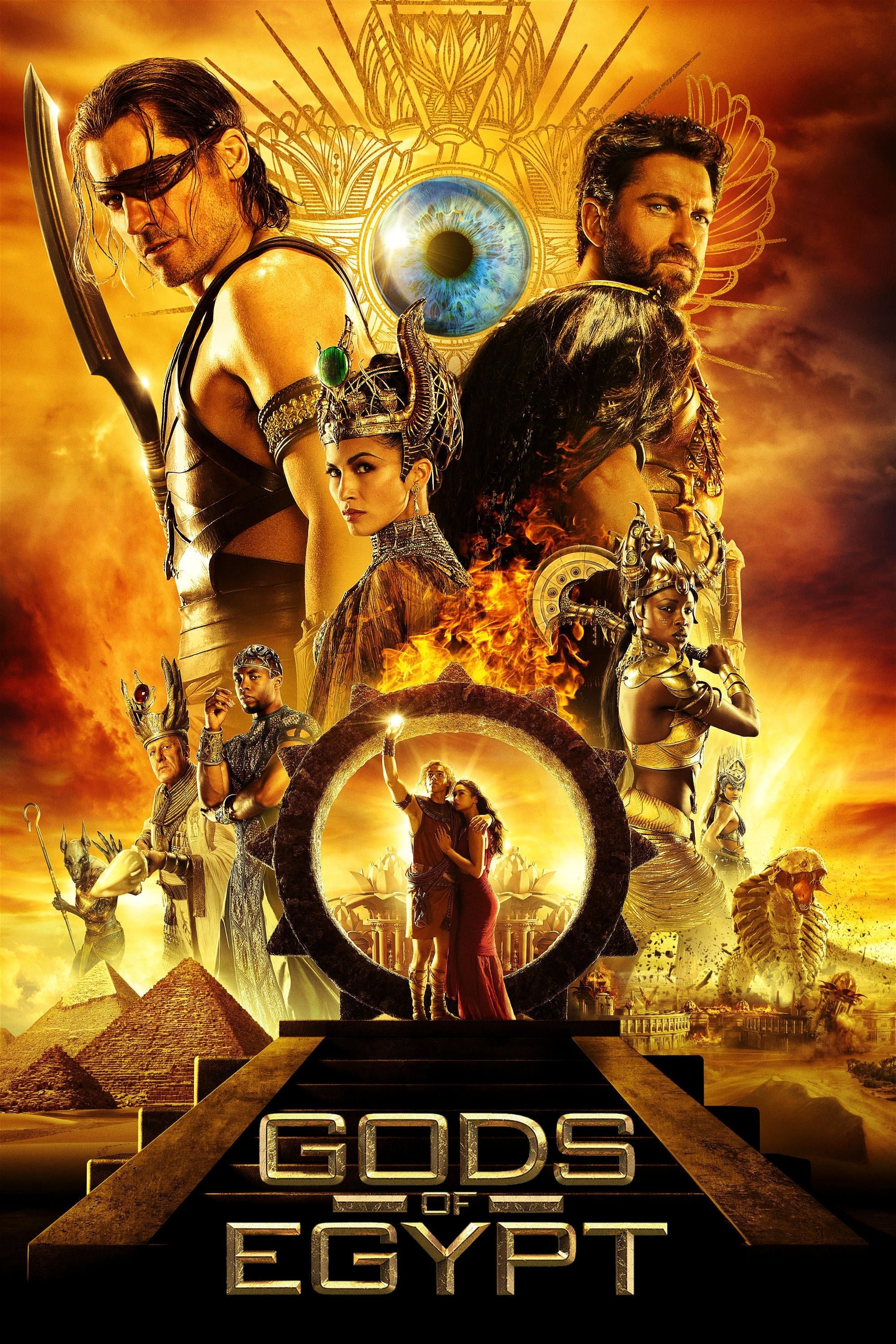
In this fantasy adventure film, Geoffrey Rush stars as the Egyptian sun god Ra. However, the movie faced criticism for casting white actors – including Rush, Gerard Butler, and Nikolaj Coster-Waldau – as gods who originate from African mythology, leading to accusations of ‘whitewashing.’ The film portrays Rush as an aging god fighting against chaos from a boat above the Nile River. Both the director and the studio apologized for the lack of diversity in the cast before the film even came out.
‘Urban Myths’ (2017)

Joseph Fiennes played Michael Jackson in an episode of a British TV series that showed a fictional road trip with Elizabeth Taylor and Marlon Brando. The decision to cast a white British actor as the Black music icon immediately sparked public criticism. The episode was set after the 9/11 attacks, depicting Jackson’s reported flight from New York. After strong reactions from Jackson’s family and fans, the episode was cancelled before it could be shown.
‘The Help’ (2011)
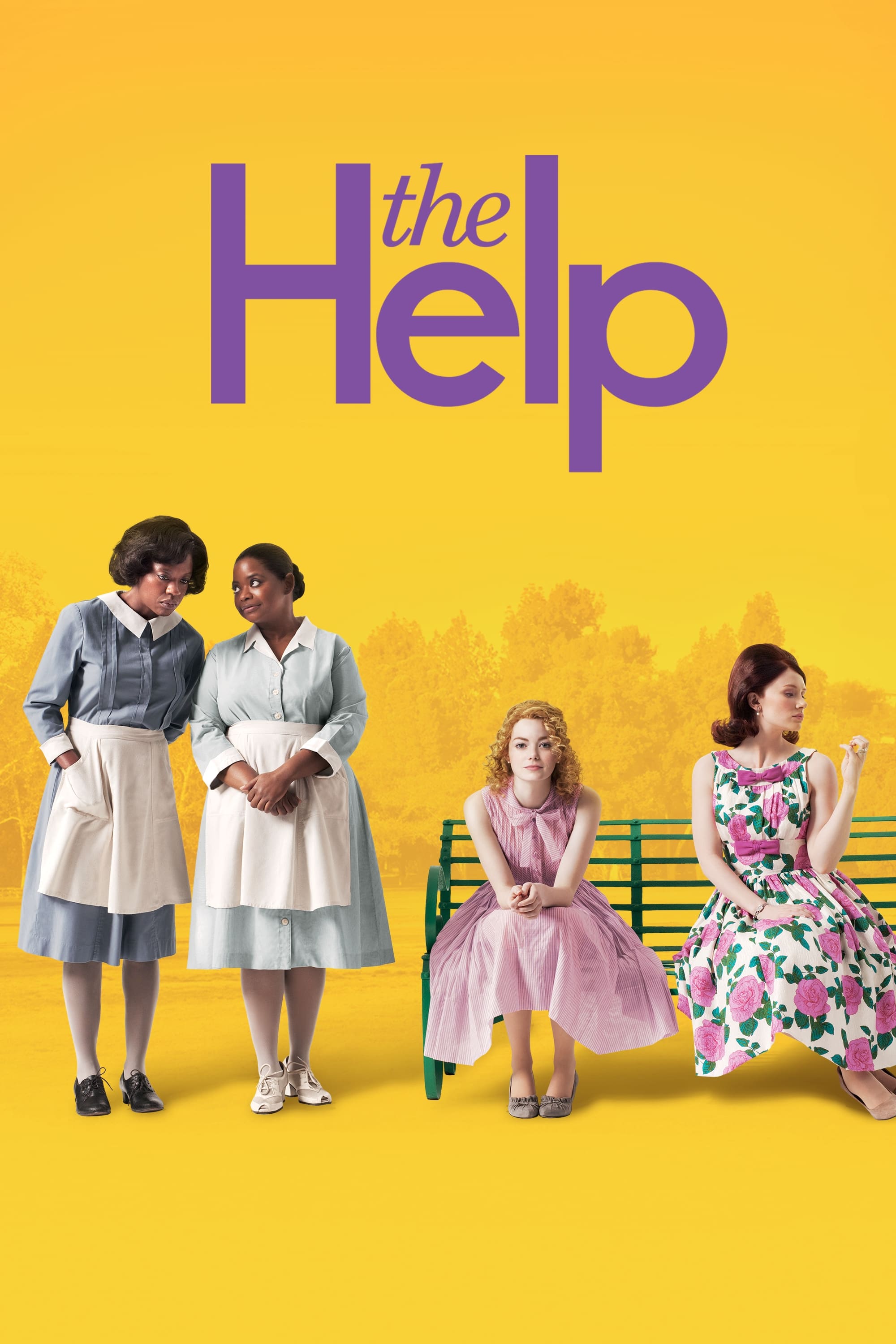
The film stars Emma Stone as Skeeter Phelan, a young journalist who sets out to tell the stories of Black maids in the segregated South. While the performances of Viola Davis and Octavia Spencer are powerful, the story is told primarily through Stone’s character. Some critics felt the movie downplayed the harsh realities of racism to make it more comfortable for white viewers and unnecessarily focused on a white character in a story about the Black experience. Despite this criticism, the film was nominated for Best Picture, which some saw as an example of the Academy favoring films about race that center white characters.
‘Argo’ (2012)
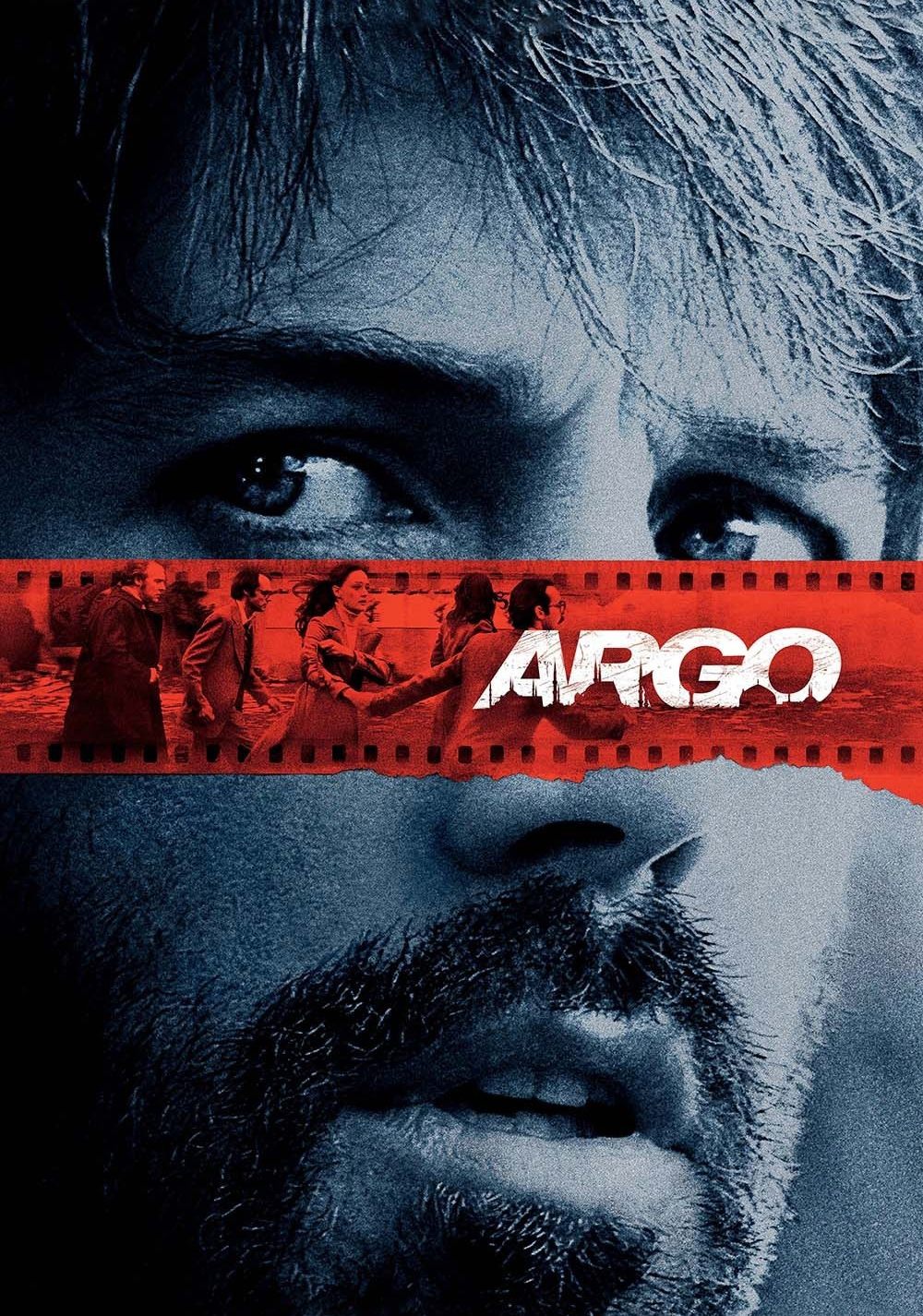
Ben Affleck both directed and starred in the film about Tony Mendez, a CIA officer who bravely rescued hostages from Iran. While the real Tony Mendez was Mexican-American, Affleck, who is not, played him in the movie, sparking criticism about the lack of Latino representation. The film centers on the thrilling rescue operation and the clever Hollywood disguise used to fool Iranian officials. Despite the controversy surrounding this casting choice, it won the Academy Award for Best Picture.
‘A Beautiful Mind’ (2001)
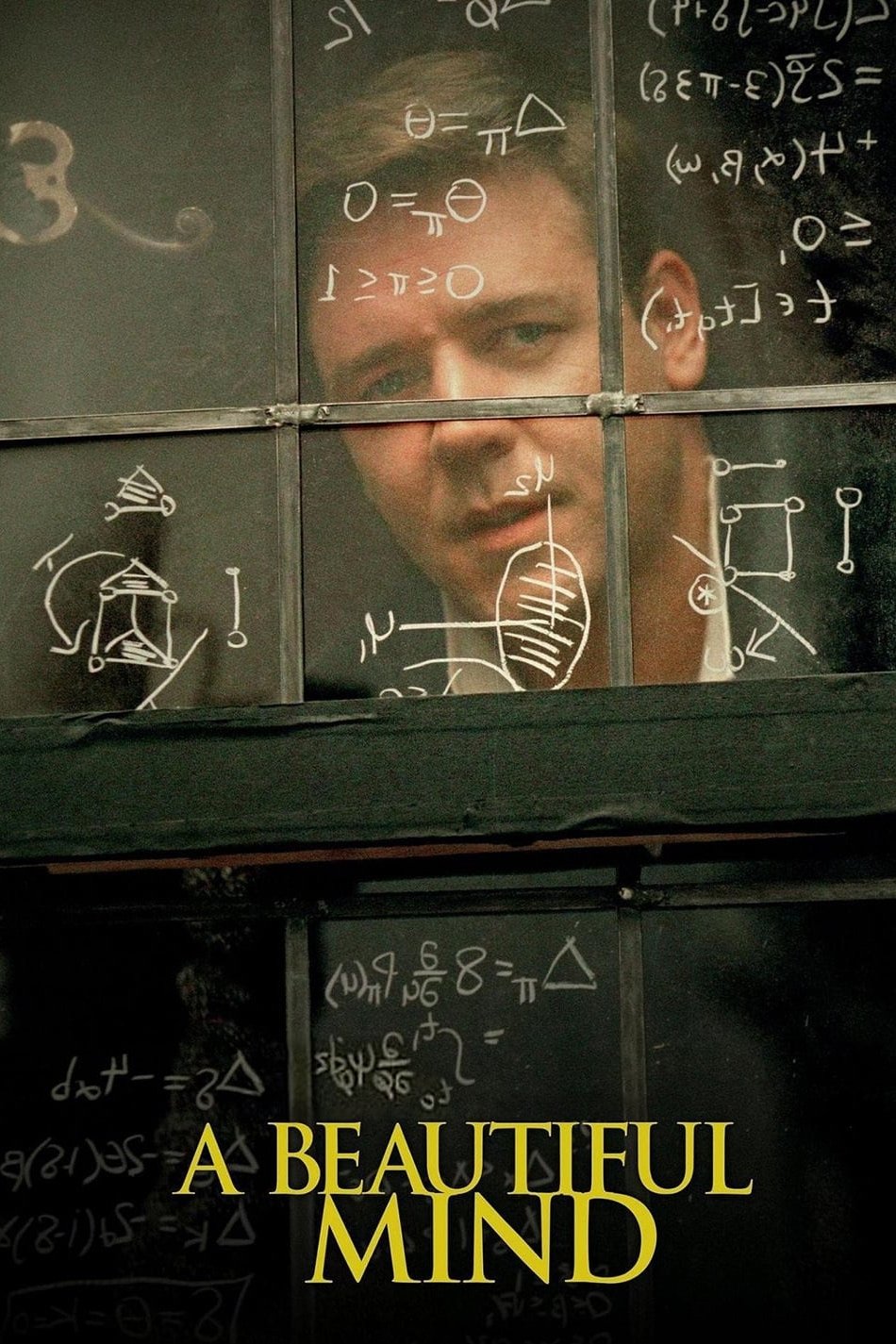
Jennifer Connelly won an Oscar for her portrayal of Alicia Nash, the wife of mathematician John Nash. However, the real Alicia Nash was a Salvadoran woman who spoke with a Spanish accent and faced the challenges of her husband’s mental illness as a Latina in the mid-1900s. The film changed her background, depicting her as a white American. Despite this, Connelly’s performance powerfully conveys Alicia’s strength and devotion.
‘Touch of Evil’ (1958)
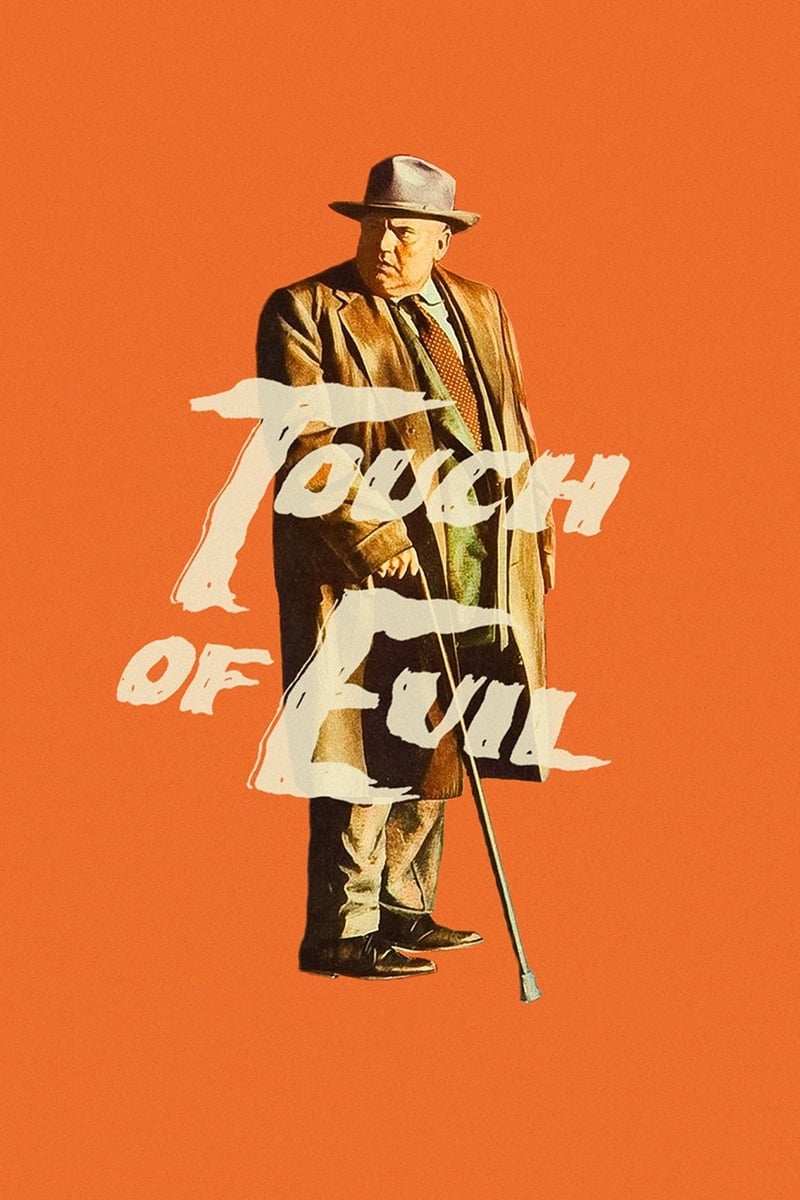
Charlton Heston plays Ramon Miguel Vargas, a Mexican law enforcement officer investigating a bombing along the US-Mexico border. While Heston is a white actor, he used makeup and a hair dye to appear Mexican for the role. The film is highly regarded as a classic noir, largely due to director Orson Welles, but the casting highlights a common practice of the time: overlooking Latino actors for leading parts. Heston’s Vargas is presented as an honest man, a stark contrast to the dishonest American police captain in the film.
‘West Side Story’ (1961)
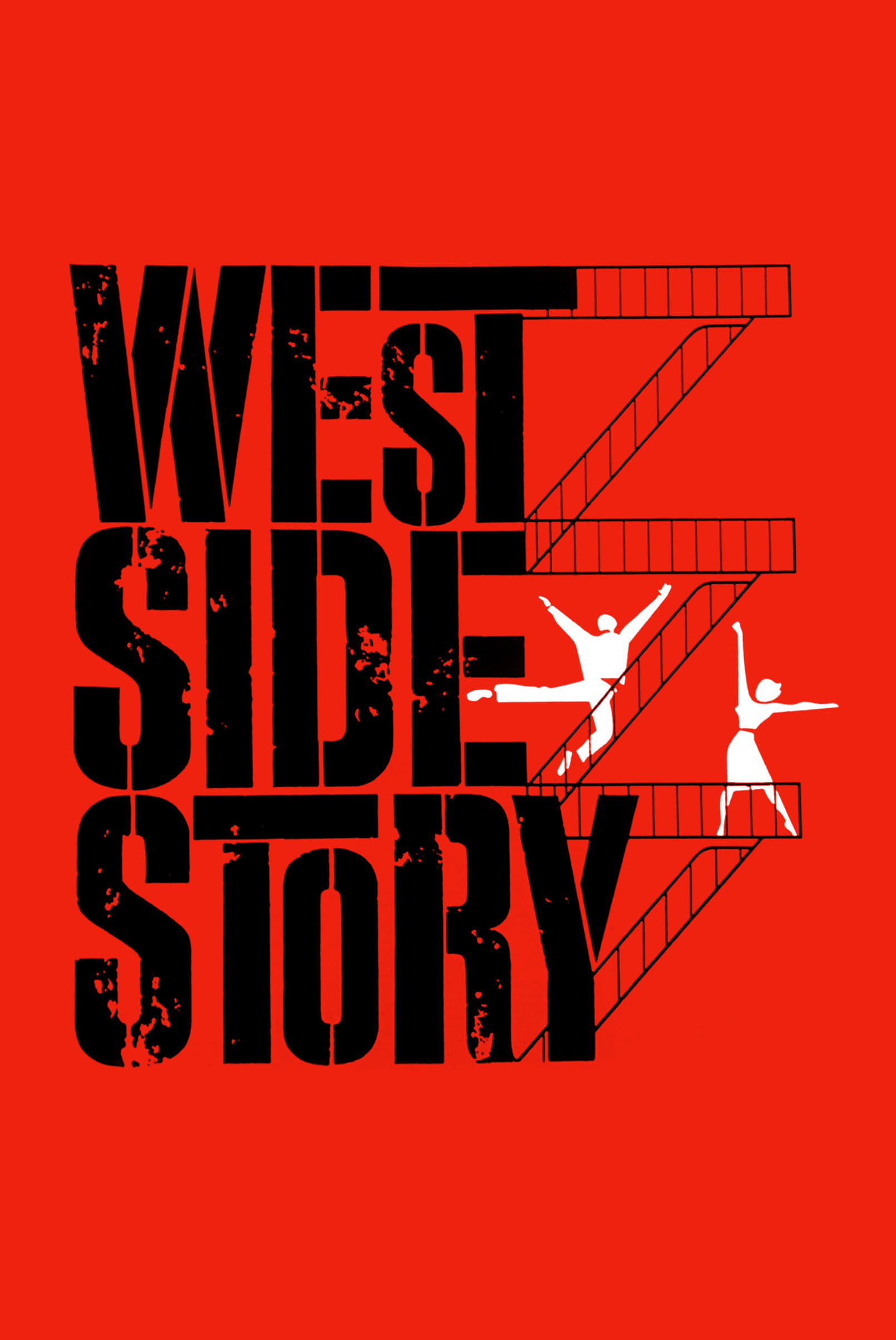
George Chakiris won an Academy Award for his portrayal of Bernardo, the head of the Sharks, a Puerto Rican gang in 1950s New York City. Both Chakiris, who is Greek, and other non-Latino actors in the film used makeup to appear Puerto Rican. The movie retells the classic story of Romeo and Juliet, focusing on racial conflict. Although a significant film, its casting choices unfortunately limited roles for Latino actors during that era.
‘Viva Zapata!’ (1952)
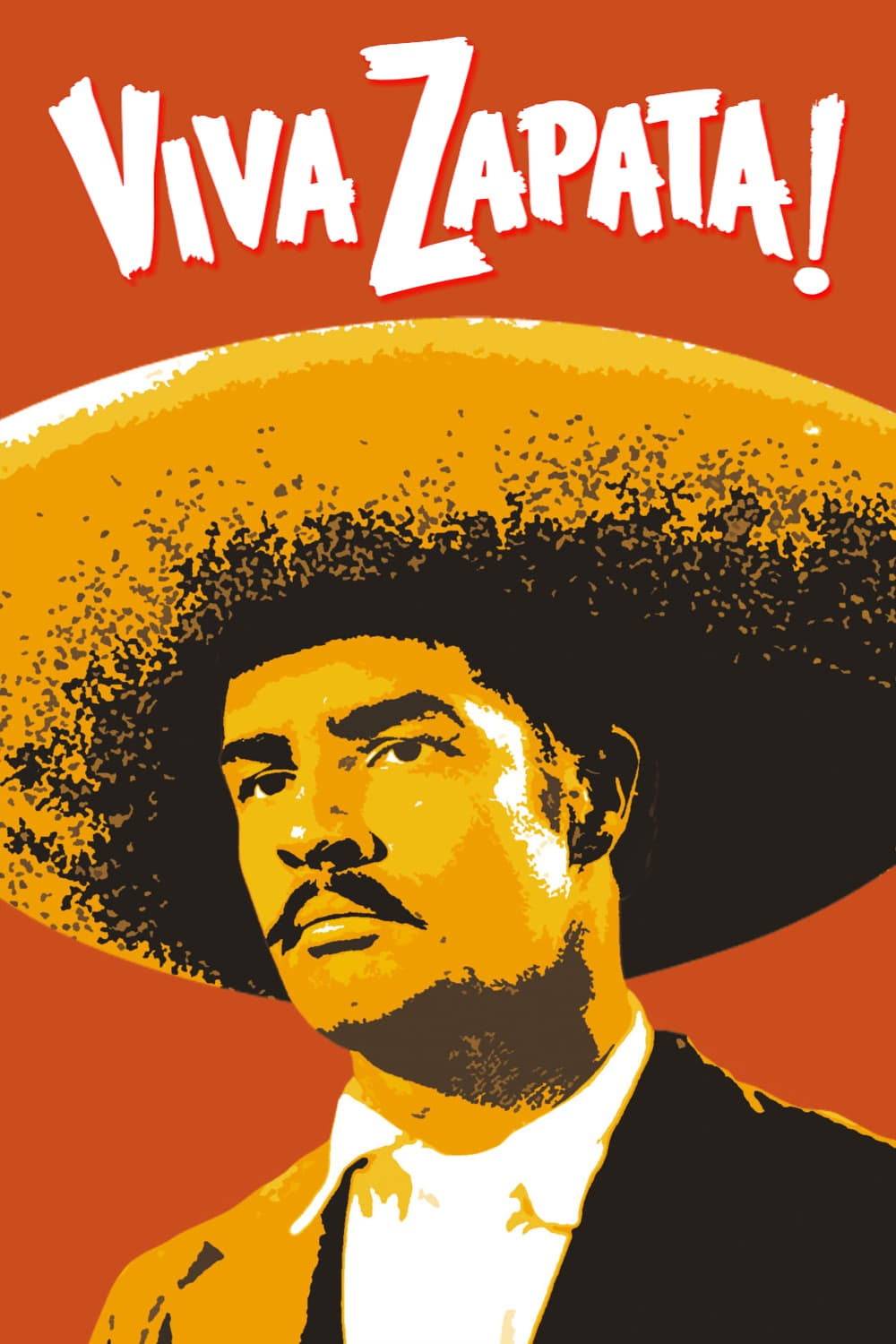
Marlon Brando plays Emiliano Zapata, a leader in the Mexican Revolution who fought for the rights of farmers and peasants. To prepare for the role, Brando used makeup to change his appearance, attempting to look more like the people Zapata represented. The film tells the story of Zapata’s journey from humble beginnings to becoming a famous revolutionary fighting for land rights. Brando’s performance won him an award at the Cannes Film Festival and an Oscar nomination, even though some criticized the film for casting a non-Mexican actor in the role of a Mexican hero.
‘The King and I’ (1956)
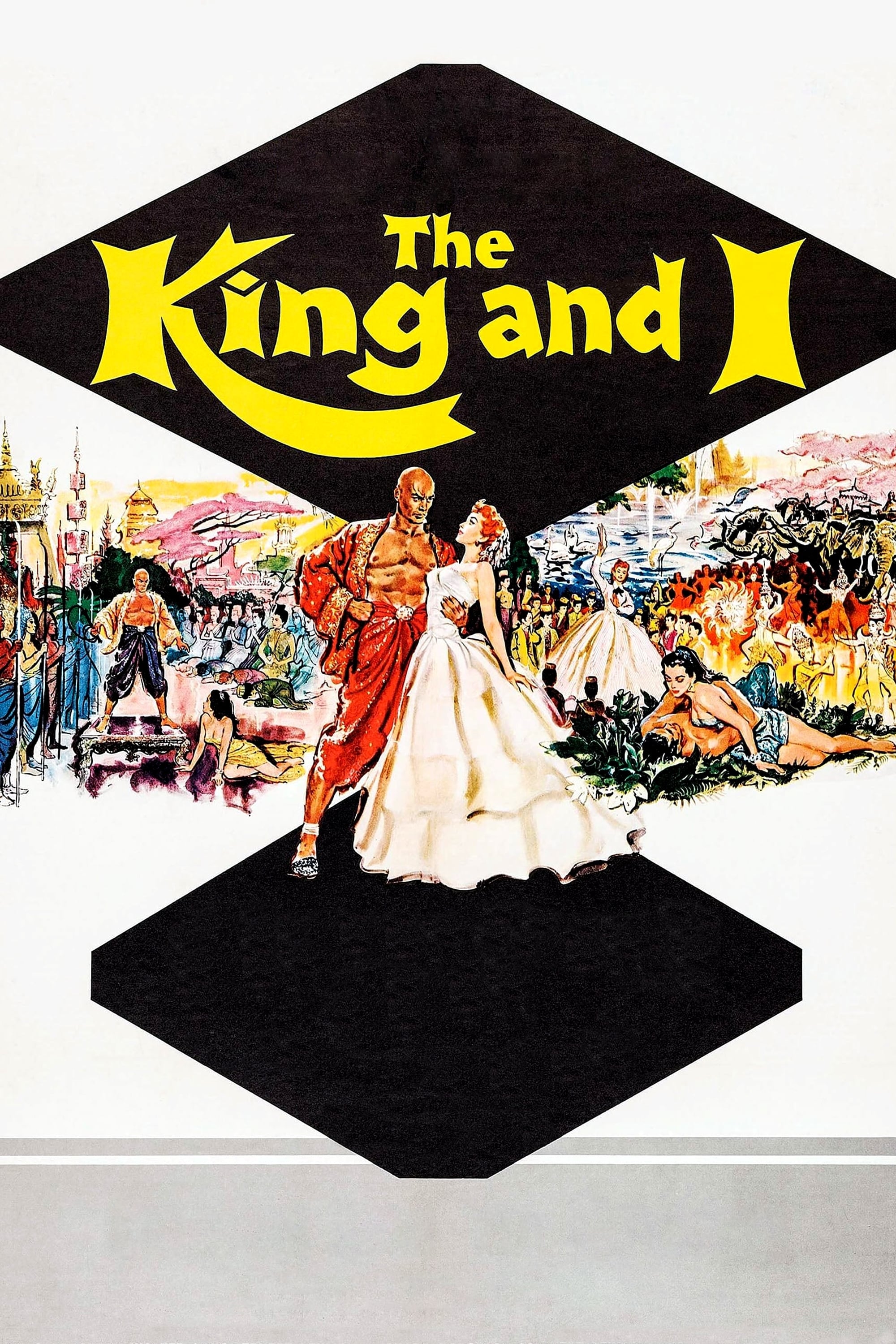
This musical is based on the real-life story of Anna Leonowens, and Yul Brynner famously plays King Mongkut of Siam. Brynner, who had Swiss-German and Russian roots, won an Oscar for his performance as the king. He portrays Mongkut as a powerful ruler who wants to modernize his country, and the film shows the complex relationship between the king and Anna, a British schoolteacher. While Brynner’s performance is well-remembered, it’s also a notable example of a Western actor playing an Asian historical figure for Western audiences.
‘The Good Earth’ (1937)
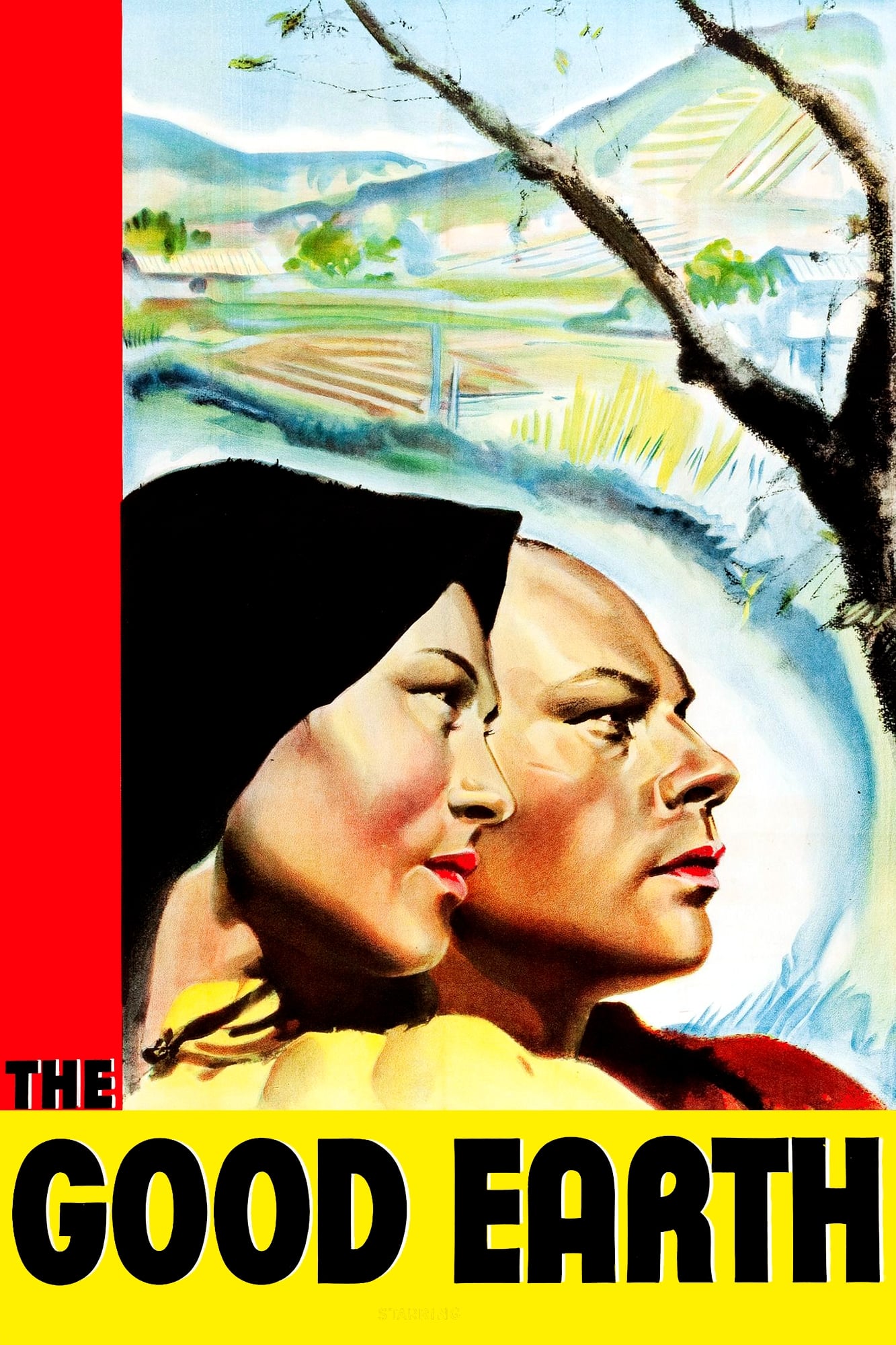
German actress Luise Rainer plays O-Lan, a Chinese farm woman facing hardship during times of famine and revolution. Rainer won an Oscar for her performance, but it involved using makeup to appear Chinese – a common practice in films of that era. The movie, based on Pearl S. Buck’s novel, didn’t cast Asian actors in the main roles because of restrictive rules about depicting relationships between people of different races. While Western audiences praised Rainer’s portrayal of O-Lan’s strength and endurance, the film overlooked the fact that it excluded Chinese actors from leading roles.
‘The Year of Living Dangerously’ (1982)
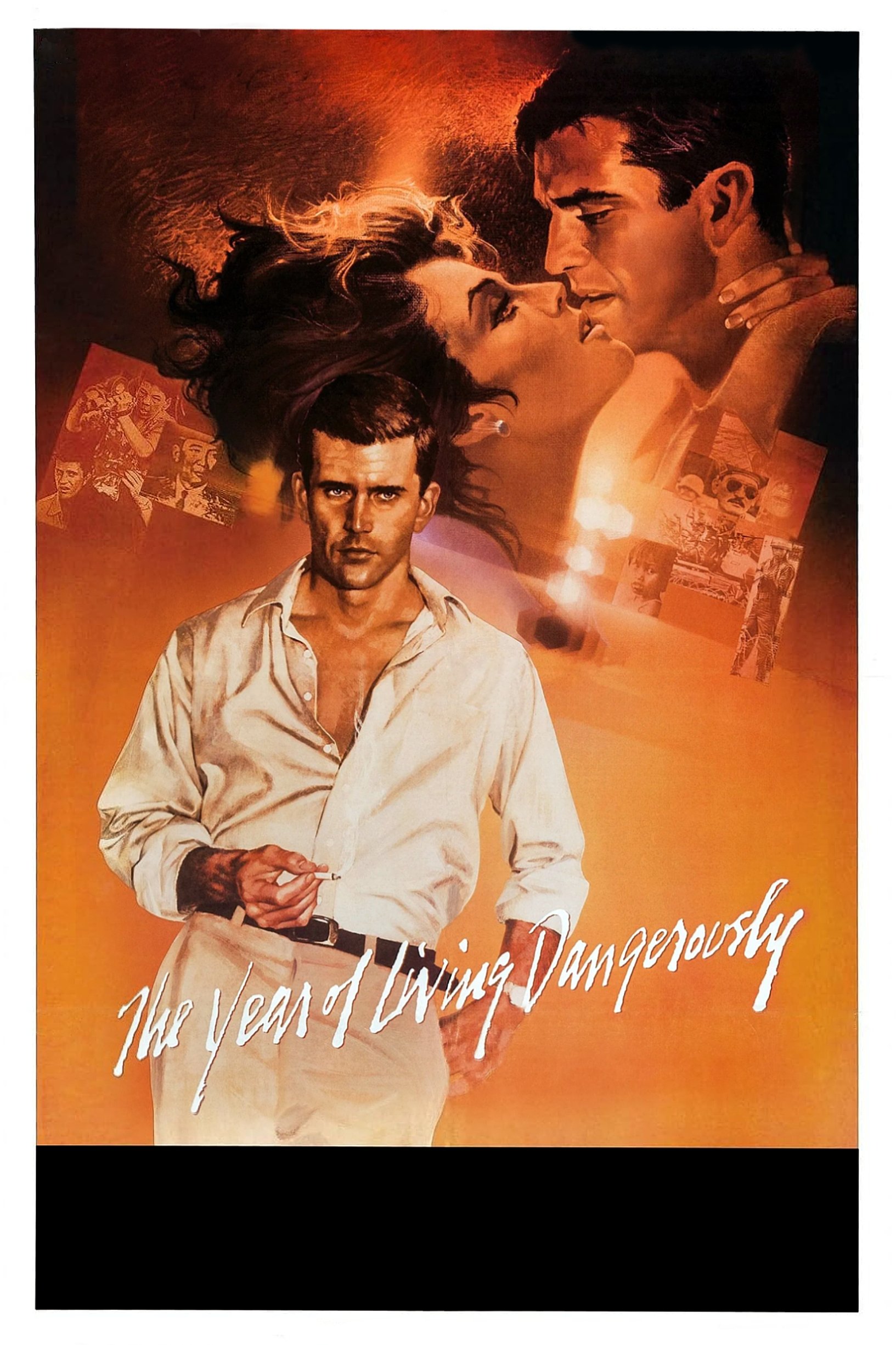
Linda Hunt famously played Billy Kwan, a Chinese-Australian photographer who is also a little person, in a film set during a period of political unrest in Indonesia. Hunt, a white actress, won an Oscar for her portrayal, using makeup and prosthetics to transform her appearance. However, the role has been criticized because it took opportunities away from both Asian and male actors, effectively erasing their potential representation on screen.
‘Breakfast at Tiffany’s’ (1961)

Mickey Rooney’s portrayal of Mr. Yunioshi, Holly Golightly’s Japanese landlord, is now widely seen as a deeply offensive and racist performance. He used makeup – including fake teeth and taped eyelids – and a stereotypical accent in an attempt to be funny. The character exists only to contrast with the film’s love story and relies entirely on harmful and outdated ethnic stereotypes. This role is remembered as one of the most glaring examples of yellowface in Hollywood, and it has damaged the reputation of what is otherwise a cherished film.
‘Aloha’ (2015)

Emma Stone starred as Allison Ng, a character who is meant to be one-quarter Chinese and one-quarter Hawaiian. However, casting a white actress with blonde hair and green eyes to play a mixed-race native Hawaiian caused considerable backlash. The movie centers on her character’s journey as an Air Force pilot, exploring her heritage and a relationship with a military contractor. Stone later apologized for taking the role, acknowledging a broader issue within the film industry regarding the representation of people with diverse ethnic backgrounds.
‘Doctor Strange’ (2016)

Tilda Swinton plays the Ancient One, a character who was originally written as an old Asian man from the Himalayas in the comic books. The movie changed the character to a Celtic mystic, aiming to avoid harmful stereotypes. However, some critics felt this change removed a significant role for an Asian actor. Swinton’s performance as the powerful and wise mentor to the main character is strong, but the casting sparked a discussion about whether it’s acceptable to change a character’s ethnicity to avoid stereotypes, even if it means excluding actors of that ethnicity.
‘Ghost in the Shell’ (2017)

The movie features Scarlett Johansson as Major Mira Killian, a soldier with cybernetic enhancements, set in a futuristic version of Japan. It’s based on a popular Japanese manga and anime featuring the character Motoko Kusanagi. A key plot point reveals the character’s brain originally belonged to a Japanese woman and was placed in a synthetic, white body – a reveal that sparked controversy. Many critics argued the casting of Johansson was a clear case of whitewashing, substituting a Japanese character with a white actress to appeal to a wider audience.
‘Prince of Persia: The Sands of Time’ (2010)
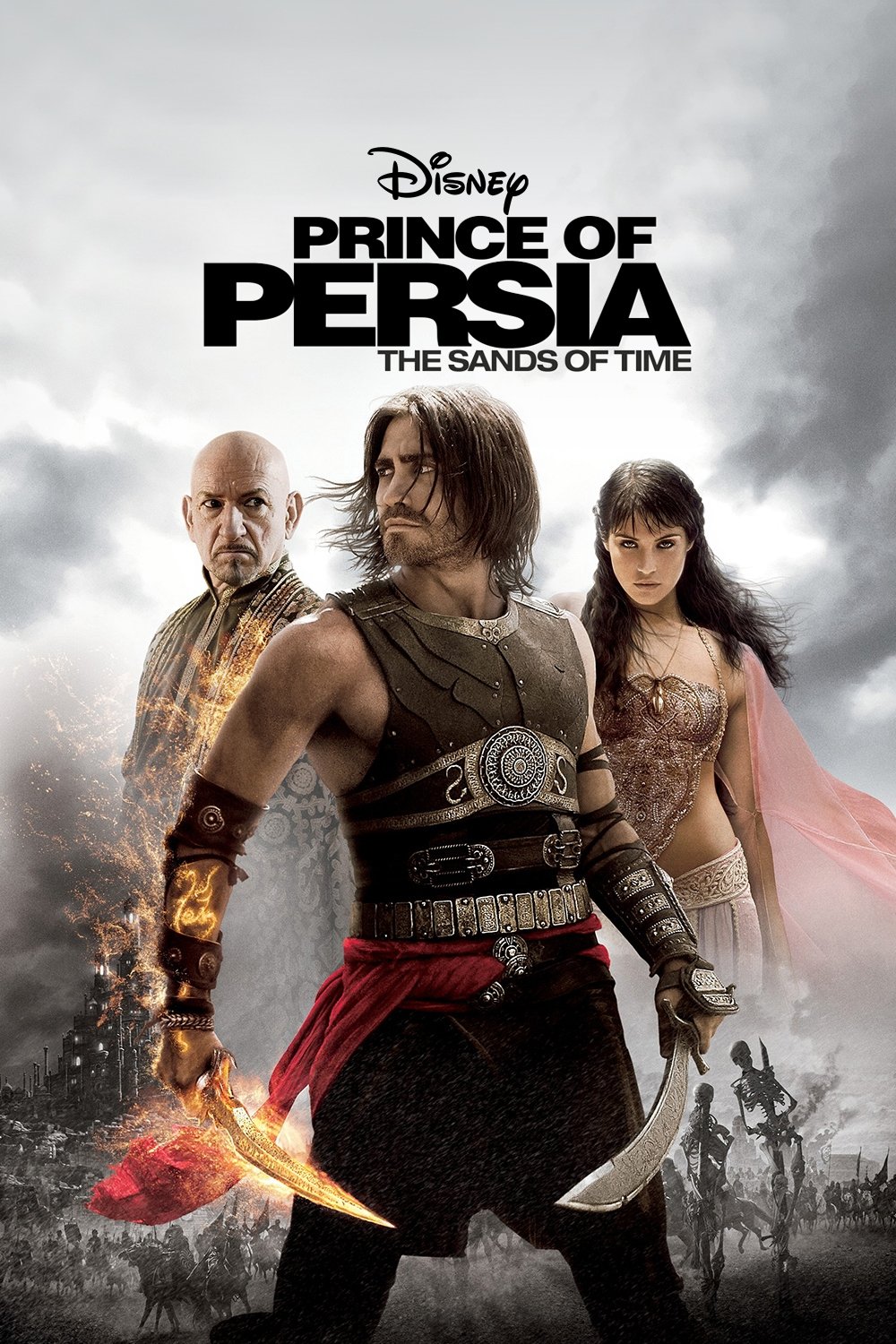
I recently revisited ‘Prince of Persia: The Sands of Time,’ and honestly, it’s a bit of a mixed bag. Jake Gyllenhaal does a decent job as Dastan, the adopted son of the Persian King, thrown into a quest to safeguard a magical dagger. Visually, it’s a spectacle – lots of impressive stunts from Gyllenhaal and a very digitally-created ancient Persia. However, it’s hard to ignore the fact that a story set in Iran features a predominantly white cast. While the action is fun and the playful back-and-forth with the princess is charming, the film ultimately feels like a missed chance to showcase Middle Eastern talent on a massive scale. It was meant to kick off a franchise, but that never materialized, and it’s easy to see why – the casting choice really overshadows everything else.
‘Pan’ (2015)

Rooney Mara starred as Tiger Lily, the warrior princess of a Native American tribe in the movie Pan. The casting sparked controversy because Mara, a white actress, was chosen for the role of a character originally written as Indigenous. While filmmakers said they’d reimagined the tribe as multi-ethnic, many criticized the decision to have a white actress play such a prominent Indigenous role. The film was not well-received by critics or audiences, and the casting choice became a major point of discussion surrounding its poor performance.
Share your thoughts on these casting decisions and their impact on cinema history in the comments.
Read More
- Invincible Season 4 Gender Swaps Tech Jacket As Fans Question Major Comic Change
- Building Agents That Learn and Improve Themselves
- Gold Rate Forecast
- Games That Faced Bans in Countries Over Political Themes
- Silver Rate Forecast
- Trading Crypto with AI: A New Approach to Portfolio Management
- 15 Films That Were Shot Entirely on Phones
- Why Won’t It Just *Do* What You Ask? Unpacking the Quirks of AI Language
- Unveiling the Schwab U.S. Dividend Equity ETF: A Portent of Financial Growth
- Thinking Before Acting: A Self-Reflective AI for Safer Autonomous Driving
2025-12-02 19:48