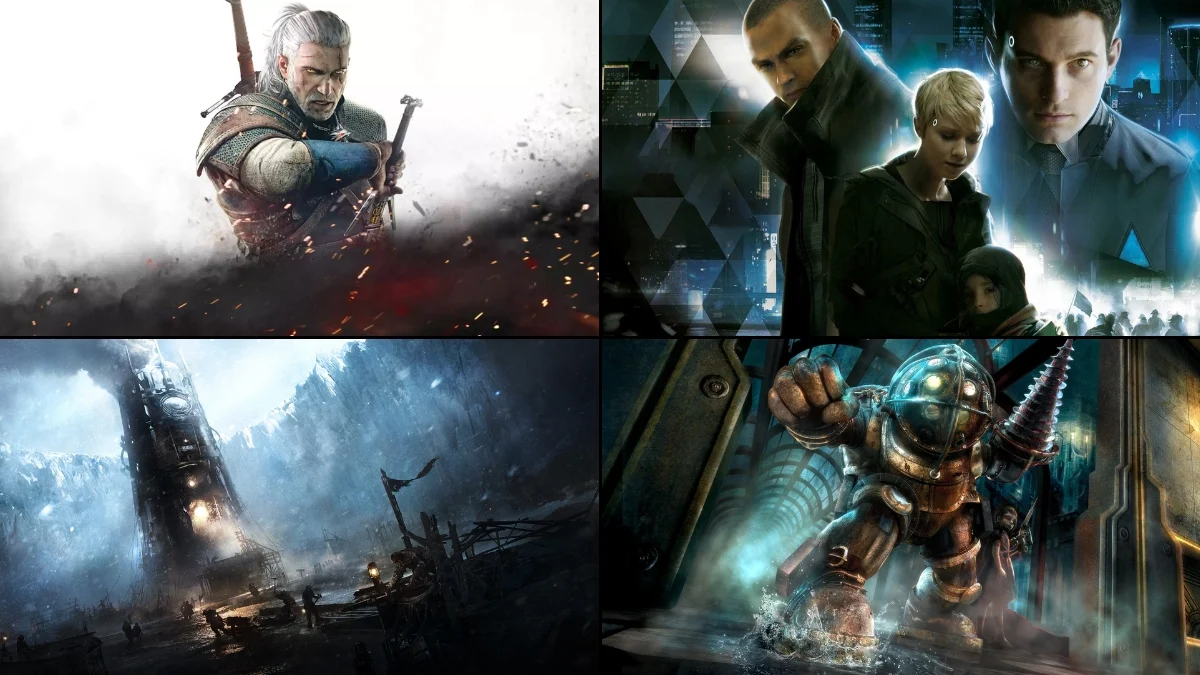
Video game stories have become much more complex than simple ‘good versus evil’ plots. Now, players often face tough decisions with significant consequences. Many modern games avoid traditional hero stories, instead presenting situations where players must balance staying alive, political concerns, and their own morals. These choices rarely lead to clear victories or complete failures, mirroring the messy realities of life. These games are praised for their thoughtful storytelling and the way difficult decisions can stay with players long after they finish playing.
‘Vampyr’ (2018)
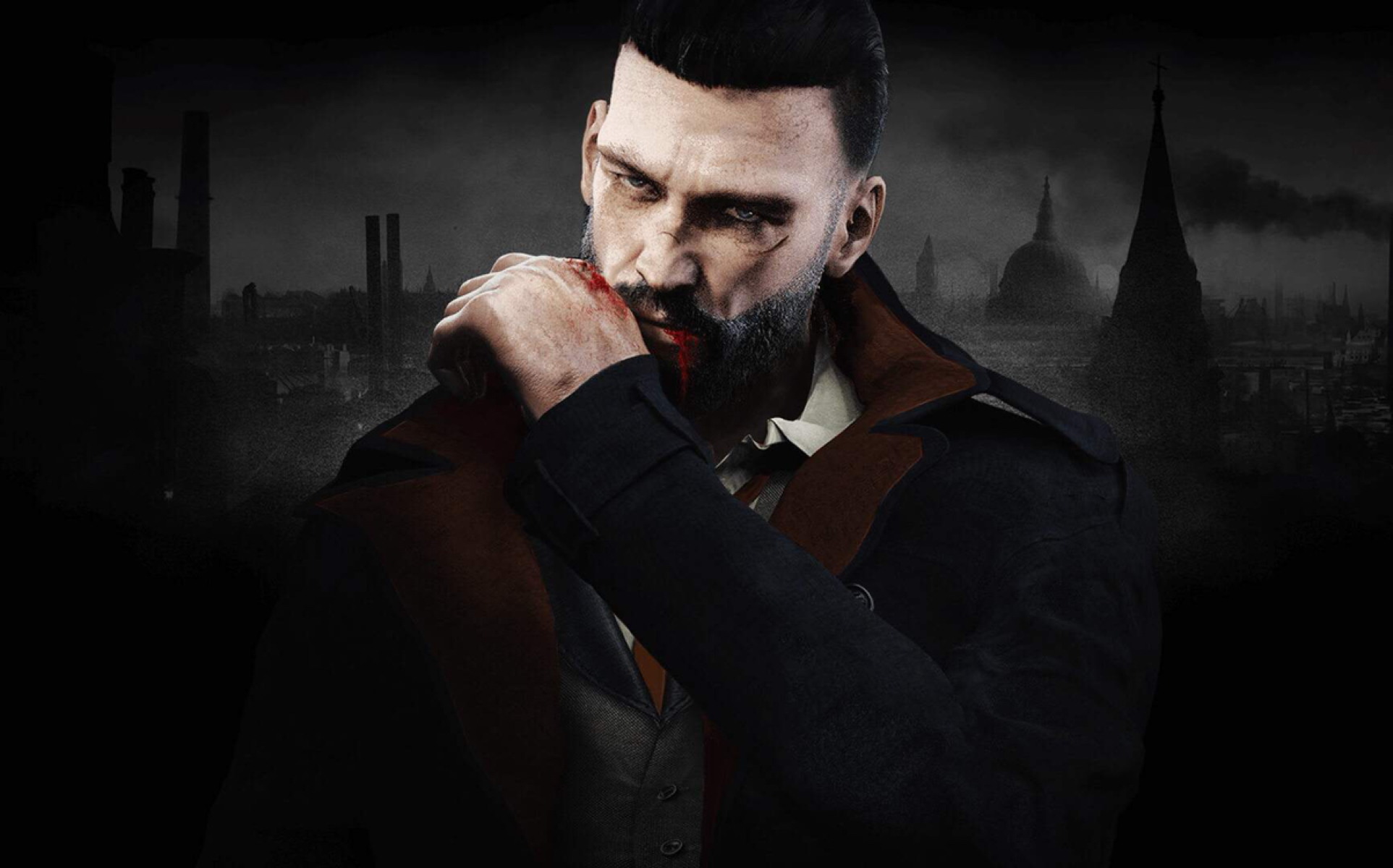
In ‘Vampyr,’ you play as Dr. Jonathan Reid, a newly turned vampire in London during the 1918 Spanish Flu epidemic. The game explores the tension between his medical oath to heal and his vampiric need to feed on blood. You can kill anyone in the game for experience, but doing so harms the surrounding communities. While being merciful makes fights harder, killing too many people will cause neighborhoods to fall apart. This creates a constant challenge: how do you gain power without losing your humanity?
‘Tyranny’ (2016)
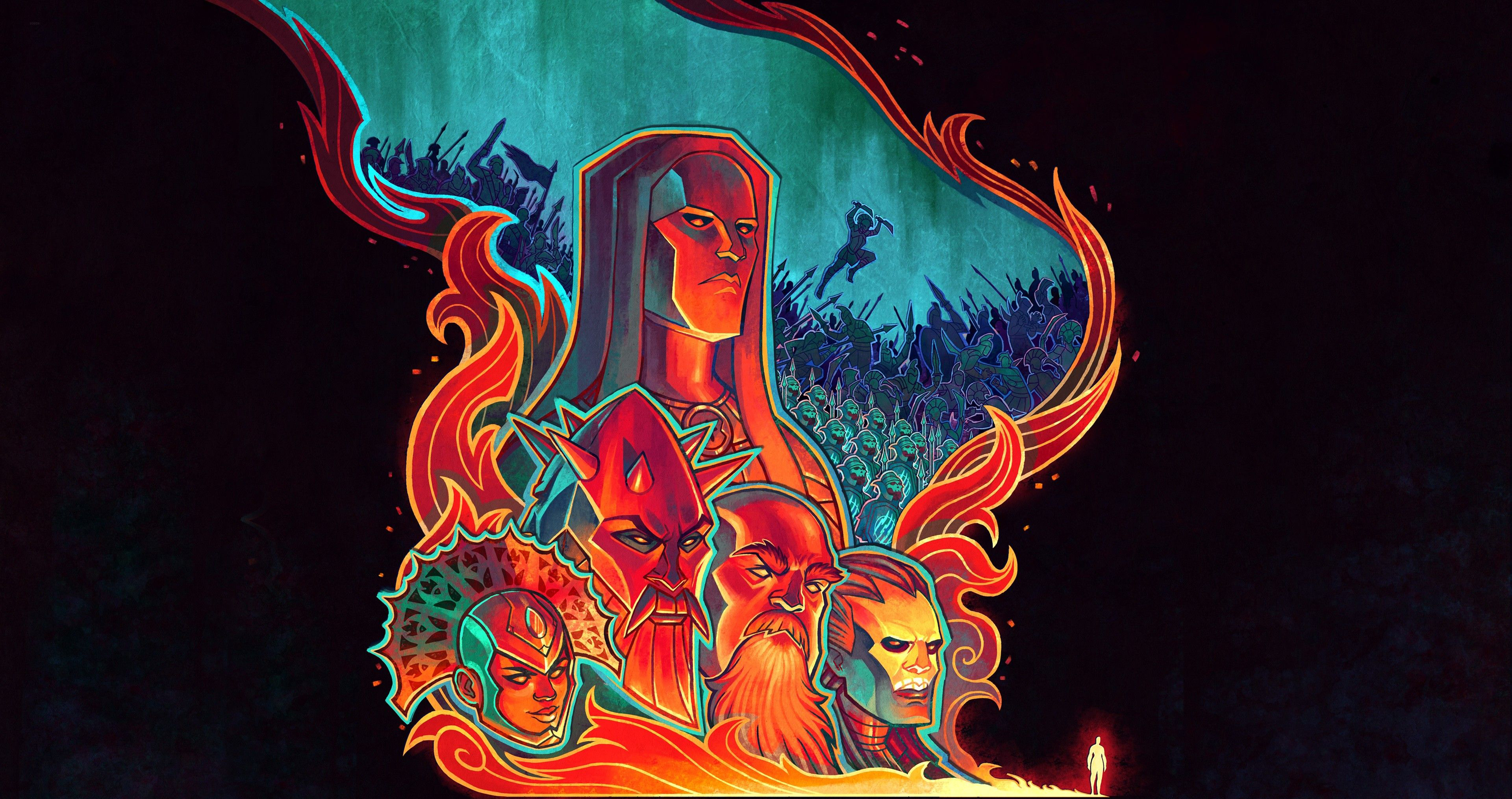
In the game ‘Tyranny,’ you play as a Fatebinder, a judge who enforces the laws of a powerful tyrant who has already taken over the world. The game doesn’t involve fighting the tyrant directly; instead, you resolve conflicts between different groups within his army. There are no ‘good guys’ here – you’ll constantly be forced to choose between bad options or carry out harsh orders to keep the conquered lands under control. The story changes based on your choices, showing how bureaucracy can either lessen or worsen the cruelty of a tyrannical ruler.
‘Frostpunk’ (2018)
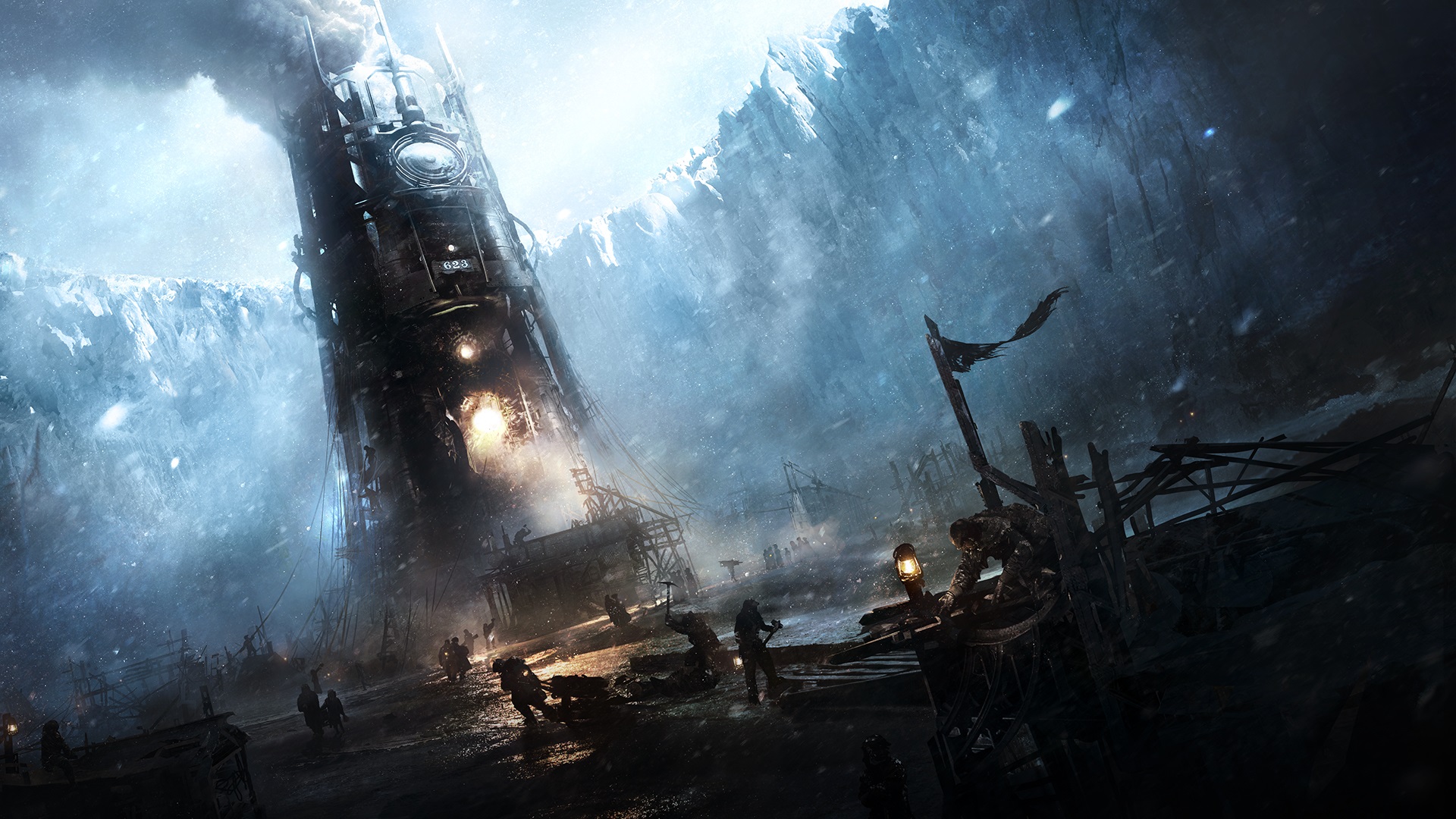
In ‘Frostpunk,’ you lead the last city on Earth through a devastating volcanic winter. As leader, you’ll face tough choices – like whether to use child labor or how to handle the seriously ill – all to gather the resources needed to keep everyone alive. These decisions will help the city survive, but they’ll also impact the morale and happiness of your people. The game constantly challenges you to balance your own values with the urgent need to prevent humanity from disappearing.
‘This War of Mine’ (2014)
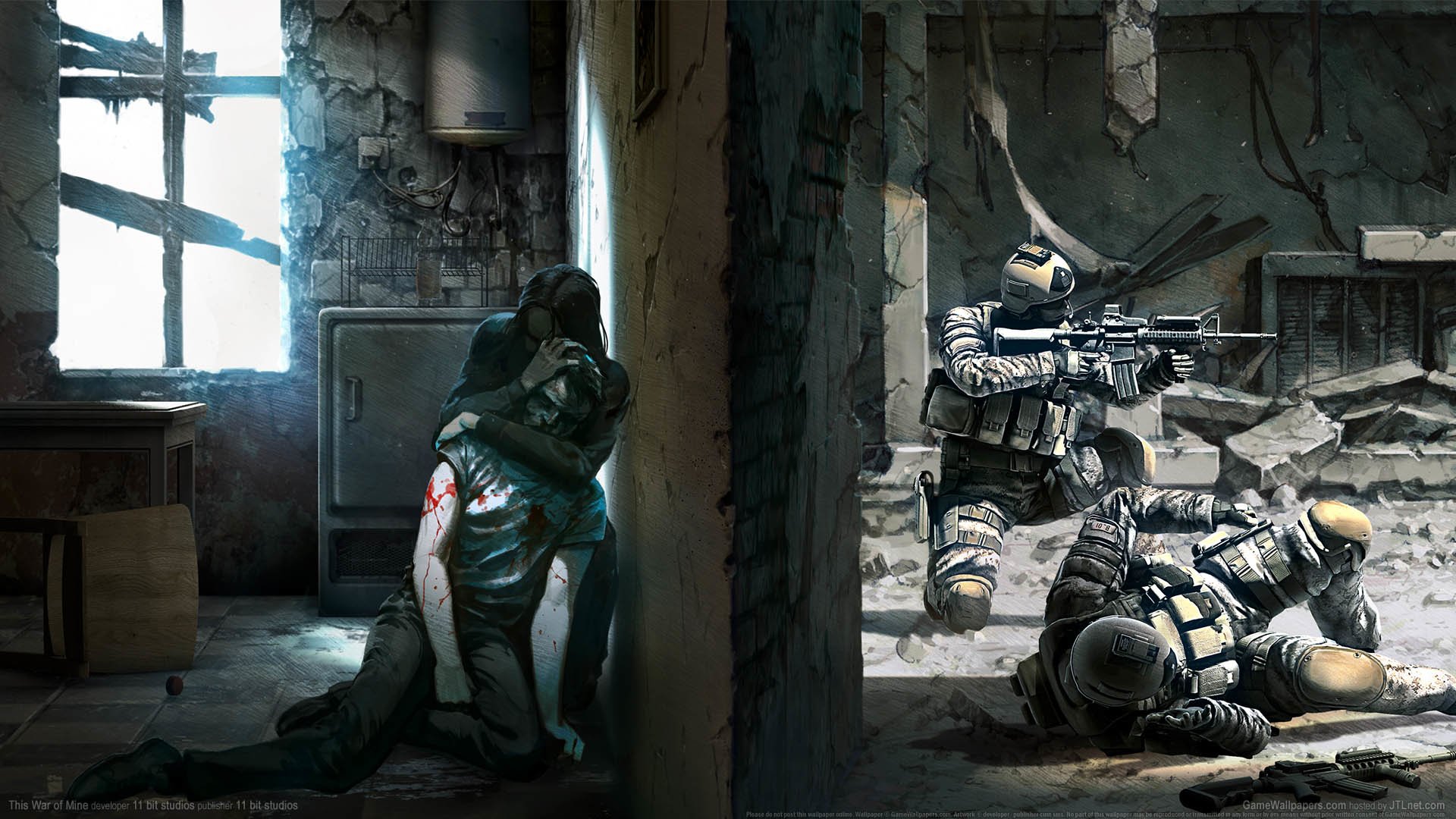
Instead of putting you in the role of a soldier, ‘This War of Mine’ challenges players to survive as civilians trapped in a city under siege. You’ll face difficult decisions – like whether to steal food to keep your group alive – and these choices will impact your characters’ mental health. The game highlights the grim truth that staying alive in wartime often means sacrificing your principles and enduring a heavy moral burden.
‘Papers, Please’ (2013)
In ‘Papers, Please,’ you play as an immigration inspector at the border of the made-up country Arstotzka. Your job is to check people’s papers to decide who can enter, but it’s not simple. You have to follow constantly changing and strict government rules while also dealing with the difficult situations of the people trying to enter – some are just seeking a better life, while others might be dangerous. The game challenges you to choose between following the law and helping those in need, as denying entry, while legal, can have heartbreaking results. At the same time, helping people often means you’ll face fines and struggle to support your own family in a struggling economy.
‘Spec Ops: The Line’ (2012)
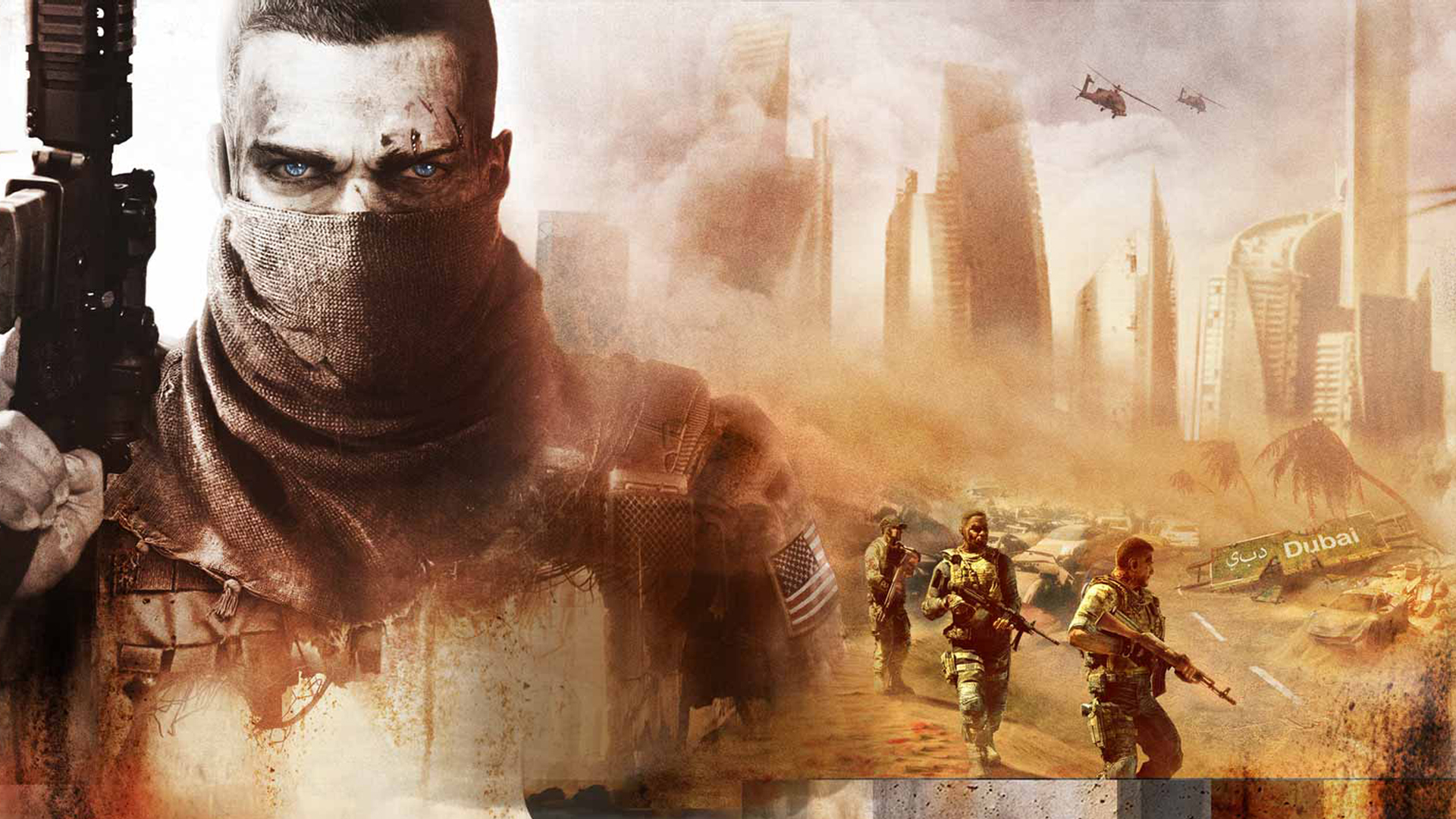
‘Spec Ops: The Line’ challenges the typical idea of a military hero by following Captain Martin Walker’s experiences in a Dubai destroyed by a massive sandstorm. What starts as a seemingly simple rescue mission quickly forces players to make difficult and morally questionable choices. The game highlights the psychological discomfort of holding conflicting beliefs by showing players the terrible impact their strategies have on innocent civilians. By the end, the line between being a hero and a villain becomes completely unclear, both for the character in the game and for the person playing it.
‘Undertale’ (2015)
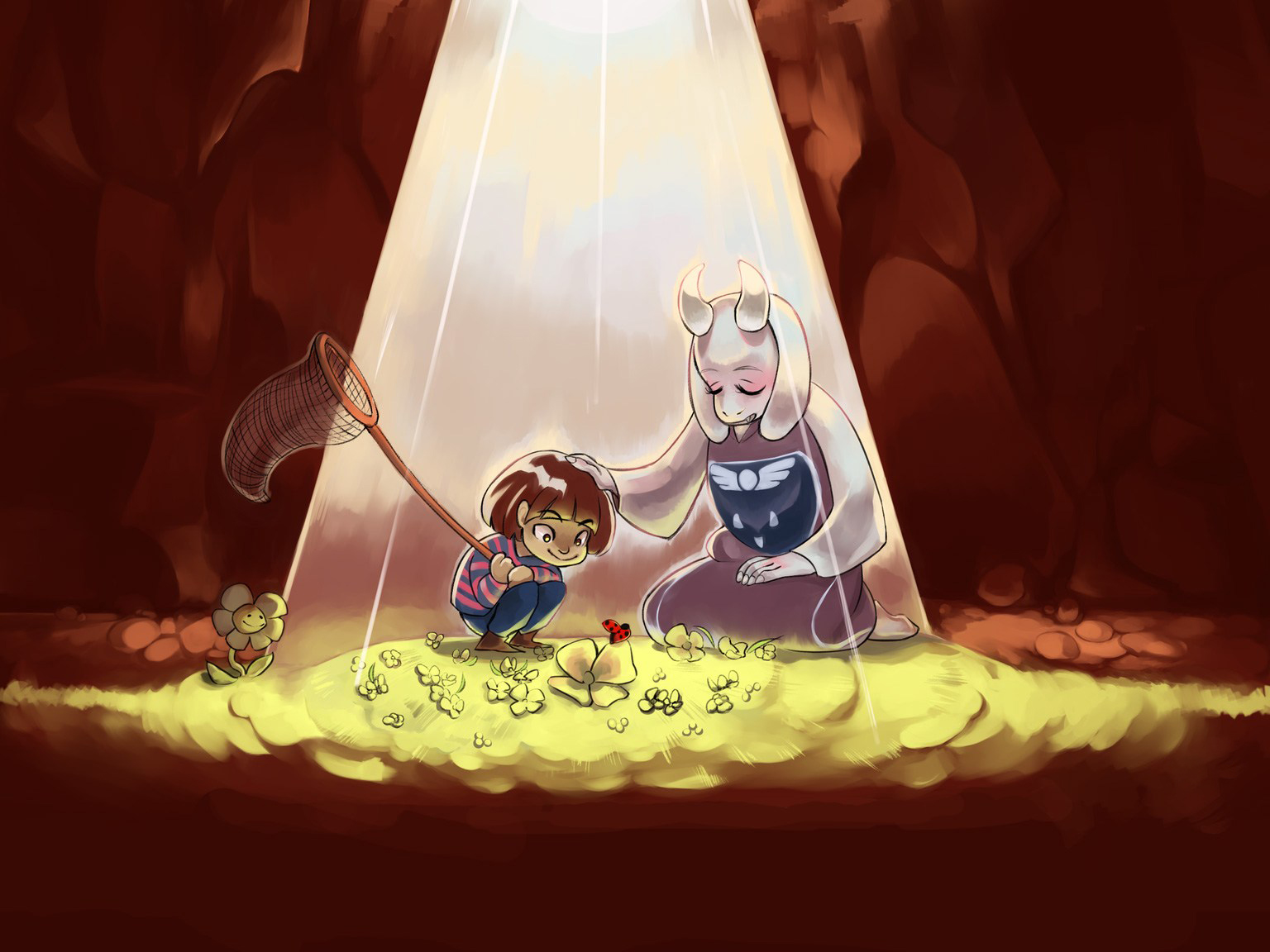
‘Undertale’ looks like a typical role-playing game, but it cleverly changes how combat usually works. Instead of fighting, you can choose to spare every monster. The game keeps track of everything you do – whether you’re violent or merciful – and it affects the story. Characters even remember what you did in previous games and will react based on your overall experience. The game’s unique story unfolds depending on whether you follow or break the usual rules of video game violence.
‘The Last of Us Part II’ (2020)
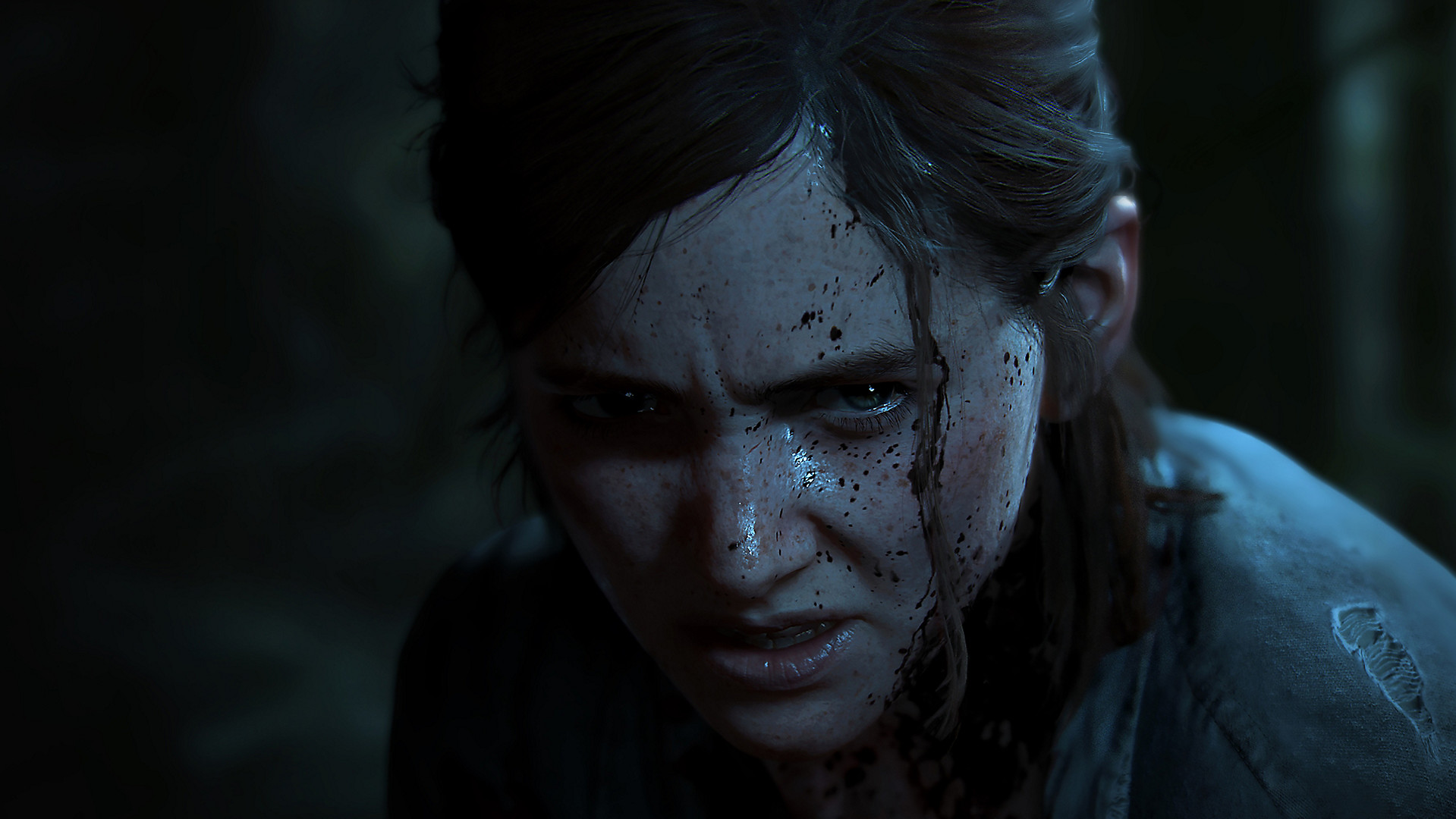
The sequel delves into how violence repeats itself and how everyone sees justice differently, told through the eyes of both Ellie and Abby. The game challenges players to commit harsh acts from one character’s perspective, then understand the reasons and humanity of those they considered enemies. ‘The Last of Us Part II’ deliberately makes players question the actions of characters they rooted for in the first game. The story doesn’t offer a simple, happy ending, instead highlighting the deep and lasting emotional scars that come with seeking revenge.
‘Dishonored’ (2012)
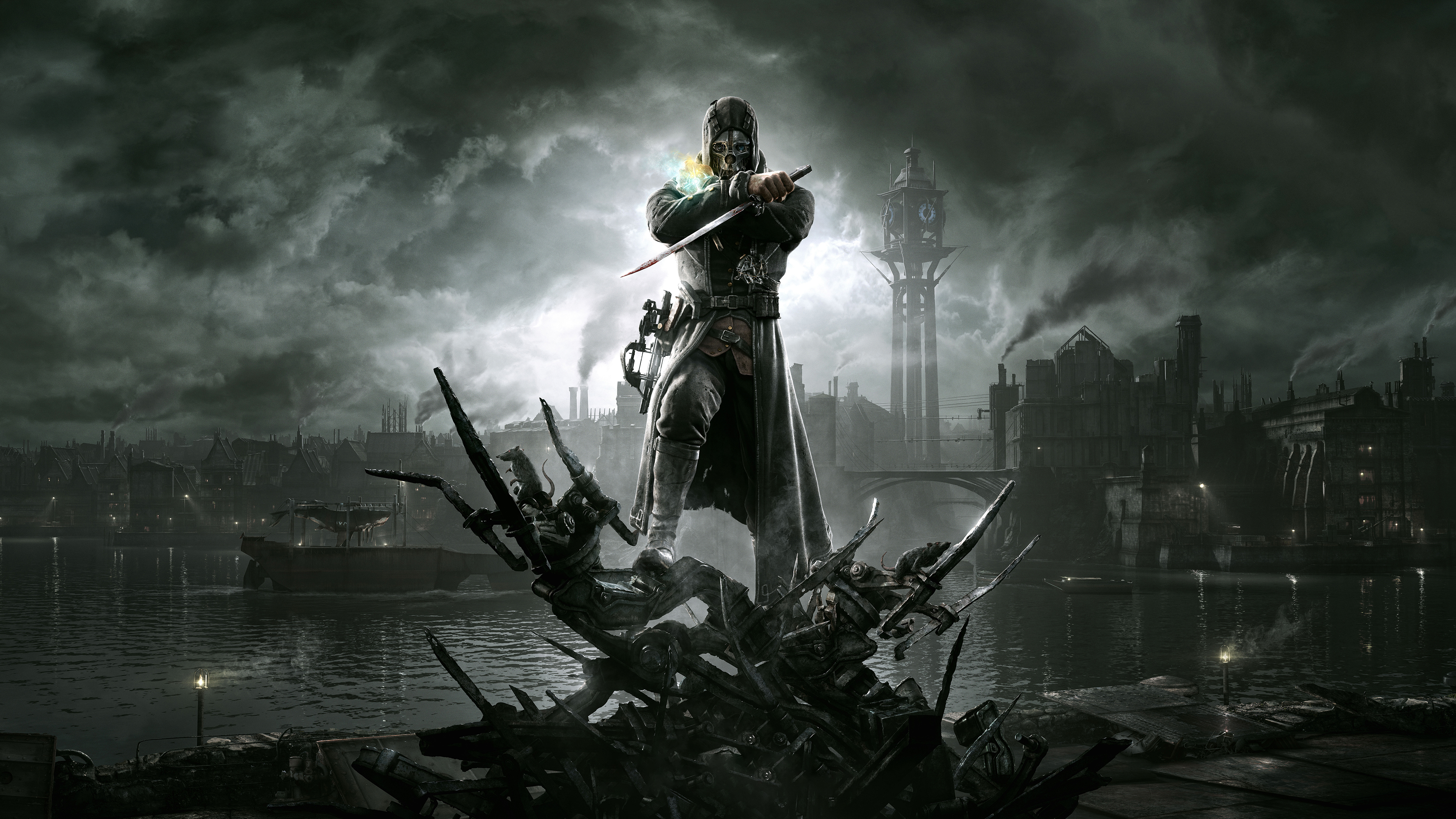
In Dishonored, you play as Corvo Attano, a skilled assassin framed for a crime in the plague-stricken city of Dunwall. The game features a unique system where your actions – specifically how many people you kill – change the world around you. Killing a lot of people makes Dunwall a grimmer, more dangerous place, and affects how other characters react. You’ll constantly have to decide whether to prioritize completing your mission quickly, or trying to save innocent lives and preserve what’s left of the city.
‘Detroit: Become Human’ (2018)
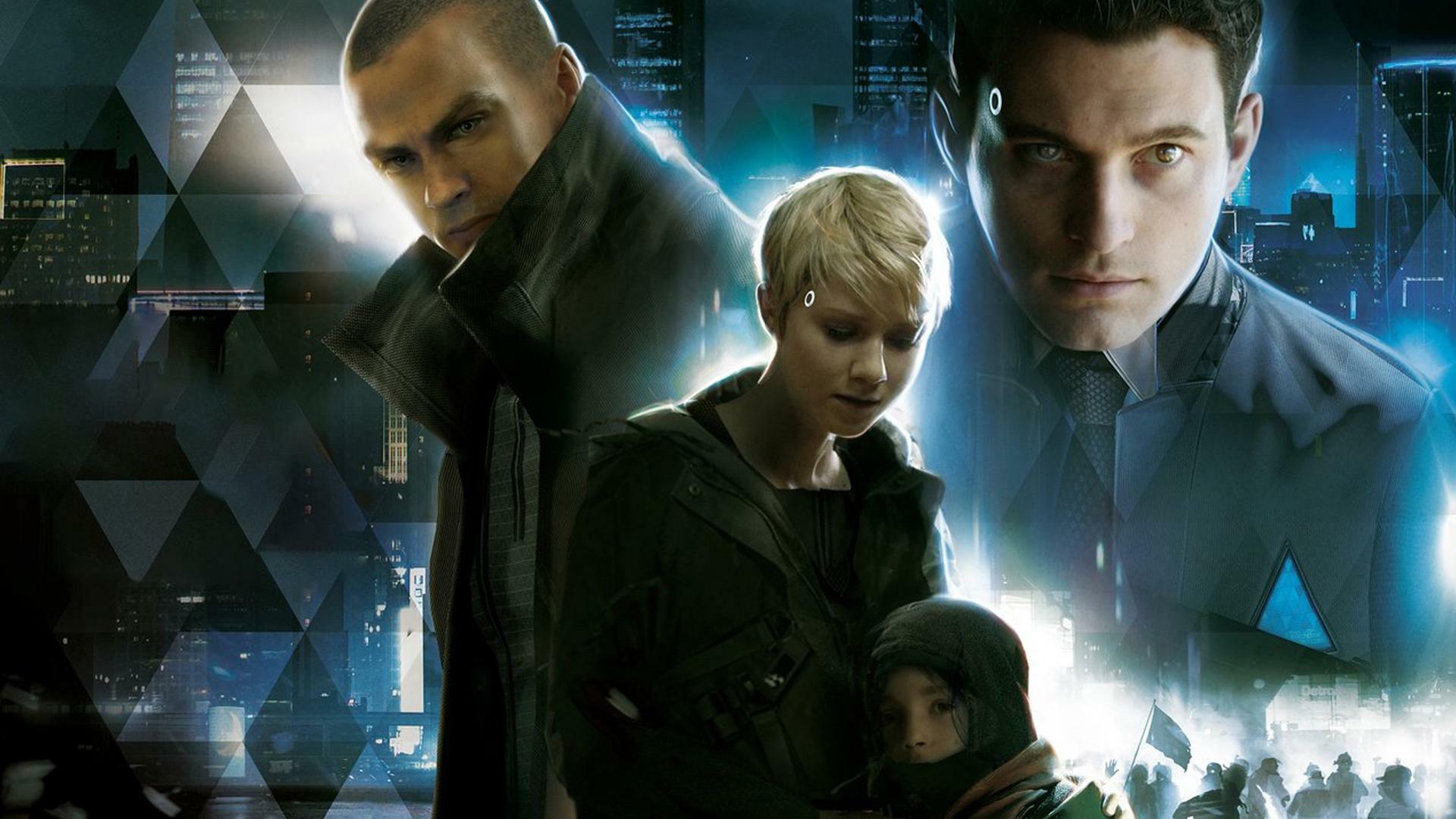
Detroit: Become Human tells the story of three androids as they come to life and start fighting for their rights. As you play, your choices shape how the world sees the androids’ rebellion – will it be a peaceful protest or a violent conflict? These decisions impact the survival of the main characters and the future of the relationship between humans and androids. The game is all about how public opinion changes depending on the path you choose and the sacrifices you make.
‘Fallout: New Vegas’ (2010)
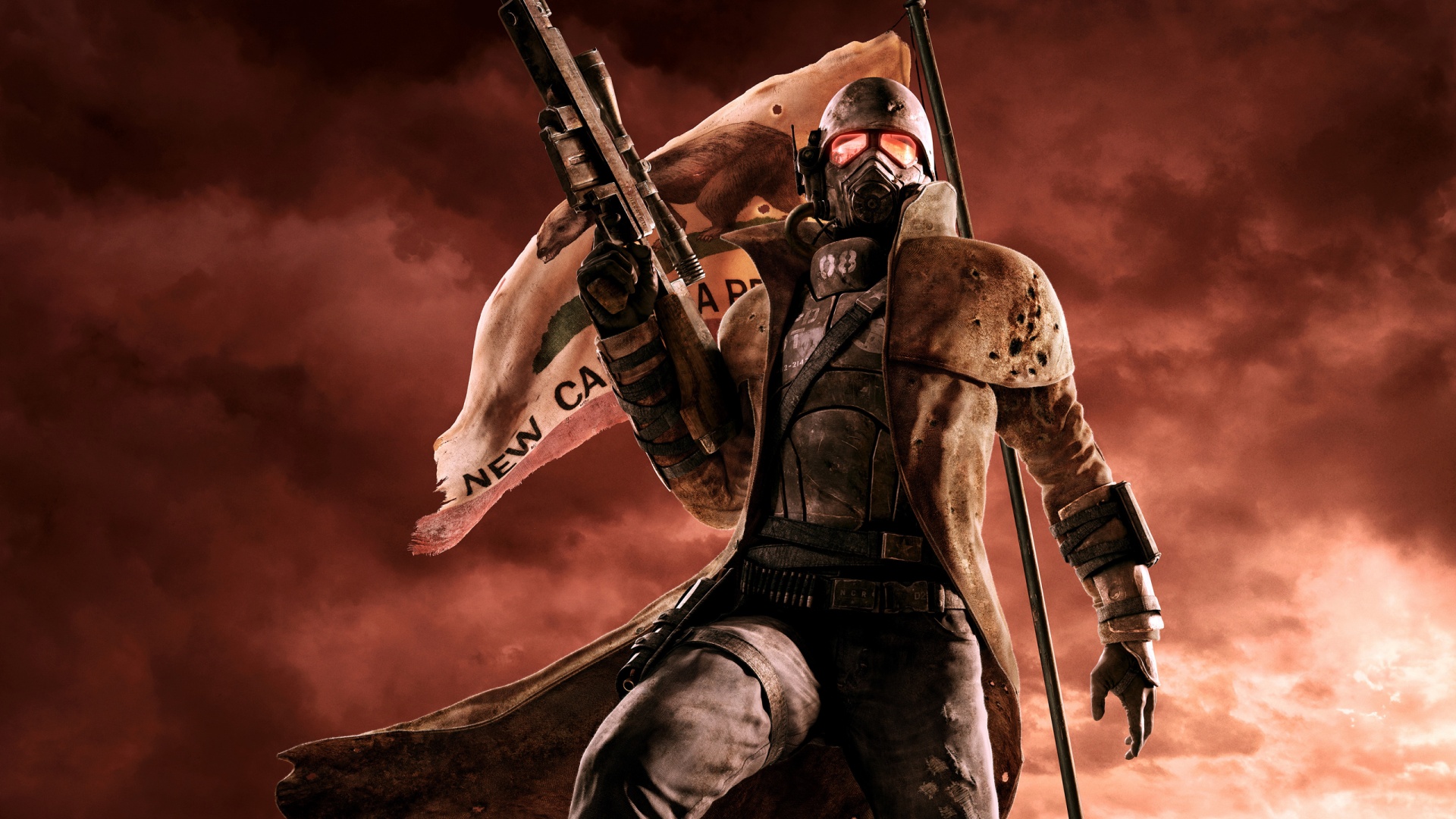
‘Fallout: New Vegas’ takes place in the harsh Mojave Desert, where several groups are fighting for control of the Hoover Dam. Players can side with the organized New California Republic, the brutal Caesar’s Legion, the mysterious Mr. House, or forge their own independent path. Each group has understandable reasons for wanting power, but also serious flaws and questionable plans for the future. Because there isn’t a clearly ‘good’ side, players are challenged to decide which outcome, even if imperfect, will bring the most stability to the wasteland.
‘Dragon Age: Origins’ (2009)
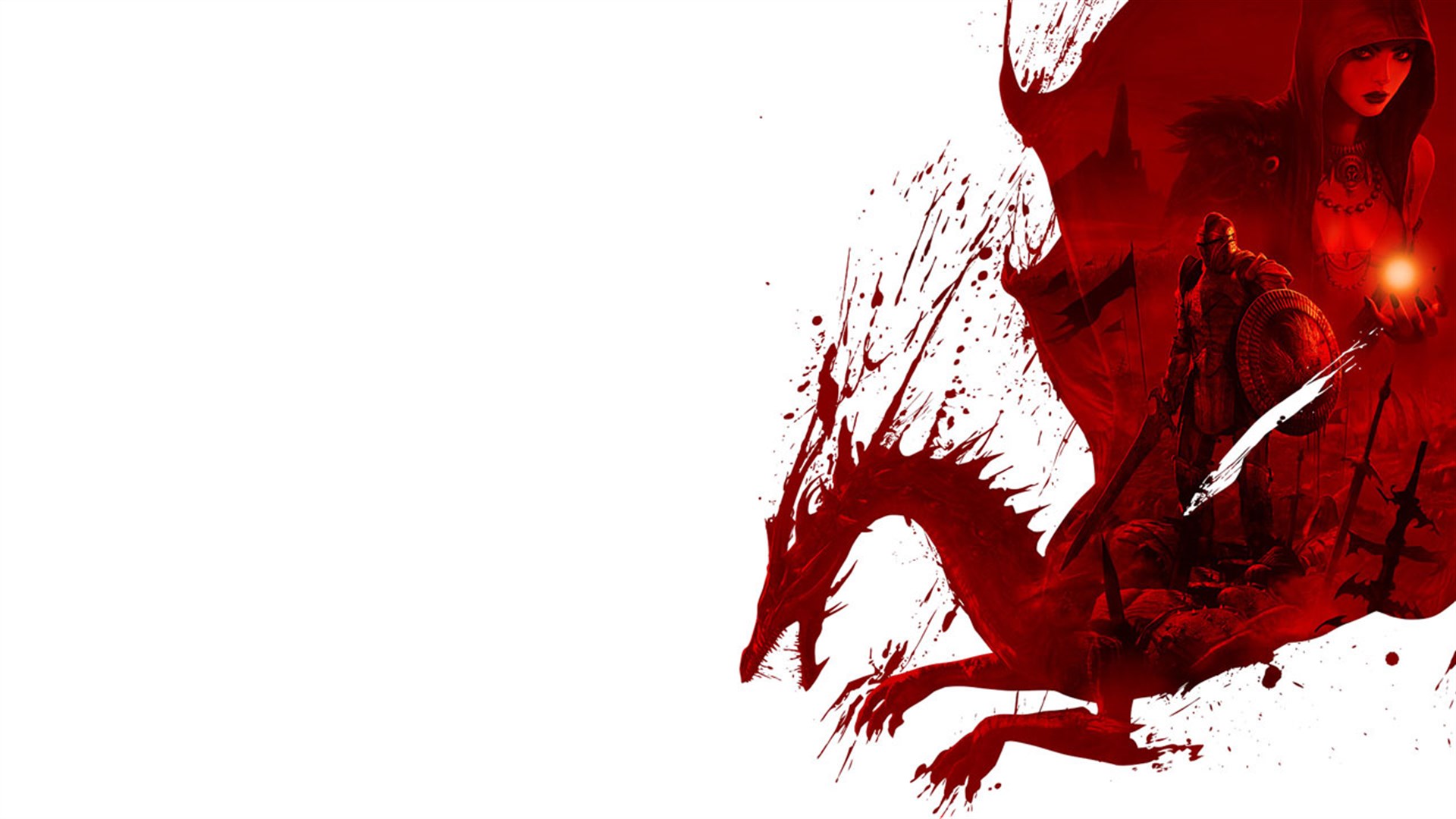
In ‘Dragon Age: Origins’, you play as a Grey Warden tasked with bringing together different groups to fight off a demonic invasion. The game presents challenging quests rooted in complex political and cultural issues, where there are no easy answers. You’ll face tough decisions, like resolving a conflict between elves and a werewolf curse, or choosing the next ruler of a kingdom. These choices aren’t simple, and often have unexpected results that affect the story, highlighting how difficult it is to lead during a world-threatening event.
‘BioShock’ (2007)
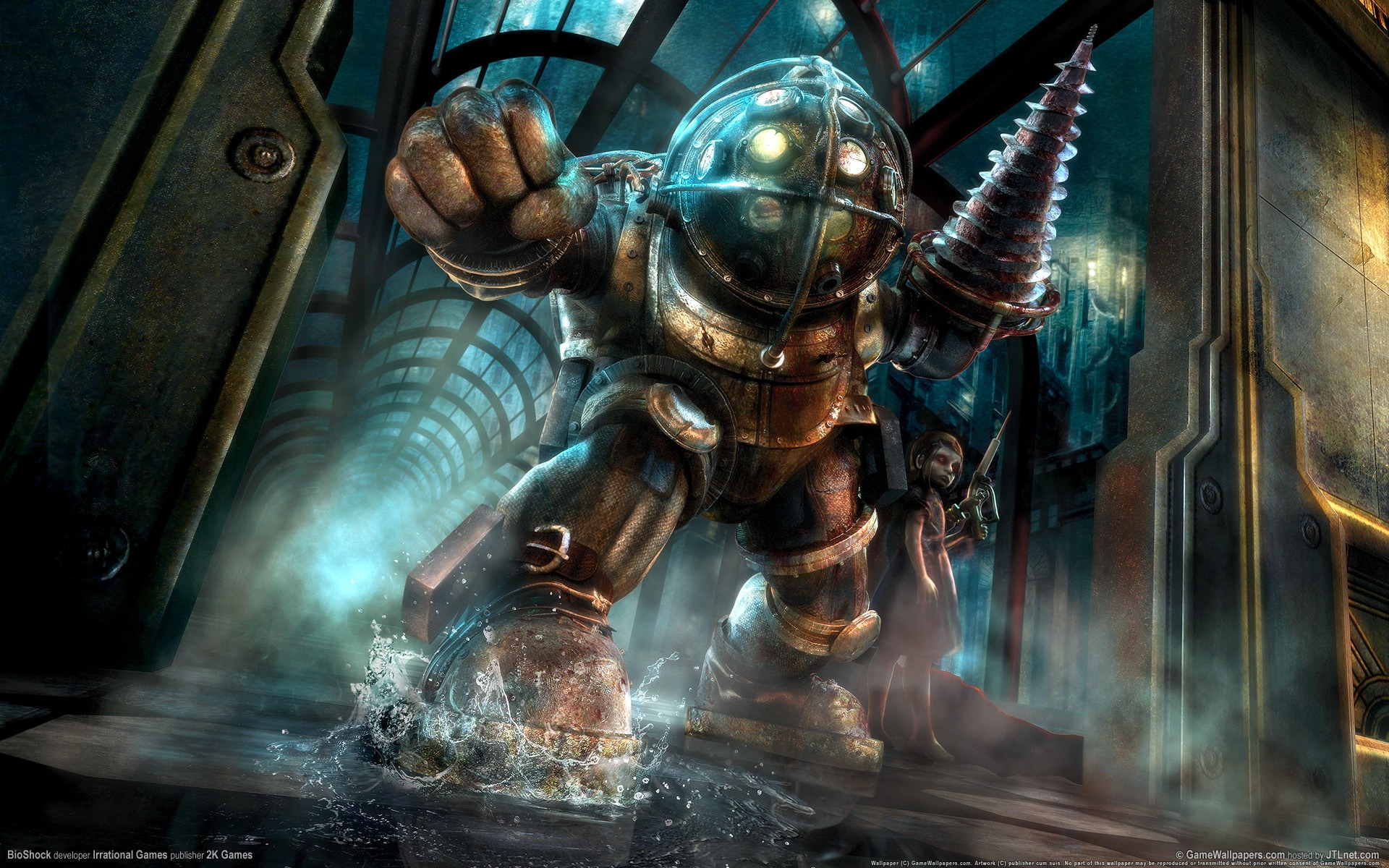
Okay, so ‘BioShock’ really got to me. You’re exploring this incredible underwater city, Rapture, and you quickly learn about these little girls called Little Sisters. They’ve been changed with genetics to collect this stuff called ADAM, which is super important. But here’s the tough part: you can either save them, which gives you a little reward right away, or… well, you can harvest them for a bigger power boost. It’s a really hard choice! It made me think about how far I’d go to survive in that creepy, falling-apart place. And honestly, the whole game felt like a commentary on what happens when everyone just looks out for themselves – it showed how messed up a society can get when there are no rules or empathy.
‘Mass Effect 2’ (2010)
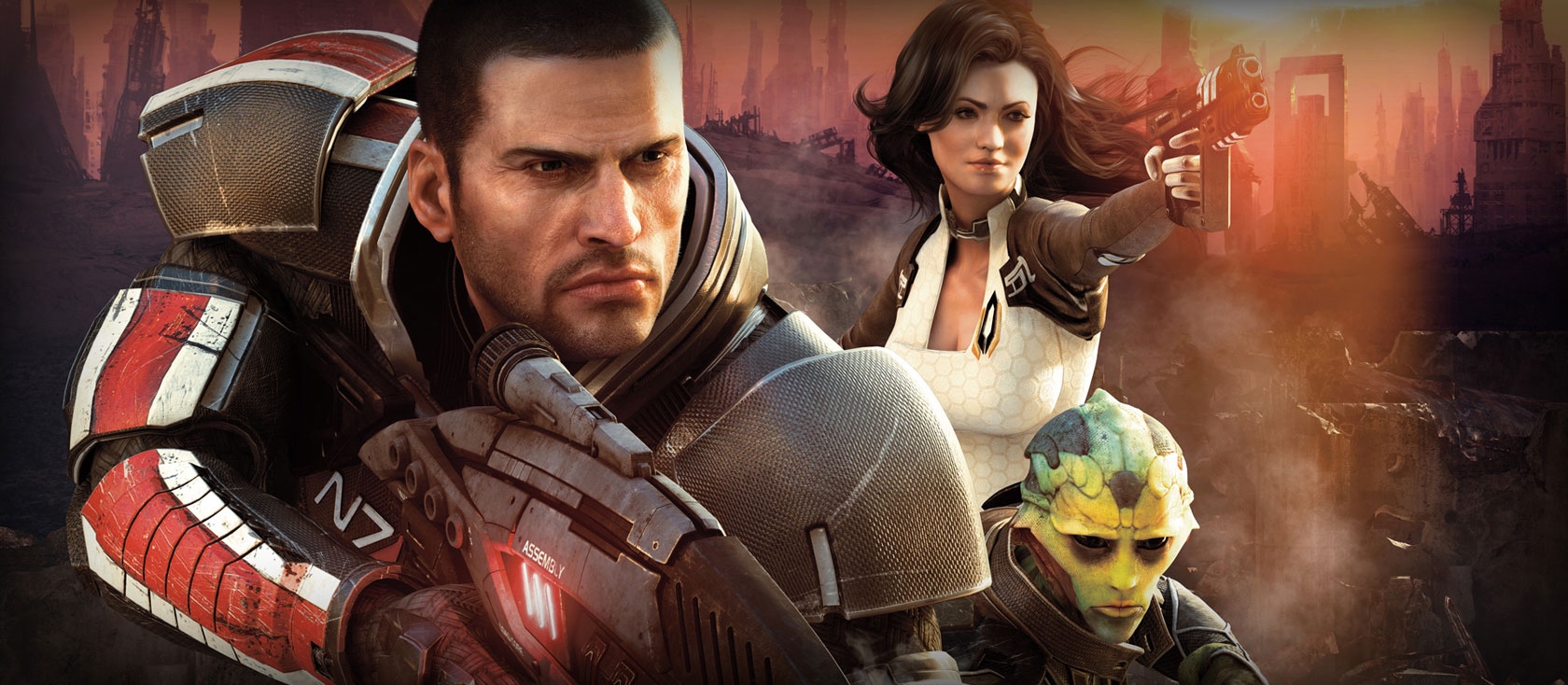
In ‘Mass Effect 2’, Commander Shepard needs to gather a skilled team for a dangerous, likely fatal, mission. As players progress, their choices shape Shepard’s leadership and affect how loyal and motivated the crew remains. These choices aren’t easy, often forcing players to make tough ethical calls – for example, deciding whether to reprogram a group of intelligent machines or eliminate them entirely. Ultimately, whether the mission succeeds and the crew survives hinges on these delicate decisions and the bonds Shepard builds with everyone.
‘The Witcher 3: Wild Hunt’ (2015)
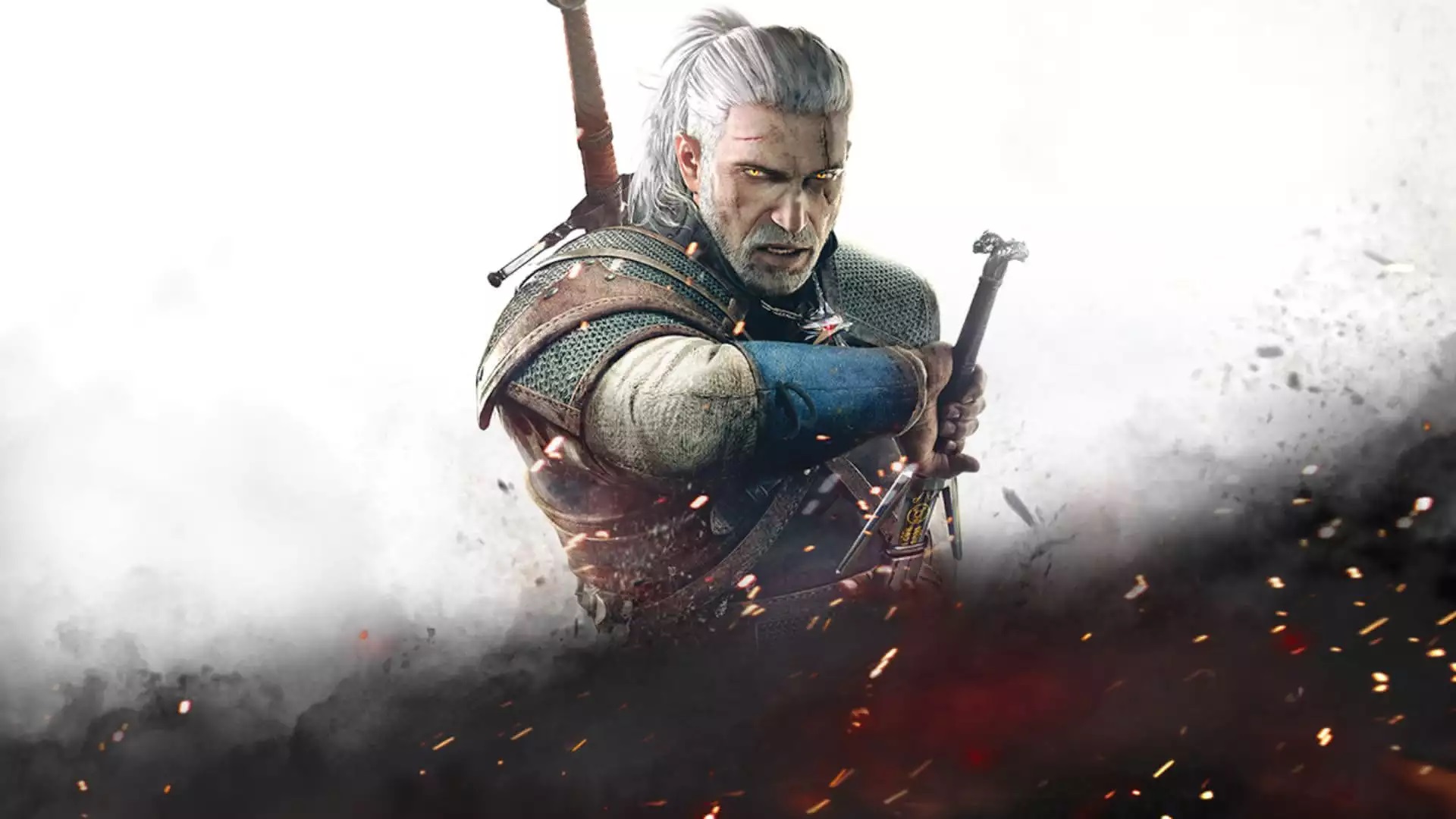
In ‘The Witcher 3: Wild Hunt’, Geralt frequently gets stuck in the middle of conflicts between influential people. The game’s quests often force you to make difficult choices where even doing what seems right can have painful consequences for those involved. For instance, a single decision about a trapped spirit could mean the death of children or the ruin of an entire village. The game deliberately avoids simple ‘good’ or ‘bad’ choices, showing players that every action has a price, and that price isn’t always immediately clear.
Share your most difficult in-game decisions and their consequences in the comments.
Read More
- Top 20 Dinosaur Movies, Ranked
- 20 Movies Where the Black Villain Was Secretly the Most Popular Character
- 25 “Woke” Films That Used Black Trauma to Humanize White Leads
- Celebs Who Narrowly Escaped The 9/11 Attacks
- Silver Rate Forecast
- Gold Rate Forecast
- Spotting the Loops in Autonomous Systems
- From Bids to Best Policies: Smarter Auto-Bidding with Generative AI
- 22 Films Where the White Protagonist Is Canonically the Sidekick to a Black Lead
- Can AI Lie with a Picture? Detecting Deception in Multimodal Models
2026-01-21 02:46