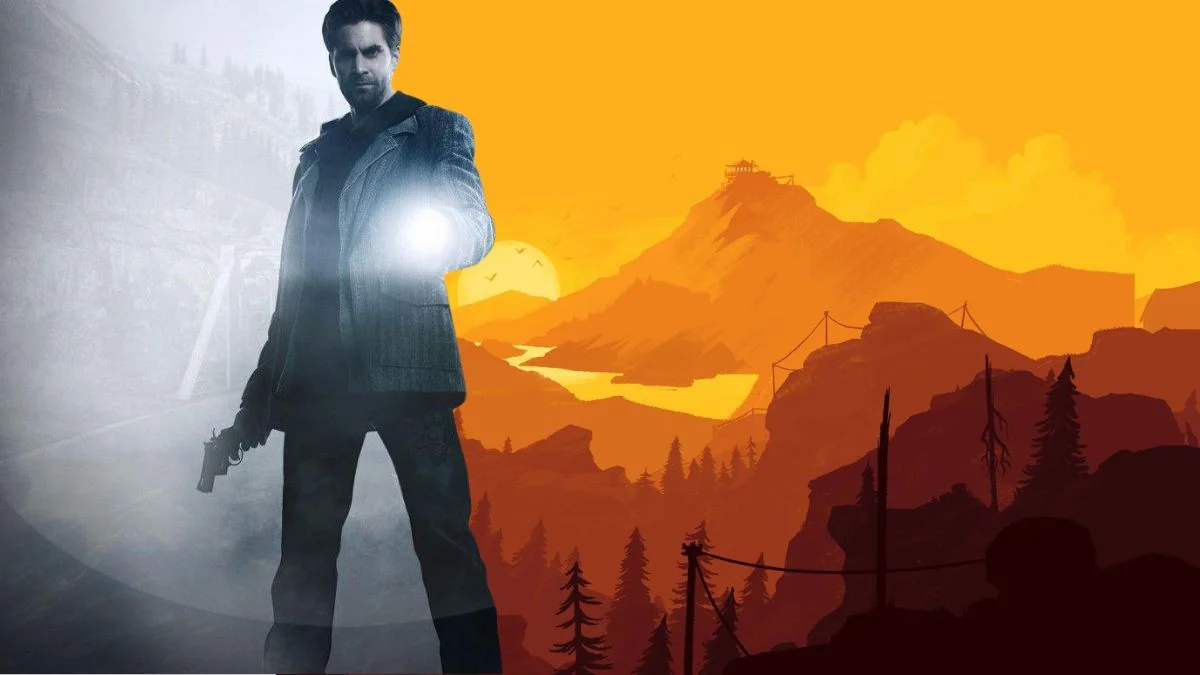
It’s frustrating when a great video game loses its way at the very end. After spending many hours enjoying a captivating story and gameplay, a poor conclusion can make it feel like your time was wasted. These games often build up exciting narratives or mechanics, only to deliver an ending that feels rushed, doesn’t make sense, or ignores the decisions you made along the way. This article looks at some well-known examples of games with finales that left players disappointed.
‘Mass Effect 3’ (2012)
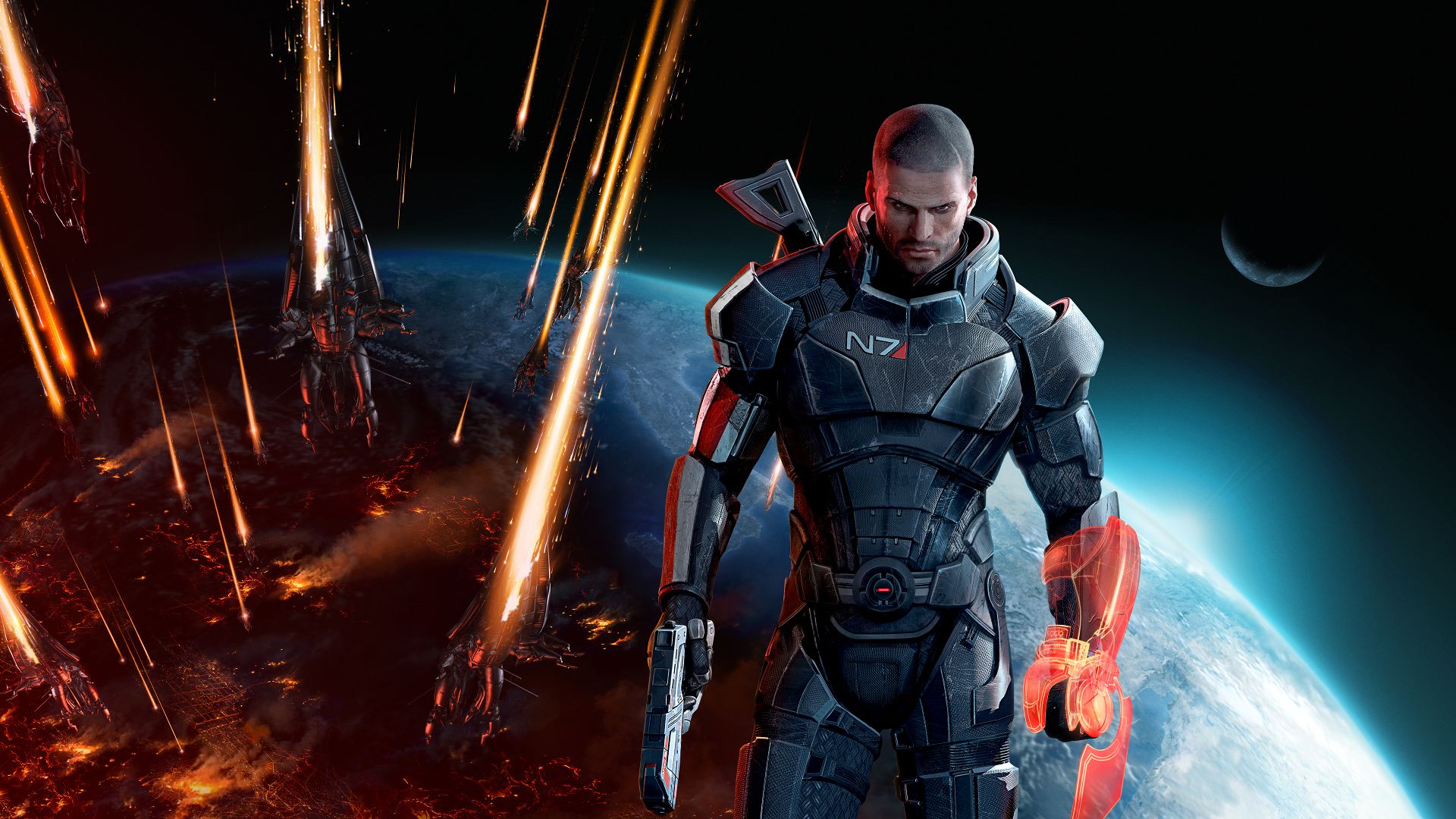
The final game in the trilogy offered players three different endings, each deciding the galaxy’s fate. However, many fans were disappointed, feeling their choices from earlier games didn’t really matter in the end. The original ending was unclear about why Commander Shepard made the decision they did. To fix this, the developers released an extended version that explained things better and gave the characters more satisfying conclusions. Even now, it’s still one of the most talked-about and debated endings in video game history.
‘BioShock Infinite’ (2013)
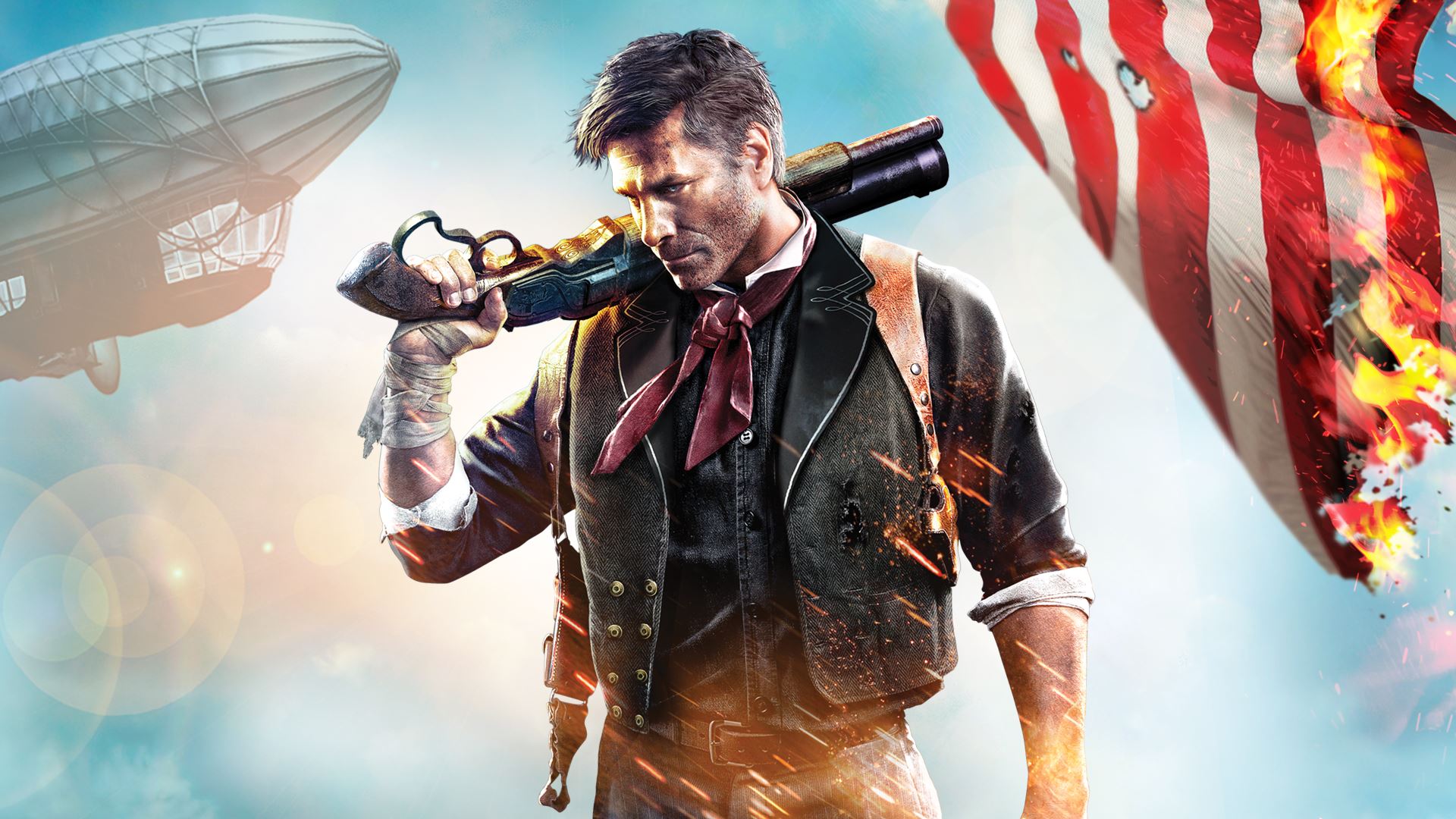
Okay, so the game wraps up by diving into alternate realities and finally revealing who the main character really is. Honestly, I think a lot of us got lost with all the time travel and jumping between universes – it was just a lot to keep track of! The big reveal… well, it made me look at everything Booker and Elizabeth went through in a totally different light, but not in a good way. It felt a bit like the ending was trying to be shocking instead of giving us a truly satisfying conclusion to their story, you know? Critics felt the same way – like the impact wasn’t earned, and it left us feeling a bit empty instead of fulfilled.
‘Fallout 3’ (2008)
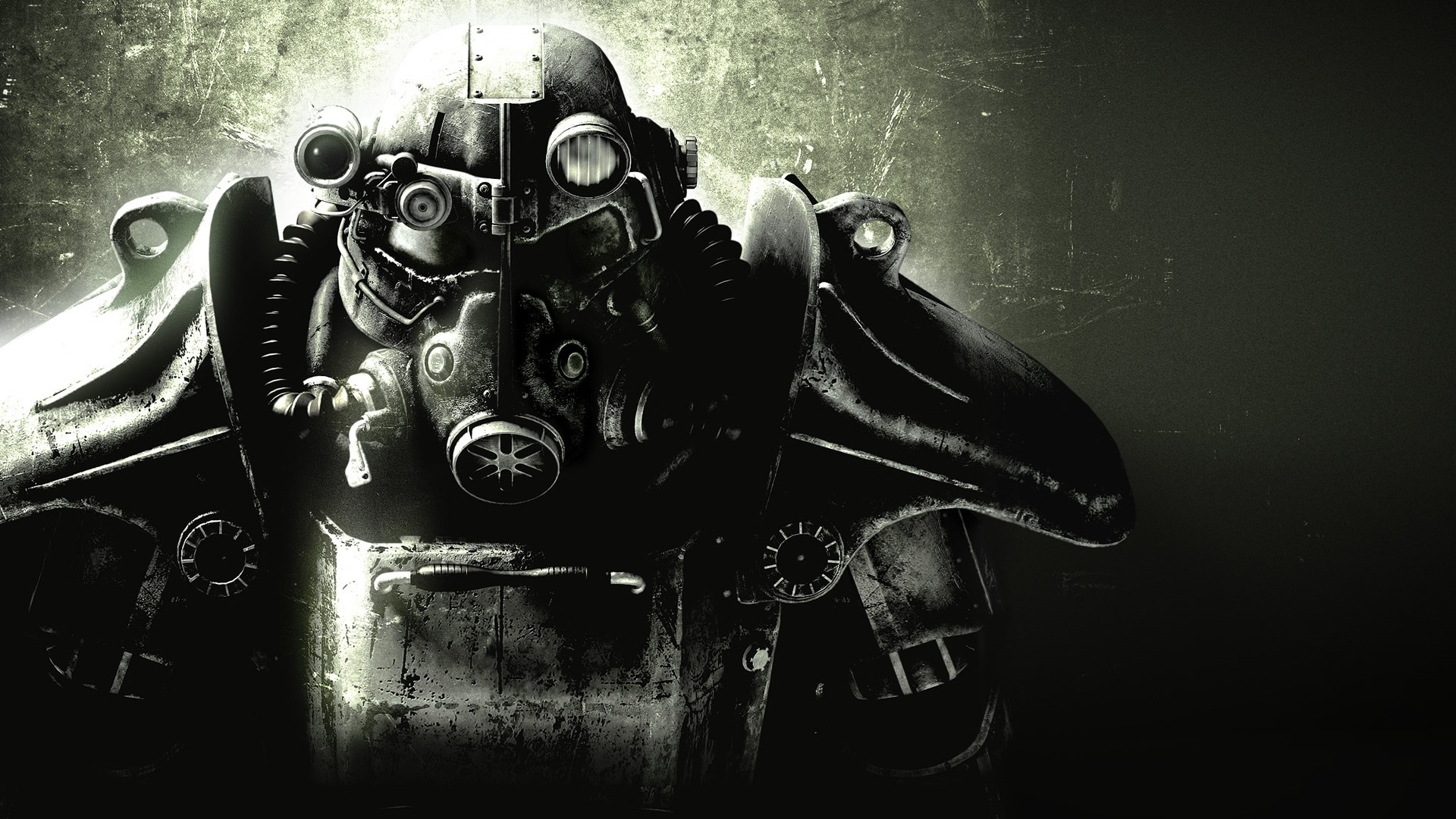
Originally, the game ended with the player character having to sacrifice themselves in a radioactive area, even if they were traveling with companions who couldn’t be harmed by radiation. Players were upset that characters like Fawkes, who was naturally immune to radiation, wouldn’t offer to help. This didn’t make sense and ruined the experience for many who had invested a lot of time in the game. Bethesda eventually addressed this with the Broken Steel expansion, which allowed the story to continue beyond that frustrating ending.
‘Borderlands’ (2009)
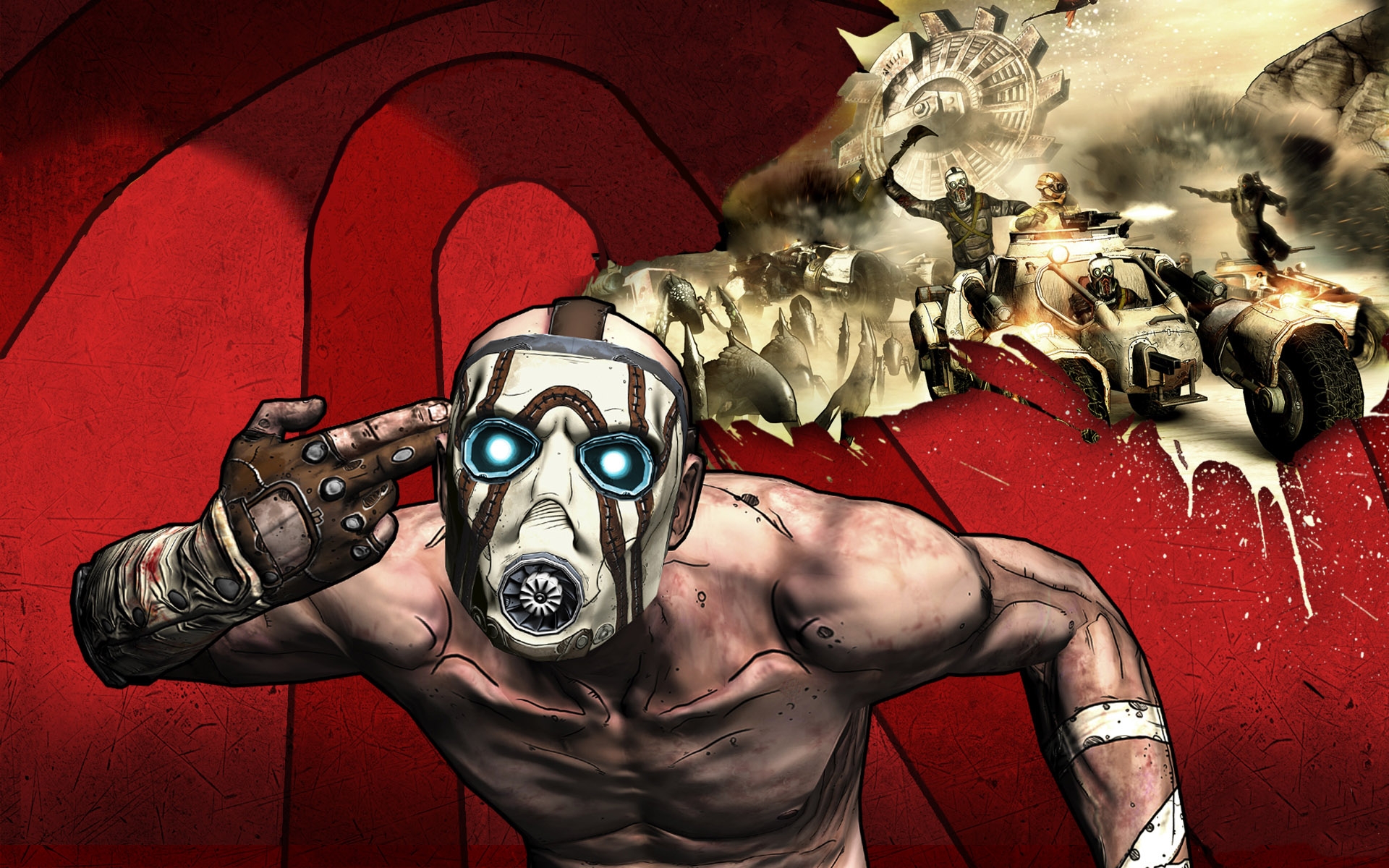
The whole game builds towards opening a legendary vault promising incredible treasures and advanced alien technology. However, when the players finally reach it, they find a massive monster instead of loot. After defeating the monster, the vault seals itself shut for another two centuries, leaving players feeling disappointed. Many felt that after such a long journey in ‘Borderlands’, the lack of actual rewards was a significant drawback.
‘Fable II’ (2008)
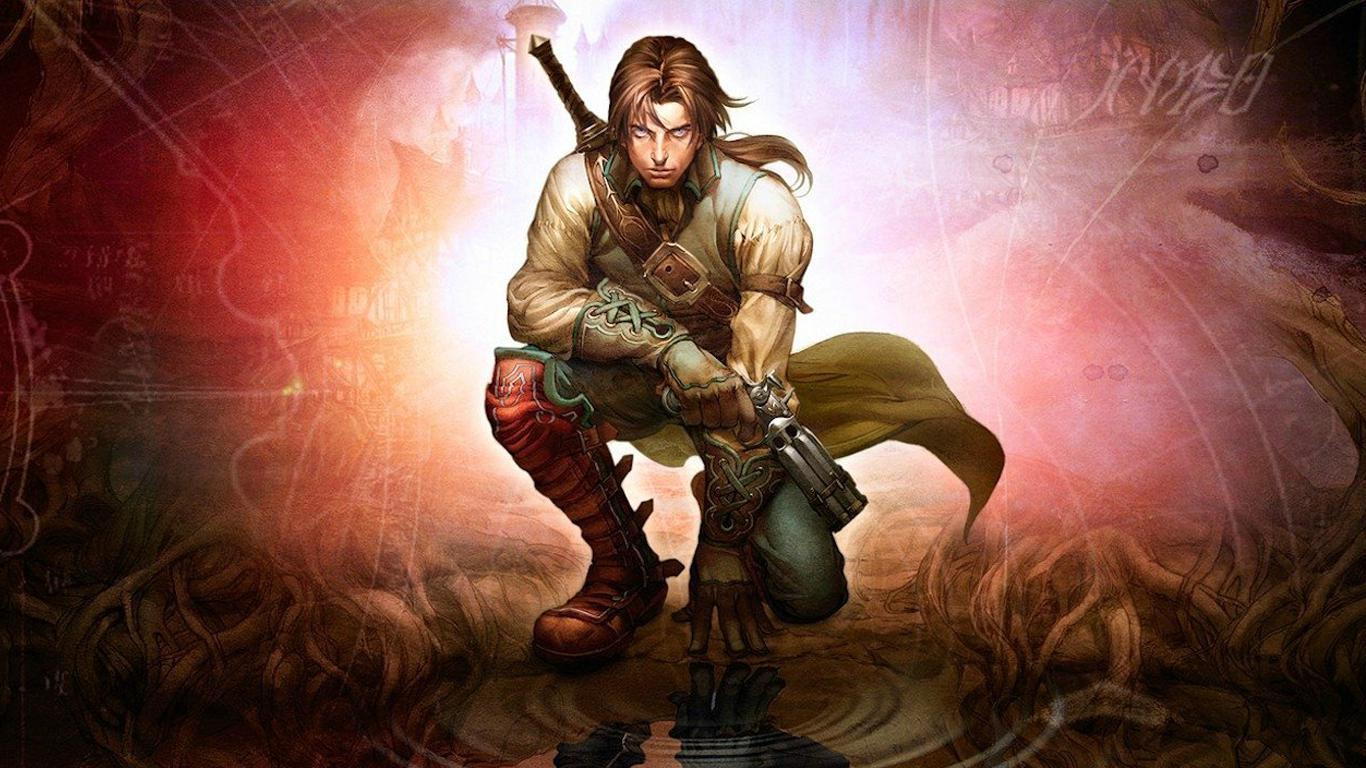
The final showdown with the main villain isn’t a challenging battle. Players can win with just one button press, or even let another character defeat him for them. This simple ending felt disappointing after spending so much time developing the player character’s abilities. Additionally, the final choice offered to players felt limited, as some wished for a wider range of possible results.
‘No Man’s Sky’ (2016)
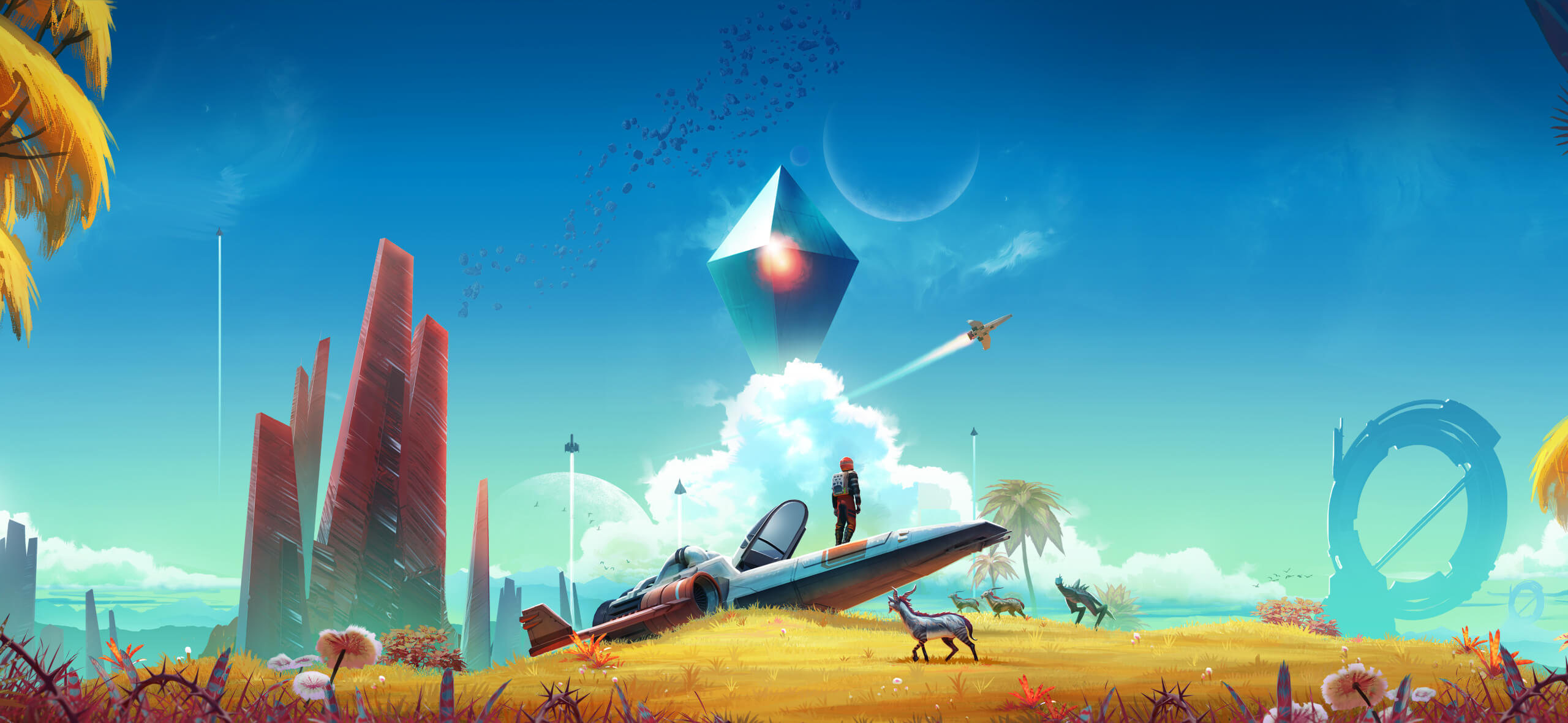
Okay, so when this game first came out, everyone was working towards reaching the galactic center. It took forever to get there, and honestly? It was a huge letdown. The game just zoomed out and plopped you back into a new galaxy with all your gear messed up. There was no cool story moment, no big reveal, nothing to make the long trip feel worth it. That really frustrated a lot of players, and it was a big part of the early complaints about the game not having enough to do in its universe.
‘Batman Arkham Knight’ (2015)
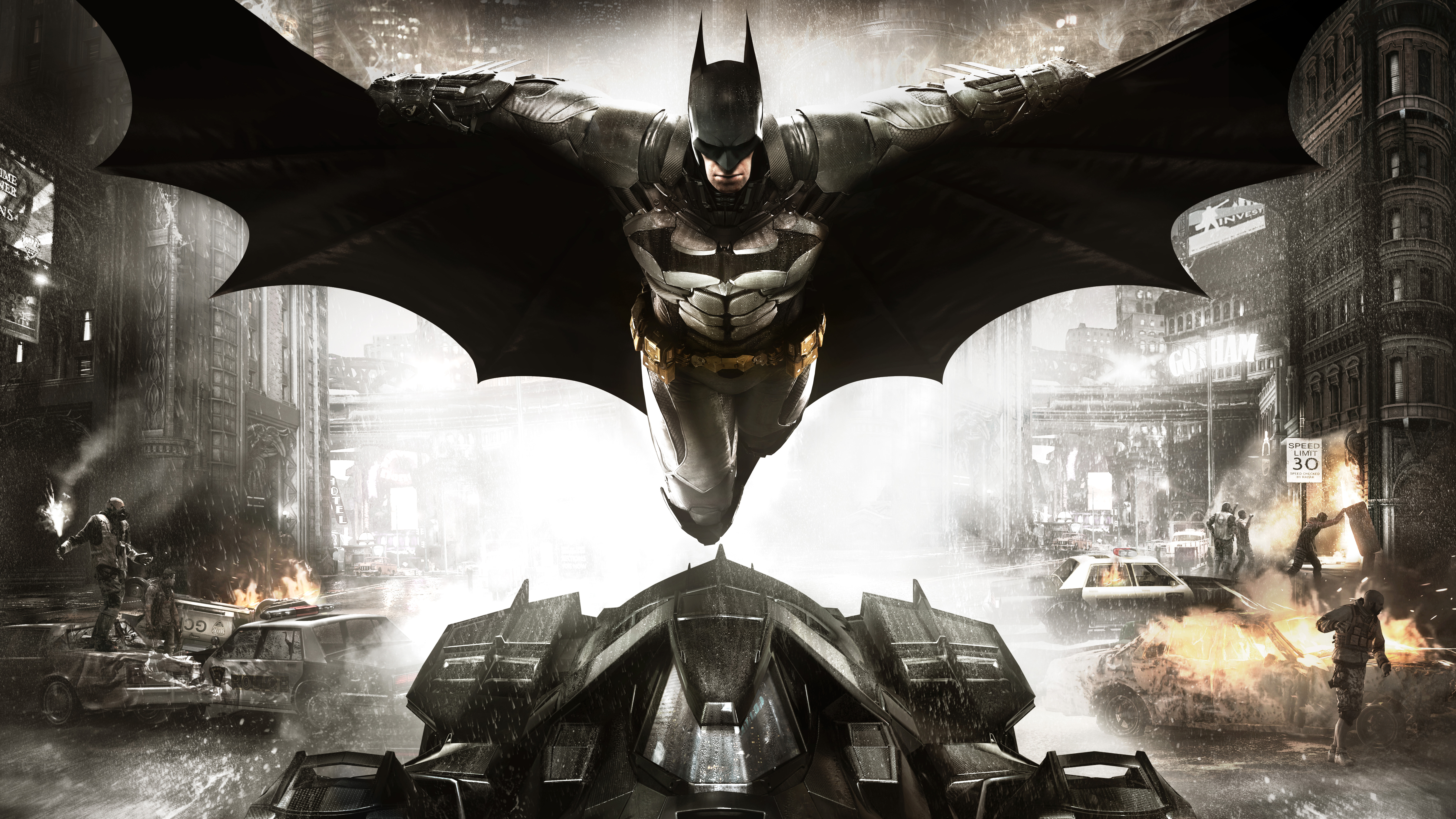
To unlock the full story, players need to complete everything in the game – a task that involves collecting hundreds of trophies, which some found frustratingly repetitive. If players skipped any side quests, the ending felt rushed and didn’t fully resolve the story. The final cutscene also left Batman’s ultimate fate open to interpretation, sparking debate among fans.
‘Assassin’s Creed III’ (2012)
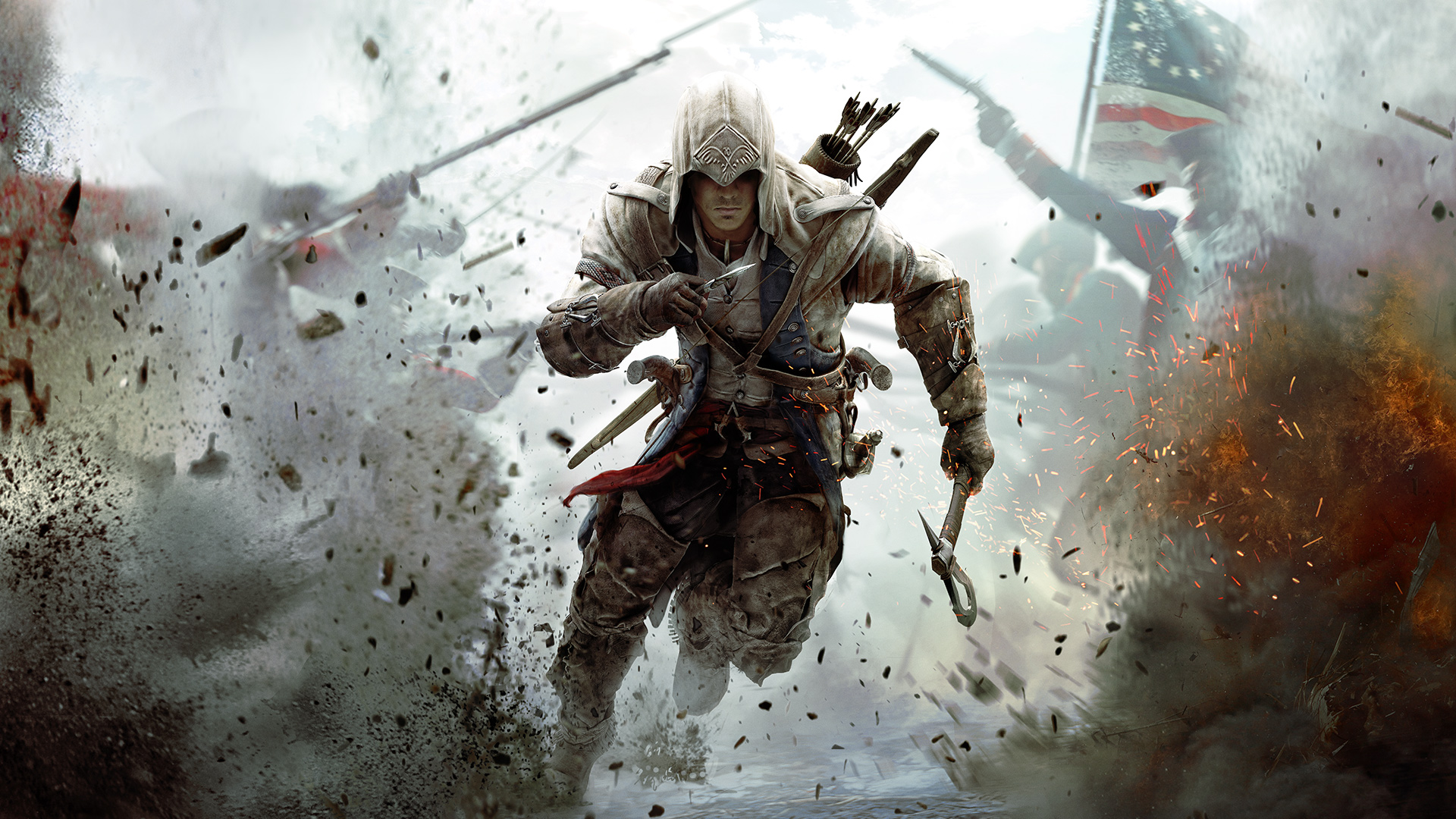
The story arc focused on Desmond Miles ended in a way that disappointed many fans. His ultimate sacrifice felt abrupt and didn’t connect well with the story of Connor, effectively wrapping up a major plotline without feeling fully earned. After the events of ‘Assassin’s Creed III’, a lot of players felt the series lost its clear direction.
‘Half Life 2 Episode Two’ (2007)
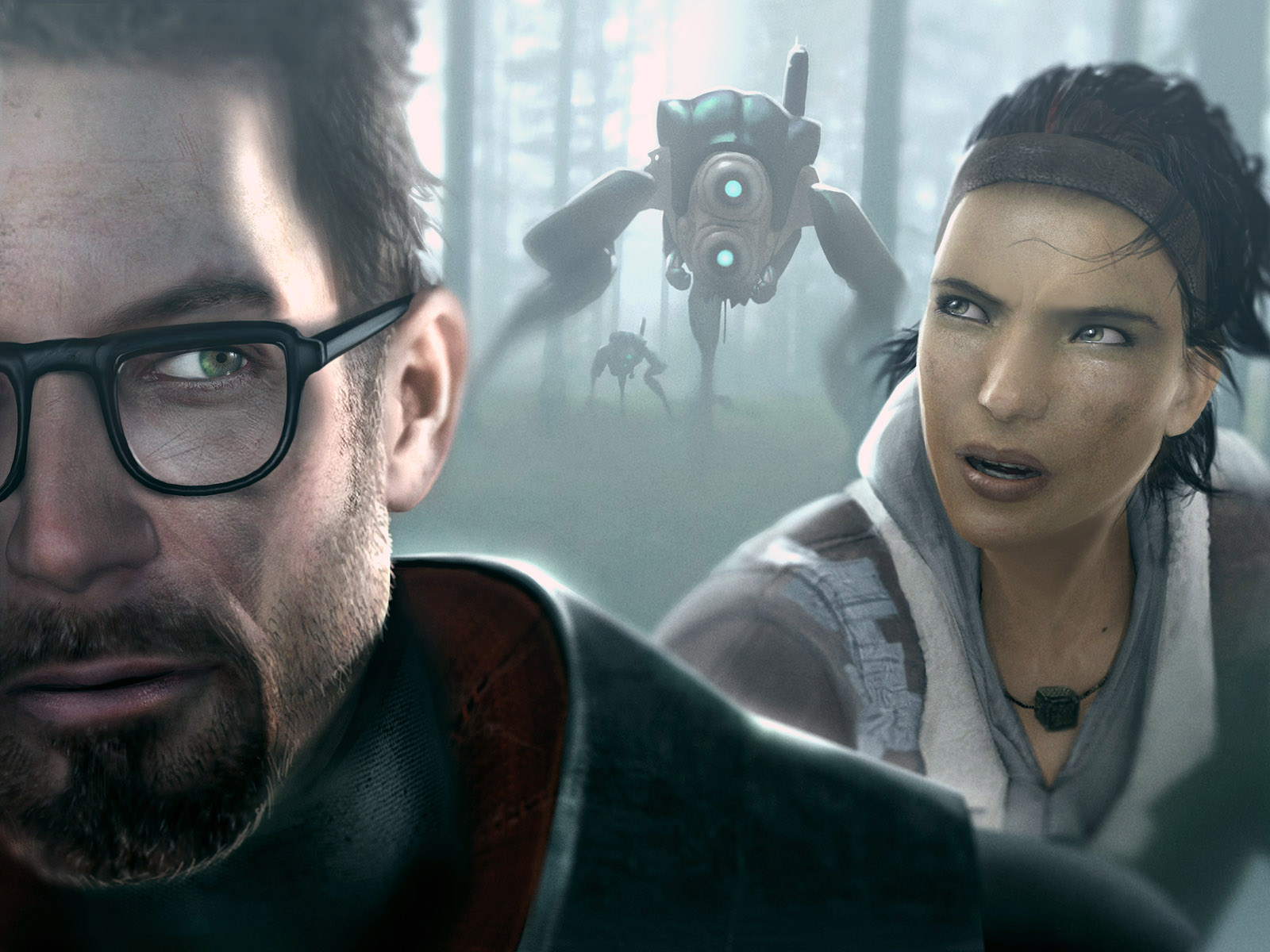
The story ends with a huge, unresolved cliffhanger that’s been left hanging for over ten years. A key character dies and a new danger appears, seemingly setting up another installment – but that sequel never came. Though the final scene was impactful, it left the whole series in a state of uncertainty. Fans have been waiting for years for the loose ends of the story to be tied up.
‘Halo 2’ (2004)
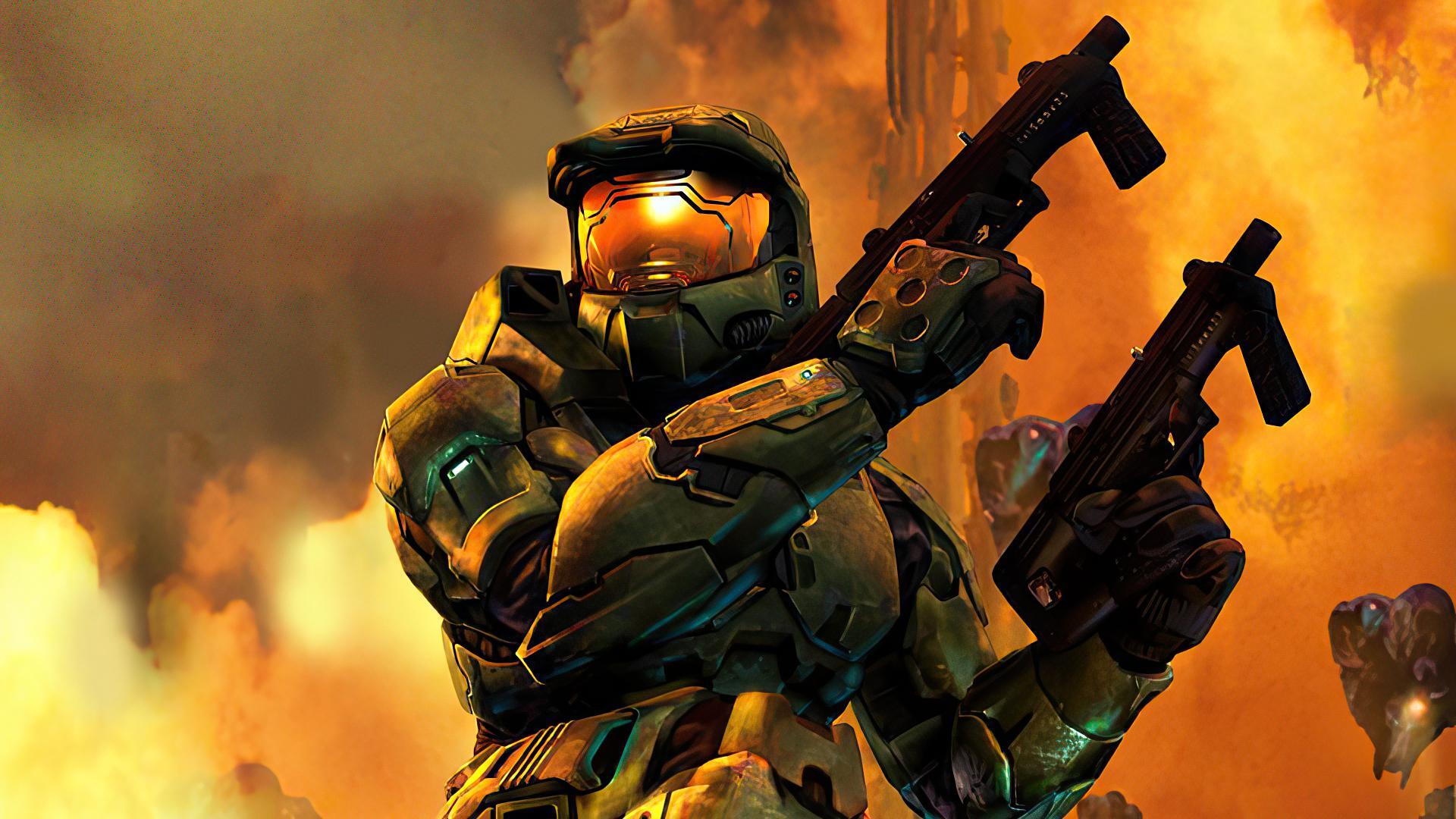
As a huge fan, I was absolutely floored when Halo 2 ended! Seriously, just as Master Chief was finally going back to Earth to wrap things up with the Covenant, the game just… stopped. The credits rolled! It felt like we were right before the biggest battle, and it was incredibly frustrating. It really felt like half a story, and we had to wait a whole three years for the next game to finally see how everything ended. It was a massive cliffhanger, and a lot of us weren’t happy about it at the time.
‘Metal Gear Solid V The Phantom Pain’ (2015)
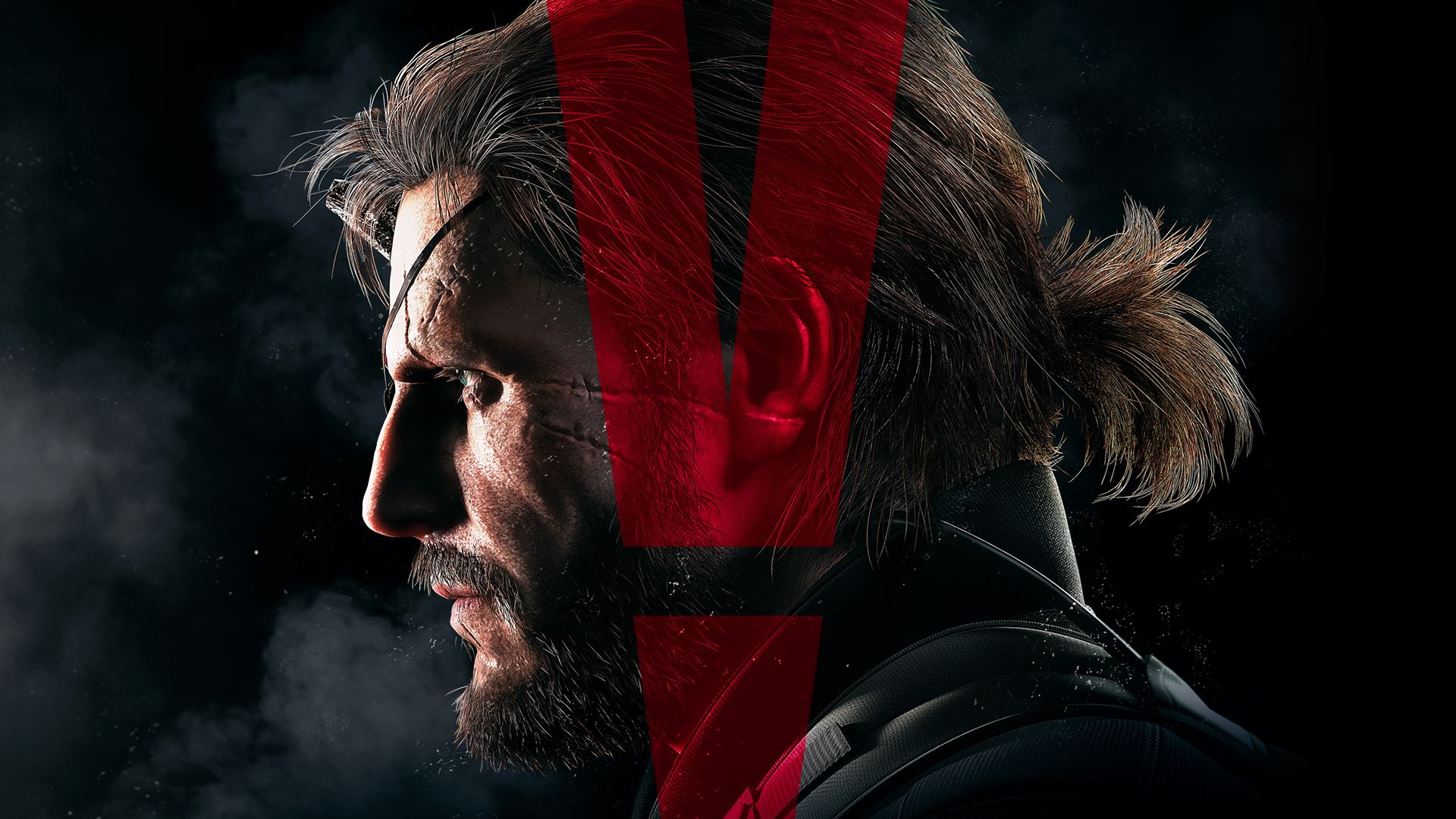
This promising stealth game unfortunately feels incomplete because of a difficult development process. Players noticed a whole final section was missing, leaving some characters’ stories unresolved. The surprising reveal about Venom Snake also divided many longtime fans. While the gameplay is excellent, the game’s ending doesn’t quite deliver on its narrative potential, leaving a somewhat empty feeling.
‘Indigo Prophecy’ (2005)
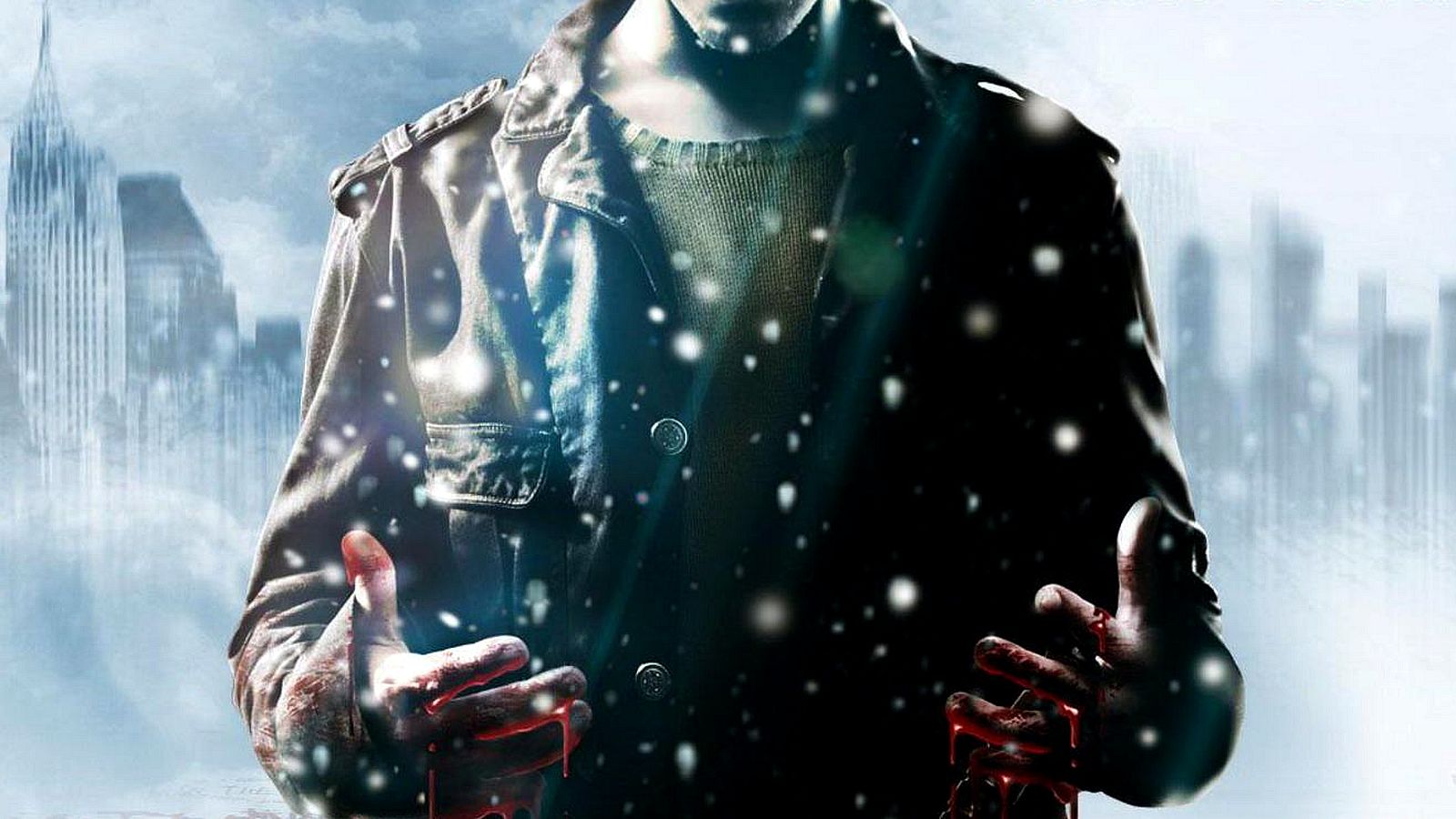
‘Indigo Prophecy’ begins as a realistic supernatural murder mystery, but it quickly becomes incredibly strange and over-the-top. Elements like ancient cults and action sequences reminiscent of ‘The Matrix’ didn’t fit the game’s original serious tone. Relationships and superpowers appear suddenly, without much explanation or character development. Many players felt the story lost focus and became confusing as a result.
‘Star Wars Knights of the Old Republic II’ (2004)
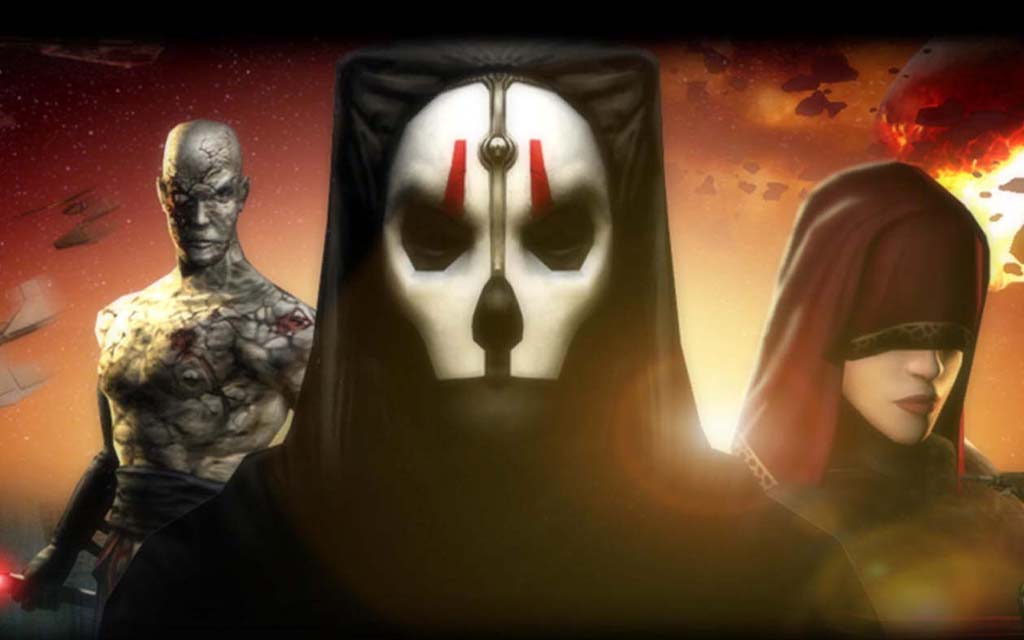
The game’s ending felt rushed and unfinished because of a tight deadline. Characters often vanished from the story without any resolution, and the final area felt empty and lacked the detail of the rest of the game. While a fan-created mod later improved these problems, the original release had significant flaws.
‘Shenmue II’ (2001)
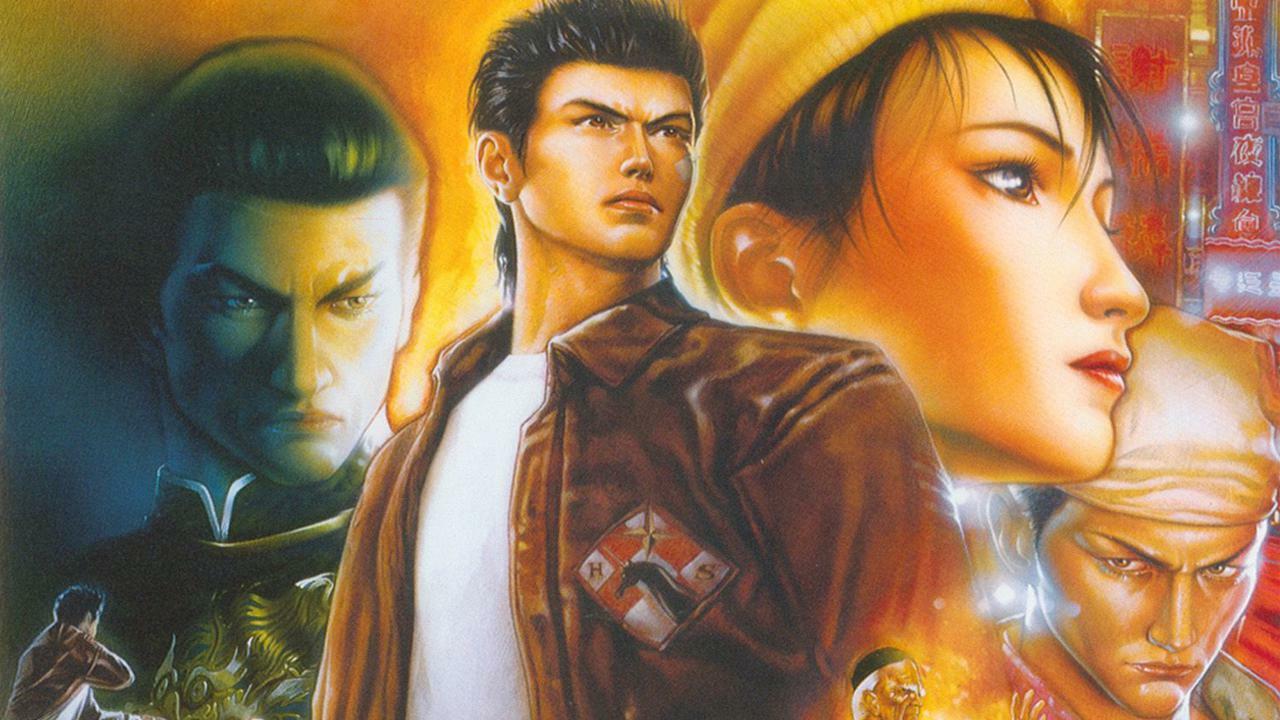
The game ends with Ryo Hazuki arriving at a faraway Chinese village, but the story doesn’t offer a clear conclusion. Despite spending two games searching for the man who killed his father, Ryo doesn’t find answers. This lack of resolution and the game’s slow pace disappointed many players who were deeply invested in the story. It wasn’t until almost twenty years later that a third game continued Ryo’s quest.
‘Dead Space 3’ (2013)
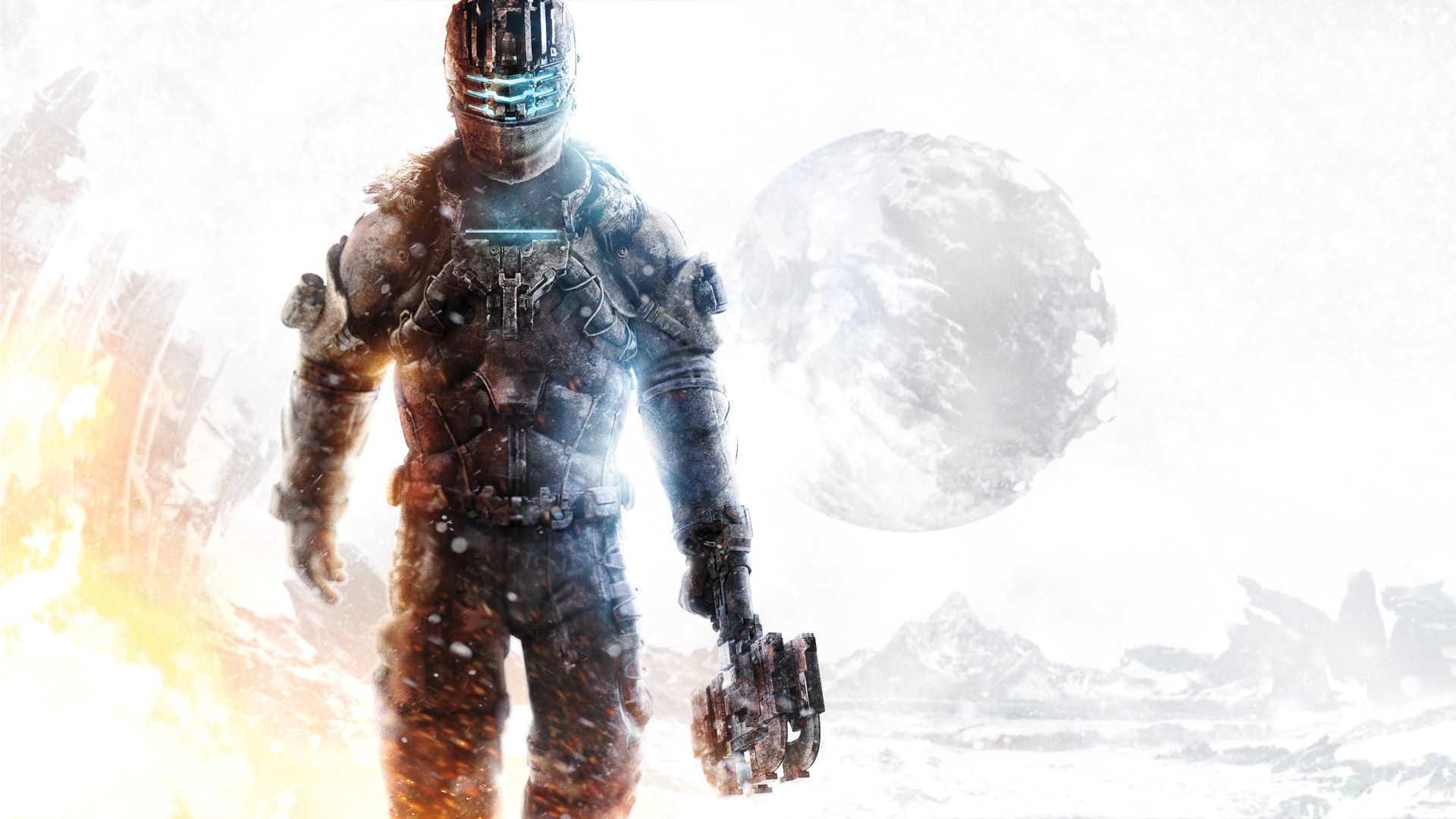
The story shifted towards large-scale, terrifying cosmic events, which some fans thought strayed too far from what made the series special. The final showdown featured a creature the size of a moon, and the ending appeared to kill off the main characters. Later, downloadable content added an even darker ending that many considered pointless. This conclusion was a big change from the close-quarters, suspenseful horror of the original two games.
‘L.A. Noire’ (2011)
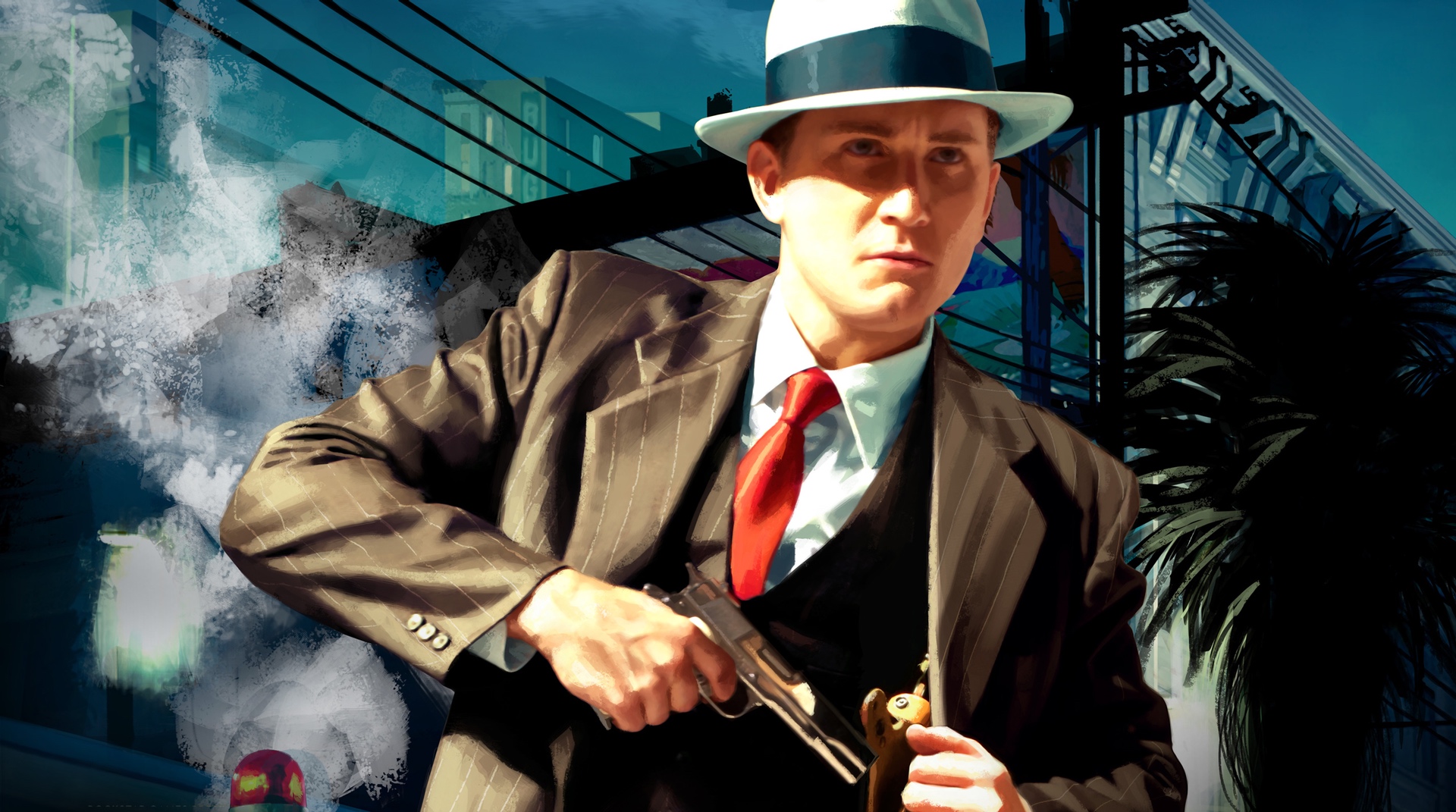
In the game’s final mission, the main character, Cole Phelps, dies unexpectedly in a sewer. Many players found this death unsatisfying and felt it didn’t align with his character’s journey. The game then switches to a different character, which further distanced players from the story. This ending disappointed those hoping for a classic, conclusive resolution for the detective.
‘Far Cry 5’ (2018)
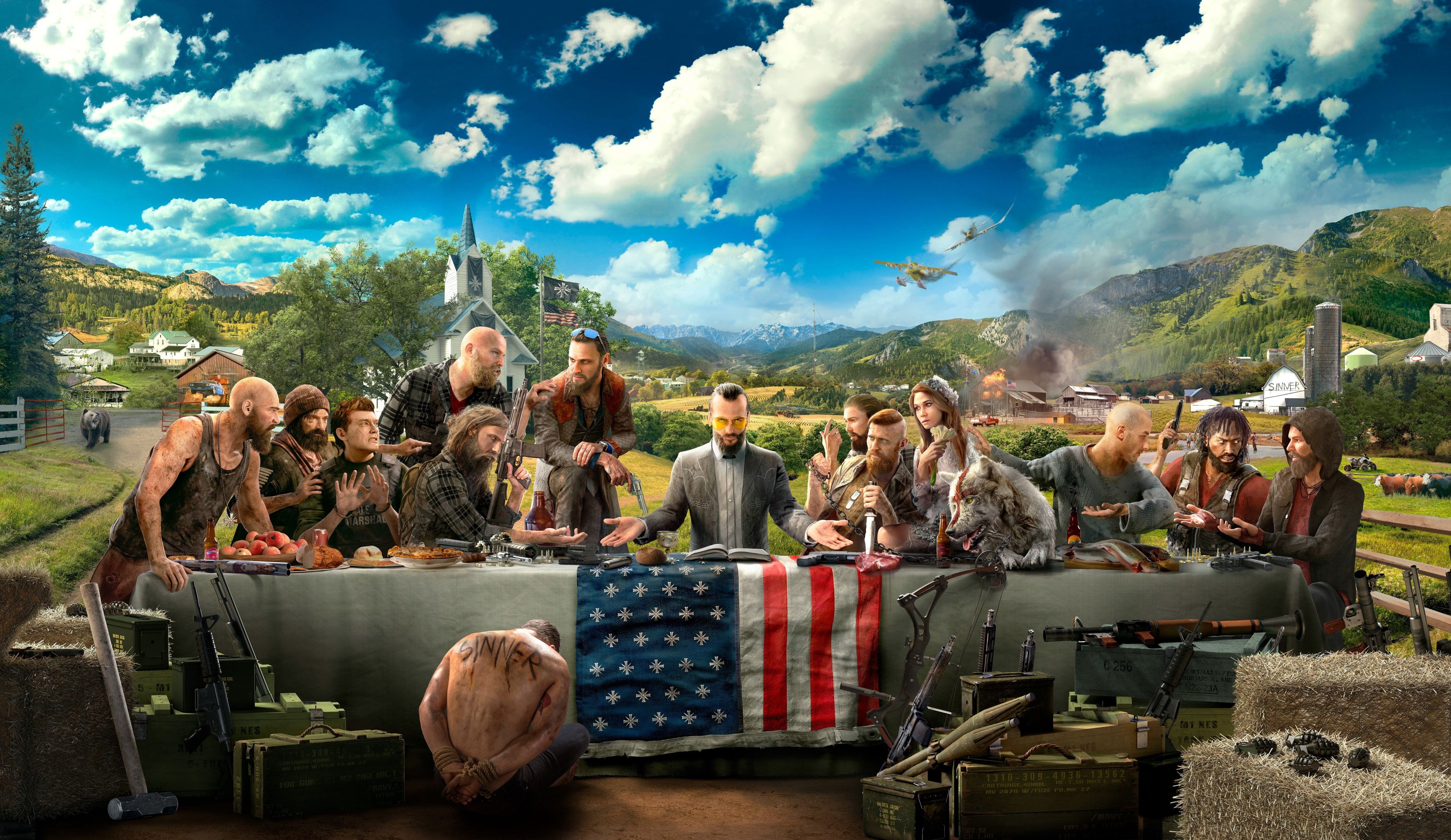
The game culminates in a nuclear apocalypse, making all the player’s efforts against the cult leader feel futile. Regardless of the choices made, the world is destroyed and the villain succeeds. This bleak ending disappointed many players who had invested significant time trying to protect the area. A common criticism was that the ending felt contrived, seemingly designed to introduce the story of a future spin-off game.
‘Deus Ex Mankind Divided’ (2016)
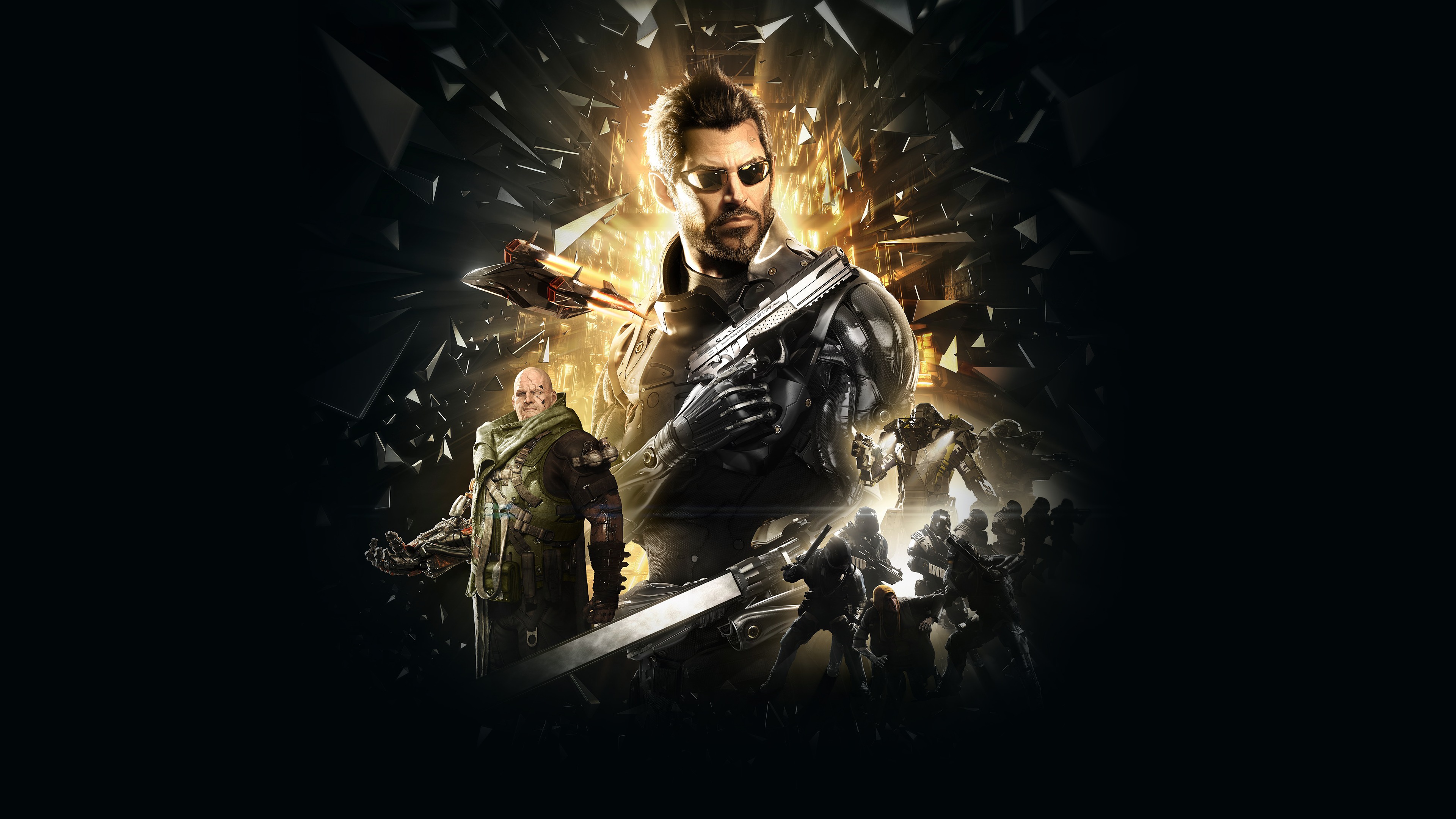
The game’s story, following Adam Jensen, ends abruptly right when the main mystery starts to come together. It feels incomplete, as if the final boss battle should have been somewhere in the middle. Many storylines are left unresolved, and some important enemies are never faced. This gave players the sense that ‘Deus Ex: Mankind Divided’ was only the first part of a larger, unfinished story.
‘Rage’ (2011)
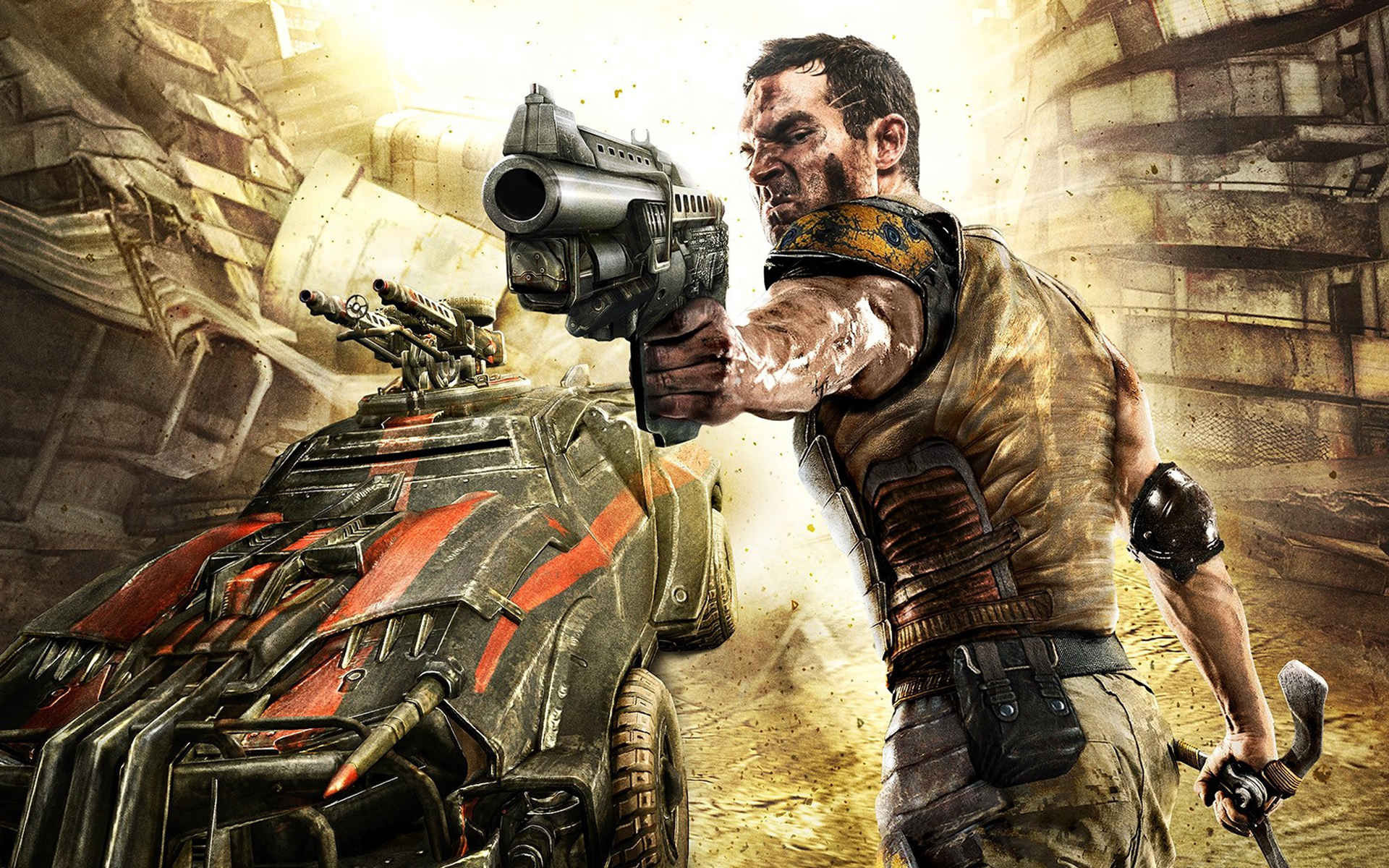
The game’s story ends with the player simply activating a satellite by pressing a button. Unlike many games, there’s no big final battle or boss to overcome. After activating the satellite, a short video plays, and the game immediately goes back to the main menu. Many players felt this ending was unsatisfying and made the game feel incomplete.
‘Dying Light’ (2015)
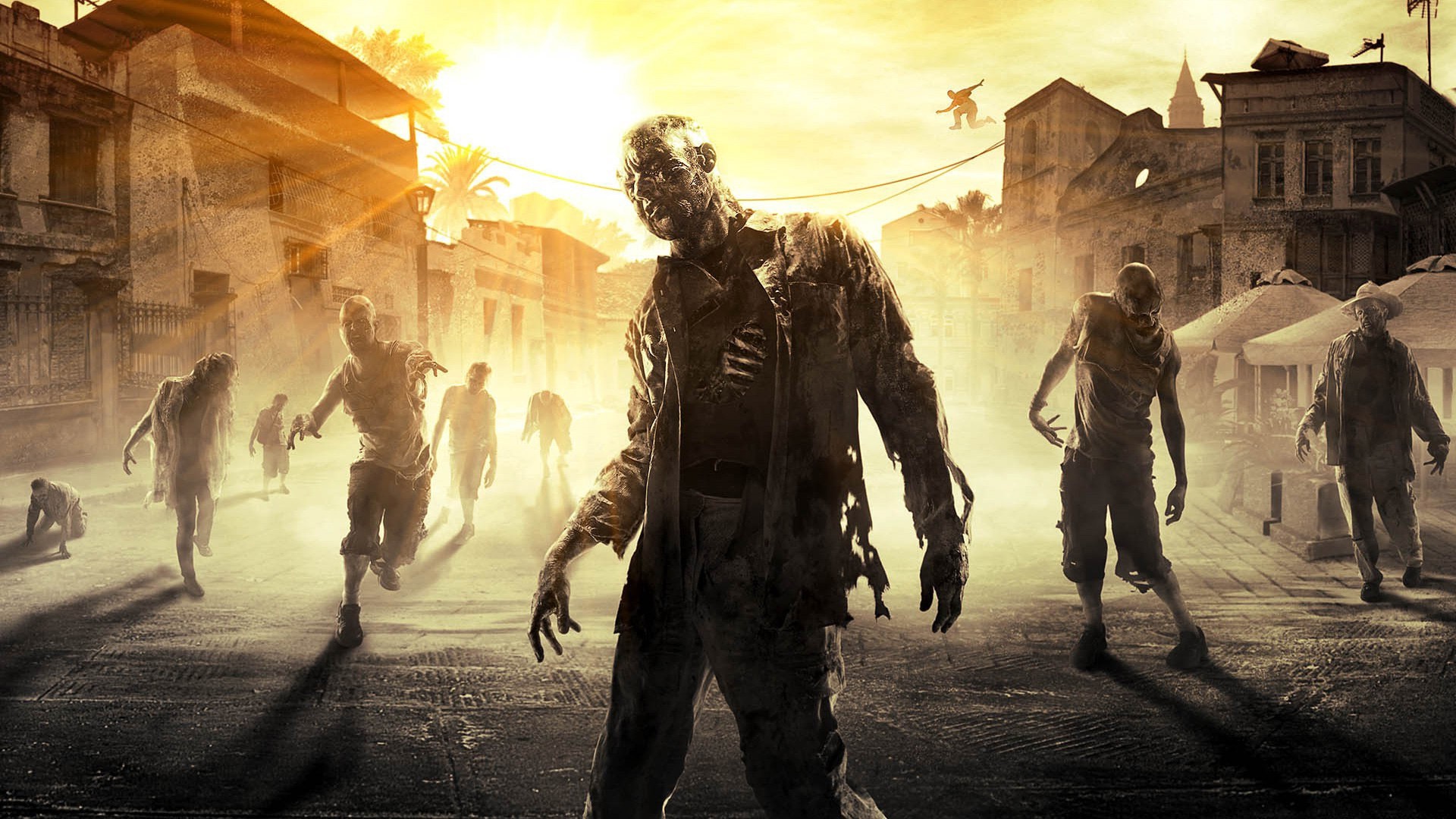
The game boasts a large, open world with fluid parkour and detailed melee combat. However, the climactic battle against the villain relies on quick-time events instead of letting players actually fight. Many players were frustrated that they couldn’t use the skills they’d developed throughout the game during this final challenge. This shift from engaging gameplay to simple button presses received a lot of criticism from the player community.
‘Prince of Persia’ (2008)
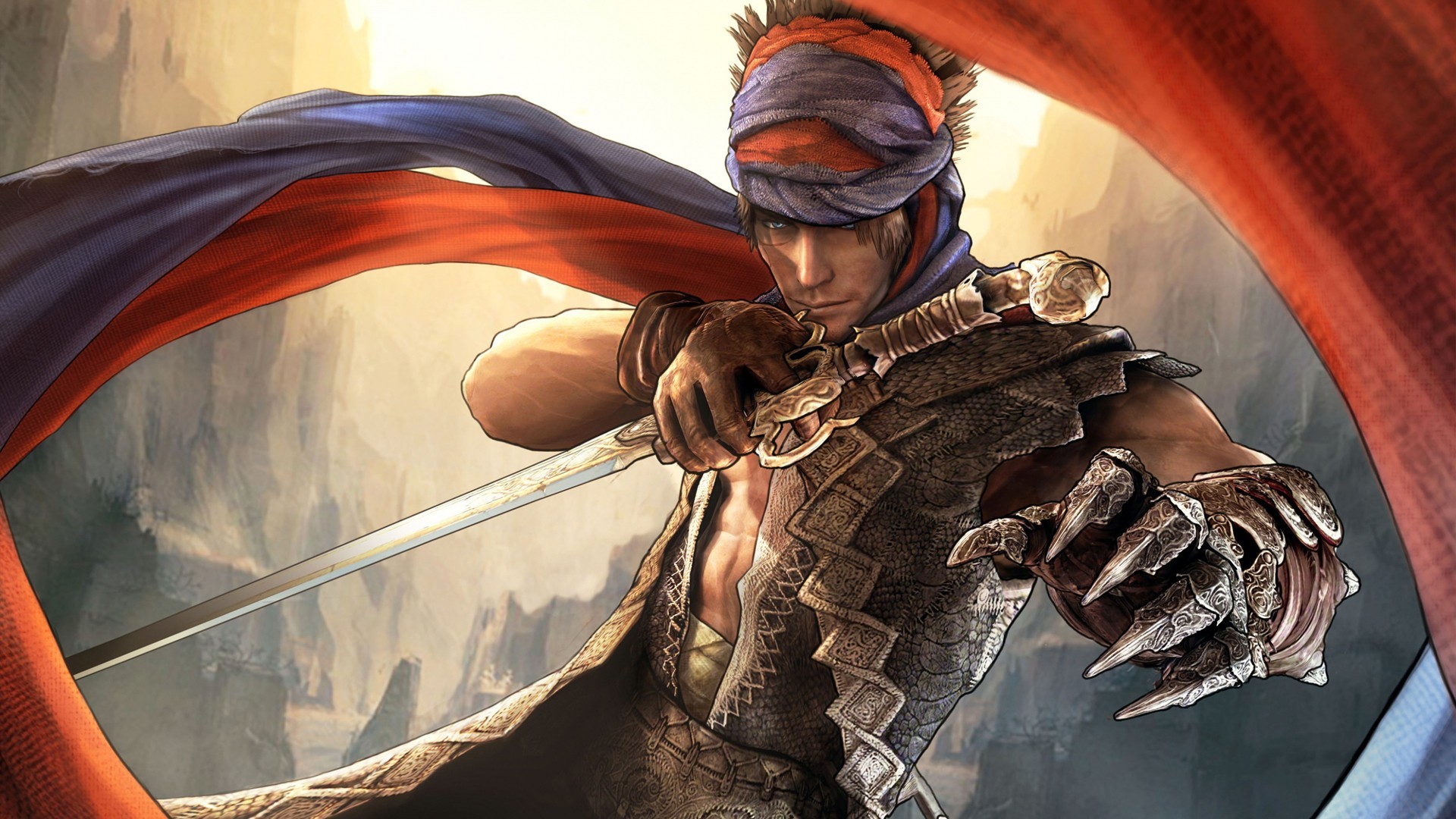
The game ends with the player sacrificing all their achievements to rescue a friend. However, this choice inadvertently unleashes a powerful, ancient threat and undoes everything they’ve worked towards. Although the story had potential, many players felt frustrated that their efforts were ultimately meaningless. The developers had planned to continue the story in a console sequel, but it was never made.
‘Monkey Island 2 LeChuck’s Revenge’ (1991)
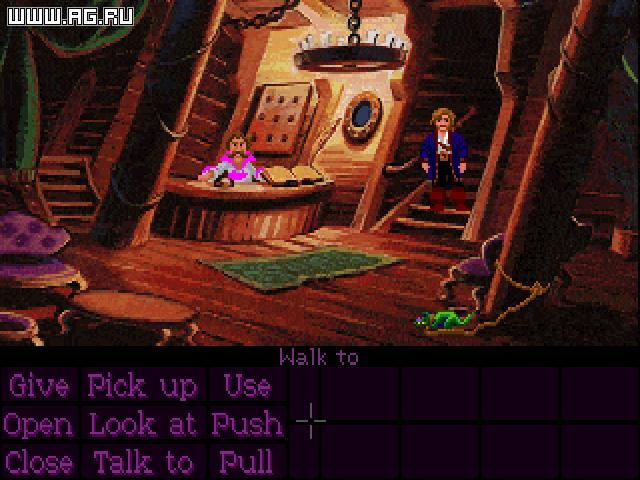
The surprising ending of the game suggests the whole pirate story was actually a fantasy created by two kids at an amusement park. This unexpected twist, which directly addressed the audience, caused a lot of debate and confusion among fans. It dramatically changed how players understood the game’s world and characters, feeling abrupt and unsettling. While later games tried to clarify things, the original ‘Monkey Island 2: LeChuck’s Revenge’ ending continues to be a point of contention.
‘Firewatch’ (2016)
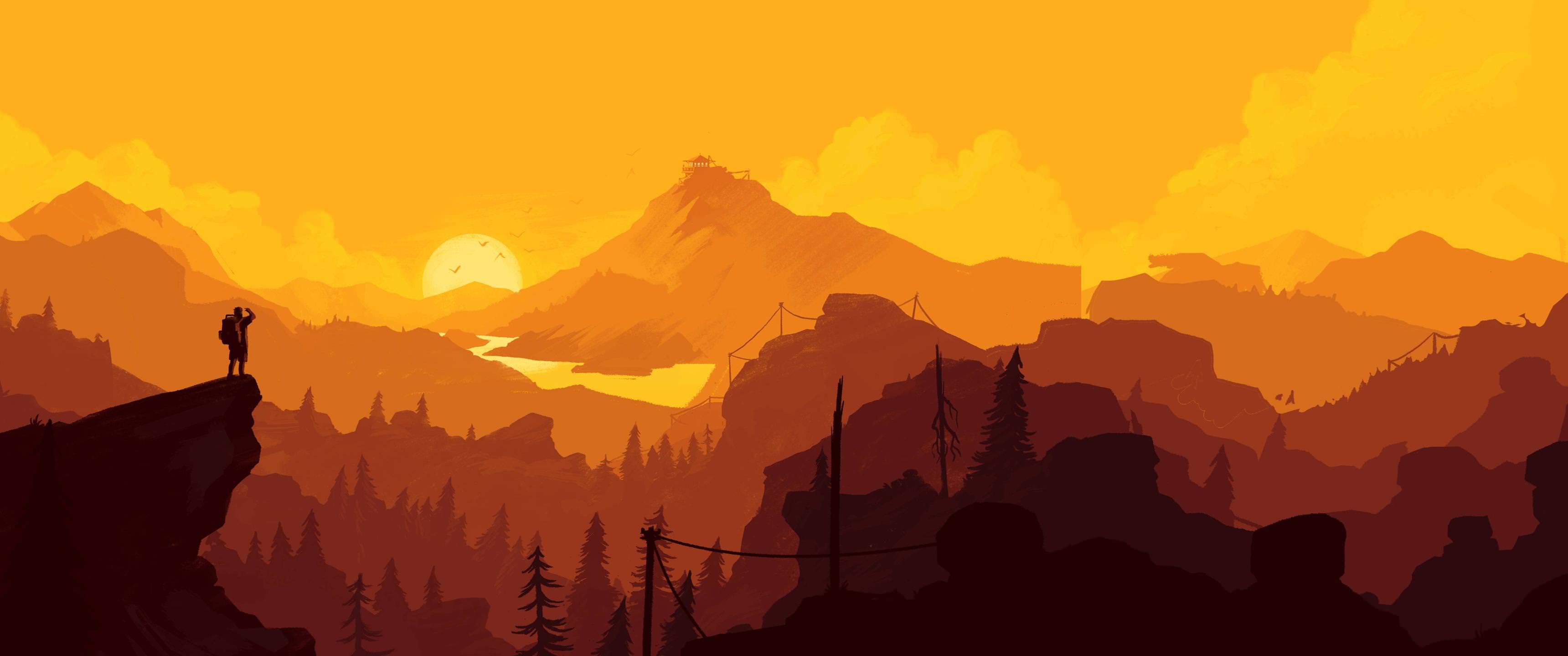
The game creates suspense using radio chatter and odd events happening in the wild. Players anticipated a reveal involving the supernatural or a large-scale conspiracy, but the story ultimately offered a realistic and heartbreaking explanation centered around a father’s grief. Although believable, this unexpected turn of events left some players feeling disappointed by the lack of a more dramatic conclusion.
‘Kane & Lynch 2 Dog Days’ (2010)
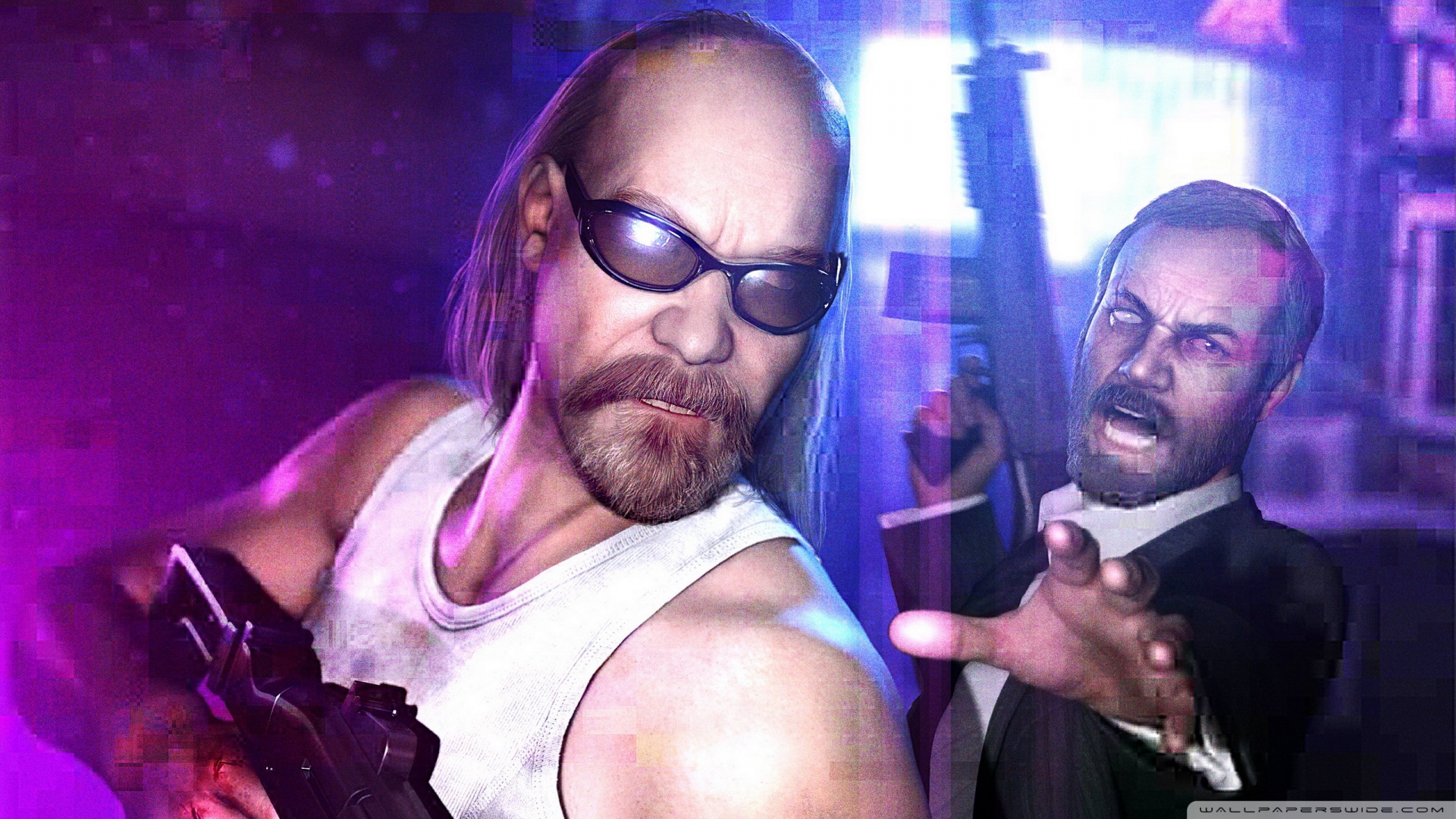
The game finishes with the main characters fleeing on a plane, but the screen suddenly goes black mid-conversation, and the credits start. We don’t get any resolution for the characters or the intense events of the game. This sudden ending made the already brief experience of ‘Kane & Lynch 2 Dog Days’ feel even less satisfying.
‘Starfield’ (2023)
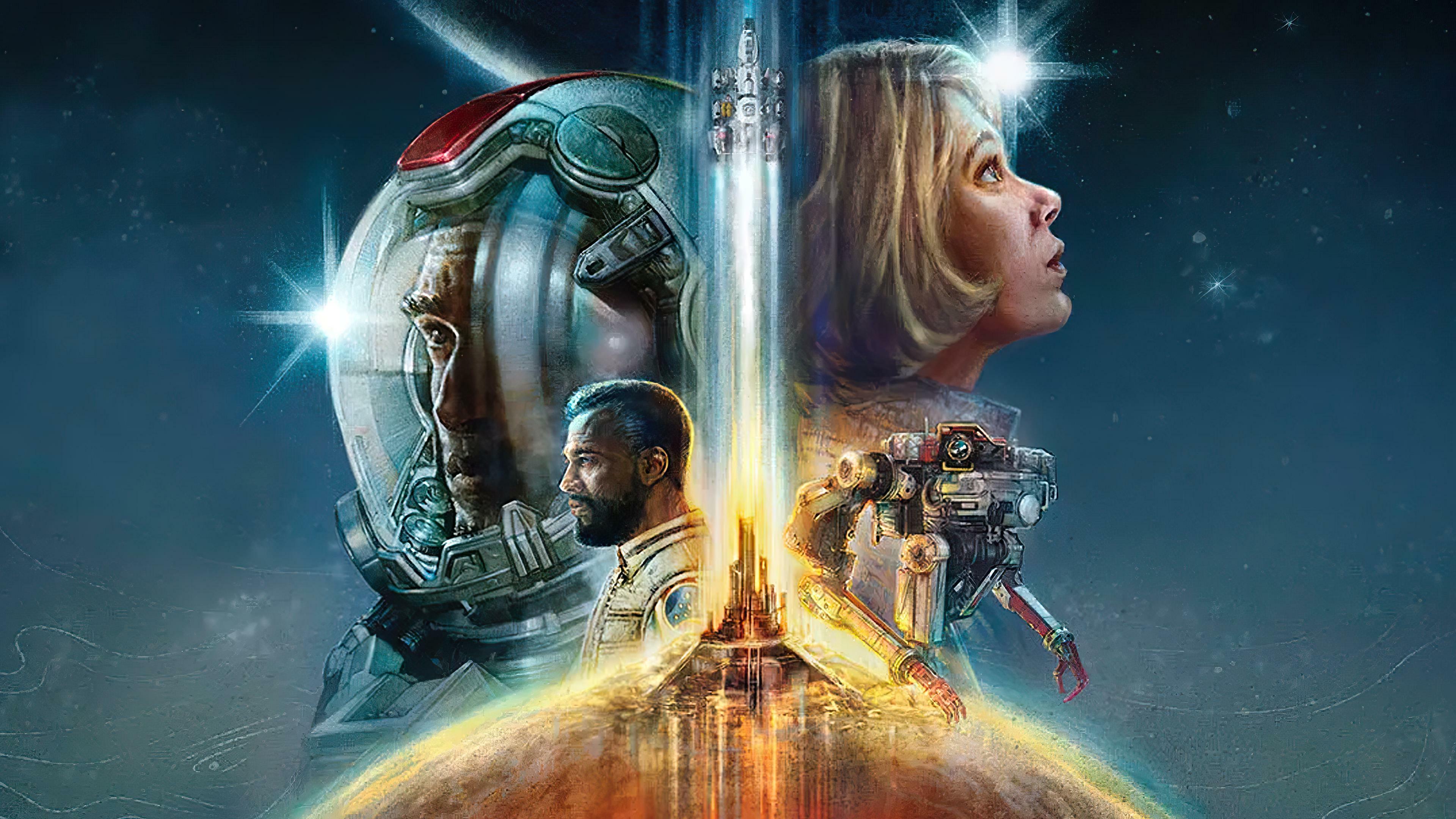
The game’s ending reveals a repeating cycle of universes, prompting players to restart in a new one. While this ties into the New Game Plus feature, it can make the first universe feel unimportant. Some players disliked having to abandon their established connections and bases, feeling it lessened the impact of their earlier efforts. Additionally, the final questline in ‘Starfield’ received criticism for being repetitive and lacking diverse challenges.
‘The Last of Us Part II’ (2020)
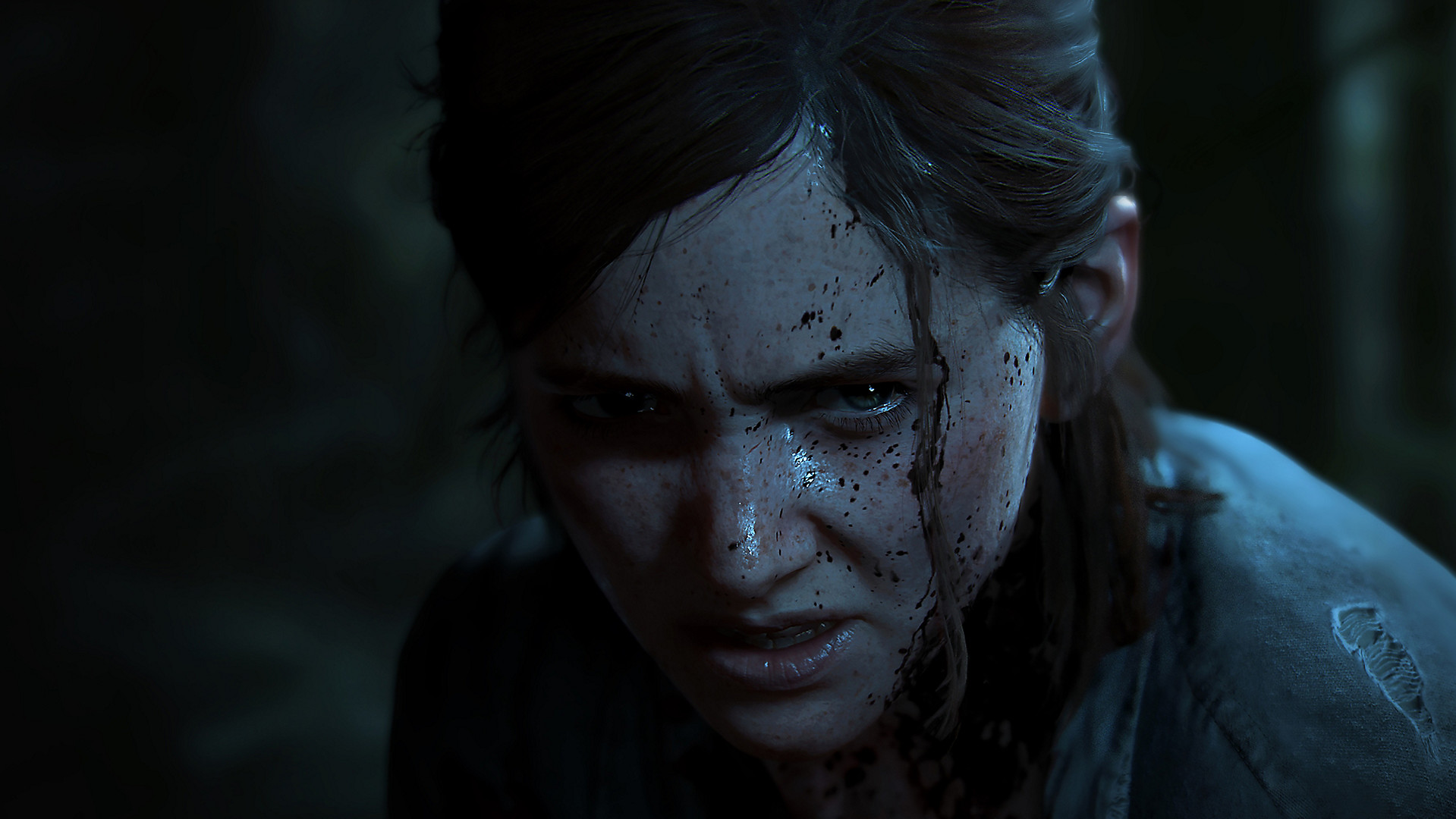
The story ends with a climactic showdown, leaving the main character, Ellie, weakened and by herself. The choices made with characters players loved from the first game frustrated many fans. The game’s focus on the endless nature of violence resulted in an ending that felt overwhelmingly dark and draining. It’s become one of the most debated stories in recent video game history.
‘Mirror’s Edge’ (2008)
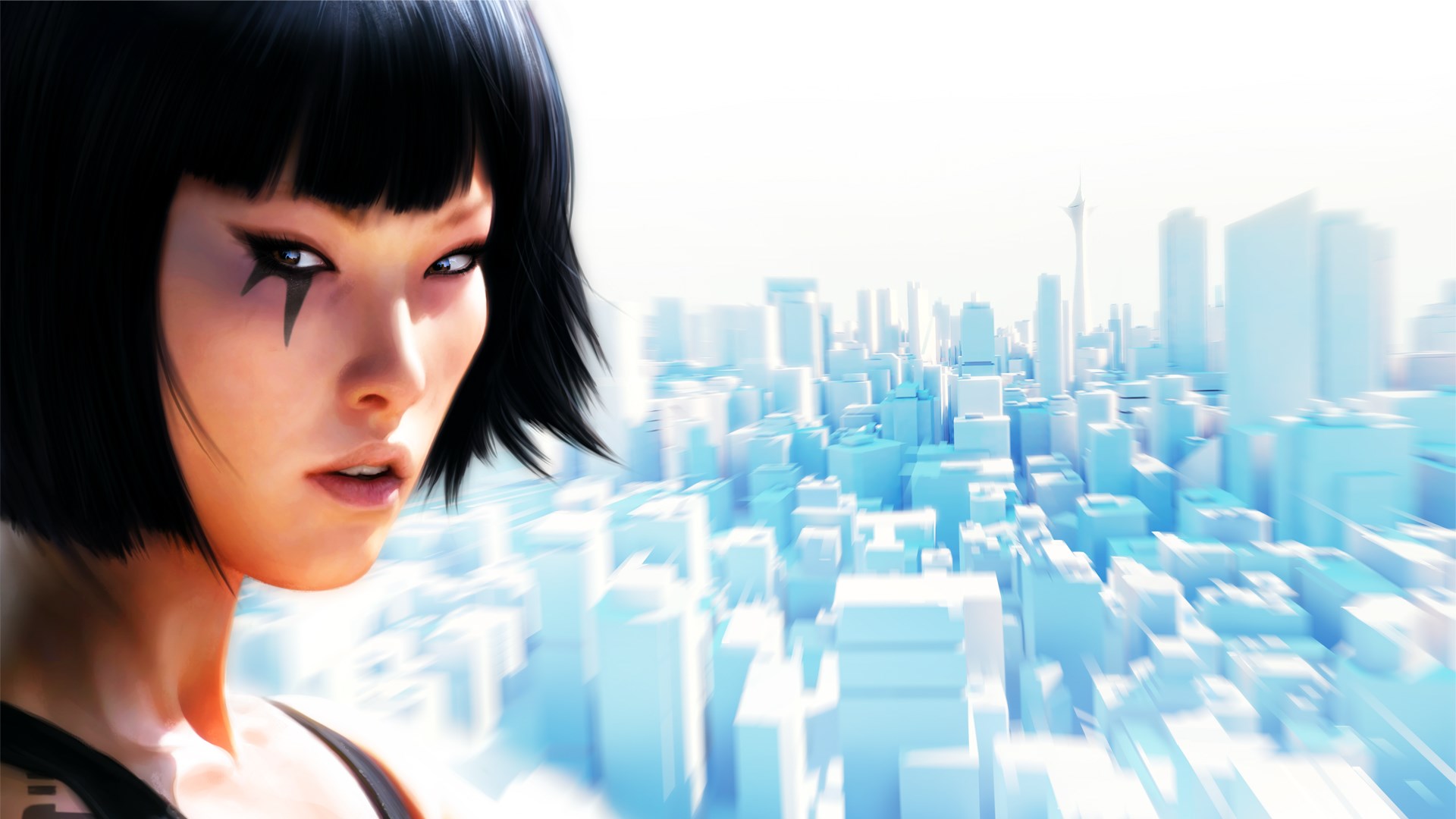
Okay, so this game has amazing first-person parkour – seriously, it’s all about flowing movement and building up speed, which is awesome. But the last level kind of ruined it for me. It suddenly forced me into clunky fights and a super short, on-rails escape sequence. And the story? Ugh. It just… stops. There’s a cliffhanger ending with a cutscene, but it doesn’t really resolve anything with Faith or her sister. Honestly, the world they built felt like it had so much more potential, and the ending just didn’t deliver on it. It felt rushed and left me wanting more – not in a good way.
‘Final Fantasy XV’ (2016)
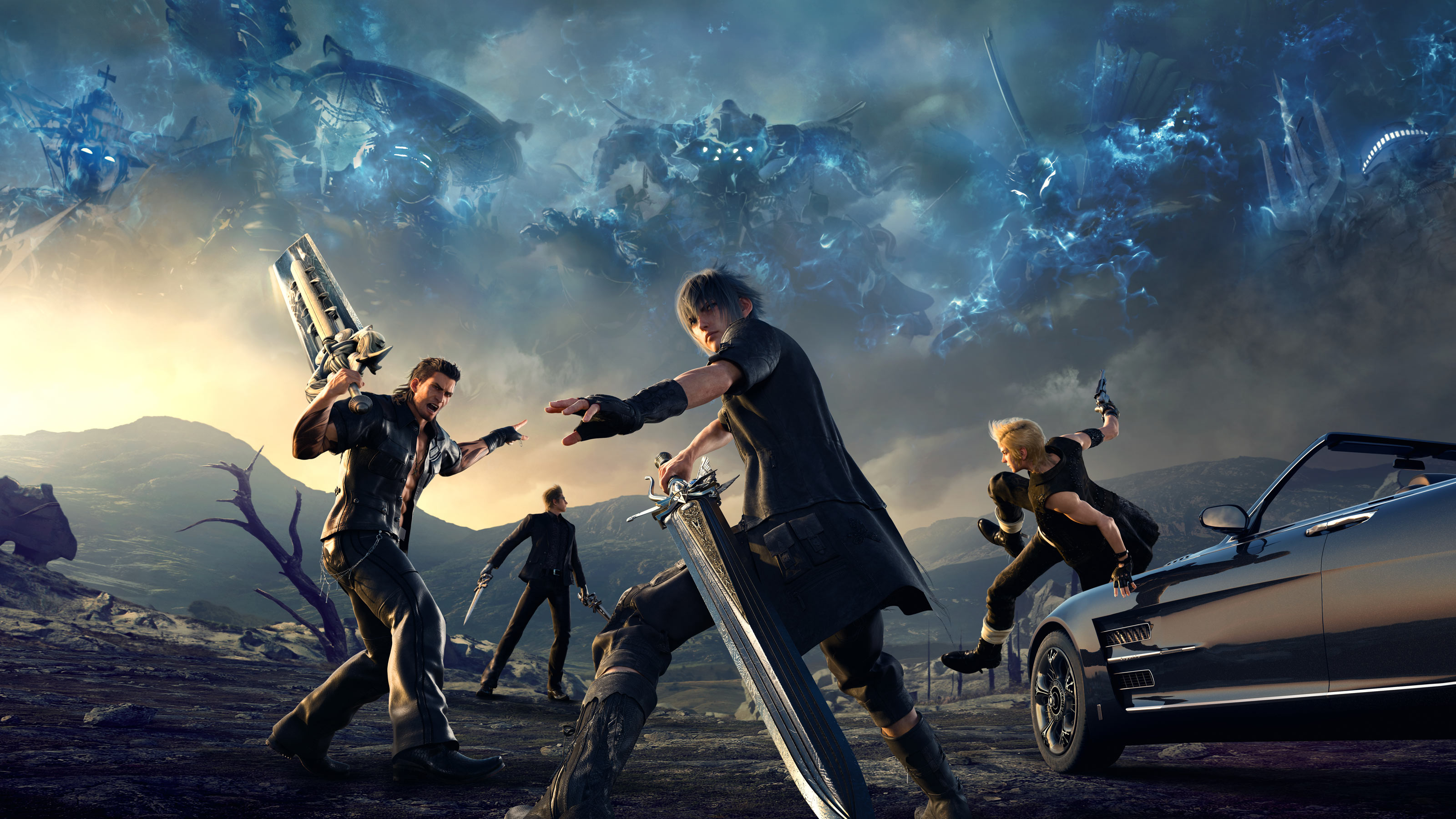
As the story of Noctis and his companions nears its end, it feels hurried and straightforward. The final confrontation takes place years later, feeling abrupt and lacking sufficient preparation. Important plot points were initially absent and had to be added after release through updates and downloadable content. This disjointed storytelling caused confusion for many players when ‘Final Fantasy XV’ first launched.
‘Middle earth Shadow of War’ (2017)
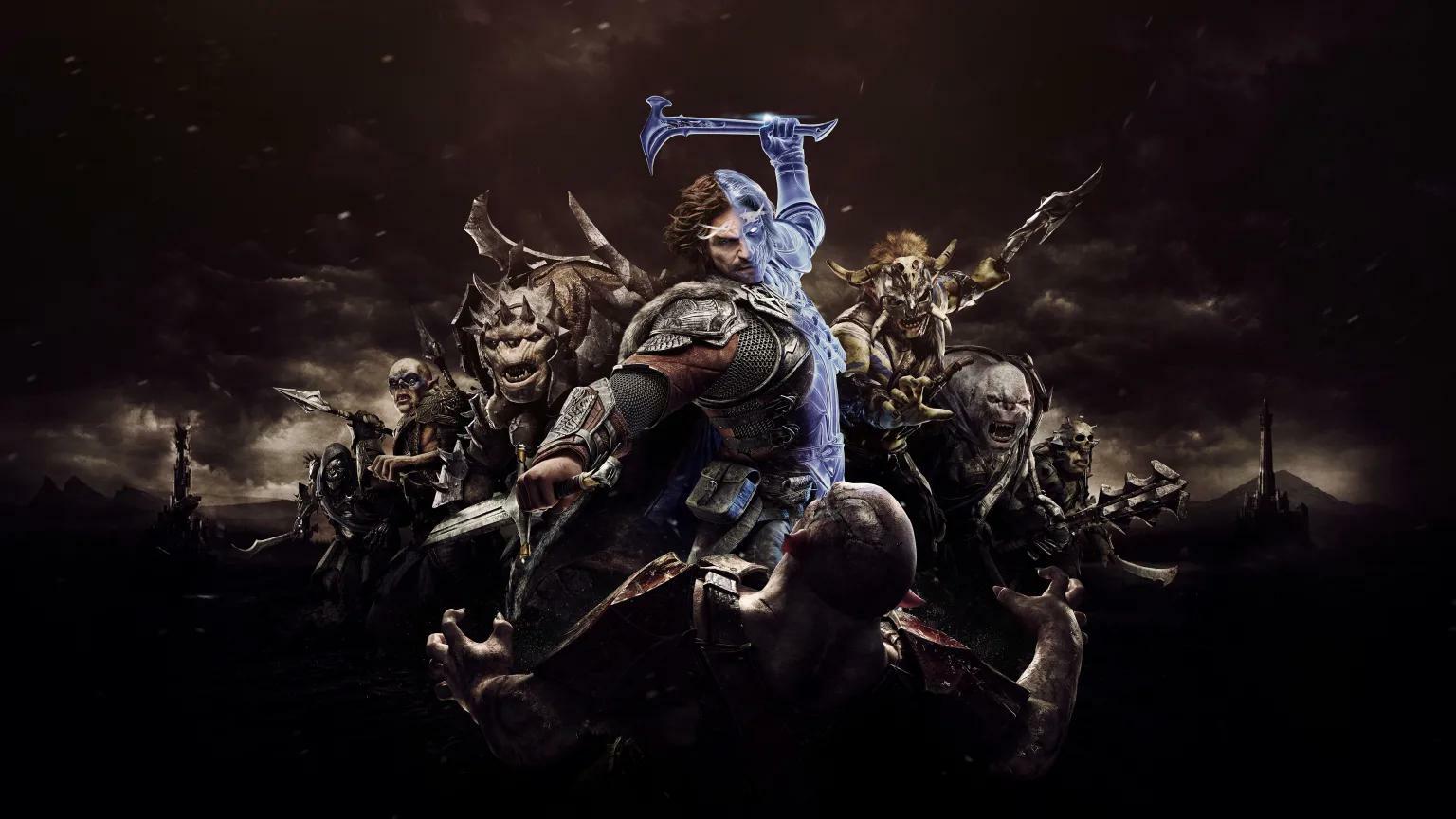
Okay, so the real ending to ‘Middle-earth: Shadow of War’ used to be a serious pain to unlock. You basically had to play the same fortress defense missions over and over for hours just to see the final cutscene. Honestly, it felt like they were trying to get you to spend money on stuff in the game to speed things up. Thankfully, the developers listened to feedback and eventually made it way less grindy to reach the end. It’s a much better experience now!
‘Mafia II’ (2010)
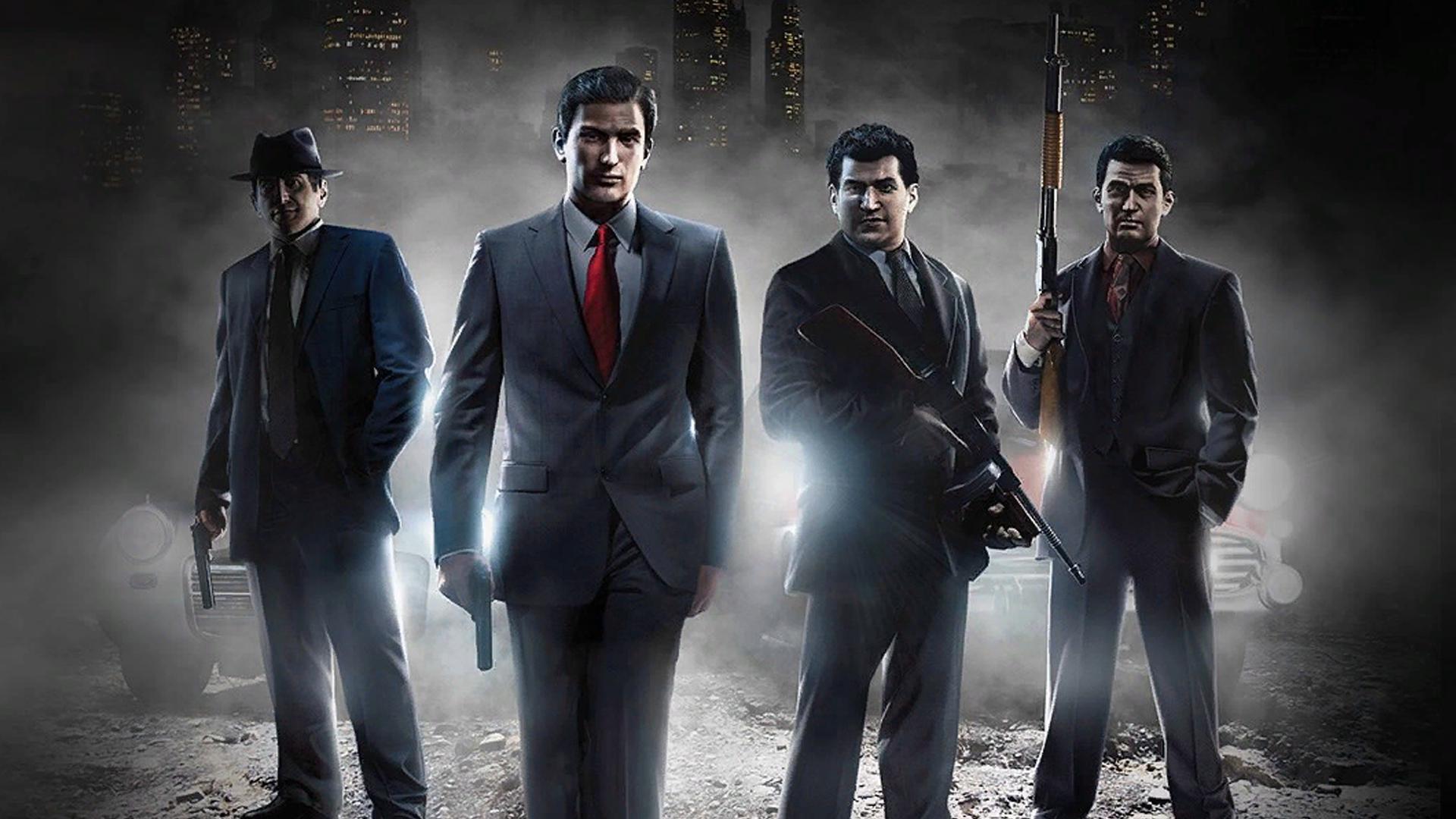
The game chronicles Vito Scaletta’s ascent through the ranks of organized crime over a period of years. It ends with Vito watching his close friend, Joe, being taken away, unsure of what will happen to him. Vito is told Joe wasn’t included in a crucial agreement, leaving the story with a bleak and open ending. This sudden conclusion disappointed many players who hoped for a clearer resolution to Vito and Joe’s story.
‘Super Mario Bros. 2’ (1988)
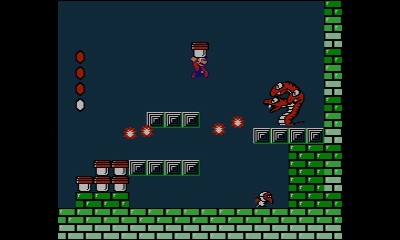
The game ends by revealing Mario was actually just dreaming the entire adventure in Subcon. While this explained the unusual gameplay and enemies, many players felt it was an overused plot device. This kind of reveal is often used to keep a story separate from the main Super Mario universe. Even though ‘Super Mario Bros. 2’ is well-liked, the dream explanation continues to be a debated topic among fans.
‘Castlevania II Simon’s Quest’ (1987)
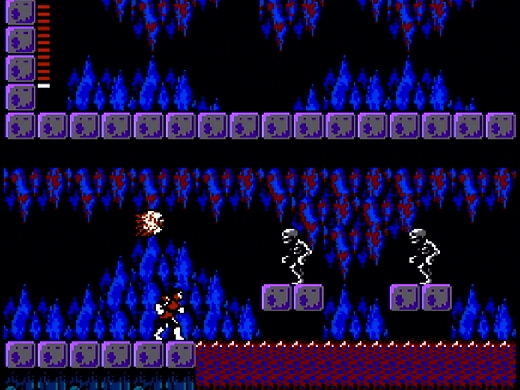
The conclusion of this beloved adventure game is known for being surprisingly short and doesn’t offer much of a payoff after a challenging quest. Players have to decipher mysterious hints to collect Dracula’s body parts and destroy them at his castle. How long it took to complete the game determined how brief the ending was – sometimes it was just a few lines of text. Many fans were disappointed by the absence of a proper final boss battle in ‘Castlevania II: Simon’s Quest’.
‘The Legend of Zelda Link’s Awakening’ (1993)
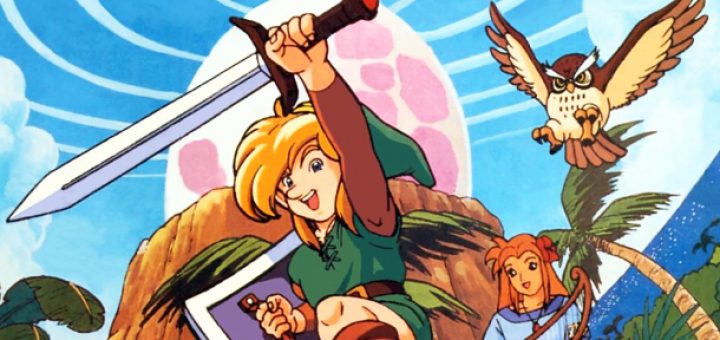
‘The Legend of Zelda: Link’s Awakening’ is set on Koholint Island, where Link needs to awaken the Wind Fish to be able to leave. Throughout the game, players discover that the island and everyone on it are actually part of a dream. Waking the Wind Fish will cause the entire dream world – and all the characters Link has befriended – to disappear. This sad but meaningful ending resonated with players who had become fond of the island’s inhabitants.
‘Dreamfall The Longest Journey’ (2006)
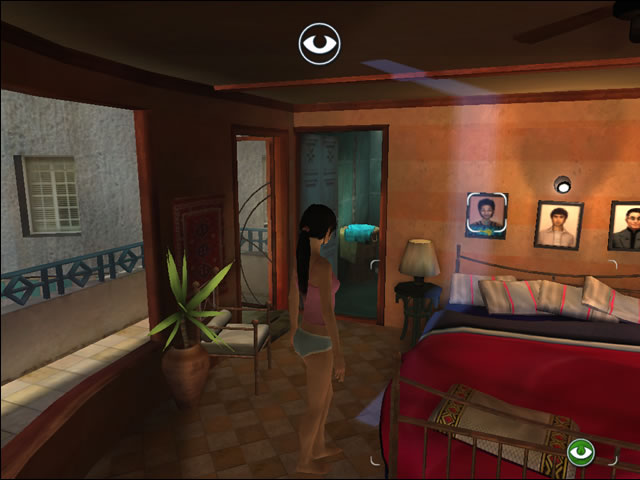
The game ends with its main characters facing serious trouble and the central conflict unresolved. One character falls into a coma, and another appears to die off-screen. This abrupt ending was intended to set up a sequel, but fans had to wait almost eight years for it. The lack of a satisfying conclusion left many fans feeling frustrated.
‘Soul Reaver 2’ (2001)
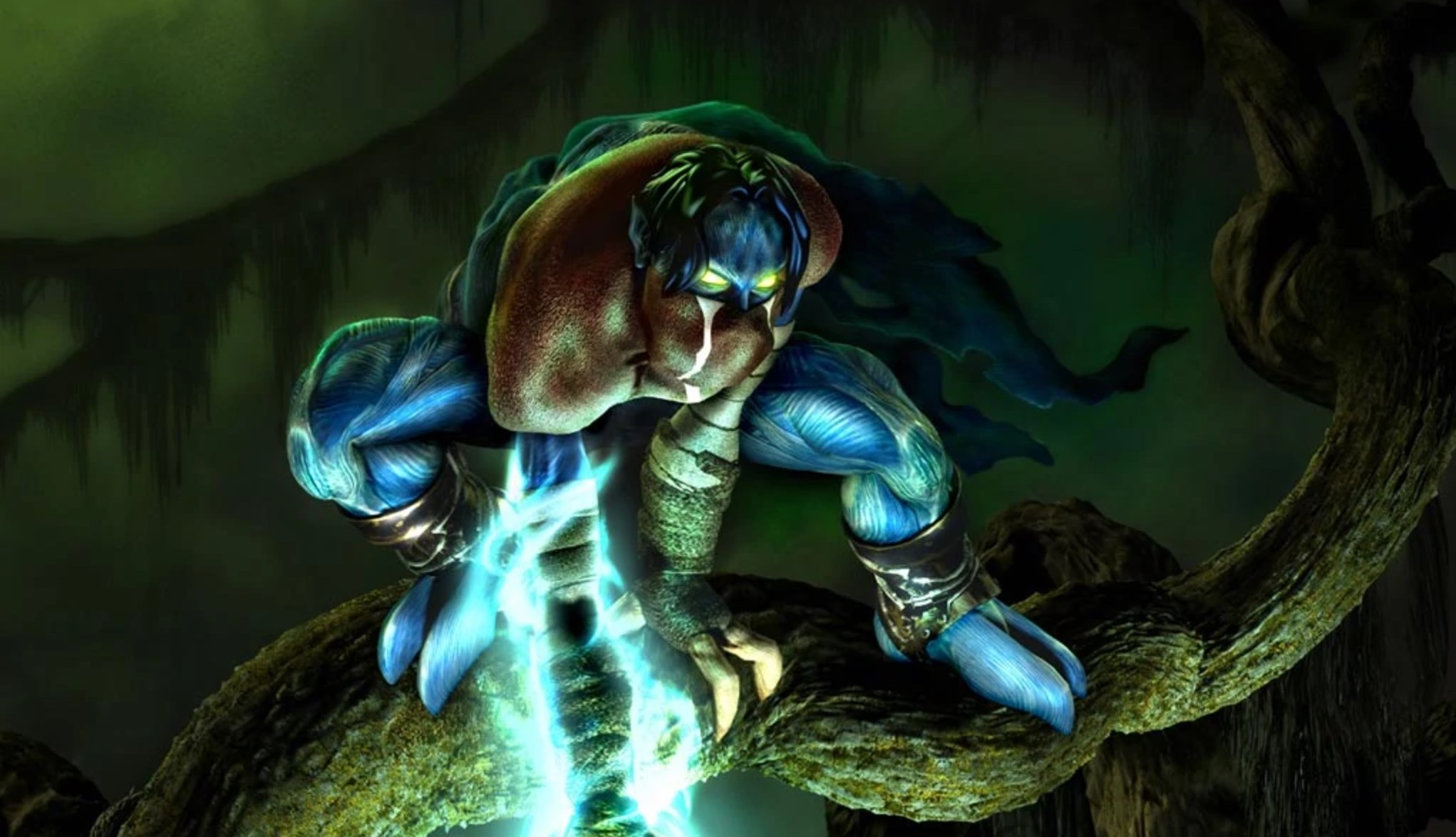
The story of Raziel and Kain wraps up with a tricky time travel puzzle, leaving the fate of the world uncertain. The game ends abruptly, setting up the next chapter and leaving many players puzzled by its complicated backstory and unresolved ending. It felt more like a setup for a sequel than a complete and satisfying conclusion to ‘Soul Reaver 2’.
‘Ghost Recon Wildlands’ (2017)
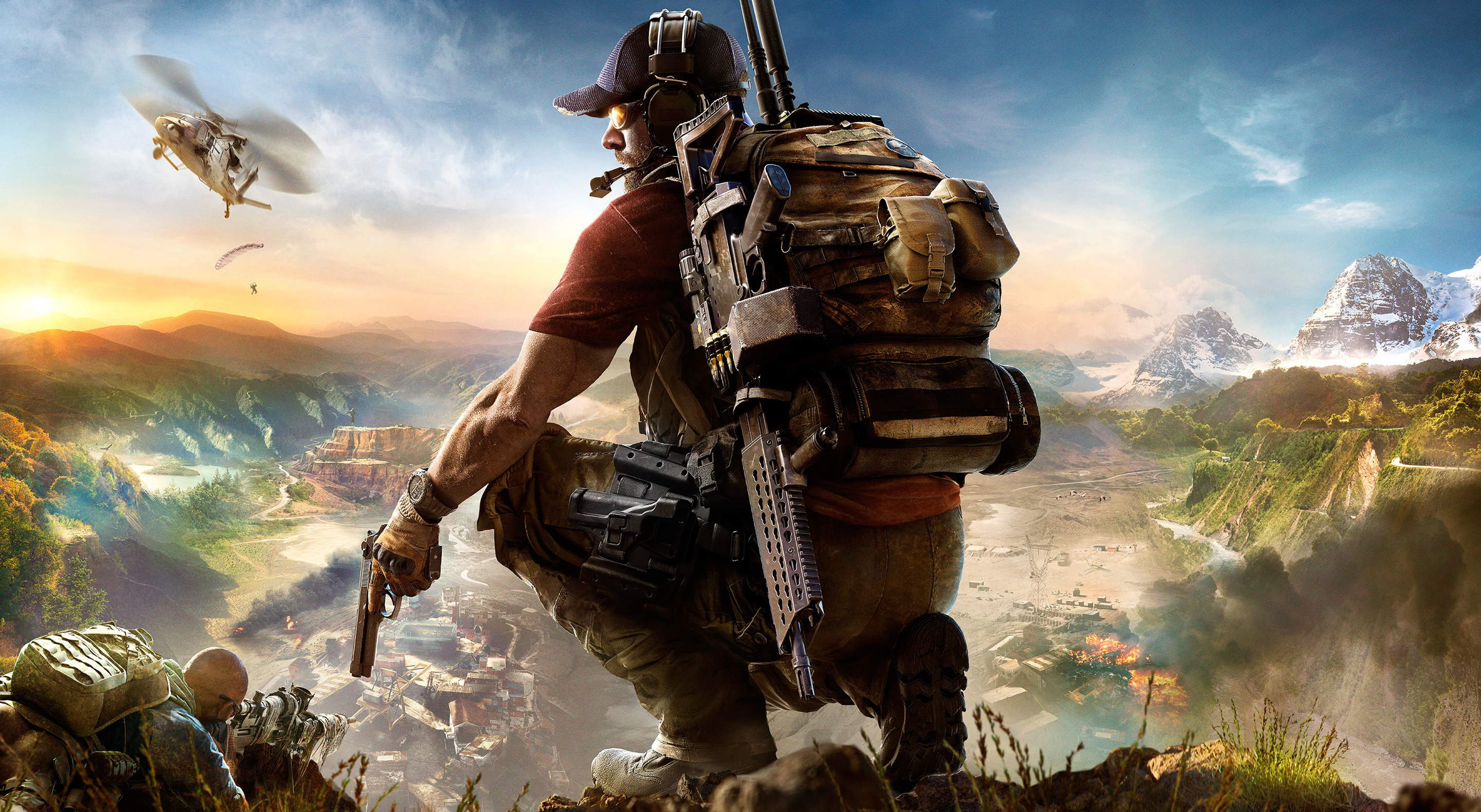
As a big fan of ‘Ghost Recon Wildlands’, I was honestly a little disappointed with how the story wrapped up. After spending so many hours taking down the Santa Blanca cartel, it felt like neither ending really delivered a satisfying conclusion. Both options let the main bad guy slip through the cracks, which, while realistic, just made all my hard work feel…less meaningful. I was really hoping for a more heroic or clear-cut victory after such a huge campaign.
‘Doom’ (2016)
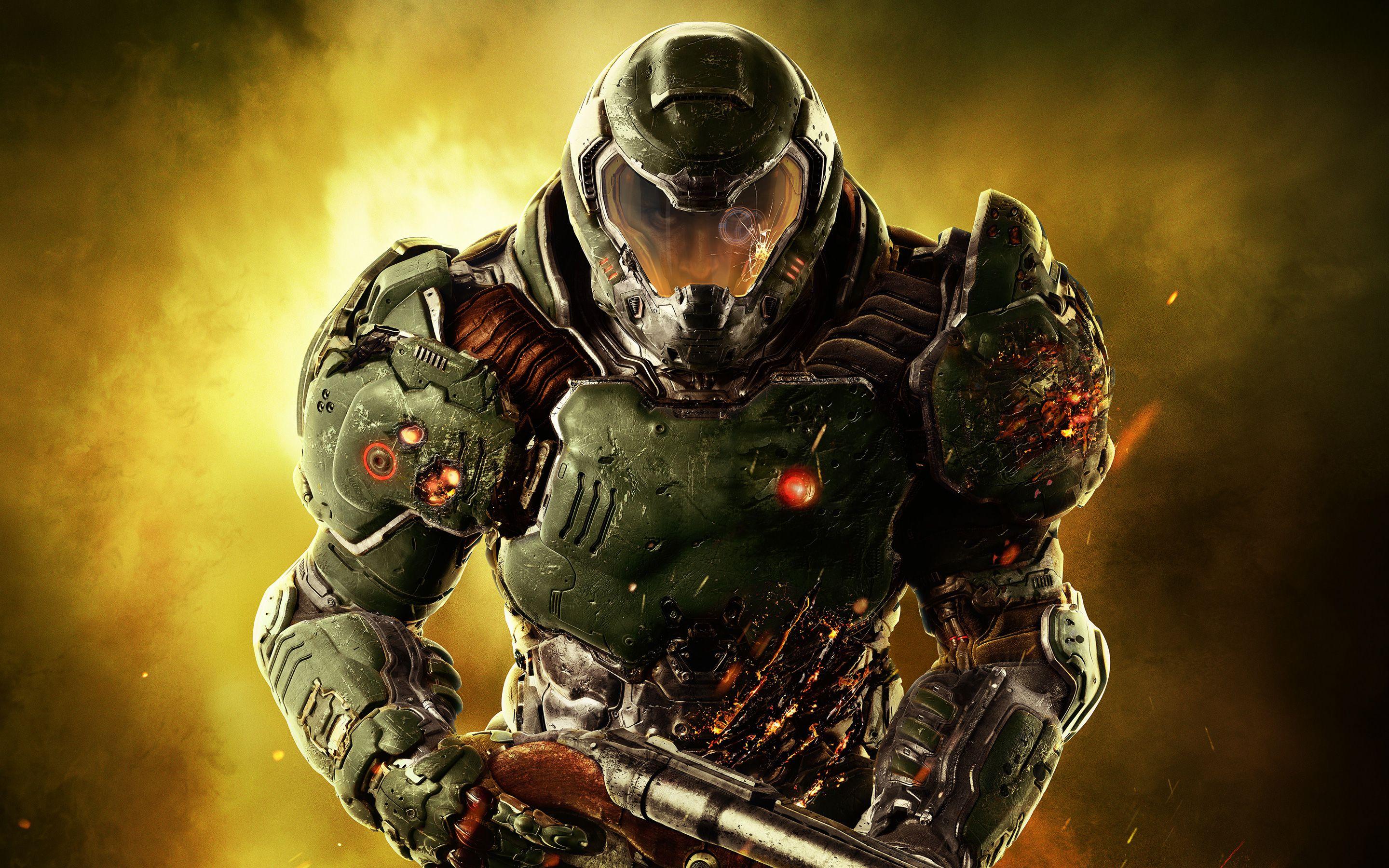
The game’s exciting climax sees the Doom Slayer double-crossed and imprisoned by Samuel Hayden. Although a huge hit, the ending was obviously meant to lead into another game. It felt strange to suddenly take control away from the player, especially after spending the entire game feeling incredibly powerful. Instead of providing closure, the ending left fans eager to continue the battle.
‘Alan Wake’ (2010)
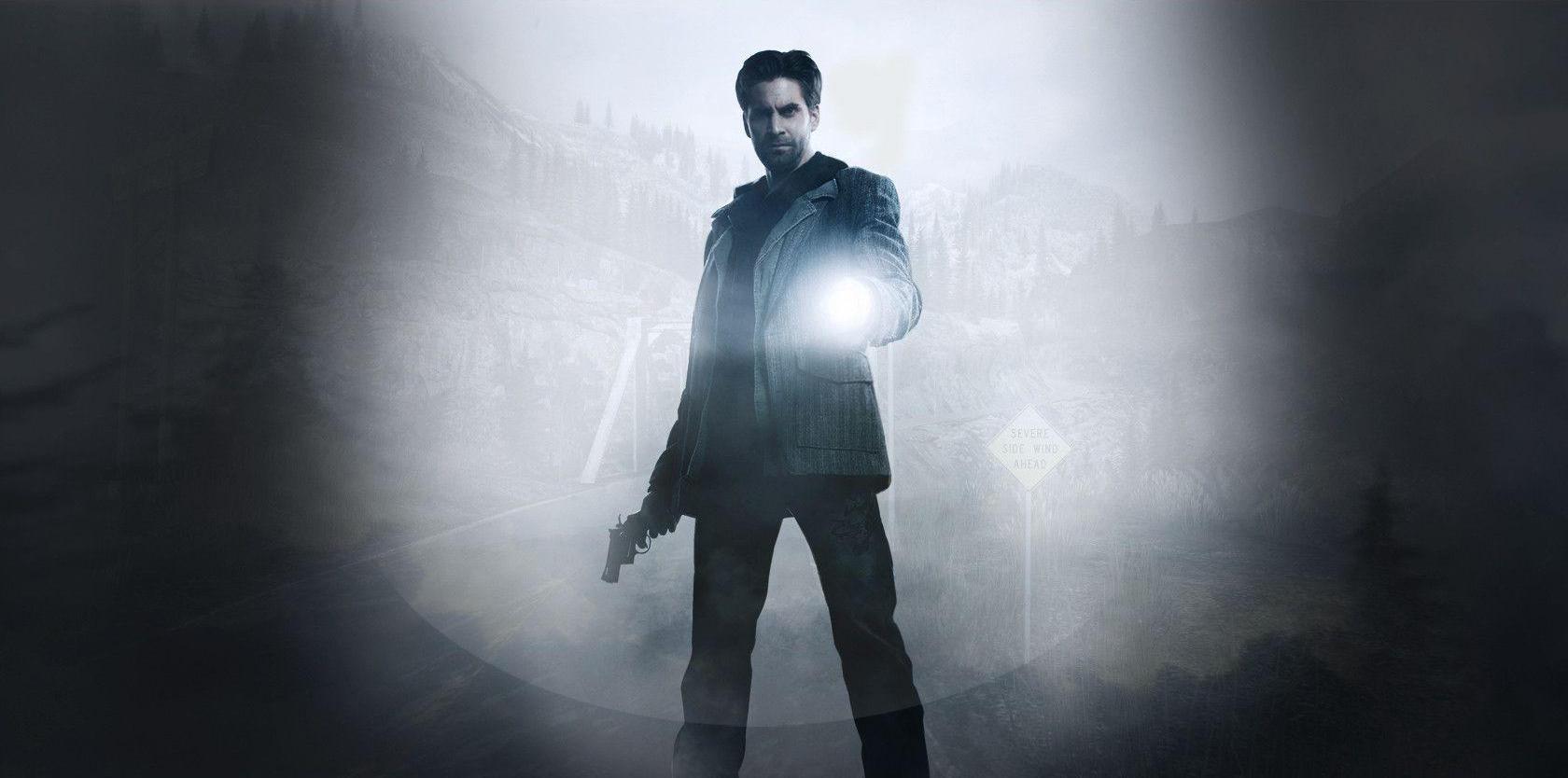
The game concludes with Alan stuck in the Dark Place, having given his life to protect his wife. The very last line is intentionally unclear, leaving the core mysteries unanswered. Players didn’t get full explanations until much later, through downloadable content and a sequel released years afterward. This ambiguity sparked over a decade of fan theories and speculation about the story’s true meaning.
‘Resident Evil 3’ (2020)
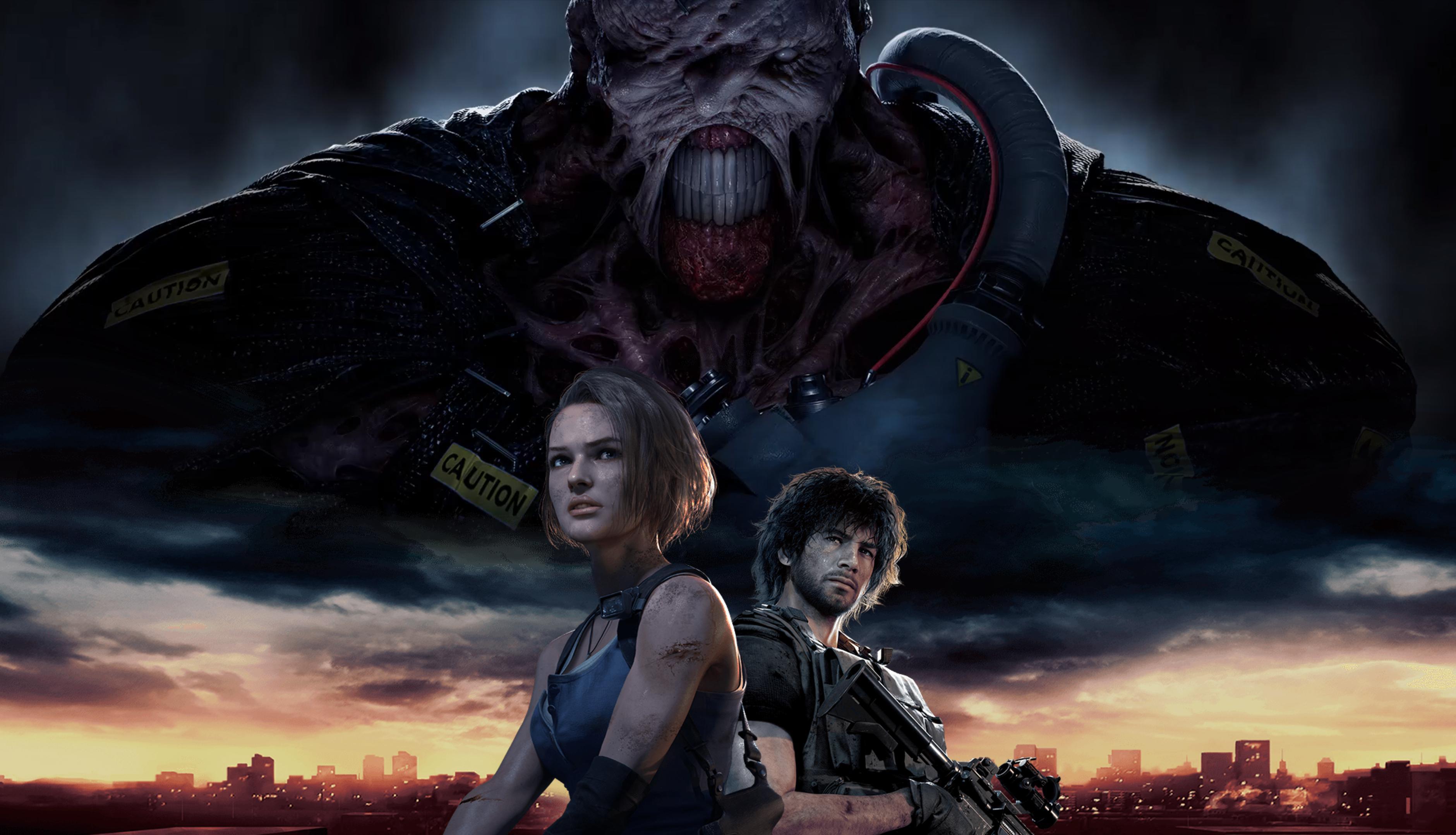
The updated version of this classic horror game finishes with a boss battle that many players found to be boring and annoying. The final attempt to escape is also quite brief and doesn’t build much suspense, unlike the rest of the game. Some fans were let down by the removal of certain areas and moments from the original game, making the ending feel less grand and memorable than the original ‘Resident Evil 3’.
‘Watch Dogs’ (2014)
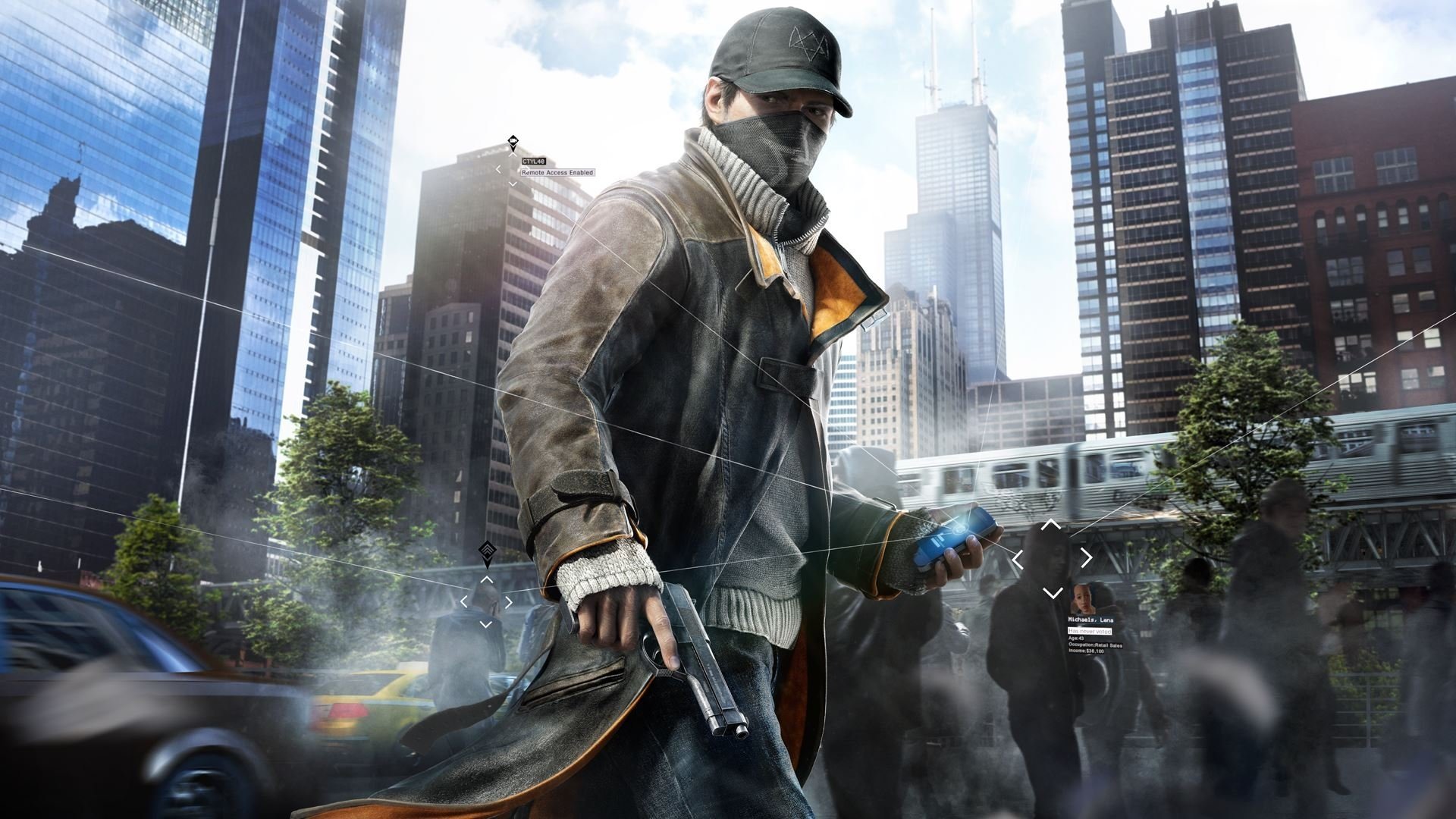
The story of Aiden Pearce ends with a decision: kill the person who caused his niece’s death, or let him live. However, this choice doesn’t actually change anything about the game’s world or what happens to Aiden. Many players found the ending disappointing, especially since it didn’t fully use the interesting hacking elements from the rest of the game. Ultimately, Aiden’s journey didn’t feel very satisfying or lead to a powerful conclusion.
Share which of these video game conclusions you found to be the most frustrating in the comments.
Read More
- Gold Rate Forecast
- 22 Films Where the White Protagonist Is Canonically the Sidekick to a Black Lead
- Games That Faced Bans in Countries Over Political Themes
- Silver Rate Forecast
- Unveiling the Schwab U.S. Dividend Equity ETF: A Portent of Financial Growth
- Celebs Who Narrowly Escaped The 9/11 Attacks
- Brent Oil Forecast
- How to Do Sculptor Without a Future in KCD2 – Get 3 Sculptor’s Things
- Superman Flops Financially: $350M Budget, Still No Profit (Scoop Confirmed)
- 14 Movies Where the Black Character Refuses to Save the White Protagonist
2026-02-10 12:50