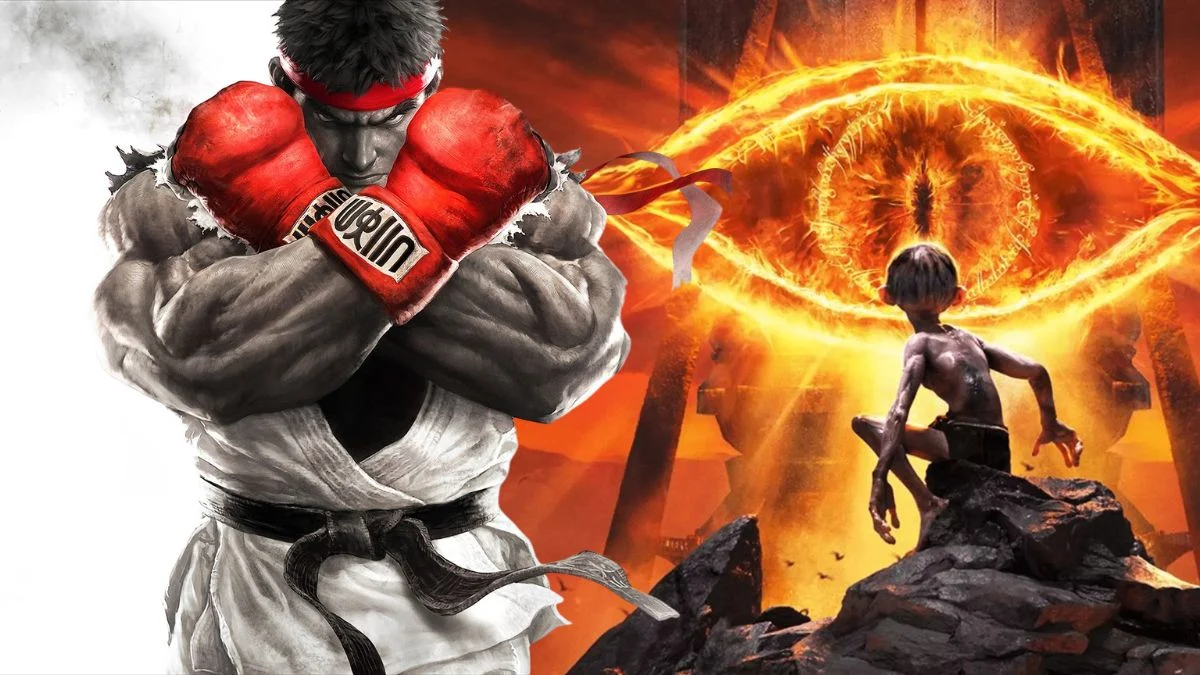
The video game industry has seen many promising games launch with technical problems. Often, these games are plagued by bugs and unstable servers, ruining the experience for players. These issues frequently cause public backlash and require developers to apologize. Today, fixing these problems after a game is released – through updates and patches – is common. This list highlights some well-known games that were initially released with broken features and performance issues.
‘Cyberpunk 2077’ (2020)
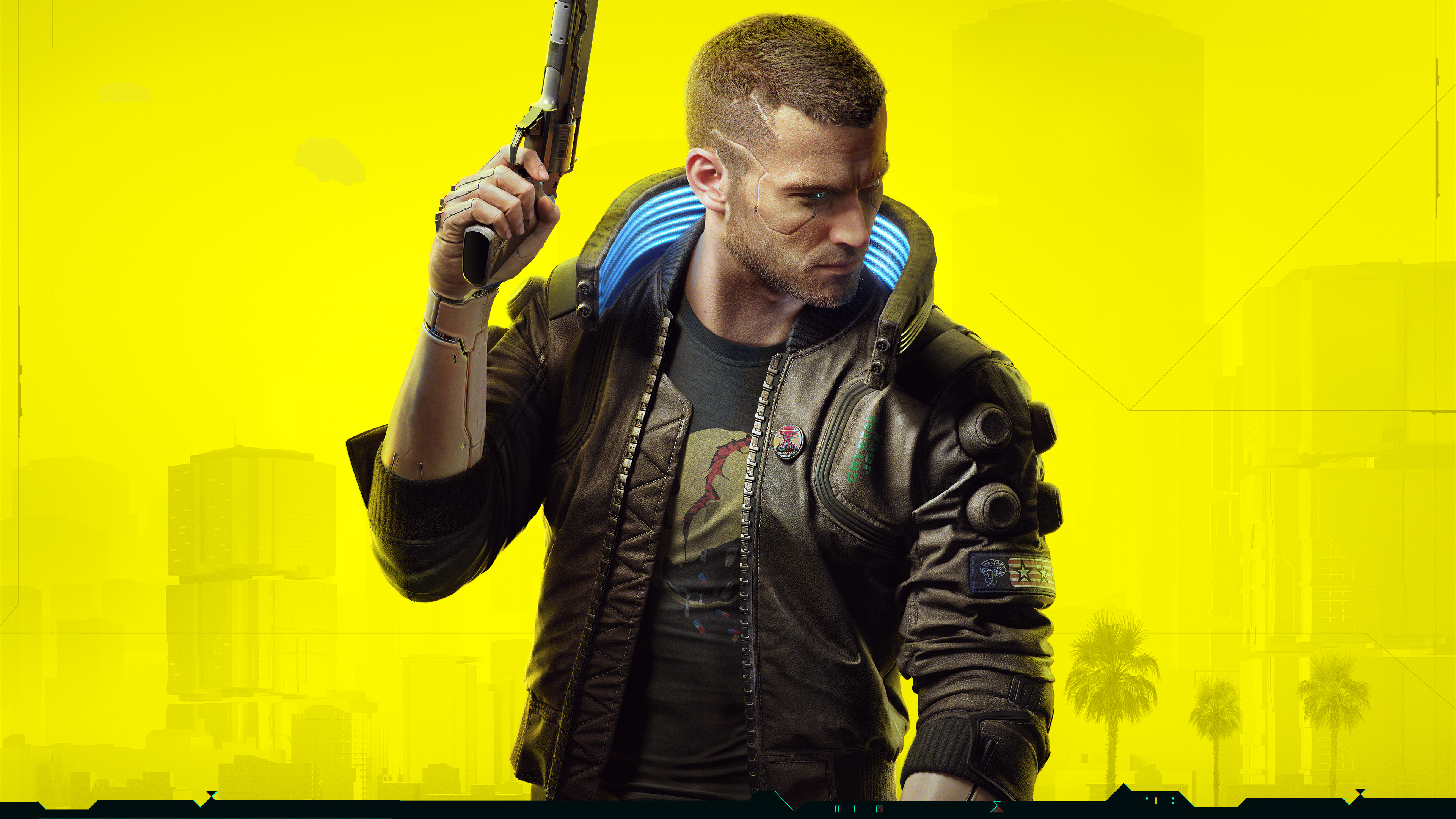
When ‘Cyberpunk 2077’ was first released, it had many technical problems, making it almost impossible to play on older consoles. Players experienced constant crashes and visual bugs that ruined the game’s futuristic world. The issues were so bad that the game was briefly taken off sale on a major online store. Over the next few years, the developers released numerous updates to fix the problems and add back features that had been shown before release. The game’s launch became a well-known example of the difficulties that can arise when trying to meet tight deadlines.
‘No Man’s Sky’ (2016)
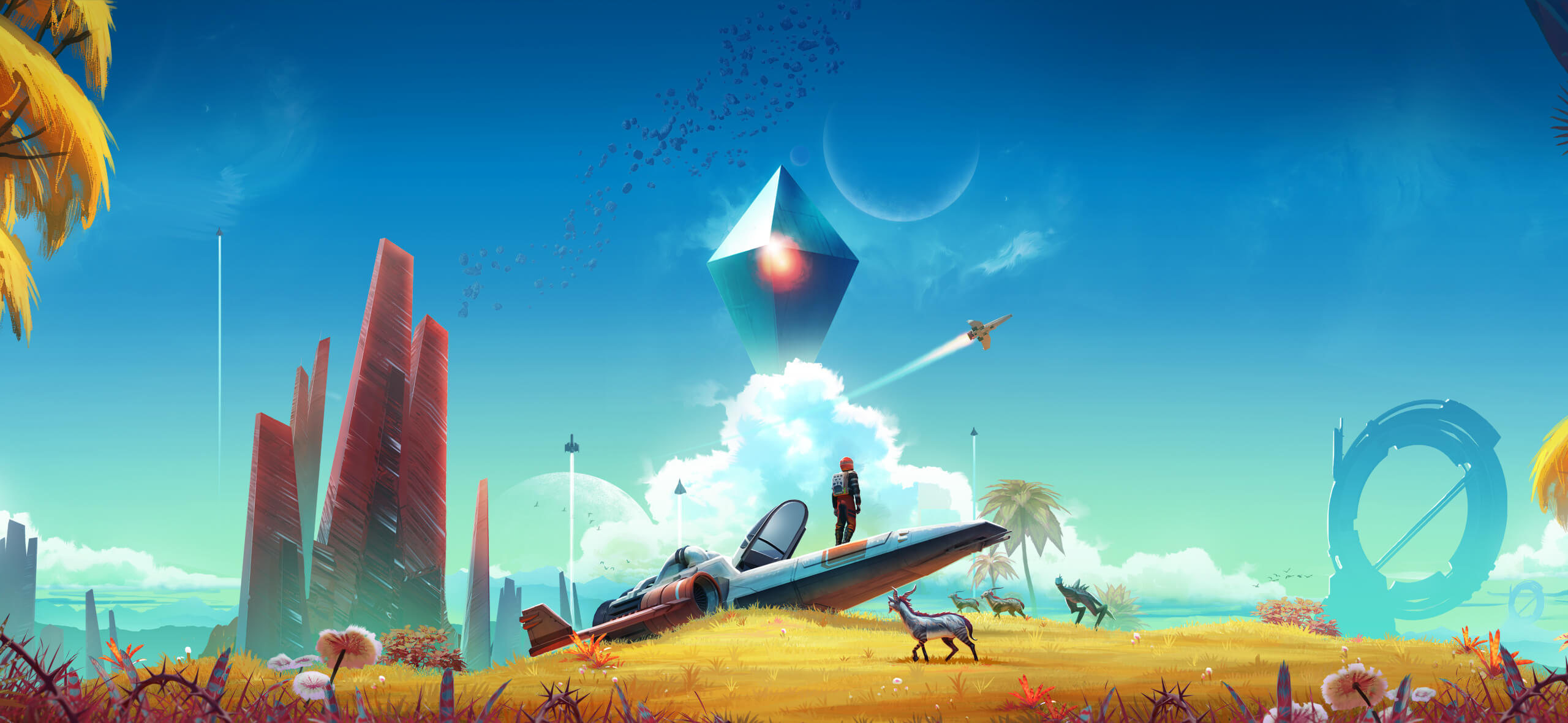
When ‘No Man’s Sky’ first launched, it didn’t include many of the features that had been advertised, leaving players feeling let down. The game world felt empty, and promised multiplayer options weren’t available. Combined with technical problems and repetitive gameplay, this led to many players requesting refunds. Over several years, the developers significantly improved the game with free updates and fixes. While it eventually became a popular and successful game, its rocky start serves as a reminder of the importance of realistic expectations.
‘Fallout 76’ (2018)
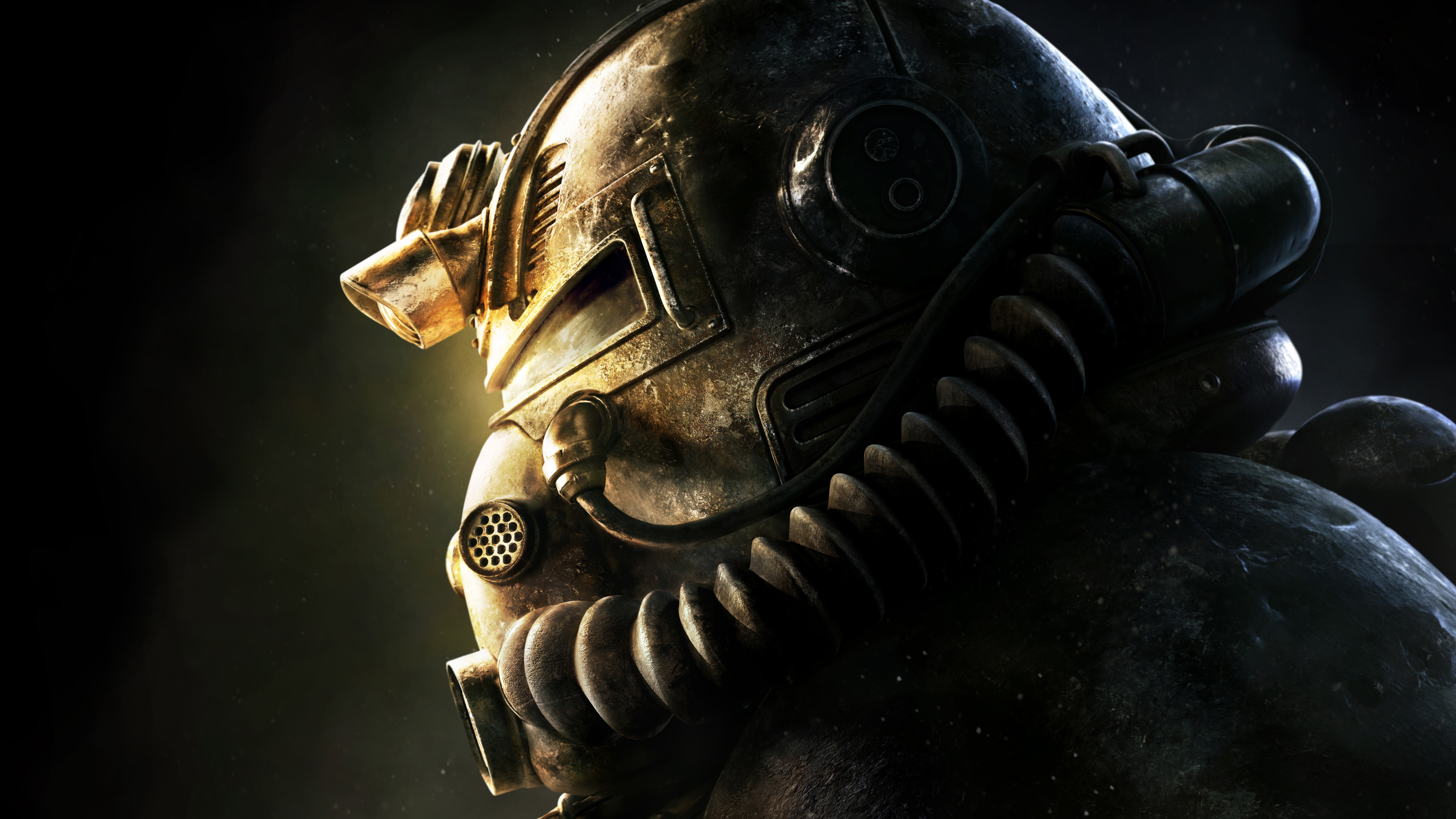
When ‘Fallout 76’ launched, it was plagued by serious bugs and problems with its online servers. Players felt the game was incomplete and missed the strong storylines typically found in the ‘Fallout’ series. Issues like invisible enemies and constant crashes made it difficult to enjoy exploring the game world. There was also criticism regarding how physical collector’s items were handled and the inclusion of in-game purchases. Over time, updates fixed many of these problems and added the content players wanted, eventually improving the game.
‘Assassin’s Creed Unity’ (2014)
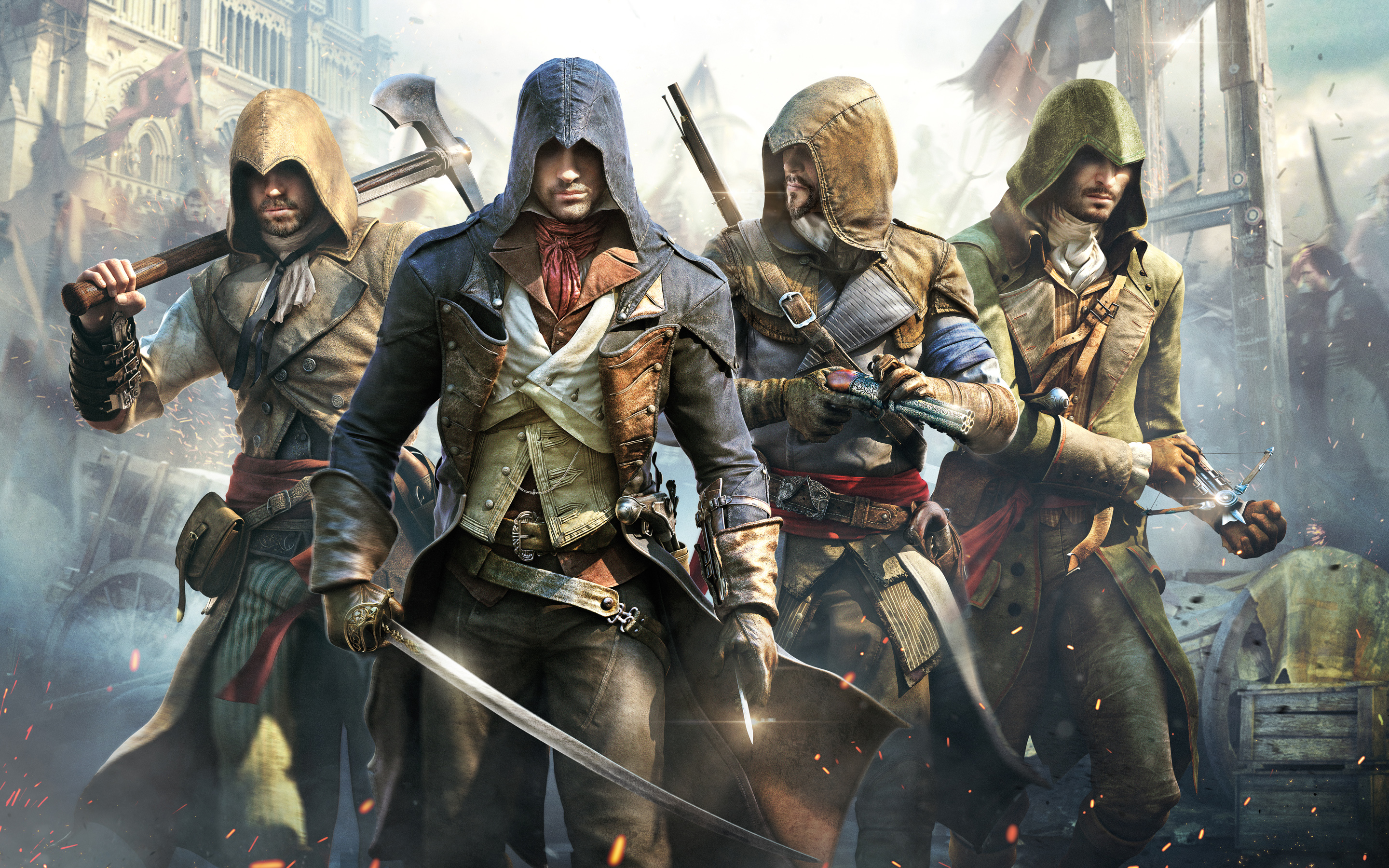
‘Assassin’s Creed Unity’ was widely criticized for its many technical problems. Players frequently encountered bizarre visual glitches, like characters losing their faces during cutscenes. The game also suffered from poor performance, with noticeable slowdowns and frustrating frame rate drops as you explored Paris. Many players experienced issues like falling through the ground or getting stuck in objects. To apologize for these issues, Ubisoft provided free bonus content. Despite looking good, the game’s code needed a lot of fixing to run smoothly.
‘WWE 2K20’ (2019)
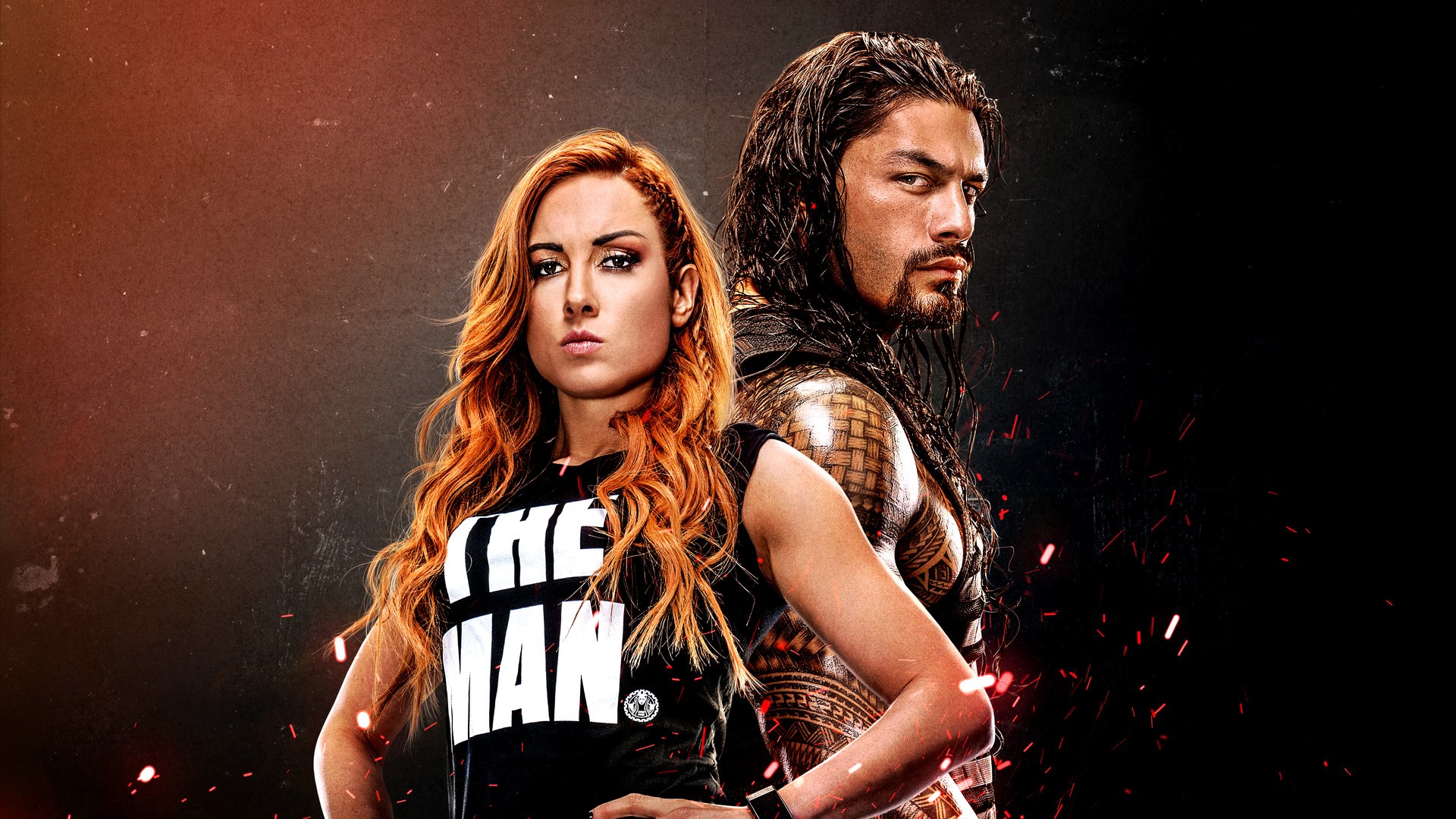
‘WWE 2K20’ was famously criticized when it launched due to strange glitches and odd-looking character designs. Players experienced issues like wrestlers falling through the ring or floating unrealistically. The game also suffered from crashes and corrupted save files, meaning players sometimes lost hours of gameplay. It was so poorly received that the next game in the series was delayed while the developers worked to fix the problems. This situation highlights how changes within a game studio can affect the quality of yearly releases.
‘SimCity’ (2013)
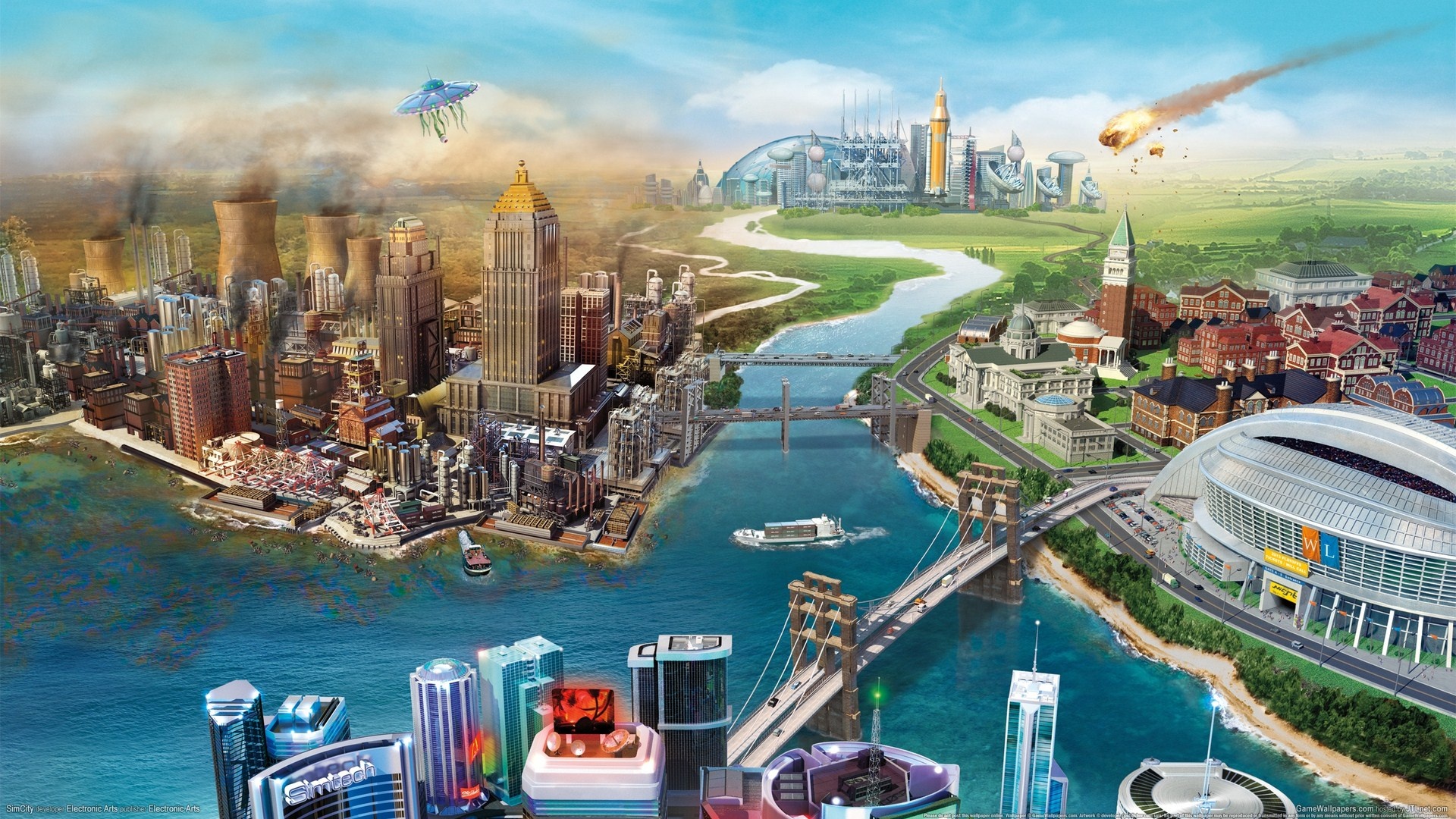
When ‘SimCity’ launched, it needed a constant internet connection, which caused major server problems. For the first week, thousands of players couldn’t access their cities because the system was overloaded. Even players who did get in experienced issues with certain features and keeping their game data updated. The strong negative reaction from players eventually led the developer to add an offline mode, despite initially saying it wasn’t feasible. This situation ignited a big discussion about whether single-player games really need to be always online.
‘Batman: Arkham Knight’ (2015)
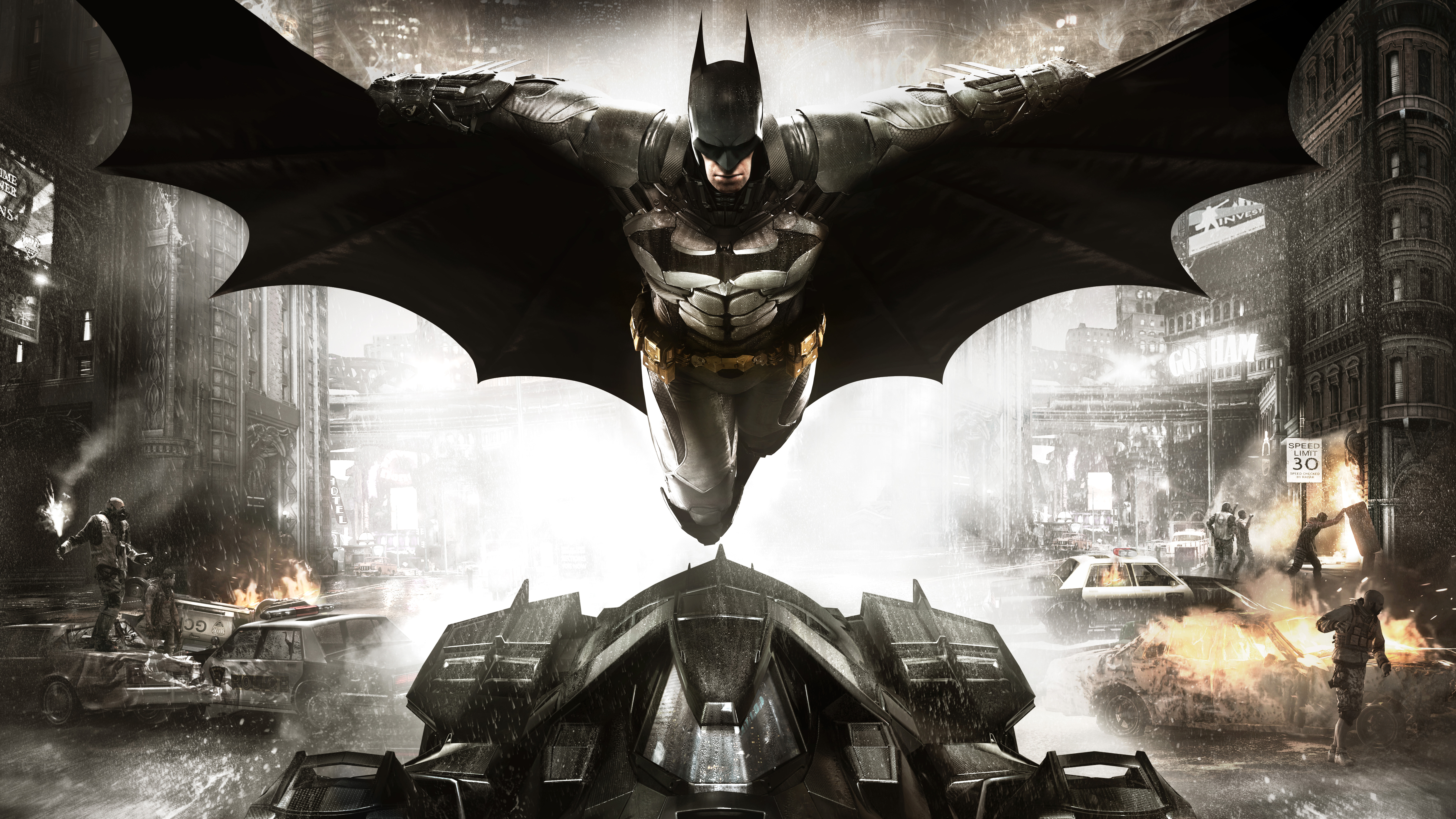
As a huge Batman fan, I was so excited for ‘Arkham Knight’ on PC, but the launch was a disaster. No matter how powerful your computer was, the game stuttered and ran terribly. It was quickly pulled from sale, which was pretty unheard of! Plus, a lot of the cool visual effects from the PlayStation and Xbox versions were missing, which really frustrated everyone. It took months of work to fix, and while they eventually got it sorted and put it back on sale, it definitely hurt the reputation of the team who brought it to PC. The console versions were fine, thankfully, but the PC launch left a bad taste in a lot of people’s mouths.
‘The Day Before’ (2023)

Man, ‘The Day Before’ was a total disaster. It wasn’t anything like what they showed in the trailers! The servers were constantly crashing, and it wasn’t the open-world survival game everyone was expecting. I kept falling through the map, and a lot of the stuff that should have worked just didn’t. It was so bad, the developers actually shut down just days after launch! Eventually, they pulled the game from sale and gave everyone their money back. What a mess.
‘The Lord of the Rings: Gollum’ (2023)
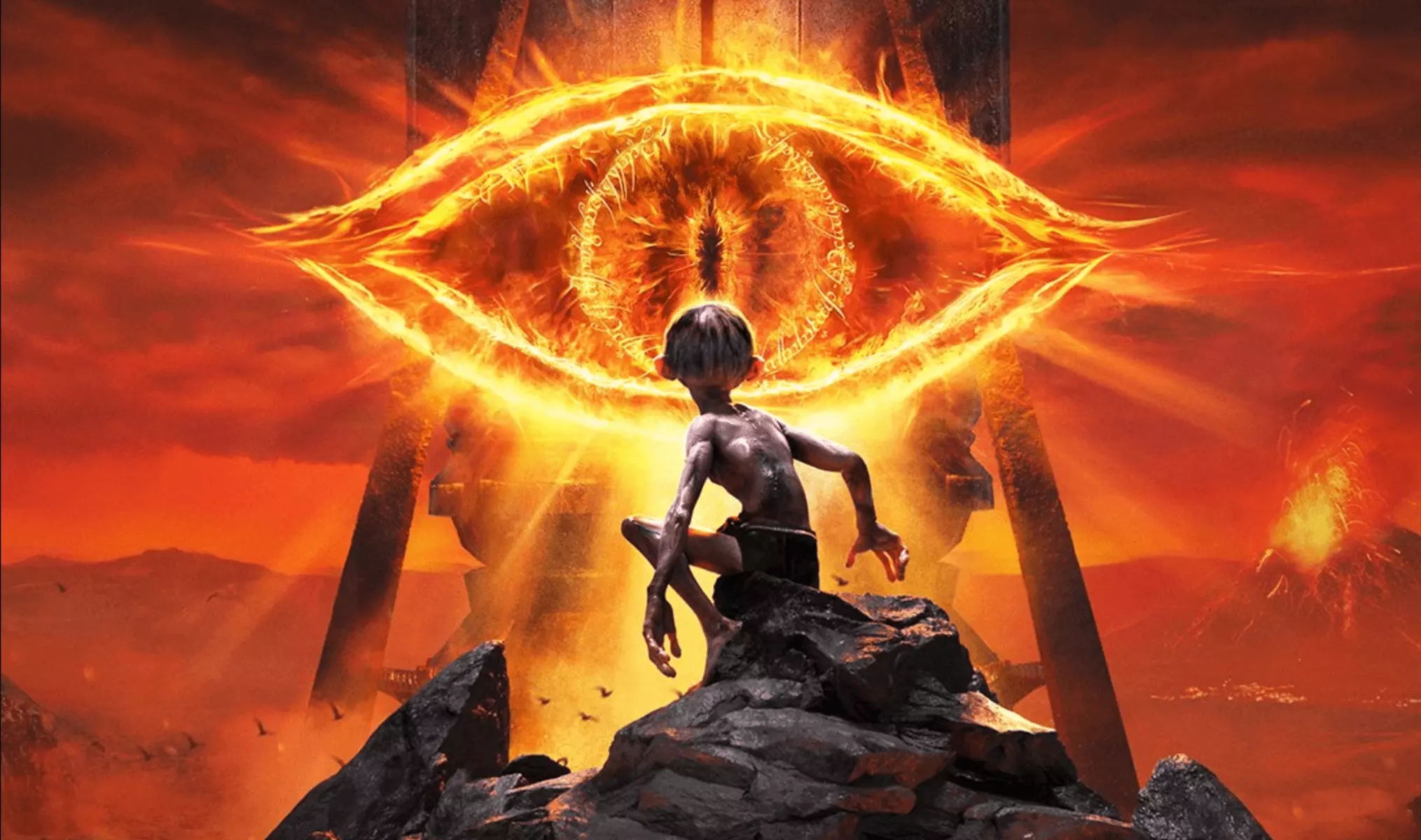
‘The Lord of the Rings Gollum’ was widely criticized for looking outdated and being plagued by technical issues, including frequent crashes. Players also found the controls difficult to use, leading to frustrating and unfair deaths. The game’s menus and overall design felt unfinished and rough. Shortly after release, the developers apologized for the game’s poor condition and later cancelled plans for additional content, deciding to move away from developing games internally.
‘Halo: The Master Chief Collection’ (2014)
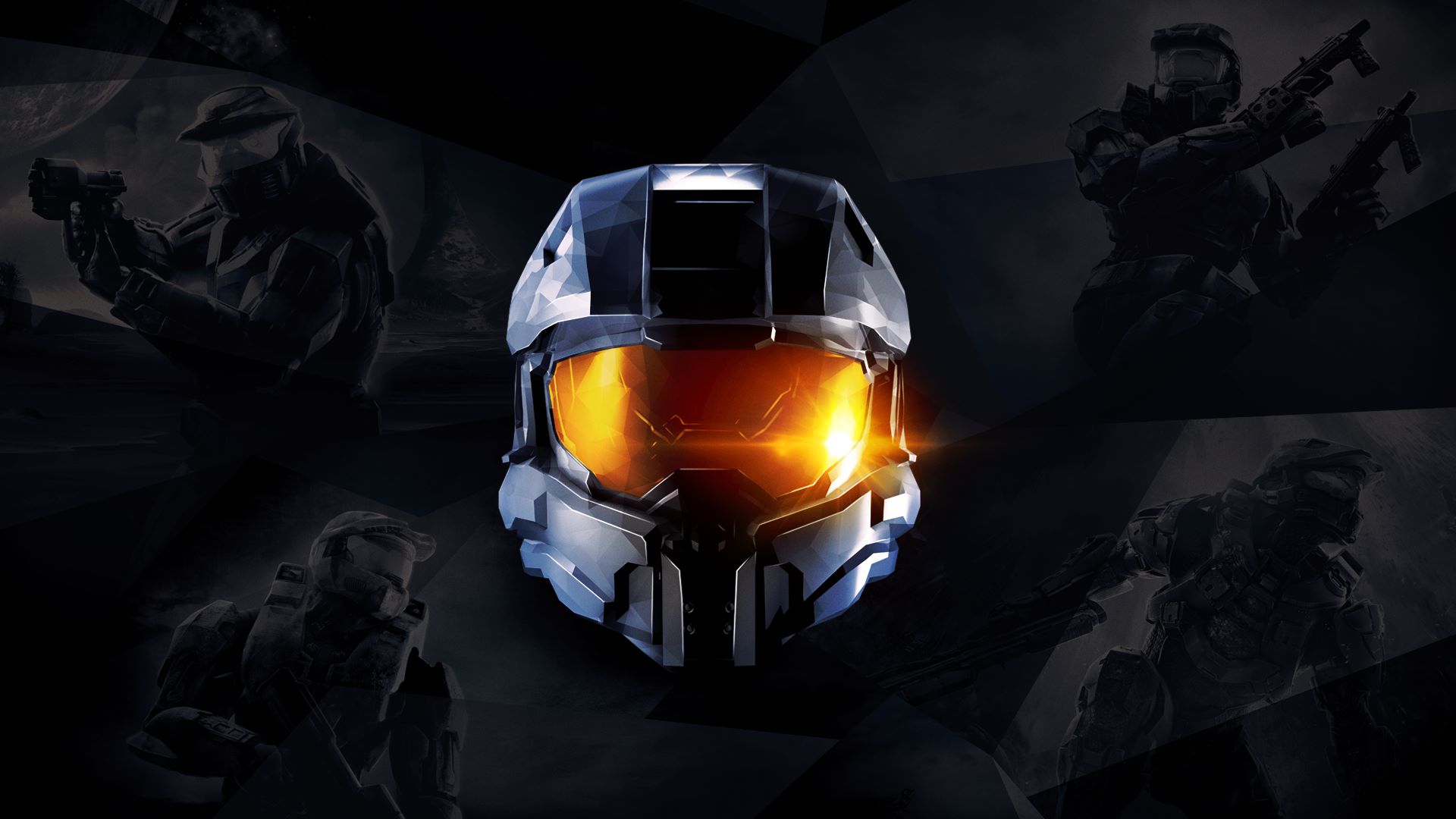
When ‘Halo: The Master Chief Collection’ first came out, it had major problems with its online matchmaking. Players couldn’t consistently find games, and many experienced long delays and disconnections, making the multiplayer mode unplayable. The single-player campaigns also had bugs that stopped players from finishing levels or earning achievements. It took several months of updates to fix these issues and make the game enjoyable. As an apology for the rough launch, the developers gave players free content.
‘Anthem’ (2019)
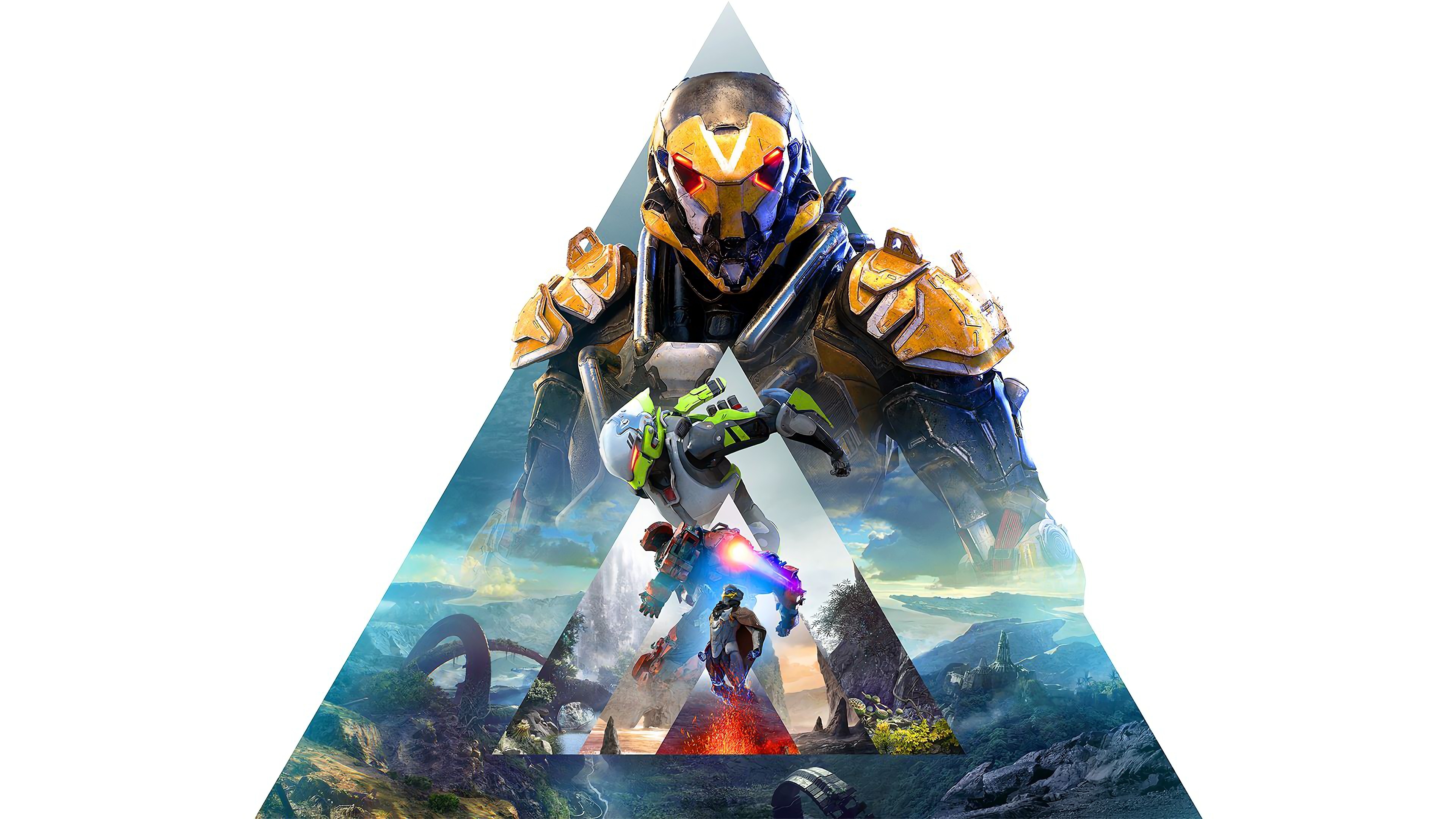
Anthem had a difficult launch and ultimately failed to find a lasting audience. Players experienced frustratingly slow loading times and the game didn’t adequately reward them for their efforts once they reached the endgame. Numerous technical problems plagued the experience, including frequent disconnections and bugs that even caused consoles to crash. The game’s missions became repetitive, and many features promised in early previews never made it into the final version. Although the developers planned a significant update to address these issues, they eventually cancelled the project. While the flying mechanics were well-received, they weren’t enough to overcome the game’s fundamental problems.
‘Redfall’ (2023)
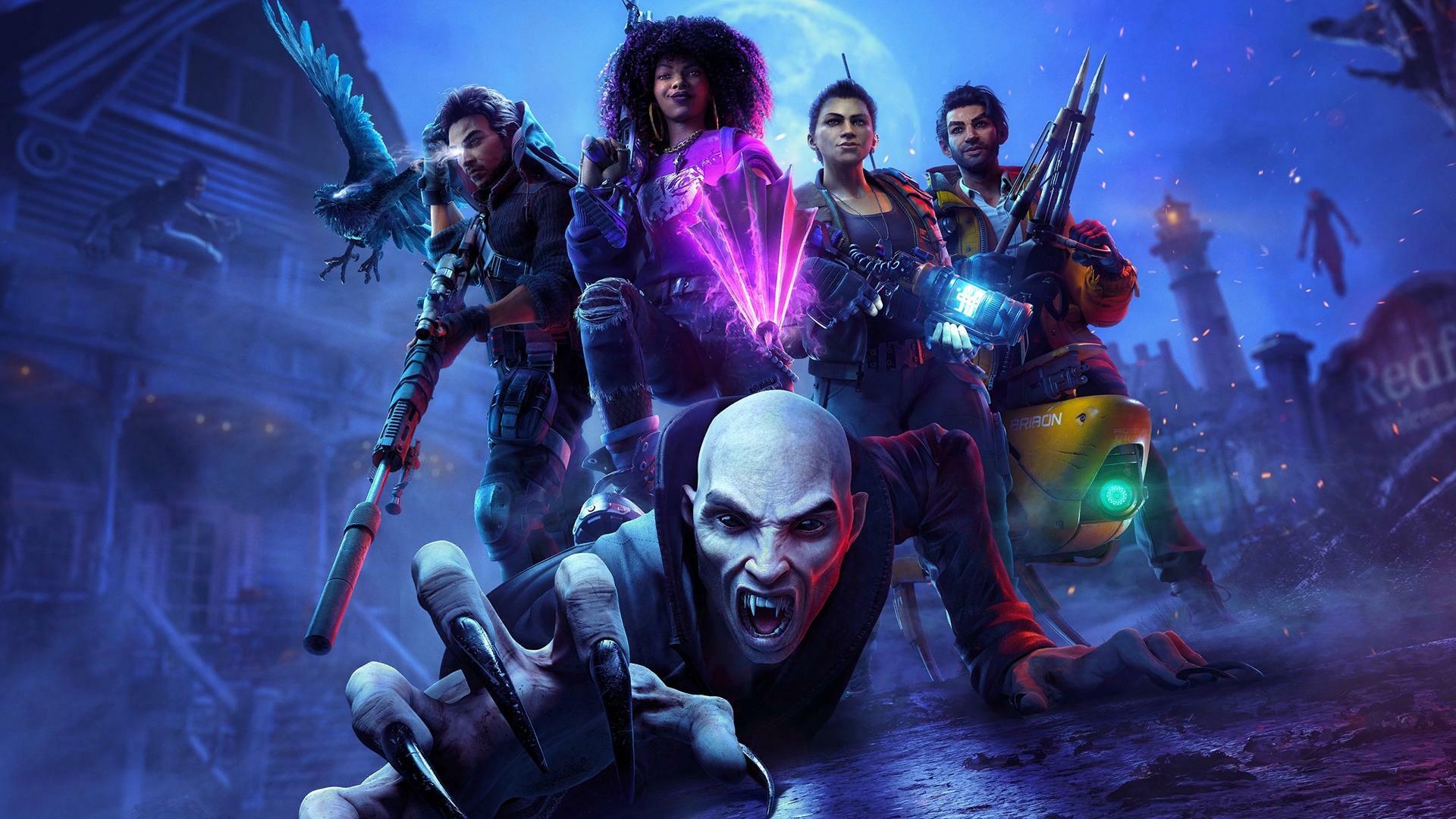
When ‘Redfall’ launched, players experienced a lot of technical problems. The game ran poorly, with noticeable bugs like flickering textures and lighting issues on both consoles and PCs. Artificial intelligence was also unreliable, often failing to respond to the player. A performance mode was missing at launch, limiting how smoothly the game ran even on powerful computers. Players also found the cooperative gameplay to be limited and prone to crashes during busy times. The developers have since released several major updates to fix these issues and improve the overall game experience.
‘Grand Theft Auto: The Trilogy – The Definitive Edition’ (2021)
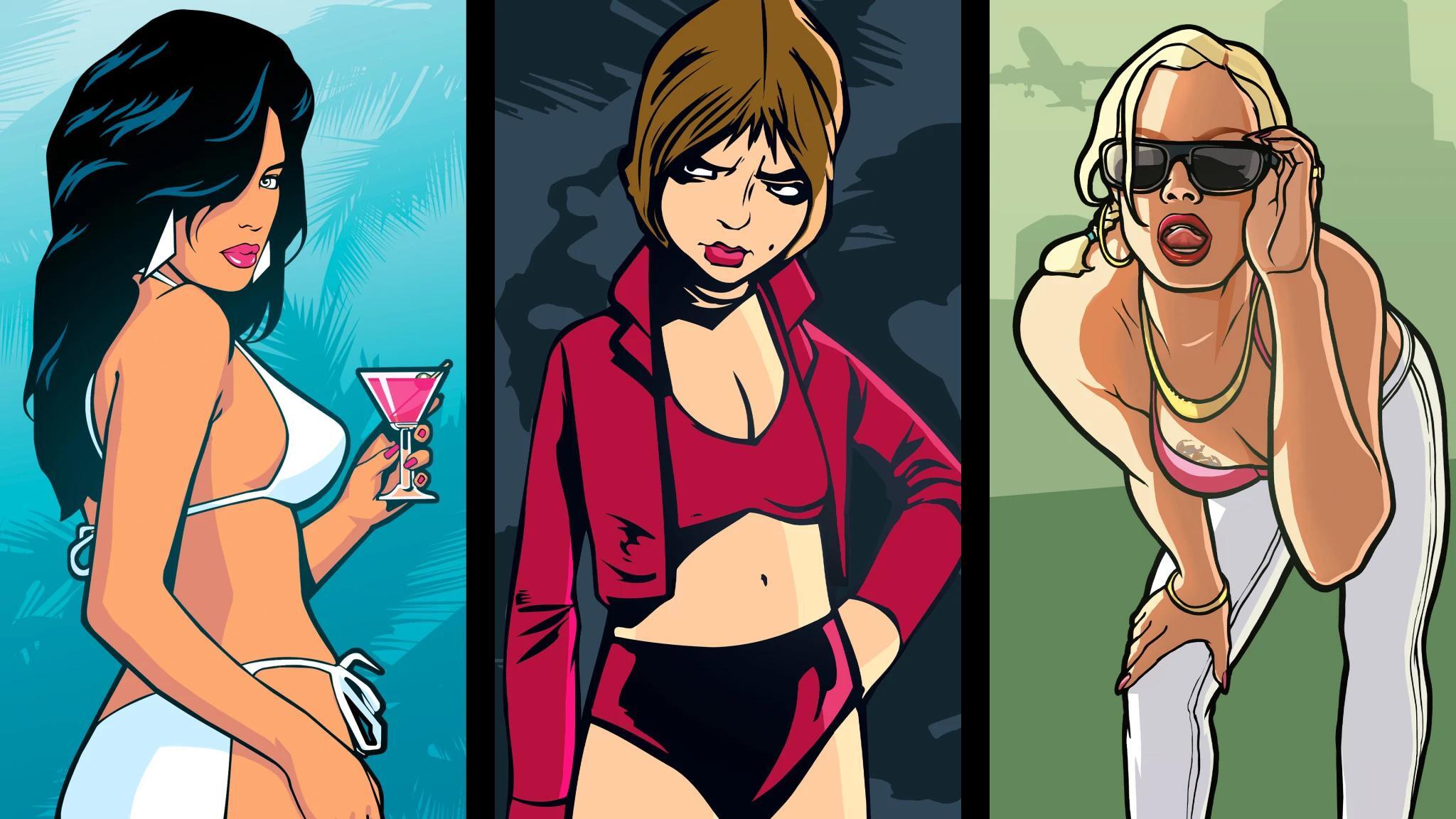
When this collection of classic games was released, fans noticed some problems with how the graphics looked. Characters appeared distorted, and the rain effects made it hard to see while playing. The backgrounds were updated using a program that accidentally created spelling mistakes and strange visual glitches. Surprisingly, the games ran poorly even on powerful consoles. The developers have apologized and are planning several updates to fix these issues and improve the overall experience.
‘Mass Effect: Andromeda’ (2017)
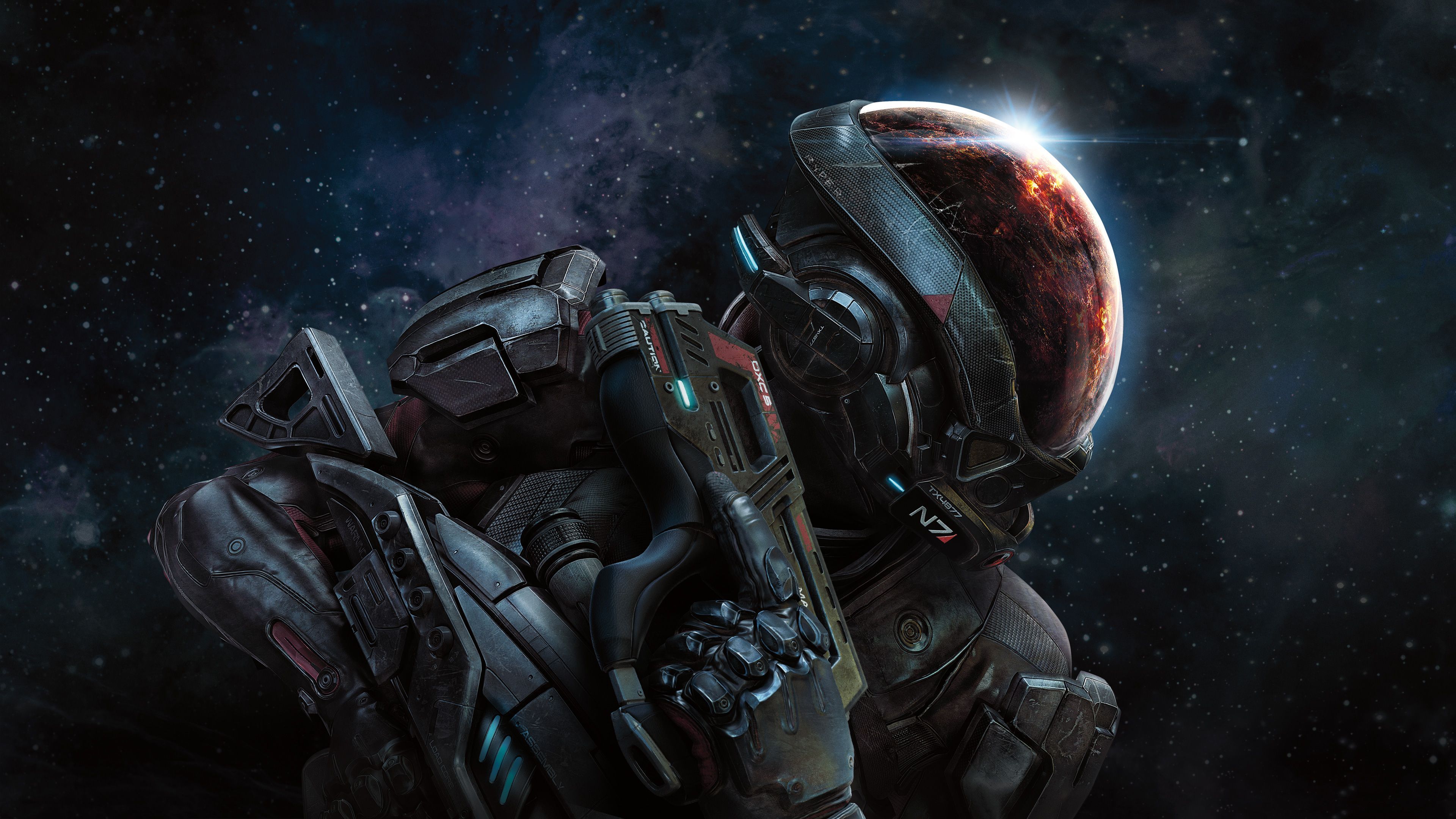
‘Mass Effect Andromeda’ quickly became known for its noticeably unnatural facial expressions and stiff character movements. The game suffered from numerous bugs that disrupted quests and blocked players from continuing the story. Many areas felt incomplete, and the writing didn’t live up to the standards of the earlier ‘Mass Effect’ games. Although the combat was better, these technical problems overshadowed the game’s strengths. As a result of the negative feedback and technical issues, the series took a break after this release.
‘Driveclub’ (2014)
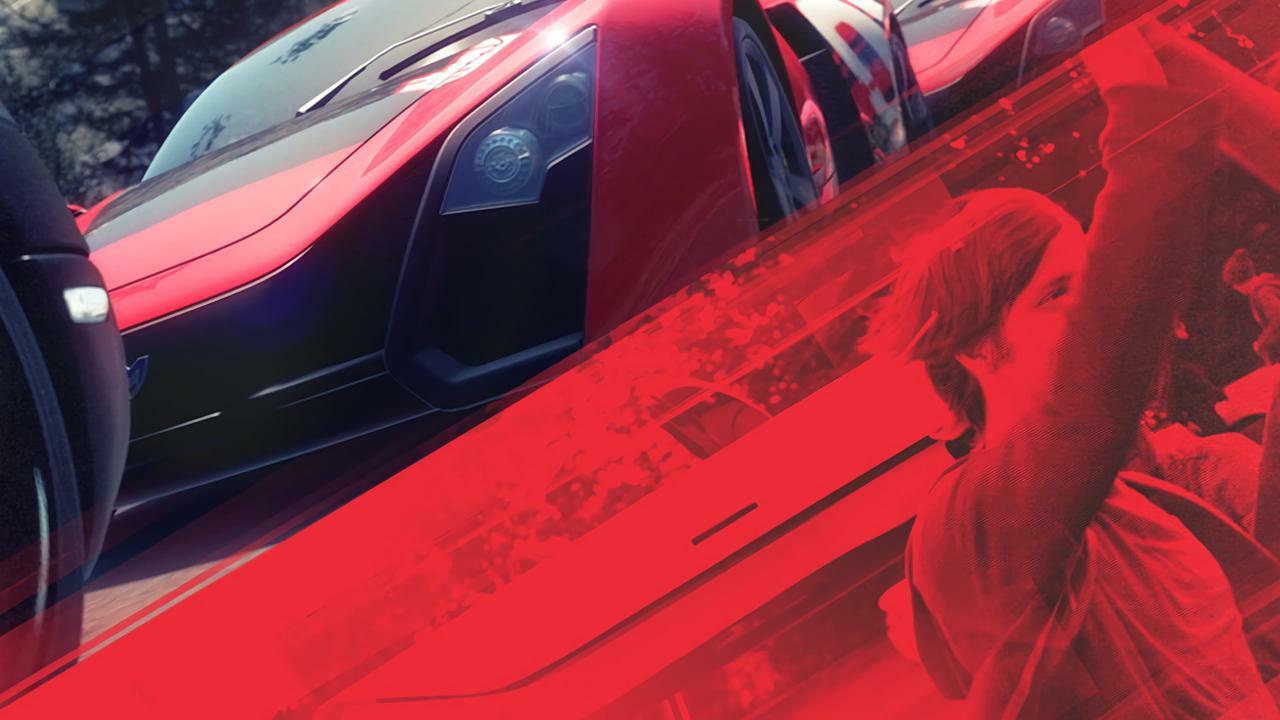
Driveclub aimed to be a leading social racing game, but it launched with major online problems. For weeks, players couldn’t access the clubs or challenges that were central to the game. These server issues were so bad that a planned free version for PlayStation Plus members was delayed for nearly a year. Although the game boasted beautiful graphics and car designs, these were overshadowed by the fact that core features weren’t working. The developers did eventually resolve the problems, but the initial excitement had faded.
‘Final Fantasy XIV’ (2010)
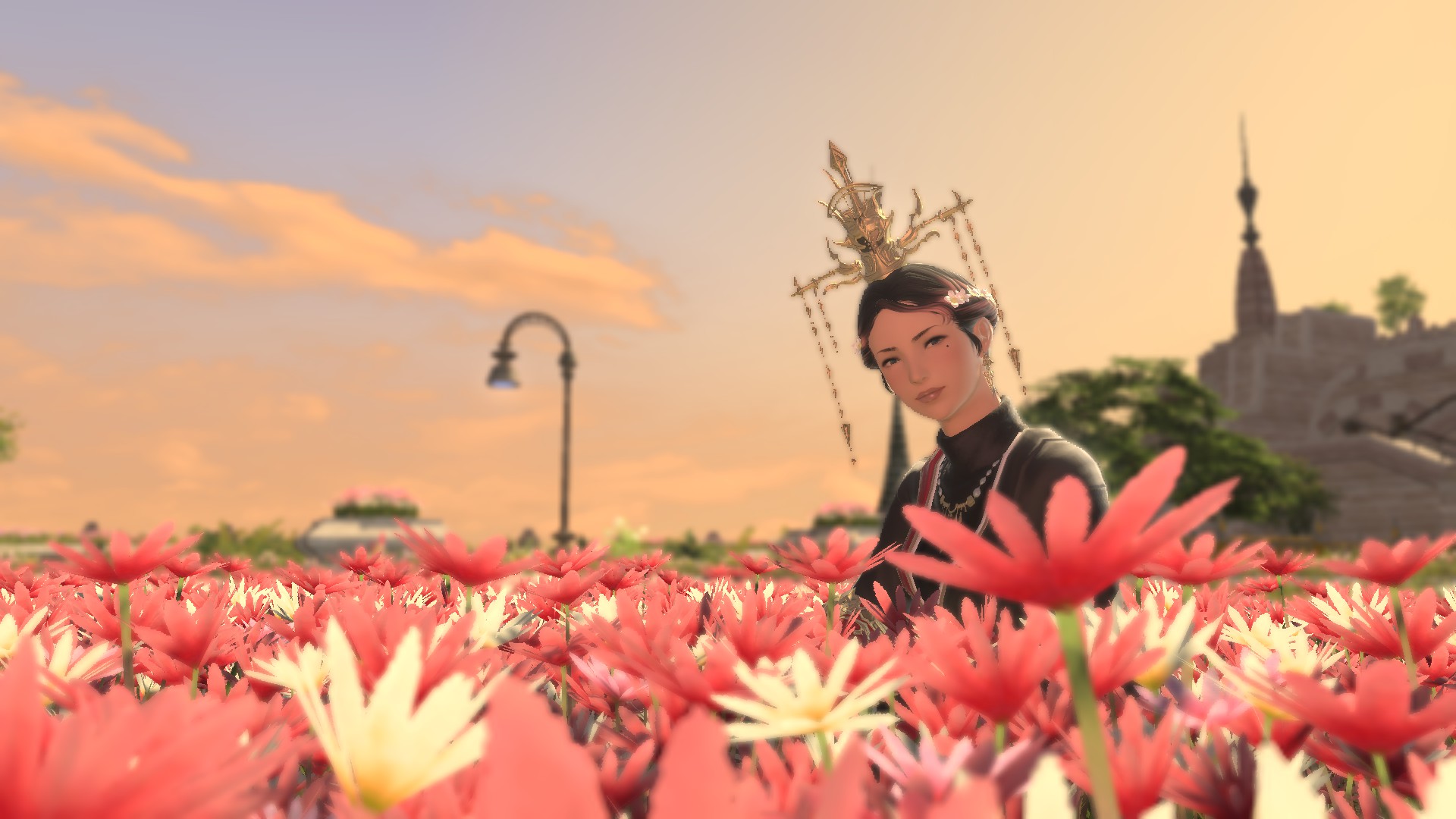
The first version of ‘Final Fantasy XIV’ received a lot of criticism for its clunky interface and how the game played. Players felt the world looked too similar in many places, and technical problems made it hard to get around. It was so flawed that the developers ultimately had to close the game down and completely rebuild it. This rebuild was successful, and the story of ‘Final Fantasy XIV’ is now well-known as a great example of a company fixing a failed product by starting fresh.
‘Aliens: Colonial Marines’ (2013)
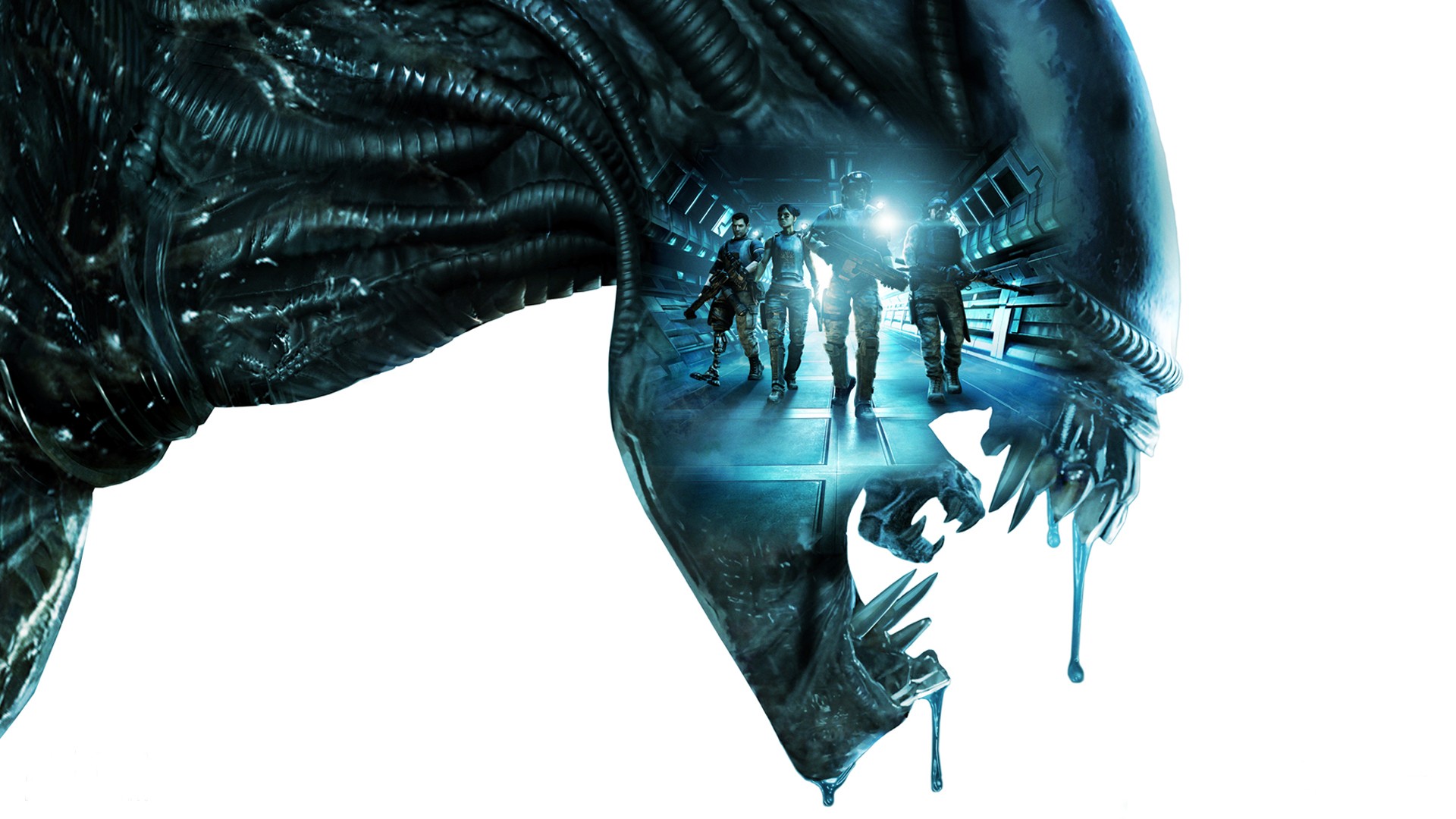
The game ‘Aliens: Colonial Marines’ had a serious problem with its enemy AI due to a simple coding mistake. This caused the terrifying aliens to behave strangely and weren’t very challenging. The final graphics were also much worse than what was originally shown to the media, with glitchy animations and low-quality visuals that didn’t live up to the standards of the ‘Alien’ franchise. It took the fan community years to figure out what was causing the AI issues and create fixes through modifications.
‘Tony Hawk’s Pro Skater 5’ (2015)

When ‘Tony Hawk’s Pro Skater 5’ launched, it was widely considered unfinished and required a huge download on day one – actually larger than the game’s original size. The game had a lot of technical issues, with skaters often behaving strangely, bouncing off surfaces or falling through the floor. Critics also found the levels to be bland and lacking the polish of previous ‘Tony Hawk’s Pro Skater’ games. Many felt the game was released too quickly, likely due to time constraints with licensing. Ultimately, it received very negative reviews and didn’t succeed in bringing renewed interest to the series.
‘Battlefield 2042’ (2021)
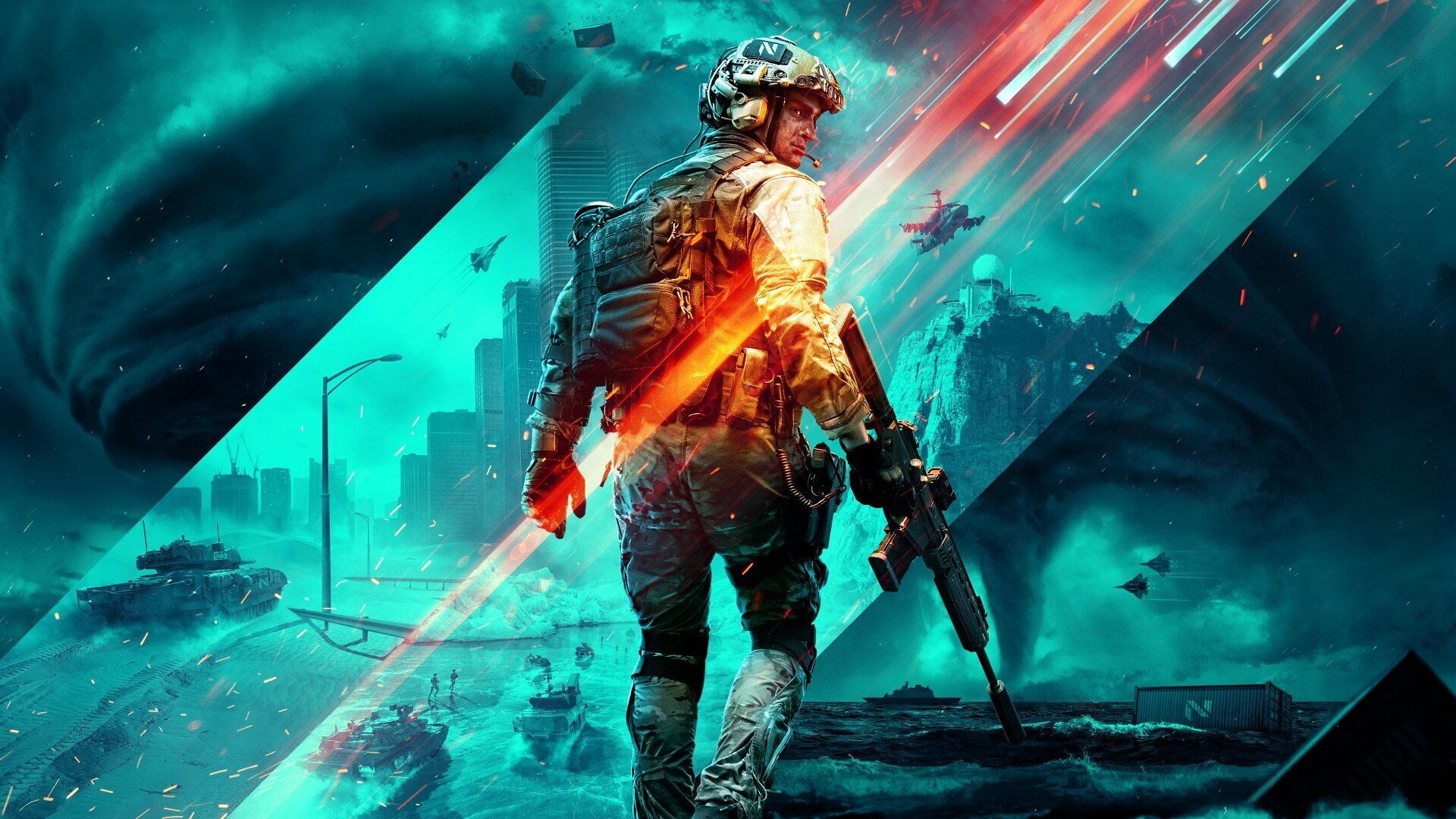
When ‘Battlefield 2042’ was released, it was missing many features that players usually expect from the series. The game suffered from problems with registering hits accurately and with how vehicles moved, leading to frequent crashes. Its large maps felt deserted, and the new specialist system was considered unfair and full of technical issues. Players were also frustrated by the lack of a traditional scoreboard and voice chat when the game first came out. It took several updates over multiple seasons to improve the game and bring it closer to the quality of earlier ‘Battlefield’ titles.
‘Vampire: The Masquerade – Bloodlines’ (2004)
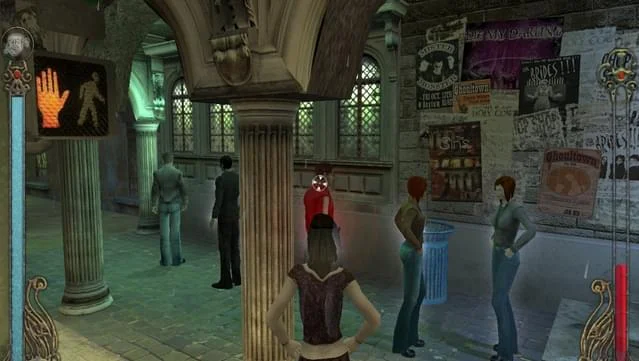
When ‘Vampire: The Masquerade – Bloodlines’ was released, it was plagued with bugs, making it very difficult to complete without fan-made patches. Shortly after, the development studio went bankrupt, leaving the game’s future uncertain. Players encountered numerous problems, from quests that wouldn’t work to performance issues caused by memory leaks. However, the game’s strong writing and immersive atmosphere earned it a devoted fanbase, who have spent years creating fixes to keep it running on current computers.
‘Sonic the Hedgehog’ (2006)
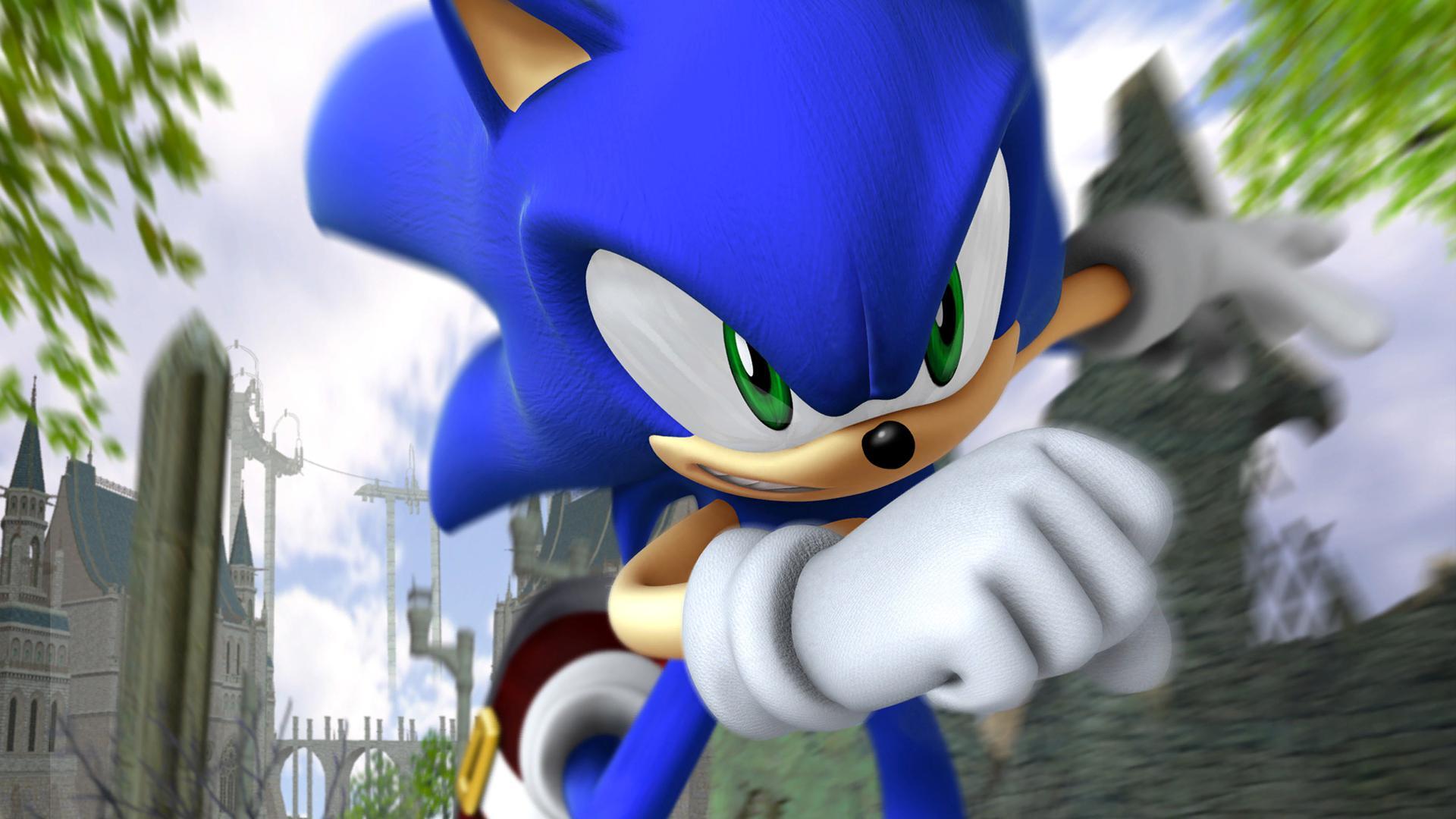
Often called ‘Sonic 06’, this game is infamous for its incredibly slow loading screens and buggy gameplay. It was released quickly to meet a holiday deadline, leading to a game full of errors and incomplete parts. Players often found Sonic getting trapped or failing due to controls that didn’t work well. The camera was also a big problem, frequently blocking the view or getting stuck. It’s still considered one of the worst games in the Sonic series.
‘Superman 64’ (1999)
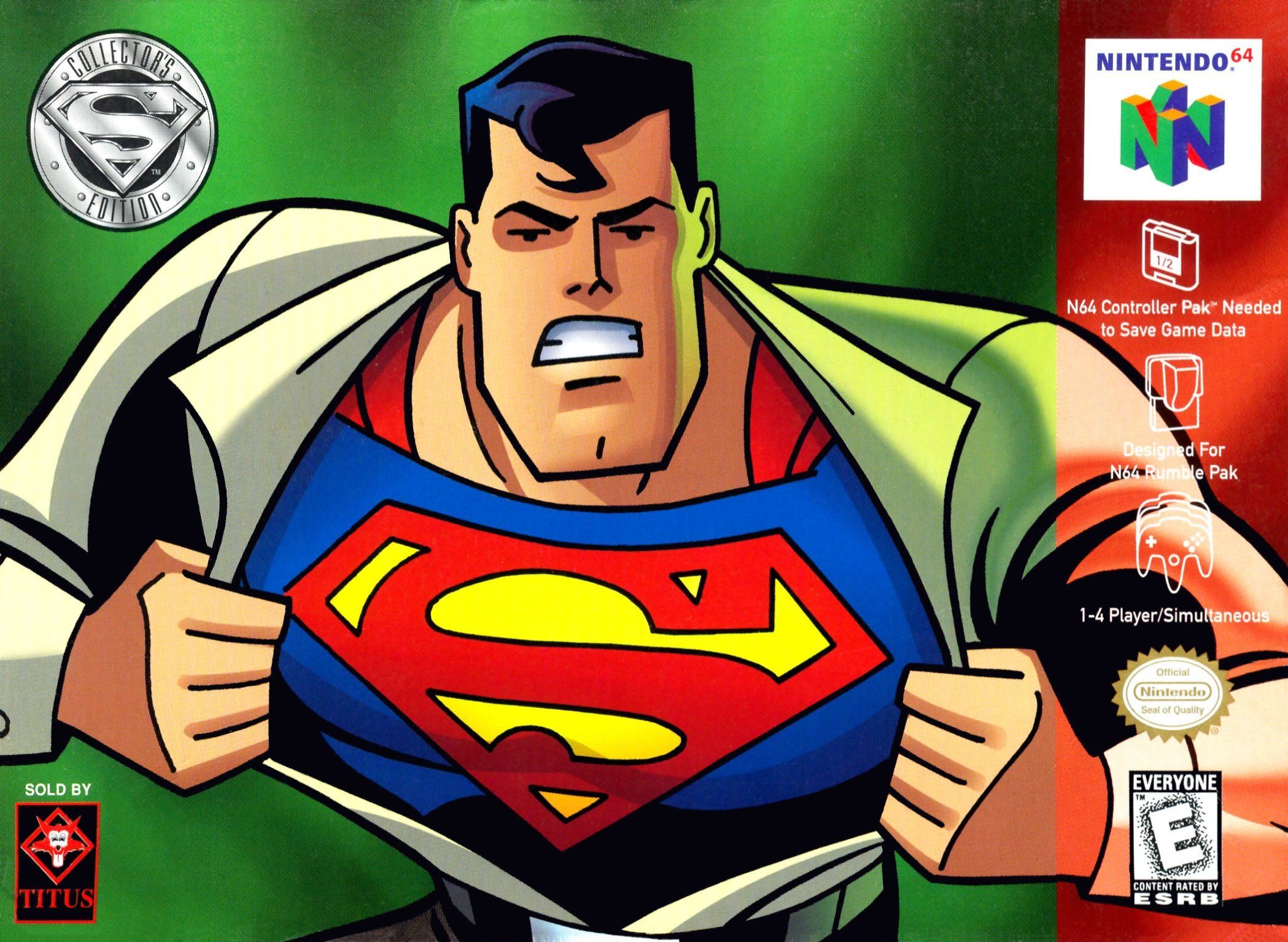
‘Superman 64’ is widely considered a terrible game because of serious technical problems. It used a dense green fog to mask how little the game world was actually displayed, making it hard to find your way around. While the main goal was to fly through rings, the controls were clunky and often didn’t respond correctly. Fighting was basic and riddled with bugs, sometimes causing enemies to vanish or become unbeatable. Overall, the game felt rushed and lacked the refinement needed for a good experience.
‘Big Rigs: Over the Road Racing’ (2003)
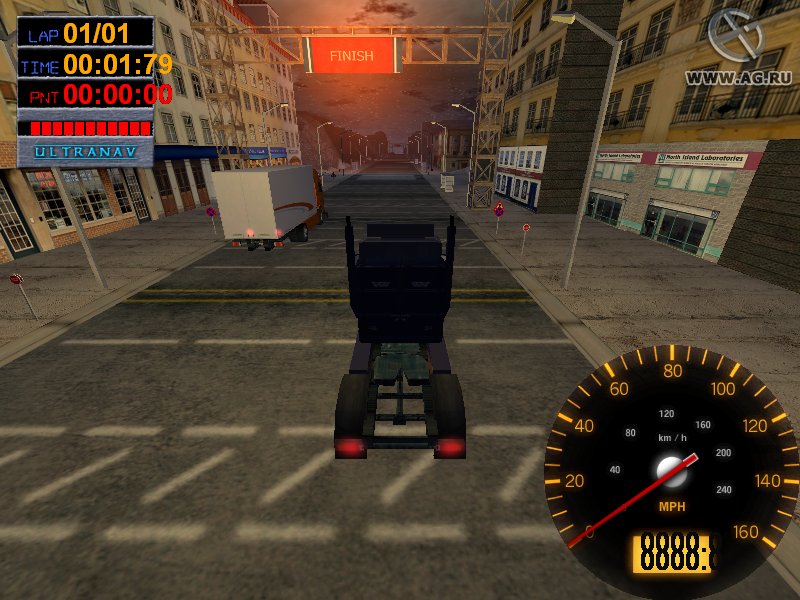
‘Big Rigs Over the Road Racing’ was infamous for being incredibly buggy. It didn’t even include fundamental features like collision detection, meaning players could drive right through objects. The other trucks in the game didn’t move, and there was no real competition. Plus, the game lacked a clear way to win and even had a spelling error on the victory screen. It’s become well-known as a famously flawed and broken game.
‘Warcraft III: Reforged’ (2020)

Fans were disappointed with ‘Warcraft III Reforged’ because it removed features from the original game. The significant visual updates that were promised weren’t fully delivered, and the game had a glitchy, slow user interface. Many players struggled to even start the game or play online due to various bugs. The game’s community features were also simplified, making it harder for players to connect with each other. Eventually, Blizzard responded by offering refunds to dissatisfied players.
‘Marvel’s Avengers’ (2020)
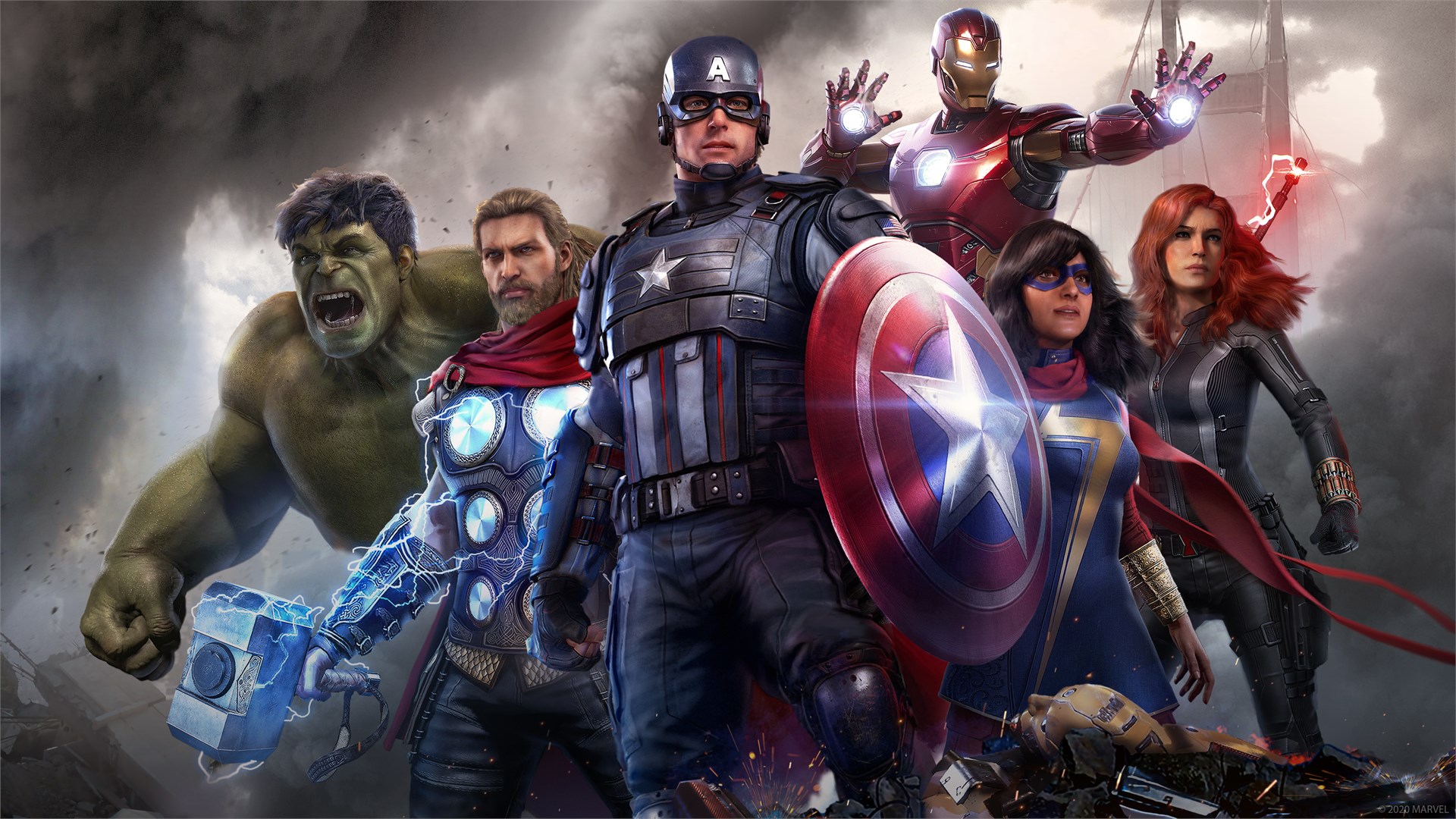
Marvel’s Avengers launched with numerous technical problems, ranging from minor visual issues to serious bugs that prevented players from completing missions or even using their favorite characters. Players also lost saved progress on occasion. Many found the game’s ongoing content to be uninteresting and repetitive, especially when it first came out. The game ran particularly poorly on older gaming consoles, with noticeable slowdowns during action-packed scenes. Ultimately, the developers stopped updating the game, and it was removed from digital stores.
‘Babylon’s Fall’ (2022)
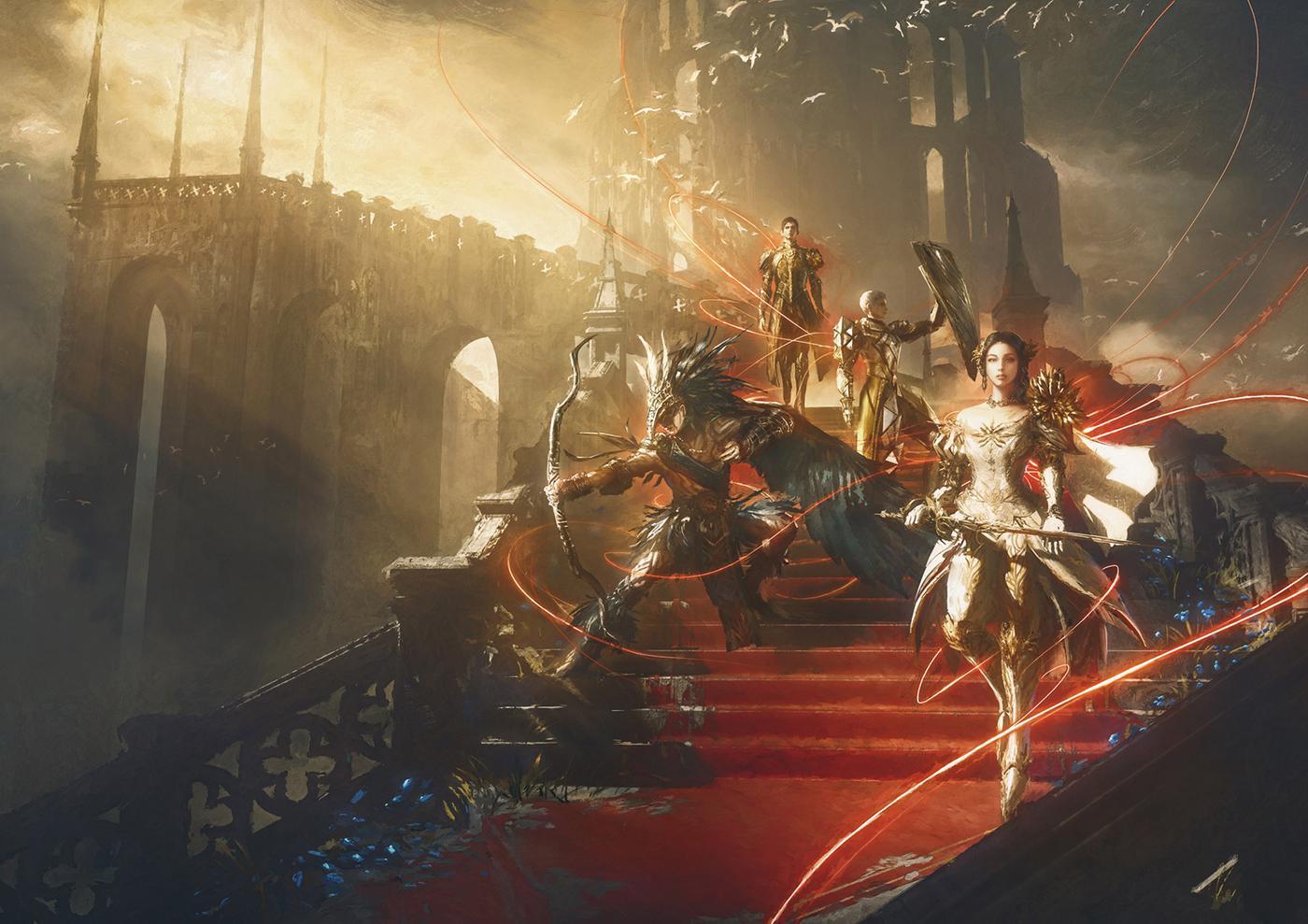
‘Babylon’s Fall’ had a distinctive visual style, but many players found it blurry and unpleasant to play. While the combat worked, it wasn’t as complex or refined as players hoped from the developers. The game also relied heavily on in-game purchases, which didn’t help considering it was already struggling with its overall direction and technical issues. It didn’t attract many players initially, and the number quickly dropped to zero on some platforms. As a result, the game’s servers were shut down less than a year after it launched.
‘Suicide Squad: Kill the Justice League’ (2024)
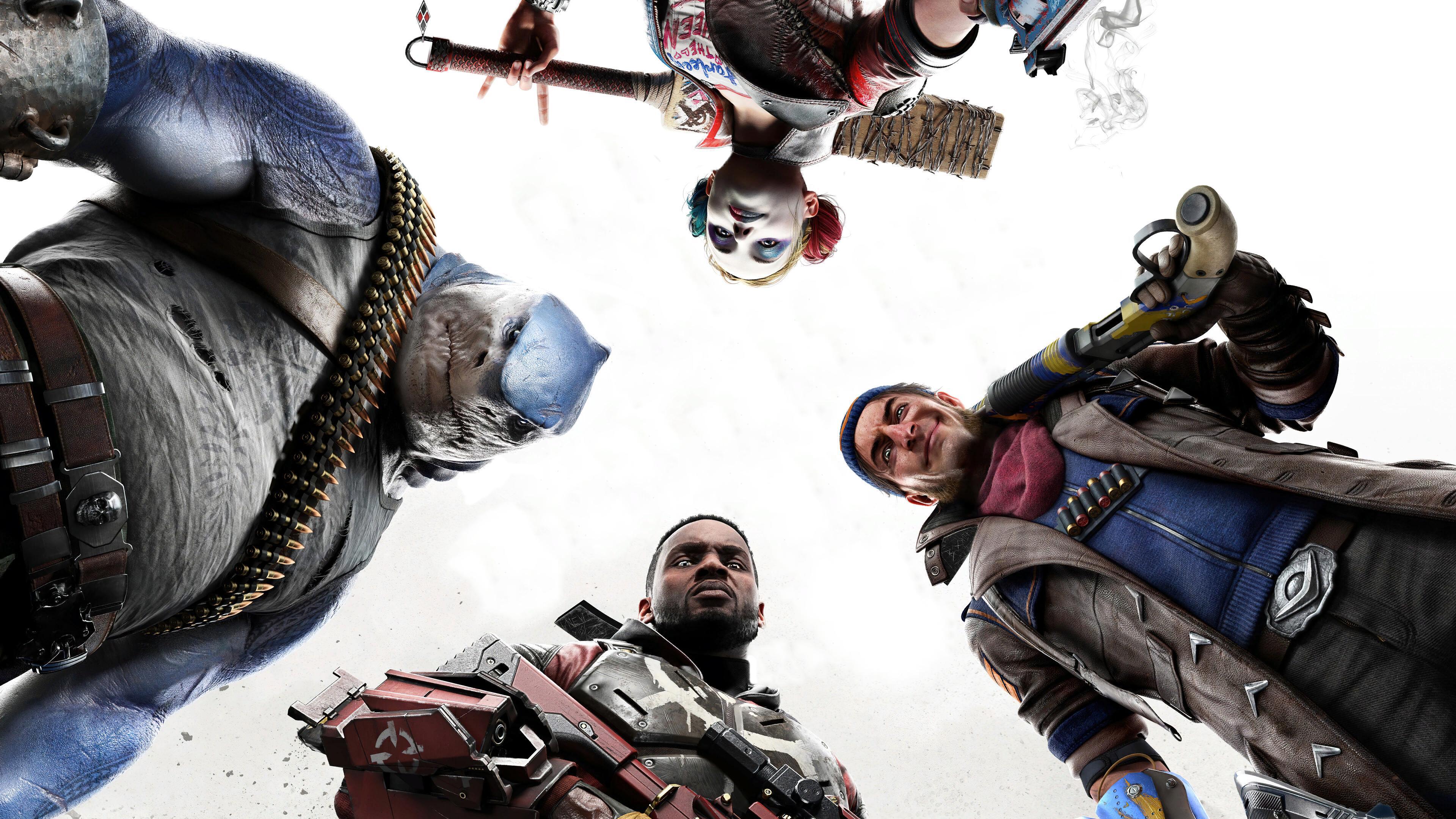
‘Suicide Squad Kill the Justice League’ launched with several problems. Players experienced issues connecting to the game’s servers, and some who bought early access couldn’t even play because of a bug that finished the story for them. The online co-op modes were also unstable, causing lag and disconnections when many people were playing. Many fans thought the game focused too much on ongoing updates and not enough on a good story and interesting characters. The developers had to quickly release apologies and fixes to address these issues.
‘Mortal Kombat 1’ (2023)
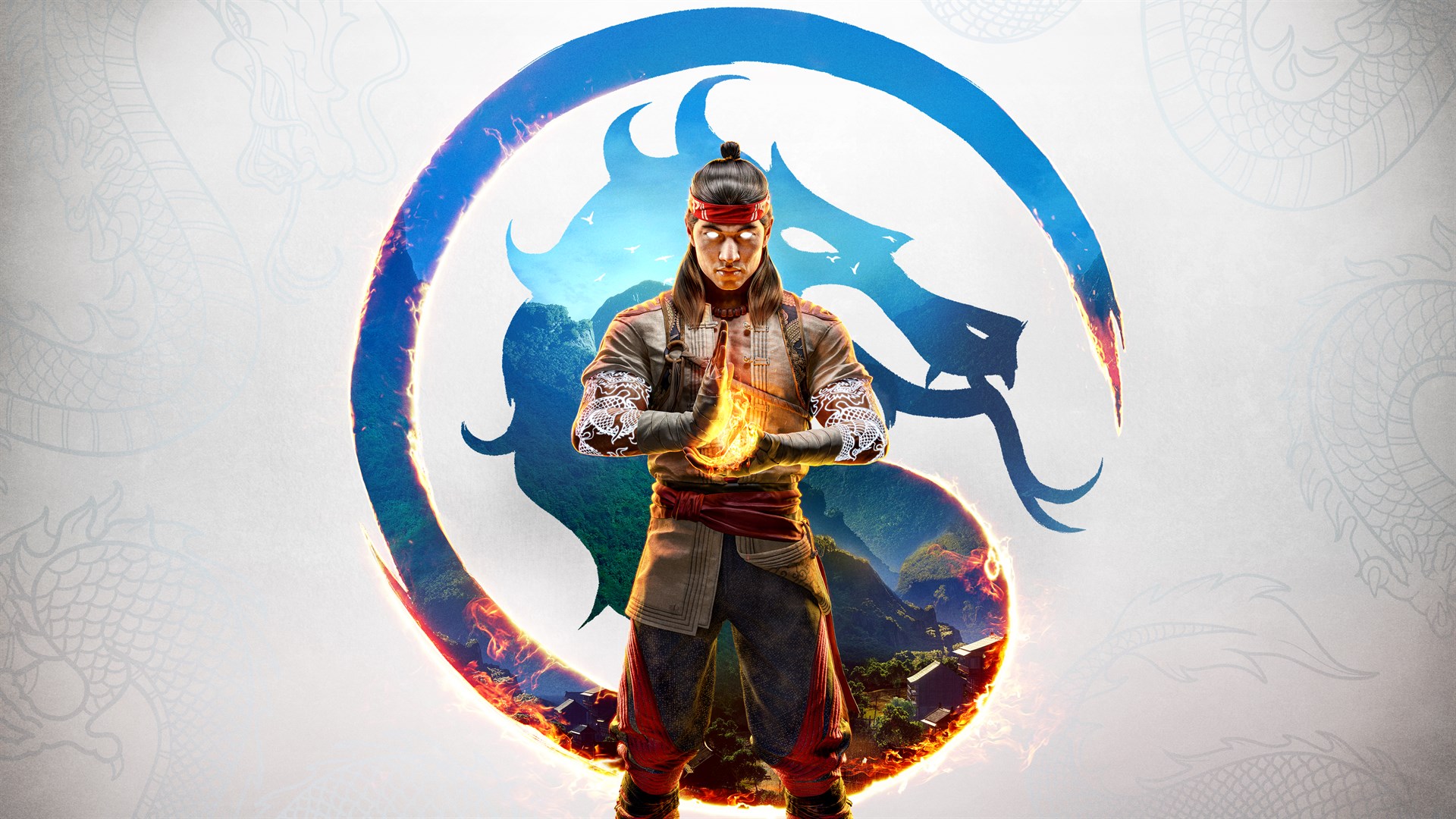
The Nintendo Switch version of ‘Mortal Kombat 1’ received a lot of criticism because it didn’t look very good and had many technical problems. Character faces appeared warped, and the game environments weren’t as detailed as on other consoles. Players also complained about long loading screens and a shaky frame rate during action-packed fights. Many felt the game wasn’t finished and wasn’t worth the full price. Later updates aimed to improve the graphics and fix the most noticeable issues.
‘Street Fighter V’ (2016)
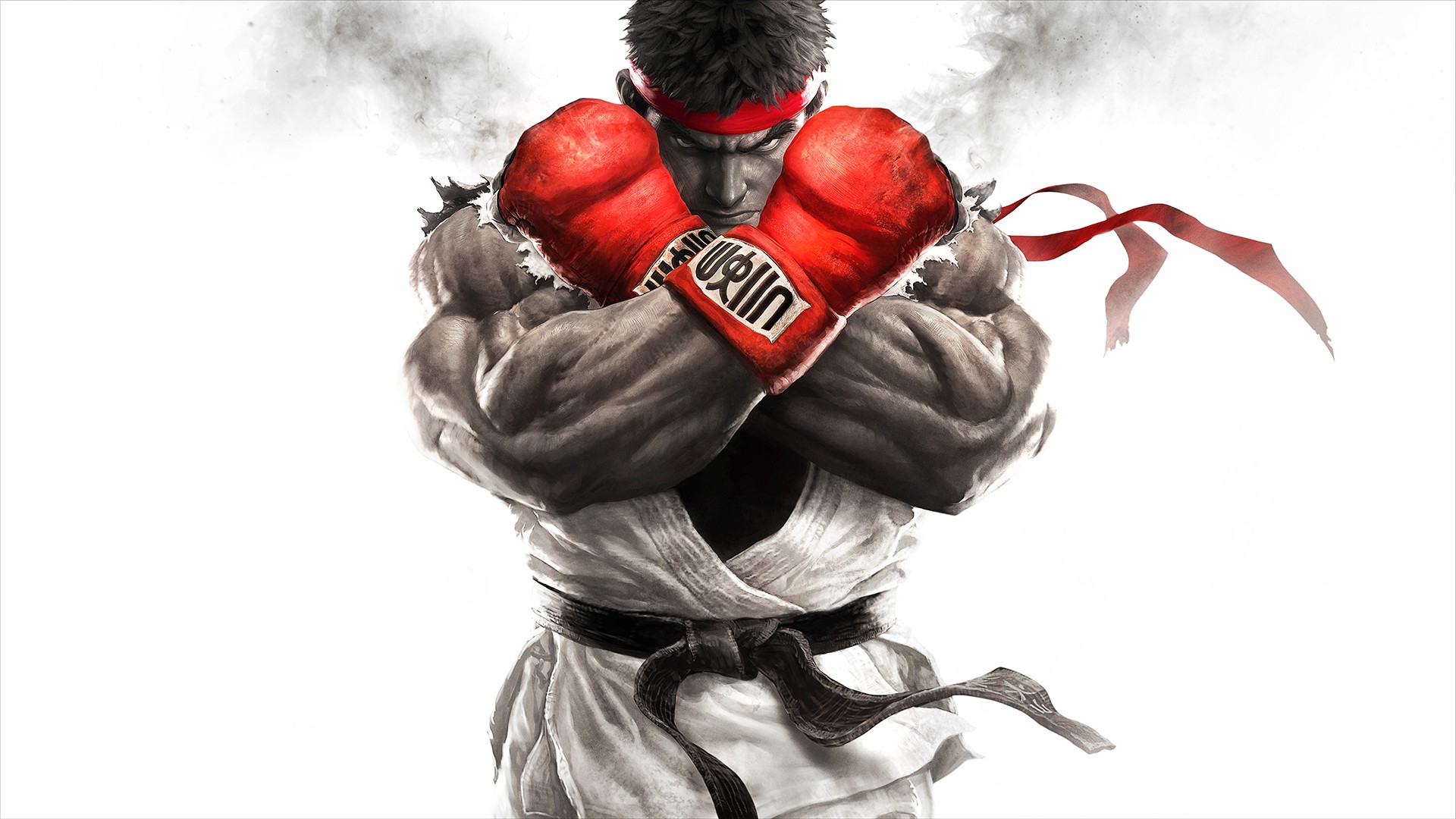
When ‘Street Fighter V’ first came out, it didn’t have much to offer players and its online system was very unreliable. It was missing key features that fans expected in a fighting game, like a classic arcade mode. Players also struggled to connect to matches or keep track of their progress due to server problems. Many felt the game was released too quickly to coincide with esports tournaments. While it eventually improved with numerous updates and became a strong game, the initial reaction from players was mostly negative.
‘Total War: Rome II’ (2013)
When ‘Total War Rome II’ first launched, it had several problems. The enemy AI was unreliable, often making illogical decisions or freezing during battles, which made the game less strategically challenging. Many players also experienced performance issues, like slow frame rates, even with decent computers. Naval battles were especially buggy, with units frequently getting stuck. The developers, Creative Assembly, worked for a year, releasing regular updates each week, to fix these issues based on player feedback.
‘Pool of Radiance: Ruins of Myth Drannor’ (2001)
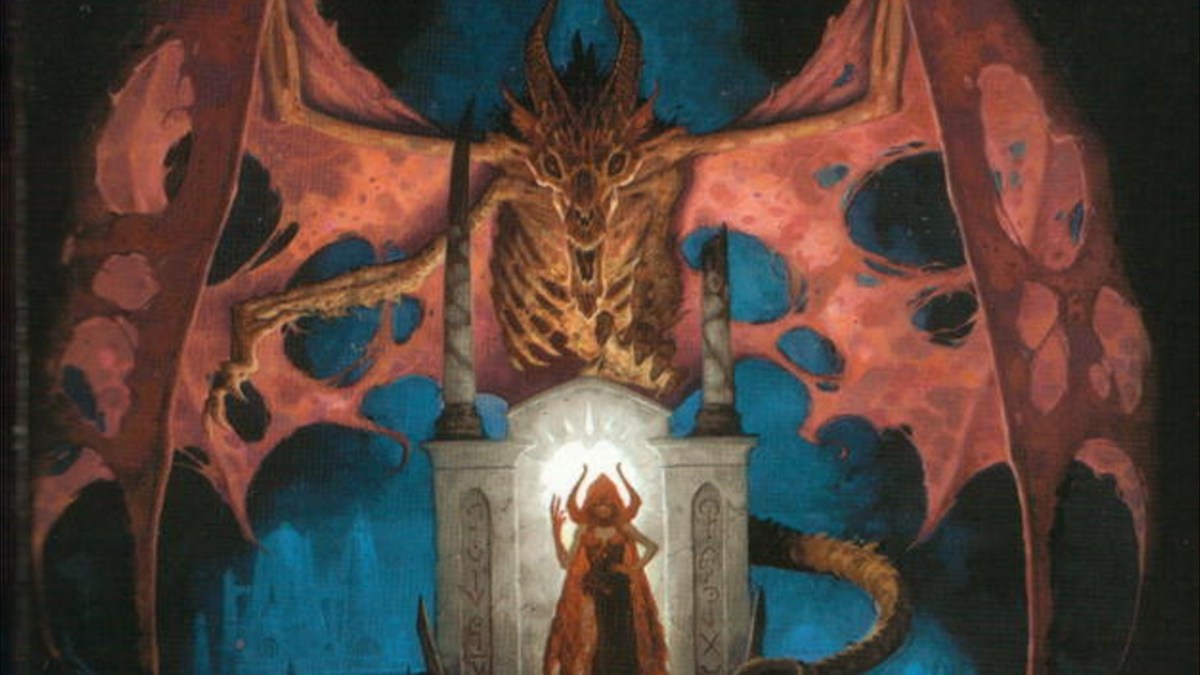
Man, ‘Pool of Radiance: Ruins of Myth Drannor’ is infamous for a seriously game-breaking bug – it could actually uninstall your operating system! I heard stories about trying to uninstall the game and it deleting crucial files from your hard drive. Even if you avoided that disaster, the game ran super slow and was just poorly balanced, making it a real slog to get anywhere. Combat felt clunky and a lot of the game mechanics felt old even when it first came out. It’s legendary, but for all the wrong reasons – it was literally broken in a way few games ever are.
‘Ultima IX: Ascension’ (1999)
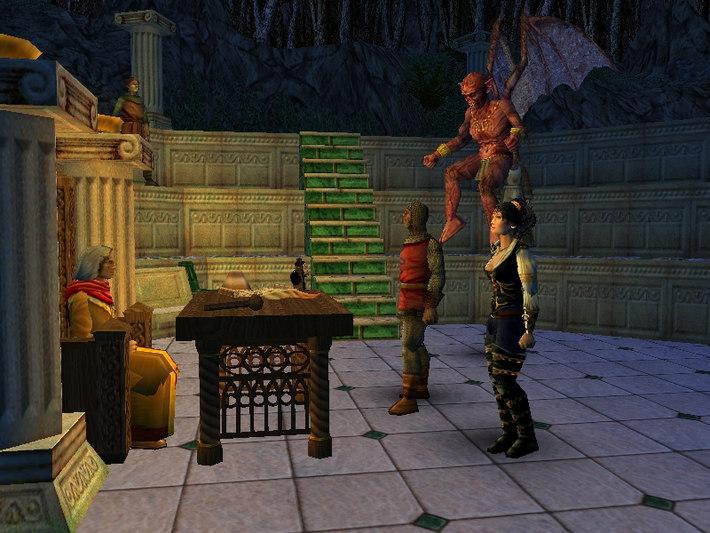
Ultima IX: Ascension launched to widespread disappointment, with fans and critics agreeing it felt unfinished. The game was plagued by frustrating bugs and performance problems that prevented players from completing it. Core gameplay elements didn’t work as expected, and it demanded more powerful computers than most people owned. The story also strayed from what fans loved about the series, causing further frustration. Ultimately, the game’s poor quality and negative reviews led to the end of the Ultima franchise.
‘Battlecruiser 3000AD’ (1996)

Oh man, ‘Battlecruiser 3000AD’… that game was a wild ride! It took forever to come out, and when it finally did, it was a mess. Seriously, it was almost impossible to play because the controls were so confusing and there was no real manual to help you figure things out. A lot of the cool stuff they promised just didn’t work, and the game crashed constantly – like, every few minutes! The developer really stuck with it though, patching and fixing it for years after it initially flopped. Now, it’s kind of a legendary disaster – a lot of space sim fans know about it as this weird, broken, but strangely fascinating game.
‘Afro Samurai 2: Revenge of Kuma Volume One’ (2015)
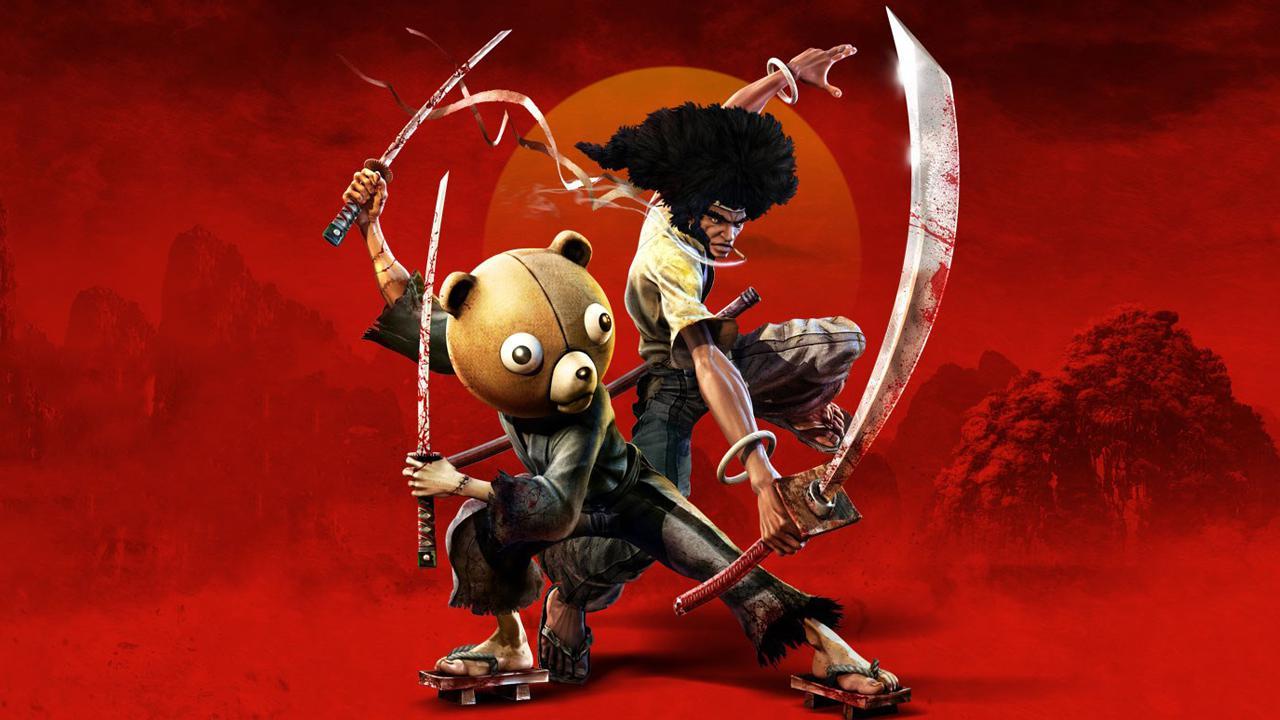
The game ‘Afro Samurai 2: Revenge of Kuma Volume One’ was so flawed that it was removed from online stores and players received refunds. It had major performance problems, with a very low frame rate, and the fighting felt incomplete. Players couldn’t even finish the first level due to invisible barriers and various bugs. The publisher acknowledged the game’s failure and cancelled the rest of the planned series. This is an unusual example of a company officially pulling a product due to its poor quality.
‘Ride to Hell: Retribution’ (2013)
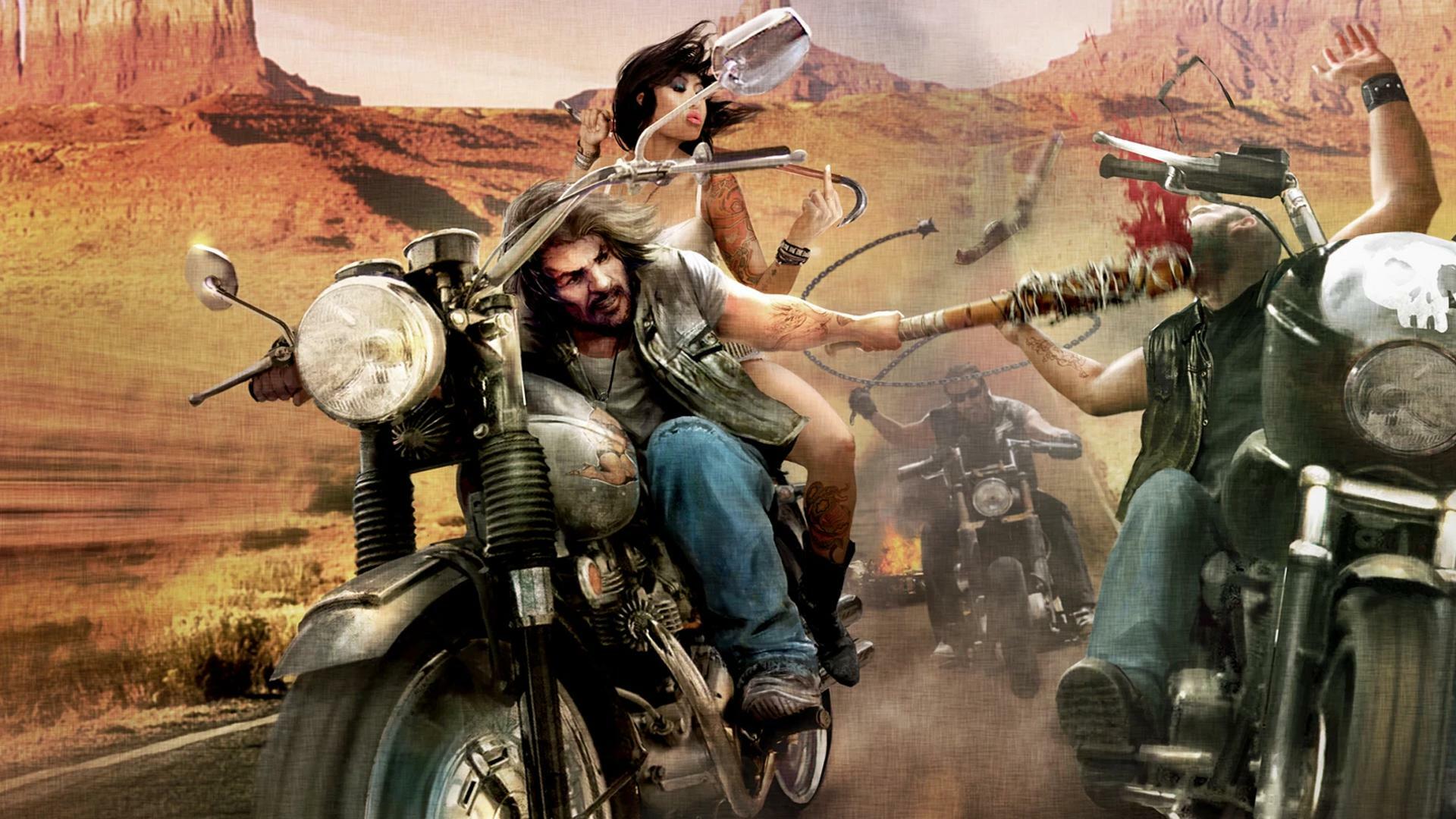
‘Ride to Hell Retribution’ is widely considered a terrible game, largely due to its many technical problems. The fighting felt awkward, and the vehicles were difficult to control, often with glitches. Players also reported issues like broken character movements and voice acting that didn’t match what was happening on screen. The game world was also poorly designed, with invisible barriers and areas where players could easily get trapped. It received almost entirely negative reviews and is often used as an example of how not to make a video game.
‘Postal 3’ (2011)
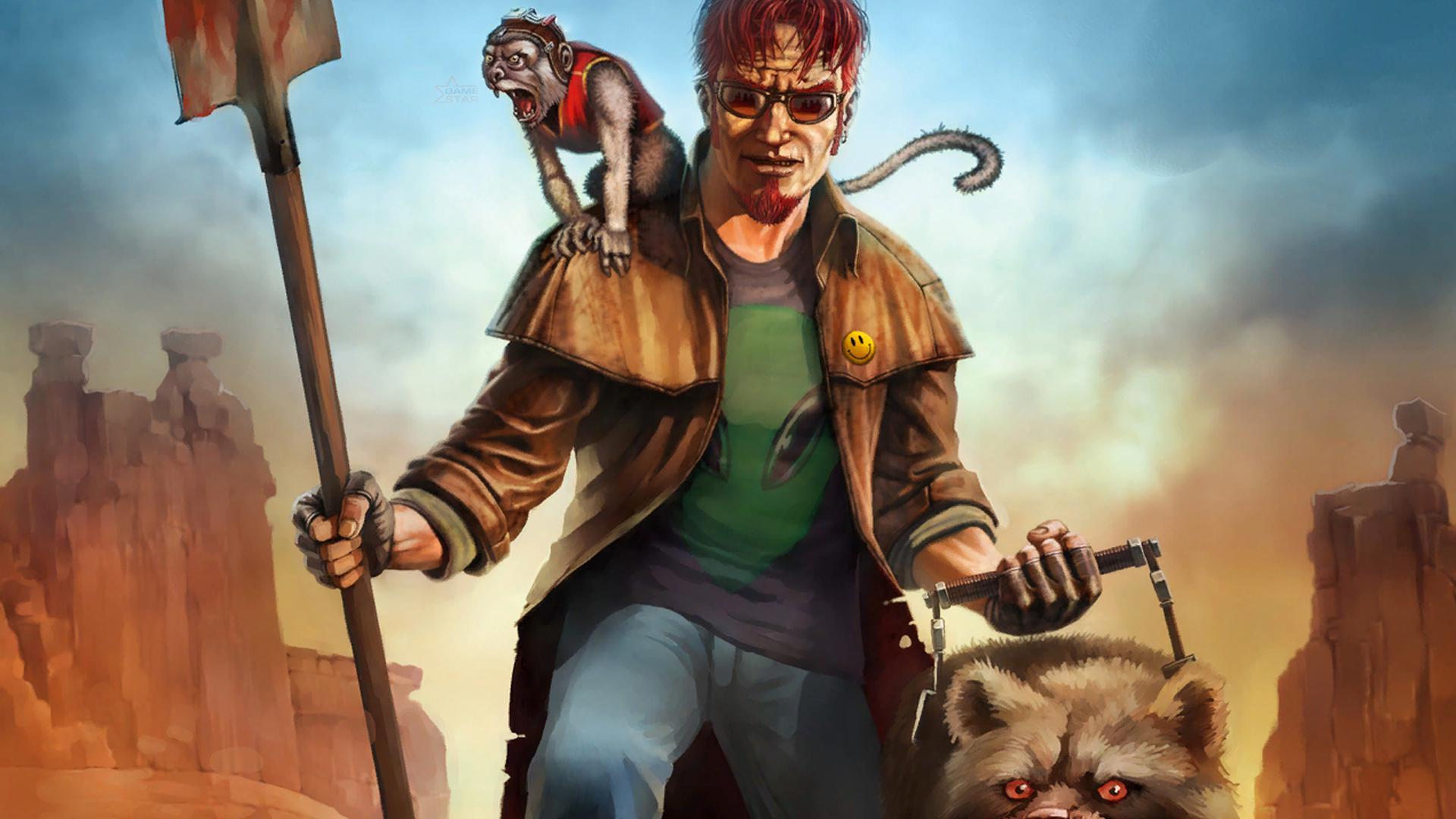
‘Postal 3’ moved away from the open-world design of the first game, but it was plagued with issues. Players experienced frequent crashes, and the game’s AI was notoriously bad. Many of the controls didn’t work well, and the missions felt repetitive and dull. The developers ultimately distanced themselves from the game, suggesting fans stick with the original. It’s a cautionary tale about how changing development teams can lead to a flawed final product.
‘Daikatana’ (2000)
‘Daikatana’ is remembered for its over-the-top marketing campaign and the disappointing game that followed. The AI companion was particularly problematic, frequently getting stuck or dying and causing players to fail missions. Poor level design and numerous bugs further hampered the experience, affecting both combat and movement. Despite multiple delays, the game launched feeling outdated compared to other titles at the time. The creator’s strong reputation only amplified the negative reaction from players.
‘Gothic 3’ (2006)
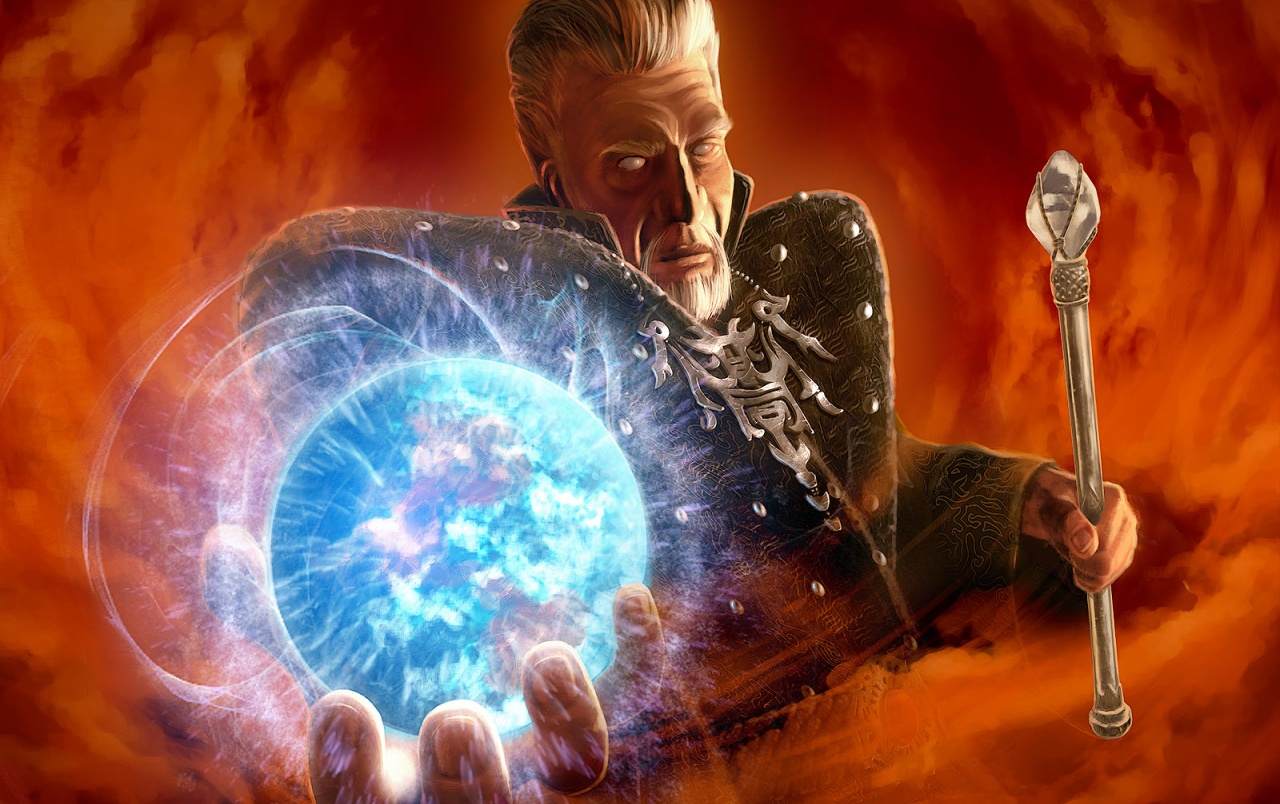
Man, when ‘Gothic 3’ first came out, it was a real mess. The world was huge and looked amazing, but it was covered in bugs that could completely ruin the game. Seriously, I kept getting killed by weak enemies because the animations were messed up, and the combat felt totally unfair. But the worst part? The save system was a disaster! I lost so many hours of progress to corrupted save files. It was a dedicated group of fans who basically saved the game, spending years creating patches and fixing all the technical problems. It’s a shame, because the game had potential, but the launch was just…rough. The game’s foundation just wasn’t solid enough.
‘Agony’ (2018)
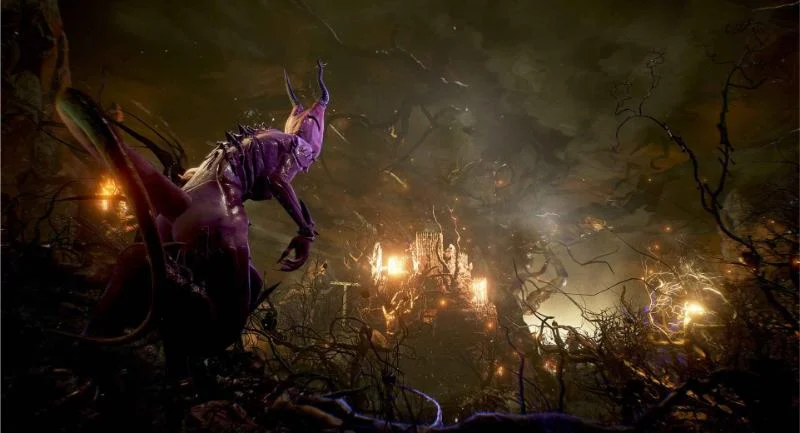
Though advertised as a chilling and immersive horror game, ‘Agony’ launched with numerous technical problems. The sneaking parts didn’t work well, and the enemies behaved unpredictably, which was irritating for players. Frequent crashes and visual glitches also disrupted the game’s intended dark atmosphere. Many players were also upset by the extensive censorship at launch, as it differed from the game’s original concept. Despite several updates aimed at improving gameplay, ‘Agony’ received negative reviews and failed to attract a large player base.
Tell us which of these game launches you remember being the most frustrated with in the comments.
Read More
- Gold Rate Forecast
- 22 Films Where the White Protagonist Is Canonically the Sidekick to a Black Lead
- Games That Faced Bans in Countries Over Political Themes
- Silver Rate Forecast
- Unveiling the Schwab U.S. Dividend Equity ETF: A Portent of Financial Growth
- Celebs Who Narrowly Escaped The 9/11 Attacks
- Brent Oil Forecast
- How to Do Sculptor Without a Future in KCD2 – Get 3 Sculptor’s Things
- Superman Flops Financially: $350M Budget, Still No Profit (Scoop Confirmed)
- 14 Movies Where the Black Character Refuses to Save the White Protagonist
2026-02-10 15:20