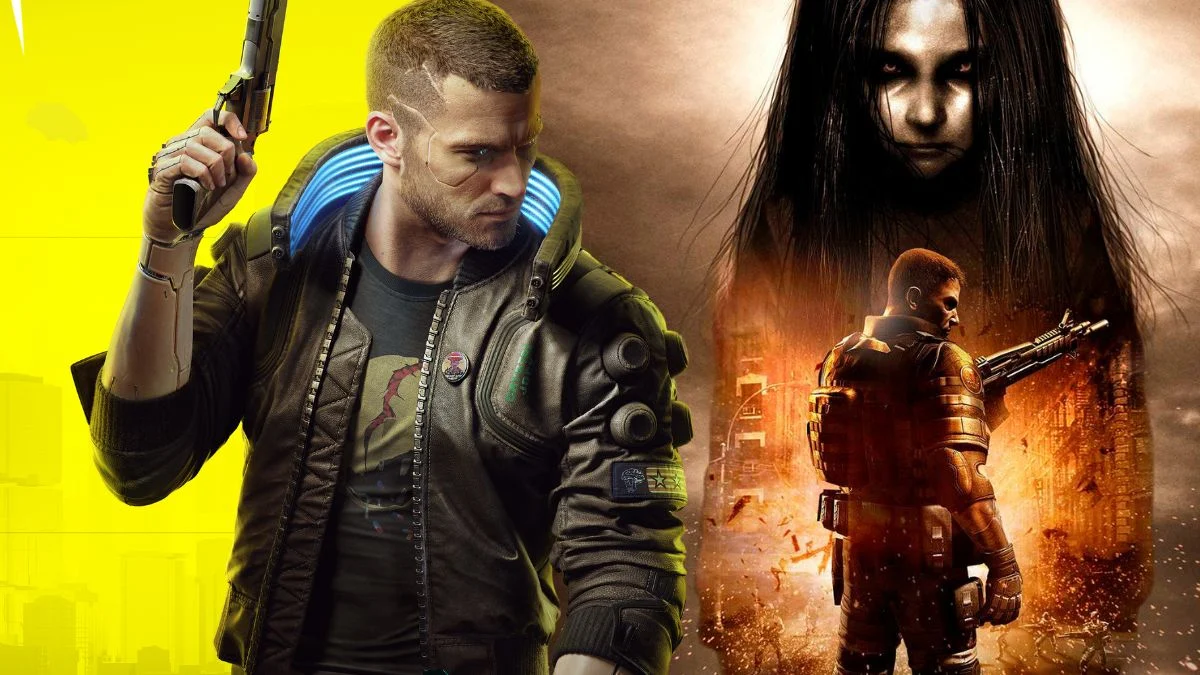
The video game industry often aims high, trying to create new and exciting ways for players to experience digital worlds. It’s common for highly anticipated games to promise innovative multiplayer features, but those features are often cut or reduced during the game’s creation. This usually happens because of technical difficulties or changes in what the development team focuses on, leading to a final game that isn’t quite what was originally advertised. This list showcases several well-known games that didn’t fully deliver on the multiplayer experiences they initially promised.
‘The Last of Us Part II’ (2020)
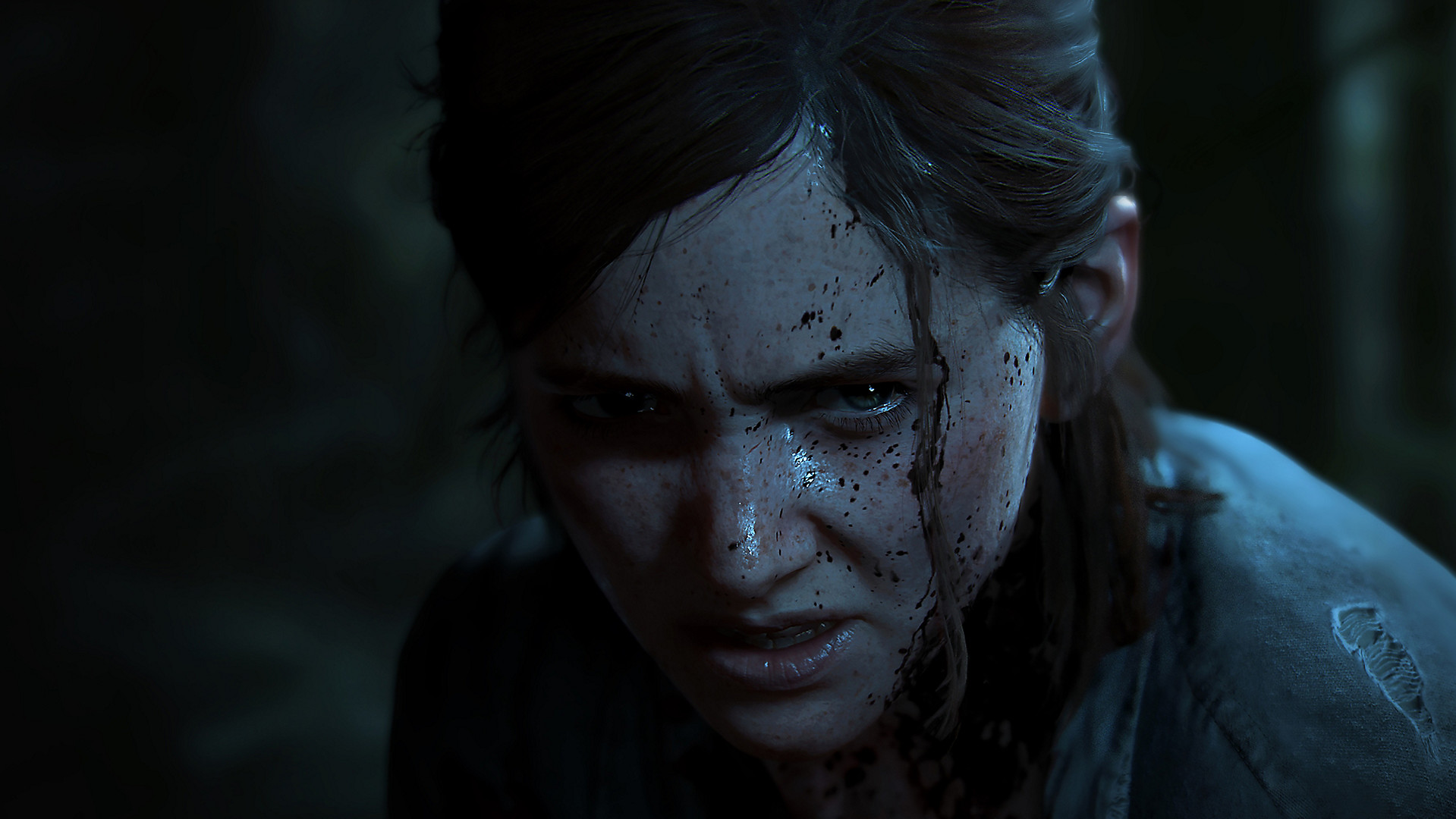
So, Naughty Dog originally promised a whole separate multiplayer game to go with the sequel, something like an expanded version of the Factions mode we all loved. But they realized it was getting way too big and complicated to just add as a game mode, so they said they’d release it as its own thing. We waited for years and barely heard anything about it, and then, late in 2023, they just… cancelled it. It was a huge bummer, honestly, because we were all really hoping for this evolved Factions experience. Now they’re focusing back on single-player games, and all the work they did on the multiplayer project seems to be gathering dust.
‘Cyberpunk 2077’ (2020)
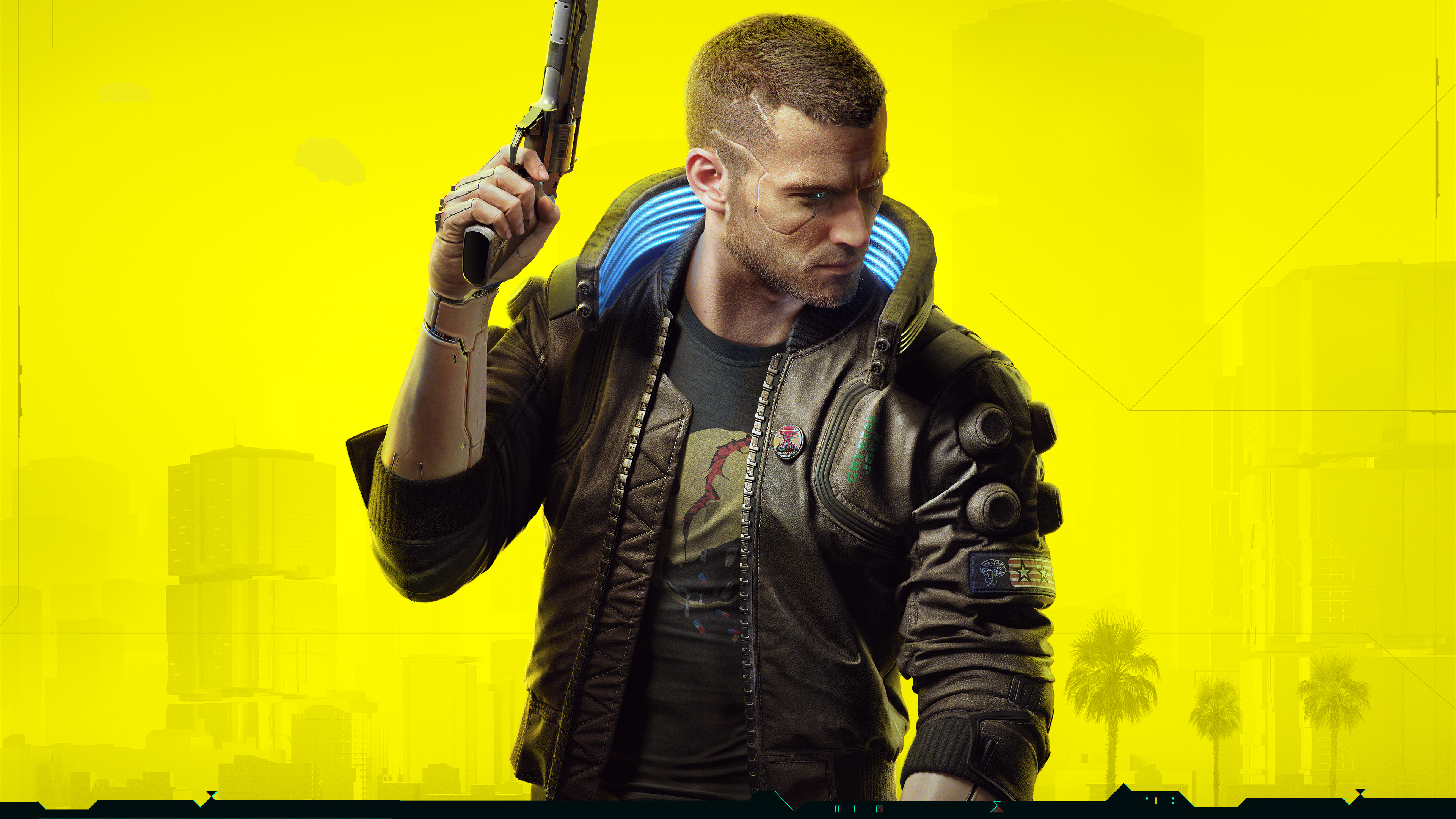
CD Projekt Red initially intended to create a large, separate multiplayer game set in the world of Night City, envisioning it as a major, fully-funded project. However, after a troubled launch for the main, single-player game, the studio canceled these plans to prioritize fixing existing issues. They later decided to include smaller online features in future games rather than release a large-scale multiplayer title. This meant fans hoping for a vast online role-playing experience received a purely single-player game.
‘Overwatch 2’ (2022)
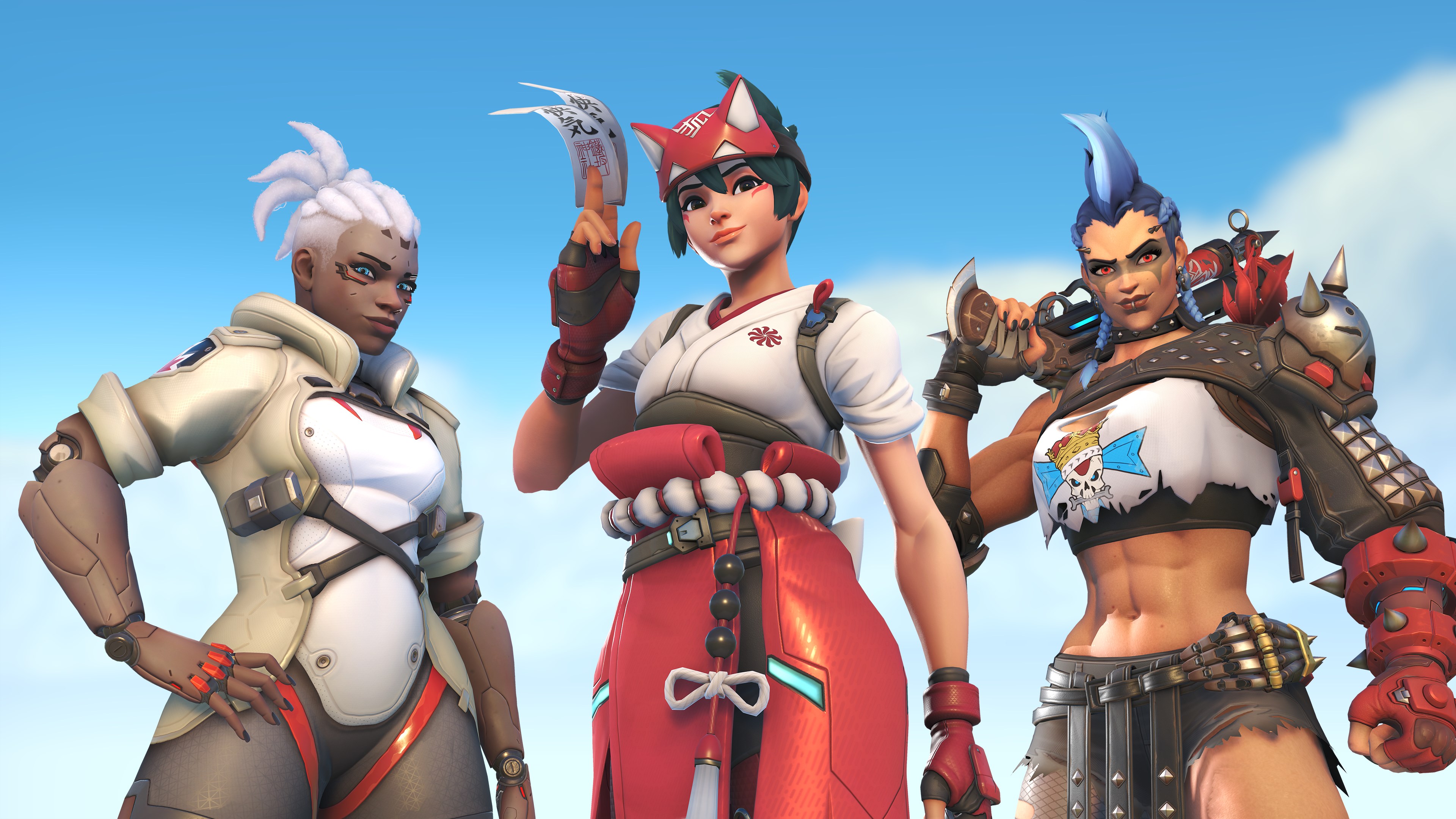
Blizzard initially presented the sequel with a major focus on a robust, replayable co-op mode, highlighting detailed hero progression systems. This feature was the main reason given for creating a new numbered game and was prominently featured in trailers. However, in 2023, Blizzard announced they were cancelling these extensive hero missions and skill systems. The game instead moved to a seasonal format with shorter story missions that lacked the promised character development. This change angered many players who felt the core idea behind the sequel had been abandoned.
‘No Man’s Sky’ (2016)
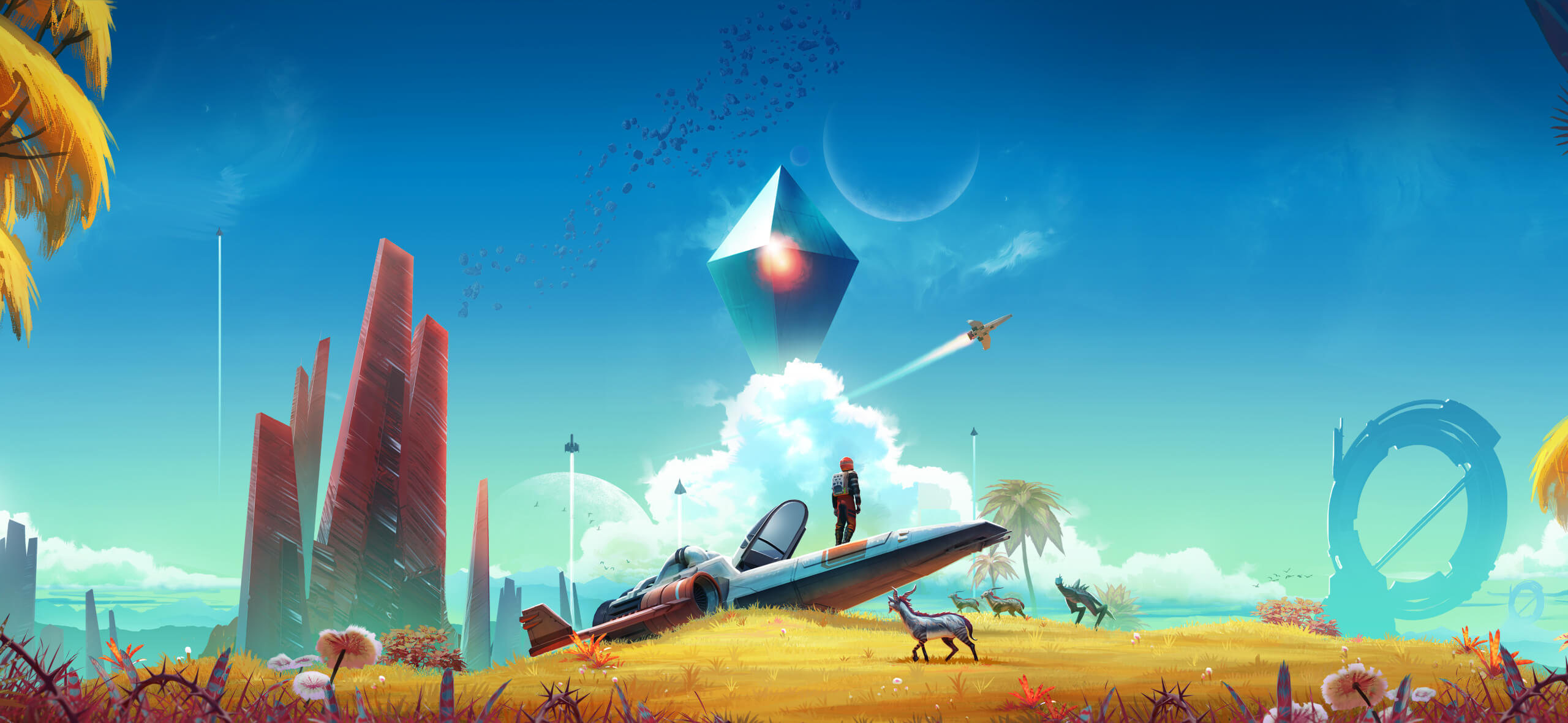
Leading up to the game’s release, the main developer often hinted that players would be able to meet and interact within its huge, randomly generated universe. However, on launch day, when two players found themselves in the same place, they couldn’t see or interact with each other. This caused a lot of criticism, as players felt the pre-release marketing had been misleading and the game lacked social features. Although the studio later added full multiplayer support in updates, the initial release didn’t live up to the promise of a shared world. Despite earlier assurances of a collaborative experience, players initially found themselves alone as they explored space.
‘BioShock Infinite’ (2013)
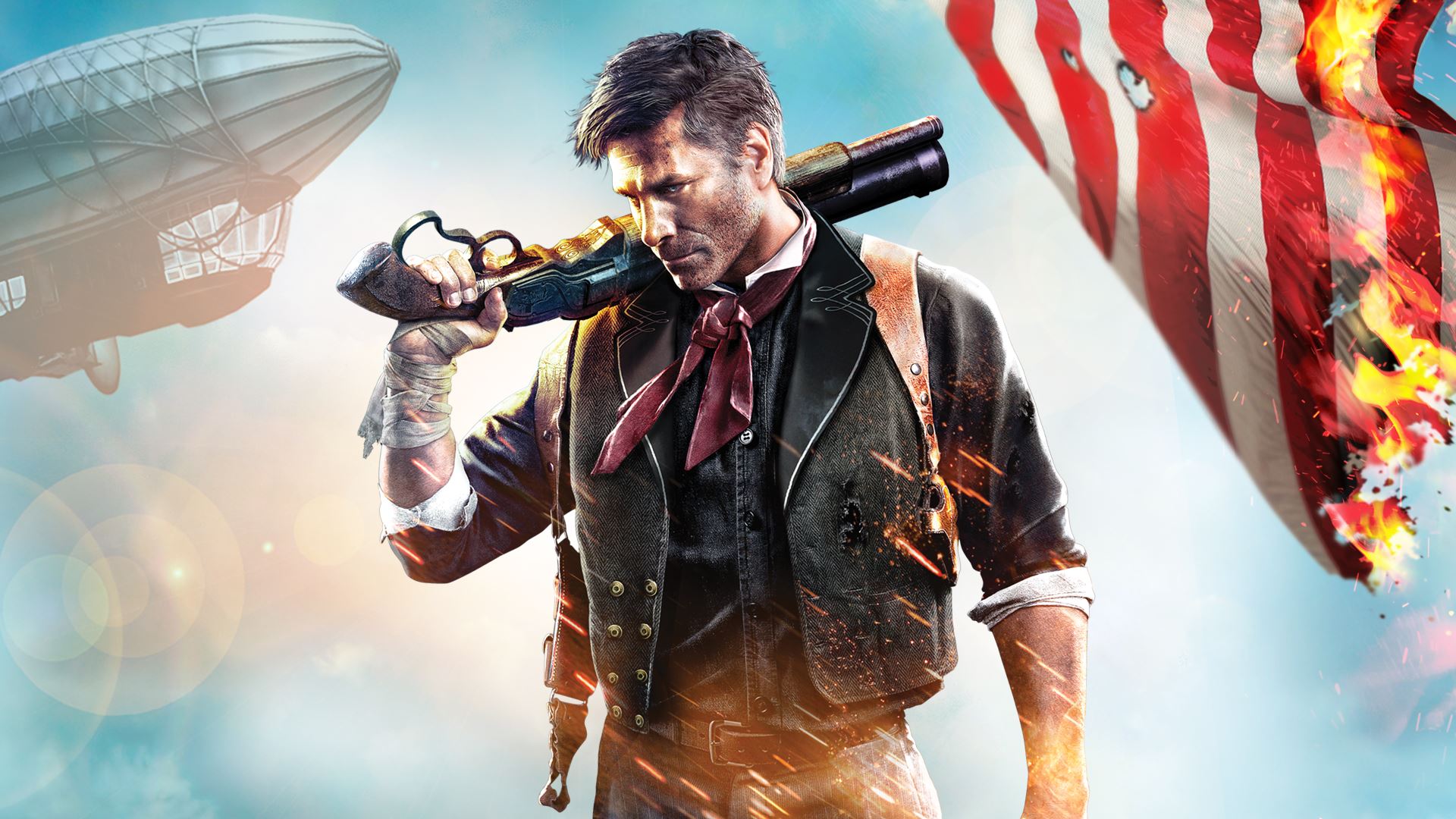
When Irrational Games was first developing the sequel, they tried out different ways to let players compete against each other online. Ken Levine, the game’s creative director, said they were exploring ideas that would feel true to the game’s setting, the floating city of Columbia. Ultimately, these multiplayer modes were cut from the game because they didn’t live up to the quality of the main story. The developers decided to focus entirely on Booker and Elizabeth’s story, meaning there was no online play in the final version. This was a letdown for players who had enjoyed the online features in the previous game.
‘SimCity’ (2013)
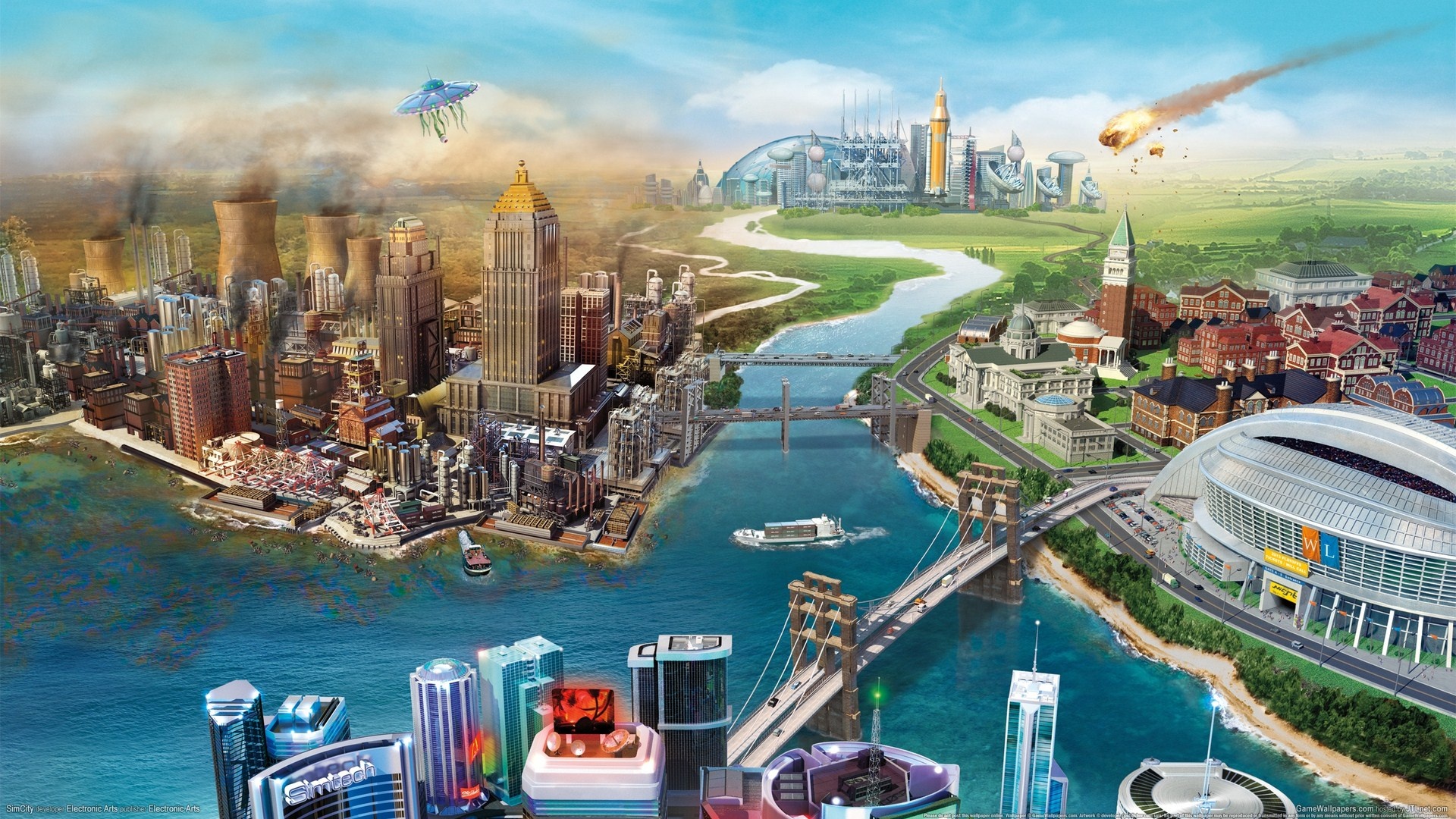
Electronic Arts and Maxis heavily promoted a new version of the game with a feature that needed a constant internet connection to create a shared, worldwide economy. They said this complex system needed cloud computing power to let players trade resources between their cities. However, when the game launched, the servers couldn’t handle the number of players, and the promised connections between cities didn’t work consistently. This caused a lot of frustration from players, and eventually, an offline mode was added. The idea of a fully connected network of player cities never quite worked as planned.
‘Scalebound’ (2017)
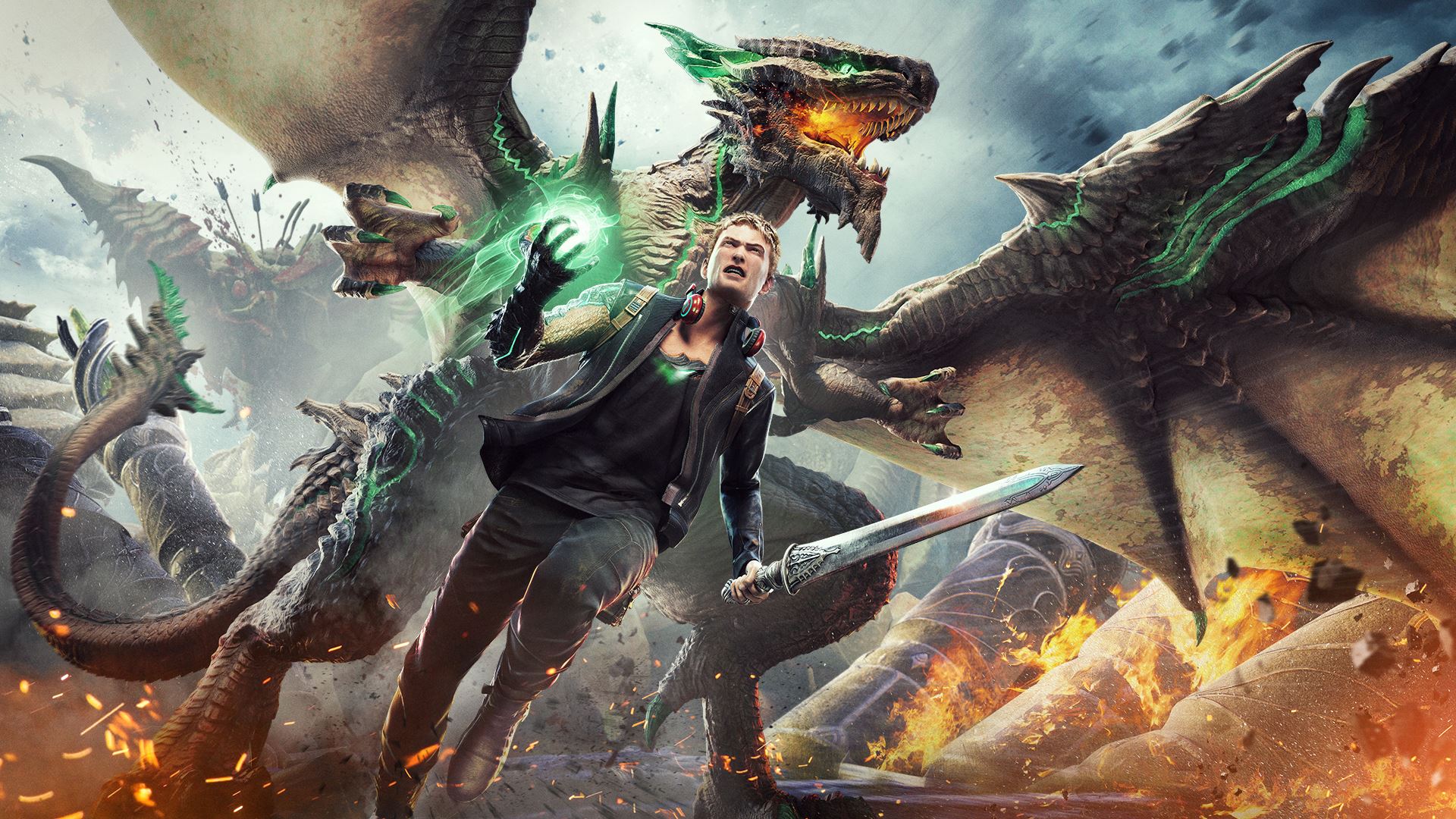
PlatinumGames was developing an exciting cooperative action game for Xbox One where players would team up and battle alongside dragons. It generated a lot of excitement and was a key focus of Microsoft’s presentations at gaming events. Unfortunately, Microsoft cancelled the project in early 2017 after years of development and promotion. This meant players would never get to experience the game’s unique concept of dragon bonding and large-scale cooperative combat, leaving fans disappointed.
‘Fable Legends’ (2016)
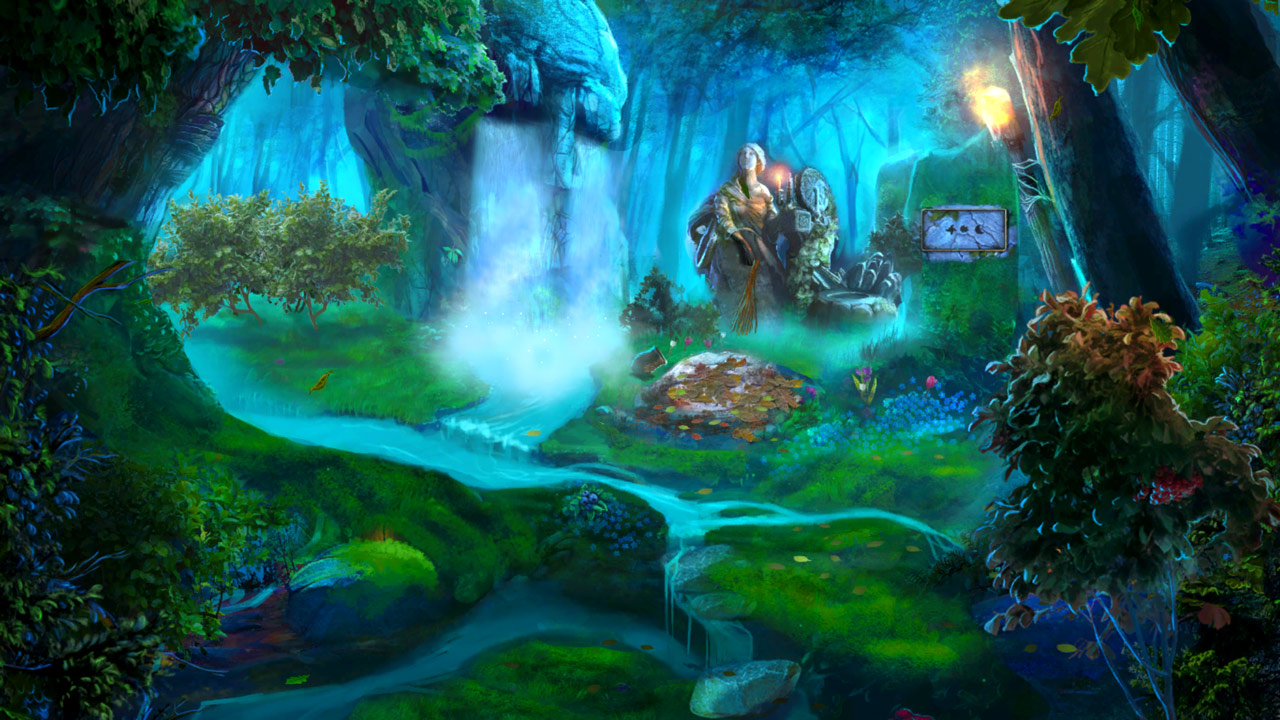
Lionhead Studios created this game to be a unique multiplayer experience, pitting four players as heroes against one player controlling a villain. It was intended as a major game showcasing cross-platform play between Xbox and Windows. Despite a playable beta and significant marketing, the project was unfortunately cancelled, leading to the studio’s closure. This left the game franchise unfinished for years, and players never got to experience the innovative social features the development team had created. Eventually, the beta servers were taken offline, and the complete game was never released.
‘Beyond Good and Evil 2’ (2008)
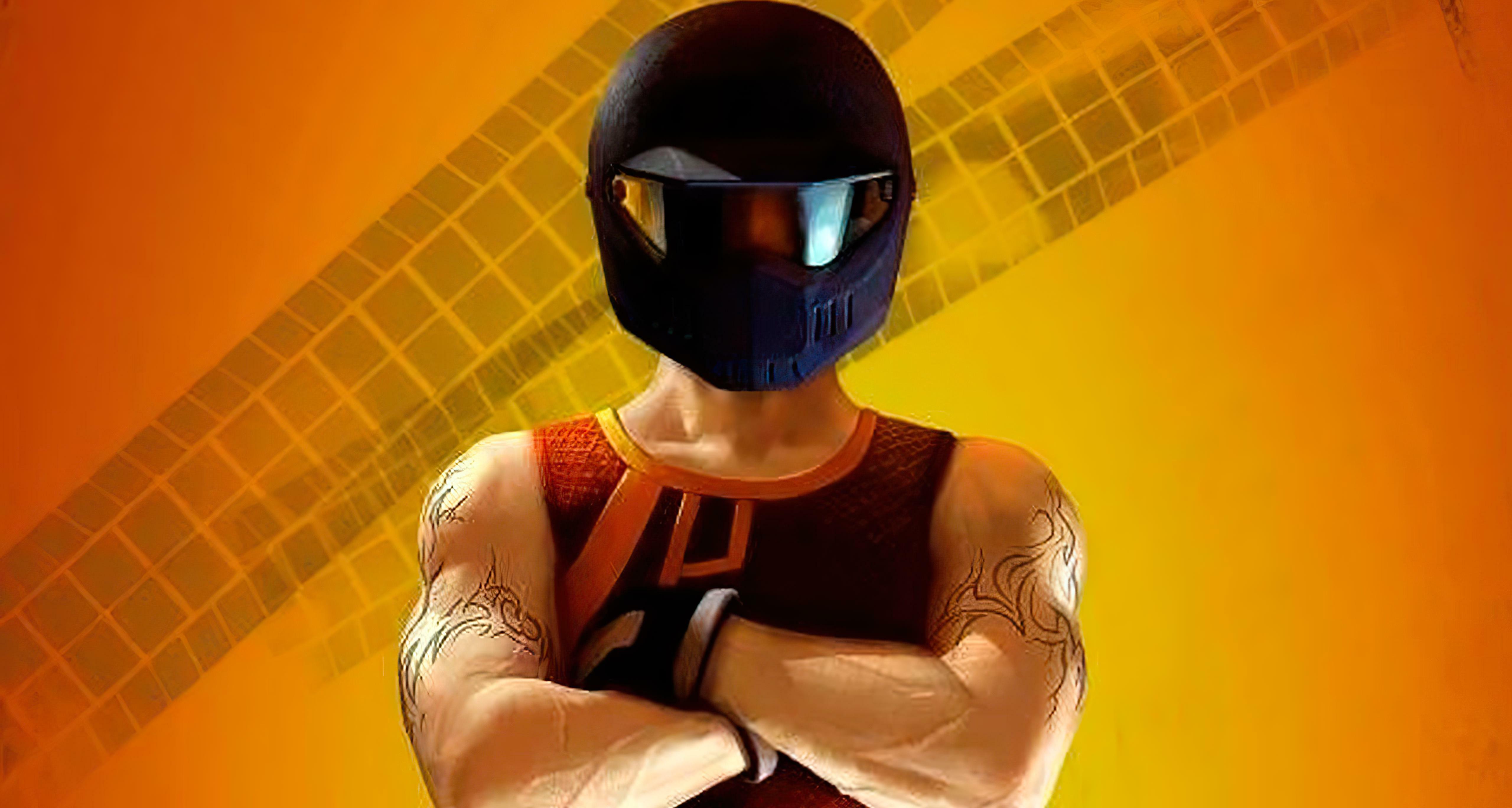
Over ten years ago, Ubisoft announced a sequel to the popular original game, initially promising a huge, connected universe for players to explore together. They later reintroduced the game with plans for players to create their own characters and fly through space with friends. However, the project has faced many delays and changes in leadership, and it’s been in development for an unusually long time. Recently, very little information about how the multiplayer features will work has been released, leading many fans to worry the game might never be finished. The dream of a vast, shared world remains just that – a dream, and not something players can actually experience.
‘S.T.A.L.K.E.R. 2: Heart of Chornobyl’ (2024)
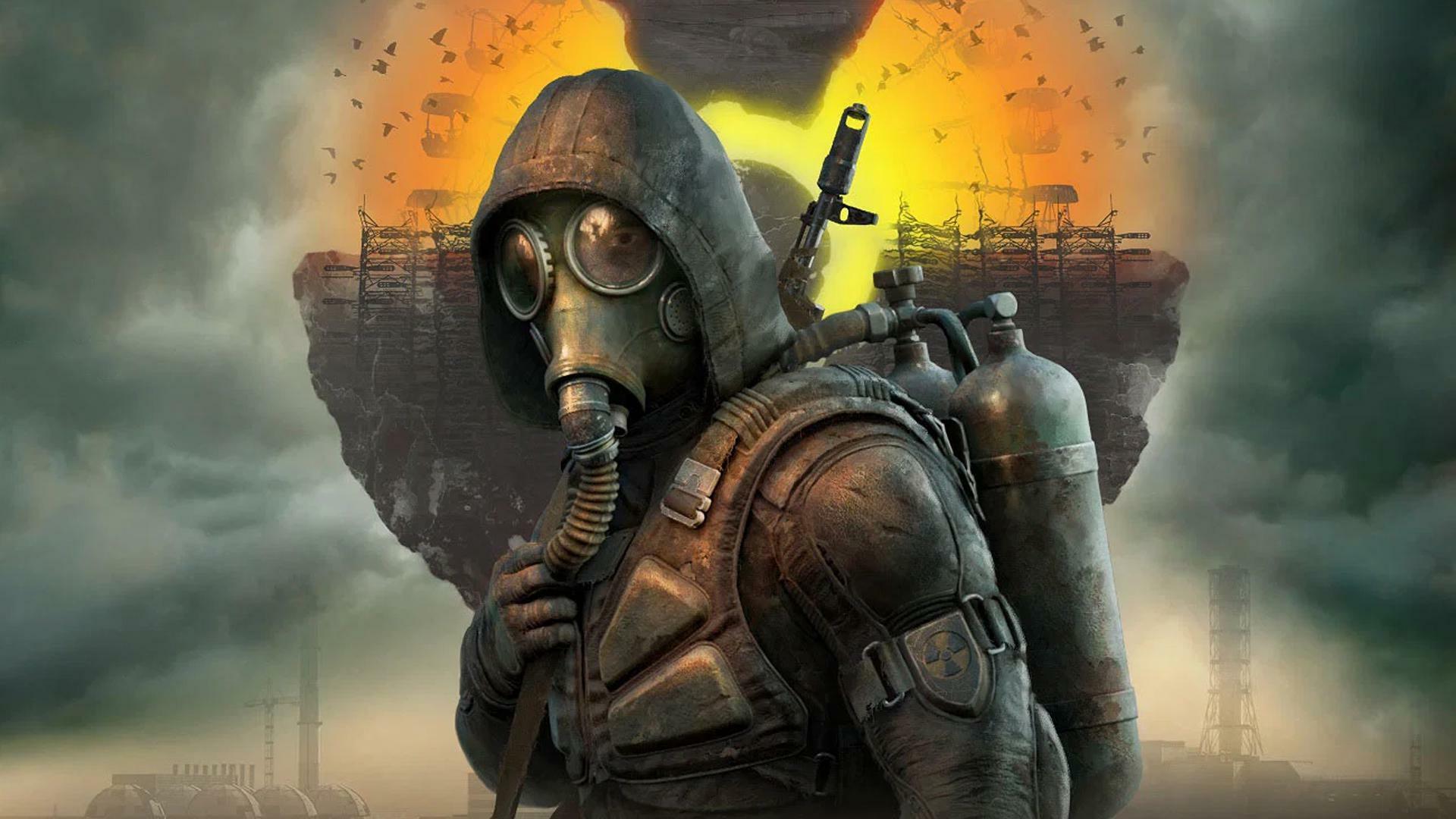
GSC Game World originally planned to add a free multiplayer mode to the game after its release, letting players compete for survival in the Zone after completing the main story. However, because the development team has faced difficulties, they’ve concentrated on finishing the single-player game. Although the studio hasn’t officially canceled the multiplayer mode, it hasn’t mentioned it recently, leaving players wondering if it will ever be included.
‘The Day Before’ (2023)

This game was heavily promoted as a groundbreaking open-world survival experience with extensive online multiplayer features set after a global catastrophe. The trailers looked incredibly polished and promised impressive social interactions, which seemed too good to be true to many viewers. However, when the game briefly launched in early access, it turned out to be a small-scale extraction shooter, lacking almost all of the advertised massive online components. The development studio quickly shut down just days later, and the game was permanently removed from sale. This failure became a well-known example of a game that couldn’t fulfill its core multiplayer promise.
‘Aliens: Colonial Marines’ (2013)
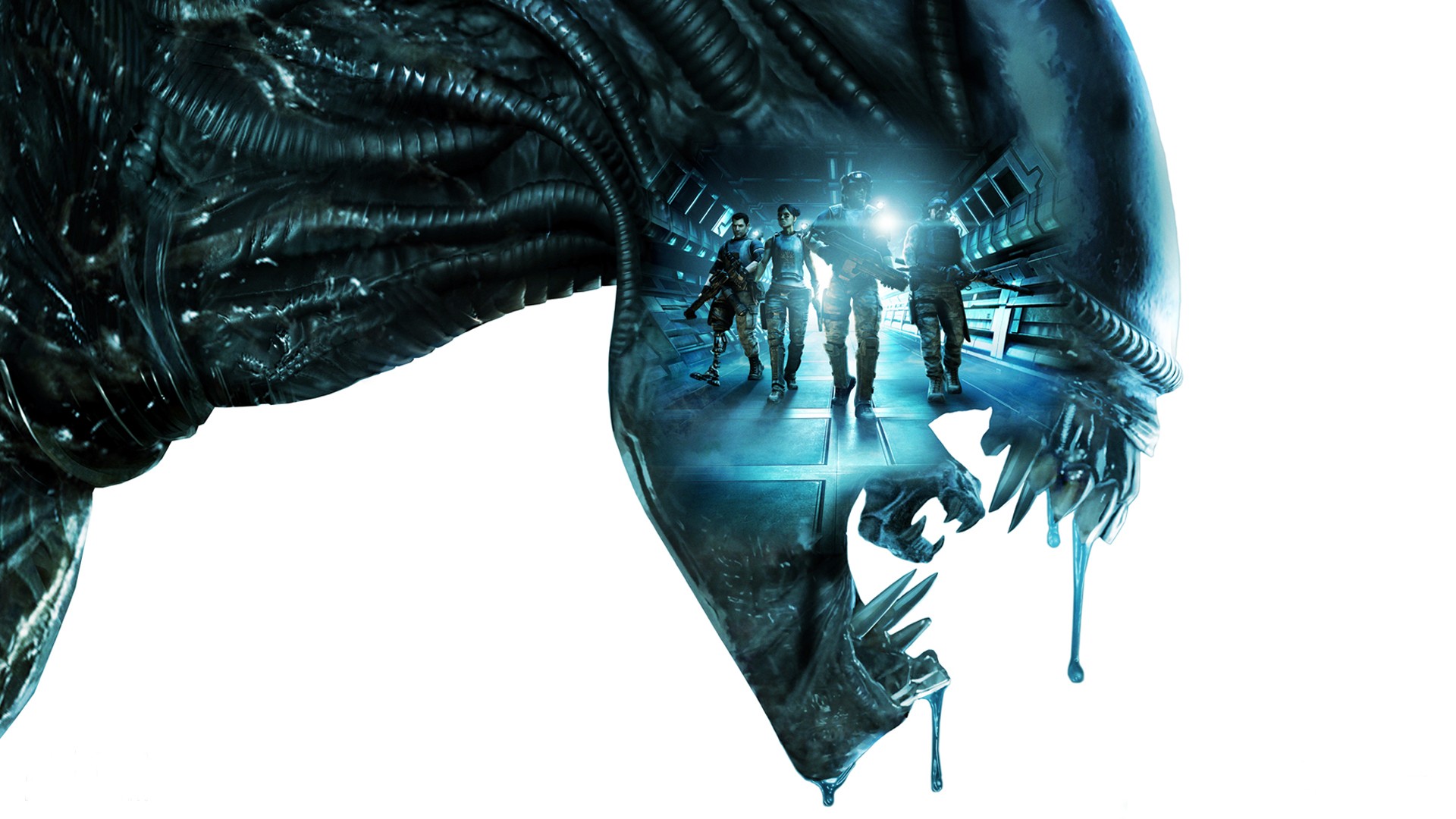
Before launch, marketing for this shooting game promised a realistic and intense cooperative experience, much like the movies it was based on. Early previews highlighted smart enemies and immersive lighting, suggesting players would need to team up to overcome the alien danger. However, the released game was riddled with problems and looked much worse than advertised, destroying the feeling of teamwork and tension. Many of the cooperative features and challenges shown in those previews were simply not in the final version. This led to a lawsuit claiming false advertising and damaged the game’s reputation for being honest about its multiplayer gameplay.
‘Deep Down’ (2013)
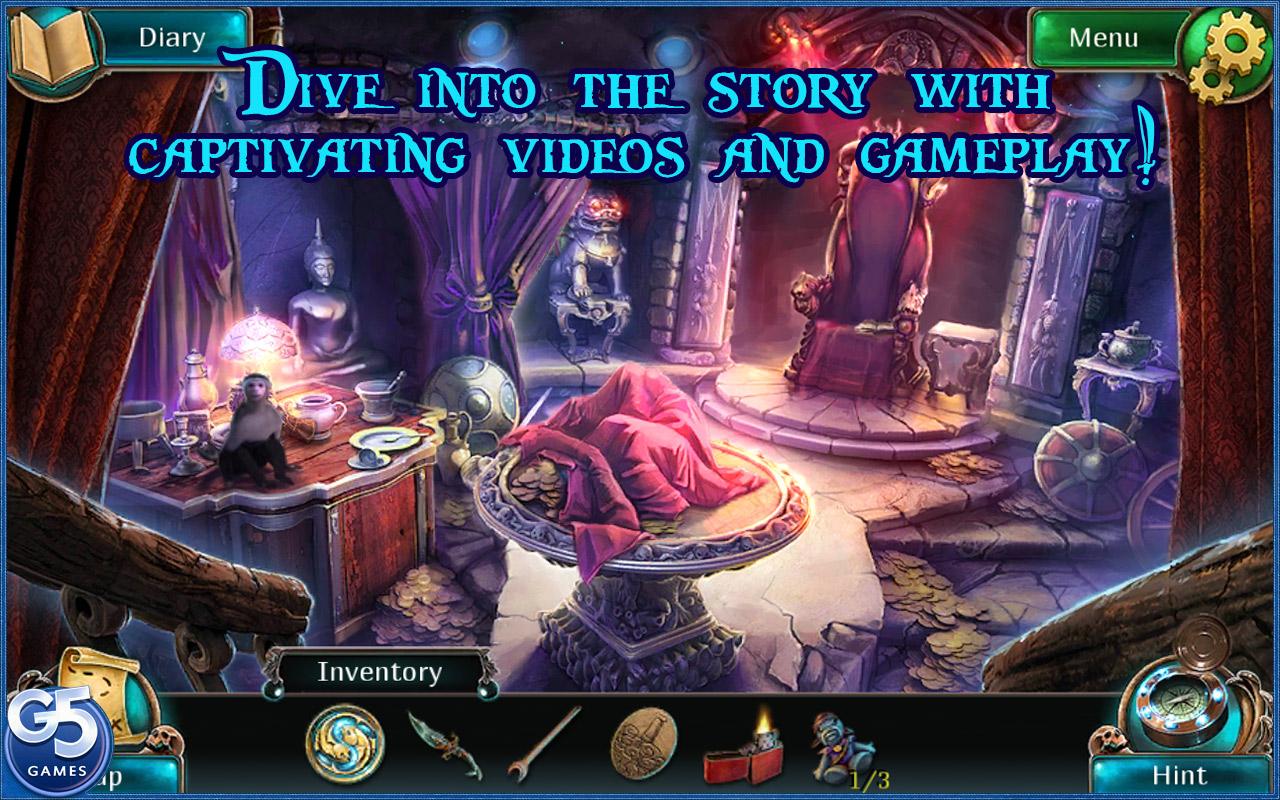
Capcom initially presented a free-to-play dungeon crawler as a demonstration of the PlayStation 4’s capabilities, emphasizing cooperative gameplay. The game was planned to have randomly generated levels and allow players to fight realistic monsters together. While trailers and demos were shown in Japan up to 2014, Capcom stopped publicly discussing the game. Although the trademark has been repeatedly renewed, the game hasn’t been released or officially cancelled, leaving players waiting for the promised immersive cooperative fantasy adventure.
‘EverQuest Next’ (2016)
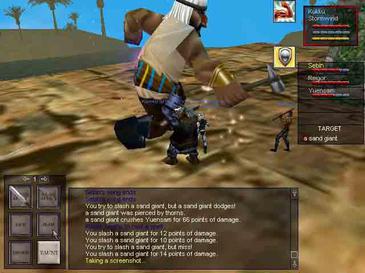
I was so hyped for this game! Daybreak was really trying to do something special – they wanted to completely change the genre with a world you could actually destroy and where things happened naturally, not just scripted events. The idea was that players would build and reshape everything together in this huge online world. But sadly, after years of work and even a tool to help create stuff, they cancelled it. They said it just wasn’t fun enough for them, and wouldn’t live up to what fans expected from the series. It’s a real shame because all those cool multiplayer features we were promised? We never got to experience them. It’s just… disappointing.
‘Project Milo’ (2009)
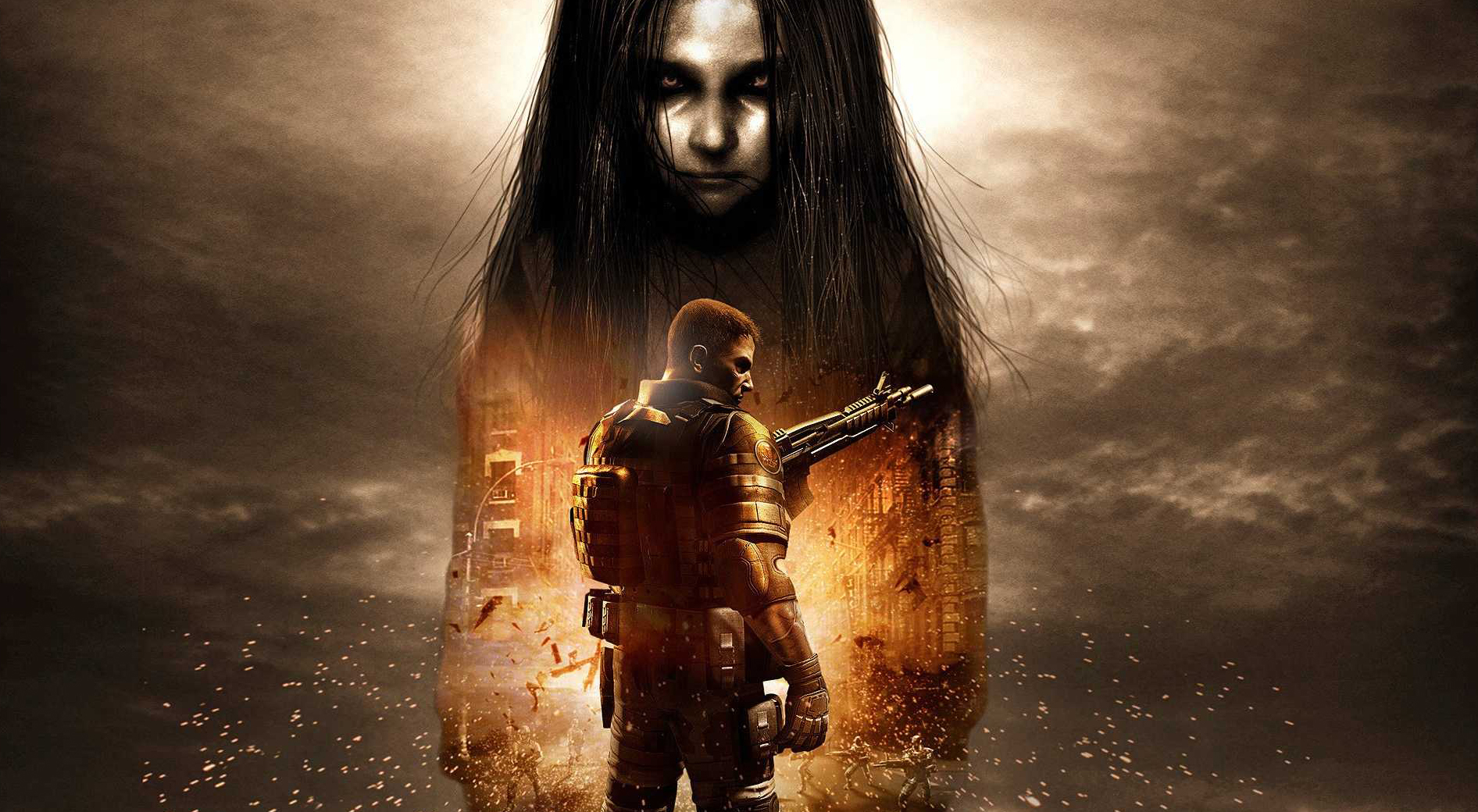
Lionhead Studios once demonstrated a promising technology that let players interact with a virtual character using motion sensors. Though not a typical multiplayer game, the idea was to create a shared online experience where players could collectively influence the character’s behavior. Peter Molyneux predicted this would lead to incredibly engaging and collaborative gameplay, fostering a strong emotional connection. Unfortunately, the project turned out to be just a collection of experimental demos and was never released as a finished game, leaving the vision of a truly responsive AI unrealized.
‘Rainbow Six Patriots’ (2011)
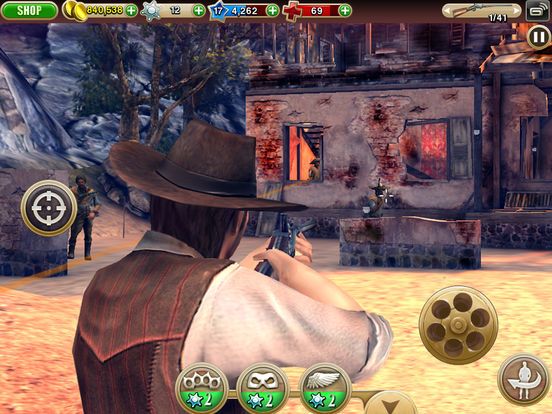
Ubisoft initially announced a game centered around a realistic story and challenging, team-based gameplay focusing on internal conflicts. The first trailer showed a cinematic, cooperative approach to hostage rescues, a departure from past games in the series. However, the project ran into difficulties during development and was ultimately canceled. The team shifted focus to a new game emphasizing competitive play. Though the new game proved successful, the original’s story-driven, cooperative elements were removed, leaving fans hoping for a narrative multiplayer experience disappointed.
‘Prey 2’ (2011)
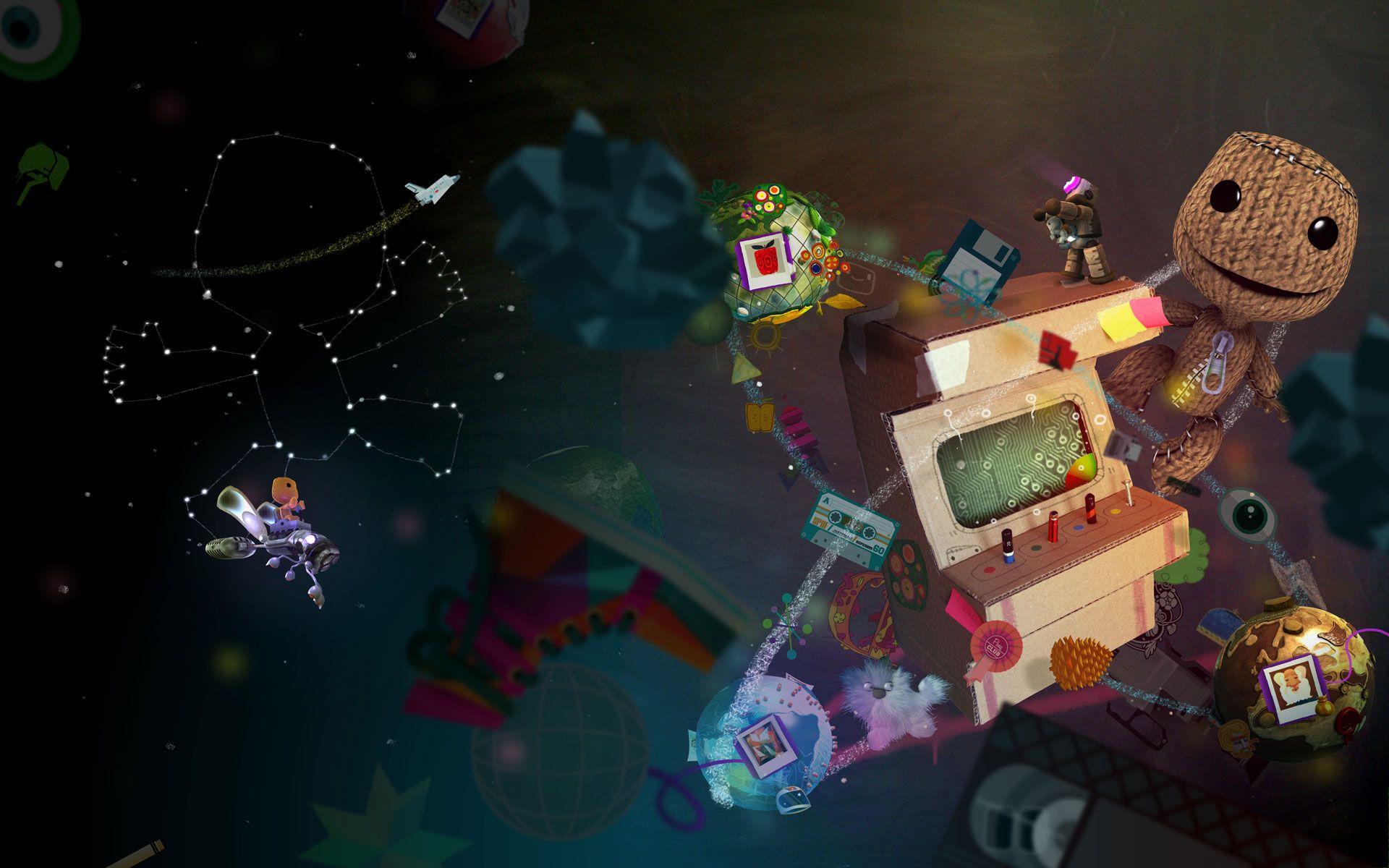
Human Head Studios created a sequel that imagined an open-world, multiplayer experience set on an alien planet. Players would have explored a towering city, completing objectives by using futuristic gadgets and acrobatic movements. However, Bethesda wasn’t happy with how development was progressing and ultimately cancelled the project. The game was later completely restarted by a different studio as a single-player adventure. The initial idea of a multiplayer bounty hunting game set in a vibrant, futuristic city is now a forgotten concept.
‘Super Mario 64’ (1996)

Early in development, the game’s creators planned to let two players control Mario and Luigi simultaneously on a split screen. They even built a working version of this feature, but it had to be cut because the game couldn’t run smoothly enough with two players. The final version was strictly single-player, and all traces of the second player functionality were removed. This sparked a popular rumor that Luigi was secretly hidden somewhere in the game, which persisted until years later when the game’s code was leaked, revealing Luigi’s character model. Unfortunately, the idea of a cooperative 3D Mario game wouldn’t come to fruition for many years.
‘Conker’s Bad Fur Day’ (2001)
The game was initially designed with a complete co-op mode for the main story, letting two players experience the campaign as different characters. However, Rare had to cancel these plans because they were running out of time and making levels work well for both single and two players proved too difficult. Instead, the team focused on making several separate competitive multiplayer games. Although these games were enjoyed by players, they didn’t deliver on the original idea of a shared story. The co-op campaign ended up being cut entirely, and fans only discovered it existed later through interviews with the developers.
‘H1Z1: Just Survive’ (2015)
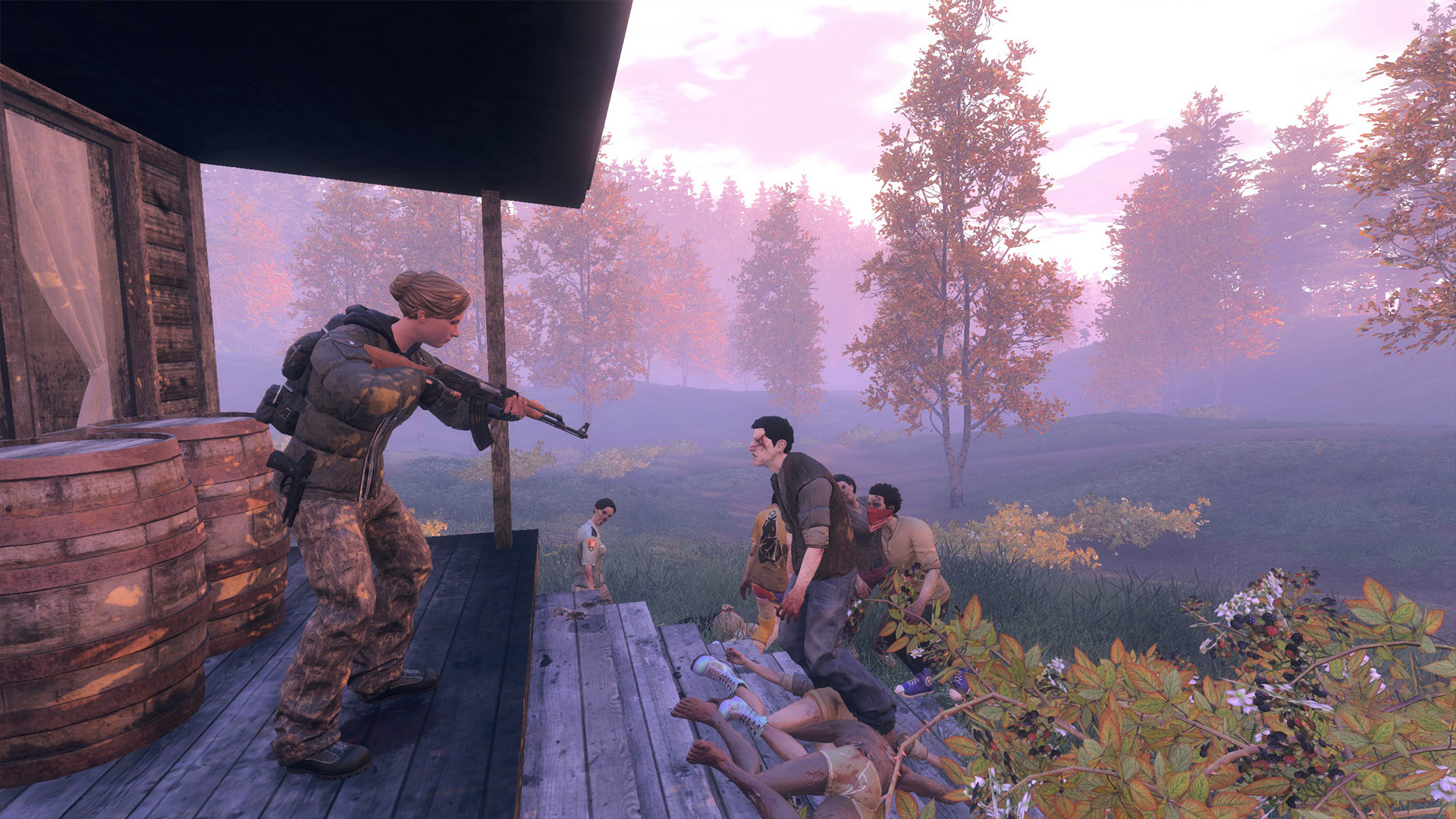
The game initially launched with plans for a large-scale survival experience, emphasizing teamwork, base building, and staying alive. However, when its battle royale mode became popular, the developers shifted focus and created a separate game for that competitive style of play. The original survival version received less attention, suffered from technical problems, and lost players over time. Eventually, Daybreak Game Company closed the servers in 2018, effectively ending the survival game. Many players felt the developers abandoned the initial vision for a lasting, collaborative world in pursuit of more popular and profitable game types.
‘Warhammer 40,000: Eternal Crusade’ (2016)
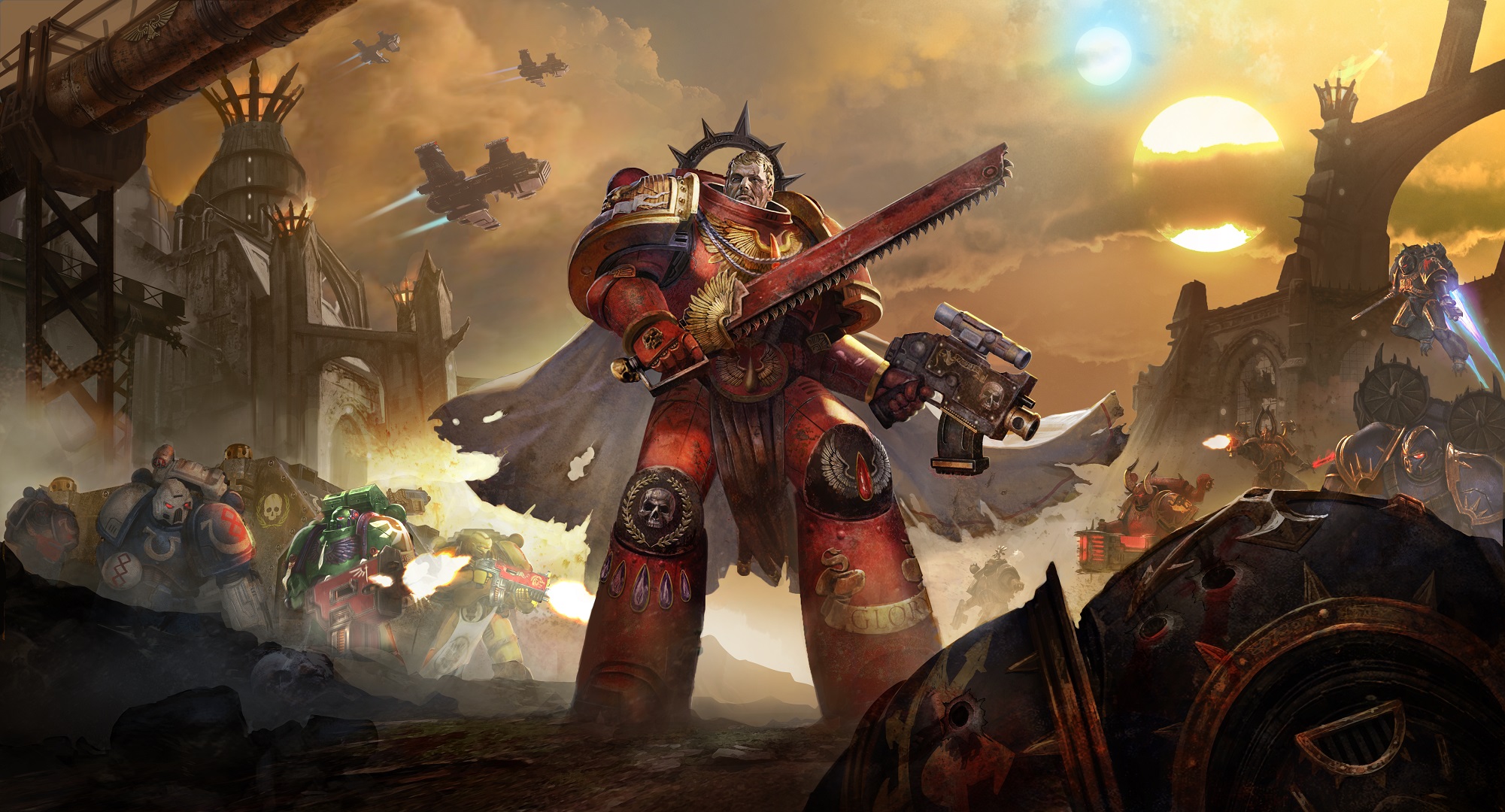
I was so hyped for this game! The devs originally promised this huge, persistent world where thousands of us could battle over territory on a whole planet. They talked about driving vehicles and really complex faction warfare that would actually change the game world as we played. But when it finally came out, it was way smaller than expected – just a lobby-based shooter with limited maps and pretty standard match types. A lot of the cool social stuff they’d promised got cut during development, and honestly, it never lived up to the hype. Eventually, the servers just went down, which was a real bummer.
‘The Stomping Land’ (2014)
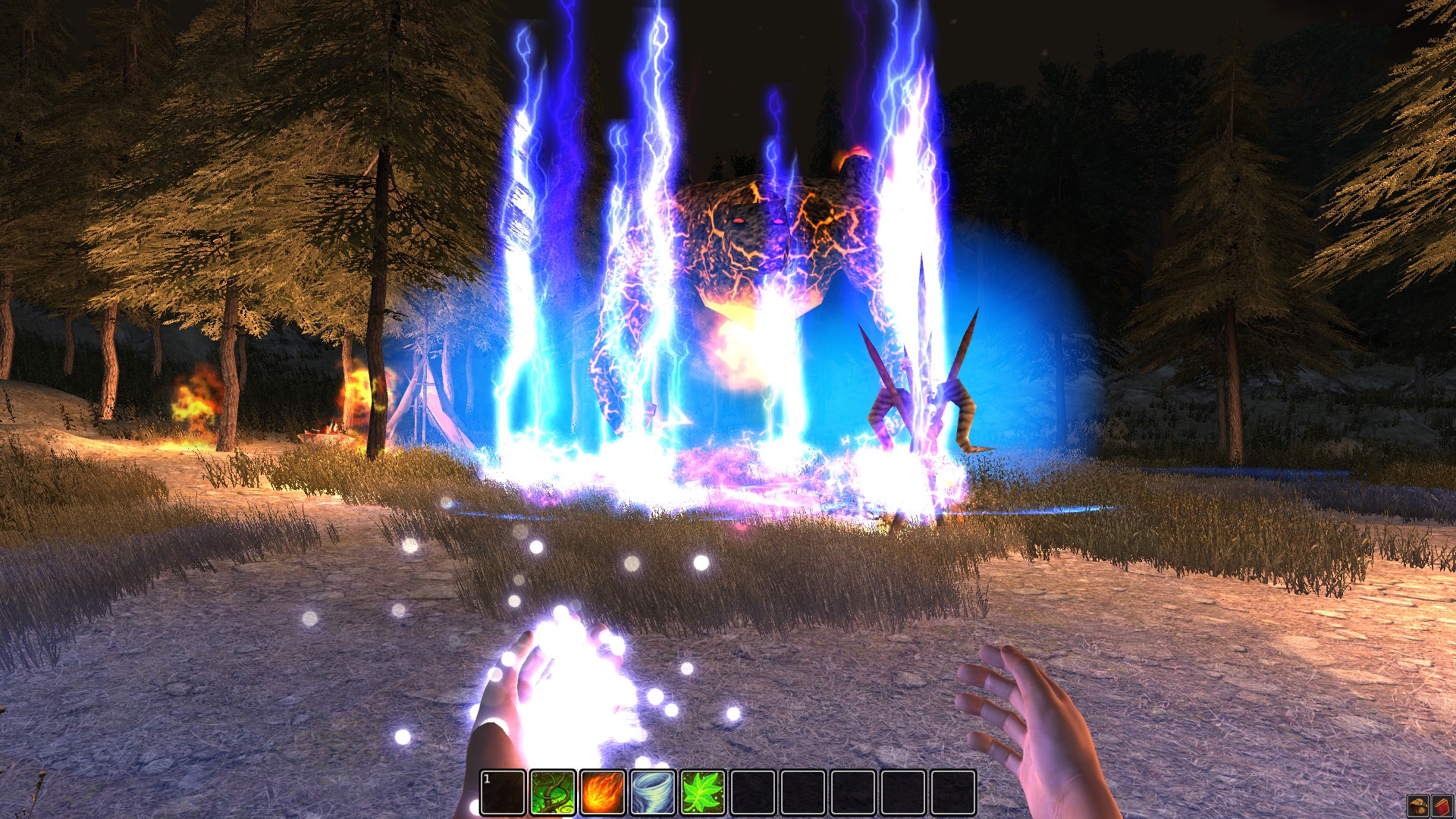
This survival game aimed to offer a new way to play with others, letting players hunt dinosaurs and build tribes to control the game world. It initially attracted a lot of support through crowdfunding by highlighting its interesting features, like capturing and taming dinosaurs. However, after a limited early release, the main developer stopped communicating with players and updates ceased. The project was ultimately cancelled, and the game became unplayable for most. This situation serves as a warning about the potential dangers of backing multiplayer games that are still in early development.
‘Anthem’ (2019)
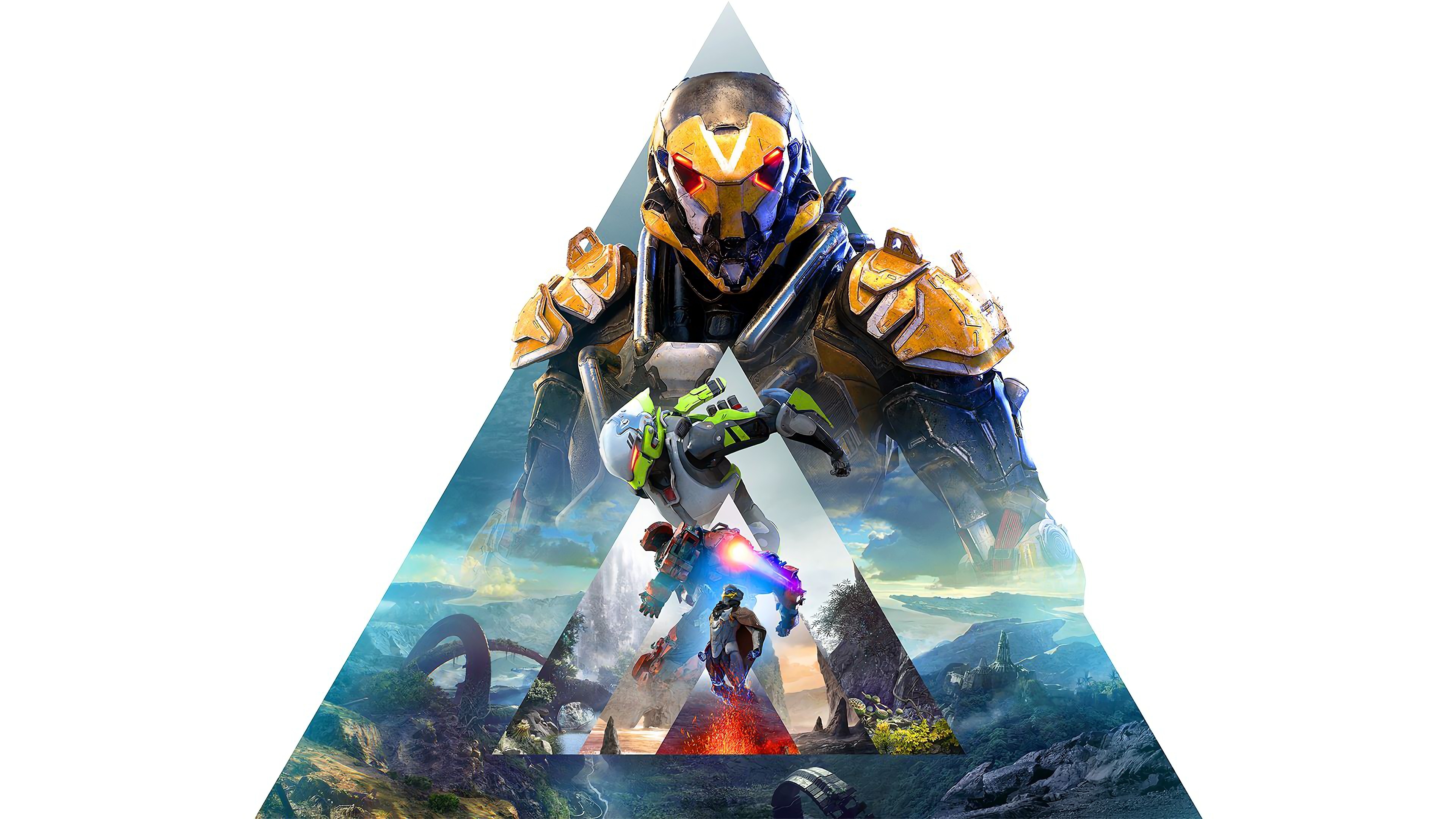
BioWare originally presented this game as a constantly evolving online world with a strong community and large-scale events for players to experience together. They promised a dynamic world where players’ actions would visibly change the game environment. However, the game launched with less content than expected, and its social features weren’t as robust as initially advertised. Ultimately, the publisher cancelled plans for a major revamp to focus on other projects, and the game never lived up to the potential shown in its early trailers.
‘Redfall’ (2023)
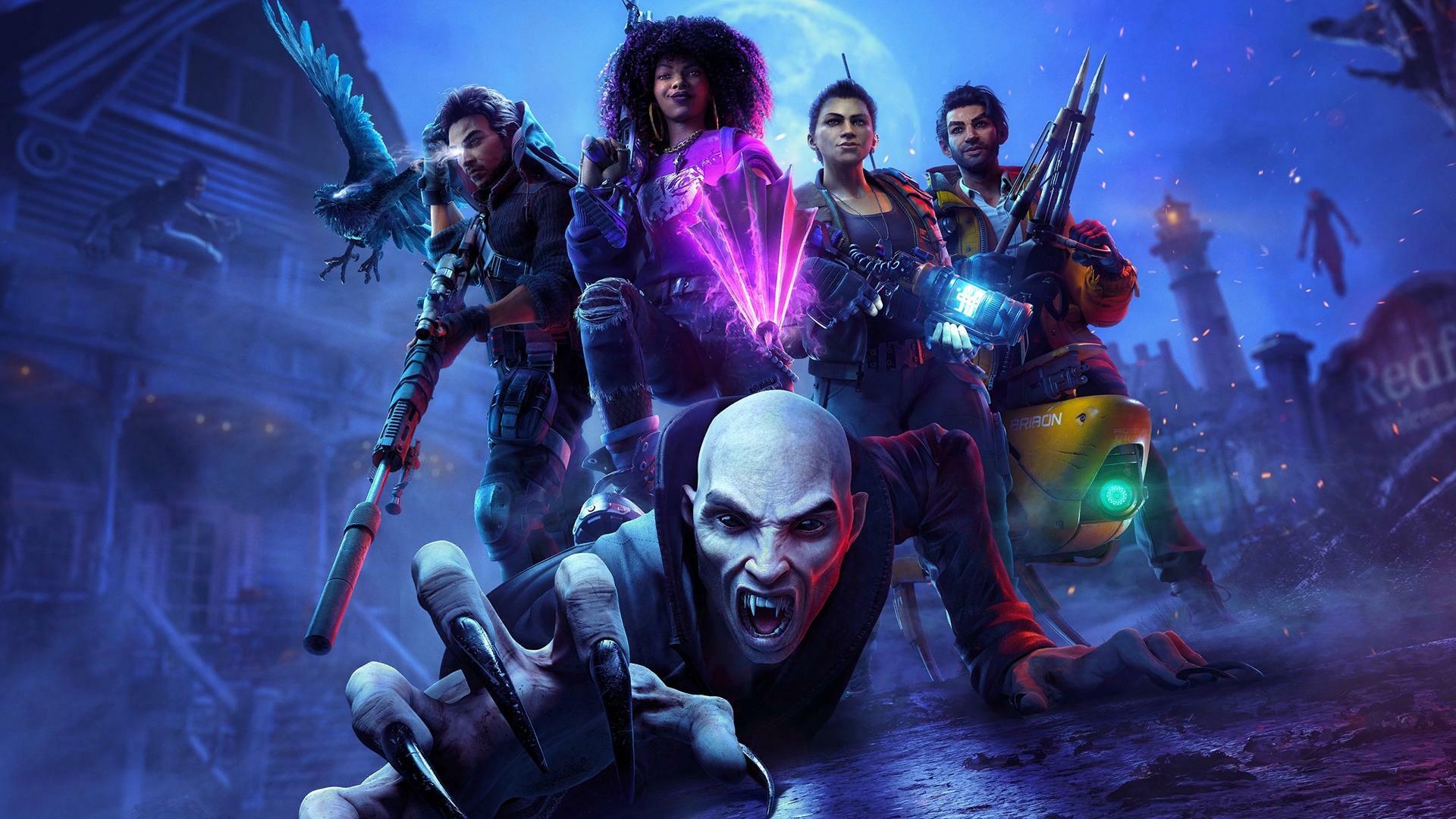
The team behind this vampire-themed shooter promoted it as a smooth, cooperative game that blended their unique style with online action. Players hoped for a detailed world where different character skills would work together in interesting ways to fight the undead. Unfortunately, the game launched with a lot of technical problems and the online multiplayer felt shallow and empty. Eventually, the studio was closed and future updates were cancelled, meaning the promised improvements and features for multiplayer would never arrive.
‘Skull and Bones’ (2024)
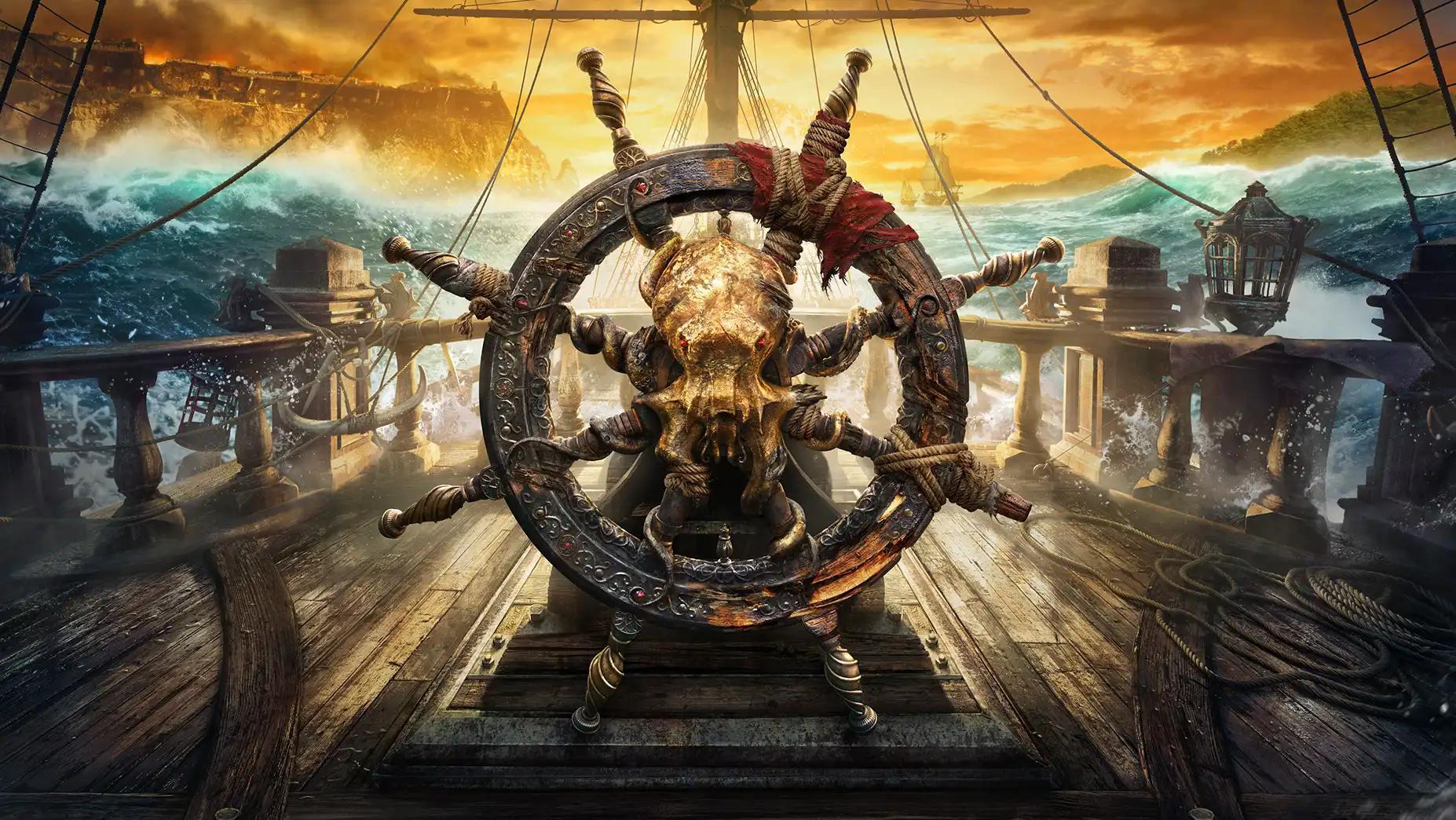
This pirate game took more than ten years to make, and the developers changed their ideas for how players would interact with each other many times. Initially, they aimed for a detailed and strategic experience with large naval battles and player-driven economies. However, the final game became much more repetitive and didn’t deliver on many of the exciting features players were hoping for. Important aspects, like fighting on land and boarding enemy ships, were either made simpler or left out entirely. Ultimately, while the game did launch, it didn’t quite capture the immersive pirate world shown in the early trailers.
‘Star Citizen’ (2012)
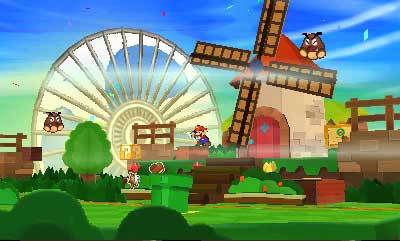
This ambitious game project has secured a lot of funding – hundreds of millions of dollars – with the goal of creating a truly immersive multiplayer space experience. While players can try out some parts of the game now, key features like large-scale spaceship battles are still under development. The project is broken down into different sections, and the expected release date keeps getting pushed back. Players are still waiting for many of the features promised when the game was initially funded, and the grand scope of the game means it’s constantly being worked on.
‘Dead Island 2’ (2023)
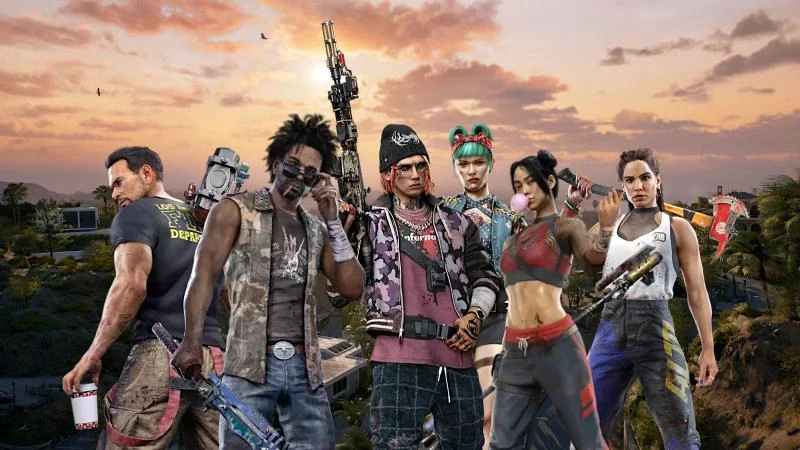
The first trailer for this game showed a shared world where up to eight players could meet and interact while exploring. The idea was to make the city feel alive with other players, who could either work together or compete. However, after ten years of development and changes in the development team, the final game is different. Instead of a huge shared world, it now has a typical three-player co-op system. Many of the social features highlighted in early trailers were not included in the released version.
‘Dead Space 3’ (2013)
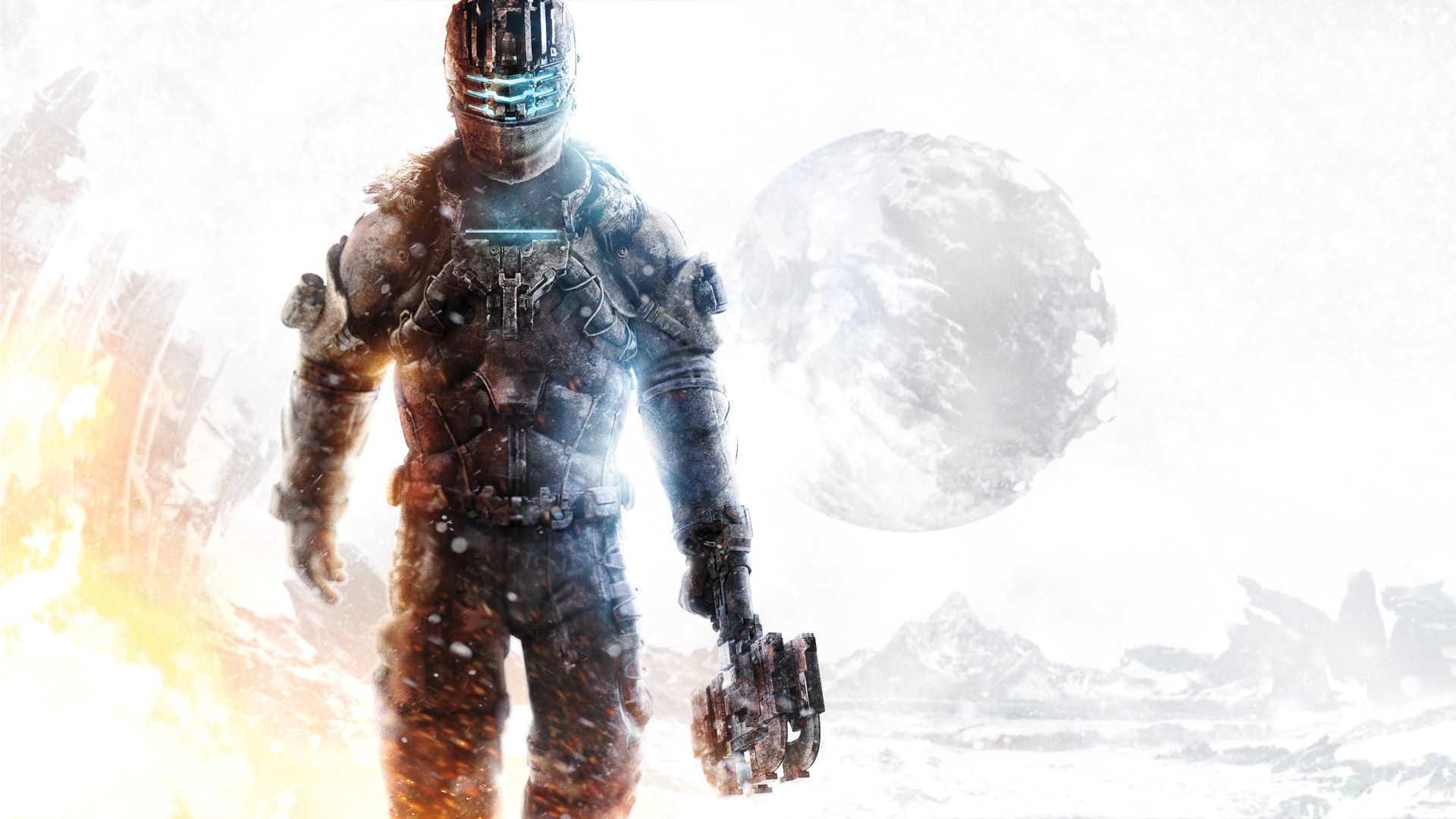
The marketing for this horror game’s sequel promised a cooperative mode that would affect the story for both players. While the game did include online co-op, the developers initially hinted at a local split-screen option as well. Many fans were upset to learn that multiplayer was limited to online play only, preventing friends from playing together locally—something often enjoyed in horror games. The lack of local split-screen remained a source of disappointment for players throughout the game’s lifespan.
‘Saints Row: Undercover’ (2016)
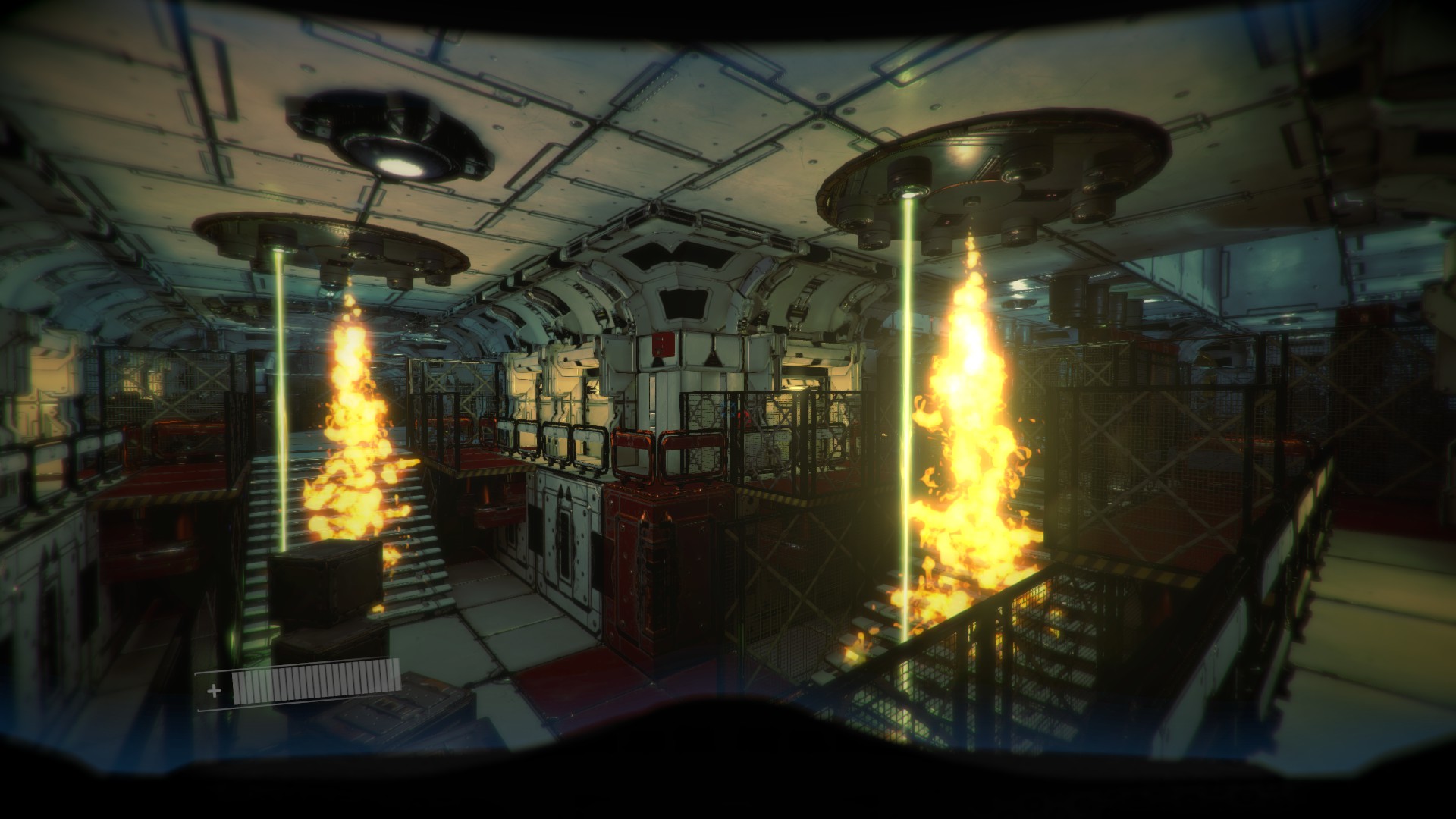
The cancelled game was planned as a portable installment in the series, letting players team up cooperatively on handheld consoles. Volition developed it for years, but ultimately cancelled it because of worries about the consoles’ capabilities and the game’s quality. Later, a playable prototype was found and released for free as a way to preserve it, giving fans a glimpse of the unreleased multiplayer and open world. Unfortunately, the idea of a cooperative handheld game in this series never became a reality.
Let us know in the comments which of the removed or cancelled multiplayer modes you were most excited about.
Read More
- Gold Rate Forecast
- 22 Films Where the White Protagonist Is Canonically the Sidekick to a Black Lead
- Games That Faced Bans in Countries Over Political Themes
- Silver Rate Forecast
- Celebs Who Narrowly Escaped The 9/11 Attacks
- Brent Oil Forecast
- Unveiling the Schwab U.S. Dividend Equity ETF: A Portent of Financial Growth
- How to Do Sculptor Without a Future in KCD2 – Get 3 Sculptor’s Things
- Superman Flops Financially: $350M Budget, Still No Profit (Scoop Confirmed)
- 14 Movies Where the Black Character Refuses to Save the White Protagonist
2026-02-09 23:49