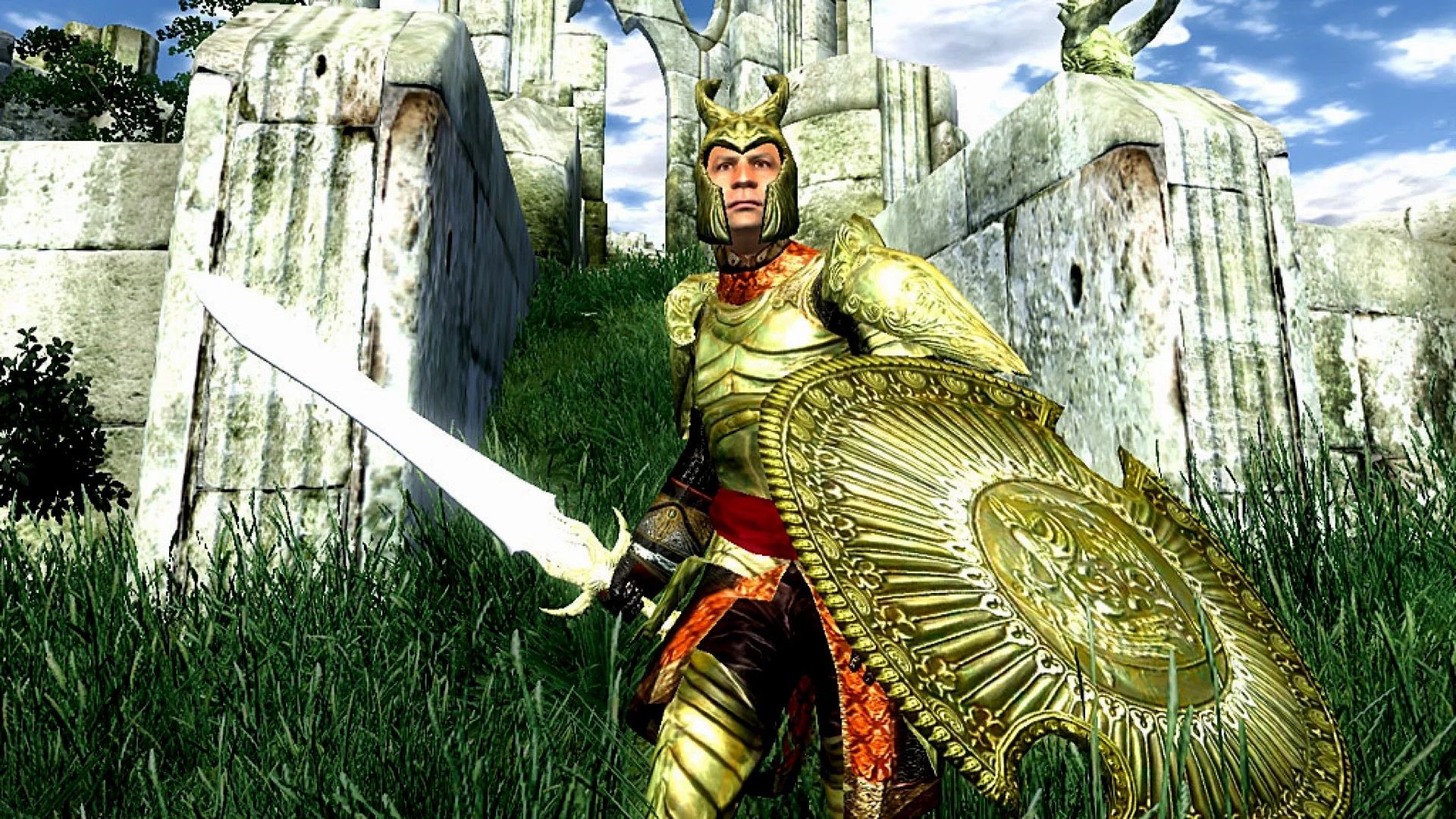
Few people who experienced it will forget their first time playing The Elder Scrolls IV: Oblivion. When it came out in 2006 for the Xbox 360, it was unlike anything else on consoles at the time. Large, open-world role-playing games were typically only found on PCs, and even those were often difficult for most players to get into.
After Morrowind did surprisingly well on the original Xbox – even with all its weird quirks – Bethesda realized they needed to shake things up for the next game. They wanted to make something anyone could pick up and enjoy, no matter if you were a seasoned RPG player or totally new to the genre. Some of the hardcore fans weren’t thrilled, but honestly, it felt like the only way to really expand the fanbase and take the series to the next level. And honestly, it worked – the games have been massive ever since!
Why Oblivion Remains A One-Of-A-Kind RPG
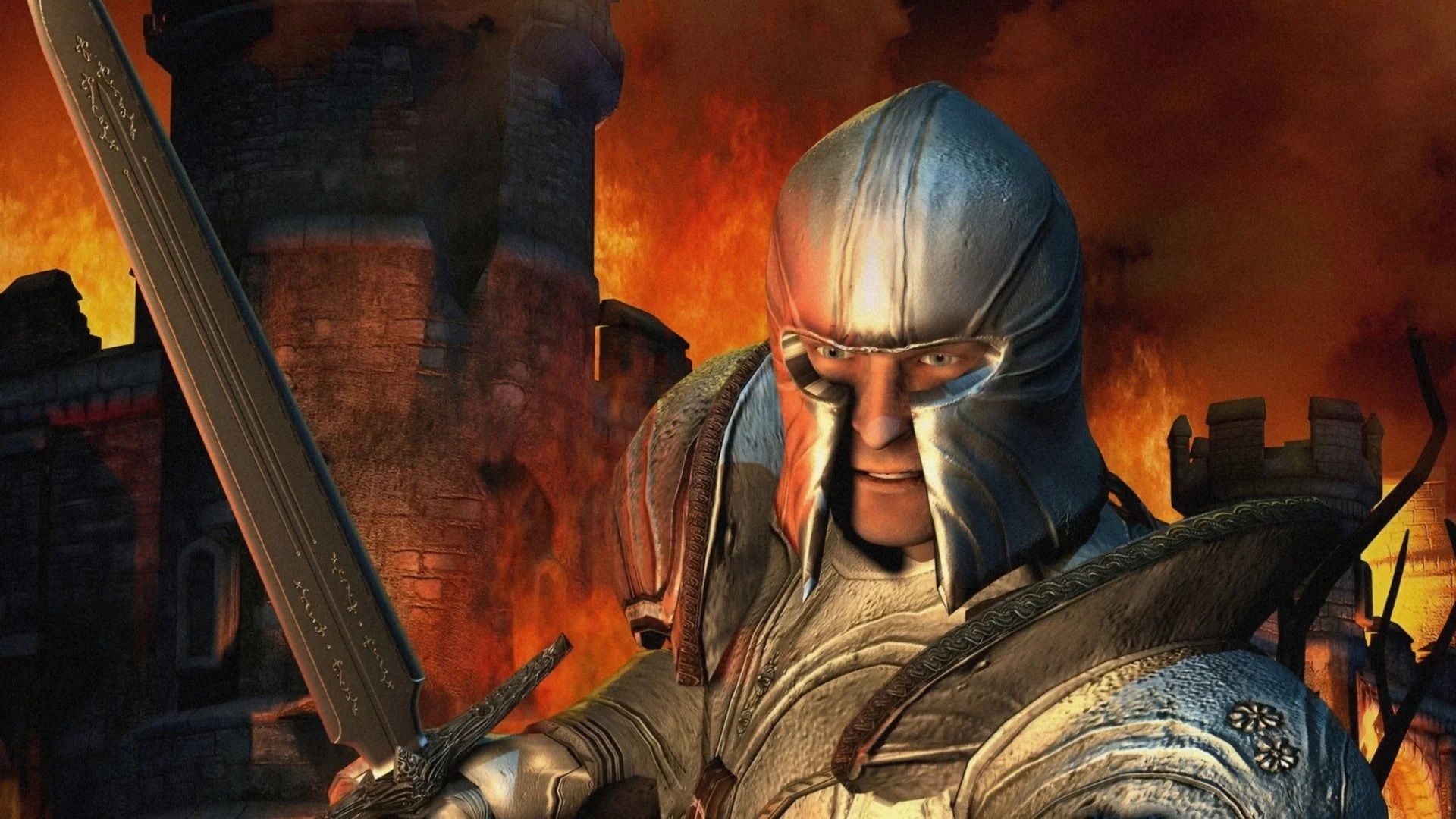
It’s easy to criticize the way modern Bethesda RPGs play, but that’s largely because they haven’t changed much since Oblivion, which came out twenty years ago. Bethesda has been relying on the same basic formula ever since, and this reluctance to innovate is why games like Fallout 4 and Starfield didn’t feel as fresh or exciting. We have a good idea of what to expect from these games now, so it’s hard to feel enthusiastic about them.
With Elder Scrolls 6 still years away, let’s remember when Oblivion felt revolutionary. It offered a richly detailed fantasy world with surprisingly complex systems hidden beneath a simple surface. The early moments, like navigating the imperial sewers with Emperor Septim and learning the basics, felt like a fresh start – a discovery of skills that would soon become automatic.
Role-playing games often start with very linear beginnings, but The Elder Scrolls IV: Oblivion was the first game where I truly felt free to choose my own path. Once I left the initial area and entered the world of Cyrodil, I could focus on the main story or just explore and do whatever I wanted. I was young when I first played it, and I suspect many others were too, so naturally, I chose to explore everything the game had to offer.
I suddenly found myself in a vast, open world where I could explore in any direction. Around every corner was something new – maybe a huge monster, a sneaky thief, a bustling city, or even trouble with a shadowy group after I accidentally committed a crime.
I’d enjoyed open-world games like Grand Theft Auto, but Oblivion felt much more expansive and immersive, especially with its huge world and tons of conversations. While it might seem a bit dated now, with simpler graphics and fewer voice actors, it was groundbreaking for its time back in 2006. You really have to judge it based on the standards of when it came out.
And Why There Will Never Be Anything Else Like It
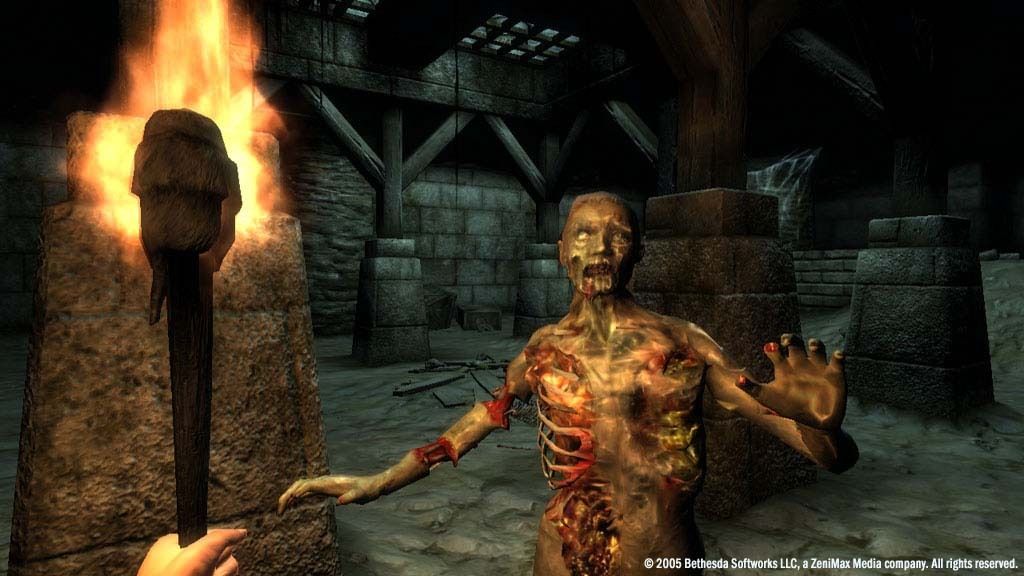
The Elder Scrolls IV: Oblivion revolutionized role-playing games, captivating players throughout an entire console generation. It’s no surprise Fallout 3 and New Vegas were often described as ‘Oblivion with guns’ – the core gameplay, from fighting to exploring and uncovering secrets, felt remarkably similar.
I’ve spent countless hours playing these games, and I had a similar experience with Skyrim – it improved on what came before, but didn’t really change the core gameplay. It wasn’t until after several expansions, and with the release of Fallout 4, that we really started hoping for something new. I wanted to love the latest games from Bethesda, but it felt like they were moving away from the RPG style that had originally made them so groundbreaking.
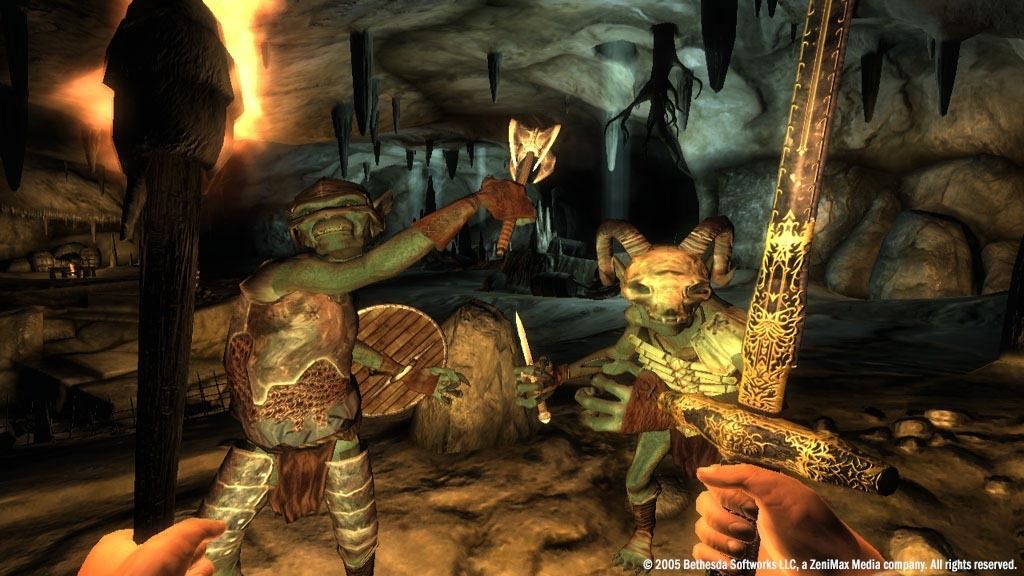
The situation became clear when Baldur’s Gate 3 intentionally postponed its release to avoid clashing with Starfield. Ironically, Baldur’s Gate 3 went on to be a massive success and a groundbreaking RPG – the most impactful one since Oblivion.
Recently, many gamers have become disillusioned with Bethesda due to unfulfilled promises and game announcements that came too early. However, this frustration shouldn’t overshadow the quality of classic games like Oblivion and the significant influence they once held.
This game is a cornerstone of the RPG genre, and the success of last year’s updated version clearly demonstrates its enduring popularity. It’s a truly unique experience that will likely never be replicated.
Read More
- 20 Movies Where the Black Villain Was Secretly the Most Popular Character
- Top 20 Dinosaur Movies, Ranked
- 25 “Woke” Films That Used Black Trauma to Humanize White Leads
- Silver Rate Forecast
- Gold Rate Forecast
- 22 Films Where the White Protagonist Is Canonically the Sidekick to a Black Lead
- Can AI Lie with a Picture? Detecting Deception in Multimodal Models
- Top 10 Coolest Things About Invincible (Mark Grayson)
- When AI Teams Cheat: Lessons from Human Collusion
- From Bids to Best Policies: Smarter Auto-Bidding with Generative AI
2026-03-24 20:05