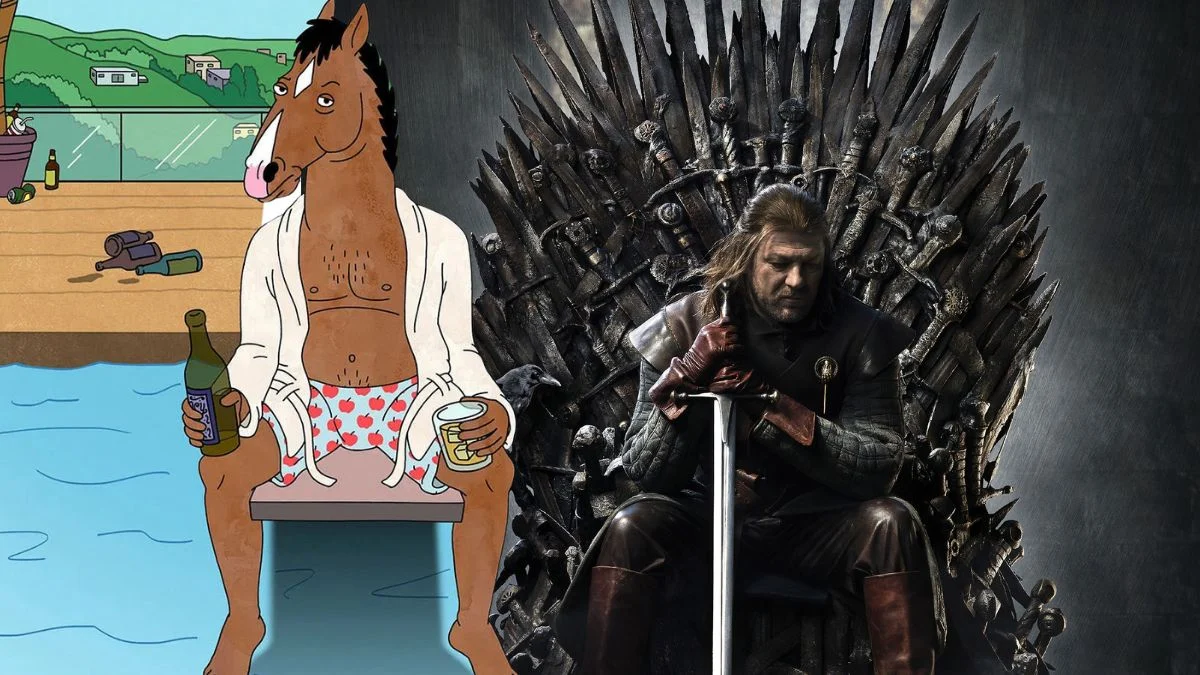
TV show creators love to hide secret messages and subtle clues for dedicated viewers to discover. These ‘Easter eggs’ can be anything from hints about future plot twists to running jokes that unfold over several seasons. Finding these hidden details makes watching more engaging, turning a simple viewing experience into a fun, in-depth search for clues. The shows below are famous for how cleverly they weave these puzzles and references into their stories.
‘Breaking Bad’ (2008–2013)
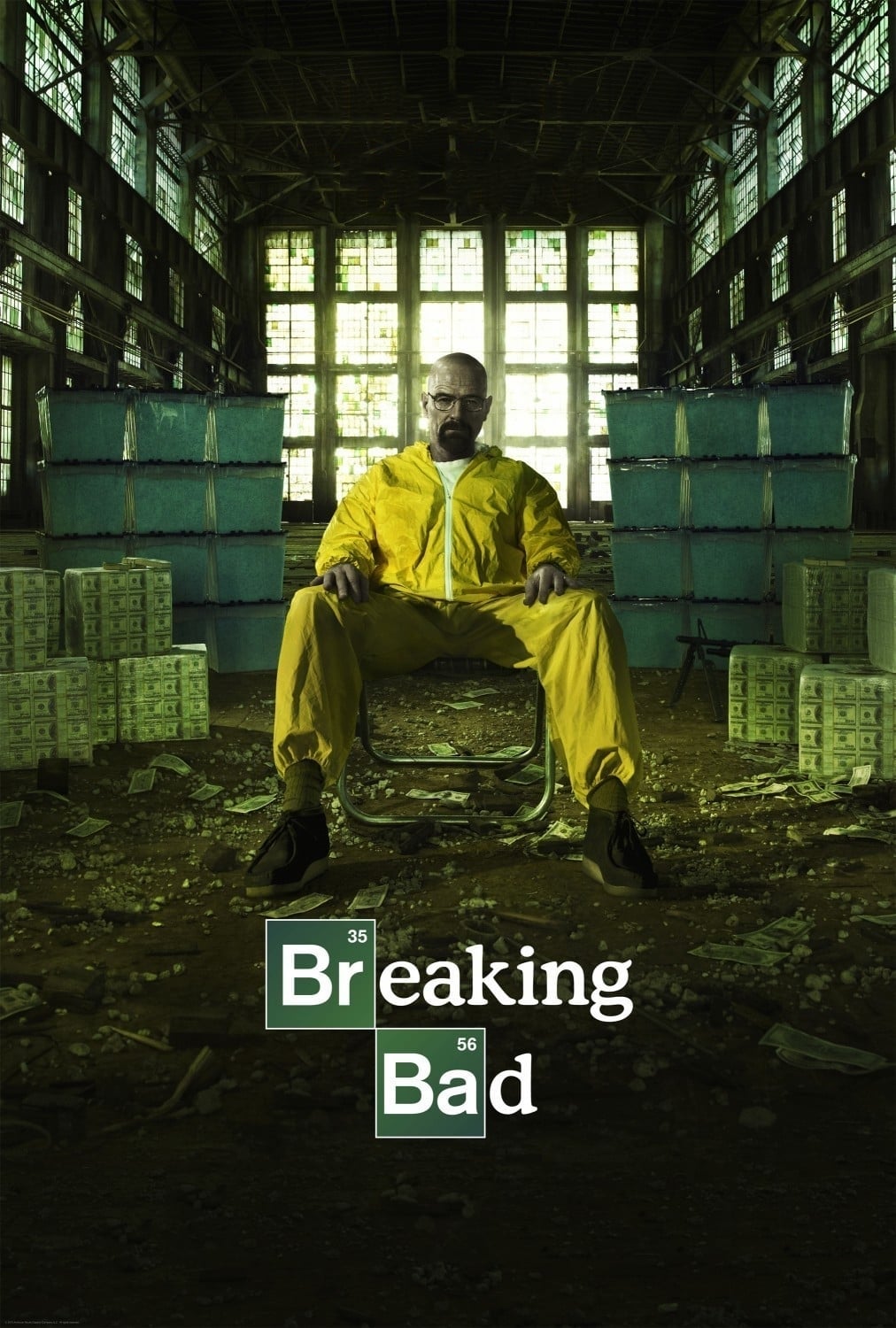
In the final season, creator Vince Gilligan cleverly referenced the very first episode of the show. During a scene in ‘Ozymandias’, Walter White rolls a barrel of money past a pair of khaki pants lying in the dirt – the same pants he lost during the frantic RV drive in the pilot. This visual echo highlights Walter’s dramatic transformation from a struggling teacher to a powerful drug lord, emphasizing the vast changes he’s undergone despite remaining in a familiar environment.
‘Community’ (2009–2015)
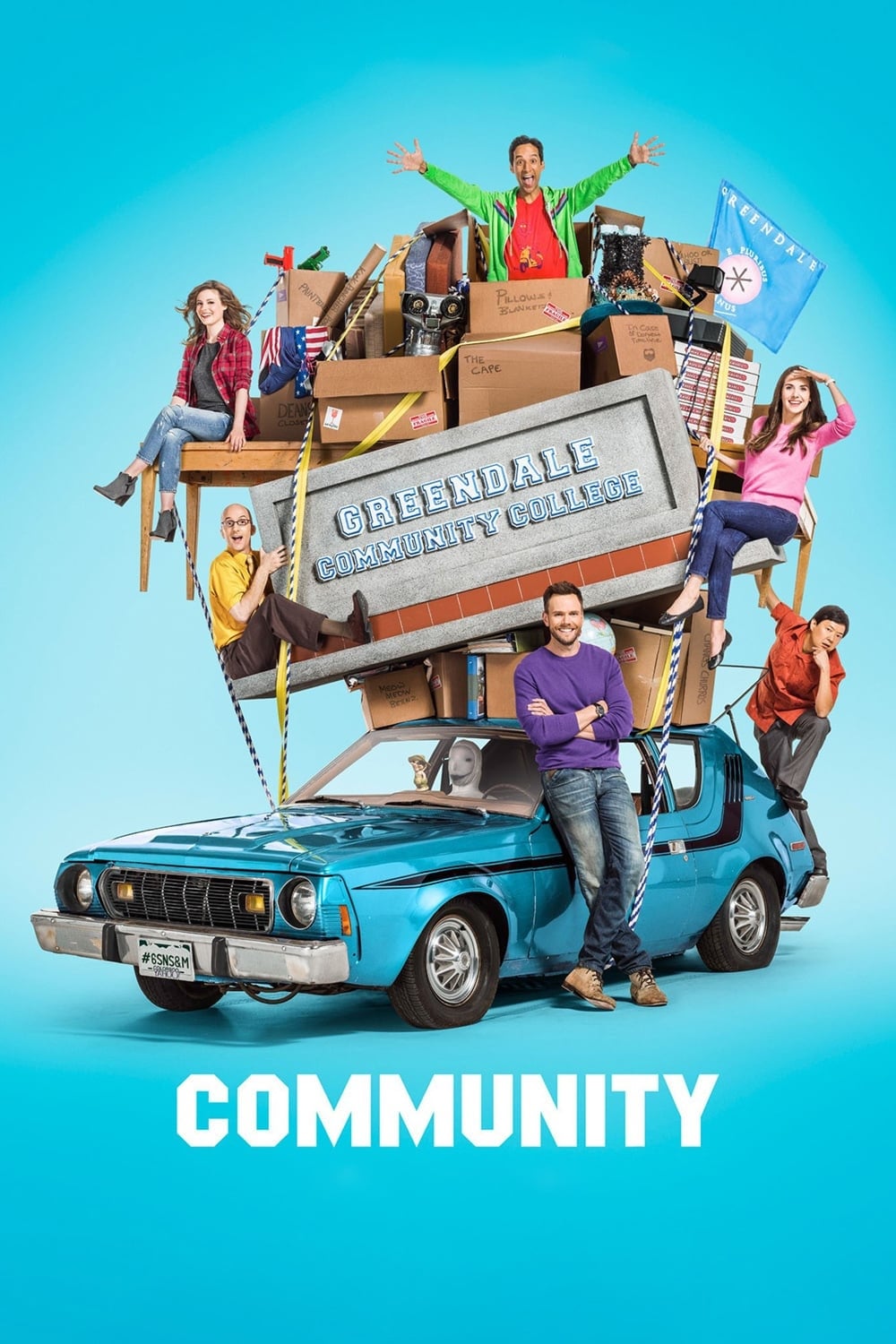
The show’s writers planned a running joke that took three seasons to come to fruition. The name “Beetlejuice” was casually mentioned once in season one and again in season two by different characters. Then, in season three, after the name was said a third time, an actor dressed as Beetlejuice unexpectedly walked by in the background. This was a clever nod to the popular superstition that saying a name three times will summon that person. It’s become one of the most famous and well-loved examples of long-term storytelling in sitcoms.
‘The Haunting of Hill House’ (2018)
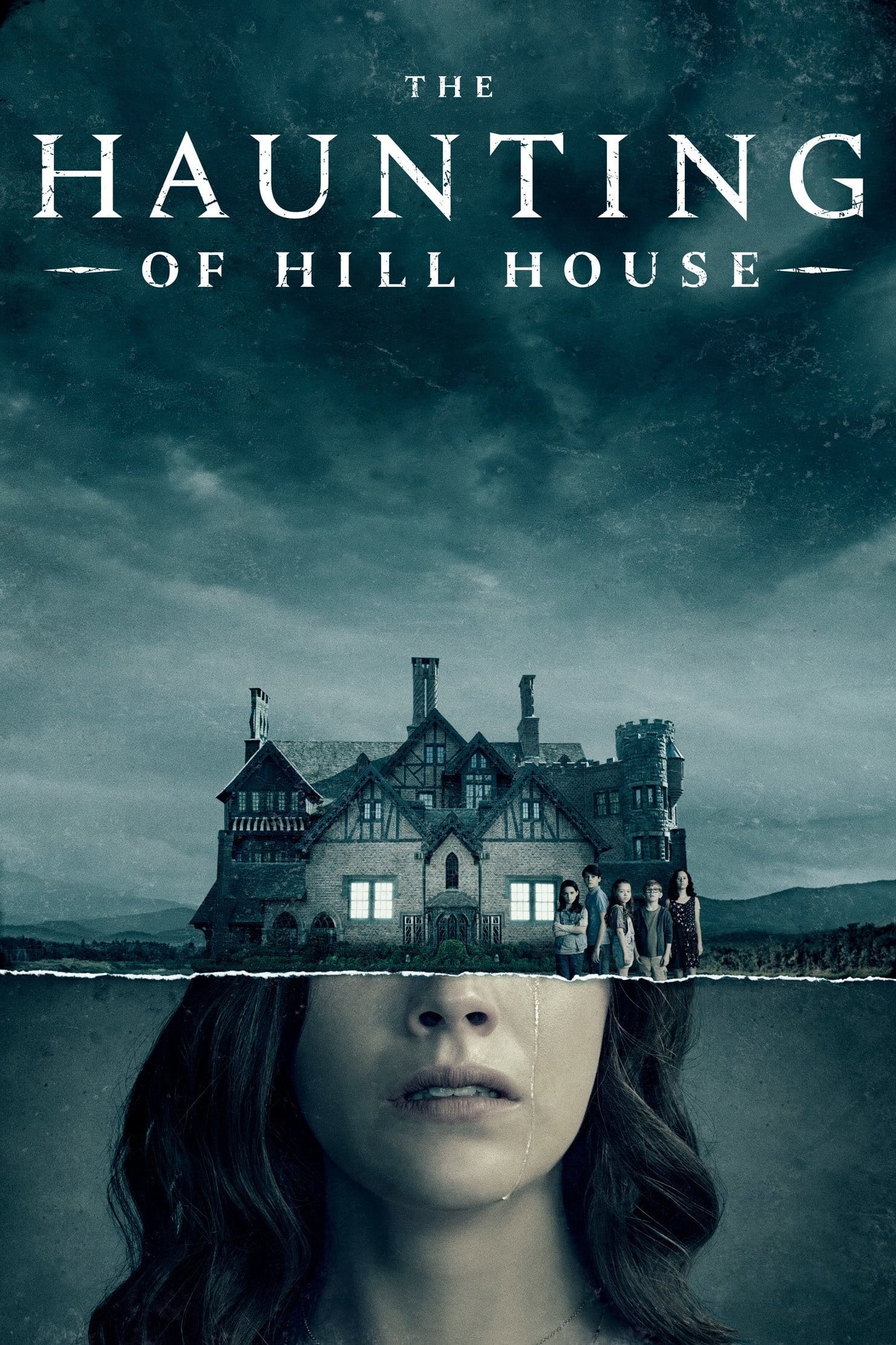
Throughout the ten episodes, director Mike Flanagan cleverly concealed many ghosts within the scenes. These figures appear silently in the background or hidden under objects, without any music to draw your attention. Because the camera doesn’t focus on them, viewers often miss them the first time around. Finding all the hidden ghosts became a popular challenge for fans of the show. Their quiet presence adds to the feeling of unease and being watched within the haunted house.
‘Arrested Development’ (2003–2019)
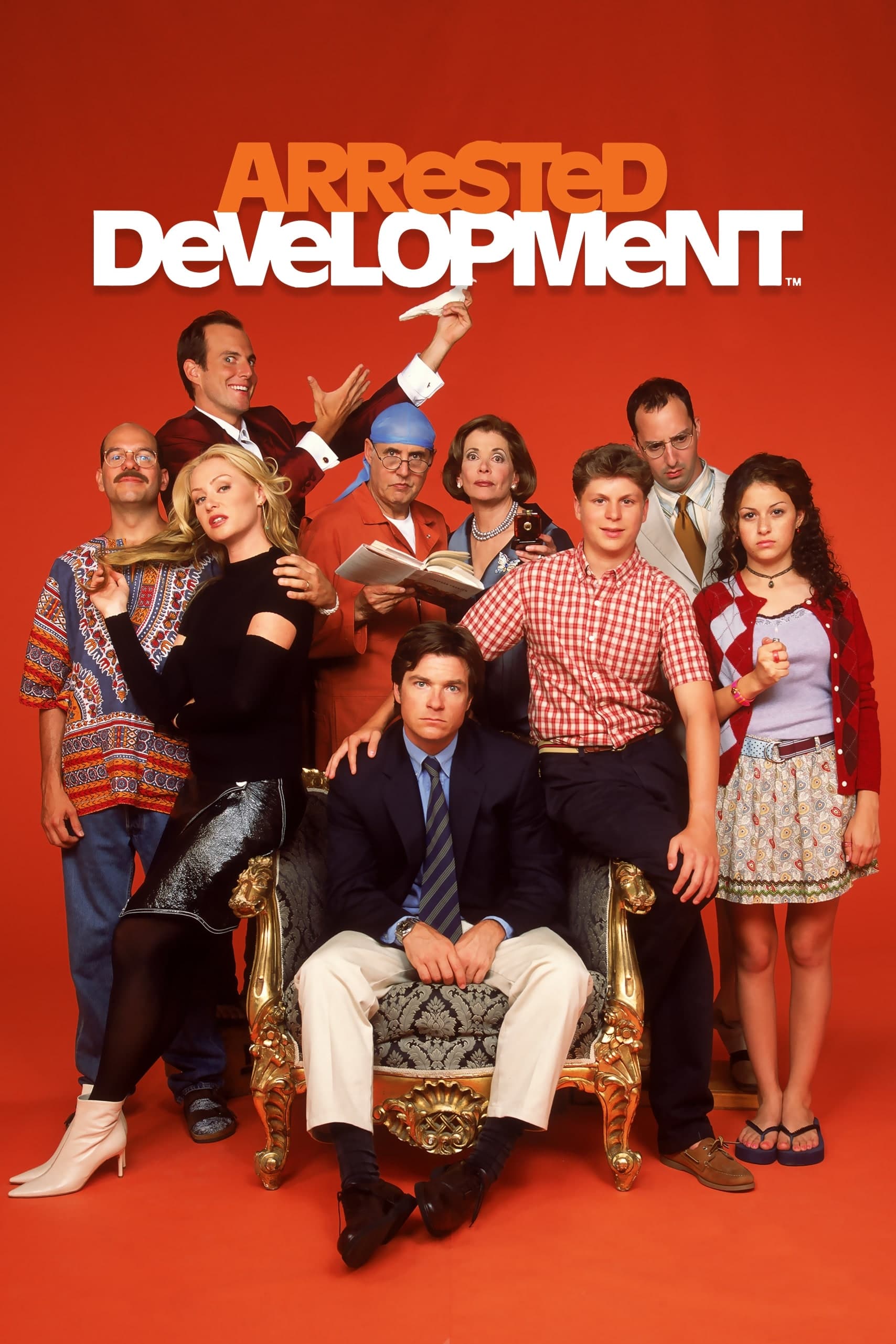
Long before Buster Bluth lost his hand on the show, the creators subtly hinted at it. They included visual clues, like Buster sitting near an ad for “Arm Off” with a seal toy, and foreshadowing through dialogue, such as his remark about missing his old hand chair. The show is full of these clever, ironic moments that predict what’s going to happen, and many fans enjoy rewatching it just to catch all the hidden jokes and clues.
‘Game of Thrones’ (2011–2019)
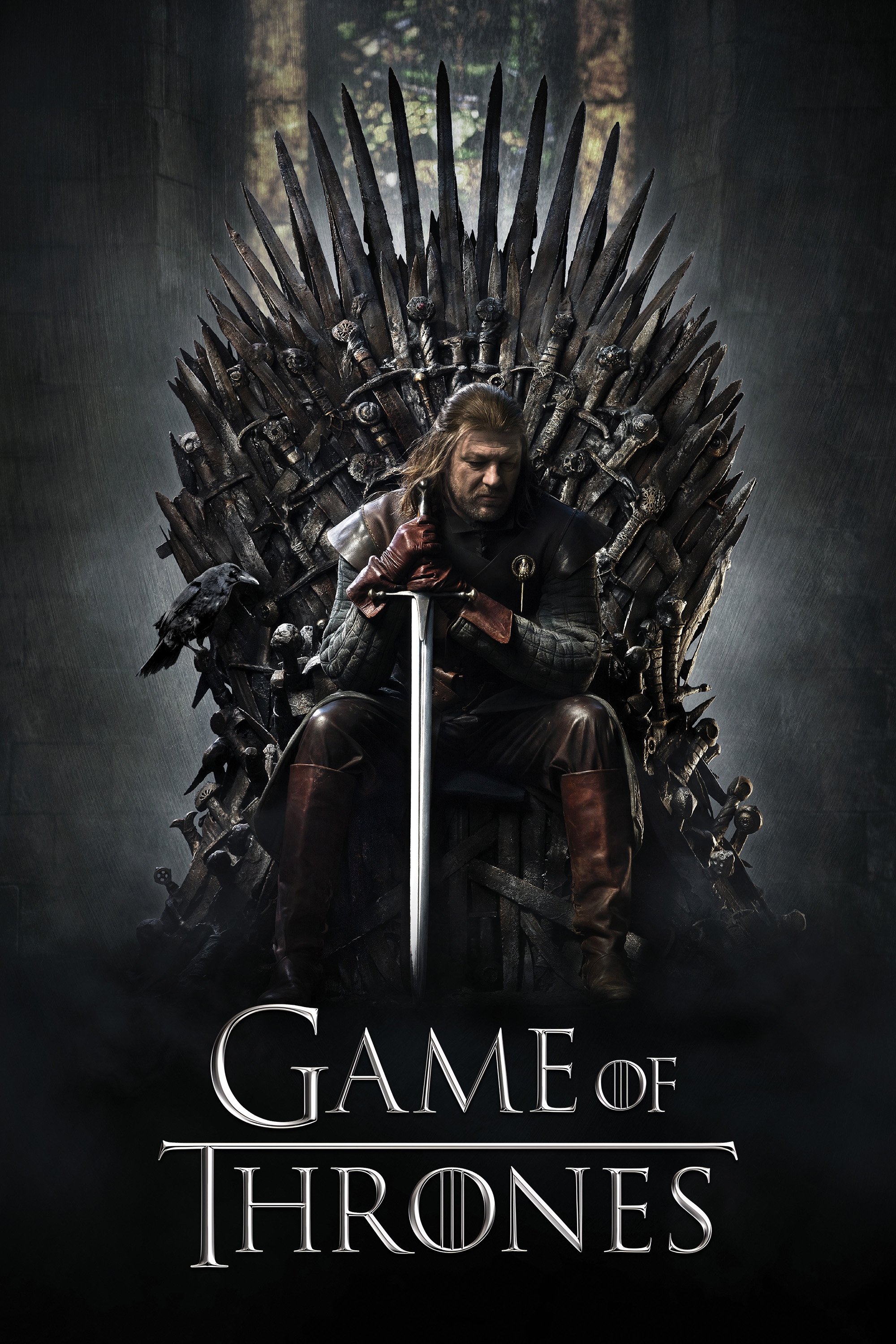
The show’s opening credits weren’t static; they constantly changed to mirror the story’s progress. The map featured in the opening would update each week, adding or removing locations based on where the episode took place. The symbols above Winterfell and King’s Landing showed which family currently ruled those castles. Essentially, the opening served as a weekly news bulletin about the power struggles in Westeros, and dedicated viewers could even anticipate plot twists by carefully watching it.
‘How I Met Your Mother’ (2005–2014)
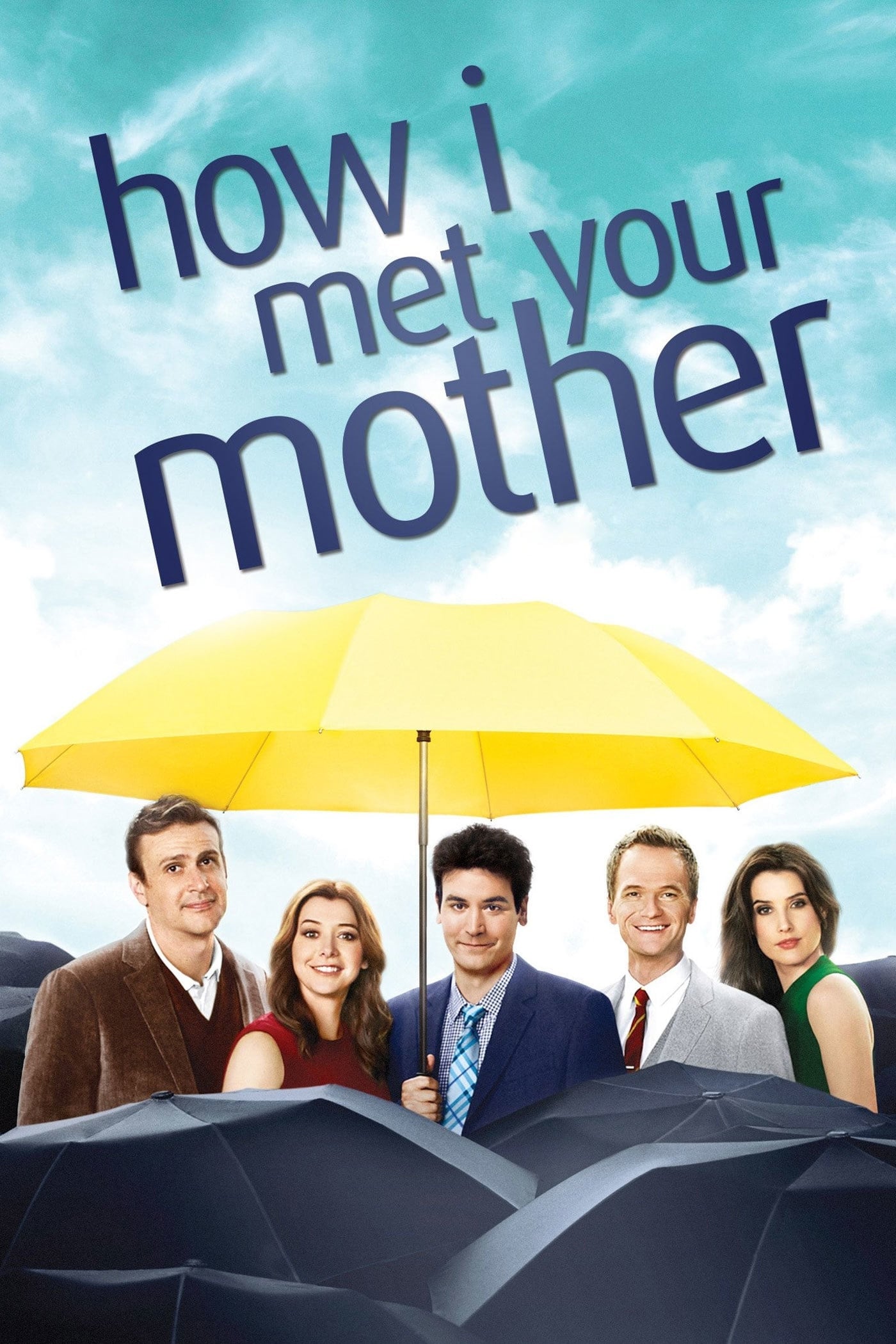
Throughout the ‘Bad News’ episode, a hidden countdown appeared, subtly foreshadowing a sad event. Numbers from fifty to one were cleverly placed on objects in the background, counting down in order. The countdown culminates on a parking meter right before Marshall learns about his father’s death. This clever visual technique gently prepares the viewers for the emotional impact of the scene, and it’s an unusual stylistic choice for a typical sitcom.
‘Friends’ (1994–2004)
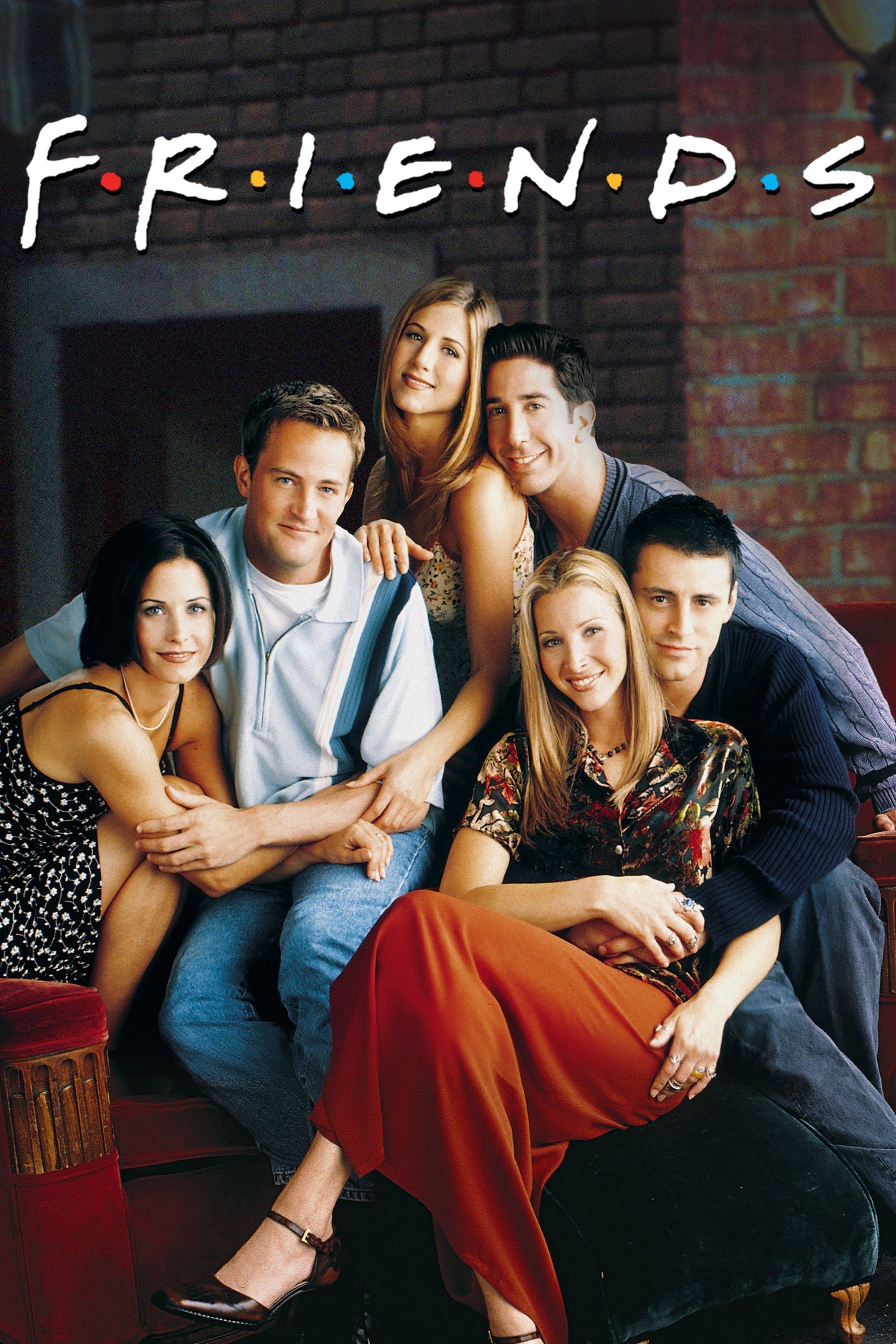
The Magna Doodle board on Joey and Chandler’s apartment door was constantly changing. Throughout the ten seasons of the show, the crew would draw new cartoons or write messages on it – often jokes about what was happening in the current episode or references only dedicated fans would understand. Sometimes it had simple reminders or just random doodles that would appear and disappear between scenes. Fans have actually kept track of every single drawing on the board! It was a clever way to make the apartment feel more realistic and lived-in.
‘Psych’ (2006–2014)
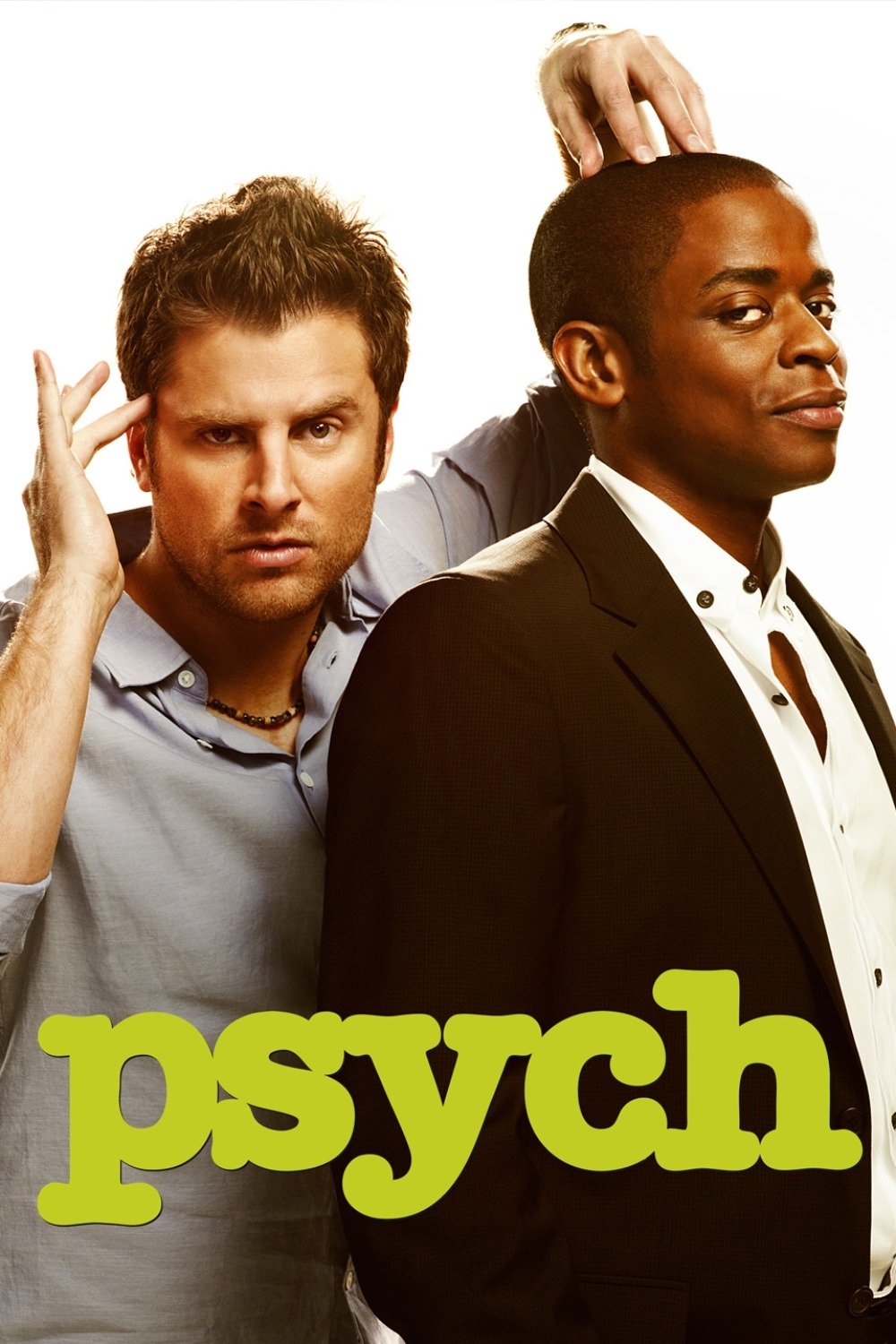
Throughout the series, the creators playfully hid a pineapple in almost every episode – sometimes as an actual prop, other times as a pattern on clothes, or subtly in the background. Fans quickly turned finding the pineapple into a fun weekly game during the show’s original run. The joke started unexpectedly during filming of the first episode when actor James Roday Rodriguez spontaneously picked up a pineapple from a refrigerator. It quickly became a beloved inside joke for viewers and a symbol of the show’s community.
‘Fringe’ (2008–2013)
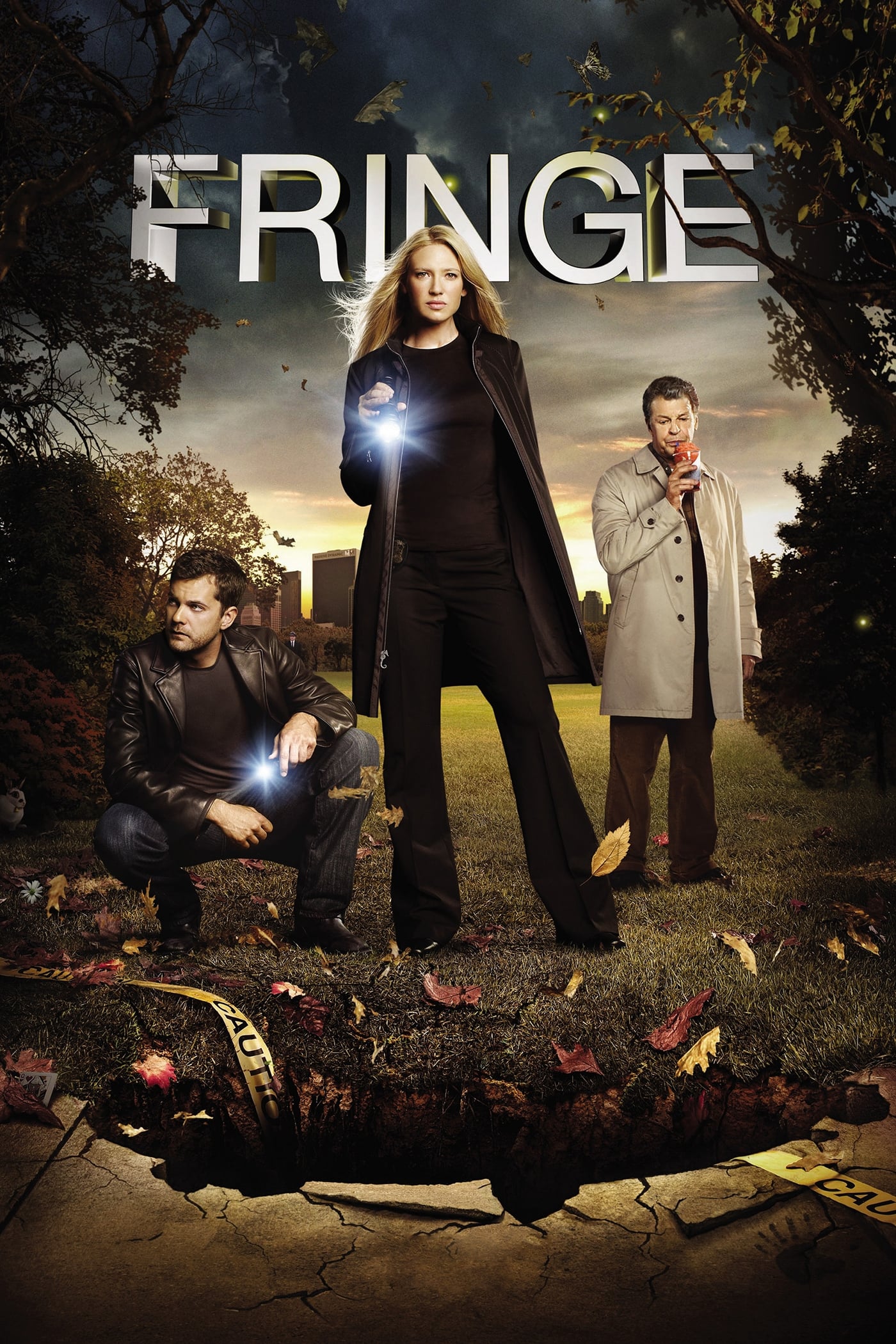
Before each commercial break, a title card appeared with a picture of a hand, frog, or leaf. These images had glowing dots that created a secret code – a word related to that week’s episode. Fans quickly figured out the code and eagerly decoded the hidden word each time. These codes gave hints about the episode’s mystery or what the characters were going through, encouraging viewers to pay close attention and deepening the show’s overall story.
‘Doctor Who’ (2005–Present)
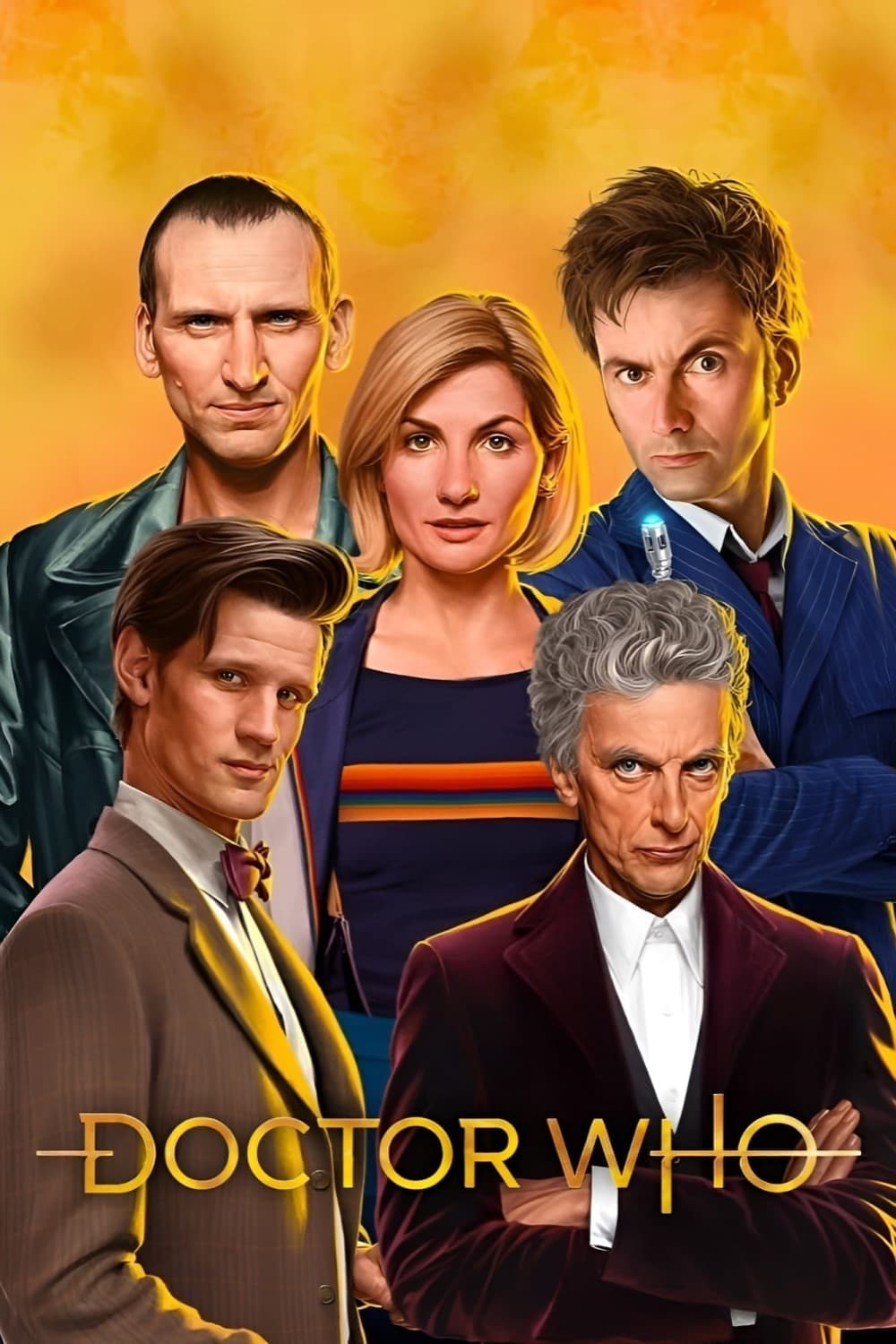
Throughout the first season of the show’s revival, the phrase “Bad Wolf” kept appearing in unexpected places – as graffiti, in brand names, and even spoken in different time periods. This repeating clue hinted at the season’s big reveal: that Rose Tyler would absorb the energy of the time vortex. The show’s creator used this storyline to prove that the entire season was one connected story, not just a series of separate adventures. The phrase has continued to show up in later seasons, reminding viewers of this original mystery.
‘Lost’ (2004–2010)
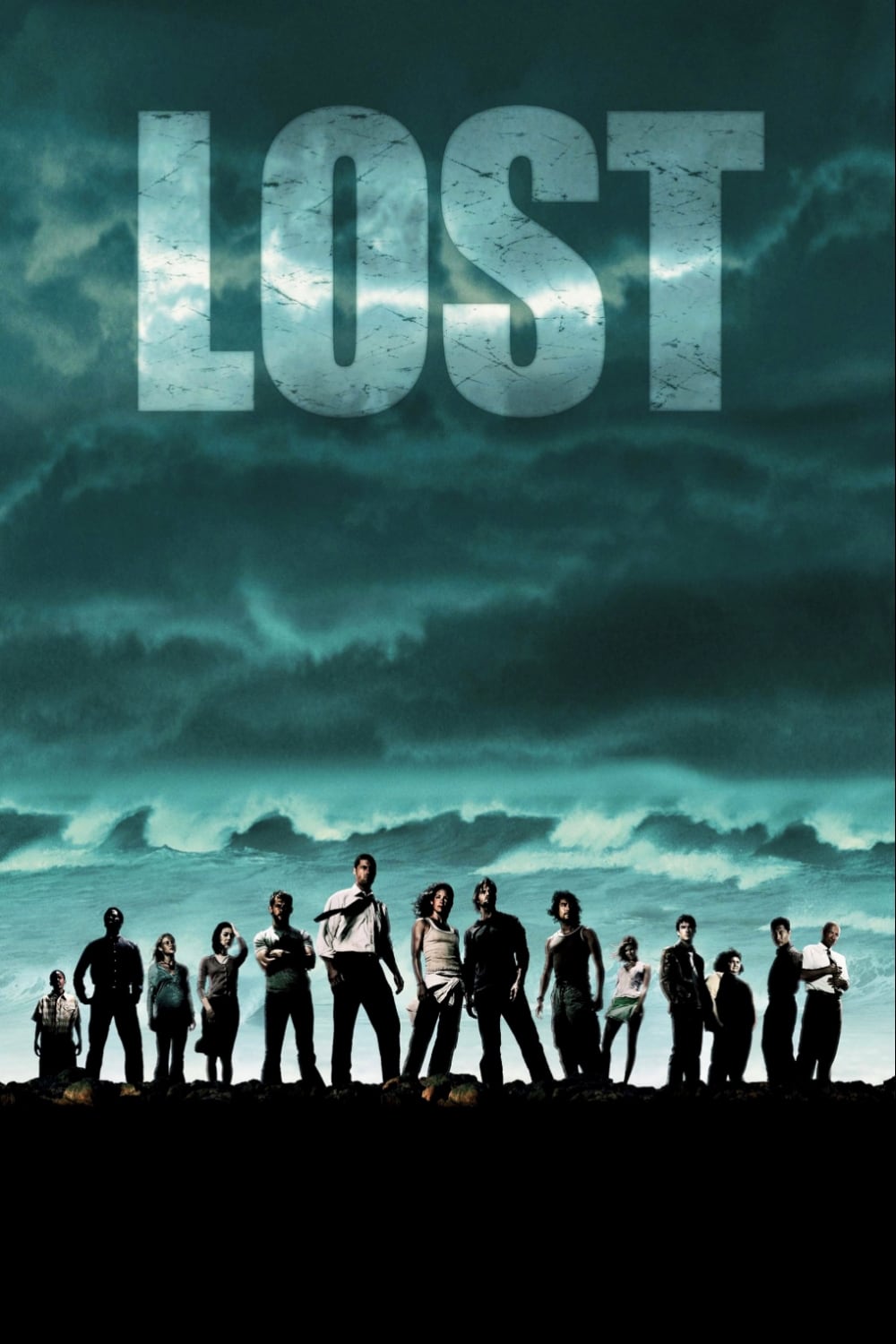
Throughout the six seasons of the show, the numbers 4, 8, 15, 16, 23, and 42 showed up in unexpected places – on airplanes, medicine bottles, and even sports jerseys. These numbers added up to 108, which is also the length of the countdown timer in the hatch. The creators intentionally included these digits as a subtle way to emphasize the idea that everything was connected and predetermined. This repeated appearance led fans to believe that nothing on the island happened by chance.
‘The Good Place’ (2016–2020)
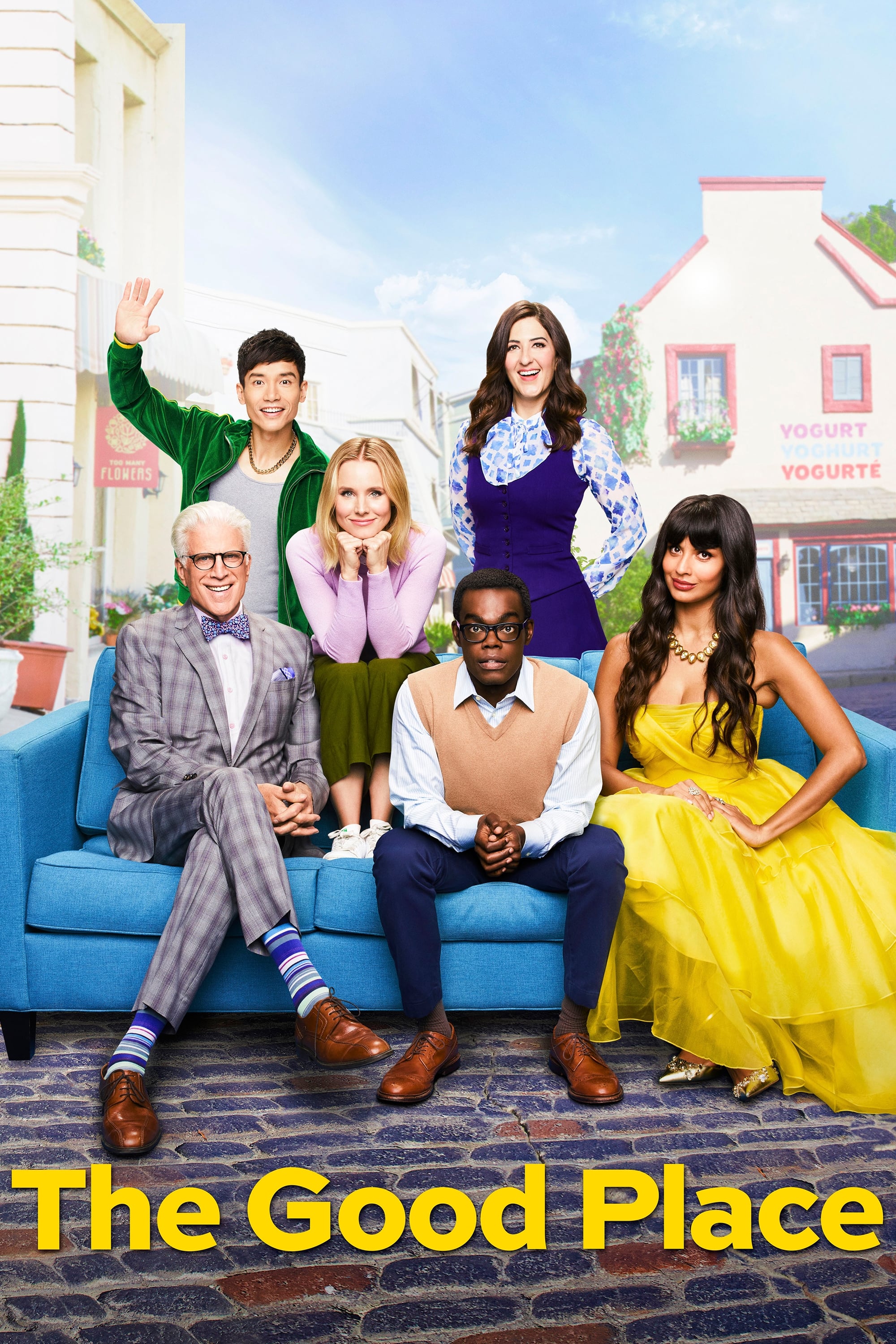
The restaurants in the neighborhood had playful names on their menus, often using puns that changed with each new storyline. You might see places called “Sushi and the Banshees” or “Knish from a Rose” in the background. The show’s creators also subtly hinted at the unsettling truth behind the seemingly perfect world right from the very beginning. Clowns were deliberately added to the scenery because one of the characters, Eleanor, intensely disliked them. These small details suggested that the idyllic setting was actually a form of torment.
‘Better Call Saul’ (2015–2022)
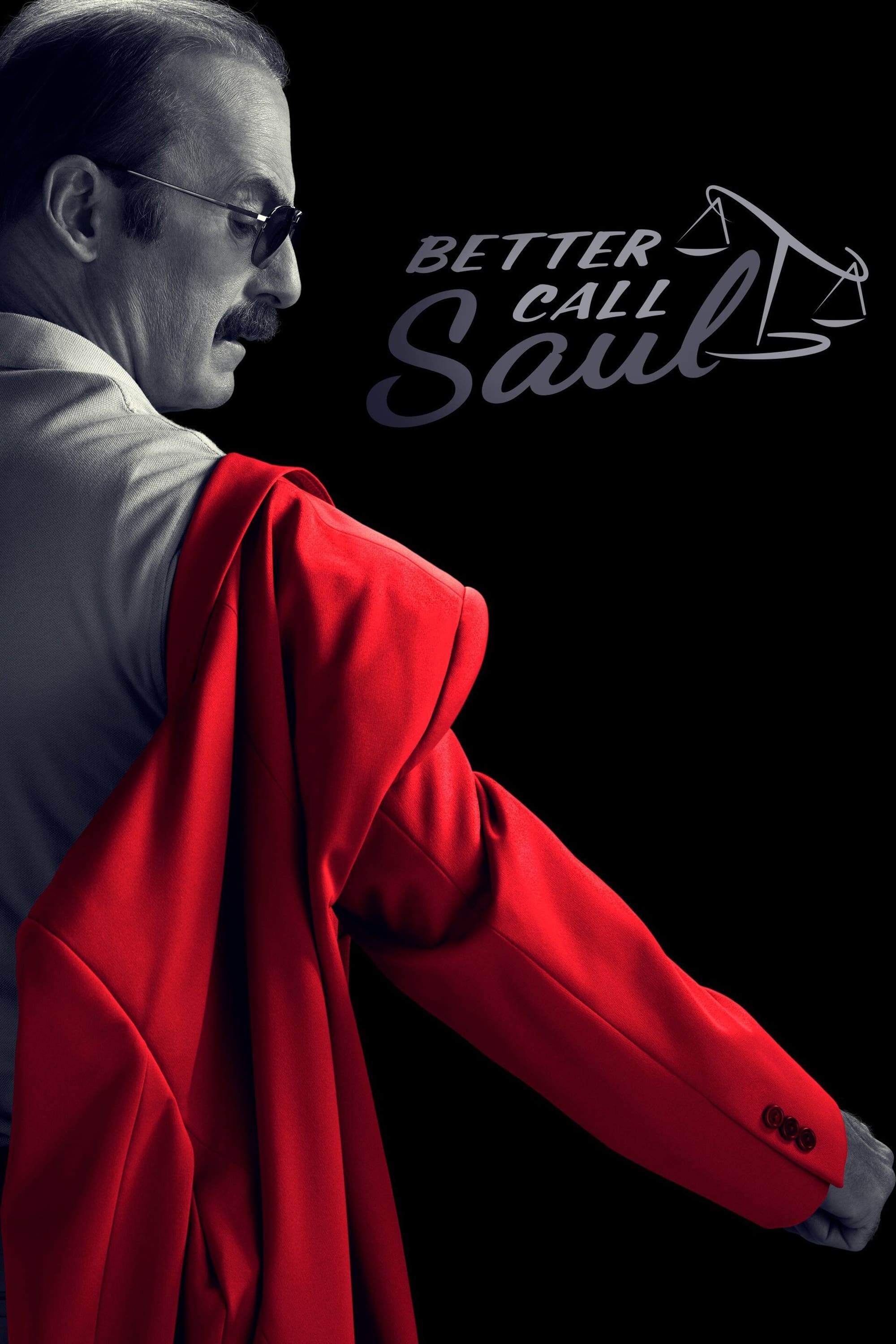
Over the course of the show, the opening credits gradually became more damaged and faded, resembling an old, worn-out VHS tape. As the story moved closer to the events of Breaking Bad, the footage became increasingly distorted and lost its color. This visual decay mirrored the main character’s descent into immorality and his abandonment of his former self. The sound design also became more fractured and filled with static, reinforcing the sense of corruption. It was a clever way to show Jimmy McGill’s transformation into Saul Goodman.
‘Futurama’ (1999–2023)
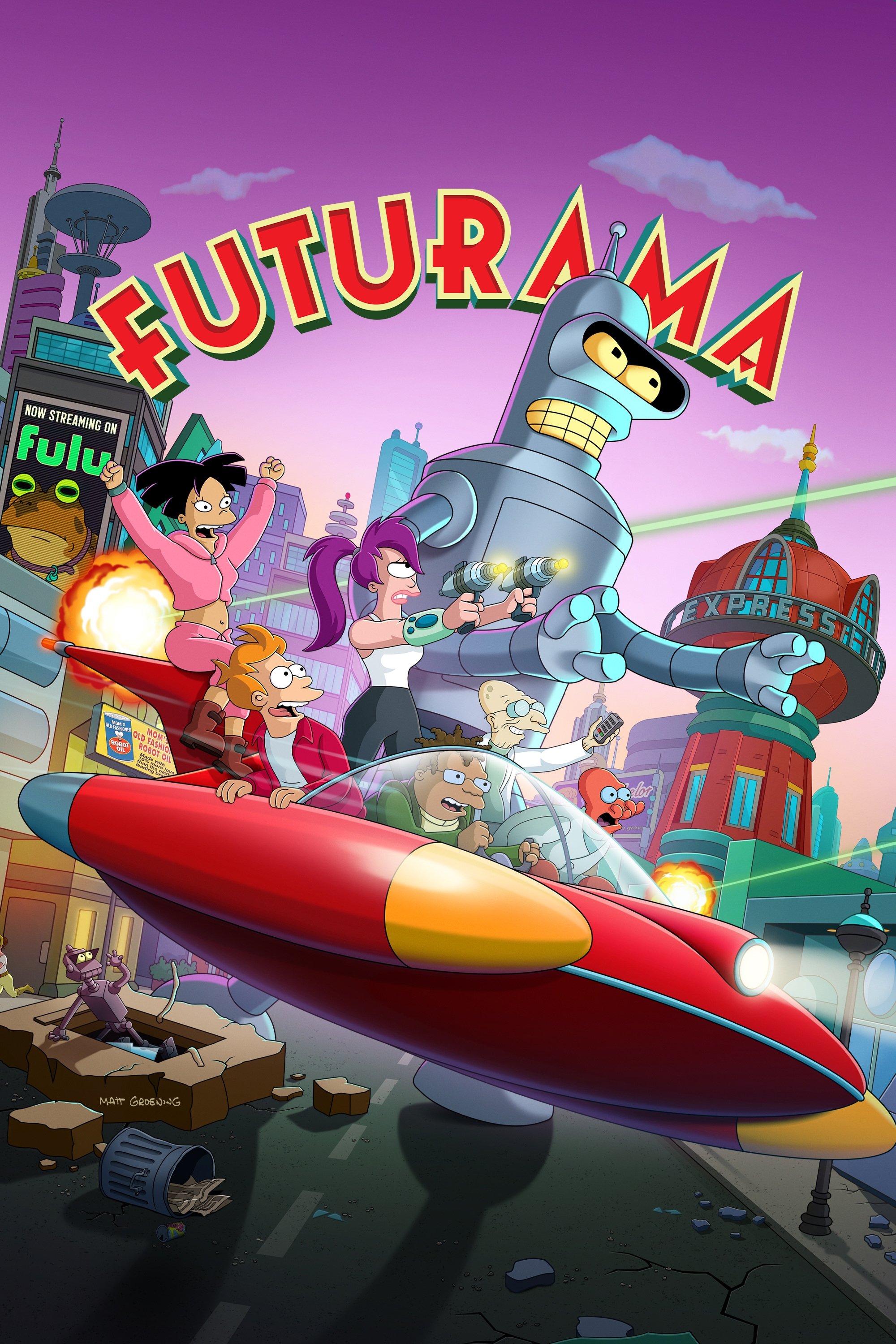
As a huge film buff, I always appreciate attention to detail, and this movie took it to another level! The creators actually built a whole alien alphabet, and you can see it on signs throughout the film. It’s amazing because fans cracked the code so quickly that the writers had to up the complexity and create a second code! What’s even cooler is that a lot of the signs weren’t just random gibberish – they contained jokes and little bits of world-building that you didn’t even hear in the dialogue. I remember seeing translations like ‘Human Kebab’ and these darkly funny ads for future tech. It really showed off how clever the writing team was – they clearly had a strong background in math and languages.
‘BoJack Horseman’ (2014–2020)
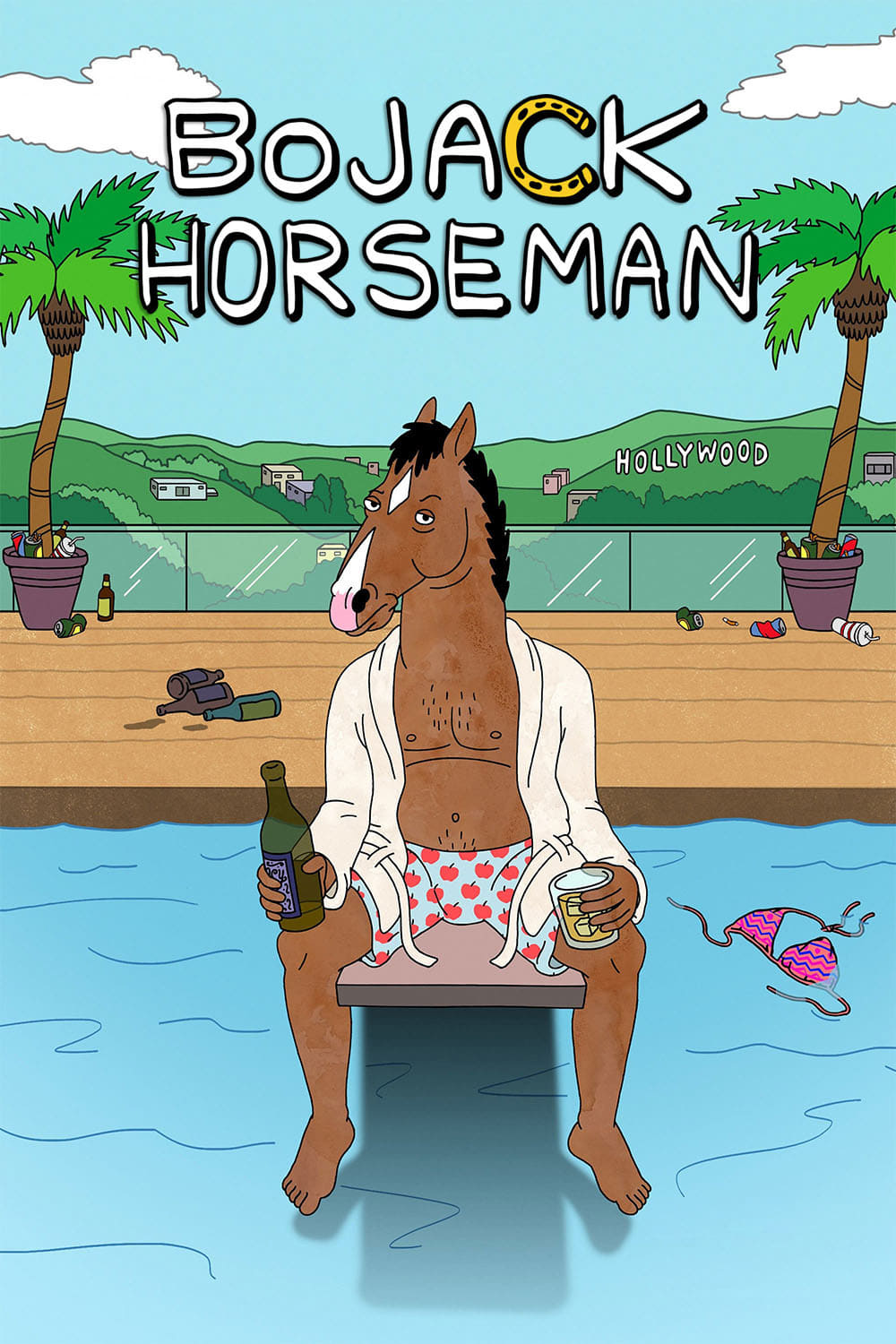
Throughout the show, animal characters act like their species would in real life – you might see lemurs sleeping together or a moth circling a light. The animators also paid close attention to details, maintaining continuity with things like damaged objects or character clothing. For example, if something was broken or burned in one episode, it stayed that way for the rest of the series. These consistent details helped make the show’s fantastical world feel believable.
‘Parks and Recreation’ (2009–2015)
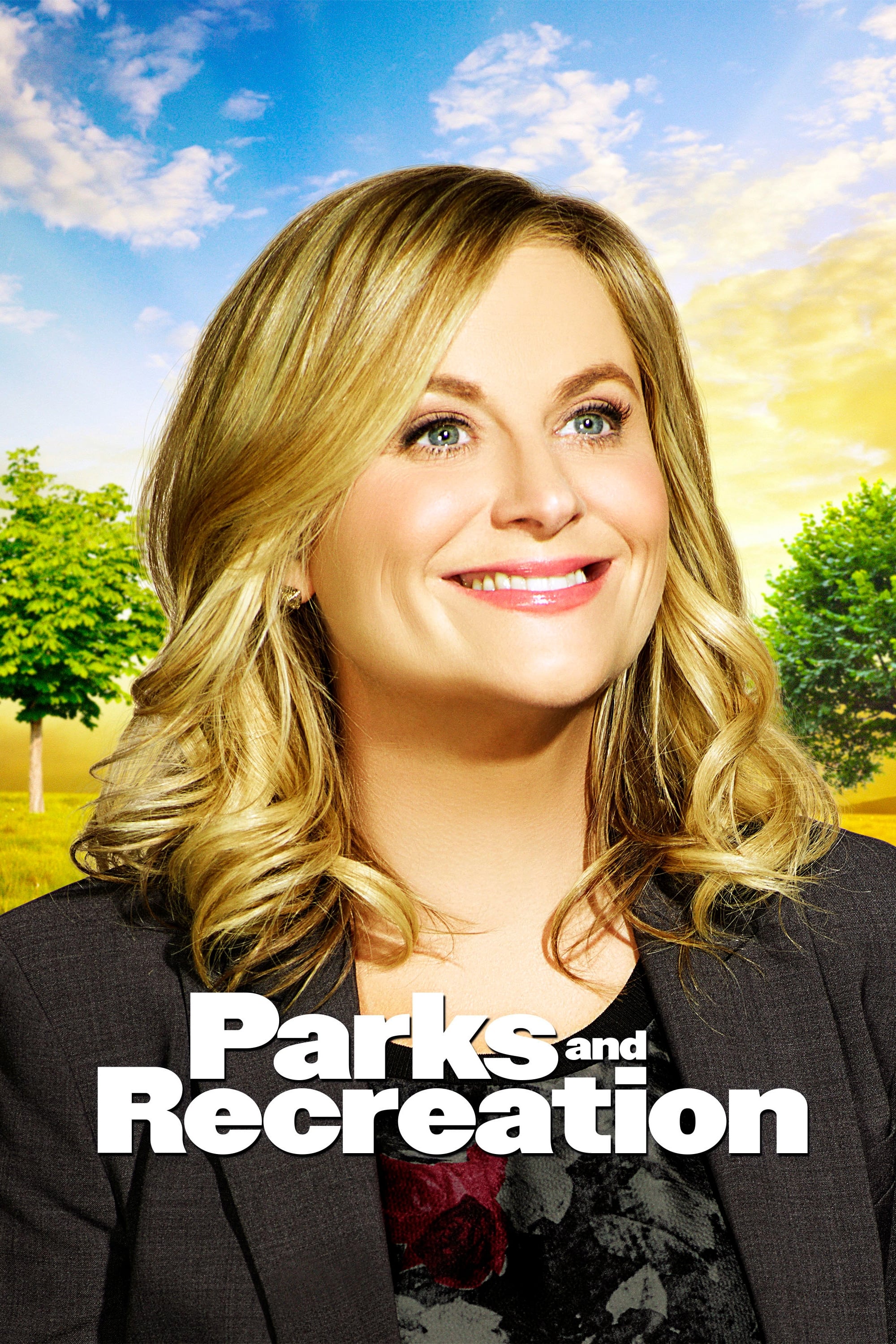
The murals inside Pioneer Hall changed over time to reflect Pawnee’s increasingly wild and often violent past. The art style shifted to match different eras, but always with a humorous twist that highlighted the town’s silliness. Characters often jokingly brought up the events shown in the paintings during meetings. As the show went on, the artists added new murals featuring the current cast, which deepened the town’s fictional history and added to its satire of local government.
‘The Simpsons’ (1989–Present)
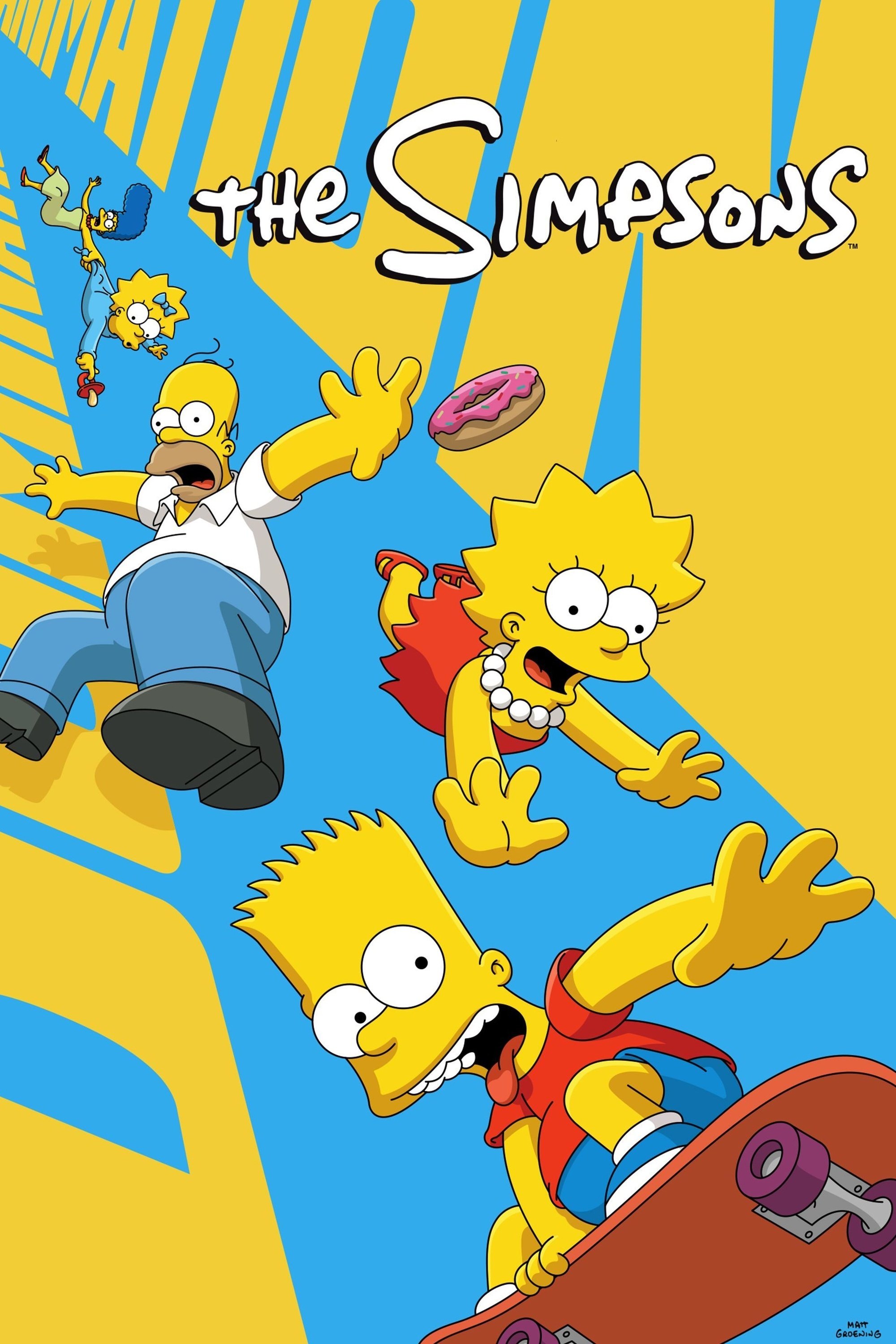
Though spread across many episodes of a TV show, seemingly random clips featuring the character McBain actually create a complete, surprisingly coherent movie. This hidden film tells the story of a police officer seeking revenge for his partner’s death. It’s a clever, long-running joke by the writers, only fully revealed when all the clips are put together. The resulting ‘McBain’ movie is a spot-on parody of the action films popular in the 1980s.
‘Mad Men’ (2007–2015)
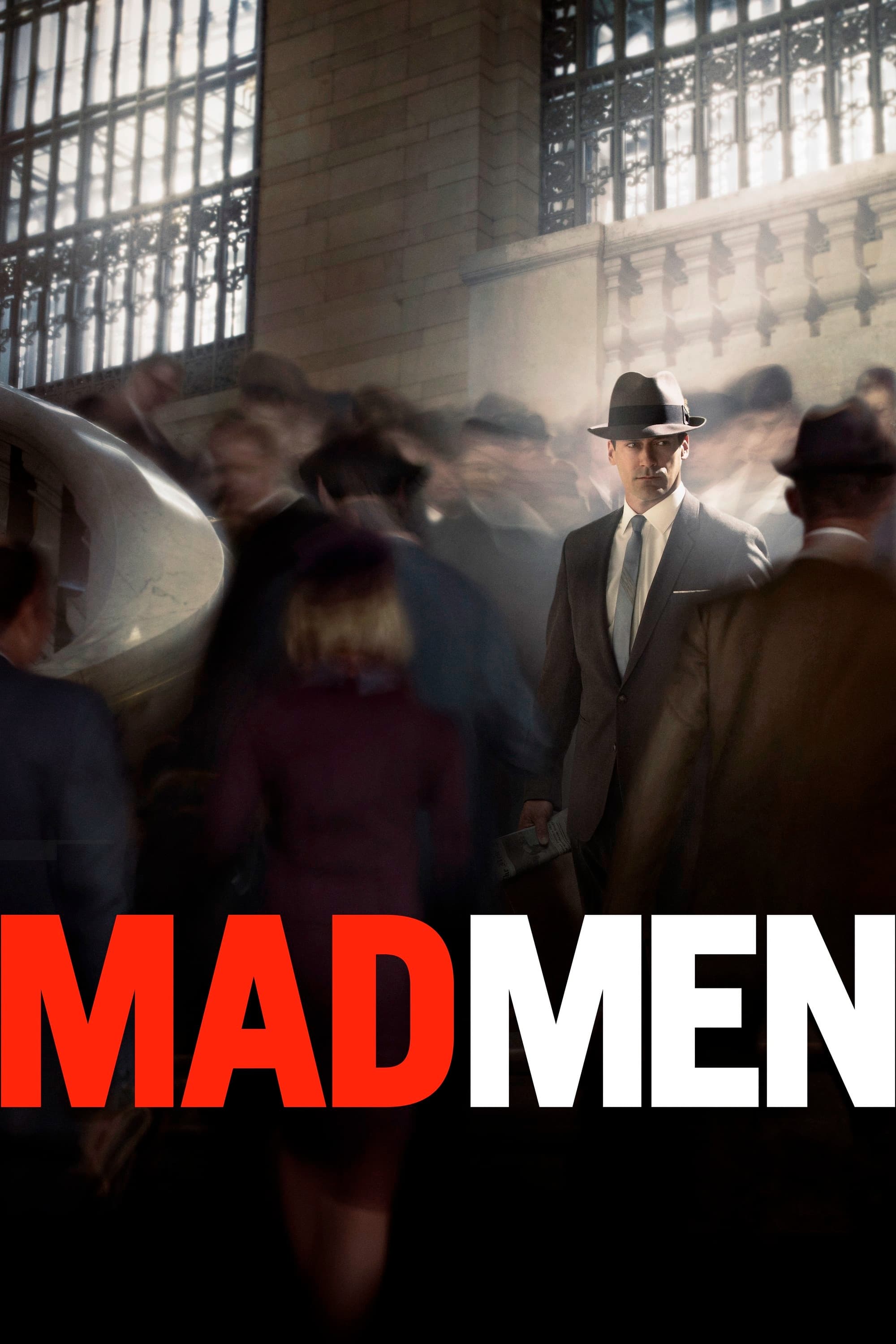
Costume designer Janie Bryant cleverly used clothing to show what characters were feeling inside. As Peggy Olson became more powerful at the agency, her clothes started to look more and more like Don Draper’s. The color blue frequently hinted at cheating or an upcoming romantic moment. These clothing choices added another layer of meaning to the story, working alongside the dialogue. Bryant even made sure the characters’ underwear and accessories were historically accurate, even though they weren’t visible to the audience.
‘The Wire’ (2002–2008)
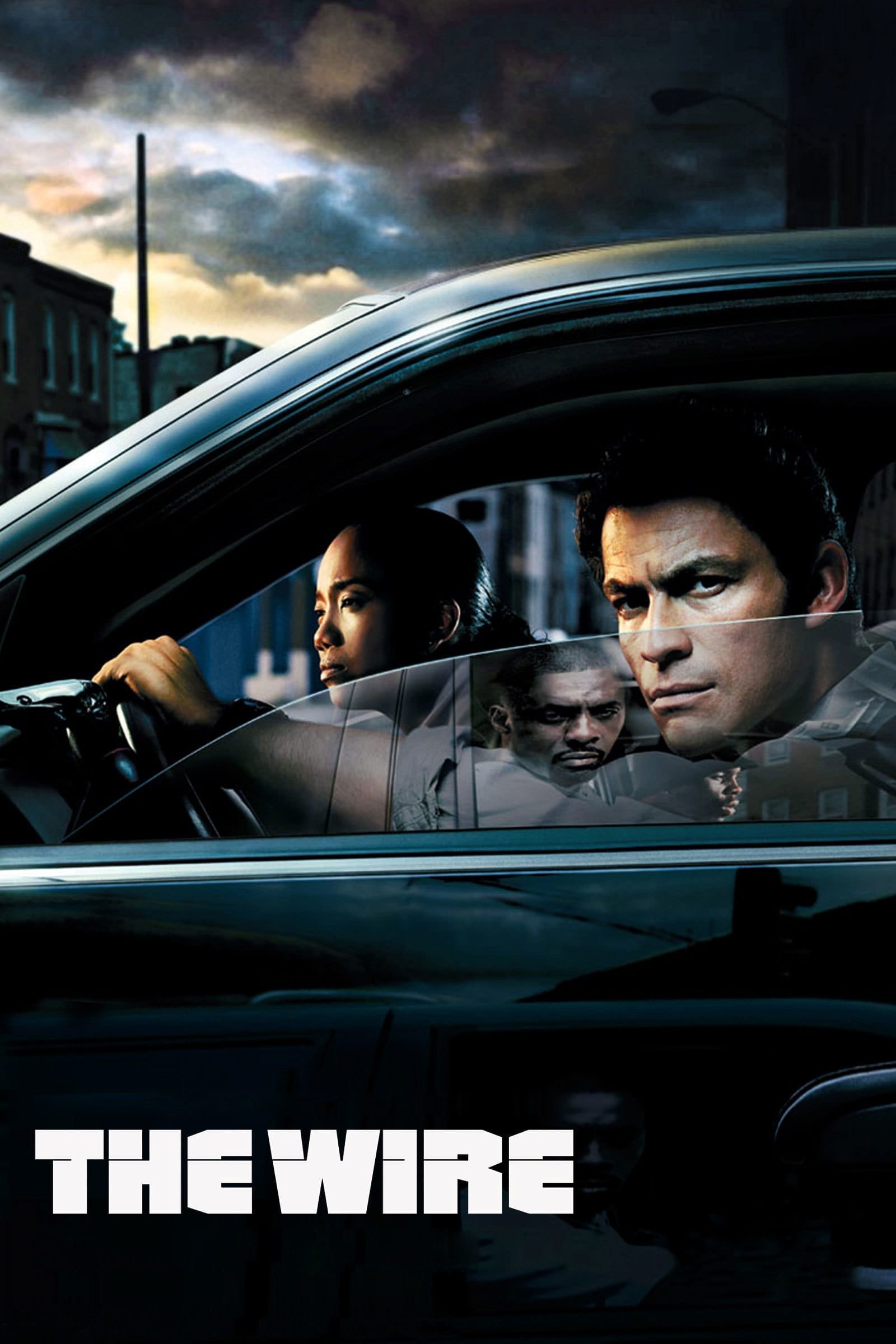
The show’s opening theme song, “Way Down in the Hole,” featured a different artist each season. Each version of the song was styled to match the season’s central theme, like schools or the waterfront. The visuals at the beginning of each episode also changed to reflect the new setting. Watching the intro was important because it set the tone for the season, and these changes emphasized the show’s evolving commentary on society and politics.
‘Stranger Things’ (2016–Present)
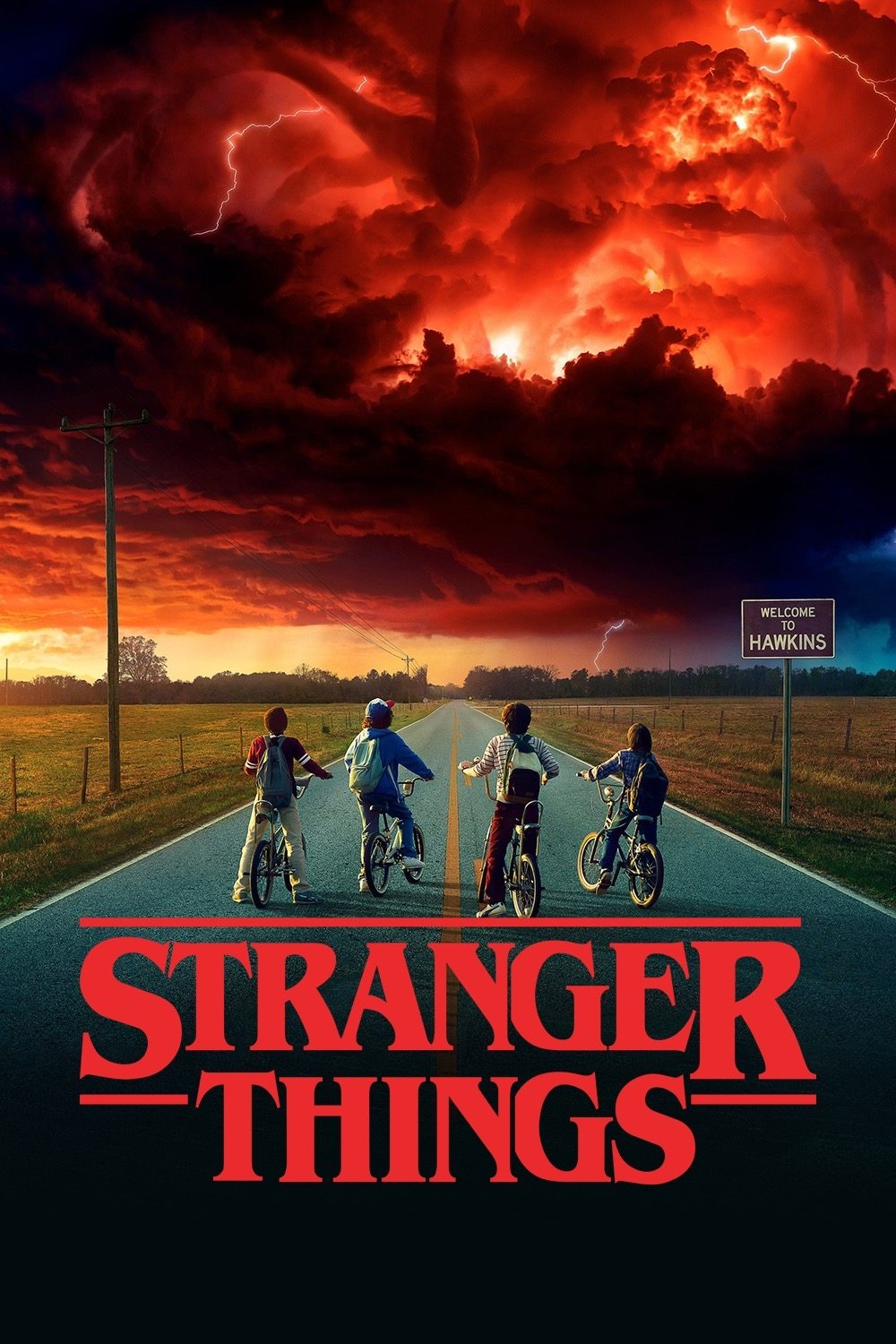
The creators of the show pay very close attention to detail, making sure things like movie posters and products accurately reflect the time period. References to films like The Thing or Ghostbusters aren’t just for show – they often foreshadow the monsters or dangers the kids will encounter. Even everyday items, like those in the grocery store or basement, change to match what was popular in the 1980s. Hidden clues, like details in a Dungeons & Dragons game, can even hint at the season’s villain. All these carefully crafted details help create a convincingly nostalgic and suspenseful world.
‘Westworld’ (2016–2022)
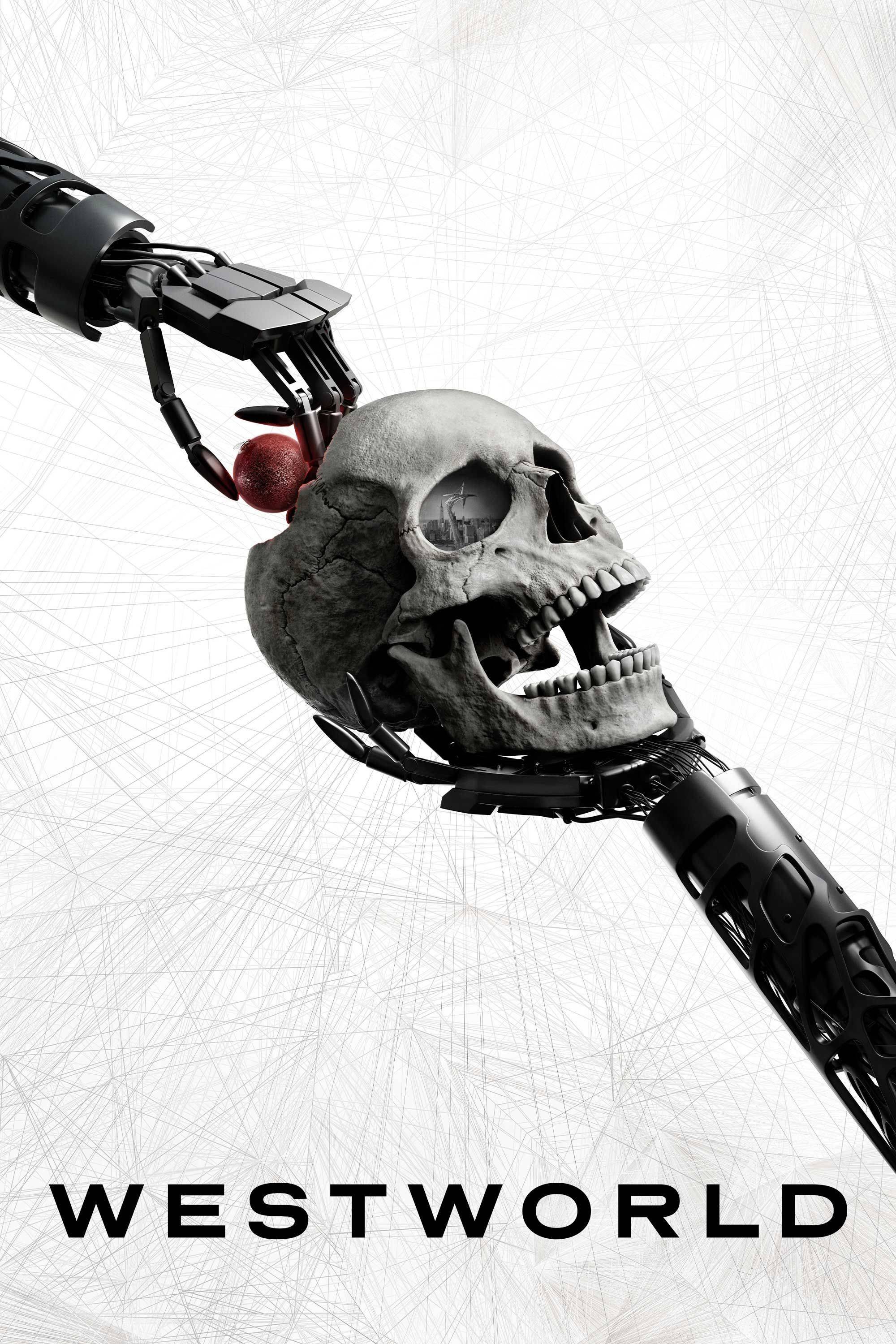
The saloon’s piano played contemporary songs rearranged in a ragtime style, suggesting the setting wasn’t real – it was a simulation. Background characters performed the same repeated movements, which keen viewers could notice to piece together the story’s timeline. Additionally, slight changes in the lab’s logo helped differentiate between past memories and what was happening in the present. By spotting these details, fans were able to figure out the timeline’s big reveal before it was officially explained.
‘Sherlock’ (2010–2017)
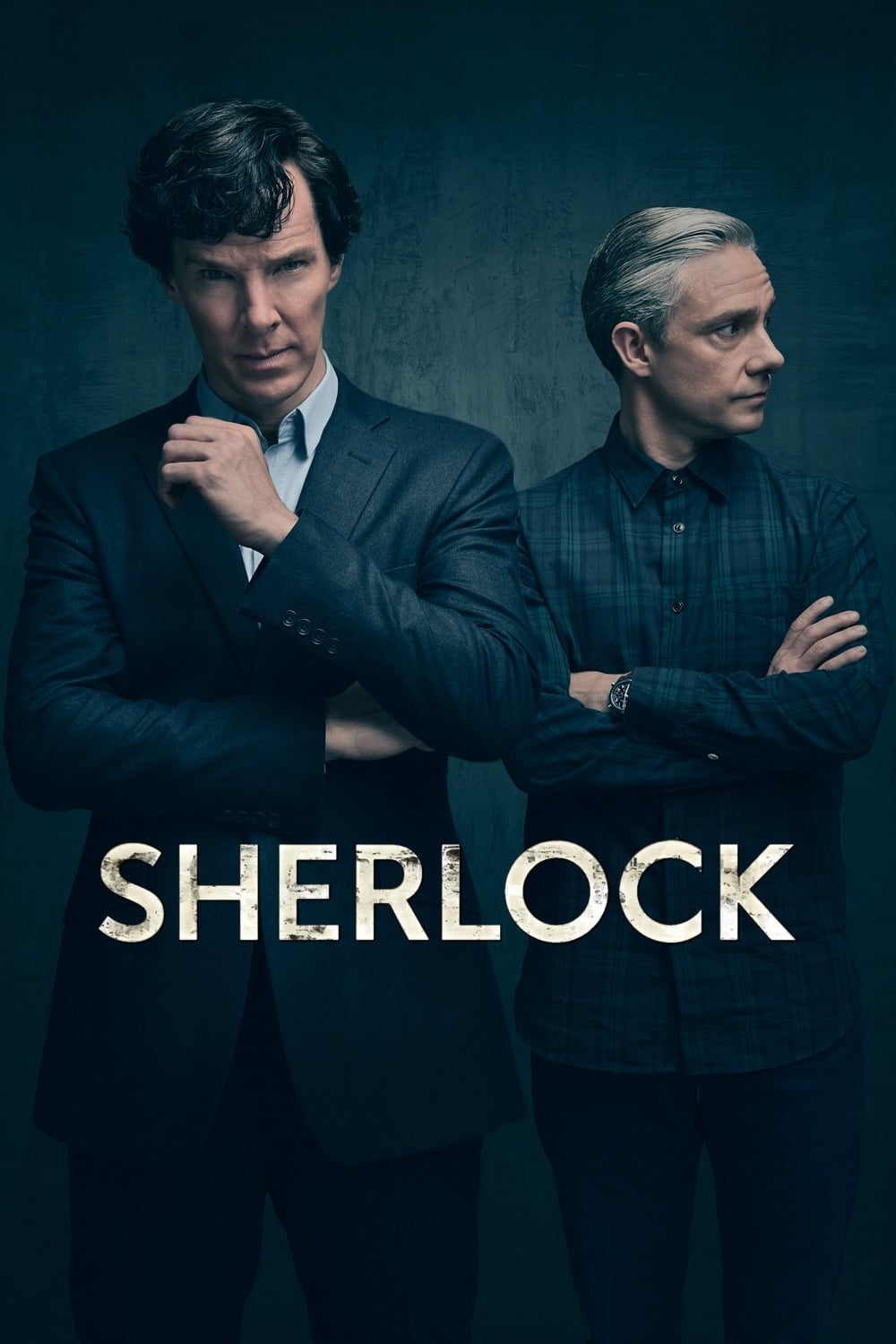
Set designers frequently included subtle hints within each scene, letting viewers try to solve the mystery along with the detective. Important clues – like words or numbers – were cleverly hidden in things like window reflections or the arrangement of books. The camera would also draw attention to specific objects that would later prove important. This technique visually represented how the detective thought and pieced things together, making watching the show feel like an engaging game of observation.
‘Adventure Time’ (2010–2018)
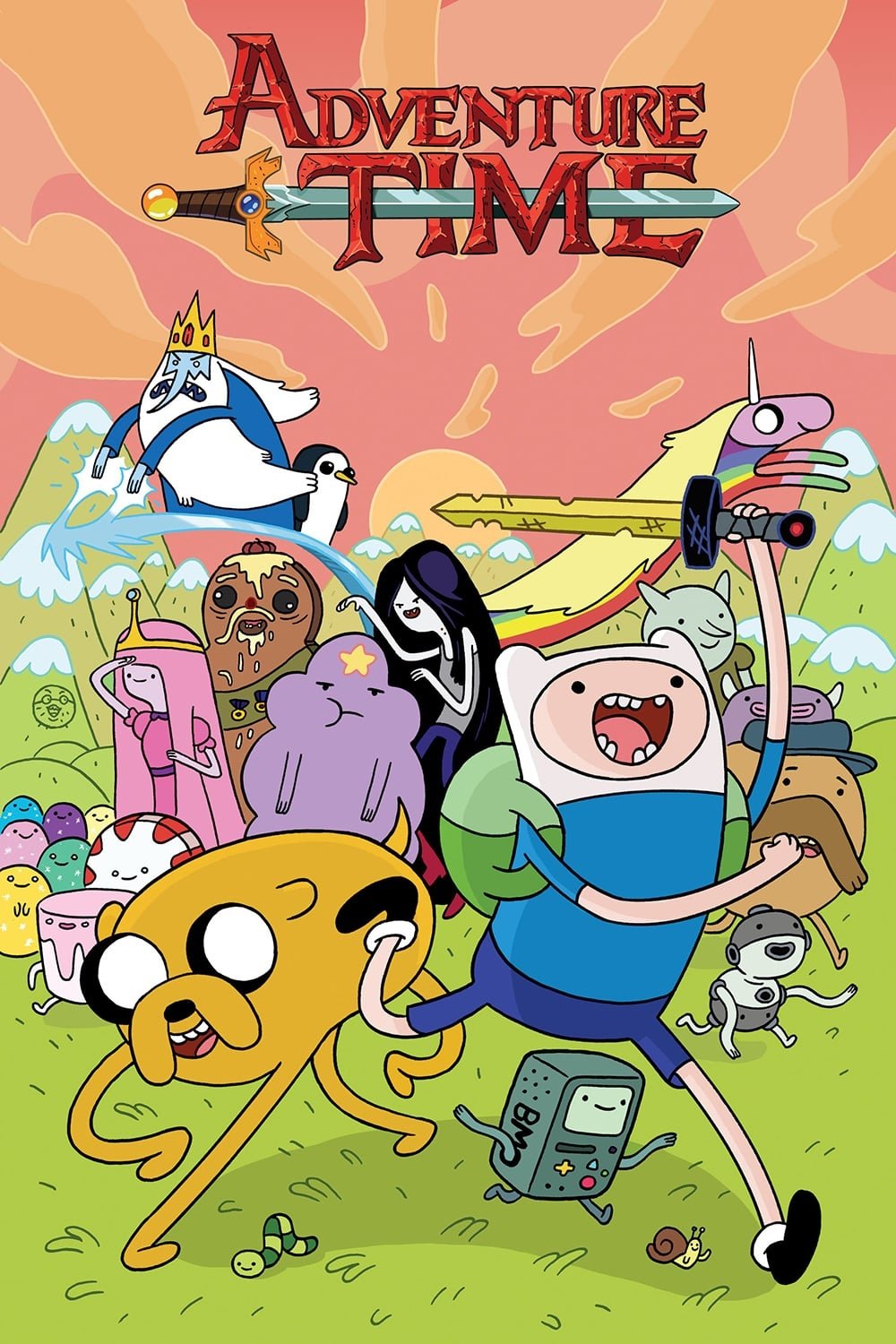
Throughout the series, a tiny snail makes a hidden appearance in every episode. It’s usually tucked away in the background, playfully waving to viewers. Interestingly, in a major storyline, the snail is taken over by the Lich, the show’s villain, turning a simple Easter egg hunt into a crucial part of the plot. Essentially, the snail acts as a silent witness to everything happening in the Land of Ooo.
‘Gravity Falls’ (2012–2016)
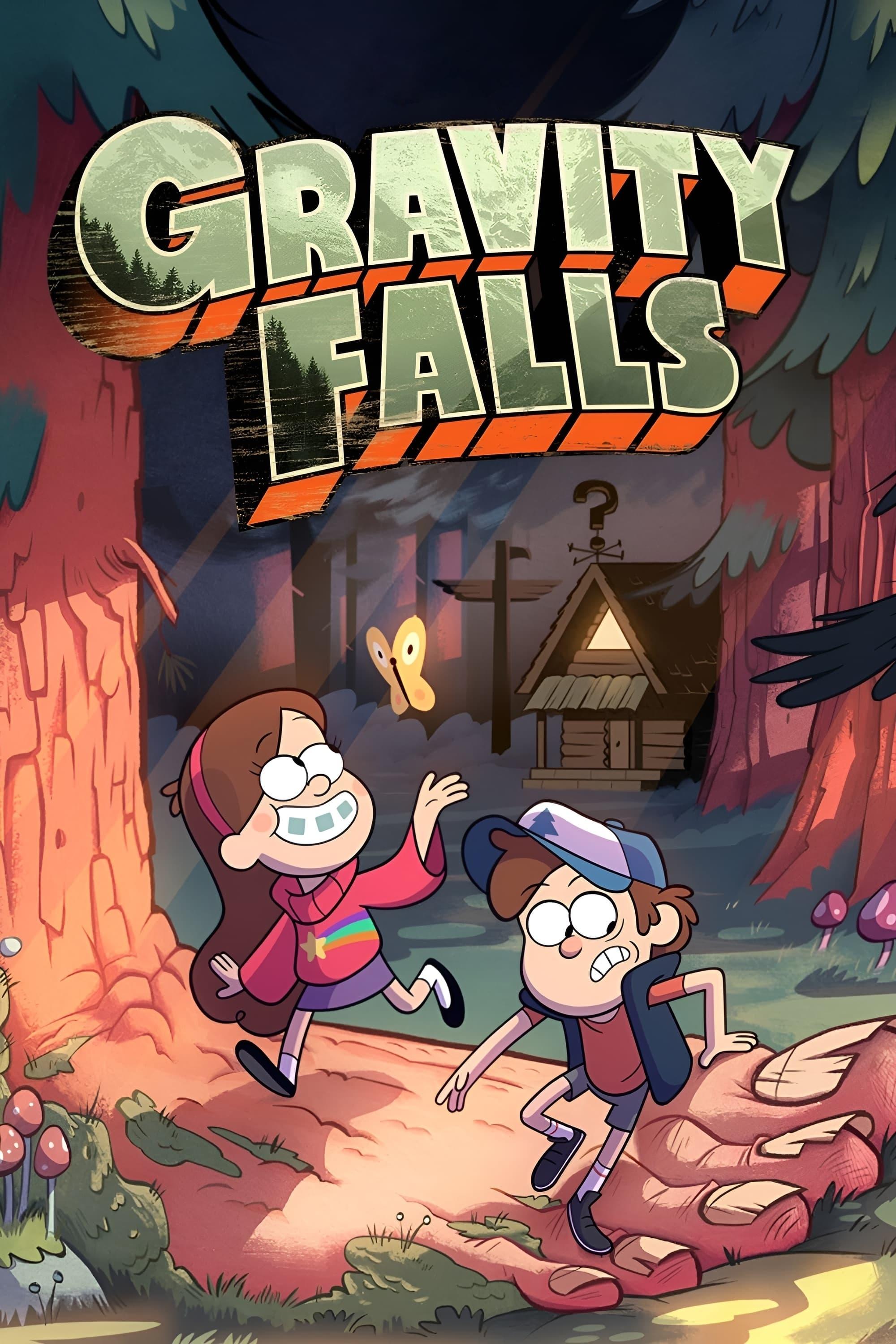
As a total movie and TV buff, I loved how this show really made you work for things! After each episode, they’d throw a coded message at you – sometimes a simple Caesar cipher, other times something like A1Z26 – and cracking it would reveal a joke or a little hint about what was coming. It wasn’t just visual either; the opening theme had a backwards message that actually changed as the series went on! And get this – they’d flash a single frame of the main villain at the end of the intro, way before he was even properly introduced. It was all these little puzzles that really drew you into the show’s mystery and made you feel like you were part of it.
‘South Park’ (1997–Present)
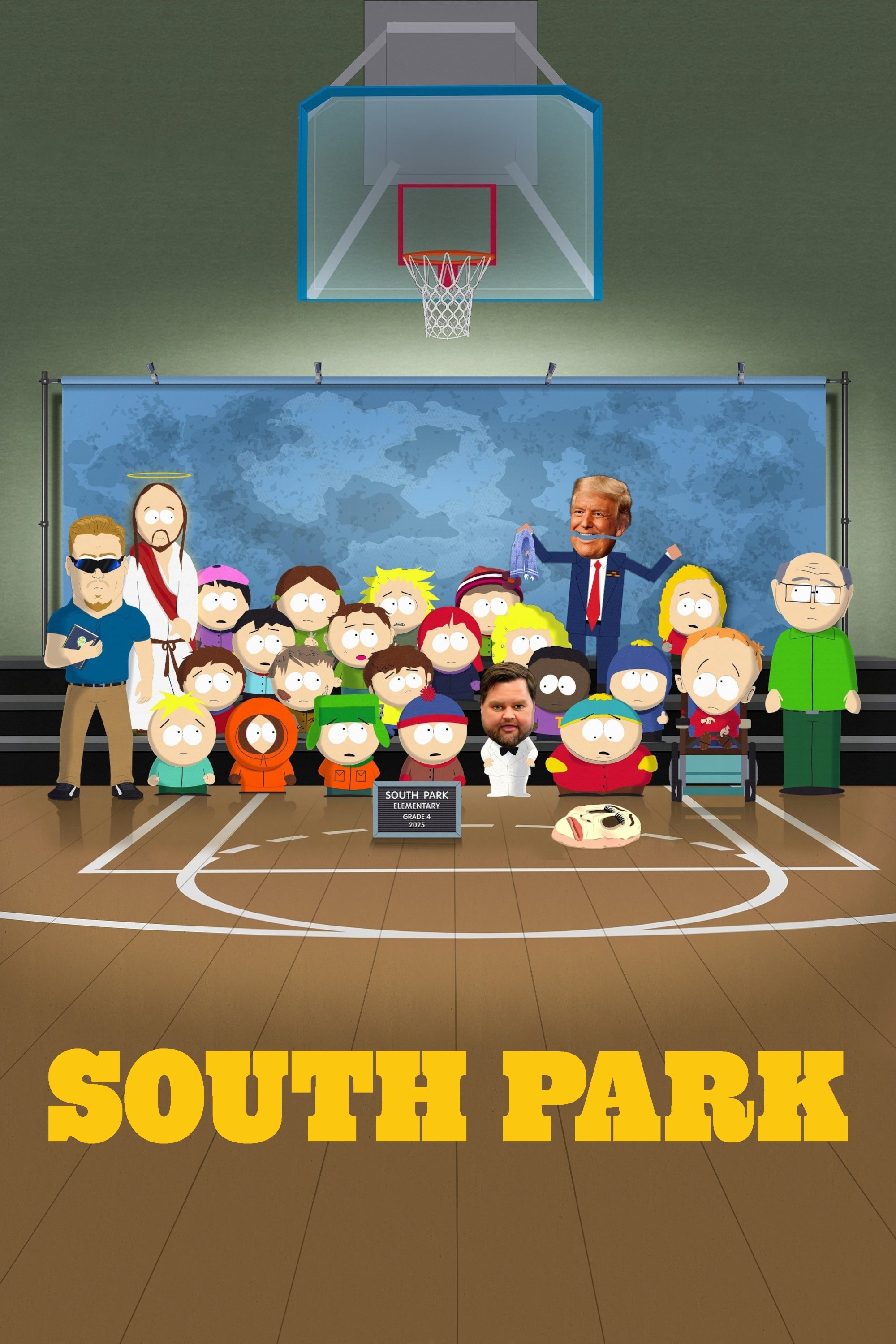
During the show’s first few seasons, animators playfully included a hidden alien in the backgrounds of many episodes. These aliens were cleverly disguised, often appearing as part of crowds or blending in as everyday objects. This was a nod to the show’s pilot episode, which featured an alien abduction storyline. Spotting the hidden alien became a fun game for dedicated fans who meticulously examined each frame. It also helped create the show’s overall sense of mystery and strangeness in the seemingly normal mountain town.
‘Hannibal’ (2013–2015)
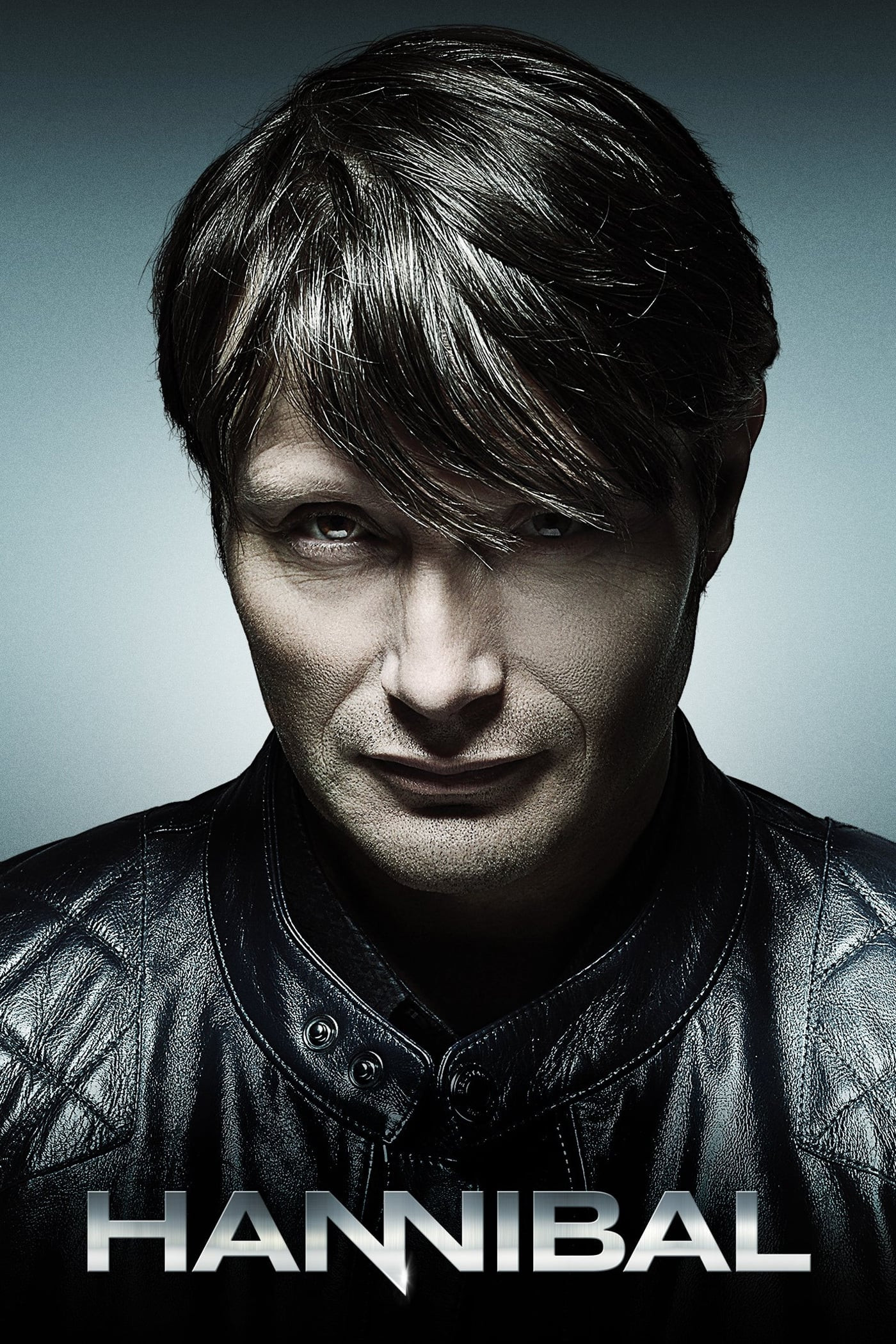
The show’s striking imagery and violent acts often reflected the Chesapeake Ripper’s fascination with art and the human body. Details like Hannibal Lecter’s dining room and clothing included hidden patterns evoking blood or antlers. The elaborate meals, created by a food stylist, looked both beautifully prepared and disturbingly gruesome. Each episode’s title was based on a course from French, Japanese, or Italian menus, mirroring the structure of a meal. These artistic choices highlighted the killer’s sophisticated and brutal nature.
‘Severance’ (2022–Present)
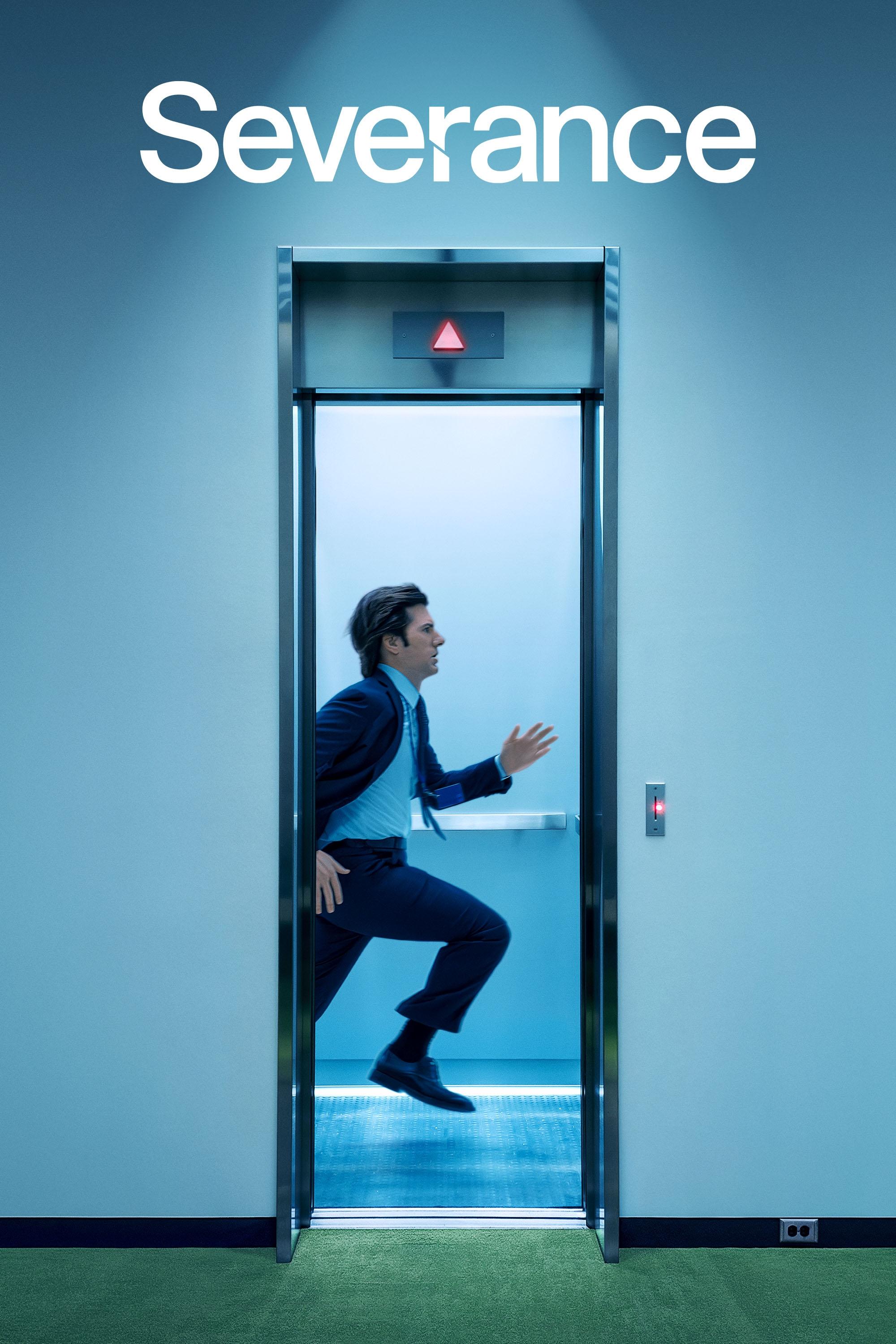
The show uses lighting and color to clearly show when characters are inside Lumon Industries versus outside of it. The office is cold and sterile, with blues and greens, while the outside world feels warmer and more natural. Inside the office, the camera angles and framing create a sense of being trapped and controlled. Even the artwork in the wellness area hints at the strange work the characters do. All these visual details help emphasize the characters’ split mental states.
‘Succession’ (2018–2023)
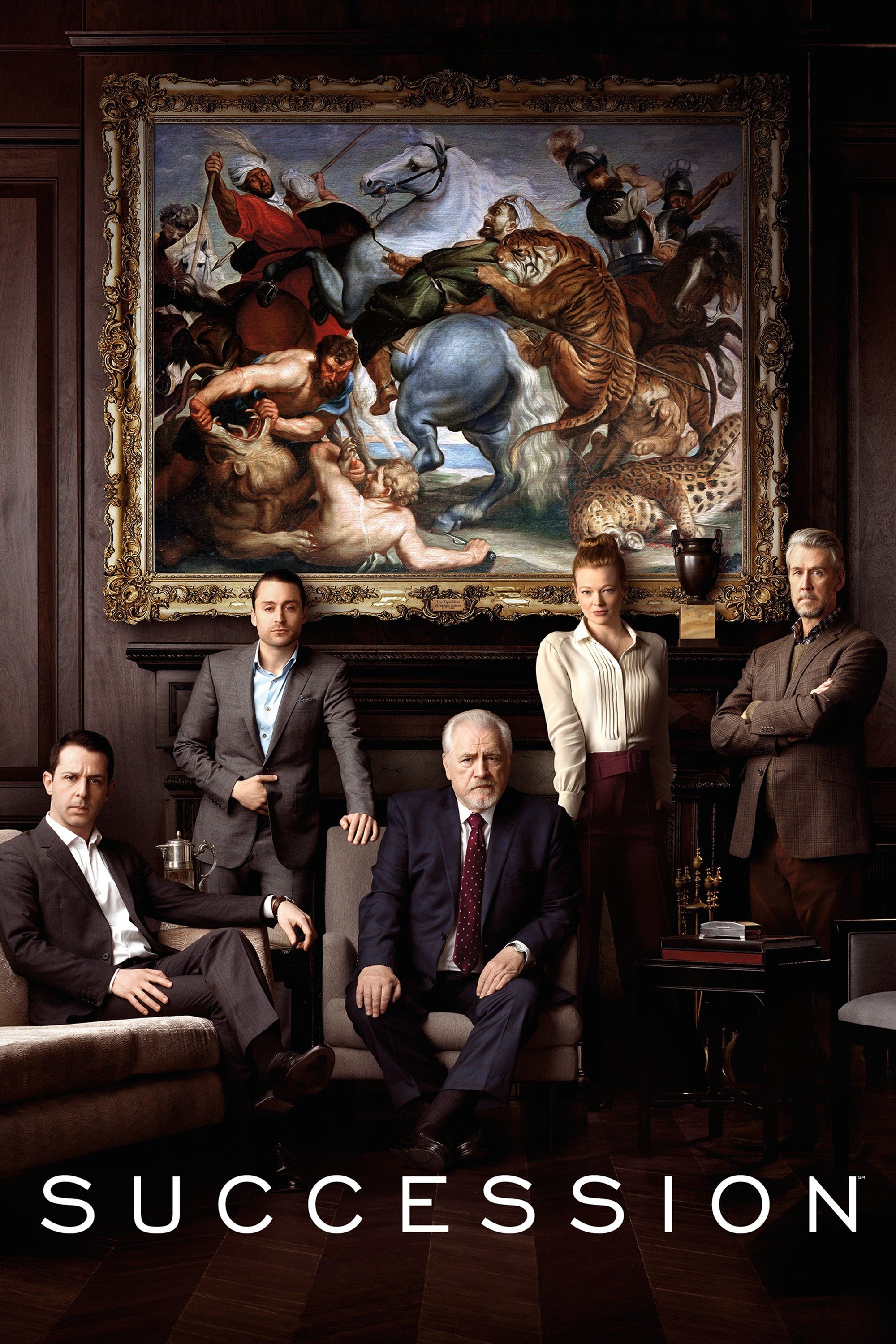
The show’s opening credits underwent subtle changes in the last season to highlight the changing relationships between the Roy family members. Initially, Logan Roy was depicted as separate from his children, but the final version rearranged their positions. The objects shown on the family dinner table in the opening sequence also changed, symbolizing the increasing emotional distance between the siblings. The childhood home videos included in the credits offered a look at the past experiences that affected each character. These small details in the opening sequence cleverly reflected the story of the Roys losing control of their company.
‘The Walking Dead’ (2010–2022)
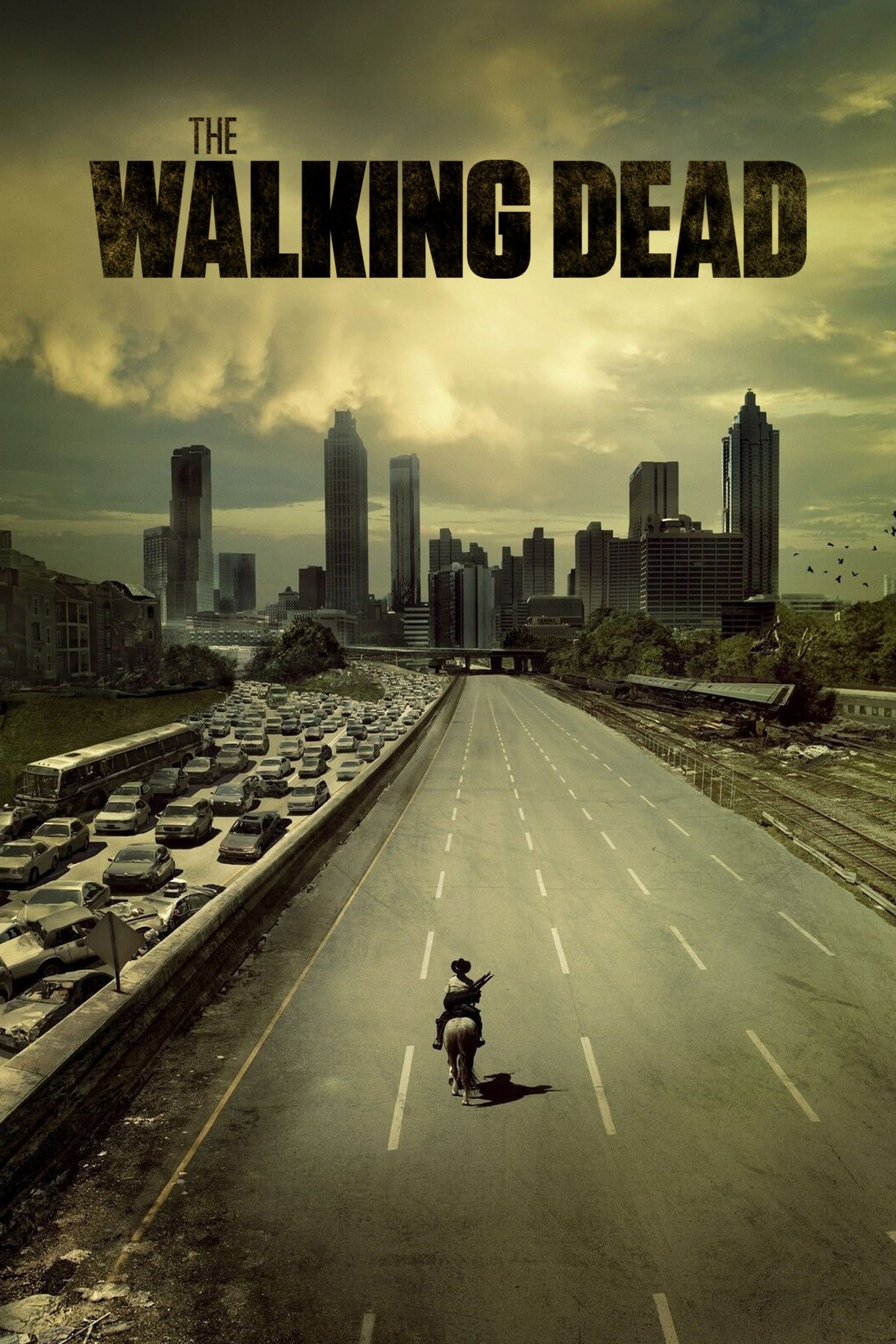
The show’s opening logo visibly fell apart over the seasons, mirroring the breakdown of civilization and the decaying state of the walkers. The logo’s color also became darker, emphasizing the increasingly grim storyline. By the later seasons, it was covered in moss and plants, effectively showing how much time had passed since the beginning of the apocalypse.
‘Firefly’ (2002–2003)
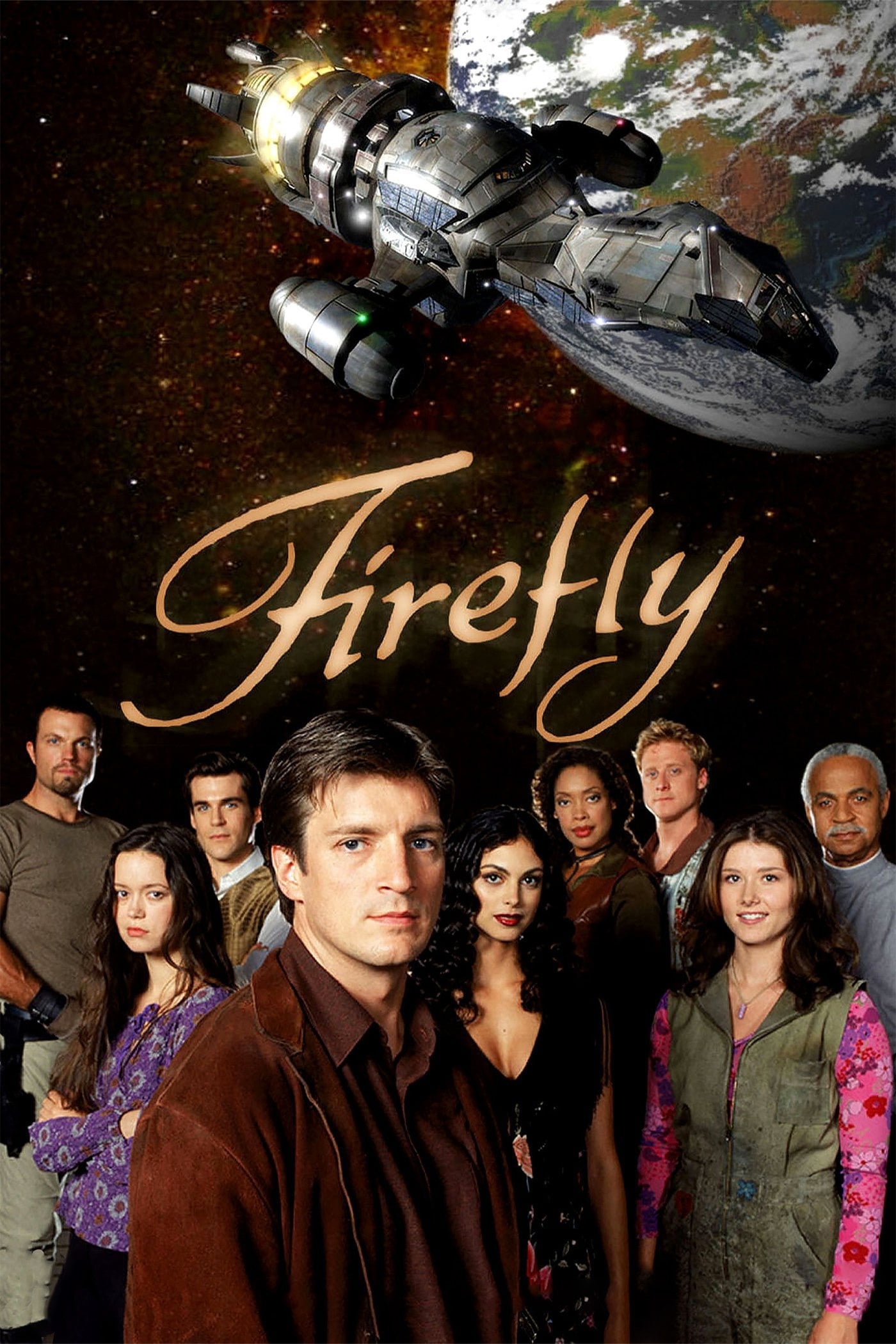
Fans of Star Wars might spot a familiar sight aboard the Serenity ship – a carbonite-frozen Han Solo! This fun reference appears in places like the engine room and is a tribute to the space westerns that inspired the show. Creator Joss Whedon added it as a wink to the iconic smuggler and to link the Serenity crew to a long tradition of independent space adventurers.
‘Archer’ (2009–2023)
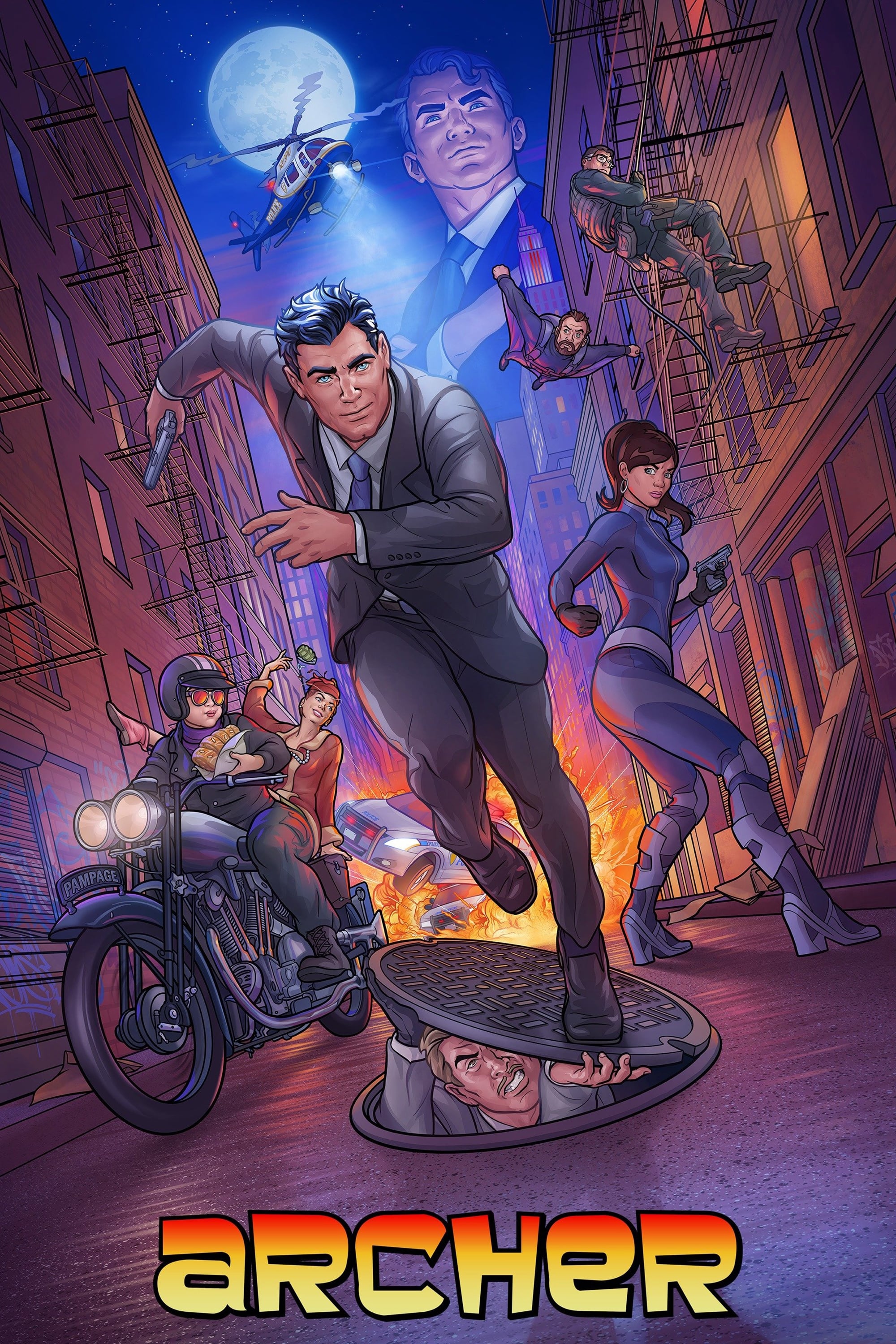
Throughout the show, the animators included a running joke: toast unexpectedly popping up from a toaster in the background, often unnoticed by the characters. They also hid subtle references to books and historical events that only some viewers would recognize. As a final touch, the text seen on computer screens often contained jokes about how much work went into making the show. These small details create a fun, unpredictable sense of humor within the spy-themed comedy.
‘Bob’s Burgers’ (2011–Present)
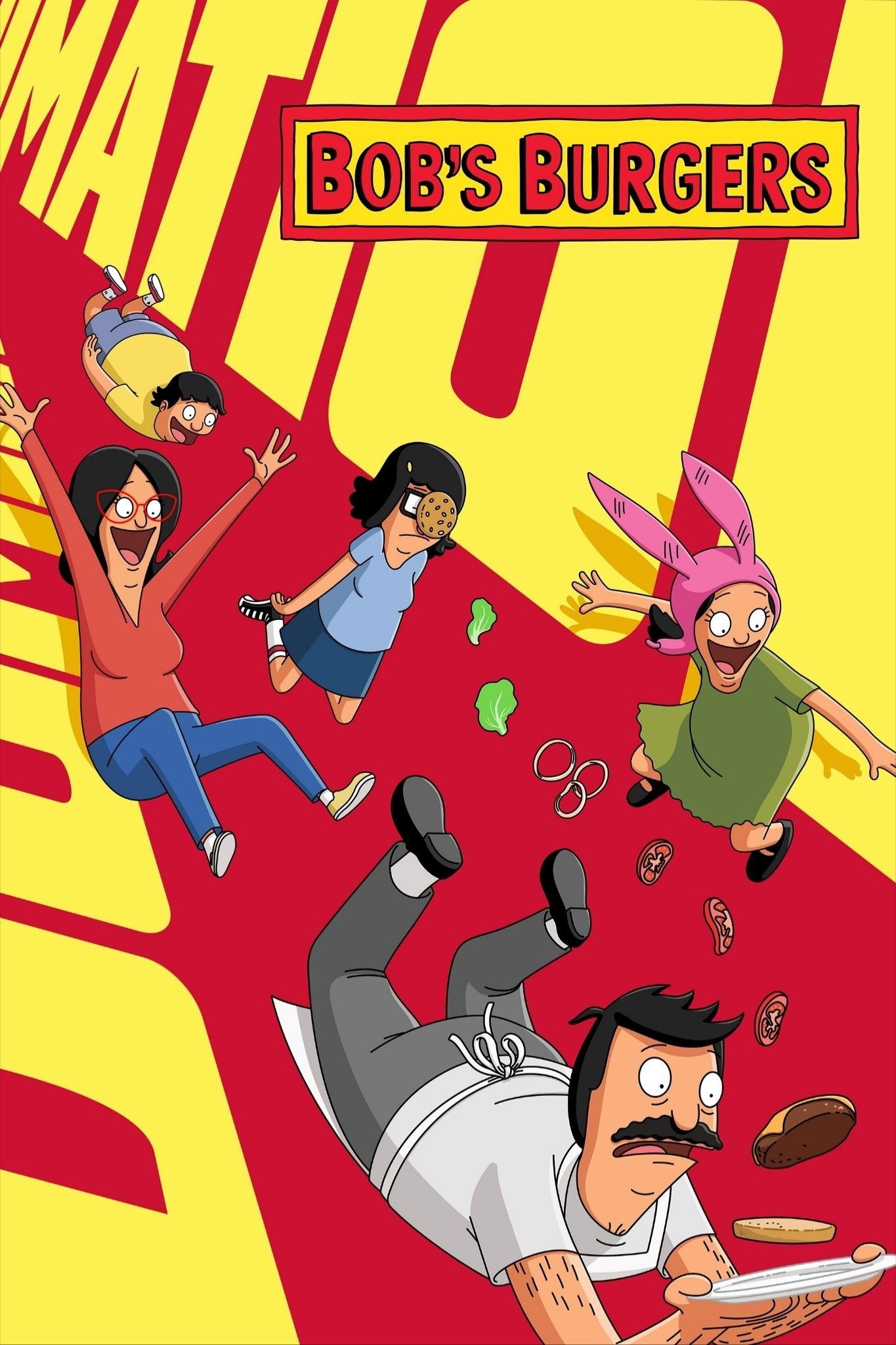
Okay, so one of the things I really noticed about this show is its dedication to running gags, but in a super clever way. Every single time the opening credits roll, the store next door gets a brand new, hilariously punny name – always something related to what the business actually is. And it’s not just the store! The pest control van driving by gets a different punny name each week too. Plus, if you pay attention to the background, the ‘Burger of the Day’ board always has a new, food-related joke on it. Honestly, it’s these little details that really make it worth watching the intro every single time – you’re rewarded for being a dedicated viewer!
‘Rick and Morty’ (2013–Present)
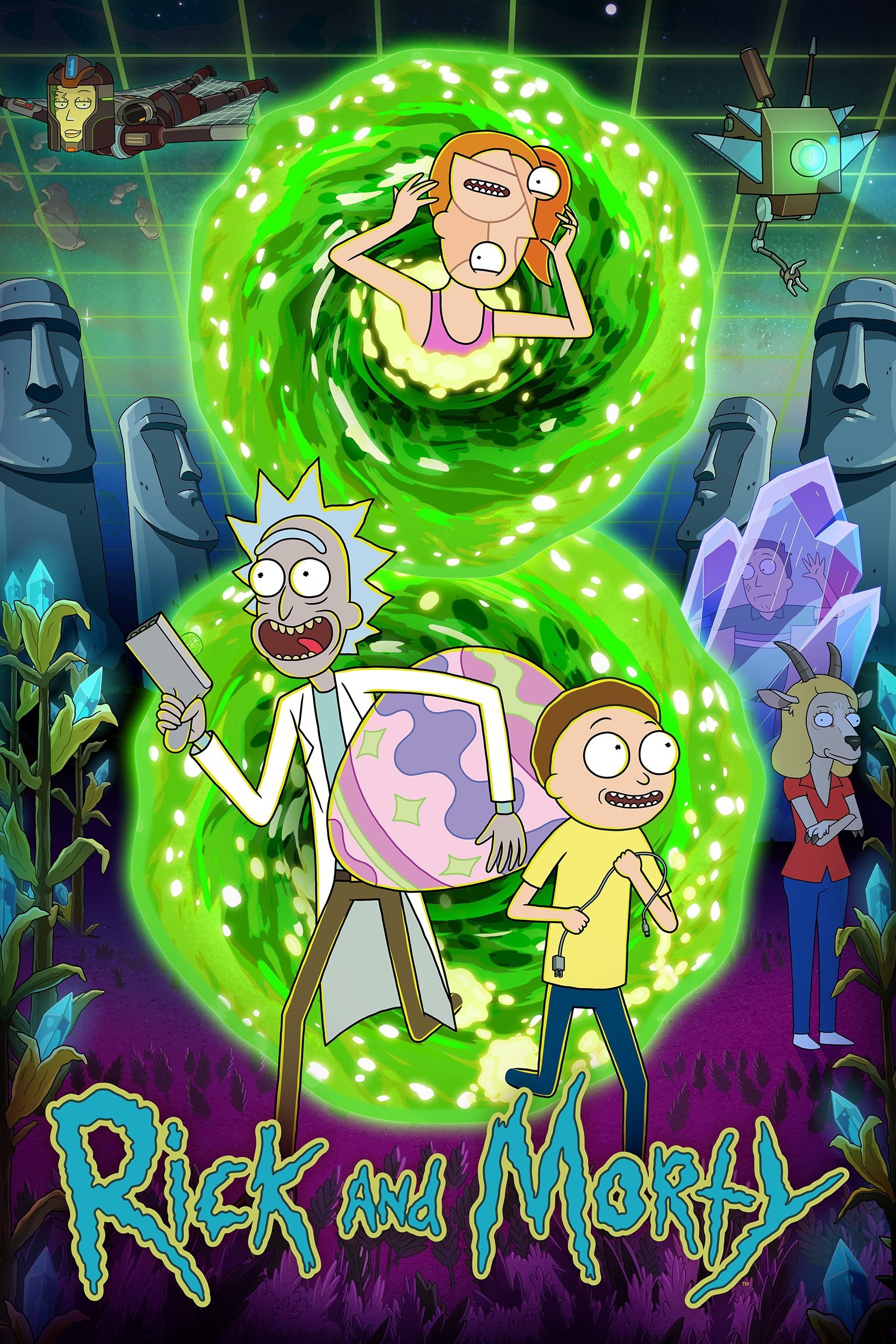
The show consistently maintains a sense of realism through subtle details. You might spot familiar characters or objects from earlier episodes, even in unexpected places like garbage disposals, proving a connected storyline. Even when the show introduces alternate timelines and splits the screen, background elements stay consistent. The show also carefully tracks changes to the house itself, like cracks appearing and remaining over multiple seasons. Recurring alien extras hint at a fully realized world beyond the main characters. This commitment to detail makes the show’s complex multiverse feel believable and grounded.
‘Supernatural’ (2005–2020)
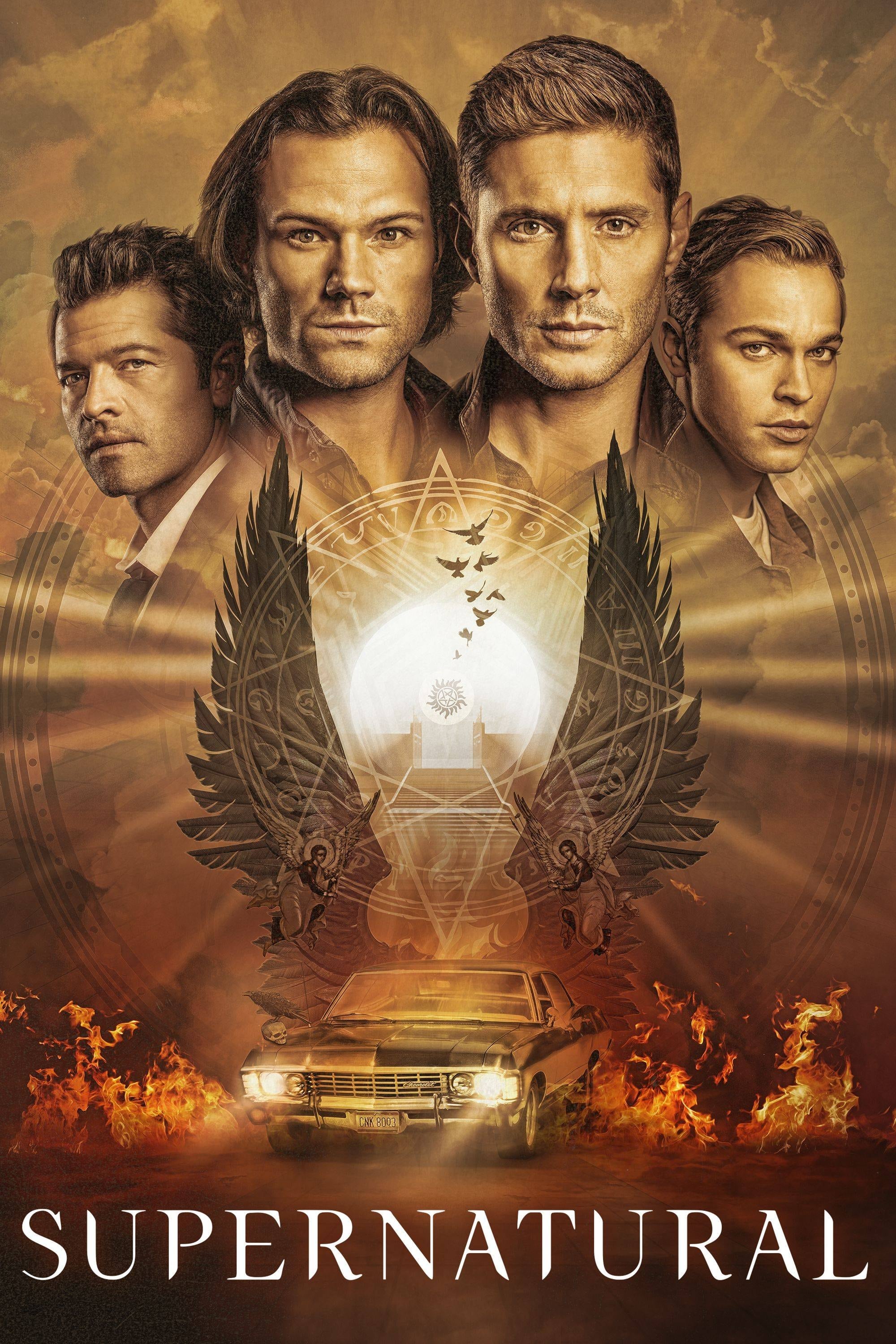
The Impala driven by Sam and Dean Winchester initially had the license plate KAZ 2Y5, a nod to their home state of Kansas and the year the show began, 2005. While the plate was later changed to CNK 80Q3, the original plate still appears in flashbacks and alternate timelines. As a playful detail, the set decorators often included clocks set to 4:20 in scenes. The show also subtly honored its horror roots by using props from classic horror films as background items in the Men of Letters bunker.
‘Brooklyn Nine-Nine’ (2013–2021)
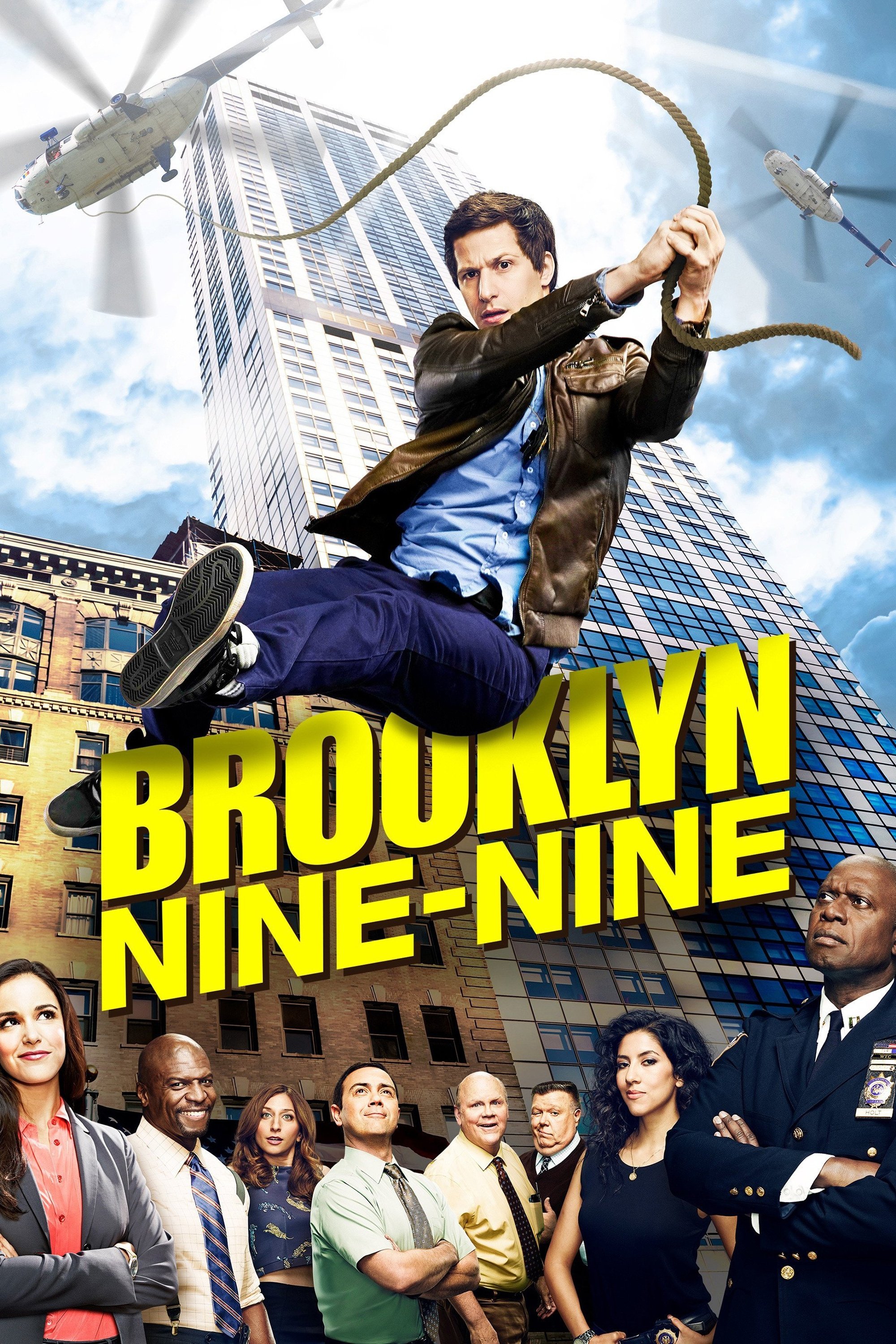
Detectives Hitchcock and Scully are always up to odd things in the background while the main story unfolds, like eating weird food or having trouble with basic office supplies. The briefing room’s whiteboard is usually covered in doodles and notes from old cases, and Jake Peralta’s already messy desk gradually fills up with souvenirs from the crimes he solves. These small, silent moments helped establish each character’s personality without them having to say a word.
‘Mr. Robot’ (2015–2019)
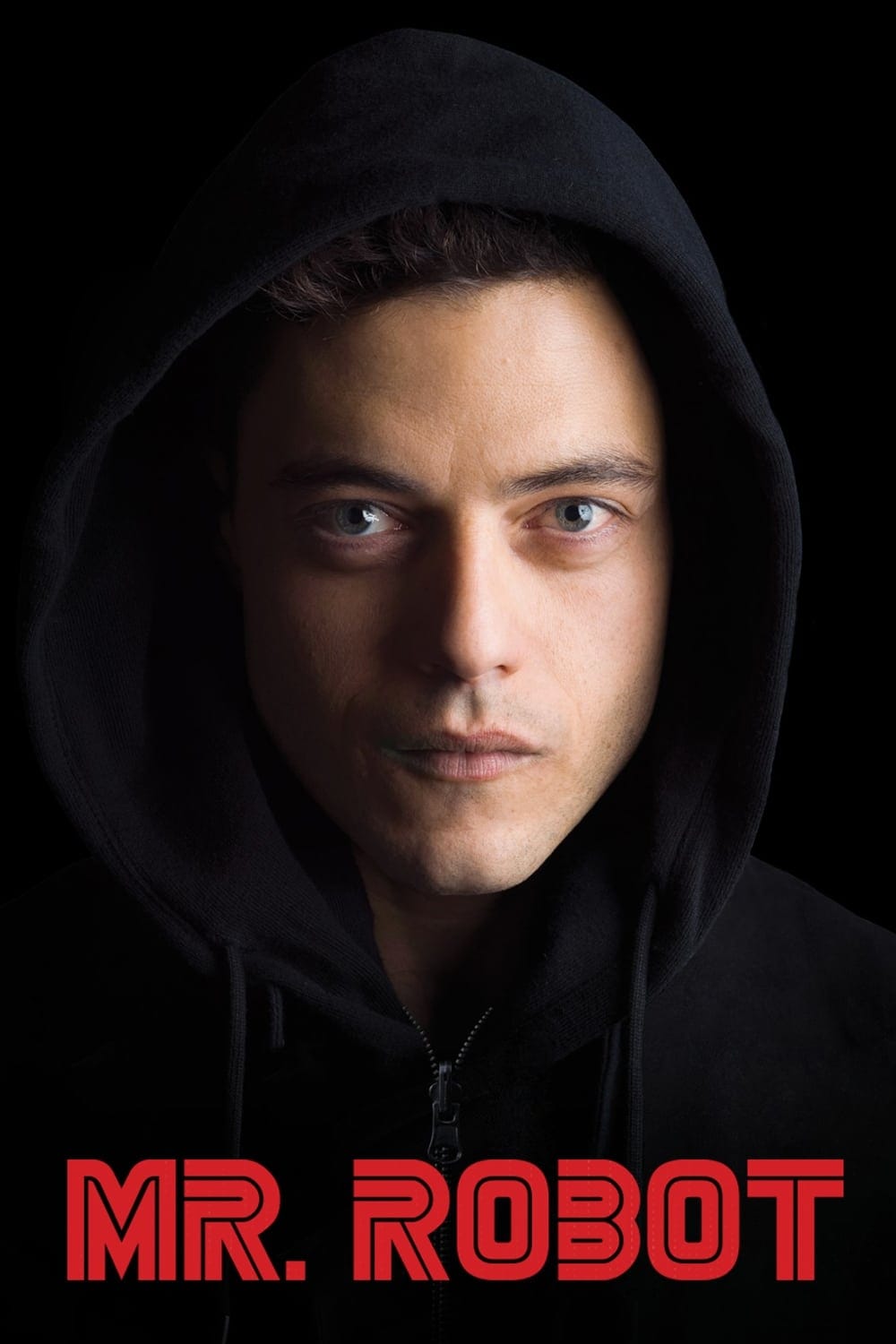
Throughout the show, viewers could scan QR codes that linked to websites designed to deepen the story with extra background, puzzles, and special video clips. The computer IP addresses displayed were also real and often hid secret surprises. The creators paid close attention to detail, making sure all the code shown on screen was accurate and matched the hacking scenes. This level of realism raised the bar for how cybersecurity is depicted in TV shows.
‘Silicon Valley’ (2014–2019)
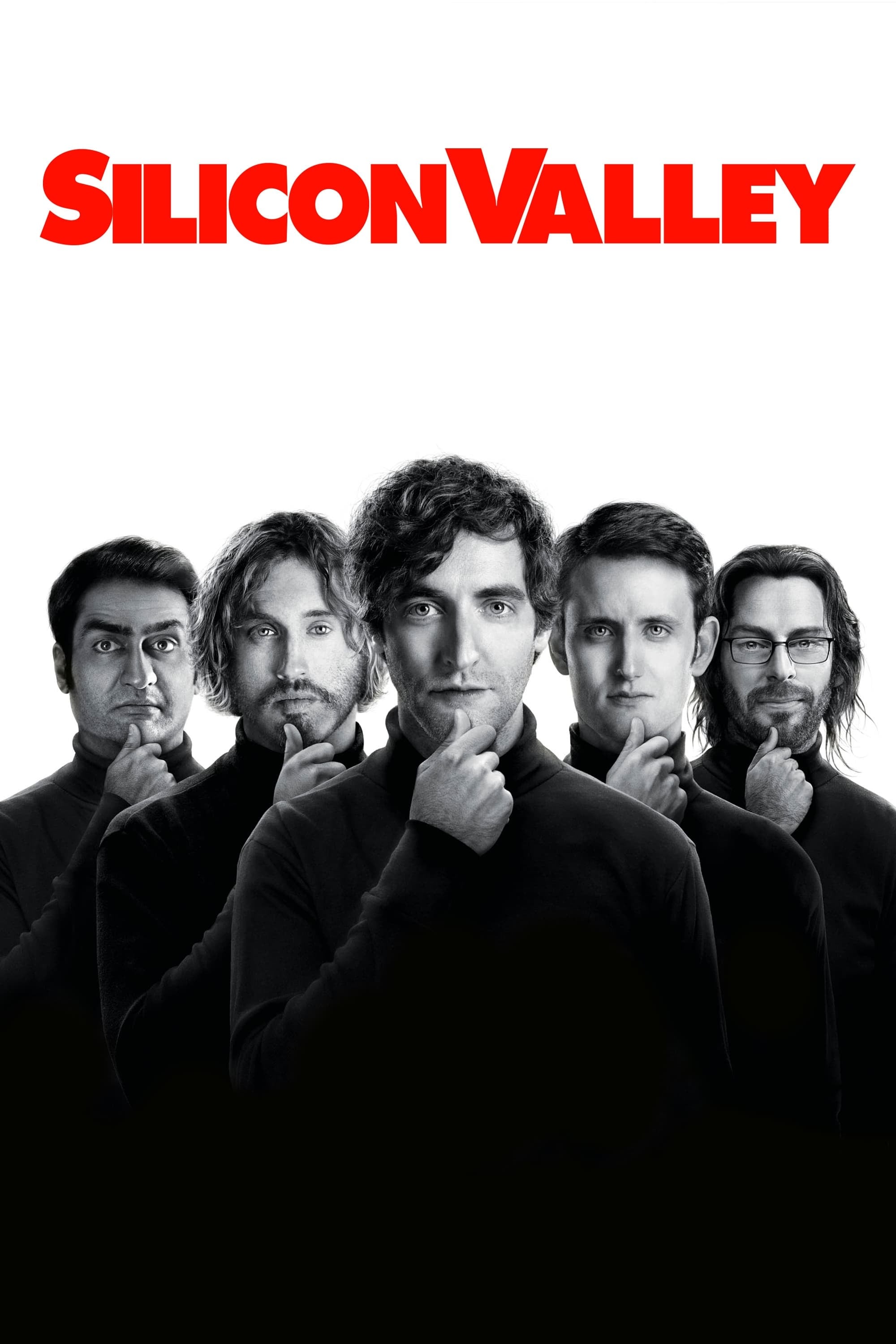
The show’s opening animation changed each season to mirror what was happening in the tech world. Company logos, like those of Facebook, Uber, and Google, would grow or shrink based on their stock performance or any controversies they faced. As new technologies—like delivery drones and self-driving cars—appeared, they were added to the intro. This acted as a humorous commentary on the real Silicon Valley, mirroring the show’s storylines. Many viewers would even pause the opening to see which companies had been newly merged or changed in the animation.
‘Veep’ (2012–2019)
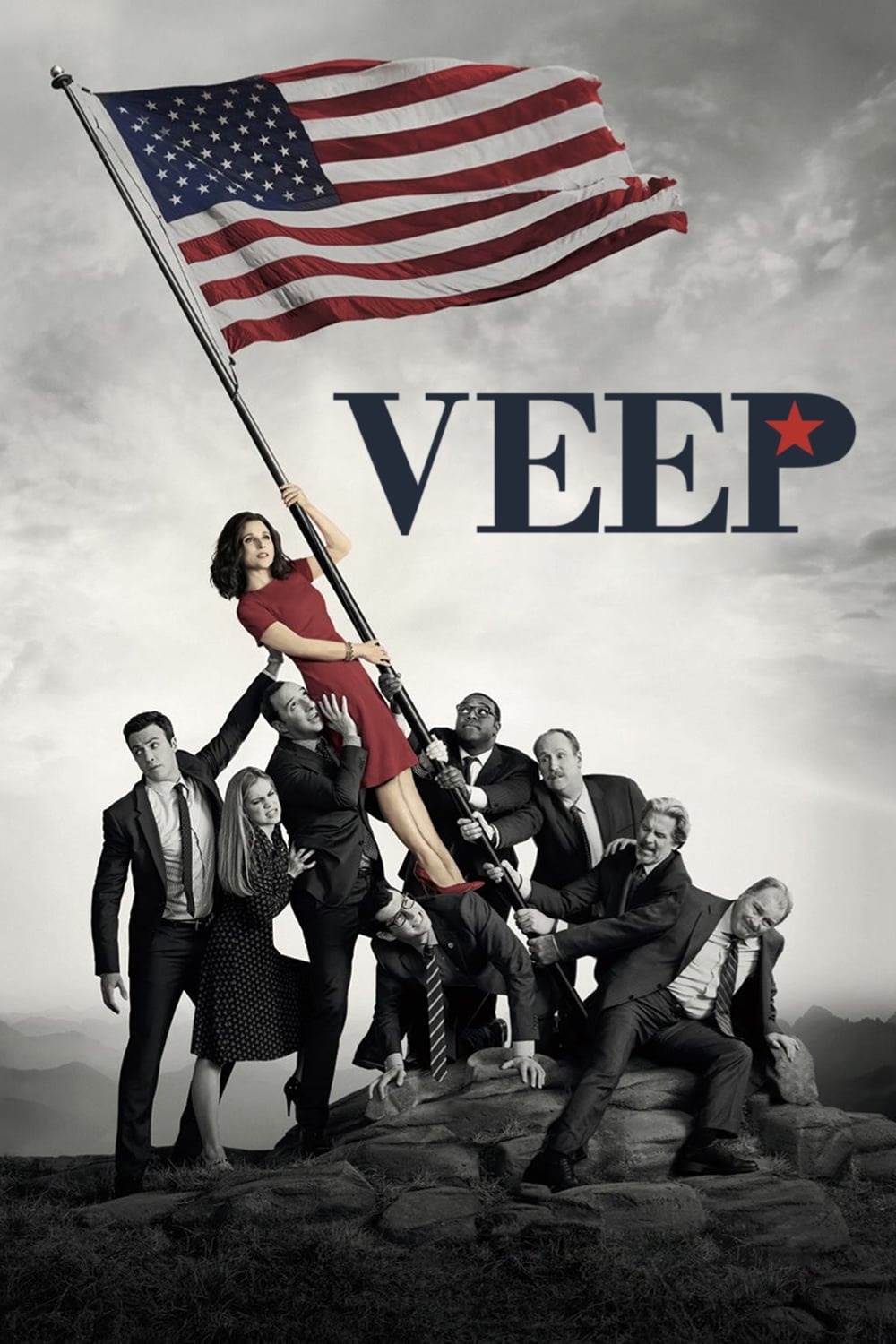
A calendar in Vice President Selina Meyer’s office was perpetually stuck on the same month, a small detail that highlighted how her career had stalled and how ineffective her team was. News reports playing on TV often featured ridiculous and embarrassing headlines about the administration. The office decor included bizarre or unsuitable gifts from international leaders. All of these things created a sense of chaos and incompetence within the political environment.
‘Modern Family’ (2009–2020)
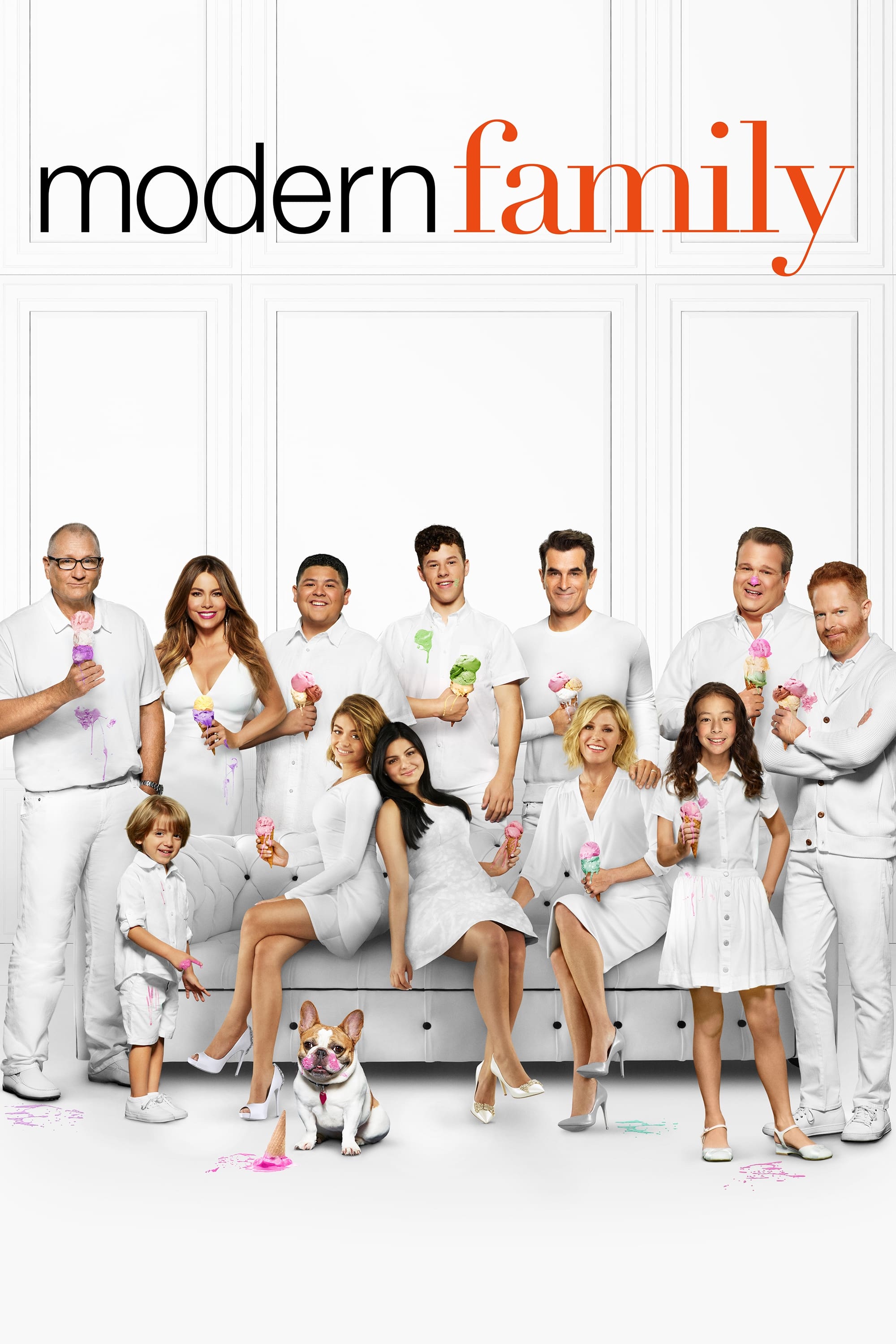
Throughout the series, a consistently broken step on the Dunphy family staircase was a funny, recurring joke. Phil would frequently trip over it or mention fixing it, and even when it was repaired, it would inevitably break again, representing the family’s lively and often chaotic home life. The kitchen whiteboard, constantly updated with the kids’ schedules, added to this sense of realism, highlighting the everyday challenges of family life and homeownership.
‘Twin Peaks’ (1990–1991)
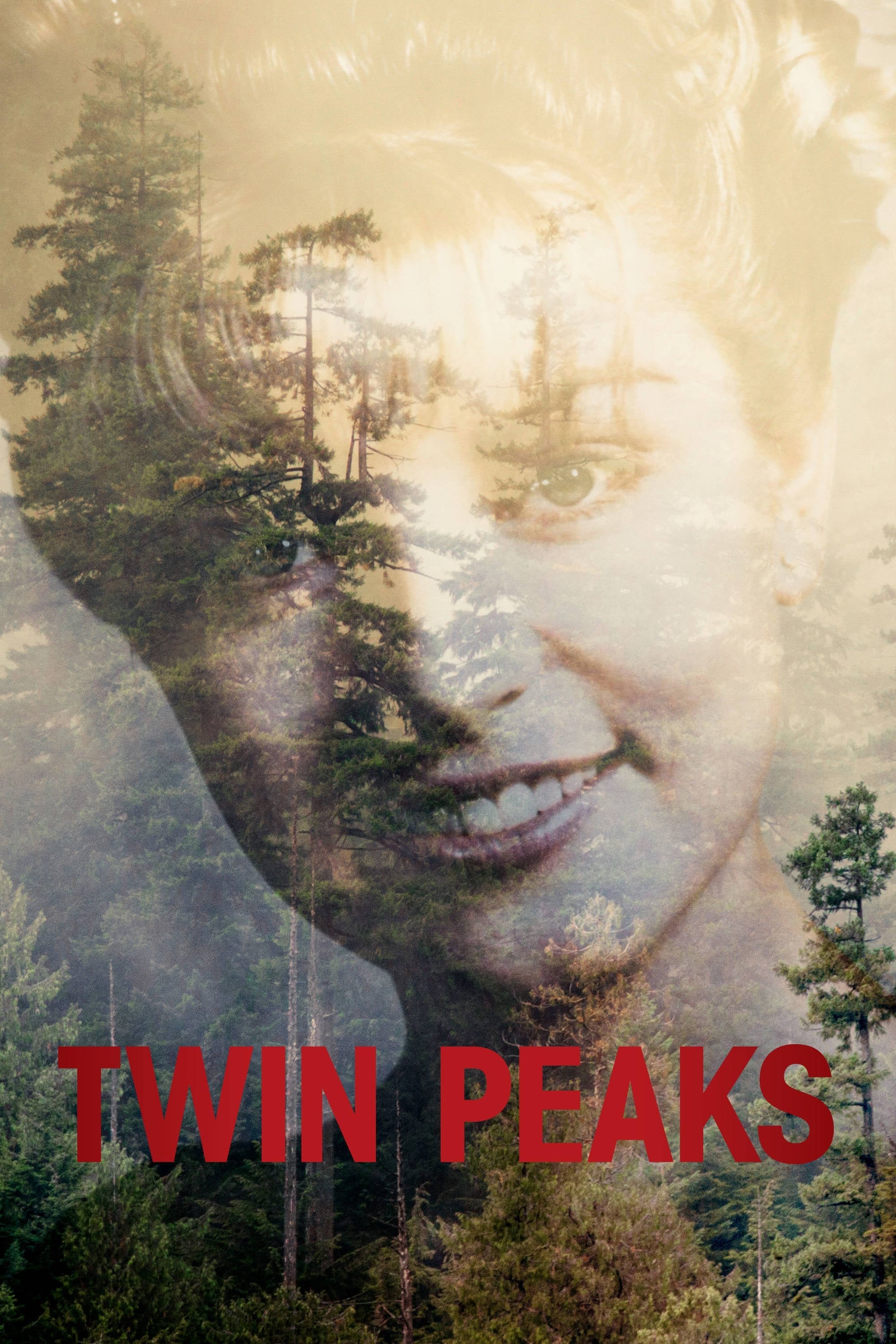
For the Red Room scenes, the actors memorized their lines backwards. Then, the footage was flipped to make it sound like they were speaking English with a bizarre, unsettling accent. The show also altered the characters’ blinking to appear unnatural, and sometimes, reflections in mirrors didn’t match the person standing in front of them. These subtle tricks created a feeling of deep unease, contributing to the show’s surreal and frightening atmosphere.
Share your favorite hidden TV details that we missed in the comments.
Read More
- Invincible Season 4 Gender Swaps Tech Jacket As Fans Question Major Comic Change
- Silver Rate Forecast
- Gold Rate Forecast
- Building Agents That Learn and Improve Themselves
- 15 Films That Were Shot Entirely on Phones
- 22 Films Where the White Protagonist Is Canonically the Sidekick to a Black Lead
- 20 Movies Where the Black Villain Was Secretly the Most Popular Character
- Celebs Who Narrowly Escaped The 9/11 Attacks
- 14 Movies Where the Black Character Refuses to Save the White Protagonist
- Games That Faced Bans in Countries Over Political Themes
2026-02-02 09:20