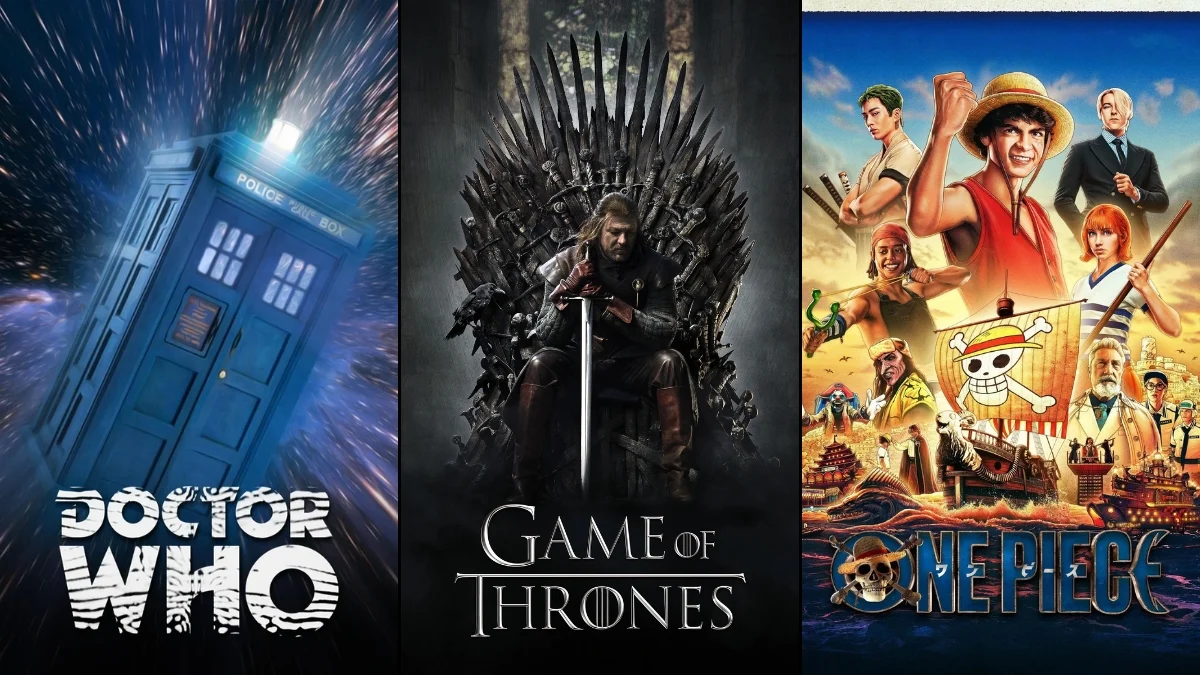
TV studios are starting to realize how valuable it is to involve passionate fans in creating shows based on popular franchises. Show creators are finding that these dedicated fans often have a better grasp of the intricate details and history of the story than the writers do. These fans act as helpful resources, checking scripts for accuracy and making sure the show stays true to its origins. By bringing this specialized knowledge into the writing process, productions can avoid frustrating their most devoted viewers with mistakes. The following examples demonstrate how shows have successfully used fan expertise to improve their storytelling.
‘Game of Thrones’ (2011–2019)
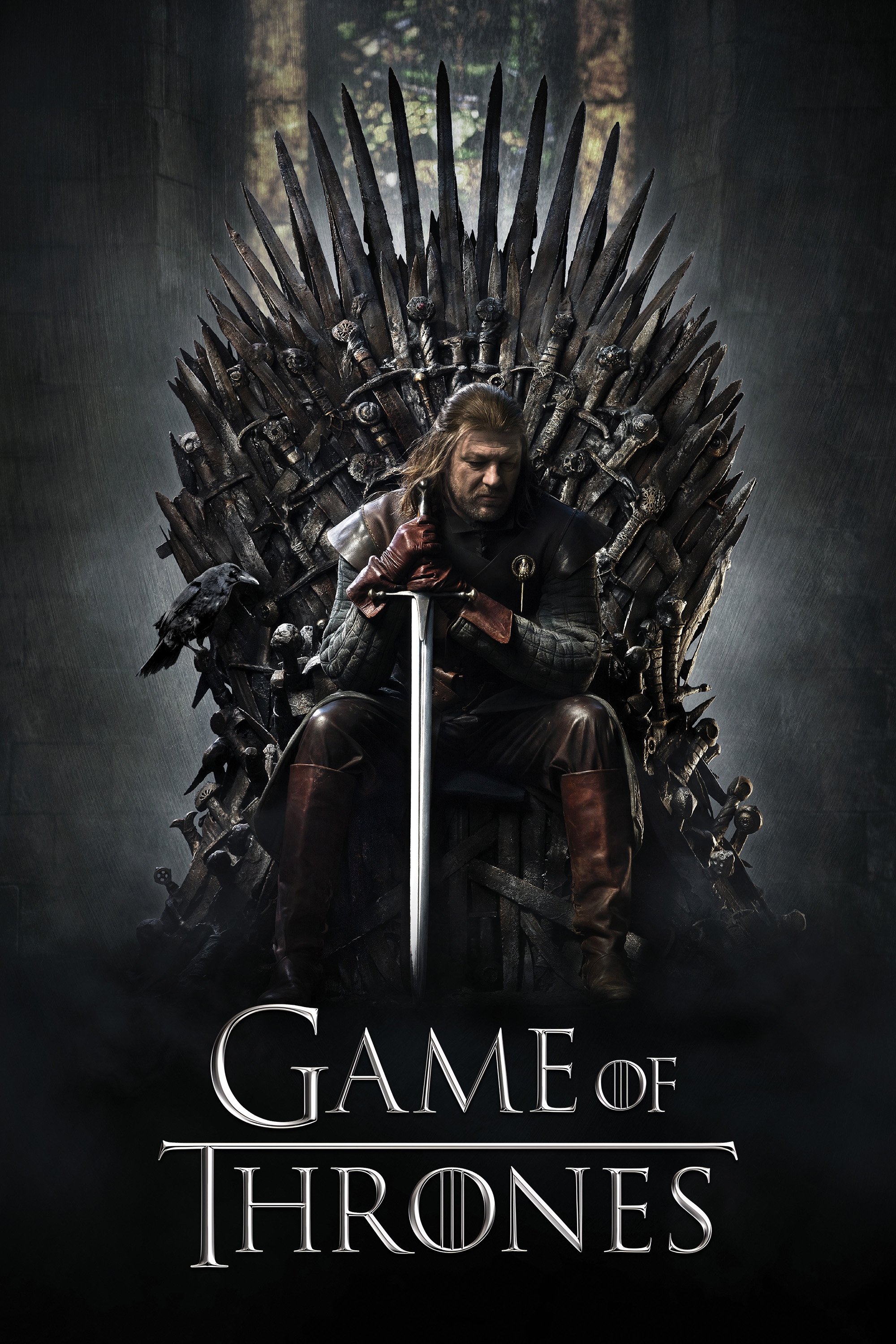
For the popular fantasy series, the production team brought in Elio M. García Jr. and Linda Antonsson, who run the Westeros.org fan site. They had previously worked with author George R.R. Martin on the book ‘The World of Ice & Fire’ because of their deep understanding of his fictional world. In the show’s early seasons, Elio and Linda worked as researchers, making sure the scripts stayed true to the detailed history and complex family trees established in the novels. They helped the writers keep all the historical details consistent and accurate.
‘The Wheel of Time’ (2021–Present)
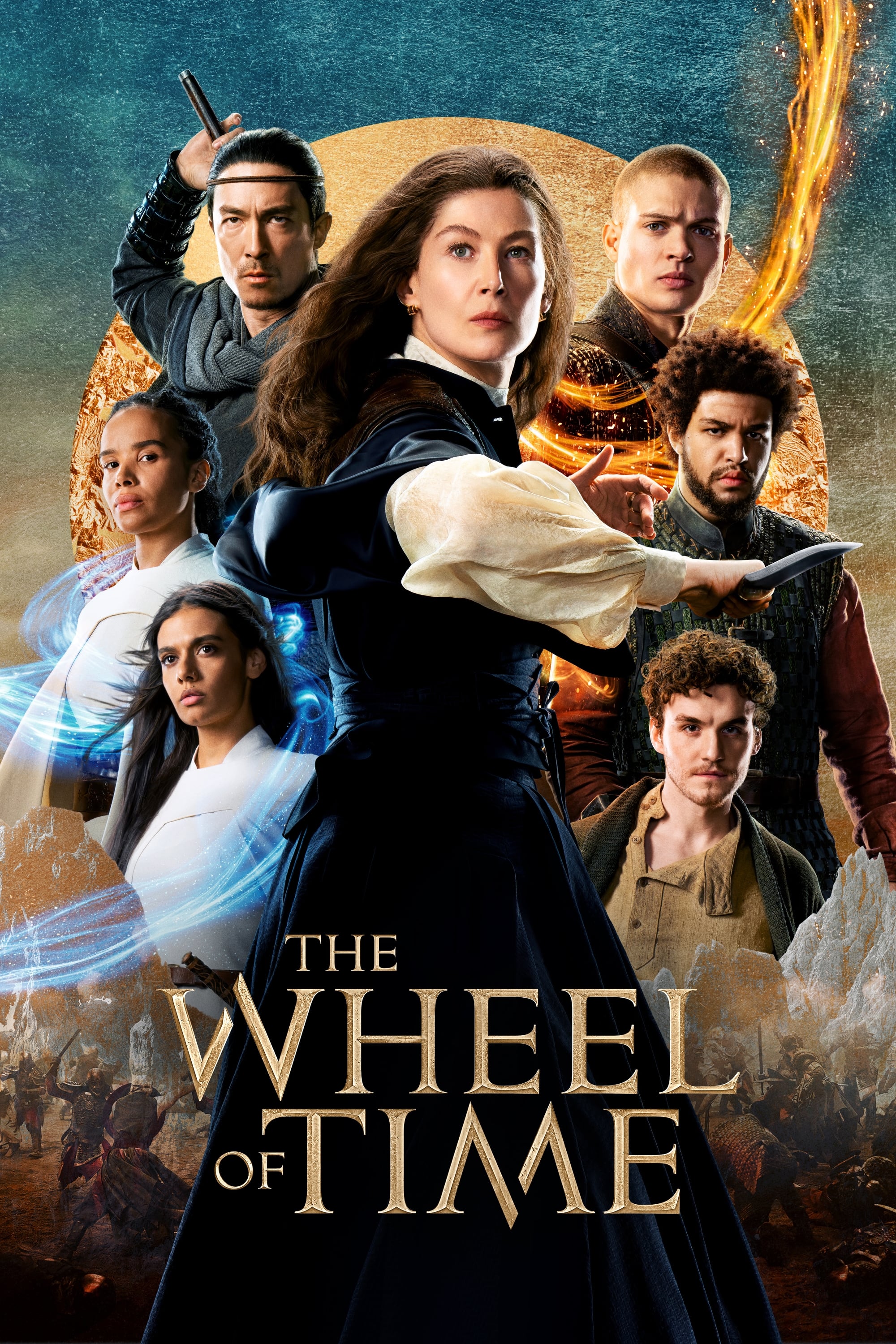
Rafe Judkins, the showrunner, brought on Sarah Nakamura, a popular name among book fans, as a dedicated “Book Expert” for the series. Nakamura’s job is to ensure the show stays true to the complex story and magic system created by Robert Jordan. She checks scripts and set designs, and even carries the books on set to verify details. This allows her to catch any inconsistencies with the original story before filming begins, acting as a key link between the creative team and the source material.
‘Star Trek: The Next Generation’ (1987–1994)
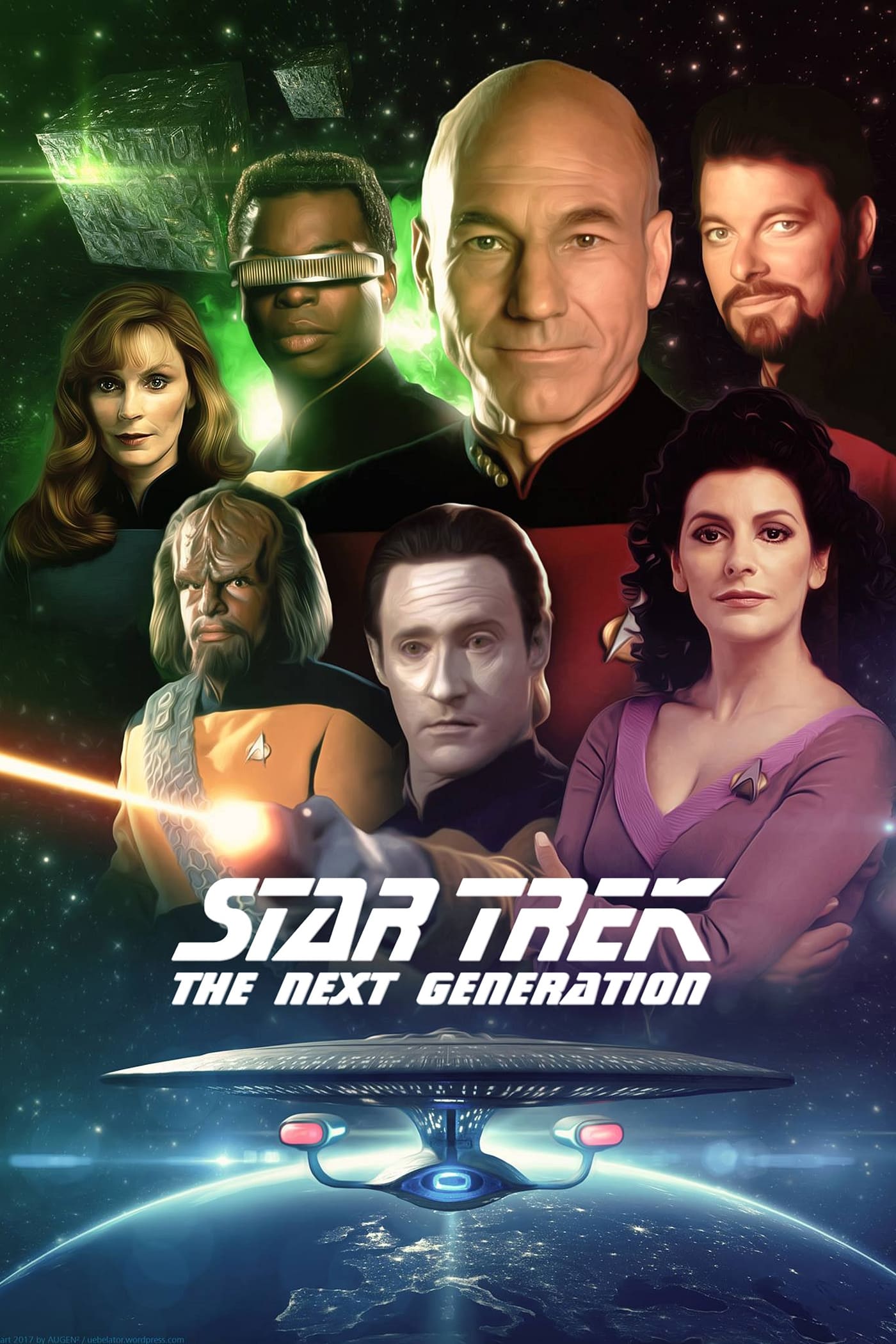
I’ve always been fascinated by the behind-the-scenes stuff, and Richard Arnold’s story is a perfect example. He started as a huge ‘Star Trek’ fan, even running a fan club, which is awesome! That passion eventually led him to work for Gene Roddenberry himself, and then he landed a job at Paramount as the official ‘Star Trek’ Archivist. Basically, he was the guy who made sure everything – from the scripts to all the merchandise – stayed true to the original vision and the established ‘Star Trek’ timeline. He really was the keeper of the canon, making sure everything fit together and felt right for the show. It’s a dream job for any Trek fan, honestly!
‘Doctor Who’ (1963–Present)
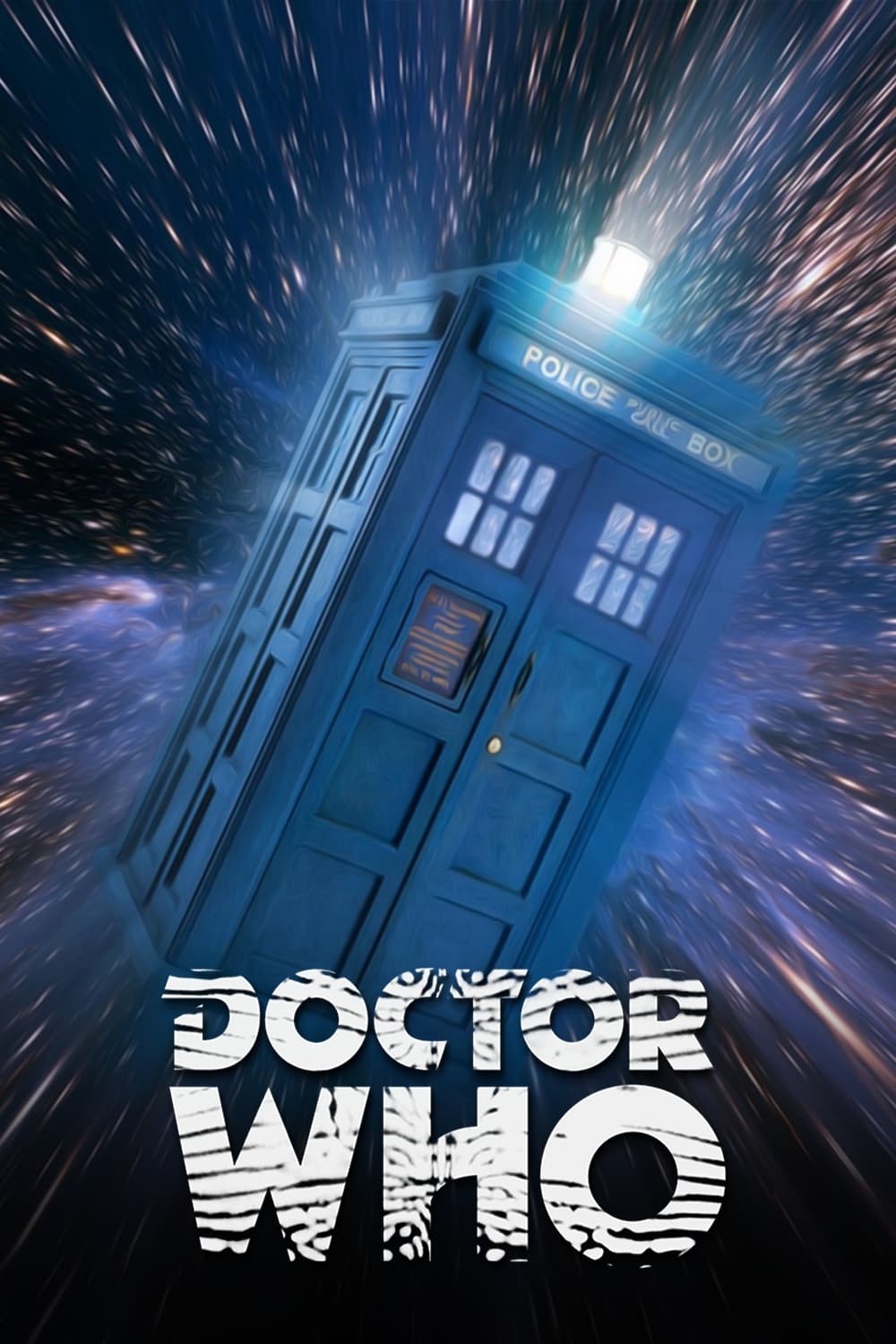
During the 1980s, a dedicated fan named Ian Levine became an informal advisor on the British sci-fi series, helping to ensure consistency in its storylines. He was famous for finding and preserving lost episodes, and the producers relied on his deep knowledge of the show’s history to connect new stories to past ones. He frequently checked facts about iconic villains like the Daleks and Cybermen to avoid plot holes and maintain a consistent timeline throughout the show’s many years. While not an official staff member, Levine had a considerable impact on the show’s continuity during that period.
‘Star Wars: The Clone Wars’ (2008–2020)
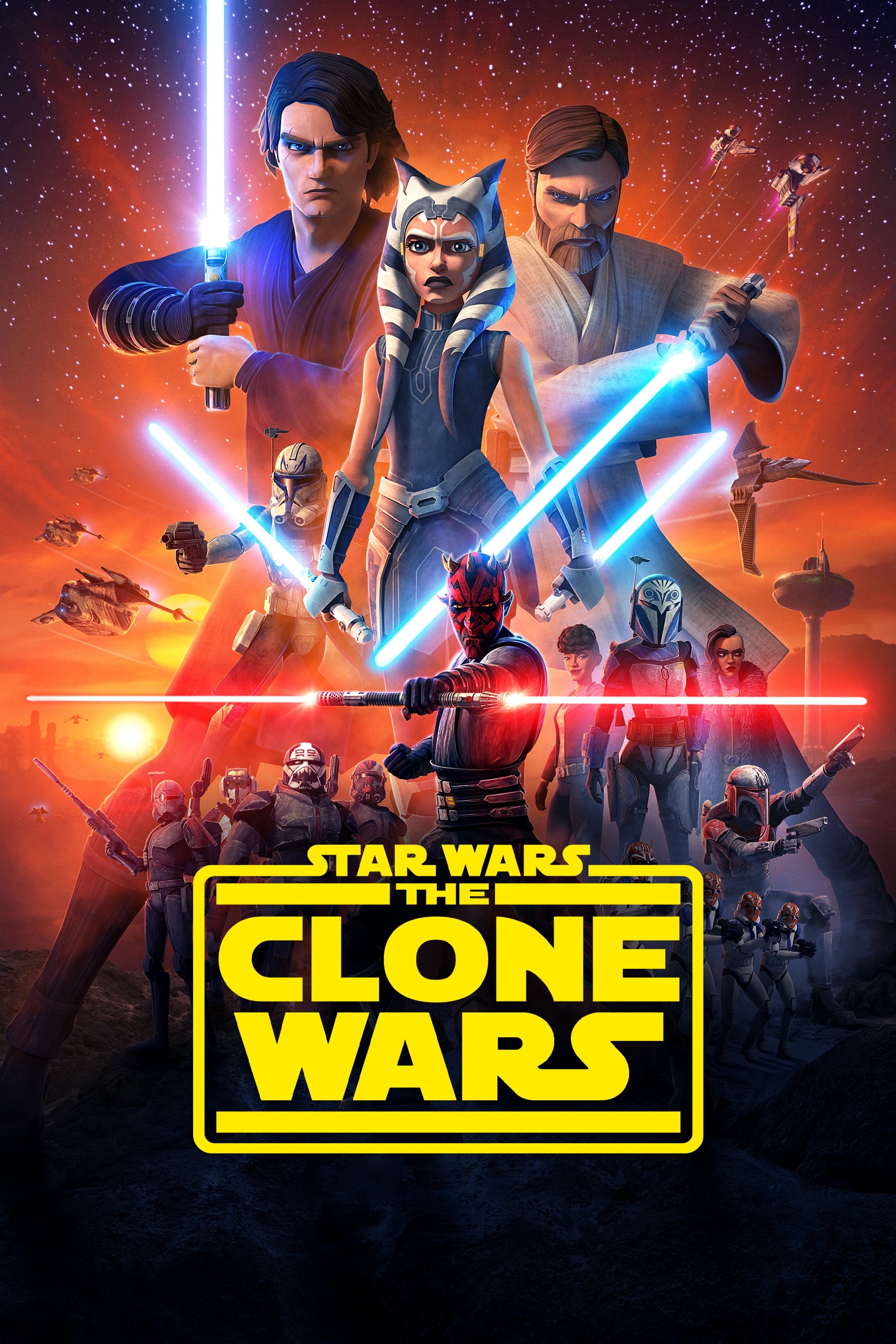
Pablo Hidalgo began as a dedicated ‘Star Wars’ fan, creating games and websites before joining Lucasfilm. He became a crucial part of the Lucasfilm Story Group, working as a Lore Advisor on animated shows like ‘The Clone Wars’ and ‘Rebels’. In this role, he makes sure new stories fit seamlessly with the existing movies and the broader ‘Star Wars’ universe. Essentially, Hidalgo turned the idea of using passionate fans as consultants into a professional position within the franchise.
‘Ms. Marvel’ (2022)
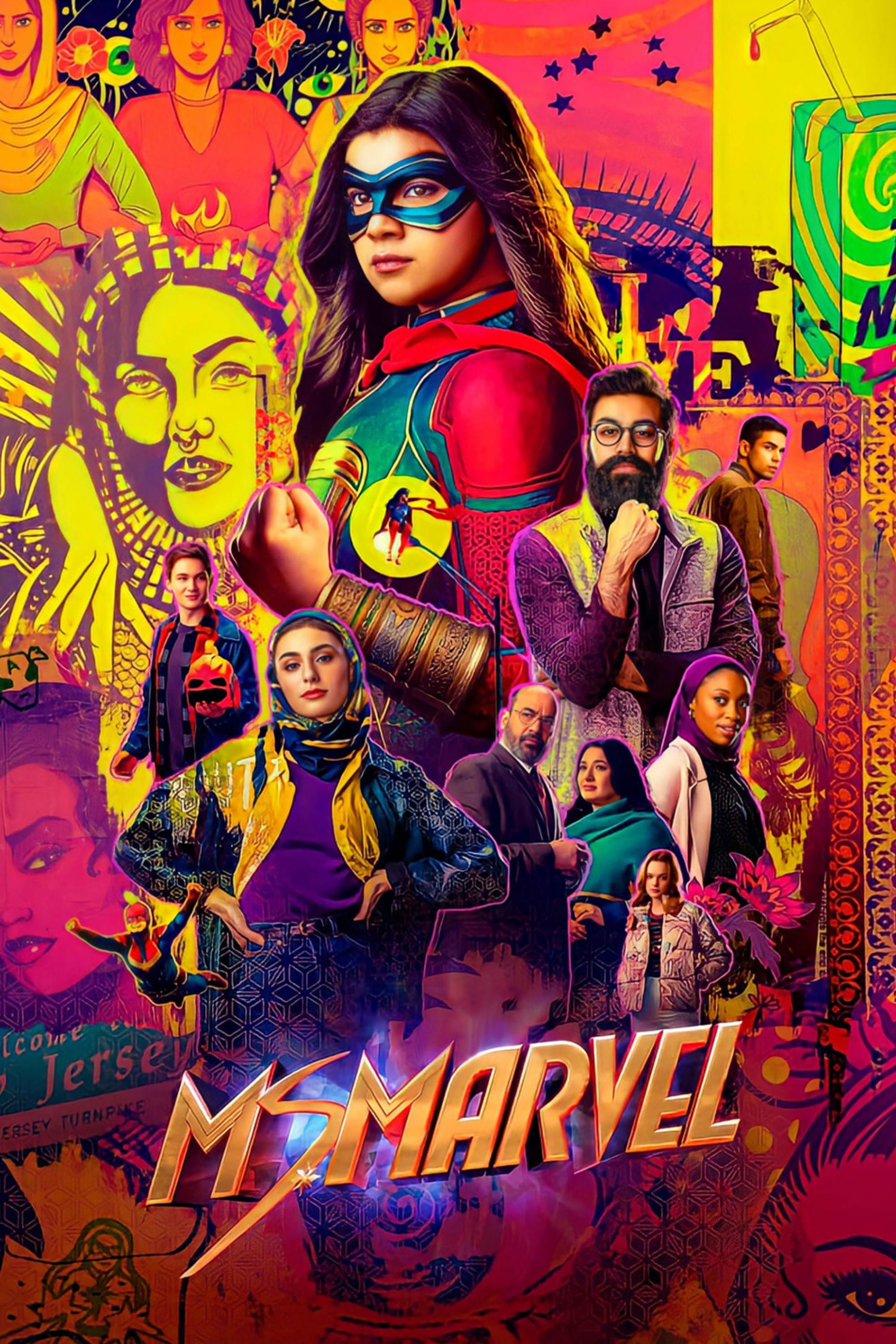
Iman Vellani, the actress who plays the main character, was a huge Marvel fan before landing the role. While making the show, the writers and producers often relied on her deep knowledge of Marvel comics to make sure details and character actions were accurate. Sana Amanat, an executive producer, and Kevin Feige, the president of Marvel Studios, both admitted that Vellani frequently pointed out mistakes in the established Marvel universe and helped fix continuity errors. Being a fan herself, Vellani’s insights were key to making Kamala Khan’s character feel like a genuine superhero enthusiast.
‘Lost’ (2004–2010)
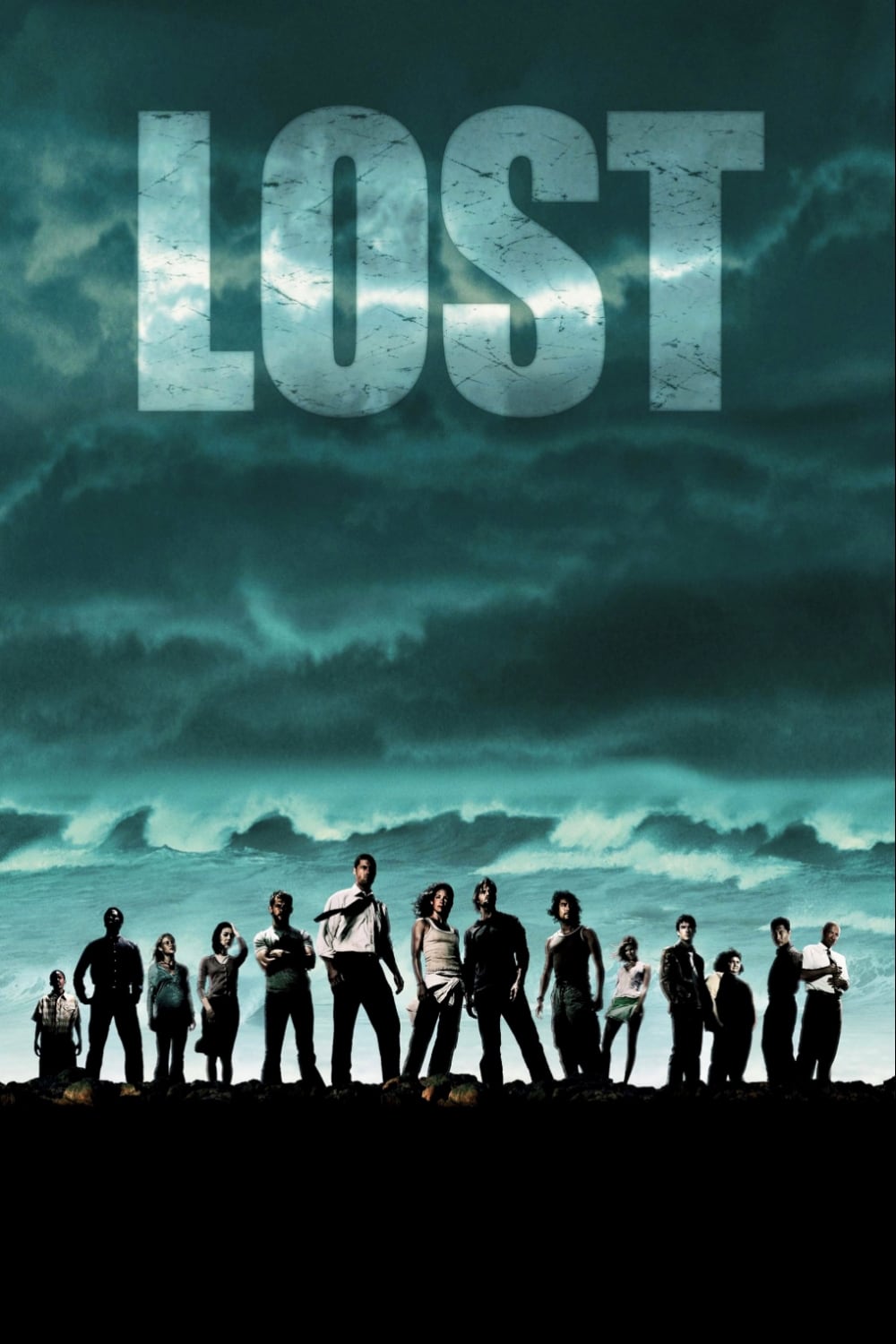
Although the show’s writers didn’t directly employ any fans, the production team heavily used Lostpedia, a wiki created by fans, as a crucial resource during writing sessions. Showrunners Damon Lindelof and Carlton Cuse confessed that the show’s complicated backstory became so detailed that they depended on the fans’ thorough records to manage timelines and less obvious character relationships. Essentially, the writers let their fanbase collectively maintain the show’s continuity information. This collaboration between the creators and the wiki editors was key to keeping the show’s complex mysteries consistent.
‘One Piece’ (2023–Present)
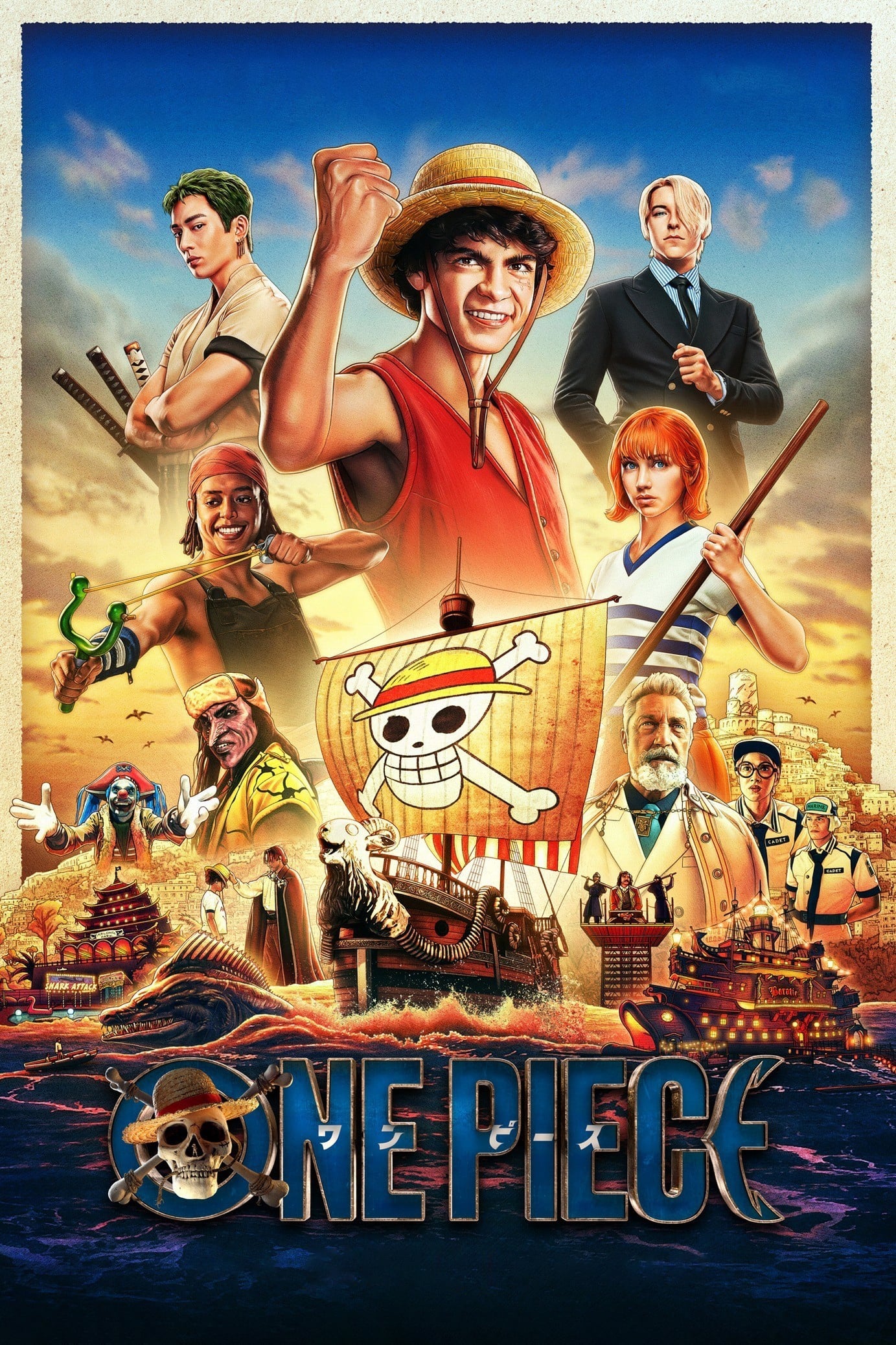
Matt Owens, the showrunner for the live-action adaptation, landed the job by proving to Netflix and the manga’s creator, Eiichiro Oda, that he was a dedicated fan. He believes his biggest strength for the role was his genuine love for the original story, which helped him stay true to its heart during the adaptation process. He serves as the go-to expert on the story’s history and rules within the writing team, making sure any changes for live-action don’t contradict the established world. His passion as a fan was key to earning Oda’s confidence in the project.
‘The Lord of the Rings: The Rings of Power’ (2022–Present)
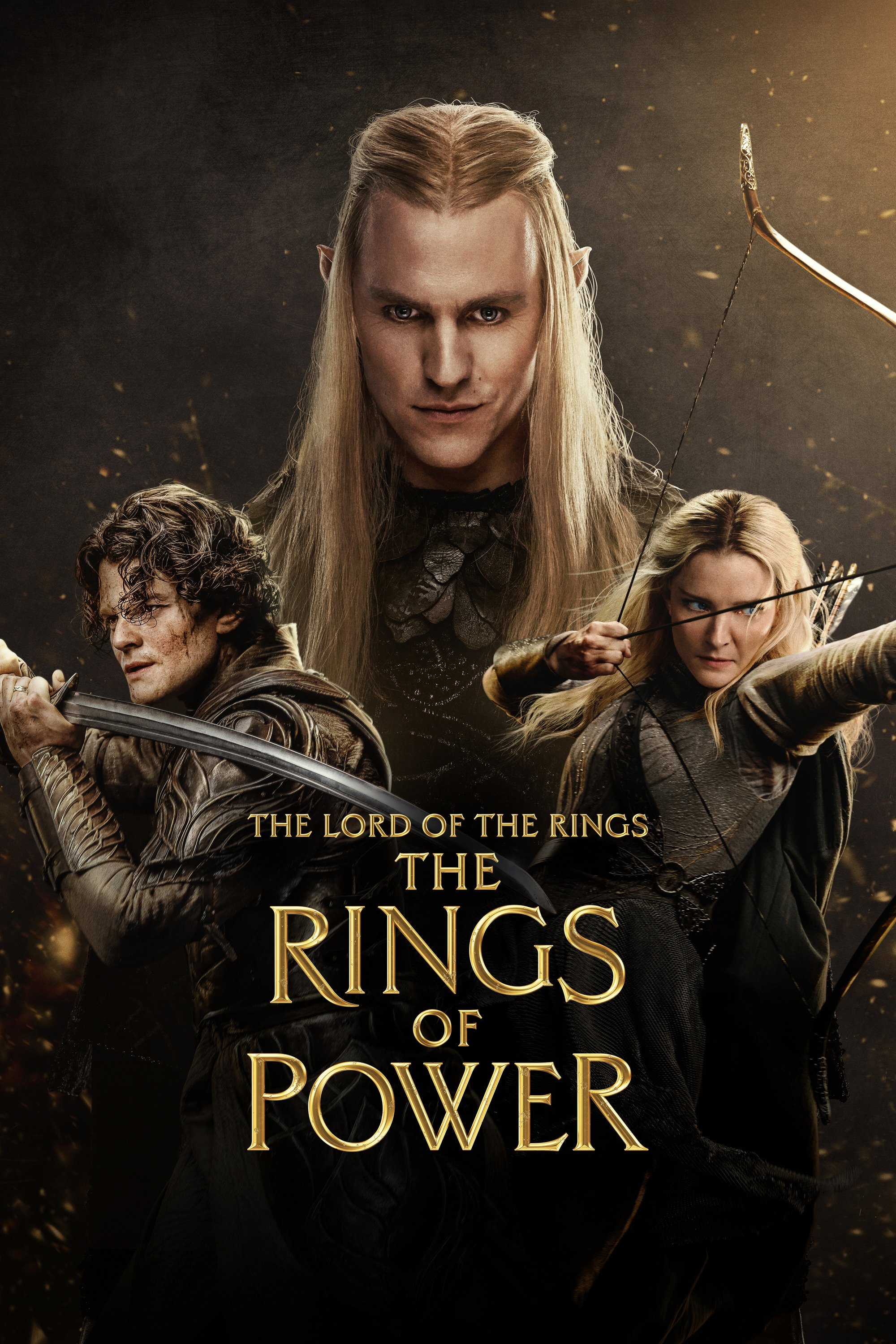
Creating the complex history of J.R.R. Tolkien’s Second Age required careful attention to detail. The show’s creators worked closely with Simon Tolkien, the author’s grandson and a successful novelist, as well as with Tolkien scholars and experts on Middle-earth lore. They used these consultants to understand the intricate history and languages Tolkien created, making sure the show felt true to his original work even with limited source material.
‘Star Trek: Discovery’ (2017–2024)
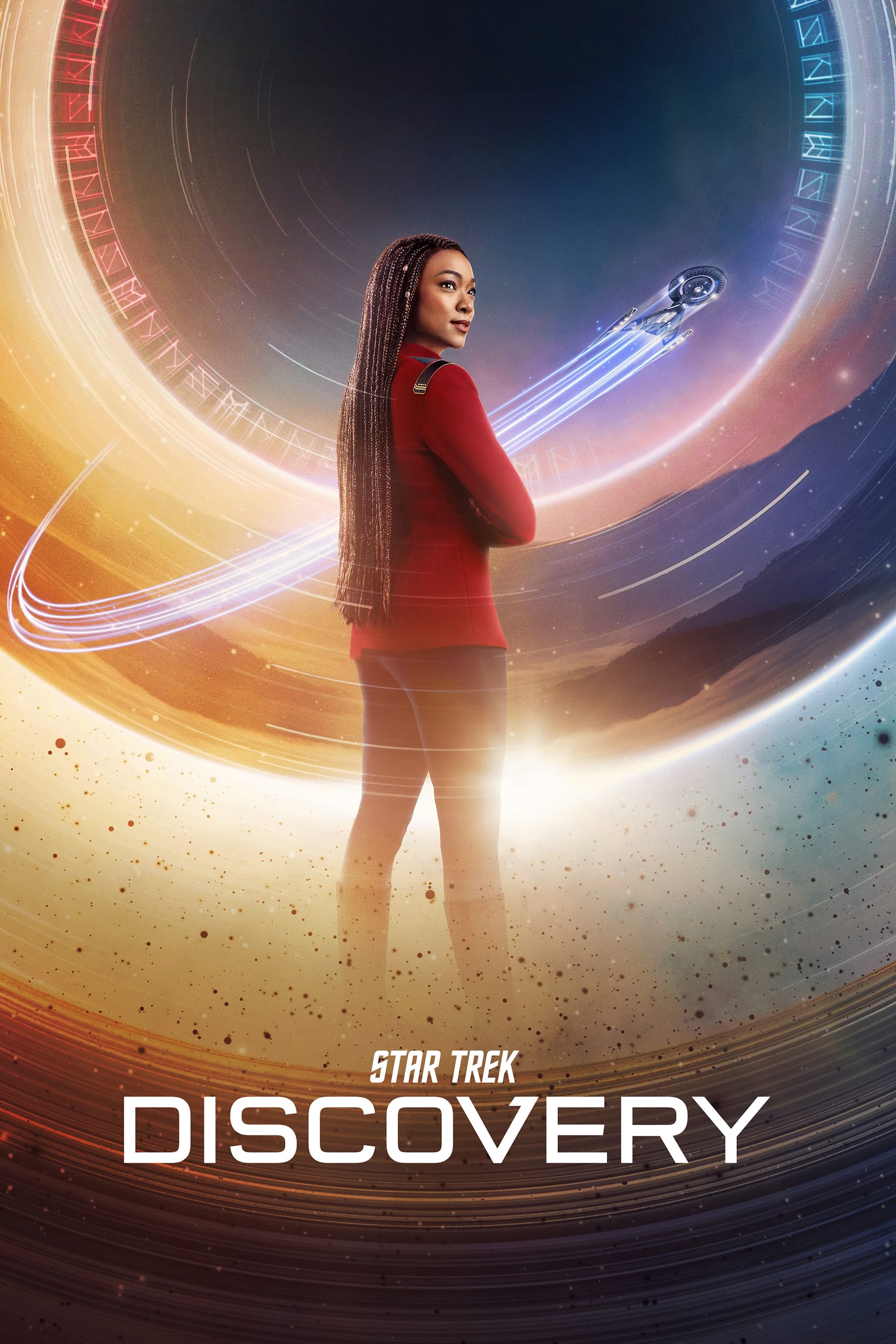
Just like the creators of ‘Lost’ once did, the teams making the new ‘Star Trek’ shows openly admit they use Memory Alpha, a detailed wiki created and maintained by fans. Writers check the site to confirm details about things like spaceship technology, alien backgrounds, and past events, making sure the new shows align with the established ‘Star Trek’ history. This essentially makes the combined work of thousands of fans an unofficial source of expertise for the series. It lets the writers build on over fifty years of ‘Star Trek’ lore without needing to remember every single episode.
‘My Little Pony: Friendship Is Magic’ (2010–2019)
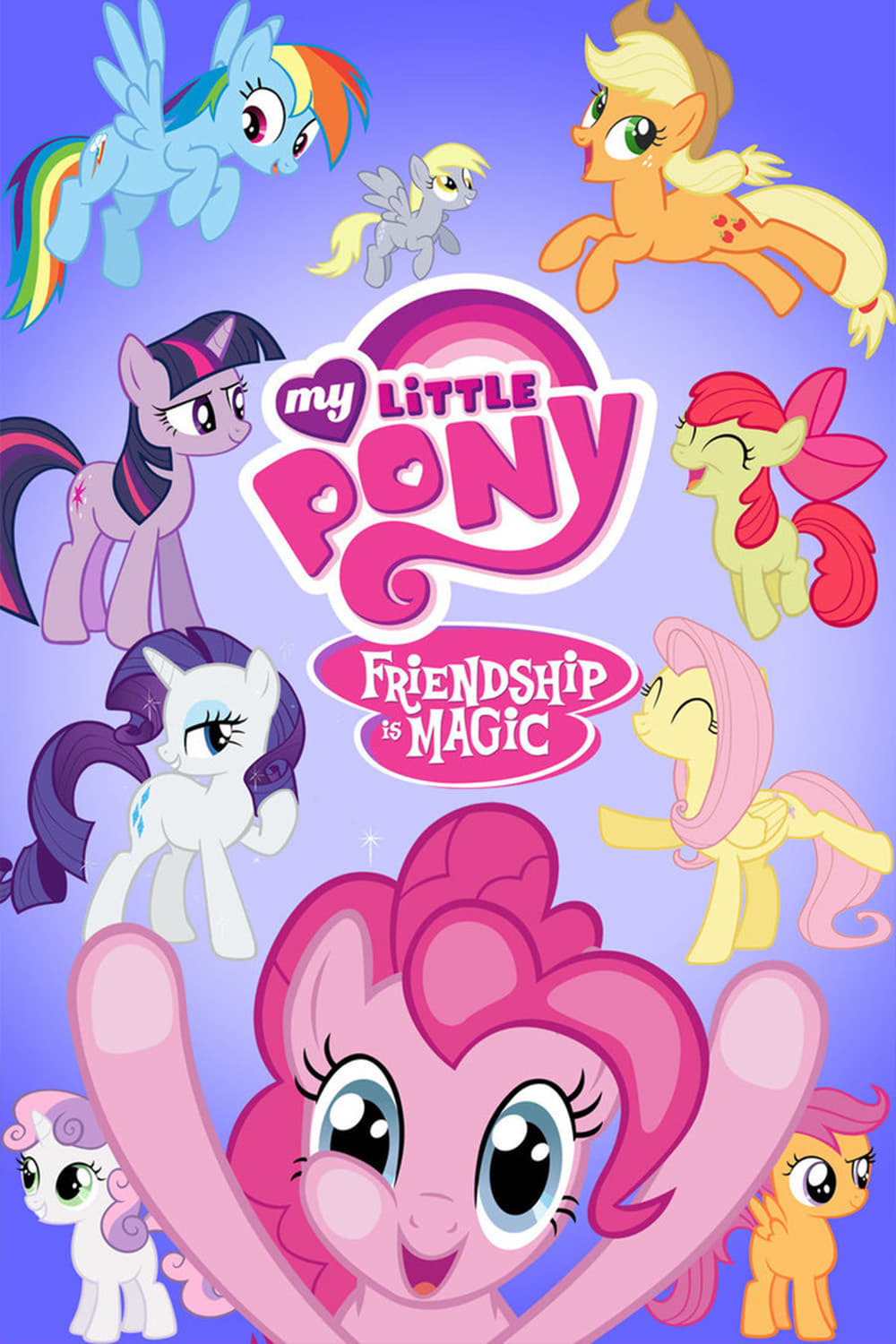
G.M. Berrow began as a fan of the series and later became an official author, writing guidebooks and novels based on it. Her strong grasp of the characters and world, showcased in her writing, eventually led to a position on the show’s writing team. She successfully incorporated details from the novels and other expanded materials into the television series, which fans appreciated as subtle references. Berrow’s journey from fan to writer highlights the show’s strong connection with its audience.
‘The Expanse’ (2015–2022)
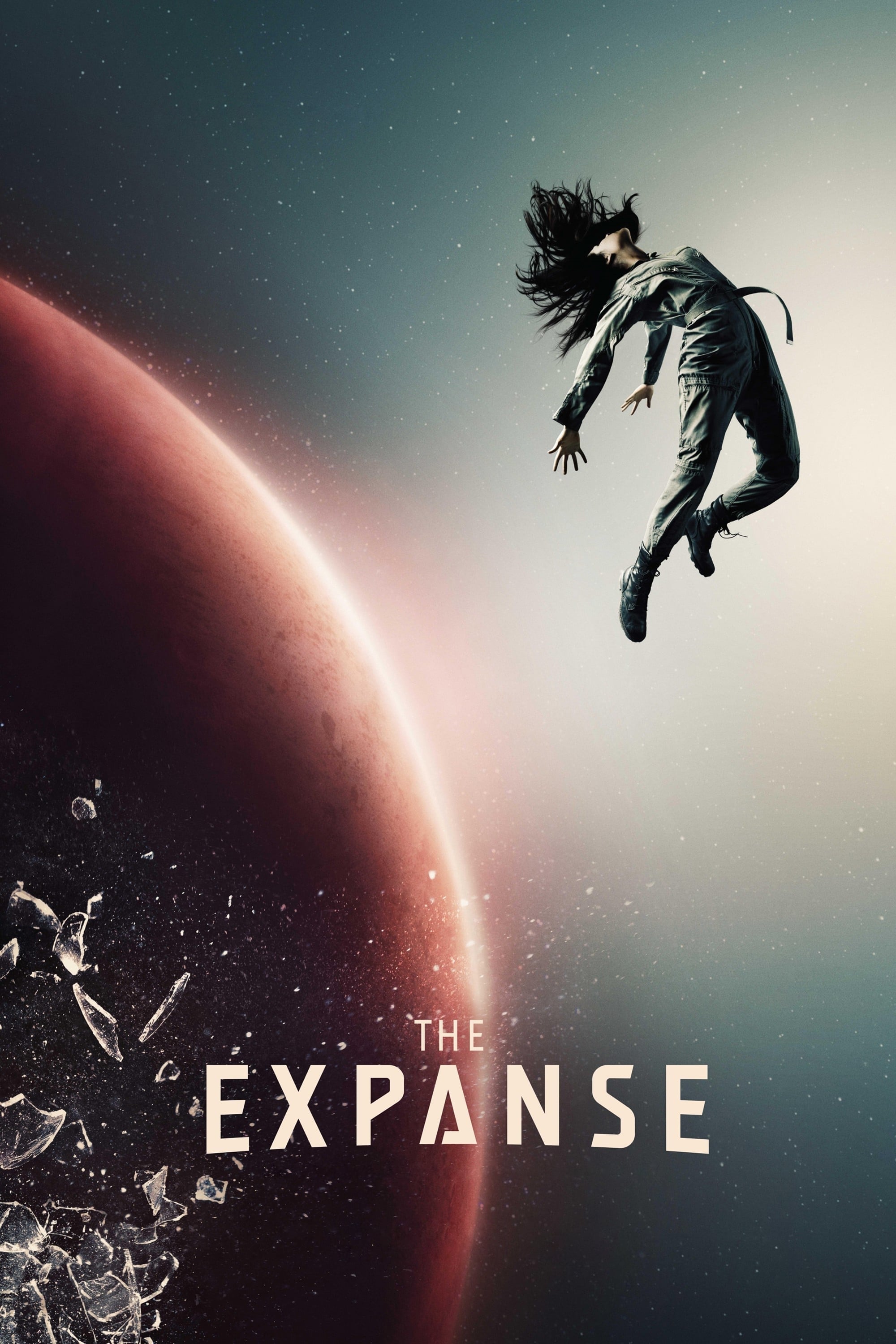
The team behind the show, led by showrunner Naren Shankar, regularly checked what fans were saying on Reddit and the show’s wiki to see how well the story was being understood and to make sure everything stayed consistent. The original authors of the books, Ty Franck and Daniel Abraham, were also key members of the writing team, offering their expertise on the world they created. By listening to fan feedback, they were able to improve the show’s scientific realism and complex political storylines, ultimately making it one of the most believable science fiction shows on TV.
‘Mystery Science Theater 3000’ (2017–2018)
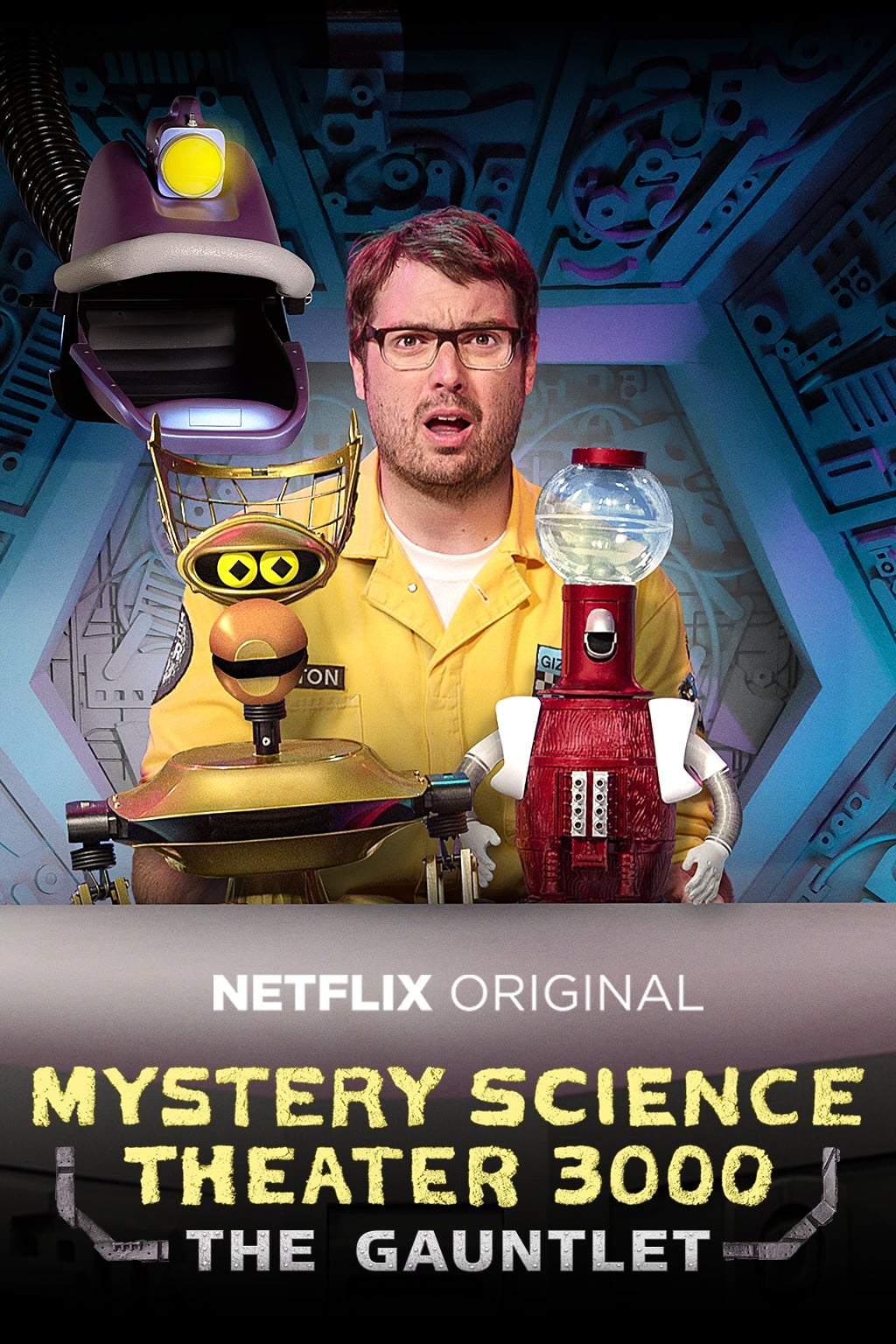
When Joel Hodgson brought back the beloved series, he intentionally sought out new writers from among its dedicated fans. He hired people who had watched the original show as children to write the jokes and commentary for the new episodes, which helped maintain the show’s unique and quirky sense of humor. This approach made the revival feel true to the original while also making it relevant for today’s viewers. Essentially, the writing team was made up of longtime, passionate fans.
‘The Last of Us’ (2023–Present)
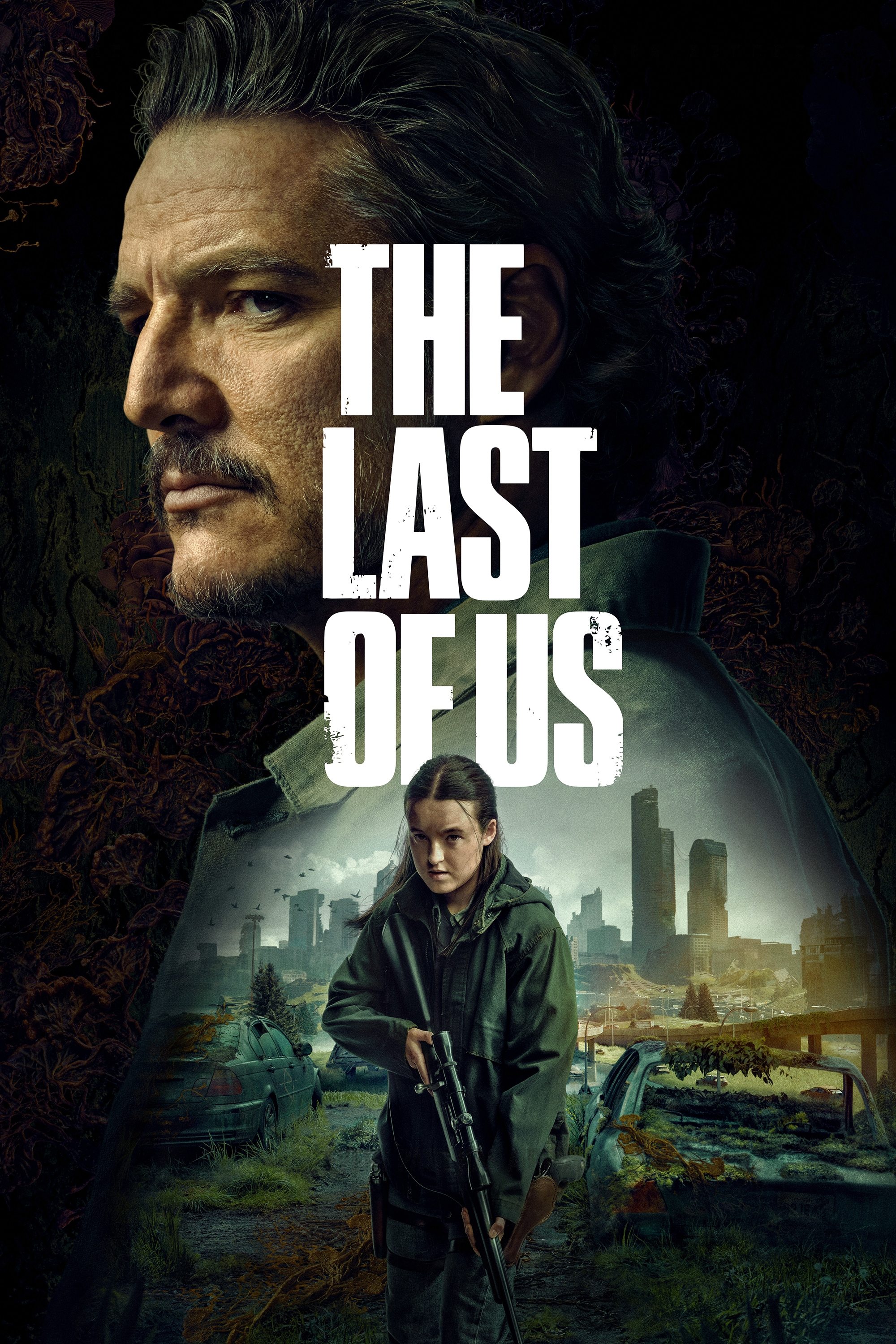
Craig Mazin, one of the show’s creators, was a dedicated fan of the original video game even before he started working on the TV series. He actively sought out the project because of his passion for the game’s story and teamed up with the game’s creator, Neil Druckmann, to adapt it for television. Being a longtime fan allowed Mazin to strongly defend the game’s most memorable moments and lines, ensuring the show stayed true to the source material. His deep understanding of the game’s emotional core was a key factor in the show’s positive reception.
‘X-Men ’97’ (2024–Present)
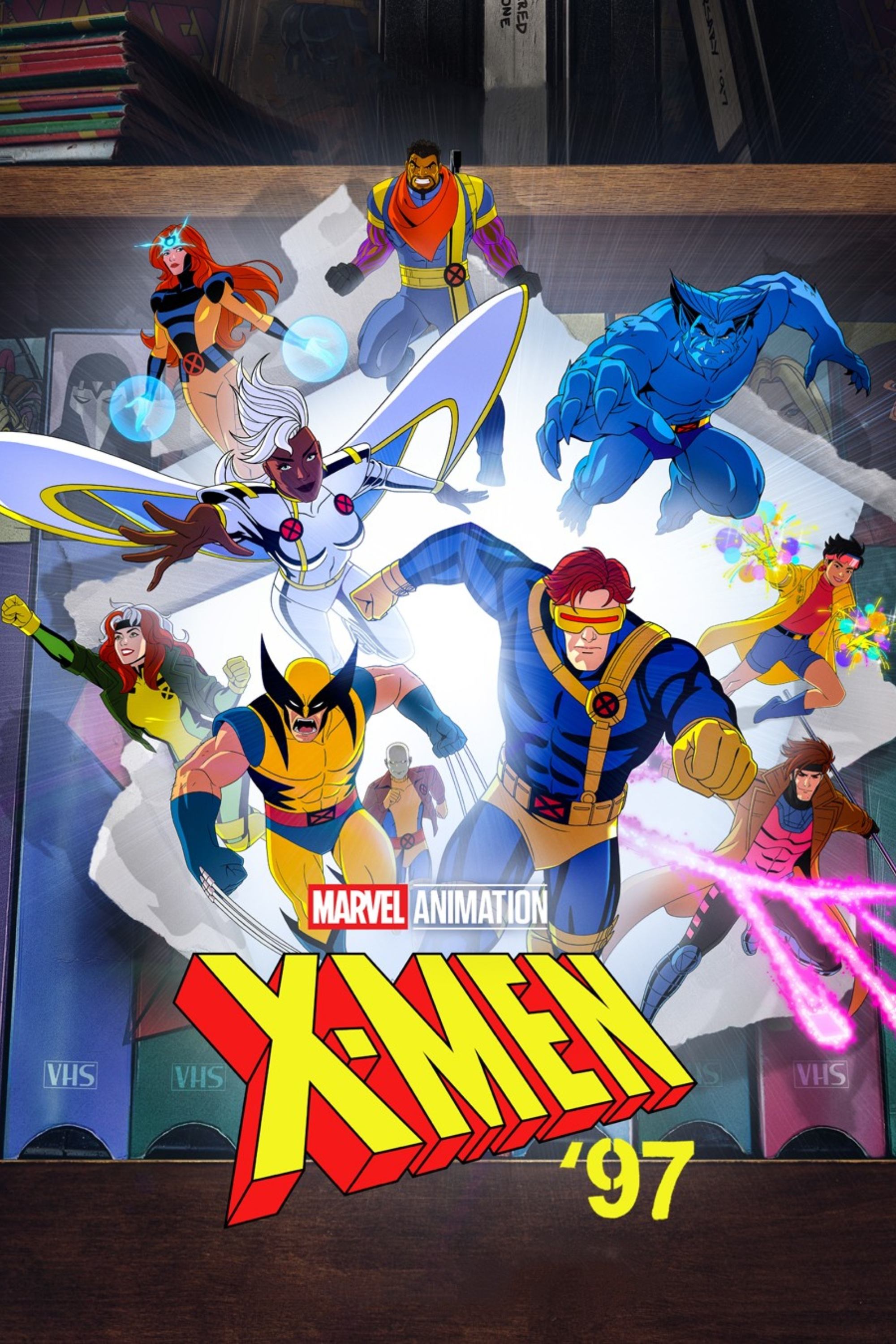
Beau DeMayo, the lead writer, and his team were brought on board because they were huge fans of the original 1990s cartoon and knew it inside and out. They acted like dedicated fans themselves, aiming to recapture the look and over-the-top drama of the show. They paid close attention to even the smallest details, using their own knowledge of the series to shape the story. This commitment to what fans loved led to a revival that felt like a natural continuation of the original.
Share your thoughts on which show best utilized its fan experts in the comments.
Read More
- 20 Movies Where the Black Villain Was Secretly the Most Popular Character
- Top 20 Dinosaur Movies, Ranked
- 25 “Woke” Films That Used Black Trauma to Humanize White Leads
- Silver Rate Forecast
- Spotting the Loops in Autonomous Systems
- Gold Rate Forecast
- From Bids to Best Policies: Smarter Auto-Bidding with Generative AI
- 22 Films Where the White Protagonist Is Canonically the Sidekick to a Black Lead
- Can AI Lie with a Picture? Detecting Deception in Multimodal Models
- Top 10 Coolest Things About Invincible (Mark Grayson)
2025-12-11 10:16