Television often used to introduce characters from minority groups only to kill them off quickly. This was a common way to create tension for the main characters without risking the lives of those the audience had grown to know better. Although storytelling has improved in recent years, this pattern shows how certain groups were historically treated as disposable. Looking at these examples helps us understand how television writing has changed and what audiences now expect.
‘The Walking Dead’ (2010–2022)
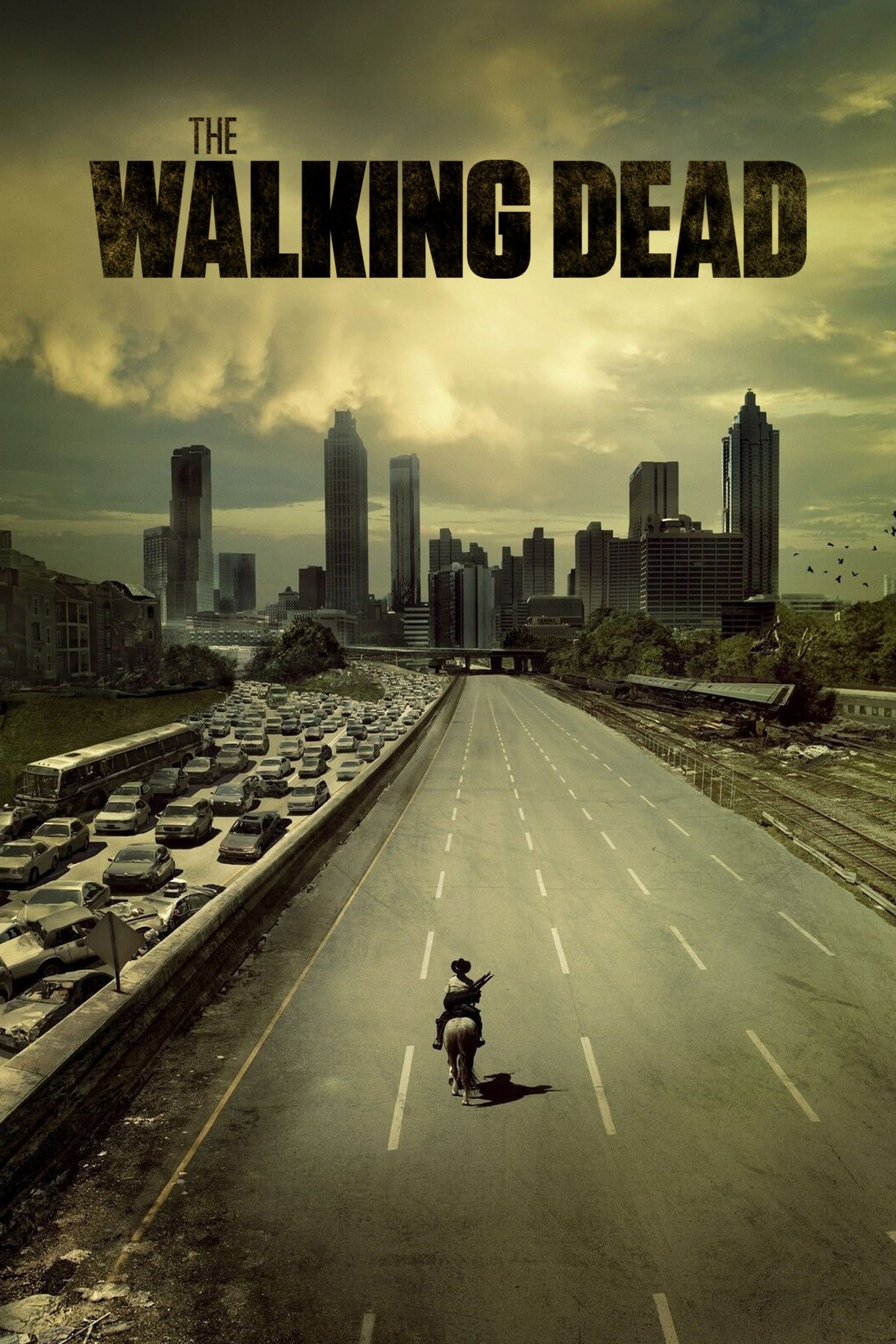
This post-apocalyptic show often features characters of color who join the main group, only to die in dangerous fights with zombies. While characters like T-Dog and Oscar were helpful, they didn’t receive the same detailed backstories as the show’s original white characters. Many viewers have noticed a pattern: when a character of color dies, another character of color is introduced, often to fill the same role of being quickly sacrificed. This has led to a feeling that characters of color are often temporary within the show’s dangerous world.
‘Scream Queens’ (2015–2016)
During the first season of this horror comedy, Shondell appears as a new security guard at the sorority house. She’s killed off very quickly, and this is played for laughs rather than treated as a serious event. This fast removal of a minor character of color unfortunately fits a common pattern where these characters are used and then quickly disposed of to establish the show’s style. The show uses her death to highlight how ineffective the other characters are, while also speeding up the story.
‘Supernatural’ (2005–2020)
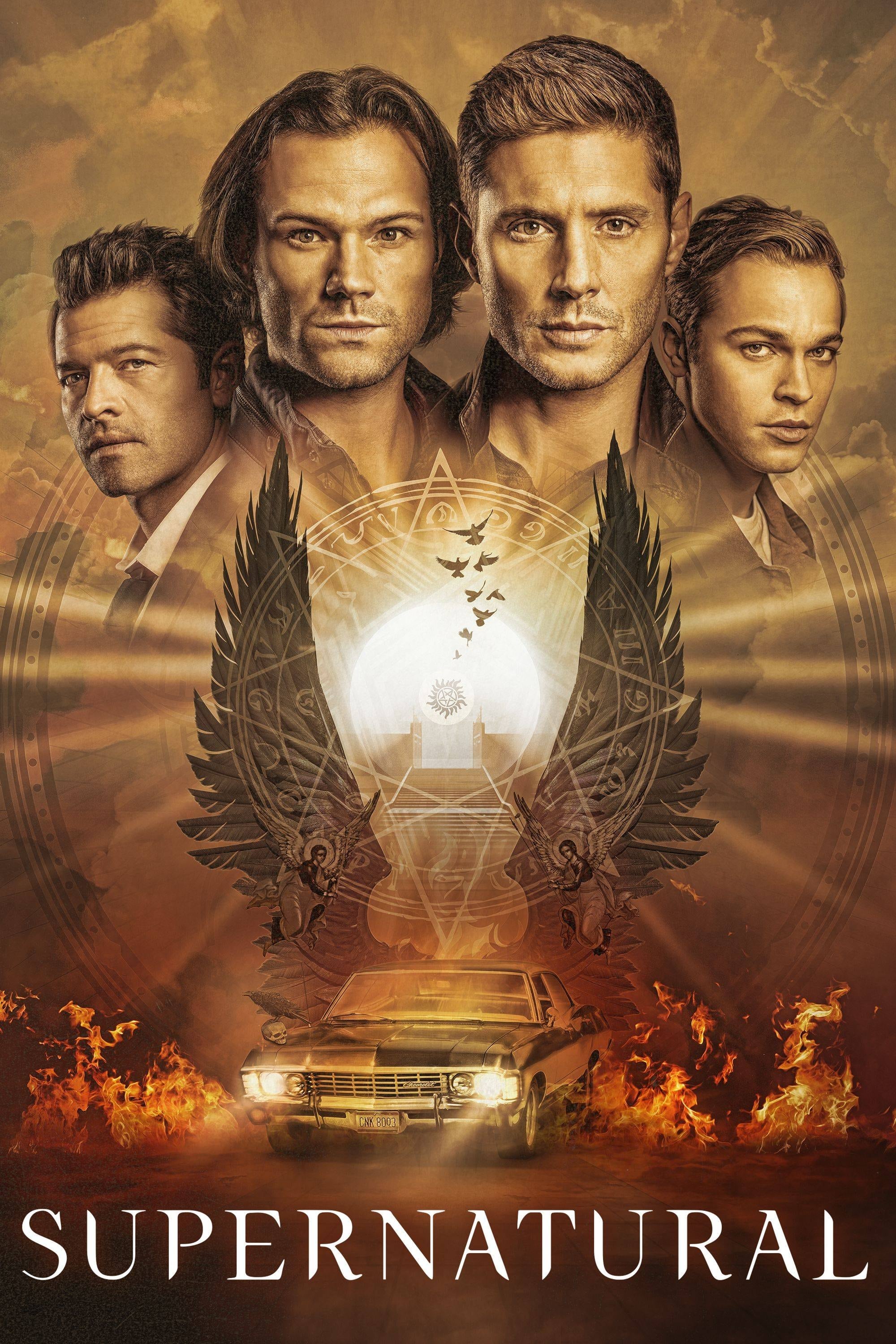
The series has often been criticized for killing off guest stars, particularly characters of color, at a high rate. These characters are frequently introduced as hunters or helpers, only to be killed by the monster of the week within the same episode. This pattern often leaves the show’s main white characters as the only survivors of each supernatural threat, and fans have been discussing the lack of lasting roles for minority characters for years.
‘Lost’ (2004–2010)
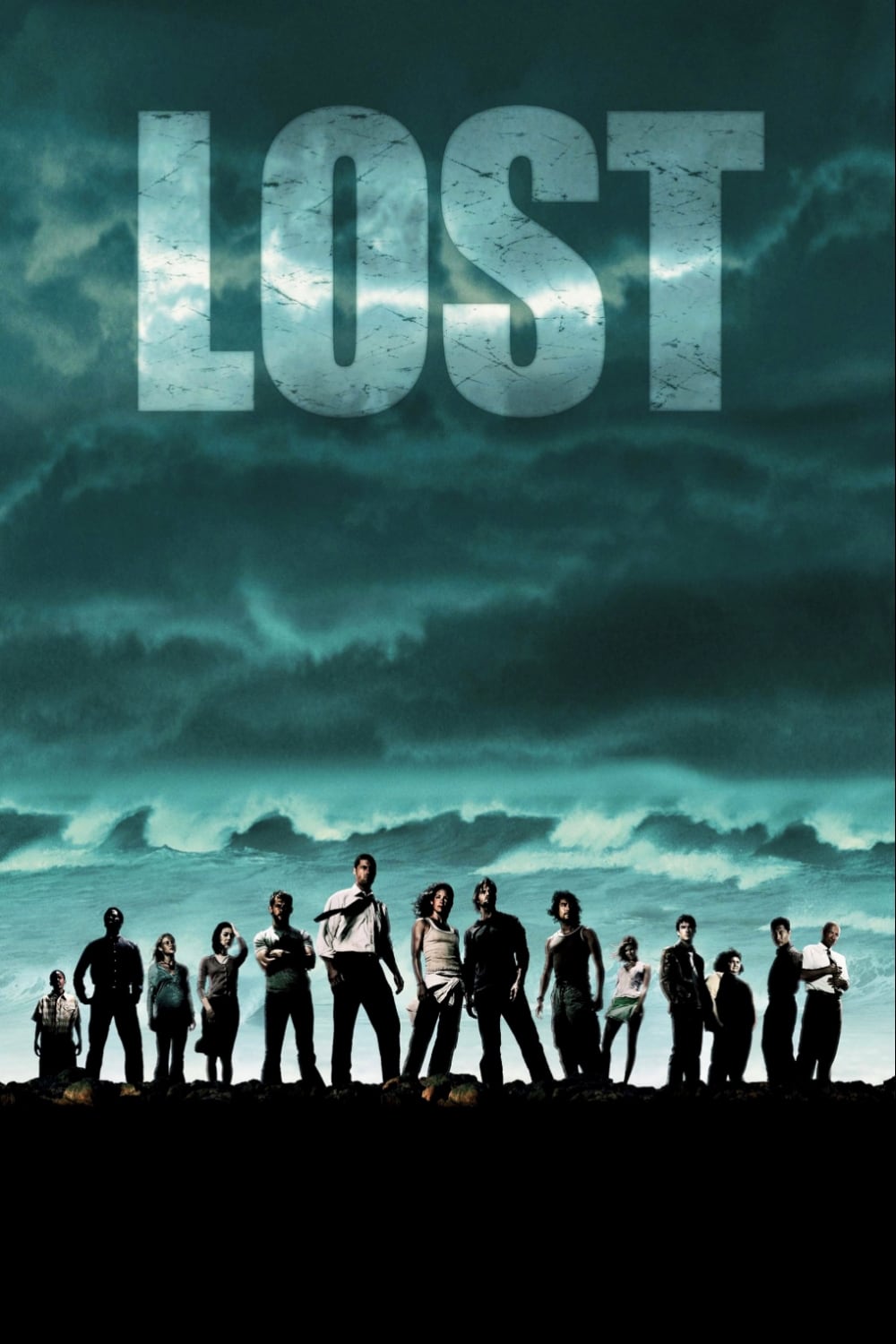
The show takes place on a remote island with a large group of characters, but several characters of color don’t get the chance to fully develop their stories, often being killed off before reaching their potential. For example, characters like Mr. Eko and Ana Lucia had promising arcs that were abruptly ended with violent deaths. This pattern meant that minority characters were more likely to die than the main white characters, which ultimately narrowed the focus to a smaller, less diverse group of heroes.
‘American Horror Story’ (2011–Present)
As a longtime fan, I’ve noticed a really frustrating trend in this show. It seems like whenever they introduce characters of color, they often give them compelling backgrounds, but then kill them off surprisingly quickly. I remember in ‘Coven,’ several minority characters were just there to show how powerful the main witches were, and sadly, it happened again in ‘Hotel’ and ‘Roanoke’ with guest stars. It feels like the story always circles back to the core group of white characters, and their arcs are the only ones that truly get resolved. It’s disappointing to see such promising characters sidelined so quickly.
‘The 100’ (2014–2020)
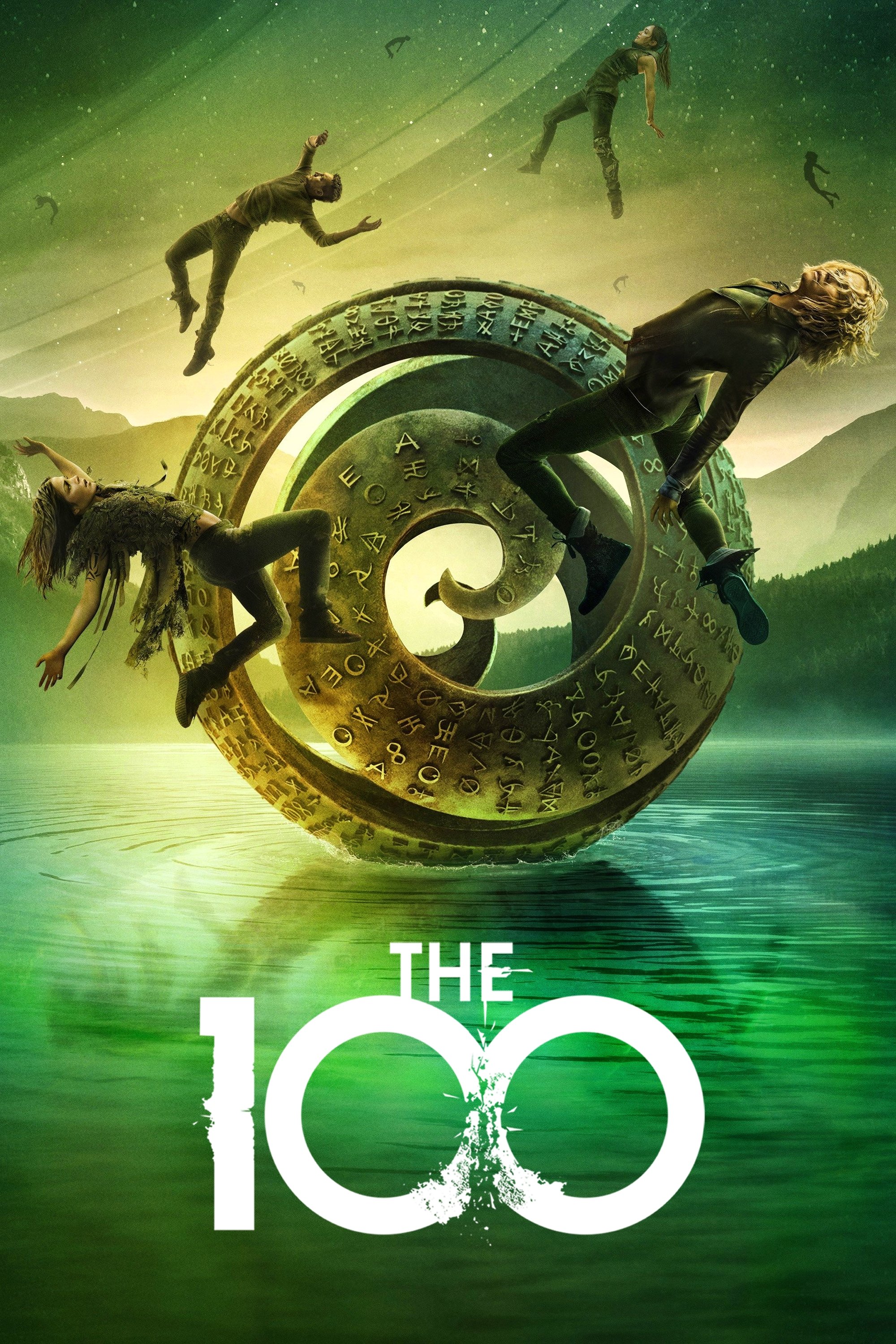
This sci-fi show is known for its high death rate, and characters of color are often among those who die, frequently due to the dangers of the setting. The early death of Wells Jaha, a prominent character from the original story, was particularly surprising to viewers. This event quickly showed how brutal and lawless the new world was, but it also meant losing a key character of color from the main cast. Unfortunately, other diverse characters often suffered similar fates soon after being introduced, especially if they showed promise as leaders or romantic partners.
‘Star Trek’ (1966–1969)
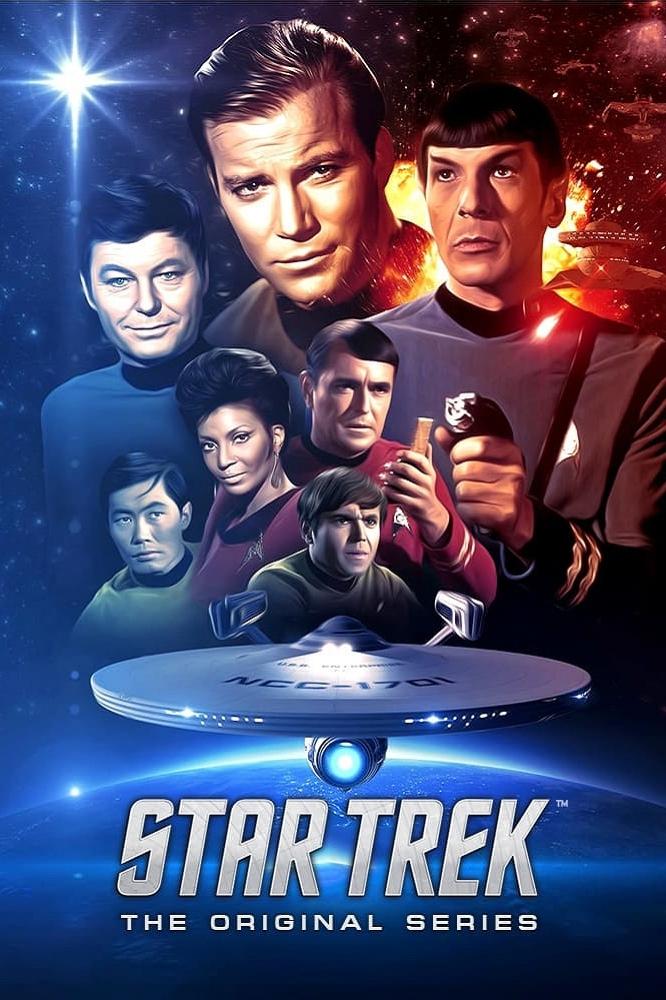
The show first popularized the idea of ‘redshirts’ – minor characters who were routinely killed off during adventures. Often, these security officers were played by actors from diverse backgrounds, but their characters weren’t given names or much development. This was a way to demonstrate the risks of exploring new worlds without endangering the main characters. This practice unfortunately created a lasting stereotype in science fiction of using diverse background characters as expendable figures.
‘Friday the 13th: The Series’ (1987–1990)
This horror series usually features a cursed object in each episode, leading to a string of deaths. Often, minor characters were the first to come across these objects and become victims. Their deaths served to explain the mystery for the main characters, and because these characters weren’t usually part of the ongoing story, their main purpose was to demonstrate just how dangerous the curse was each week.
‘The Vampire Diaries’ (2009–2017)
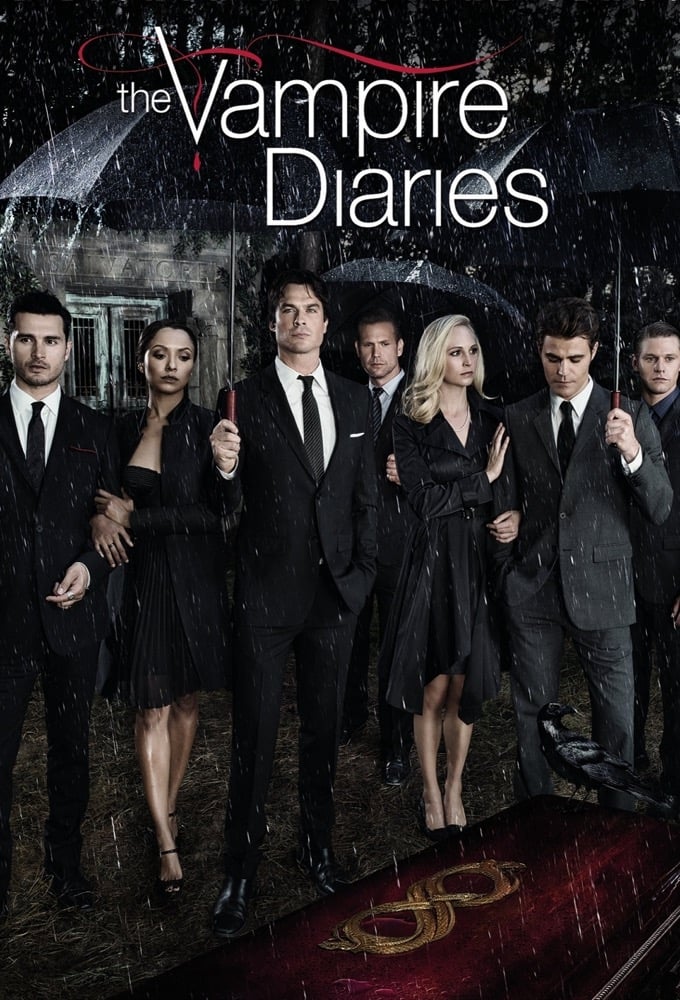
The show included some ongoing characters of color, but it also repeatedly introduced minor characters from minority groups only to have them killed off. This was especially noticeable with the Bennett family, who often died to ensure the main white characters stayed safe. These characters often felt like tools used to advance the plot, with their lives sacrificed for the sake of others. This pattern of sacrifice became a recurring issue for many viewers.
‘Buffy the Vampire Slayer’ (1997–2003)
The show frequently introduces interesting characters only to kill them off shortly after, often to heighten the emotional impact on the main characters. For example, Kendra, a powerful vampire slayer, was quickly killed, and others like Mr. Trick and several students also died violently. These deaths served to emphasize how dangerous the villains were and how uniquely capable the core group was of surviving the supernatural threats in Sunnydale.
‘Teen Wolf’ (2011–2017)

The show featured a recurring pattern where characters of color were introduced, often as new members of the werewolf pack or the town, only to be killed off shortly after. These characters, like Boyd and several diverse students, were frequently used to create tension and raise the stakes during important storylines. Their deaths usually served to motivate the show’s main white characters emotionally. This made it hard for characters from diverse backgrounds to have a meaningful, ongoing role in the series.
‘Charmed’ (1998–2006)
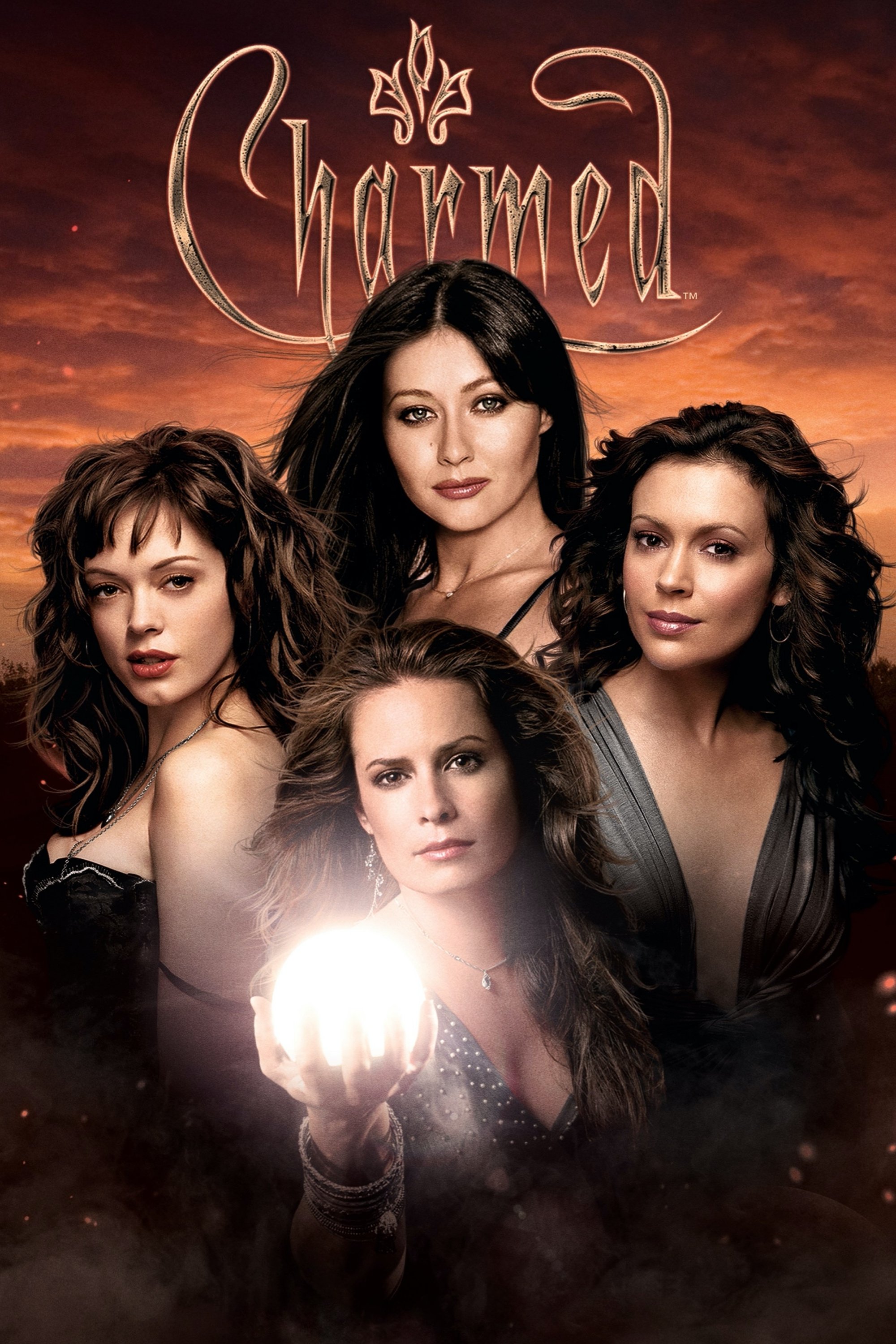
The show often introduced characters of color as guest stars, but they were frequently targeted by demons and killed off early in the episode. This served as a way to signal danger to the main characters, the Halliwell sisters. While a few were saved, many simply existed to demonstrate the week’s threat, meaning that meaningful representation of diverse characters was often limited to brief, vulnerable roles.
‘The X-Files’ (1993–2018)
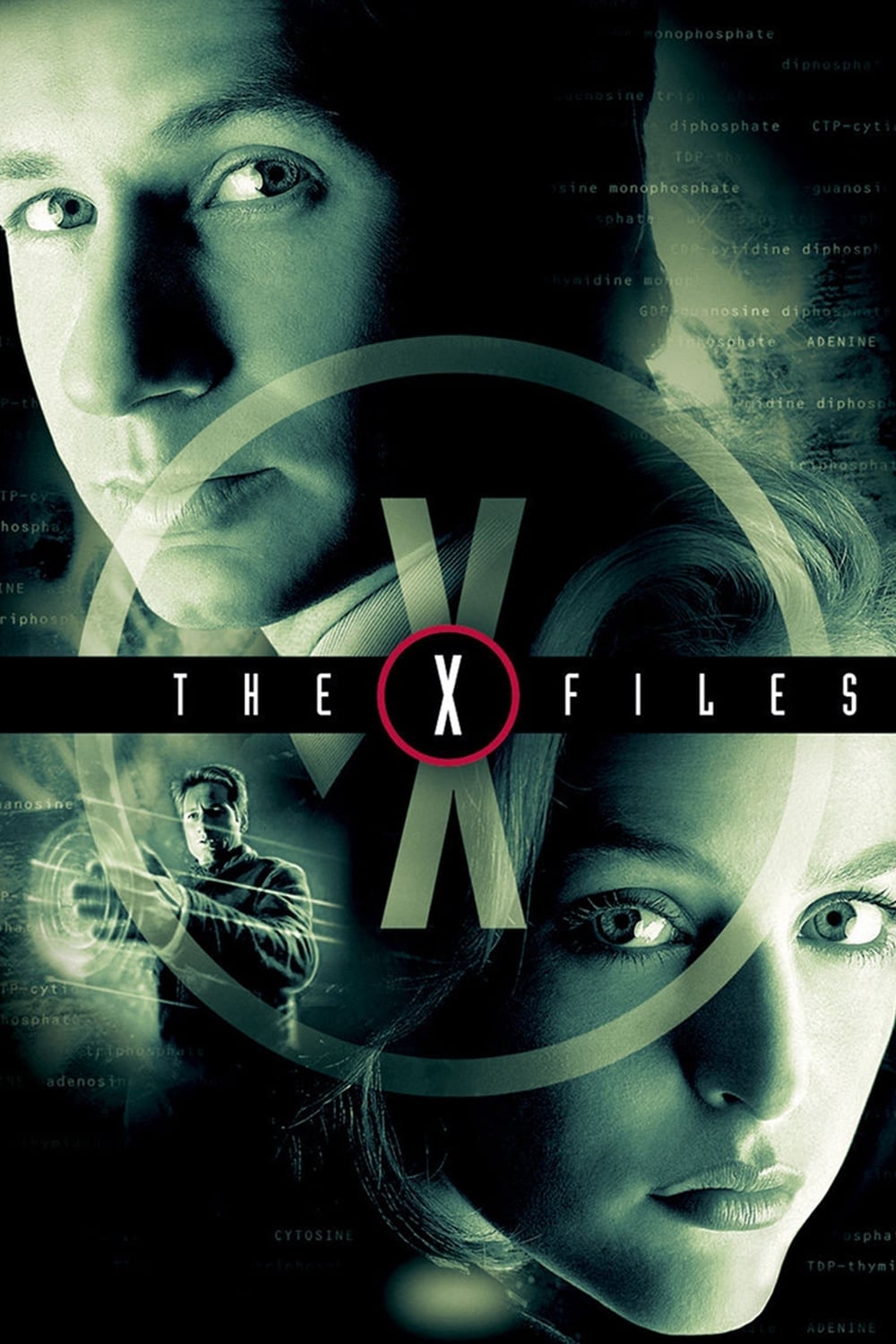
This paranormal investigation series often starts with the death of a relatively unimportant character, which kicks off the central mystery. These early victims were often from groups who were isolated or overlooked by society. Their deaths bring Mulder and Scully into the case, prompting them to investigate strange or unexplained events. Typically, these characters aren’t developed with much backstory or even given names before they disappear from the story.
‘Stranger Things’ (2016–Present)
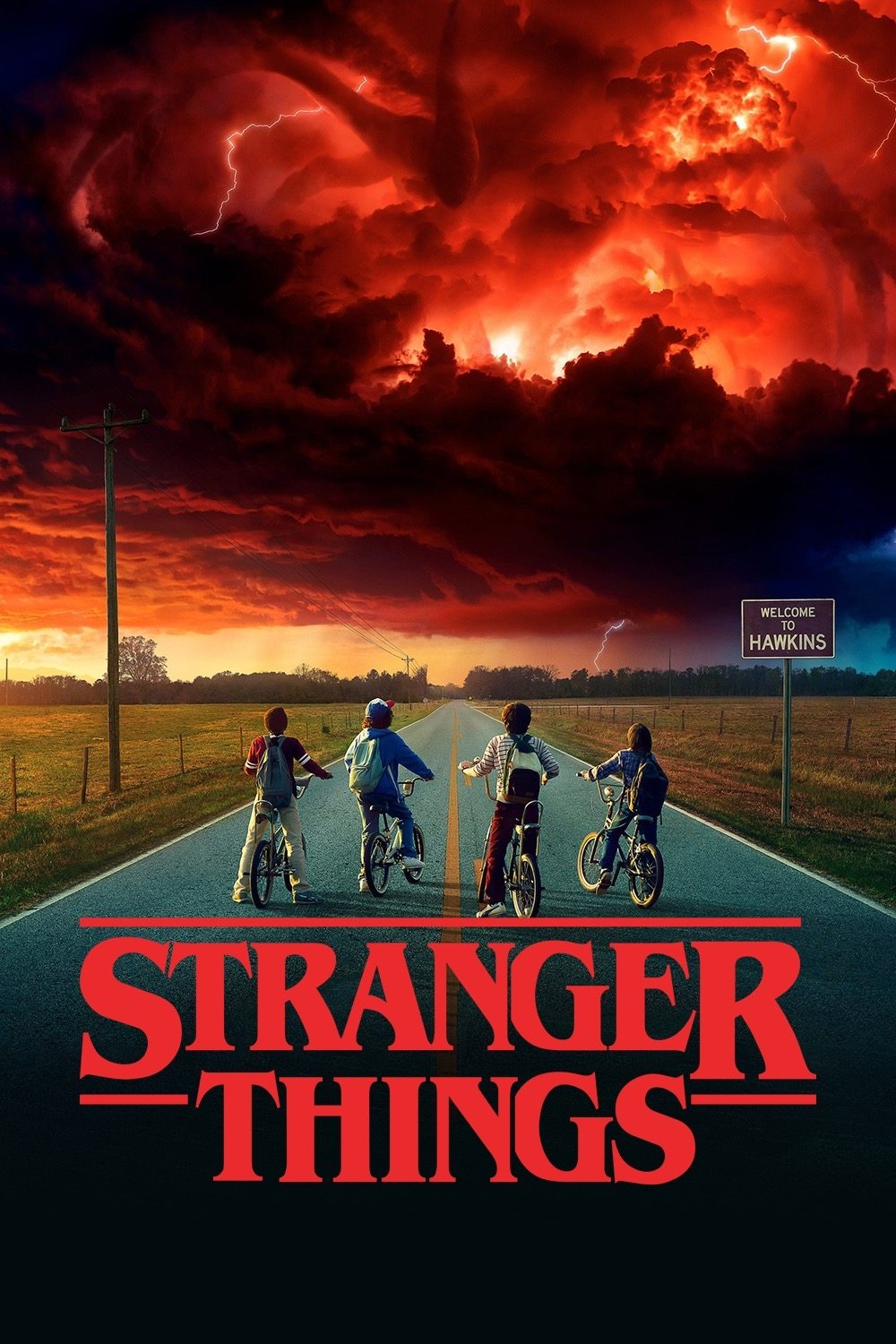
The show’s main cast has become more diverse, but in the beginning, characters of color who weren’t central to the plot were often killed off quickly. For example, characters like Benny were presented as friendly and supportive, only to be eliminated by the antagonists soon after. While these deaths were meant to emphasize how ruthless the villains were, they resulted in a lack of diverse characters within the main storyline. This pattern has been criticized, particularly regarding why these supporting characters didn’t survive.
‘Game of Thrones’ (2011–2019)
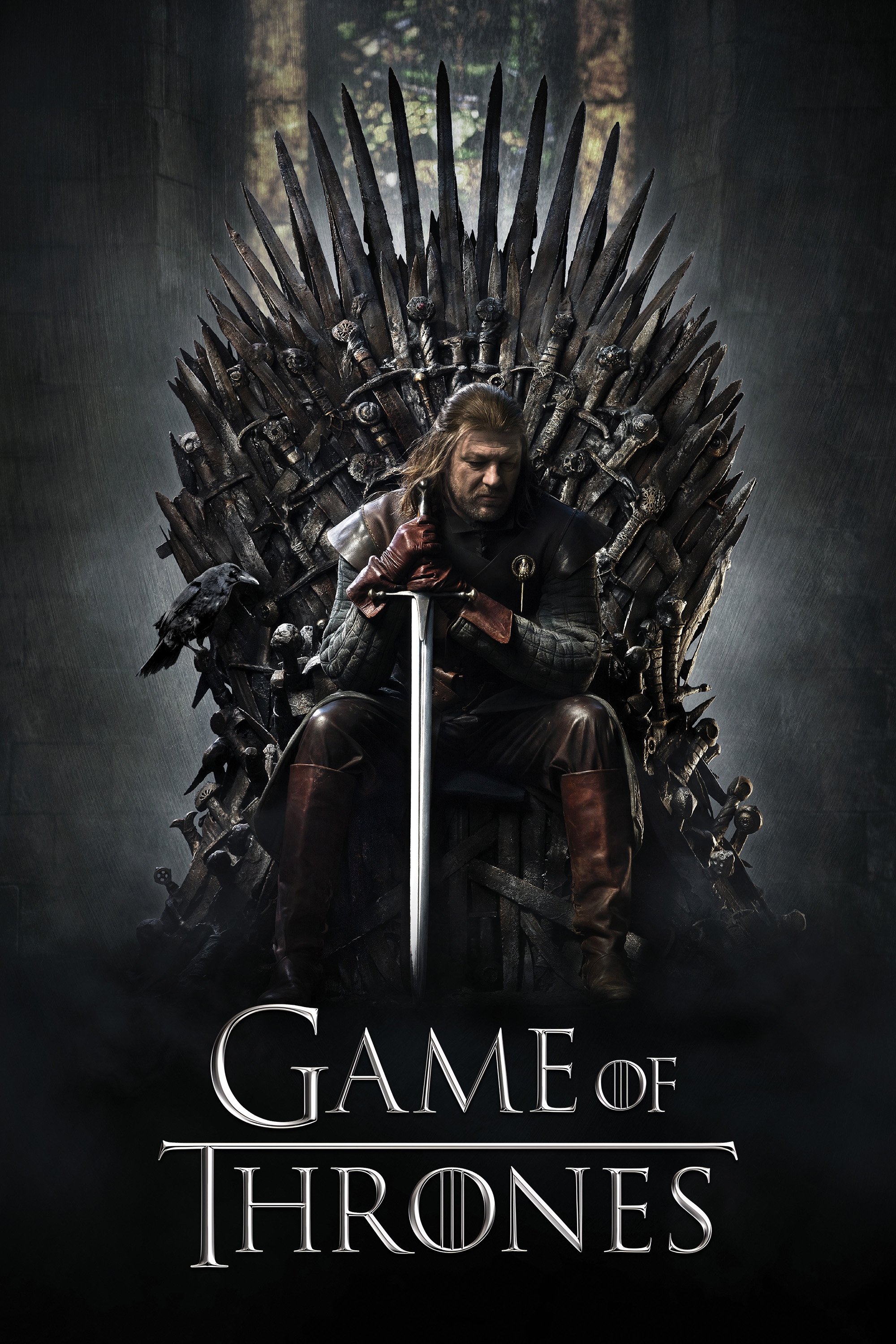
This expansive fantasy story is known for how often characters die, especially those from the continent of Essos. Characters like Areo Hotah and several Dothraki leaders were built up as important figures, only to be killed off quickly or without much fanfare. These deaths frequently helped the major families from Westeros gain more control. Despite the story’s large scope, characters who weren’t part of the main noble families often felt vulnerable and their survival was uncertain.
‘Dexter’ (2006–2013)
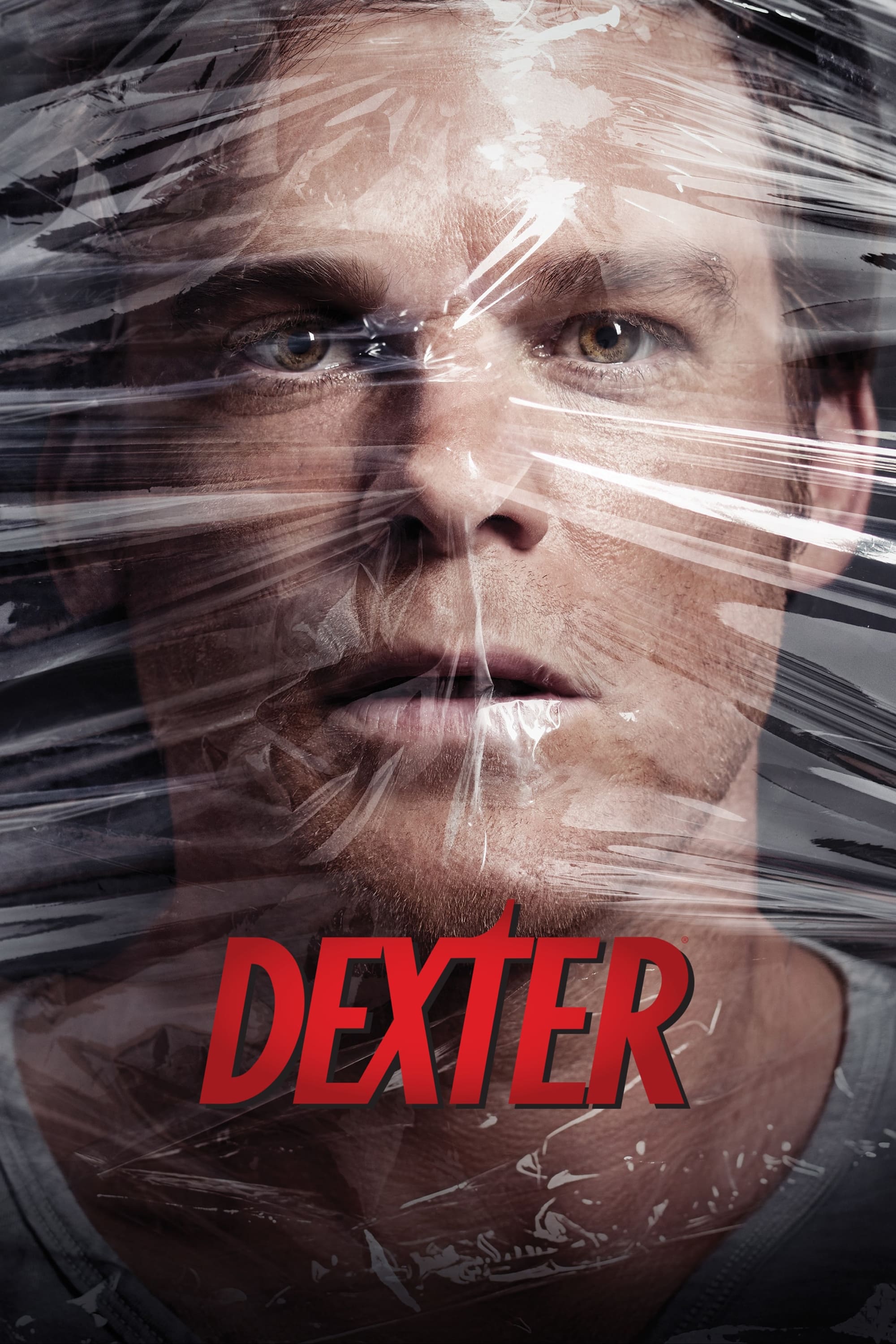
This crime drama followed a predictable pattern, often featuring minor characters from diverse backgrounds who appeared only briefly. These characters typically played criminals in Miami, and their deaths served to fulfill the main character’s personal rules. Because they were often portrayed as ‘bad guys’ or small-time offenders, their deaths felt acceptable or even deserved within the story. This approach unfortunately limited the portrayal of diverse characters to either victims or villains, without exploring more complex roles.
‘True Blood’ (2008–2014)

This series featured a wide range of supernatural beings, but many characters from minority groups were killed off early and often violently. Characters like Jesus and diverse vampires were frequently used as plot devices – either to create emotional impact or as expendable sacrifices in power plays. Their deaths often drove the main characters to act, creating the impression that despite the diversity of the supernatural world, survival wasn’t guaranteed for everyone.
‘Sons of Anarchy’ (2008–2014)
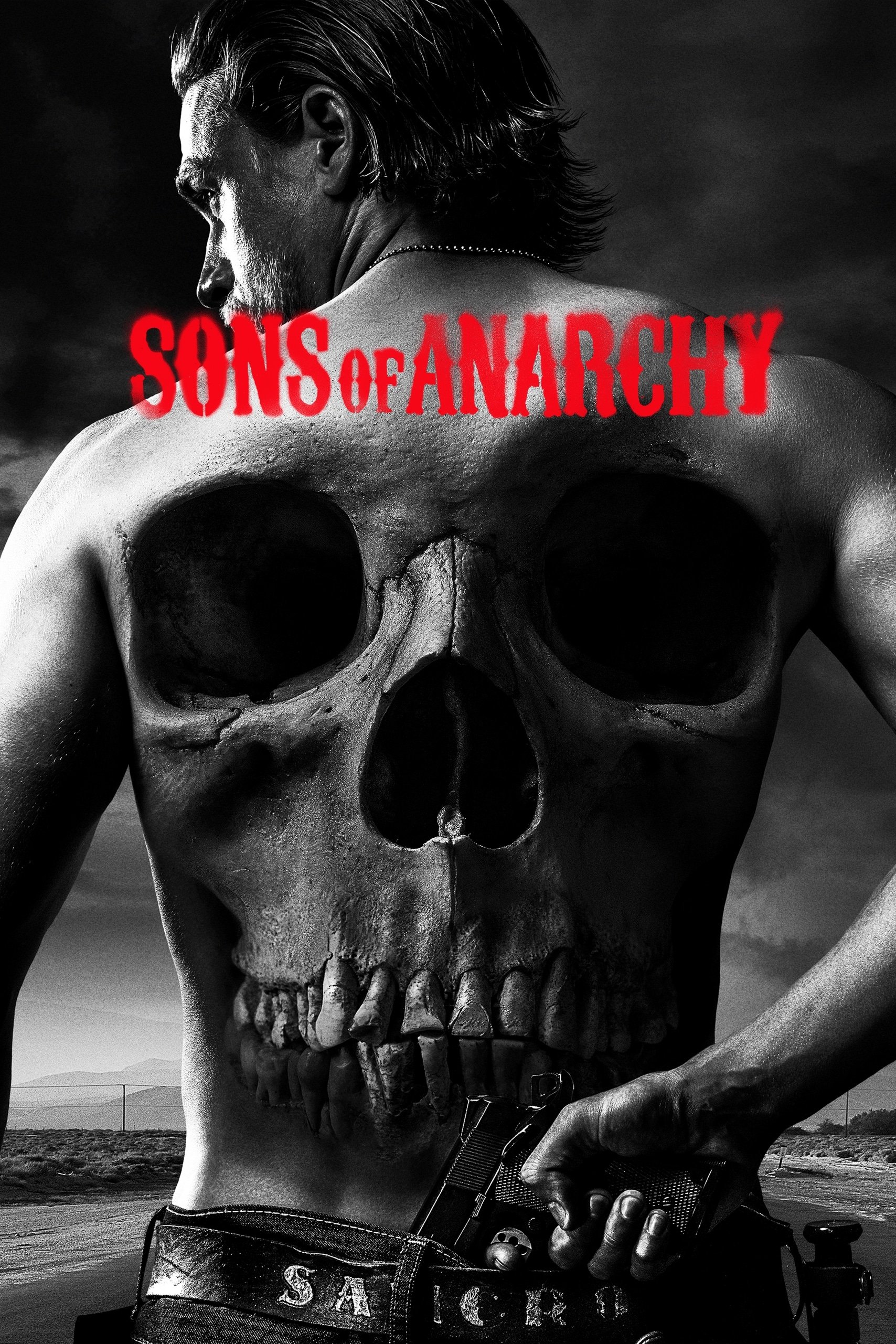
This crime drama often showed violence erupting between rival gangs, and unfortunately, members of minority groups were often the first to be killed. These characters were frequently used to highlight the increasing conflict between the different groups in the town. While a few minority characters played important roles, many others only appeared to become victims of the ongoing gang wars. This constant cycle of violence meant their individual stories weren’t fully explored.
‘Fear the Walking Dead’ (2015–2023)
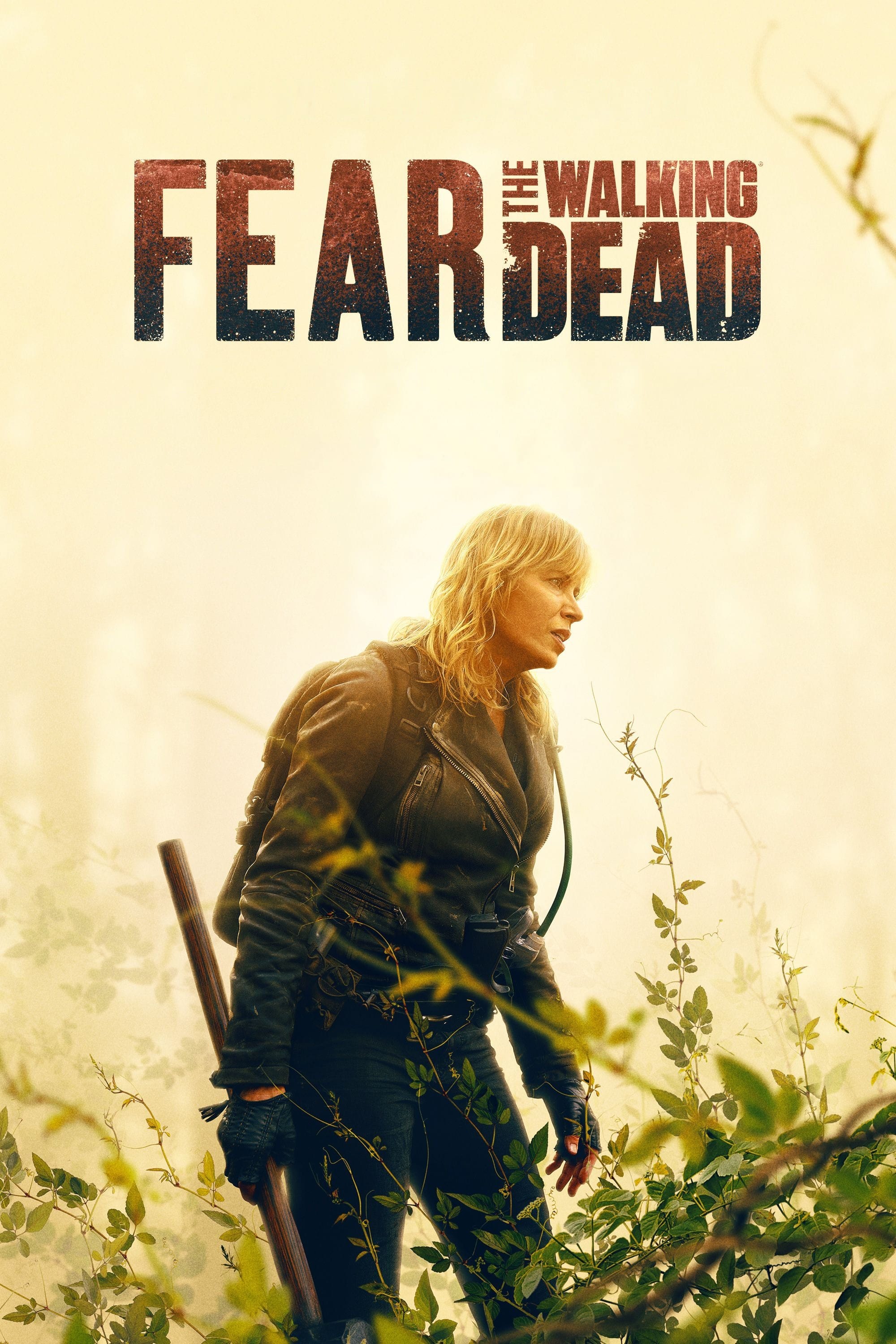
Okay, so this show, like the original, loves to bring in new groups of survivors… and then quickly kill them off. What’s really struck me, and a lot of other viewers, is how often characters of color are introduced, seem like they’re becoming part of the core family, and then… they’re gone, usually pretty early on. It definitely highlights how dangerous this world is, but it’s become a pattern, and honestly, it feels predictable. It’s sparked a lot of conversation about whether the show is handling its supporting characters of color with the care they deserve, and I think that’s a valid point.
‘Oz’ (1997–2003)
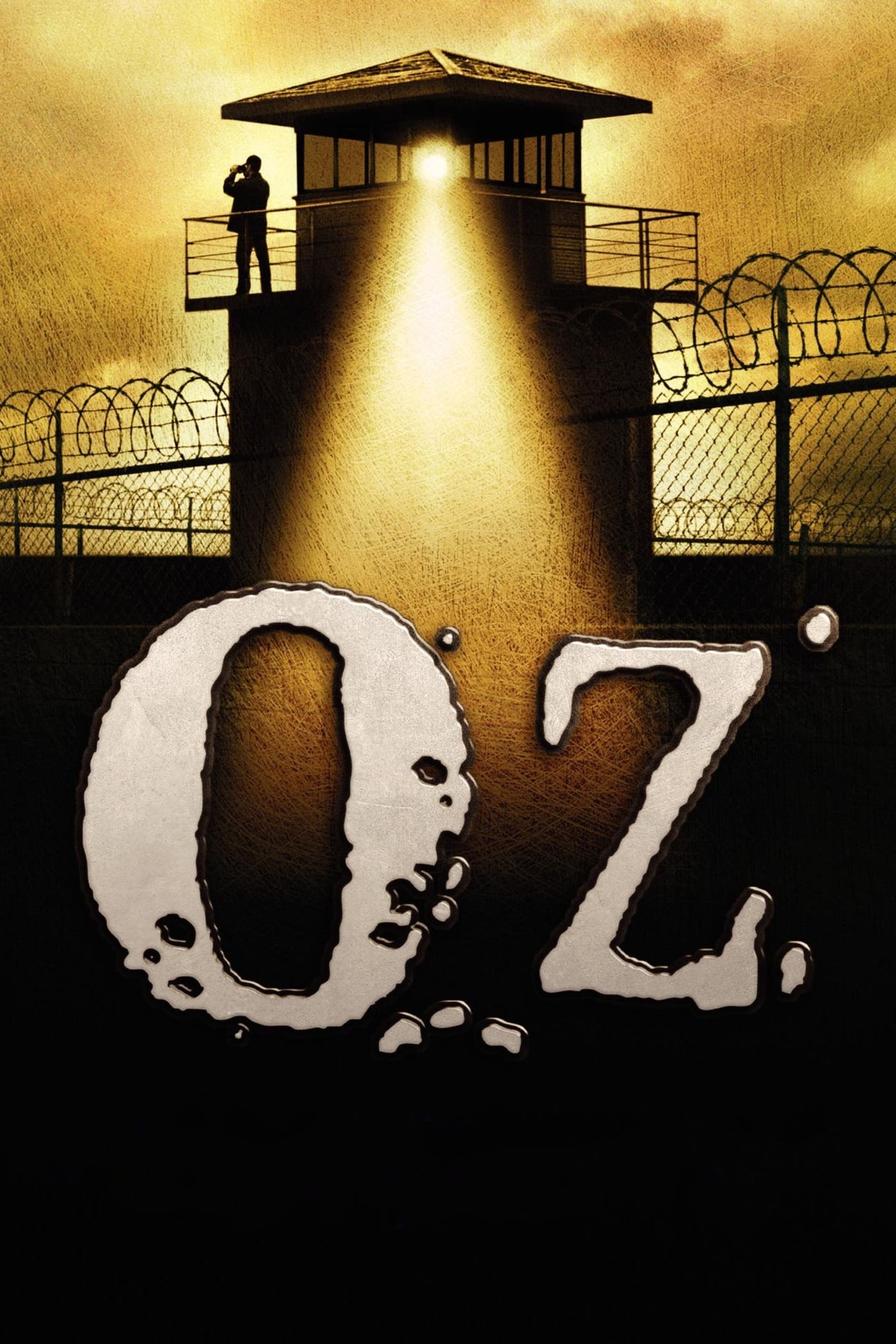
This show, set in a prison, featured a diverse group of characters, but characters of color were often killed off quickly. They’d frequently appear in an episode and then be killed in the next, a tactic used to emphasize the prison’s dangerous atmosphere and shock viewers. As a result, these characters rarely had the opportunity to develop meaningful storylines.
‘Twin Peaks’ (1990–1991)
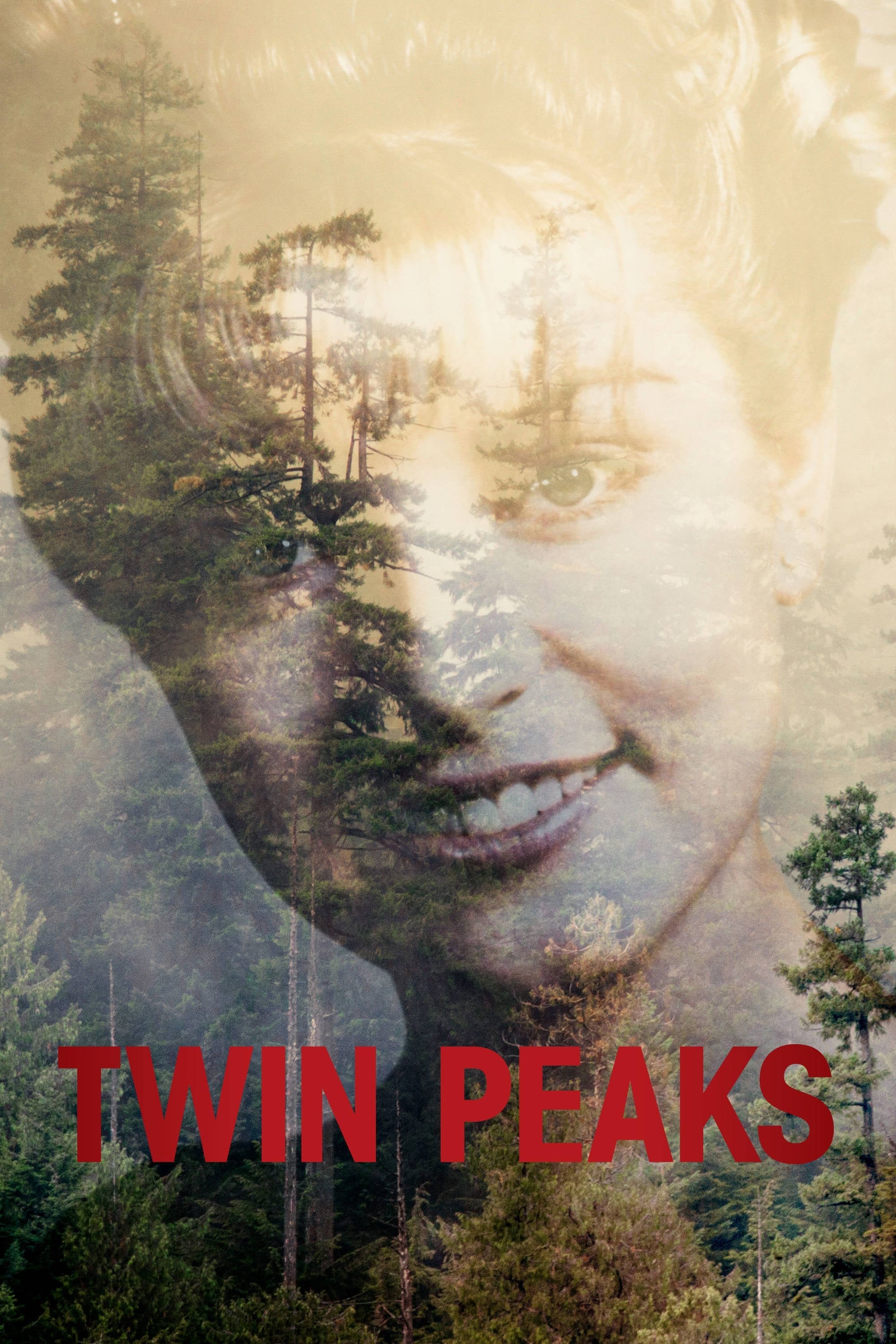
The first season of this strange and puzzling mystery included several characters of color who were connected to the town’s criminal activity. Unfortunately, these characters often met unhappy fates or vanished once they’d fulfilled their role in the plot. They weren’t central to the main investigation of Laura Palmer’s murder, which meant they had a limited effect on the overall story, but it did reinforce how unsettling and dangerous the town was.
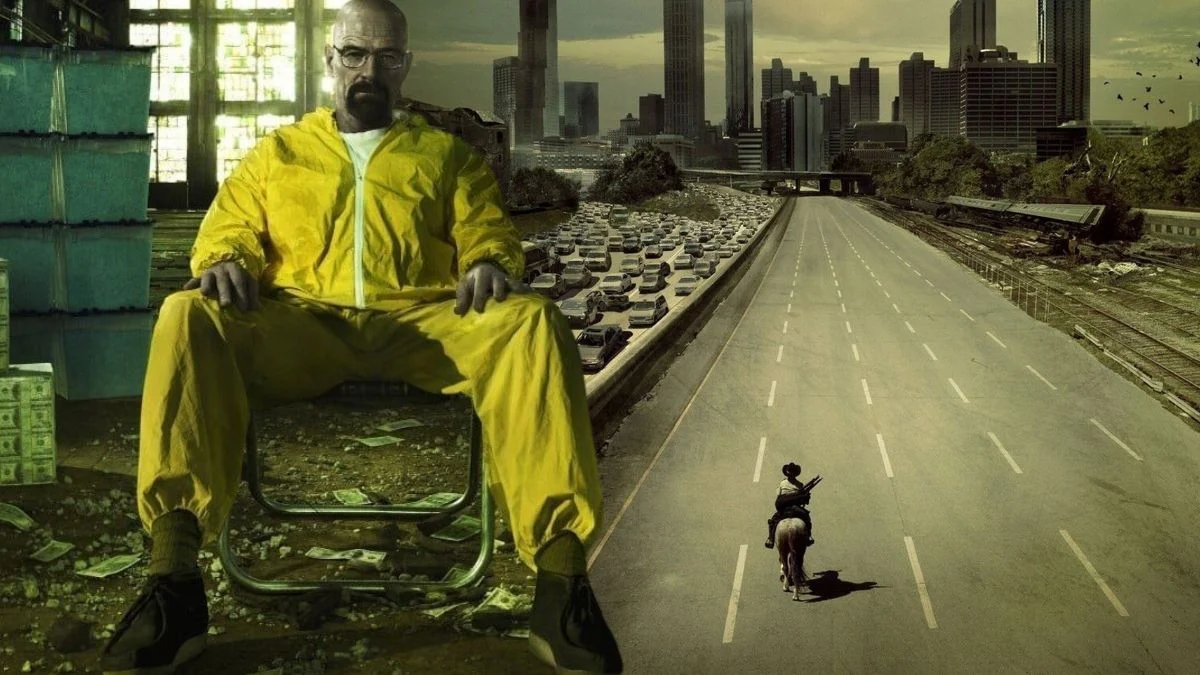
‘Breaking Bad’ (2008–2013)
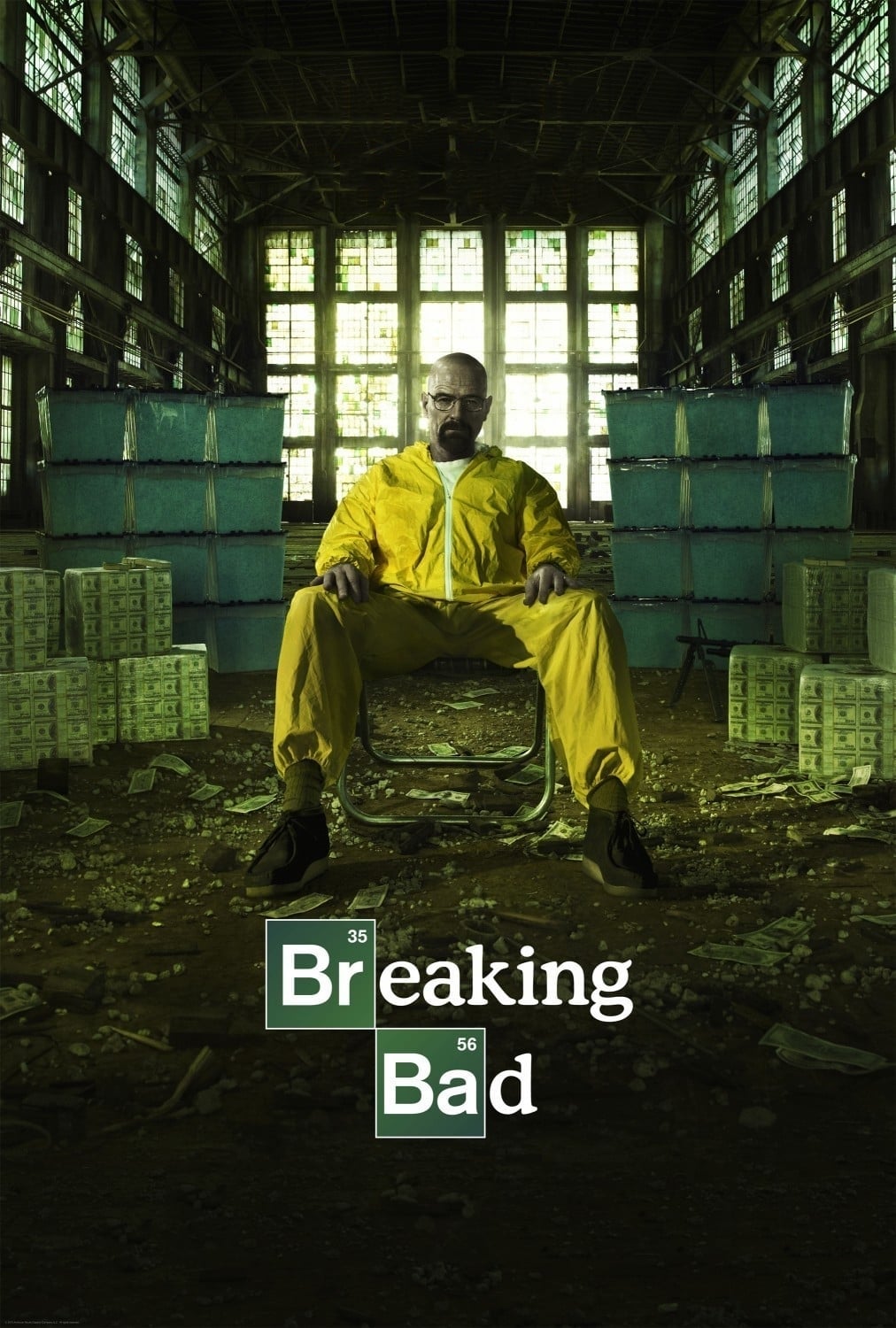
Early in the series, many minor characters of color involved in the Albuquerque drug trade were killed, often serving as obstacles for Walter White as he built his criminal empire. These deaths frequently highlighted Walter White’s growing lack of compassion. Although the show included significant minority villains, their lower-ranking associates were often portrayed as easily disposable.
‘Boardwalk Empire’ (2010–2014)
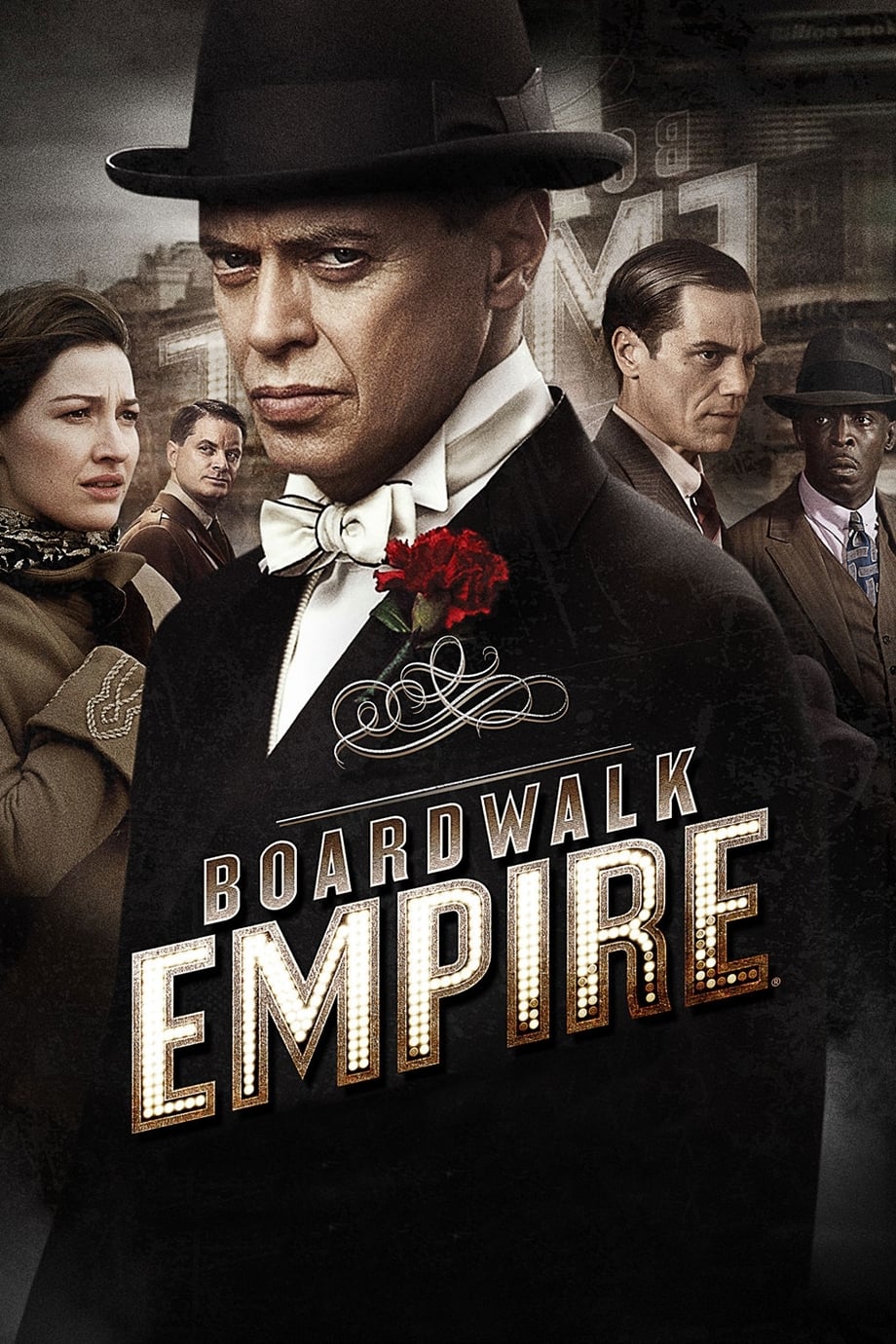
This show, set during Prohibition, centers on the battle for control of illegal alcohol sales. While many characters from different minority groups are involved, they are frequently killed off during violent conflicts. These deaths often highlight the ruthless nature of the criminal world, but the story mainly follows the white leaders, leaving the narratives of diverse characters incomplete or abruptly ended.
‘The Flash’ (2014–2023)
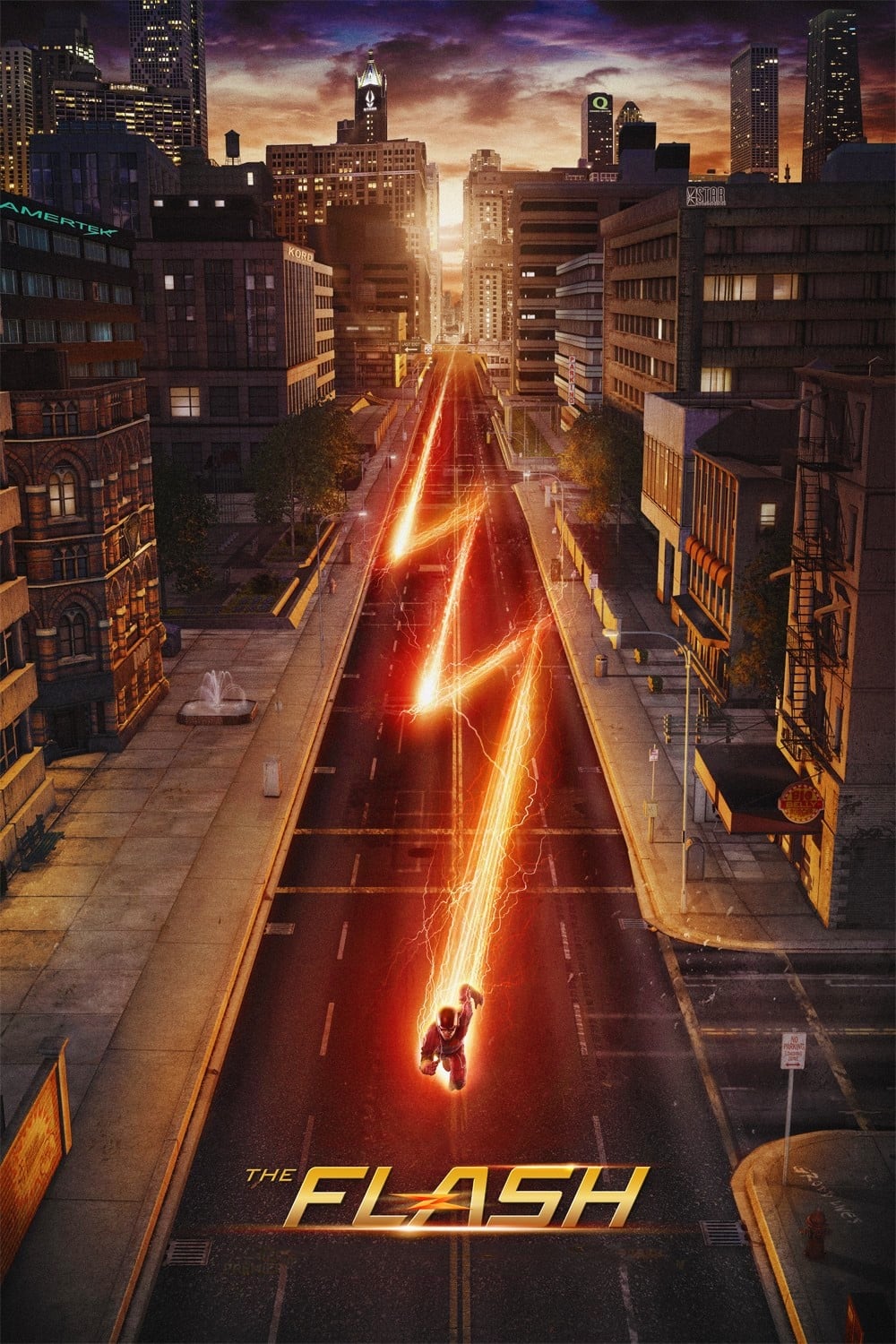
As I was revisiting the early seasons of this superhero show, I noticed a frustrating trend. Each week, they’d bring in a new guest star to play the villain, and more often than not, that character wouldn’t make it to the end of the episode – they’d either be arrested or, sadly, killed off. It felt like a way to constantly challenge the hero and create immediate conflict, but it also meant a lot of talented minority actors were cast in roles that were ultimately short-lived. It was a common thing in those early, ‘case-of-the-week’ style superhero shows, but it definitely left a bad taste in my mouth.
‘Arrow’ (2012–2020)
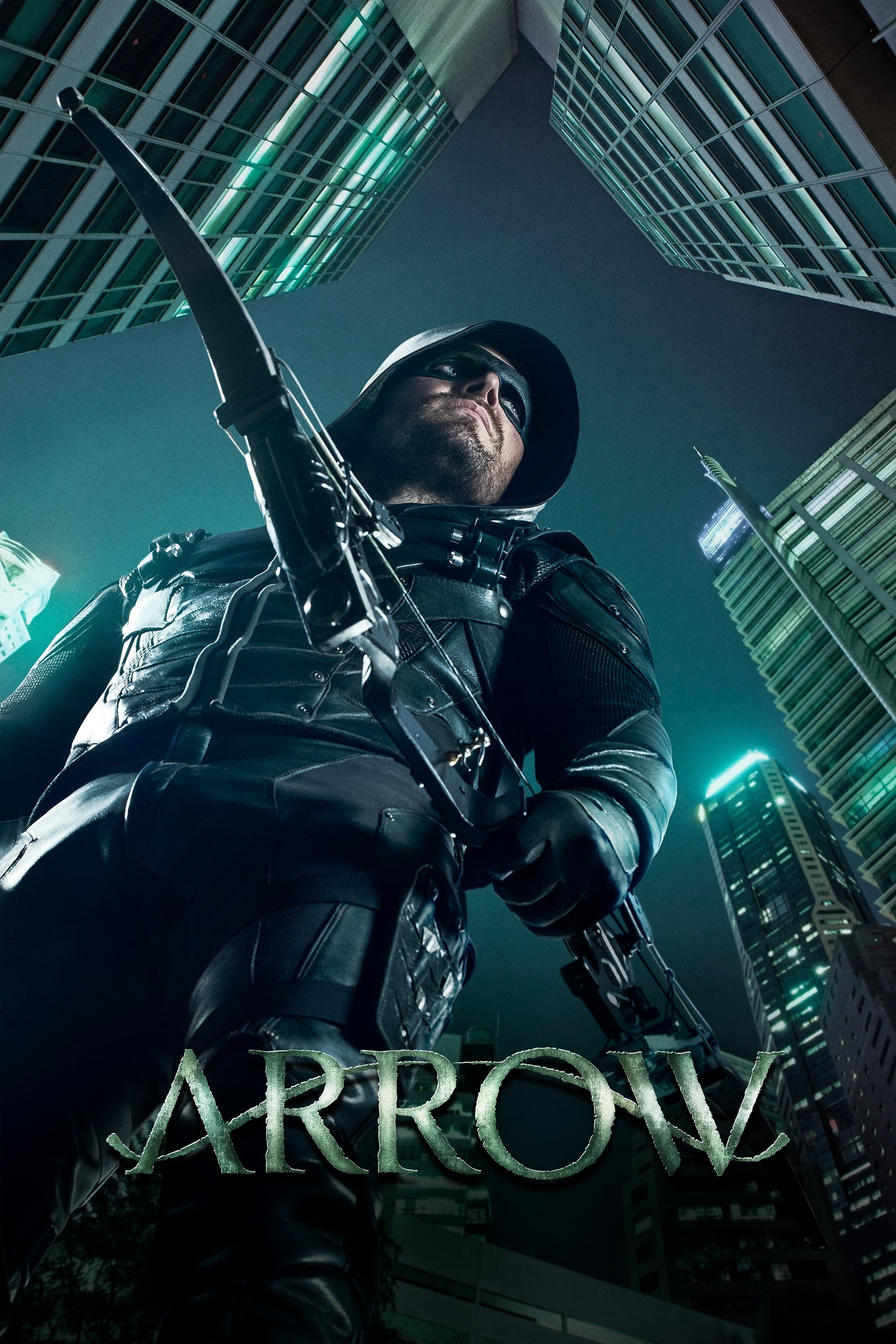
The show often used diverse characters as guides or helpers, but they were frequently killed off to push the main character forward. Figures like Amanda Waller and members of the League of Assassins often died at crucial times, increasing the tension and forcing the hero to face tough decisions. This pattern meant a constant turnover of supporting characters who rarely lasted long throughout the series.
‘Gotham’ (2014–2019)
This show, a Batman origin story, presented fresh takes on familiar characters, many of whom died before they could become the figures we know. These unexpected deaths heightened the tension and made the story less predictable. Notably, several characters from underrepresented groups were among the first to fall victim to Gotham’s growing crime, highlighting just how dangerous the city was before Batman arrived.
‘Westworld’ (2016–2022)
The theme park featured a wide range of artificial hosts who were often designed to die repeatedly as part of the visitor experience. Although a few of these hosts eventually became aware of themselves, many were stuck playing minor roles and were killed off for entertainment. This constant cycle of death was a key part of the show’s exploration of artificial intelligence, and it meant that many non-main characters were seen as disposable by those in charge of the park.
‘The Terror’ (2018–2019)
The first season of this historical horror show quickly eliminated many members of the Arctic expedition’s crew. These early deaths highlighted both the harsh environment and the presence of a dangerous creature. The show primarily followed the officers, meaning the diverse sailors lower in rank didn’t get much screen time before they died. This reflected the social structure of the time period and also used a common storytelling technique where less important characters are easily killed off.
‘Yellowjackets’ (2021–Present)
A high school soccer team’s fight for survival after becoming lost in the wilderness features a diverse group of characters. The early deaths of some minority characters heighten the sense of desperation and trauma for those who remain. These losses are key turning points, forcing the survivors to make difficult decisions. The show uses these deaths to create mystery and build psychological tension.
‘Midnight Mass’ (2021)
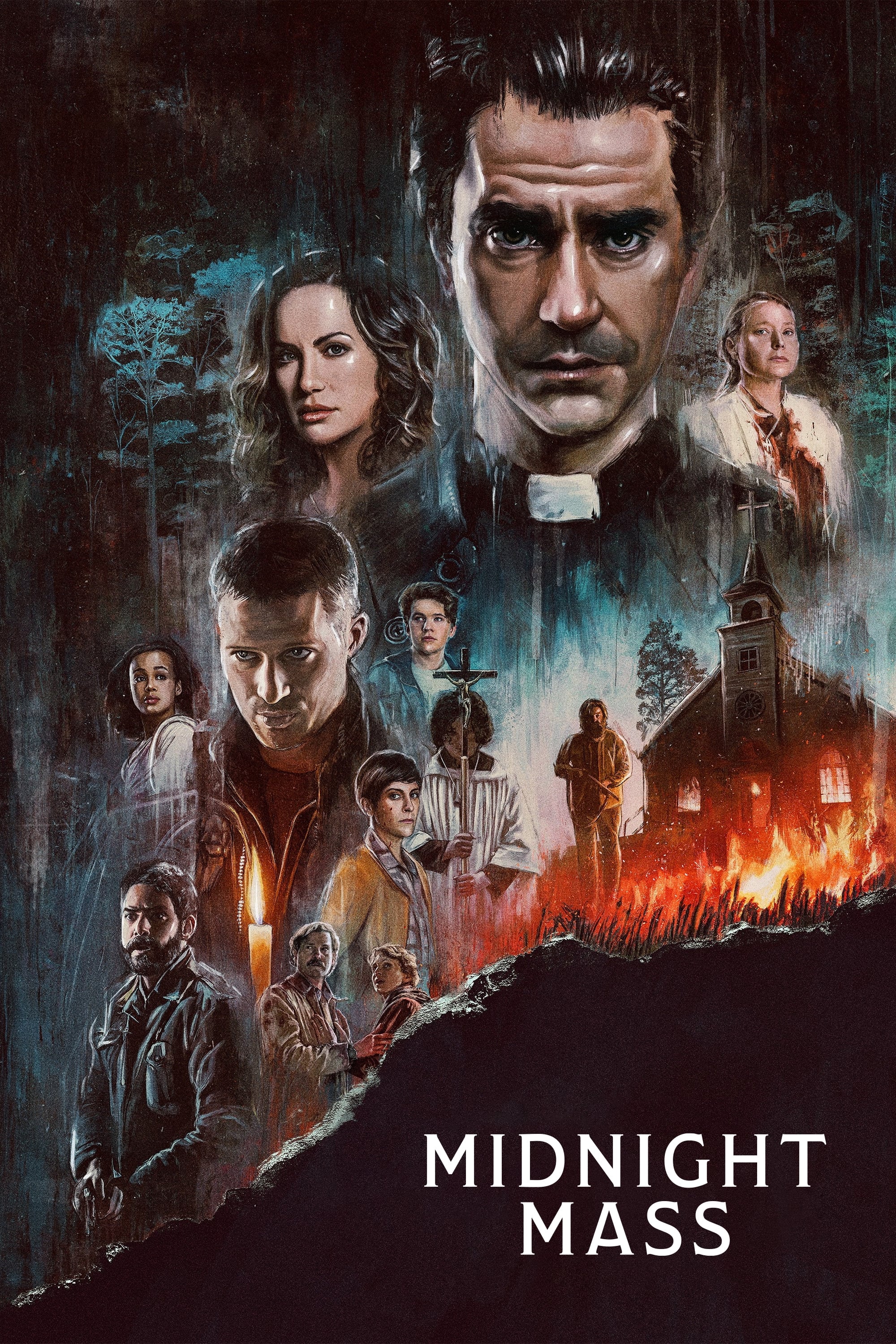
This scary miniseries takes place on a small island with a close-knit community. When strange, supernatural things start happening, several of the islanders are the first to be affected, and their fates act as a warning to everyone else. These characters offer different viewpoints, but their stories are tragically cut short as the mystery deepens, quickly showing just how dangerous the situation is.
‘The Haunting of Hill House’ (2018)
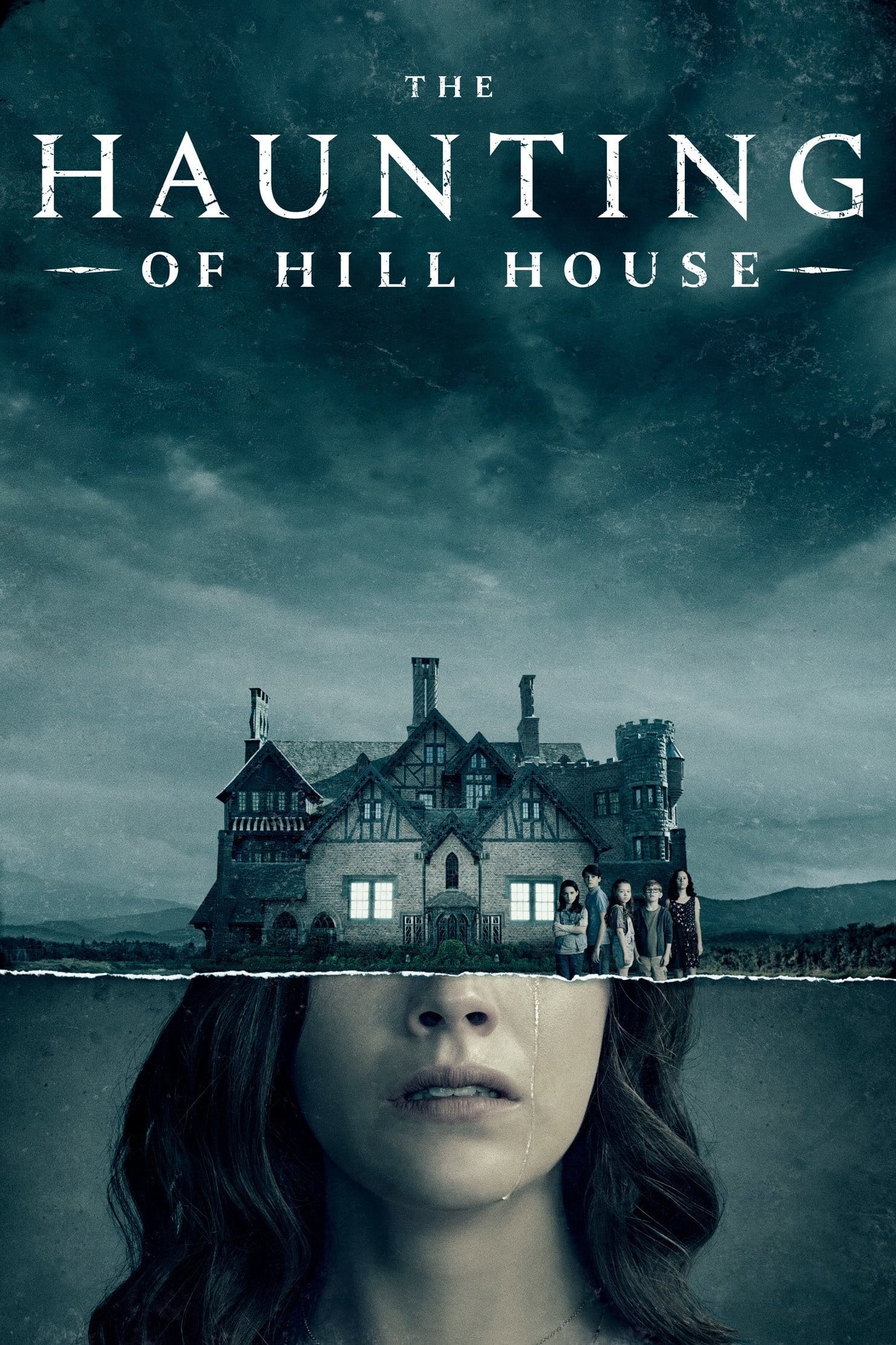
This horror series features a variety of characters outside the main family who often meet tragic fates. These deaths usually happen in the background or are shown through flashbacks, revealing the dark history of the haunted house and creating a sense of dread. By focusing on the central family’s emotional journey, the series uses these other characters to emphasize the house’s sinister past and the danger facing the protagonists.
‘The Haunting of Bly Manor’ (2020)

Like previous installments, this story follows a group of people – staff and guests – who fall victim to the ghosts haunting the mansion. Some characters die early on, not just to move the plot forward, but to explain how the haunting works. These deaths often highlight the overall theme of loss within the story and help the main characters understand the danger they’re in.
‘The Witcher’ (2019–Present)
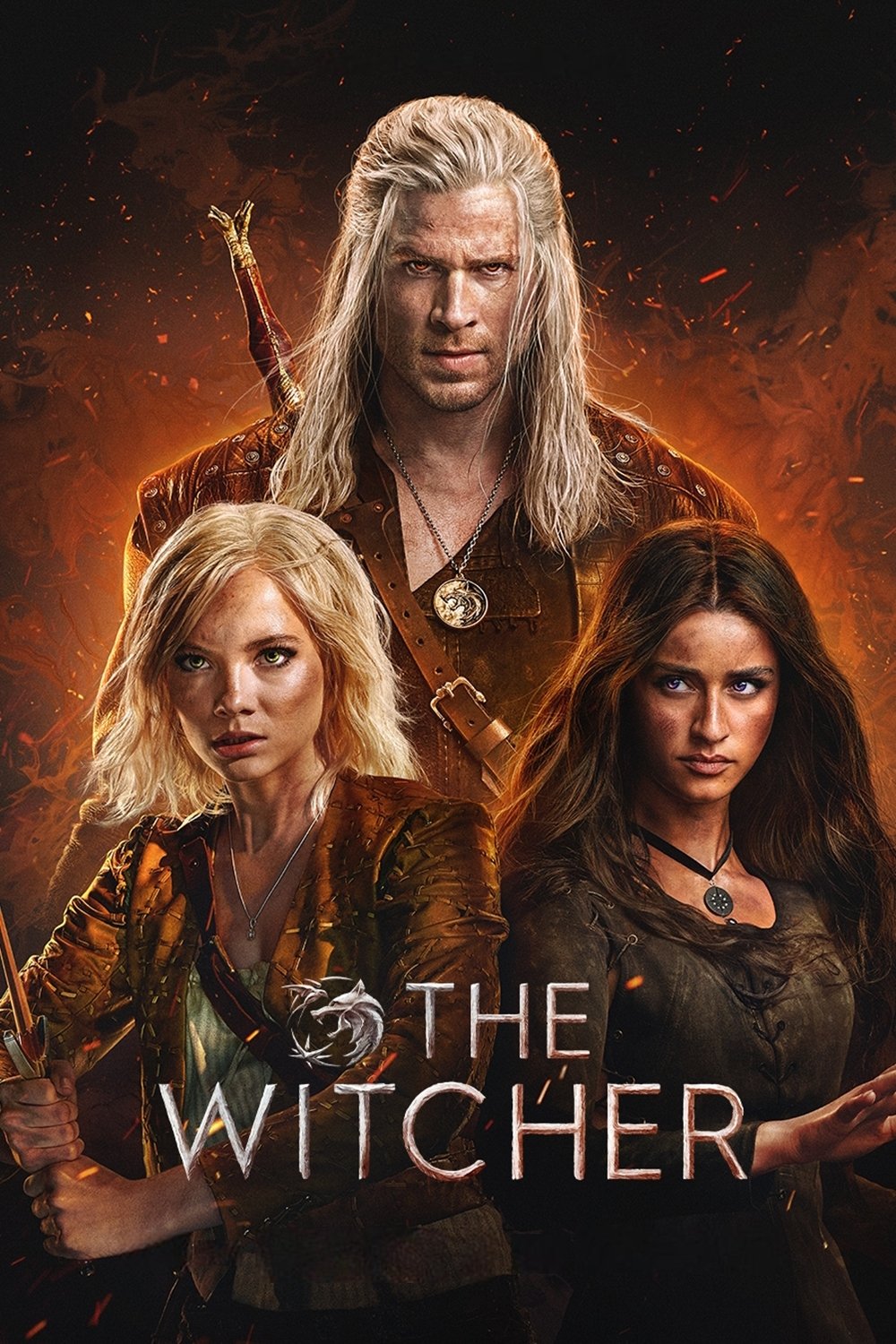
The world of the Continent is filled with mages and warriors, and battles are often deadly. While many supporting characters appear throughout the story, they frequently die, sometimes even within the same episode. These deaths highlight the harshness of the political struggles and the threats posed by monsters. By constantly introducing and losing secondary characters, the story keeps the spotlight on its three main heroes.
‘The Wheel of Time’ (2021–Present)
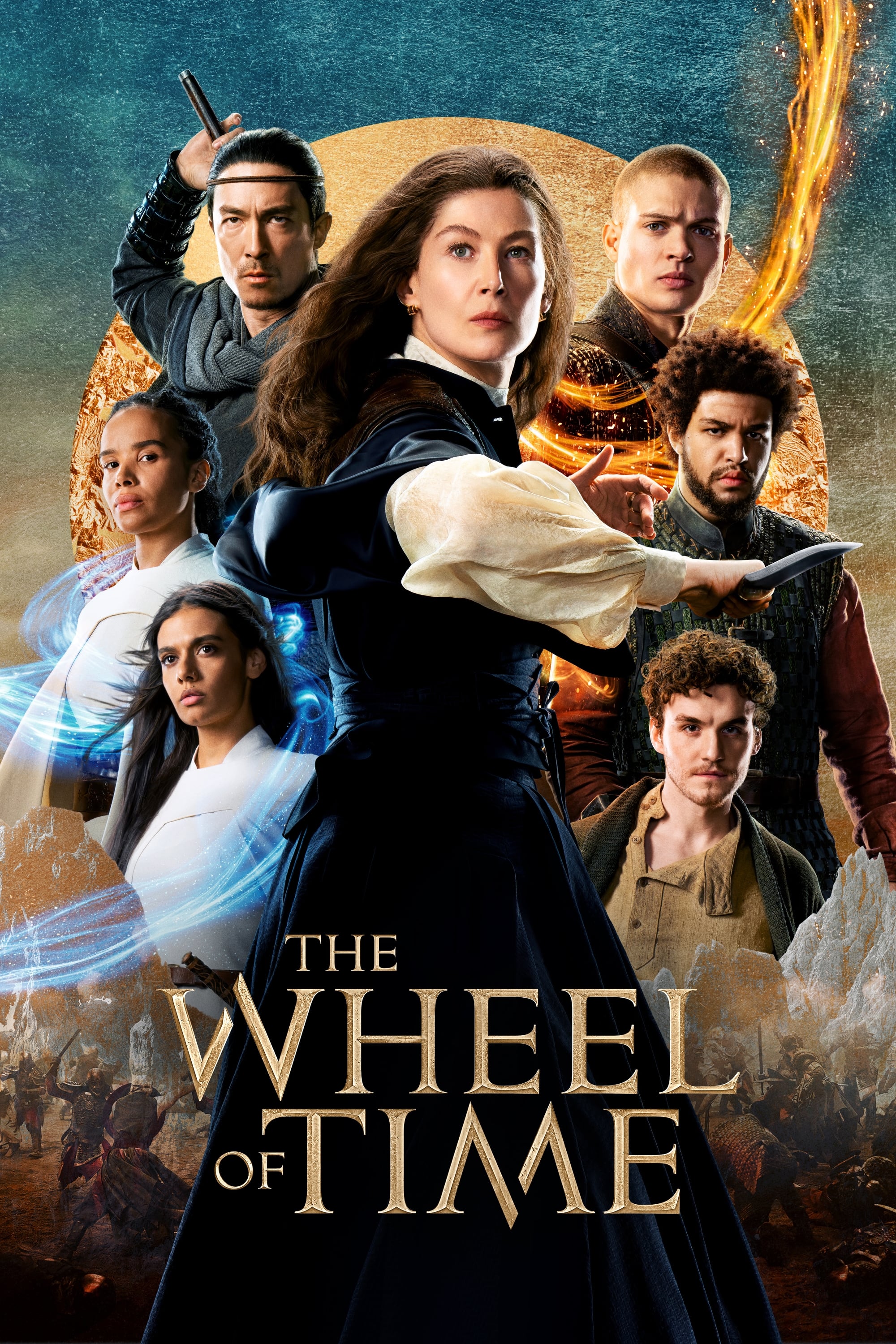
This fantasy story starts by showing the deaths of various villagers and travelers during early attacks. These deaths aren’t just tragic events; they push the main characters to leave home and begin their adventure. Although the world aims to be welcoming to all, the story initially relies on a common fantasy trope of quickly eliminating minor characters from diverse backgrounds to highlight the danger posed by the villain and their forces.
‘Supergirl’ (2015–2021)
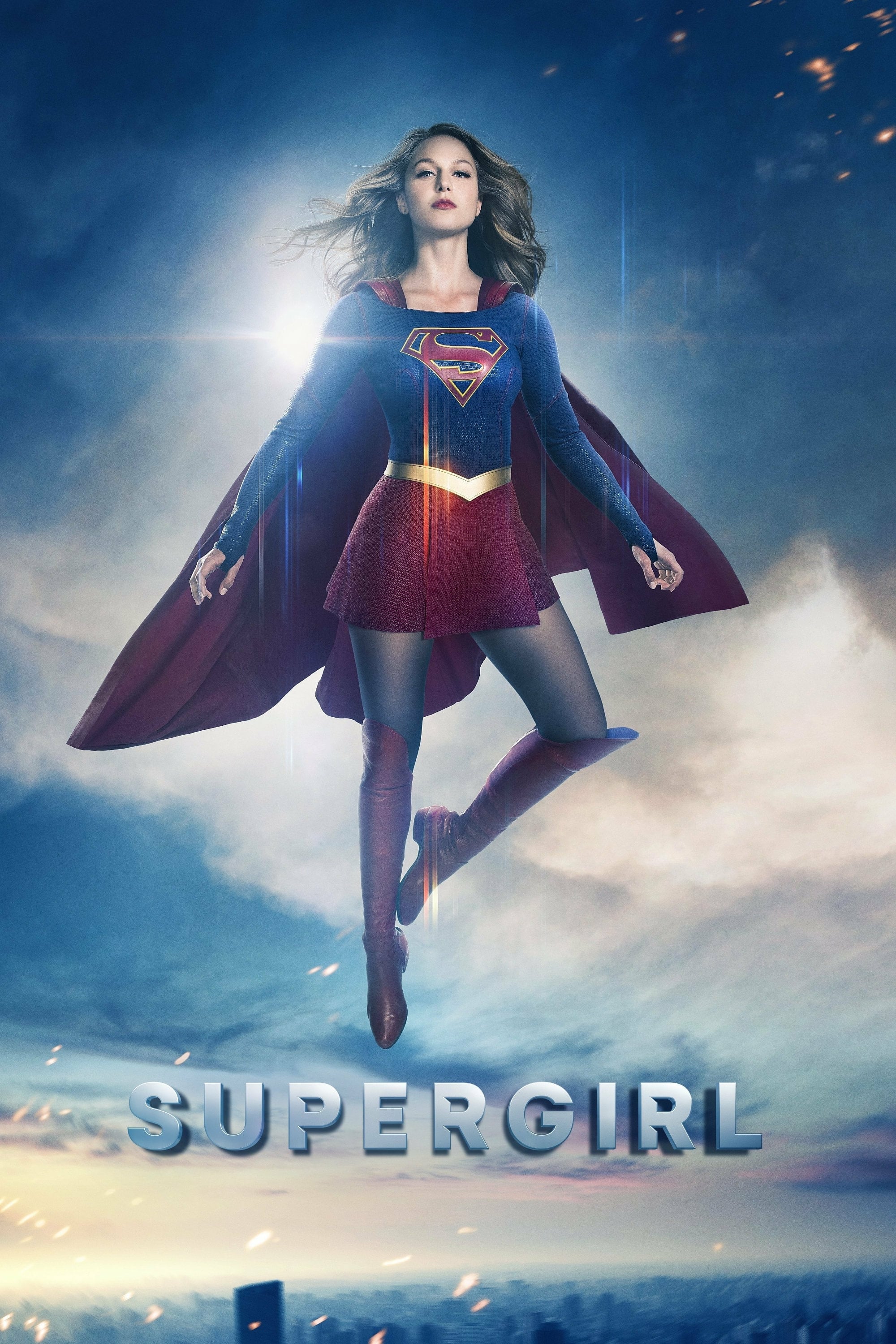
The show frequently introduced a variety of alien and human supporting characters, only to have them killed off by the weekly villains. While these characters often represented the show’s commitment to diversity, their deaths were often used to test the hero’s values and resilience. This pattern meant that many of these guest stars weren’t given the chance to develop into more substantial roles.
‘Titans’ (2018–2023)
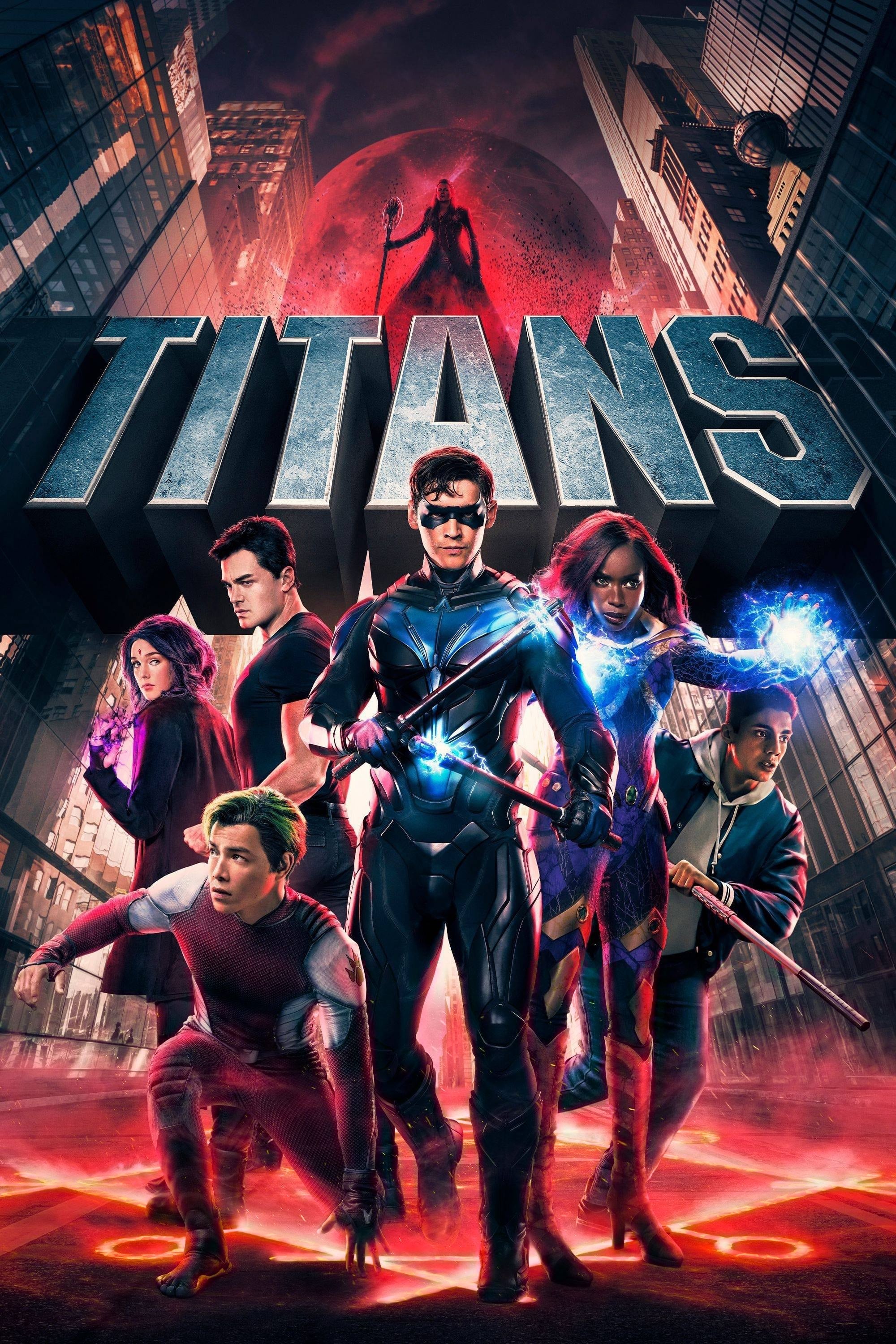
This version of the superhero team was notably grim, introducing a diverse group of characters—both allies and enemies—who were quickly and violently killed off. These deaths weren’t just plot points; they were meant to highlight the harsh realities and dangers of taking the law into one’s own hands. Sadly, many of these characters, particularly those from minority groups, were used as warnings to the younger heroes, with the story focusing more on how they died than on their potential contributions to the team.
‘The Tomorrow People’ (2013–2014)
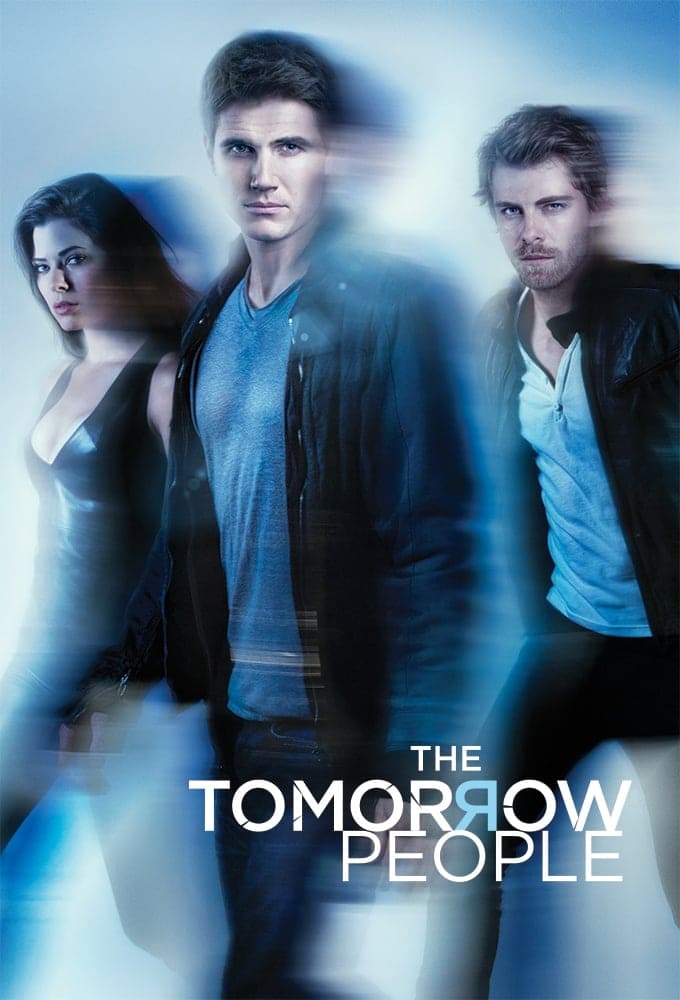
The show was a sci-fi drama about people with unique powers who were targeted by a shadowy organization. In the beginning, several of these powered individuals were killed off quickly to demonstrate how dangerous and relentless the hunters were. These deaths weren’t just plot points; they highlighted the risks faced by the main characters, building suspense and making the conflict feel more urgent.
‘Peaky Blinders’ (2013–2022)
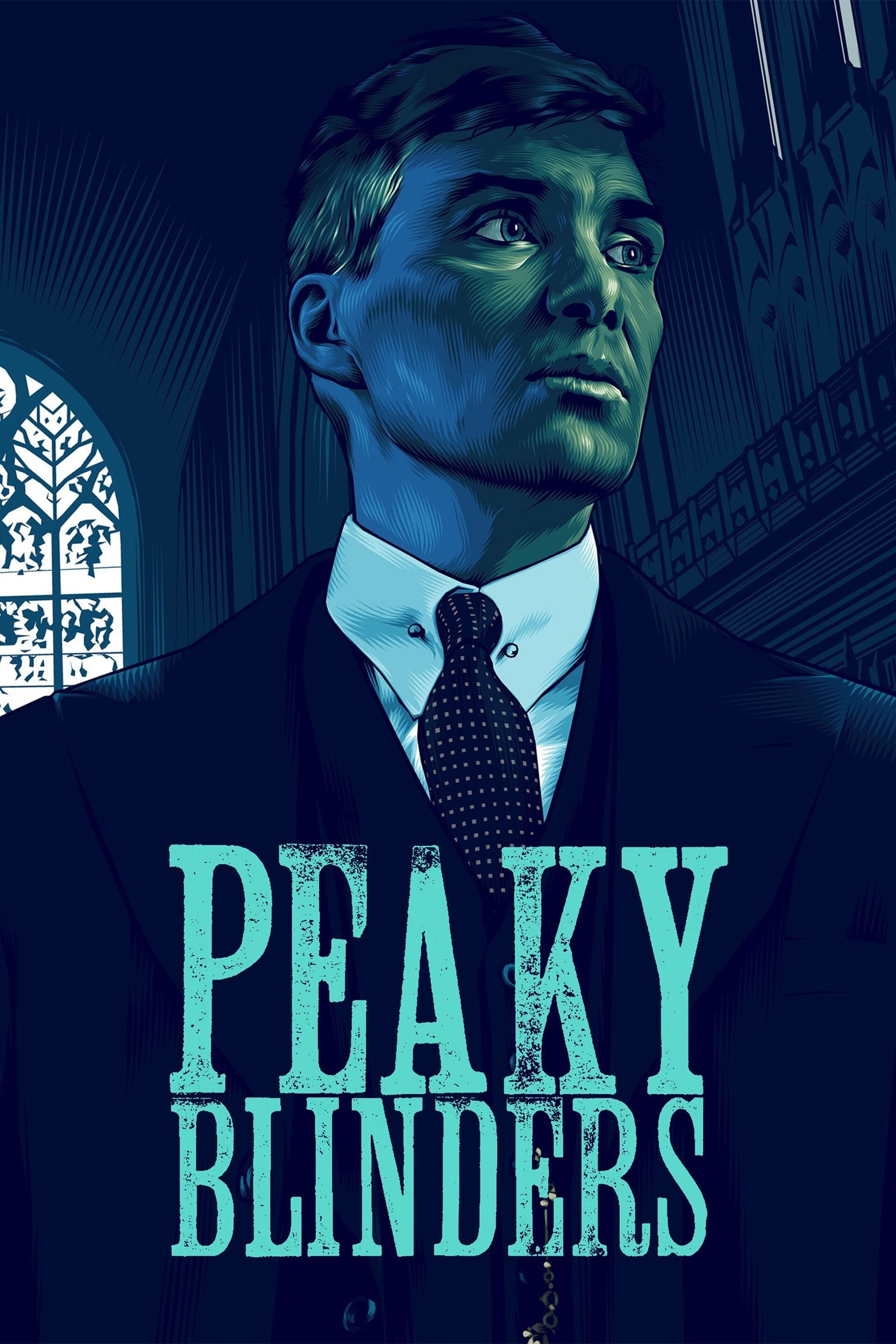
Birmingham’s criminal scene includes several different groups, many of whom clash with the Shelby family. These conflicts often lead to violence and the deaths of characters from these communities. These deaths highlight how powerful the main character is becoming and the price of his goals. Unfortunately, the stories of these rivals are often brief and end in tragedy, as the show primarily focuses on the Shelby family.
‘House of the Dragon’ (2022–Present)
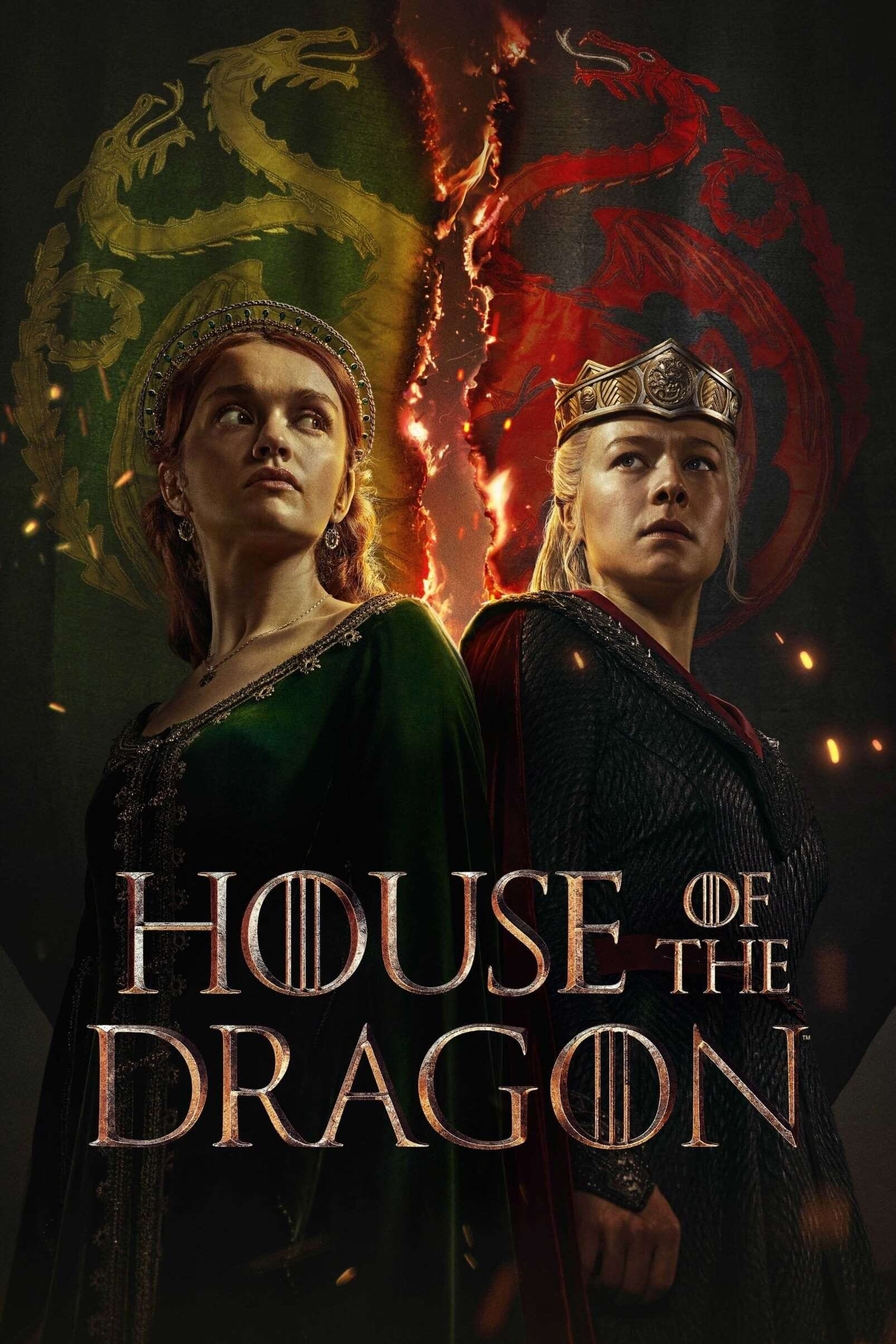
This series, set before the main story, focuses on the powerful families vying for control of the Iron Throne. Early in the brewing civil war, several characters from marginalized groups have been killed, emphasizing how fragile the peace is. These deaths are crucial moments in the plot, shaping the choices of the major characters and creating a sense of danger and mistrust throughout the show.
‘The Last of Us’ (2023–Present)
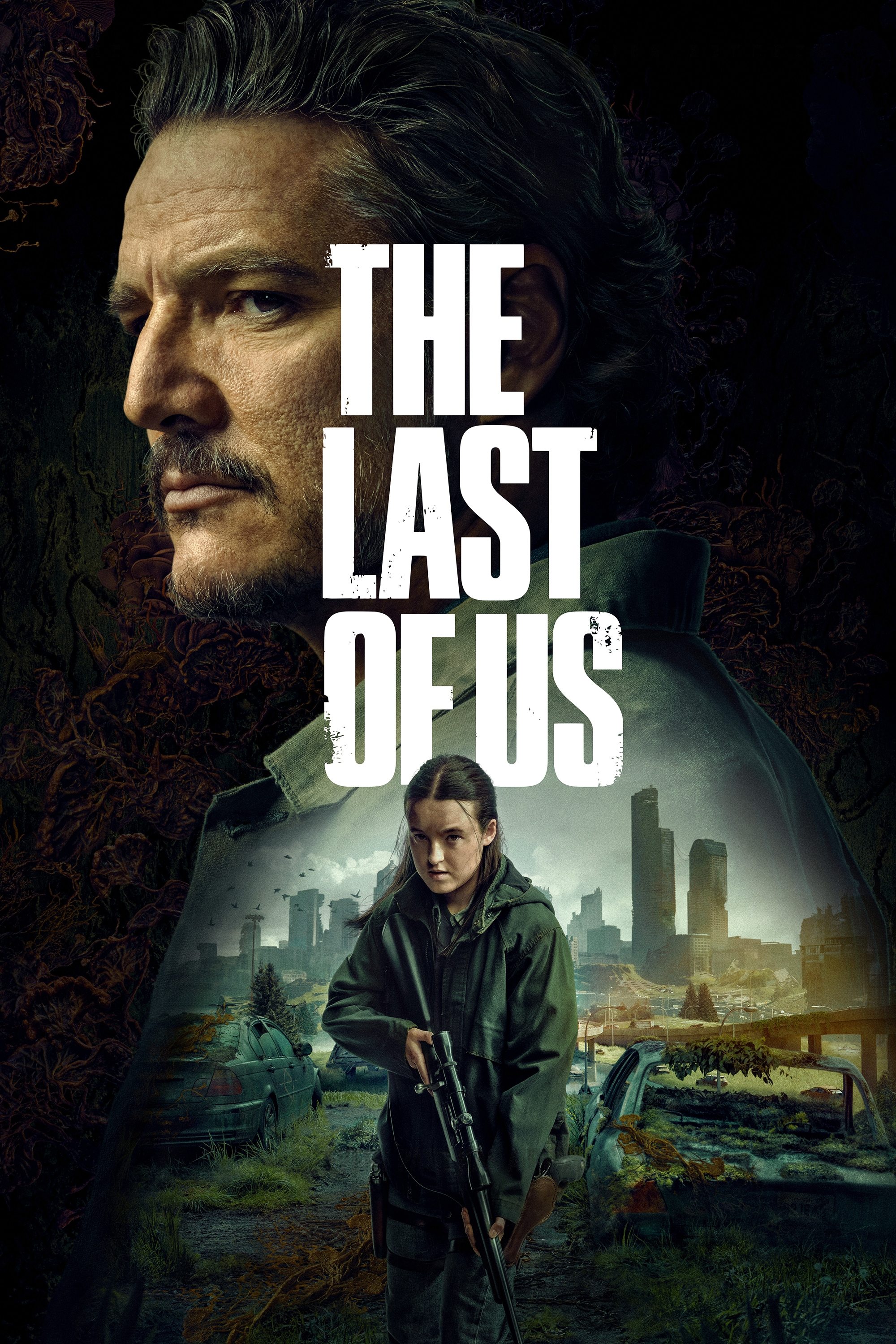
This story, based on the well-known video game, features a variety of characters who help the main heroes. Some, like Sarah and Riley, die early on, deeply affecting the protagonists and shaping their journey. Other characters from diverse backgrounds, such as Henry and Sam, also face tragic deaths relatively quickly. These deaths highlight the themes of loss and the brutal nature of life in a world after a disaster.
‘Fargo’ (2014–Present)
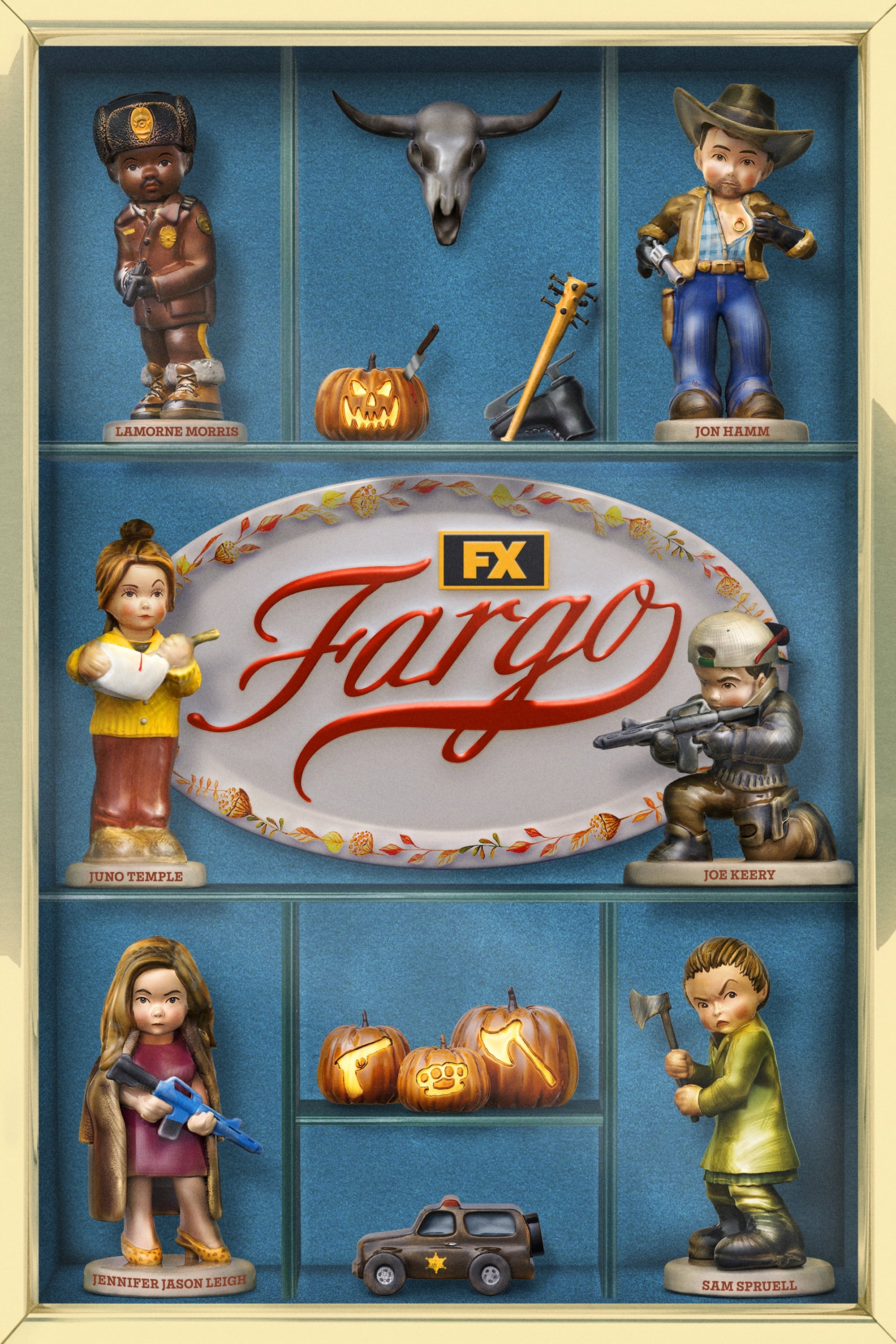
This crime drama features a different story and set of characters each season. Unfortunately, minority guest stars are often killed off, usually as innocent bystanders caught between criminals and the police. These deaths are shown either with the show’s trademark dark comedy or shocking violence, highlighting how unpredictable and meaningless violence can be in this series.
‘Grimm’ (2011–2017)
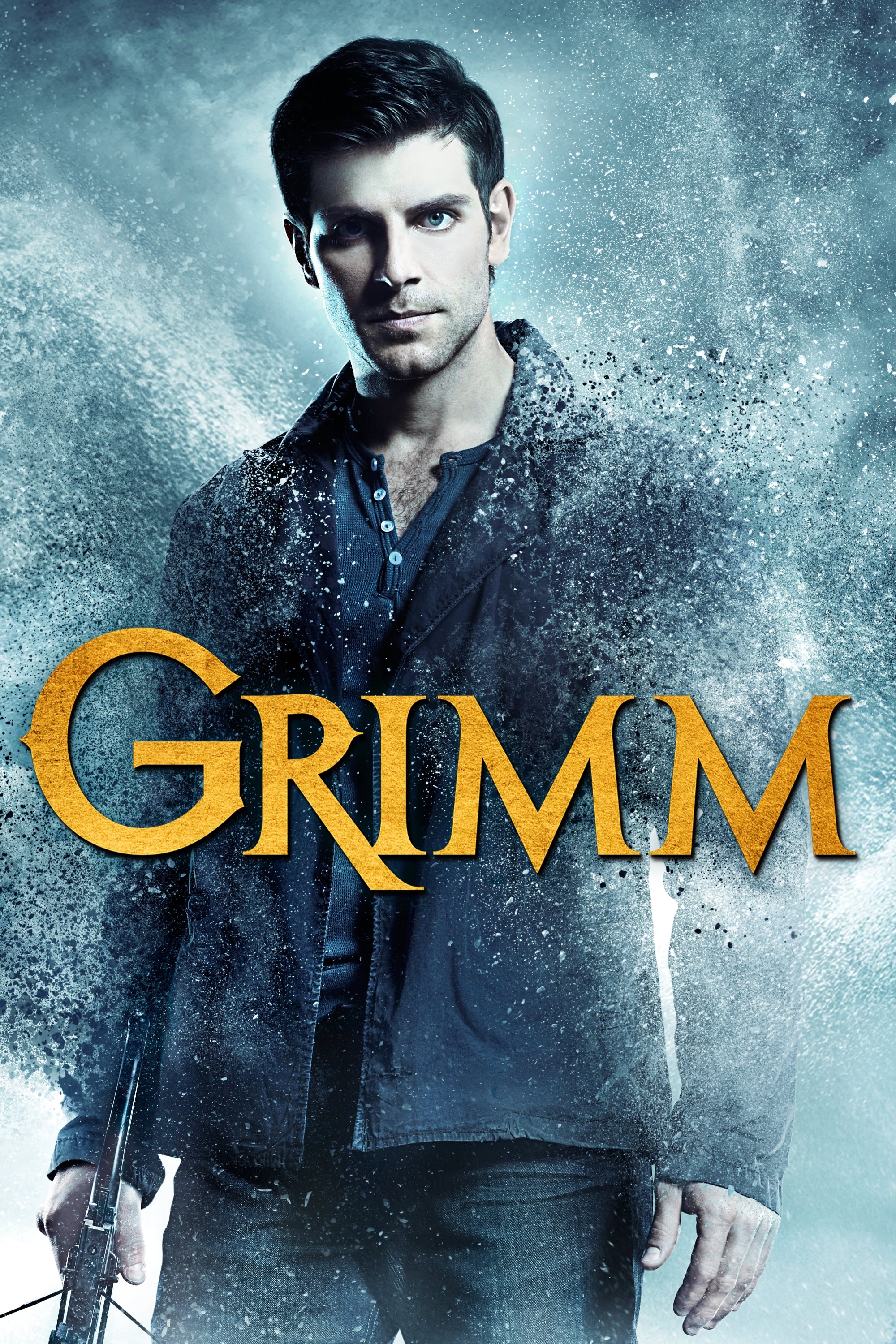
This supernatural show generally followed a formula where different people became targets of old, dangerous creatures. Each episode usually started by introducing these characters, only for them to quickly become victims, which kicked off the investigation. Their deaths gave the main character the clues needed to figure out what they were up against. Because of this structure, guest actors were mostly limited to playing characters who ended up being the monster’s latest victims.
‘Sleepy Hollow’ (2013–2017)
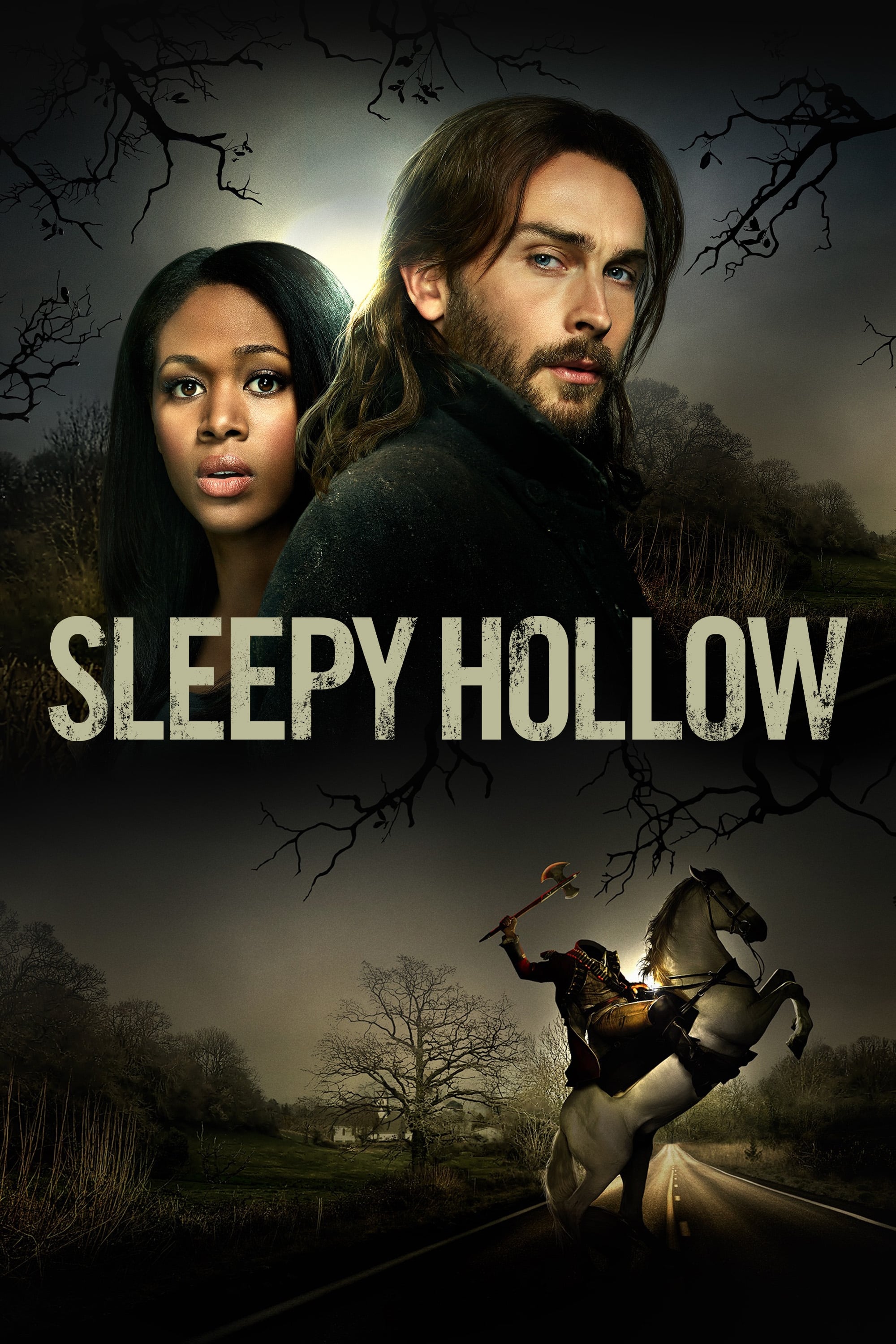
The show started with a diverse group of main characters, but it received criticism for how it treated those characters as the series went on. Several minority characters were unexpectedly killed off or removed from the story, seemingly to shift the focus to other storylines. This made it hard for the show to stay true to its initial promise of representing a wide range of perspectives.
‘The Magicians’ (2015–2020)
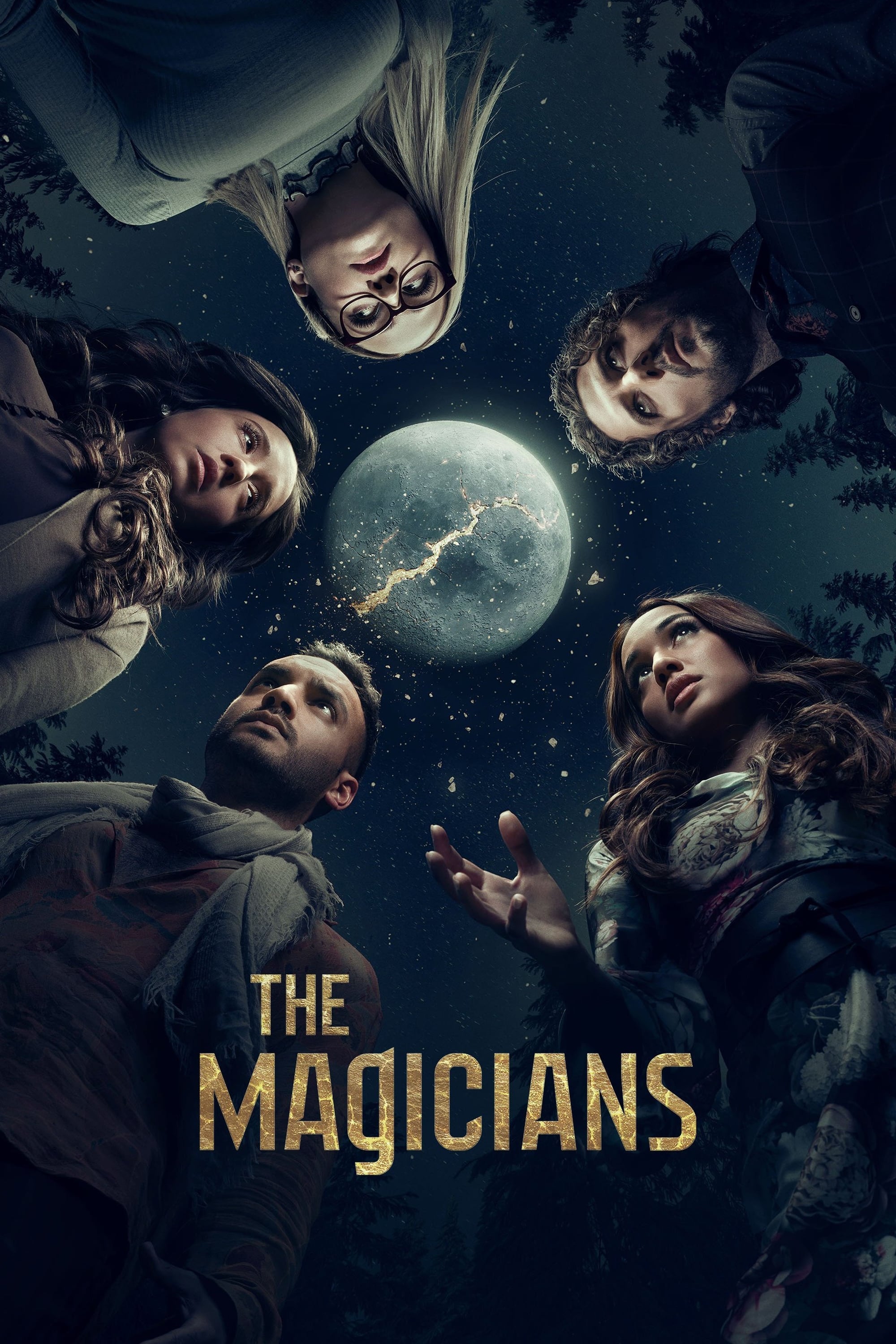
Throughout this series, many students and teachers die during the frequent magical conflicts. These deaths often happen early on to demonstrate just how dangerous the magic is, and to create a sense of urgency for the main characters. Because the story focuses on a small group of heroes, supporting characters often don’t survive for very long.
‘Penny Dreadful’ (2014–2016)
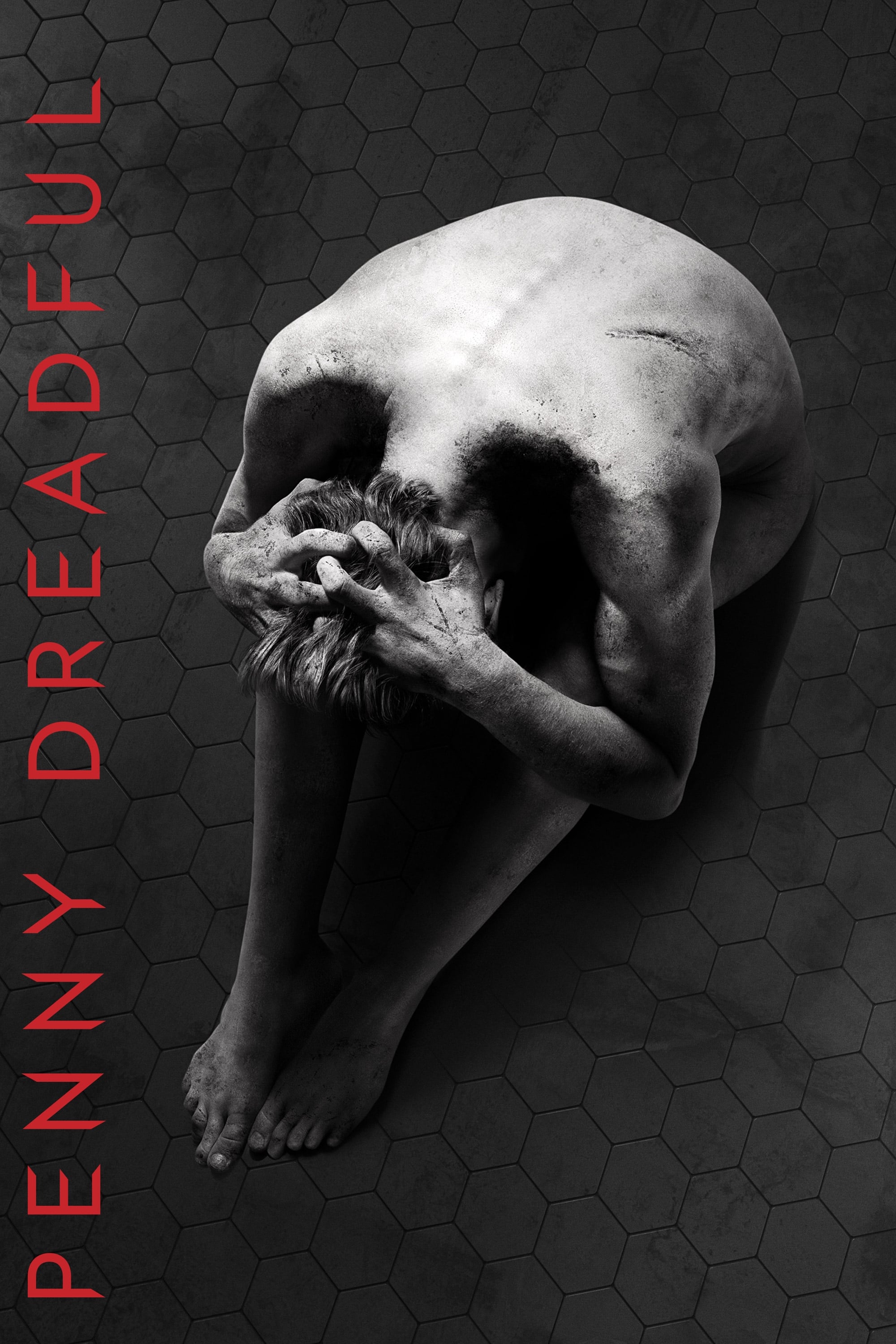
This horror series is set in Victorian times and features a wide range of characters from different cultures, many of whom are connected to a hidden supernatural world. The early deaths of these characters emphasize the ever-present danger and create a sense of fear and mystery. They frequently serve as the first victims, bringing the main characters together as they investigate the unfolding horrors.
‘The Strain’ (2014–2017)
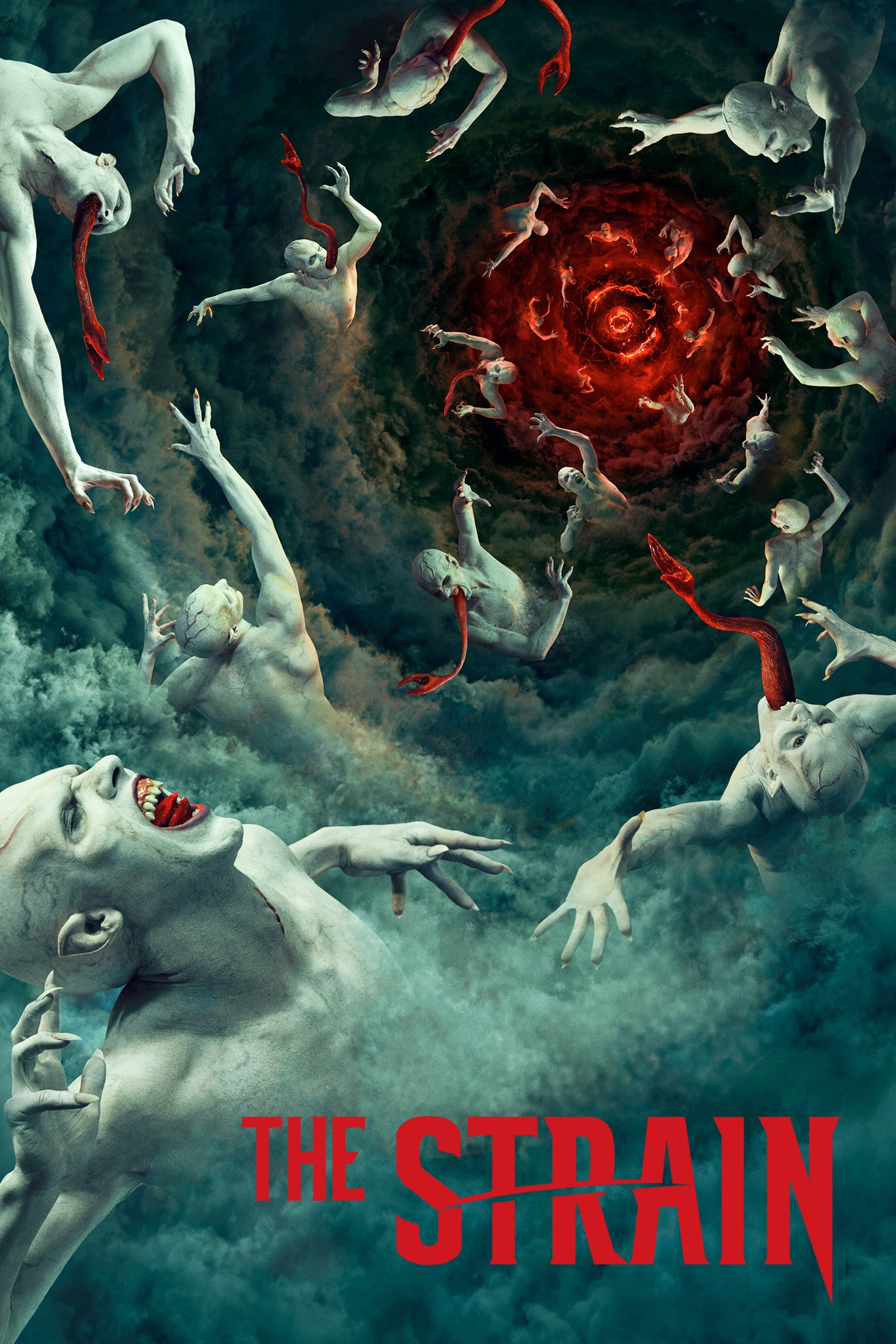
When vampires attack New York City, a lot of people from all walks of life quickly become infected and die. These early deaths are shown to highlight how fast the virus spreads and how terrifying it is. The story also focuses on the deaths of many minor characters from diverse backgrounds, emphasizing how the system failed to control the outbreak and the brutal reality of trying to survive.
‘Under the Dome’ (2013–2015)

The small town, cut off from the outside world by a strange dome, quickly faces dwindling supplies. In the first few episodes, several residents die, and these deaths emphasize the growing panic and the collapse of normal life. Sadly, many of the first characters to perish are from minority groups, which underscores how desperate and dangerous things have become for everyone trapped inside.
Please share your thoughts on which other shows relied on this trope in the comments.
Read More
- Invincible Season 4 Gender Swaps Tech Jacket As Fans Question Major Comic Change
- Gold Rate Forecast
- Silver Rate Forecast
- 20 Movies Where the Black Villain Was Secretly the Most Popular Character
- Building Agents That Learn and Improve Themselves
- 22 Films Where the White Protagonist Is Canonically the Sidekick to a Black Lead
- 15 Films That Were Shot Entirely on Phones
- Games That Faced Bans in Countries Over Political Themes
- Celebs Who Narrowly Escaped The 9/11 Attacks
- 20 Films Where Black Directors Subverted Hollywood’s White Savior Tropes
2026-01-11 08:22