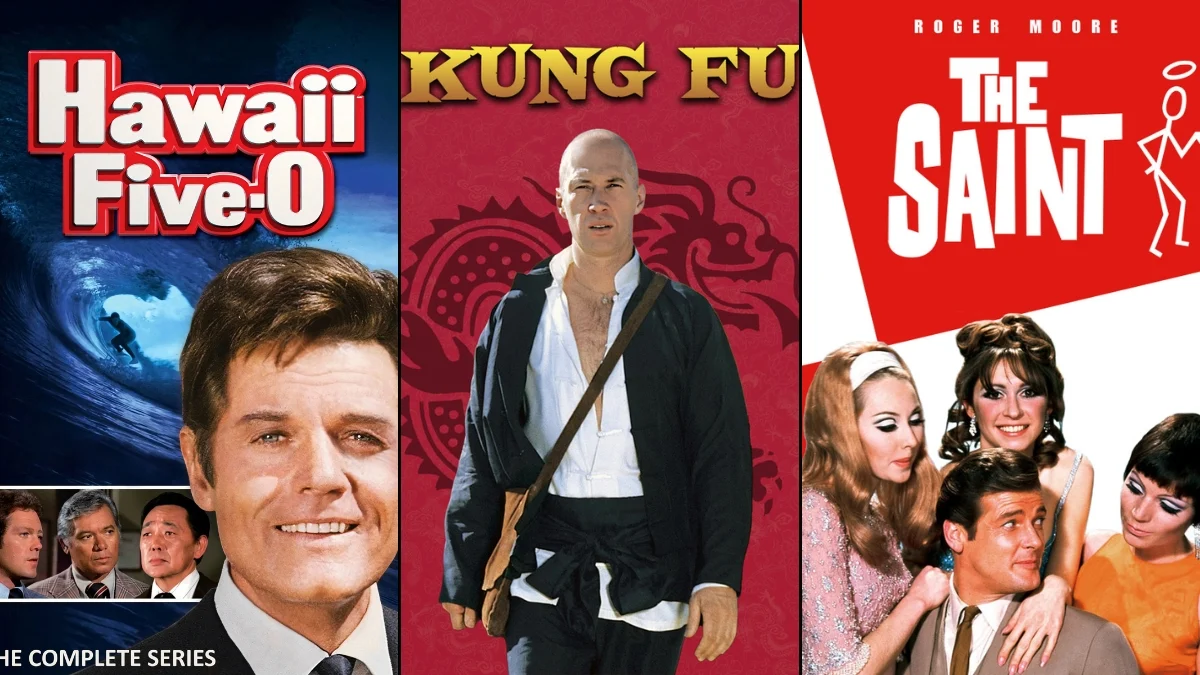
Throughout the history of television, actors who weren’t of Asian descent were frequently cast in Asian roles. This often involved using makeup and exaggerated accents to create a stereotypical character. While common in the past, this practice has continued even in recent years and has sparked conversations about the need for genuine and accurate representation in media. Looking at these instances helps us understand how casting decisions and societal awareness have changed over time.
‘Kung Fu’ (1972–1975)

The television series ‘Kung Fu’ centered on Kwai Chang Caine, a Shaolin monk wandering the American Old West. Despite Bruce Lee auditioning for the main role, the network chose David Carradine, a white actor, believing an Asian lead wouldn’t attract a large audience. To address this, the show later established Caine’s character as being half-white, half-Chinese. This casting choice is now widely remembered as a prominent example of whitewashing in television.
‘The New Adventures of Charlie Chan’ (1957–1958)
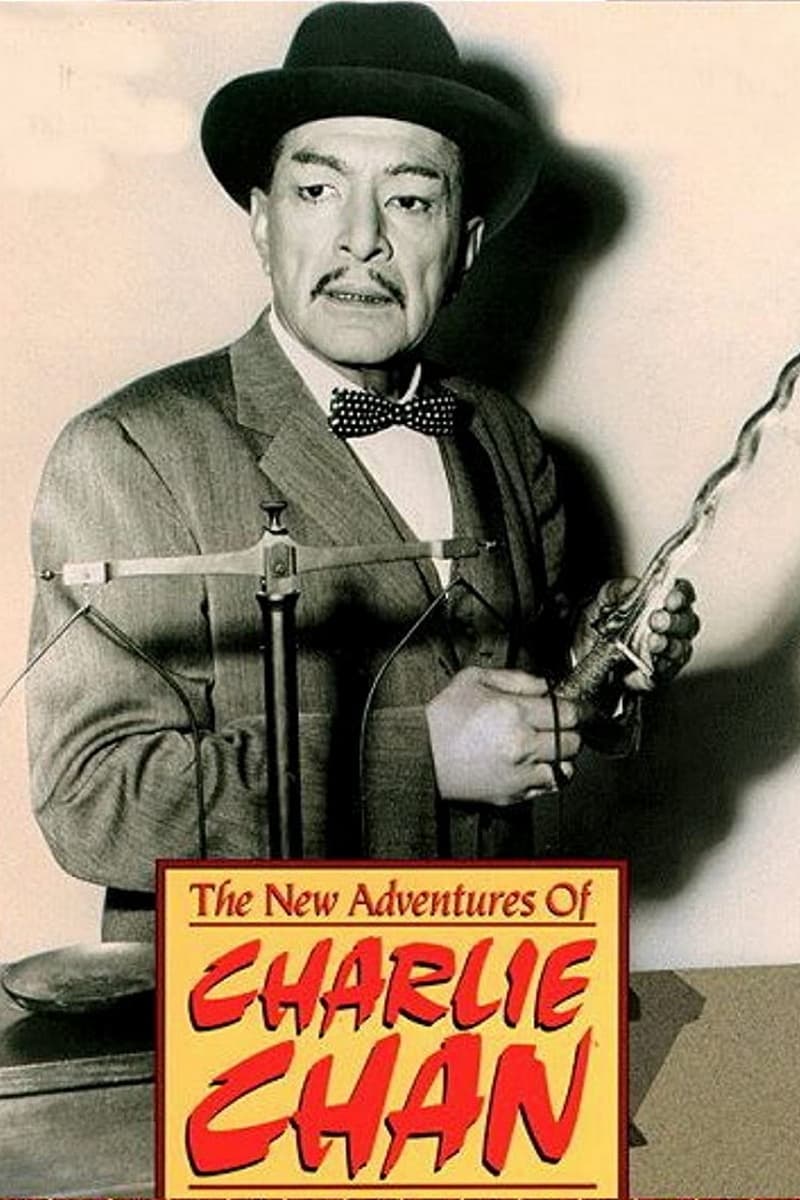
‘The New Adventures of Charlie Chan’ followed the famous detective as he solved mysteries around the world. American actor J. Carrol Naish, who was of Irish heritage, played Charlie Chan. He used thick makeup and a stereotypical accent for the role. This show continued a history of non-Asian actors portraying the detective in movies and on TV. Although it only ran for one season, the series underscored the limited opportunities available to Asian actors at the time.
‘Dr. Fu Manchu’ (1956)
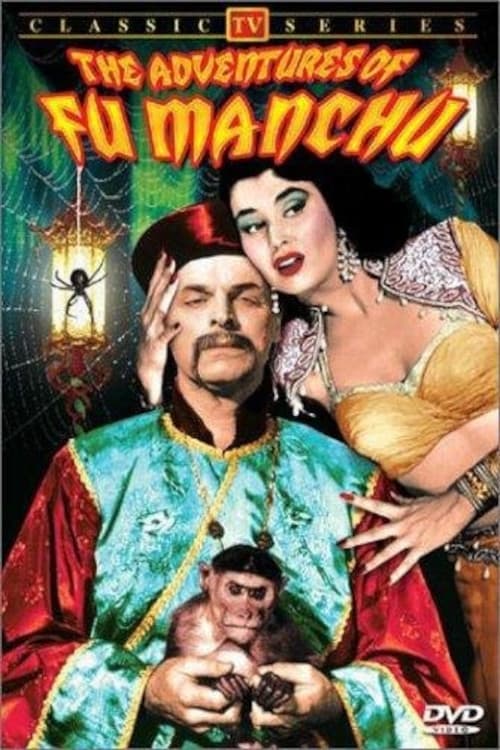
In the mid-1950s, the television series ‘The Adventures of Dr. Fu Manchu’ adapted the infamous literary villain for a new audience. Actor Glen Gordon played the role of the Chinese criminal mastermind, but the show used makeup techniques—known as yellowface—to make him appear Asian. This portrayal heavily relied on harmful stereotypes about Asians, which were common in media at the time. The series later faced criticism for its offensive depictions and for not casting Asian actors in the role.
‘Doctor Who’ (1963–Present)
The classic science fiction series ‘Doctor Who’ included a depiction of an Asian character in the 1977 story ‘The Talons of Weng-Chiang’ that has since drawn criticism. Actor John Bennett played Li H’sen Chang, a Chinese magician and villain, using makeup to alter his eyes and a deliberately exaggerated accent. While the story itself is well-written, many viewers and scholars now consider this casting a problematic example from the show’s history.
‘Hawaii Five-O’ (1968–1980)
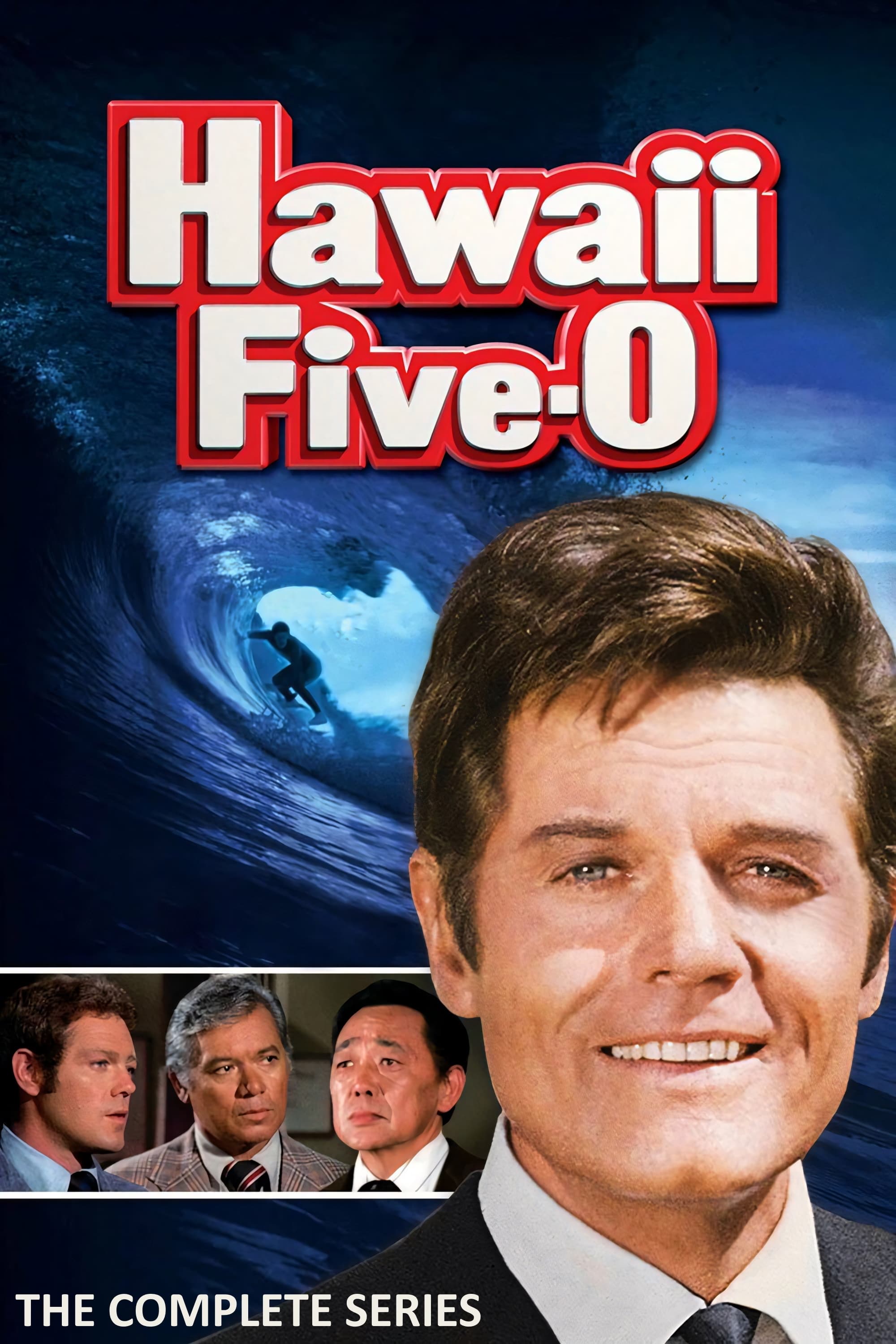
The original ‘Hawaii Five-O’ series featured Wo Fat as the main enemy of the lead character, Steve McGarrett. The role was played by Khigh Dhiegh, a talented actor who, despite not being of Asian descent—his heritage was Anglo-Egyptian and Sudanese—was cast as the cunning criminal. Dhiegh played Wo Fat for more than ten years throughout the show’s original run. While ‘Hawaii Five-O’ often included Asian locations and characters, it was common practice at the time—particularly in police dramas of the late 1960s and 70s—to cast non-Asian actors in important guest roles.
‘The Outer Limits’ (1963–1965)
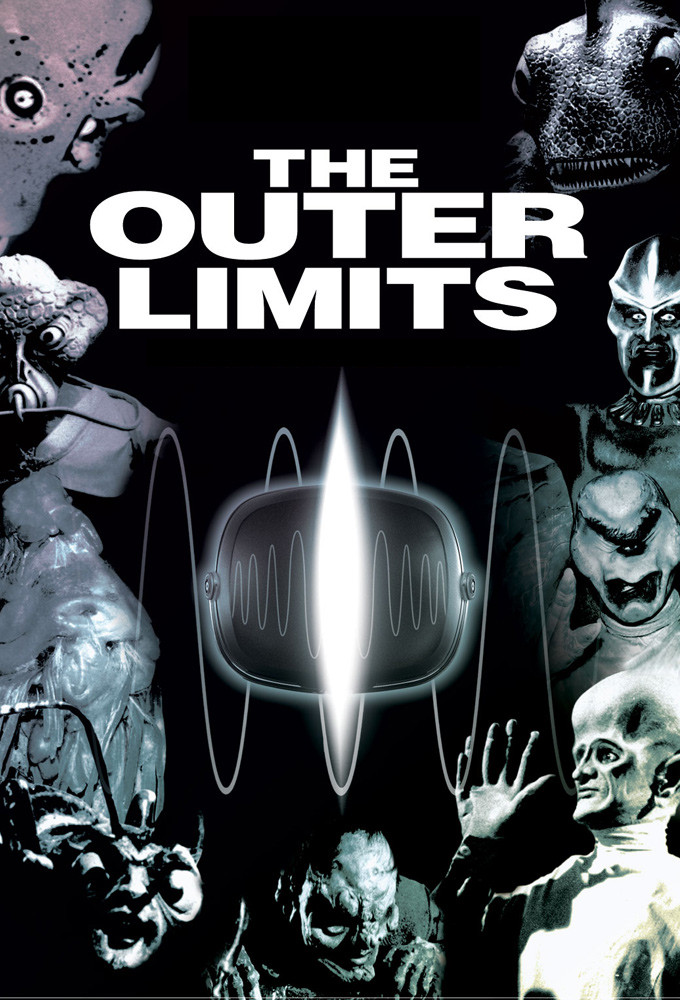
An episode of the classic sci-fi series ‘The Outer Limits,’ titled ‘The Hundred Days of the Dragon,’ revolved around a political conspiracy. Actor Sidney Blackmer had the challenging role of playing both the President of the United States and an Asian spy who had undergone cosmetic surgery to resemble him. The episode relied on makeup to transform Blackmer into the spy, who was central to a foreign plot. The story tapped into anxieties about foreign infiltration, and it’s another instance of a white actor portraying an Asian character to advance the plot in a science fiction setting.
‘Arrow’ (2012–2020)
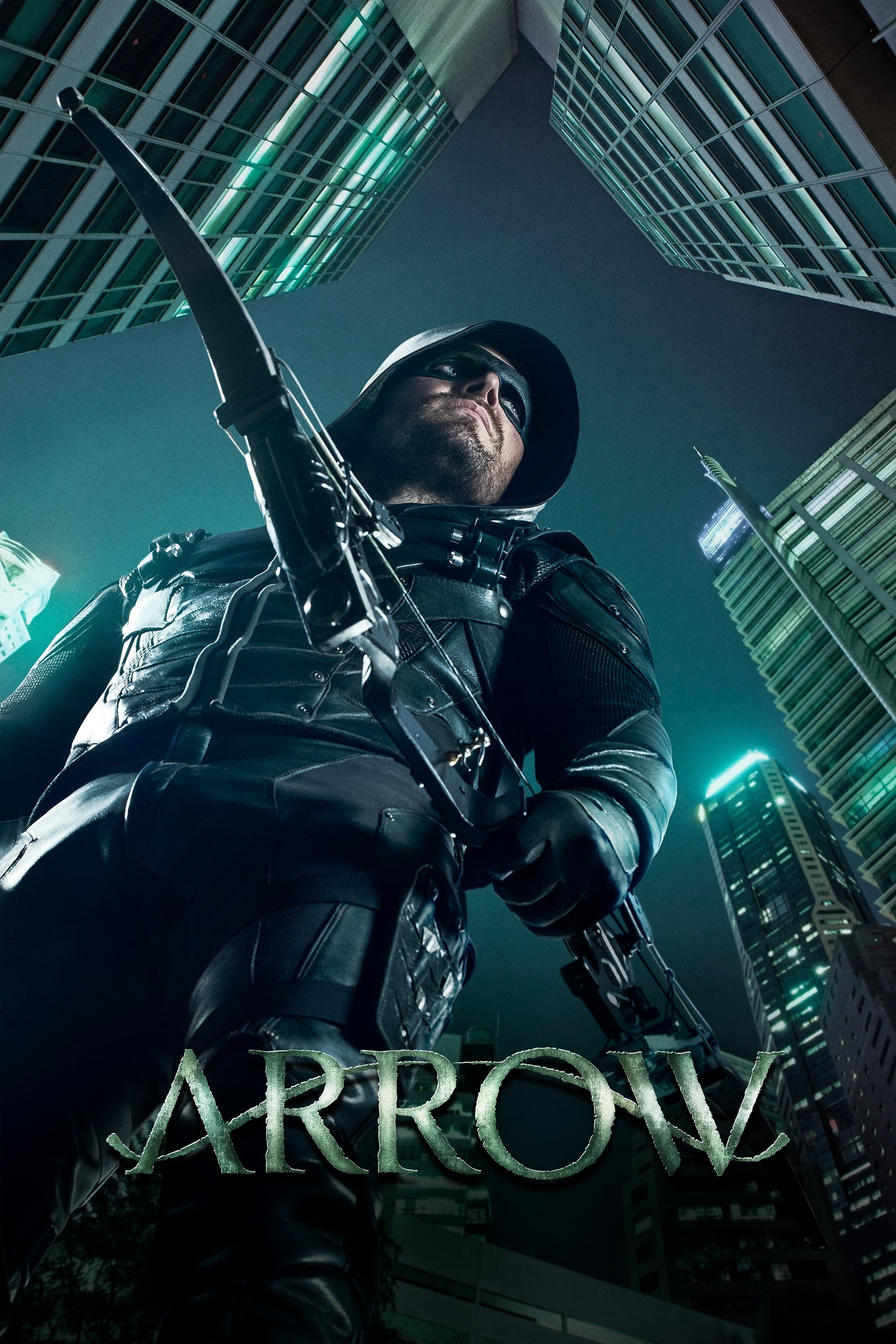
Okay, let’s talk about Ra’s al Ghul in ‘Arrow’. They brought him in during season three, and Matt Nable did a great job with the role. However, it was a bit of a controversial choice. In the comics, Ra’s is usually depicted as being of Middle Eastern or East Asian descent, but Nable is a white actor. The show definitely took liberties with a lot of character origins to make things fit their version of the story, and this casting really brought the issue of representation to the forefront. It sparked a debate about how faithfully shows should stick to established ethnic backgrounds when adapting comic book characters, and honestly, it’s a conversation we’re still having.
‘Seinfeld’ (1989–1998)
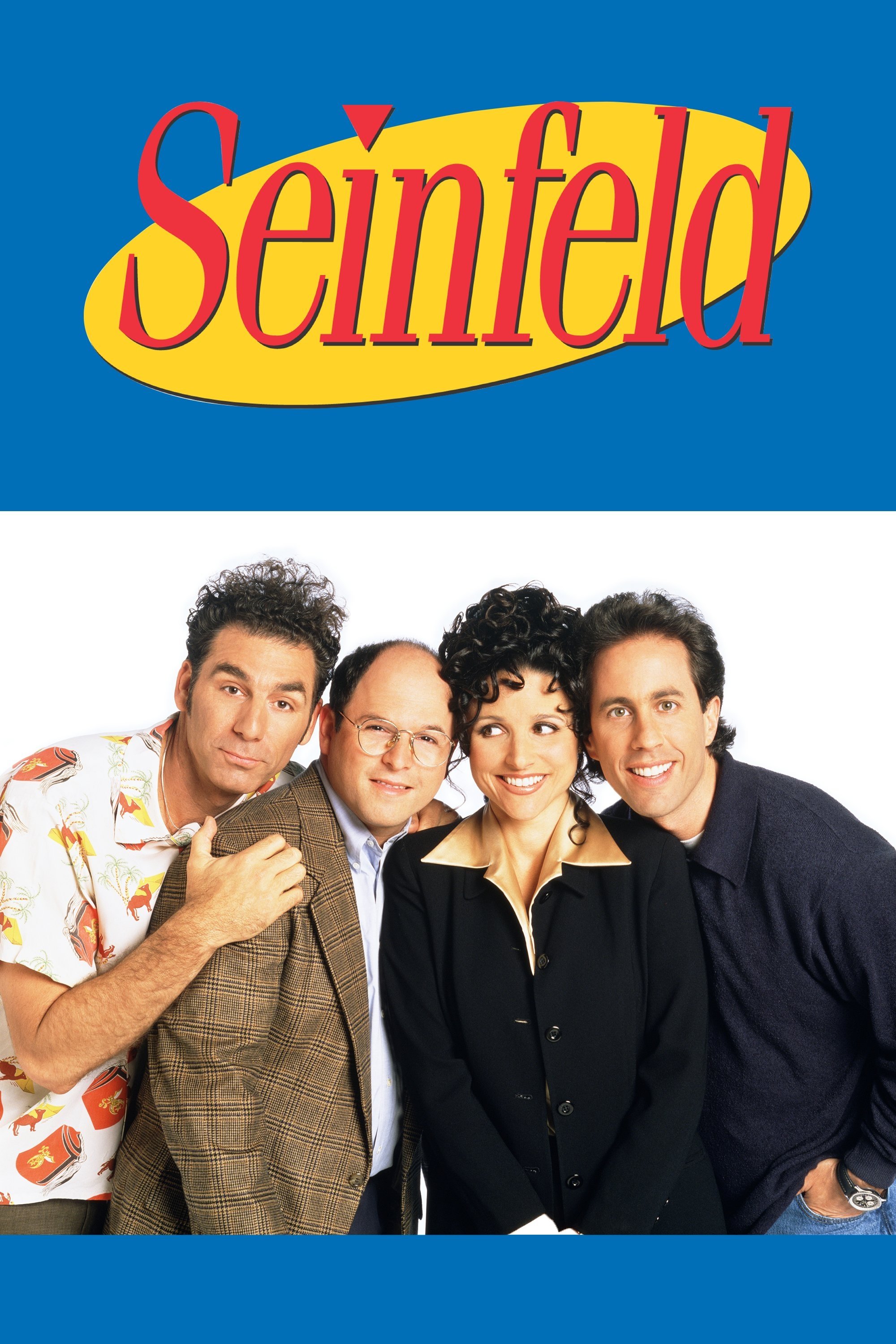
A ‘Seinfeld’ episode featured a character, Donna Chang, played by white actress Angela Dohrmann, who had shortened her name from Changstein. Jerry dates her believing she is Chinese based on her surname. The joke hinged on playing with and ultimately challenging ethnic assumptions and stereotypes. While intended as part of the humor, the casting involved a non-Asian actress portraying someone who led other characters to believe she was of Chinese descent. This episode is still often discussed as an example of how ‘Seinfeld’ tackled issues of identity and race.
‘The Wild Wild West’ (1965–1969)
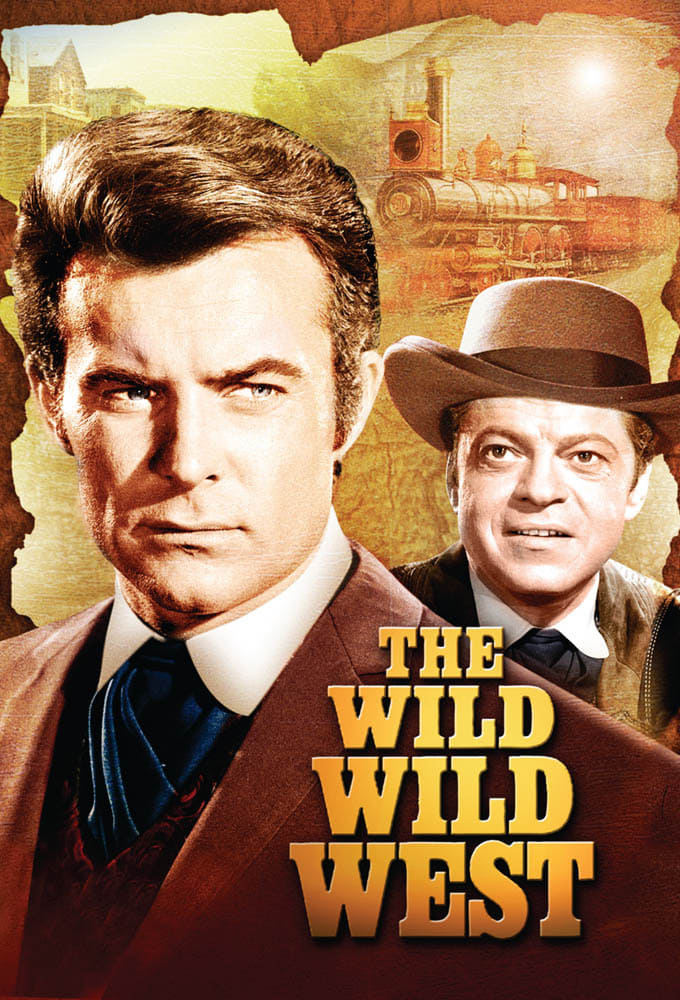
‘The Wild Wild West’ frequently featured guest actors playing characters from various ethnic backgrounds in each episode. For example, Vito Scotti played Chu, a Chinese assassin, in ‘The Night of the Sudden Death.’ The show, like many of its time, used makeup to transform these actors into people of different nationalities week after week. This was common on 1960s television, where a limited number of character actors often played a wide range of diverse roles, reflecting a tendency towards stereotypical portrayals rather than accurate representation.
‘Get Smart’ (1965–1970)
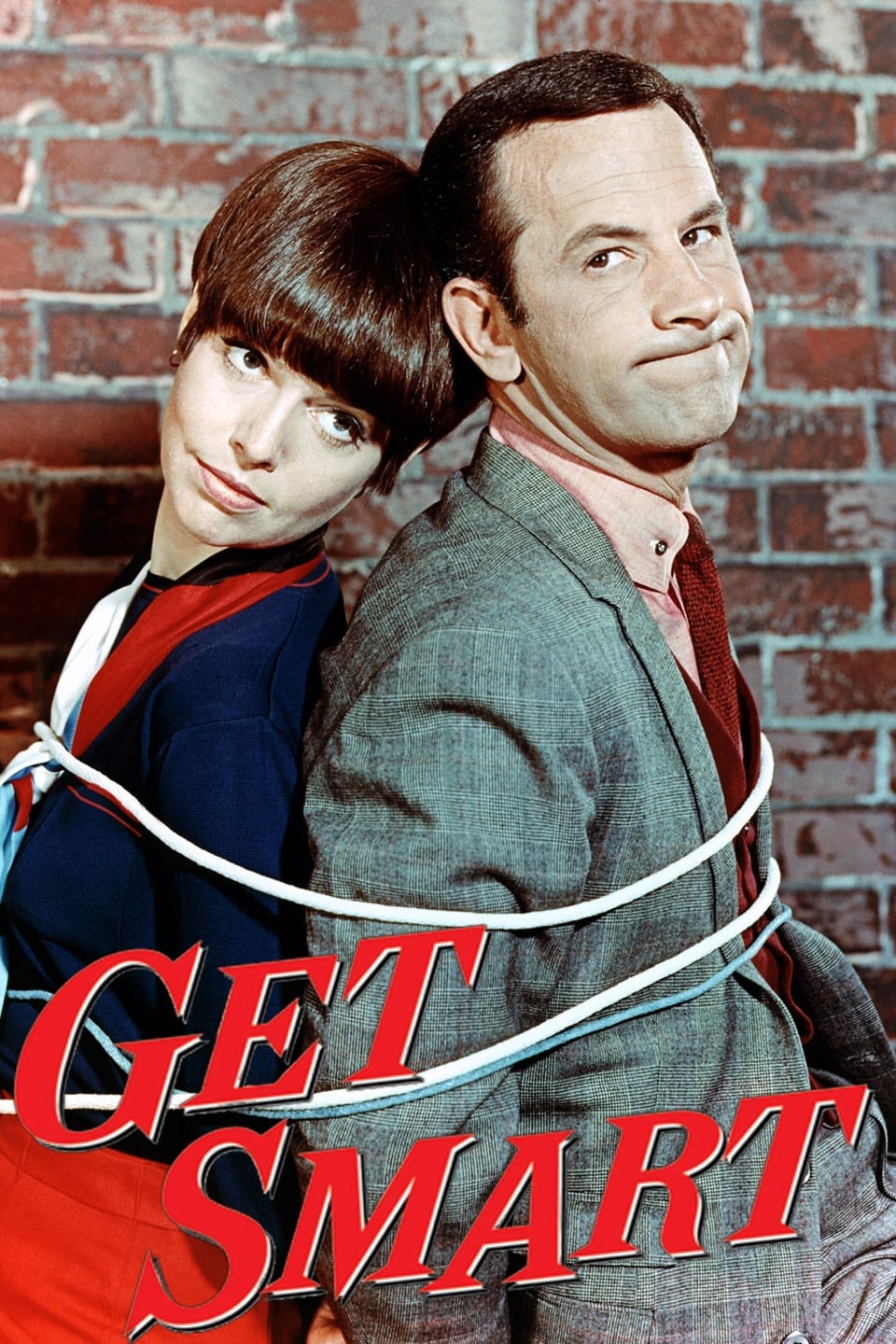
The TV show ‘Get Smart’ included a character named Harry Hoo, who was a humorous take on the detective Charlie Chan. Actor Joey Forman played Hoo using exaggerated makeup and a stereotypical accent, imitating how Asian detectives were often portrayed in older movies. The character was meant to poke fun at common themes in classic mystery films. Though the show was a comedy, using a white actor to play this Asian-inspired character was a common practice in the entertainment industry at the time. Harry Hoo appeared in multiple episodes and frequently interacted with the show’s main character, Maxwell Smart.
‘The Man from U.N.C.L.E.’ (1964–1968)
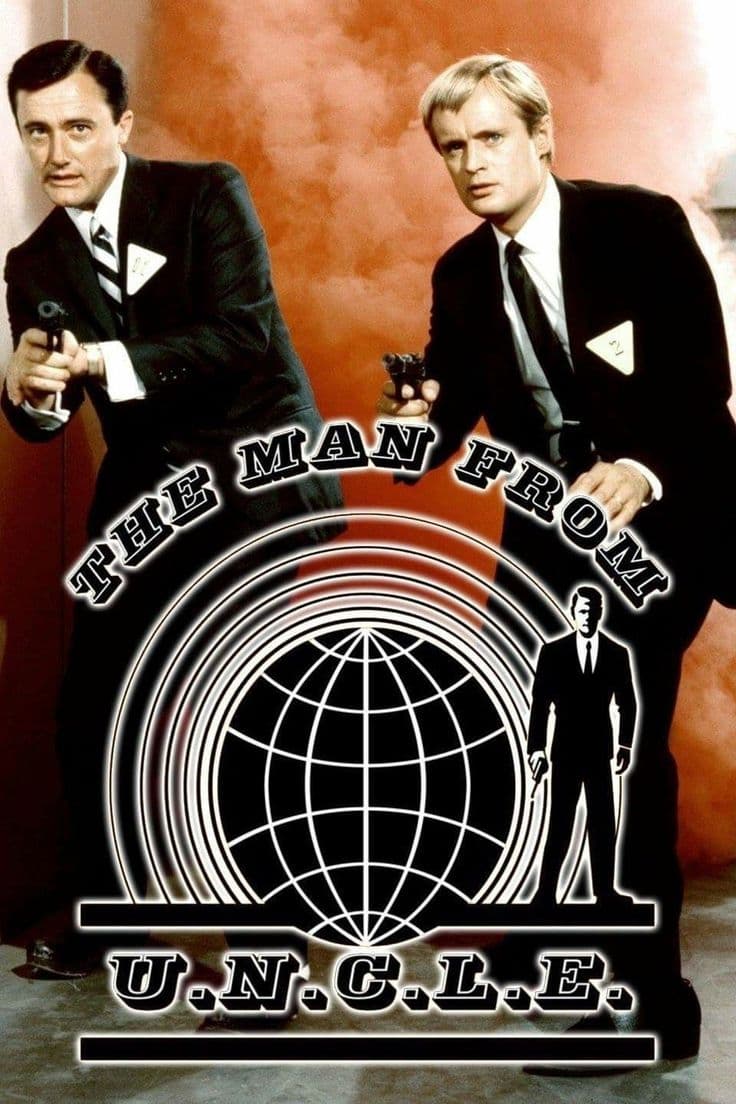
As a big fan of classic spy shows like ‘The Man from UNCLE,’ I remember being fascinated by its global feel and exotic locations. But looking back, it’s hard to ignore how the show handled characters of Asian descent. Often, they’d cast non-Asian actors and then use makeup to try to make them look Asian. It was common practice back then – the show prioritized familiar faces and established actors over actually casting people who authentically represented those cultures. It just seems like the industry standards of the mid-sixties didn’t really value ethnic accuracy, and that’s definitely noticeable now.
‘I Spy’ (1965–1968)
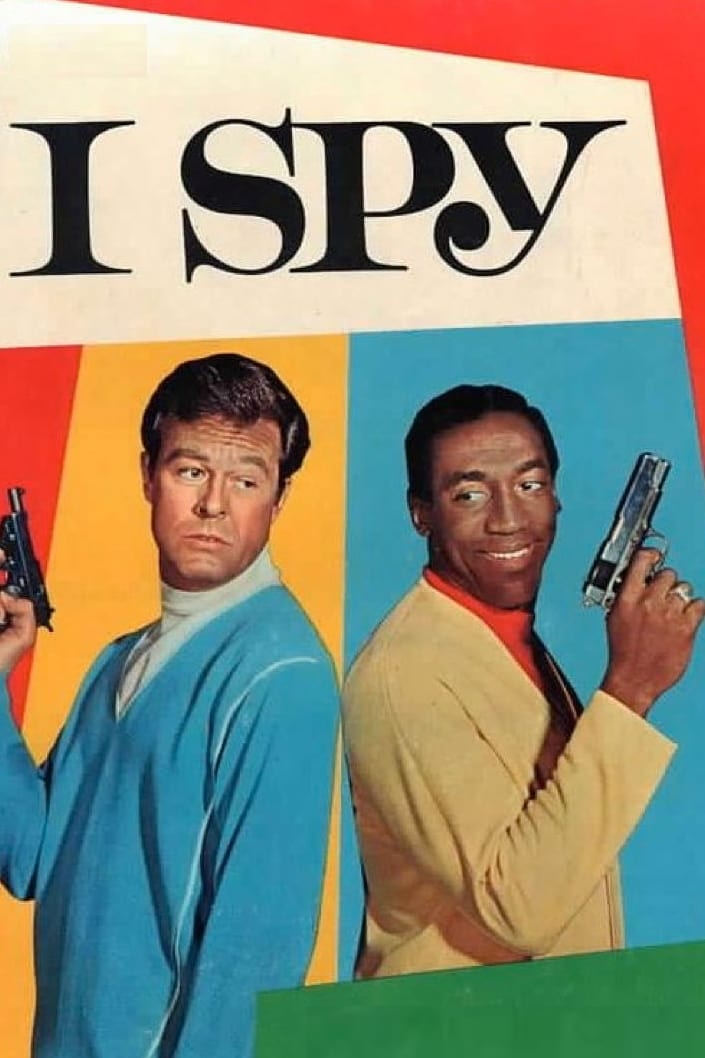
‘I Spy’ was innovative for featuring a Black lead actor, but it wasn’t perfect when it came to representing Asian characters. For example, in the episode ‘The Tiger,’ Vietnamese characters were often played by actors who weren’t of Asian descent. Sometimes, the show used makeup to try and make these actors look Vietnamese. While ‘I Spy’ was forward-thinking for its time, it still reflected the limited casting options available, highlighting the challenges of representation in early television.
‘The Incredible Hulk’ (1977–1982)
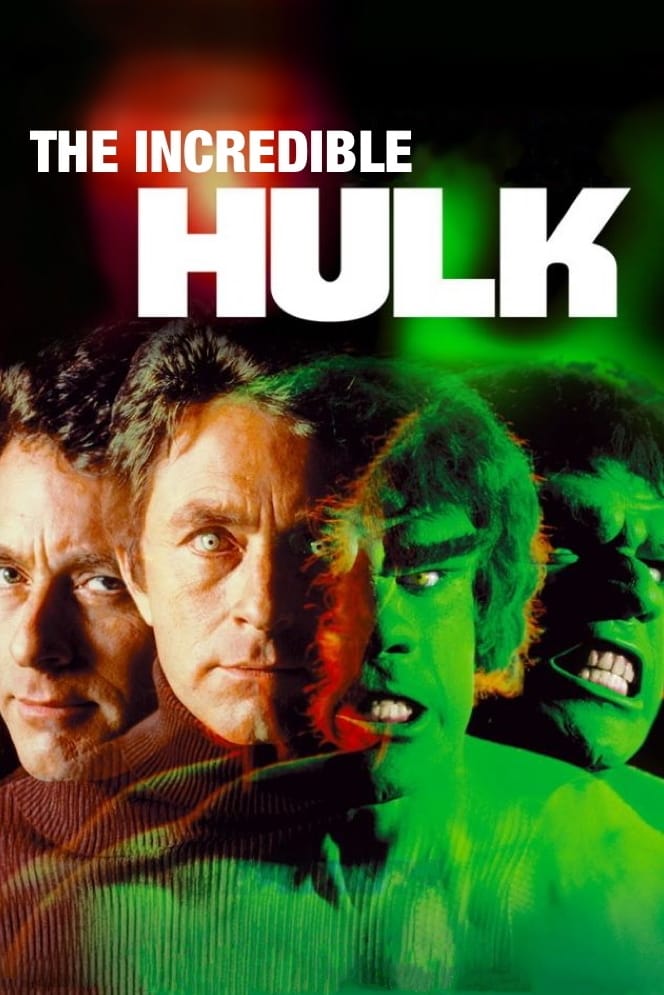
An episode of ‘The Incredible Hulk’ called ‘East Winds’ included a storyline about a Chinese gang. However, actors of Asian descent weren’t cast in those roles; instead, non-Asian actors were made up and costumed to appear Chinese. This was a typical solution for television shows at the time, which often needed to quickly fill many diverse roles. Throughout the series, ‘The Incredible Hulk’ regularly featured stories about various subcultures across the United States.
‘Bonanza’ (1959–1973)
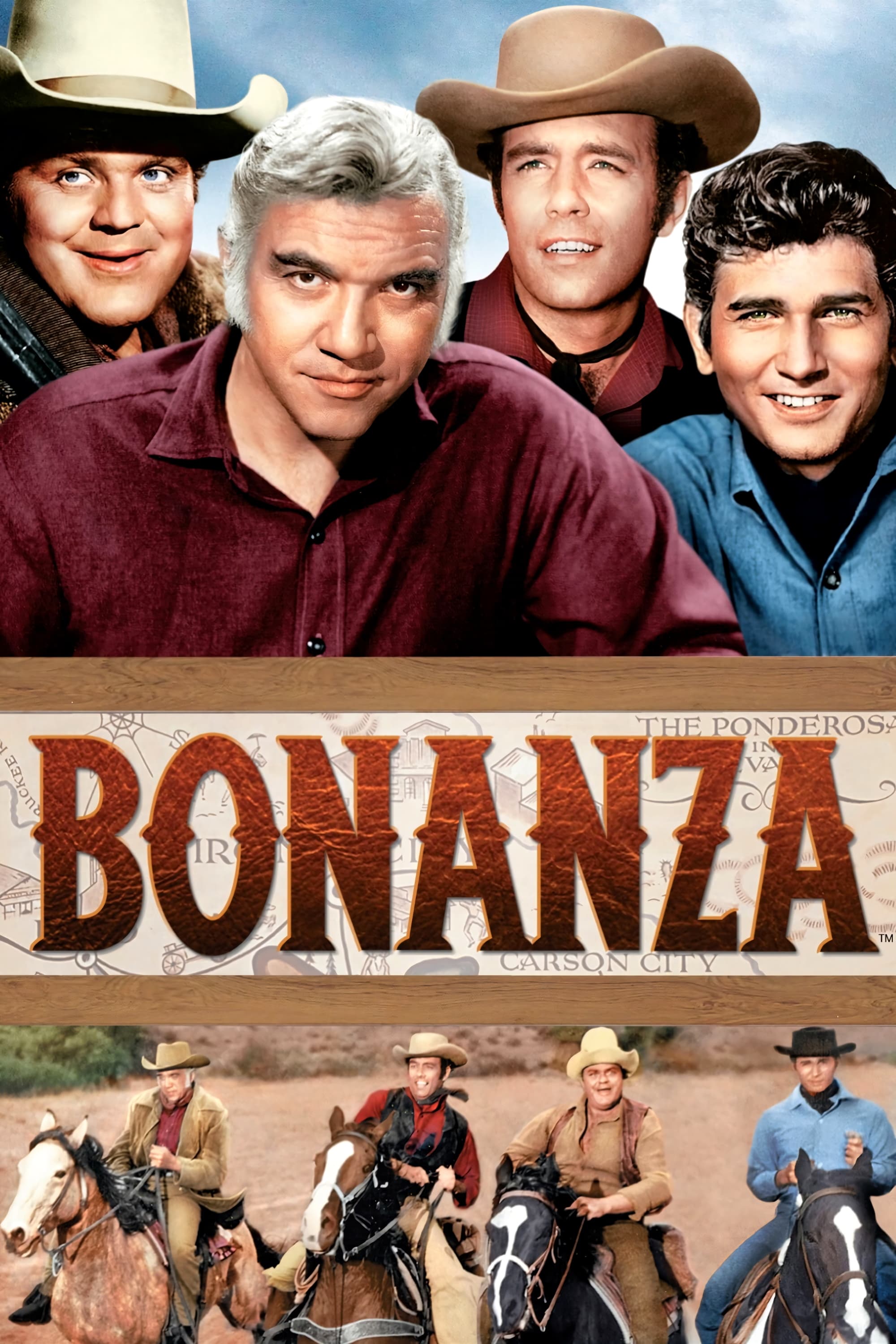
The classic TV Western ‘Bonanza’ featured an episode called ‘The Fear Merchants’ that dealt with the prejudice faced by Chinese immigrants. Although some Asian actors appeared in the episode, the most important roles were played by white actors using makeup to appear Asian – a practice known as yellowface. Despite this problematic casting, the episode was significant for attempting to address important social issues, which was typical of television at the time. ‘Bonanza’ continues to be a well-remembered and influential show in the history of Westerns.
‘The Saint’ (1962–1969)
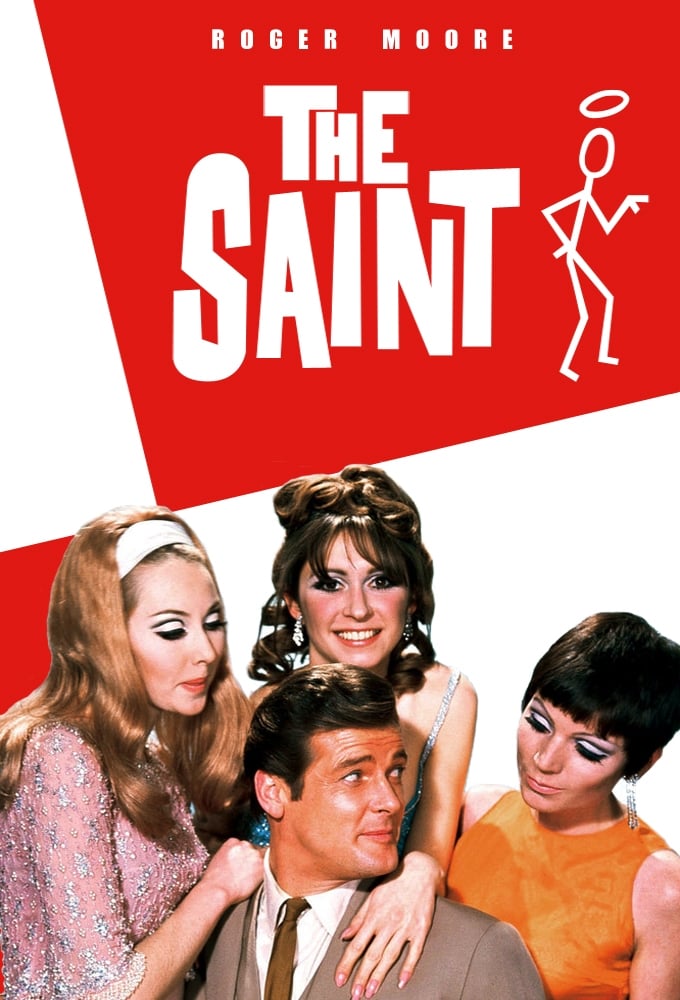
An episode of the 1960s TV show ‘The Saint,’ titled ‘The Golden Frog,’ featured Asian characters played by non-Asian actors. This practice of casting non-ethnic actors in roles representing different cultures was typical for British adventure series of that era. Often, actors’ appearances were changed with makeup to suit the story’s setting. This episode exemplifies how television shows at the time relied on a small pool of performers to portray characters from around the world.
Please share your thoughts on these casting choices in the comments.
Read More
- Trading on Thin Air: AI Agents Conquer Crypto Volatility
- 20 Movies Where the Black Villain Was Secretly the Most Popular Character
- Invincible Season 4 Gender Swaps Tech Jacket As Fans Question Major Comic Change
- Silver Rate Forecast
- 22 Films Where the White Protagonist Is Canonically the Sidekick to a Black Lead
- Gold Rate Forecast
- Celebs Who Narrowly Escaped The 9/11 Attacks
- Trading Smarter: AI-Powered Execution Schedules
- 15 Films That Were Shot Entirely on Phones
- Smarter Order Execution: How AI is Outperforming Wall Street’s Playbook
2026-01-11 19:46