Throughout television history, characters from minority groups were often portrayed using predictable stereotypes rather than as fully developed individuals. Early roles for Asian actors, in particular, frequently fell into limited categories like the martial arts expert, the highly successful student, or the mysterious foreigner. These depictions often used exaggerated accents and outdated clichés for humor or to create problems for the show’s white main characters. As conversations about diversity in media grow, many of these older shows are now being re-examined for their reliance on these tired stereotypes.
‘Bonanza’ (1959–1973)
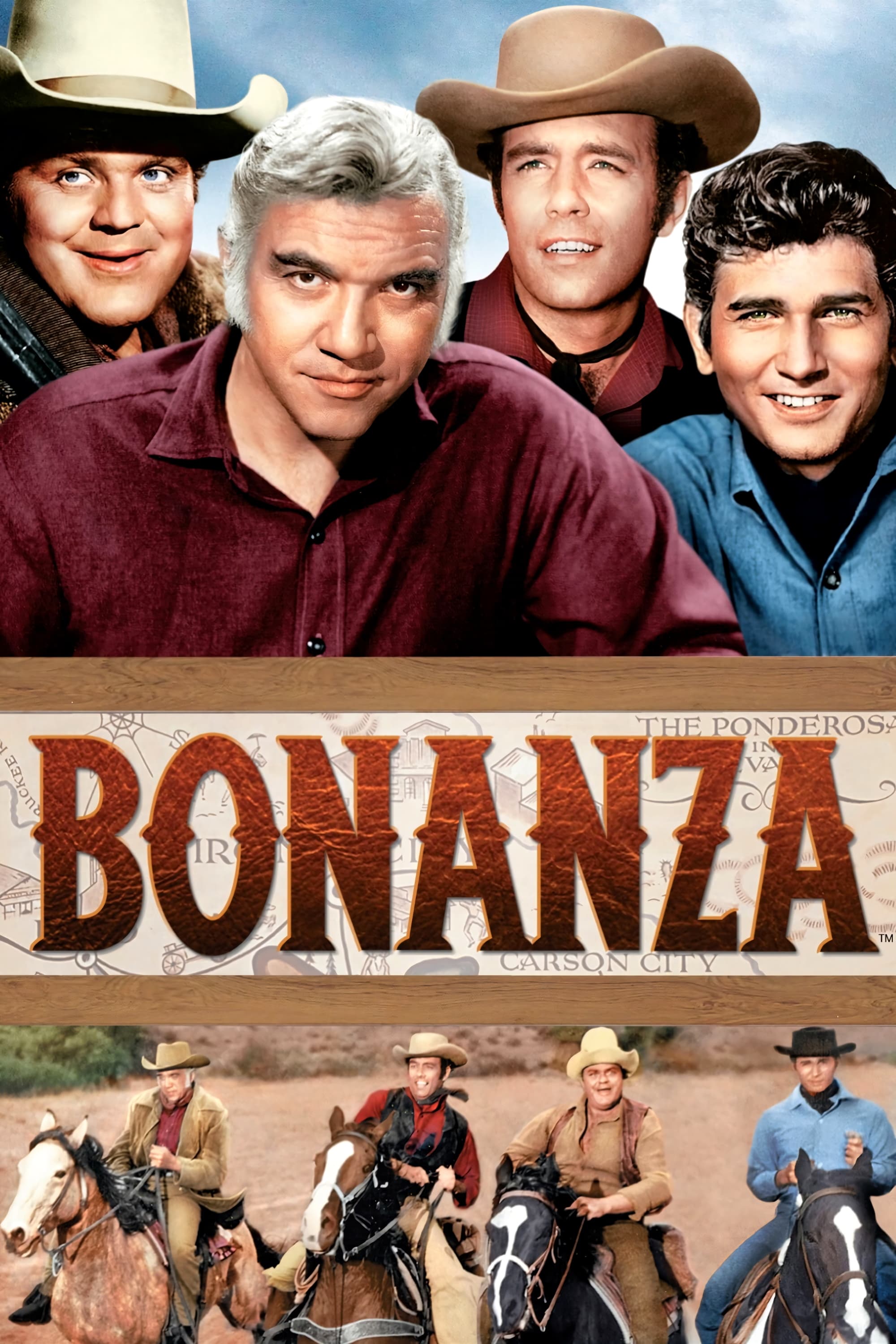
Victor Sen Yung played Hop Sing, the cook and housekeeper for the Cartwright family on the show. Hop Sing often spoke in a simplified version of English and was mostly used for comic effect, focusing on his work around the house. Though a regular character, his stories usually revolved around helping the main, white characters. Critics point out that this role helped create a common and lasting stereotype of a “houseboy” in American television that continued for many years.
‘The Green Hornet’ (1966–1967)
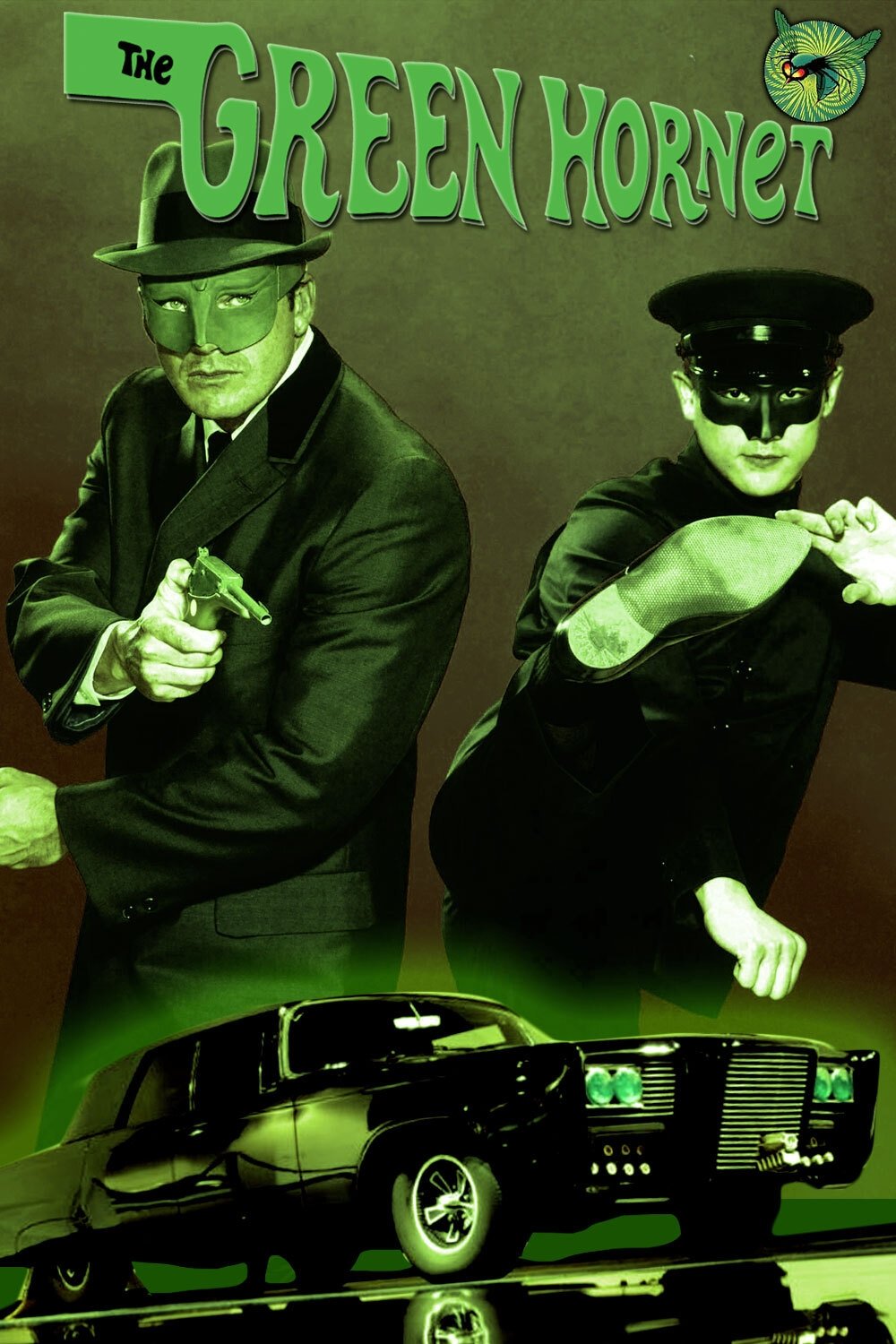
Bruce Lee played Kato in The Green Hornet, acting as the loyal assistant and martial arts specialist to the main character, Britt Reid. Although Lee was incredibly talented and charismatic, the show largely presented Kato as a sidekick – a driver and helper. While some international broadcasts showed Kato as the more skilled fighter, the American scripts kept him in a supporting role. This depiction unfortunately played into the harmful stereotype of Asian men being seen as simply physical helpers or servants to white protagonists.
‘Kung Fu’ (1972–1975)

The choice of David Carradine to play Kwai Chang Caine, a mixed-race Shaolin monk, is a well-known instance of yellowface on television. Despite Bruce Lee being considered for the part, producers reportedly thought American viewers wouldn’t embrace an Asian lead actor. The show relied on makeup and a stereotypical, quiet portrayal to present Eastern ideas to Western audiences. This effectively turned Asian culture into a product while preventing Asian actors from taking the central role.
‘Happy Days’ (1974–1984)

I remember watching Pat Morita as Arnold Takahashi on that show – he owned the drive-in and was a really memorable character. Looking back, a lot of the humor came from jokes about his background and family, which feels a bit different now. While Mr. Morita was always great, it’s clear the show mostly used his character to help tell the stories of the white teenage characters. He kind of played the role of the nice, harmless Asian-American business owner, and now it feels like a bit of a stereotype.
‘All-American Girl’ (1994–1995)
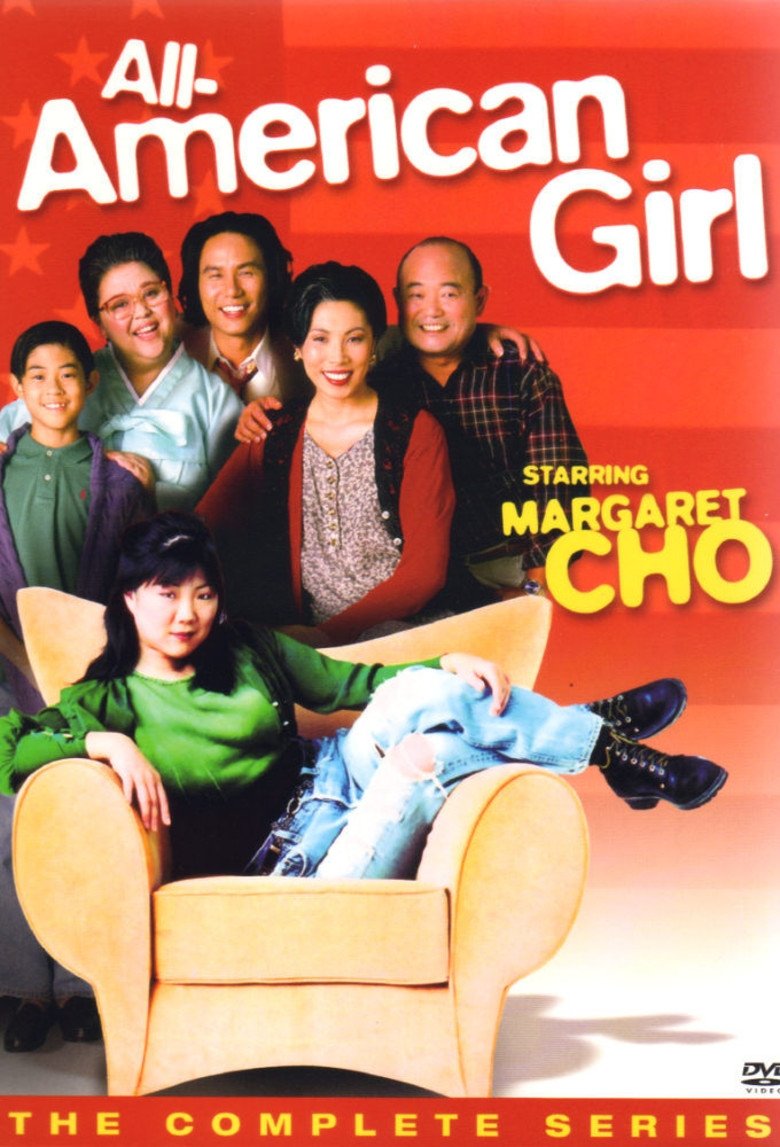
Margaret Cho’s sitcom was promoted as a big step forward for Asian representation on television. However, it faced criticism for relying on tired sitcom clichés and not accurately portraying Korean-American culture. Reports suggest network executives even asked Cho to change her performance to fit their idea of what being Asian should look like. Ultimately, the show didn’t connect with audiences because it felt like it was based on stereotypes and the producers’ assumptions about Asian families.
‘The Simpsons’ (1989–Present)
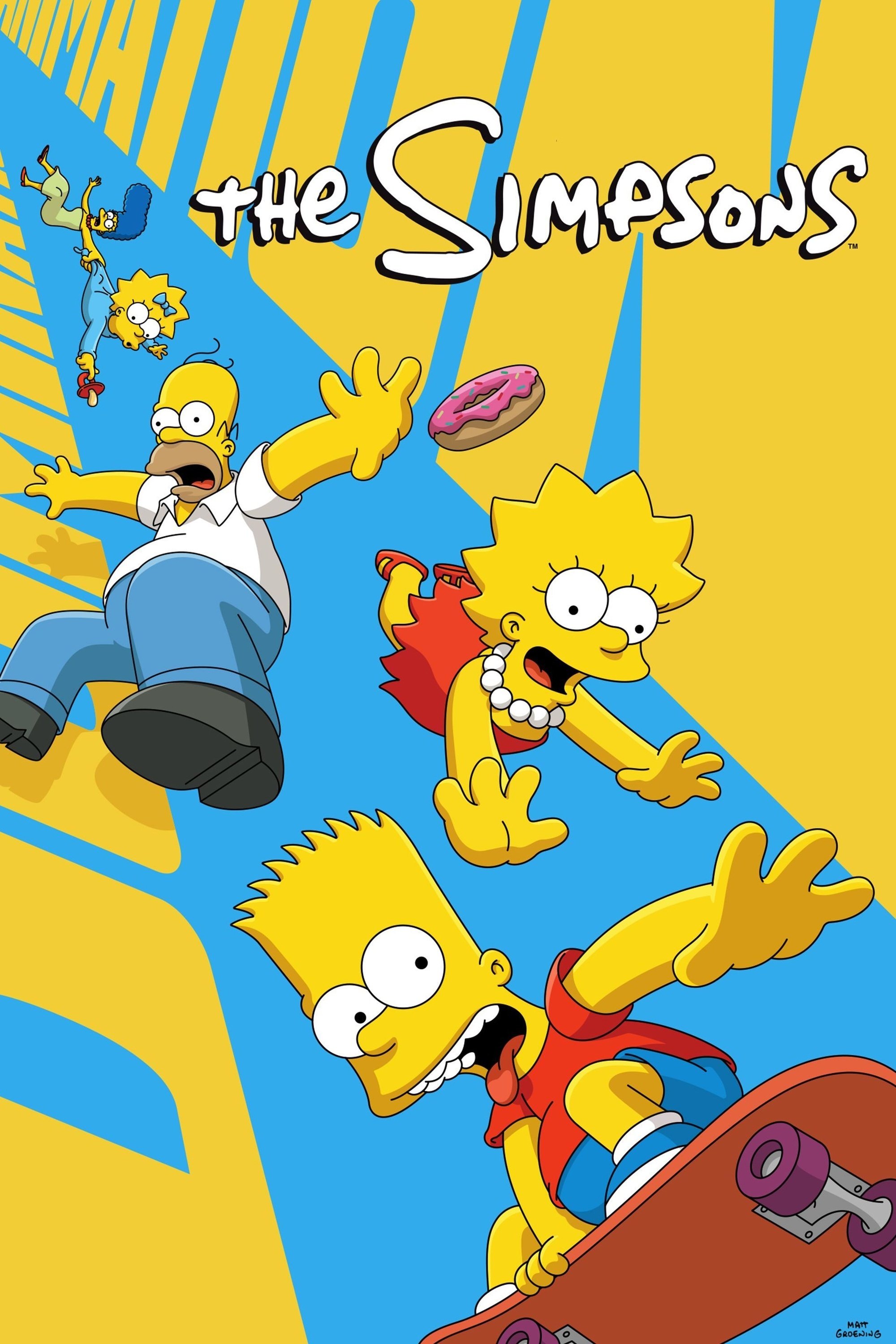
Apu Nahasapeemapetilon, the owner of the Kwik-E-Mart, sparked important conversations about how South Asians are portrayed in media. For many years, the character was voiced by Hank Azaria, a white actor who used a very noticeable and over-the-top accent. The show often focused on Apu’s large family, his arranged marriage, and his low-paying job. The 2017 documentary ‘The Problem with Apu’ showed how these depictions had a harmful effect on the South Asian community over time.
‘Ally McBeal’ (1997–2002)
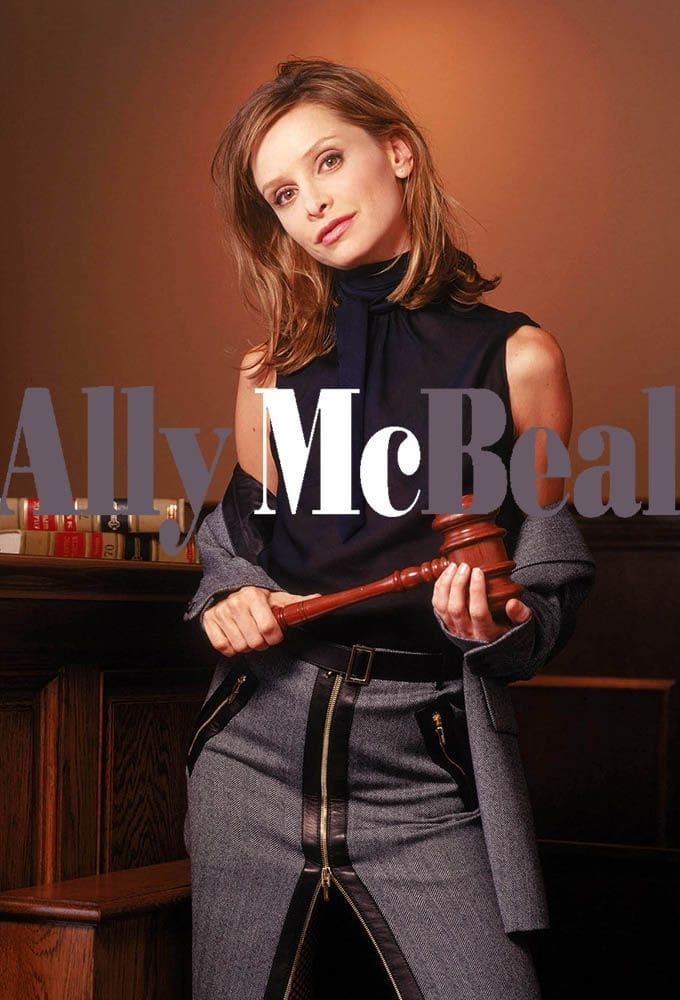
Lucy Liu’s character, Ling Woo, is often seen as a modern example of the “Dragon Lady” stereotype on TV. She was portrayed as cool, overly sexualized, and someone who used others to get what she wanted, making her stand out from the more emotional and anxious white characters at her law firm. Though Ling was a strong career woman, her character relied heavily on old, harmful ideas about Asian women being seen as mysterious and untrustworthy.
‘Sex and the City’ (1998–2004)
The “Turtle and the Hare” episode introduces Sum, a housekeeper who is quick to criticize her employer. She’s depicted using the “tiger mother” stereotype, mainly expressing herself through negativity. This episode’s only portrayal of an Asian woman centers on her job as a domestic worker, which unfortunately reinforces the harmful idea that Asian characters are simply there to serve or create problems for others, rather than being fully developed individuals.
‘Lost’ (2004–2010)
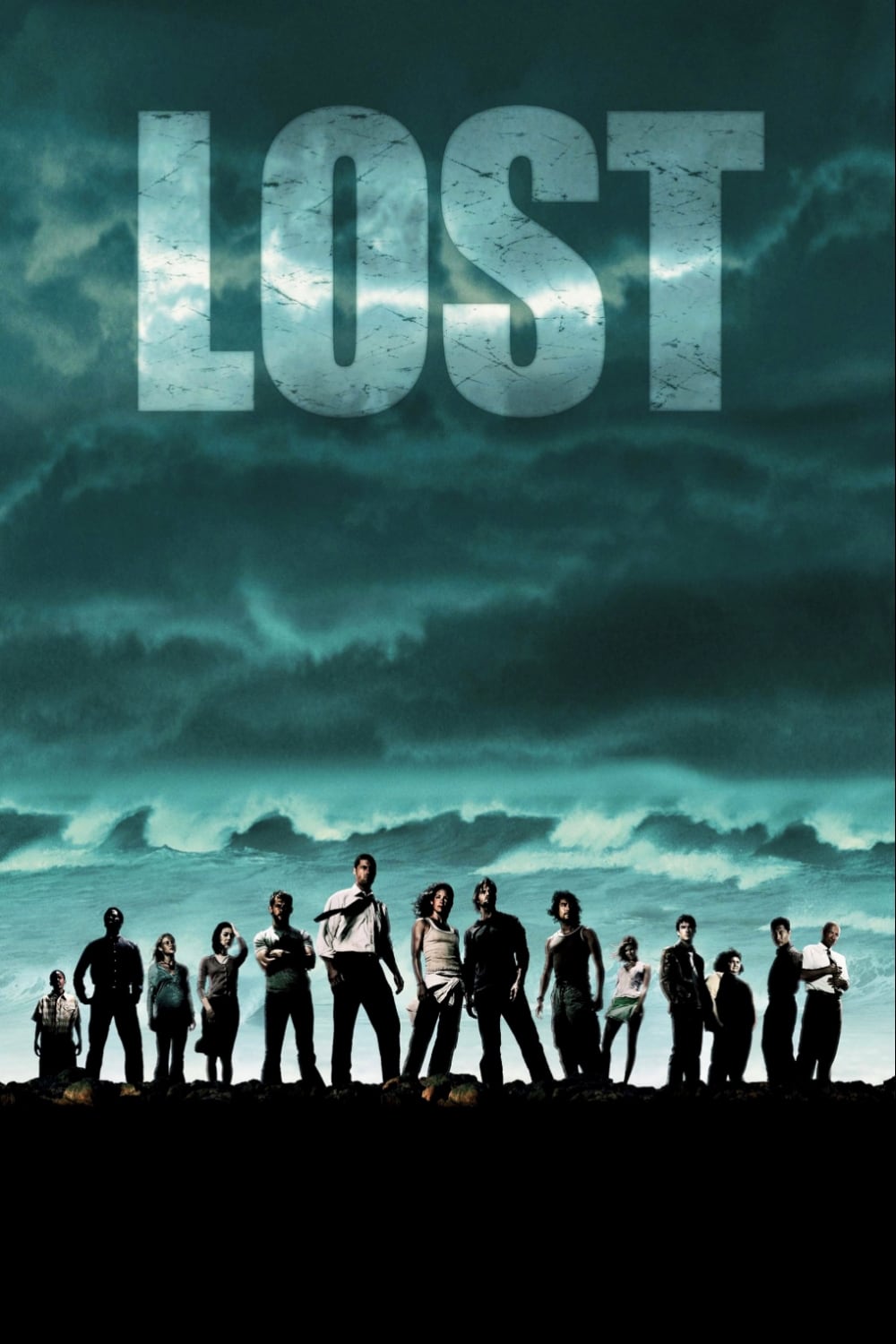
When Jin-Soo Kwon was first introduced in the show, he was portrayed as a strict, old-fashioned husband who didn’t speak English. Initially, his character seemed to fit the harmful stereotype of an Asian man who controls his wife’s life. Although the show later developed his personality and gave him more complexity, the first few episodes used these familiar tropes to create drama. Some critics noted that because he was an outsider who didn’t speak English, it was harder for Western viewers to connect with him compared to the other characters.
‘Entourage’ (2004–2011)
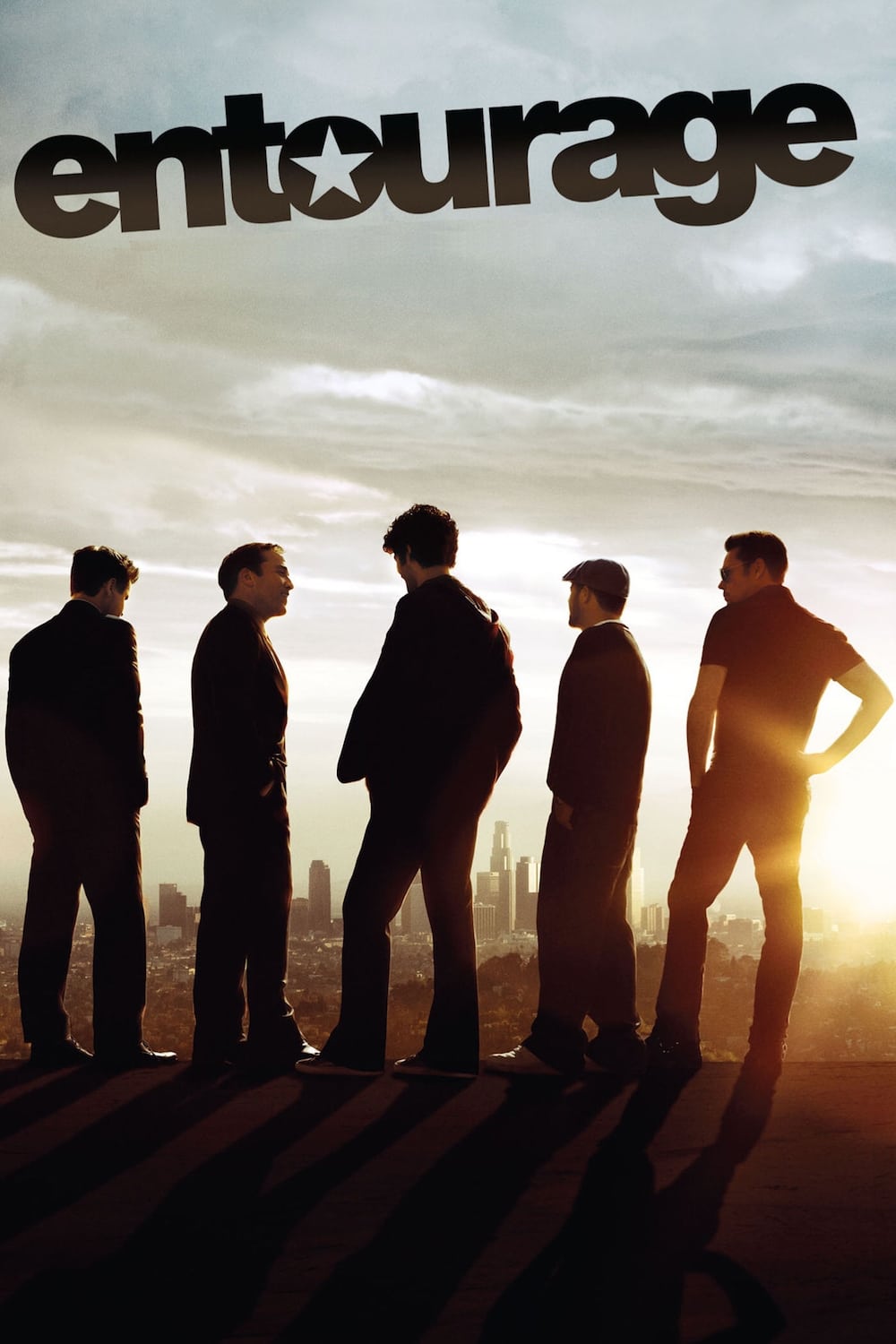
Rex Lee played Lloyd Lee, the assistant to the demanding agent Ari Gold. Lloyd often endured Ari’s harsh and offensive language, including insults based on his race and sexual orientation. The character was typically shown as someone who tried hard to please, avoided conflict, and was easily upset. This portrayal unfortunately played into harmful stereotypes about Asian men being seen as weak or overly sensitive, especially in workplaces dominated by white people.
‘The Big Bang Theory’ (2007–2019)
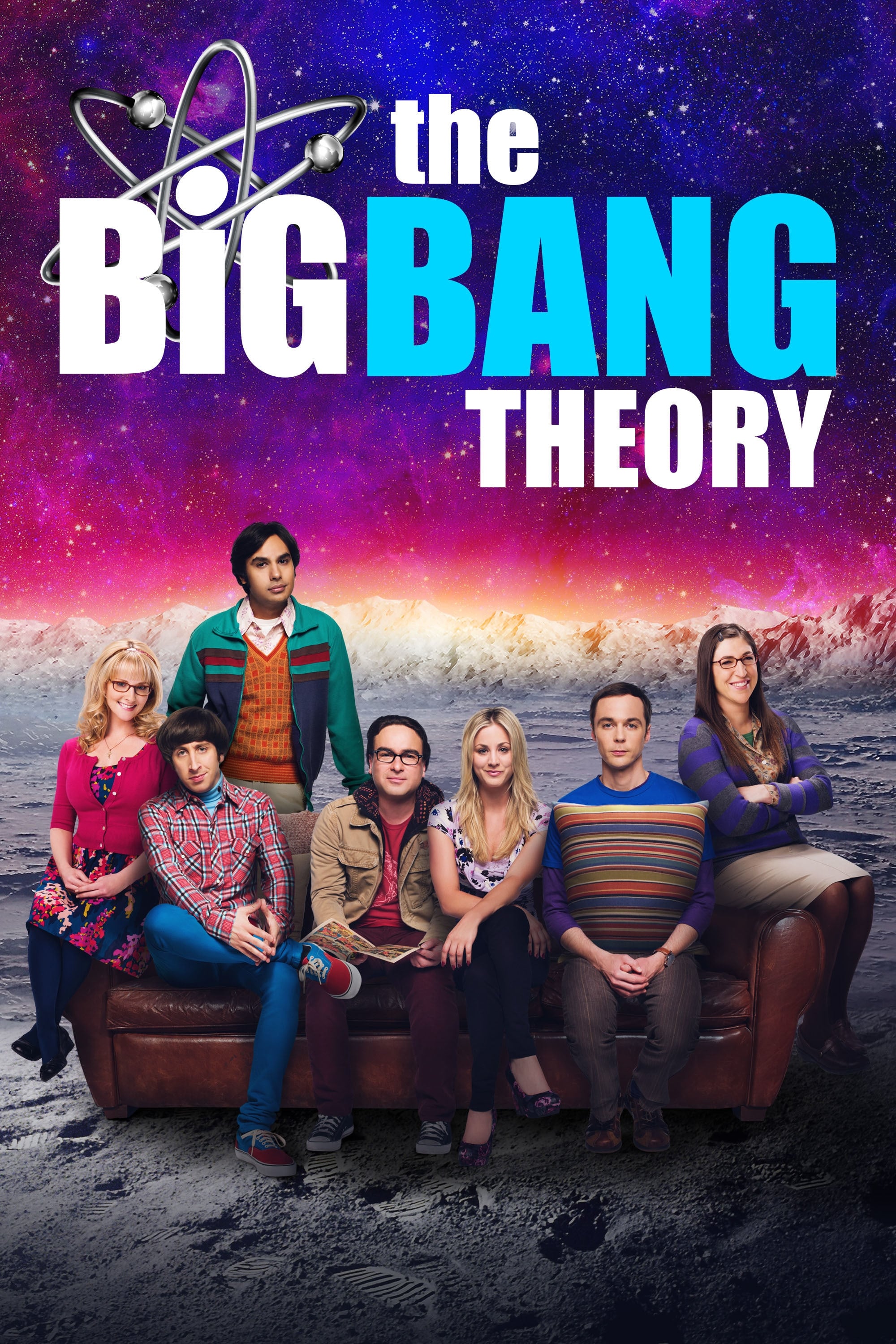
Raj Koothrappali, one of the characters on the show, was often portrayed by his difficulty talking to women and his perceived otherness, even though he was a brilliant scientist. Many jokes revolved around his upbringing and the fact that he couldn’t speak to women he was attracted to. However, critics felt the show relied too much on his cultural background for laughs, instead of treating it as a core part of who he was. They also pointed out that Raj didn’t grow much as a character and was often reduced to a stereotypical role as a foreign man who wasn’t interested in relationships.
‘Glee’ (2009–2015)
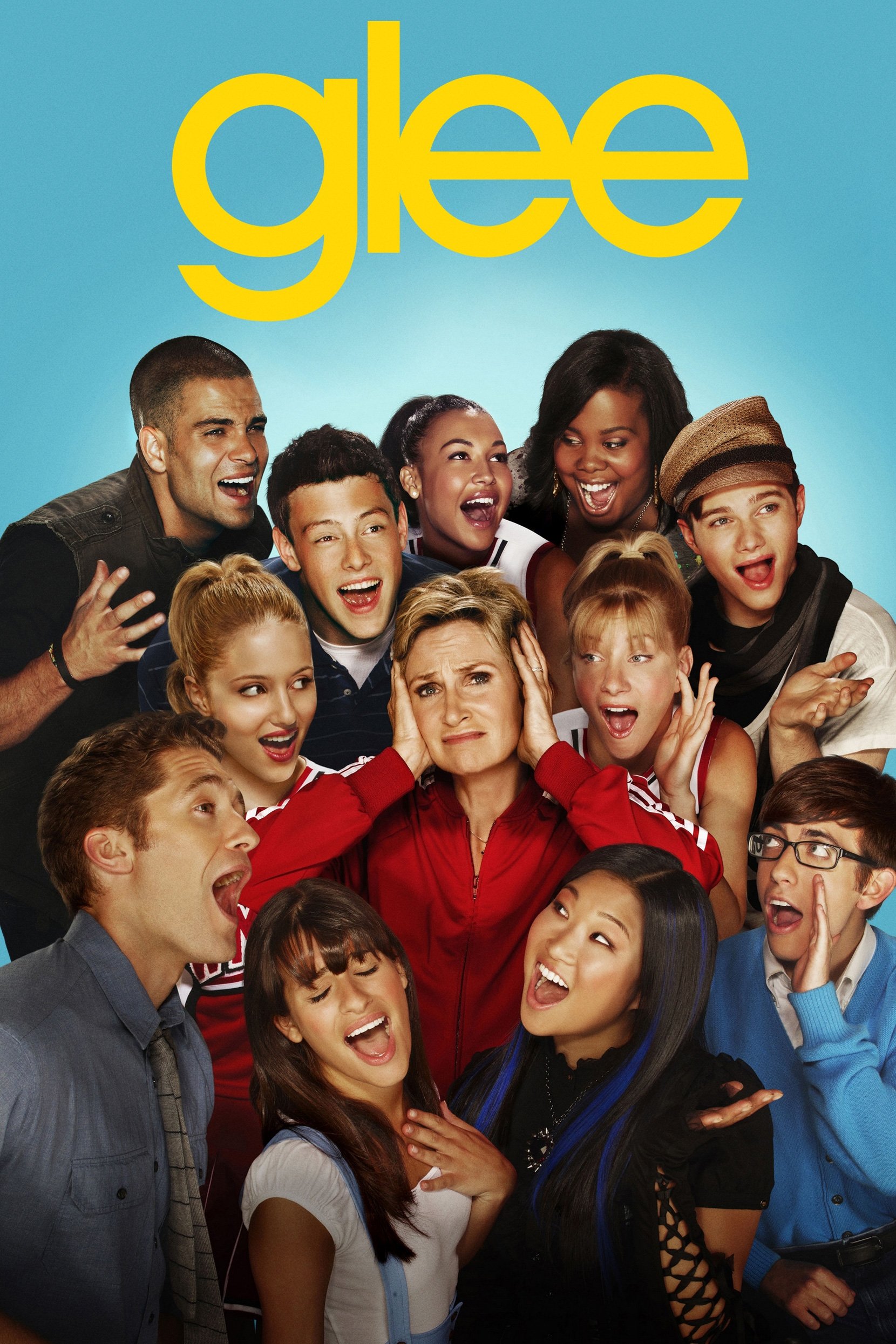
On the show ‘Glee,’ Tina Cohen-Chang and Mike Chang were the main Asian American characters, but their storylines weren’t as developed as those of other characters. One episode, titled “Asian F,” focused on the pressures of achieving high grades and the common stereotype of strict parenting. The show often paired them as a couple simply because they were both Asian, and even acknowledged this pattern with self-aware humor. However, this didn’t change the fact that they were often excluded from the show’s most important stories.
‘Hawaii Five-0’ (2010–2020)
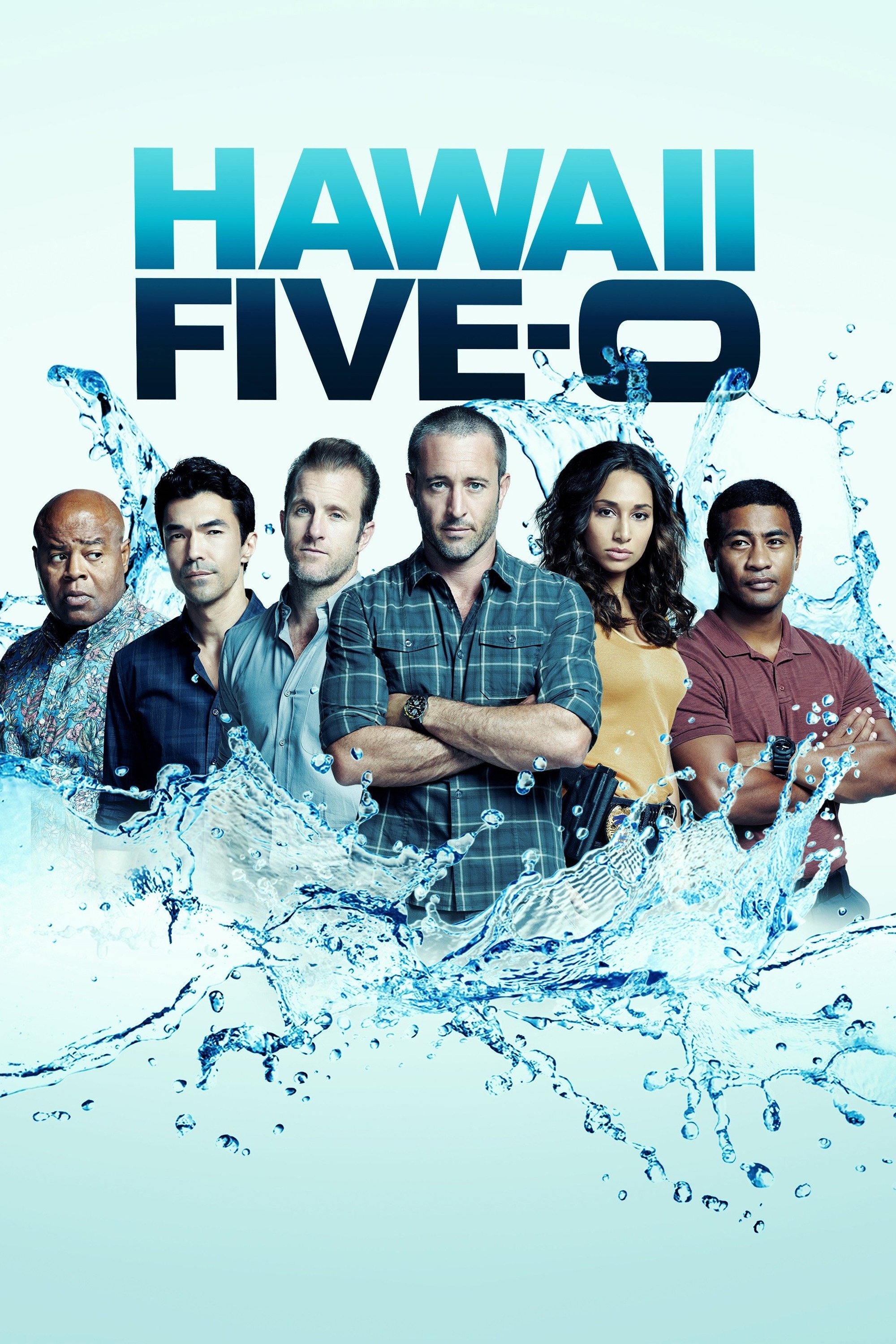
The ‘Hawaii Five-0’ reboot experienced criticism after Daniel Dae Kim and Grace Park departed, citing unfair pay. Reports indicated that, despite being main characters, they earned considerably less than their white colleagues, Alex O’Loughlin and Scott Caan. Fans also noted their characters were often limited to stereotypical roles – the tech specialist and the strong female character – without substantial development. This situation underscored a larger problem: the undervaluing of Asian actors, even when they are key to a show’s identity.
‘2 Broke Girls’ (2011–2017)

Han Lee, the diner owner on the show, was frequently made fun of for being short and for his accent. The character was depicted as awkward and lacking romantic experience, and often became the target of the main characters’ teasing. Many critics argued that the show used harmful and outdated stereotypes that unfairly portrayed Asian men. Instead of creating a complex character, the series relied on easy jokes at Han’s expense.
‘Dads’ (2013–2014)
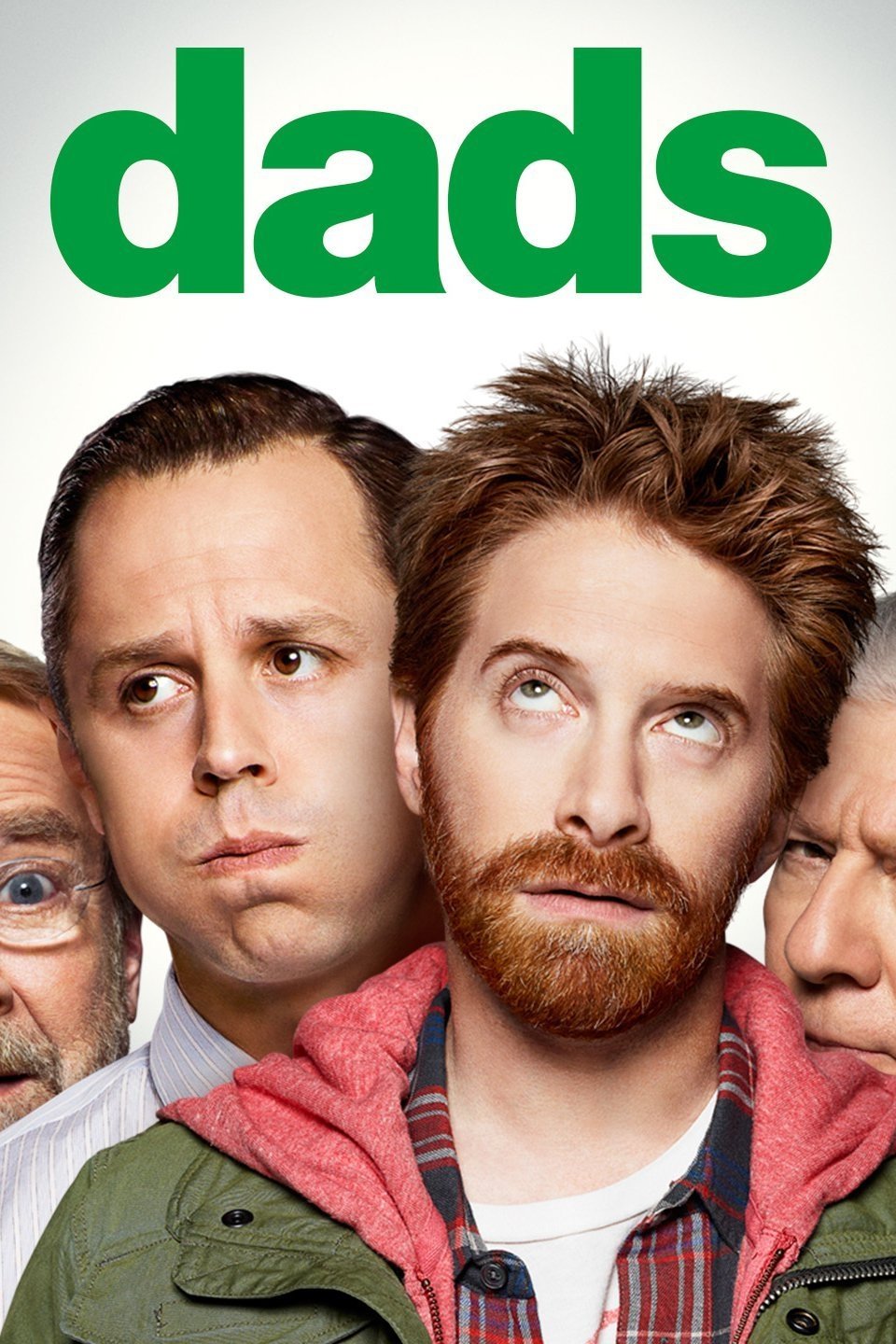
The sitcom ‘Dads’ faced immediate and strong criticism even before its first episode aired, largely due to its reliance on harmful racial stereotypes. One particularly problematic scene involved an Asian actress portraying an overly sexualized ‘schoolgirl’ character, seemingly intended to appeal to a male business audience. Critics found the show’s humor to be cruel and dependent on shocking, outdated racist tropes. Many felt its depiction of Asian culture was a step backwards, resembling the insensitive caricatures common in the 1970s and lacking any contemporary understanding.
‘Unbreakable Kimmy Schmidt’ (2015–2019)
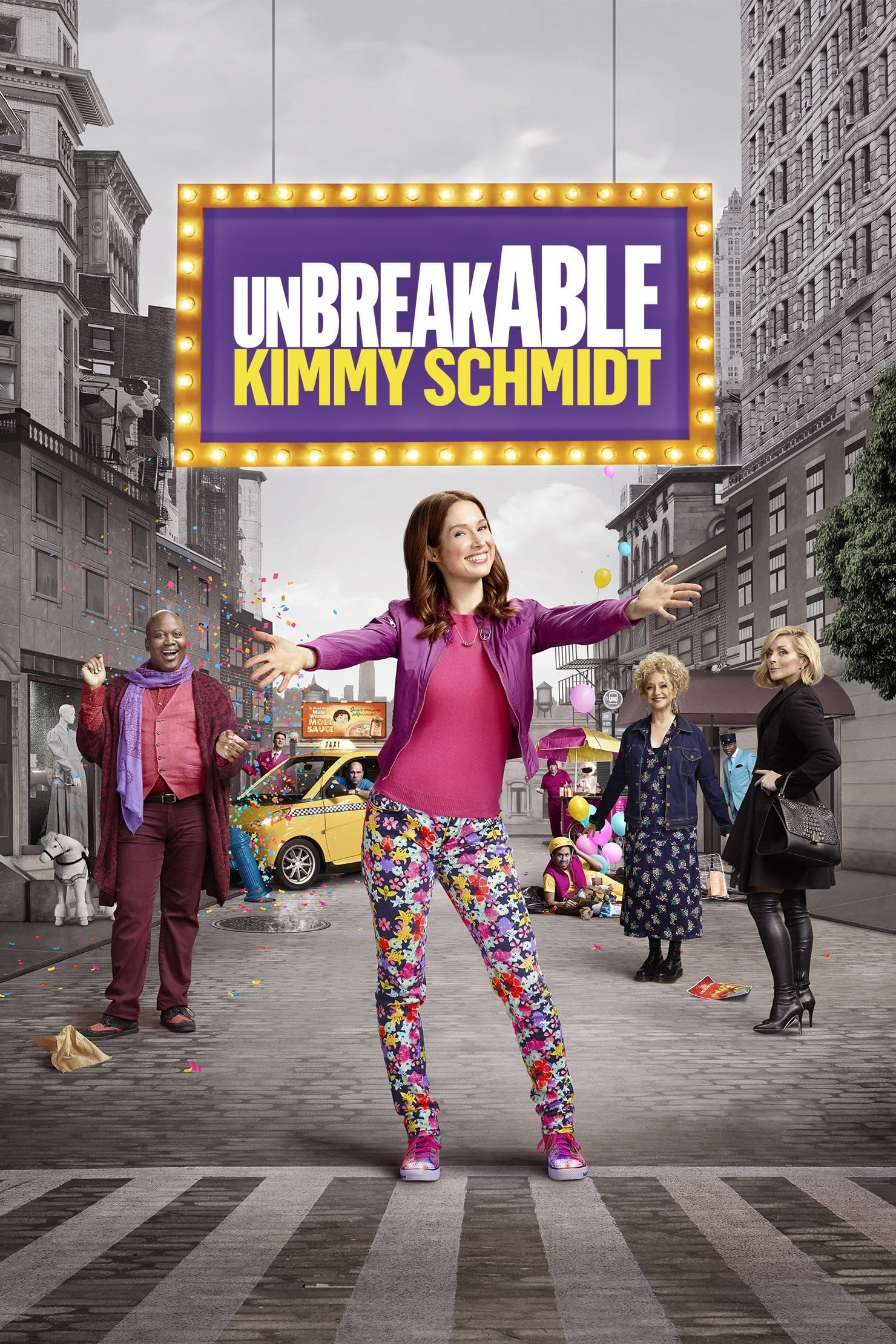
Kimmy’s boyfriend, Dong Nguyen, was often the subject of jokes related to his name and the fact that he was an undocumented immigrant. Although the show aimed to be satirical, many viewers felt the portrayal of Dong – a delivery driver focused on math – wasn’t clever enough to be truly subversive, and instead felt too realistic. His name was repeatedly used for simple, childish humor. This was disappointing to some, as the show generally challenged stereotypes, and Dong’s character felt like a missed chance to do so.
‘Silicon Valley’ (2014–2019)
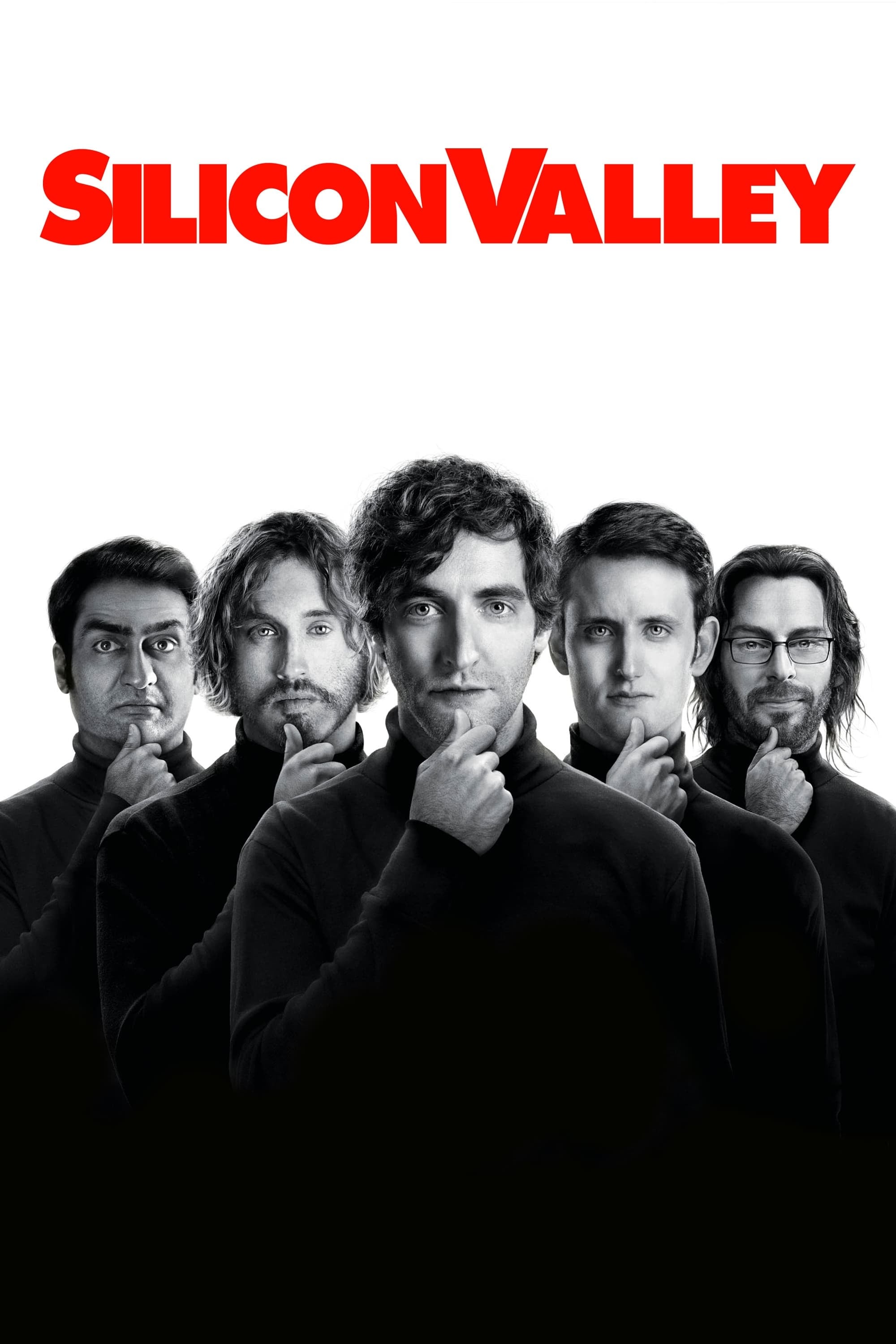
Okay, let’s talk about Jian-Yang from the show. Jimmy O. Yang was genuinely funny in the role, and he definitely became a fan favorite. But looking back, the character felt… limited. A lot of the humor came from him being a bit of a schemer – always trying to get one over on people, making prank calls, that sort of thing. The problem is, that comedic foundation relied heavily on tired stereotypes about Asians being untrustworthy or sneaky. We rarely saw any depth to Jian-Yang; the show never really bothered to explore who he was beyond being the guy who caused trouble. It felt like a missed opportunity, honestly.
‘Family Guy’ (1999–Present)
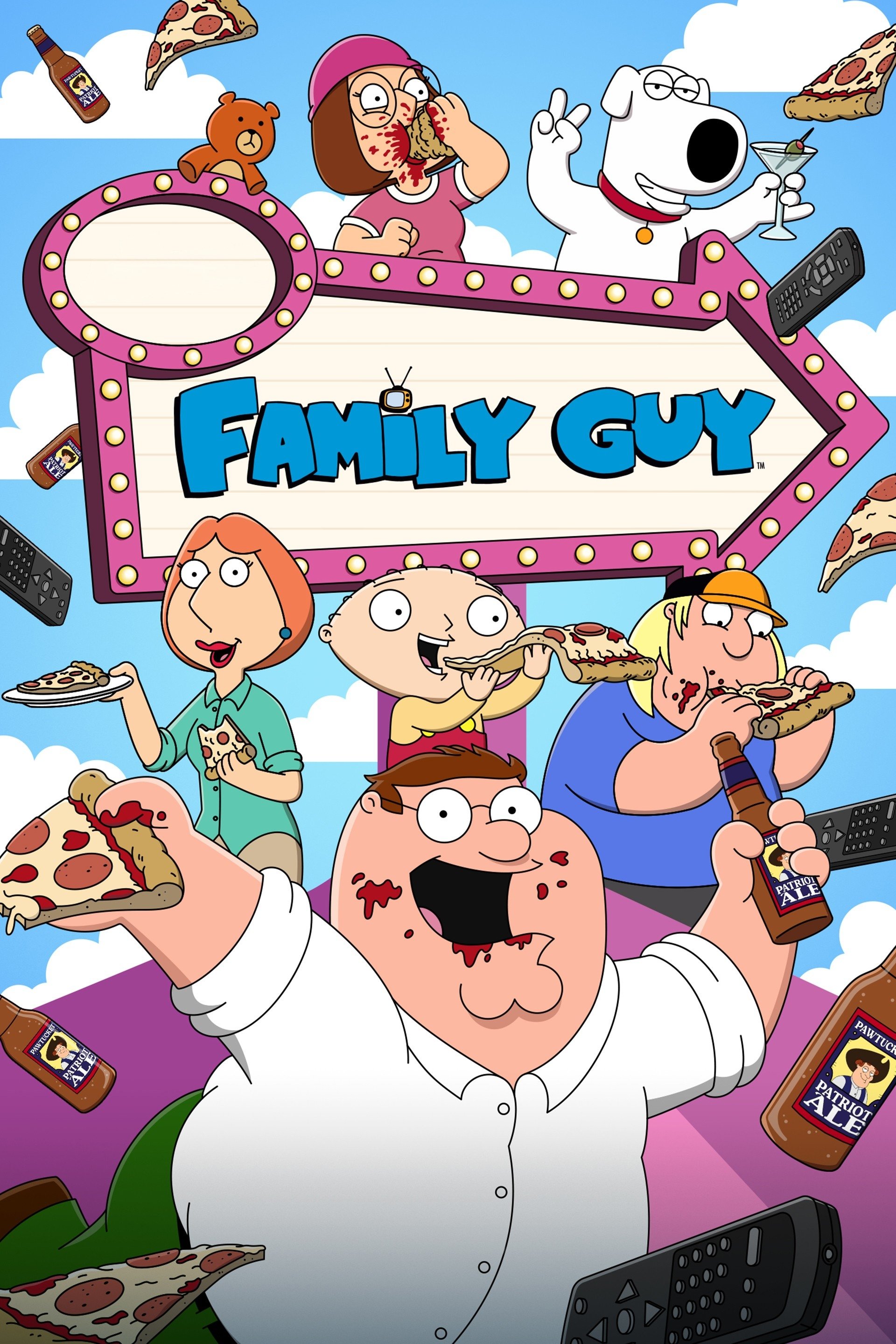
Tricia Takanawa is a news reporter who appears repeatedly in the show and is known for speaking in a flat, emotionless tone. She’s often referred to as ‘Asian Reporter.’ While intended as a satire of typical news reporting, the character relies heavily on stereotypes and often makes jokes based on her ethnicity. This is further emphasized by her parents, who are portrayed with overly exaggerated accents and very traditional beliefs about family and achieving success. Like other characters in the show, Tricia’s personality is built on a collection of common cultural stereotypes, used for simple, often insensitive, humor.
‘South Park’ (1997–Present)
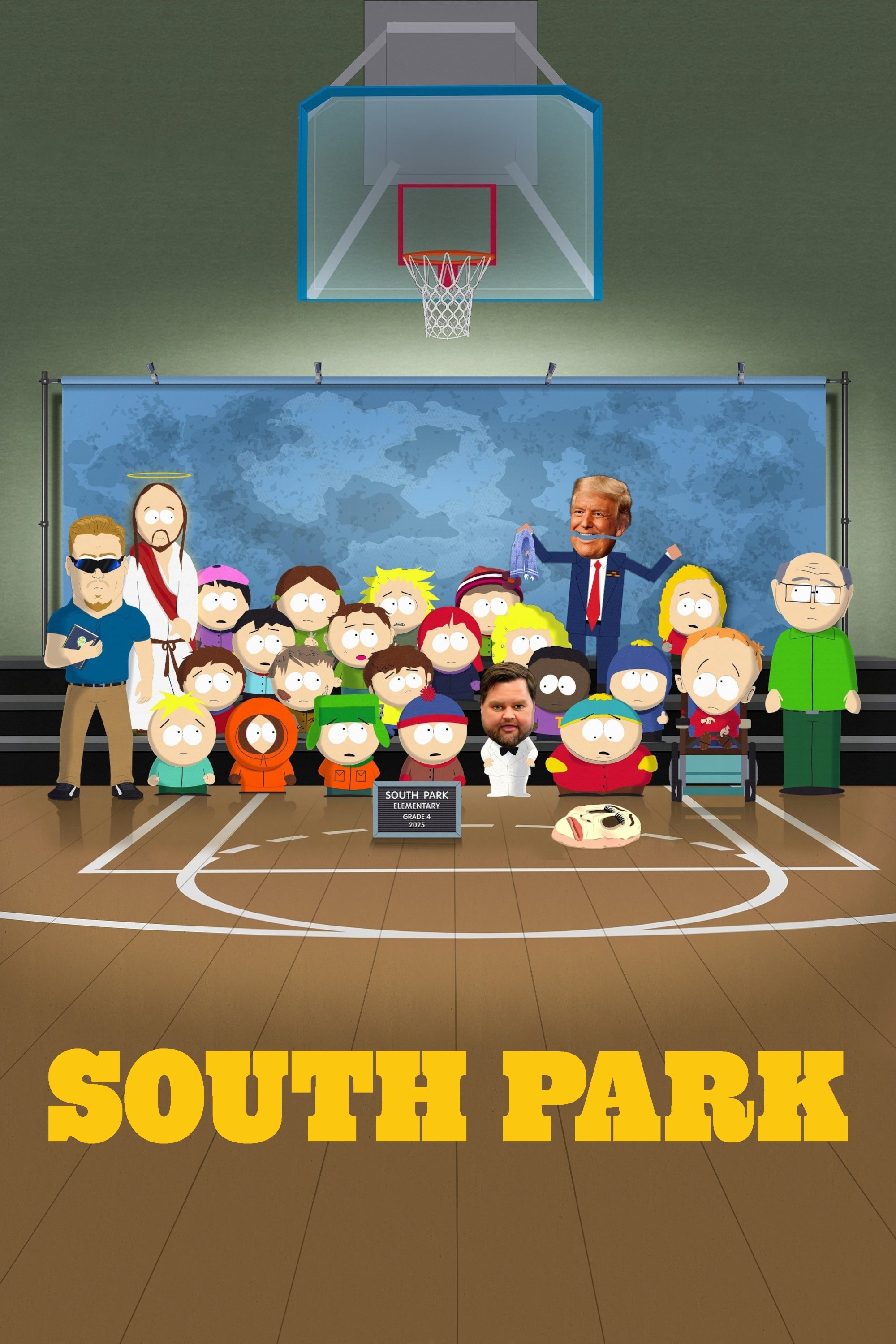
Tuong Lu Kim, the owner of City Wok on ‘South Park,’ is a character voiced by Trey Parker who uses a strong, exaggerated accent. The humor surrounding the character largely comes from his name and how he mispronounces words. Although ‘South Park’ often uses satire to comment on various groups, some Asian advocacy groups have criticized this character for being a long-running and potentially harmful stereotype. He represents a common and outdated trope in Western media: the unclean or untrustworthy restaurant owner.
‘Marvel’s Iron Fist’ (2017–2018)

Okay, so I was really hoping ‘Iron Fist’ would be amazing, but the first season just didn’t quite hit the mark for me, and a lot of other fans I talked to felt the same way. It felt a bit…off. The whole story with Danny being this white guy who suddenly becomes a master of this ancient Asian martial art just felt really problematic, like the ‘white savior’ trope. And poor Colleen Wing! She was such a strong character, but often ended up just being there to teach Danny stuff or as his love interest, instead of getting her own focus. Plus, ‘The Hand’ felt so generic – just another shadowy ninja group. Honestly, it all felt a bit dated and we were really hoping for something more fresh and representative of modern storytelling.
‘Power Rangers’ (1993–1995)

The first season of the show featured Thuy Trang, a Vietnamese-American actress, as the Yellow Ranger. At the time, this casting received criticism because the Black Ranger was played by a Black actor, which some saw as a problematic and overly simplistic connection between race and the characters’ colors. Though the show was popular with many children, this decision appeared to rely on racial stereotypes. In later versions of the series, producers have worked to avoid making such direct links between a Ranger’s suit color and their race.
‘How I Met Your Mother’ (2005–2014)
The “Slapsgiving 3: Slappointment in Slapmarra” episode received strong criticism for its use of yellowface and harmful Asian stereotypes. Cast members dressed in Chinese clothing and used exaggerated accents while imitating martial arts movies. Many viewers found this offensive and unrelated to the episode’s story. After the show faced widespread negative reactions and the hashtag trended with criticism from the Asian community, the creators apologized.
‘Smallville’ (2001–2011)
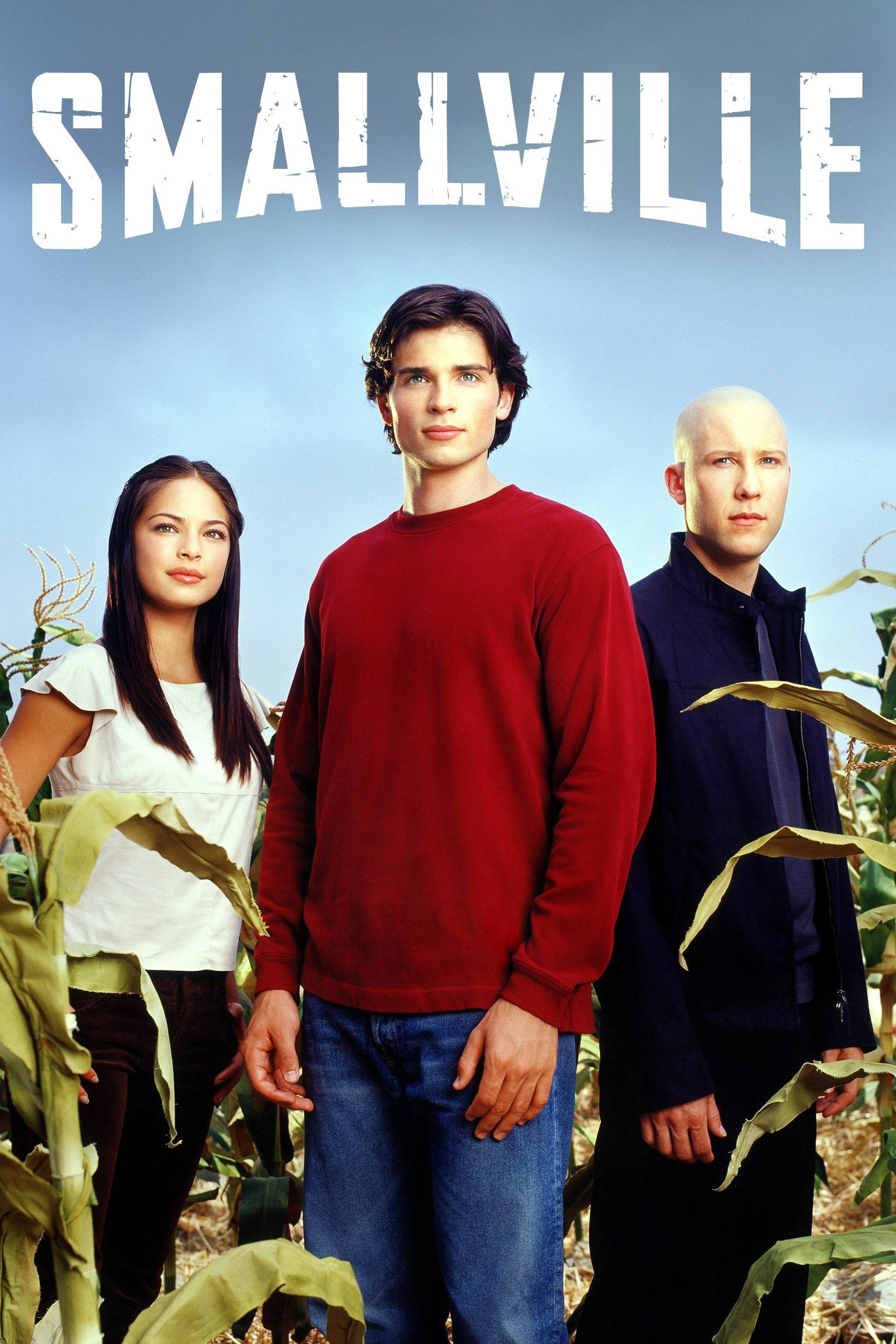
Kristin Kreuk’s character, Lana Lang, was a key part of the show, but her Asian background wasn’t really explored until later on. When it was addressed, it often involved fantastical stories and ancient myths. This approach is a common trope in Western media, where characters’ cultures are used for exotic effect instead of being portrayed realistically. Throughout most of the series, Lana largely filled the role of someone who needed rescuing, which didn’t challenge typical character stereotypes.
‘MacGyver’ (1985–1992)
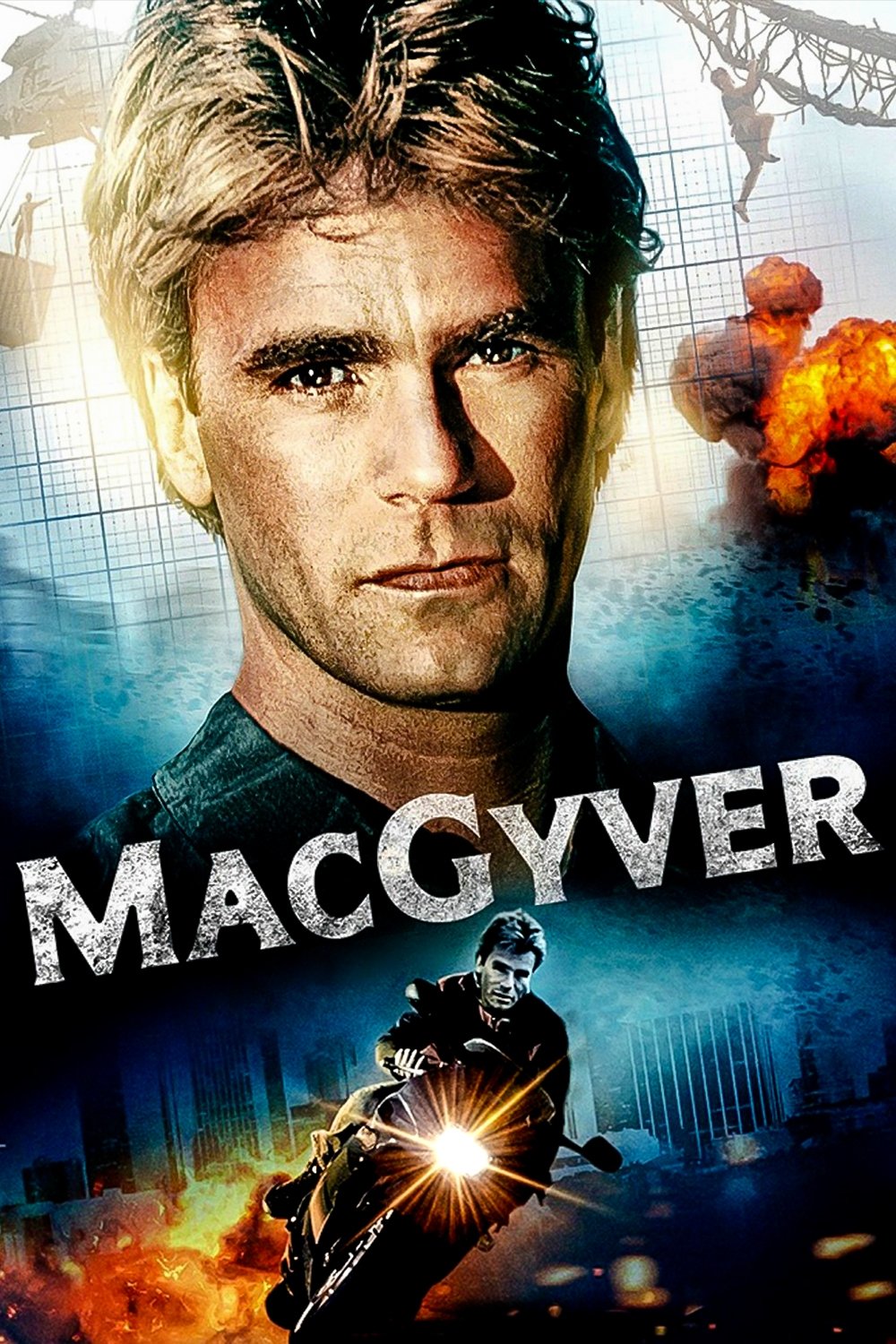
‘MacGyver’ often relied on tired stereotypes when featuring Asian countries and people. Characters were usually shown as either dangerous criminals or helpless victims needing MacGyver’s help. The show tended to lump all of Asia together, ignoring the unique cultures, languages, and locations within it. These depictions were simply used to enhance the hero’s adventures, rather than offering accurate or meaningful representation.
We’d love to hear your opinions! Tell us in the comments which TV shows you think have gotten better or worse at portraying diverse characters and stories realistically.
Read More
- Invincible Season 4 Gender Swaps Tech Jacket As Fans Question Major Comic Change
- Building Agents That Learn and Improve Themselves
- Gold Rate Forecast
- Games That Faced Bans in Countries Over Political Themes
- Silver Rate Forecast
- Trading Crypto with AI: A New Approach to Portfolio Management
- 15 Films That Were Shot Entirely on Phones
- Why Won’t It Just *Do* What You Ask? Unpacking the Quirks of AI Language
- Unveiling the Schwab U.S. Dividend Equity ETF: A Portent of Financial Growth
- Thinking Before Acting: A Self-Reflective AI for Safer Autonomous Driving
2026-01-13 08:17