Throughout television history, many shows have presented Asian characters based on familiar stereotypes rather than fully developed personalities. These characters were often limited to predictable roles, like the brilliant mathematician or the shy, new immigrant. Even when shows tried to be diverse, they often stopped at surface-level characteristics. This list looks at several series where portrayals of Asian people frequently felt like a collection of tired clichés.
‘The Big Bang Theory’ (2007–2019)
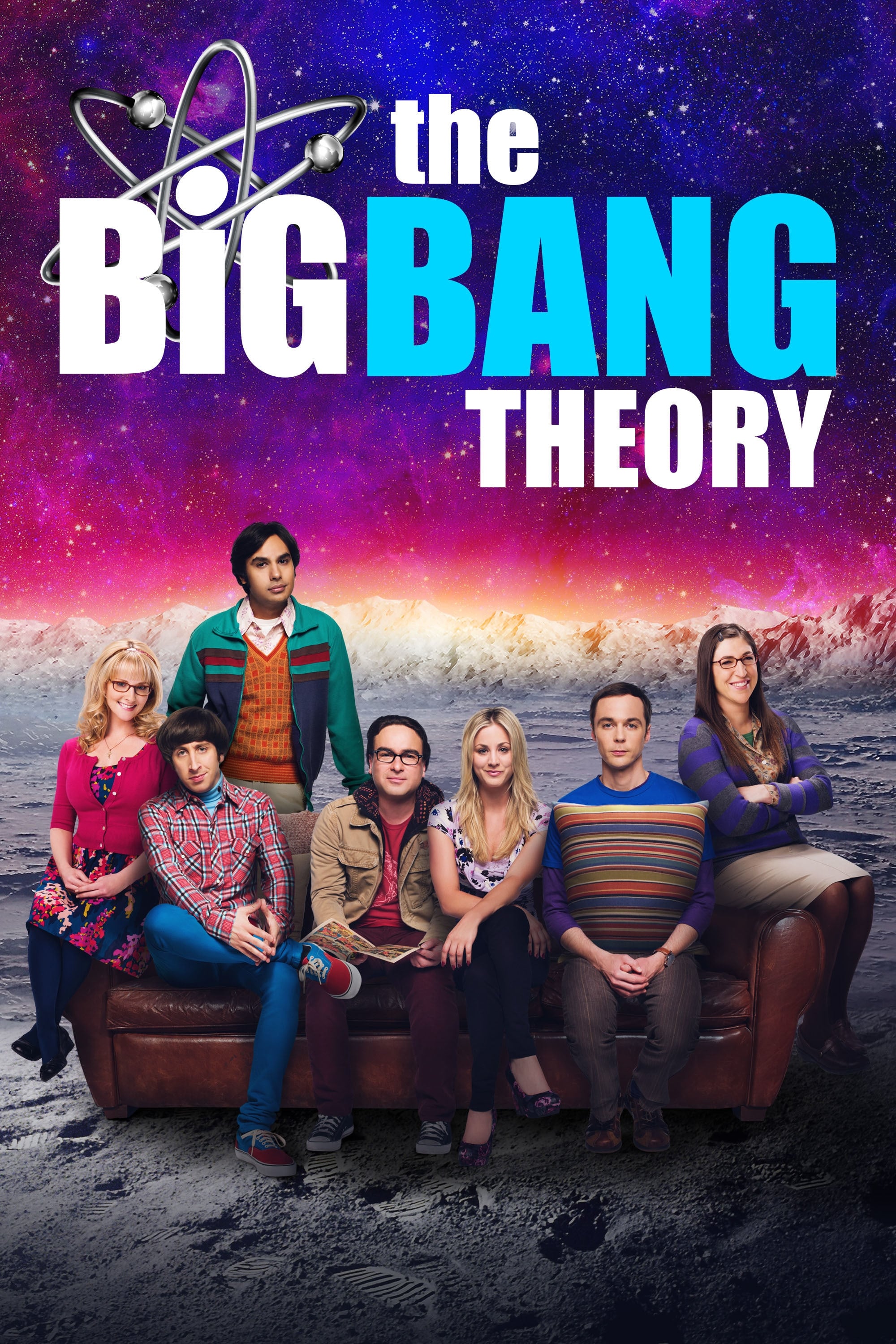
Rajesh Koothrappali was often used in the show to make jokes about Indian culture and his social awkwardness. For many seasons, he had trouble talking to women, and his parents frequently video-called to try and set him up in an arranged marriage. While he was a scientist, the show focused more on his awkwardness and used his cultural background for humor. Some viewers felt the show relied too much on stereotypes instead of creating a fully developed character, and criticized it for consistently making his identity the source of jokes throughout the series.
‘2 Broke Girls’ (2011–2017)

Han Lee, the diner manager, was often made fun of for being short and for his accent. The show frequently used jokes about his appearance and presented him as unmanly, playing up his cultural background for comedic effect. This approach received strong criticism for relying on old, stereotypical portrayals of East Asian men. Many felt the show chose easy laughs over thoughtful and respectful character development.
‘All-American Girl’ (1994–1995)
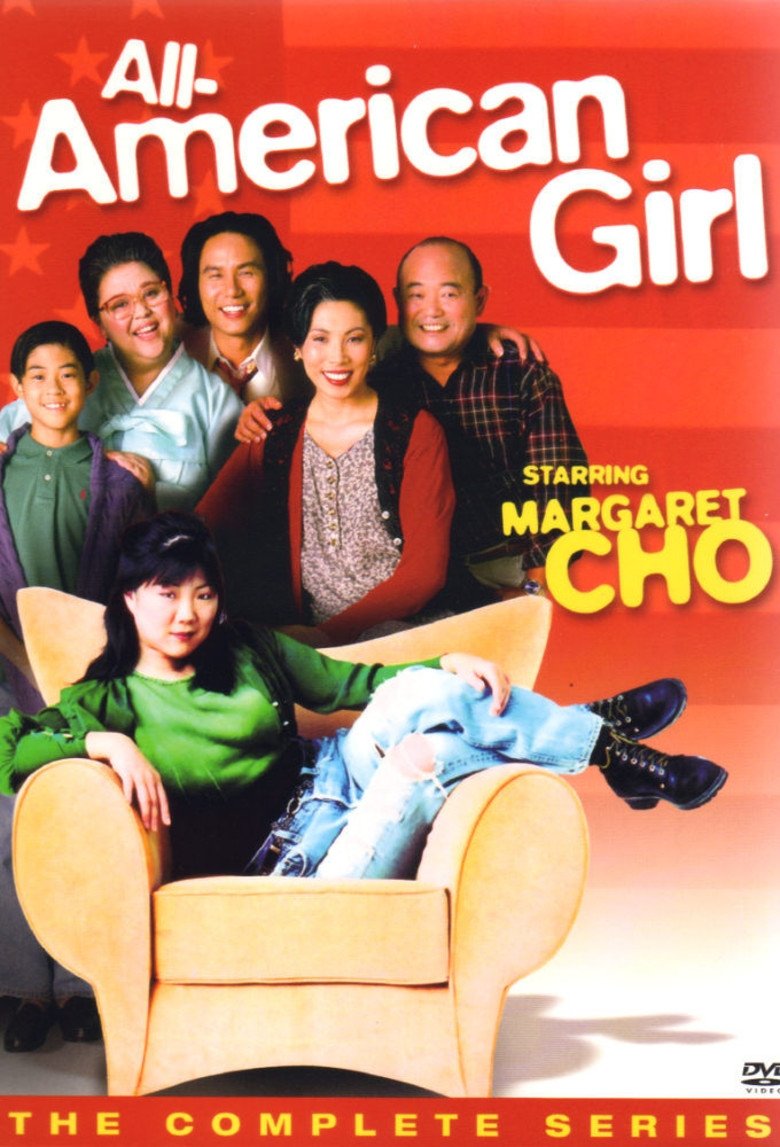
This sitcom aimed to depict a Korean American family, but network executives pushed for the show to conform to typical mainstream ideas. Margaret Cho revealed that producers made her play up her character and even brought in a consultant to teach the actors how to perform ‘more Asian.’ The show’s comedy often focused on the differences between traditional immigrant beliefs and the experiences of younger, Americanized family members. Though innovative for its time, the series lacked true creative freedom and suffered behind the scenes. It’s often used as an example of how corporate meddling can turn genuine cultural details into harmful stereotypes.
‘The Simpsons’ (1989–Present)
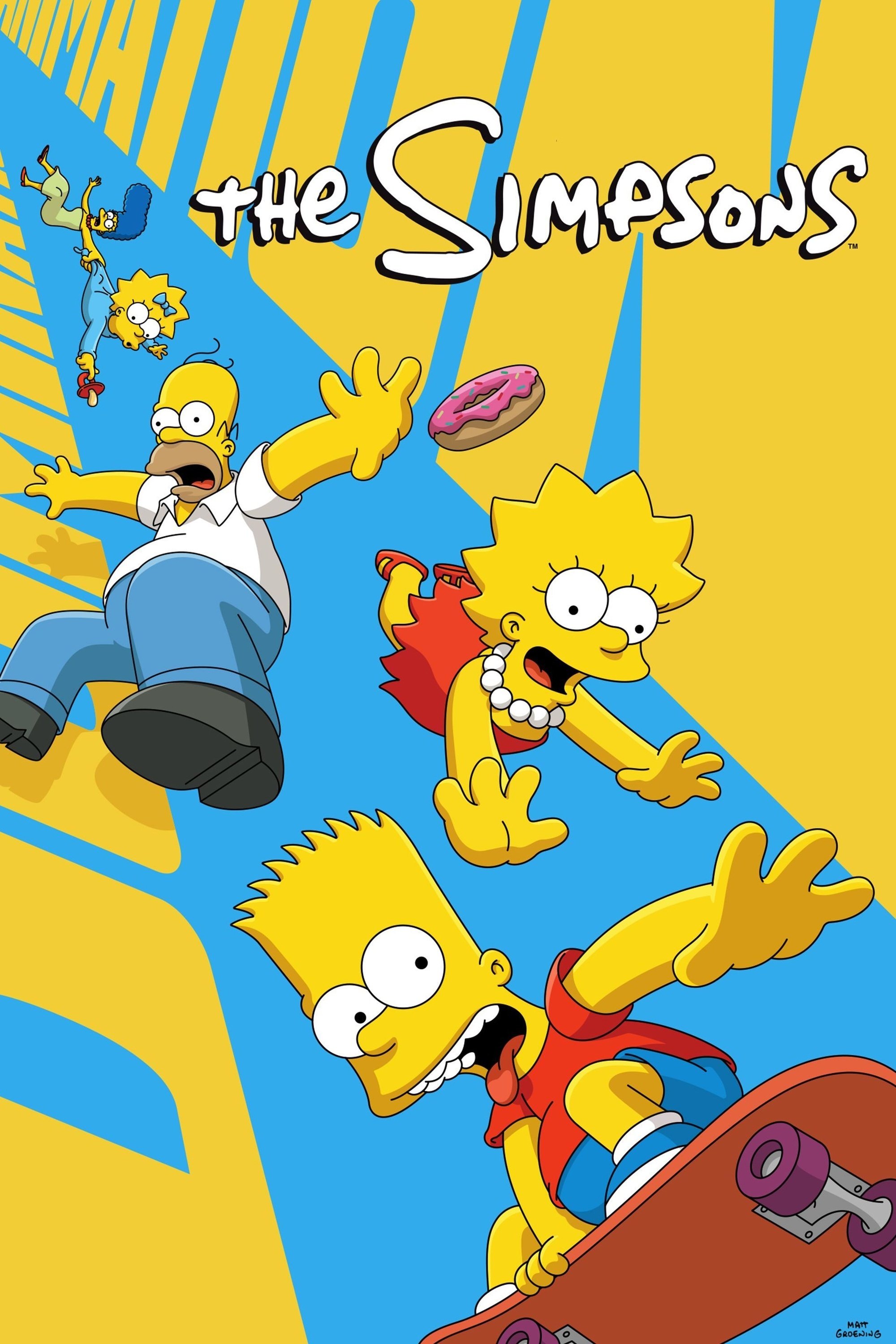
For many years, the animated series featured Apu Nahasapeemapetilon as its main South Asian character. He was voiced by a white actor and largely known for working at the convenience store and having a big family. This portrayal eventually led to discussions about how such caricatures affect how Indian Americans are seen in real life. After a documentary brought these issues to light, producers reduced Apu’s role, reflecting a growing understanding of the importance of accurate and respectful cultural representation in media.
‘Kim’s Convenience’ (2016–2021)
The show was first celebrated for its diverse cast, but later received criticism from actors like Jean Yoon and Simu Liu. They raised concerns that the writing staff lacked Asian representation, leading to storylines that felt stereotypical or culturally insensitive. A common issue was the portrayal of immigrant parents with exaggerated accents and overly traditional beliefs, contrasted with their Westernized children. These problems became more noticeable as the show neared its end, and the situation underscored the need for diverse writers and creators to tell authentic and respectful stories.
‘Lost’ (2004–2010)
In the beginning, the show depicted Jin and Sun’s relationship using familiar stereotypes. Jin was presented as a dominant, silent husband – a portrayal that played into common ideas about Asian men. Sun was shown as a quiet wife who kept things hidden to avoid conflict. Though their characters later became more nuanced and interesting, the show initially relied on these established tropes. This made their early interactions seem geared towards highlighting cultural differences for Western viewers.
‘Unbreakable Kimmy Schmidt’ (2015–2019)
Dong was initially presented as a potential love interest, but the show often made him the target of immature jokes, particularly about his name and how he spoke. The character was a brilliant mathematician juggling several jobs while trying to avoid detection by immigration officials. Instead of seriously addressing the difficulties faced by undocumented immigrants, the show repeatedly used his situation for cheap laughs. Many viewers felt this portrayal was a disappointing setback for Asian representation in comedy, as the writing heavily relied on his accent and the humor of him being an outsider.
‘Hawaii Five-0’ (2010–2020)
The show, a police procedural, faced criticism when its two lead actors, Daniel Dae Kim and Grace Park, both of Asian descent, left. Reports indicated they departed because they were paid significantly less than their white colleagues. Despite being set in Hawaii and featuring Asian characters, the show often relegated them to stereotypical roles within law enforcement. This pay disparity highlighted a perceived prioritization of the show’s diverse location over the value of the actors portraying its characters, sparking a larger conversation about inequality in television.
‘Silicon Valley’ (2014–2019)
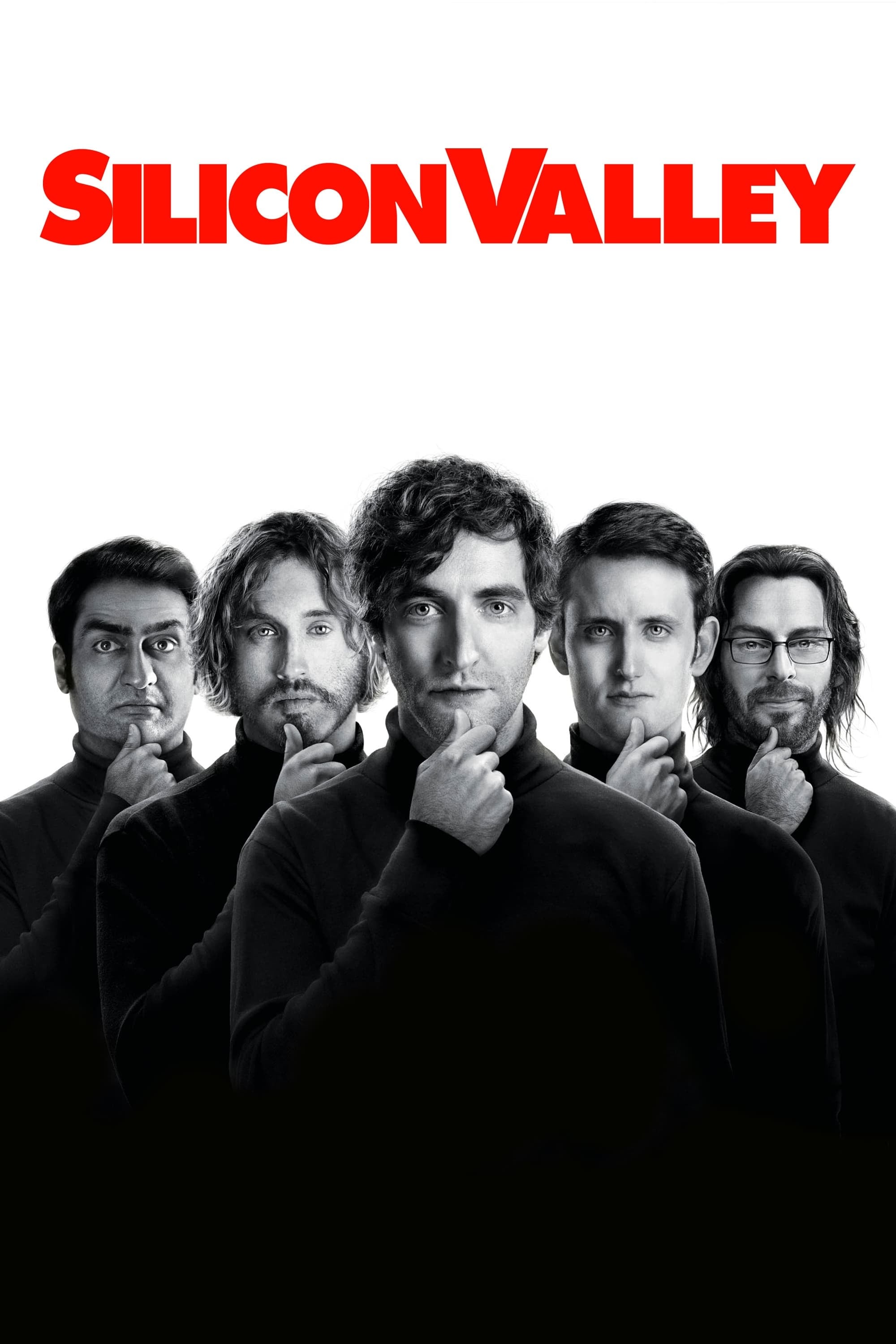
Jing-Yang was a character known for being both technically skilled and frustrating to those around him. The show often used his strong accent and awkward social skills for laughs, especially given the tech setting. He didn’t have much of a backstory, and his main purpose seemed to be creating problems for the hero. This portrayal fell into the common stereotype of the brilliant but socially inept outsider. Reviewers pointed out that, unlike the other main characters, Jing-Yang didn’t develop much throughout the series and lacked emotional depth.
‘Arrested Development’ (2003–2019)
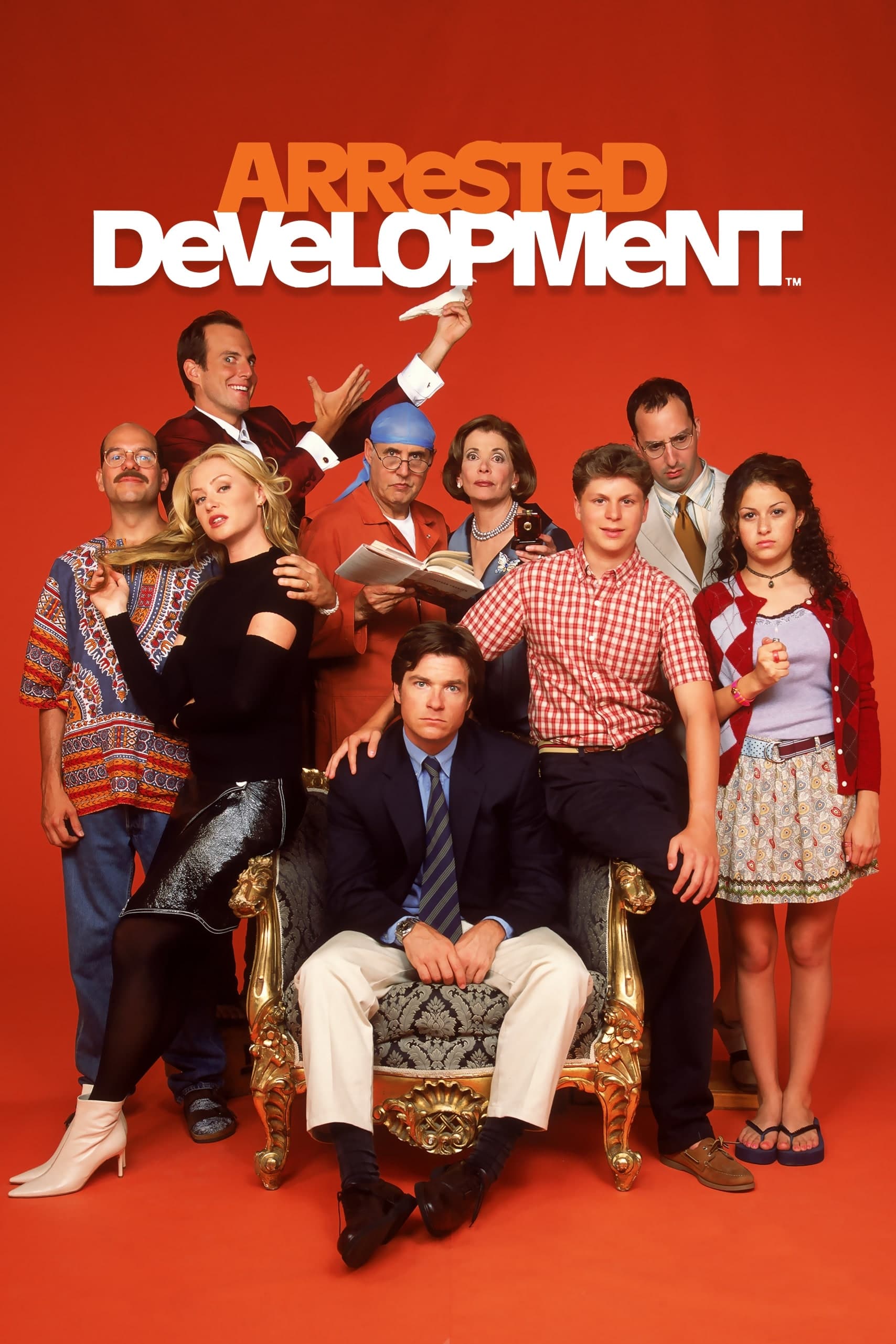
Annyong was an adopted character whose defining trait was his name and a misinterpretation of English. He often felt like a simple punchline or a way to move the plot forward, rather than a complex individual. The show hinted at deeper motivations, but his cultural background was portrayed superficially. This portrayal relied heavily on common stereotypes about international adoption and difficulties with language. Despite the show’s generally clever and self-aware humor, many viewers felt this character relied on tired and insensitive comedic tropes.
‘Gilmore Girls’ (2000–2007)
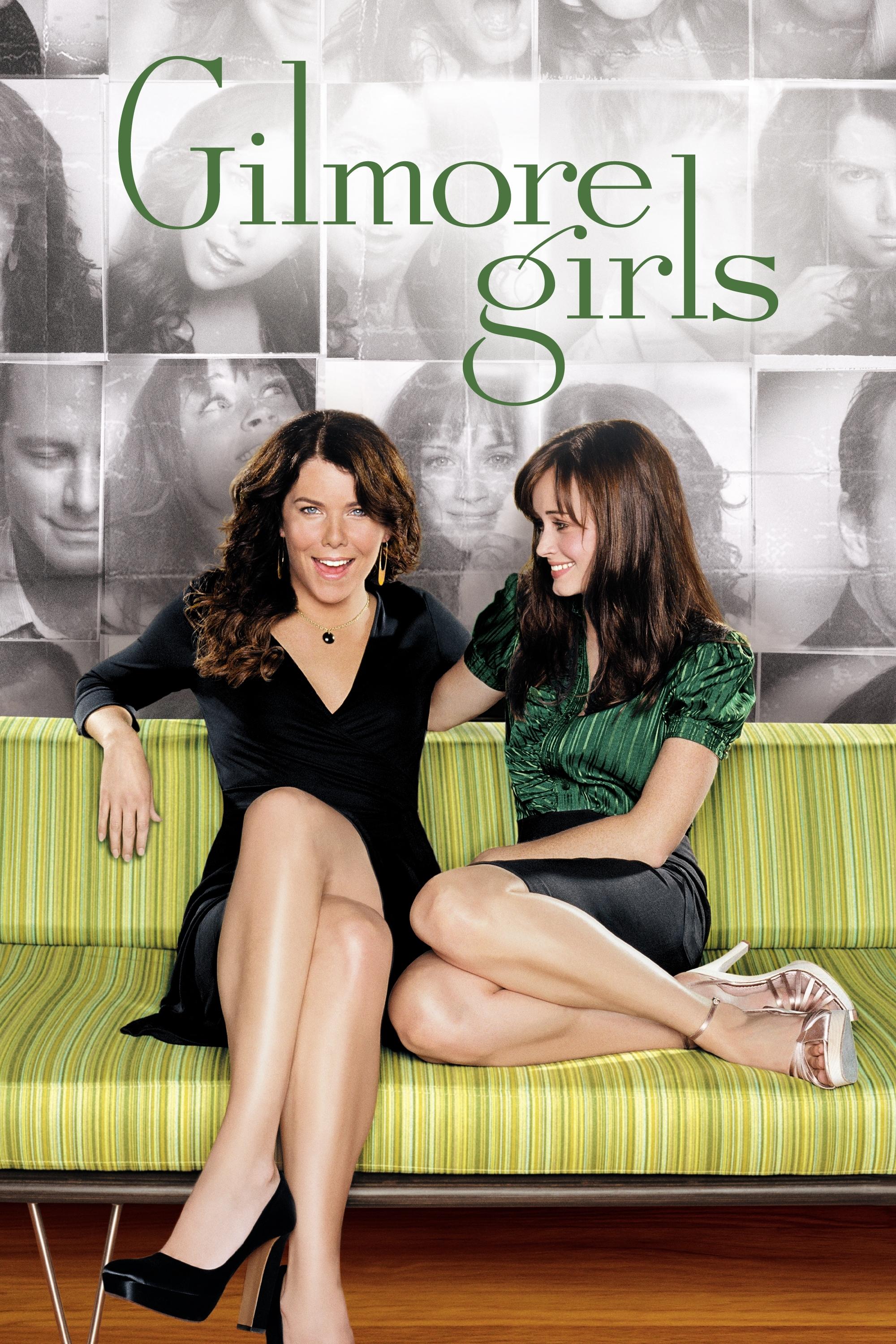
Mrs. Kim was depicted as a very strict and religious mother who stifled her daughter Lane’s individuality. She frequently clashed with Lane’s passion for rock music and American culture, embodying the “tiger mother” stereotype of demanding discipline and cultural separation. This led Lane to live a secret life to avoid her family’s strict rules. Though their relationship improved over time, the show initially relied heavily on these restrictive cultural themes.
‘Glee’ (2009–2015)
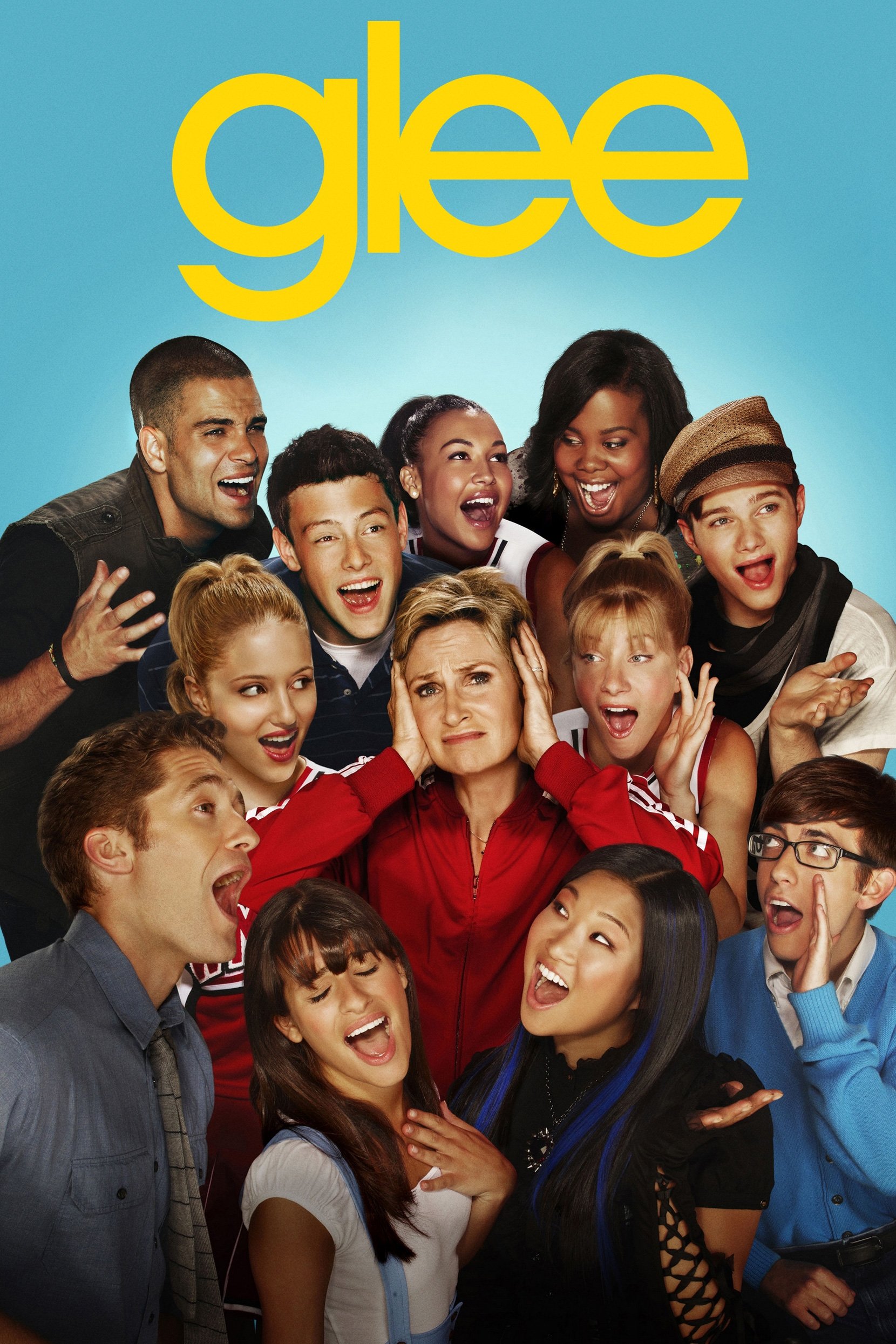
Throughout the show, characters like Tina and Mike Chang often felt like afterthoughts within the musical numbers. Tina started as a very shy character who pretended to stutter, loved goth style, and desperately wanted to be noticed. Mike, despite being a fantastic dancer, was often the butt of jokes because of his singing. The writers even made a running gag about their shared last name, implying they weren’t seen as distinct individuals. Compared to the other characters, Tina and Mike rarely got the chance to fully develop their stories or perform solos.
‘Entourage’ (2004–2011)
Lloyd worked as an assistant to the influential agent Ari Gold, and was often verbally abused. Ari frequently used offensive language and relied on stereotypes when speaking to Lloyd, all while expecting complete dedication. Lloyd was depicted as a dedicated and skilled professional who endured this treatment hoping to get ahead. The comedy came from the imbalance of power and how harsh Ari’s insults were. However, this relationship faced criticism for downplaying serious issues like workplace harassment and cultural insensitivity.
‘Two and a Half Men’ (2003–2015)
The show sometimes included Asian characters, but they usually had small parts and fell into predictable stereotypes. They were often portrayed as service workers like dry cleaners or doctors, and were given exaggerated accents and little depth. The humor frequently relied on jokes about their culture or how they interacted with the main characters. The series never developed any substantial or recurring Asian characters beyond these simple, stereotypical roles, which ultimately presented a limited and one-dimensional view of Asian people as simply part of the background in a typical suburban world.
‘Sex and the City’ (1998–2004)
The show centered on a group of white friends in New York City, and people of color were often sidelined. When Asian characters did appear, they were typically shown in limited roles like nail salon workers or strict professionals. One particularly problematic episode included a character whose attraction to Asian women was treated as a humorous dating quirk. These characters were rarely given names or meaningful storylines, suggesting they were included simply to meet a diversity requirement rather than as fully developed individuals.
‘New Girl’ (2011–2018)
The show did a good job with its regular cast, but sometimes fell back on predictable character types for guest appearances. For example, an early love interest was portrayed as very serious and didn’t get American jokes, creating humor from the contrast with the more lively main characters. Other minor characters were similarly one-dimensional, often being defined by their jobs or seriousness. These felt like chances to create more realistic and interesting characters that were unfortunately missed.
‘How I Met Your Mother’ (2005–2014)
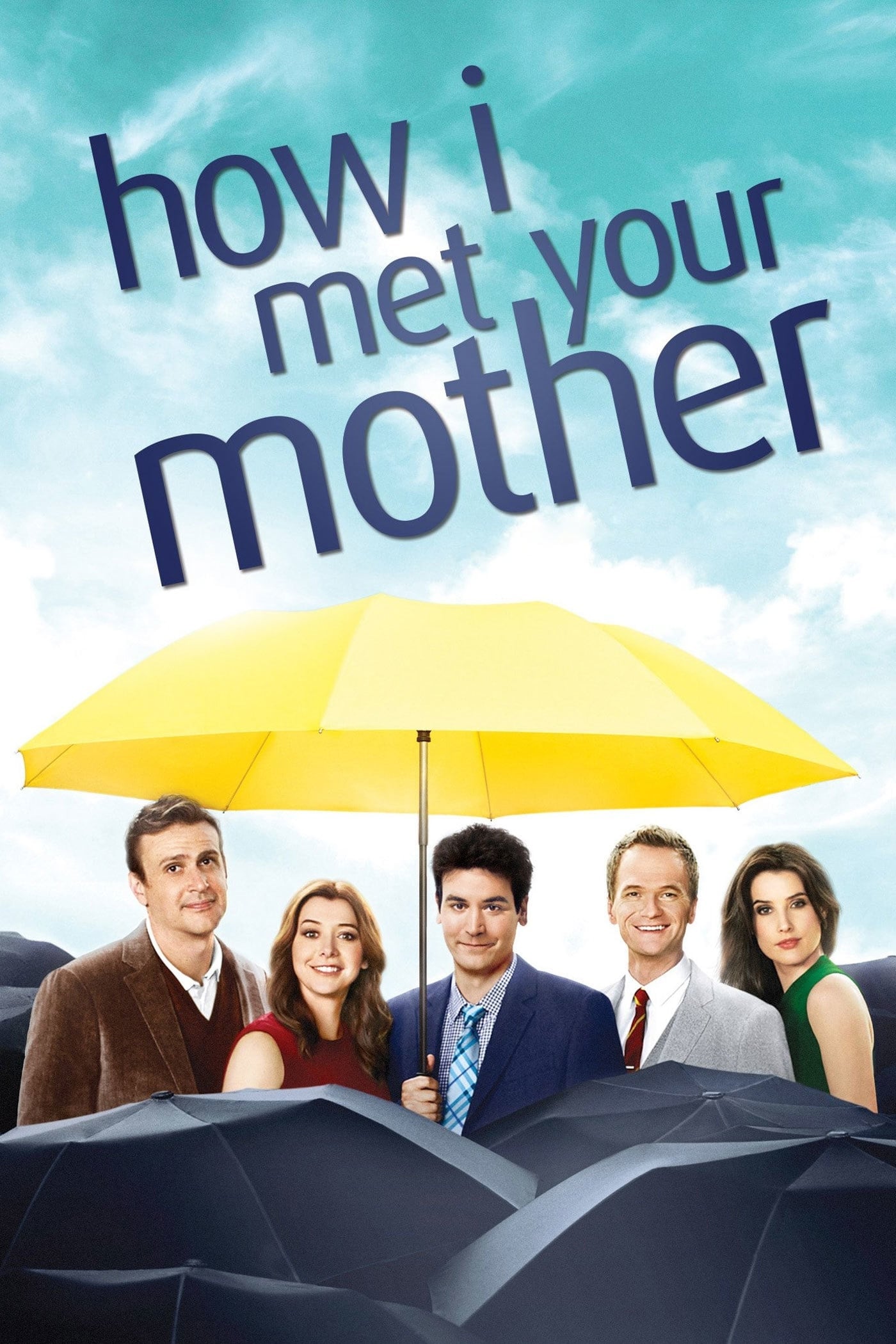
The ‘Slapsgiving 3 Slapmarra’ episode of the show received significant criticism for its use of offensive Asian stereotypes and the practice of ‘yellowface’ – where actors portray Asian characters using exaggerated makeup and mannerisms. The episode featured the main cast wearing traditional costumes and using exaggerated accents in a martial arts parody, which many viewers found deeply offensive and irrelevant to the story. Following the backlash, the show’s creators issued an apology, acknowledging the episode’s reliance on harmful stereotypes. It’s now remembered as one of the most controversial moments in the show’s history.
‘Gossip Girl’ (2007–2012)
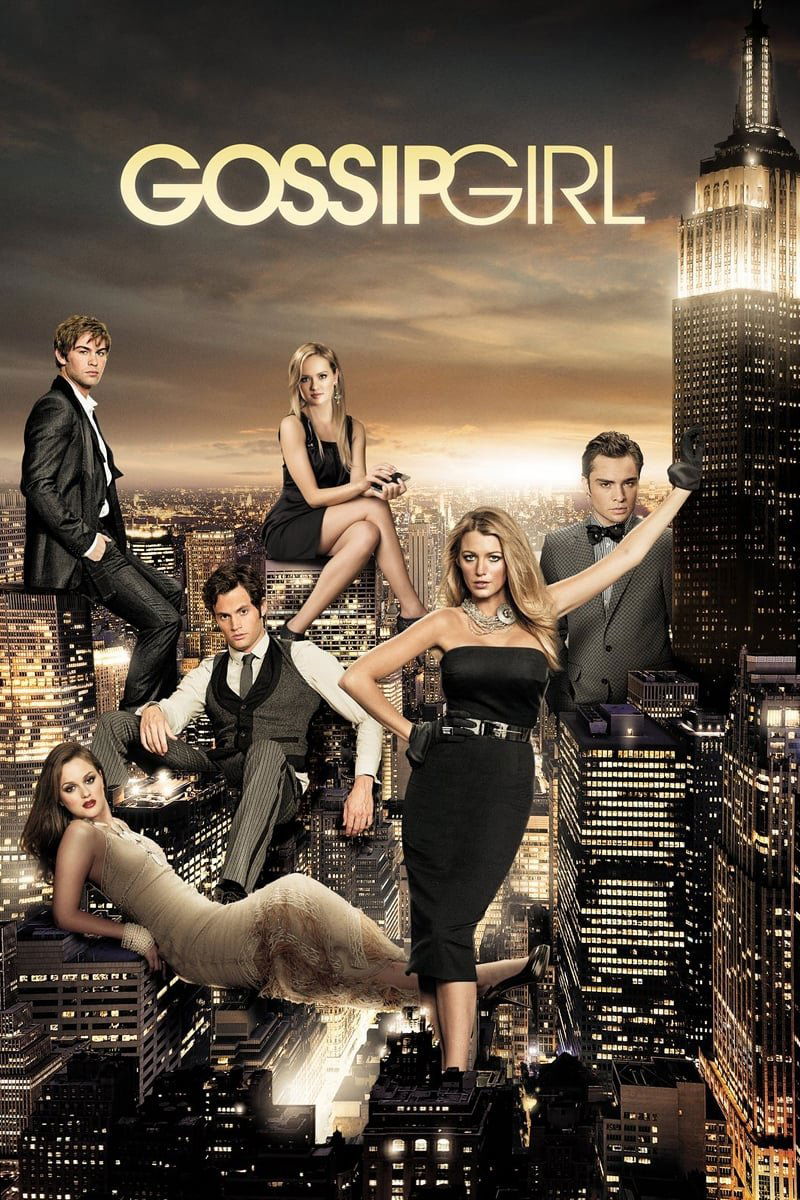
Nelly Yuki was introduced as a competitor to Blair Waldorf, presented as someone who always excelled and achieved. The show largely defined her by her intelligence and how she challenged the existing social order at the private school. This approach unfortunately relied on the ‘model minority’ stereotype, focusing solely on her success and strong work ethic as an Asian character. Even as she developed a bit more individuality, she remained a supporting character whose main purpose was to make the main character, Blair, question herself. The show never really showed us who Nelly was outside of this competitive world.
‘Ugly Betty’ (2006–2010)
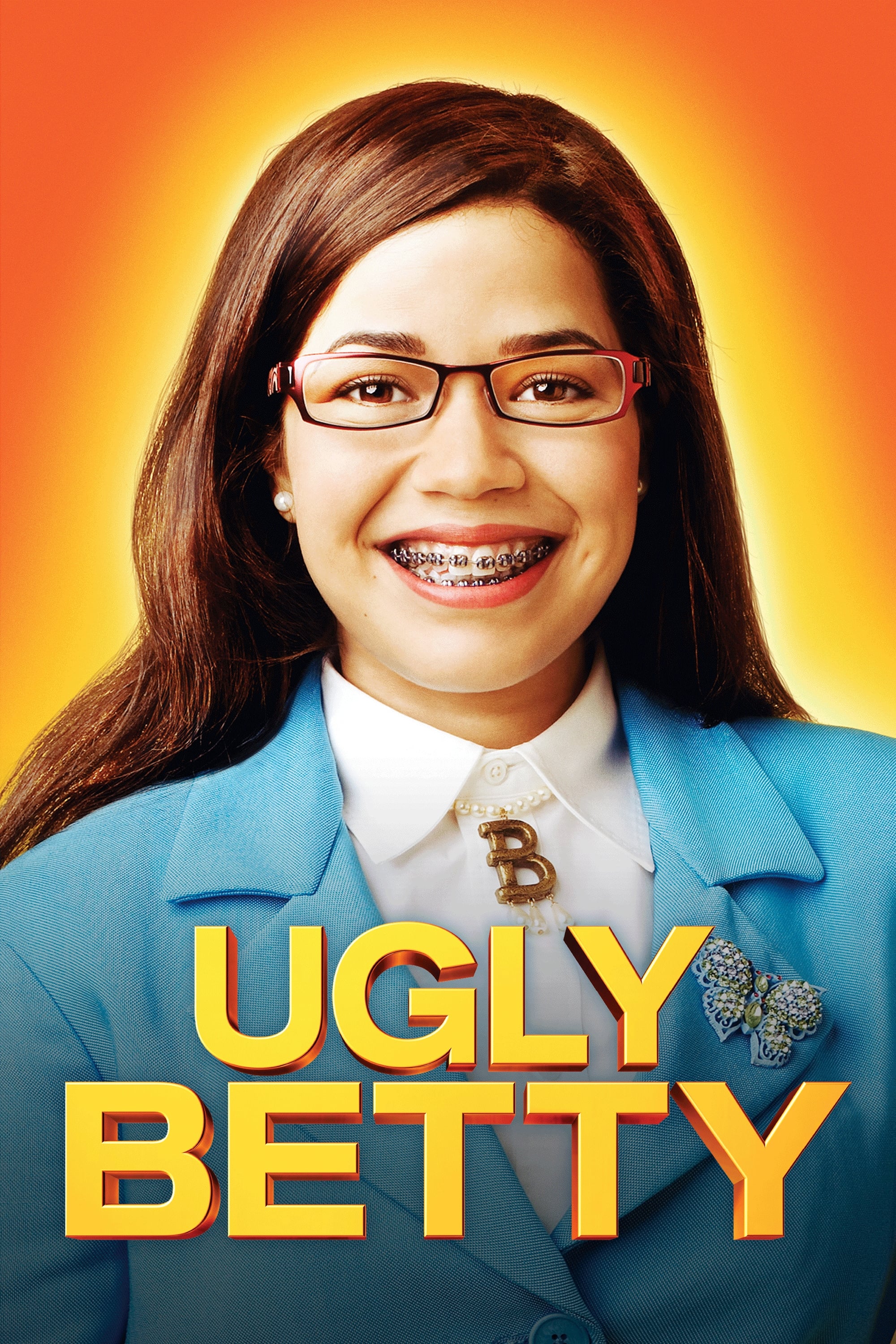
The show included many characters from the fashion world, but it often relied on harmful stereotypes when depicting people of Asian descent. Asian characters were frequently relegated to minor roles, often shown as overly formal, unfeeling, or fixated on status. The series also sometimes used the tired trope of the enigmatic ‘exotic’ Asian character, particularly when dealing with fashion-related storylines. Although the main character dealt with issues of representation, the Asian community as a whole felt sidelined, and their stories lacked the depth and emotional complexity given to the show’s central family.
‘Desperate Housewives’ (2004–2012)
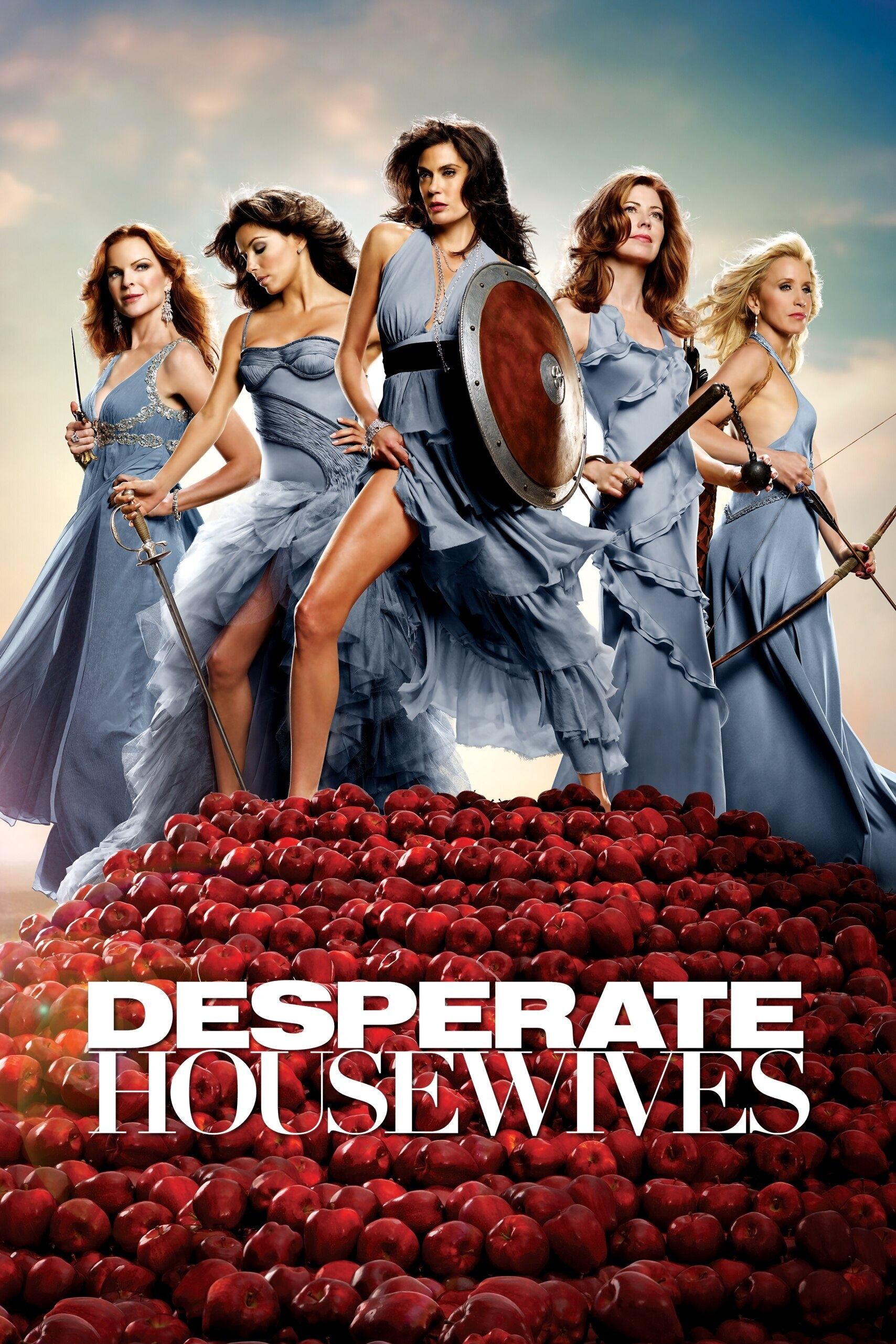
The character Xiao-Mei began as a maid and was later used as a surrogate mother for a prominent family. Her storyline relied heavily on common, and often problematic, themes of immigration and the idea of a subservient servant. Ultimately, she was reduced to a tool in a cheating scandal, leaving her with no control over her own fate. The writing emphasized her position as a servant rather than exploring her inner life or history. This depiction was widely criticized for being insensitive and perpetuating harmful stereotypes about Asian women working in domestic roles.
‘The Office’ (2005–2013)
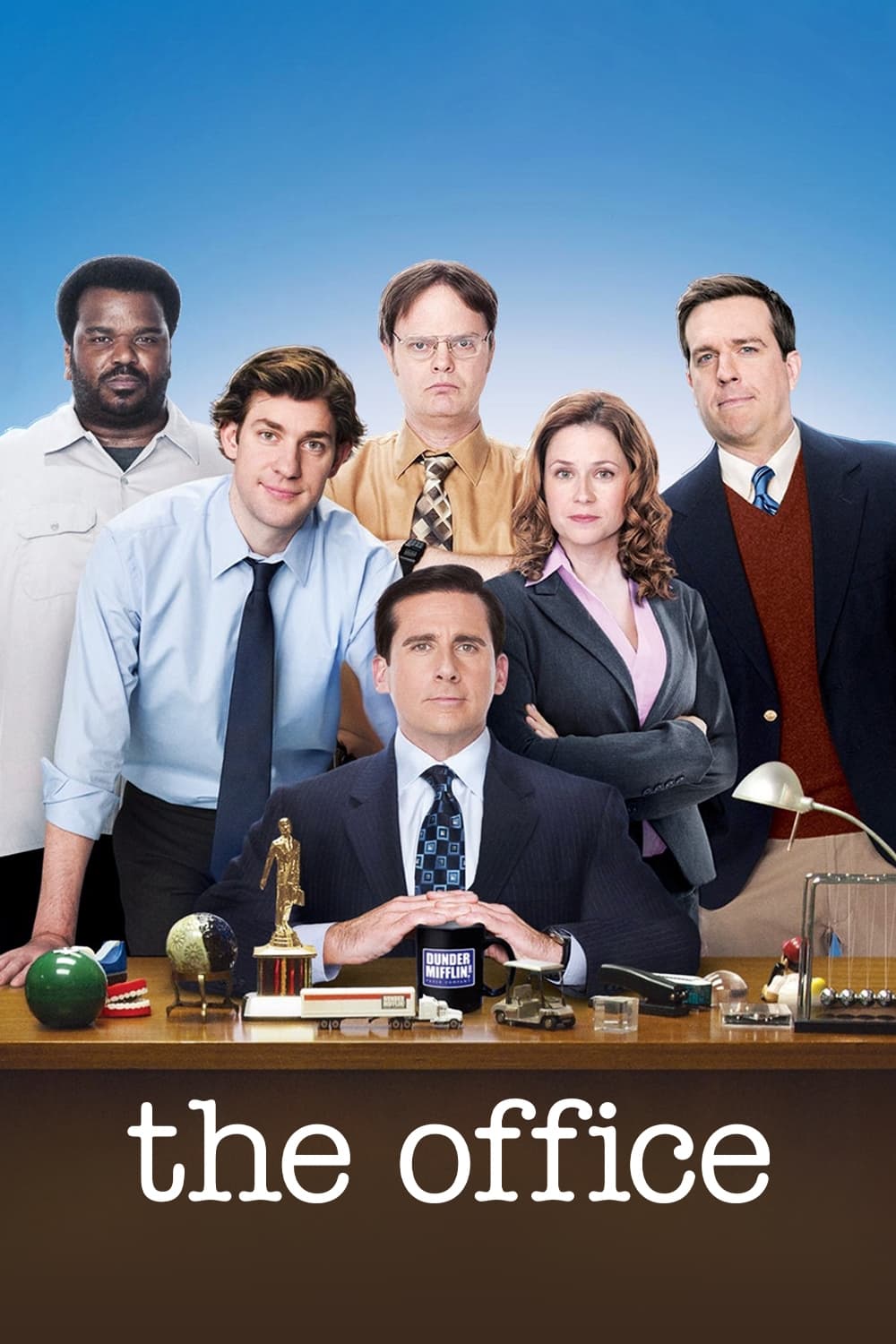
Michael Scott, a character on the show, repeatedly performs a problematic caricature named Ping, filled with stereotypes about East Asians. This includes a fake accent and exaggerated movements meant to be funny for his coworkers. Although the show aims to make fun of Michael’s cluelessness, many critics have argued that the Ping character is actually hurtful. Additionally, Asian characters beyond Ping are often portrayed as one-dimensional professionals or simply as extras, lacking meaningful development. The show uses these portrayals to create uncomfortable moments, but does so at the cost of genuine representation.
‘Scrubs’ (2001–2010)
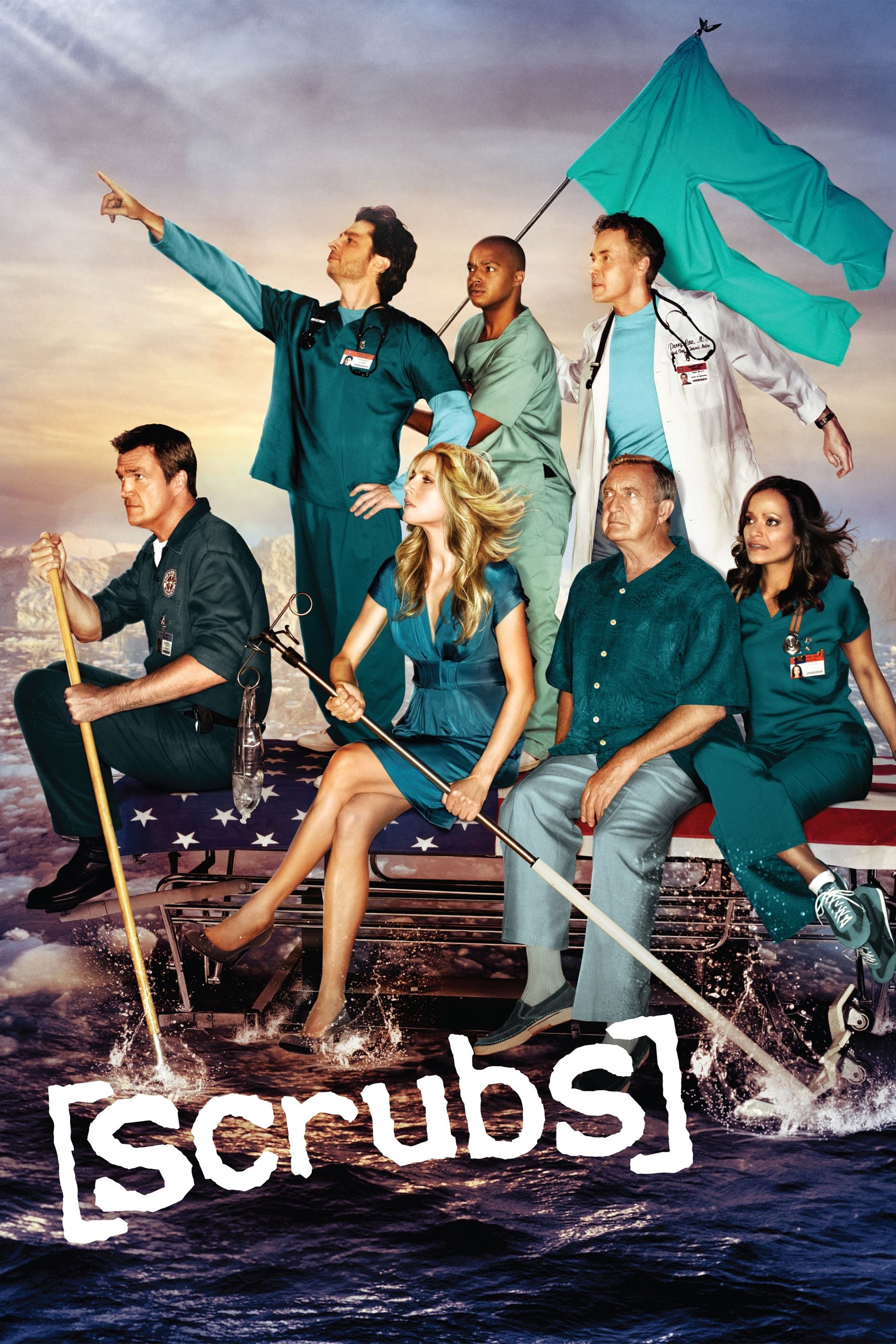
This comedy series, set in a hospital, regularly included a variety of young doctors and students who often bore the brunt of the head doctor’s outbursts. Asian characters were commonly shown struggling with high expectations from their families to excel in their medical careers. However, these characters generally fit the predictable ‘overachiever’ stereotype and lacked individual depth. They often had limited screen time and primarily served to highlight the difficult atmosphere of the hospital. The show largely centered on the personal experiences of its white main characters, keeping characters of color on the periphery.
‘Dads’ (2013–2014)
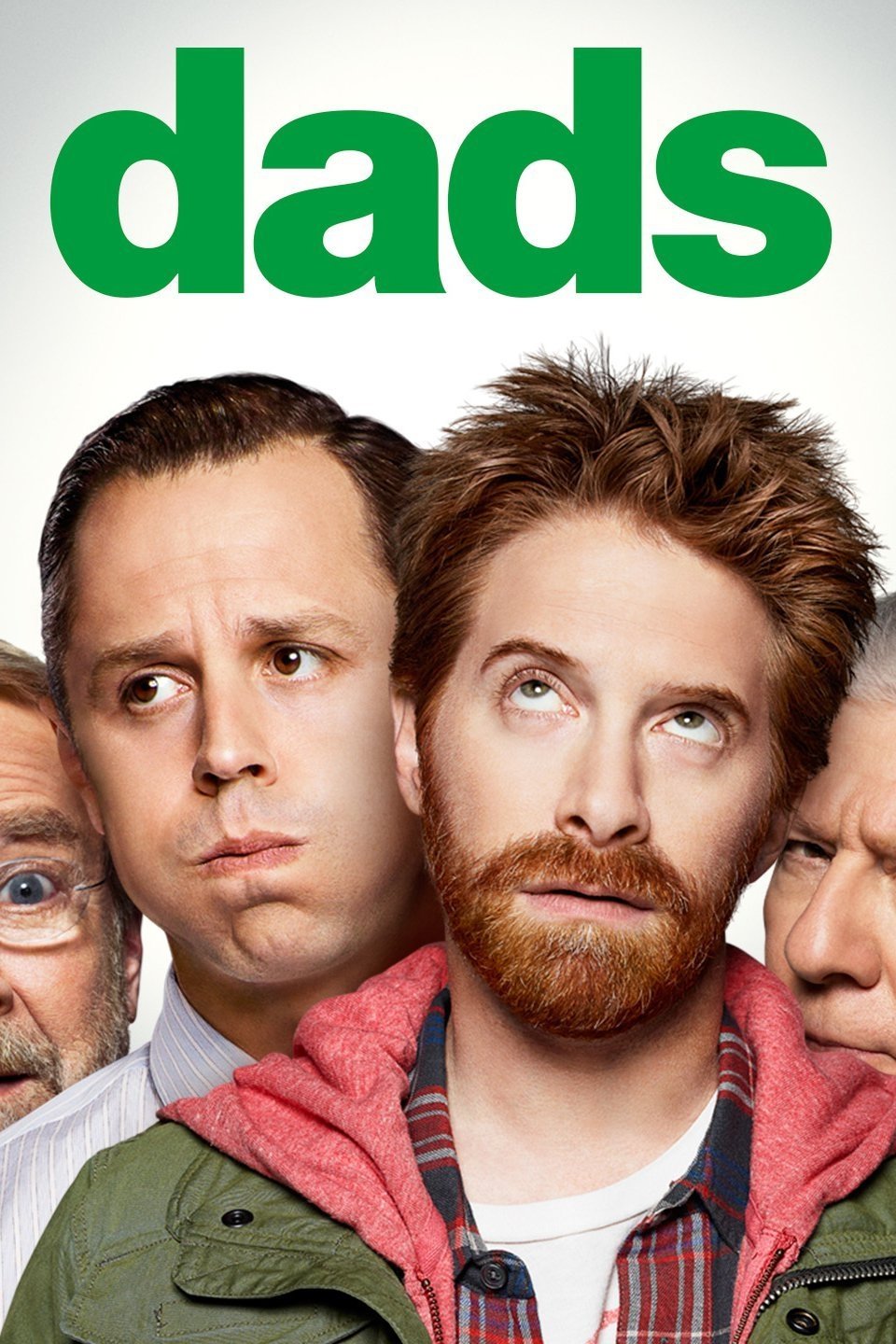
The sitcom quickly faced criticism for an episode that featured an Asian American character in a revealing outfit. The episode’s humor depended on sexualizing the character and using familiar but harmful cultural stereotypes for laughs. Many critics and advocacy groups said the writing was backwards and deeply offensive to the Asian community. The show didn’t attract enough viewers and was canceled after just one season, largely because it relied on shocking jokes and outdated stereotypes.
‘Community’ (2009–2015)
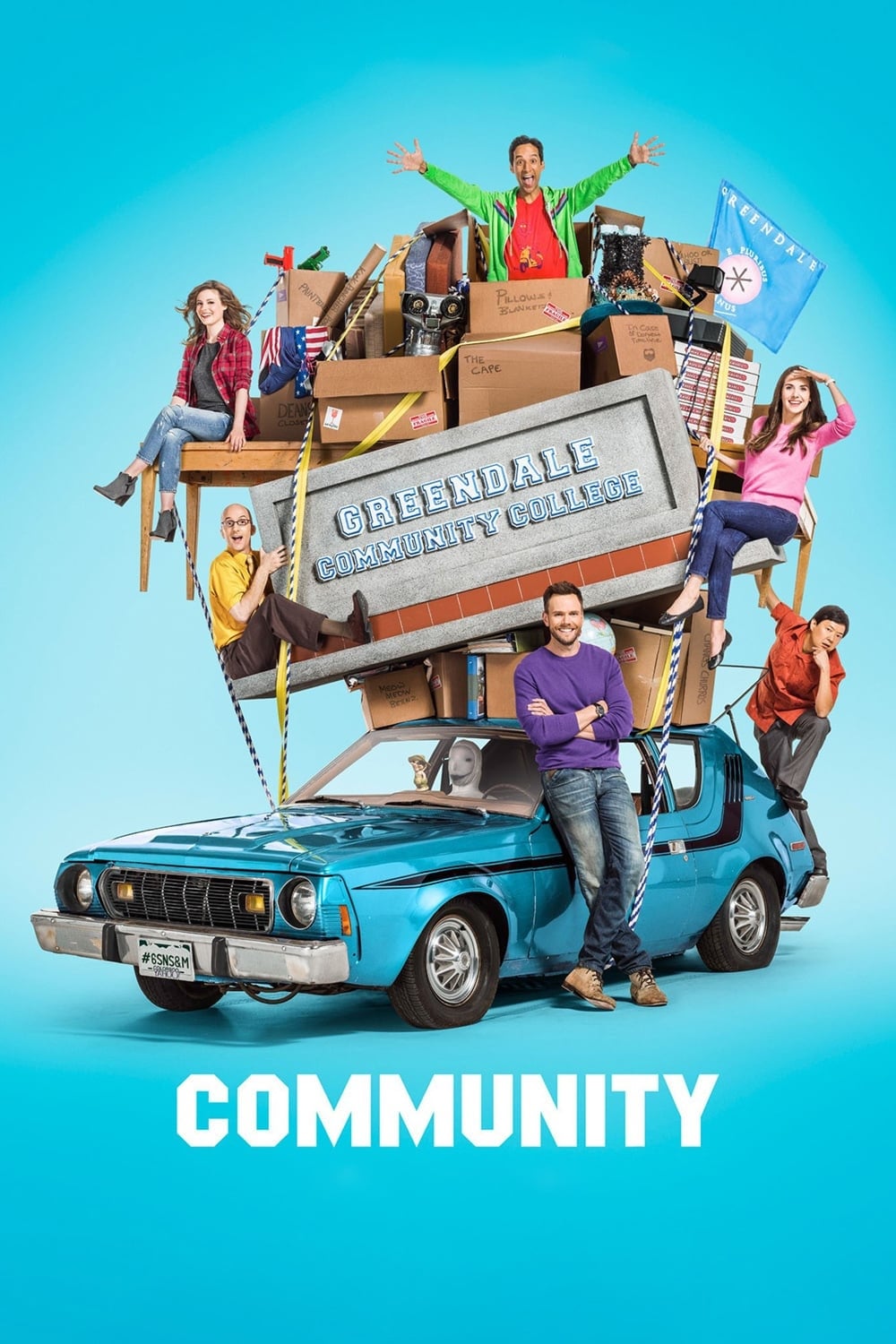
Ben Chang started as a Spanish teacher on the show, but quickly became known for his wild and unpredictable antics. While Ken Jeong delivered a very energetic performance, some viewers felt the character fell into harmful stereotypes about Asian men, often portraying him as unstable or erratic. The show sometimes made jokes about his background and his longing to join the core study group. Despite the series’ generally smart writing, Chang remained a controversial character when it came to representation. His over-the-top behavior was used for laughs, but at the cost of making him feel like a realistic person.
‘South Park’ (1997–Present)
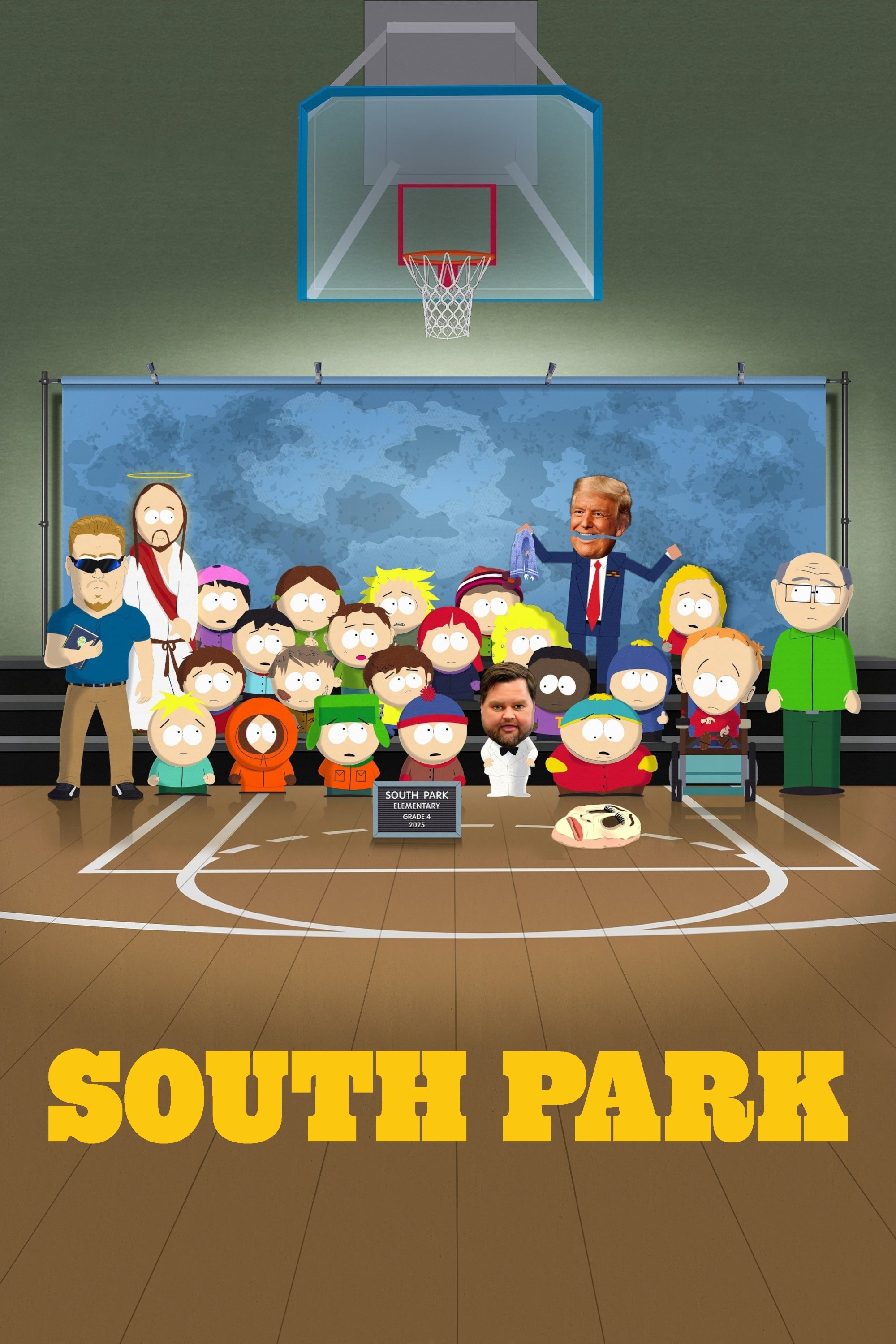
Tuong Lu Kim, the owner of City Wok, is a character known for his strong accent and prejudiced views towards other cultures. He’s voiced by a white actor and is a stereotypical representation of a Chinese immigrant. The show often uses him to make jokes about cultural differences and historical issues. Although the series makes fun of many characters, Tuong Lu Kim’s portrayal relies heavily on outdated and harmful stereotypes, and many viewers consider him to be racially insensitive.
‘Family Guy’ (1999–Present)
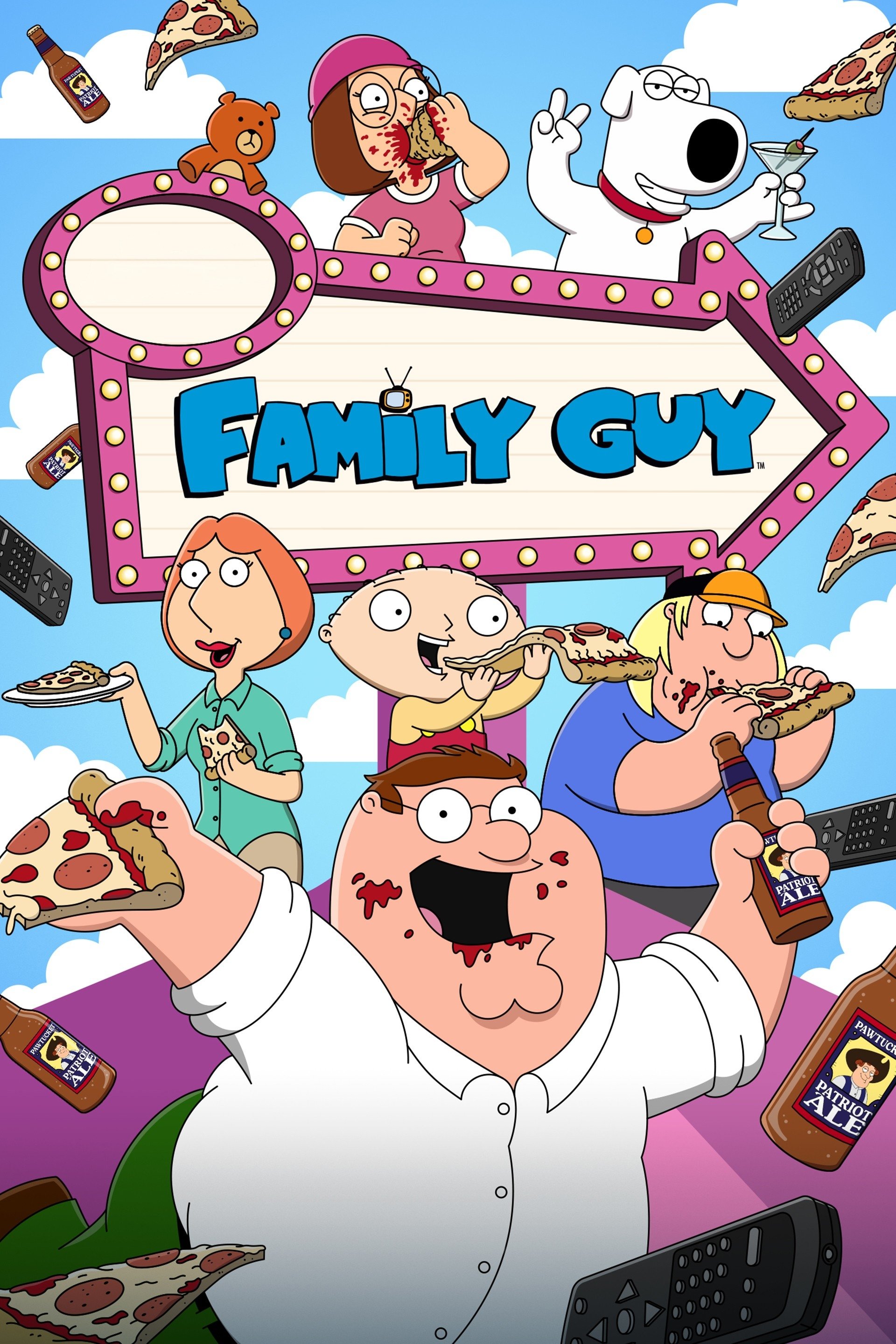
Tricia Takanawa is a news reporter whose appearances always begin with a joke referencing her ethnicity. She’s depicted as a detached and unemotional professional, solely focused on delivering the news in a flat, monotone voice. The show frequently uses her for brief, stereotypical gags about East Asian traits and appearance. Tricia lacks significant character development and has no life shown outside of her job. This repeated joke exemplifies the show’s tendency to rely on predictable and often insensitive ethnic humor.
‘American Dad!’ (2005–Present)

Toshi is a friend of the main character’s son who uniquely speaks only Japanese. Even though his friends can’t understand him, he frequently offers the most insightful and sharp observations about what’s happening. This creates a humorous contrast, but also keeps him distanced from the other characters. The story often uses his Japanese heritage and perceived self-importance for comedic effect, which ultimately restricts his involvement and keeps him on the fringes of the group.
‘Futurama’ (1999–2023)
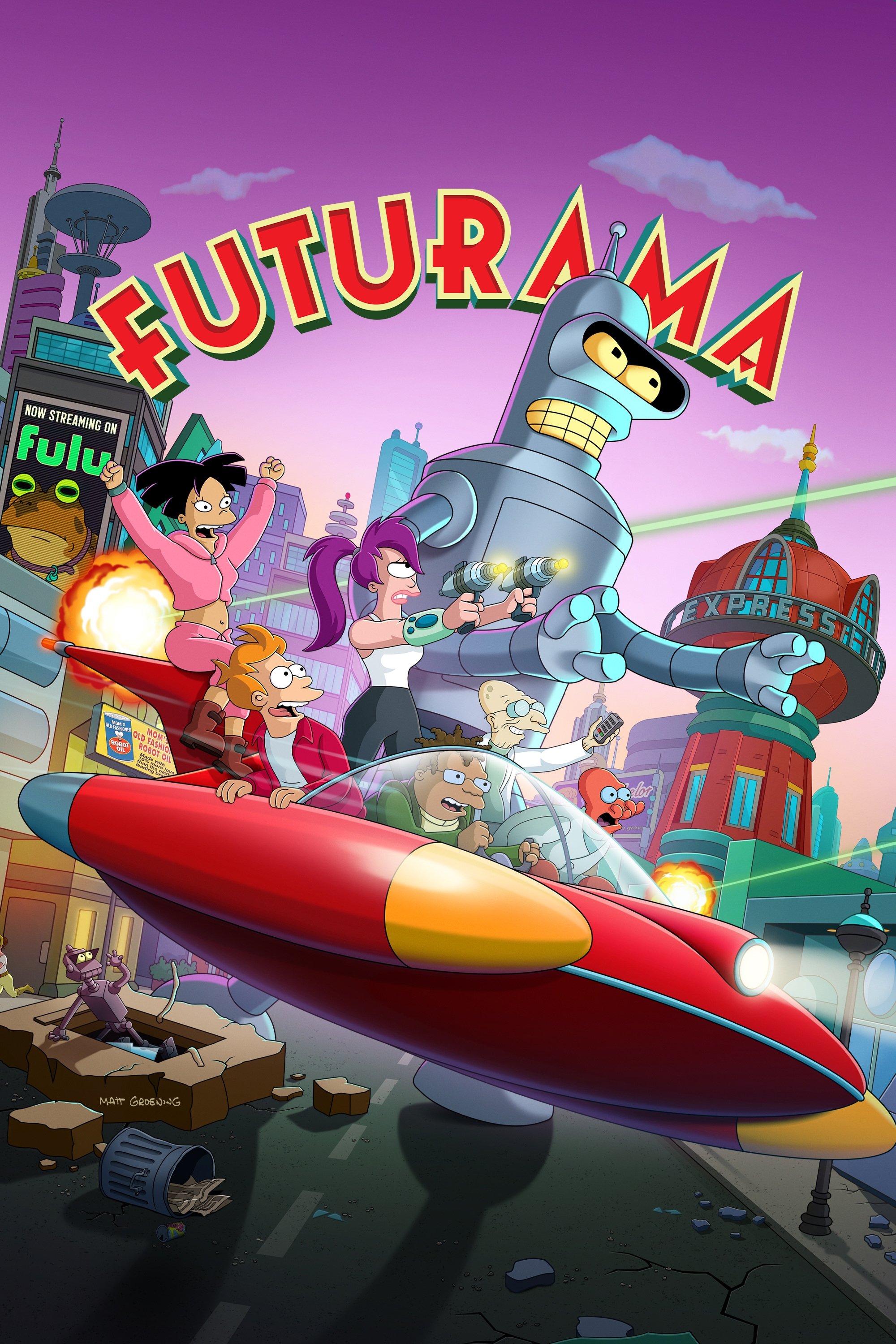
Amy Wong is a talented engineering intern, but she often acts like a privileged young woman. The show depicts her family as wealthy, traditional ranchers from Mars. Although Amy is a key member of the crew, many of her storylines focus on meeting her parents’ expectations. Her cultural background is often used for comedic effect within the show’s sci-fi setting. Some viewers believe Amy’s character would be stronger if she wasn’t so defined by her family.
’30 Rock’ (2006–2013)
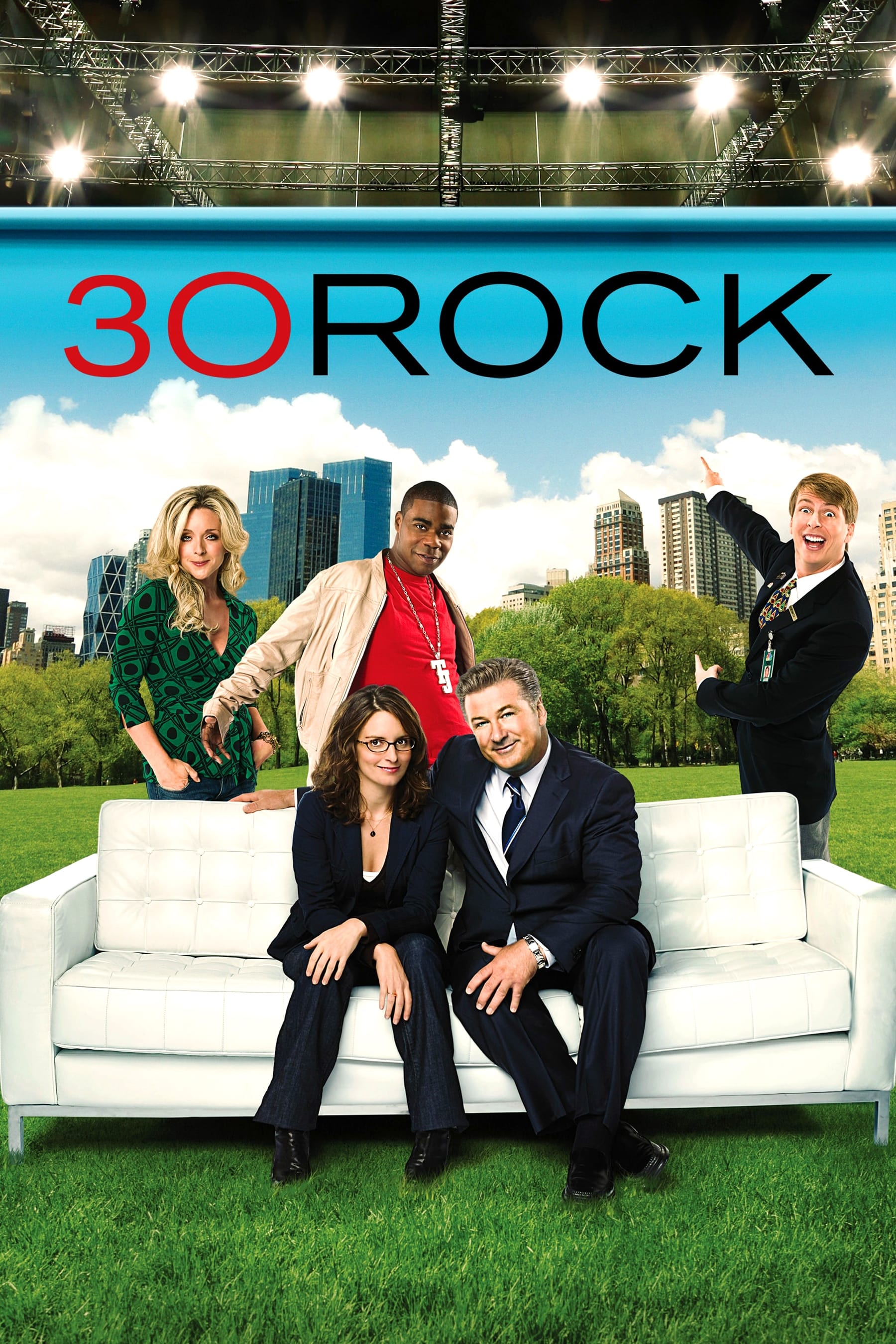
Jonathan is Jack Donaghy’s incredibly loyal assistant, often shown as being overly dedicated to him. His jealousy and tendency to be submissive are running gags throughout the show. This character type is a common one – the highly skilled assistant who lacks personal life or agency. The show focuses almost entirely on Jonathan’s role serving Jack, rarely revealing anything about his past or what he wants for himself. He’s largely defined by his connection to Jack and his occasional emotional reactions.
‘Broad City’ (2014–2019)

The show centers on two white women living in New York City, and while it features diverse guest stars, they often appear in supporting roles – like service workers – and are frequently depicted as being bothered by the main characters. Despite being praised for its contemporary outlook, the show sometimes relies on these diverse actors as mere background elements. For example, Asian characters typically appear as shop owners or delivery personnel with minimal speaking roles, which can reinforce the idea that people from minority groups only exist on the edges of the protagonists’ experiences.
‘Brooklyn Nine-Nine’ (2013–2021)
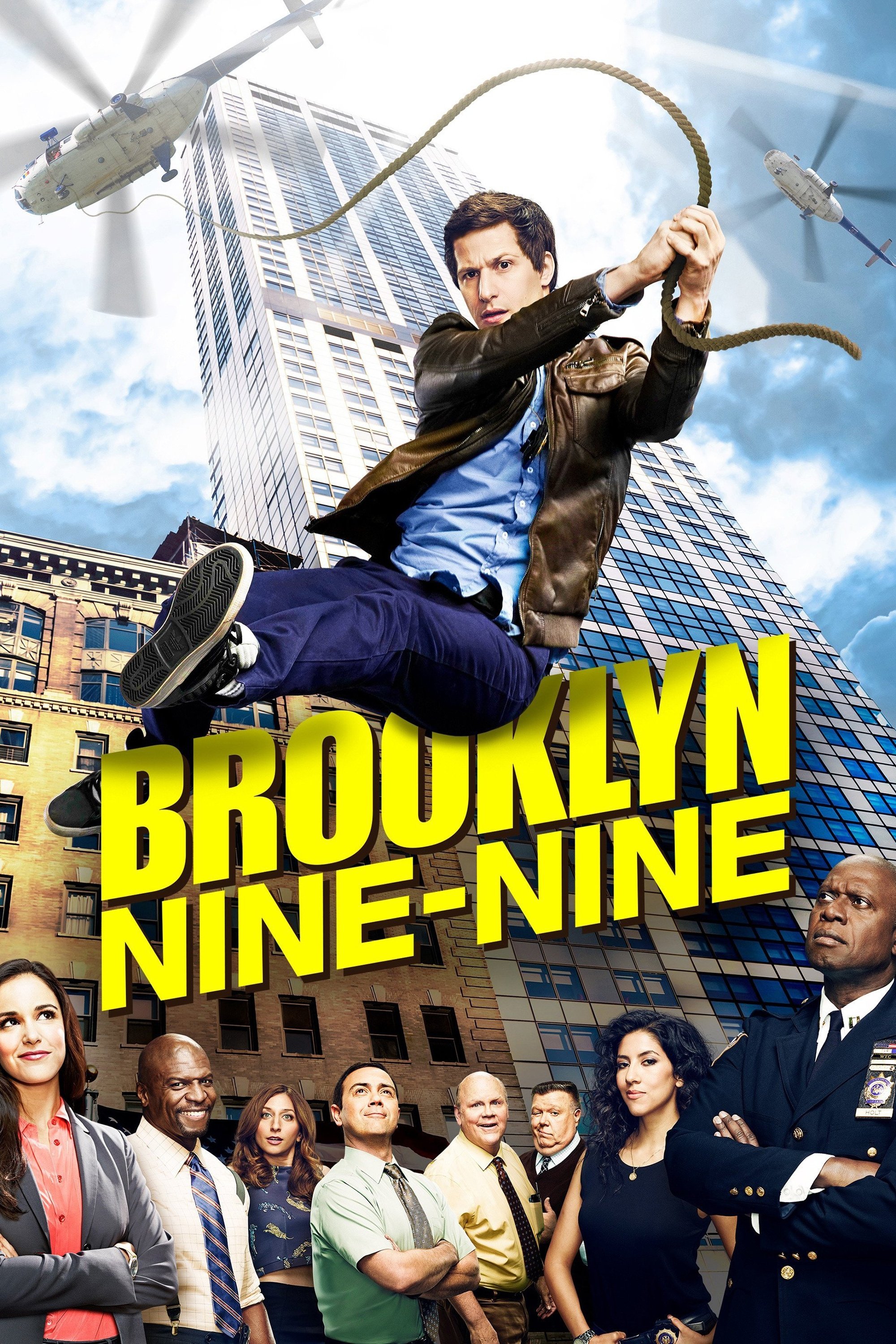
The show features a diverse main cast, but some viewers have pointed out a pattern in its guest roles. Asian characters often appear as briefly featured, highly skilled professionals – like doctors or engineers – who lack depth and mainly exist to help the main characters. While the show doesn’t resort to outdated and offensive stereotypes, it still falls into the trap of portraying Asian characters as valuable only for their professional abilities, reinforcing the ‘model minority’ idea. This can give the impression that their worth is solely tied to their usefulness at work.
‘Bones’ (2005–2017)
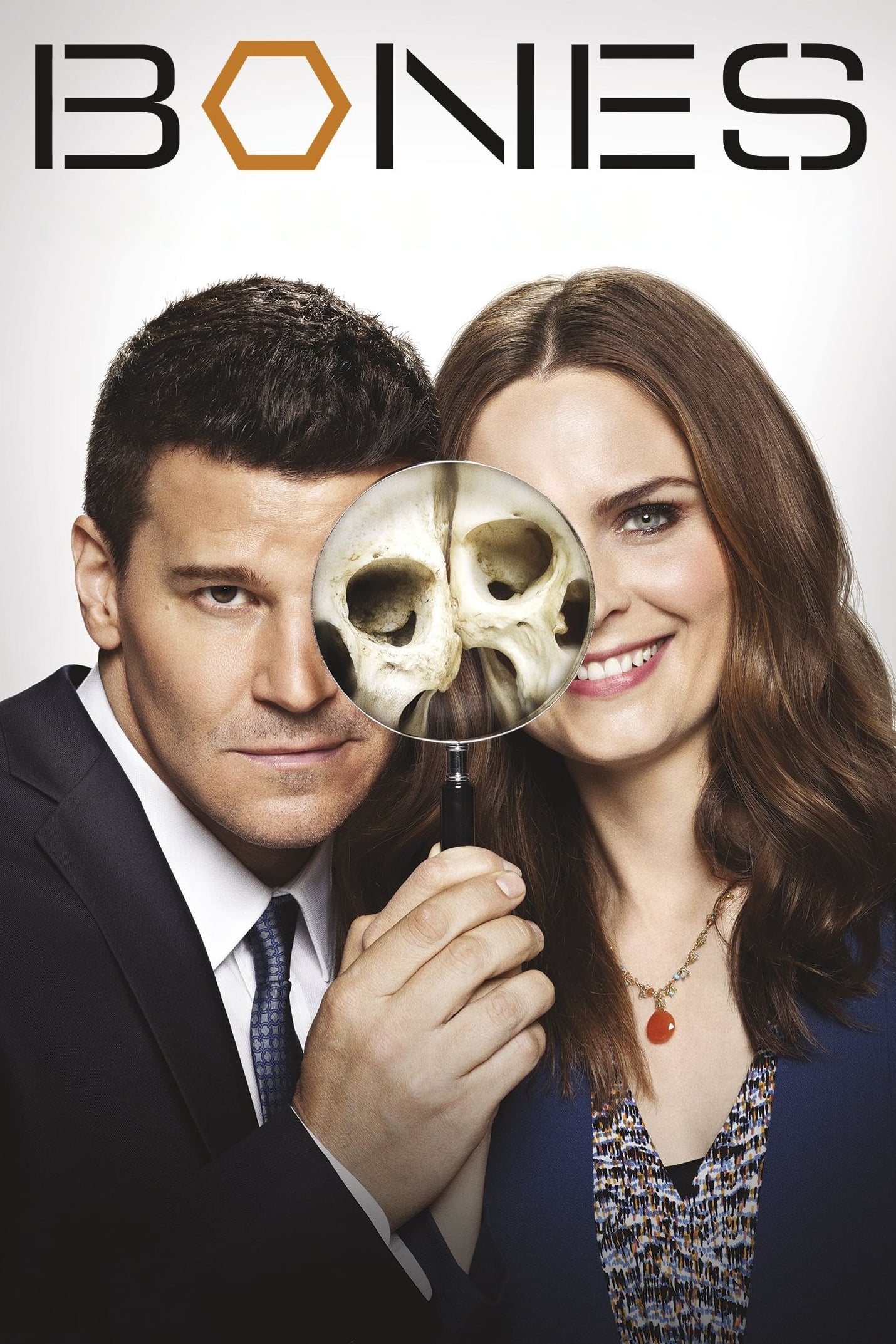
The show often portrayed Asian characters as intelligent and detail-oriented professionals in fields like medicine and forensics. While characters like Dr. Arastoo Vaziri had complex storylines exploring his faith and culture, many other Asian actors were typecast as quiet, hardworking technicians. The series tended to define these characters through technical language and expertise, rather than exploring their emotions or inner lives. This limited the range of roles available to Asian actors on the show.
‘Law & Order’ (1990–Present)
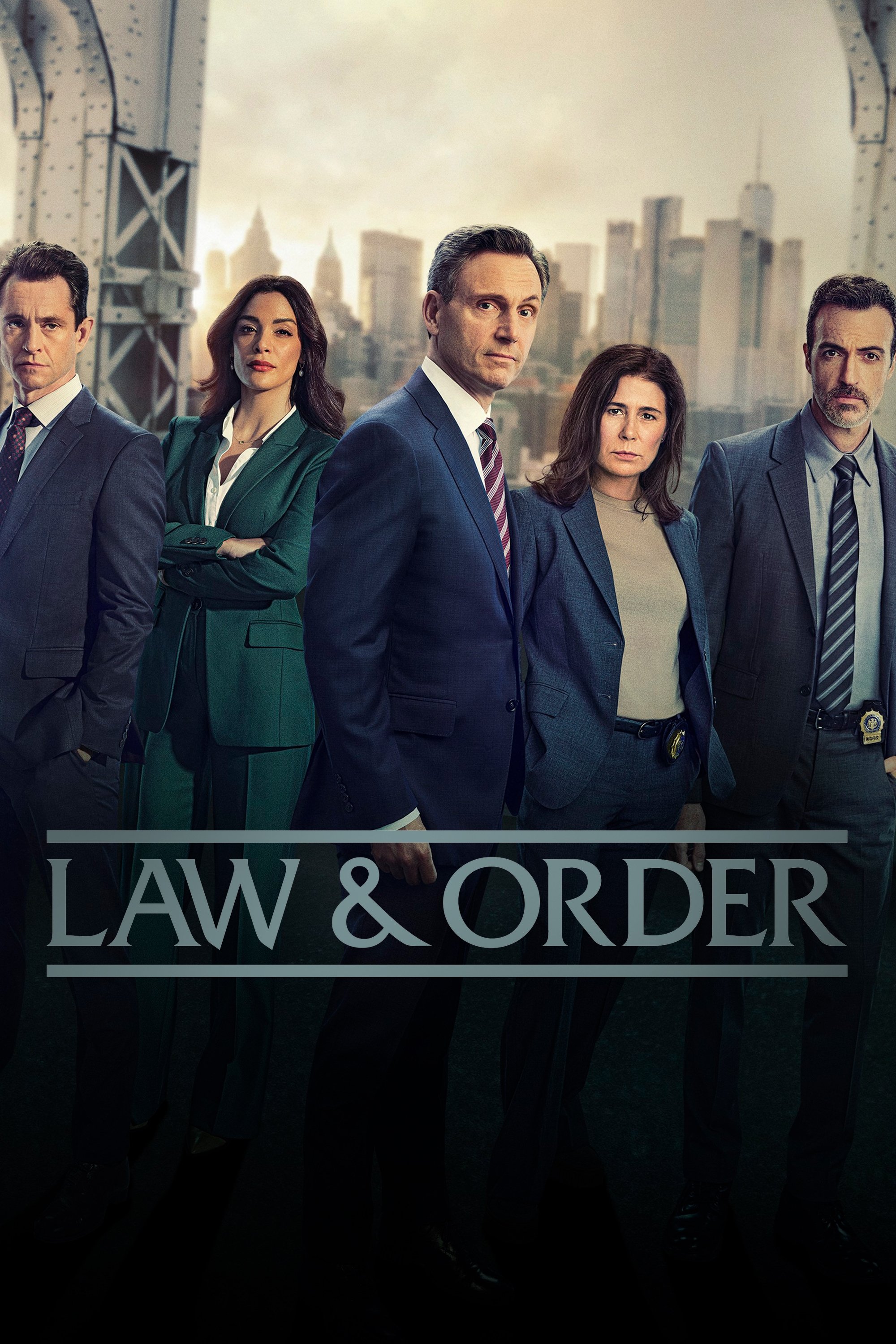
This popular series often portrays Asian characters as either victims or criminals, particularly in storylines about gangs and human trafficking. This pattern reinforces harmful stereotypes about Asian communities. While Asian lawyers sometimes appear, they usually play minor roles. The constant use of these crime-related tropes can create a distorted view of Asian neighborhoods, and many viewers have pointed out the lack of positive and realistic portrayals of Asian people in the show and its related programs.
‘House’ (2004–2012)
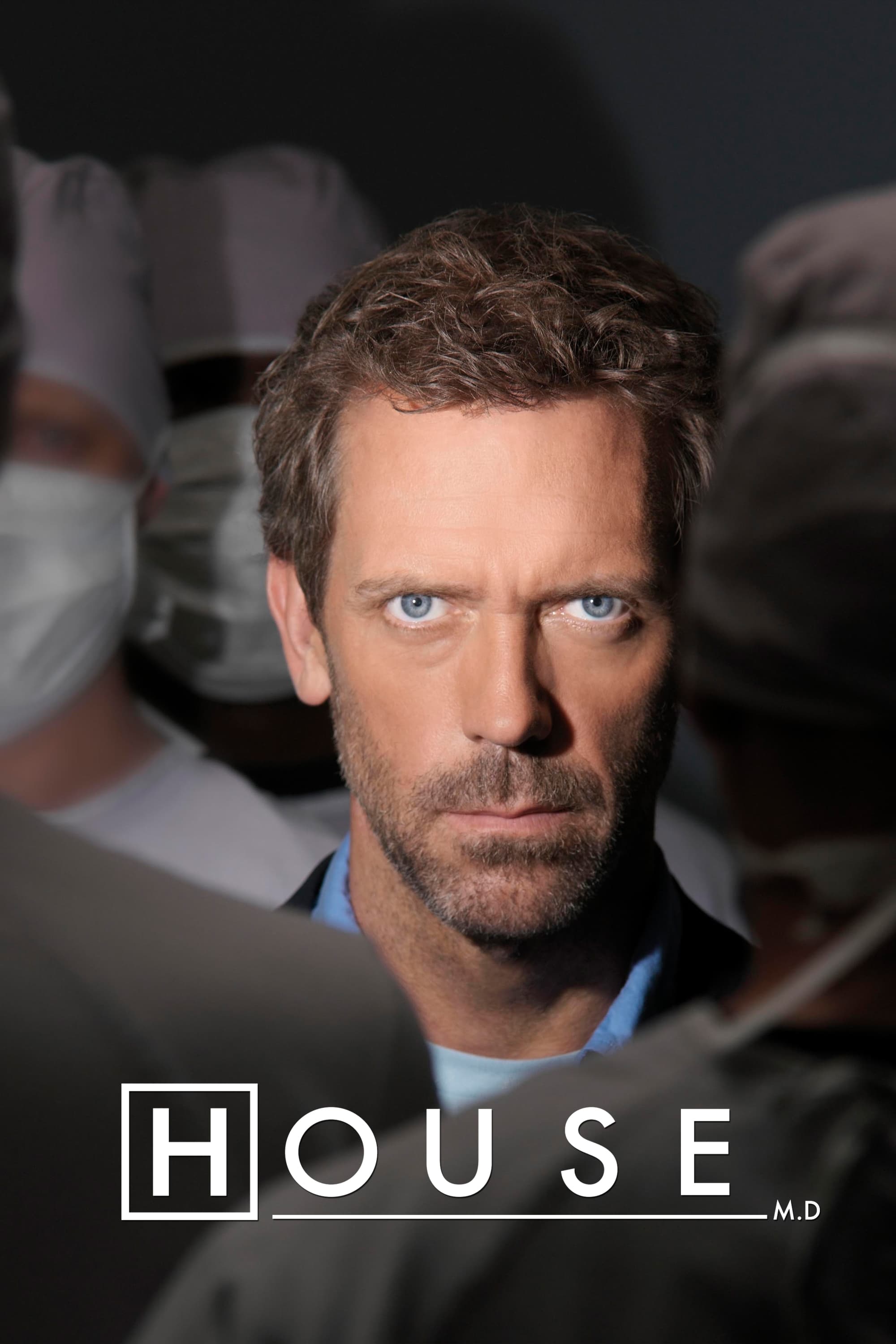
Dr. Chi Park joined the show later in the series and was presented as shy and small in stature. Her scenes with Dr. House frequently involved her being taken advantage of or highlighted issues with her family. This portrayal fell into the common stereotype of the intelligent but quirky Asian doctor who struggles with self-assurance. Despite being part of the diagnostic team, her character’s growth wasn’t prioritized, and many viewers believed she could have been a more impactful character.
‘Monk’ (2002–2009)
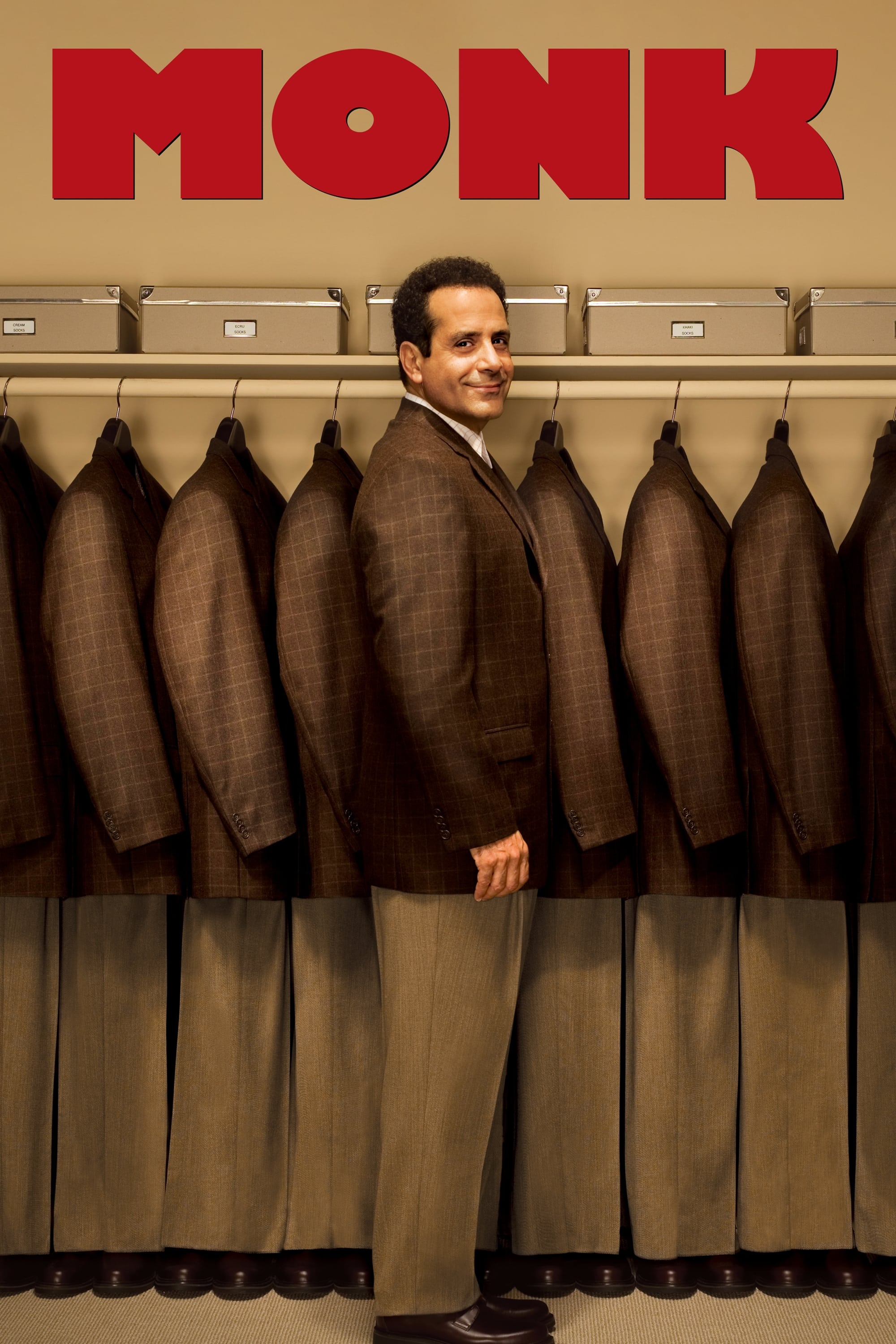
Kevin Dorfman was a frequently appearing character known for being overly talkative and lacking social awareness. Though his ethnicity wasn’t a central part of the character, he followed a pattern on the show of casting diverse actors in quirky, supporting roles. Other Asian guest stars typically played strict figures of authority or specialized professionals. Because the show primarily focused on the main character’s anxieties, the supporting characters tended to be simple and lacked depth, which hindered more complex representation within the show’s comedic mystery style.
‘Psych’ (2006–2014)
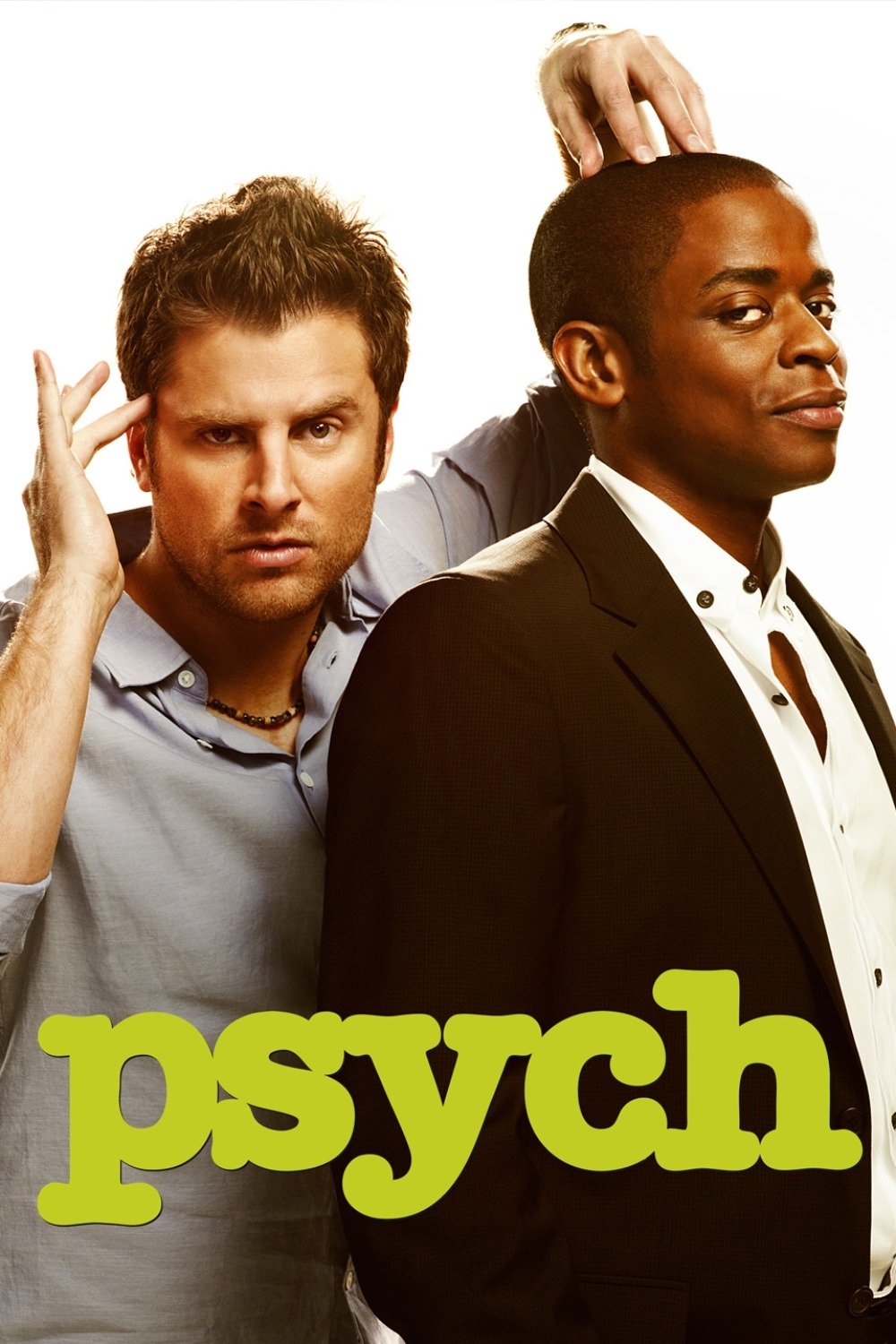
Ken was a regular supporting character who often found himself unwillingly involved in the main characters’ plans. He was shown as a hardworking and somewhat pessimistic person just trying to get his job done, and the comedy came from his resistance to the show’s wild situations. Though funny, he largely stayed in the background and didn’t have much control over his own story. His role played into the familiar idea of an employee who’s constantly dealing with the unpredictable demands of others.
‘Superstore’ (2015–2021)
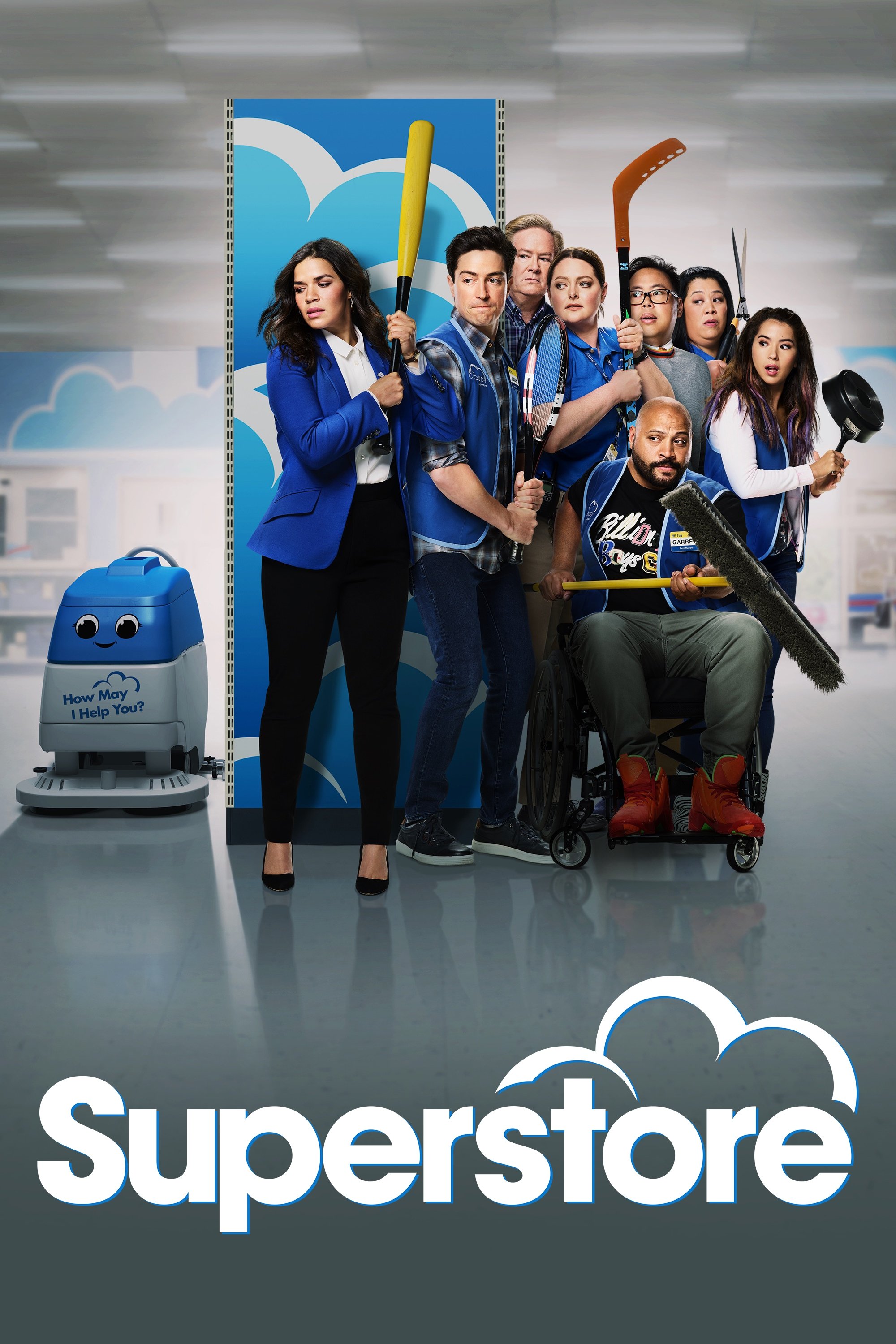
Mateo Liwanag is a highly competitive and ambitious worker who frequently looks down on those around him. Though a complicated character, his strong desire to succeed is connected to his undocumented immigrant status. The show uses his competitive spirit to create both conflict and comedy. Some viewers believe this portrayal falls into the ‘model minority’ stereotype, suggesting a person’s value is defined by their professional achievements. However, the show later explores his legal challenges with greater depth and sensitivity.
‘Grey’s Anatomy’ (2005–Present)
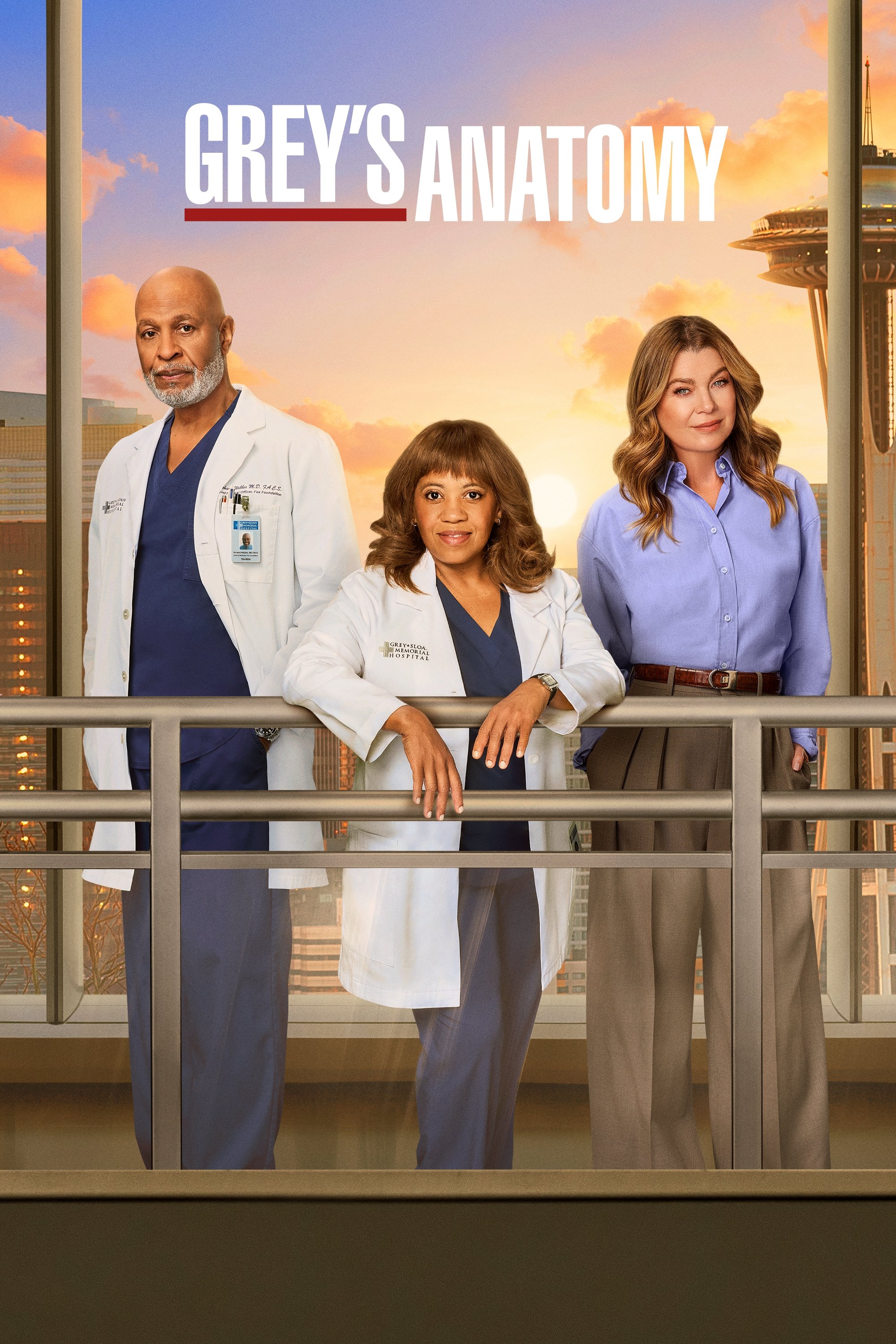
Cristina Yang is a well-known Asian character on television, but early in the series, she was often portrayed as cold and distant. She was primarily defined by her dedication to surgery and her lack of warmth with patients, which played into the common stereotype of the driven, emotionless Asian overachiever. Although the character developed significantly over the show’s ten seasons, her initial portrayal heavily relied on these established traits. Later on, the show allowed her to grow into a more complex and emotionally available person.
‘Smallville’ (2001–2011)
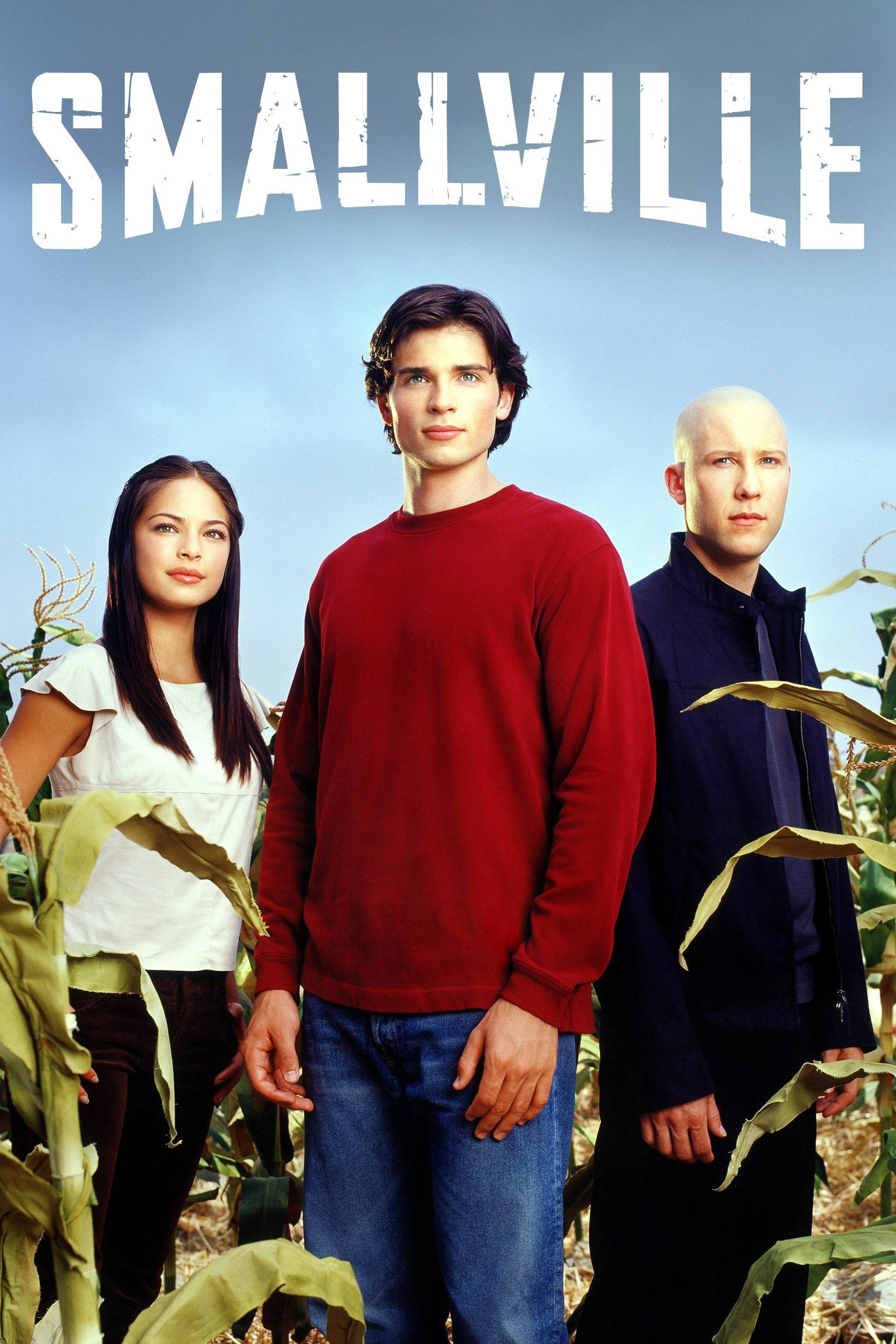
The series sometimes included Asian characters, but usually in roles connected to old myths or martial arts. They were often depicted as enigmatic figures with knowledge of the main character’s fate. This approach leaned into stereotypes and used Asian culture as a convenient plot point instead of portraying it authentically. There were no regular Asian characters who weren’t defined by these fantastical or specialized roles, leading to a representation that felt more like a collection of clichés than a genuine portrayal of lived experience.
‘Power Rangers’ (1993–Present)

The original Power Rangers series featured an Asian actress as the Yellow Ranger and a Black actor as the Black Ranger. Many viewers felt this casting, based on matching actors to the colors of their characters, was short-sighted and relied too heavily on racial stereotypes. These characters, despite being heroes, often lacked depth beyond these simple associations. Later seasons of the show made a conscious effort to diversify the cast and avoid this kind of thinking. This initial casting choice is now widely remembered as an example of unintentional stereotyping in children’s television.
‘Hawaii Five-O’ (1968–1980)
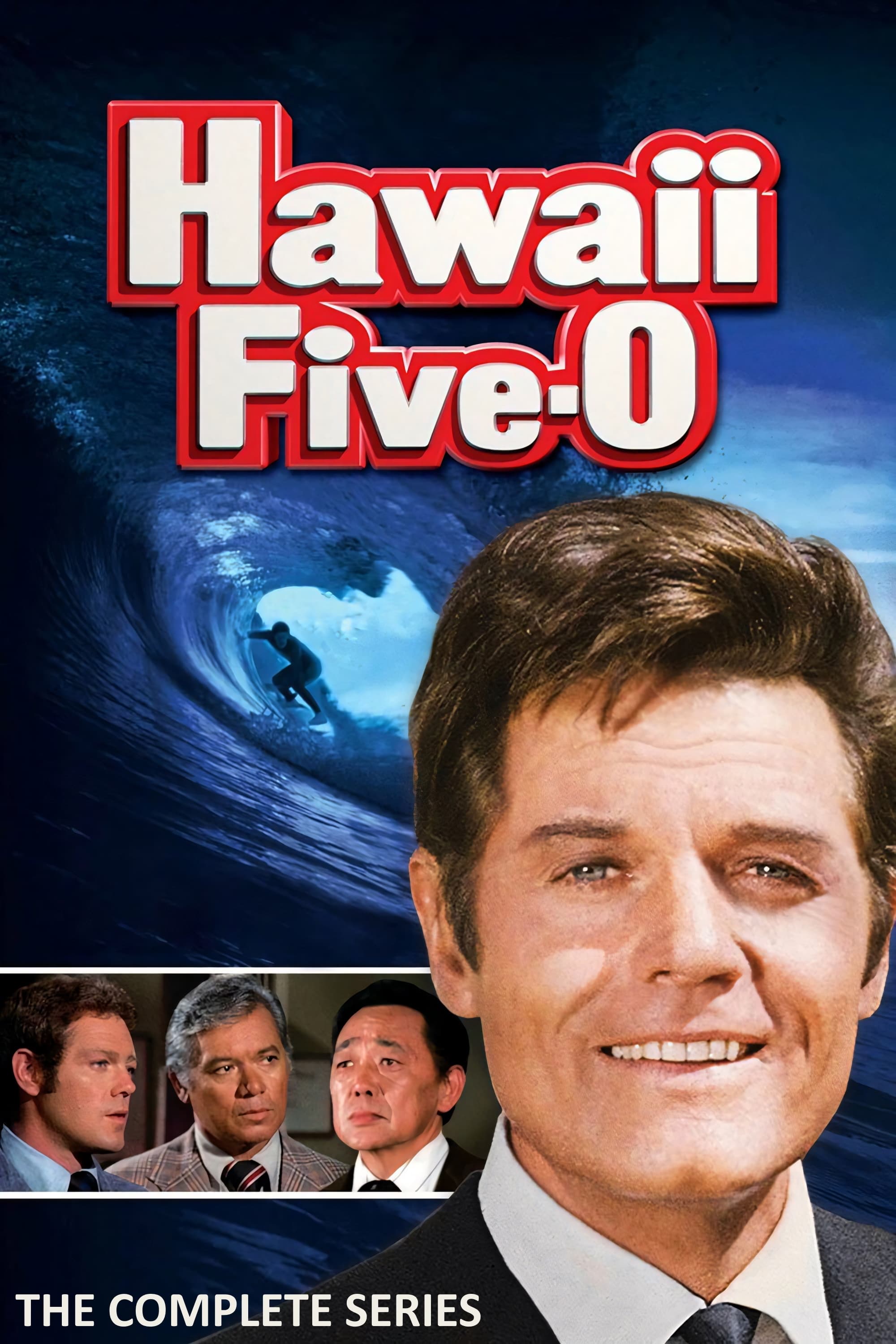
This crime show initially featured many Asian actors, but mostly in minor roles. These characters rarely had the same depth or influence as the white main characters, often being portrayed as criminals or in low-ranking positions. While the show used Hawaii as a visually interesting setting, it maintained a power dynamic that didn’t reflect the state’s diverse community, creating an unrealistic portrayal of the islands.
‘Star Trek’ (1966–1969)
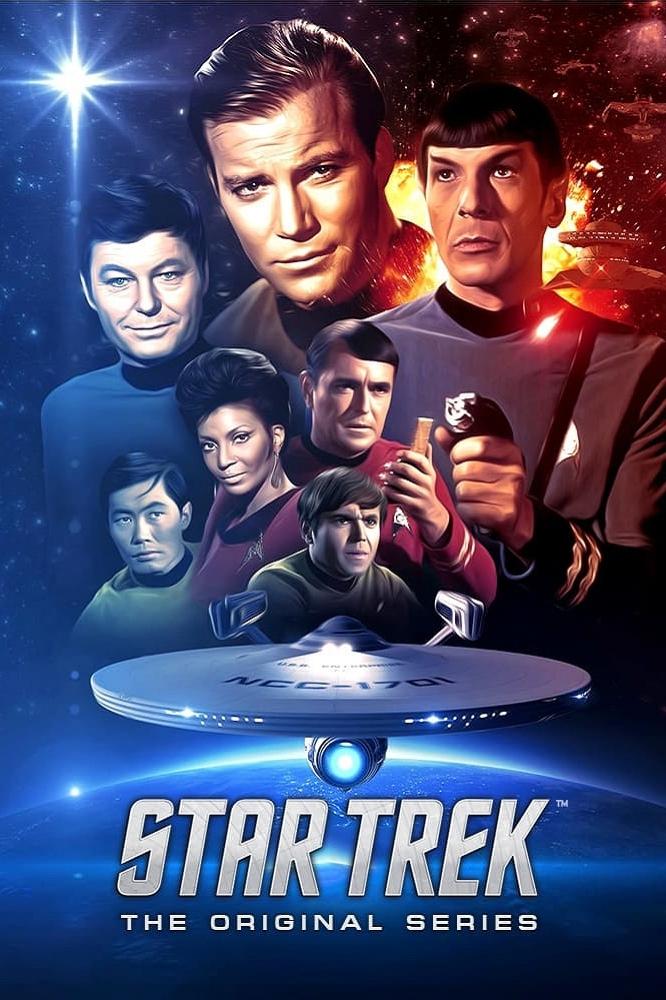
Hikaru Sulu was a significant addition to the Star Trek bridge crew, representing a step towards greater diversity on television. However, in the original series, his role was often small and he frequently appeared in scenes focused on martial arts, fitting into common stereotypes of the time. Though the creator envisioned a more inclusive future, Sulu didn’t have as much dialogue or screen time as the main characters. It wasn’t until later movies and TV shows that the character was given more substantial and diverse storylines.
‘Walker, Texas Ranger’ (1993–2001)
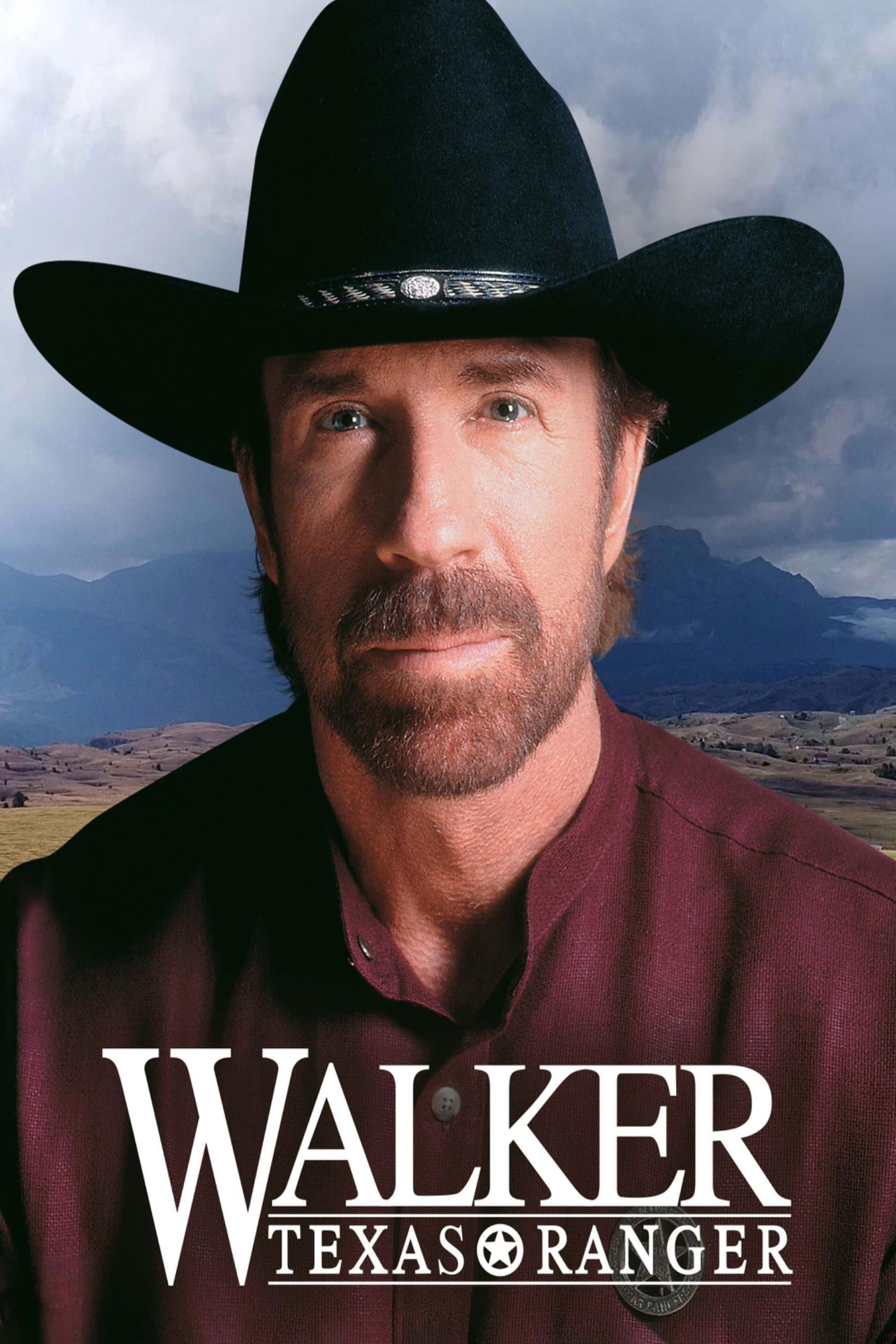
This show often featured Asian characters as either skilled martial artists or criminals. Stories commonly centered around the main character battling these opponents using his own fighting abilities. As a result, Asian culture was largely presented through the themes of combat and ancient beliefs. Few characters had roles beyond these action-focused storylines. The show heavily borrowed from the style and common themes found in martial arts films to create each week’s conflict.
‘MacGyver’ (1985–1992)
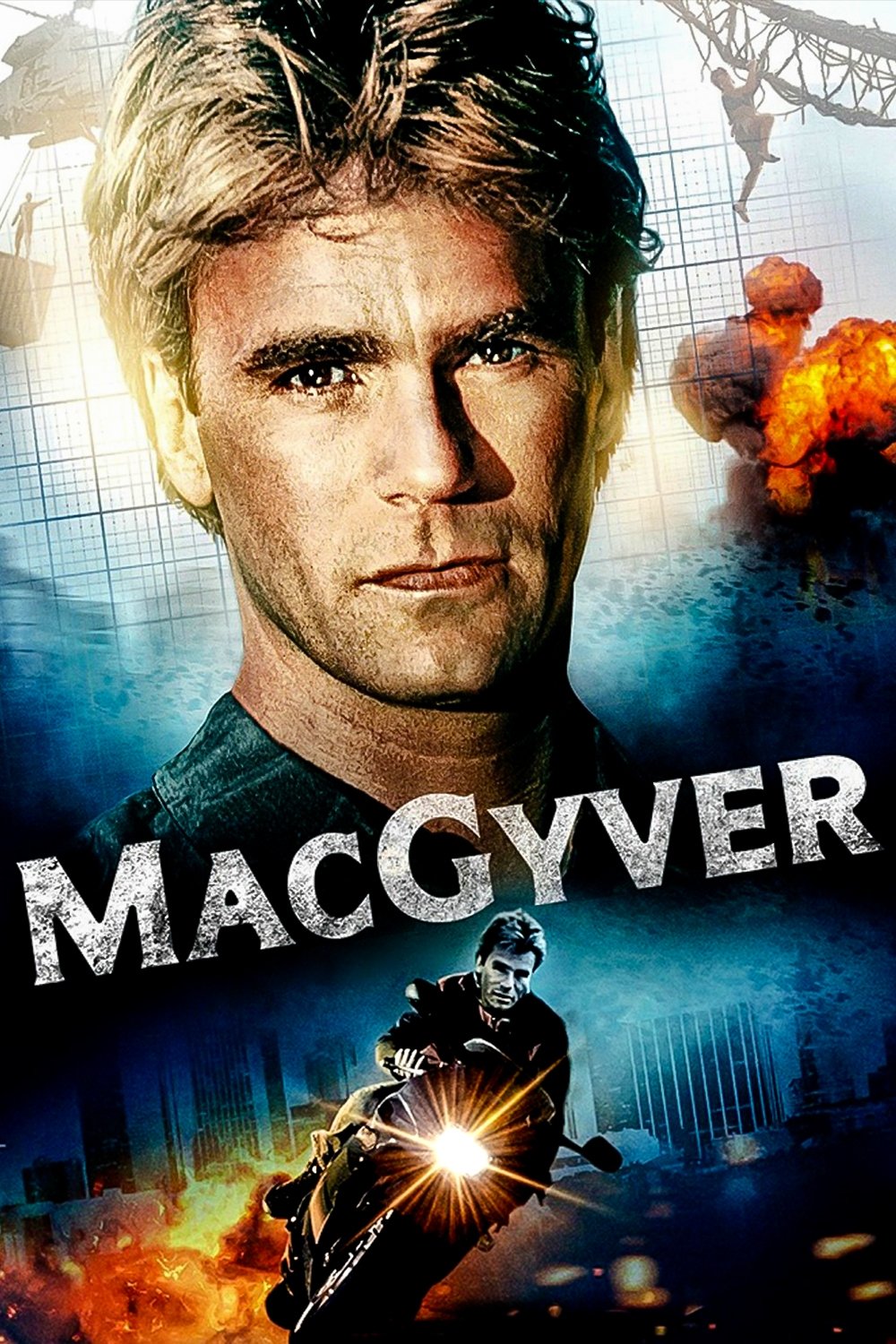
I loved the original show, but looking back, I realize how it often used international locations just as settings for the hero to fight bad guys. Too often, Asian characters were shown as either corrupt officials or criminals – they felt like obstacles instead of real people. The show really just used different cultures as a pretty background for each week’s adventure, and it never actually took the time to understand or explore those cultures in a meaningful way. It’s something I wish they’d done differently.
‘Murder, She Wrote’ (1984–1996)
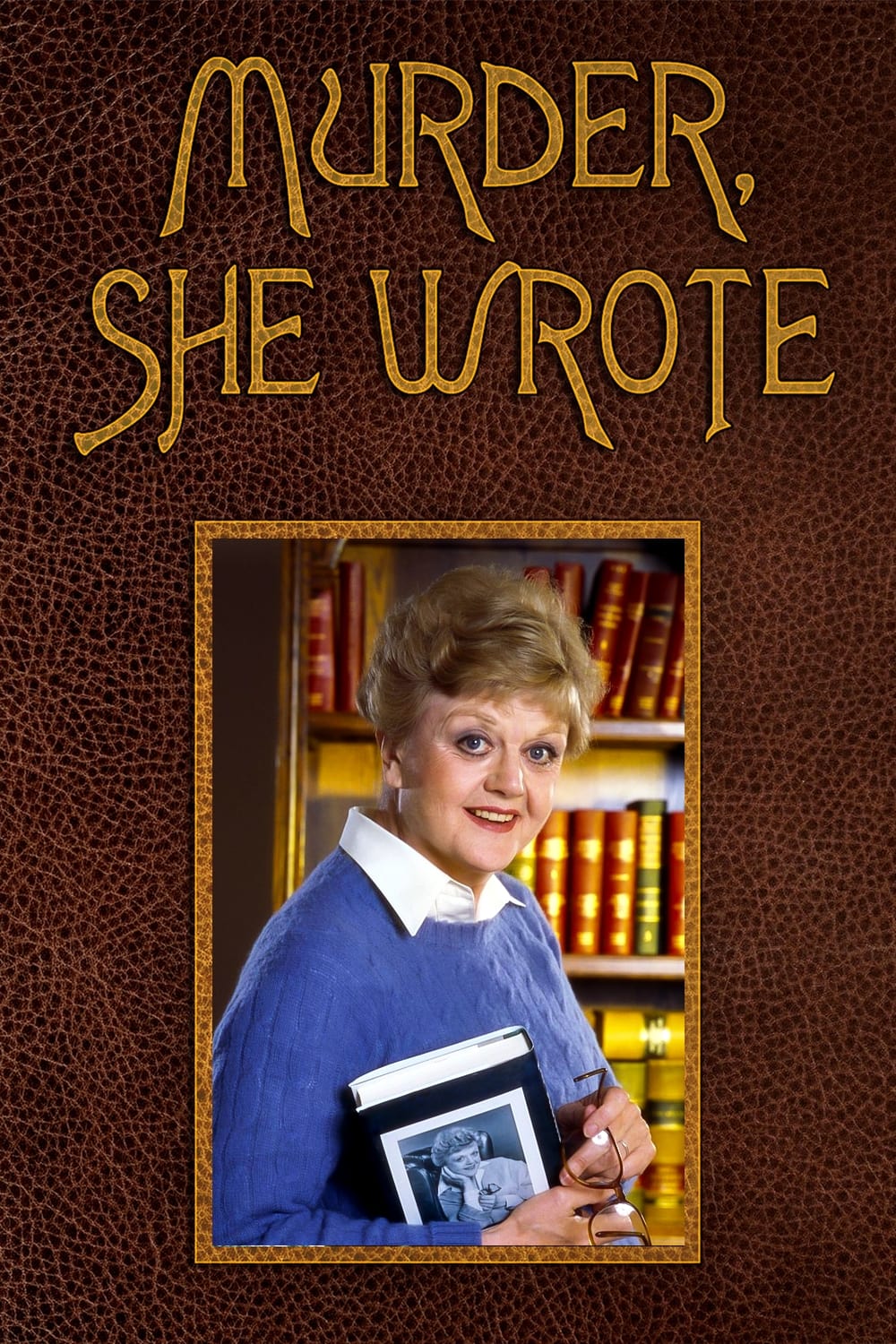
As a big fan of mystery shows, I noticed something a little troubling in this particular series. While they had a ton of guest stars, Asian actors often seemed to be typecast. They’d usually play roles like house staff or someone initially pegged as a suspect, and their characters were always connected to the wealthy families involved in the mystery. The frustrating thing was, once the case was closed, these characters just vanished – there was never any effort to explore their stories beyond how they related to the main plot. It really limited the range of narratives the show could tell about Asian individuals, which was a shame.
‘Bonanza’ (1959–1973)
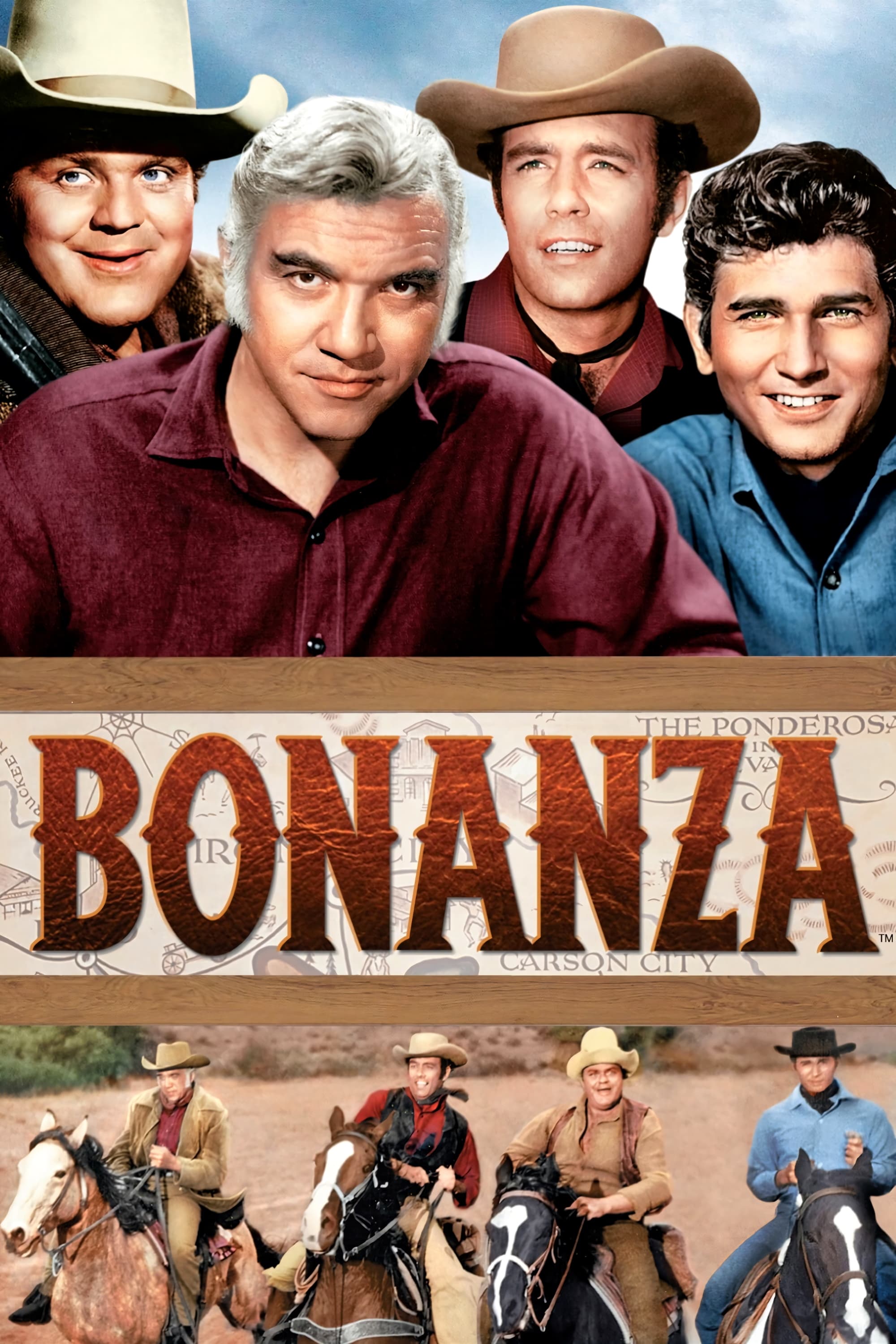
Hop Sing was the family’s cook and appeared in more than 100 episodes of the show. The character was known for his strong accent and often provided comic relief within the home. Though loyal and appreciated by the family, Hop Sing was largely defined by the stereotypical role of a servant. His backstory and life outside of work on the ranch were rarely explored. He’s a clear example of how Asian actors were often limited to stereotypical service roles in early television.
‘The Green Hornet’ (1966–1967)
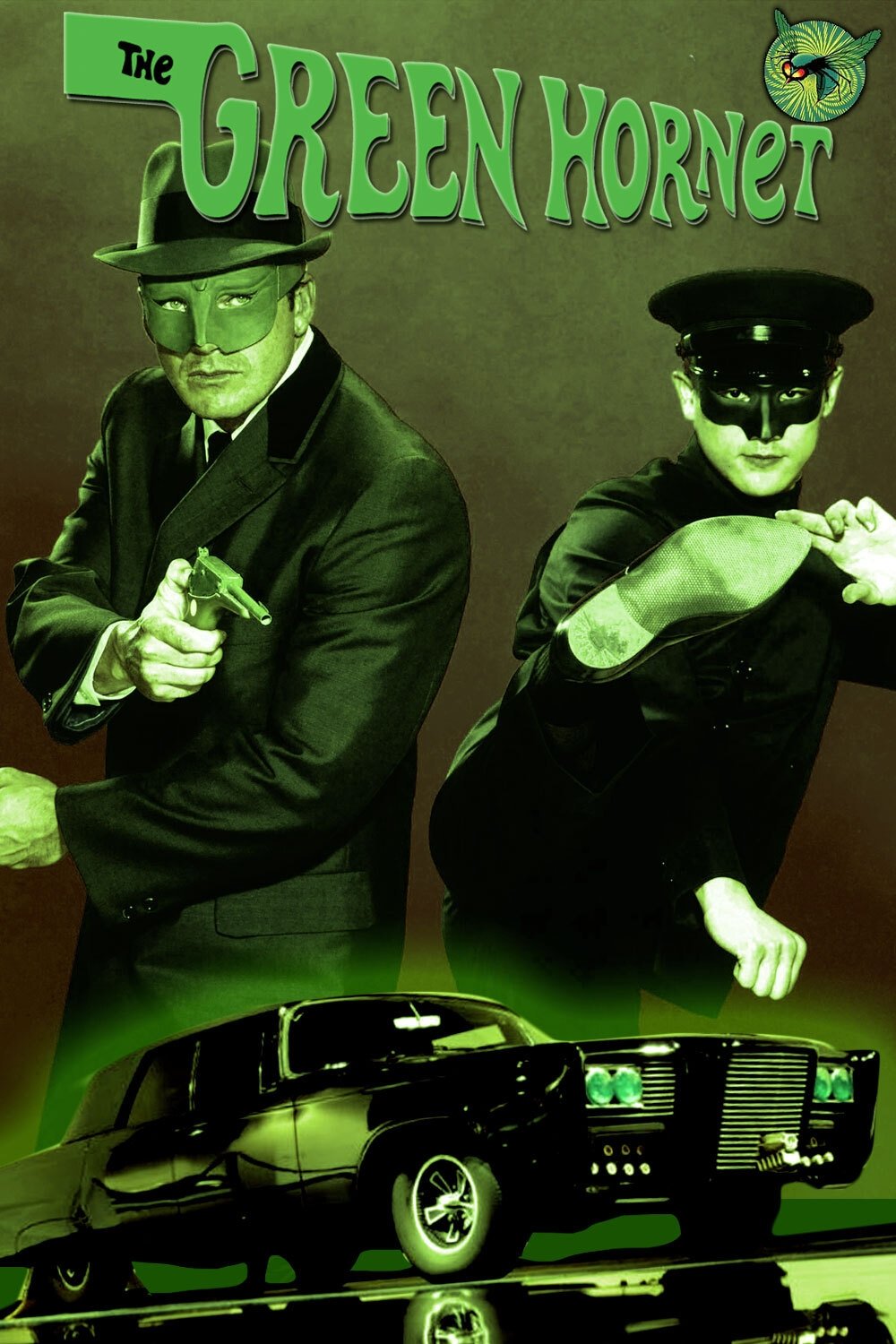
Bruce Lee’s portrayal of Kato quickly made him a fan favorite, often overshadowing the Green Hornet himself thanks to his incredible martial arts abilities. However, despite his talent, Kato was relegated to the role of a servant and driver for the hero. He frequently did most of the fighting, while the Green Hornet received the recognition. This situation highlighted the challenges faced by Asian actors in Hollywood at the time, as the role, while launching Bruce Lee’s career, still fell into the common stereotype of the devoted Asian sidekick.
Please share your thoughts on these television portrayals in the comments.
Read More
- Invincible Season 4 Gender Swaps Tech Jacket As Fans Question Major Comic Change
- Gold Rate Forecast
- Silver Rate Forecast
- 15 Films That Were Shot Entirely on Phones
- 22 Films Where the White Protagonist Is Canonically the Sidekick to a Black Lead
- Building Agents That Learn and Improve Themselves
- 20 Movies Where the Black Villain Was Secretly the Most Popular Character
- Celebs Who Narrowly Escaped The 9/11 Attacks
- Games That Faced Bans in Countries Over Political Themes
- 20 Films Where Black Directors Subverted Hollywood’s White Savior Tropes
2026-01-12 10:52