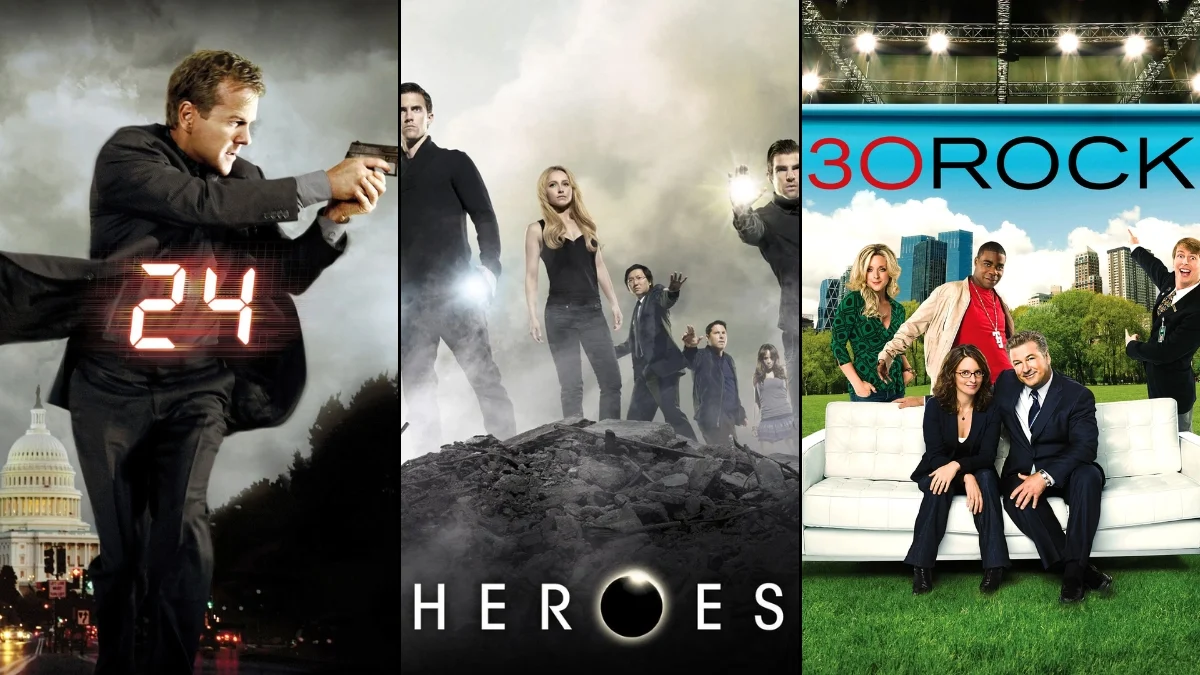
The television industry has been repeatedly disrupted by work stoppages, significantly changing how shows are made. The 2007-2008 Writers Guild of America strike, lasting 100 days, caused shortened seasons, unfinished storylines, and the cancellation of some popular shows. More recently, the double strikes in 2023 created major production delays, pushing back release dates for years. These delays can lead to viewers losing interest, child actors outgrowing their roles, and storylines becoming inconsistent.
‘Heroes’ (2006–2010)
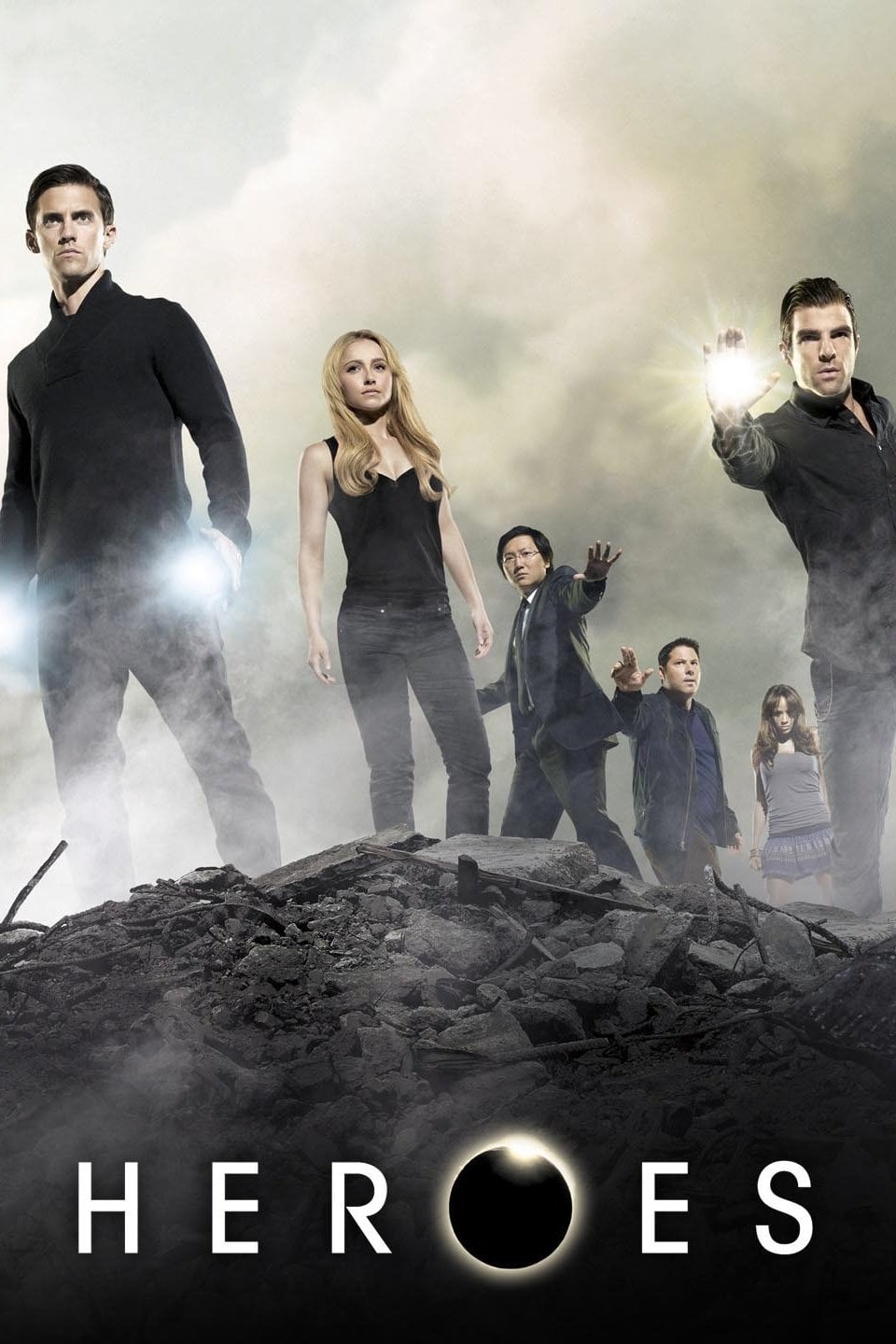
The second season of ‘Heroes’ was cut short to just eleven episodes because of the 2007-2008 writers’ strike. This forced the show’s creator, Tim Kring, to cancel some planned stories and quickly finish the ‘Generations’ storyline. Many viewers and critics thought this rushed pace seriously hurt the show, leading to a drop in ratings it never overcame. A major plot involving a global virus was mostly dropped, leaving several characters’ stories unfinished or confusing for the rest of the series.
‘Pushing Daisies’ (2007–2009)
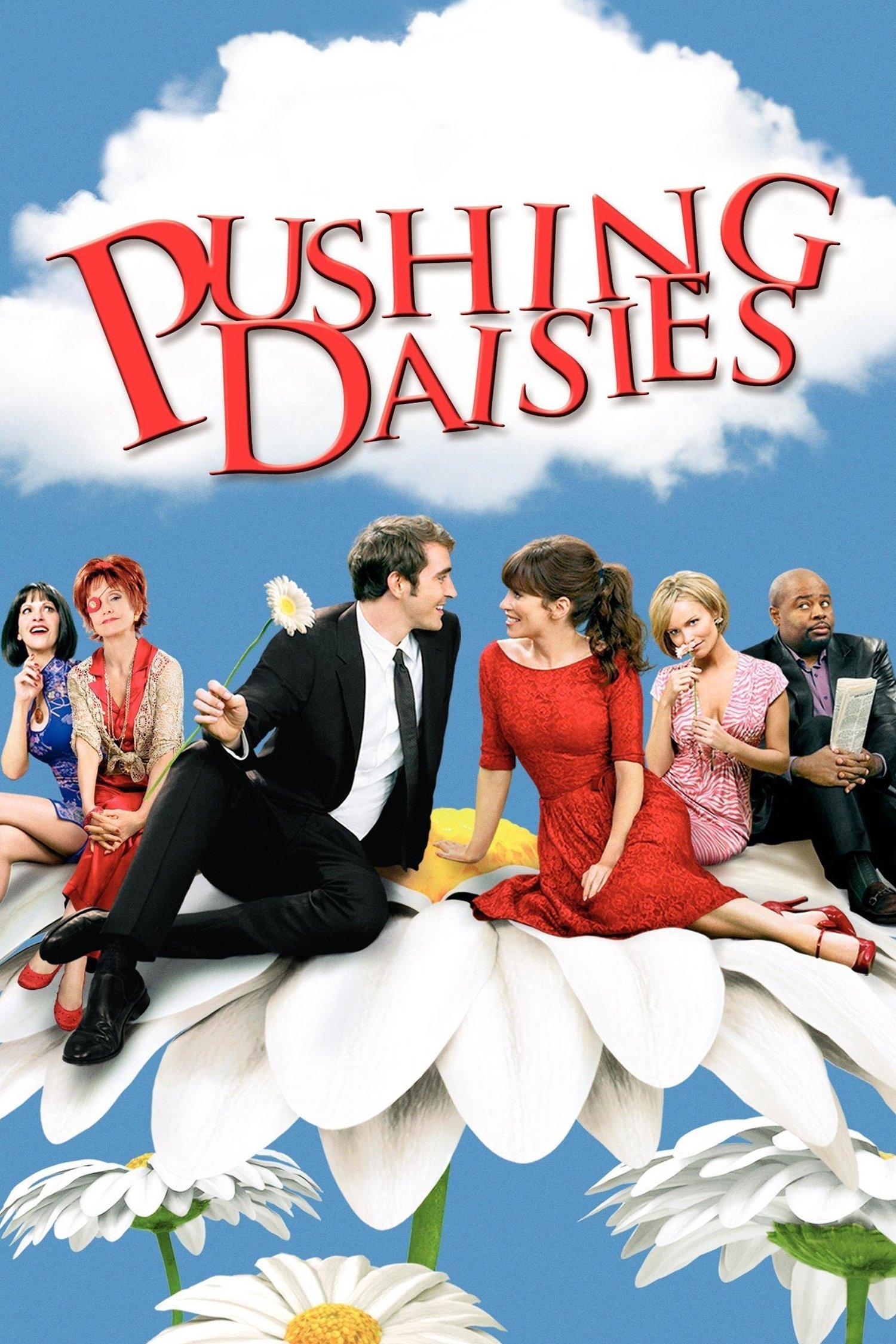
‘Pushing Daisies’ started strong, earning great reviews when it first aired. However, a labor strike cut its first season short after just nine episodes. The long break that followed caused viewers to lose interest, and when the show returned, it had trouble standing out among so many other options. Ultimately, it was canceled after two seasons, leaving several storylines unfinished.
‘Friday Night Lights’ (2006–2011)
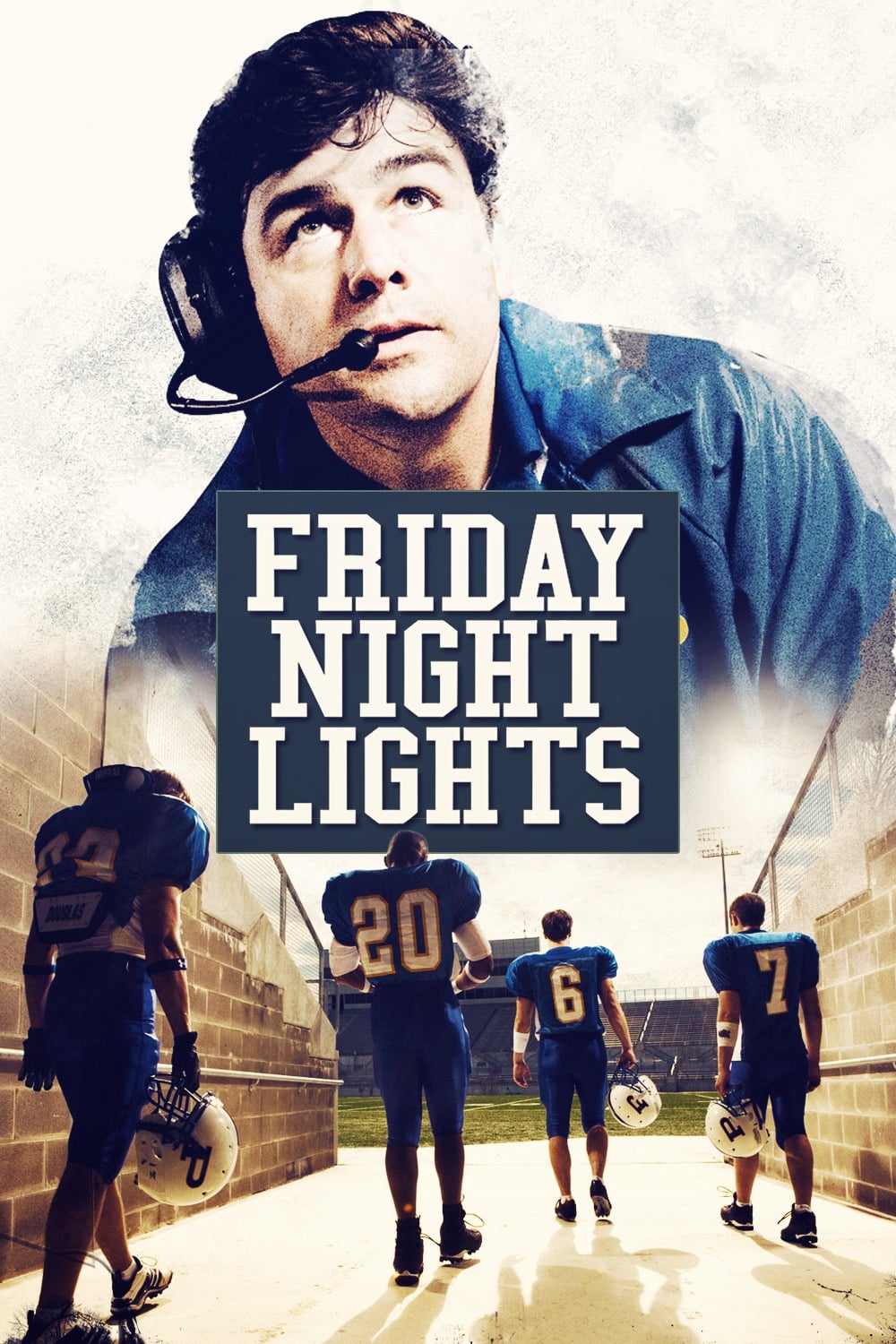
Many fans consider the second season of ‘Friday Night Lights’ the show’s low point, largely because of the challenges caused by a writers’ strike and a shortened production schedule. A planned storyline involving Landry Clarke and Tyra Collette, which was intended to revolve around a murder, was quickly dropped when the strike began. When the show returned for its third season, the writers decided to essentially ignore most of the unresolved issues from the previous, strike-impacted season. While this choice helped save the show, it created a noticeable gap in the overall story and continuity.
‘Lost’ (2004–2010)
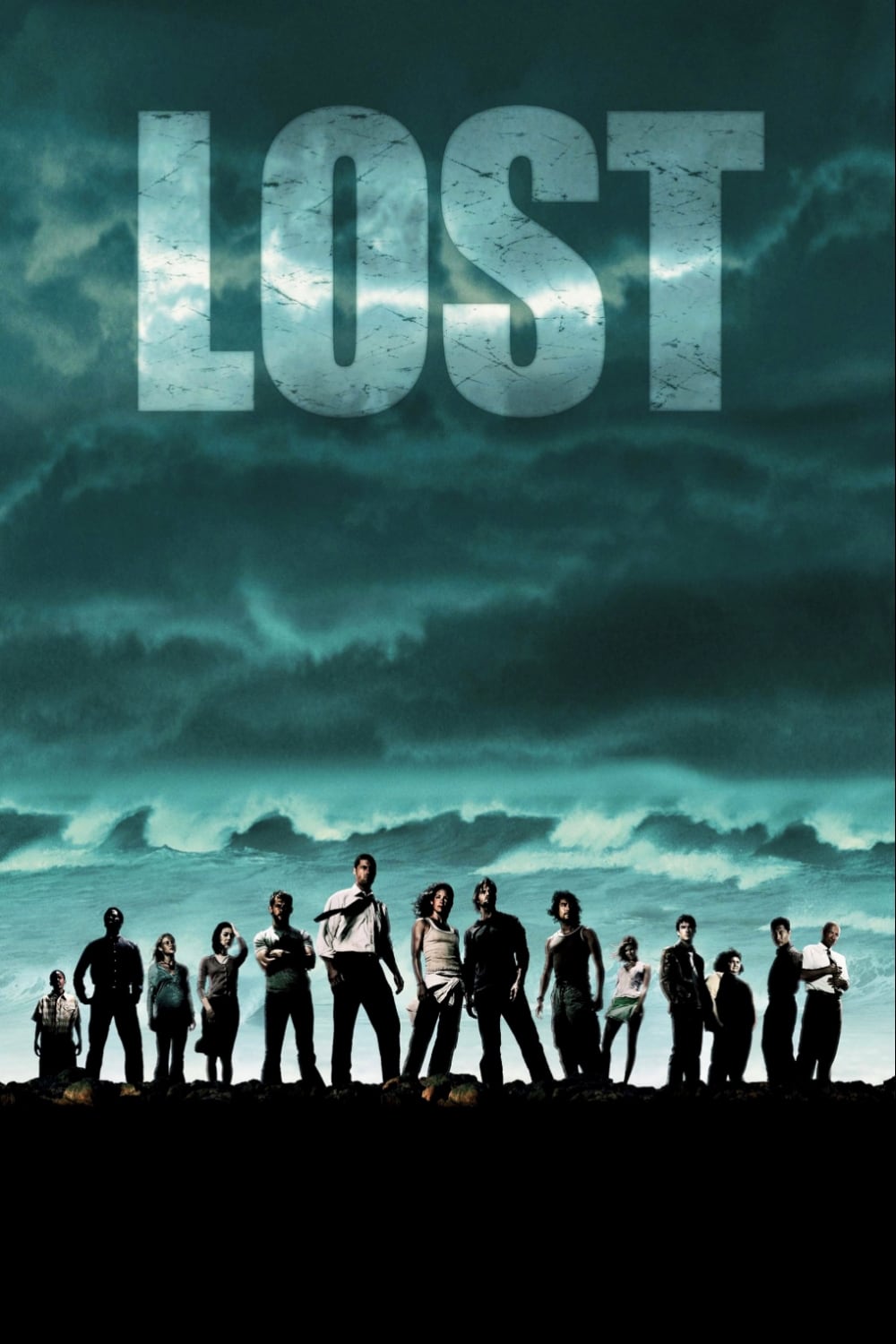
The fourth season of ‘Lost’ had to be shortened from sixteen to fourteen episodes due to the writers’ strike. This meant the show’s creators had to rush the storylines involving the ‘flash forwards’ and the new characters on the freighter. As a result, some character development, particularly for Daniel Faraday and Charlotte Lewis, felt rushed. The strike also caused a break in the season that interrupted the show’s usual pace and flow.
‘Prison Break’ (2005–2017)

The third season of ‘Prison Break’ was shortened to thirteen episodes, which made the storyline feel hurried and confined to the Sona prison. Because of a writers’ strike, the complex plot involving ‘The Company’ and its new villains wasn’t fully developed. This left the season feeling incomplete, and the show had to jump ahead considerably to set up the fourth season. Many fans believe this disruption is why the show’s quality dropped after its strong first two seasons.
‘Supernatural’ (2005–2020)
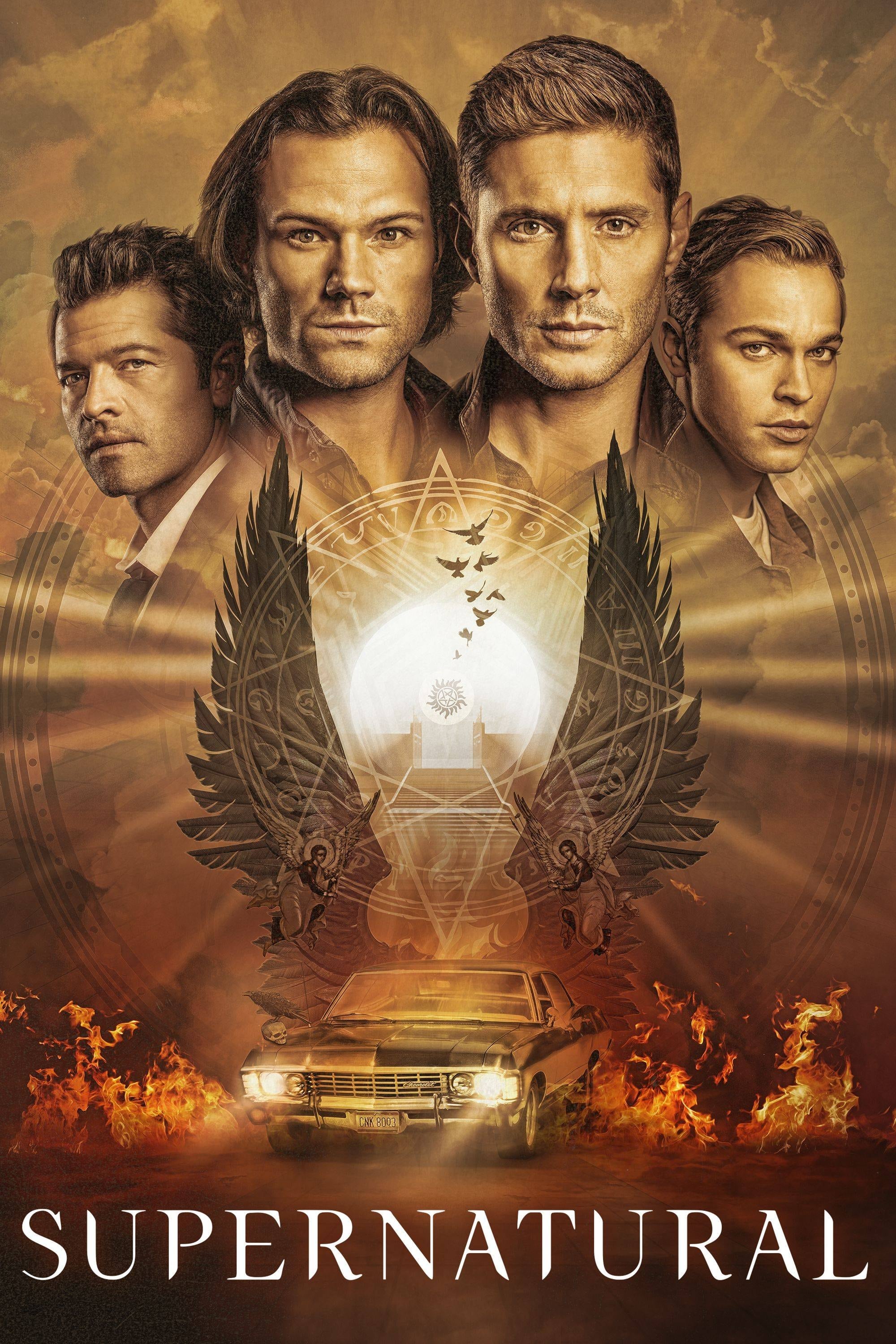
The third season of ‘Supernatural’ had fewer episodes than usual—only 16—which meant the writers had to rush the main storyline about Dean’s deal with a demon. This also meant they had to cut back on the development of important characters like Bela Talbot and Ruby. A planned spin-off series and some episodes designed to add more depth to the show’s history were also canceled because of the shortened season. Although ‘Supernatural’ stayed popular, many longtime fans still feel the third season felt rushed.
‘Bionic Woman’ (2007)

The 2007 remake of ‘The Bionic Woman’ was significantly impacted by the Writers Guild of America strike. After only eight episodes were completed, filming stopped, and the show’s storyline was put on hold. When the strike finished, NBC chose not to continue with the series because viewership had dropped and it had lost momentum. As a result, the show was canceled, and the updated story of Jaime Sommers never reached a conclusion.
‘Journeyman’ (2007)

As a big sci-fi fan, I was really into ‘Journeyman’ – it had this intricate, season-long mystery about time travel that was so compelling. But it got cut short after just thirteen episodes because of the strike, and the network sadly didn’t pick it up again afterward. It left us all hanging with so many unanswered questions! It’s become a bit of a cult classic, and honestly, I think it could have been a huge hit if the strike hadn’t happened. It’s always one of those shows people talk about – a real missed opportunity.
‘Dirty Sexy Money’ (2007–2009)

Despite having a talented cast and a large budget, the TV show ‘Dirty Sexy Money’ suffered when production was halted due to a strike. The first season had to be shown in two parts, and the long break caused many viewers to stop watching. When the show came back for a second season, ratings were much lower, making it too costly to continue. ABC quickly canceled the series, leaving the main storyline about the Darling family unresolved.
‘Cavemen’ (2007)
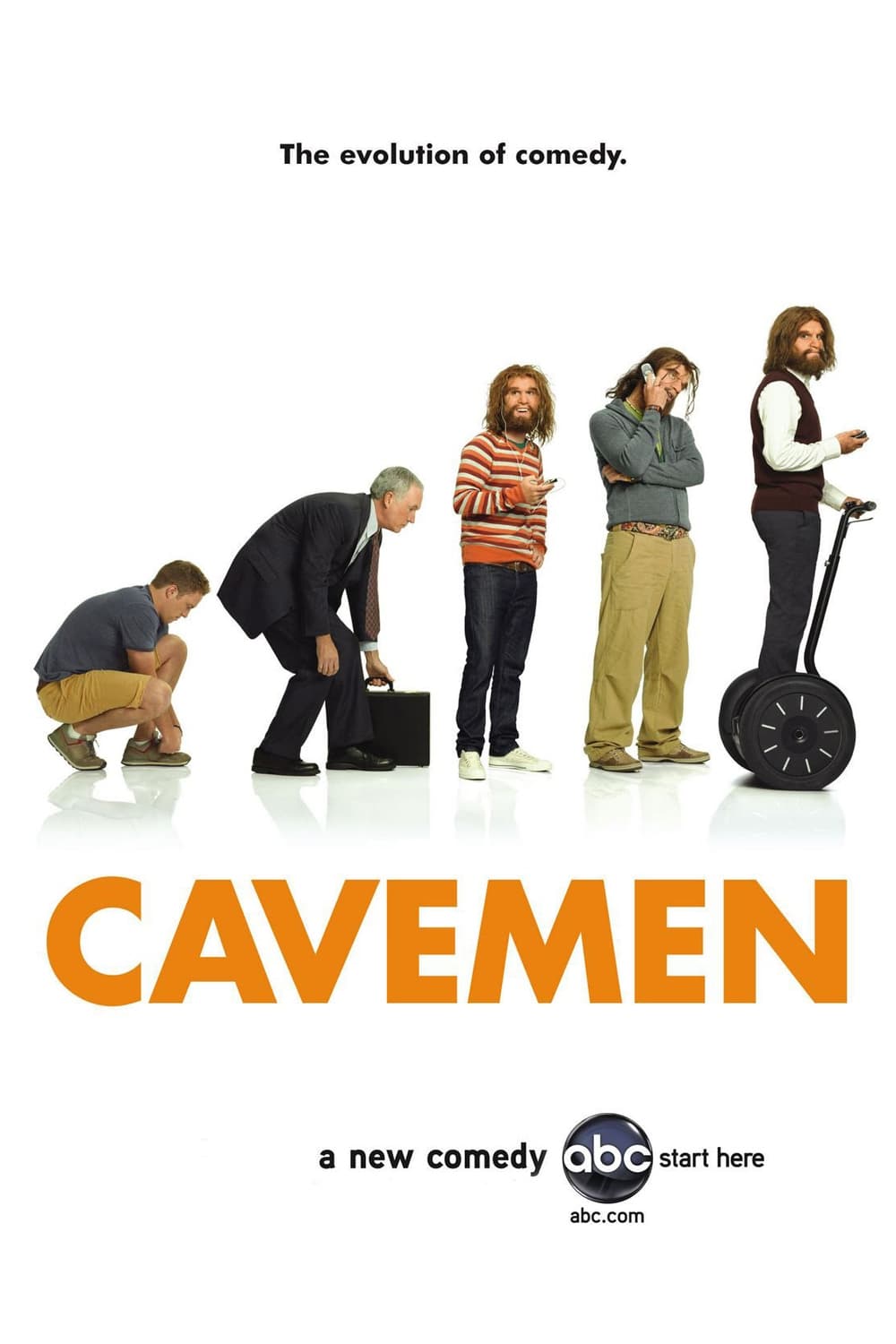
The show ‘Cavemen,’ which was based on a well-known advertising campaign, never really caught on with critics. The writers’ strike made things even worse, preventing it from improving. After just a few episodes, production stopped and the show was taken off the air. Although some episodes were later shown or put online, the show lost all its steam and is now mostly remembered as a joke.
‘Samantha Who?’ (2007–2009)

The sitcom ‘Samantha Who?’, starring Christina Applegate, was initially popular with viewers. However, a lengthy production pause due to the 2007 strike caused a significant decline in ratings. The break disrupted the show’s momentum, and when it returned, writers found it difficult to recreate the original appeal. Ultimately, the show was canceled during its second season because it couldn’t regain its previous audience.
‘Terminator: The Sarah Connor Chronicles’ (2008–2009)
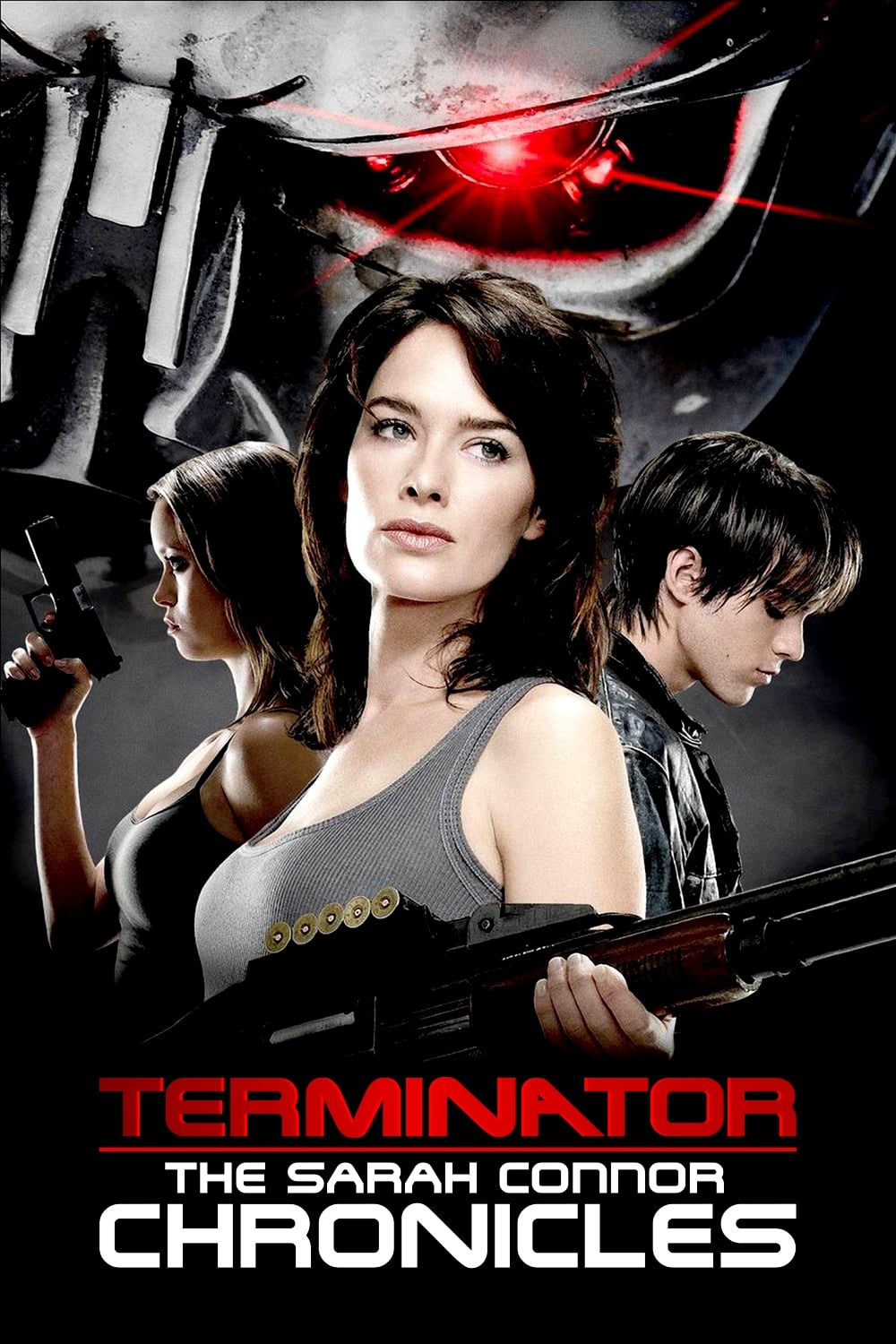
The first season of ‘Terminator: The Sarah Connor Chronicles’ only had nine episodes because of a strike. This didn’t give the show enough time to fully develop its complicated storyline about time travel or its characters. The season ended abruptly with unresolved plot points that viewers had to wait almost a year to see resolved. While the show did get a second season, the initial disruption made it hard to attract a large enough audience for it to last.
‘Chuck’ (2007–2012)
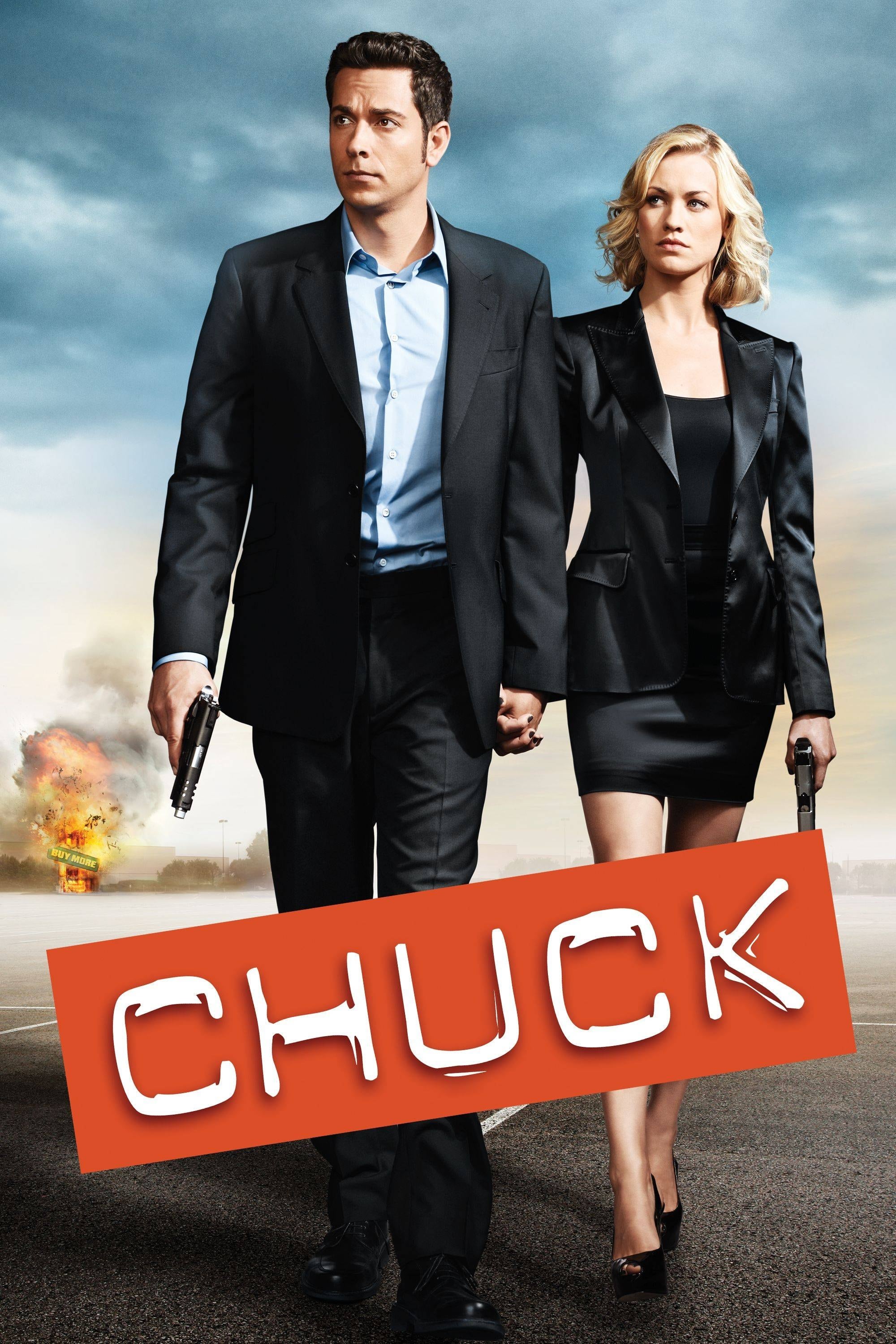
The first season of ‘Chuck’ was cut short by a strike, forcing storylines and character growth originally intended for that season to be pushed to the next. This early disruption made it difficult for the show to build a strong audience, and it relied on dedicated fans to repeatedly campaign for its renewal. Though ‘Chuck’ lasted five seasons, it was always at risk of cancellation due to the delays caused by the strike. The writers often had to revise their plans to work around the unpredictable production timeline.
‘Scrubs’ (2001–2010)
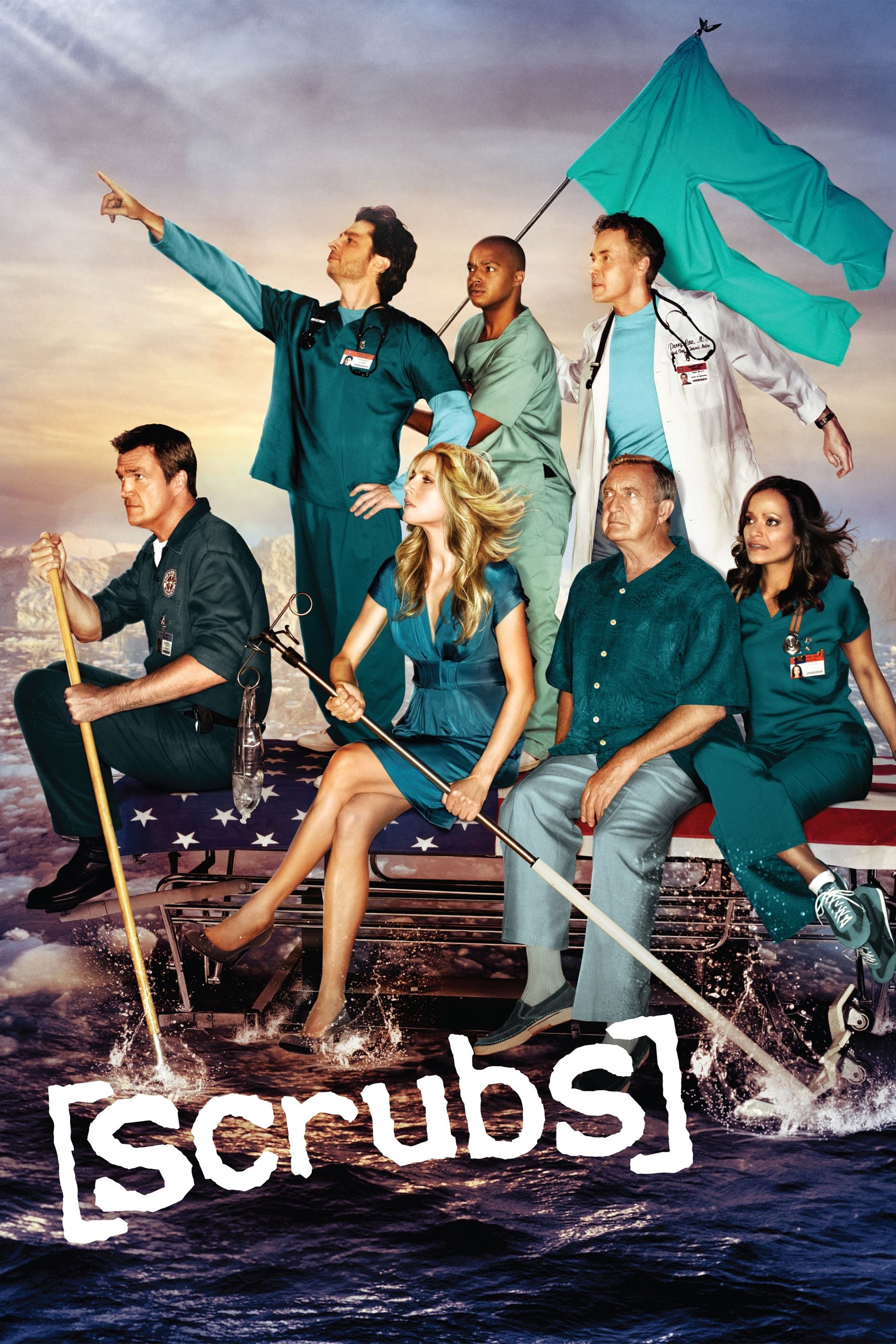
The seventh season of ‘Scrubs’ was originally meant to be the show’s last on NBC, but a labor strike stopped them from finishing the planned story. They only managed to film eleven episodes, which left the season feeling unfinished. Because of this, ‘Scrubs’ moved to ABC for an eighth season so the show could have a proper ending. Although fans did eventually get a finale, many consider the strike-shortened seventh season to be uneven and disappointing.
’24’ (2001–2010)
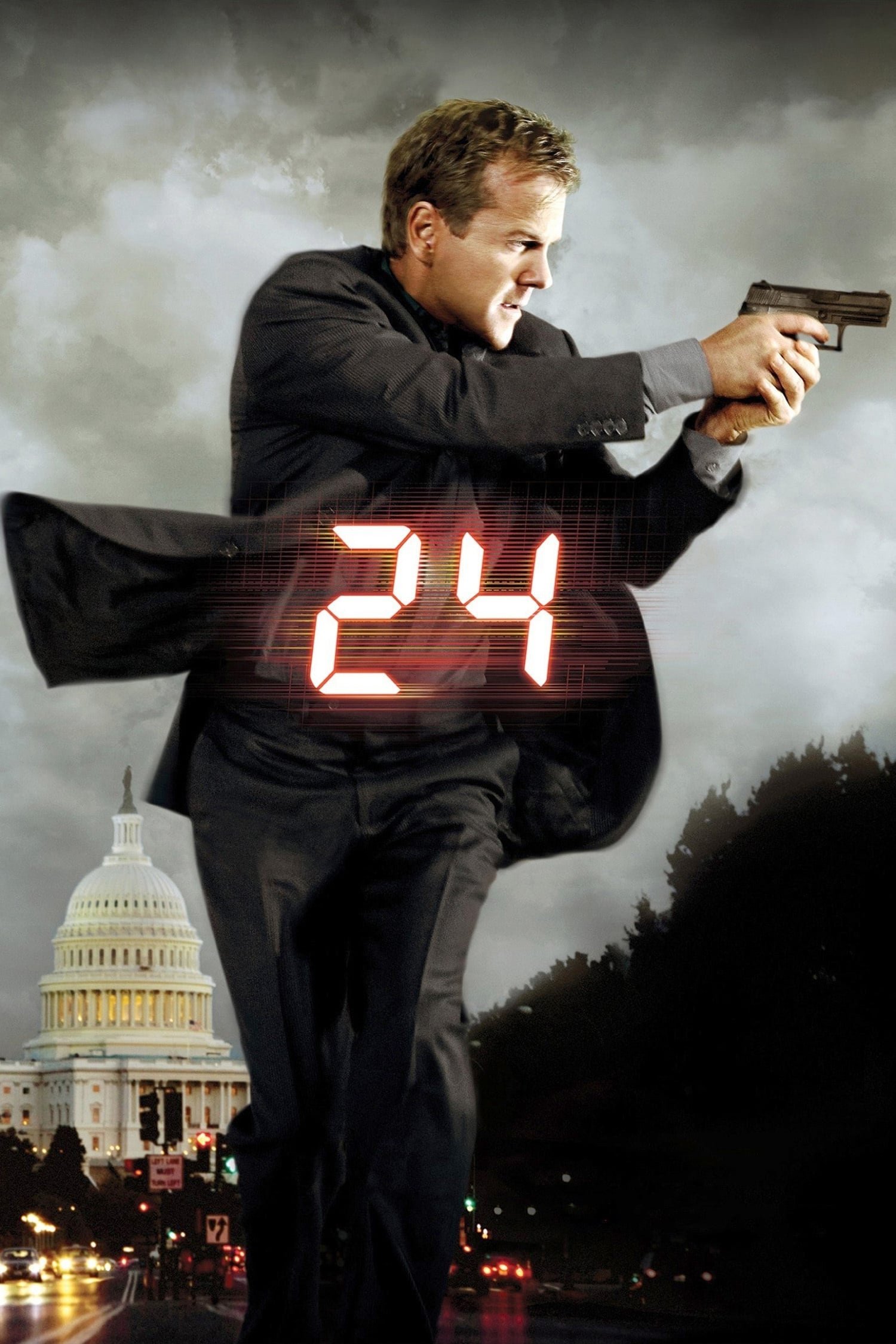
The action-packed series ’24’ faced a major setback when the 2007 writers’ strike pushed back its seventh season by an entire year. Because the show unfolds in real-time, the creators didn’t want to air only part of a season or interrupt the story. This long break damaged the show’s impact and popularity. When ’24’ finally returned in 2009, it had lost some of the intense feeling that made its earlier seasons so gripping.
‘Battlestar Galactica’ (2004–2009)
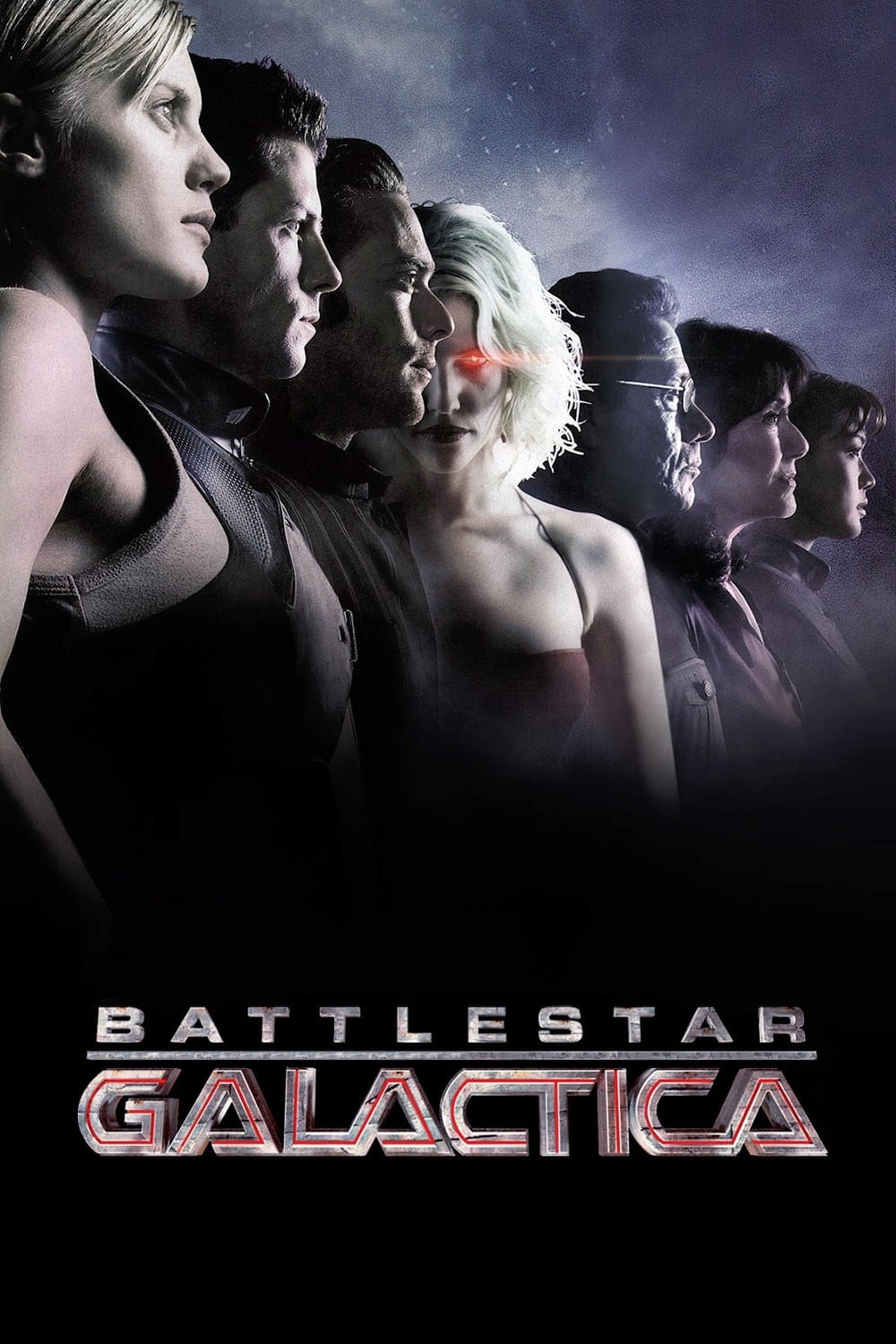
The last season of ‘Battlestar Galactica’ had to be broken into two parts due to a writers’ strike. This meant fans had to wait a full year between the first half of the season and its conclusion, which interrupted the story’s momentum. The long delay also fueled rumors that the writers were having trouble figuring out how to end the show. Although the series did finish, the way the final season was split still sparks debate among fans.
‘Smallville’ (2001–2011)
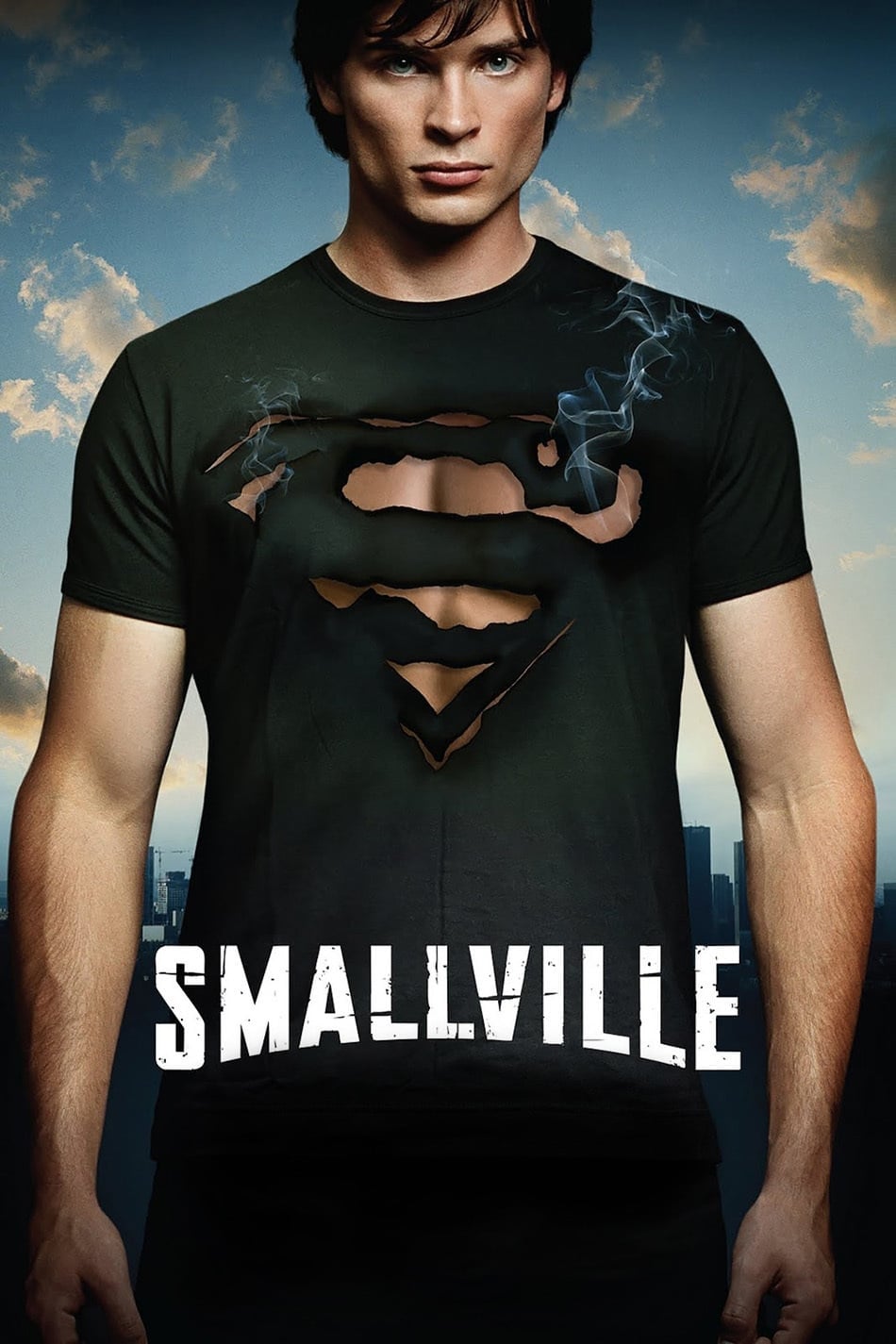
The seventh season of ‘Smallville’ had fewer episodes than usual, which forced the show to speed up storylines, especially those involving the character Kara Zor-El. Because of a labor dispute, the season’s finale felt rushed and didn’t have the impact the creators had hoped for. Some characters also left the show more suddenly than planned, due to the changed production schedule. Overall, this season is seen as a period of change that was negatively affected by outside issues.
‘Gossip Girl’ (2007–2012)
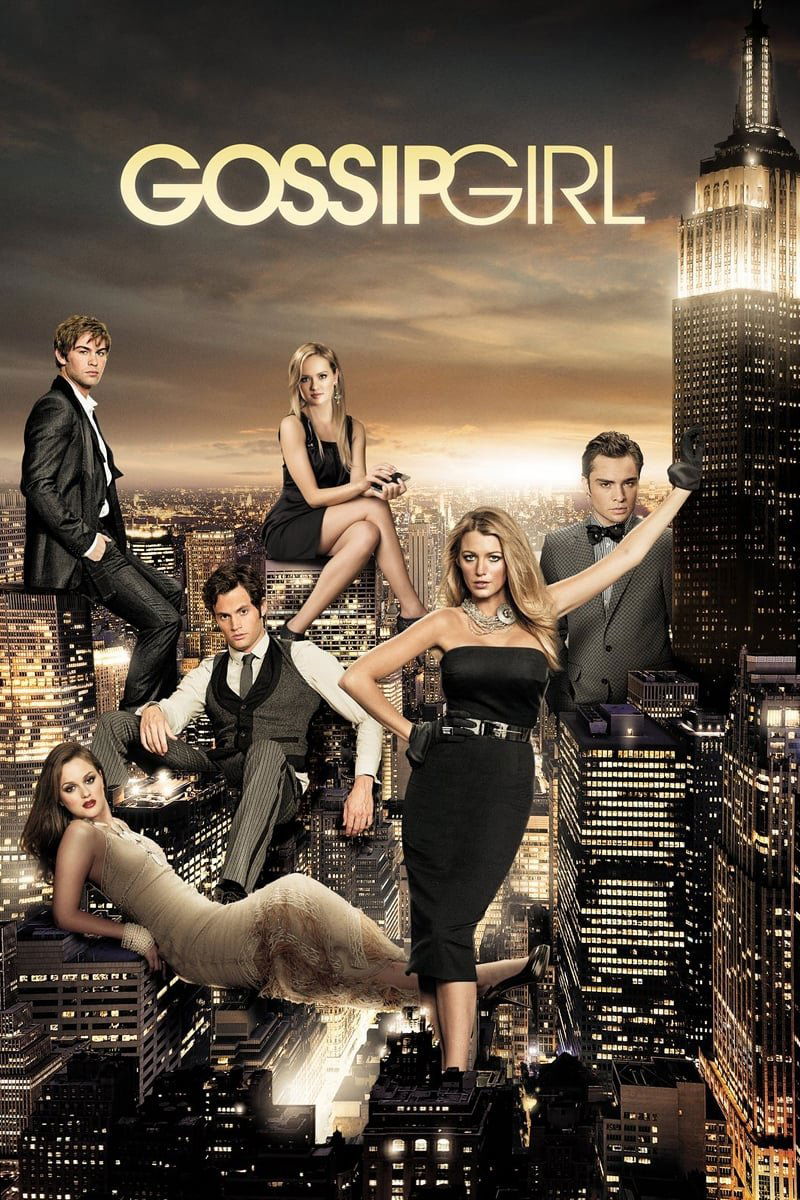
Okay, so the first season of ‘Gossip Girl’ definitely felt a little rushed. The writers originally planned for more episodes, but the strike meant they had to work with fewer, and it really impacted the flow of the show. We lost momentum mid-season with that gap, and honestly, it felt like they were scrambling to keep things interesting. When the show finally came back, they had to cram a lot of Upper East Side drama into just a few episodes, which meant some relationships felt super accelerated – like, way faster than they should have been. It didn’t quite let those storylines breathe the way they deserved.
’30 Rock’ (2006–2013)

The writers’ strike shortened the second season of ’30 Rock’ to just 15 episodes. This meant they had to rush storylines and cut back on appearances by guest stars. Even with the shorter season, the show still received critical acclaim and won several awards. Unfortunately, the strike also meant some planned musical numbers and ambitious parody episodes had to be cancelled.
‘The Office’ (2005–2013)
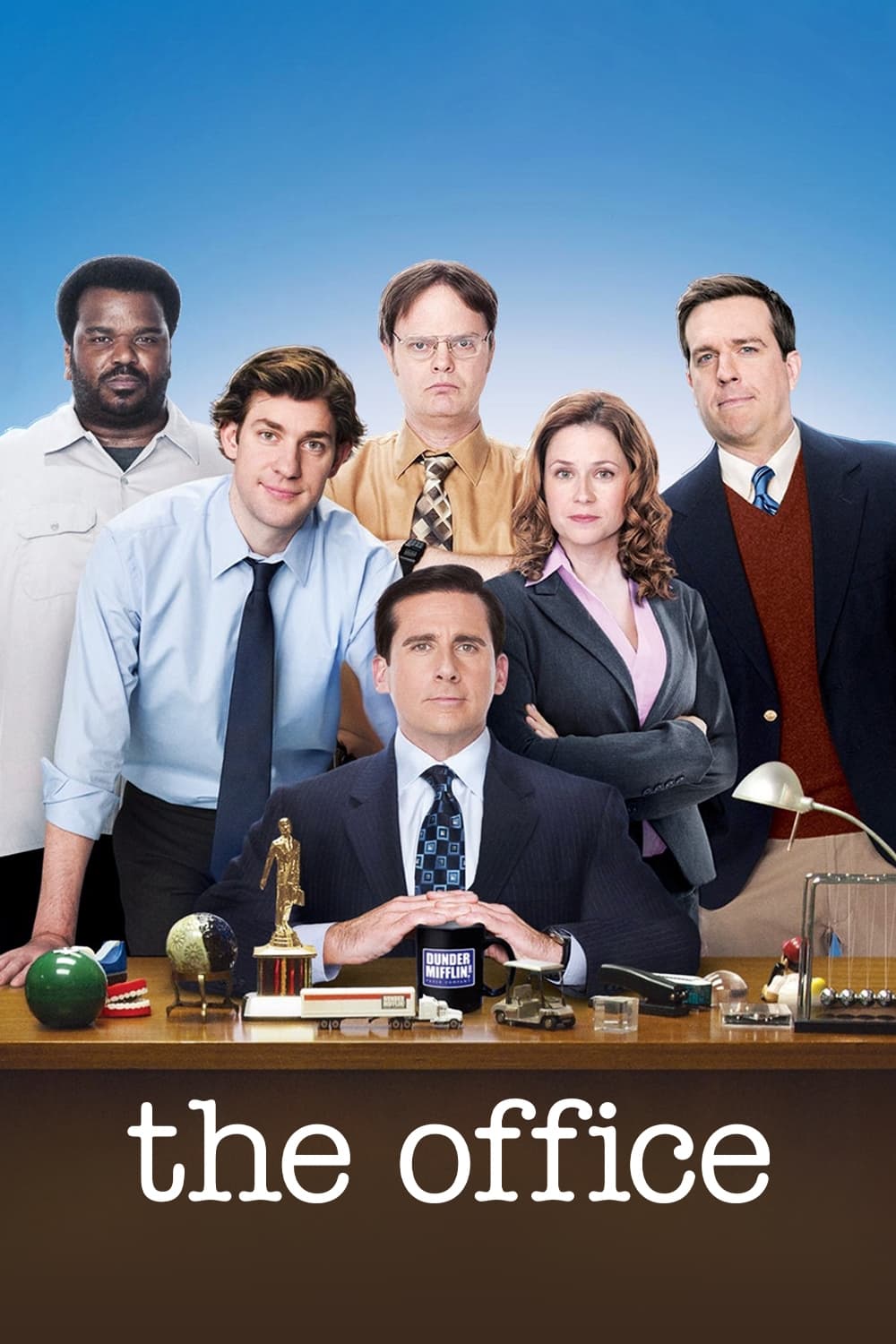
The fourth season of ‘The Office’ was cut short to just 14 episodes due to a strike, meaning fewer episodes were made than usual. This happened right when the show was at its most popular, leaving fans eager to find out what would happen with the characters’ relationships. To compensate for the lost episodes, some of the remaining ones were broadcast as longer, hour-long shows, which changed the show’s typical flow for that season.
‘Desperate Housewives’ (2004–2012)
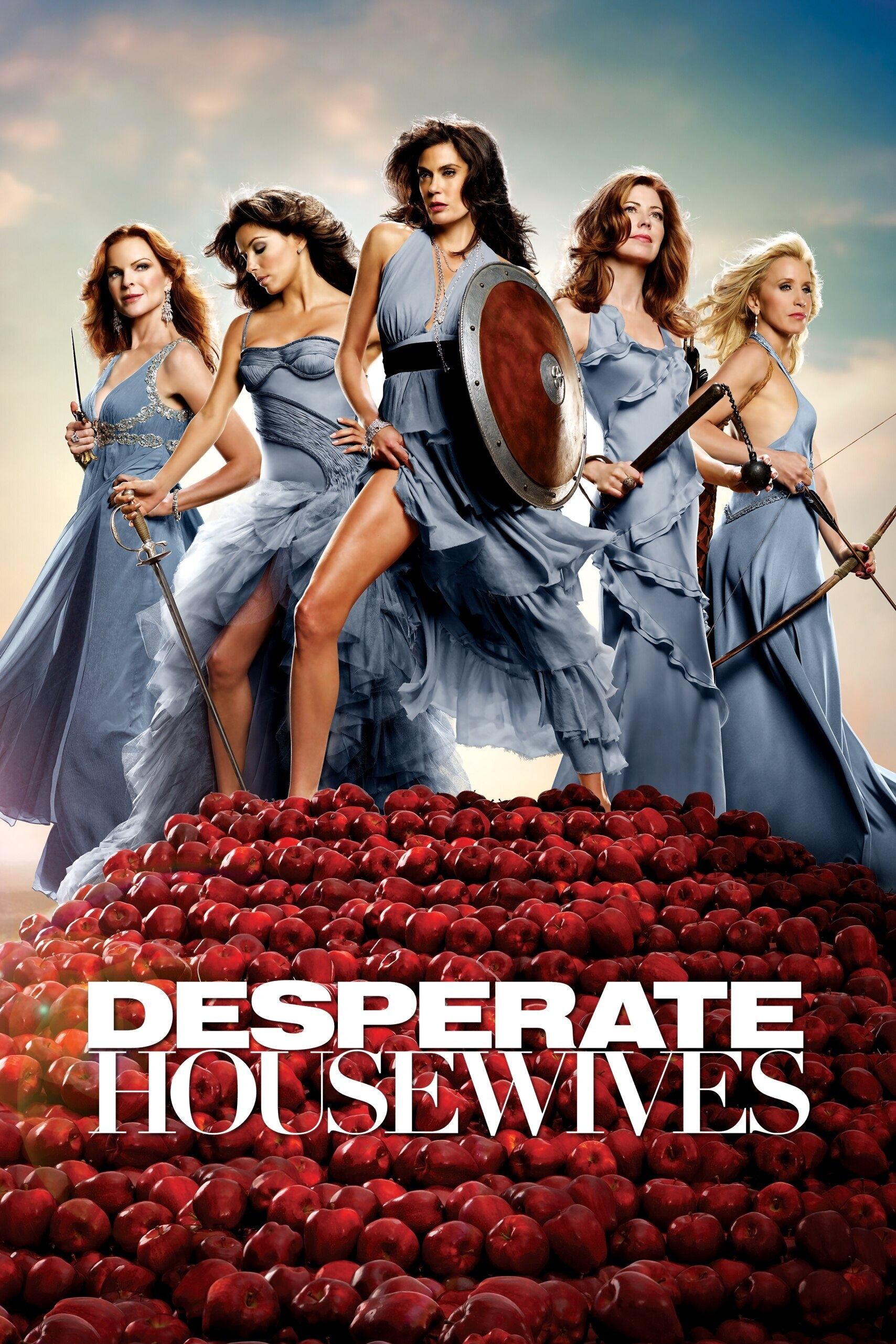
The fourth season of ‘Desperate Housewives’ had only 17 episodes because a strike stopped production. This meant the season finale had to wrap up much sooner than intended. The writers had to cut some storylines or quickly finish them to reach the end. Many viewers felt the later episodes of the season felt hurried and didn’t have the same careful planning as previous seasons’ mysteries.
‘Grey’s Anatomy’ (2005–Present)
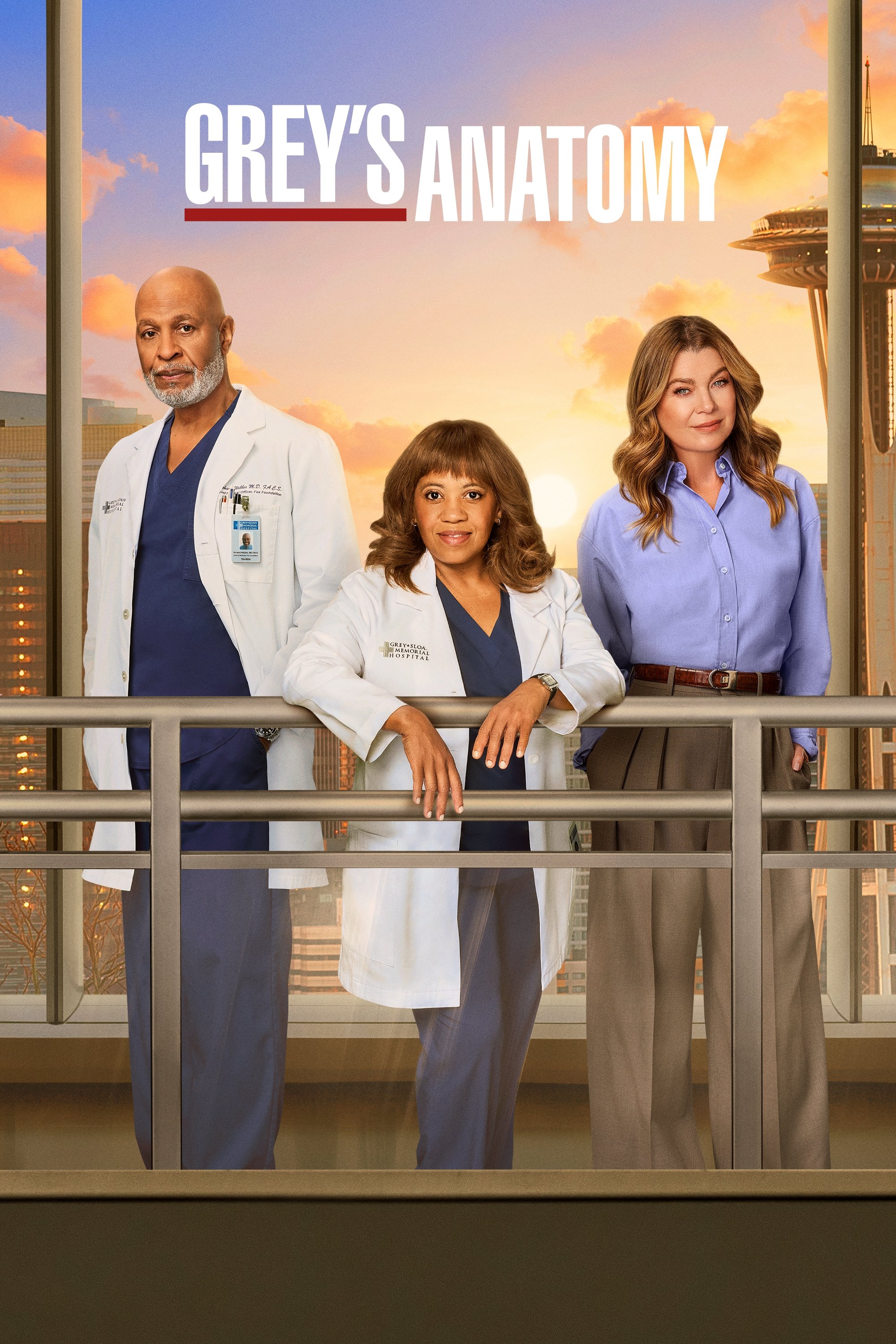
The fourth season of ‘Grey’s Anatomy’ was cut short to just 17 episodes due to a strike, which affected the show’s usual gradual storytelling of medical cases and romantic relationships. The strike meant storylines about the interns had to be wrapped up quickly, and new characters didn’t have much chance to develop. When the show returned, the excitement from the earlier parts of the season had faded. This led the writers to essentially start fresh with the fifth season to regain the show’s momentum.
‘House’ (2004–2012)
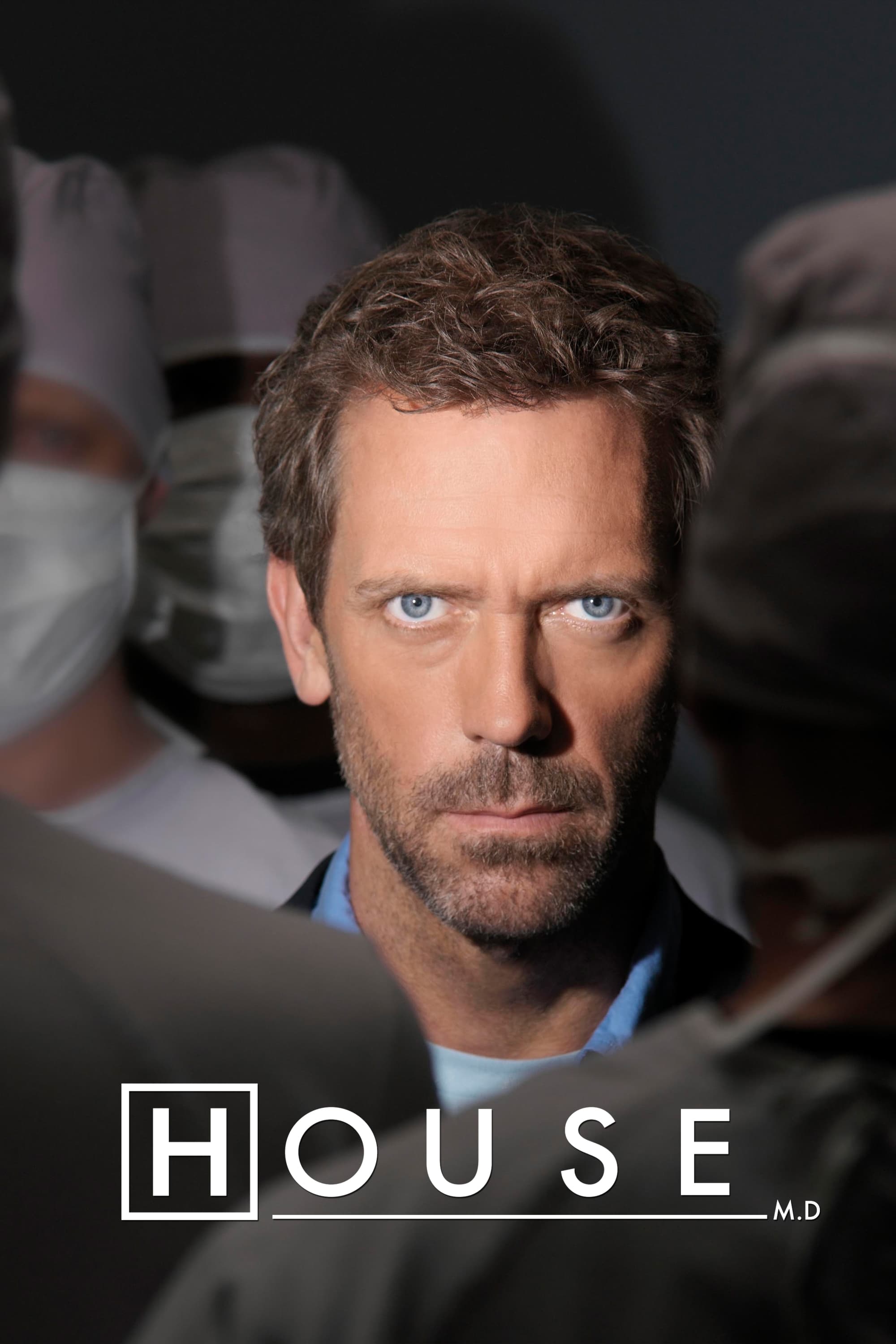
The writers’ strike shortened the fourth season of ‘House’ to just 16 episodes, forcing them to rush the storyline about Gregory House building a new team. The competition to join his team had to move quickly, leading to some characters being removed from the show sooner than planned. The strike also changed when the two-part season finale – often considered a highlight of the series – aired. While the finale itself was strong, the season felt more condensed and straightforward than usual.
‘Bones’ (2005–2017)

As a big fan of ‘Bones,’ I was really bummed when Season 3 got cut short to only 15 episodes. It seriously hurt the storyline with the Gormogon killer. The reveal of his apprentice felt way too fast and didn’t have the impact it should have, honestly. We were all disappointed with how quickly they wrapped things up once filming started again. Plus, a lot of the episodes that were supposed to focus on the characters had to be saved for Season 4, which was a shame.
‘CSI: Crime Scene Investigation’ (2000–2015)
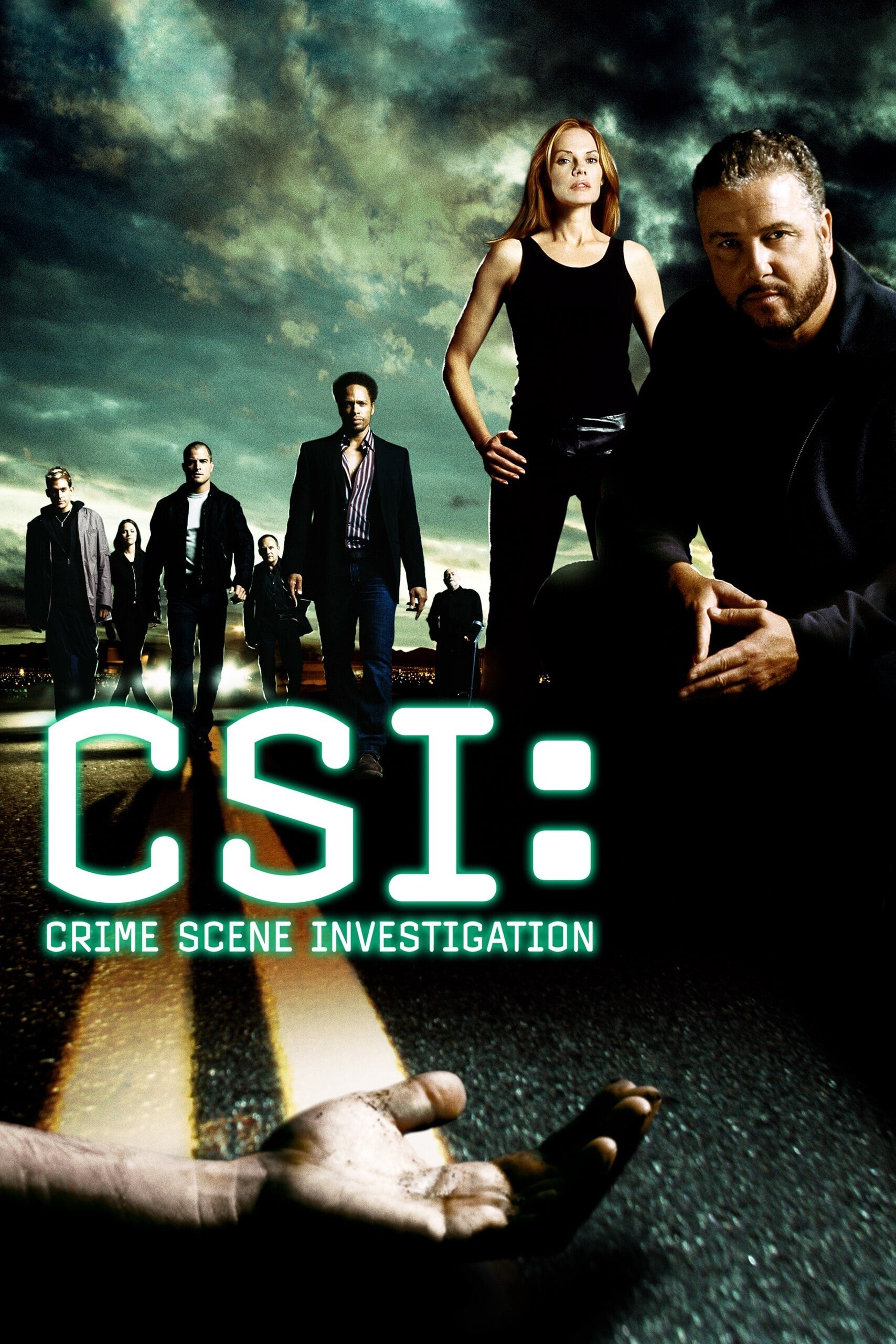
The eighth season of ‘CSI: Crime Scene Investigation’ had fewer episodes than usual – only 17 – and this caused problems with how some characters left the show. The departure of Warrick Brown, in particular, was impacted because the writers had to rush the season’s storylines due to a strike. They combined several investigations, which made the season feel less connected and smooth compared to earlier seasons. This all happened while ‘CSI’ was still a very popular show on television.
‘Reaper’ (2007–2009)
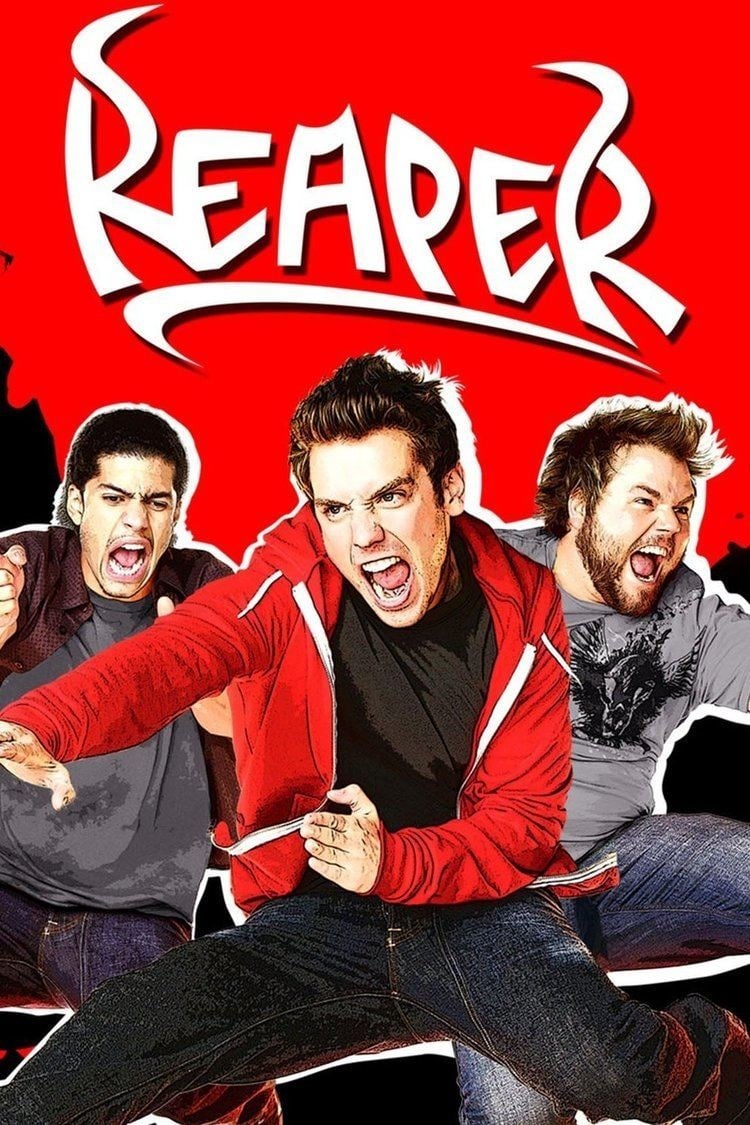
The supernatural comedy ‘Reaper’ debuted in 2007 but quickly faced a challenge when the writers went on strike after just a few episodes aired. This break in programming lasted several months during the show’s important first season, making it difficult to attract and keep viewers. Although ‘Reaper’ was picked up for a second season, it couldn’t regain its lost audience and was ultimately canceled, leaving the main character’s storyline with the Devil unfinished.
‘Cane’ (2007)
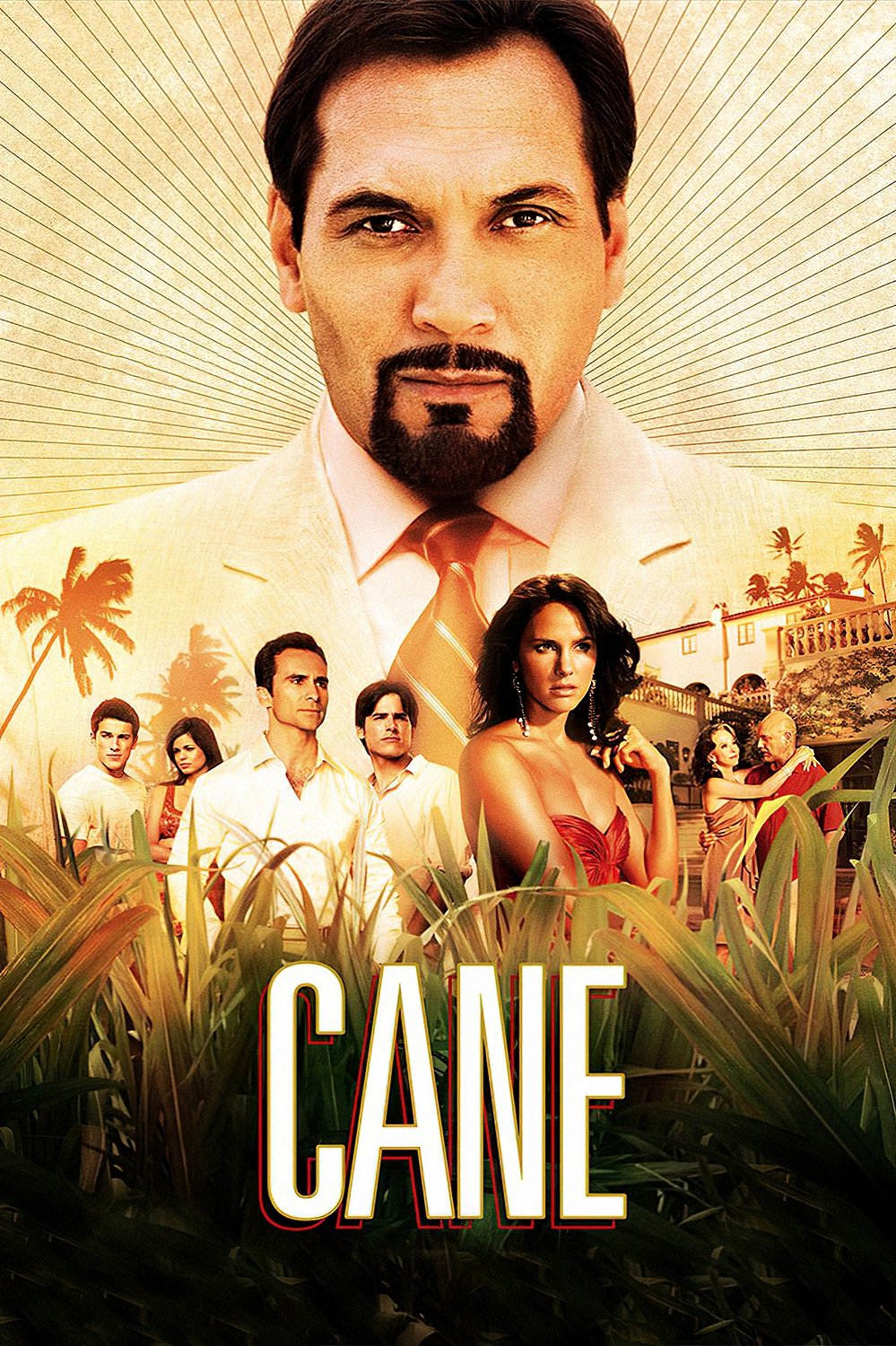
The drama ‘Cane’ followed a wealthy Cuban-American family involved in the sugar industry, but it was cancelled after just 13 episodes. A labor strike interrupted its first season, and CBS decided not to renew it once the strike ended. The show was expensive to produce, and the strike caused a drop in viewership, making it a financially uncertain project. It’s remembered as a promising series with a talented cast that unfortunately didn’t get the chance to fully develop.
‘Big Shots’ (2007–2008)
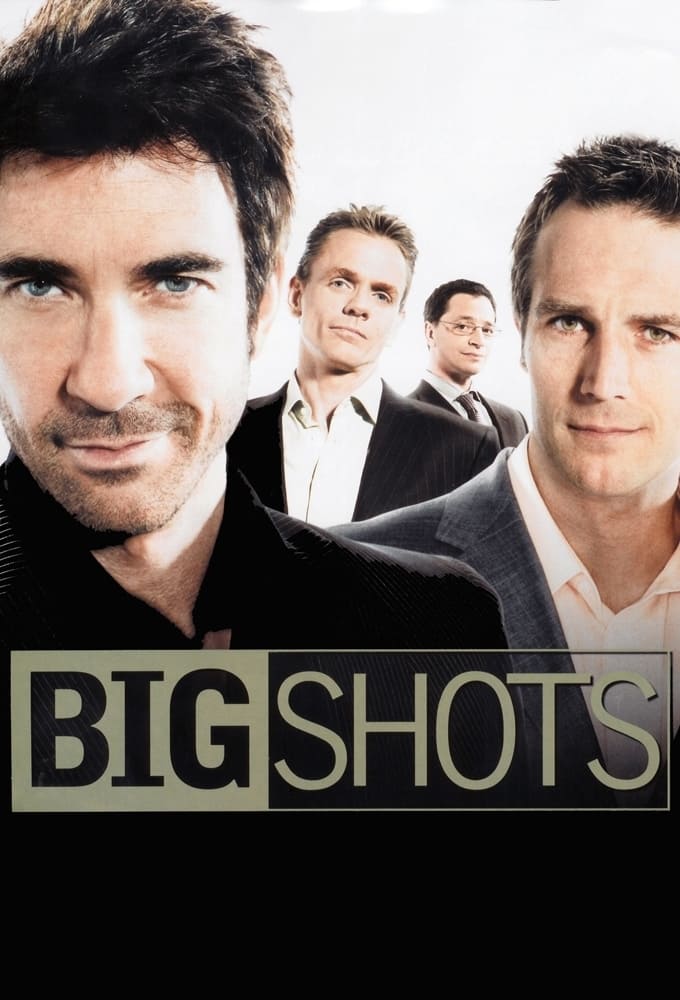
‘Big Shots’ was a TV show about four successful men, often described as the male equivalent of ‘Sex and the City.’ Although the show received negative reviews, it was ultimately canceled after only eleven episodes due to the 2007 writers’ strike. ABC decided not to continue with the series once the strike ended, leaving several storylines unfinished.
‘Life’ (2007–2009)
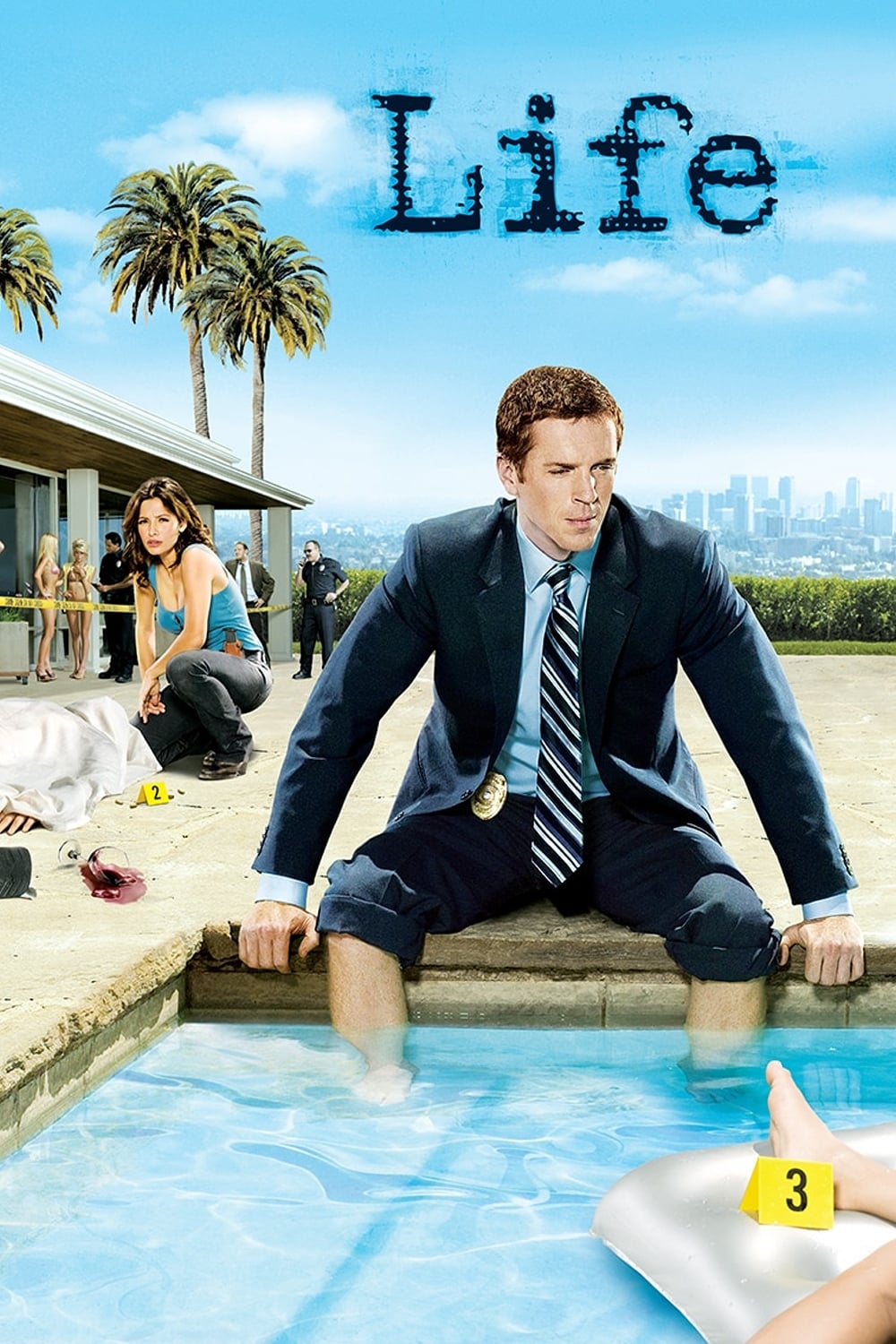
The police drama ‘Life,’ featuring Damian Lewis, only had eleven episodes in its first season because of the strike. Although it was renewed for a second season, the break in airing made it hard for the show’s complicated storyline to attract a large audience. Ratings were low when it returned, and the show was ultimately canceled. Many fans believe the strike is why ‘Life’ didn’t last as long as it could have.
‘Girlfriends’ (2000–2008)

The popular sitcom ‘Girlfriends’ didn’t get a proper ending because of the 2007-2008 strike. The strike stopped production of the last few episodes of its eighth season, and the network chose to cancel the show instead of finishing the story. This left fans disappointed and without a resolution for the four main characters after watching for almost ten years. It’s still considered one of the most frustrating ways for a long-running TV show to end due to a strike.
Please share your thoughts on these television disruptions in the comments.
Read More
- Gold Rate Forecast
- Games That Faced Bans in Countries Over Political Themes
- Silver Rate Forecast
- 15 Films That Were Shot Entirely on Phones
- Unveiling the Schwab U.S. Dividend Equity ETF: A Portent of Financial Growth
- 20 Movies Where the Black Villain Was Secretly the Most Popular Character
- Brent Oil Forecast
- New HELLRAISER Video Game Brings Back Clive Barker and Original Pinhead, Doug Bradley
- Superman Flops Financially: $350M Budget, Still No Profit (Scoop Confirmed)
- 14 Movies Where the Black Character Refuses to Save the White Protagonist
2026-02-06 10:48