When books or comics are adapted for television, changes are often made to appeal to new audiences. A particularly debated change is ‘race bending’ – altering a character’s race from the original story. This often causes strong reactions from dedicated fans who want the show to look like what they imagined. While TV producers may say they’re trying to be more inclusive, some viewers feel it changes the story too much. This article highlights several shows where these changes led to a decrease in support from the original fanbase.
‘The Flash’ (2014–2023)

In ‘The Flash,’ the character Iris West was portrayed by a Black actress, a significant change from her traditional depiction as white in the DC comics. This casting was an early example of ‘race bending’ – changing a character’s race – in contemporary superhero TV shows. While some viewers praised the performance, others believed the show should have stayed closer to the character’s original design. This debate continued throughout the series’ entire run.
‘Supergirl’ (2015–2021)
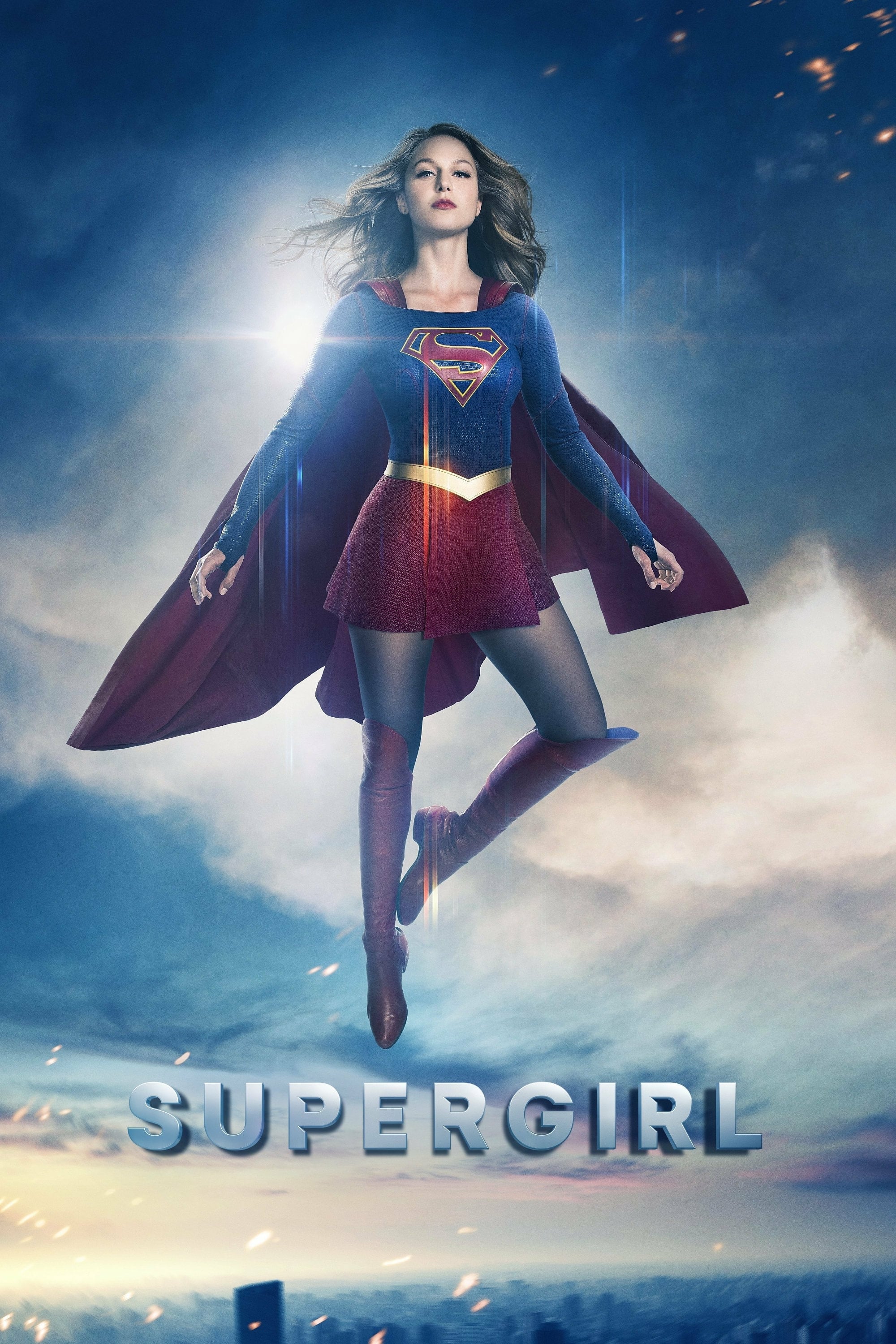
In this series, James Olsen is portrayed as a tall, athletic Black man, a significant departure from his depiction as a shorter, white character in past versions. He later becomes the hero known as Guardian. While some longtime Superman fans struggled with this change to a familiar character, the showrunners chose to reimagine Olsen to better suit the show’s modern storyline.
‘Titans’ (2018–2023)
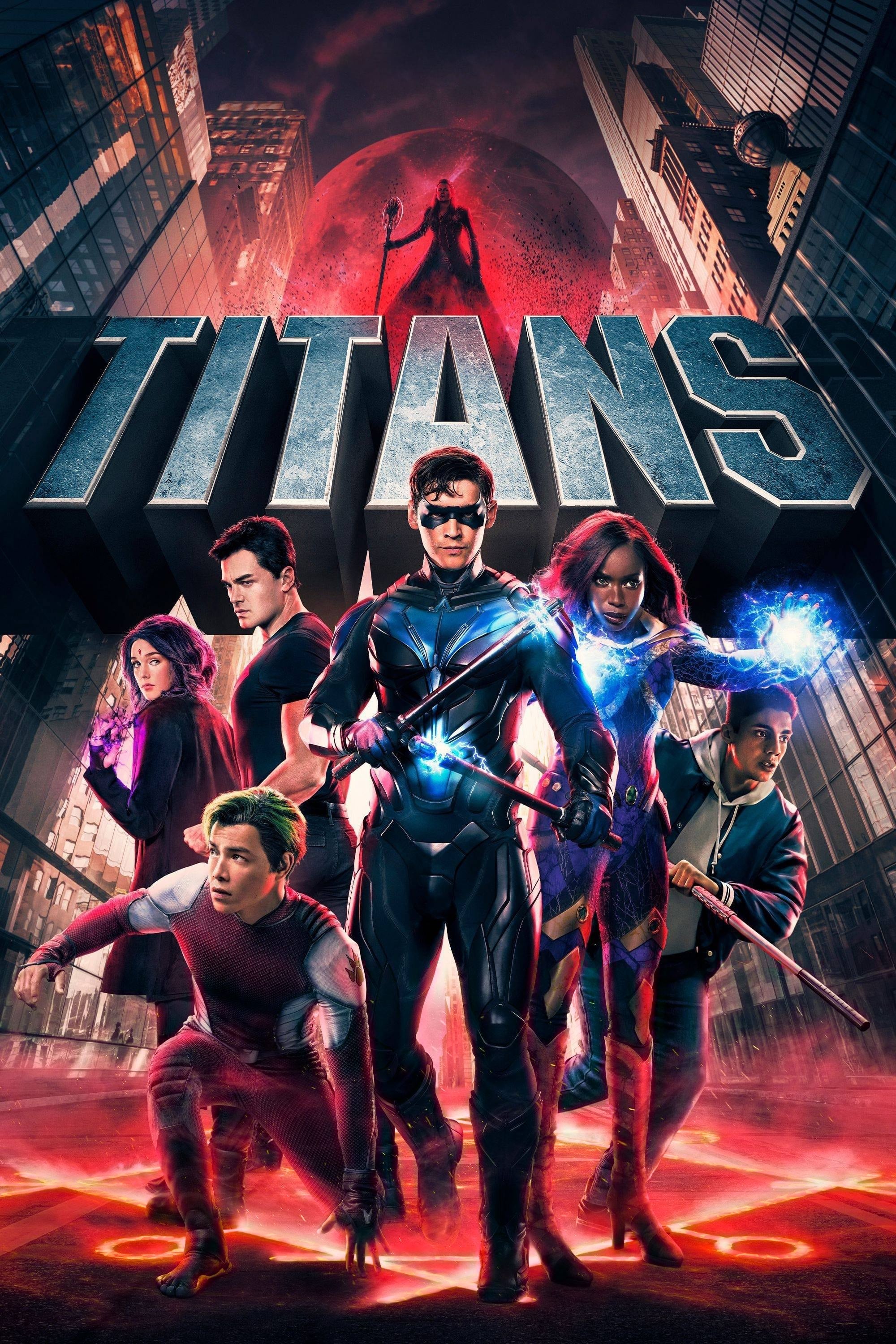
Starfire, played by a Black actress in this realistic adaptation, has become a key member of the team. Her traditionally orange skin from the comics sparked discussion about how to respectfully portray her alien background. While some fans initially questioned the costume and hairstyle choices, the portrayal ultimately became an important part of the team’s chemistry.
‘The Witcher’ (2019–PRESENT)
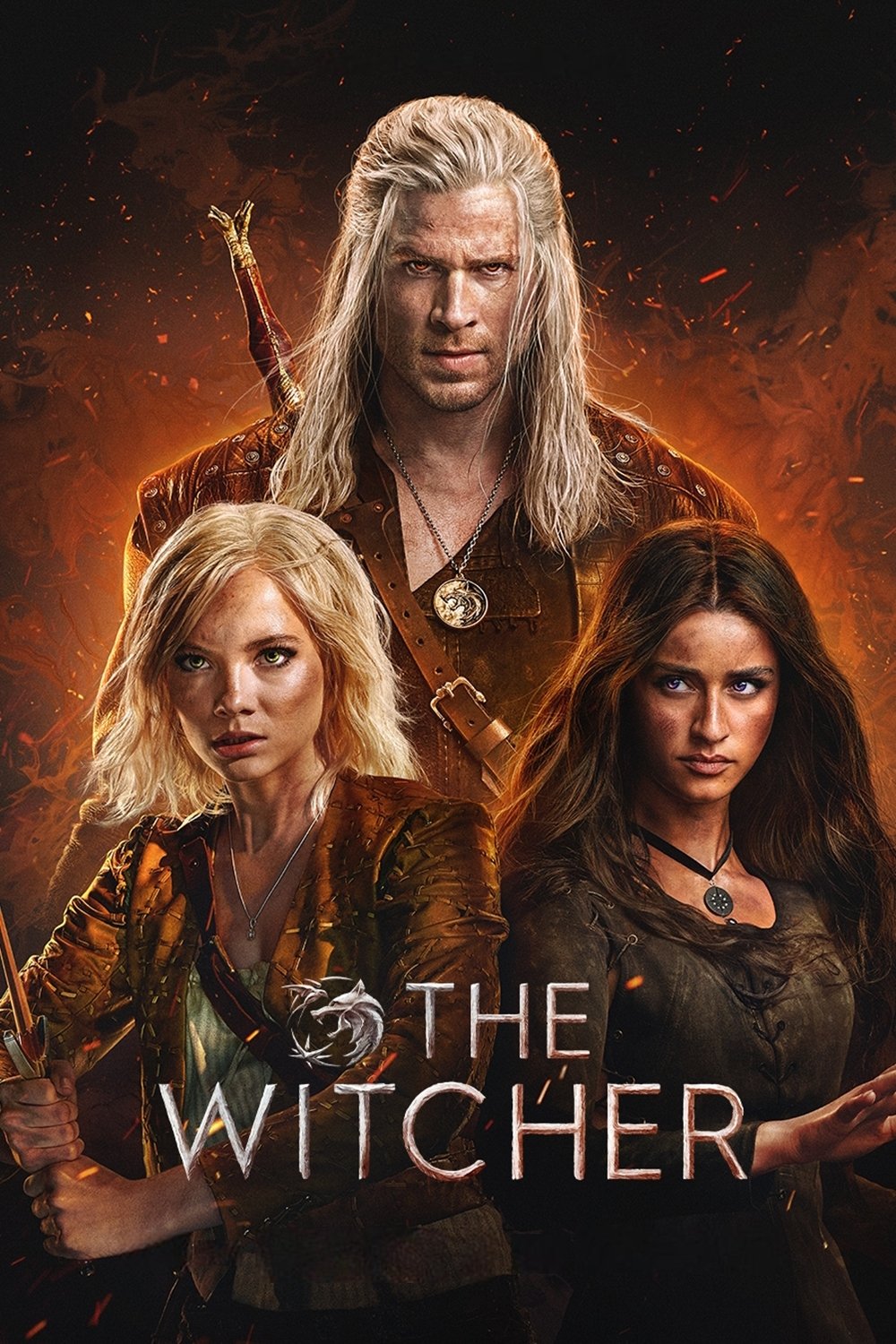
The TV series ‘The Witcher’ made some casting choices for characters like Triss Merigold and Fringilla Vigo that differed from how they were described in Andrzej Sapkowski’s original books. This led to debate among fans of the books and video games, who compared the show’s versions to what they already knew. The disagreement showed how difficult it can be to bring popular fantasy stories to a wider audience.
‘Velma’ (2023–PRESENT)
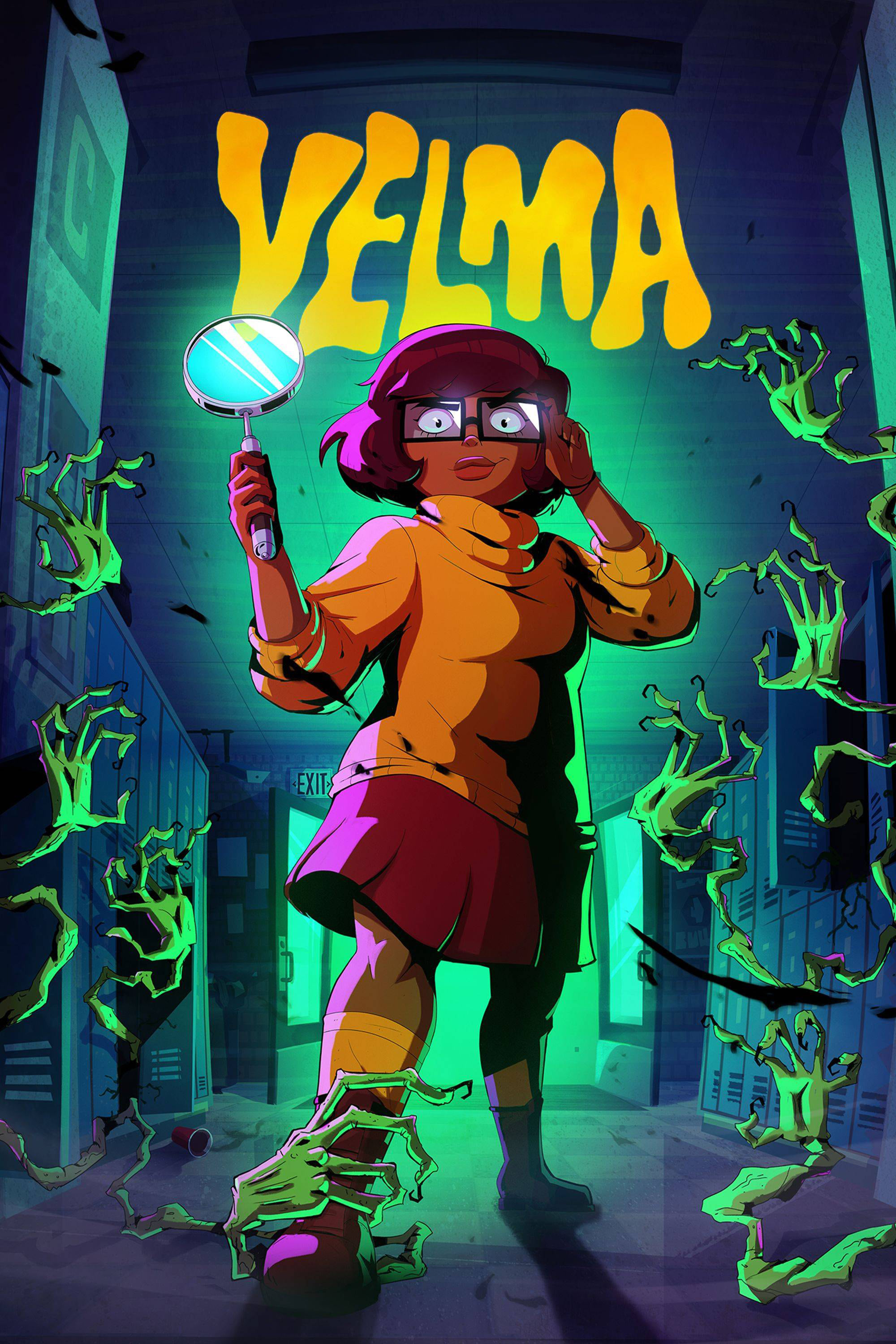
The new series ‘Velma’ updates the classic characters by making Velma South Asian and giving the rest of Mystery Inc. different ethnic backgrounds. This sparked controversy, with many fans objecting to the changes to such well-known characters. Viewers showed their disapproval by giving the show low ratings, but the series continued with these new portrayals anyway.
‘House of the Dragon’ (2022–PRESENT)
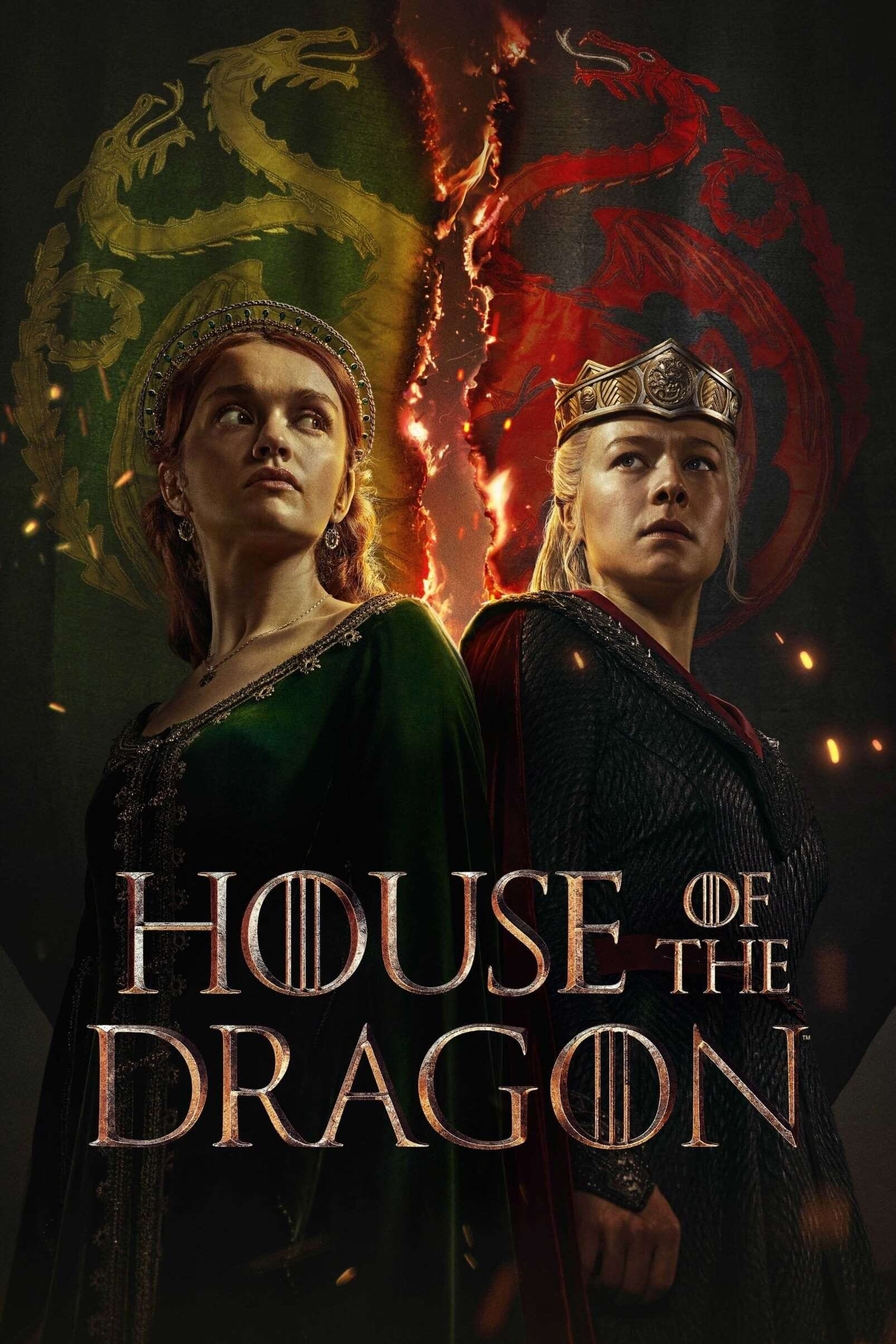
The TV series ‘House of the Dragon’ depicts the Velaryon family as Black, a departure from their descriptions in the original books. While author George R.R. Martin approved of this change, some fans felt it conflicted with the established family history within the fantasy world. The showrunners made this visual decision to help audiences easily distinguish between the different noble families, and it continues to be a point of conversation among fans.
‘The Wheel of Time’ (2021–PRESENT)
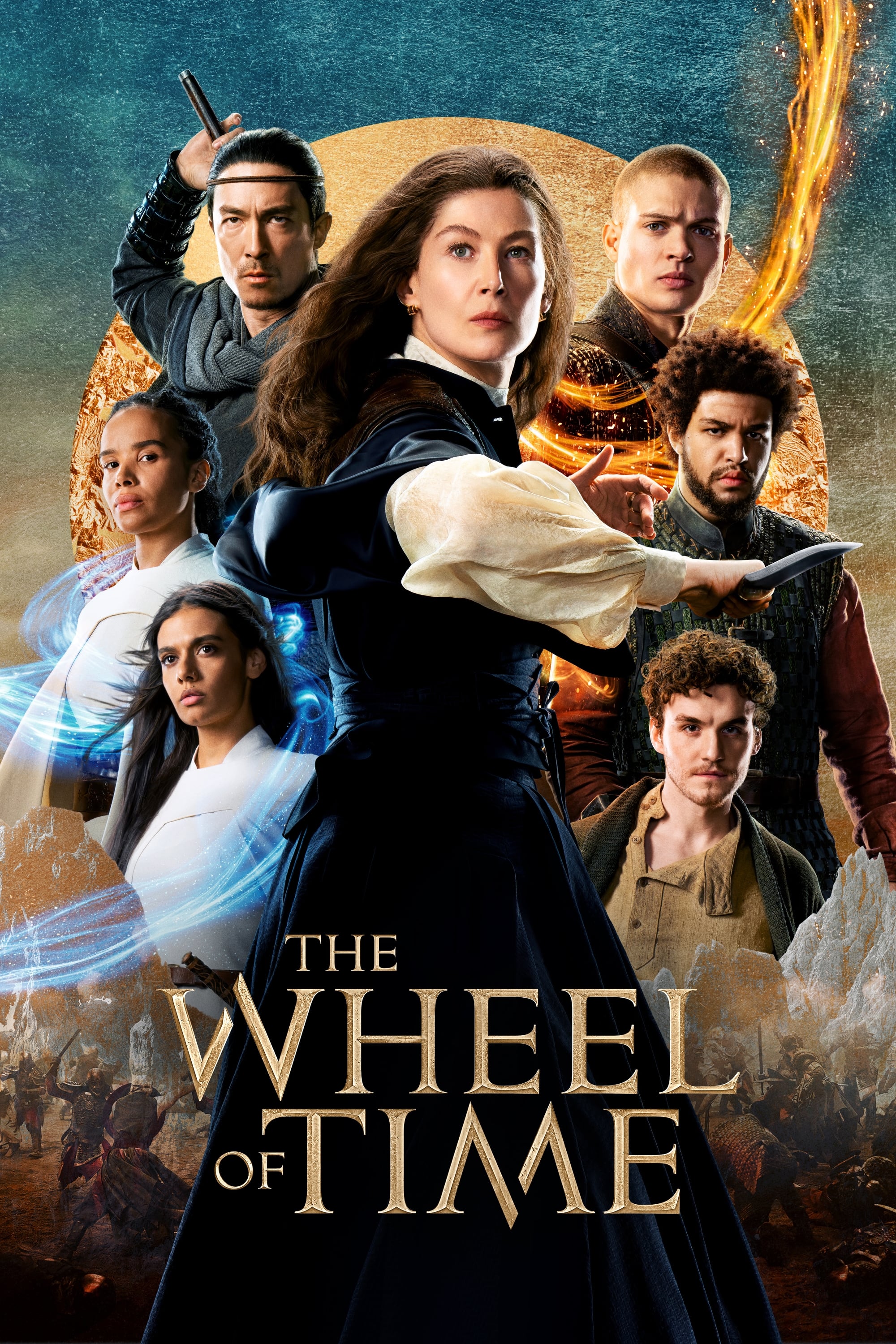
The TV series ‘The Wheel of Time’ made a deliberate choice to cast actors from diverse backgrounds as the characters originating from the Two Rivers, a region previously imagined as a secluded, homogenous community. This meant some well-known characters, like Egwene and Nynaeve, were portrayed with different ethnicities than many long-time readers had envisioned. While some fans felt this altered the established world-building and the idea of the Two Rivers being isolated, the show’s creators prioritized a more inclusive and globally representative cast.
‘Percy Jackson and the Olympians’ (2023–PRESENT)
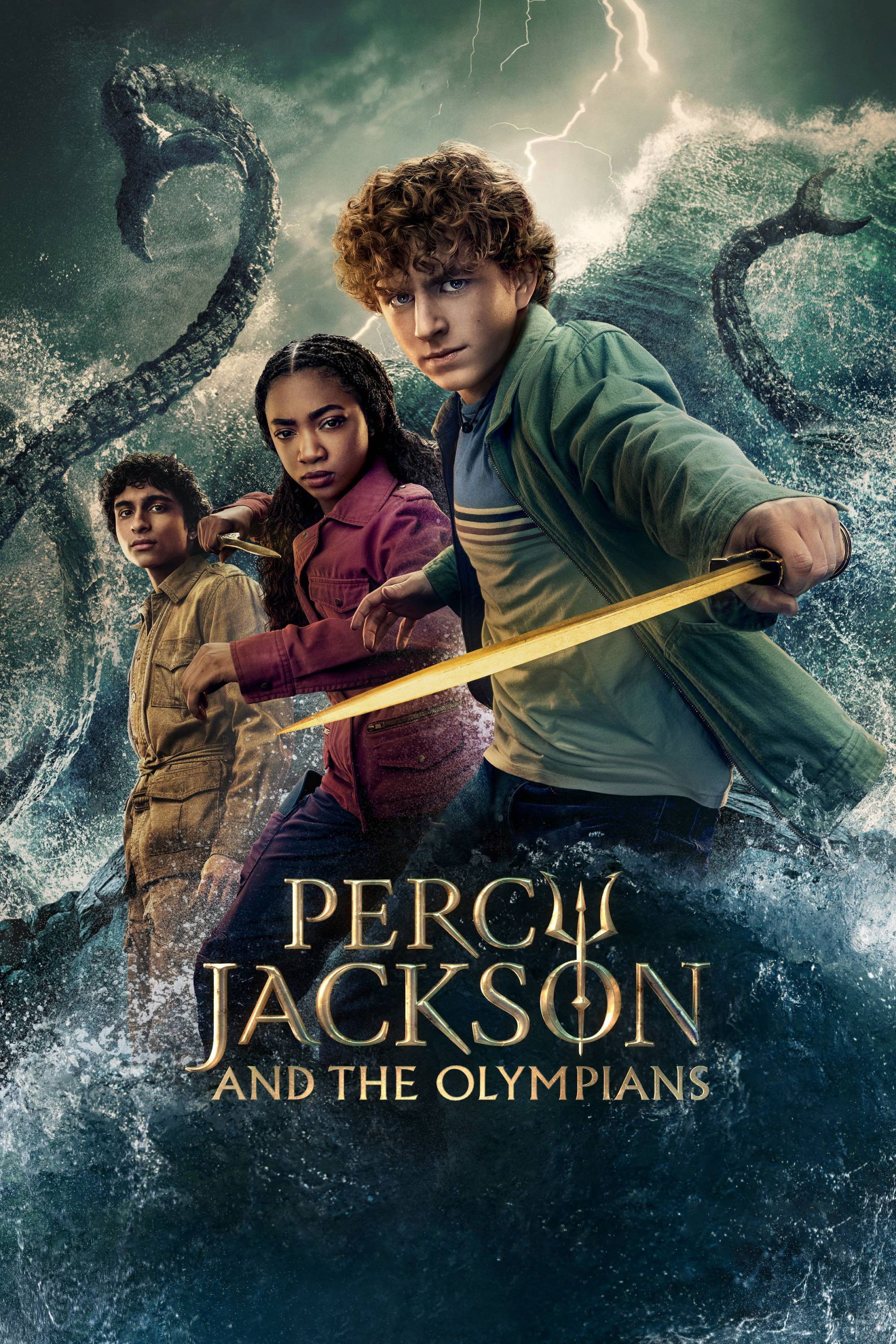
The new ‘Percy Jackson and the Olympians’ series cast a Black actress as Annabeth Chase, a character originally described as blonde with gray eyes in the books. This choice sparked some criticism online from fans who preferred the character to look as she was depicted in the novels. However, the author, Rick Riordan, has stood by the decision, explaining that the actress embodies the true essence of Annabeth. The show is now proceeding with this reimagining of the beloved characters.
‘The Lord of the Rings: The Rings of Power’ (2022–PRESENT)

The TV series ‘The Lord of the Rings: The Rings of Power’ featured actors of color in roles traditionally played by white actors in J.R.R. Tolkien’s books, like the characters Arondir and Princess Disa. This choice sparked debate among fans, with some upset by the departure from the author’s original descriptions. The show’s creators explained they wanted the fantasy world to be more inclusive and representative of today’s society, but this led to a split between viewers who embraced the changes and those who preferred a closer adaptation of Tolkien’s work.
‘Cowboy Bebop’ (2021)
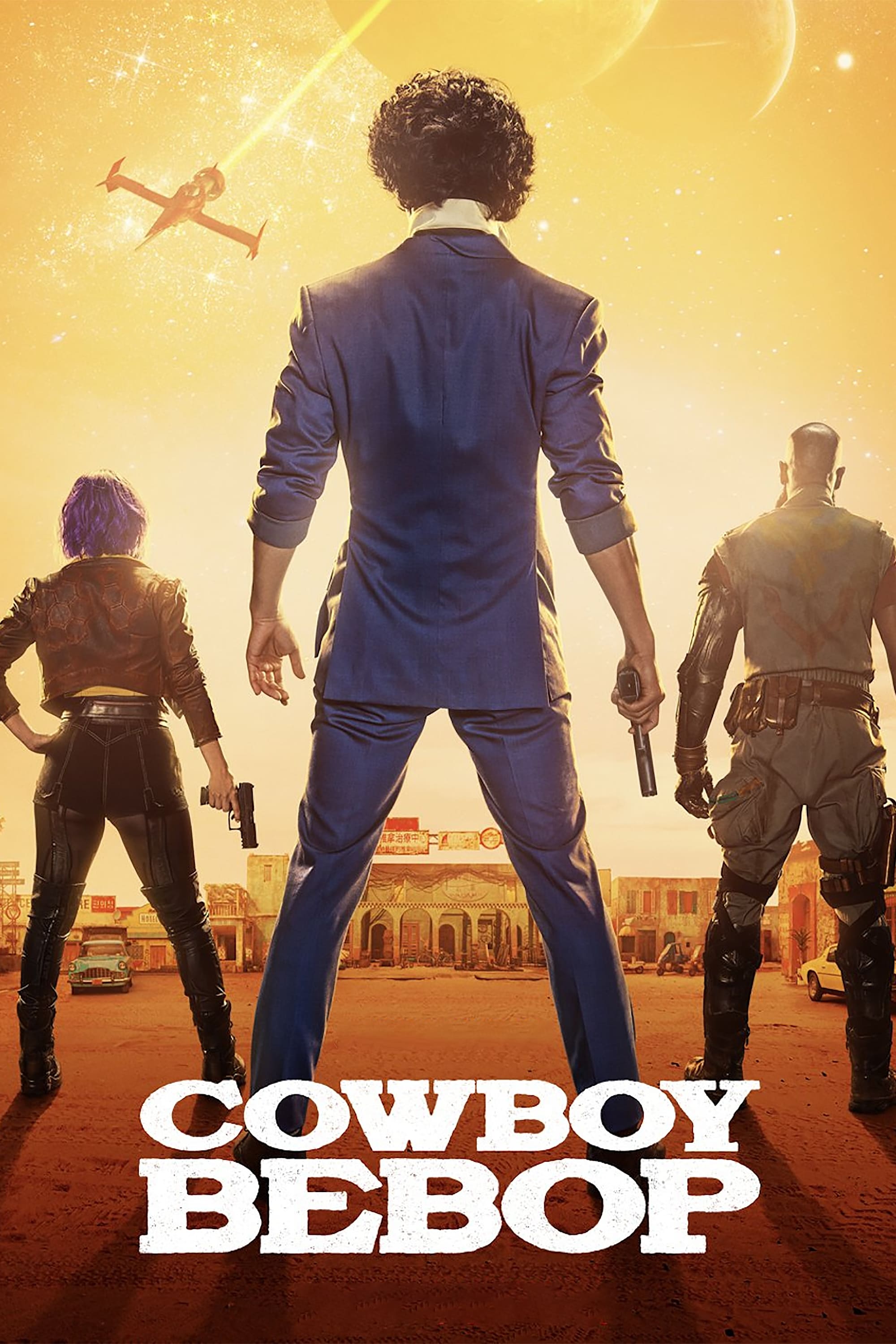
The live-action remake of ‘Cowboy Bebop’ cast a Black actor as Jet Black, a departure from the original anime. Though the actor’s performance received positive feedback, many fans felt the show didn’t truly capture the spirit of the original. After just one season and mixed reactions from both critics and viewers, the series was canceled. This highlights how altering key characteristics of beloved characters can potentially harm a reboot’s chances of success.
‘Fate: The Winx Saga’ (2021–2022)
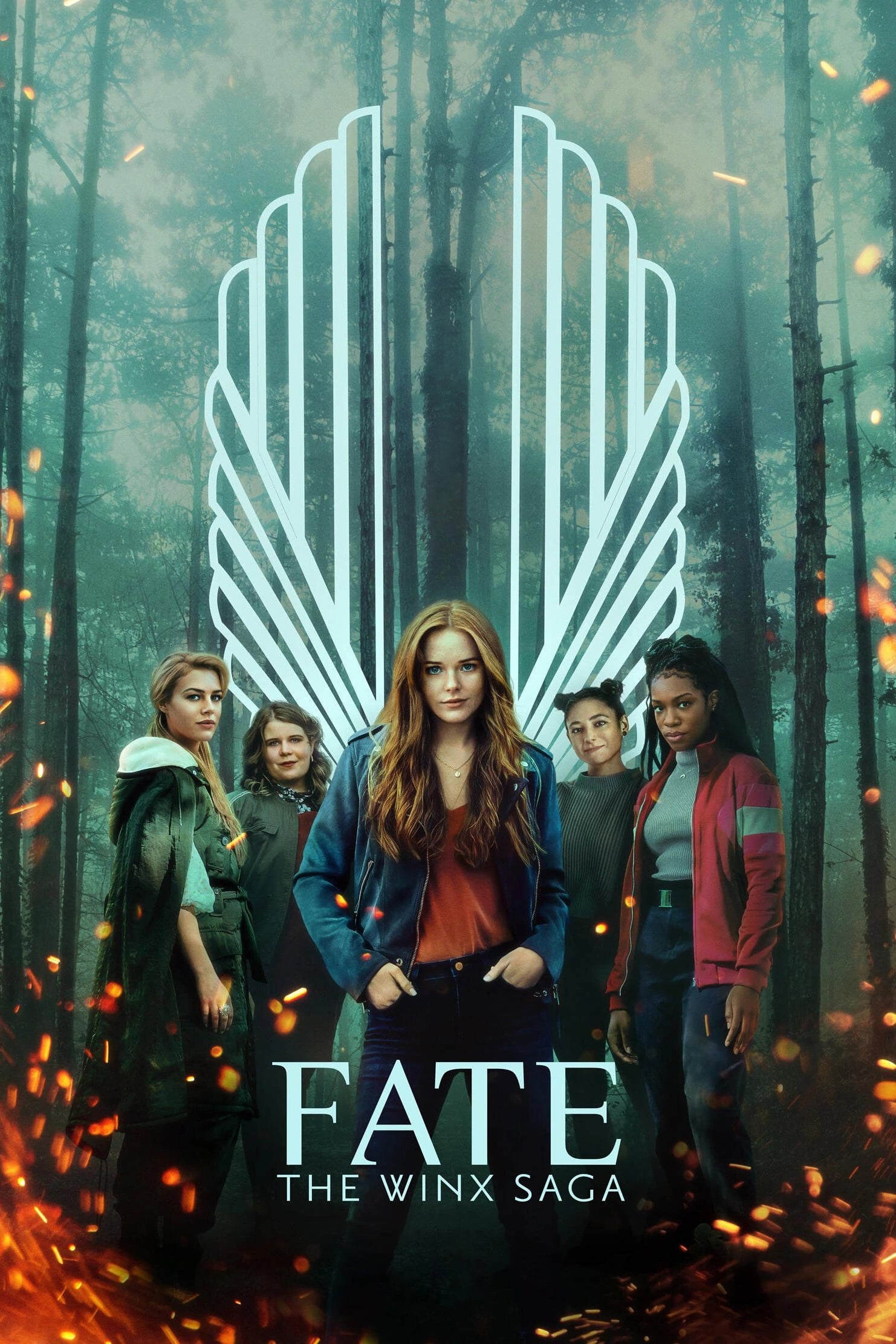
‘Fate: The Winx Saga’ received backlash for its casting choices, particularly for characters like Flora and Musa. Fans pointed out that the live-action portrayals didn’t match the ethnic backgrounds established for these fairies in the original animated series. While the show later tried to fix this by introducing a more representative Flora in season two, the initial negative reaction from fans remained and contributed to the series’ eventual cancellation.
‘Resident Evil’ (2022)
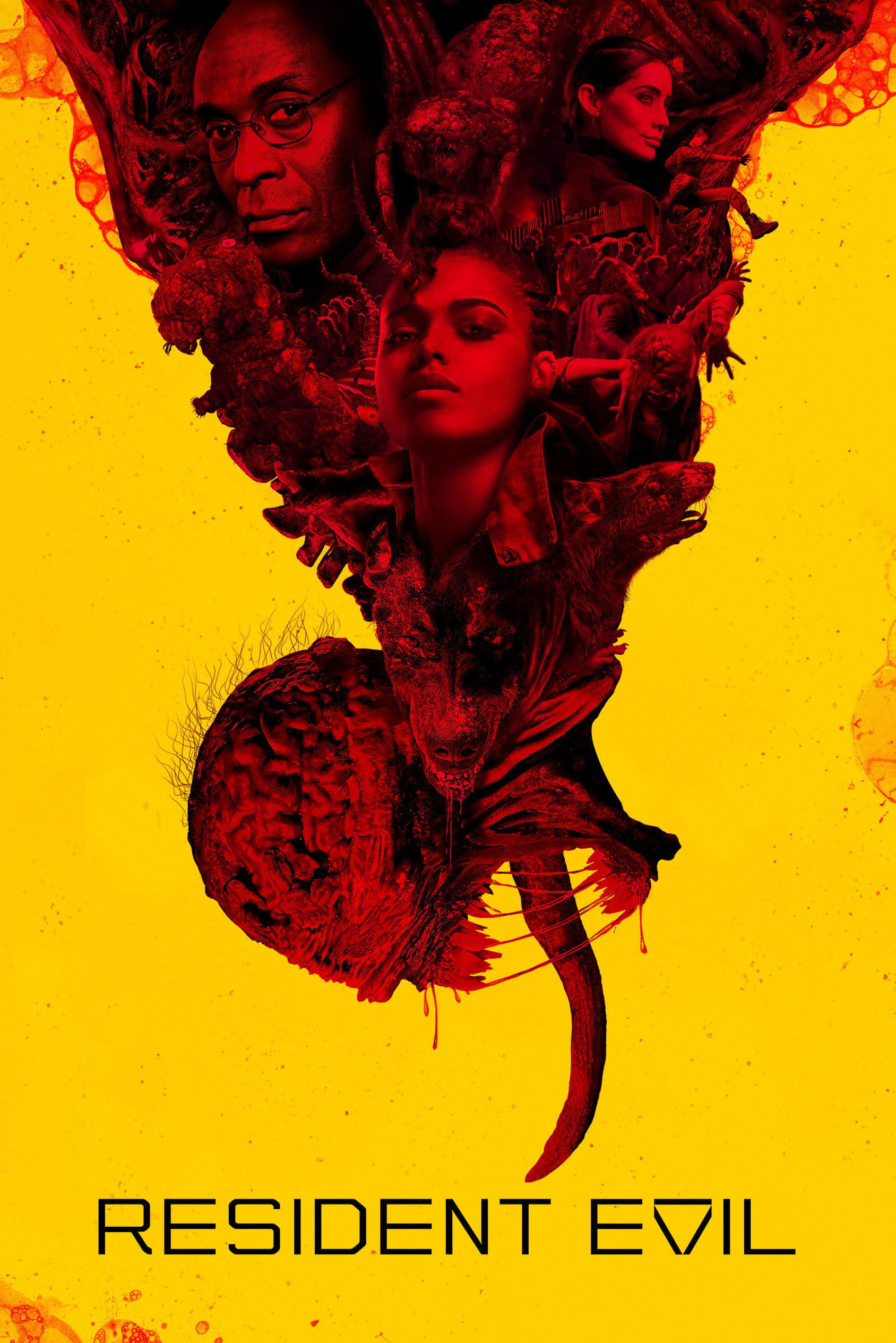
The ‘Resident Evil’ series cast Lance Reddick as Albert Wesker, a character who is typically portrayed as white in the video games. This change surprised many fans. The show tried to justify the casting with a storyline involving clones, but despite Reddick’s excellent performance, it wasn’t enough to keep longtime viewers engaged, and the series was ultimately canceled.
‘Interview with the Vampire’ (2022–PRESENT)
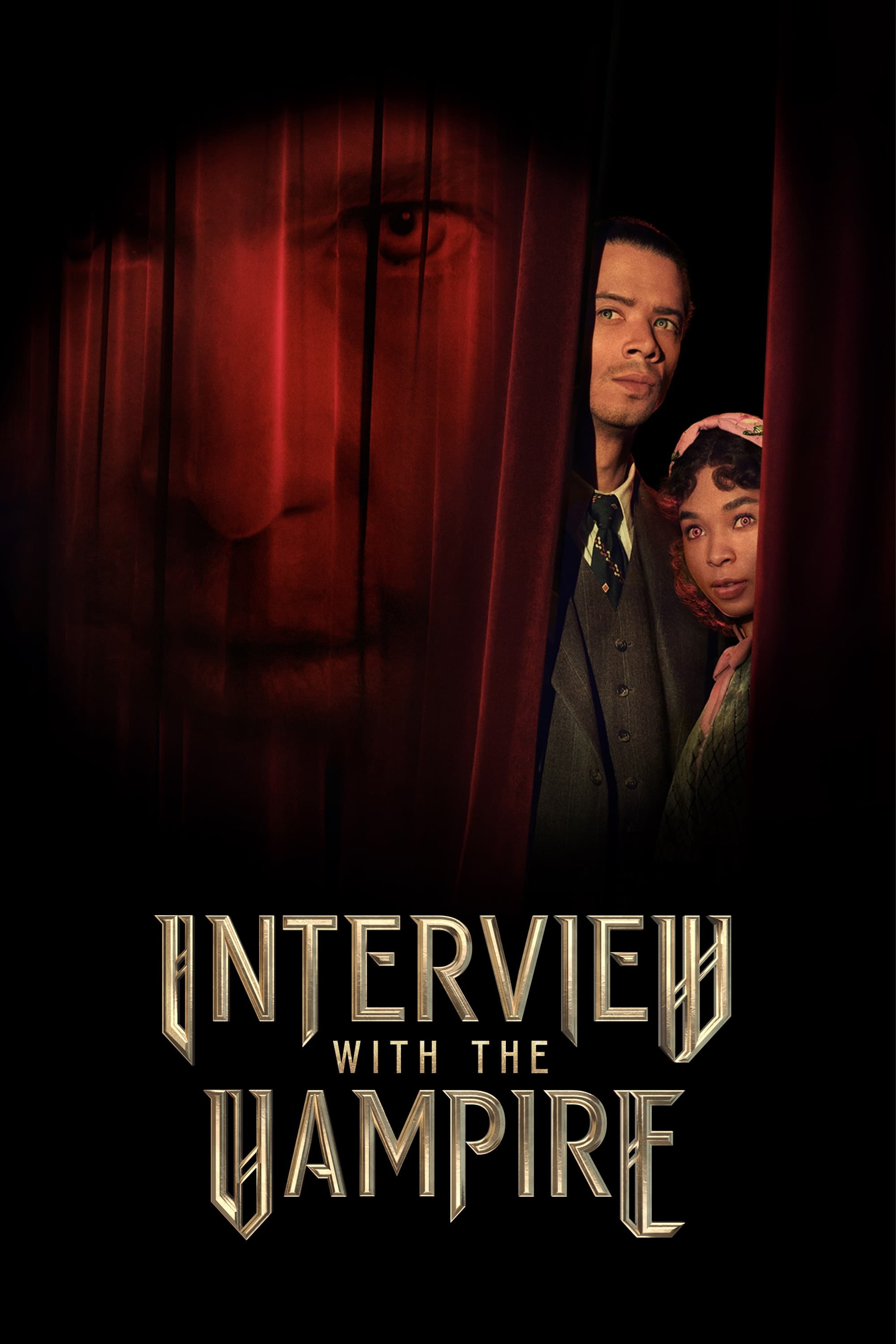
The television series ‘Interview with the Vampire’ updates the story by portraying Louis de Pointe du Lac as a Black man in early 1900s New Orleans. This allows the show to delve into issues of race and power that weren’t explored in Anne Rice’s original novel. Although critics generally liked this new approach, some longtime fans felt the shift away from the 18th-century setting was too significant. The series has attracted new viewers, but continues to spark discussion among those familiar with the book.
‘Shadow and Bone’ (2021–2023)
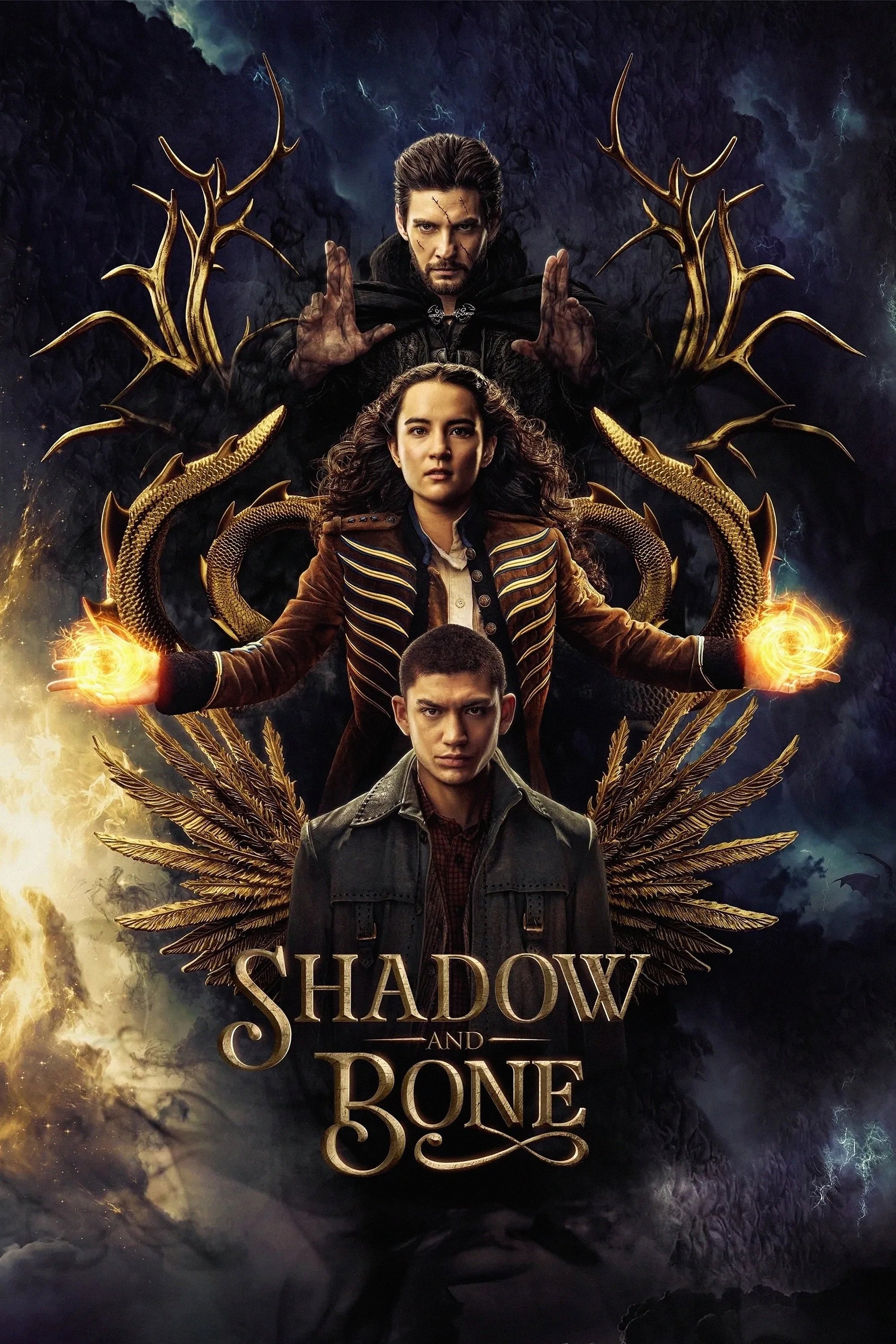
The TV series ‘Shadow and Bone’ reimagined the main character, Alina Starkov, as being half Shu, which represents an Asian ethnicity within the show’s world. This change aimed to explore her experiences as an outsider in her homeland. While some viewers felt this altered the story’s fundamental nature, the series largely stayed true to the original plot of the books.
‘One Piece’ (2023–PRESENT)
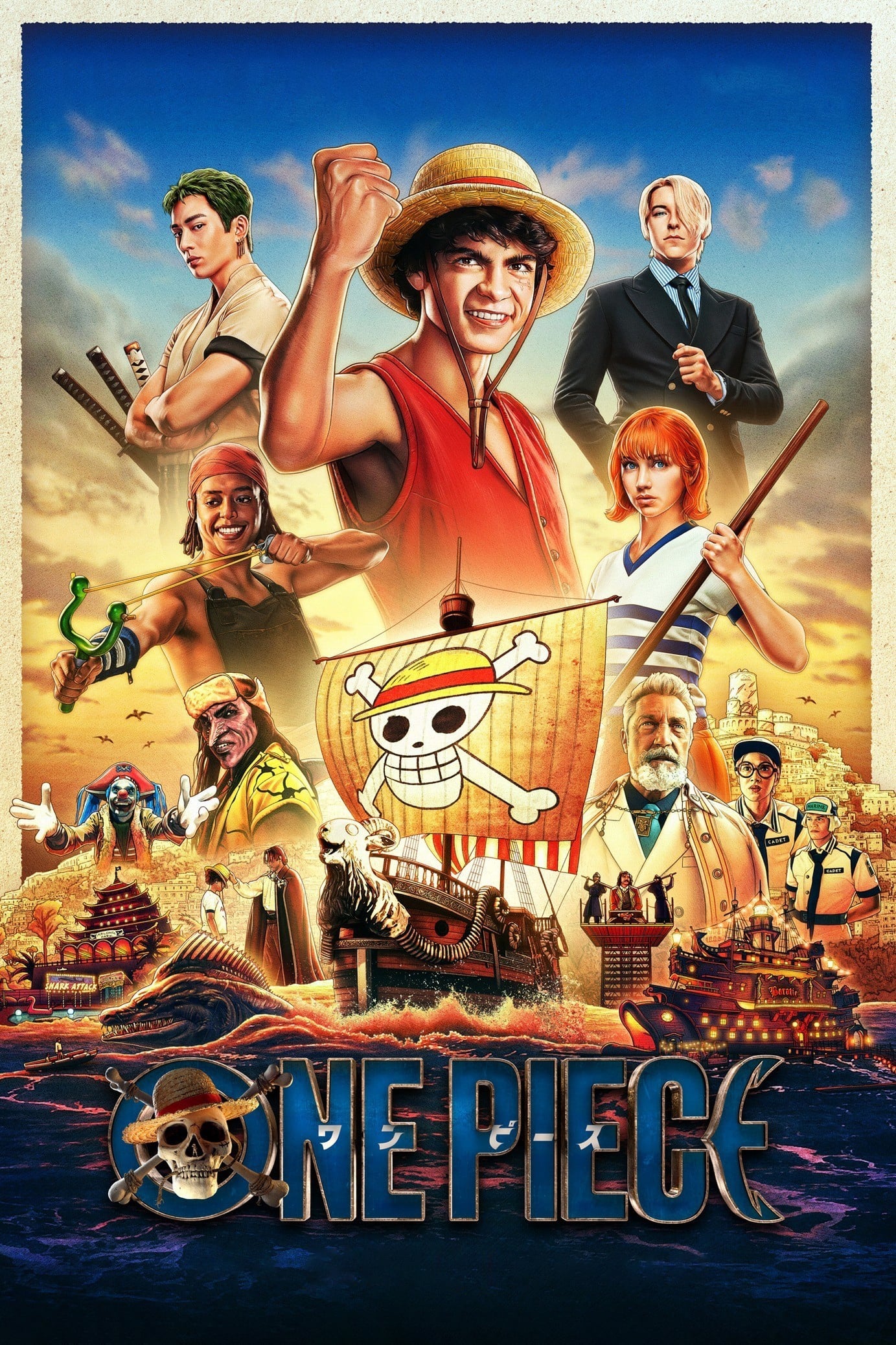
The Netflix live-action version of ‘One Piece’ made some changes to the appearances of characters like Nojiko, altering their ethnicity. While many viewers praised how closely the main actors resembled their manga counterparts, the depiction of some supporting characters led to discussion. The original manga creator was closely involved in the production process to maintain the story’s core feeling, and most fans were willing to accept these changes due to the show’s high quality.
‘The Sandman’ (2022–PRESENT)
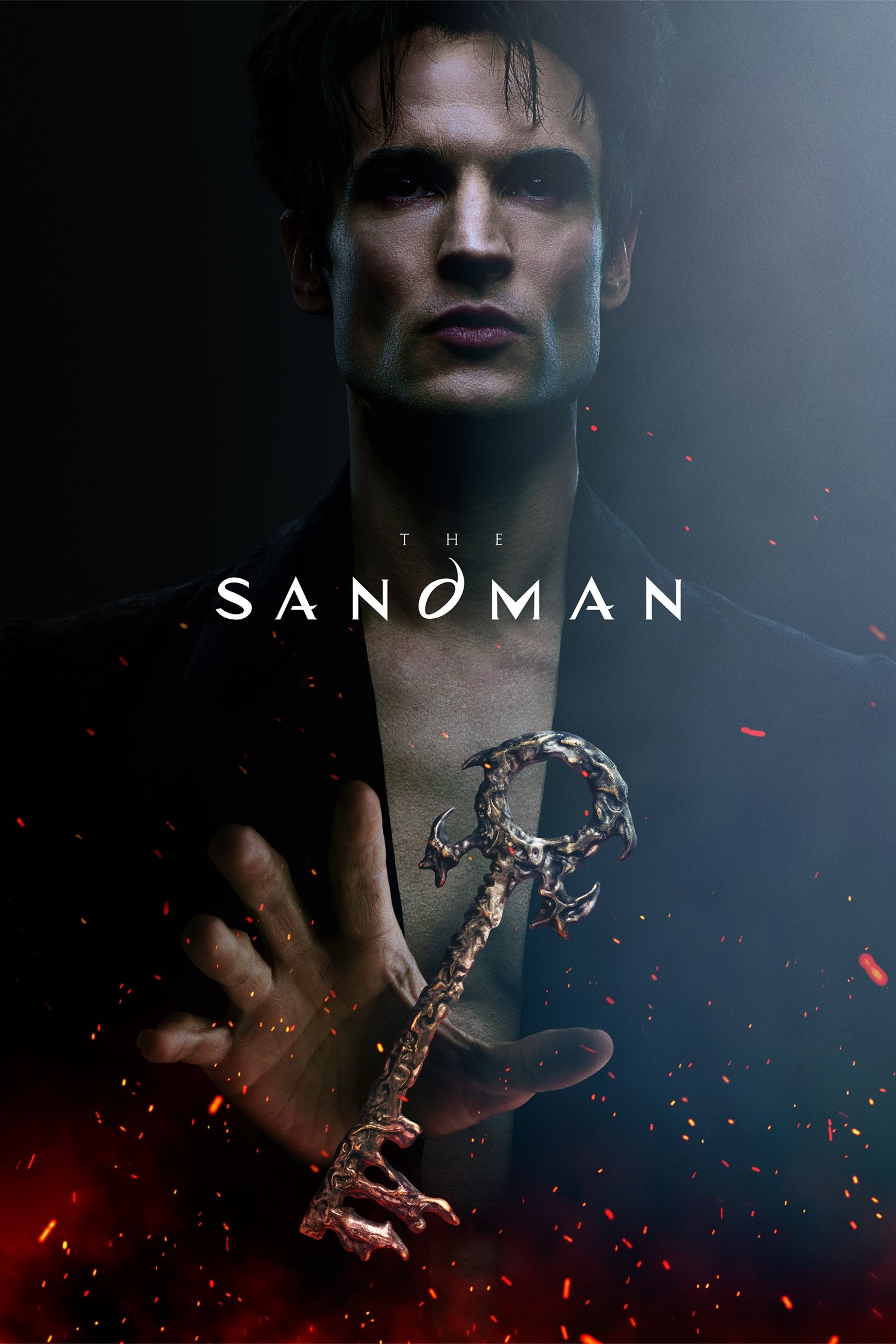
The Netflix series ‘The Sandman’ made a notable casting choice by portraying Death, a character usually depicted as a pale, gothic woman, with a Black actress. Creator Neil Gaiman explained that the immortal beings known as the Endless can change their appearance at will. Although most viewers praised the performance, a small group of fans voiced their disapproval of the updated look. Despite this initial criticism, the show has been renewed for a second season.
‘Foundation’ (2021–PRESENT)
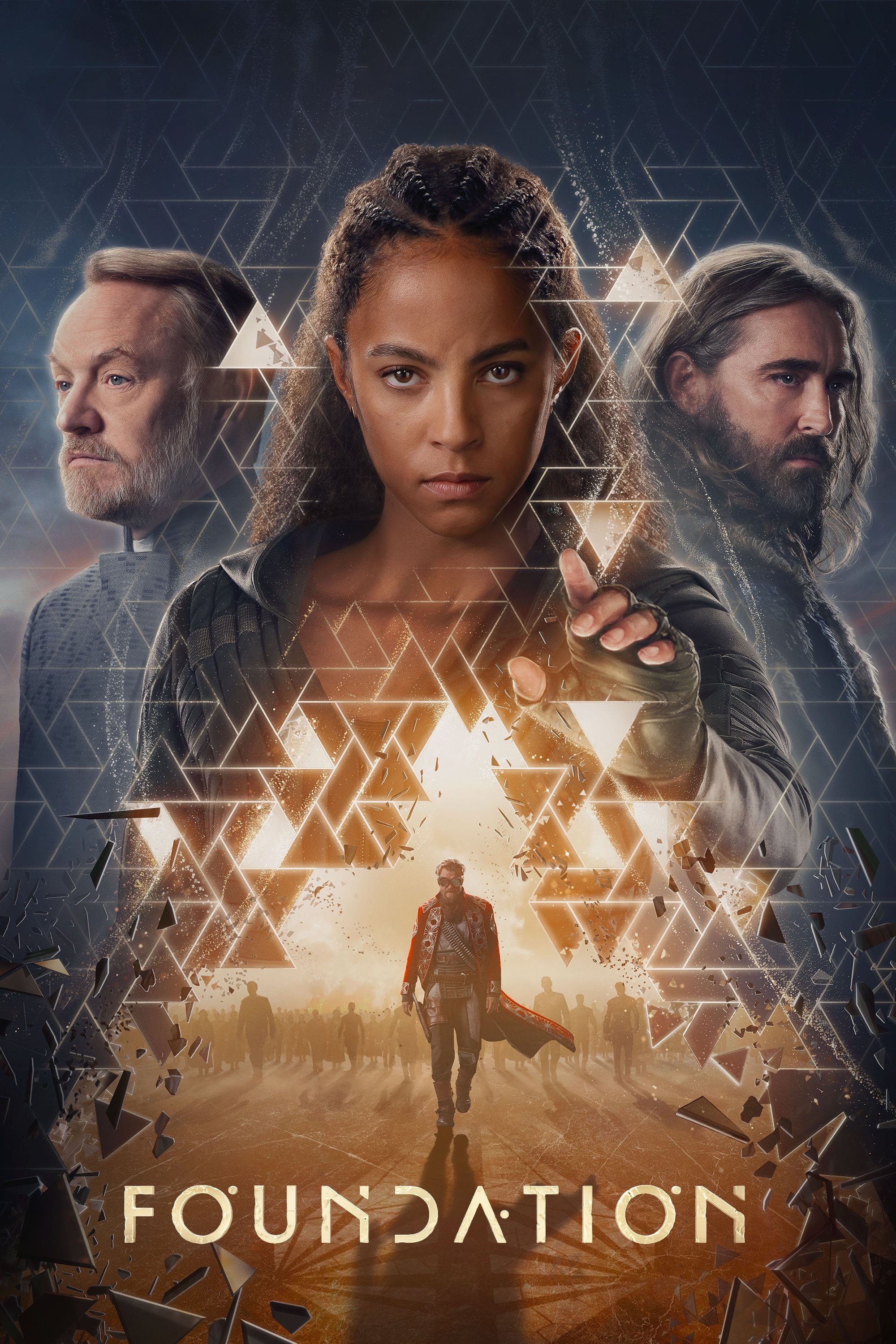
The TV series ‘Foundation’ made changes to the race and gender of some important characters from the original books by Isaac Asimov. For example, both Gaal Dornick and Salvor Hardin are played by Black actresses. While some longtime fans of the novels felt these changes strayed too far from the source material, the show’s creators explained that they were updating the story to reflect modern perspectives, as the books were written in the mid-20th century.
‘Troy: Fall of a City’ (2018)

I was really fascinated by the casting in ‘Troy: Fall of a City,’ especially the decision to have a Black actor play Achilles. It definitely got people talking! I saw a lot of debate online – some viewers felt it wasn’t true to the historical setting of ancient Greece, while others argued that, since the story comes from the mythical ‘Iliad,’ the show had room to be imaginative. It’s true that a lot of people seemed disappointed they didn’t see the traditional portrayal of the hero, and it unfortunately led to a lot of negative reactions.
‘Vikings: Valhalla’ (2022–2024)

The Netflix series ‘Vikings: Valhalla’ featured Jarl Haakon, a character reimagined as a Black woman leading the Viking city of Kattegat. This differed from historical accounts, which portray Haakon as a white man. Some viewers who value historical accuracy expressed concern that the show prioritized diversity over factual representation of the Viking age. The series has now finished its run after presenting this new take on the era.
‘The Last of Us’ (2023–PRESENT)
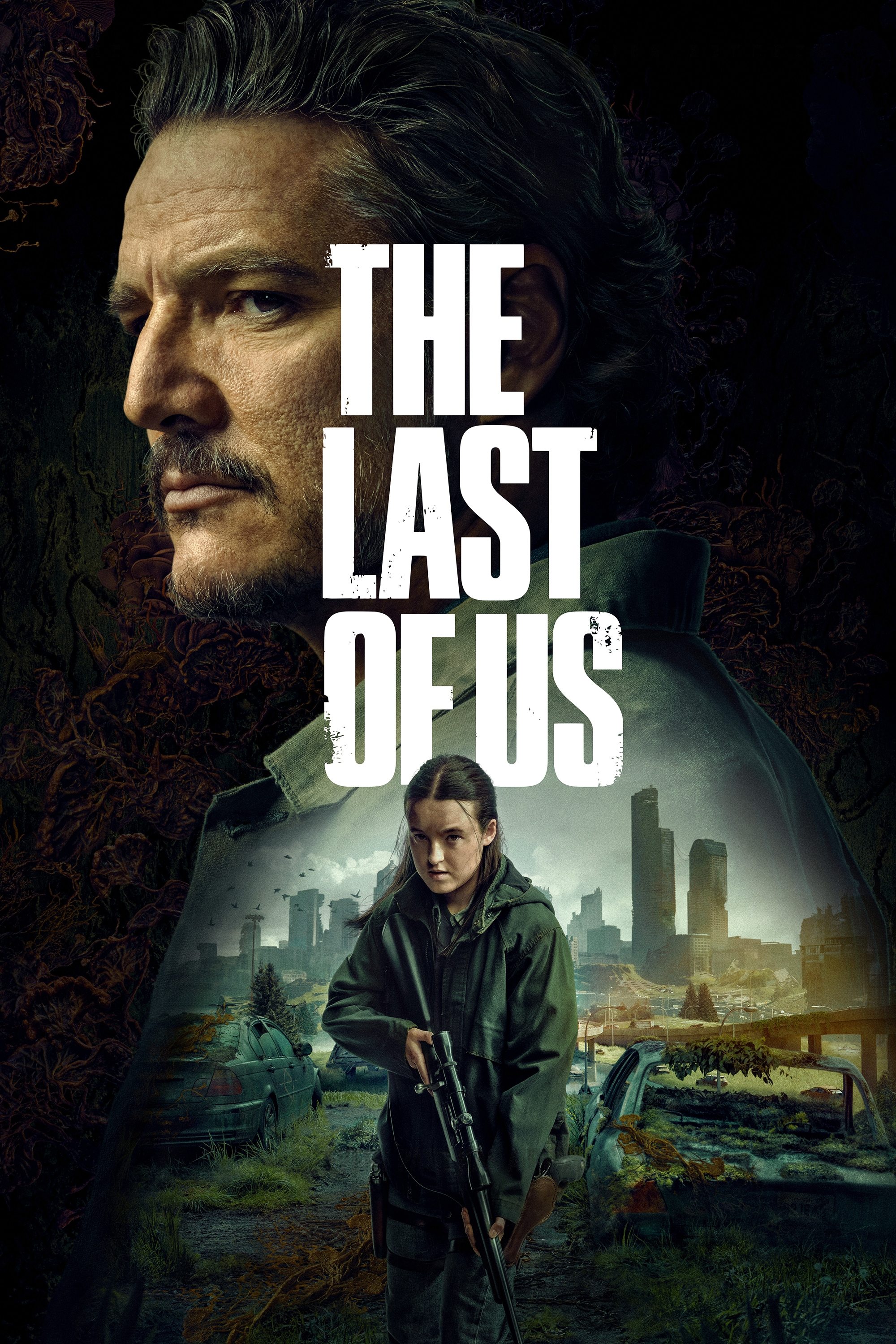
In the TV adaptation of ‘The Last of Us’, a Black actress was cast as Sarah Miller, the daughter of the lead character, Joel. Although the role isn’t large, it’s crucial for setting the story’s emotional tone. Some video game fans noticed the casting change, but most praised the actress’s powerful performance. The show has been a major success for its network and continues to be very popular.
‘Charmed’ (2018–2022)
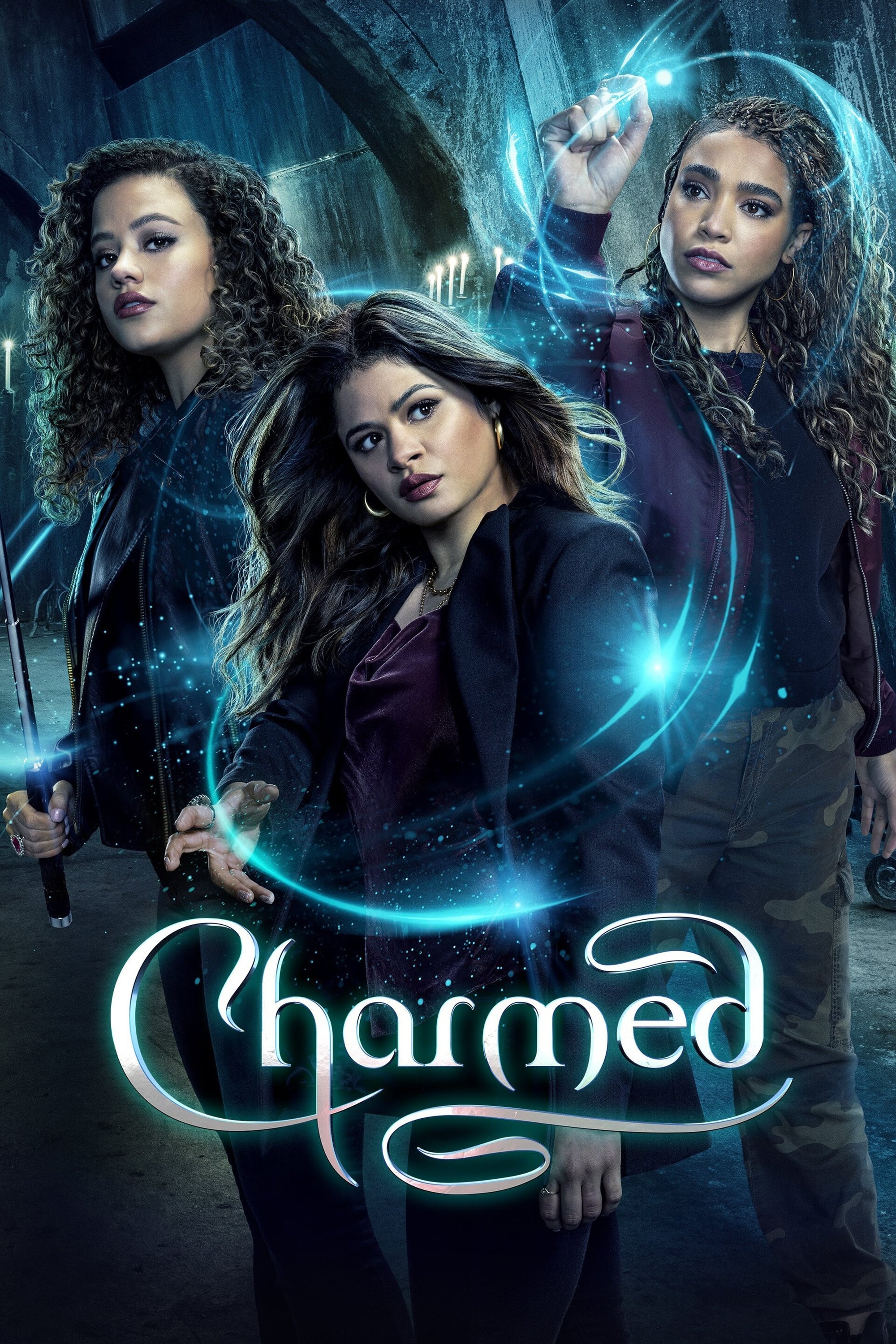
The ‘Charmed’ reboot retold the story of the three sisters, this time with a Latina cast to offer a fresh cultural viewpoint. While some fans of the original show felt it should have continued the Halliwell family’s story, the reboot tackled contemporary issues and themes that weren’t as common in the nineties version. It ran for four seasons before being cancelled.
‘Smallville’ (2001–2011)
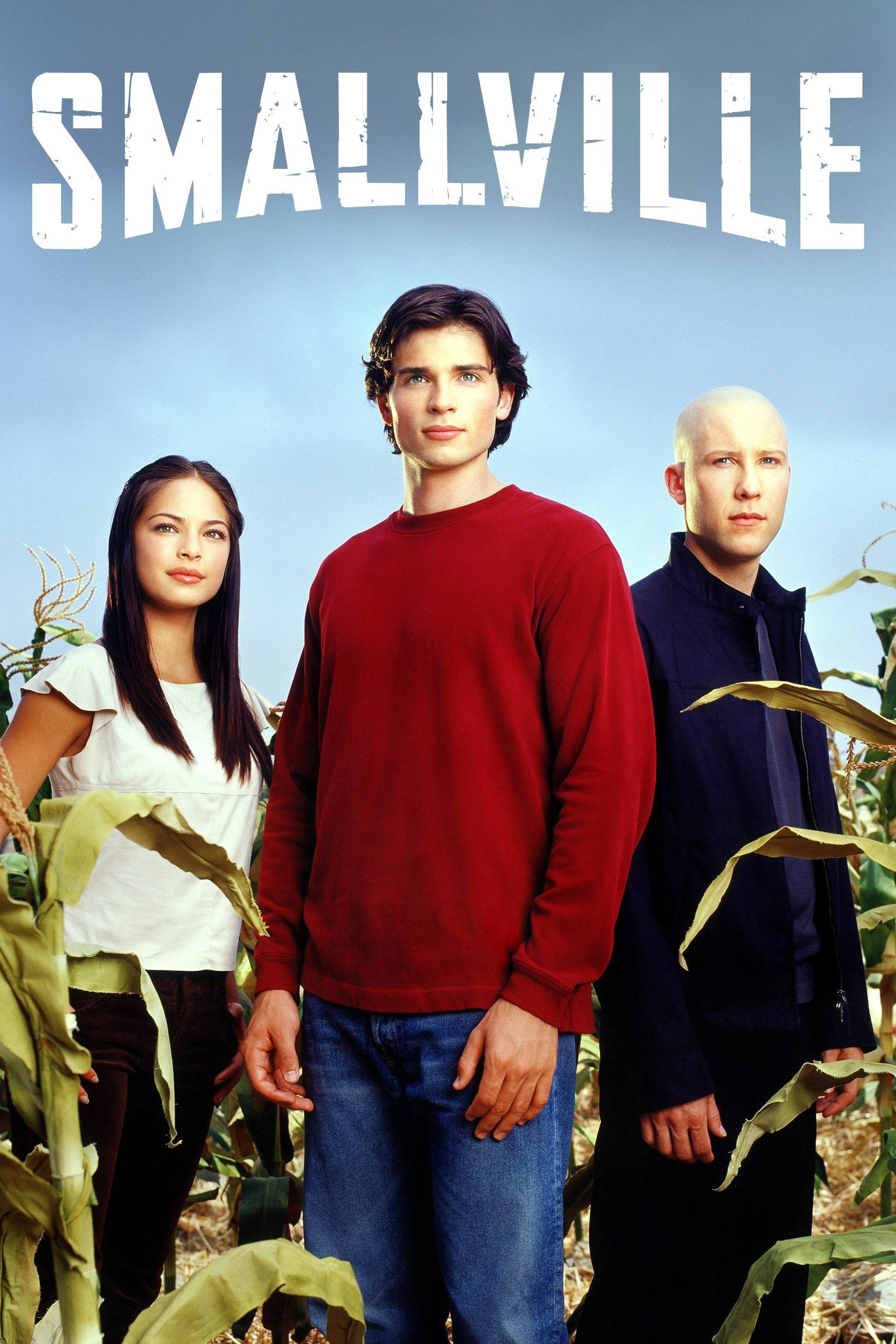
The TV show ‘Smallville’ made a noteworthy change by casting a Black actor as Pete Ross, a character traditionally portrayed as white in the Superman comics. This was one of the first instances of a TV show modernizing a character’s story to include more diversity. While some fans were initially surprised, the change didn’t spark the intense online criticism often seen now. The character continued to appear on the show for several years before his storyline ended.
‘Nancy Drew’ (2019–2023)
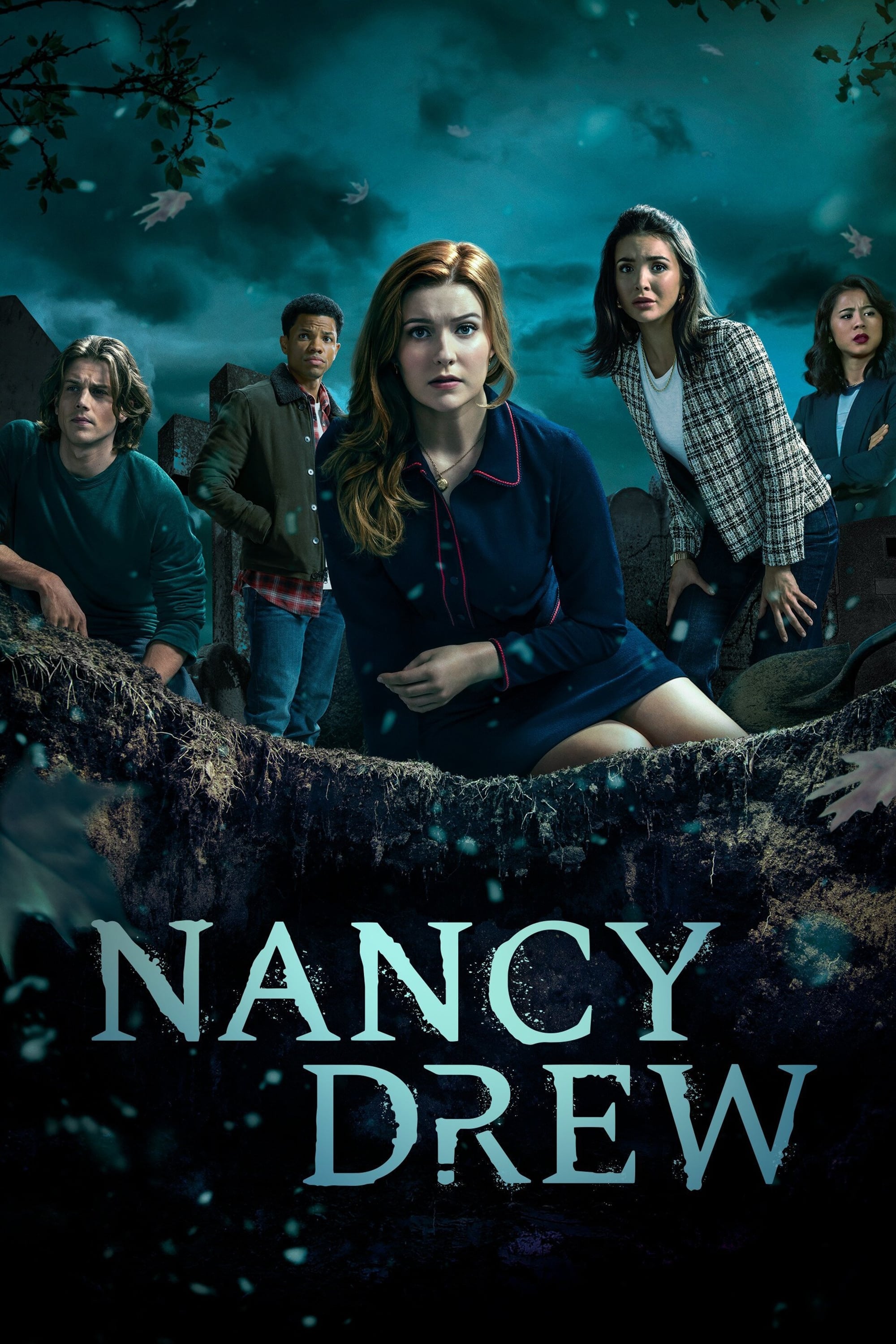
This new version of ‘Nancy Drew’ updated the character of Ned Nickerson by making him Black. They also gave him a more complicated past, including a criminal record, which was a departure from the original stories. While some longtime fans of the books weren’t happy with these changes to familiar characters, the show still managed to build a loyal audience and run for four seasons.
‘Riverdale’ (2017–2023)
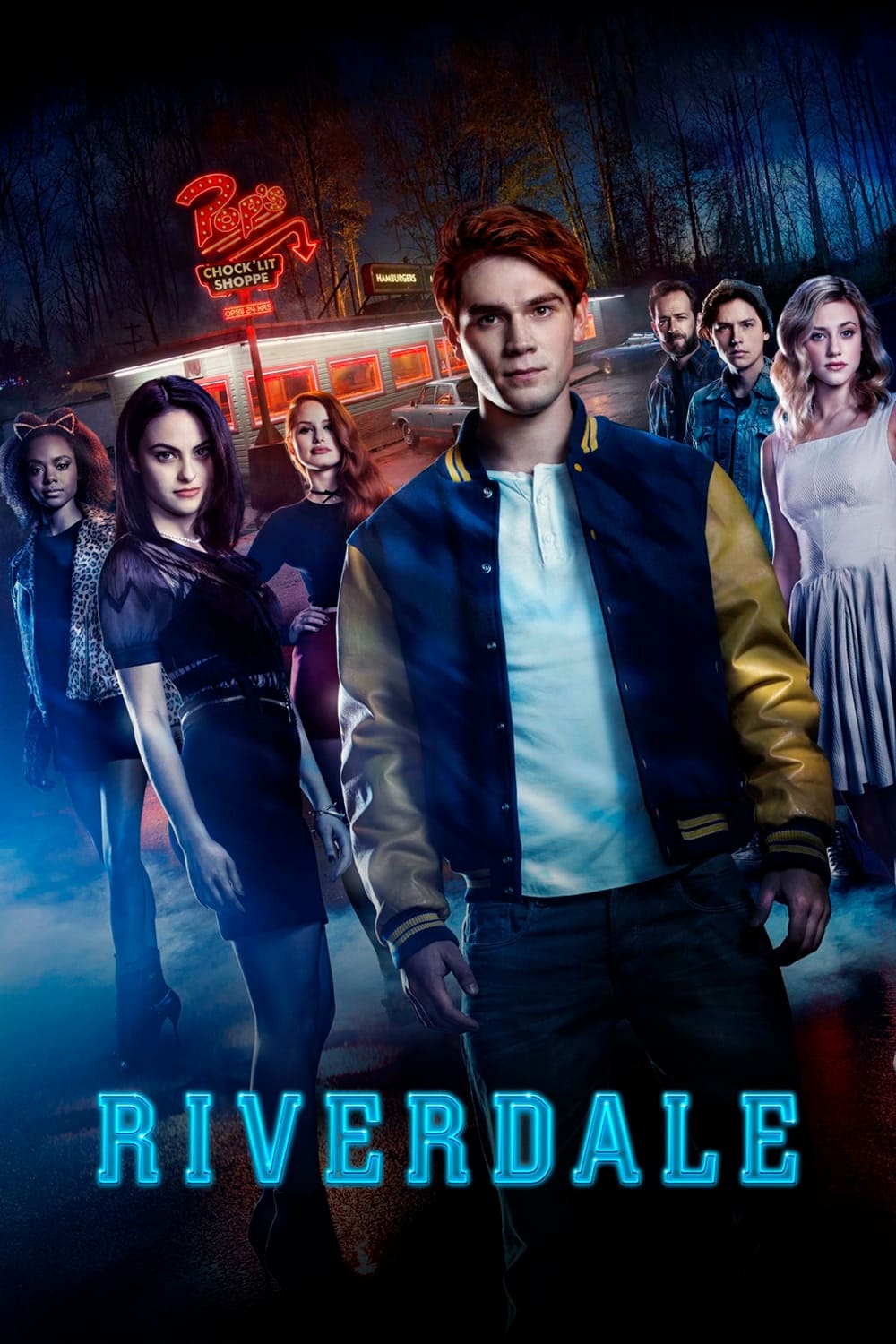
Riverdale updated classic characters from Archie Comics, including Josie and the Pussycats and Reggie Mantle. The show had a modern, bolder style that was very different from the more traditional comics. While many younger viewers loved this new approach, some longtime fans preferred the original character designs. Ultimately, the series became a popular cultural trend, fully embracing its updated world.
‘Gotham’ (2014–2019)
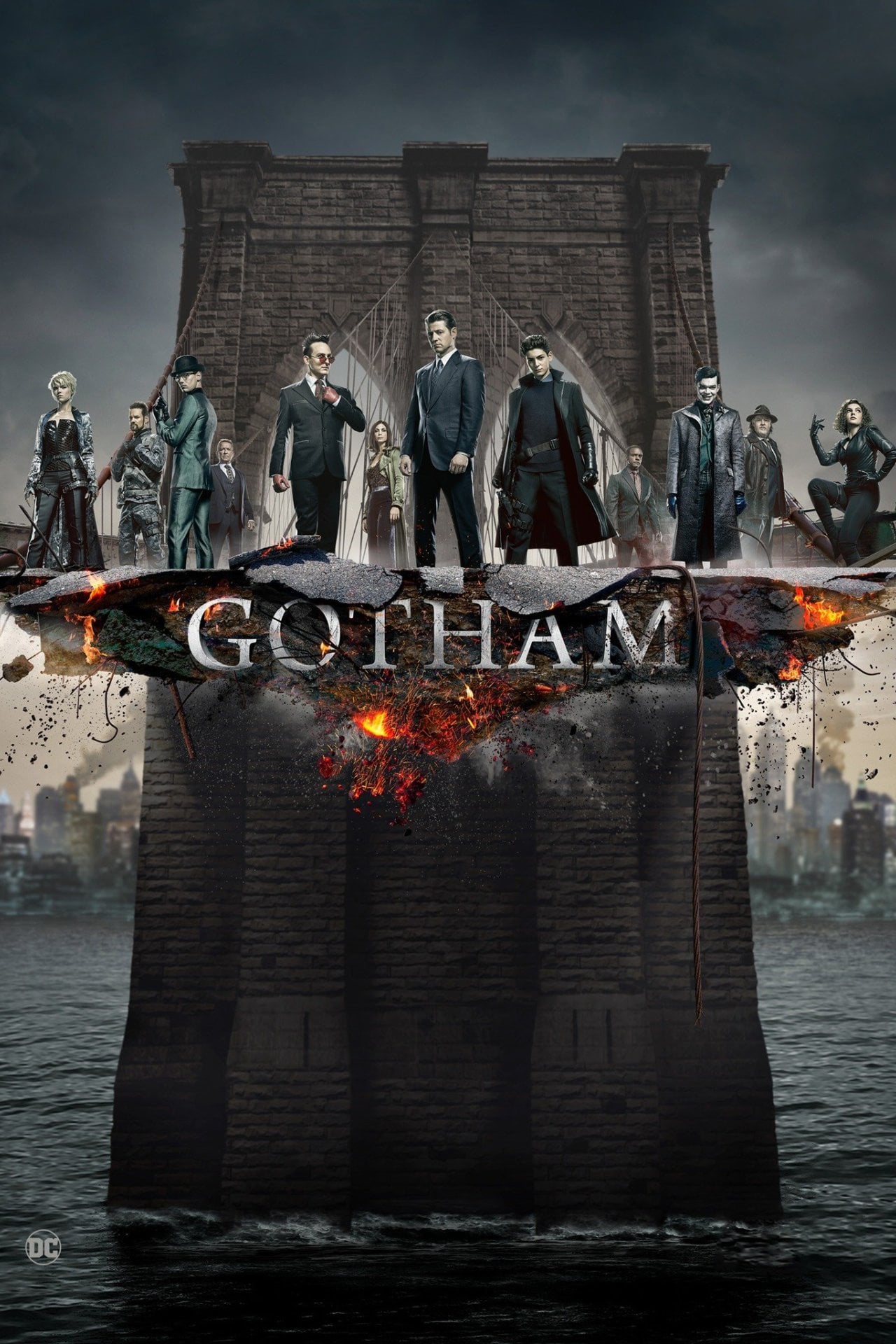
‘Gotham’ reimagined some classic Batman characters, including a female Firefly, and altered the origins of others. The show was known for deviating significantly from established Batman stories to create its own prequel narrative. While some fans disliked these changes to familiar lore, others appreciated the show’s surprising twists and turns. Ultimately, ‘Gotham’ told a complete story over five seasons.
‘Walker’ (2021–2024)
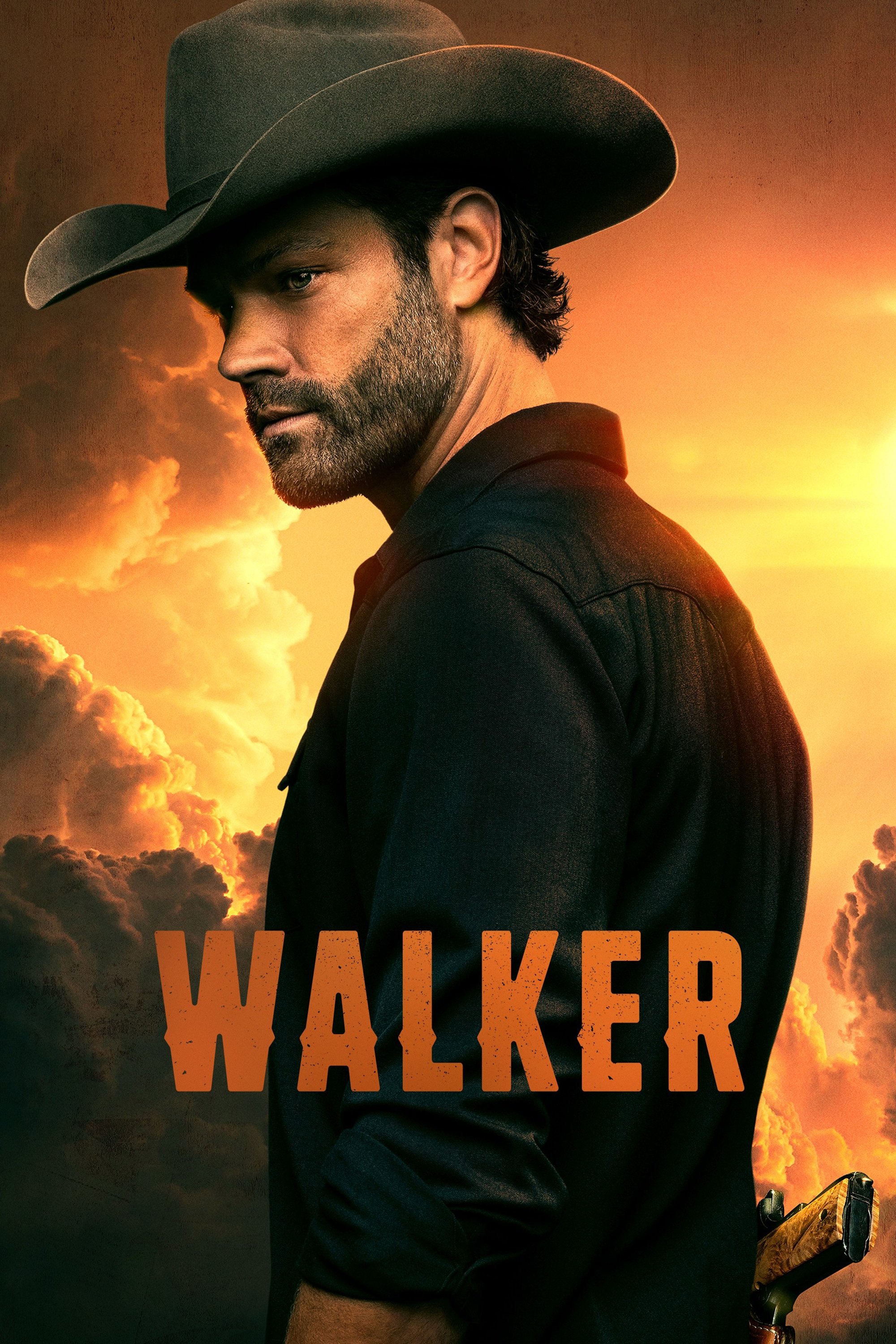
The recent ‘Walker’ series made history by introducing Micki Ramirez, one of the first female and Mexican American Texas Rangers in the show’s history. This was a departure from the original series, which primarily centered on Chuck Norris’s character. While the new partnership and storylines addressing current policing issues were a change, fans of the original show had varying opinions. ‘Walker’ was a long-running hit on its network before recently ending.
‘Roswell, New Mexico’ (2019–2022)
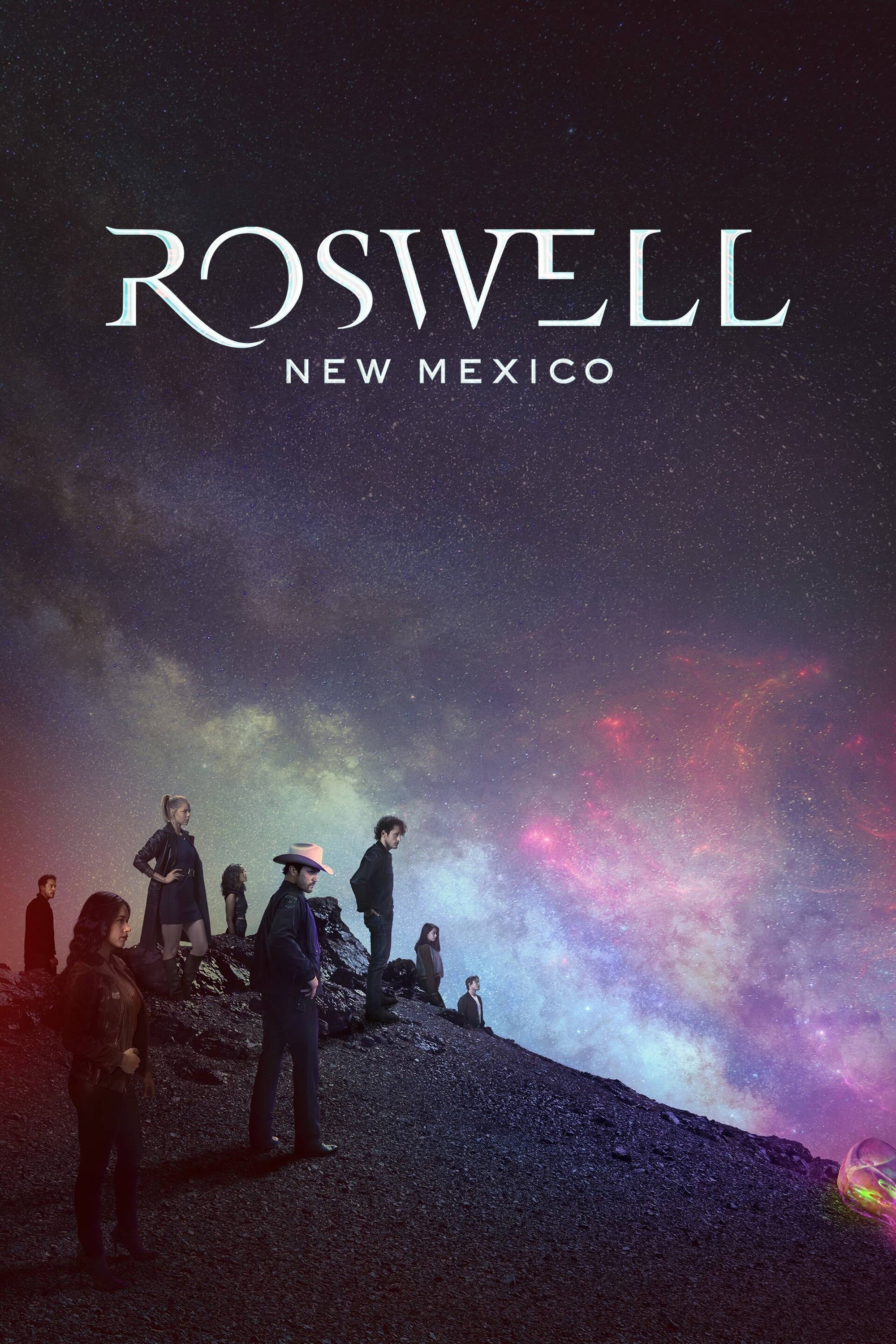
The TV show ‘Roswell, New Mexico’ reimagined the main character, changing her name from Liz Parker to Liz Ortecho to better represent the Latinx community of the town where the story is set. This update brought the show closer to the source material in the original books, but it was a departure from the well-known 1990s series. The show used this change to address important issues surrounding immigration, though some viewers who enjoyed the original show struggled to connect with the new characters.
‘True Blood’ (2008–2014)

The TV series ‘True Blood’ significantly altered Tara Thornton’s character from the novels, notably changing her ethnicity from white to Black and giving her a much more prominent and heartbreaking storyline. Though the actress received widespread praise for her performance, some book fans were disappointed by these changes. Despite these deviations from the source material, the show is still considered a groundbreaking achievement in vampire television.
‘Perry Mason’ (2020–2023)
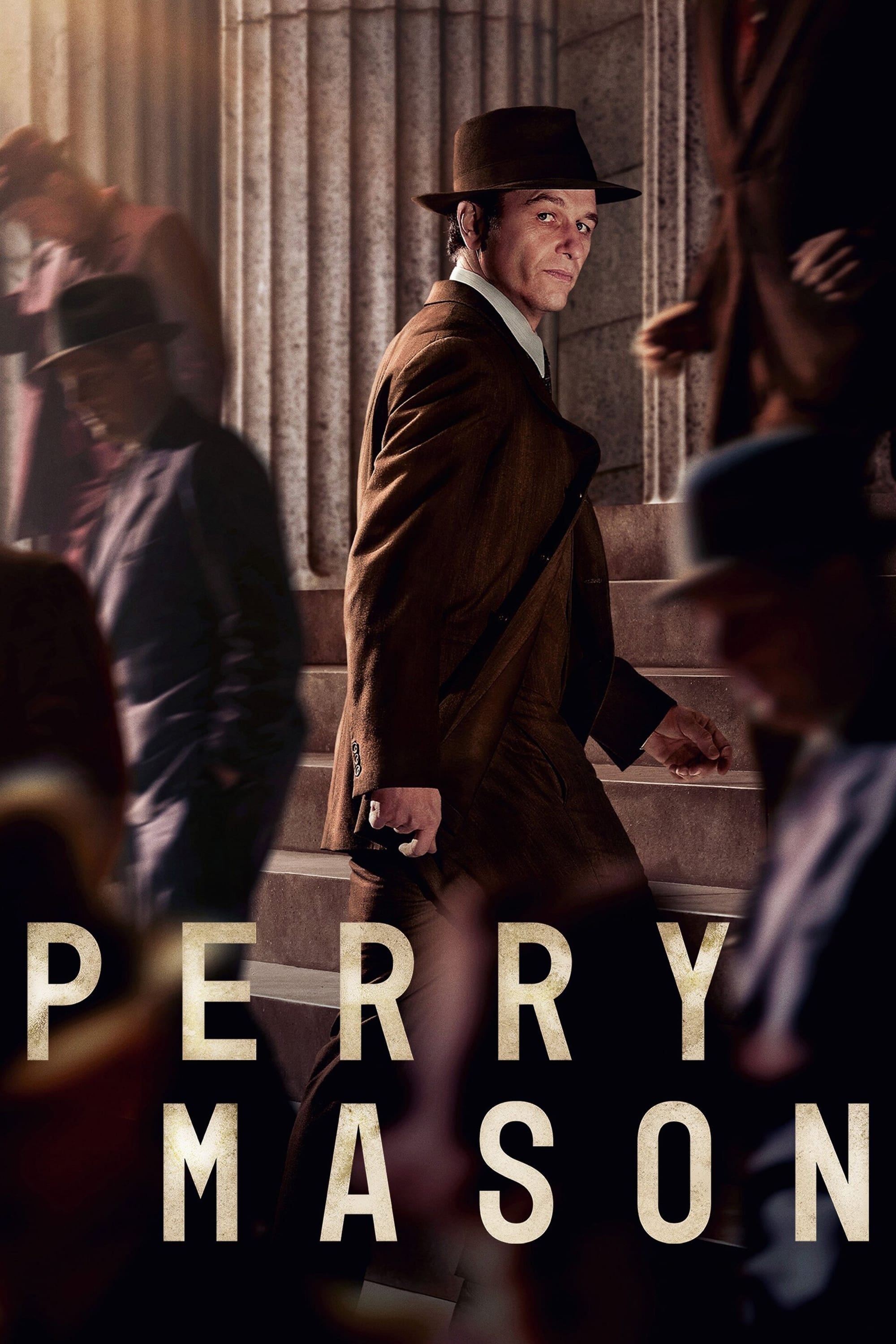
The recent reimagining of ‘Perry Mason’ updated the character of Paul Drake, portraying him as a Black police officer facing the racial discrimination common in 1930s Los Angeles. This was a significant change from previous versions in the books and the original TV series, where Drake was white. The update brought a greater sense of historical accuracy and added complexity to the show’s investigations. While some longtime fans missed the straightforward relationship from the original series, the change offered a fresh perspective.
‘The Umbrella Academy’ (2019–2024)

The TV show ‘The Umbrella Academy’ intentionally cast a diverse group of actors, even though the Hargreeves siblings looked more alike in the original comic books. For example, Allison Hargreeves is played by a Black actress, which brought interesting new layers to her story as a famous person. Most fans of the comics appreciated these changes, feeling they fit the show’s unusual and dreamlike style. The series has become a big hit for the streaming service.
‘Batwoman’ (2019–2022)
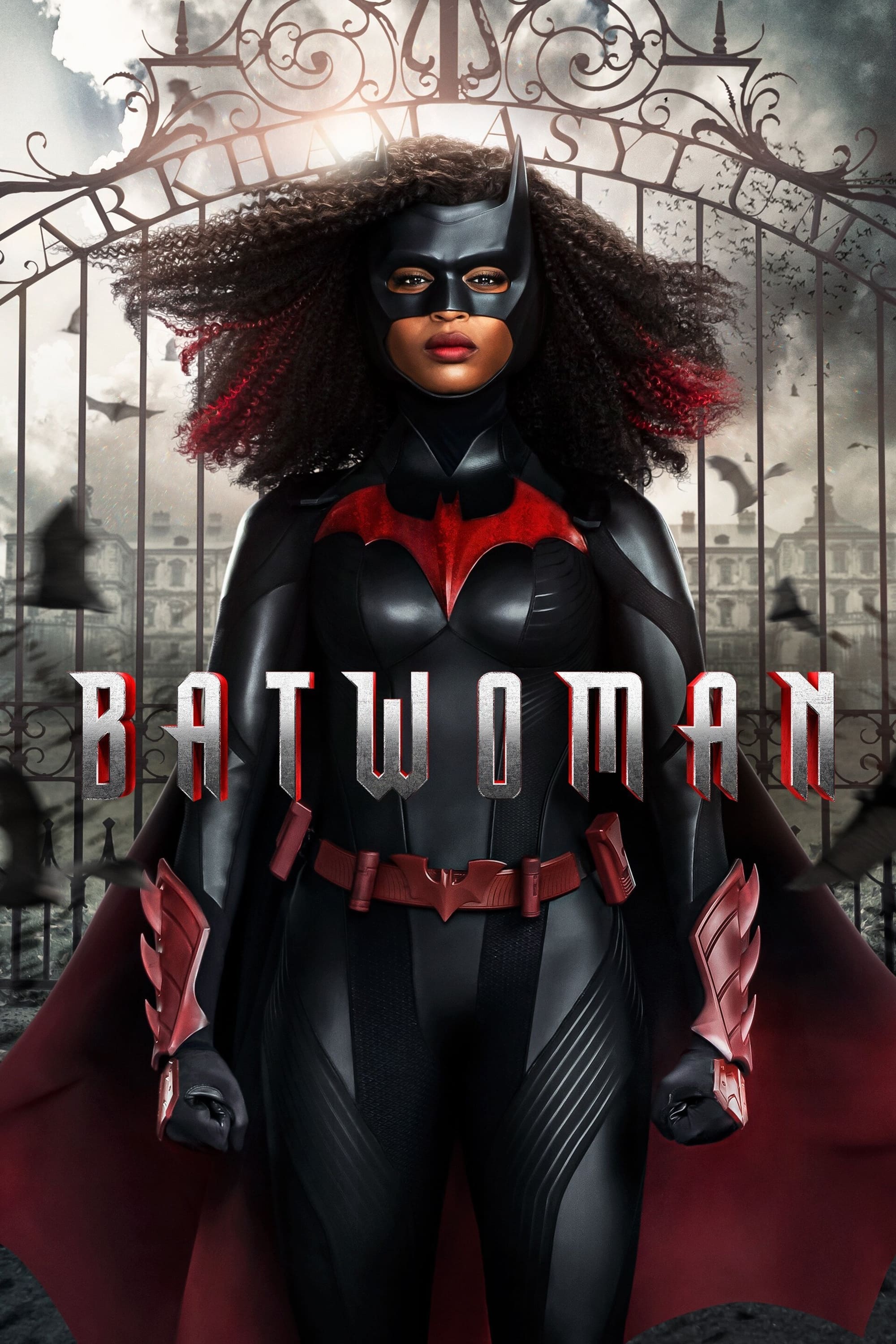
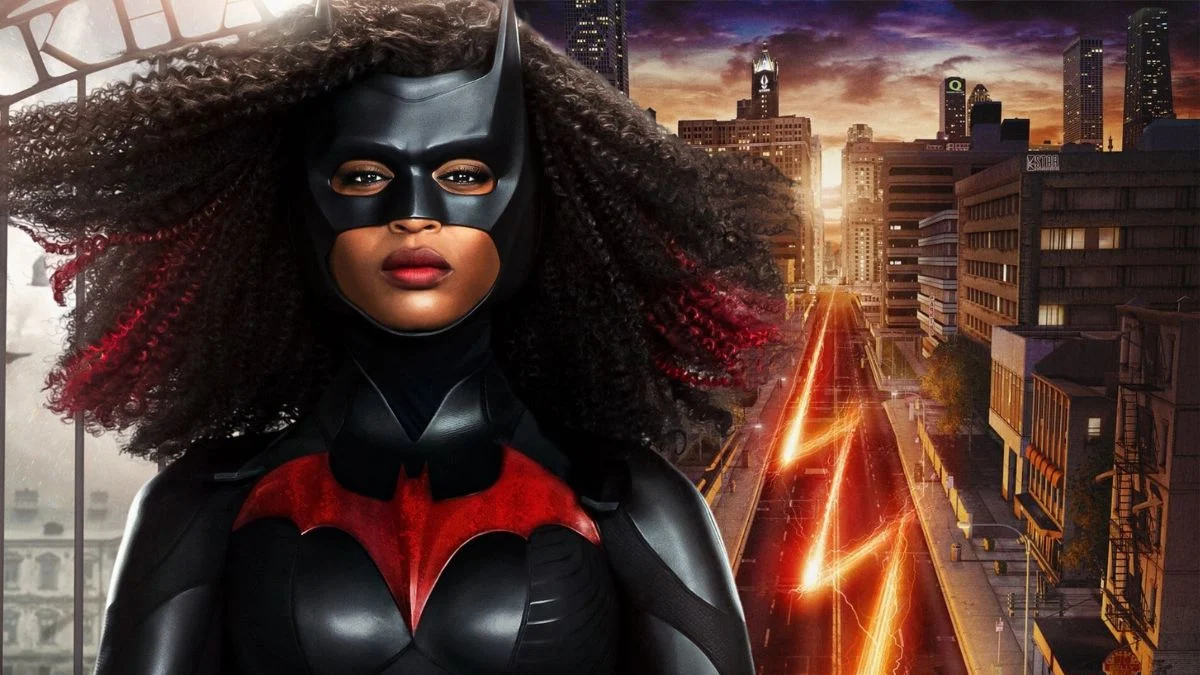
The TV series ‘Batwoman’ reimagined several DC characters with diverse backgrounds, including Luke Fox and a number of villains. The show prioritized showcasing representation and tackling current social issues, all set within the familiar world of Gotham City. This focus sparked a lot of debate among superhero fans online. Over its three seasons, ‘Batwoman’ still managed to delve into some lesser-known aspects of the DC universe.
‘The Boys’ (2019–PRESENT)

When adapting the comic book ‘The Boys’ for television, the creators made a deliberate change: they reimagined the character A-Train as Black, whereas he was originally white in the source material. This allowed the show to examine how race and identity are used and exploited by corporations, particularly within the world of superheroes. The change was largely well-received by viewers, who felt it enriched A-Train’s story and created more compelling conflicts. Many consider the series to be one of the best adaptations of a comic book currently on television.
‘Preacher’ (2016–2019)
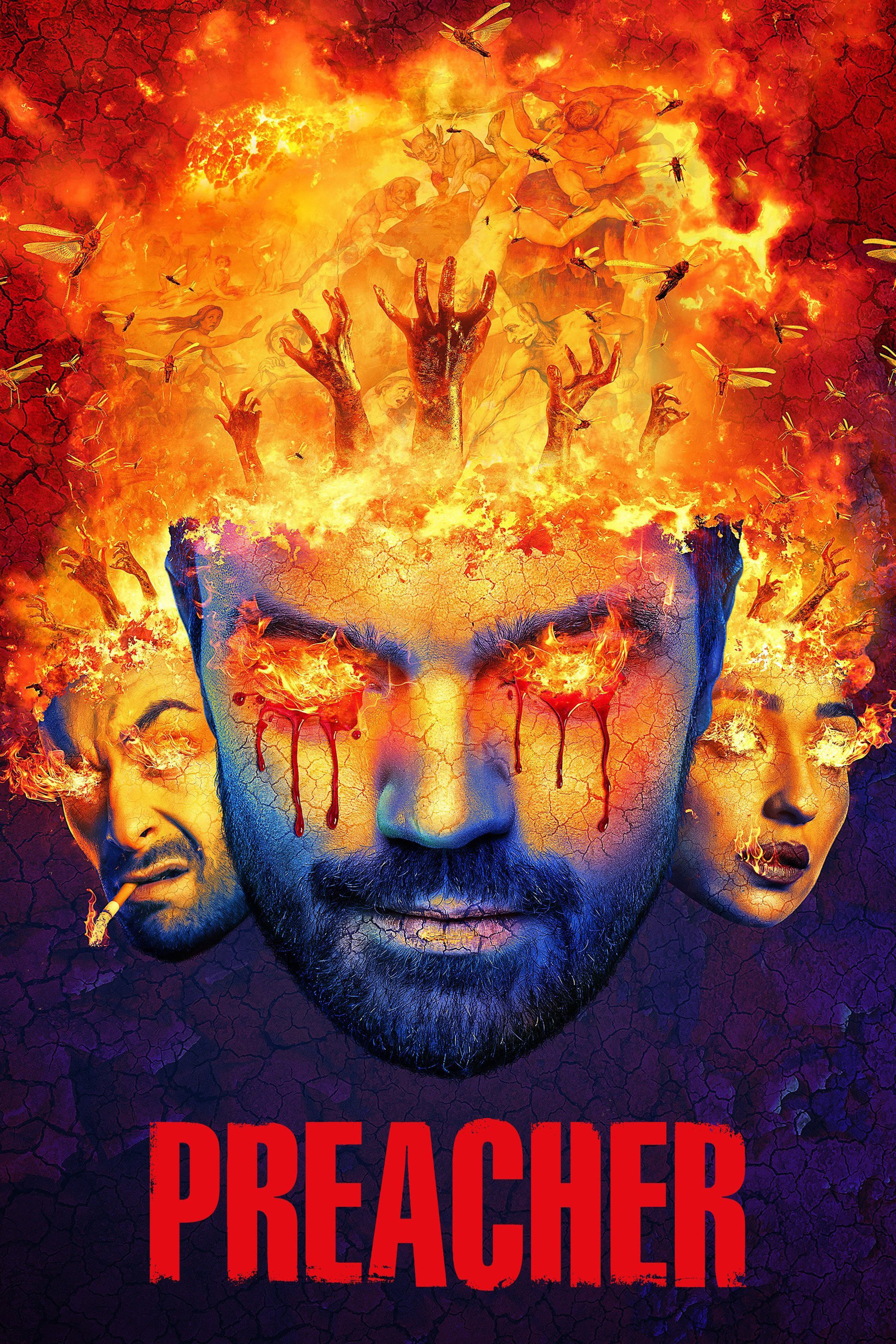
The TV show ‘Preacher’ made a deliberate change from the original comic books by casting a Black actress as Tulip O’Hare, a character initially depicted as a white blonde. The show’s creator felt this actress perfectly embodied the character’s fiery and dynamic personality. While some fans questioned the casting at first, the strong connection between the actors ultimately won them over. After four seasons of supernatural action, the series ended its run.
‘American Gods’ (2017–2021)
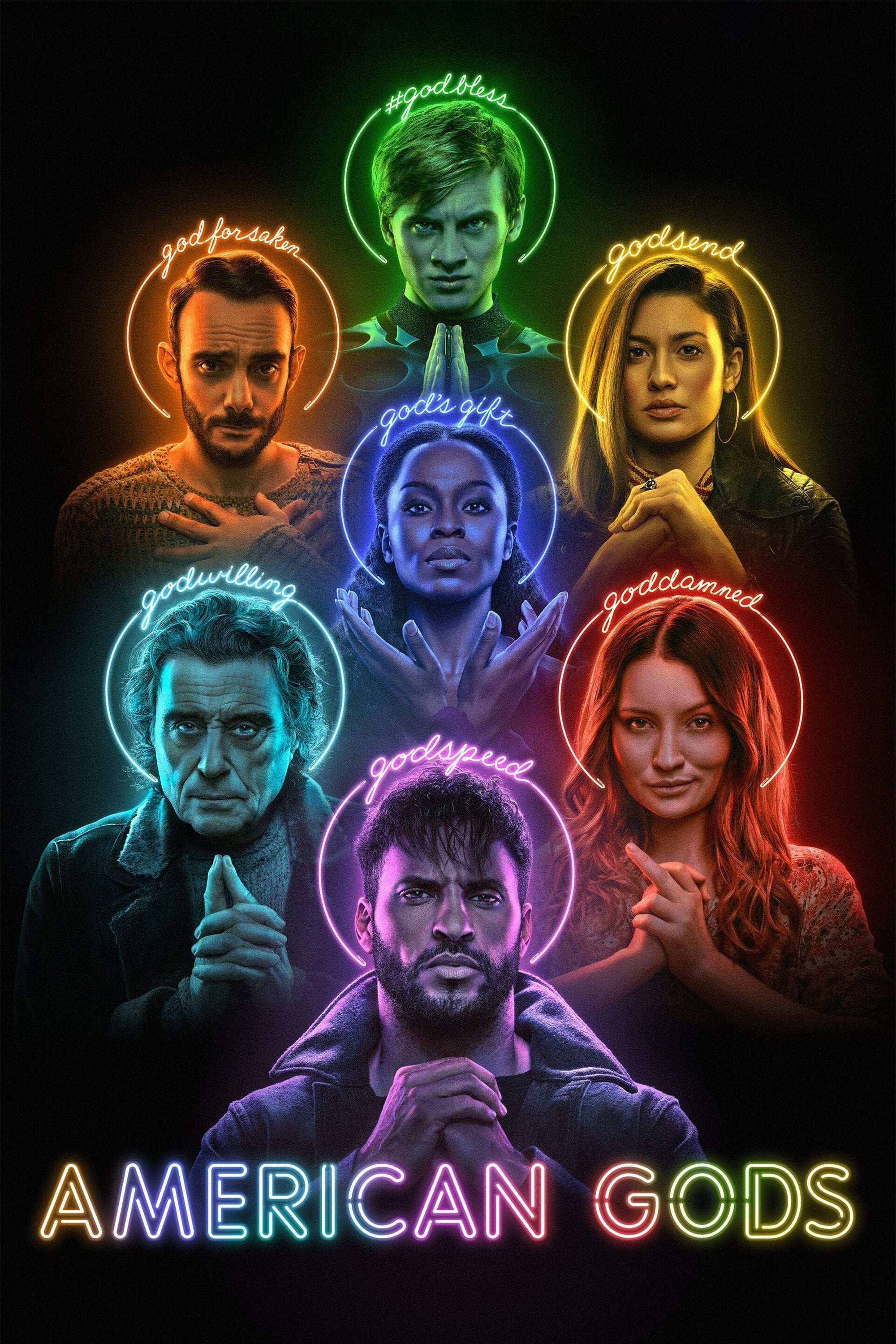
The TV adaptation of ‘American Gods’ updated characters and their stories to feel more relevant today. A core idea of the show was that gods evolve based on people’s beliefs, which influenced who was cast. While some viewers who enjoyed the original book felt the show’s quality declined in later seasons, it was ultimately canceled before it could finish telling the complete story.
‘The Watch’ (2021)

‘The Watch’ was a TV show inspired by Terry Pratchett’s Discworld novels, but it made significant changes to well-known characters, including their race and gender. Many fans felt these changes were so drastic that the show lost the essence of the books. Due to the negative response, the show wasn’t renewed for another season.
‘Game of Thrones’ (2011–2019)
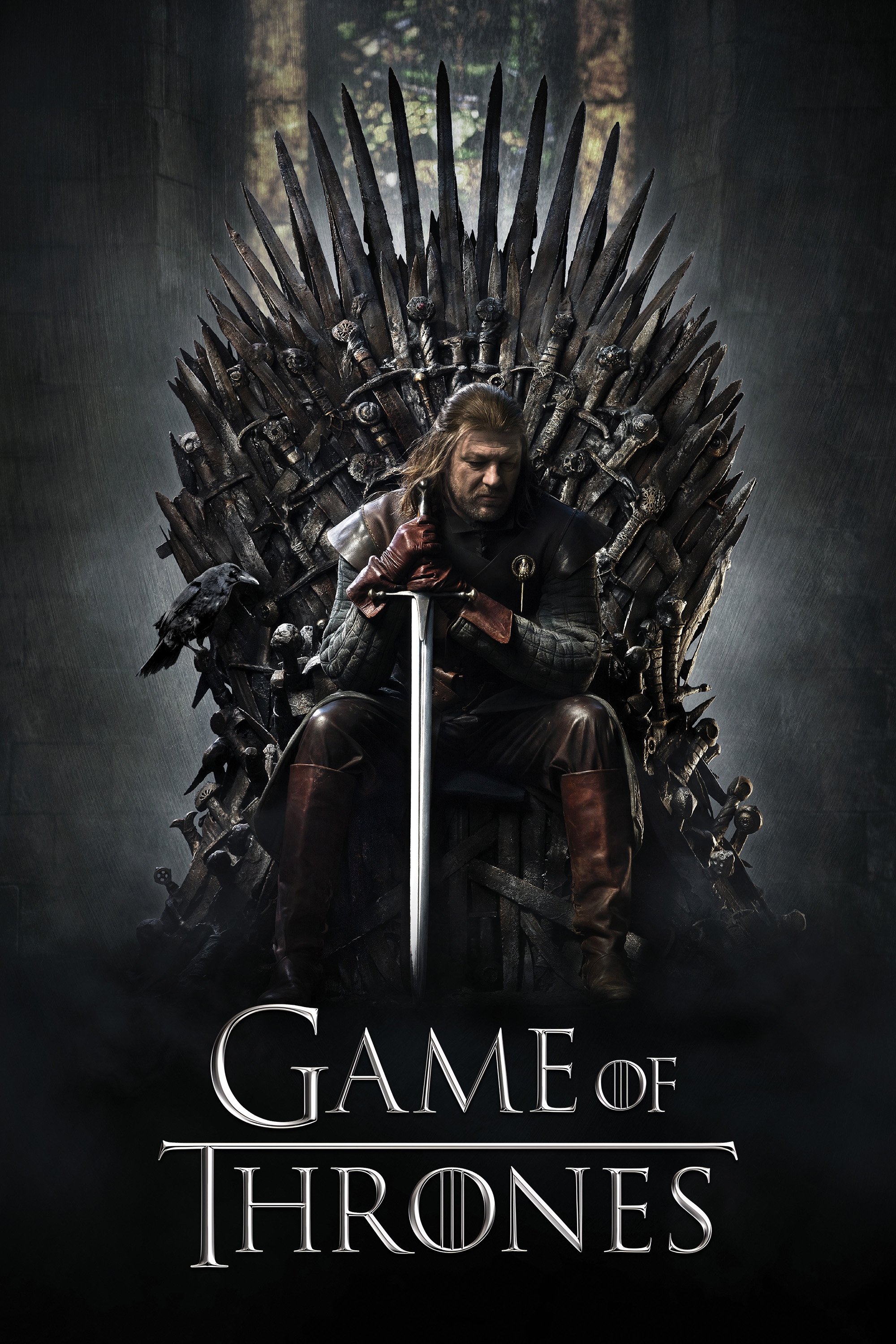
As a huge ‘Game of Thrones’ fan, I remember being pleasantly surprised by the casting of Xaro Xhoan Daxos. In the books, he’s described as pale, but the show went with a Black actor, which was a cool choice. It felt like a small thing at the time, especially looking back at how other fantasy shows have changed things, but book readers definitely noticed! Honestly, the showrunners often adjusted how characters looked to create a more diverse cast, which made sense for a global production. But let’s be real, most of us were too caught up in the power struggles in Westeros to dwell on those details!
‘Masters of the Universe: Revelation’ (2021)
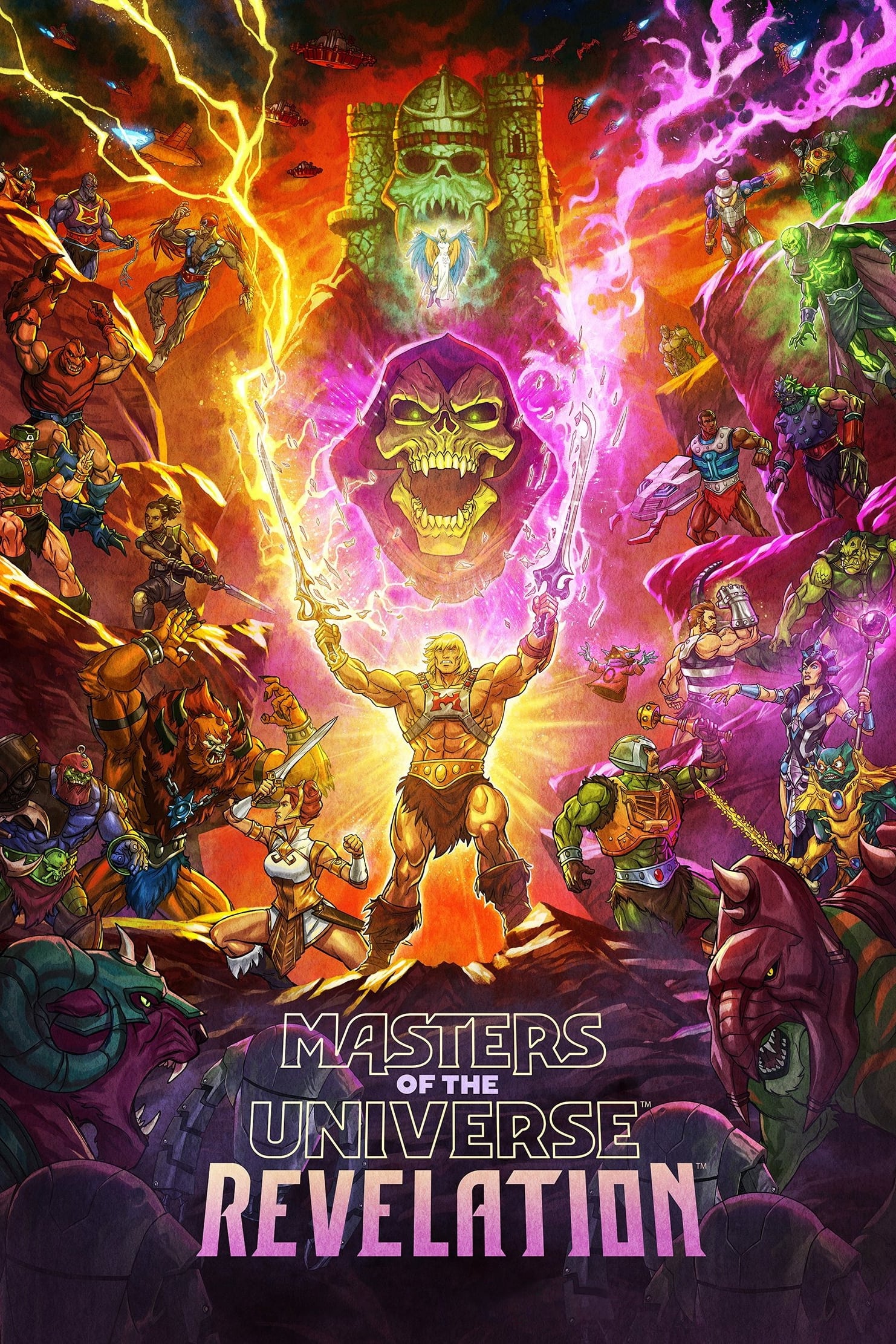
The series ‘Masters of the Universe: Revelation’ reimagined the character Andra as a Black woman, a change from her original depiction in the comics. The show also spent a considerable amount of time focusing on characters other than He-Man, which frustrated many dedicated fans. These changes together sparked considerable criticism of the show’s creator online. A second part of the series was released, aiming to respond to some of the feedback from viewers.
‘Cursed’ (2020)
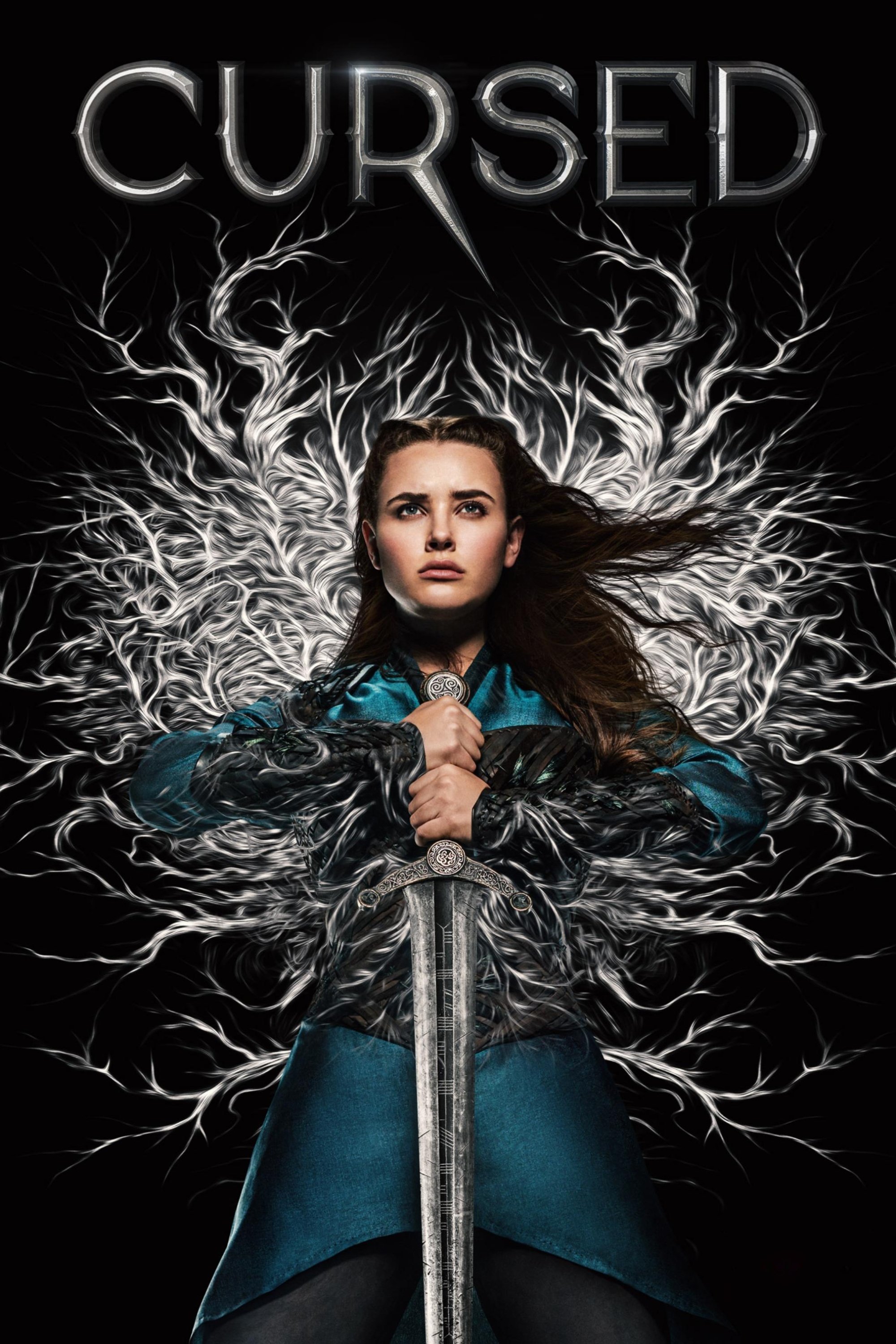
‘Cursed’ offered a new spin on the story of King Arthur, featuring a Black actor in the lead role and centering the narrative around the Lady of the Lake. The show aimed to attract a wider, more modern audience. However, some viewers disagreed with the changes made to this well-known British tale, and the series was ultimately canceled after one season.
‘The Letter for the King’ (2020)
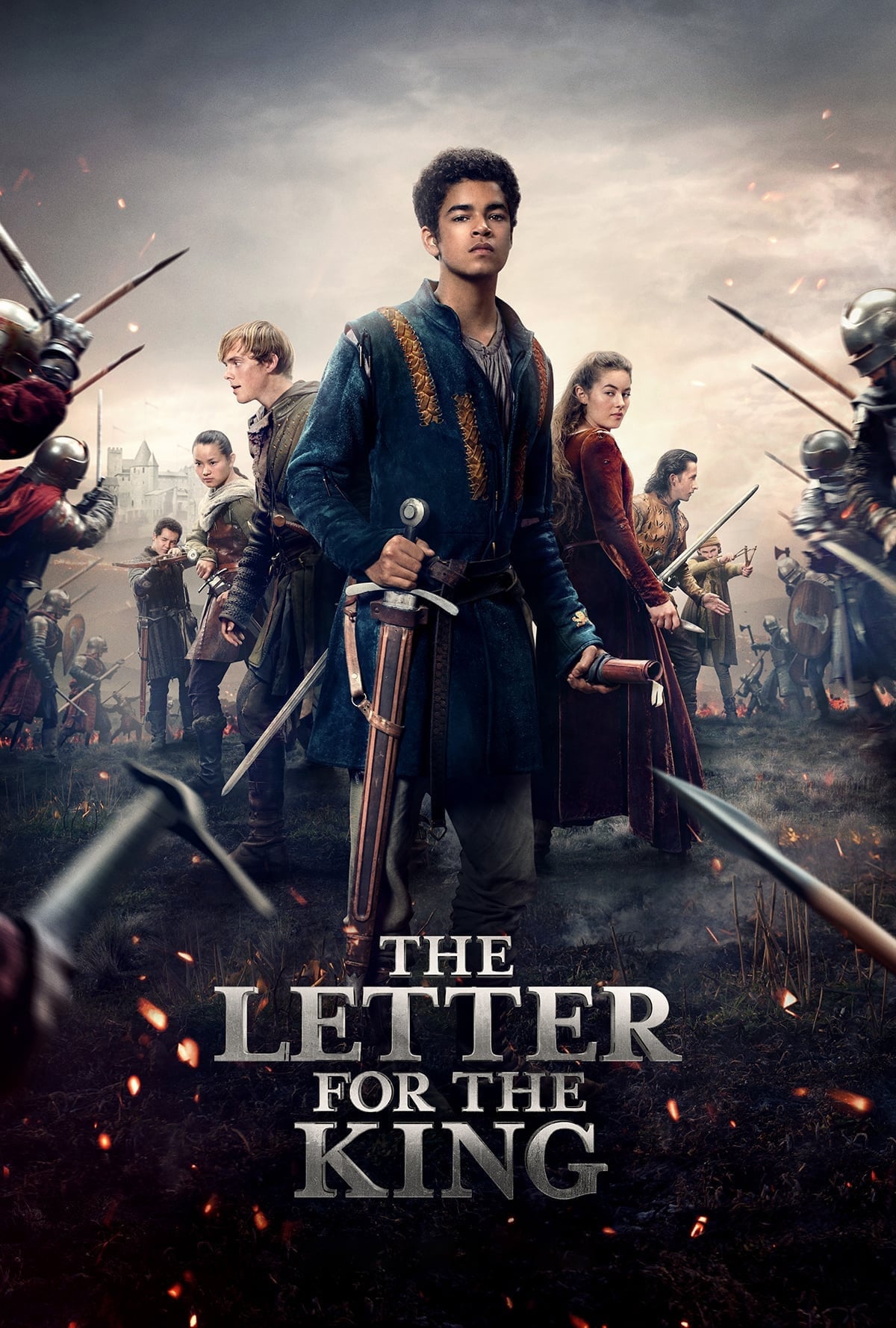
The Netflix series ‘The Letter for the King’ was based on a popular Dutch novel, but made changes to the characters’ backgrounds to be more diverse. It also shifted the story away from a realistic medieval Europe to a more fantastical setting. While aiming for inclusivity, these changes disappointed many fans of the original book, and ultimately the show didn’t attract a large enough audience to justify another season.
‘Bridgerton’ (2020–PRESENT)
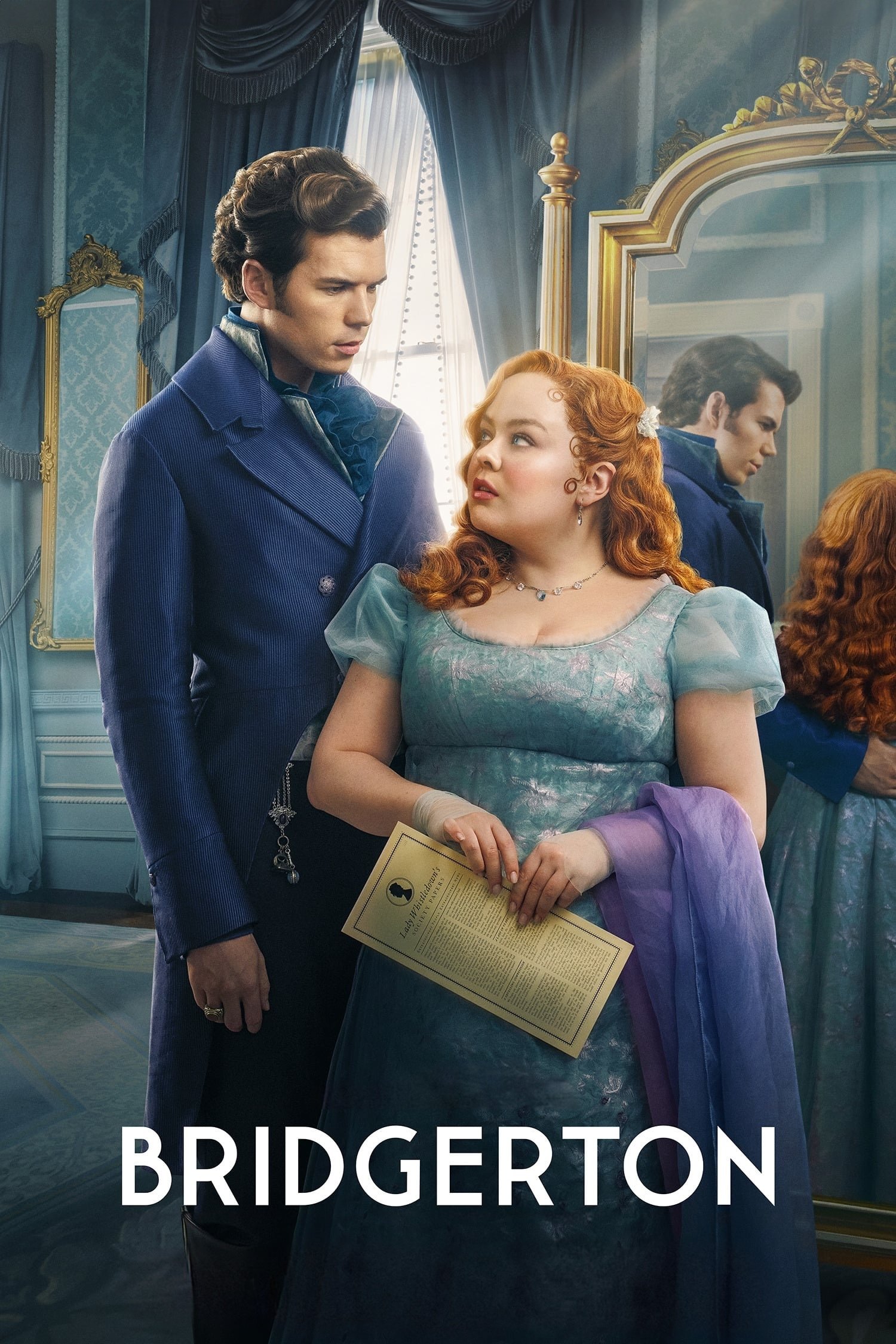
‘Bridgerton’ presents a reimagined version of 1800s London with a racially diverse cast. The show intentionally moves away from strict historical accuracy by casting Black actors in roles like the Duke of Hastings and Queen Charlotte. Although incredibly popular, this creative choice – presenting an alternate history – proved challenging for some viewers who prefer historically faithful fiction. Despite this, ‘Bridgerton’ remains a highly successful romantic drama.
Let us know what you think about the recent casting changes and how they affected the shows you enjoy! Share your opinions in the comments below.
Read More
- Invincible Season 4 Gender Swaps Tech Jacket As Fans Question Major Comic Change
- Silver Rate Forecast
- Gold Rate Forecast
- 22 Films Where the White Protagonist Is Canonically the Sidekick to a Black Lead
- Building Agents That Learn and Improve Themselves
- 15 Films That Were Shot Entirely on Phones
- 20 Movies Where the Black Villain Was Secretly the Most Popular Character
- Celebs Who Narrowly Escaped The 9/11 Attacks
- Trading Crypto with AI: A New Approach to Portfolio Management
- 18 TV Series Filming Rehearsals as Bonus Content
2026-01-10 20:51