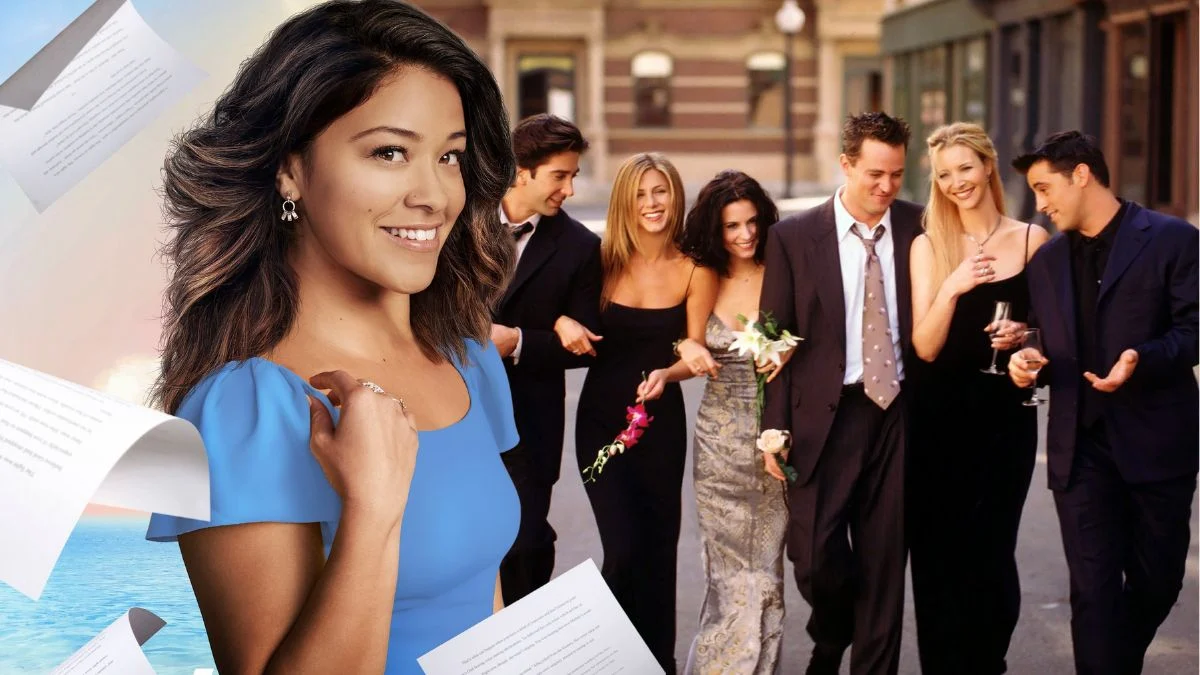
Television is becoming more diverse in its casting, aiming to show a world that looks like the one we live in. While many shows promote their diverse casts to appeal to viewers, the actual characters often end up fitting into predictable stereotypes or tired storylines. This gap between the idea of representation and how characters are actually written is a common criticism from both reviewers and audiences.
‘The Simpsons’ (1989–Present)
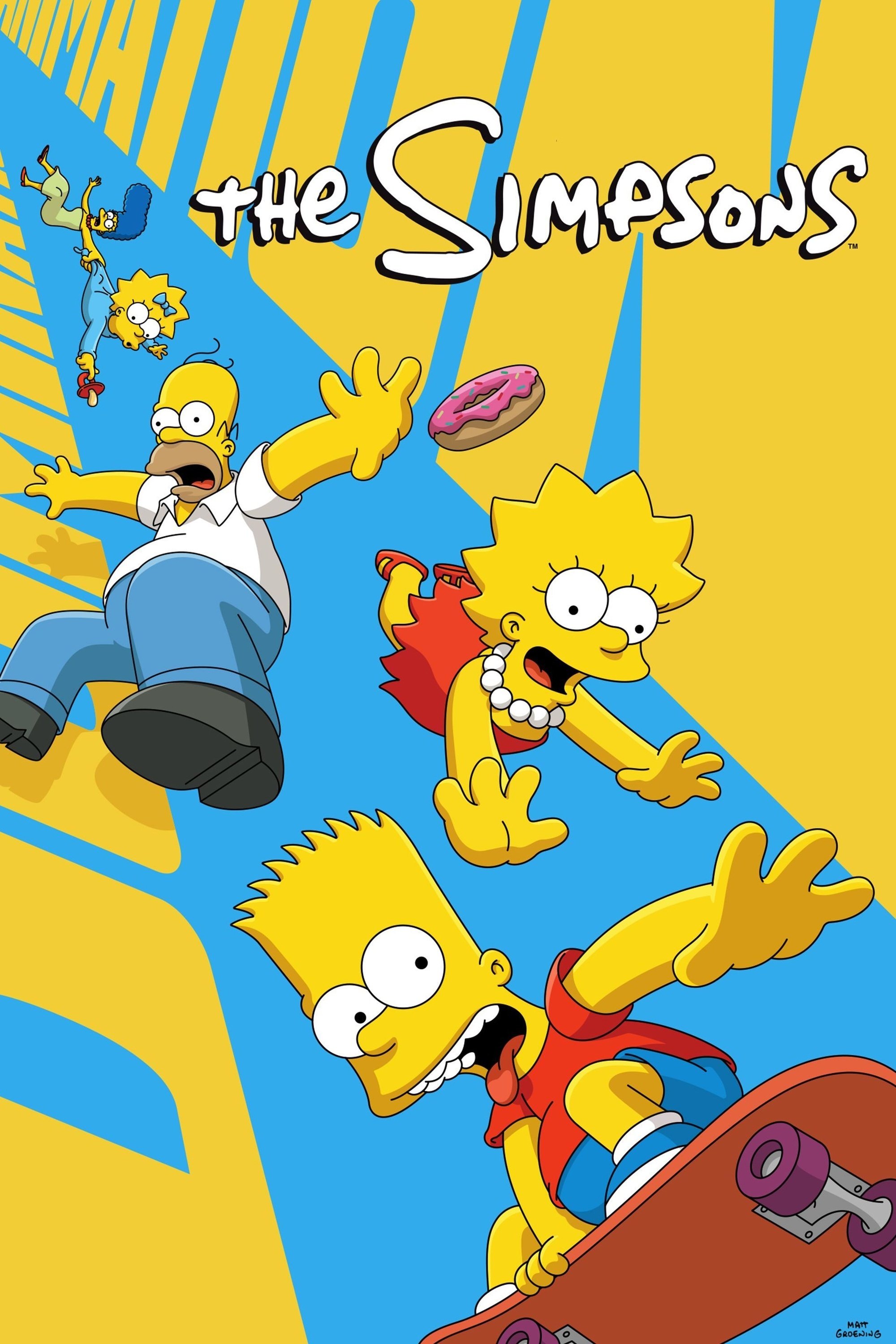
For many years, Apu Nahasapeemapetilon was the most visible South Asian character on American TV. However, his portrayal often relied on a strong accent and the stereotype of a convenience store owner, which many found overly simplistic and harmful. A documentary later revealed how this reinforced negative stereotypes for Indian Americans over multiple generations. Facing criticism, the actor who voiced Apu eventually stopped playing the role, and the character has since been featured much less often to avoid continued controversy.
‘Friends’ (1994–2004)
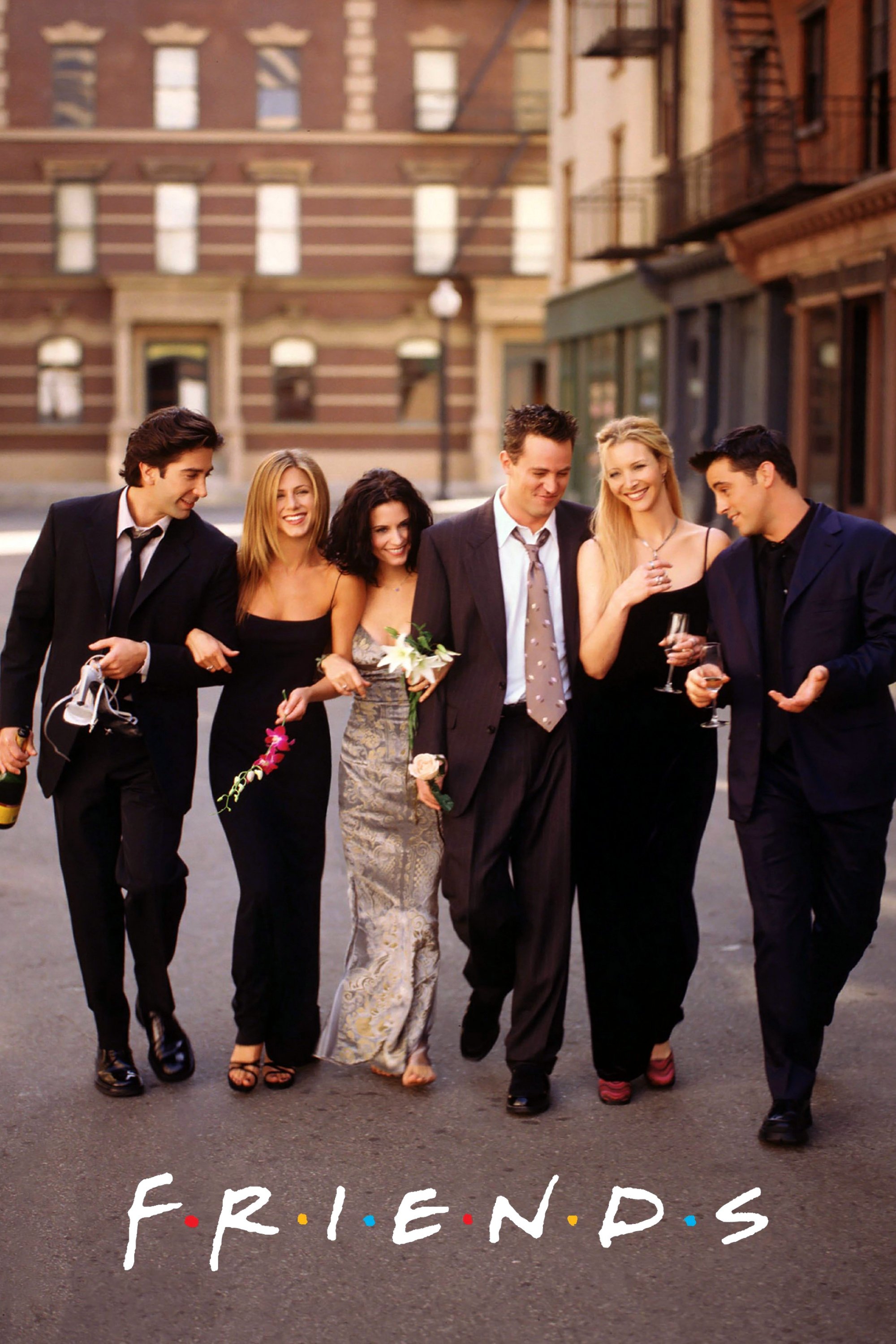
The popular sitcom received a lot of criticism for not having enough diversity during its ten seasons, especially considering it was set in New York City. While the show eventually added Black characters, they often appeared briefly as love interests for the main characters. These characters didn’t have the same complex stories or personal growth as the six leads, and their inclusion felt like a reaction to complaints rather than a sincere effort to create a diverse show. Ultimately, this approach led to the show being seen as using token characters instead of providing real representation.
‘Sex and the City’ (1998–2004)
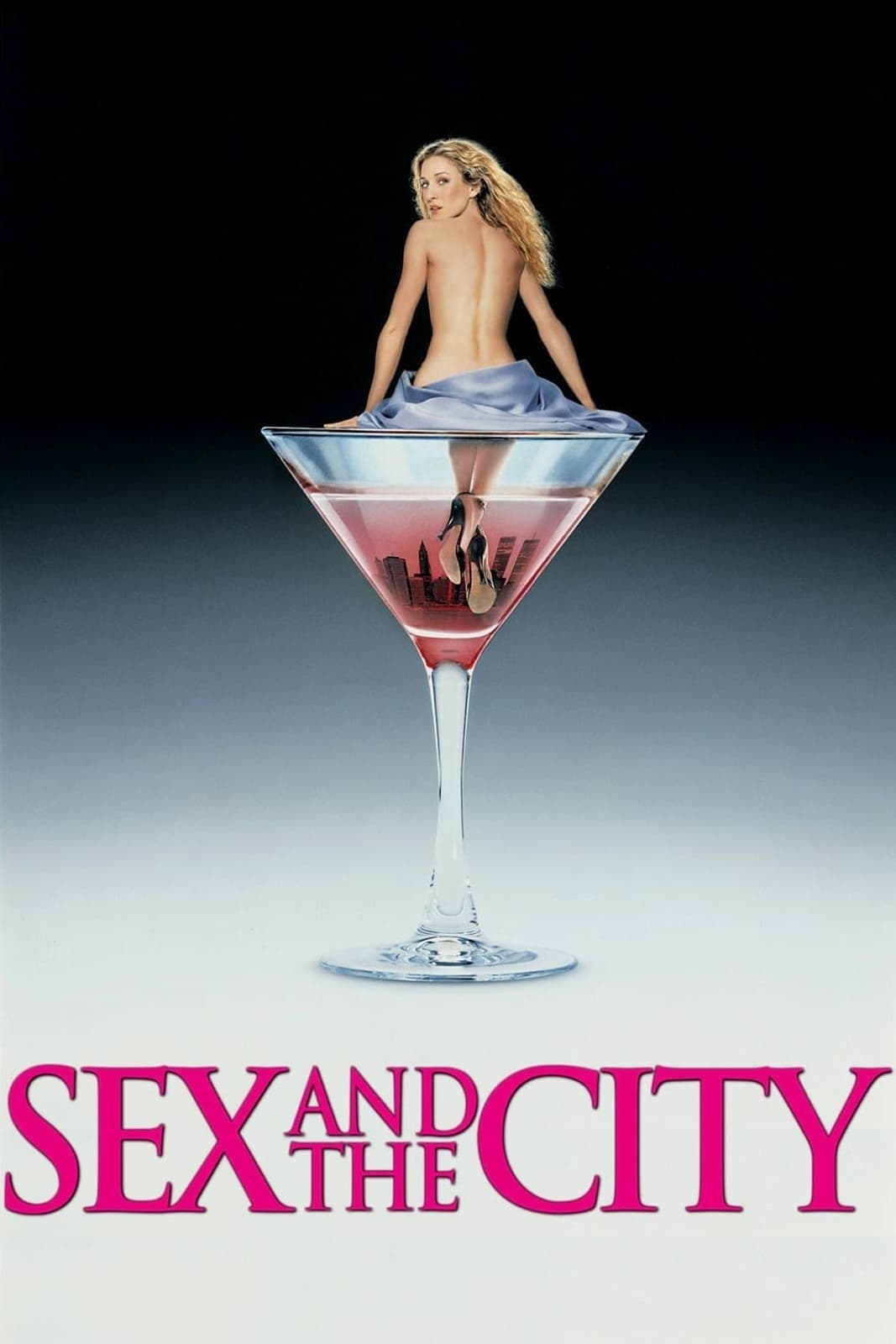
The original show only centered on the experiences of four white women, which didn’t reflect the real diversity of New York City. When characters of color did appear, they were often defined by their race or used briefly to further the stories of the main characters. Even interactions like dating someone of a different race were presented as unusual or as opportunities for the white leads to learn about other cultures. The show never truly included diverse perspectives within its main group of friends, and this lack of inclusion was heavily criticized later on.
‘Smallville’ (2001–2011)
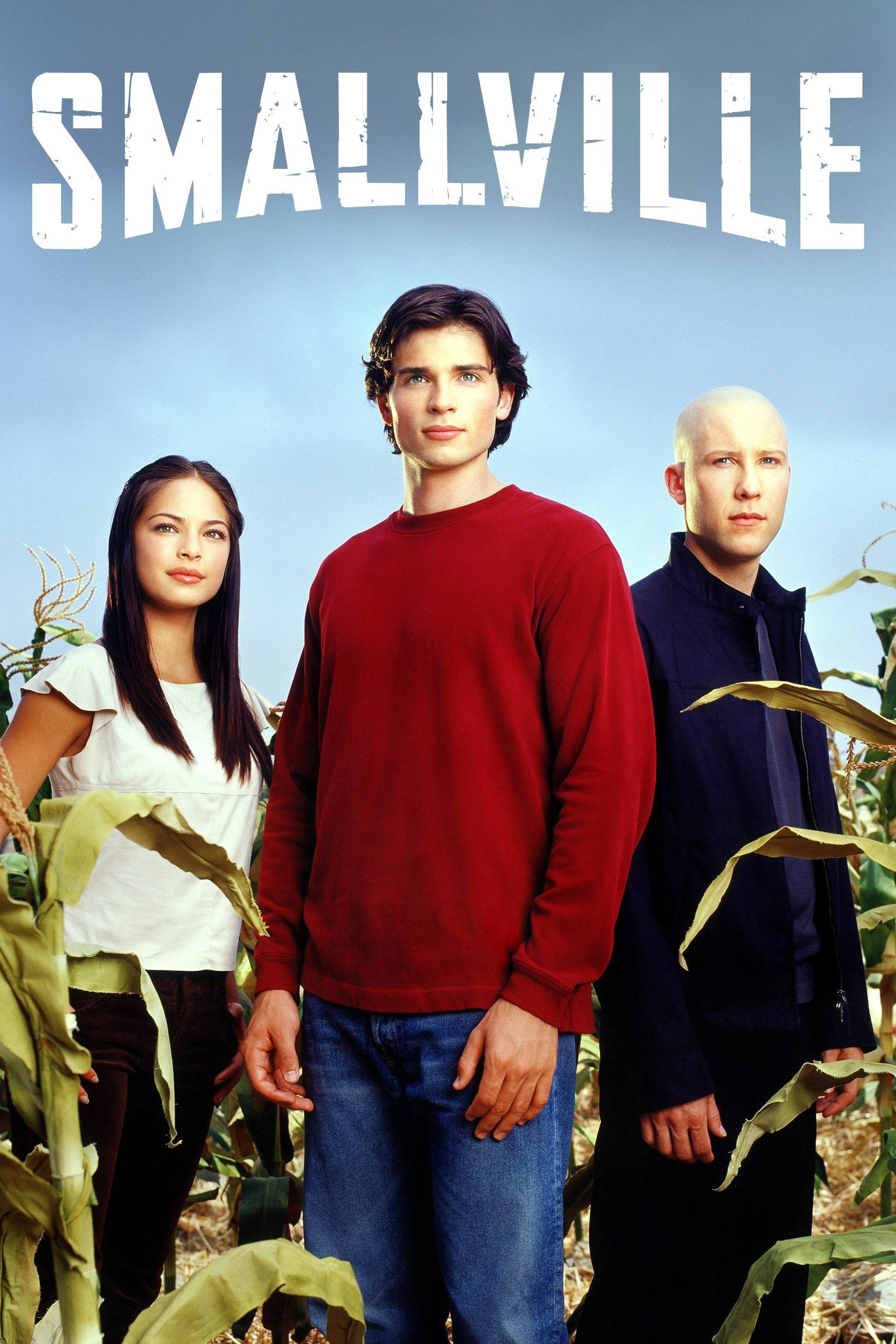
Pete Ross was created as a Black friend for Clark Kent, a change from the comic books. Unfortunately, the show didn’t give his character enough attention, often focusing instead on white characters’ love stories and villainous plots. This lack of development led to Pete leaving the show prematurely, as the writers struggled to find meaningful storylines for him. His departure underscored the show’s challenges in fully including its supporting characters and represented a lost chance to add more diversity to the Superman story.
‘Lost’ (2004–2010)
The show had a large, diverse cast, but some characters were first presented using familiar, and sometimes stereotypical, cultural ideas. For example, the Korean couple, Jin and Sun, began with a storyline that played into traditional ideas about men and women and the challenges of language barriers. Although their characters became more complex later on, the early episodes often highlighted their difficulty connecting with others. Other characters from various backgrounds were also initially portrayed as mysterious or ‘exotic.’ This initial approach made it hard for the show to move beyond these simple character types.
‘Grey’s Anatomy’ (2005–Present)
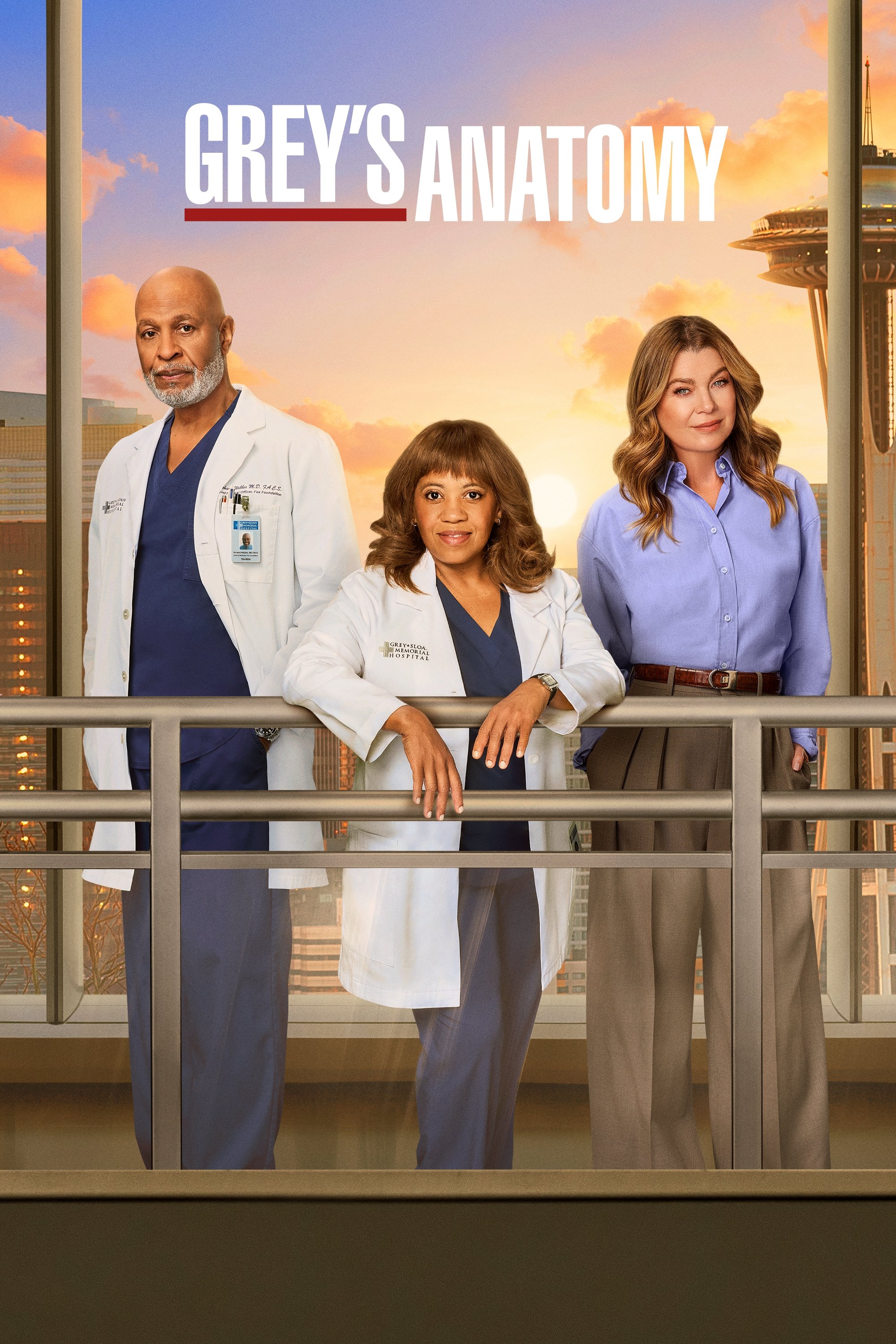
This medical drama is known for having a diverse cast, but in its early seasons, some of its minority characters weren’t as fully developed as others. They were often defined by their strength or work ethic, and we didn’t see much of their personal lives. Critics have pointed out that the show sometimes seemed to prioritize appearing inclusive over creating original storylines, relying instead on familiar romantic plots. While the show has gotten better over time, some early story arcs felt superficial, like they were included for representation without much substance. With such a large cast, characters of color sometimes had to wait longer to have their stories fully explored.
‘Heroes’ (2006–2010)
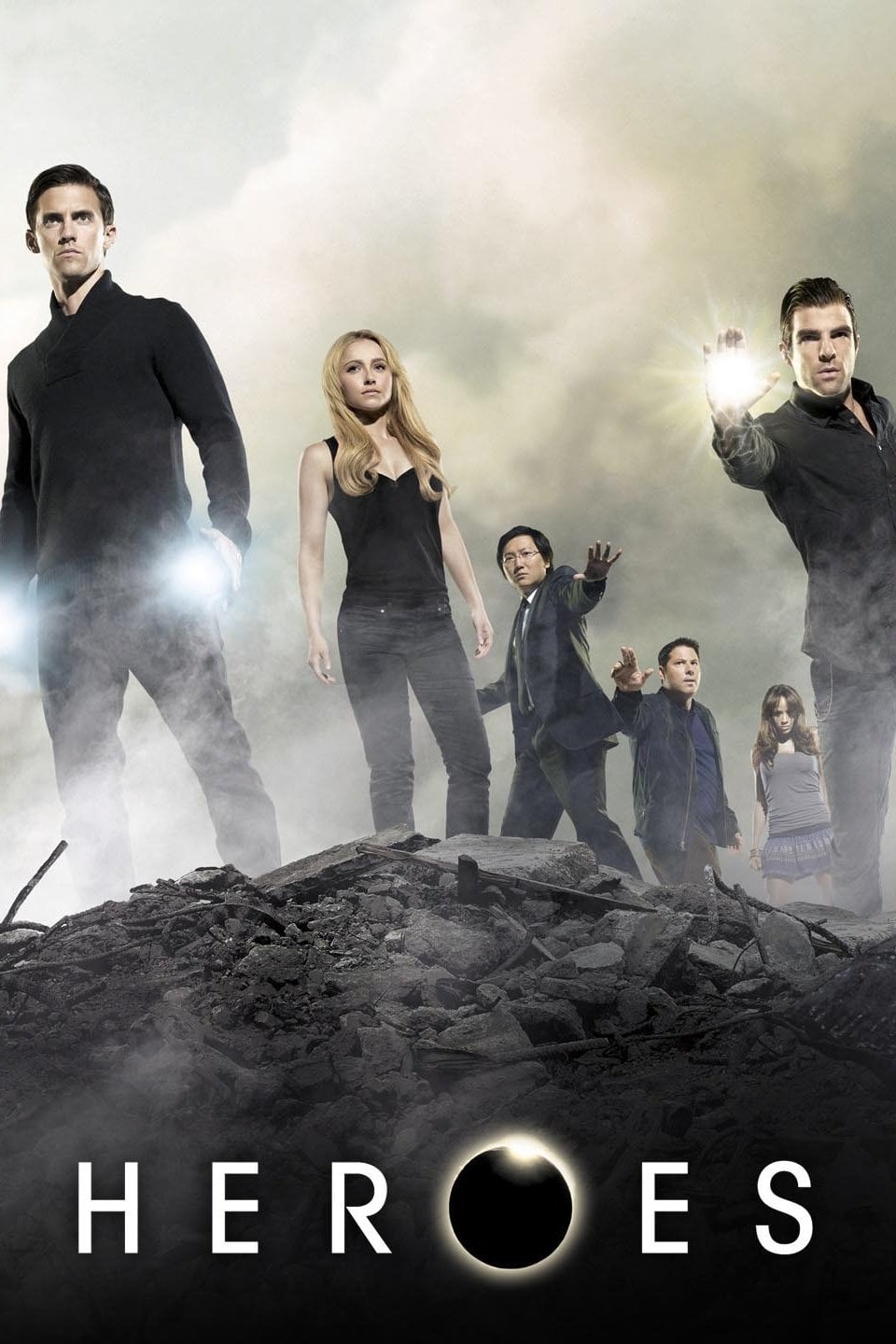
The show became popular internationally because of its idea of people around the world suddenly gaining superpowers. However, characters like Hiro Nakamura were often portrayed as silly or overly innocent. His story relied on old and stereotypical ideas about Japanese culture and martial arts. Other characters from diverse backgrounds faced similar problems, with their powers being directly linked to their ethnicity or mystical traditions. This made it difficult for them to feel like fully developed people, instead of just symbols of their cultures.
‘Skins’ (2007–2013)
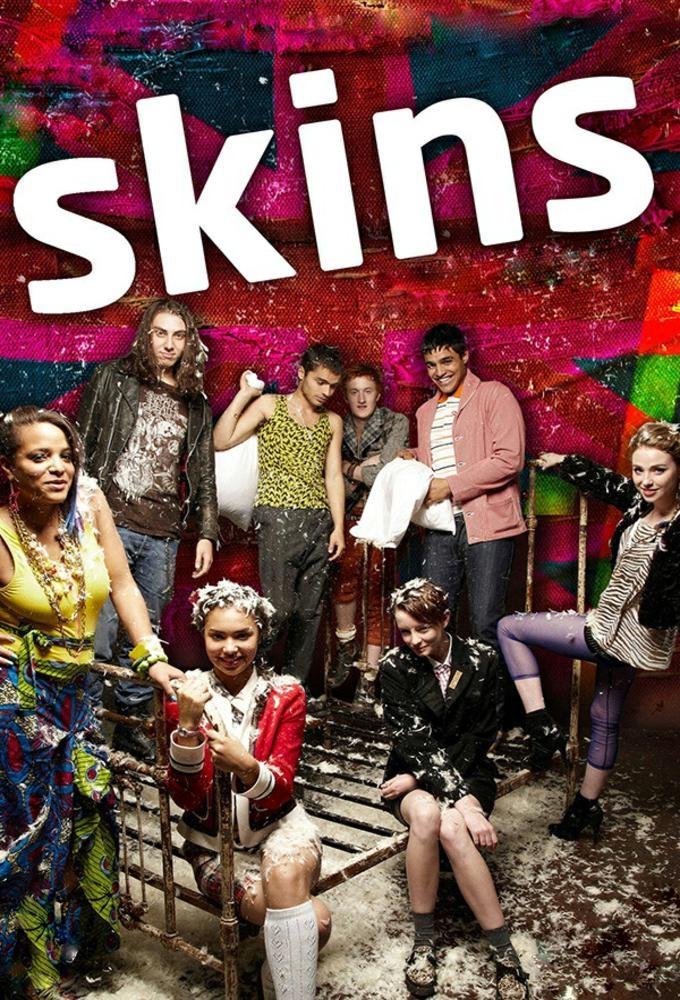
The British teen drama received positive attention for its realistic portrayal of life and its diverse cast of young actors from Bristol. However, many of the characters from minority backgrounds had storylines focused on issues like religious restrictions or overbearing parents. These themes felt predictable and constantly emphasized how different they were from the white characters. The show sometimes relied too heavily on race as the main source of conflict for these characters, preventing them from having the same range of experiences as others. While the show appeared diverse, its character development ultimately felt limited.
‘The Big Bang Theory’ (2007–2019)
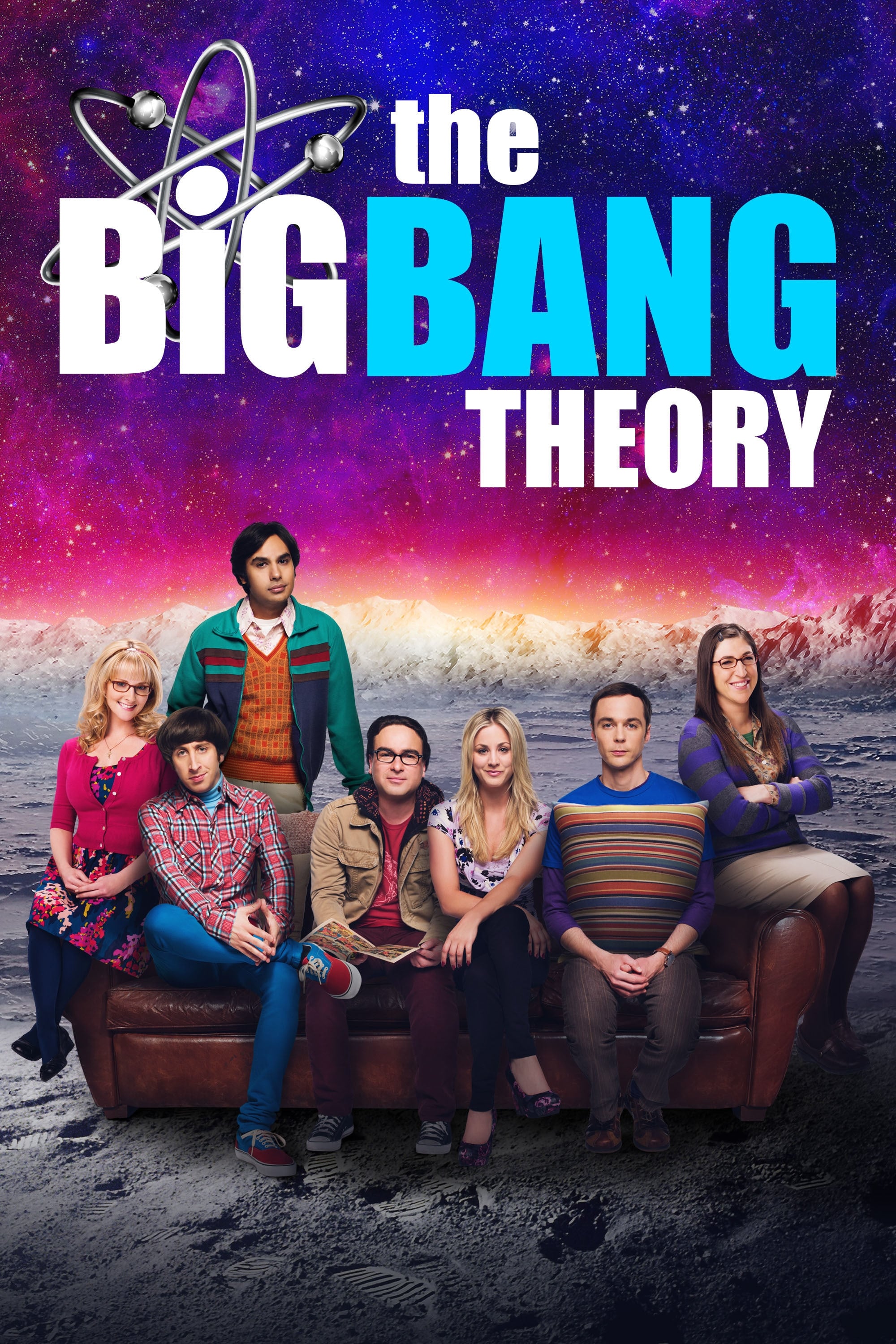
Throughout the entire series, Raj Koothrappali was the sole person of color among the main characters. For many seasons, his defining trait was his difficulty talking to women, often played for laughs with a strong accent. The show frequently used jokes about Indian culture and food, but didn’t delve deeply into Raj’s background or experiences. His accomplishments at work were often minimized by jokes about his personal life and feeling like an outsider. This portrayal was a common criticism, especially considering the show’s overall focus on intelligence and learning.
‘Glee’ (2009–2015)
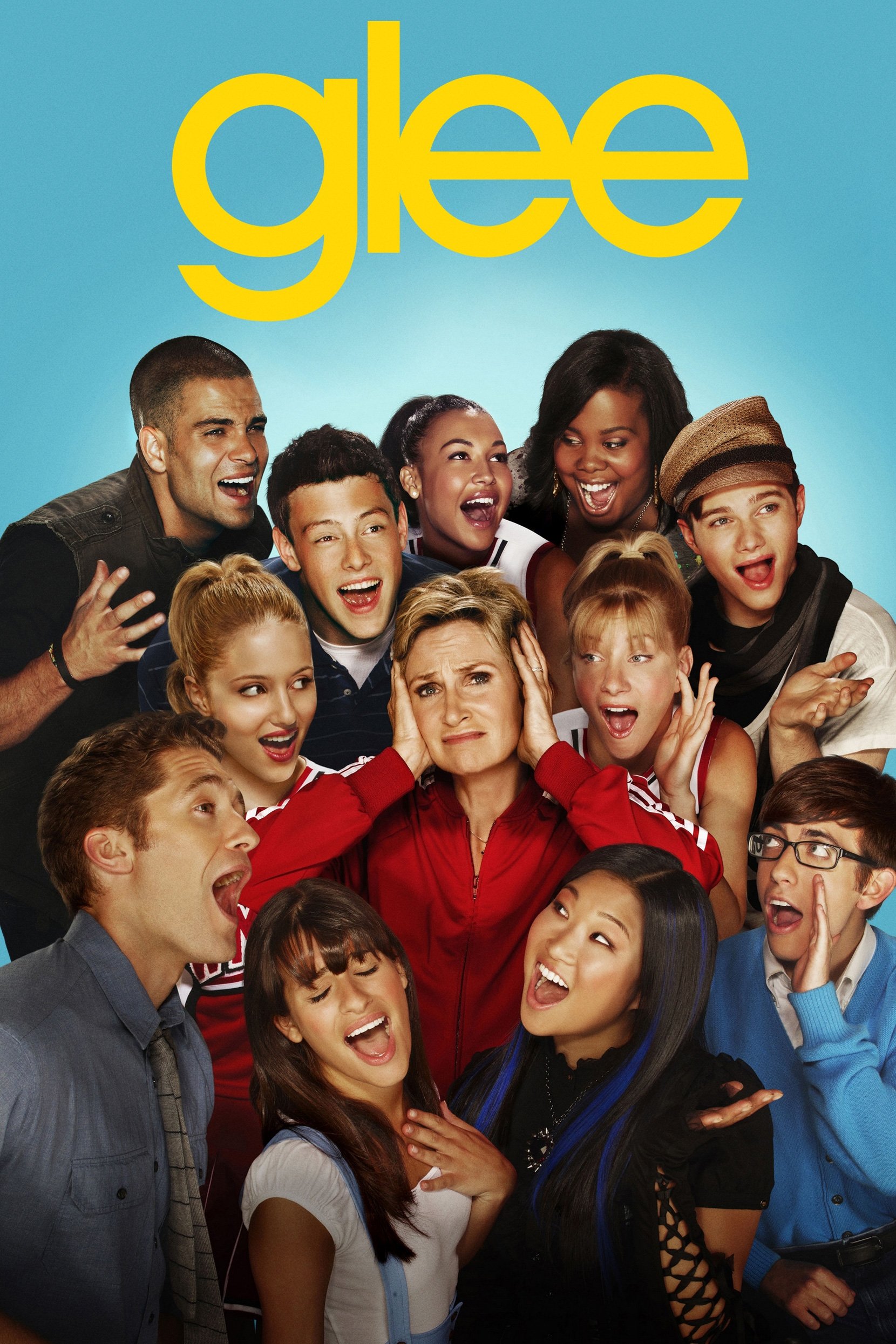
The series promoted itself as a celebration of diversity, aiming to represent students from all walks of life. However, characters like Mercedes Jones expressed feeling limited to supporting roles, and Tina and Mike Cohen-Chang were often portrayed primarily through their ethnicity or as shy individuals. The show frequently used stereotypes for laughs, then tried to counter them with lessons that didn’t feel genuine. This resulted in a pattern where the show gained positive attention for its diversity, but still relied on predictable tropes.
‘Modern Family’ (2009–2020)
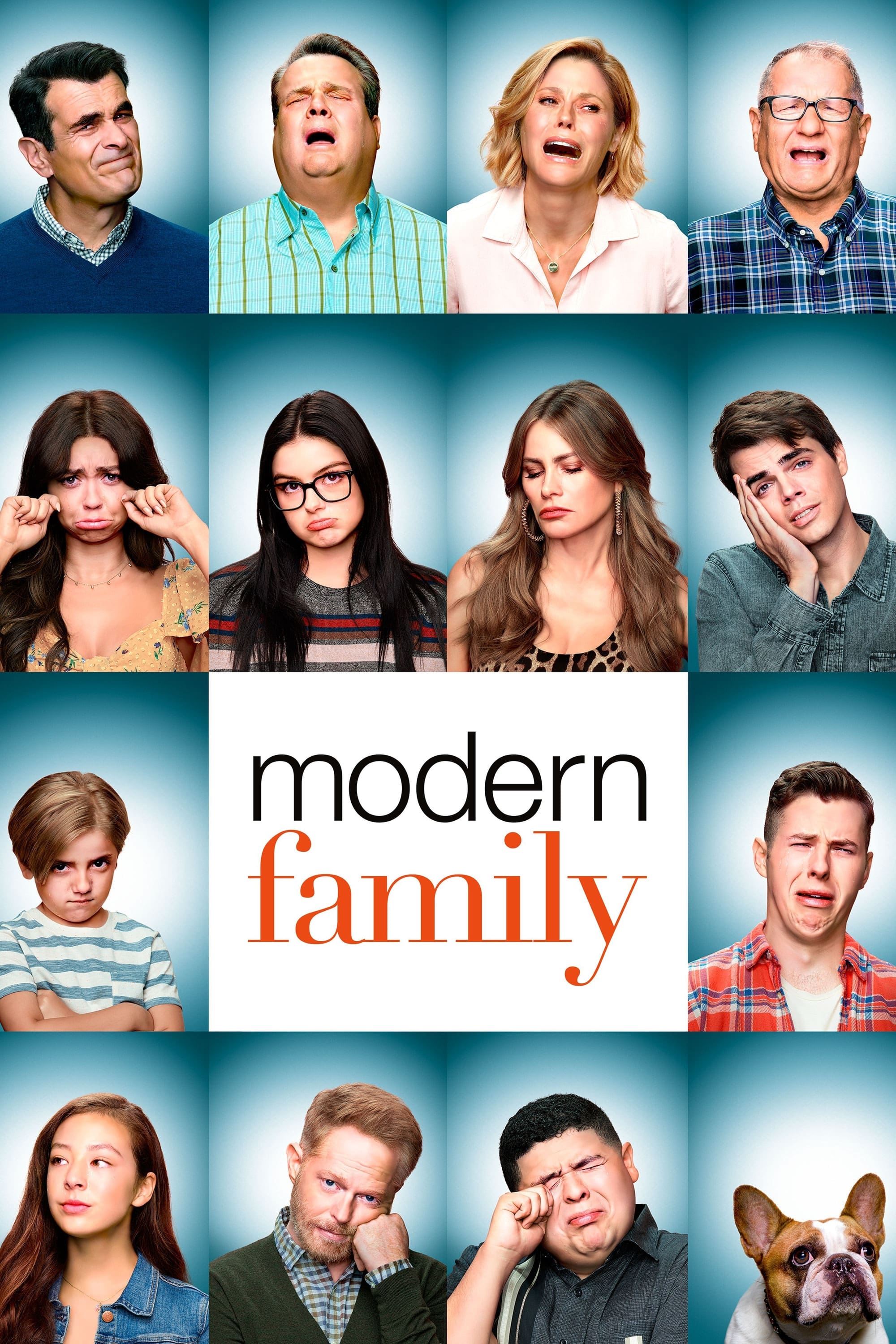
Gloria Pritchett became well-known thanks to the show, but her character was often the subject of jokes about her accent and Colombian background. The writers frequently highlighted her boisterous personality and past in ways that relied on common stereotypes about Latina women. Despite being a caring mother and wife, her character didn’t feel as authentic or fully developed as the white characters. The show also had trouble creating well-rounded diverse characters, often portraying them as flat, temporary figures. This approach made the show’s attempts at diversity feel superficial rather than genuine.
‘The Vampire Diaries’ (2009–2017)
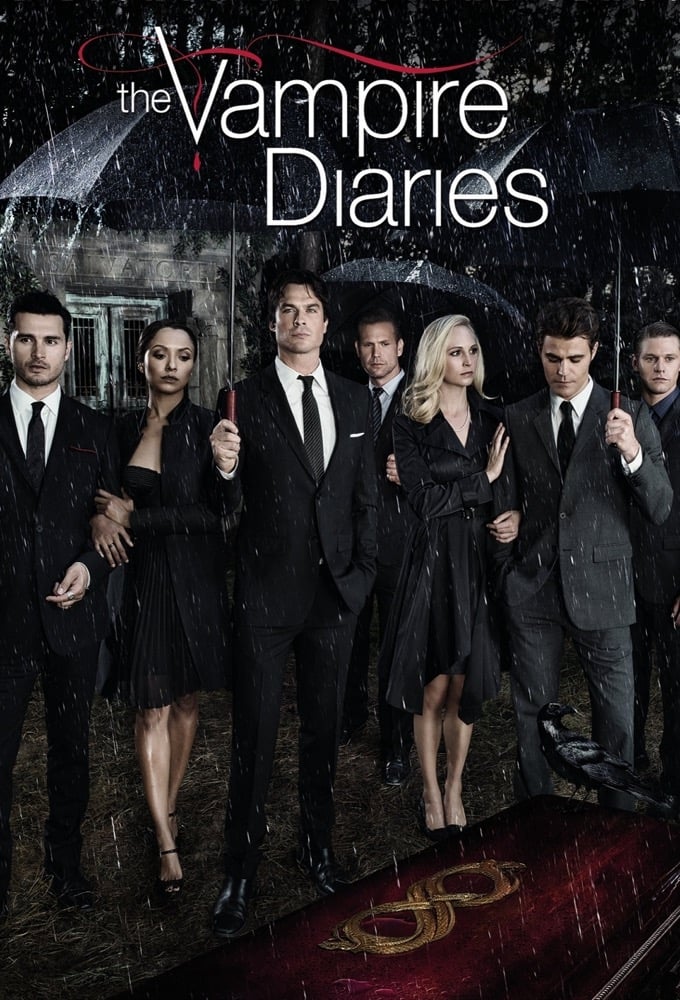
Bonnie Bennett, as one of the only characters of color, often felt sidelined in the show, used primarily to help the white main characters. She was repeatedly put in peril and asked to make personal sacrifices for others, while characters like Elena and Caroline received more focus on romance and their own goals. Many viewers noticed that Bonnie rarely had storylines that weren’t connected to the main plot, making her feel more like a tool to advance the story rather than a fully developed character.
‘The Walking Dead’ (2010–2022)
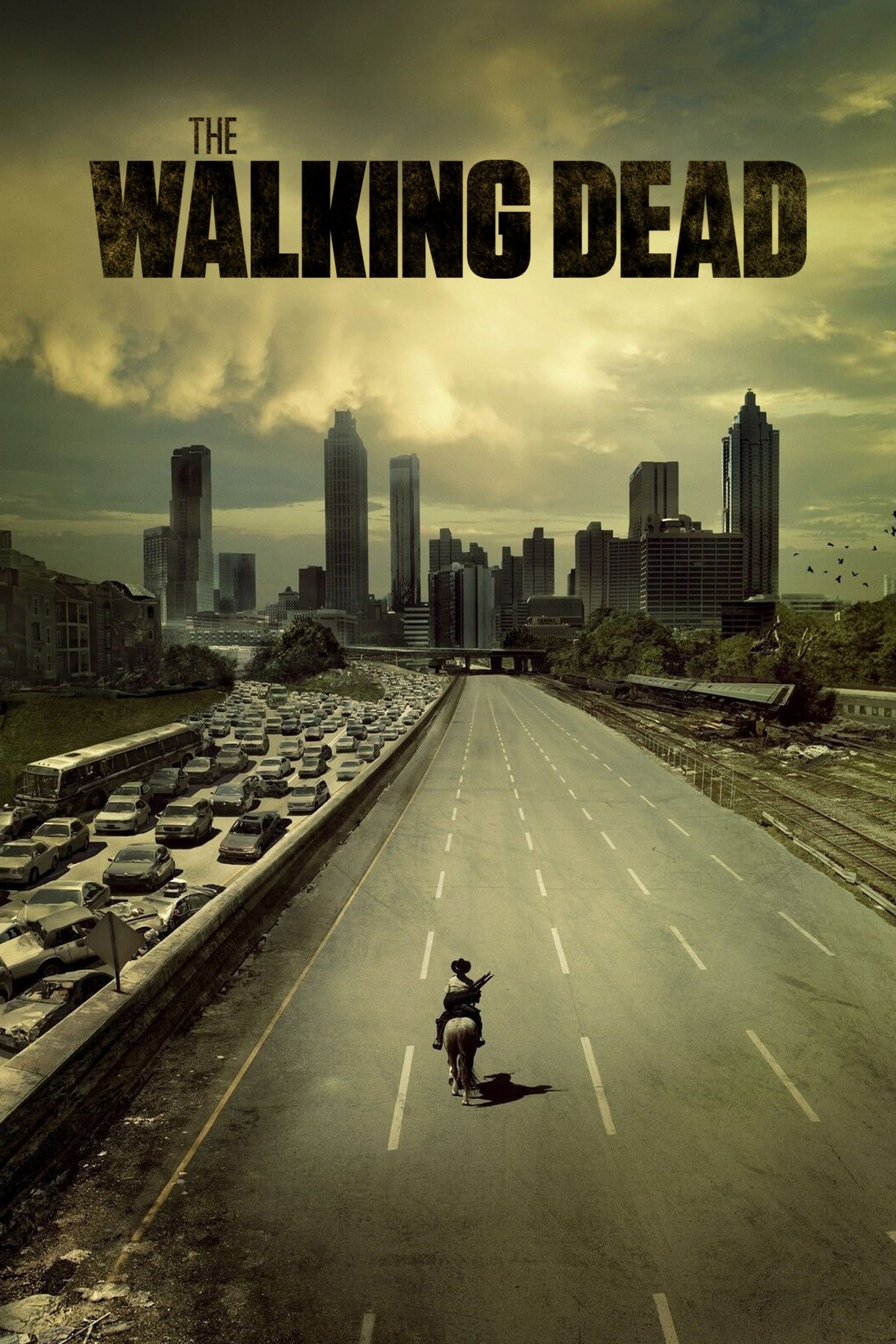
The show, set after a major disaster, had a changing group of characters from many different backgrounds. However, it quickly received criticism because Black male characters often didn’t survive long. Viewers observed a pattern where minority characters were introduced and then killed off soon after, creating the impression that these characters were less important than the main white survivors. Although the show later included more diverse characters in leading roles, it struggled to overcome this early perception. This tendency to use predictable character deaths made it hard for the show to be seen as truly inclusive.
‘New Girl’ (2011–2018)
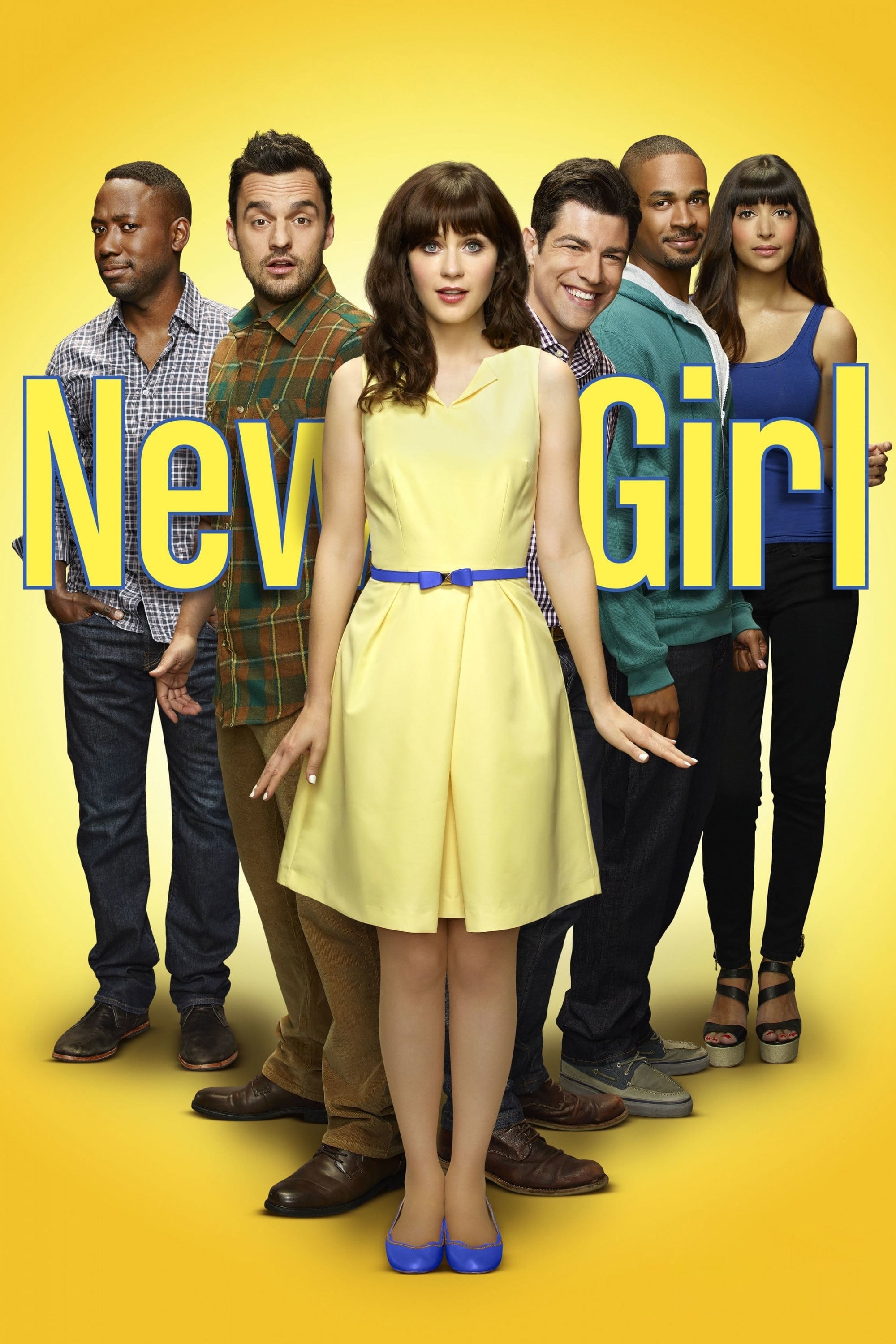
Winston Bishop wasn’t initially a well-defined character when he joined the show. The writers had trouble figuring out his personality, and for the first few seasons, he didn’t have as much comedic focus or romantic development as his roommates, Nick and Schmidt. He often just reacted to their craziness without really driving the plot himself. Although he eventually became popular with fans thanks to his unique personality, his early appearances felt a bit aimless and made him seem less central to the group.
‘2 Broke Girls’ (2011–2017)

The sitcom often faced criticism for its depiction of Han Lee, the diner owner. The character was consistently portrayed as short and confused by American customs and dating, and the main characters frequently made offensive jokes about his ethnicity and appearance. Despite the criticism, the show continued to rely on these harmful stereotypes throughout its entire run, making it a clear example of outdated and insensitive character writing.
‘Scandal’ (2012–2018)
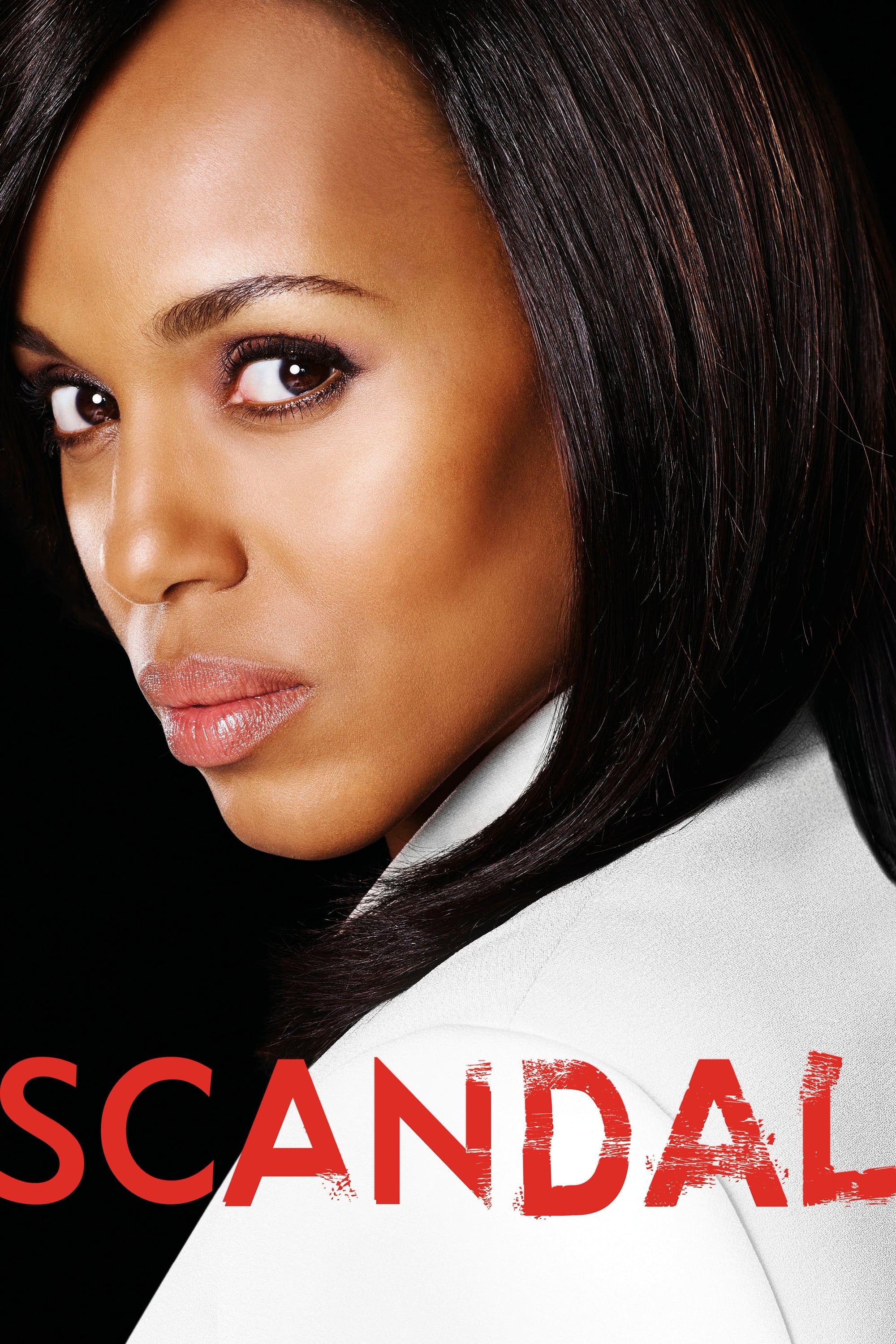
Olivia Pope was a pioneering lead character as a strong Black woman in Washington, D.C., but the show sometimes fell into the familiar pattern of portraying her as a woman defined by a difficult, often unhealthy, relationship with a powerful white man. Some felt the series prioritized her romantic struggles over showcasing her intelligence and success at work. The diverse supporting characters also frequently faced storylines centered around hardship and self-sacrifice, which could feel overwhelming and predictable.
‘The Mindy Project’ (2012–2017)
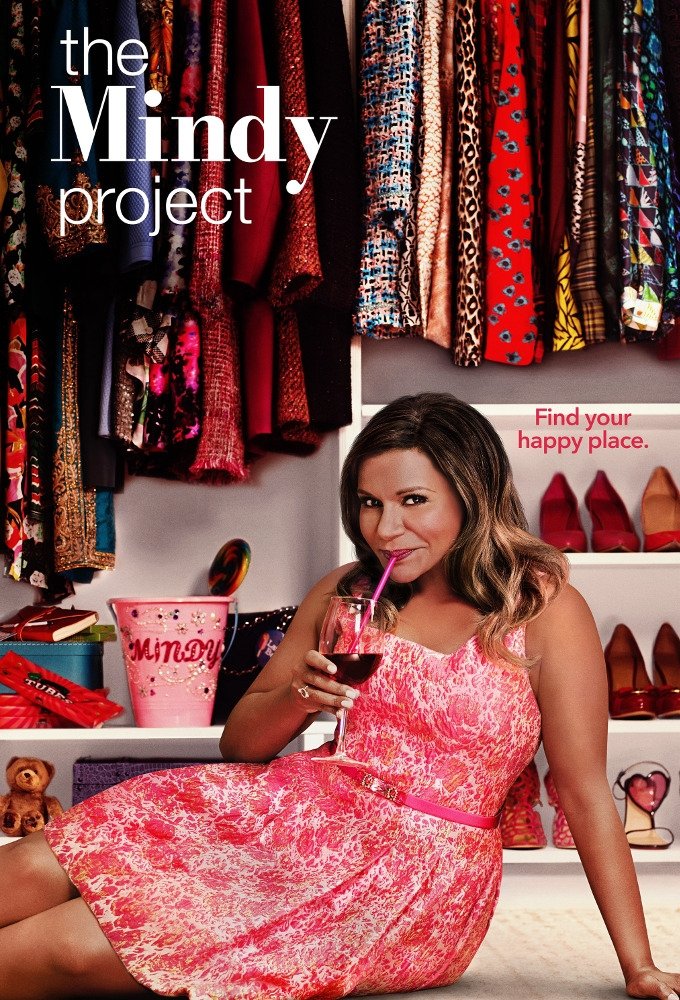
Mindy Kaling’s romantic comedy received some criticism for not showing enough diversity in its characters’ love lives. The main character primarily dated white men, and viewers thought this was a chance to include more diverse relationships. Beyond that, characters of color were often relegated to minor roles or used simply for comedic effect. Although the show was groundbreaking for South Asian women in comedy, it didn’t extend that same inclusivity to the broader cast and storylines, which limited its potential to truly represent a diverse world.
‘Devious Maids’ (2013–2016)
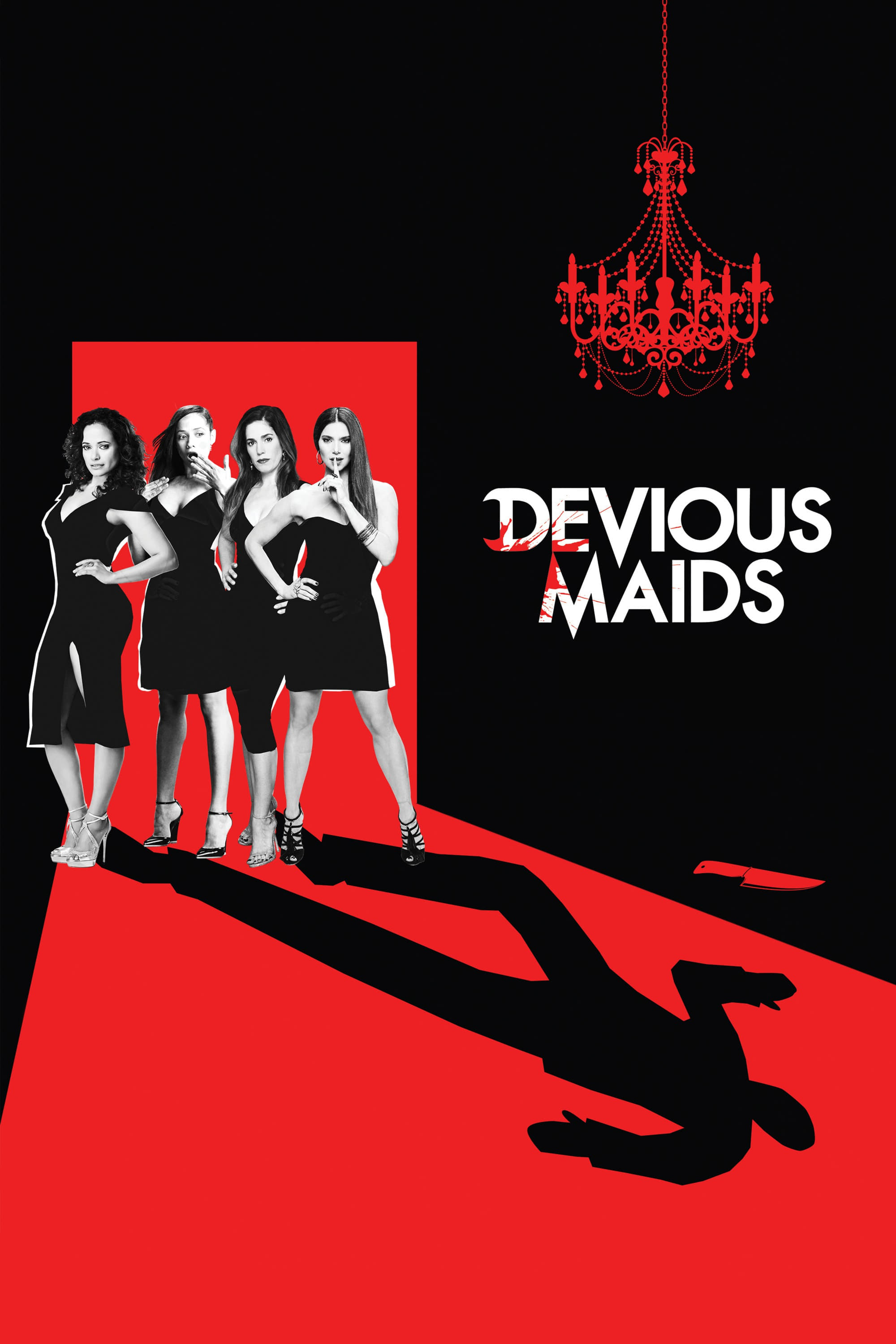
The show aimed to focus on the lives of Latina women, but its story fell into the familiar pattern of depicting them as housekeepers for wealthy families. Although the characters had personal struggles and secrets, their identities were largely tied to their jobs serving white employers. This made it hard for the show to avoid stereotypes about class and ethnicity, and many viewers thought it focused more on dramatic twists than on genuinely exploring Latina culture. The characters’ lives felt restricted to their work, limiting the depth of their representation.
‘Brooklyn Nine-Nine’ (2013–2021)
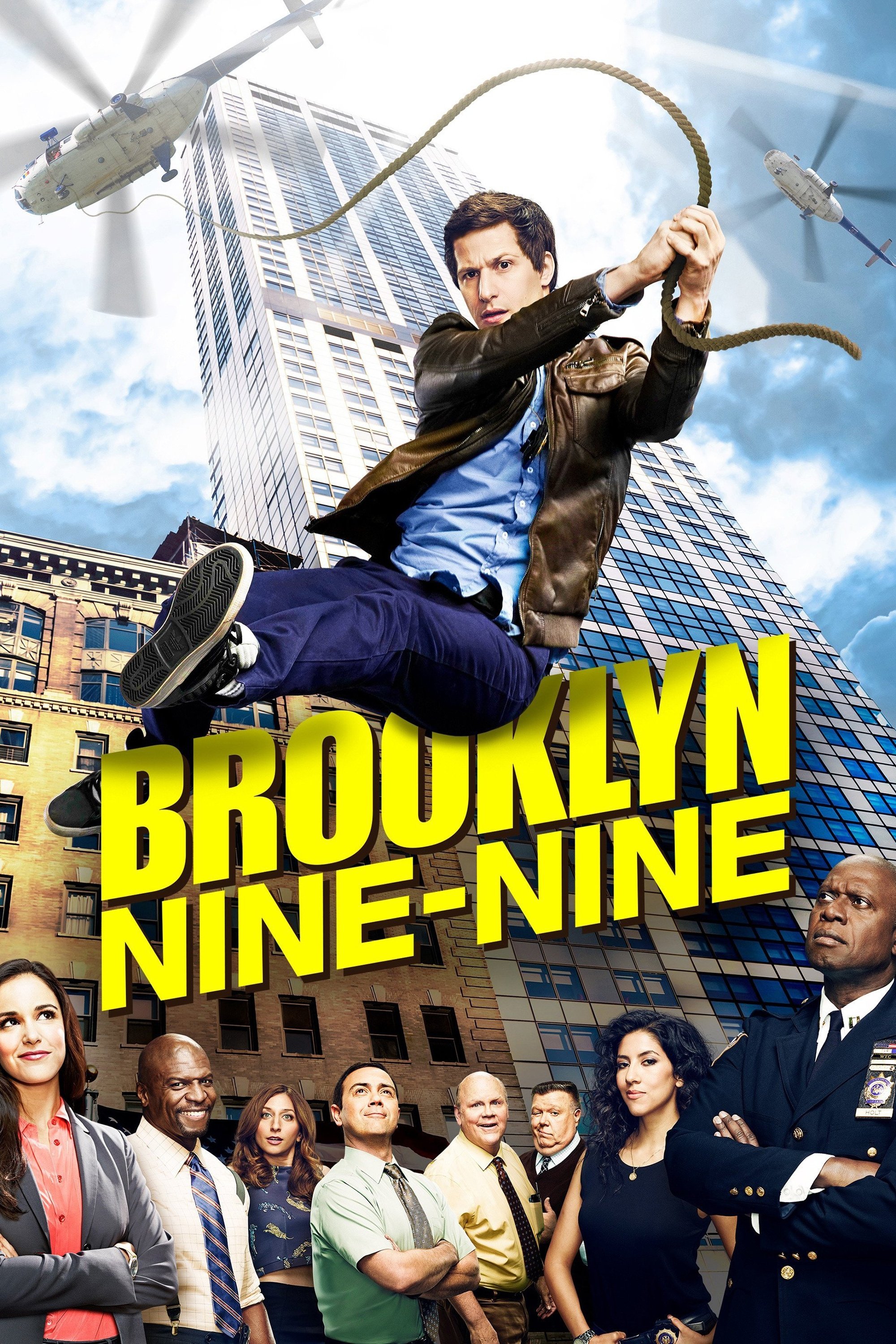
The show is praised for its inclusive and respectful representation, but in its early seasons, Captain Holt and Terry sometimes fell into the stereotype of the strong, silent Black man. While these characters became wonderfully complex as the show went on, they initially drew laughs from being seen as very stoic or traditionally masculine. The series later moved beyond these easy tropes, giving the characters real emotional depth. Some viewers initially felt the humor relied too much on the contrast between how these characters looked and what they enjoyed, though this improved a lot as the show developed, it was a noticeable aspect of the early seasons.
‘Orange Is the New Black’ (2013–2019)

The show originally focused on a white woman’s experience entering a diverse prison, and while it did give a platform to many underrepresented groups, it sometimes fell back on common, and potentially harmful, stereotypes when portraying Latinx and Black inmates. Some characters were first shown as tough or lacking education, with their full stories and complexities only revealed much later. This meant viewers had to wait a long time to see these characters as fully human, beyond those initial impressions. Although the show improved and became more complex over time, that early approach was a concern for some viewers.
‘Jane the Virgin’ (2014–2019)

The show playfully imitated telenovelas, using common story elements, but occasionally fell into the trap of repeating those same clichés. The grandmother character, portrayed as deeply religious and only speaking Spanish, followed a familiar pattern of Latina representation. Despite being witty and touching, the show frequently relied on exaggerated, dramatic personalities to drive the plot. While the diverse cast was a key part of the story, their struggles often connected to their cultural backgrounds in ways that felt predictable. This created a tricky mix of satire and stereotype that wasn’t always successful.
‘Marco Polo’ (2014–2016)
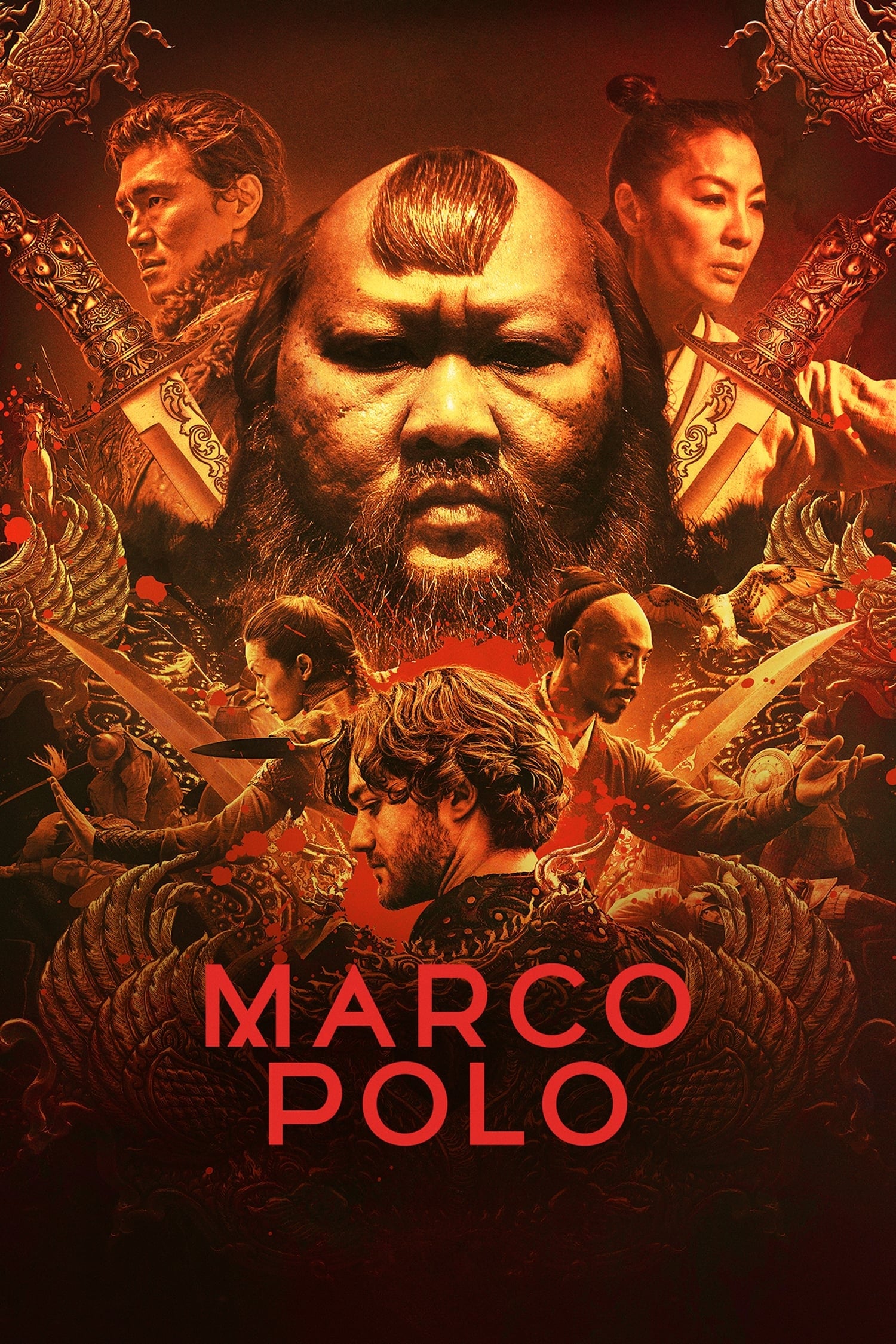
As a film fan, I found this historical drama really frustrating. It was set in Asia and featured an Asian cast, but the story always centered on a white explorer’s point of view. It fell into so many tired clichés – the Asian characters were often either overly mysterious or just really good at fighting, which feels like something we see all the time in Western films. And honestly, the women were often reduced to being overly sexualized or portrayed as these exotic, dangerous figures. It felt like the show was more interested in showing us his experience of this culture, rather than actually letting us understand the culture itself. It really sidelined the Asian characters and made them feel like props in the lead’s story, instead of fully realized people.
‘Power’ (2014–2020)
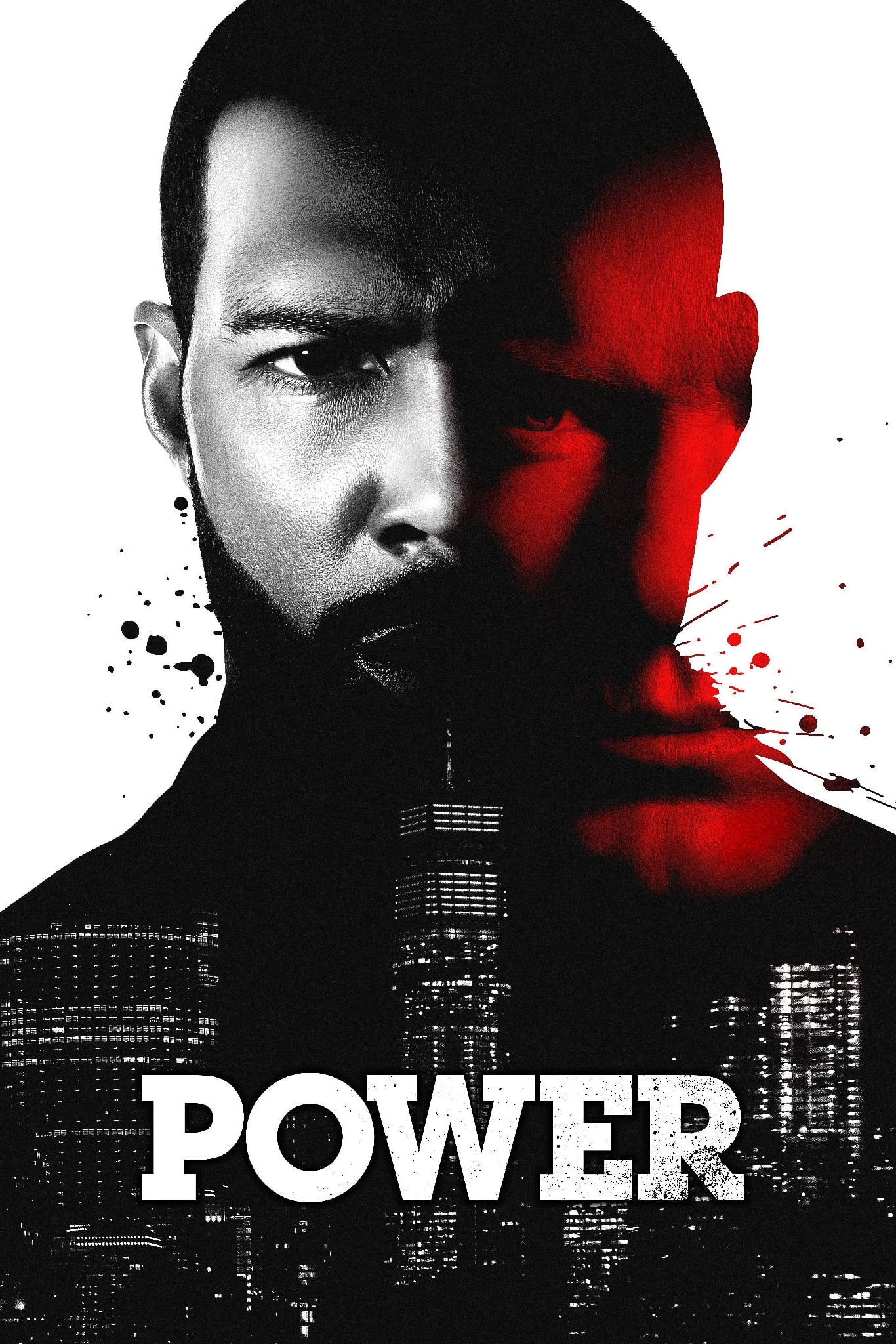
The show was a popular, hard-hitting drama about the New York City drug scene, with a largely Black and Latino cast. However, critics noted it frequently used harmful stereotypes when portraying its minority characters, often focusing on crime and violence. This meant viewers rarely saw these characters as successful or positive figures. Despite its popularity and diverse cast, the show ultimately reinforced limited and negative ideas about city life and minority communities, relying on well-worn tropes.
‘How to Get Away with Murder’ (2014–2020)

Annalise Keating was a strong character, but the show often fell into the common pattern of depicting Black women as either angry or deeply hurt. Her power was usually linked to past trauma and feeling alone. The students, though diverse, often dealt with stories of betrayal and hardship. Despite being a pioneering show, it rarely showed its diverse characters enjoying happiness or achieving easy wins. This made the show feel consistently bleak, and it often seemed like being represented on screen meant having to portray suffering.
‘Empire’ (2015–2020)
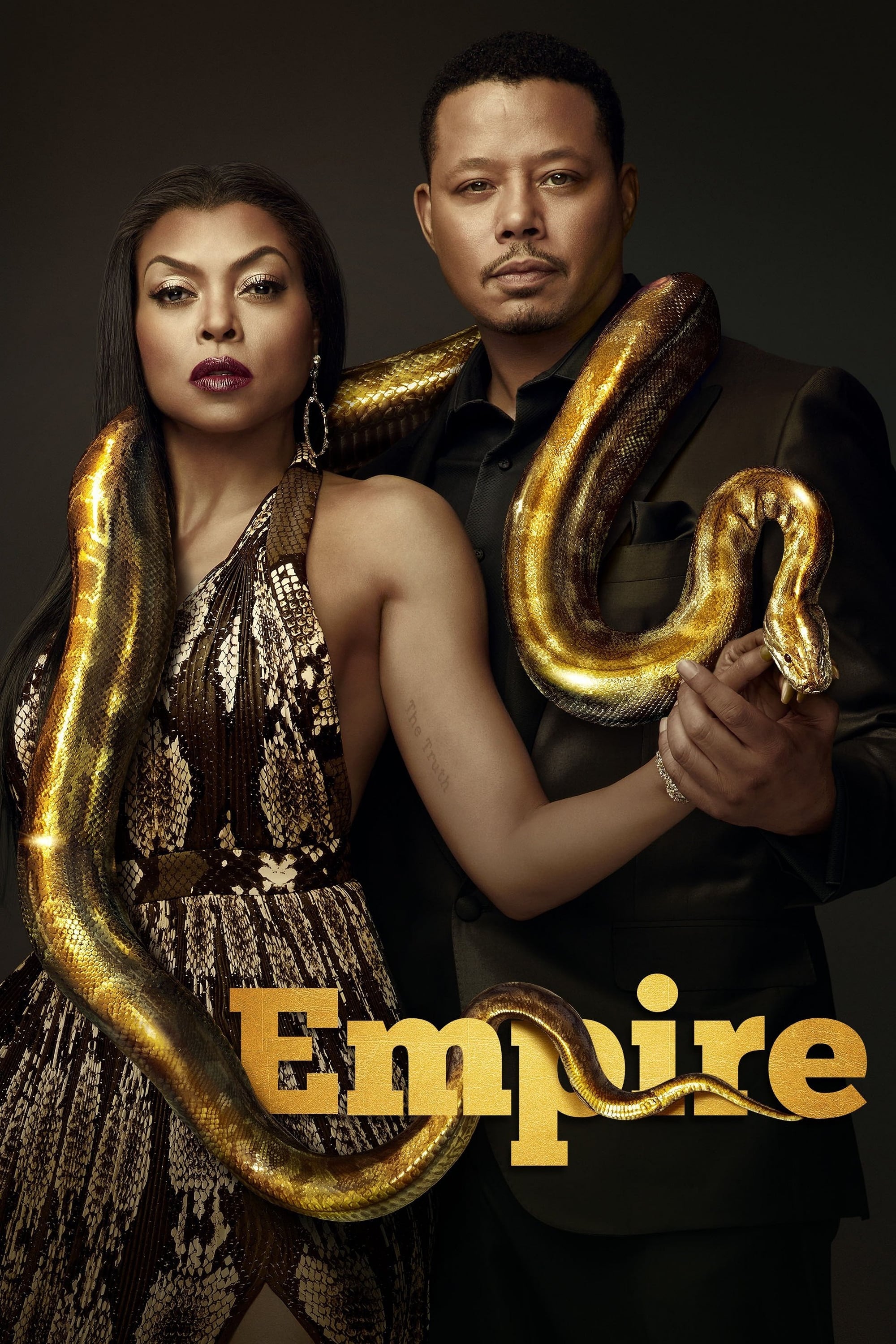
The show offered a vibrant and fast-paced depiction of the music industry, featuring a mostly Black cast. However, it frequently relied on predictable soap opera tropes, with storylines centered around family conflicts and criminal backgrounds for nearly all the characters. While entertaining, critics felt the show prioritized sensational drama over realistic portrayals of Black professionals in the business world. The characters often felt exaggerated and unrealistic, making them less relatable and potentially reinforcing harmful stereotypes.
‘Fresh Off the Boat’ (2015–2020)
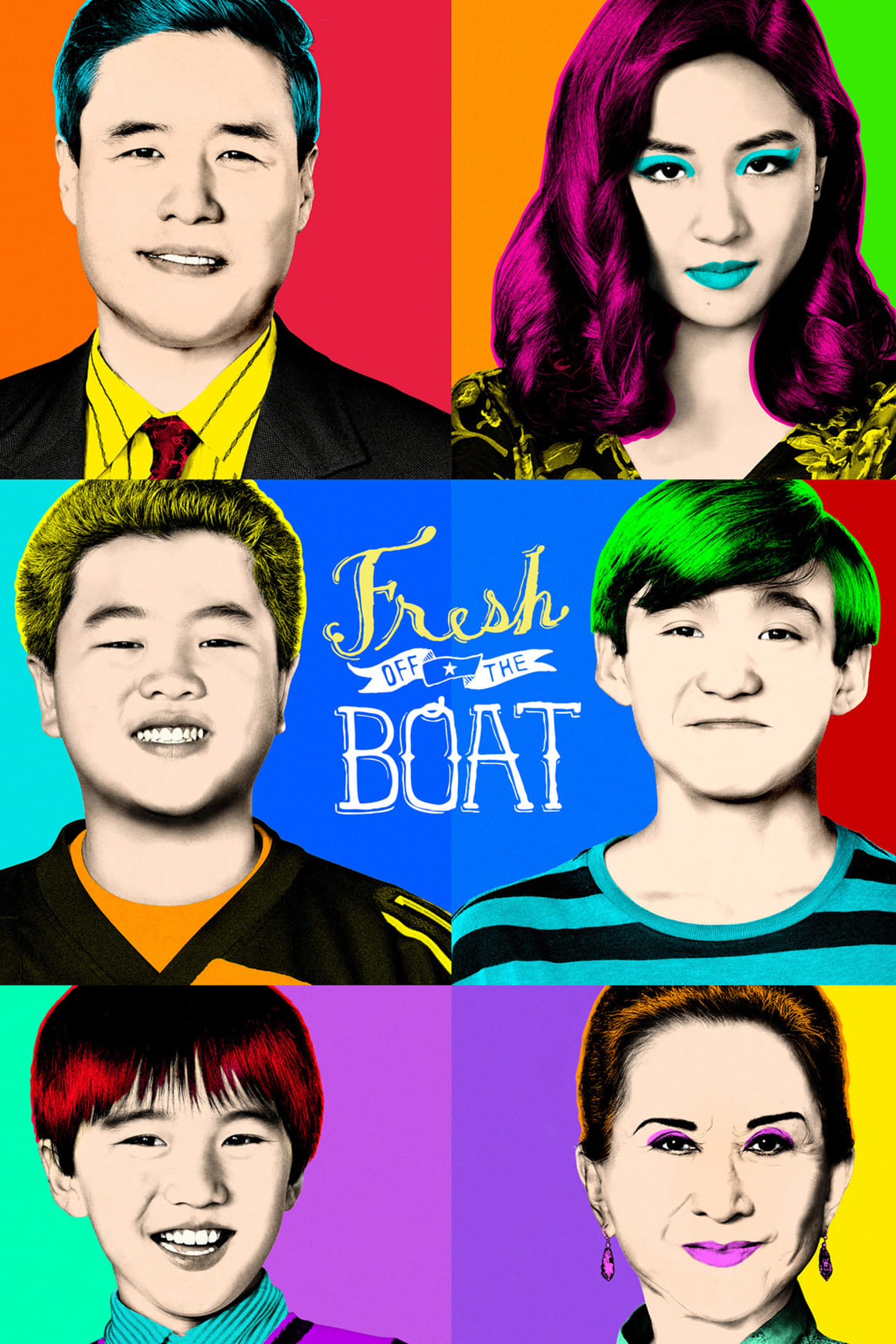
This sitcom was a groundbreaking show for Asian American representation, being the first in decades. However, the mother character, Jessica, often fell into the familiar stereotype of the strict, cost-conscious ‘tiger mom.’ Though fans loved her, the show frequently used her cultural background for quick jokes. Several episodes focused on how different the family was from their white neighbors, which limited the show’s ability to portray a more complex and nuanced Asian American experience.
‘Quantico’ (2015–2018)

Priyanka Chopra played an FBI agent in a show that aimed to portray law enforcement from a global perspective. However, the series frequently relied on her character’s background as a superficial plot device. Similarly, other minority characters were often given predictable storylines involving religious fanaticism or international conspiracies, tropes common in dramas following the events of 9/11. The show focused more on thrilling action than on developing its diverse cast of characters, ultimately feeling like a standard thriller rather than a groundbreaking cultural moment.
‘Supergirl’ (2015–2021)
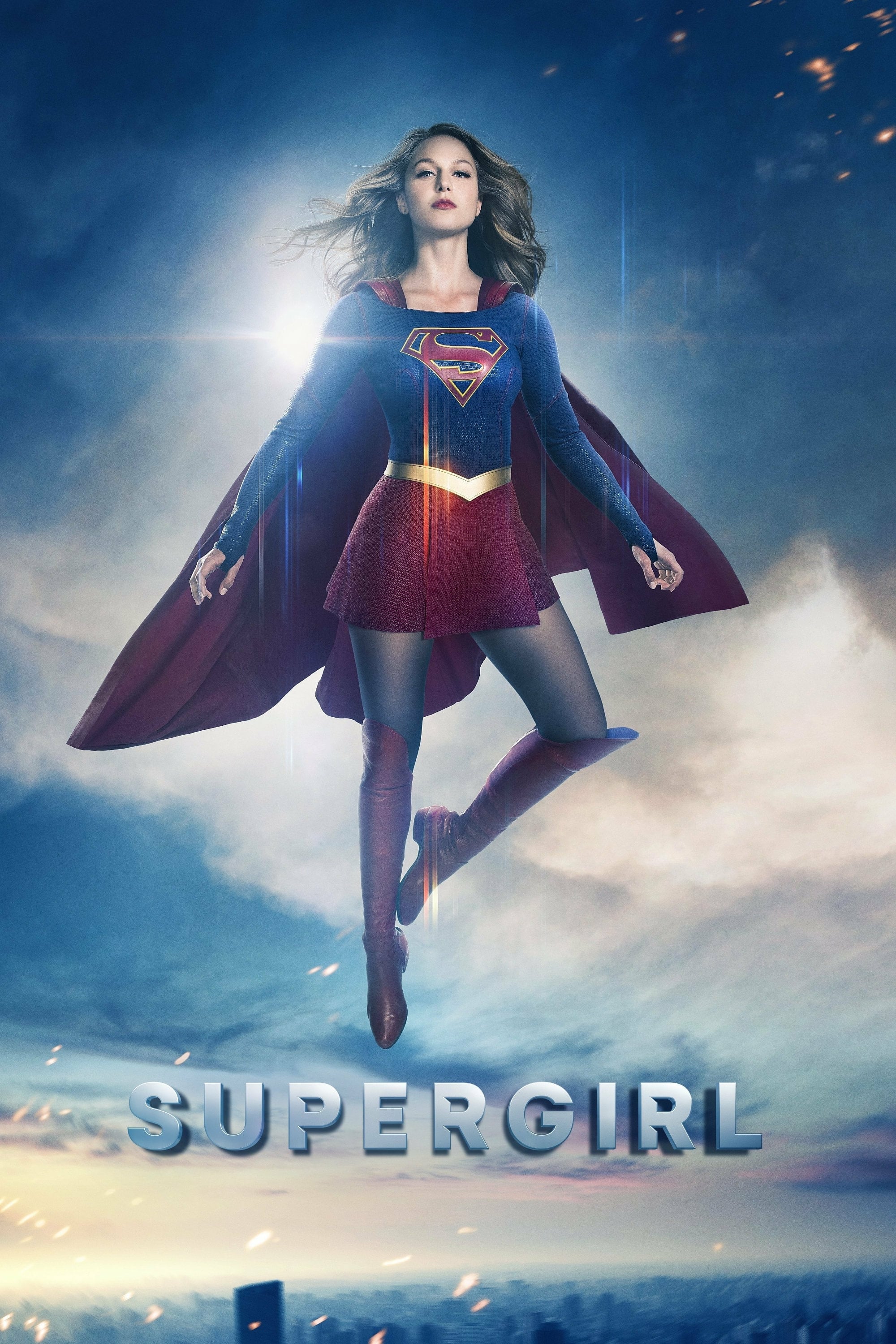
The show featured a diverse cast, including a Black James Olsen and a transgender superhero. However, the writing frequently failed to give these characters meaningful storylines beyond their identities. James Olsen, specifically, often took a backseat to the main character’s personal and career issues. Too often, the diverse characters were used to convey moral messages instead of being allowed to develop their own complex stories. This made the show’s representation feel less like genuine storytelling and more like a lesson for viewers.
‘Kim’s Convenience’ (2016–2021)
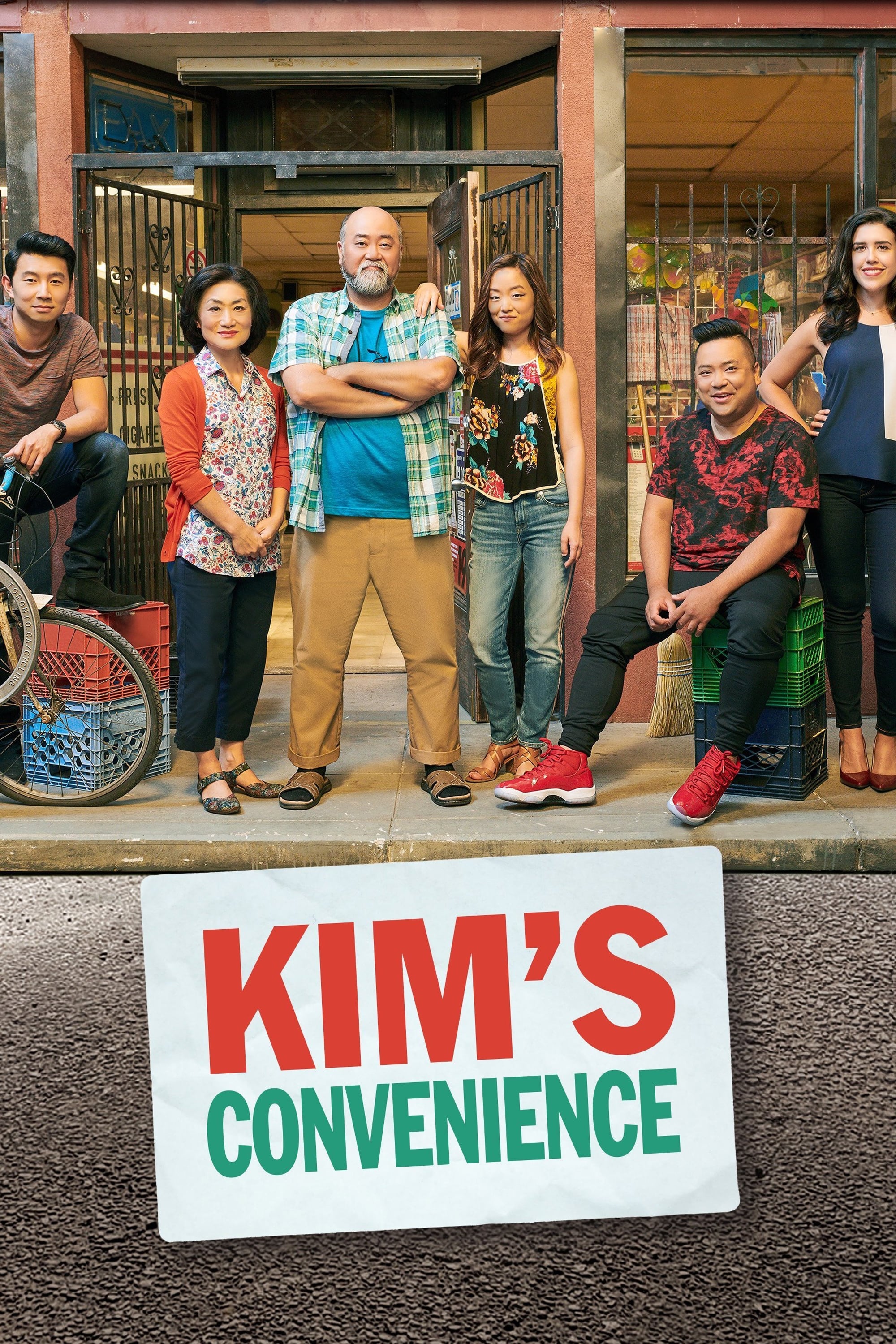
Although the show was popular for its depiction of a Korean Canadian family, things were difficult behind the scenes. Several actors shared that the writers didn’t have enough diverse backgrounds, which led to storylines that felt culturally insensitive. Some characters were forced into stereotypical roles without their consent. After these issues became public, the show was cancelled. This situation emphasized how crucial it is to have a variety of perspectives not only on screen, but also among the people writing and creating the show.
’13 Reasons Why’ (2017–2020)

The teen drama had a diverse cast, but it frequently subjected its characters of color to intense hardship to drive the plot forward. These characters were often defined by their trauma or how they connected to the white lead. Critics pointed out that the show seemed to prioritize appearing inclusive without actually giving these characters positive storylines or happy endings. This meant representation often felt tied to tragedy and pain, and the characters lacked well-rounded development, making the diversity feel insincere.
‘Riverdale’ (2017–2023)
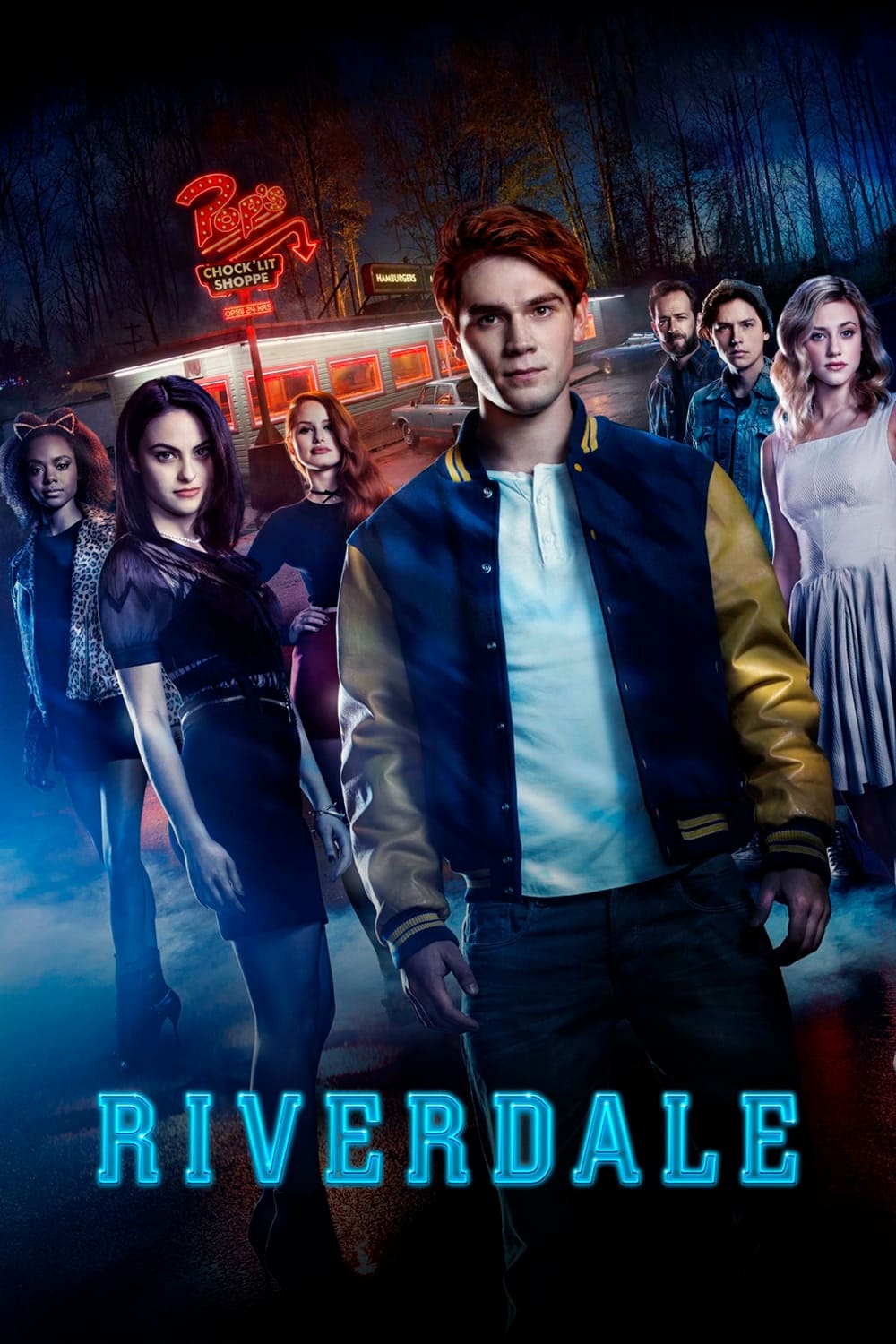
As a fan, it really bothered me that even though the show had a diverse cast, the characters of color often felt like afterthoughts. They just didn’t get the same attention or storylines as the white characters. It was frustrating to see characters like Toni and Josie used mostly to support the main white leads. I was really upset when one of the actresses came forward and said she was paid less and given less substantial material – it confirmed what a lot of us felt. The show talked a big game about inclusivity, but it rarely showed up on screen. It created a real divide among fans, because we knew the show could be so much better and actually utilize the amazing talent it had.
‘The Bold Type’ (2017–2021)

The series followed three friends working at a fashion magazine, notably featuring a Black lead and a lesbian couple. While groundbreaking in some ways, it faced criticism for handling sensitive topics like race and identity too lightly. Problems for the diverse characters were frequently resolved too easily, within a single episode, which felt inauthentic. This made the representation seem superficial and like a gesture rather than a genuine exploration of complex issues. Though the show intended to be empowering, it often fell short by overlooking the deep-rooted, systemic problems it brought up.
‘Cobra Kai’ (2018–Present)
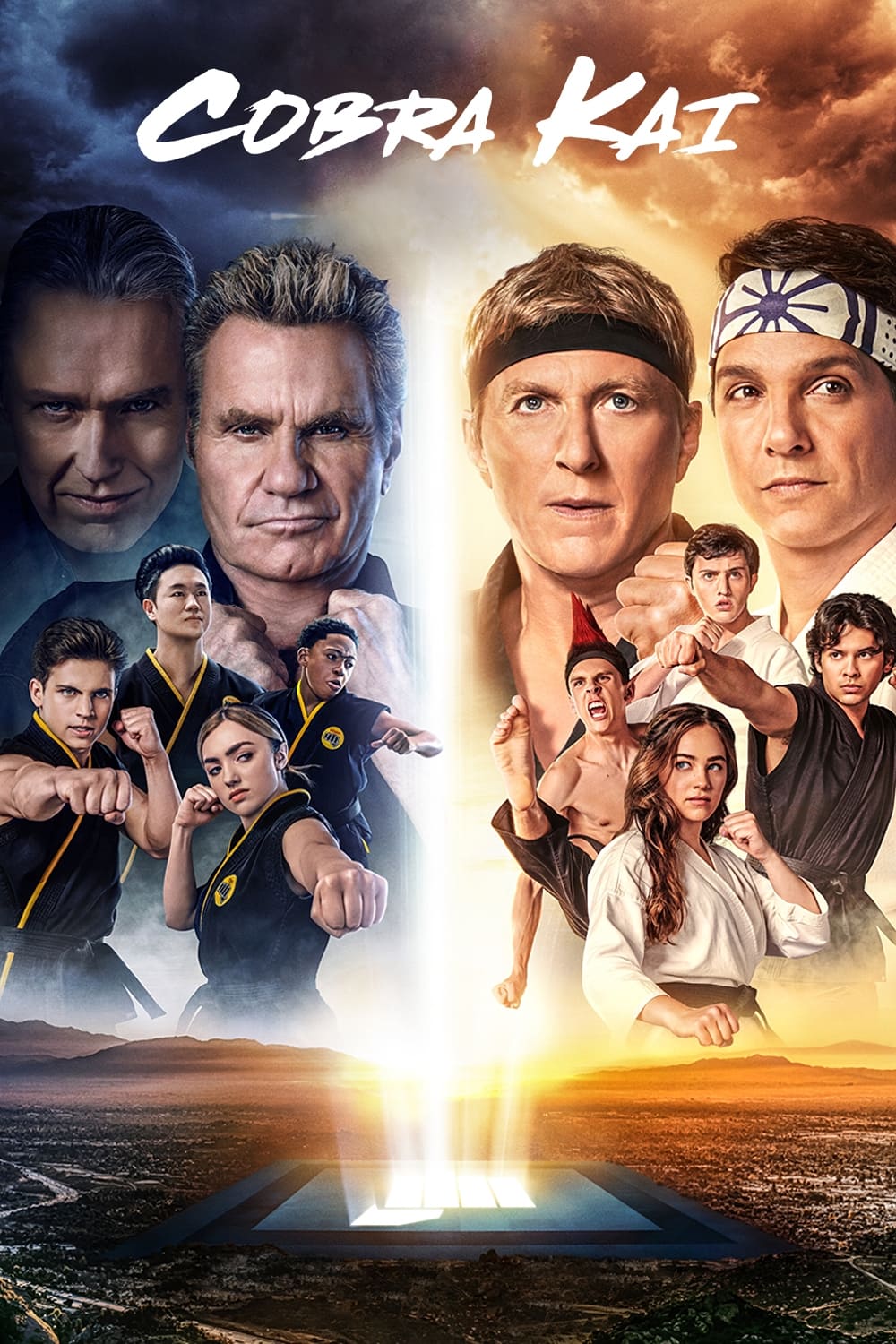
The show, a sequel to ‘The Karate Kid,’ heavily features Asian characters, but almost exclusively in connection to martial arts. Critics have pointed out the lack of Asian writers, considering the show’s strong focus on Japanese culture. Often, the diverse students at the dojo feel like supporting characters with underdeveloped stories. The main plot still centers on the conflict between the two white protagonists, with the diverse cast primarily serving as background elements. This approach makes the culture feel like a setting rather than a fully realized part of the story.
‘And Just Like That…’ (2021–Present)
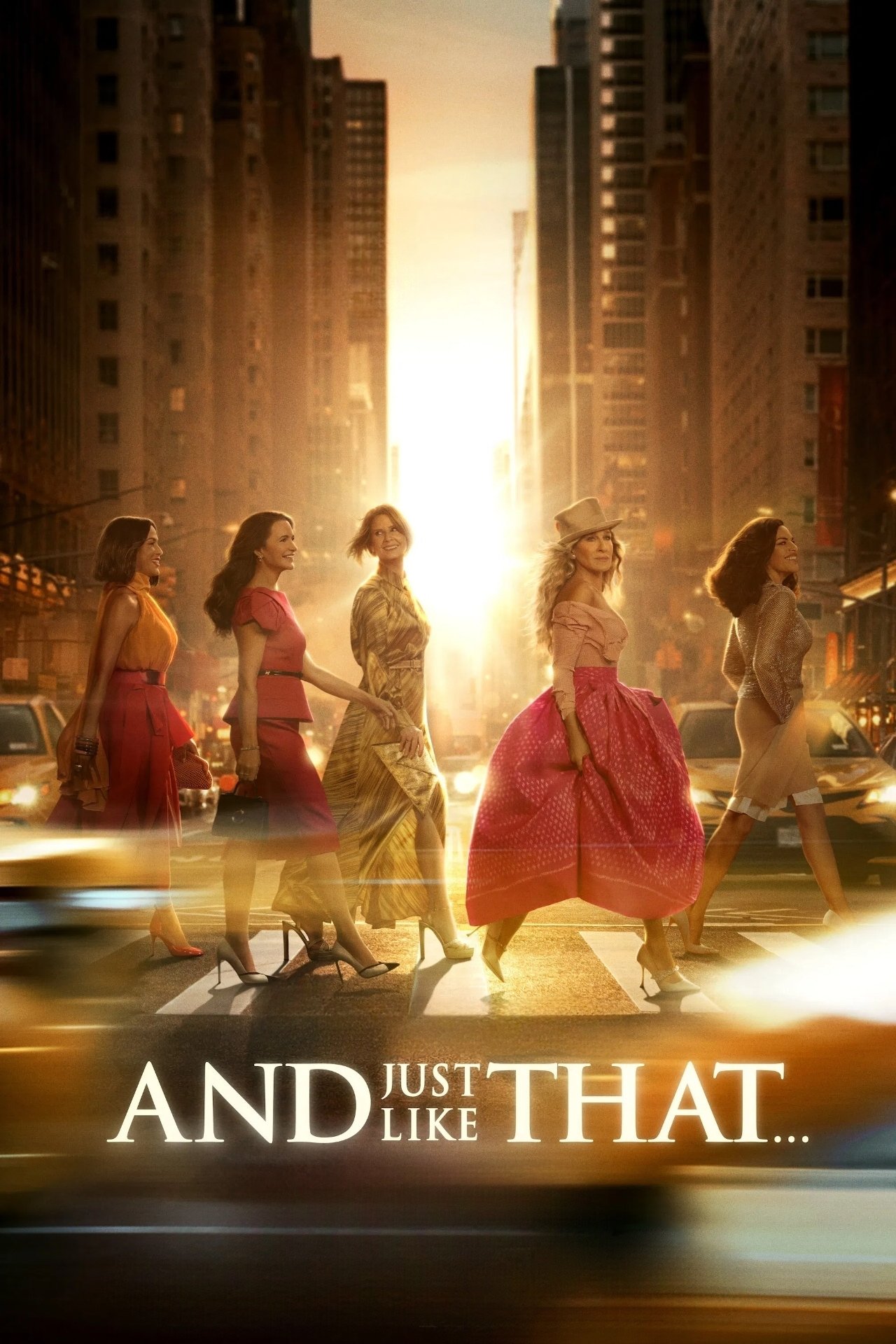
The new version of ‘Sex and the City’ tried to address the original show’s lack of diversity by adding several characters of color. However, many viewers felt these new characters were included simply to fulfill a diversity requirement, and to teach the main, white characters lessons. Their stories often felt unnatural and didn’t quite fit with the show’s core themes. Instead of feeling like genuine friends, they came across as replacements meant to make up for past shortcomings, which made the show’s attempt at inclusivity feel forced and uncomfortable.
‘Emily in Paris’ (2020–Present)

While the show boasts a diverse cast set in Paris, it often views these characters through an American perspective. For example, Mindy, the Asian supporting character, is portrayed as a stereotypical rich heiress who loves to sing. Similarly, the French characters are often depicted using tired stereotypes of rudeness or laziness. The story primarily focuses on the experiences of the white American main character, and other characters mainly exist to support her journey. This approach prevents the show from fully exploring the richness and complexity of its diverse setting and characters.
‘Bridgerton’ (2020–Present)
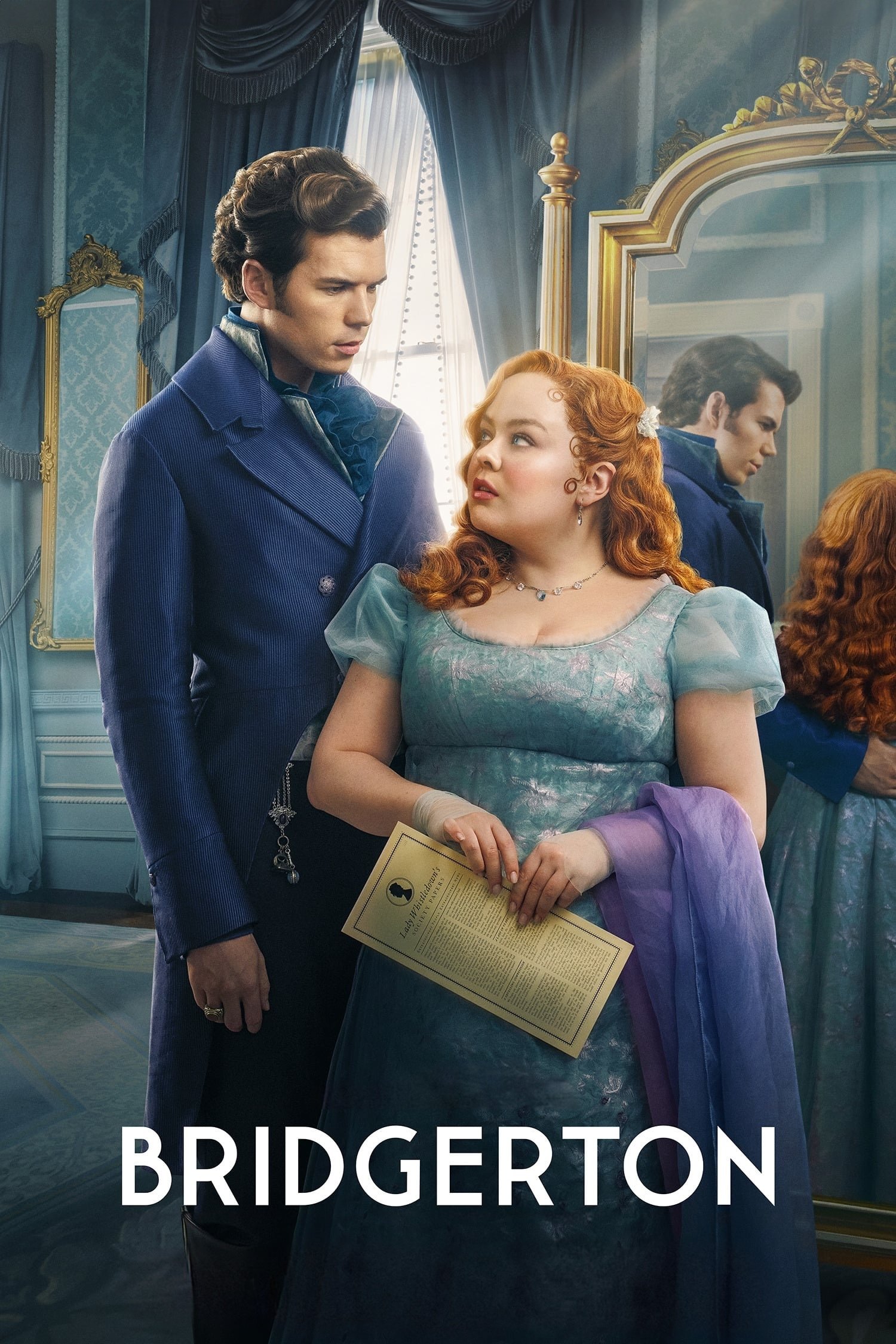
The show is a beautiful period drama set in Regency London, notable for its diverse cast. However, some viewers feel it misses an opportunity to explore how race actually works within its reimagined world. By not acknowledging historical realities, the show creates a fantastical but ultimately superficial version of the past and sidesteps important discussions. While the characters are diverse, they often fall into familiar romance story patterns without reflecting their unique cultural backgrounds, making the diversity seem like a surface-level choice rather than a meaningful one.
‘Gossip Girl’ (2021–2023)
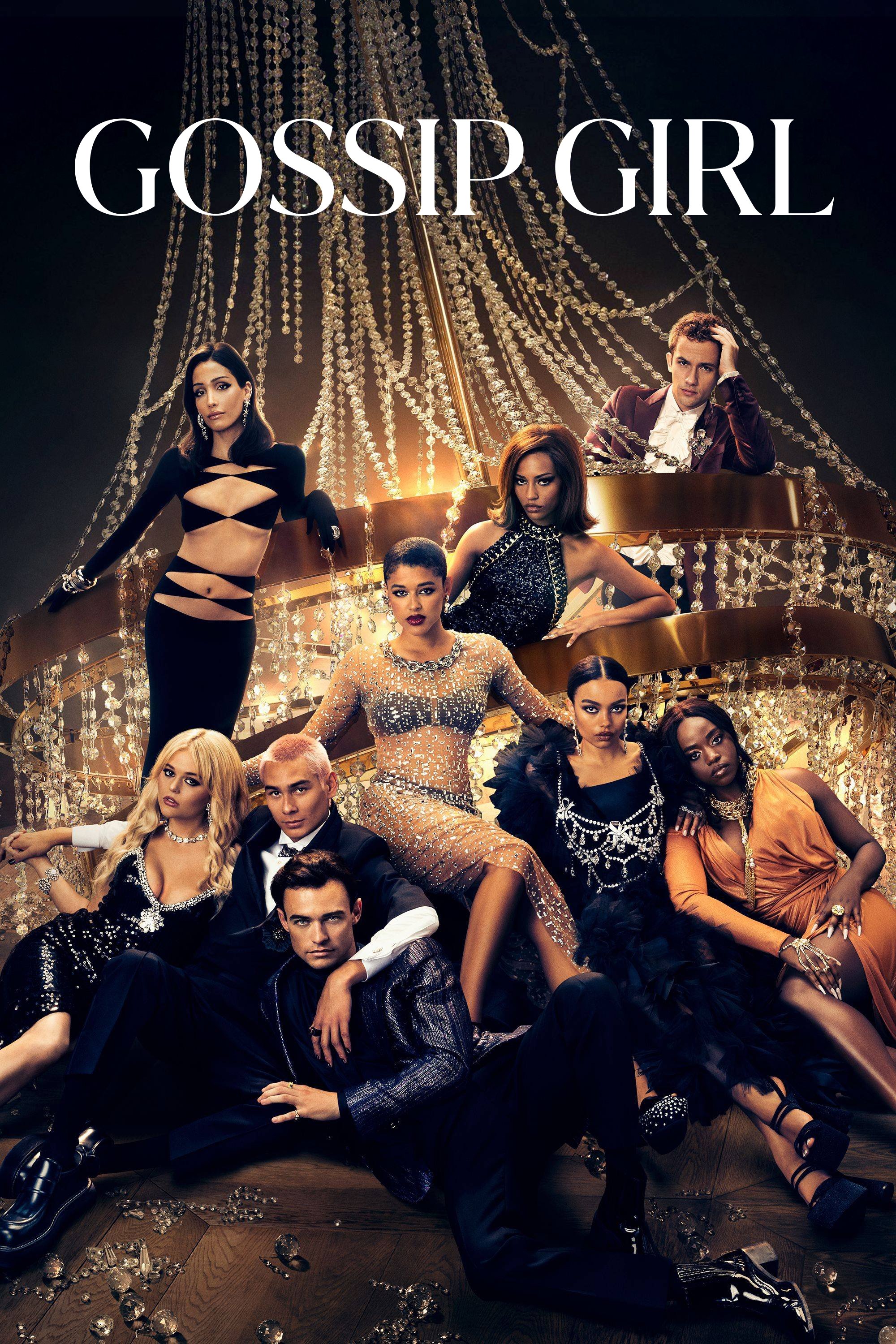
The reboot aimed to address the lack of diversity in the original show by featuring a more inclusive cast of wealthy teenagers. However, the characters often felt defined by their privilege and involved in predictable, trivial conflicts. The show had trouble giving these diverse characters individual personalities, and they ended up feeling like retreads of the original series’ stereotypes. Despite the diverse cast, the writing relied on the same themes of betrayal and elitism, making the new version feel like a superficial update rather than a fresh take.
Please share your thoughts on these television portrayals in the comments.
Read More
- Gold Rate Forecast
- 22 Films Where the White Protagonist Is Canonically the Sidekick to a Black Lead
- Games That Faced Bans in Countries Over Political Themes
- Silver Rate Forecast
- Celebs Who Narrowly Escaped The 9/11 Attacks
- Brent Oil Forecast
- Unveiling the Schwab U.S. Dividend Equity ETF: A Portent of Financial Growth
- How to Do Sculptor Without a Future in KCD2 – Get 3 Sculptor’s Things
- Superman Flops Financially: $350M Budget, Still No Profit (Scoop Confirmed)
- 14 Movies Where the Black Character Refuses to Save the White Protagonist
2025-12-29 23:20