TV writers frequently draw inspiration from what’s happening in the news, and sometimes they surprisingly predict the future. Several shows have accurately portrayed major political scandals and global crises years before they actually happened. The accuracy of these storylines is often quite disturbing. Here’s a look at thirty TV shows that eerily foreshadowed real-world political events.
‘The Simpsons’ (1989–Present)
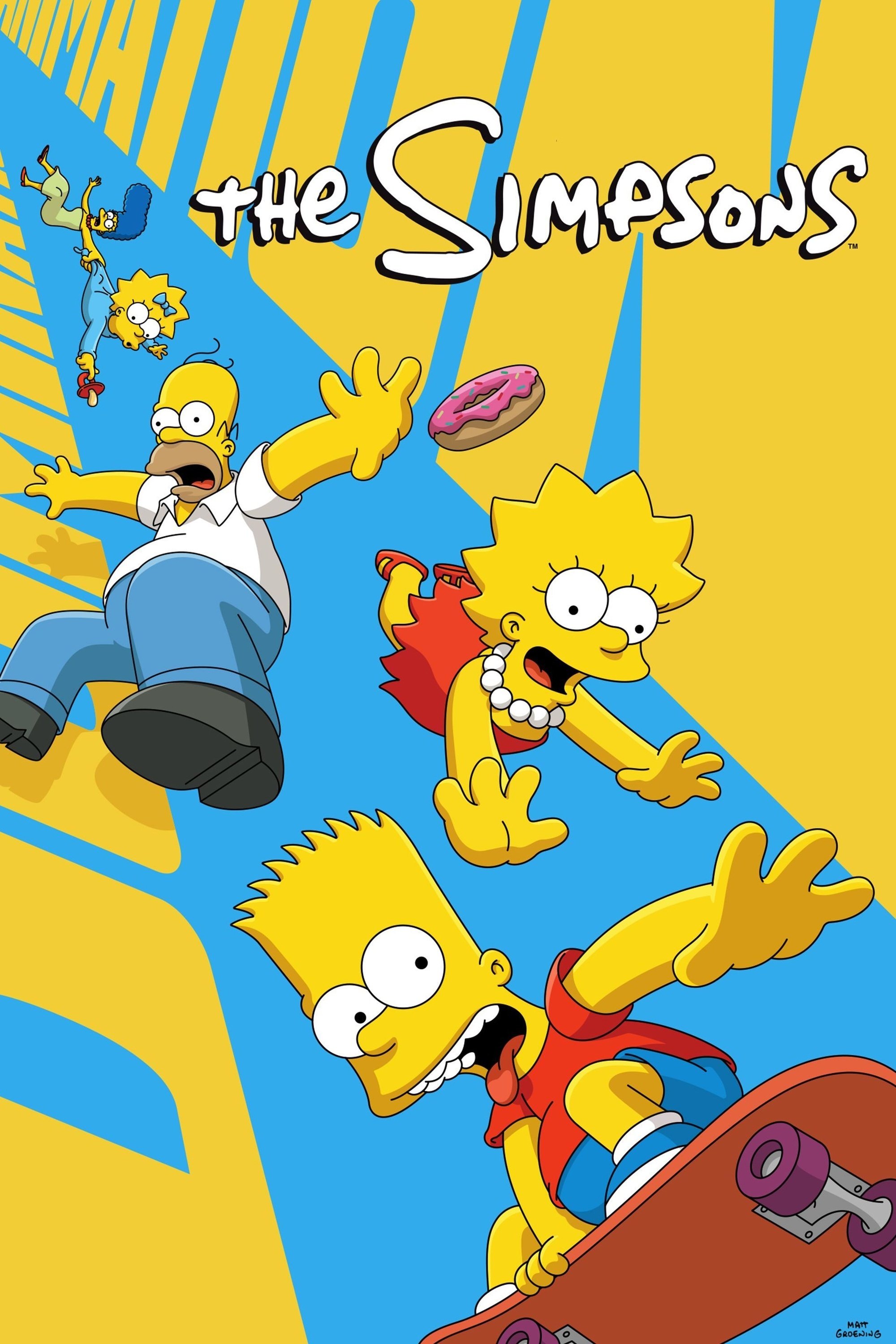
Everyone remembers ‘The Simpsons’ seemingly predicting Donald Trump’s presidency. Seventeen years before he was elected, the show featured an episode where Lisa Simpson became president and had to fix a financial mess left by a Trump administration. The writers initially added this as a humorous comment on the possibility of the country facing serious problems, but it became a well-known example of the show’s surprisingly accurate predictions.
‘Black Mirror’ (2011–Present)
An episode of ‘Black Mirror’ depicted a shockingly graphic scenario involving the Prime Minister and a pig, used to rescue a princess. Years later, a biography of David Cameron included a similar allegation – that he had engaged in a compromising act with a pig’s head. The show’s creator claimed he was unaware of a pre-existing university rumor when he wrote the episode. Viewers were stunned by the eerie similarity between the fictional storyline and the real-life claim, especially given the bizarre details involved.
‘The Lone Gunmen’ (2001)
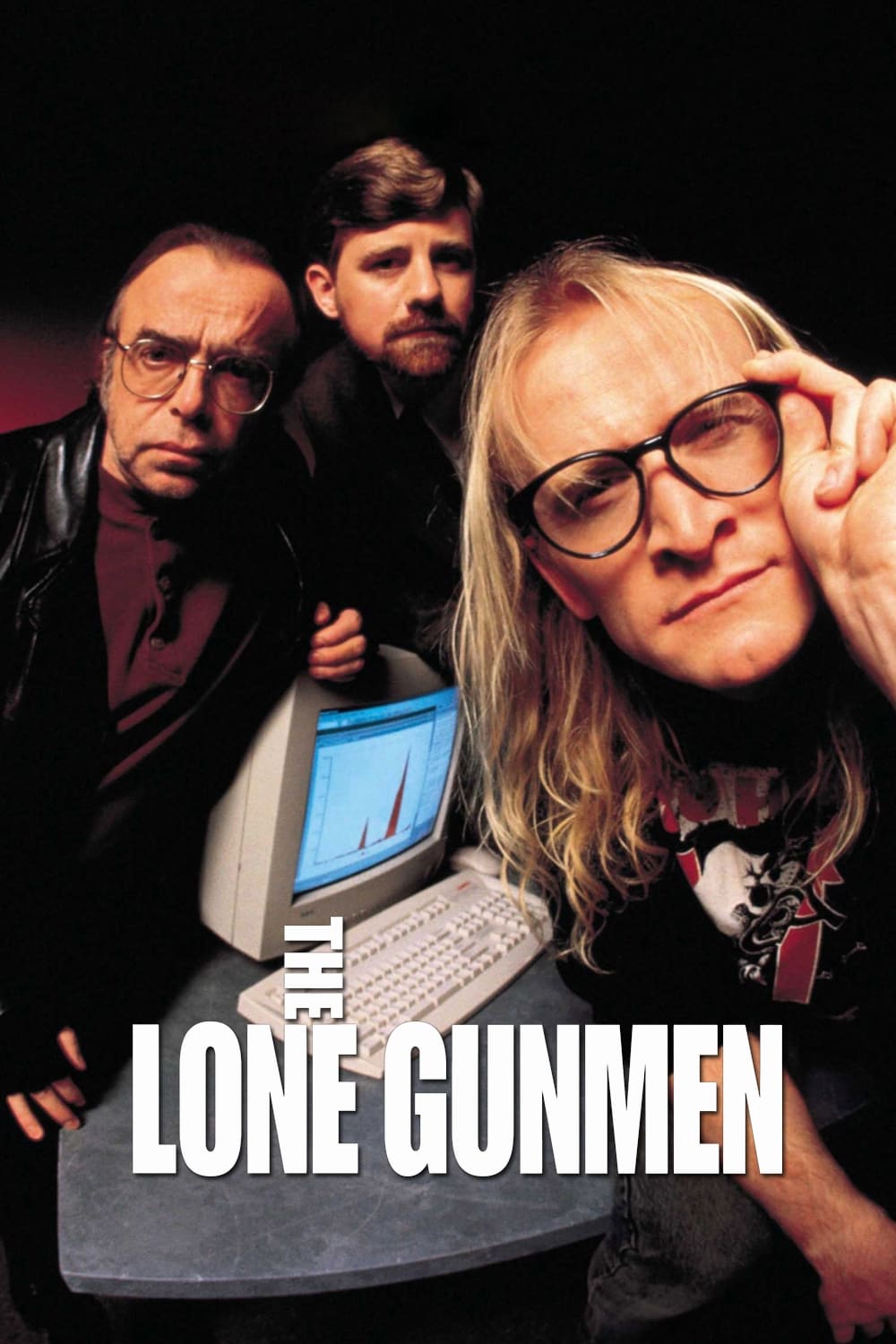
An episode of the TV show ‘The Lone Gunmen’ featured a plot where the government secretly crashed a plane into the World Trade Center using remote control technology, supposedly to boost weapons sales. This episode aired just six months before the September 11th attacks, and the unsettling resemblance to the real events continues to fuel conspiracy theories.
‘Person of Interest’ (2011–2016)

‘Person of Interest’ was a TV show about a powerful computer that tracked everyone’s communications to stop crimes before they happened. Interestingly, it first aired before the public learned about the NSA’s widespread surveillance programs. The show’s storylines often reflected real-world privacy concerns and how governments were beginning to use technology to monitor citizens.
‘Servant of the People’ (2015–2019)
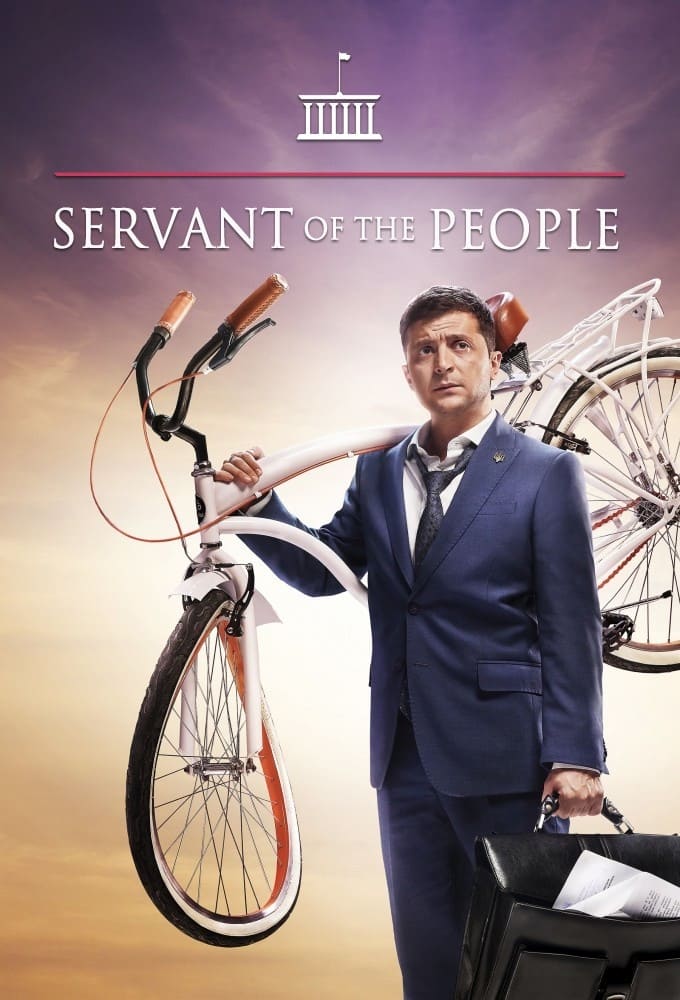
The TV show ‘Servant of the People’ featured Volodymyr Zelenskyy as a teacher who unexpectedly becomes President of Ukraine. The show was incredibly popular, and Zelenskyy later used that fame to run for president in real life. He won by a large margin, much like his character in the series. It’s a remarkable case where a fictional story actually paved the way for a political outcome.
‘Scandal’ (2012–2018)

The TV show ‘Scandal’ included a plotline about manipulated voting machines during a presidential election, referred to as the Defiance conspiracy. This storyline showed how changing the software could alter election results in important areas. Concerns about the security of these voting machines became a significant topic in later US elections. In fact, the show highlighted the potential weaknesses of electronic voting long before these issues became widely publicized.
‘Veep’ (2012–2019)
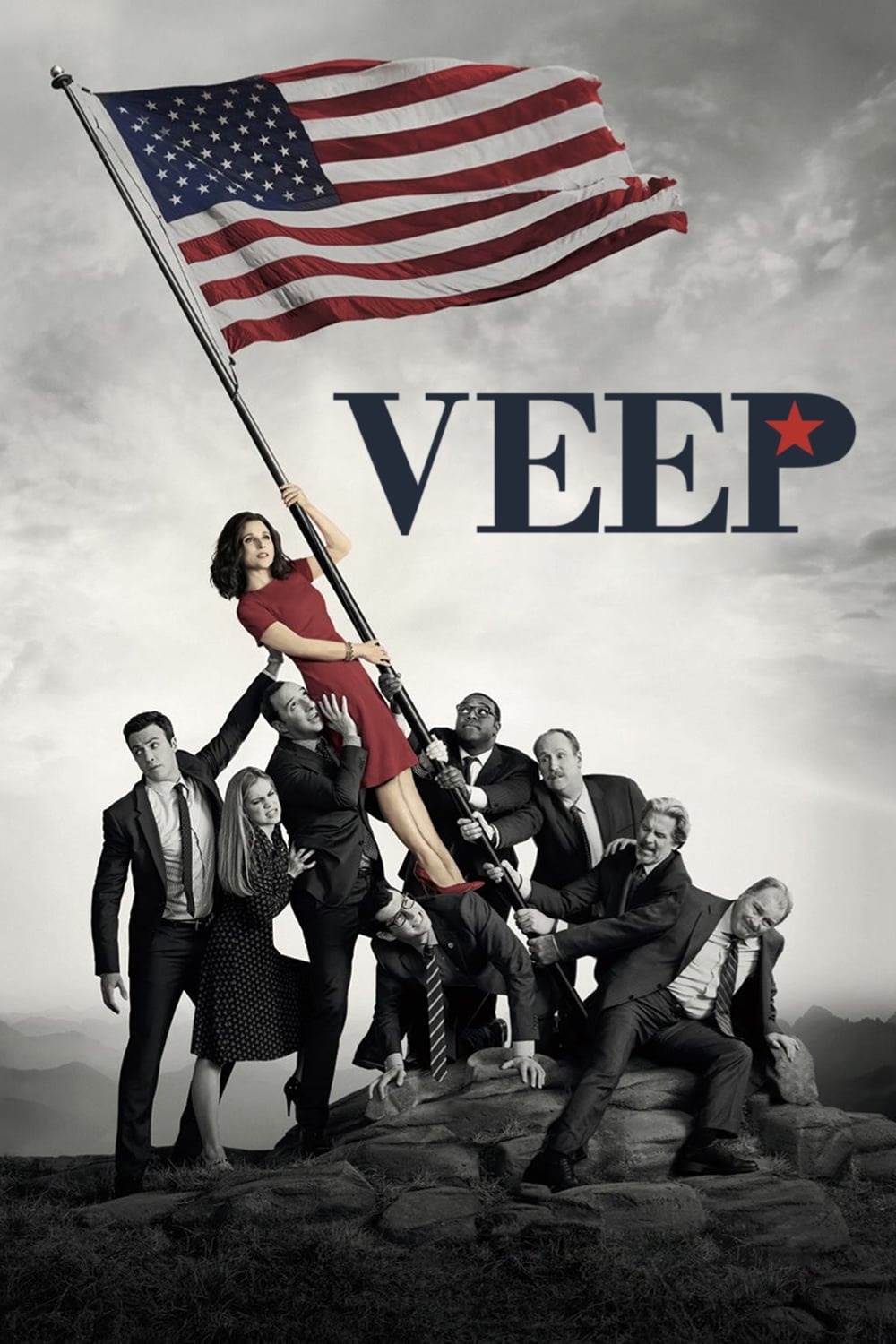
‘Veep’ realistically depicted the messy and unpredictable world of presidential elections, showing how a close race could lead to a complicated and legally challenged outcome. The show’s storyline of a contested nomination and resulting lawsuits felt very similar to what often happens in real political campaigns. Julia Louis-Dreyfus, the show’s star, even noted that actual events were becoming more outlandish than the show’s already satirical scenarios. Ultimately, ‘Veep’ skillfully highlighted the incompetence and self-importance that frequently fuel political scandals today.
‘House of Cards’ (2013–2018)
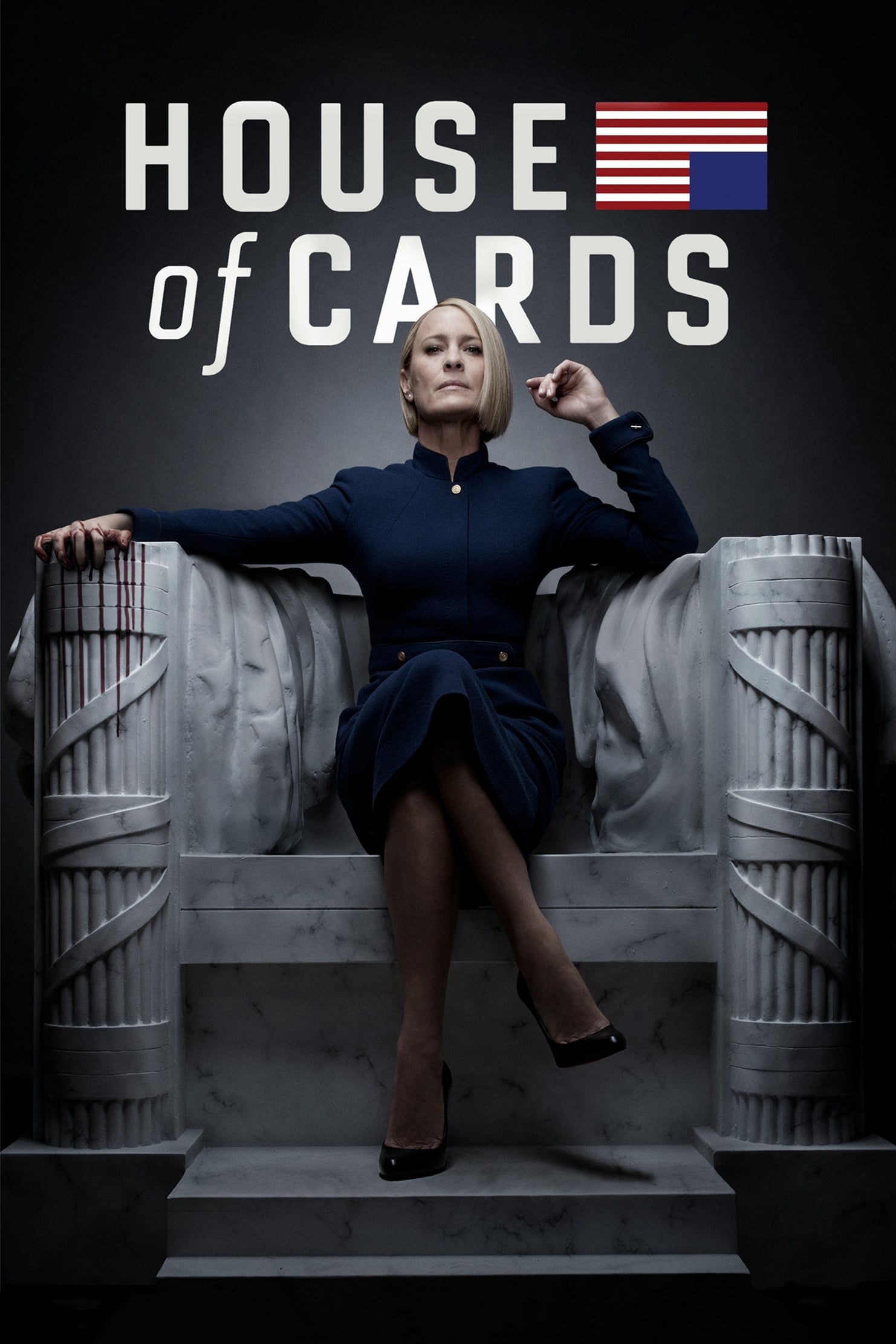
The TV series ‘House of Cards’ showed a president who used data and online search results to influence what people thought. The story involved collecting personal information to create targeted political ads and spread fear. This storyline came true with the Cambridge Analytica scandal, where user data was actually collected and used for political advertising. The show effectively warned about the dangers of big data and its potential impact on democratic processes.
‘Homeland’ (2011–2020)
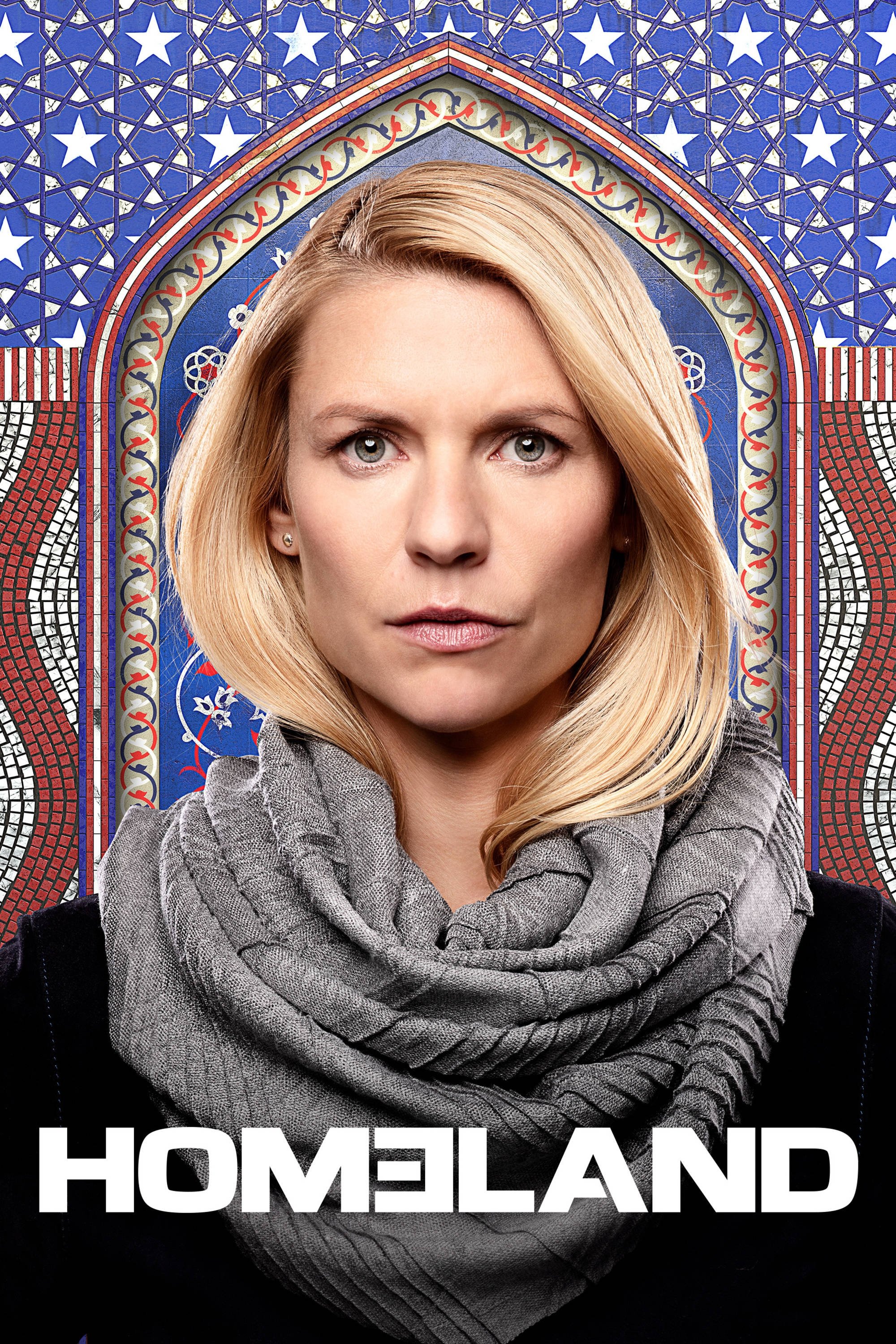
The TV show ‘Homeland’ featured a season focused on a foreign government’s large-scale effort to cause trouble in the US by spreading false information. The storyline showed how this was done through fake news and automated social media accounts, aiming to create public chaos. This aired around the same time investigations began uncovering similar tactics used to influence the 2016 election. The show’s writers worked with intelligence professionals to make the depiction of this information warfare incredibly believable.
‘Spooks’ (2002–2011)

The TV show ‘Spooks’ featured an episode with a terrorist bombing on London’s public transportation system. Interestingly, this fictional attack aired just weeks before the actual July 7th bombings in London. The show’s writers didn’t realize how closely their storyline would mirror a real-life tragedy. ‘Spooks’ was known for its realistic portrayal of intelligence operations and threats to the country.
‘The West Wing’ (1999–2006)
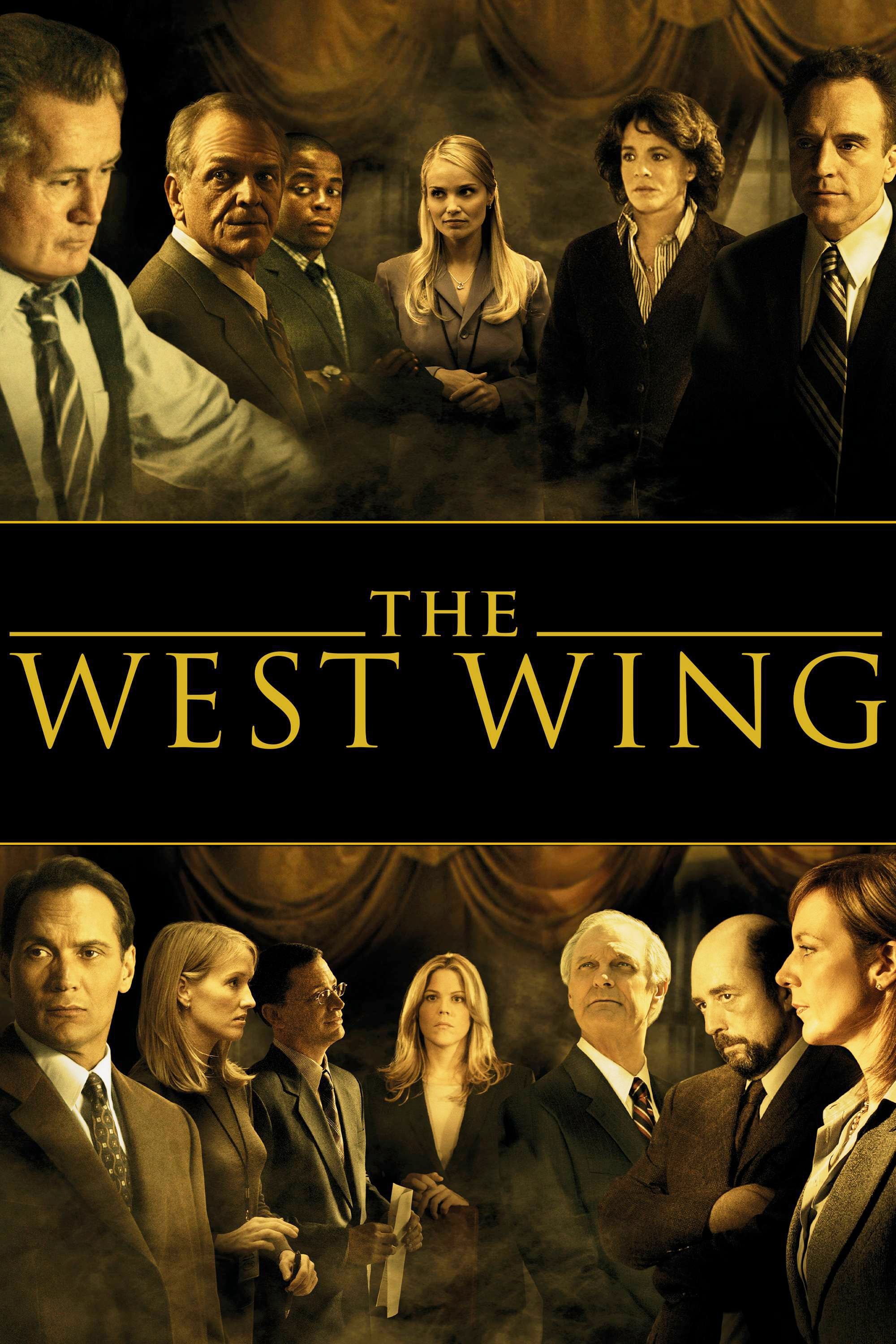
The TV show ‘The West Wing’ portrayed a presidential election with a Democratic candidate from a minority background running against a more traditional, older Republican. The relationship between the two candidates, Matt Santos and Arnold Vinick, was very similar to the real-life 2008 election between Barack Obama and John McCain. In fact, the show’s writers created the character of Matt Santos based on Obama even before he officially announced his campaign. ‘The West Wing’ accurately foreshadowed the changing population and political climate of American elections to come.
‘Designated Survivor’ (2016–2019)

The TV show ‘Designated Survivor’ started with a shocking attack on the US Capitol during the President’s State of the Union address. The scenes of the Capitol under attack felt unsettlingly similar to the real events of January 6th. Although the show featured an explosion, and the actual event was a riot, both highlighted how easily the US government could be threatened. The series really focused on how fragile our democratic systems are when security breaks down.
‘BrainDead’ (2016)
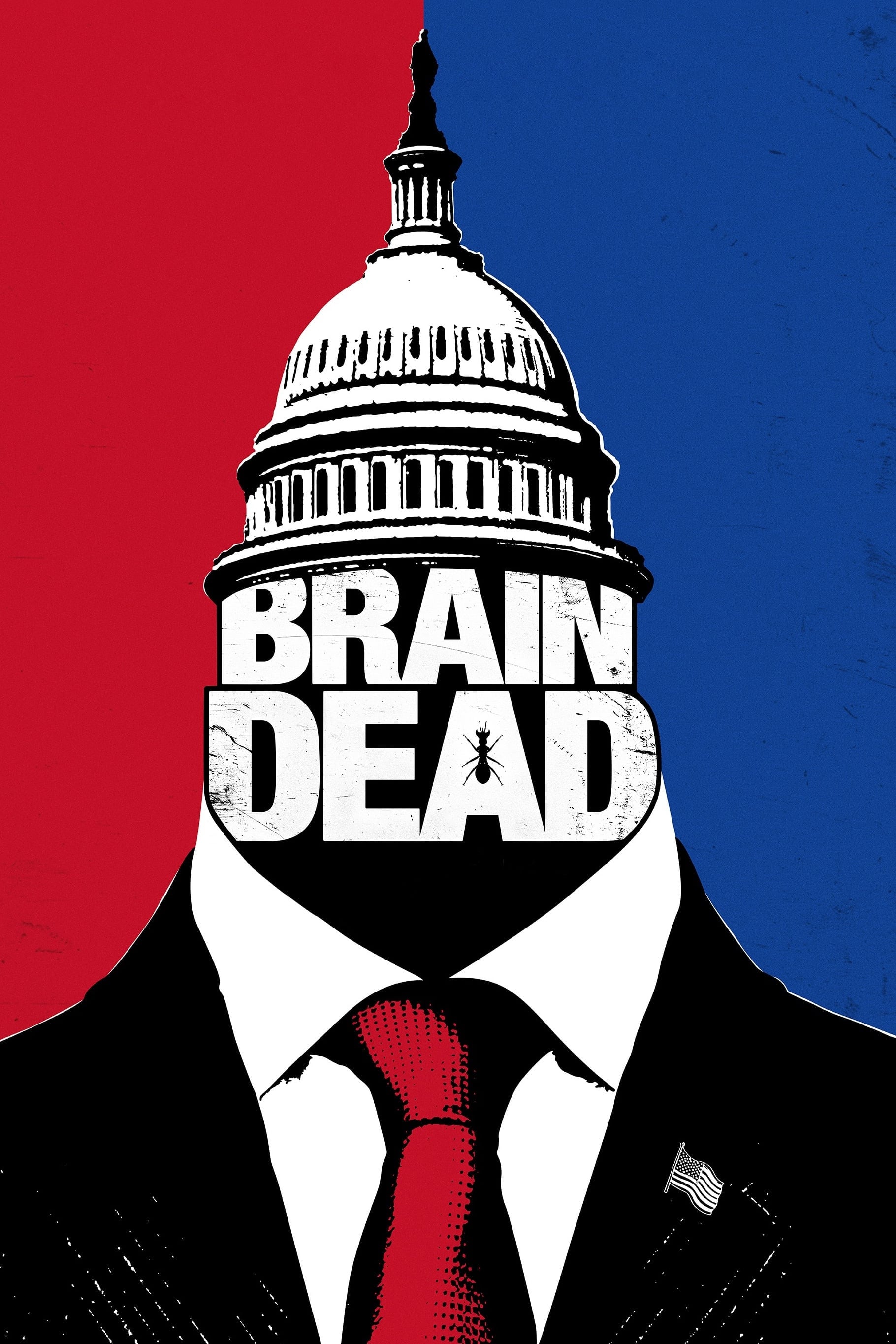
The show ‘BrainDead’ used a satirical premise – alien bugs controlling politicians’ minds – to comment on the growing political divide. A key plot point involved an angry mob attacking the Capitol building, which aired several years before the real-life Capitol riots. By blending science fiction with political commentary, the series eerily foreshadowed the intense division and violence that would later characterize American politics.
‘Mr. Robot’ (2015–2019)

‘Mr. Robot’ followed a team of hackers who tried to eliminate debt by targeting the financial system. The show delved into the widespread effects of cyberattacks and how companies failing to take proper precautions could cause global problems. Remarkably, it predicted the increase in damaging ransomware attacks that have since shut down important services like hospitals and infrastructure. The series offered a stark warning about how vulnerable online banking and data storage really are.
‘The Good Wife’ (2009–2016)
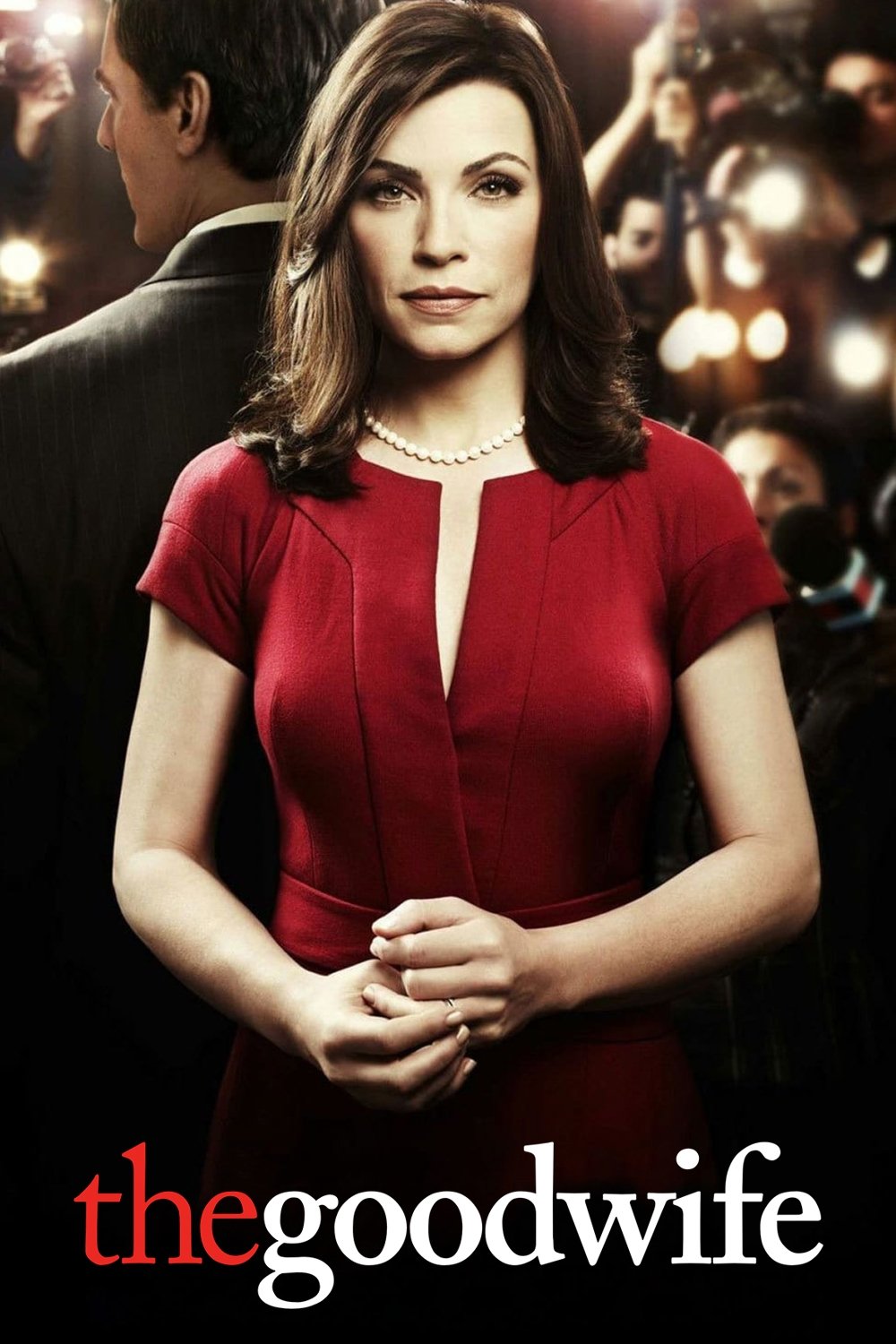
The TV show ‘The Good Wife’ often featured storylines about government spying and the monitoring of lawyers’ communications. In one instance, the show portrayed the NSA tracking the main character and her clients, which happened before most people were aware of widespread, secret government surveillance. The show did a good job of showing the conflict between protecting confidential lawyer-client conversations and the government going too far in the name of national security.
‘Parks and Recreation’ (2009–2015)
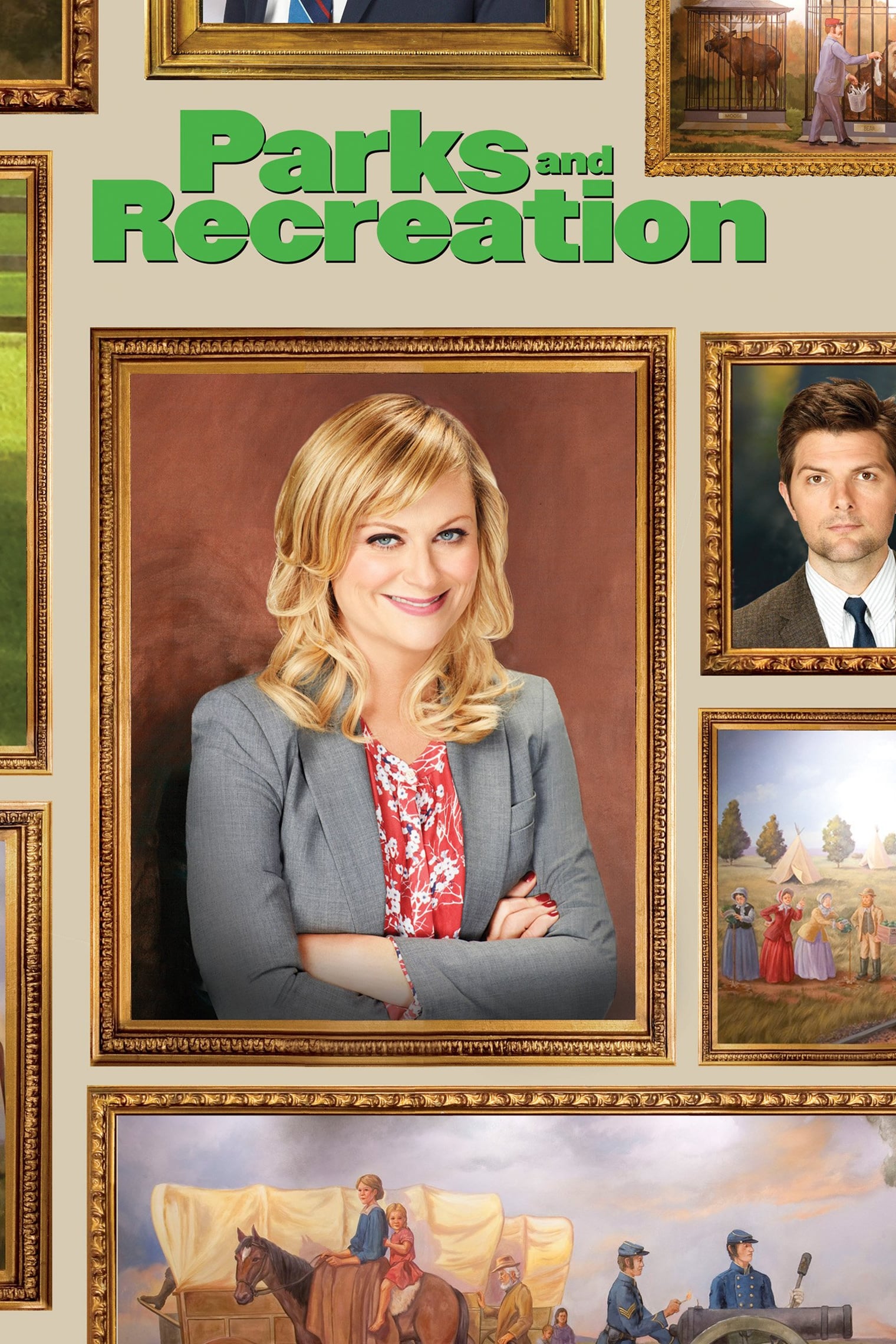
The TV show ‘Parks and Recreation’ had a storyline about a tech company called Gryzzl that collected user data and then used it to send personalized gifts via drones. This plot surprisingly foreshadowed the later concerns about data privacy and how tech companies use algorithms to track people. It was a funny, but insightful, look at how companies were starting to use personal data for profit.
’24’ (2001–2010)
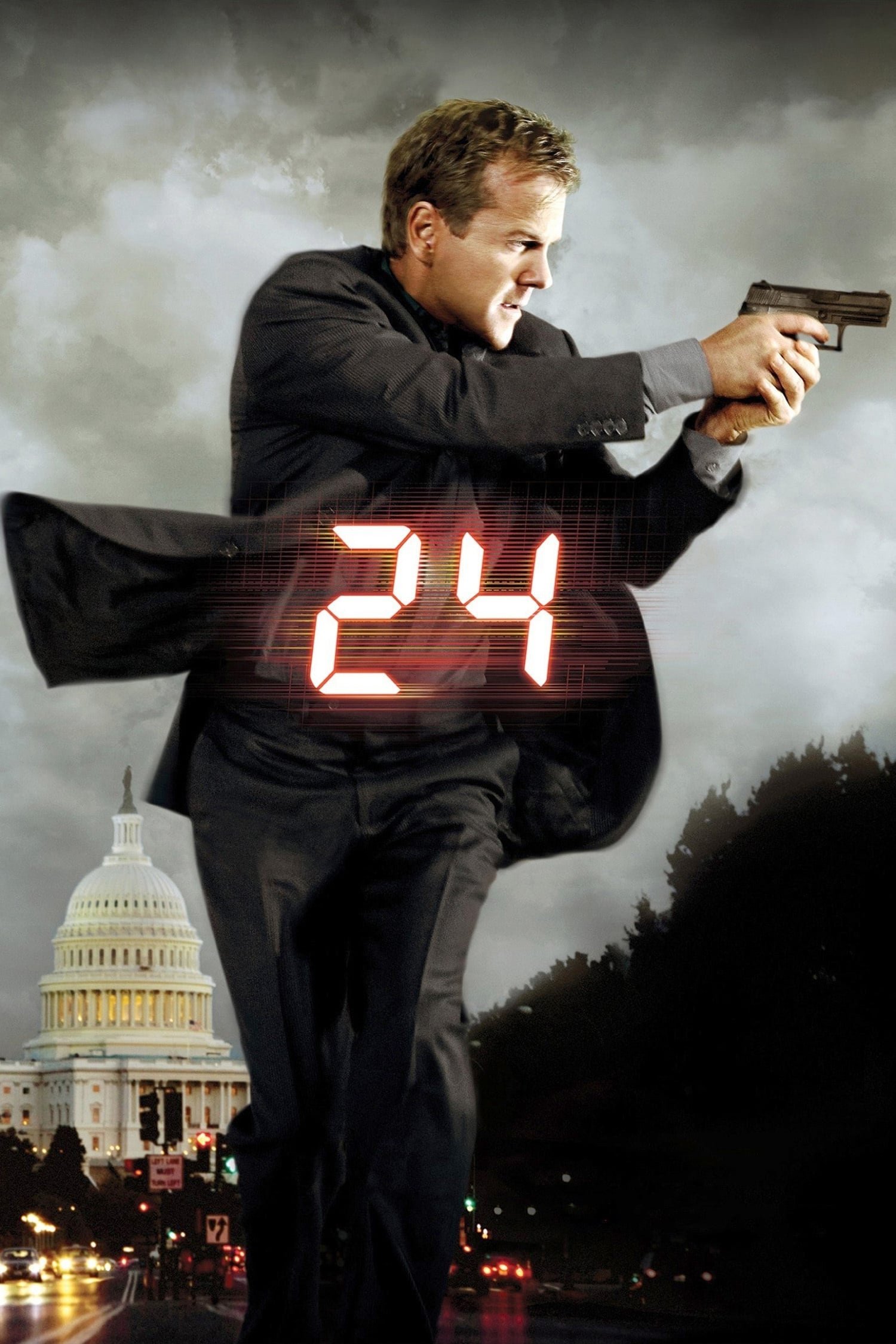
The TV show ’24’ featured President David Palmer, a compelling and charismatic African American leader. He resonated with audiences and made the idea of a Black president more commonplace. Many believe the show’s portrayal of Palmer helped create a more accepting environment for Barack Obama’s eventual election. At a time when it was uncommon to see on screen, ’24’ presented a capable minority leader in a powerful position.
‘Madam Secretary’ (2014–2019)
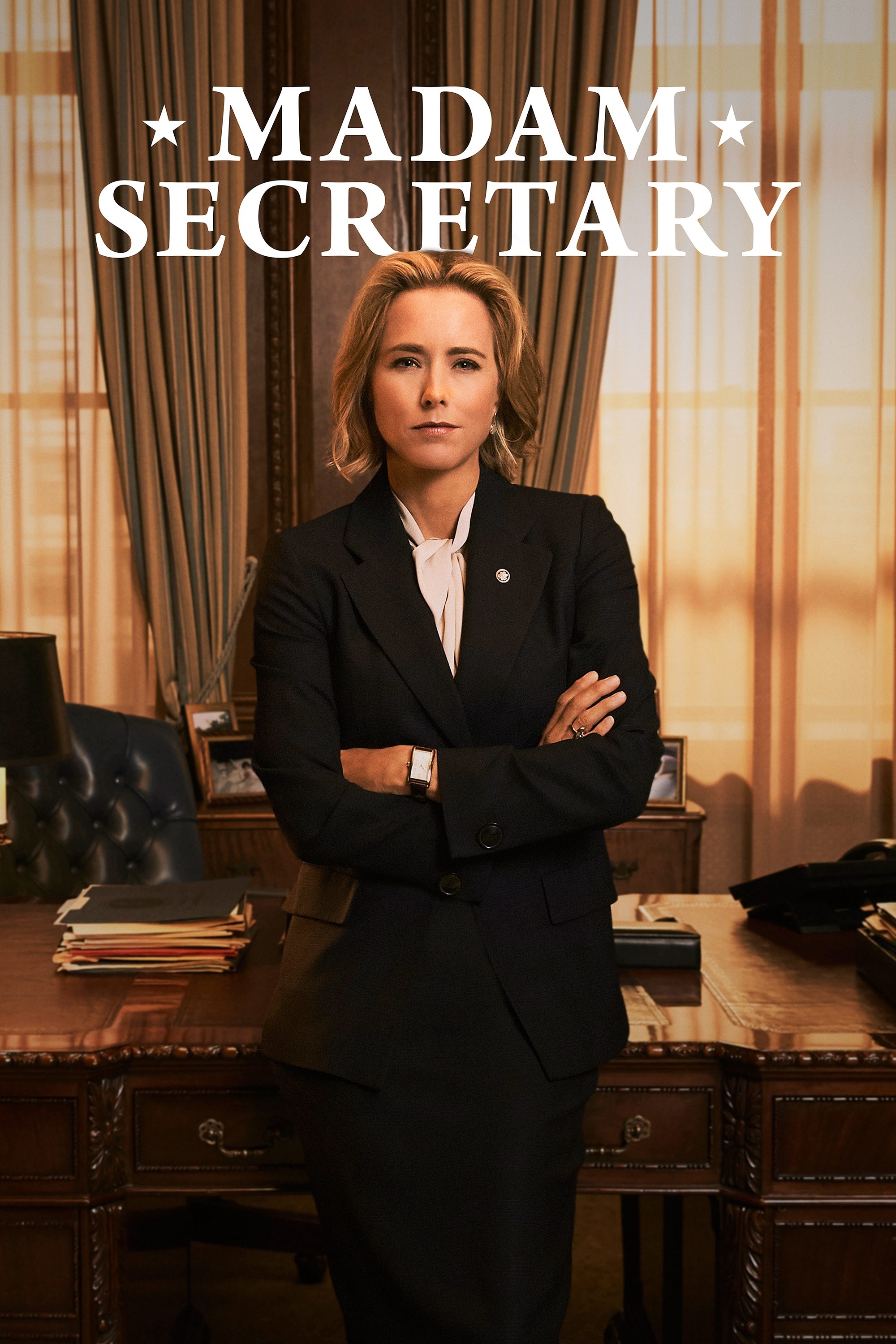
The TV show ‘Madam Secretary’ included a storyline where the Secretary of State handled unwanted sexual advances from a foreign leader. This happened shortly before the #MeToo movement became widely known, and the show explored the challenges powerful women face when dealing with harassment. ‘Madam Secretary’ was known for being inspired by real-world events, and sometimes even predicted them.
‘Occupied’ (2015–2020)
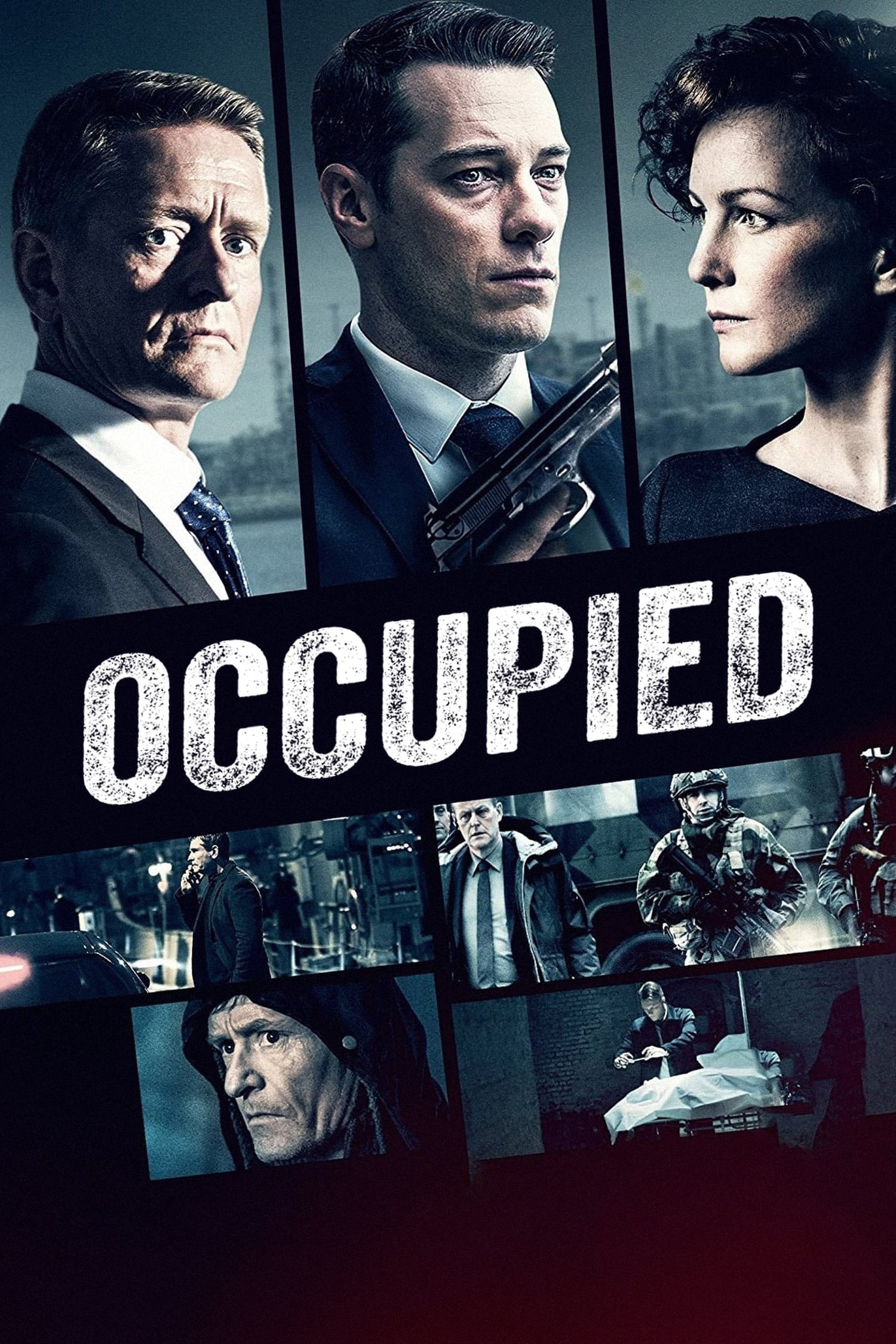
The TV show ‘Occupied’ imagined a future where Russia subtly took control of Norway to dominate its oil supply. It delved into the complicated political issues surrounding reliance on foreign energy and Russia’s growing influence. After Russia invaded Ukraine and Europe faced an energy crisis, the show’s storyline felt particularly relevant. ‘Occupied’ highlighted how easily a country’s independence can be threatened when vital resources become scarce.
‘Years and Years’ (2019)
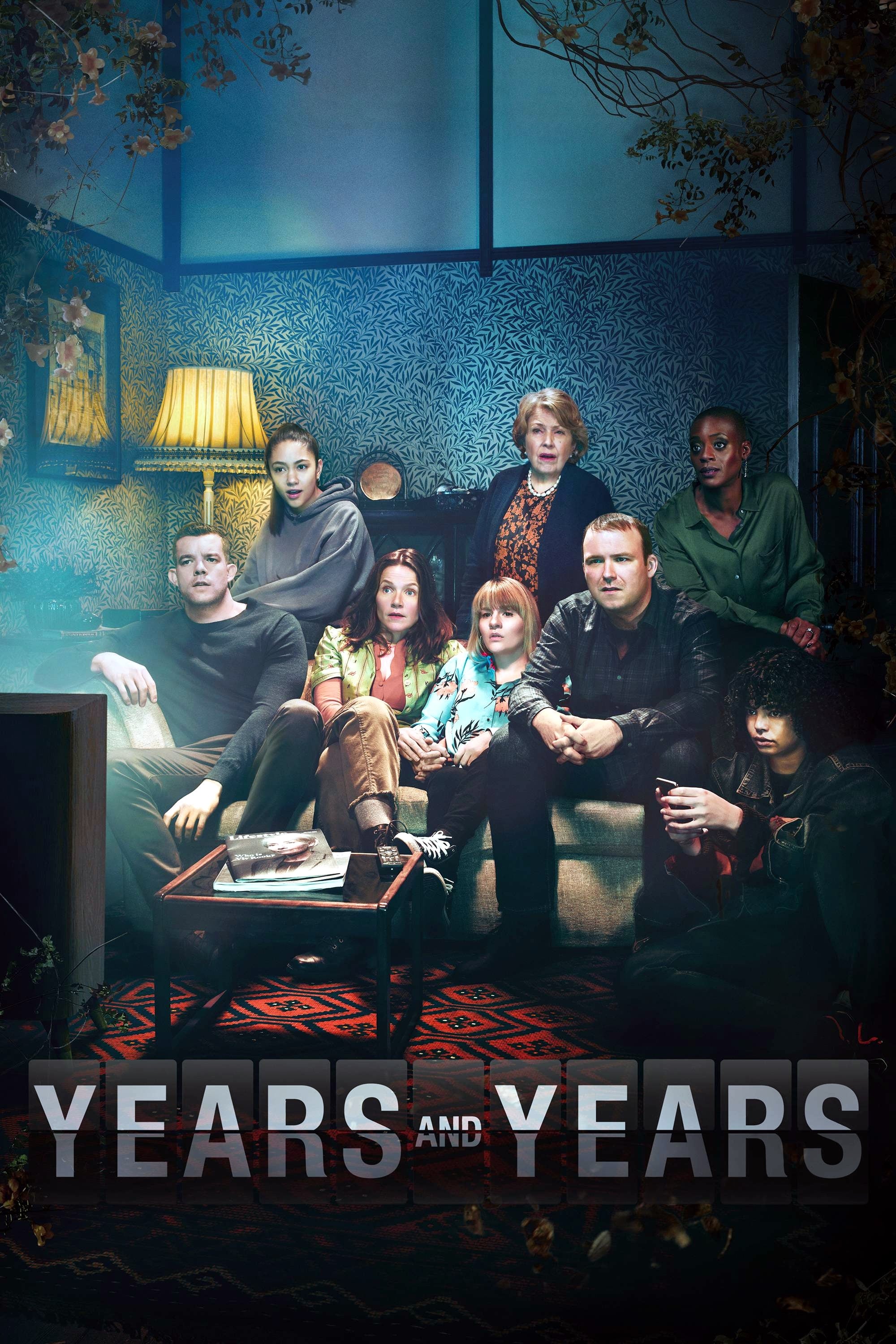
Years and Years vividly portrayed a frighteningly swift descent into authoritarian rule and economic hardship in the UK. The show foresaw the emergence of a charismatic but coarse politician who gains popularity by appealing to basic emotions. It also illustrated a worsening refugee situation and the failure of established banks. Ultimately, the series cautioned viewers about how easily democratic principles can be undermined.
‘The Wire’ (2002–2008)
Season five of ‘The Wire’ told the story of a journalist who made up details about a murder case to get famous. The season explored how the media’s need for shocking stories can influence laws and how police spend their time. Remarkably, it predicted the problems we now have with false information and declining standards in journalism. It’s still a powerful commentary on how information can be twisted to help people advance their careers.
‘Yes Minister’ (1980–1984)
As a critic, I’ve always admired ‘Yes, Minister’ for its sharp wit and surprisingly prescient commentary. The show brilliantly skewered the British government, often revolving around the frustrating realities of bureaucratic secrecy. I remember one episode, in particular, that tackled government surveillance and data protection – and it did so before those issues were even on most people’s radar! What really struck me was how the show exposed the way civil servants subtly guide – or, let’s be honest, manipulate – politicians to keep things running as they always have. Even decades later, its portrayal of wasted resources and deliberate confusion feels painfully relevant. It’s a true classic that still holds up today.
‘Political Animals’ (2012)
As a film buff, I found ‘Political Animals’ really fascinating. It centered around a former First Lady making a presidential run, and later becoming Secretary of State. The show didn’t shy away from the messy side of politics – her husband was unfaithful, and she was constantly under the microscope regarding her personal life. It was pretty clear the creators were drawing inspiration from Hillary Clinton, and it’s almost eerie how the show foreshadowed some of the exact challenges she faced during the 2016 election. What really struck me was how it highlighted the unfair expectations and double standards women face when they aim for the highest office.
‘Alpha House’ (2013–2014)
‘Alpha House’ was a show about Republican senators sharing a house and navigating a shifting political environment. It cleverly portrayed the growing influence of the Tea Party movement and foreshadowed the increasing divisions within the Republican party. The show used satire to point out the ridiculousness of political fundraising and the constant stalemate in Washington.
‘State of Play’ (2003)
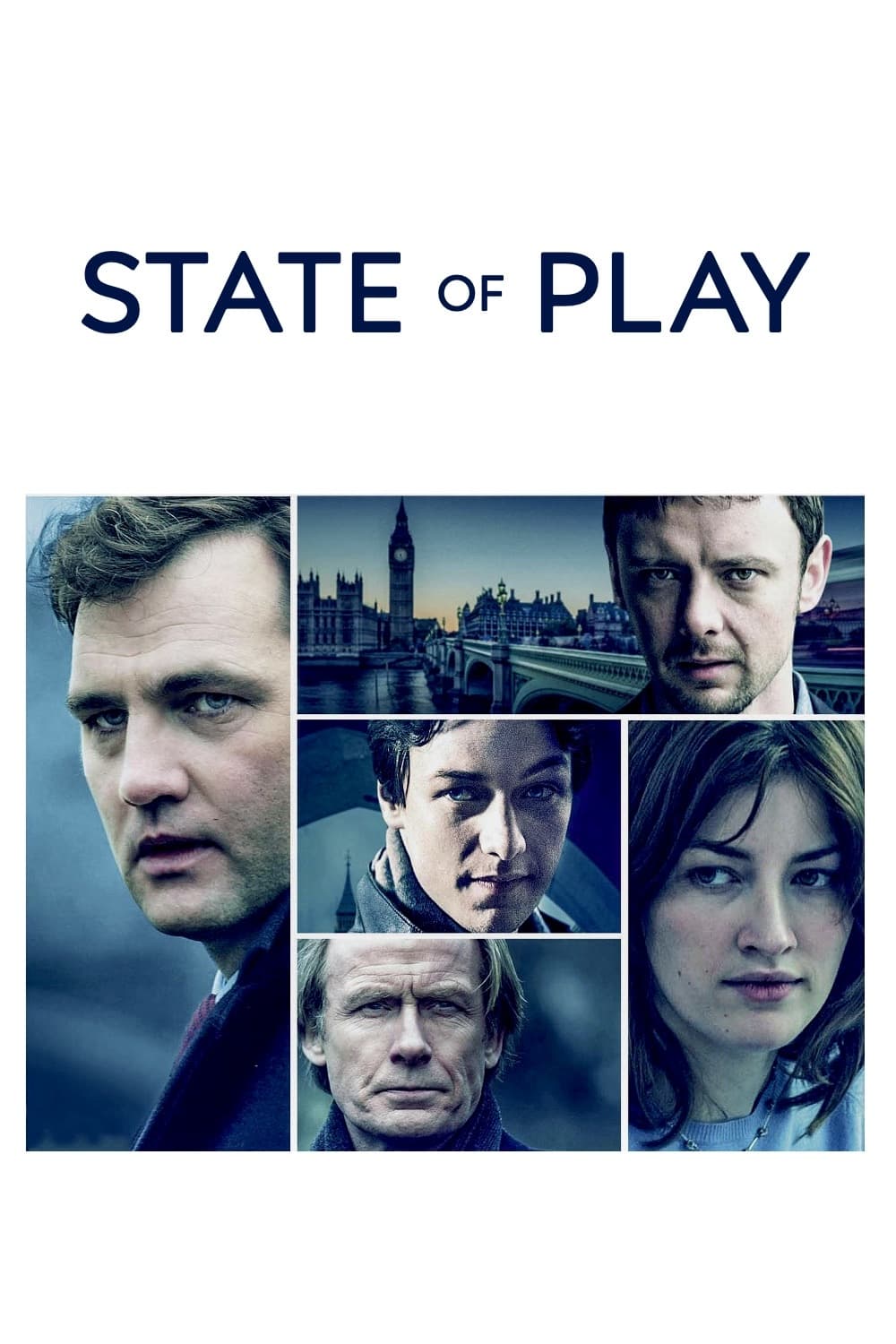
‘State of Play’ centered on the death of a political researcher, which led to the exposure of a secret government plot. The show delved into the connections between politicians and those influencing energy policy, and it accurately foreshadowed growing public concern about corporate influence on energy decisions. Importantly, the series highlighted how crucial investigative journalism is for keeping those in power honest and accountable.
‘Secret City’ (2016–2019)
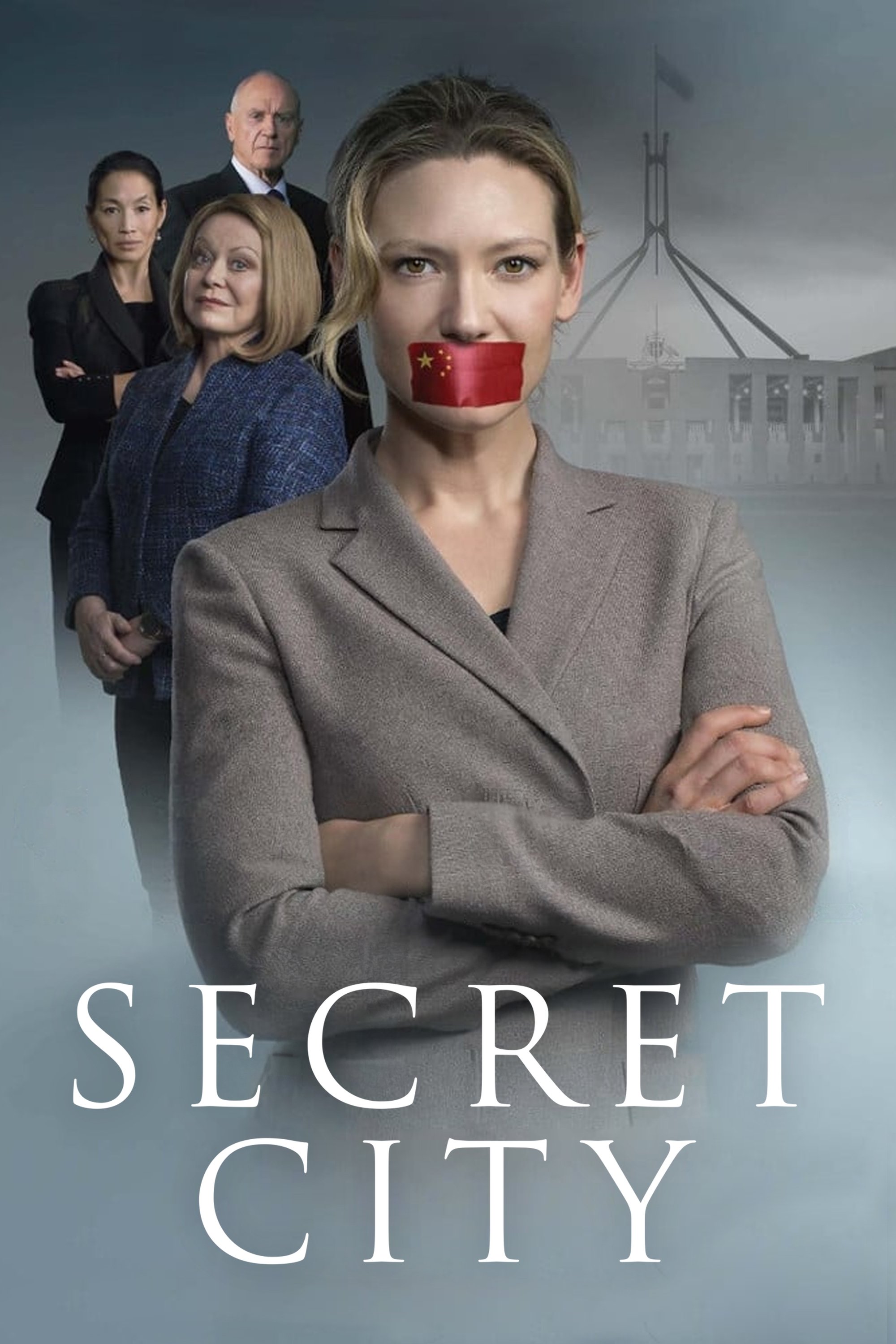
‘Secret City’ explored the growing conflict between China and the United States, focusing on cyber warfare. The story centered around a hidden Australian role in the escalating tensions and the forceful silencing of student demonstrations. Remarkably, the show foreshadowed the current strained relationship between Western countries and China, and realistically portrayed the increasing importance of digital spaces in modern warfare.
‘Boss’ (2011–2012)
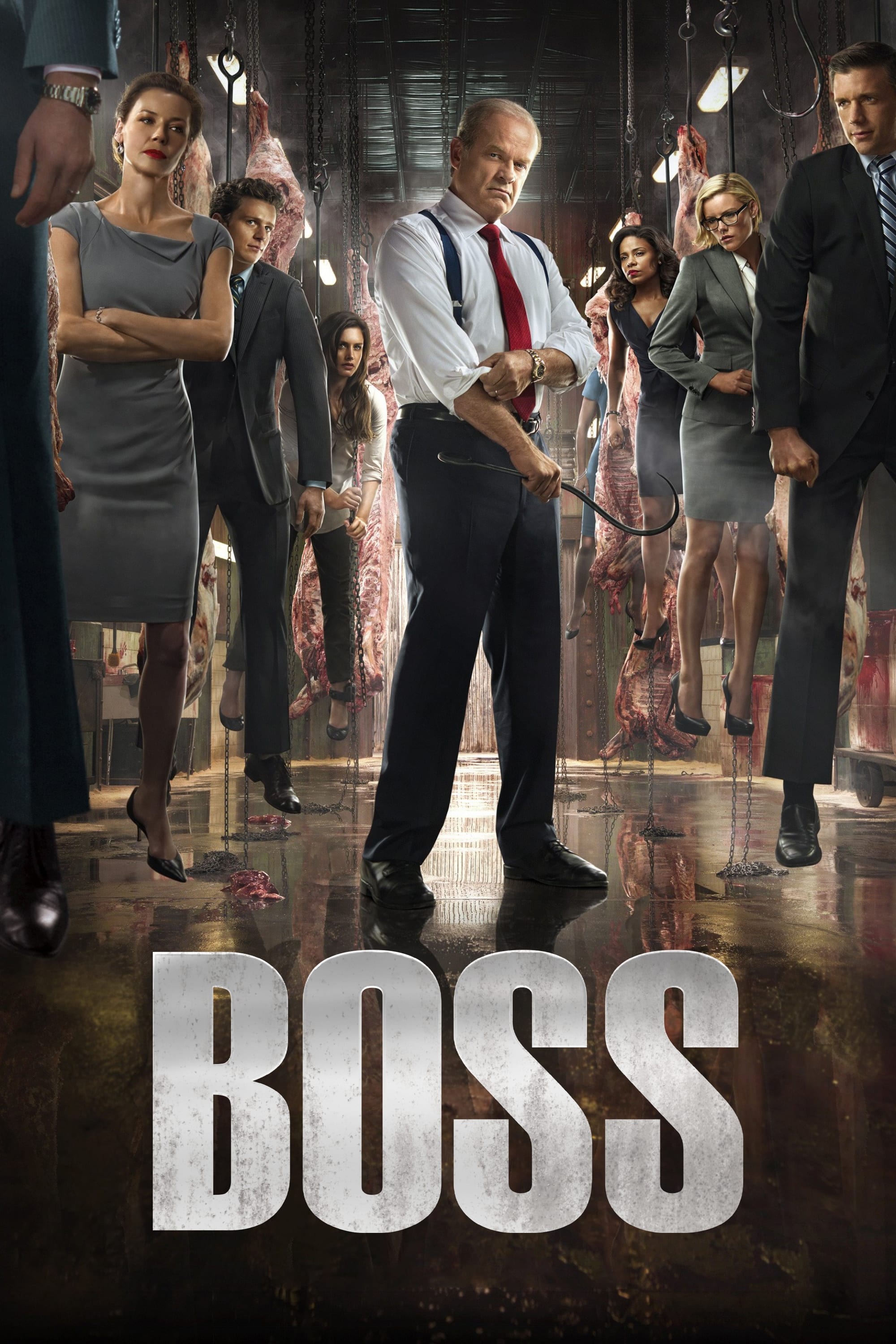
The TV show ‘Boss’ featured Kelsey Grammer as the mayor of Chicago, who secretly struggled with a serious and worsening illness. It delved into how far someone in power would go to stay in control while facing personal health challenges, sparking conversations similar to those surrounding the age and well-being of leaders in real life. Ultimately, the series offered a grim portrayal of the connection between a politician’s private health and their public duties.
‘Borgen’ (2010–2022)
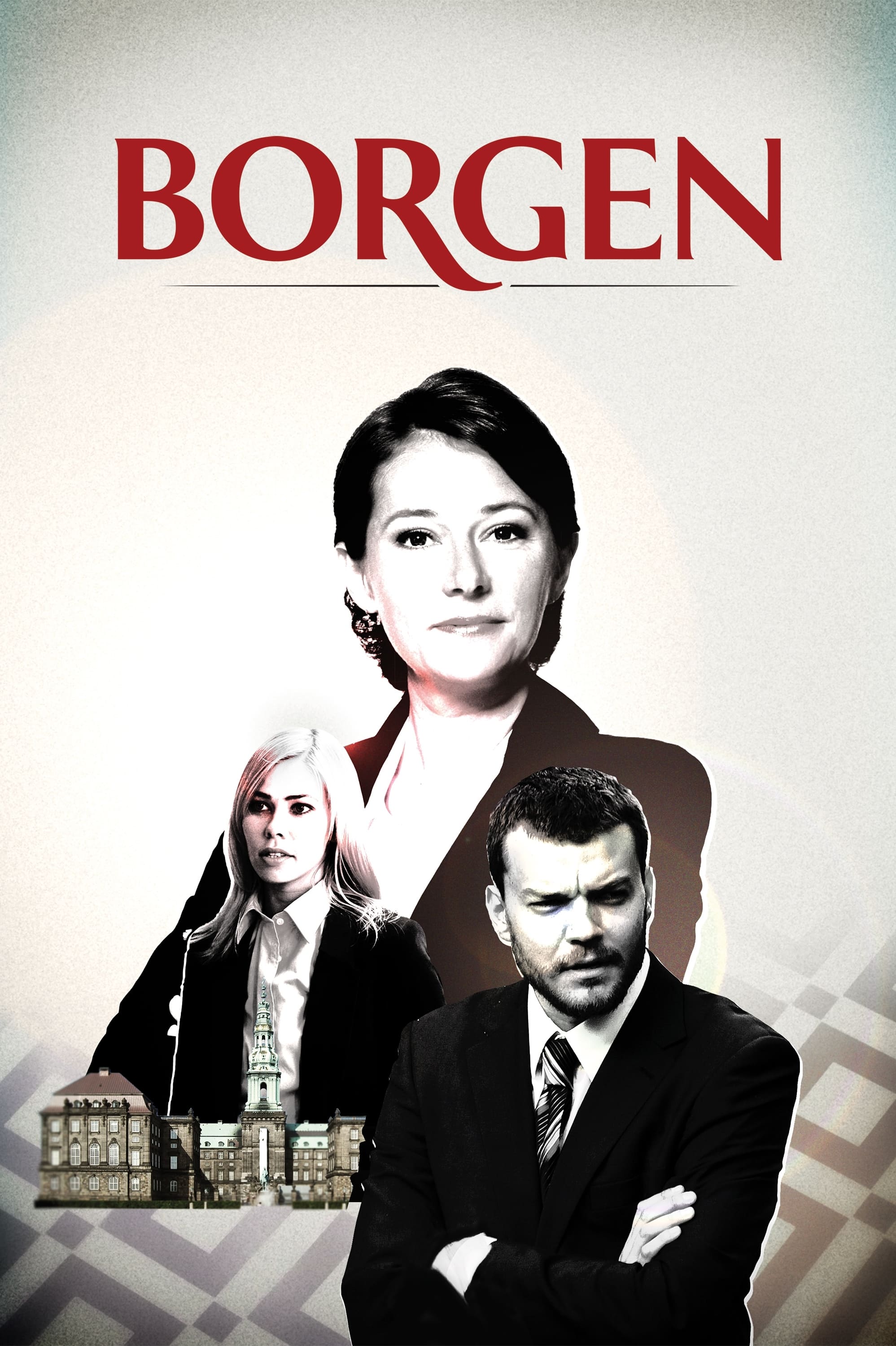
‘Borgen’ tells the story of a politician in Denmark who becomes Prime Minister. The show realistically depicts the challenges of leading a coalition government, including the need for compromise and the impact on one’s personal life. It also cleverly predicted the increasing complexity and fragmentation of politics across Europe, offering a believable look at how parliamentary democracies actually function.
‘Succession’ (2018–2023)
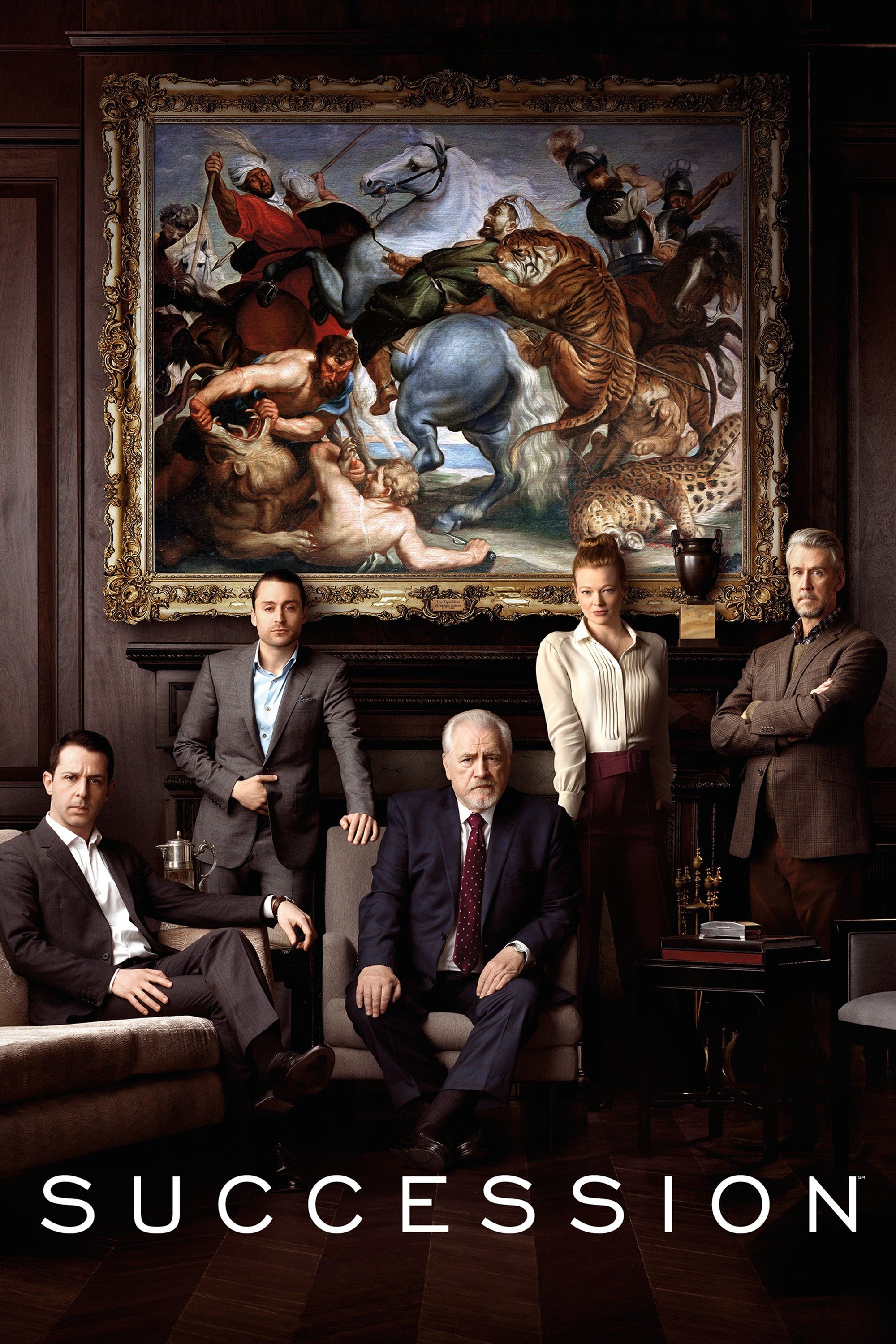
The show ‘Succession’ centered on a powerful family that owned a media empire and the question of who would take control. One storyline involved the family’s news network falsely calling a presidential election to help the candidate they favored. This highlighted concerns about the significant power media companies have over elections and how their own goals could potentially undermine what voters want.
‘The X-Files’ (1993–2018)
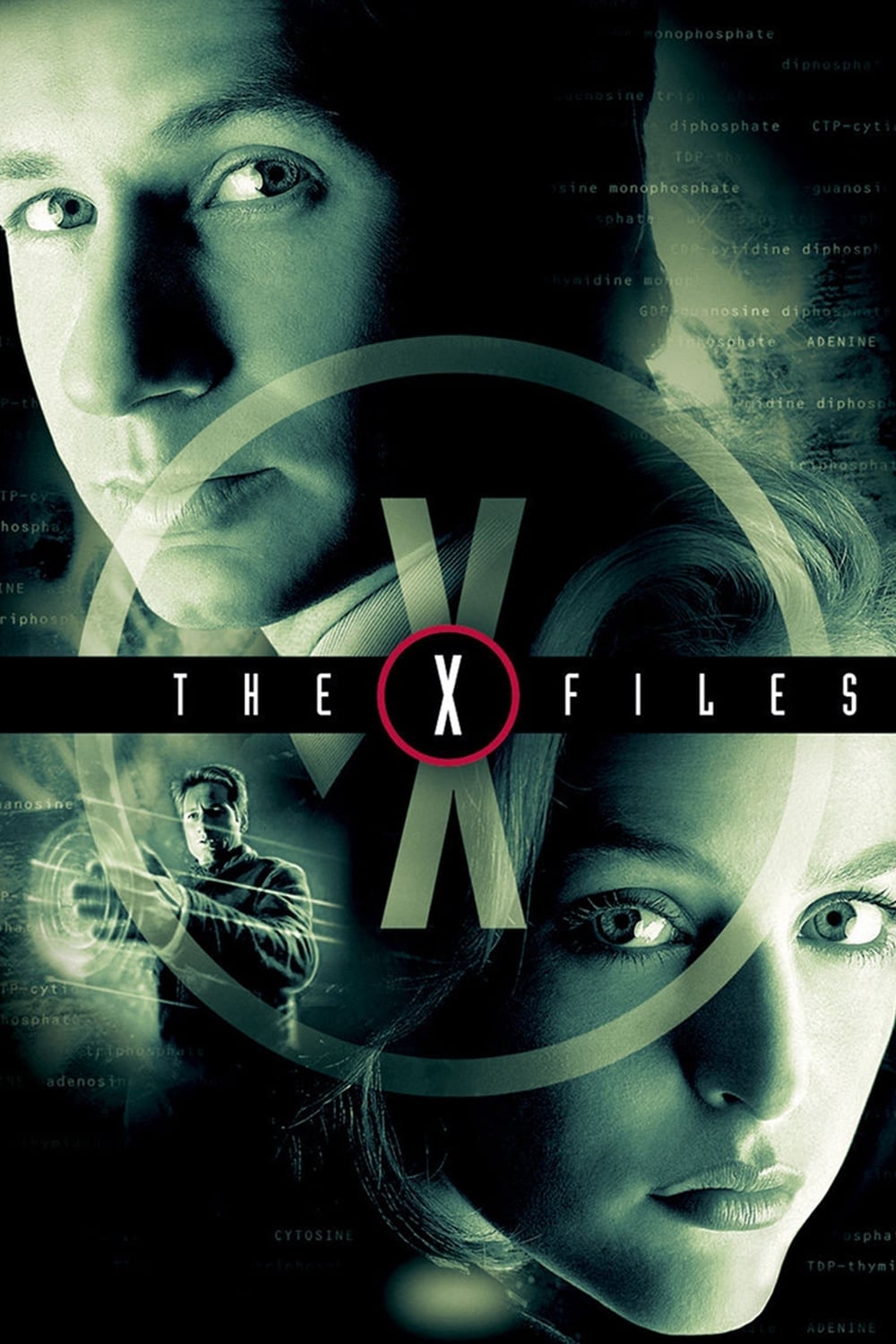
‘The X-Files’ frequently explored government conspiracies related to controlling diseases and secretly monitoring people. The show often featured a hidden group using a virus to reduce the population and then control those who remained. Interestingly, similar conspiracy theories gained prominence during the COVID-19 pandemic. The series seemed to anticipate – and perhaps even contribute to – a growing public distrust of government health organizations, a feeling that has now become widespread.
If you can think of any other TV shows that foreshadowed actual political events, please let us know in the comments!
Read More
- 20 Movies Where the Black Villain Was Secretly the Most Popular Character
- Top 20 Dinosaur Movies, Ranked
- 25 “Woke” Films That Used Black Trauma to Humanize White Leads
- Gold Rate Forecast
- Spotting the Loops in Autonomous Systems
- Silver Rate Forecast
- 22 Films Where the White Protagonist Is Canonically the Sidekick to a Black Lead
- Top 10 Coolest Things About Invincible (Mark Grayson)
- Can AI Lie with a Picture? Detecting Deception in Multimodal Models
- Celebs Who Narrowly Escaped The 9/11 Attacks
2025-12-11 20:48