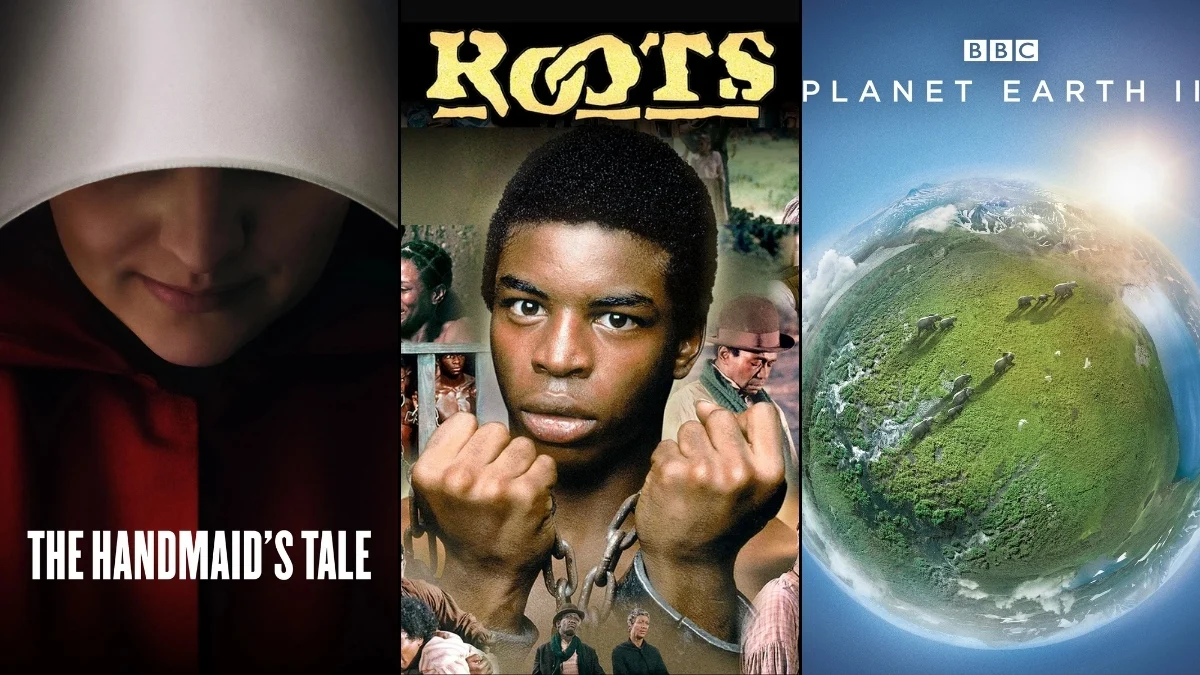
For decades, television has reflected what’s happening in society and often driven important cultural changes worldwide. Certain shows go beyond just being entertaining – they start important national discussions and inspire people to work towards positive change. These impactful series have covered a wide range of crucial topics, including civil rights, protecting the environment, equal rights for all genders, and understanding mental health. By showing the human side of complicated issues and sharing different viewpoints, these programs have been key in shaping the social movements we see today.
‘Roots’ (1977)
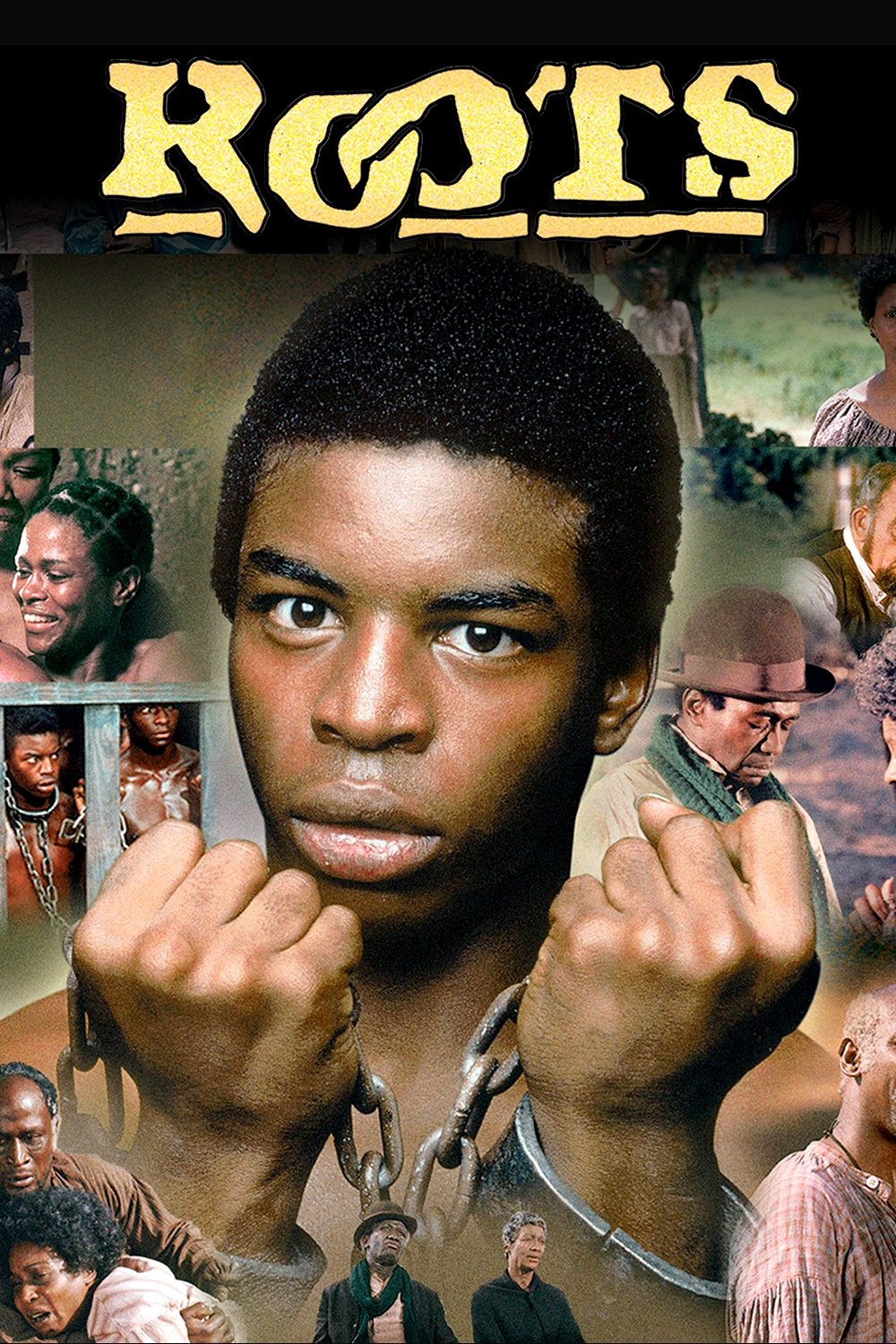
The miniseries ‘Roots’ had a huge impact on how people understood slavery and African American history. It told the story of Kunta Kinte and his family over several generations, showing both their struggles and their strength. The show was incredibly popular and sparked a widespread interest in family history, leading many people to research their own roots. ‘Roots’ remains an important piece of television that helped the public better understand the history and lasting effects of the slave trade.
‘Star Trek’ (1966–1969)
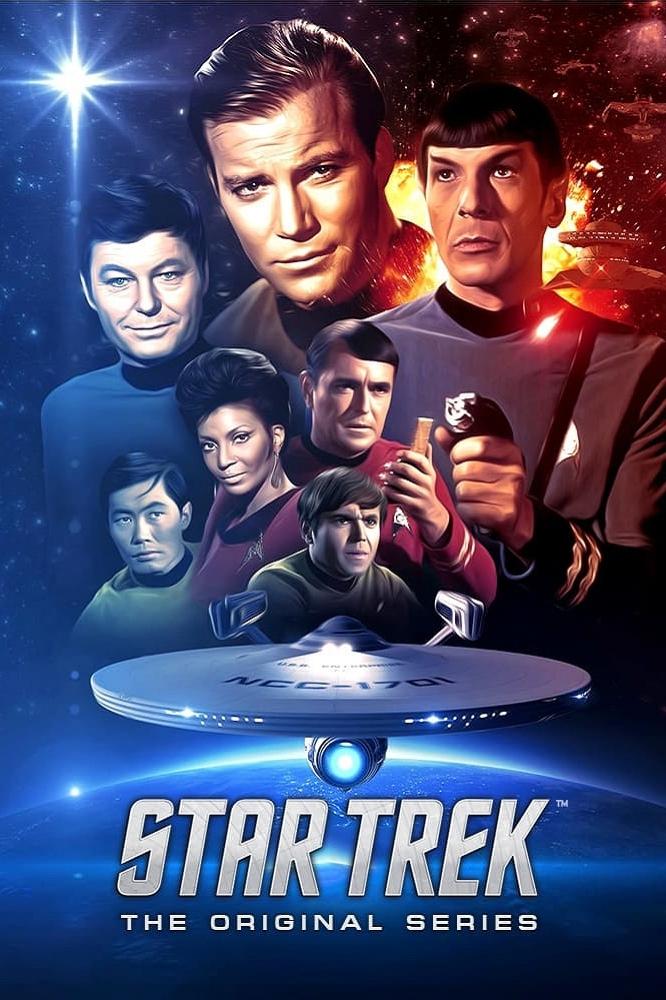
During its original broadcast, ‘Star Trek’ was groundbreaking in its depiction of a diverse crew working together towards a peaceful future. It challenged the social norms of the time, notably with one of the first interracial kisses shown on American television. Dr. Martin Luther King Jr. even encouraged actress Nichelle Nichols to continue playing her role, recognizing the importance of her portrayal of a Black professional. The show went on to inspire generations of scientists and activists, demonstrating television’s power to promote civil rights and a more inclusive, globally-minded future.
‘The Oprah Winfrey Show’ (1986–2011)

As a long-time viewer, I can tell you ‘The Oprah Winfrey Show’ completely transformed daytime TV. Oprah wasn’t afraid to tackle really tough issues – things like domestic violence, child abuse, and mental health – and brought them into our living rooms. What I always appreciated was how she helped us understand people from all walks of life and encouraged us to truly listen to each other. It was amazing how much influence she had – people even started calling it ‘The Oprah Effect’ because her recommendations and discussions could really change what people thought and how they acted. More than anything, the show gave millions of us the courage to talk about our own challenges and find support, and that was incredibly powerful.
‘Ellen’ (1994–1998)

The sitcom ‘Ellen’ broke ground when both its main character and the actress Ellen DeGeneres came out as gay in a now-famous episode. This event was a pivotal moment for LGBTQ+ visibility on television, triggering widespread national discussion. Although the show faced strong criticism and briefly lost some sponsors, it paved the way for more LGBTQ+ stories on prime-time TV. For many viewers, it was the first time seeing a gay character portrayed with such honesty, helping to foster understanding and empathy. The show’s bravery played a role in the growing movement for LGBTQ+ rights and acceptance during the late 1990s.
‘All in the Family’ (1971–1979)

‘All in the Family’ tackled tough topics like racism, sexism, and the Vietnam War through clever satire. The show, particularly through its character Archie Bunker, highlighted the prejudices and differences between generations common in American homes. It challenged viewers to face difficult truths about bias, all while remaining popular and critically successful. The show proved that comedy could be a powerful way to address important social and political issues, and it helped spark conversations that contributed to the changing attitudes of the time.
‘The Handmaid’s Tale’ (2017–Present)

‘The Handmaid’s Tale’ has become a powerful symbol for those fighting for women’s rights and control over their own bodies. The show’s distinctive red robes and white head coverings are now commonly seen at protests around the world. Based on Margaret Atwood’s novel, the series struck a chord with viewers worried about shrinking freedoms. It sparked important discussions about the need to defend democracy and equality for all genders, and continues to inspire and warn those working for social justice.
‘When They See Us’ (2019)
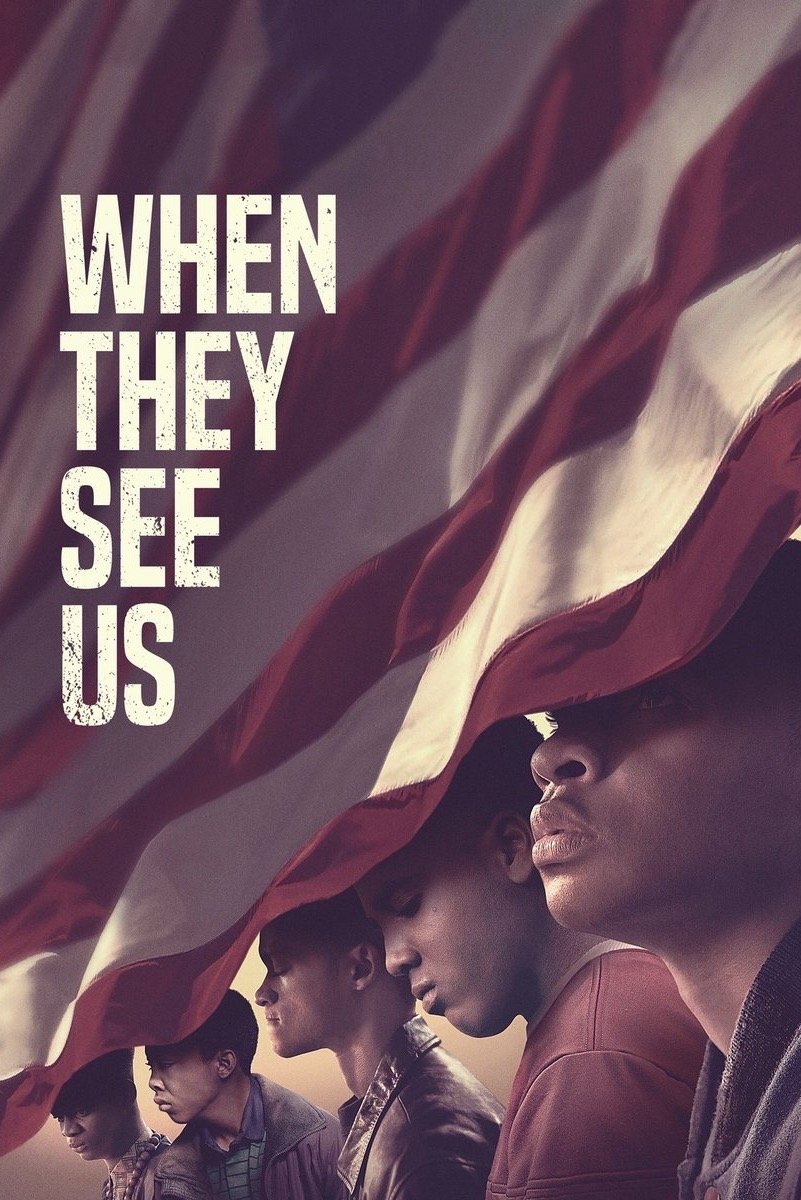
I was absolutely floored by ‘When They See Us.’ It brought the injustice of the Central Park Five case – now known as the Exonerated Five – to life in a way that really stayed with me. It wasn’t just a story, it was a painful reminder of how deeply flawed our system can be, especially for young people of color. Seeing their lives and families portrayed so honestly sparked a lot of anger – and a real desire for change. I noticed a huge surge in support for groups working to free people who were wrongly convicted, and it felt like people were finally demanding the justice these young men deserved. It really humanized them and made it impossible to ignore the failures of the legal system.
‘Pose’ (2018–2021)
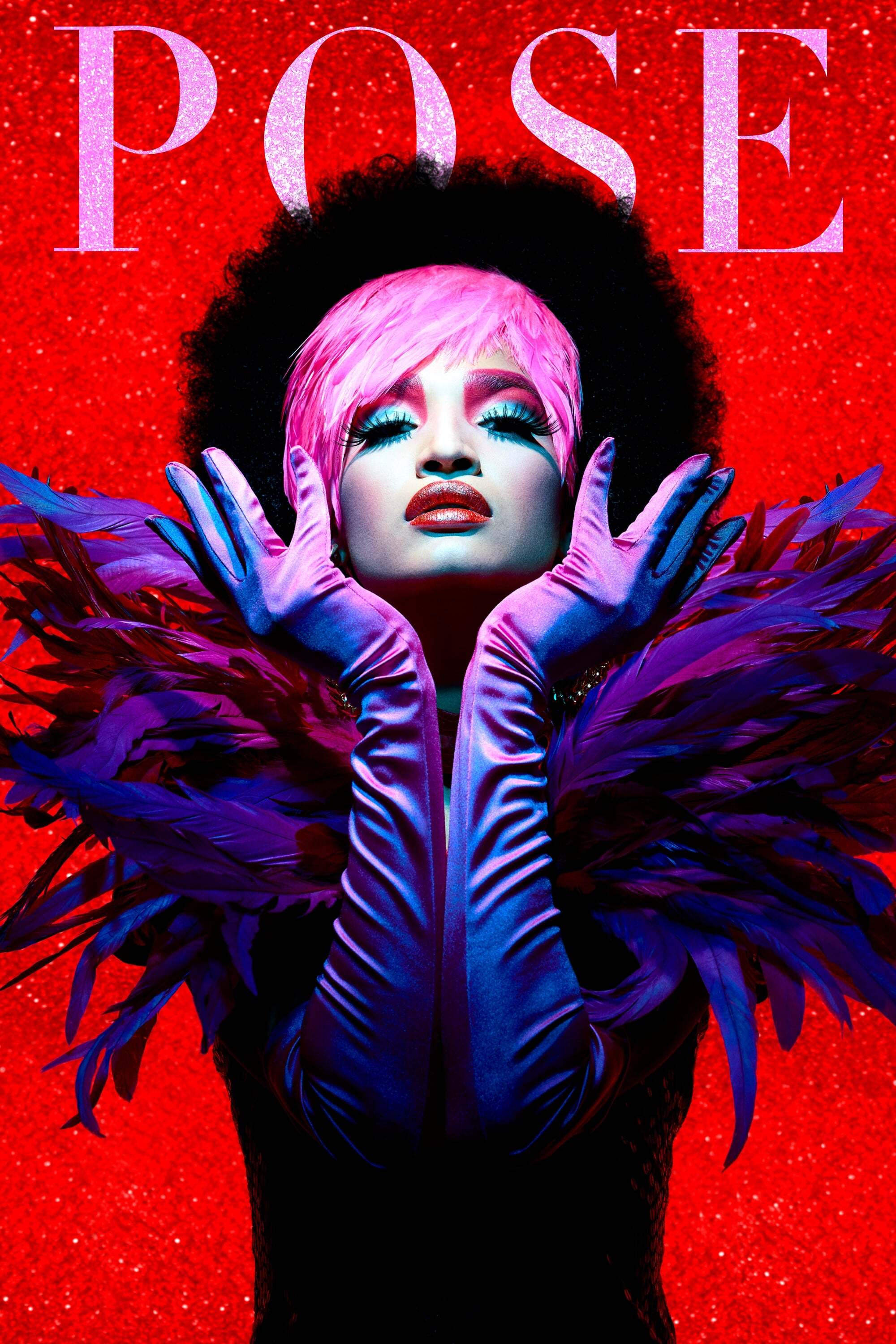
FX’s ‘Pose’ was groundbreaking for its representation, featuring an unprecedented number of transgender actors in leading roles. The show brought the vibrant world of 1980s and 90s ballroom culture to a wide audience, while also powerfully depicting the impact of the HIV and AIDS crisis. Importantly, ‘Pose’ allowed transgender people of color to share their experiences with nuance and respect. The series dramatically increased the visibility of the transgender community and changed how transgender stories are portrayed in Hollywood, with many believing it helped move the conversation forward regarding trans rights and access to healthcare.
‘Orange Is the New Black’ (2013–2019)

‘Orange Is the New Black’ provided a unique look at the lives of women in prison and the problems within the American prison system. The show explored issues like private prisons, racial inequality, and the limited support available to help inmates rebuild their lives. It encouraged viewers to think critically about the realities of incarceration and the need for major changes to the legal system. Advocacy groups leveraged the show’s popularity to highlight the specific difficulties faced by women behind bars. Ultimately, the program helped to show the humanity of a group often overlooked by the media.
‘Will & Grace’ (1998–2020)
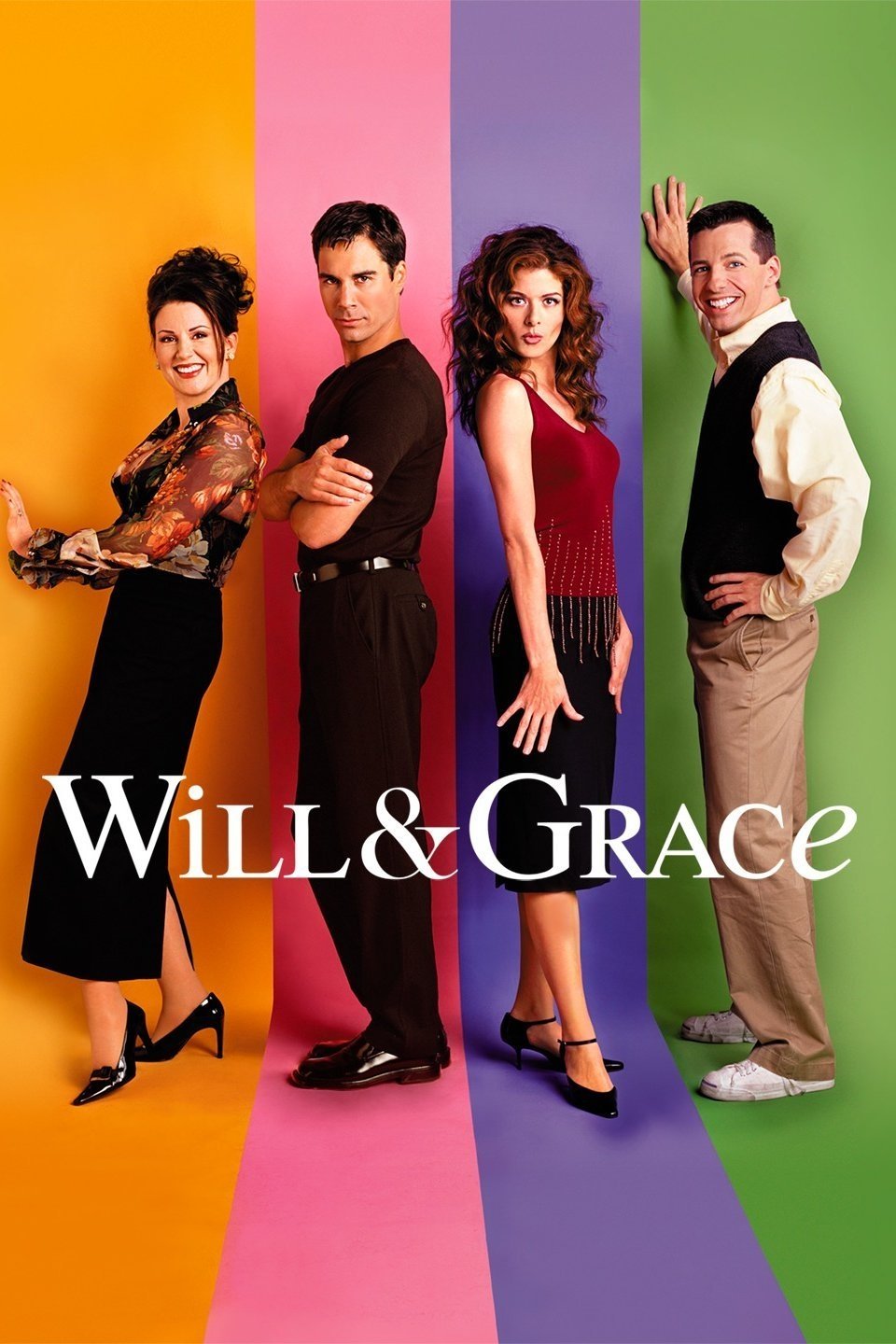
During its original run, ‘Will & Grace’ played a key role in bringing LGBTQ+ characters and stories into mainstream American culture. Joe Biden, the former Vice President, even said the show did more to educate the public about LGBTQ+ issues than almost anything else. By showing Will and Grace as ordinary people with complicated lives, the series helped make gay identity more accepted by a wide audience. It used comedy to connect with people and start important conversations about marriage equality, and it remains a hugely important show for queer representation on television.
‘Maude’ (1972–1978)
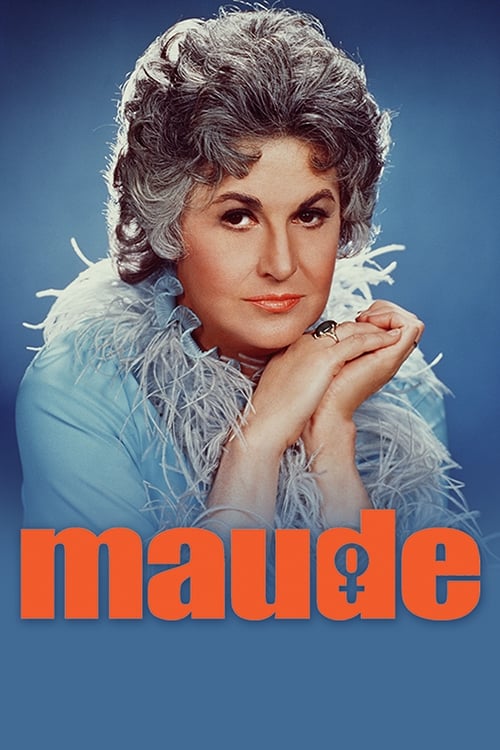
The sitcom ‘Maude’ caused a national uproar when its main character chose to have an abortion, an episode that aired shortly before the Roe v. Wade decision. The show was already known for honestly tackling issues important to women and the difficulties they faced. By addressing such a sensitive topic, ‘Maude’ brought the debate over reproductive rights into homes across America and proved that sitcoms could be a platform for discussing important legal and ethical issues.
‘Blue Planet II’ (2017)

The documentary series ‘Blue Planet II’ quickly changed how people thought about plastic pollution and led to real action. Its powerful images of marine life affected by plastic – often called the ‘Blue Planet effect’ – dramatically increased public awareness and caused a significant drop in the use of single-use plastics worldwide. This led to pressure on governments and businesses to create new rules to better protect our oceans. The series demonstrated the power of nature documentaries to motivate large-scale environmental change.
‘The Day After’ (1983)

‘The Day After’ was a TV movie showing the horrific aftermath of a nuclear attack on a Kansas town. When it aired, it was a huge event, watched by over 100 million people and causing widespread anxiety and debate about the Cold War. It’s said to have deeply affected President Ronald Reagan and changed his thinking on reducing nuclear weapons. The film also energized peace activists who pushed for fewer nuclear weapons worldwide. To this day, it’s considered a powerful example of how television can influence global military strategy.
‘Transparent’ (2014–2019)
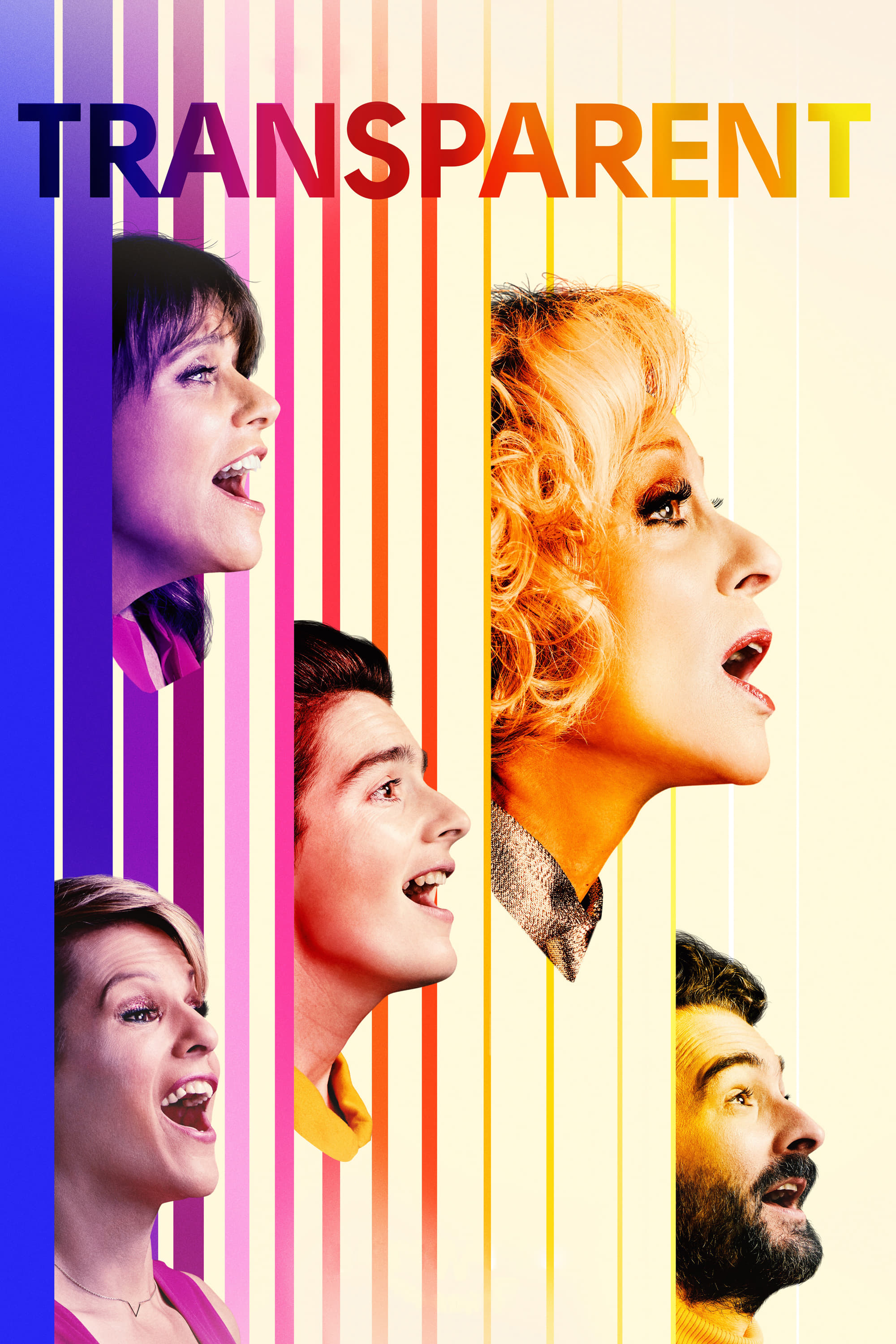
‘Transparent’ told the story of a family navigating life after their father came out as a transgender woman. The show was highly praised for its realistic and sensitive depiction of gender transition and how it affected the family. It was important in raising awareness about transgender issues and sparking conversations about them in the mid-2010s. The production team also made a point of hiring transgender individuals, setting a positive example for inclusivity in Hollywood. Ultimately, ‘Transparent’ helped viewers better understand gender identity and why it’s important for transgender people to be seen and represented.
‘Queer Eye’ (2018–Present)
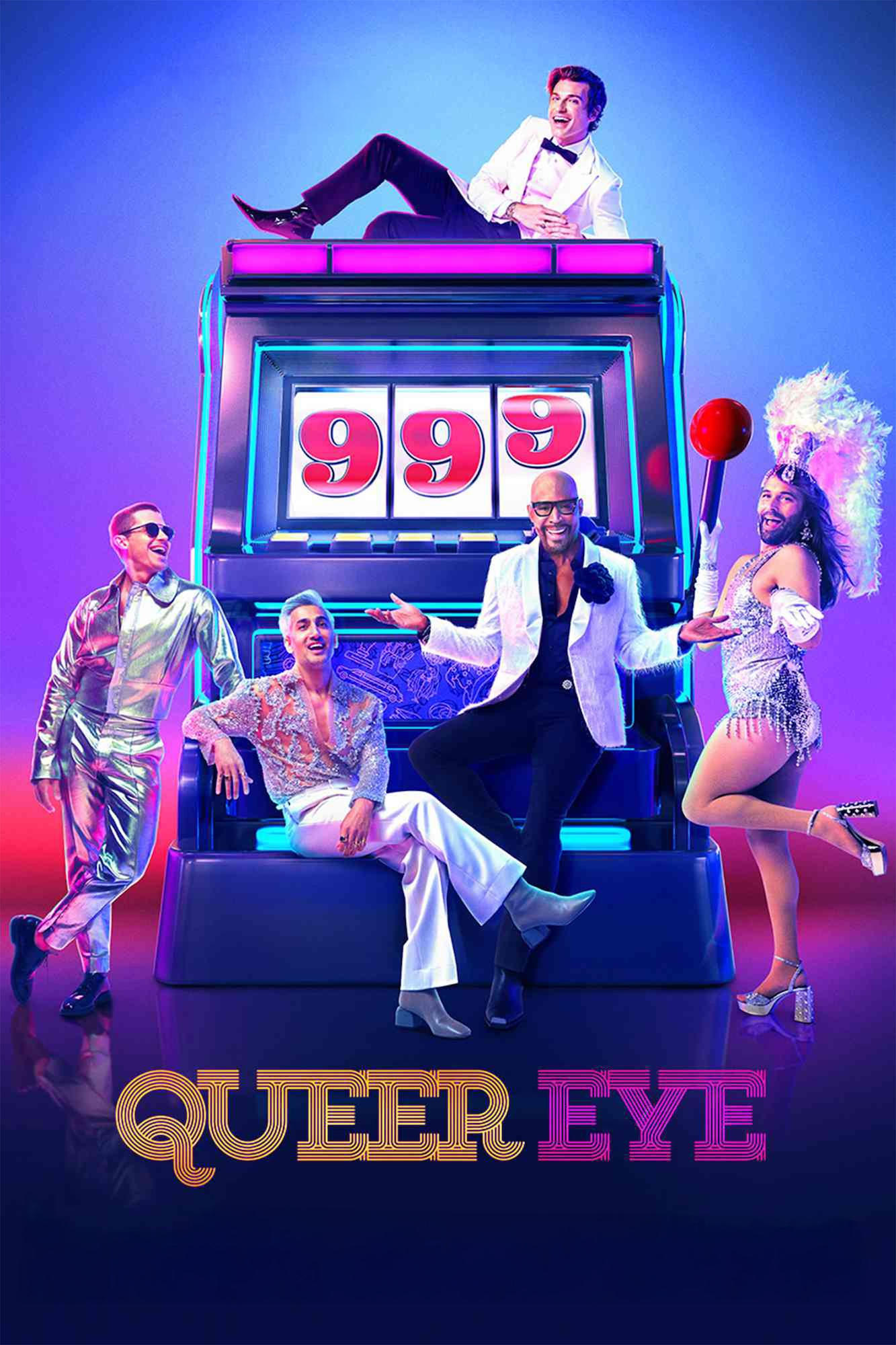
The new ‘Queer Eye’ goes beyond just physical transformations, focusing instead on building genuine connections and understanding between people. By bringing five gay men into different communities, the show tackles today’s social and political divides and encourages viewers to be more empathetic. It often shows how much people have in common, even if they come from different backgrounds or have different beliefs. The series is also celebrated for raising awareness about men’s mental health and the importance of self-care, and it continues to spread a powerful message of kindness and acceptance to viewers around the world.
‘RuPaul’s Drag Race’ (2009–Present)
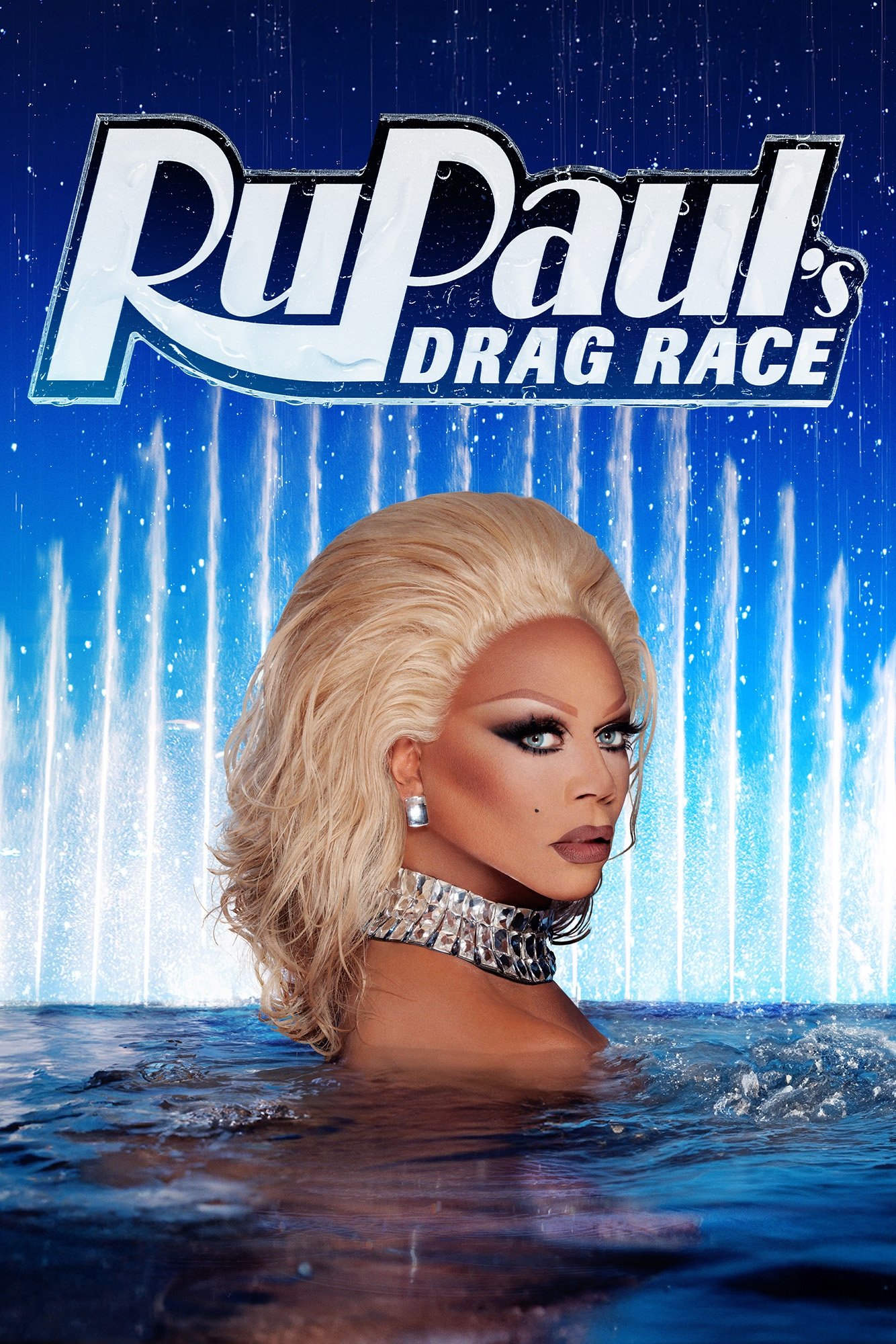
RuPaul’s Drag Race started as a small cable show but quickly became incredibly popular around the world, bringing drag culture to a much wider audience. It’s given LGBTQ+ artists a chance to shine, share their experiences, and build successful careers. Beyond entertainment, the show tackles important topics like LGBTQ+ rights and activism, and inspires viewers to be true to themselves and celebrate differences.
‘I May Destroy You’ (2020)
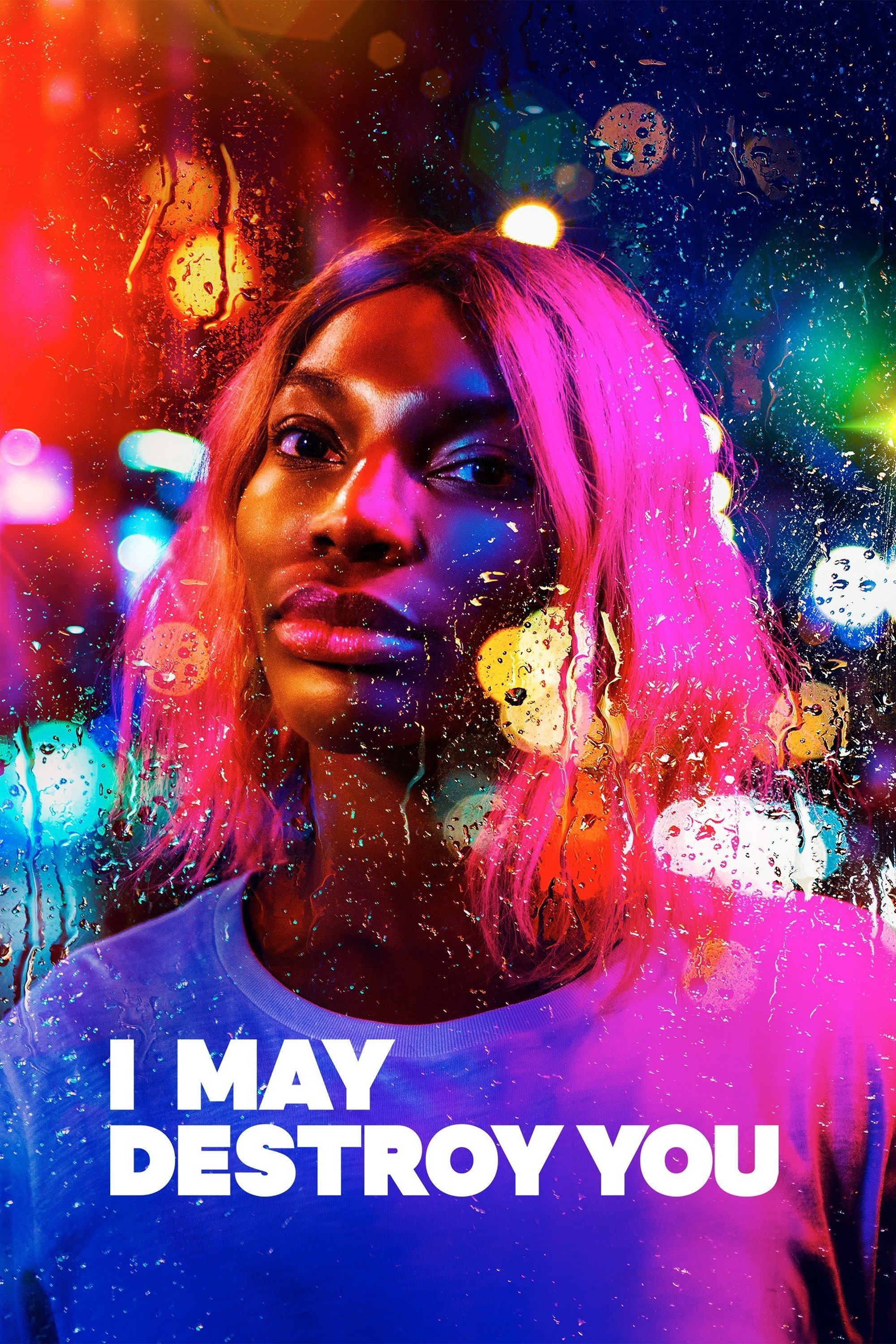
‘I May Destroy You’ tackled the difficult topic of sexual consent and the lasting effects of trauma with remarkable honesty. Michaela Coel, the show’s creator, challenged common assumptions about sexual assault and what healing looks like. The series sparked important conversations about dating today and respecting personal boundaries. Many viewers connected with the main character’s story and found it helped them understand their own experiences. It’s now considered a groundbreaking show that has changed how consent is talked about in TV and film.
‘Black-ish’ (2014–2022)
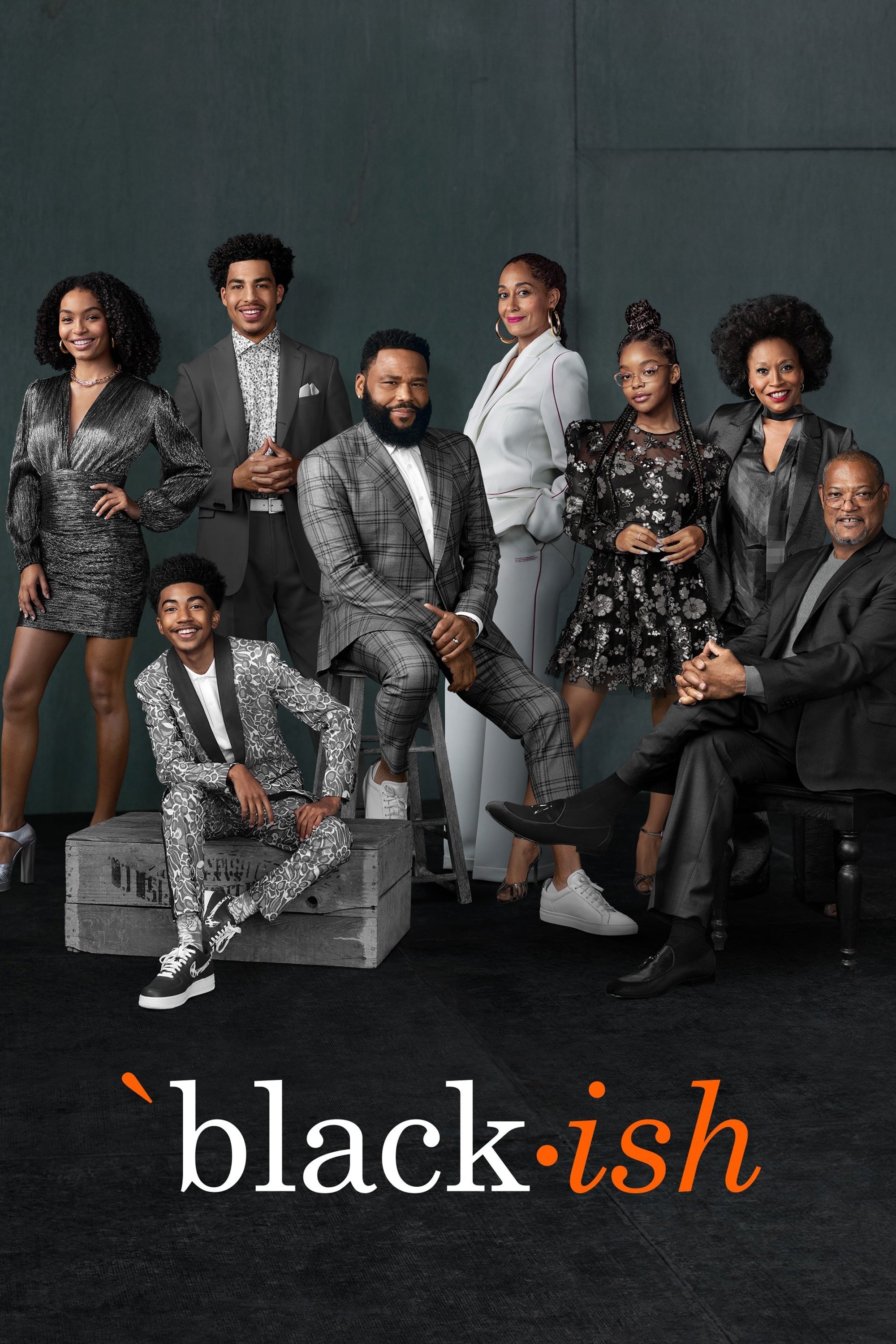
‘Black-ish’ explored what it means to be Black in America today, using the everyday life of a relatable, middle-class family. The show was known for its episodes that openly discussed important and challenging issues like police violence and the history of racial inequality, including a focus on Juneteenth. It made these difficult conversations easier for families to have, all while remaining funny and engaging. In fact, ‘Black-ish’ played a significant role in bringing awareness to Juneteenth before it became a nationally recognized holiday, proving that audiences want to see shows that are both humorous and thought-provoking.
‘Murphy Brown’ (1988–2018)

The TV show ‘Murphy Brown’ caused a national conversation about family values when its main character decided to become a single mother. The Vice President publicly criticized the show, creating an unprecedented conflict between a politician and a fictional character. This situation reflected the evolving nature of American families and the growing number of single parents. The show championed women’s right to make their own choices regarding work and life. It’s still remembered as a prime example of how television can question and challenge traditional norms.
‘Dear White People’ (2017–2021)
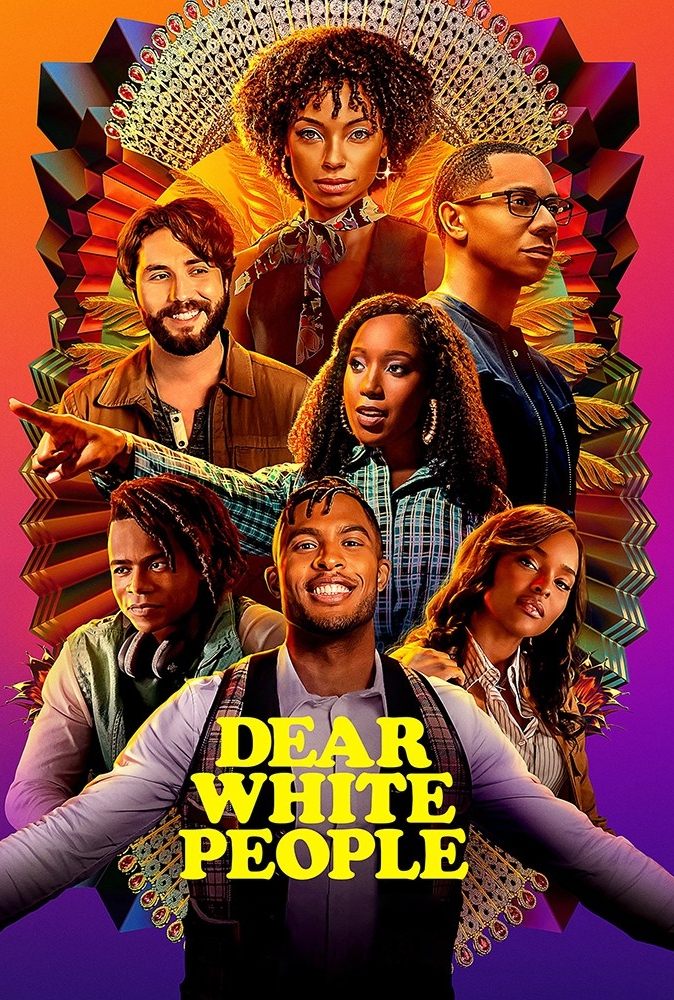
‘Dear White People’ tackled complex issues of race and identity through the story of students at a fictional university. The show stood out for its realistic portrayal of campus activism and the diverse experiences within the Black community. It challenged viewers to consider their own prejudices and the systemic racism that exists in colleges and universities. Using satire, the series offered critiques of viewpoints across the political spectrum. Throughout its run, ‘Dear White People’ became part of a larger conversation about social justice and racial equality.
‘Insecure’ (2016–2021)

‘Insecure’ was a show about the lives of Black women in Los Angeles, tackling issues like rising housing costs and unfair treatment at work. It was praised for its realistic depiction of female friendships and the struggles of being an adult today. The series also shed light on the changing economy in South Los Angeles and how it affected people who had lived there for a long time. Importantly, ‘Insecure’ helped launch the careers of many talented Black and diverse creators in television, and by focusing on these local issues, it gave viewers a strong sense of seeing themselves represented and feeling empowered.
‘Cagney & Lacey’ (1982–1988)
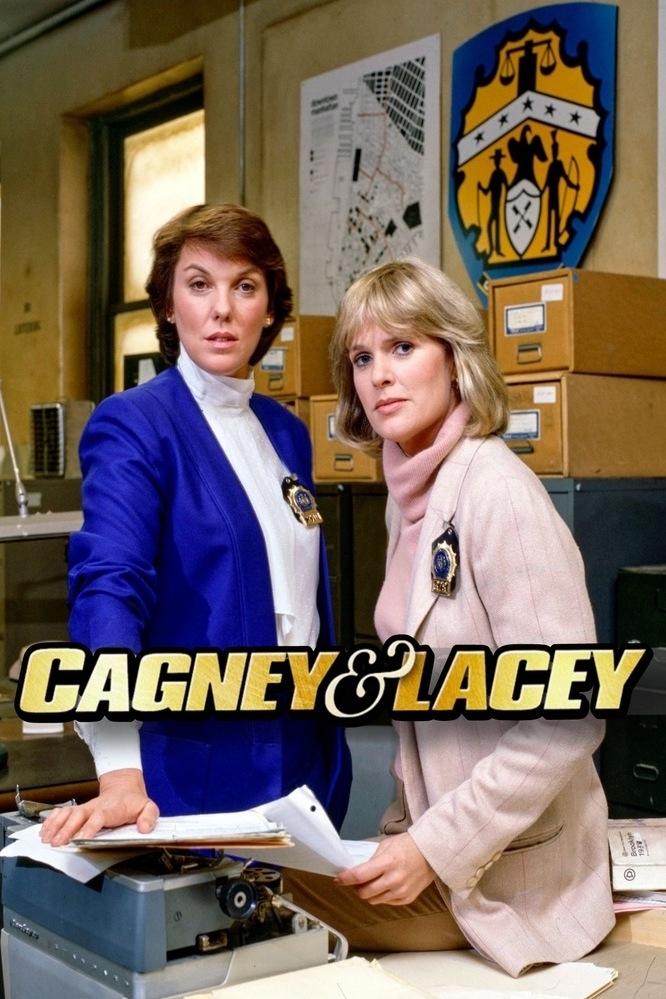
‘Cagney & Lacey’ was a groundbreaking police show starring two women in a field traditionally dominated by men. The series realistically portrayed the sexism women faced at work and the challenges of juggling careers with personal lives. It was famously rescued from being cancelled thanks to a huge outpouring of letters from feminist activists. The show demonstrated that viewers wanted to see well-developed female characters with lives beyond their romantic relationships. Its popularity helped open doors for more diverse and powerful women on television.
’13 Reasons Why’ (2017–2020)

The series ’13 Reasons Why’ sparked a lot of discussion and debate about teen suicide and mental health. Though some criticized its intense and graphic content, it also led to a huge surge in people seeking help and information about suicide prevention. The show prompted important, but difficult, conversations in schools and homes about serious issues like bullying, sexual assault, and depression. Following public concern and advice from experts, Netflix added warning messages and resources to the show. Ultimately, ’13 Reasons Why’ underscored the critical need for improved mental health support and greater awareness for young people.
‘Planet Earth II’ (2016)

Planet Earth II used the latest technology to showcase the beauty of nature in stunning high definition. The series highlighted how delicate ecosystems are and how climate change is directly affecting animals. It motivated many people to become environmental advocates and boosted support for protecting the natural world. Through powerful stories and breathtaking visuals, the show made the effects of environmental damage feel real and personal. Ultimately, Planet Earth II helped bring the importance of biodiversity to the public’s attention.
‘The Mary Tyler Moore Show’ (1970–1977)
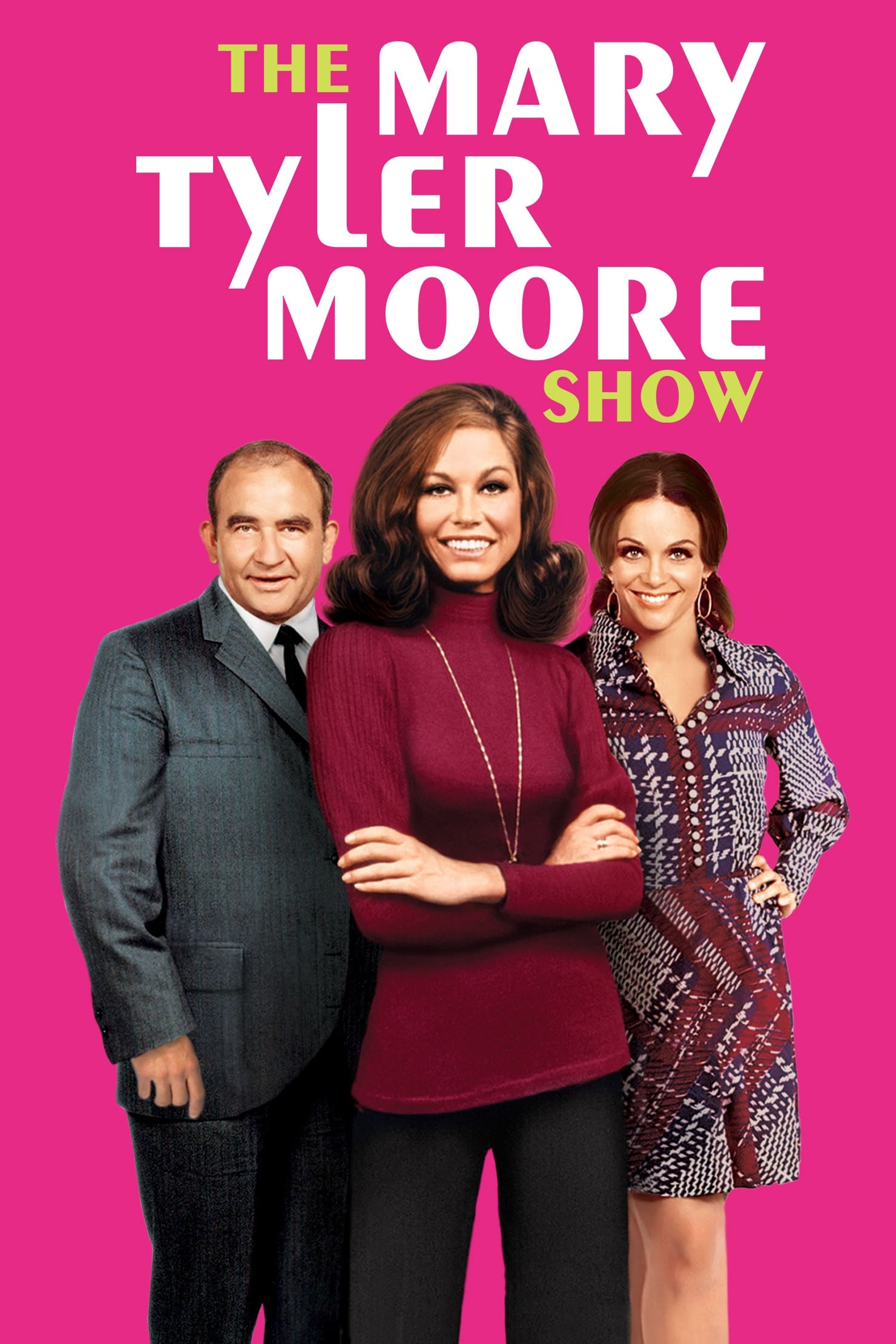
‘The Mary Tyler Moore Show’ was groundbreaking for its time because it centered on a single woman, Mary Richards, who prioritized her career over finding a husband. This resonated with the growing women’s rights movement. Mary became a role model for many women starting their careers and striving for independence. The show tackled important issues like equal pay and women’s freedom with both humor and sincerity, changing how women were depicted on TV and encouraging a generation to follow their own ambitions.
Read More
- Gold Rate Forecast
- 22 Films Where the White Protagonist Is Canonically the Sidekick to a Black Lead
- Games That Faced Bans in Countries Over Political Themes
- Silver Rate Forecast
- Brent Oil Forecast
- Unveiling the Schwab U.S. Dividend Equity ETF: A Portent of Financial Growth
- How to Do Sculptor Without a Future in KCD2 – Get 3 Sculptor’s Things
- Celebs Who Narrowly Escaped The 9/11 Attacks
- Superman Flops Financially: $350M Budget, Still No Profit (Scoop Confirmed)
- 14 Movies Where the Black Character Refuses to Save the White Protagonist
2026-01-06 23:18