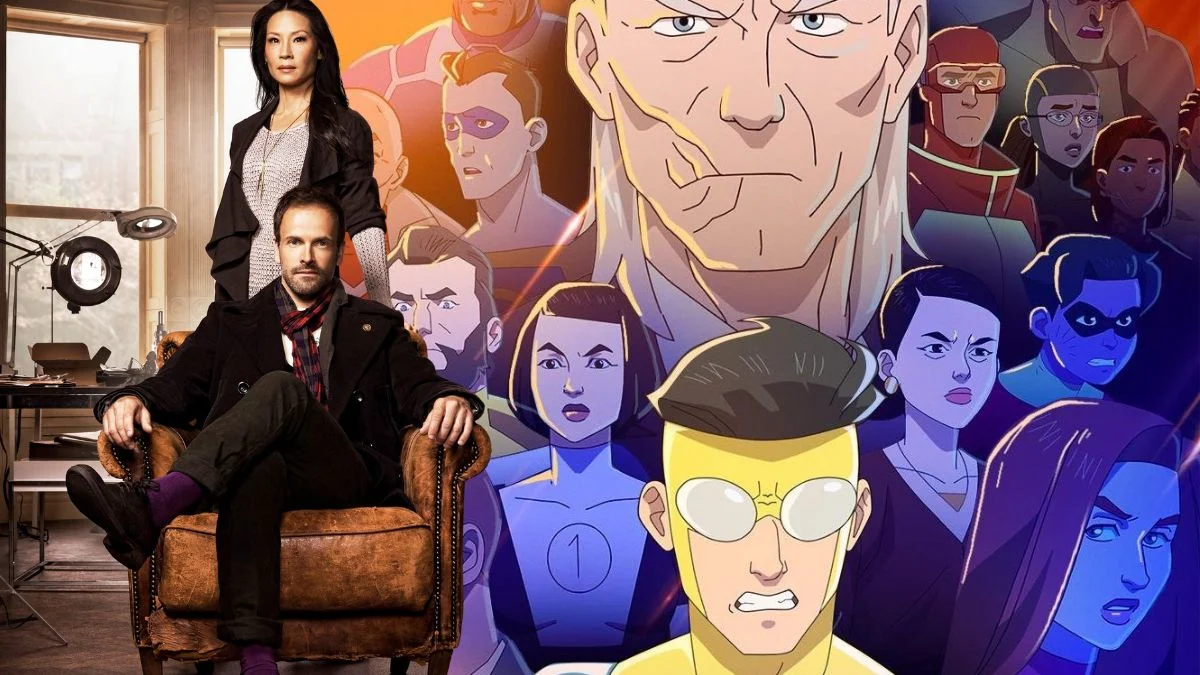
Today’s TV shows often update classic characters by changing their backgrounds and ethnicities to better reflect the diversity of the real world. This practice has led to some fantastic performances and added new dimensions to familiar stories. However, changing a character’s race doesn’t always work, and its success really depends on how well the new identity fits into the overall story and stays true to the character’s core personality.
‘Bridgerton’ (2020–Present)
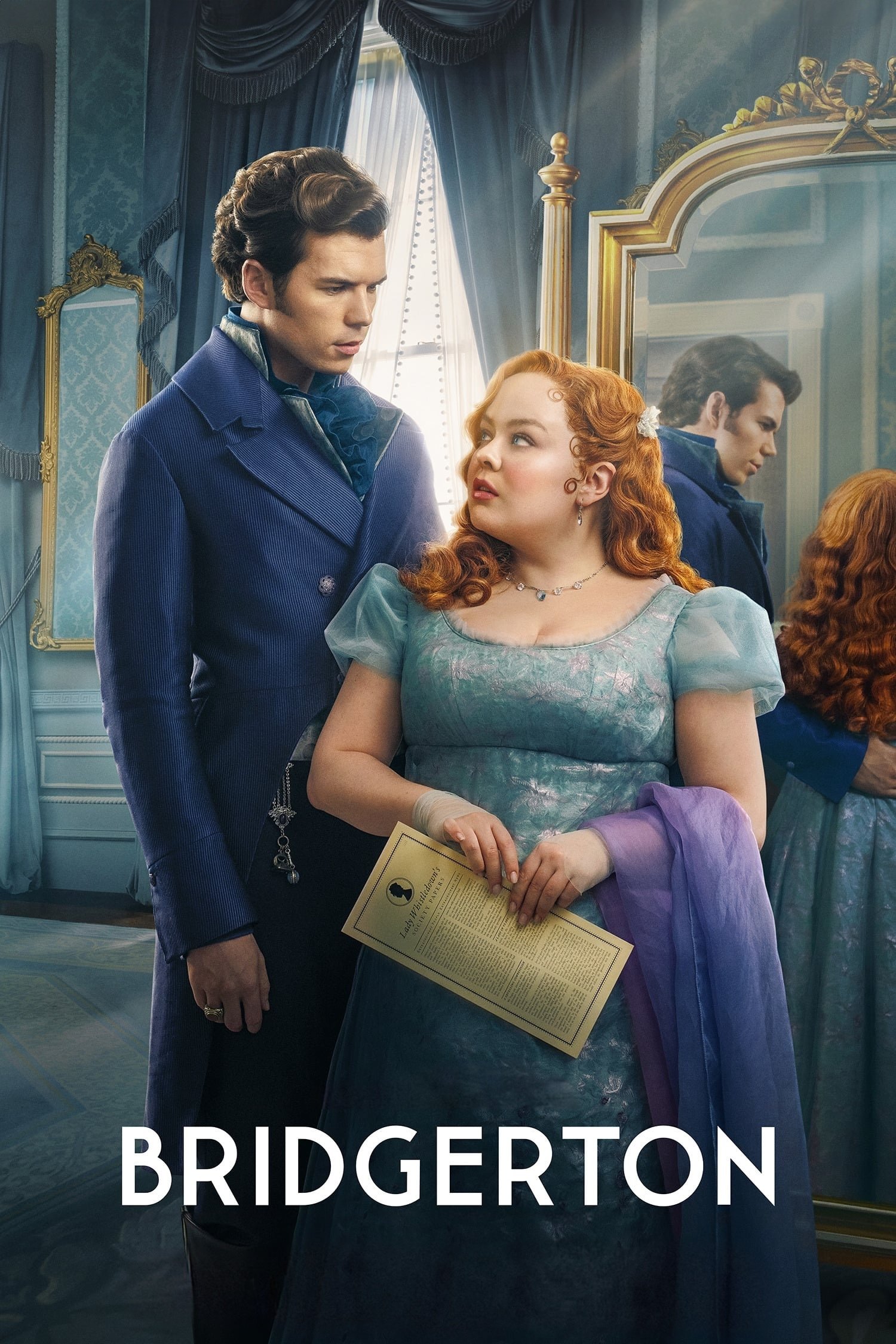
Shonda Rhimes updated the historical setting of Julia Quinn’s novels by featuring a Black Queen Charlotte and, as a result, including people of color in prominent positions within society. This choice not only allowed for actors like Regé-Jean Page to be cast in leading roles, but also created a unique and believable world with its own rules. The show thoughtfully explores themes of race, adding depth to the social structure without overshadowing the central love story. This approach was widely praised for revitalizing the period drama genre.
‘Interview with the Vampire’ (2022–Present)
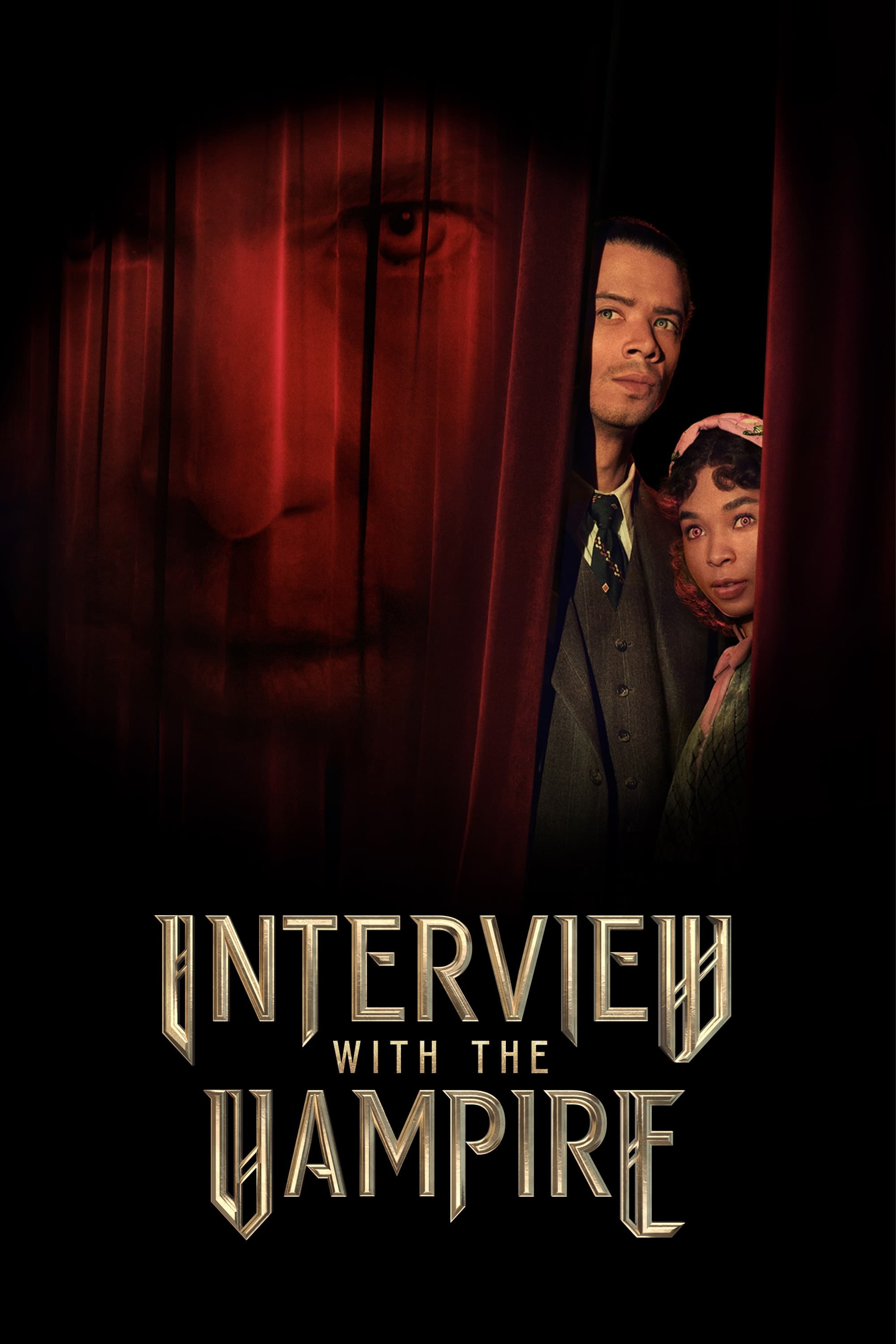
The television adaptation of Anne Rice’s Interview with the Vampire reimagined Louis de Pointe du Lac as a Black Creole man living in New Orleans during the early 1900s. This change dramatically altered the relationship between Louis and his vampire maker, Lestat, and added depth to Louis’s personal challenges by grounding them in the historical context of racial inequality. Actor Jacob Anderson’s performance beautifully captures these tensions and enhances the character’s inherent sadness. Most fans of the original novels have praised this update as a compelling addition to Anne Rice’s established world.
‘The Sandman’ (2022–Present)
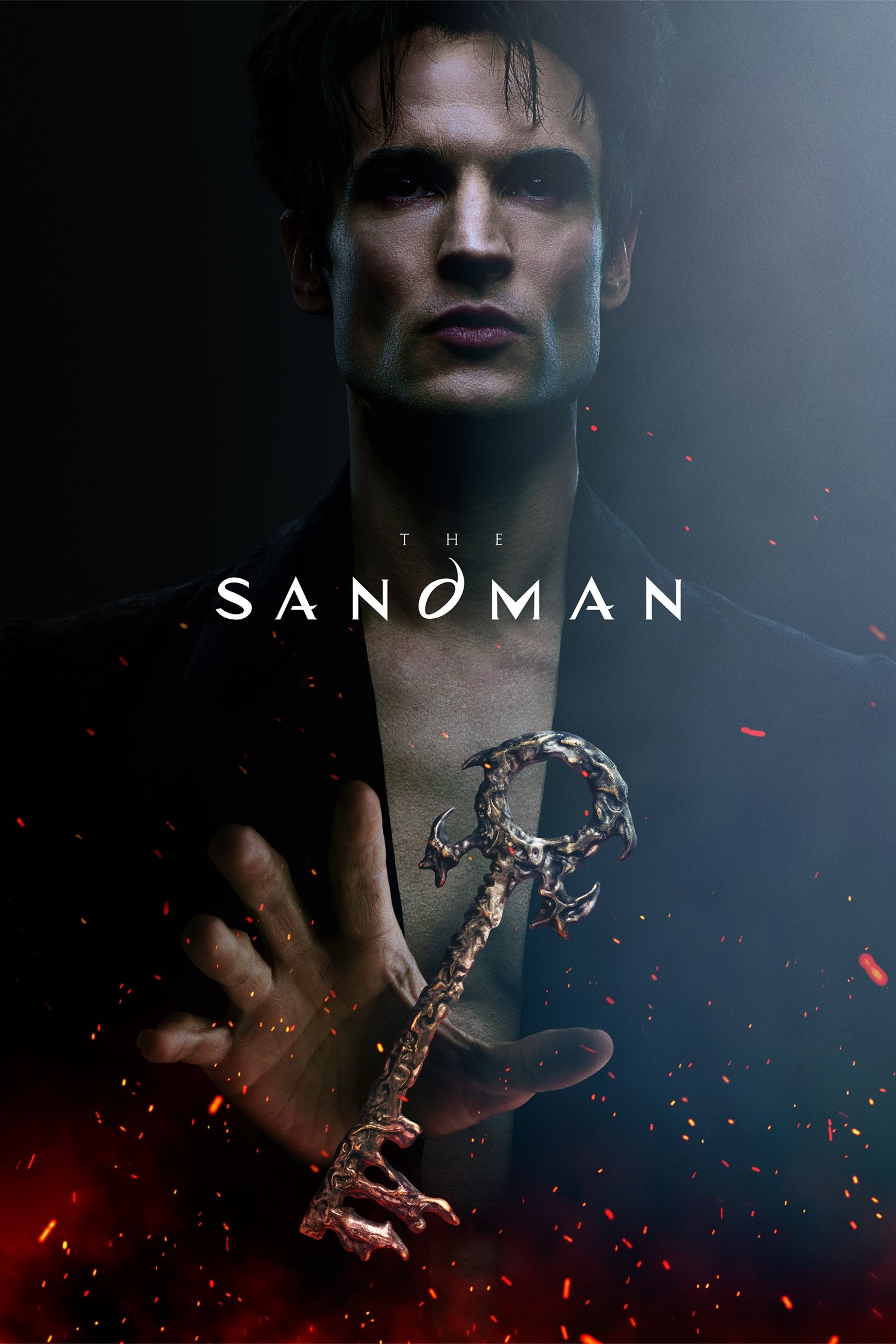
Neil Gaiman carefully chose Kirby Howell-Baptiste to play Death, moving away from the character’s traditional pale look in the original comics. Howell-Baptiste brought a warmth and kindness to the role that was key to the character, while also making her feel new and vibrant. The show also reimagined the character of Unity Kinkaid, linking different stories together through family connections. These choices showed that capturing the essence of a character is often more important than simply copying their appearance.
‘House of the Dragon’ (2022–Present)
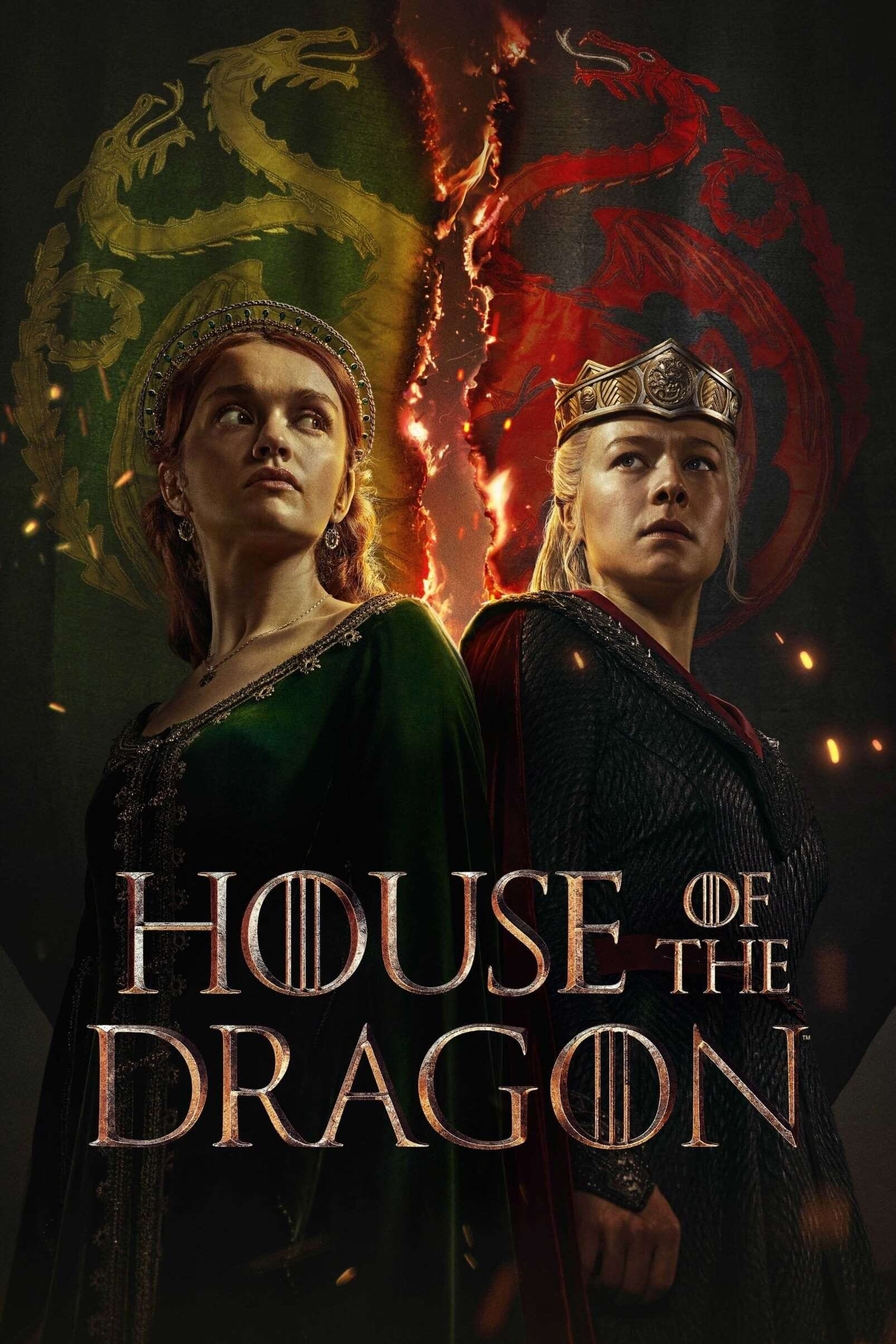
The creators of the show chose Steve Toussaint to play Corlys Velaryon and depicted House Velaryon as people of color, specifically to make them visually different from the Targaryens. This immediately highlighted the questions about who had the right to rule, especially concerning Rhaenyra’s children. Toussaint delivers a powerful performance, establishing the Velaryons as a major force in Westeros. This casting choice helped clarify the show’s complicated political storylines.
‘Elementary’ (2012–2019)
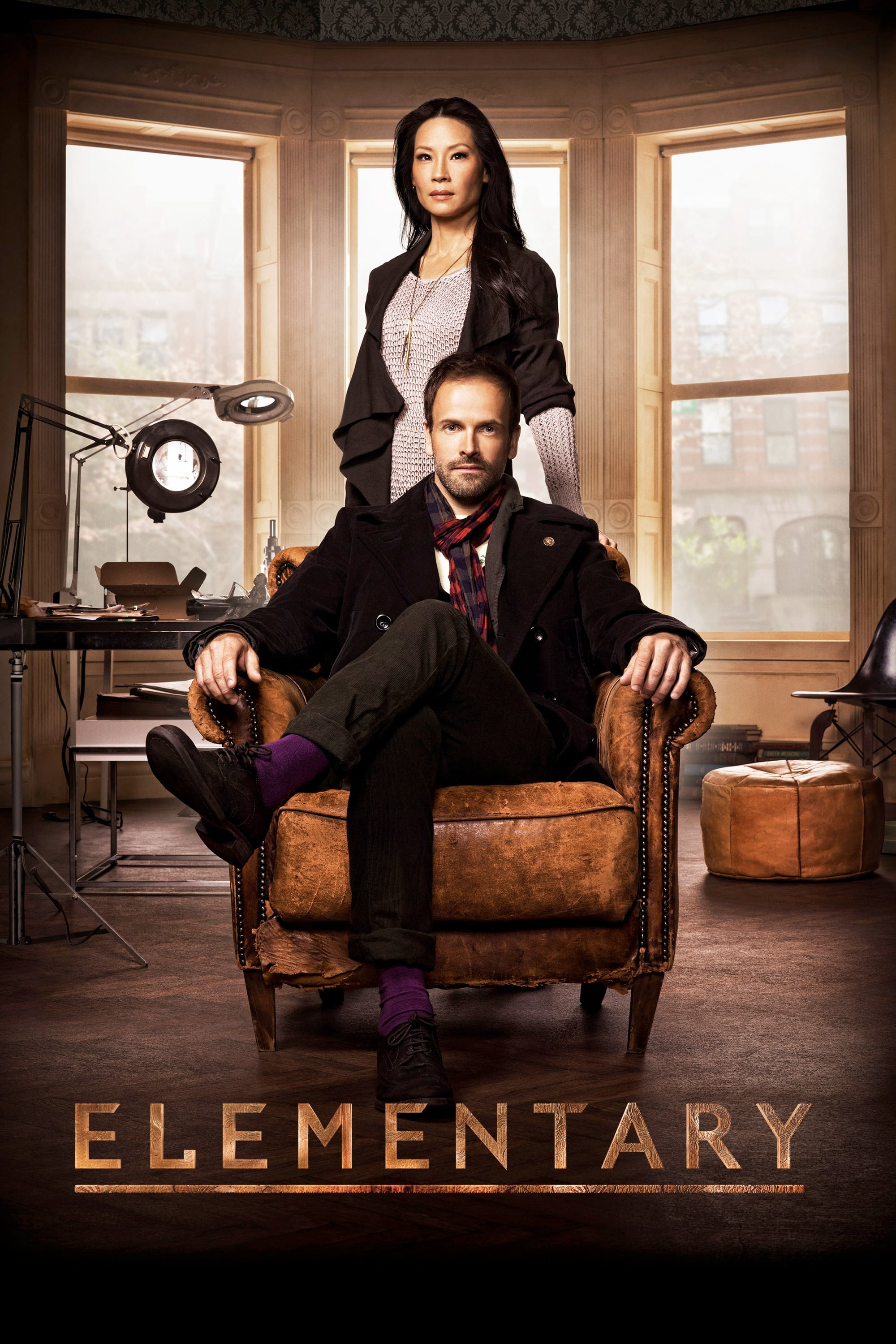
As a critic, I have to say Lucy Liu absolutely nailed her portrayal of Joan Watson. She wasn’t just playing the sidekick; she brought a real, modern energy to the character and created a fantastic dynamic with this version of Sherlock Holmes. What I really appreciated was how the show smartly sidestepped the usual romantic angles and instead focused on building a genuine partnership. Liu’s Watson is intelligent, capable, and quickly proves she’s a detective to be reckoned with, evolving beautifully beyond her initial role as a sober companion. Honestly, many consider this Holmes/Watson pairing one of the best we’ve ever seen, and I’m inclined to agree.
‘Battlestar Galactica’ (2004–2009)
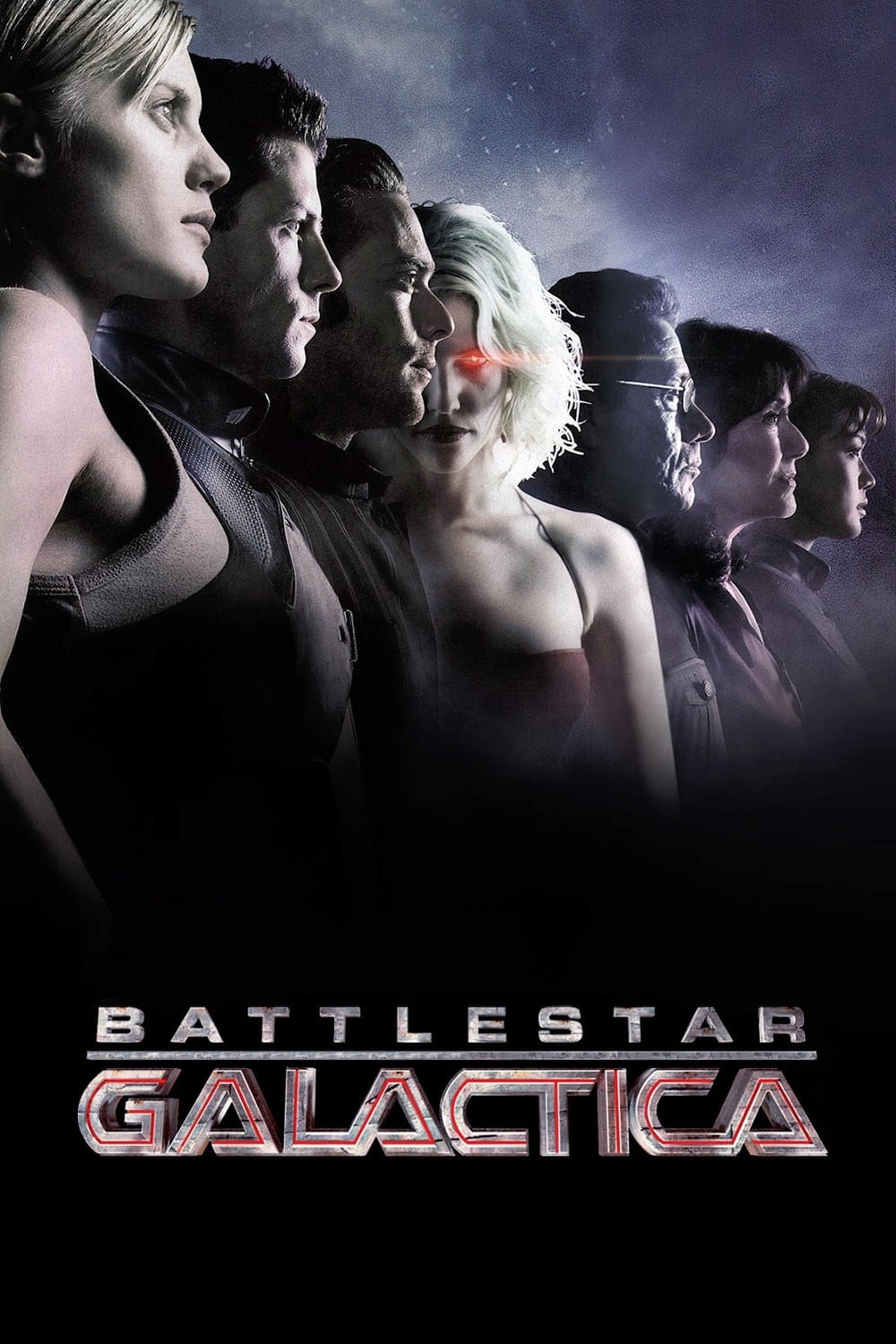
Ronald D. Moore reimagined the original 1970s series by changing the race and gender of important characters like Colonel Tigh and Boomer. Grace Park portrayed Boomer as an Asian woman, and her character’s struggle with identity became a key part of the show’s themes about artificial intelligence. These casting decisions helped distinguish the new, more serious drama from the lighter tone of the original series, making it feel more relevant and believable.
‘Hannibal’ (2013–2015)
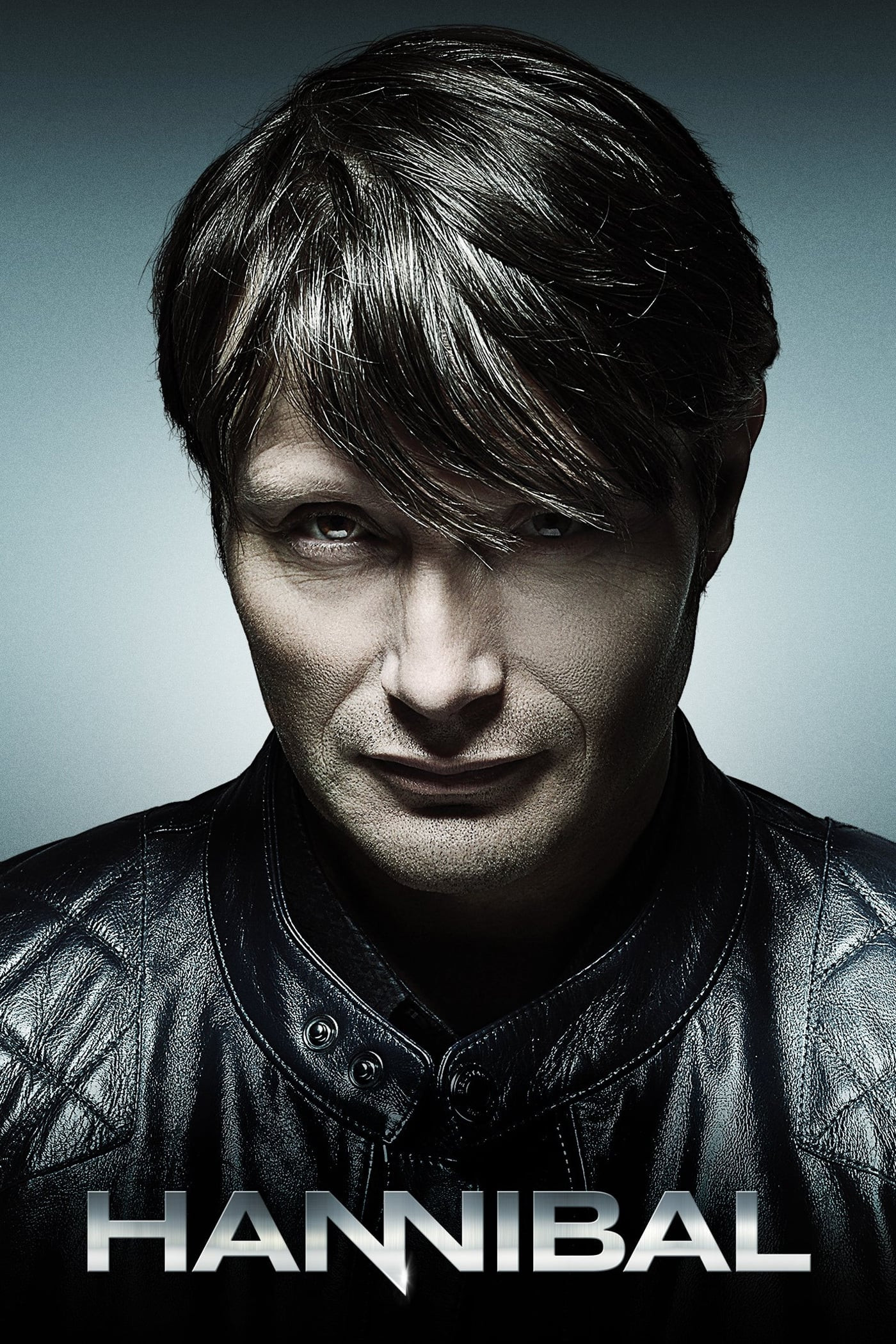
As a huge fan of the Hannibal Lecter stories, I always thought the casting of Laurence Fishburne as Jack Crawford was brilliant. Originally written as a white character in the books, Fishburne brought such a powerful and commanding presence to the role – he genuinely felt like an intellectual match for Mads Mikkelsen’s Hannibal. Their scenes together were electric, a really tense push and pull that became the heart of the show. For me, he is the definitive Jack Crawford, the way he embodied that character was just perfect.
‘The Last of Us’ (2023–Present)
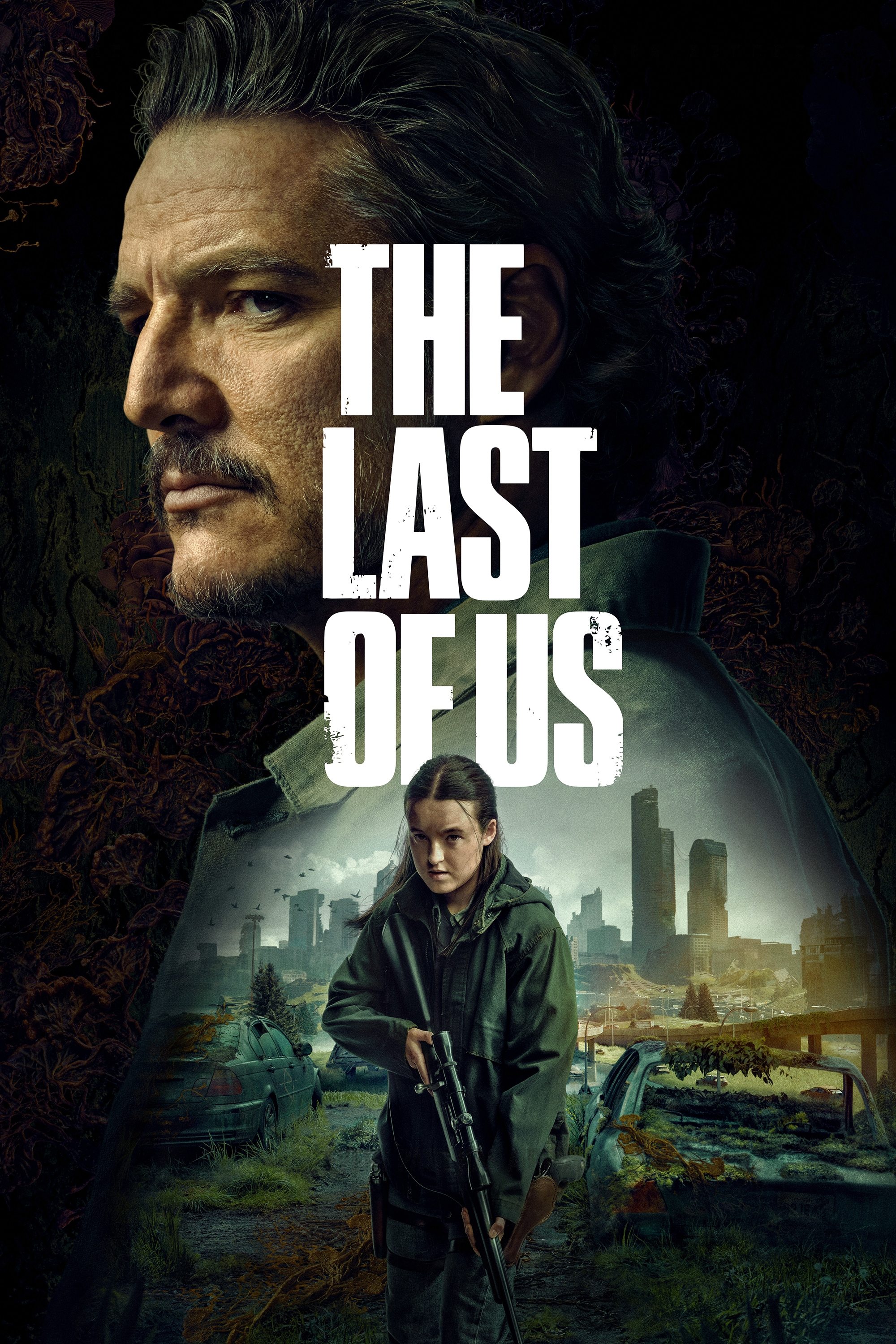
Pedro Pascal and Nico Parker, chosen to play Joel and Sarah Miller, brought Latino heritage to those characters. This casting choice gave the show’s opening scenes a powerful emotional impact, deeply affecting viewers and establishing the series’ overall mood. While some viewers initially questioned whether Bella Ramsey physically resembled the game character Ellie, she ultimately won them over with a strong and compelling performance. The show demonstrated that genuine emotion is more important than perfectly recreating a character’s appearance from a video game.
‘Watchmen’ (2019)
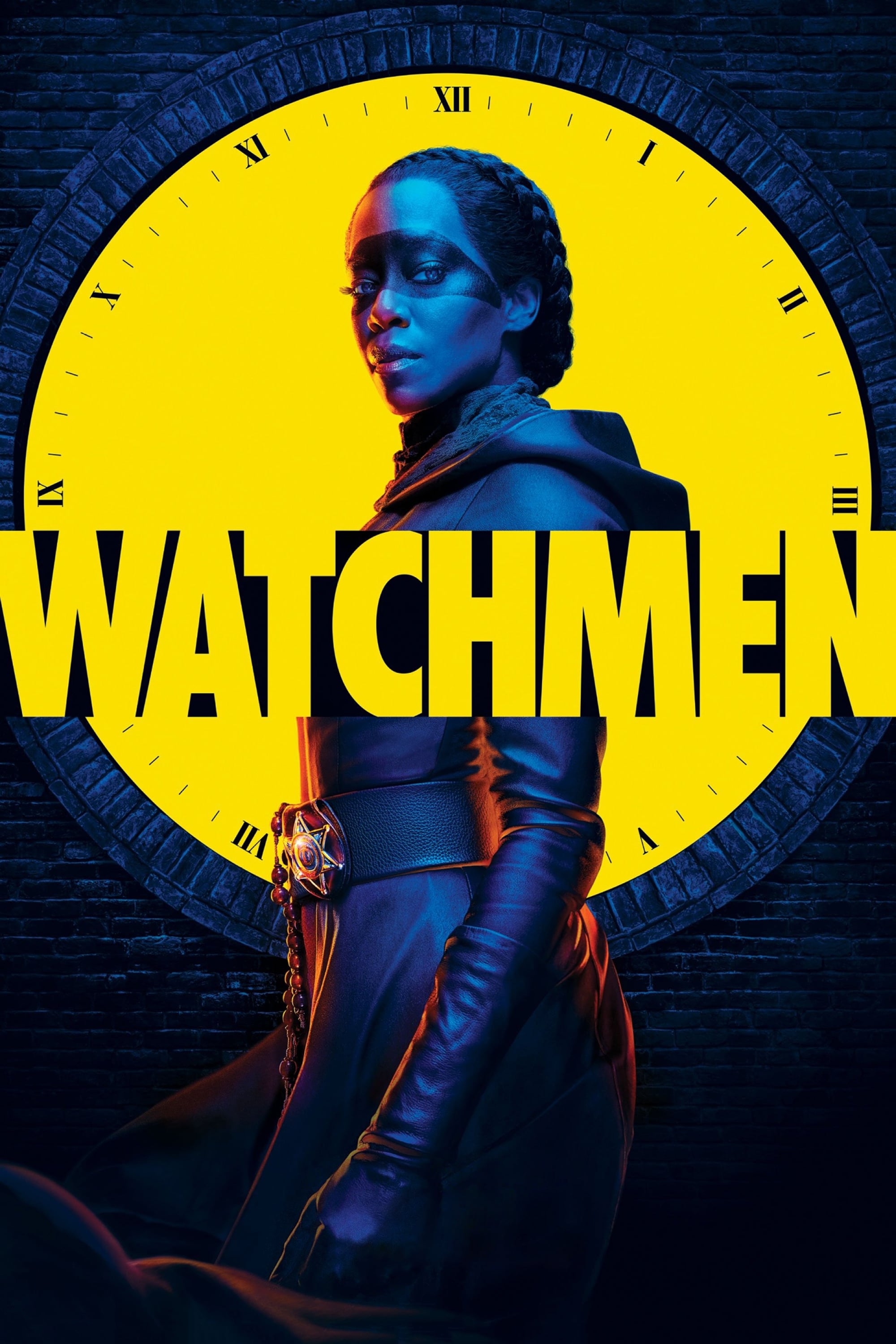
As a huge Watchmen fan, I was completely floored by Damon Lindelof’s reveal of Hooded Justice’s true identity – Will Reeves, a Black man. It wasn’t just a surprise; it completely changed how I saw the entire history of superheroes in that world. Suddenly, everything connected to the Tulsa Race Massacre and the deep-rooted issue of systemic racism. It added this heartbreaking layer to the original story, giving the character so much more depth and a powerful new motivation. Honestly, I think it’s one of the most impactful and meaningful changes a TV show has ever made to established lore.
‘Shadow and Bone’ (2021–2023)
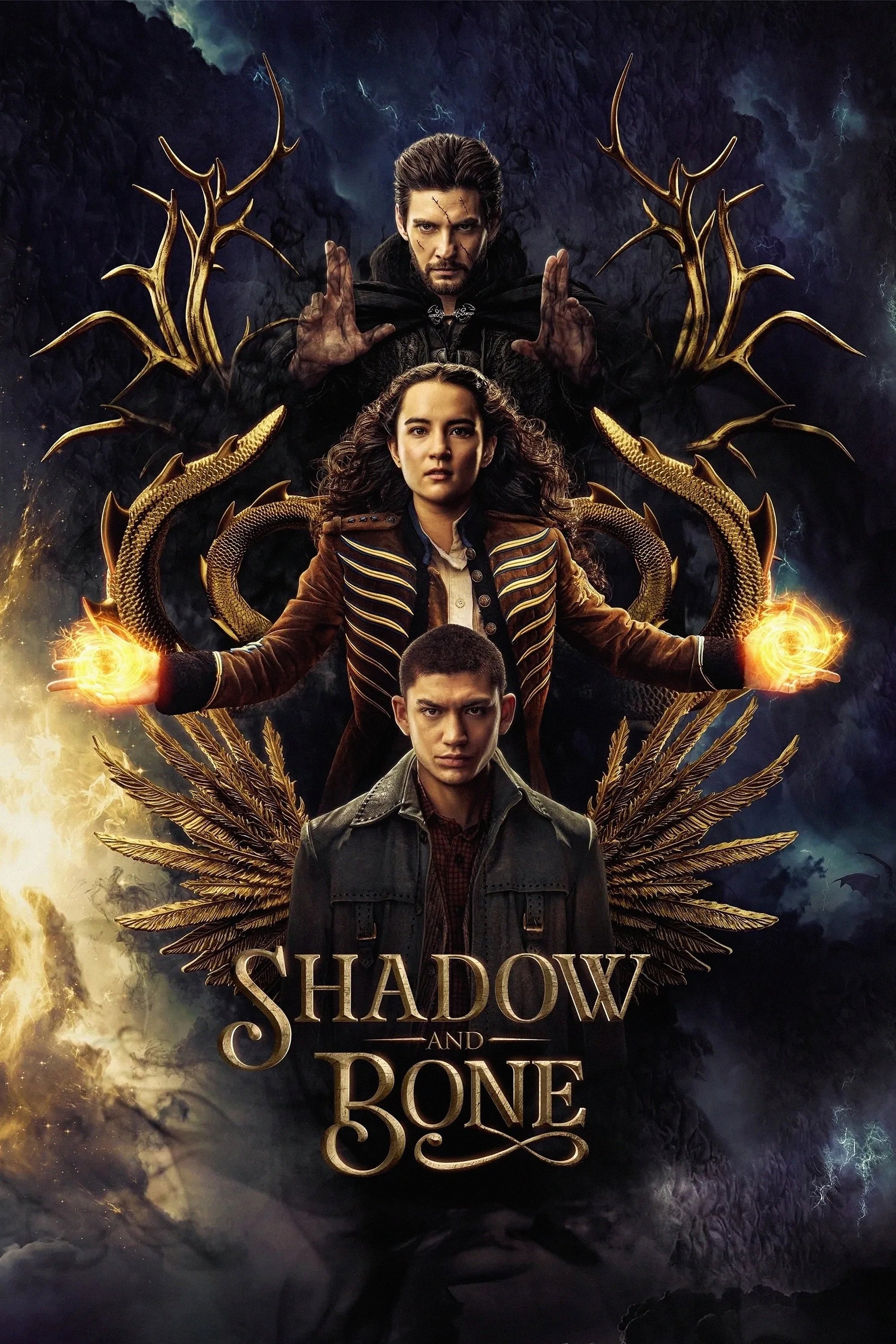
The show reimagined the main character, Alina Starkov, as being half-Shu, representing Asian heritage within the story’s fantasy world. This background immediately gave Alina a sense of being different in her home country, Ravka, even before she learned about her magical abilities. Actress Jessie Mei Li skillfully portrayed the feelings of loneliness and the desire to fit in that came with Alina’s mixed background. This change added depth to her story without affecting how the magic system worked.
‘Invincible’ (2021–Present)
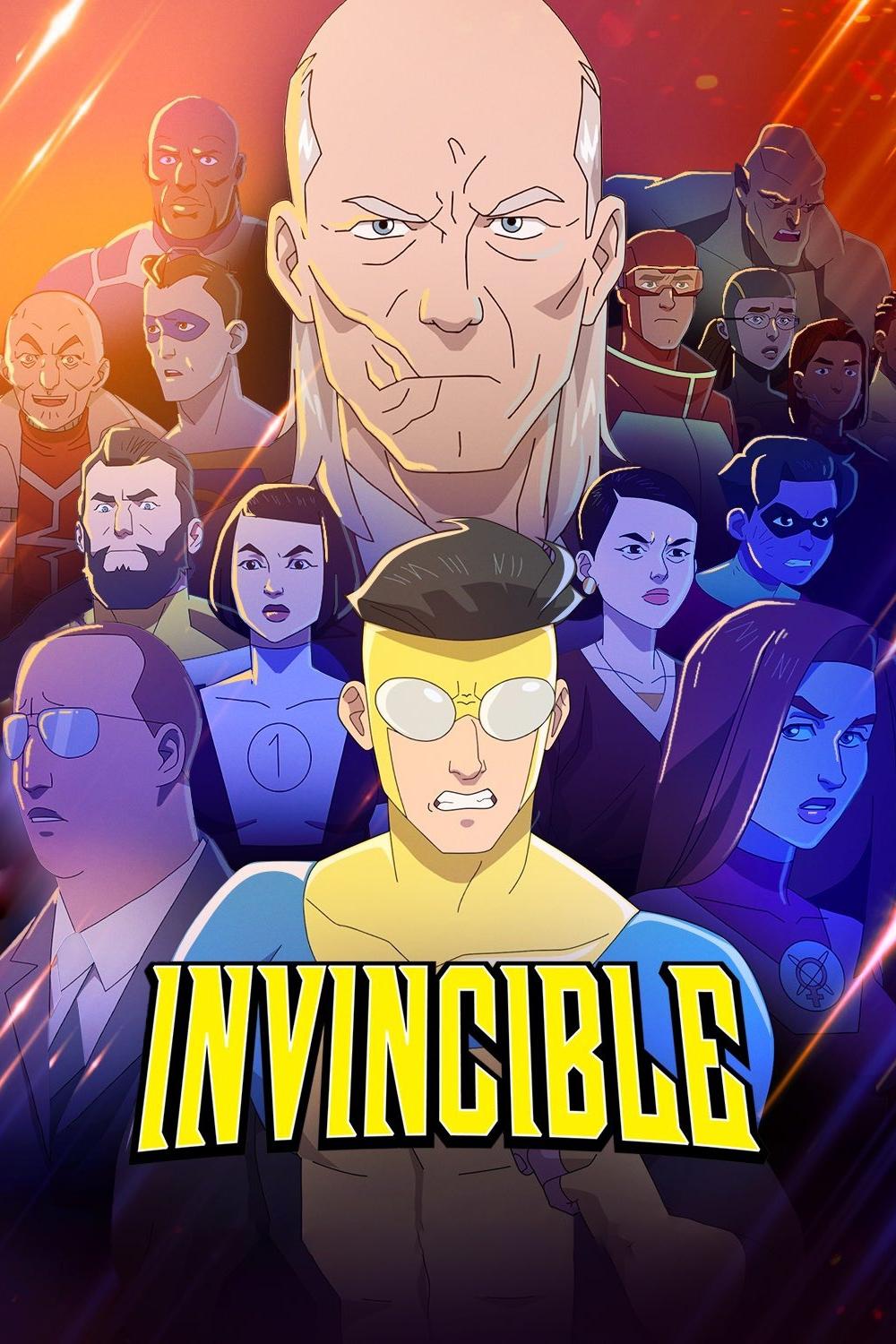
The animated series reimagined Mark Grayson and his mother, Debbie, as Korean-American, adding a rich cultural layer to their family life and Mark’s development that wasn’t present in the original comic. Steven Yeun’s voice acting brought a touching vulnerability to the character, fitting his new background perfectly. The change felt authentic and offered meaningful representation within the superhero genre, avoiding a superficial approach.
‘High Fidelity’ (2020)
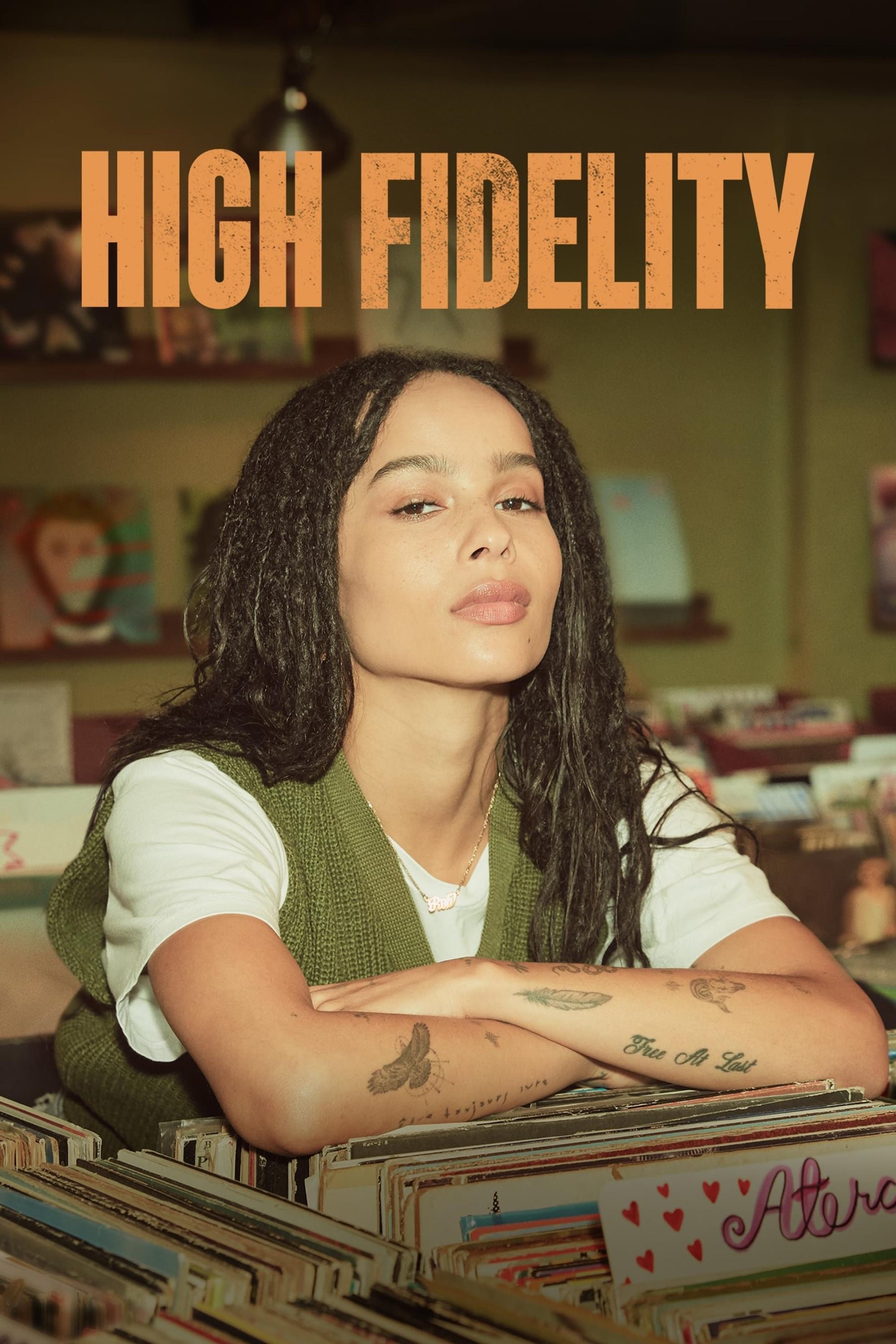
Zoë Kravitz played the lead role, offering a fresh take on the story as a biracial woman from Brooklyn. By changing the character’s gender and race, the show delved into new aspects of love, loss, and the world of music, going beyond what the movie and book had shown. Kravitz portrayed a character who seemed cool and distant but was secretly fragile, staying true to the original’s core. Many critics were disappointed when the show was canceled, as it had successfully updated the story for a modern audience.
‘The Flash’ (2014–2023)

Candice Patton brought Iris West to life for nearly ten years, becoming a defining version of the character for many DC fans. Her strong connection with Grant Gustin provided the heart of the ‘Arrowverse’ for nine seasons. The show also cast Keiynan Lonsdale as Wally West, accurately portraying the character’s biracial background as seen in recent comics. These decisions helped the series better represent its diverse viewers.
‘Supergirl’ (2015–2021)
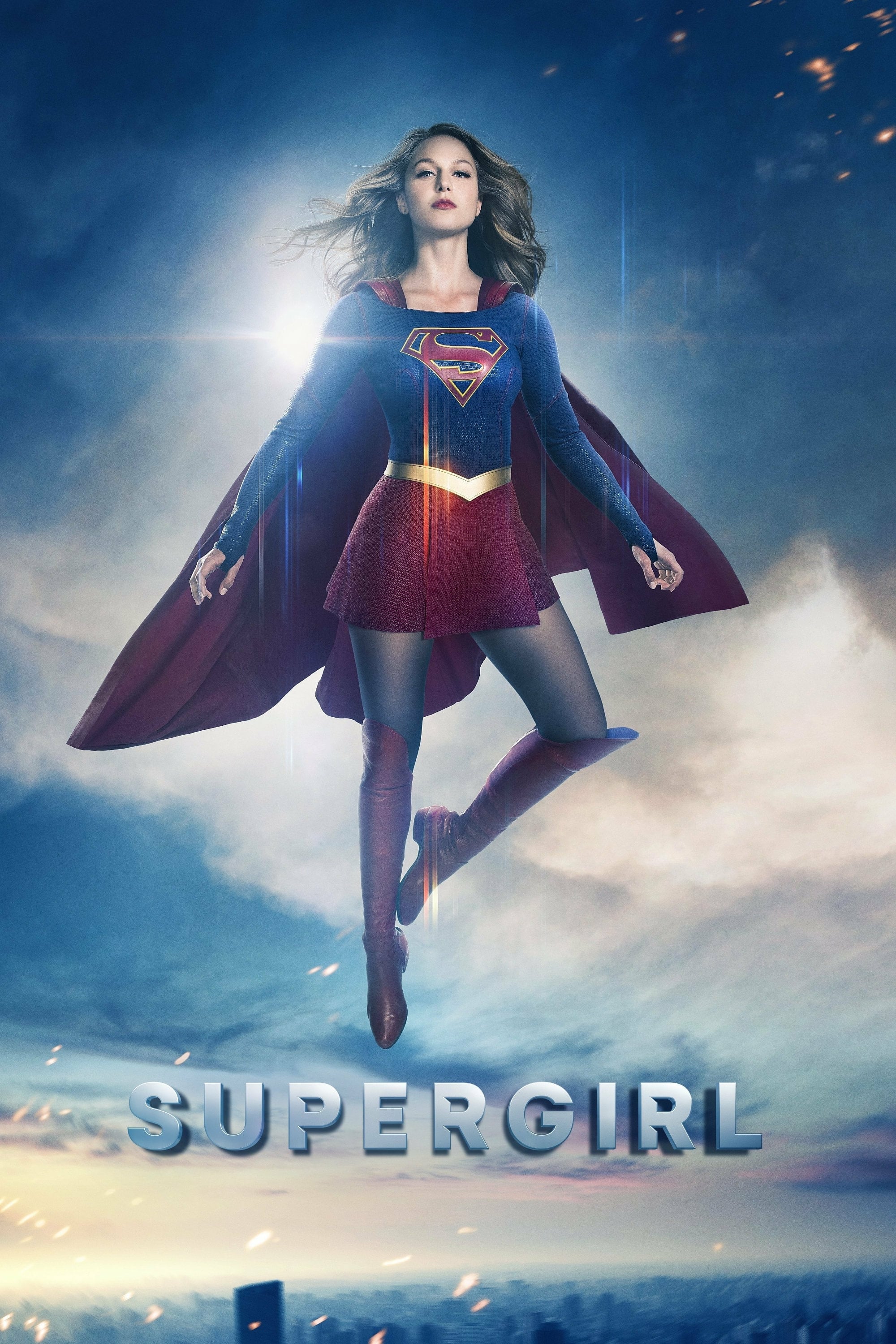
Mehcad Brooks played James Olsen as a strong and handsome photojournalist, a departure from the often-portrayed awkward, desk-bound reporter in the comics. This version of Jimmy Olsen became a hero known as Guardian, stepping out from under Superman’s influence. Though a significant change from the original character, it suited the style of the CW’s superhero shows. This new take allowed James to be more involved in the action, rather than simply observing it.
‘Merlin’ (2008–2012)

Angel Coulby’s portrayal of Guinevere showed a woman of color who went from being a servant to the Queen of Camelot. This highlighted issues of social class and the idea that people should succeed based on their abilities, not their background, within the classic Arthurian story. The strong connection between her character and Arthur made their love story feel real and believable. Her casting was important because it helped open doors for more diverse representation in medieval fantasy shows and movies that came after.
‘Lost in Space’ (2018–2021)

The classic Robinson family was updated to reflect a modern blended family, with Taylor Russell portraying Judy Robinson. This change created more interesting and realistic relationships as they faced challenges on different planets. Russell’s acting was particularly strong, showing Judy as both capable and fiercely protective. Importantly, the show presented a diverse family without making their background the main source of drama.
‘The Boys’ (2019–Present)

Jessie T. Usher plays the character A-Train, who was originally written as white in the comics. The show uses A-Train’s race to examine how corporations take advantage of people and the pressure to maintain a certain image, especially within a superhero team that is largely white. His storylines frequently show how Vought International uses his identity to promote their brand, while disregarding his personal life. This change adds a layer of sharp social commentary to the show’s portrayal of celebrity culture.
‘Preacher’ (2016–2019)
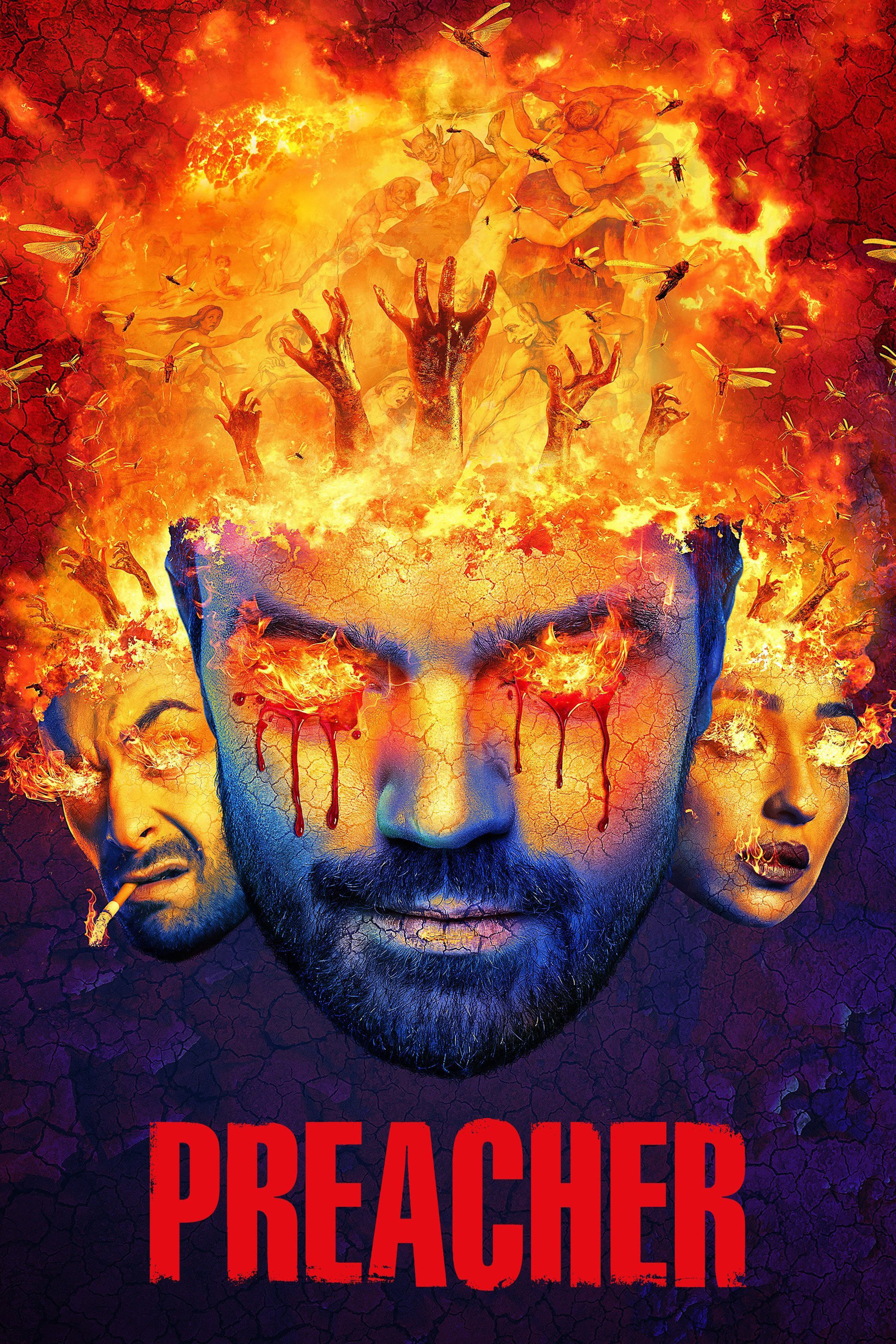
Ruth Negga played Tulip O’Hare, bringing a dynamic and captivating presence to the character. She perfectly captured the comic book version’s unpredictable and dangerous side, while also making Tulip uniquely charming. Her chemistry with Dominic Cooper made their complicated relationship feel real. Critics especially loved the casting, praising how it brought the character to life beyond the source material.
‘Station Eleven’ (2021–2022)
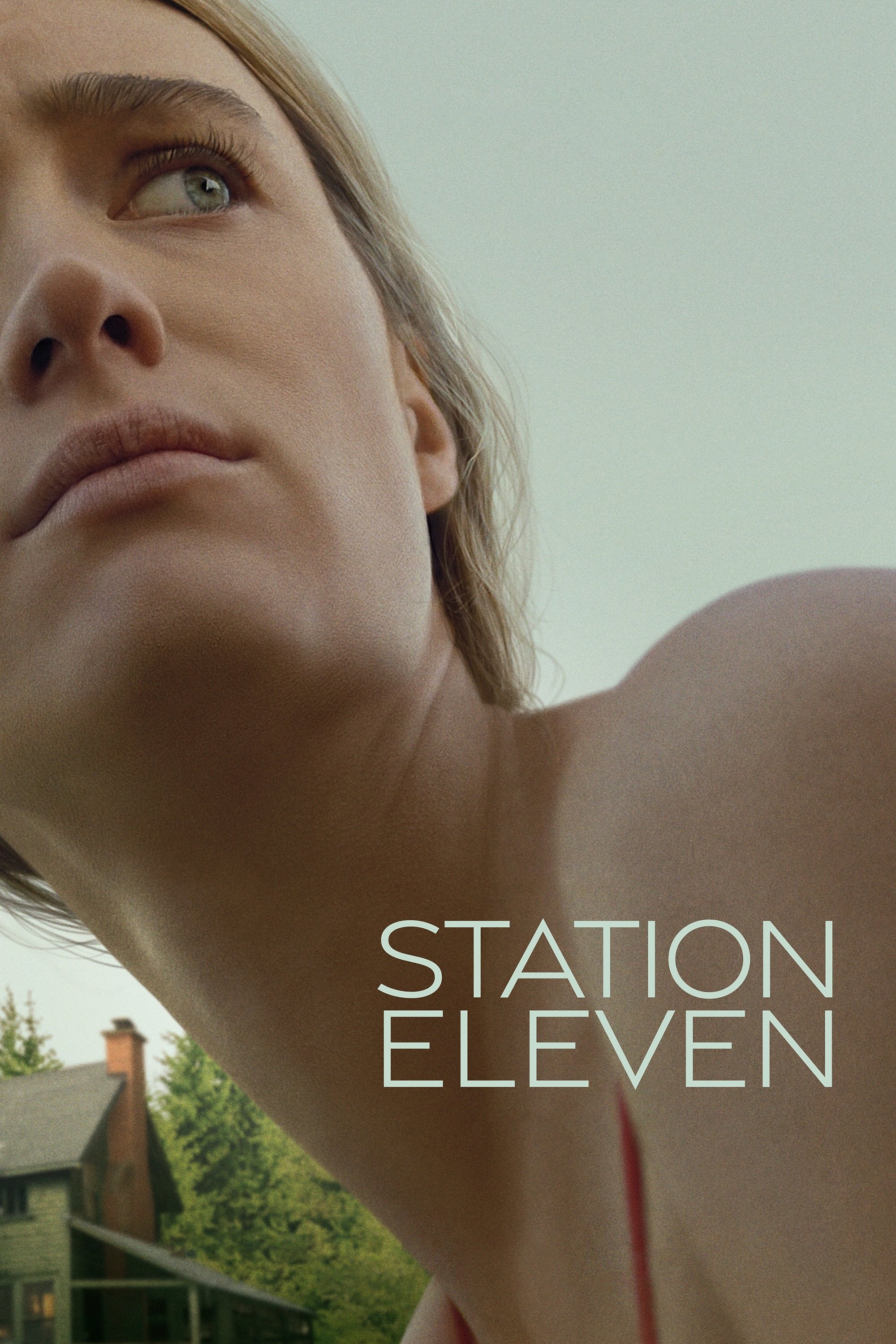
Himesh Patel portrayed Jeevan Chaudhary, a character who was originally written as a white photographer in the book. Patel reimagined him as a deeply caring, yet worried, protector. The short time Jeevan spends with young Kirsten has a lasting impact on her life. The series gave Jeevan a much larger role, allowing it to delve into themes of unplanned parenthood and what it takes to survive. Many viewers found his storyline to be one of the most moving and well-done aspects of the show.
‘One Piece’ (2023–Present)
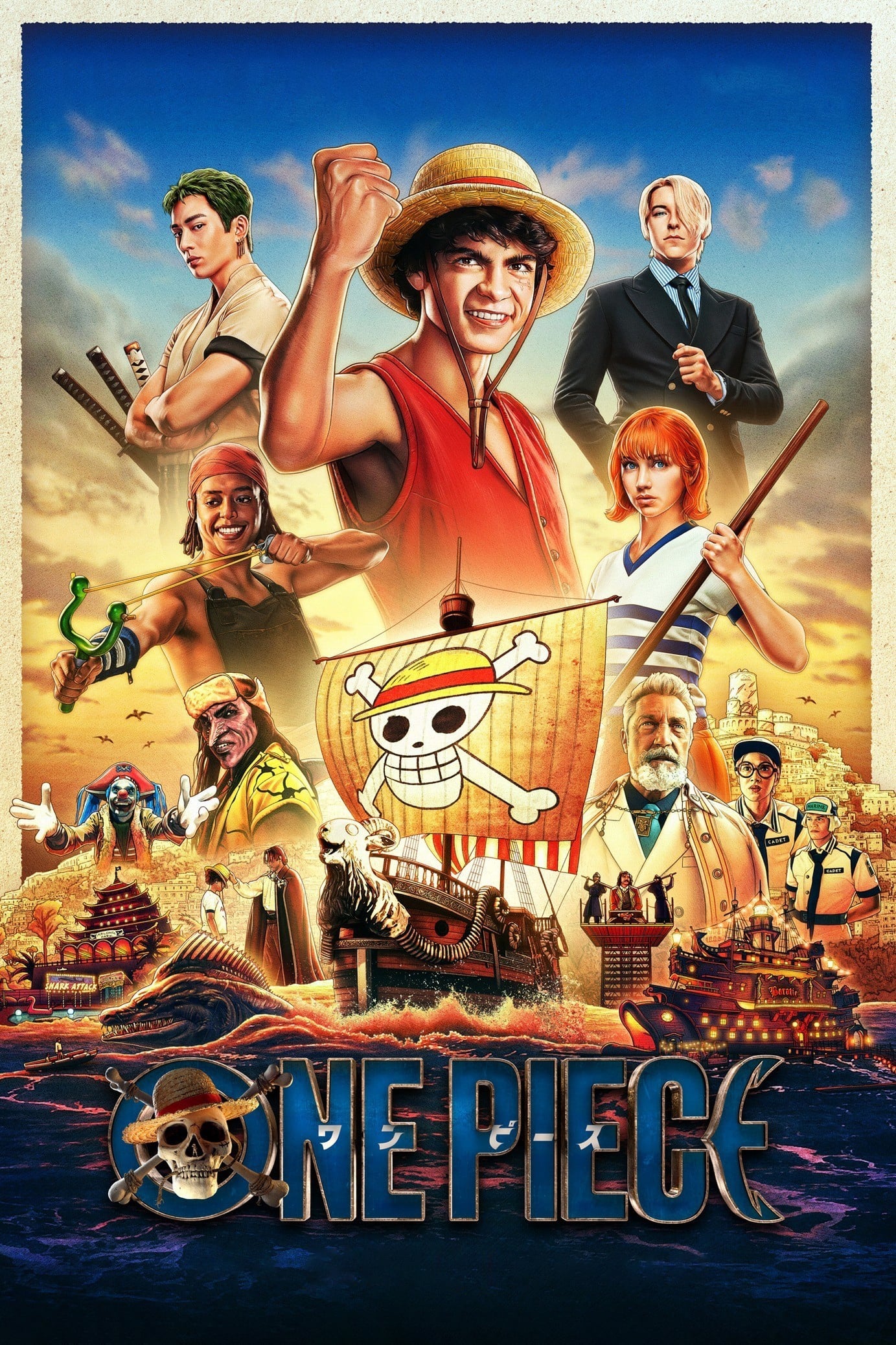
As a critic, I really appreciated the casting choices in this live-action adaptation. They clearly made an effort to reflect the wonderfully diverse world Eiichiro Oda built in the original manga, and it paid off. Seeing characters like Nojiko and Lucky Roux brought to life by Black actors felt completely natural within the story’s global scope. What’s even better is that Oda himself signed off on these decisions, ensuring the spirit of his characters remained intact. The end result is a truly vibrant and authentic cast that perfectly embodies the manga’s core themes of freedom and friendship.
‘Percy Jackson and the Olympians’ (2023–Present)
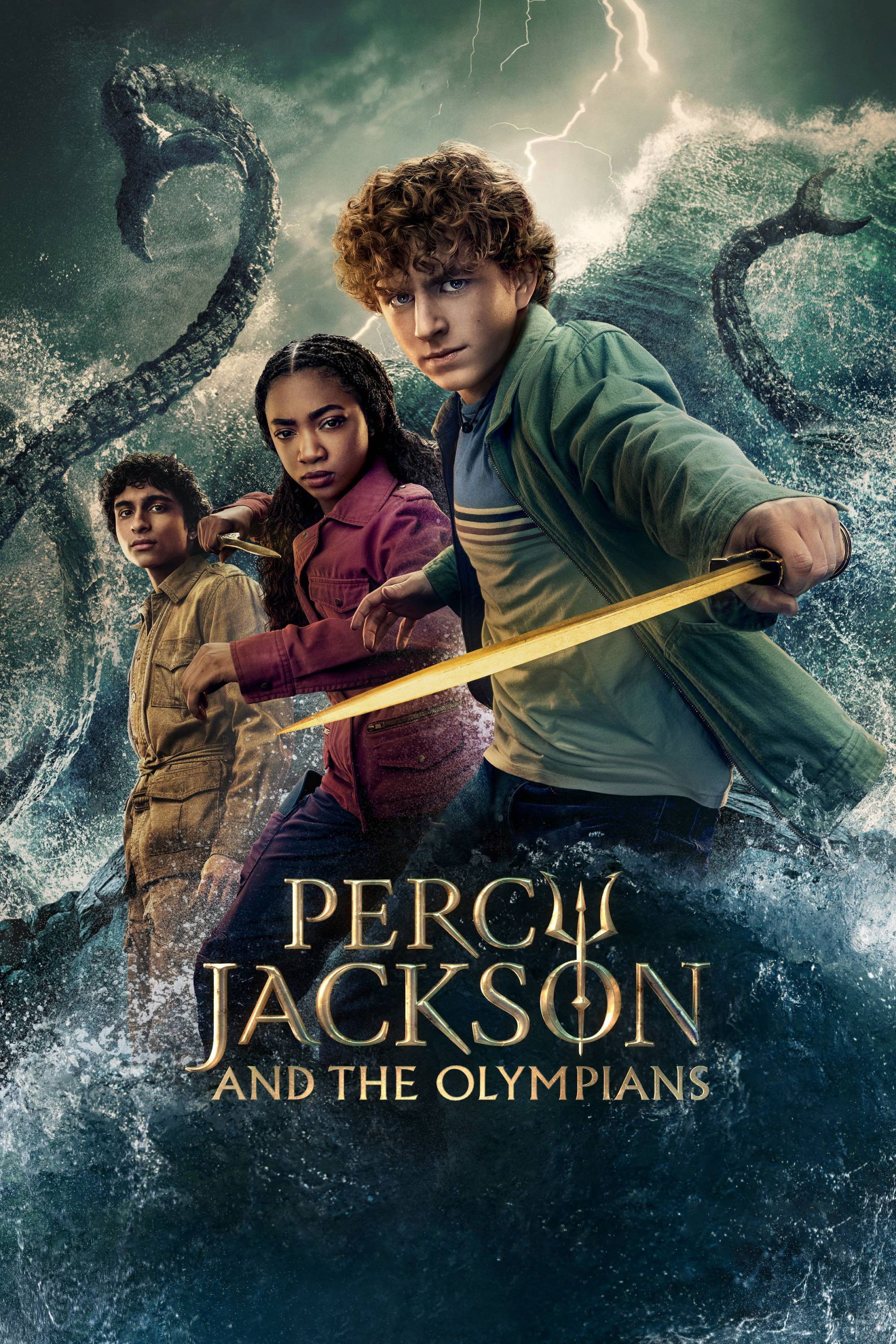
Leah Sava Jeffries and Aryan Simhadri were chosen to play Annabeth Chase and Grover Underwood. After some criticism, author Rick Riordan explained that both actors perfectly captured the spirit of his characters. Jeffries brought Annabeth’s smarts and strength to life, and Simhadri nailed Grover’s anxious but devoted personality. The show has been picked up for another season, suggesting viewers enjoyed the new cast.
‘The Equalizer’ (2021–Present)
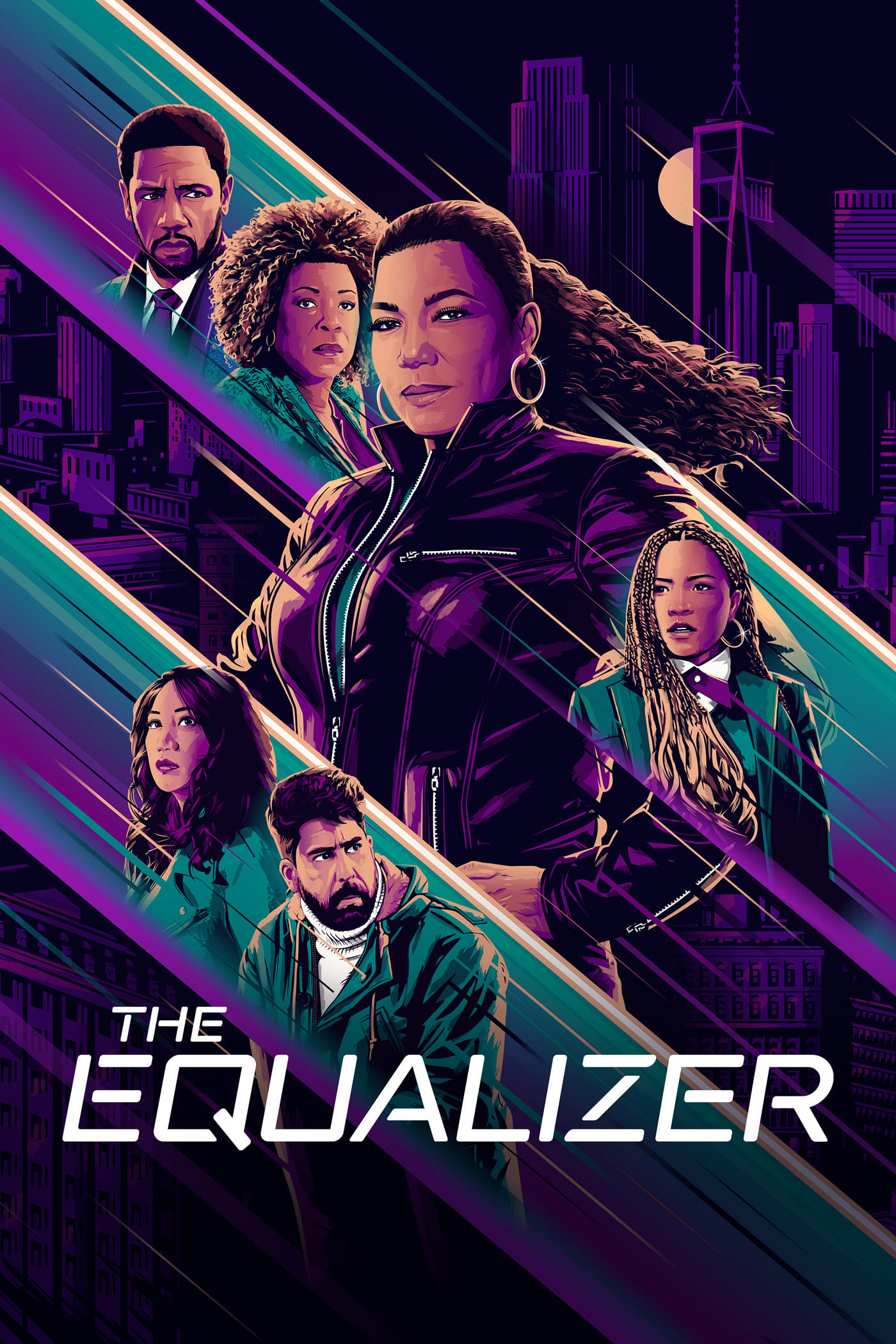
Queen Latifah now stars in a role previously made famous by Edward Woodward and Denzel Washington. As Robyn McCall, she’s a powerful and caring figure who acts as a protector, taking the law into her own hands. The show uses her experiences as a Black woman to examine different ideas of justice and important issues facing communities in New York City. It quickly became popular by offering a new and interesting take on the typical crime procedural format.
‘Doctor Who’ (1963–Present)
Ncuti Gatwa is the new Doctor, becoming the first Black actor to play the lead role in the show’s history. His first appearance was widely praised for the fresh energy and personality he brought to the long-running series. This casting fits with the show’s established idea that the Doctor can transform into a new form, and Gatwa stands out with his youthful and stylish approach.
‘The Witcher’ (2019–Present)
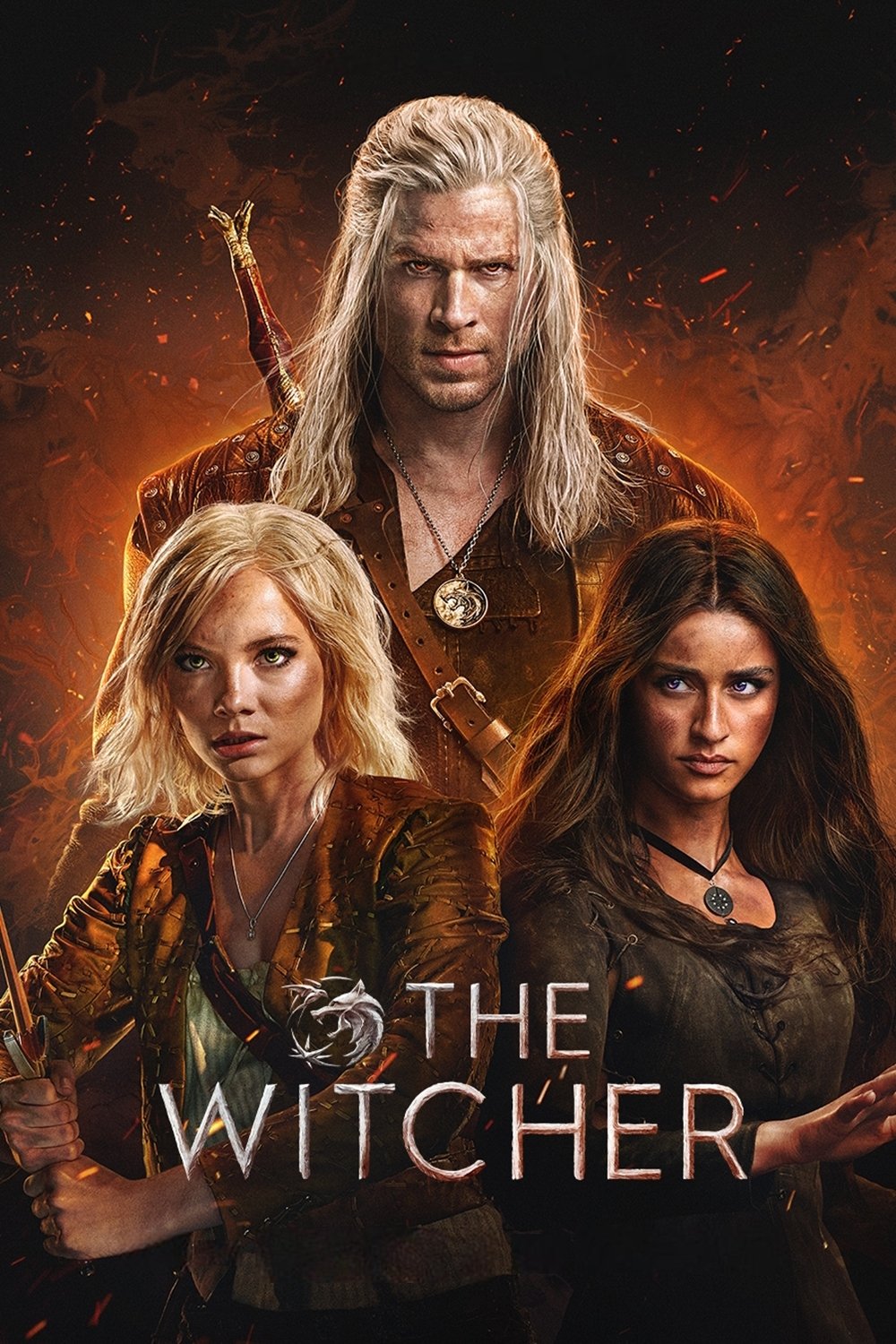
The show included a diverse group of actresses playing powerful witches like Yennefer and Fringilla, a change from how they were originally described in the Polish books. While Anya Chalotra was praised for her powerful portrayal of Yennefer, the writing for other characters received some criticism. Some viewers felt the show didn’t fully capture the Slavic cultural details from the books. Overall, reactions were mixed, with much of the discussion focusing on how well the show adapted the original stories, rather than the performances of the actors.
‘The Wheel of Time’ (2021–Present)
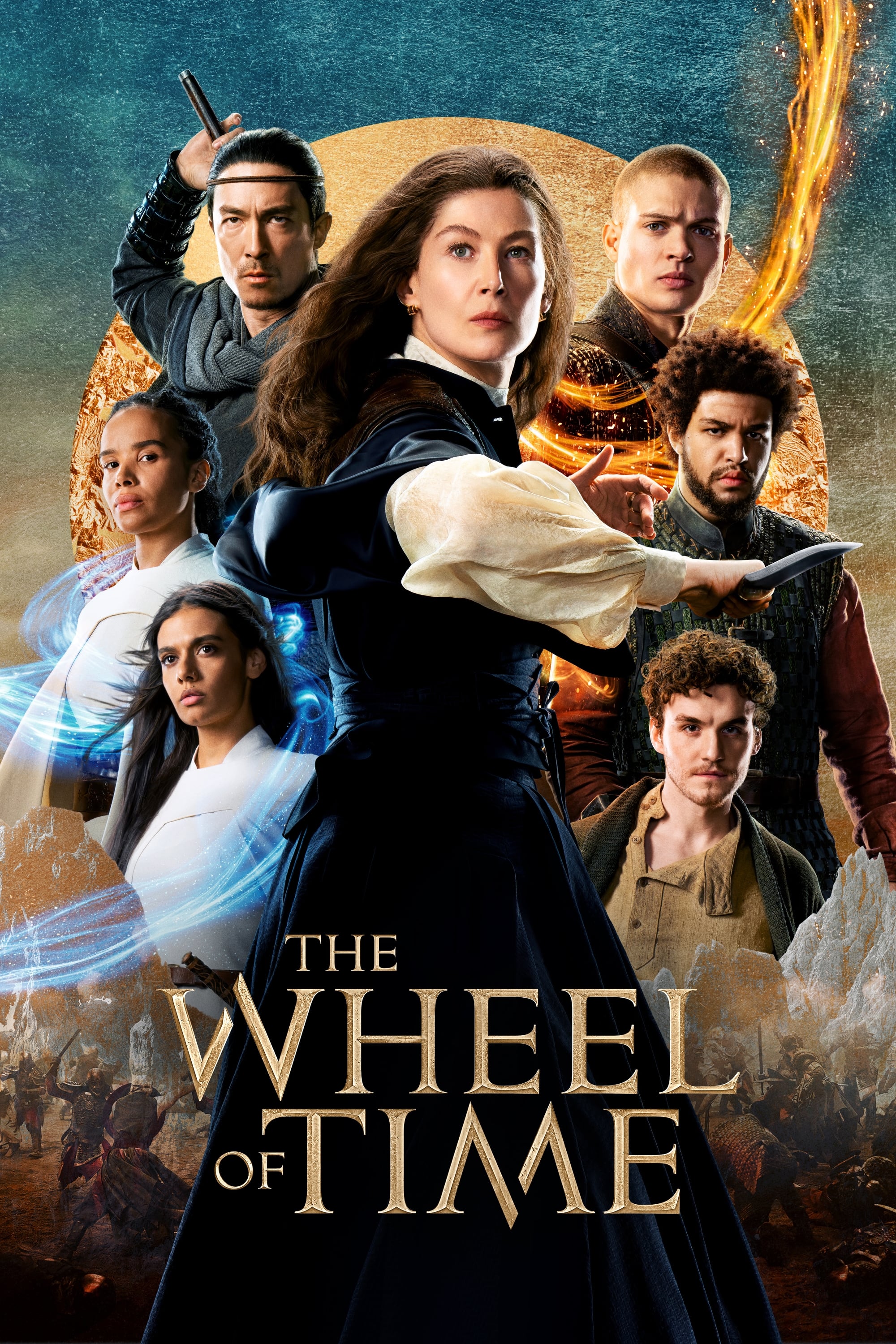
The creators of the show deliberately chose actors from various backgrounds, including Rosamund Pike and Zoe Robins, to play the people of the Two Rivers village. This decision caused some disagreement among fans who closely follow the books, as they believed the village should have appeared more uniform. However, this approach allowed the show to feature a broader range of talented actors and better represent the expansive world Robert Jordan envisioned. While some adaptation choices continue to be debated, the performances themselves have largely been praised.
‘Titans’ (2018–2023)
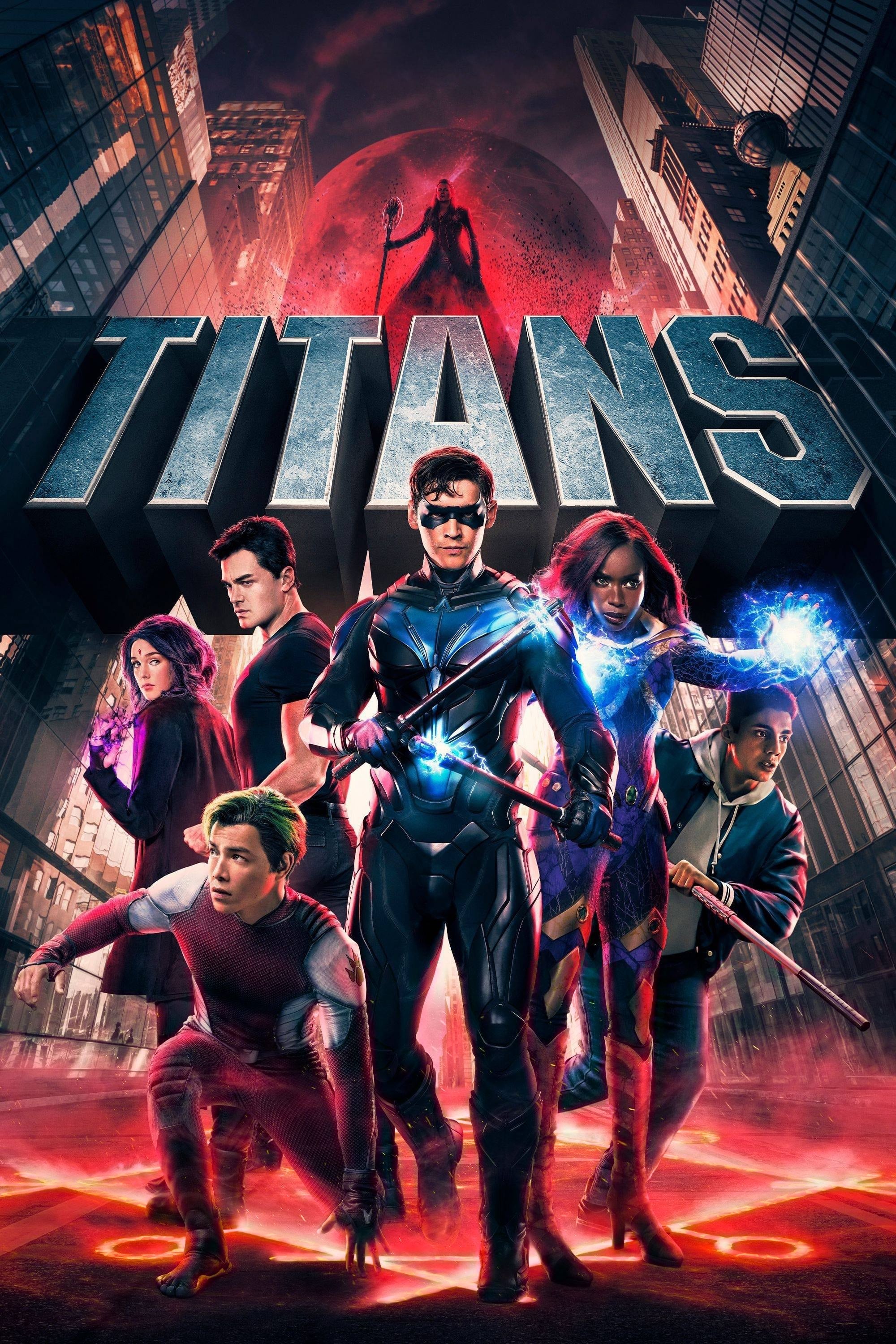
When Anna Diop was cast as Starfire, an alien princess, she received a lot of harsh criticism online. While early pictures from the set made the negative reaction even worse, many people changed their minds after seeing the finished special effects and Diop’s acting. She portrayed Starfire with a powerful and queenly presence, staying true to the character’s origins in the comics. Despite the initial backlash, she ultimately became a beloved character among fans as the show went on.
‘The Lord of the Rings: The Rings of Power’ (2022–Present)
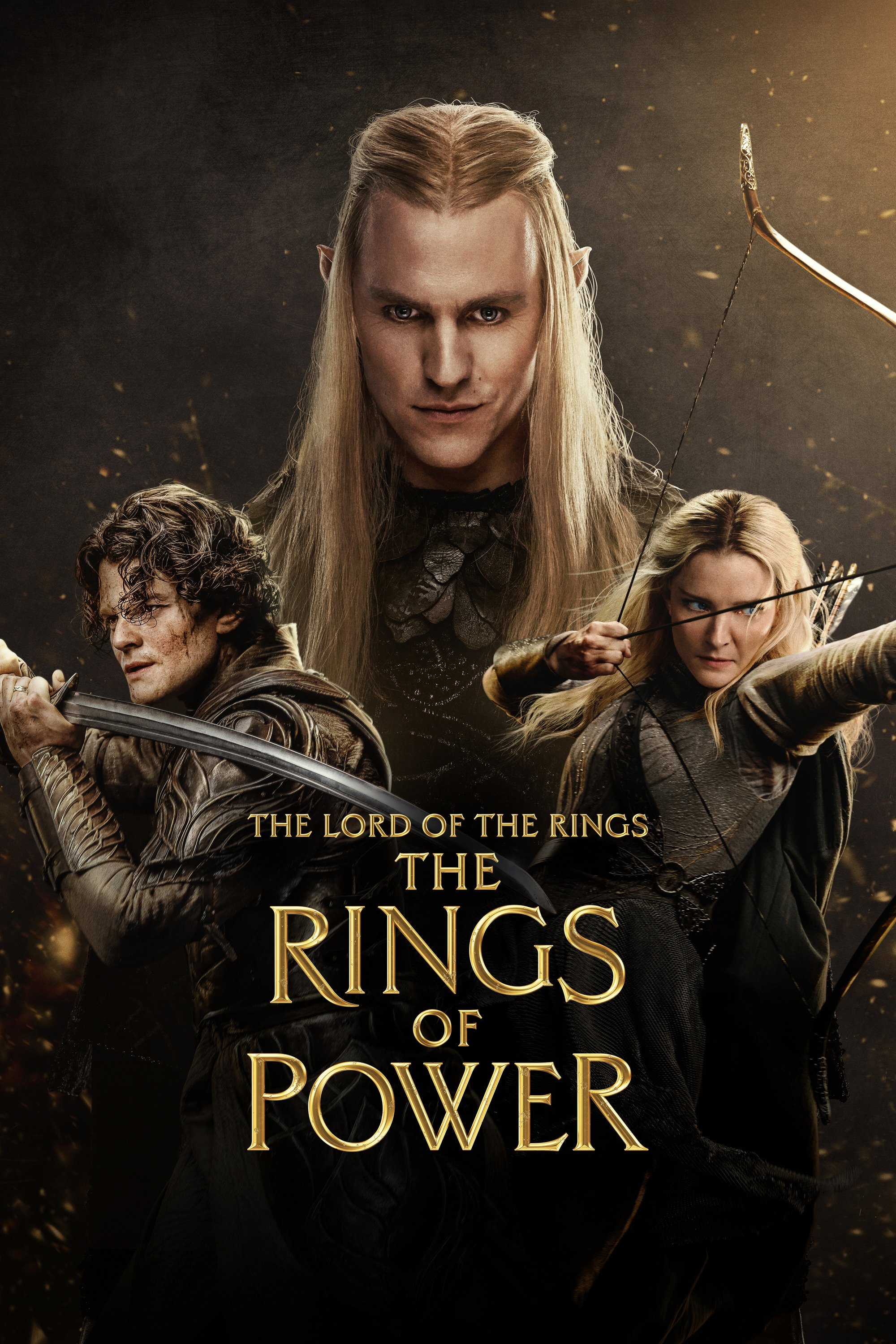
Amazon’s series cast Ismael Cruz Córdova as the Elf Arondir and Sophia Nomvete as the Dwarf Princess Disa, choices that sparked controversy among some fans who felt they didn’t align with Tolkien’s original descriptions. However, both actors gave compelling performances and brought new dimensions to the world of Middle-earth. The show’s creators stand by their decision to create a more inclusive cast, believing Tolkien’s world should be accessible to everyone.
‘Resident Evil’ (2022)
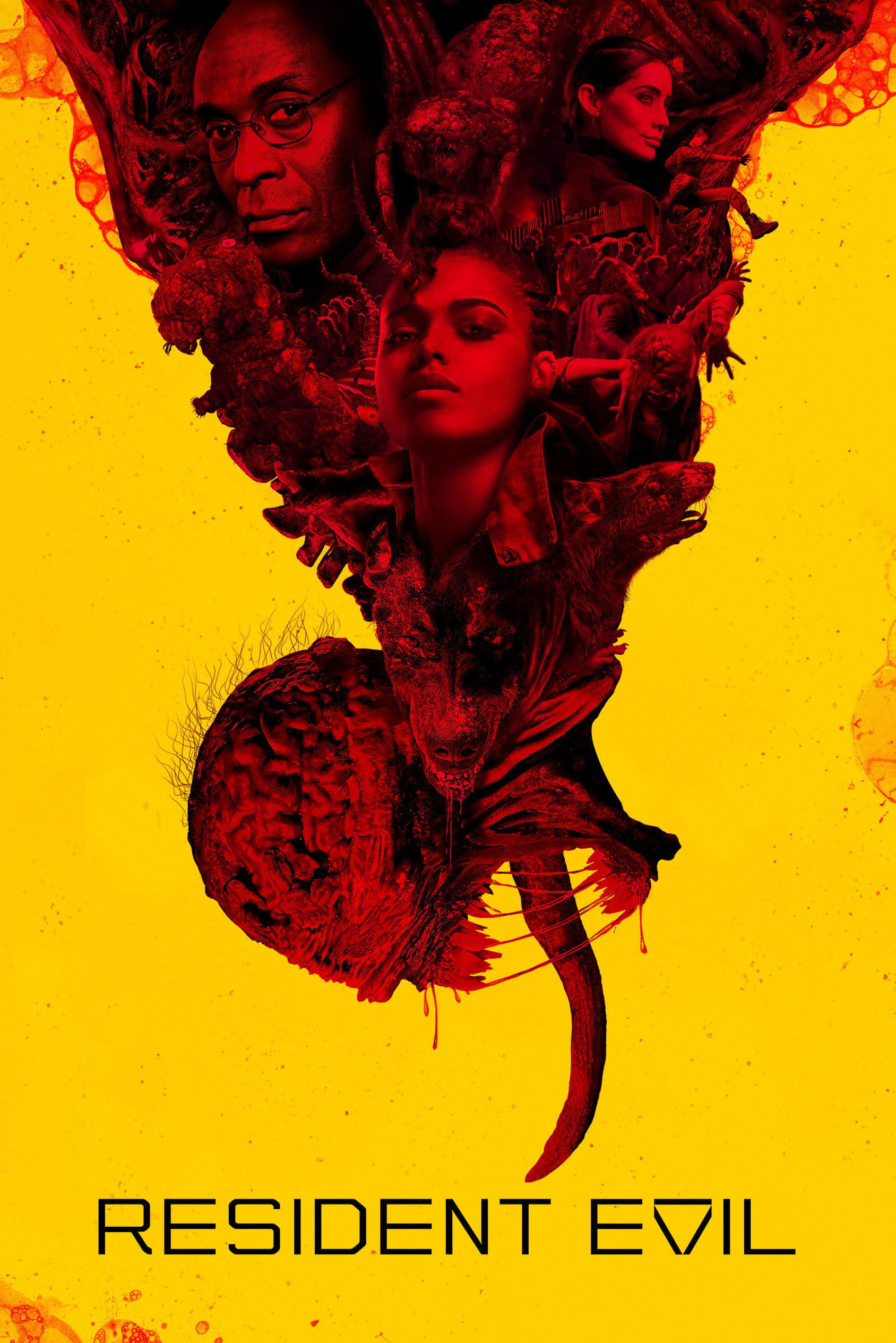
I was really excited when Lance Reddick was cast as Albert Wesker, because he’s such a talented actor. But honestly, the show just didn’t work for me, or a lot of other fans, it seemed. They changed Wesker’s character so much – he was a cold, calculating villain in the games, but they turned him into a family man, and it just didn’t feel right. The whole tone of the show was off, and it strayed too far from what made the games so great. Sadly, it only lasted one season. While some people focused on the fact that Wesker’s race was changed, that wasn’t the biggest issue – the writing and overall direction were just way off the mark, and that’s what really led to its cancellation.
‘Velma’ (2023–2024)
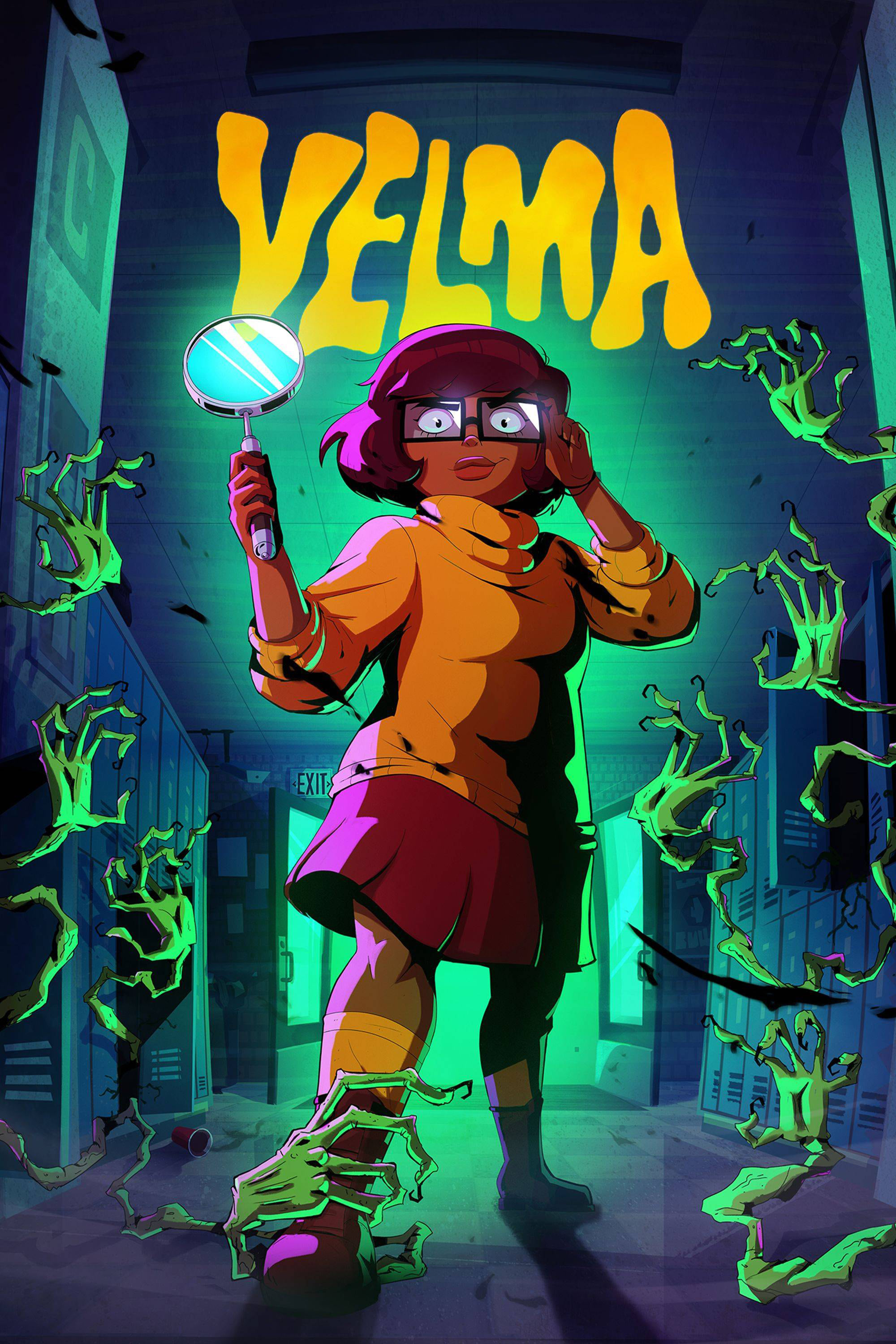
Mindy Kaling provided the voice for Velma Dinkley in a new, adult animated series that reimagined the character as South Asian. However, the show received overwhelmingly negative reviews, not because of the change in Velma’s ethnicity, but due to its harsh and cynical writing. Many viewers felt the show strayed from what made Velma lovable – her kindness and inquisitive nature – and instead relied too much on self-aware jokes. It’s a good example of how a remake can miss the mark if it doesn’t stay true to the original character.
‘Troy: Fall of a City’ (2018)

The BBC and Netflix series starred David Gyasi as Achilles and Lemogang Tsipa as Patroclus. Casting Black actors in these roles sparked debate about how accurately historical stories should be portrayed. Unfortunately, issues with the show’s pacing and writing overshadowed the actors’ performances. The series received poor reviews and has become a frequent example used in discussions about whether actors’ race should align with characters in historical or mythological dramas.
‘Anne Boleyn’ (2021)
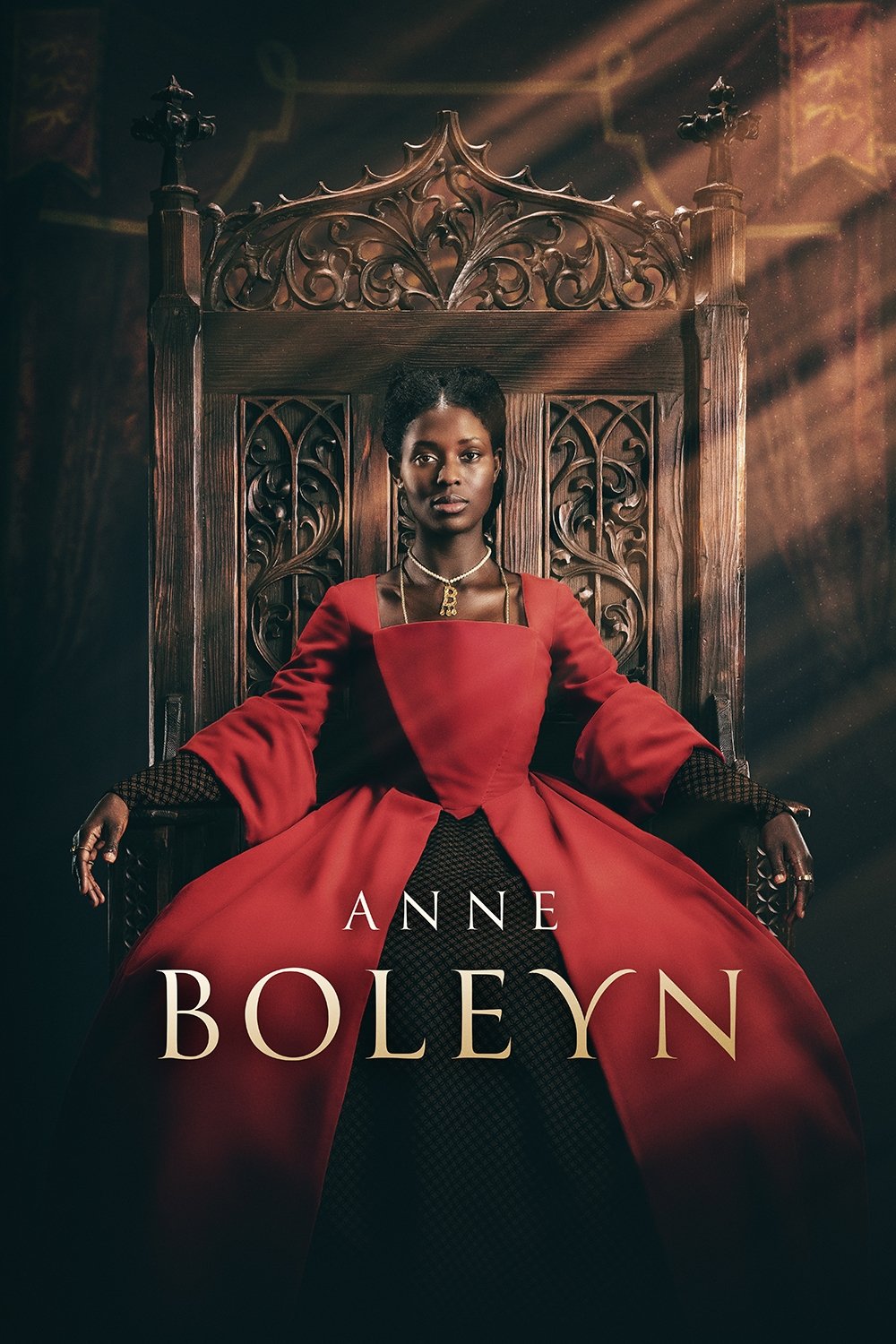
Jodie Turner-Smith starred as Queen Catherine in a thriller that offered a new look at her tragic story. The decision to cast a Black actress in the role of a historical white figure immediately sparked strong reactions and criticism from many viewers. Although critics admired Turner-Smith’s powerful performance, the show received overwhelmingly negative reviews from the public. This casting choice became a major focus, often overshadowing the story itself and creating a very divided conversation about the series.
‘Queen Cleopatra’ (2023)
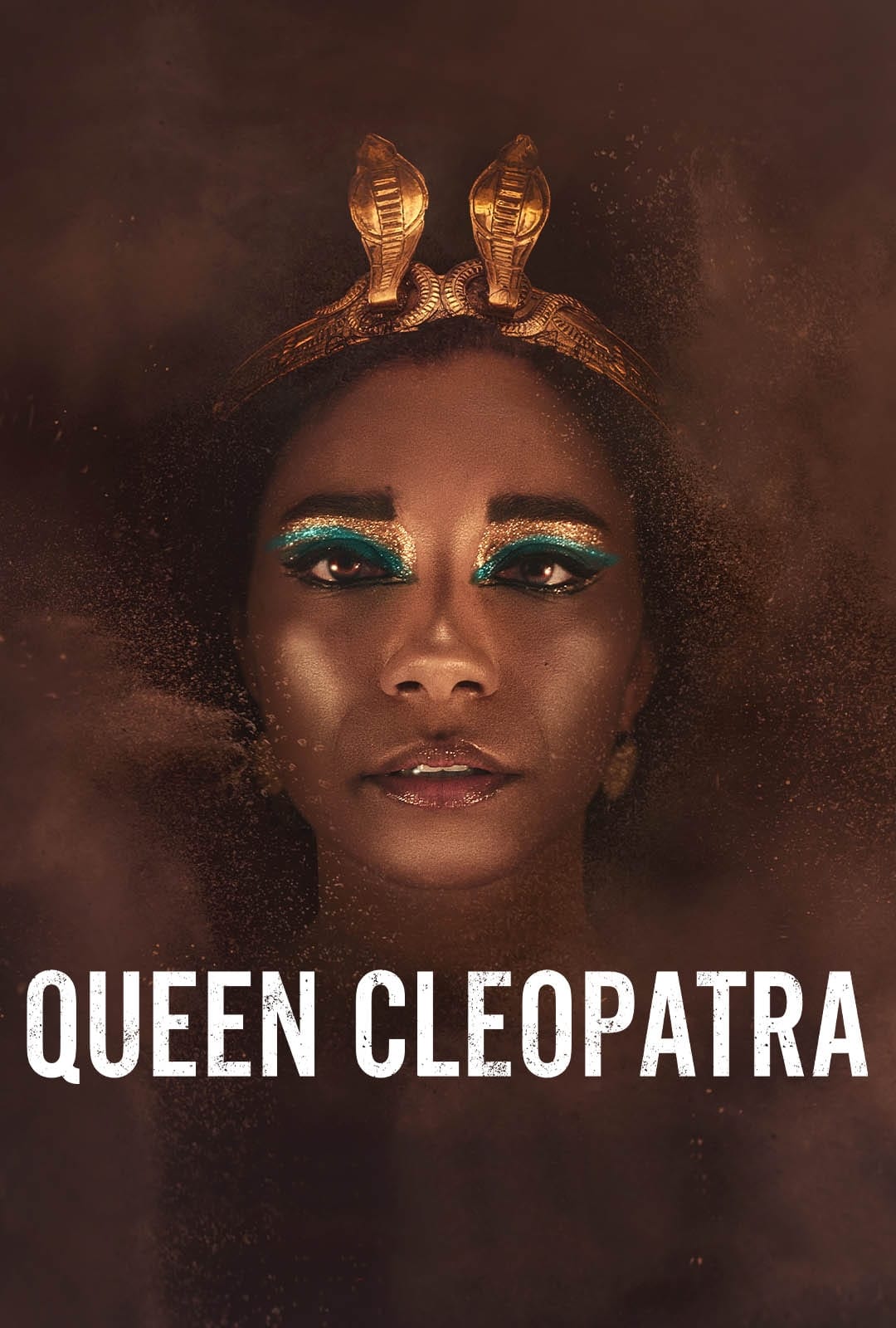
The documentary-style drama caused an international uproar by portraying Cleopatra VII as a Black woman. Egypt’s government and many scholars protested, saying the show ignored Egyptian history. The controversy probably led to few people watching and resulted in some of the lowest ratings Netflix has ever seen. This situation highlighted how audiences react differently to fictional characters versus real historical figures.
‘Halo’ (2022–2024)
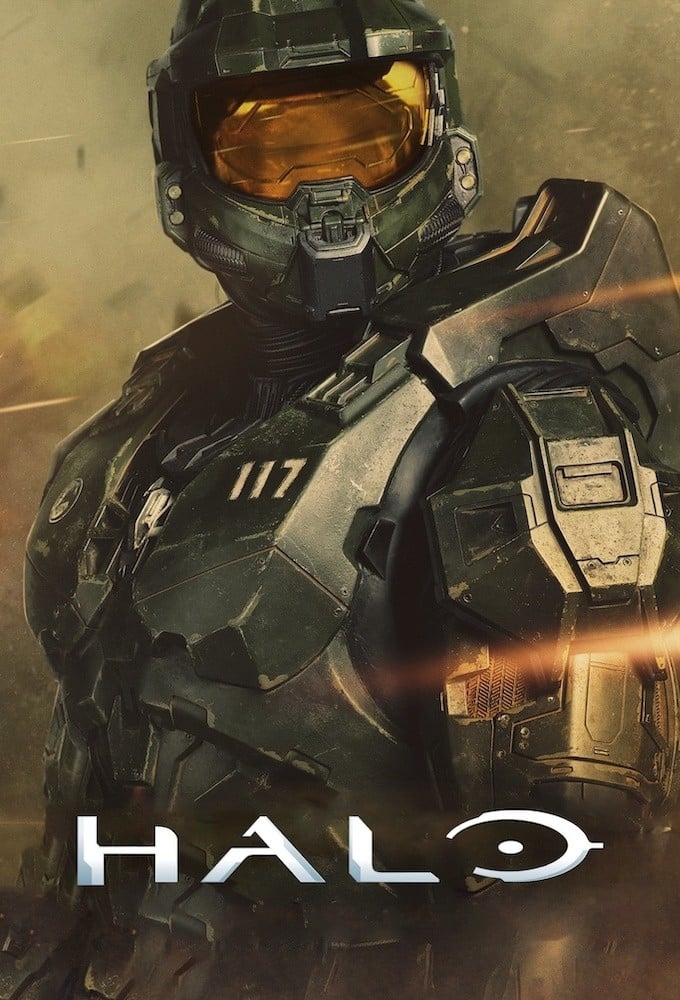
The series featured Danny Sapani and Olive Gray as Jacob and Miranda Keyes, resulting in a change to the family’s ethnicity. Although the actors performed well, the show received criticism for differing from established Halo lore. Surprisingly, fans were more upset by Master Chief taking off his helmet than by the change to the Keyes family. Despite these changes, the show was ultimately cancelled because it didn’t resonate with its core audience.
‘Cowboy Bebop’ (2021)
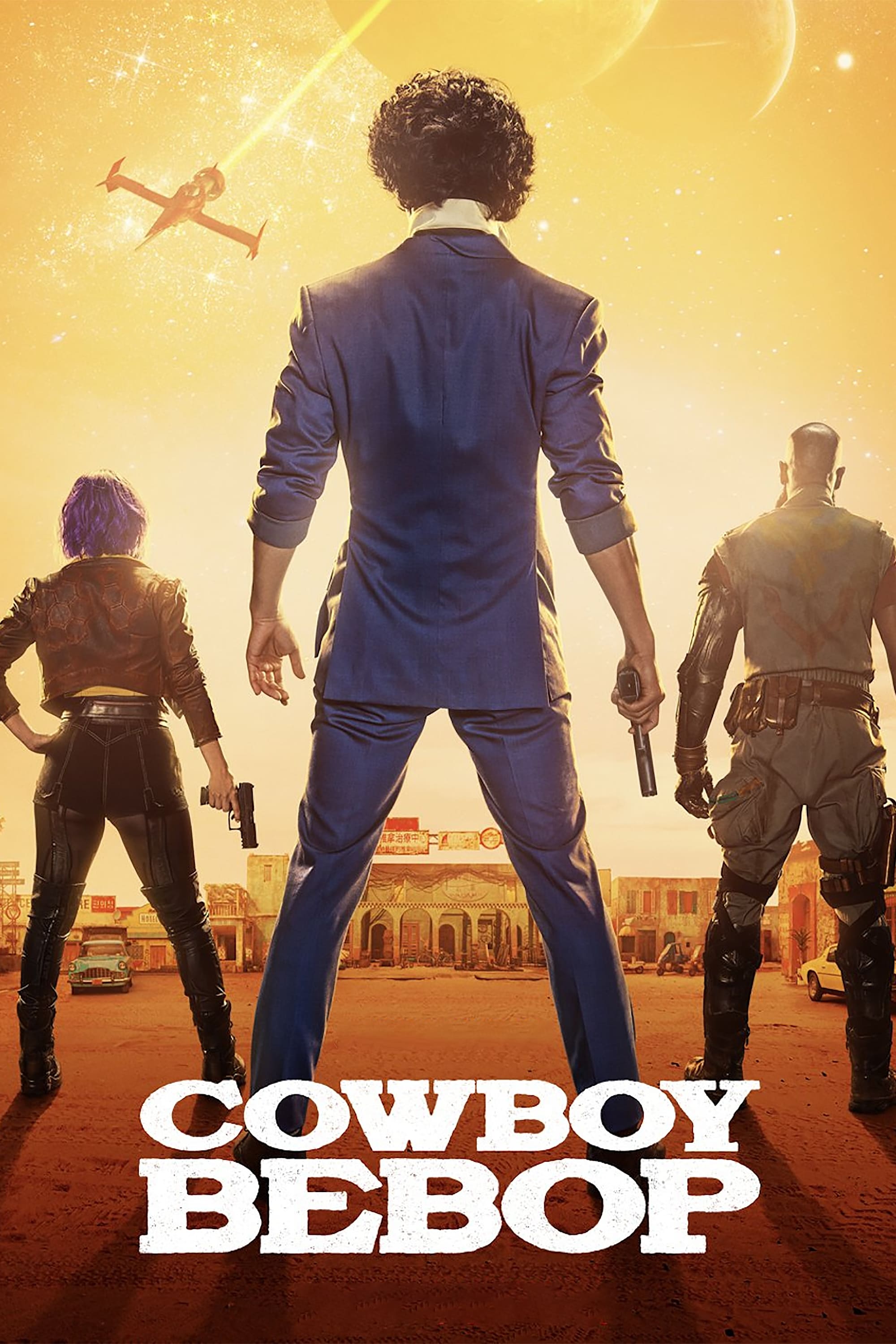
Mustafa Shakir’s performance as Jet Black was a clear highlight, perfectly capturing the character’s look and voice. Unfortunately, the show’s changes to other characters and storylines didn’t live up to the original anime. While visually appealing, the series lacked the heart and spirit of the beloved classic, and was quickly cancelled, proving that good looks weren’t enough to satisfy viewers.
‘Runaways’ (2017–2019)

Allegra Acosta portrayed Molly Hernandez, a reimagined version of the comic book character Molly Hayes. This change allowed the show to move away from older, overused tropes about mutants and create a more relatable story. Acosta’s energetic performance blended seamlessly with the show’s teen cast. The alteration was well-received, helping the series stand apart from the X-Men franchise, which held the rights to stories about mutants.
‘Utopia’ (2020)
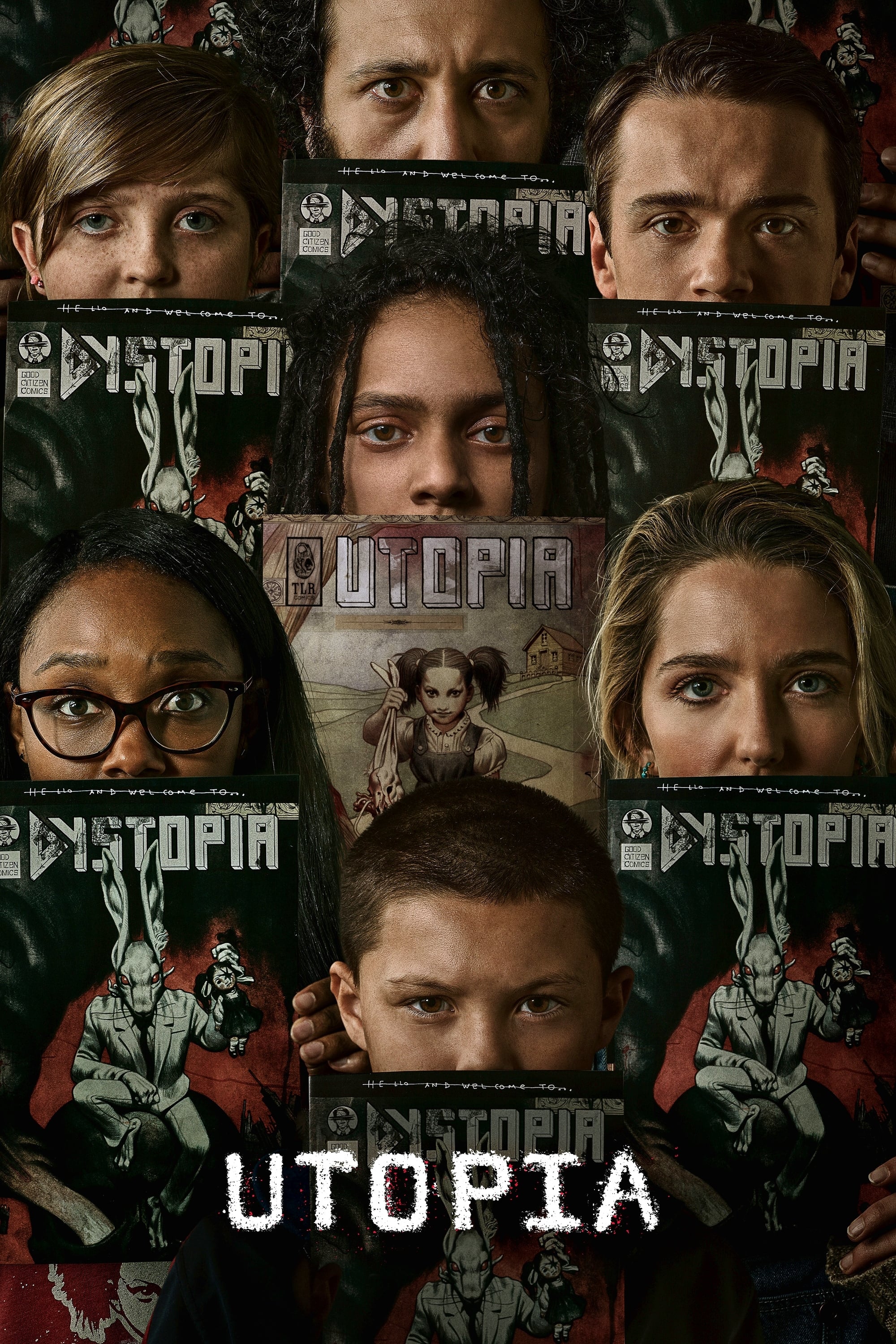
Sasha Lane starred as Jessica Hyde in the American version of the popular British show. While her performance was more realistic and less quirky than the original, some fans of the British series didn’t connect with it. The remake also received criticism for its intense violence and the unfortunate timing of its release during a real-world pandemic. Ultimately, the casting change became a small detail in a show that didn’t quite live up to the success of the original.
‘Foundation’ (2021–Present)
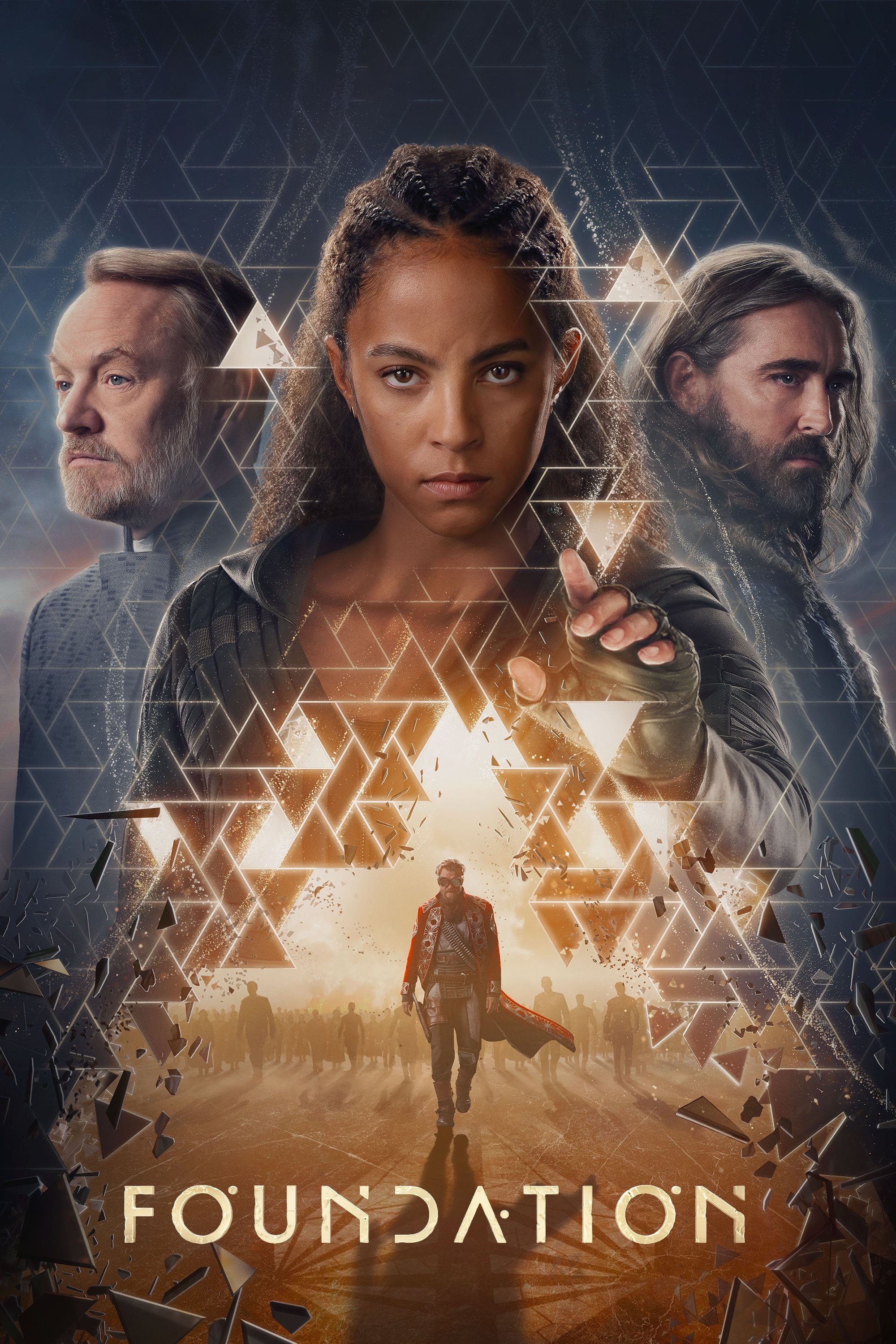
The Apple TV+ series significantly updated the characters from Isaac Asimov’s novels, which originally featured mostly white, male characters. Notably, Salvor Hardin is now played by Leah Harvey and Gaal Dornick by Lou Llobell, both women of color. This change allowed the show to delve into new and complex relationships and storylines not present in the books. Although some fans of the original novels weren’t thrilled, most agree the series effectively modernized the source material for television.
Share your favorite or least favorite casting changes from this list in the comments.
Read More
- 20 Movies Where the Black Villain Was Secretly the Most Popular Character
- Celebs Who Narrowly Escaped The 9/11 Attacks
- Top 20 Dinosaur Movies, Ranked
- 25 “Woke” Films That Used Black Trauma to Humanize White Leads
- Transformers Under the Microscope: What Graph Neural Networks Reveal
- The 10 Most Underrated Jim Carrey Movies, Ranked (From Least to Most Underrated)
- 22 Films Where the White Protagonist Is Canonically the Sidekick to a Black Lead
- Gold Rate Forecast
- Trading on Thin Air: AI Agents Conquer Crypto Volatility
- The Best Directors of 2025
2026-01-03 20:19