As a lifelong movie and TV fan, I’ve always noticed how shows tend to mirror what’s happening in the world around us – our values, our politics, everything. And it’s fascinating – and sometimes frustrating – to see how strongly people react when a show seems to be pushing a particular viewpoint, especially if it clashes with their own beliefs. I’ve seen so many times where viewers organize boycotts, trying to get a show canceled or changed because they feel it’s gone too far. It’s a real testament to the power of storytelling! I’ve put together a list of twenty-five shows that really stirred things up, sparking public outrage because of what people perceived as their political or social messages.
‘Roseanne’ (2018)
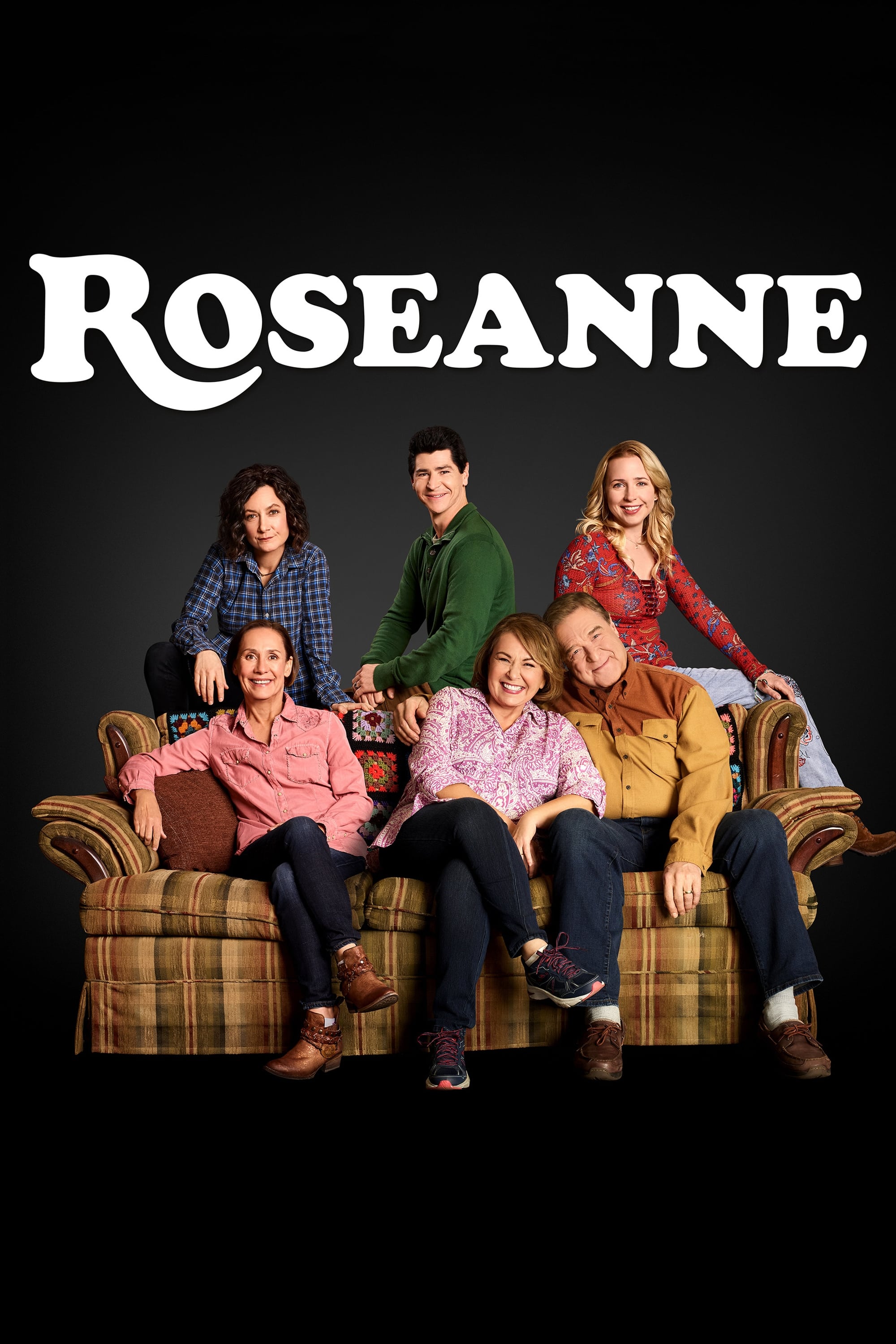
The popular reboot of this beloved sitcom drew a large audience, particularly among working-class and conservative viewers. However, ABC cancelled it after Roseanne Barr, the show’s star, posted offensive and racially insensitive comments online. Fans of the show claimed the network was unfairly critical of her political views. This sudden cancellation led to calls for a boycott from viewers on the right. Eventually, the show returned as a spin-off, continuing without Barr in an attempt to move past the controversy.
‘The Acolyte’ (2024)
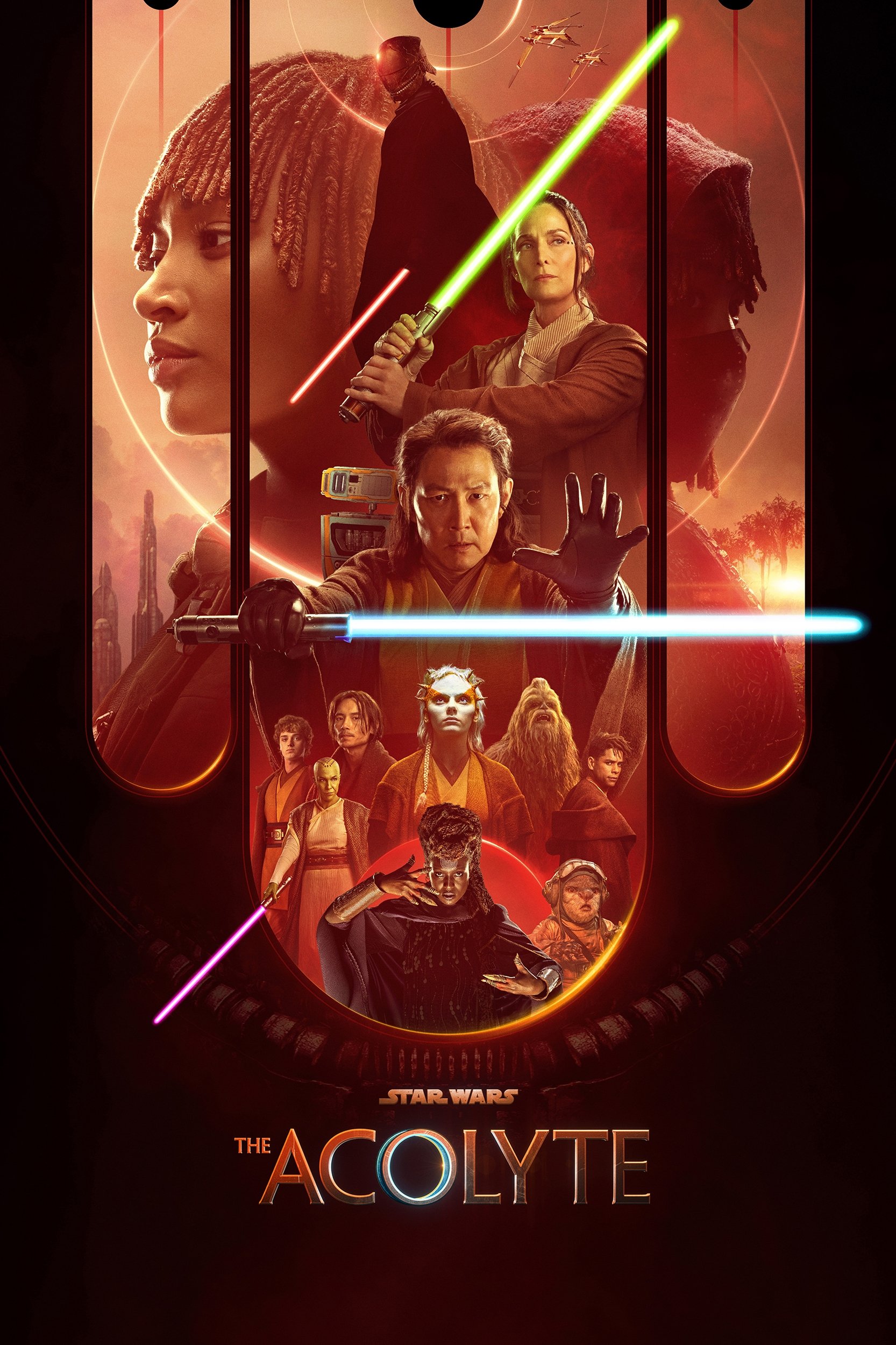
The latest Star Wars series sparked immediate criticism regarding who was cast and the story it told. Many critics felt the writers focused too much on current social issues instead of respecting the existing Star Wars history. Fans reacted strongly, with some even canceling their Disney Plus subscriptions to show their disapproval. Due to poor ratings and negative reviews, the series was canceled after only one season. The show also revealed how divided the Star Wars fanbase had become.
‘Last Man Standing’ (2011–2021)
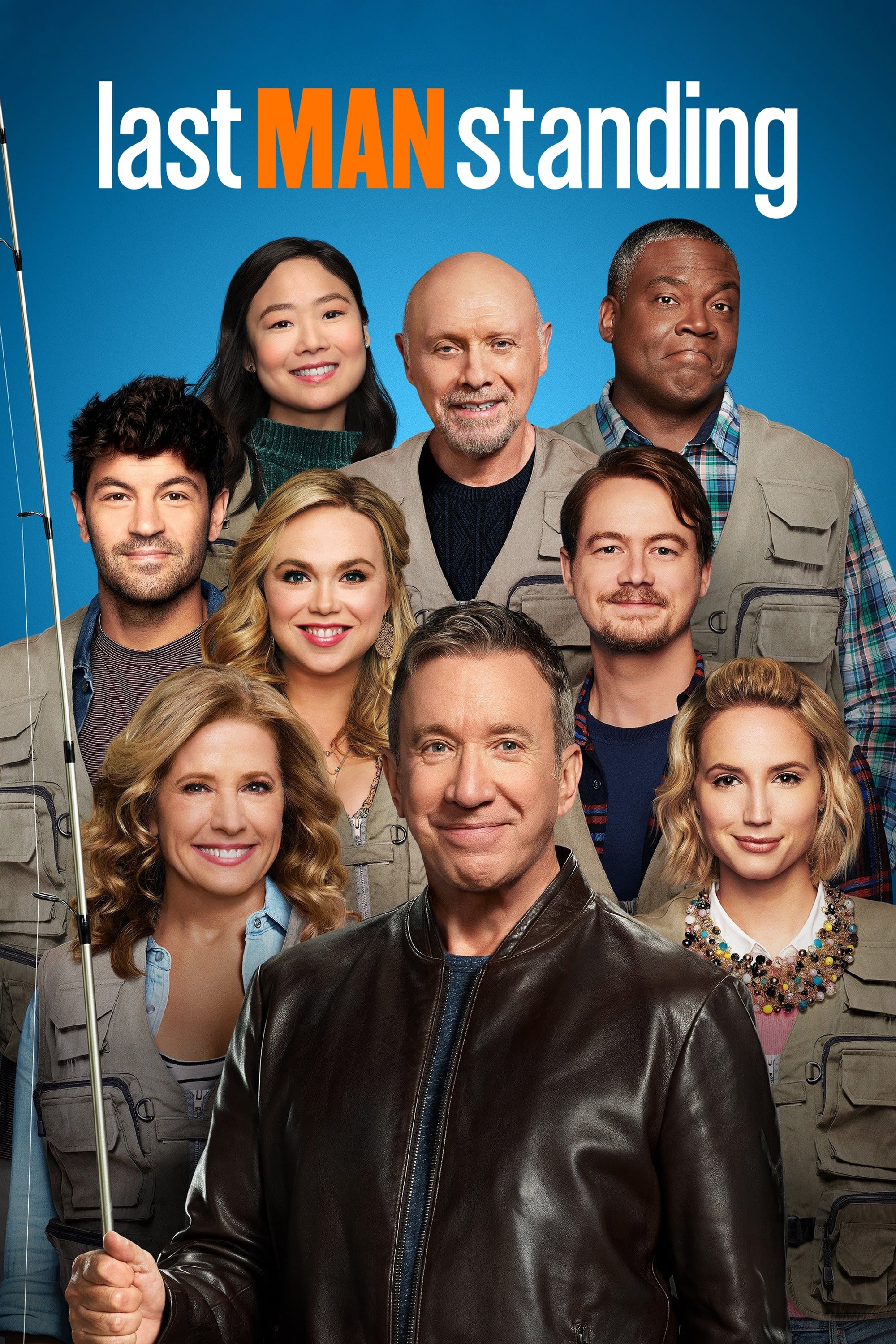
Tim Allen played a father trying to uphold traditional values in a rapidly changing society. Despite good viewership, ABC cancelled the show, leading many to believe the network was motivated by political bias. Dedicated fans responded with petitions and boycotts, eventually leading Fox to revive the series. The show often addressed political issues that appealed to conservative viewers who felt their views weren’t well-represented in the media. It’s now a classic example of the disconnect between Hollywood and mainstream America.
‘Murphy Brown’ (1988–1998)

The show’s main character ignited a national discussion when she chose to become a single mother. Vice President Dan Quayle publicly criticized the storyline, arguing it damaged family values during a campaign speech. This triggered intense media coverage and led to conservative groups attacking the show for challenging traditional family norms. In response, the show’s writers included actual news footage of the controversy in a later season. This event was a notable example of how a fictional TV show became directly involved in a national political debate.
‘Ellen’ (1994–1998)
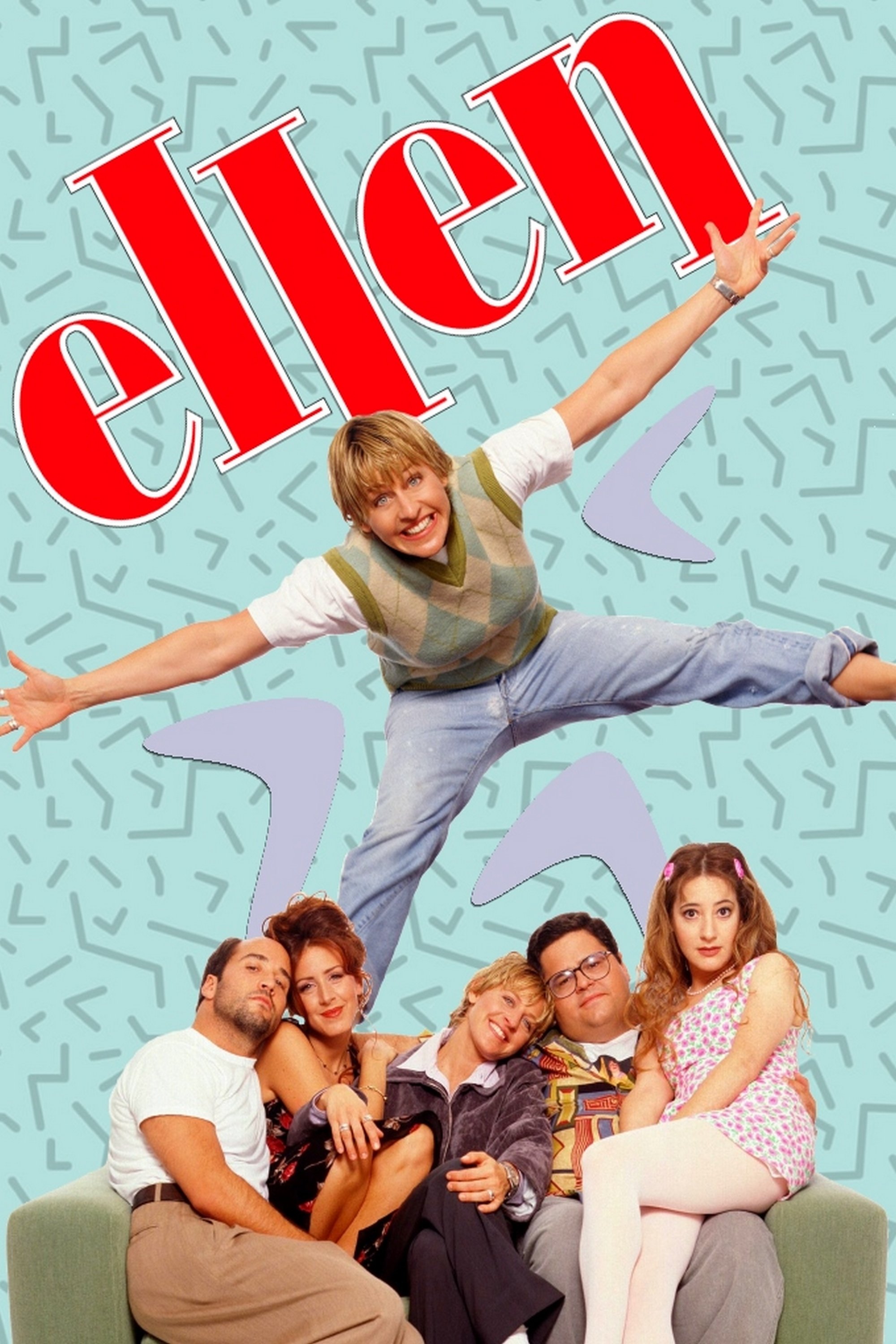
Ellen DeGeneres broke ground in television history when her character came out as gay in the well-known episode titled ‘The Puppy Episode.’ Immediately after, conservative groups, including the American Family Association, urged people to stop watching the show and pressured its sponsors. Some companies pulled their advertising, and one TV station in Alabama refused to broadcast the episode. This negative reaction played a role in the show’s eventual cancellation, even though ratings initially increased. Today, many consider this moment a significant milestone for LGBTQ+ visibility in television.
‘Duck Dynasty’ (2012–2017)

The A&E reality show following a family who makes duck calls unexpectedly became very popular. The show’s leader, Phil Robertson, caused controversy when he shared his religious beliefs about sexuality in an interview. A&E temporarily suspended him, but this led to strong backlash and threats of boycotts from his conservative fans. The network quickly brought him back after seeing how much support he had from viewers. The situation showed a disconnect between the views of media executives and the show’s rural audience.
‘Good Luck Charlie’ (2010–2014)
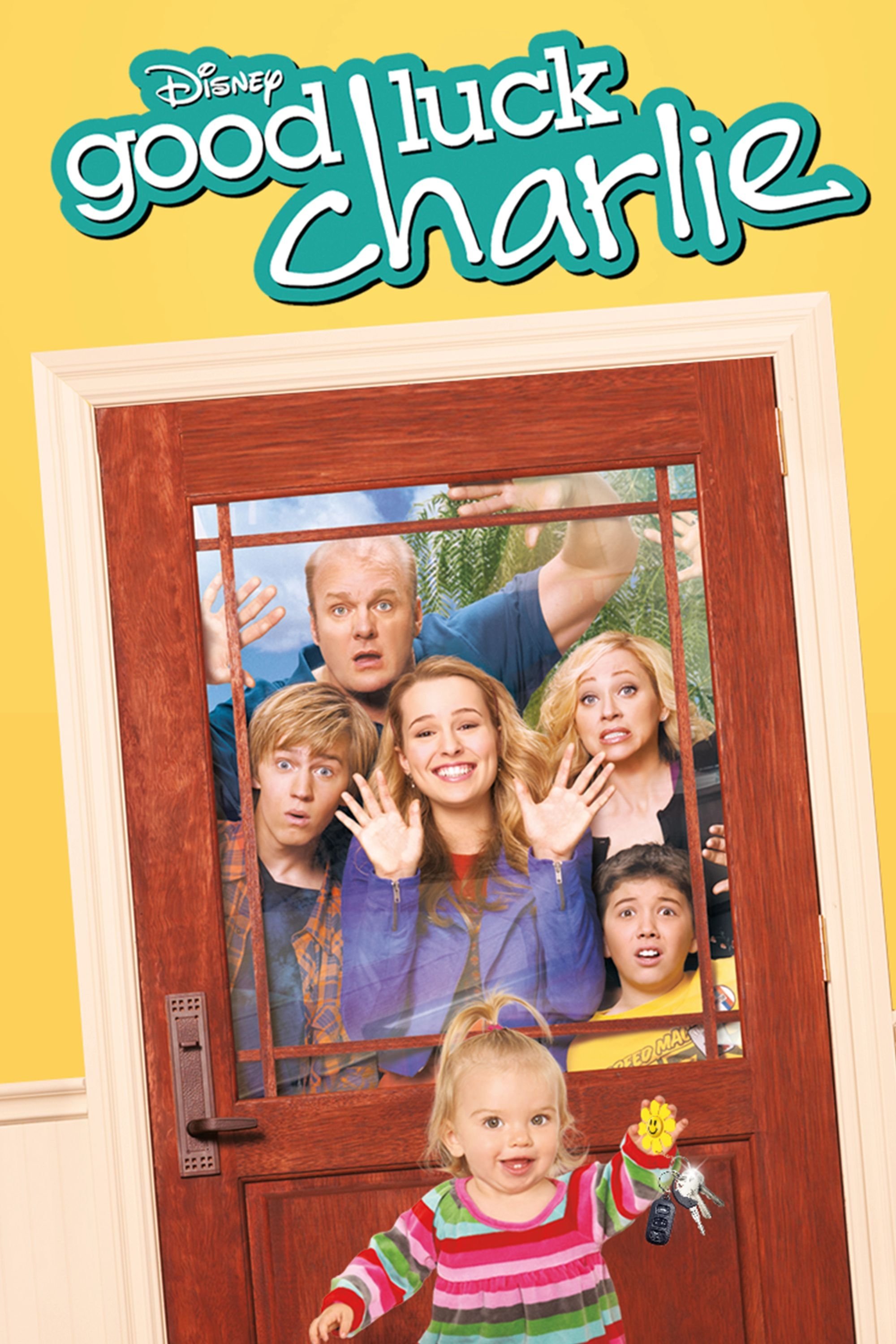
Disney Channel featured a same-sex couple in a recent episode, sparking a call for a boycott from the group One Million Moms. The group felt the show introduced sensitive topics to young viewers at an inappropriate age. However, Disney decided to air the episode anyway, despite the criticism. This decision represents a growing trend in children’s television towards showing more diverse and inclusive families.
‘Dear White People’ (2017–2021)
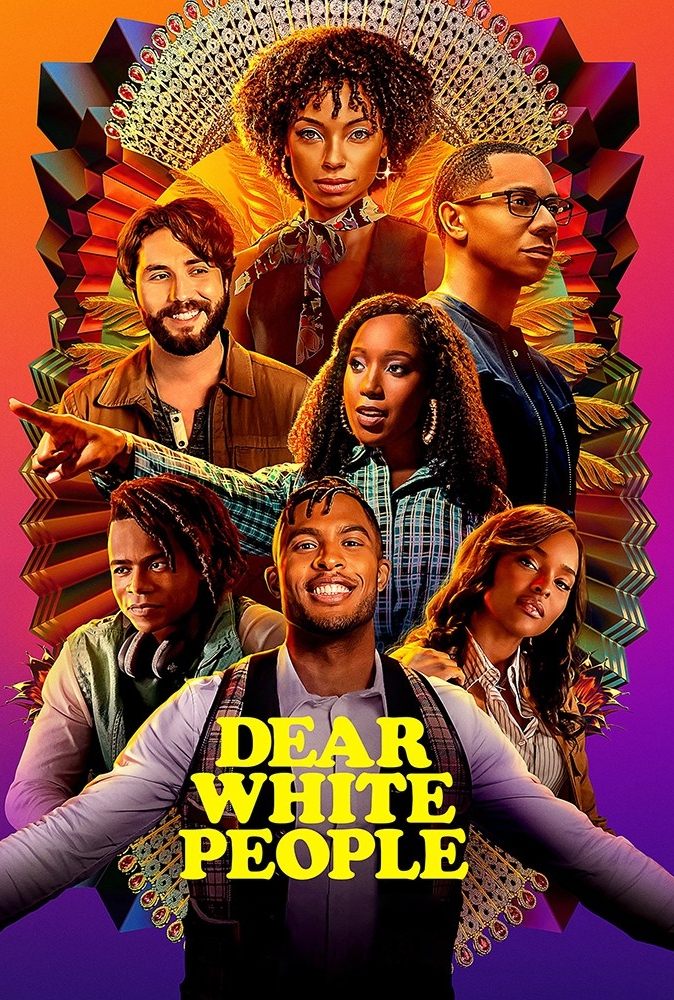
When Netflix announced this series, many subscribers canceled their subscriptions because they found the premise controversial. The show used satire to examine racial issues at a prestigious university, but critics quickly accused it of being biased against white people, even before it premiered. The show’s creator believed this controversy actually helped attract the audience they were aiming for. Despite ongoing debates about race, the series lasted for four seasons.
‘Batwoman’ (2019–2022)
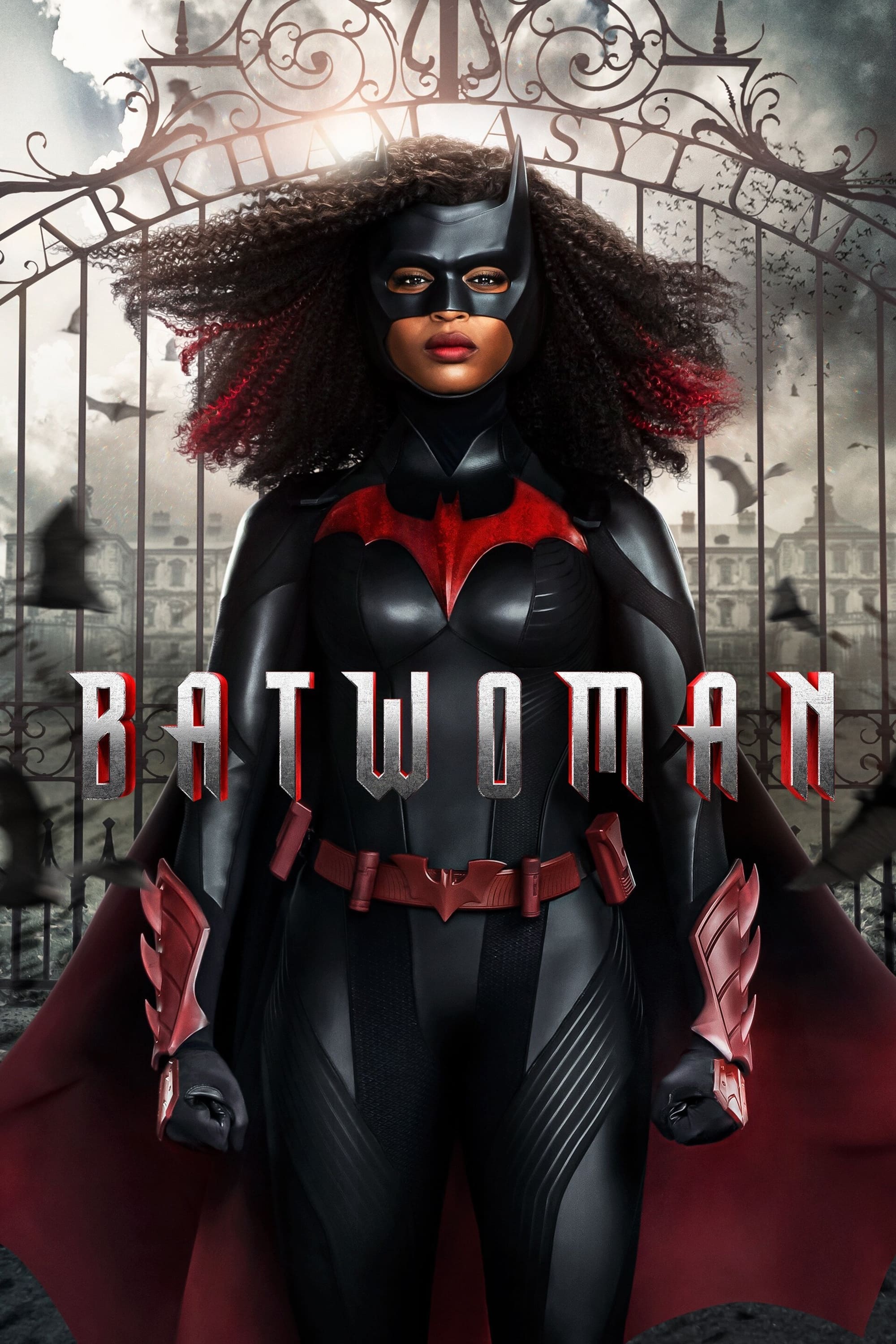
This superhero show focused heavily on social justice issues, which turned off some longtime comic book fans. Online, many viewers protested the series, arguing that it prioritized pushing a message over telling a good story. Throughout its run, the show received overwhelmingly negative reviews online, often deliberately downvoted. Production faced further difficulties when the lead actress, Ruby Rose, departed after season one. Ultimately, the series had trouble attracting a steady audience, getting caught in the middle of broader cultural debates.
‘Doctor Who’ (1963–Present)
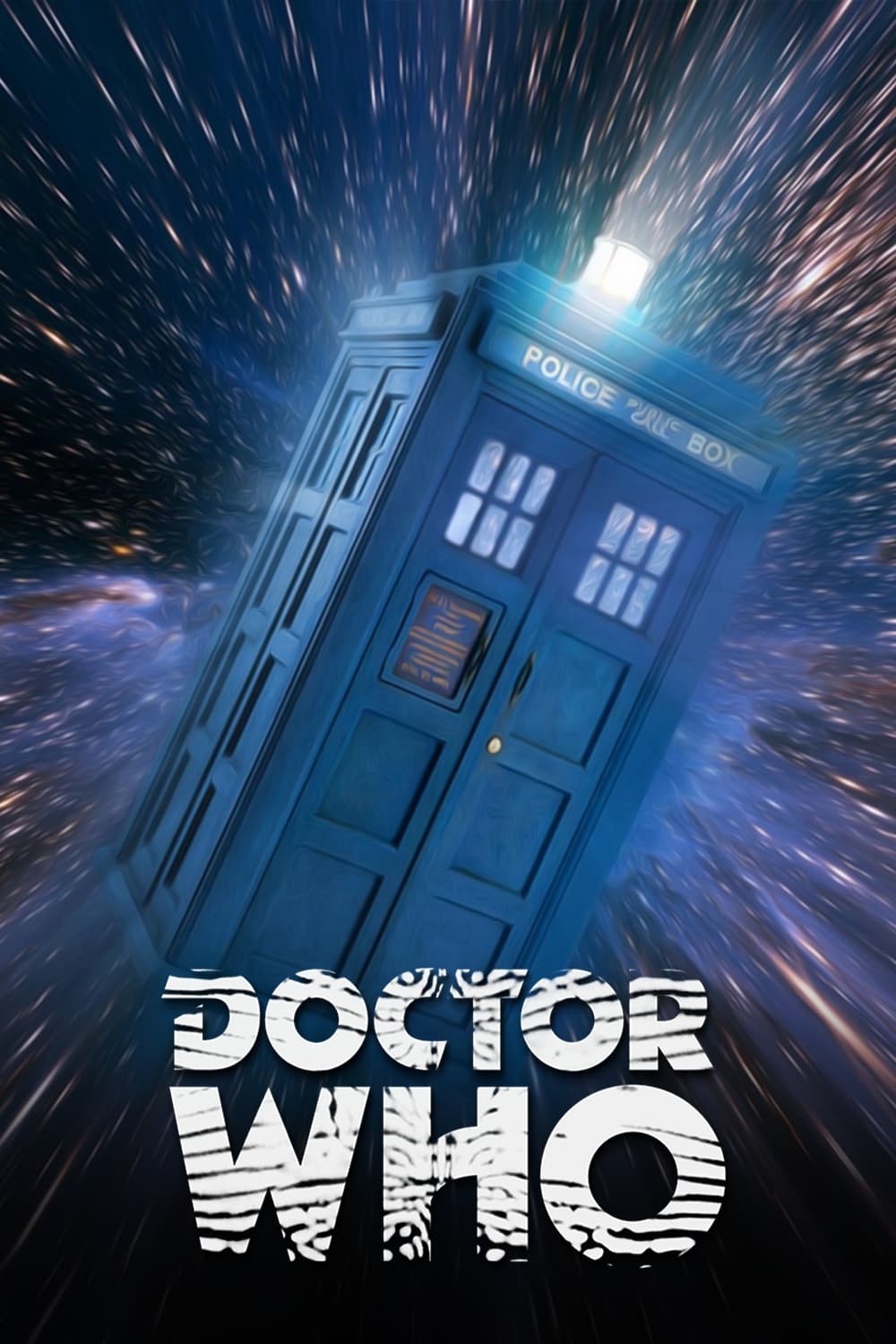
When Jodie Whittaker became the first female Doctor, some longtime fans didn’t like the change. The show also started addressing current events and political issues more directly, which some viewers felt was too heavy-handed. This led to a drop in ratings, with some viewers saying the show had become overly focused on social issues. However, the show’s creators maintained that Doctor Who has always been about progress and embracing new ideas, and viewership numbers went up and down during this period.
‘She-Hulk: Attorney at Law’ (2022)
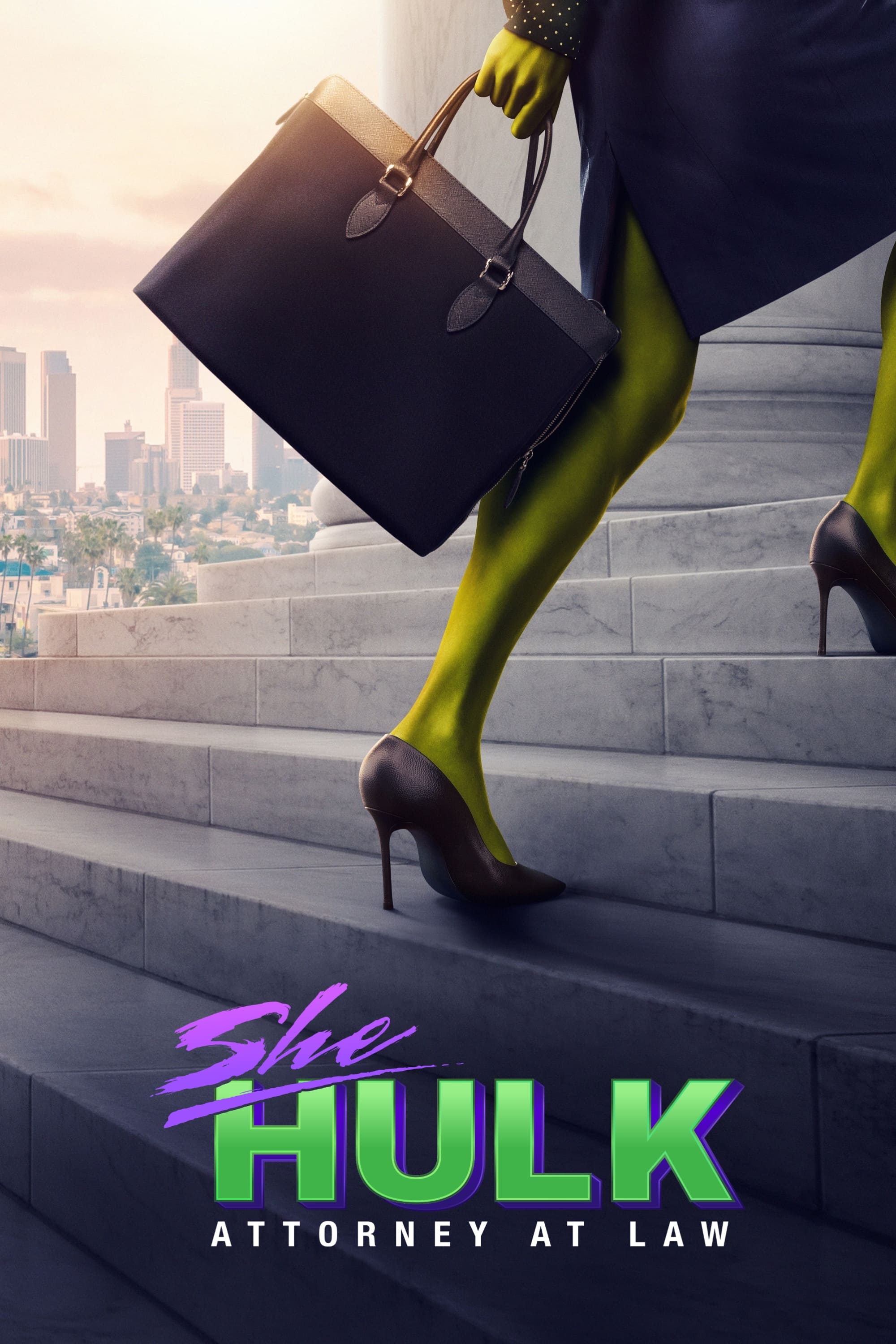
Marvel Studios’ recent legal series received a lot of negative feedback, largely because of its humor and focus on female characters. The show also directly responded to online criticism, which only made things worse. Some viewers accused the writing of being anti-male and organized boycotts. The show’s effects and plot choices sparked larger debates about the future of the Marvel Cinematic Universe. Ultimately, it revealed a problematic dynamic between certain fan groups and how stories are updated for today’s audiences.
‘Velma’ (2023–Present)
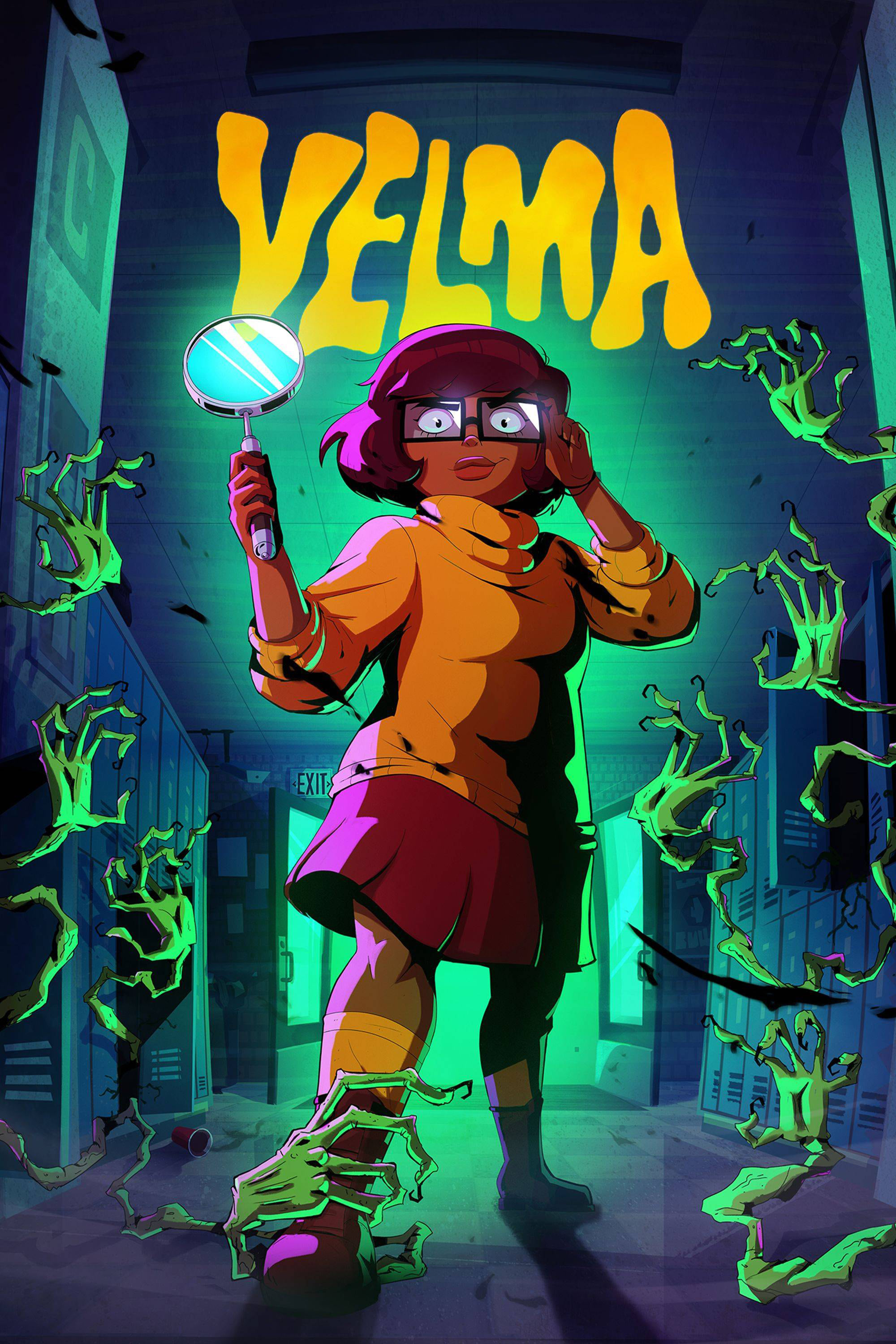
This animated series, a prequel to the original Scooby Doo, updated the characters with new backgrounds and a more adult sense of humor. However, the changes were widely disliked by viewers from all political viewpoints. It received extremely low ratings, as longtime fans refused to watch. While some people initially tuned in just to criticize the show, a full-fledged boycott quickly gained momentum. Ultimately, the series became a prime example of how to mismanage a popular and well-loved franchise when attempting to modernize it.
‘The Lord of the Rings: The Rings of Power’ (2022–Present)
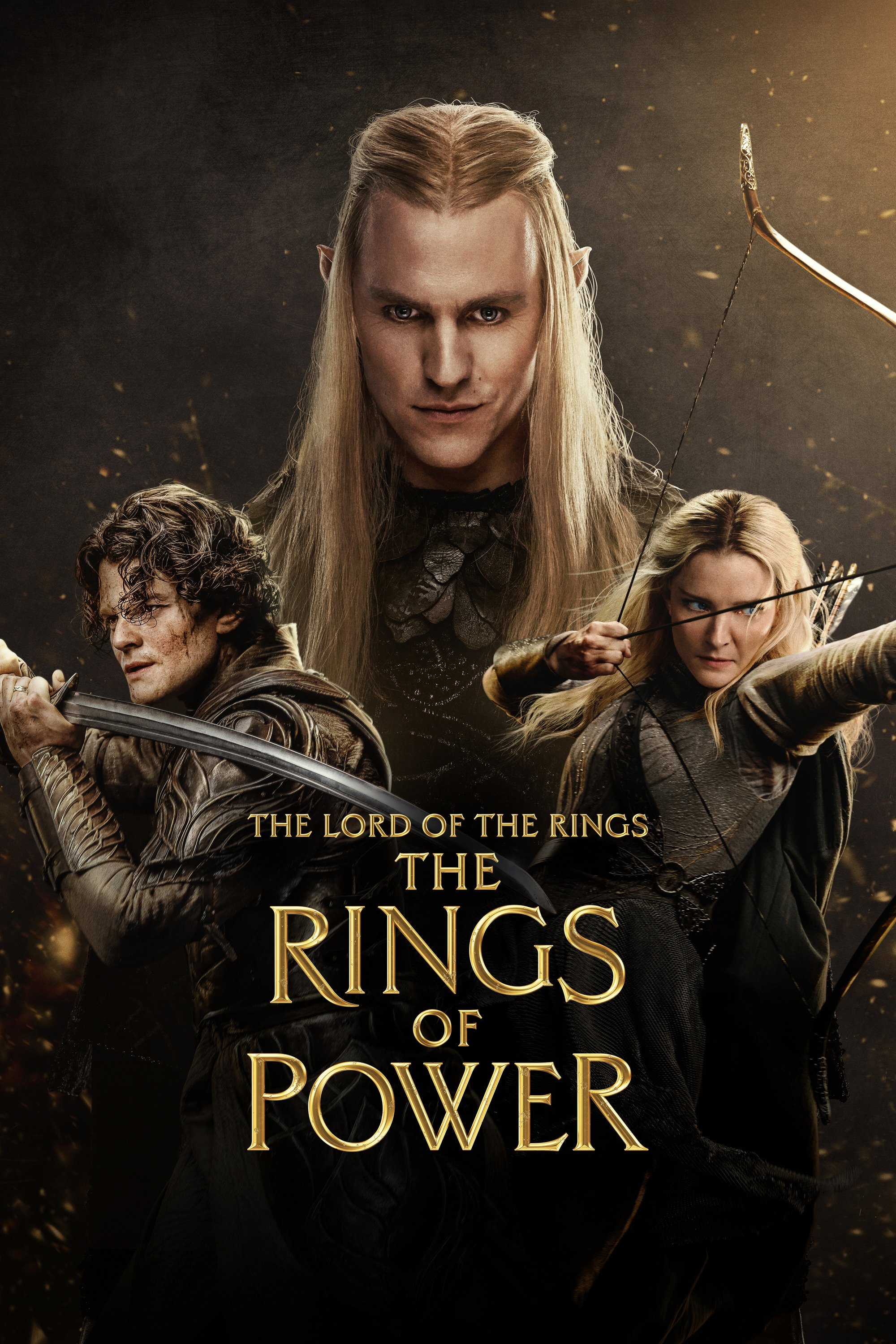
Amazon spent a huge amount of money making the new ‘Lord of the Rings’ prequel, but it immediately faced backlash. Some fans and commentators who closely follow Tolkien’s work criticized the show’s diverse cast, saying it didn’t stay true to the original stories. Accusations that the show pushed modern political ideas into a fantasy world led to calls for people to stop watching. Amazon briefly paused user reviews because of the overwhelming number of negative ratings. Throughout the first season, professional critics generally liked the show, while viewers tended to disagree.
‘South Park’ (1997–Present)
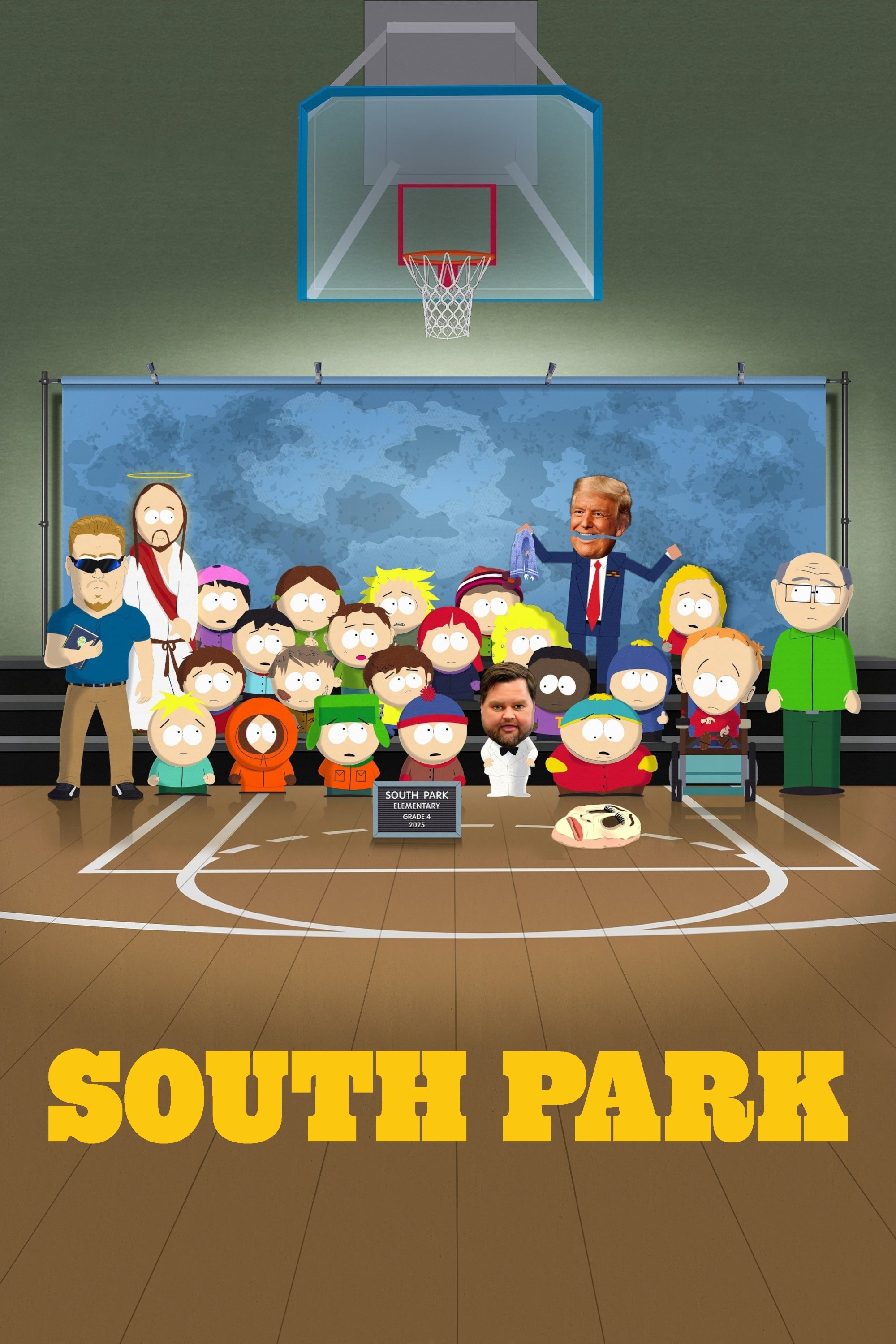
As a lifelong movie and TV fan, I’ve always been amazed by how South Park has managed to survive all the controversies. Creators Trey Parker and Matt Stone have been targeted by pretty much everyone – religious groups, political organizations, you name it. I remember the uproar when they took on the Catholic Church, and episodes that challenged censorship even brought threats from extremist groups. But what’s brilliant about the show is that it doesn’t pick sides; it mocks everyone equally. That’s why no single protest has ever really stuck. It’s become a real stronghold for free speech, refusing to back down to anyone trying to censor it, and I really admire that.
‘Good Omens’ (2019–Present)
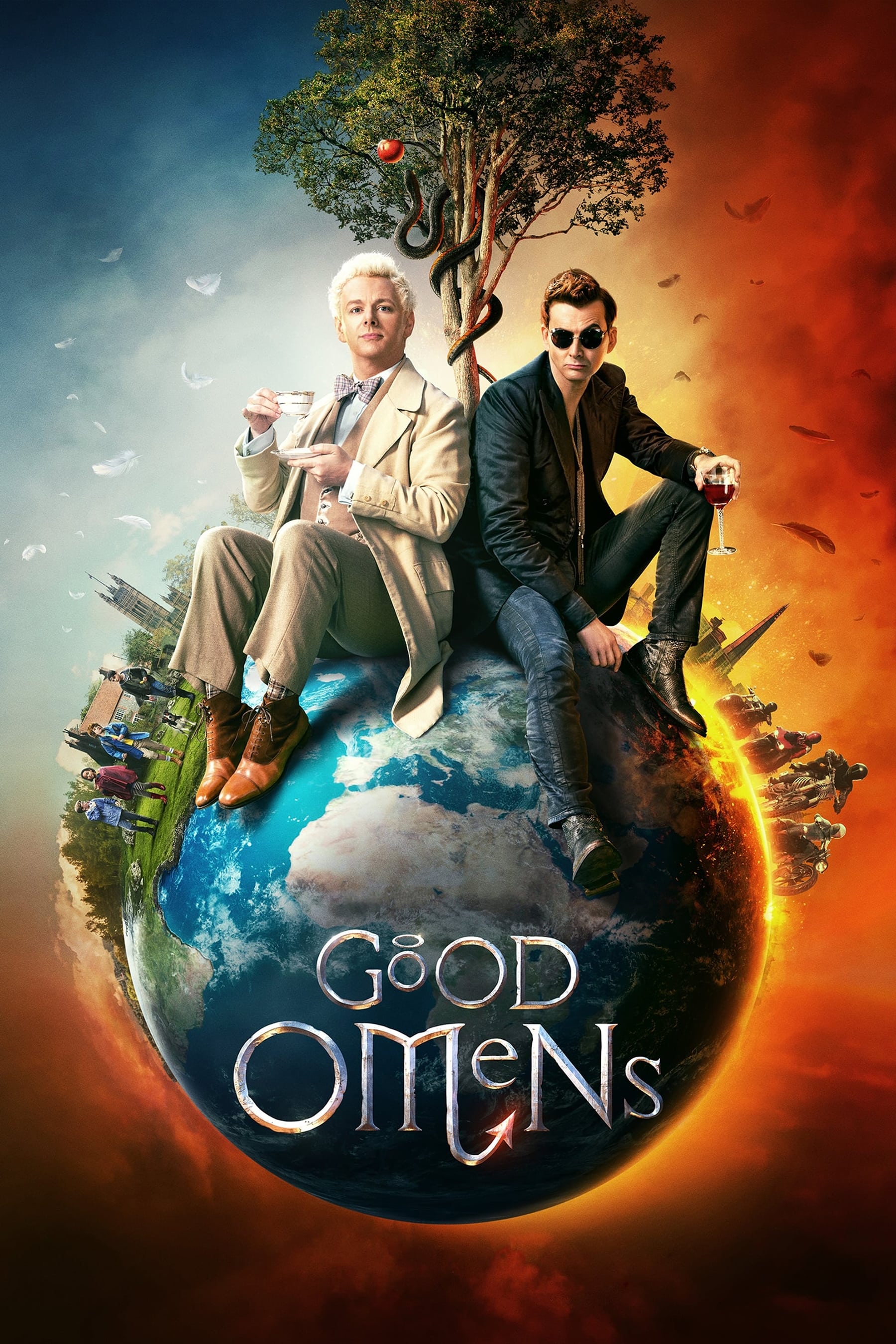
This show, based on a novel by Neil Gaiman and Terry Pratchett, follows an angel and a demon who team up. A group called Return to Order asked Netflix to cancel it, claiming it promoted satanism. This request quickly became a joke online because the show is actually streamed on Amazon Prime. The creators playfully pointed out the error, and the resulting attention likely boosted the show’s popularity. The incident highlighted how quickly boycotts can spread without people first checking the facts.
‘Arthur’ (1996–2022)
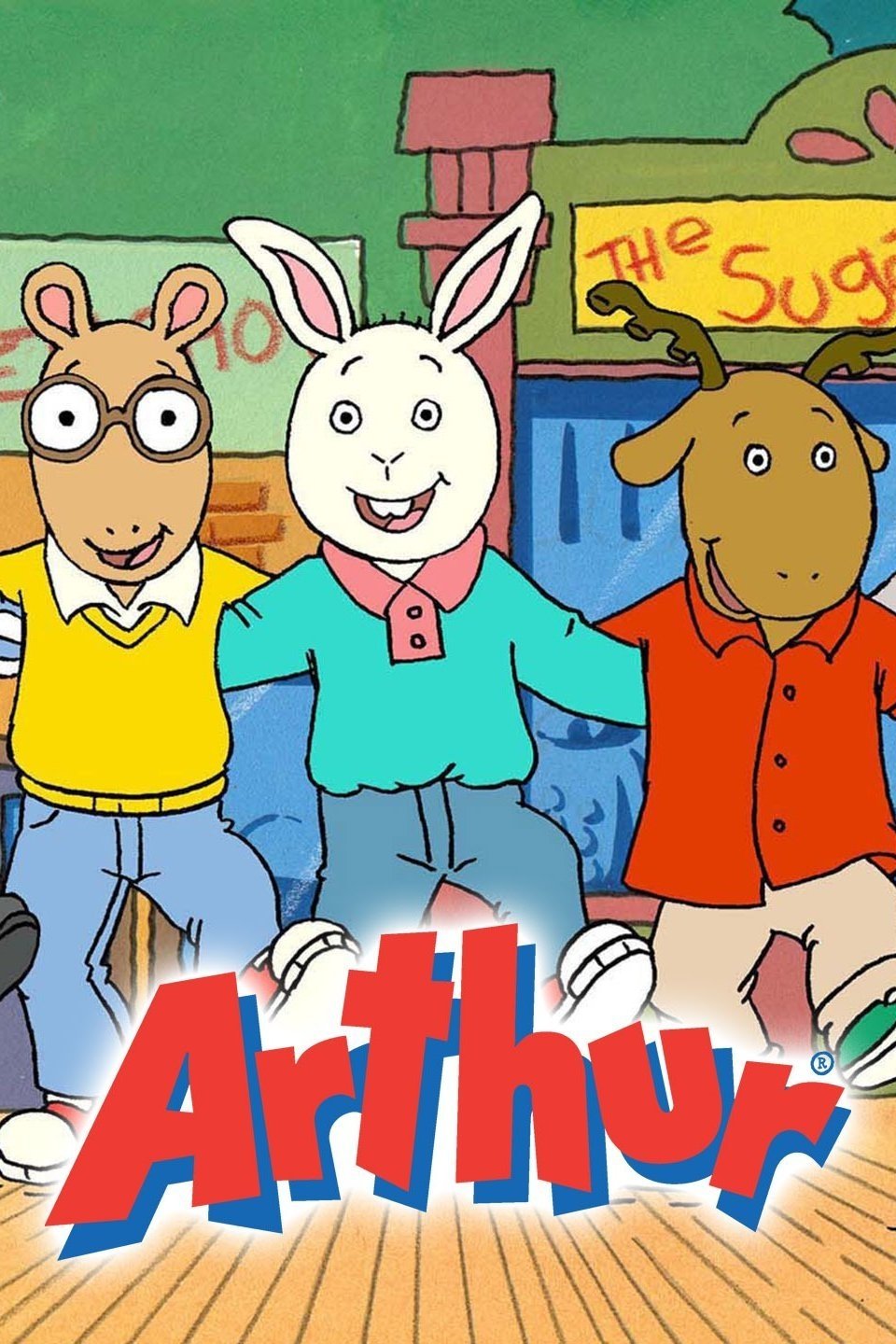
A recent episode of the popular children’s show featured a wedding between two male characters, a teacher named Mr. Ratburn and his partner. Alabama Public Television decided not to air the episode, saying it didn’t align with community values. While some conservative groups supported the station’s decision, LGBTQ+ advocates called it censorship. The situation gained national attention as the show neared its conclusion and raised questions about how public broadcasting should represent different types of families and beliefs.
‘Lucifer’ (2016–2021)
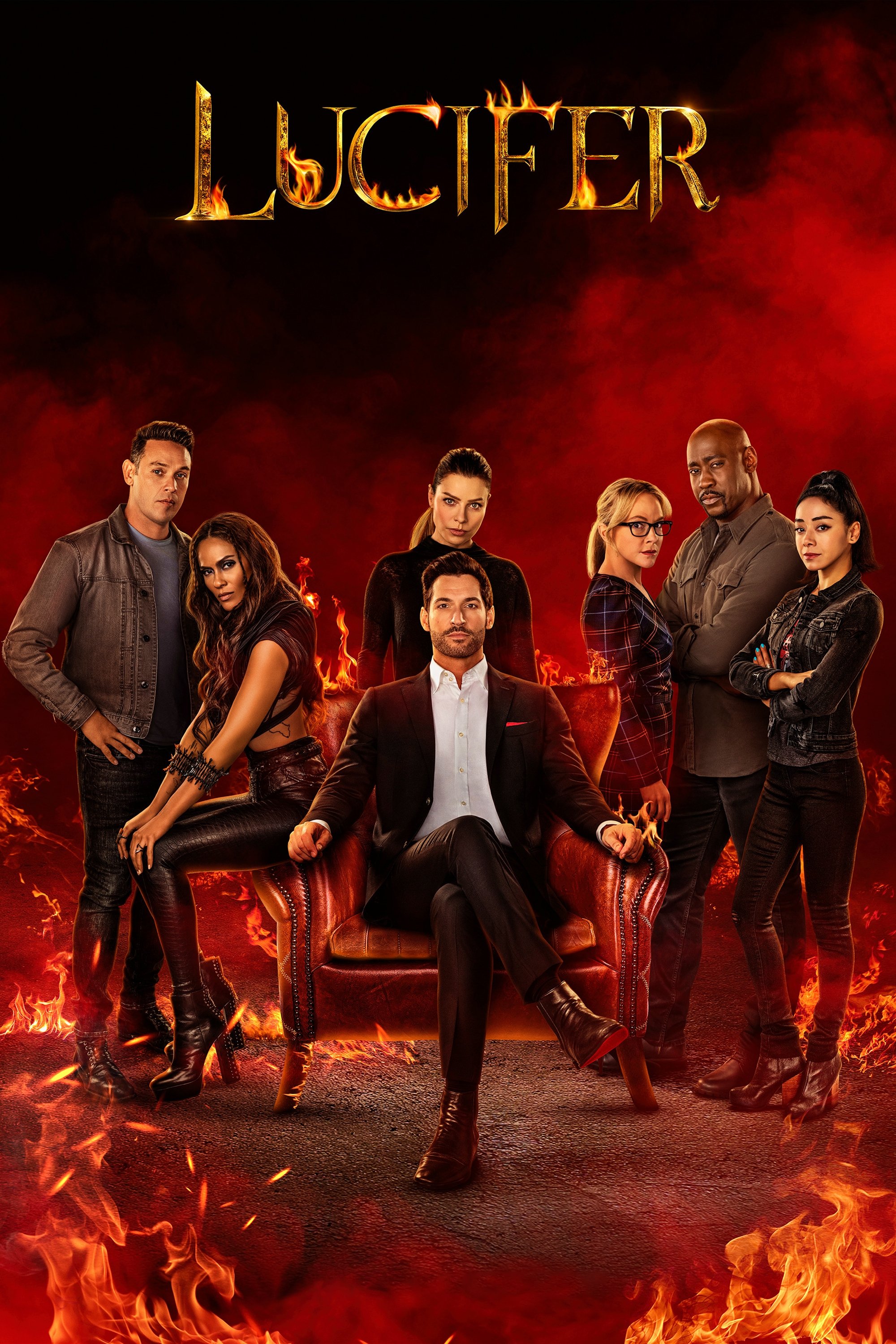
A new police drama on Fox featured a surprising lead – the devil disguised as a charismatic nightclub owner in Los Angeles. The show immediately faced backlash from One Million Moms, who petitioned to have it canceled due to its perceived glorification of evil. Despite their efforts, the premiere went ahead and the show quickly gained a dedicated following. After Fox canceled it, Netflix picked it up, and it became even more popular. Ultimately, the protests missed the point of the show, which centered around the idea of redemption.
‘Saturday Night Live’ (1975–Present)
The comedy show is no stranger to controversy, often sparking outrage with its political humor. While the Trump administration frequently protested the show’s jokes, calling them biased and even threatening action, it has also faced criticism from those on the left for featuring polarizing figures like Elon Musk and Donald Trump. The writers constantly navigate a difficult line, trying to stay relevant while avoiding overly negative reactions from viewers. Ultimately, the show thrives on this kind of attention and remains a significant part of national discussions.
‘Quantico’ (2015–2018)
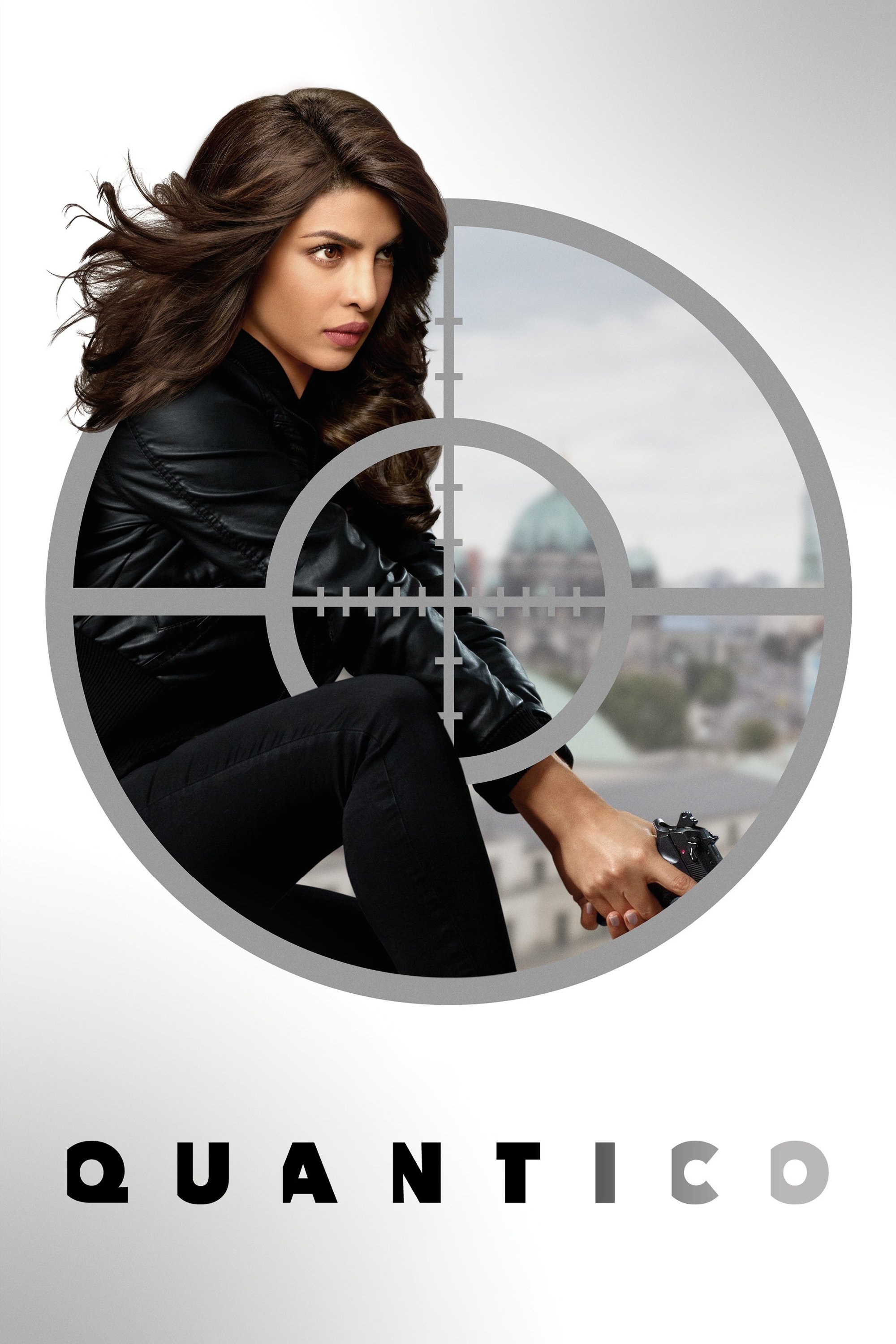
Priyanka Chopra appeared in an FBI drama that sparked strong criticism in India. One episode, which depicted Hindu nationalists plotting a terrorist attack, caused widespread anger internationally. Indian fans called for a boycott of both the actress and the TV network, believing the show damaged the country’s reputation. Both ABC and Chopra apologized in an attempt to calm the resulting public and diplomatic uproar. The situation highlighted how far-reaching American television can be and how carefully international stories need to be handled.
‘Modern Family’ (2009–2020)
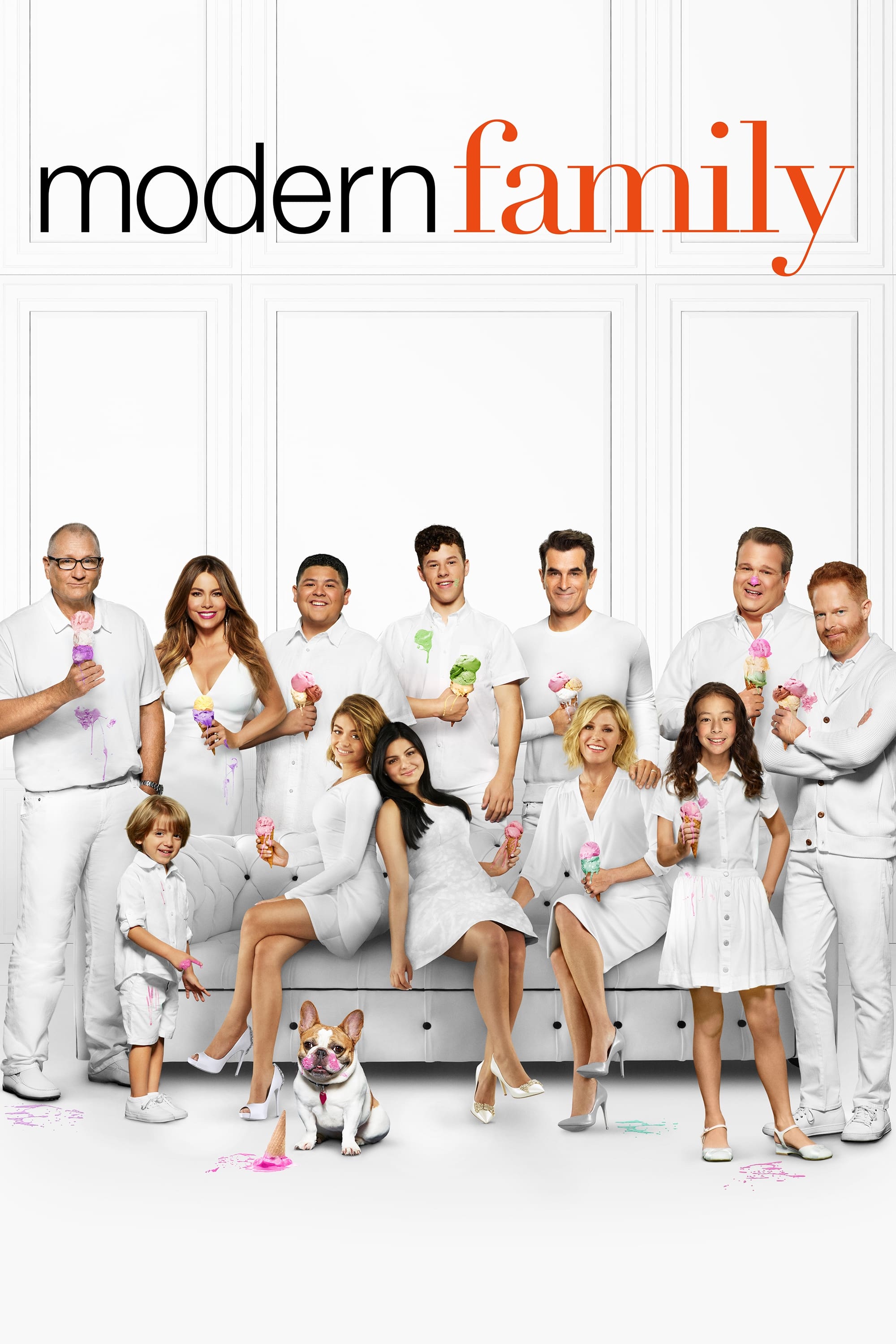
The sitcom was incredibly popular, but it initially faced backlash for portraying a gay couple adopting a child. Some conservative viewers threatened to stop supporting the companies that advertised on the show. Over its eleven seasons, the show helped make this type of family more accepted by many Americans. The strong connection between the actors and the show’s humor eventually changed the minds of many who were initially skeptical. It’s a great example of how comedy can help people with different beliefs understand each other over time.
‘Family Guy’ (1999–Present)
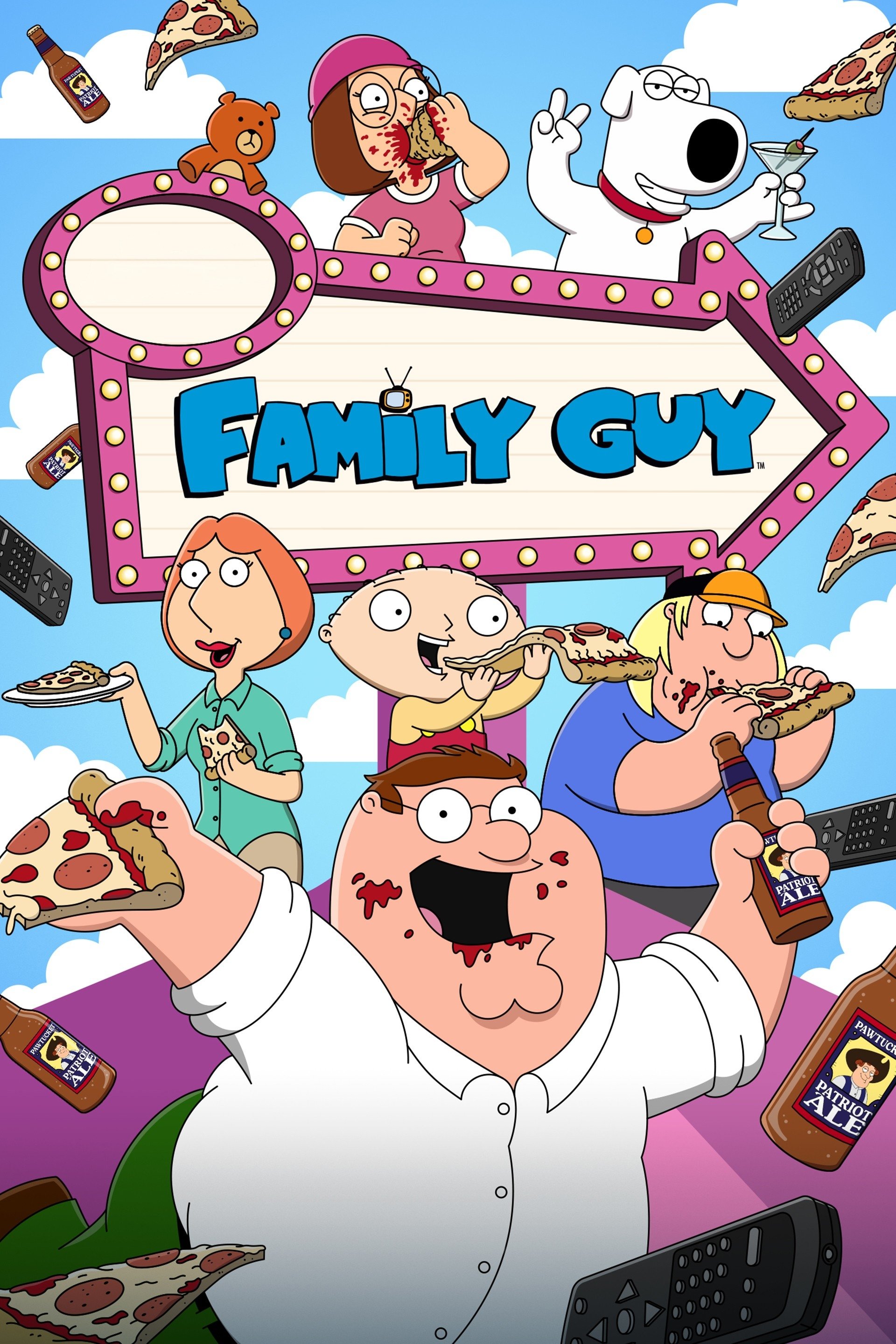
I’ve always been fascinated by how Seth MacFarlane’s show seems to thrive on controversy! For years, the Parents Television Council has really gone after it, consistently labeling it the worst on TV and trying to get companies to stop advertising. They especially get upset about jokes touching on religion and politics, and launch campaigns to cut off funding. But the show’s creators actually embrace the criticism, even making references to it in the episodes themselves. It’s amazing to me that Fox keeps airing it – I guess the audience they attract is just too valuable to lose, even with all the moral objections!
‘Tom Clancy’s Jack Ryan’ (2018–2023)
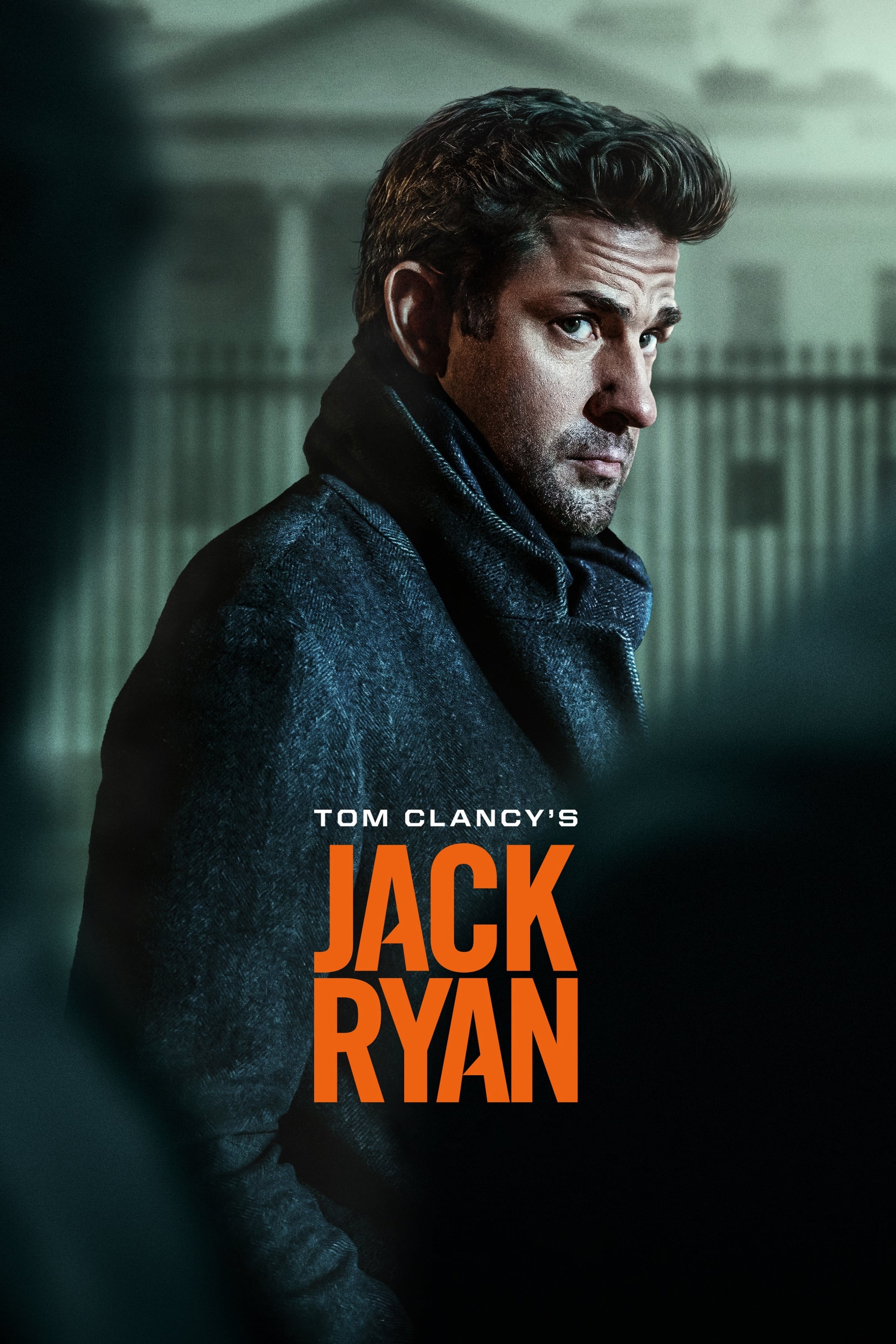
As a huge cinema fan, I was really surprised by the backlash against the second season of that Amazon thriller. It seems the way the show portrayed Venezuela’s struggles and political issues really upset some people – government officials there even called it an act of war and urged a boycott! It sparked a big debate online too, with viewers questioning how accurately the show reflected what’s actually happening versus how much was just Hollywood drama. It really made me think about how tricky it is to use real-world conflicts for entertainment, and how easily things can be misinterpreted or seen as biased.
‘Star Trek: Discovery’ (2017–2024)
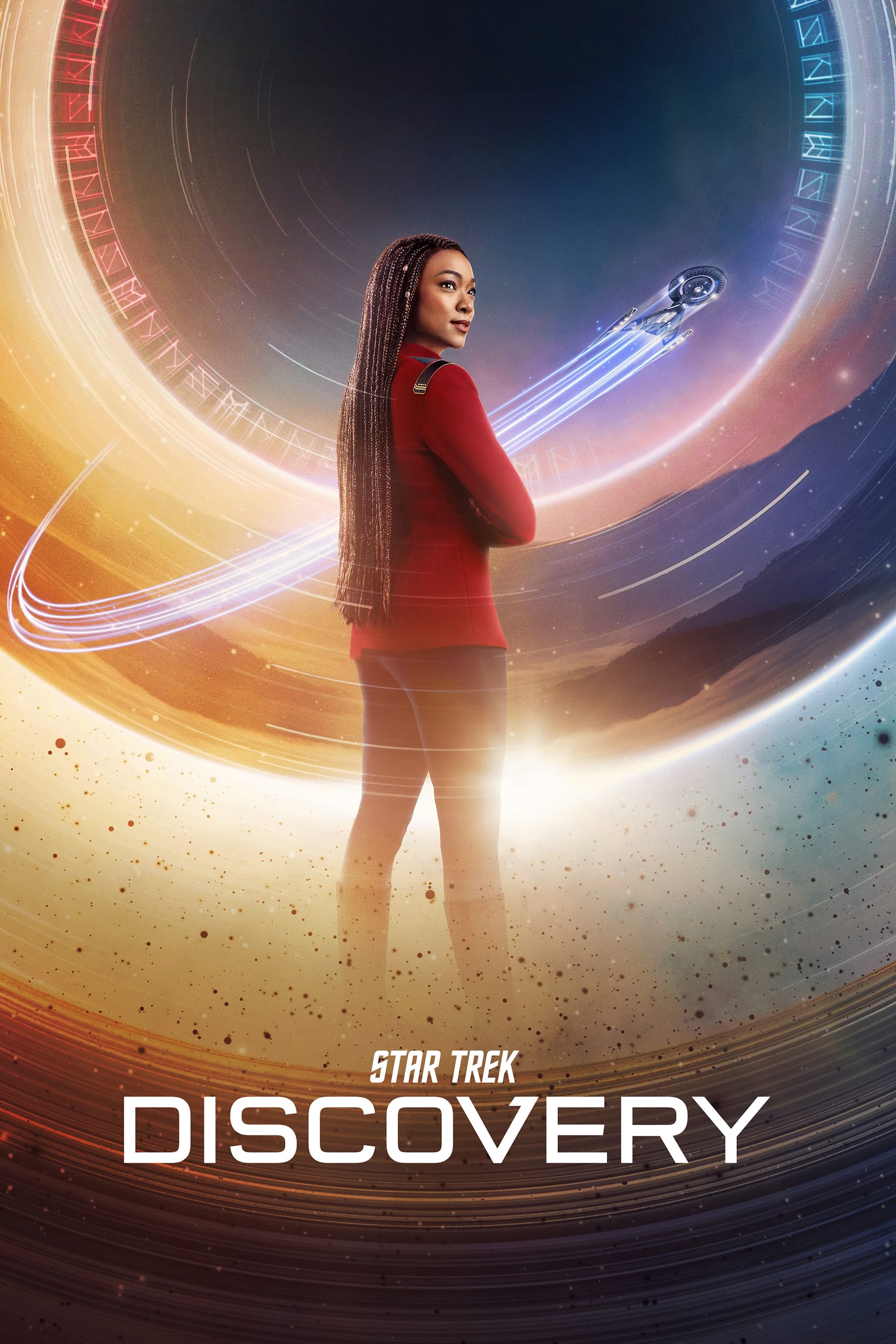
This Star Trek series sparked controversy due to changes in its look and perceived political themes. Some fans criticized it, arguing that the show focused more on making a statement about diversity than on telling a good science fiction story. This disagreement divided the fanbase, with some people enthusiastically supporting the new direction while others protested it. Despite ongoing online debates, the Star Trek universe continues to grow with new content.
’24’ (2001–2010)
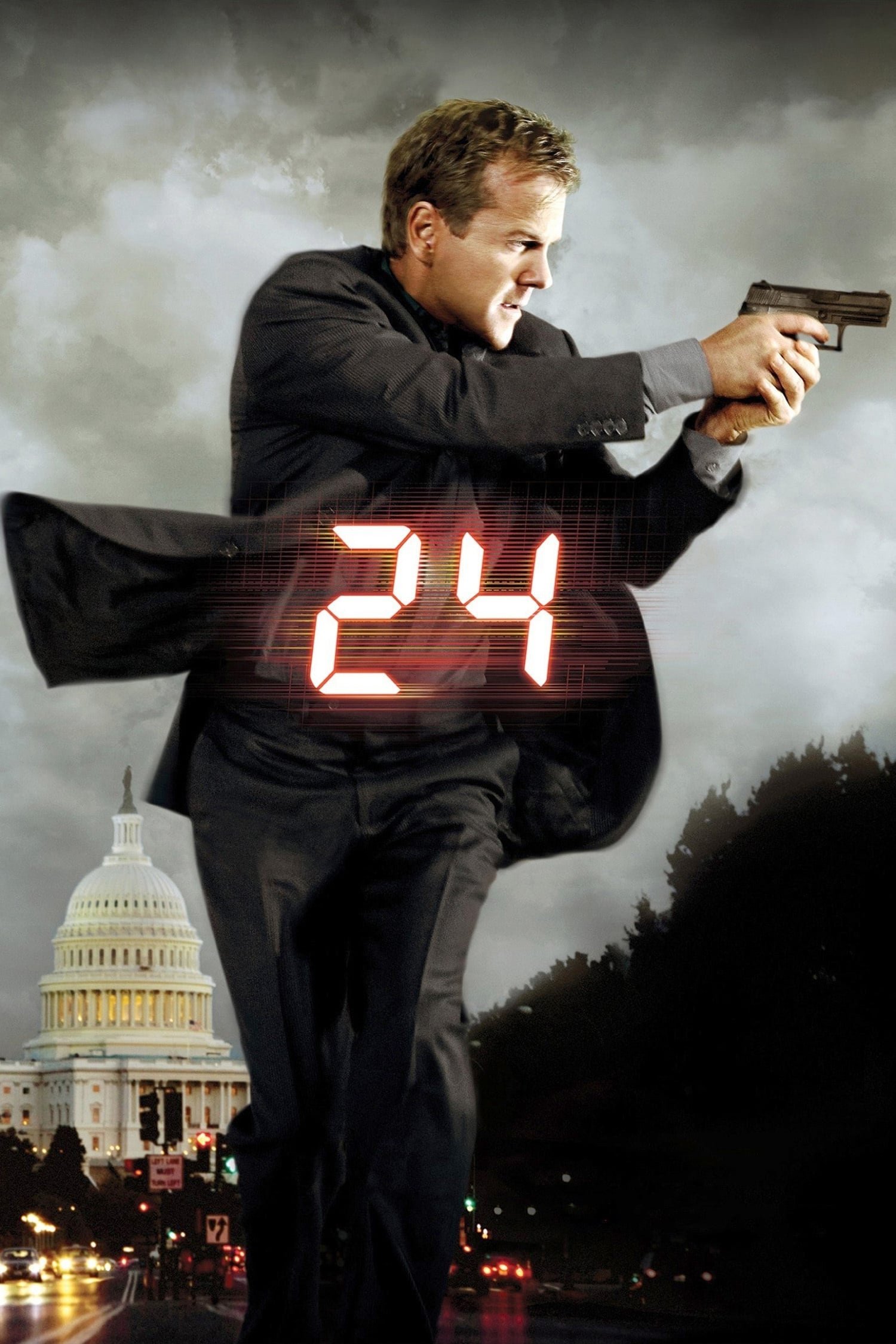
The popular action series starring Kiefer Sutherland frequently faced criticism from groups concerned with civil liberties due to its portrayal of torture. Human rights organizations asked both viewers and advertisers to distance themselves from the show’s suggestion that any outcome justifies the use of torture. However, some conservatives supported the series, particularly during the War on Terror. Interestingly, the military requested that producers lessen the intensity of the torture scenes, fearing they could affect soldiers’ behavior. Ultimately, the show’s impact is deeply connected to the political atmosphere following the September 11th attacks.
‘The Handmaid’s Tale’ (2017–Present)
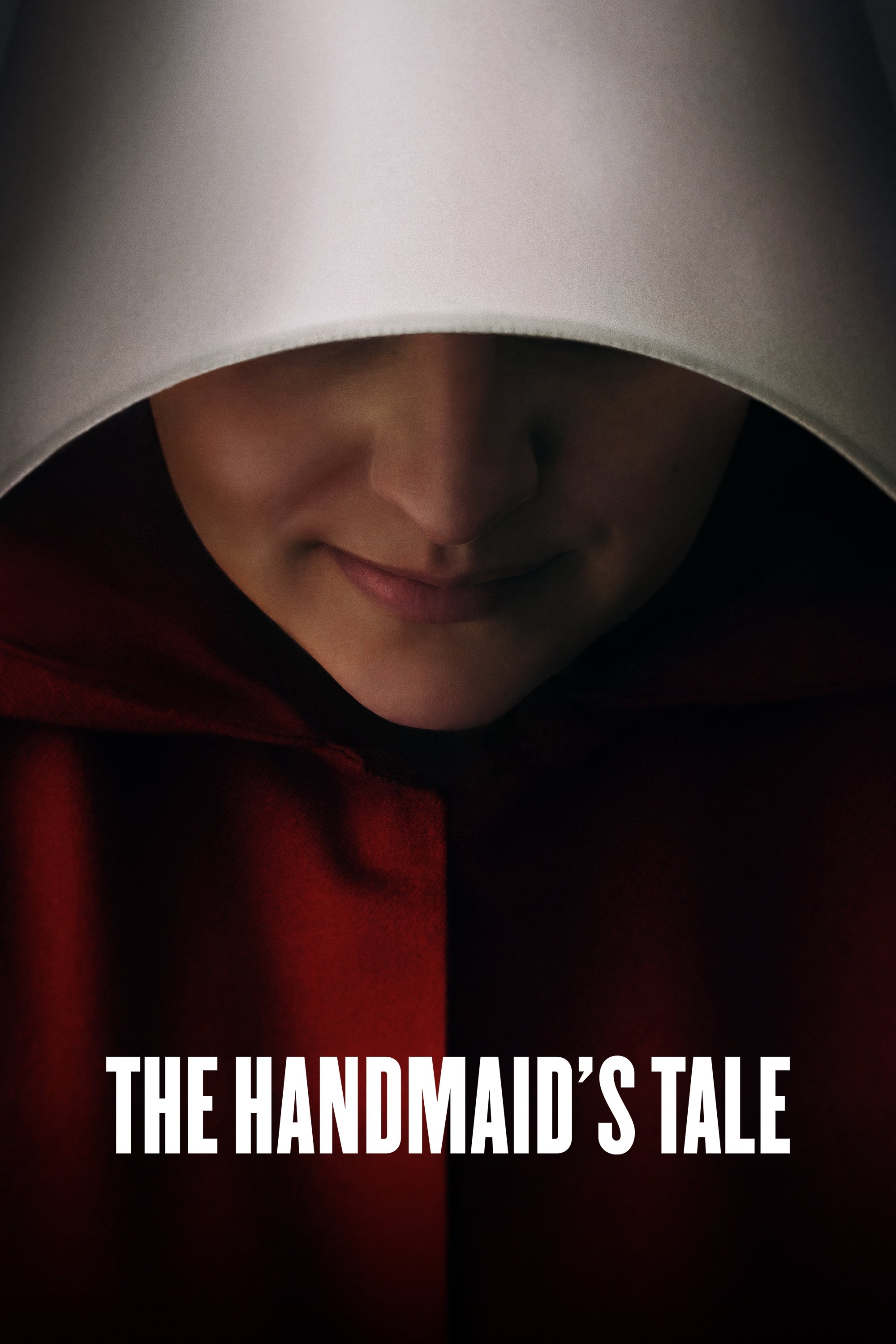
This thought-provoking series often appeals to liberal audiences but draws criticism from religious conservatives. Some groups claim it promotes anti-Christian views and undermines traditional values. The show’s powerful imagery has been adopted by activists fighting for women’s rights, further fueling political disagreements. Its dark tone and serious political themes lead some viewers to avoid it altogether. Despite the controversy, the series remains a significant cultural reference point, reflecting current concerns about how society is governed.
Tell us which of these controversies you remember most by leaving a reply in the comments.
Read More
- Invincible Season 4 Gender Swaps Tech Jacket As Fans Question Major Comic Change
- Gold Rate Forecast
- 14 Movies Where the Black Character Refuses to Save the White Protagonist
- Why Won’t It Just *Do* What You Ask? Unpacking the Quirks of AI Language
- Superman Flops Financially: $350M Budget, Still No Profit (Scoop Confirmed)
- Unveiling the Schwab U.S. Dividend Equity ETF: A Portent of Financial Growth
- The Best Former NFL Players Turned Actors, Ranked
- Silver Rate Forecast
- 22 Films Where the White Protagonist Is Canonically the Sidekick to a Black Lead
- 20 TV Series That Killed Their Best Character and Survived
2025-12-13 18:52