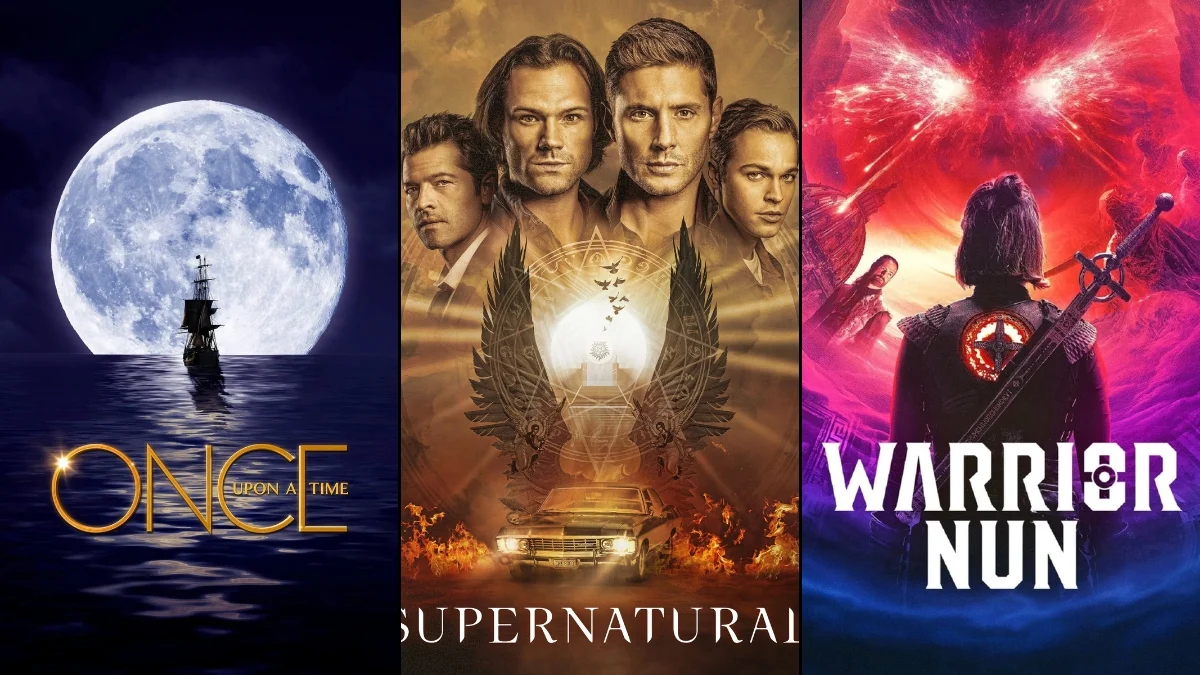
TV has often struggled with how it portrays LGBTQ+ stories, with viewers consistently asking for more genuine and accurate representation. While some shows have improved, others have been criticized for downplaying or ignoring same-sex attraction, or for hinting at queer relationships without actually delivering on them. This has led to strong reactions from fans online, and demands that show creators and networks do better. The programs discussed below have all faced controversy regarding how they’ve handled potential LGBTQ+ storylines.
‘Supernatural’ (2005–2020)
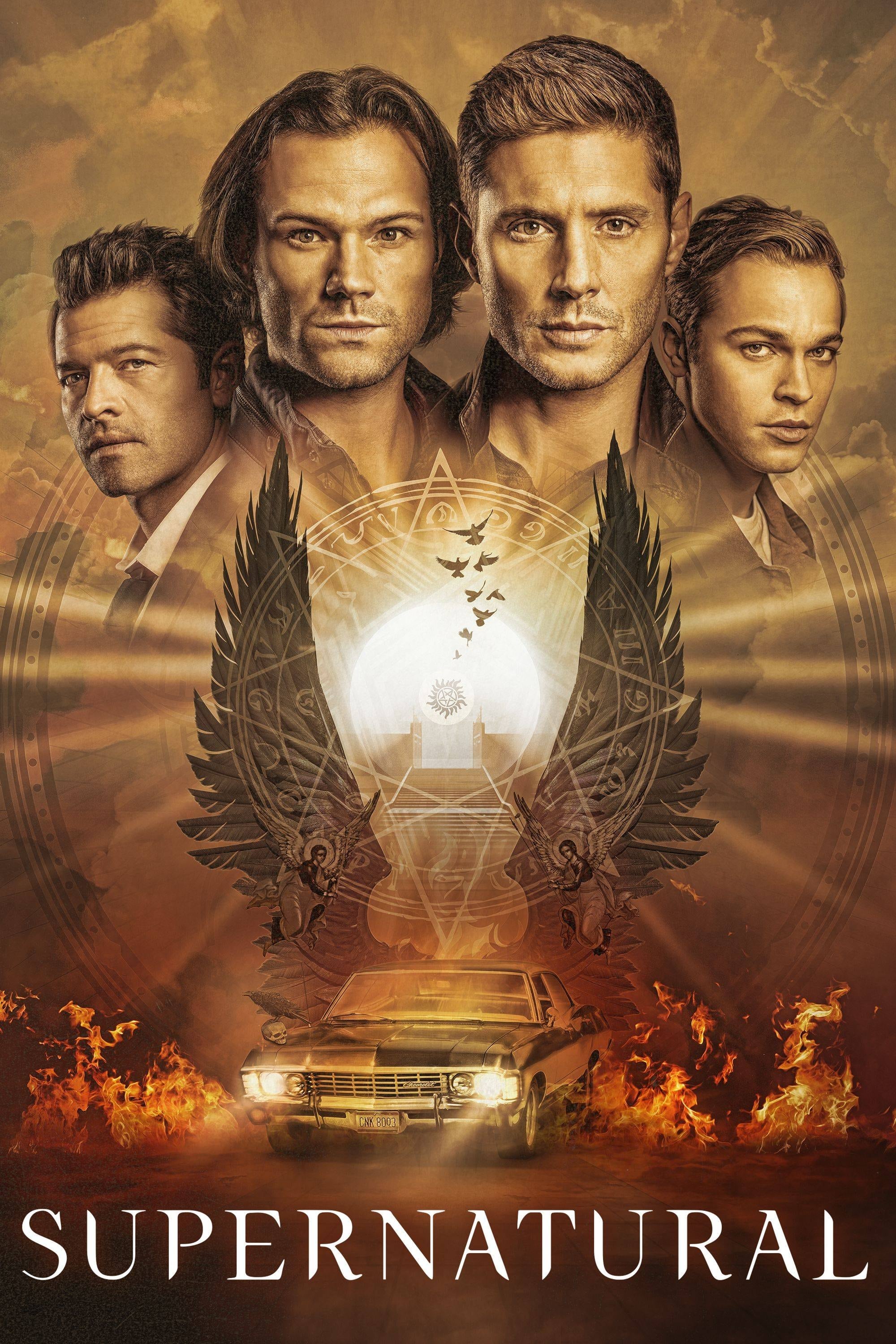
After the final season of the popular show ‘Supernatural’ ended, a huge fan movement arose online. For years, viewers had seen a romantic connection developing between the characters Dean Winchester and Castiel, a pairing known as “Destiel.” Though Castiel finally confessed his love for Dean, the show immediately killed off his character and didn’t clearly show how Dean reacted. Many fans felt this was a way to erase a potentially queer relationship, and it was seen as an example of the harmful “Bury Your Gays” trope – a pattern of killing off LGBTQ+ characters. This sparked widespread conversations about the lack of LGBTQ+ representation in mainstream media.
‘Sherlock’ (2010–2017)
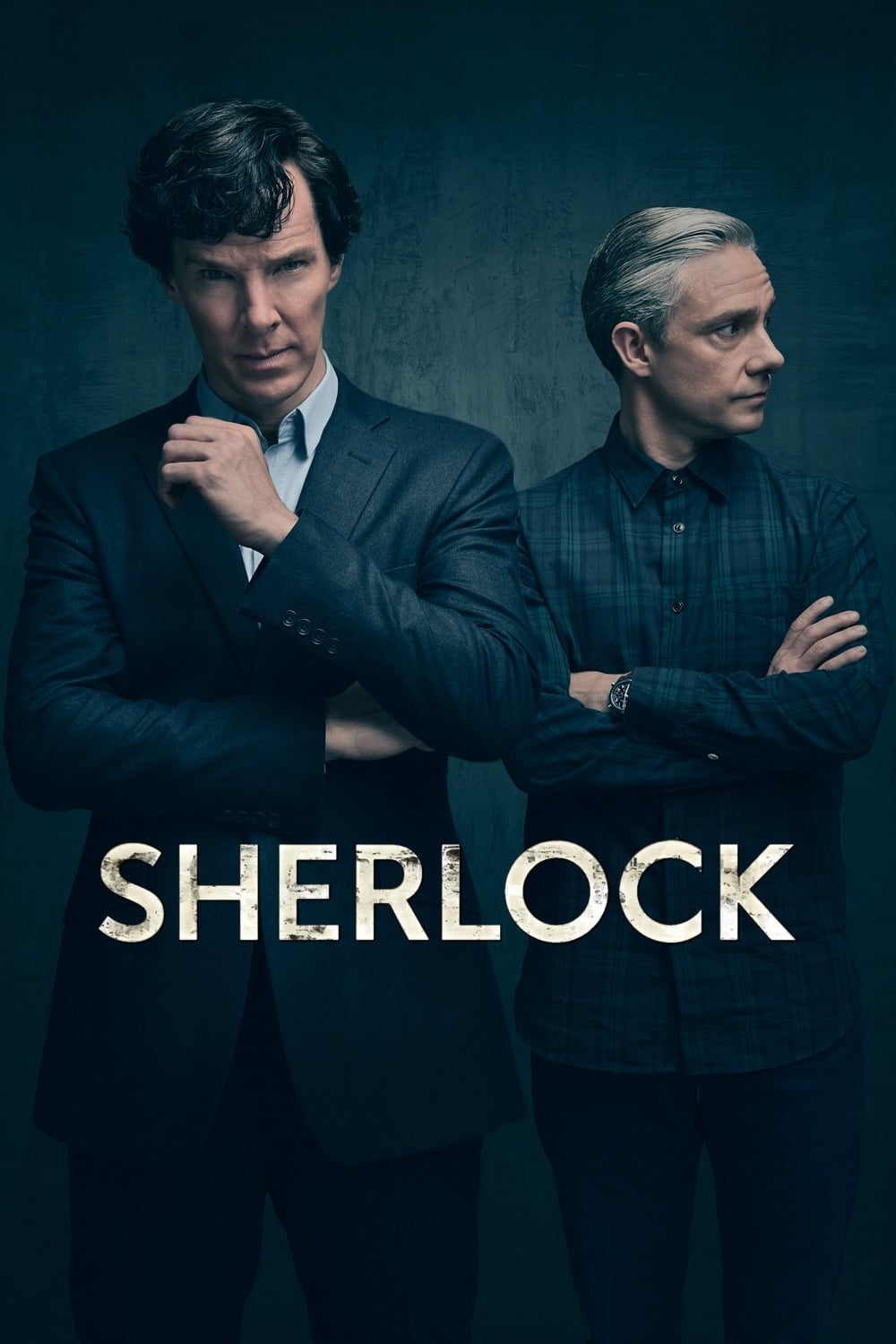
Many viewers of the BBC show ‘Sherlock’ believed there was a romantic connection between the main characters, Sherlock Holmes and John Watson. While the show often hinted at a deeper relationship through familiar romantic storylines, the creators repeatedly denied any possibility of a gay romance. This led to criticism that the show was using ‘queer-baiting’ – suggesting a gay relationship to gain attention but ultimately sticking to a straight narrative. Fans were especially upset after the final episode, feeling it ignored the strong emotional bond built between the characters over four seasons and prioritized a traditional heterosexual storyline over their obvious chemistry.
‘The 100’ (2014–2020)
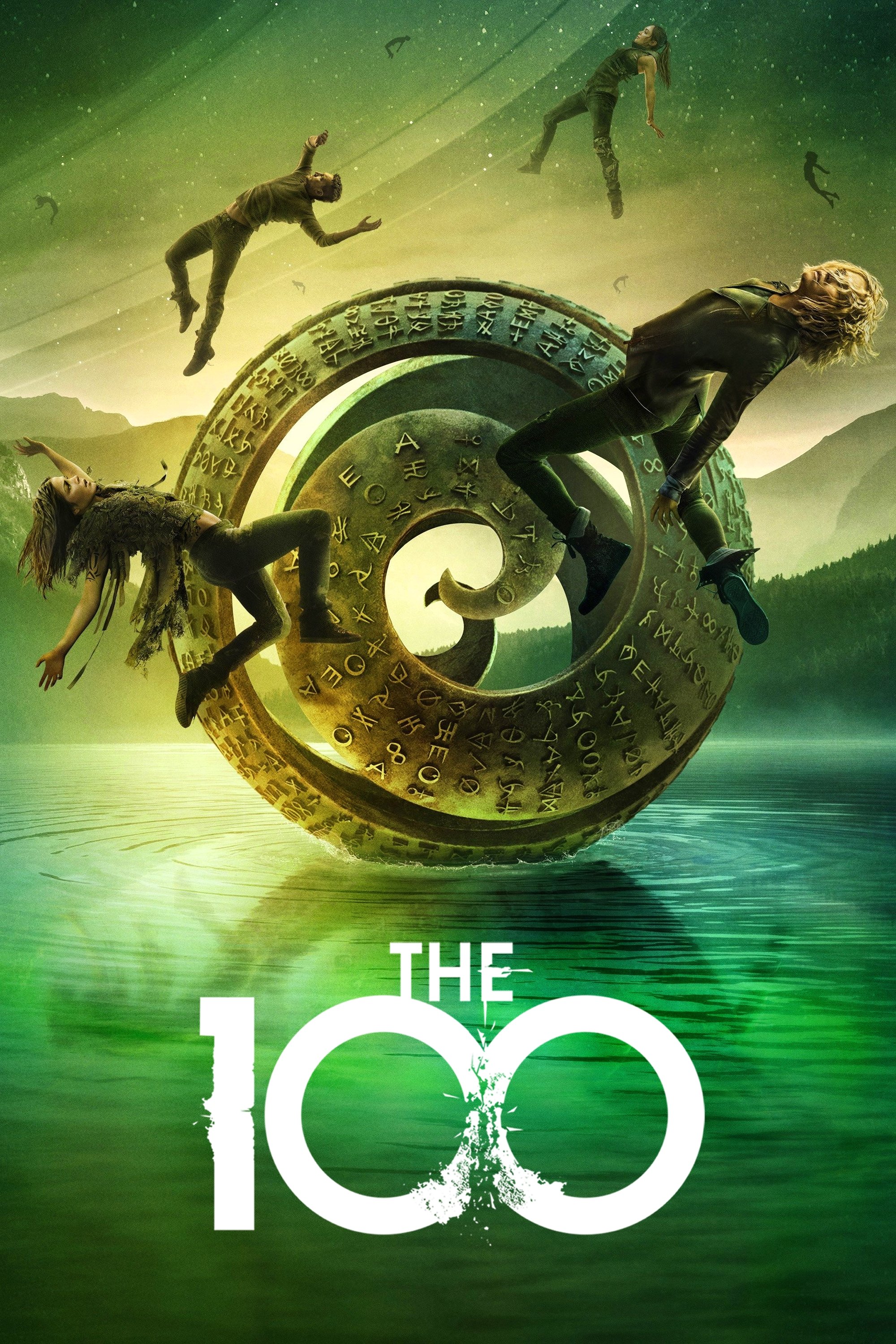
Clarke Griffin and Commander Lexa’s relationship on ‘The 100’ was a significant moment for LGBTQ+ representation, but it ended tragically when Lexa was unexpectedly killed off shortly after they became intimate. This sparked outrage among fans who felt the show was reverting to a focus on straight relationships, and many believed the subsequent push for a romance between Clarke and Bellamy Blake was an attempt to erase Clarke’s connection with Lexa. This backlash led to the creation of the “Lexa Pledge,” a campaign calling for better treatment of LGBTQ+ characters in television. The situation remains a well-known example of fans protesting the harmful “Bury Your Gays” trope.
‘Voltron: Legendary Defender’ (2016–2018)
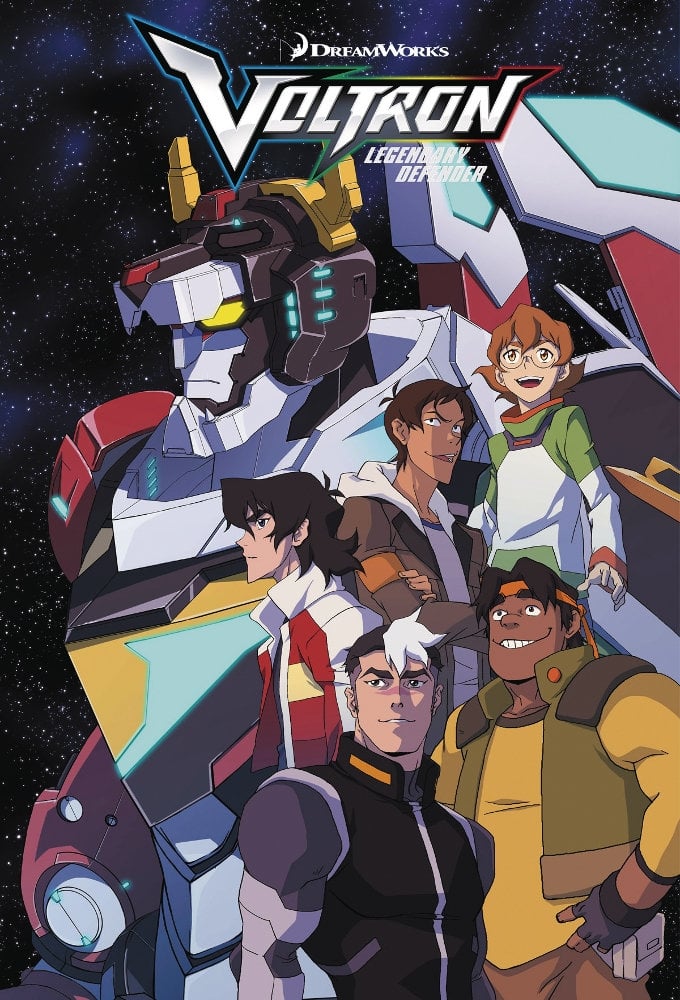
The animated series ‘Voltron: Legendary Defender’ received strong criticism after revealing a past relationship for the character Shiro with a man named Adam. Many fans felt deceived because the show had suggested meaningful LGBTQ+ representation, but Adam was quickly killed off with minimal development. The series finale, where Shiro married a minor character, was seen as a shallow attempt to address the issue. Viewers felt this erased the importance of Shiro’s relationship with Adam and effectively removed his queer identity. The negative response was substantial enough that the show’s creators eventually apologized to fans.
‘Killing Eve’ (2018–2022)
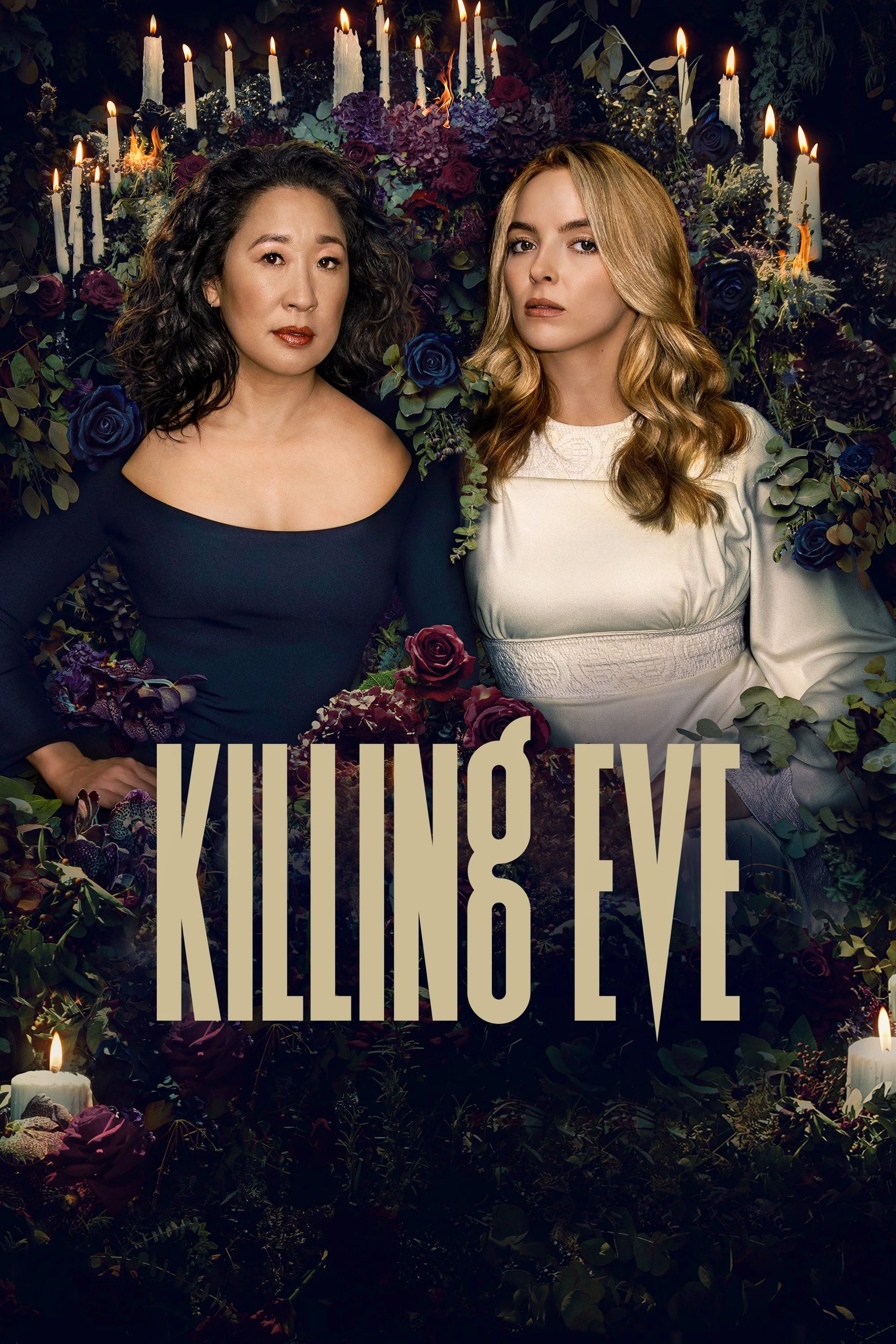
For four seasons, the intense connection between Eve Polastri and Villanelle was central to ‘Killing Eve.’ However, the series finale caused significant backlash when Villanelle died shortly after Eve and she shared a romantic moment. Many viewers felt the ending erased the potential for a queer relationship between the characters, forcing Eve back into a more traditional, and unhappy, situation. Critics accused the show of ‘straight-washing’ the story by choosing a tragic, heterosexual ending instead of allowing the couple a future, and this decision contributed to the finale receiving some of the lowest viewership numbers in the show’s history.
‘Teen Wolf’ (2011–2017)

The TV show ‘Teen Wolf’ frequently faced criticism for how it portrayed the connection between characters Stiles Stilinski and Derek Hale. Fans, who affectionately called them “Sterek,” heavily discussed and posted about their potential romance. However, the show consistently gave both characters romantic interests in women. Many fans felt the writers were using this to tease a gay relationship without ever actually making it happen – a practice known as queer-baiting. This frustrated viewers, who believed the show was downplaying the genuine connection between the two men, and created tension between the show’s creators and a significant portion of its audience. Even the release of a ‘Teen Wolf’ movie years later didn’t resolve this issue, as it ignored the dynamic altogether.
‘Once Upon a Time’ (2011–2018)
The show ‘Once Upon a Time’ had a strong following for the romantic connection between Emma Swan and Regina Mills, often called “Swan Queen.” Although the characters developed a deep emotional bond and even co-parented a child, the show repeatedly pushed them into relationships with men. Many viewers felt the writers deliberately avoided letting their relationship evolve naturally in order to stick to typical fairy tale tropes. This was seen as erasing the potential for a romantic connection between the two women. Fans protested through organized social media campaigns and criticized the show’s portrayal of “true love.”
‘Merlin’ (2008–2012)
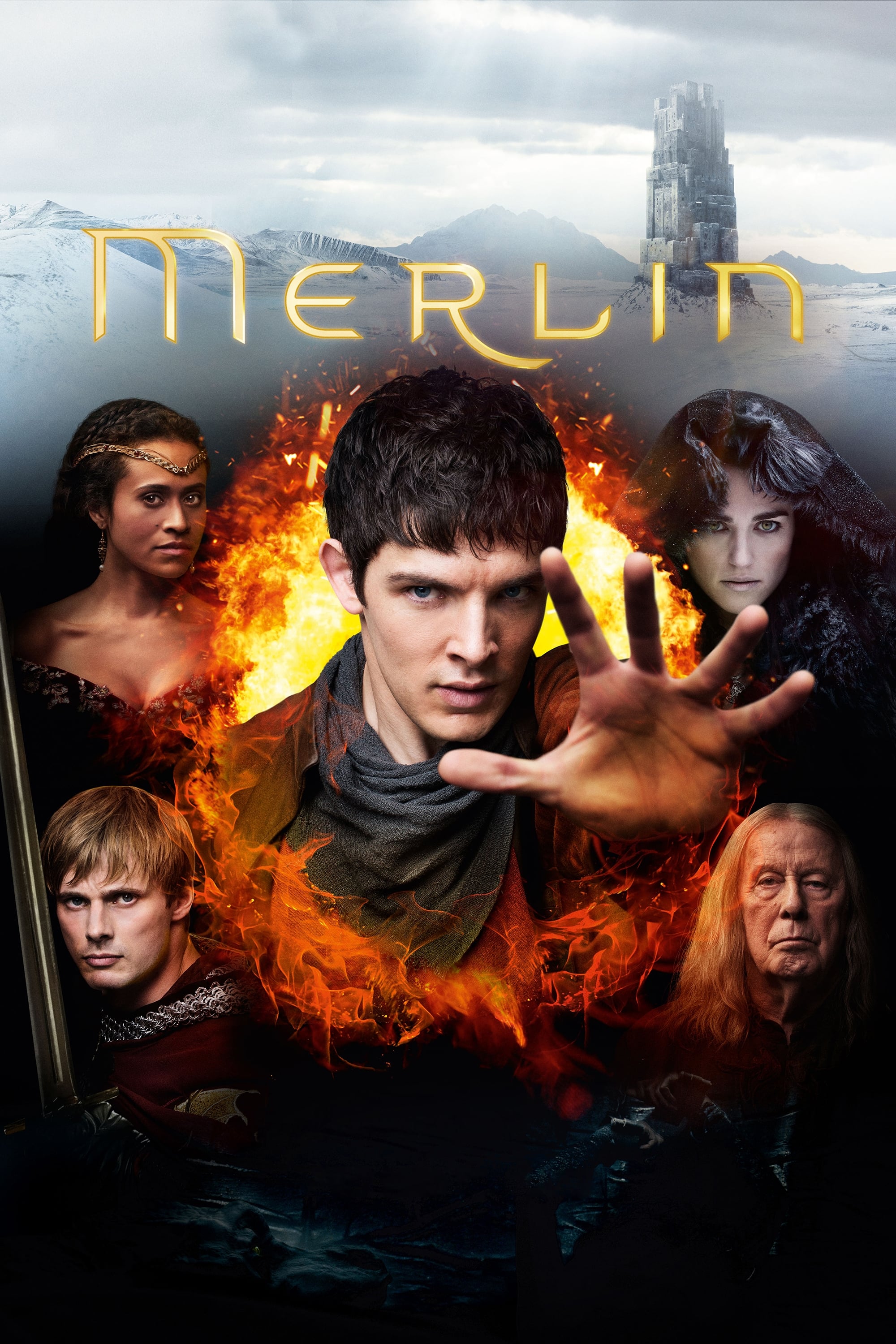
The BBC series ‘Merlin’ explored a close and complex connection between Merlin and Prince Arthur, often described with language usually used for romantic partners. Despite this strong connection, the show ultimately paired Arthur with Guinevere. This decision upset many fans, who believed the show’s tragic ending actually told a hidden queer love story disguised as a friendship. The creators seemed to avoid openly acknowledging any romantic feelings between Merlin and Arthur, likely to appeal to a broader audience. As a result, ‘Merlin’ is now remembered for its ambiguous subtext and the way fans have reimagined it as a queer narrative.
‘Rizzoli & Isles’ (2010–2016)
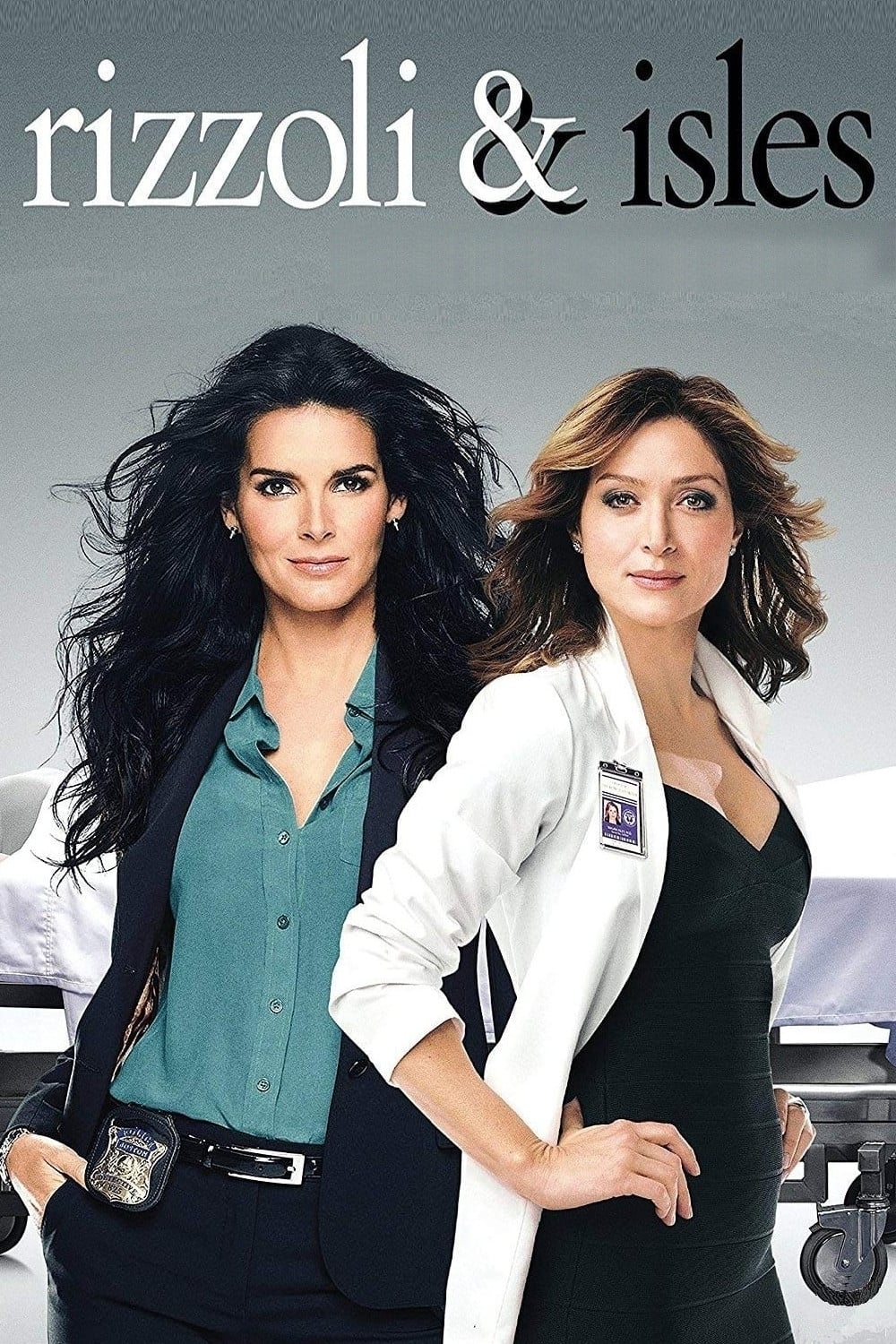
‘Rizzoli & Isles’ centered on the careers and personal lives of detective Jane Rizzoli and medical examiner Maura Isles. While the show heavily promoted the strong connection between the two main characters, attracting a large LGBTQ+ audience, the creators insisted their relationship was purely platonic. They consistently paired each character with temporary male love interests, a move that fans saw as exploiting queer viewers without offering genuine LGBTQ+ representation. This disconnect between the show’s implied connection and its official heterosexual storyline remained a source of frustration for many throughout the series’ run.
‘Riverdale’ (2017–2023)
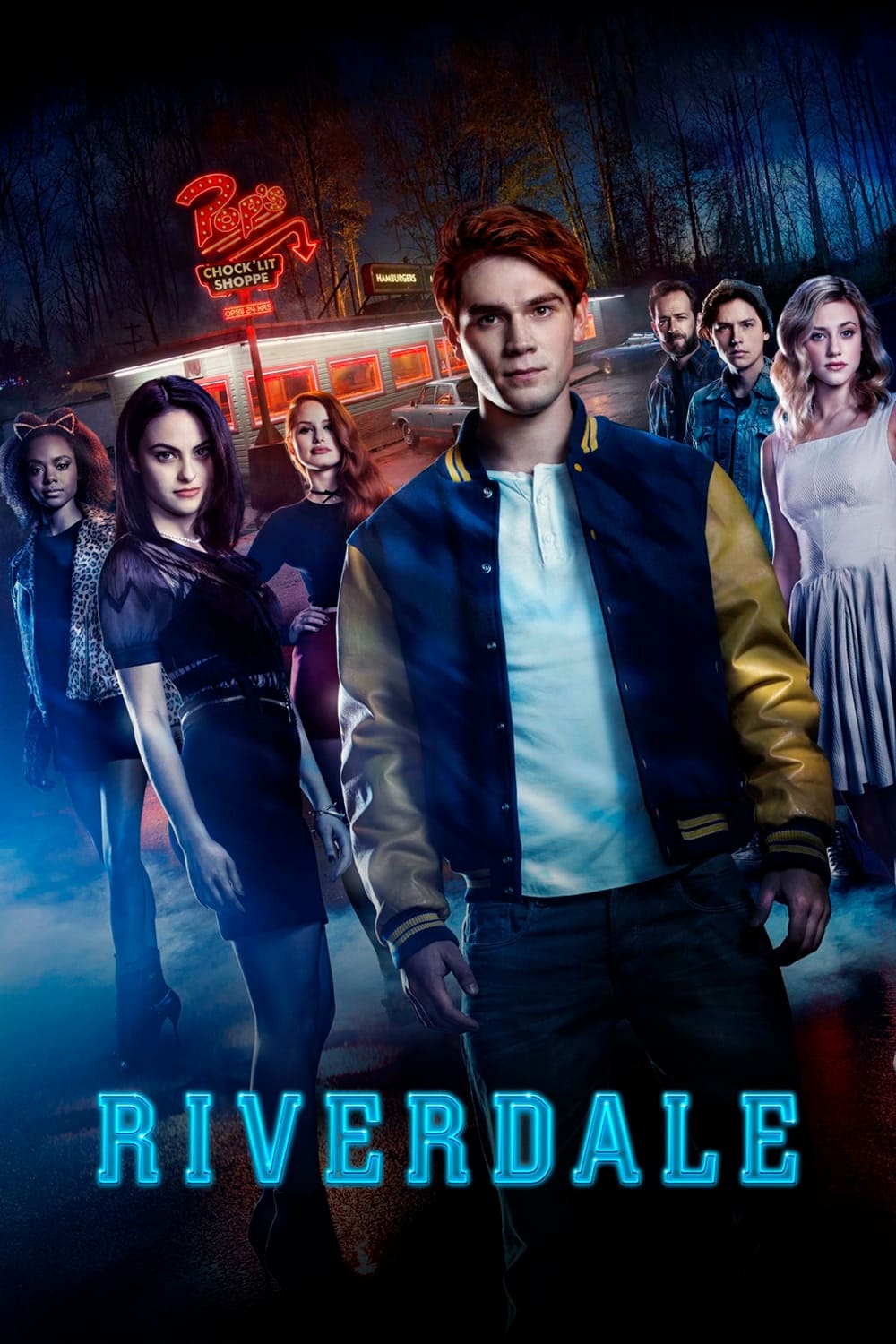
The first episode of ‘Riverdale’ showed Betty and Veronica kissing, leading many viewers to believe the show would explore a romantic relationship between them. However, the show quickly shifted focus to Betty and Archie, and Veronica and Jughead, instead. This was largely seen as ‘queer-baiting’ – using a same-sex moment to generate buzz without actually following through with LGBTQ+ representation. Fans were upset that the potential relationship between Betty and Veronica, nicknamed ‘Beronica,’ was ignored in favor of typical teen drama storylines. While later seasons introduced other queer characters, the initial decision to downplay any romantic connection between Betty and Veronica remained a point of frustration for many viewers.
‘Warrior Nun’ (2020–2022)
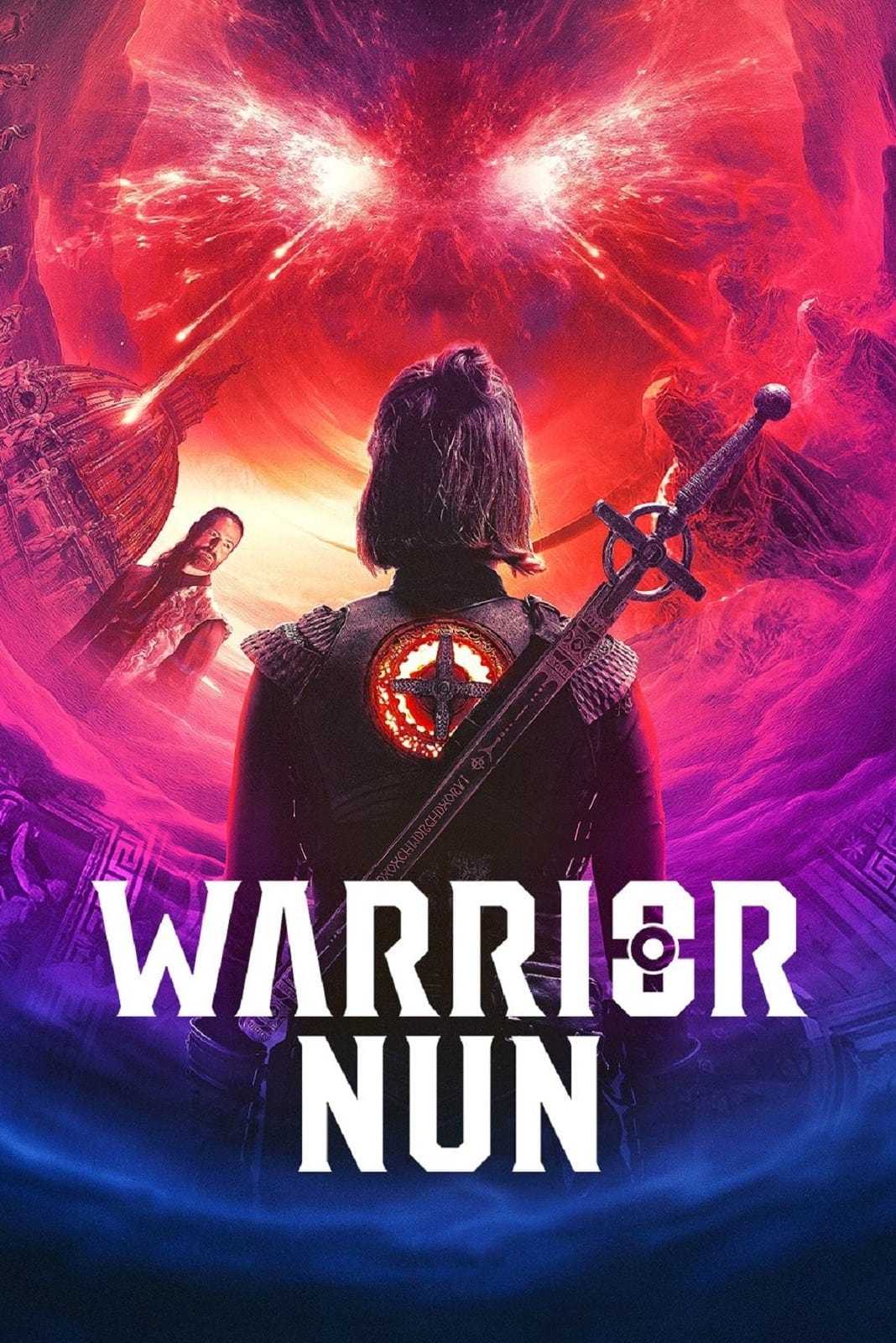
The show ‘Warrior Nun’ developed a dedicated fanbase, especially drawn to the developing romance between Ava and Beatrice. When Netflix unexpectedly canceled the series right after the couple confessed their feelings for each other, fans quickly organized a campaign to try and save it. Many believed the cancellation was unfair, pointing out that shows with LGBTQ+ leads often face tougher scrutiny or get canceled faster than shows focused on straight relationships. Viewers felt ending the story at that point erased the significance of their relationship, a practice they called ‘straight-washing.’ Ultimately, their efforts paid off, and the story will continue as a series of movies.
‘Xena: Warrior Princess’ (1995–2001)
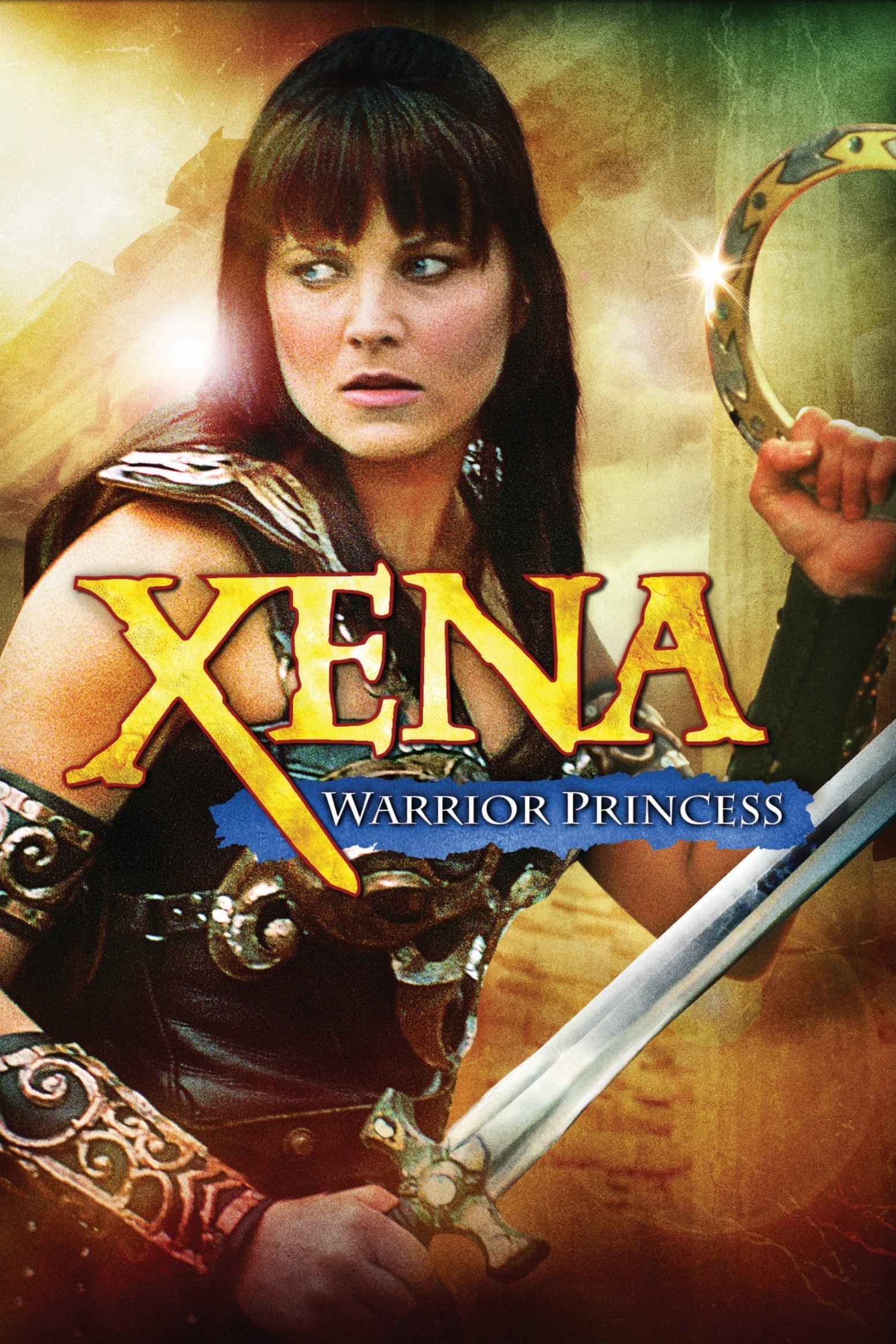
‘Xena: Warrior Princess’ was groundbreaking for portraying a close, potentially romantic connection between Xena and Gabrielle. However, due to network limitations at the time, the show often hinted at this relationship without explicitly confirming it, and frequently introduced male characters as love interests. Fans disliked these characters, seeing them as interruptions to the core relationship between Xena and Gabrielle. The show is now remembered as a key part of the fight for LGBTQ+ representation on television in the 1990s, and the creators have since confirmed their intention for the characters to be a couple.
‘House’ (2004–2012)
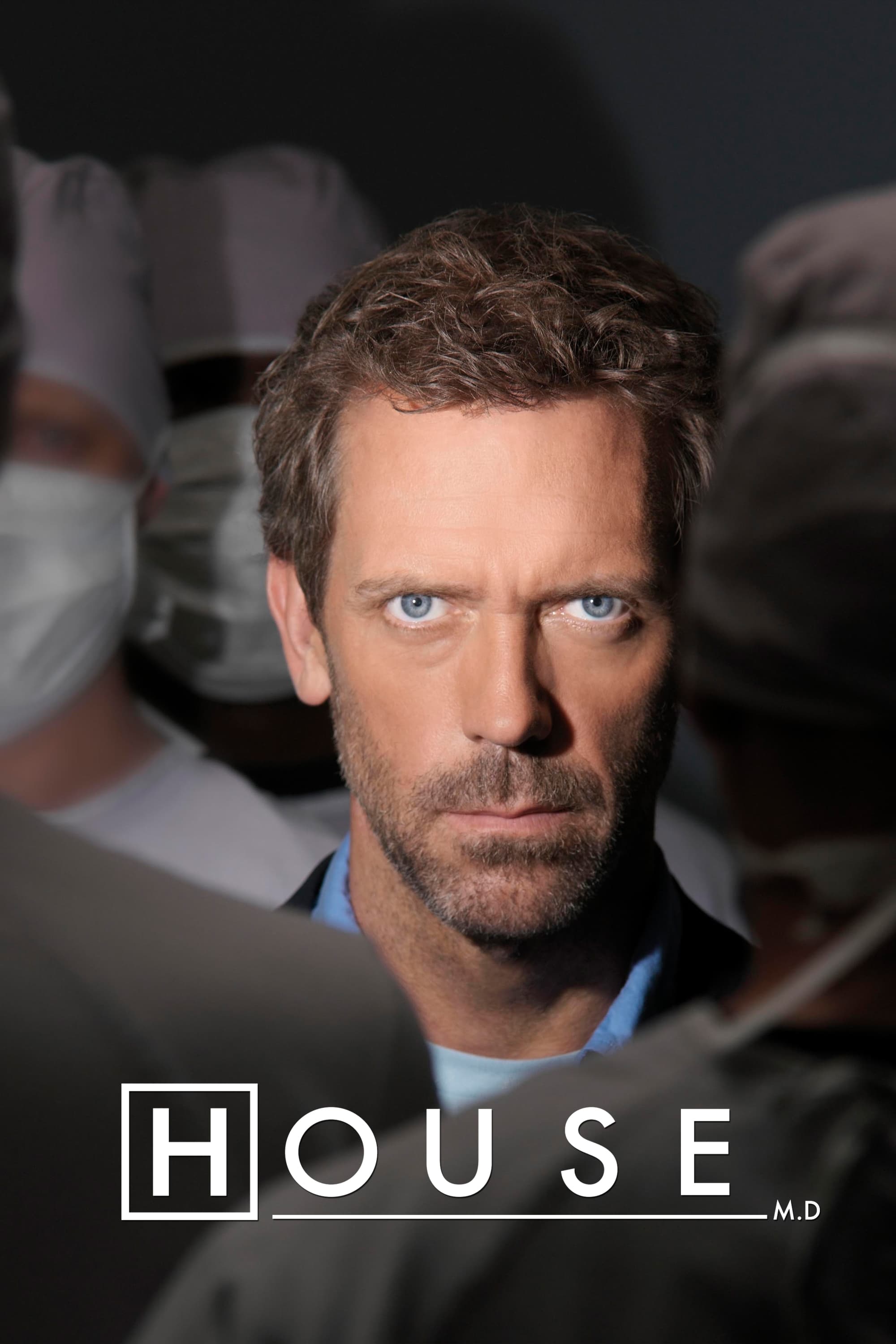
The TV drama ‘House’ heavily featured the complex and deeply intertwined relationship between its two main characters, Gregory House and James Wilson. Many viewers observed that their connection resembled a marriage, which led to a dedicated fanbase hoping they would become a couple – often referred to as “Hilson.” Although the show often joked about the possibility of them being gay, it consistently portrayed both characters with female partners, reinforcing their straight identities. Some fans felt this was a deliberate choice to explore the emotional intensity of a queer relationship without actually making the characters gay. This ultimately led to criticism from both academics and fans who believed the show avoided fully acknowledging the underlying hints of a romantic connection between the two men.
‘Smallville’ (2001–2011)
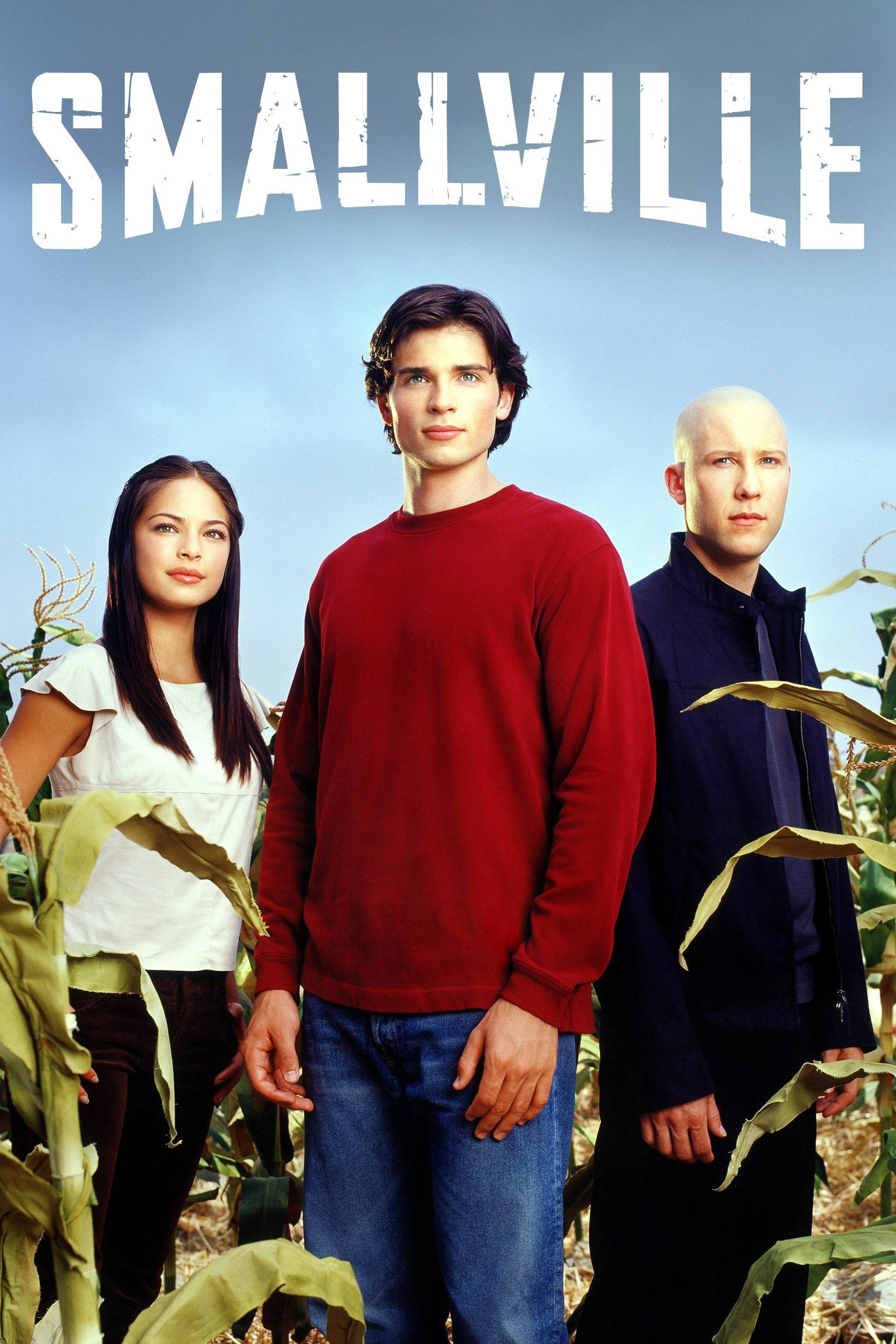
The TV show ‘Smallville’ focused on Clark Kent and Lex Luthor’s younger years, portraying a close relationship that many viewers saw as potentially romantic. The show’s early seasons were known for the intense connection and emotional closeness between them. Later on, the storyline shifted towards their famous rivalry and their relationships with other characters like Lana Lang and Lois Lane. Some fans felt the show missed an opportunity to explore a queer relationship between the two, choosing instead to follow the traditional comic book storyline. This sparked a strong fan base – known as ‘Clex’ – who criticized the show for sticking to conventional, heterosexual narratives.
‘Hannibal’ (2013–2015)
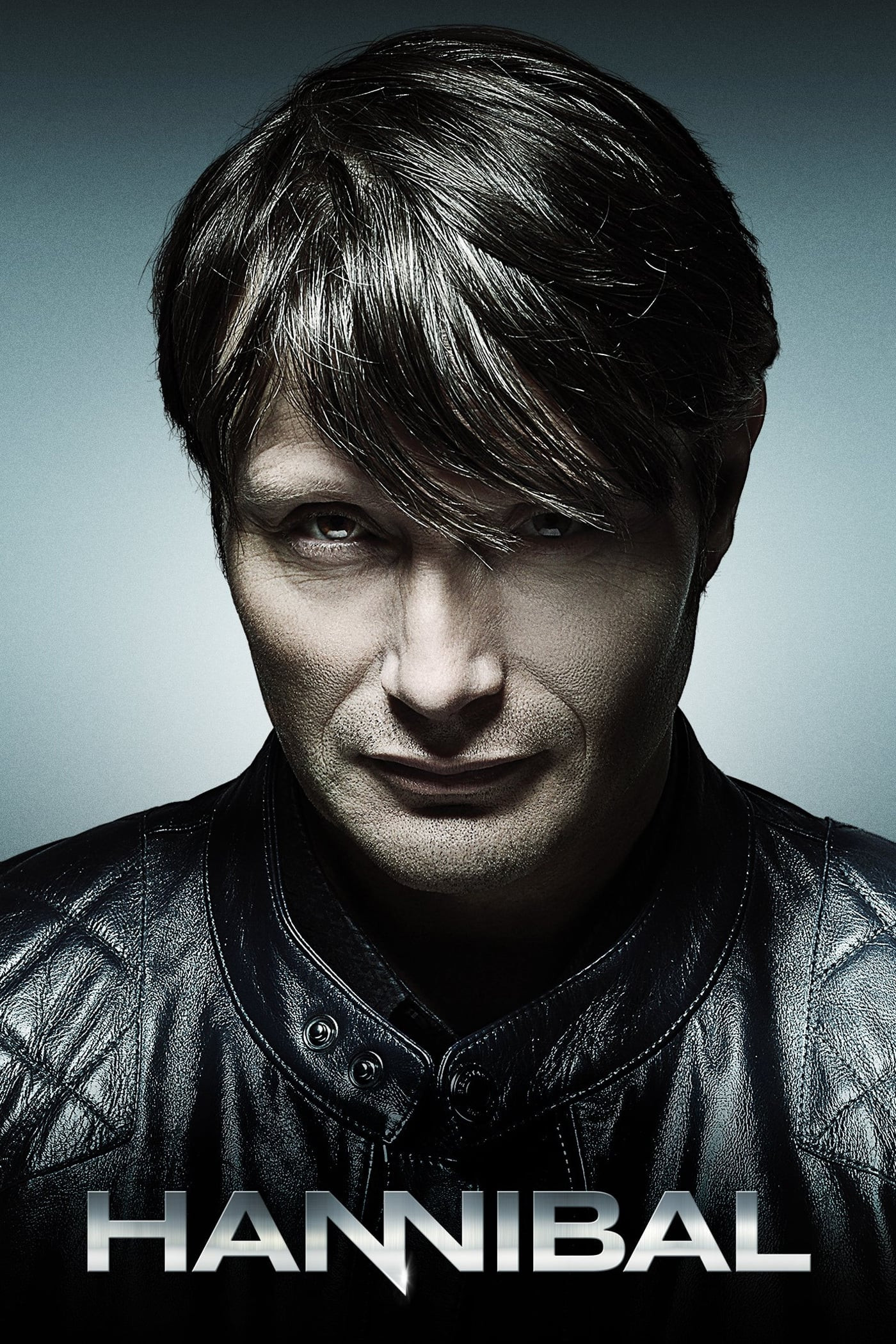
‘Hannibal’ creator Bryan Fuller often described the connection between Will Graham and Hannibal Lecter as a romance, though the show didn’t explicitly state this until later seasons. Initially, fans resisted the marketing that portrayed them simply as friends or brothers, instead passionately advocating for the show to recognize the queer nature of their intense relationship – a term affectionately dubbed “murder husbands” by viewers. Throughout the show’s run, there was a tension between its subtle, artistic storytelling and the audience’s desire for direct acknowledgement of the romance. While the show is now celebrated for embracing the relationship, it took significant fan pressure to get there.
‘Good Omens’ (2019–Present)
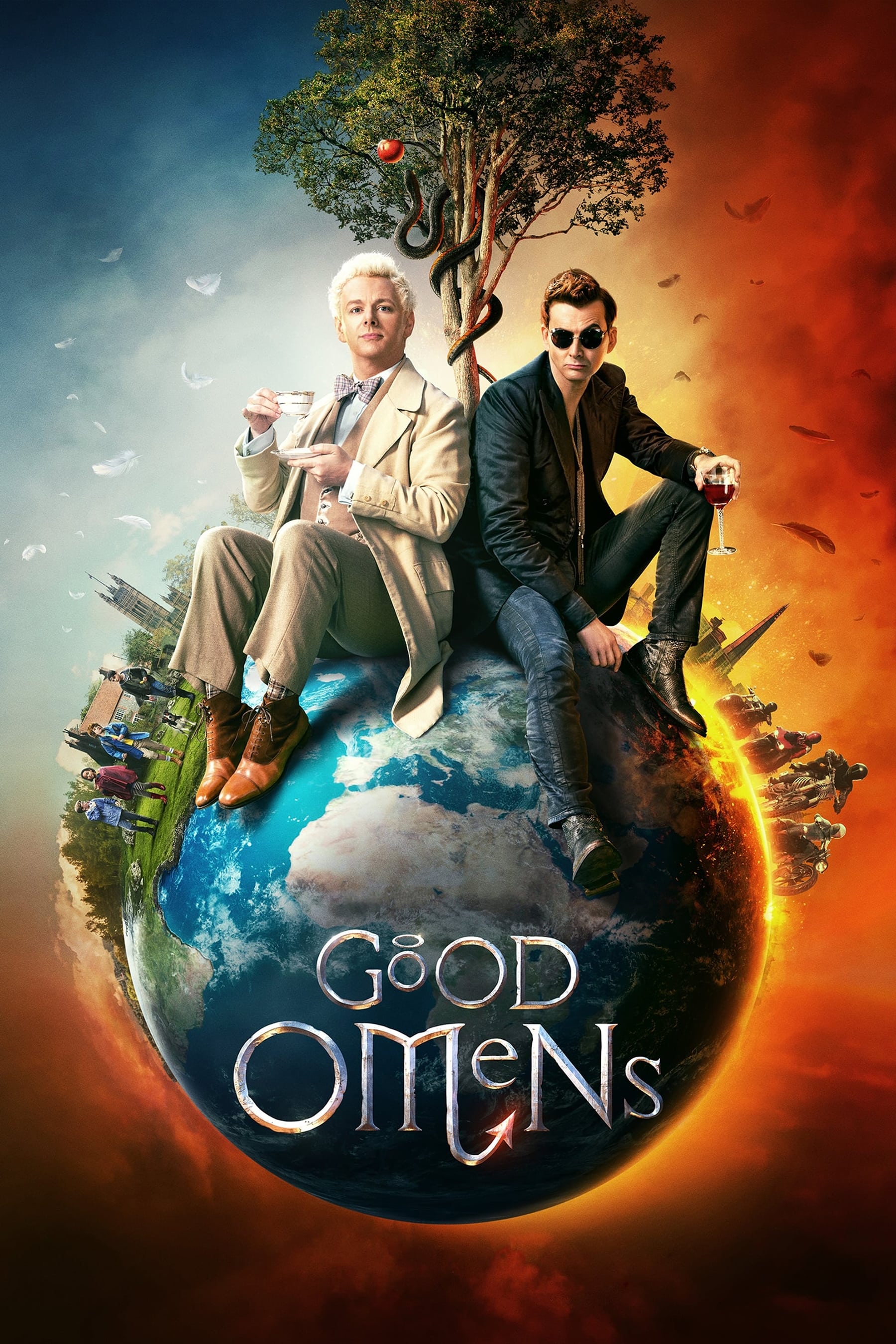
When ‘Good Omens’ began, the connection between the angel Aziraphale and the demon Crowley was presented as simply a friendship. This disappointed many fans who saw hints of a romantic relationship in the original book and felt the show was downplaying those queer elements. The fans voiced their concerns so strongly that the show’s creator, Neil Gaiman, often responded to them directly to explain the characters’ connection. By the second season, the show openly acknowledged the romantic feelings between them, which pleased the audience. This change is often praised as a great example of a show listening to fans and avoiding the erasure of LGBTQ+ representation.
‘The Legend of Korra’ (2012–2014)
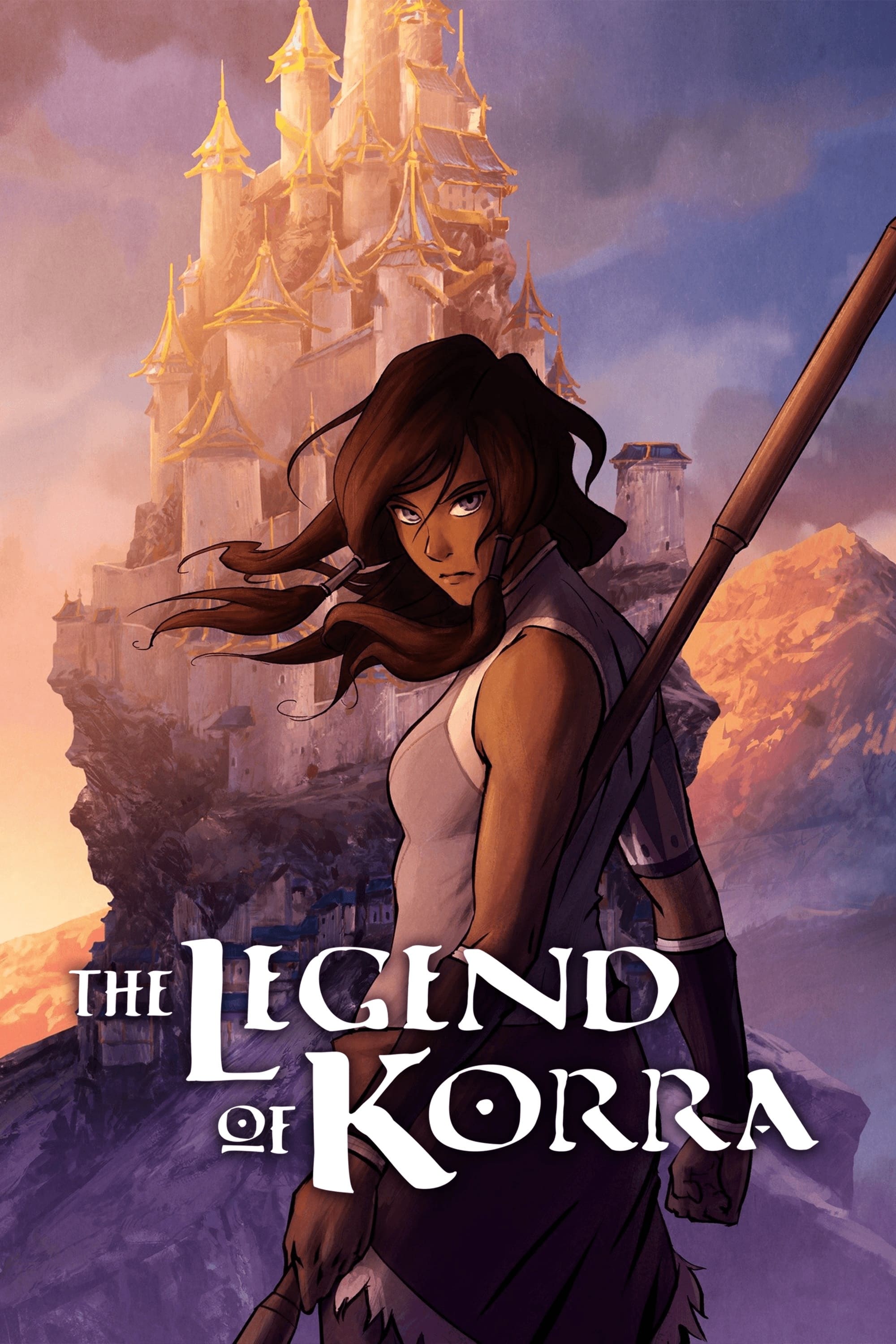
The finale of ‘The Legend of Korra’ sparked conversation by suggesting a romantic connection between Korra and Asami Sato. Initially, some fans were disappointed, feeling the romance wasn’t as clearly depicted as the show’s heterosexual relationships. The only indication was the two characters holding hands and entering the spirit world, which many believed was a result of network concerns about portraying a same-sex relationship. Some viewers felt this understated depiction minimized the relationship to avoid backlash. Later, the creators officially confirmed the romance through comics and public comments.
‘First Kill’ (2022)
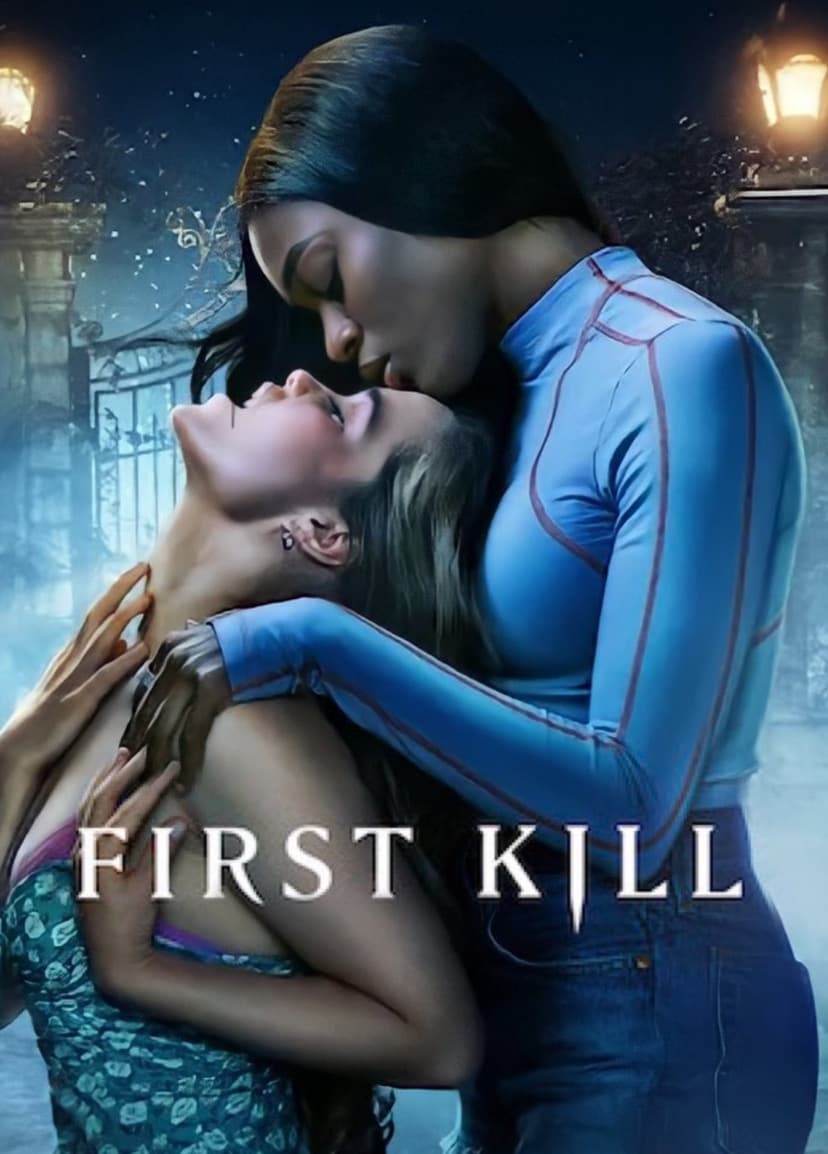
The TV show ‘First Kill’ followed the story of a vampire and a monster hunter who fell in love. Even though it was popular and had a loyal following, Netflix canceled it after only one season. This led to a strong reaction from fans, many of whom felt Netflix favored shows with straight characters over successful LGBTQ+ shows. Some argued this was a pattern of the platform downplaying diverse stories. The campaign to ‘Save First Kill’ brought attention to what fans saw as unequal treatment in how shows with LGBTQ+ characters are promoted and given new seasons compared to those with straight characters.
‘Shadowhunters’ (2016–2019)
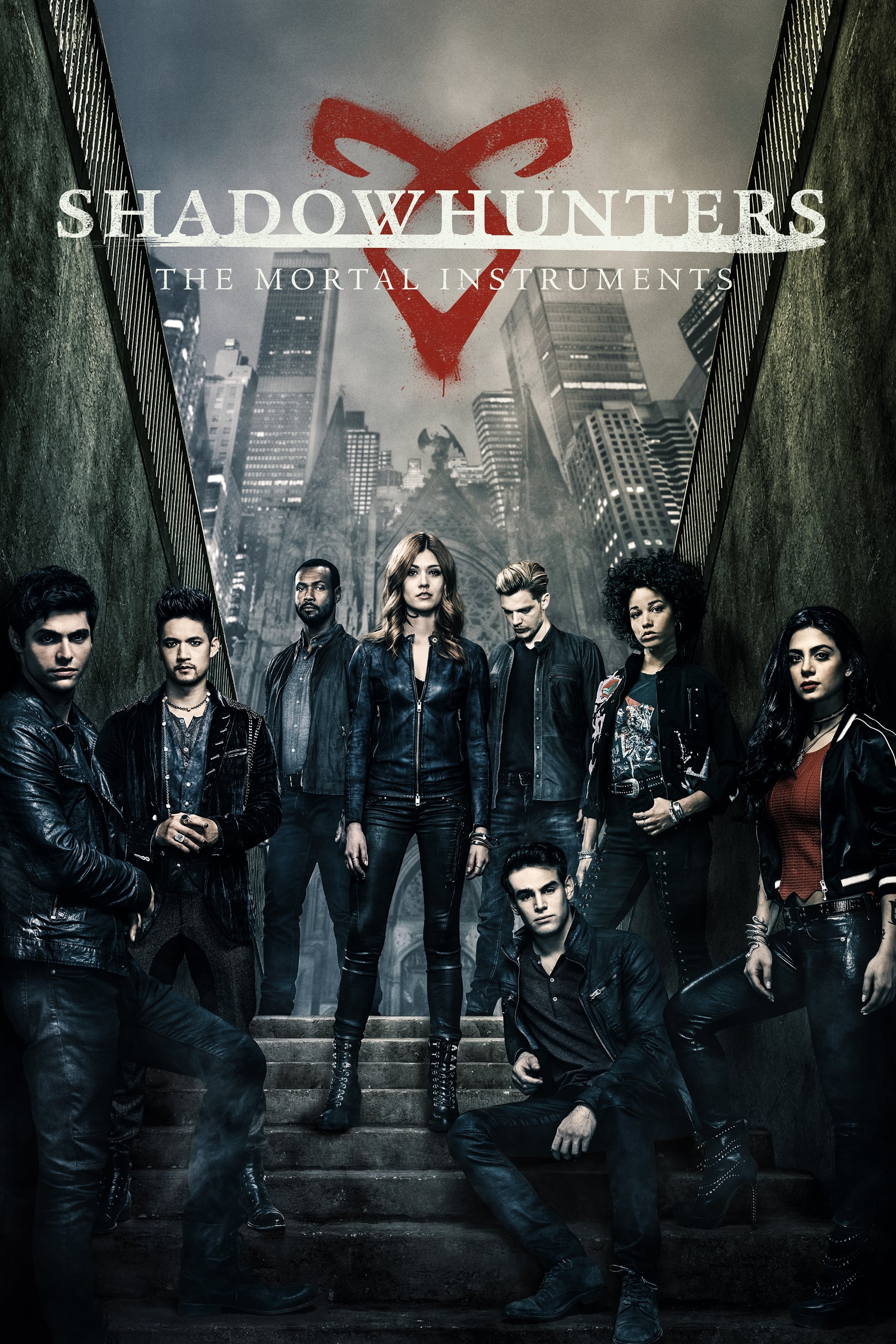
As a big fan of ‘Shadowhunters,’ I always loved Magnus and Alec – or ‘Malec’ as we all called them. They were a real highlight! But honestly, it was frustrating as a viewer to see how much more time and attention Clary and Jace got. It often felt like Magnus and Alec’s relationship was pushed to the side, like it wasn’t as important as the main, straight storyline. A lot of fans, myself included, felt like the show was deliberately downplaying the queer romance to keep things ‘straight-washed.’ We kept pushing for more focus on Malec and other queer characters, and thankfully, the fanbase kept campaigning for it until the very end of the series.
‘Buffy the Vampire Slayer’ (1997–2003)
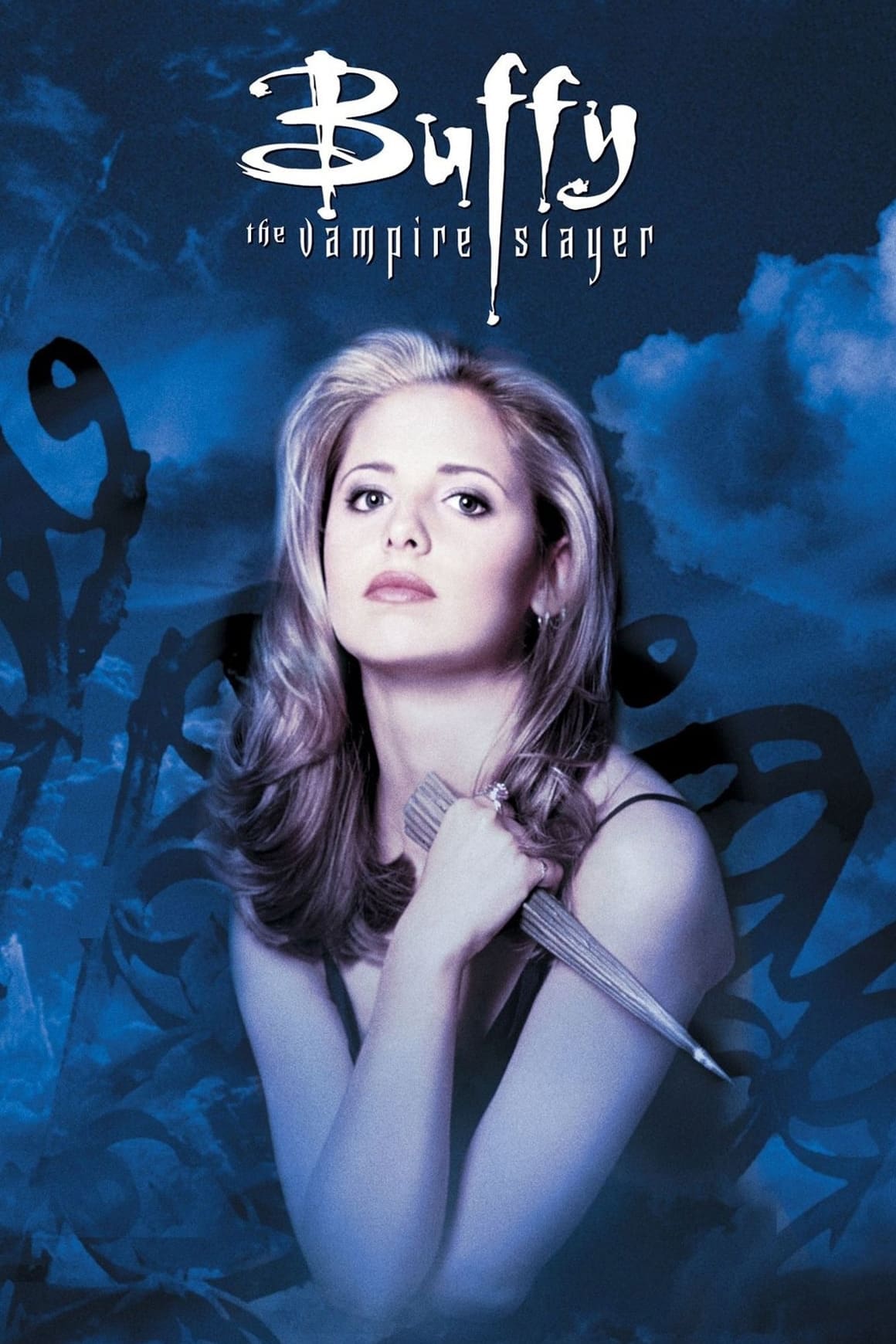
Though ‘Buffy the Vampire Slayer’ is now celebrated for Willow Rosenberg’s storyline as a lesbian, it initially received backlash from viewers. When Willow started dating Tara in the fourth season, some of the show’s writing hinted that Willow’s attraction to women might be temporary, or simply a reaction to a past relationship with a man. Fans strongly objected to this idea, feeling it undermined the validity of her identity. This concern was made worse by the show’s frequent focus on Buffy’s straight relationships. Eventually, the show established Willow’s identity as permanent, but the way her journey was first presented continues to be discussed as an example of how queer characters were – and weren’t – represented on television.
Share which TV shows you believe missed the mark on representation in the comments.
Read More
- 20 Movies Where the Black Villain Was Secretly the Most Popular Character
- Celebs Who Narrowly Escaped The 9/11 Attacks
- Transformers Under the Microscope: What Graph Neural Networks Reveal
- Top 20 Dinosaur Movies, Ranked
- Trading on Thin Air: AI Agents Conquer Crypto Volatility
- Silver Rate Forecast
- Gold Rate Forecast
- 22 Films Where the White Protagonist Is Canonically the Sidekick to a Black Lead
- Invincible Season 4 Gender Swaps Tech Jacket As Fans Question Major Comic Change
- Every Notable ‘Star Trek: The Original Series’ Actor Who Died
2026-01-09 14:47