
Throughout TV history, certain objects have become more than just set decorations – they’ve become crucial to the stories themselves. These items often move the plot forward or represent the show’s deeper themes, sometimes even more powerfully than the characters‘ words. Show creators often use these props to give a series a distinct look and help viewers instantly recognize it. The following shows illustrate how an ordinary object can become a memorable icon with a lasting impact.
‘Doctor Who’ (1963–Present)
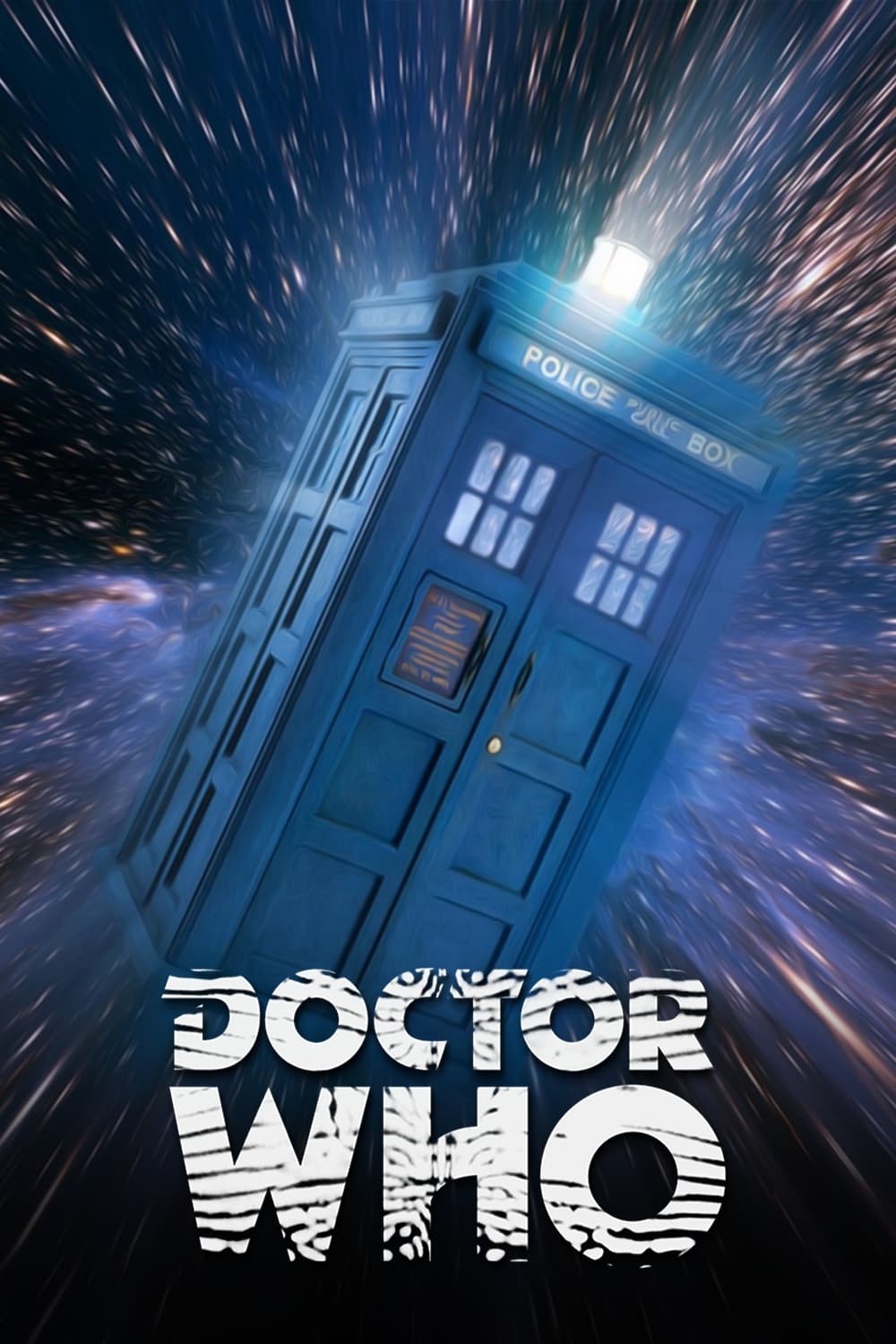
The TARDIS is the Doctor’s most important partner throughout the series. Disguised as a police box, it’s actually much bigger on the inside and allows the Doctor to travel anywhere in time and space. It’s almost alive and often has a mind of its own, taking the Doctor where they need to be, not necessarily where they want to go. People nearby always know when it arrives thanks to its unique, groaning sound – a sound that can bring either relief or fear.
‘Supernatural’ (2005–2020)
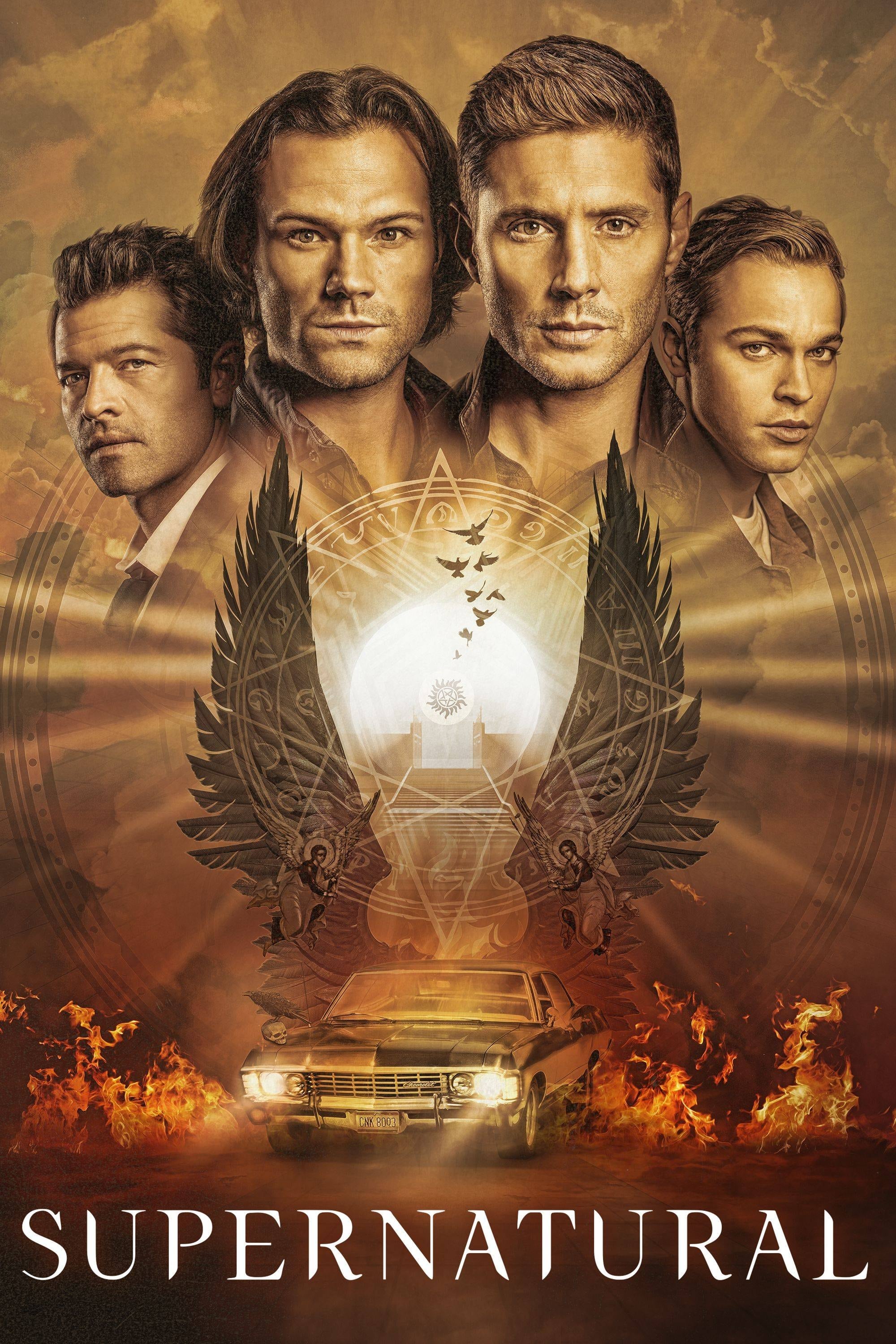
The 1967 Chevrolet Impala is more than just a car to Sam and Dean Winchester – it’s a mobile base and safe space as they travel the country hunting monsters. Dean lovingly calls it ‘Baby’ and cares for it deeply. Packed with weapons in the trunk, the Impala is their only constant home. It’s been restored and repaired countless times, and is so important to the story that one episode is even told from the car’s point of view.
‘The Walking Dead’ (2010–2022)
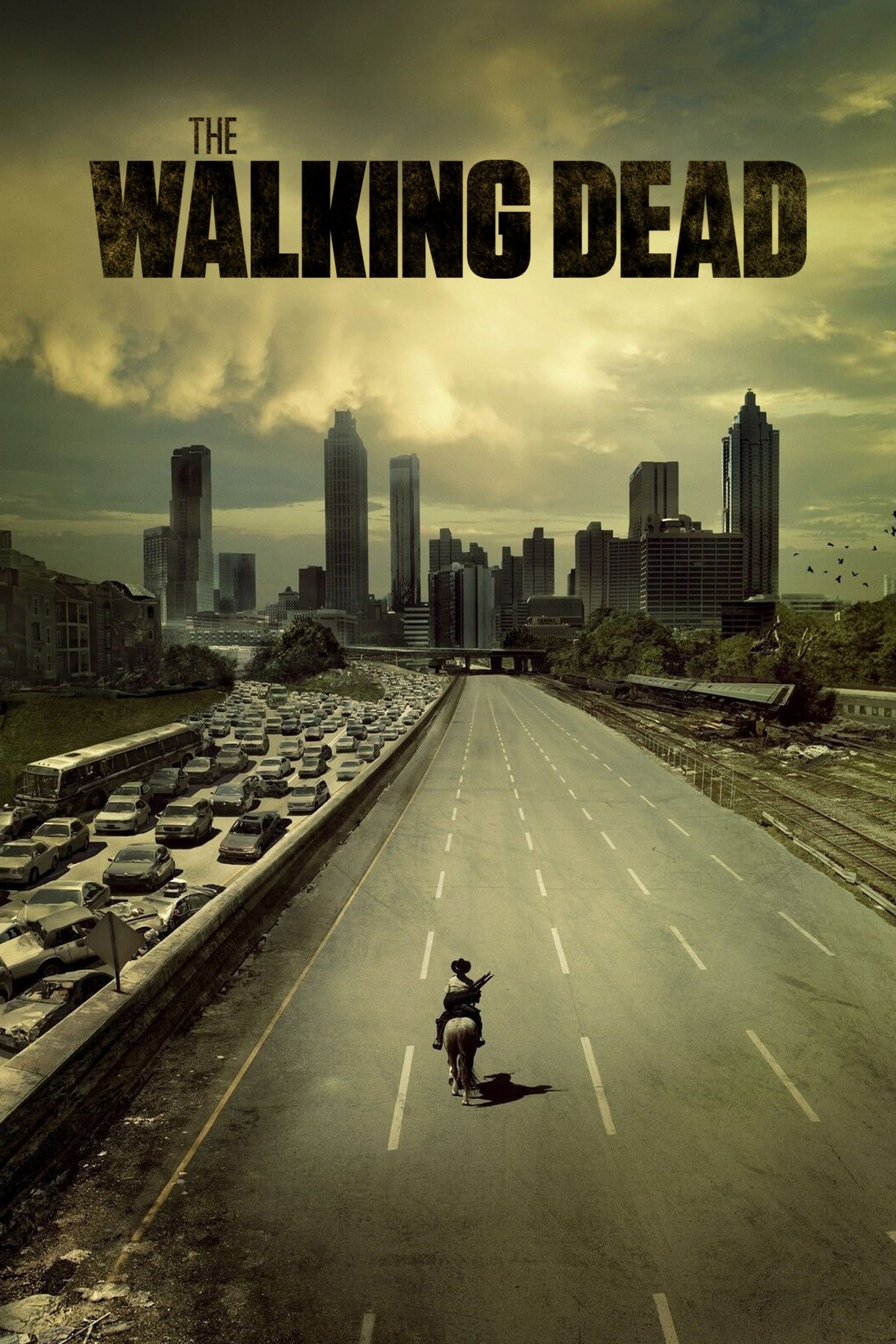
Lucille is Negan’s signature weapon – a baseball bat covered in barbed wire. He oddly treats it with deep respect, even talking to it as if it were his deceased wife. The bat quickly becomes a frightening symbol of his power and control in the world after the apocalypse. When Lucille appears, the show’s atmosphere changes dramatically, affecting all the remaining survivors.
‘Game of Thrones’ (2011–2019)
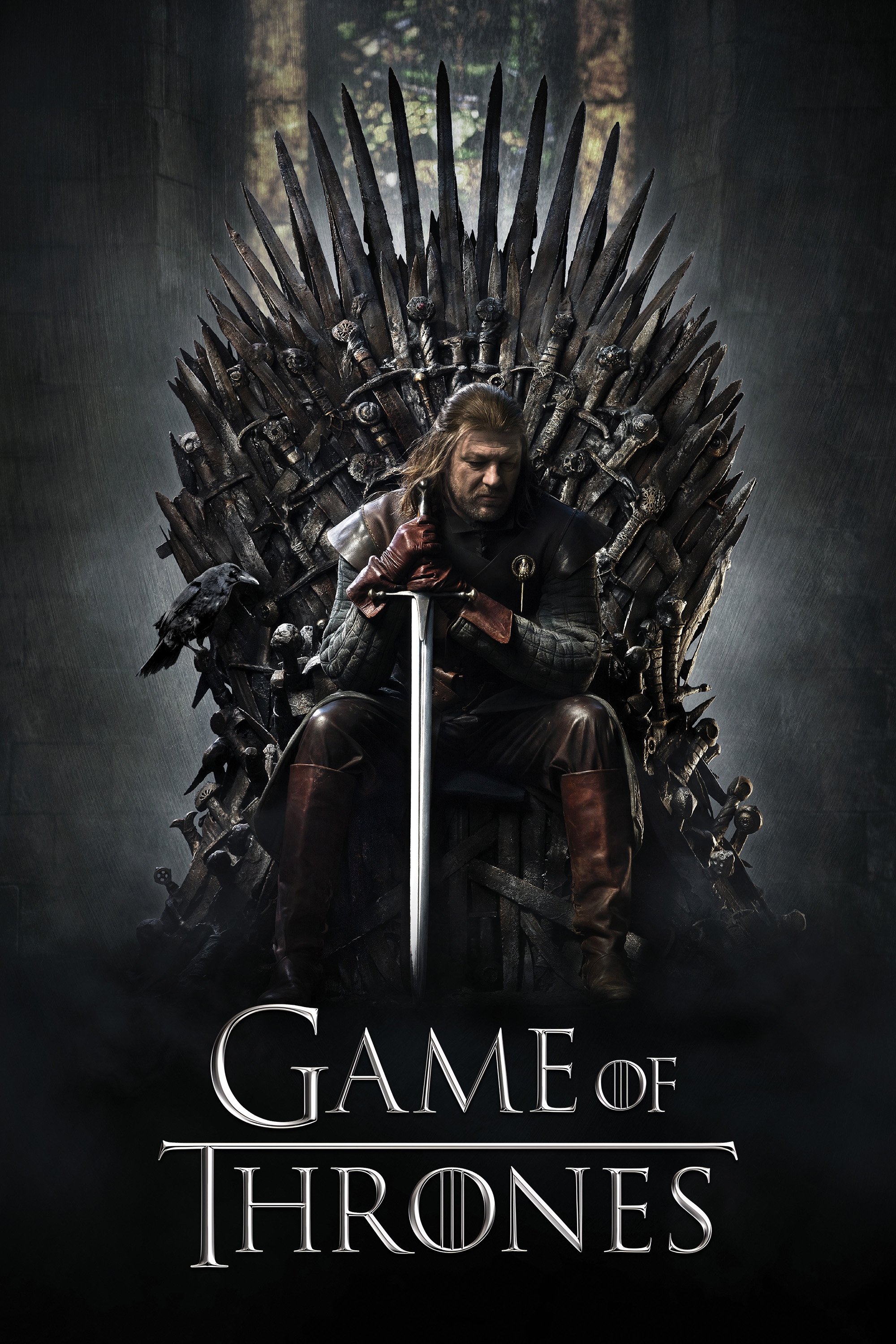
The Iron Throne is the symbol of ultimate power in Westeros, driving the central conflict of the entire series. Made from the swords of defeated foes, it’s said to be deliberately uncomfortable, reminding any ruler that power comes with constant challenge. Throughout the story, characters will do anything – betray loved ones and start wars – for the chance to rule from it. Its destruction in the final episode marks the end of a period of oppressive rule.
‘Knight Rider’ (1982–1986)

KITT is a technologically advanced Pontiac Firebird Trans Am with its own artificial intelligence, allowing it to talk and think for itself. It helps Michael Knight fight crime using powerful weapons and surveillance technology. KITT is known for its sarcastic sense of humor and strong moral principles, often mirroring those of Michael. The bond between KITT and Michael is at the heart of the show.
‘Twin Peaks’ (1990–1991)
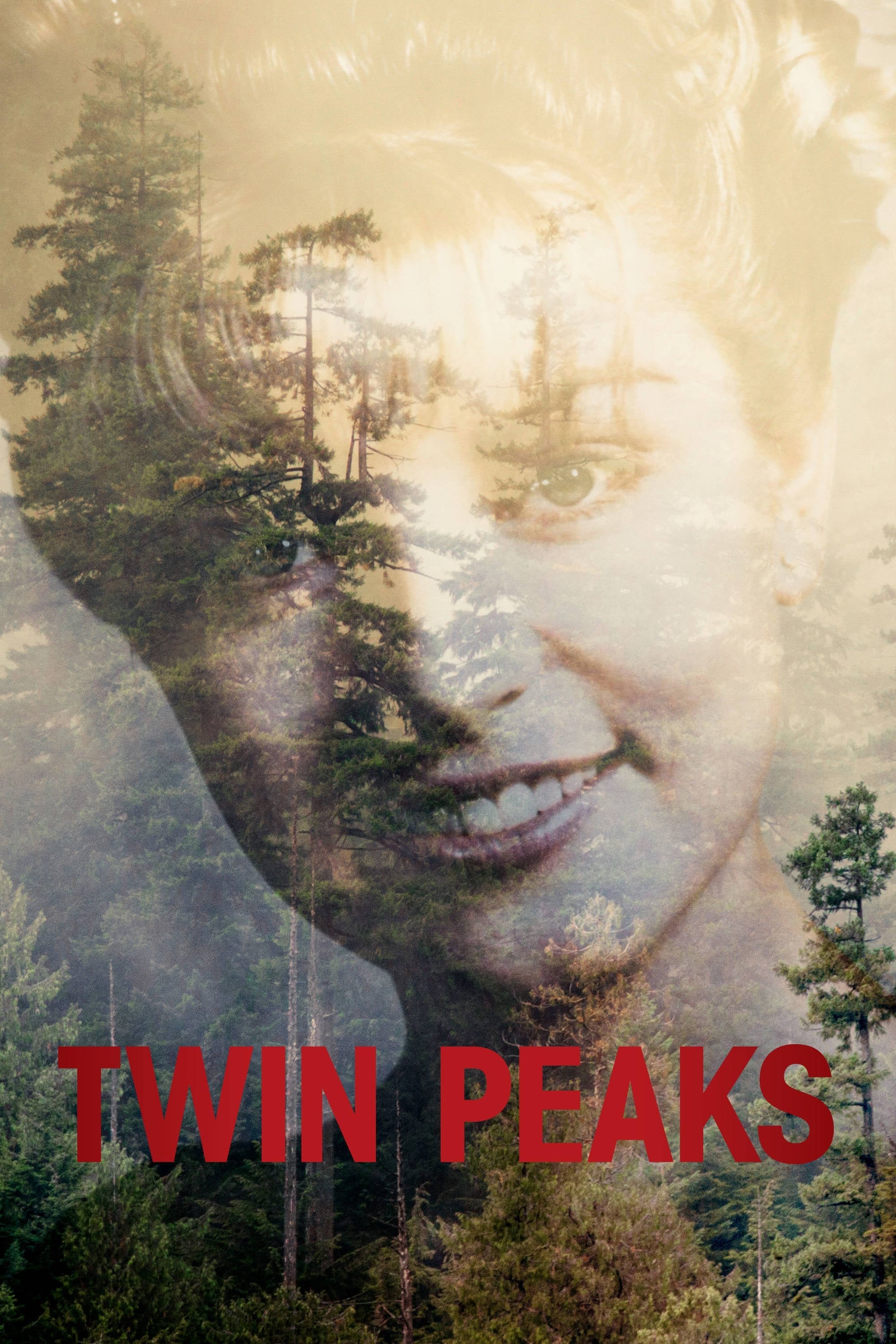
The Log Lady is a mysterious woman who carries a piece of wood she believes contains the spirit of her deceased husband. She uses it to deliver strange, prophetic warnings to the people in town, essentially acting as a medium. What starts as a small role for the character quickly evolves into a key source of information for solving the show’s central mystery. Over time, the log itself becomes a powerful symbol of the strange, supernatural forces at play throughout the series.
‘Friends’ (1994–2004)
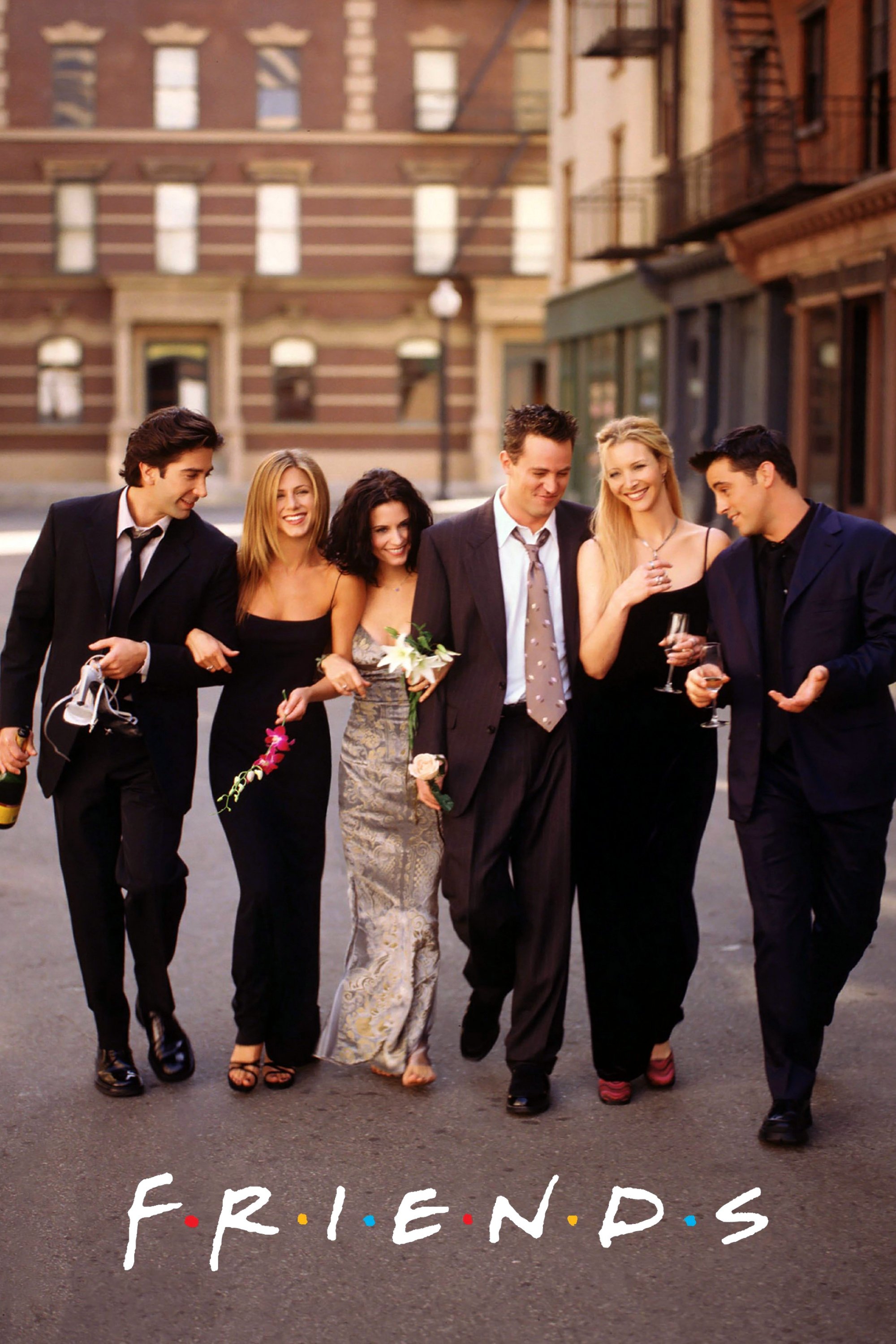
Throughout the ten seasons of the show, the orange velvet couch at Central Perk is where the six main characters always gather. Surprisingly, it’s almost always free, even when the coffee shop is crowded. The couch is featured in the opening sequence and is central to the group’s relationships, becoming one of the most famous pieces of furniture ever used in a TV show.
‘How I Met Your Mother’ (2005–2014)
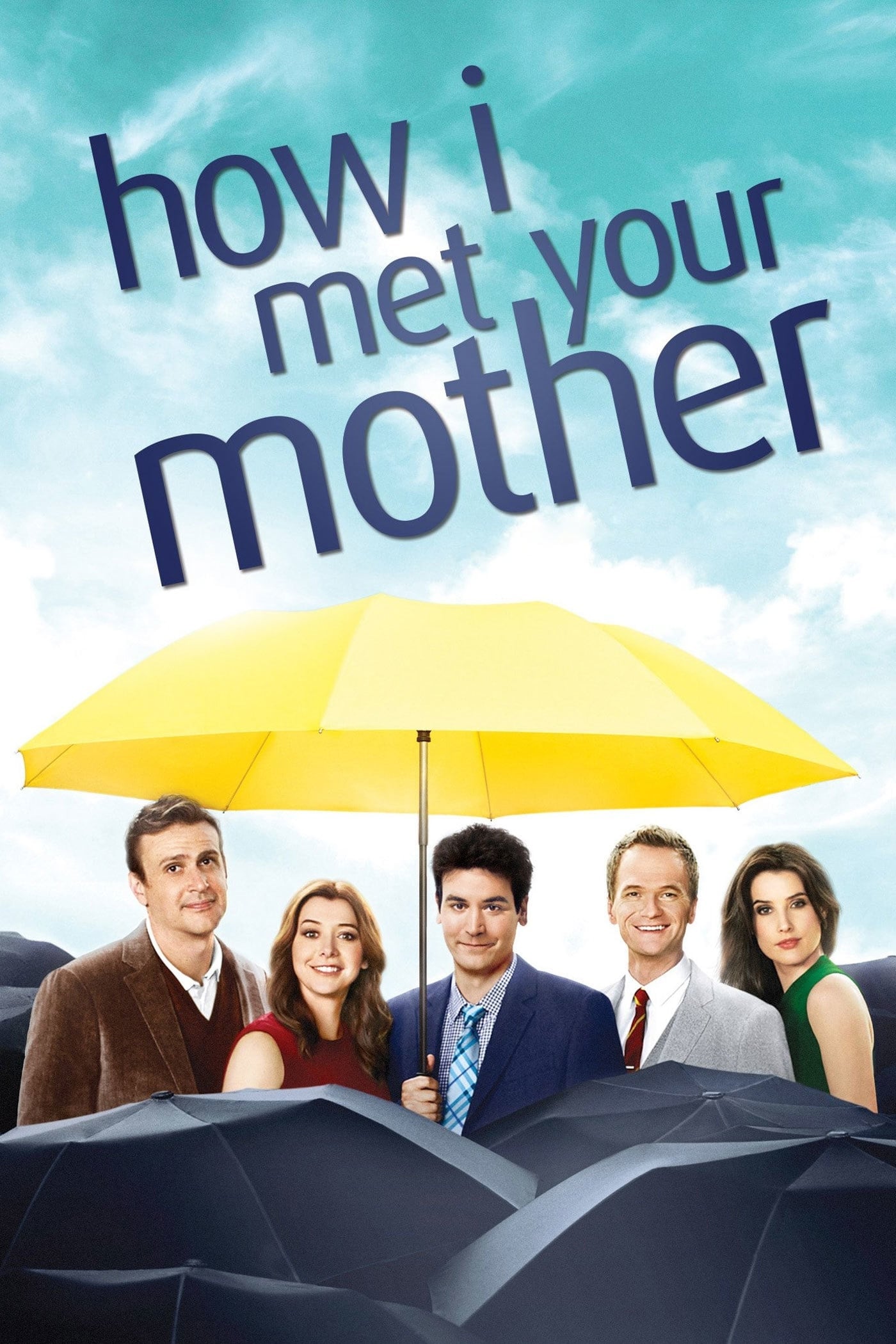
The blue French horn is a meaningful object that represents the romantic connection between Ted and Robin. Ted initially steals it during their first date as a grand gesture of his feelings. Throughout the series, the horn reappears to symbolize their lasting bond, marking both the start and the ultimately divisive conclusion of their relationship.
‘Breaking Bad’ (2008–2013)
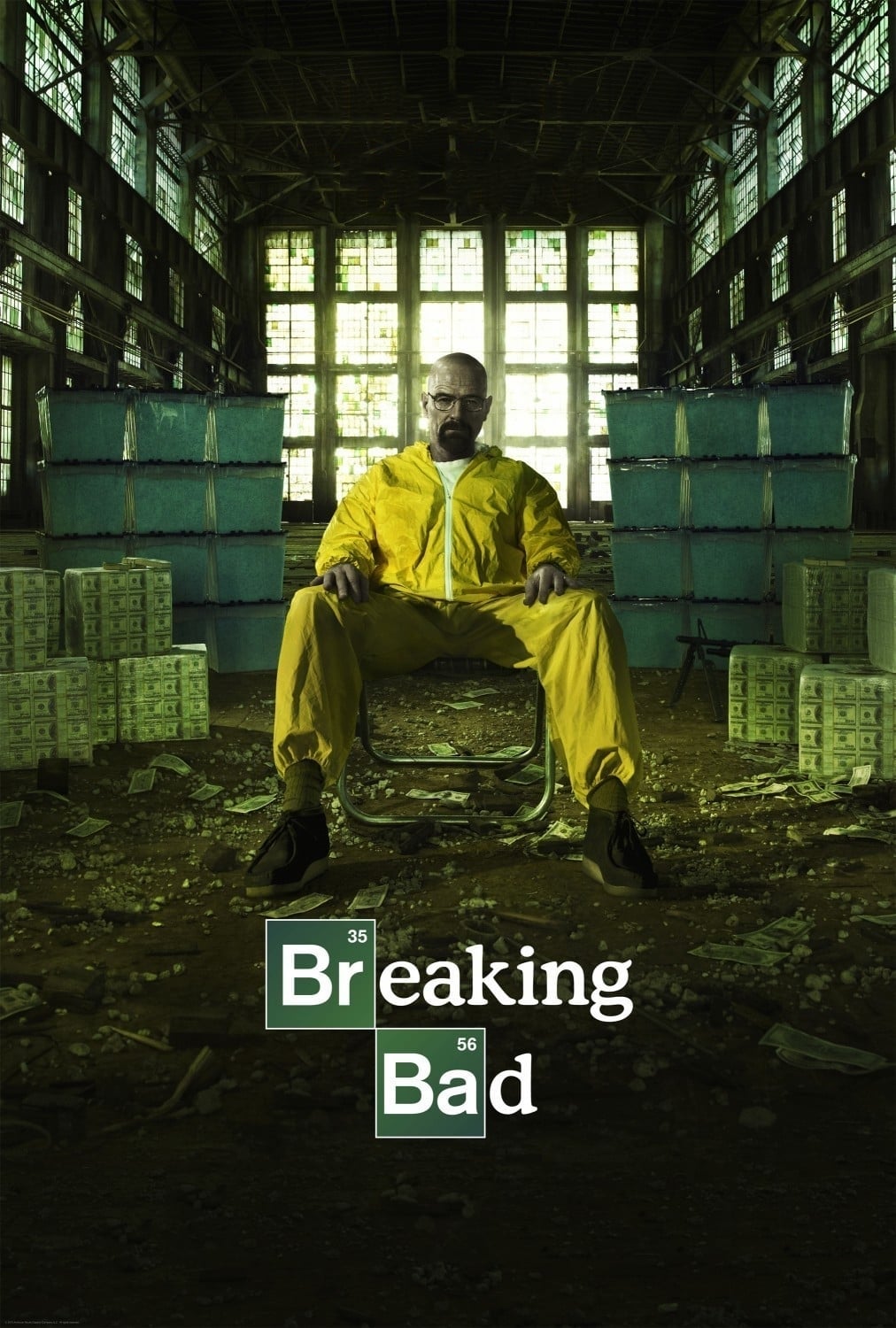
A pink teddy bear falling from a plane and landing in Walter White’s pool is a symbolic moment, hinting at the devastating consequences of his decisions. Throughout the second season, we see the bear again, burnt and with an eye missing, in glimpses of the future. It represents the loss of innocence and the unintended harm caused by the drug trade, serving as a constant, unsettling reminder of the price of Walter White’s actions.
‘Buffy the Vampire Slayer’ (1997–2003)
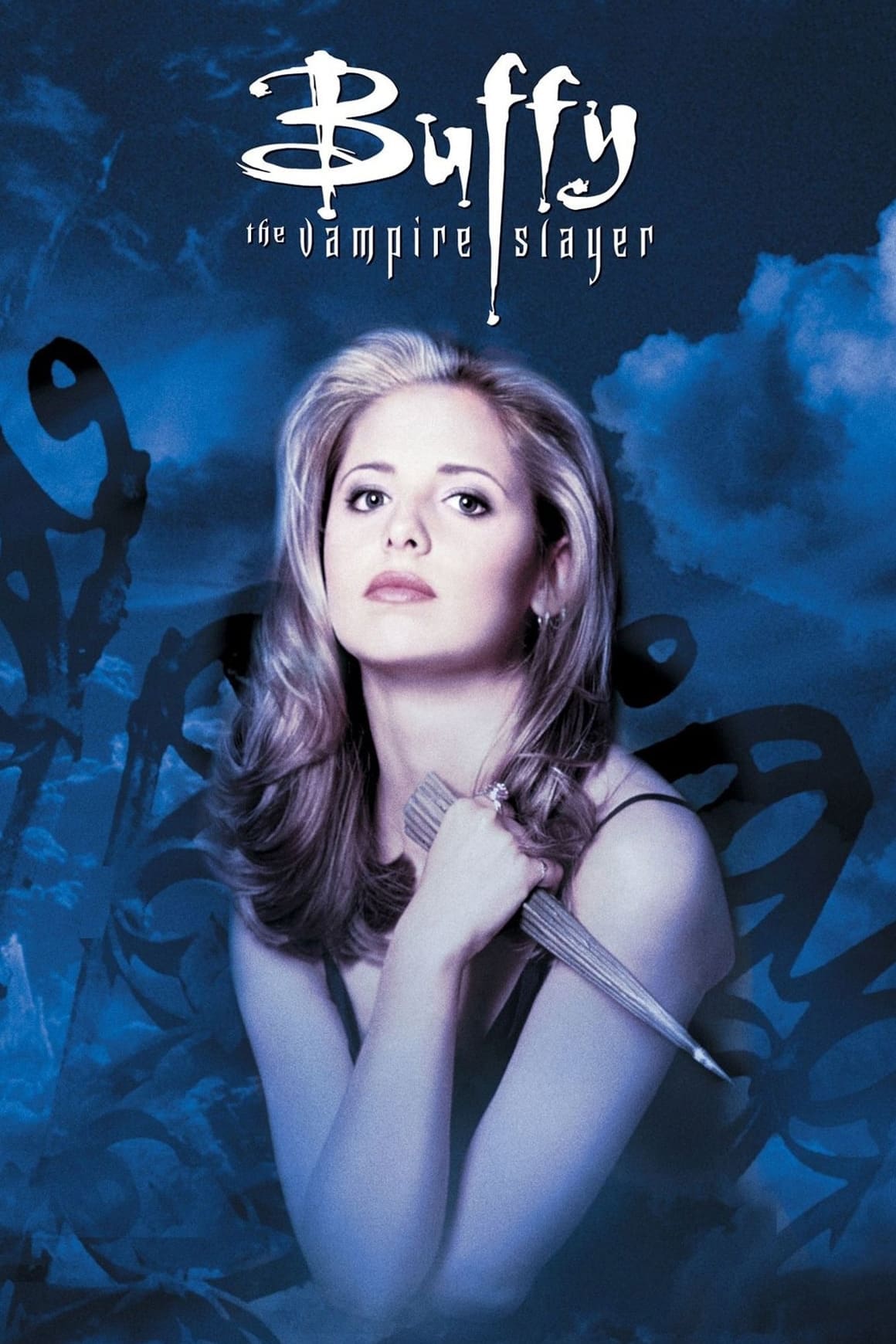
Mr. Pointy is a simple wooden stake Buffy uses to kill vampires when she first starts fighting them. Another slayer gives it that name, and it quickly becomes a funny, lucky charm for Buffy and her friends. The stake symbolizes accepting the life of a slayer and represents the close-knit bond of the group. Despite being surrounded by more complex, ancient weapons, Mr. Pointy is memorable for its straightforwardness and endearing quality.
‘Arrested Development’ (2003–2019)
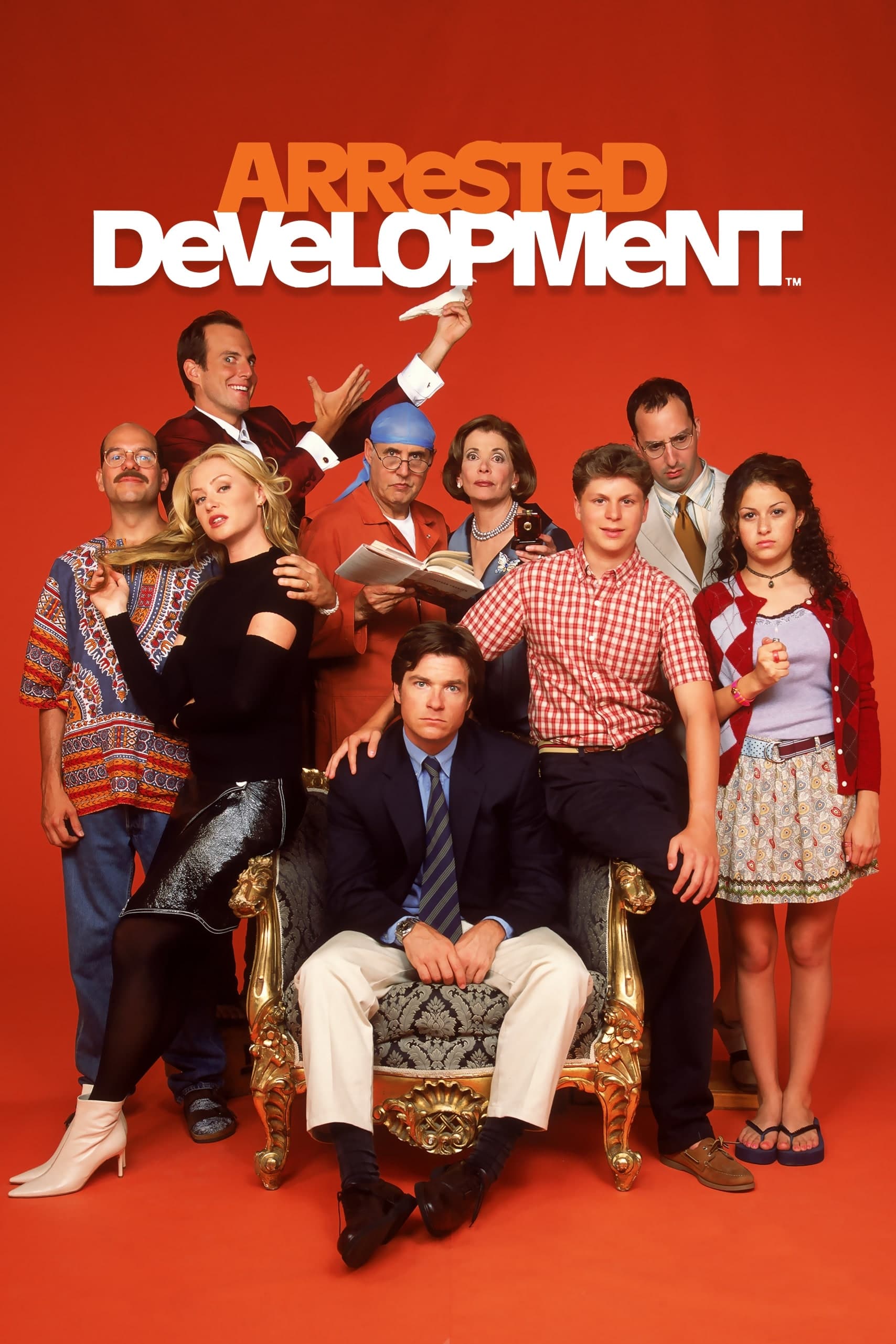
After the Bluth family loses access to their money, they’re stuck relying on a comically impractical stair car for transportation. Throughout the show, the car constantly runs into problems with low bridges and people jumping on and off, becoming a running joke. It visually represents how far the family has fallen and emphasizes their poor financial decisions and difficulty adjusting to their new circumstances. Essentially, the stair car becomes a symbol of their incompetence and inability to move forward.
‘The X-Files’ (1993–2018)
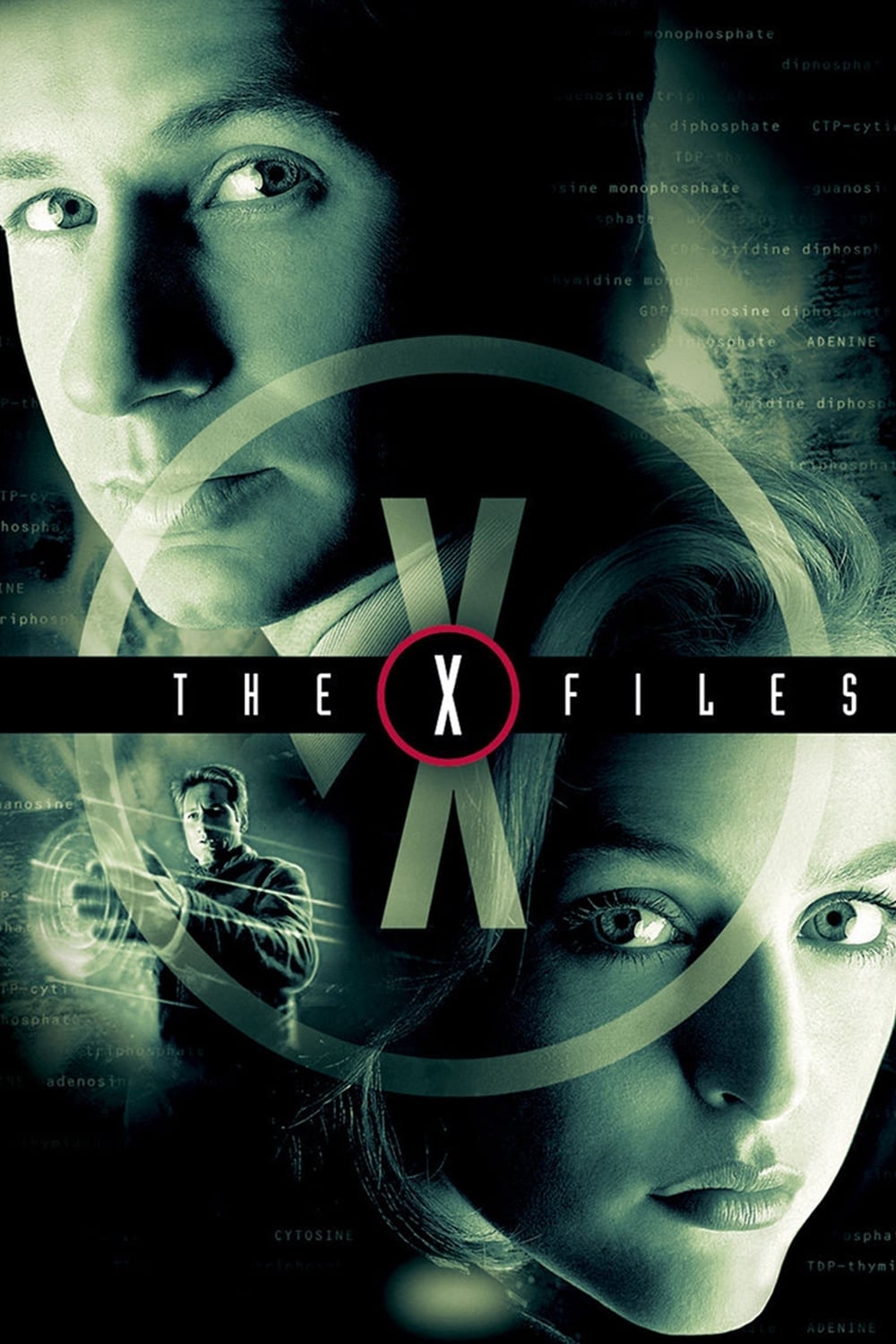
Fox Mulder has a poster in his office showing a hazy UFO with the words “I Want to Believe.” It perfectly represents his deep fascination with the unexplained and his relentless pursuit of the truth. Throughout the series, characters frequently glance at the poster when they’re feeling uncertain or determined. Remarkably, it endures through fires and office moves, serving as a constant symbol and the heart of their investigations.
‘It’s Always Sunny in Philadelphia’ (2005–Present)
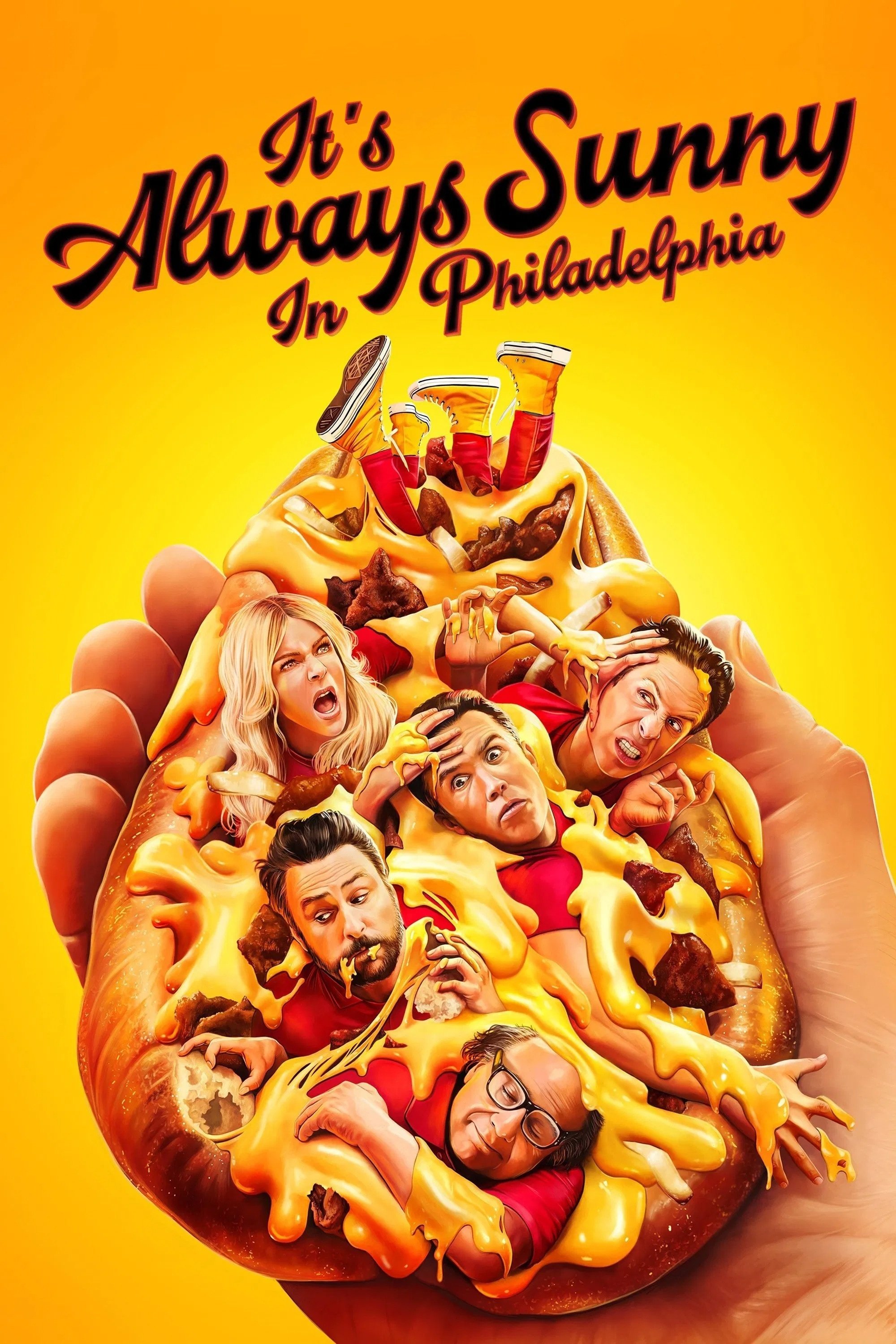
The Rum Ham is a ham Frank Reynolds makes by soaking it in strong alcohol, intended for a trip to the Jersey Shore. When it accidentally floats away, the gang reacts with extreme worry, as if someone were missing. It reappears throughout the show in visions and memories, representing the lowest point of their bad behavior. The Rum Ham itself is a perfect example of what the characters consider important – and how ridiculous those priorities are.
‘Parks and Recreation’ (2009–2015)
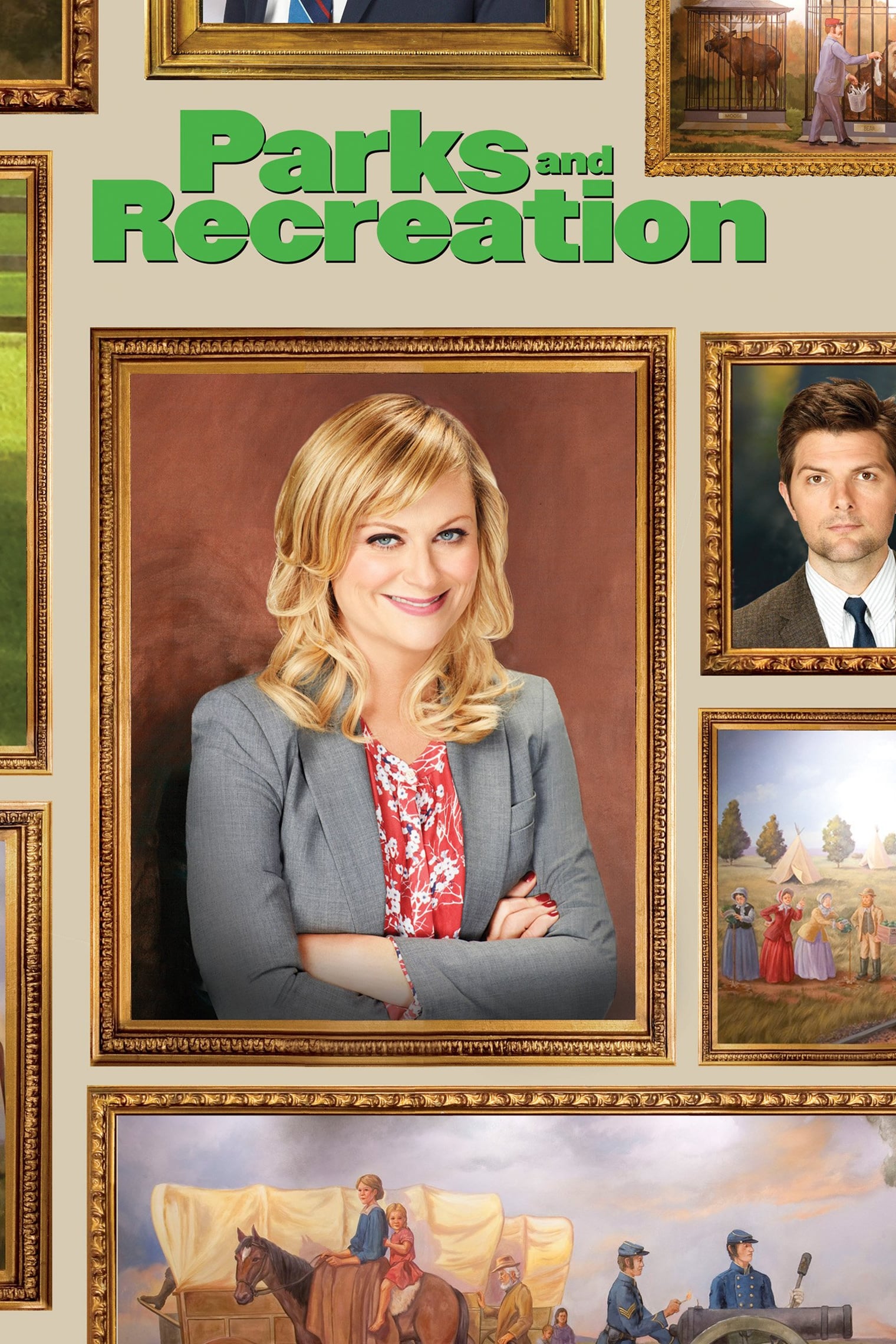
I have to tell you, Ben Wyatt’s Cones of Dunshire is amazing! It started as something he created when he was out of work, and honestly, the rules are intense – it’s a running joke about how much of a nerd he is, but in the best way. But it’s more than just a funny quirk! The game actually blew up in popularity within the show’s world, and it ended up saving his department from a budget disaster. It’s incredible to see something born out of a tough time turn into this legendary, beloved creation. It really shows how passion can turn into something special!
‘The Office’ (2005–2013)
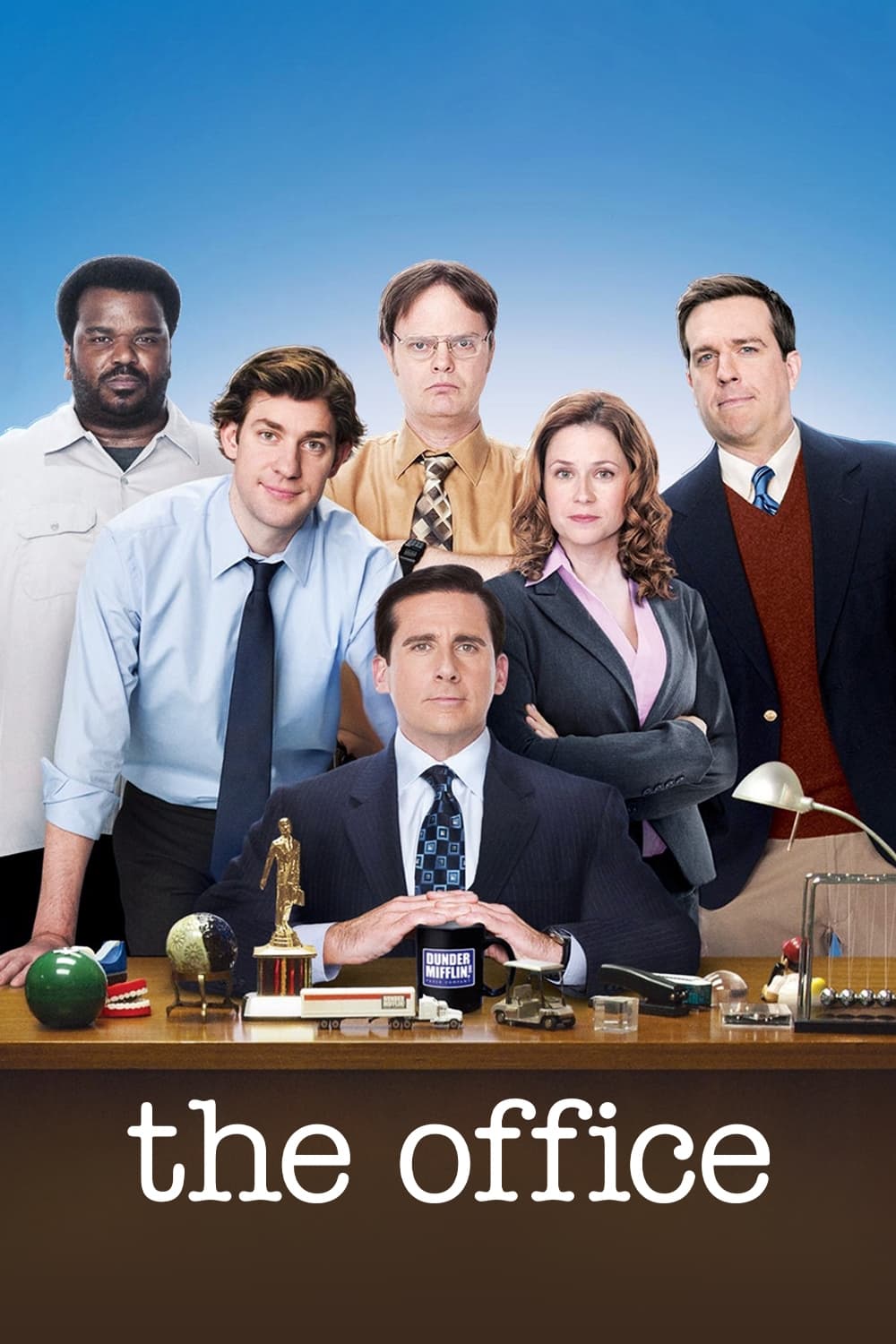
The Dundie Award is a plastic trophy given out by manager Michael Scott to his employees, usually for silly or questionable accomplishments. While employees don’t always want them at first, the Dundies often become treasured reminders of their time working together. The trophy makes a final appearance at the end of the series, symbolizing the strange but heartfelt bond between the Dunder Mifflin employees.
‘Seinfeld’ (1989–1998)
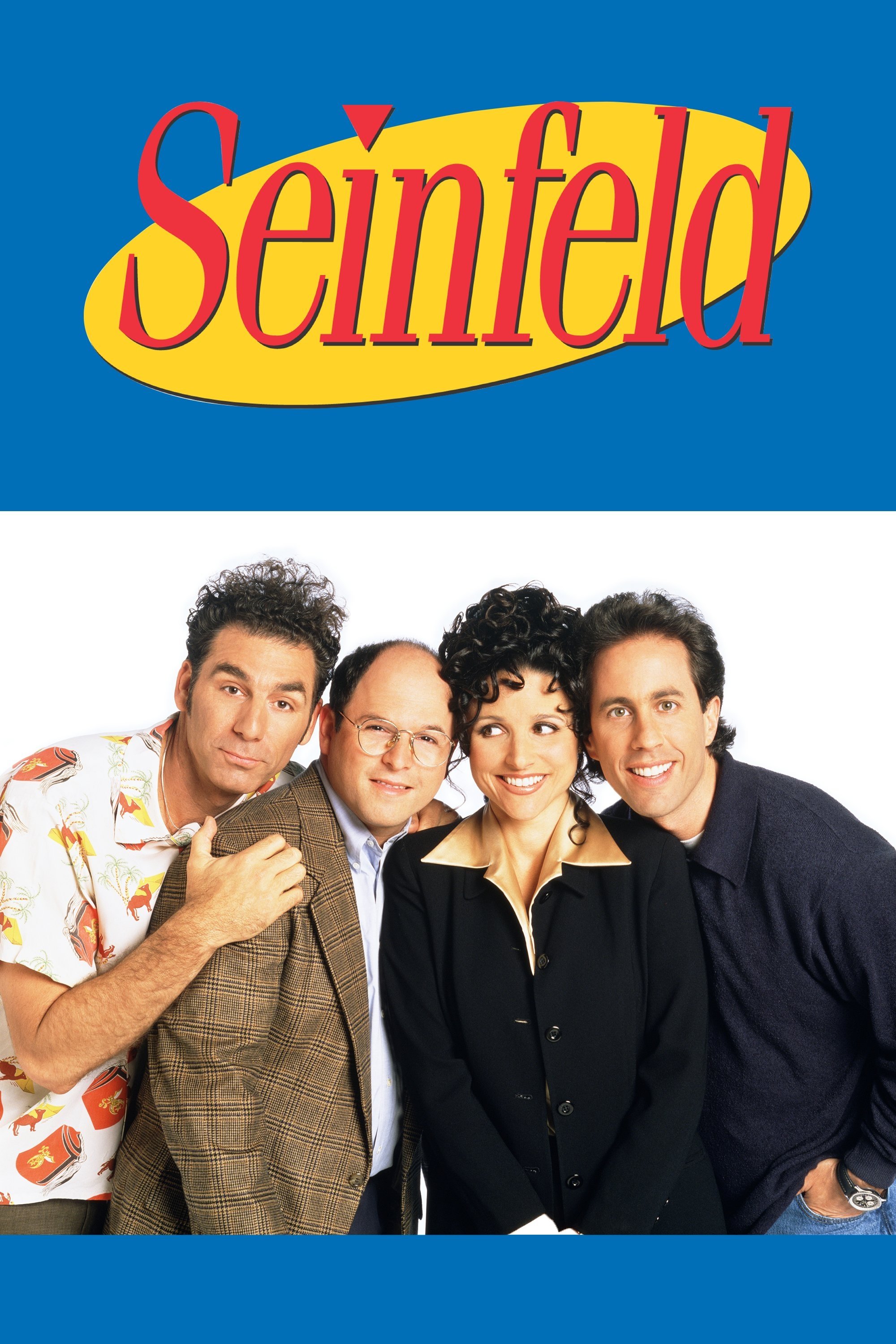
The Puffy Shirt is a hilariously oversized garment that Jerry ends up wearing on TV after a misunderstanding with its designer. The shirt’s outlandish, pirate-like look embarrasses him and becomes a running joke throughout the show. It’s a perfect example of how Seinfeld could take a small, awkward moment and turn it into a big disaster. Today, the infamous shirt is even on display at the Smithsonian museum.
‘Psych’ (2006–2014)
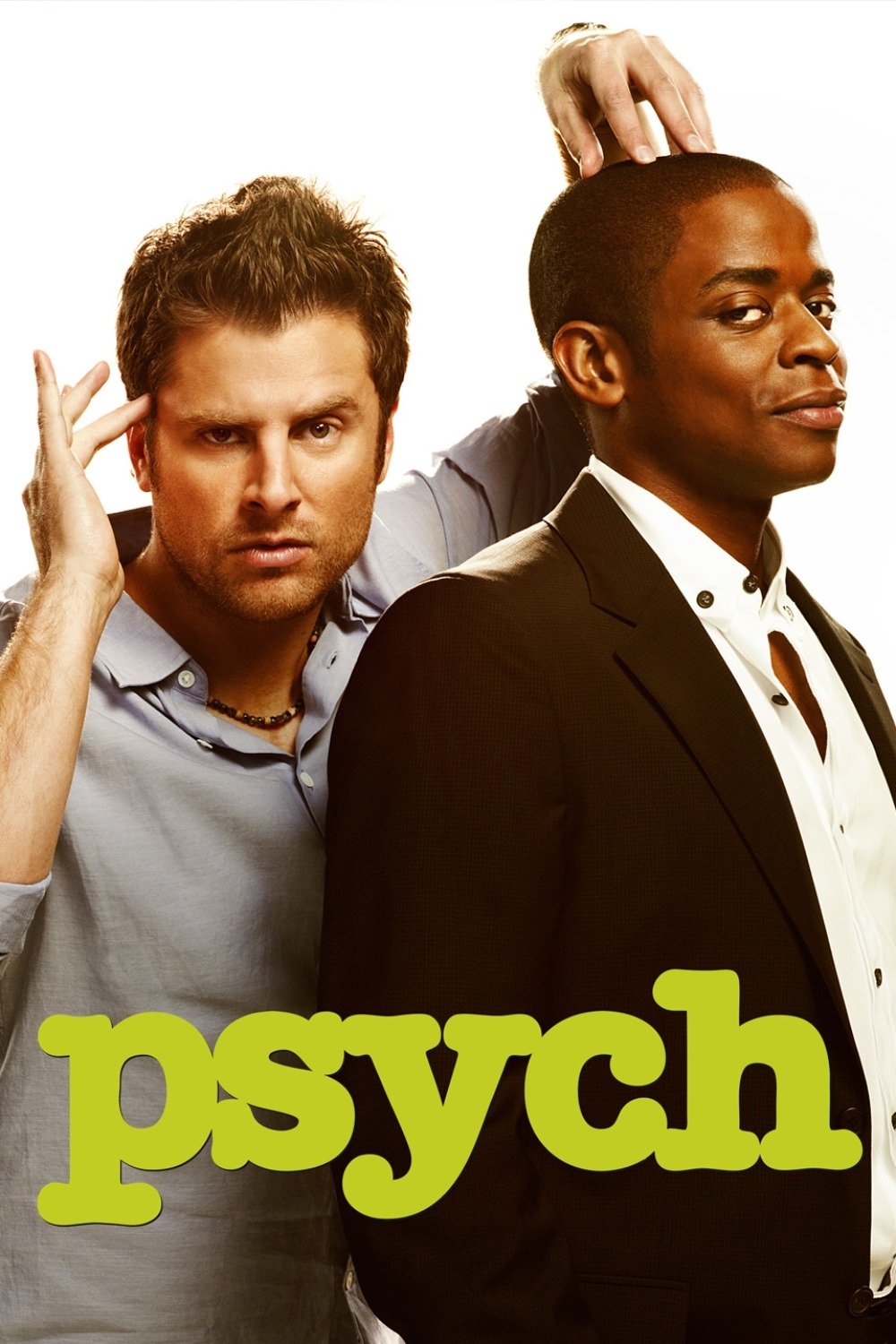
Throughout the series, a pineapple makes a subtle appearance in almost every episode – it’s a fun hidden detail for viewers to find! It often shows up in the background or is briefly talked about, but it doesn’t usually affect the main story. The pineapple became a symbol of the show and hints at its lighthearted nature. Dedicated fans even created websites to track every time the pineapple appears in each episode.
‘Star Trek’ (1966–1969)
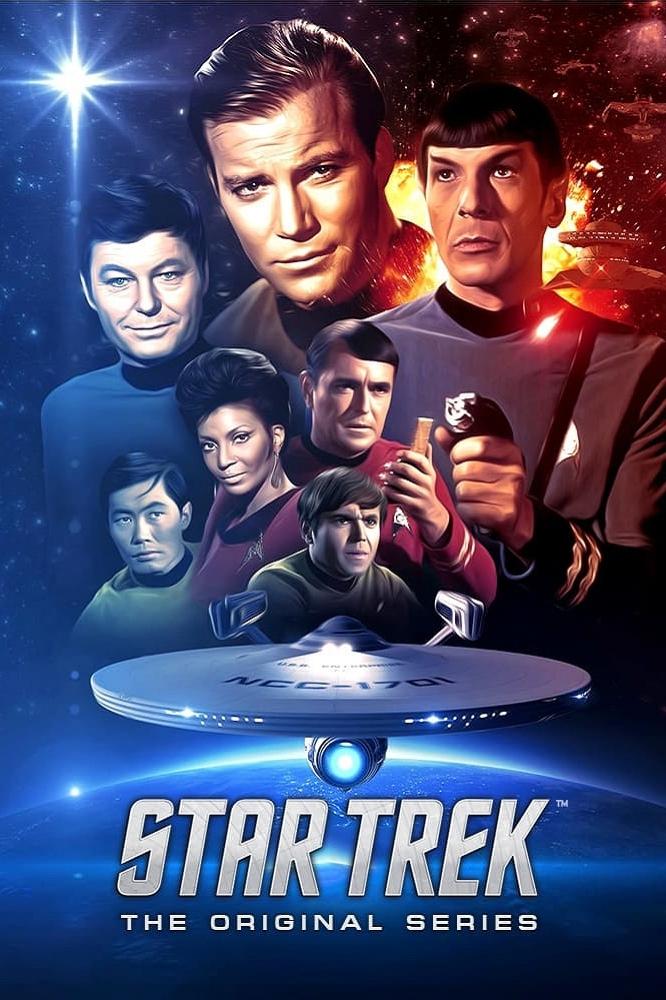
The USS Enterprise isn’t simply a spaceship; it’s a beloved and respected command for its captain and crew. Throughout its adventures, the starship faces dangerous battles and bizarre events, all while safeguarding those on board. Its distinctive shape is iconic in the world of science fiction. The ship is often portrayed as if it were alive, feeling pain when harmed and celebrating when restored.
‘Firefly’ (2002–2003)
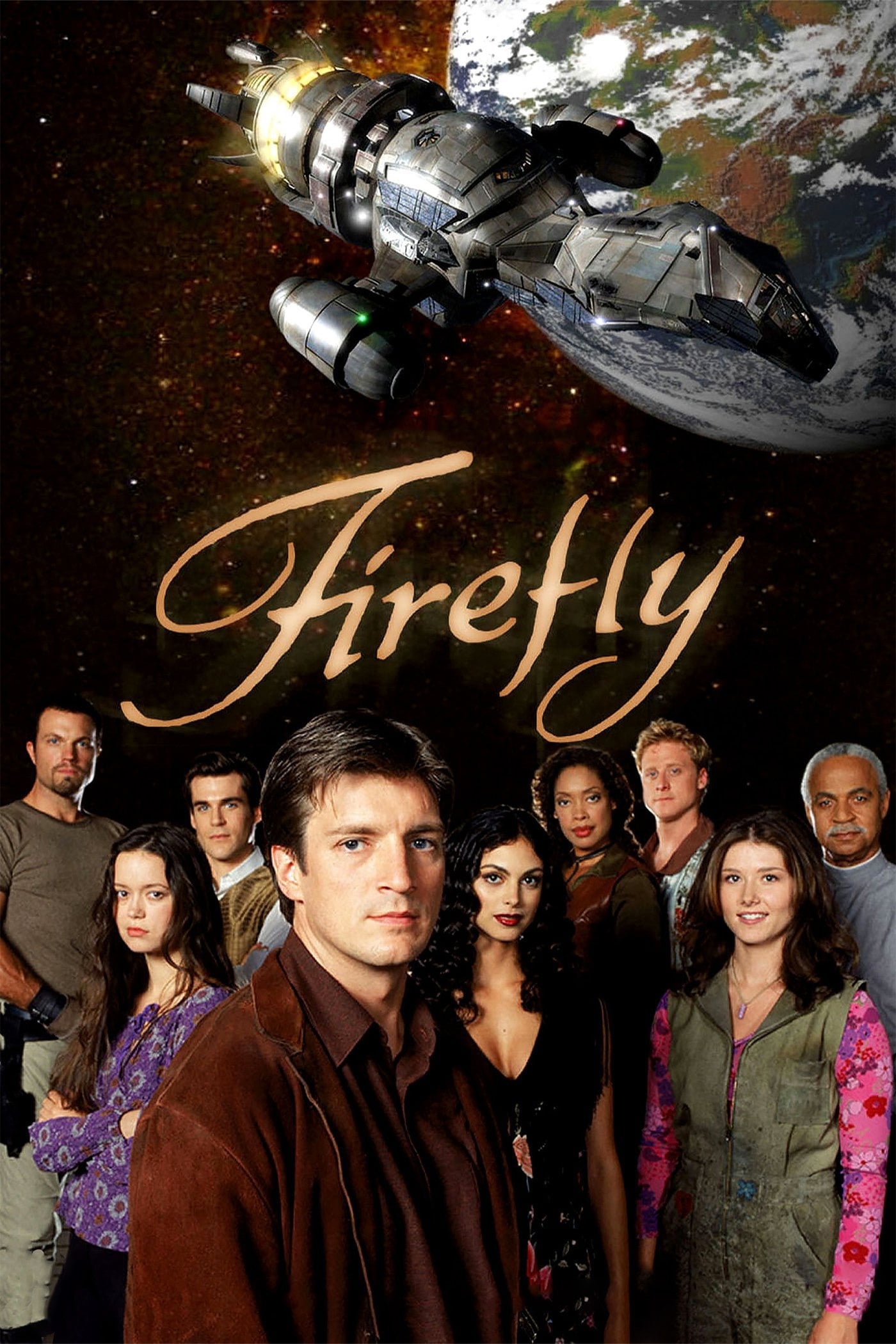
Serenity is a spaceship, a Firefly-class transport, and it’s home and how Captain Mal Reynolds and his crew earn a living. It’s always falling apart, but somehow manages to keep flying when they need to escape. Mal talks to the ship like it’s a person, and cares for it more than most people. For the crew, who are all outsiders, Serenity represents their freedom and the life they’ve chosen.
‘Sherlock’ (2010–2017)
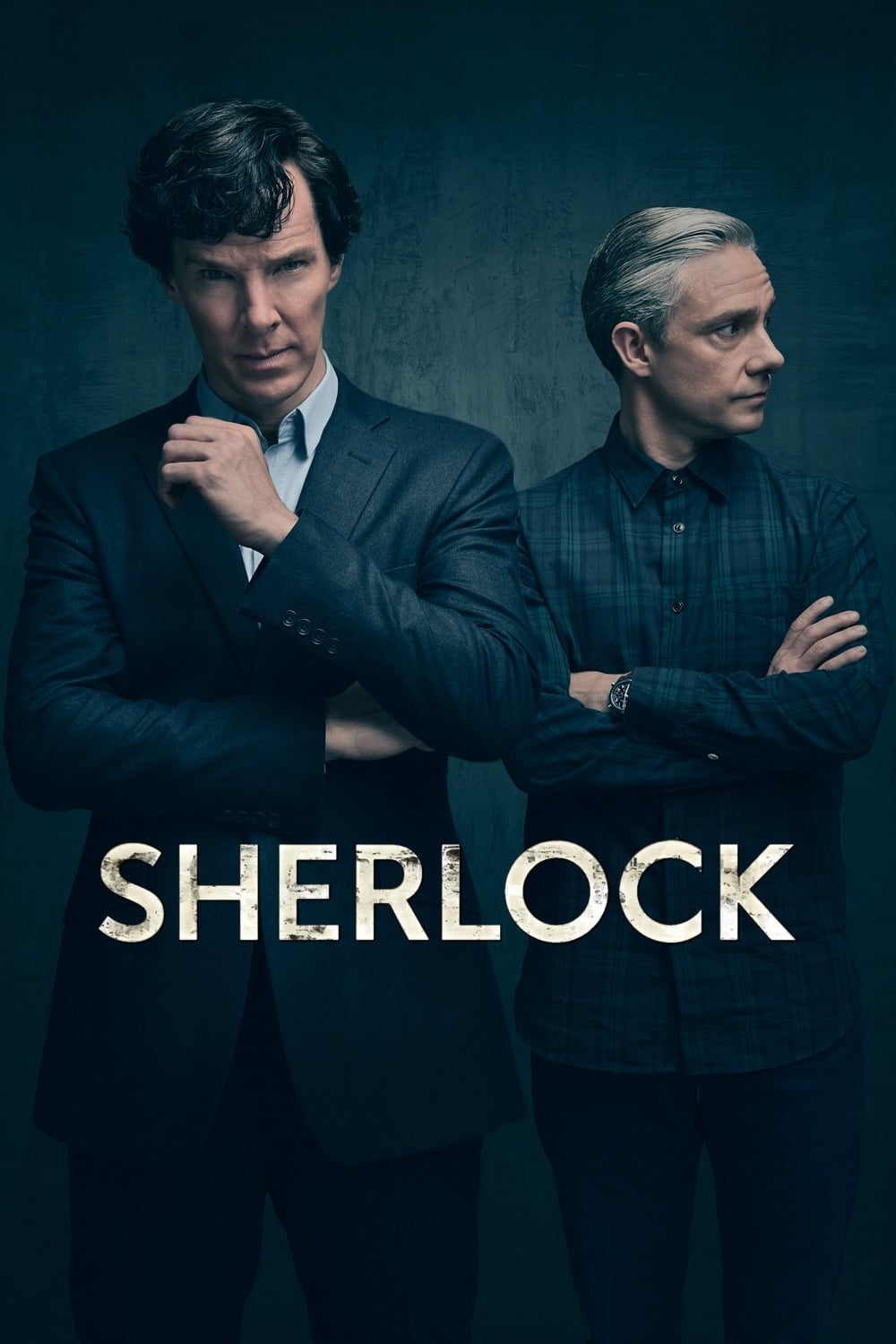
The deerstalker hat is famously associated with Sherlock Holmes, even though the character himself didn’t like it. He once tried to use it to disguise himself, which ironically helped create the iconic image people now have of him. The hat became a running gag, highlighting the difference between how the public imagined the detective and who he actually was. Despite usually wearing modern clothes, the deerstalker became a quick visual cue for the character.
‘Mad Men’ (2007–2015)
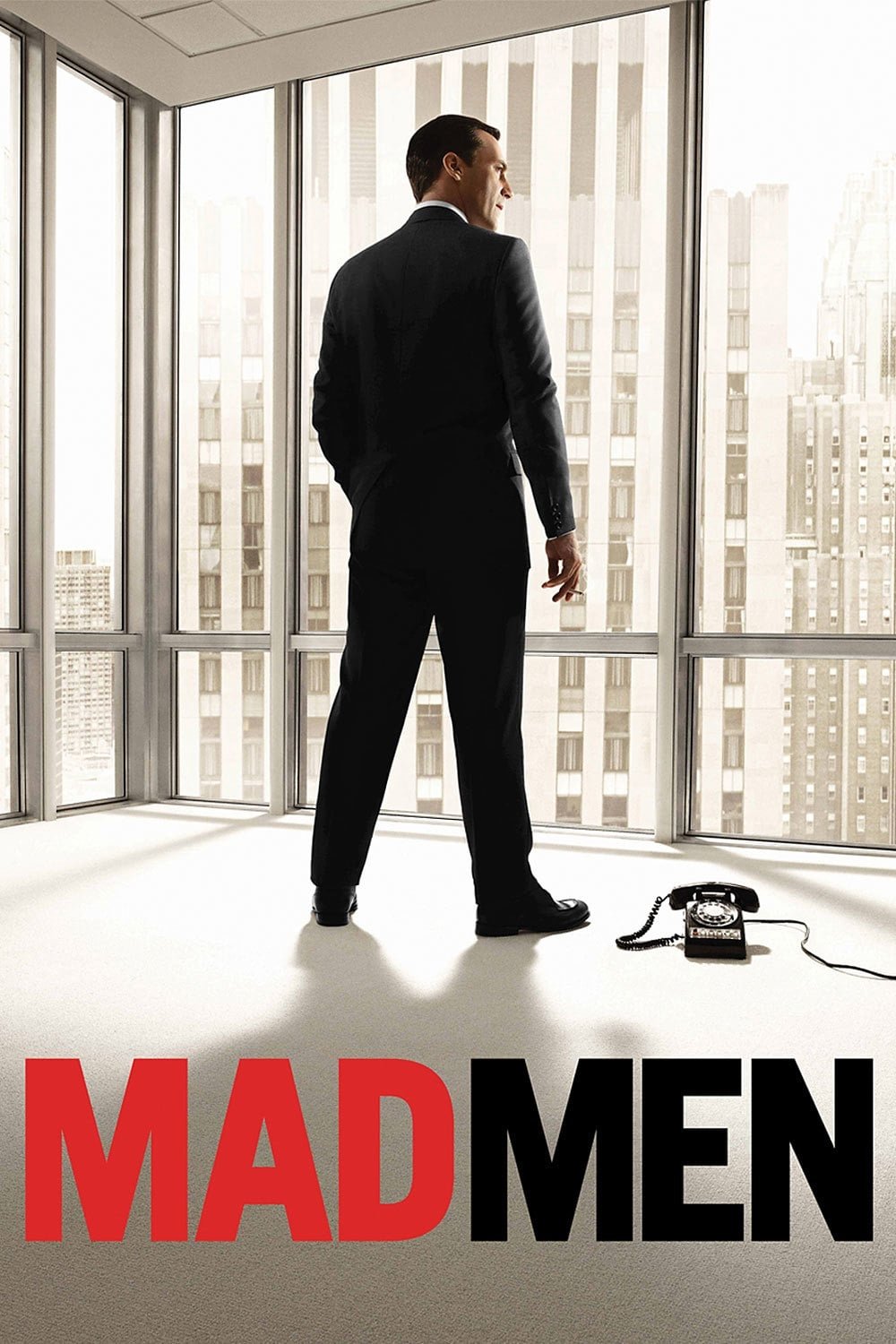
The Kodak Carousel slide projector is central to a particularly moving pitch delivered by Don Draper. It’s more than just a machine; it embodies the pull of nostalgia and reflects Draper’s own troubled history. The scene highlights how the projector turns technology into a powerful reminder of memories and desires, ultimately capturing both the brilliance and sadness of the main character.
‘Sons of Anarchy’ (2008–2014)
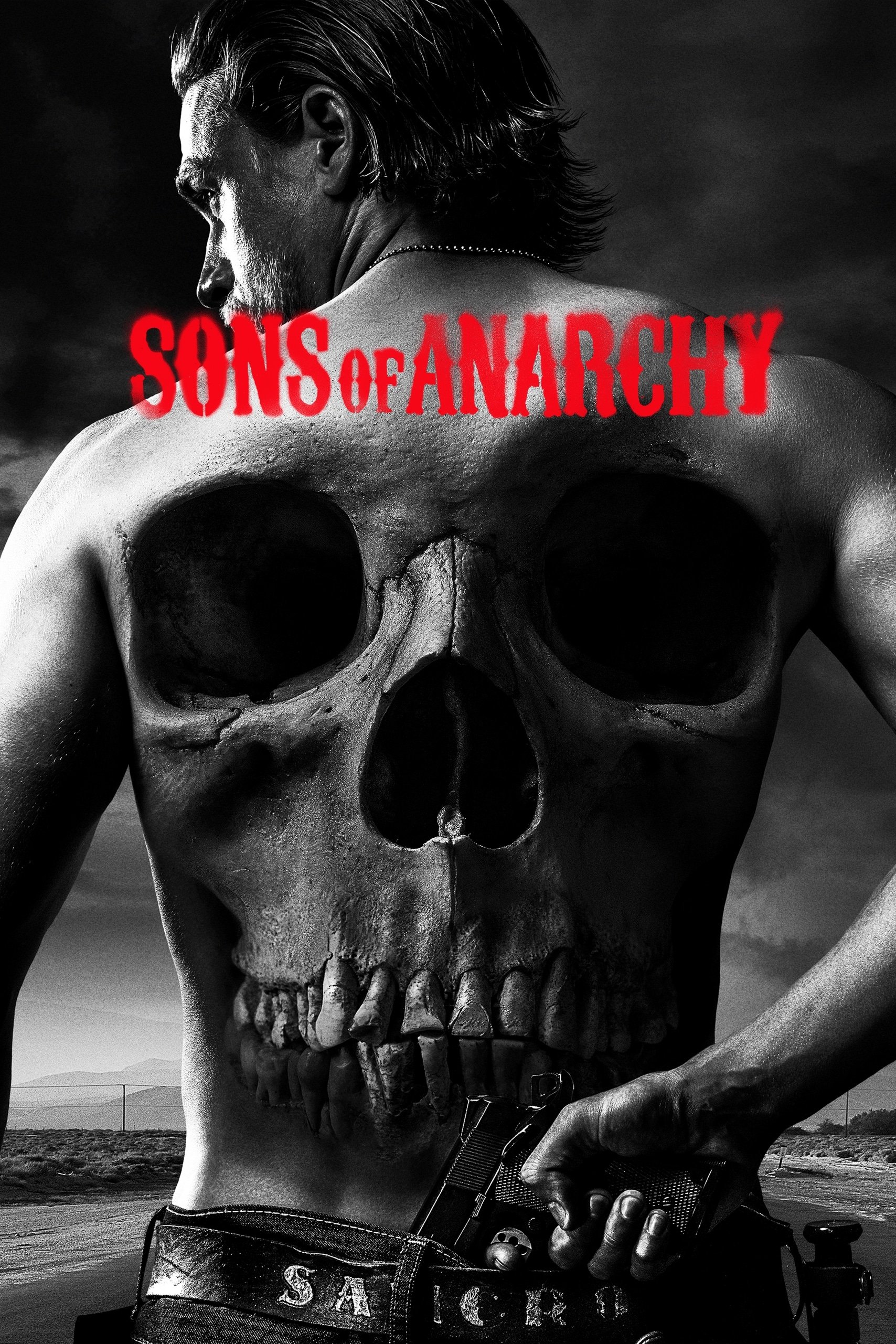
The club president’s gavel symbolizes both control and the weight of responsibility. Each strike of the gavel signifies the end of discussion and has serious consequences for those involved. As power changes hands throughout the story, the gavel is passed along, ultimately linking to the main character’s final destiny, as shown in the last scene.
‘House’ (2004–2012)
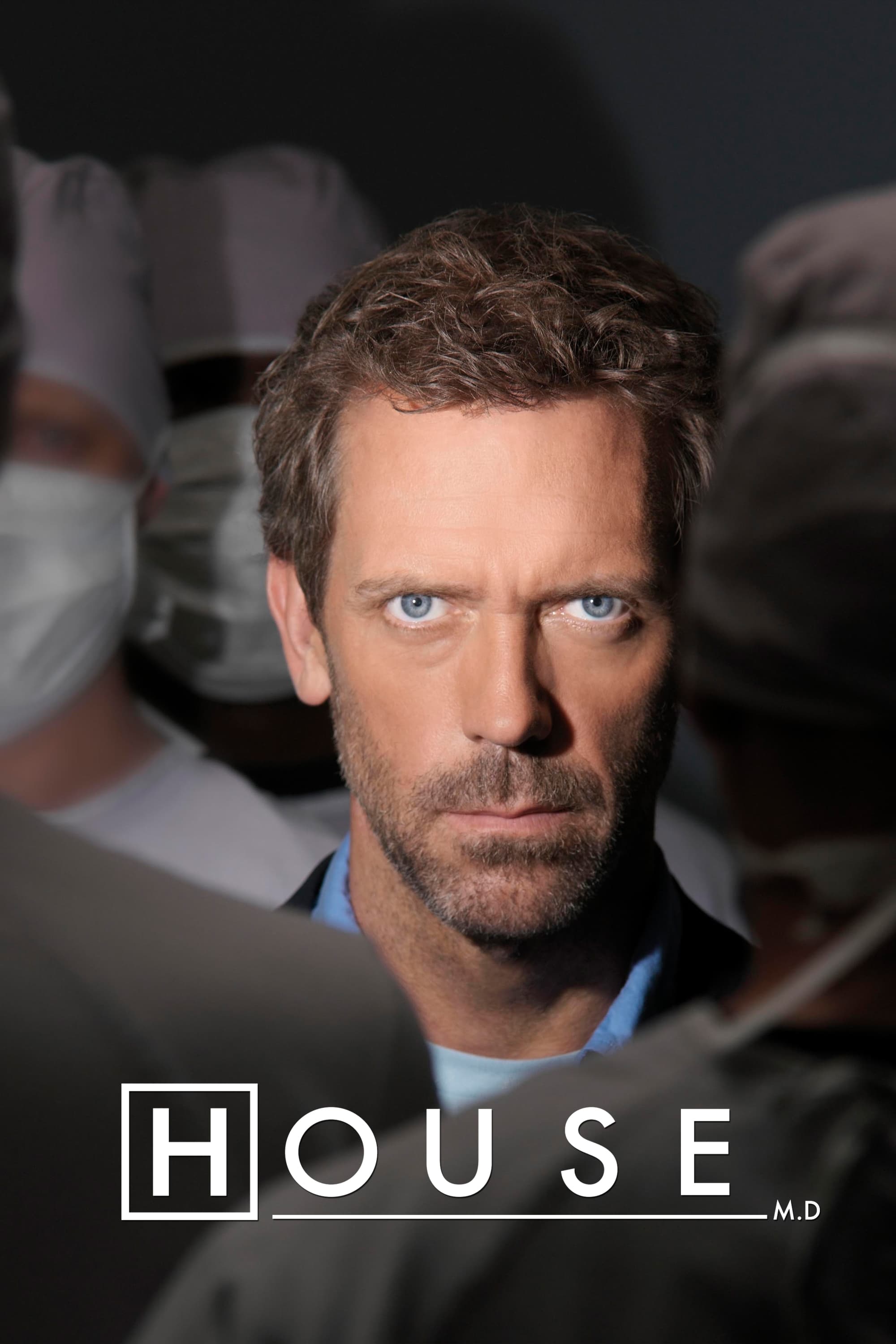
Dr. House’s cane isn’t just a walking aid; it represents his constant pain and difficult personality. He uses it for practical things like tripping people or opening doors, but also as a way to emphasize points when he’s figuring out medical mysteries. Interestingly, the cane’s design changes over time, seemingly mirroring his emotional state. It’s become an essential part of who he is – he can’t really function without it.
‘MacGyver’ (1985–1992)
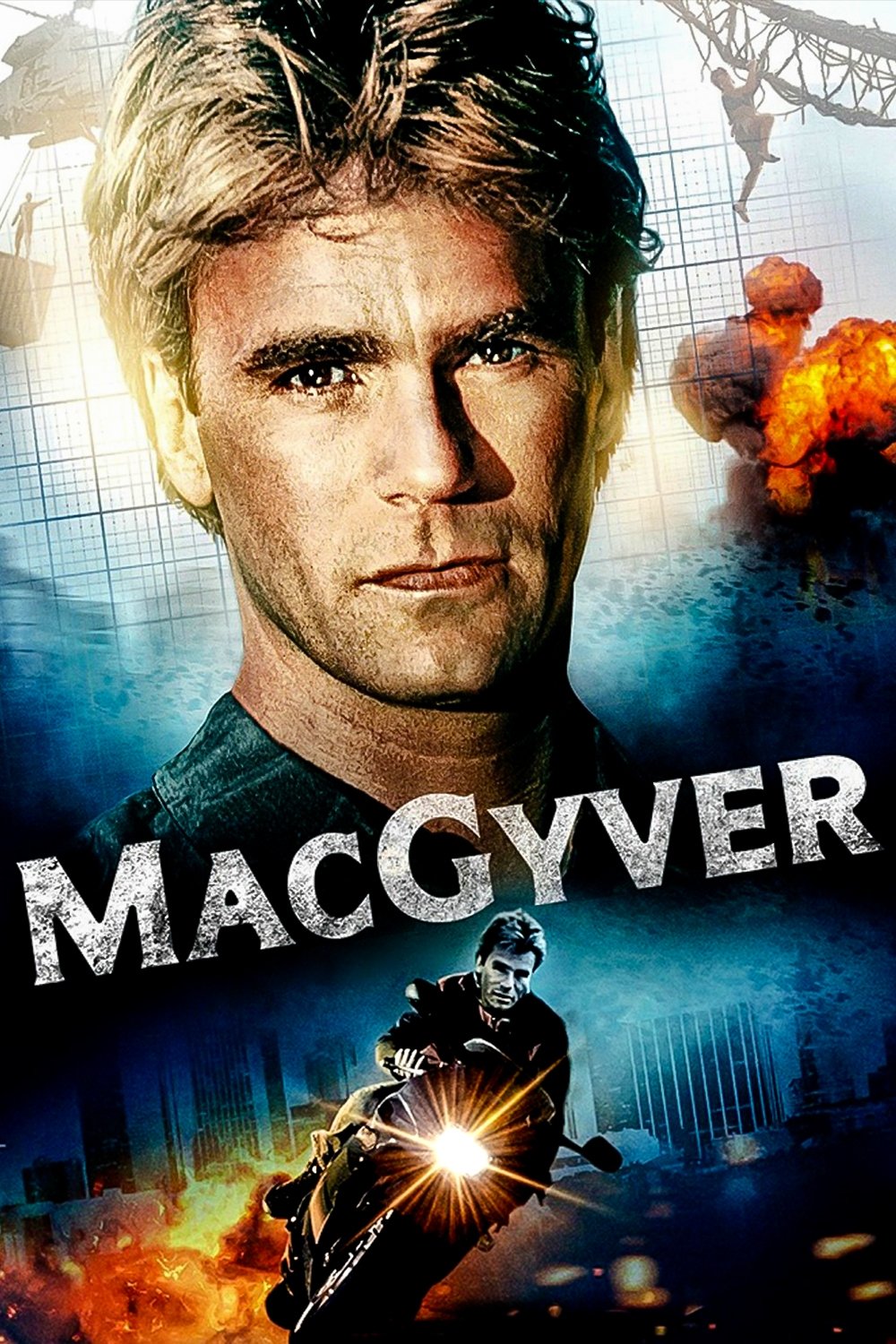
The protagonist primarily uses a Swiss Army Knife to overcome challenges, favoring clever solutions over force. Appearing in nearly every episode, it’s used for tasks like disarming bombs or creating escape tools, and has become a well-known symbol of resourcefulness and fast problem-solving.
‘Magnum, P.I.’ (1980–1988)
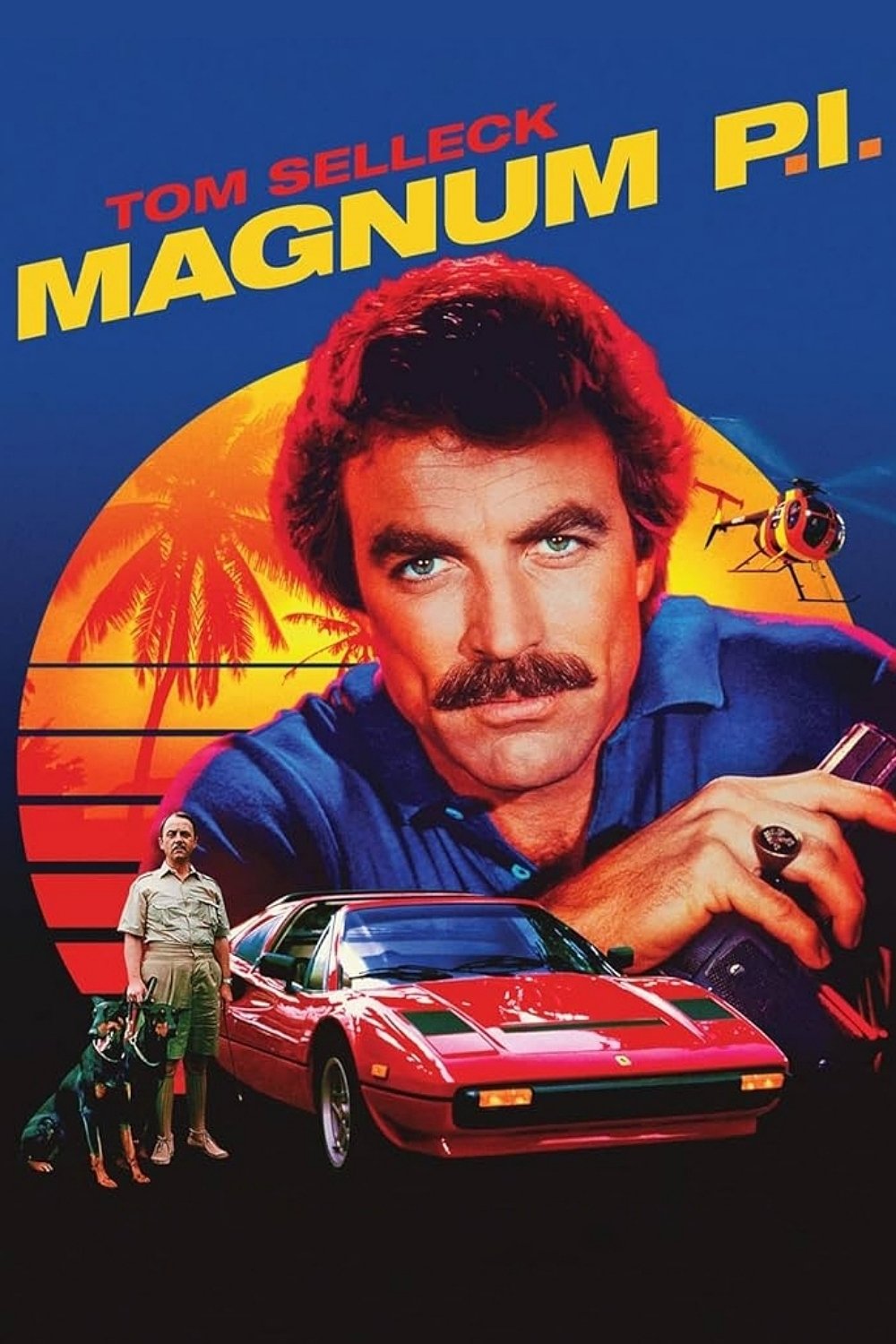
Thomas Magnum drives a red Ferrari 308 GTS, courtesy of the mysterious Robin Masters. The car is frequently put in danger during his investigations, often risking scratches and damage. It symbolizes the lavish lifestyle Magnum enjoys while living as a guest on Masters’ estate, and is just as recognizable a part of the show as the lead actor.
‘The Mandalorian’ (2019–Present)
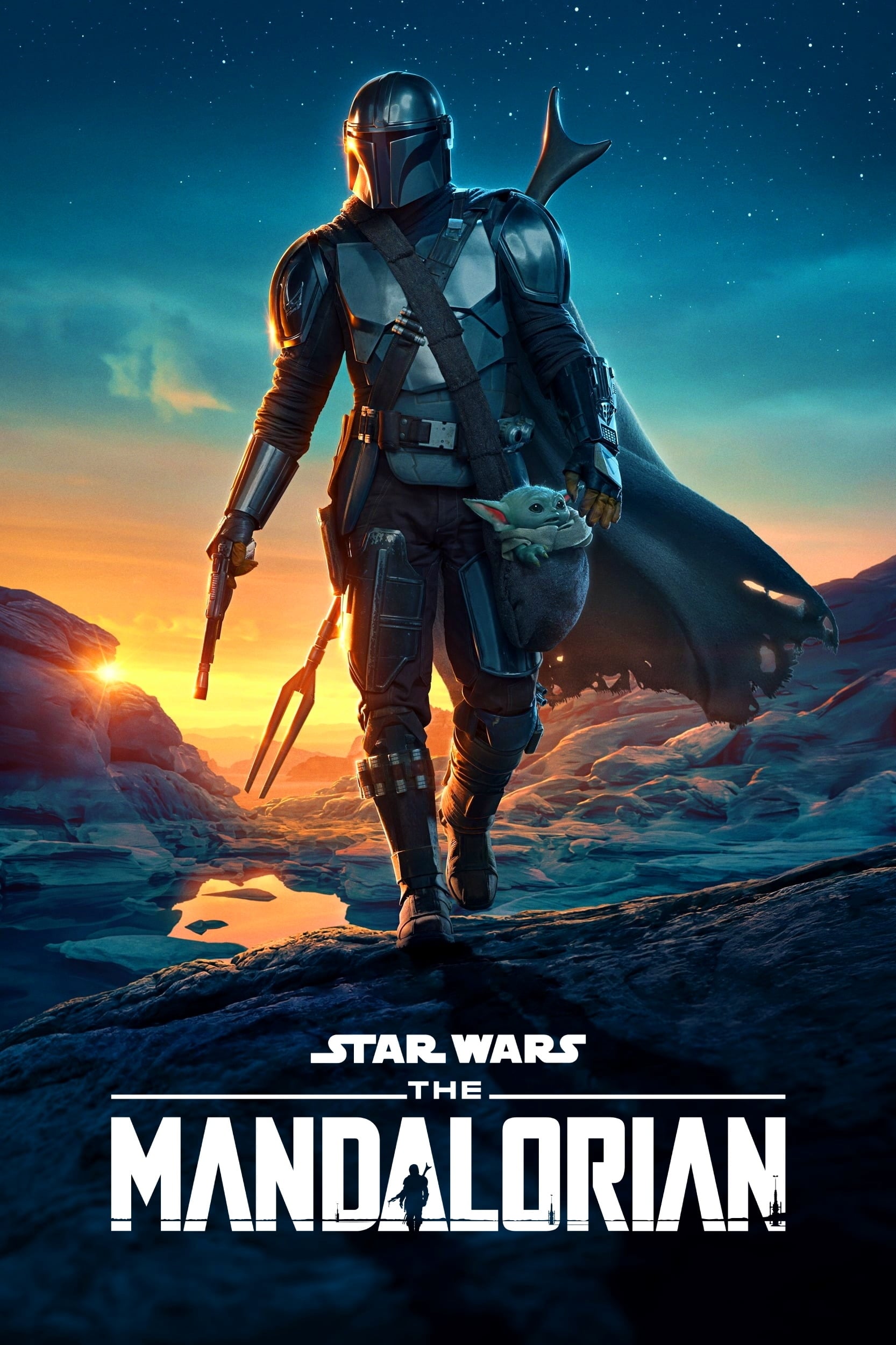
The Darksaber is an old and powerful black lightsaber with a unique significance: whoever holds it is considered the rightful ruler of Mandalore. Because of this, Mandalorians often battle to the death to possess it, as it represents ultimate political power. The Darksaber’s past heavily influences Mandalorian traditions and the future of their people. It’s also a weighty weapon, demanding considerable strength and concentration to wield effectively in a fight.
‘Stranger Things’ (2016–Present)
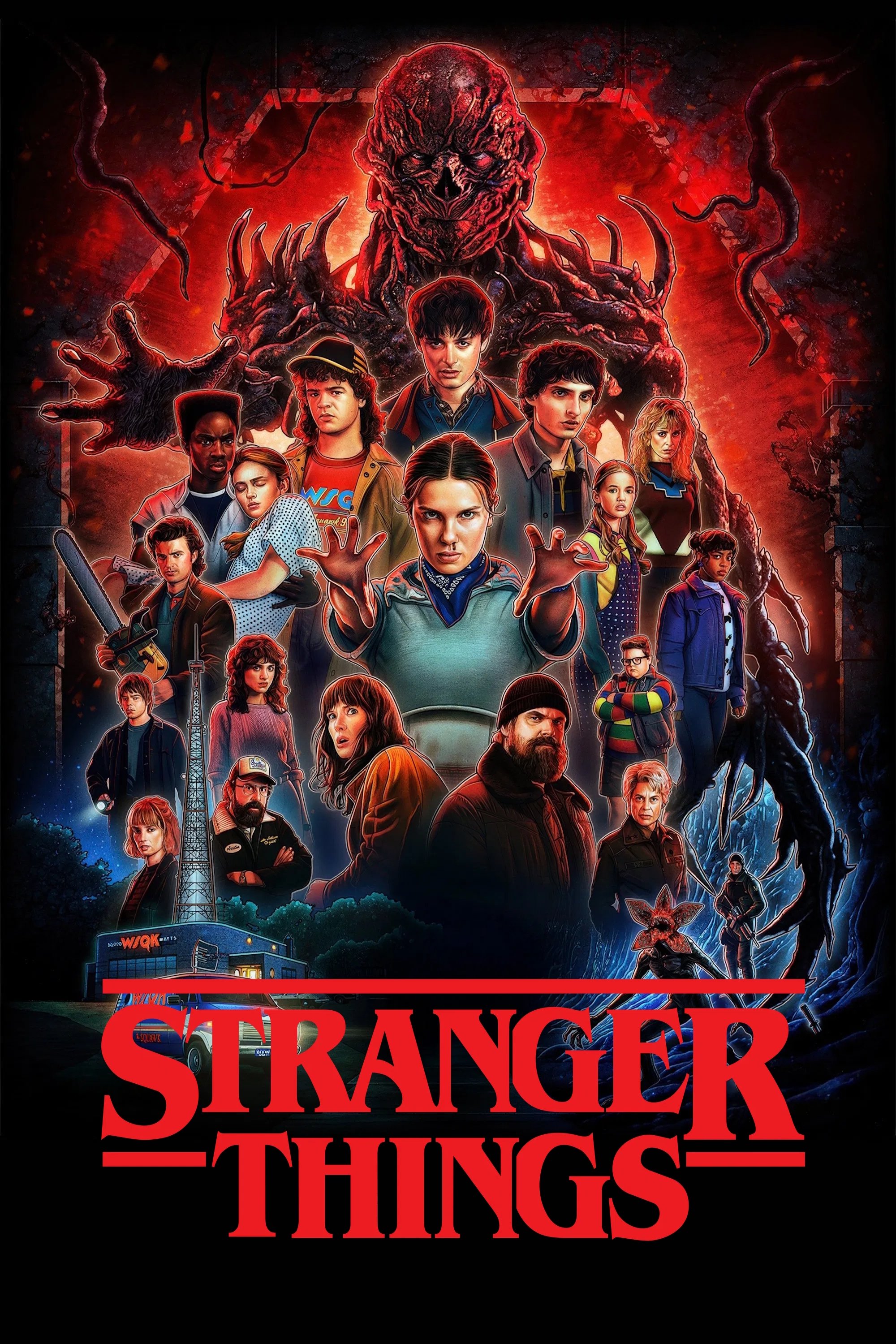
As a huge fan of ‘Stranger Things,’ one of the things that always stuck with me was Joyce Byers’ incredible effort to reach Will after he vanished. She covered the wall with Christmas lights, hoping he could use them to communicate from the Upside Down – spelling out messages with the flickering bulbs. It was such a powerful, visually striking image, and really captured the heart of the first season. It wasn’t just horror; it was a mom’s desperate love blended right into the everyday, and it’s become totally iconic for me and so many others.
‘Lost’ (2004–2010)
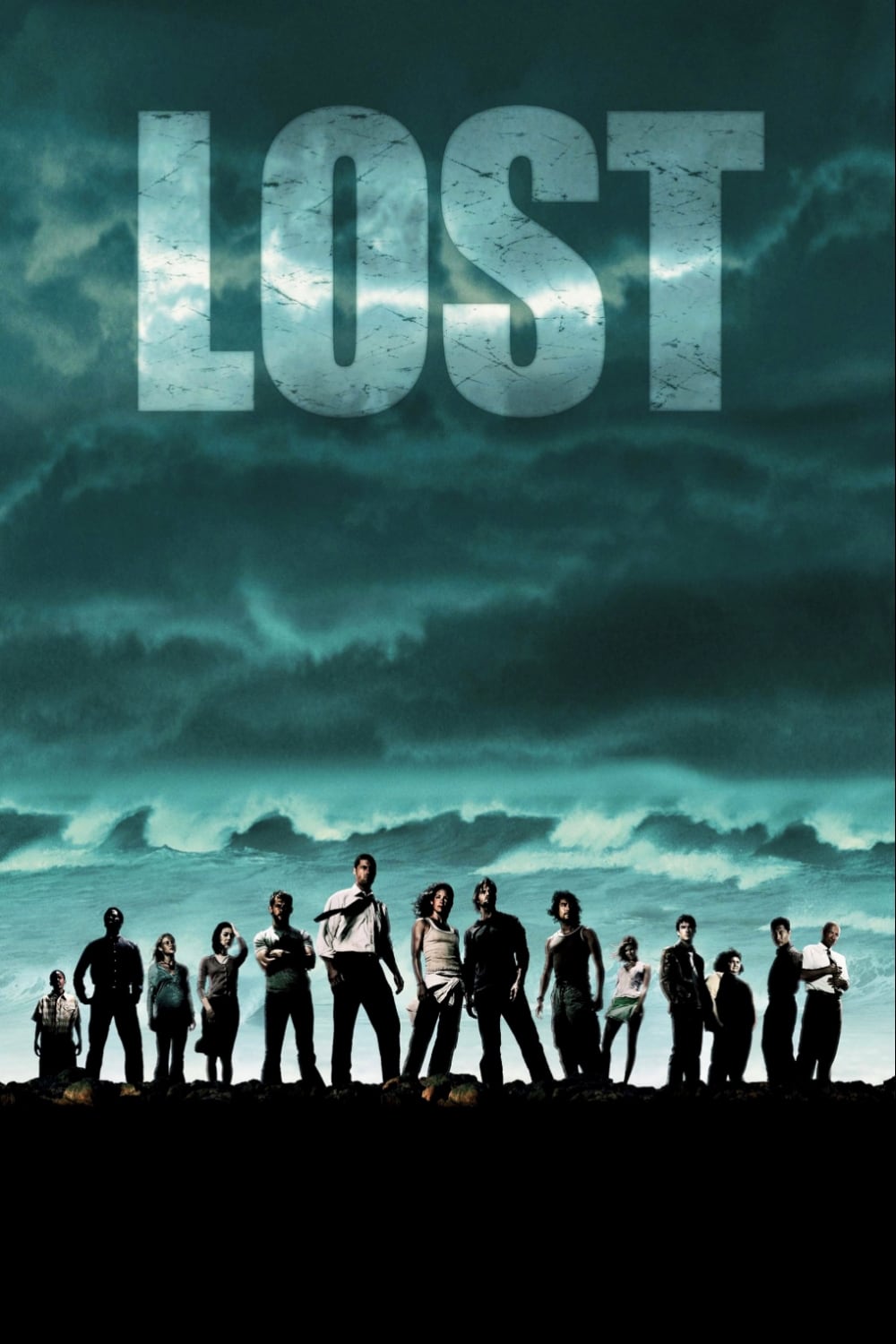
When Hurley finds the Dharma Initiative van, it quickly becomes a source of happiness for the stranded survivors. They all pitch in to get it running, and a joyful drive provides a much-needed break from the stress of being on the island. The van is full of useful supplies and, importantly, beer, offering a temporary escape from their difficult situation. It symbolizes their ability to find hope even in the face of hardship.
‘Fringe’ (2008–2013)
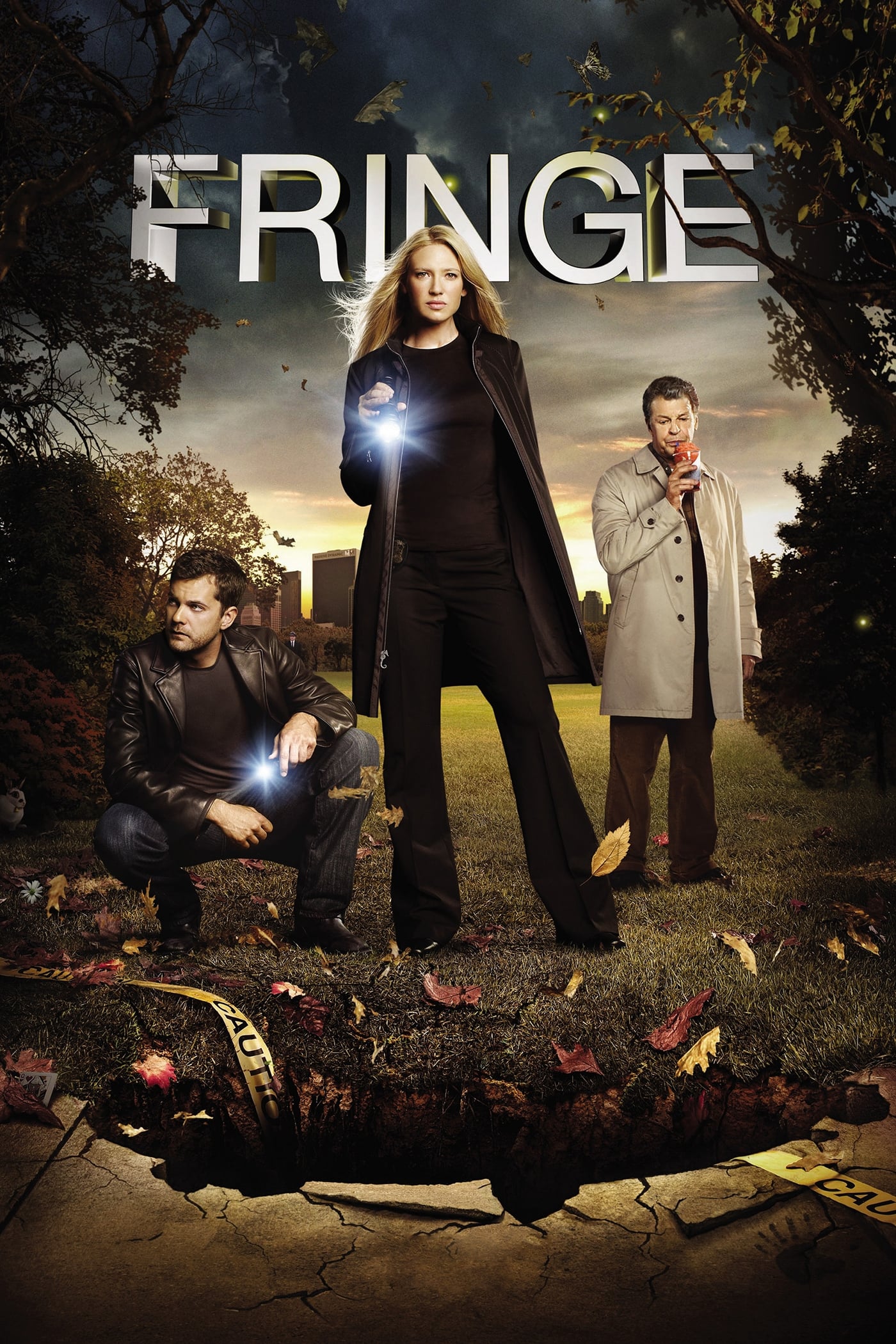
The White Tulip is a drawing Walter Bishop receives, representing forgiveness for mistakes he’s made that affected the universe. It shows his hope for making things right and is seen as a sign of divine forgiveness. This symbol appears repeatedly throughout the story, highlighting Walter’s personal journey and providing an emotional conclusion to the show’s complicated, science-based plot.
‘Suits’ (2011–2019)
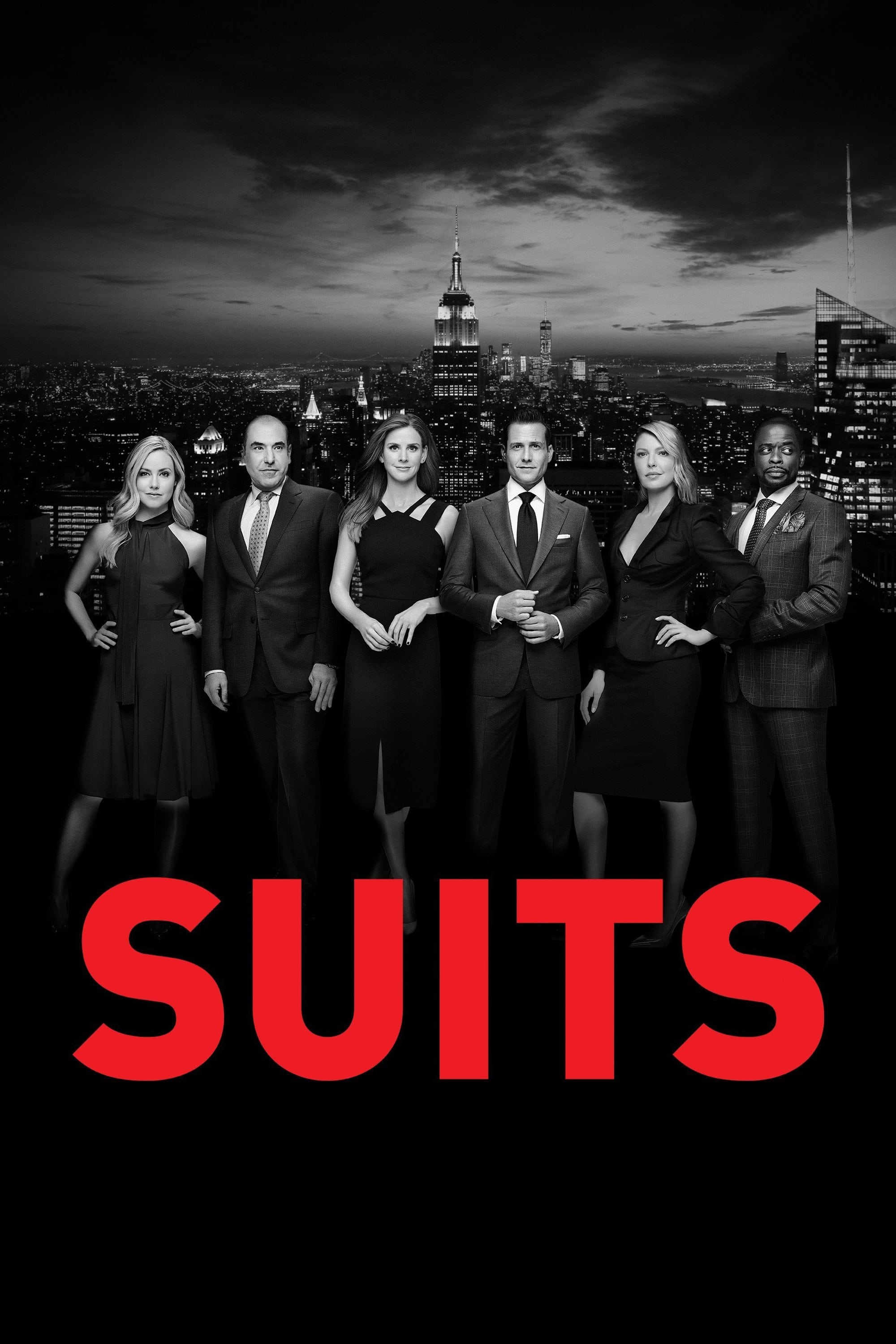
The can opener is a curious inside joke between Harvey Specter and Donna Paulsen, featured throughout the show before trials. Its purpose is never explained, but it represents the special connection and shared past they have, one that no one else understands. This running gag adds a touch of humanity to the otherwise serious legal world of the show.
‘Scrubs’ (2001–2010)
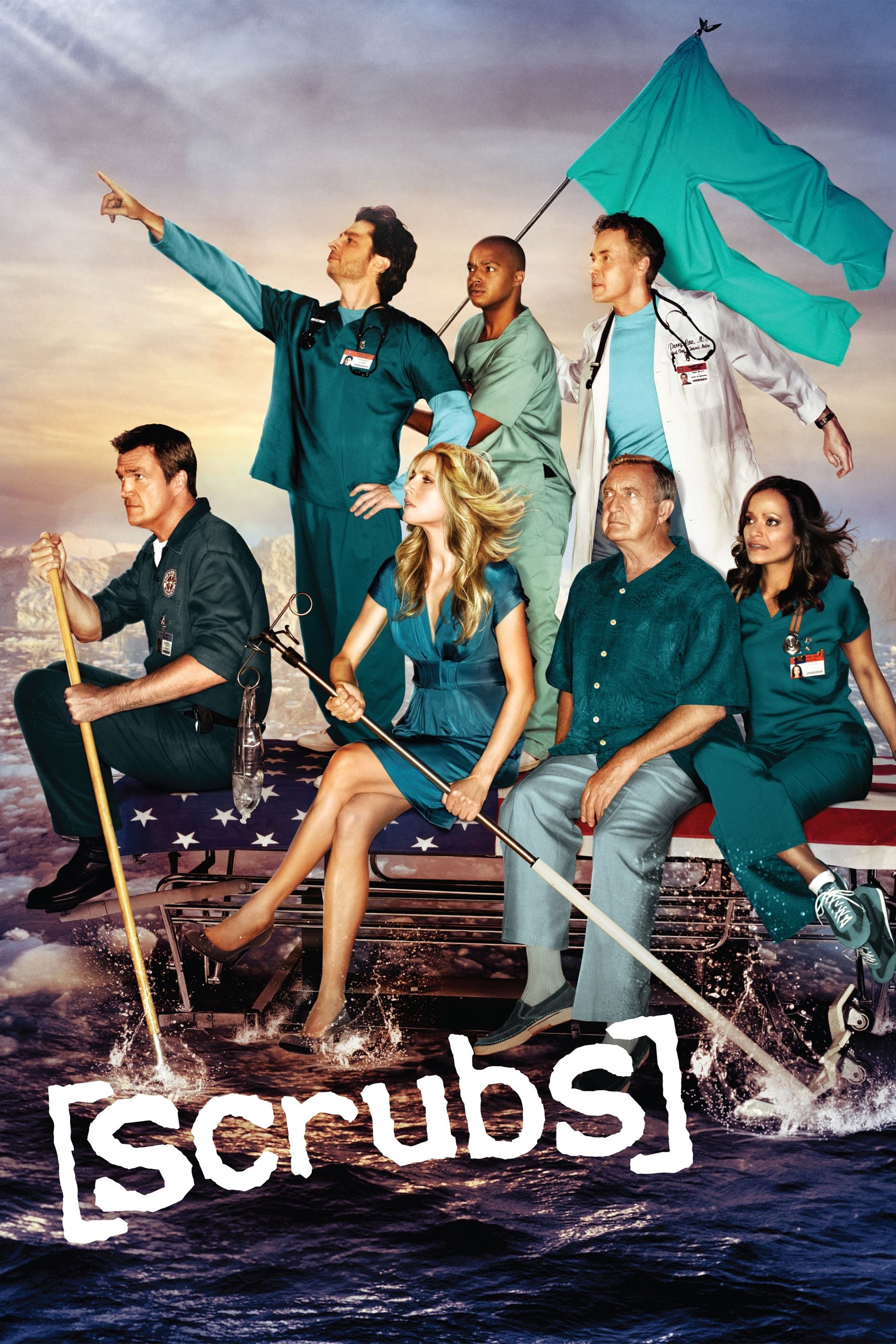
Rowdy is a stuffed dog that J.D. and Turk jokingly treat like a real pet. They use him to play pranks on each other and often talk to him as if he were alive. Rowdy symbolizes the playful and close bond between the two doctors, and he stays with them through thick and thin – even surviving being moved and stolen – becoming a constant presence in their lives.
‘Brooklyn Nine-Nine’ (2013–2021)
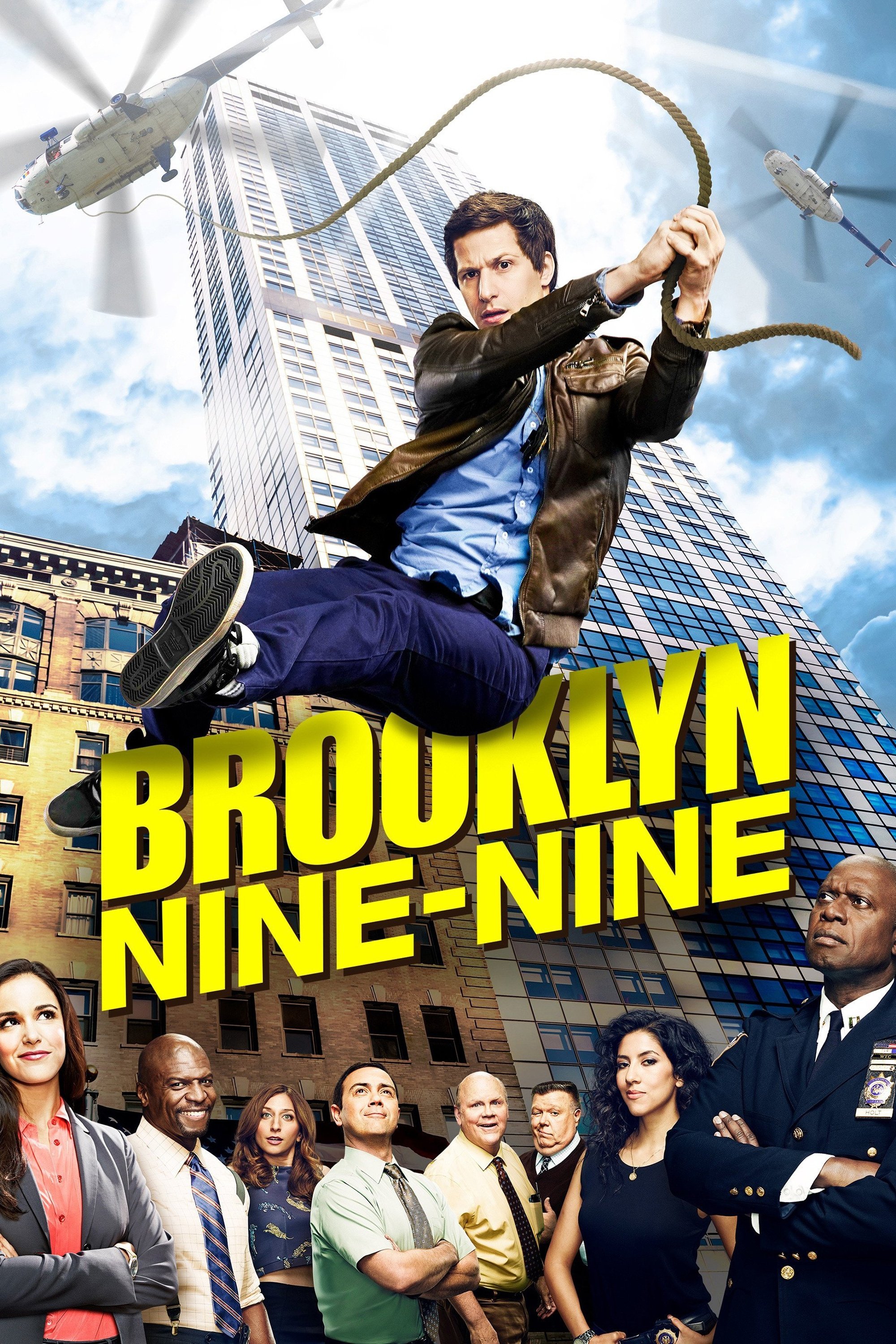
Every year, the police precinct holds a Halloween competition centered around a special object. This object becomes the coveted prize, and detectives will go to great lengths – even turning against each other – to possess it by midnight. The contest to win this prop is the most exciting part of the season, and it determines who is crowned the precinct’s top detective.
‘Downton Abbey’ (2010–2015)
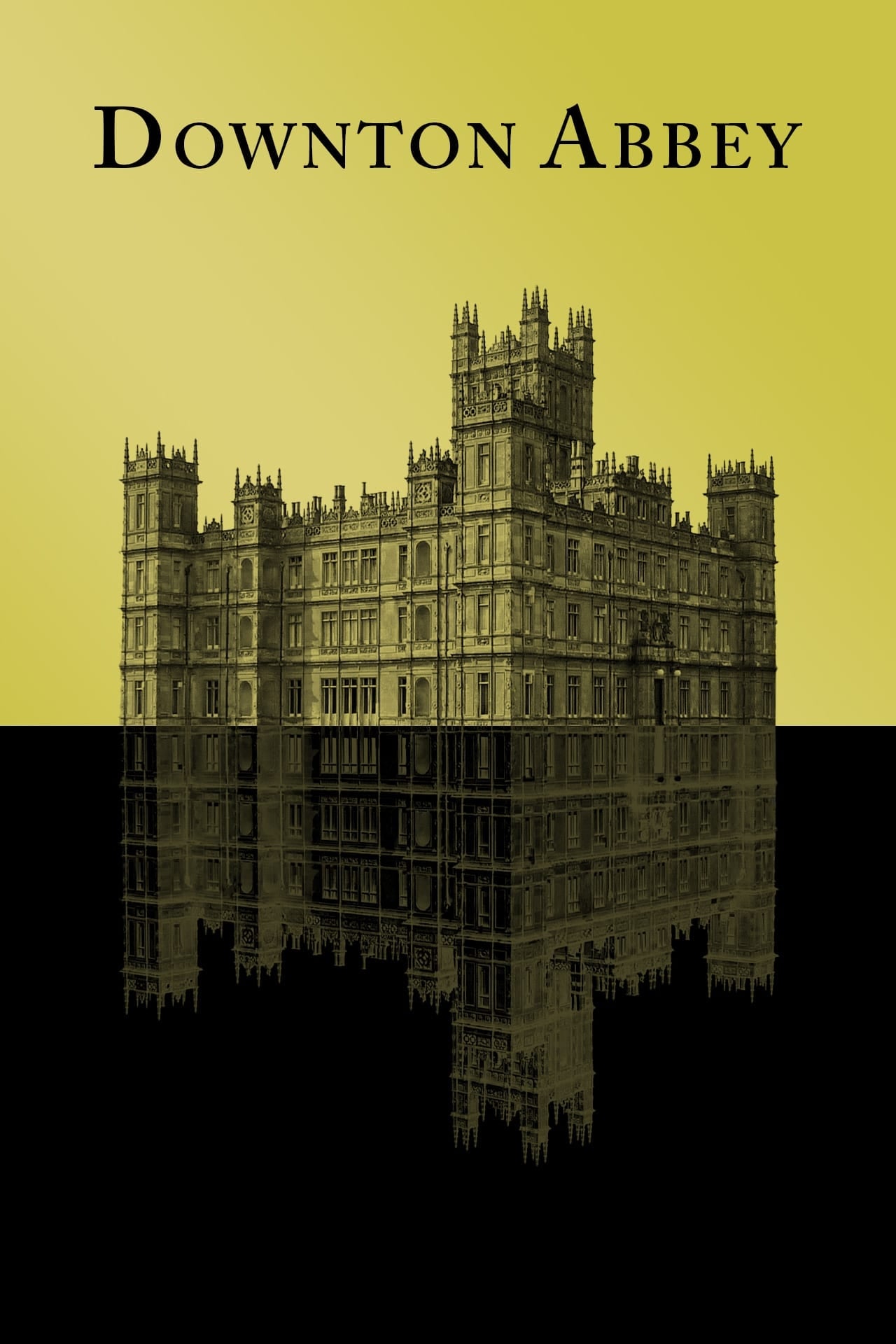
The servant bell board in the kitchen was the hub of activity in the house. It controlled where the staff went and let them know what the family needed. The bells often broke up private time for the staff, serving as a constant reminder of their roles. It was a visual link between the family’s and the servants’ worlds.
‘The Sopranos’ (1999–2007)
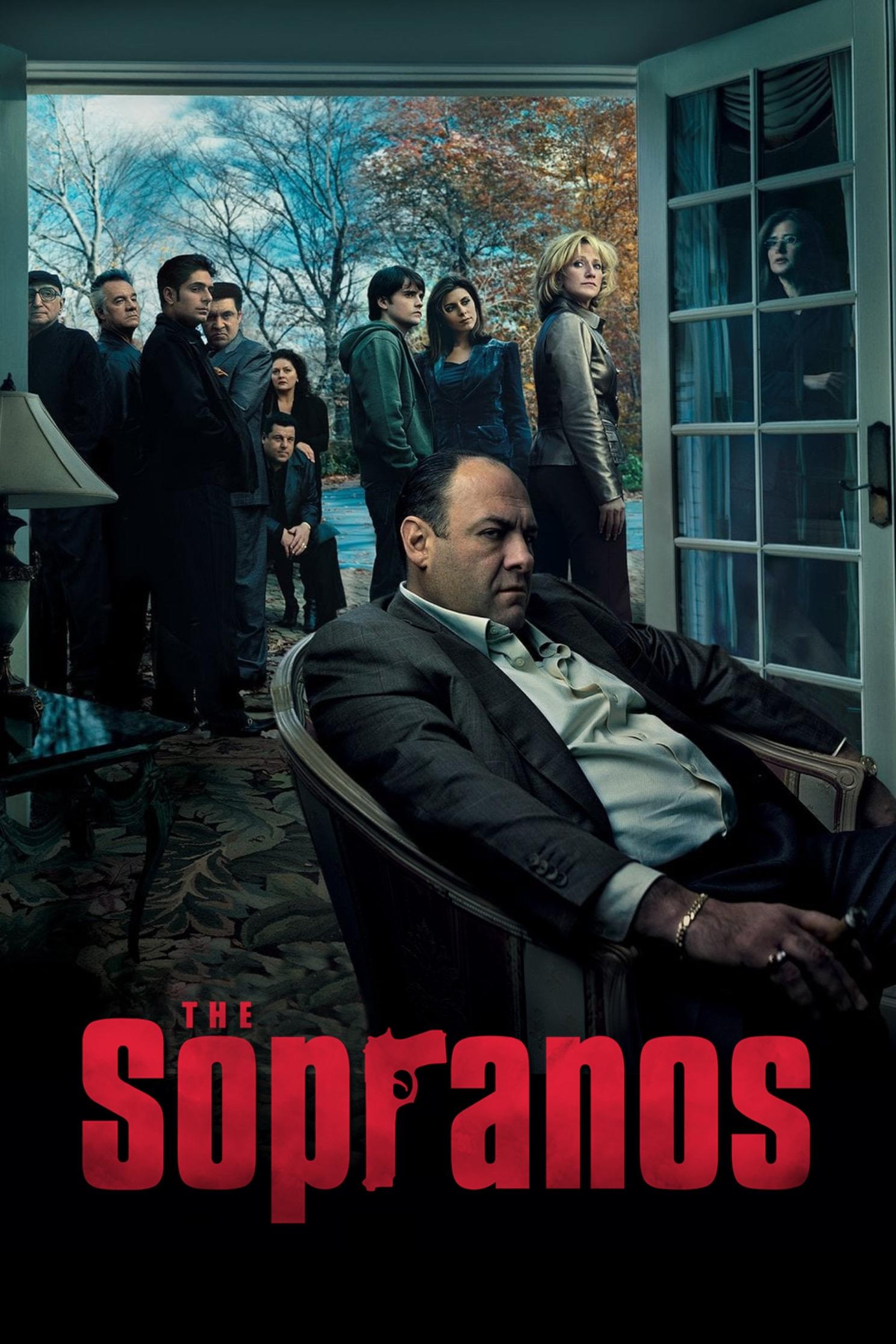
Richie Aprile gives Tony Soprano a leather jacket as a sign of respect, but Tony doesn’t like it and ends up giving it to his maid’s husband. When Richie sees another man wearing the jacket, he becomes furious, revealing his underlying insecurities. The jacket ultimately represents the broken bonds of loyalty within the criminal organization.
‘Better Call Saul’ (2015–2022)
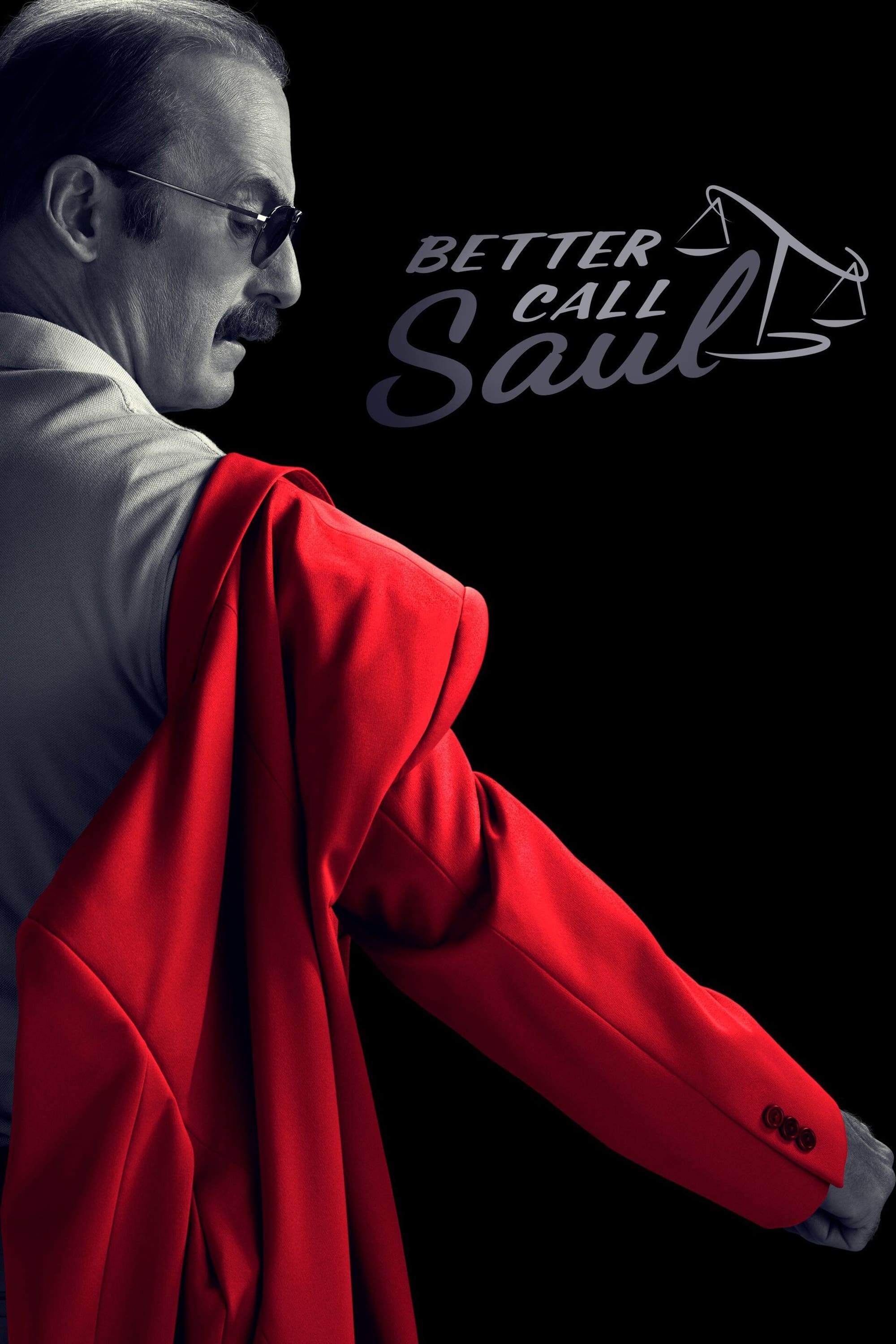
The Zafiro Añejo tequila stopper is a metal keepsake from Jimmy and Kim’s scams, symbolizing the excitement they found in their crimes and their connection as partners. It resurfaces at meaningful times, serving as a reminder of their true selves. Ultimately, it foreshadows the heartbreaking way their lives begin to separate.
‘Happy Days’ (1974–1984)

Okay, so as a huge fan of the show, one of my favorite things is the jukebox at Arnold’s. It only works when the Fonz punches it! It’s such a cool detail because it really shows how powerful and popular he is. Like, nobody else can get it to play, it just stays silent until he shows up. It’s almost like the jukebox knows he’s the king and won’t work for anyone else – it’s a total symbol of how much control he has over everything and everyone around him.
‘Kojak’ (1973–1978)
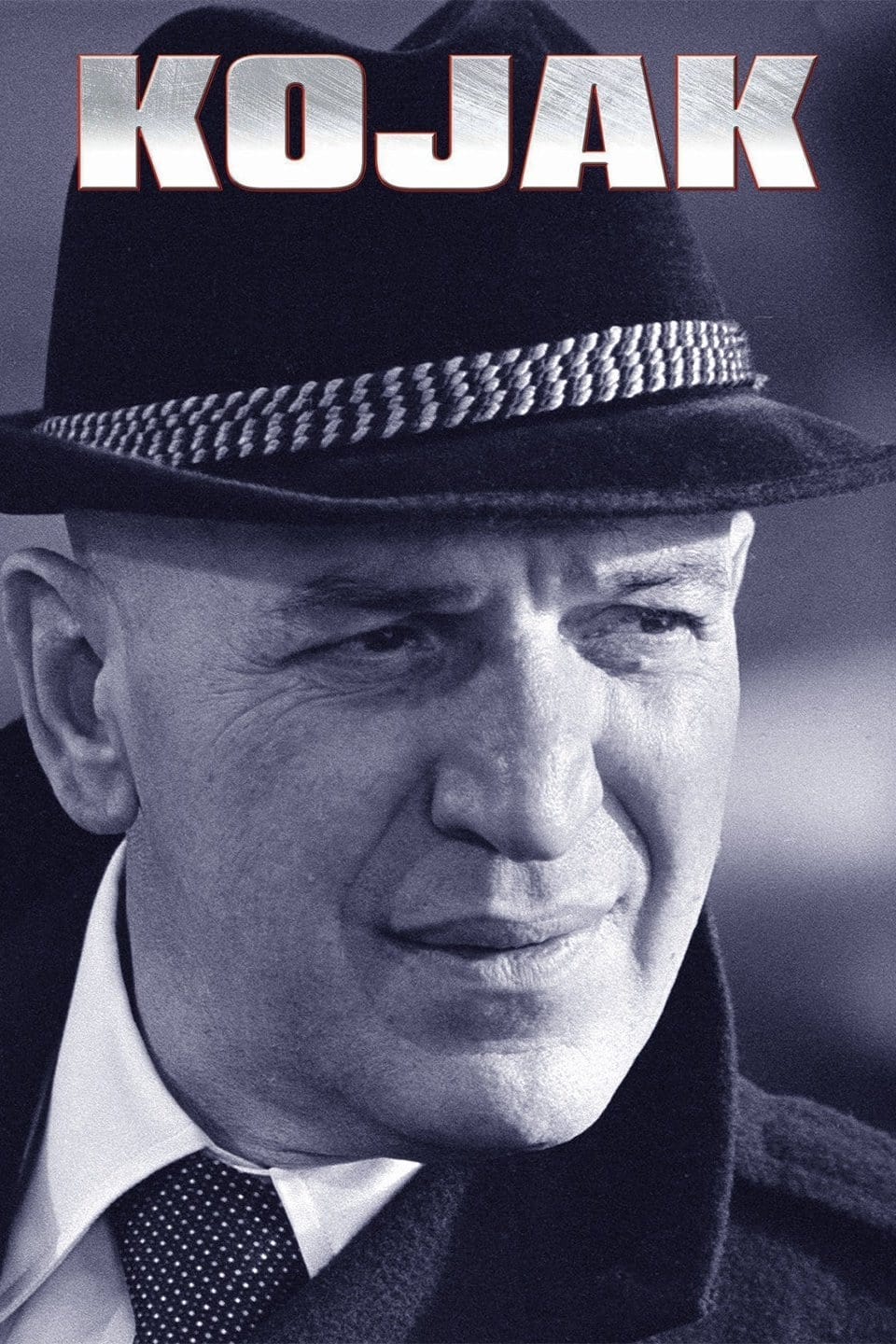
Lieutenant Theo Kojak’s lollipop started as a way to help the actor stop smoking, but it quickly became a signature part of his character. It brought a lighthearted element to the otherwise realistic police show. Kojak often offered the candy to people he interviewed, and it helped to balance his tough persona, making him a truly unforgettable character.
‘The Prisoner’ (1967–1968)
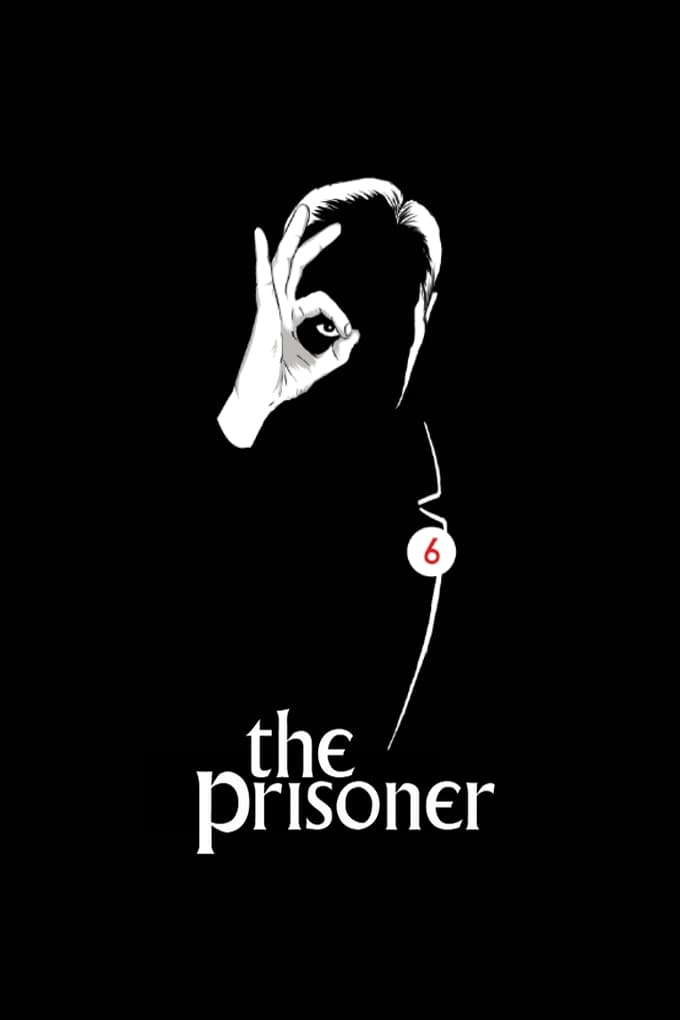
The Penny Farthing bicycle is the symbol of the Village and is seen everywhere within it. It embodies the strange and outdated feel of the prison where Number Six is being held. The bicycle’s large wheel implies a never-ending, inescapable cycle, and it represents the conflict between the individual and the group.
‘Westworld’ (2016–2022)
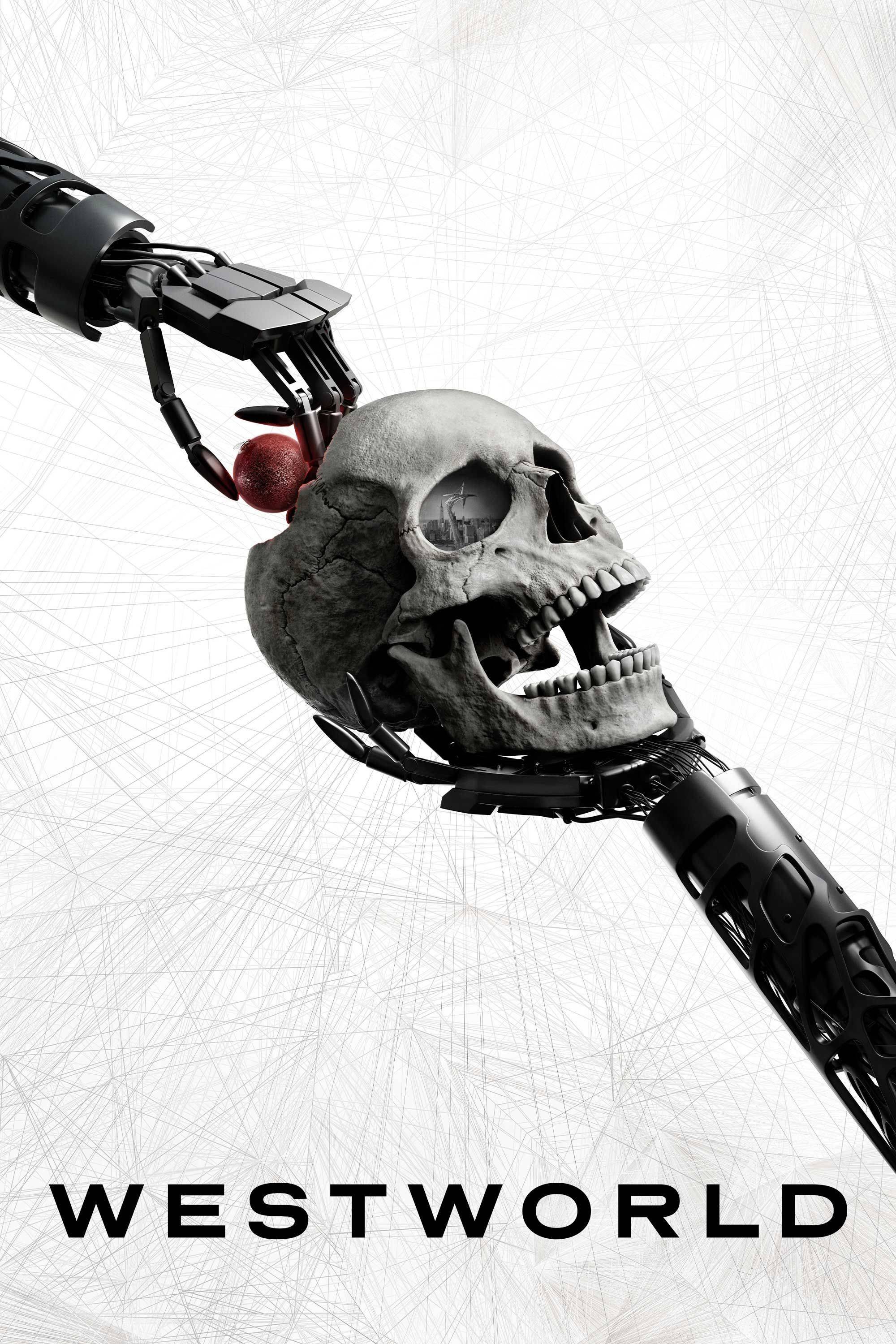
The Maze is a symbolic pattern found on scalps and in the ground, acting as a guide for the hosts as they awaken. It’s not a real location, but rather an internal challenge the androids must overcome. The Man in Black is obsessed with it, seeing it as a personal game. Ultimately, the Maze holds the key to the machines achieving true free will.
‘Rick and Morty’ (2013–Present)
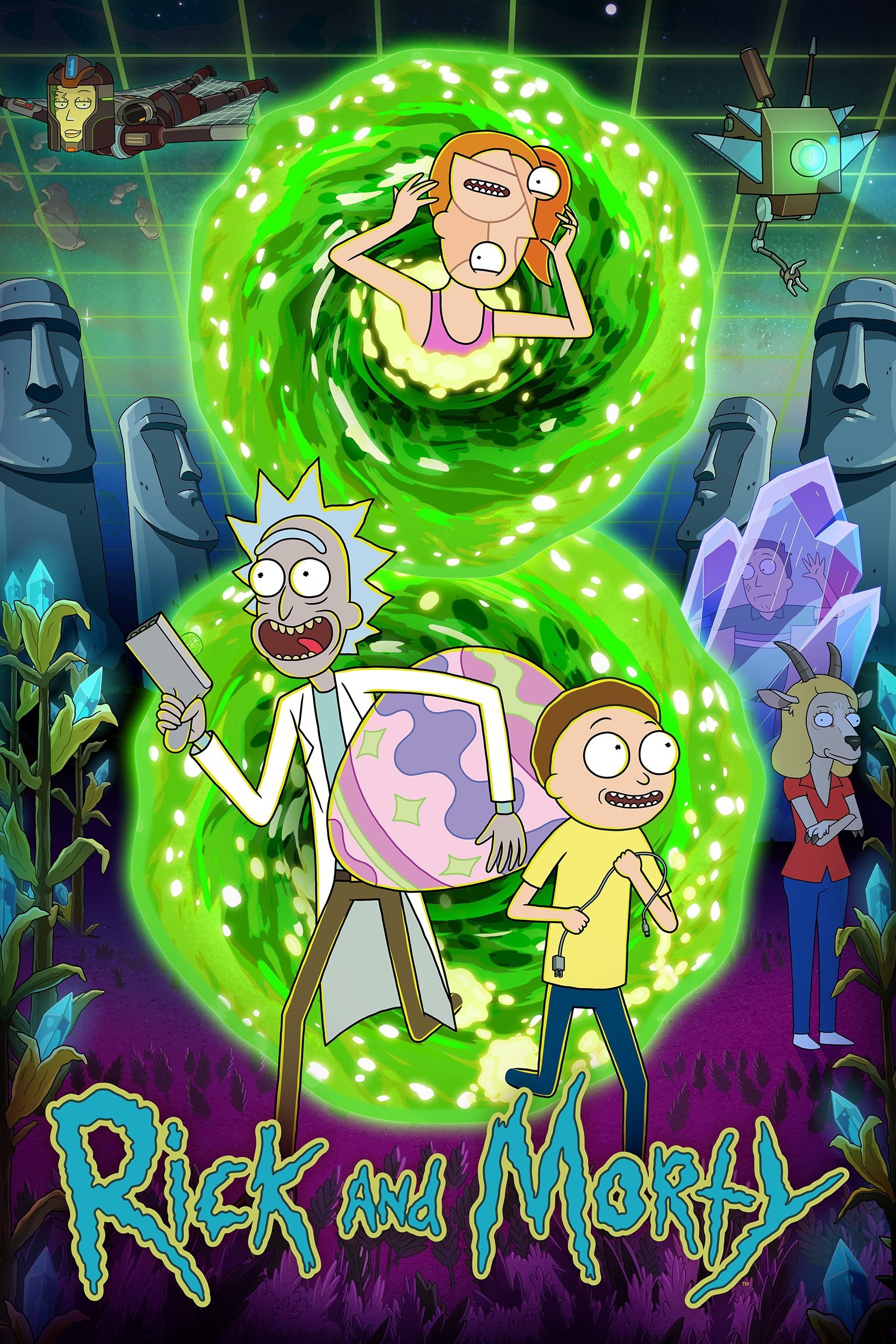
The Portal Gun is central to nearly every adventure, letting Rick instantly travel between different dimensions. He often uses it to avoid trouble, but this frequently puts his family in danger across countless realities. The gun’s green liquid is a valuable and sought-after resource, symbolizing the immense power that both burdens and empowers Rick.
‘Batman’ (1966–1968)
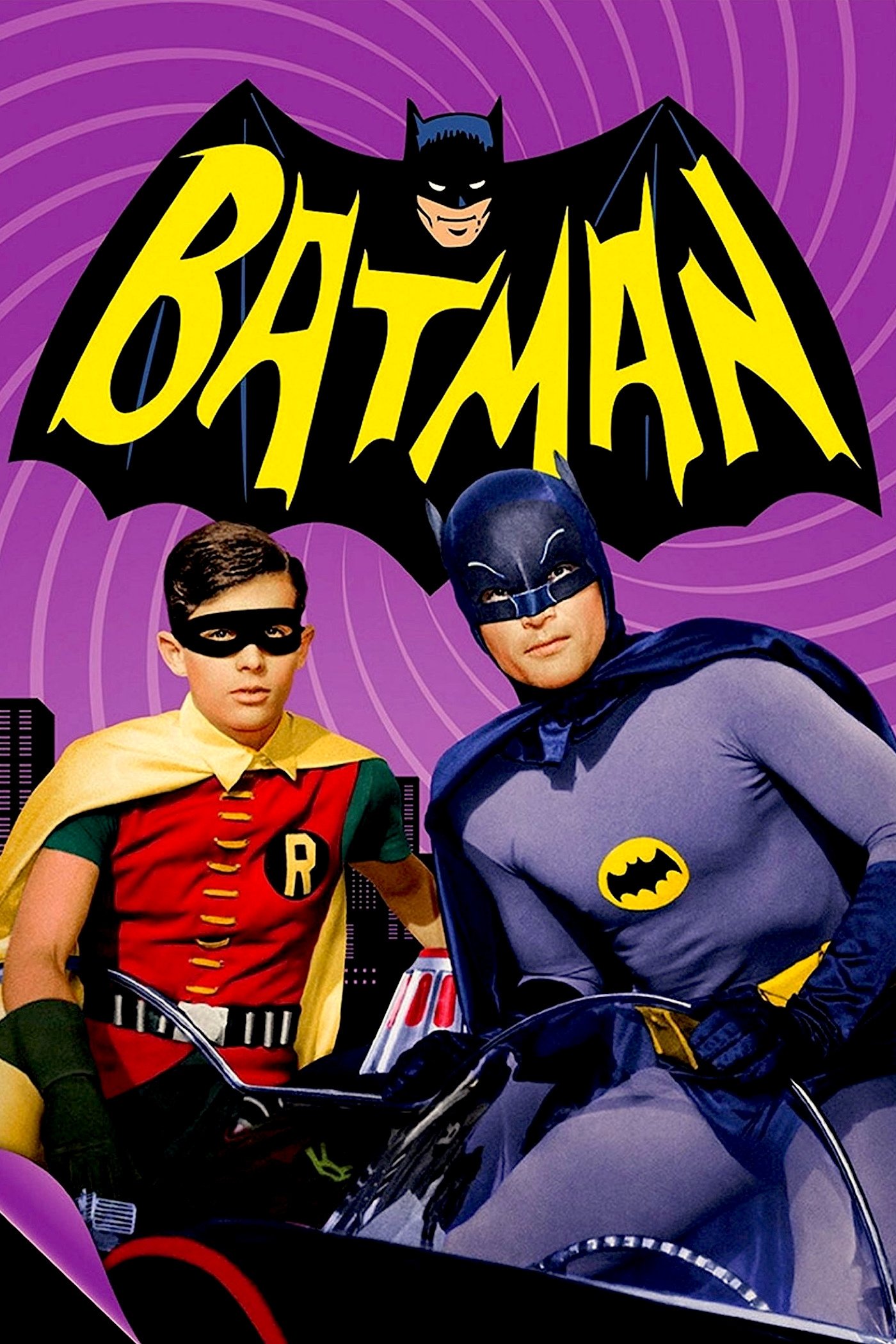
The Batphone is a bright red phone kept under a glass dome in Wayne Manor. It’s a direct line to Commissioner Gordon and always signals the beginning of a new crisis in each episode. When it rings, the phone lights up, demanding Bruce Wayne’s immediate attention. It’s the main way Batman connects with the police.
‘Get Smart’ (1965–1970)
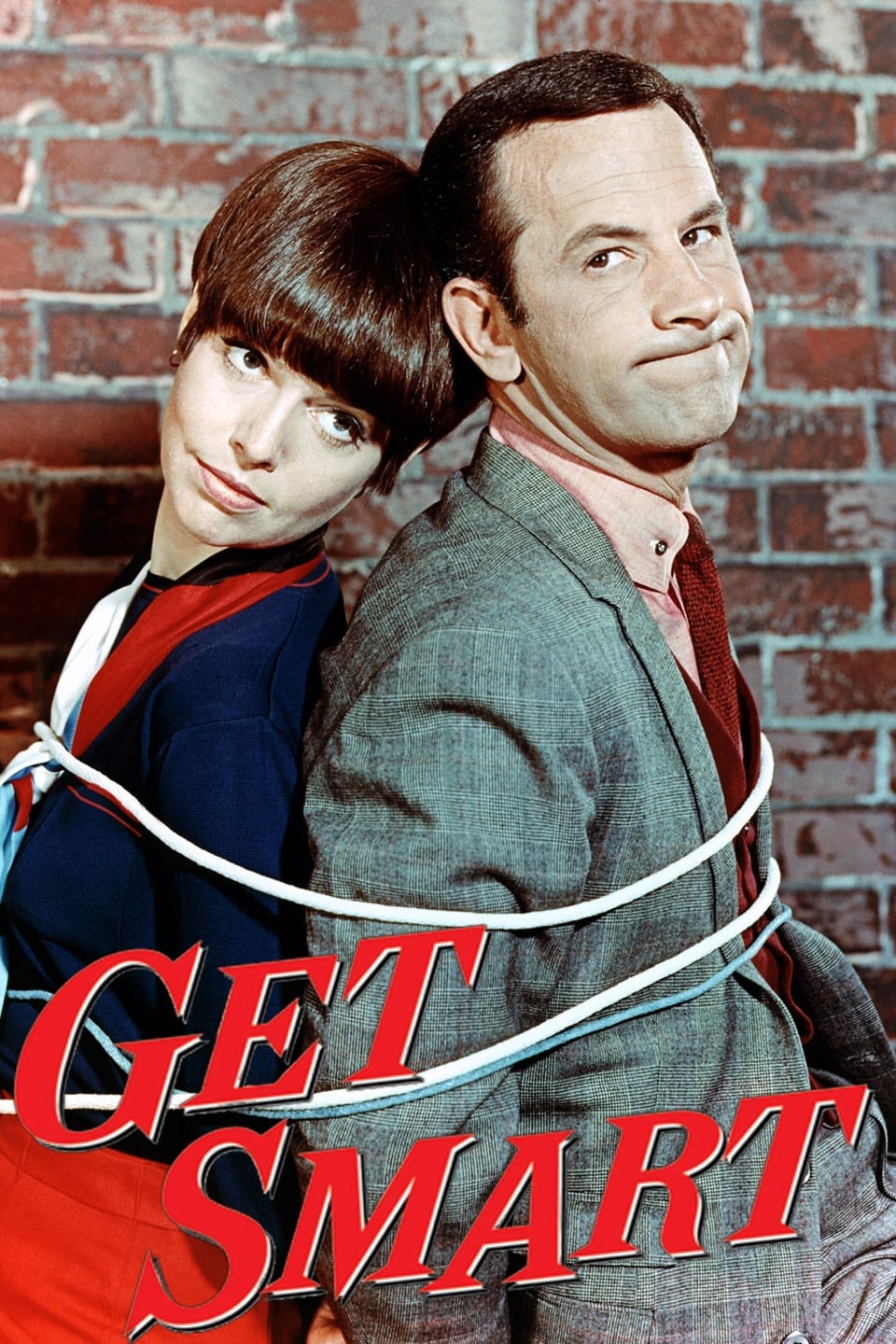
The Shoe Phone is a hidden phone built into the sole of Maxwell Smart’s shoe. Because he has to remove his shoe to use it, it often causes funny and clumsy situations. The device playfully mocks the spy genre’s tendency to feature gadgets hidden in everyday objects. It’s become the most recognizable prop from the show, and a beloved comedic element.
‘The Dukes of Hazzard’ (1979–1985)
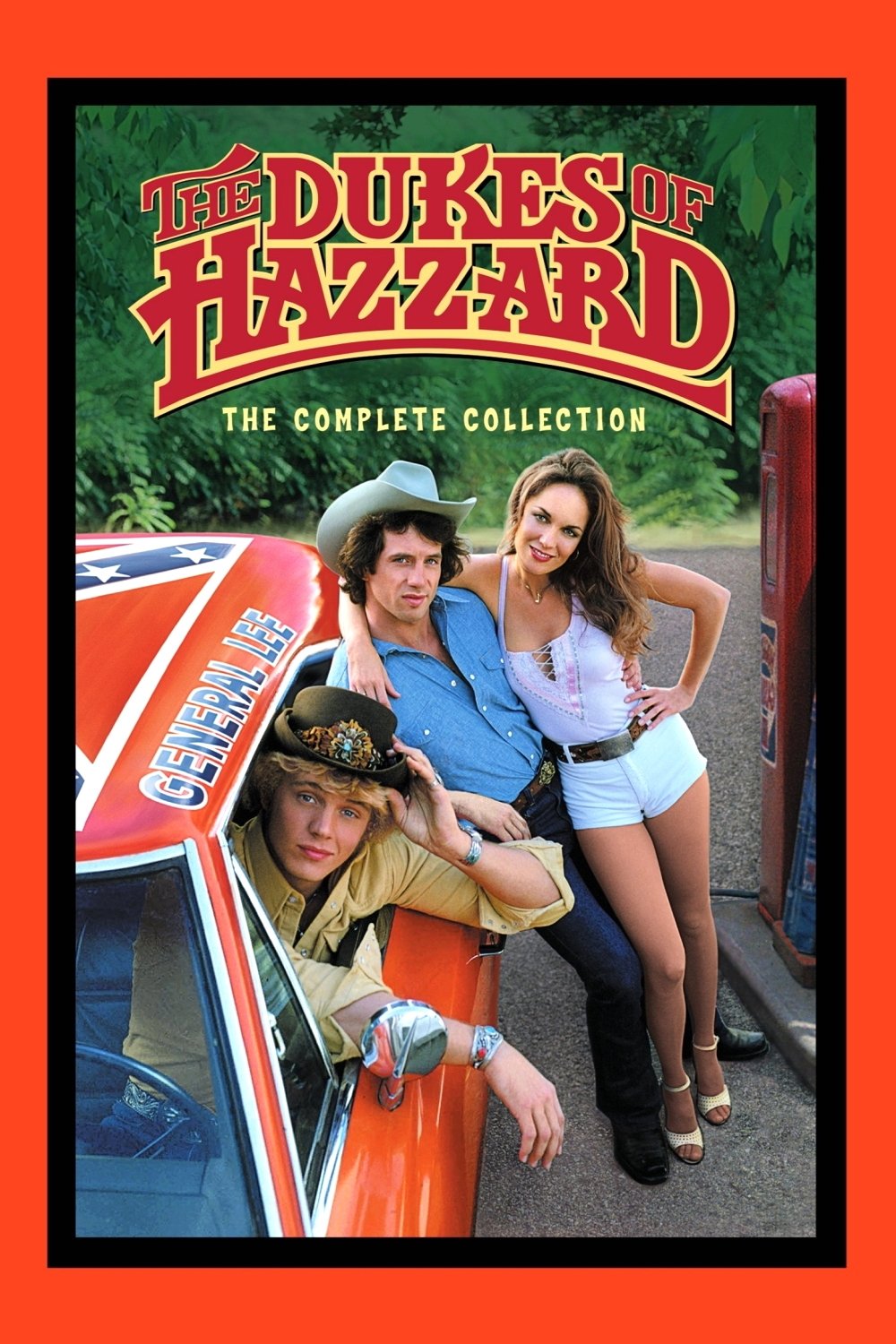
As a movie and TV car fanatic, I’ve always been fascinated by the General Lee! It’s a 1969 Dodge Charger – a seriously cool ride – but what’s really unique is that the doors are welded shut, so the Duke cousins have to climb in through the windows. It’s famous for its incredible jumps and that instantly recognizable horn. Honestly, it feels like a third main character in the show, always there to help them escape that crooked sheriff. It’s easily one of the most famous cars ever featured on screen.
‘Starsky & Hutch’ (1975–1979)
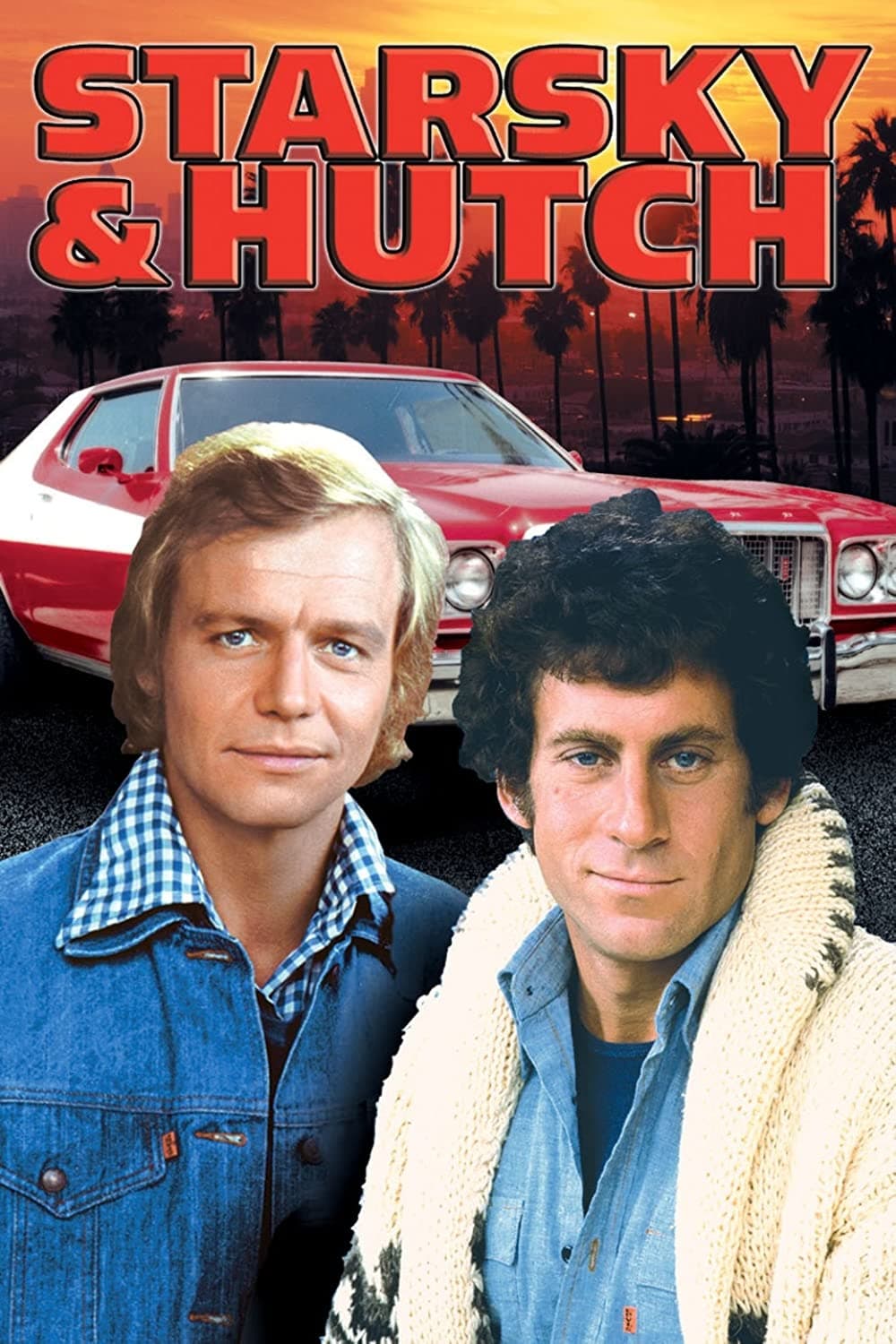
The detectives drive a red and white Ford Gran Torino. While its bright colors don’t exactly help them blend in, they match the partners’ bold personalities. Viewers have affectionately dubbed the car the “Striped Tomato.” It’s become a symbol of the duo and their work on the streets.
‘Battlestar Galactica’ (2004–2009)
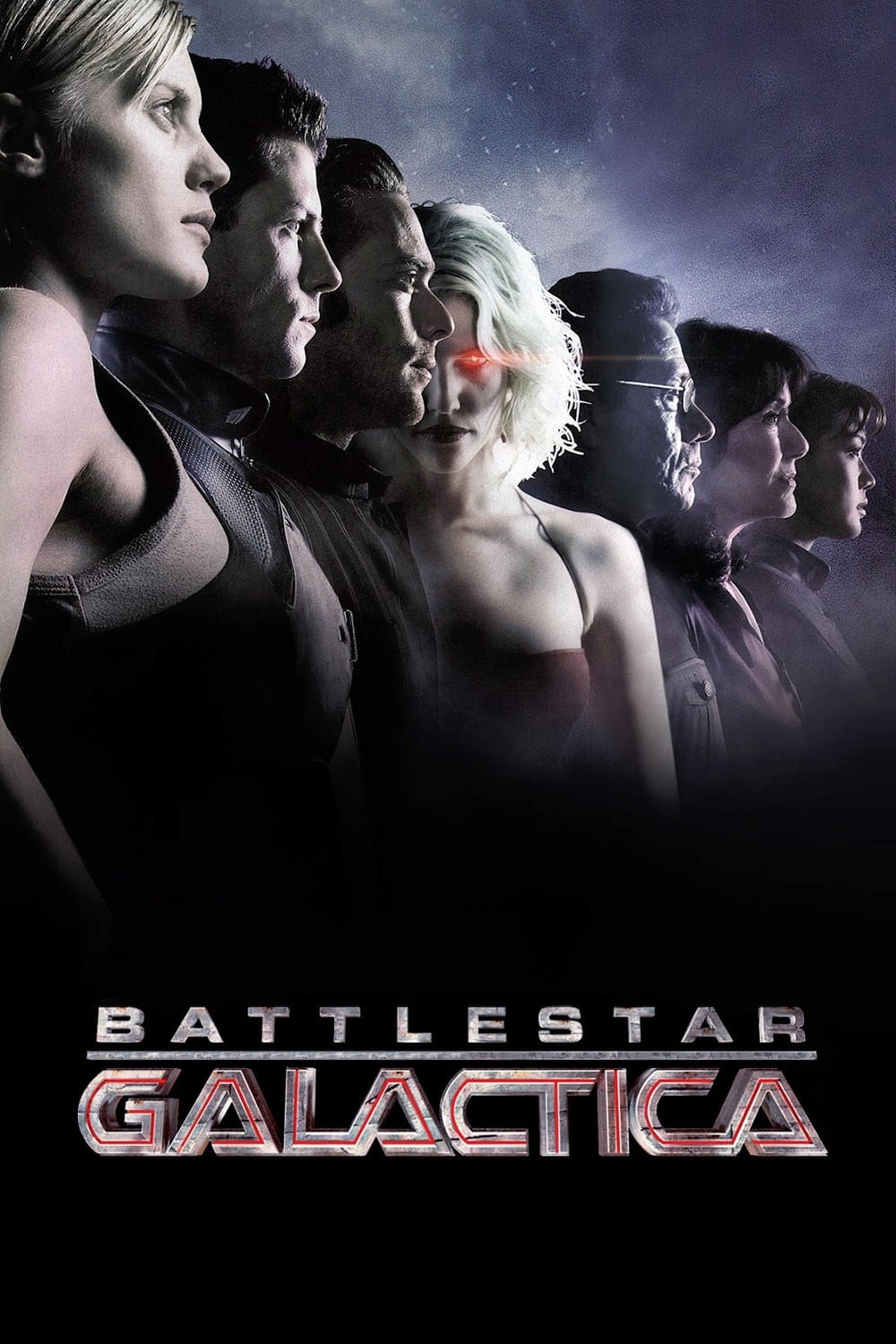
Galactica is an old warship about to be retired when the Cylons attack, forcing it back into action. Because it’s outdated and not connected to any networks, it avoids the virus that wipes out the rest of the fleet. This makes it the last hope for humanity, carrying the remaining survivors. Like the people on board, the ship is worn down and damaged from years of service.
‘Ash vs Evil Dead’ (2015–2018)
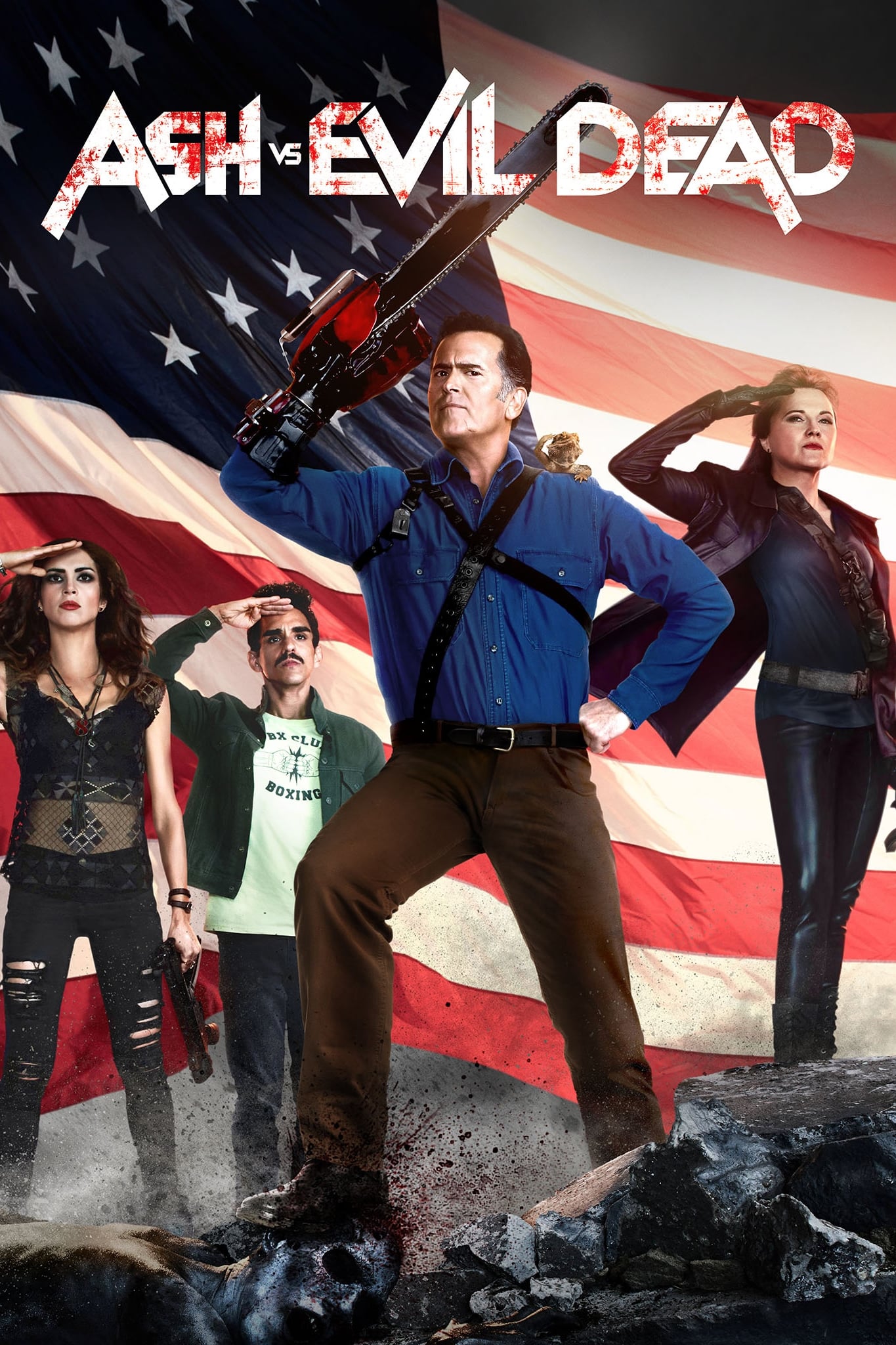
Ash Williams’ chainsaw arm is his main weapon in the fight against the Deadites. He’s customized and cares for it like a part of himself. While it’s noisy and brutal, the chainsaw perfectly matches his aggressive fighting style and has become the most iconic symbol of his character.
‘Peaky Blinders’ (2013–2022)
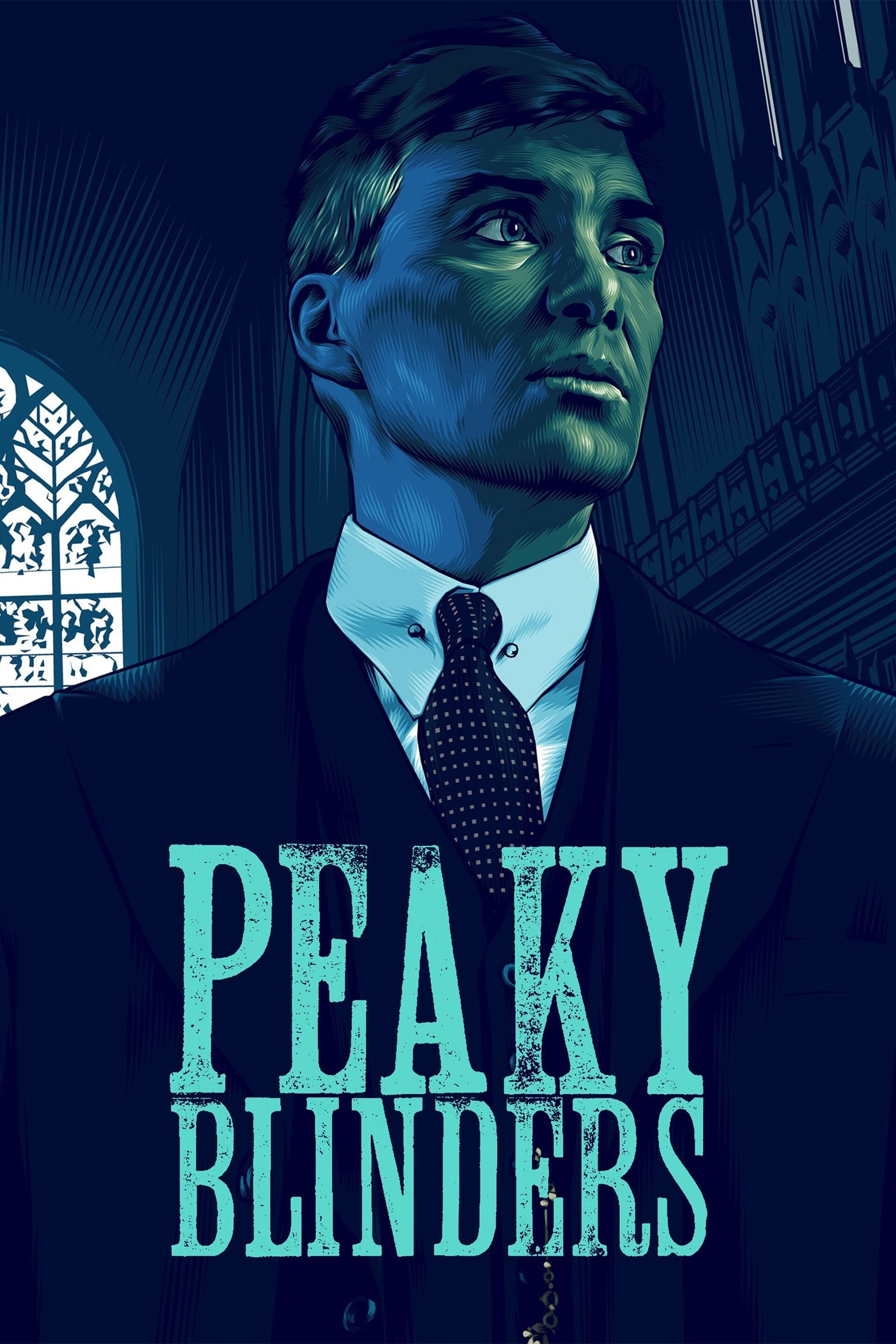
The Shelby family is known for its distinctive flat caps, each secretly fitted with a razor blade along the brim. They use these caps as weapons, slashing opponents during fights to establish dominance and spread fear throughout Birmingham. The caps not only give the gang its nickname but also represent the combination of everyday working-class style and their criminal activities.
‘Dexter’ (2006–2013)
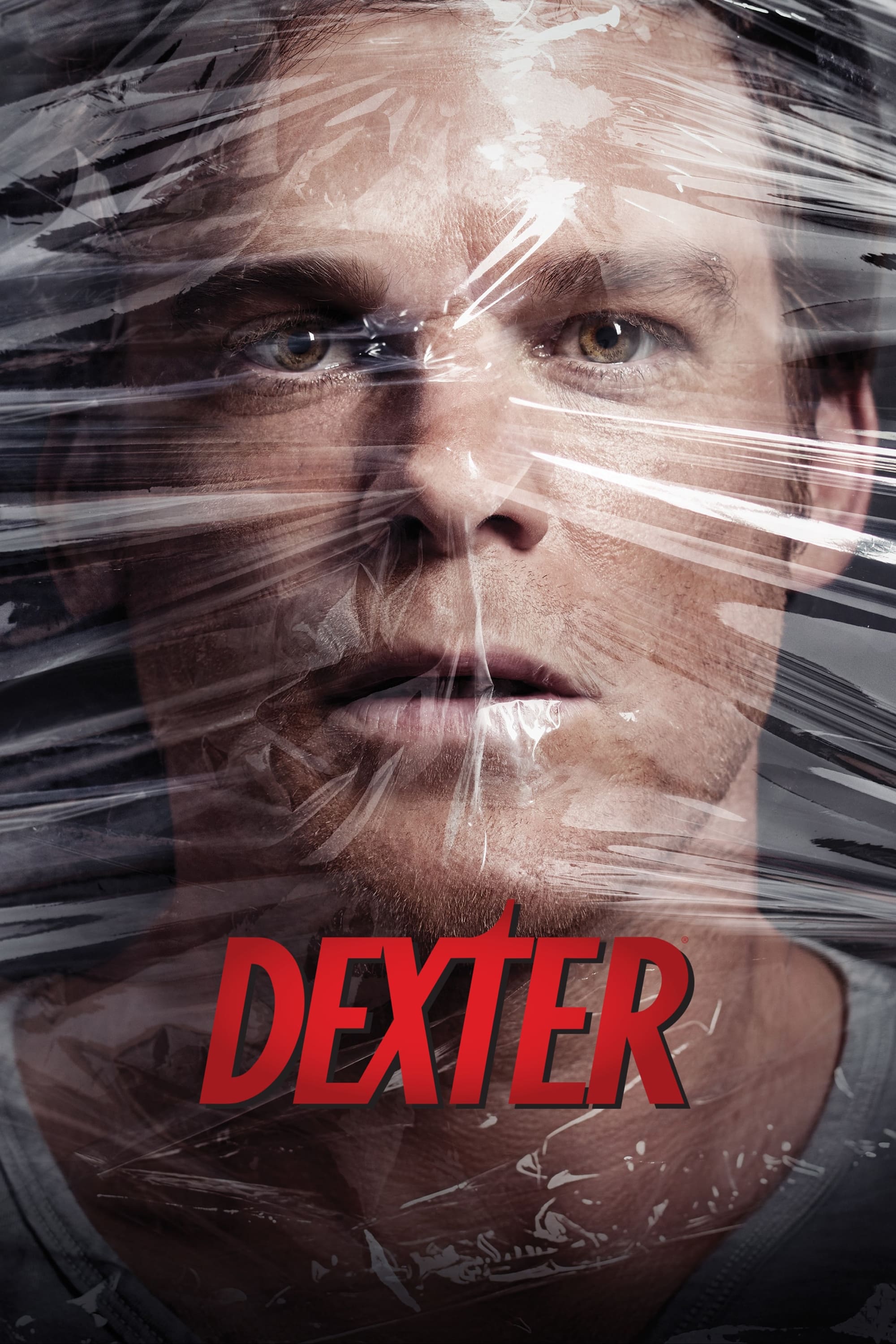
Dexter Morgan secretly keeps a box of blood slides hidden in his air conditioner. He collects a small amount of blood from each person he kills as a way to remember them. This box is important to him because it represents his desire for control and reminds him of his crimes. It’s also the only concrete evidence connecting him to the identity of the Bay Harbor Butcher.
‘Community’ (2009–2015)
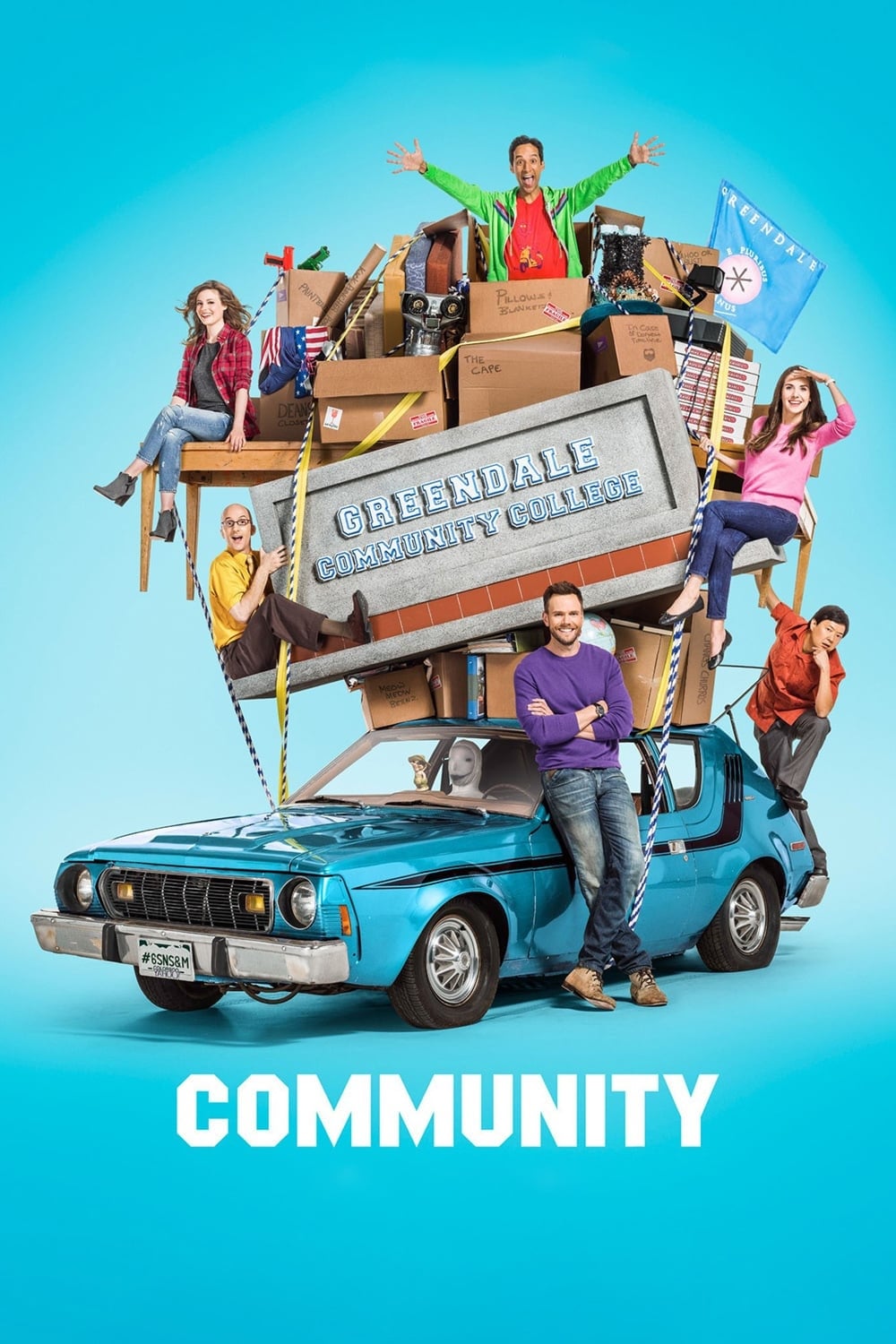
The library study table is where a close-knit, unconventional group of friends always gathers. Jeff Winger is determined to keep the table just for them and often uses it as a platform for his talks. Though the table gets broken and eventually swapped out, it remains the central meeting place for the group, symbolizing the constant support and friendship they find amidst the craziness of college life.
Share your favorite TV prop that stole the show in the comments.
Read More
- 20 Movies Where the Black Villain Was Secretly the Most Popular Character
- Celebs Who Narrowly Escaped The 9/11 Attacks
- Transformers Under the Microscope: What Graph Neural Networks Reveal
- Top 20 Dinosaur Movies, Ranked
- Silver Rate Forecast
- Trading on Thin Air: AI Agents Conquer Crypto Volatility
- Gold Rate Forecast
- 22 Films Where the White Protagonist Is Canonically the Sidekick to a Black Lead
- Every Notable ‘Star Trek: The Original Series’ Actor Who Died
- Invincible Season 4 Gender Swaps Tech Jacket As Fans Question Major Comic Change
2025-12-12 23:56