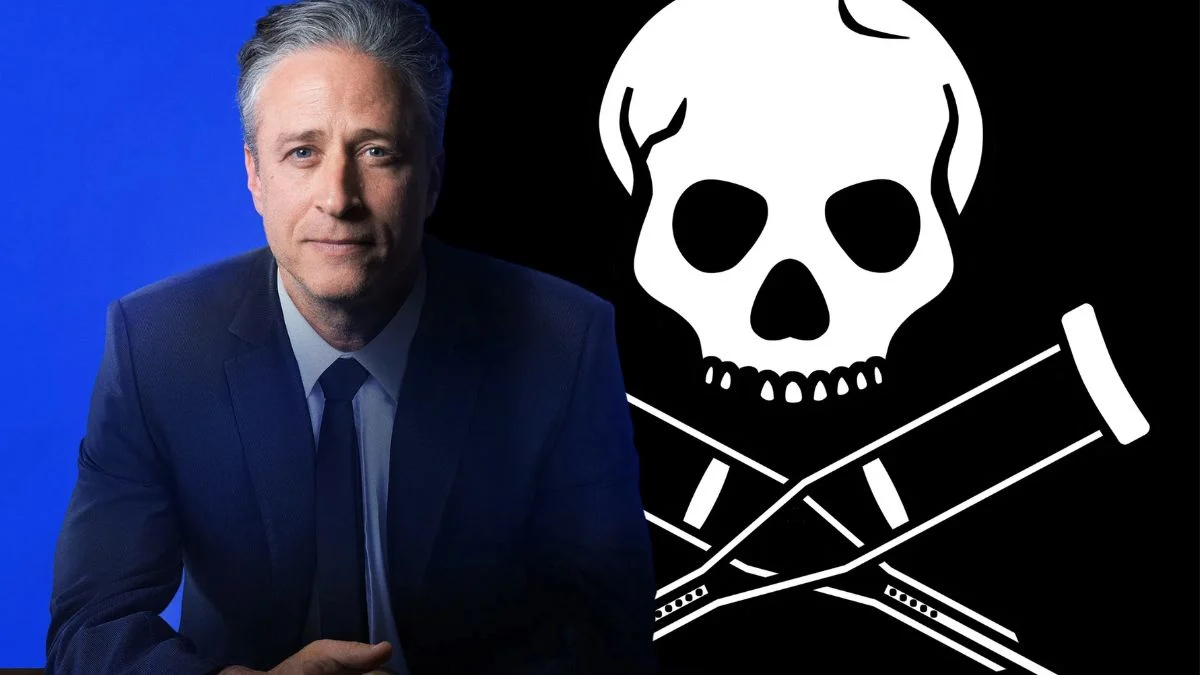
As a TV fan, I’ve always been fascinated by how shows change over time. Looking back, it’s amazing to realize some of the things we take for granted now – certain ways stories are told or how things look on screen – actually started with just a few brave series. These shows weren’t necessarily flashy, but they took risks and quietly changed the rules of the game. This is a look at the ones that really paved the way for so much of what we enjoy today, innovating and reshaping television as we know it.
‘Hill Street Blues’ (1981–1987)
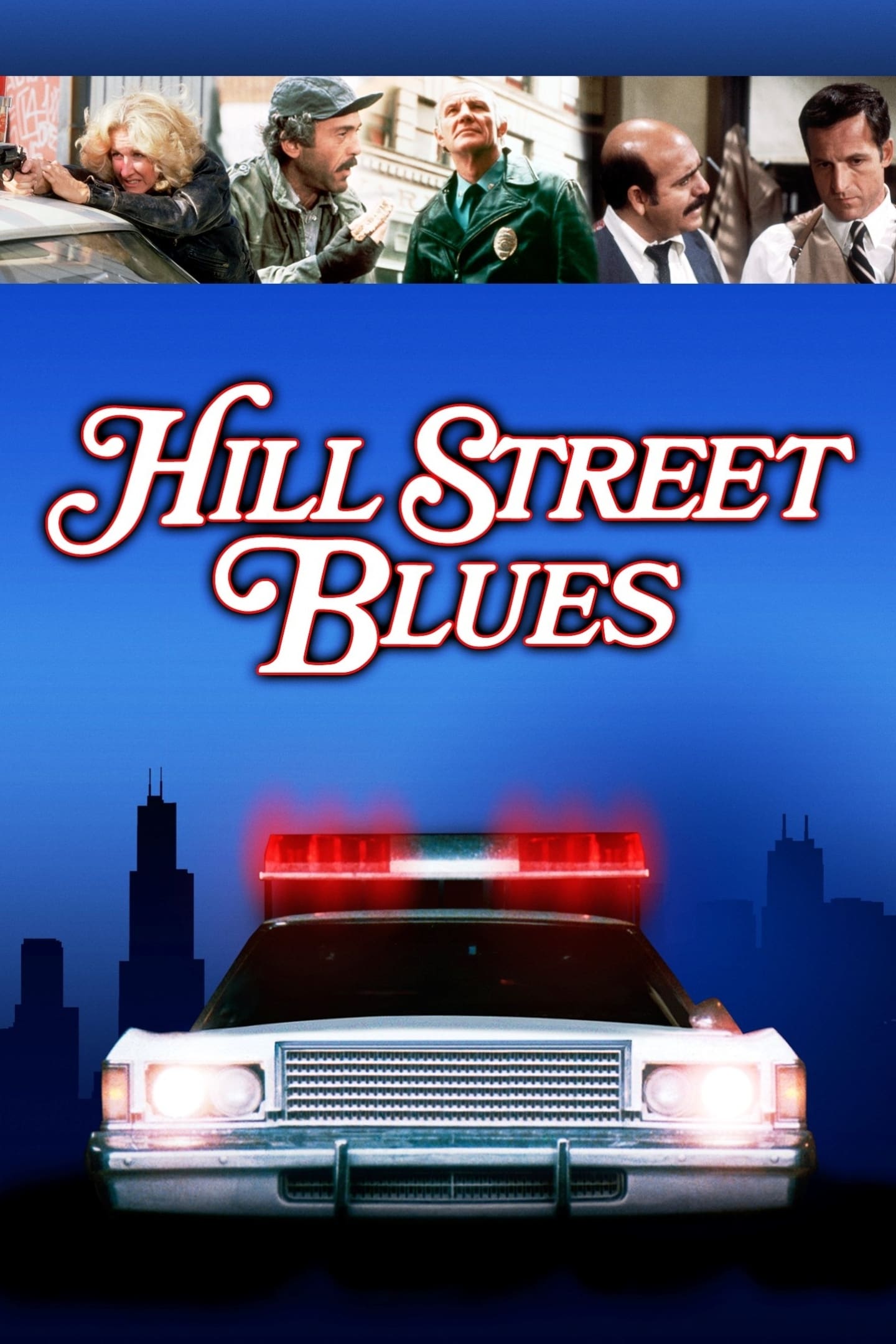
This police show was groundbreaking for its realistic and raw portrayal of police work, something rarely seen on mainstream television at the time. The show’s creators used shaky camera work and fast-paced, overlapping conversations to make viewers feel the constant pressure inside a police station. It also pioneered the practice of telling stories over multiple episodes, instead of wrapping everything up neatly each week. Today, almost all police procedural dramas borrow elements of its storytelling and visual style, proving how influential this series truly was.
‘The Real World’ (1992–2019)
MTV revolutionized reality TV by putting strangers together and filming what happened. They found that carefully editing the footage to create storylines was just as captivating as scripted shows. This approach established key elements like personal interviews and familiar character types that became staples of the genre. It ultimately showed that anyone could become famous just by having their life documented on camera.
‘Buffy the Vampire Slayer’ (1997–2003)
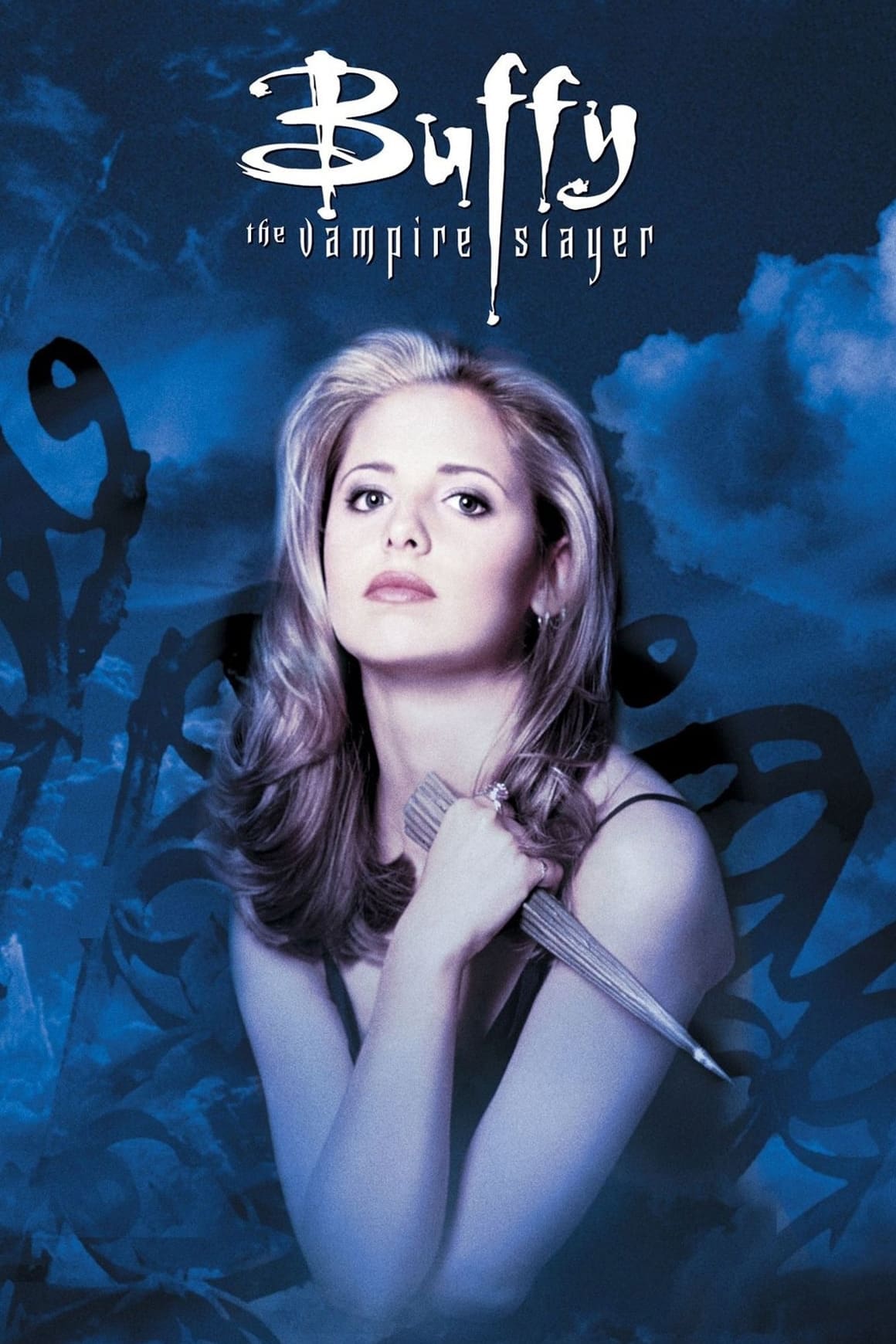
Joss Whedon’s show brilliantly blended teen stories with scary, supernatural themes, and it was one of the first to tell a single, season-long story instead of having a new monster appear in each episode. Its clever writing style mixed modern pop culture with old-fashioned language, and this innovative approach helped inspire the wave of popular, ongoing fantasy shows we enjoy today.
‘The Office’ (2001–2003)
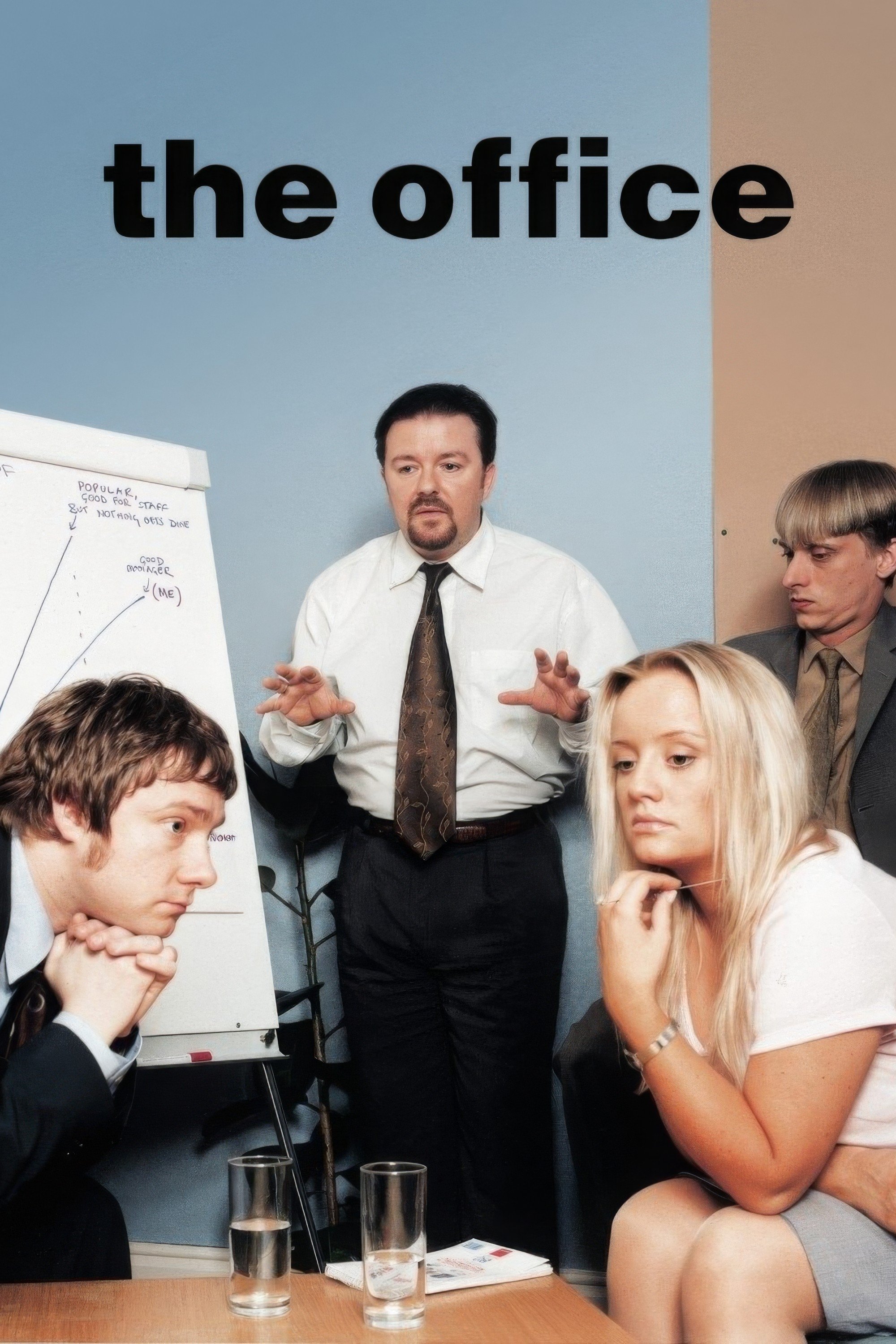
I remember when Ricky Gervais and Stephen Merchant totally changed things up with their sitcoms! They ditched the fake laugh track and weren’t afraid of a little silence, which felt so fresh. They filmed it like a documentary, with characters sometimes looking right at the camera, and it created this hilarious, uncomfortable comedy – what people now call ‘cringe comedy’. It wasn’t about big jokes anymore, it was about how the characters reacted to things and showing everyday life, even the boring bits. It really took off, and suddenly a lot of comedies, especially in the UK and the US, started being filmed that way – like a real documentary. It’s become the standard now, really!
‘Oz’ (1997–2003)
This groundbreaking prison drama was HBO’s first hour-long series, and it essentially launched the idea of high-quality, complex television. Unlike shows on regular networks at the time, it featured flawed characters and realistic violence. The story unfolded gradually, rewarding viewers who paid close attention and allowing the characters to evolve over a long period. Its popularity demonstrated that cable television could offer writing and themes as sophisticated as those found in movies.
‘Miami Vice’ (1984–1989)
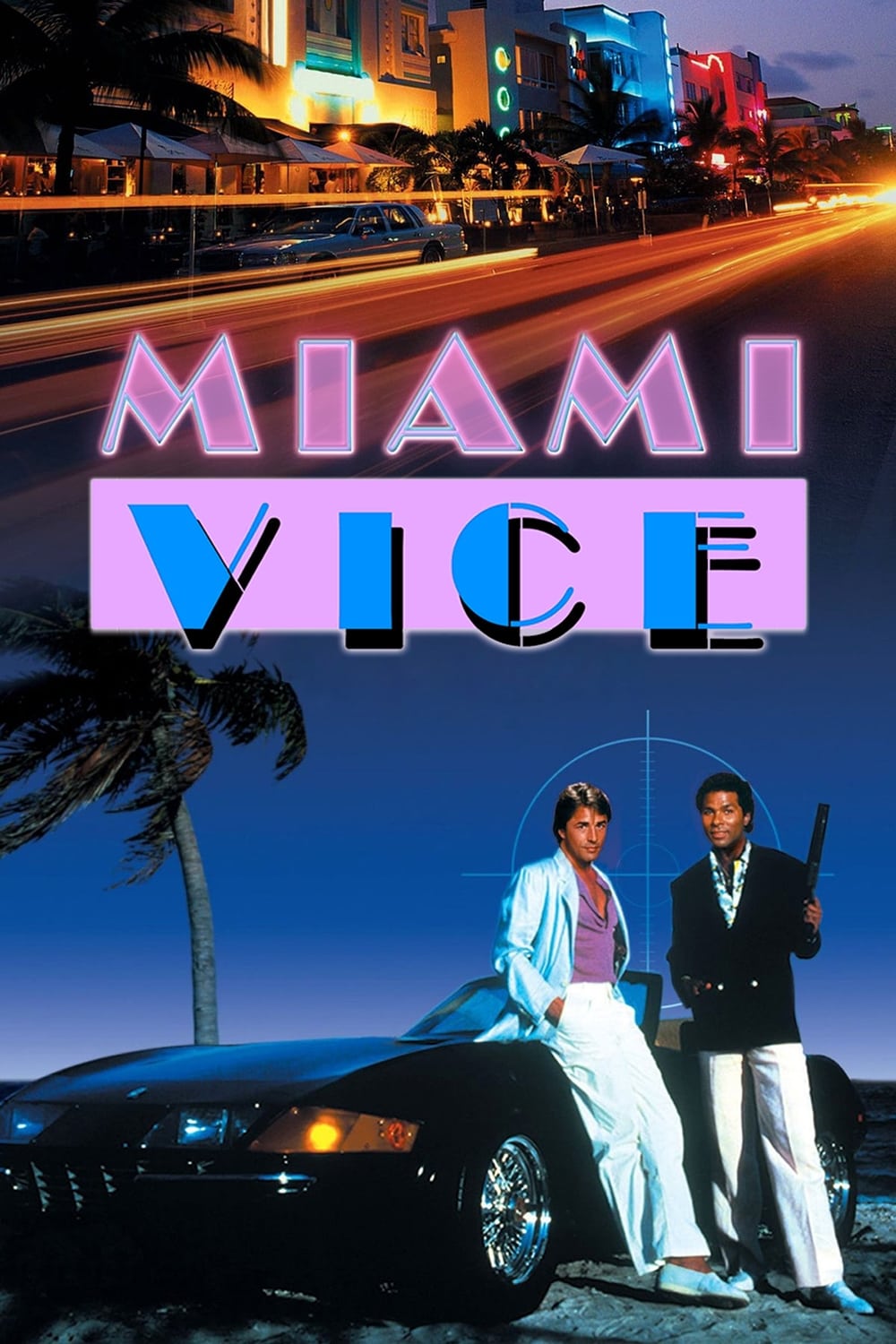
Before this series, police dramas often looked quite plain. It stood out by using beautiful lighting and soft, pastel colors. The show didn’t just use music, it made music a key part of the story, even editing scenes to match the beat of popular songs, almost like music videos. This focus on visual style and mood ultimately influenced how other TV shows were filmed and how their music was used.
‘Twin Peaks’ (1990–1991)
David Lynch revolutionized television by blending the style of a classic soap opera with surreal, dreamlike storytelling. While centered around a murder mystery, the show cleverly used this plot to introduce strange characters and supernatural happenings. It proved viewers were open to shows that didn’t tie up all the loose ends and weren’t afraid to jump around in time. With its high production values, the series also set a new standard for how television shows could look and feel.
‘I Love Lucy’ (1951–1957)
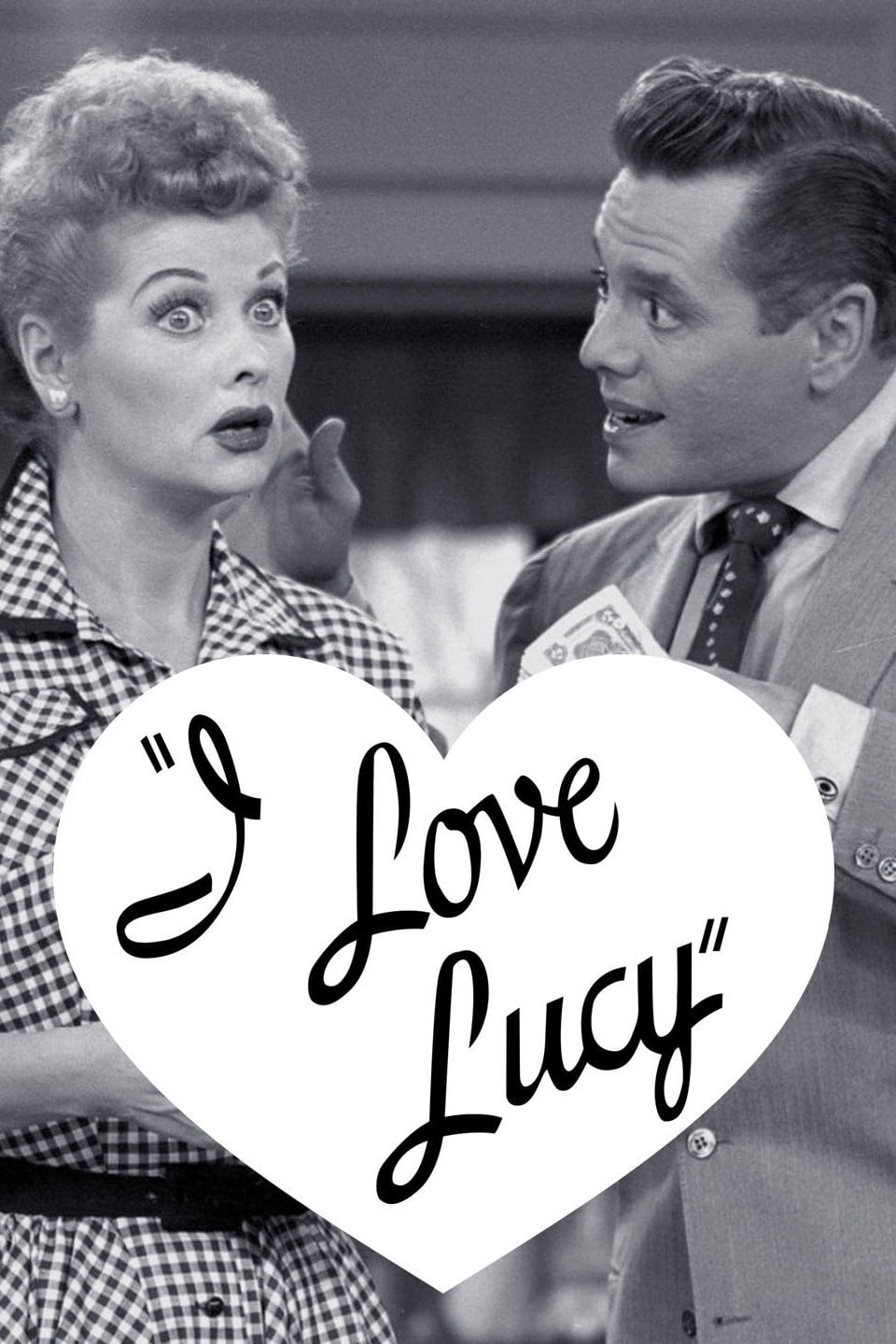
Desi Arnaz and Lucille Ball changed television production by filming their show with three cameras at the same time while performing for a live audience. This method created much clearer, better-quality recordings than most other shows of the time, which relied on a less effective process. Their innovative approach essentially created the standard for how most multi-camera sitcoms are filmed even today, and the ability to replay these high-quality episodes also led to the idea of syndication – showing episodes repeatedly to a wider audience.
‘Dragnet’ (1951–1959)
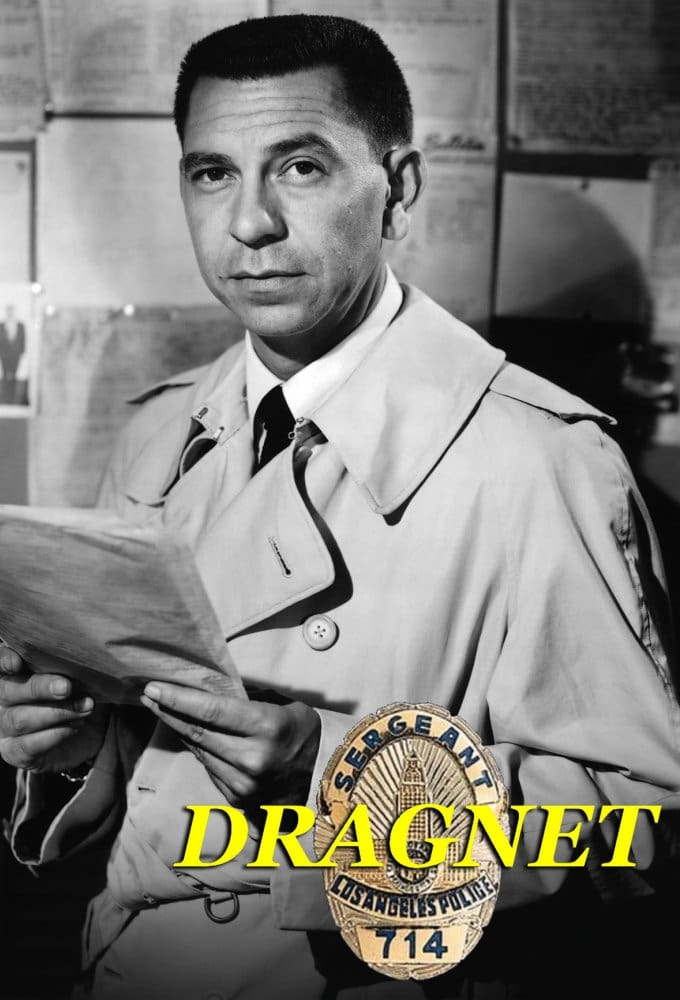
Jack Webb wanted his show to feel authentic, so he directed the actors to speak plainly and use real police language. Instead of exciting chases and dramatic stories, the show highlighted the often slow and detailed work that police officers do. This approach shifted the focus from individual heroes to the police system itself, establishing a new formula for crime dramas. This emphasis on realistic details and investigations became the standard for the genre as a whole.
‘Survivor’ (2000–Present)
The show was a competition where players had to form alliances and outwit each other, creating dramatic tension through strategic gameplay and voting. It wasn’t just a typical game show – high production quality and skillful editing transformed it into a thrilling, movie-like experience. Ultimately, it demonstrated that reality TV could be just as captivating and character-driven as scripted television.
‘Lost’ (2004–2010)
The first episode was made with the same high production values as a movie, quickly attracting viewers worldwide. The show built a rich and intricate story that inspired fans to share and debate theories online. It also became known for cleverly using flashbacks and glimpses into the future to develop its characters. This approach revolutionized how television networks thought about ongoing mystery series and how they connected with their audience.
‘Arrested Development’ (2003–2019)
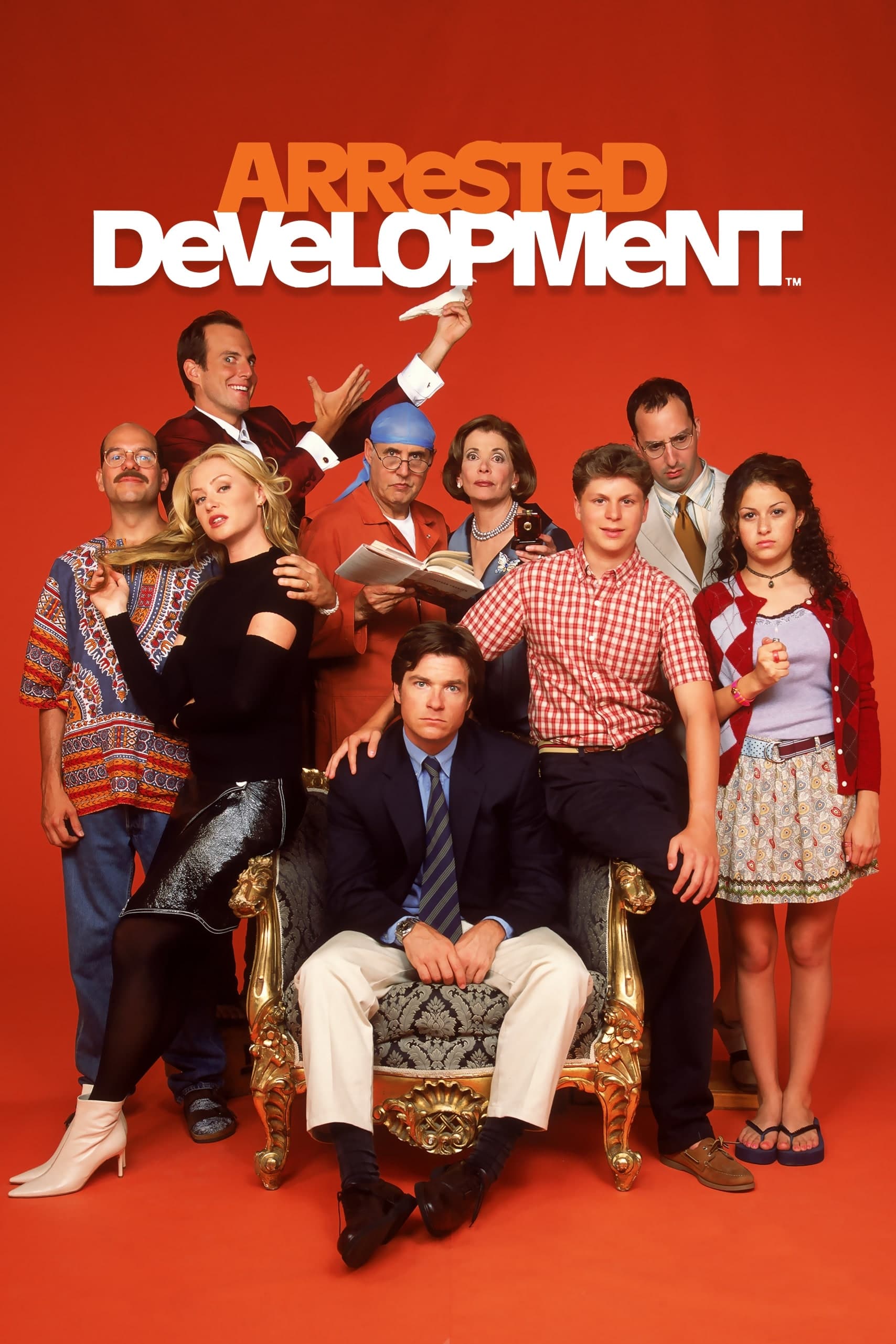
Mitchell Hurwitz filled his episodes with quick, clever jokes and funny visual details that viewers enjoyed discovering on repeat watches. The show skipped the typical laugh track and used a shaky, documentary-like style to make the family’s craziness even more noticeable. It also frequently referenced past jokes and moments throughout the series. This complex and smart approach to comedy inspired many later single-camera sitcoms to have more faith in their audience’s ability to ‘get’ the jokes.
‘Seinfeld’ (1989–1998)
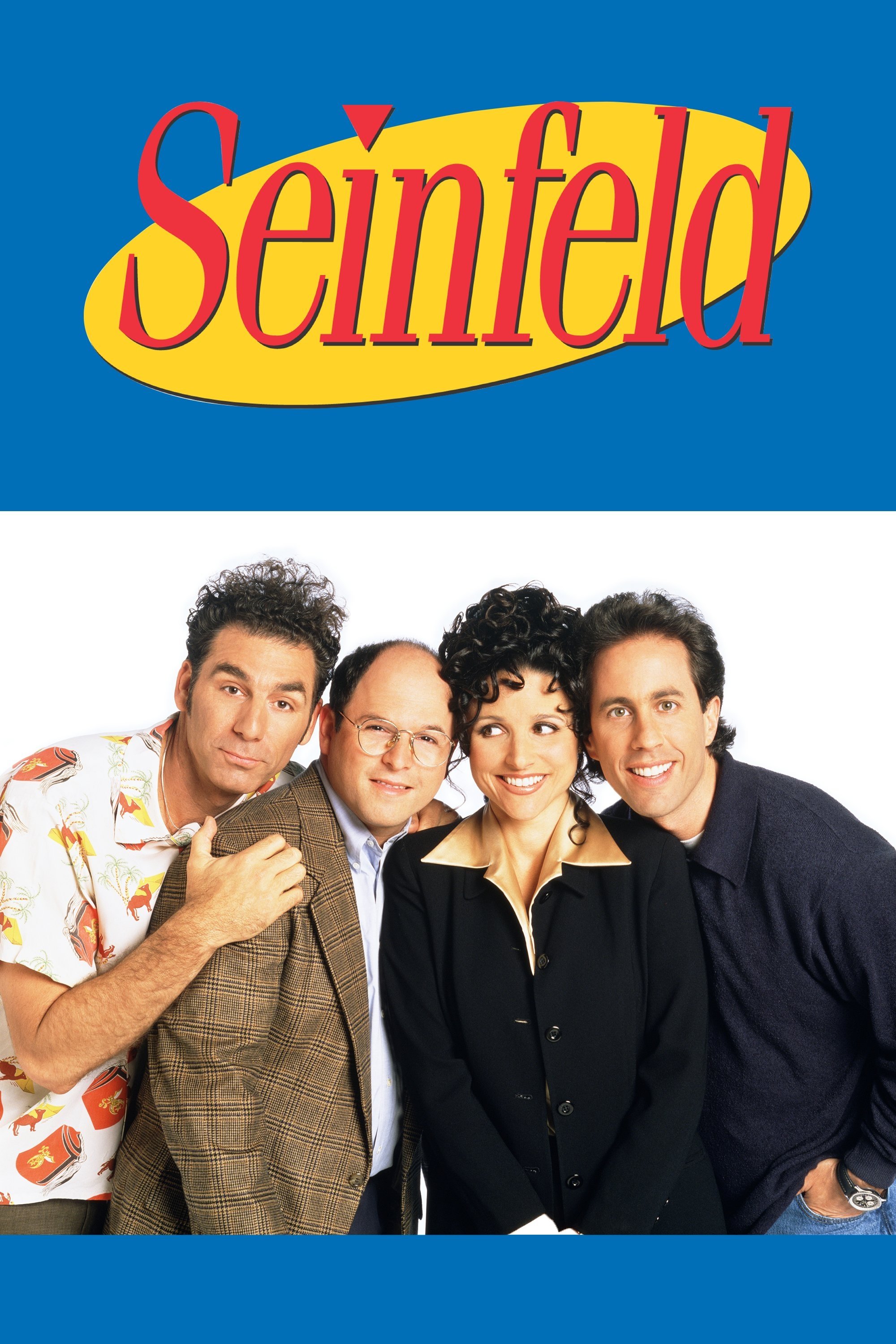
Larry David and Jerry Seinfeld made a sitcom that deliberately avoided typical TV tropes – characters didn’t learn from their mistakes, and there were no heartwarming resolutions. Instead of focusing on big life events, the show zoomed in on the small, awkward moments of everyday life and social blunders. This cynical style was a refreshing change from the feel-good family sitcoms popular at the time, and it opened the door for comedies with flawed, even unlikeable characters.
‘The Simpsons’ (1989–Present)
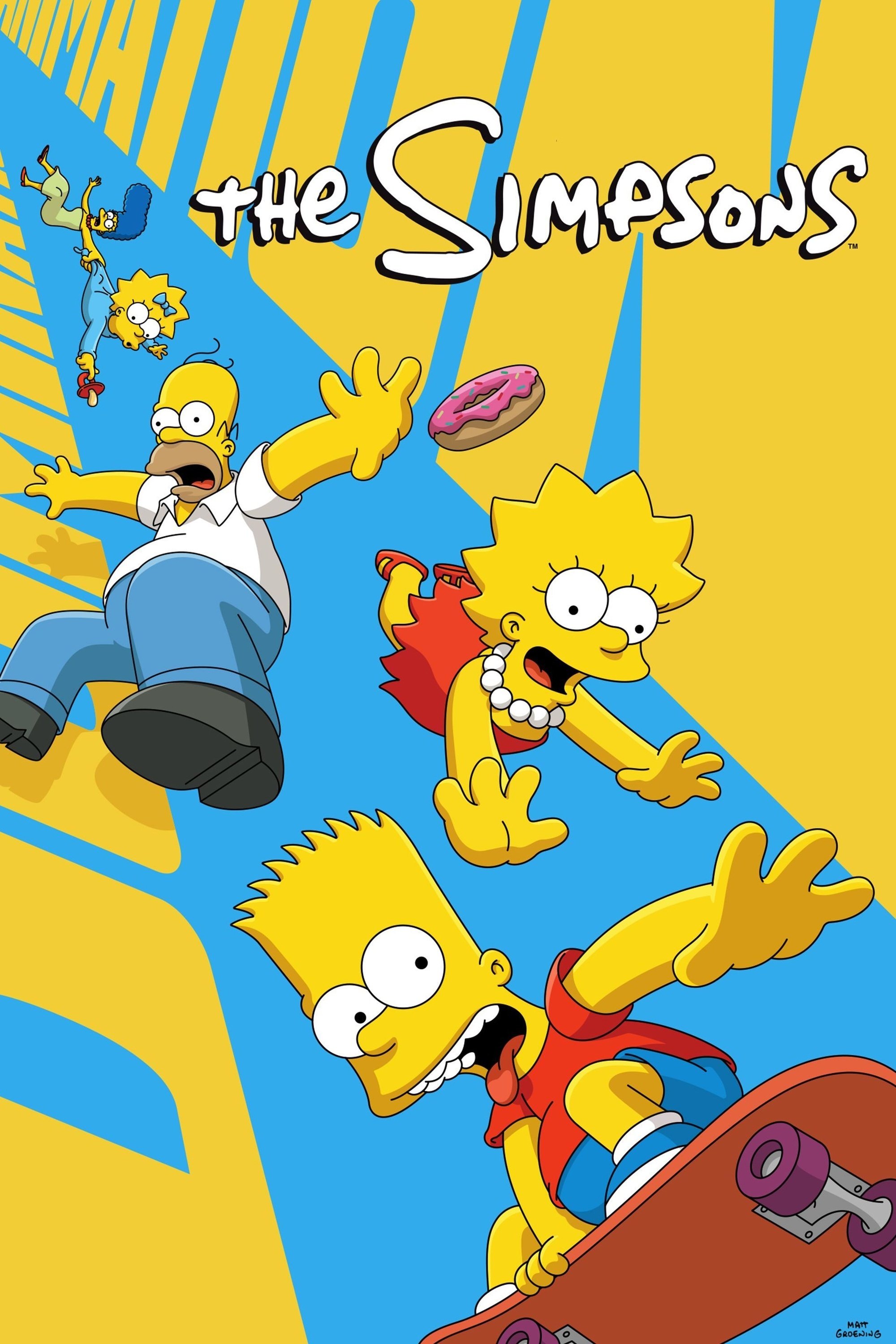
Matt Groening’s show demonstrated that animated series could appeal to adults and be broadcast during peak viewing times. It cleverly challenged the traditional family sitcom format while also offering a humorous critique of American society. Its quick-paced comedy was a departure from what audiences were used to in live-action shows. The show’s popularity paved the way for a whole new wave of animated programs designed for adult audiences.
‘Sex and the City’ (1998–2004)
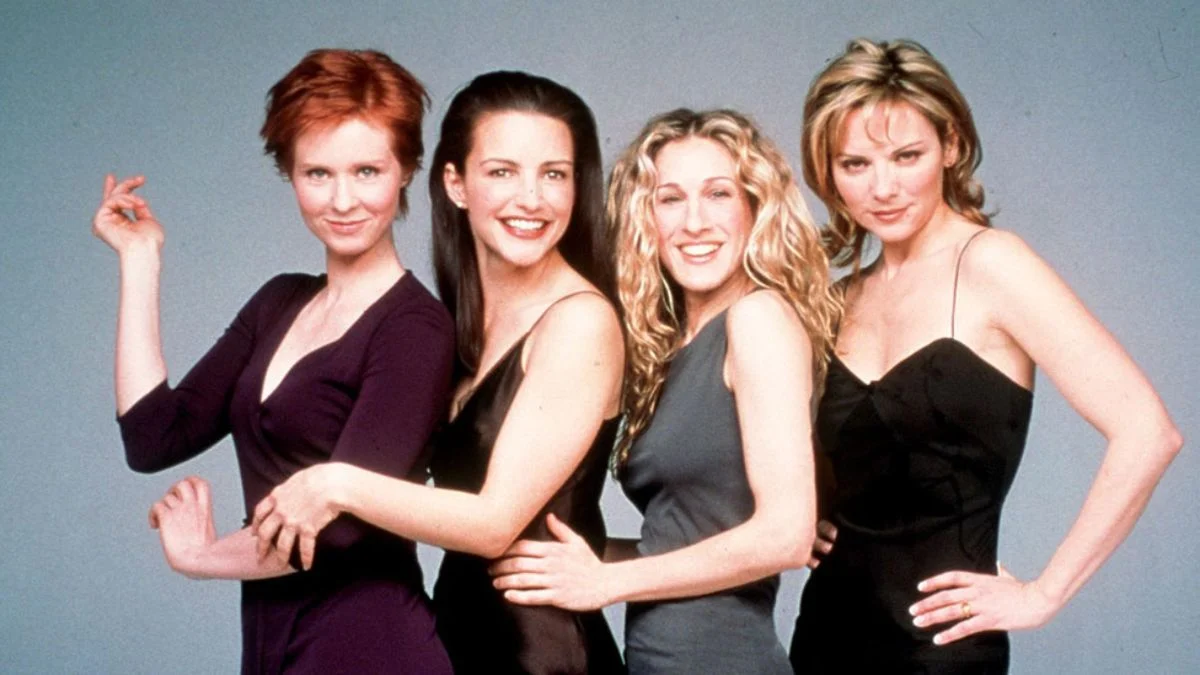
This show stood out by bringing high-quality, movie-like production to comedy. A single narrator helped viewers navigate honest conversations about relationships today. It played a key role in establishing HBO as a home for bold, female-driven stories, and it changed the sitcom landscape by focusing on friendships between people living in cities, rather than traditional families.
‘House of Cards’ (2013–2018)
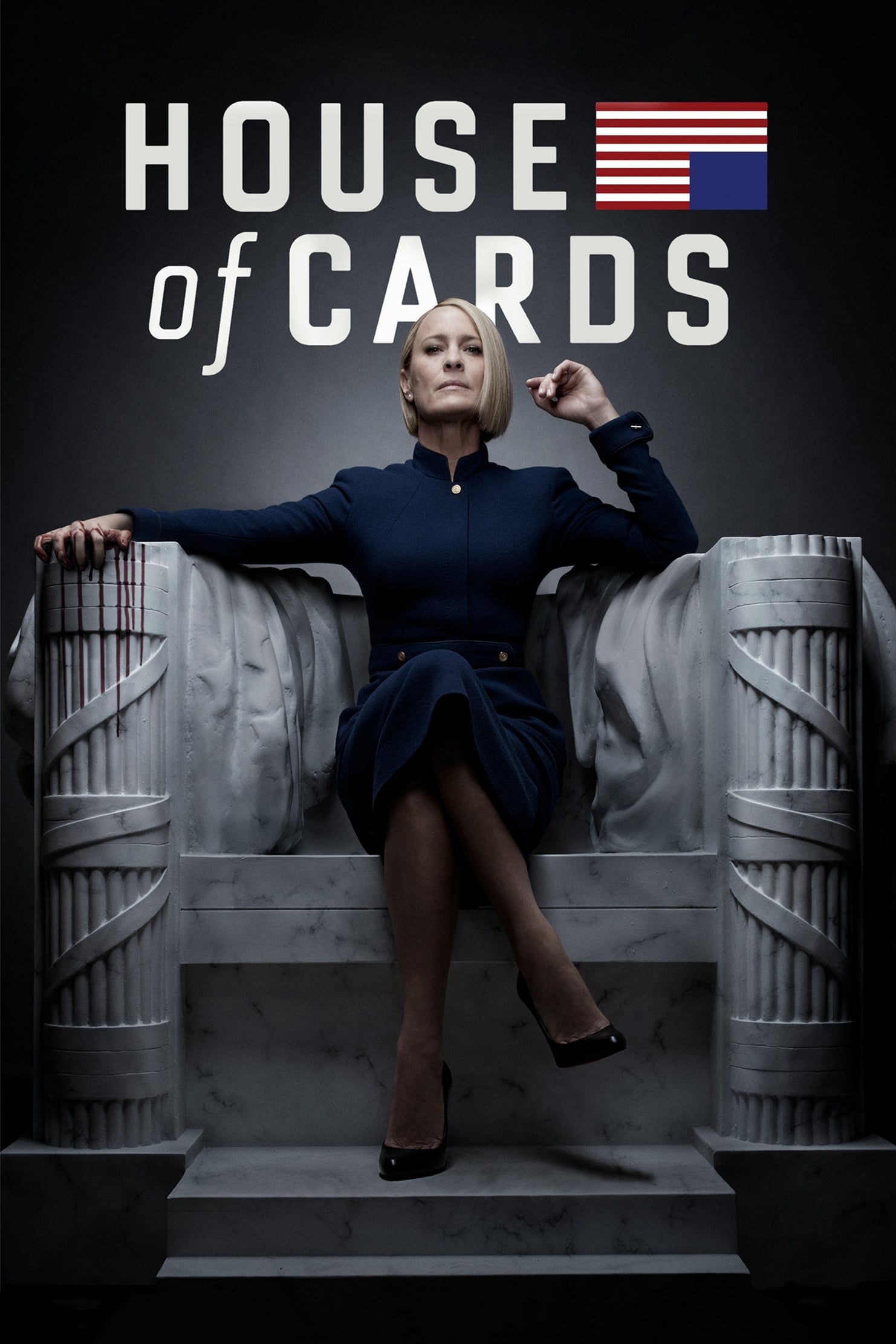
I remember when Netflix dropped the whole first season of that show all at once – it was a total game changer! It wasn’t just luck, though; they really built the show around what viewers like – political dramas and certain actors, specifically. It proved people loved binge-watching, and honestly, it felt like the start of all the streaming services we have now. It definitely made the old TV networks rethink how they released episodes week by week.
‘Louie’ (2010–2015)
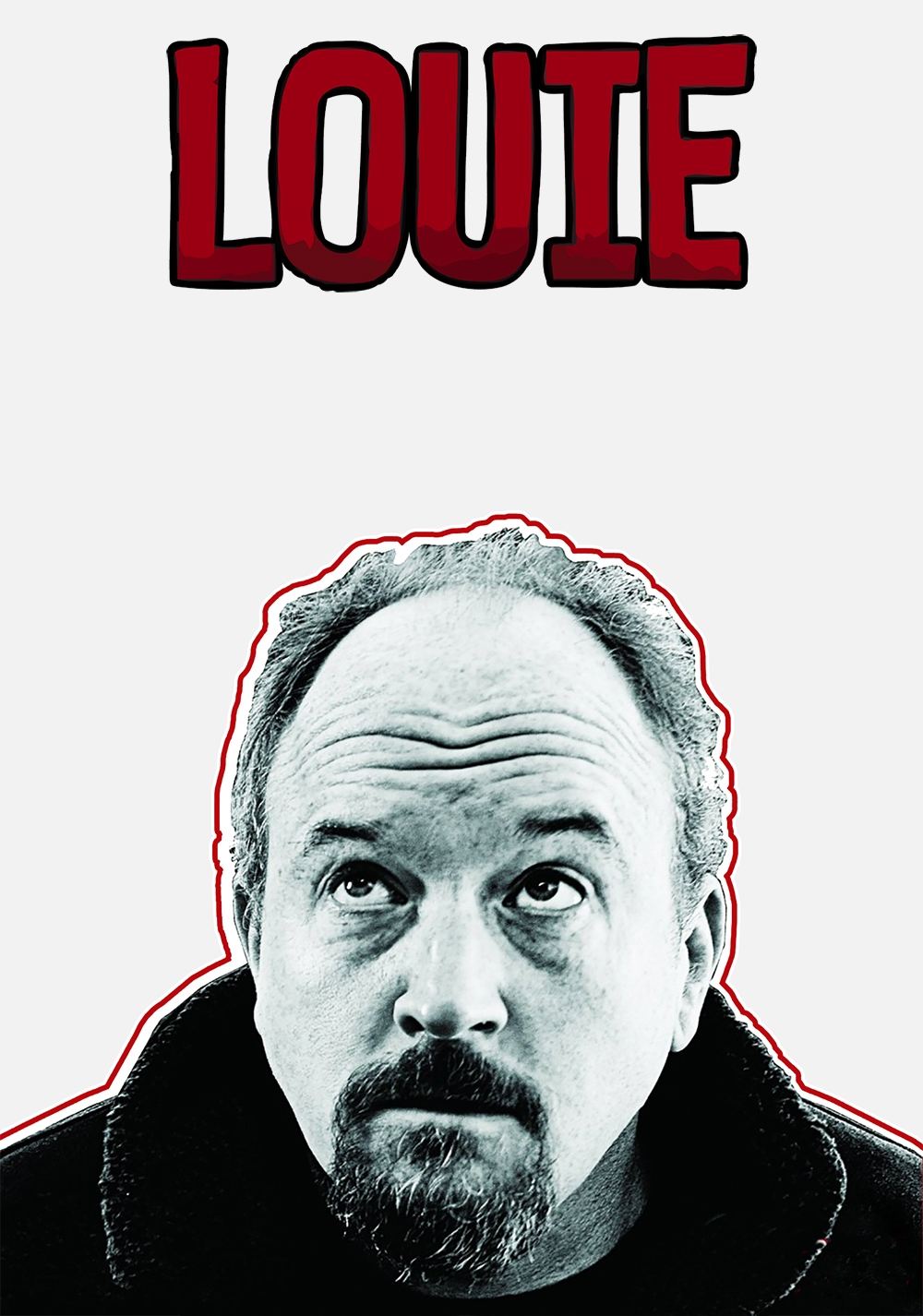
Louis C.K. had full creative freedom to write and direct a show that didn’t follow typical TV storytelling rules. The series mixed stand-up comedy with short films, ranging in tone from funny to heartbreaking. It proved that a comedy could be made with the same artistic vision as an independent film. This innovative approach paved the way for many creator-led comedy-dramas on cable and streaming services.
‘American Horror Story’ (2011–Present)

Ryan Murphy brought back the idea of telling a complete story each season of a TV show, with a clear beginning and end. This made it appealing for famous movie actors to appear on television without committing to a long-term contract. The show demonstrated that viewers would tune in for each new storyline as long as the overall style and familiar faces stayed consistent. This approach of creating a new story each season has since been copied by shows in the crime and science fiction genres.
’24’ (2001–2010)
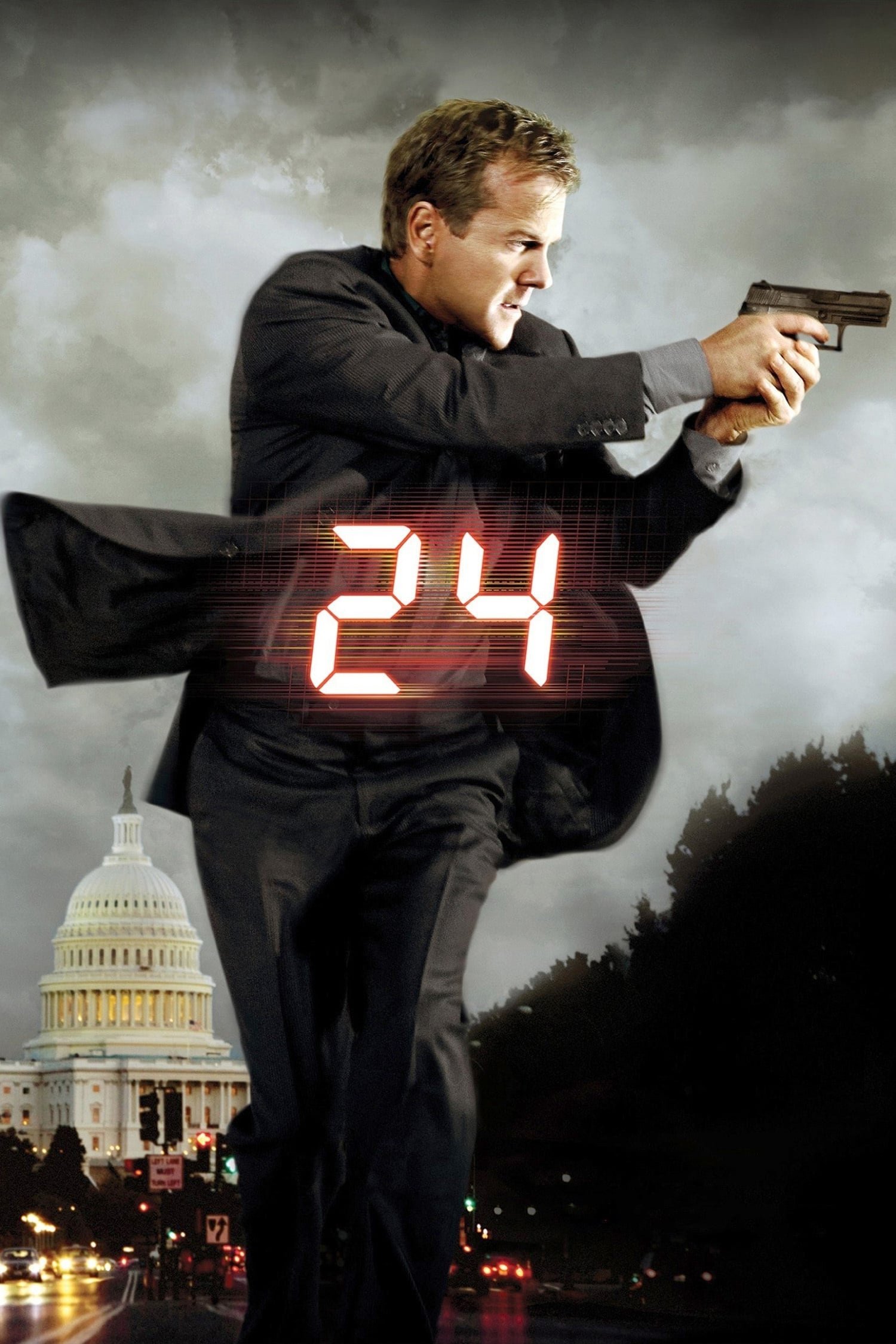
The show’s writers made a bold choice: the story unfolded in real-time, mirroring the broadcast minute-by-minute. This created a fast-paced, gripping experience that changed how action shows were made for television. Clever use of split screens let viewers follow several storylines at once, adding to the intensity and setting a new standard for suspenseful network dramas.
‘Curb Your Enthusiasm’ (2000–Present)
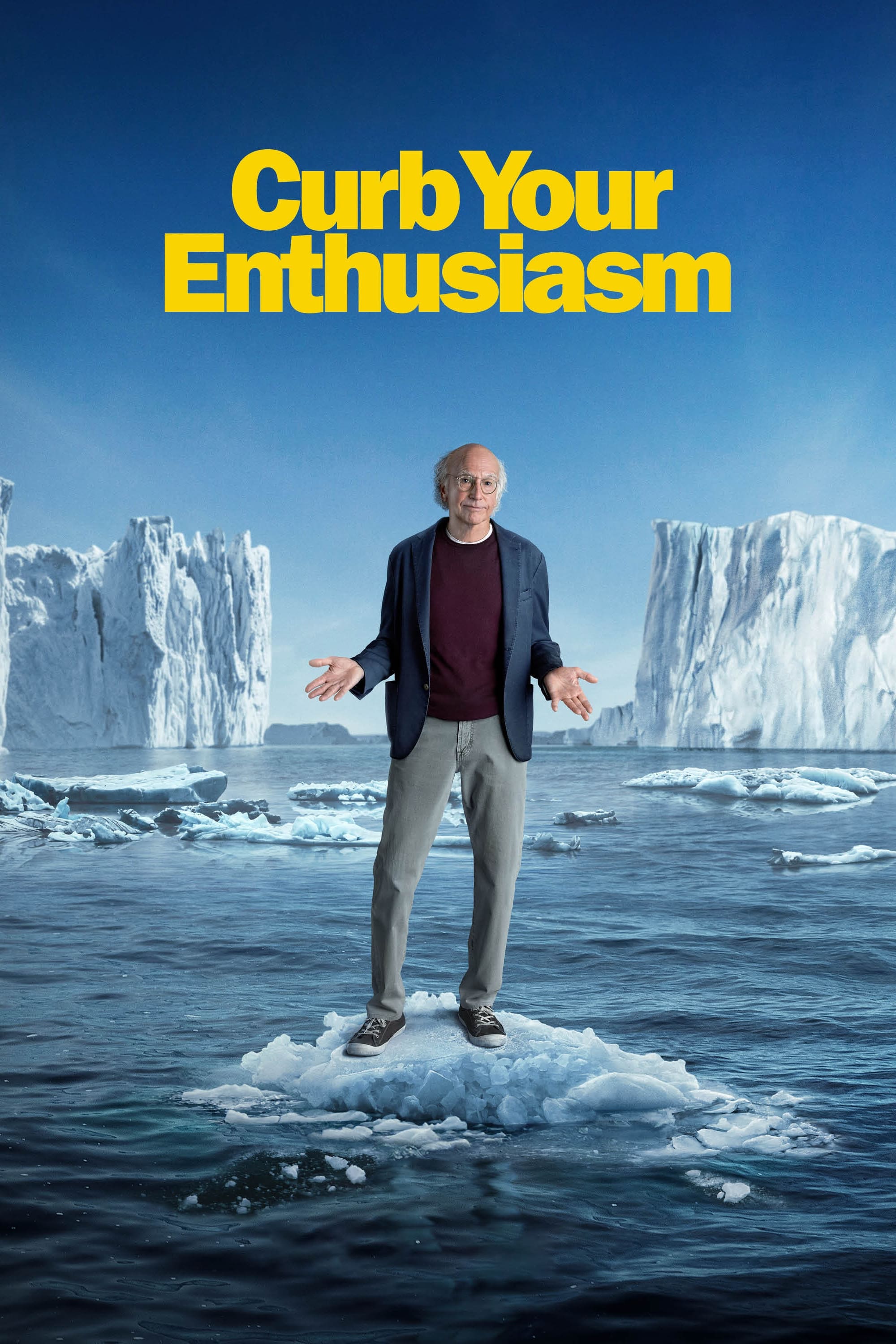
The actors didn’t use a script for their lines; instead, they made up the dialogue themselves, working from a basic idea of what needed to happen in each scene. This created conversations that felt very real and different from typical scripted comedies, often making it hard to tell where the actor ended and the character began. This style of filmmaking inspired many later comedies to use more improvisation and less rigid scripting.
‘The Daily Show’ (1996–Present)

Jon Stewart revolutionized television by turning a comedy show into a go-to source of news for many young people. His program cleverly used satire to expose flaws in the media and call out political dishonesty, often more powerfully than standard news reporting. He pioneered a style where comedians could offer insightful commentary and hold power accountable, inspiring many similar shows and personalities.
‘Star Trek’ (1966–1969)
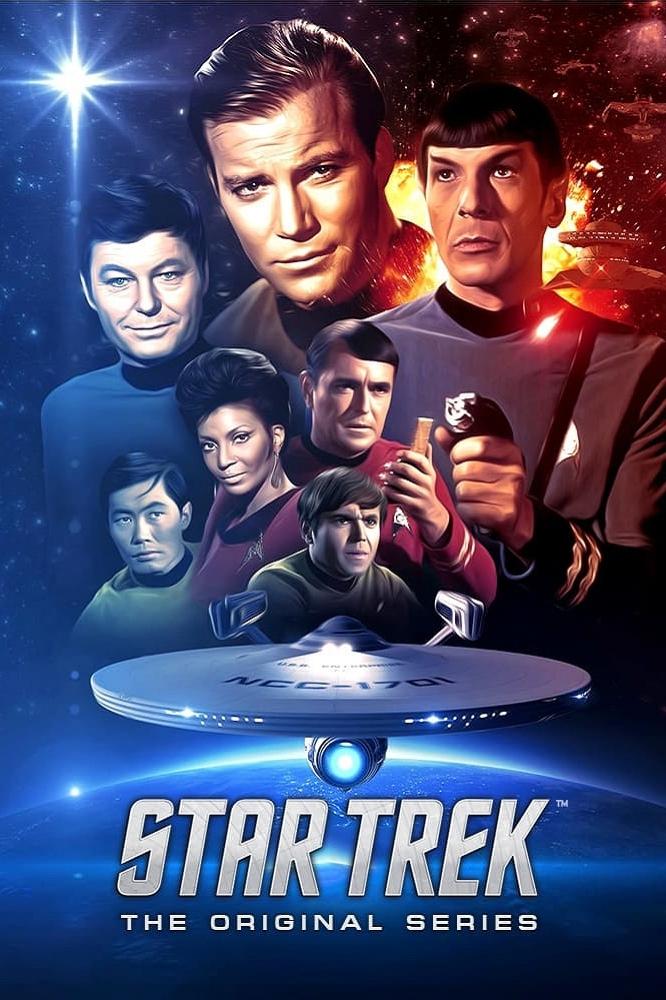
Gene Roddenberry cleverly used science fiction to explore important issues happening in society at the time. The show quickly gained a devoted fanbase that held conventions and created their own stories, even before the internet existed. It also proved that science fiction could be profitable for years to come through reruns and helped create the model for the expansive entertainment franchises we see today.
‘Dallas’ (1978–1991)
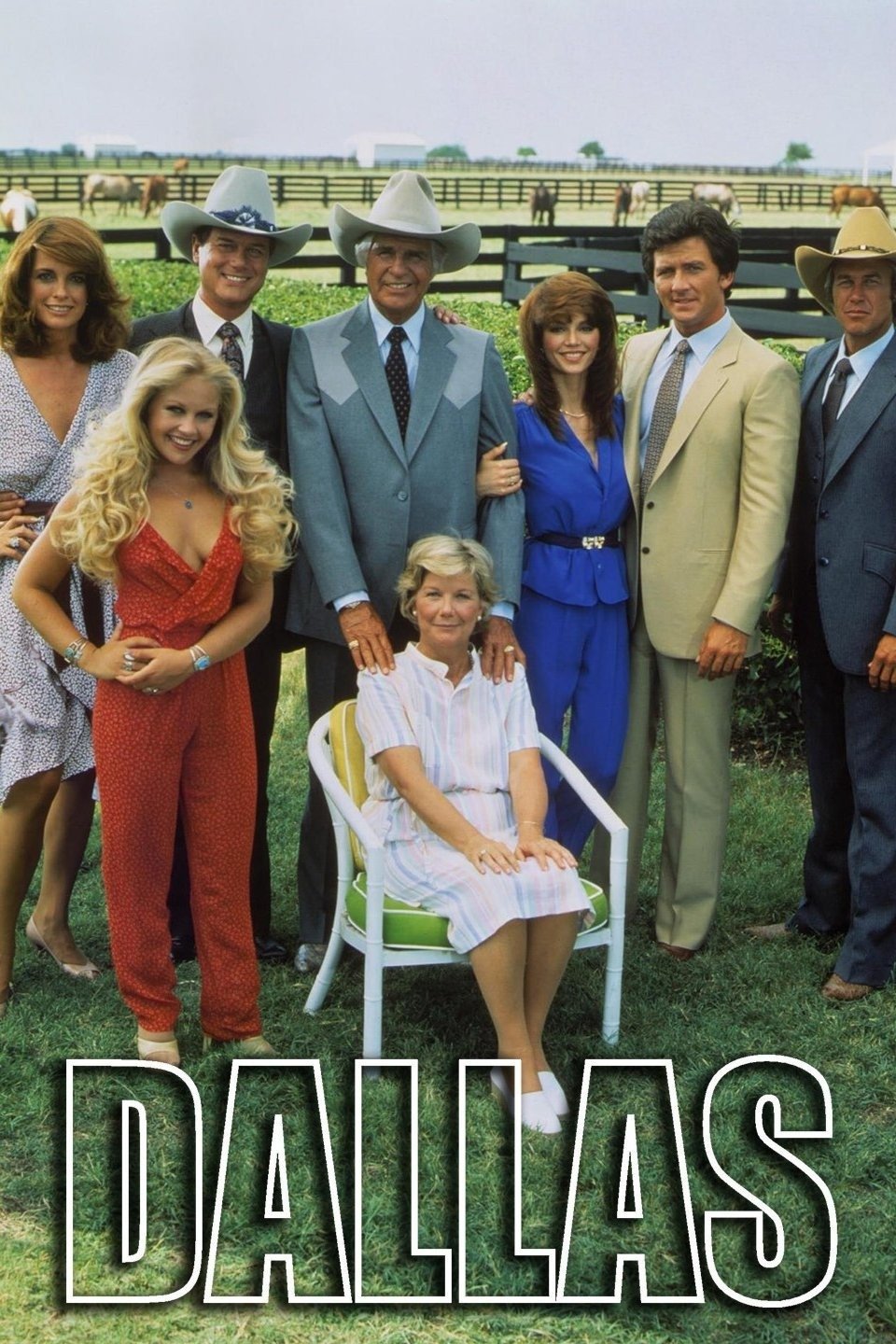
This popular nighttime drama became famous for ending each season with a shocking cliffhanger, keeping viewers hooked. The question of who shot a key character became a worldwide obsession, becoming bigger than the show itself. It demonstrated that ongoing, story-driven shows could attract huge audiences during peak viewing times. The show’s format heavily influenced how television networks promoted their season finales for years to come.
‘Batman: The Animated Series’ (1992–1995)
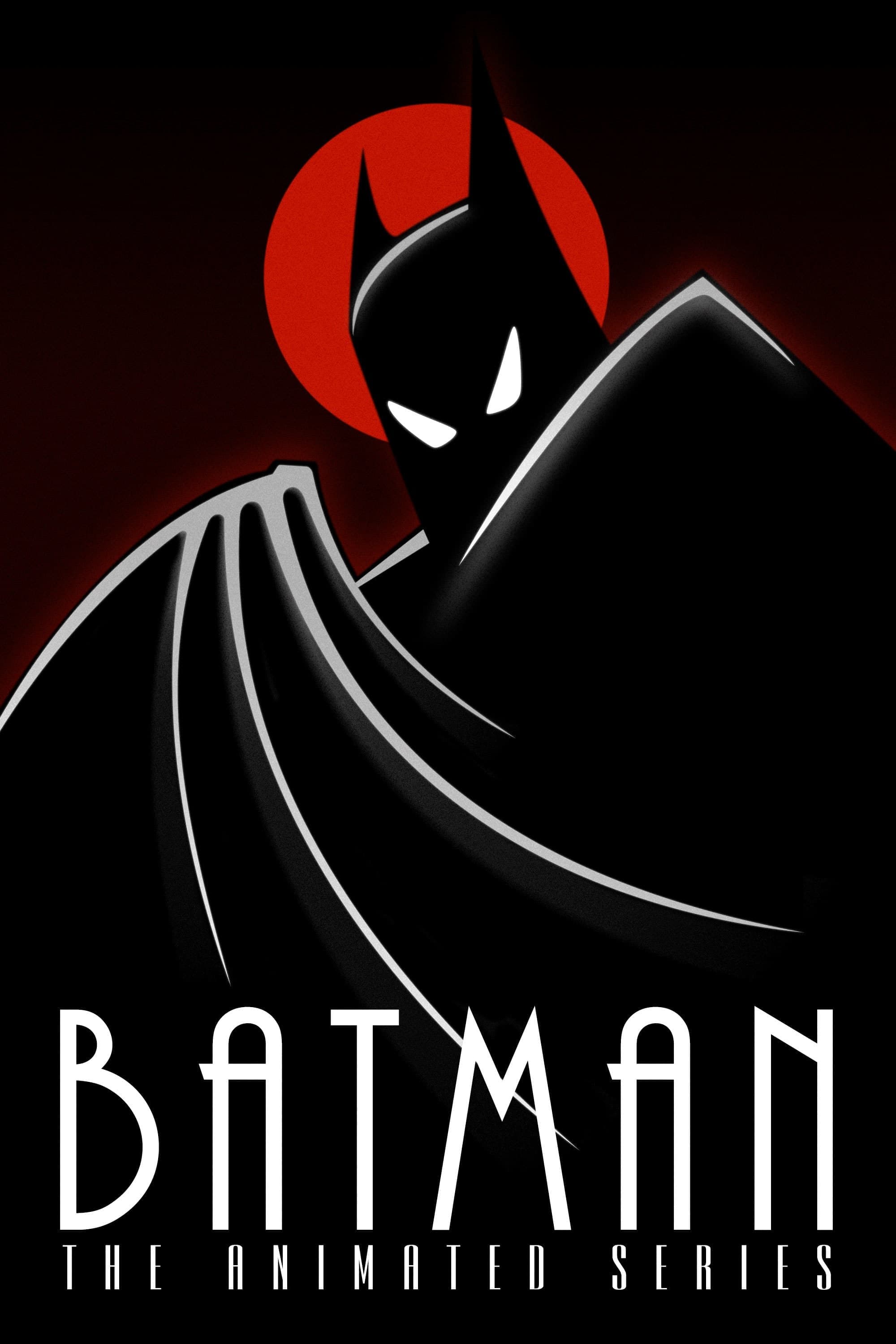
The show’s creators used black backgrounds to create a dark, film-noir style. It took the original stories very seriously, which was unusual for kids’ shows. Instead of just showing villains as purely evil, the writing delved into their motivations and psychology. This sophisticated approach set a new, higher standard for animated action and superhero stories.
‘Adventure Time’ (2010–2018)
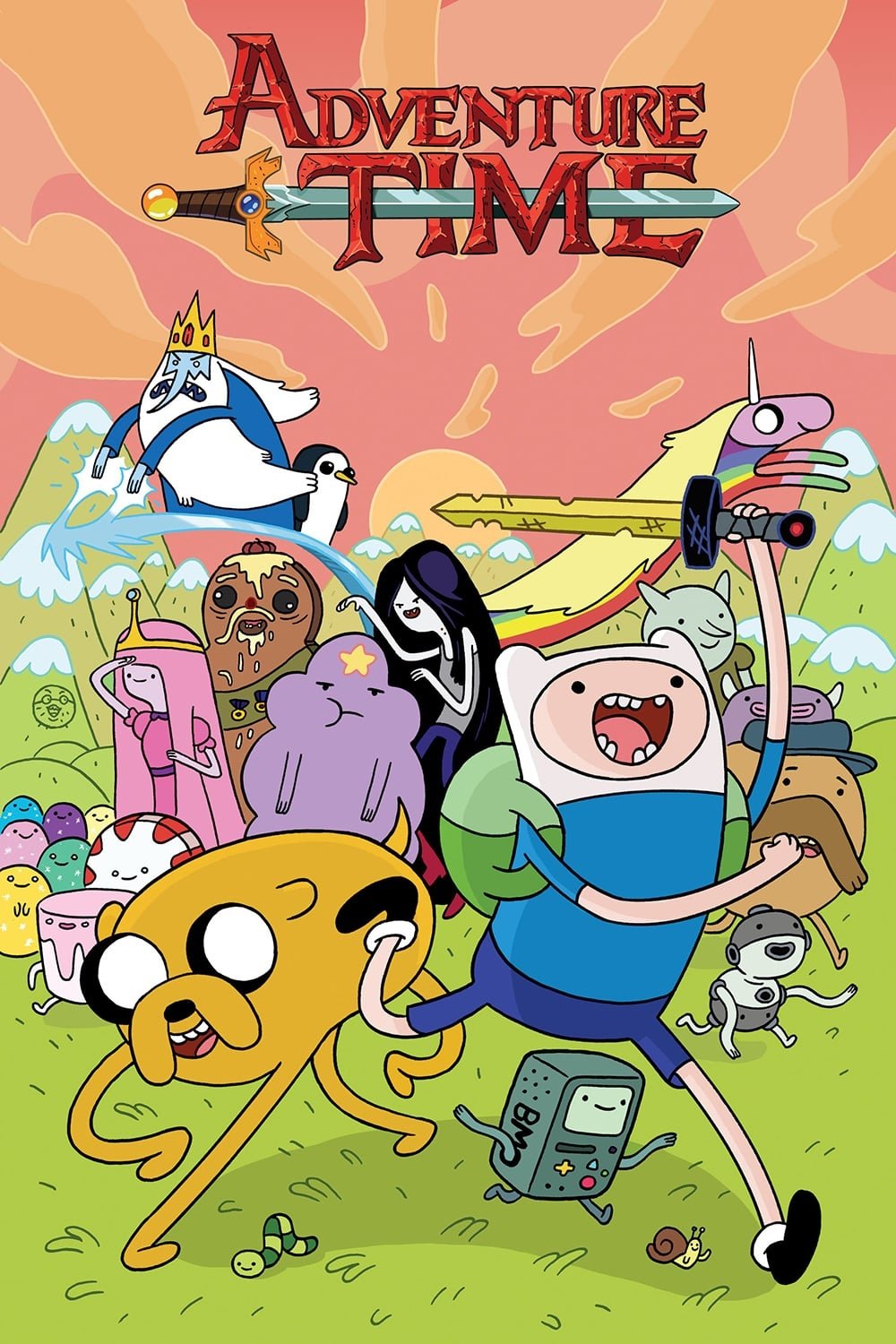
What began as a straightforward fantasy cartoon gradually developed into a rich, post-apocalyptic world. Despite each episode being just eleven minutes long, the show tackled surprisingly complex ideas about getting older and the nature of memory. Its unique, dreamlike visuals and heartfelt stories appealed to both kids and adults. This series also helped spark a new wave of original, creator-focused animated shows on television.
‘Dark Shadows’ (1966–1971)
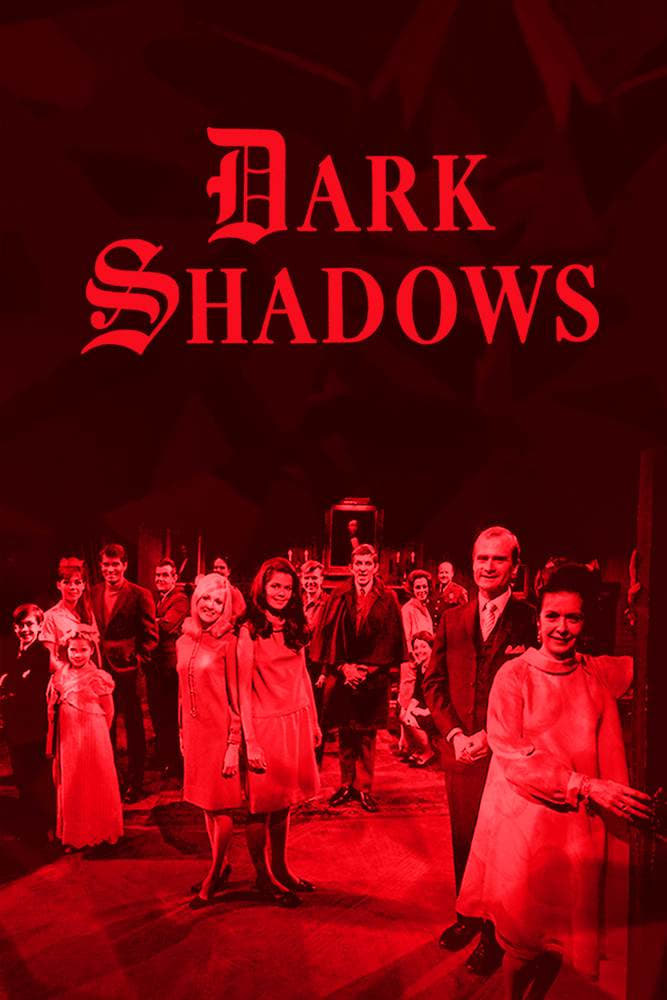
This soap opera broke the mold by adding vampires and witches to a genre typically focused on family and relationships. It showed that stories with supernatural themes could keep viewers engaged daily and appeal to a younger audience. Its dark and dramatic style set it apart from all other daytime shows. It’s still one of the few horror-themed soap operas to become widely popular.
‘All in the Family’ (1971–1979)
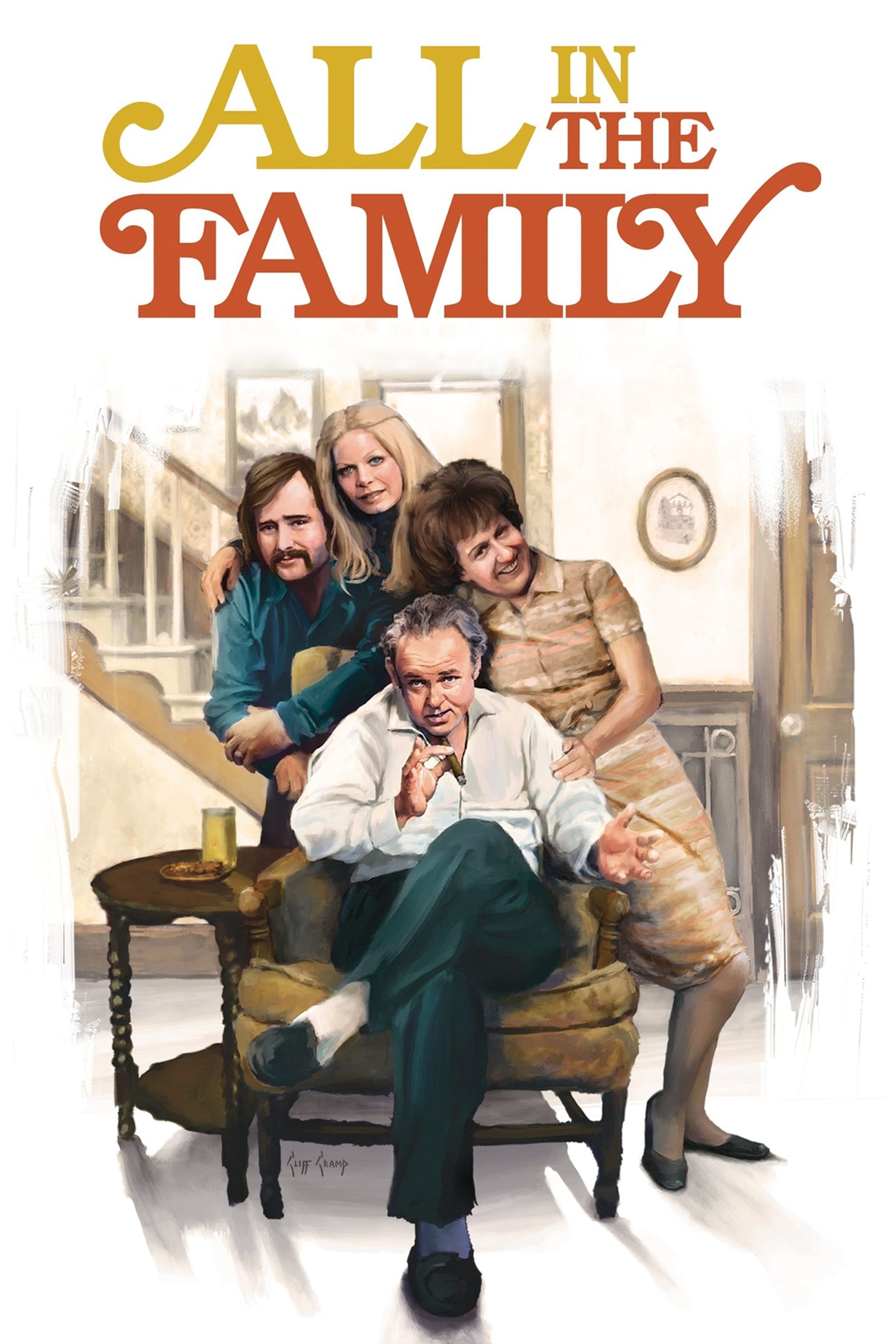
Norman Lear revolutionized sitcoms by tackling real-world issues and political debates. His shows often featured flawed characters, like a prejudiced individual whose family consistently questioned his beliefs. By openly addressing topics like race and religion during prime time, he transformed the genre from simple entertainment into a space for social discussion and commentary.
‘Moonlighting’ (1985–1989)
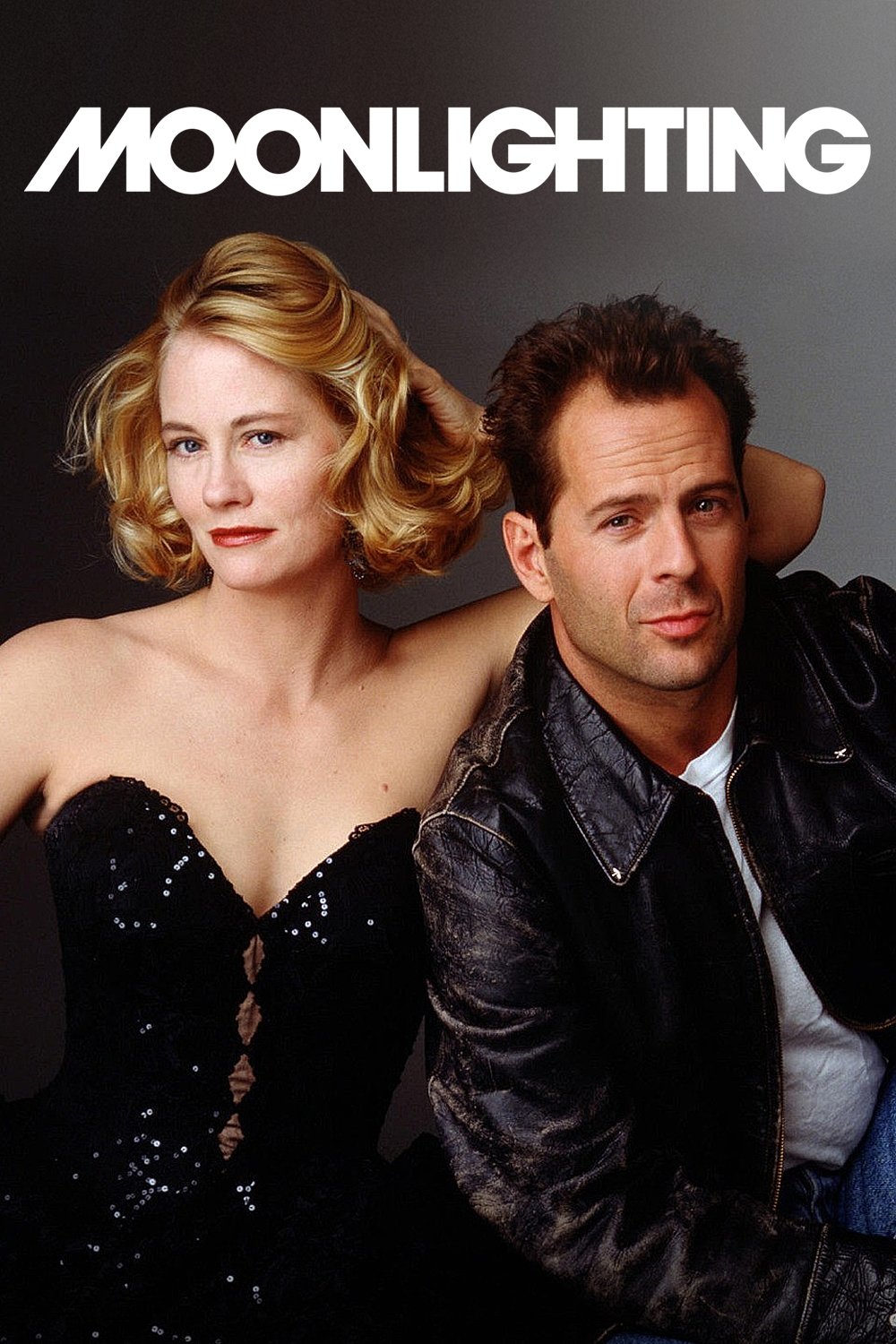
The show’s writers often had characters speak directly to the viewers, playfully acknowledging the audience. It was famous for blending humor, heartfelt moments, and romance in a unique way that didn’t fit neatly into any one genre. More than solving cases, the series centered on the simmering attraction between the main characters, and this push-and-pull relationship became a common element in shows with partners who investigate crimes together.
‘Transparent’ (2014–2019)
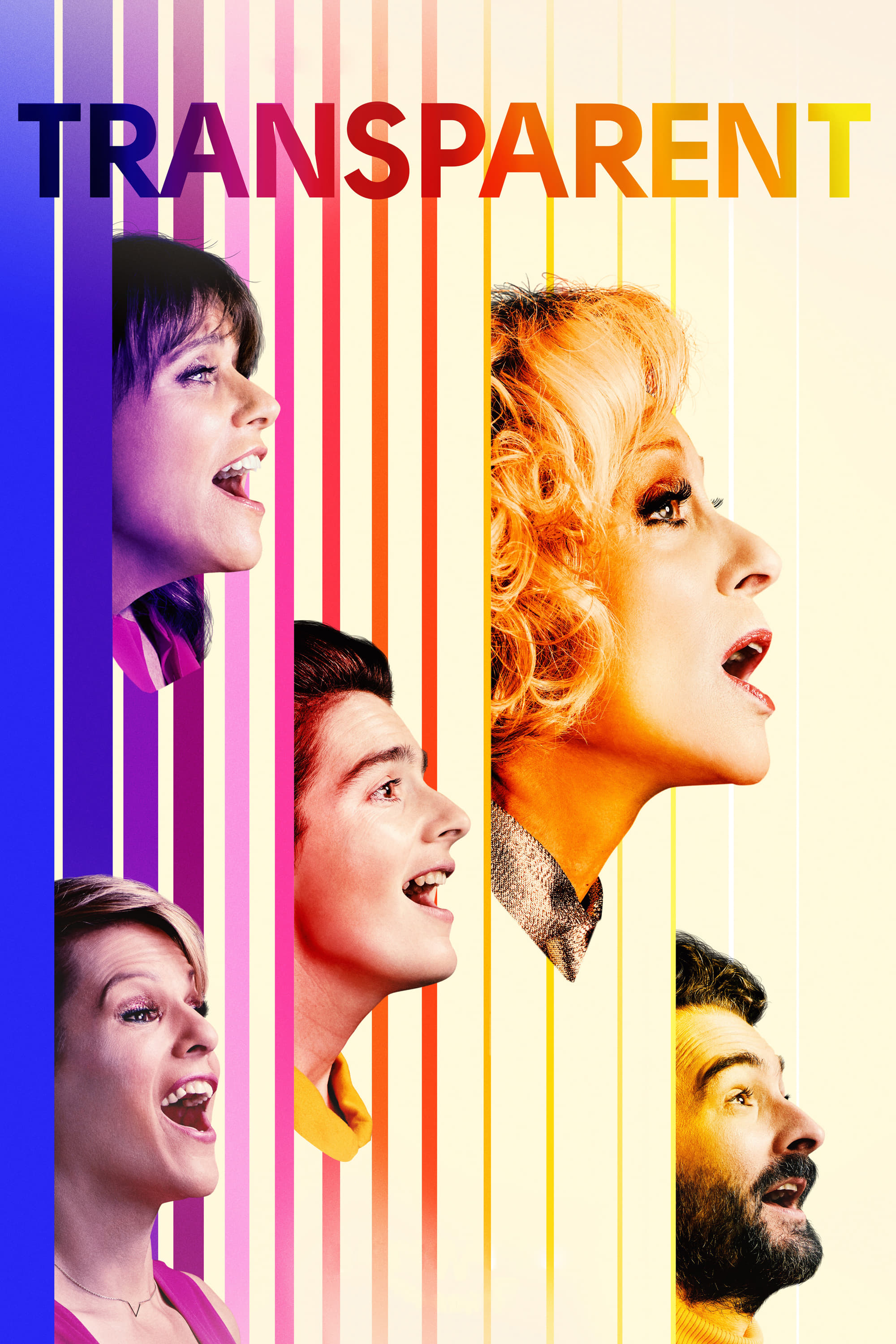
Amazon proved it could create high-quality TV dramas with this moving story about a family navigating change. The show tackled complex issues of gender and sexuality with sensitivity, something rarely seen on traditional networks. Its award-winning success demonstrated that streaming services could produce sophisticated, artistic series, inspiring other platforms to take risks on unique and focused storytelling.
‘Glee’ (2009–2015)
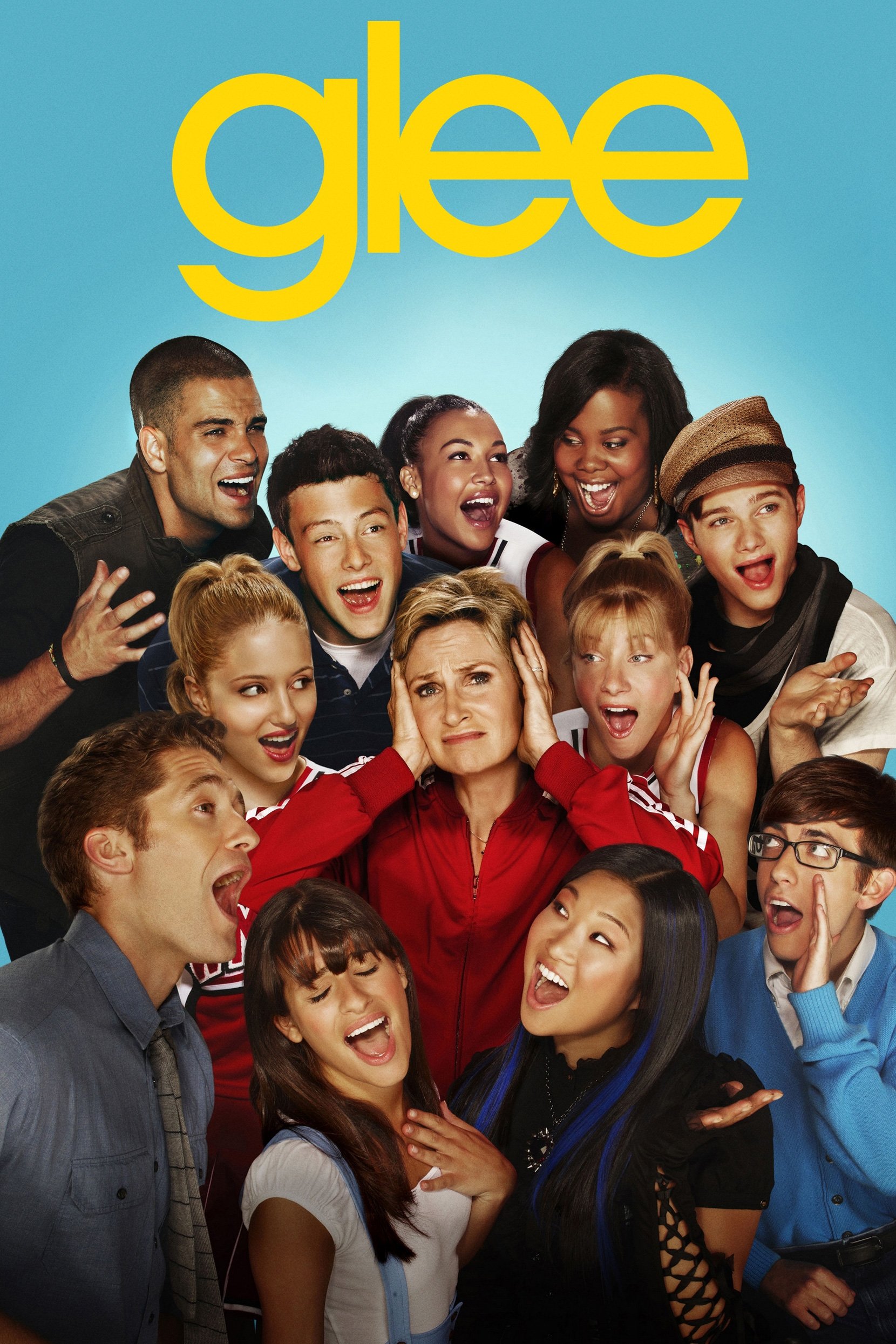
Ryan Murphy’s show successfully blended musical performances into the storyline, making the songs essential to the plot. This approach led to significant income from digital music downloads. It uniquely connected television and the music industry, similar to the golden age of variety shows. Ultimately, the series demonstrated that a scripted musical could attract a large and modern audience.
‘Jackass’ (2000–2002)

The show was filmed using simple video cameras, focusing on risky stunts and pranks with a style similar to skate videos. It deliberately avoided polished, professional production, opting instead for a raw, authentic, and shocking feel. This tapped into a craving for content that felt wild, unpredictable, and outside the rules. This homemade approach went on to heavily influence the way people create content online, especially on platforms like YouTube.
‘Big Brother’ (2000–Present)
This reality TV show pioneered the idea of constant, around-the-clock monitoring with live online streams. This allowed viewers to watch contestants even when the show wasn’t on TV, making them feel more involved and even able to impact what happened. This unprecedented access dramatically changed how reality stars connected with their audience.
‘Cops’ (1989–2023)

As a critic, I was struck by how boldly this show simplified things. The filmmakers made a conscious choice to ditch narration and a traditional score, opting instead for a purely observational approach – just raw, unadulterated footage from police ride-alongs. It’s a cinéma vérité style that feels incredibly immediate and real. And honestly, it was brilliantly economical to produce, meaning it could be re-run forever. But more importantly, it essentially created the shaky-cam, handheld aesthetic that now defines so much of reality TV on cable – it’s a surprisingly influential piece of work.
‘Game of Thrones’ (2011–2019)
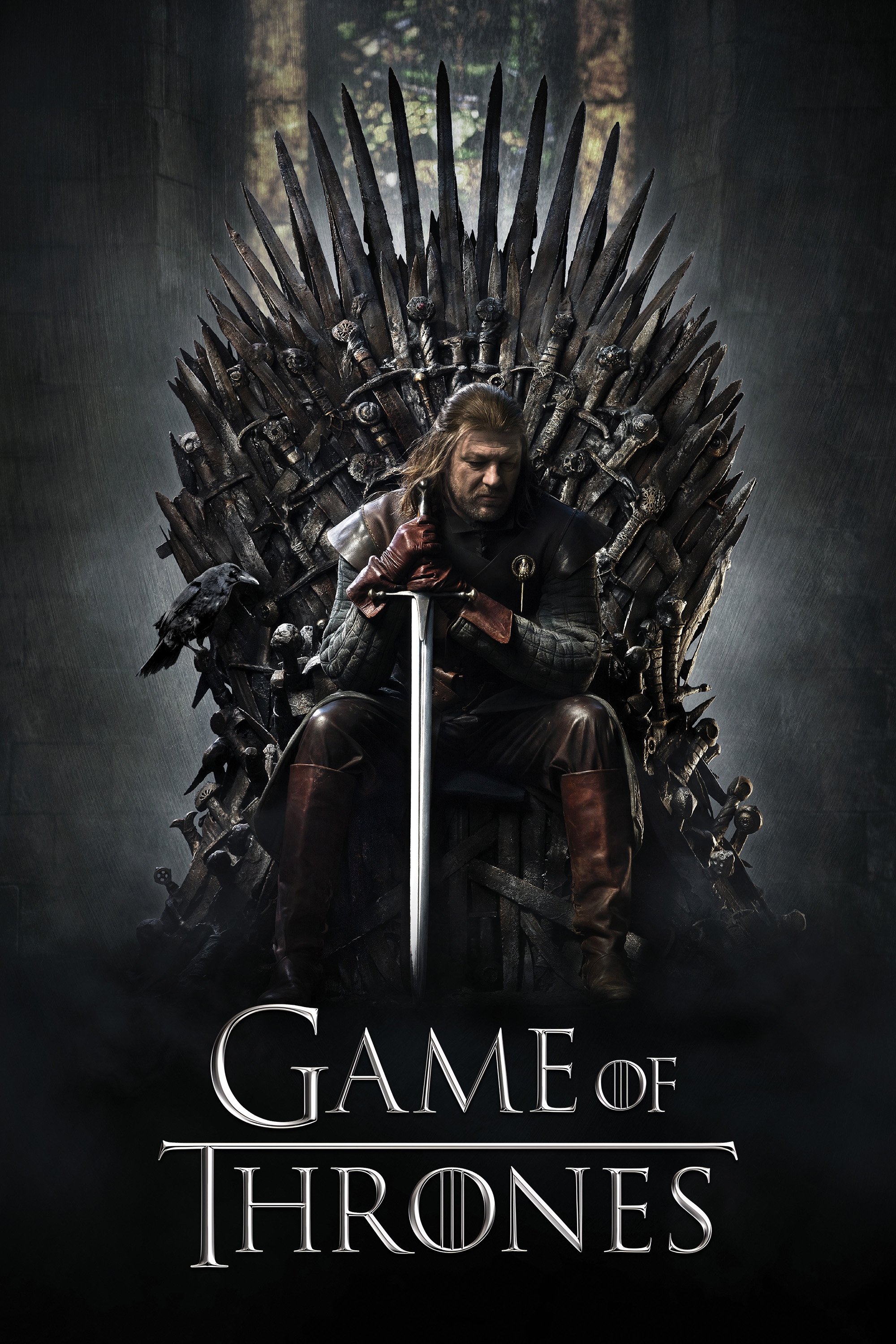
HBO demonstrated that fantasy stories could appeal to a broad adult audience if approached with complex political themes. The show became well-known for unexpectedly killing off important characters, creating a sense of real danger for everyone. It also boasted visual effects on par with major movies, thanks to a significantly larger budget. This ambitious production quality ultimately pushed other networks to invest more in their own shows.
‘The Walking Dead’ (2010–2022)
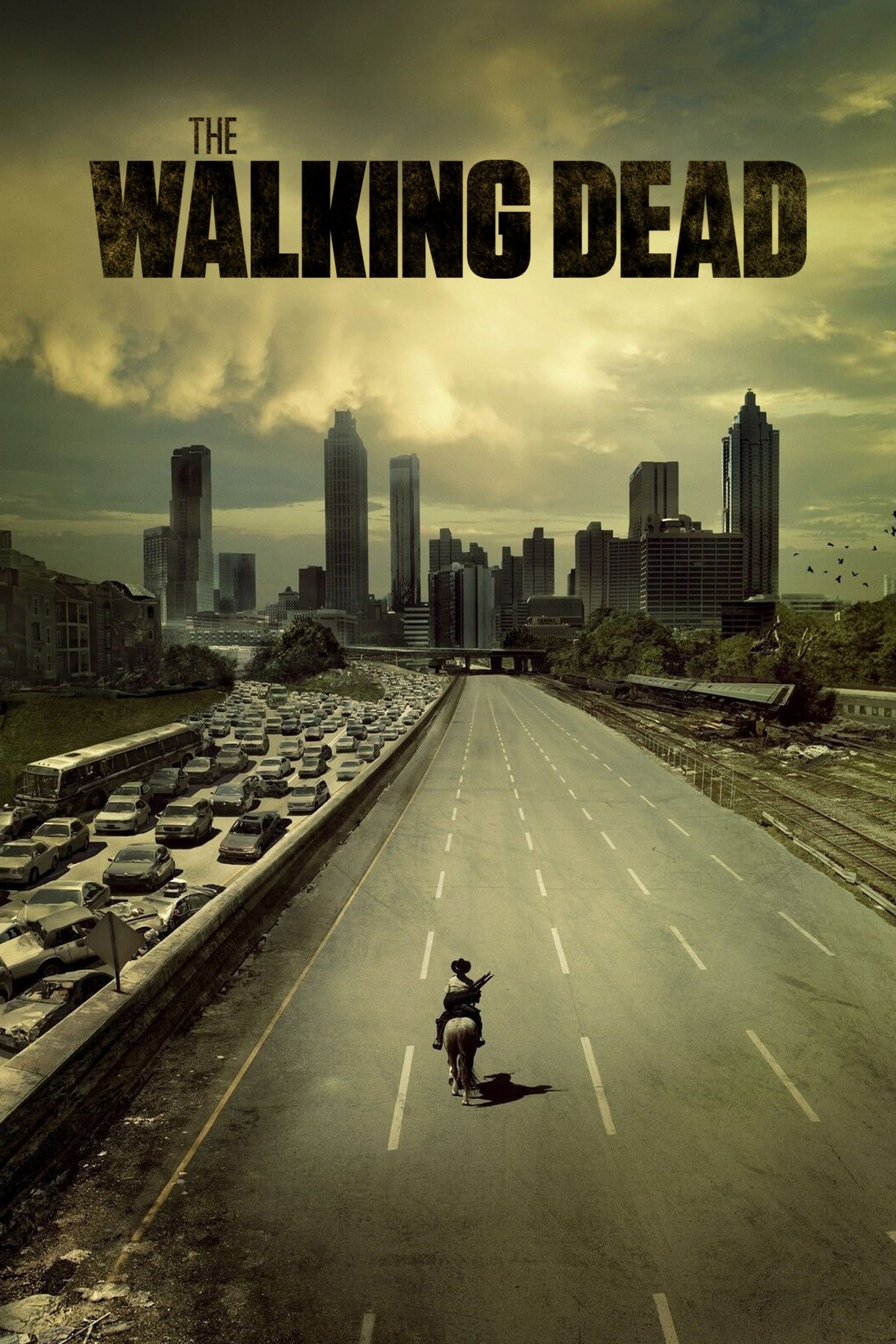
AMC’s The Walking Dead showed that even a very graphic horror series could become incredibly popular on television. Instead of focusing solely on scares, the show delved into the lives of its characters during a zombie apocalypse, turning it into a complex, ongoing story. This success proved that shows traditionally considered ‘genre fiction’ could attract a large audience for many years. It also paved the way for numerous comic book adaptations to become major players on TV.
‘True Detective’ (2014–Present)
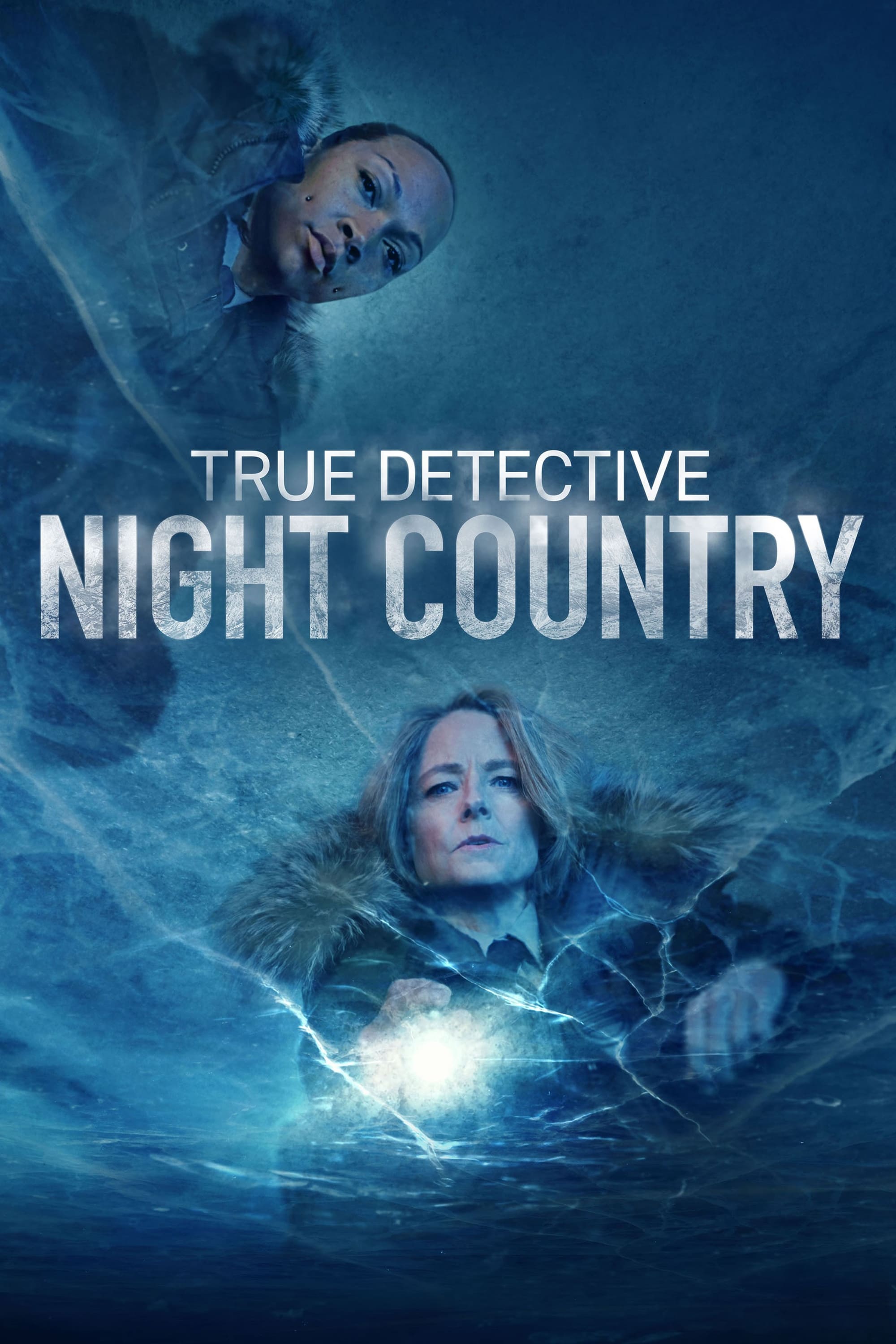
The first season was uniquely directed by Cary Joji Fukunaga as one continuous, eight-hour movie. It drew in major movie stars and featured acting usually seen in films. The show helped make the limited series – a complete story with the potential for future installments – incredibly popular. It also transformed the typical crime drama into something more artistic and thought-provoking.
‘Fleabag’ (2016–2019)
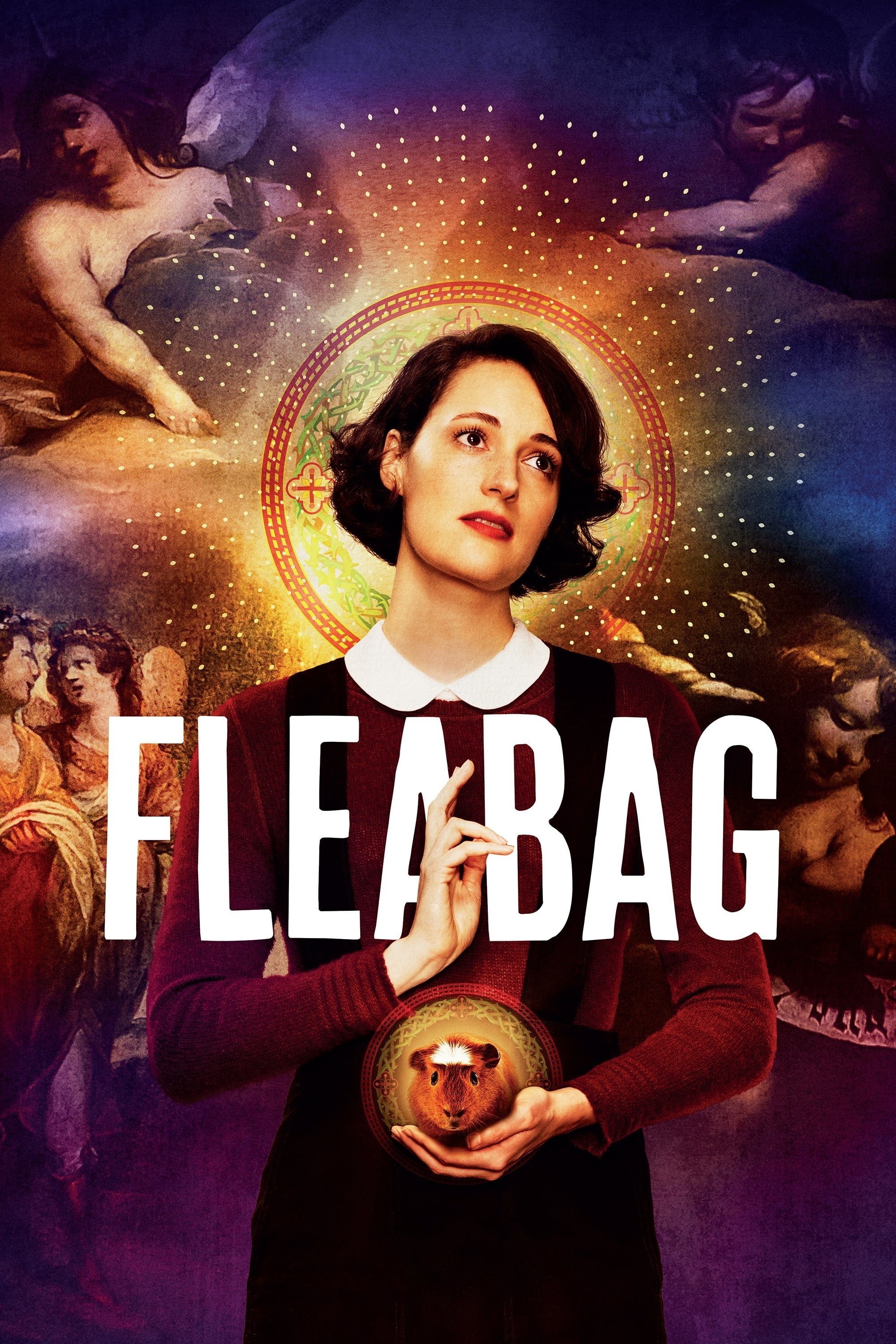
Phoebe Waller-Bridge skillfully connected with viewers by directly addressing them, as if they were close friends. Her character openly shared her private, often cynical, thoughts and sadness. The show masterfully combined humor with deeply emotional moments, all within a concise format. This unique blend of comedy and tragedy paved the way for other shows featuring complex and flawed female leads.
‘Sesame Street’ (1969–Present)
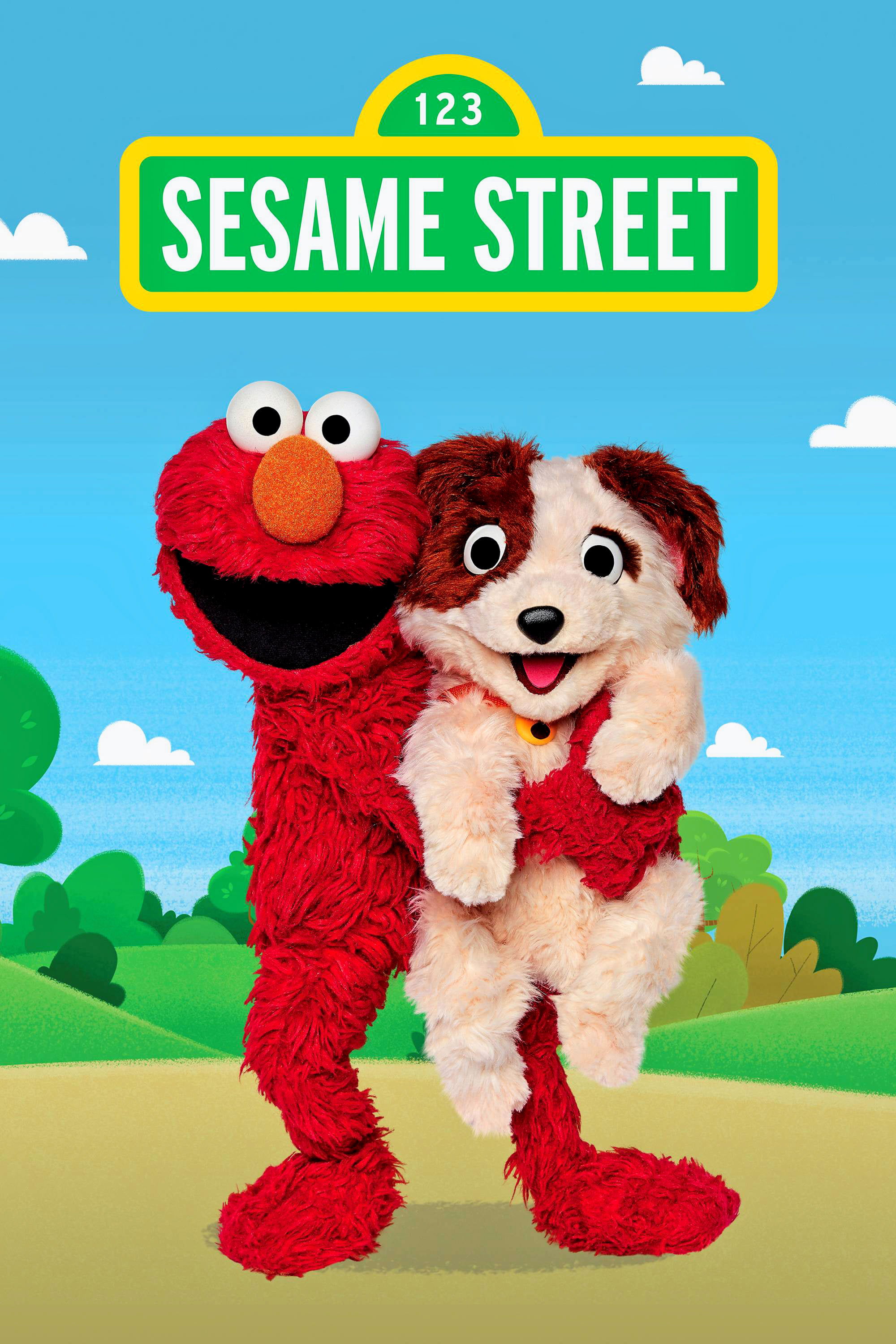
The show’s creators developed a learning program that moved at the quick speed of TV commercials. It was also the first children’s program to take place in a realistic city setting, instead of a make-believe world. They carefully used research to make sure the content actually taught kids what they wanted them to learn. This focus on using science to create the program became the model for all educational shows that followed.
‘The Mary Tyler Moore Show’ (1970–1977)
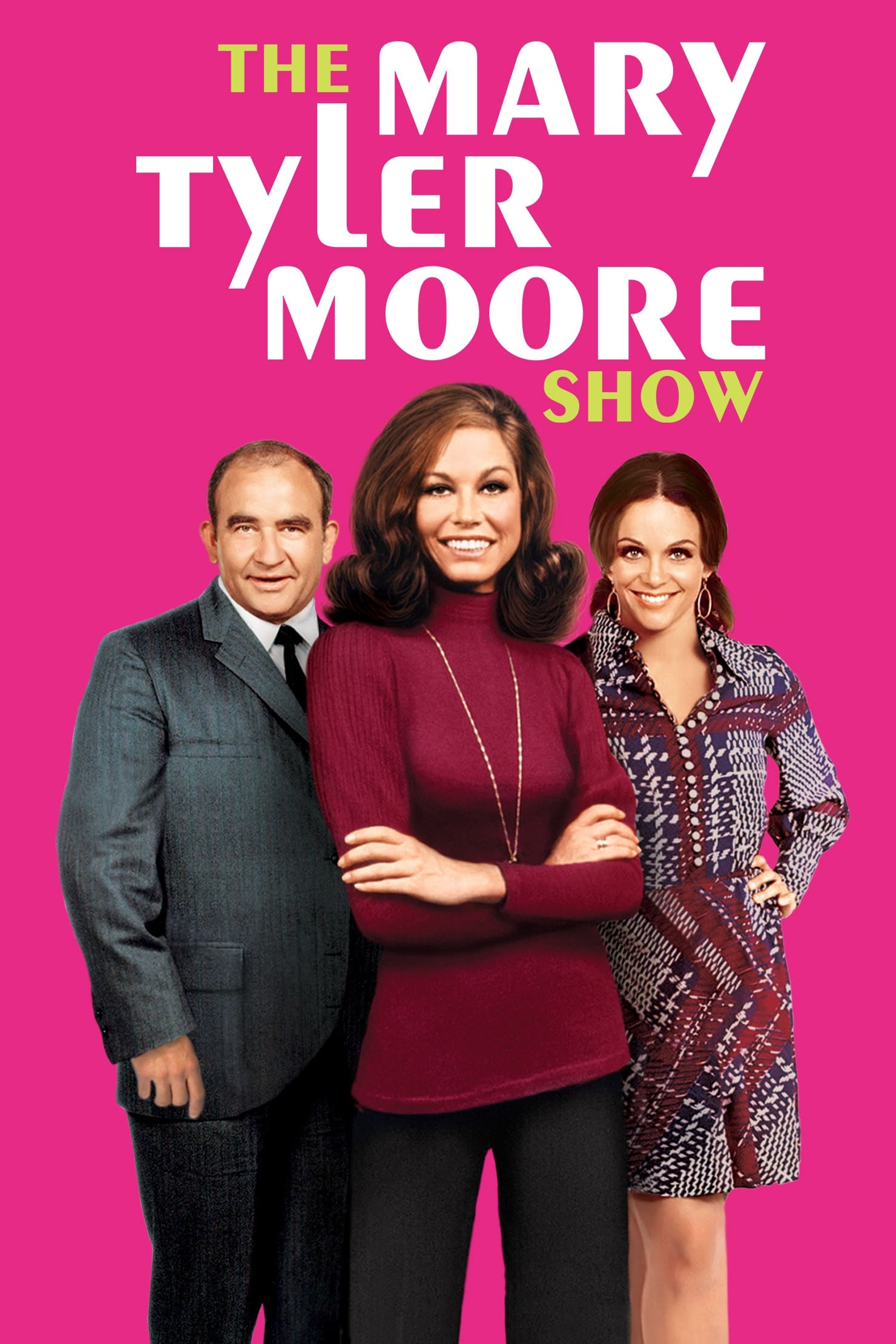
This comedy centered on a woman whose career was her primary focus, rather than finding a partner. The show felt like a family built around her coworkers, and it tackled issues of gender equality and independence in a smart, nuanced way. It became a model for many workplace comedies and shows with female leads that followed.
‘Roots’ (1977)
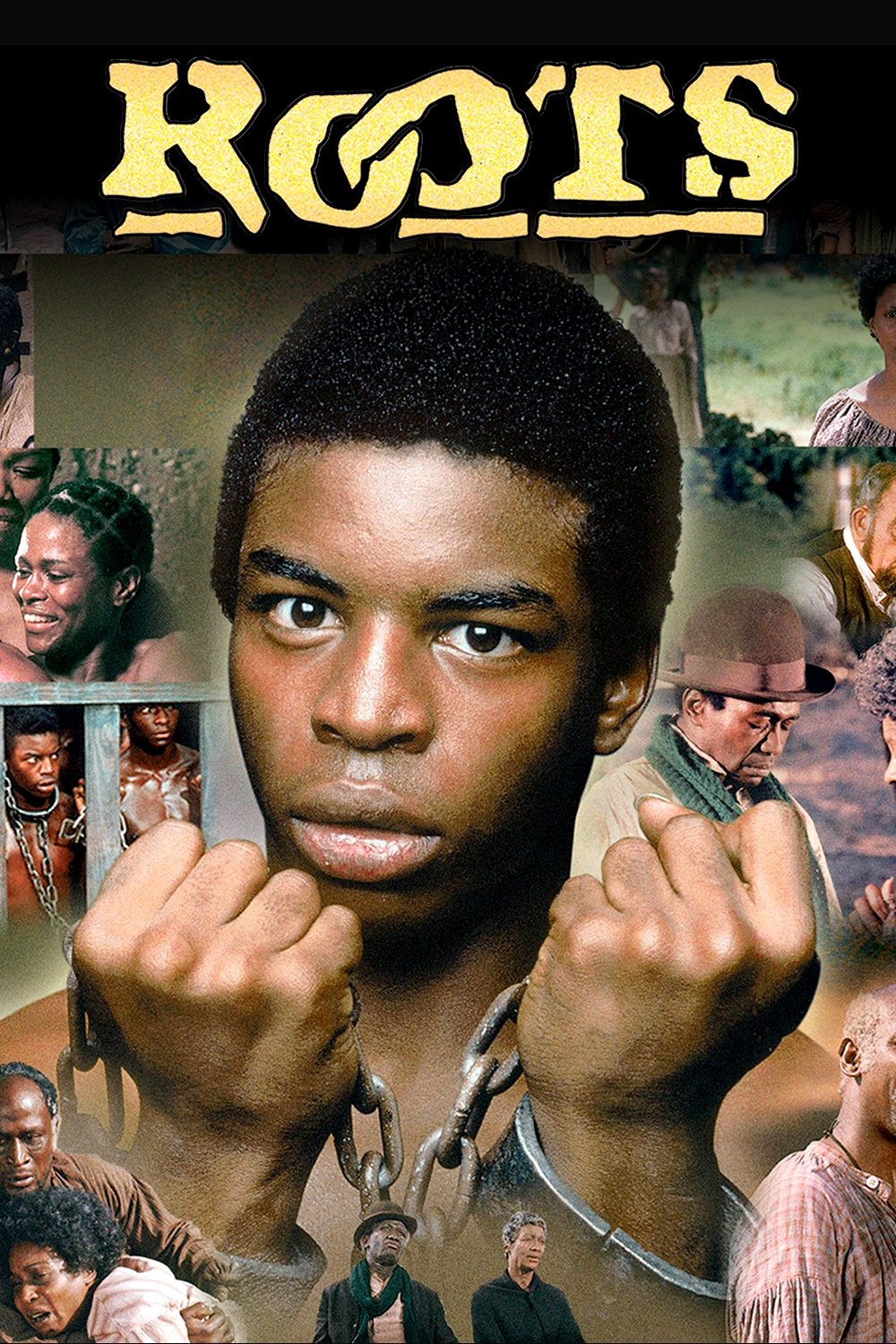
I remember when this miniseries first aired – it was a huge deal! For eight nights straight, everyone was talking about it. It really made the country think about the history of slavery by telling the story of one family across generations. The fact that people kept watching every night proved that audiences wanted that kind of ongoing story, and it basically set the standard for how historical dramas were made for TV.
‘The Larry Sanders Show’ (1992–1998)
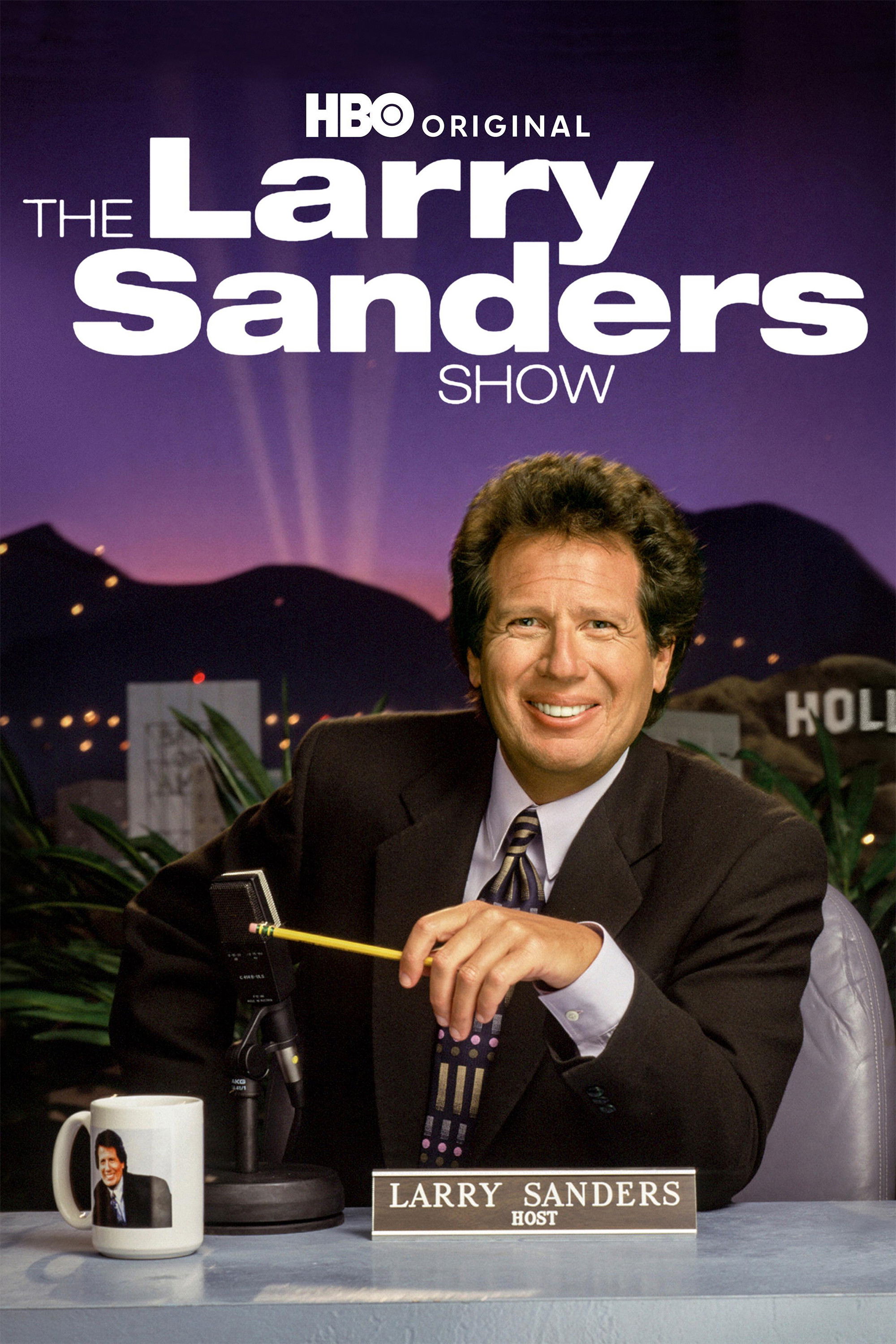
Garry Shandling revolutionized late-night television by revealing the often-cynical world behind the scenes. His show cleverly used different film styles to highlight the contrast between what viewers saw on TV and the messy reality backstage. It also featured celebrities playing over-the-top versions of themselves, offering a unique commentary on the entertainment industry. This innovative approach heavily influenced many successful comedies on premium cable channels that came after it.
Share your thoughts on which of these shows had the biggest impact in the comments.
Read More
- Invincible Season 4 Gender Swaps Tech Jacket As Fans Question Major Comic Change
- Silver Rate Forecast
- Gold Rate Forecast
- Building Agents That Learn and Improve Themselves
- 15 Films That Were Shot Entirely on Phones
- 22 Films Where the White Protagonist Is Canonically the Sidekick to a Black Lead
- 20 Movies Where the Black Villain Was Secretly the Most Popular Character
- Celebs Who Narrowly Escaped The 9/11 Attacks
- 18 TV Series Filming Rehearsals as Bonus Content
- Games That Faced Bans in Countries Over Political Themes
2026-02-03 00:20