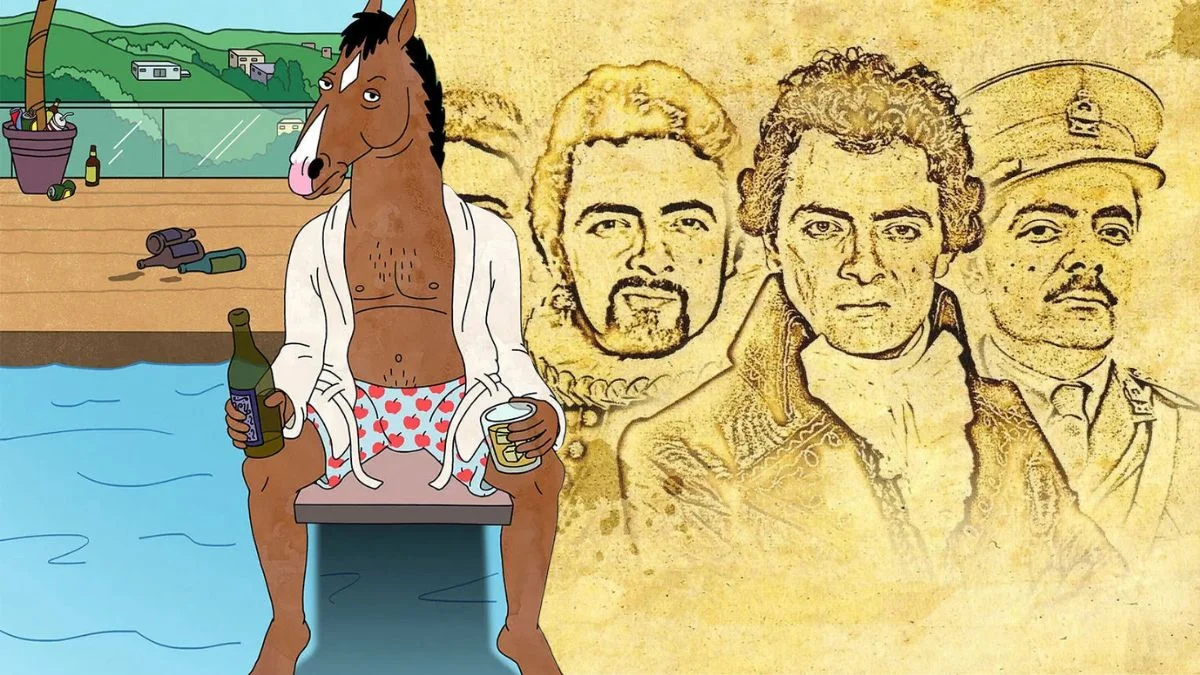
In the fast-paced world of television, first impressions matter, but they don’t always predict whether a show will last. Many now-classic series had a difficult beginning, struggling to gain an audience in their early seasons. Often, critics and viewers are quick to judge shows based on just the first episode or a confusing storyline, before the creators have fully developed the characters and story. There are countless examples of popular shows that nearly got cancelled or had low ratings, but ultimately became cultural favorites. This list showcases series that overcame initial challenges to achieve critical success and build dedicated fanbases.
‘The Office’ (2005–2013)
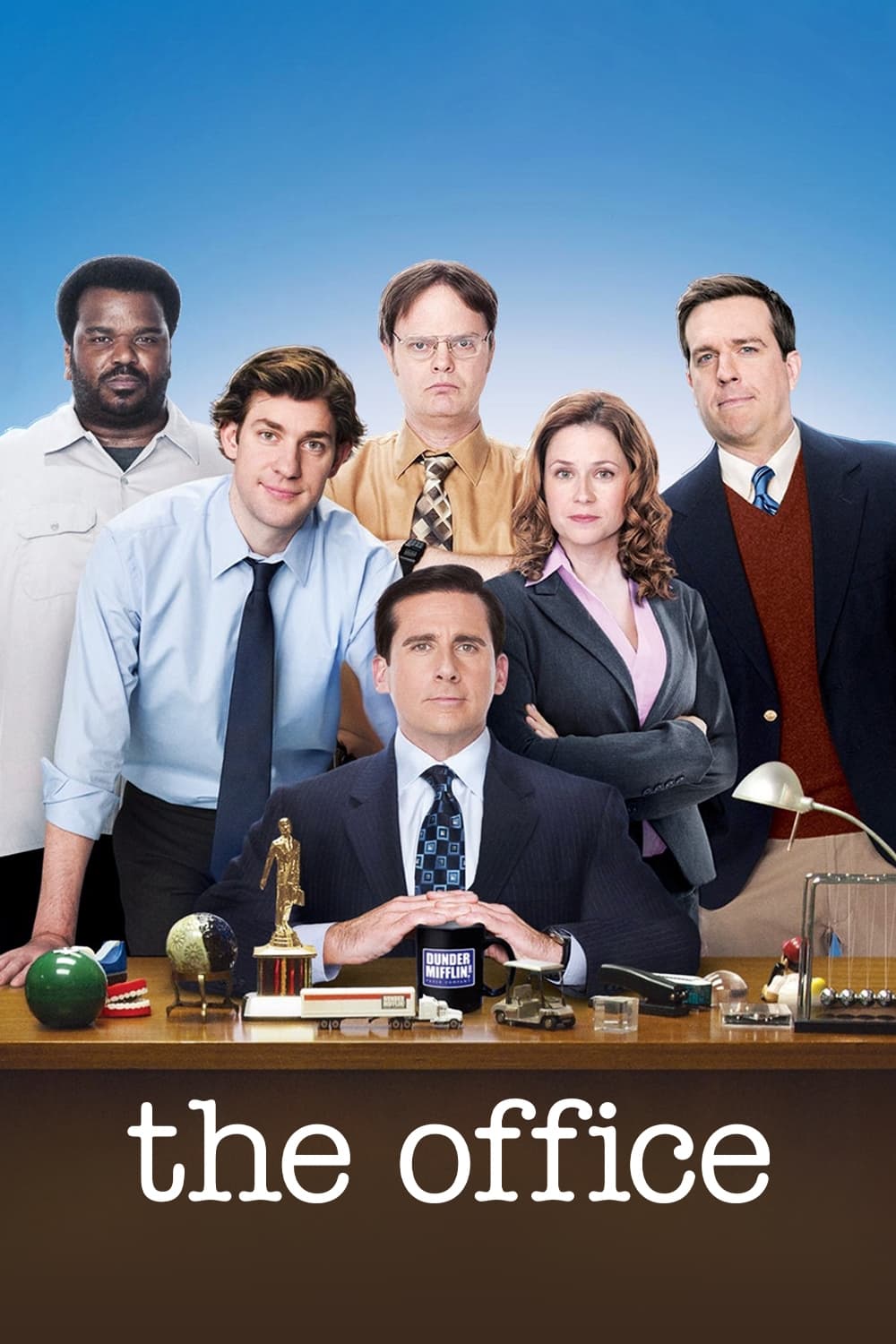
The first season of the American version of ‘The Office’ didn’t do well because it closely copied the British show. Viewers didn’t connect with the humor and thought Steve Carell’s character was too harsh. The writers then made his character, Michael Scott, more likable and started focusing more on the entire group of characters. This change helped the show develop its own unique style and eventually become incredibly popular, making it one of the most-watched shows online.
‘Parks and Recreation’ (2009–2015)
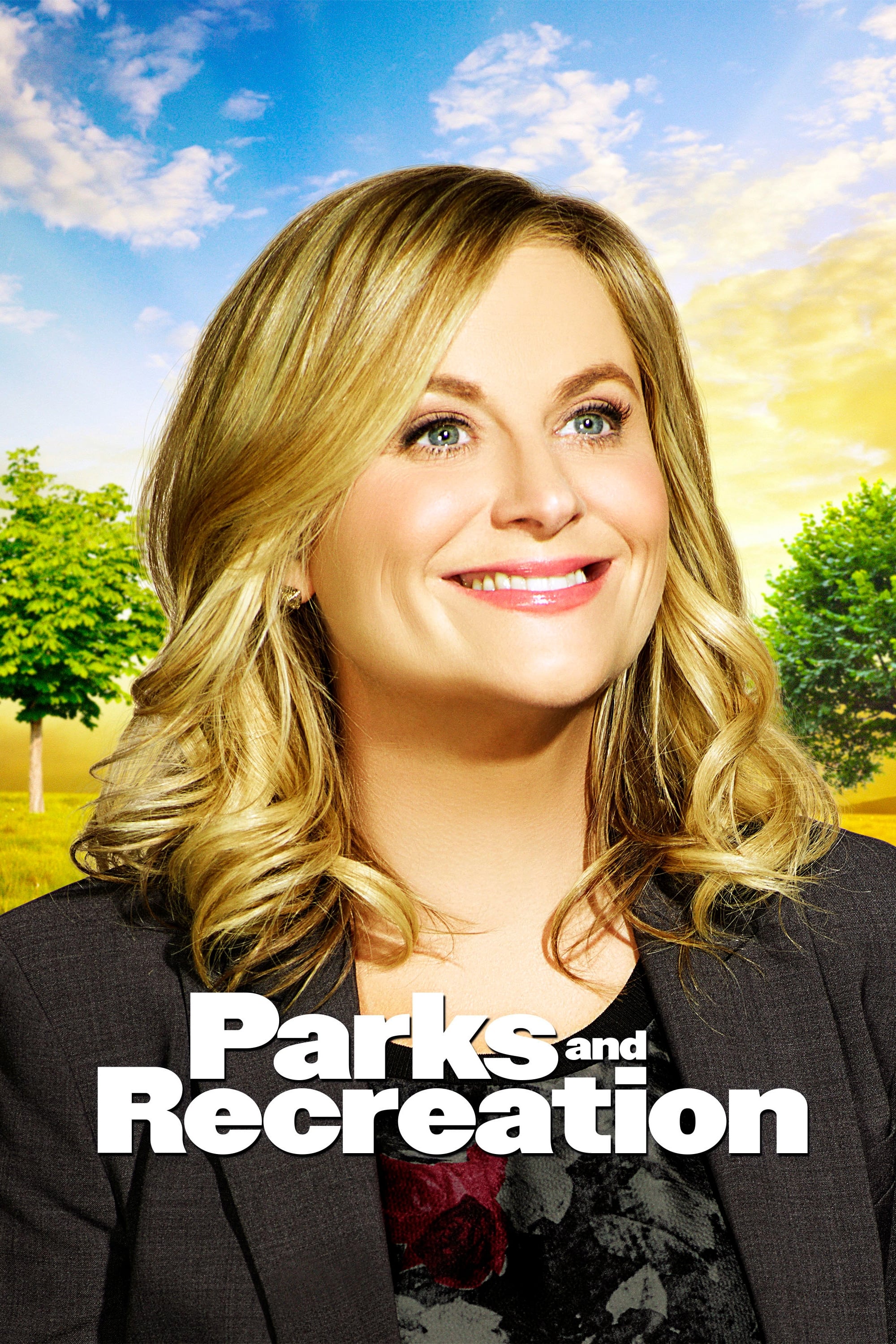
At first, many viewers thought this show was just a copy of ‘The Office,’ but lacked its appeal. The main character, Leslie Knope, was originally intended to be a bit clueless, but the creators changed course. Starting with the second season, they made Leslie capable and enthusiastic, and added characters like Ben Wyatt and Chris Traeger. This ultimately transformed the show into a feel-good comedy celebrated for its positive outlook and well-developed characters.
‘Seinfeld’ (1989–1998)
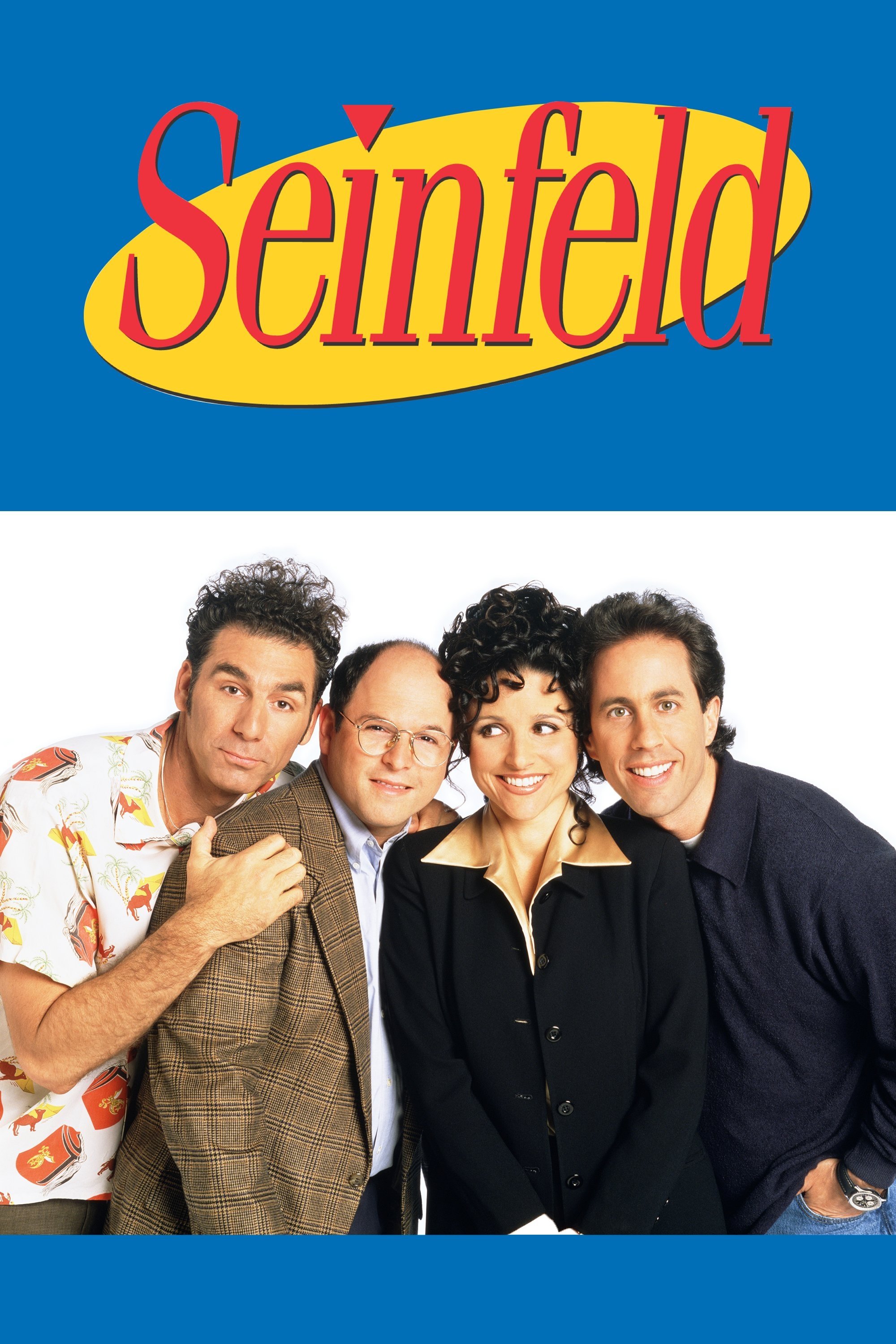
The first episode of this now-famous sitcom didn’t initially resonate with viewers, who found its concept confusing. Network executives at NBC worried the show’s humor was too specific and didn’t have a strong enough central idea to compete with other comedies. For its first few years, the show struggled to attract an audience and was almost canceled several times. Eventually, it redefined itself as a show about everyday life and completely changed the world of television comedy.
‘Star Trek: The Next Generation’ (1987–1994)
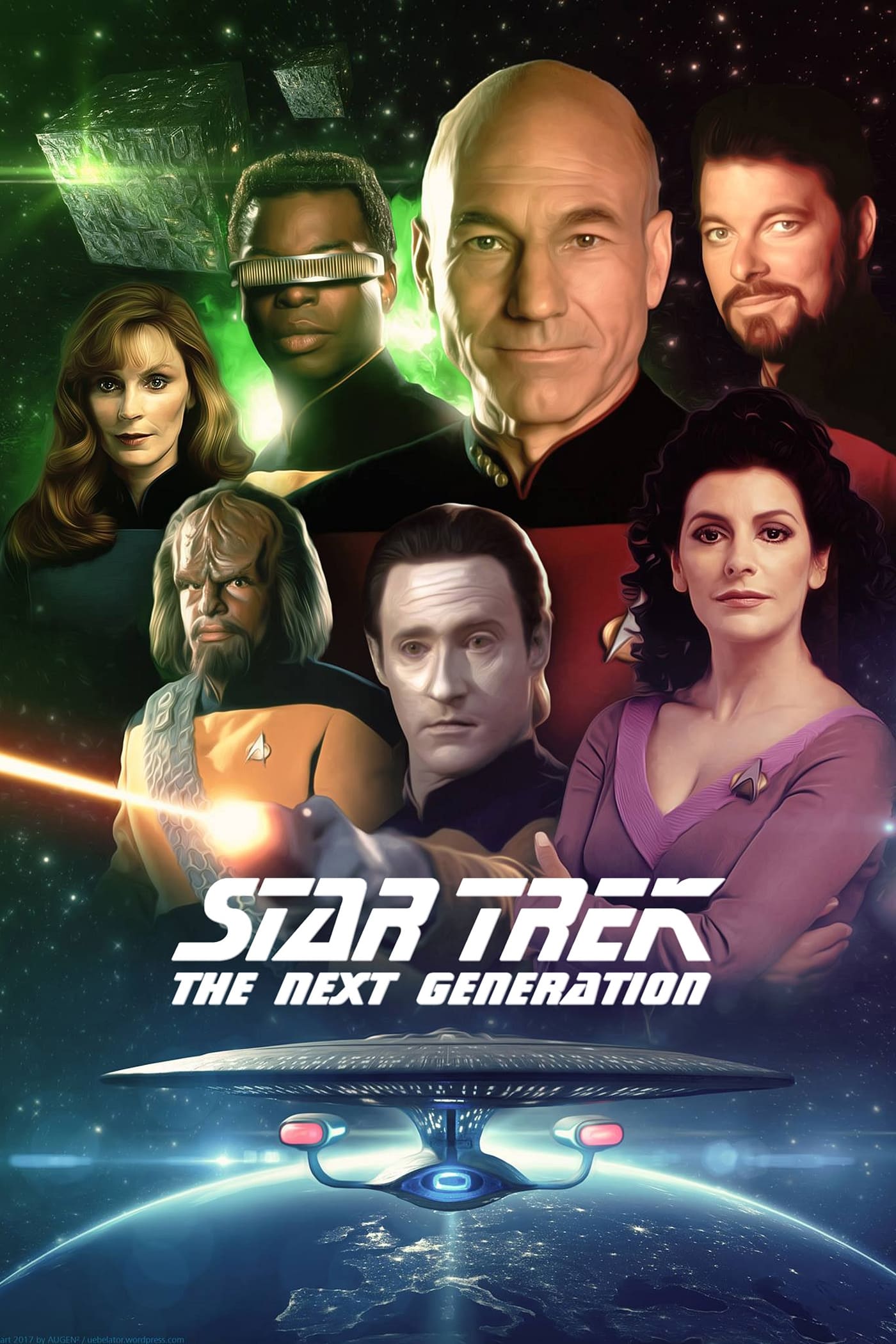
When ‘Star Trek: The Next Generation’ first came out, longtime fans didn’t like the changes, especially the new, bald captain. The first season had awkward performances and storylines that felt outdated. However, things improved with season three, which featured Riker’s beard and more sophisticated stories. Now, many fans consider ‘The Next Generation’ to be the best ‘Star Trek’ series of all time.
‘BoJack Horseman’ (2014–2020)
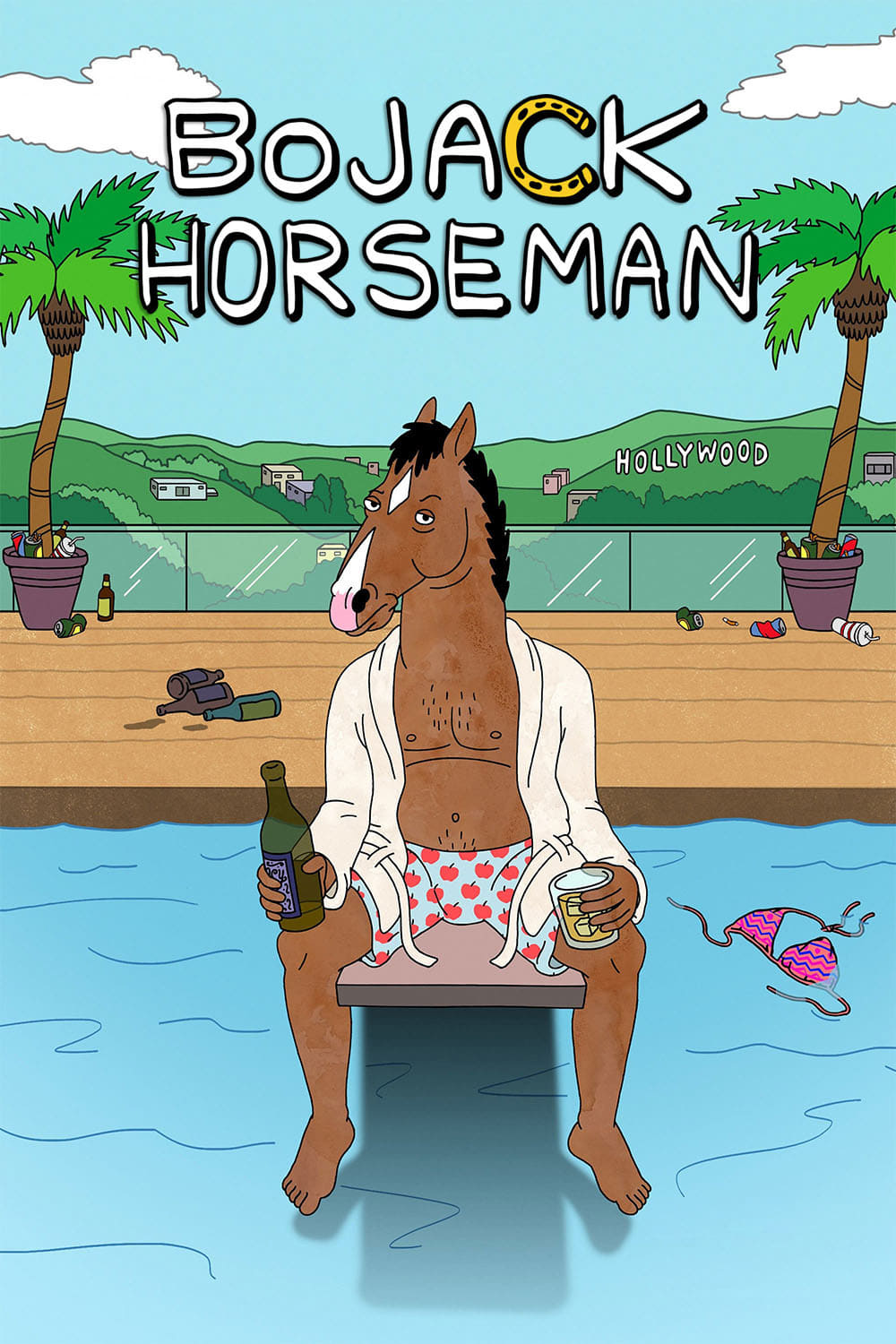
The first part of the show’s first season received a lot of mixed reactions, with many seeing it as just another raunchy animated comedy. It started out using a lot of shocking humor and quick, unrelated jokes, much like ‘Family Guy’. However, the show unexpectedly changed direction later in the season, becoming much more serious and thoughtful. Now, it’s widely celebrated for its realistic and powerful portrayal of depression and addiction.
‘Schitt’s Creek’ (2015–2020)
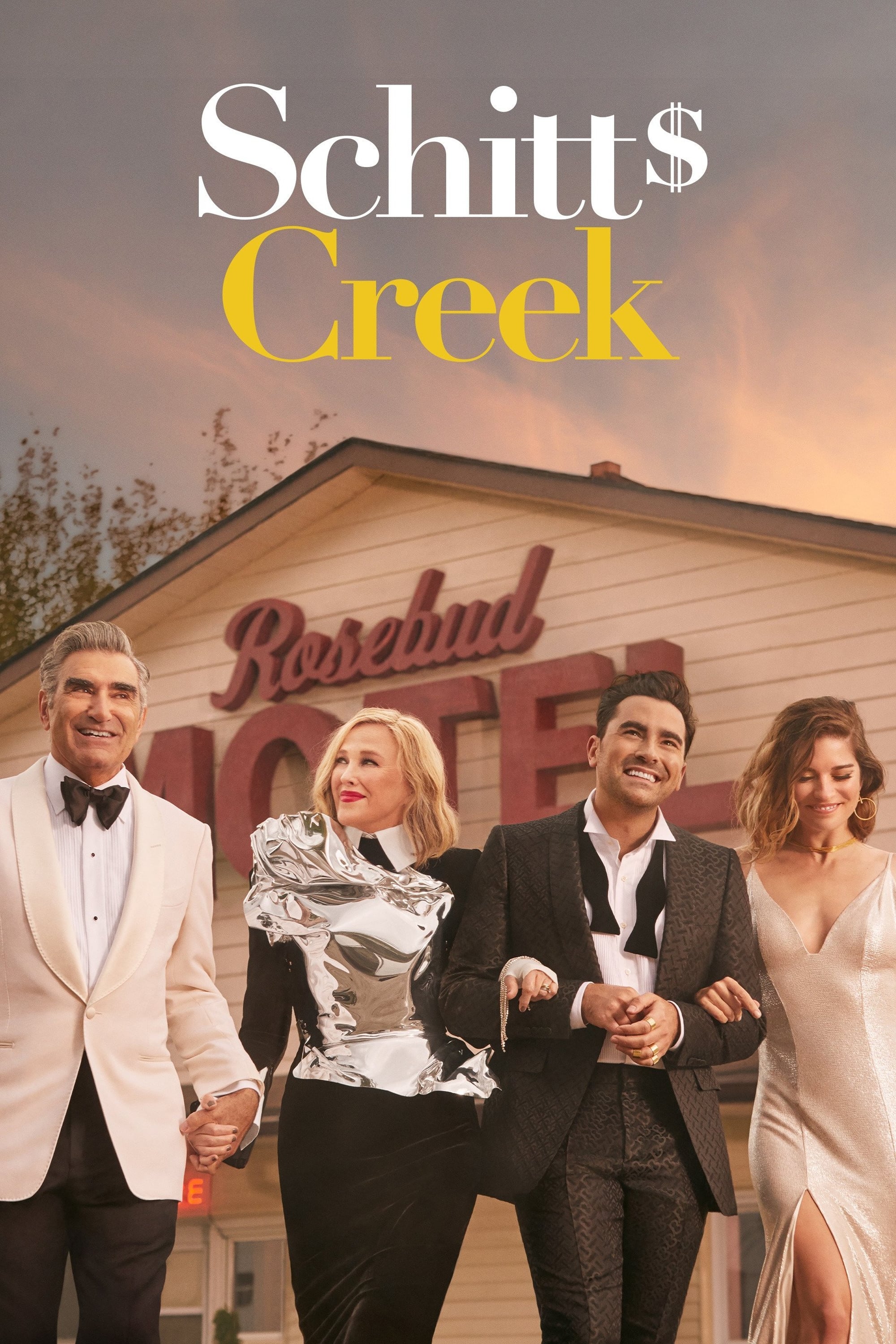
For years, this Canadian comedy remained largely unnoticed, and many viewers initially struggled to connect with the privileged Rose family. The show started with characters who were often harsh and out of touch. However, as the series progressed, the characters grew and showed genuine affection for each other, leading to a growing fanbase. Ultimately, the show concluded with widespread critical acclaim, including numerous Emmy Awards, and became a hit around the world.
‘The Wire’ (2002–2008)
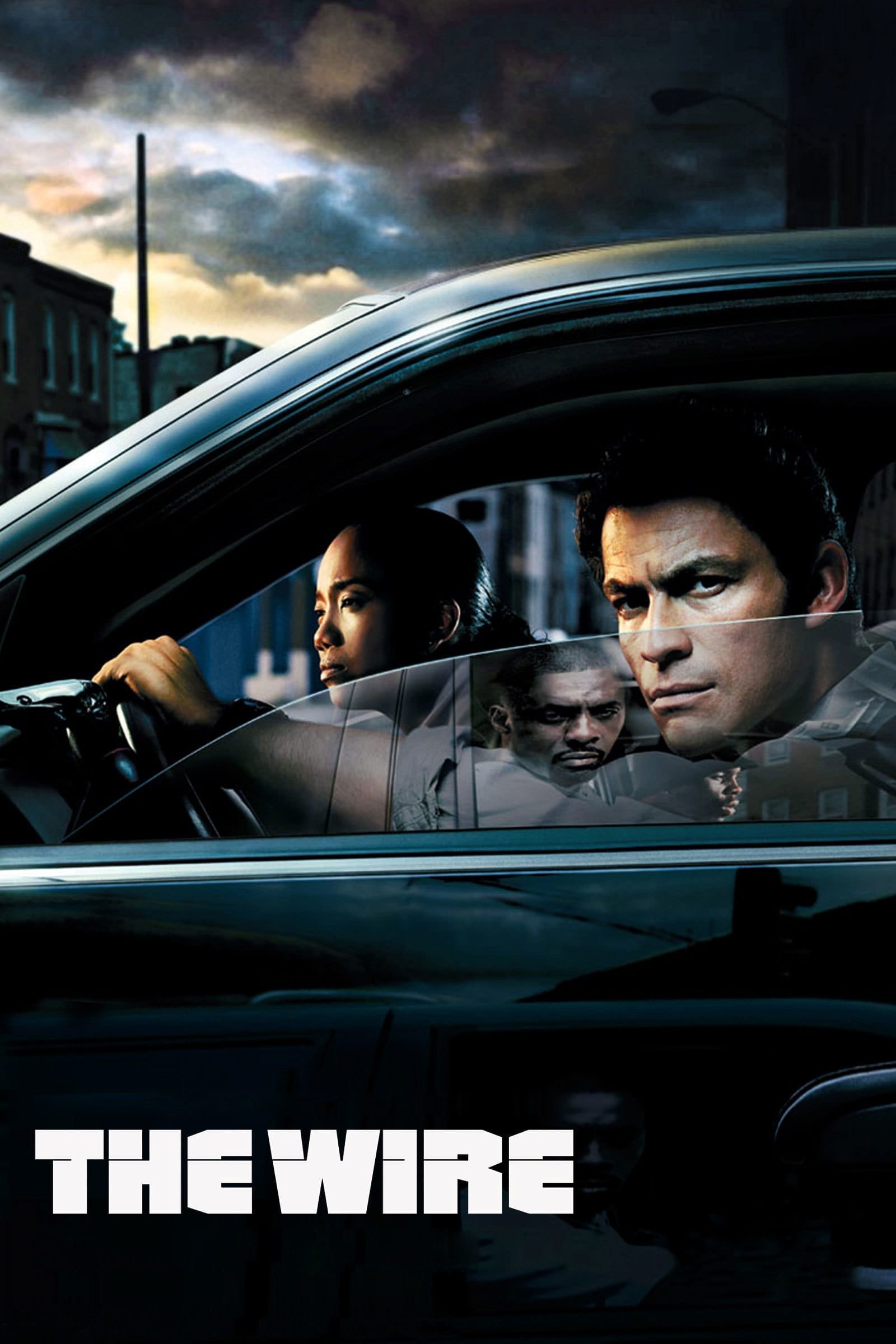
Despite initially struggling to find an audience and being overlooked by awards shows, this realistic crime drama has become incredibly popular thanks to streaming services. Viewers originally found the complicated storyline and lack of simple explanations challenging to follow week after week. The show demanded commitment, slowly building a detailed and insightful look at the systems and organizations within Baltimore. Now, it’s often hailed as one of the best TV shows of all time.
‘Blackadder’ (1983–1989)
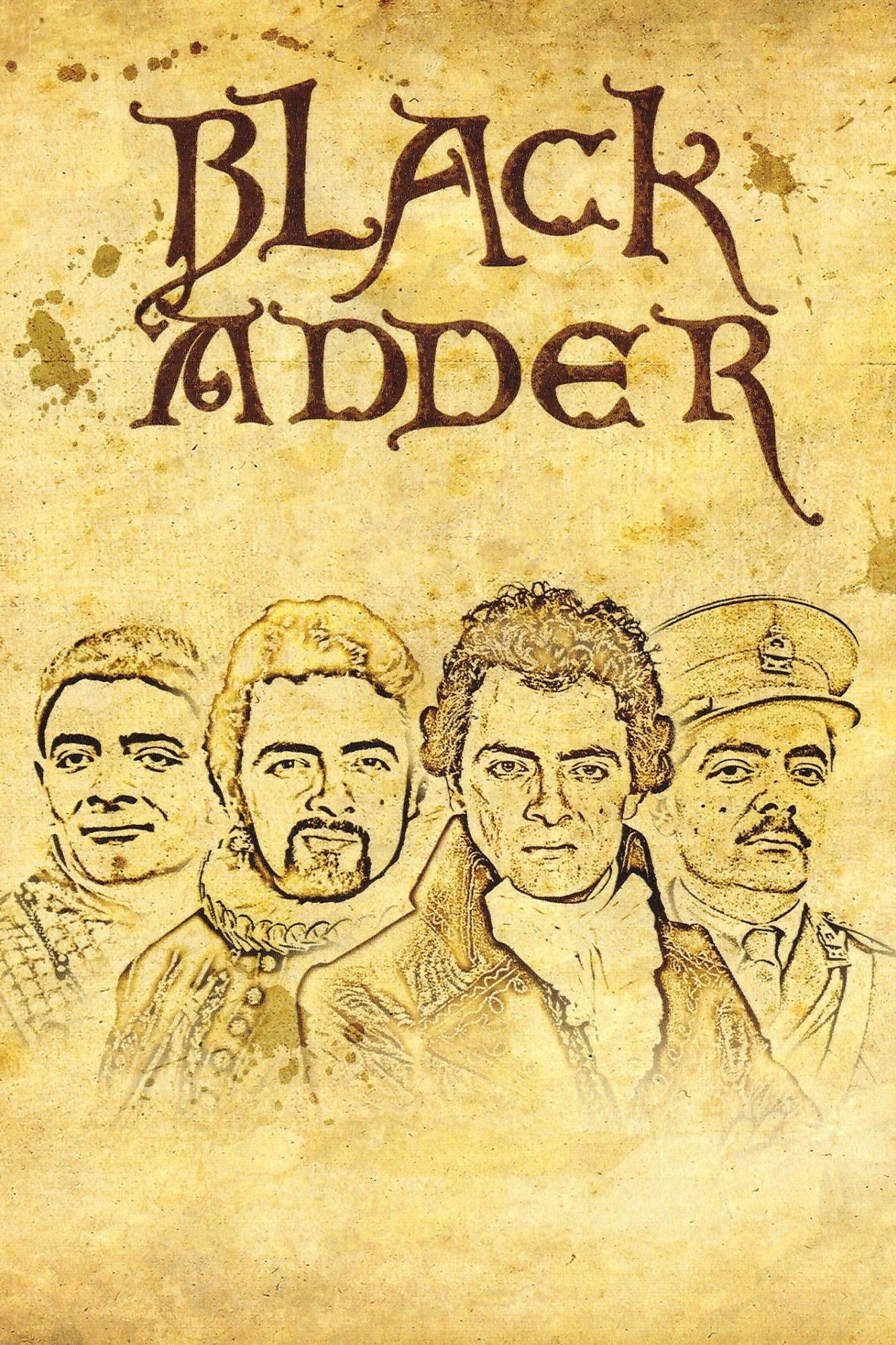
The initial episodes of this British comedy weren’t successful – they cost a lot to make and didn’t get good reviews. Rowan Atkinson’s character was portrayed as a clumsy fool, quite different from the clever, mischievous figure fans now adore. However, the show underwent a major overhaul for its second season. The creators significantly reduced the budget and altered the characters’ personalities. This resulted in the witty and sarcastic tone that ultimately made the show a beloved classic.
‘Buffy the Vampire Slayer’ (1997–2003)
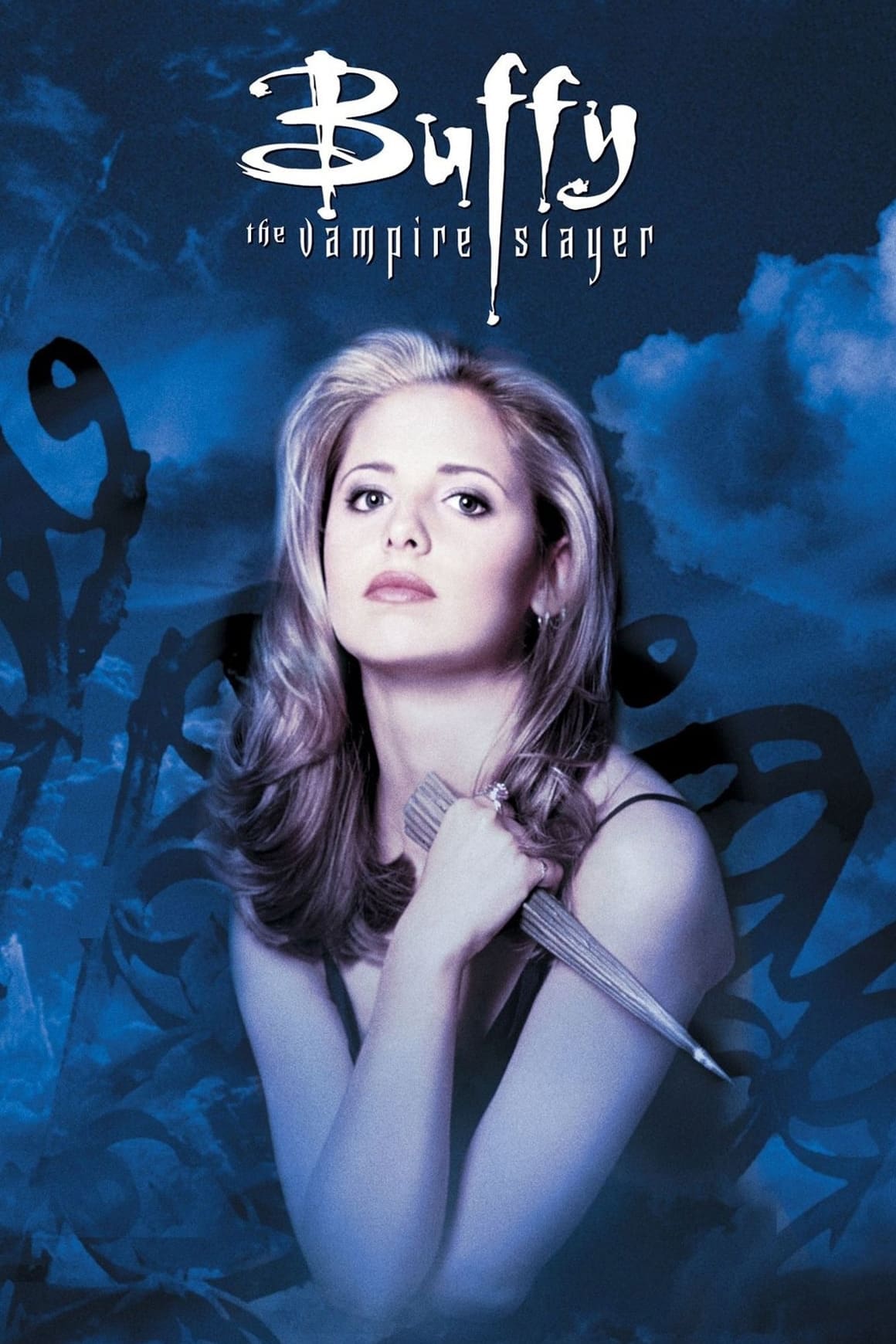
Before it began, many people didn’t expect much from this show, as it was based on a movie that hadn’t been well-received and was often ridiculed. The first season’s inexpensive effects and somewhat silly dialogue didn’t change many minds. However, the writing soon improved, cleverly using supernatural elements to address the challenges teenagers face. Today, ‘Buffy the Vampire Slayer’ is recognized for its influence on feminist thought and the way stories are told in a series, and is even studied at universities.
‘It’s Always Sunny in Philadelphia’ (2005–Present)
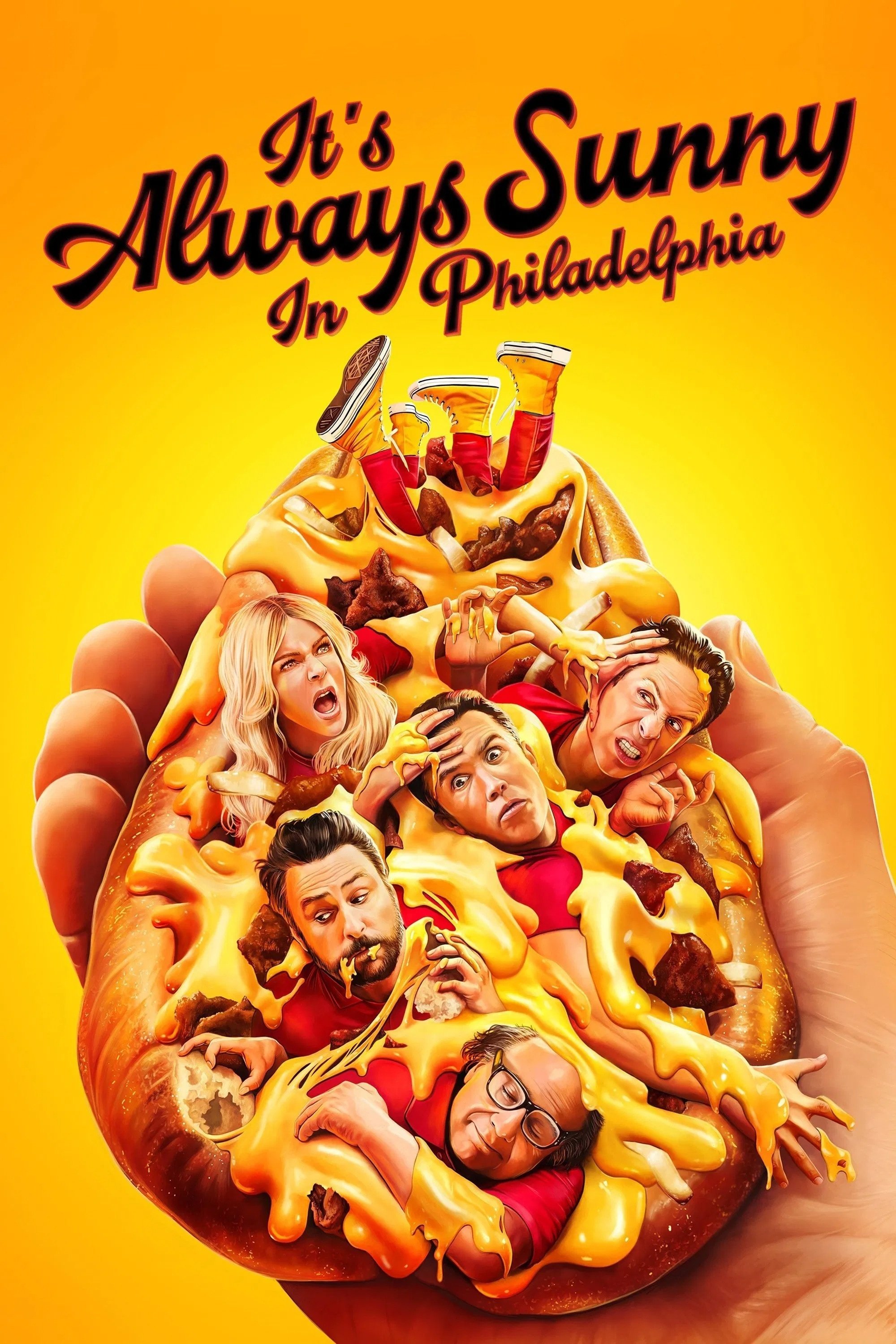
The show’s first season didn’t get much attention, and the network almost canceled it because of poor ratings. Made with very little money and without any big-name stars, it struggled to find an audience. However, adding Danny DeVito to the cast in the second season turned things around, giving the show its signature wild and unpredictable feel. It ultimately became the longest-running live-action sitcom ever in the United States.
‘Family Guy’ (1999–Present)
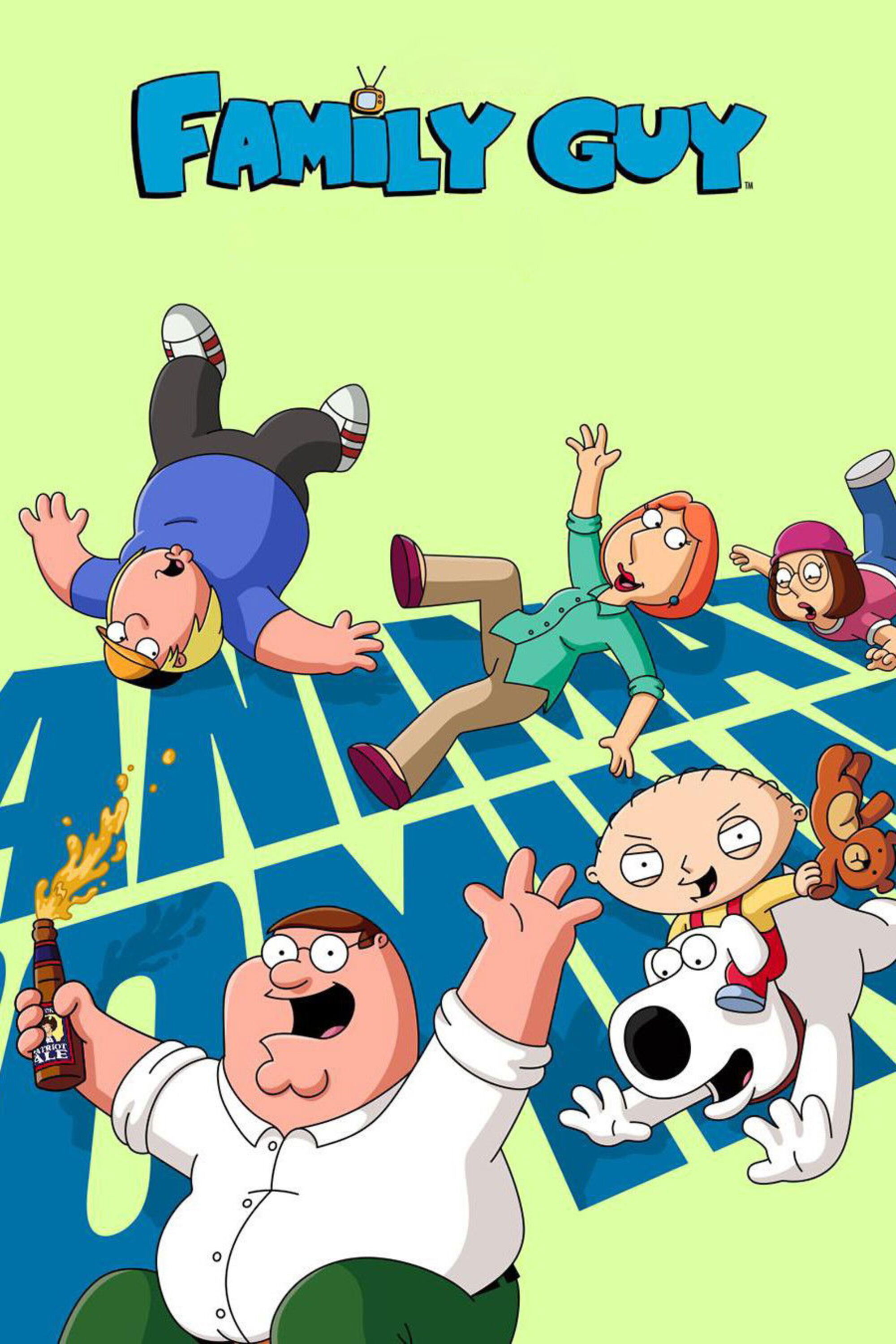
Fox initially cancelled this cartoon twice because it wasn’t getting enough viewers and faced tough competition from other shows. The network kept changing when it aired, often putting it up against big hits like ‘Friends’, which hurt its chances. However, strong DVD sales and lots of people watching reruns on Adult Swim showed there was a loyal fanbase. Eventually, Fox brought the show back, and it became a regular part of Sunday night TV for many years.
‘Cheers’ (1982–1993)
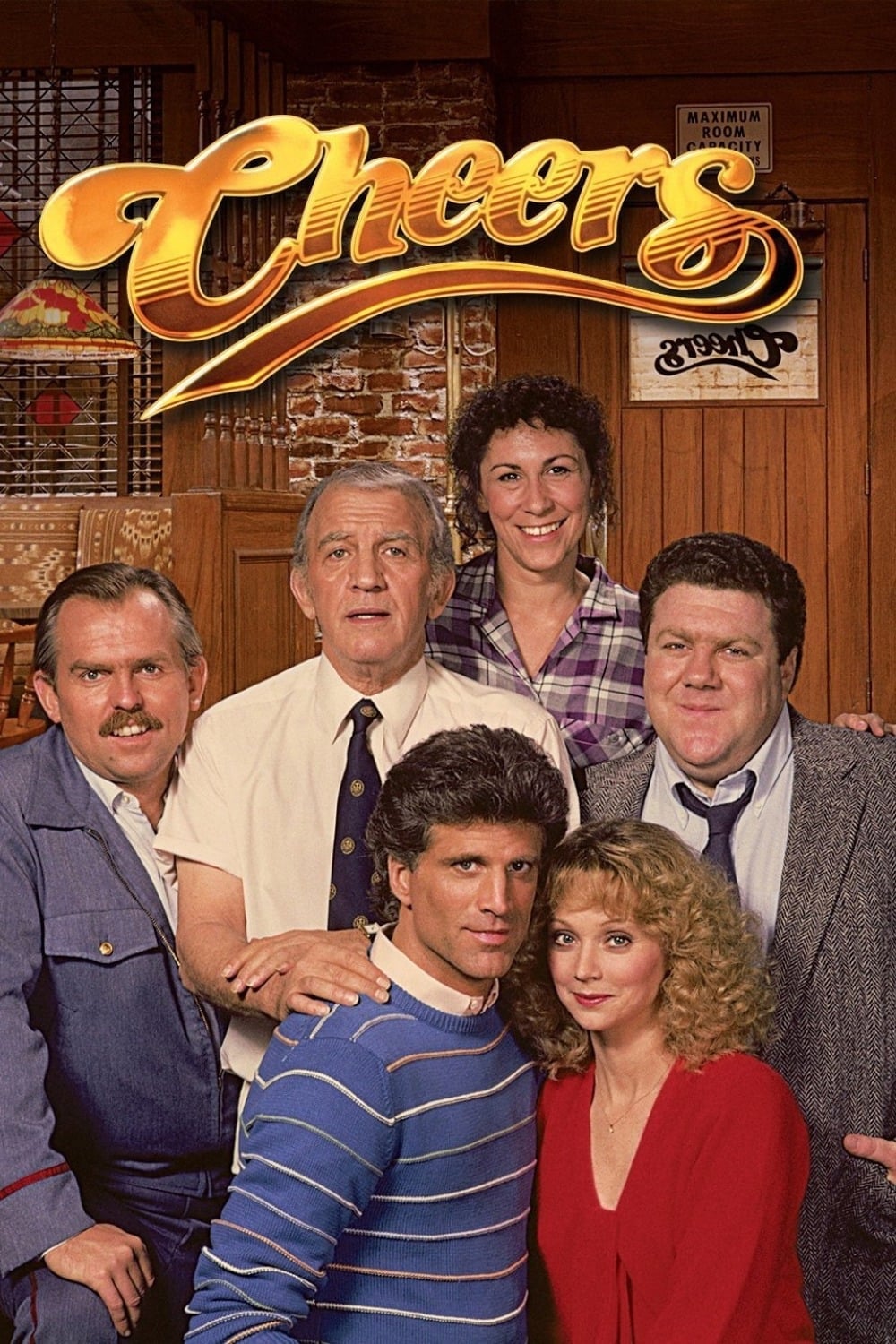
I remember when ‘Cheers’ first came on – it actually debuted to pretty low ratings and struggled for a while, consistently at the bottom of the charts for most of its first season. It’s funny, because critics really loved it! I think people just needed time to get used to the bar setting and the ongoing love story. Thankfully, the network really believed in the show’s writing and gave it a chance. And wow, did it pay off! ‘Cheers’ eventually became a massive hit, dominating the ratings and becoming the most-watched show on TV. It’s a true testament to quality storytelling.
‘Star Wars: The Clone Wars’ (2008–2020)
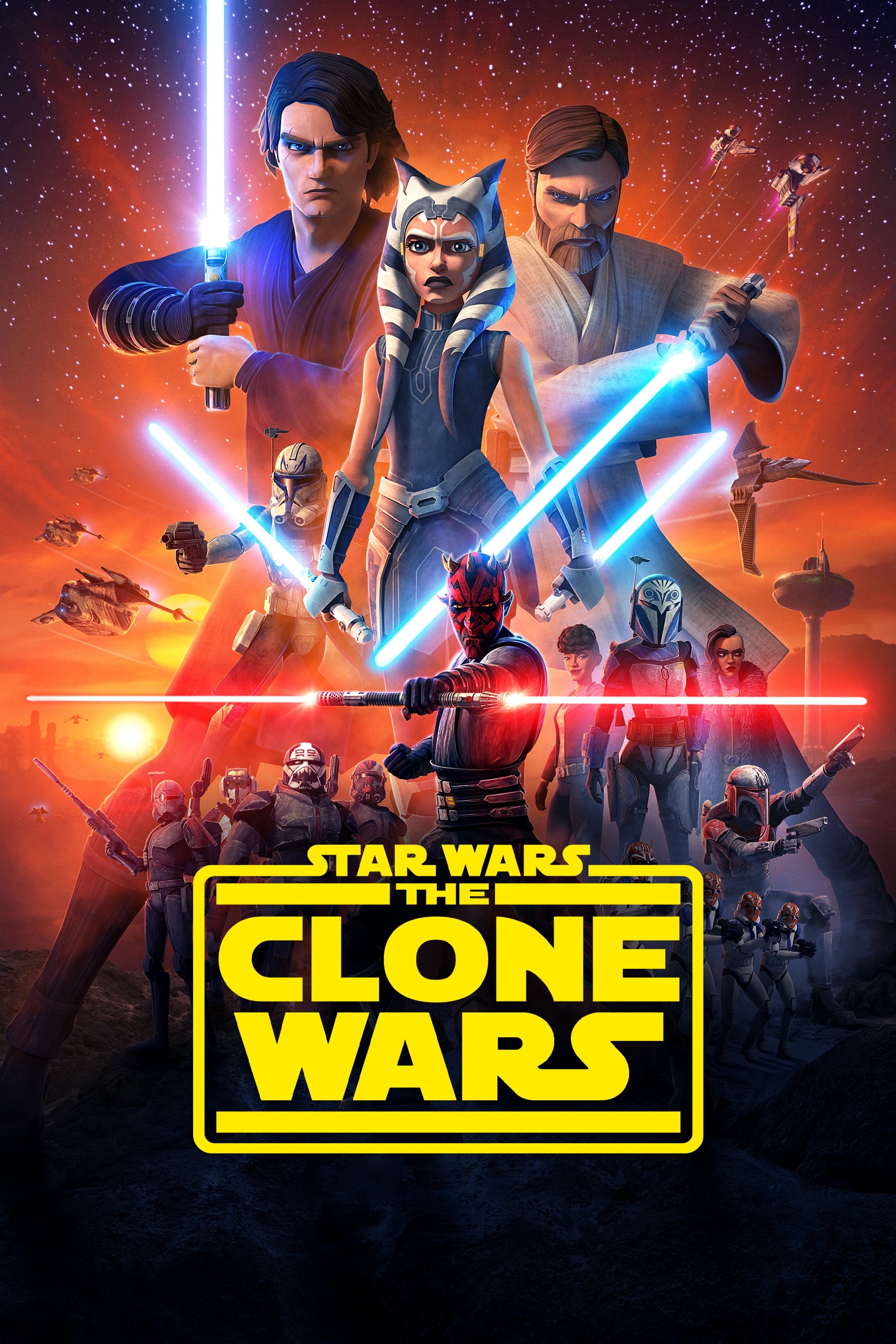
The movie that started this series received a lot of criticism, with many viewers disliking the new character Ahsoka Tano. The first episodes were criticized for being too simple and not important to the overall Star Wars story. However, the show improved a lot as it went on, dealing with more serious topics like war and politics. Now, many fans believe the later seasons are a must-watch and add depth to the prequel movies.
‘Marvel’s Agents of S.H.I.E.L.D.’ (2013–2020)
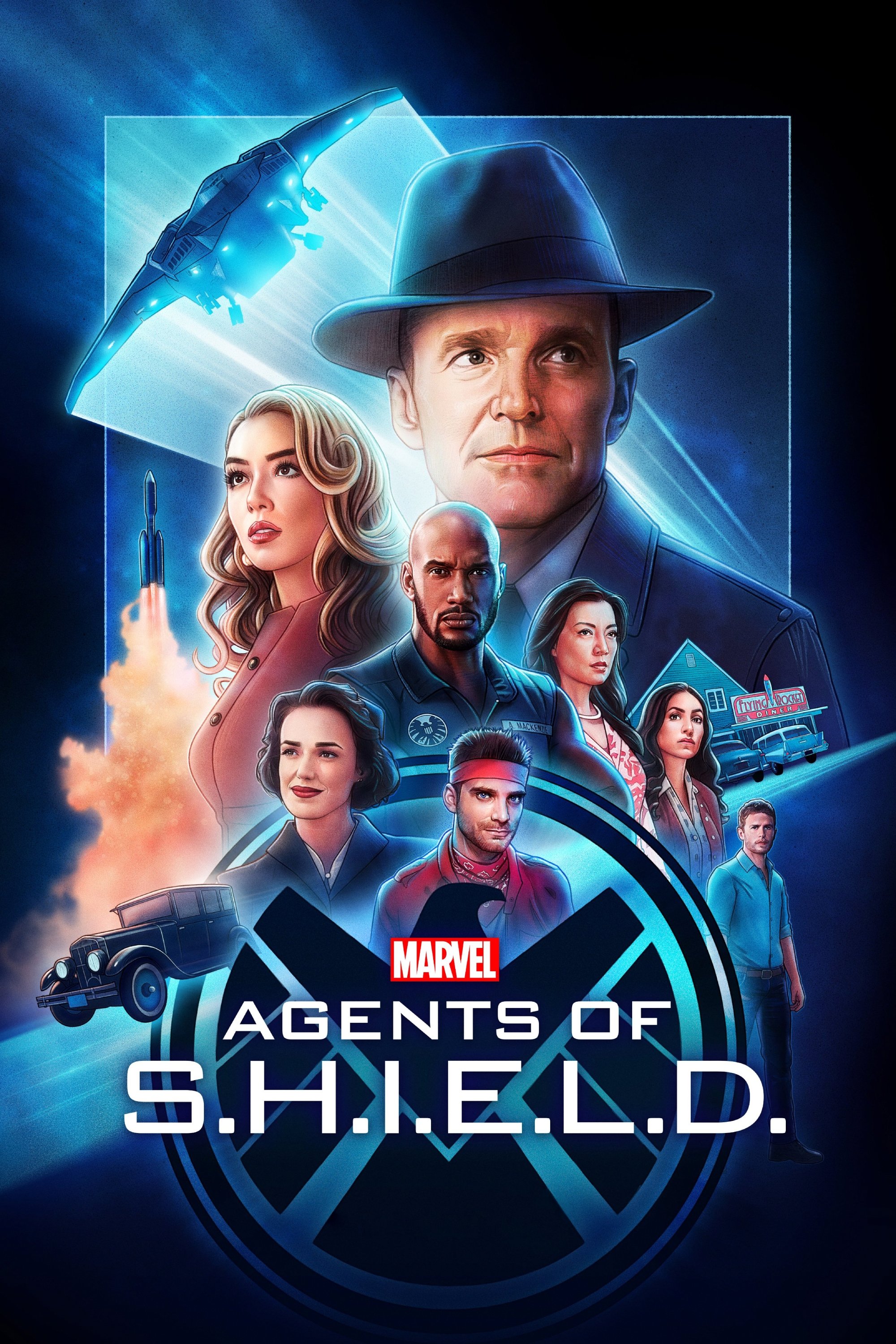
When this show first came out, it didn’t live up to the hype. The initial episodes felt like typical crime shows and didn’t capture the excitement of the movies or explore the vast possibilities of the Marvel universe. However, a surprising plot development connected to the film ‘Captain America: The Winter Soldier’ completely turned things around. From that point on, the series built a compelling story of its own and became a hit with devoted Marvel fans.
‘DC’s Legends of Tomorrow’ (2016–2022)
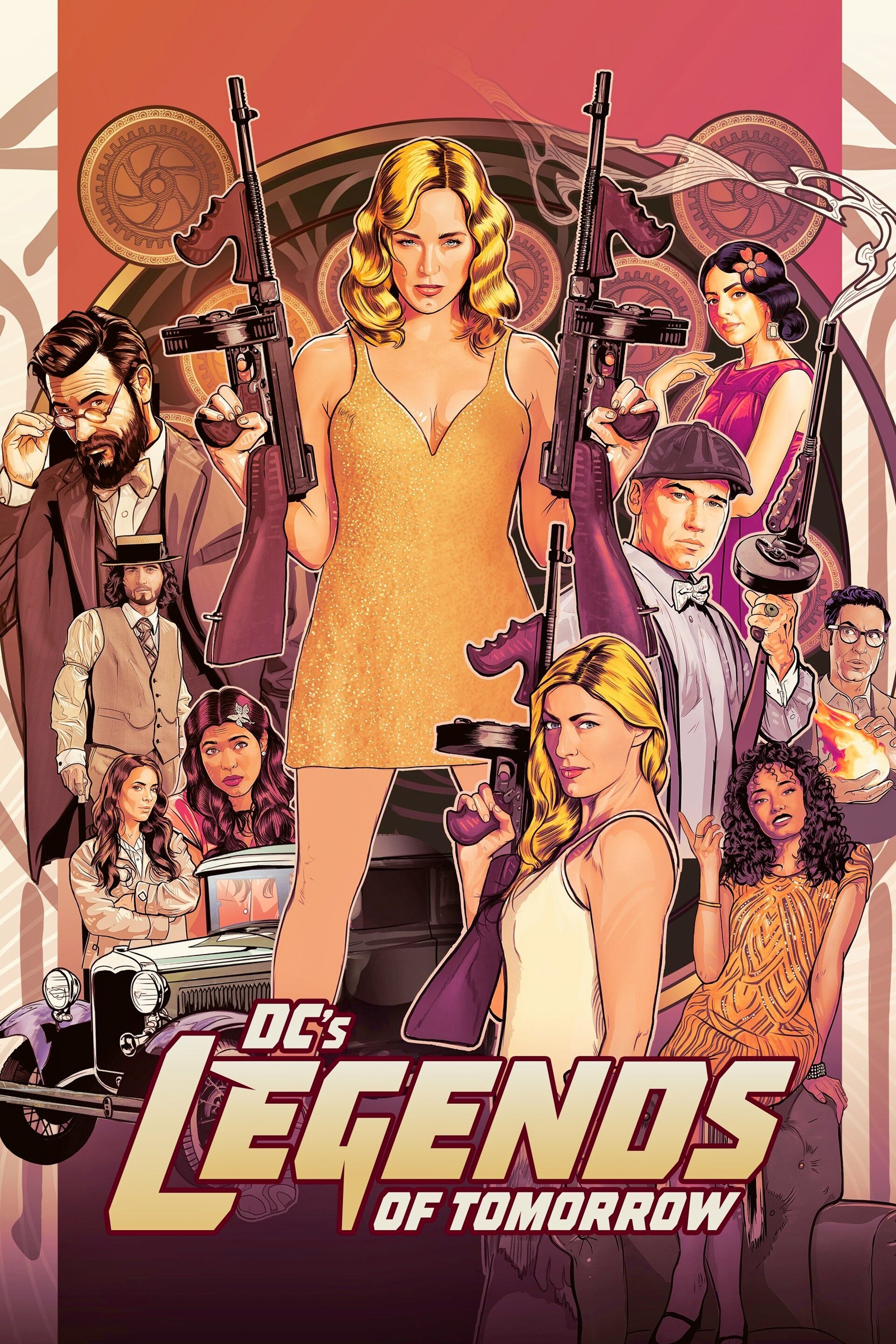
The show’s first season tried too hard to be serious and was let down by a forgettable villain. Many critics found the overall mood uneven and the dramatic moments over the top. However, the second season took a different approach, embracing silliness and complicated time travel plots with a lot of humor. This willingness to break from typical superhero conventions made it the most creative and enjoyable show in the Arrowverse.
‘Halt and Catch Fire’ (2014–2017)

When it first came out, many critics dismissed this show as a copycat of ‘Mad Men,’ but set in the world of technology. The main character was seen as an unoriginal and unlikeable hero. However, the creators later changed direction, focusing on the female characters and their working relationships. Now, it’s considered a fantastic, underrated show, especially known for its excellent series finale.
‘Cougar Town’ (2009–2015)
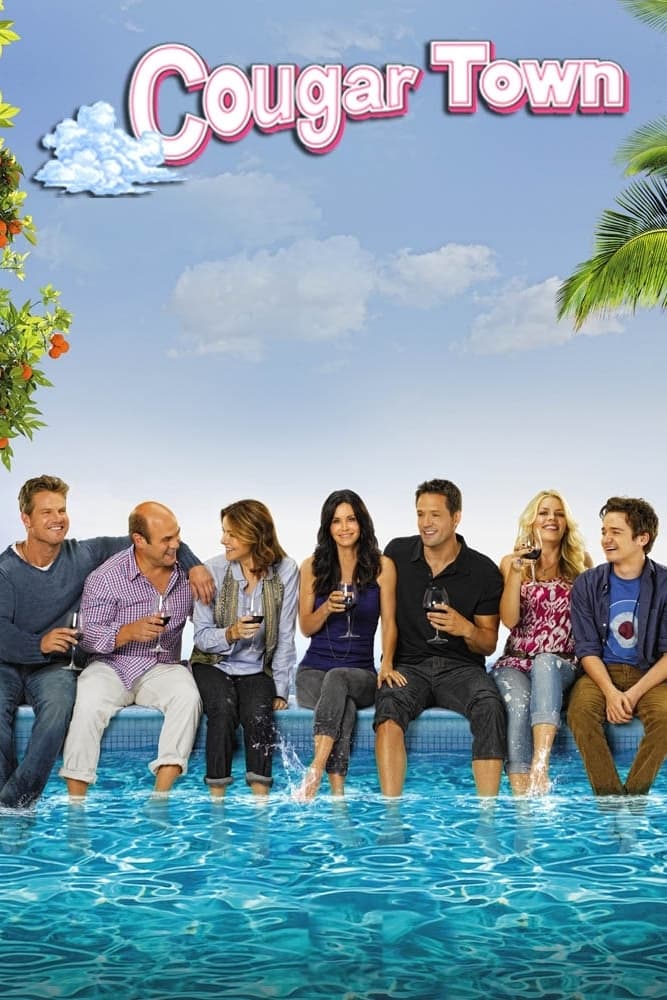
Honestly, when I first heard about the show, I almost didn’t give it a chance. The original idea – an older woman dating much younger men – sounded… well, a little off-putting. But I’m so glad I stuck with it! It quickly ditched that premise and became this incredibly funny show about a group of friends and their love of wine. The creators even joked about the original, terrible title in the opening credits, which was brilliant! It really found its footing and developed this amazing, dedicated fanbase that followed it even when it moved from regular TV to cable. We’re a loyal bunch, and for good reason!
‘Fringe’ (2008–2013)
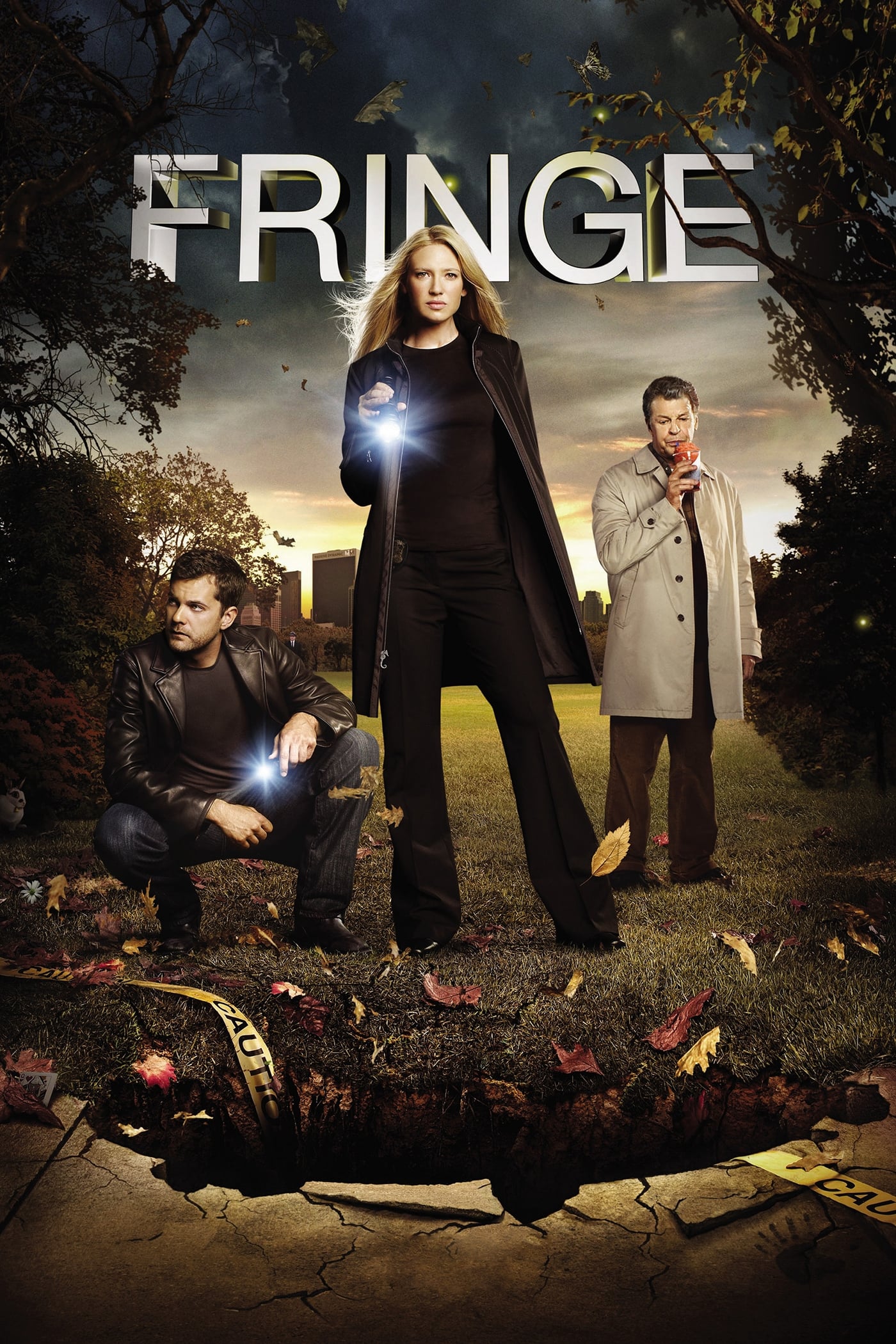
When it first came out, this sci-fi series was often compared to ‘The X-Files’ and criticized for following a predictable ‘monster-of-the-week’ formula. Viewers hoping for a more intricate storyline found it repetitive at first. However, the show later developed a much richer story with parallel universes and complicated timelines. Today, ‘Fringe’ is highly regarded for its heartfelt characters and especially for John Noble’s outstanding performance in a dual role.
‘Person of Interest’ (2011–2016)
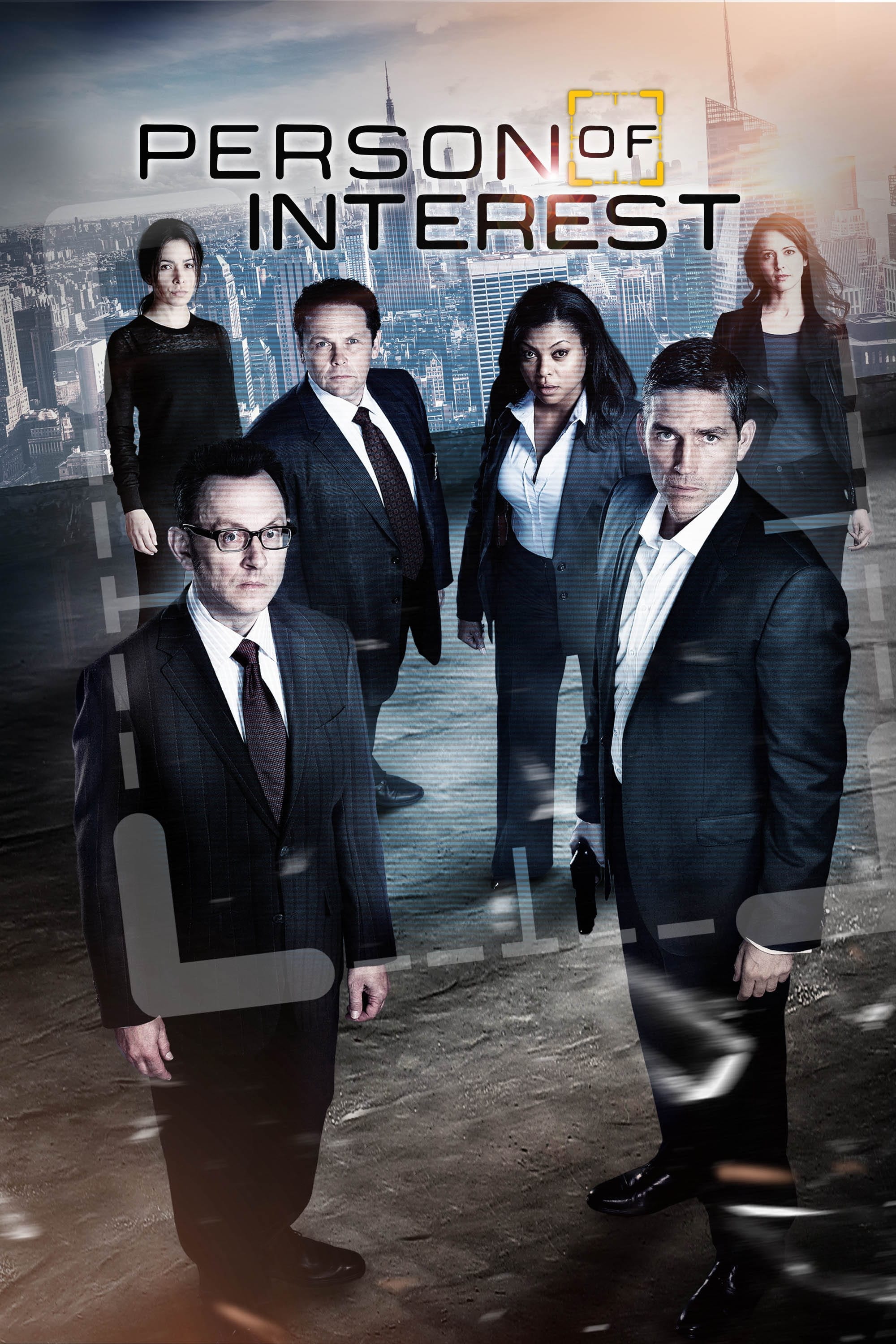
The show started as a simple crime drama on CBS, intended for easy watching. Initially, many science fiction fans dismissed it, thinking it was just another police show with a clever twist. However, the story gradually developed into a deep investigation of artificial intelligence and government monitoring, and it’s now widely regarded as one of the best sci-fi series of the 21st century.
‘Star Trek: Deep Space Nine’ (1993–1999)
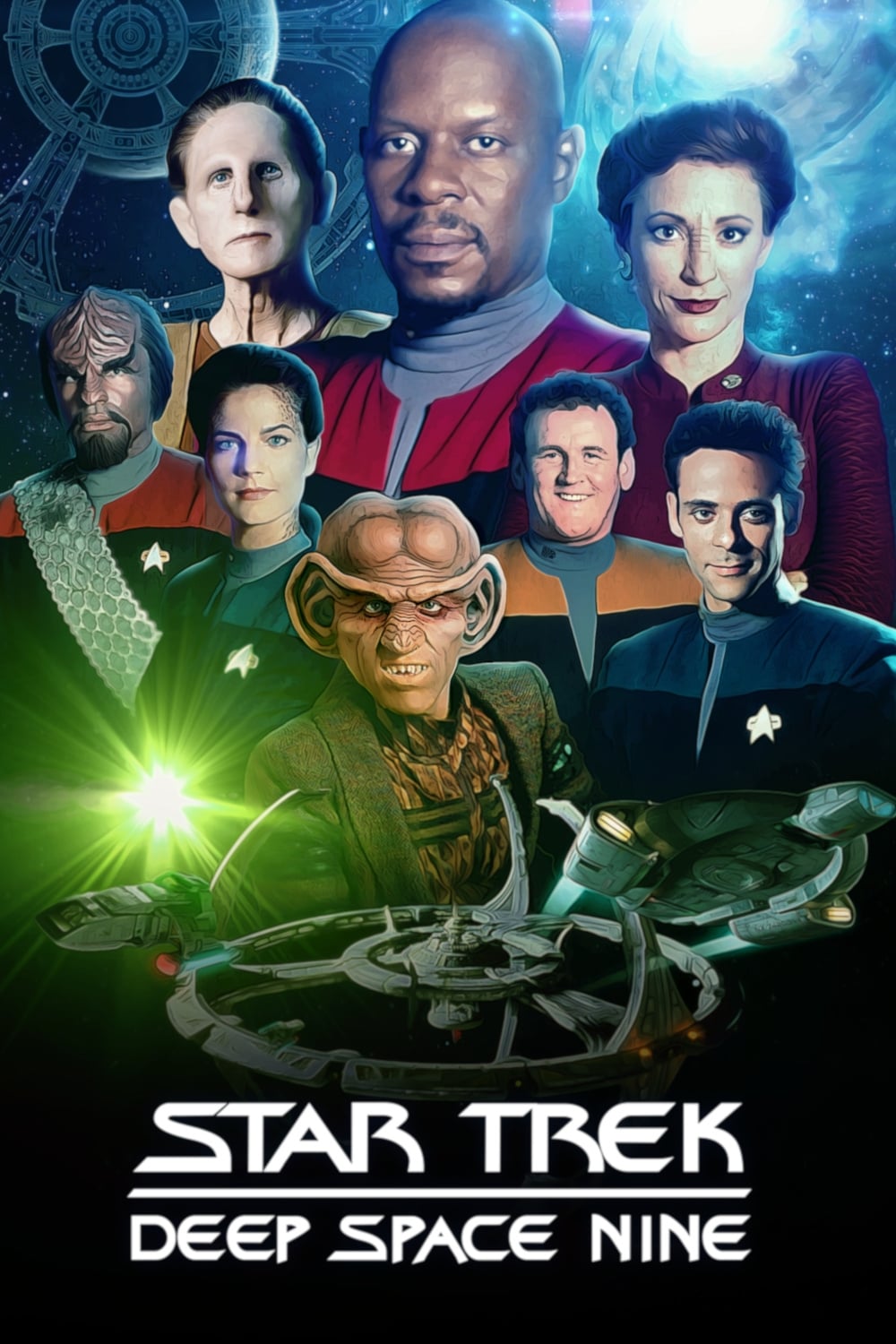
When this Star Trek spinoff first aired, longtime fans didn’t like that it took place on a space station instead of a starship traveling through the galaxy. It was also grittier and explored more complex moral issues than previous shows. While its ongoing storylines and character drama were innovative, they turned off viewers who preferred self-contained episodes. Today, however, it’s celebrated for having the most compelling characters and intricate political storylines in all of Star Trek.
‘The Leftovers’ (2014–2017)
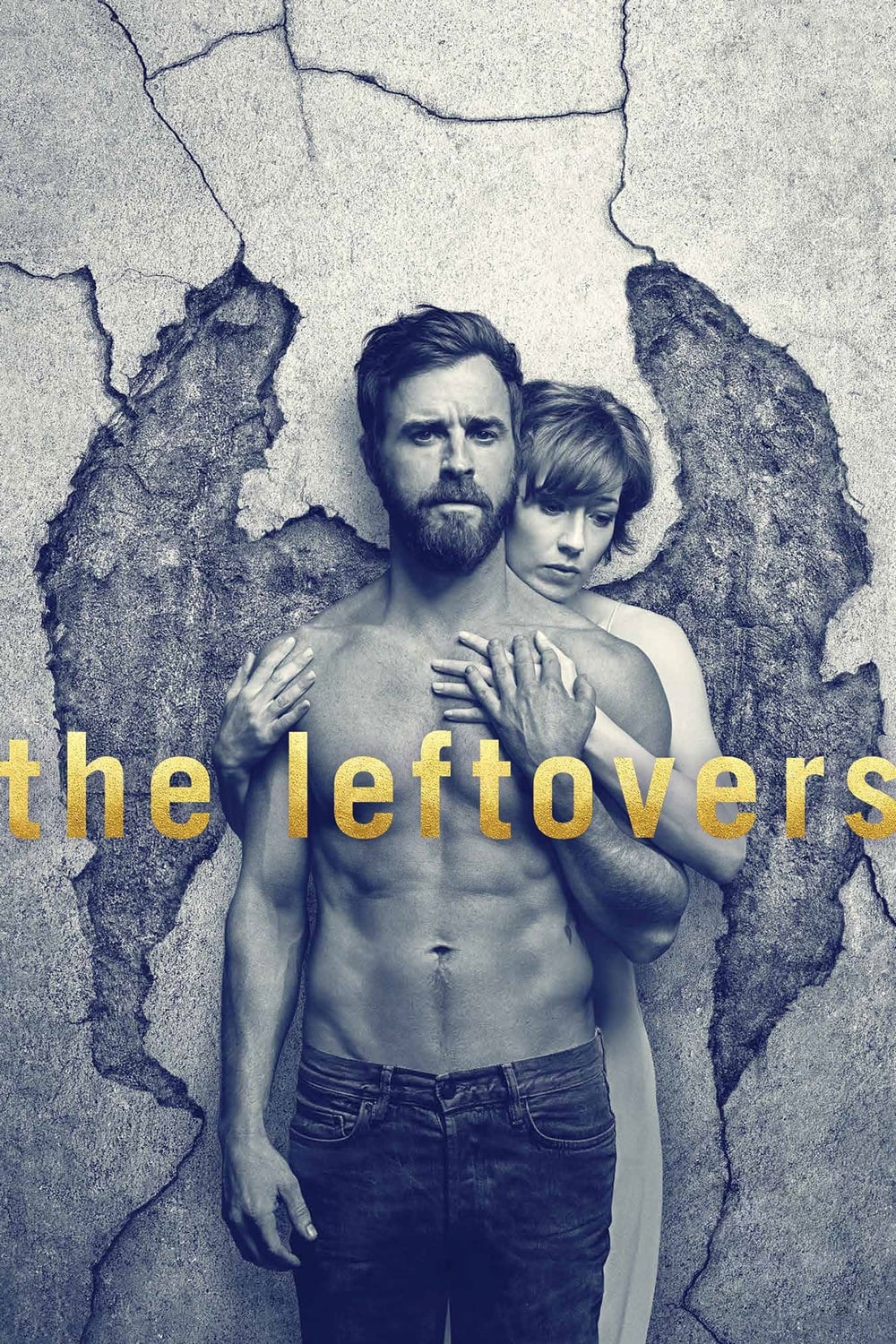
The show’s first season received criticism for being consistently dark and sad without providing enough explanations. Many viewers found it hard to watch due to its heavy emotional tone and slow speed. However, the show was revamped for its second season with a new setting and updated opening sequence. Now, seasons two and three are widely praised as excellent examples of emotionally resonant storytelling.
‘Breaking Bad’ (2008–2013)
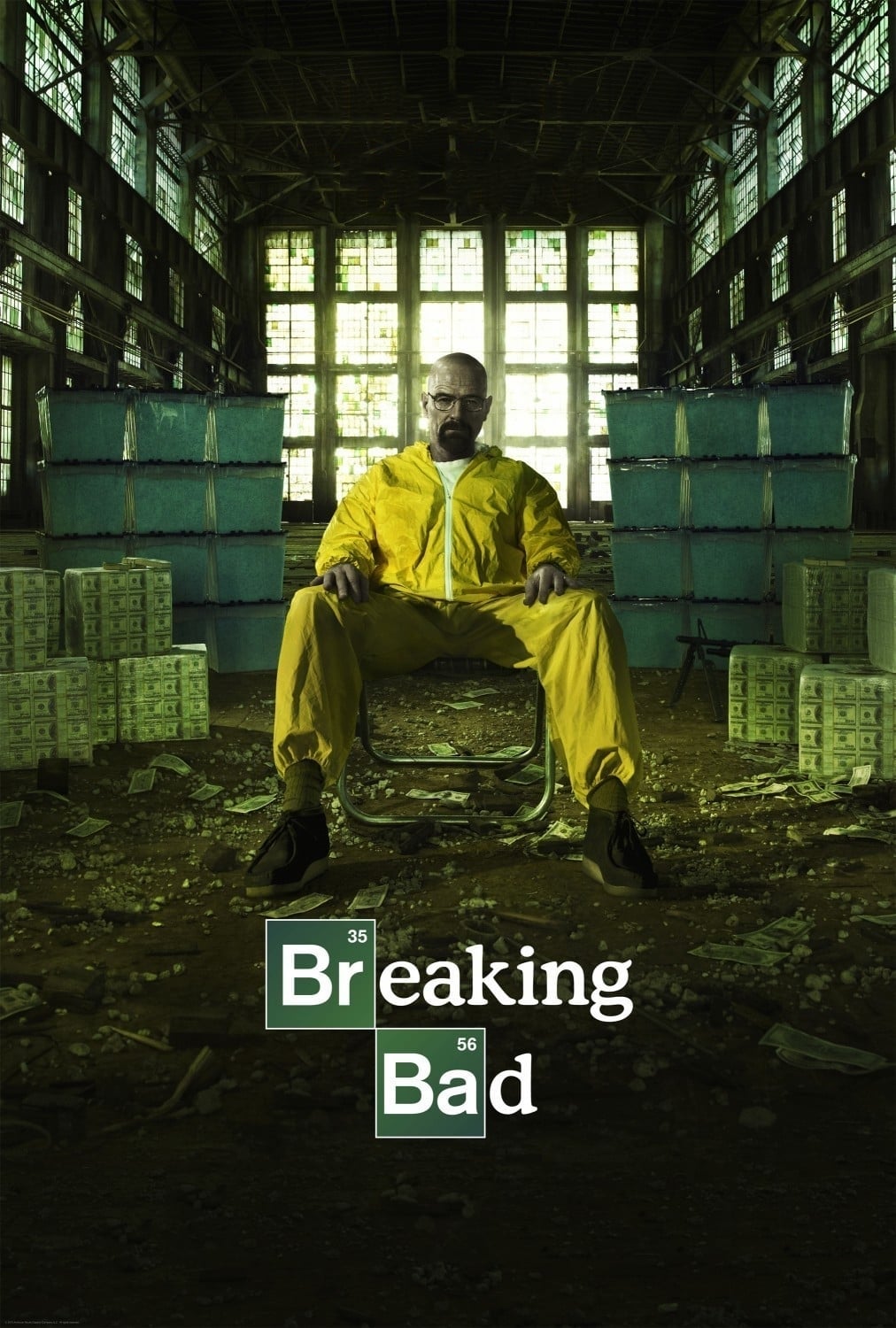
This crime drama wasn’t an instant success; it really took off in its later seasons, becoming popular thanks to viewers binge-watching it on Netflix. The first season was cut short by a writers’ strike, and its initially slow pace turned some viewers off. However, positive reviews and recommendations helped the show survive, and it eventually became highly acclaimed, now considered a benchmark for quality television drama and compelling character development.
‘Spartacus’ (2010–2013)
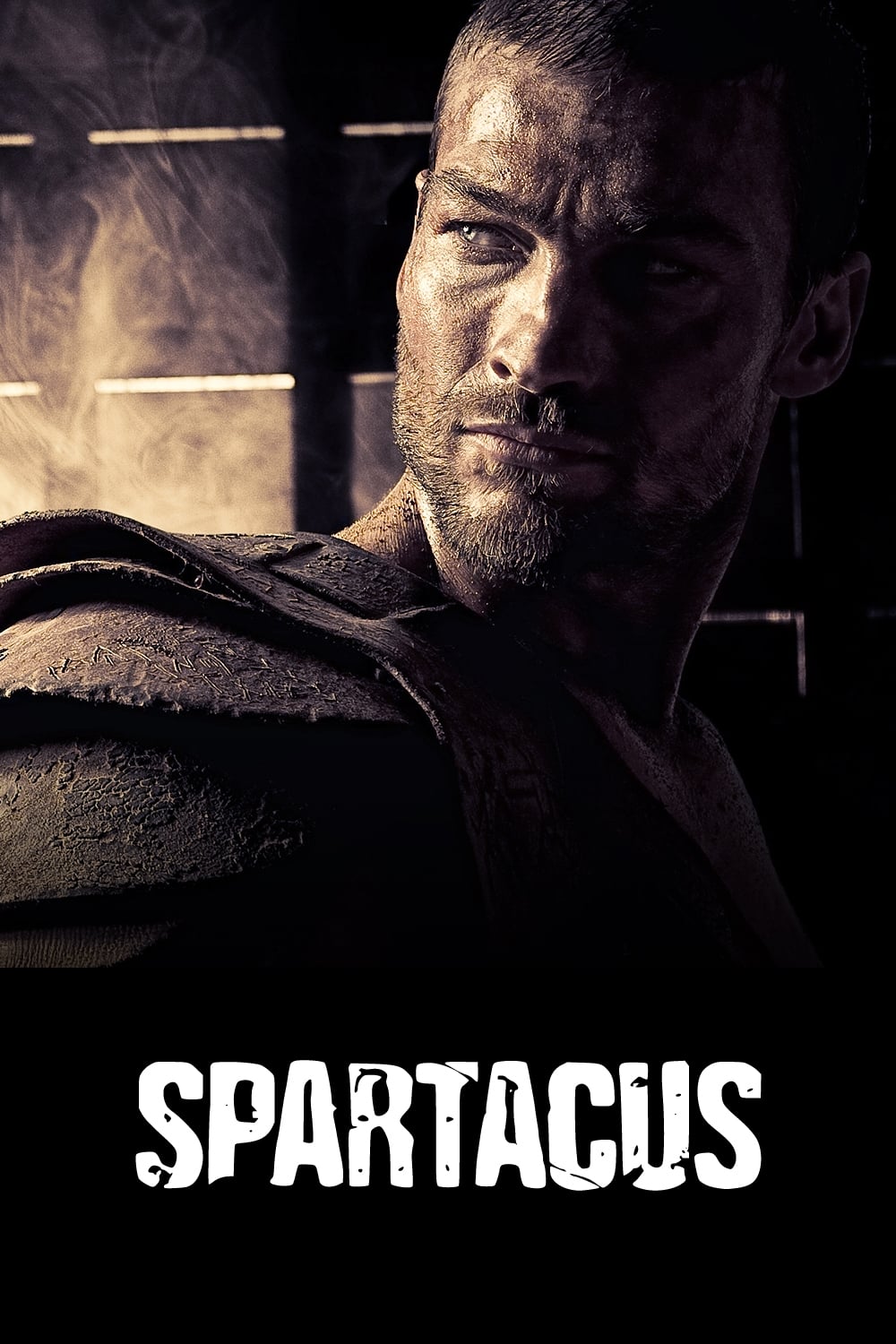
The first episode of the series received harsh criticism for its overuse of visual effects and violent scenes reminiscent of the movie ‘300’. Many critics considered it low-quality and poorly acted. However, the show quickly improved, developing a captivating story of resistance and liberty. By the series’ conclusion, it had become a visually impressive and emotionally powerful historical drama.
‘Baywatch’ (1989–2001)
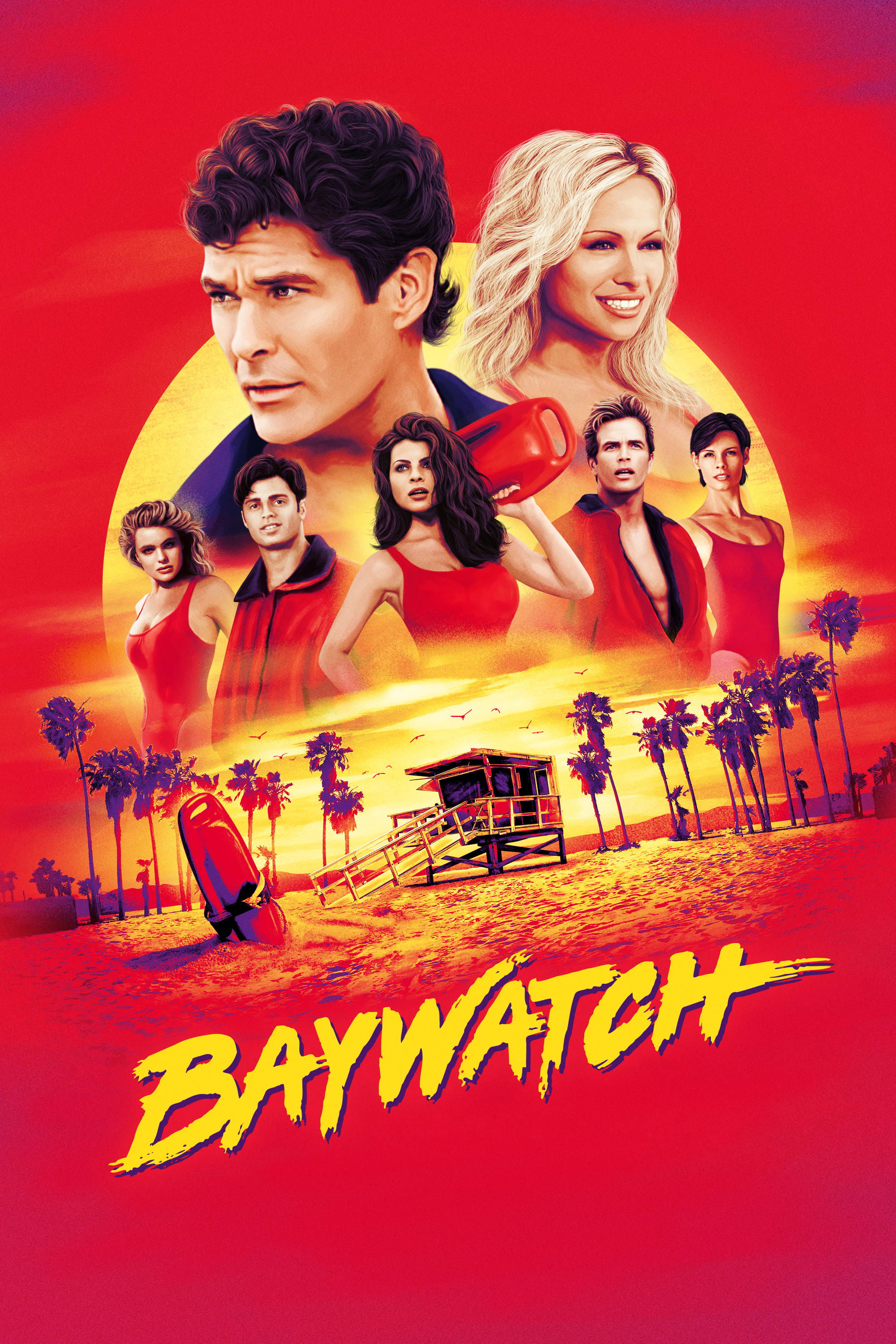
The series, a lifeguard drama, was initially cancelled by NBC after only one season because of poor viewership and the studio’s financial troubles. Despite this, star David Hasselhoff remained a strong believer in the show and tried to find it a new audience through syndication. Surprisingly, it became a huge international success, reaching billions of viewers worldwide and ultimately becoming a defining part of 1990s pop culture, even though its original network didn’t think it would succeed.
‘Firefly’ (2002)
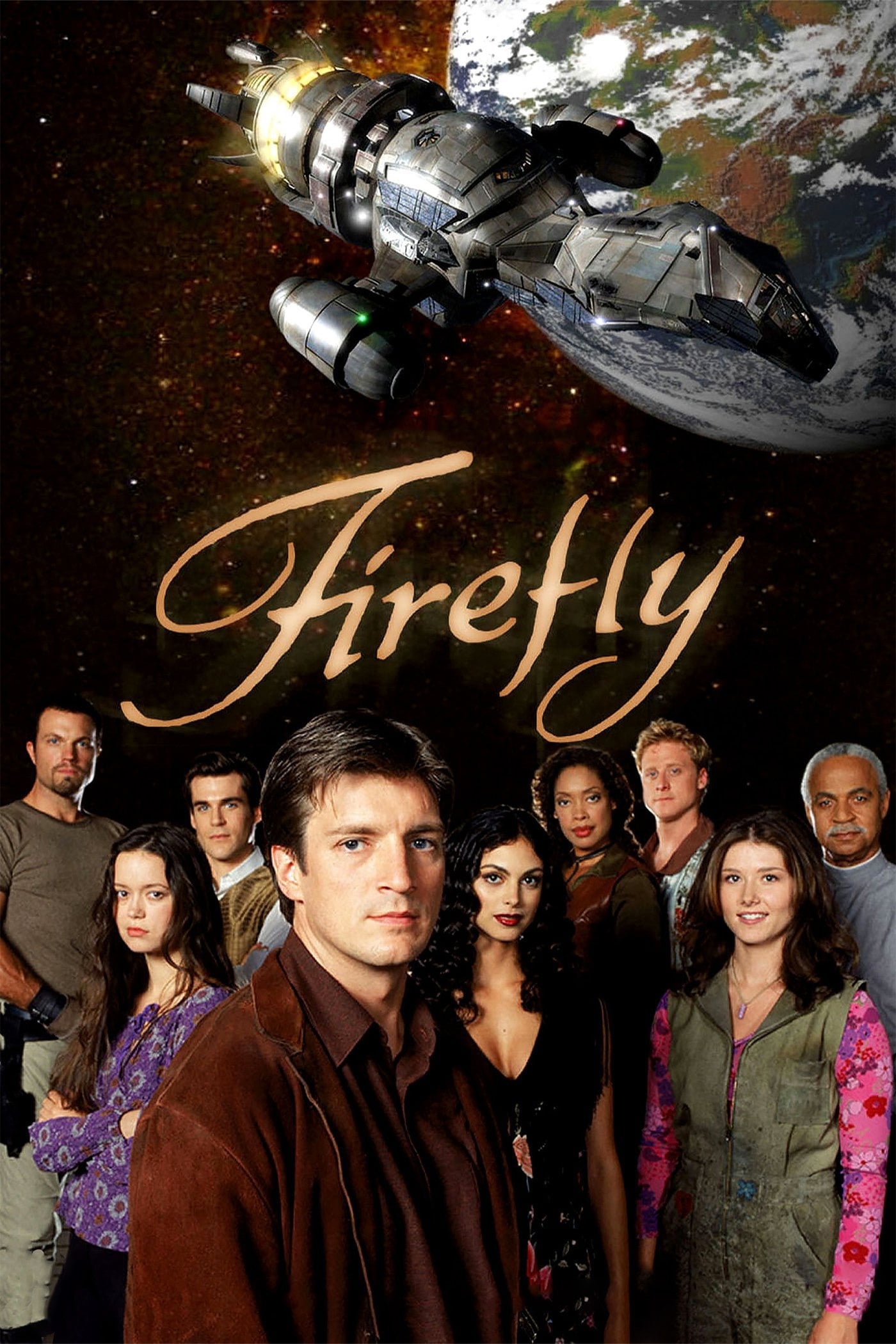
I was so bummed when Firefly aired! Fox really messed things up by showing the episodes all jumbled and trying to sell it as a silly action show when it was actually a really thoughtful drama. It was so hard to get into because you never knew what was happening! Sadly, it got cancelled before we even got through the first season. But honestly, that’s when things really took off. Fans went wild, and that’s how we got the movie and why the show is still so beloved today. It’s a total cult classic!
‘Freaks and Geeks’ (1999–2000)
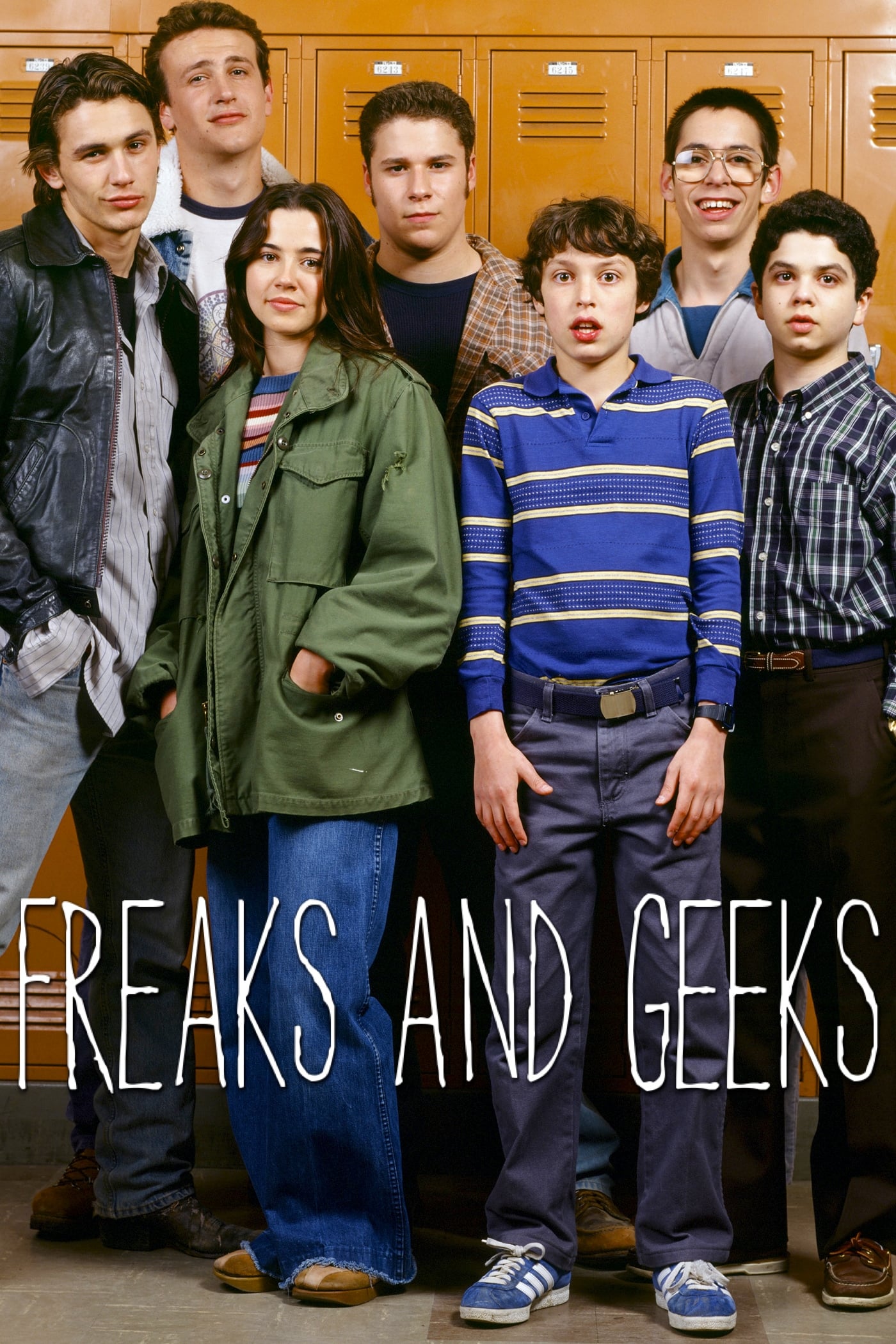
TV network bosses didn’t connect with the show’s realistic take on high school, leading to frequent disagreements with the people who made it. As a result, episodes were often shown at odd times or cancelled altogether to make room for sports or other programs. Despite launching the careers of several now-famous actors, the show only lasted one season. Today, it’s remembered as a truly exceptional series that was unfortunately short-lived.
‘Arrested Development’ (2003–2019)
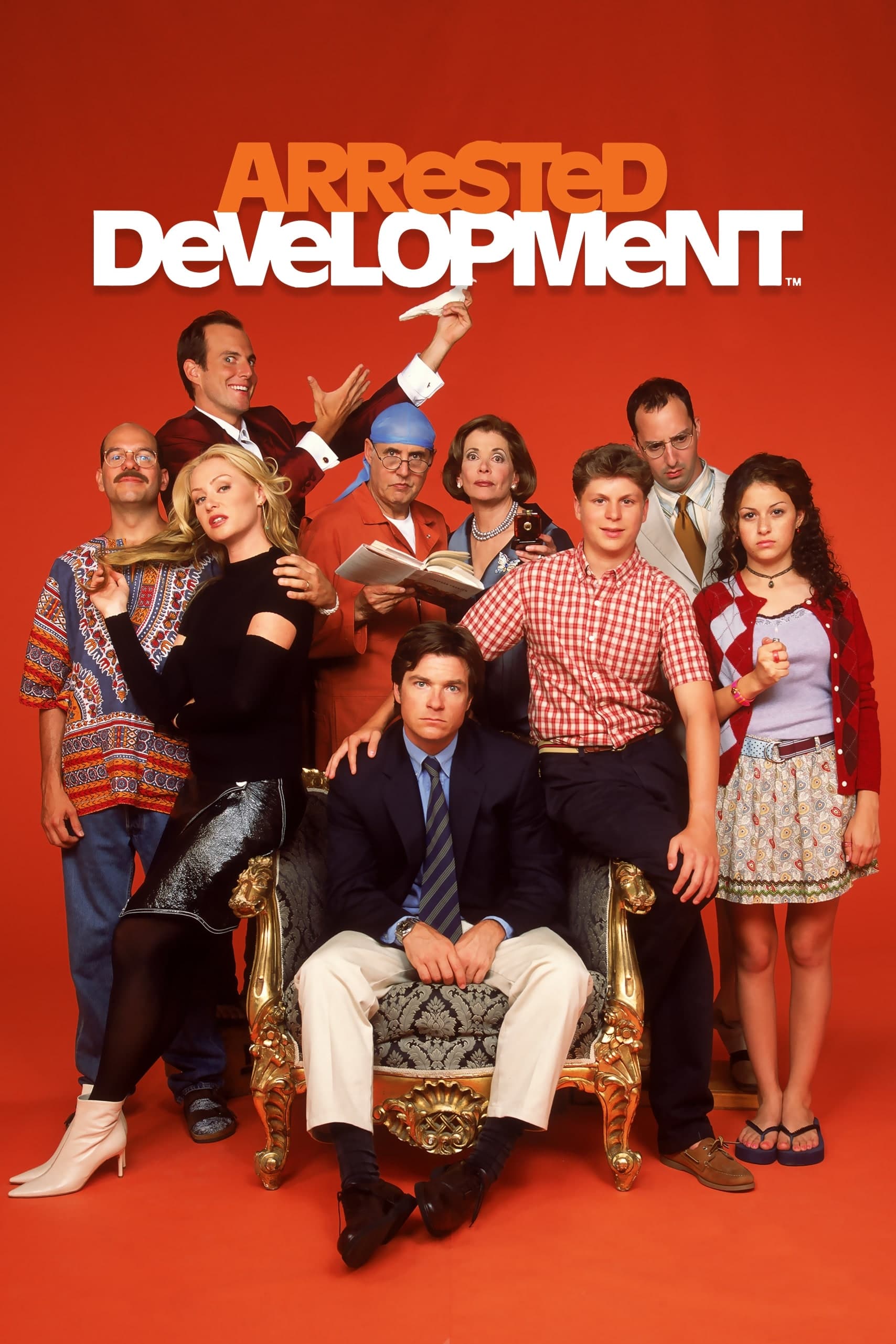
This sitcom was ahead of its time in the early 2000s. Its complex jokes and lack of traditional laugh track made it difficult for many viewers to follow, leading to low ratings. While critics loved it, it took years for a wider audience to discover and appreciate the show, mostly through DVD box sets. Today, it’s recognized as a major influence on the style of many popular single-camera comedies.
‘Community’ (2009–2015)
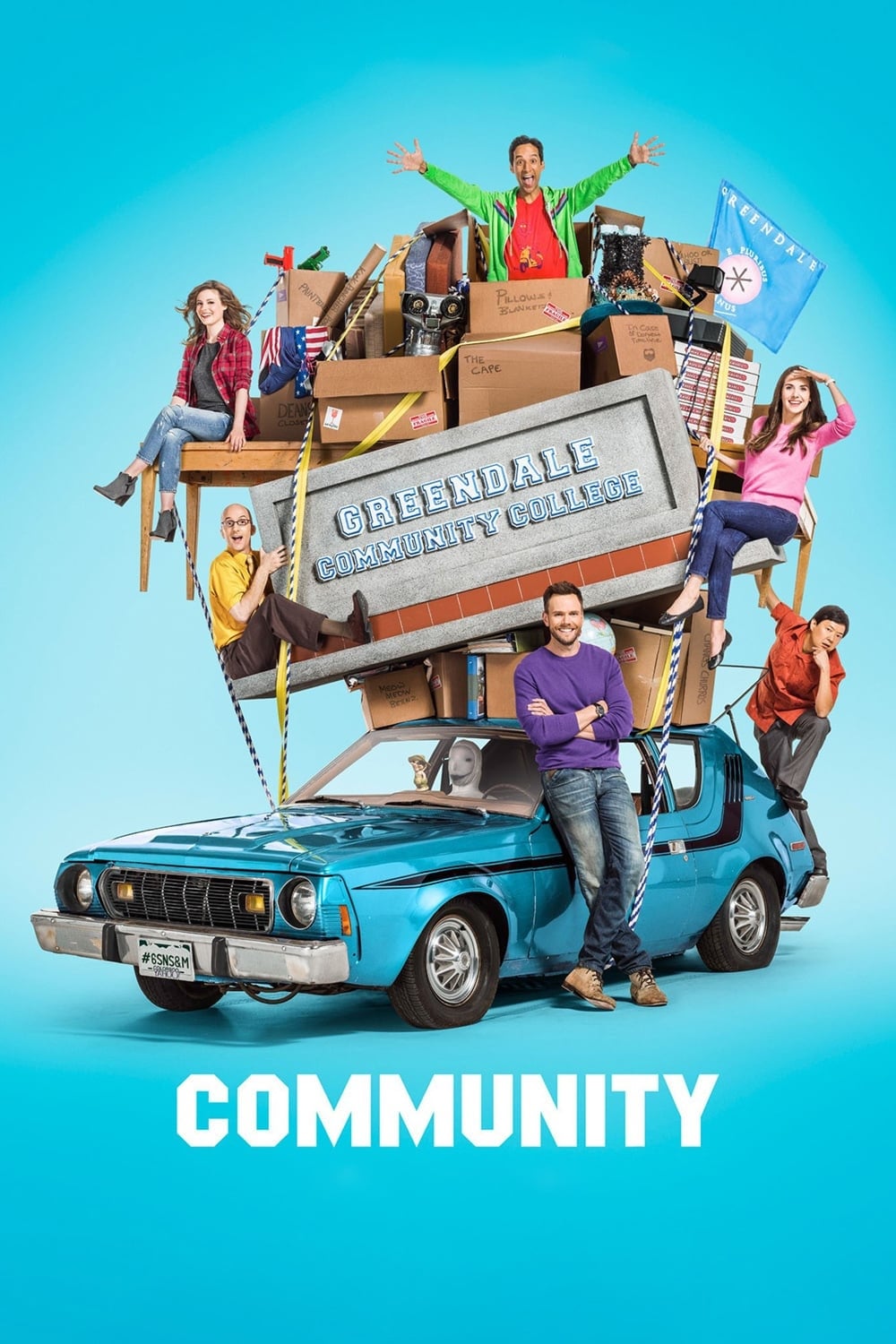
‘Community’ was a sitcom that constantly risked cancellation and had trouble attracting a large audience. Its clever, self-aware humor and ambitious parody episodes often went over the heads of viewers who weren’t already fans. However, a dedicated fanbase worked tirelessly online to save the show. Now, ‘Community’ is celebrated for its innovative approach and for redefining what a sitcom could be.
‘Futurama’ (1999–2013)
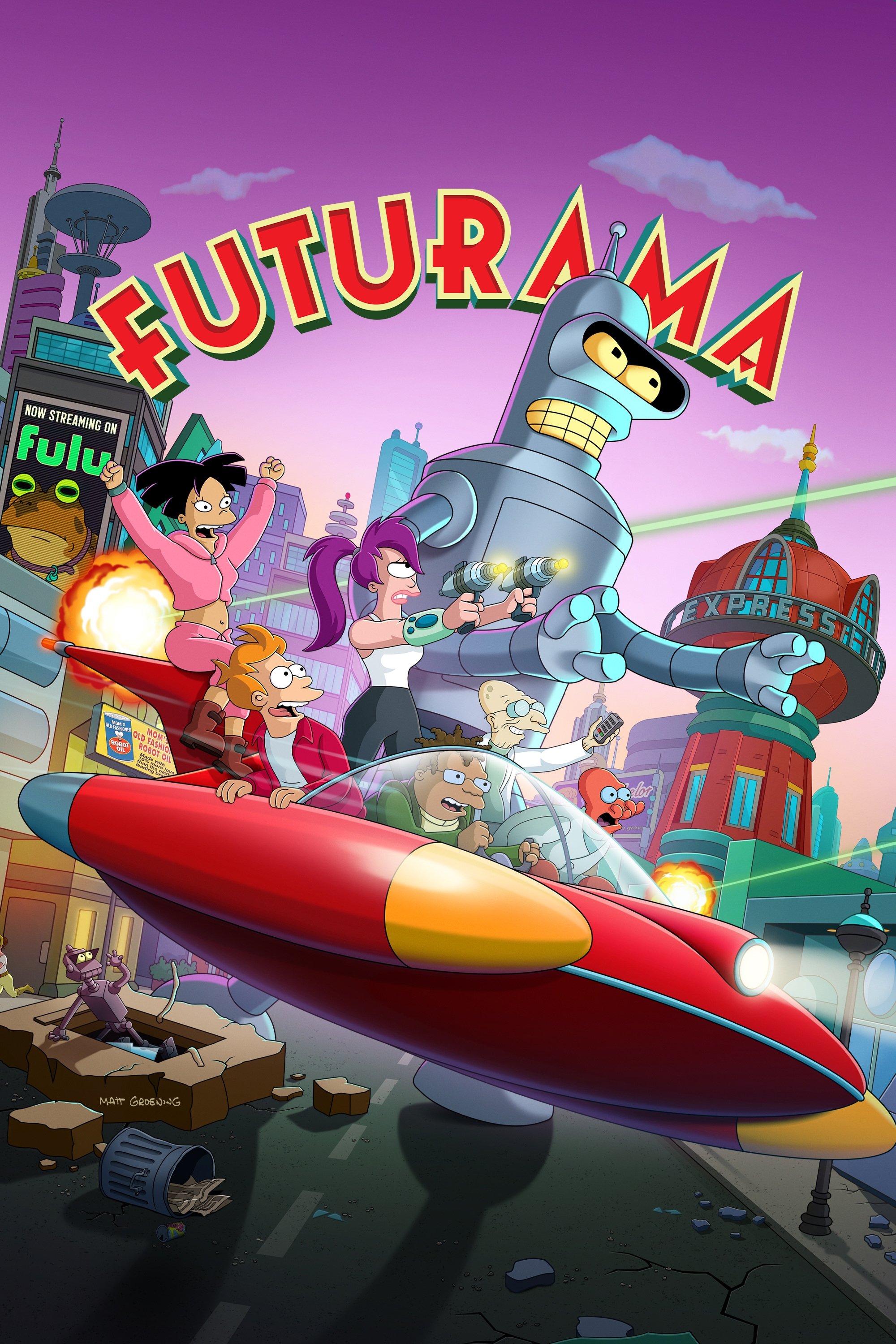
Fox didn’t seem committed to this animated sci-fi show, often replacing it with football games. This inconsistent scheduling made it hard to build a loyal audience. Although canceled after four seasons, the show became incredibly popular in reruns on Cartoon Network. Eventually, Comedy Central brought it back due to overwhelming fan requests.
‘South Park’ (1997–Present)
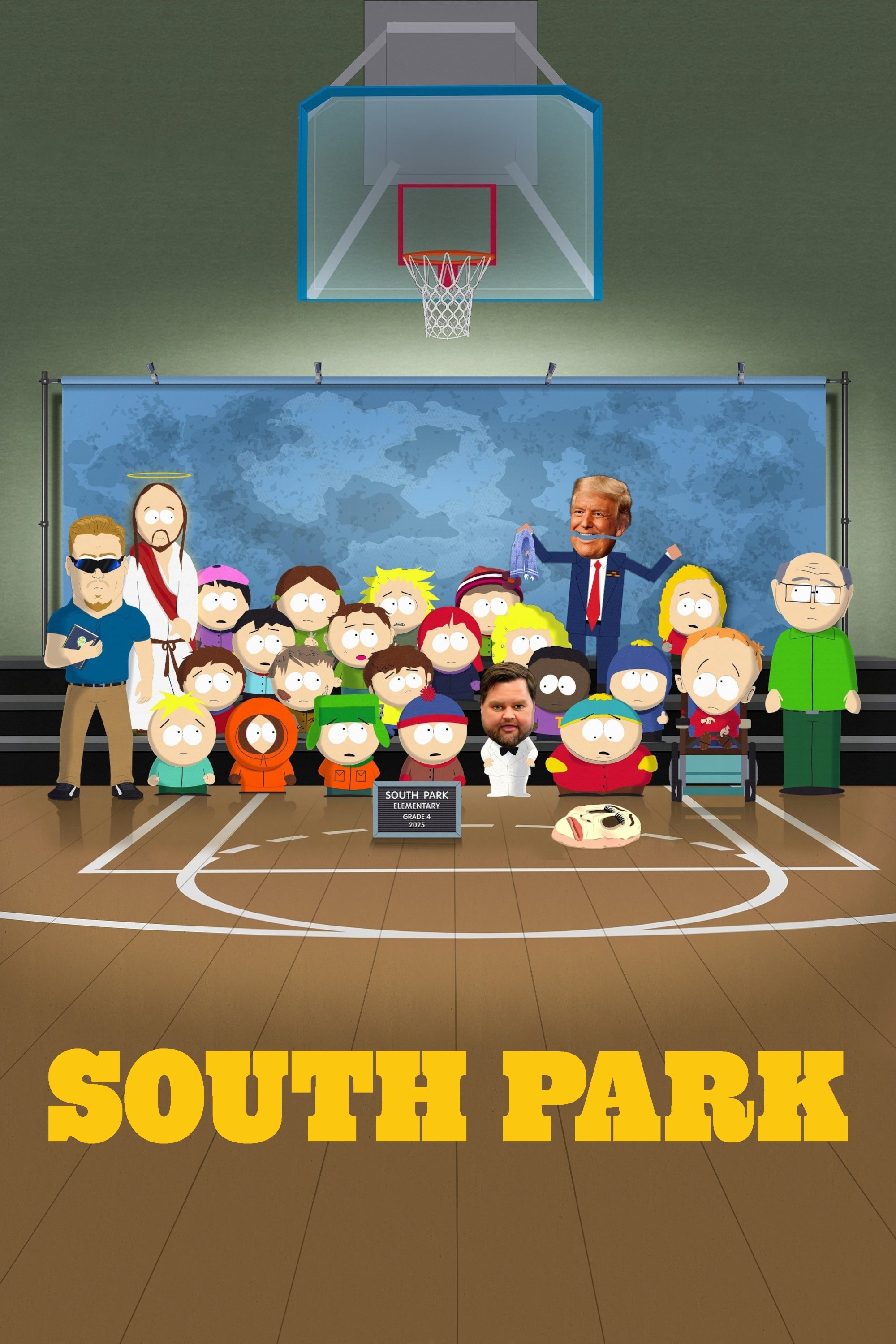
When it first came out, many critics thought this cartoon was crude and pointless, and parent groups even protested it, fearing it was harmful to kids. But the show surprised everyone – the writing became incredibly clever, offering biting commentary on society and politics. It’s stayed popular for years by quickly creating episodes that respond to what’s happening in the news.
‘The Simpsons’ (1989–Present)
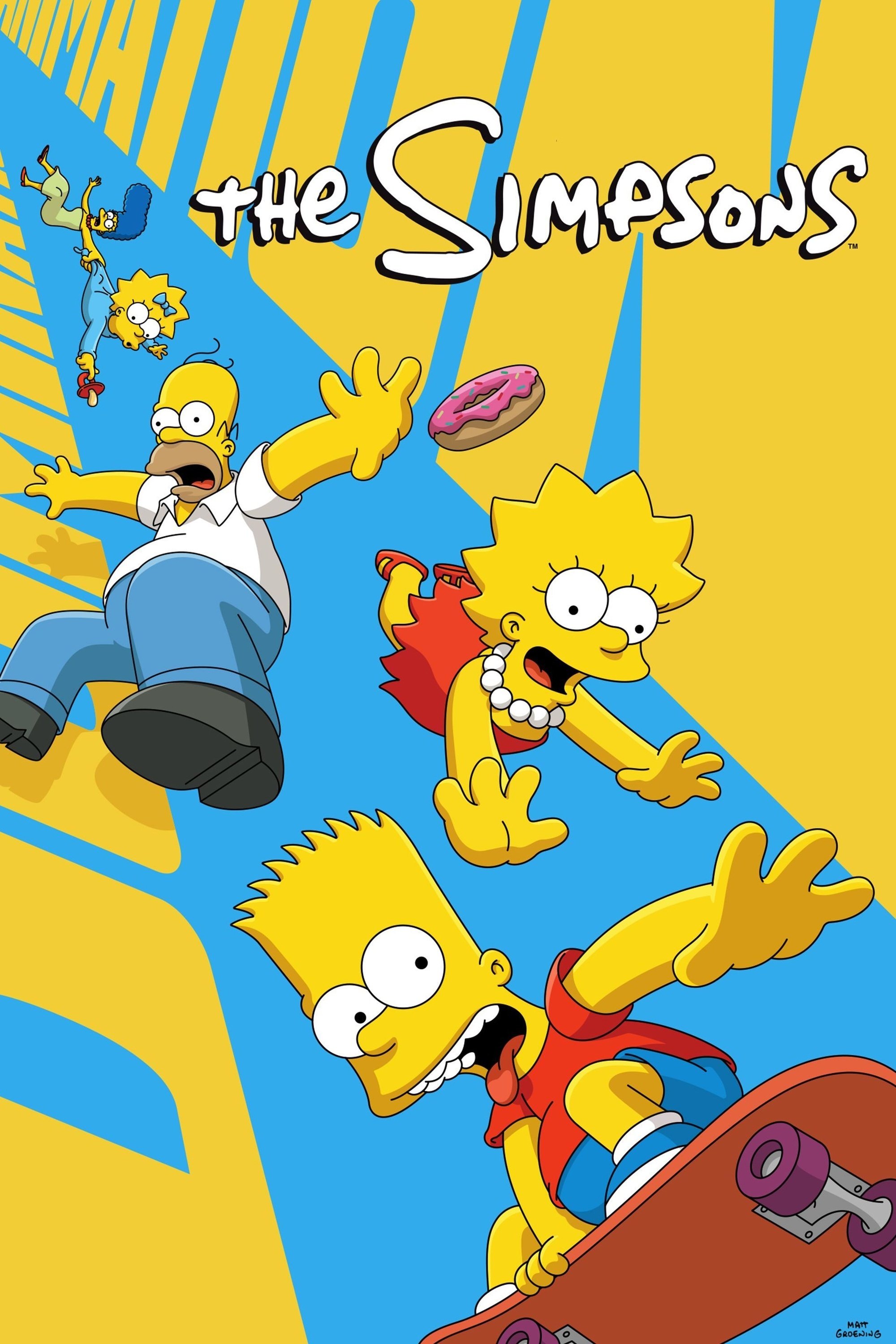
When ‘The Simpsons’ first came out, some people and schools objected to merchandise because they worried Bart Simpson would be a negative influence. Compared to the family-friendly shows popular at the time, it seemed edgy and challenged traditional values. However, it quickly became clear that the show was a clever and surprisingly heartwarming look at American society. Today, ‘The Simpsons’ is a cultural landmark and holds the record for the longest-running scripted prime-time television series.
‘Succession’ (2018–2023)
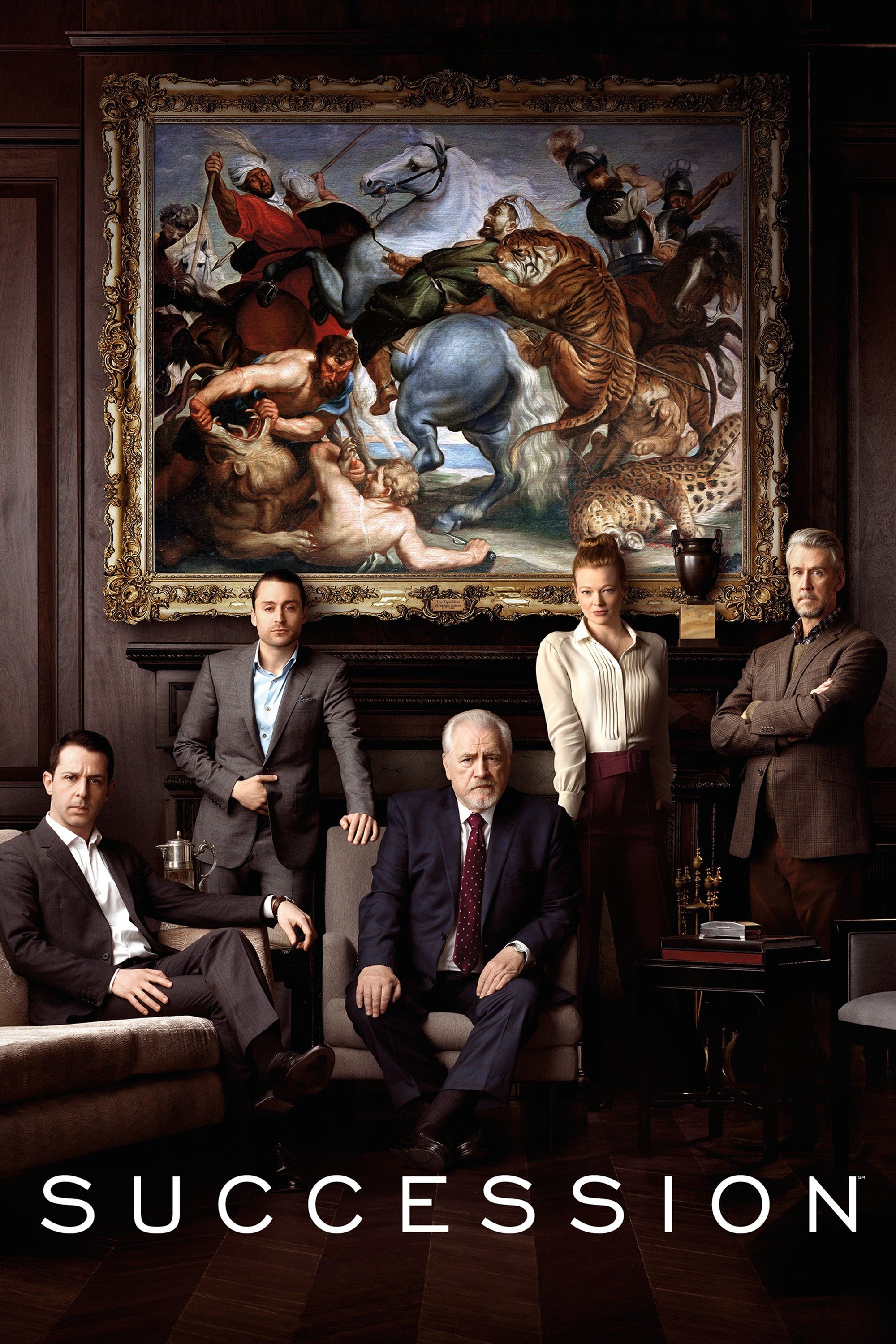
Early episodes didn’t resonate with viewers because the characters were unlikeable and the central conflicts didn’t feel important. It was hard for audiences to connect with the issues of a wealthy family battling for control of their company. However, the show found its footing around the middle of the first season, becoming a compelling, tragic story about the Roy family. By the end, it was widely praised by critics and won numerous awards.
‘Happy Endings’ (2011–2013)
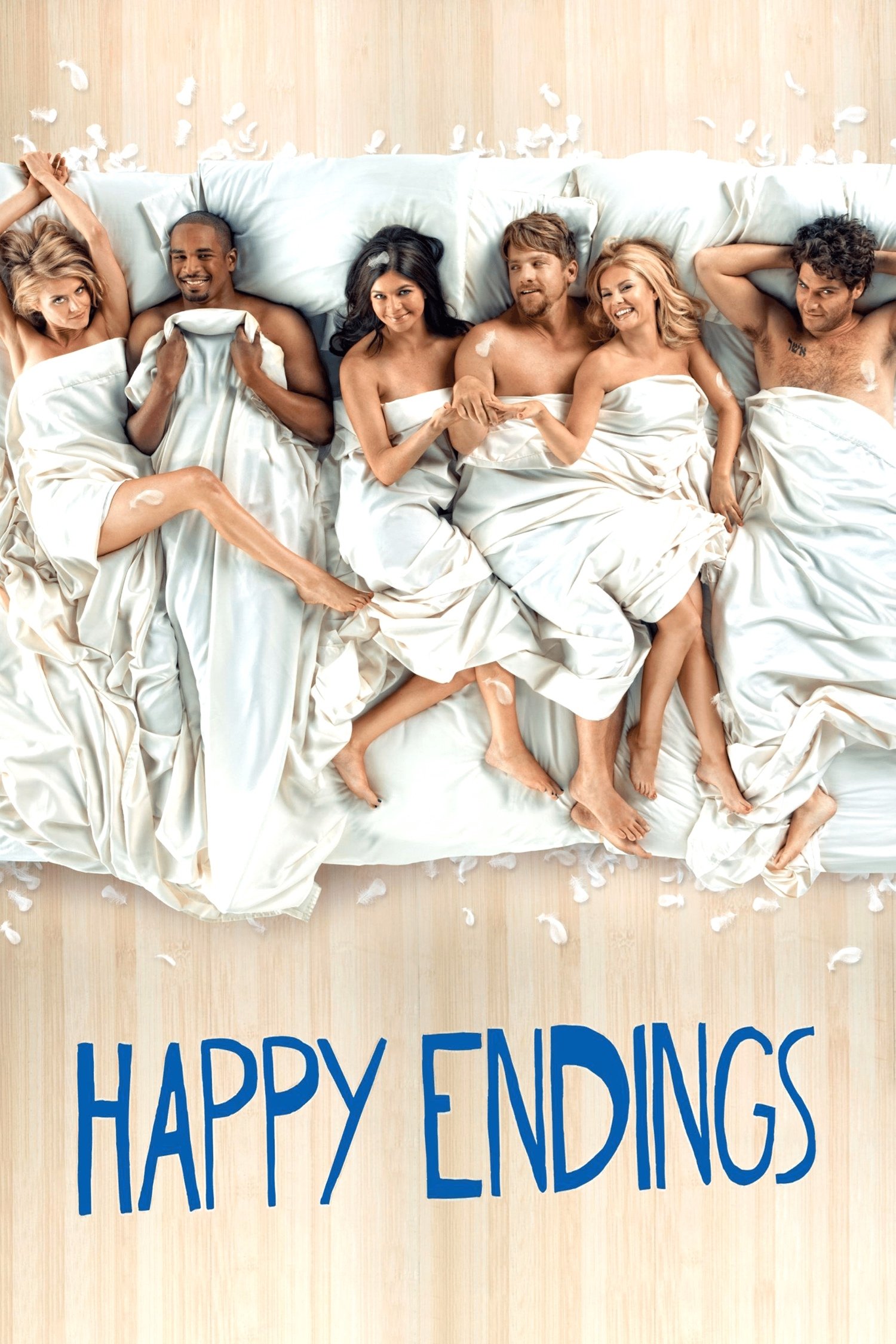
The show suffered from inconsistent airing – episodes were shown out of order and its timeslot changed frequently. Because of the marketing, many viewers initially thought it was just another ‘Friends’ copycat. However, those who kept watching discovered a fast-paced, very funny comedy with a style all its own. Since going off the air, it’s developed a large and dedicated fanbase, and people are still hoping for a reboot.
‘New Girl’ (2011–2018)
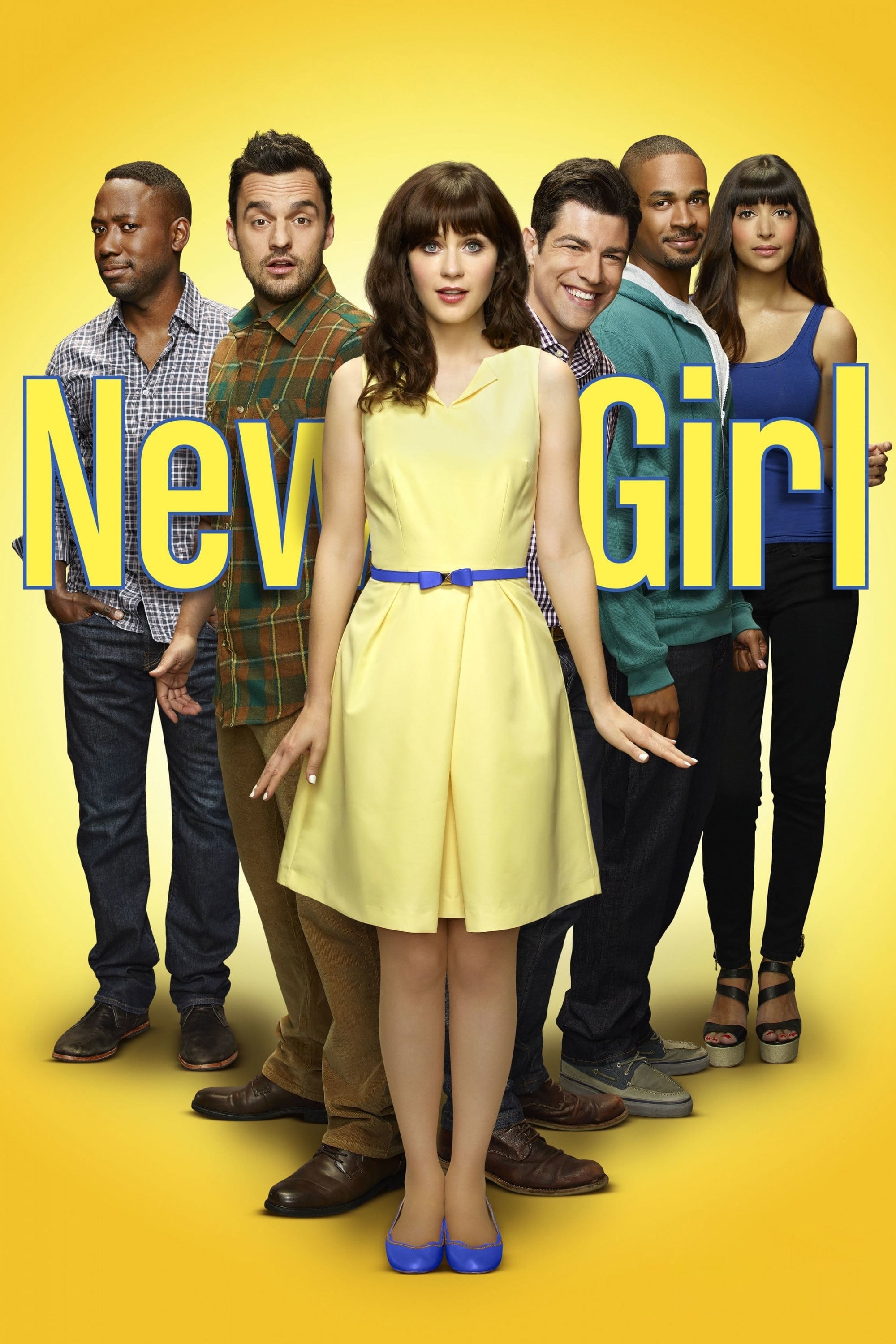
The show’s initial marketing emphasized the lead character’s intentionally quirky and somewhat awkward personality, but this turned off a lot of viewers. Early reviews also criticized the show for leaning too heavily on the familiar ‘manic pixie dream girl’ character type popularized by actress Zooey Deschanel. Fortunately, the show’s creators made a smart change, shifting the focus to the entire group of friends living together and turning it into a true ensemble comedy. Now, it’s considered one of the best ‘hangout’ sitcoms of the 2010s, where the appeal comes from watching the characters interact.
‘The 100’ (2014–2020)
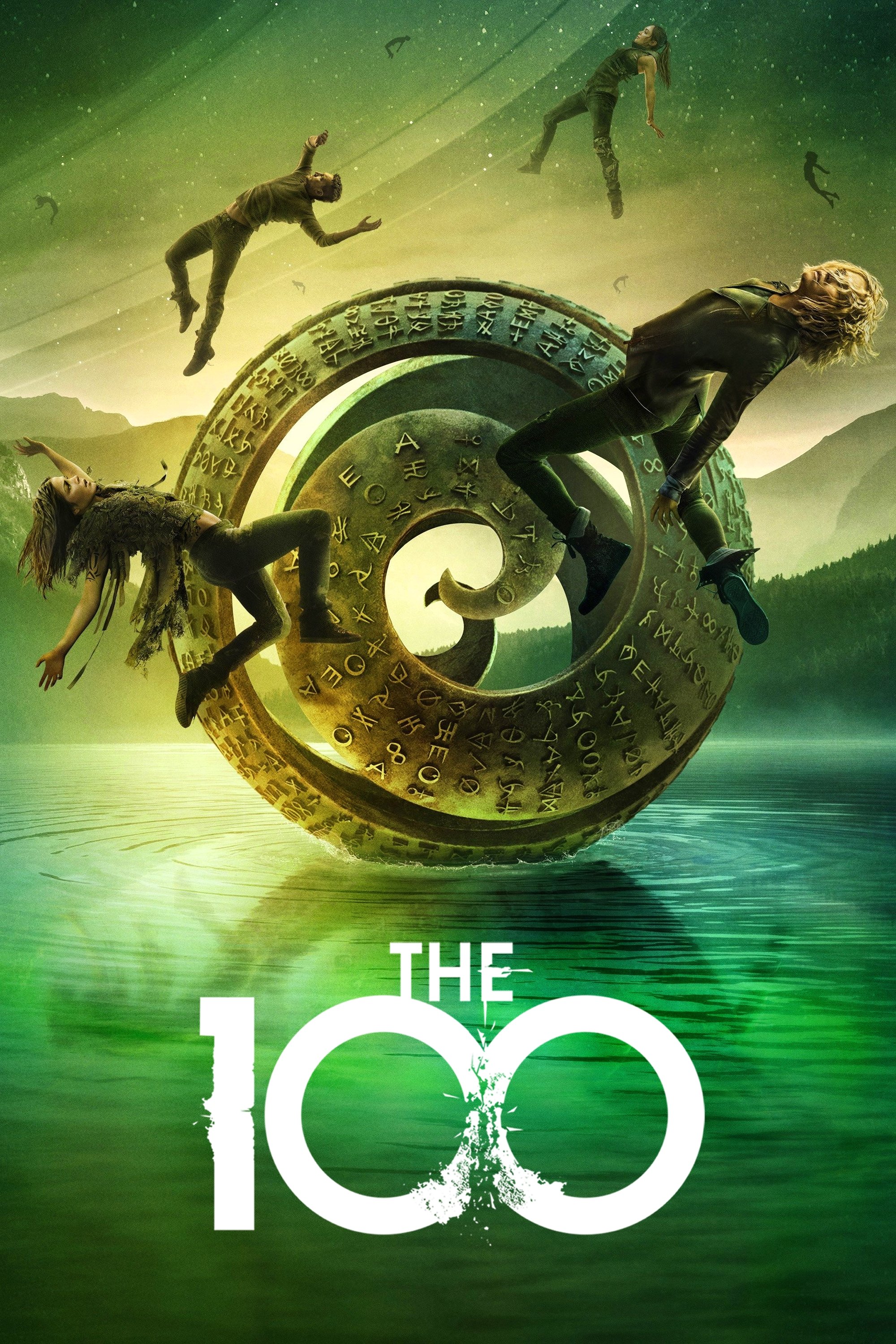
At first, this post-apocalyptic show seemed like a typical teen romance, full of over-the-top drama. Many critics dismissed it as a shallow take on ‘Lord of the Flies,’ focusing more on attractive actors than a meaningful story. However, the show quickly changed direction, becoming much darker and more intense. It started unexpectedly killing off important characters and forcing viewers to confront difficult ethical questions. This willingness to take risks and explore the darker side of humanity ultimately earned the show critical acclaim and respect.
‘Sense8’ (2015–2018)
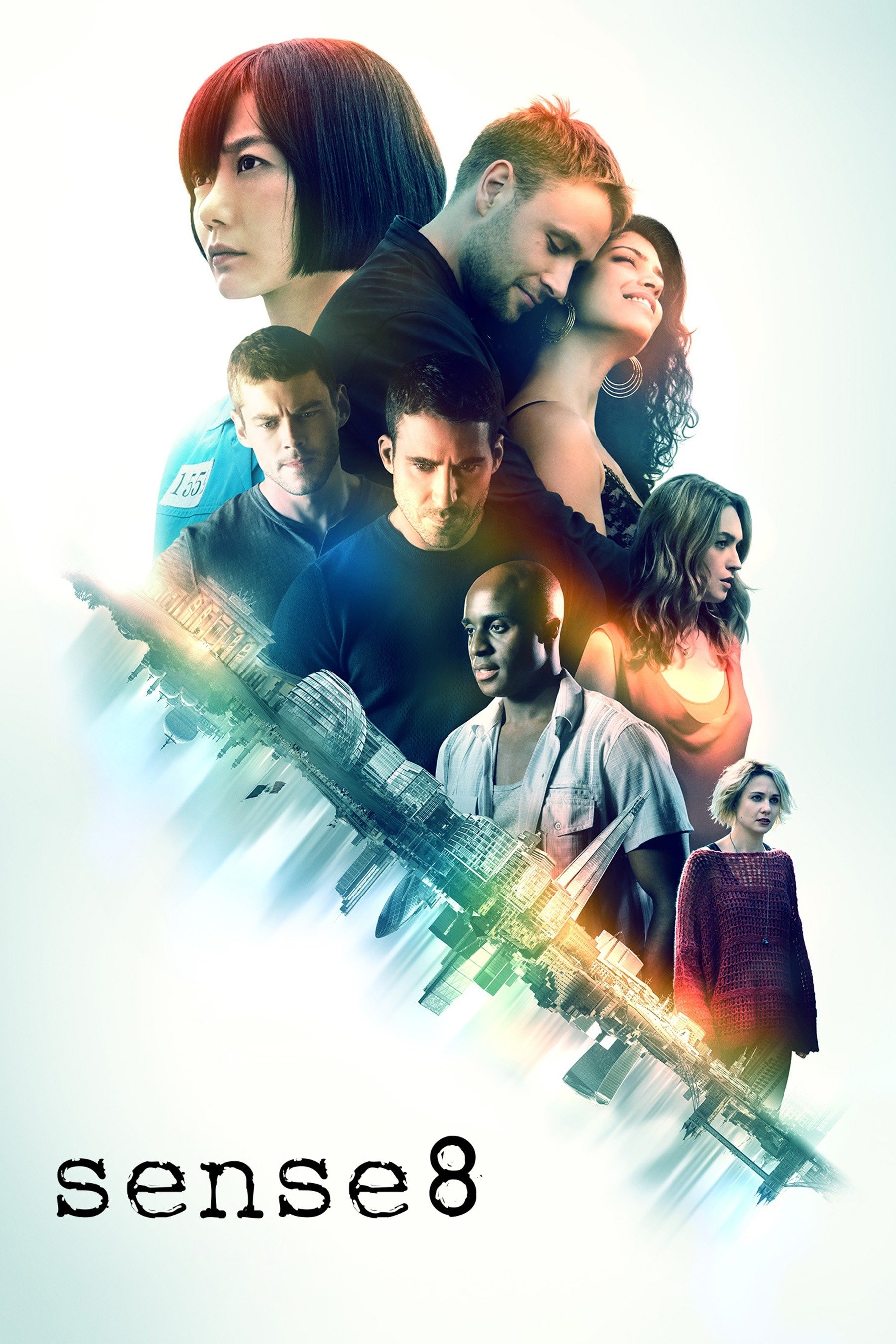
The first episode of the show left many viewers confused, as it introduced eight characters across different countries without much background. The initial episodes were slow-paced, which lost some viewers who wanted immediate excitement. However, the show developed strong emotional bonds between the characters, captivating a global fanbase. When the show was cancelled, fans protested so strongly that a final movie was made to conclude the storyline.
‘Dollhouse’ (2009–2010)

Network interference steered the show away from its central mystery, resulting in a series of unrelated episodes. Viewers found the show’s new direction and the concept of people being unknowingly assigned roles confusing. The second season delved deeper into the troubling aspects of the technology featured. Though imperfect, the show is now regarded as a thought-provoking look at what defines identity and the importance of free will.
‘Star Trek: Enterprise’ (2001–2005)
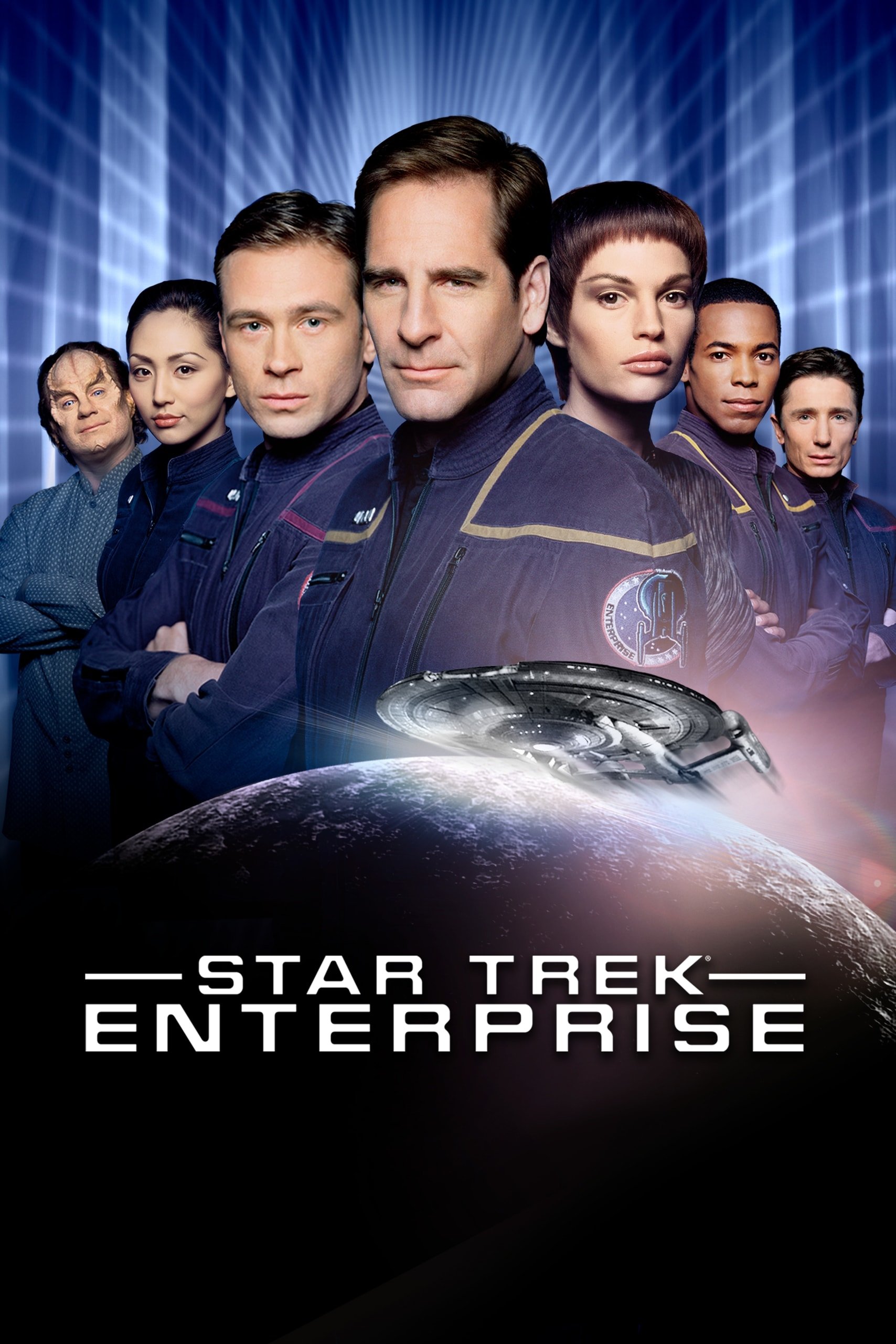
From the start, fans disliked the show’s pop ballad theme and felt its prequel storyline didn’t fit with existing Star Trek history. The show had trouble finding its footing in the beginning, often repeating storylines from older series. However, a change in leadership during the fourth season led to a focus on the prequel concept and resolved inconsistencies. Now, many fans believe the final season is among the best Star Trek has to offer.
‘Gotham’ (2014–2019)
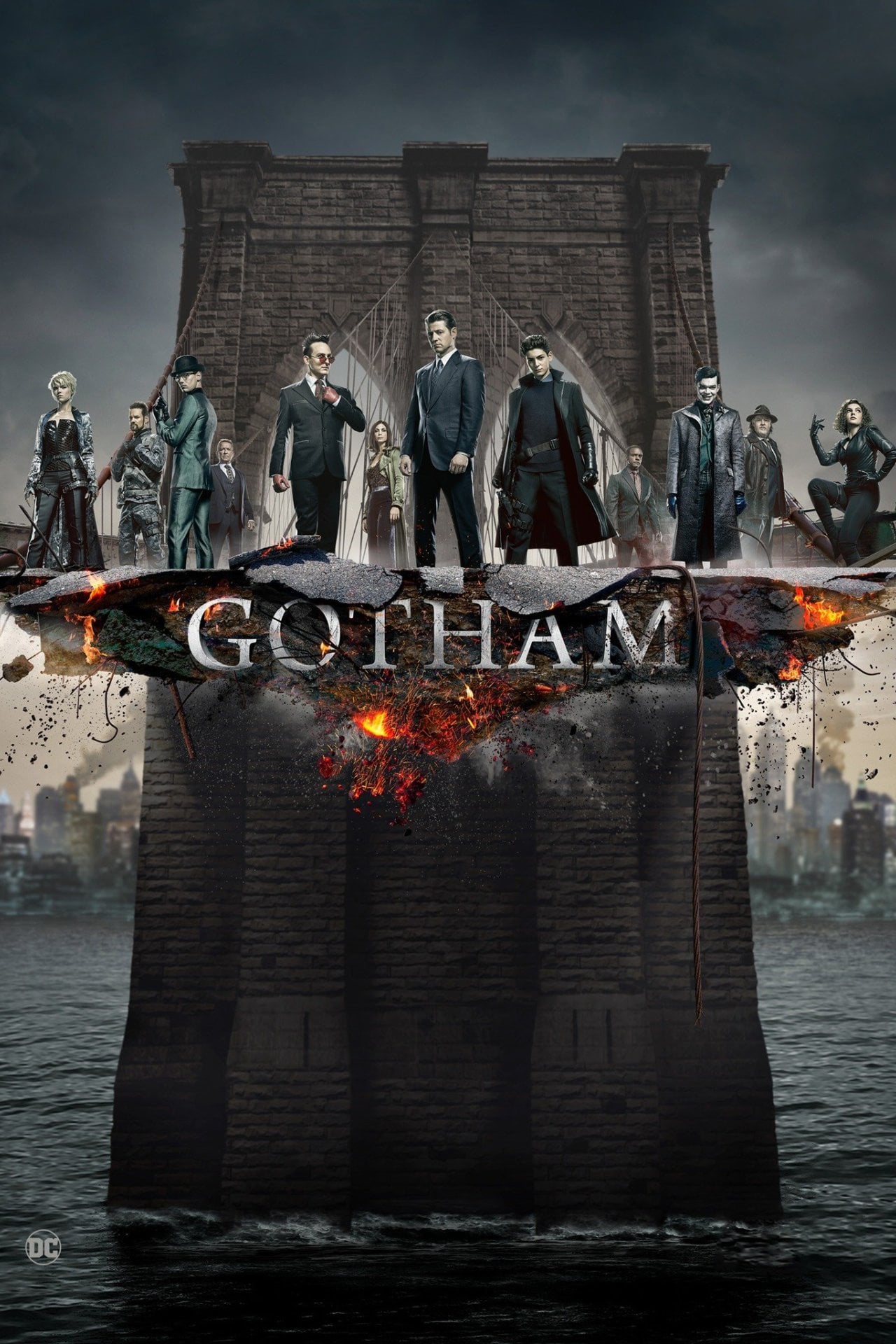
At first, many Batman fans doubted a show set in Gotham City without Batman, and they also noticed the show’s shifting style. It started as a gritty police drama, but had trouble blending that with the more fantastical side of the Batman universe. Eventually, the show leaned into a fun, over-the-top style which actually worked well for its villains. Now, ‘Gotham’ is remembered for its striking visuals and fresh takes on iconic characters.
‘Review’ (2014–2017)
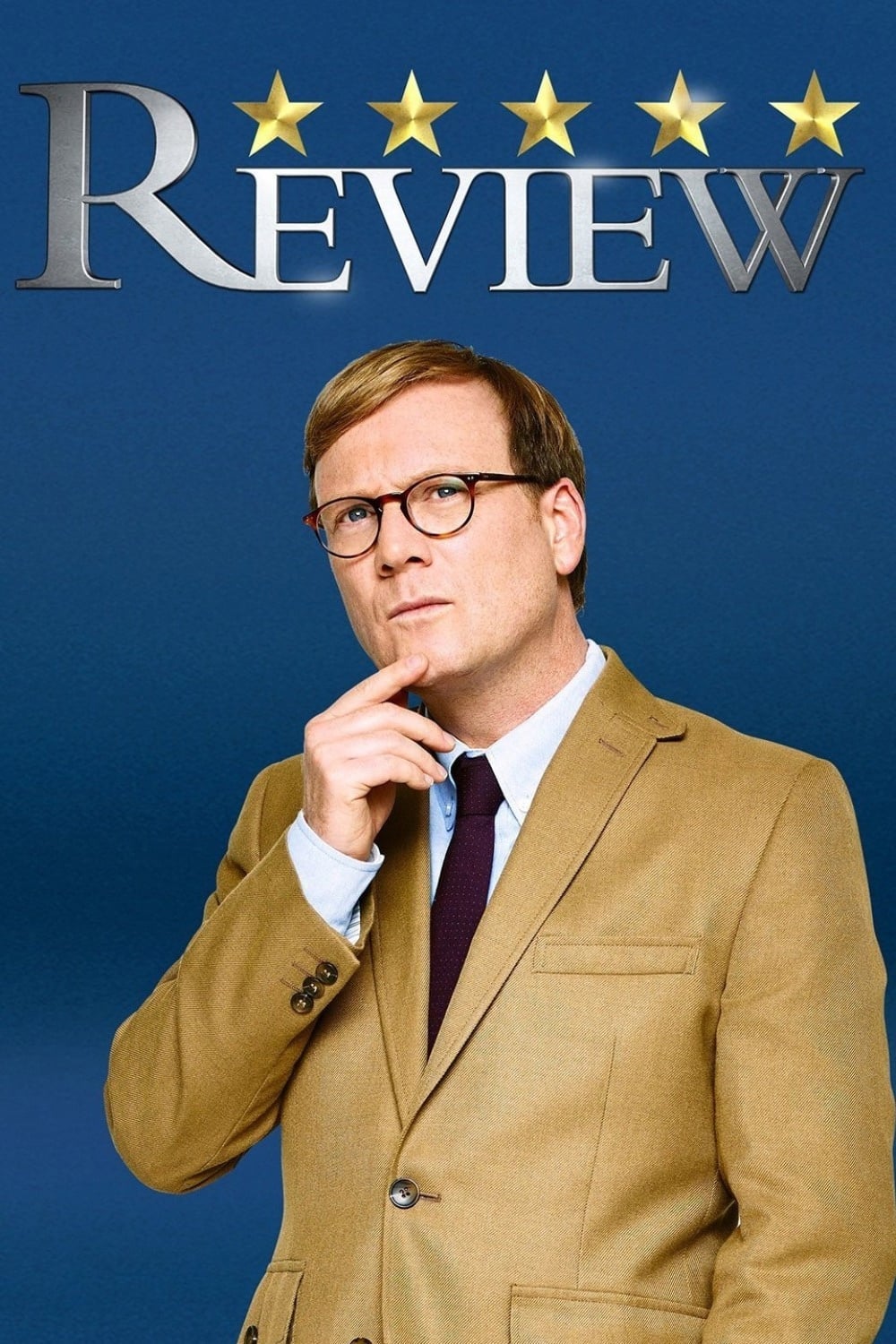
This hidden gem of a mockumentary follows a critic who reviews everyday life. What starts as a simple idea becomes a surprisingly dark and funny masterpiece, thanks to the show’s total dedication to its unique concept. The main character hilariously and disturbingly ruins his own life all in the name of his job. Many comedians and critics consider it one of the best and funniest shows of the last ten years.
Read More
- Invincible Season 4 Gender Swaps Tech Jacket As Fans Question Major Comic Change
- Silver Rate Forecast
- Gold Rate Forecast
- 15 Films That Were Shot Entirely on Phones
- Building Agents That Learn and Improve Themselves
- 22 Films Where the White Protagonist Is Canonically the Sidekick to a Black Lead
- 20 Movies Where the Black Villain Was Secretly the Most Popular Character
- Celebs Who Narrowly Escaped The 9/11 Attacks
- 18 TV Series Filming Rehearsals as Bonus Content
- Trading Crypto with AI: A New Approach to Portfolio Management
2026-02-01 23:20