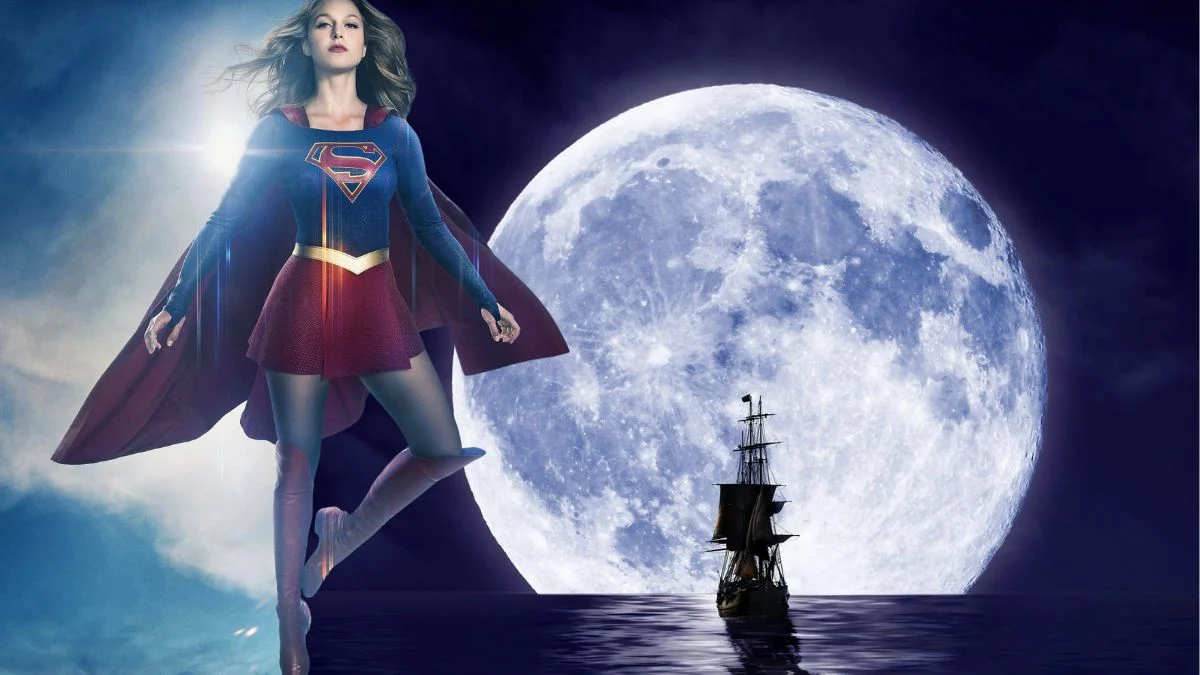
Many TV viewers are frustrated by a practice called “queer baiting.” This happens when shows suggest a romantic relationship between same-sex characters to attract LGBTQ+ viewers, but then don’t actually develop that relationship. Fans feel this is manipulative, taking advantage of their interest while sticking to more conventional storylines. The following list details several shows that have been criticized by fans for implying romantic connections that never happened, often through hints and marketing.
‘9-1-1’ (2018–Present)

As a longtime fan of this show, I have to say the way they’ve handled Buck and Eddie’s relationship has been… frustrating. For years, we’ve seen these incredibly intimate, domestic moments between them, hinting at something more. The writers will occasionally throw us a bone with dialogue that seems to acknowledge what fans are hoping for, but then pull back from actually making it happen. They recently had another character come out, which is great for representation, but it still doesn’t address the connection between Buck and Eddie, which remains strictly platonic for now. Honestly, a lot of us are starting to lose hope that they’ll ever actually give us the pairing they’ve been teasing for so long.
‘Bridgerton’ (2020–Present)
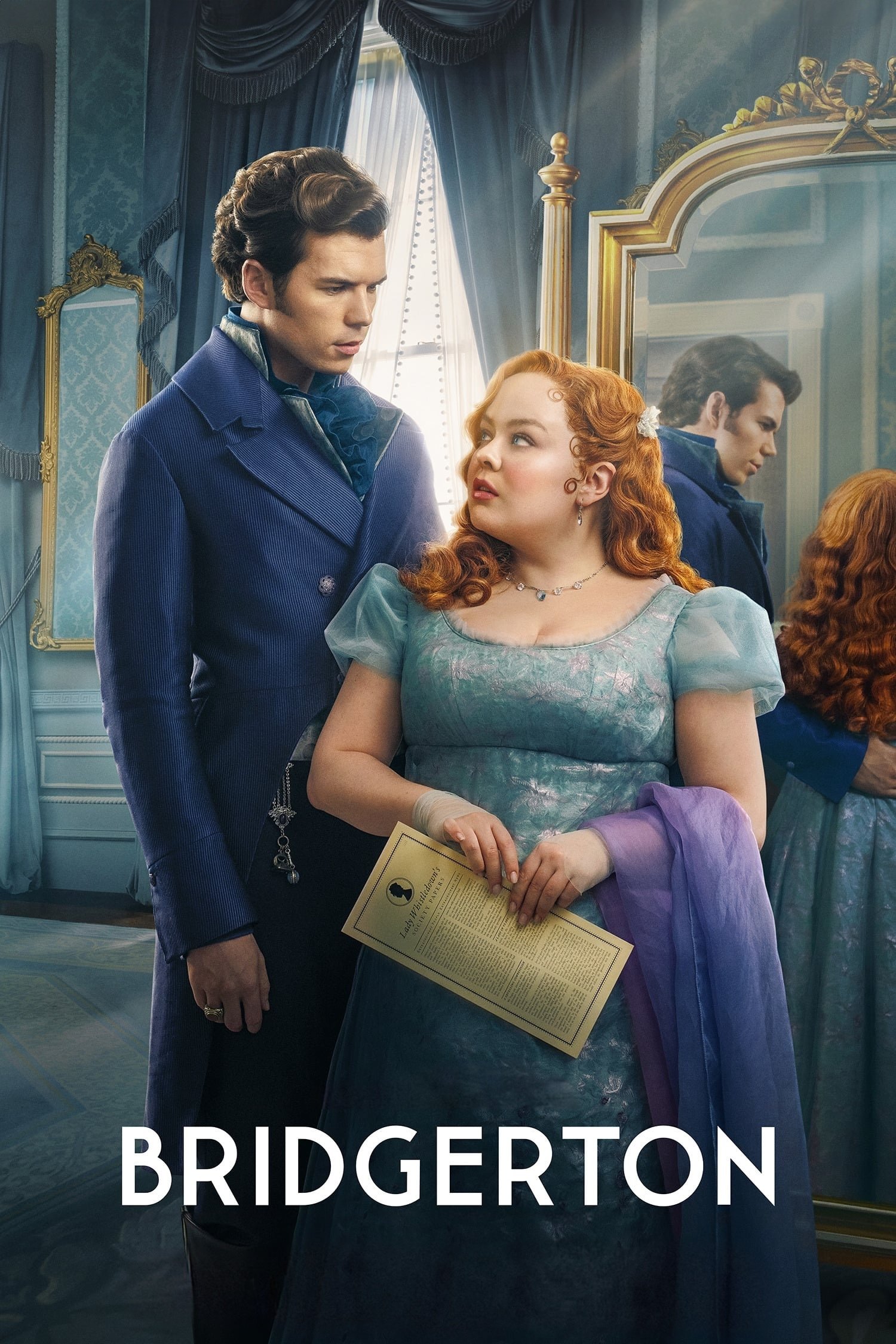
I remember when the show first came out, there was a lot of buzz about whether Benedict Bridgerton might be gay. They showed him befriending a gay artist and going to these secret parties, and a lot of us in the LGBTQ+ community really felt like they were setting up a queer storyline. It was exciting! But then, the show just… didn’t go there, and focused on straight relationships instead. While they did add queer characters later on, it felt like the initial hints were just to get us interested, which a lot of fans saw as misleading. It really started a conversation about how far historical dramas should go with storylines they tease early on – if they’re going to hint at something, should they actually follow through with it?
‘Buffy the Vampire Slayer’ (1997–2003)
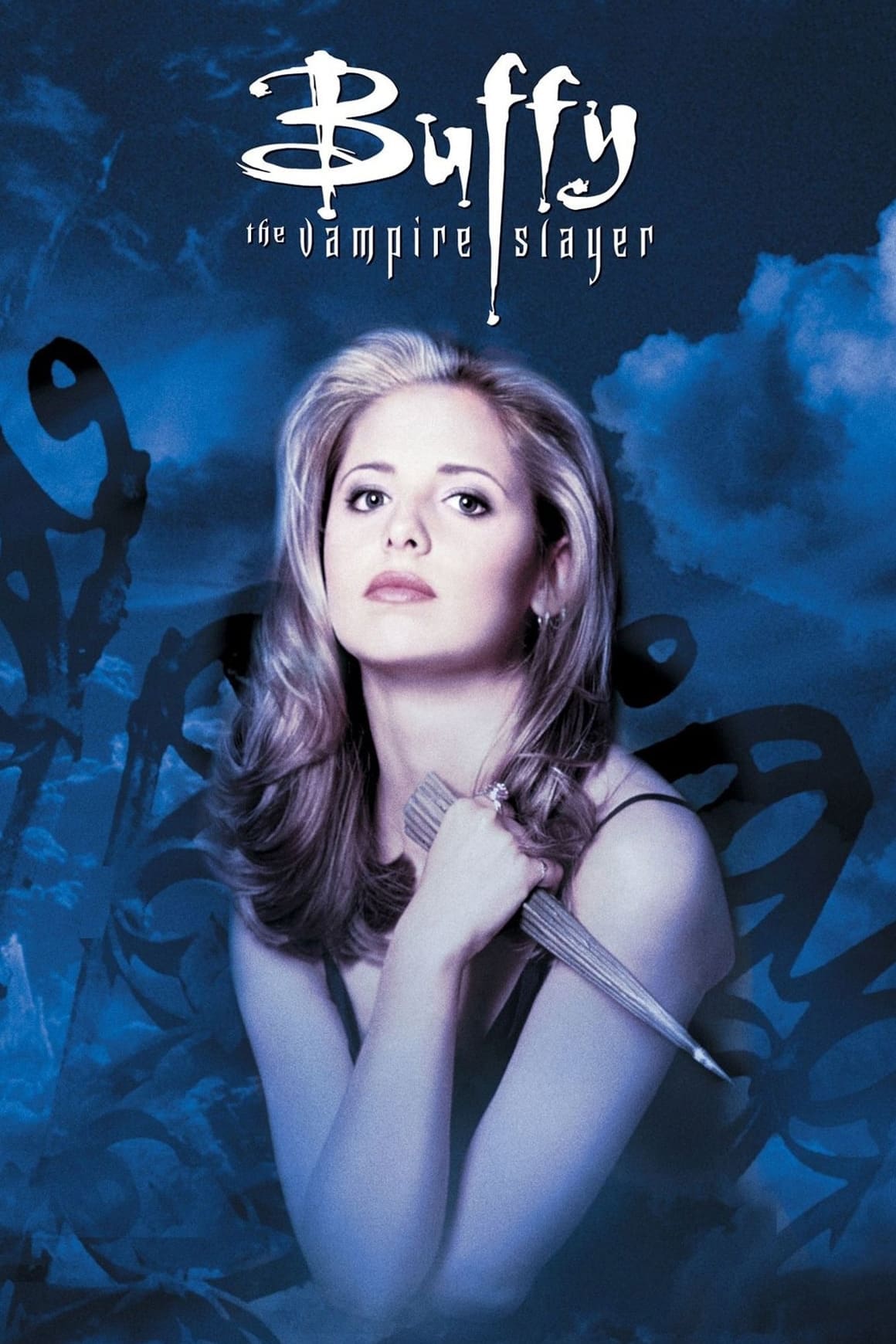
The popular series was well-known for the strong connection between Buffy Summers and Faith Lehane. Throughout the third season, fans picked up on a lot of unspoken feelings in their fights and conversations. While the writers created a lot of tension between them, they never developed a full romantic relationship. Faith often hinted at her attraction, but Buffy’s feelings remained unclear. Many fans now see this as a lost chance to explore a romantic storyline, relying instead on subtle clues and ambiguity to keep viewers engaged.
‘Doctor Who’ (2005–Present)
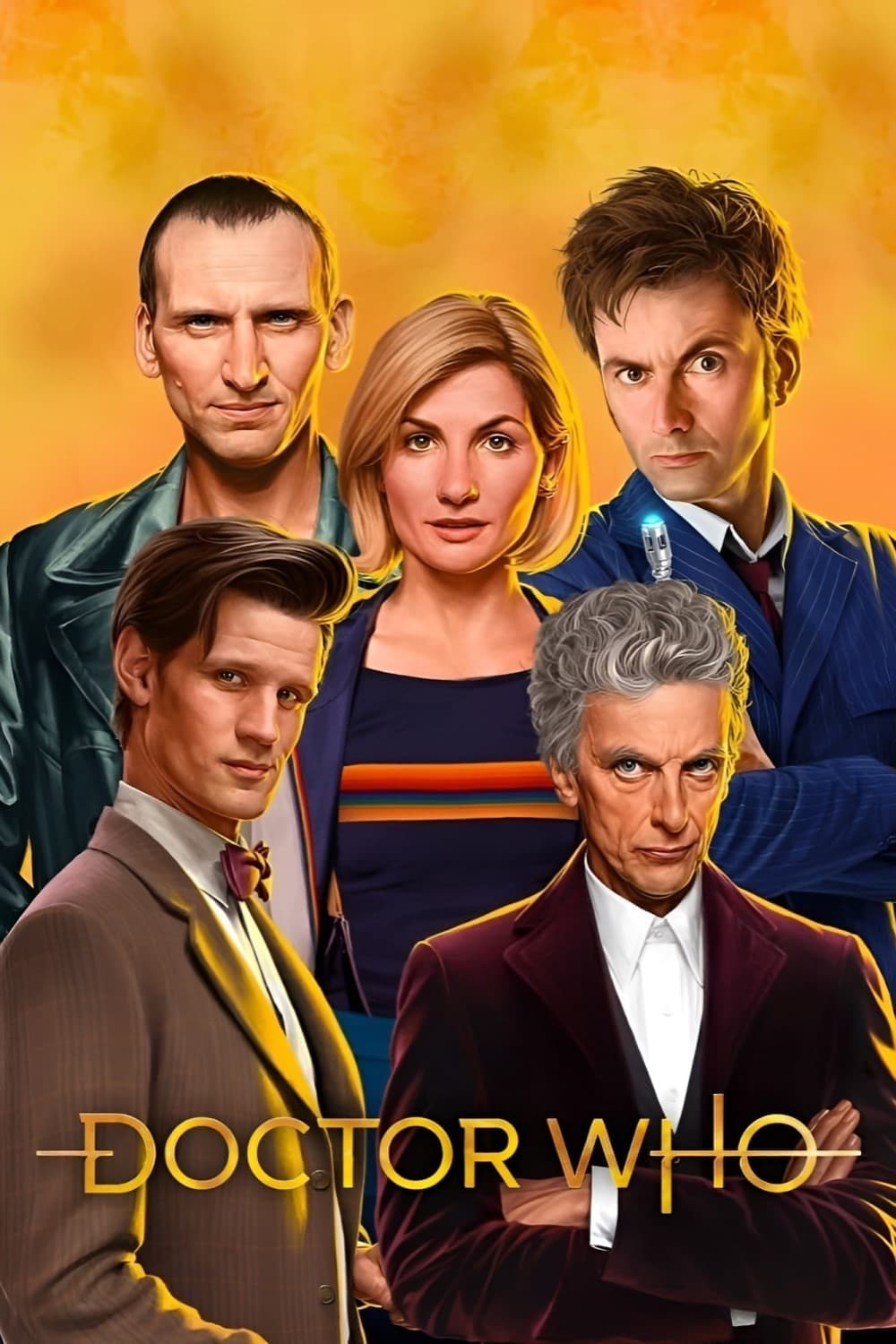
The popular sci-fi show has frequently hinted at romantic connections between the Doctor and their companions, often relying on subtle cues rather than direct statements. A notable instance was the relationship between the Thirteenth Doctor and Yaz Khan, which was a recurring focus for a few seasons. Though the characters eventually acknowledged their feelings, the story never fully developed into a romance before the Doctor’s change in form. Many viewers thought this development was too slow and that the show ultimately missed an opportunity to portray a significant same-sex relationship, leaving some fans disappointed that the pairing wasn’t fully realized.
‘Elite’ (2018–2024)

This popular Spanish teen show is known for its mature themes, but it’s also been criticized for ‘queerbaiting’ – hinting at romantic relationships between same-sex characters without fully delivering on them. The show frequently uses suggestive scenes and marketing that suggests complex LGBTQ+ storylines, which often don’t come to fruition. Many fans feel these moments are used for shock value or to gain attention online. Although the series does include established queer characters, the way it teases potential relationships for others has caused frustration, with viewers feeling the show focuses on the appearance of queerness without providing meaningful representation.
‘Euphoria’ (2019–Present)

The show has faced criticism regarding its portrayal of the complex relationship between Maddy and Cassie. Some viewers felt that season two included moments suggesting a romantic connection between the two, and the show’s marketing often highlighted the intense nature of their friendship. Many fans believed these hints were used to maintain interest in a season largely centered around a harmful love triangle. However, when these potential romantic storylines weren’t developed further, some accused the show of using queer themes without fully exploring them.
‘Glee’ (2009–2015)
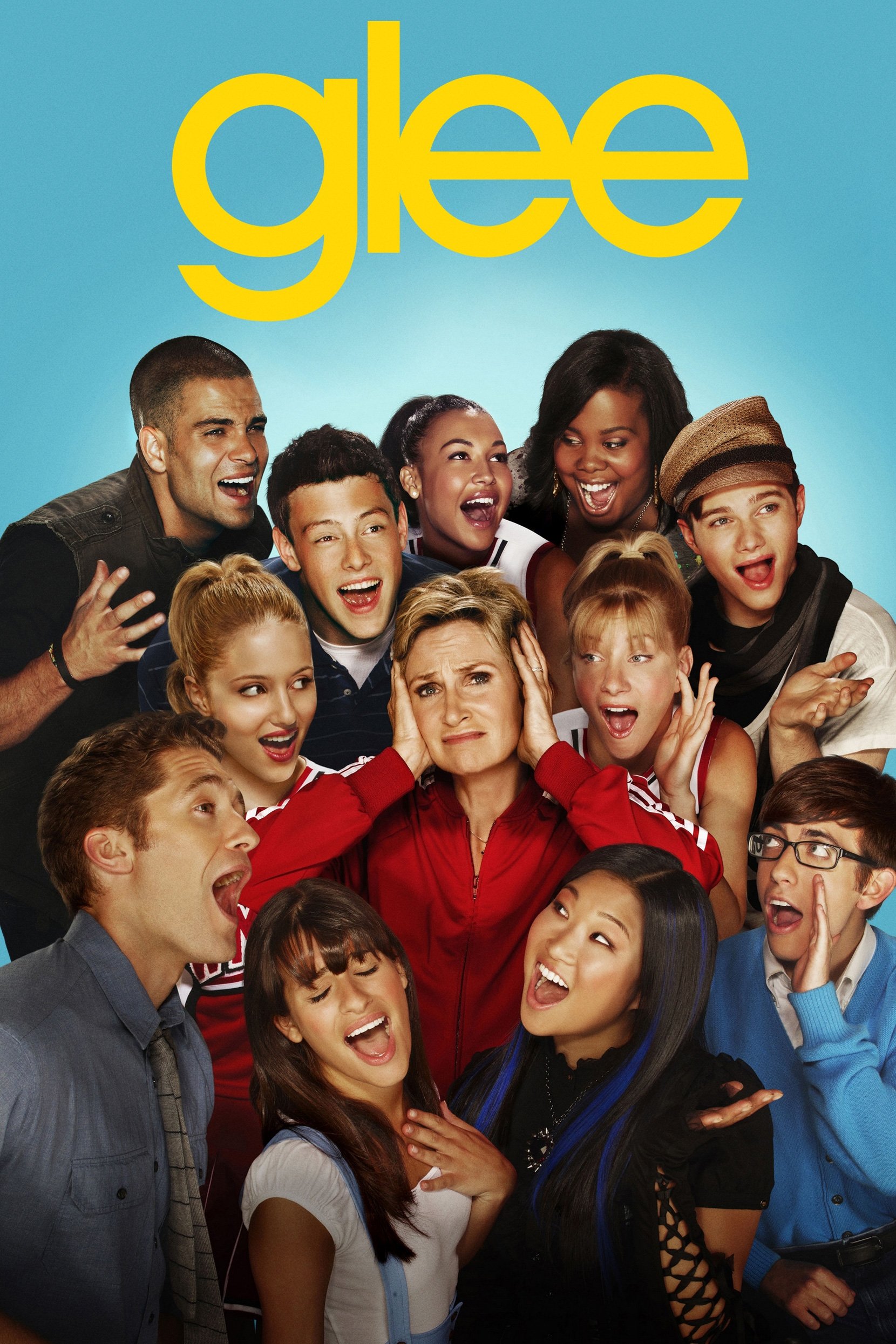
The musical comedy series gained a large and dedicated fanbase, particularly for the connection between characters Rachel Berry and Quinn Fabray – a pairing known as ‘Faberry’. While the actresses had clear chemistry, the show’s creators never intended their relationship to be romantic. The writers sometimes referenced fan speculation about a romance, which some viewers felt was dismissive. Fans often highlighted specific scenes – including camera angles and acting choices – that suggested a stronger connection than friendship. The show’s refusal to fully develop this dynamic led to ongoing criticism regarding its portrayal of female relationships.
‘Good Omens’ (2019–Present)
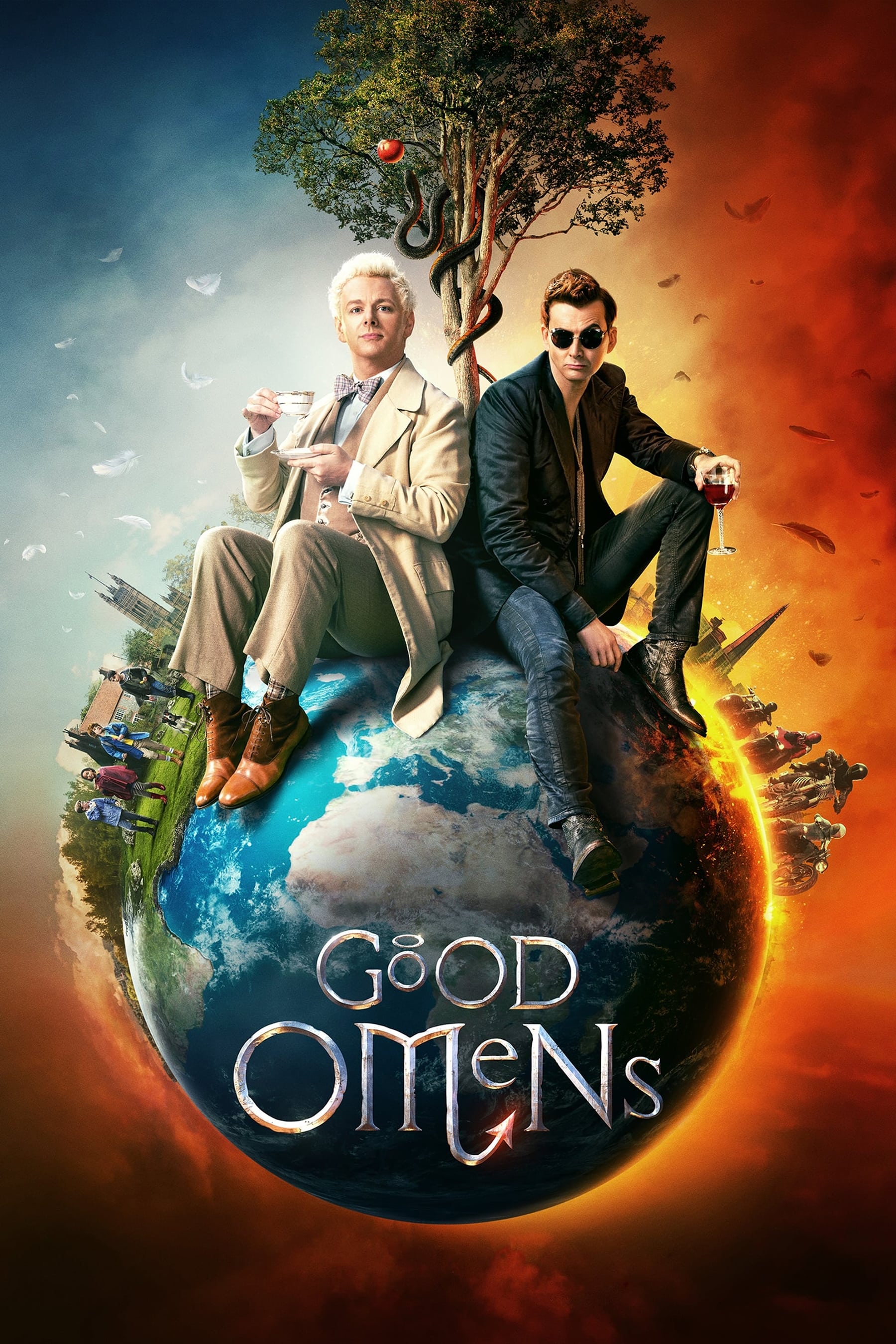
The TV series, based on the novel by Neil Gaiman and Terry Pratchett, centers on the long-standing relationship between an angel and a demon. From the beginning, viewers sensed a romantic connection between the characters Aziraphale and Crowley. Although the show officially confirmed their romance in its second season, the initial lack of clarity sparked discussions about whether the creators were unfairly teasing a potential relationship. Many felt the first season leaned heavily on the familiar trope of two very close male characters who were supposedly just friends. While the eventual confirmation of the romance was celebrated, the early controversy remains a part of the show’s history.
‘Gossip Girl’ (2021–2023)
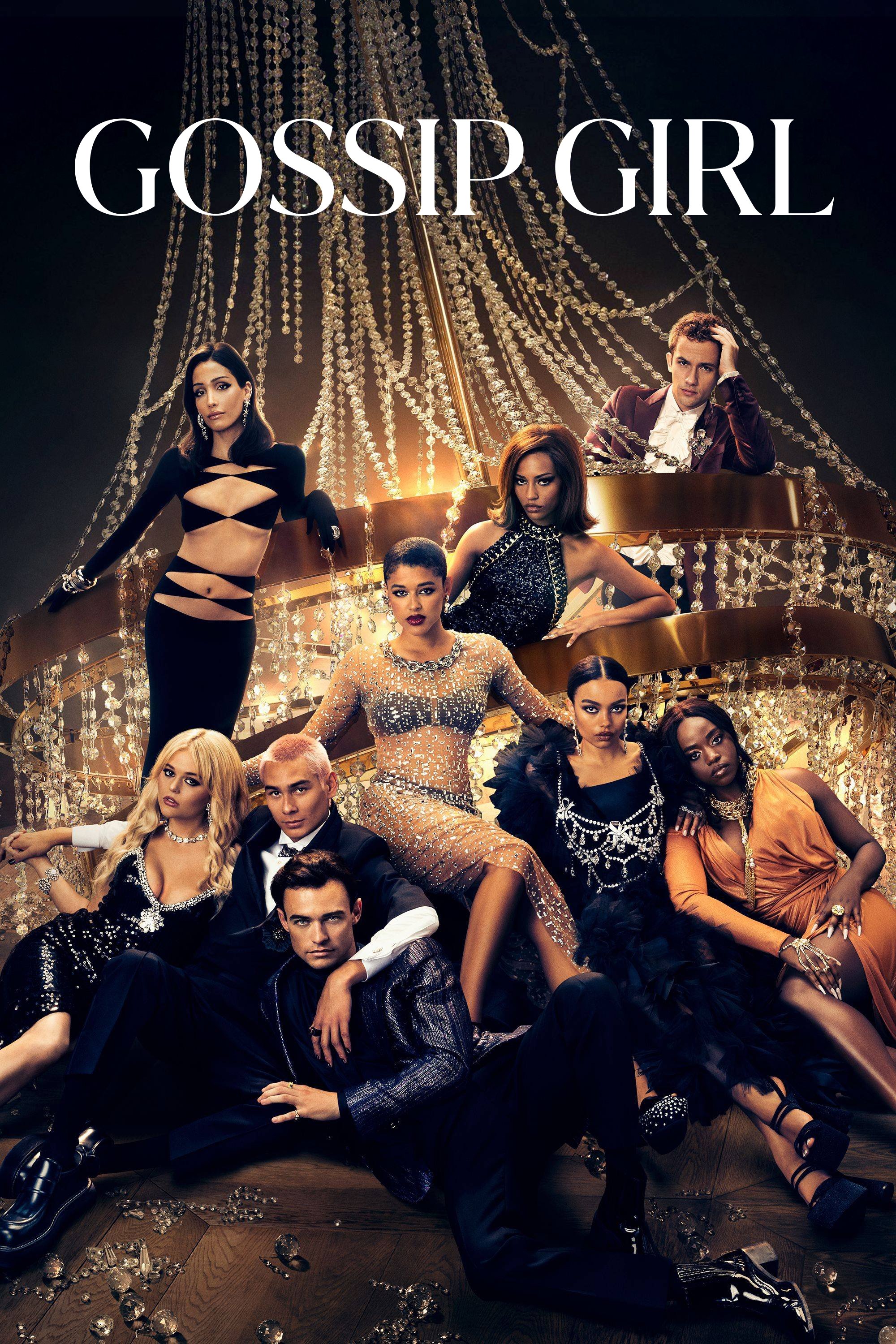
As a big fan of the original, I was really excited about the reboot, especially since it seemed like they were going to be more inclusive. The marketing definitely led me to believe we’d see some interesting, fluid relationships and complex dynamics. But honestly, I – and a lot of other fans – felt a little betrayed. They’d tease these queer pairings in the promos, get us all hopeful, and then just… sideline them for more predictable storylines. It felt like they were using the idea of representation to distance themselves from the original, without actually following through. And with the show cancelled, all those potentially amazing stories just ended up unfinished, which was a real bummer.
‘Hannibal’ (2013–2015)
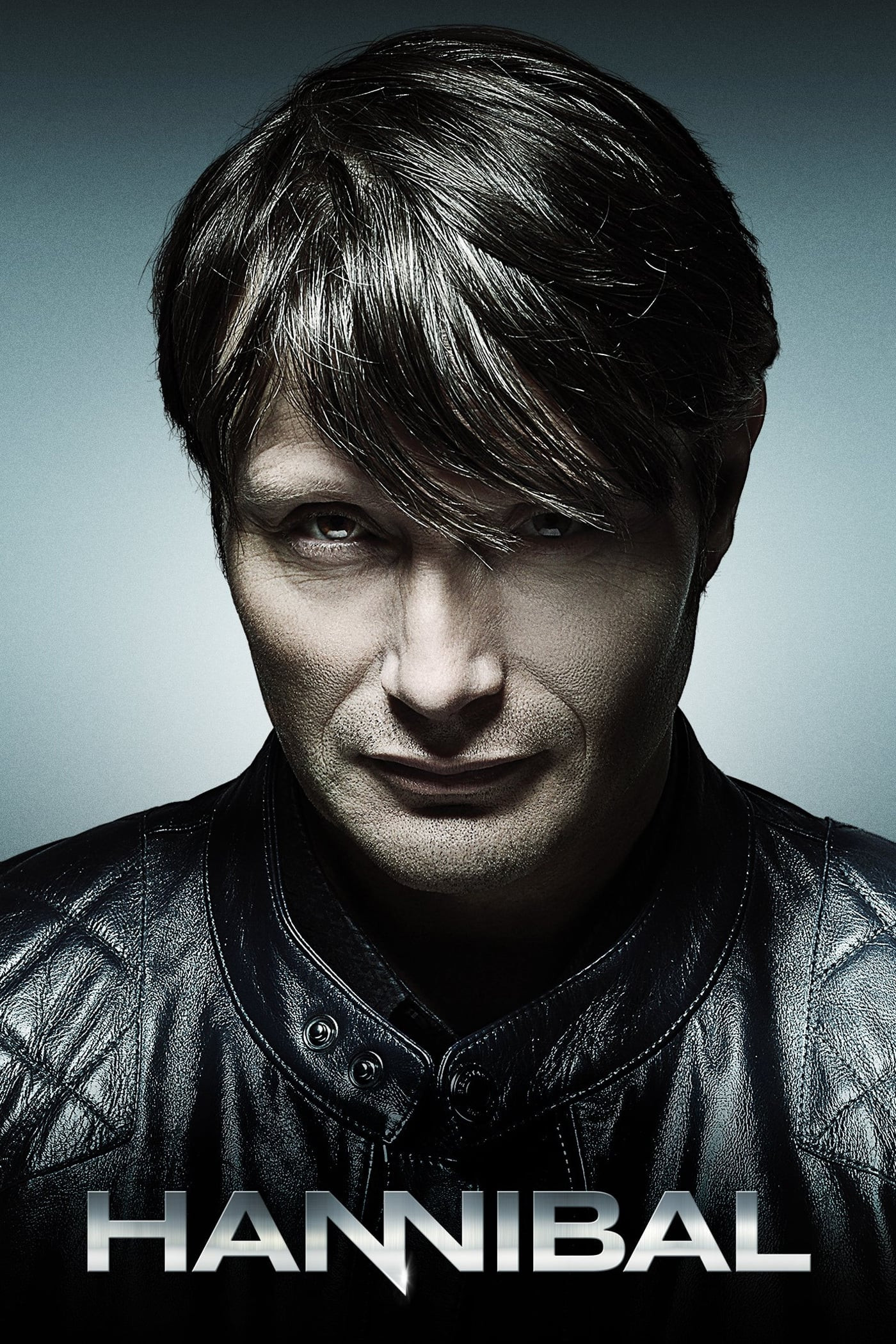
The psychological thriller explored the intense and unsettling connection between Will Graham and Hannibal Lecter. Over three seasons, the show used beautiful, almost romantic visuals and language to portray their relationship. Though the creator hinted at a love between them, the series never showed them becoming physically intimate or directly confirmed a romantic connection. Some viewers considered this masterful storytelling through implication, while others felt it was a manipulative tactic to attract LGBTQ+ viewers without delivering on a genuine romance. The series finale intentionally left their relationship ambiguous, which pleased some fans but left others feeling unsatisfied.
‘House’ (2004–2012)
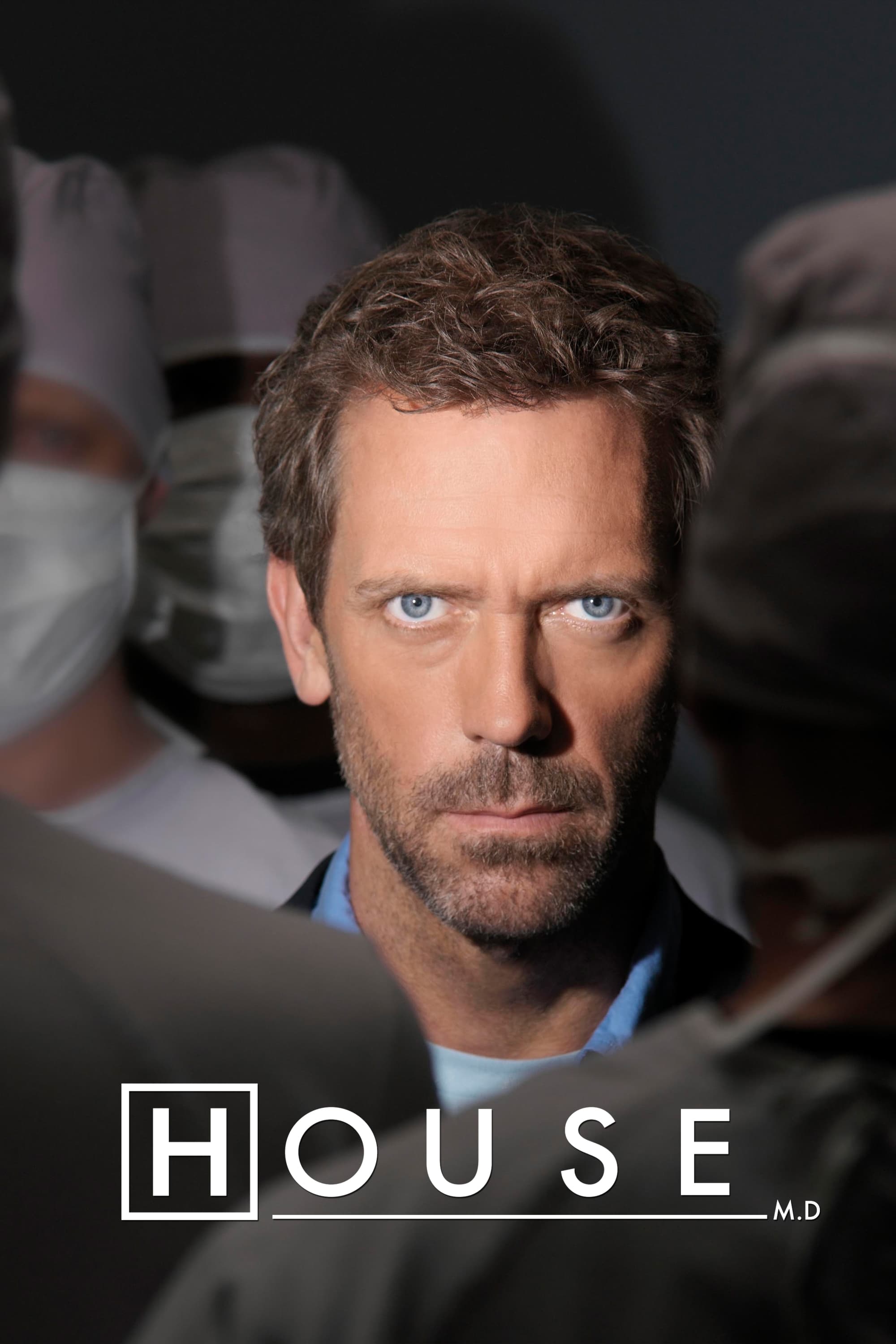
As a longtime viewer, what always struck me about House wasn’t the medicine, it was the dynamic between House and Wilson. The showrunners clearly enjoyed playing with the idea that they were more than just friends – they constantly hinted at a deeper connection, even joking about them being a married couple and forcing them into domestic situations. For many fans, their unwavering devotion to each other was the heart of the show. It was frustrating, though, because despite all the build-up and playful teasing, the show consistently kept their relationship strictly platonic. That led to years of speculation, and honestly, a bit of disappointment when the series ended without ever acknowledging a romantic connection between them. It felt like a missed opportunity.
‘House of the Dragon’ (2022–Present)
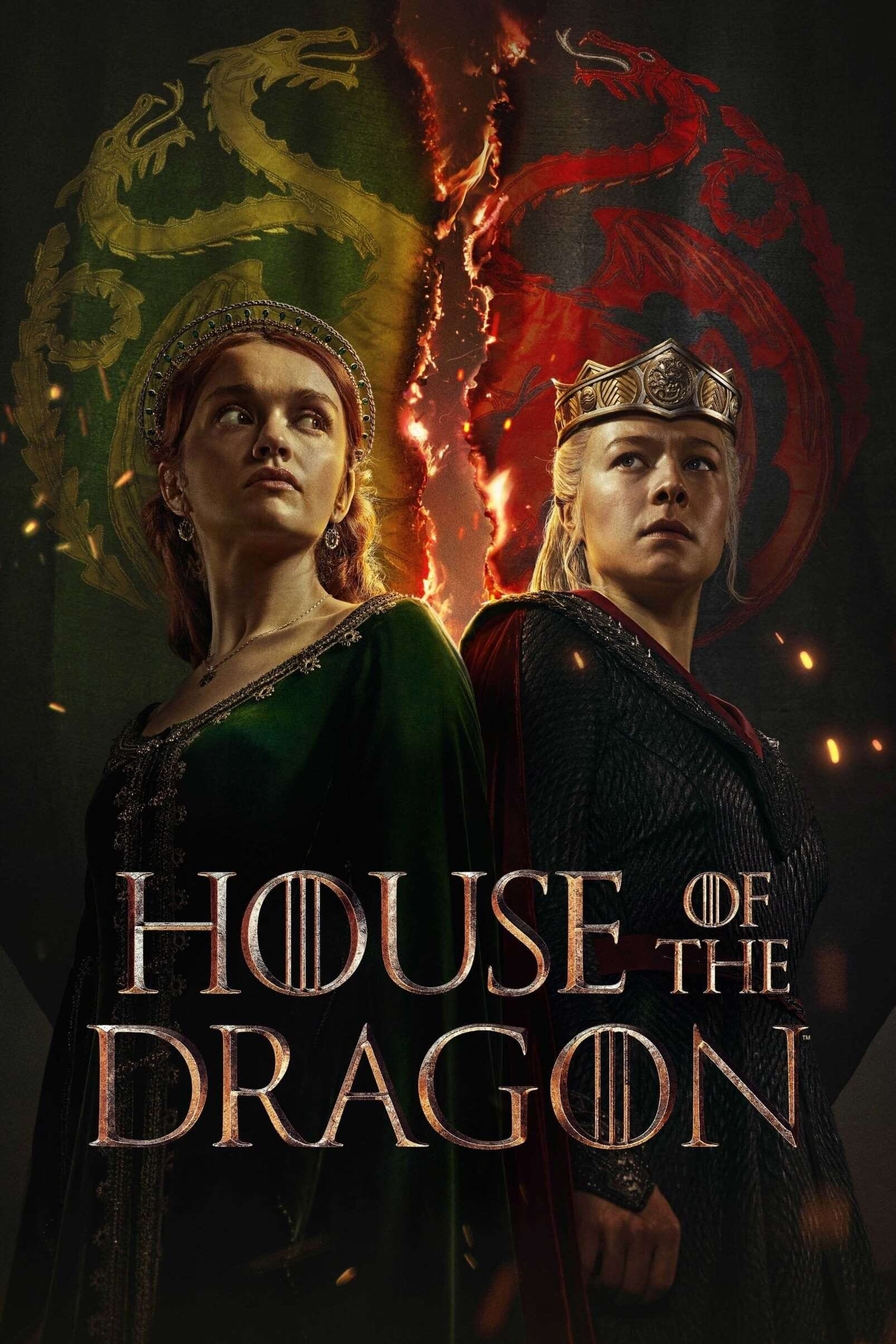
As a big fan of the ‘Game of Thrones’ prequel, I remember a lot of early discussion centered around Rhaenyra and Alicent. The first few episodes really hinted at something intimate between them – a definite closeness that many of us read as romantic tension. Actors even talked about a possible queer subtext, which got people excited about where the story could go. But as the series went on and their relationship turned into full-blown rivalry, it felt like that initial connection was maybe just a tease. A lot of viewers who were hoping for a story that really focused on their romantic connection felt pretty let down by the direction things took.
‘Killing Eve’ (2018–2022)
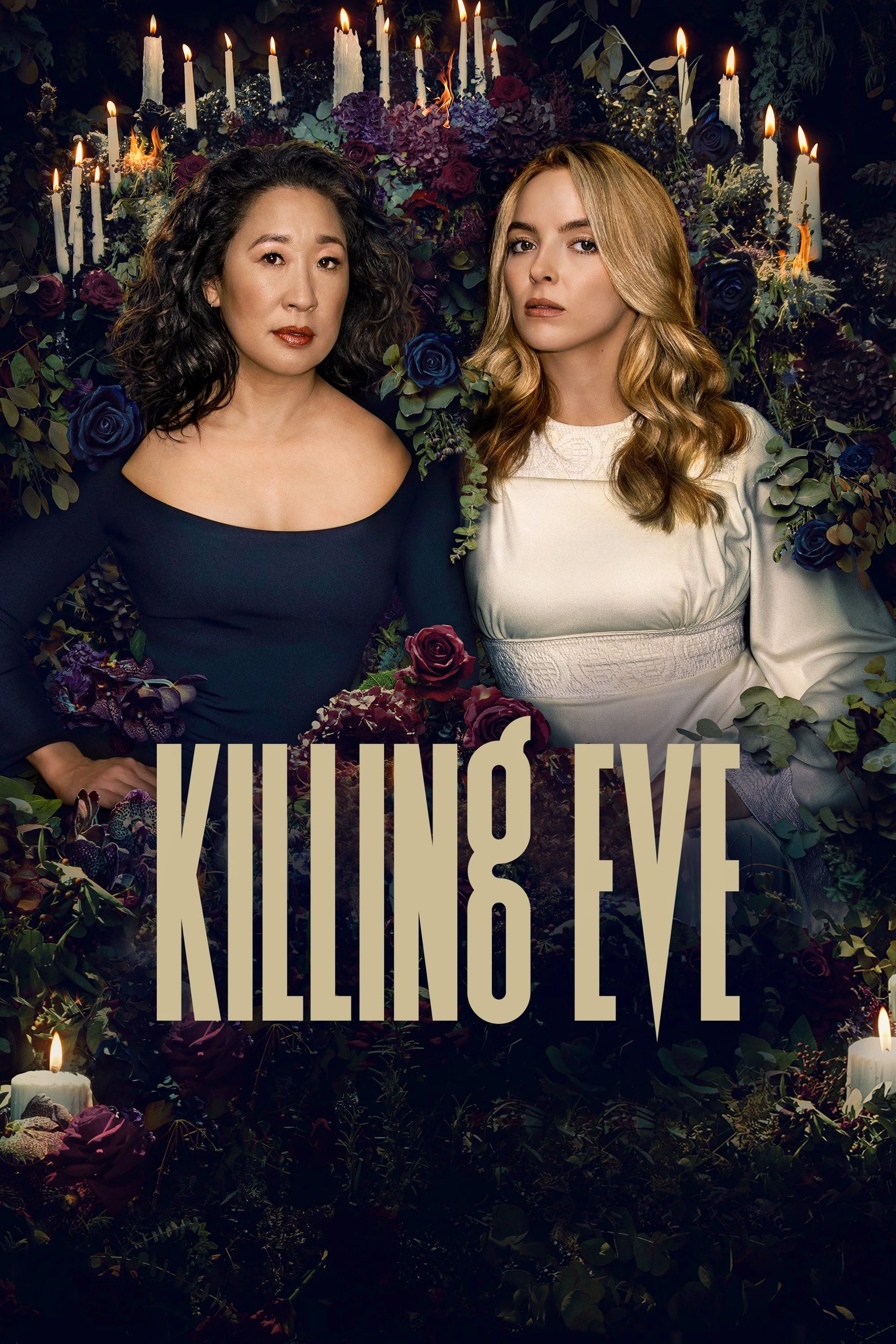
The spy show centered around a complex relationship between an investigator and an assassin, fueled by strong chemistry. Over several seasons, the show hinted at a romantic connection that could overcome their rivalry. While fans were excited when the characters finally shared a romantic moment in the finale, one of them was immediately killed off. This caused a lot of outrage, with many accusing the show of ‘queerbaiting’ – misleading fans with the promise of a gay romance – and perpetuating the harmful ‘bury your gays’ trope. Many viewers felt the show had simply used the possibility of a relationship to keep people watching until the very end.
‘Merlin’ (2008–2012)

The fantasy series focused on the close connection between Merlin and Arthur, portraying them as two halves of a whole. Their relationship was the show’s emotional core and often resembled a classic love story. Many viewers observed that the characters’ devotion to each other was emphasized more than their romantic interests in other people. The series ended with a heartfelt goodbye that felt like a confession of love to some. However, because the show never directly confirmed a romantic relationship, some fans believe it hinted at a queer romance without ever making it official.
‘Once Upon a Time’ (2011–2018)
The fantasy series had a complicated relationship between Emma Swan and Regina Mills, which sparked a large online following hoping they would become a couple – known as the ‘Swan Queen’ ship. Fans closely examined every look and conversation between the two, searching for hints of romance. The show’s writers knew about this passionate fanbase and occasionally included subtle references to their pairing. However, despite the strong support, the show ultimately maintained a platonic relationship between the characters, eventually making them co-parents without ever developing a romantic storyline. This decision led to criticism that the show was capitalizing on fan interest without delivering the representation many viewers wanted.
‘Orange Is the New Black’ (2013–2019)

The show, a prison drama known for its diverse cast, received mixed reactions. While many appreciated the representation, some felt certain storylines and the conflicts between female characters relied too much on sensationalism. Despite featuring established LGBTQ+ relationships, the show sometimes hinted at romantic connections that never materialized, seemingly for promotional purposes. Viewers observed that the show’s marketing often emphasized the chemistry between certain actors to attract a particular audience, sparking a conversation about how even well-intentioned shows can use suggestive marketing tactics.
‘Pretty Little Liars’ (2010–2017)
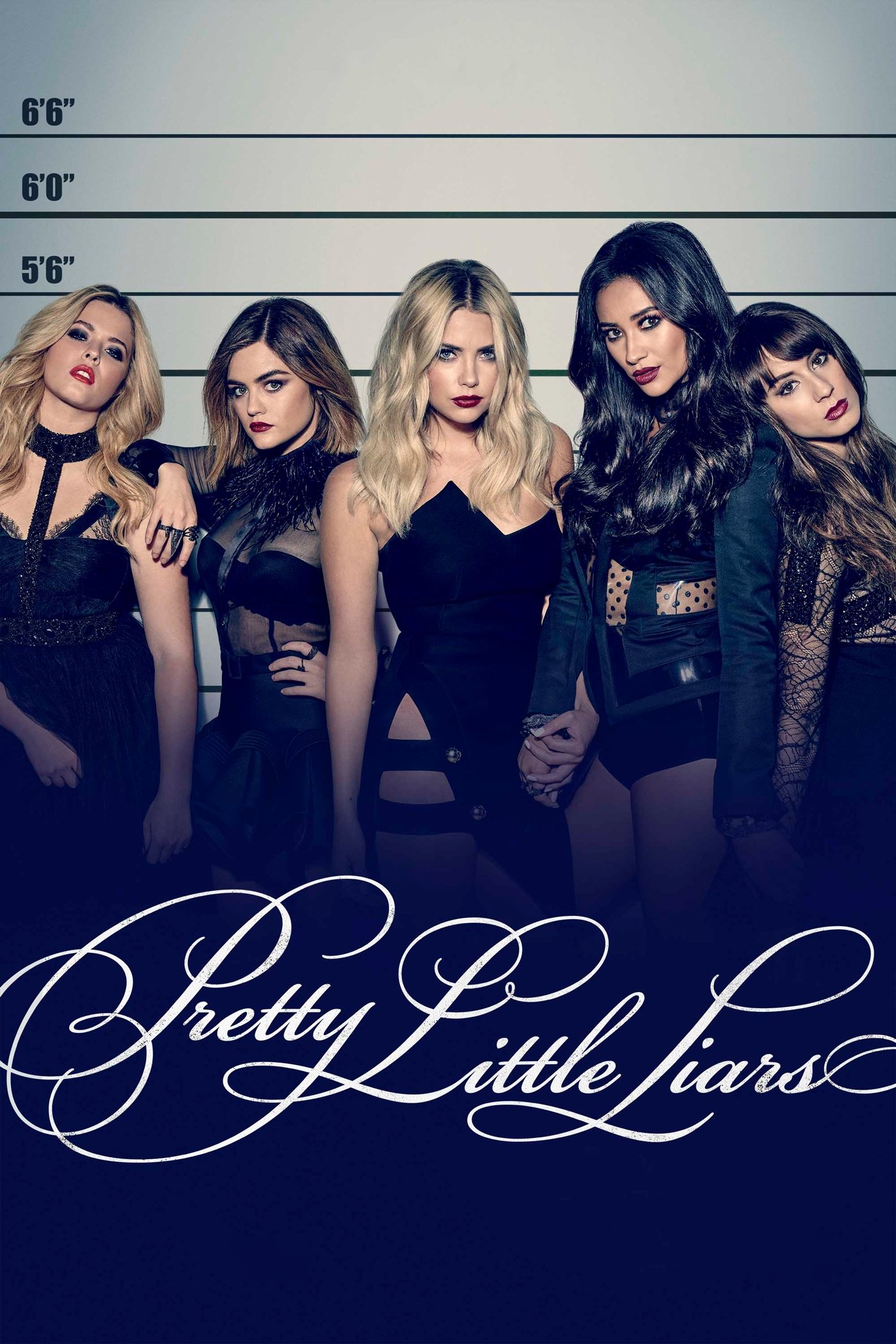
The teen mystery show frequently implied romantic feelings between its main female characters, even though only one character, Emily Fields, was officially part of a queer relationship. Many fans believed the show used the strong connection between the girls to attract LGBTQ+ viewers without actually developing those relationships on screen. Promotional materials and certain scenes often suggested a romantic connection, but the show never followed through with it, which frustrated many viewers who felt it was a tactic to appeal to a wider audience without genuine representation.
‘Riverdale’ (2017–2023)
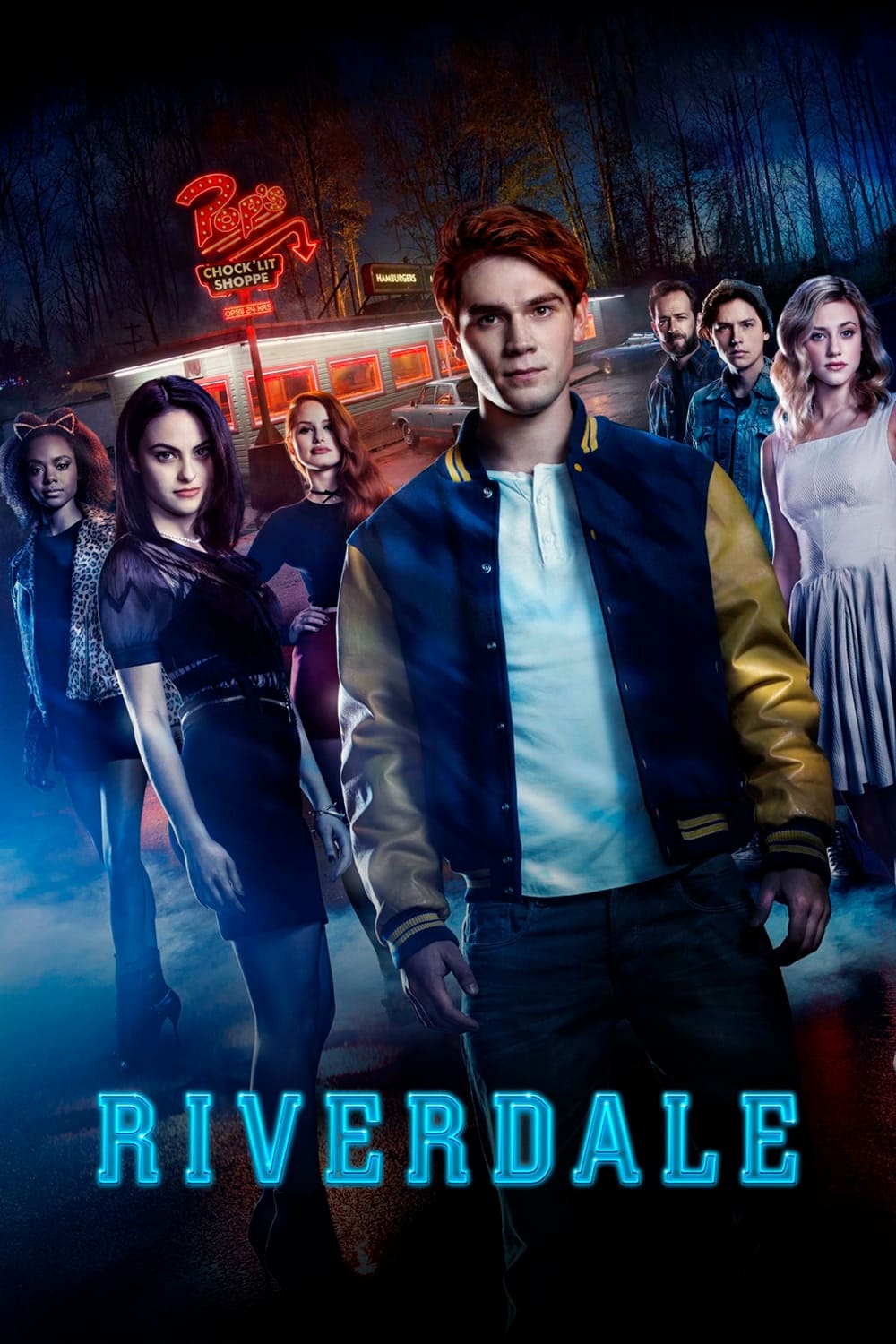
A scene in the first episode of the teen drama – a kiss between Betty Cooper and Veronica Lodge – caused a stir. The show’s marketing heavily featured this moment to appeal to viewers wanting to see LGBTQ+ stories. However, the show quickly downplayed the kiss as simply a way to gain attention, and the characters never developed a romantic relationship. Many fans felt this was a classic case of ‘queer baiting’ – using LGBTQ+ hints to attract viewers without actually delivering on a queer storyline. This initial controversy shaped how many viewers perceived the show’s handling of implied relationships throughout the series.
‘Rizzoli & Isles’ (2010–2016)
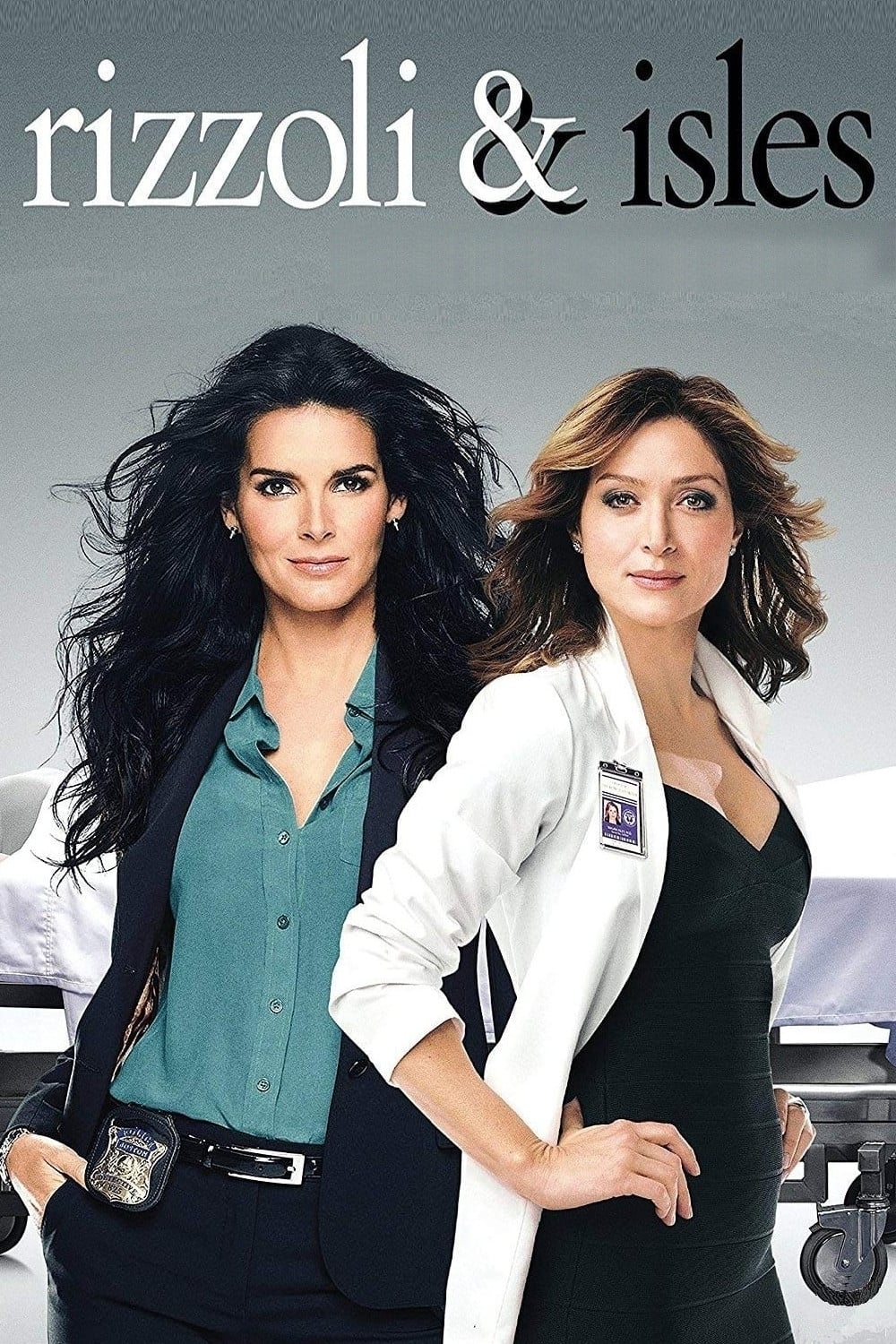
The show was a police drama centered on a detective and medical examiner with a very close bond, often hinted at as something more. Marketing materials and social media posts frequently suggested a romantic connection between the two women, even though the show itself kept their relationship strictly platonic. The characters often joked about being a couple, and many fans believed the writers were deliberately leading them on about a potential romance that never materialized. This frustrated viewers and caused a rift between the show’s creators and its online fanbase.
‘Shadowhunters’ (2016–2019)
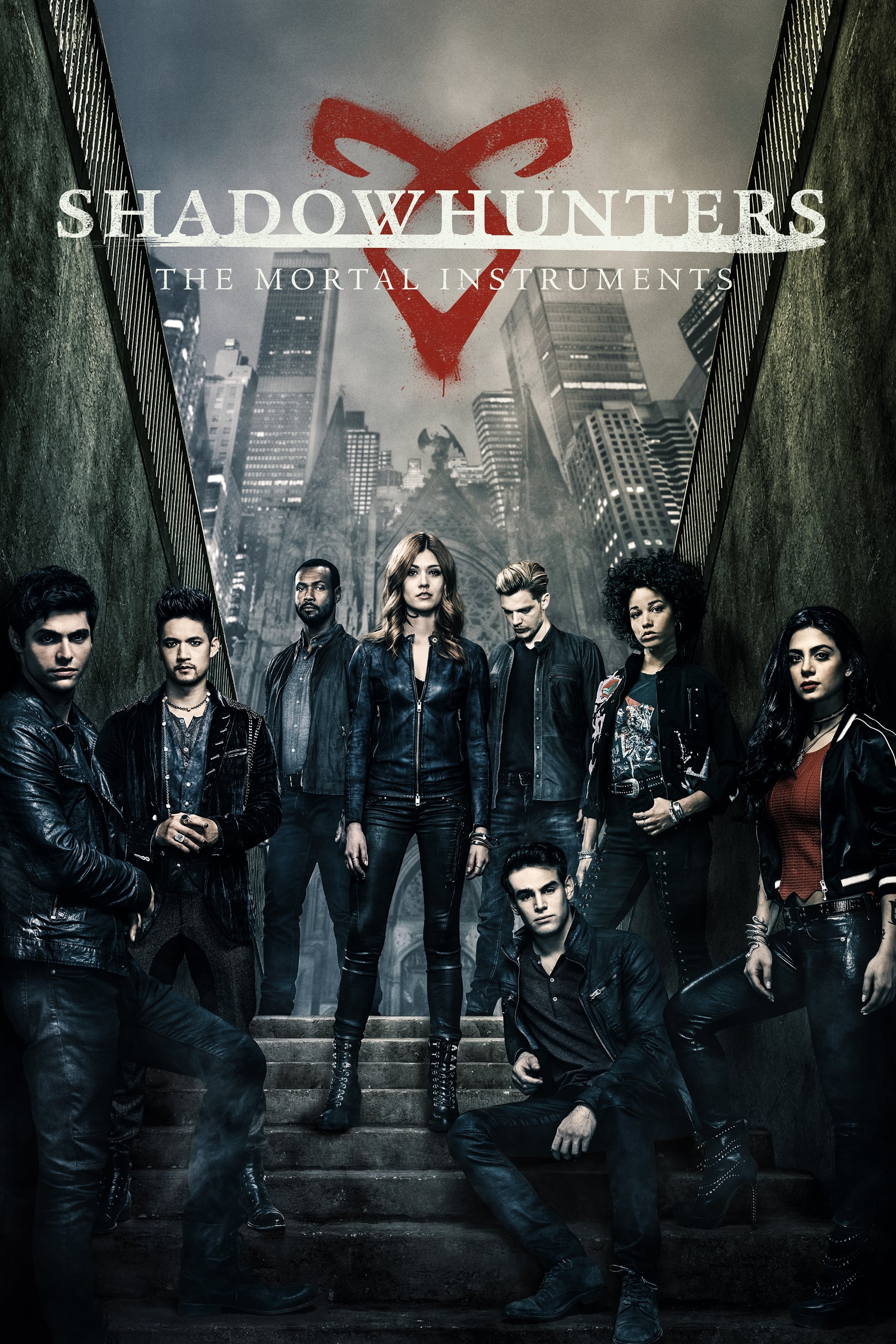
Though ‘Shadowhunters’ was praised for the genuine relationship between Magnus and Alec, some viewers were disappointed with how other potential pairings played out. Many felt there was a strong connection between Clary and Isabelle that hinted at romance, but never developed. They noted moments of emotional closeness and meaningful looks that were similar to how other couples were portrayed. The show’s promotional materials sometimes emphasized these friendships in a way that made it seem like a romantic connection might happen, leading some to feel misled. Despite this, ‘Shadowhunters’ was generally considered a positive example of representation.
‘Sherlock’ (2010–2017)
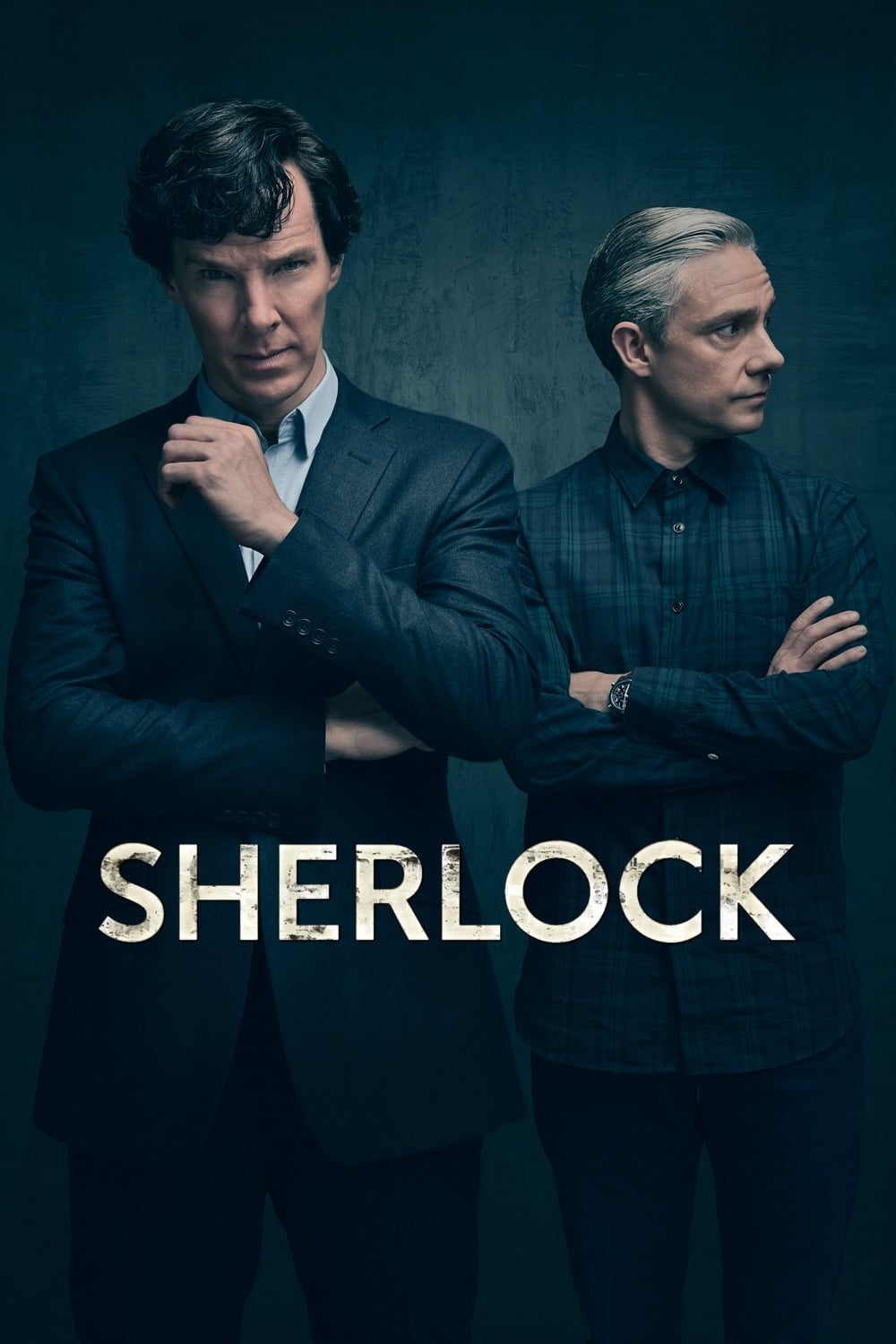
Recent updates to the classic Sherlock Holmes stories often playfully hinted at a romantic connection between Holmes and Watson. The show’s characters frequently assumed they were a couple, and the actors never explicitly denied it, fueling years of fan speculation about a potential romance. Many viewers closely examined the show’s visuals and underlying themes hoping for confirmation. However, the creators ultimately rejected these theories in a way that felt dismissive to many fans, creating a significant disconnect between the on-screen chemistry and the final outcome, and leading to widespread disappointment.
‘Skam’ (2015–2017)
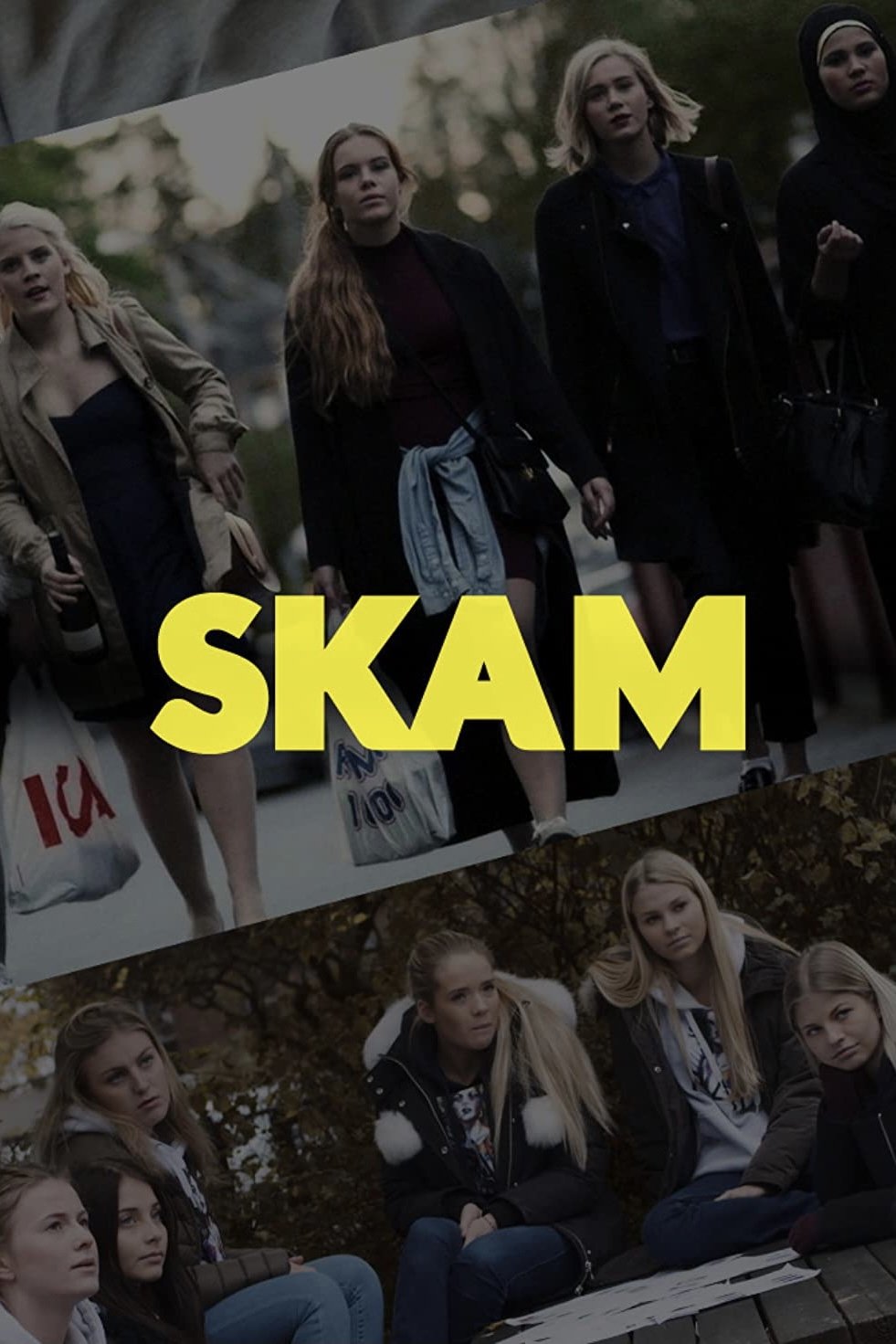
The Norwegian version of the show received positive feedback for its realistic depiction of a gay relationship in its third season, but other versions were criticized for hinting at romantic connections without ever fully developing them. Some viewers felt that the close friendships between male characters were used to create romantic tension and keep people watching. Although the show was groundbreaking, it occasionally fell into the trap of teasing relationships that never actually happened, particularly in the international remakes where fans frequently compared the on-screen chemistry of different actors. Because expectations are high for LGBTQ+ representation, viewers were sometimes let down when potential couples remained just friends.
‘Skins’ (2007–2013)
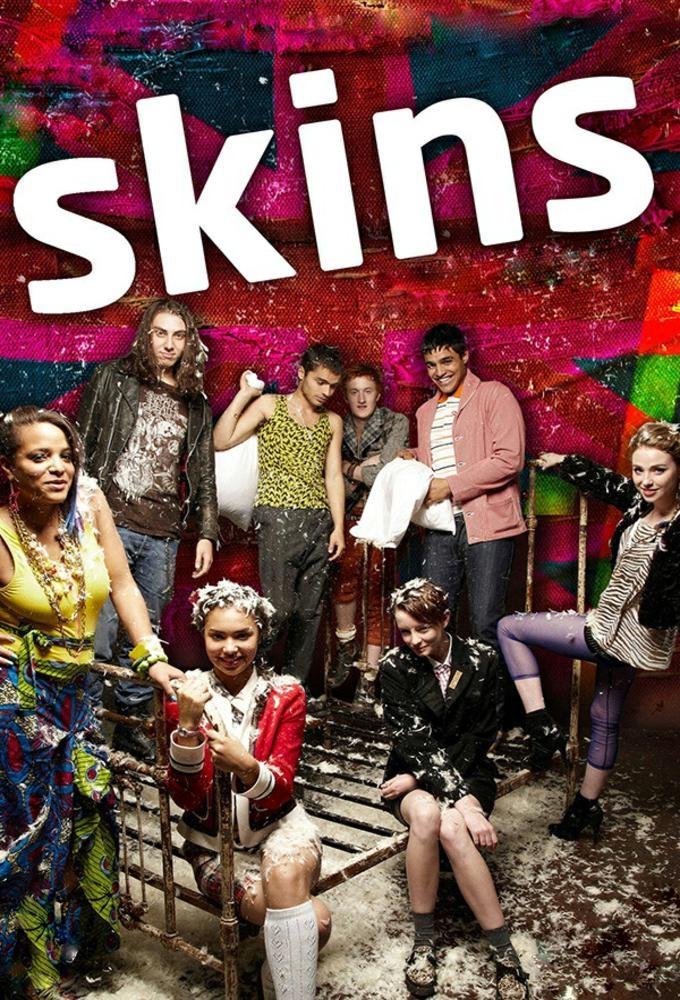
The teen drama ‘Skins’ was known for tackling complicated issues around sexuality, but it also received criticism for how it handled certain storylines. Some viewers felt the early relationship between Tony and Maxxie was used mainly for shock value, rather than showing a genuine connection. The show often included intimate scenes that didn’t develop into lasting relationships, leading to accusations that it prioritized being provocative over providing meaningful and consistent representation for LGBTQ+ characters. Though ‘Skins’ was innovative, its use of hints and unspoken meaning continues to be a point of discussion.
‘Smallville’ (2001–2011)
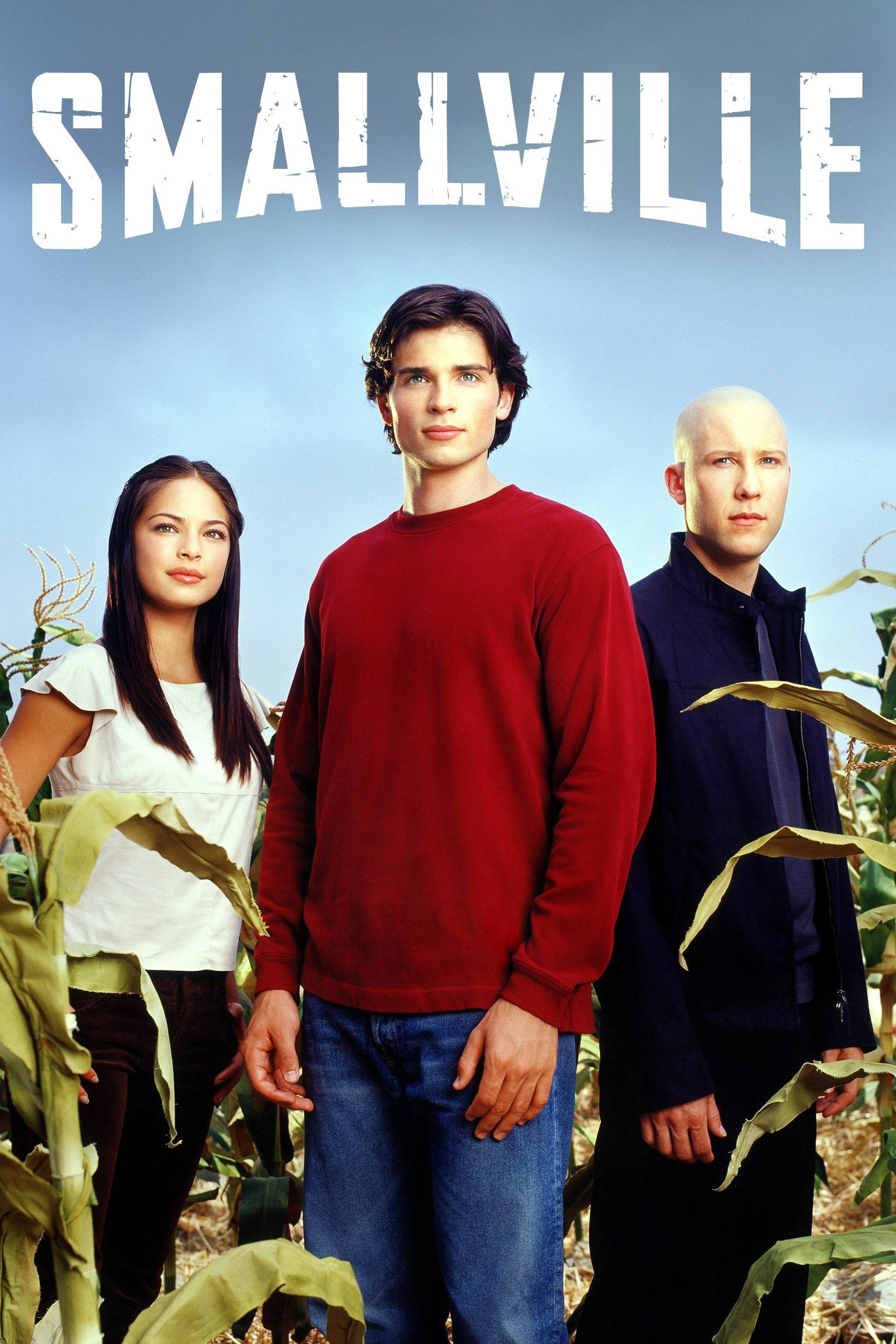
The superhero’s beginnings explored the complex connection between Clark Kent and Lex Luthor, which many viewers saw as a heartbreaking love story. The show’s early seasons highlighted a strong emotional bond between them, playing on the idea of two destined rivals who also shared deep affection. Some fans felt the way their scenes were written and filmed felt more romantic than Clark’s relationships with women. Although the show’s creators never confirmed any romantic feelings between the characters, this sparked years of speculation and accusations of ‘queerbaiting’ – hinting at a same-sex relationship without ever confirming it. Many fans continue to believe the connection between Clark and Lex is a prime example of unacknowledged romantic potential.
‘Stranger Things’ (2016–Present)
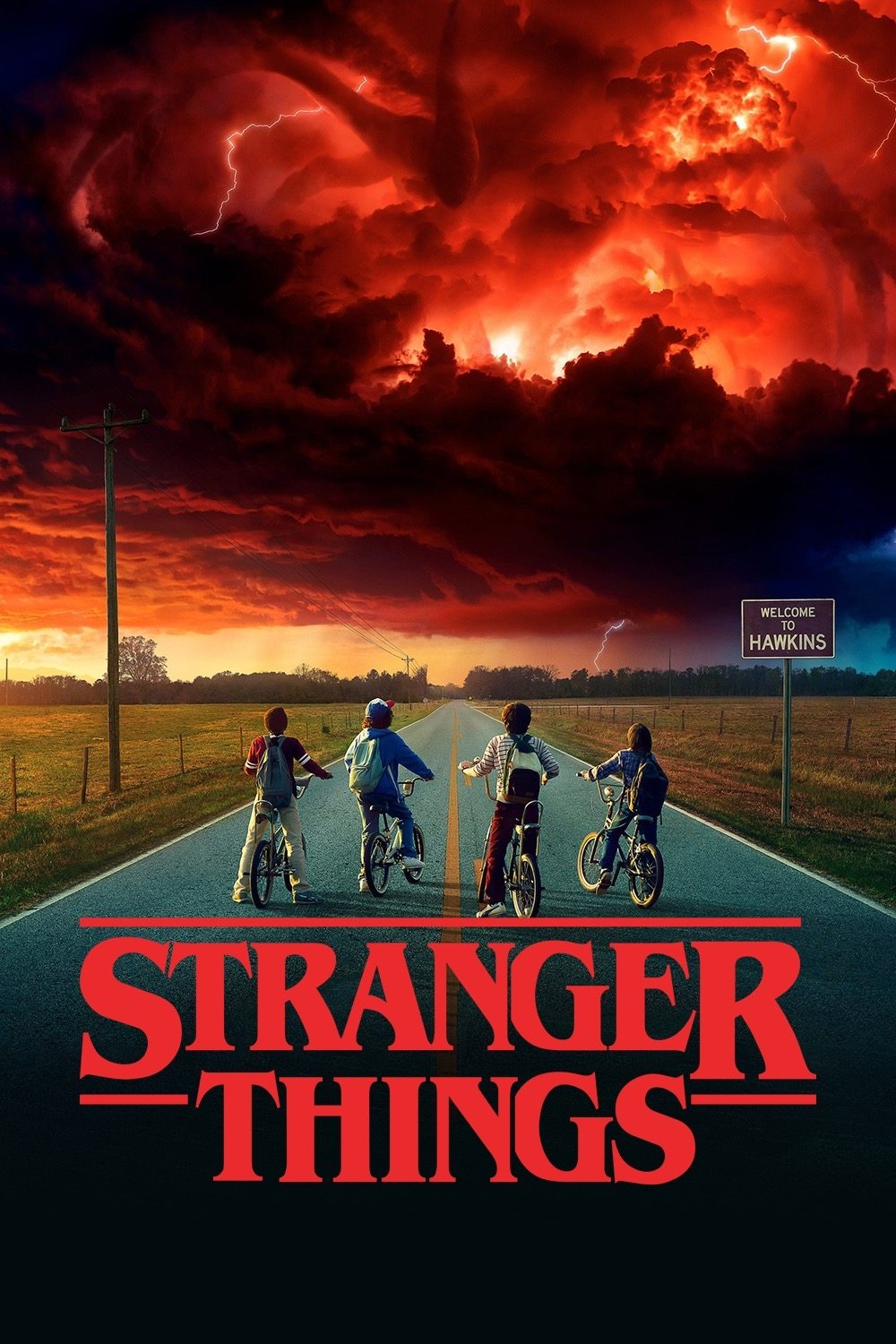
As a longtime fan of the show, I’ve been following the discussions about Will Byers and his feelings for Mike, and it’s been a bit frustrating. For seasons, the show really seemed to hint at Will grappling with his identity and having a crush on Mike, using a lot of subtle moments and emotional beats. Eventually, the actors and creators did confirm Will is gay, but a lot of us fans felt it took way too long. Especially in season four, a really important confession felt… indirect. It felt like the show was still beating around the bush, trying to keep the possibility of a relationship alive without actually making it happen. Some of us feel like they’re playing with fans’ emotions, keeping the ‘ship’ popular without fully committing to it, and it’s a little disappointing.
‘Succession’ (2018–2023)
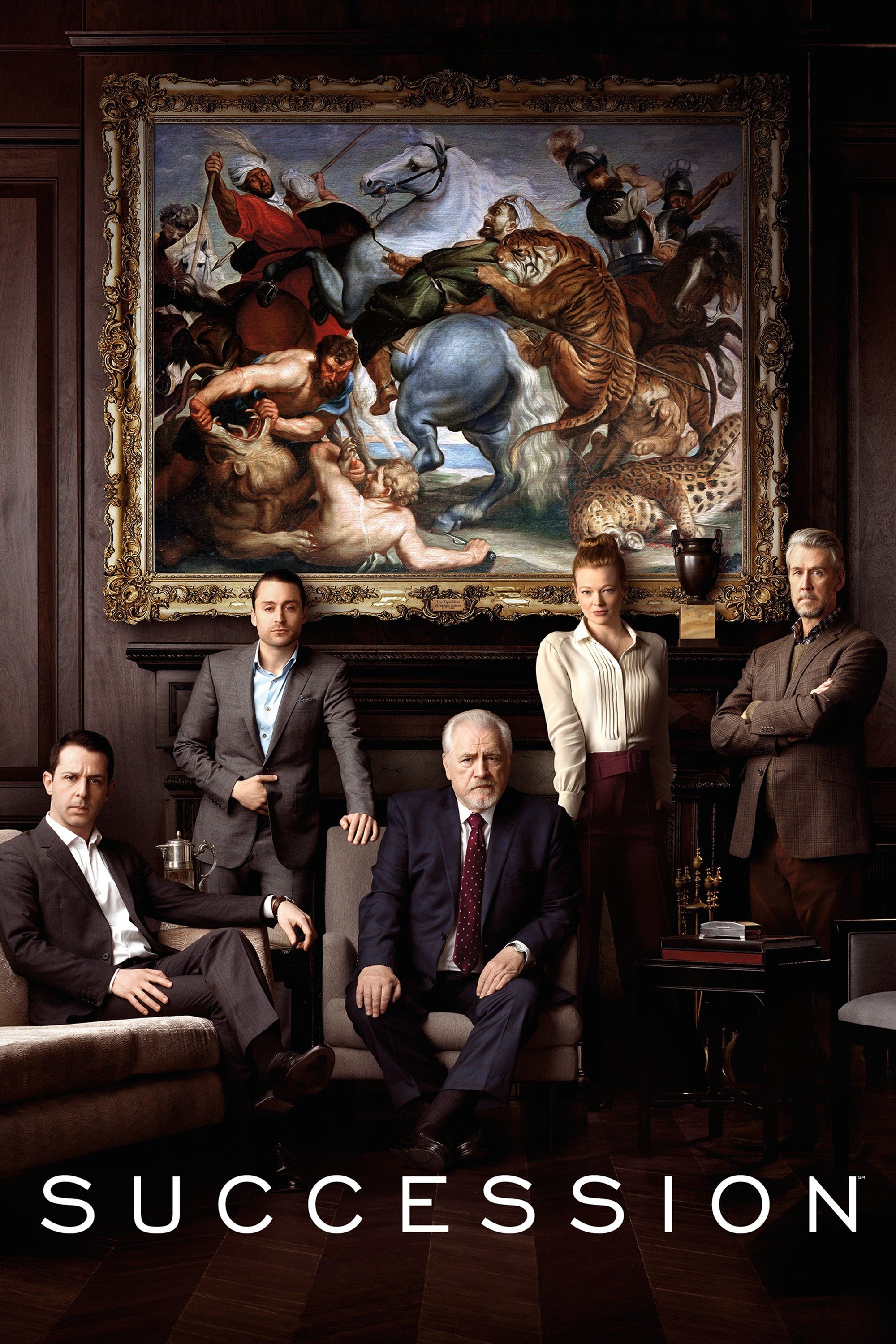
The show’s darkly funny story included a strange and fascinating connection between Tom and Greg that viewers loved to dissect. The characters’ conversations often hinted at romantic or even sexual tension, despite being related through marriage. The actors themselves playfully acknowledged their on-screen chemistry in interviews, adding to the fans’ theories. Many noticed Tom’s intense and sometimes controlling fondness for Greg seemed to go beyond a simple professional relationship. In the end, the show kept their connection strictly business, which frustrated viewers who had hoped for a romantic storyline.
‘Supergirl’ (2015–2021)
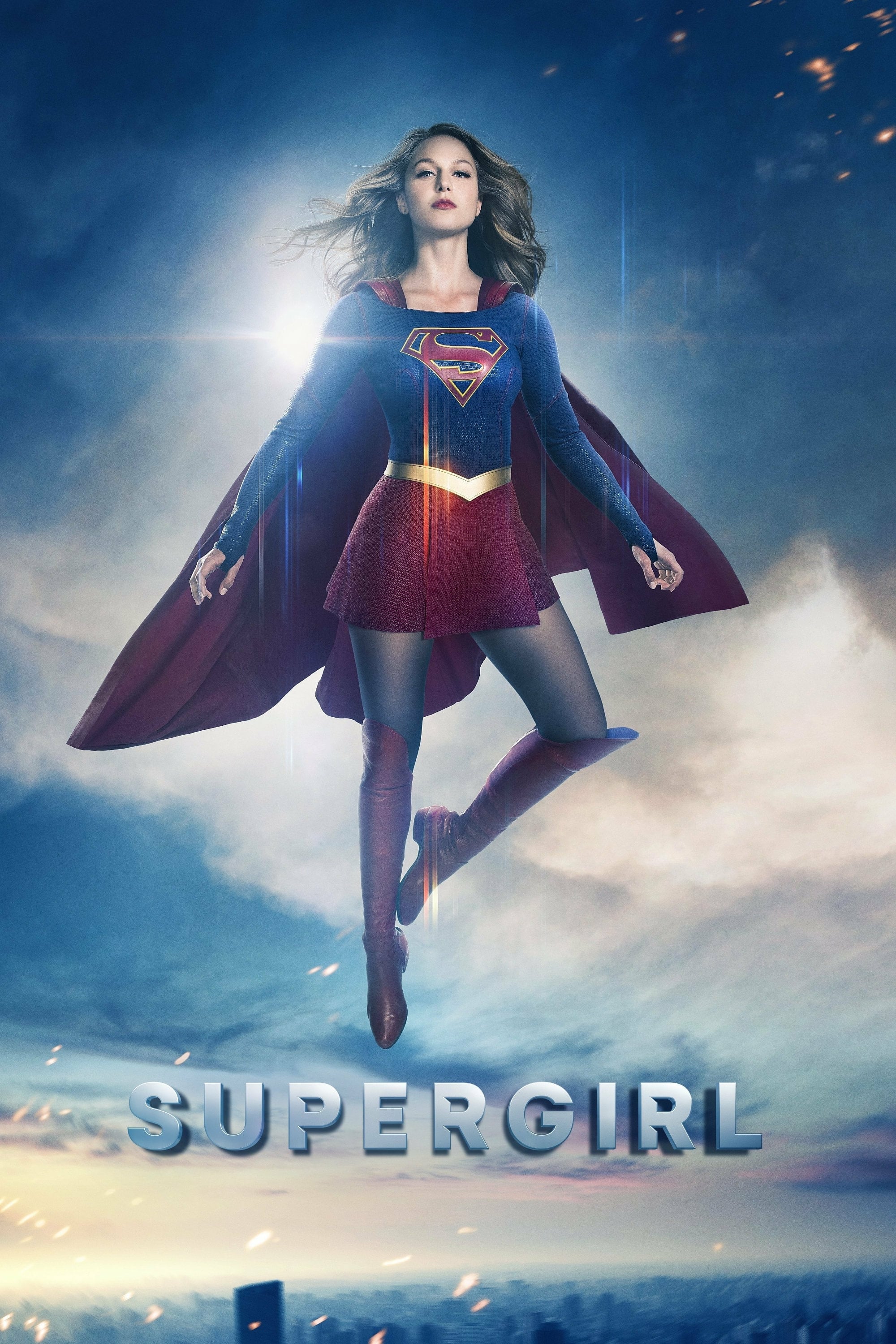
Many viewers of the superhero show believed the connection between Kara Danvers and Lena Luthor was an example of queerbaiting. The characters had intense, romantic-feeling moments, but the show never actually developed a romantic relationship between them. Fans who wanted to see them become a couple felt the writers hinted at a romance to attract viewers, but ultimately kept the characters just friends. When the show ended without exploring a romantic connection, many longtime fans felt disappointed and unheard.
‘Supernatural’ (2005–2020)
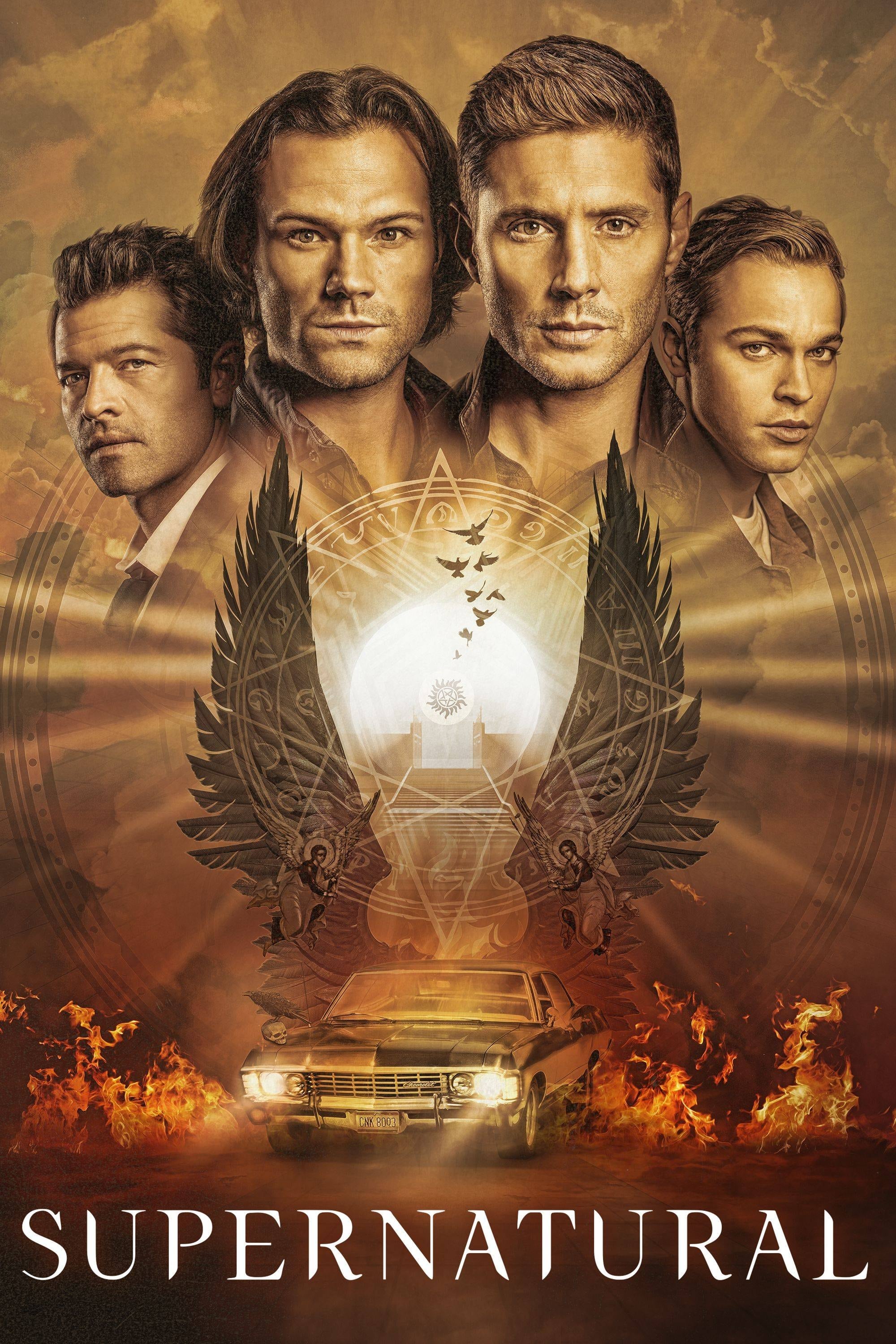
The popular fantasy show hinted at a romance between Dean Winchester and the angel Castiel for years. Fans noticed numerous scenes and lines of dialogue that suggested strong romantic feelings, but these were never fully developed. When Castiel finally confessed his love, he was immediately killed off, which angered many viewers. This felt like a common, harmful trope where LGBTQ+ characters are punished for expressing their feelings and are never allowed a happy ending. Many fans believed the show used the idea of a romantic relationship to attract viewers without actually delivering a meaningful or positive outcome for the characters.
‘Teen Wolf’ (2011–2017)

The teen drama gained a large fanbase largely because of the strong connection between the characters Stiles Stilinski and Derek Hale. During the show’s peak, social media accounts actively shared fan art and popular ‘ship’ names (combinations fans wanted to see as couples) to keep viewers engaged. However, as the series went on, these two characters rarely had significant scenes together. Many fans felt the showrunners were teasing a romantic storyline to keep people watching, but had no real plans to develop it. This became a well-known example of ‘queerbaiting’ – hinting at LGBTQ+ relationships without actually delivering on them – in television.
‘The 100’ (2014–2020)
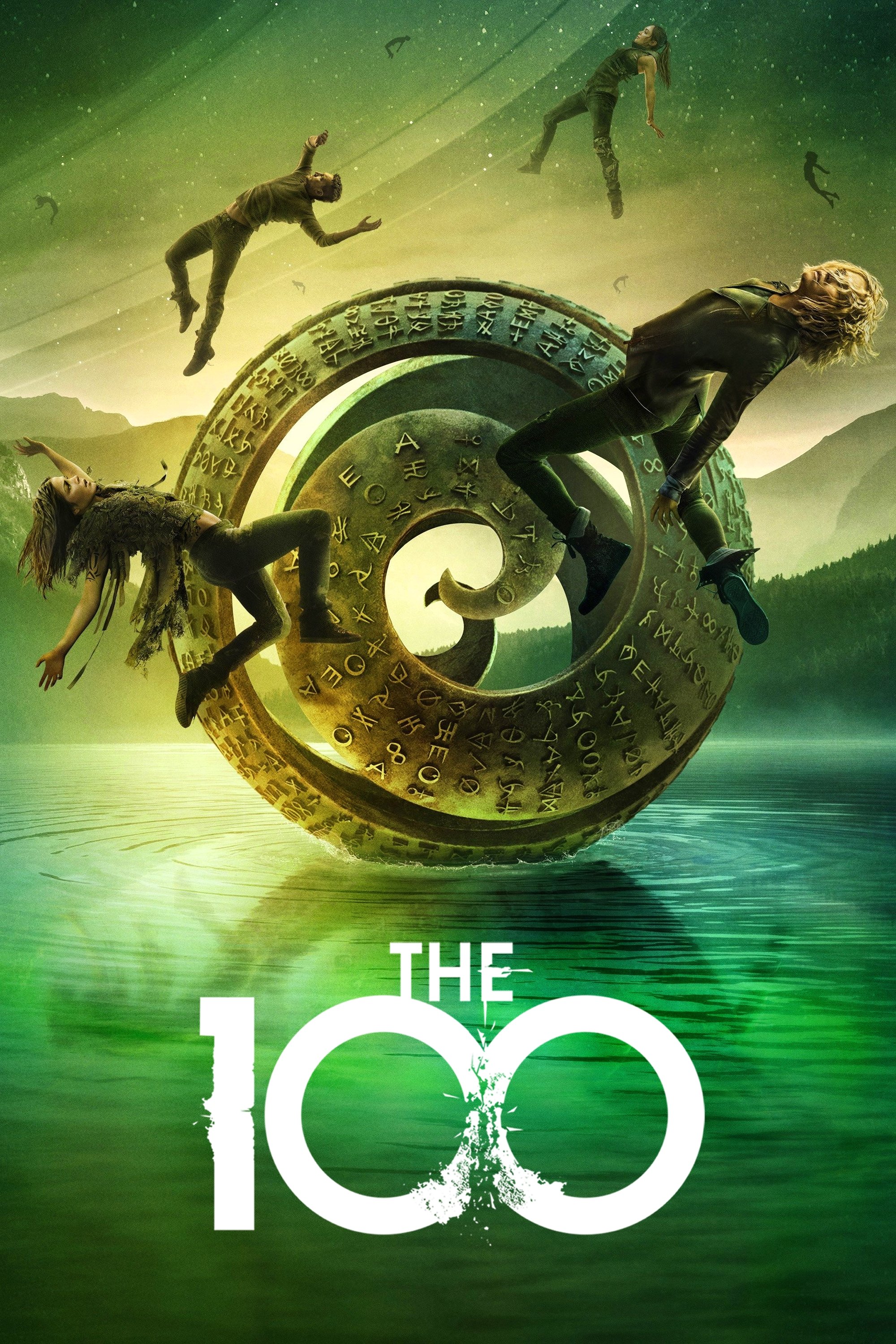
Though ‘The 100’ included a central LGBTQ+ character, the show received strong criticism for how it handled the relationship between Clarke and Lexa. The show actively promoted their romance through social media and interviews, leading fans to become invested. When Lexa was unexpectedly killed off soon after they became intimate, viewers felt misled and betrayed. This sparked a larger conversation about shows using queer relationships to attract an audience, only to abruptly end them for dramatic effect. The incident significantly changed how fans communicate with the creators of television shows online.
‘The Falcon and the Winter Soldier’ (2021)
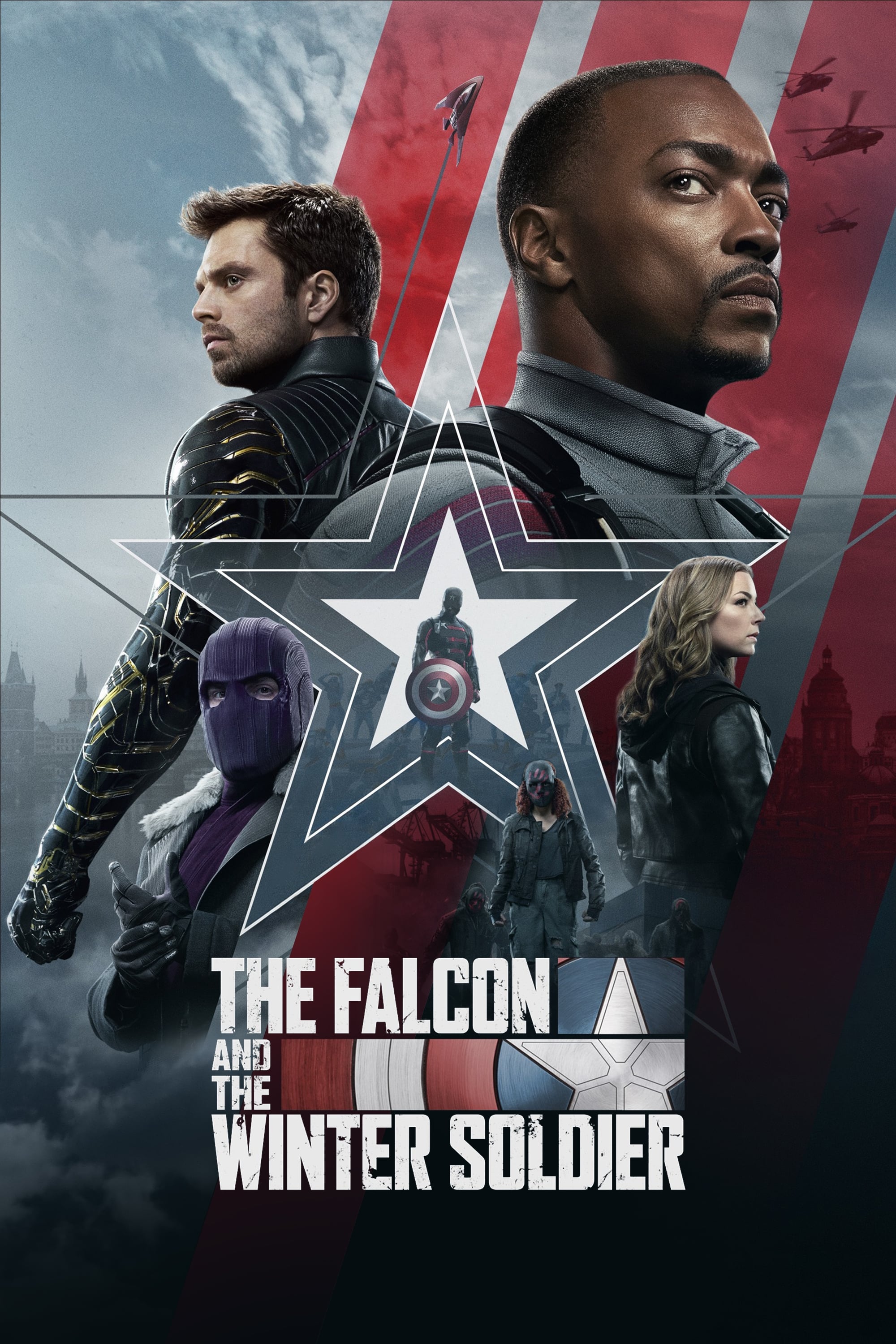
As a big fan of the Marvel series with Sam and Bucky, I immediately noticed the incredible chemistry between those two. It honestly felt like watching a romantic comedy at times! There were all these classic tropes, like a therapy session where they were practically on top of each other. The marketing team definitely leaned into that dynamic, getting fans like me really excited about the potential for something more. But the show kept insisting they were just friends and partners, which, honestly, felt like a bit of a letdown. It felt like they missed a real opportunity to take their characters in a direction the show itself was hinting at.
‘The Vampire Diaries’ (2009–2017)
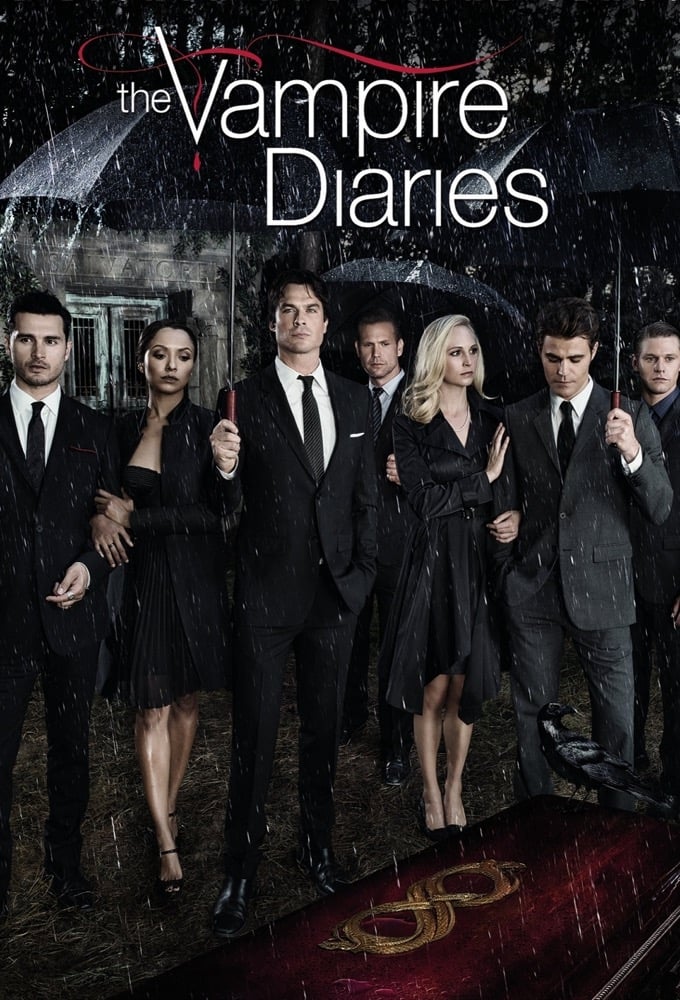
The show, a supernatural drama, hinted at romantic relationships between male characters that weren’t officially part of the storyline. Many viewers felt these relationships, like the one between Klaus Mikaelson and Stefan Salvatore, were suggested through subtle clues and a history of intense connection shown in flashbacks and conversations. While these pairings had strong chemistry, the show never actually confirmed any same-sex relationships among its main characters, leading some fans to accuse it of misleading its audience.
‘The Walking Dead’ (2010–2022)
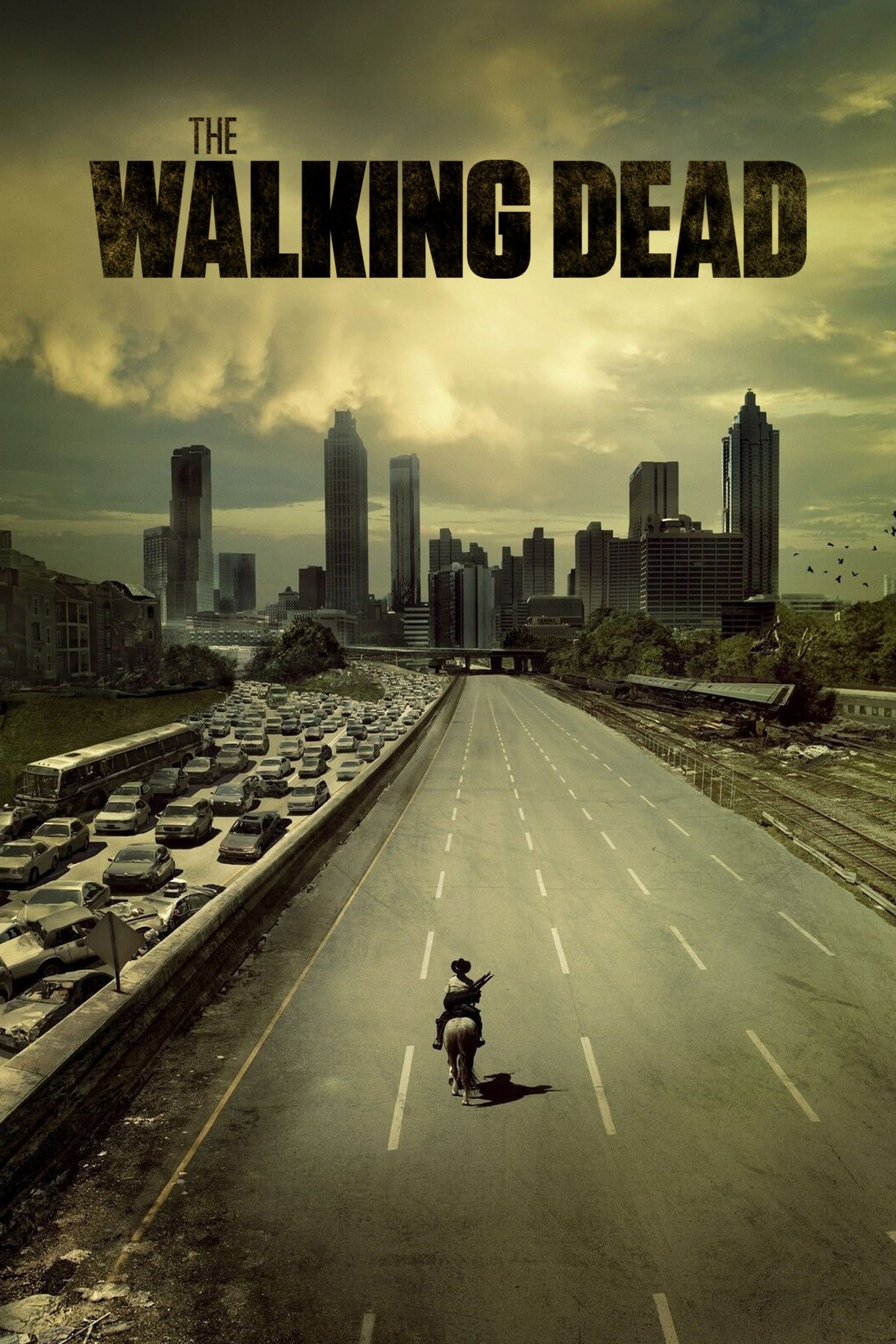
The post-apocalyptic series has faced criticism for potentially misleading fans about Daryl Dixon’s sexuality. For years, viewers wondered if Daryl was queer, noticing he didn’t show interest in women and had strong connections with male characters. Although the show later included openly queer characters, some fans felt the writers hinted at a romantic side to Daryl without ever confirming it. The show’s creators would sometimes suggest the possibility of Daryl being queer, but never followed through on screen, which frustrated many viewers who felt the storyline was being deliberately delayed.
‘The Wilds’ (2020–2022)
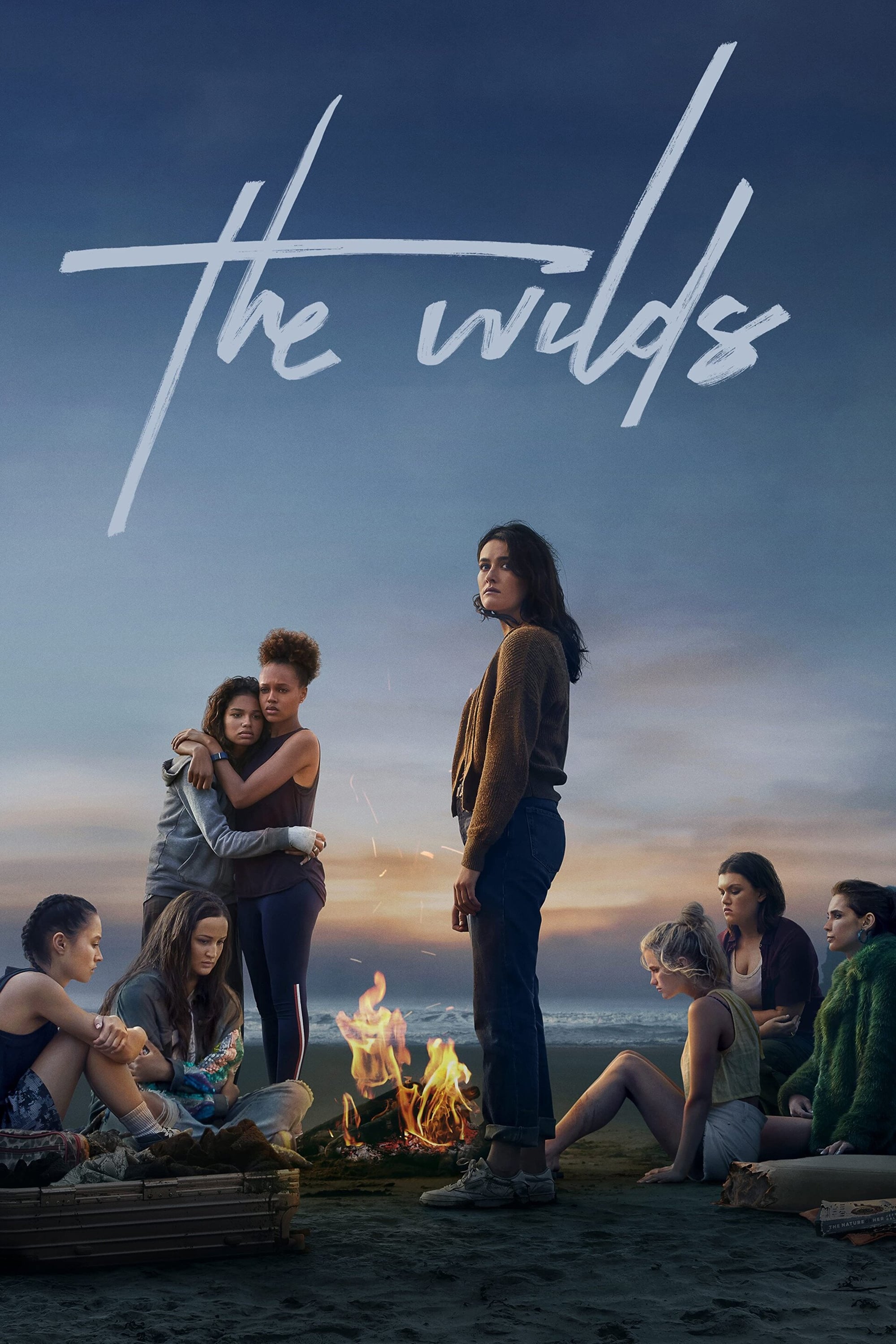
The show was a survival drama with a main LGBTQ+ love story, but it also drew criticism for hinting at other possible relationships. Some viewers thought the strong connection between certain female characters was presented as romantic to create suspense and keep people guessing about who would end up together. The show’s marketing often highlighted the chemistry of the whole cast to attract LGBTQ+ viewers. When the series ended after two seasons, these hinted-at relationships weren’t resolved, leaving many feeling like the show used subtle clues to build excitement it couldn’t deliver on.
‘Voltron: Legendary Defender’ (2016–2018)
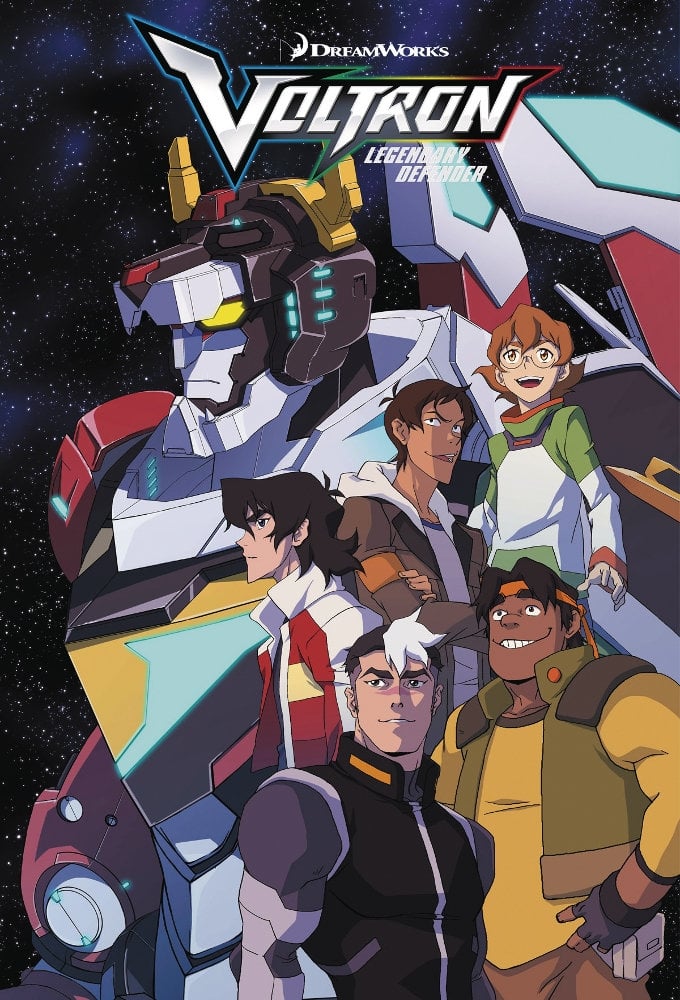
The animated series gained a reputation for how it portrayed the connection between Keith and Lance. This pairing, known as ‘Klance’ by fans, was incredibly popular online, and the show’s creators often recognized the fanbase at conventions. The marketing team frequently featured images of Keith and Lance together to build anticipation for new seasons. However, when the series ended without ever making their relationship romantic, many fans felt deceived. They believed the show had intentionally used the pairing to boost social media activity without ever planning to follow through with a romantic storyline.
‘Warrior Nun’ (2020–2022)
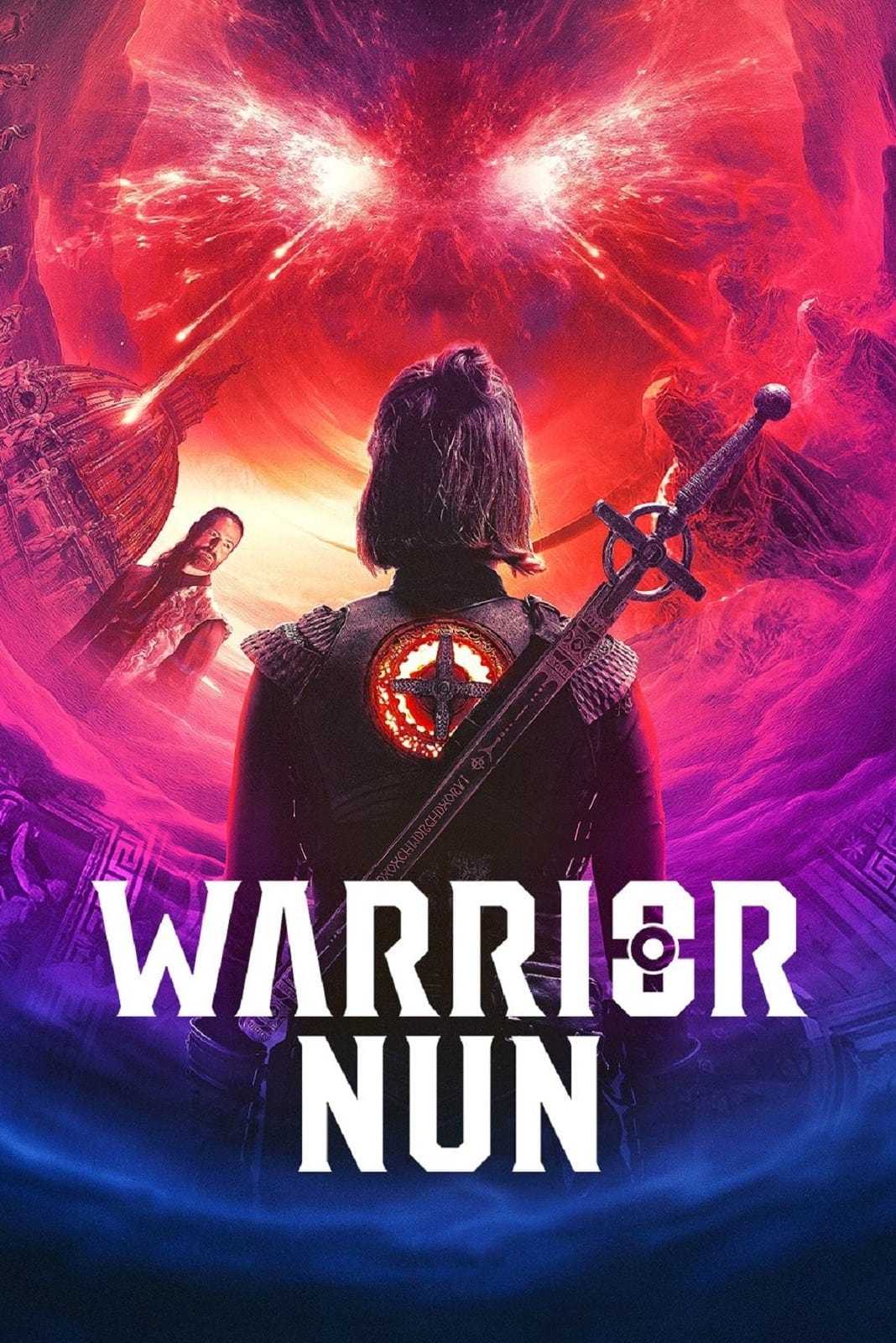
The show gained a large fanbase thanks to the connection between Ava Silva and Sister Beatrice. For the first two seasons, their potential romance was hinted at through subtle cues and unspoken feelings. Although they eventually kissed and confessed their feelings, the show was cancelled soon after. Many fans felt the slow development of their relationship was misleading, only offering resolution when the show’s future was unclear. The dedicated effort to revive the series was largely motivated by a desire to see more of this kind of representation.
‘Wednesday’ (2022–Present)
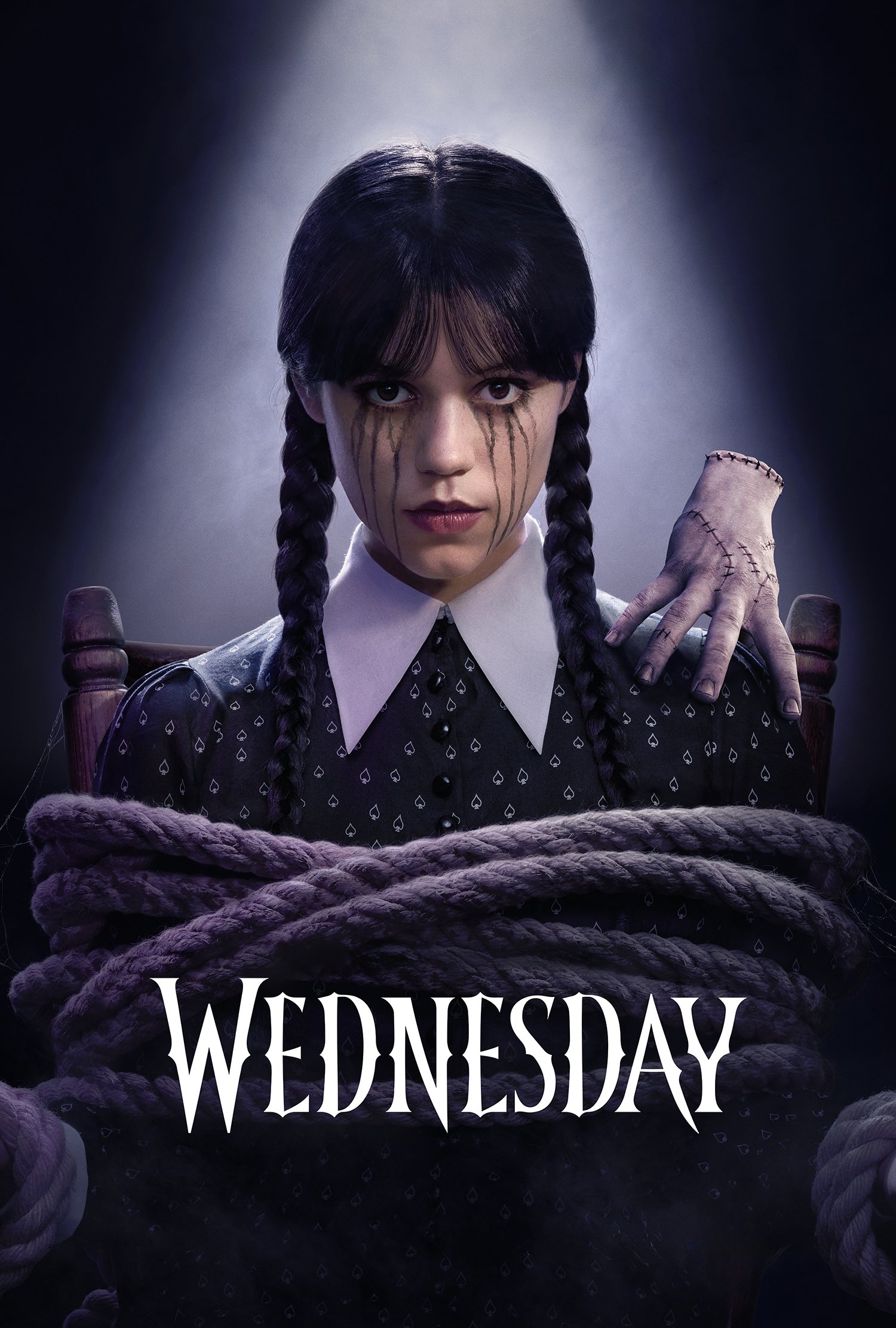
The popular Netflix series has generated a lot of discussion among fans about the potential romantic connection between Wednesday Addams and her roommate, Enid Sinclair. Because they’re so different but seem to be getting closer, many viewers think a romance might develop in future seasons. Marketing for the show and comments from the actors sometimes suggested this possibility, building up anticipation. However, some fans are concerned the show is just using their strong chemistry to create online buzz without actually planning a romantic storyline. The first season didn’t clearly indicate romantic feelings, which has led to ongoing debate about whether the show is misleading fans with hints of a relationship.
‘Xena: Warrior Princess’ (1995–2001)
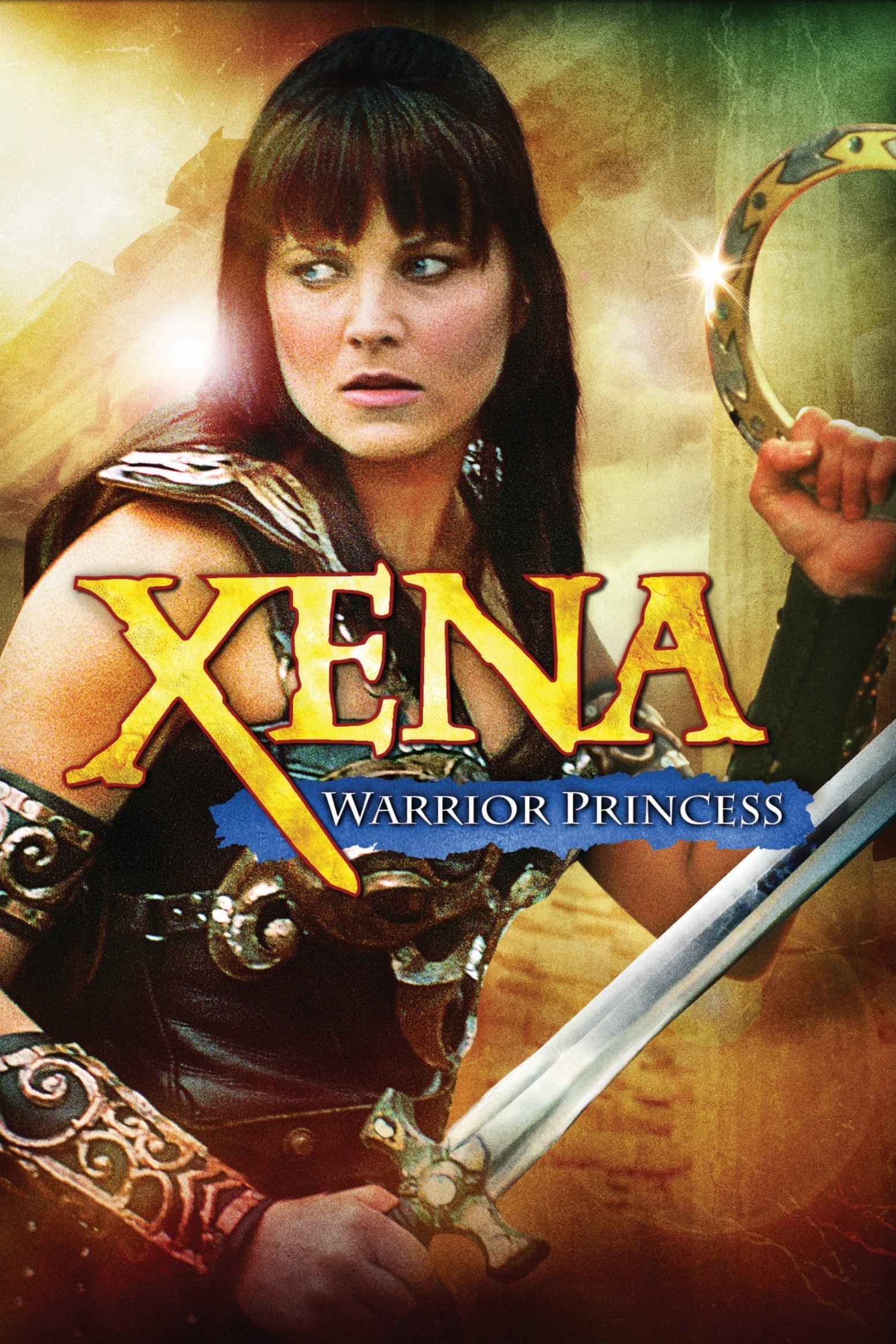
This popular action series is well-known for subtly hinting at a romantic connection between its two main characters, Xena and Gabrielle. Over six seasons, the show focused on their close relationship, featuring suggestive conversations and intimate scenes. However, due to network standards in the late 1990s, the characters never openly acknowledged a romantic connection. Despite this, the show consistently implied the possibility of a deeper relationship. Today, many see the series as an early instance of ‘queerbaiting’ – attracting LGBTQ+ viewers with hints of romance without ever fully delivering on it – in mainstream television.
‘Yellowjackets’ (2021–Present)

The show is known for including established LGBTQ+ relationships, but some viewers feel it’s been misleading with the connection between Jackie and Shauna. Their close, sometimes unhealthy friendship in the past is full of moments that fans read as romantic feelings. The show’s creators have hinted at a queer subtext to their bond, fueling fan speculation. However, it’s still unclear if the show will officially confirm a romantic relationship or leave it as just a suggestion, and this uncertainty is a big topic of discussion among viewers.
‘Star Trek’ (1966–1969)
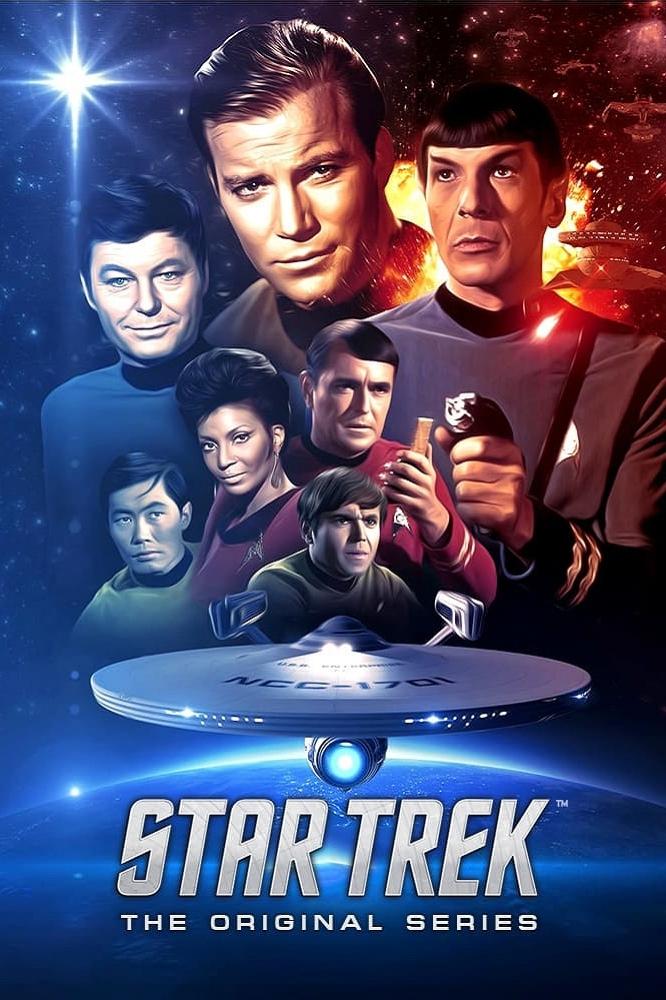
The original Star Trek series is where the idea of ‘shipping’ – pairing up characters in romantic relationships – really took off, most famously with Captain Kirk and Spock. Viewers back in the 1960s, and still today, sensed a deep connection between them that went beyond just being colleagues. Though the show itself didn’t explicitly explore a romantic relationship due to the standards of the time, the implied connection was strong enough to inspire a whole world of fan-written stories. Subsequent Star Trek series have hinted at this history, but have never officially confirmed a relationship. This has led to criticism that the franchise takes advantage of the pairing’s queer appeal without offering a definitive confirmation in modern times.
Tell us which of these shows you think handled their major ships the worst in the comments.
Read More
- Invincible Season 4 Gender Swaps Tech Jacket As Fans Question Major Comic Change
- Building Agents That Learn and Improve Themselves
- Gold Rate Forecast
- Silver Rate Forecast
- Games That Faced Bans in Countries Over Political Themes
- Trading Crypto with AI: A New Approach to Portfolio Management
- Superman Flops Financially: $350M Budget, Still No Profit (Scoop Confirmed)
- 22 Films Where the White Protagonist Is Canonically the Sidekick to a Black Lead
- 15 Films That Were Shot Entirely on Phones
- Unveiling the Schwab U.S. Dividend Equity ETF: A Portent of Financial Growth
2026-01-12 02:21