1990s television was known for pushing boundaries with new and daring shows that really changed what people expected from entertainment. While many sitcoms and reality programs of that time used humor and stories that felt normal then, our understanding of what’s acceptable has changed. Shows that were once hugely popular are now being re-evaluated, and some themes are seen as insensitive or inappropriate today. This look back examines which series probably wouldn’t last long if they aired now, given how quickly shows are cancelled in today’s TV climate.
‘The Ren & Stimpy Show’ (1991–1996)
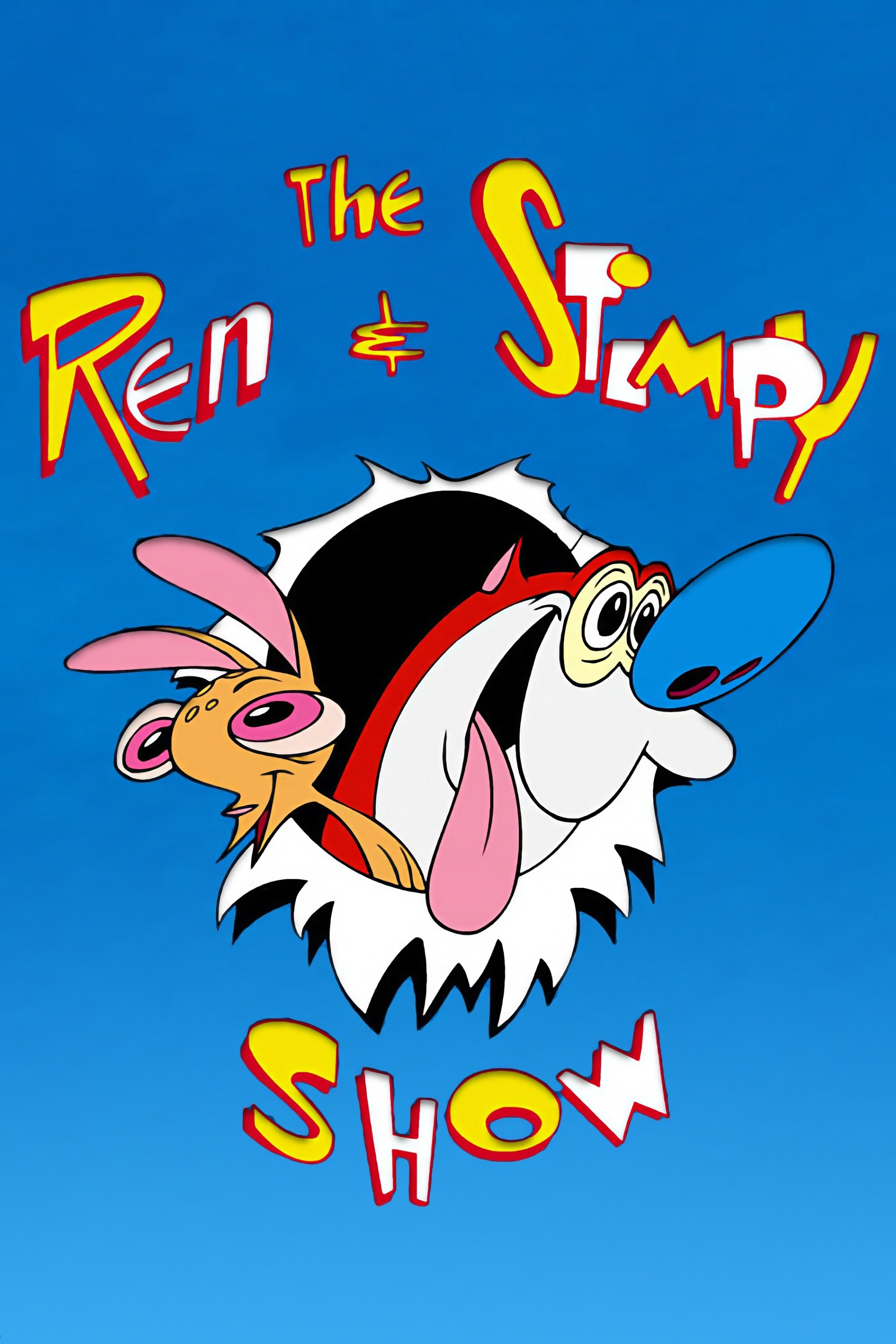
This cartoon stood out for its deliberately strange and exaggerated animation, and its humor, which was often aimed at adults despite appearing within a children’s TV lineup. It was full of fast-paced visual jokes and tackled themes some parents considered unsuitable for kids. The show faced constant struggles with disagreements among creators and attempts to censor its content. If it aired today, it would probably only be shown late at night or on streaming services geared towards adults. It really stretched the boundaries of what was considered appropriate for children’s television during the Saturday morning cartoon days.
‘In Living Color’ (1990–1994)
Okay, let me tell you about this comedy show. It was truly ahead of its time – really pushing boundaries with its satire and giving a platform to a wonderfully diverse group of performers. It’s amazing to look back and see how many huge stars it launched! But, and this is a big but, some of the humor hasn’t aged well. What was considered edgy in the early nineties – jokes about disabilities or sexual orientation, relying heavily on stereotypes – would be rightly considered offensive today. It was raw, often shocking, and definitely sparked a lot of debate. Despite those problematic moments, you can’t deny its impact. It fundamentally changed the variety show format and remains a hugely important piece of television history.
‘Cops’ (1989–2020)

This reality show followed police officers as they worked, documenting their patrols and arrests. It was one of the first shows to use a fly-on-the-wall documentary style, but it later received criticism for how it portrayed people who were arrested and the justice system as a whole. Some argued the show took advantage of vulnerable people and promoted unfair stereotypes. Shifting views on policing and a demand for more responsible media led to it being temporarily pulled from major networks. If a similar show were proposed today, it would likely face significant public examination.
‘The Man Show’ (1999–2004)
This show was a variety program that played on old-fashioned ideas about what it means to be a man, using jokes and skits that many today would find sexist and disrespectful to women. It was deliberately made for a male audience and didn’t shy away from controversial or crude content. Today’s television focuses on being inclusive and respectful, which is very different from this show’s approach. It’s a good example of the kind of entertainment popular in the late 1990s that you rarely see on mainstream TV now.
‘Johnny Bravo’ (1997–2004)

I remember watching this cartoon as a kid, and honestly, looking back now, it’s pretty cringey. It was all about this super confident, buff guy constantly trying to impress women, but he always failed, and often got slapped or punched for his efforts! Today, it’s clear that what seemed like silly jokes back then were actually really problematic – it’s easy to see now how his behavior was basically harassment. The show just kept repeating the same formula: he’d try, fail, and get rejected, and it completely missed the mark when it came to understanding consent. It’s definitely a show that people either loved or hated, and it’s easy to see why it’s still so controversial, especially with how we view things now.
‘The Jerry Springer Show’ (1991–2018)

This talk show became well-known for its aggressive style and the frequent fights that broke out between guests. The show often used people’s personal problems and family drama to entertain viewers. Throughout its many years on air, it received a lot of criticism for the way it sensationalized difficult and important topics. Today, broadcasting rules and a greater sense of corporate responsibility would probably keep a show like this from being on television. It’s a strong example of how far reality TV went during that time period.
‘South Park’ (1997–Present)

The show first appeared in the late 1990s and quickly became known for pushing boundaries with its edgy humor and willingness to tackle controversial topics. It wasn’t afraid to poke fun at religion and often featured depictions that challenged societal norms, all in an attempt to start conversations. While still on the air, the earlier episodes contained material that would almost certainly be considered unacceptable by today’s standards. The show operated under the idea that no topic was off-limits, which is a different approach than the increased sensitivity we see in media now. When it first came out, it faced criticism from parents, and those concerns have continued to change over time.
‘Friends’ (1994–2004)
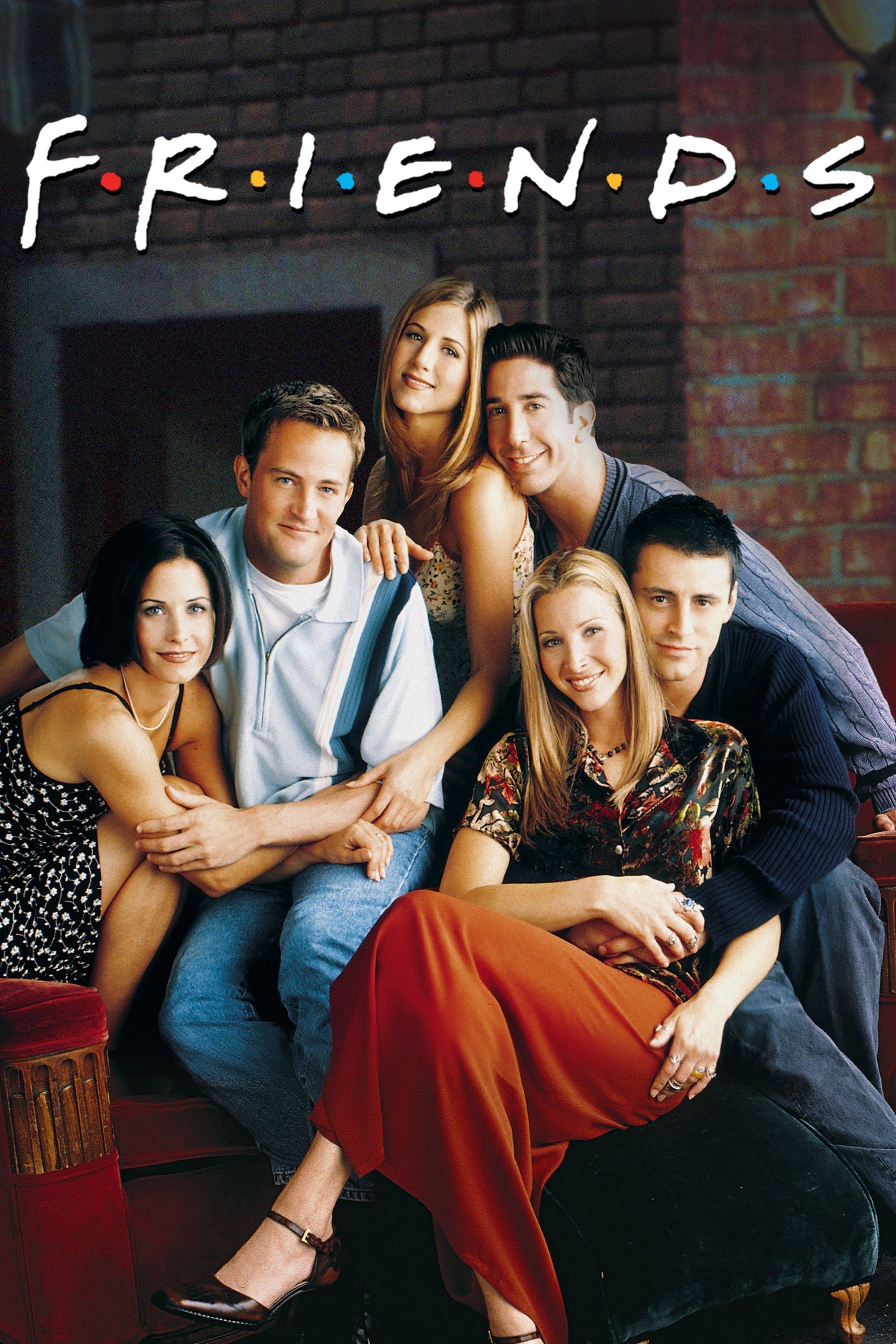
The show centered on six twenty-somethings living in Manhattan and their experiences with relationships and work. Though hugely popular when it aired, it’s now criticized for not reflecting the city’s racial diversity. Many of the jokes used outdated and hurtful stereotypes, particularly regarding sexual orientation and body image, and wouldn’t be acceptable today. The show’s portrayal of social situations often feels out of touch with current norms. While it remains well-known, several plotlines would need substantial changes to meet today’s standards for television.
‘Roseanne’ (1988–1997)
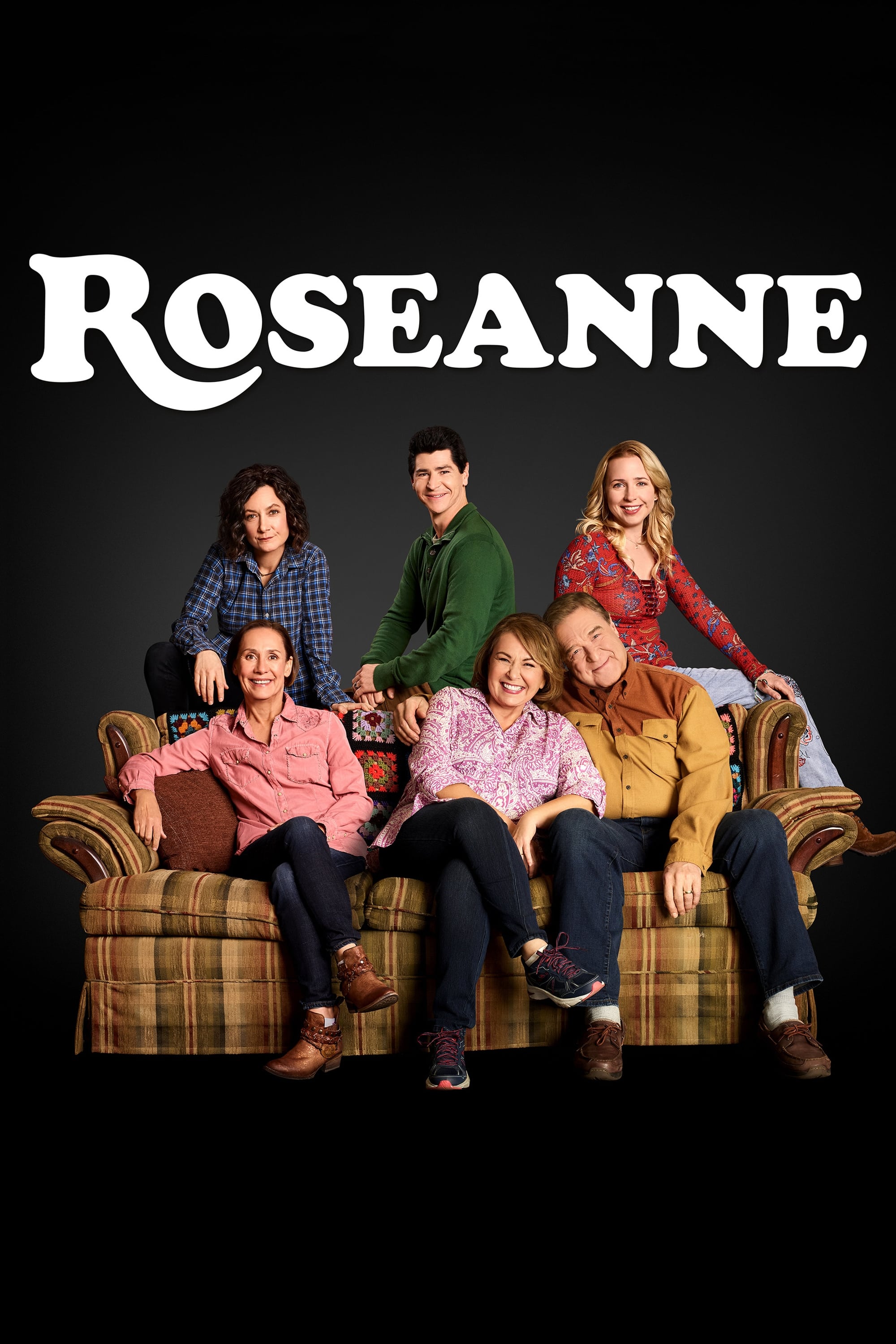
This comedy was well-received for its honest portrayal of a working-class family facing financial difficulties in the heart of the country. It bravely addressed tough issues like abuse and money problems, balancing humor with serious moments. However, the main character frequently shared outspoken and divisive opinions, which split viewers. The show’s recent reboot was canceled not because of its content, but due to the controversial actions of its creator. Today, a network would likely see a show built around such a problematic figure as a significant risk.
‘Sex and the City’ (1998–2004)
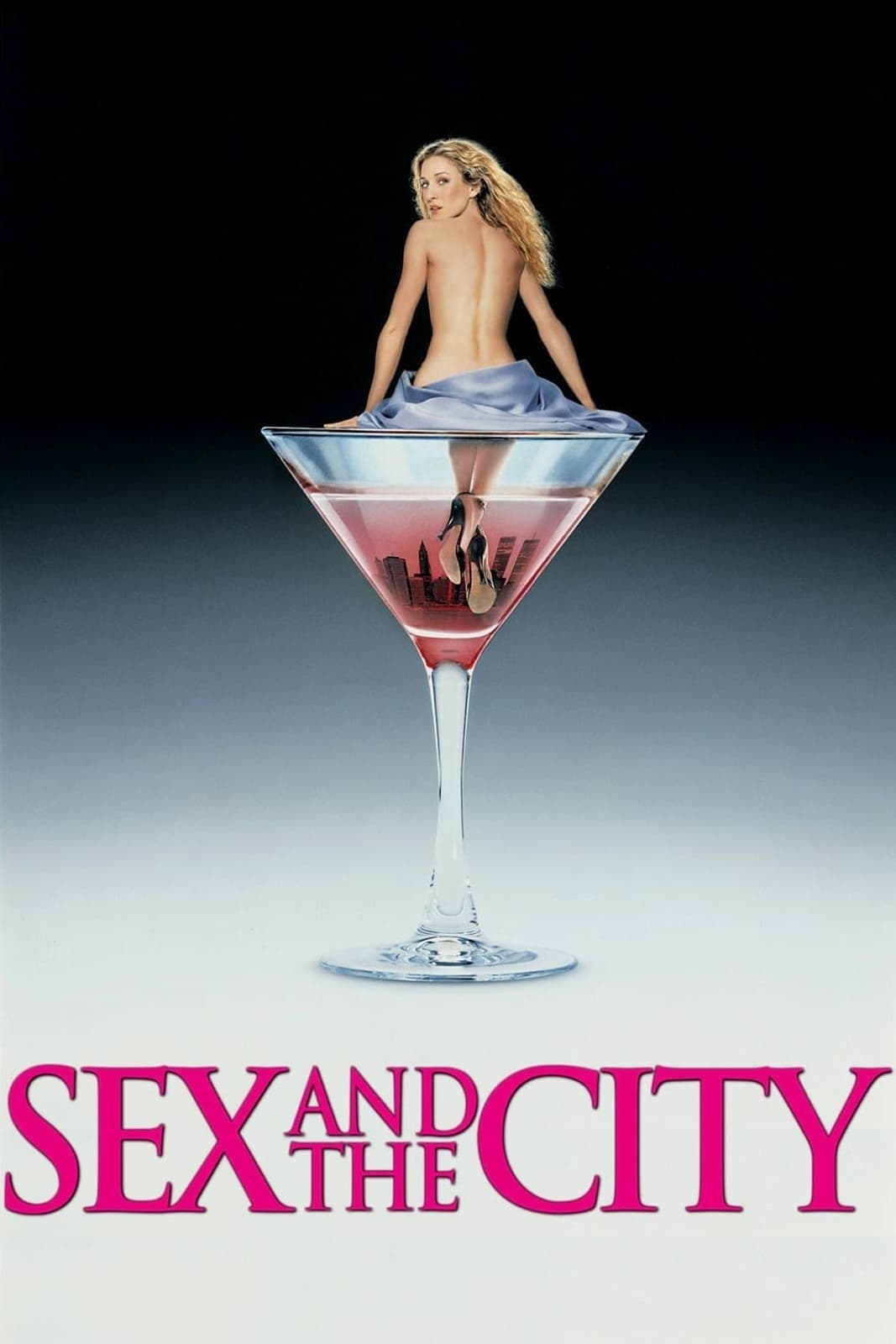
This show followed the lives and loves of four professional women in New York City. It was groundbreaking for its honest portrayal of female sexuality and independence on cable TV. However, in recent years, it’s been criticized for a lack of diversity among its main characters. Some storylines and relationship themes now feel outdated or exclusionary to modern viewers. Despite this, the show remains influential and helped shape a generation of television.
‘7th Heaven’ (1996–2007)
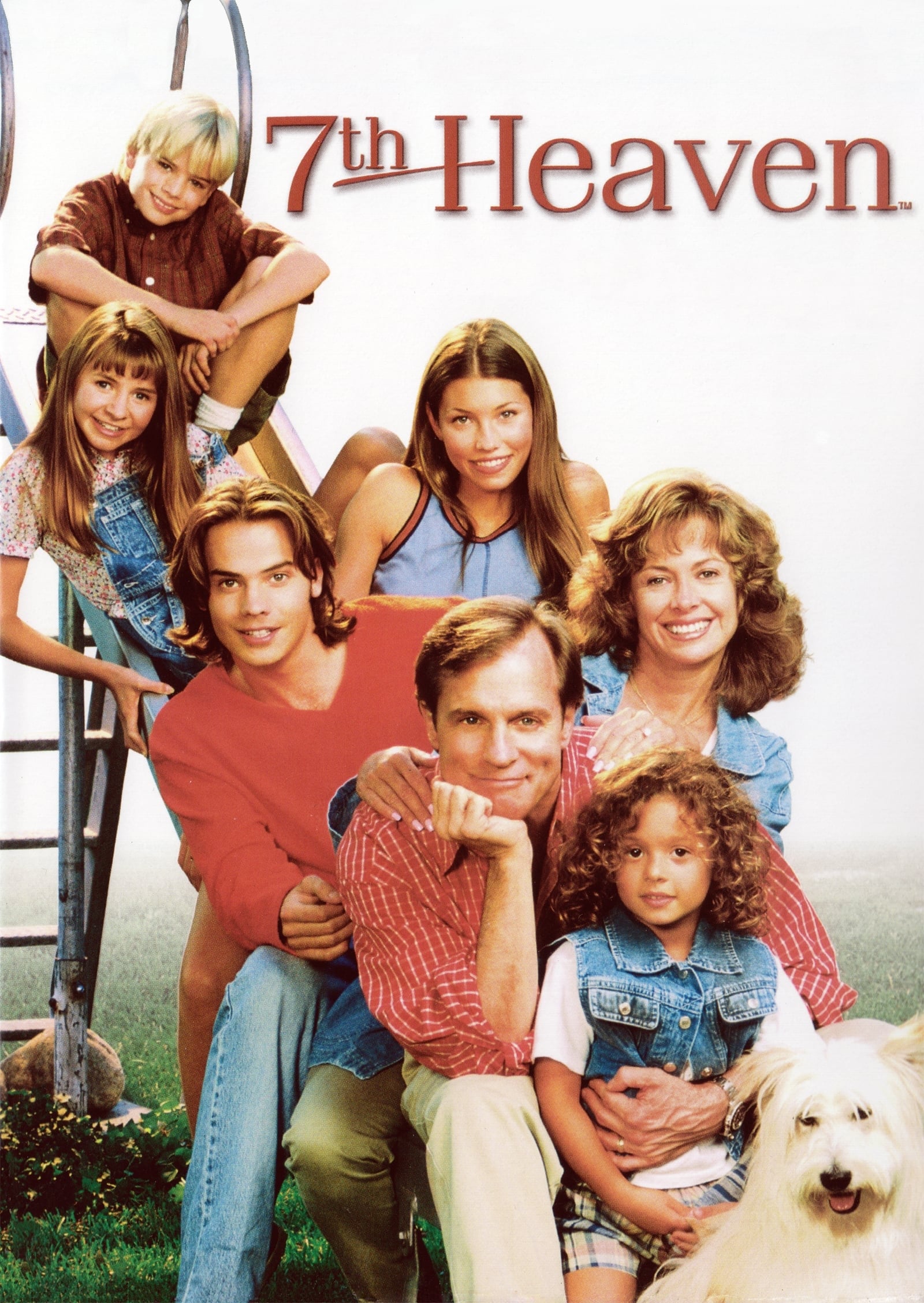
This show followed a minister and his wife as they raised their seven children with a focus on strong values. While it tried to be uplifting and address difficult topics like teen pregnancy and drug use, it often looked at these issues in a very straightforward and sometimes critical way that might seem too simple to viewers today. The show’s history is also complicated by conflicts between the main actors. Today’s audiences likely expect more complex stories and a wider range of viewpoints than this series originally offered.
‘Martin’ (1992–1997)
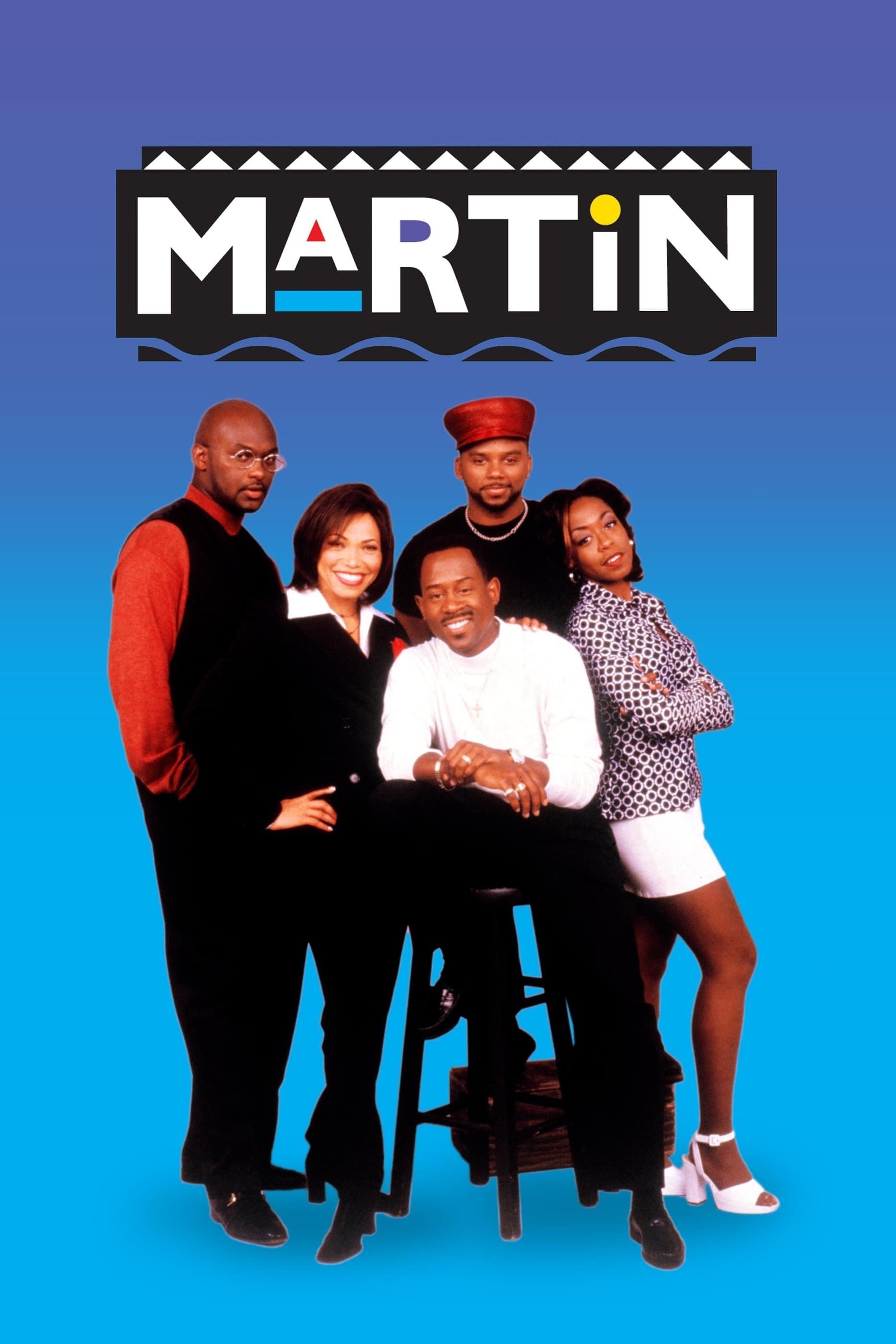
This popular nineties sitcom followed a radio DJ and his friends in Detroit. The show was a big hit, showcasing the lead actor’s impressive range as he played several different characters. While funny, some of the humor and characterizations have been criticized for leaning on outdated stereotypes. The show ended unexpectedly due to disagreements behind the scenes, issues that a modern production team would likely handle differently. Despite the controversy surrounding its final season, it’s still considered a classic of nineties comedy.
‘Home Improvement’ (1991–1999)
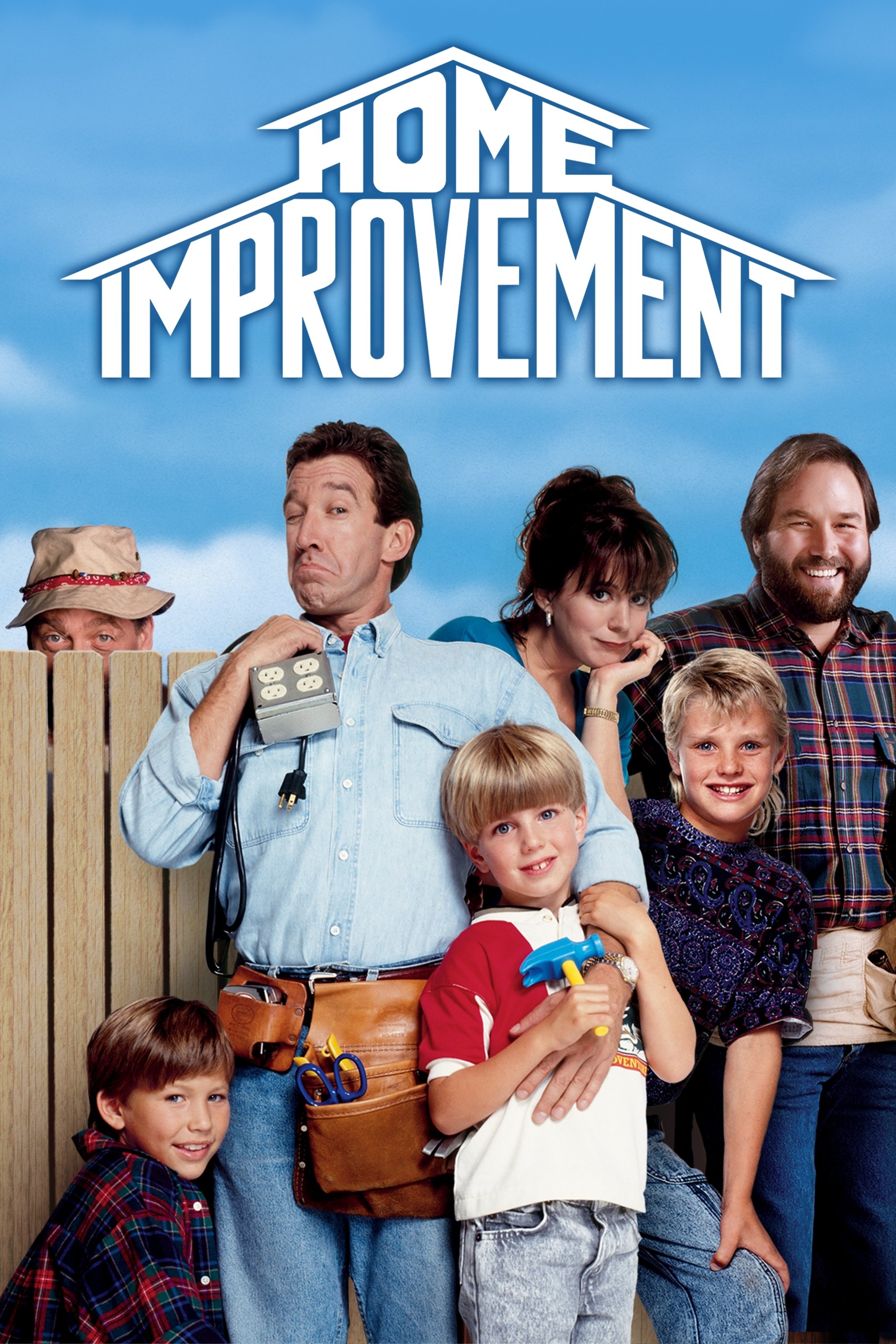
The show revolved around Tim Taylor, a TV host who loved power tools and embodied traditional ideas about what it meant to be a man. A common pattern in the series involved his wife stepping in to offer a sensible counterpoint to his often clumsy antics. The show relied heavily on jokes about home life and work, which often played into common gender stereotypes. Although considered family-friendly when it aired, some of the things the characters said about men’s and women’s roles now seem old-fashioned. The show’s depiction of family life was typical for television at the time.
‘The Nanny’ (1993–1999)
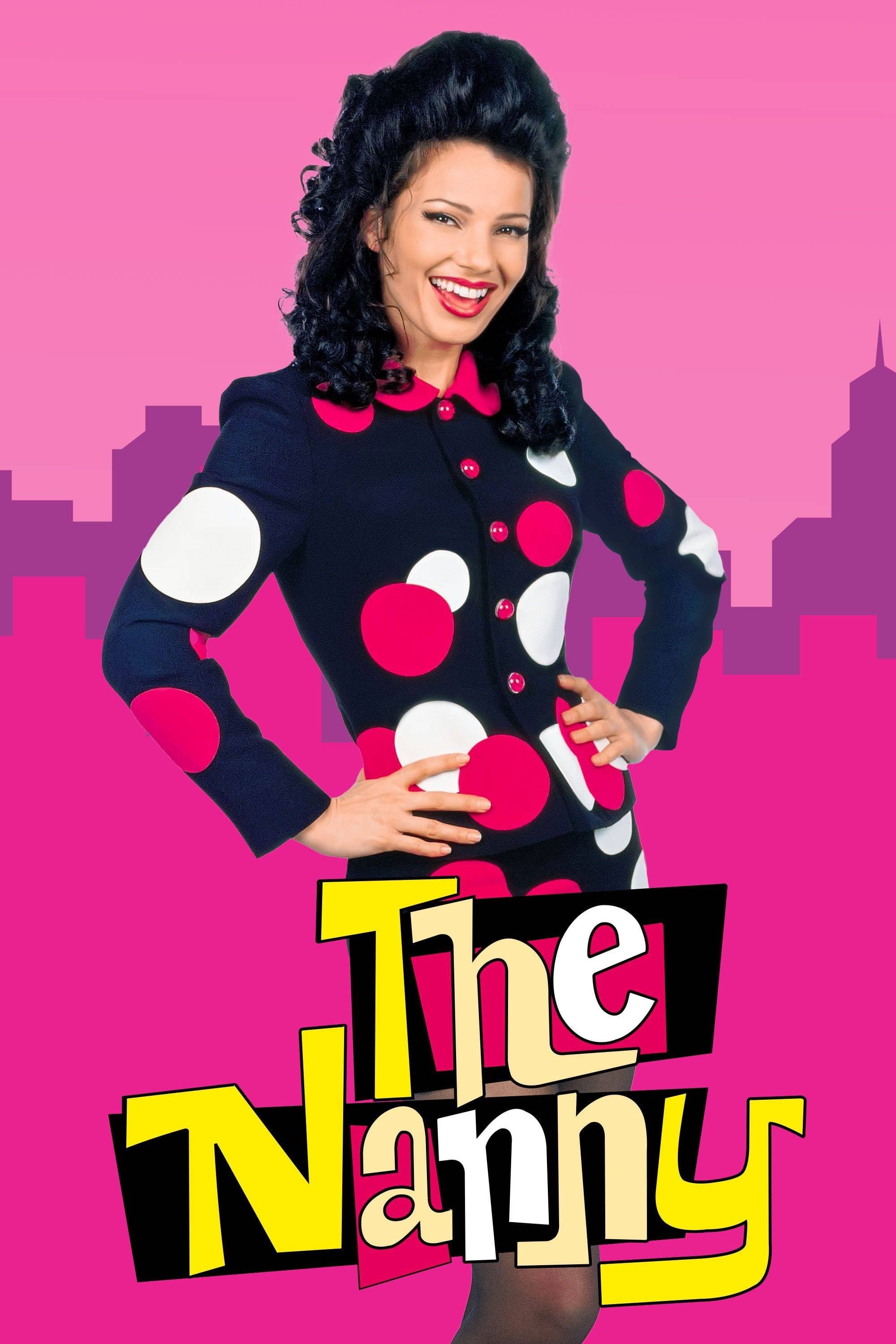
This sitcom centered on a down-to-earth cosmetics saleswoman who unexpectedly became the nanny to three children of a successful Broadway producer. A lot of the humor came from the differences between her working-class Jewish background and the glamorous world of Manhattan’s elite. While popular at the time, some of the show’s jokes about finding a husband and physical appearance feel dated now. Despite this, it’s still remembered fondly for its stylish fashion and the great connection between the main actors.
‘Saved by the Bell’ (1989–1993)
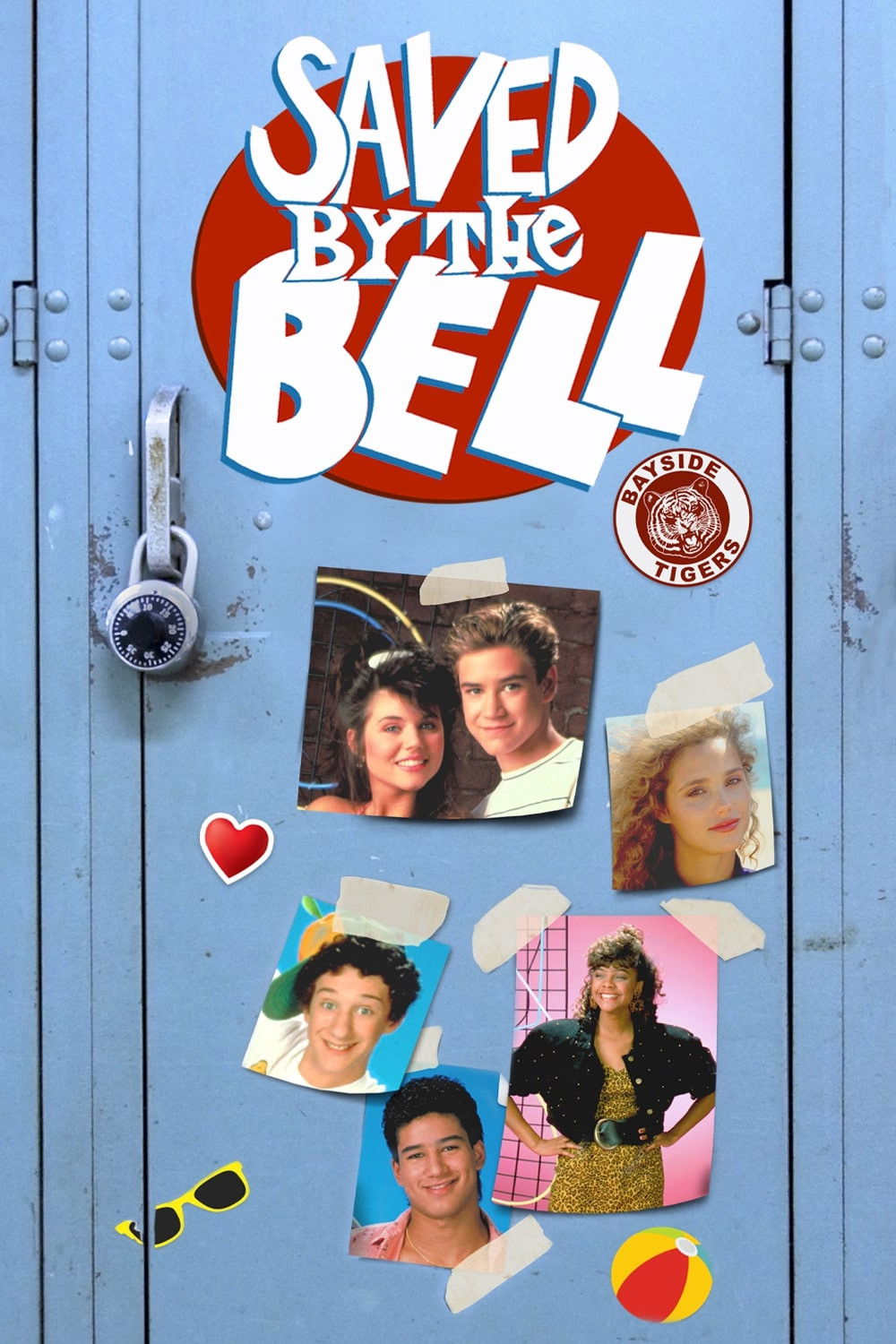
This high school comedy centered on a group of friends dealing with the ups and downs of being a teenager at Bayside High. While it touched on important issues like drug use and protecting the environment, it did so in a very light and idealized way. The characters often felt one-dimensional and lacked the complexity seen in today’s teen shows. Problems were usually solved quickly, each episode offering a straightforward moral. Modern audiences might find the show’s style and storytelling too basic for current television.
‘Ally McBeal’ (1997–2002)

This funny and dramatic legal show followed a young lawyer trying to find both love and career success at a high-powered firm. It was known for its bizarre, dreamlike sequences and its deep dive into the characters’ personal lives. While popular, it also received some criticism for how it portrayed women in the workplace and its emphasis on a specific body type. Looking back, some of the office behavior shown on the series would definitely be considered unprofessional today. Overall, it was a one-of-a-kind show that really captured the mood and worries of the late 1990s.
‘Walker, Texas Ranger’ (1993–2001)
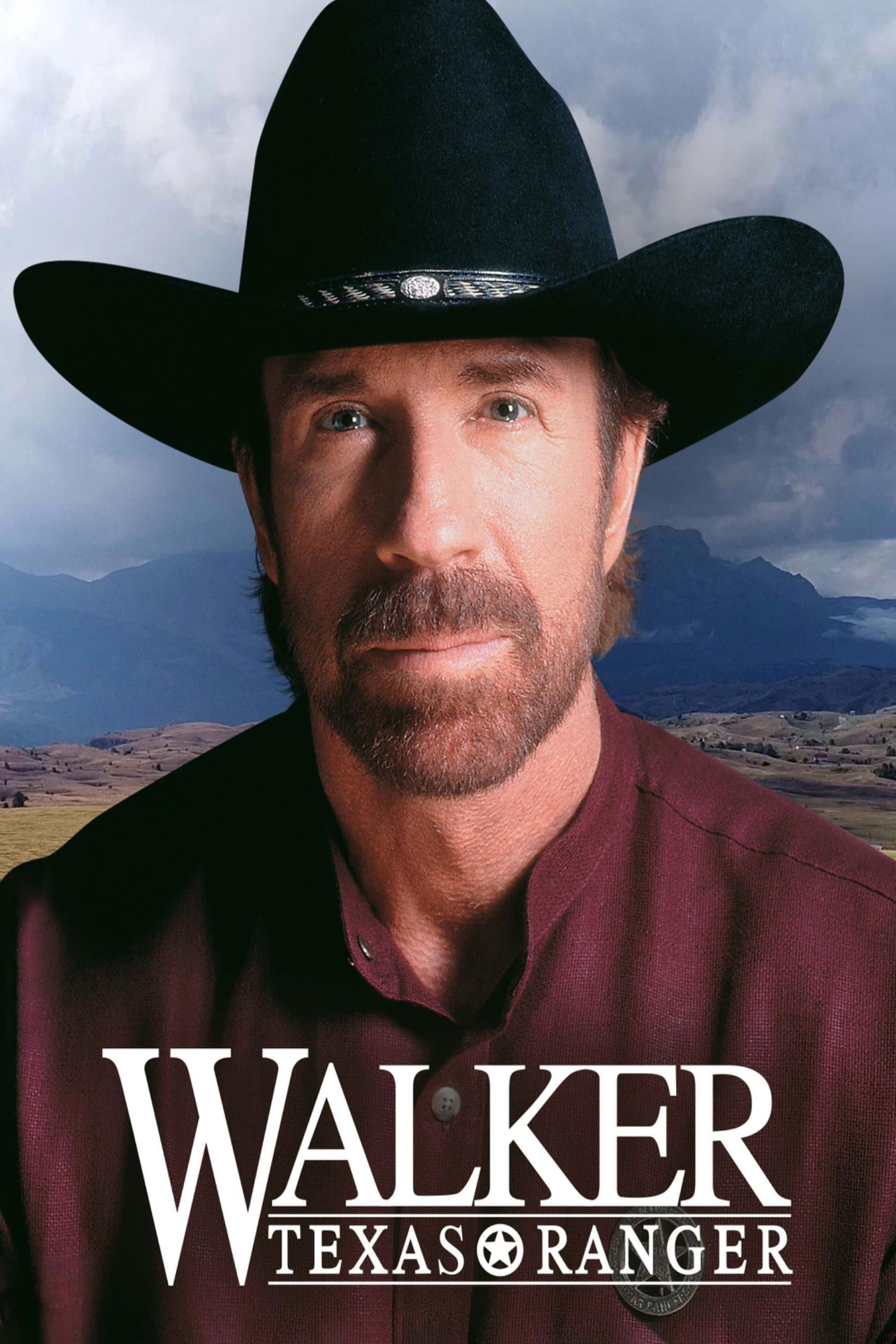
This action-packed series centered on a Texas Ranger who solved crimes using both martial arts skills and classic detective methods. The show was notable for its clear-cut good versus evil storylines and its reliance on physical fights to resolve conflicts. However, some critics have noted that it often presented a rather simple view of justice and lacked diversity in its characters. Today, the show’s violence and depiction of authority might be seen differently. Despite these points, it’s still remembered as a defining show of nineties television, celebrated for its action and focus on right and wrong.
‘Duckman’ (1994–1997)
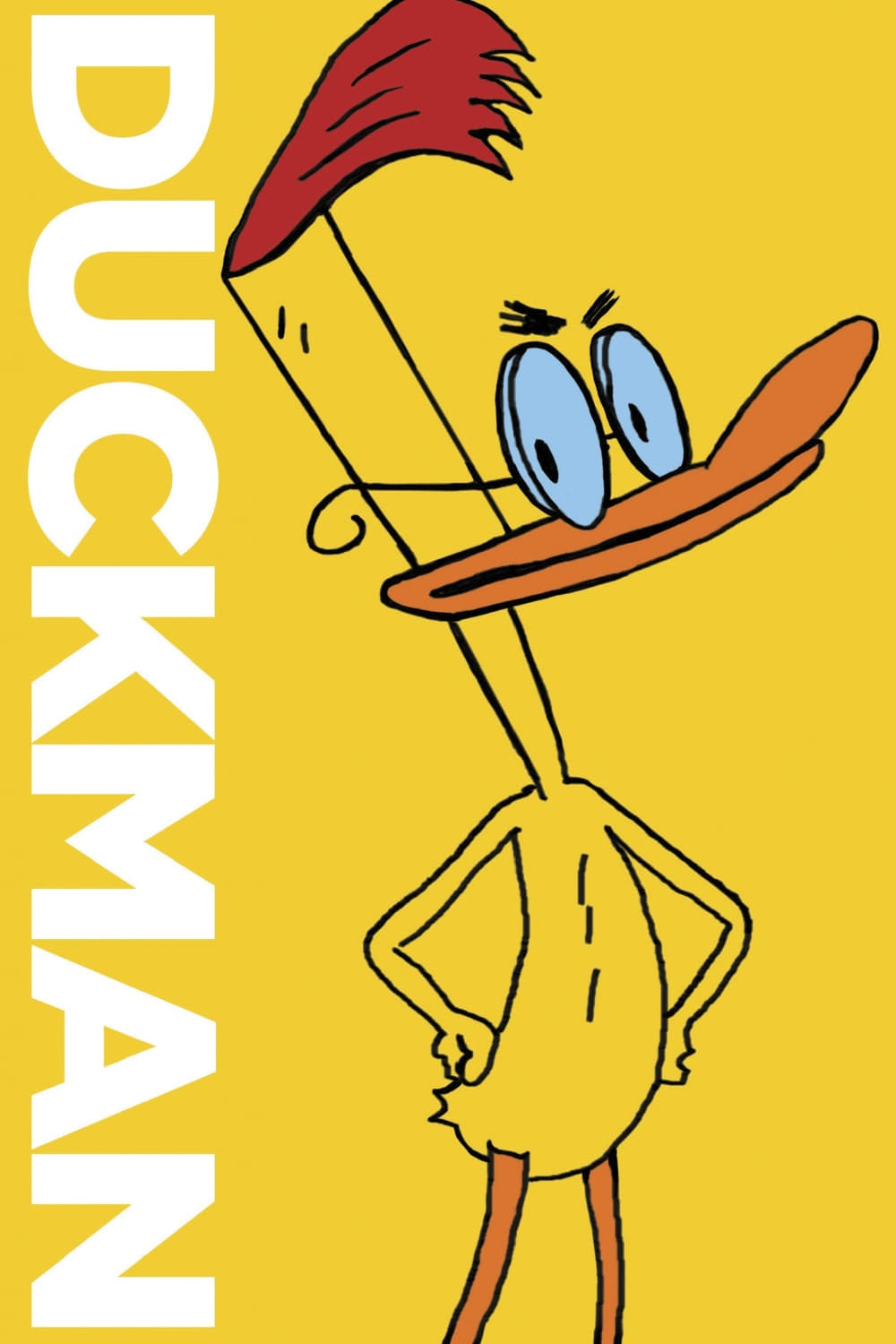
Okay, so this cartoon was wild. It was about this totally sleazy, incompetent duck detective, and honestly, it was hilarious because it was so over the top. It wasn’t afraid to be cynical, and the creators constantly winked at the audience, even using the show to comment on stuff happening in the real world. It definitely pushed boundaries – a lot of the language and situations would be considered super controversial today. It wasn’t trying to be cute or heartwarming; it deliberately went for an abrasive style, almost daring you not to like it. It really captured this edgy, emerging vibe in adult animation that was starting to pop up in the mid-90s, something different from the usual family-friendly stuff.
‘The Drew Carey Show’ (1995–2004)
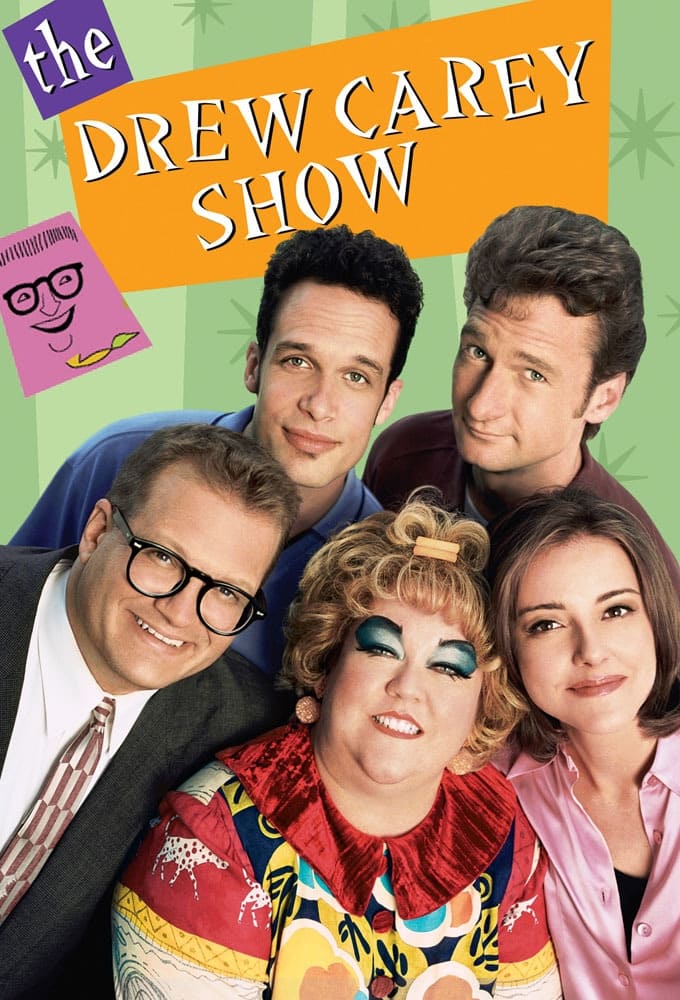
This comedy series followed the everyday life of an office worker in Cleveland and his friends. It was known for its creative use of musical numbers and episodes that weren’t afraid to try new things. Looking back, some of the jokes about work and how women were treated wouldn’t be considered acceptable today. The show also relied on humor about weight and personal choices that are now seen as insensitive. Despite this, it was a popular fixture on the network for almost ten years.
‘3rd Rock from the Sun’ (1996–2001)
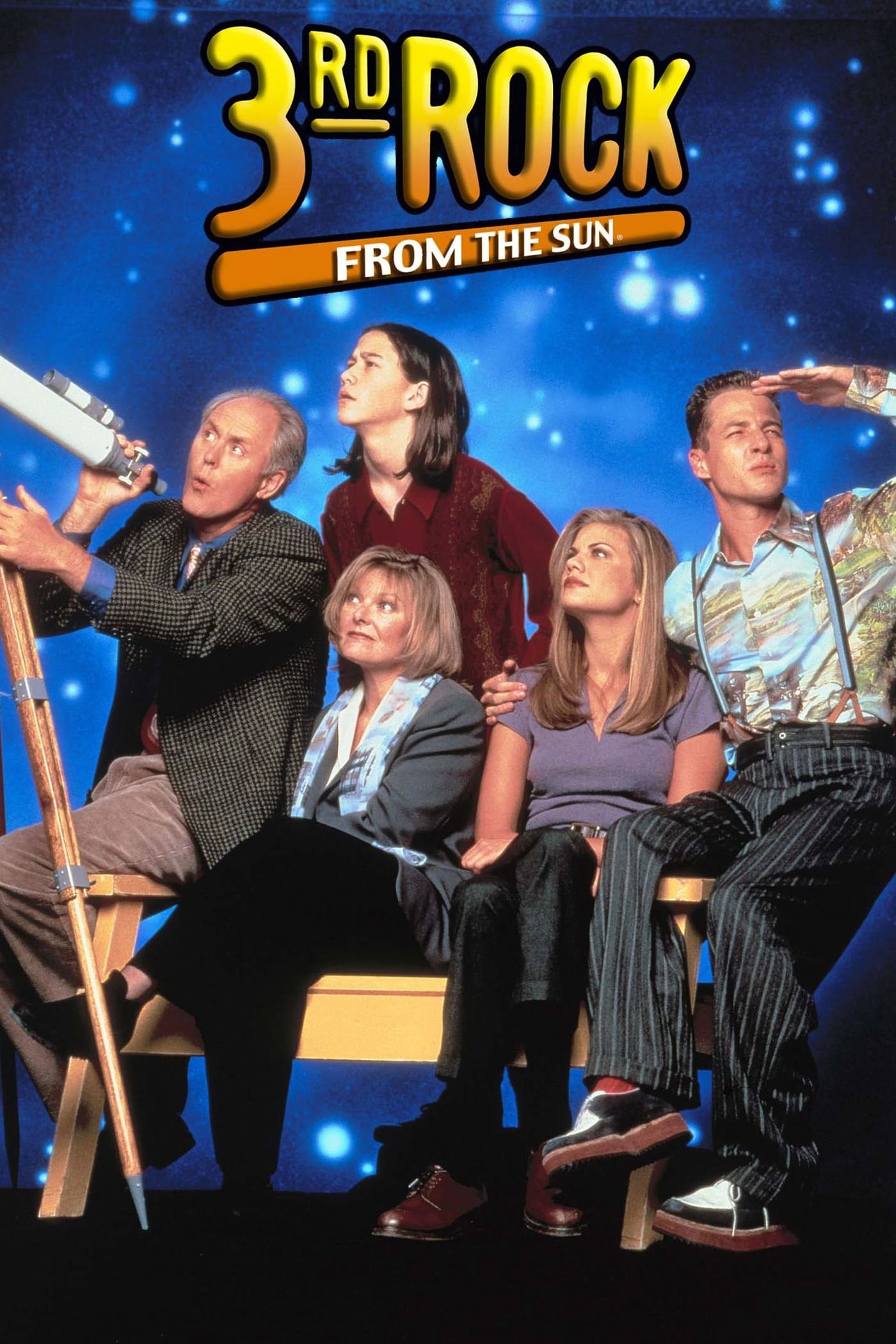
The show centered around a family of aliens disguised as humans, using their outsider perspective to playfully critique everyday human behavior and societal norms. While funny at the time, some of the humor now feels dated and relies on stereotypes. Despite this, the series was highly regarded for its smart writing and strong performances, offering a fresh and unusual take on the typical family sitcom of the late 1990s.
‘Beverly Hills, 90210’ (1990–2000)
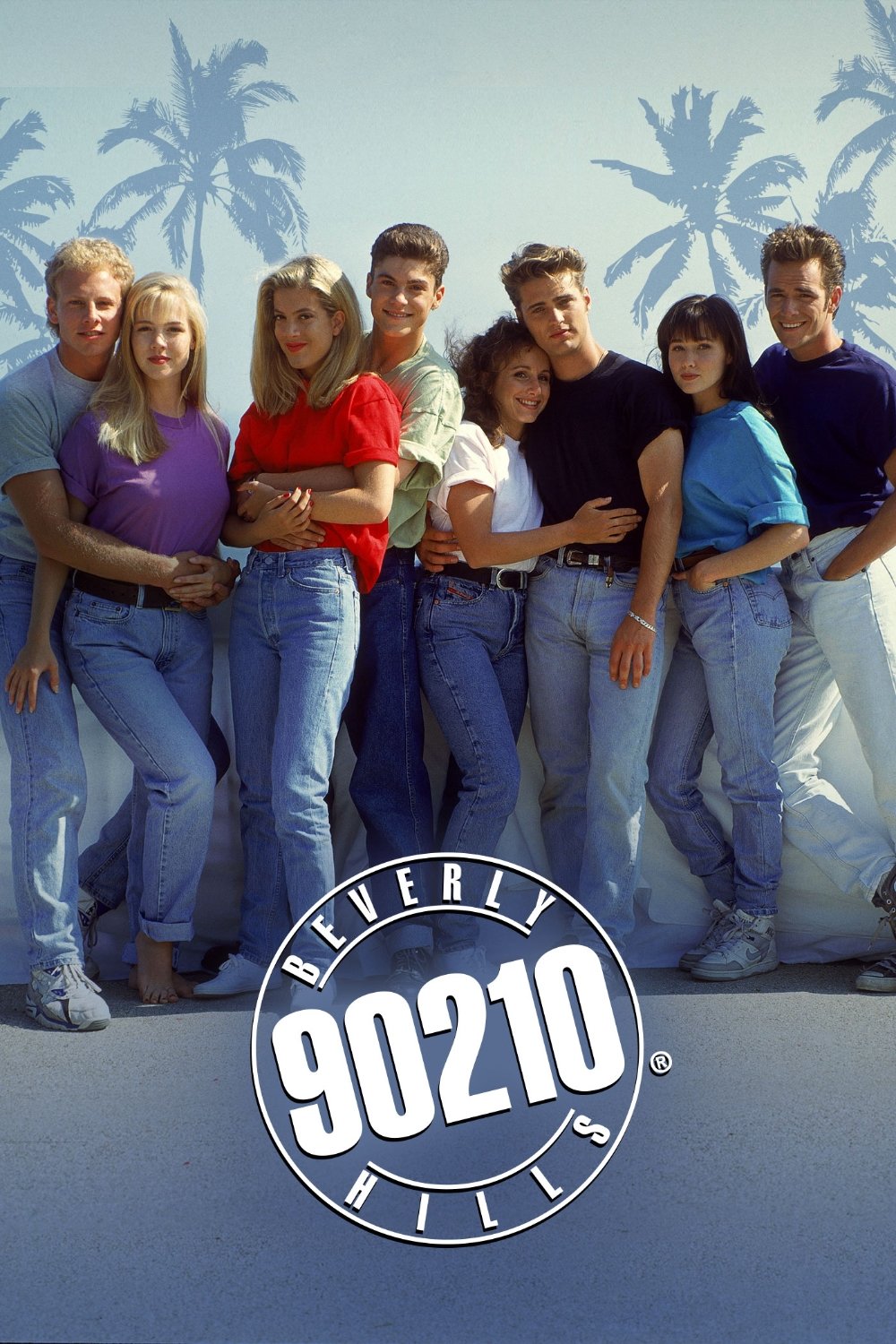
This popular teen drama centered on the lives of affluent students in a well-to-do California community. While it tackled important issues like drugs and sexual health for young viewers, it often received criticism for not being diverse enough and for presenting an unrealistic, overly glamorous view of teenage life. Today’s audiences would likely scrutinize the power imbalances and romantic storylines more closely. Despite its flaws, the show was highly influential and paved the way for many teen dramas that followed.
‘Melrose Place’ (1992–1999)
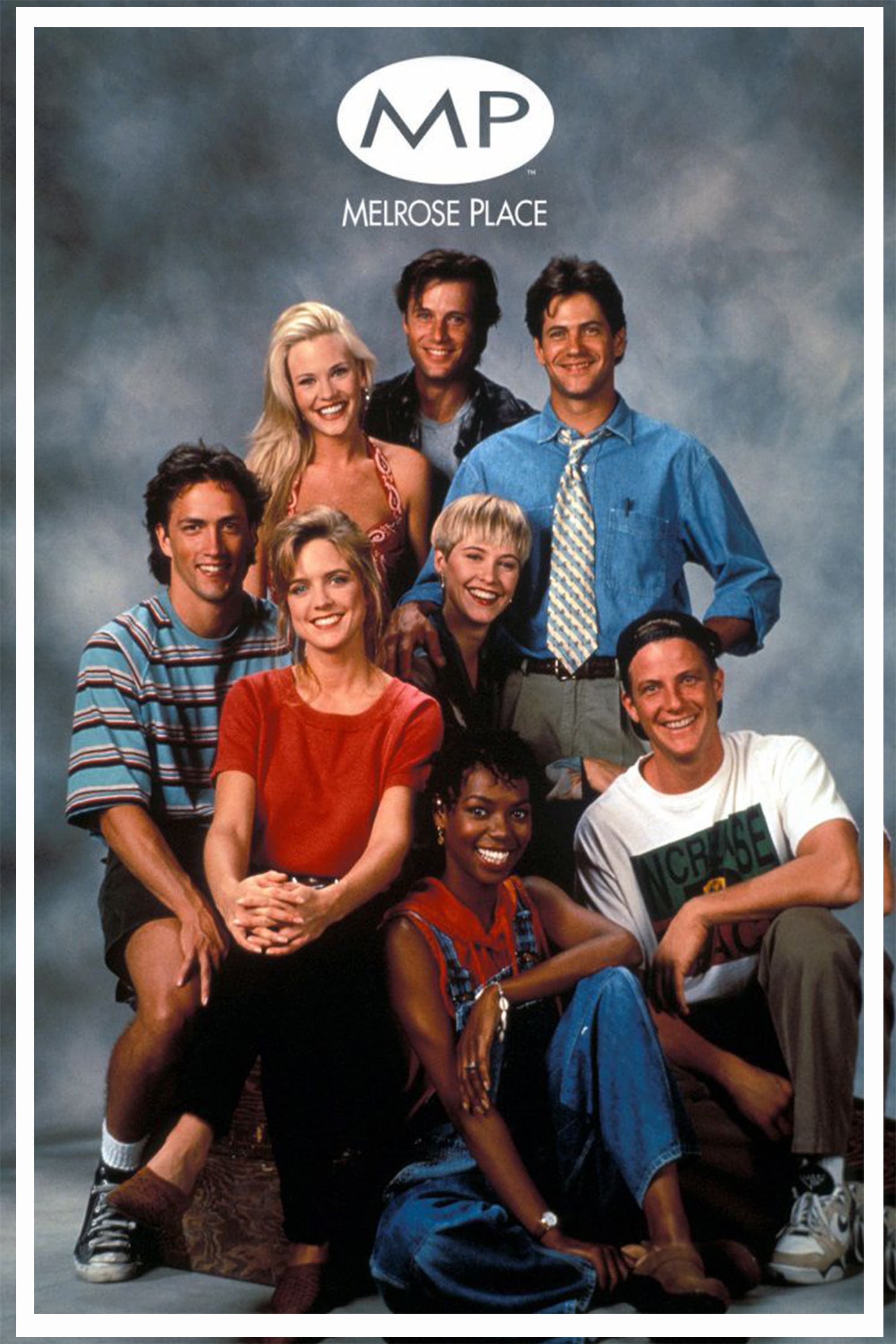
This show, a sequel to a popular teen drama, followed the lives of young adults sharing an apartment building in West Hollywood. It gained notoriety for its over-the-top storylines filled with backstabbing and scheming. Looking back, many of these plots now seem insensitive or problematic, relying on tired clichés. The show heavily emphasized looks and shocking events to grab attention, but it’s still remembered as a prime example of the dramatic soap operas popular at the time.
‘Step by Step’ (1991–1998)
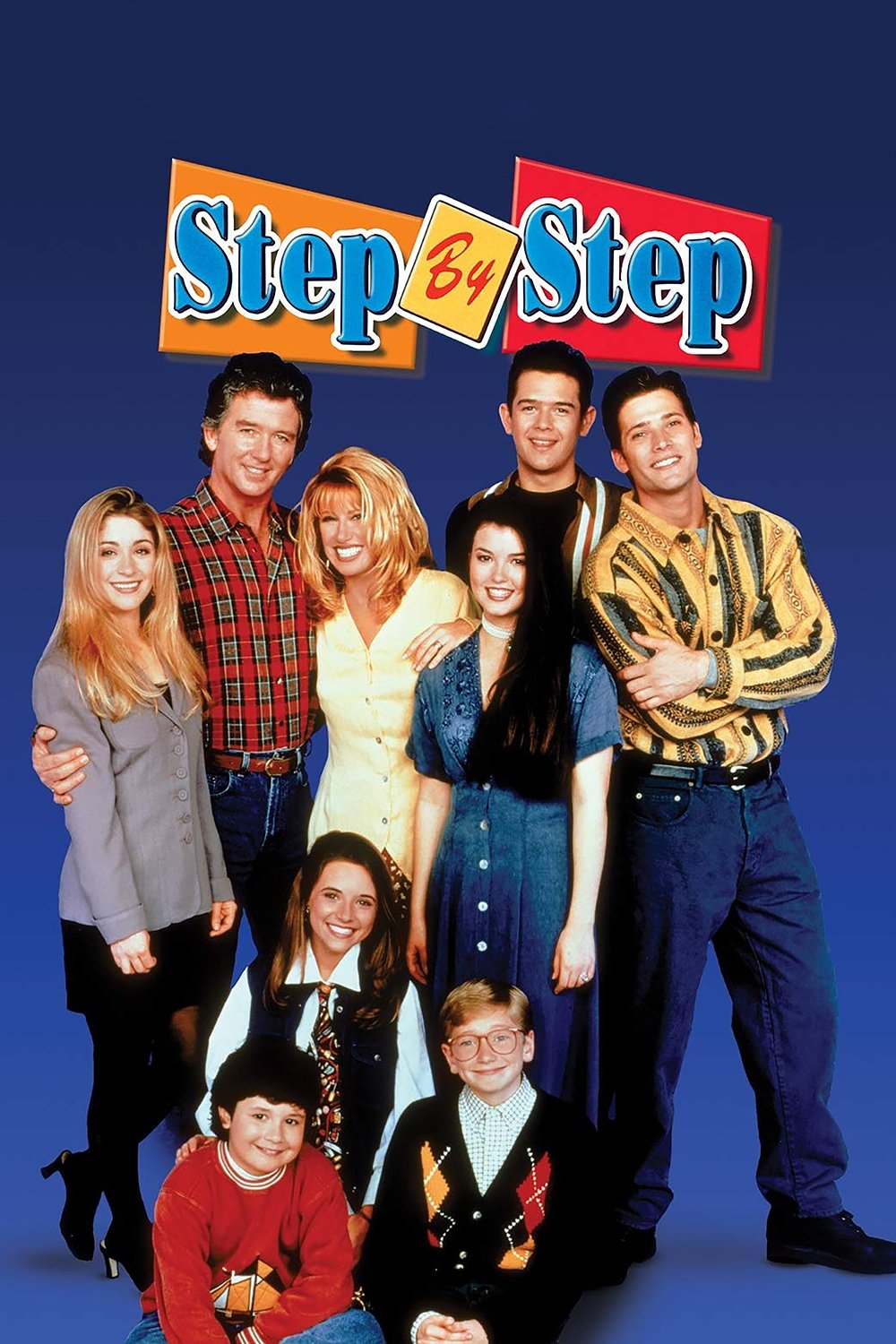
This nineties sitcom centered around two single parents who fell in love and merged their already-large families. While it followed a familiar formula seen in other shows about blended families, it gave those themes a nineties-era update. The humor often came from conflicts based on gender roles and predictable character types. Some of the jokes, particularly those about a character’s looks or intelligence, wouldn’t be considered appropriate by today’s standards. The show was a hit and aired as part of a popular lineup of family-friendly programming when it first came out.
‘NewsRadio’ (1995–1999)

This sitcom was set in a news radio station and followed the quirky personalities of the people who worked there. It was famous for its quick wit and strong cast. Looking back, some of the jokes about work relationships and personal space wouldn’t be considered appropriate today. The show tackled social topics in a way that was common for television in the mid-1990s. Many people remember it for its smart writing and the successful careers of its actors.
‘Cow and Chicken’ (1997–1999)
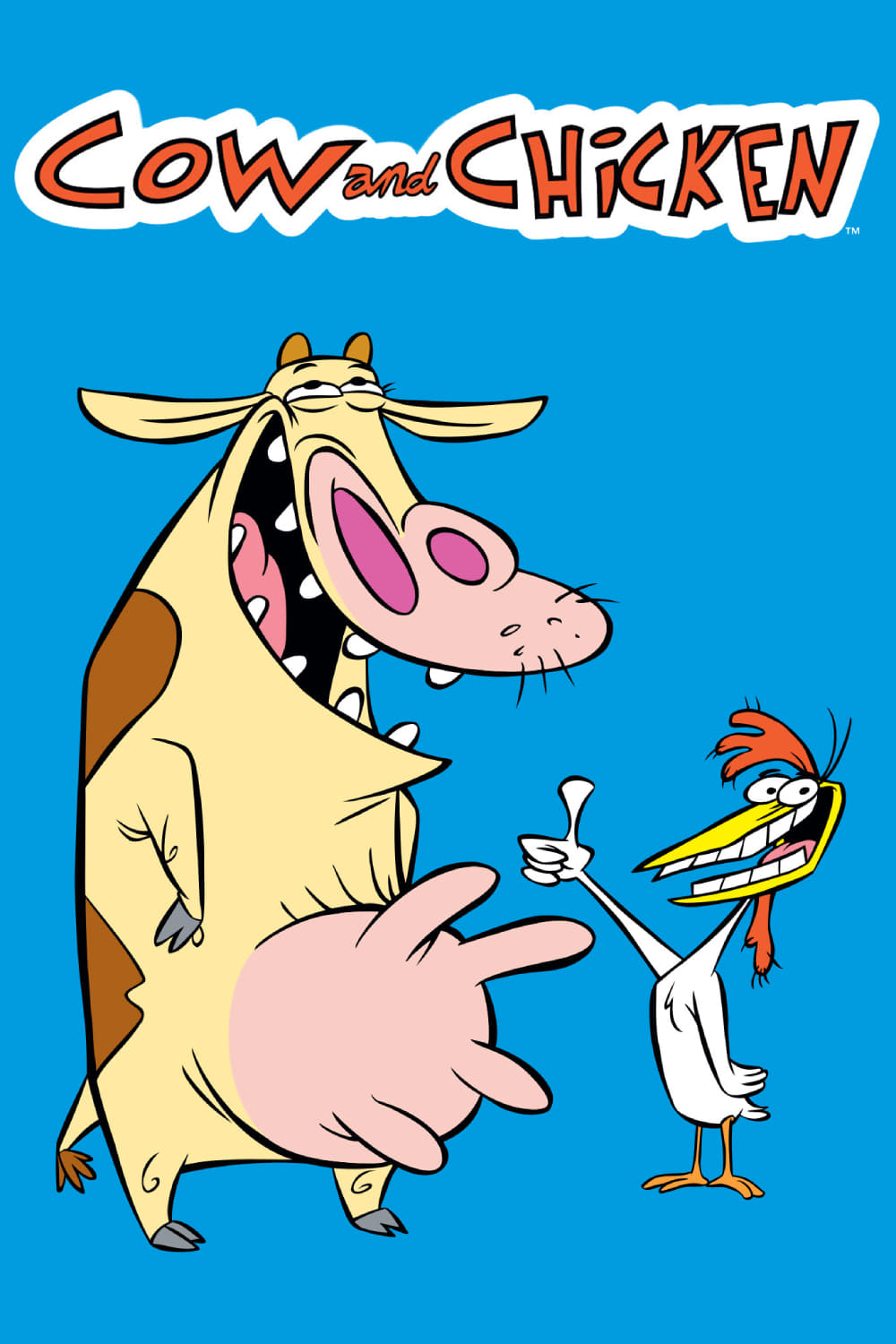
This quirky animated show centered around a cow and a chicken who were brother and sister, and their wild adventures with a larger-than-life devil. It was famous for its silly, sometimes shocking, humor and incredibly strange scenarios that weren’t always suitable for kids. The show relied heavily on visual jokes and themes that many today would find disturbing or offensive. It was part of a creative surge in animation on cable TV in the late 1990s, and it definitely tested the boundaries of what was considered appropriate for television at the time.
‘The Jamie Foxx Show’ (1996–2001)
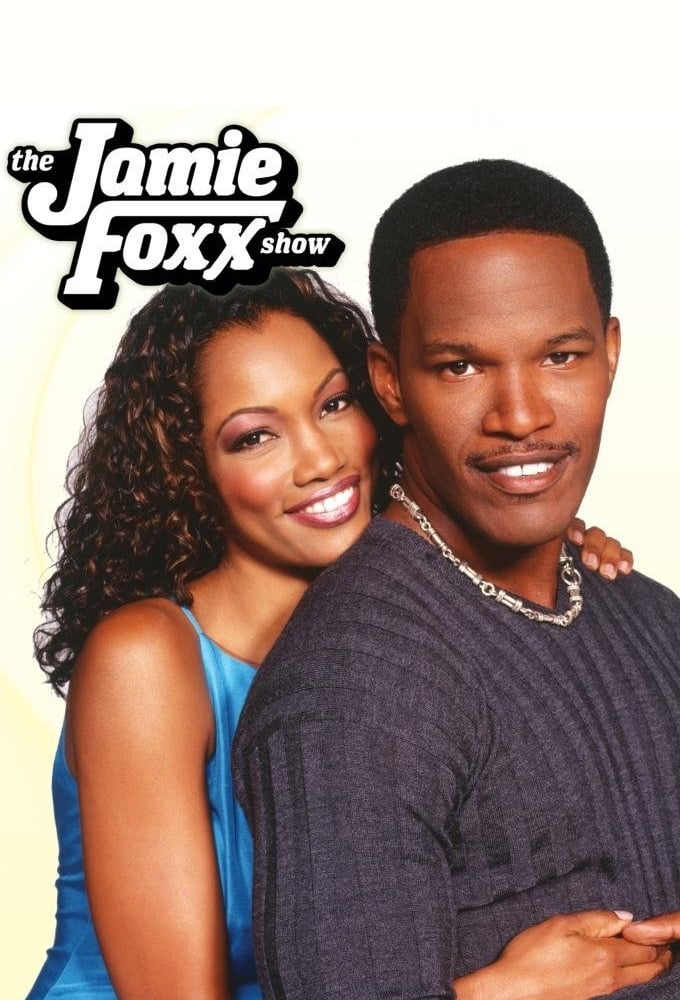
This sitcom centered on a hopeful actor balancing his dreams with work at his family’s Los Angeles hotel. The show highlighted the star’s comedy and musical abilities through different sketches and performances. Looking back, some of the characters and storylines relied on clichés that don’t resonate as well today. The series was important to a specific audience at the time and is still remembered as a classic example of a nineties sitcom.
‘Living Single’ (1993–1998)
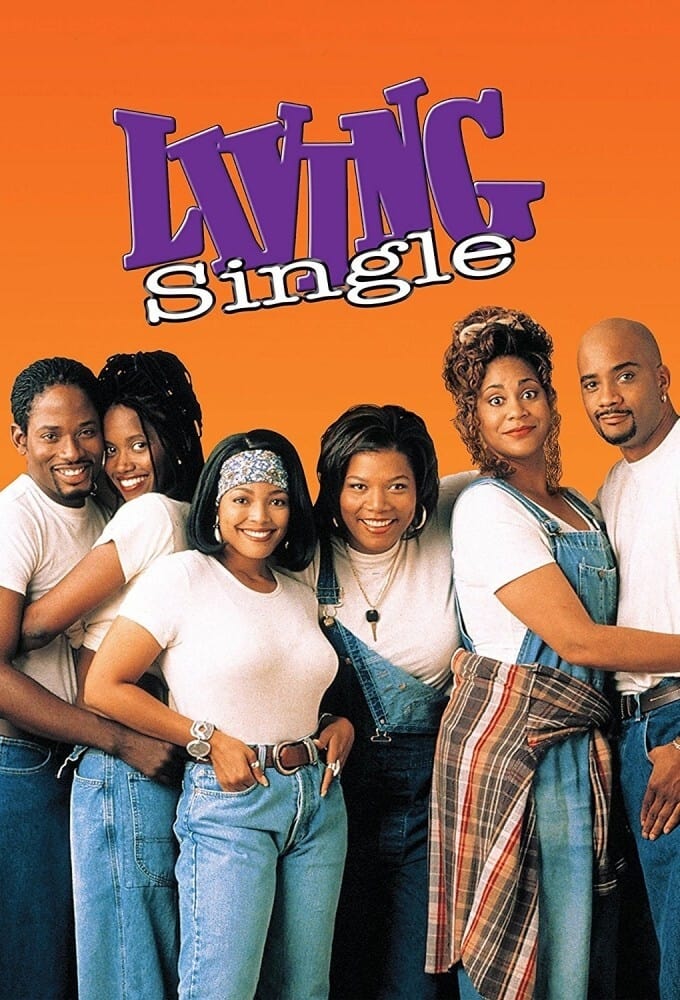
The show centered around six friends living in a Brooklyn brownstone as they built their careers and navigated life and love. It was notable for portraying successful Black professionals and the strong bonds within their community. Though highly impactful, some of the show’s jokes and how the characters interacted haven’t aged perfectly. While considered forward-thinking for its time, it still followed many of the typical rules of sitcoms. Many popular shows about friend groups that came later were influenced by this series.
‘Sister, Sister’ (1994–1999)
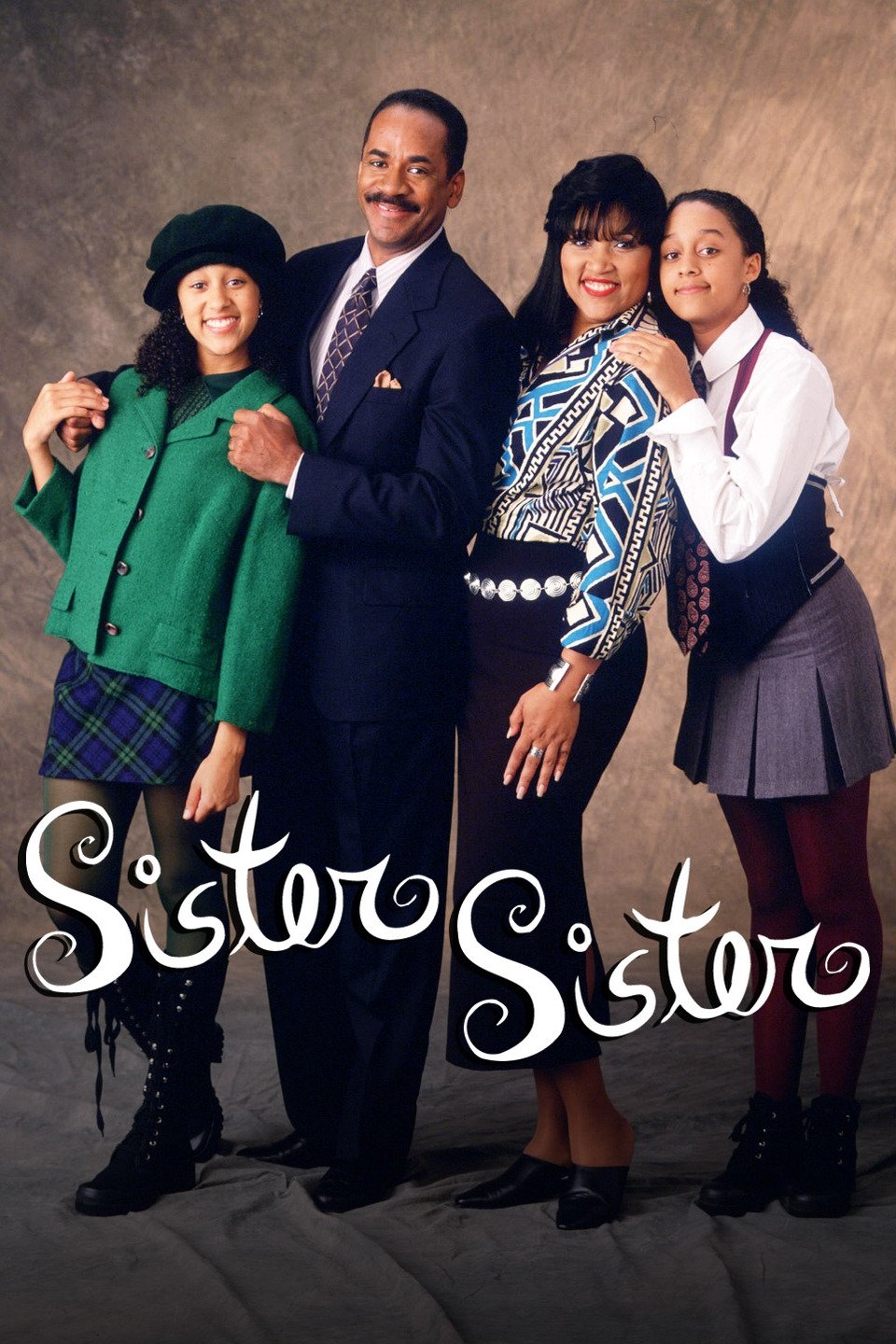
This sitcom followed identical twins who found each other after being separated at birth, as they navigated being teenagers. The show humorously depicted the difficulties of merging their vastly different family lives and personalities. While generally wholesome, it often used slapstick and simple mix-ups for laughs. Looking back, some of the storylines and characters seem a bit simplistic. However, it was a popular show that really connected with young viewers in the mid to late 1990s.
‘Blossom’ (1990–1995)
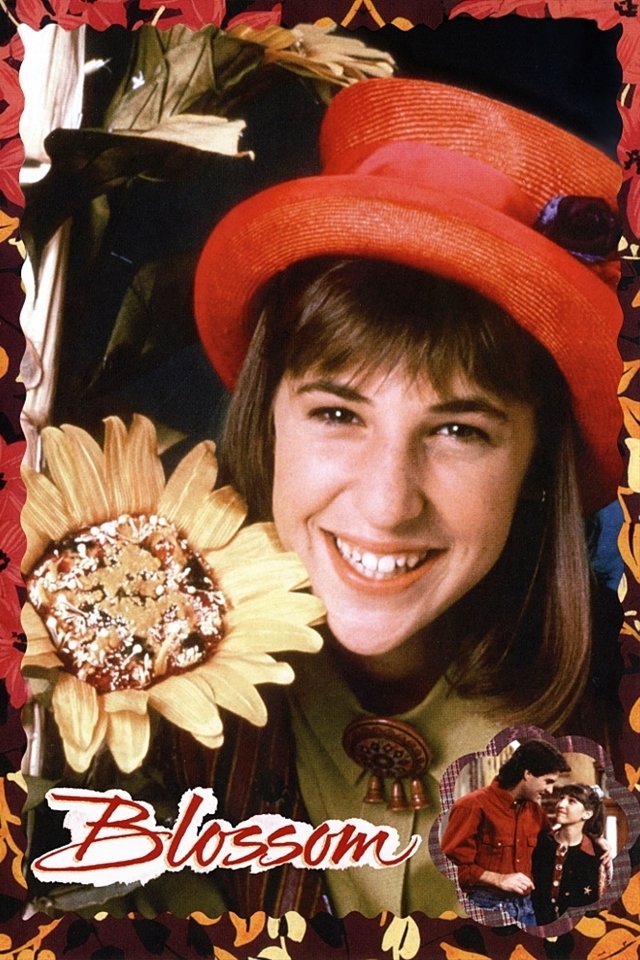
This show centered around a teenage girl and her family – her dad and two older brothers – as she dealt with the ups and downs of adolescence. It was notable for tackling tough issues like divorce and fitting in, all seen through the eyes of the main character. The series was also known for its fashion and memorable catchphrases that were popular in the early 90s. Looking back, some of the jokes about the male characters and their attitudes towards women haven’t held up well. Despite this, it’s still a beloved show for many who watched it when it first aired.
‘Sabrina the Teenage Witch’ (1996–2003)
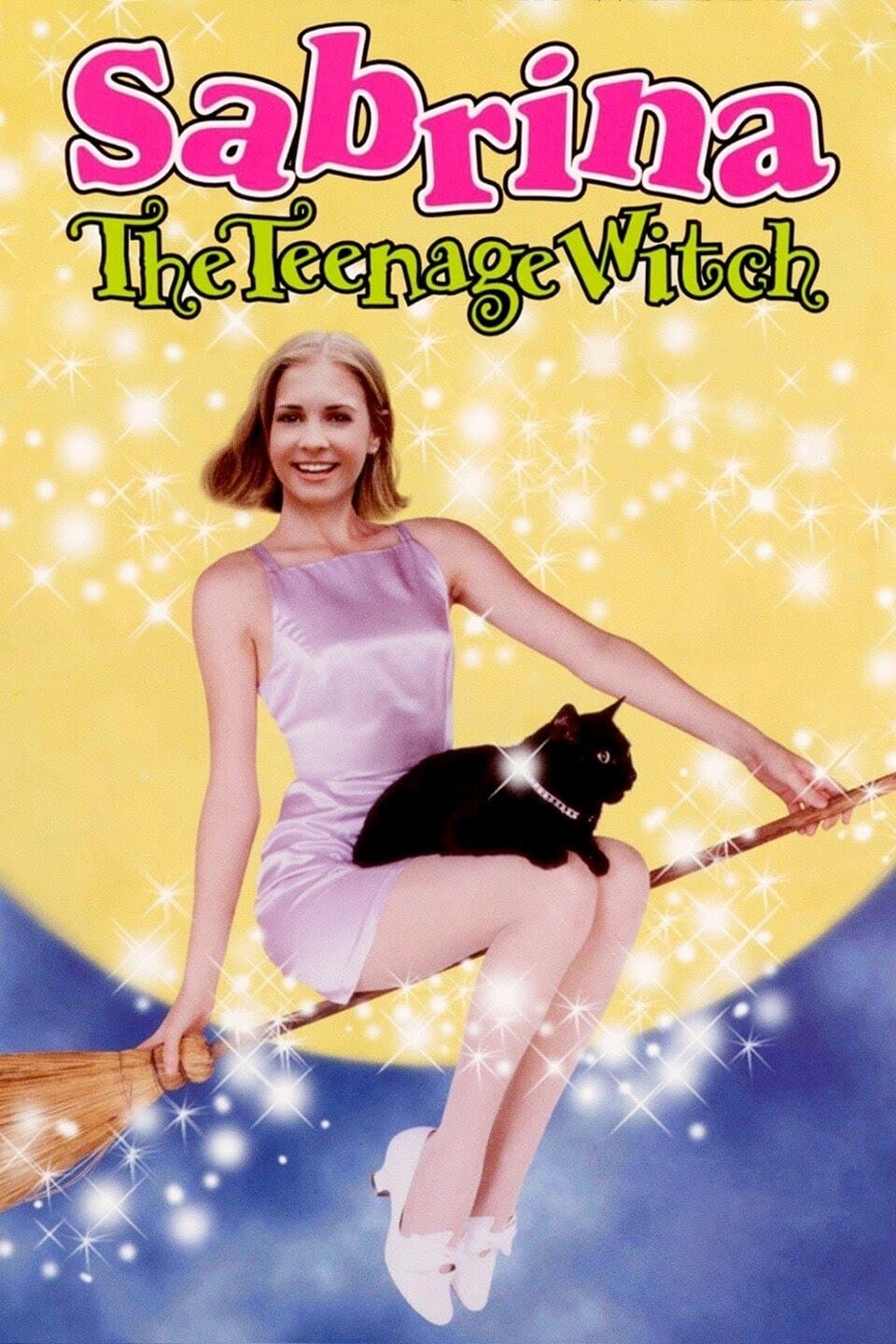
The show centered around a teenage girl who finds out she’s a witch on her sixteenth birthday and goes to live with her two aunts. It blended magical storylines with the everyday challenges of being in high school. While generally funny and upbeat, the series didn’t often explore the more complex ideas its magical world presented. Looking back, some of the relationships and characters feel a bit old-fashioned by today’s standards. Despite this, it was a huge hit for the network and has been remade several times.
‘Moesha’ (1996–2001)
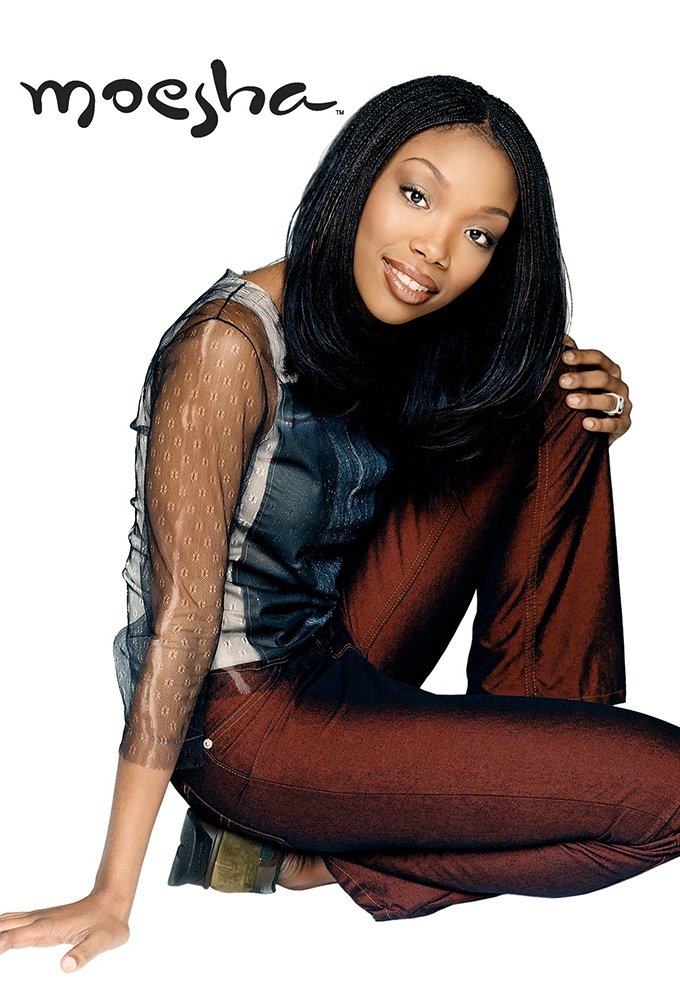
This sitcom centered on a teenager navigating the challenges of school and family in Los Angeles. It was celebrated for honestly portraying issues like teen pregnancy and racial identity. While some storylines about romance and parenting might seem different if viewed today, the show was groundbreaking for its representation on television and remains a memorable part of 1990s pop culture.
‘Herman’s Head’ (1991–1994)
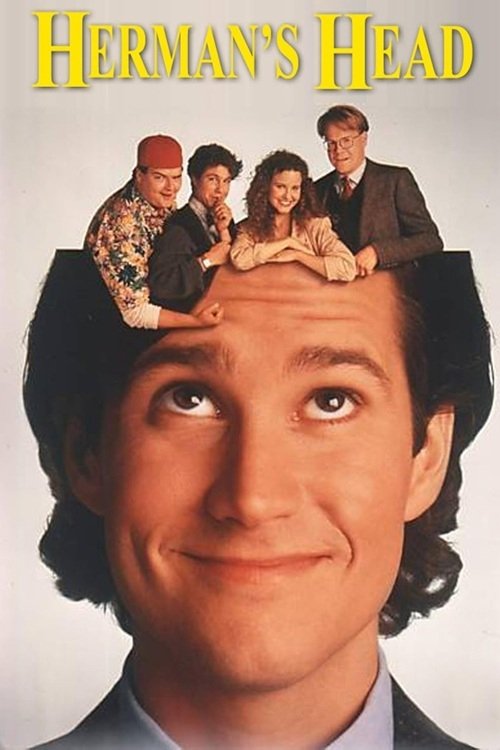
This sitcom had a clever idea: it showed a man’s emotions and instincts as actual characters that viewers could see. These characters would argue about how he should handle work and life, creating much of the show’s humor. However, the comedy often used broad stereotypes and might seem outdated or even offensive to today’s audiences. Despite this, it was a groundbreaking show that inspired similar ideas in later TV and movies.
‘Parker Lewis Can’t Lose’ (1990–1993)
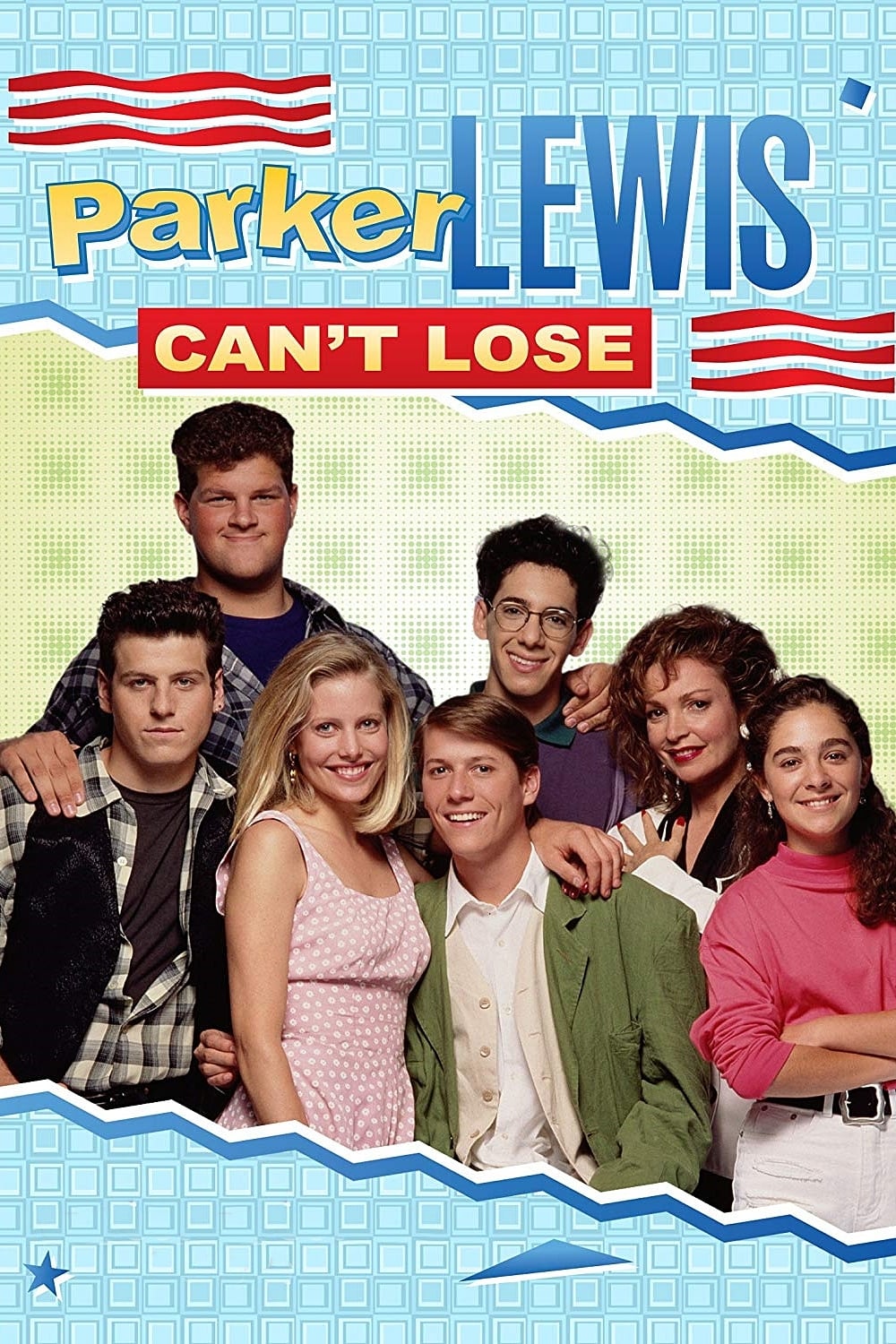
The show centered around a self-assured teen who stood out in high school thanks to her individual style and use of cool gadgets. It was known for its quick cuts and dreamlike visuals, which felt ahead of its time in the early nineties. While the storylines sometimes involved characters bending the rules in ways that wouldn’t be accepted today, the show captured the spirit of teenage rebellion and popular culture of the decade. It gained a dedicated following and was instantly recognizable thanks to its unique look.
‘Spin City’ (1996–2002)
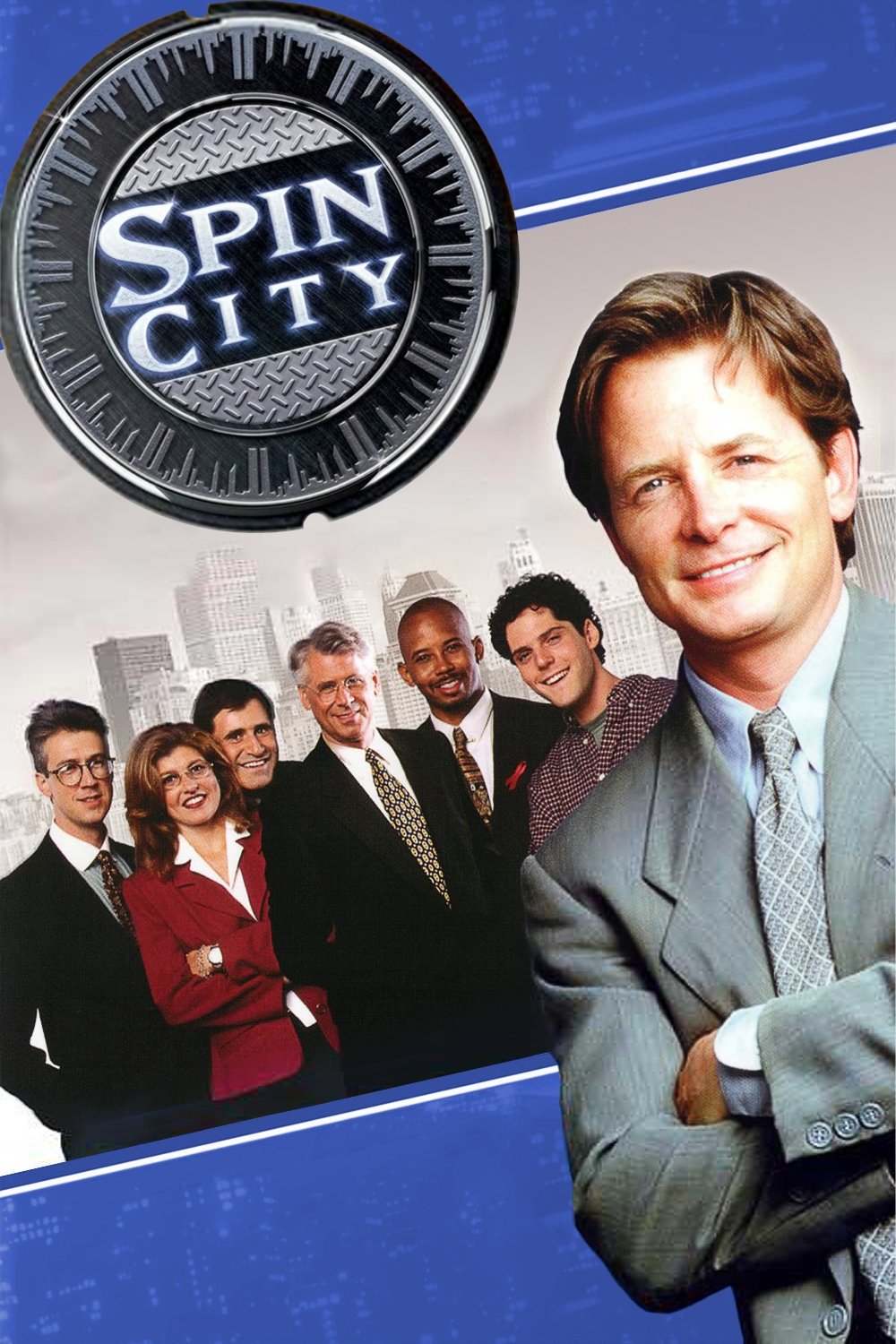
This sitcom centered on the chaotic lives of people working in the New York City mayor’s office, balancing political emergencies with their own personal issues. It was a big hit, thanks to a strong cast led by a well-known actor. Looking back, some of the humor – particularly jokes about political correctness and office dynamics – doesn’t hold up as well today. The show frequently used over-the-top, unrealistic scenarios that would likely be viewed differently now. Despite this, it’s still considered a key example of how television comedy changed in the late 1990s.
‘Coach’ (1989–1997)
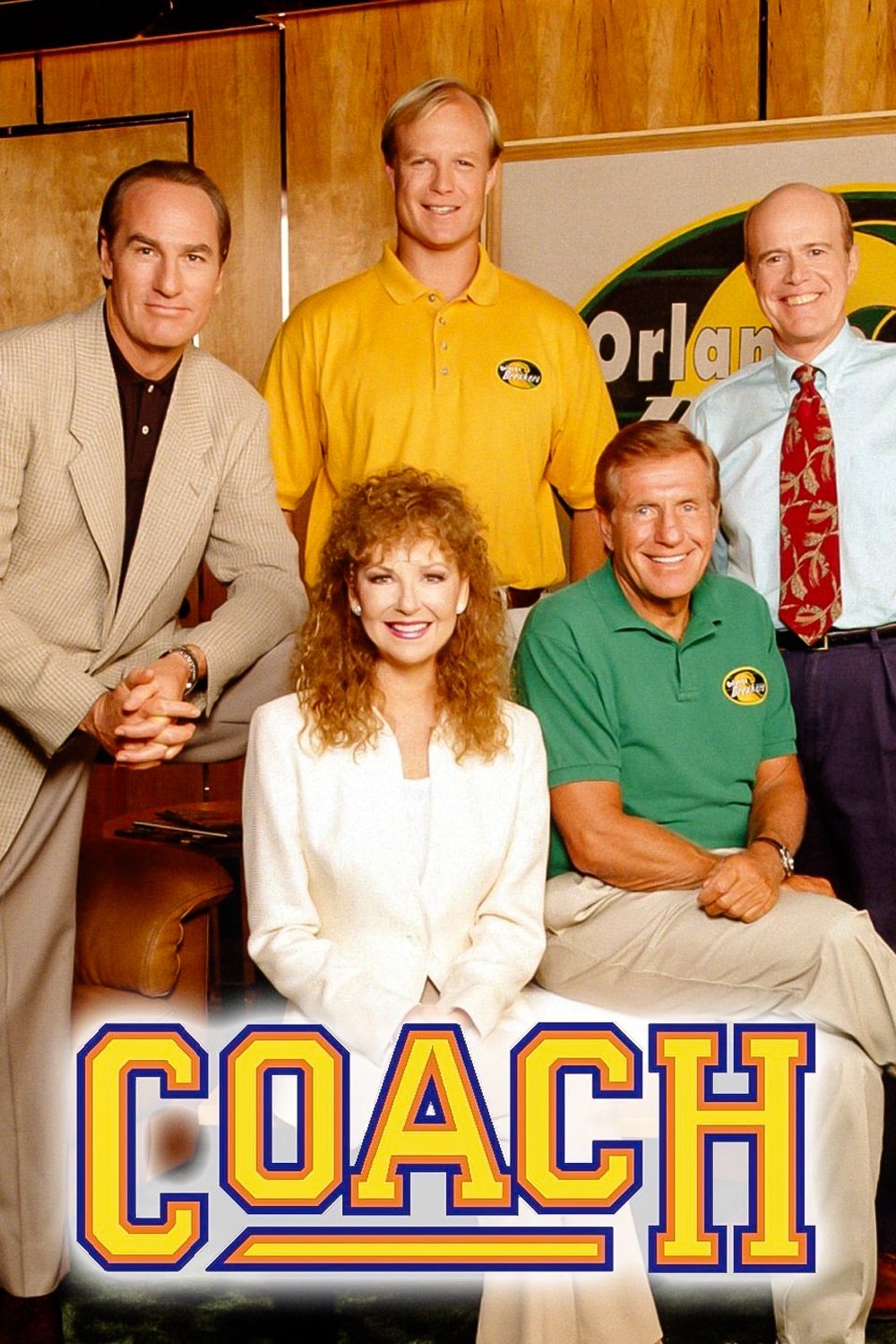
The show followed a college football coach as he navigated his career, family, and friendships. Presented in a classic sitcom style, it often highlighted the contrast between the coach’s traditional beliefs and changing modern society. A lot of the comedy stemmed from stereotypes about men and women. Although the show was popular for ten years, some of its jokes don’t quite land with audiences today. It’s very much a product of the sports world and television trends of the early to mid-1990s.
‘Frasier’ (1993–2004)
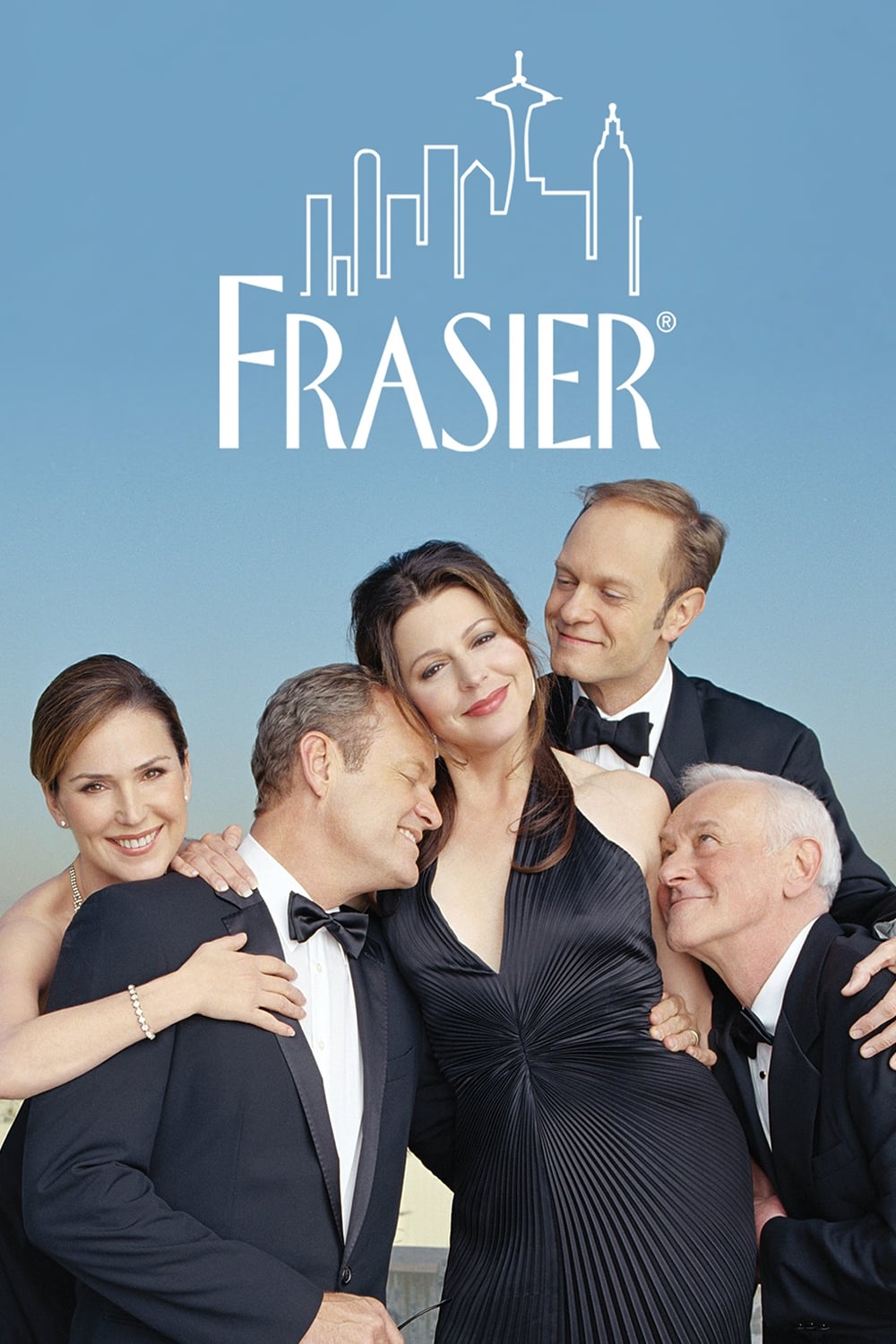
The show centered around a psychiatrist who returned to his hometown and became a radio host. It was originally celebrated for its smart writing, its exploration of both highbrow topics and family life, and its overall quality. However, looking back, some critics point out the show lacked diversity, especially considering it was set in a diverse city like Seattle. Certain jokes about class and relationships also haven’t aged well. Despite this, it’s still considered one of the greatest and most highly-regarded sitcoms ever made.
‘Designing Women’ (1986–1993)
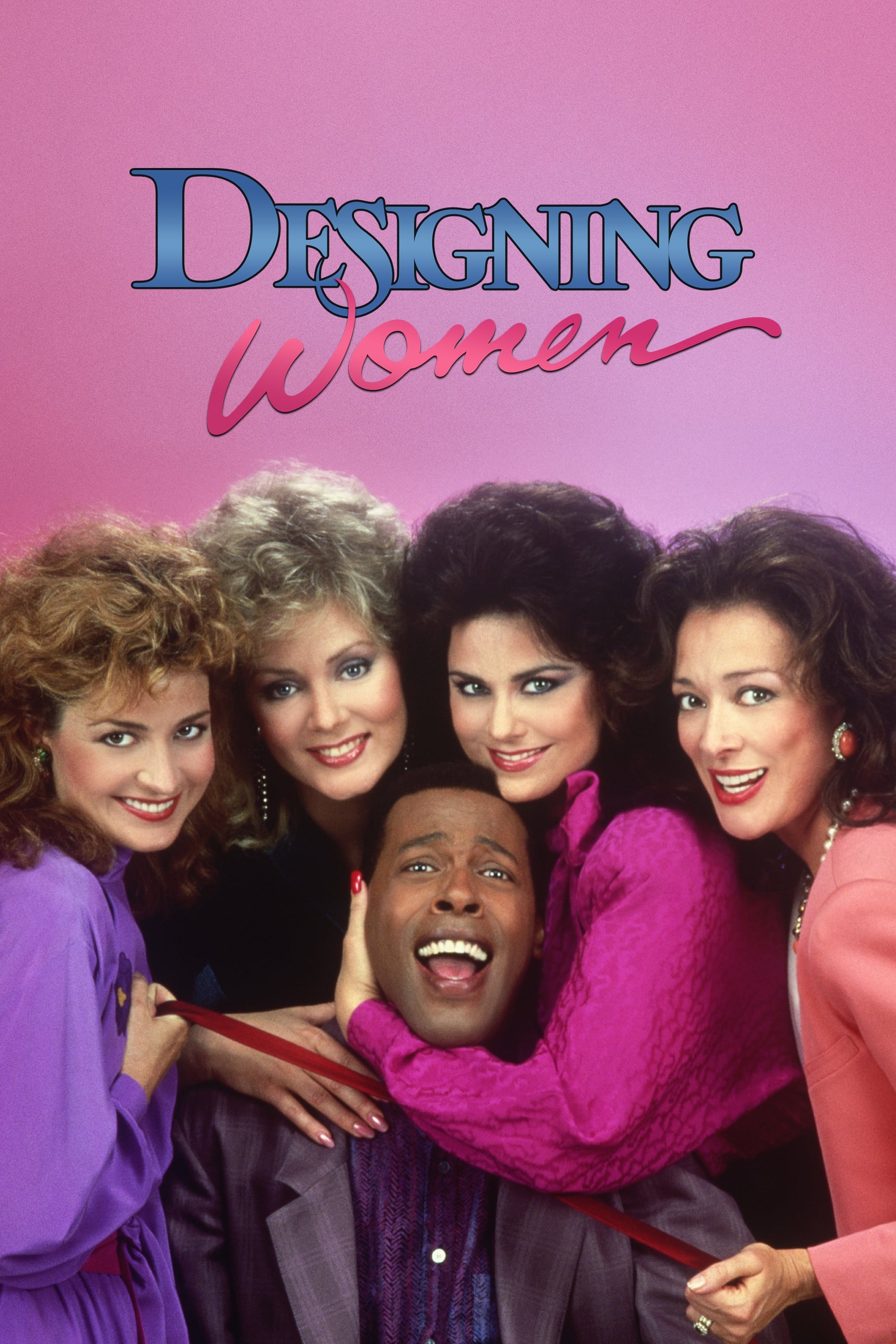
This show revolved around four women navigating their careers and personal lives at an interior design firm in Atlanta. It was celebrated for its strong female leads and tackling tough issues, but some of its jokes and viewpoints haven’t aged well. Created in the eighties and early nineties, the series sometimes reflects the attitudes of that specific time and place, and modern audiences might find certain elements outdated or insensitive. Despite this, it was a pioneering show for its portrayal of female friendship and the challenges of balancing work and life.
‘Murphy Brown’ (1988–1998)

This comedy series centered on a witty news anchor balancing her career and personal life in Washington D.C. It gained recognition for its insightful political humor and the strong, independent nature of its main character. During its initial broadcast, the show sparked national conversations about family values and the challenges of single motherhood. While some of its jokes and workplace dynamics might be seen differently now due to today’s divided political climate, it remains an important illustration of how television can both shape and mirror real-world political discussions.
‘Ellen’ (1994–1998)
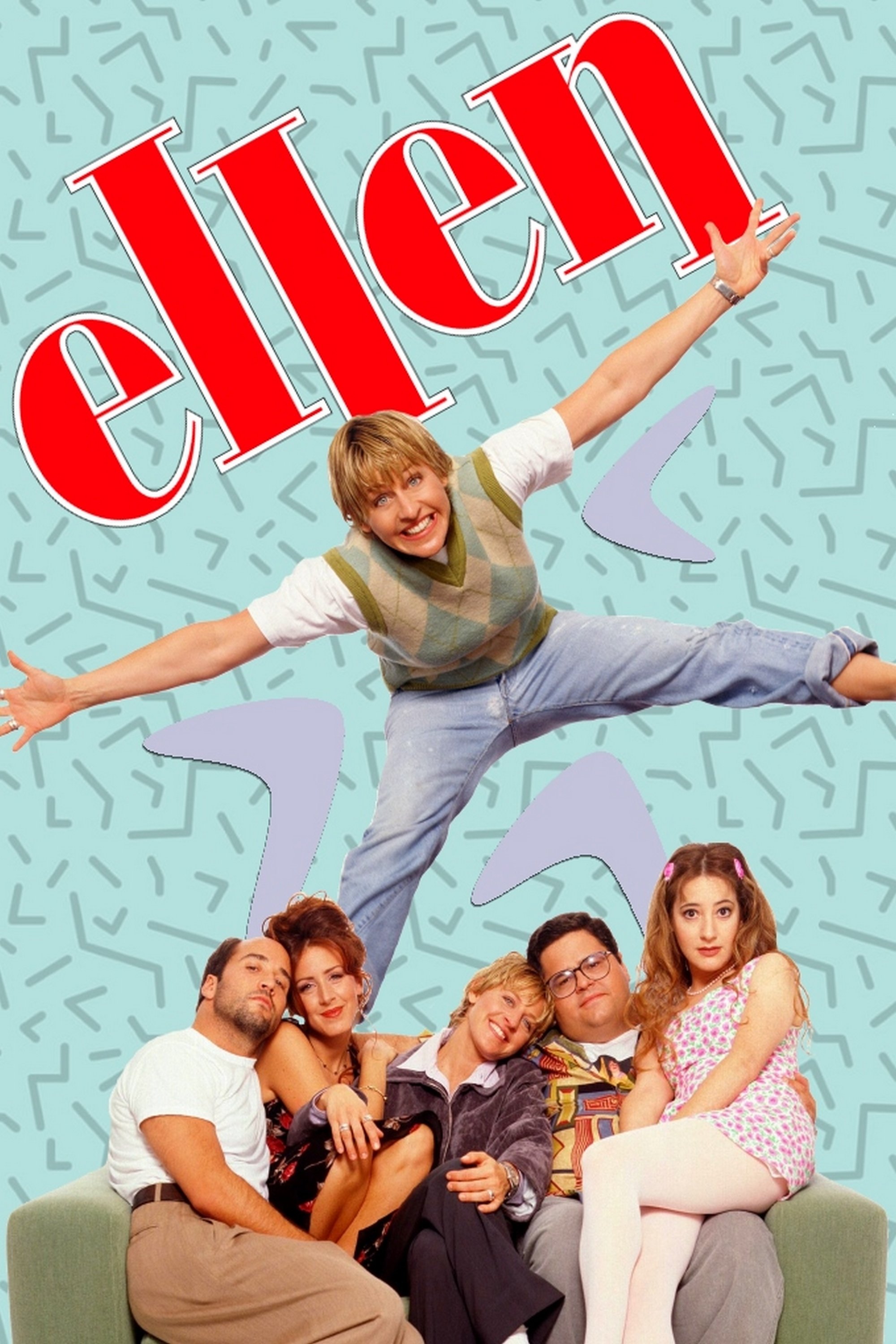
This sitcom centered around a unique bookstore owner and her friends navigating everyday life in Los Angeles. It’s remembered for a pivotal episode where the main character came out as gay – a groundbreaking moment for television. Although it was a significant step forward for LGBTQ+ representation, the show faced strong opposition from conservative groups and was ultimately cancelled. Today, viewers would likely see the initial reaction and resulting controversy as a product of the time. Despite its short run, the show helped open doors for more inclusive stories on mainstream television.
‘Caroline in the City’ (1995–1999)
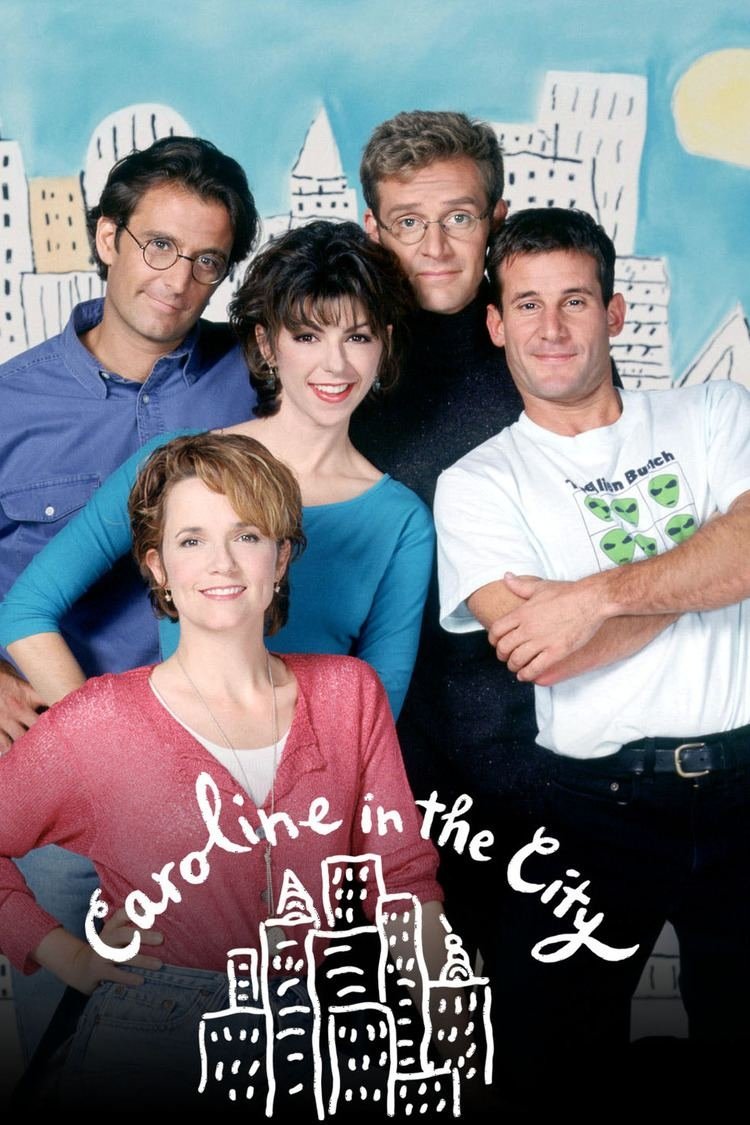
I used to love this show! It was about a really successful comic strip artist living in New York City, and we got to follow her through all her dates and work life. A lot of it was about her trying to find ‘the one’ and what it was like trying to make it as an artist in a huge city. Honestly, looking back now, some of the jokes about relationships and how men and women were portrayed feel a little dated. It definitely used a lot of the classic sitcom tricks you’d see back then. But it was a huge part of what made watching TV in the mid-90s so fun – it was always on as part of this awesome lineup of shows!
‘Cybill’ (1995–1998)
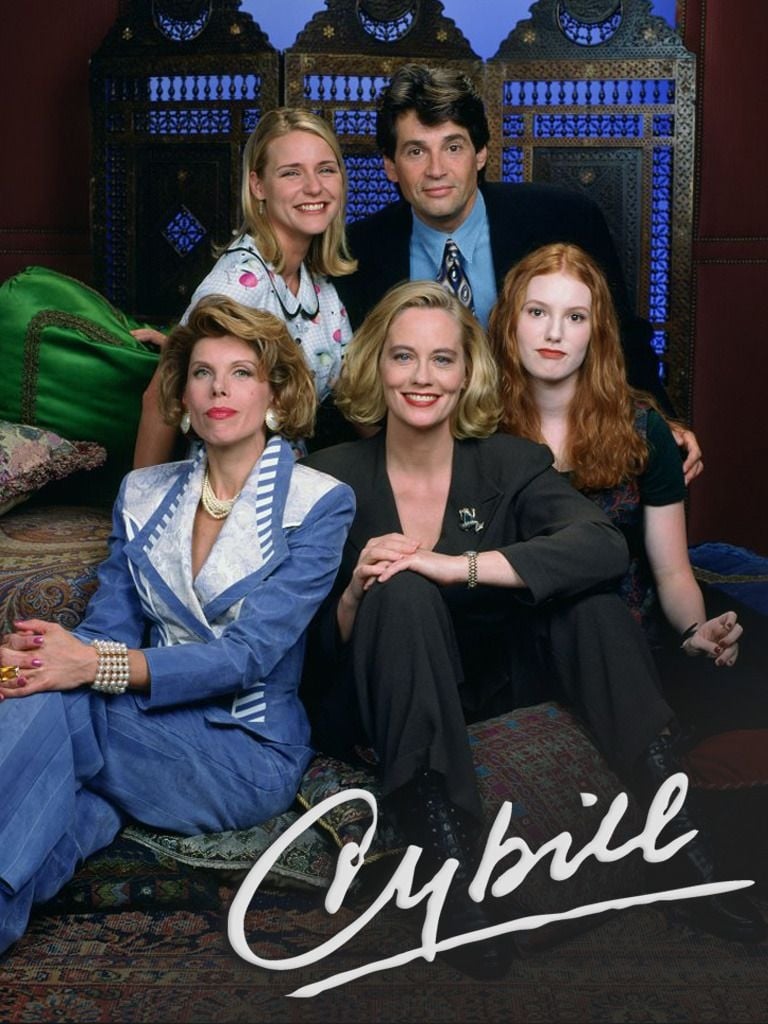
This comedy series centered on a woman in her 40s working as an actress in Hollywood, showing her attempts to balance her career and family. It was praised for its witty writing and honest portrayal of the difficulties women face in the entertainment world. While funny at the time, some of the show’s jokes about age and appearance might be viewed differently now. The series often offered a realistic, and sometimes pessimistic, take on love and achieving success. It stood out for giving audiences a behind-the-scenes look at the industry through the eyes of an older woman.
‘Grace Under Fire’ (1993–1998)
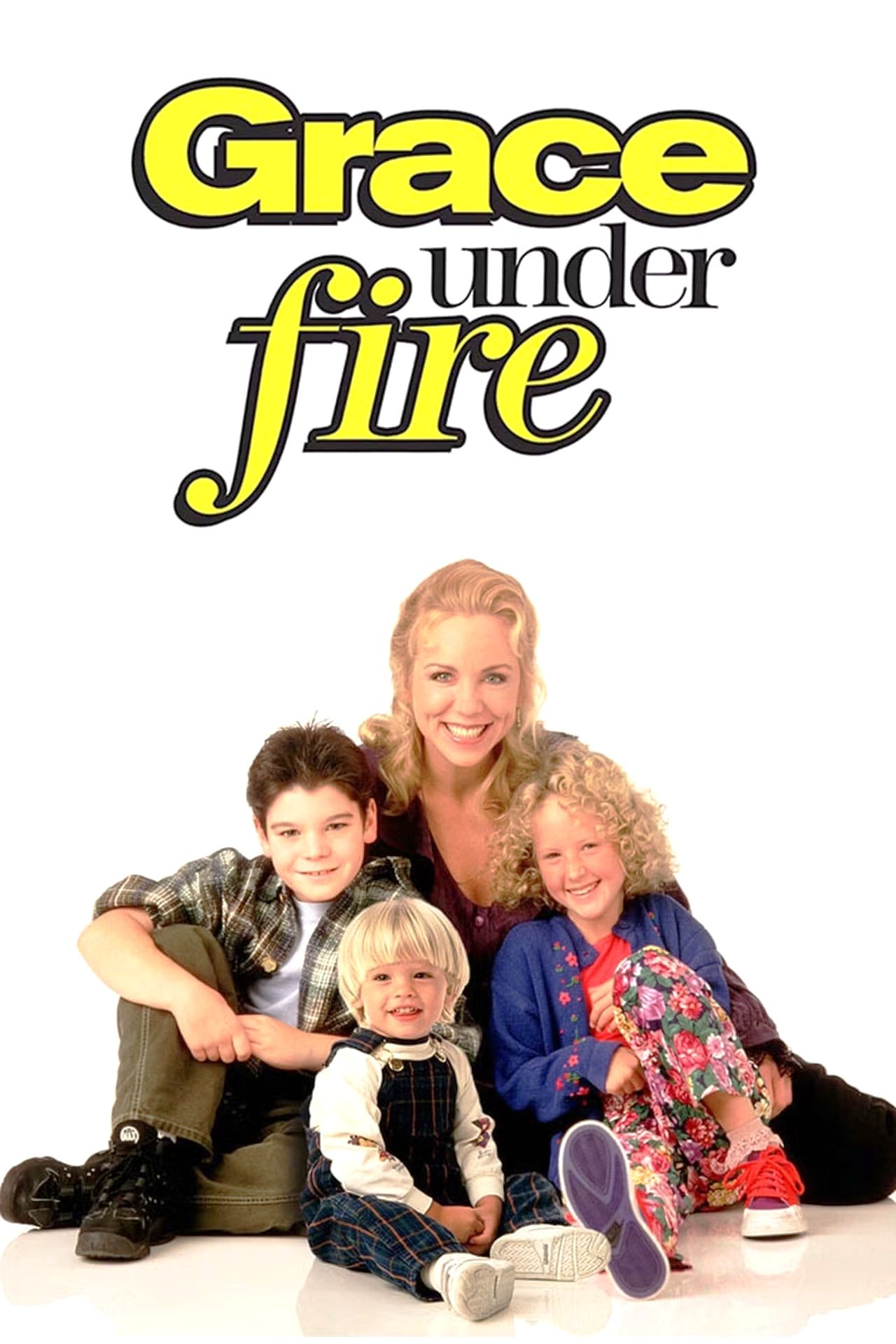
The show centered on a mother battling addiction while raising her kids and working at a refinery. It was well-received for its honest portrayal of working-class families and personal challenges. Despite its success, production was troubled by disagreements and the lead actor’s conduct, ultimately leading to its cancellation. The series tackled tough issues like domestic violence in a very straightforward manner for its time, and a remake today would likely approach these sensitive topics with more care and support systems in place.
‘The Wayans Bros.’ (1995–1999)
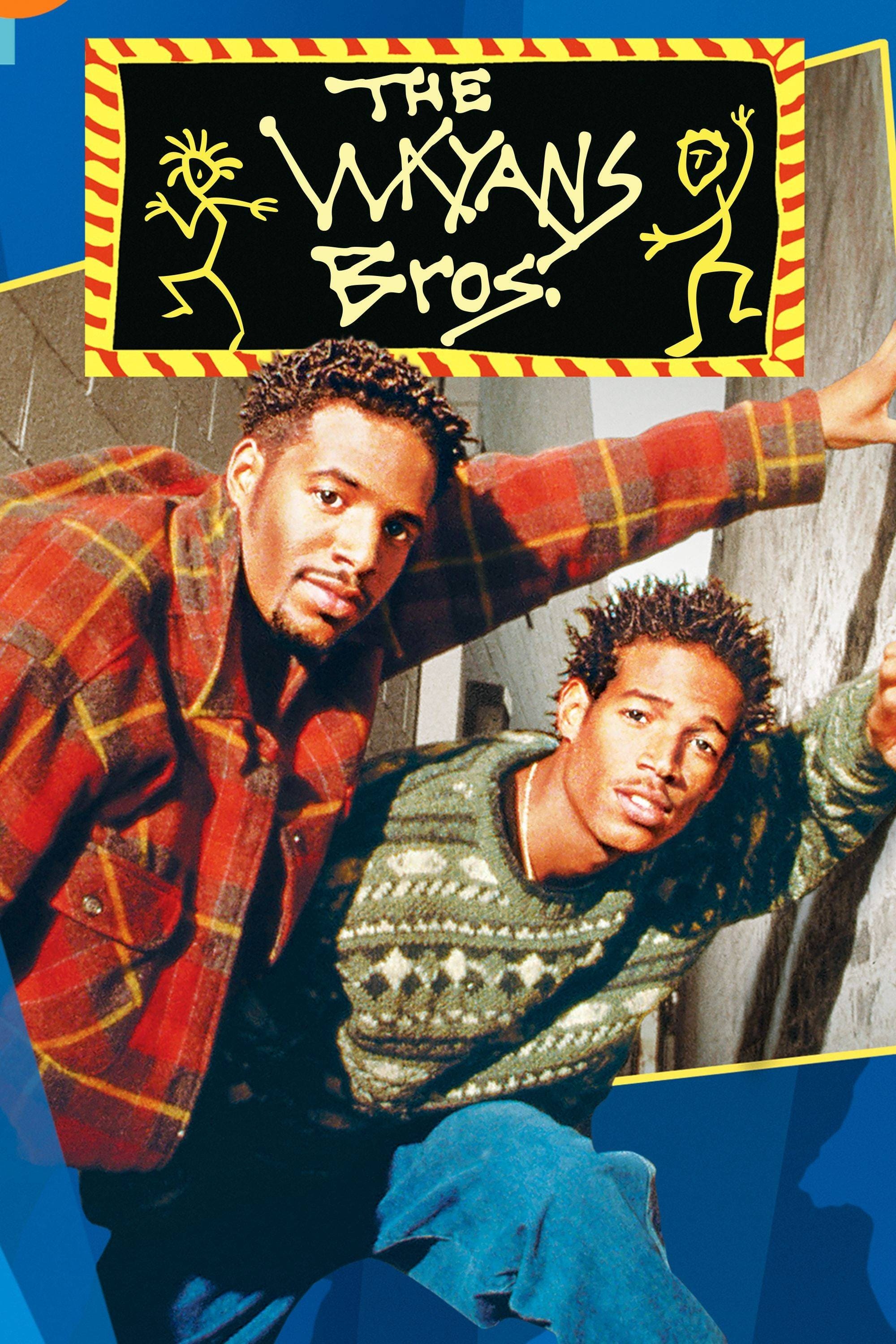
This sitcom centered on two brothers living and working in New York City as they chased their dreams. It was famous for its slapstick comedy and the energetic performances of its stars. While funny at the time, some of the humor now appears dated and relies on stereotypes. The show was very popular with a specific audience and remains a good example of the lively, and sometimes edgy, comedy that was common in the late 1990s.
‘The PJs’ (1999–2001)
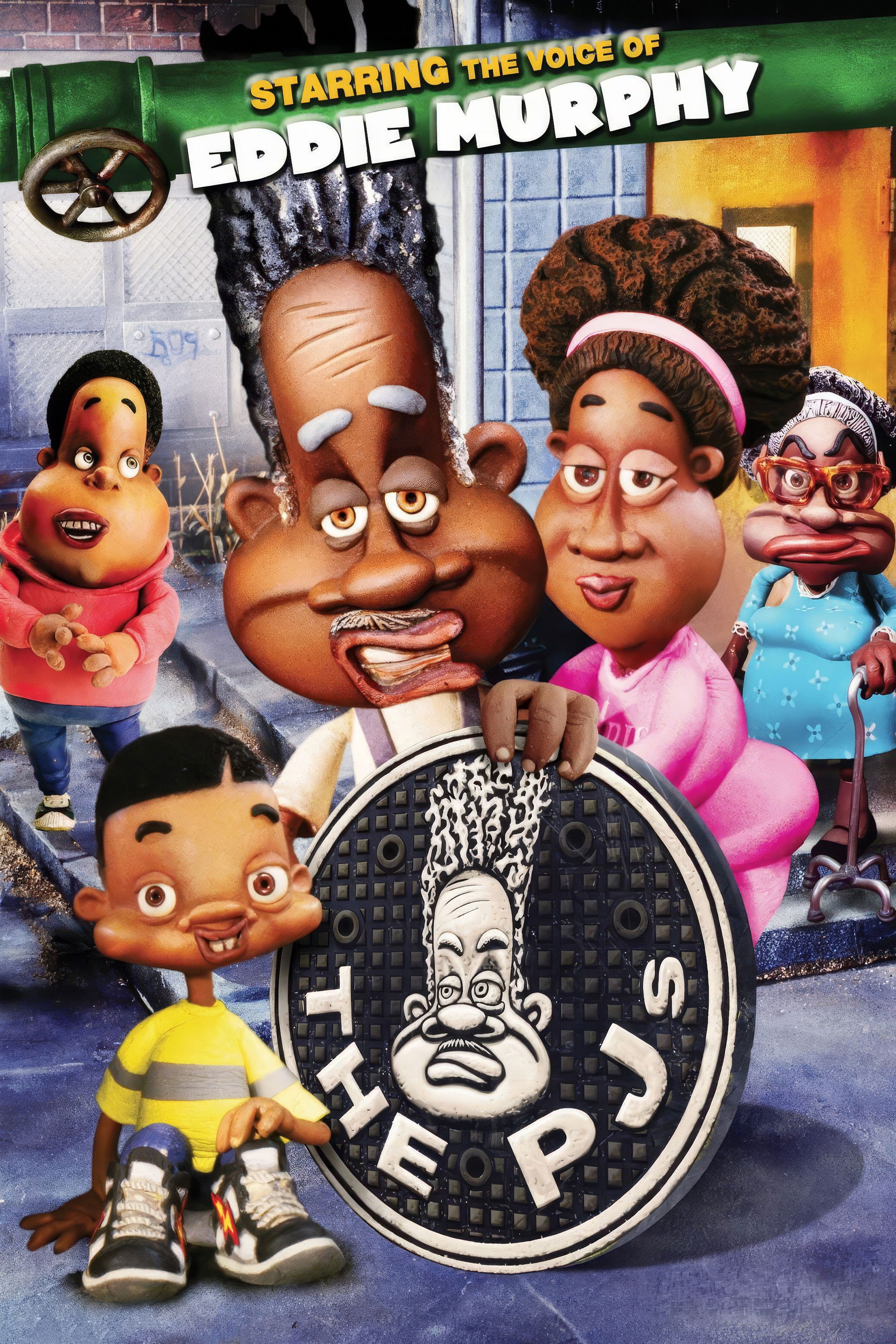
This stop-motion animated series portrayed the lives of people living in a public housing project, showcasing both their challenges and successes. It stood out for its distinctive look and its focus on a community rarely seen on television. However, the show also received criticism for relying on stereotypes and using poverty as a source of humor. Today, audiences would likely expect a more thoughtful and sensitive treatment of these issues. Overall, it was a daring and often debated series that pushed boundaries in adult animation during the early 2000s.
‘The Larry Sanders Show’ (1992–1998)
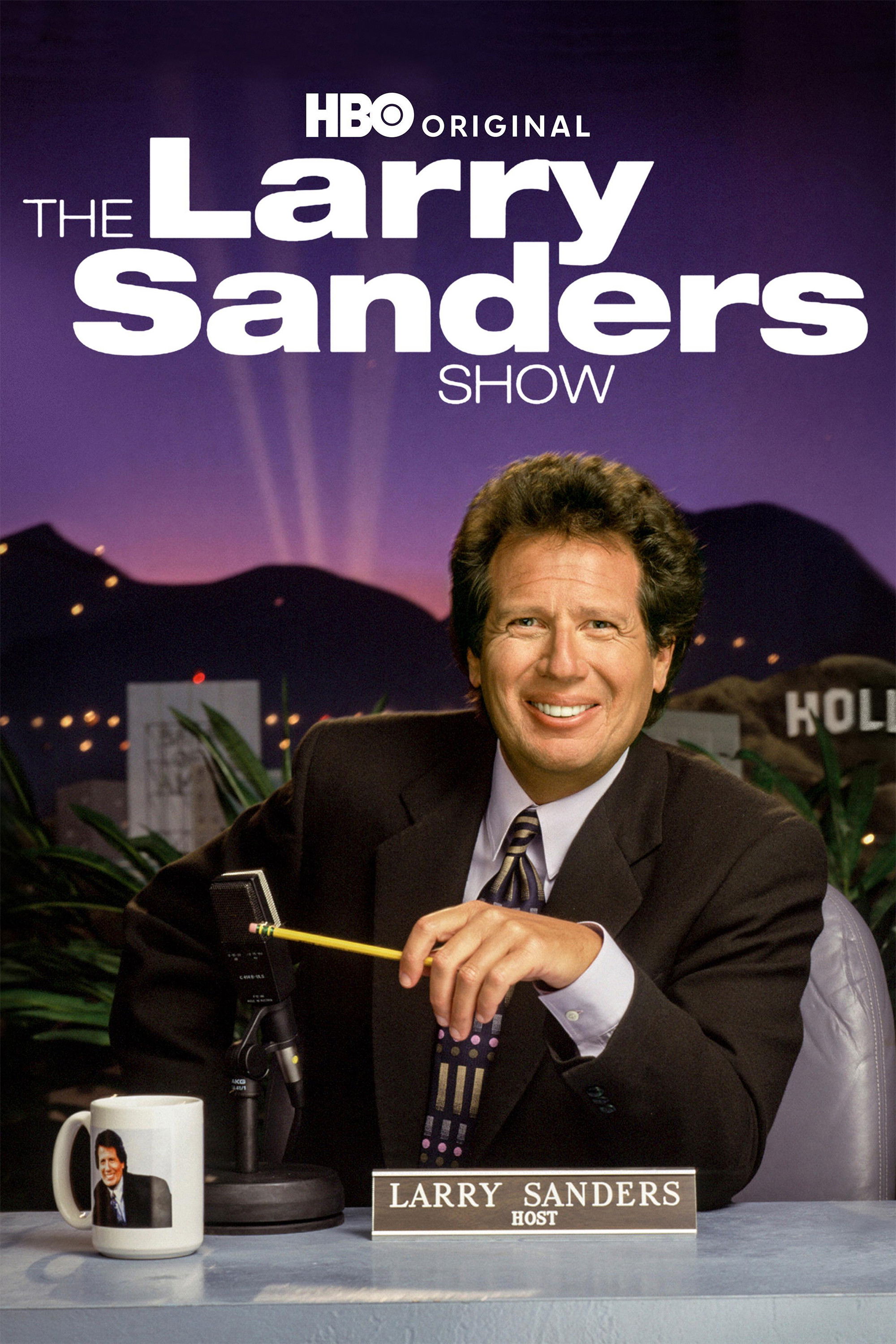
This show offered a realistic, humorous look behind the scenes of a fictional late-night talk show, focusing on the personalities and conflicts of those involved. It was groundbreaking for its single-camera style and its critical take on the entertainment world. While some of the characters’ actions and the workplace environment would be considered unacceptable today, the show’s blend of real and fictional elements felt innovative for its time. Despite dealing with challenging subjects, it’s still considered a brilliant example of television satire.
‘Just Shoot Me!’ (1997–2003)
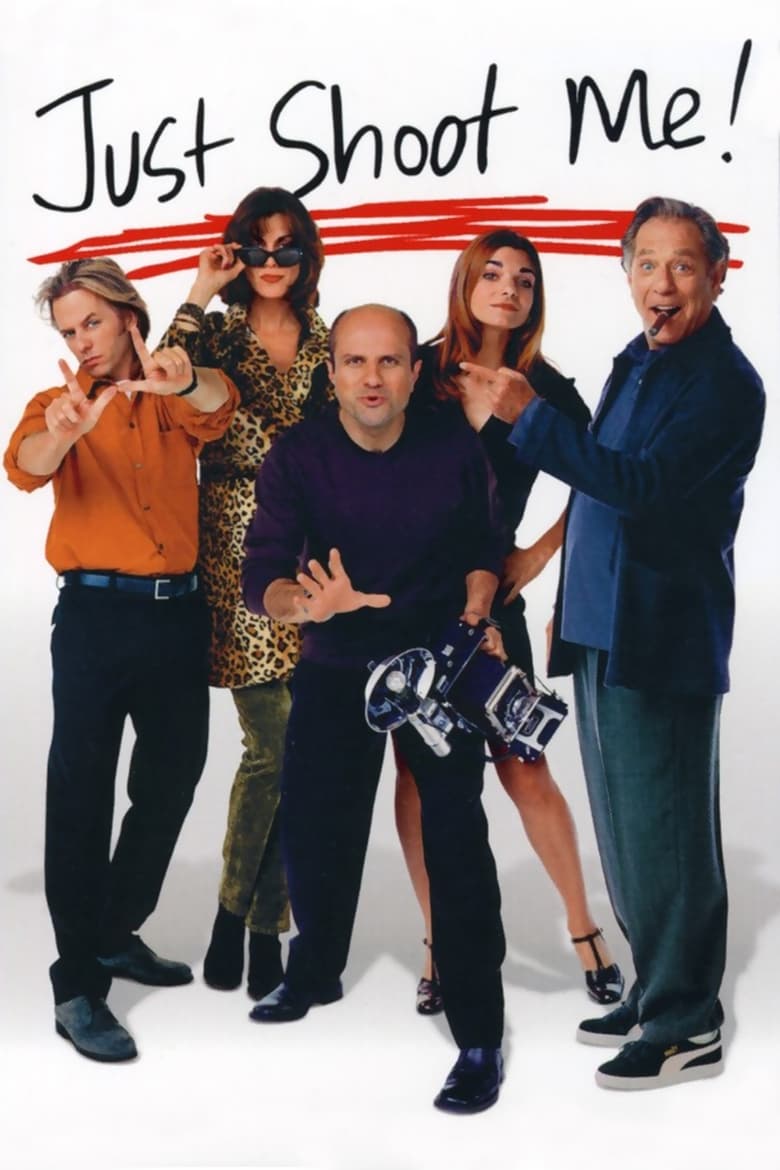
This sitcom was set at a high-fashion magazine and followed the lives and relationships of its employees. A lot of the humor came from jokes about looks and the shallow side of the fashion world. Today, many of the show’s storylines about work and romance would likely be seen differently. Despite this, the show had a strong cast and was a popular program for several seasons, capturing the culture’s focus on fashion and social status at the time.
‘Dharma & Greg’ (1997–2002)
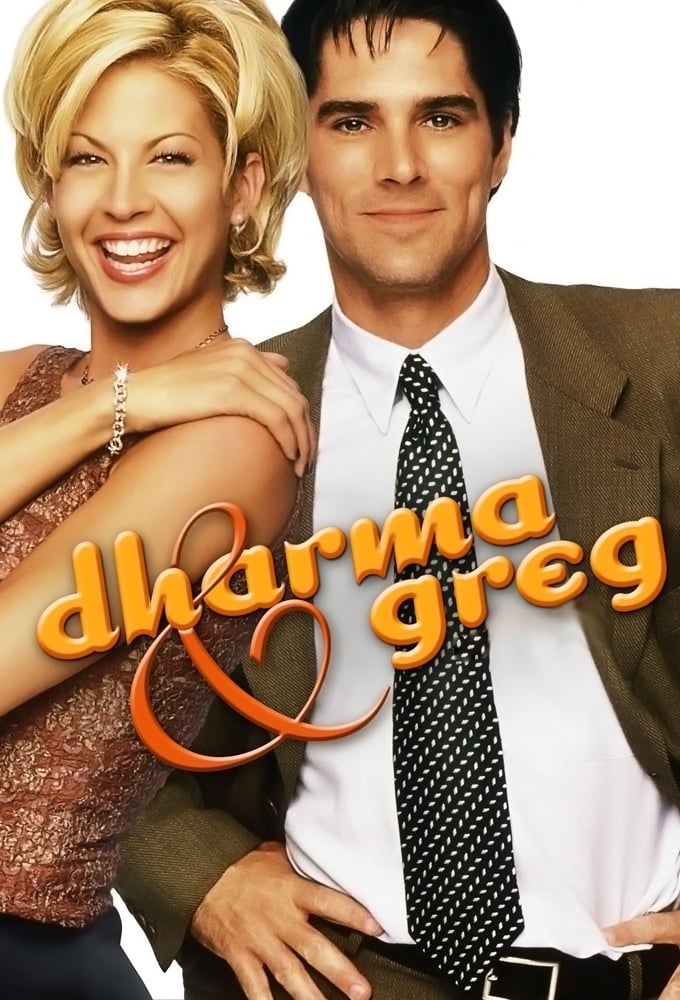
I remember being totally charmed by this show! It was about a woman who was all about freedom and a really traditional lawyer who fell in love and got married after just one date. A lot of the comedy came from how different their lives and families were, and watching them navigate that. Looking back now, some of the jokes about social class and different ways of living feel a little old-fashioned, and the characters weren’t always super complex. But it was a really popular romantic comedy, and it just captured the hopeful feeling of the late nineties so well. It was pure fun!
Let us know in the comments which of these older TV shows you believe would struggle the most if it aired today.
Read More
- Gold Rate Forecast
- Games That Faced Bans in Countries Over Political Themes
- Silver Rate Forecast
- 15 Films That Were Shot Entirely on Phones
- Unveiling the Schwab U.S. Dividend Equity ETF: A Portent of Financial Growth
- 22 Films Where the White Protagonist Is Canonically the Sidekick to a Black Lead
- 20 Movies Where the Black Villain Was Secretly the Most Popular Character
- The Best Directors of 2025
- Brent Oil Forecast
- Superman Flops Financially: $350M Budget, Still No Profit (Scoop Confirmed)
2026-02-07 14:52