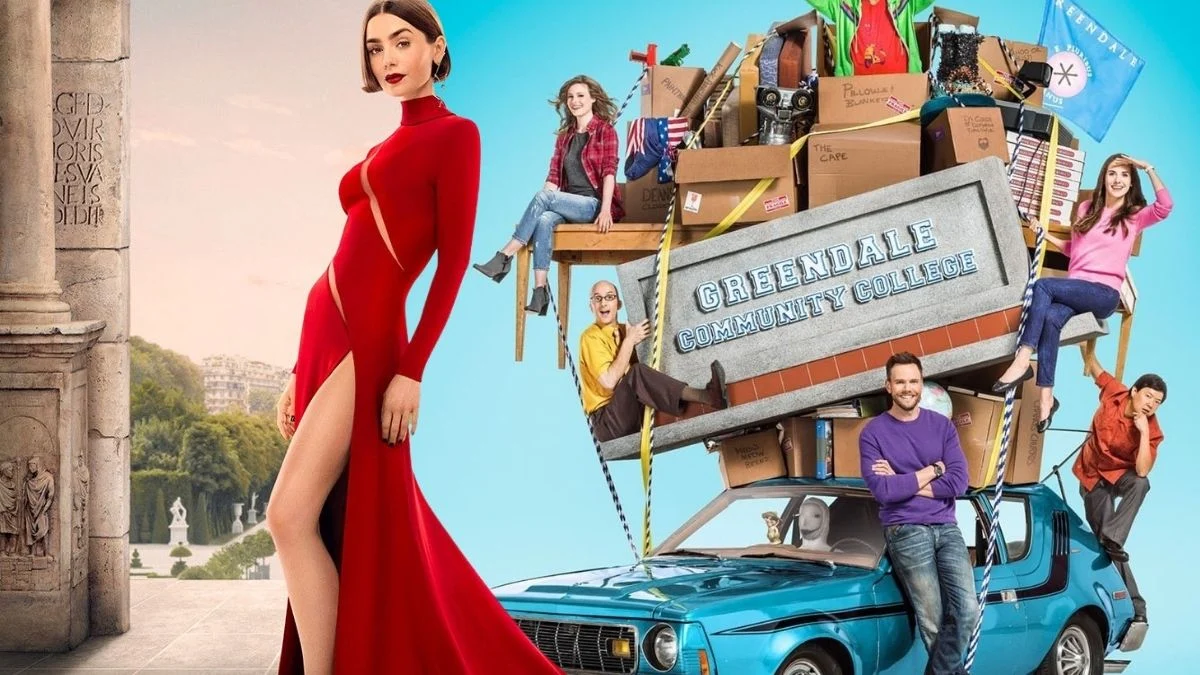
Throughout television history, shows have often been criticized for including diverse characters in ways that feel superficial – a practice known as tokenism. These characters are often underdeveloped or play minor roles compared to white characters. Many series have been called out for simply adding one Black character to appear diverse without actually weaving them into the main storyline. This list looks at different shows where critics pointed out characters who felt like supporting pieces rather than important parts of the plot.
‘Friends’ (1994–2004)
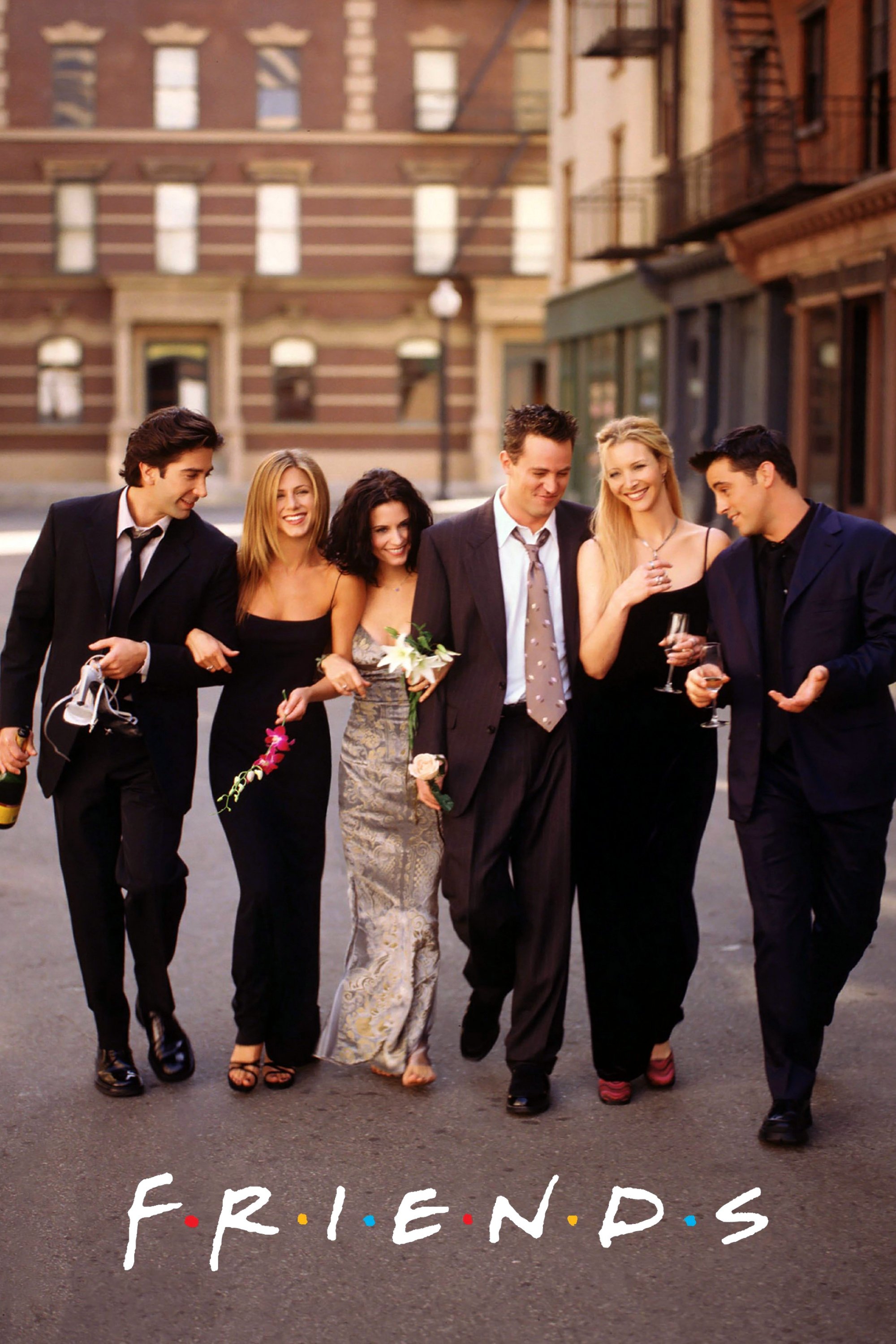
Reviewers often criticized the show for not having enough diversity among its main actors and for giving characters of color very little screen time. Charlie Wheeler was introduced as a romantic interest for both Ross and Joey in the later seasons. However, many viewers felt her character was mainly defined by her education and her relationships with the male leads. When she left the show, it felt sudden to some, who believed she was only added to address complaints about the lack of diversity in the original cast.
‘Glee’ (2009–2015)
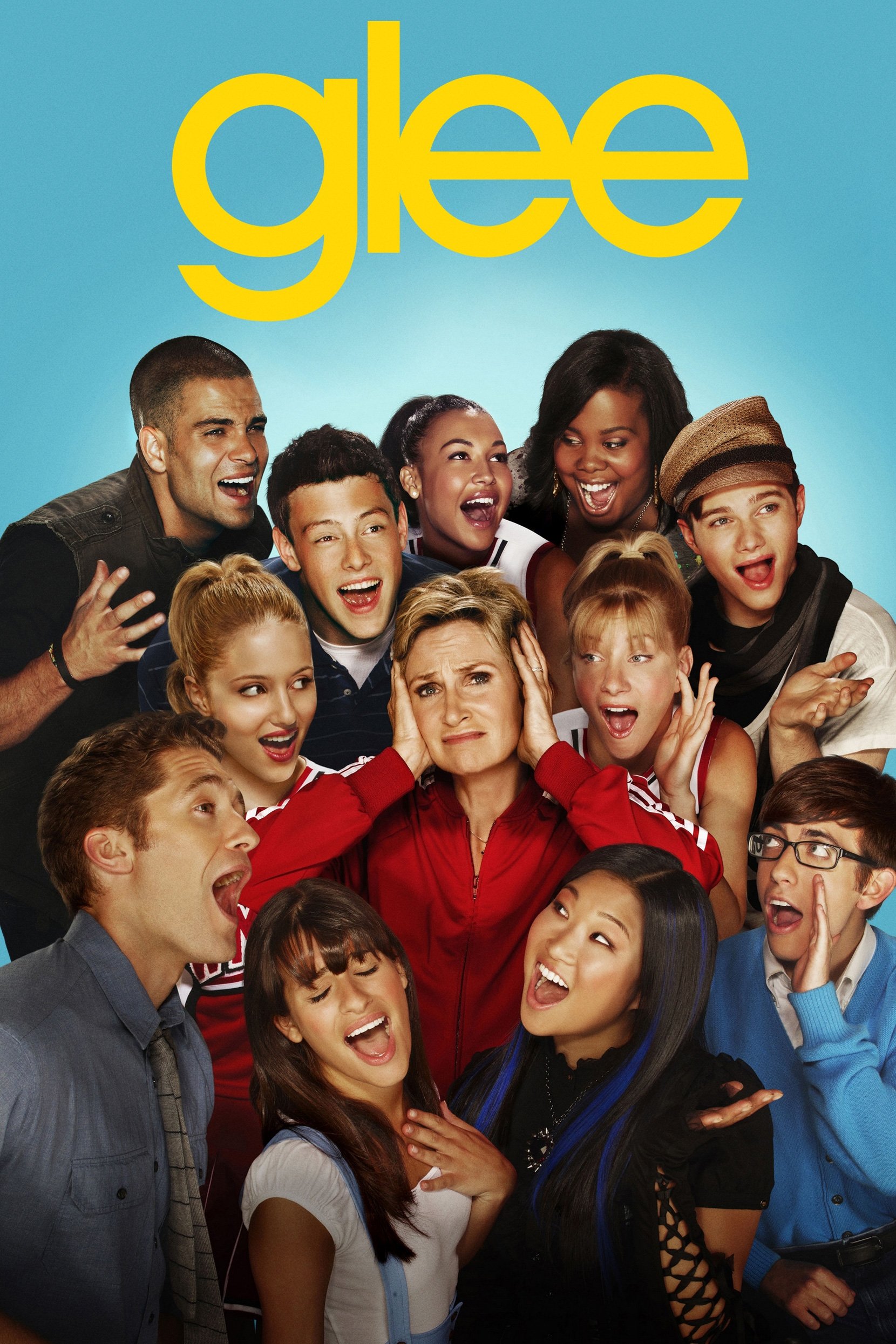
Mercedes Jones was a remarkably talented singer, but the show often focused more on the stories of Rachel and Kurt. While she had an incredible voice, her character’s storylines frequently centered on her struggle to be recognized. Many felt she deserved more complex development and wasn’t given the same opportunities for personal growth as other characters, often being used primarily for her vocal performances.
‘The Vampire Diaries’ (2009–2017)
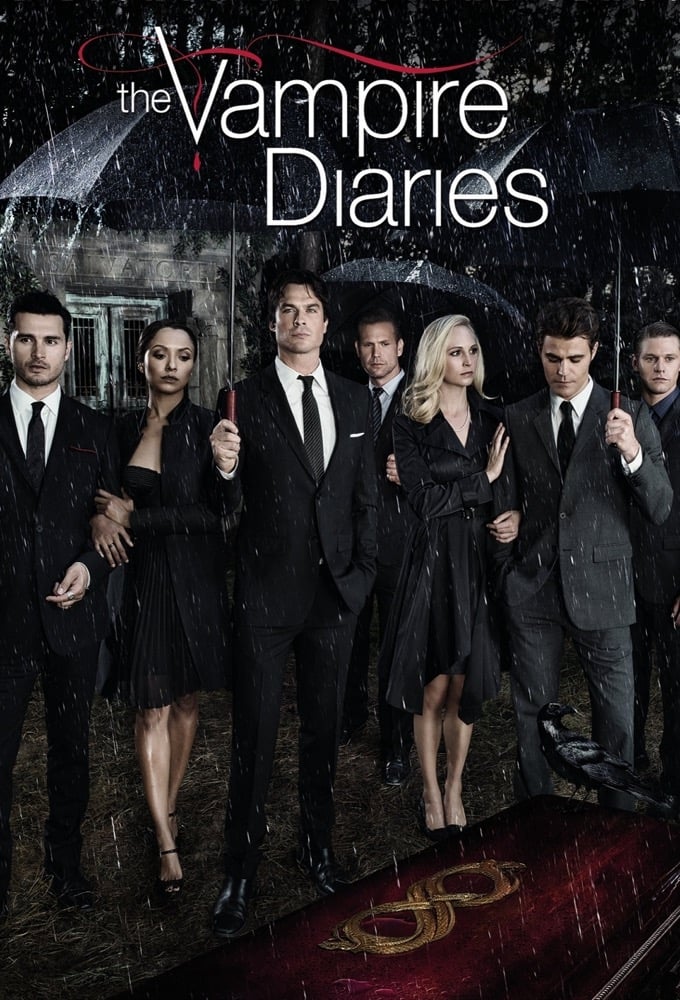
Bonnie Bennett was the show’s witch, consistently using her magic to help the main characters out of difficult situations. She repeatedly put herself at risk and sacrificed her own well-being to protect her friends. However, some viewers and critics pointed out that her own story and family were often only explored when they directly impacted the heroes. This sparked discussions about whether Bonnie’s purpose was mainly to support others rather than to develop her own strength and independence.
‘Riverdale’ (2017–2023)
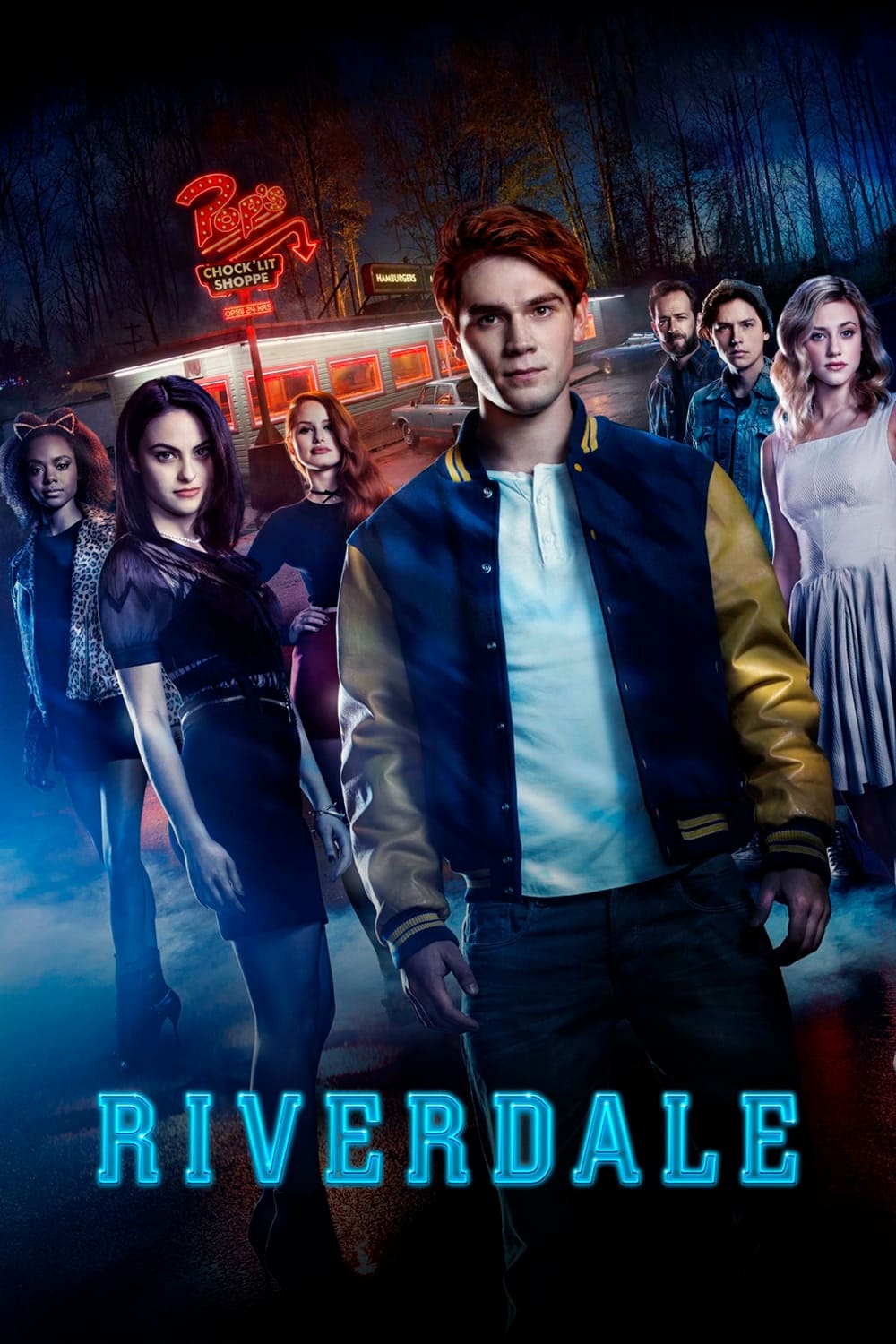
Josie McCoy and her band, the Pussycats, were first introduced as important figures in the town’s music scene. But viewers noticed Josie often took a backseat to the show’s four main characters, who drove most of the central storylines. The actress who played Josie even expressed frustration with the limited role and character development she received. Ultimately, her move to a different show demonstrated that the potential for her character wasn’t fully realized within the original series.
‘Saved by the Bell’ (1989–1993)
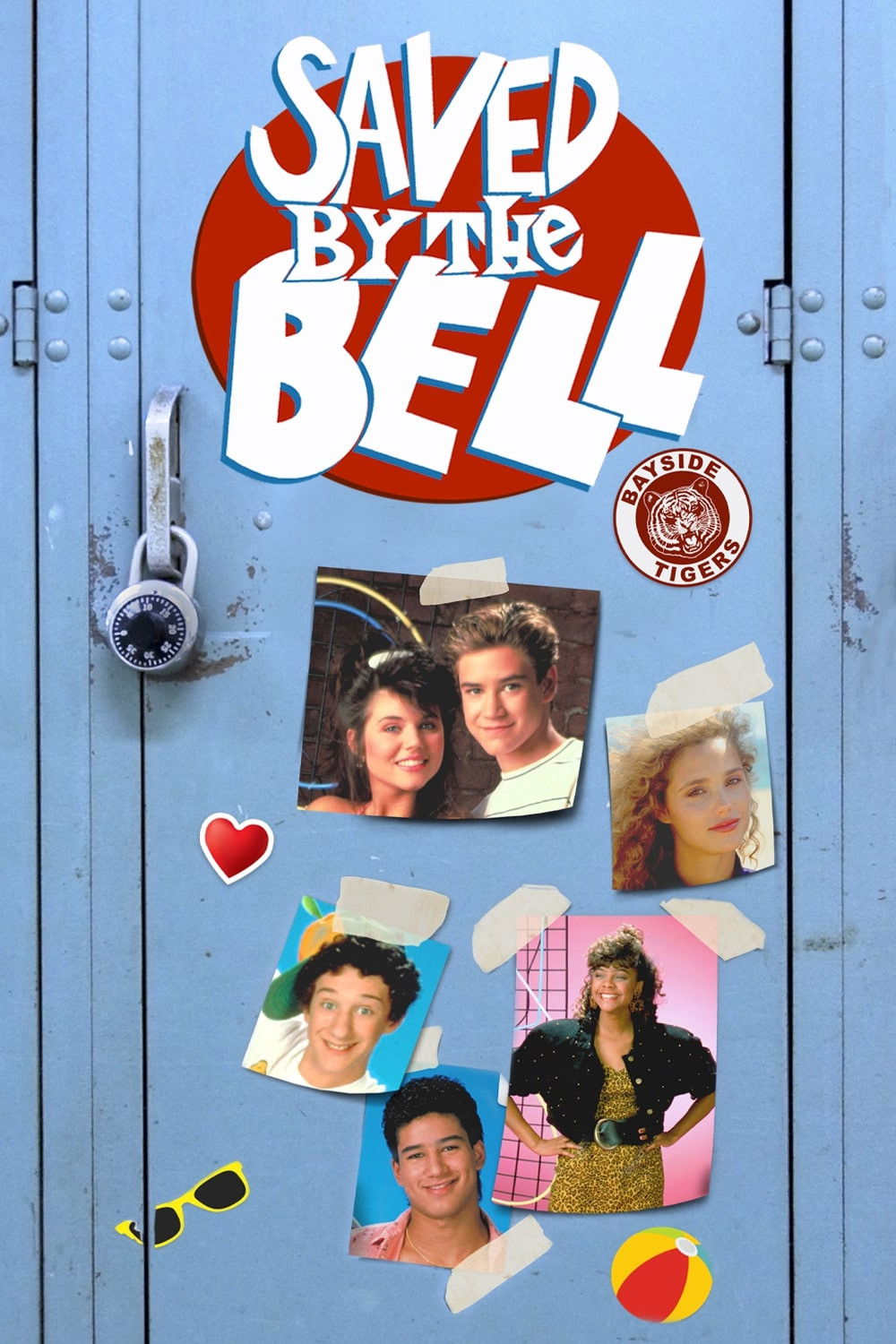
Lisa Turtle was the stylish and well-off friend in the Bayside High group, often providing funny moments. Although she was a main character throughout the series, her story didn’t receive the same attention as other characters, especially when it came to romance. Looking back, critics have pointed out that she often faced unwanted attention, which was usually played for laughs instead of being explored as a serious part of her character’s journey.
‘The Walking Dead’ (2010–2022)

T-Dog was part of the first group of survivors, but he didn’t have much screen time or dialogue. Compared to characters like Rick and Daryl, his story felt underdeveloped and his reasons for acting weren’t fully explained. Fans noticed a pattern where the show seemed to replace Black male characters with new ones, a phenomenon they called the “One Black Man Rule.” Some viewers felt T-Dog’s death served the purpose of making room for other characters, rather than being a meaningful conclusion to his own story.
‘Smallville’ (2001–2011)
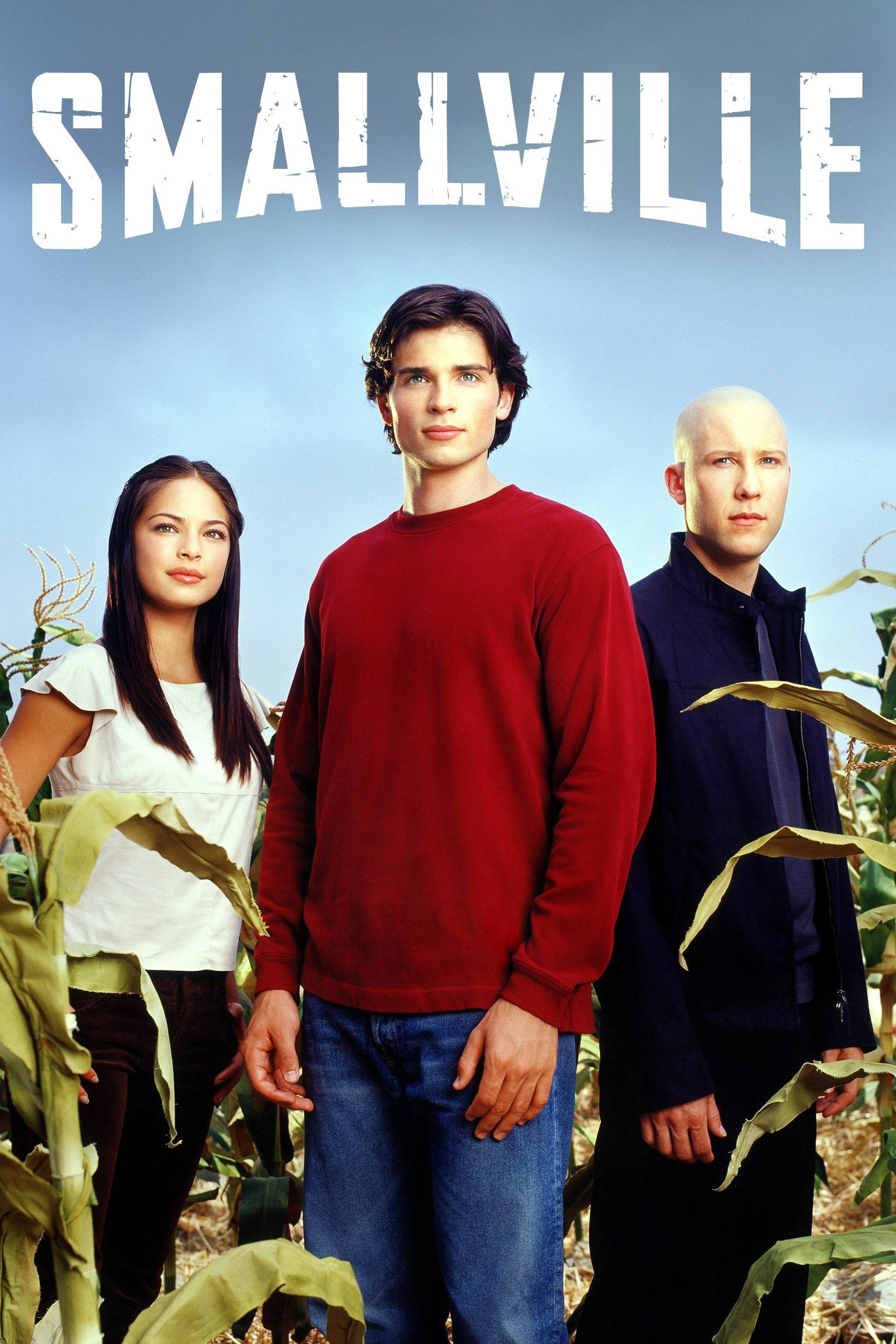
Pete Ross was Clark Kent’s close friend when Clark was first discovering his powers. Although Clark initially confided in him, Pete often felt like an afterthought in the bigger story. After three seasons, the show’s writers quietly removed his character. Many critics believed they never fully explored his potential as a trusted friend or developed him as a compelling character on his own.
‘Girls’ (2012–2017)
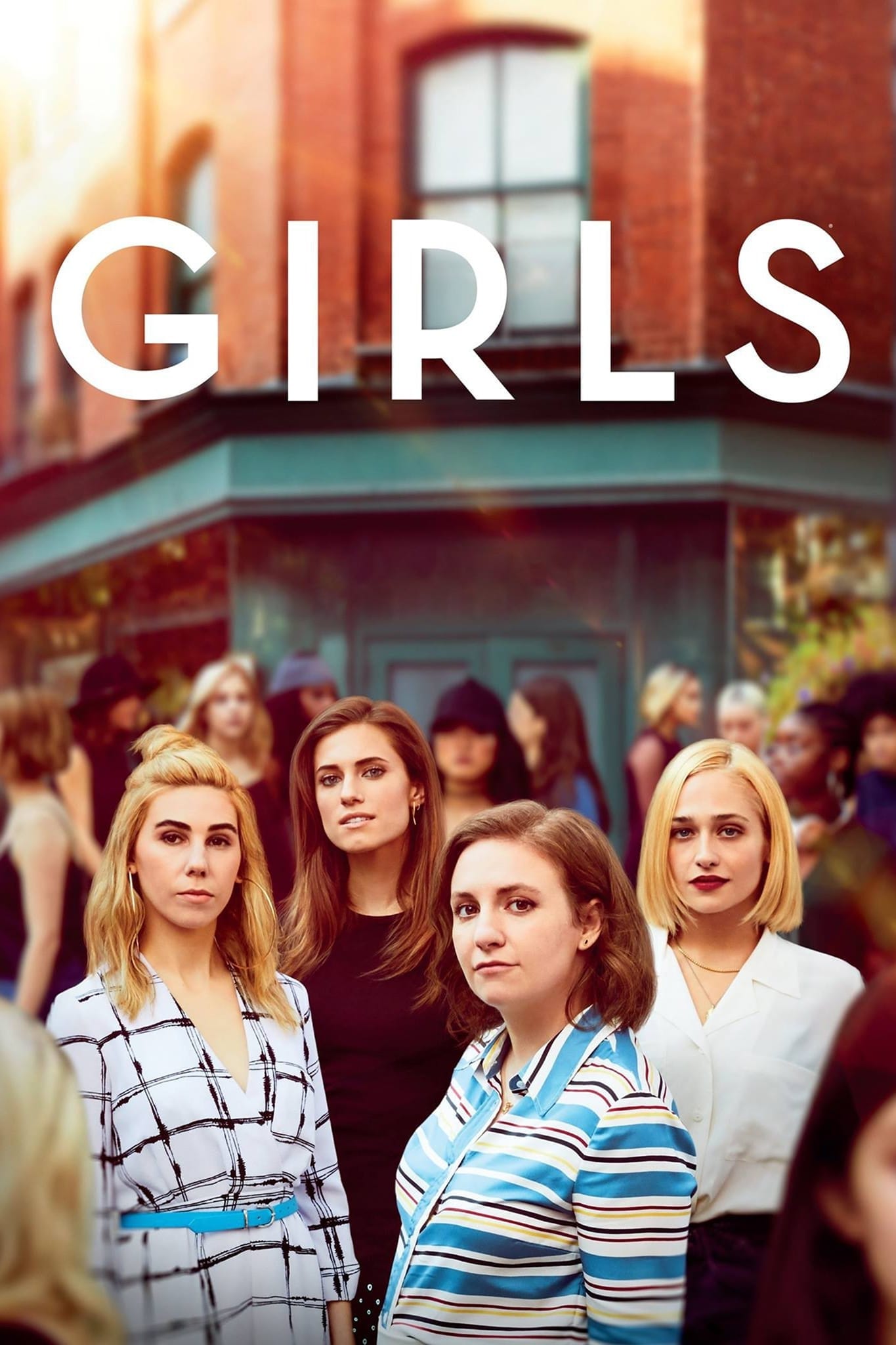
As a big fan of the show, I remember when Sandy showed up in season two. Honestly, it felt a little… forced. He was brought in as a love interest for Hannah, but it was pretty clear the show was responding to criticism about not having enough diversity, especially considering it’s set in New York City. He only appeared in a couple of episodes, and the whole storyline seemed less about him as a character and more about giving Hannah a platform to talk about race. It didn’t really feel like a natural part of the story, more like a reaction to the press.
‘Buffy the Vampire Slayer’ (1997–2003)
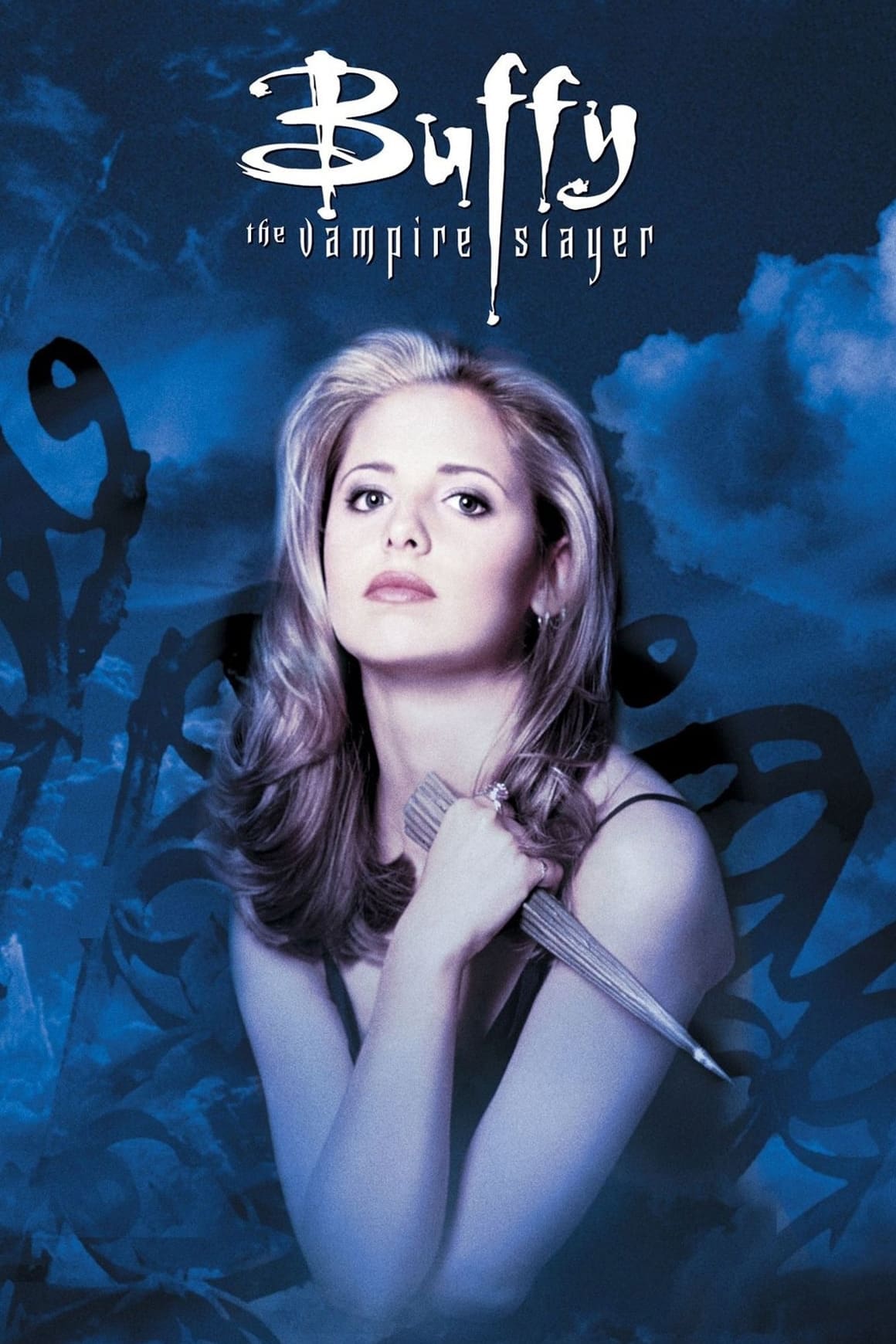
Kendra Young was presented as a second vampire slayer who always followed the established rules and traditions. She only appeared in a handful of episodes before being killed by a villain. Many felt her character existed primarily to emphasize how different Buffy was – how she broke the rules and wasn’t afraid to rebel. Because she had so little time on screen and was killed off quickly, people began to discuss whether the show tended to discard characters of color too easily.
‘The Office’ (2005–2013)
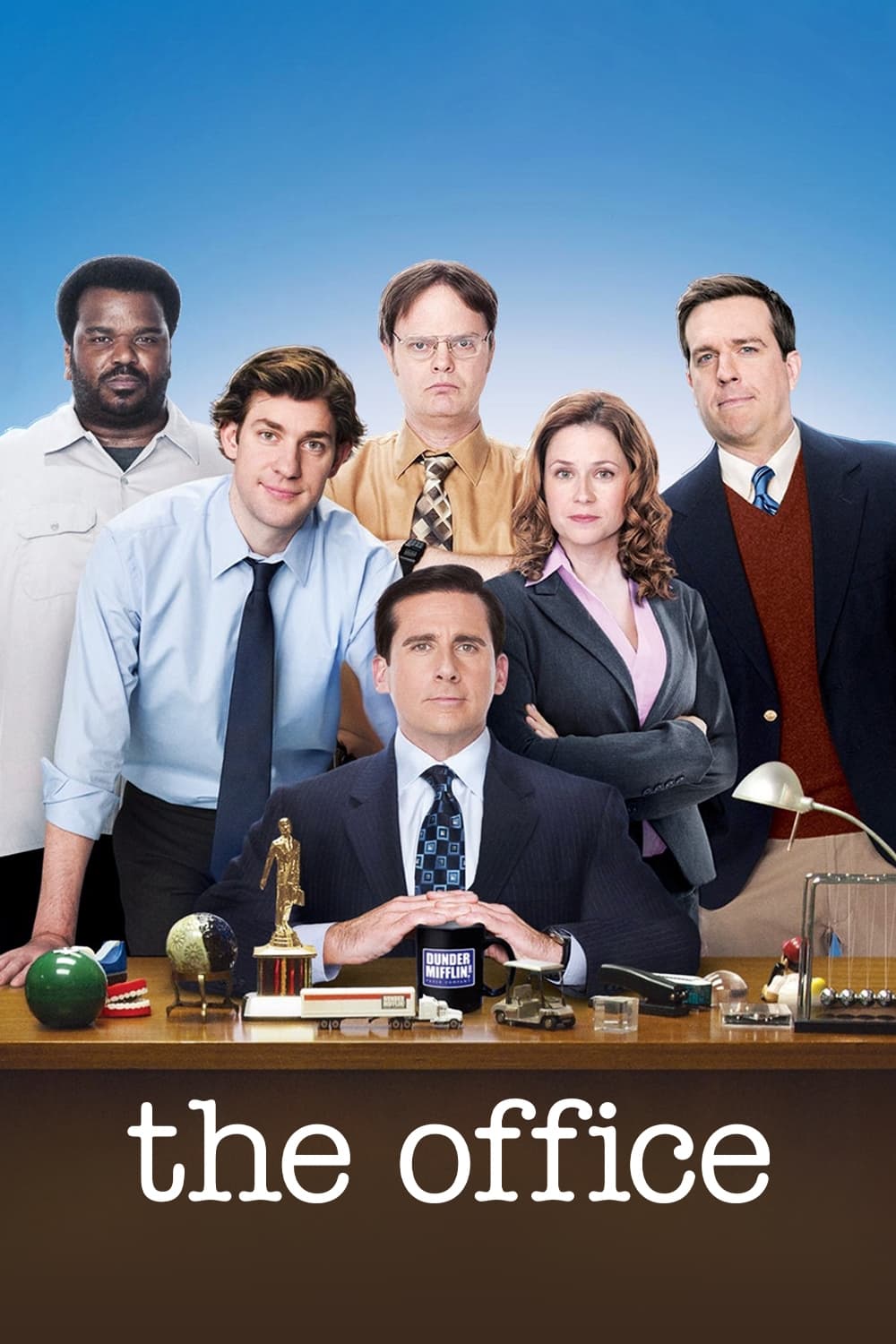
Stanley Hudson was popular with viewers for his love of crossword puzzles and his clear dislike of Michael Scott. However, some felt his character relied too heavily on being lazy and grumpy. He didn’t often get storylines that showed what his life was like outside of work, or what drove his actions. As a result, some critics felt he was used more for quick laughs than as a complex, well-developed character.
‘Teen Wolf’ (2011–2017)

As a huge fan of the show, I always felt a little sad about Vernon Boyd. He was part of Derek’s pack, but honestly, he didn’t get much to do. He was mostly just…there, a strong guy who rarely spoke up. Compared to the other werewolves, we never really learned much about him, his background, or what he was thinking. It felt like he was there to add numbers to the pack, but not much to the heart of the story. And when he did die, it felt really frustrating because it seemed like it only happened to push the main characters’ storylines forward, rather than being a meaningful moment for him.
‘Pretty Little Liars’ (2010–2017)
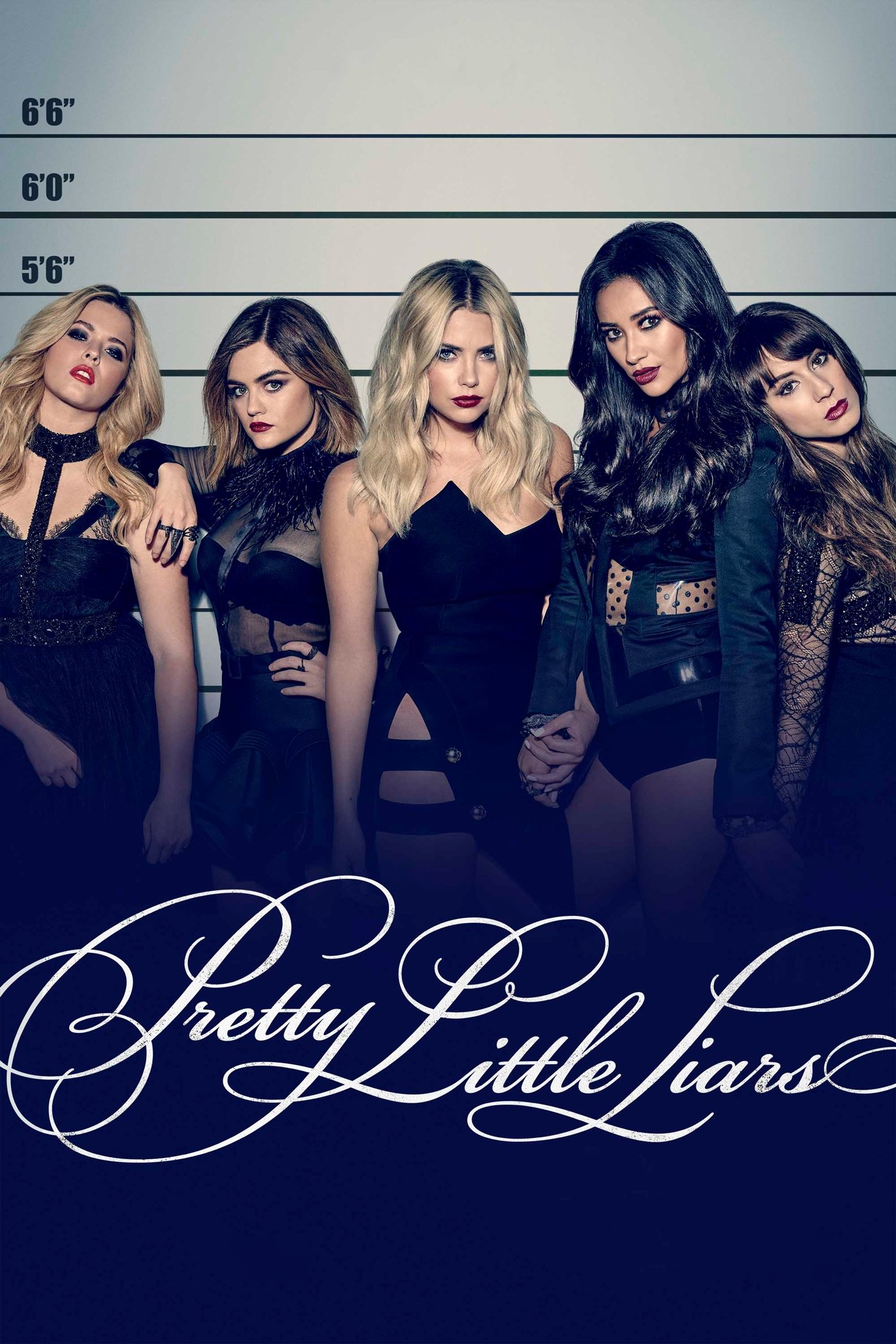
Maya St. Germain was Emily Fields’ first girlfriend and helped Emily come to terms with her sexuality. However, Maya was often away for extended periods and was unexpectedly killed off. Many viewers and critics felt Maya’s purpose was mainly to create conflict for Emily, rather than being a fully developed character on her own. This pattern of using a minority character as a plot device for tragedy was a common complaint among fans.
‘Mad Men’ (2007–2015)
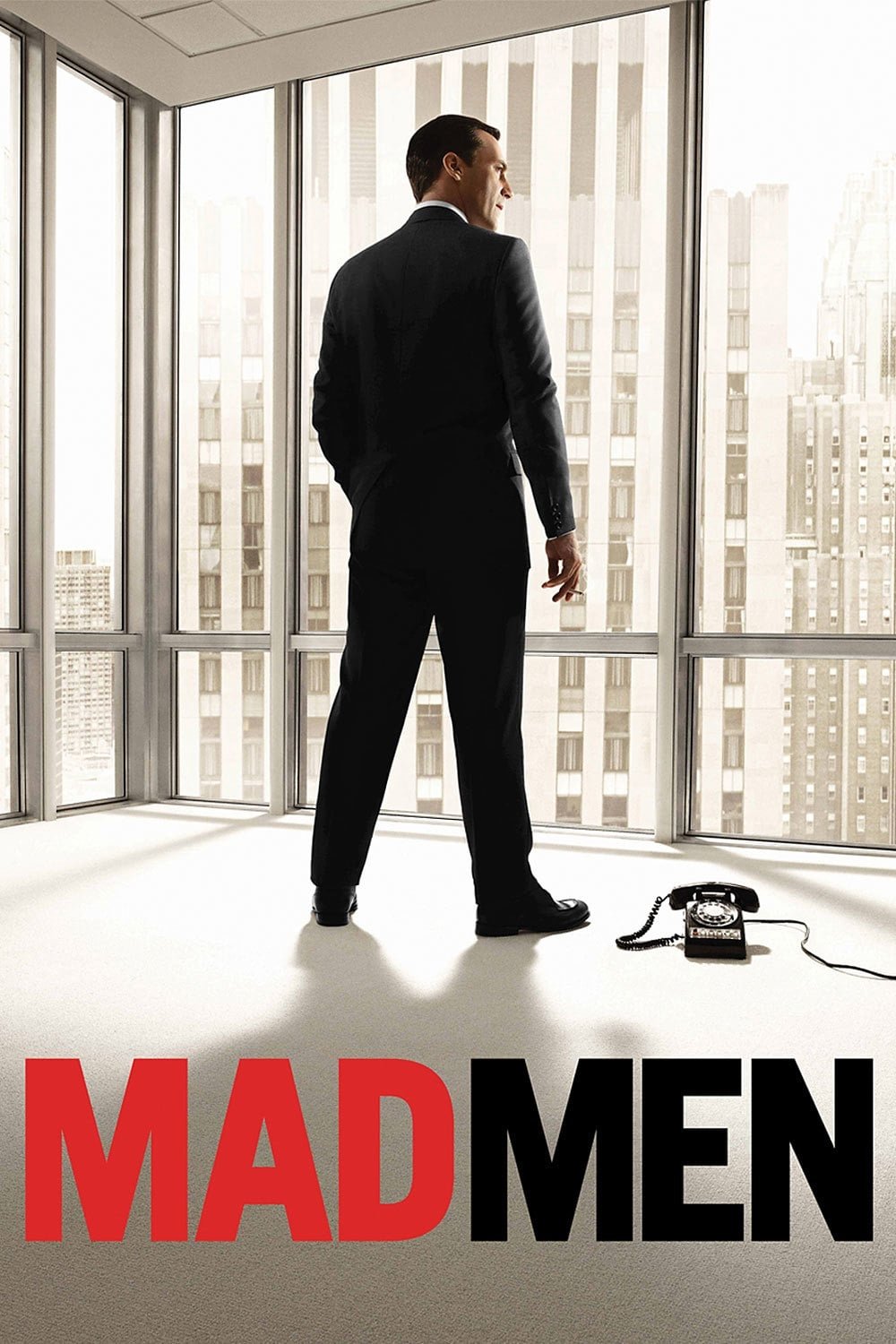
Dawn Chambers was the first Black employee featured on the show, appearing in later seasons. She was added to represent the social changes happening in the 1960s. While her inclusion was important historically, critics pointed out that she wasn’t often a central part of the show’s main stories. Instead, she frequently appeared in the background or in short scenes that emphasized the loneliness of being the only person of color present.
‘Gossip Girl’ (2007–2012)
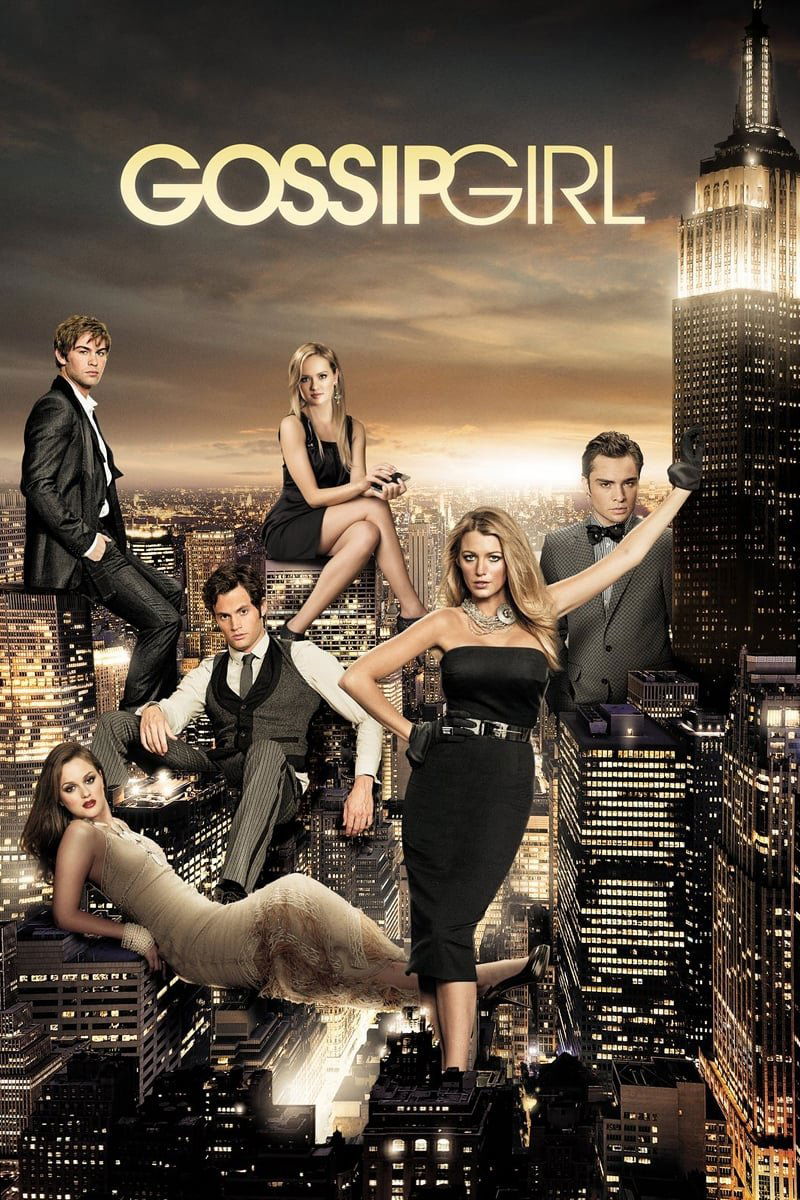
Isabel Coates was a familiar face in the first few seasons of the show, consistently playing one of Blair Waldorf’s devoted followers. She mostly spent her time taking direction and helping with the complicated social plans of the wealthy teenagers. Some viewers felt her character lacked a strong identity or any personal ambitions beyond supporting Blair. Eventually, the show simply stopped using her character, leaving her storyline unfinished.
‘The Big Bang Theory’ (2007–2019)
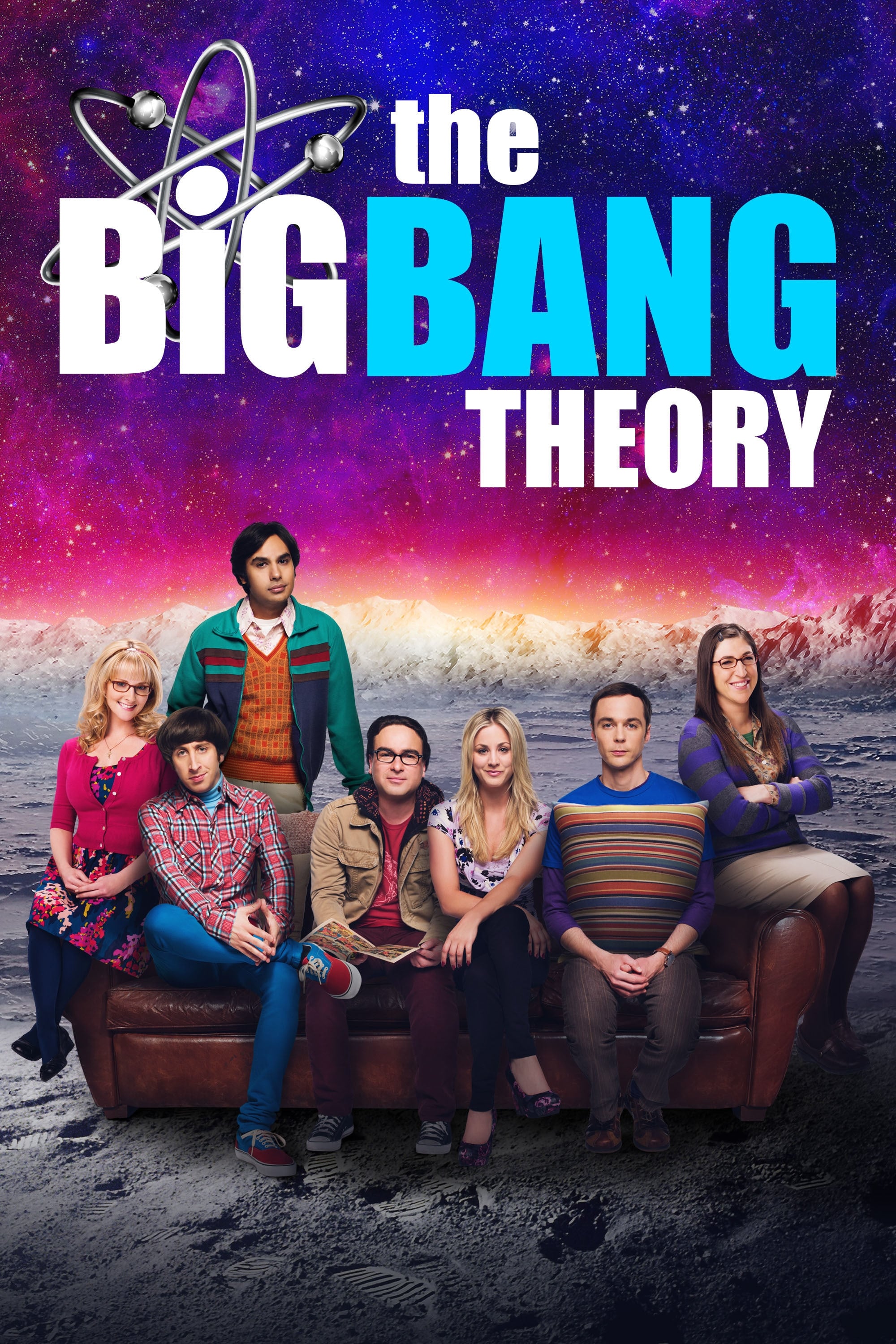
The long-running sitcom about scientists received criticism for its limited number of regular Black characters. Though the show sometimes included actors of color as guests, these characters rarely became part of the main group. Dr. Janine Davis, a human resources administrator, appeared from time to time to scold the lead characters, but many viewers felt she was only used as a strict boss and not as a friend or colleague.
‘New Girl’ (2011–2018)

Winston Bishop was introduced in the first season after the character Coach left the show. Initially, the writers had trouble figuring out how to make Winston stand out among the other characters. Some critics felt he started as a supporting player, mainly there to complete the group living in the apartment. Over time, the show developed his quirky personality and gave him more important story arcs.
’30 Rock’ (2006–2013)

James Toofer Spurlock worked as a writer on the show and often became the butt of jokes referencing his Ivy League background. The show frequently used his character to poke fun at diversity initiatives in television. Some critics felt that despite the show acknowledging his position, his character wasn’t as well-developed as others and he remained a minor player for most of the series.
‘Succession’ (2018–2023)
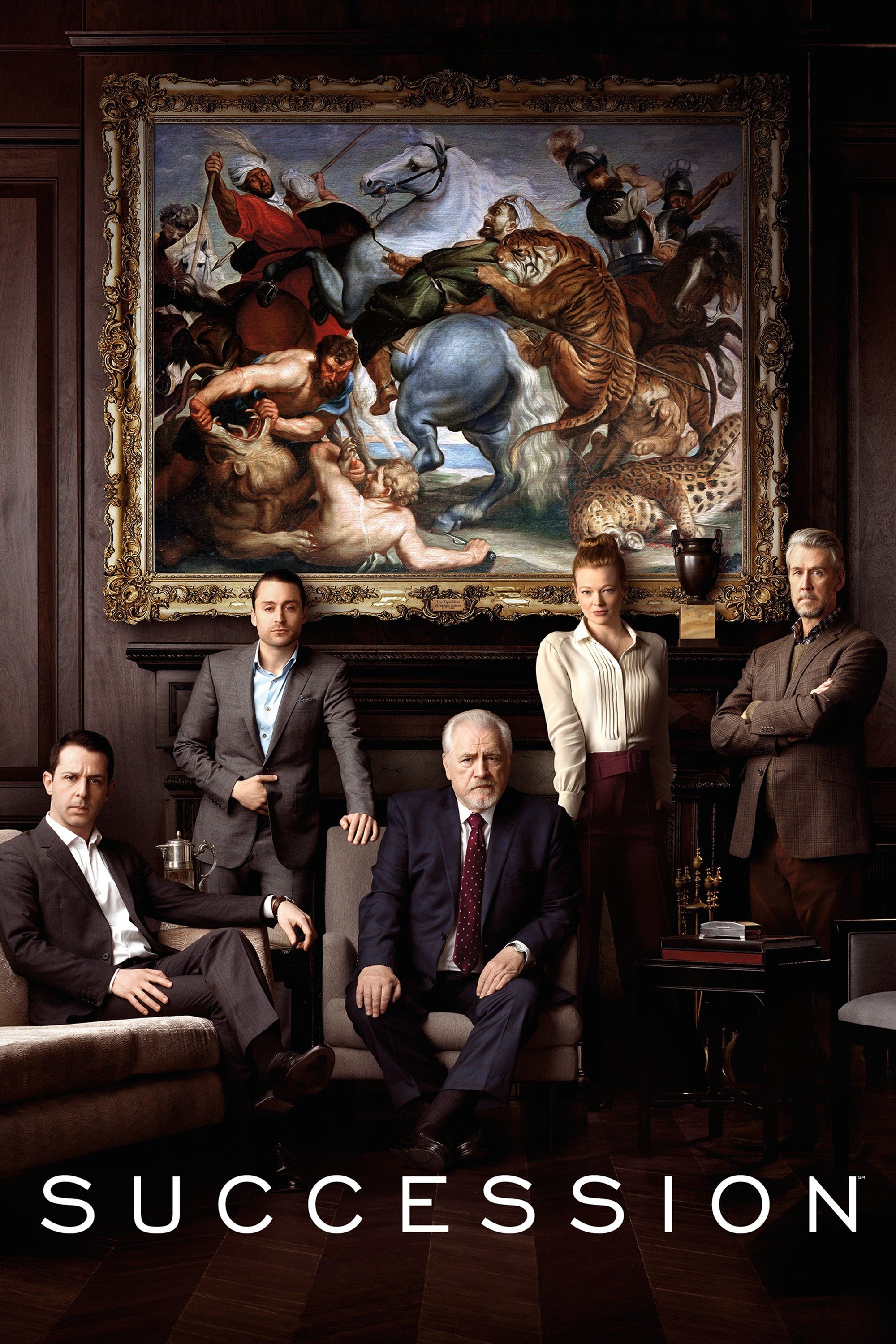
Jess Jordan worked as Kendall Roy’s personal assistant during all the high-stakes business dealings. She was always there, keeping his unpredictable schedule on track and doing whatever he asked. While she was a constant presence on screen, the show didn’t reveal much about her own life or what she wanted. This made her calm and capable nature stand out, especially when compared to the often clumsy and ineffective Roy family.
’13 Reasons Why’ (2017–2020)
Marcus Cole, the student body president, played a key role in the mystery surrounding Hannah Baker. He was often seen as the ‘bad guy’ – someone who cared more about what people thought of him than about telling the truth. Some viewers and critics felt his character was too one-dimensional, especially compared to the more nuanced portrayals of other students. This sparked conversations about how the show represented its characters of color, given the show’s sensitive and difficult subject matter.
‘Dawson’s Creek’ (1998–2003)
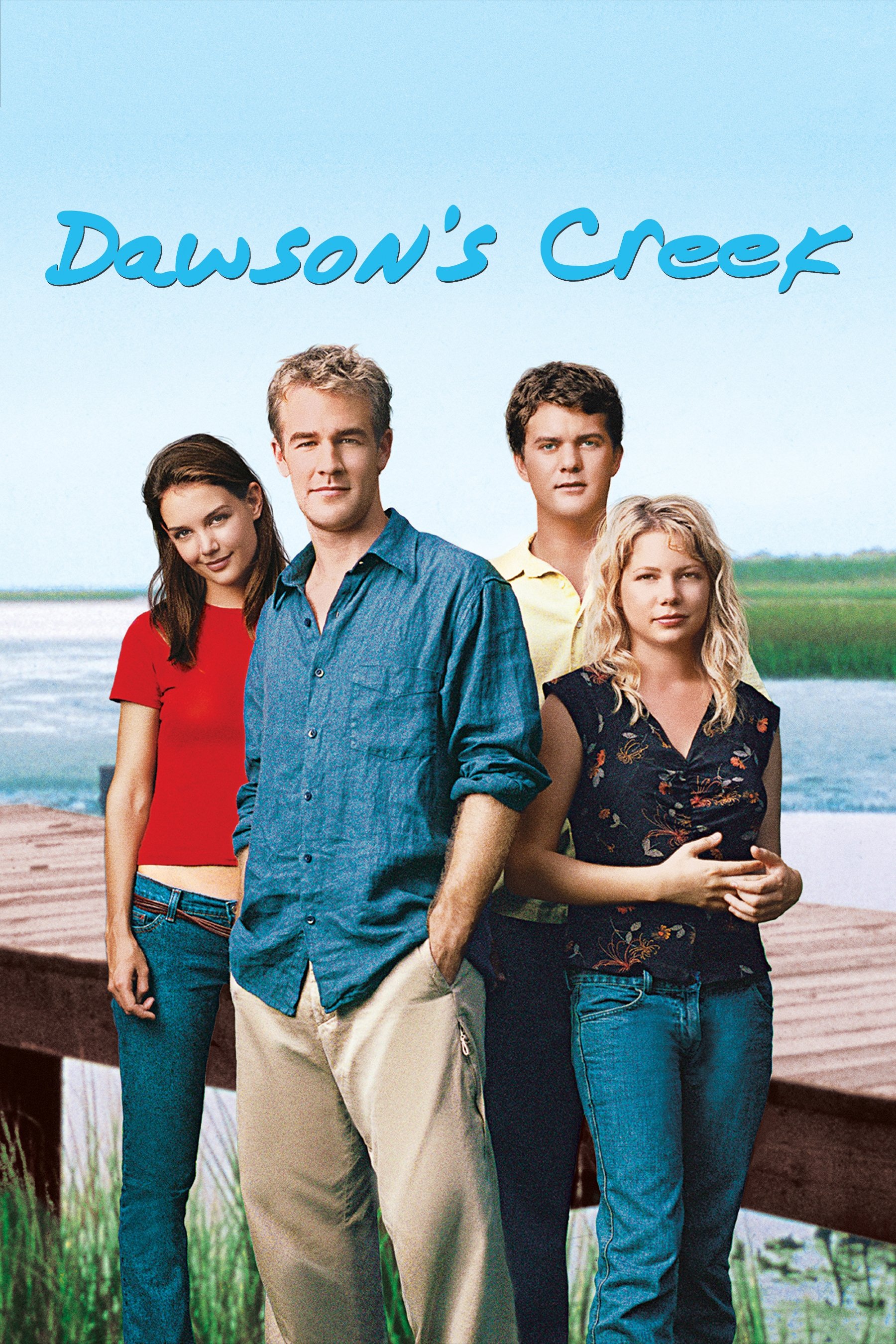
Bodie Wells was Joey’s sister Bessie’s boyfriend and a rare Black character in the mostly white town of Capeside. Though he appeared throughout the series, he remained somewhat on the sidelines, never fully becoming part of the core friend group. Many felt his character existed mainly to help the Potter family, without getting his own story arc. The show rarely acknowledged or explored his life beyond his relationship with Bessie.
‘Seinfeld’ (1989–1998)
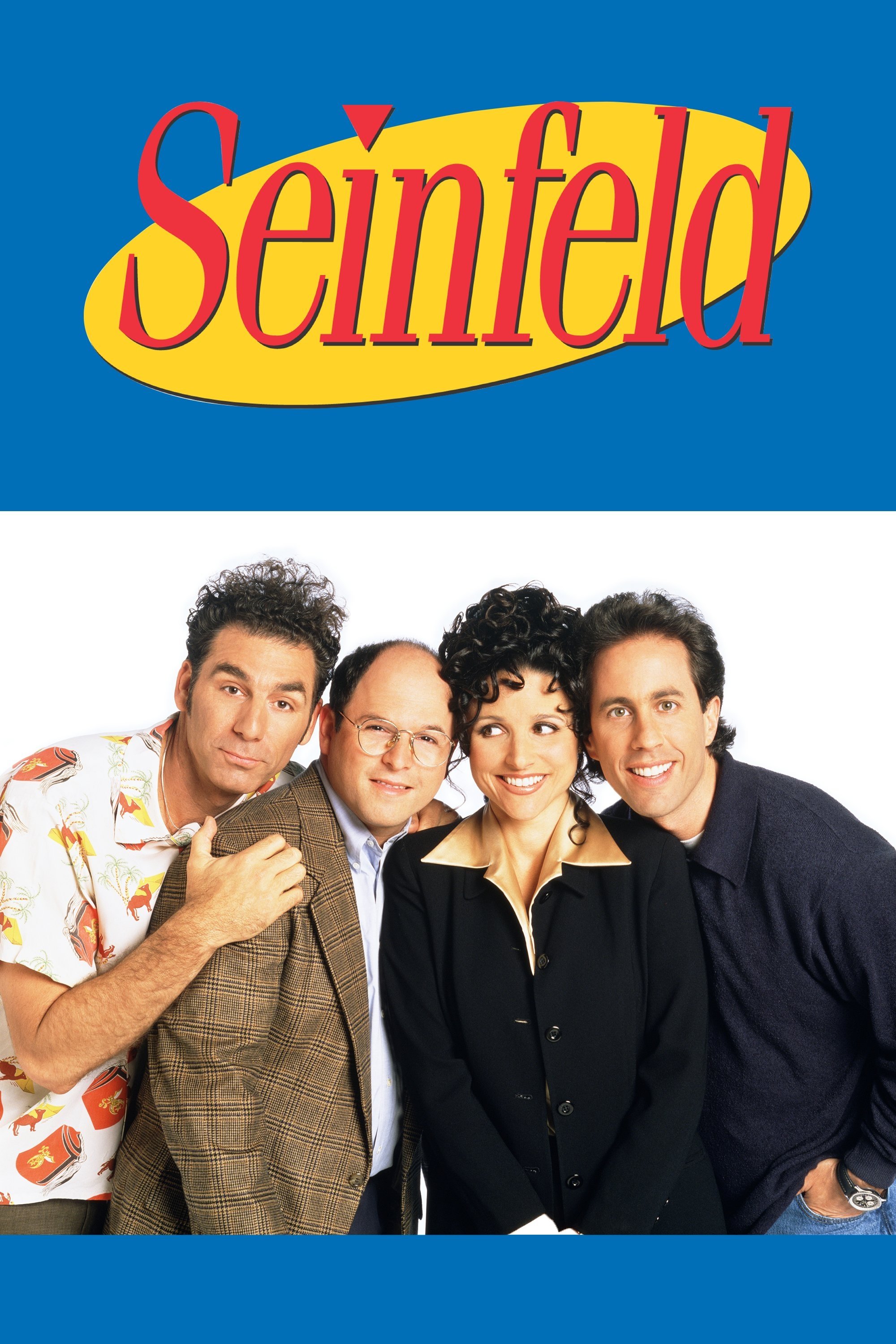
Jackie Chiles, a comedic lawyer inspired by Johnnie Cochran, defended Cosmo Kramer in several funny legal situations on the show. Though a memorable character, he only appeared in a few episodes. Some critics noted the show lacked consistent Black representation, especially considering New York City’s diversity. Jackie Chiles felt more like a humorous impression of a real person than a fully developed, recurring character within the show’s world.
‘Emily in Paris’ (2020–Present)

Julien works with the main character at a marketing company and is known for his funny observations and style tips. Some viewers feel his character falls into the ‘Black best friend’ stereotype, as the story mainly focuses on the problems of the main character, Emily, and doesn’t explore Julien’s own goals or career in much detail. Although he’s clearly skilled and motivated, the show rarely shows what’s happening in his personal life, and he often seems to be there to help Emily fix her work-related issues.
‘Bridgerton’ (2020–Present)
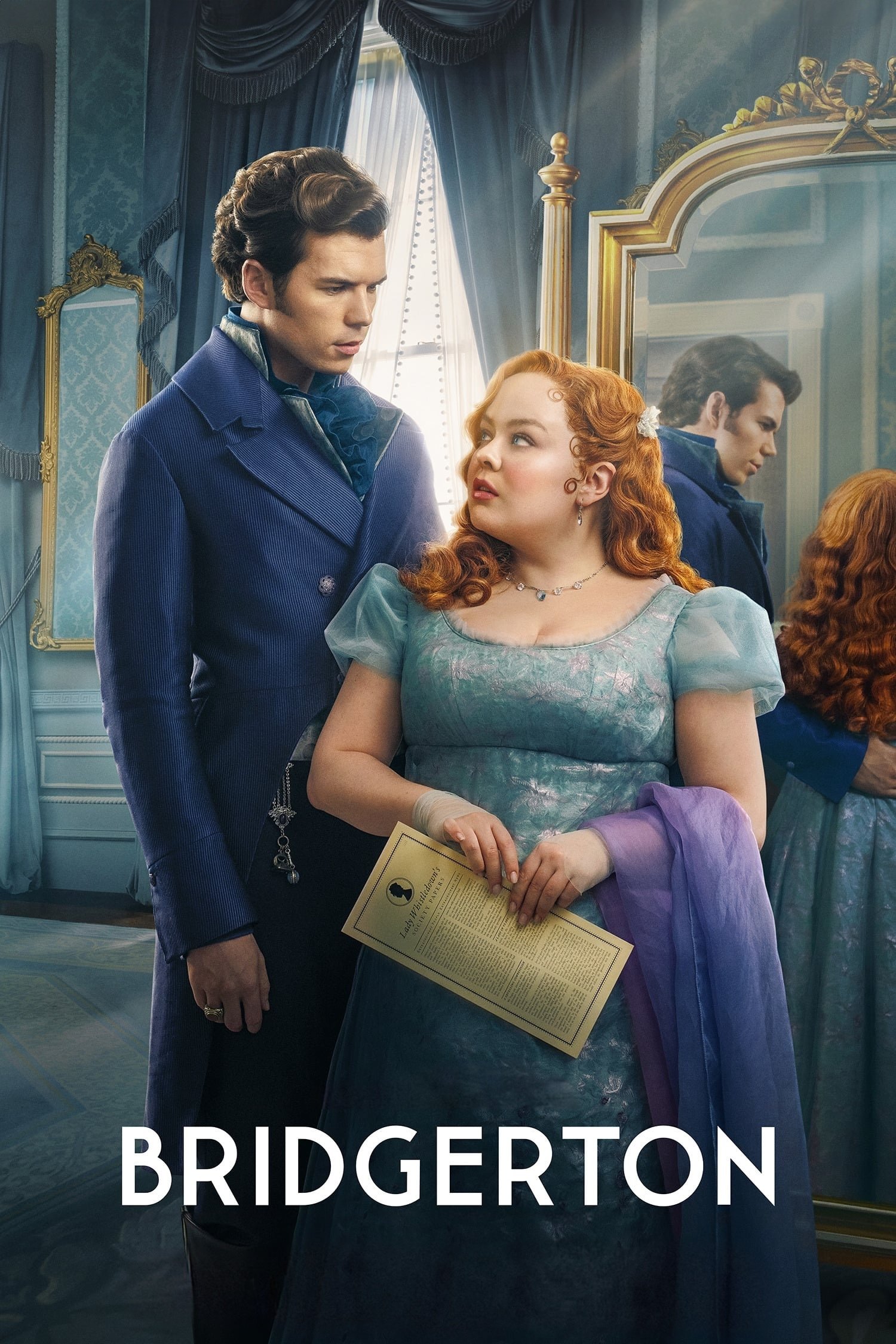
The series was applauded for its diverse cast within a historical setting, but some viewers and critics wondered if the Black characters were developed enough. While characters like Lady Danbury and the Duke of Hastings play important roles, the show doesn’t always fully explore how race would have impacted that time period. Some felt the show focused more on showing diversity than on truly weaving it into the story, leading to discussions about the difference between simply including diverse characters and fully integrating them into the narrative.
‘Big Little Lies’ (2017–2019)

Bonnie Carlson was the sole Black woman among the central group of mothers in the wealthy town of Monterey. Those familiar with the book the show was based on pointed out that her race and background weren’t really explored in the adaptation. Instead, she was often shown as a peaceful, somewhat separate figure who avoided the everyday conflicts until the story neared its conclusion. Many viewers felt her character wasn’t developed as fully as the other female leads, and didn’t get enough screen time to truly understand her motivations and feelings.
‘How I Met Your Mother’ (2005–2014)
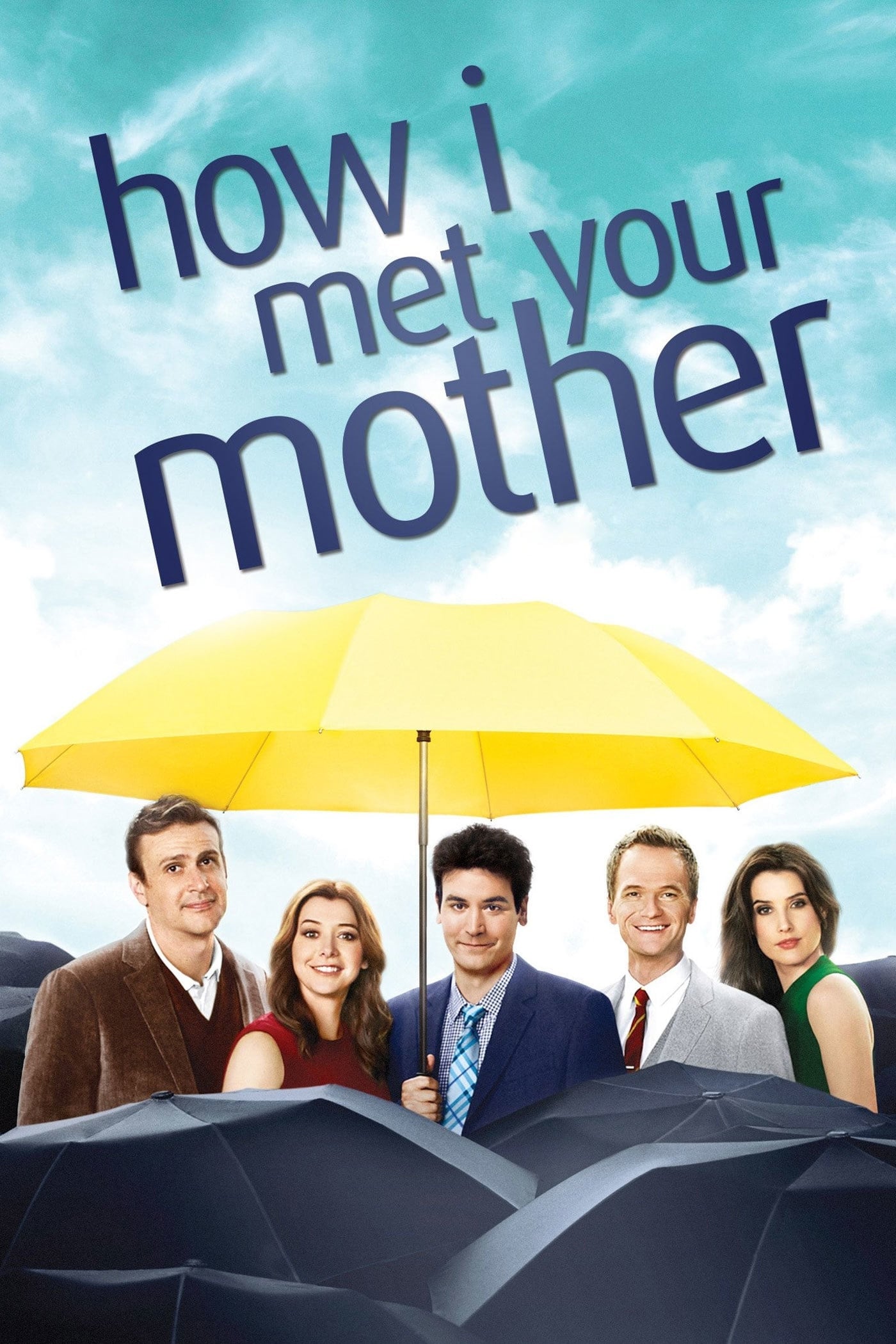
James Stinson, Barney Stinson’s older brother, also loved suits and going out. Though he appeared on the show several times, he wasn’t around as often as the main characters. Many viewers and critics noticed he often served as a funny mirror to Barney’s wild lifestyle. He didn’t really get a chance to connect with the rest of the group in a significant way.
‘Silicon Valley’ (2014–2019)
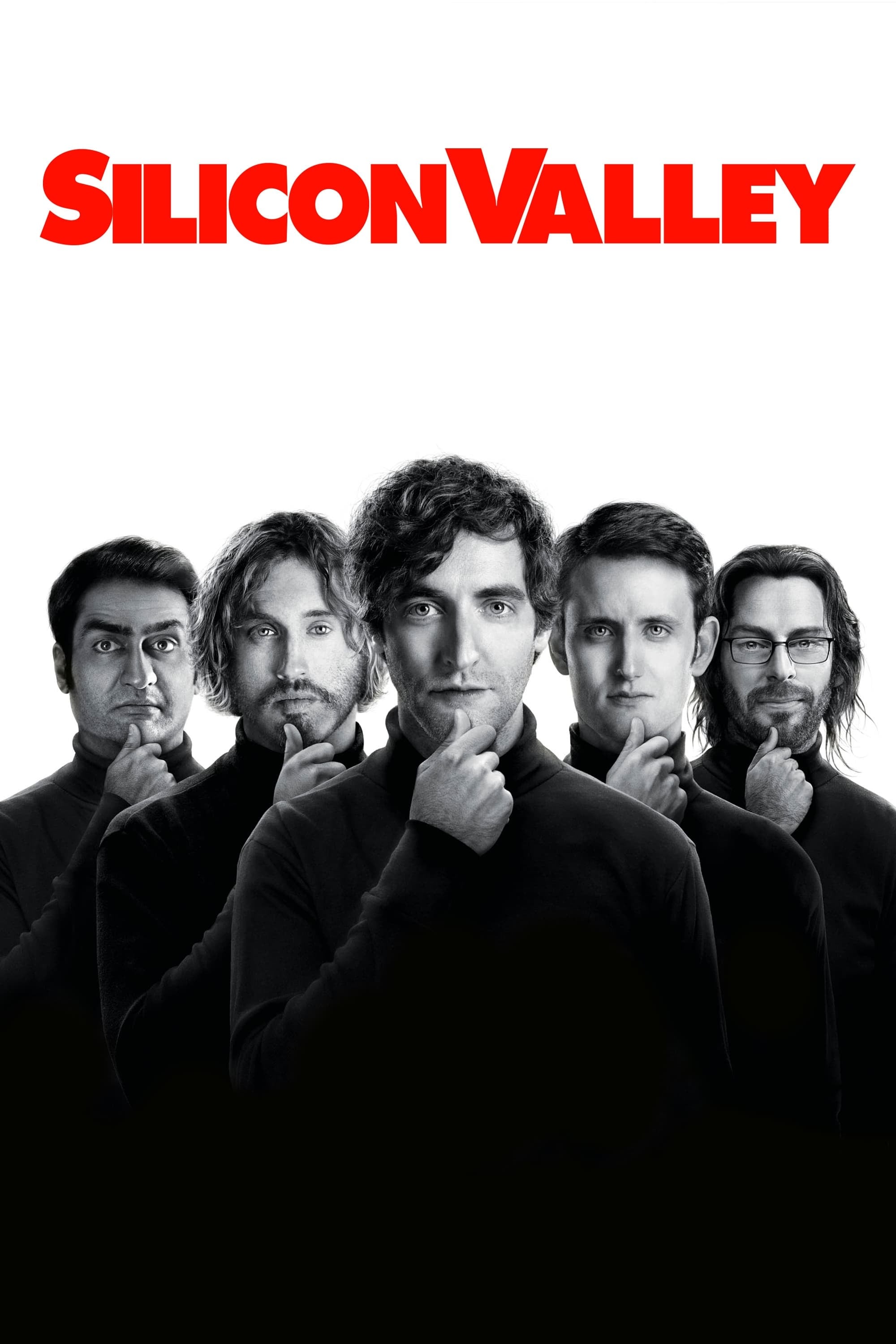
The show focused on the tech industry and faced criticism for not having enough diversity among its main characters and startup team. For many seasons, Black characters rarely had substantial roles or speaking lines. While some argued this accurately portrayed the lack of diversity in the real tech world, many critics felt the show should have actively worked to change that perception. The lack of Black representation was a recurring concern from viewers and critics throughout the show’s run.
‘Parks and Recreation’ (2009–2015)
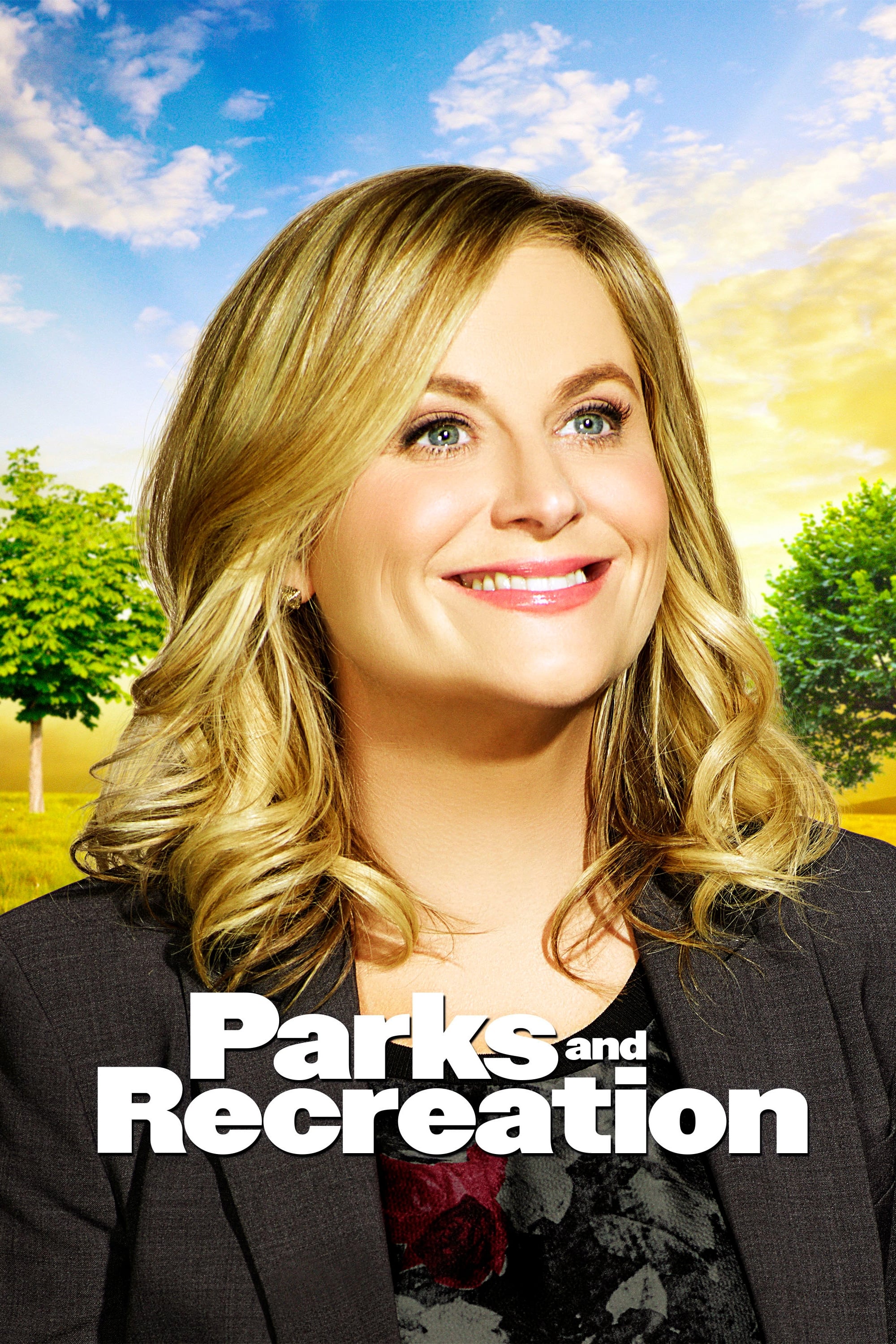
Donna Meagle worked for the parks department and was known for being self-assured and driving a fancy car. At first, she mostly appeared in the background of scenes, and it took the show’s writers a few seasons to develop her character and give her more to do. Once they did, Donna quickly became a fan favorite.
‘Community’ (2009–2015)

Shirley Bennett was a mother and deeply religious woman in the study group at Greendale Community College. Some felt the show often focused too much on her faith and her background as a homemaker, defining her character by those aspects. She often felt less central to the group’s storylines compared to the other members, and many believed her character wasn’t used enough, which contributed to her leaving before the final season.
‘One Tree Hill’ (2003–2012)
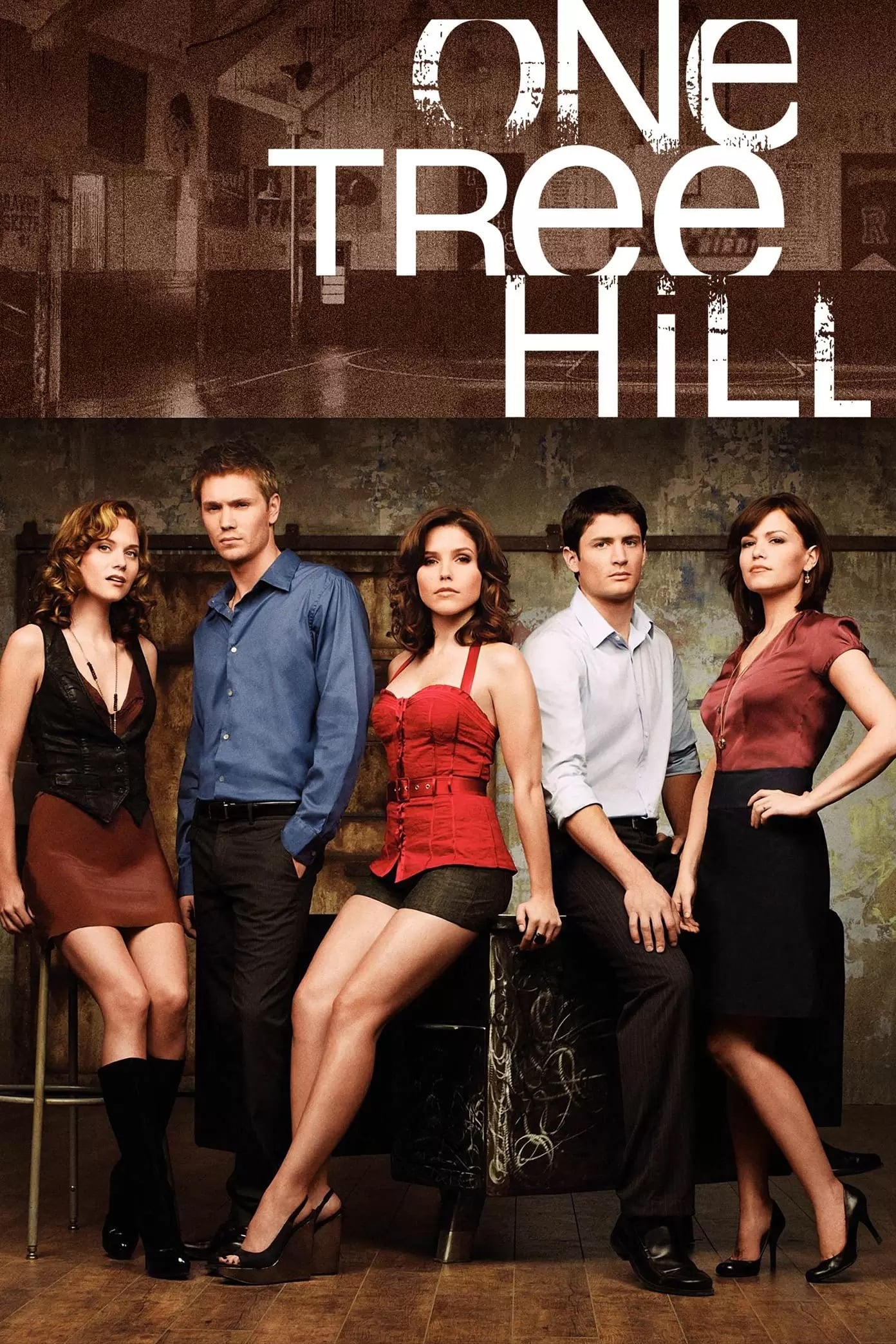
Antwon ‘Skills’ Taylor was a good friend to Lucas Scott and a frequent player at the river court. Although he became a regular character on the show, he often played a supporting role, mainly offering advice to others instead of having his own major storylines. His personal growth often took a backseat to the dramas of the main characters.
‘Grey’s Anatomy’ (2005–Present)
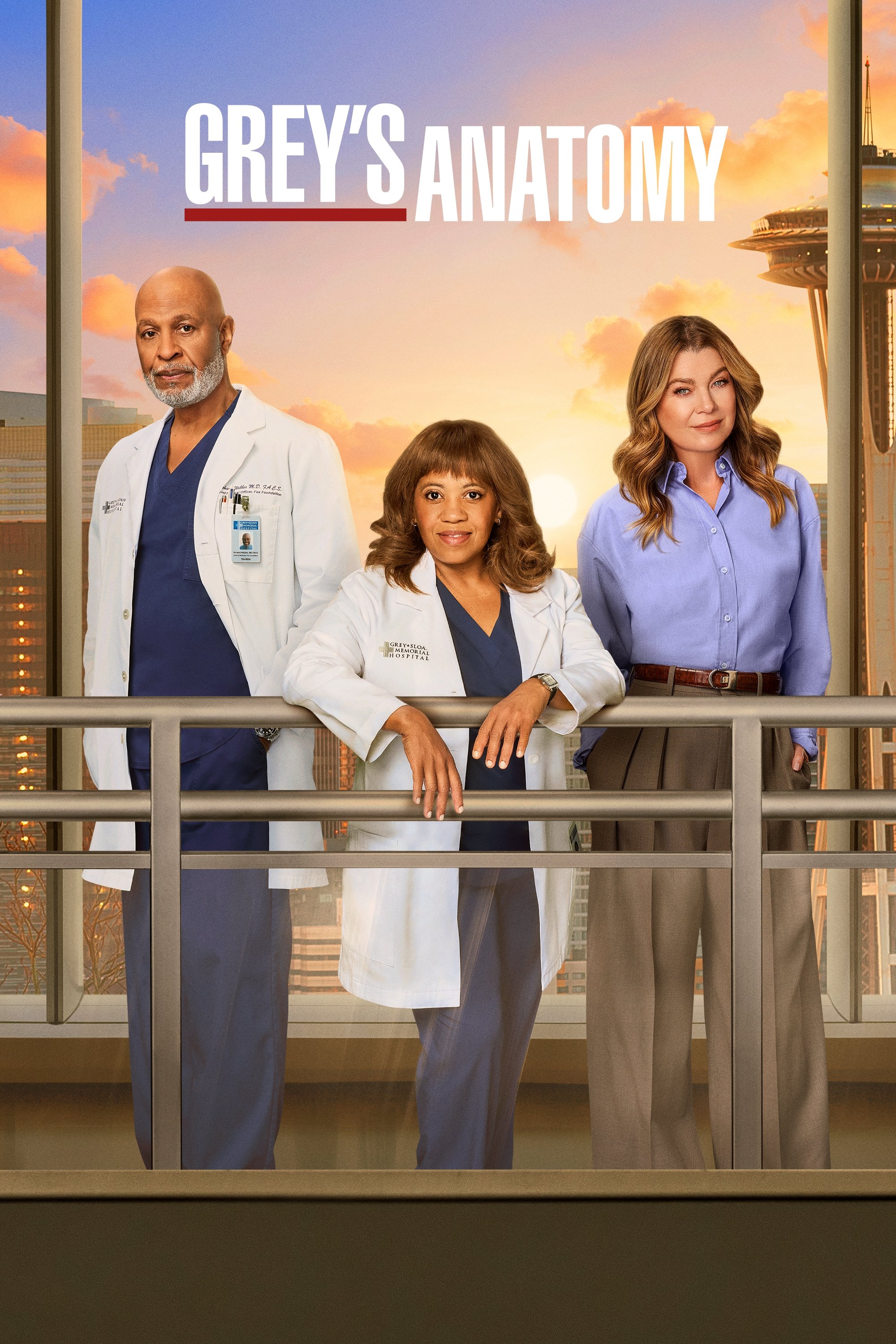
When the medical drama first began, it mainly centered around the group of young doctors and their complicated relationships. Although the show was celebrated for featuring a diverse group of actors, some reviewers felt certain characters weren’t as fully developed as others. The more experienced doctors, like Dr. Richard Webber and Dr. Miranda Bailey, were presented as figures of authority, but their personal lives weren’t explored with the same depth as the younger doctors’. Over time, the show became much better at giving all of its characters, across the diverse cast, richer and more complex stories.
‘Beverly Hills, 90210’ (1990–2000)
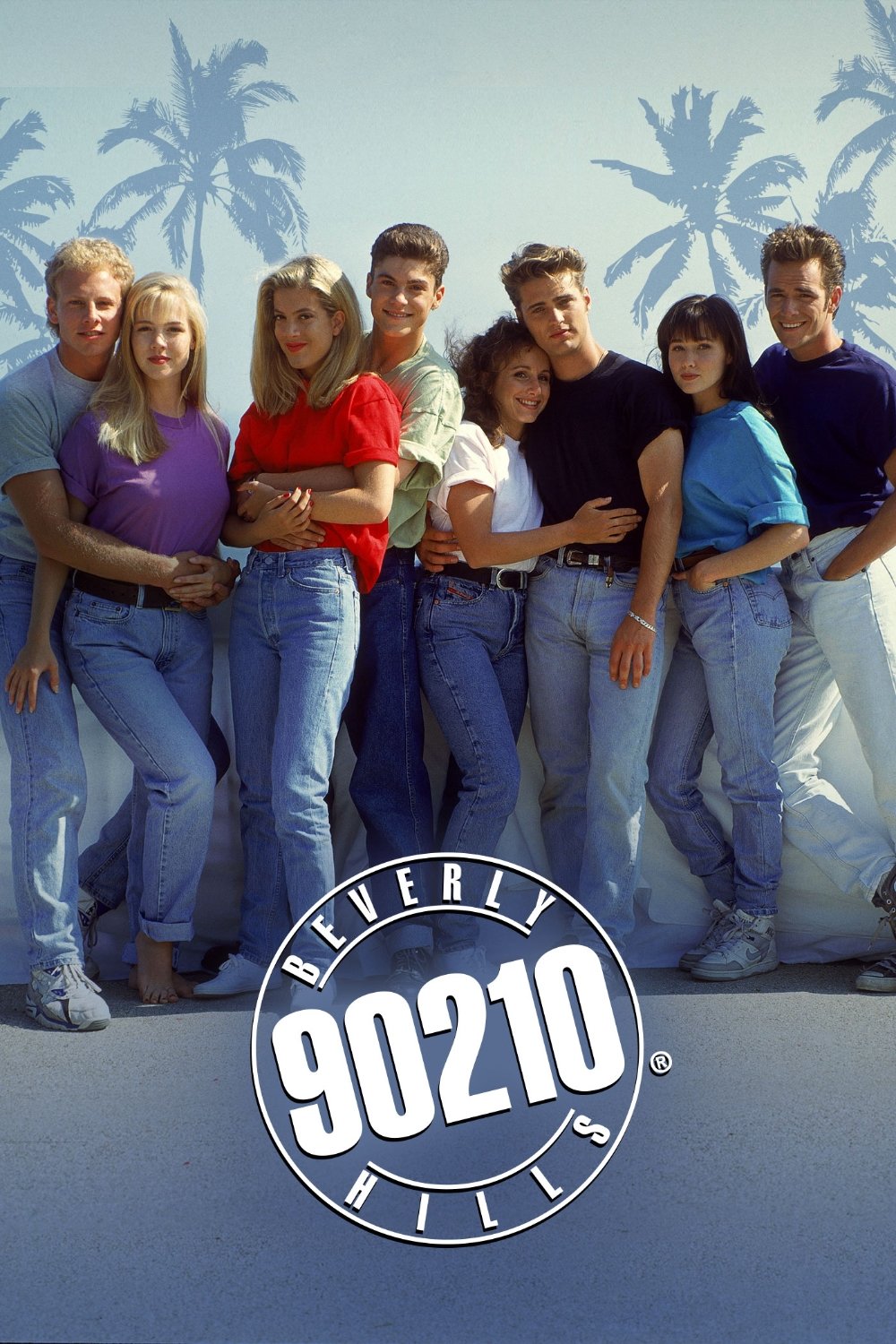
Jesse Vasquez appeared in later seasons as a love interest for Andrea Zuckerman and was one of the few Black characters with a substantial role on the show. However, some critics pointed out that his storylines largely revolved around his relationship and family, and he didn’t often have independent interests or friendships outside of the core group.
‘Skins’ (2007–2013)
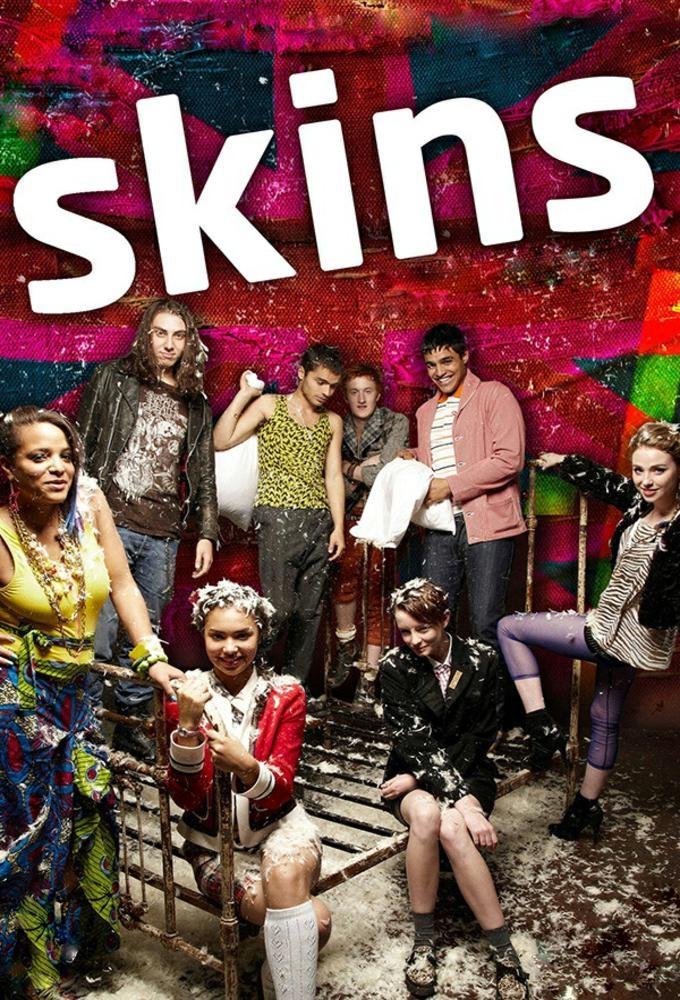
Jal Fazer was a gifted musician and one of the original characters in the British teen drama. Critics frequently noted she was the most level-headed and mature of the group, which unfortunately meant her storylines weren’t always as exciting. While her friends were caught up in parties and intense situations, she was usually practicing her clarinet. Many viewers believed the writers didn’t give her character enough interesting things to do compared to the more dramatic personalities.
‘Full House’ (1987–1995)
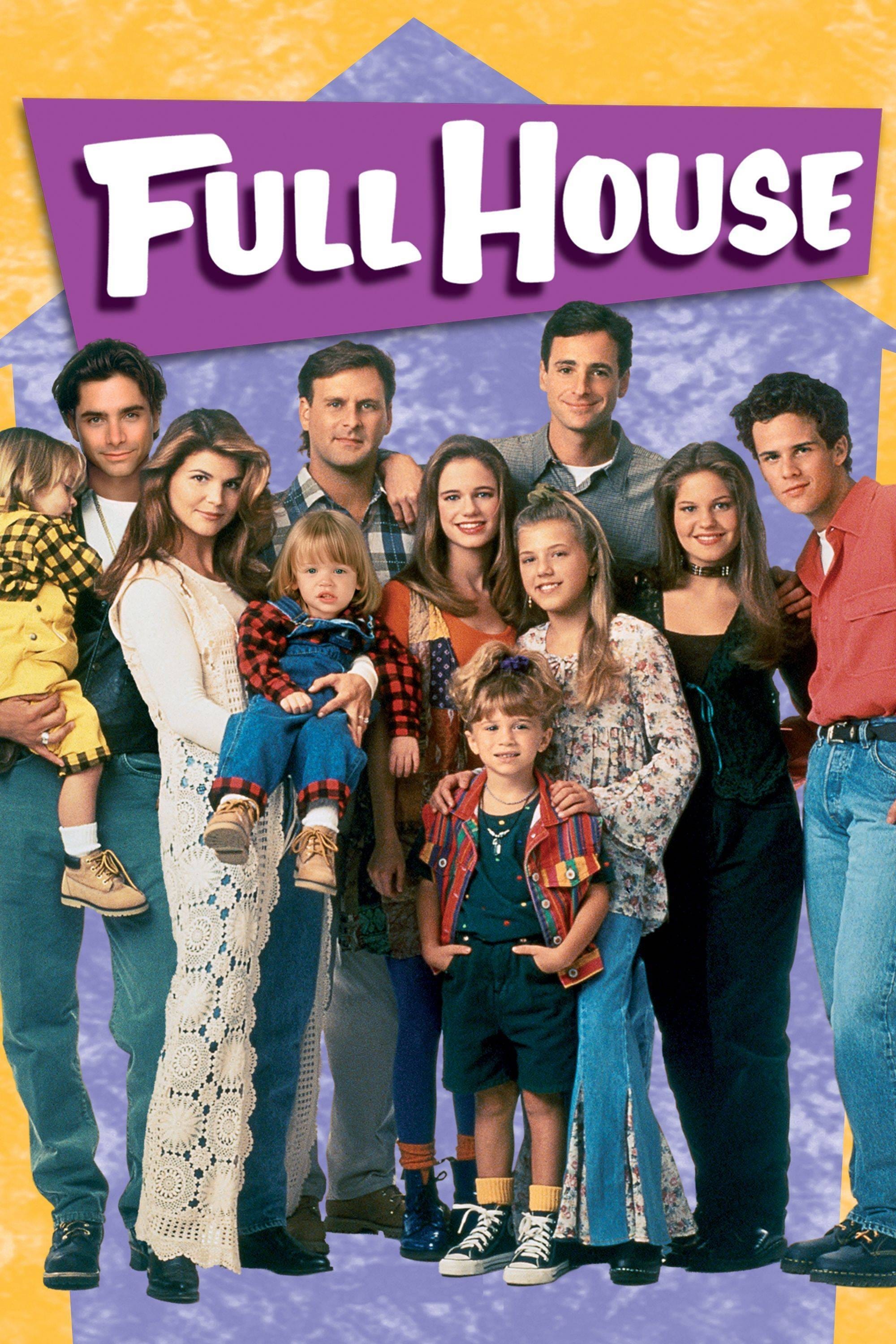
Teddy was Michelle Tanner’s close friend and appeared in many episodes during the middle of the show’s run. He was one of the few Black characters who appeared more than once, and he was often involved in storylines about school. However, when people look back at the show now, they’ve noticed that Teddy mainly existed to spend time with Michelle. He didn’t have his own separate story or personality outside of his relationship with the Tanner family.
‘Scrubs’ (2001–2010)

Christopher Turk was J.D.’s close friend and a skilled surgeon at Sacred Heart Hospital. Although a main character, some critics pointed out that his role often fit the stereotype of the ‘Black best friend.’ While his friendship with J.D. was a key part of the show’s heart, some viewers felt his own development as a character sometimes took a backseat. The show also occasionally used racial stereotypes for laughs when portraying their relationship.
‘The Flash’ (2014–2023)

Wally West, a well-known speedster, initially had trouble finding a solid role within the team. Many felt the show’s writers didn’t know how to effectively feature two speedsters at once. This often led to Wally being sent on solo missions or taking a backseat during important fights. Ultimately, moving him to a different show demonstrated how hard it was to make him a consistent part of the main storyline.
‘Teenage Mutant Ninja Turtles’ (1987–1996)
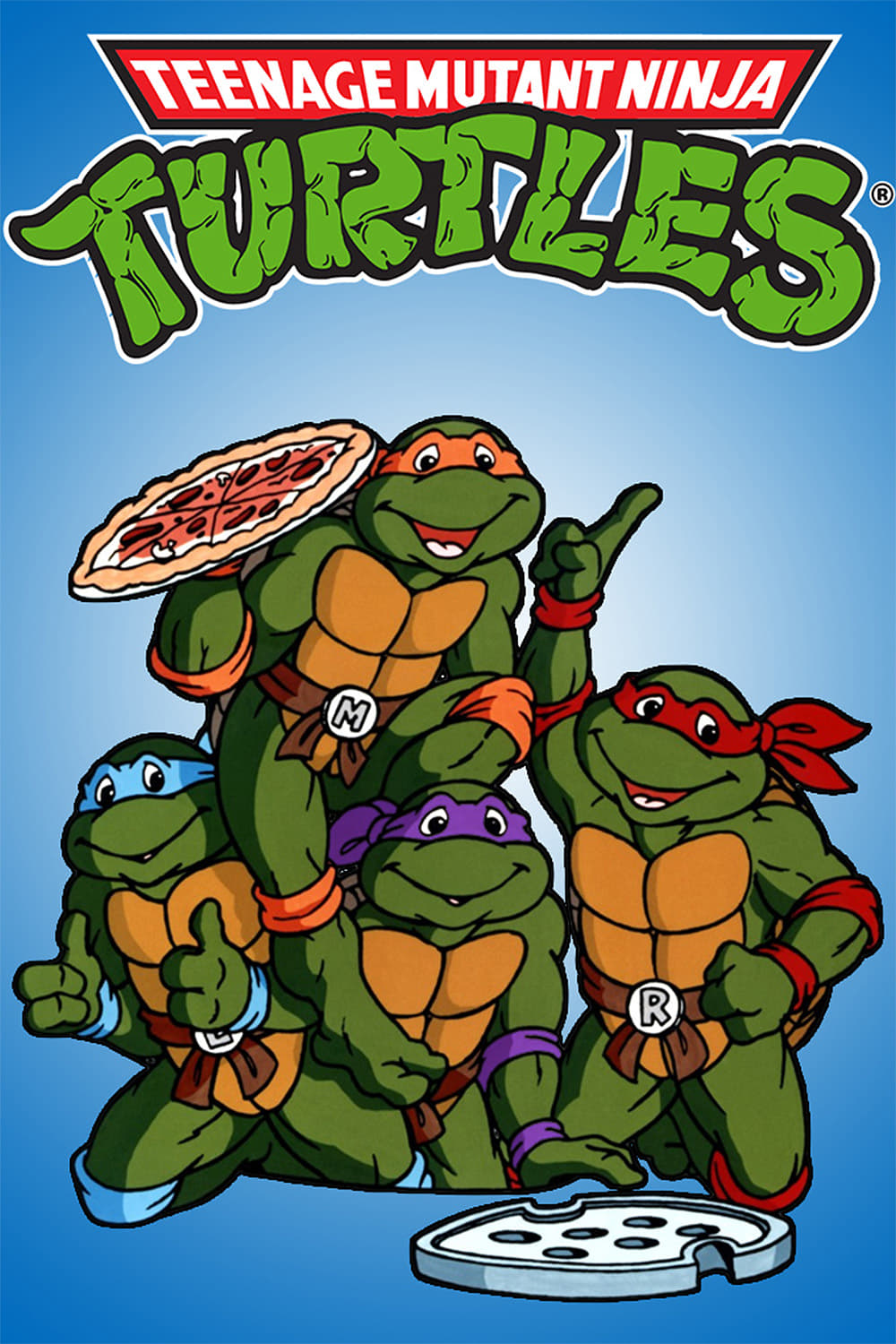
Baxter Stockman, a character originally created as a Black scientist in the comics, was portrayed as white in a well-known animated series. This change was criticized by both fans and reviewers as a loss of diversity and a form of erasure of the original character. When later versions of the series brought back his original Black identity, it led to conversations about the value of accurate and inclusive representation. The decision to change his race in the eighties was likely made to appeal to the television audience and standards of that time.
‘Brooklyn Nine-Nine’ (2013–2021)
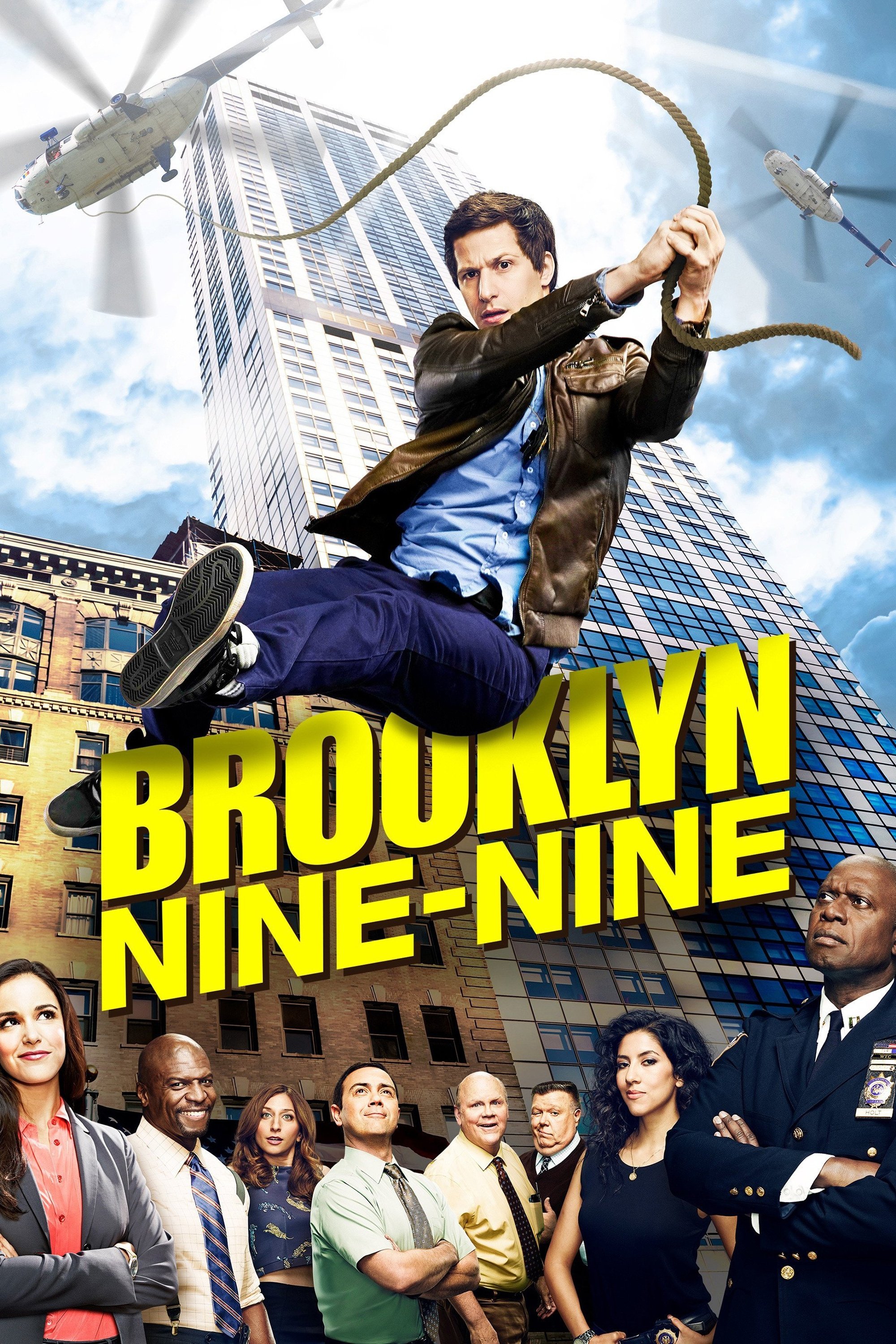
The show has received a lot of praise for how it portrays its characters, but some critics felt the early episodes relied too much on simple jokes about Terry Jeffords’ size and sensitivity. They argued this limited his character initially, before he was given more complex storylines later on. Fortunately, the show did move past these early gags and developed his character in more meaningful ways.
‘Suits’ (2011–2019)
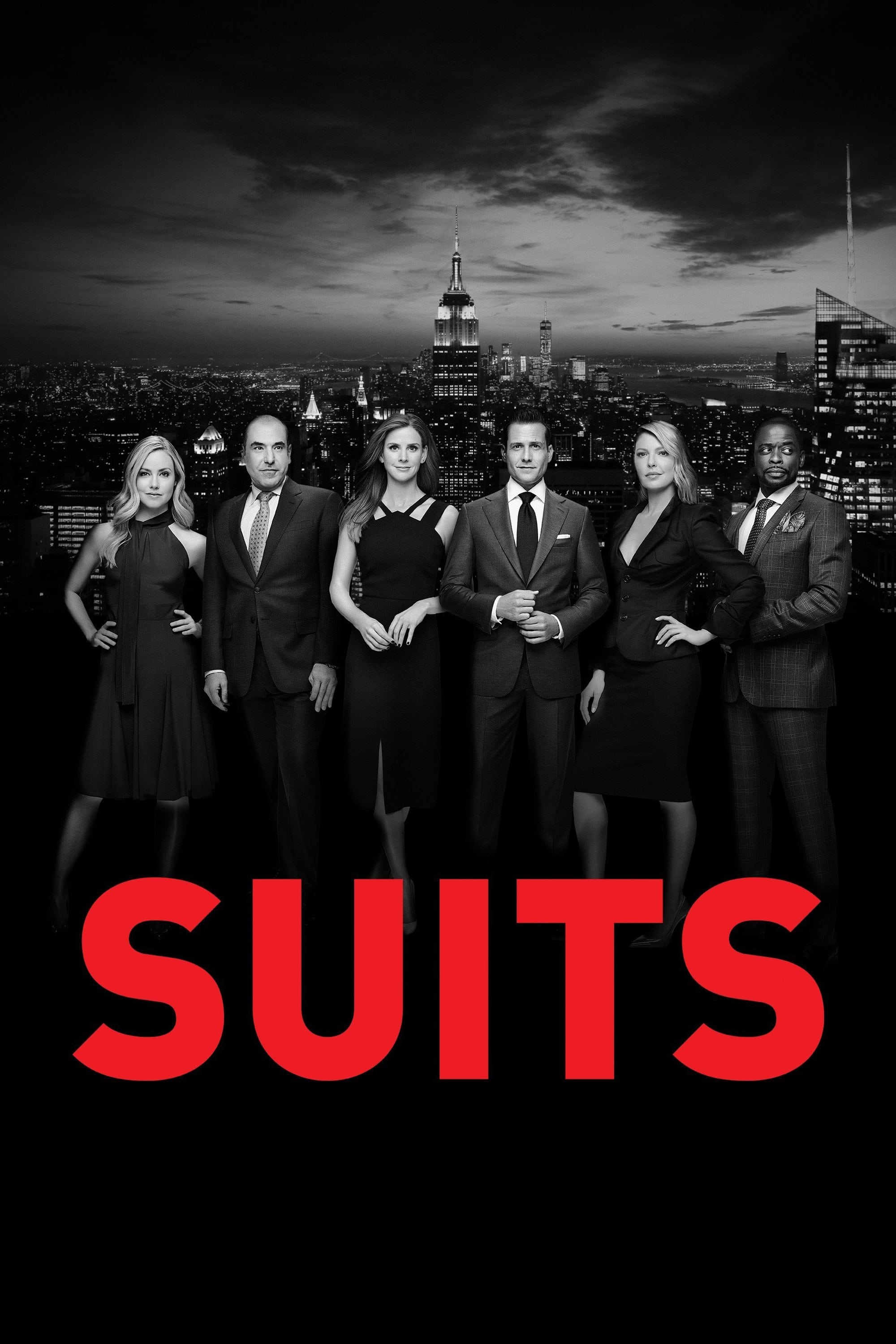
Jessica Pearson was a commanding and respected leader at her law firm. However, for a long time, the show didn’t reveal much about her life outside of work, unlike its male characters. She was often portrayed as a strong, unwavering figure who primarily existed to help others. It wasn’t until later in the series that the show delved into her personal life and explored her as a fully developed individual.
‘Supernatural’ (2005–2020)
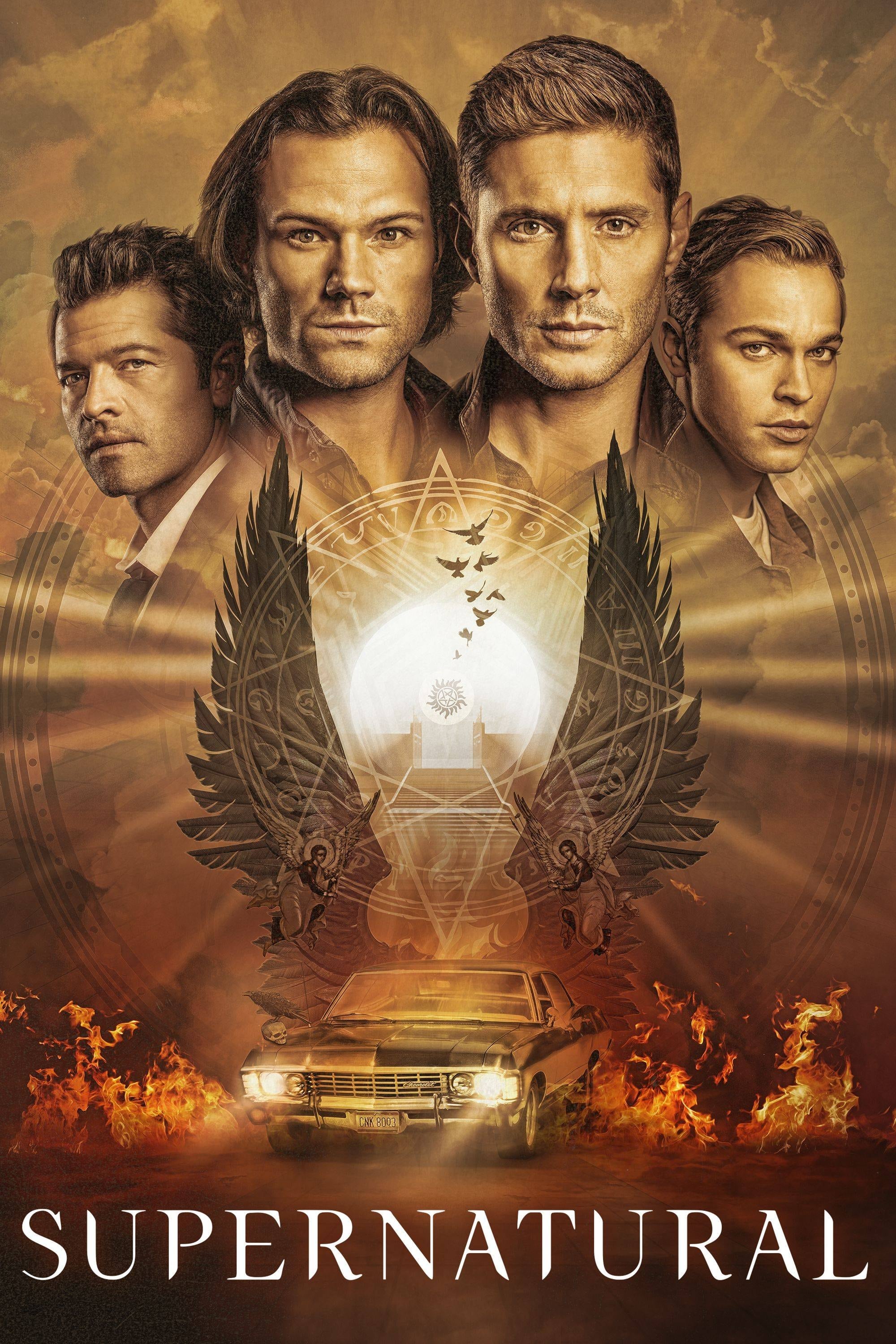
Over its fifteen seasons, the show included several Black characters, but they were often guests who didn’t last long. Rufus Turner, a recurring hunter who aided Sam and Dean Winchester, was frequently used to provide information before being removed from the story. Critics noticed this pattern and argued that the show treated characters of color as disposable.
‘Stranger Things’ (2016–Present)
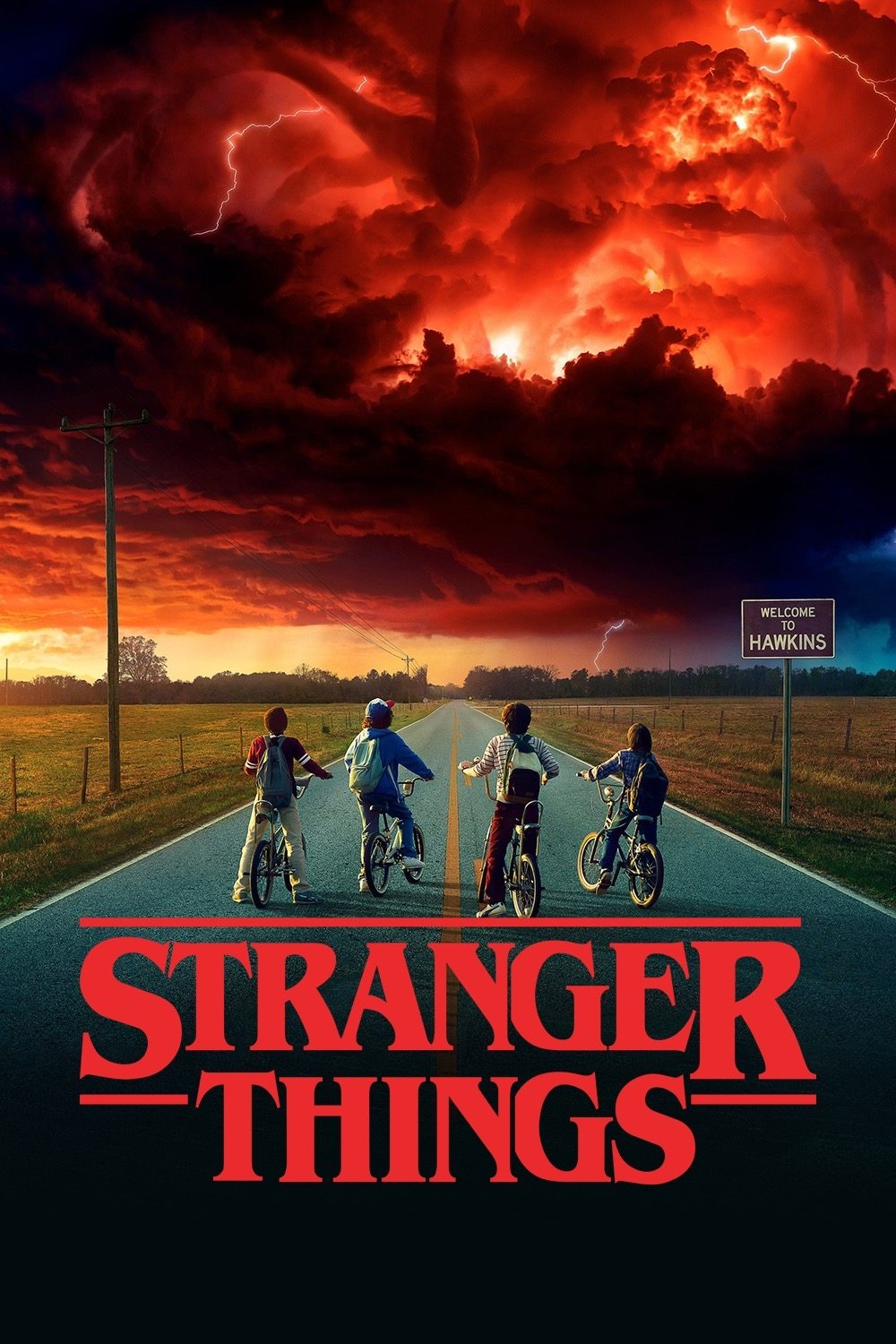
In the first season of the show, Lucas Sinclair was the only Black member of the core group of friends. Early on, critics observed that he often played the role of the doubter, frequently questioning the other characters. Compared to Mike and Will, his family and personal life weren’t explored in as much detail. However, as the series continued, the show made an effort to give Lucas more independence and a richer backstory.
‘Boy Meets World’ (1993–2000)
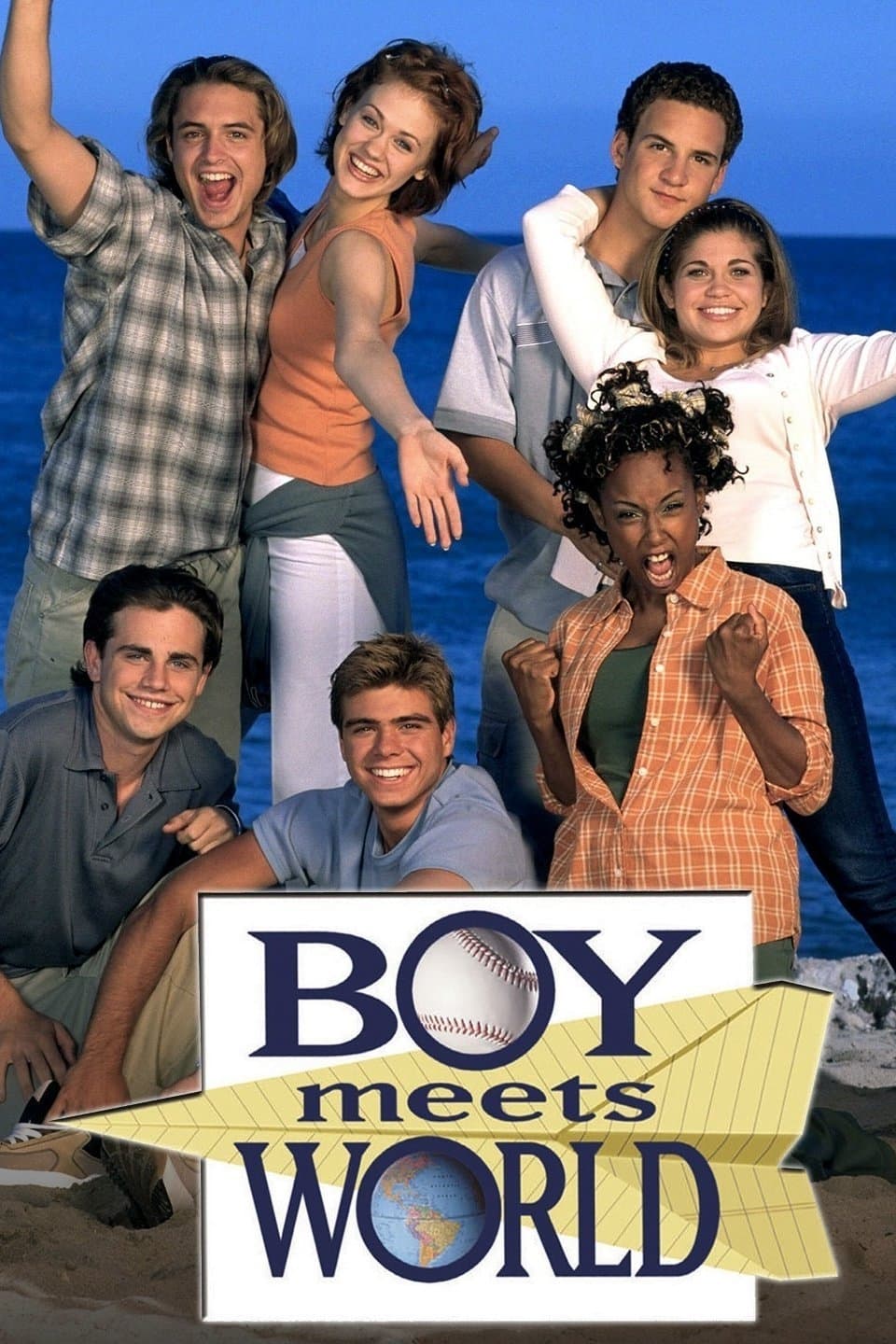
Angela Moore appeared in later seasons of the show as a romantic partner for Shawn Hunter. However, critics noticed her character’s story mostly revolved around this relationship. She didn’t often interact with characters outside the main group or have hobbies and interests of her own. When she left the series, many fans felt her character hadn’t reached its full potential.
‘Happy Days’ (1974–1984)

The popular sitcom, set in Milwaukee, didn’t include many characters from minority groups. One example was Sticks, a drummer who showed up in a handful of episodes as a friend of the Fonz. Many critics felt his appearance was a quick and shallow way to try and add diversity. He wasn’t given any major storylines or made a regular part of the show’s core group of friends.
‘Charmed’ (1998–2006)
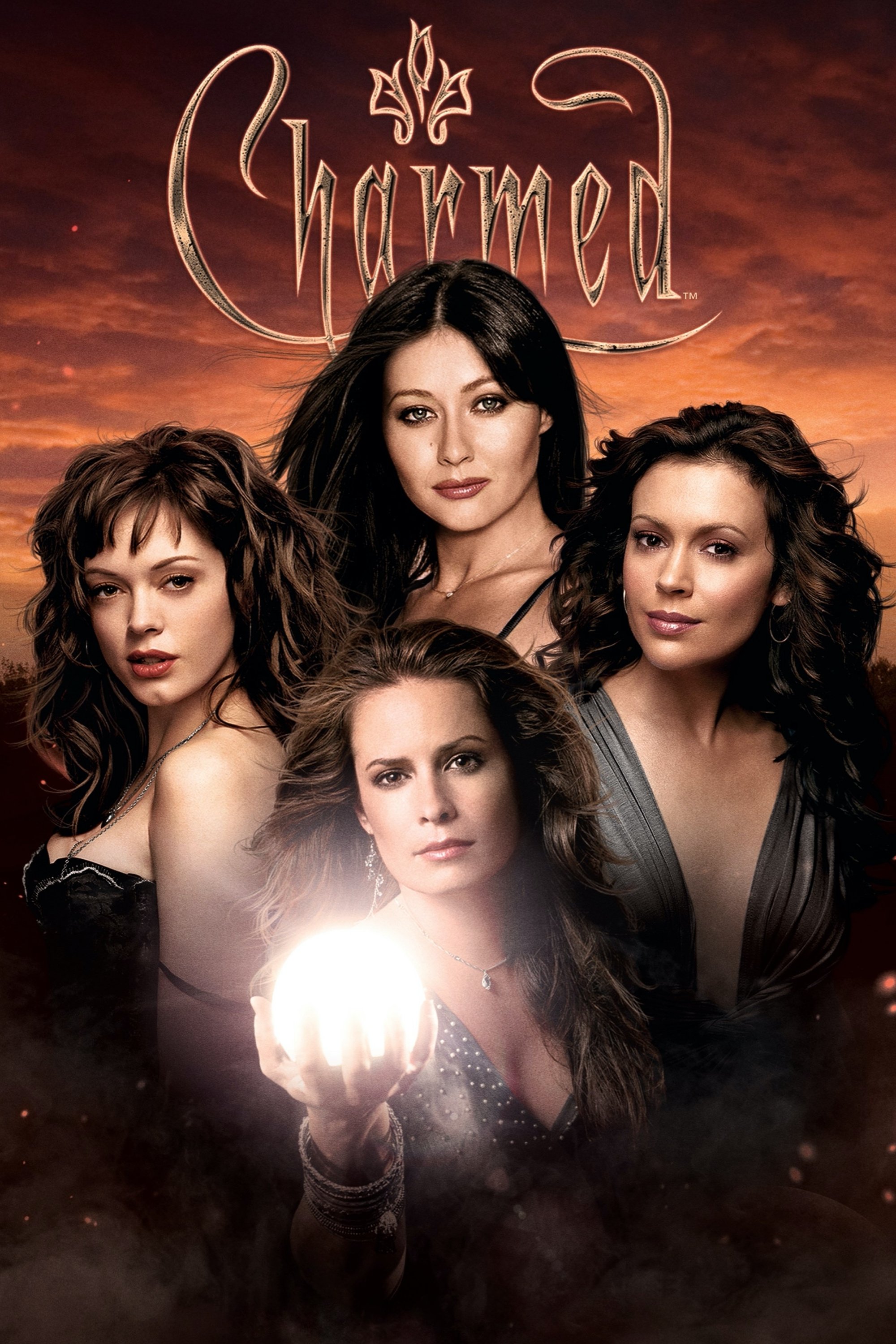
Darryl Morris was a police inspector who often assisted the Halliwell sisters with their battles against supernatural forces. He repeatedly risked his job and safety to keep their secret safe. Some felt his character mainly served to explain events or give the sisters helpful police information. Unlike the three main characters, he didn’t have any magical abilities or a significant personal story arc of his own.
‘Entourage’ (2004–2011)
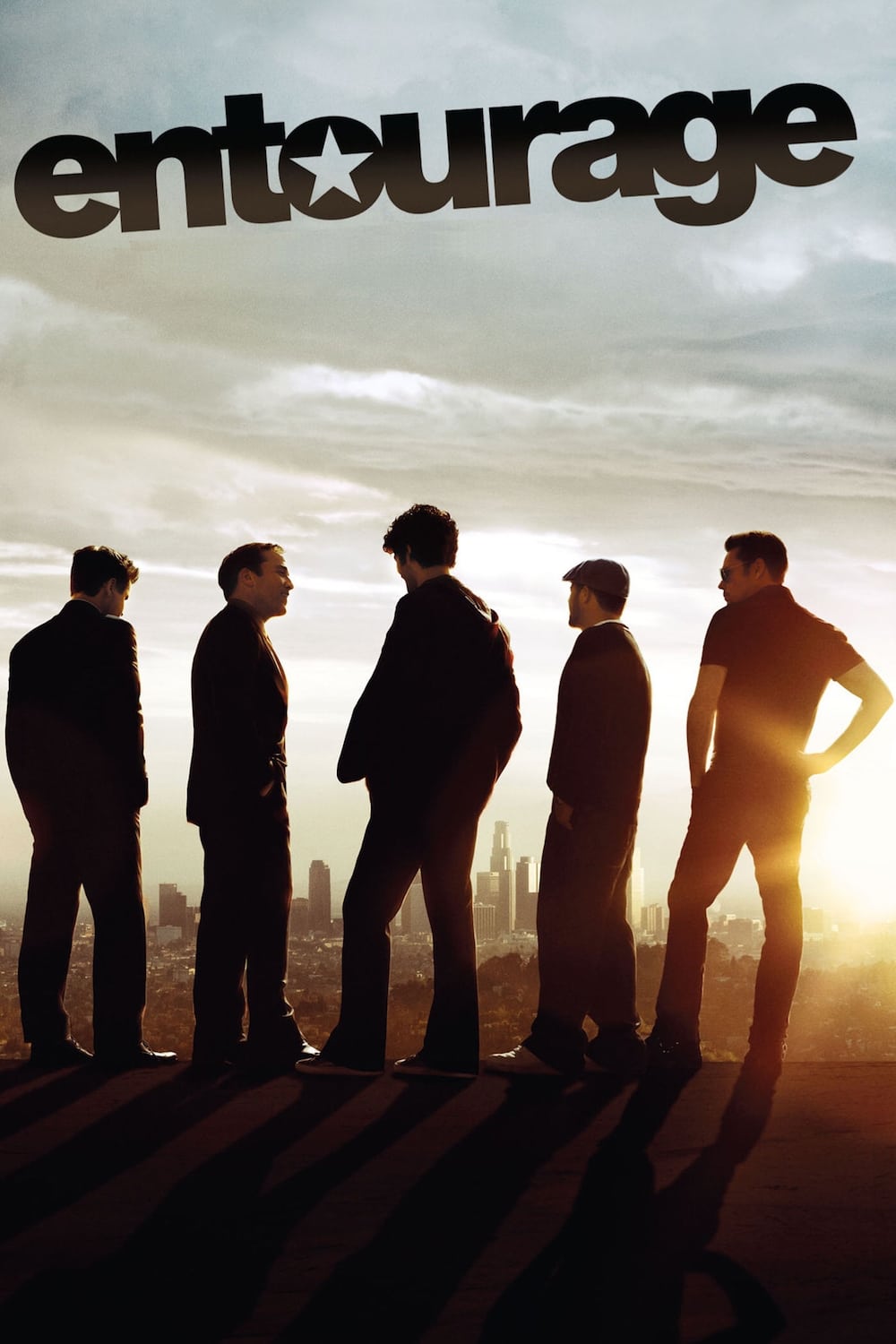
I loved watching this show about a famous actor and his friends in Hollywood! But honestly, it really bothered me that the core group was all white. Hollywood is so diverse, and while there were Black characters, they were usually just side players – agents or people creating conflict. They never really got to be a big part of the main stories or truly connect with the central group, and that felt like a missed opportunity.
Share your thoughts on these television representation trends in the comments.
Read More
- Invincible Season 4 Gender Swaps Tech Jacket As Fans Question Major Comic Change
- Building Agents That Learn and Improve Themselves
- Gold Rate Forecast
- Games That Faced Bans in Countries Over Political Themes
- Trading Crypto with AI: A New Approach to Portfolio Management
- Silver Rate Forecast
- 15 Films That Were Shot Entirely on Phones
- Why Won’t It Just *Do* What You Ask? Unpacking the Quirks of AI Language
- Unveiling the Schwab U.S. Dividend Equity ETF: A Portent of Financial Growth
- Thinking Before Acting: A Self-Reflective AI for Safer Autonomous Driving
2026-01-13 20:50