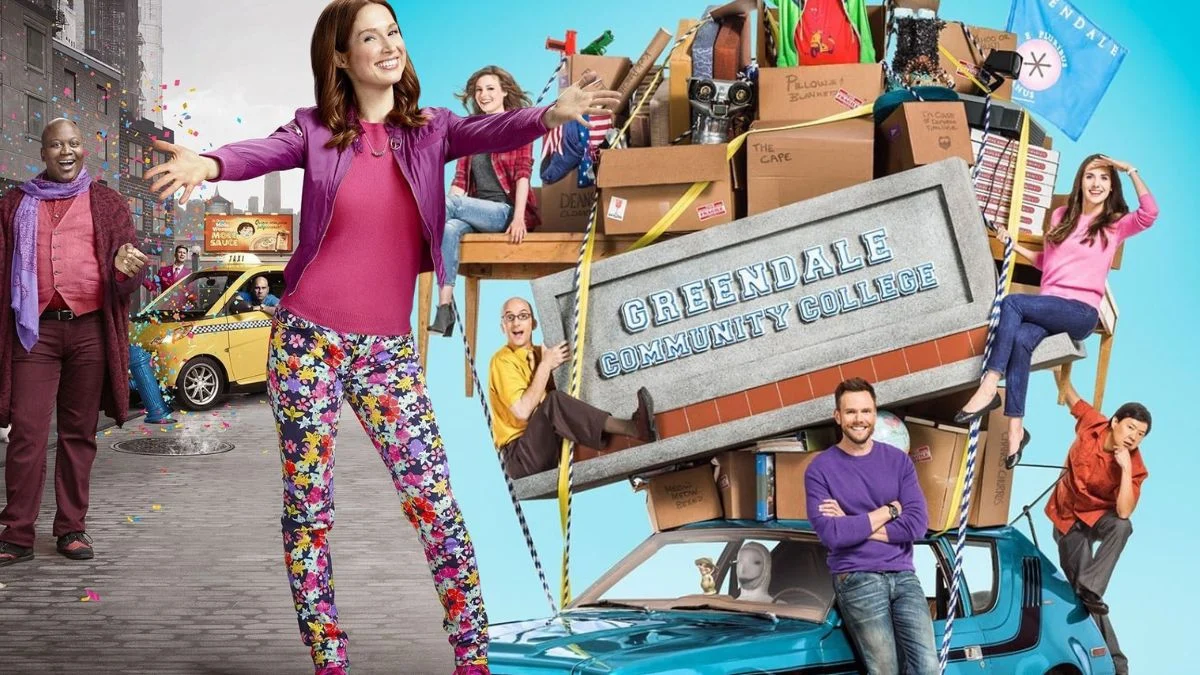
For years, many TV shows have featured Asian characters mainly to move the plot forward or for comedic effect. Despite being popular and financially successful, these shows often depended on harmful stereotypes, sidelining their Asian actors. Recently, people have been re-examining these programs, pointing out how they used token characters instead of offering genuine representation. The shows below received criticism for how they portrayed Asian characters, even while remaining highly rated and influential.
‘The Simpsons’ (1989–Present)
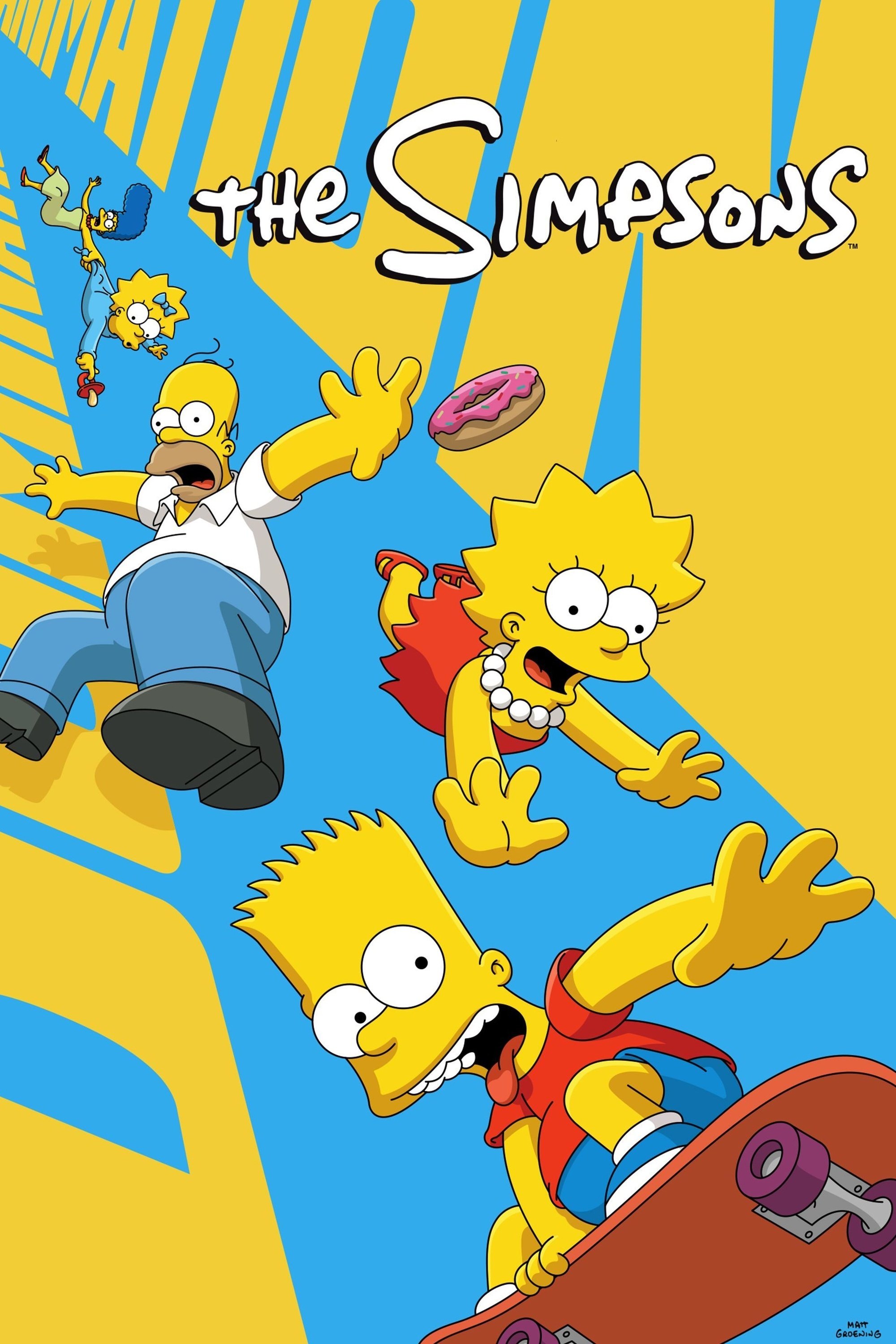
The animated sitcom faced criticism over its portrayal of the character Apu Nahasapeemapetilon. A white actor voiced Apu, and the character was mainly known as a convenience store worker. A documentary called ‘The Problem with Apu’ explored how this representation could be harmful. After years of discussion, the show decided to stop having white actors voice characters of color.
‘The Big Bang Theory’ (2007–2019)
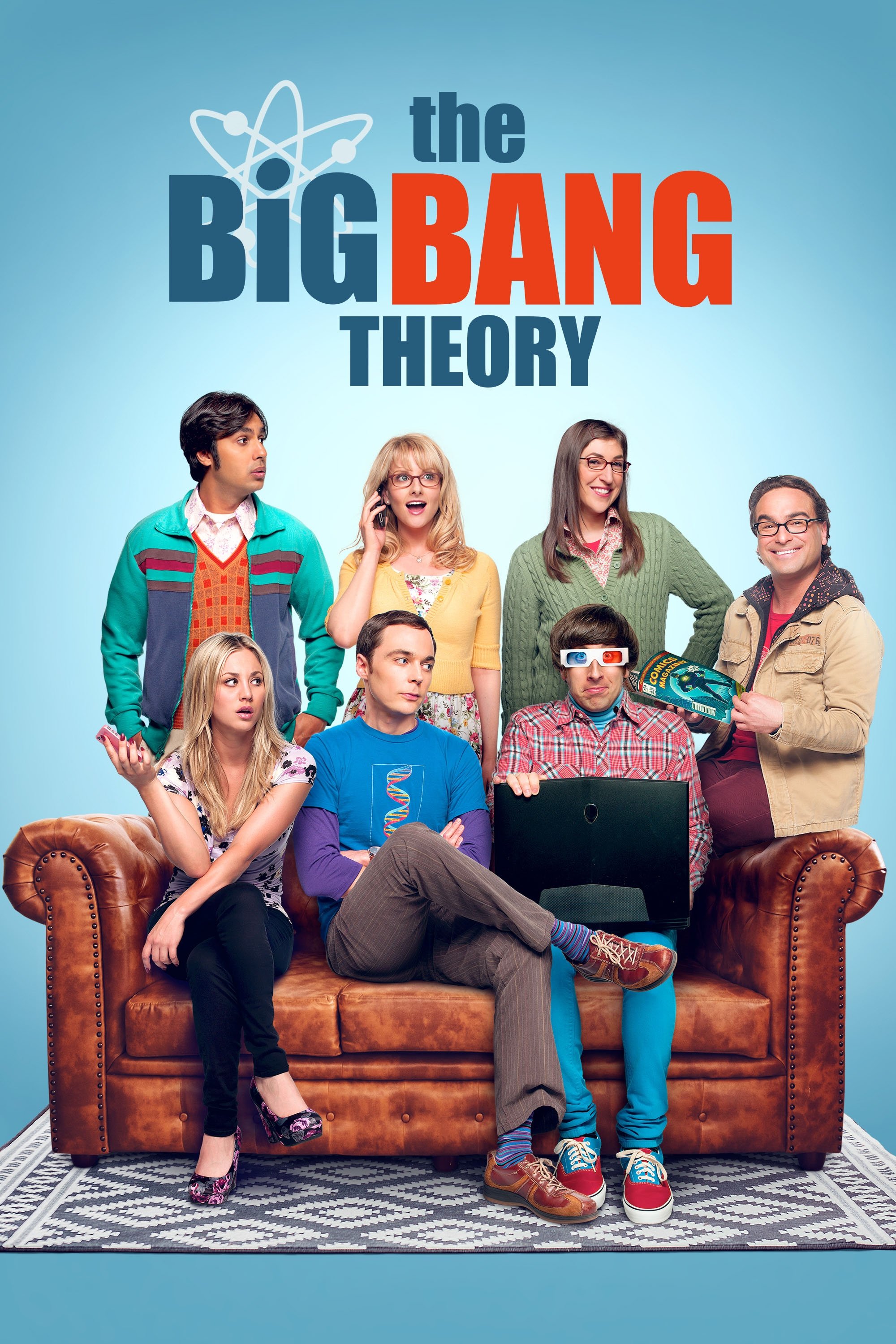
Raj Koothrappali was a consistent character throughout the show, but he was often the target of jokes related to his Indian background. Early storylines focused on his inability to talk to women unless he had been drinking, a condition called selective mutism. Many critics noted that his plots often centered on arranged marriage or portrayed him as ‘exotic,’ rather than as a fully developed individual. He consistently faced challenges finding the same romantic success and professional recognition as the other characters.
‘2 Broke Girls’ (2011–2017)

Han Lee, the diner owner, was often the target of jokes on the show. The humor frequently made fun of his height and how he spoke, and many critics felt this relied on harmful stereotypes. He rarely had storylines that weren’t focused on other characters making fun of his background or how he looked.
‘Glee’ (2009–2015)
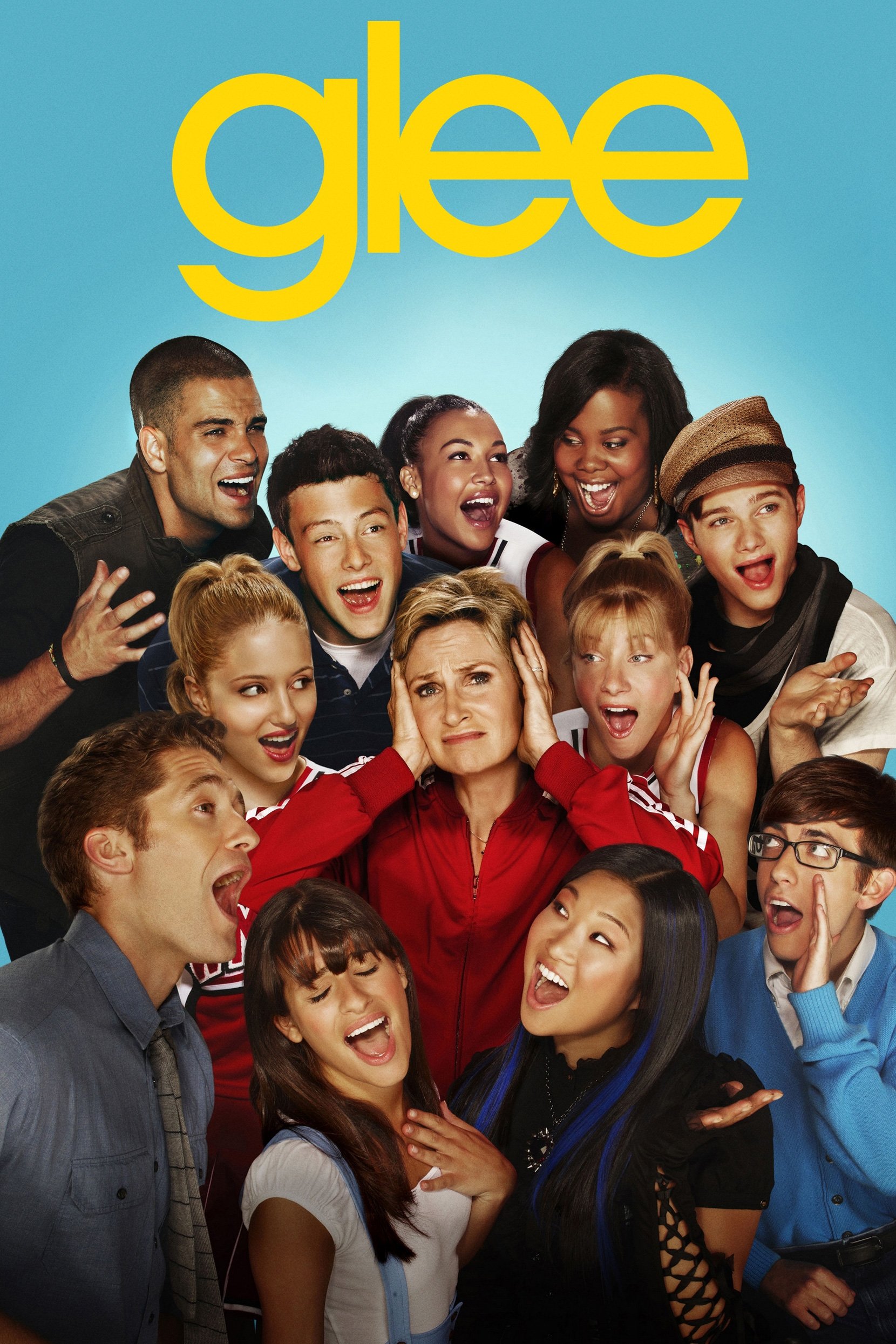
Tina Cohen-Chang and Mike Chang were among the original cast, but the show often focused more on white actors. The characters frequently fell into stereotypes, like the overbearing Asian parent or the quiet, mysterious dancer. Tina, in particular, often served to support other characters’ stories instead of getting her own meaningful development. Even when given opportunities to shine, the show would often fall back on jokes about their backgrounds.
‘Gilmore Girls’ (2000–2007)
Lane Kim, a close friend of the main character, faced a lot of pressure from her overbearing mother. Many viewers were upset with how her story ended, feeling she ultimately became just like her mom. Throughout the show, Lane dreamed of a career as a musician, but those ambitions were derailed by a surprise pregnancy and marriage. The show didn’t give her the chance to escape the strict upbringing she struggled against for so long.
‘Silicon Valley’ (2014–2019)
Jian-Yang began on the show as someone living in the house illegally and developed into a mischievous and often annoying character. He frequently spoke with poor English and insulted his housemates. Many viewers and critics felt the show relied on harmful stereotypes about foreigners, portraying him as a one-dimensional caricature instead of a complex Asian-American developer. The show often used his unfamiliarity with American customs as a simple way to get laughs.
‘Family Guy’ (1999–Present)
Tricia Takanawa is a reporter who frequently appears on the show and is consistently identified by her race. Her roles are typically short, focusing on her deadpan delivery and ethnicity. While the show intends to poke fun at typical news reporting, it reduces her character to a one-dimensional stereotype, demonstrating a reliance on racial caricatures for easy laughs.
‘Unbreakable Kimmy Schmidt’ (2015–2019)
Dong Nguyen was initially presented as a romantic partner for the lead character, but the writers unfortunately gave him a name that became the target of inappropriate jokes. His character, a delivery driver dealing with immigration challenges, was often used for comedic effect, which critics felt diminished his intelligence and personal power. The relationship didn’t last long, and he ended up stuck in a storyline revolving around a marriage intended to secure a green card.
‘Friends’ (1994–2004)
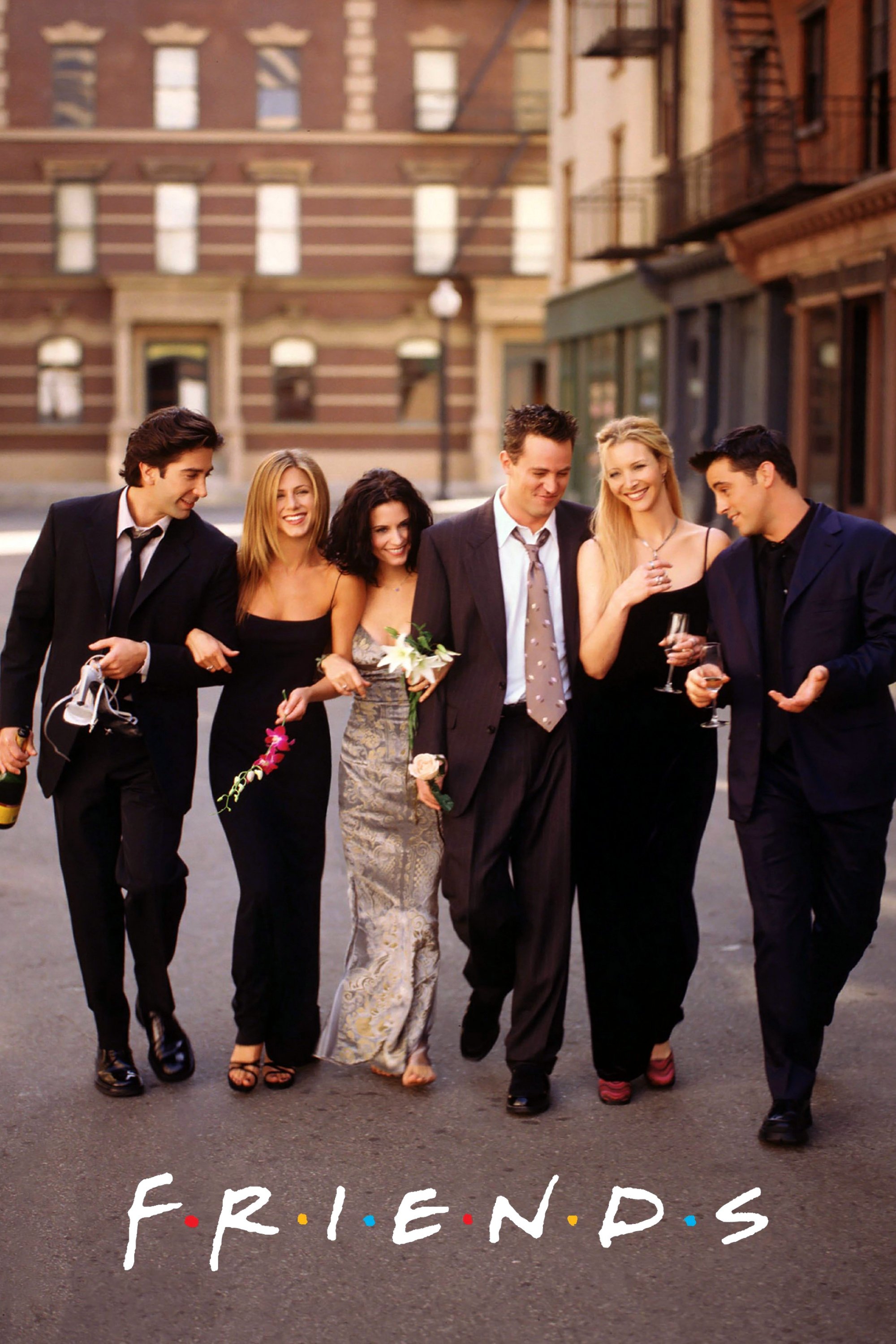
Julie was introduced in the second season of the show to create conflict between Ross and Rachel. While portrayed as kind and smart, her main purpose was to keep them apart. Viewers weren’t meant to like her, as she was positioned as an obstacle to the Ross and Rachel relationship. She was a fairly one-dimensional character who disappeared from the story once she’d fulfilled that role.
‘Emily in Paris’ (2020–Present)

Mindy Chen is Emily’s close friend, but often feels like a supporting character. While she does have her own stories, they usually involve helping Emily or dealing with typical rich-family issues. Some critics feel her character isn’t realistic for an Asian woman living in Paris. She frequently ends up explaining French culture, even though she’s not a native Parisian herself.
‘Entourage’ (2004–2011)
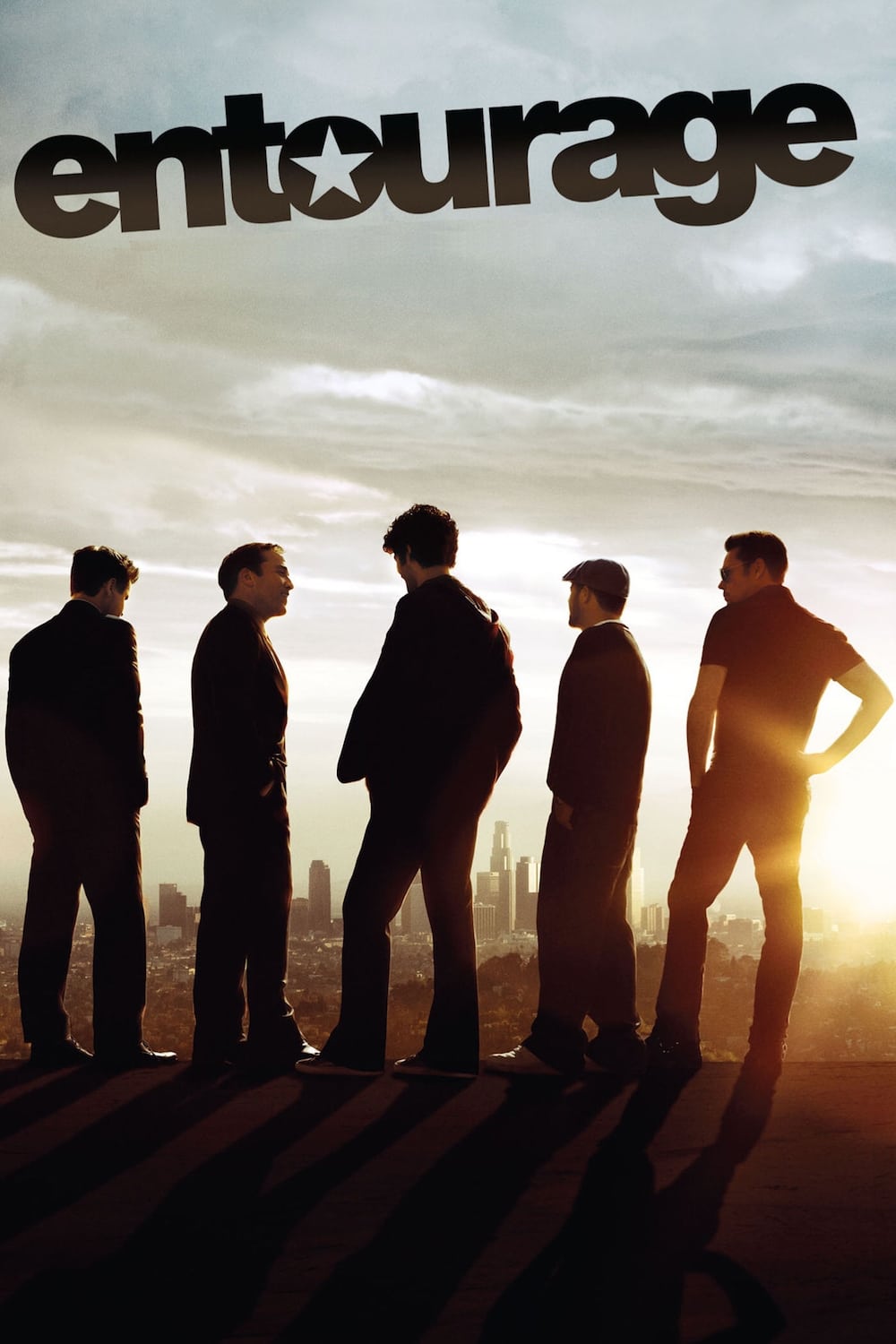
Lloyd Lee worked for Ari Gold and was frequently subjected to hurtful comments about his race and sexual orientation. The show portrayed this mistreatment as playful joking between a boss and employee. Lloyd was often shown as someone who quietly accepted insults and mistreatment in hopes of getting ahead at work. Even after he was promoted, the years of being publicly humiliated for comedic effect weren’t easily forgotten.
‘Modern Family’ (2009–2020)
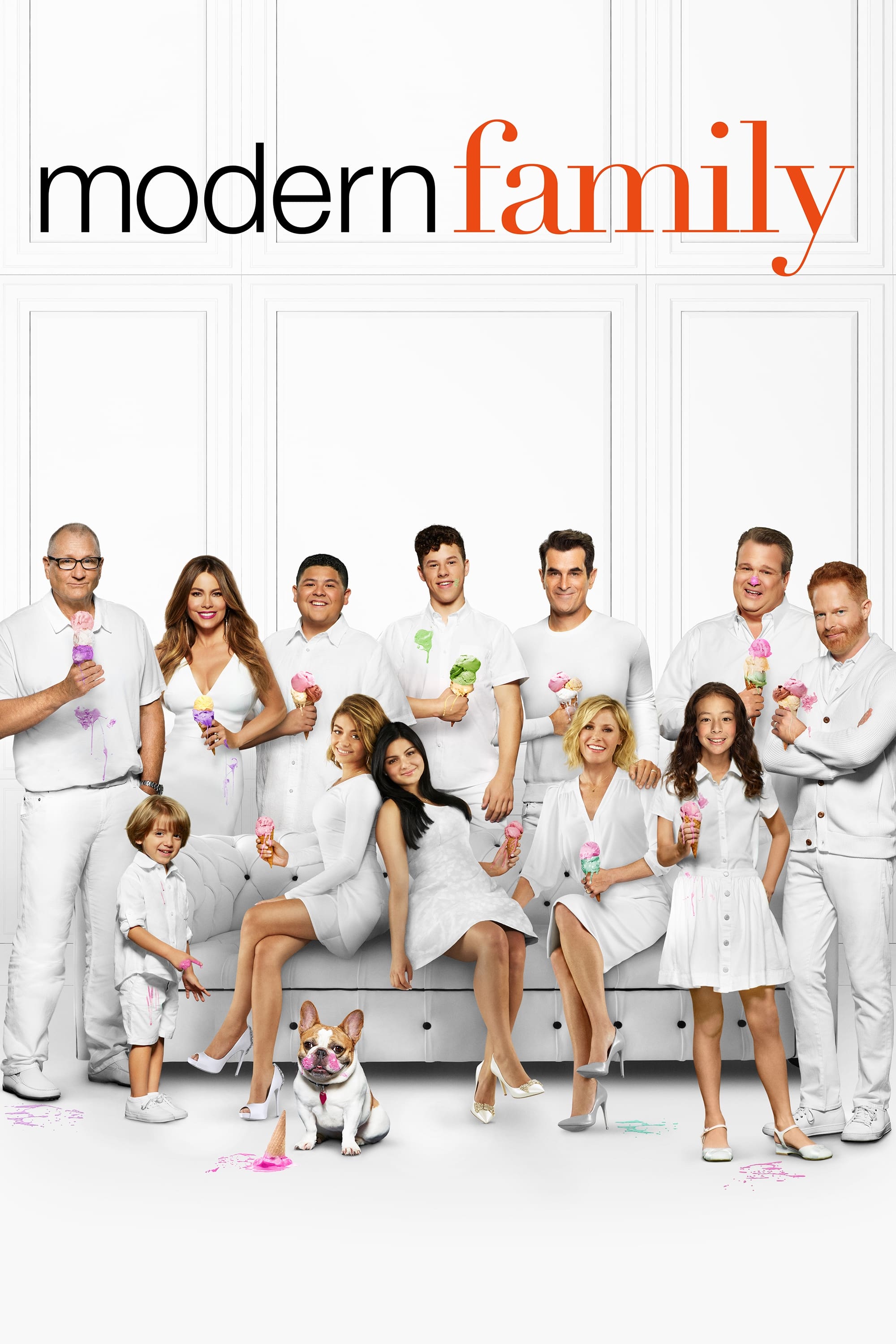
Lily, who is adopted and of a different race than her parents, was often the target of thoughtless jokes on the show, usually revolving around stereotypes about driving or perceived strictness. As she got older, her character became known for being quick-witted but also seemed emotionally shallow. Many critics believed the show could have explored the challenges and nuances of transracial adoption in a more thoughtful and impactful way.
‘Sherlock’ (2010–2017)
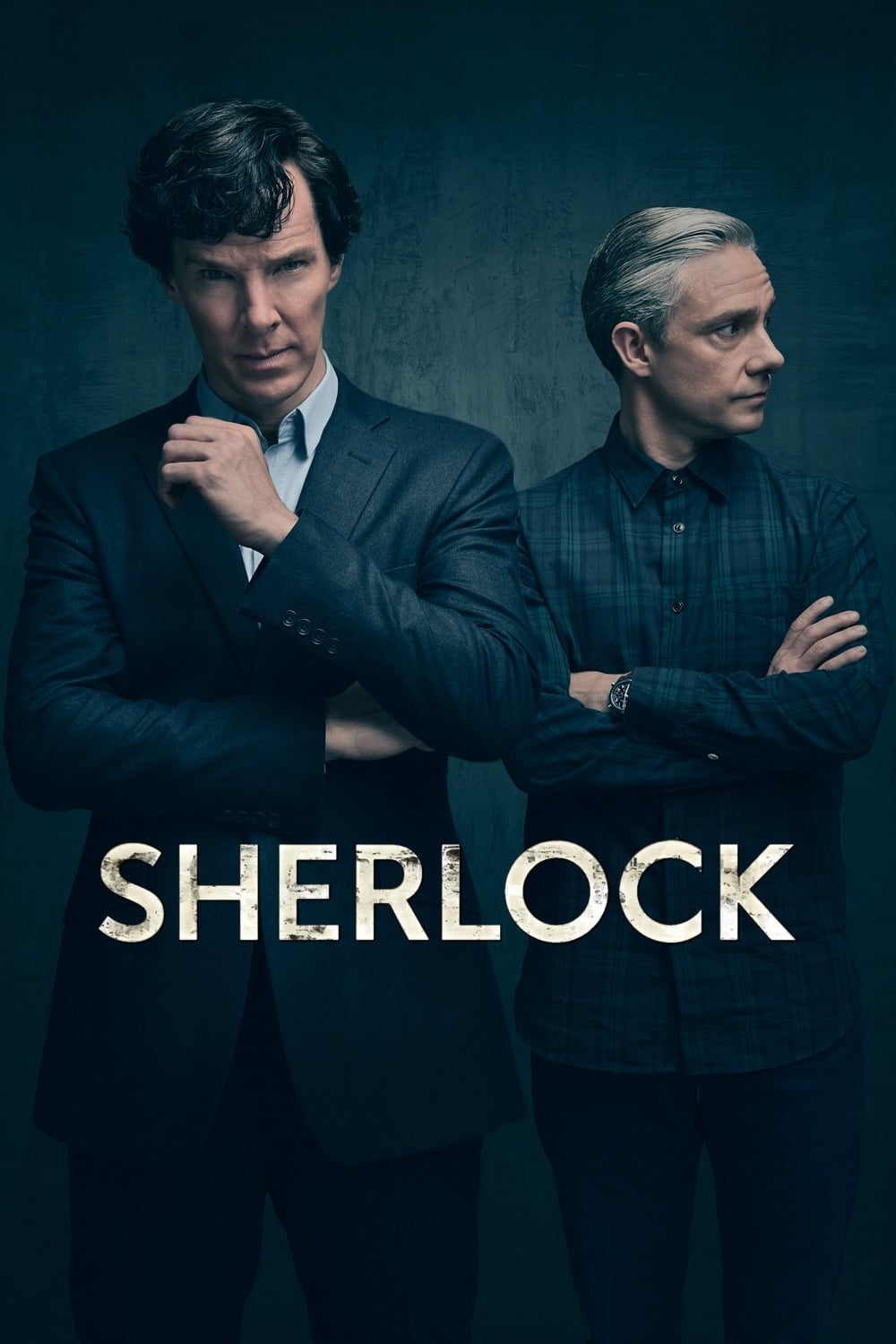
The ‘Blind Banker’ episode received significant criticism for its use of stereotypical and outdated portrayals of Chinese culture. It featured a shadowy Chinese criminal organization with ancient symbols and highly skilled assassins, which many viewers felt exoticized Asian culture and relied on harmful colonial-era ideas. Fans were disappointed to see a normally intelligent show resort to such clichés.
‘Firefly’ (2002)
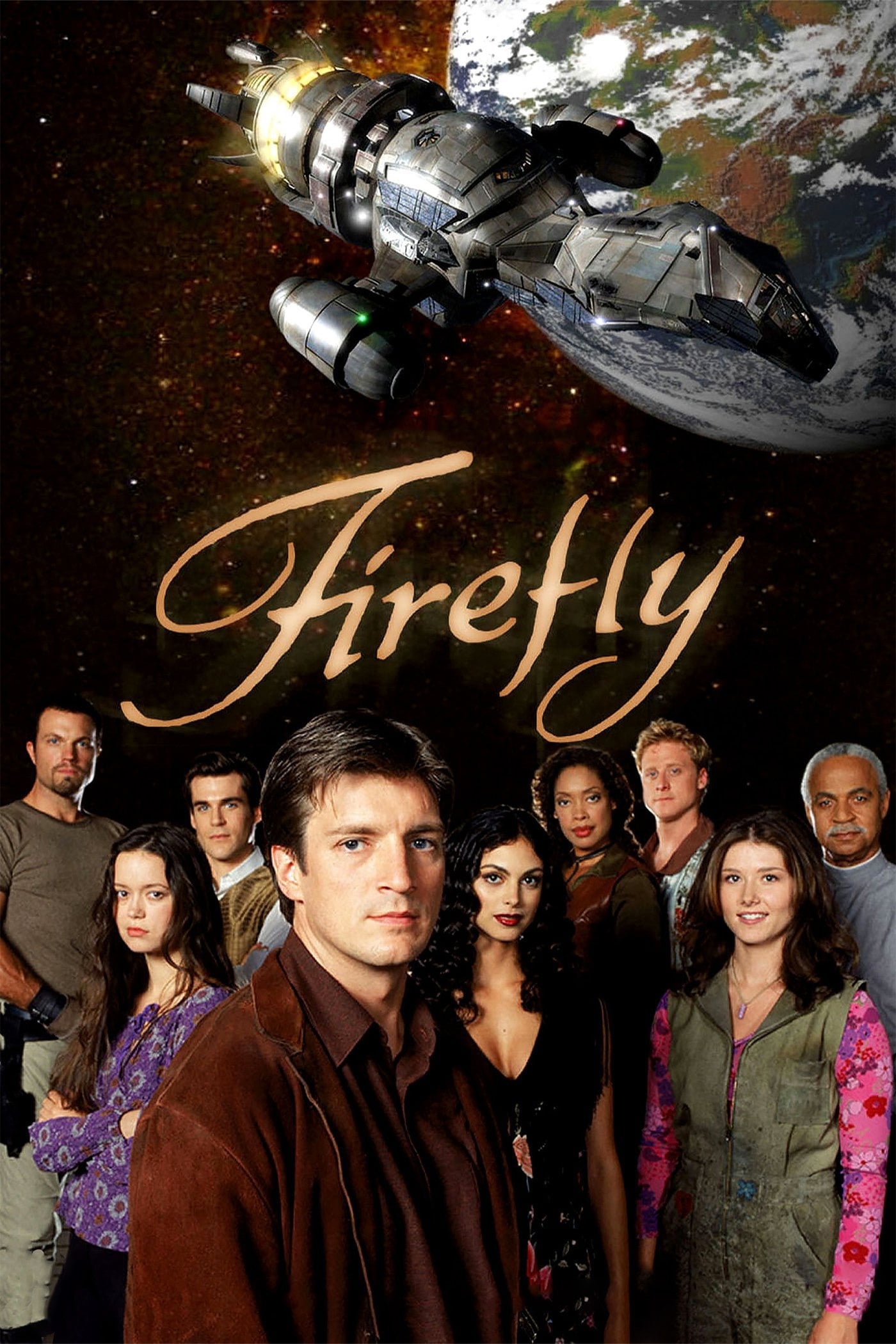
This beloved series presented a future where American and Chinese cultures blended together, featuring characters who spoke using Chinese slang and wore clothing inspired by Asian styles. However, the main cast lacked Asian representation, despite the show’s heavy reliance on Chinese and Asian cultural elements. Critics pointed out that the show borrowed from the culture for aesthetic appeal without including Asian people in the storytelling.
‘Arrested Development’ (2003–2019)
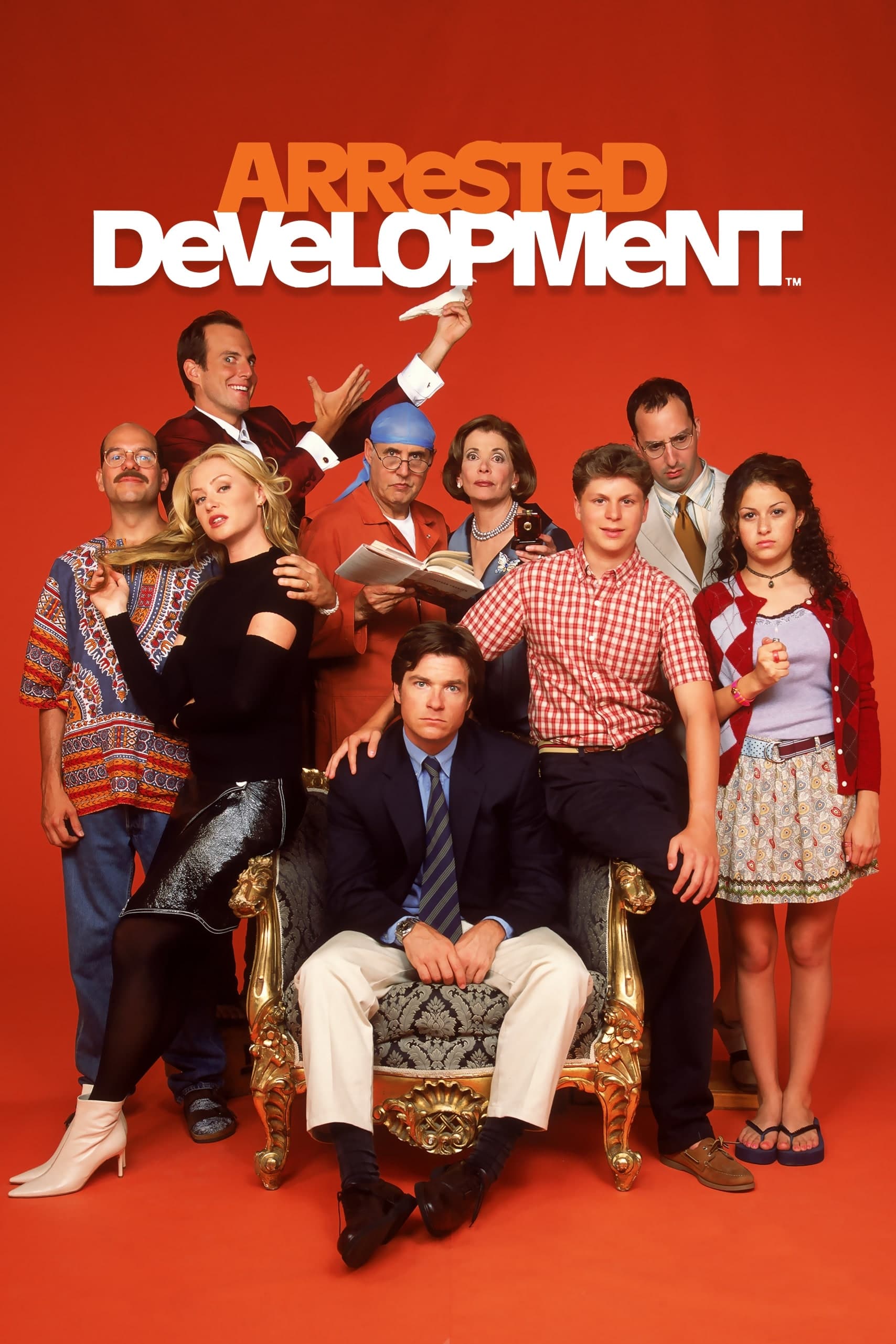
Annyong Bluth was adopted simply to provoke the family’s mother, and his name – a misheard Korean greeting meaning ‘hello’ – became his signature line. He was largely an outsider, seen more as a tool than a real family member. The ultimate reveal about his backstory relied on a familiar revenge plot, which some viewers felt was overly simplistic.
‘Riverdale’ (2017–2023)
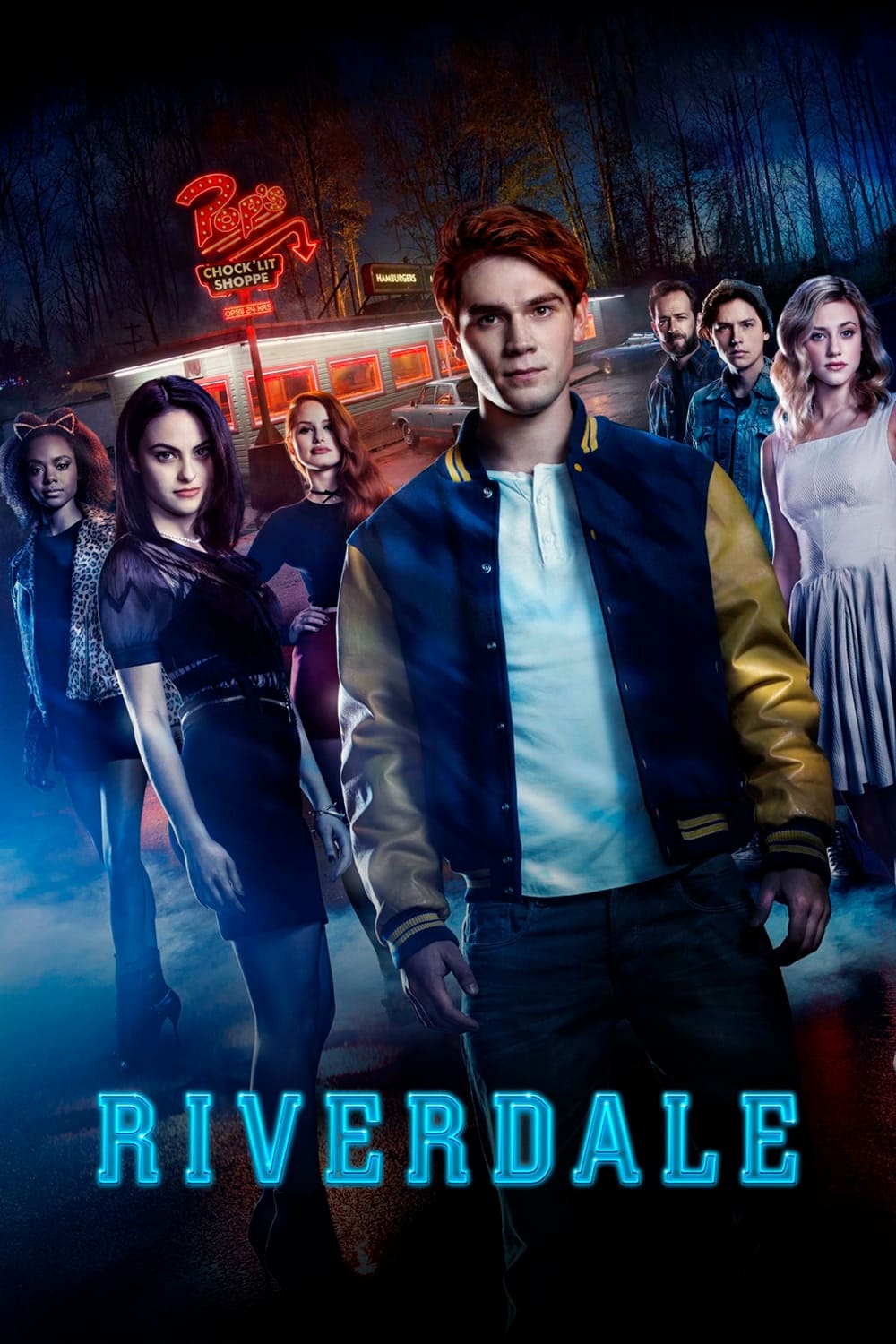
Reggie Mantle was played by two actors of Asian descent, but he wasn’t a central character for most of the show. Initially, he was written as a typical, somewhat clueless athlete with limited depth. The show’s more serious and emotional storylines usually went to the white, male main characters, leaving Reggie as a supporting figure. For years, fans asked the writers to give Reggie more important and developed story arcs.
‘Supernatural’ (2005–2020)
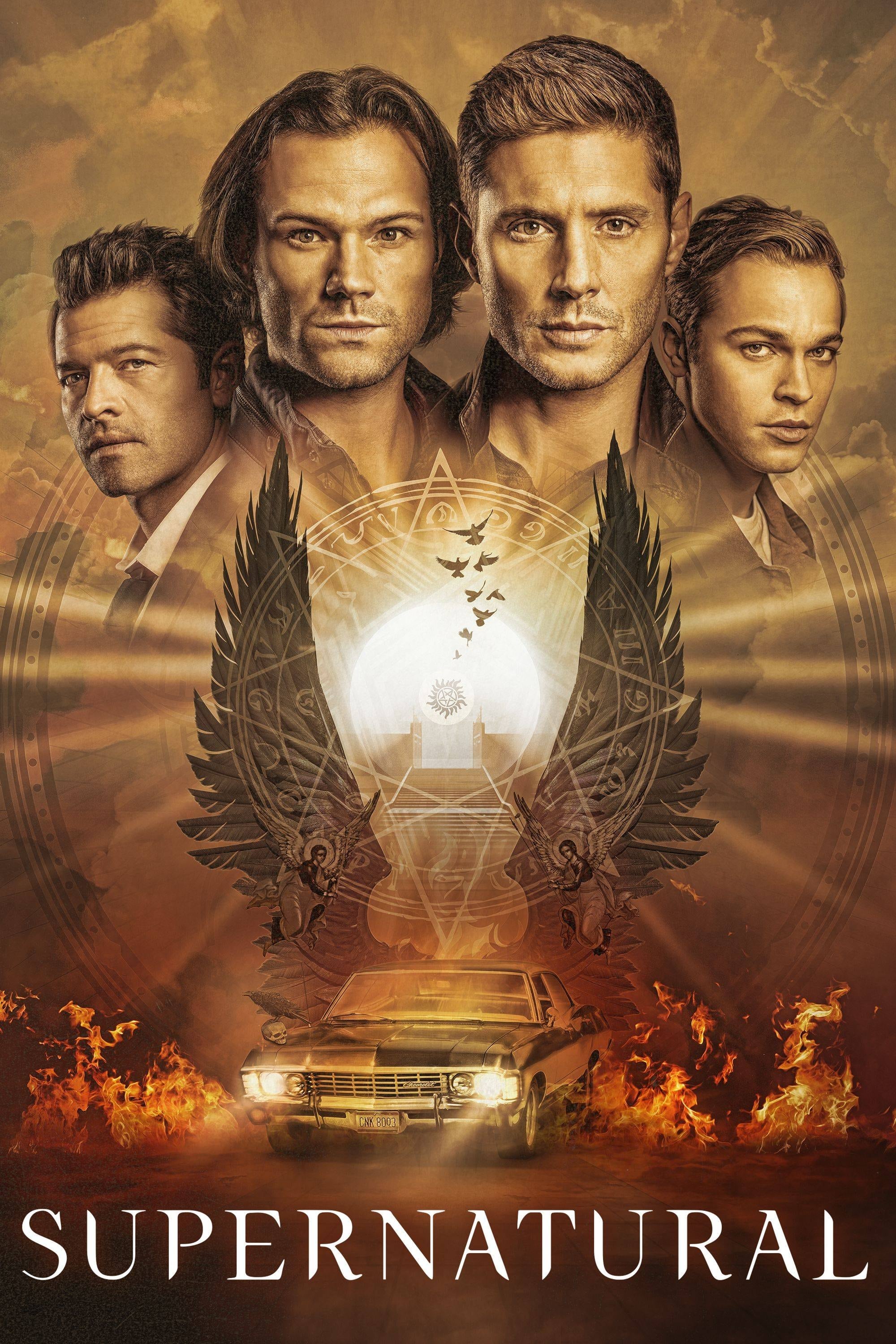
Kevin Tran started as a high-achieving student, but the show developed him into a character with prophetic abilities. Initially, the humor revolved around the stress of school and his demanding mother. Later, the show unexpectedly killed off his character, primarily to create drama for the white main characters. Many viewers felt this was a waste, as Kevin was an important part of the story and his death felt unnecessary and dismissive.
‘Community’ (2009–2015)
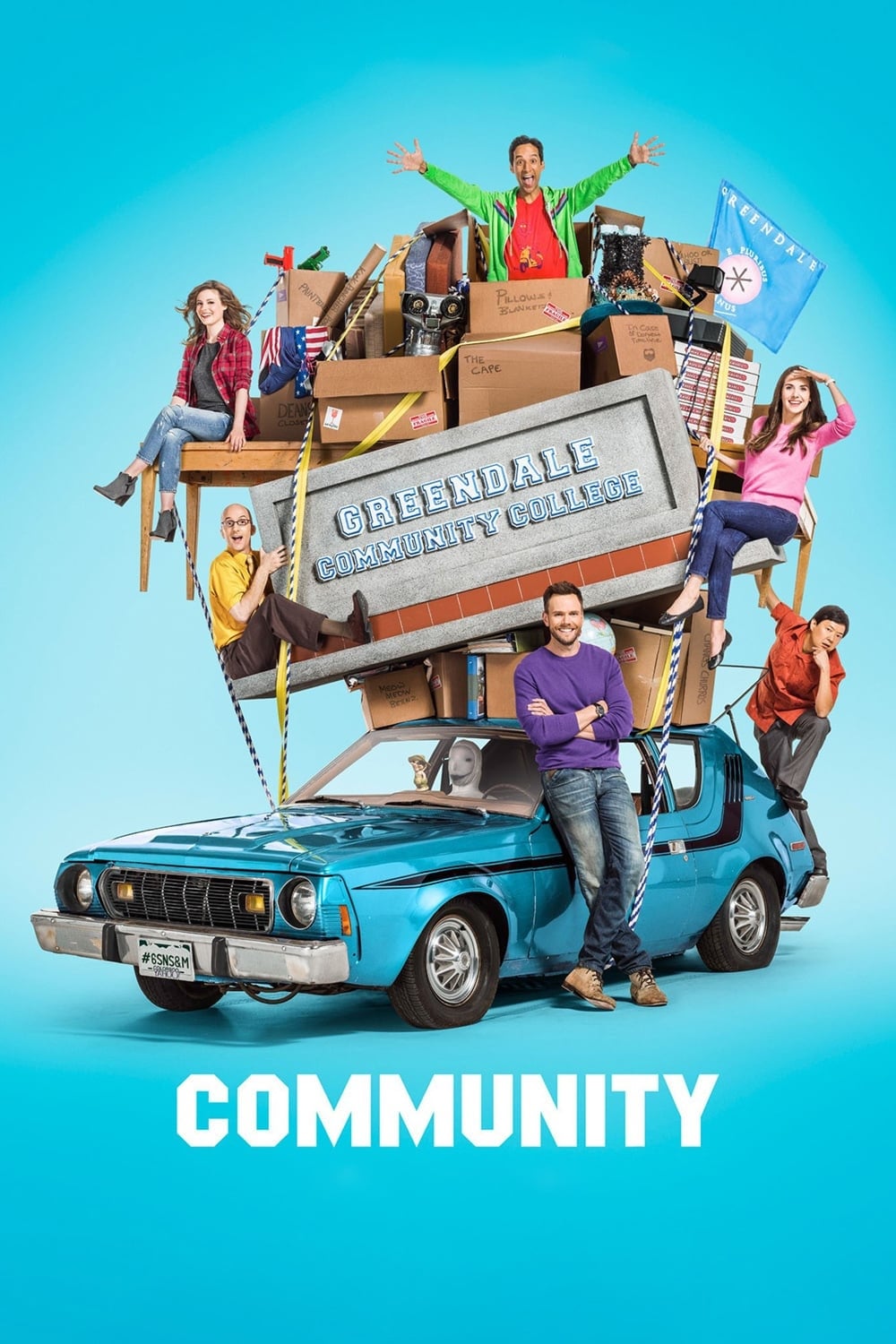
Ben Chang started as a Spanish teacher but gradually became a disruptive and unpredictable villain, eventually ending up living on the streets. Although the actor played him well, the character was often erratic and posed a threat. Many critics pointed out that Chang fell into the harmful stereotype of the unstable Asian man unable to integrate into normal life. The show’s writers also had difficulty finding a consistent role for him among the main study group.
‘Lost’ (2004–2010)
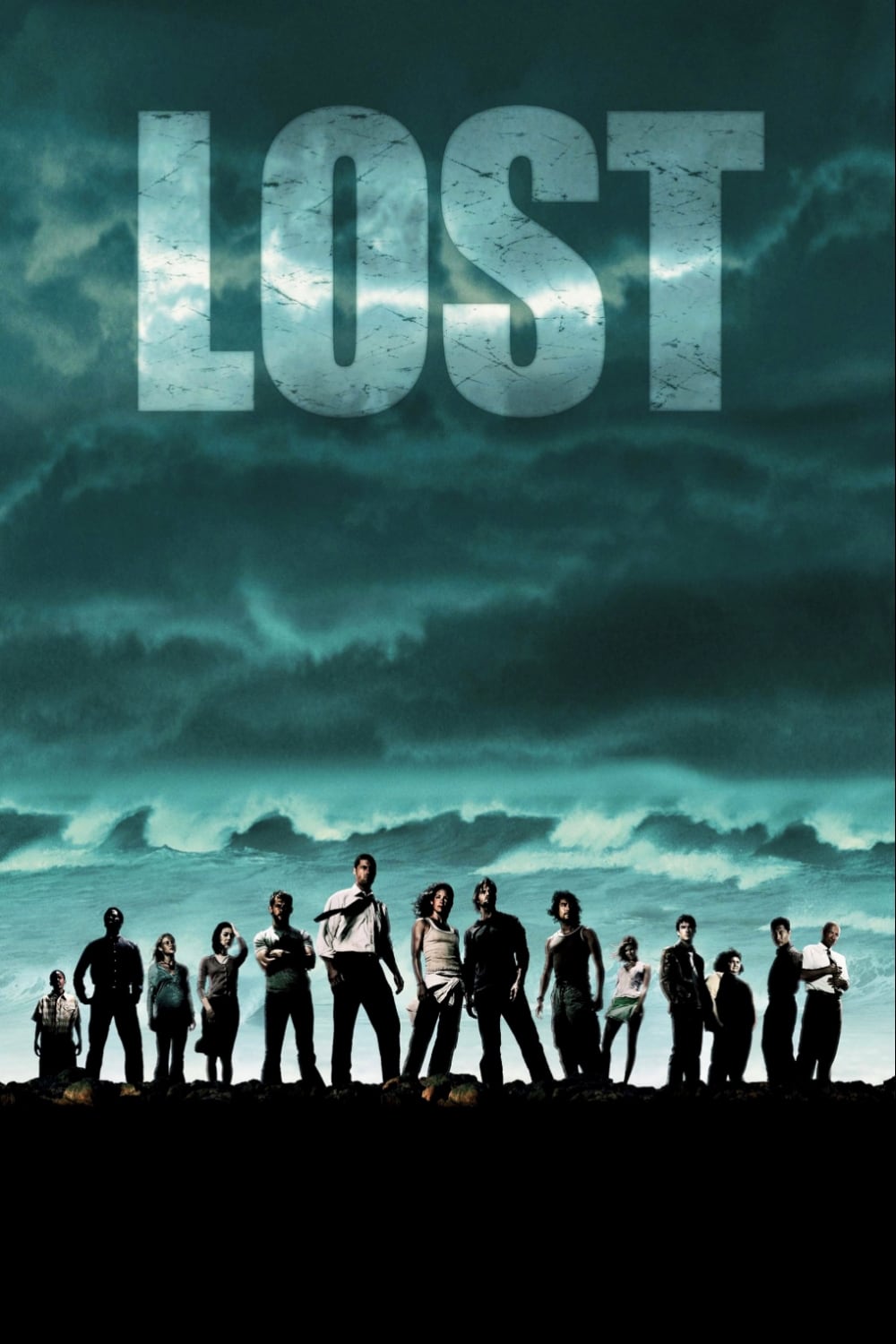
Initially, Sun and Jin Kwon were portrayed as a husband who dominated and a wife who was submissive. The show used subtitles and kept them separate from other characters, reinforcing this dynamic. Though their personalities developed over time, their story began with strong, and potentially harmful, cultural stereotypes. Many viewers felt their eventual deaths were tragic, but didn’t add to their storyline after everything they’d gone through to find each other again.
‘Futurama’ (1999–2023)
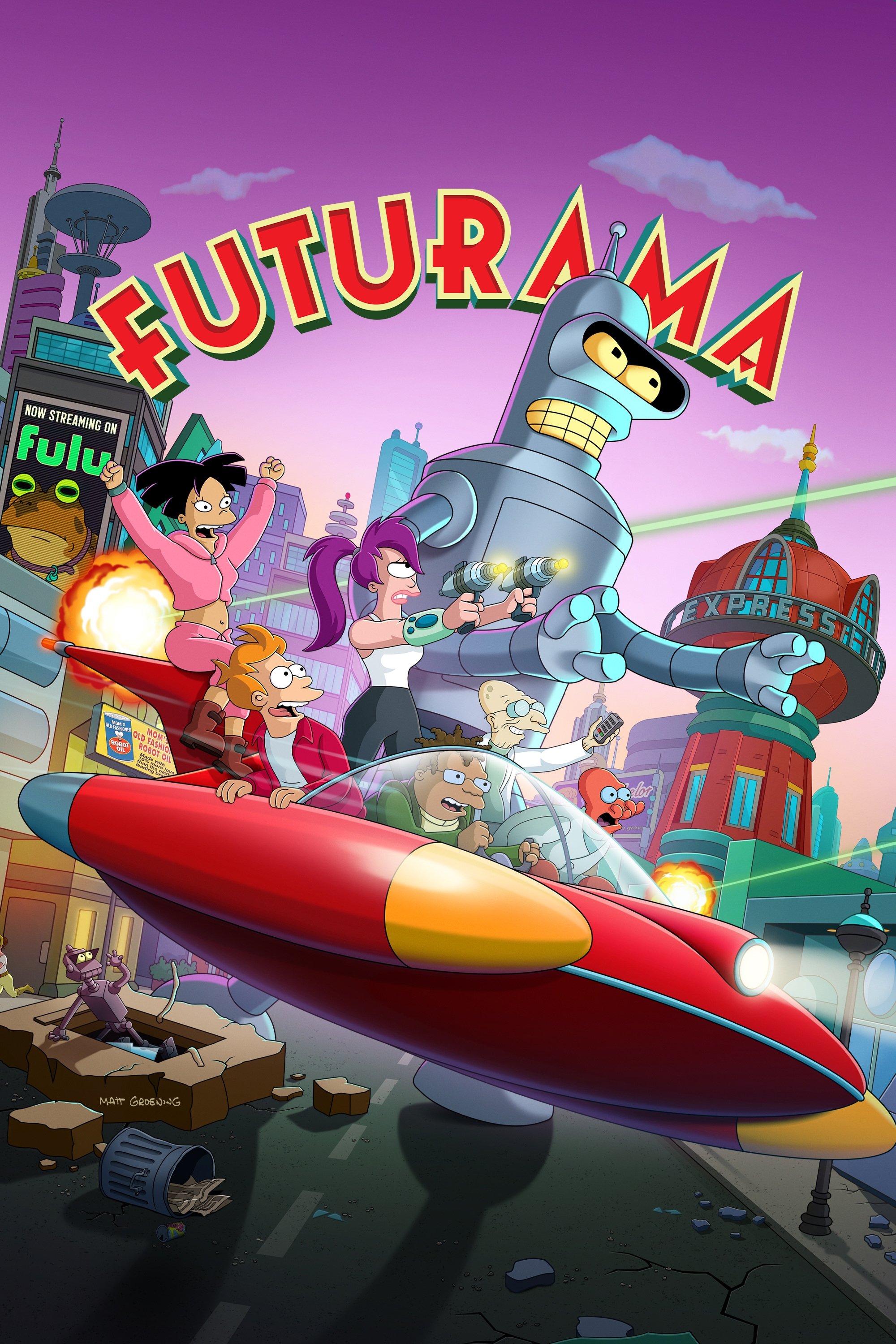
Amy Wong is a central character known for being clumsy and coming from a very wealthy family. Her parents are portrayed as distant and overly focused on having grandchildren, falling into common stereotypes. Often, the show uses Amy as a romantic interest or for slapstick humor, and doesn’t showcase her skills as a scientist. Her Martian background is frequently used to justify personality traits that unfortunately reinforce negative stereotypes.
‘South Park’ (1997–Present)
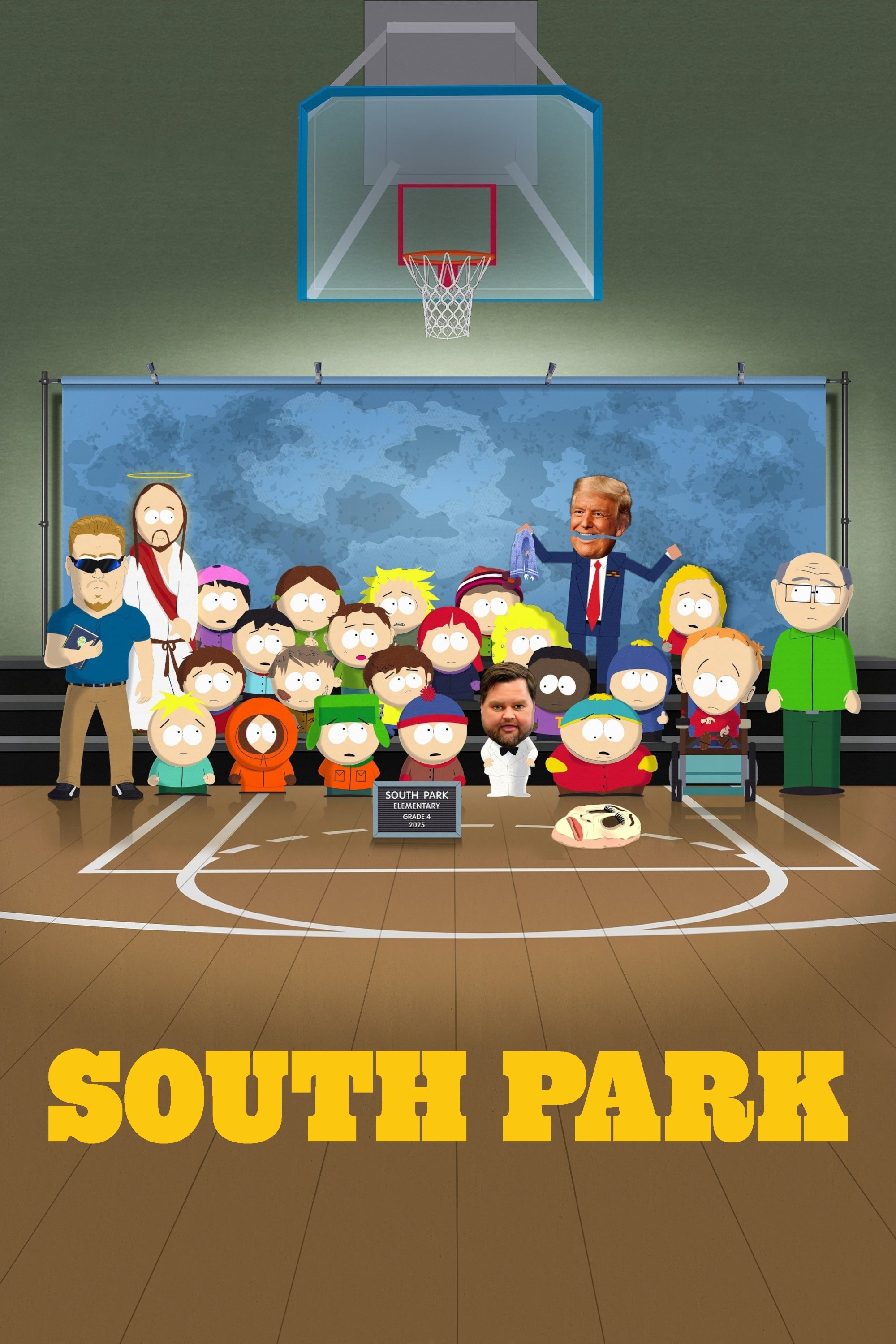
Tuong Lu Kim, the owner of City Wok, was a character frequently made fun of for his accent. The actor who voiced him was white and used an over-the-top, exaggerated way of speaking. While the show later addressed the issue of superficial diversity, it continued to rely on this character for jokes based on his race. This portrayal is still considered a very problematic part of the series.
‘Orange Is the New Black’ (2013–2019)

Brook Soso was portrayed as a talkative and irritating activist, and other prisoners often ignored her. The show also included Chang, a quiet and socially uncomfortable character. Many critics noticed that the Asian American prisoners weren’t given as much depth or developed personalities compared to the white and Black inmates. Soso, especially, was often presented as simply annoying instead of a complex individual for several seasons.
‘Gossip Girl’ (2007–2012)
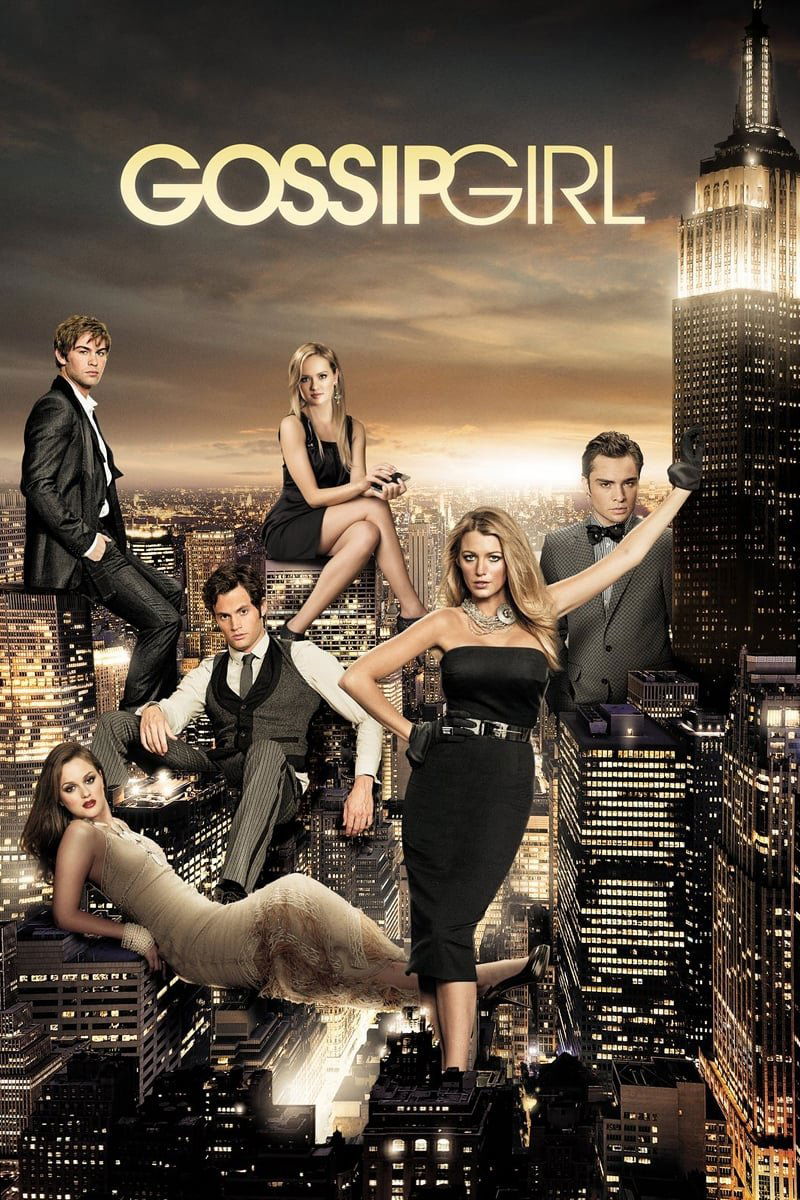
Kati Farkas and Isabel Coates were side characters who always seemed to be supporting Blair Waldorf, with little personality of their own. Later, the character Nelly Yuki was introduced as a highly intelligent but socially awkward student. These depictions contributed to a harmful stereotype that Asian girls are either quiet and submissive or simply focused on academics, lacking social skills.
‘The Boys’ (2019–Present)

Kimiko Miyashiro is a superhero who can’t speak and uses a special sign language to communicate. Though popular with fans, her character initially fell into a common stereotype: the quiet, dangerous Asian woman. At first, she didn’t have much control over her own story and was mainly driven by the actions of the men around her. She often expressed herself through extreme violence, which became her main way of interacting with others.
‘The Umbrella Academy’ (2019–2024)
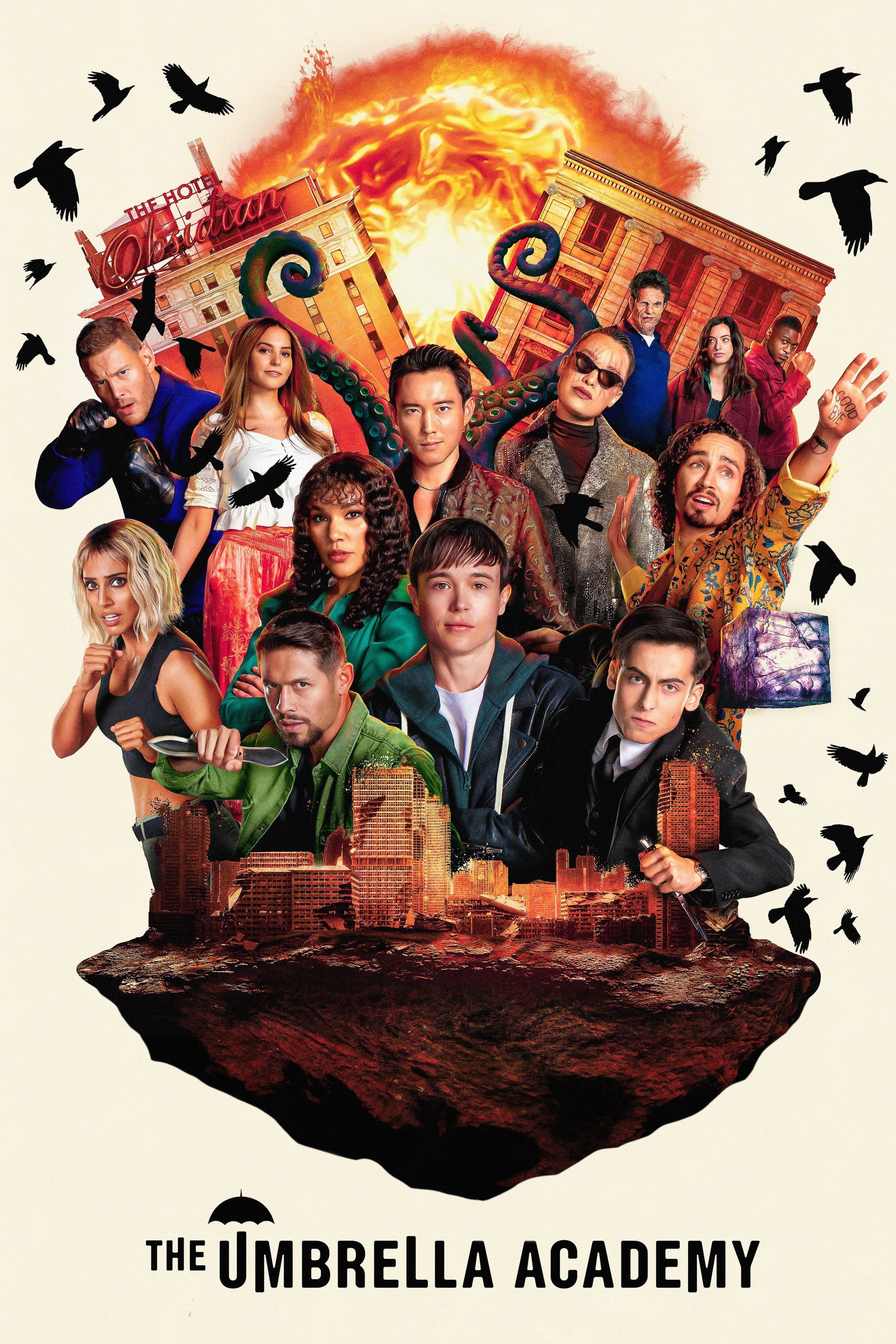
For the first two seasons, Ben Hargreeves was mostly seen as a ghost, limited to communicating with just one of his siblings. Even when shown alive in different timelines, his personality revolved around either his strong family loyalty or his more troubling tendencies. Some viewers felt his power – shooting tentacles from his chest – relied too heavily on clichés from anime. Overall, Ben’s character often felt less developed than those of his white siblings, and played a supporting role to their stories.
’13 Reasons Why’ (2017–2020)
As a big fan of the show, I always found Courtney Crimsen really frustrating – she came across as someone who was controlling and always willing to blame others to save herself. Zach Dempsey was interesting because he started off as the typical athlete, but they actually gave him some layers as the seasons went on. Honestly, though, I felt like the writers were a little too hard on Courtney, almost like they were exaggerating her flaws to distract from something else. And it bothered me how much the show focused on their need to appear perfect; it felt like they were playing into some harmful stereotypes.
‘Desperate Housewives’ (2004–2012)
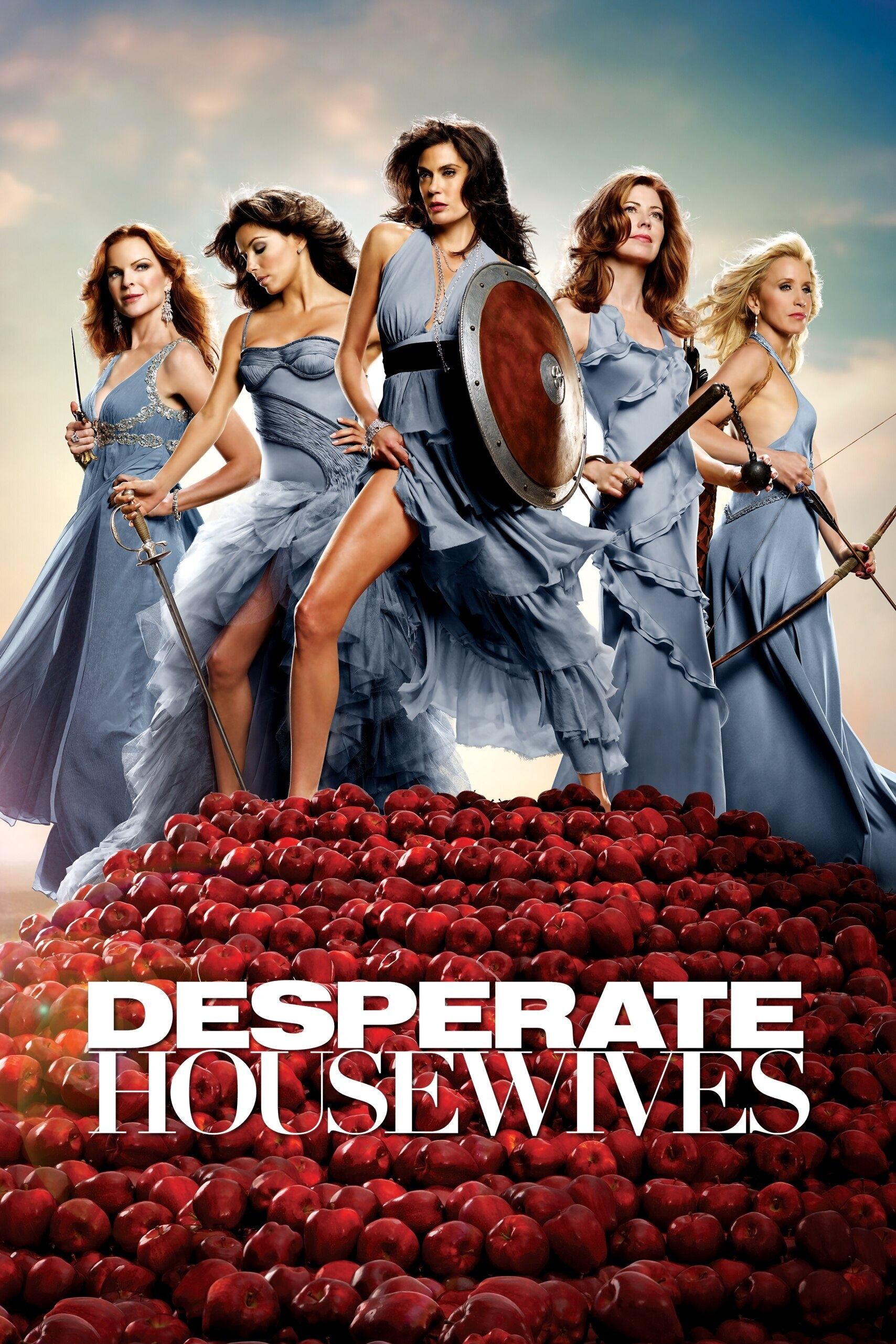
Xiao-Mei’s story begins with her past as an enslaved person, and she later works as a maid and surrogate mother for a wealthy family. The show unnecessarily focused on her difficult situation and a dramatic affair with the husband, treating her like a possession rather than a person with emotions. Once the affair came to light and the baby was born, the show quickly dismissed her character.
‘Sex and the City’ (1998–2004)
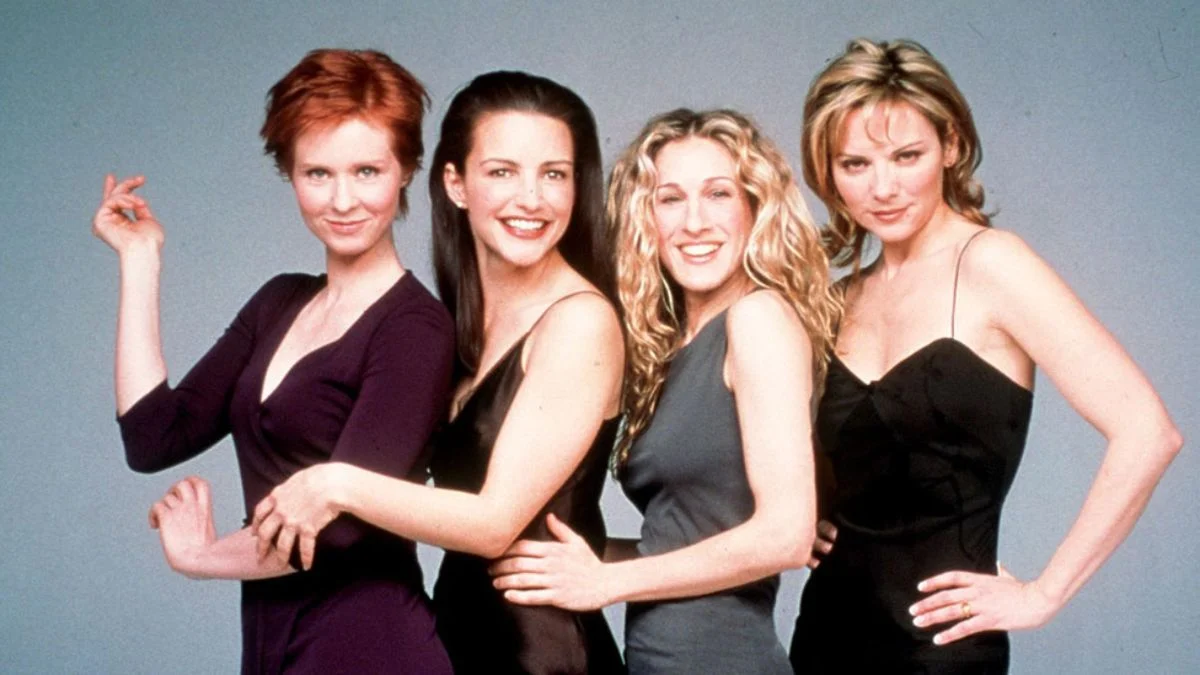
Viewers looking back on the show have pointed out problematic portrayals of Asian characters. One episode included a storyline where a servant was both sexualized and ridiculed for her limited English. Asian men were frequently depicted as unattractive or simply as wealthy figures, while Asian women were rarely shown in roles beyond being servants or presented as exotic objects.
‘How I Met Your Mother’ (2005–2014)
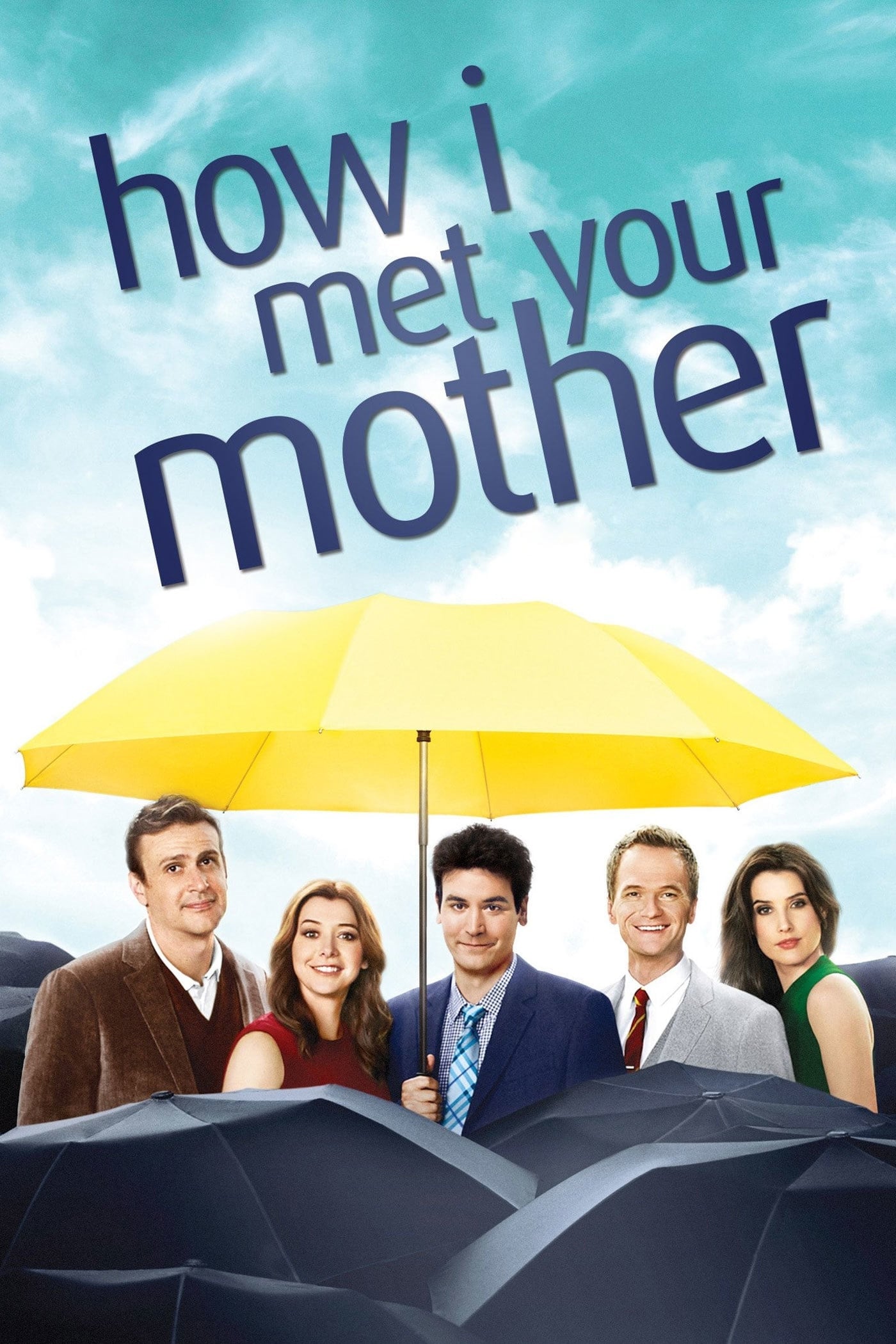
The show received strong criticism for an episode featuring the main actors in yellowface, portraying Asian characters. This incident highlighted a broader problem: the series, set in New York City, largely lacked meaningful Asian representation. When Asian characters did appear, they were often used as jokes or simply as extras. Following widespread fan outrage, the show’s creators issued an apology for the yellowface portrayal.
‘Teen Wolf’ (2011–2017)

Kira Yukimura was a powerful fox spirit who became part of the main group and developed a romantic connection with another character. Many viewers felt the show unexpectedly sidelined her, seemingly to bring back white characters. Her story frequently focused on her efforts to manage her supernatural abilities. Critics argued that the show didn’t treat her as a core member of the team, but rather as someone temporary.
‘Arrow’ (2012–2020)
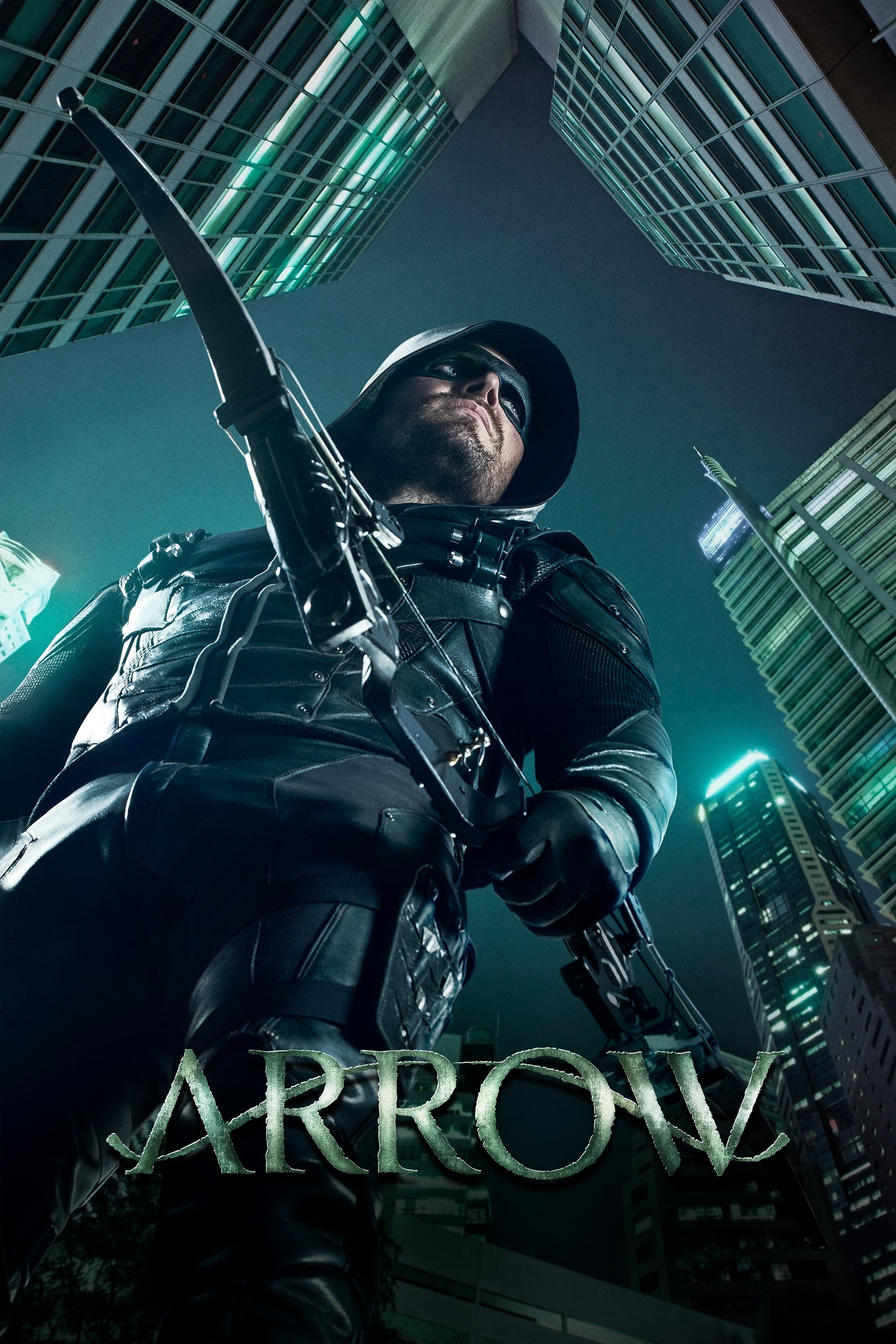
Shado was a talented fighter and teacher who was killed off in the story to drive the main character, Oliver Queen, to grow emotionally. Many critics pointed out this was a common trope – eliminating a female character to further a male character’s story. While her twin sister was later added to the show, she also had difficulty developing a storyline independent of Oliver.
‘Veep’ (2012–2019)
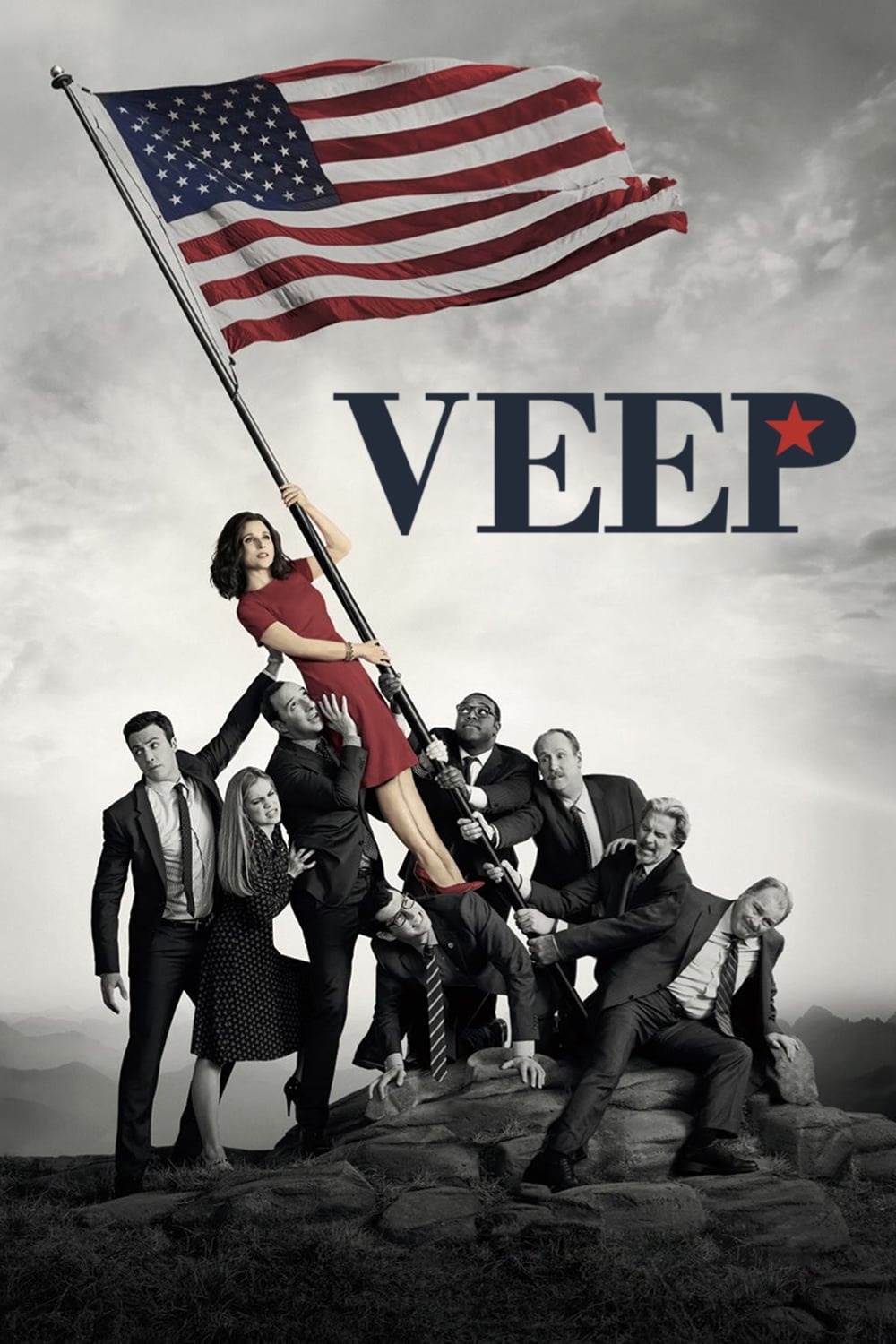
Danny Chung, a politician and war veteran, was portrayed as an antagonist by the show’s main characters. The series frequently used jokes about his experiences being tortured in Iraq, seemingly to make him less appealing to viewers. Although the show satirized politicians generally, it specifically focused on Chung’s background to ridicule his public persona, presenting him as someone who strategically used his ethnicity for political gain.
‘Revenge’ (2011–2015)

Satoshi Takeda was the protagonist’s combat and strategy teacher, playing the classic role of a calm, mysterious sensei. The actor who played him was even replaced without much explanation. Ultimately, his character existed only to support the white protagonist’s journey for revenge.
Tell us which of these shows you think handled representation the worst in the comments.
Read More
- 20 Movies Where the Black Villain Was Secretly the Most Popular Character
- Top 20 Dinosaur Movies, Ranked
- Celebs Who Narrowly Escaped The 9/11 Attacks
- 25 “Woke” Films That Used Black Trauma to Humanize White Leads
- The 10 Most Underrated Jim Carrey Movies, Ranked (From Least to Most Underrated)
- The Best Directors of 2025
- Transformers Under the Microscope: What Graph Neural Networks Reveal
- Every Notable ‘Star Trek: The Original Series’ Actor Who Died
- Trading on Thin Air: AI Agents Conquer Crypto Volatility
- 22 Films Where the White Protagonist Is Canonically the Sidekick to a Black Lead
2026-01-26 01:24