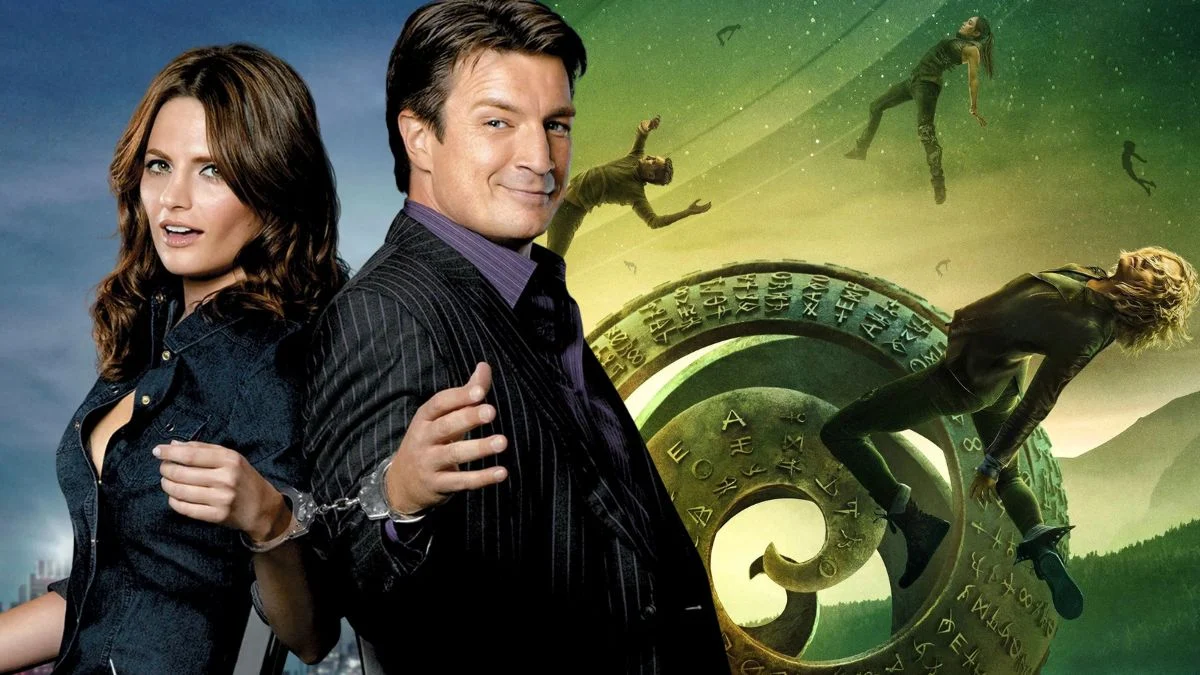
Many beloved TV shows have stumbled right before the end, leaving a lasting negative impression. A poorly executed finale can ruin a show’s entire history and make devoted fans feel let down. Whether it’s an unsatisfying cliffhanger or a sudden change in a character’s personality, the final episode has a lot riding on it – years of story need to be wrapped up well. Some finales are particularly infamous because they just didn’t deliver for the show’s loyal audience.
‘Game of Thrones’ (2011–2019)
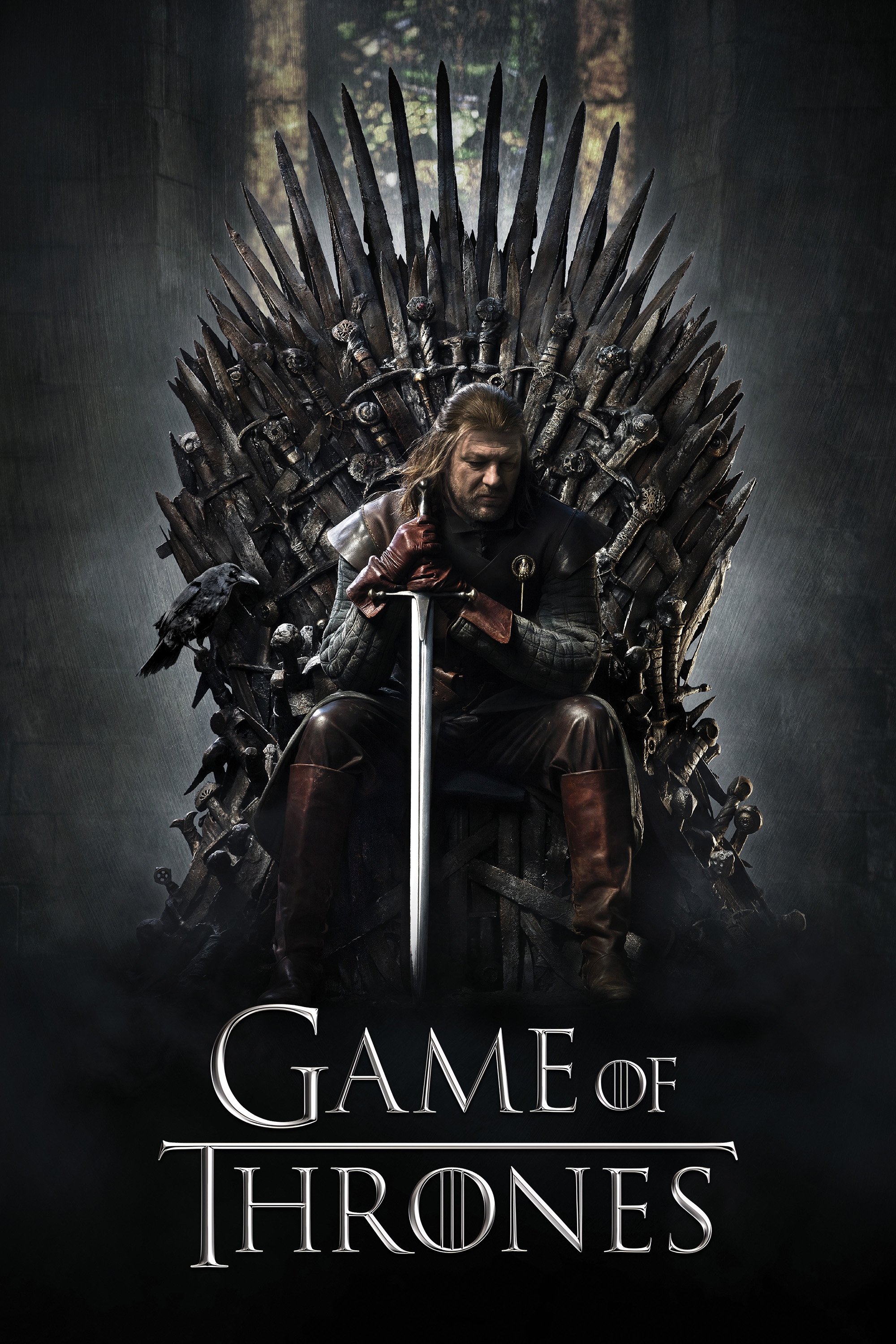
The last season of this popular fantasy series felt hurried, especially when it came to developing its characters – some storylines had been building for almost ten years. Many viewers felt Daenerys Targaryen’s sudden turn to villainy didn’t make sense because the season moved so quickly. The choice of Bran Stark as King was also unexpected and confusing, as characters like Jon Snow and Sansa Stark seemed more suitable. Fans were disappointed that the show abandoned its earlier focus on realistic political maneuvering. The ending proved very controversial, even prompting online petitions for a complete do-over.
‘How I Met Your Mother’ (2005–2014)
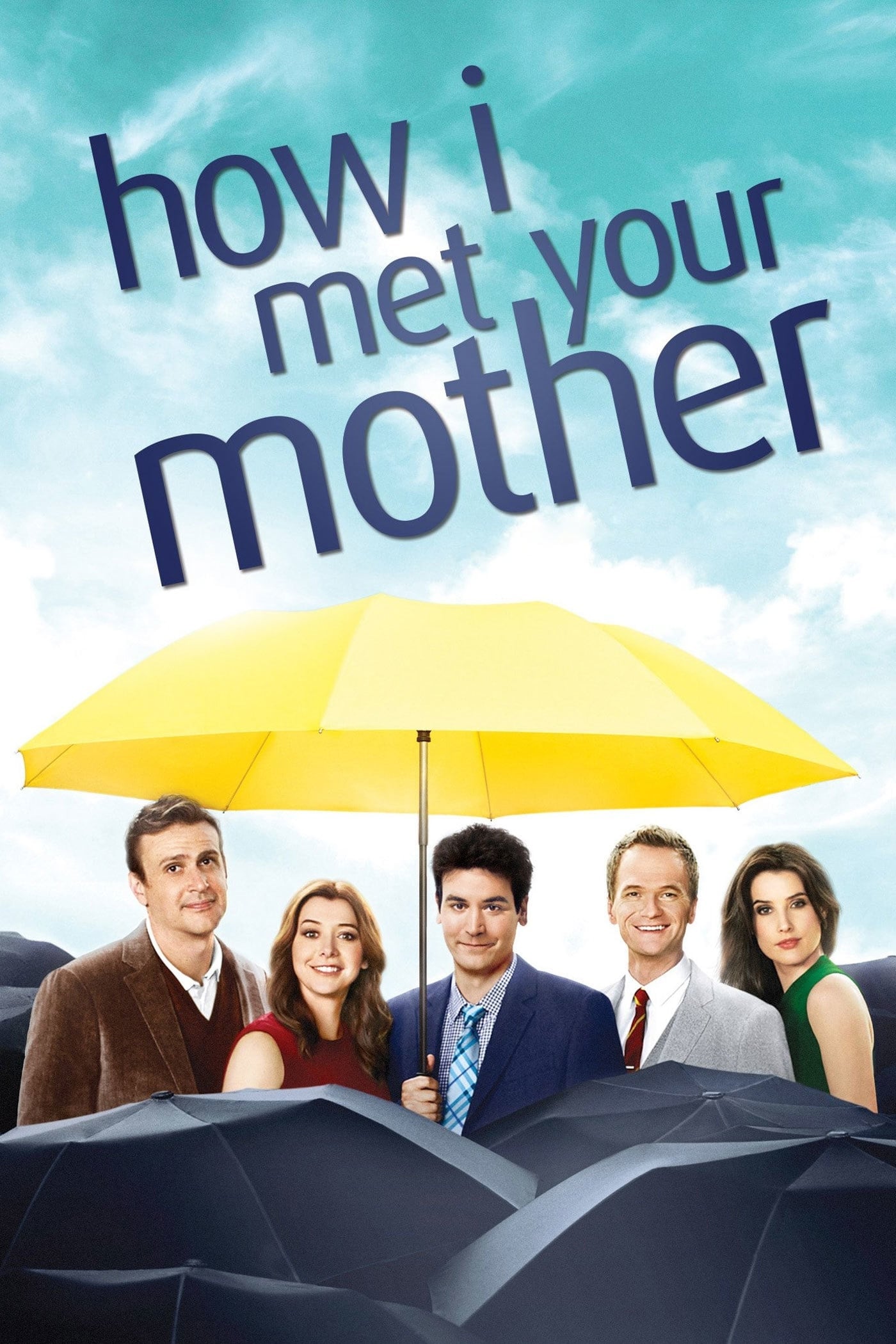
The show’s central idea was Ted Mosby recounting to his kids the story of how he met their mother. After nine seasons, viewers expected to see that meeting, but instead, the mother character died very quickly. The ending surprisingly revealed the entire story was actually Ted getting permission from his children to pursue a romantic relationship with his longtime friend, Robin. This felt unsatisfying to many, as it ignored years of character growth demonstrating that Ted and Robin weren’t a good match, and it prioritized a shocking twist over a meaningful conclusion.
‘Dexter’ (2006–2013)
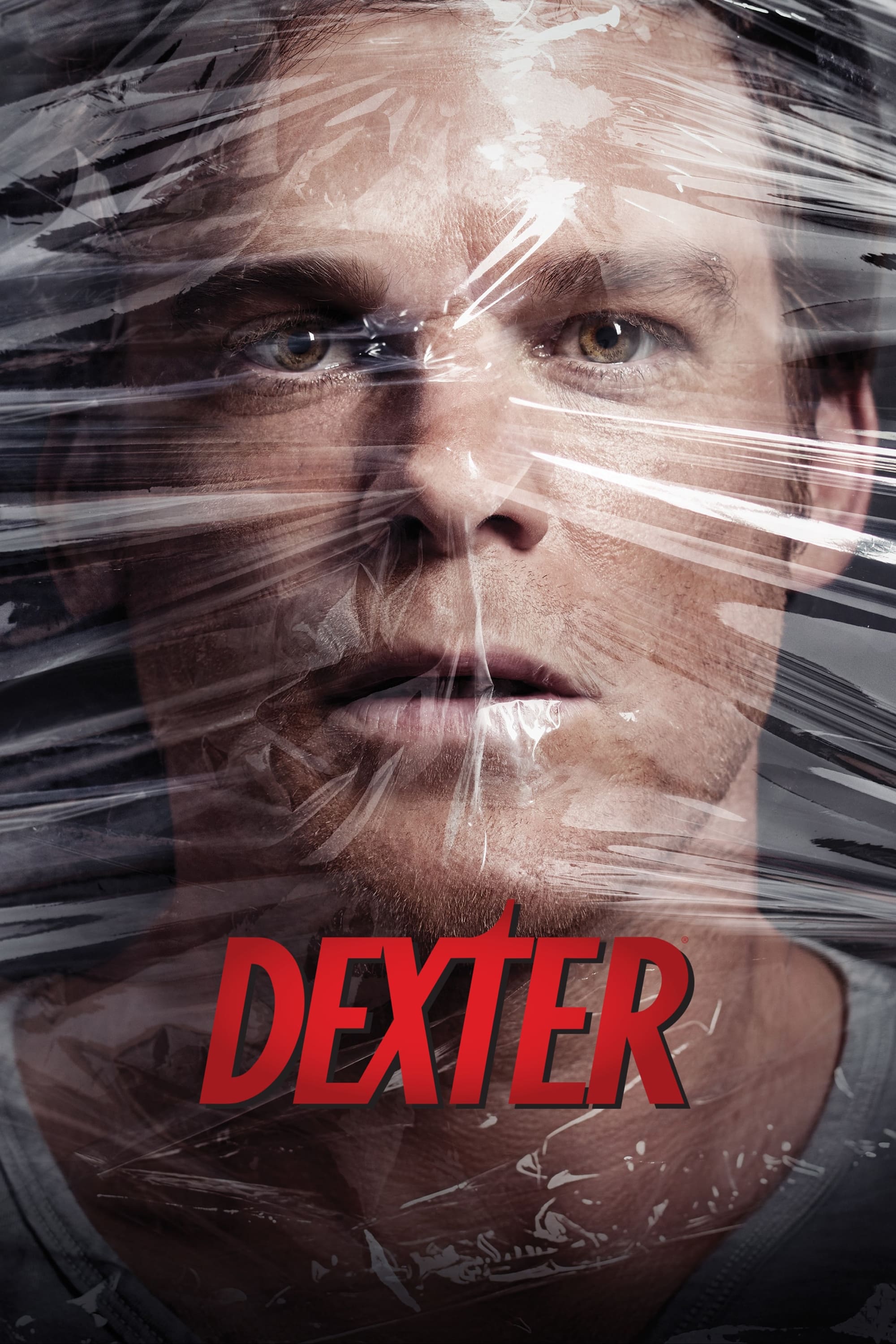
The show was a crime drama about a killer who worked with the police but only targeted other criminals, following a personal code of ethics. The original ending was highly criticized: Dexter Morgan pretended to die and left his son to start a new life as a lumberjack. His sister, Debra, died in a way that felt unsatisfying and didn’t do justice to her character. Many viewers were upset by the lack of closure and consequences for Dexter’s actions, and the finale is often pointed to as an example of a series failing to stick the landing.
‘Lost’ (2004–2010)
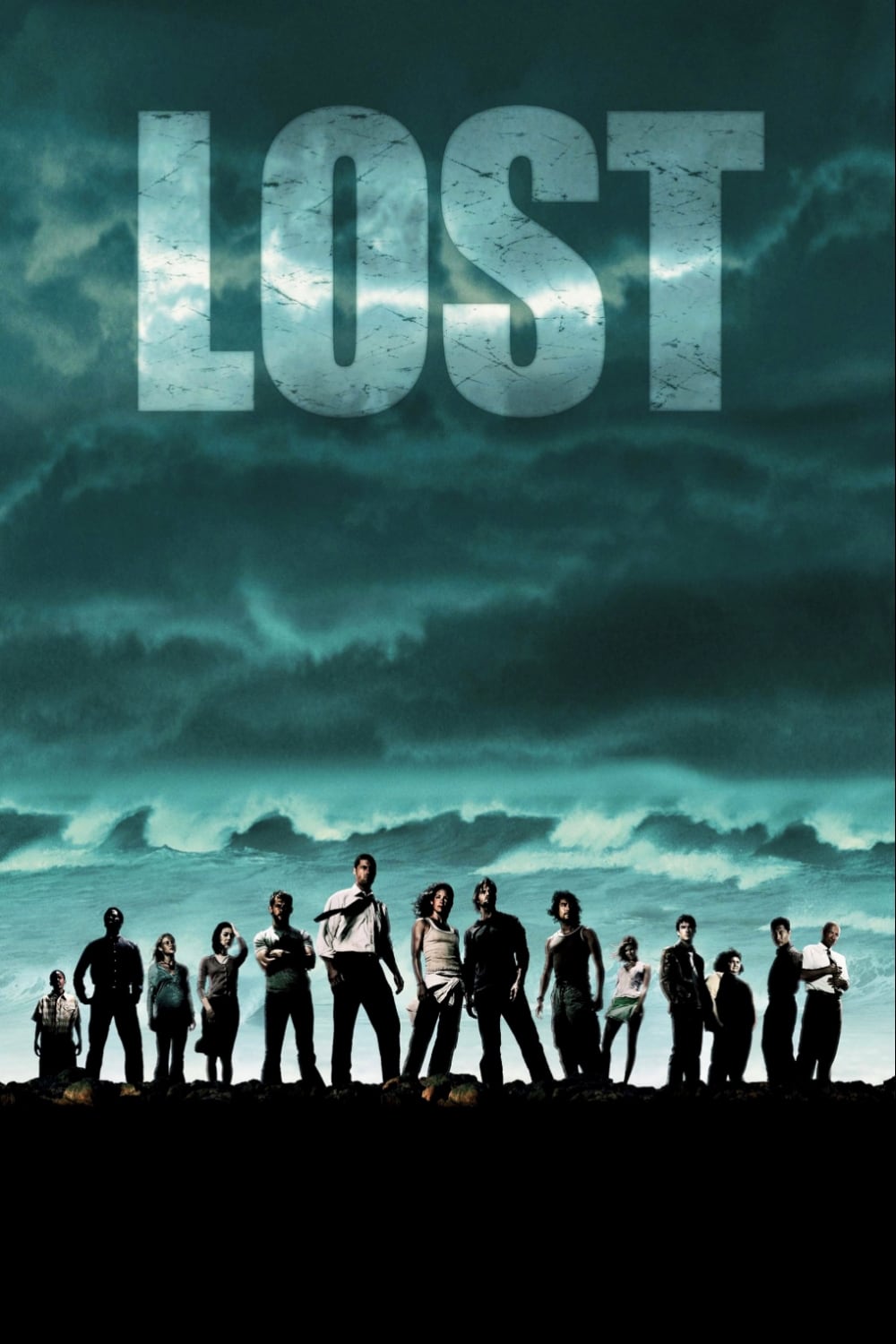
I was completely captivated by this show, especially the constant mystery of the island – it really kept you on the edge of your seat! The finale took a surprising turn, showing the characters in this sort of afterlife, a place where they could all be together again. Honestly, while the emotional scene in the church was beautiful, it left me wanting more. I, along with a lot of other fans, was hoping for some real answers to all the incredible questions the show raised – like, what were those polar bears about? It felt like the writers focused more on making us feel something than on actually tying up all the loose ends, and that was a little disappointing.
‘Seinfeld’ (1989–1998)
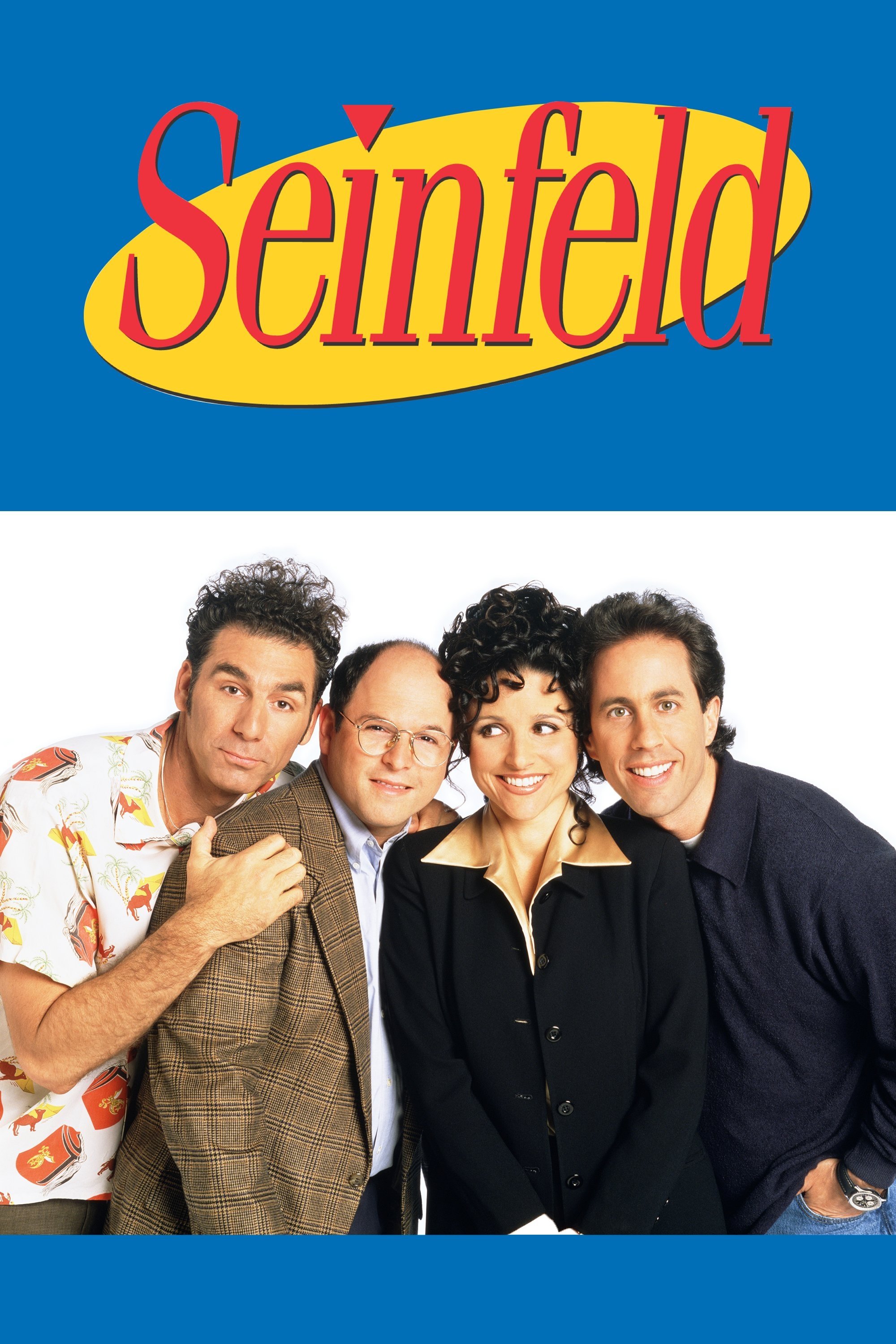
Man, the finale of Seinfeld was… something else. They put Jerry, Elaine, George, and Kramer on trial for not helping a guy who got mugged – can you believe it? It was wild seeing all those old faces from the show come back to testify about how awful they’d been over the years. Honestly, the ending felt really dark – they actually went to prison! Larry David wrote it, and while it was classic cynical David, it just didn’t quite fit with the rest of the show. It’s still talked about today, and people are pretty divided on whether it was a good way to end such an iconic comedy.
‘The Sopranos’ (1999–2007)
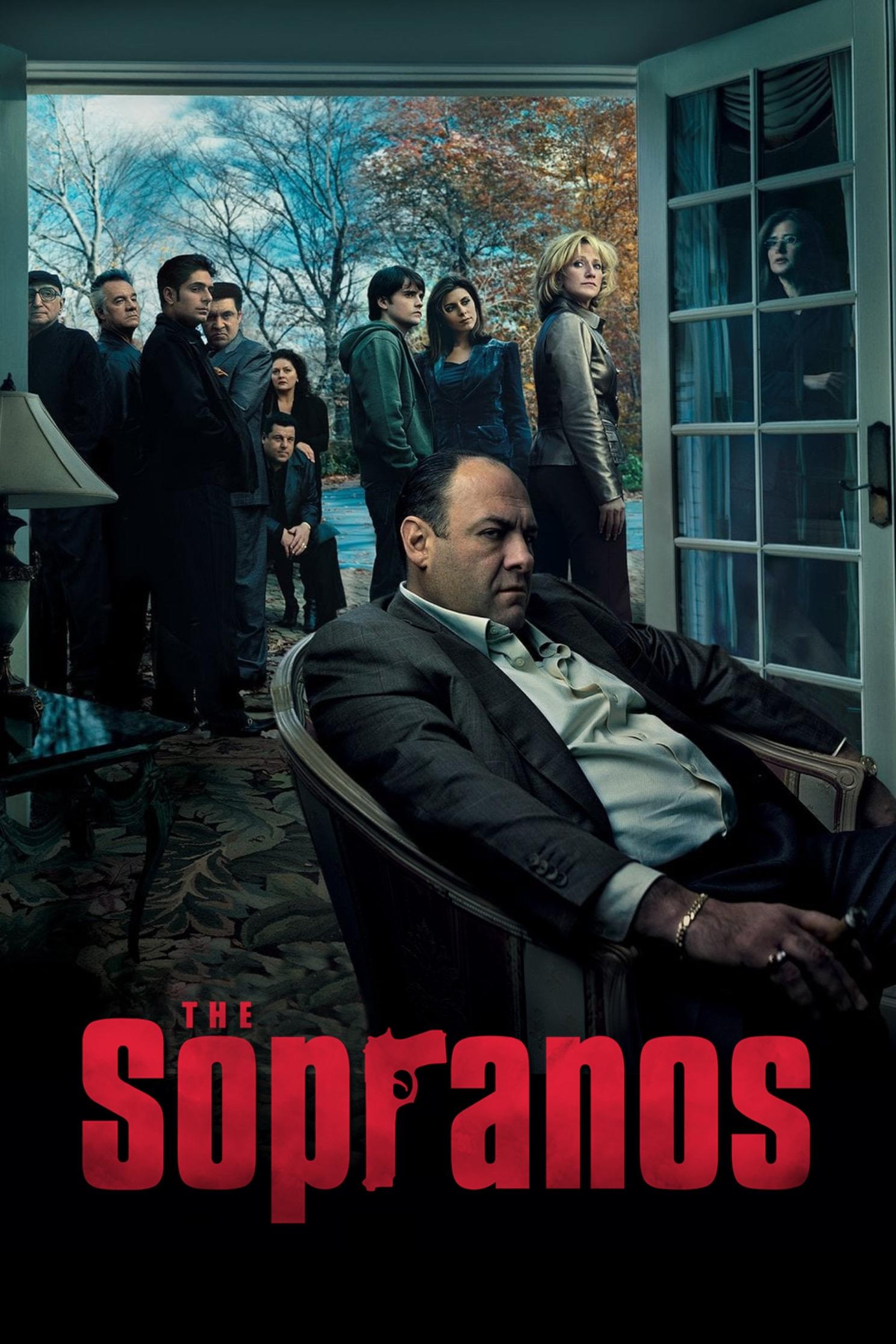
In the iconic final scene of the show, Tony Soprano was having dinner with his family when a mysterious man entered the bathroom. Suddenly, the screen went black, leaving Tony’s fate uncertain. Many viewers initially believed there was a technical issue with their television because of the abrupt cut and lack of closure. Though creator David Chase meant for the ending to be open to interpretation, a lot of people found it frustrating and overly artistic. The question of whether Tony Soprano lived or died remains a central topic of discussion among fans of the show.
‘Killing Eve’ (2018–2022)
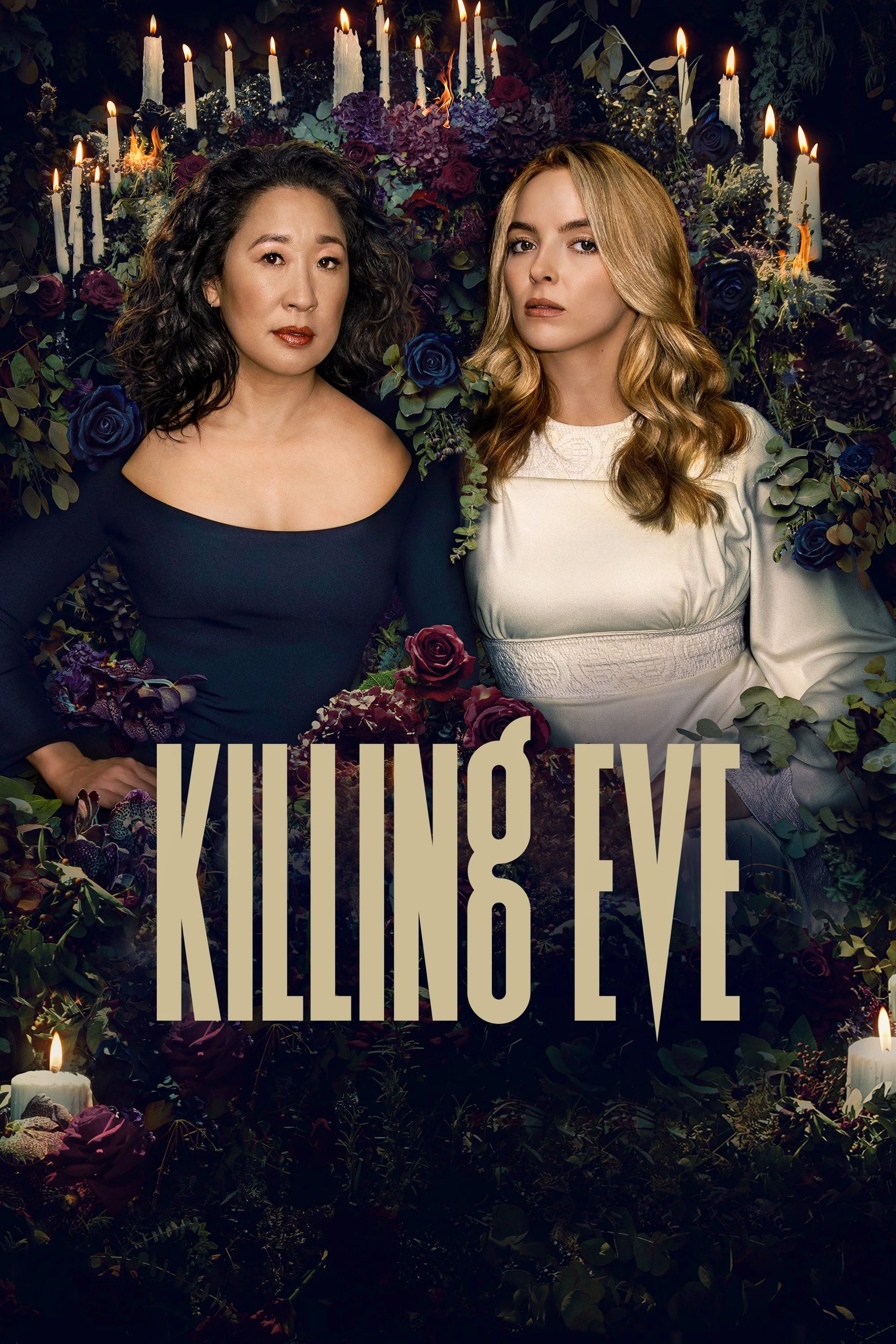
For four seasons, the thrilling back-and-forth relationship between Eve Polastri and Villanelle was at the heart of this spy drama. The final episode pitted the two women against the shadowy group known as The Twelve. However, the writers unexpectedly killed Villanelle right after they shared a happy moment, a decision that drew criticism for falling into the harmful ‘bury your gays’ trope and robbing the characters of a hopeful future. The series ended with Eve left alone and distraught in the Thames River, a conclusion that particularly upset LGBTQ+ viewers.
‘Gossip Girl’ (2007–2012)
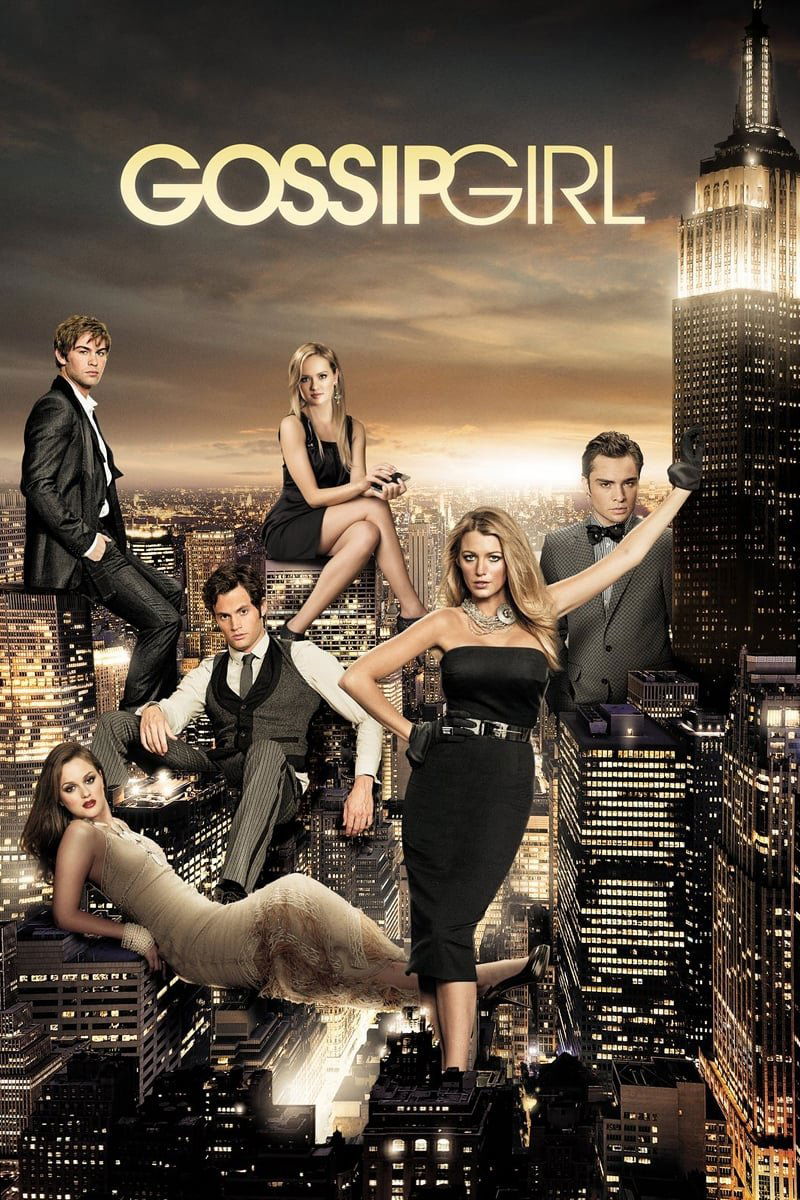
The biggest question throughout the show was who was behind the scandalous blog targeting the wealthy teenagers of the Upper East Side. The finale shockingly revealed it was Dan Humphrey, even though he was often a target of the blog himself. This twist didn’t make sense, as Dan often seemed surprised by the very posts he supposedly wrote. The show then quickly wrapped up the story with the characters easily forgiving him for years of online harassment without any real repercussions. Many fans felt the reveal was illogical and went against everything the show had established from the beginning.
‘Pretty Little Liars’ (2010–2017)
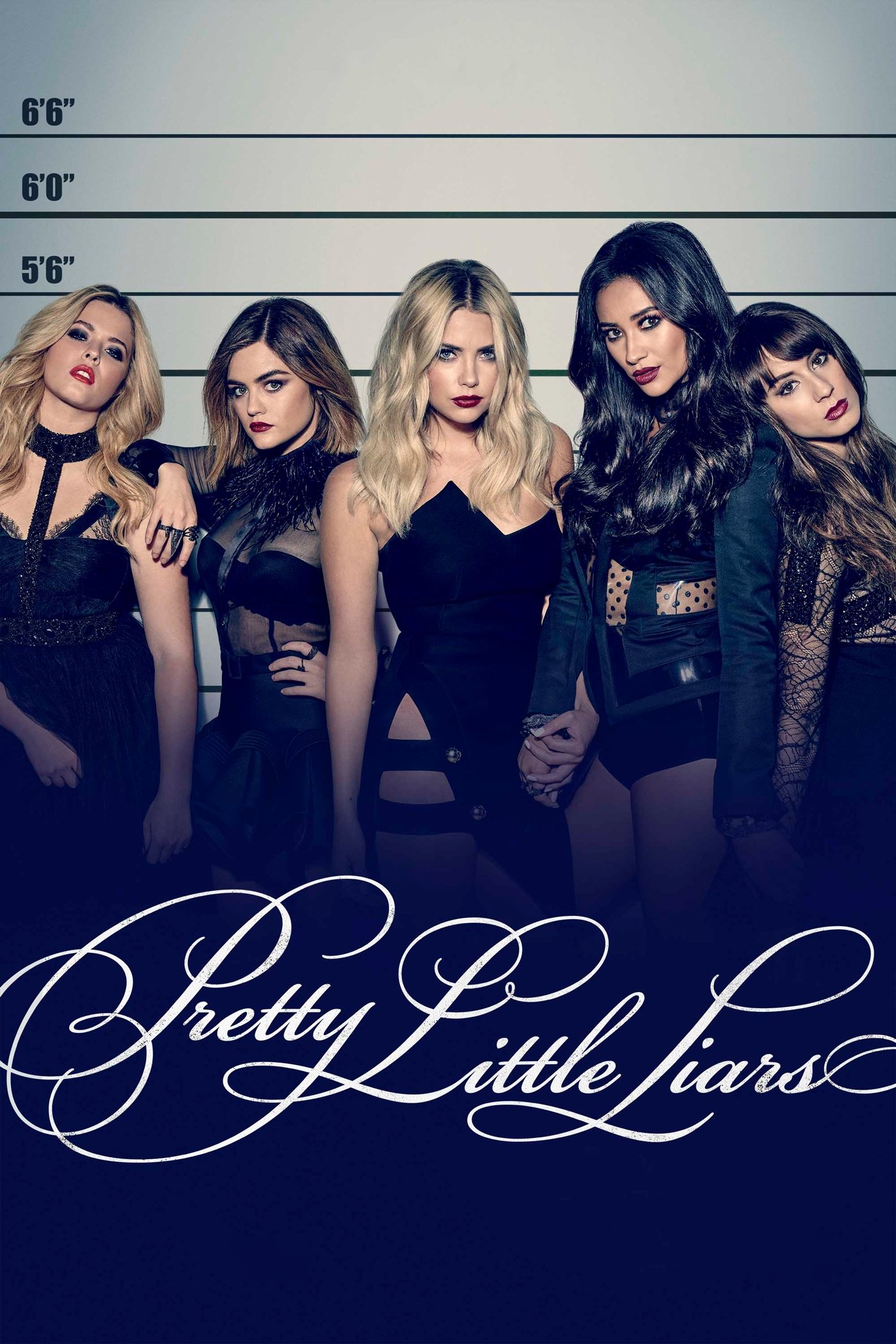
After seven seasons of suspense, the show finally revealed the identity of its main villain, A.D., as Alex Drake, Spencer Hastings’ previously unknown twin sister. Many viewers were unhappy with this late-in-the-series introduction, and the British accent used by the actress playing Alex became a source of online jokes. Critics argued that the twin reveal felt like an uninspired plot device and undermined the detective work that had driven the show for years.
‘True Blood’ (2008–2014)

As a long-time viewer, I was pretty disappointed with how ‘True Blood’ wrapped up. The whole series was built around the intense connection between Sookie and Bill, so it was shocking when he asked her to end his life so she could have a normal life. Then, to have her just…marry some random guy we never even see? It felt like the show just gave up on all the amazing vampire and fairy lore it had created. All those complex relationships felt pointless when they went for such a simple, predictable ending. It really didn’t do justice to everything they’d built up over the seasons.
‘Scrubs’ (2001–2010)
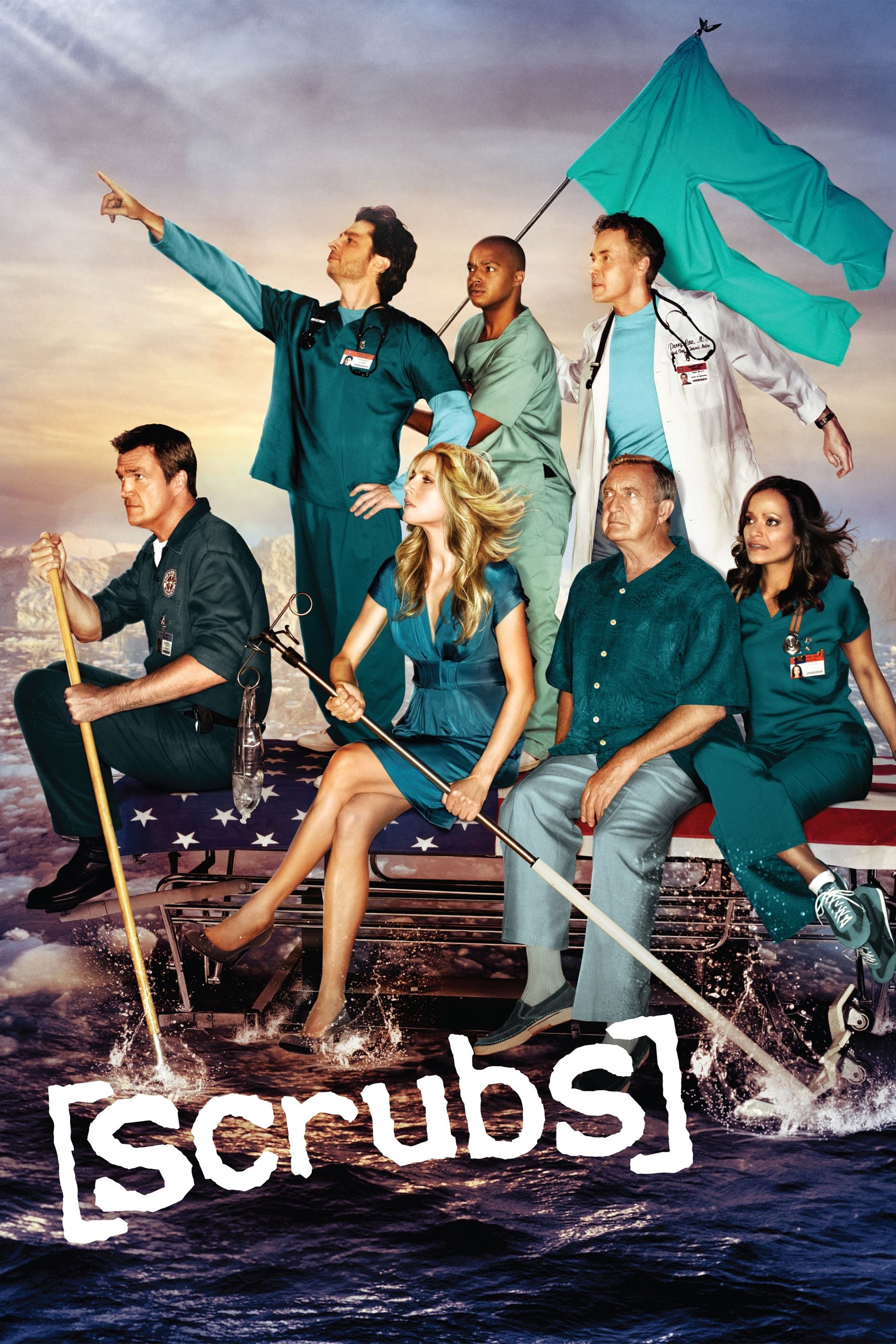
As a huge fan of the show, I thought the eighth season finale was just beautiful – a really fitting goodbye to J.D. as he walked past all those familiar faces. I was honestly shocked when they decided to bring it back for a ninth season, especially when it completely changed direction to focus on medical school. It was tough to watch because most of the original cast either had small parts or left altogether. The new characters just didn’t have the same spark, and the whole vibe felt off. Honestly, a lot of us fans pretend season nine never happened and consider season eight the real ending. It just felt like they didn’t know when to stop.
‘Roseanne’ (1988–1997)
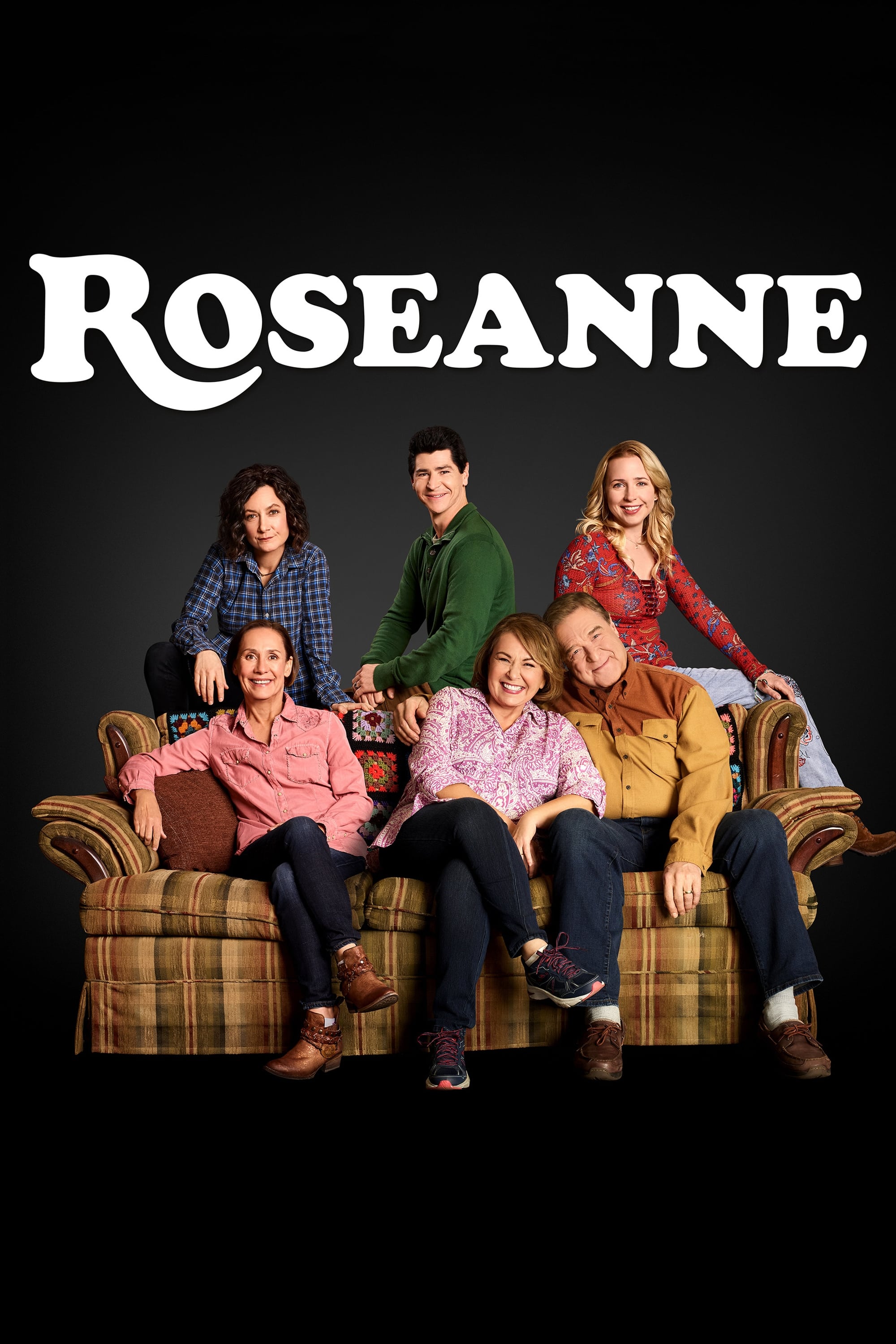
The show’s last original season took a strange direction when the Conner family suddenly won the lottery. It moved away from its realistic portrayal of everyday life and instead focused on unbelievable plots with terrorists and spies. The final episode shockingly revealed the entire season was a story Roseanne had written, and that her husband, Dan, had actually died. This sad twist erased the events of the previous season and upset many viewers. Later, the show brought Dan back to life, effectively changing the storyline to undo the tragic ending.
‘Two and a Half Men’ (2003–2015)
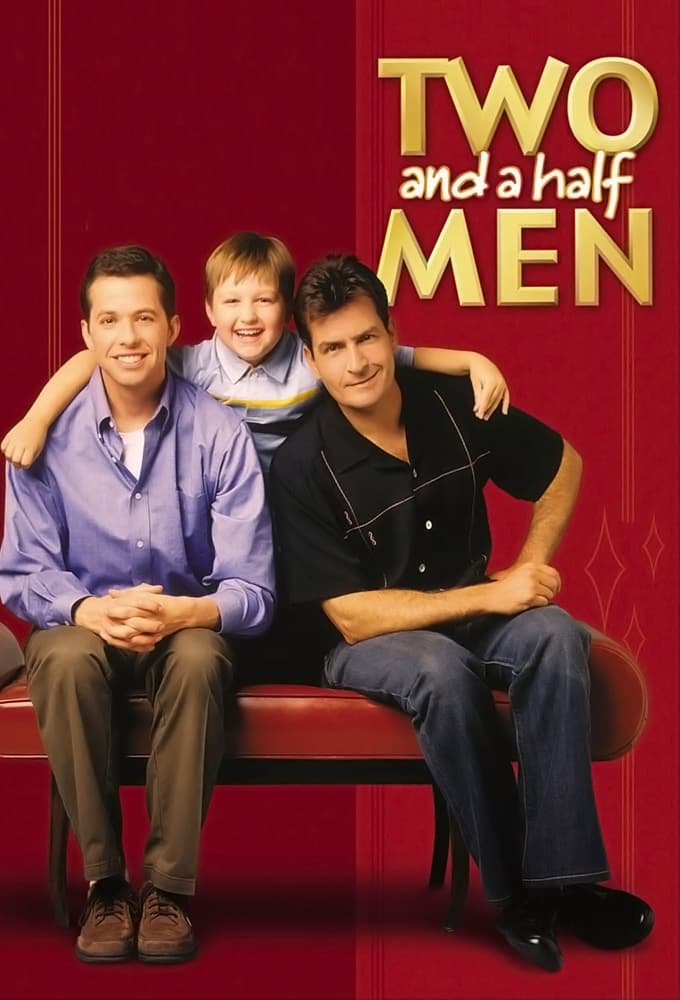
The sitcom was already dealing with the fallout from Charlie Sheen’s highly public firing, but the series finale dramatically escalated the conflict. The episode hinted at a return for his character, Charlie Harper, only to have a lookalike unexpectedly killed by a falling piano. Creator Chuck Lorre then made a cameo, delivering a self-aware joke, before suffering the same fate. The entire episode felt less like a satisfying conclusion to the show’s story and more like a pointed attack on Sheen. Many fans felt the show’s unusual, fourth-wall-breaking humor was self-indulgent and showed a lack of respect for the show’s history.
‘Star Trek: Enterprise’ (2001–2005)
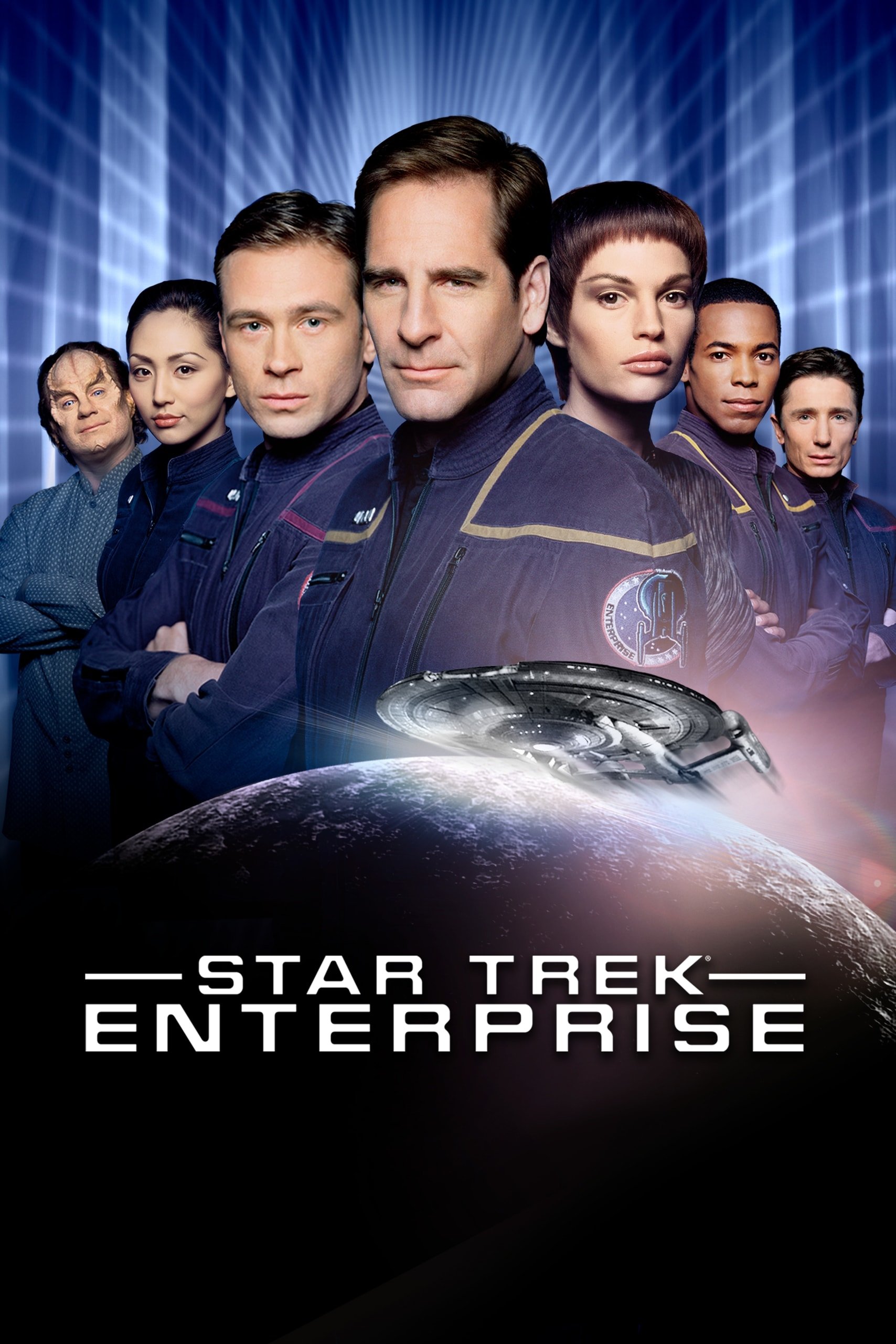
The final episode of the prequel series was unusual – it was presented as a holodeck simulation being watched by Commander Riker and Counselor Troi from an episode of ‘Star Trek: The Next Generation’. This made the main characters appear as historical figures in their own story. A popular character’s death felt hurried and lacked emotional weight, and both the actors and fans were disappointed that the episode focused more on guest stars than on the regular crew of the Enterprise.
‘Sherlock’ (2010–2017)
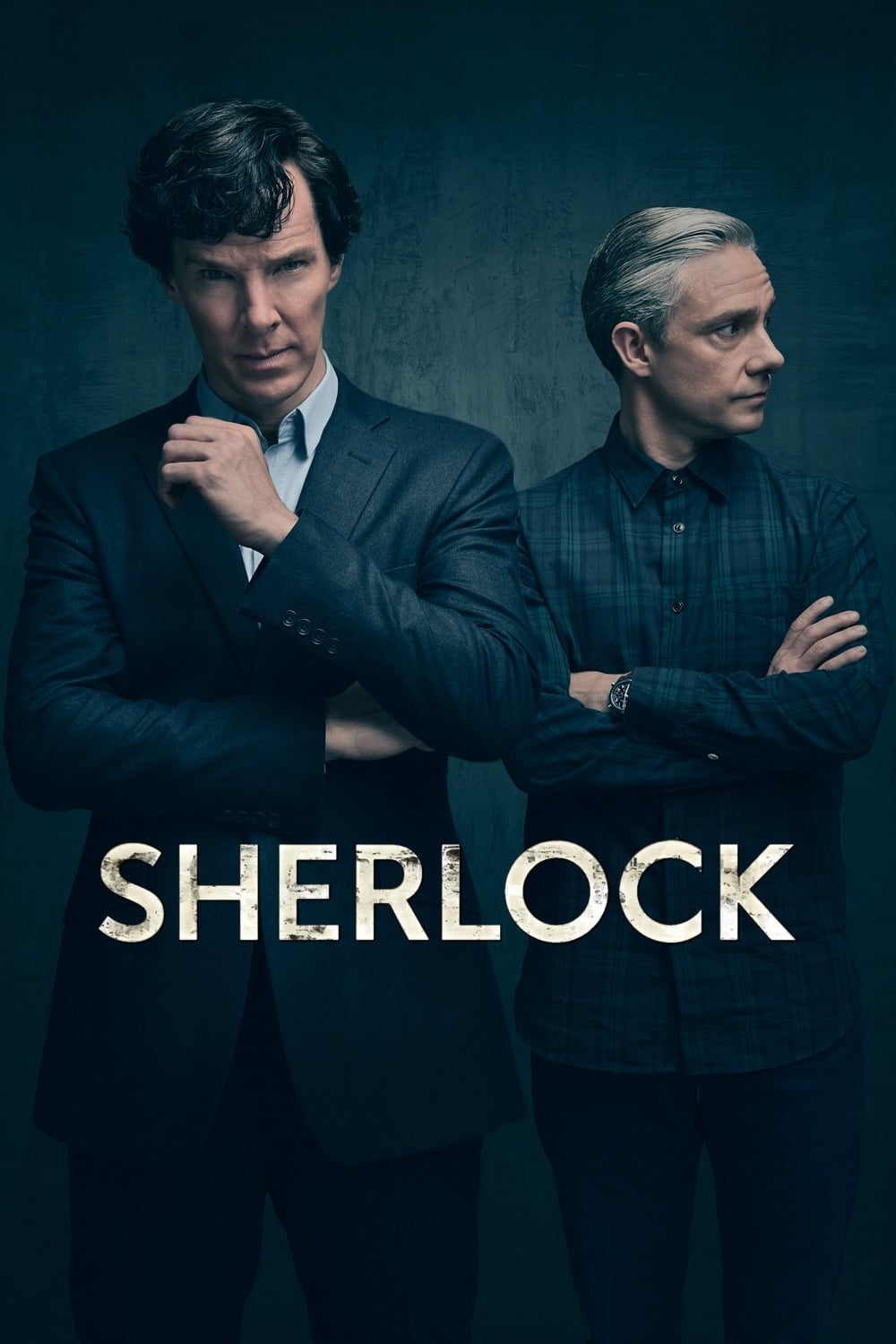
The detective show, once known for its smart mysteries, turned into a wild thriller with the introduction of Sherlock’s secret sister, Eurus, who had mind-control powers. She held the main characters captive in a cruel and complex series of challenges. The realistic storytelling that had defined the show’s earlier success was abandoned for increasingly unbelievable plot twists. Sherlock ultimately resolved the situation by emotionally connecting with his sister, a conclusion that felt unsatisfying considering the number of people who had died. Many critics pointed out that the writing had significantly declined in quality compared to the show’s strong first two seasons.
‘Castle’ (2009–2016)
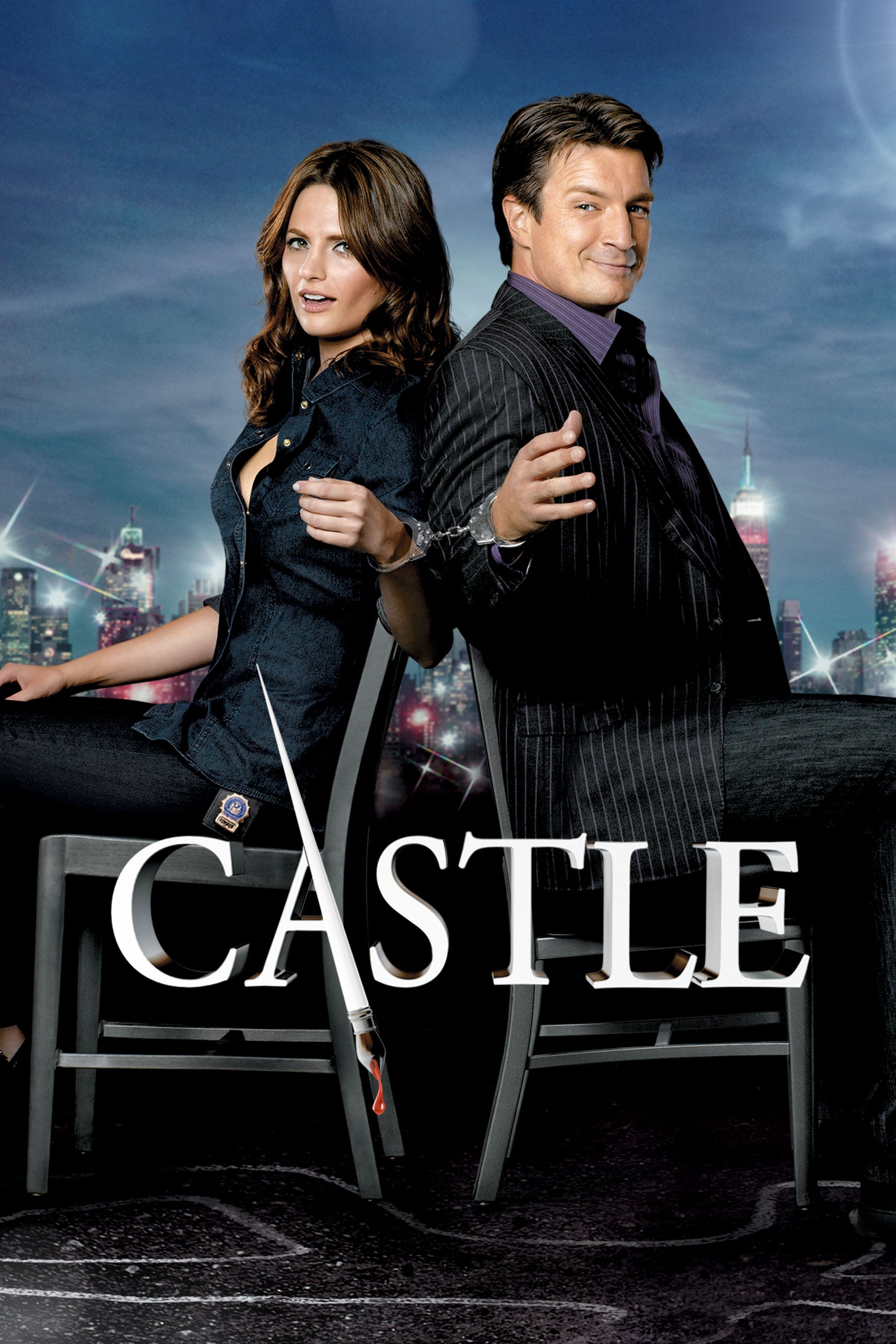
The final season of this crime show was filled with talk of cancellation and disagreements among the actors. The season ended with a dramatic shootout, leaving the two main characters, Castle and Beckett, seriously wounded. Then, a title card appeared, quickly followed by a montage showing the couple happily married with children seven years in the future. This upbeat ending felt forced and didn’t fit the intense scene that came right before it, and it was obvious it was added quickly to satisfy fans after the show’s unexpected cancellation.
‘House of Cards’ (2013–2018)
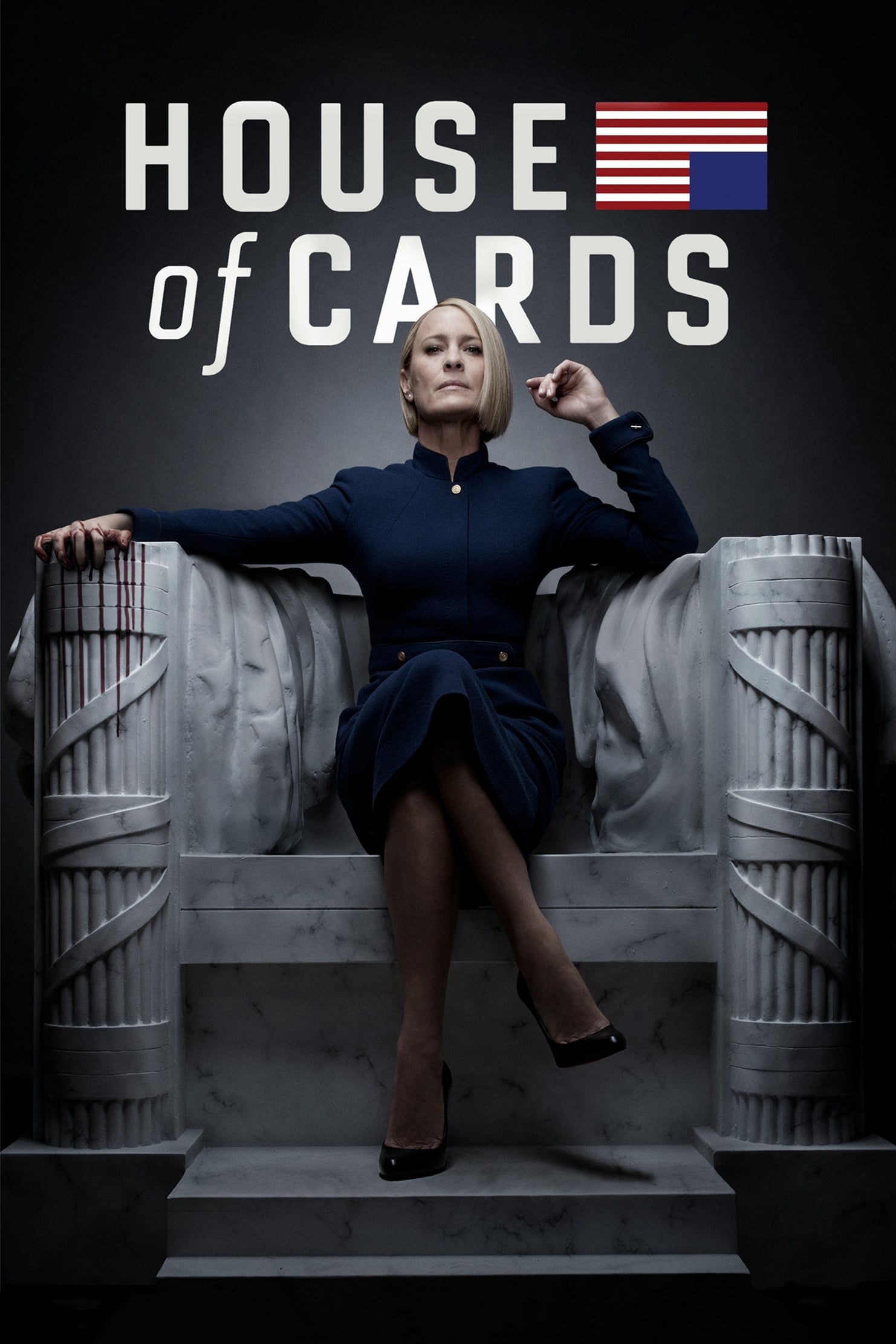
As a fan, it was really disappointing to see House of Cards stumble in its final season. Losing Kevin Spacey clearly threw everything off, and they ended up building the whole thing around Claire. The finale was just…strange. Seeing Claire kill Doug in the Oval Office felt so out of character, and that final look directly at the audience, saying she was done with the pain, was unsettling. Honestly, the smart political maneuvering that made the show great was replaced with over-the-top drama and it felt like the story just limped to the finish line without Frank Underwood. It just wasn’t the ending we were hoping for.
‘The 100’ (2014–2020)
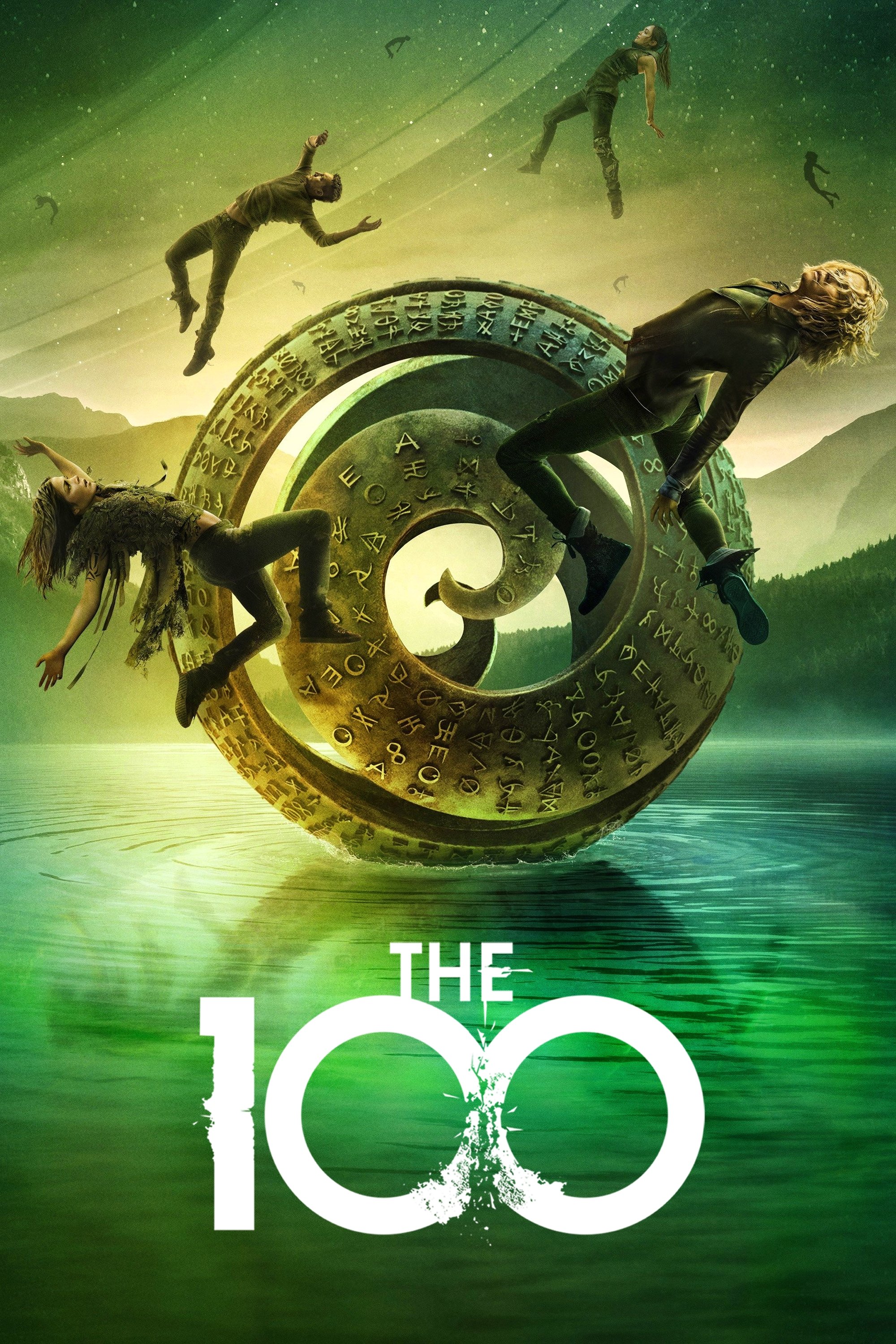
The sci-fi show started as a gritty story of survival and difficult choices, but its ending took a surprising turn towards spiritual ideas about becoming something beyond human. Aliens evaluated humanity and merged most people into a single, collective consciousness. Clarke Griffin was excluded from this process due to a past act of violence. Though her friends could have joined the collective, they chose to return to Earth and live with Clarke, but the aliens made them unable to have children. This change in focus from realistic struggles to spiritual concepts felt jarring compared to the show’s earlier, more practical style.
‘How to Get Away with Murder’ (2014–2020)
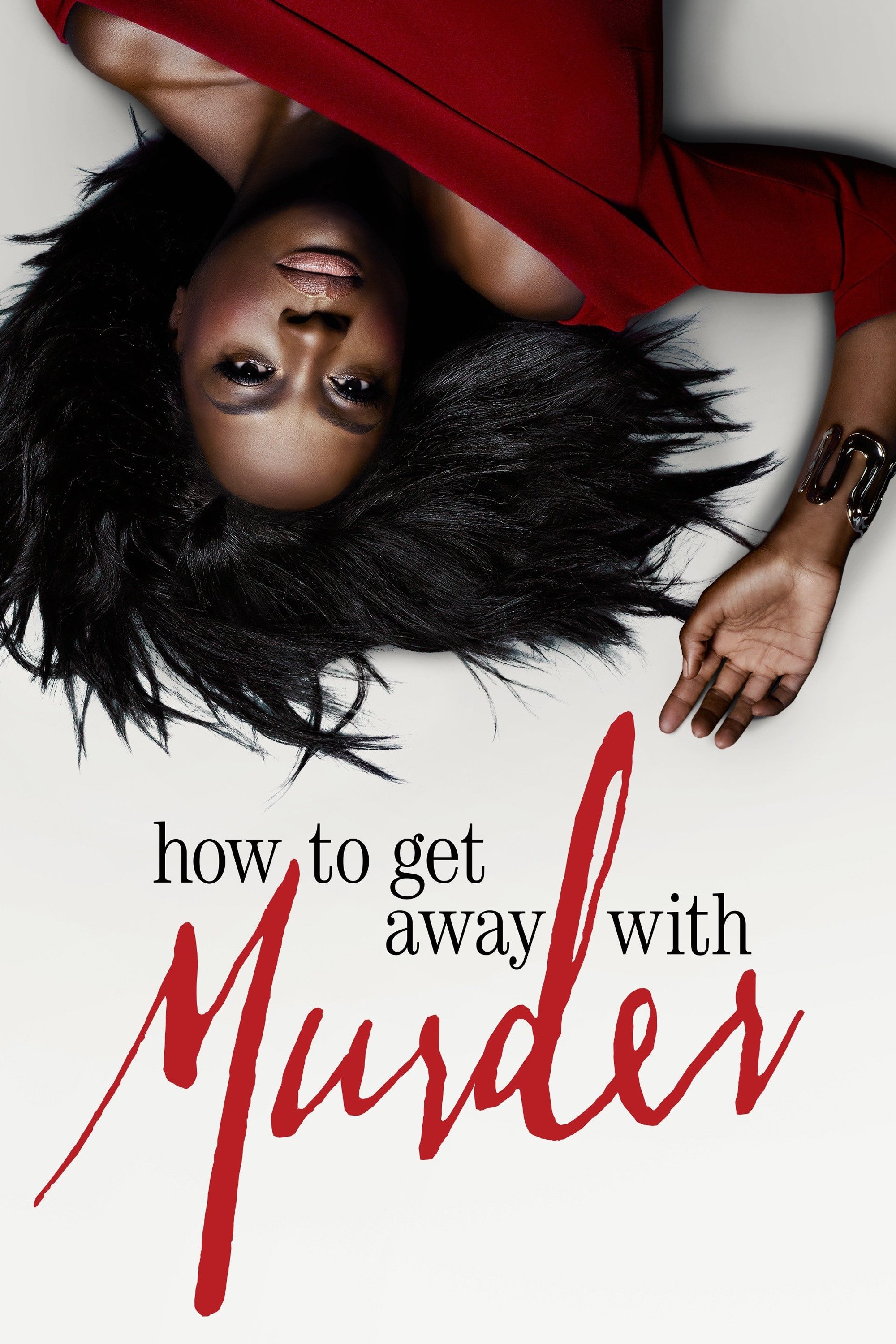
The legal thriller was famous for its intricate plots and unexpected surprises. The final episode included a dramatic shooting in court and confusing scenes showing characters much older in the future, relying heavily on makeup. The show quickly summarized the protagonist, Annalise Keating’s, life through a rapid montage of her funeral. It was also revealed that Wes Gibbins had a son who was his identical twin and who ultimately took over Annalise’s teaching position. Overall, the ending felt crammed with too much information and excessive drama, which overshadowed the development of the characters.
‘Scandal’ (2012–2018)
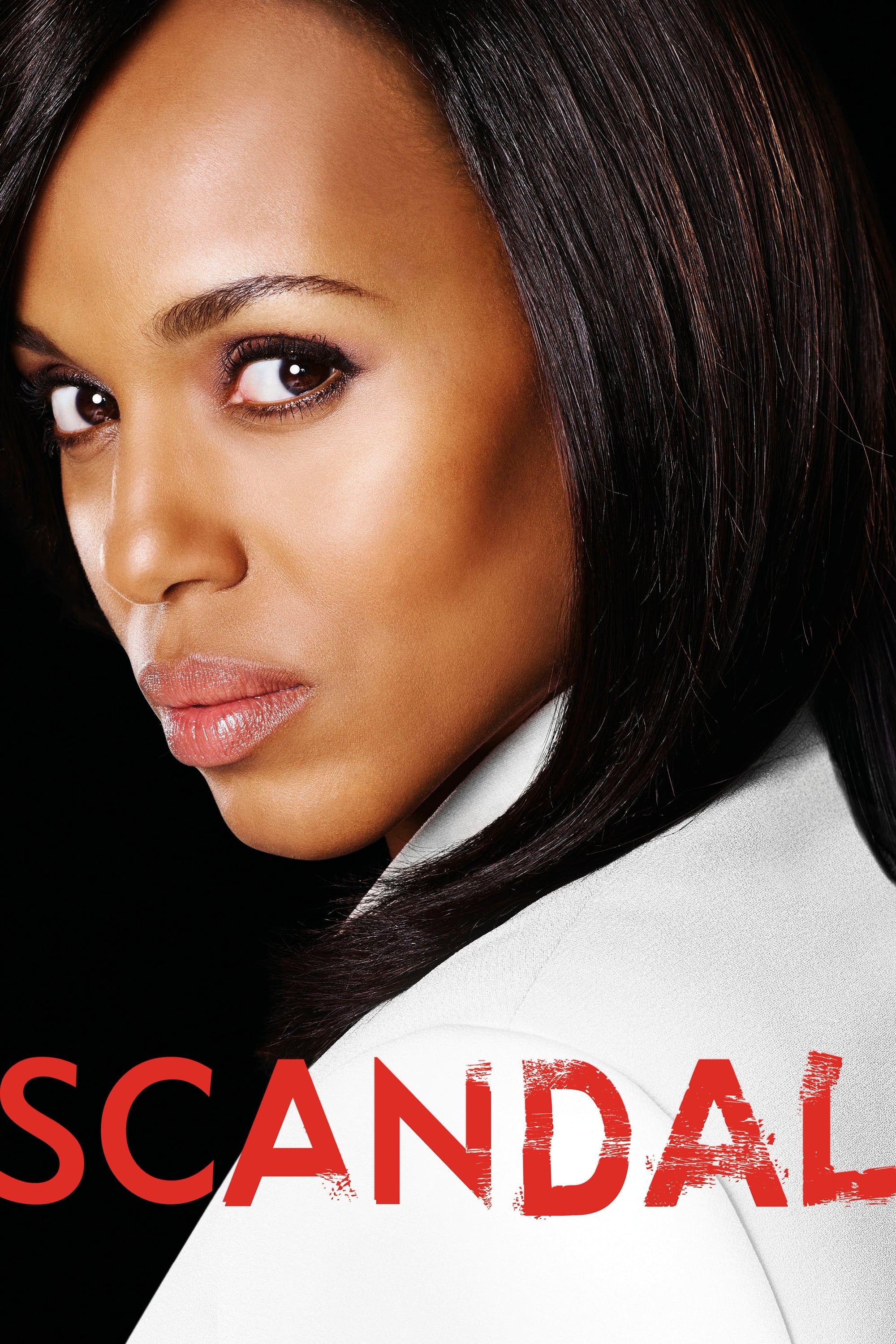
For seven seasons, Olivia Pope presented herself as the ‘good guy’ even while making ethically dubious choices. The series finale allowed her and her team to escape serious punishment for their actions through a legal technicality. While the shadowy organization B613 was revealed, the fallout didn’t feel substantial considering how much the show had built it up. The deaths of two key characters seemed designed for shock rather than serving the story. Ultimately, many viewers felt the show allowed its flawed heroes to get away with too much.
‘The X-Files’ (1993–2018)
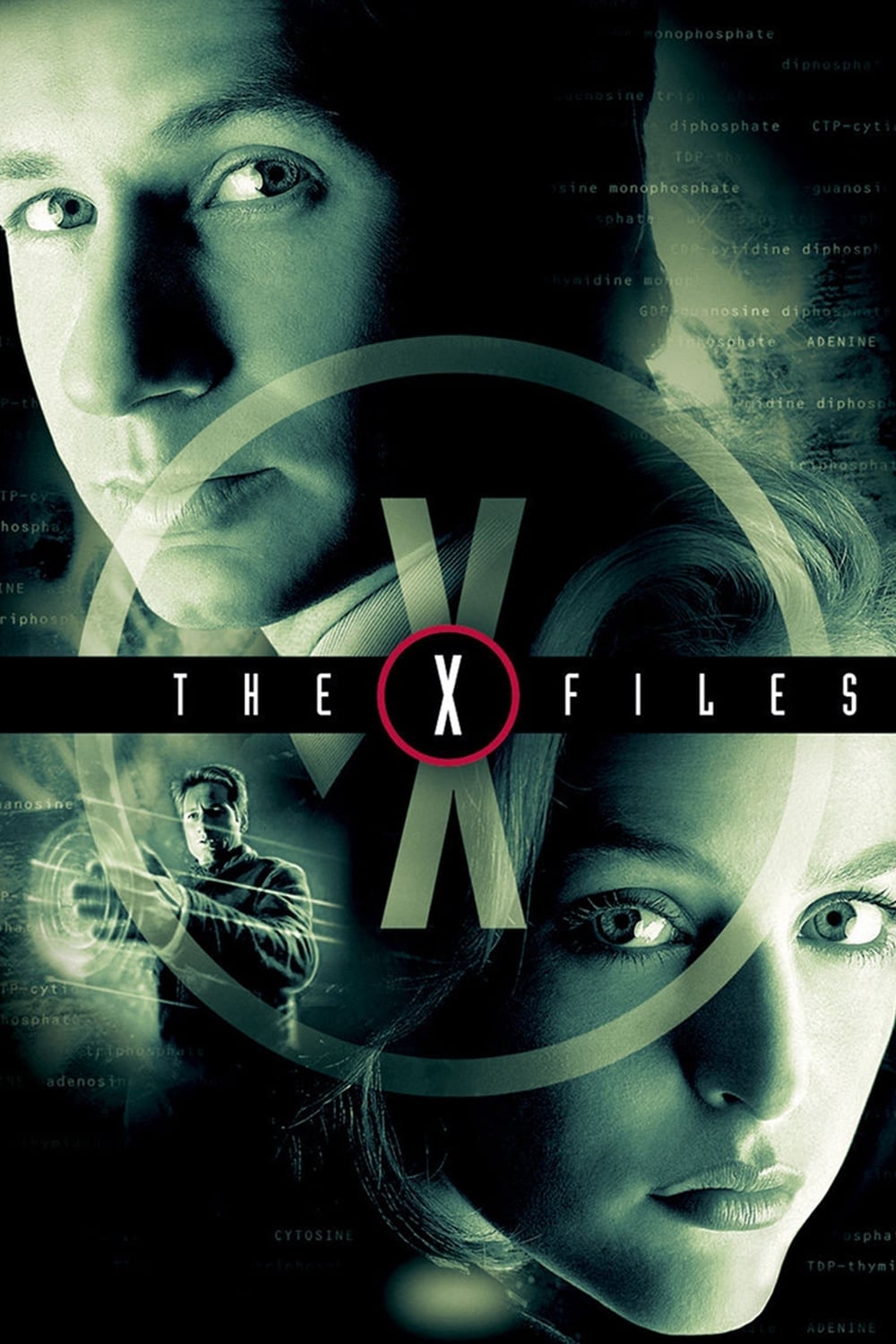
Later seasons tried to update the show’s central mysteries, but they actually made the story more confusing. The 2018 finale revealed a surprising twist: Scully’s son, William, wasn’t Mulder’s biological child, but a creation of the Cigarette Smoking Man. This change angered many dedicated fans who had hoped to see Mulder and Scully’s relationship develop. The episode ended with Scully announcing another pregnancy, leaving viewers on a cliffhanger. These complicated plot twists ultimately disappointed fans who had been waiting a long time for a satisfying conclusion.
‘Veronica Mars’ (2004–2019)
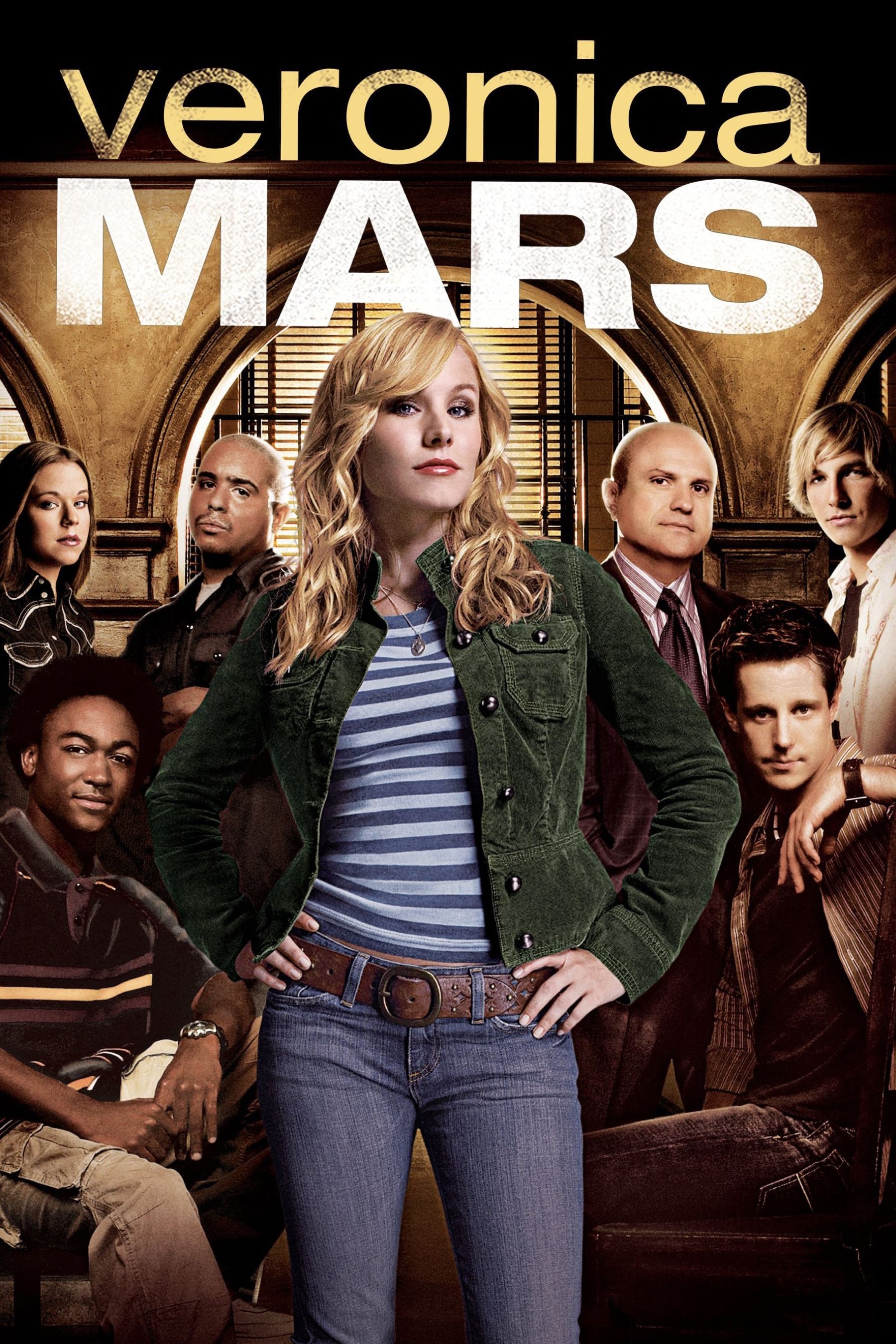
The movie funded by fans delivered a satisfying conclusion, but the show’s return quickly undid it. Just after Veronica and Logan got married, Logan was unexpectedly killed in a car bombing. The show’s creator, Rob Thomas, explained that keeping Veronica single was necessary for her to function as a compelling detective. However, fans were furious that Logan’s character arc was seemingly thrown away for a shocking moment. The negative reaction was so strong that many fans decided the revival season didn’t fit with the established storyline.
‘Battlestar Galactica’ (2004–2009)
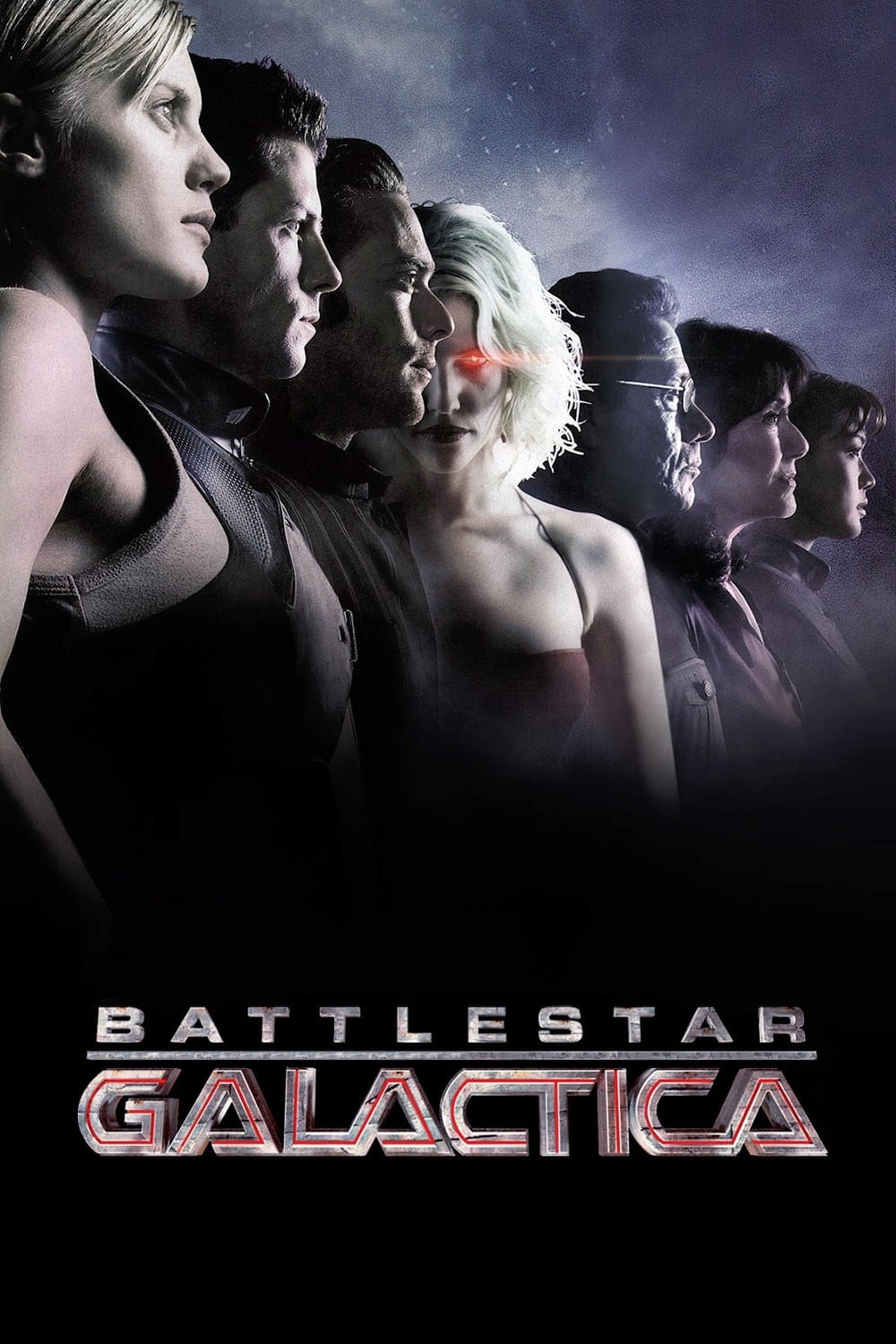
Okay, so the latest season took a really wild turn. After years of fighting the Cylons, the surviving humans stumbled upon Earth… way back in our past. And instead of trying to rebuild with their incredible tech, they just… ditched it all and decided to live like it was the stone age! Then things got really strange. It turns out Starbuck wasn’t just a tough pilot, but some kind of angel sent from above. Honestly, it felt like the writers used that reveal to conveniently tie up loose ends, and it didn’t sit right with me – especially for a show that prided itself on being so grounded in military strategy. The final scene, showing modern robots, felt particularly bleak, suggesting this whole cycle of war and destruction is just destined to keep happening. It left me with a pretty cynical feeling, to be honest.
‘Penny Dreadful’ (2014–2016)
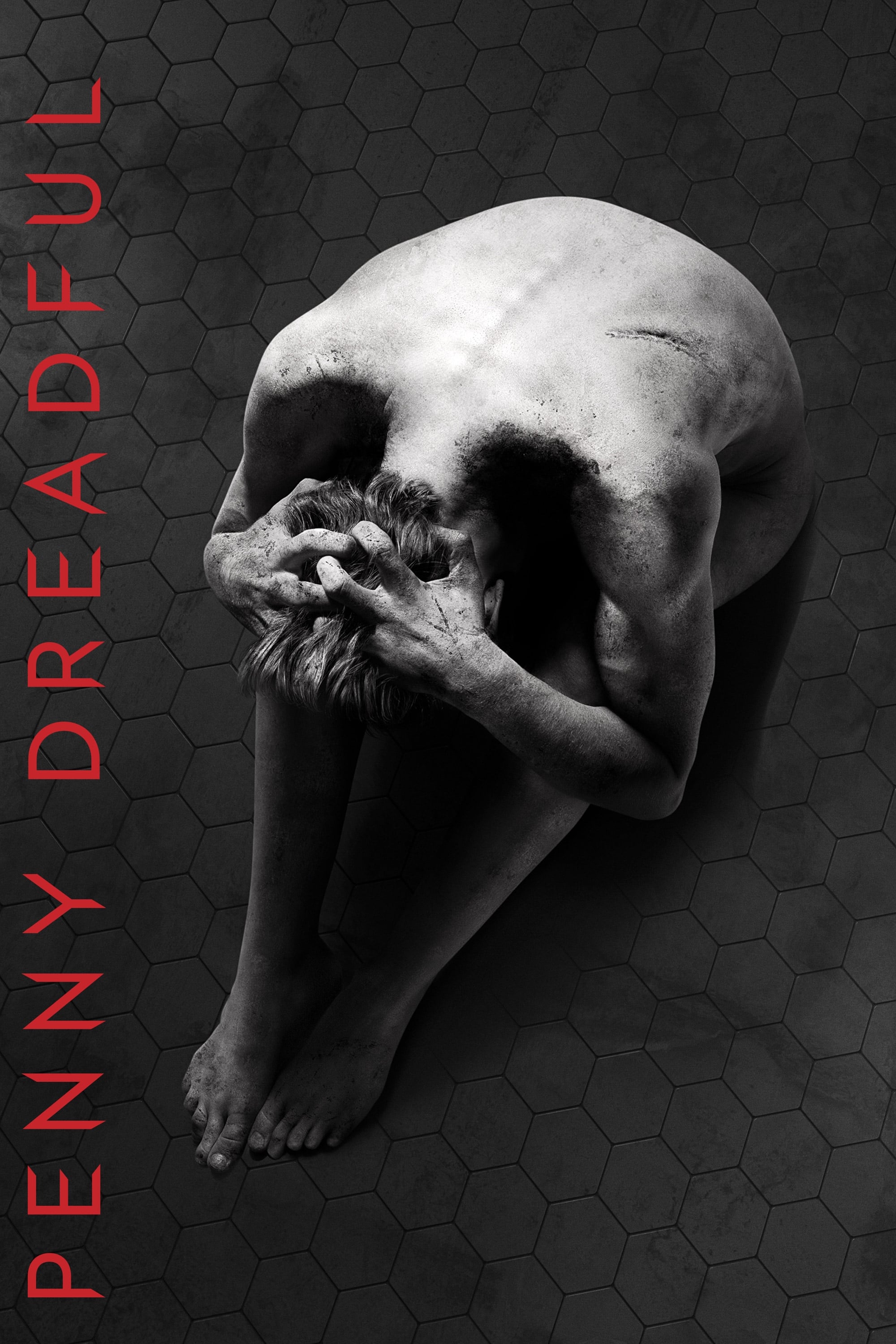
The horror series ended unexpectedly when its main character, Vanessa Ives, died. She asked Ethan Chandler to kill her to stop Dracula from taking over the world. The screen then simply displayed “The End,” which stunned viewers who didn’t realize the show was canceled. Because of the abrupt ending, many storylines were left unfinished, and fans felt the show needed a complete season to properly conclude its complicated plot.
‘Merlin’ (2008–2012)
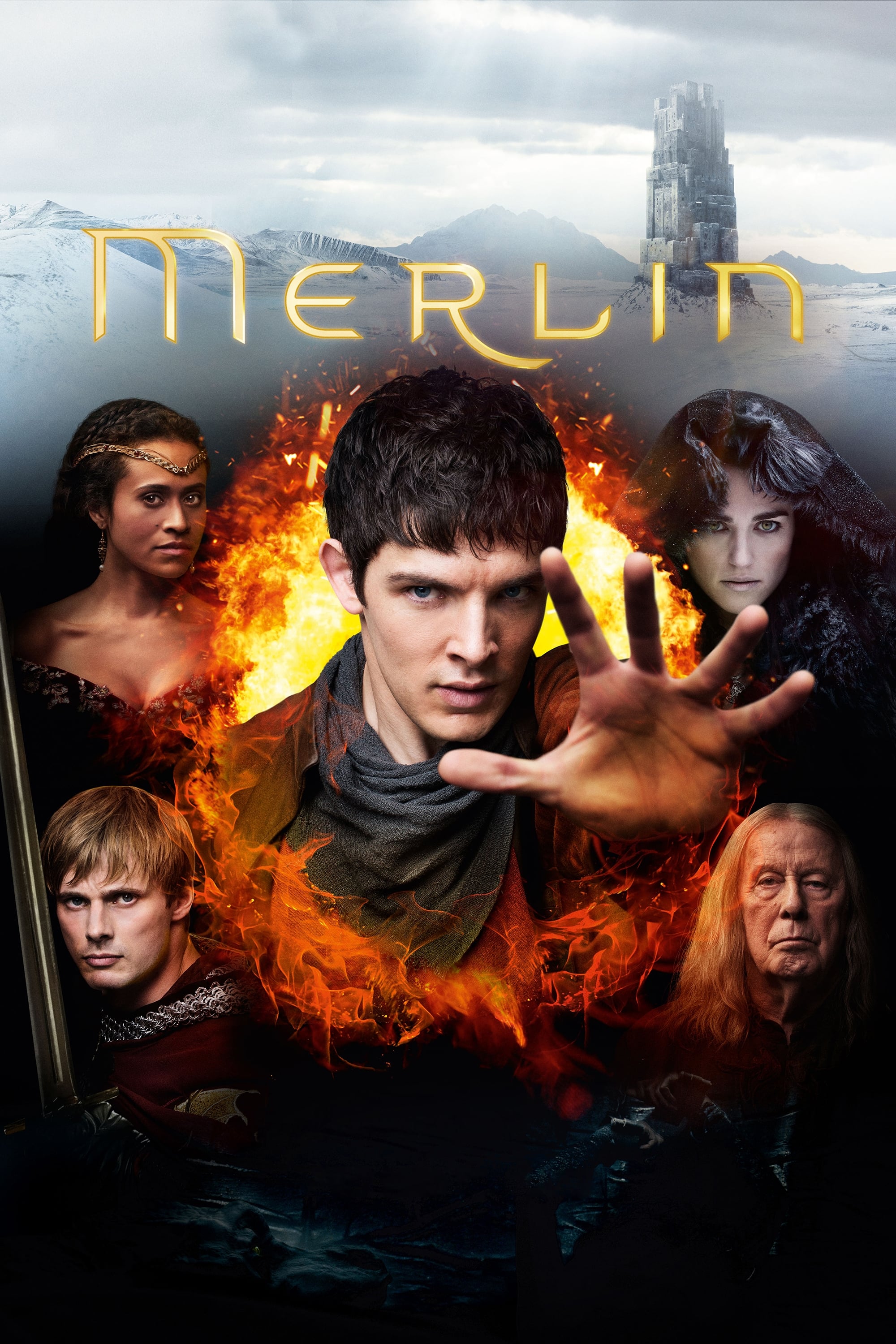
The series led viewers to believe that Merlin and Arthur would ultimately join forces to restore magic and unite Albion. However, the finale tragically killed Arthur right after he discovered Merlin’s powers. The last scene showed Merlin wandering alone in the present day, still hoping for Arthur’s return. This ending undermined the show’s hopeful spirit and the long-anticipated destiny that had been hinted at from the beginning, leaving viewers feeling disappointed that the promised golden age never materialized.
‘Chuck’ (2007–2012)
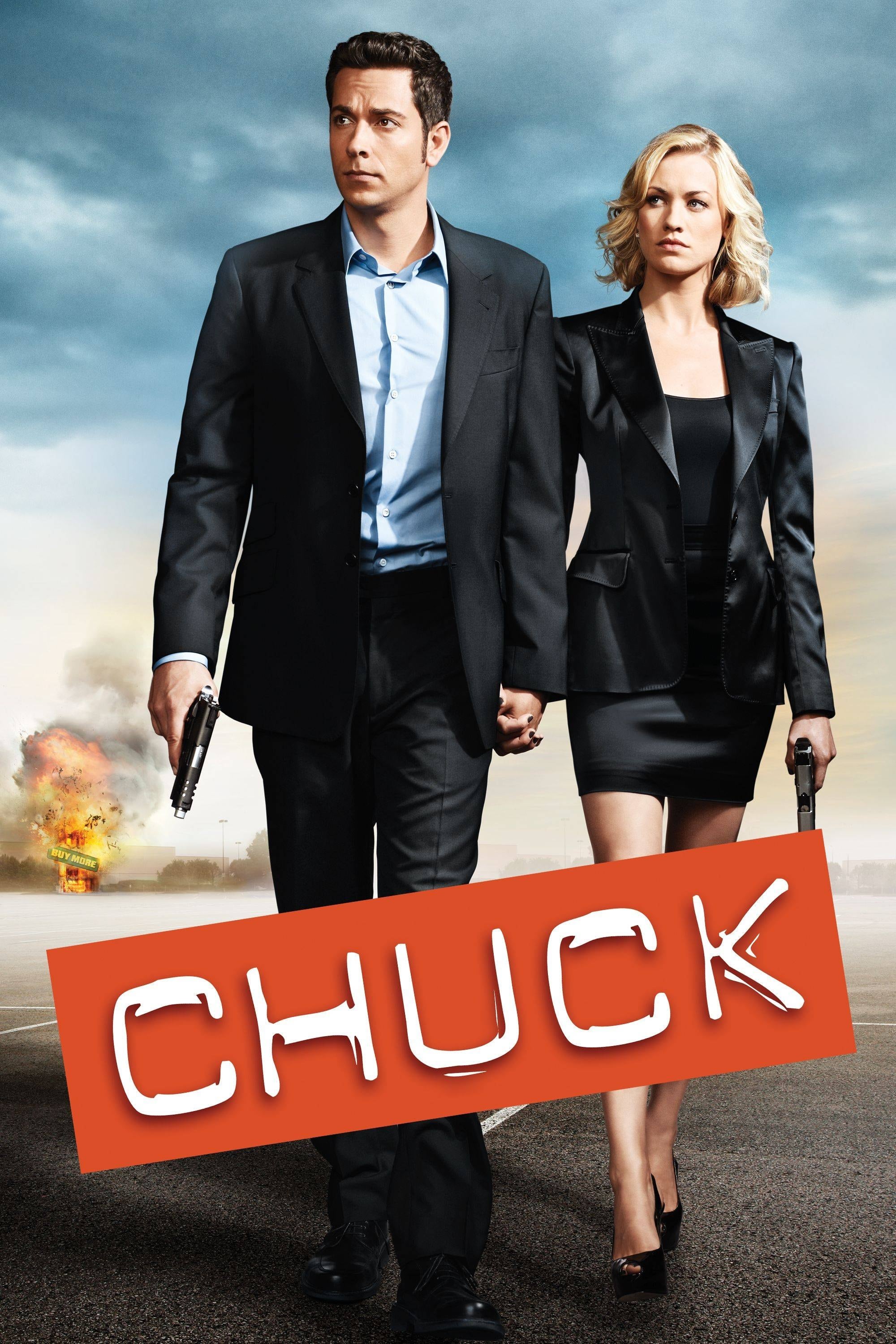
At the center of this action-comedy was the relationship between a skilled spy and an ordinary guy. In the last part of the show, the main female character, Sarah Walker, suddenly forgot everything about her romance with Chuck. The series concluded with a kiss, but it was unclear if she would ever regain her memories. Many viewers who had followed their love story for five seasons felt disappointed by the lack of a clear, happy ending. This uncertain conclusion ultimately dampened the celebratory mood of the finale.
‘Prison Break’ (2005–2017)

The show initially concluded with a TV movie where Michael Scofield appeared to die saving his wife, Sara. A video revealed he had a fatal brain tumor, implying he didn’t have much time left anyway. However, a later season brought him back, explaining he had actually faked his death. Despite this reversal, the original finale is still remembered for unexpectedly killing off the show’s main character after he had repeatedly cheated death, and many viewers found the emotional impact of the scene upsetting.
‘Heroes’ (2006–2010)
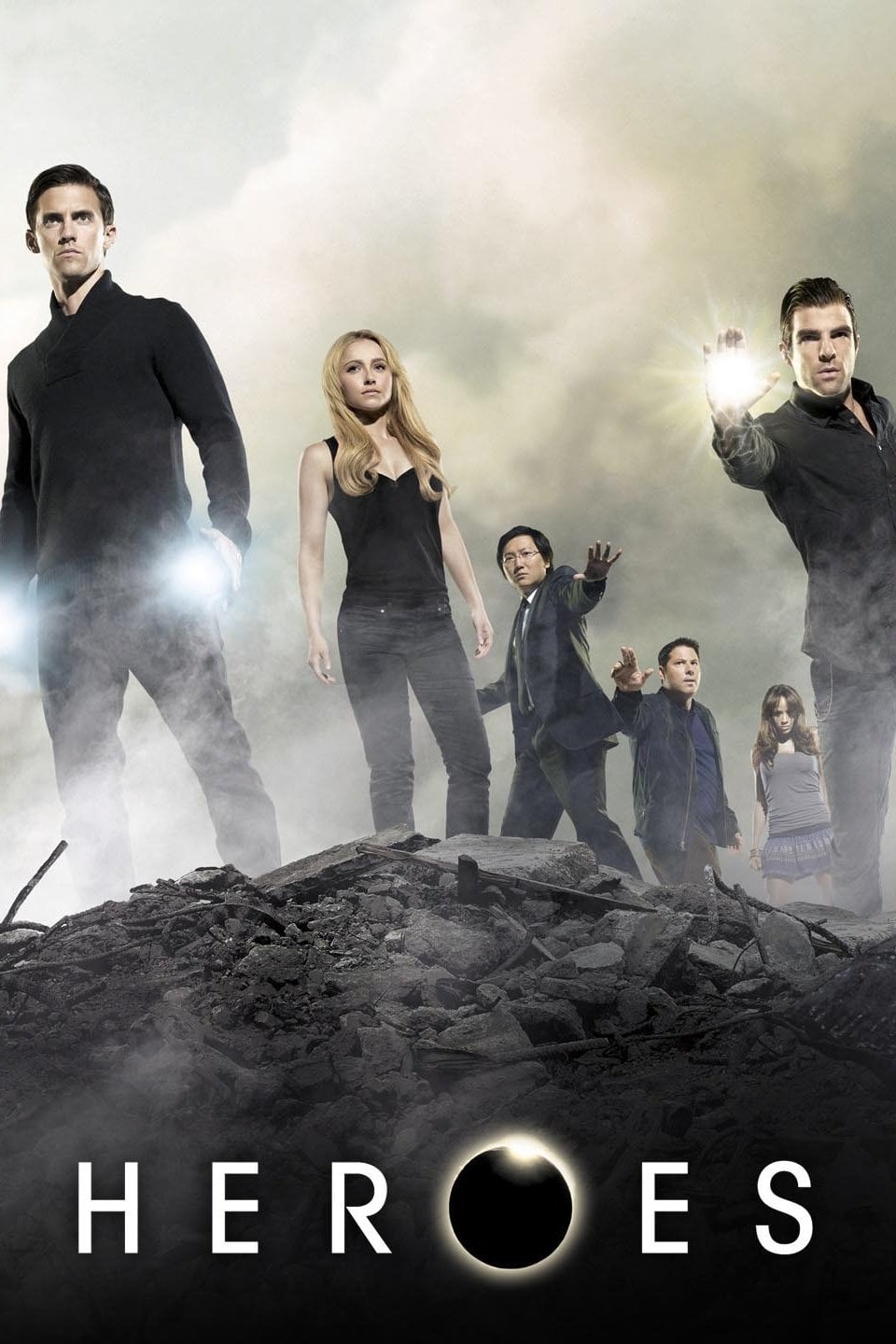
What began as a groundbreaking superhero series ended with a disappointing and lackluster final season. The new villains weren’t as intimidating as earlier ones, and the story felt much smaller in scope. The show was canceled before the writers could finish their planned storyline, leaving many questions unanswered. The final scene showed Claire Bennet using her powers after jumping from a ferris wheel, but this cliffhanger was never resolved, and the show ultimately lost the spark that made it so popular.
‘Smallville’ (2001–2011)
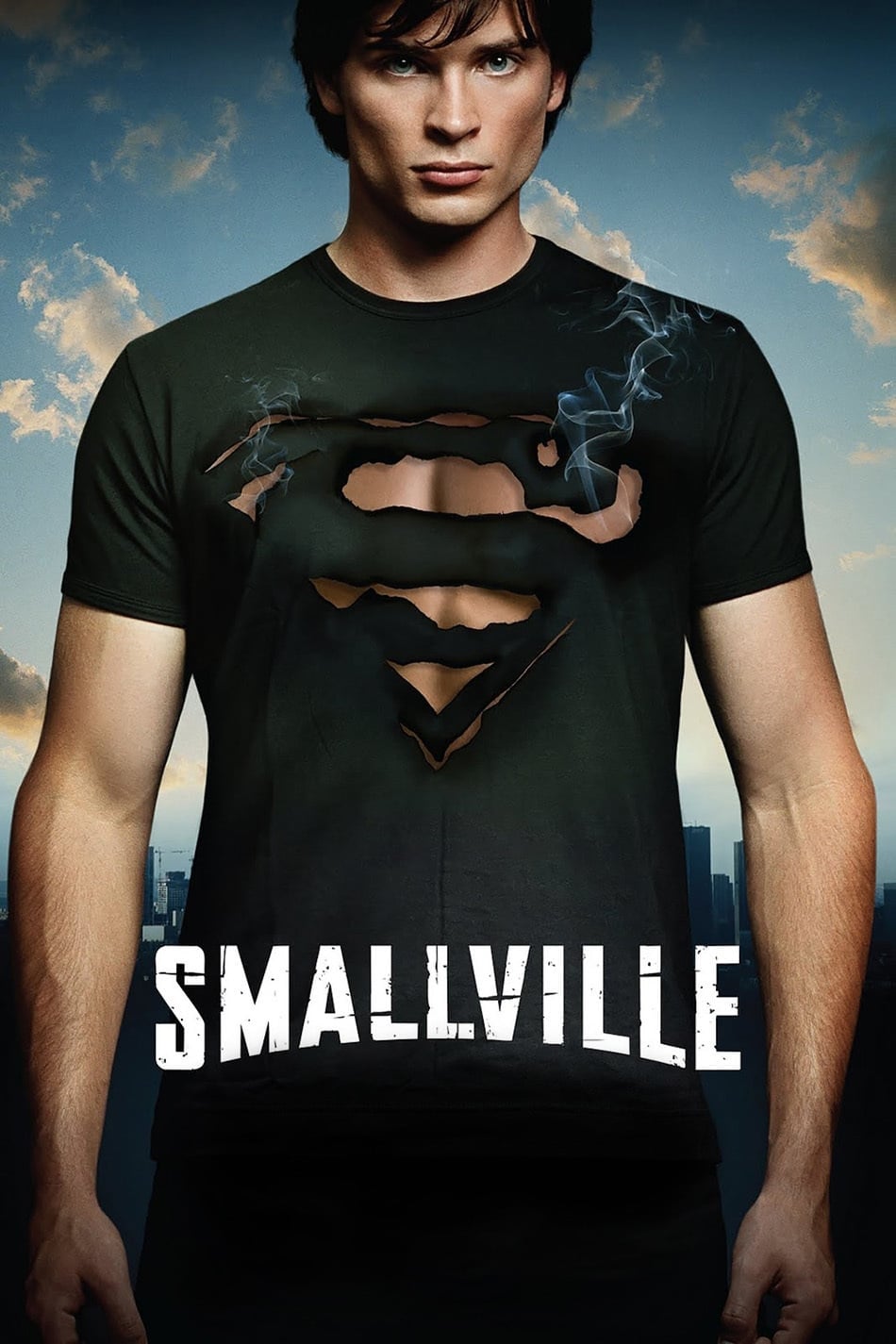
It took Clark Kent ten years to fully understand who he was before becoming Superman. When he finally transformed on screen, the show relied on distant CGI shots to show him in the full suit. The climactic battle with Darkseid was surprisingly short and didn’t involve much actual fighting. Tom Welling didn’t want to wear the complete costume, which led to some strange close-up shots of just his face. After a ten-year wait, many fans were disappointed that they never got to see Welling fully portray the iconic superhero.
‘Weeds’ (2005–2012)
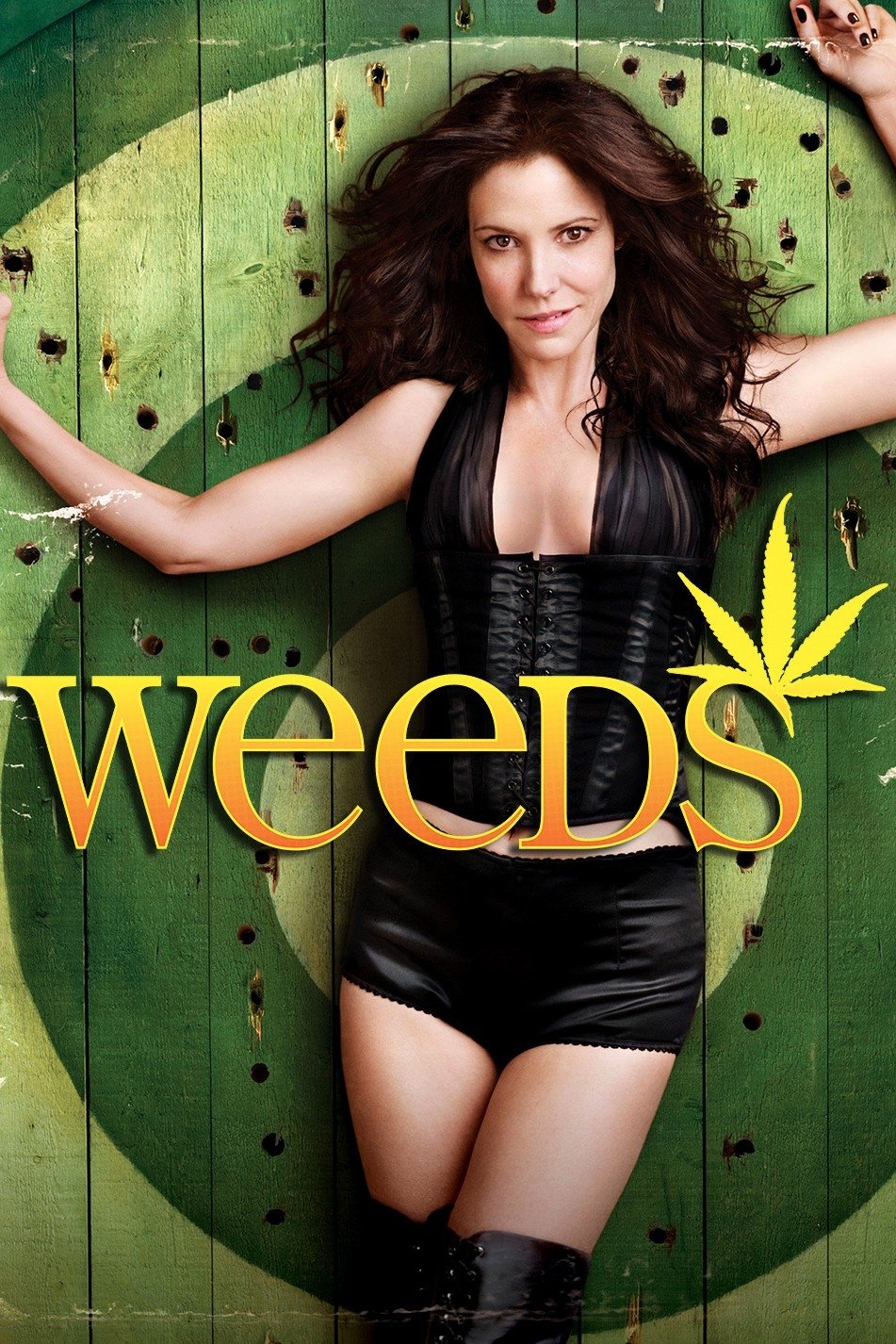
The comedy about a suburban drug dealer became surprisingly bleak in its last season, jumping ahead several years into the future. The finale revealed the Botwin family fractured and unhappy. With marijuana now legal, the show’s original idea no longer made sense. Nancy Botwin was left completely alone, having lost all of her husbands to death or abandonment. This grim look at the future was a huge shift from the show’s earlier, lighthearted and quirky style.
‘That ’70s Show’ (1998–2006)

The show’s last season struggled after the main characters Eric and Kelso left. While a new character, Randy, was added, he didn’t resonate with viewers. Though the original cast reappeared briefly in the finale, the season had already lost its spark. The lack of chemistry between the actors made the final episodes feel drawn-out and slow. Ultimately, it’s a case of a series overstaying its welcome.
‘St. Elsewhere’ (1982–1988)
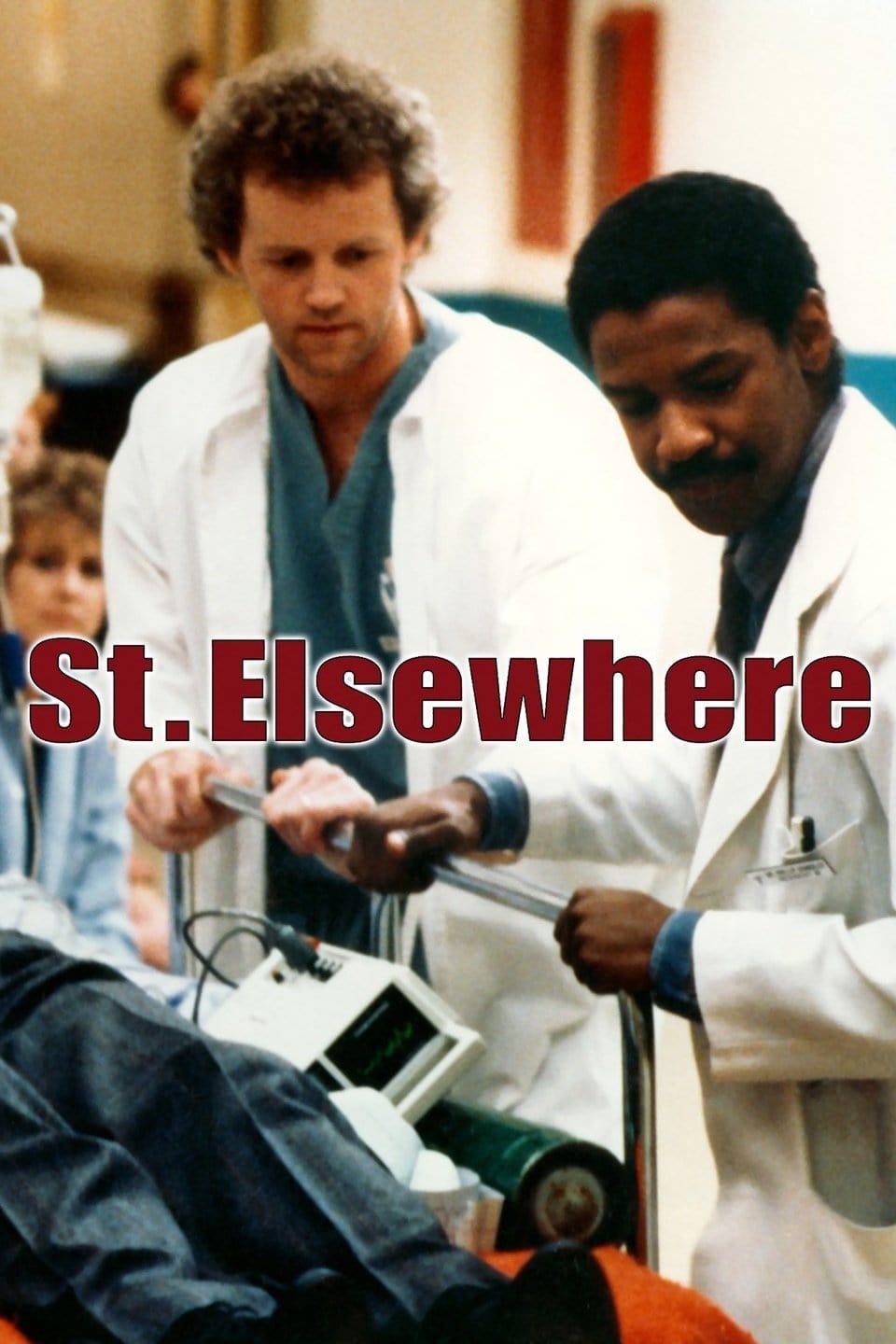
This medical drama is famous for what many consider to be television’s most surprising plot twist. The very last scene revealed that the entire series actually unfolded within the imagination of a young autistic boy named Tommy Westphall. We saw the hospital contained inside a snowglobe he was holding, suggesting that none of the characters or their stories were real. This twist became so well-known that fans started connecting hundreds of other TV shows, proposing they all exist within the same shared dream world – a concept known as the Tommy Westphall Hypothesis.
‘Dinosaurs’ (1991–1994)
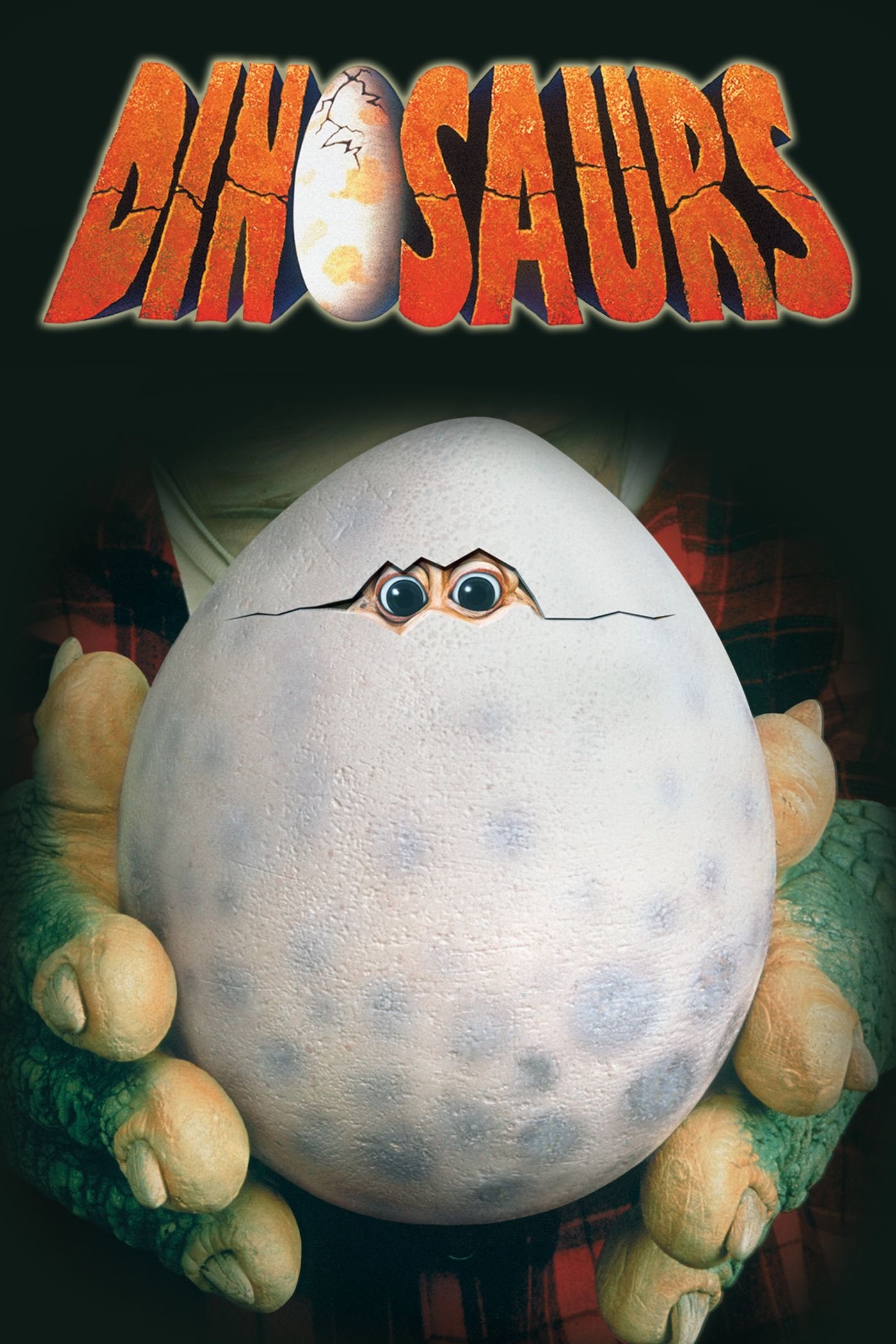
The family comedy about dinosaur characters ended on a surprisingly dark note, with an episode focusing on the dangers of environmental damage. The father, Earl Sinclair, unintentionally triggered an Ice Age, leading to the extinction of his family and their entire civilization. The last scene showed the family freezing together, waiting for the end as snow buried their home. It was a shocking and upsetting finale for a show meant for families, delivering a strong message about the consequences of corporate greed that left many viewers stunned.
‘ALF’ (1986–1990)
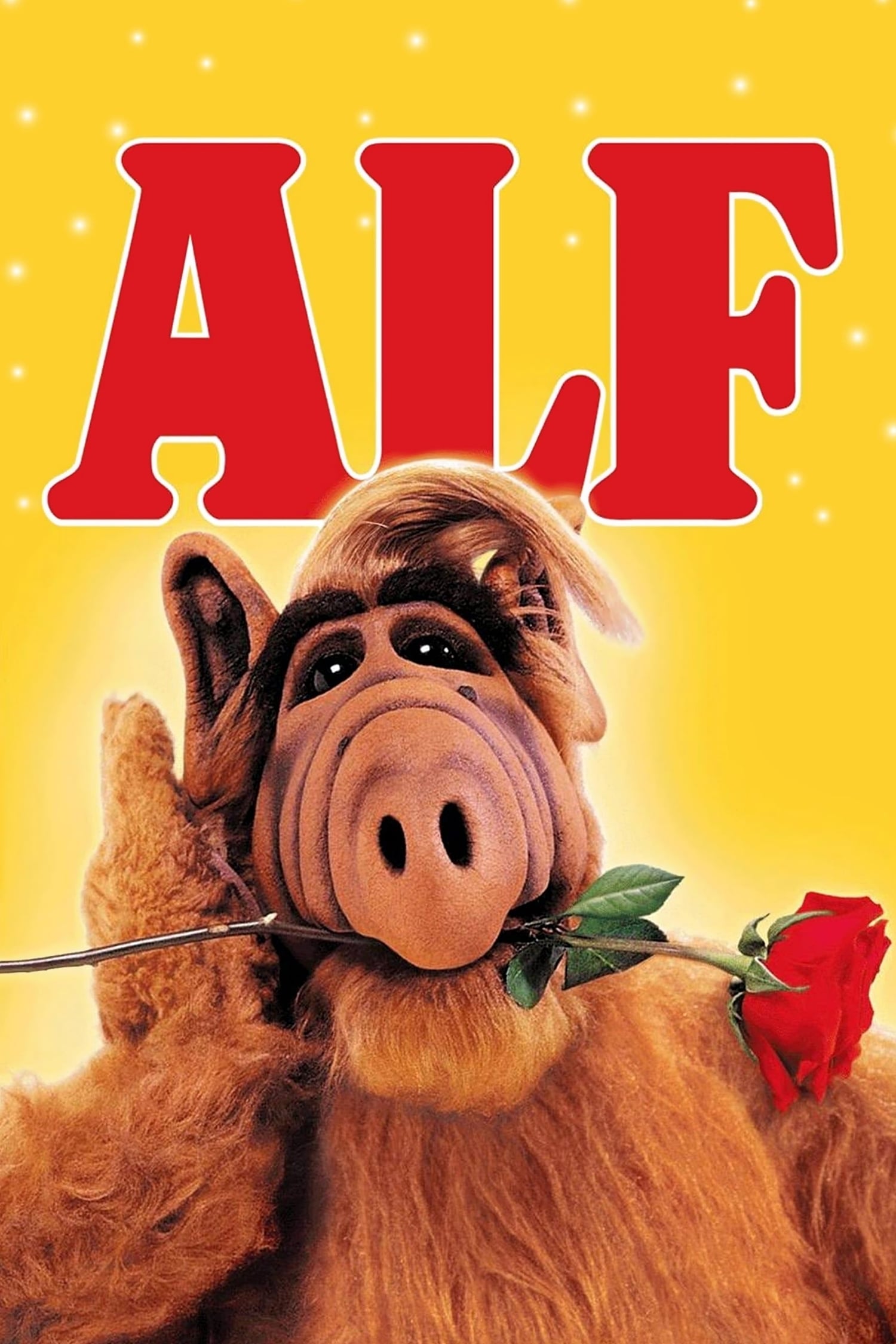
A lovable alien spent a year trying to hide from the US government. Right as a spaceship came to save him, he was caught by the government’s alien task force. The show never got a fifth season to wrap up the story, leaving viewers with a sad image of ALF surrounded by agents with no way out. It’s remembered as one of the most unexpectedly downbeat endings for a comedy series.
‘Quantum Leap’ (1989–1993)
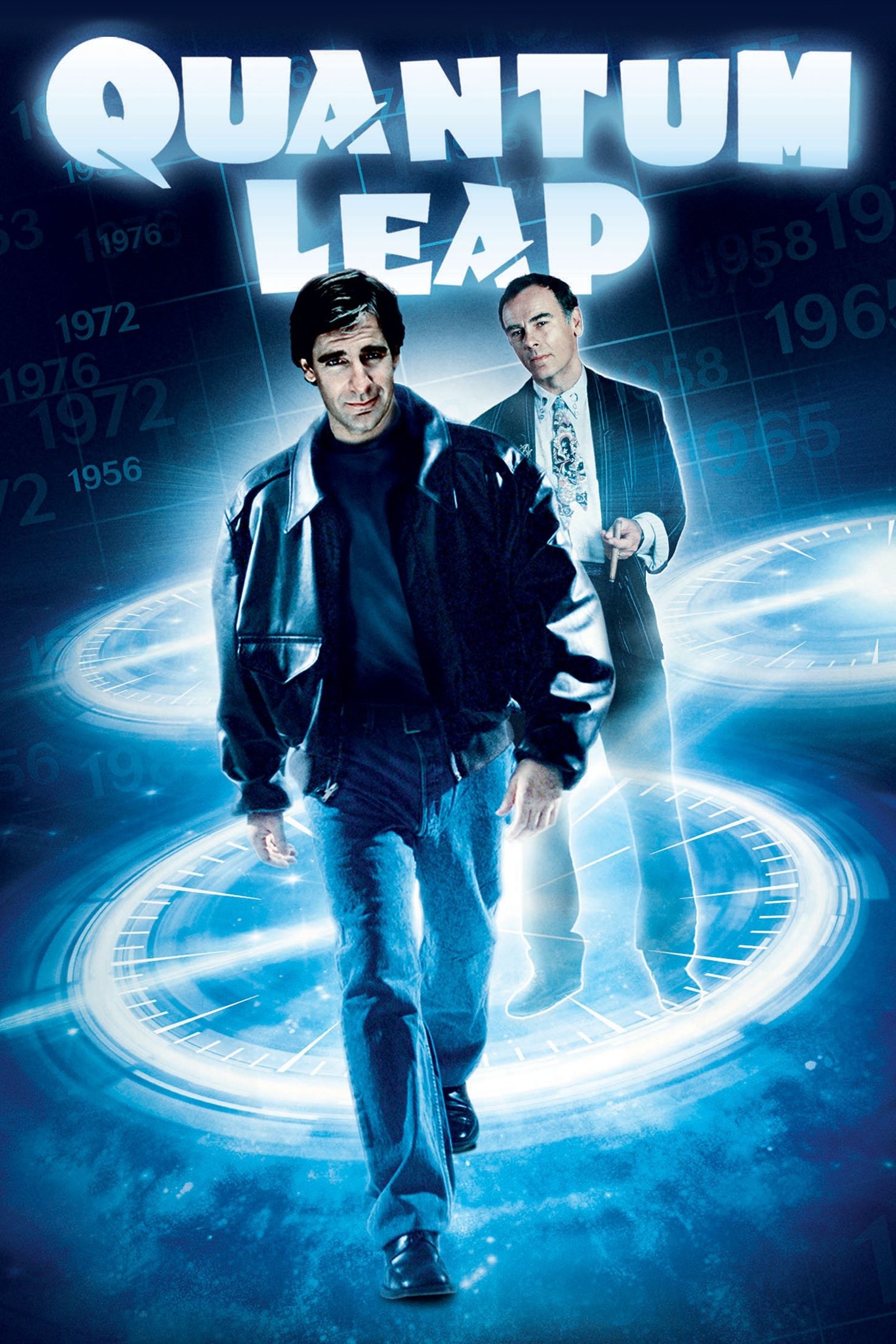
Sam Beckett spent years traveling through time, always searching for a way back to his own life. In the series finale, he made the selfless decision to continue leaping, choosing to help others instead of finding a way home. The show ended with a stark message stating that Dr. Beckett never did return. Many viewers found this ending heartbreaking and felt it was a cruel way to conclude the story, especially because it meant he never got to reunite with his friend Al, turning his heroic journey into a tragedy.
‘Lois & Clark: The New Adventures of Superman’ (1993–1997)
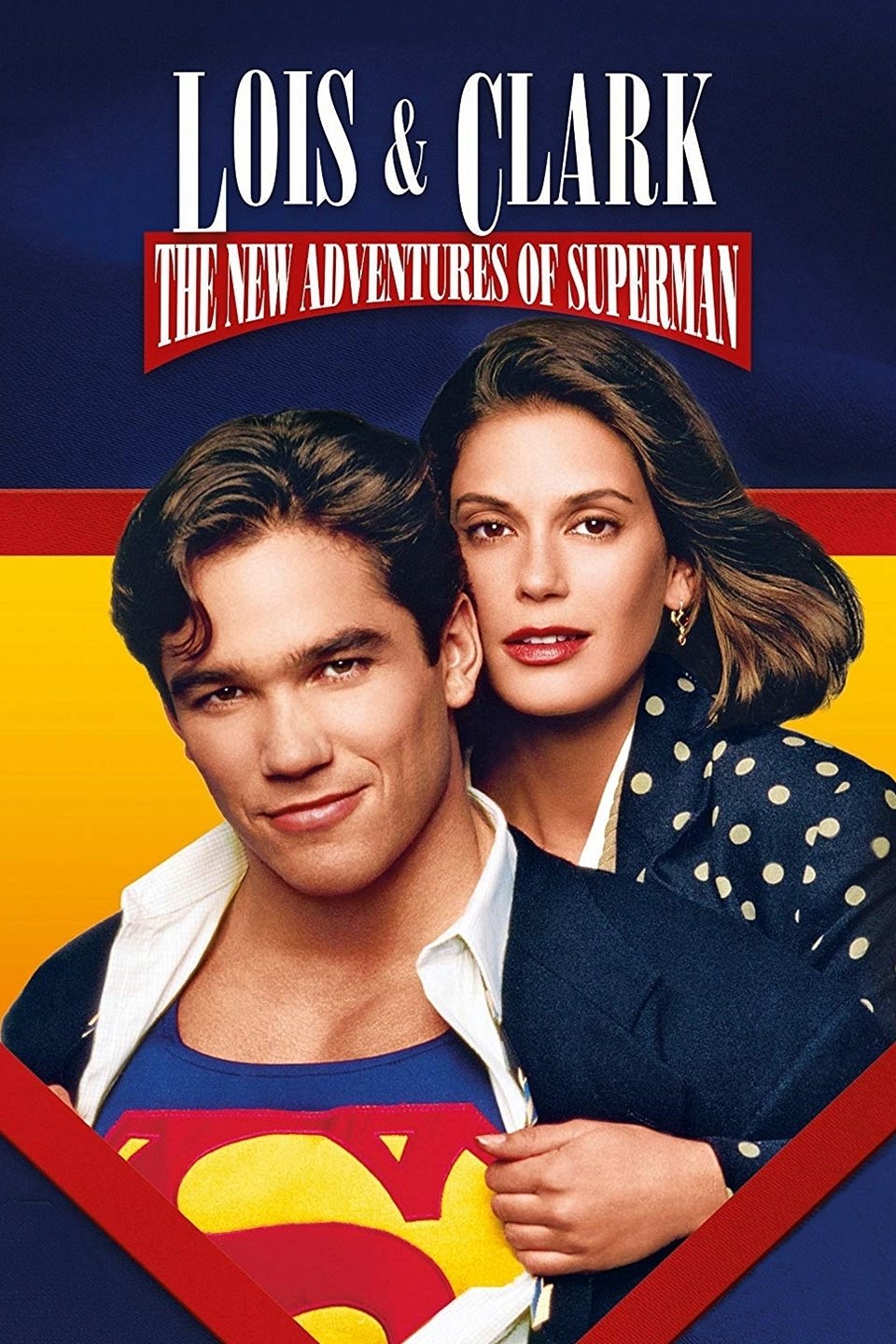
The superhero show ended abruptly, leaving a major plot point unresolved. In the final scene, Lois and Clark discovered a baby – wrapped in a Superman blanket – left on their doorstep. The show famously ended with a promise of a continuation that never happened. While writers later shared that the baby was of Kryptonian royal lineage, fans never got to see that story unfold, and the lack of a proper ending continues to frustrate viewers.
‘Supernatural’ (2005–2020)
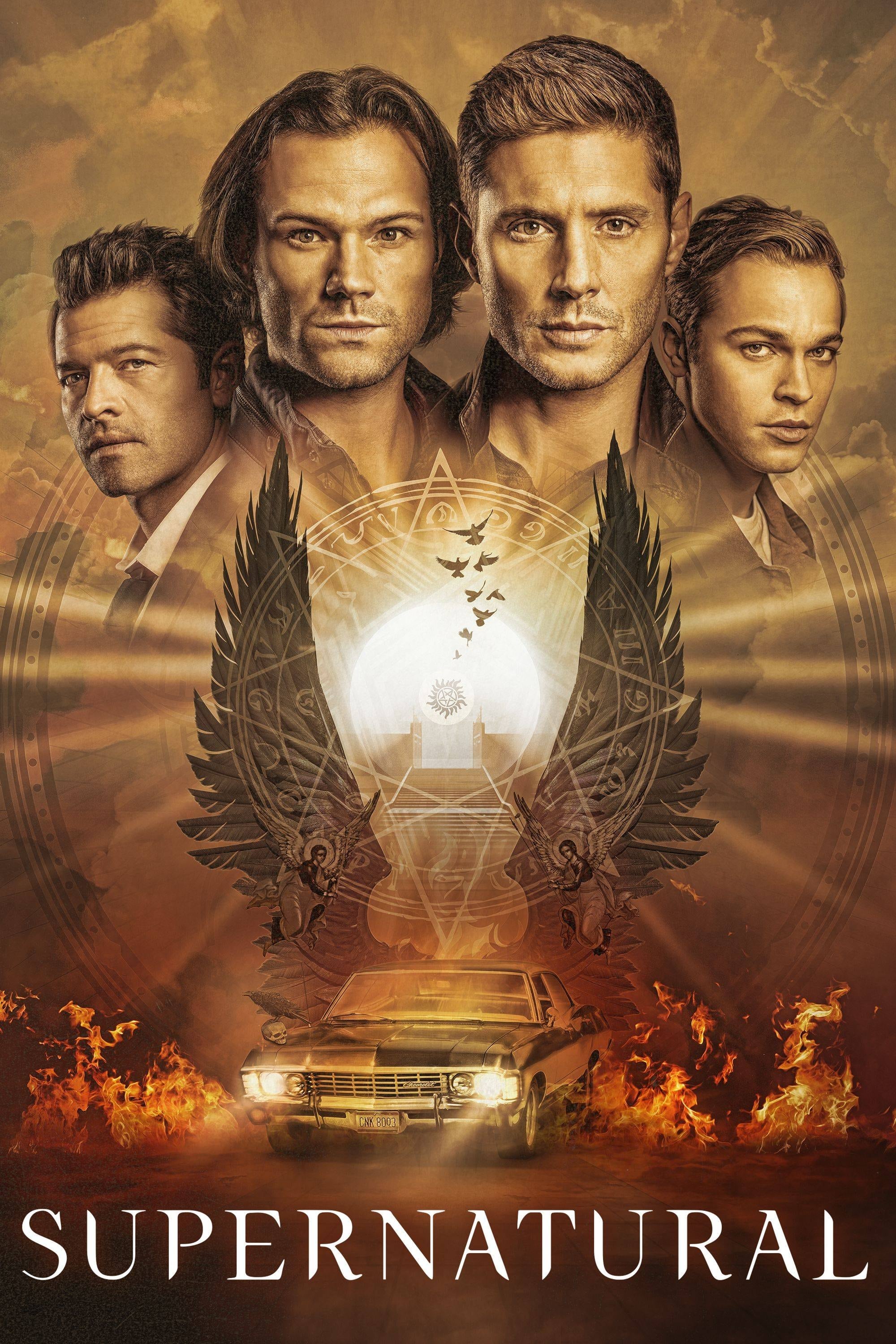
Dean Winchester, despite having previously defeated God, died unexpectedly during a simple vampire hunt after stepping on a rusty nail. His brother Sam lived a full life and passed away peacefully in old age, even sporting a rather silly grey wig. Though the brothers were reunited in Heaven, many fans were disappointed by Dean’s anticlimactic death. The show’s finale felt incomplete, partly because COVID-19 restrictions limited the number of actors who could appear. After fifteen seasons, viewers felt the characters deserved a grander, more collective ending.
‘The Vampire Diaries’ (2009–2017)
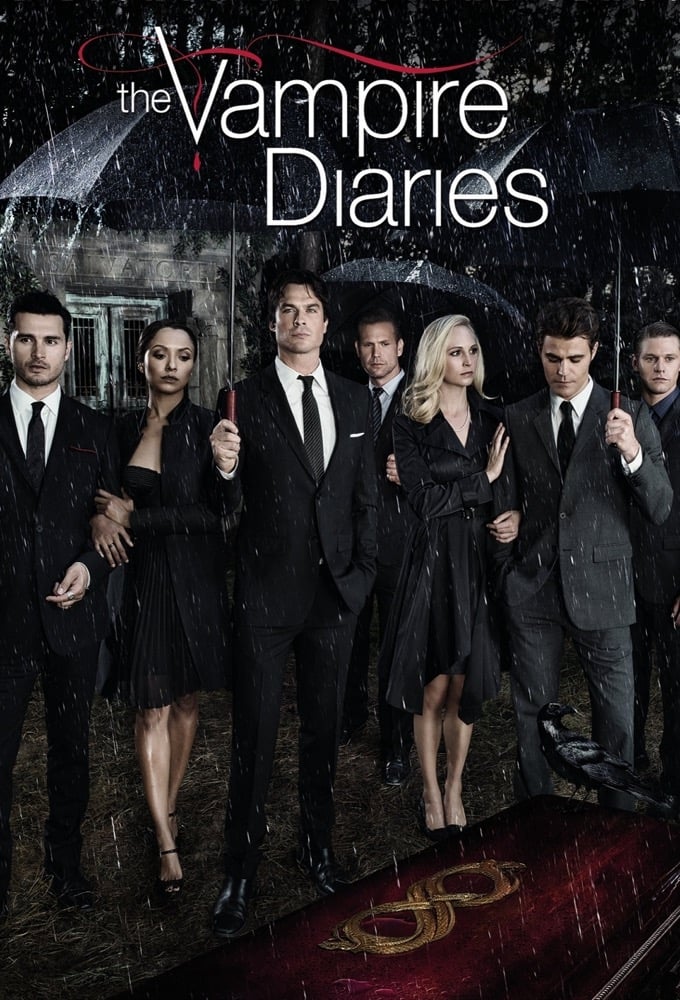
The complicated romantic relationship between Elena and the Salvatore brothers concluded when Stefan gave his life to protect Mystic Falls. His death, which happened while he was stopping a devastating supernatural fire, felt rushed to many viewers. While Elena eventually found happiness with Damon, the aging makeup used in future scenes was noticeable and pulled some fans out of the story. Many felt Stefan deserved a happier ending after overcoming so much. The final episode moved quickly, leaving little time to fully absorb the impact of the significant character deaths.
‘Line of Duty’ (2012–2021)
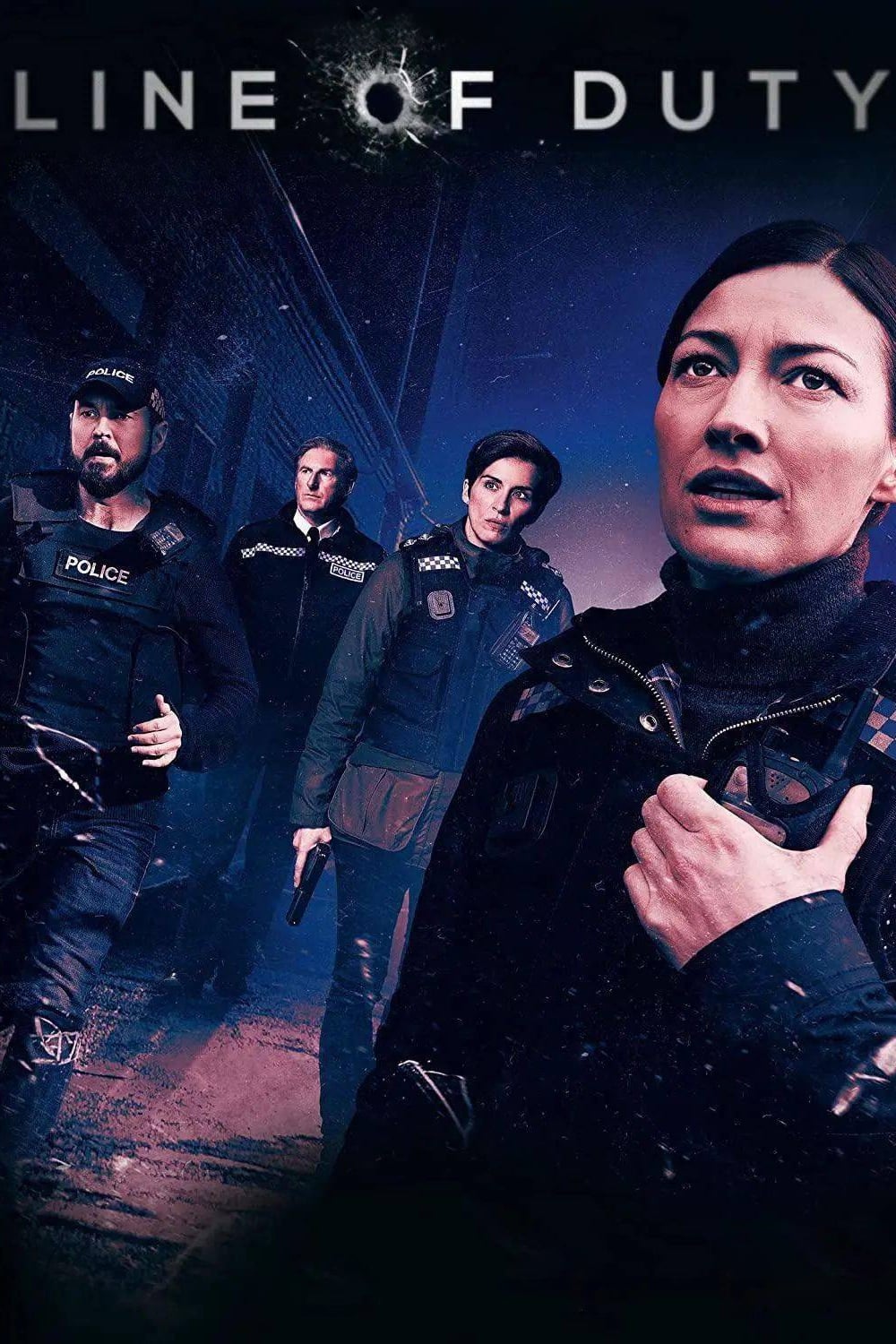
The British police drama spent years creating a mystery around a corrupt high-ranking officer, known only as H. The final episode revealed the culprit to be Ian Buckells, a previously portrayed character known for being clumsy and ineffective. Many viewers found this reveal disappointing, as it didn’t have the impact of past plot twists. The show suggested that corruption is often ordinary and not part of a complex scheme. While this felt true to life, fans who were hoping for a truly powerful villain, like Sherlock Holmes’ Moriarty, were let down.
‘Falling Skies’ (2011–2015)
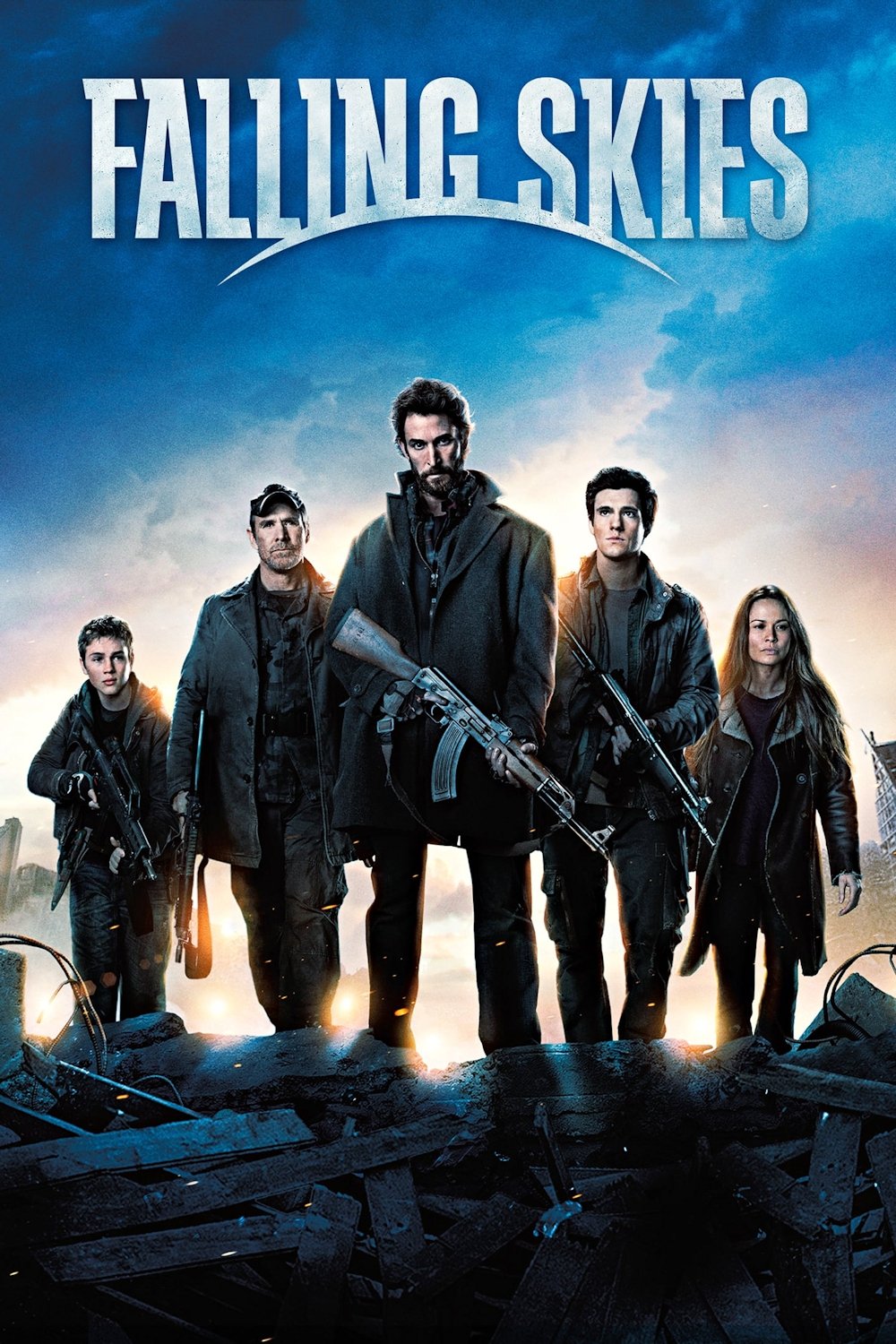
The series about the alien invasion ended with a disappointingly quick final battle. The main character, Tom Mason, defeated the alien Queen almost immediately using a biological weapon, and all the alien forces were destroyed worldwide right after. Many viewers felt this convenient ending didn’t fit with the five seasons of hard-fought struggle. The final scene, a cheerful barbecue, felt out of place considering the show’s previously dark and realistic depiction of war.
‘Desperate Housewives’ (2004–2012)
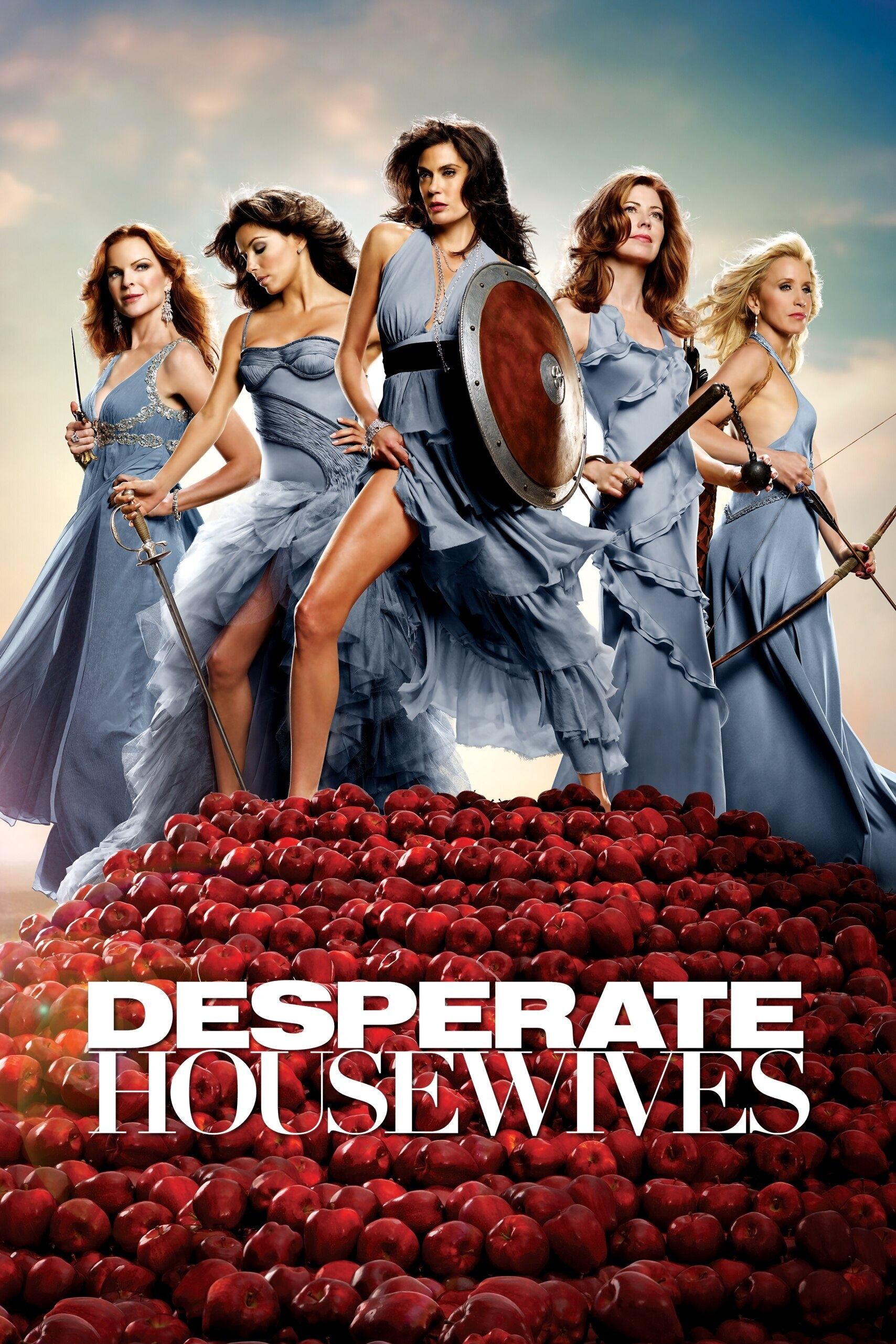
The women of Wisteria Lane made a pact to keep a secret, but after leaving the neighborhood, they all went their separate ways. The show’s final episode revealed the core group of friends never played their regular poker night again, which felt disappointing because the series was built around the idea of a lasting female bond. Adding to the somber ending, Susan Delfino’s husband, Mike, died right before the finale. Many viewers had hoped the friends would remain close, not simply drift apart.
‘Nip/Tuck’ (2003–2010)
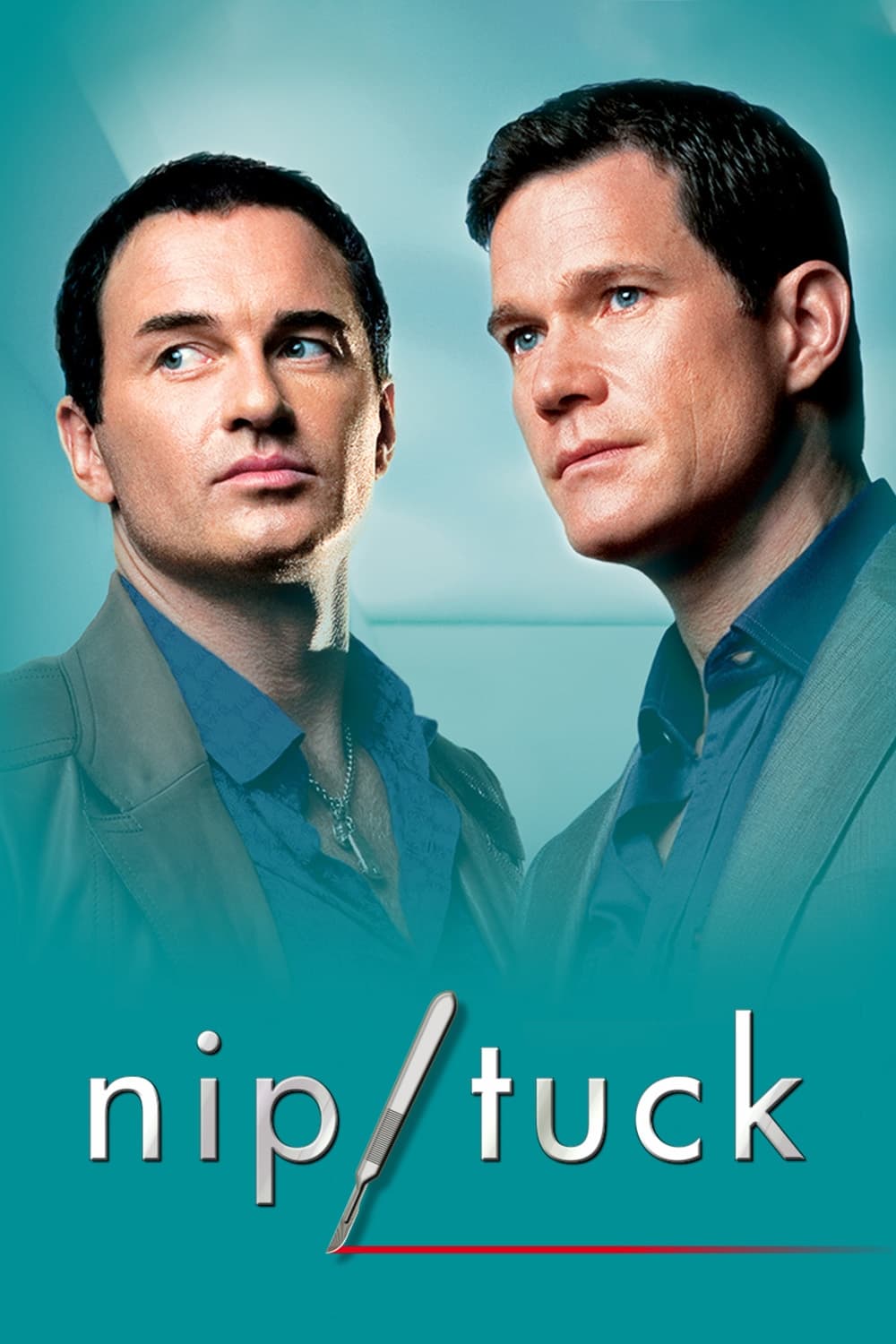
The plastic surgery show got increasingly strange as it went on, and the ending was surprisingly uneventful. The two main doctors quietly ended their partnership over dinner. Christian stayed in Miami, while Sean left to do humanitarian work. Many viewers felt the lack of a dramatic resolution to their complicated relationship was disappointing, especially after following the show’s wild twists and turns in its final seasons. The ending seemed too tame for such a bizarre story.
‘Ozark’ (2017–2022)
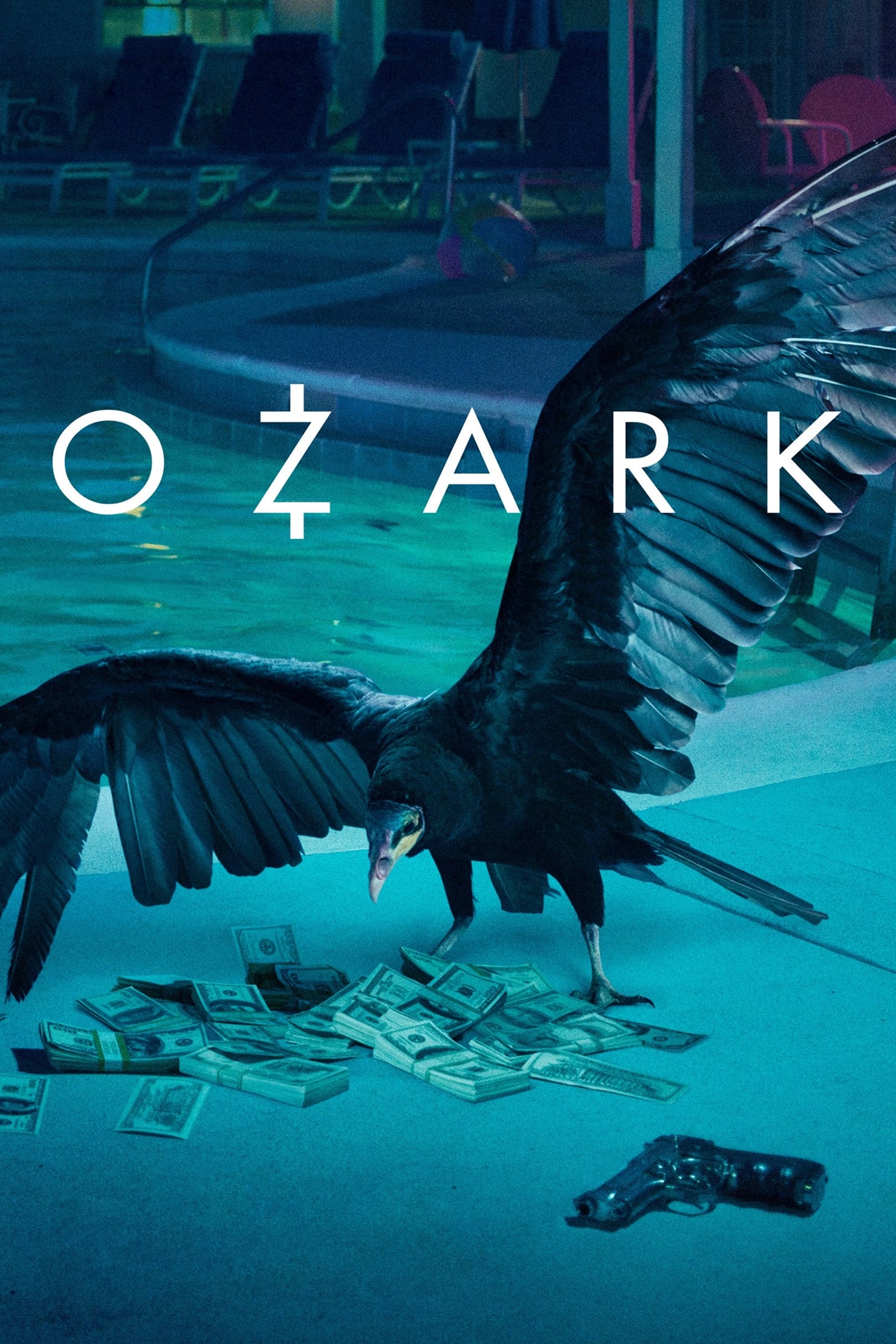
The Byrde family successfully avoided consequences from their dealings with the cartel, maintaining their influence. The series ended with their son, Jonah, threatening a private investigator with a shotgun, followed by the sound of a gunshot, suggesting he’d followed in his parents’ violent footsteps. This abrupt ending left many viewers feeling unsatisfied and frustrated by the family’s lack of accountability, sharply dividing opinions about whether they should have faced punishment for their actions.
‘The Promised Neverland’ (2019–2021)
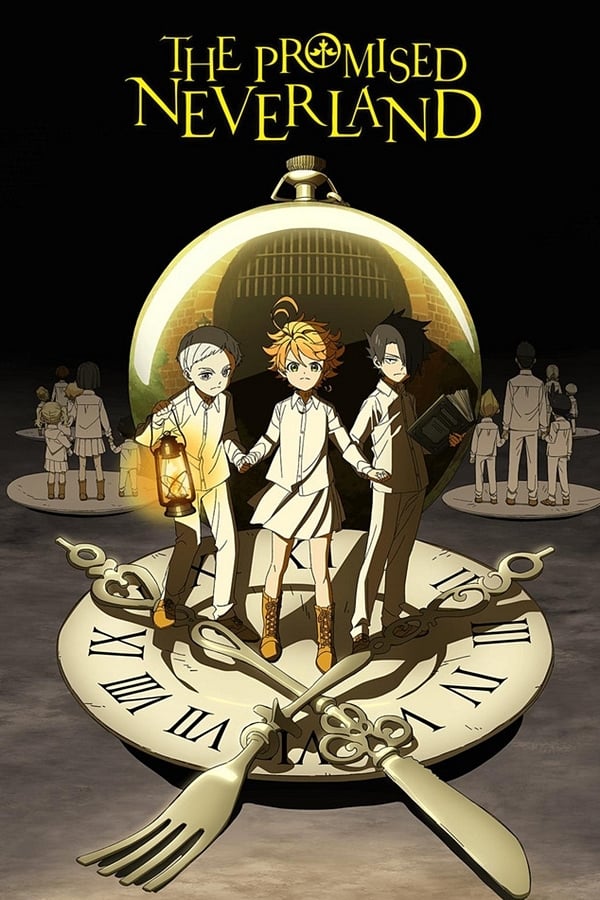
The second season of this anime tried to cover a huge amount of story – over a hundred chapters from the original manga – and ended up feeling incredibly rushed. The final episode even used still images to quickly summarize entire plotlines that were left out. Fans who were familiar with the manga were upset by the removal of important characters and fights. Because of the fast pace, the emotional impact of the story and the characters’ experiences was lost. Many consider it one of the worst anime adaptations ever made.
‘Soul Eater’ (2008–2009)
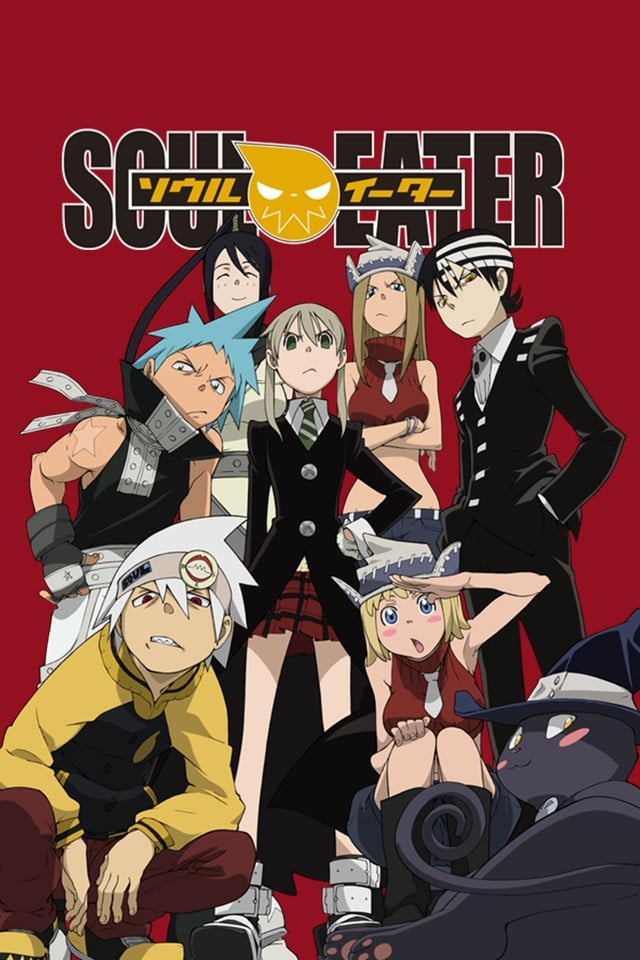
The anime series surpassed the manga, forcing its creators to write their own conclusion. The formidable villain, Asura, wasn’t defeated with a strong attack, but with a courageous punch from the main character, Maka. He simply disintegrated because he couldn’t comprehend her bravery. Many fans felt this ending was overly sentimental and didn’t fit with the previously established power dynamics. This departure from the manga’s more serious tone significantly impacted the show’s overall reputation.
Please explain in the comments which TV show finale disappointed you the most and why.
Read More
- Gold Rate Forecast
- Invincible Season 4 Gender Swaps Tech Jacket As Fans Question Major Comic Change
- Unveiling the Schwab U.S. Dividend Equity ETF: A Portent of Financial Growth
- 22 Films Where the White Protagonist Is Canonically the Sidekick to a Black Lead
- Silver Rate Forecast
- Why Won’t It Just *Do* What You Ask? Unpacking the Quirks of AI Language
- Superman Flops Financially: $350M Budget, Still No Profit (Scoop Confirmed)
- The Best Former NFL Players Turned Actors, Ranked
- 14 Movies Where the Black Character Refuses to Save the White Protagonist
- ONE PIECE Season 2 Confirms Sanji’s OTHER Backstory in the Live-Action
2026-02-05 21:59