Many TV shows start strong but stumble during their first season. Some introduce unbelievable plot twists that don’t fit the show’s style, while others quickly use up their best storylines. This often causes viewers to lose interest and critics to give negative reviews. By looking at when these shows went wrong, we can learn about the difficulties of keeping a story engaging over time. Here’s a look at several series that experienced major changes in direction early on.
‘Glee’ (2009–2015)
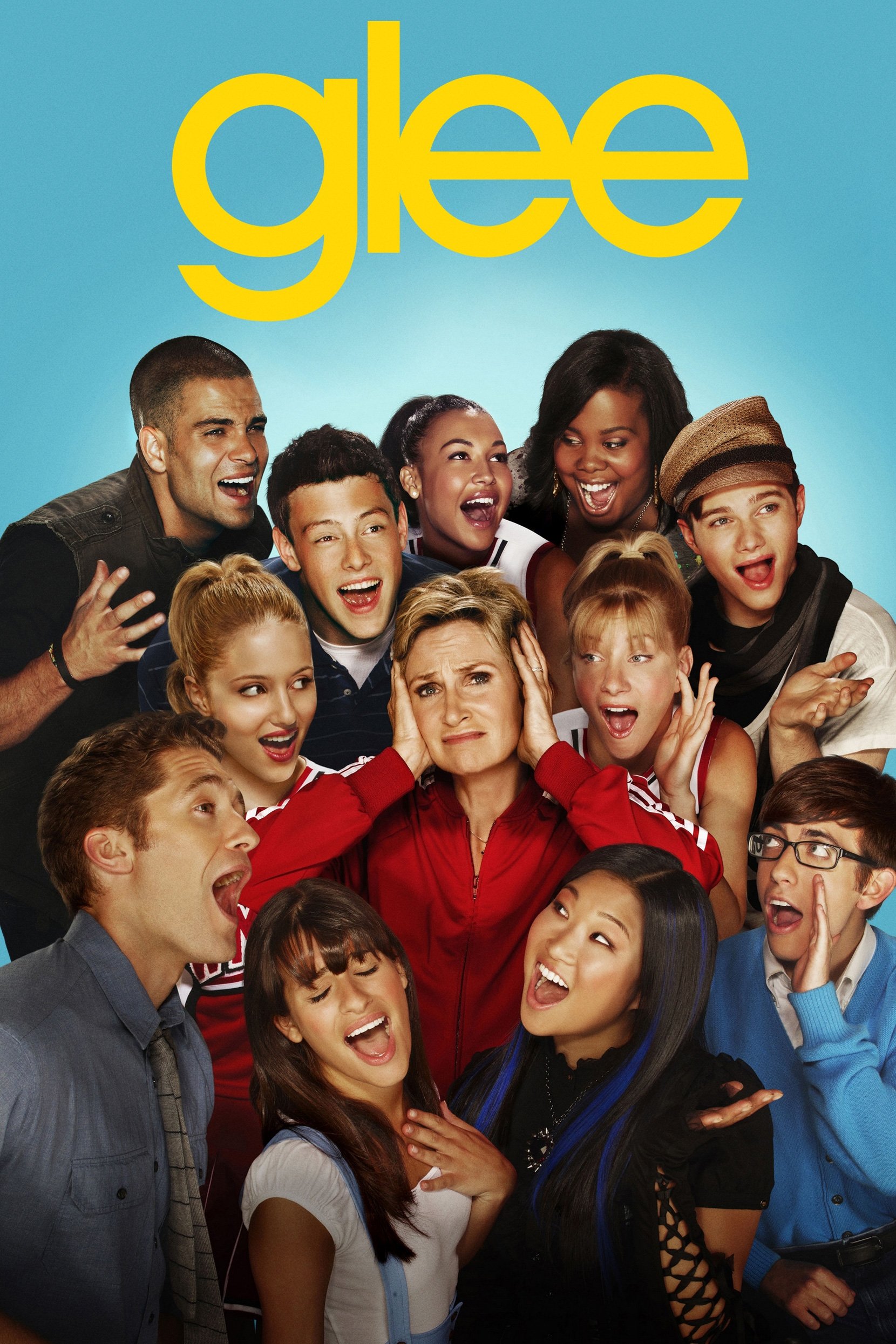
The first season of ‘Glee’ featured a storyline where a character, Teri Schuester, pretended to be pregnant. This took the show’s focus away from the glee club’s challenges with music and school, and towards a dramatic, over-the-top plot. Many viewers found this storyline forced and unbelievable for a show about high school life. It also set a pattern for increasingly strange plot twists throughout the series. Many fans believe this was the point where ‘Glee’ lost touch with its original, more realistic and humorous style.
‘The O.C.’ (2003–2007)
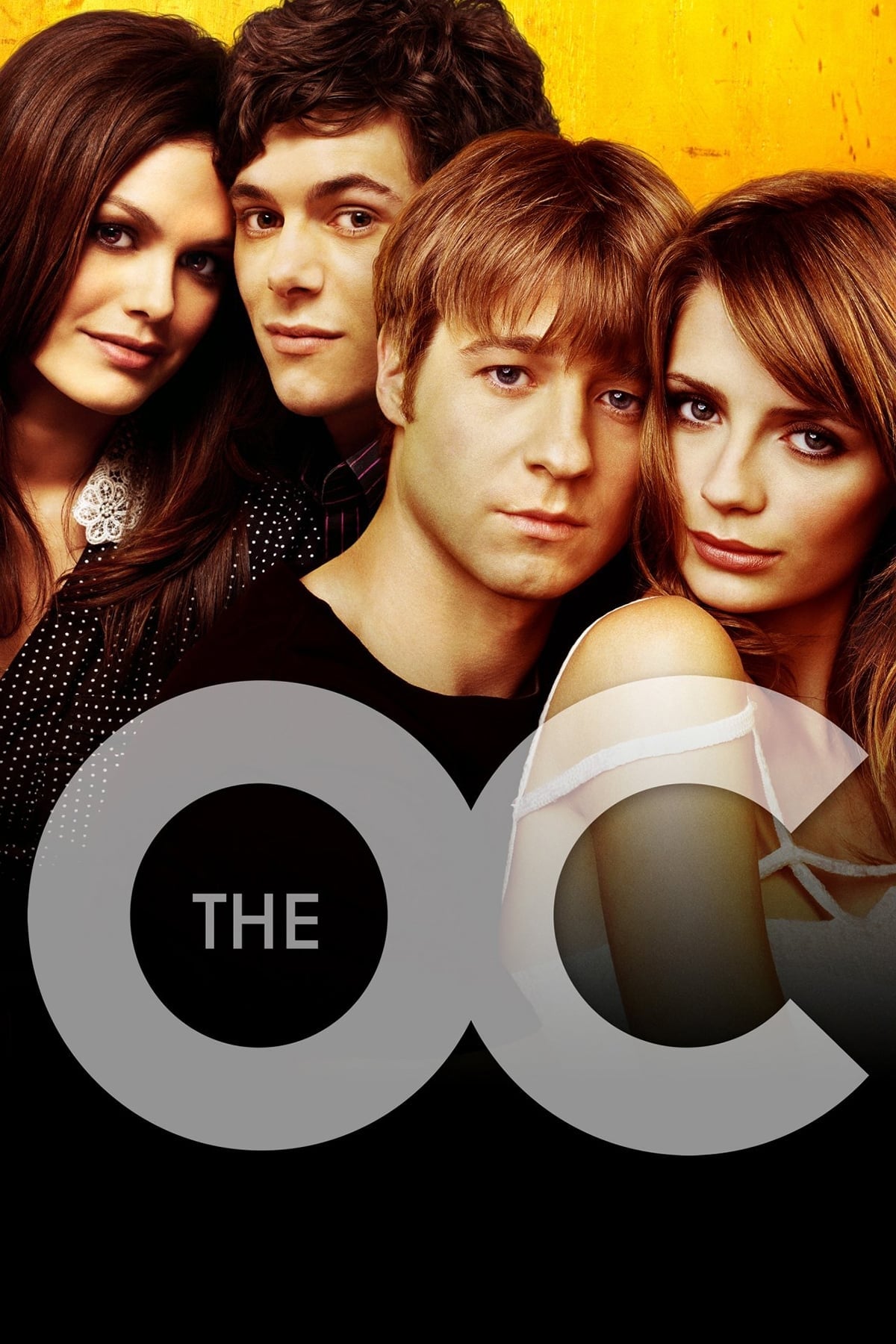
When Oliver Trask was introduced in the first season of ‘The O.C.’, it really shifted the show’s direction. He sparked a love triangle built on drama, manipulation, and unstable behavior, moving away from the more natural character growth the show had started with. ‘The O.C.’ began as a story about a teenager adapting to a wealthier world, but Oliver’s storyline quickly turned it into a more over-the-top melodrama. Many fans feel this intense focus on a single villain changed the show’s original feel and marked an early high point in terms of dramatic tension – a peak that came too soon.
‘Empire’ (2015–2020)
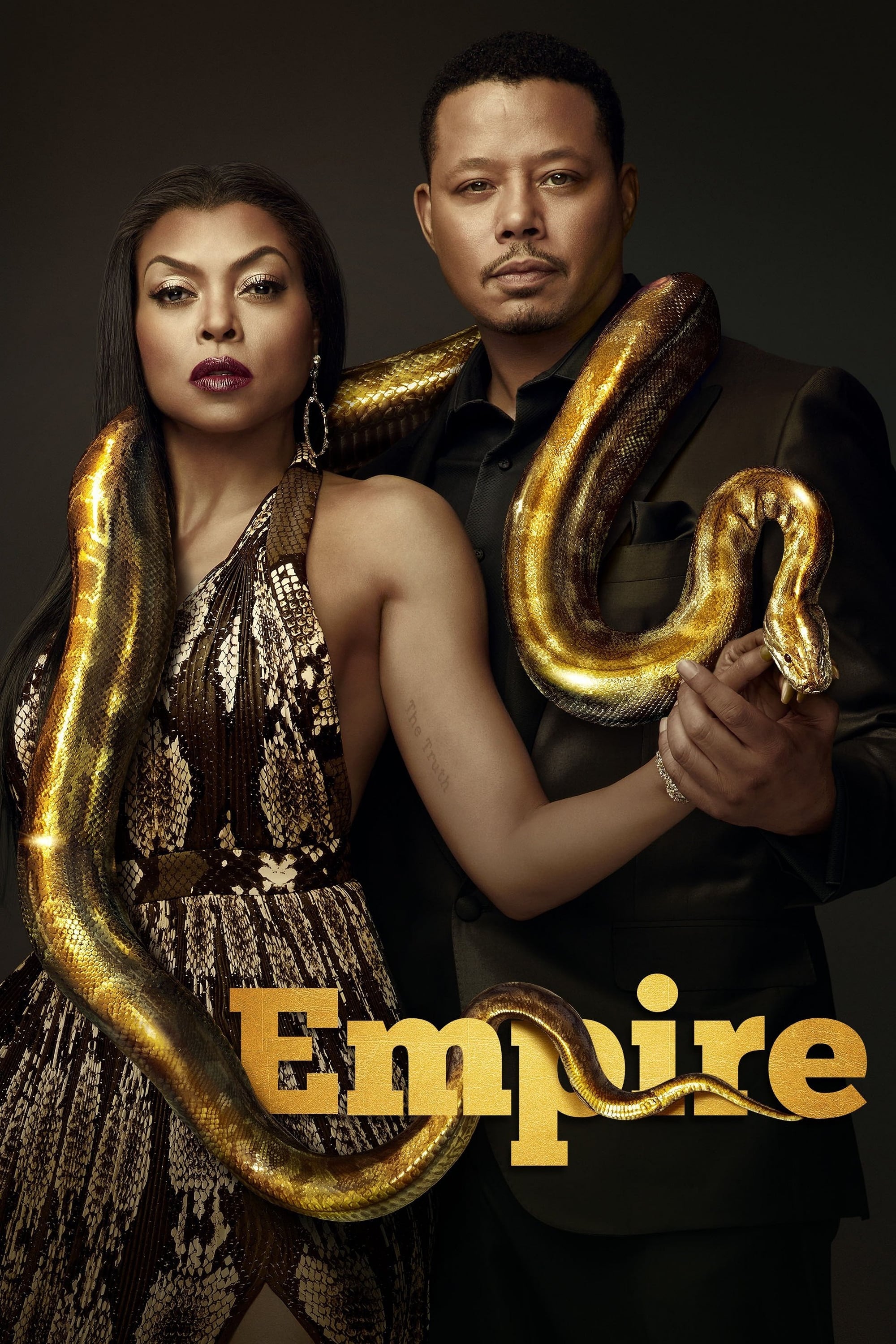
The first season of ‘Empire’ was a huge hit, but it quickly rushed through its main storyline. The big question of who would take over the music company was mostly answered by the middle of the season. To keep the show exciting, the writers started adding increasingly dramatic twists, but this ended up feeling tiring before the season was even over. As the show went on, the plots became less believable, and it lost some of its initial power.
‘Wayward Pines’ (2015–2016)

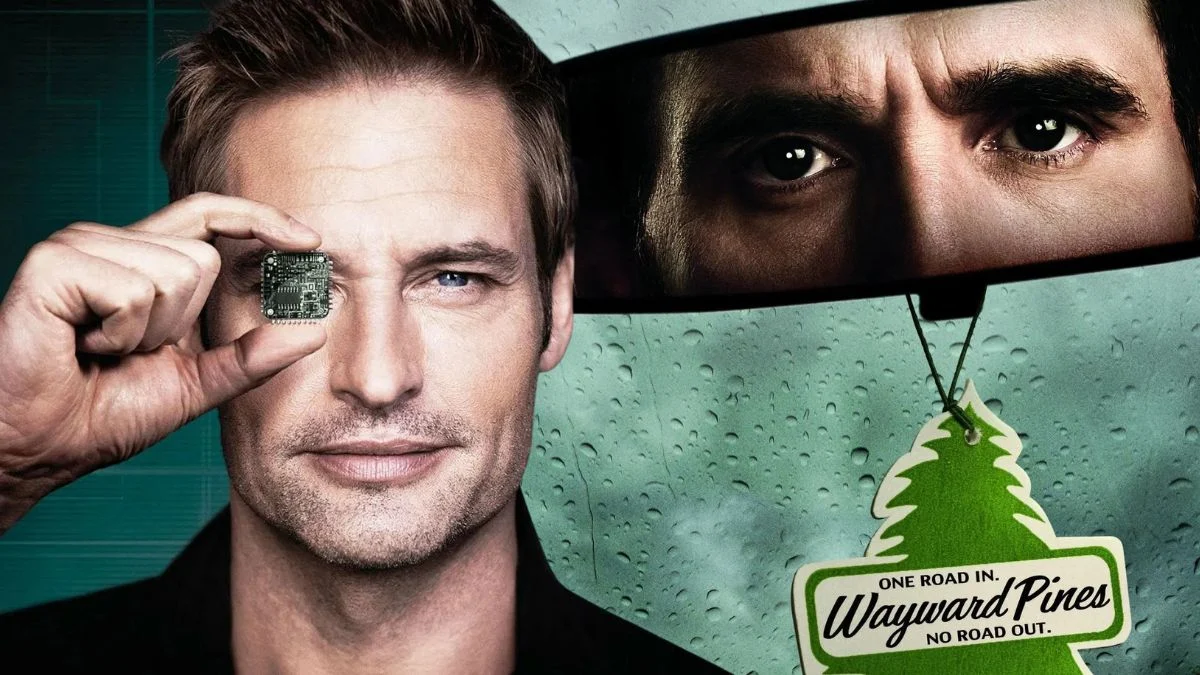
The show ‘Wayward Pines’ started as a captivating mystery, focusing on an agent stuck in a bizarre town. But the show quickly revealed the big secret at the heart of the story, halfway through the first season. This took away the suspense that had made the early episodes so compelling. Many viewers found the shift from a psychological thriller to a story about surviving the end of the world to be too sudden, and the later episodes just didn’t have the same level of tension.
‘Smash’ (2012–2013)
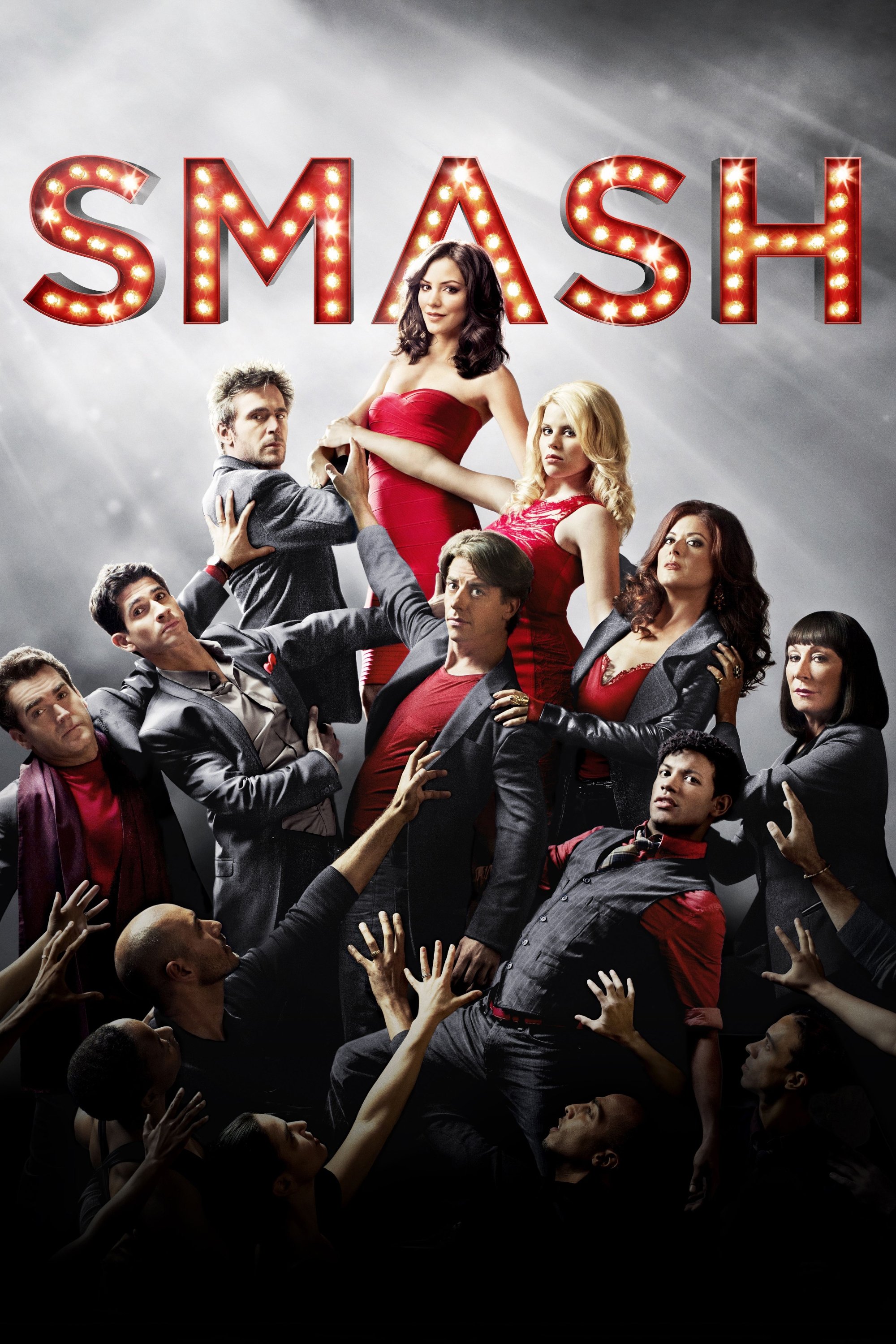
The TV show ‘Smash’ started as a drama about the high-stakes world of putting on a Broadway musical. However, the first season introduced side stories about a scheming assistant named Ellis, which often felt unrelated to the main plot. The show began to prioritize small conflicts and personal drama over the actual creation of the musical itself. This shift turned off many viewers who had tuned in for the show’s theatrical content.
‘Sleepy Hollow’ (2013–2017)
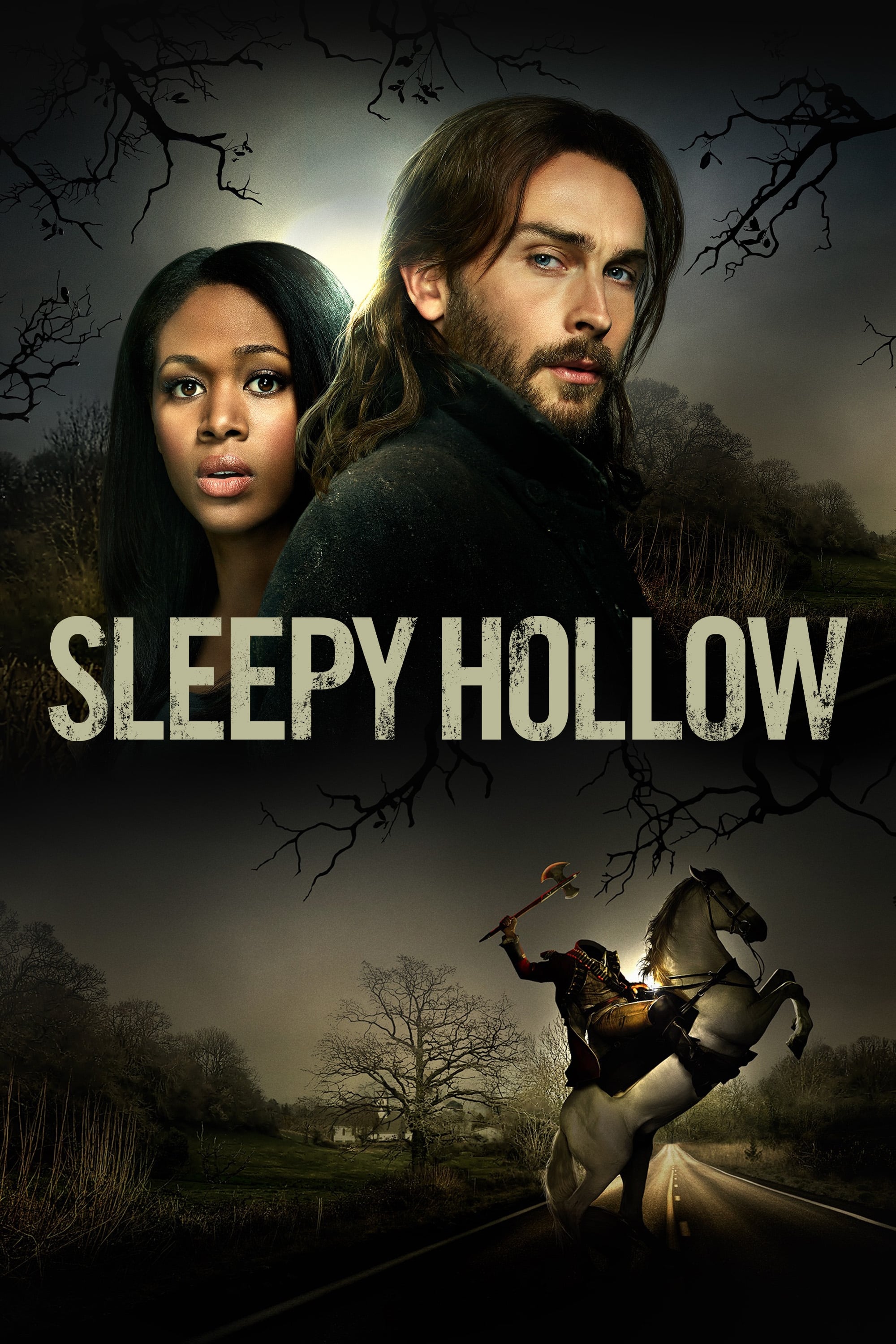
Initially, ‘Sleepy Hollow’ cleverly blended historical storytelling with supernatural themes. However, as the first season went on, the plot became weighed down by complicated and confusing doomsday mythology. The enjoyable connection between the main characters was often lost amidst lengthy explanations of the show’s fantastical world. This change transformed the series from a straightforward mystery into something resembling a grand fantasy saga. Many viewers felt the show lost the special combination of elements that made its beginning so captivating.
‘Quantico’ (2015–2018)
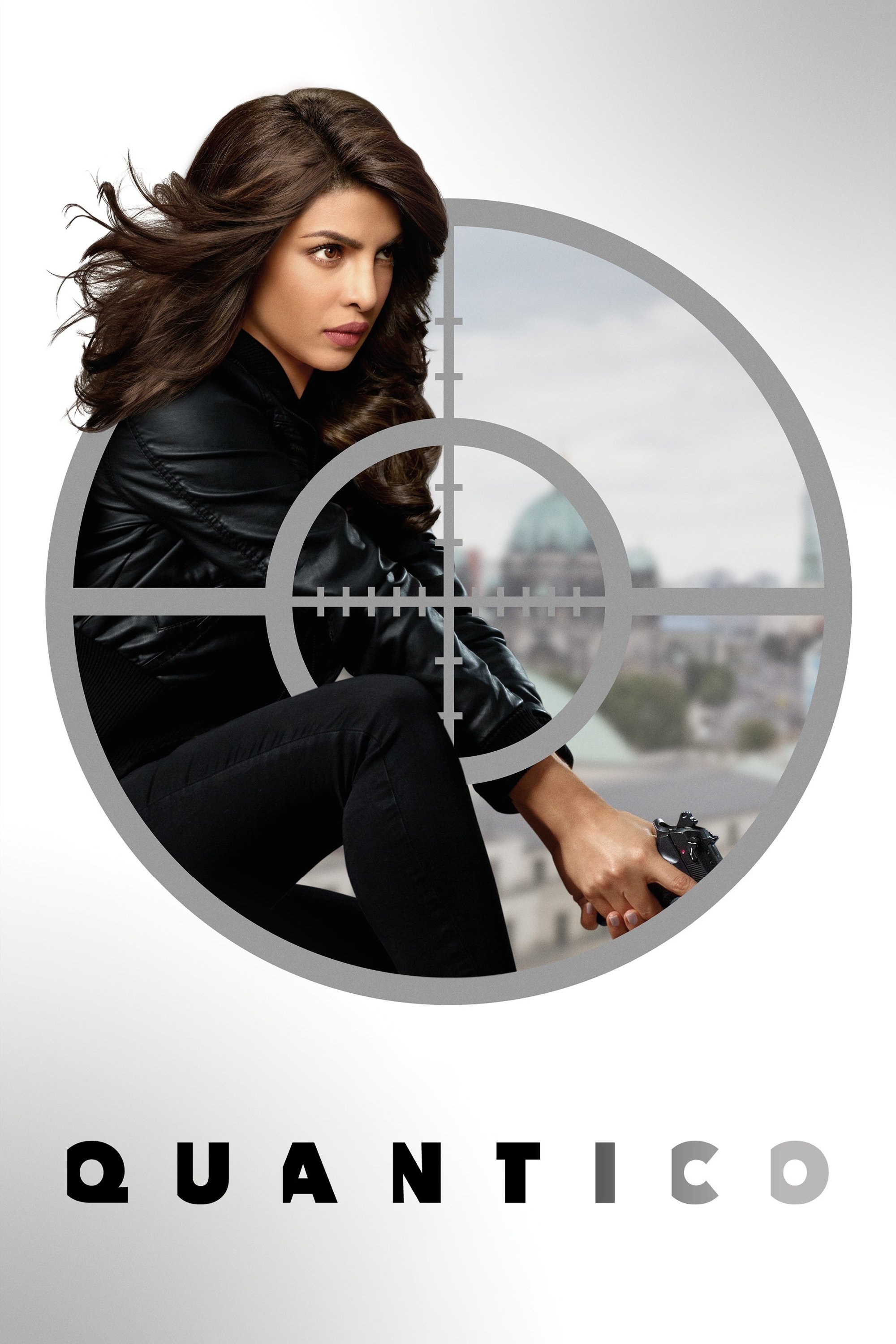
The first season of ‘Quantico’ told its story through two timelines – one following FBI recruits and the other a future terrorist plot. However, the story quickly became overly complicated with many misleading clues and surprise betrayals. This constant shifting of suspicion made it hard for viewers to become invested in the characters or what was at stake. The mystery lost its impact because everyone seemed to be a suspect again and again. Ultimately, this complex storytelling prevented the show from finding a consistent direction.
‘Revenge’ (2011–2015)
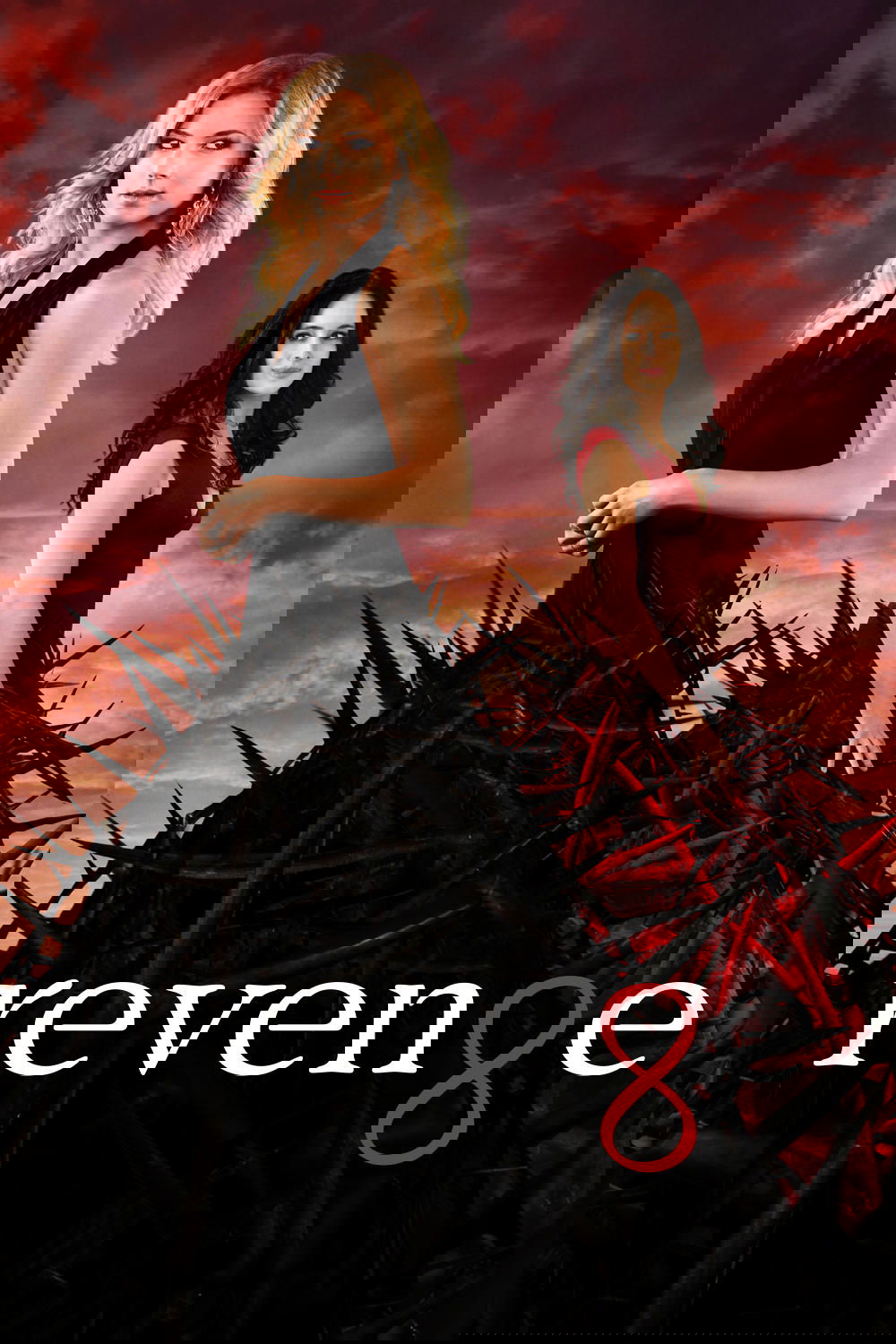
Initially, ‘Revenge’ was a focused story about a woman carefully taking down the people who had wrongly accused her father. However, as the first season progressed, the show added many new characters and dramatic storylines typical of soap operas, which distracted from the original, clear goal. These additions – like characters with amnesia and previously unknown siblings – made the series feel more like a typical daytime drama than the intense thriller it started as, and this change happened surprisingly quickly.
‘Desperate Housewives’ (2004–2012)
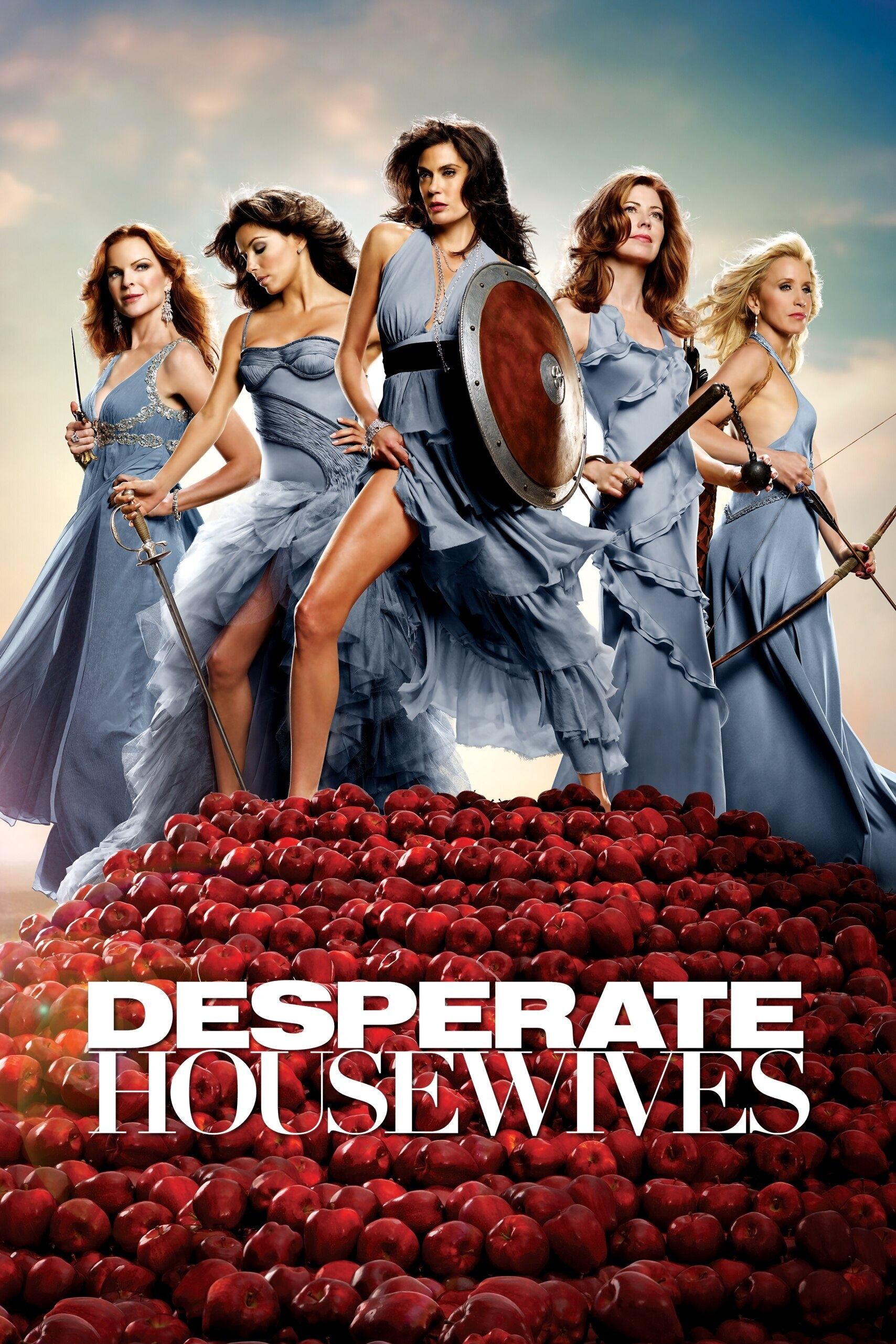
‘Desperate Housewives’ started strong with the intriguing mystery of Mary Alice Young, but that storyline wrapped up quickly. After revealing her secret, the show shifted to focusing on more outlandish neighborhood dramas. This change from a dark, mysterious comedy to a typical, satirical soap opera was clear to viewers. Although the show stayed popular, many critics felt the first season’s mystery was a high point that later storylines didn’t live up to. The increasingly dramatic events felt forced and like the show was trying too hard to stay interesting.
‘Prison Break’ (2005–2017)

I was totally hooked on the first season of ‘Prison Break’ – the whole idea of meticulously planning an escape from a supermax prison was just brilliant! But towards the end, things changed. They started revealing this huge conspiracy with this mysterious group called The Company, and honestly, it felt like the show was trying to be something bigger than it needed to be. It went from being this intense, personal story about survival inside prison walls to a sprawling political thriller. While the conspiracy stuff was interesting, it kind of took away from the claustrophobia and tension that made the prison setting so gripping in the first place. It made the original escape plan feel almost…smaller, you know?
‘Heroes’ (2006–2010)
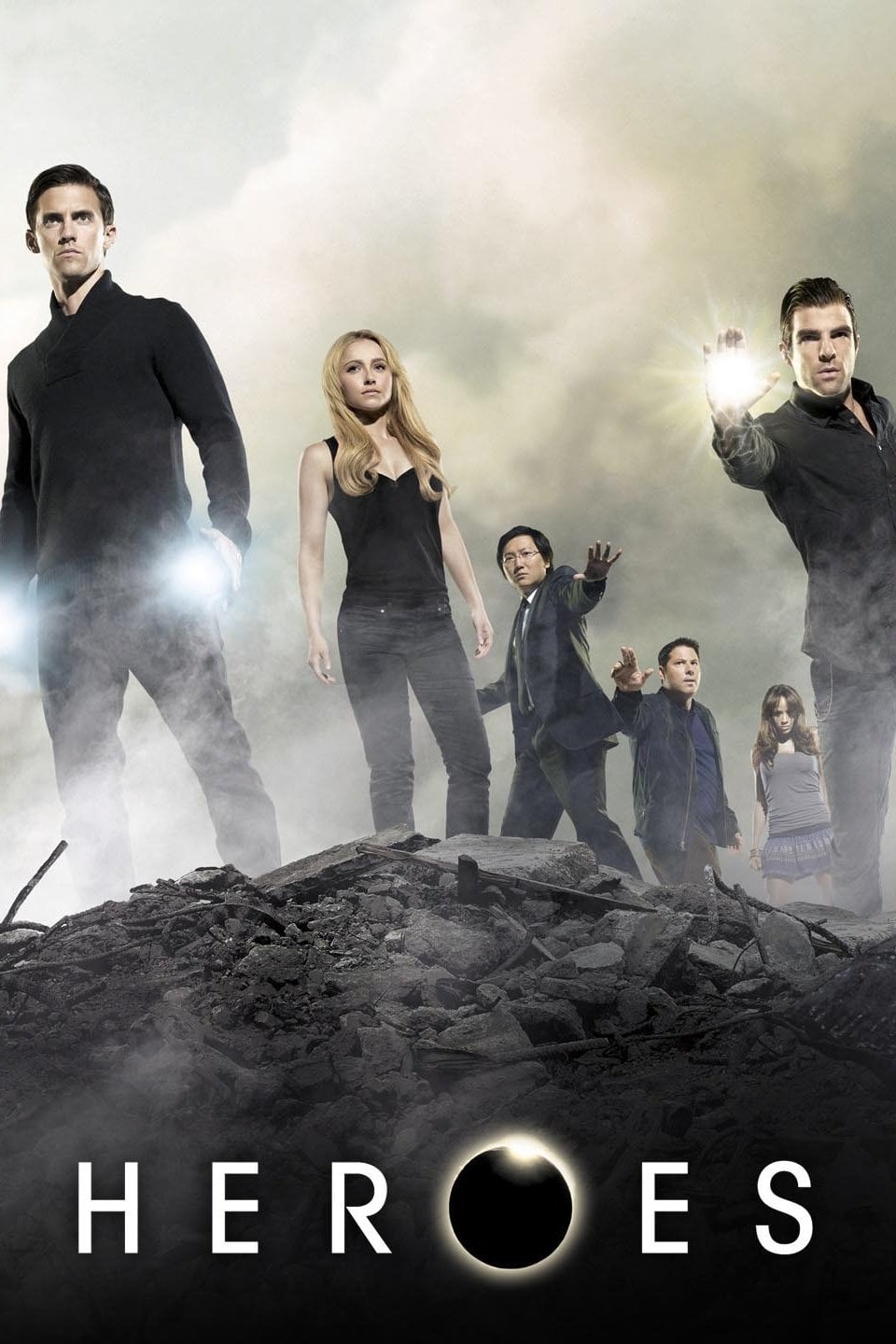
The TV show ‘Heroes’ quickly became popular by focusing on everyday people who unexpectedly developed superpowers. The first season revolved around a big showdown in New York City, with the central goal of saving a cheerleader – and the world. However, after resolving this main storyline, the show had trouble finding a consistent direction. The final episodes of season one also introduced increasingly powerful abilities, which proved hard to maintain. This early display of power ultimately made later storylines feel less exciting.
‘Lost’ (2004–2010)
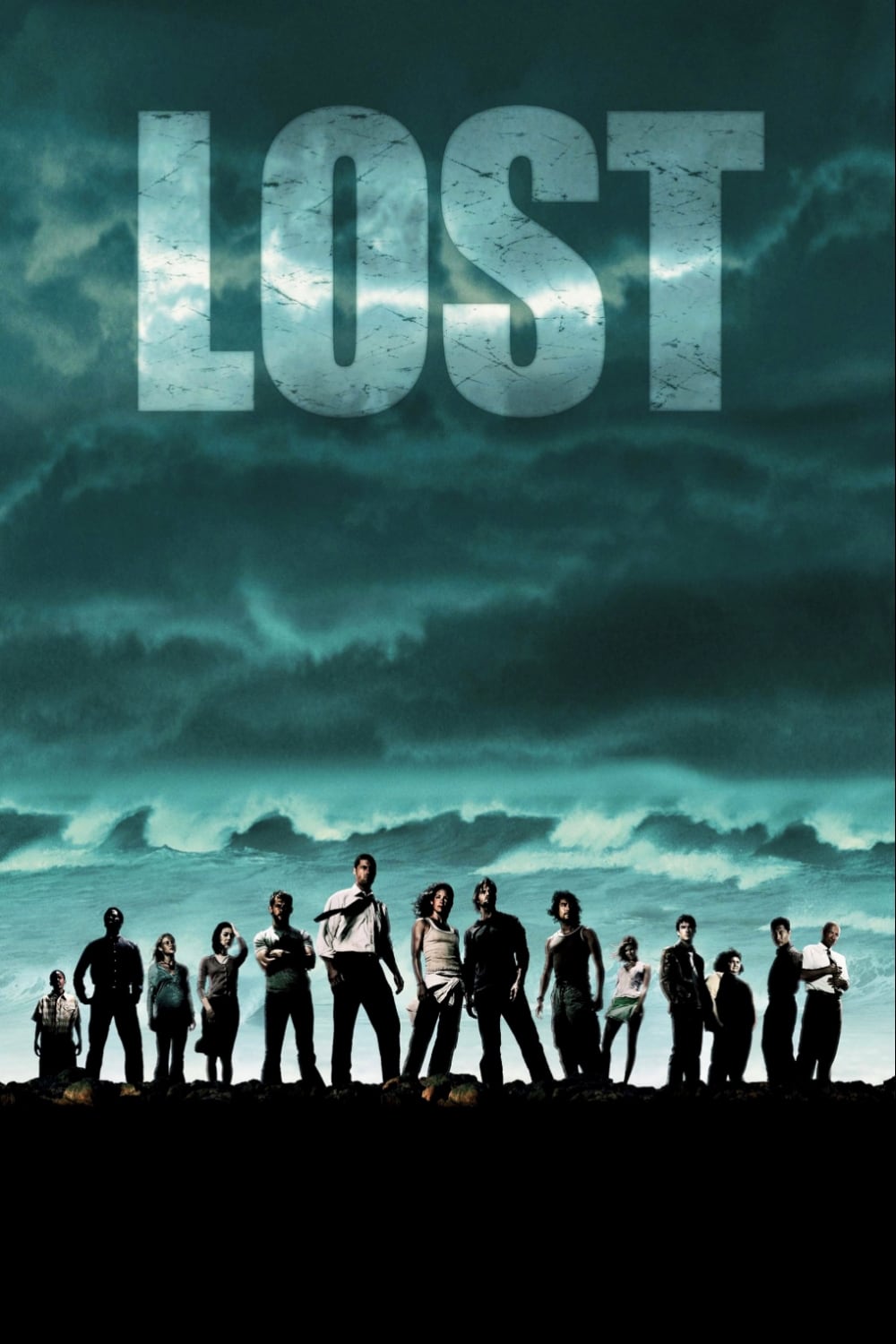
The first season of ‘Lost’ quickly introduced strange and fantastical elements, like a polar bear on a tropical island and a shadowy smoke monster, moving beyond a simple story of survival. Though these elements were key to the show, some viewers felt things became confusing too fast. The sudden appearance of hidden bunkers and unusual people dramatically changed the show’s direction, laying the groundwork for a complex story that ultimately divided its audience.
‘The Following’ (2013–2015)
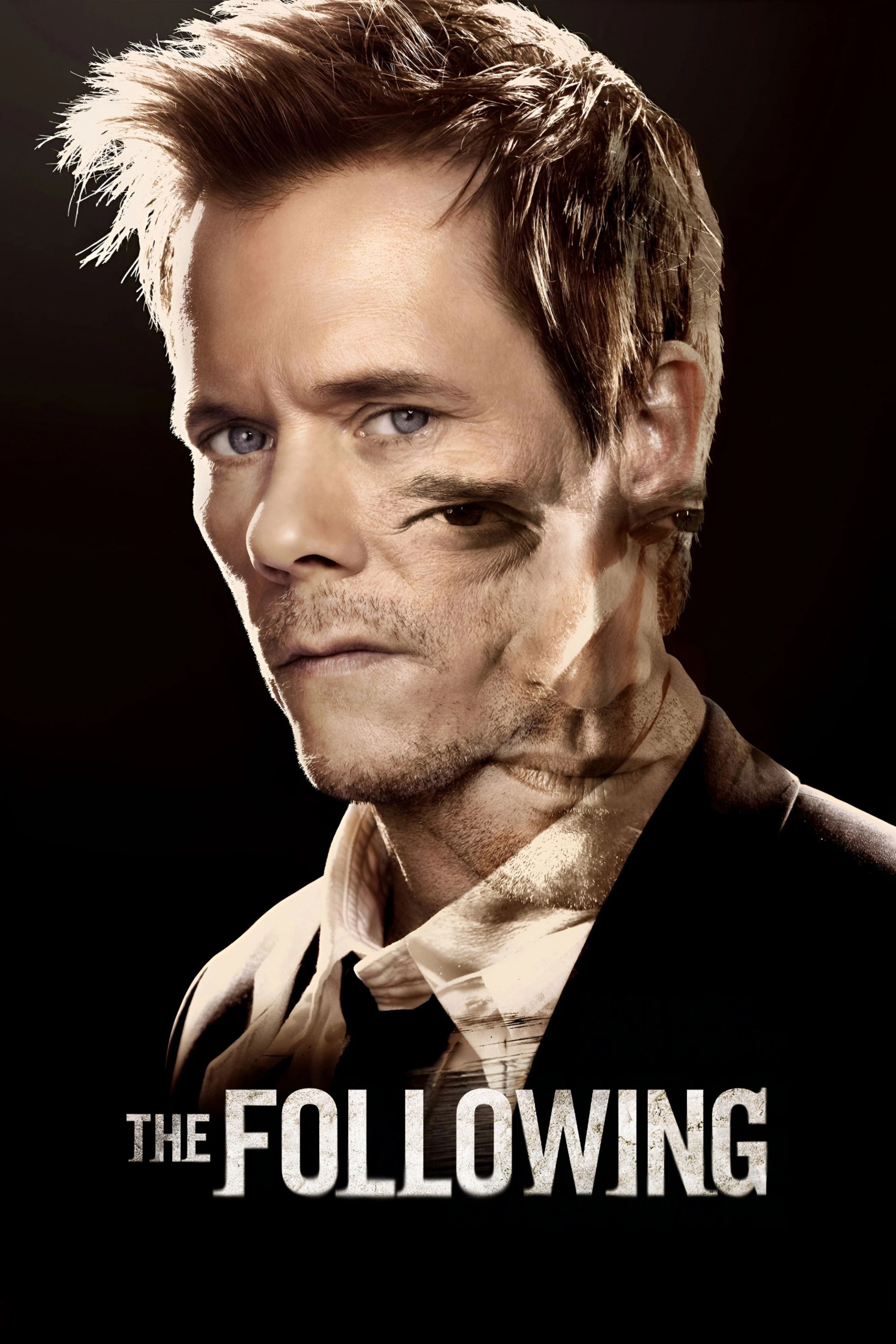
The TV show ‘The Following’ centered around an FBI agent hunting a serial killer who had amassed a large and devoted following. The first season portrayed this group as incredibly powerful and seemingly everywhere, able to get into any organization. This made the villains feel less like believable criminals and more like something out of a supernatural thriller. The frequent reveals of who belonged to the cult became repetitive and hard to accept, ultimately diminishing the show’s realistic and suspenseful atmosphere.
‘Under the Dome’ (2013–2015)

The TV series ‘Under the Dome,’ which started with a gripping idea – a town suddenly isolated from the rest of the world – quickly moved away from the Stephen King novel it was based on. The first season introduced alien and supernatural themes, turning what was initially a story about people and how they react in a crisis into a complicated science fiction puzzle. Many viewers preferred the original focus on human behavior and found the new direction less interesting. After this change, the show had trouble finding a consistent feel.
‘Revolution’ (2012–2014)
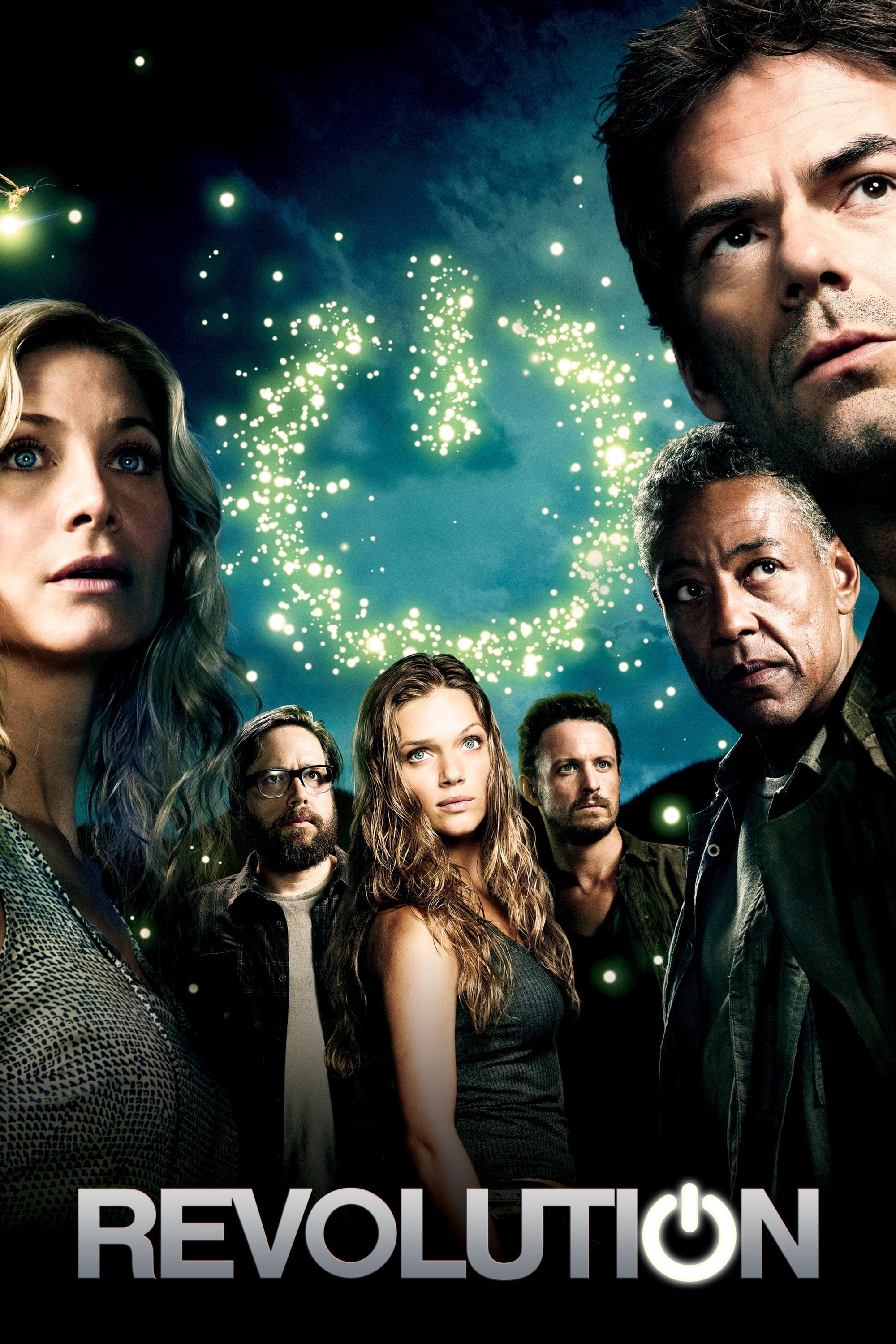
The first season of ‘Revolution’ started with a compelling mystery: a worldwide power outage. However, the explanation for the blackout came surprisingly quickly. After that, the show transformed into a typical story about a rebel group fighting a war, losing the initial sense of intrigue and discovery that had attracted viewers. It became a standard action series, abandoning its potential to uniquely explore a world without power. Revealing the core mystery so early left the show with a noticeable lack of direction.
‘Once Upon a Time’ (2011–2018)
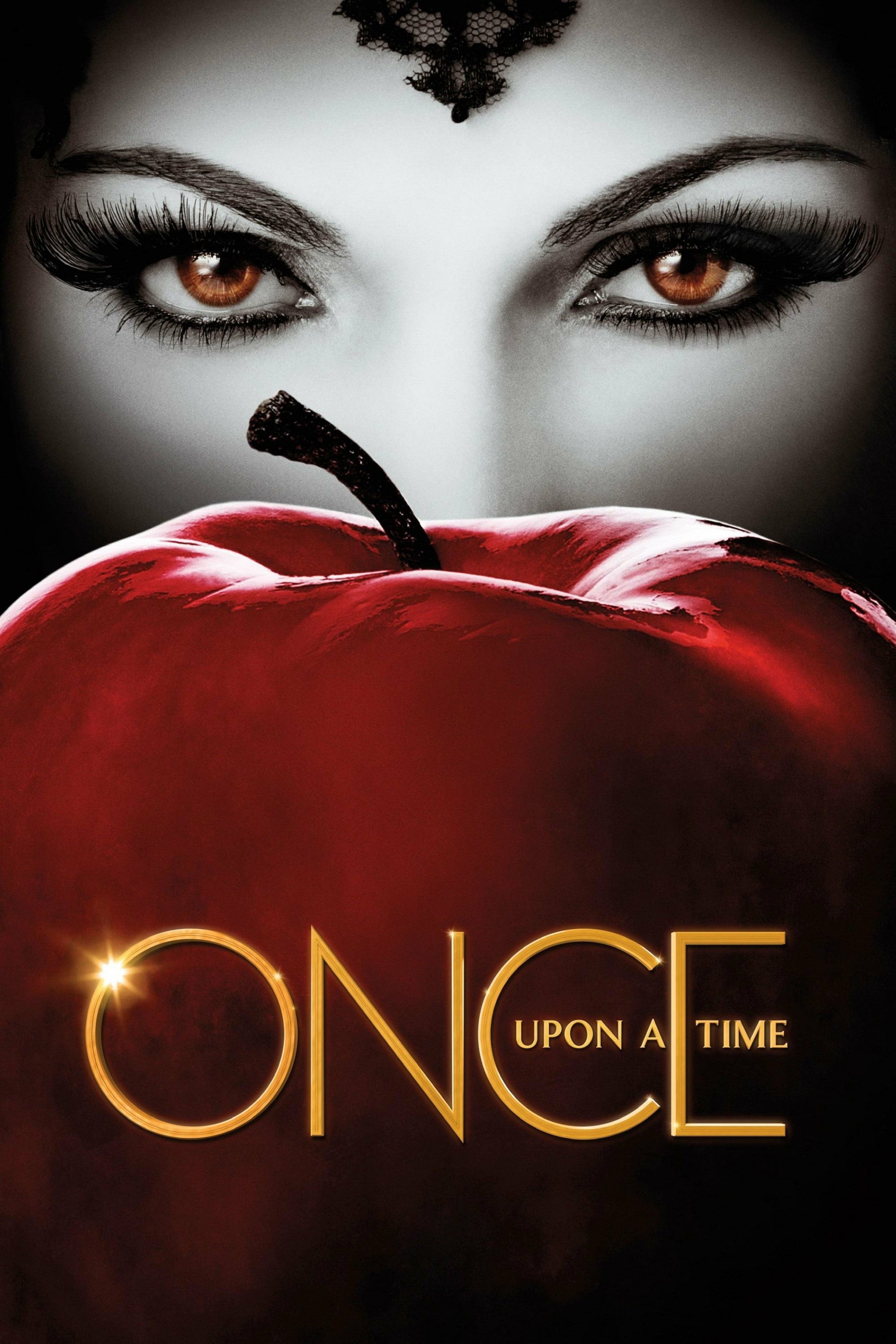
The first season of ‘Once Upon a Time’ focused on unraveling a curse that trapped storybook characters in our world. Breaking that curse at the end of the season meant the show needed a fresh direction. The core mystery – who these characters really were – was gone, and the show began relying on new magical problems each episode to keep viewers engaged. Many fans felt the series lost its special appeal after the initial mystery was resolved.
‘The Event’ (2010–2011)
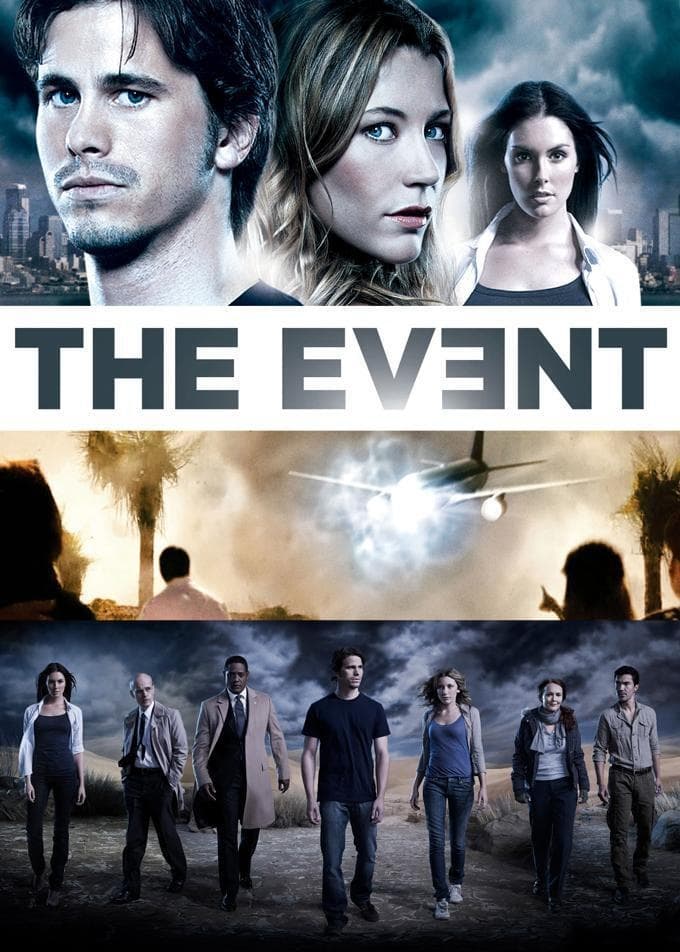
“The Event” promised a huge, suspenseful thriller about a government conspiracy and aliens. However, the first season quickly revealed the antagonists were aliens, which took away much of the mystery. This made the rest of the season focus on chases and political games that didn’t feel very original, and ultimately diminished the show’s potential for a truly grand and intriguing story.
‘FlashForward’ (2009–2010)
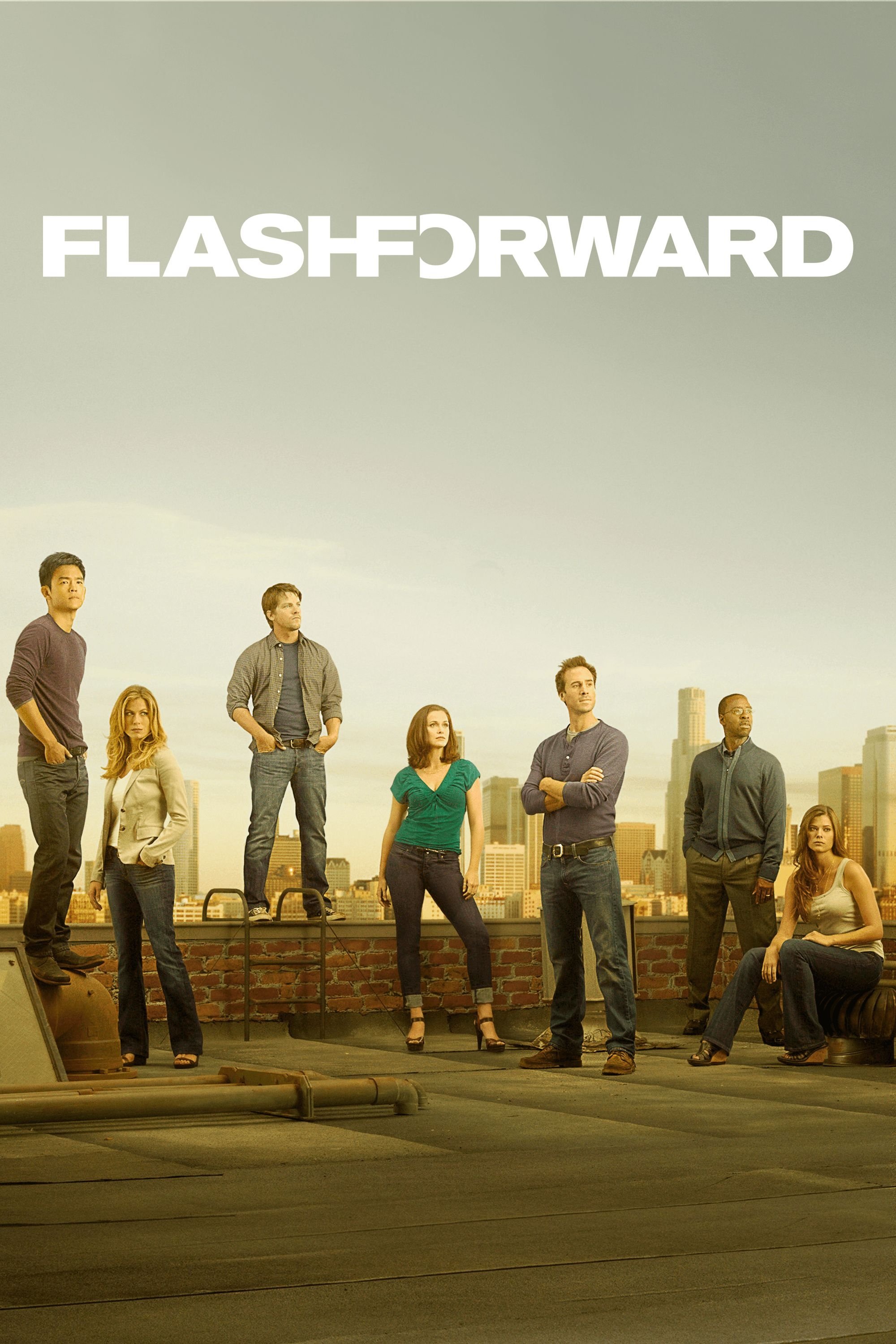
‘FlashForward’ started with a fascinating idea: everyone around the world briefly saw their future during a sudden blackout. However, after a strong beginning, the first season became slow and predictable. The show didn’t keep up the necessary sense of urgency that such a world-altering event demanded. Viewers grew impatient as the mystery of the blackout remained unsolved, and the series ultimately lost steam before it could deliver satisfying explanations.
‘Alcatraz’ (2012)
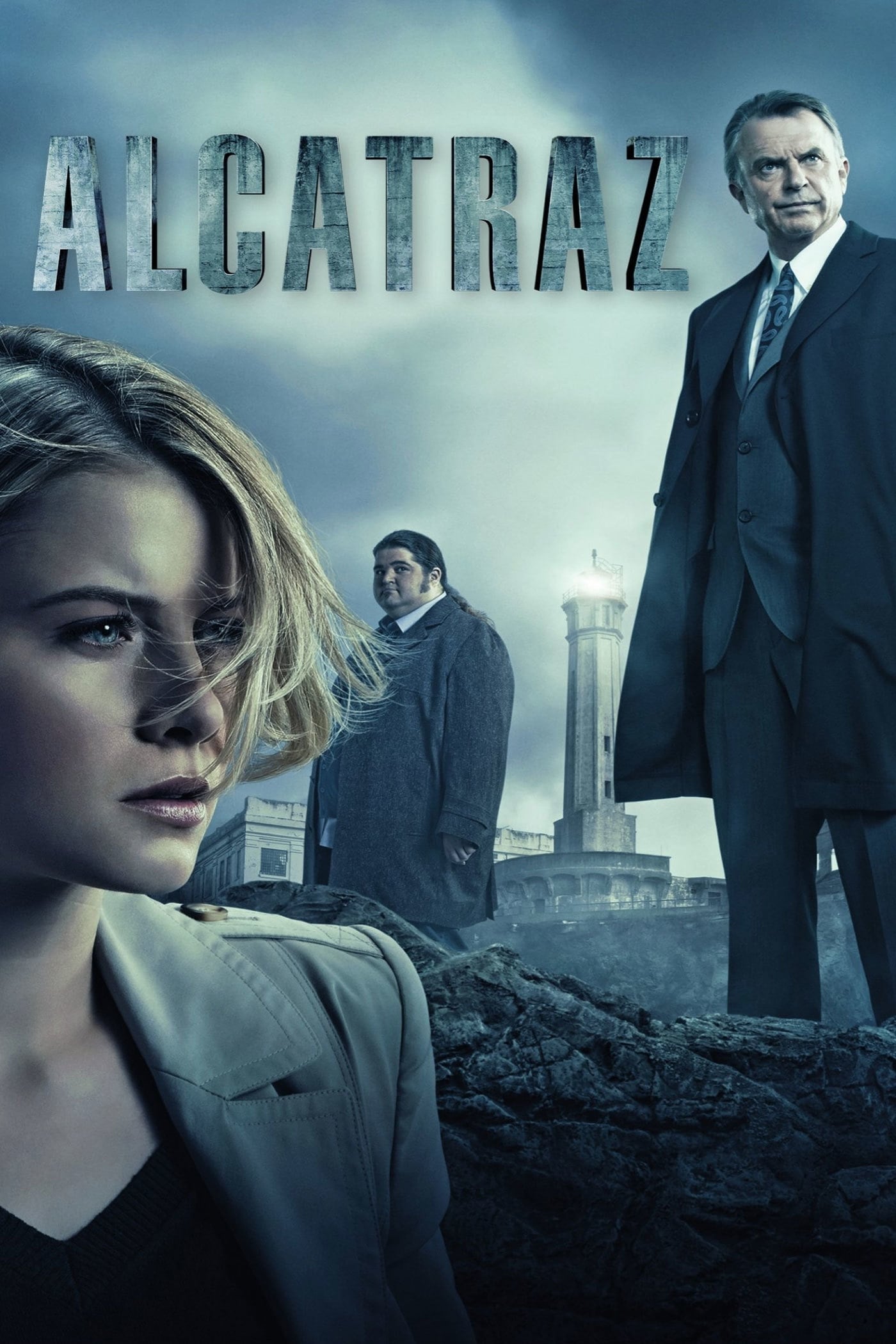
The TV show ‘Alcatraz’ started with a fascinating premise: the unexpected return of people who had disappeared from the infamous prison years ago. However, it quickly fell into a predictable pattern of catching a new escaped prisoner each week. This format didn’t explore the bigger mystery of how and why these people were coming back, and the story stalled. Because the central mystery wasn’t progressing, viewers lost interest. The show established a routine before fully developing its intriguing backstory.
‘Touch’ (2012–2013)
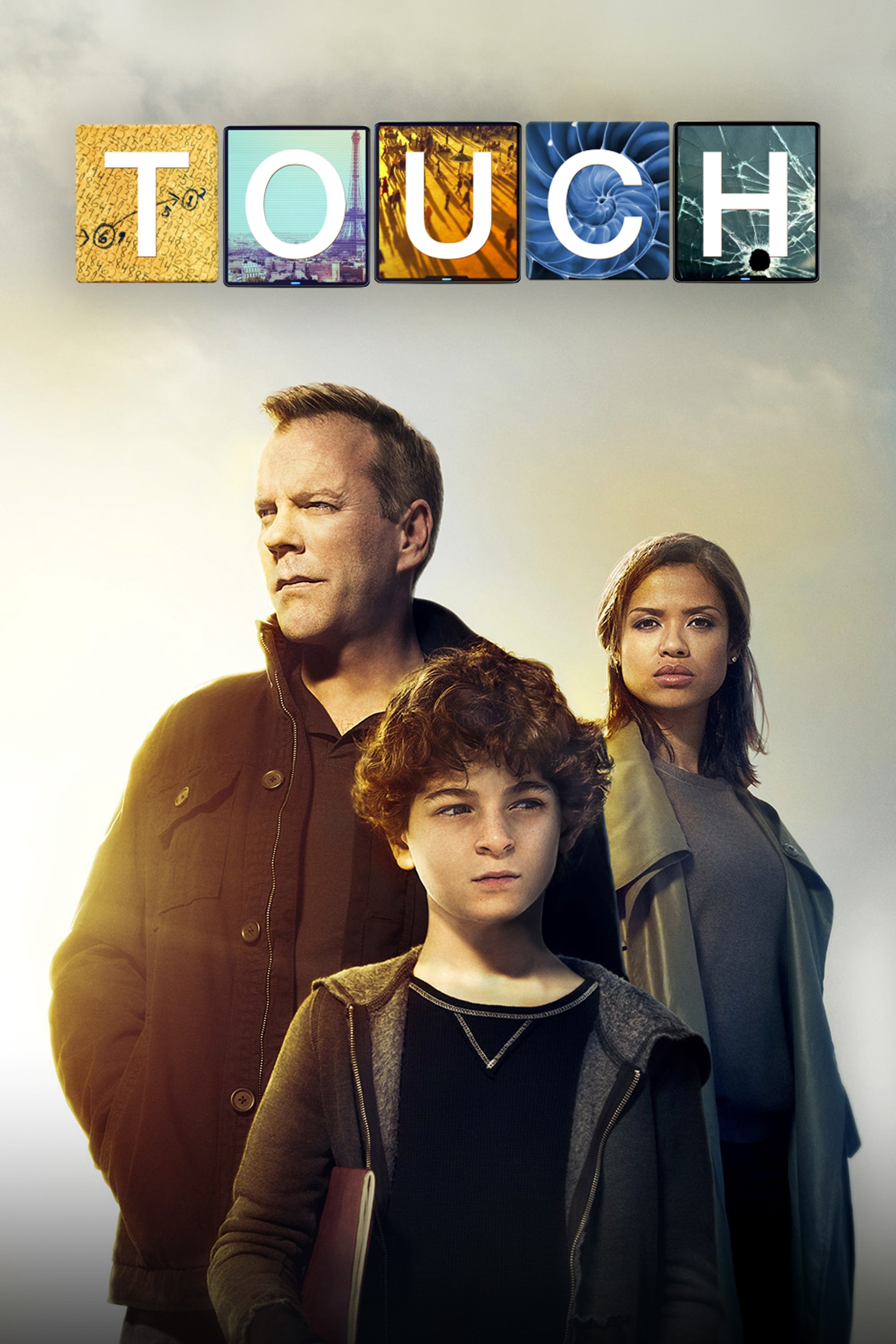
The first season of ‘Touch’ centered on a father and his autistic son, who had the unique ability to foresee events by recognizing patterns in numbers. However, the explanations for these connections became less believable as the season went on. The show often depended on unlikely coincidences, which made the story feel unnatural. It had trouble developing beyond a simple premise, and this repetitive nature quickly diminished the initial intrigue.
‘Terra Nova’ (2011)
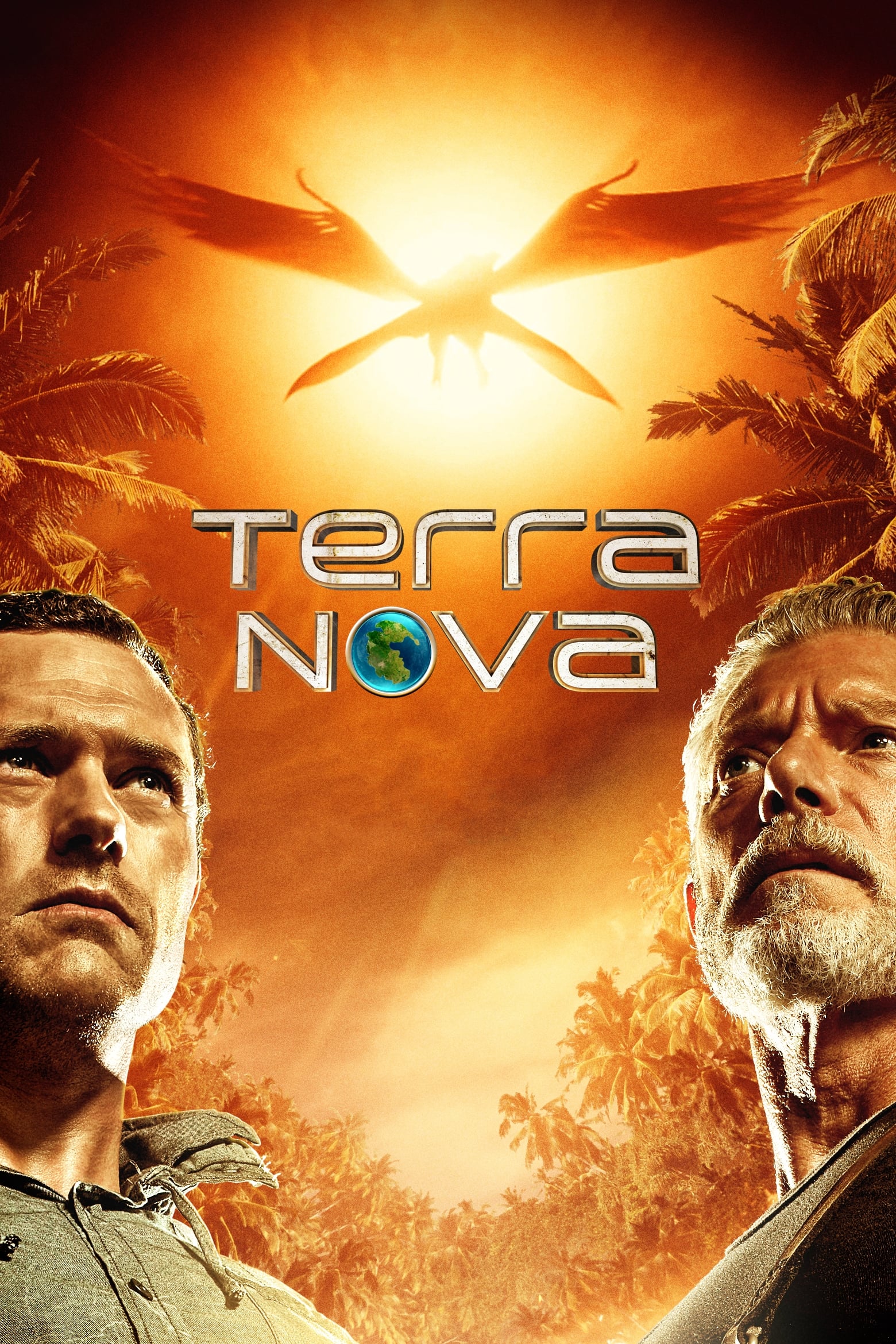
“Terra Nova” initially seemed like a thrilling adventure about a family going back in time to live amongst dinosaurs. But the first season spent more time on teenage relationships and family arguments than on the exciting prehistoric world it promised. Despite impressive visuals, the show’s stories often felt like typical family dramas. This change of direction frustrated viewers hoping for a more action-packed survival story. Ultimately, the show struggled to blend its ambitious concept with its character-driven plots.
‘Manifest’ (2018–2023)
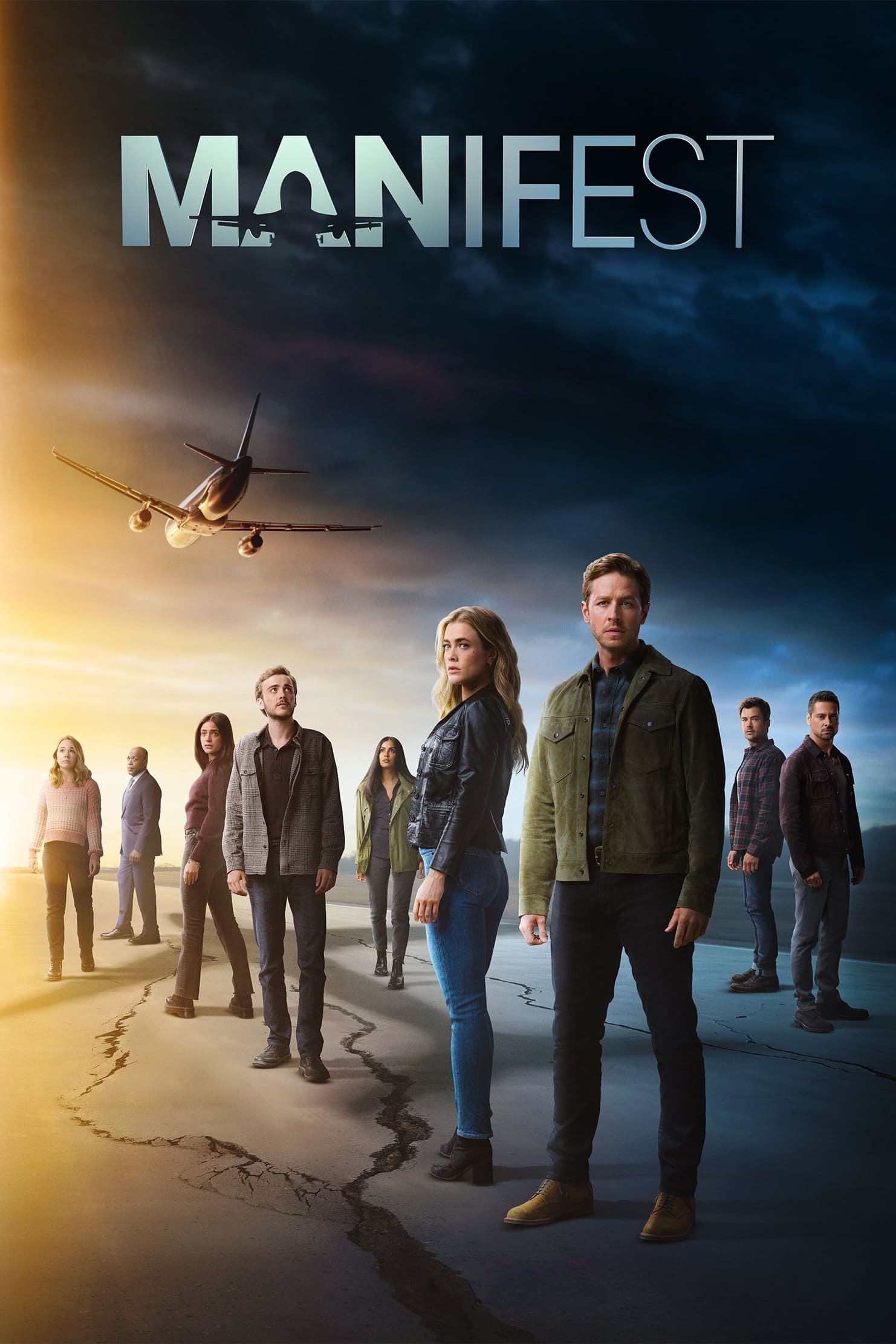
Initially, ‘Manifest’ started as a compelling mystery: a plane vanished for five years only to reappear without a trace. However, the first season soon introduced elements of religion and the supernatural, with characters receiving mysterious guidance. This quickly transformed the show from a ‘whodunit’ into a story about a predetermined path. The early focus on destiny and fate altered the show’s atmosphere, and some viewers found it less captivating than a straightforward investigation would have been.
‘The Blacklist’ (2013–2023)
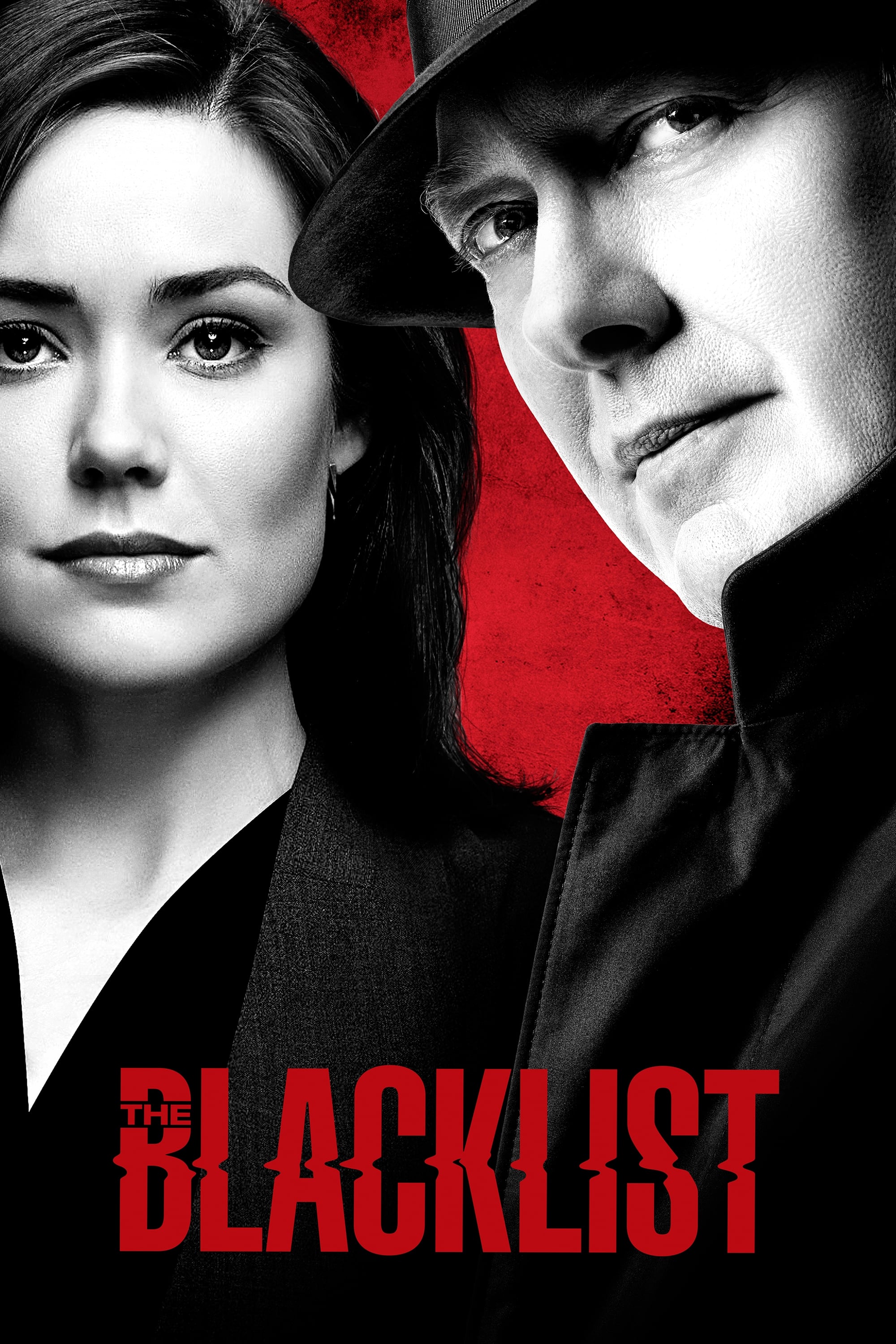
The first season of ‘The Blacklist’ introduced an interesting relationship between a criminal mastermind and a rookie FBI agent. However, the show quickly became fixated on the mystery of the main character’s family history. This central question ended up dominating the show, overshadowing the weekly cases. Instead of moving the story forward, the writers used ambiguity and delays. This early emphasis on one question also prevented the development of other characters on the show.
‘Scandal’ (2012–2018)

Initially, ‘Scandal’ followed a team of professionals who resolved problems for the rich and powerful. However, by the end of its first season, the show completely changed direction, focusing instead on a secret government group and a large-scale conspiracy. This shift from solving individual crises transformed ‘Scandal’ into a more intense political thriller. Although this new direction appealed to some viewers, it moved away from the interesting workplace dynamic that made the early episodes unique. The show’s focus quickly expanded to cover major government secrets.
‘V’ (2009–2011)
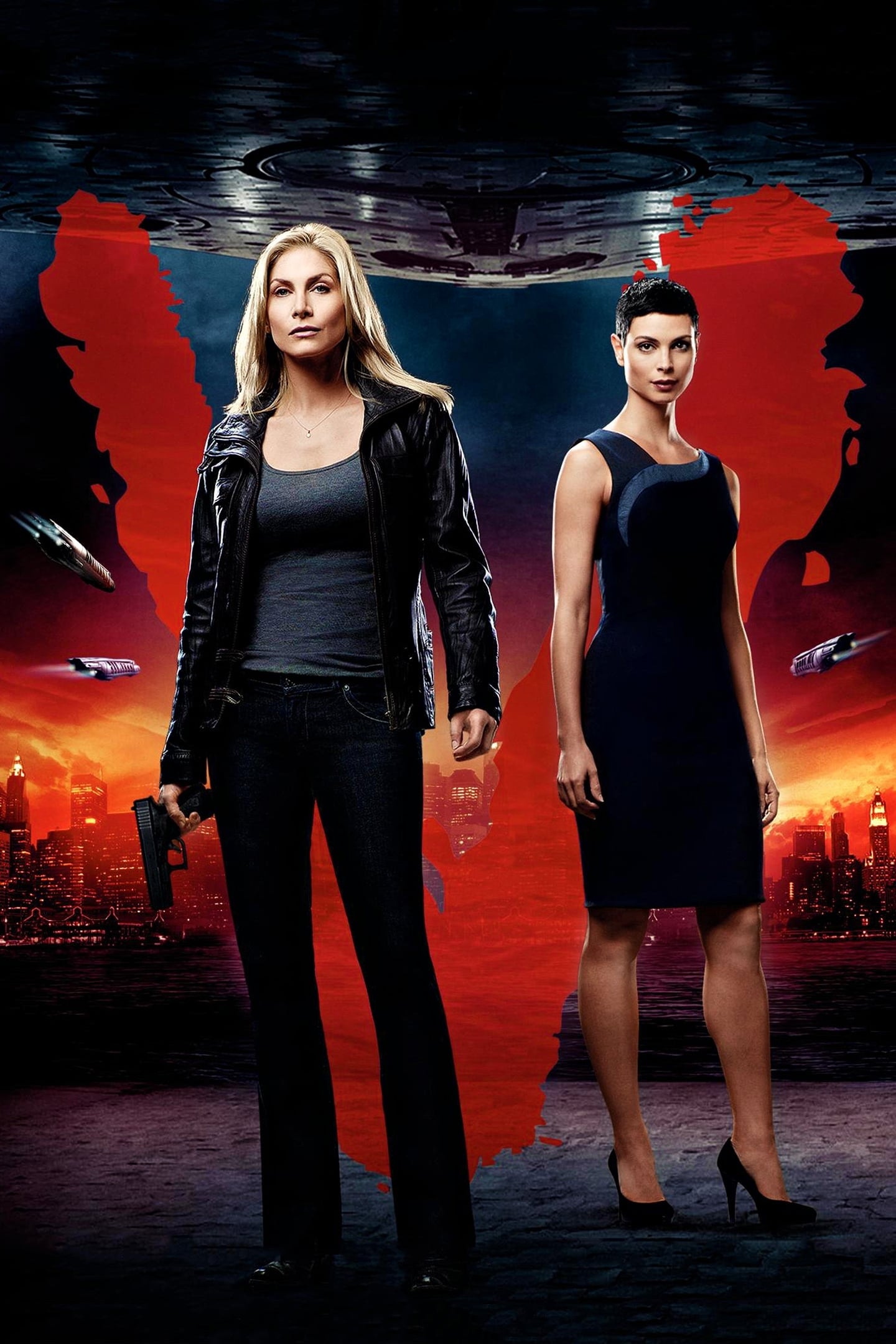
The ‘V’ reboot centered around aliens who came to Earth appearing friendly. However, the first season had problems with its speed and relied too much on special effects that didn’t look modern. A human resistance group was introduced quickly, but wasn’t developed enough to feel like a real match for the aliens. This made the story feel unbalanced and easy to guess. As a result, the show lost the suspense it started with, and the human characters didn’t feel like they had much control over what was happening.
‘Surface’ (2005–2006)
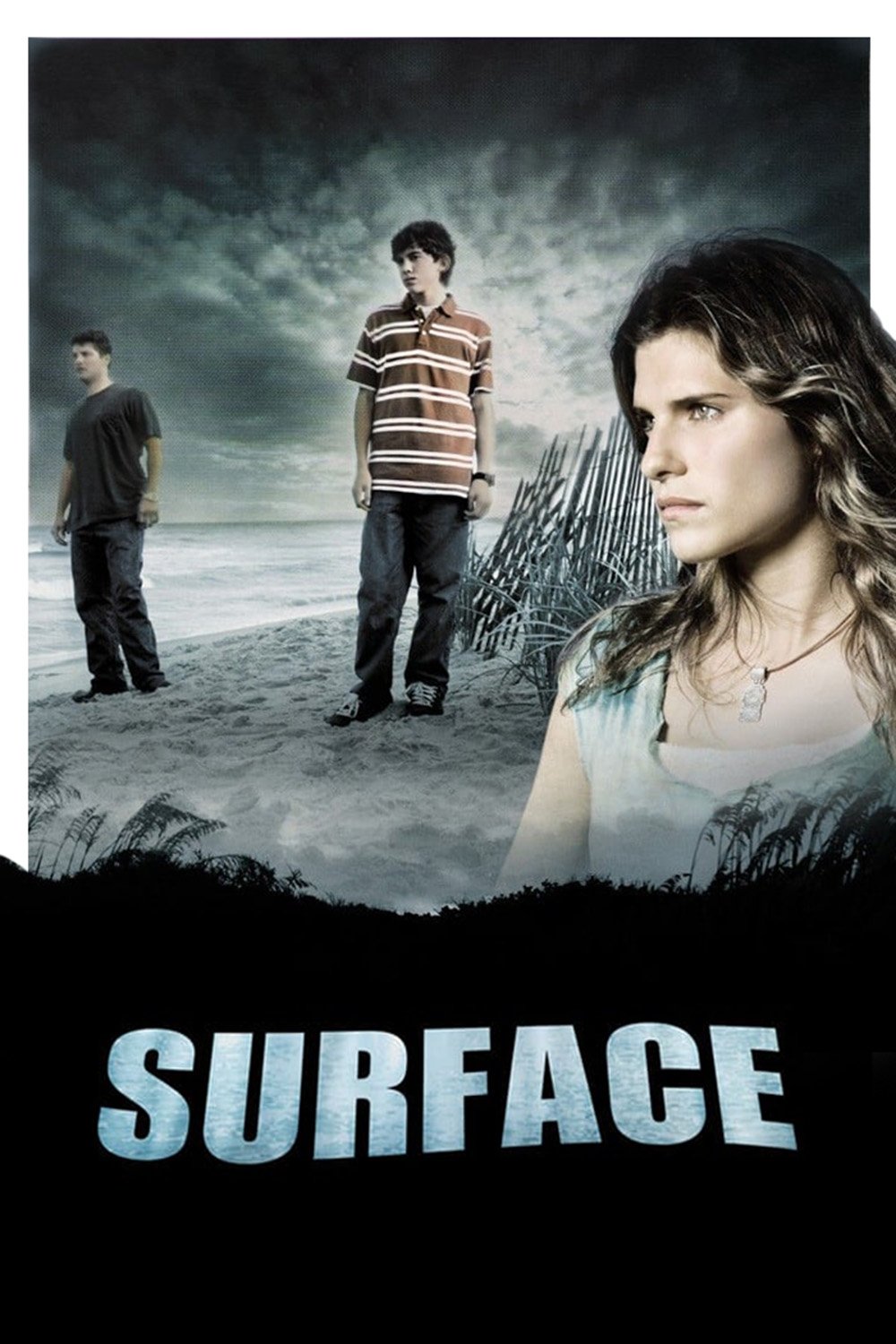
The show ‘Surface’ began with the surprising appearance of a new aquatic life form all over the world. However, the first season spent too much time on a side story about a teenager secretly raising one of these creatures as a pet. This felt out of place compared to the larger, worldwide mystery of their arrival. The show had trouble balancing its serious scientific investigation with this more childish storyline, and this inconsistency ultimately prevented it from becoming a truly compelling science fiction series.
‘Jericho’ (2006–2008)
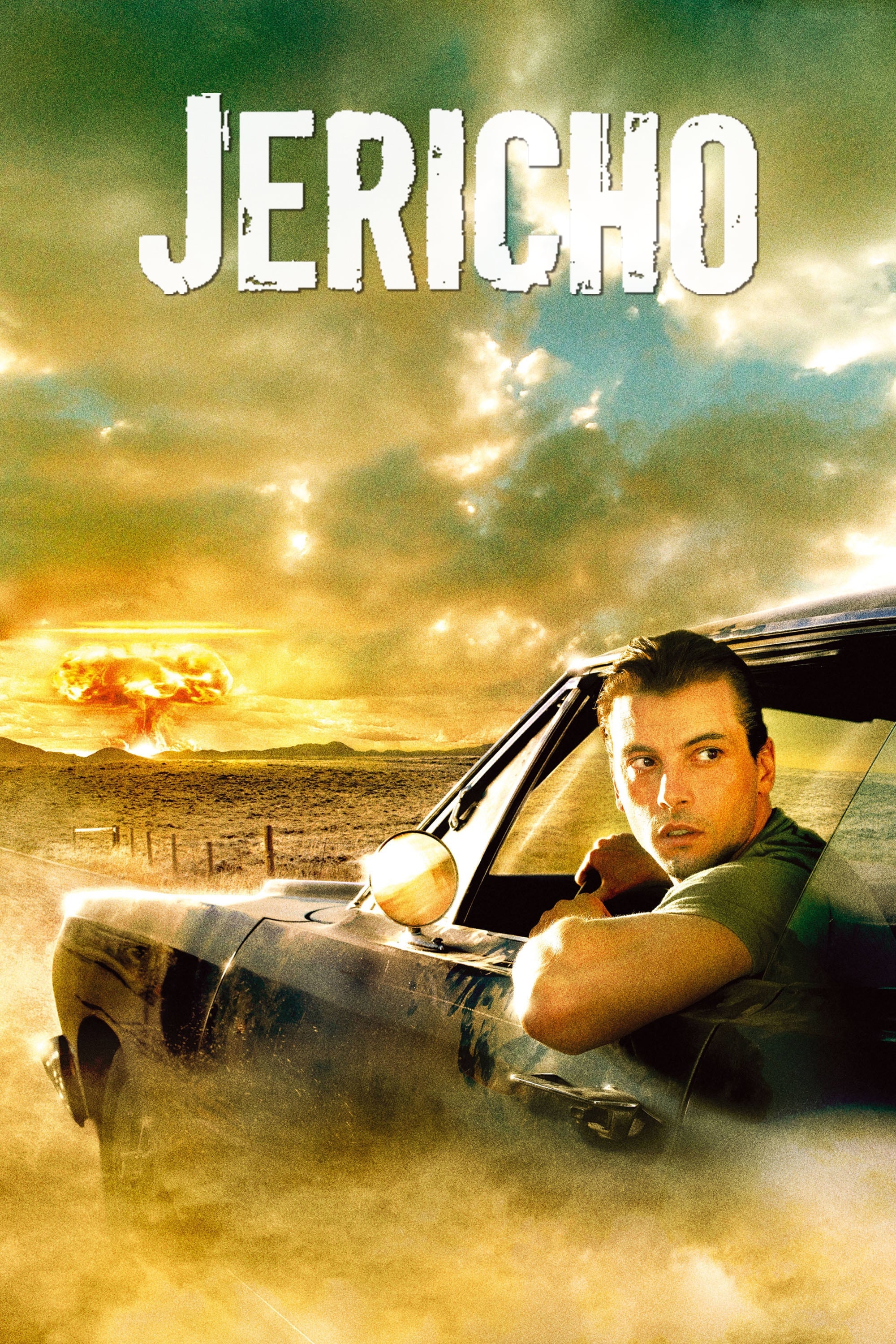
‘Jericho’ portrayed life in a small town following nuclear attacks on the US. The first season initially centered on the challenges of survival and the town’s isolation. However, the show quickly evolved to focus on a larger political conflict and a newly formed government. This shift moved the story away from the individual struggles of the town’s residents and into a more complex, global thriller. Some viewers thought this change happened too quickly, especially considering the show started as a drama focused on its characters. The initial atmosphere of fear and intrigue was lost, replaced by familiar military storylines.
‘Falling Skies’ (2011–2015)
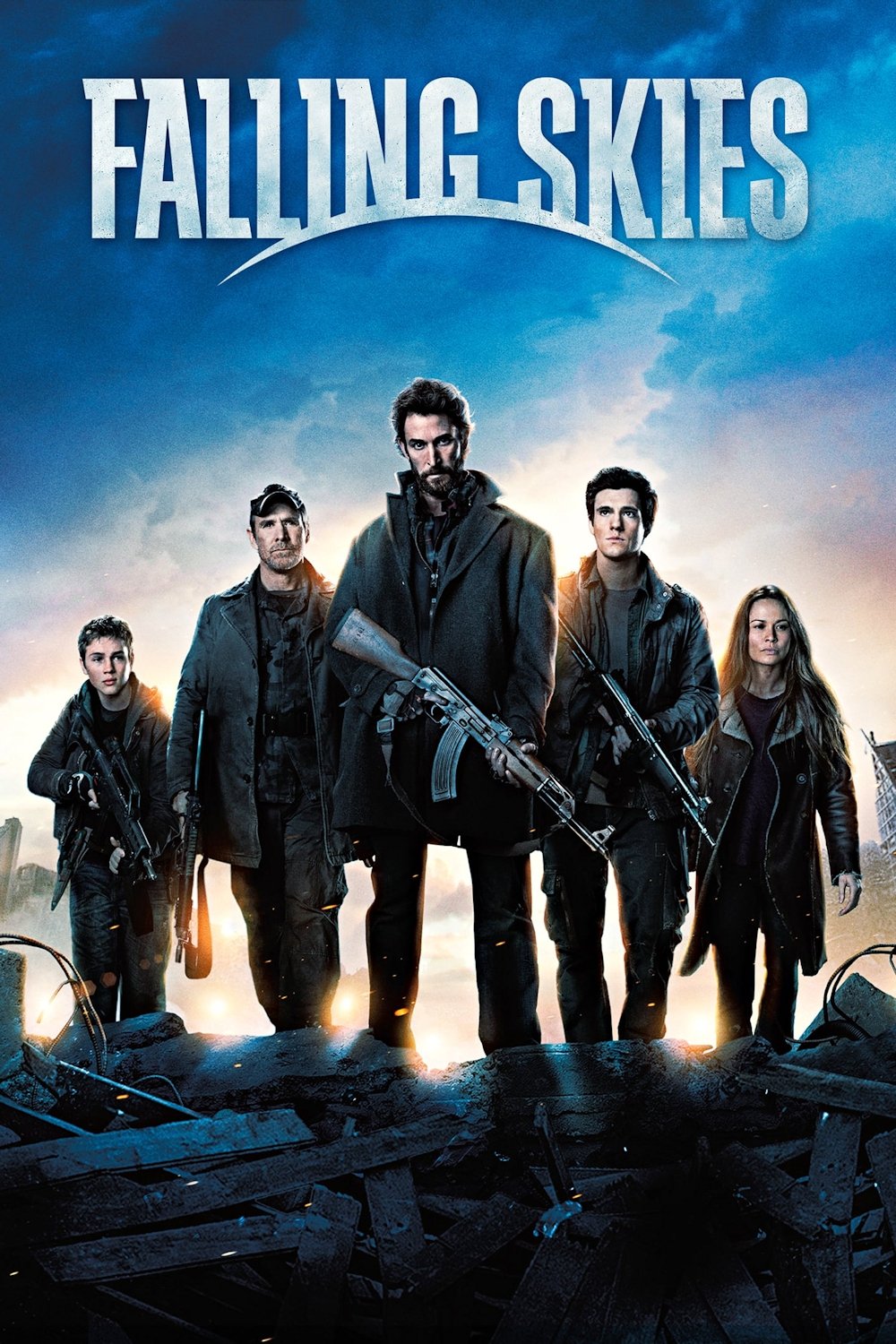
The TV show ‘Falling Skies’, about an alien invasion, began by highlighting a group of ordinary people fighting to survive. However, as the first season went on, it started to focus more on the characters’ personal relationships and disagreements. This meant the alien threat often felt less scary and important than it should have, making it seem like the world wasn’t really in danger. The show had trouble keeping the feeling of urgency that you’d expect from a story about an occupied planet.
‘The 100’ (2014–2020)
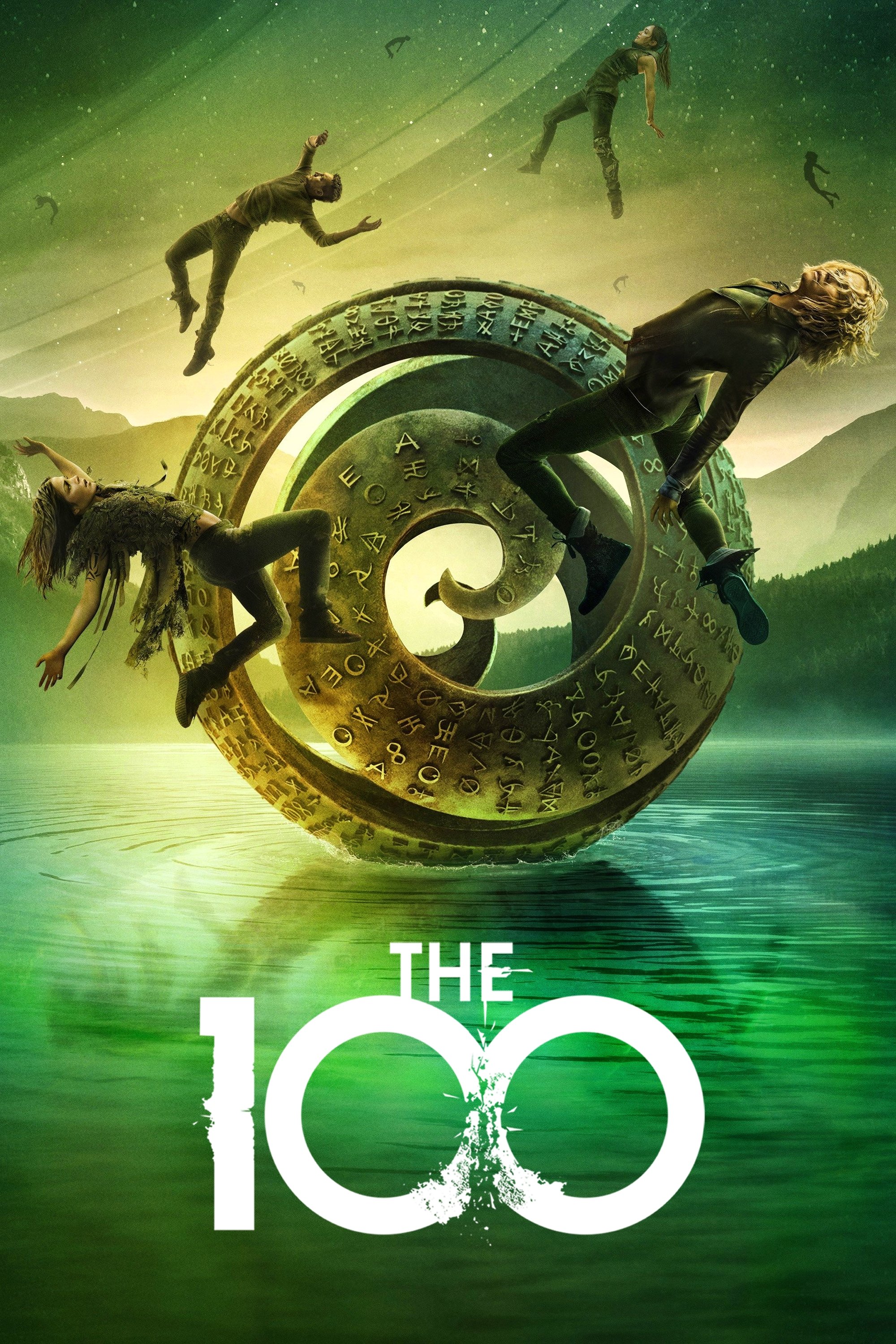
Initially, ‘The 100’ followed a group of teenagers who were sent back to Earth from a space station to see if it was habitable after a nuclear disaster. However, the show quickly moved beyond this simple survival story, becoming focused on intense and often violent conflicts with the existing inhabitants of Earth. This shift to constant warfare and difficult moral choices happened surprisingly early, and the show began to prioritize these conflicts over exploration and discovery. This change established the darker, more serious tone that would define the rest of the series.
‘Hostages’ (2013–2014)
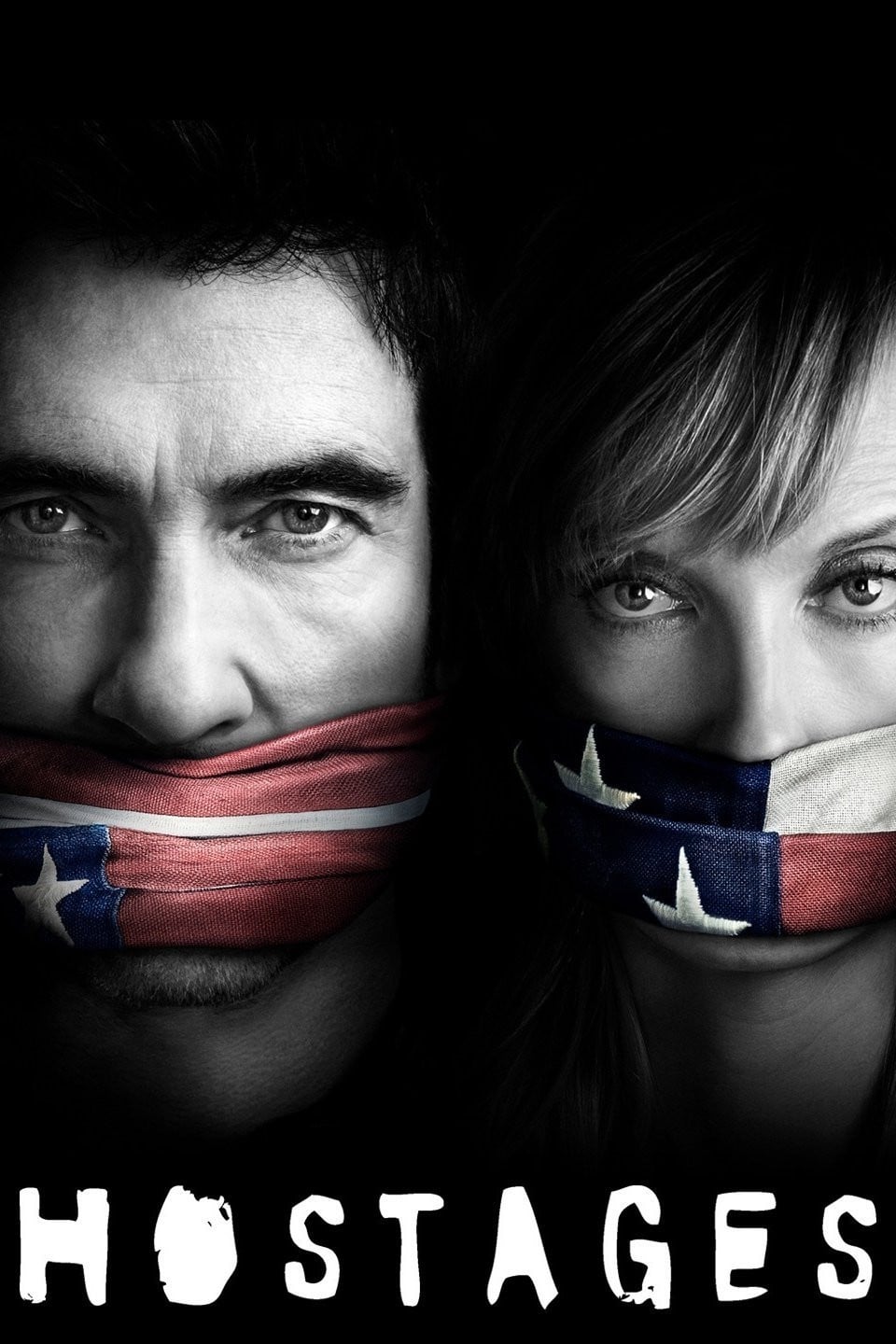
As a big fan of thrillers, I was really hooked by the initial idea of ‘Hostages’ – a doctor being blackmailed into killing the President to protect her family! But honestly, the show struggled after a while. It was hard to keep that level of intense pressure going for a whole season without things feeling…samey. They kept throwing in delays and unrelated storylines, which felt like they were just stalling for time. It ended up making the plot feel stretched thin and, sadly, it lost a lot of the original tension. I think the story could have been much stronger if it had been a bit more concise – it just felt too long for what it was.
‘Crisis’ (2014)
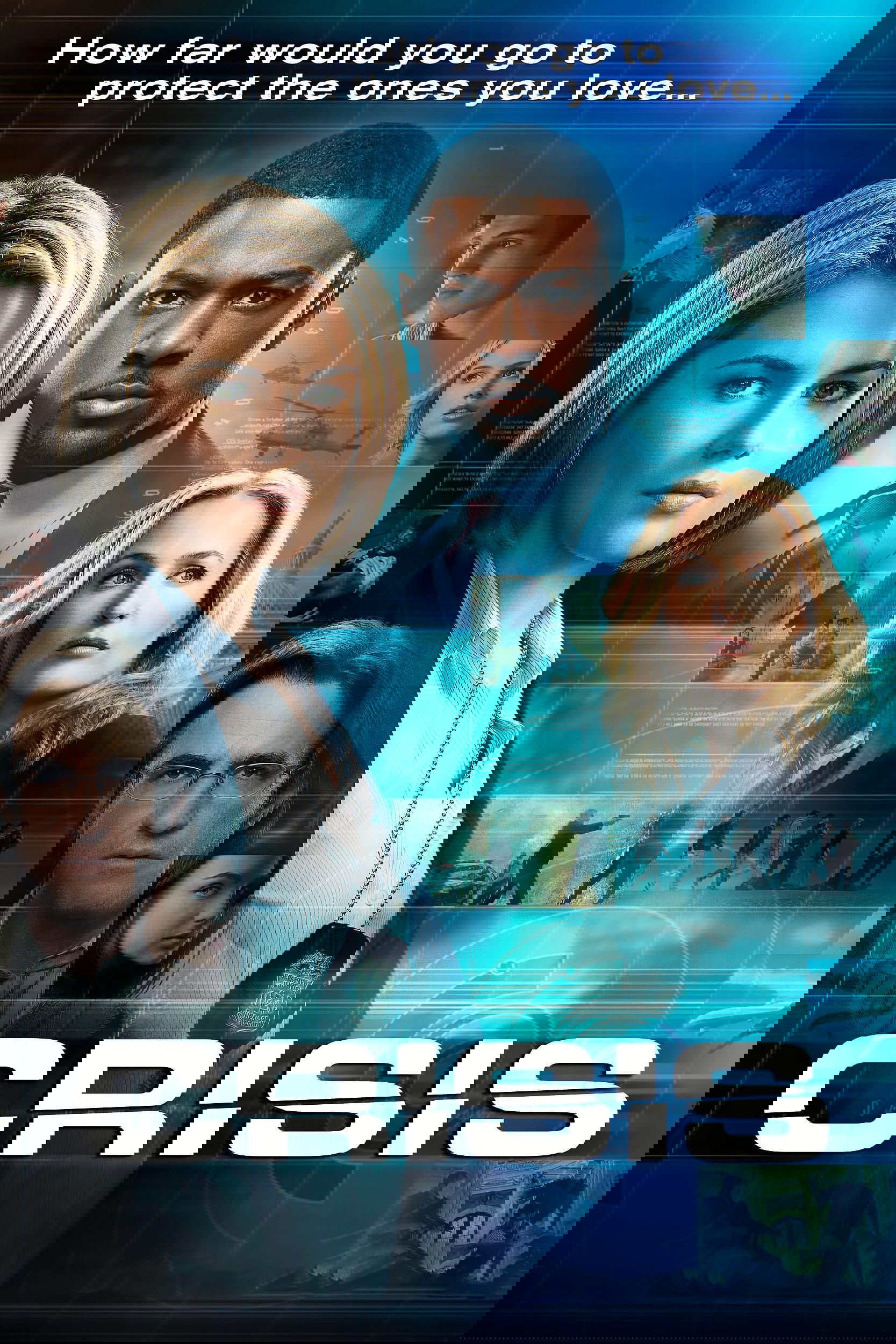
The show began after several children of Washington D.C.’s most influential families – including the President’s son – were kidnapped. The first season was filled with hidden identities and constant backstabbing, which viewers quickly found tiring. While the kidnapping was meant to be a major event, it started to feel predictable as the story repeated itself. The show also had a large cast of characters, but didn’t develop them beyond their involvement in the crisis, making it hard for the audience to care about what happened.
‘Believe’ (2014)

‘Believe’ centered around a girl with psychic abilities and the man assigned to keep her safe from a secretive group. The first season had trouble deciding whether it wanted to be a touching story about the characters or a fast-paced action series. The mystery surrounding the girl’s powers didn’t really develop, even as the characters traveled from place to place. This stalled progress on the core idea caused the story to lose steam, and the show never fully lived up to the potential of its supernatural elements.
‘Intelligence’ (2014)

The show ‘Intelligence’ centered around a secret agent with a brain implant that gave him access to all available information. However, the first season quickly became a predictable crime show, rarely taking advantage of this unique technology. It felt more like a standard police drama than a forward-thinking look at the possibilities of technology, making it feel unoriginal compared to similar shows. Ultimately, the show didn’t live up to the promise of its innovative premise.
‘Limitless’ (2015–2016)

The TV series ‘Limitless,’ inspired by the movie, centers around a man who unlocks the full power of his brain using a drug. However, the show’s first season leaned heavily into comedy, which diminished the serious consequences of using the drug. Although visually interesting, the crimes investigated in each episode often felt unimportant. The series deliberately moved away from the movie’s darker story, opting for a lighter, more playful approach. This early change in tone made the central conflicts feel less impactful.
‘Minority Report’ (2015)

The TV show based on ‘Minority Report’ followed a person who could foresee crimes and attempted to stop them. However, the first season quickly fell into a predictable pattern, presenting a new crime each week without the thought-provoking themes of the original movie. The show used these visions simply to move the plot forward, instead of exploring deeper questions about choice and destiny. This made it feel like a standard police show with a slightly unusual twist, and it didn’t really build upon the interesting world established in the film.
‘Almost Human’ (2013–2014)
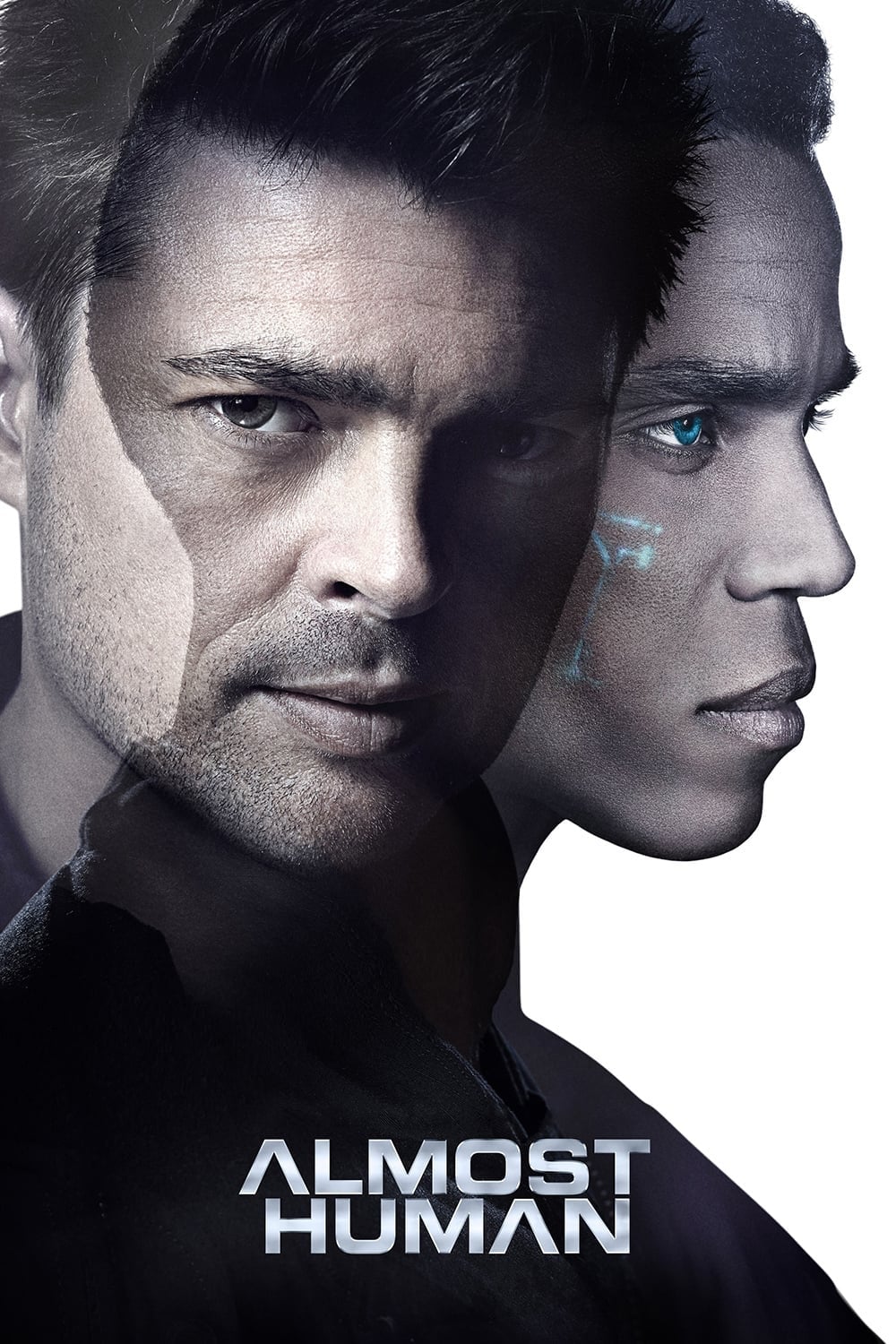
The show ‘Almost Human’ imagined a future where police officers worked alongside incredibly realistic androids. Unfortunately, the first season aired episodes out of order, which made it hard to follow the main storyline. This resulted in a lot of individual episodes that didn’t contribute to a larger, connected story about the futuristic world and its technology. While the actors had great chemistry, the show’s lack of overall progress held it back, and it never fully explored the interesting ideas about artificial intelligence it presented.
‘The Whispers’ (2015)
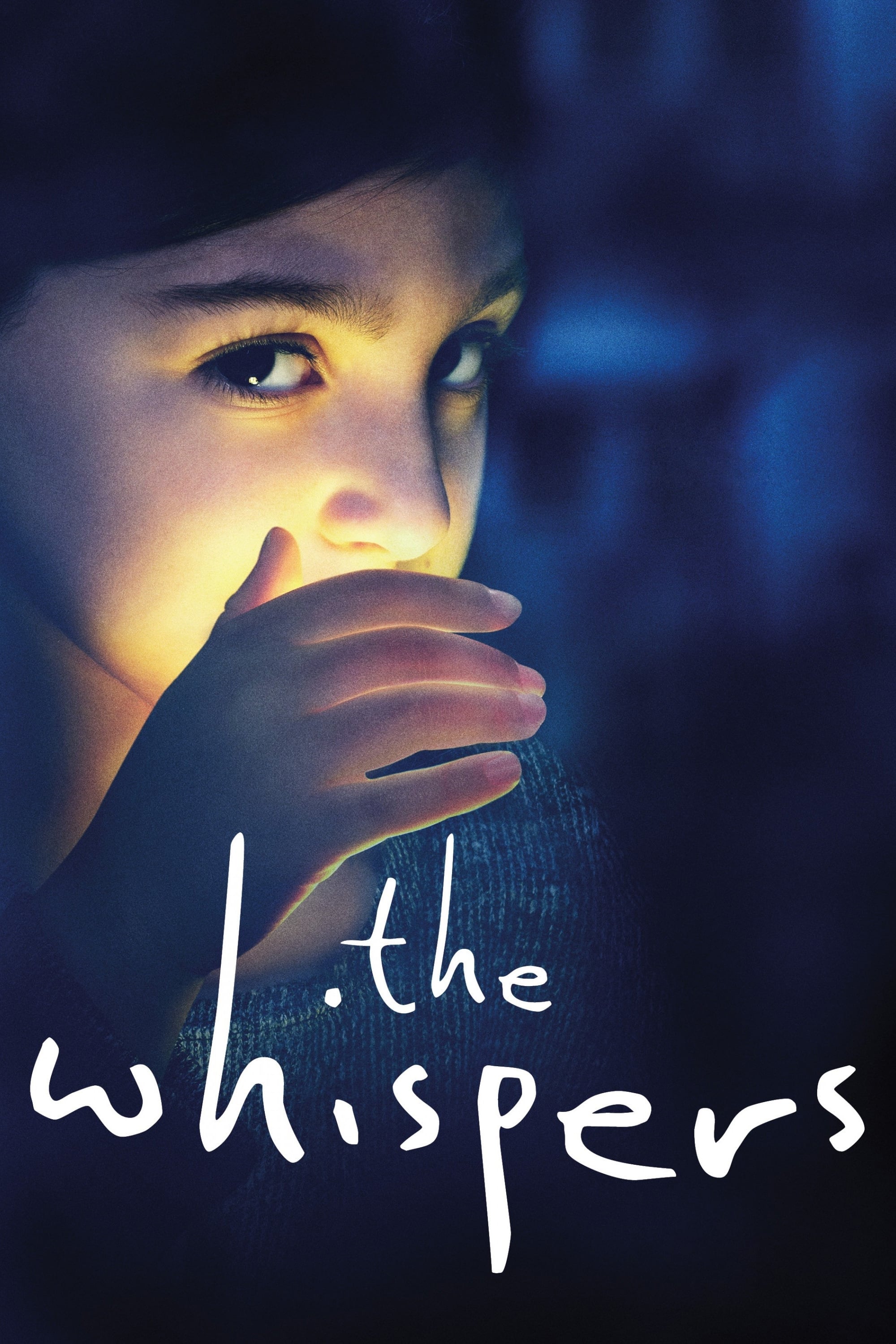
‘The Whispers’ revolved around a hidden alien presence that coerced children into risky behavior. However, the first season stretched out the main puzzle for too long, neglecting to fully develop the characters. The slow pace and repeated scenes of children seemingly talking to no one became tiresome. As a result, by the time the aliens were unveiled, many viewers had lost interest. The show also had trouble keeping its initially unsettling mood consistent throughout the season.
‘Extant’ (2014–2015)
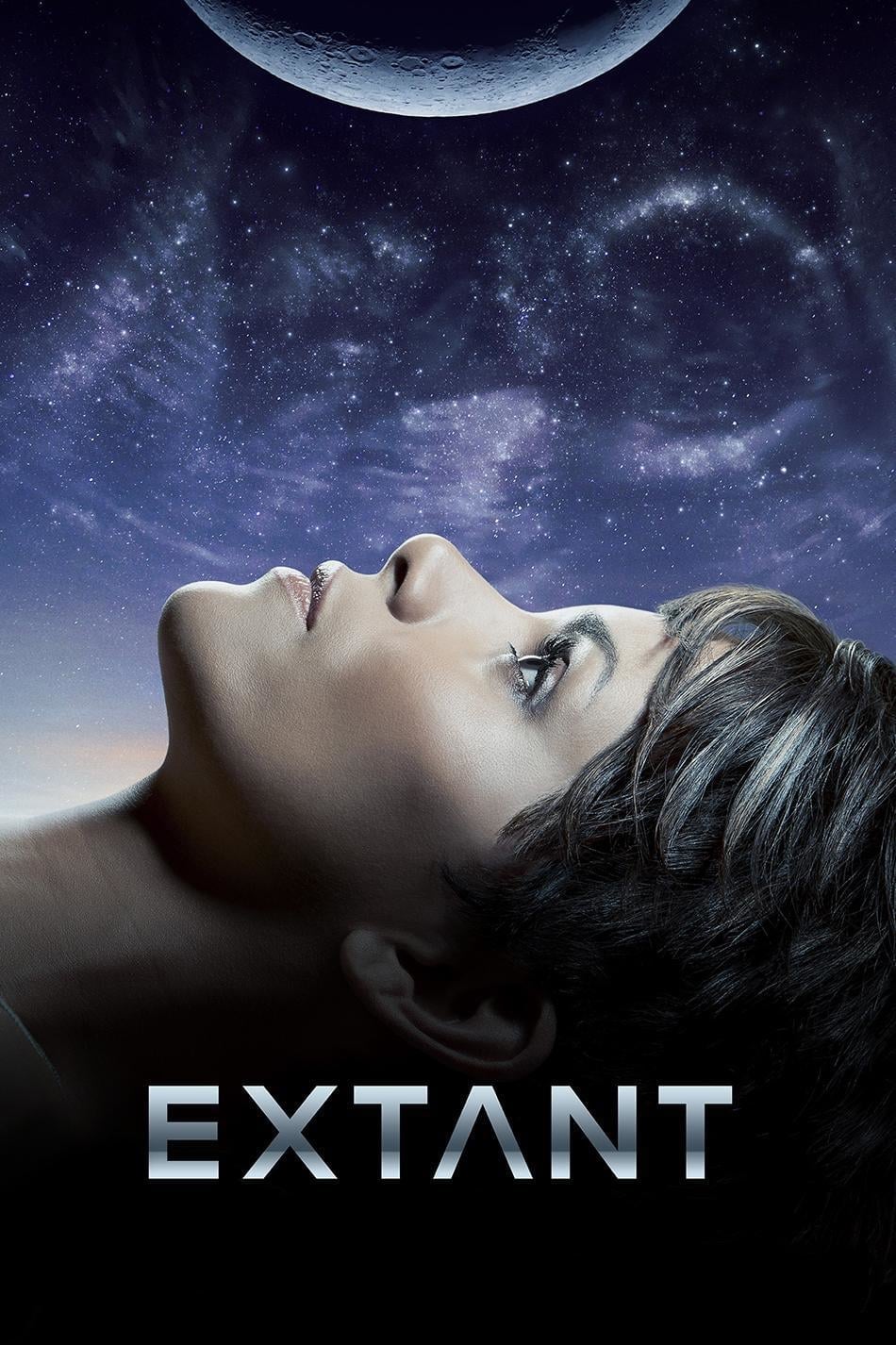
The series ‘Extant’ featured Halle Berry as an astronaut who unexpectedly returned from a space mission pregnant. The first season became overly complicated, introducing robotic children and a corporate cover-up. This combination of sci-fi ideas felt messy and lacked direction. The story’s emphasis on the alien baby divided viewers and moved the show away from its initial, realistic space mystery. Ultimately, ‘Extant’ lost what made it special by attempting to blend too many different types of stories.
‘Houdini & Doyle’ (2016)
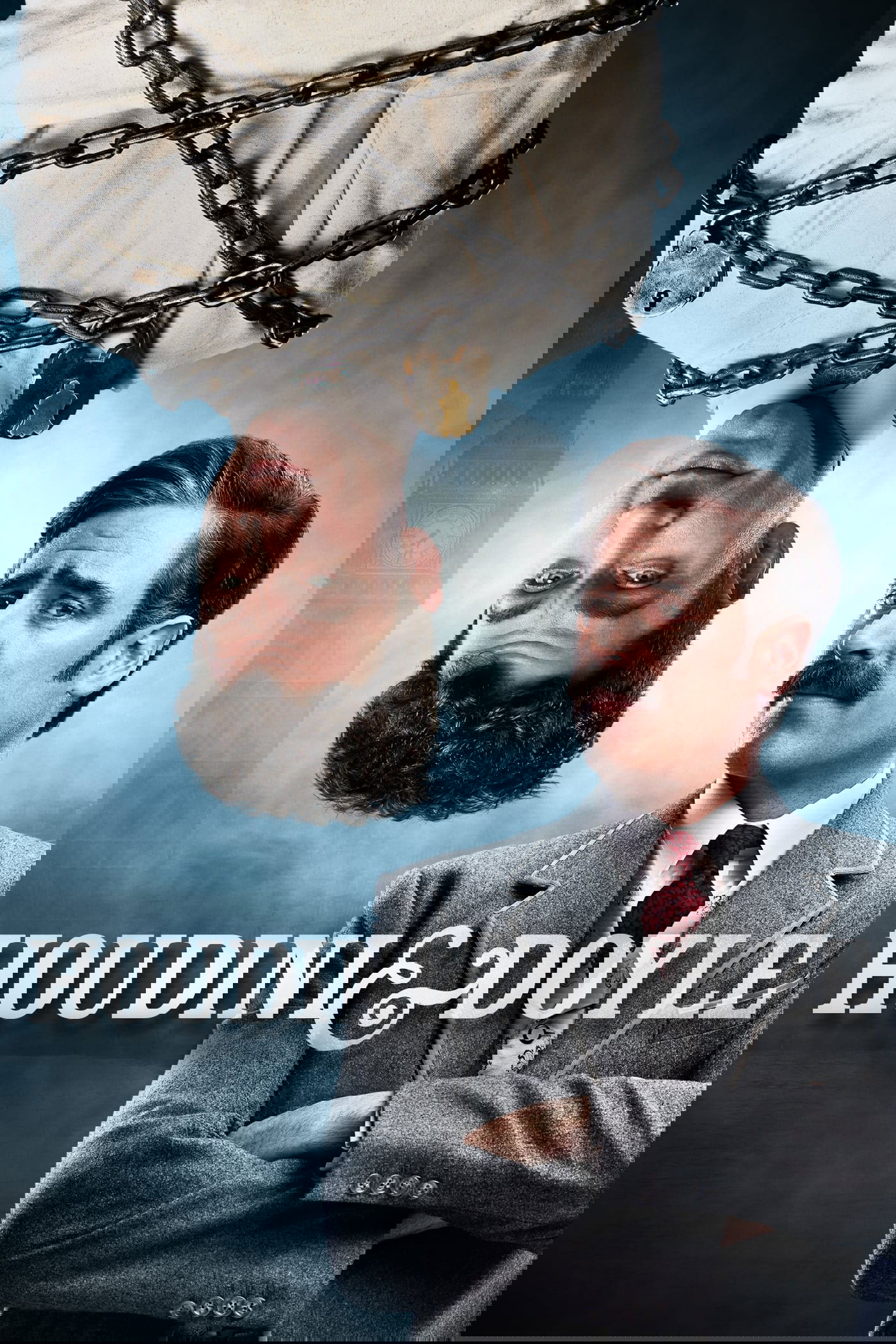
The show ‘Houdini & Doyle’ brought together the famous magician Houdini and the author of Sherlock Holmes to investigate crimes with a supernatural twist. However, the show focused more on genuine supernatural events than on logical explanations, which weakened the skeptical nature of the main characters and made the mysteries less satisfying. The back-and-forth between Houdini and Doyle became predictable, as they constantly debated the same ideas. Ultimately, the series struggled to create a strong connection between its characters and the stories it told.
‘The Catch’ (2016–2017)
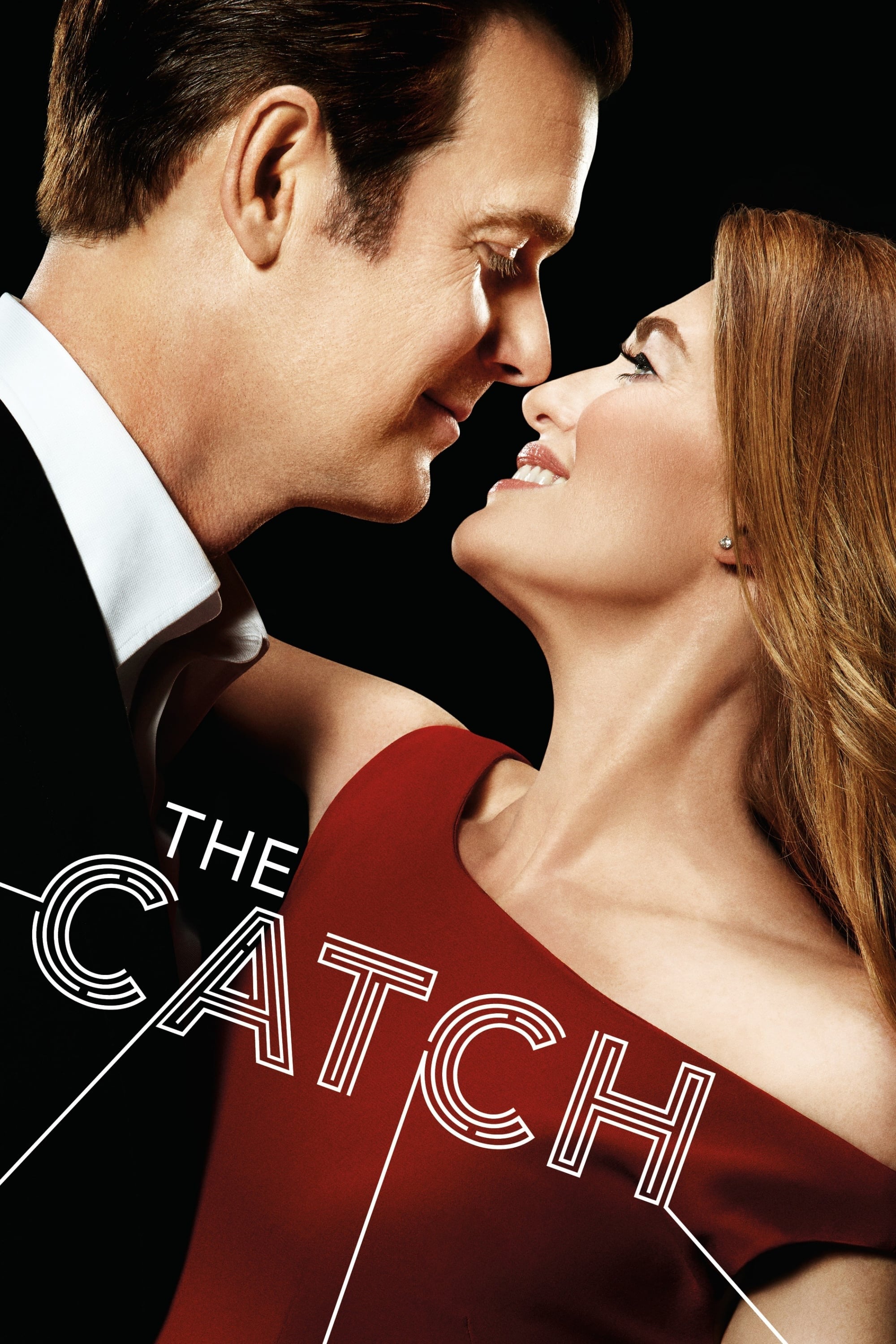
‘The Catch’ followed a private investigator who was swindled by her fiancé and determined to get even. The first season had trouble deciding if it wanted to be a dark, suspenseful thriller or a fun, romantic comedy, and this inconsistency hurt the show. The back-and-forth dynamic between the main characters became repetitive. Additionally, the supporting characters weren’t given enough compelling storylines, which made the central plot feel weak. Ultimately, this lack of depth kept viewers from really connecting with the series.
Share which television series you believe lost its way too early in the comments.
Read More
- Gold Rate Forecast
- Games That Faced Bans in Countries Over Political Themes
- Silver Rate Forecast
- Unveiling the Schwab U.S. Dividend Equity ETF: A Portent of Financial Growth
- 22 Films Where the White Protagonist Is Canonically the Sidekick to a Black Lead
- 20 Movies Where the Black Villain Was Secretly the Most Popular Character
- Superman Flops Financially: $350M Budget, Still No Profit (Scoop Confirmed)
- How to Do Sculptor Without a Future in KCD2 – Get 3 Sculptor’s Things
- Celebs Who Narrowly Escaped The 9/11 Attacks
- 14 Movies Where the Black Character Refuses to Save the White Protagonist
2026-02-07 22:55