Television networks often search for their next popular show by looking at programs from other countries or shows that have already been successful. A common practice is to take ideas and scripts from international sources – often from countries where the majority of the population isn’t white – and adapt them for American viewers. This usually means replacing the original actors with American ones to better connect with a domestic audience. Unfortunately, this process frequently leads to characters originally written as people of color being played by white actors. The following is a look at several TV shows where this type of casting change occurred.
‘The Good Doctor’ (2017–2024)
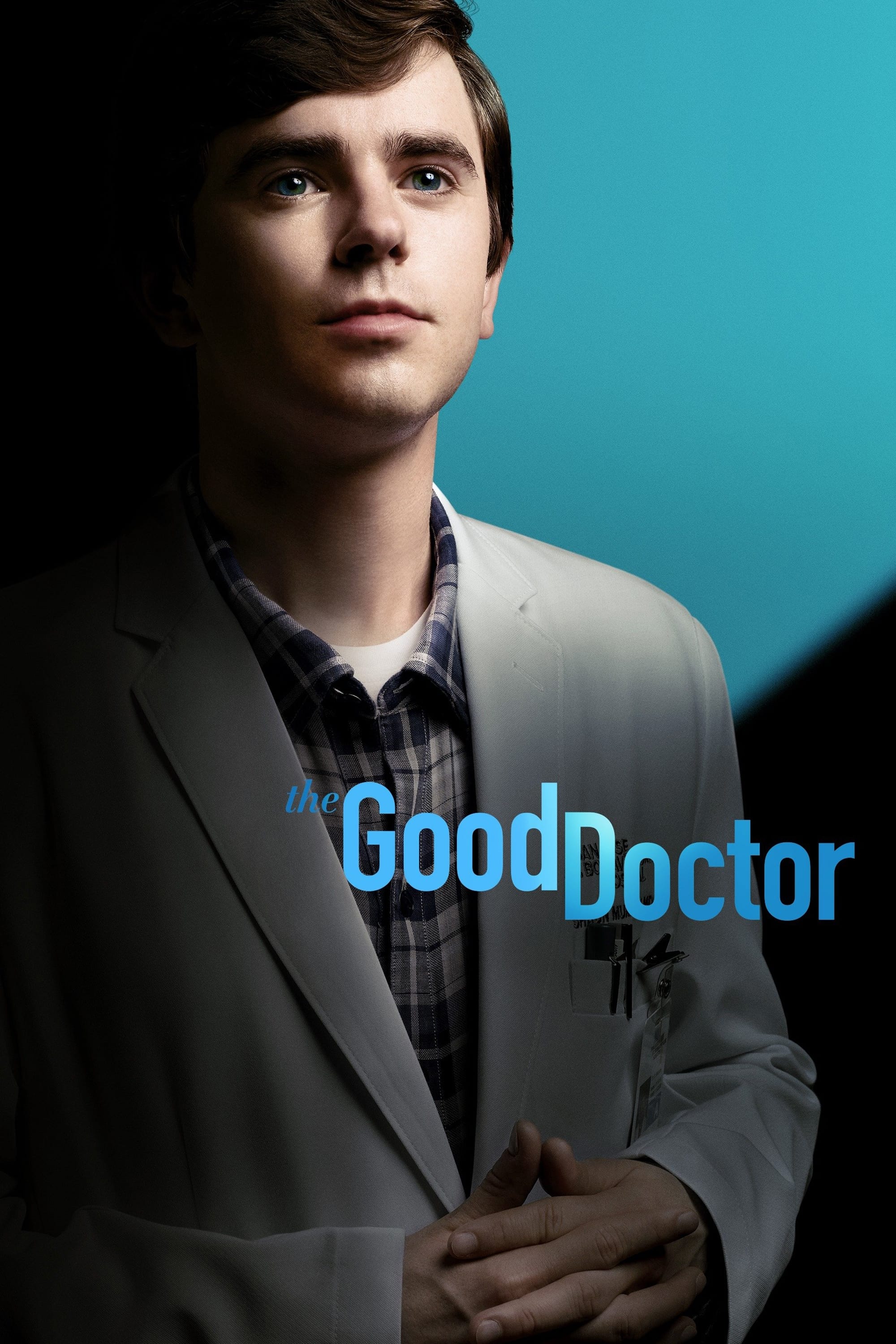
This hit medical show is inspired by a South Korean drama from 2013. The original series featured Joo Won as a brilliant pediatric surgeon with autism, set in a highly competitive hospital. The American remake cast Freddie Highmore as Dr. Shaun Murphy in the same role. While the new version kept the main storyline and emotional impact of the original, it changed the character’s background, making him a white British-American instead of Korean. The show was a big hit for ABC, running for seven seasons.
‘Homeland’ (2011–2020)
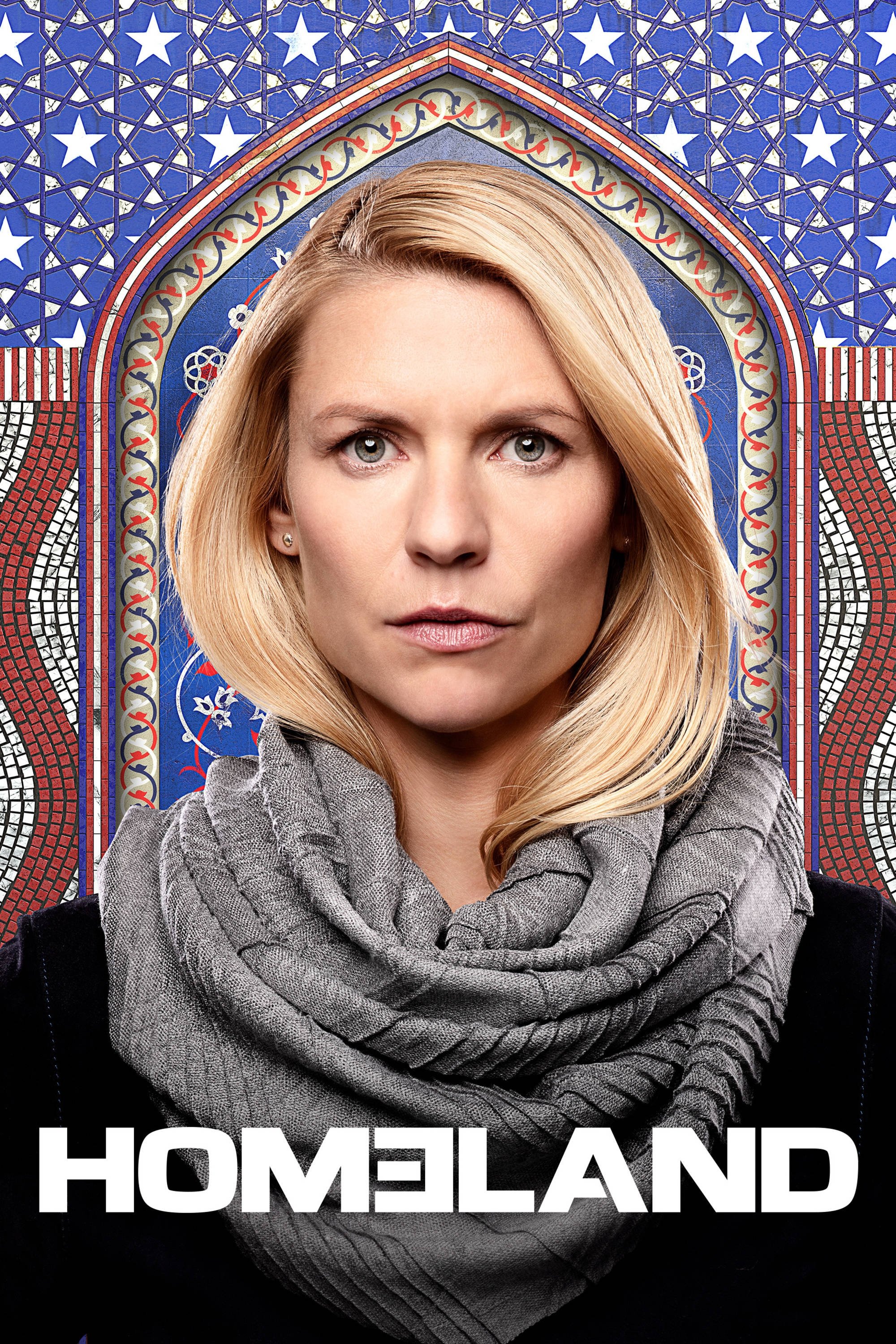
Showtime received praise for this gripping spy thriller, which was originally a popular Israeli series called ‘Prisoners of War’. The original story followed two Israeli soldiers returning home after being held captive for seventeen years. When adapted for American audiences, the show featured Damian Lewis as a white Marine sniper, and the setting shifted from the Israeli-Palestinian conflict to the war on terror. This change in lead character and context meant the story moved from focusing on a Middle Eastern conflict to one centered around white American characters.
‘In Treatment’ (2008–2021)
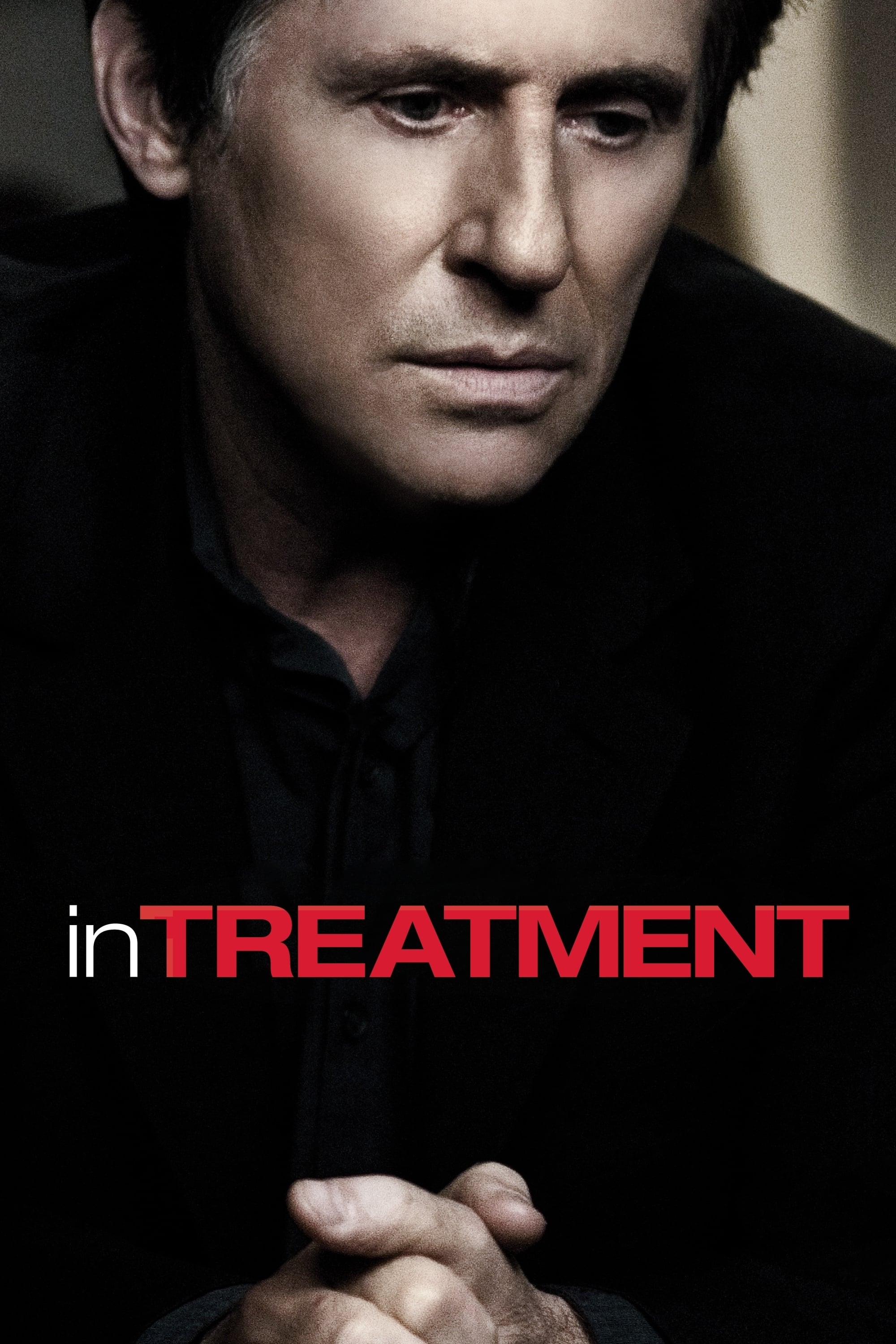
HBO’s series is based on the popular Israeli show ‘BeTipul’. The original series starred Assi Dayan as a therapist seeing patients each week. For the American adaptation, Gabriel Byrne played Dr. Paul Weston. The show kept the distinctive format of daily sessions, but moved the location to Baltimore and later Brooklyn. While praised for its writing, the American version shifted the focus from the original Israeli cultural setting to a white American viewpoint.
‘The Mysteries of Laura’ (2014–2016)
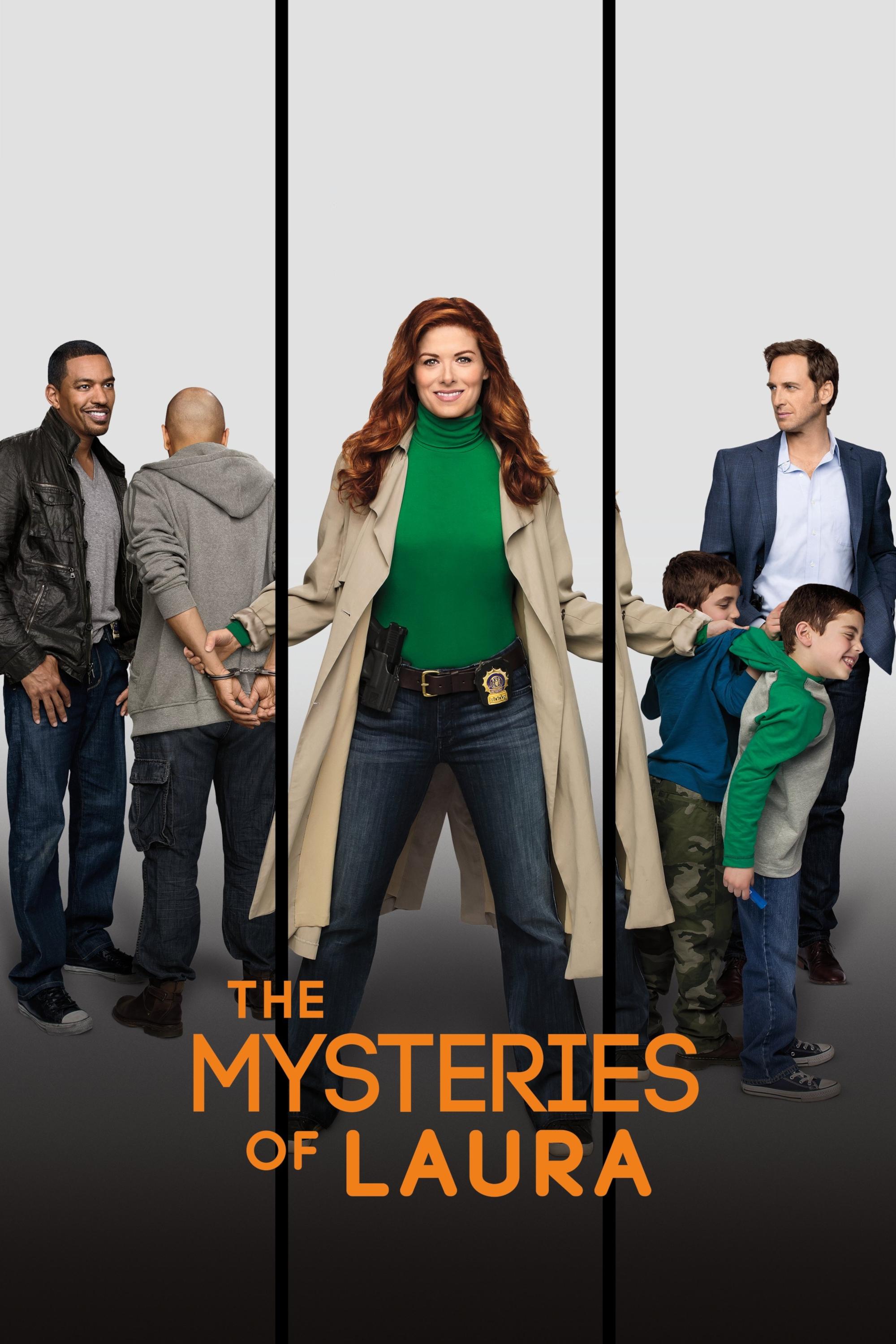
Debra Messing played a homicide detective juggling her job and raising a child alone in this NBC crime drama. The show was based on the popular Spanish series ‘Los misterios de Laura,’ which starred María Pujalte and followed a Spanish detective solving crimes in Spain. While the American version moved the story to New York City and featured a different lead actress, it didn’t achieve the same lasting popularity as the original Spanish show, despite starting with good ratings.
‘Jane by Design’ (2012)

This series, which aired on ABC Family, was heavily influenced by the style of Latin American telenovelas, particularly the popular show ‘Diseñador ambos sexos’. It centered around a high school student who gets a job at a fancy fashion company. While the story used common themes and plot points from Latin American soap operas, the main character was played by white actress Erica Dasher. The show tried to combine the dramatic flair of telenovelas with the feel of American teen dramas. Despite gaining a dedicated fan base, it was cancelled after just one season.
‘Hostages’ (2013–2014)
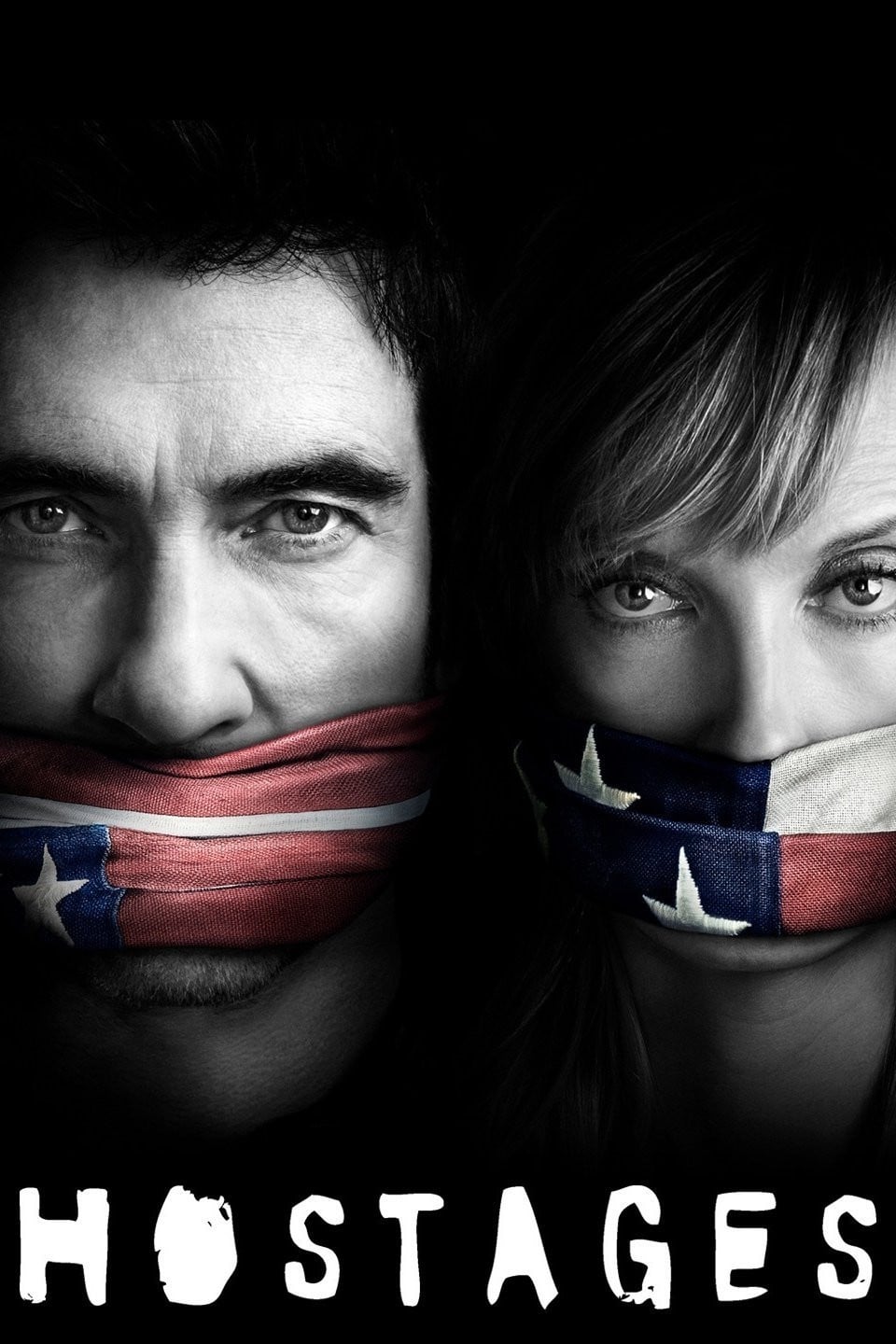
CBS created this thrilling drama by adapting an Israeli show with the same title, even before the original had finished airing. The Israeli series, ‘Bnei Aruba,’ featured Ayelet Zurer as a surgeon tasked with assassinating the Prime Minister. When CBS made the American version, they cast Toni Collette as the doctor and Dylan McDermott as a rebellious FBI agent. Notably, the American adaptation replaced the Israeli actors with white actors for its U.S. audience. While the core storyline stayed the same, the show’s setting and political elements were changed to reflect an American context.
‘Killer Women’ (2014)
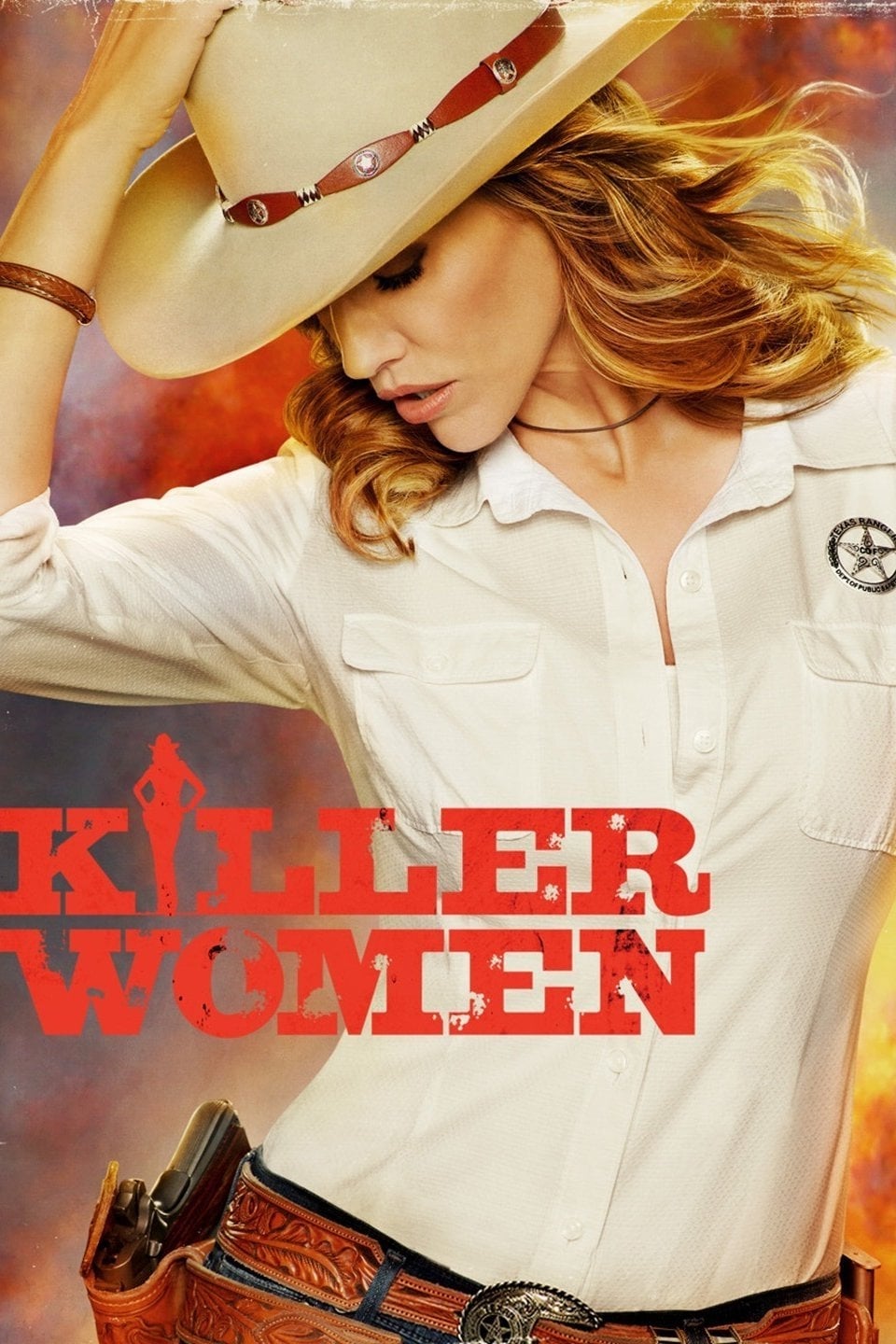
The short-lived ABC series was inspired by the popular Argentine show ‘Mujeres Asesinas,’ which centered around women who committed crimes. While the original was a huge success throughout Latin America, the American adaptation, starring Tricia Helfer as a Texas Ranger, changed the format from a collection of individual stories to a standard crime procedural. Sofia Vergara was an executive producer, but the lead role was given to a white actress instead of remaining with a Latina actress as in the original series.
‘Chasing Life’ (2014–2015)

This drama, originally produced by ABC Family, tells the story of a young woman named April Carver who dreams of becoming a journalist, but receives a leukemia diagnosis. The series was based on the Mexican show ‘Terminales,’ and starred Italia Ricci in the lead role for the American adaptation. While keeping the emotional impact of a young woman facing a life-threatening illness, the show updated the story with a new setting and the protagonist’s family background. Over two seasons, it followed April’s fight against cancer alongside her pursuit of a career.
‘Traffic Light’ (2011)

I remember watching this sitcom and being intrigued by the premise – it followed three college buddies navigating the ups and downs of love and relationships. It was actually adapted from an Israeli show called ‘Ramzor,’ which was created by and starred Adir Miller. Here, David Denman, Nelson Franklin, and Kris Marshall played the main trio. Fox tried to bring that same funny, honest take on friendship and marriage to an American audience, but with a different cast. Sadly, it just didn’t quite connect with viewers, and the show was cancelled after only one season. It’s a shame, because the idea had potential!
‘The Ex List’ (2008)

Elizabeth Reaser led this show, a blend of romance, comedy, and drama, which followed a woman looking back at her exes to figure out who she might marry. It was originally an Israeli series called ‘The Mythological X’ by Sigal Avin, centered around a woman dating in Tel Aviv. The American version, adapted for CBS, took place in San Diego and starred a white actress in the main role. Unfortunately, the show didn’t do well with viewers or critics and was cancelled after only a short time.
‘Your Family or Mine’ (2015)
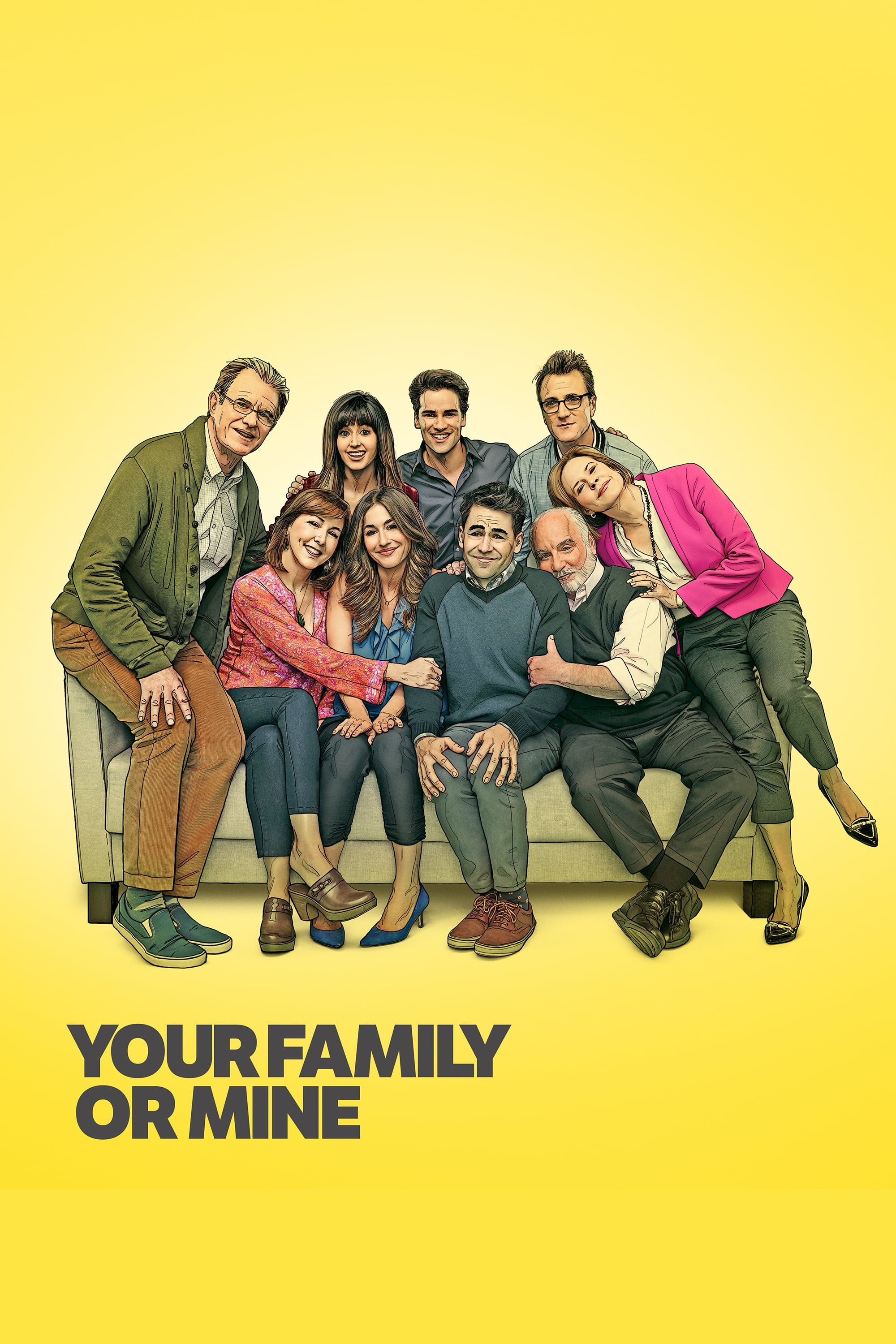
This comedy series followed a young couple navigating the challenges of very involved extended families. It was based on the Israeli show ‘Sabri Maranan,’ known for its portrayal of unique family traditions and relationships. Kyle Howard and Kat Foster played the couple in the US adaptation. Each episode focused either on the husband’s family or the wife’s family. Unfortunately, TBS canceled the show after just one season because the specific cultural elements that made the original series successful didn’t quite work with the new American cast and setting.
‘Allegiance’ (2015)
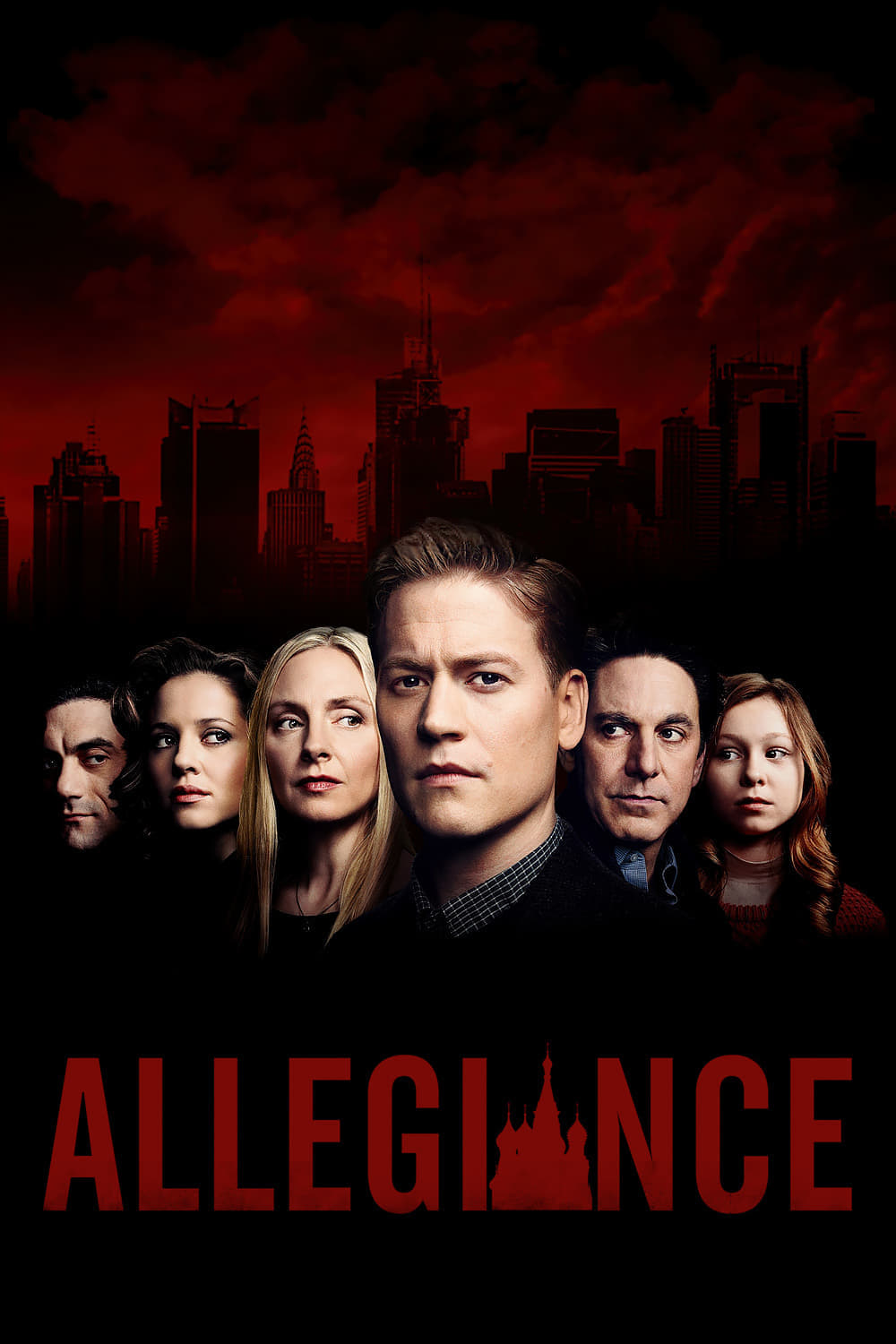
The short-lived NBC thriller followed a CIA analyst who learns his parents were actually long-dormant Russian spies. Inspired by the Israeli show ‘The Gordin Cell,’ which explored similar ideas of family and betrayal, the American version starred Hope Davis and Scott Cohen as the parents. However, instead of being set in Israel, this adaptation used a Cold War story and featured a white American family. Unfortunately, the show was cancelled after just five episodes because not enough people were watching.
‘Game of Silence’ (2016)
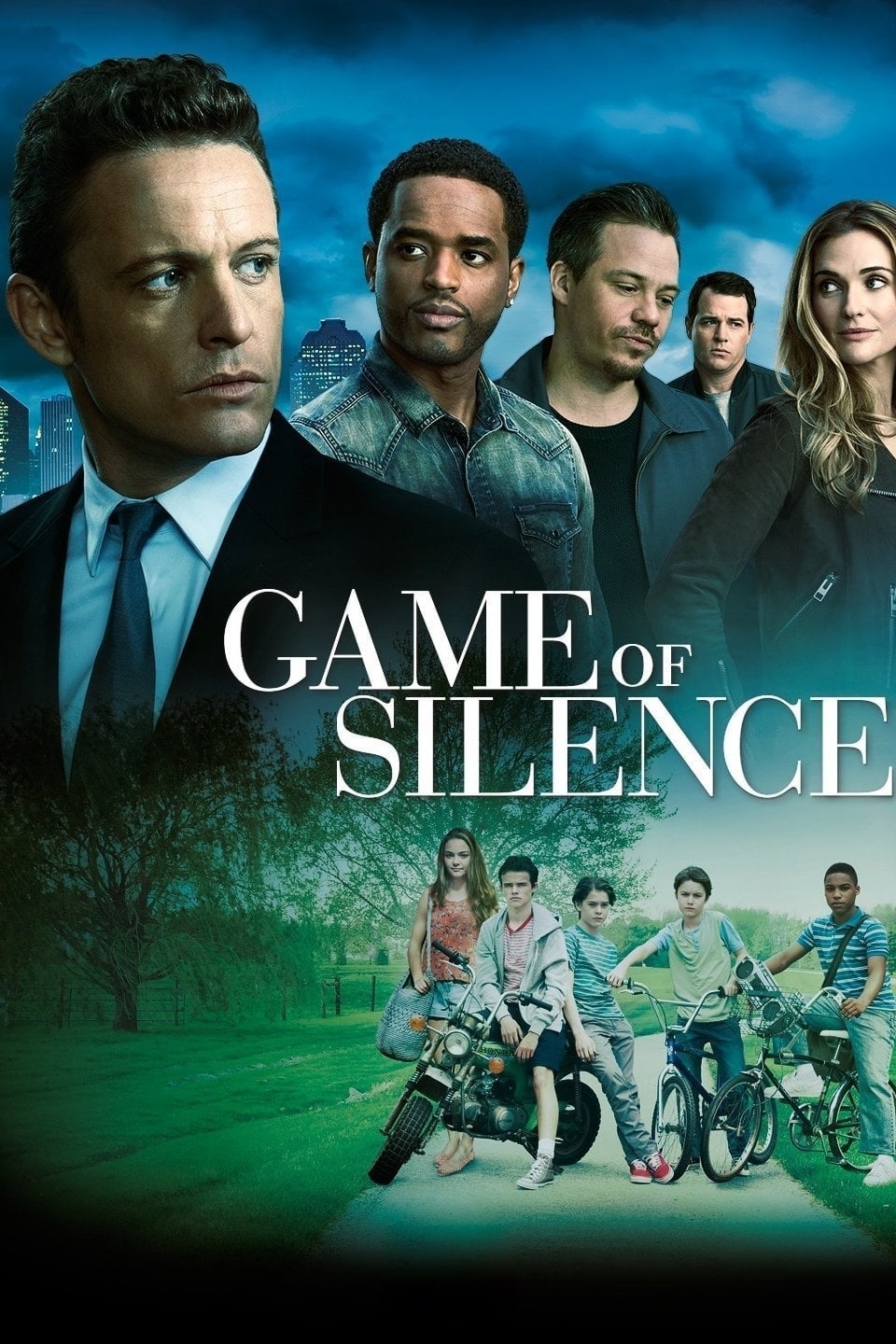
NBC created this intense drama by adapting the Turkish series ‘Suskunlar’. The show centers on a lawyer whose past comes back to haunt him when old friends resurface with a dangerous secret. While the original Turkish version featured Turkish actors and explored issues specific to their society, the American adaptation starred David Lyons and Michael Raymond-James. Despite receiving mixed reactions, the show didn’t attract enough viewers and was ultimately cancelled.
‘Wisdom of the Crowd’ (2017–2018)
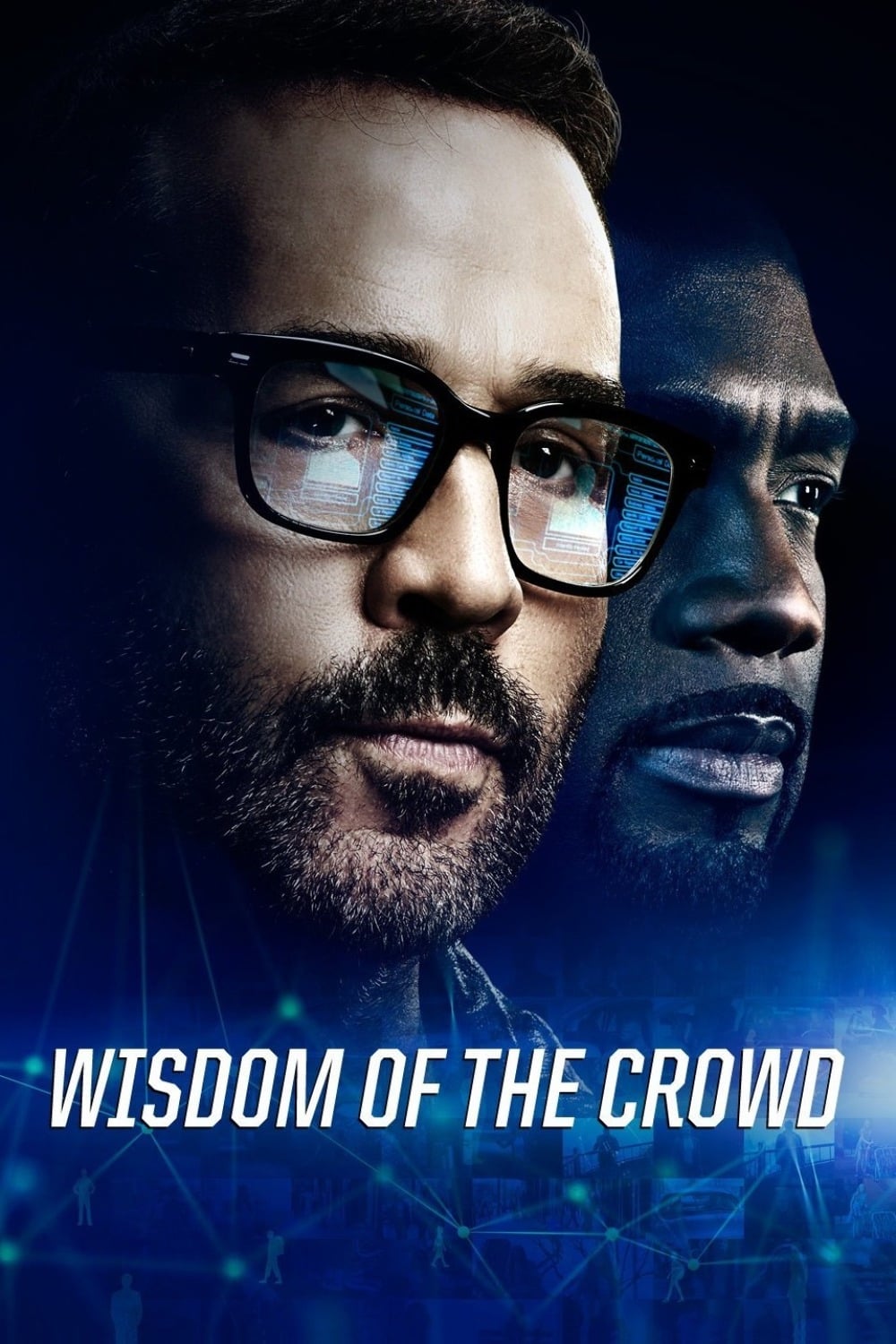
Jeremy Piven played a tech entrepreneur in a TV series where he develops an app using crowdsourcing to find his daughter’s killer. The show was originally created in Israel and based on that country’s tech world and social issues. The American version, airing on CBS, changed the location and cast a white actor in the main role. Despite an interesting premise, the show was canceled after one season due to controversy and low viewership.
‘Fate: The Winx Saga’ (2021–2022)
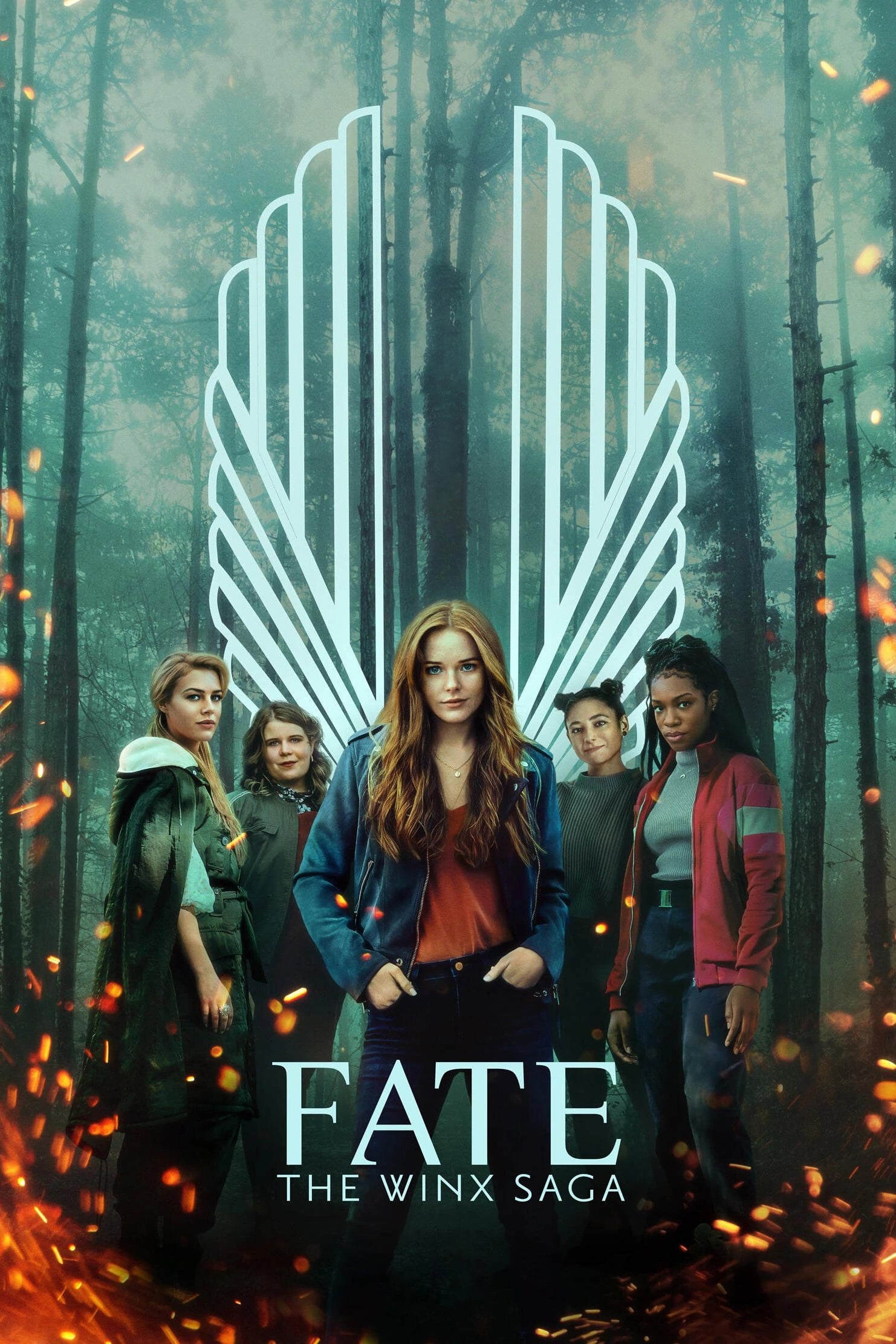
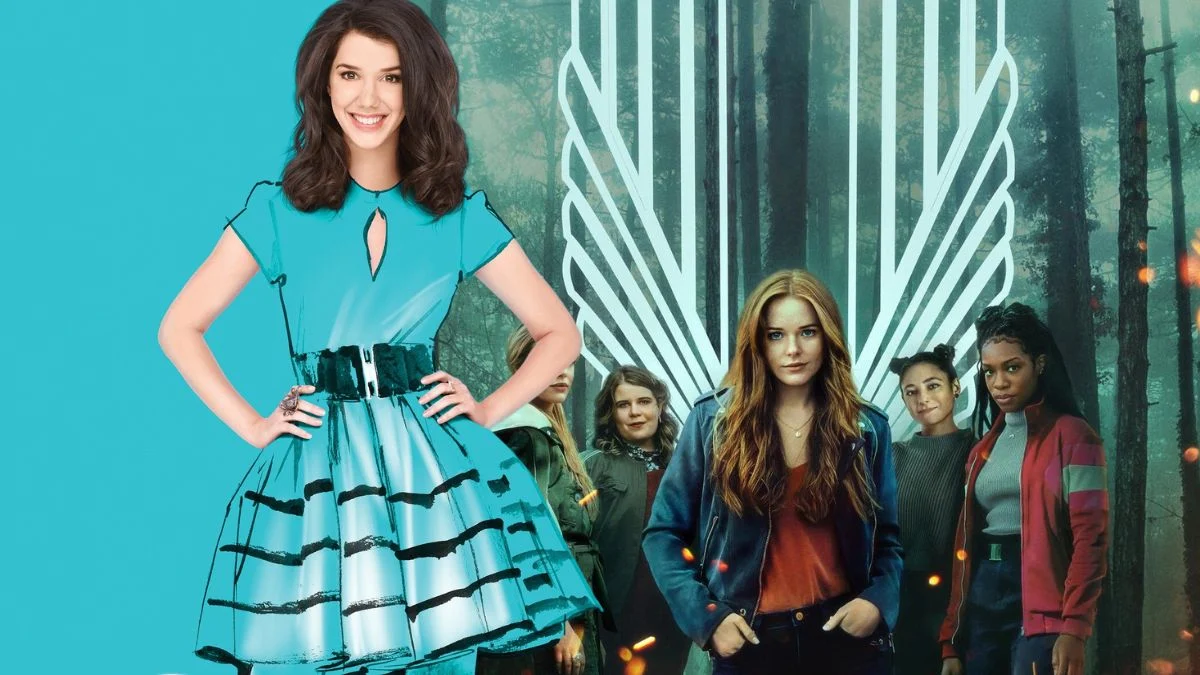
The Netflix series was a live-action remake of the popular Italian cartoon, ‘Winx Club’. The original cartoon included a diverse cast of fairies, notably Flora, a Latina character inspired by Jennifer Lopez. However, the live-action version replaced Flora with a new, white character named Terra, which upset many fans of the original show. Despite running for two seasons, Netflix ultimately cancelled the series.
‘Legend of Earthsea’ (2004)
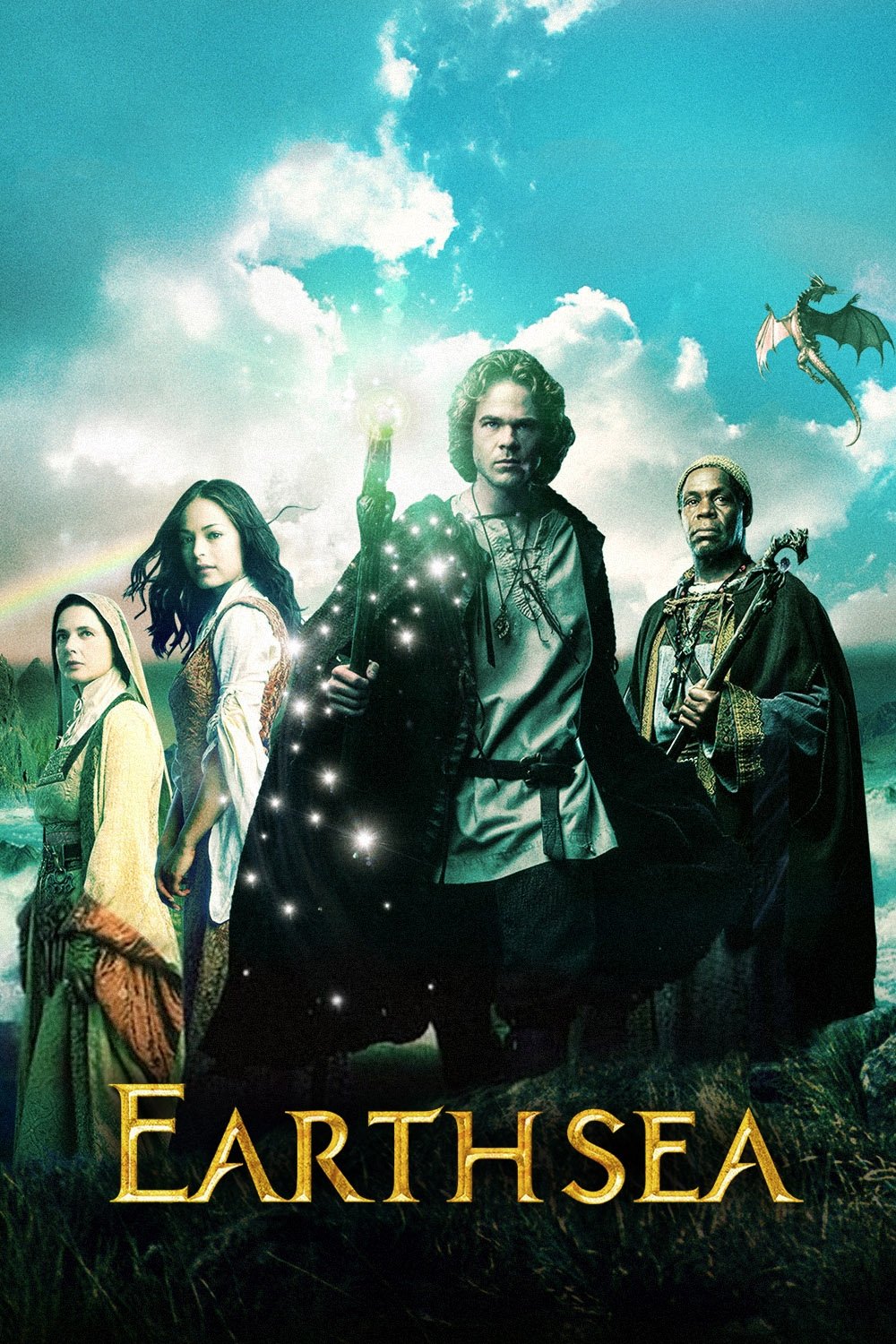
This science fiction miniseries was based on the fantasy novels by Ursula K. Le Guin. In the books, the main character, Ged, is clearly described as having dark skin. However, the TV show cast white actor Shawn Ashmore in the role. Le Guin spoke out against this change, criticizing how the show ignored her characters’ descriptions and altered her story. The miniseries is frequently used as a key example of how adaptations can erase the identities of characters from minority groups.
‘Power Rangers Lightspeed Rescue’ (2000)
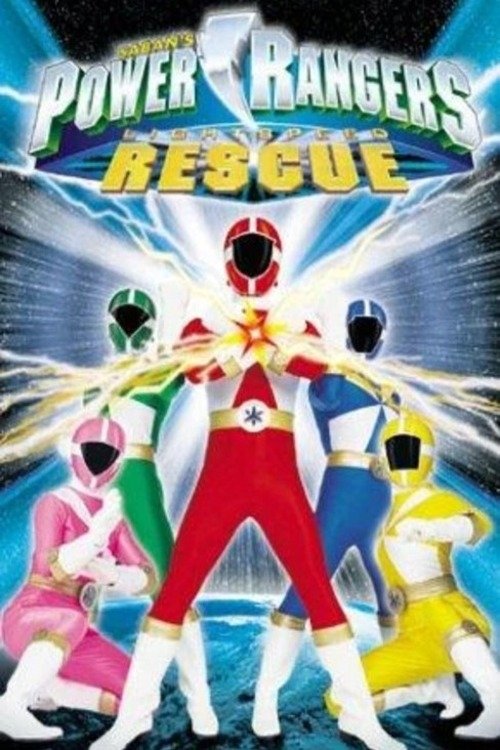
This season’s storyline was based on the Japanese show ‘Kyukyu Sentai GoGoFive,’ which followed five siblings working as a rescue team. While the original show focused on family, the American adaptation reimagined the team as a military-style organization. Sean Cw Johnson played the Red Ranger, Carter Grayson, and the leader, a role originally portrayed by a Japanese actor, was also recast with a white actor.
‘VR Troopers’ (1994–1996)

This show was made by combining action scenes from three Japanese series, Metal Hero. Brad Hawkins played the main character, Ryan Steele. The exciting fight sequences came from ‘Choujinki Metalder’ and ‘Space Sheriff Shaider,’ but the original Japanese actors were replaced with an American martial artist. The creators hoped to repeat the popularity of Power Rangers by adapting Japanese footage for an American audience.
‘Big Bad Beetleborgs’ (1996–1998)
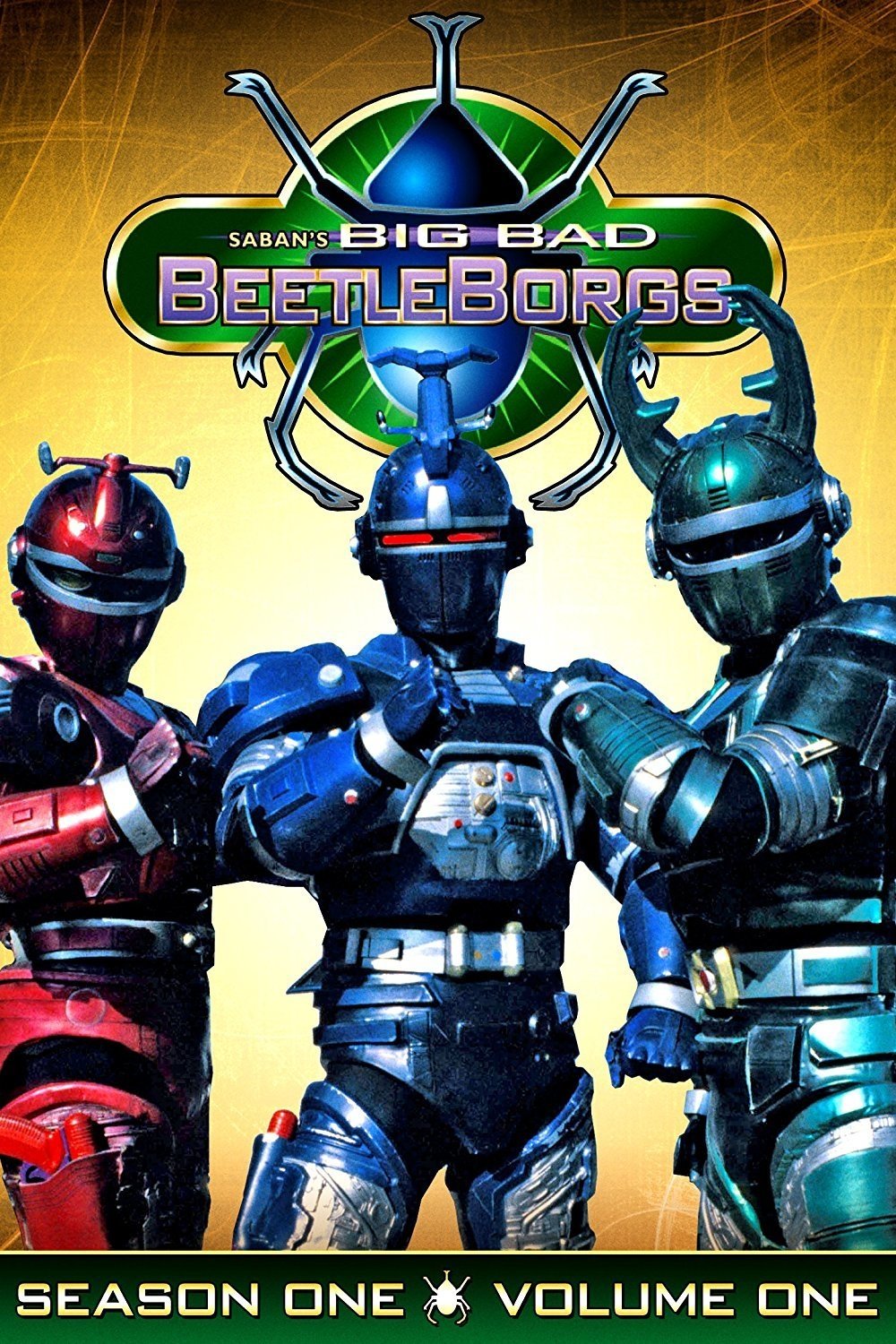
This show was based on the Japanese series ‘Juukou B-Fighter’, which originally featured adult heroes battling villains inspired by insects. The American adaptation replaced the adults with three young actors, and the heroes gained their powers from a comic book. This change in the main characters – from Japanese adults to American children – was a big difference. The American version also focused more on silly, slapstick comedy and toned down the dramatic intensity of the original Japanese show.
‘Masked Rider’ (1995–1996)

Saban took the Japanese show ‘Kamen Rider Black RX’ and created a version for American audiences. The original was a dramatic series about a cyborg battling crime. The American adaptation, starring T.J. Roberts as the alien prince Dex, was much more lighthearted and included a funny sidekick character. Instead of a serious, intense hero, the show featured an alien trying to navigate life on Earth, played by an American actor.
‘Iron Chef America’ (2005–2018)
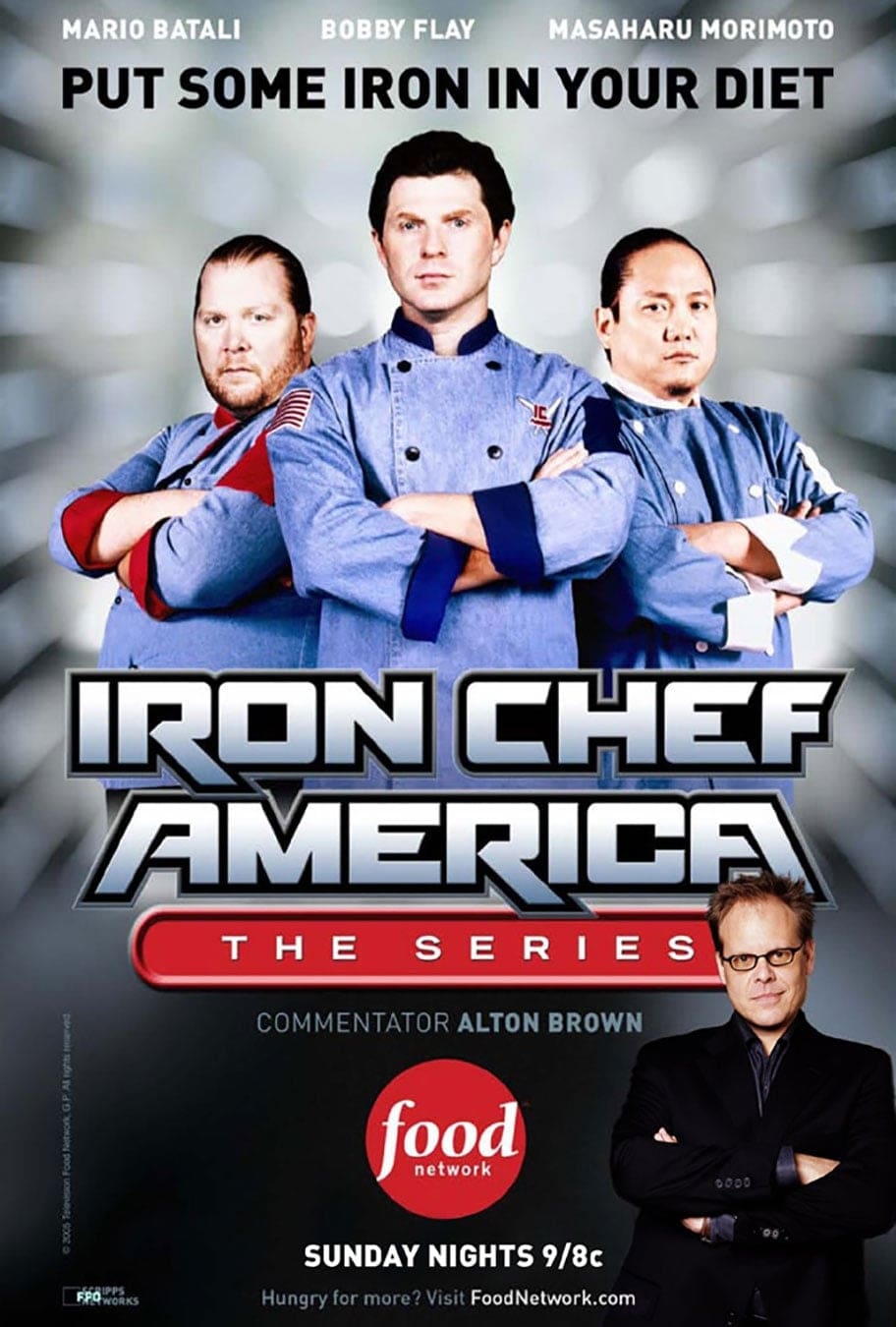
The original ‘Iron Chef’ was a popular show in Japan, known for its energetic host, Chairman Kaga. When it came to America, Mark Dacascos played Kaga’s nephew, but the show primarily highlighted white chefs like Bobby Flay and Mario Batali. Alton Brown took over the commentary role, and while the basic format stayed the same, the focus shifted to Western food and chefs. The show lost some of the original’s unique atmosphere, becoming a more polished production for the Food Network.
‘Better Late Than Never’ (2016–2018)
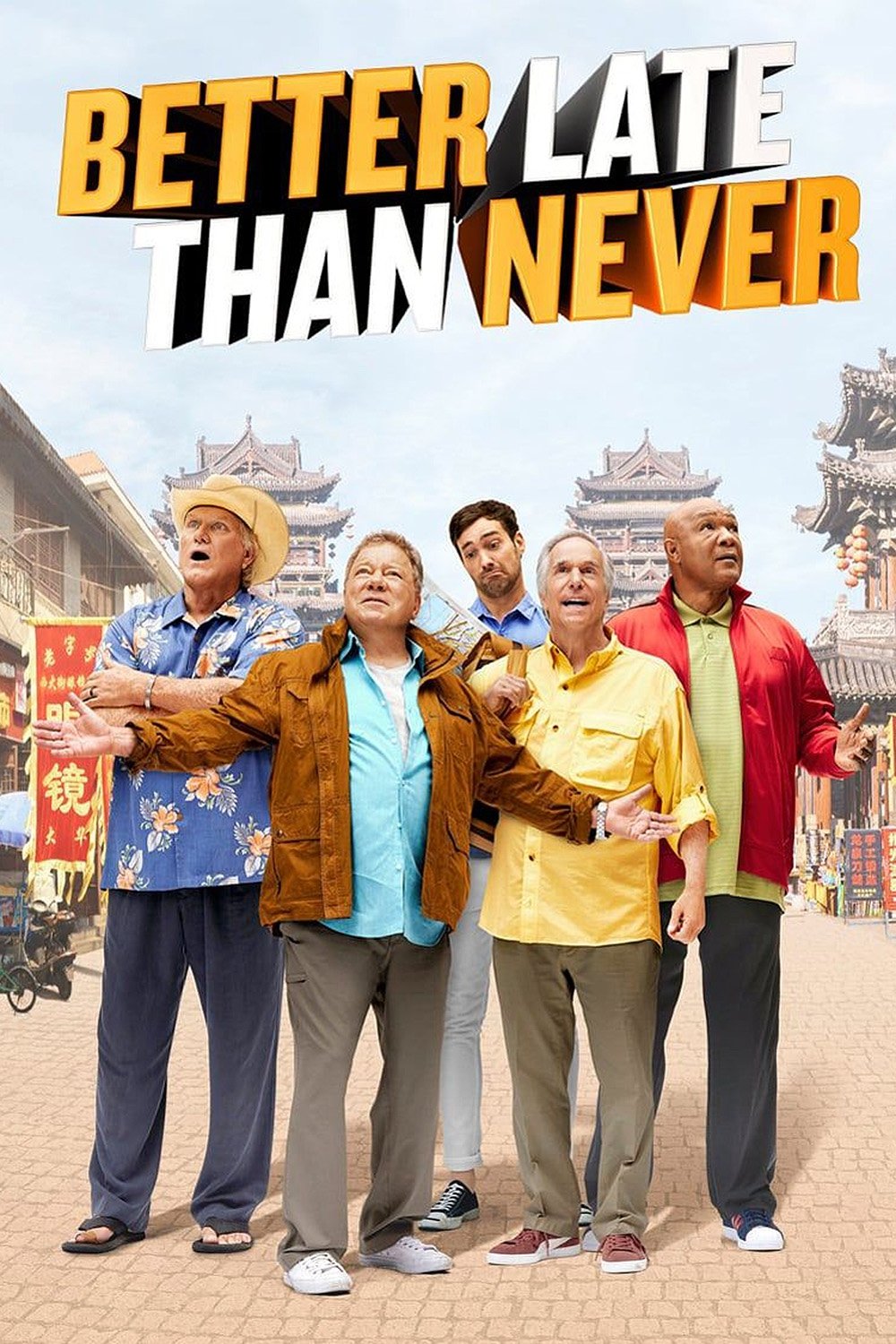
NBC created this reality travel show based on the popular South Korean program ‘Grandpas Over Flowers.’ The original show followed elderly Korean actors as they backpacked around different countries. The American version starred William Shatner, Henry Winkler, Terry Bradshaw, and George Foreman. While the show kept the same format, it swapped the appeal of seeing beloved Korean seniors experiencing new cultures for the perspective of wealthy American celebrities traveling the world.
‘Hole in the Wall’ (2008–2012)

The game show started in Japan as ‘Brain Wall’ or ‘Human Tetris,’ and was originally a segment within broader comedy variety shows featuring Japanese performers. When brought to America, it became its own competition, hosted by white hosts, where teams attempted to fit through openings in moving styrofoam shapes. While the physical humor worked well, the show lost the feel of the original Japanese variety shows it came from.
‘Red Band Society’ (2014–2015)
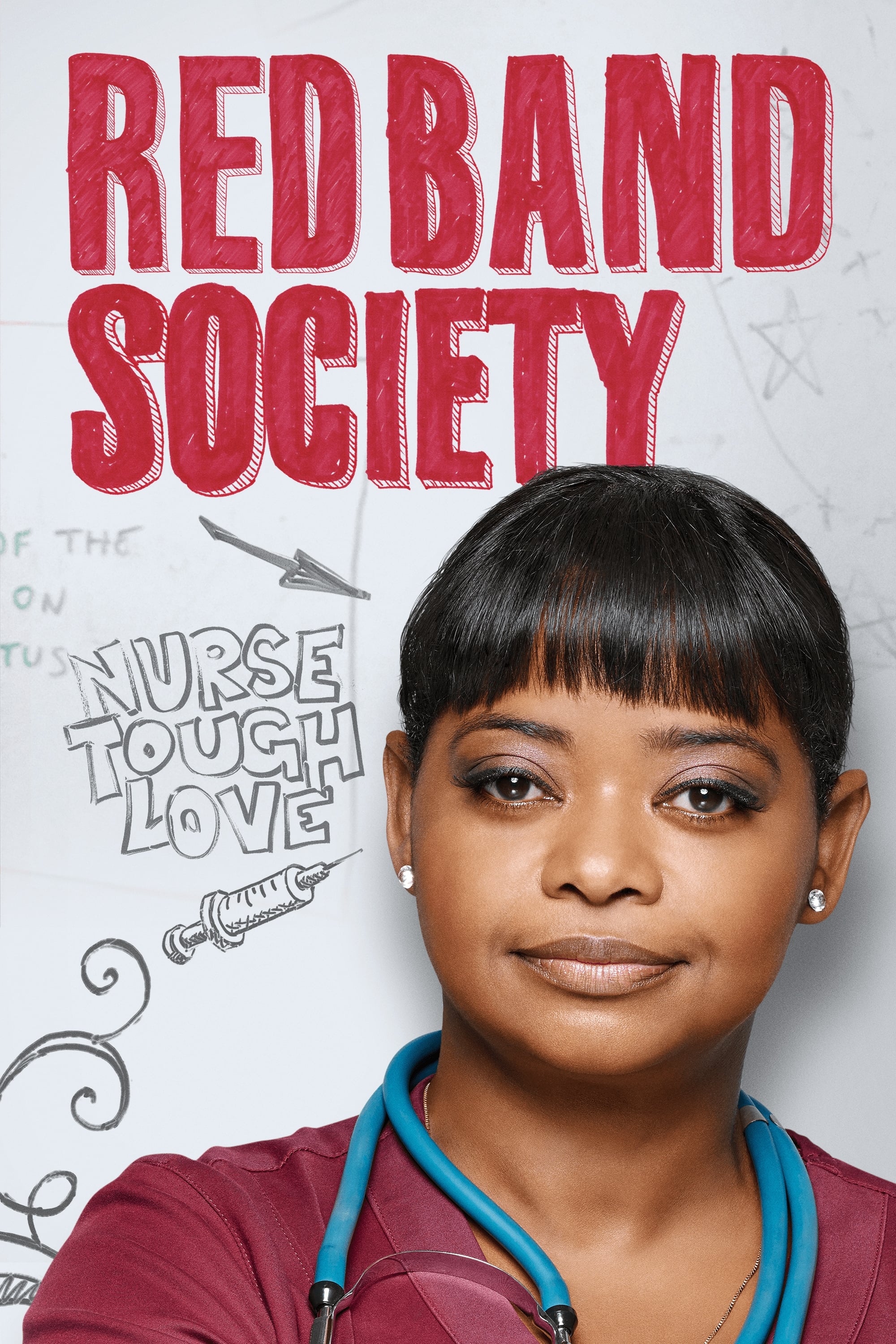
Steven Spielberg brought the popular Spanish drama series ‘Polseres vermelles’ to American television. The original show was a huge hit in Spain, known for its Catalan cast. The American version, however, centered the story around white actor Griffin Gluck, who played the main character, Charlie, and narrated the series. Although the show included a diverse group of actors, the focus shifted to an American perspective. Ultimately, the American adaptation didn’t connect with audiences as strongly as the original and was cancelled after just one season.
‘The New Legends of Monkey’ (2018–2020)
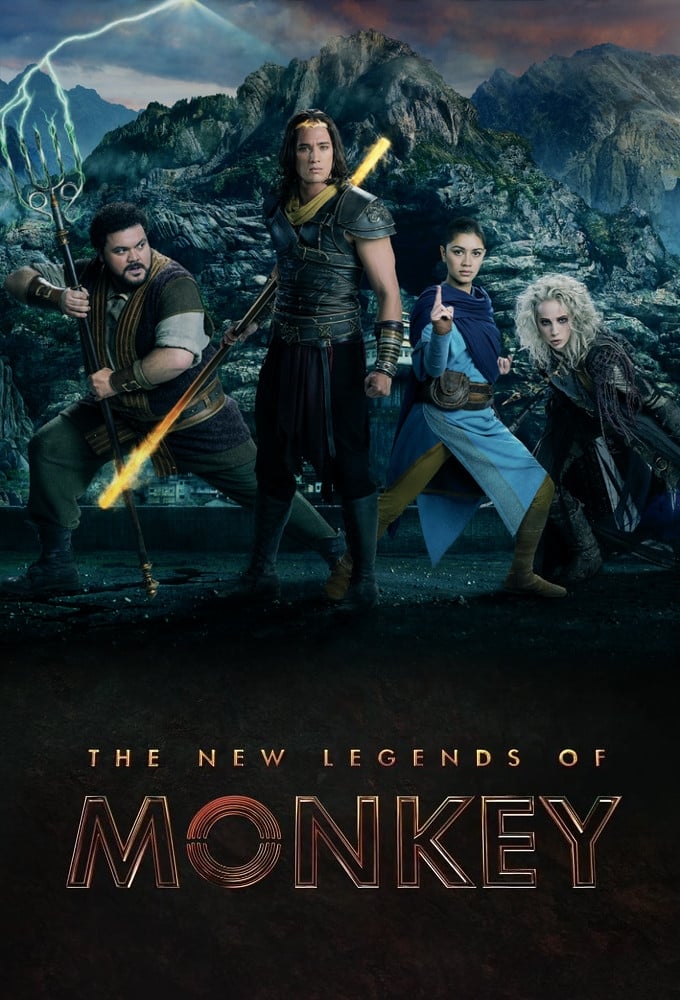
This Netflix series is a fresh take on the classic story of ‘Monkey,’ originally a popular Japanese show and based on the ancient Chinese novel ‘Journey to the West.’ The story follows the Monkey King and a monk on a journey across China and India. This new version was filmed in New Zealand and features a mostly Western cast, including actors in the roles of Sandy and Pigsy. While the lead actor, Chai Hansen, has Thai heritage, the show generally adopts a Western look and feel. Many critics have noted that the series lost the original story’s unique Chinese Buddhist elements, replacing them with a more standard fantasy style.
‘The Slap’ (2015)
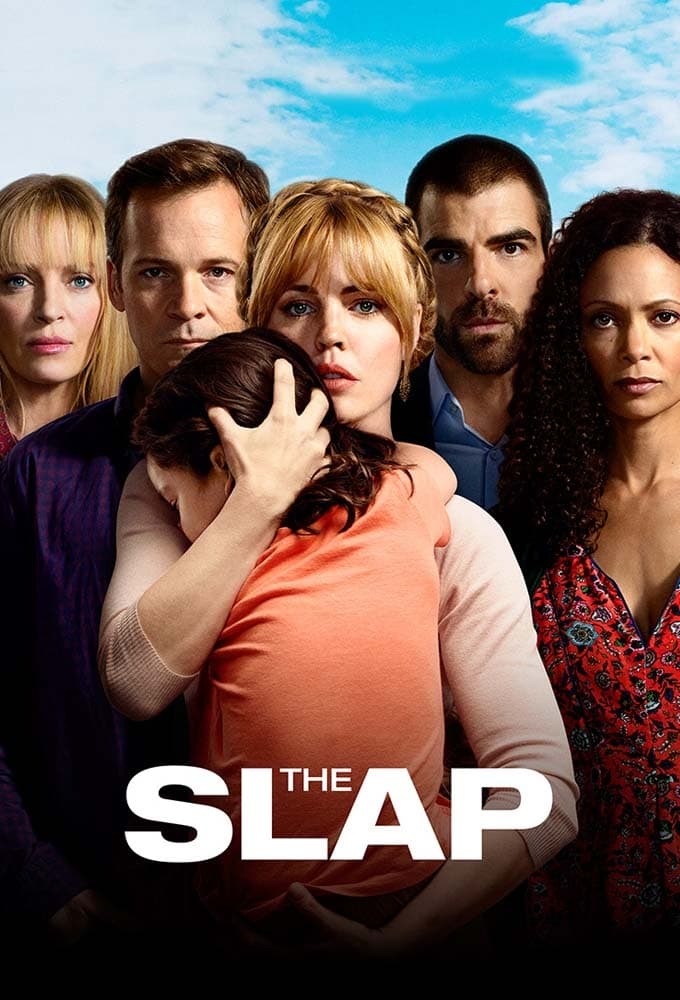
This NBC miniseries is based on a popular Australian novel and TV show with the same title. While the original Australian version centered on a Greek-Australian family and the challenges they faced as immigrants, the American adaptation starred Peter Sarsgaard as the main character, Hector, and completely removed the family’s Greek background. This change, shifting the family’s heritage to white American, unfortunately erased the important themes of assimilation and cultural conflict present in the original story. The series received generally mixed reviews and didn’t successfully replicate the social insights of its source material.
‘Battle of the Planets’ (1978–1980)
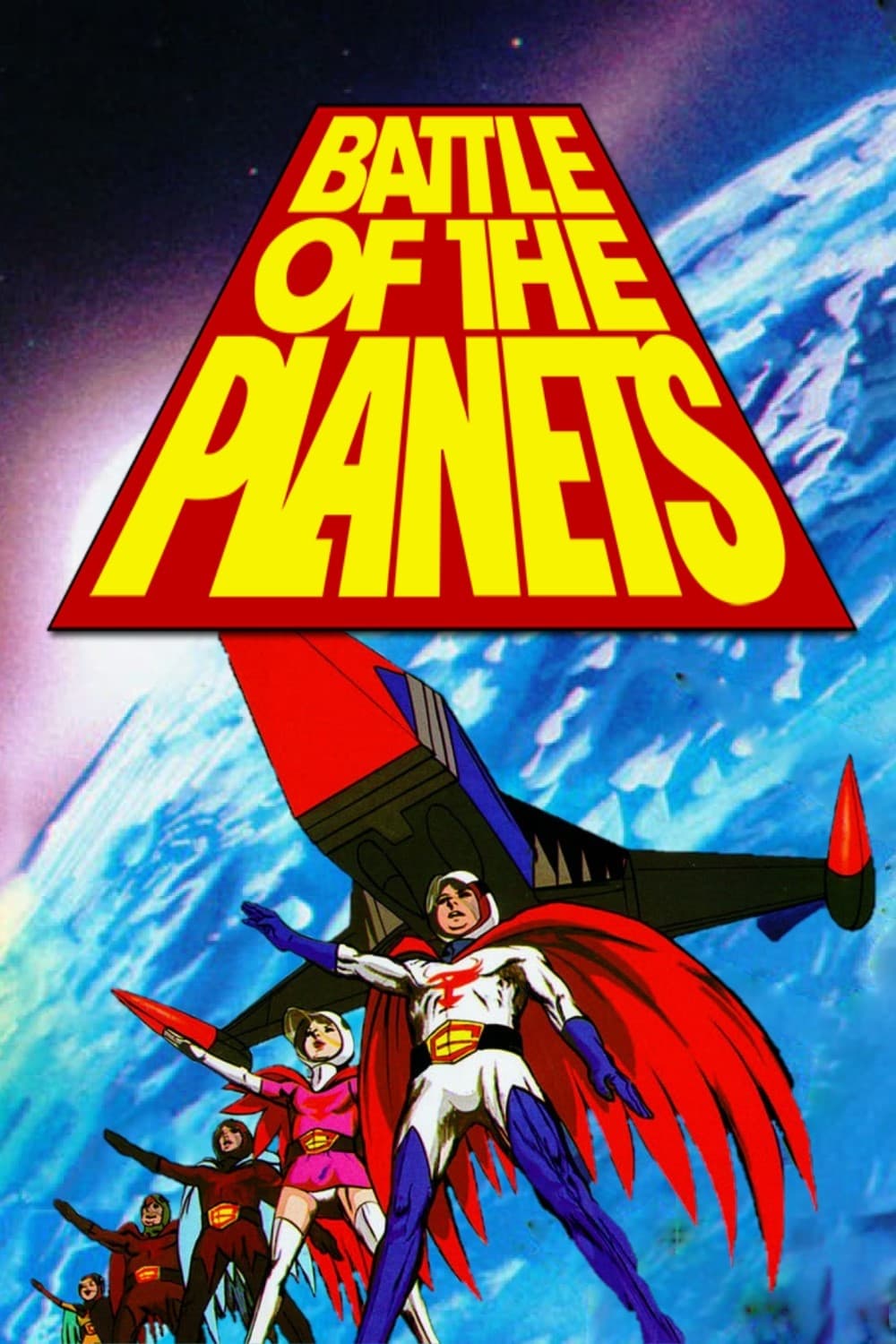
As a lifelong movie and TV fan, I remember when Sandy Frank Entertainment brought over the anime ‘Science Ninja Team Gatchaman’ – or what became of it, anyway. The original was about a team of Japanese heroes defending Tokyo from this evil group called Galactor. But when it came to the US, they really changed things. They renamed the leader, Ken the Eagle, to Mark, and moved the whole action to different planets – apparently to avoid showing violence happening on Earth. They also completely removed anything that hinted at its Japanese origins, even giving the characters American backgrounds. It did pretty well in ratings, but honestly, it barely resembled the show it started from.
‘Voltron: Defender of the Universe’ (1984–1985)

The popular 80s cartoon was made by combining footage from two different Japanese anime shows, ‘Beast King GoLion’ and ‘Armored Fleet Dairugger XV’. The main Japanese character, Akira Kogane, was renamed Keith and reimagined as a white astronaut. To appeal to American audiences, the creators rewrote the storylines, removing any connections to Japan and softening violent scenes. They also moved the story from a future Earth to the made-up planet Arus. This adaptation created a hugely successful toy line in America, but largely hid the show’s original Japanese roots.
‘Robotech’ (1985)

Harmony Gold USA created a large-scale space opera by combining three different Japanese anime series. The main character, originally Hikaru Ichijyo, a Japanese stunt pilot from the ‘Macross’ series, was renamed Rick Hunter for American audiences and given a new backstory to align with Western military themes. They also changed the Japanese setting of South Ataria Island to the more general Macross Island. This meant the original Japanese characters were essentially transformed into an American military force.
‘Speed Racer’ (1967–1968)
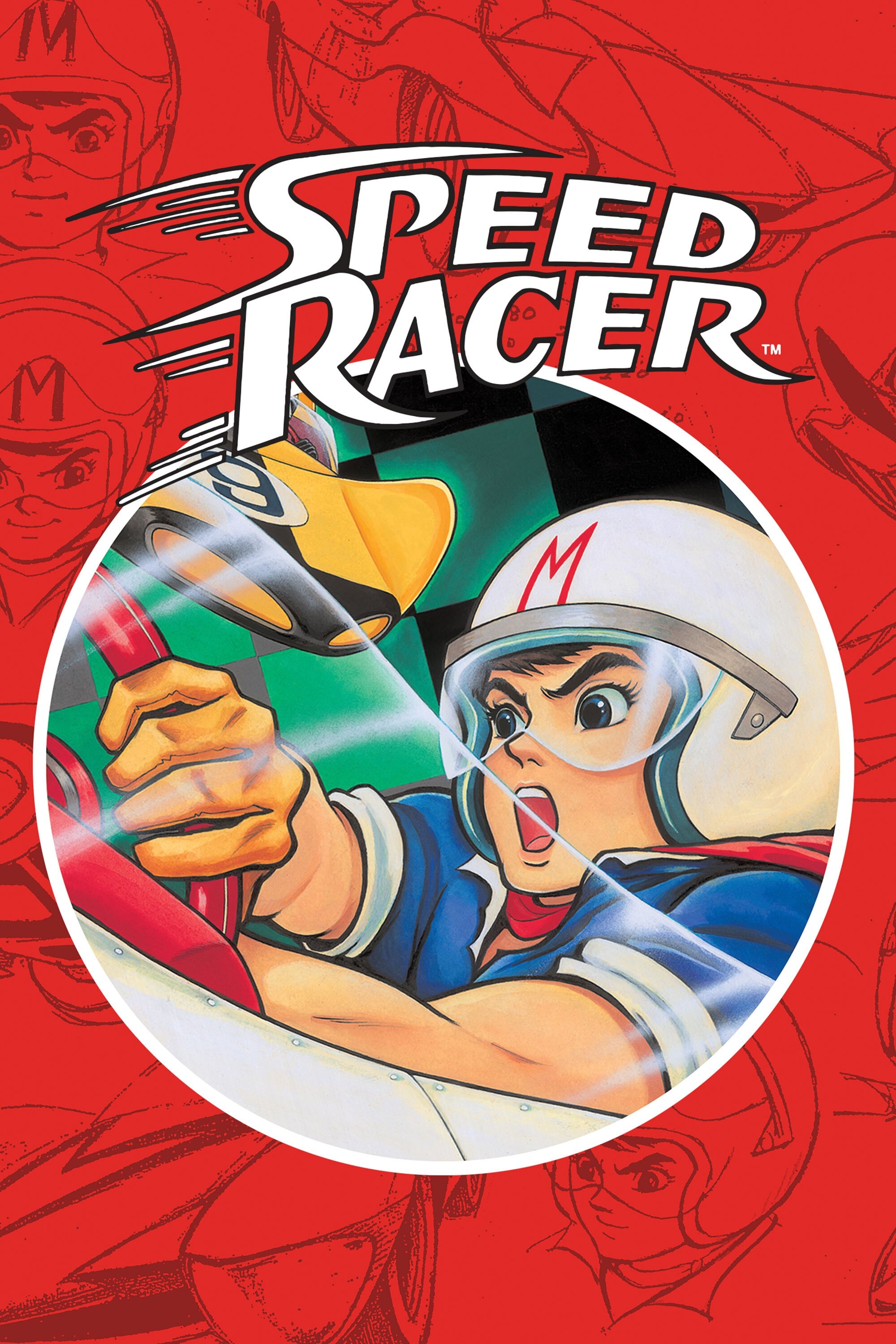
Trans-Lux played a key role in bringing anime to the United States with ‘Mach GoGoGo,’ one of the first big hits. The show originally featured a Japanese teenage racer named Go Mifune, but for American audiences, he was renamed Speed Racer and all the other characters were given English names. The show’s location was intentionally made unclear so American viewers wouldn’t be confused by Japanese settings. This new version of the character became so popular that most Western fans don’t even realize Speed Racer originated in Japan.
‘Samurai Pizza Cats’ (1990–1991)
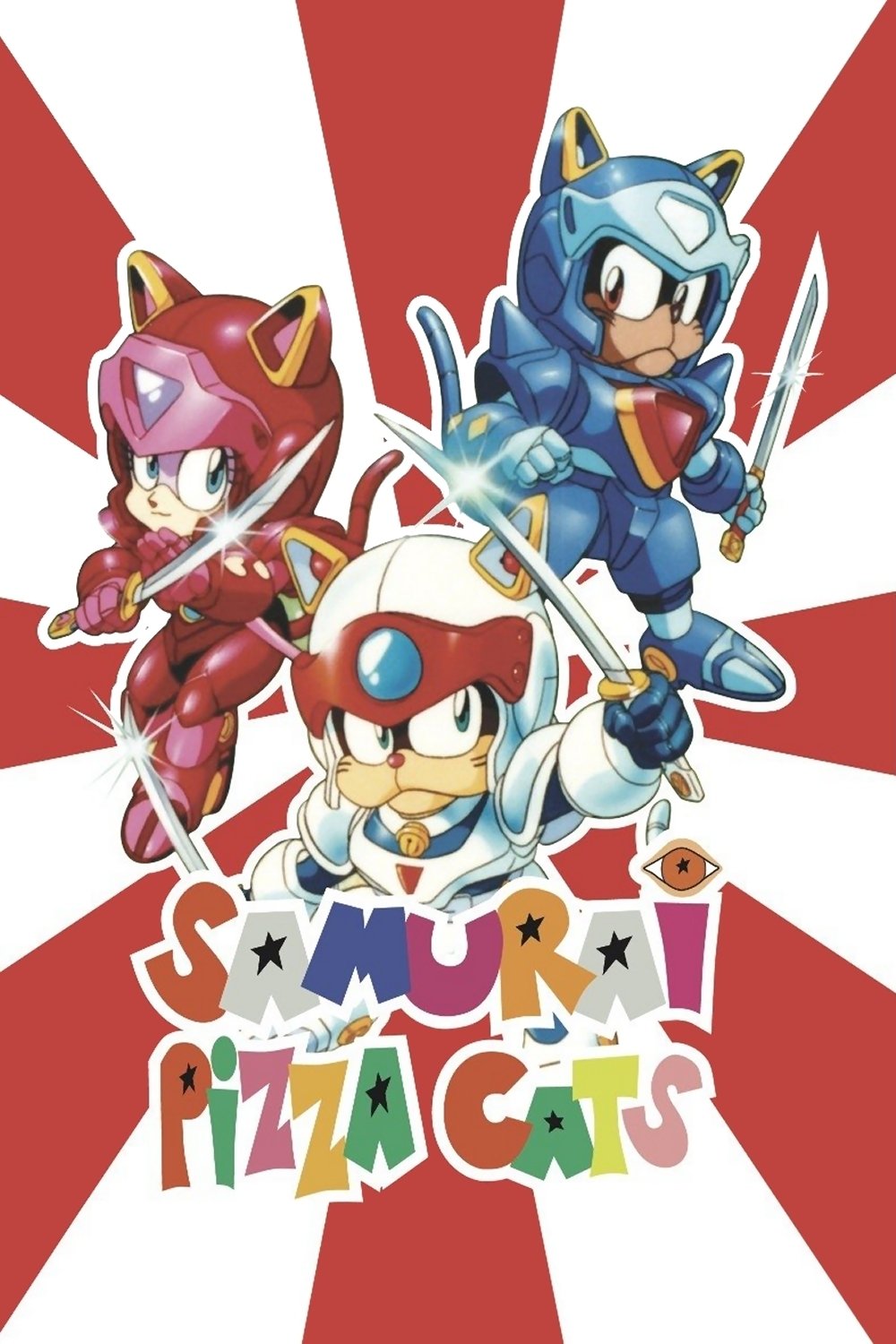
This comedy series is based on the anime ‘Kyatto Ninden Teyandee,’ but it underwent a major overhaul for American audiences. The original Japanese script was full of jokes and cultural details that wouldn’t make sense here, so the creators threw it out and wrote completely new dialogue. While the show still looked Japanese, the characters were given American personalities and referenced Western pop culture, making it sound completely American.
‘Godzilla: The Series’ (1998–2000)
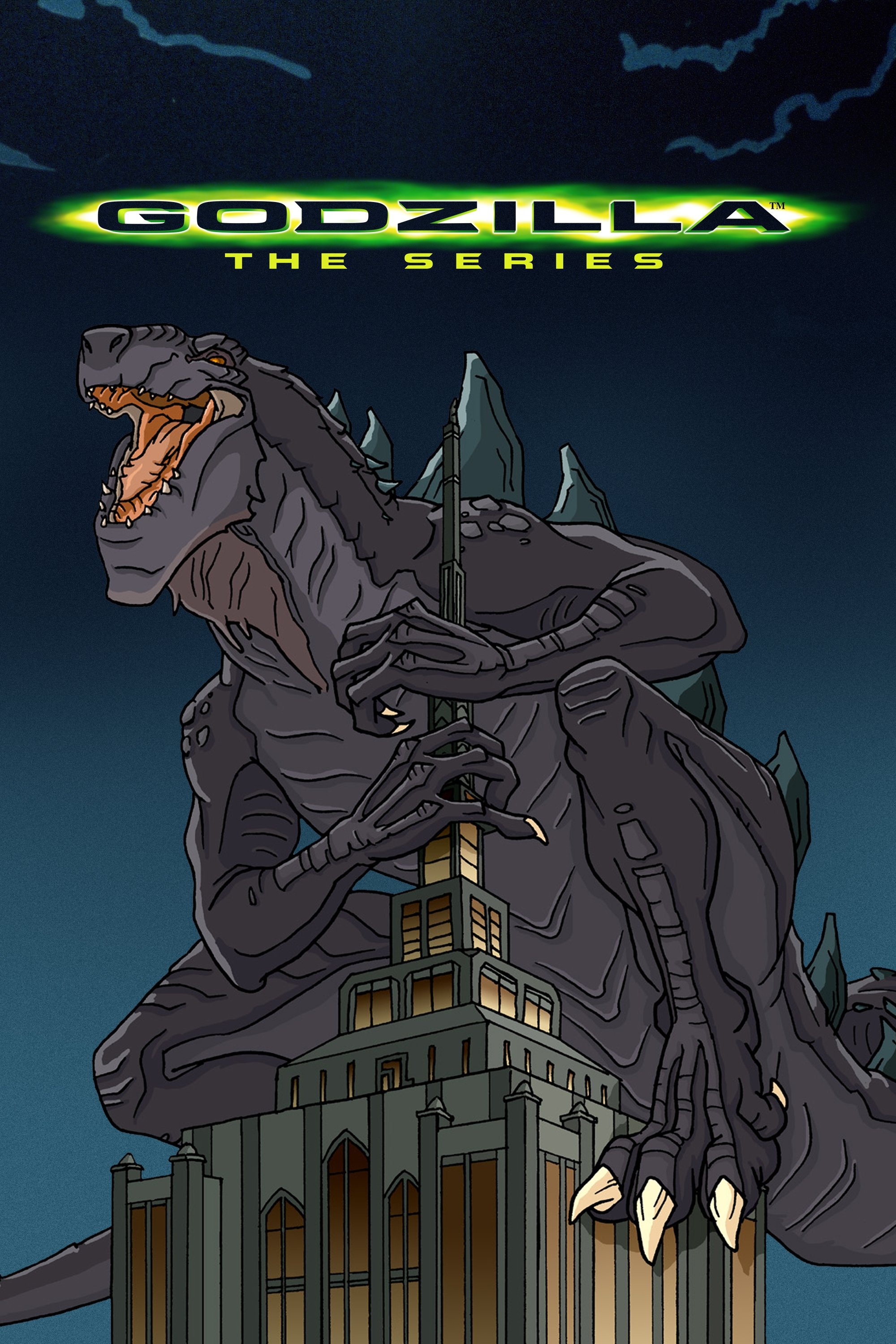
This animated series continued the story of the 1998 film and was intended to revitalize the Godzilla franchise. While the original Japanese Godzilla movies centered on Japanese characters fighting monsters, this show followed Nick Tatopoulos, an American nuclear biologist (voiced by Ian Ziering), and a team of American scientists as they battled monsters in New York City. It marked a change in the franchise, moving away from Godzilla’s roots as a symbol of Japan’s experience with nuclear weapons and turning it into a more general monster story with American leads.
Read More
- 20 Movies Where the Black Villain Was Secretly the Most Popular Character
- Celebs Who Narrowly Escaped The 9/11 Attacks
- Top 20 Dinosaur Movies, Ranked
- 25 “Woke” Films That Used Black Trauma to Humanize White Leads
- Transformers Under the Microscope: What Graph Neural Networks Reveal
- The 10 Most Underrated Jim Carrey Movies, Ranked (From Least to Most Underrated)
- 22 Films Where the White Protagonist Is Canonically the Sidekick to a Black Lead
- Trading on Thin Air: AI Agents Conquer Crypto Volatility
- The Best Directors of 2025
- Gold Rate Forecast
2026-01-08 18:19