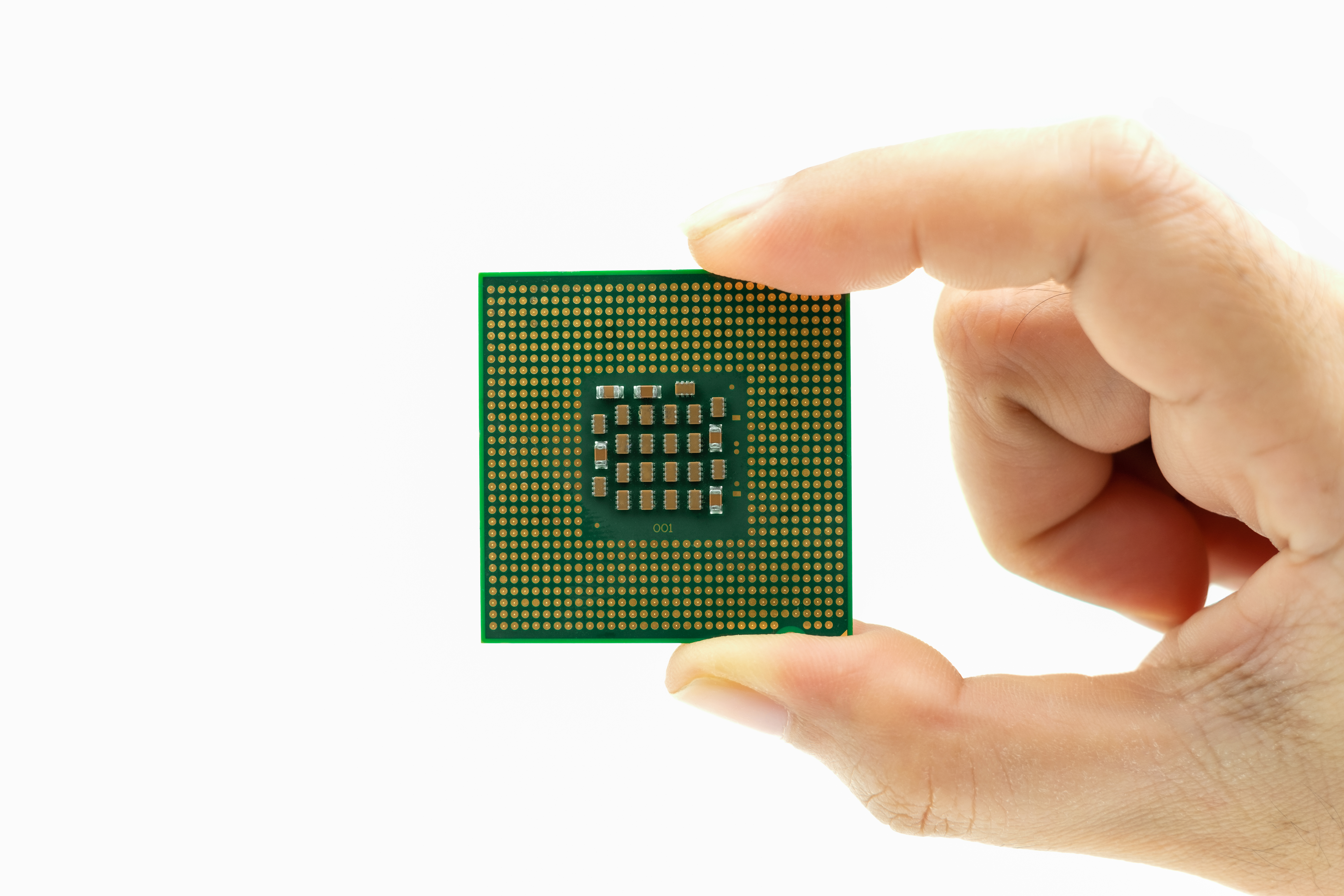
The semiconductor industry remains foundational to modern technological advancement. Its pervasive influence extends across all sectors, from consumer electronics to critical infrastructure. The industry’s complexity and capital intensity create significant barriers to entry, fostering a concentrated competitive landscape.
Market Leadership and Competitive Positioning
Taiwan Semiconductor Manufacturing (TSMC) currently commands an estimated 72% share of the pure-play foundry market as of late 2025. This degree of market concentration is unusual in most sectors, and warrants careful consideration. While Samsung represents the primary competitor with approximately 7% market share, the disparity is substantial. TSMC’s leadership is not solely attributable to scale; it is underpinned by technological capabilities and a vertically integrated business model focused exclusively on manufacturing, allowing for specialization and optimization.
The company’s client base includes virtually every major semiconductor design firm, including Apple, Nvidia, AMD, Broadcom, Intel, and Qualcomm. This diversified customer portfolio mitigates some risk, but also creates potential dependencies for these firms, increasing TSMC’s systemic importance.
Barriers to Entry and Capital Expenditure
The capital intensity of advanced semiconductor manufacturing is a critical barrier to entry. The acquisition and maintenance of extreme ultraviolet (EUV) lithography equipment, essential for producing leading-edge chips, represents a substantial financial commitment – approximately $0.5 billion per unit. TSMC’s investment in its Arizona facility, initially projected at $12 billion, has expanded to $165 billion, illustrating the escalating costs and complexity of establishing advanced manufacturing capacity.
Intel’s planned investment of $100 billion in Ohio, while significant, faces delays, with initial plant completion not anticipated until 2030. This timeline positions TSMC to maintain its technological and manufacturing lead for the foreseeable future. The extended lead times and substantial capital requirements effectively limit the potential for near-term competitive disruption.
Financial Performance and Growth Trajectory
In 2025, TSMC reported revenue of $122.4 billion, representing a 35.9% increase year-over-year. Diluted earnings per share grew by 46.4%. Notably, the company maintains a net profit margin of 45%, demonstrating efficient cost management and pricing power. These metrics suggest a robust and sustainable business model.
Management projects a 30% revenue increase for 2026 and anticipates a compound annual growth rate (CAGR) of 25% through 2029. These projections, while optimistic, are supported by strong demand for advanced semiconductors and TSMC’s established market position. However, these projections remain contingent upon macroeconomic stability and the absence of unforeseen geopolitical events.
Strategic Considerations and Potential Risks
- Geopolitical Risk: TSMC’s concentration of manufacturing capacity in Taiwan exposes it to geopolitical risks, including potential disruptions from regional conflicts or political instability. Diversification of manufacturing locations is underway, but will require substantial investment and time.
- Technological Disruption: While TSMC currently leads in process technology, the semiconductor industry is characterized by rapid innovation. Maintaining this lead requires continuous investment in research and development.
- Macroeconomic Factors: Demand for semiconductors is cyclical and sensitive to macroeconomic conditions. A global economic slowdown could negatively impact demand and pricing.
TSMC’s dominance in the semiconductor foundry market is not merely a function of scale; it is a consequence of strategic investments, technological leadership, and a vertically integrated business model. While the company faces inherent risks, its financial performance and growth projections suggest a sustained period of market leadership. Investors should, however, carefully consider the geopolitical and macroeconomic factors that could impact the company’s long-term prospects.
Read More
- Gold Rate Forecast
- Games That Faced Bans in Countries Over Political Themes
- Silver Rate Forecast
- Unveiling the Schwab U.S. Dividend Equity ETF: A Portent of Financial Growth
- 22 Films Where the White Protagonist Is Canonically the Sidekick to a Black Lead
- 20 Movies Where the Black Villain Was Secretly the Most Popular Character
- Superman Flops Financially: $350M Budget, Still No Profit (Scoop Confirmed)
- How to Do Sculptor Without a Future in KCD2 – Get 3 Sculptor’s Things
- Celebs Who Narrowly Escaped The 9/11 Attacks
- 14 Movies Where the Black Character Refuses to Save the White Protagonist
2026-03-23 00:02