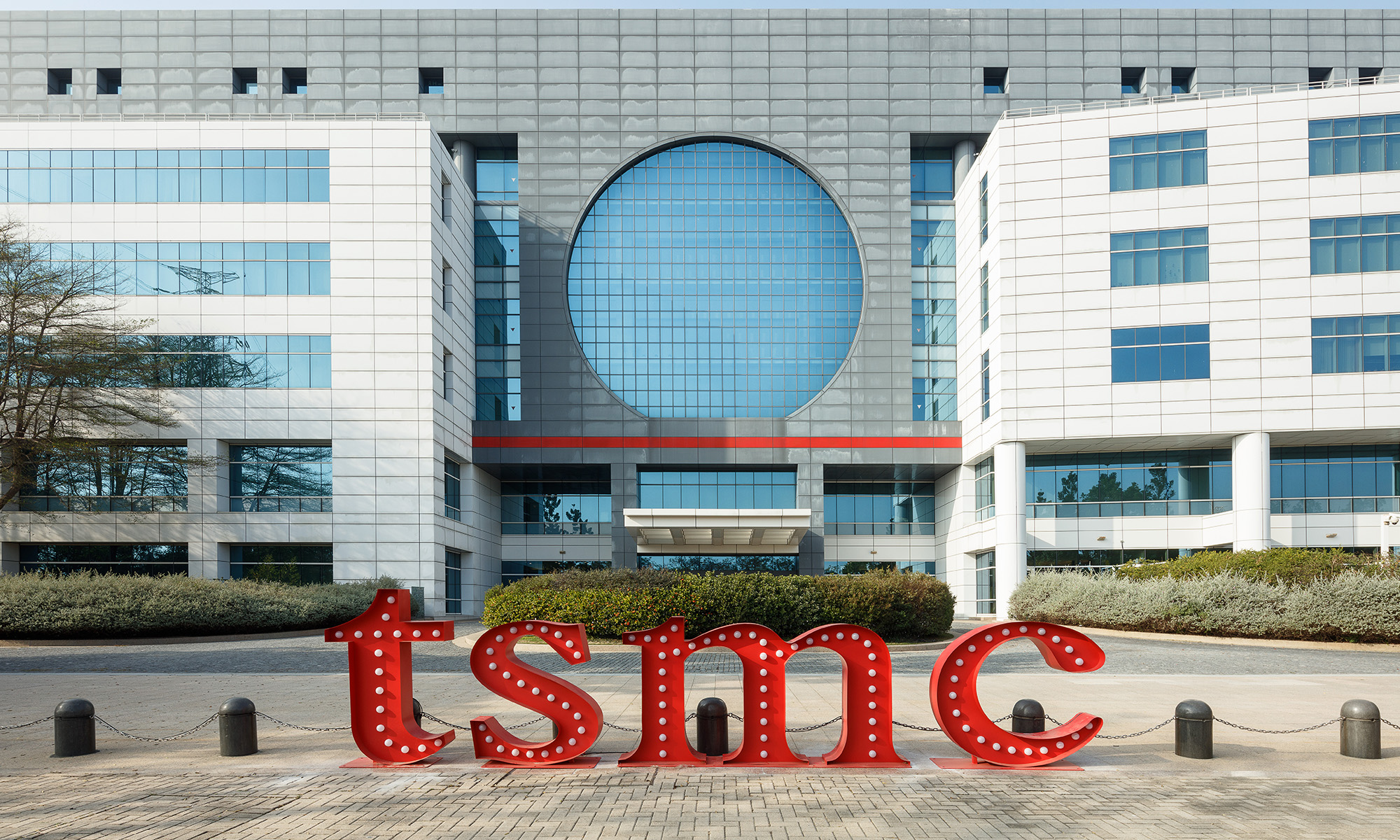
Most folks these days dabble with the marvels of Artificial Intelligence – conjuring text from thin air, asking digital oracles questions best left unasked. They see the effect, of course. What they rarely consider is the utterly mundane magic that makes it all possible: silicon. Tiny, meticulously crafted slices of it. And when it comes to crafting those slices, one company stands… well, not exactly alone, but certainly a good three days’ ride ahead of the pack: Taiwan Semiconductor Manufacturing, or TSMC. A name that doesn’t exactly roll off the tongue, but a company that currently holds more sway over the future of… everything, than most nations.
TSMC, currently valued at a sum that would make even the most enthusiastic goblin accountant blush, has become something of a keystone in the archway of modern technology. After a rather exuberant 2025 – a year where the numbers seemed to be actively mocking the laws of arithmetic – it’s a member of that exclusive club of companies worth more than a small country. Which, come to think of it, isn’t entirely dissimilar. A company, essentially, is a nation, just one built on the worship of profit and the relentless pursuit of smaller transistors. The question isn’t so much whether it’s a good investment, but whether you’re comfortable owning a slice of that particular kingdom.
The Foundry and the Alchemists
TSMC doesn’t sell chips to you, precisely. It’s a foundry. Think of it as the Guild of Alchemists, but instead of turning lead into gold, they turn sand into… well, things that make your phone do things. Companies like Apple – who design the intricate blueprints for these silicon wonders – bring their designs to TSMC, and TSMC, with a level of precision that borders on the unsettling, makes them. It’s a remarkably efficient system, though one can’t help but wonder what would happen if Apple decided to try and forge its own chips with a blacksmith and a particularly stubborn mule.
For years, the bulk of TSMC’s income came from the smartphone market. Every time someone upgraded to the latest shiny rectangle, TSMC benefited. But recently, something shifted. The demand for these chips for High-Performance Computing – the stuff that powers AI, data centers, and the occasional overly ambitious toaster – has exploded. It’s as if the digital gods suddenly decided they needed a lot more processing power. And TSMC, naturally, was there to provide it.
| Quarter | Revenue From HPC | Revenue From Smartphones |
|---|---|---|
| Q3 2025 | 57% | 30% |
| Q3 2024 | 51% | 34% |
| Q3 2023 | 42% | 39% |
| Q3 2022 | 39% | 41% |
| Q3 2021 | 37% | 44% |
The numbers speak for themselves. In Q3 2025, HPC revenue reached a staggering $18.87 billion. Just to put that in perspective, that’s more than TSMC made in an entire quarter back in 2021. It’s like discovering a new vein of mithril, except instead of dwarves, it’s engineers and accountants.
Beyond the Silicon Gods
It’s easy to get caught up in the AI hype, and rightly so. But TSMC isn’t just an AI play. It’s the foundation of pretty much everything electronic. From your television to your car to that suspiciously intelligent coffee maker, TSMC’s chips are likely inside. This diversification is crucial. AI demand might fluctuate – digital oracles are notoriously fickle – but the need for basic computing power isn’t going anywhere.
TSMC isn’t the only player in this game, of course. Samsung and Intel are also vying for a slice of the silicon pie. But TSMC consistently outperforms them. They produce more chips, with more advanced technology, and with a higher yield – meaning fewer useless bits of silicon cluttering up the factory floor. It’s a combination of skill, investment, and a healthy dose of ruthlessness. They’ve become the go-to foundry, and that’s a position that’s very difficult to dislodge. They currently command around 72% of the market share, with Samsung trailing far behind at 7%. For advanced AI chips, that number jumps to over 90%. That’s not a market share; that’s a monopoly dressed in a lab coat.
A Dividend Hunter’s Perspective
Over the past five years, TSMC has averaged annual returns of around 22%. Now, I’m not suggesting that will continue indefinitely – the universe has a nasty habit of disappointing optimists. But the company’s trajectory points towards continued dominance. They’ve established themselves as indispensable, and that’s a powerful competitive advantage. Without them, the entire tech world would take a significant step backwards. And that, my friends, is a moat you can build a portfolio around.
This isn’t about chasing the latest shiny object. It’s about identifying a company that provides a fundamental service, with a sustainable competitive advantage, and a history of delivering value. It’s about owning a piece of the infrastructure that powers the modern world. And, frankly, it’s a remarkably sensible thing to do. Because in the long run, the silicon will always win.
Read More
- Games That Faced Bans in Countries Over Political Themes
- Gold Rate Forecast
- Silver Rate Forecast
- Unveiling the Schwab U.S. Dividend Equity ETF: A Portent of Financial Growth
- 22 Films Where the White Protagonist Is Canonically the Sidekick to a Black Lead
- Superman Flops Financially: $350M Budget, Still No Profit (Scoop Confirmed)
- 20 Movies Where the Black Villain Was Secretly the Most Popular Character
- Celebs Who Narrowly Escaped The 9/11 Attacks
- 14 Movies Where the Black Character Refuses to Save the White Protagonist
- The Best Directors of 2025
2026-01-17 19:04