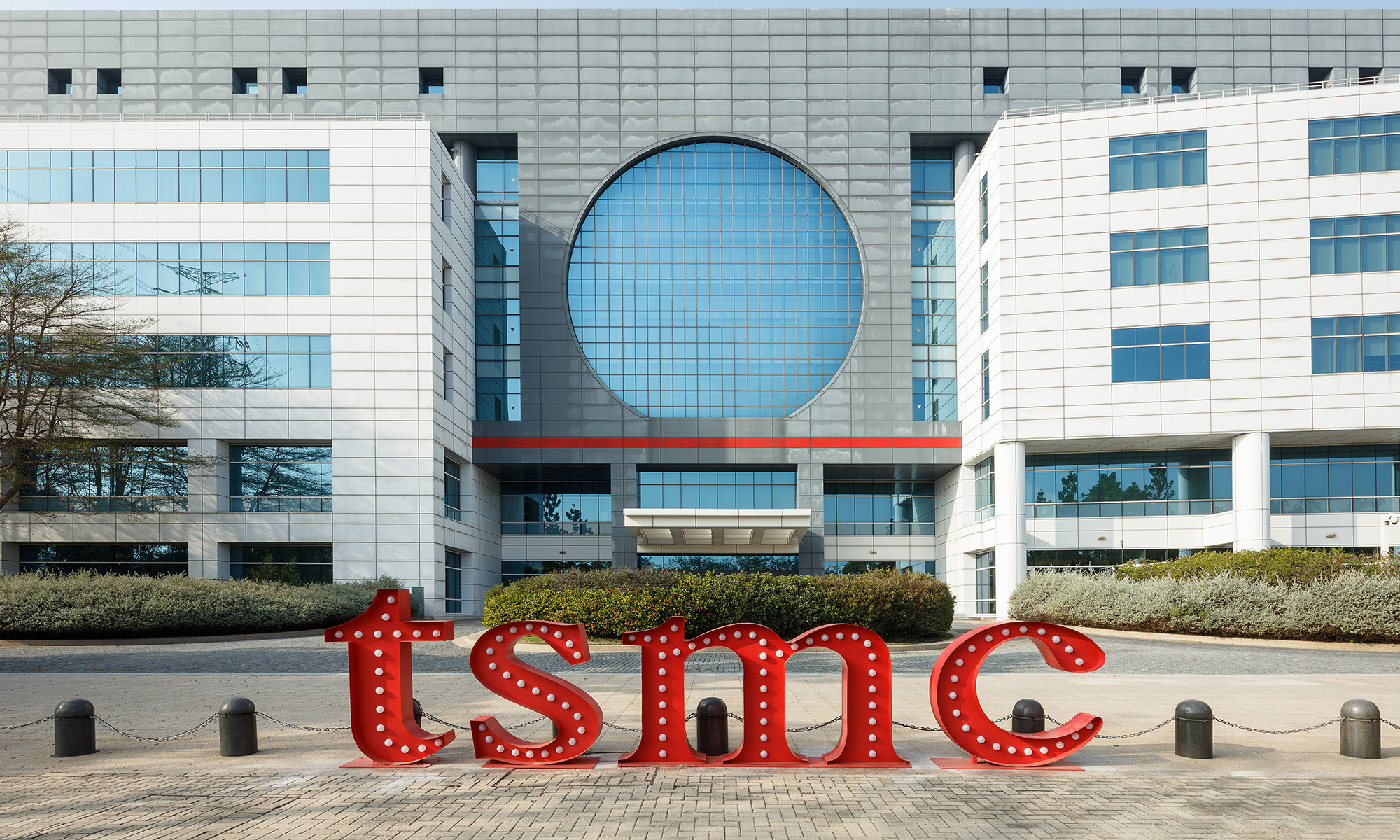
The air, my friends, is thick with the scent of progress… and, let’s be honest, a good deal of speculation. Everyone is asking: is this artificial intelligence business a genuine revolution, or merely a sophisticated form of tulip mania? Taiwan Semiconductor, or TSMC as the initiates call it, seems to believe it’s something more. Their Chairman, Mr. C.C. Wei, a man who clearly understands the value of a well-timed pronouncement, has hinted as much. And where TSMC goes, the flow of capital, like a well-trained river, tends to follow.
The latest numbers are, shall we say, stimulating. A twenty percent jump in revenue, a thirty-five percent surge in net income – these are not the figures of a company bracing for a downturn. Mr. Wei projects continued growth, nearly thirty percent this year, and a respectable compound annual rate through 2029. A tempting vista for those of us who appreciate a reliable dividend stream, wouldn’t you agree?
The engine driving this expansion? AI accelerators, naturally. These little marvels, it seems, are in insatiable demand. TSMC anticipates at least a fifty percent annual increase in revenue from them through the end of the decade. One hears whispers of frustrated customers – Nvidia and AMD, among others – clamoring for more chips. TSMC, typically cautious as a seasoned gambler counting his winnings, is finally loosening the purse strings. A slow awakening, perhaps, but an awakening nonetheless.
“AI is Real” – A Cautious Confession
Mr. Wei, a man who clearly understands the weight of capital expenditure, admits to a healthy dose of anxiety. Building these fabrication plants – these cathedrals of silicon – requires billions and years. Overinvest, and you’re left with a monument to misplaced optimism. A cautionary tale for all aspiring titans of industry. “I’m also very nervous about it. You bet,” he confided. A refreshing honesty in these times of relentless hype.
He’s been conducting a discreet survey, speaking to customers, and even the customers of those customers. A sort of intelligence gathering operation, if you will, to ascertain whether this AI fervor is genuine. Is it actually translating into tangible benefits, or is it merely a fashionable distraction? The conclusion, it appears, is cautiously optimistic: “AI is real,” he declares, calling it an “AI megatrend.” A pronouncement that will undoubtedly send ripples through the financial markets.
These customers, these hyperscale cloud providers, are, by all accounts, flush with capital. “They are very rich,” Mr. Wei observes with a knowing smile. A fact that undoubtedly eases his concerns. And TSMC itself is experimenting with AI, squeezing an extra one or two percent productivity from its fabs. Small gains, perhaps, but in the world of microchips, every fraction counts.
As a result, TSMC plans to spend between fifty-two and fifty-six billion dollars this year on capital expenditures. A considerable sum, even by the standards of a company that deals in billions. They’re also accelerating the construction of a new fab in Arizona, eager to capitalize on the burgeoning demand. A bold move, but one that could yield substantial returns.
Risks Remain – The Bubble and the Burn
The semiconductor industry is notoriously cyclical. But this AI-driven cycle feels… different. Mr. Wei suggests it could be “endless.” A rather grand claim, but one that captures the prevailing optimism. Still, a prudent investor never dismisses the possibility of a downturn.
While demand for AI accelerators is currently robust, the picture becomes murkier when you delve deeper into the chain of customers. Companies like OpenAI, Anthropic, and xAI are burning through cash at an alarming rate, fueled by massive user bases that contribute little to the bottom line. OpenAI, it’s said, plans to incinerate $115 billion by 2029. A rather extravagant bonfire, wouldn’t you say? And xAI is reportedly losing nearly a billion dollars a month. A truly impressive feat of financial dissipation.
For TSMC, the sustainability of this spending is the key question. AI is undoubtedly finding real-world applications. But how much of the current demand is being artificially inflated by these extravagant expenditures? A question that deserves careful consideration.
TSMC, to its credit, remains relatively conservative. They may be leaving some money on the table, but their caution is a virtue. If this AI bubble does burst, TSMC will be bruised, but not crippled. A sensible approach, wouldn’t you agree?
For the next few years, at least, TSMC’s revenue is likely to grow at a blistering pace. After that? Well, that remains anyone’s guess. But for those of us who appreciate a reliable dividend stream, the current outlook is decidedly promising. A golden opportunity, perhaps, to join the AI gold rush. Just remember, my friends, even in a boom, a healthy dose of skepticism is always advisable.
Read More
- Gold Rate Forecast
- 22 Films Where the White Protagonist Is Canonically the Sidekick to a Black Lead
- Games That Faced Bans in Countries Over Political Themes
- Silver Rate Forecast
- Unveiling the Schwab U.S. Dividend Equity ETF: A Portent of Financial Growth
- Celebs Who Narrowly Escaped The 9/11 Attacks
- Brent Oil Forecast
- How to Do Sculptor Without a Future in KCD2 – Get 3 Sculptor’s Things
- Superman Flops Financially: $350M Budget, Still No Profit (Scoop Confirmed)
- 14 Movies Where the Black Character Refuses to Save the White Protagonist
2026-01-18 14:13