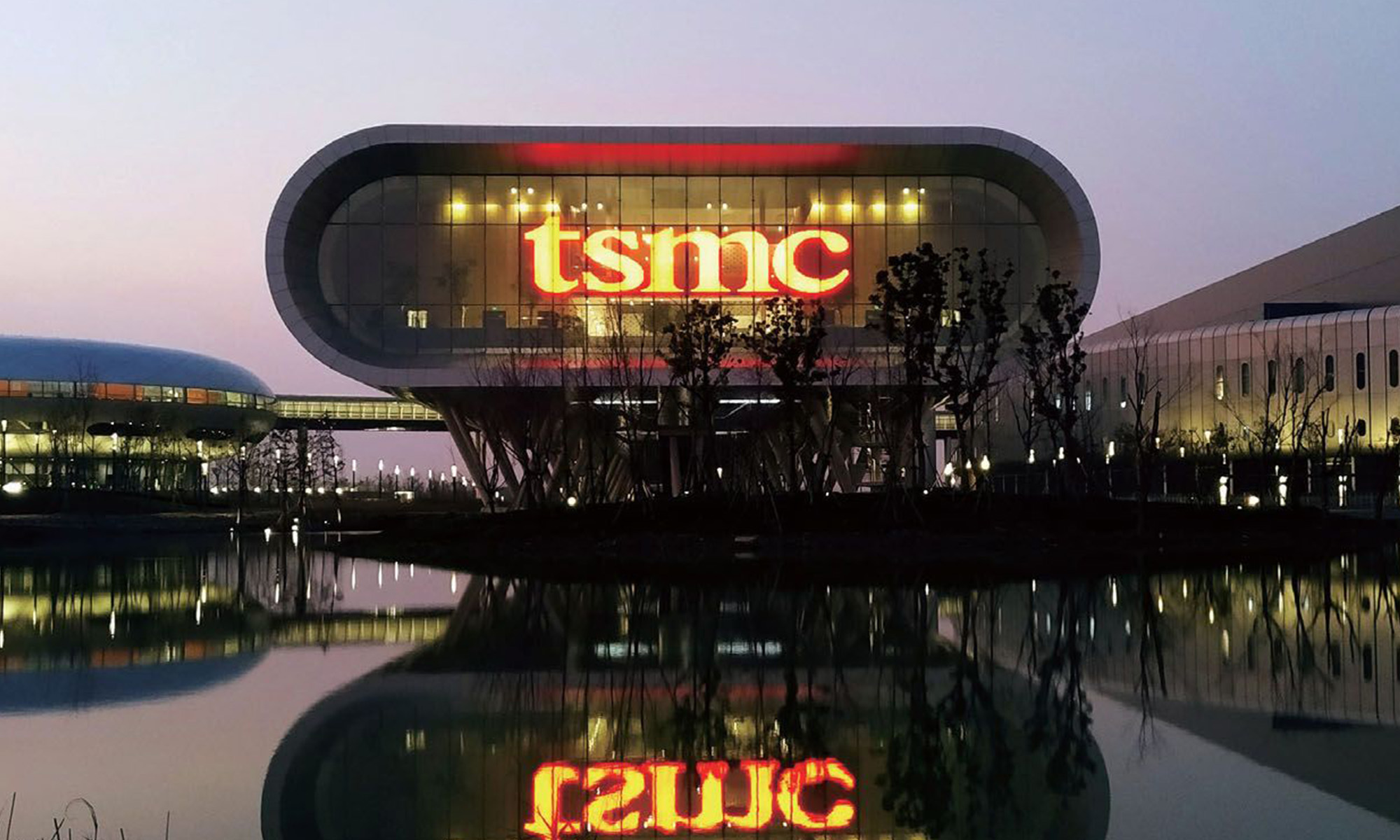
The current enthusiasm for all things ‘artificial intelligence’ has, predictably, produced a froth of speculative investment. One observes, with a certain detachment, that the eight most favoured stocks in the United States are now dedicated to this nebulous pursuit, followed by a host of smaller enterprises hoping to become the next Nvidia or Palantir. A vulgar display, naturally. Yet, amidst this excitable scramble, a certain Taiwanese company, Taiwan Semiconductor Manufacturing – or TSMC, as the initiated call it – presents a rather more… considered prospect.
One might venture to suggest that TSMC offers the best value in this increasingly frantic market. It is not, of course, a glamorous proposition. There are no visionary founders promising to disrupt entire industries, merely a relentless competence honed over decades. But then, competence is so often overlooked in the pursuit of novelty.
A Fortuitous Alignment
TSMC’s recent success is, undeniably, linked to the AI boom. They manufacture the chips for all the principal players – Nvidia, Alphabet, Amazon – and have recently opened a facility in the United States, a gesture of appeasement to those who view foreign manufacturing with suspicion. The arrival of Nvidia’s Blackwell architecture chips from TSMC’s production lines was heralded with the usual fanfare, and a substantial investment of $250 billion, secured with the assistance of the previous administration, will further expand their American footprint.
The expansion was, of course, already underway, tariffs being merely an additional incentive. The resulting reduction in duties is, naturally, advantageous. One suspects, however, that TSMC would have prospered regardless. Their revenue from high-performance computing – the segment that houses this AI business – rose a respectable 48% in 2024, and is projected to reach 58% in 2025. Management anticipates a further increase in capital expenditure, from $41 billion to $54 billion, a figure that, according to their CFO, correlates directly with future growth. A predictably optimistic assessment, but one supported by the available evidence.
The Virtue of Longevity
What distinguishes TSMC from the more volatile ‘growth’ stocks is its established, diversified business. Founded in 1987, it has quietly, efficiently, been at the forefront of semiconductor innovation long before ‘artificial intelligence’ became a marketing buzzword. It has, in effect, weathered several technological storms, and emerged, if not unscathed, certainly intact.
The company’s portfolio extends beyond the fashionable realm of AI, encompassing smartphones (29% of revenue) and, increasingly, autonomous vehicles (5%). This diversification provides a degree of resilience, a buffer against the inevitable shifts in consumer preferences. Should the current AI craze subside – and one should always anticipate such eventualities – TSMC is well positioned to capitalize on the next technological wave. They will, in all probability, be leading it.
Considering its growth and opportunities, TSMC stock appears, at a price-to-earnings ratio of 31, to be reasonably priced. An attractive entry point, perhaps, for those seeking a degree of stability in these turbulent times. It is not a thrilling investment, certainly. But then, one rarely achieves lasting success with thrills.
Read More
- 20 Movies Where the Black Villain Was Secretly the Most Popular Character
- Top 20 Dinosaur Movies, Ranked
- Celebs Who Narrowly Escaped The 9/11 Attacks
- 25 “Woke” Films That Used Black Trauma to Humanize White Leads
- The 10 Most Underrated Jim Carrey Movies, Ranked (From Least to Most Underrated)
- Transformers Under the Microscope: What Graph Neural Networks Reveal
- The Best Directors of 2025
- Every Notable ‘Star Trek: The Original Series’ Actor Who Died
- 22 Films Where the White Protagonist Is Canonically the Sidekick to a Black Lead
- Trading on Thin Air: AI Agents Conquer Crypto Volatility
2026-01-29 14:02