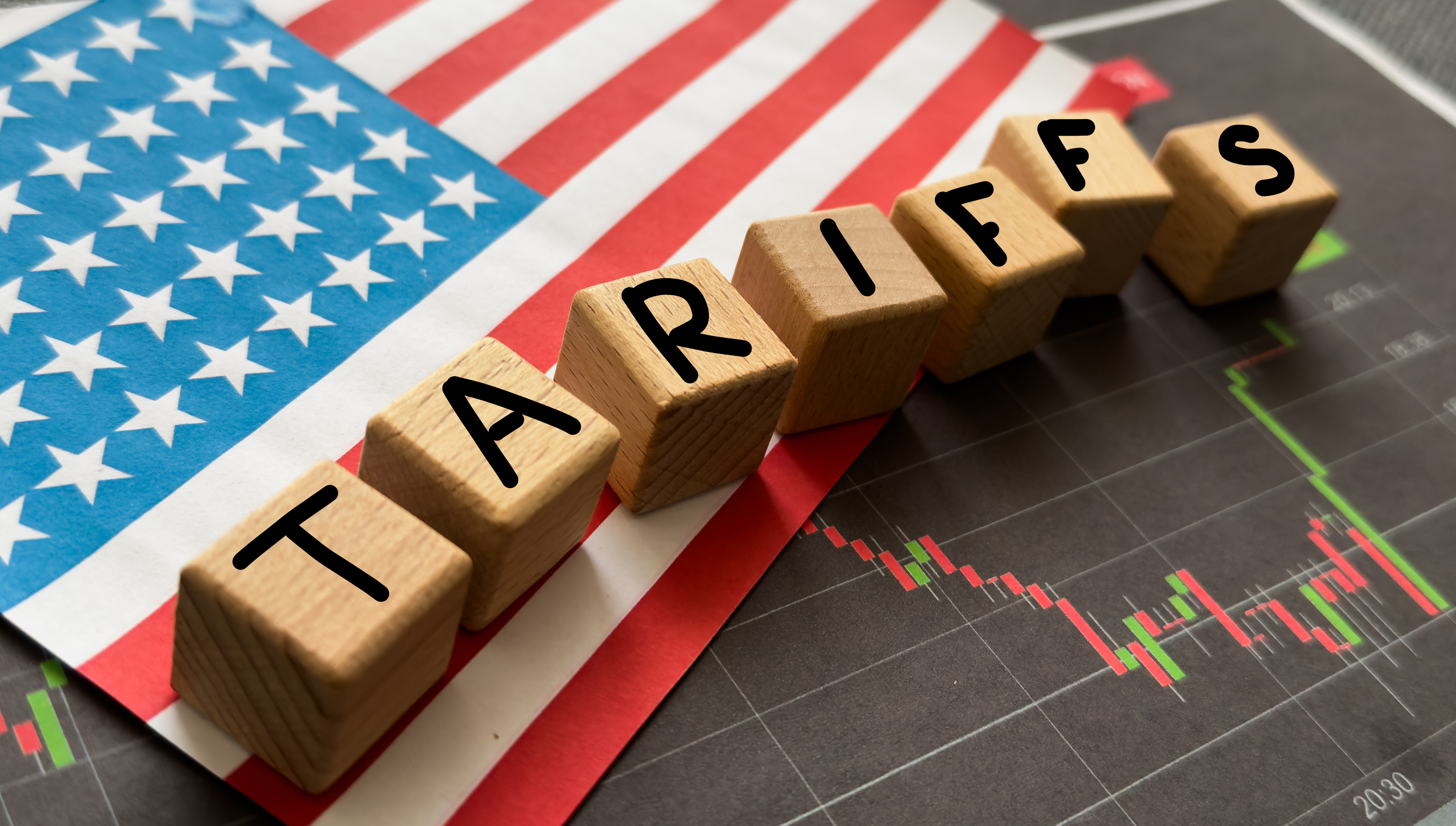
Alright, settle in, folks. You think navigating the market is tough? Try deciphering tariff policy. It’s like watching a clown try to perform brain surgery. And believe me, I’ve seen some things in my time. So, the Supreme Court swatted down some of Trump’s tariff shenanigans from last April – the “Liberation Day” tariffs, can you believe that name? – and you’d think that’s a win for everyone. Well, hold your horses. It’s never that simple, is it?
Our former President, never one to be outdone, promptly slapped on a new 15% “global” tariff under something called Section 122 of the Trade Act of 1974. Sounds thrilling, doesn’t it? Like a James Bond film, except with more paperwork and less Sean Connery. As your friendly neighborhood portfolio manager, let me break down what this means for your investments, and frankly, for the sanity of anyone trying to predict the future.
1. It’s 15% Across the Board, Folks. Buckle Up.
Forget the nuanced, country-by-country approach of the “Liberation Day” tariffs. This is a broadside. A full-on, 15% hit on most imports. It’s like he took a shotgun to the global supply chain. Now, some will argue this is protectionism. I say it’s… dramatic. And as someone who’s spent decades analyzing balance sheets, let me tell you, indiscriminate tariffs rarely solve problems. They just move them. Usually onto the consumer, and eventually, into your portfolio.
2. Temporary, They Say. Like Most Things.
This Section 122 business isn’t permanent, thankfully. It’s good for 150 days unless Congress decides to extend it. Now, that would be a plot twist worthy of a Shakespearean tragedy. Or a Mel Brooks parody of a Shakespearean tragedy. The idea is to address trade deficits or prevent the dollar from taking a tumble. A noble goal, perhaps. But let’s be honest, Congress extending anything these days is about as likely as me winning a breakdancing competition.
3. Old Tariffs Die Hard. They Just Get Rebranded.
Don’t think this wipes the slate clean. The Section 232 tariffs on steel and aluminum are still kicking around, justified by “national security” – which, let’s face it, is a phrase that can be applied to almost anything. And the Section 301 tariffs targeting China? Still there. It’s like a hydra – you chop off one head, and two more grow back. So, while this ruling is a small victory, it doesn’t magically undo years of trade friction.
4. The “De Minimis” Rule: A Tale of Lost Bargains (and Amazon’s Discomfort)
Now, here’s where it gets interesting. The Supreme Court ruling initially gave a little boost to companies like Amazon (AMZN +0.85%), PDD (PDD 0.36%), and other retailers who rely on importing goods. Why? Because the ruling briefly lifted the pressure from those old tariffs. But hold on! This doesn’t bring back the “de minimis” rule, which used to exempt packages under $800 from tariffs. Remember that little perk? Gone. Vanished. The Trump Administration squashed it last May, making it harder for overseas merchants to sell to U.S. customers. It’s like they took a perfectly good system and replaced it with a Rube Goldberg machine.
So, while the Supreme Court ruling is a small reprieve, don’t expect cross-border retailers to suddenly throw a party. The “de minimis” rule is still on the shelf, and this new 15% tariff is a significant headwind. As your portfolio manager, my advice is simple: don’t overreact. Don’t assume the skies will clear anytime soon. The global trade situation remains… complicated. And frankly, a little bit ridiculous. Now, if you’ll excuse me, I need to go lie down.
Read More
- Gold Rate Forecast
- Invincible Season 4 Gender Swaps Tech Jacket As Fans Question Major Comic Change
- Silver Rate Forecast
- Unveiling the Schwab U.S. Dividend Equity ETF: A Portent of Financial Growth
- ONE PIECE Season 2 Confirms Sanji’s OTHER Backstory in the Live-Action
- 15 Films That Were Shot Entirely on Phones
- 22 Films Where the White Protagonist Is Canonically the Sidekick to a Black Lead
- 14 Movies Where the Black Character Refuses to Save the White Protagonist
- Why Won’t It Just *Do* What You Ask? Unpacking the Quirks of AI Language
- 20 Movies Where the Black Villain Was Secretly the Most Popular Character
2026-02-25 23:44