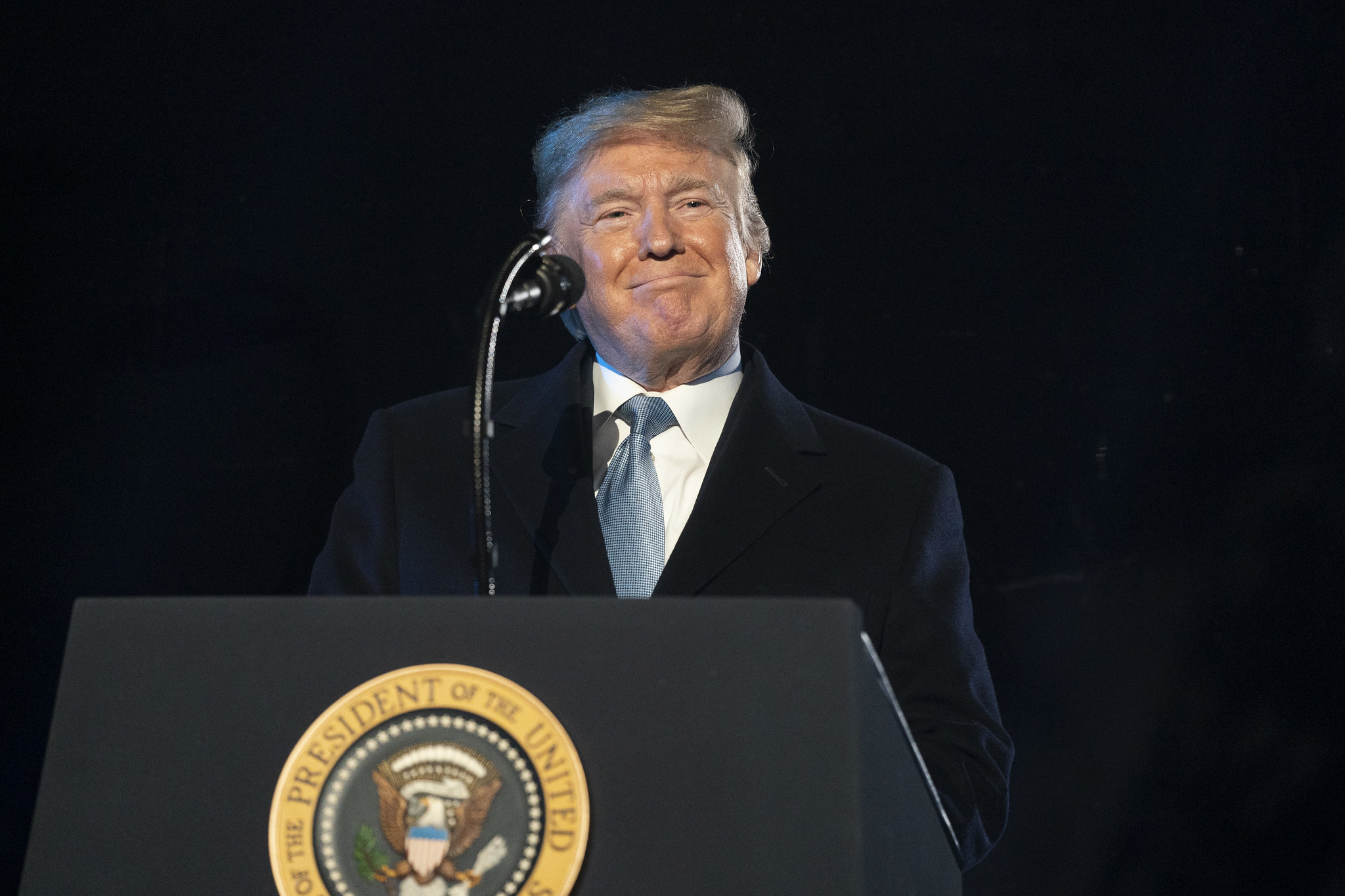
Alright, settle in, folks. Let’s talk about the market. You know, that thing that makes some people very rich and others…well, let’s just say they’re still clipping coupons. Now, the Trump years… oy vey, a rollercoaster! From a purely statistical standpoint – and I am a statistician, you know, in my spare time, between stock picks and avoiding pigeons – the Dow, the S&P 500, and the Nasdaq? They went up. A lot. 57%, 70%, 142% during his first term. It’s like a magician pulled rabbits out of a hat, only the rabbits were, uh, corporate earnings. And then, surprise! Another term, another 12%, 14%, 15% jump. It’s enough to make a fella think he should’ve bought everything but a timeshare in Florida.
Now, listen, I’ve been around the block a few times. Seen bubbles burst, fortunes made and lost, and enough bad suits to fill a stadium. And I’m telling you, bull markets don’t last forever. It’s a cold, hard truth. You can’t just keep piling on the schnitzel, eventually, you need a salad. So, I’ve been looking at the tea leaves, the entrails of the financial beast, and I’ve found four indicators that suggest this Trump bull market might be…shall we say…winded. Don’t panic yet! Just grab your smelling salts and listen up.
Stocks are Pricy – Like a First Edition Shakespeare
First, valuation. It’s simple, really. If something costs too much, you don’t buy it. But Wall Street loves to complicate things. They have all these fancy formulas. The Shiller P/E Ratio, also known as the CAPE Ratio, is one of the better ones. It’s like taking the temperature of the market over a decade. It smooths out the bumps, ignores the flash-in-the-pan crazes. And right now, it’s screaming. Since 1871, it’s averaged around 17.3. Right now? 39 to 41! It’s the second priciest stock market in history. That’s like paying a million bucks for a hot dog. Sure, it might be a really good hot dog, but still!
Historically, when the CAPE Ratio gets this high, it’s usually followed by a…correction. A polite word for “your portfolio losing a significant chunk of its value.” It’s happened before, folks. Six times since 1957, the S&P 500 has gone down after a similar spike in margin debt. Don’t say I didn’t warn you!
Loading…
—
Midterms: The Political Equivalent of a Slip and Fall
Next up: midterm elections. Now, I’m not a political guy, but I know this: Wall Street hates uncertainty. And midterms are basically a giant question mark. The party in power usually loses seats. It’s like inviting a clown to a funeral – it just feels wrong. If the Republicans lose control of Congress, things could get…complicated. No major legislation will pass, and the market will probably take a tumble. It’s a simple equation, really.
Loading…
—
Historically, midterm years have seen larger stock market corrections. The average S&P 500 drawdown is 17.5%. It’s like the market gets indigestion from all the political drama.
$7.8 Trillion Sitting on the Sidelines – What’s the Deal?
Now, this is a weird one. People are piling money into money market funds. Money market funds! That’s like keeping your cash under the mattress. These funds are super-safe, but they don’t offer much return. So why are people putting $7.8 trillion into them? Because they’re scared! They’re worried about the economy, worried about the market, worried about the price of bagels. It’s a sign of skepticism. And when people are skeptical, they tend to sell stocks. It’s a vicious cycle, really.
Loading…
—
Margin Debt: Playing with Fire
Finally, margin debt. This is where things get really interesting. Margin debt is when investors borrow money to buy stocks. It’s like betting your house on a horse race. If the horse wins, you’re rich! If the horse loses…well, let’s just say you’ll be living in a cardboard box. There’s been a 42% increase in margin debt over the last seven months. Historically, that’s been a bad sign. The S&P 500 has gone down a year later in five out of six instances. It’s like the market is saying, “I dare you to borrow more money!”
Loading…
—

The Silver Lining (There’s Always a Silver Lining)
So, what does it all mean? Well, it means the market is probably due for a correction. But don’t panic! Corrections are normal. They’re a part of the investing cycle. Think of it as a sale. You get to buy stocks at a discount. Historically, bear markets have lasted around 286 days, and bull markets have lasted around 1011 days. So, the long-term outlook is still positive. Just remember, every downturn is an opportunity. And if all else fails, you can always blame the Fed.
Loading…
—
Read More
- Games That Faced Bans in Countries Over Political Themes
- Gold Rate Forecast
- Silver Rate Forecast
- Unveiling the Schwab U.S. Dividend Equity ETF: A Portent of Financial Growth
- 22 Films Where the White Protagonist Is Canonically the Sidekick to a Black Lead
- Superman Flops Financially: $350M Budget, Still No Profit (Scoop Confirmed)
- 20 Movies Where the Black Villain Was Secretly the Most Popular Character
- Celebs Who Narrowly Escaped The 9/11 Attacks
- 14 Movies Where the Black Character Refuses to Save the White Protagonist
- The Best Directors of 2025
2026-03-01 12:15