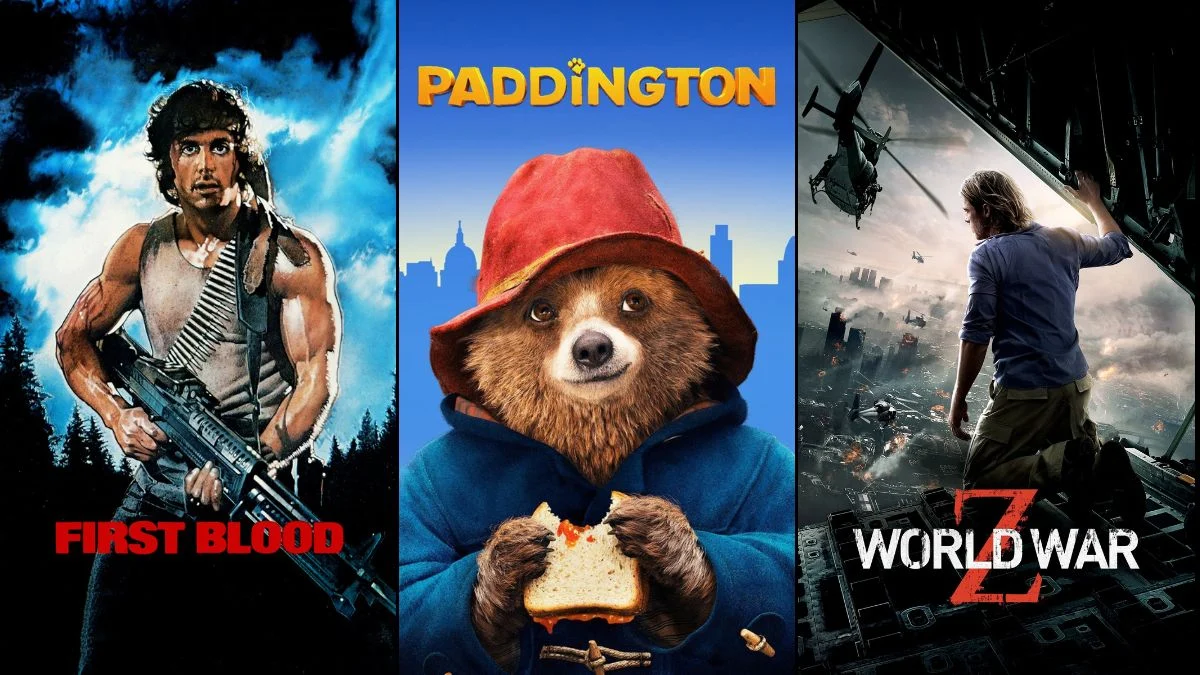
Making a movie is often unpredictable, and the line between a flop and a classic can be razor-thin, often decided by last-minute changes. Many of the films we love almost didn’t make it – they faced terrible test screenings or difficult production problems that demanded major fixes right before coming out. Sometimes directors and studios had to completely rework endings or even replace actors to save a project. These kinds of changes can dramatically alter a film’s feel and how it’s remembered. The films below show how great creative decisions can happen under intense pressure.
‘Back to the Future’ (1985)
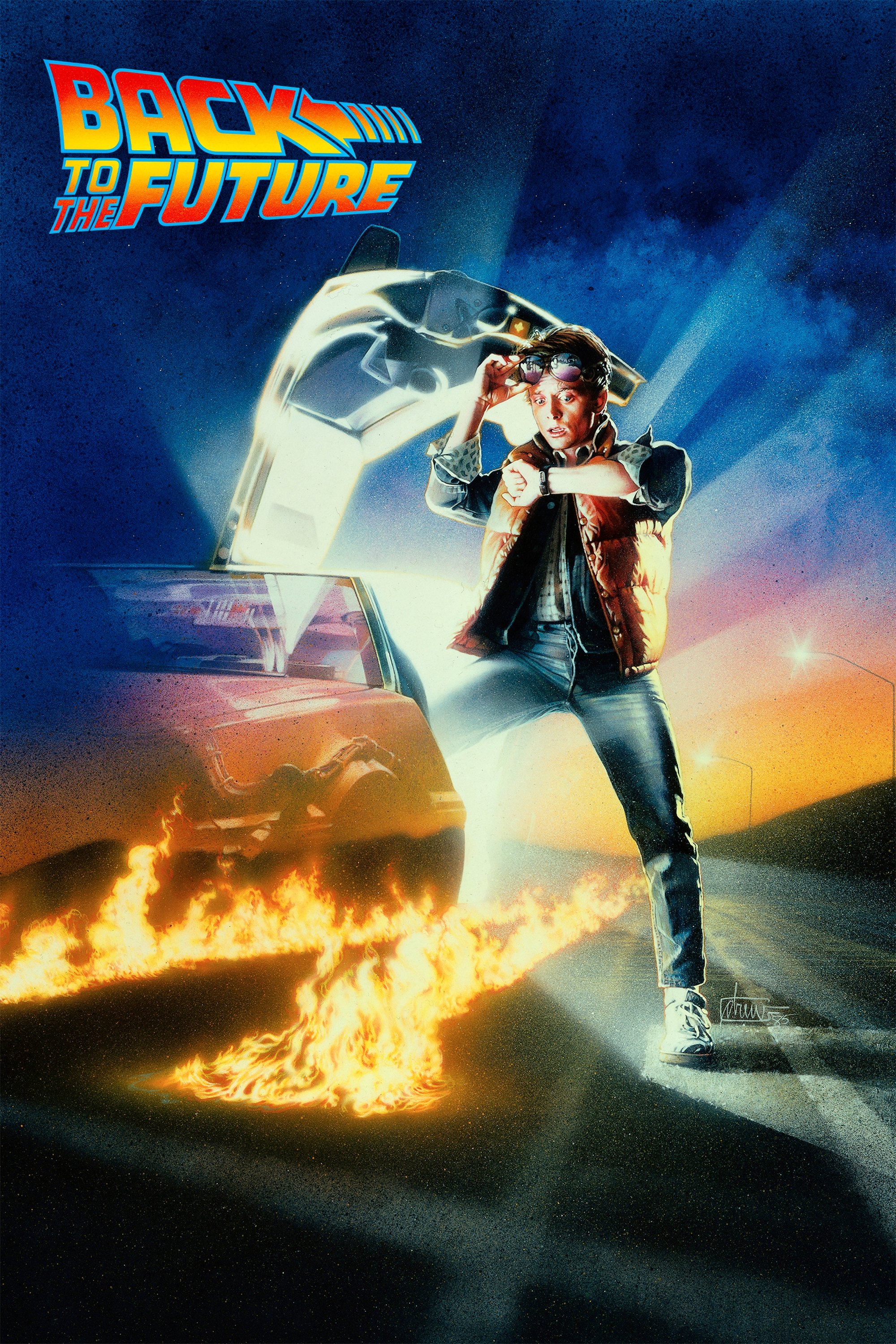
Eric Stoltz was initially chosen to play Marty McFly and even filmed scenes for a few weeks. However, director Robert Zemeckis felt he didn’t quite have the right comedic timing for the part. Michael J. Fox then stepped in and brought the necessary lightheartedness to the character. Although it was an expensive change, it ultimately helped create one of the most popular sci-fi comedies ever made. The fantastic connection between Fox and Christopher Lloyd became central to the success of the entire series.
‘Jaws’ (1975)
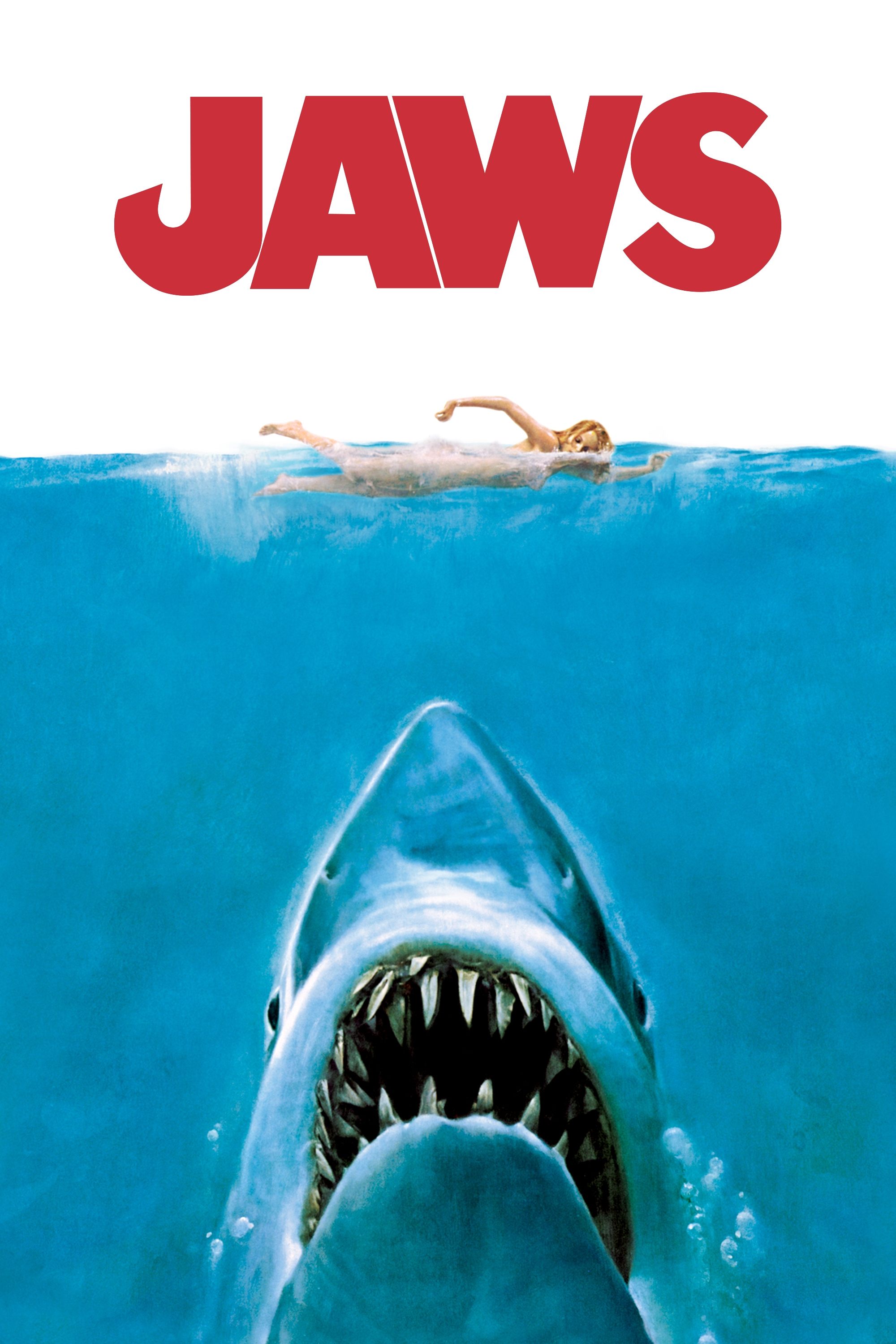
Filming “Jaws” was incredibly challenging because the mechanical shark kept breaking down. Instead of trying to fix it constantly, Steven Spielberg cleverly decided to show the shark sparingly and hint at its presence. This unexpected problem sparked creative solutions, resulting in a brilliantly suspenseful movie that set the standard for summer blockbusters. By letting the audience imagine the shark, the film became much scarier. John Williams’ unforgettable music then heightened the tension and filled the spaces where the shark wasn’t seen.
‘Star Wars: Episode IV – A New Hope’ (1977)
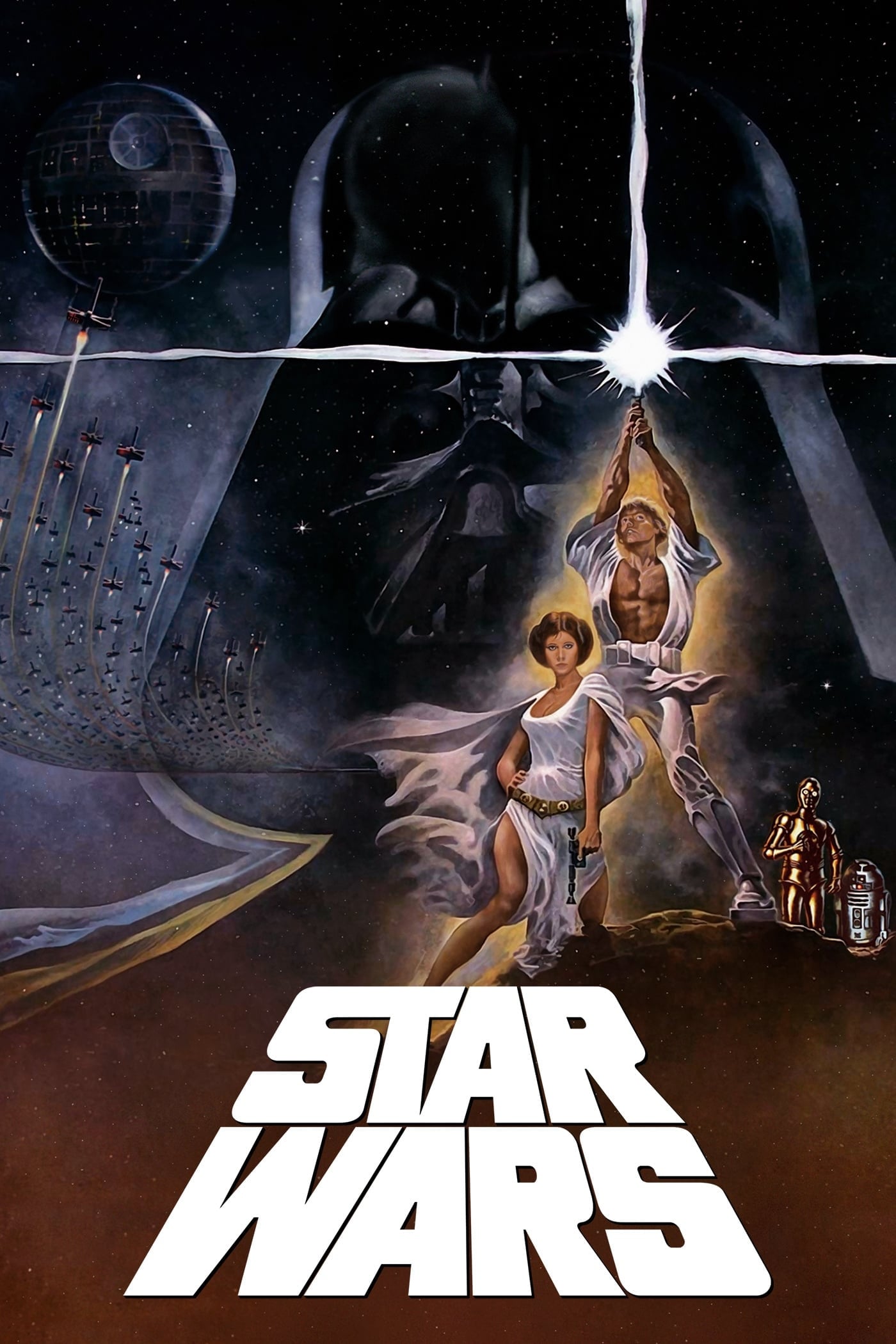
The first version of the film felt choppy and didn’t build enough excitement. Editors Paul Hirsch and Richard Chew, along with Marcia Lucas, completely rebuilt the climactic battle sequence. They cleverly added sound effects from other parts of the movie to create a sense of urgency and tension that wasn’t there before. This skillful editing rescued the ending and played a huge role in the film becoming a worldwide success. These improvements in pacing transformed a struggling production into a smooth, captivating space adventure.
‘Toy Story’ (1995)
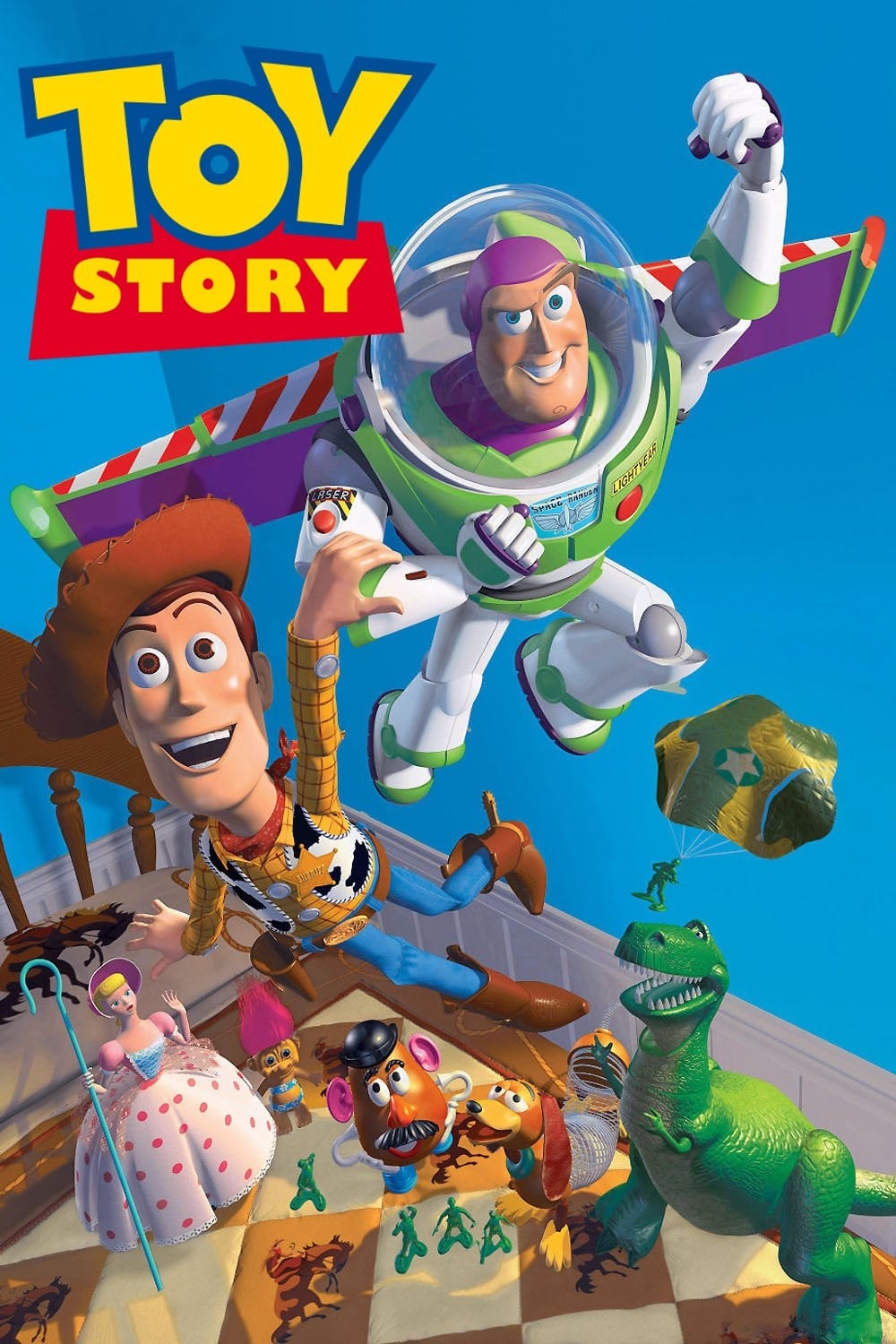
Initial test screenings of Toy Story revealed Woody as a harsh and unpleasant character. Disney was concerned, so they paused production and asked Pixar to rewrite the story, focusing on making Woody a positive leader instead of a bully. They brought in writer Joss Whedon to refine the dialogue and relationships between characters. This resulted in a version of the story that emphasized themes of heart and friendship, which became central to the entire series. Viewers responded much better to this kinder, more vulnerable version of Woody.
‘World War Z’ (2013)
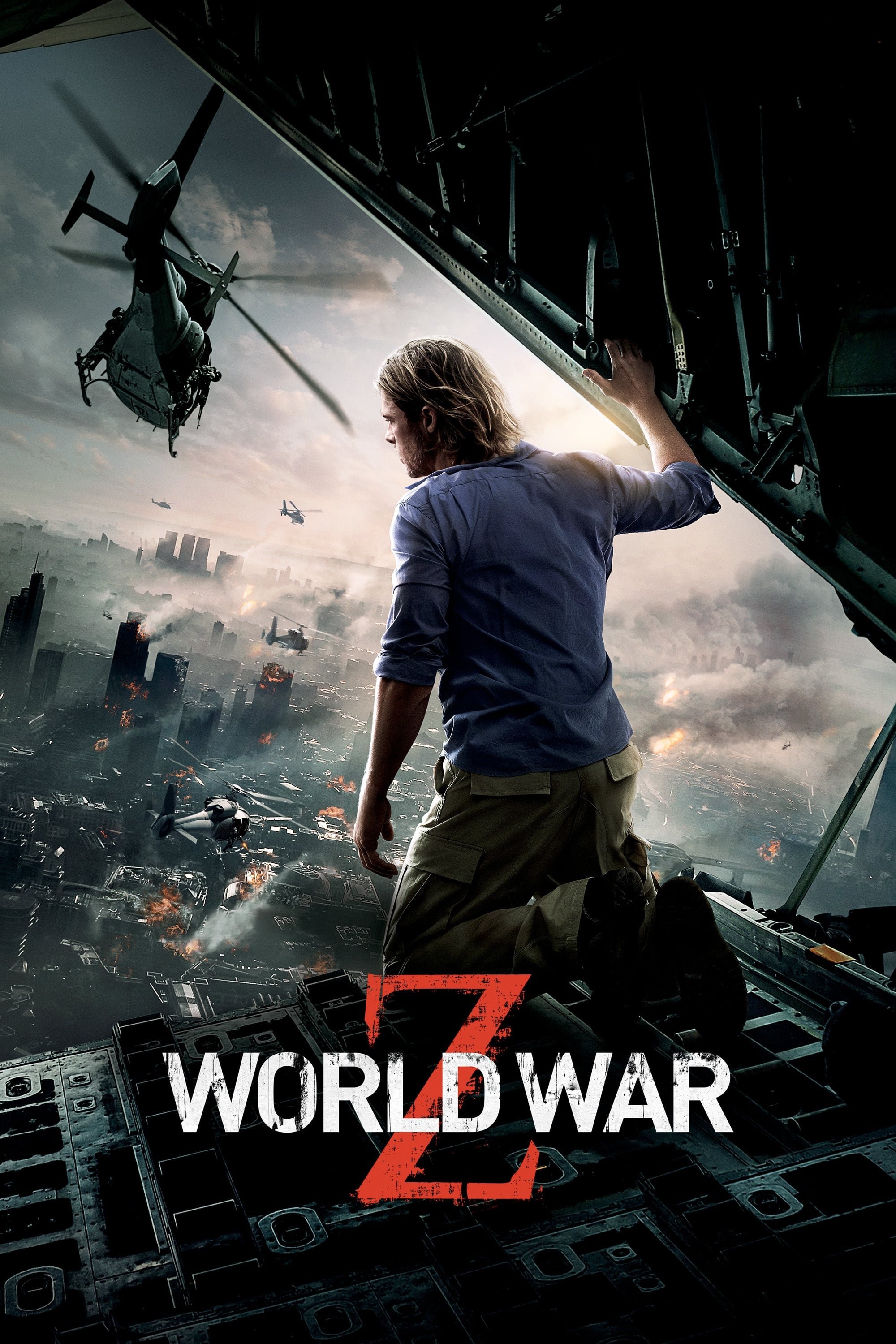
The film’s initial ending involved a large-scale battle in Russia, but it didn’t quite fit with the rest of the story. Writers Damon Lindelof and Drew Goddard were brought in to create a new, more suspenseful conclusion. They filmed a tense laboratory scene, which made the story feel more personal and intimate. This rewrite saved the film from being a failure and ultimately turned it into the most successful zombie movie ever made. The revised, quieter ending also helped it stand out from typical, action-packed blockbusters.
‘Fatal Attraction’ (1987)
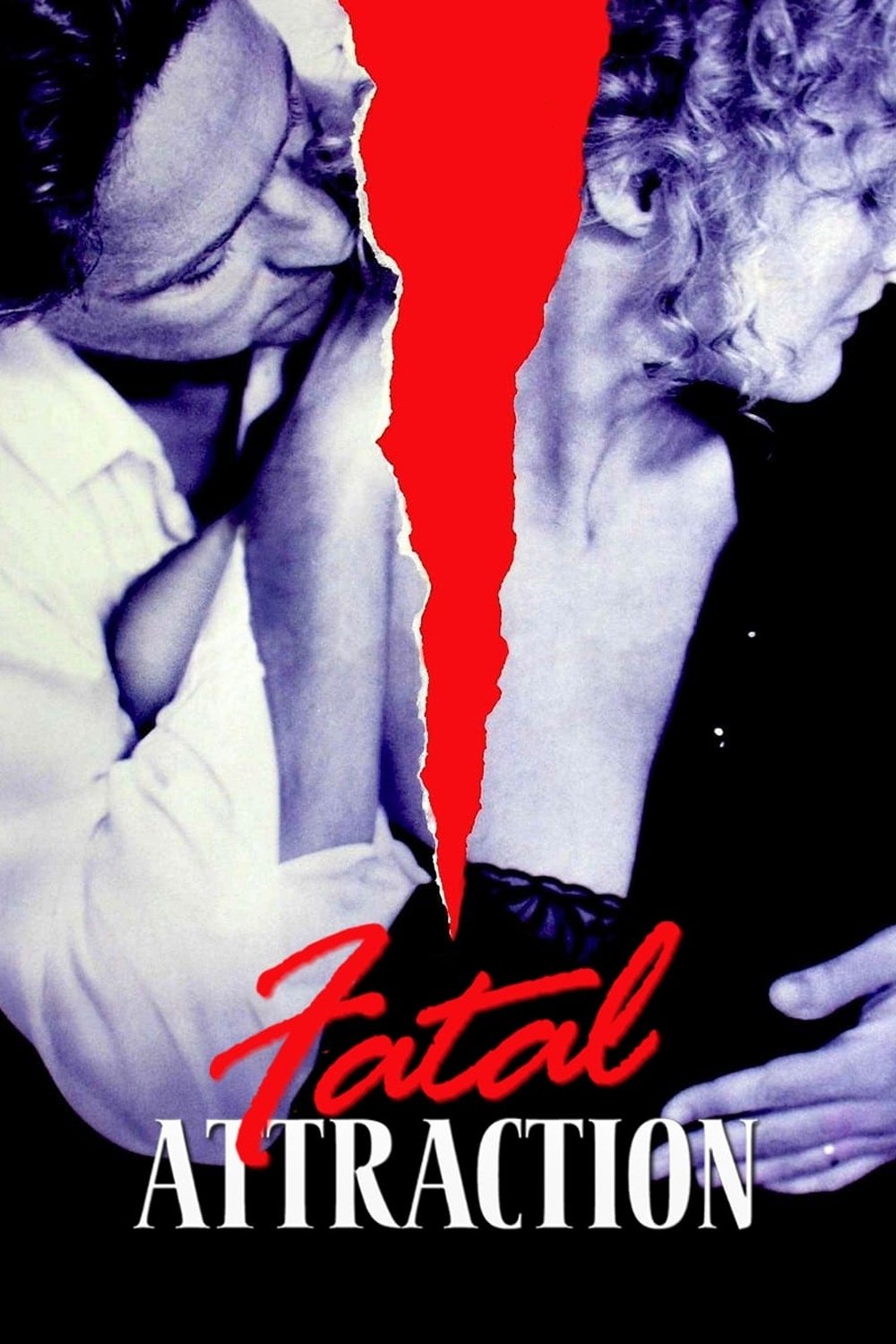
Early viewers strongly disliked the original ending of the film, which involved Alex taking his own life and falsely accusing Dan of murder. The studio insisted on a different conclusion: Alex being shot by Dan’s wife, offering a more satisfying and emotionally releasing resolution. Although Glenn Close was initially against the change, she ultimately agreed to film the new, more violent ending. This revised finale pleased audiences and helped turn the movie into a huge thriller success. It’s now remembered as one of the most well-known examples of an ending being changed in film history.
‘Shrek’ (2001)
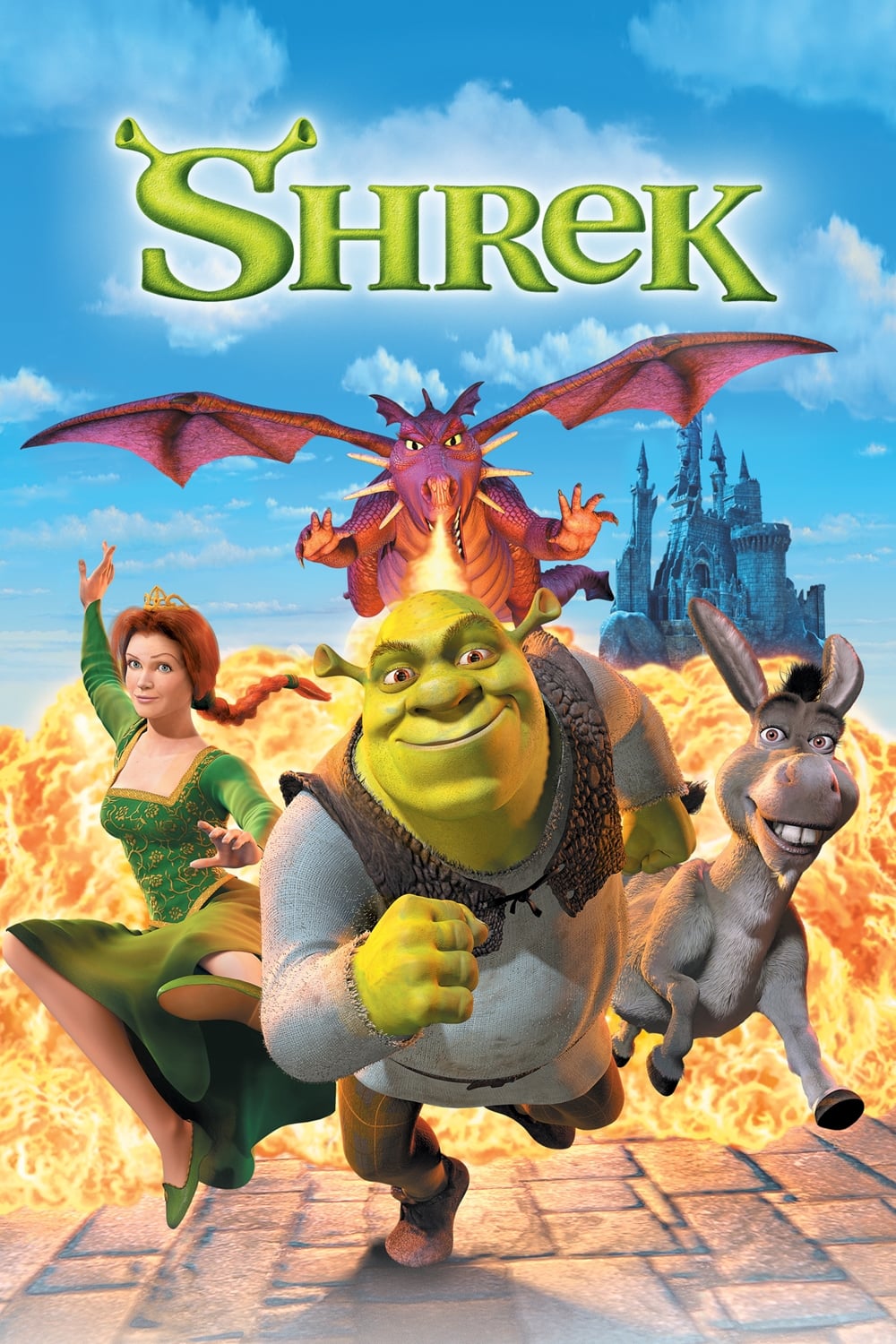
Chris Farley initially recorded almost all of Shrek’s lines, but sadly passed away before the movie was finished. Mike Myers then took over the role and, quite late in production, decided to give Shrek a Scottish accent. This choice really brought the character to life, adding a lot of heart and humor. Because of the new voice, parts of the animation had to be redone, but the result was a huge hit. Myers believed the accent made Shrek feel more relatable and emotionally genuine.
‘First Blood’ (1982)
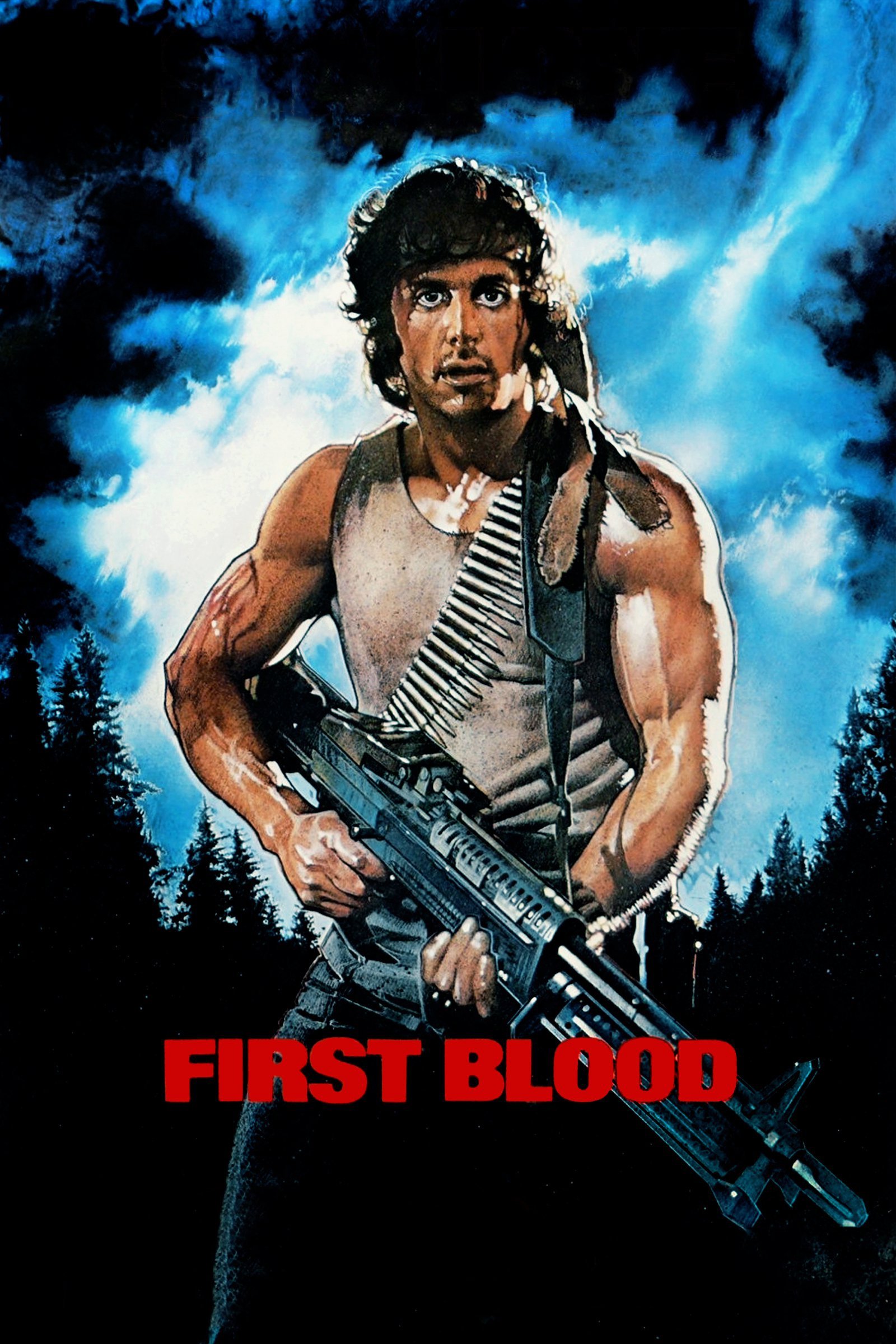
The first cut of the film ended with John Rambo making Colonel Trautman kill him. However, Sylvester Stallone thought this was too bleak for a character who’d been through so much hardship. He persuaded the director to film a different ending where Rambo lives and is arrested. This change allowed the character to return in future movies and become a major action star, completely altering the course of the film series.
‘Clerks’ (1994)
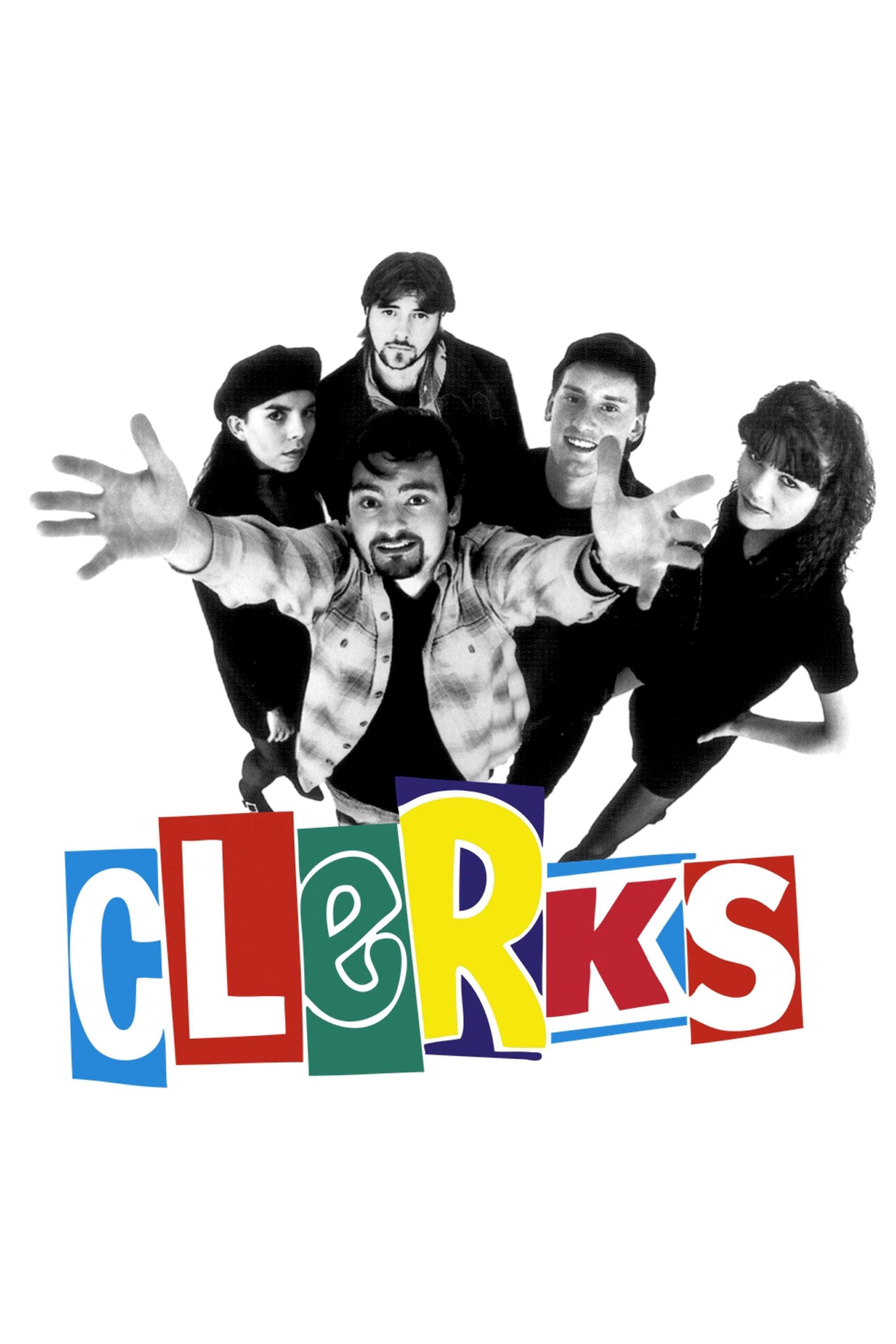
Kevin Smith initially filmed a scene where Dante dies during a robbery. However, experienced filmmakers told him this dark ending didn’t fit the comedic, everyday feel of the movie. He ultimately removed the scene, opting for a more open-ended conclusion. This decision helped maintain the film’s lighthearted tone and proved crucial to launching Smith’s career, as the darker ending likely would have turned audiences away.
‘The Emperor’s New Groove’ (2000)

Originally, this film began as a grand, musical adventure called ‘Kingdom of the Sun’. However, problems during production forced a major change – the story was completely rewritten as a quick-moving comedy duo. The animators had to quickly adapt to this new, more slapstick style. The final movie became a beloved cult classic, famous for its one-of-a-kind humor and unforgettable characters. It’s a great example of how important it is to change direction when something isn’t working.
‘Frozen’ (2013)
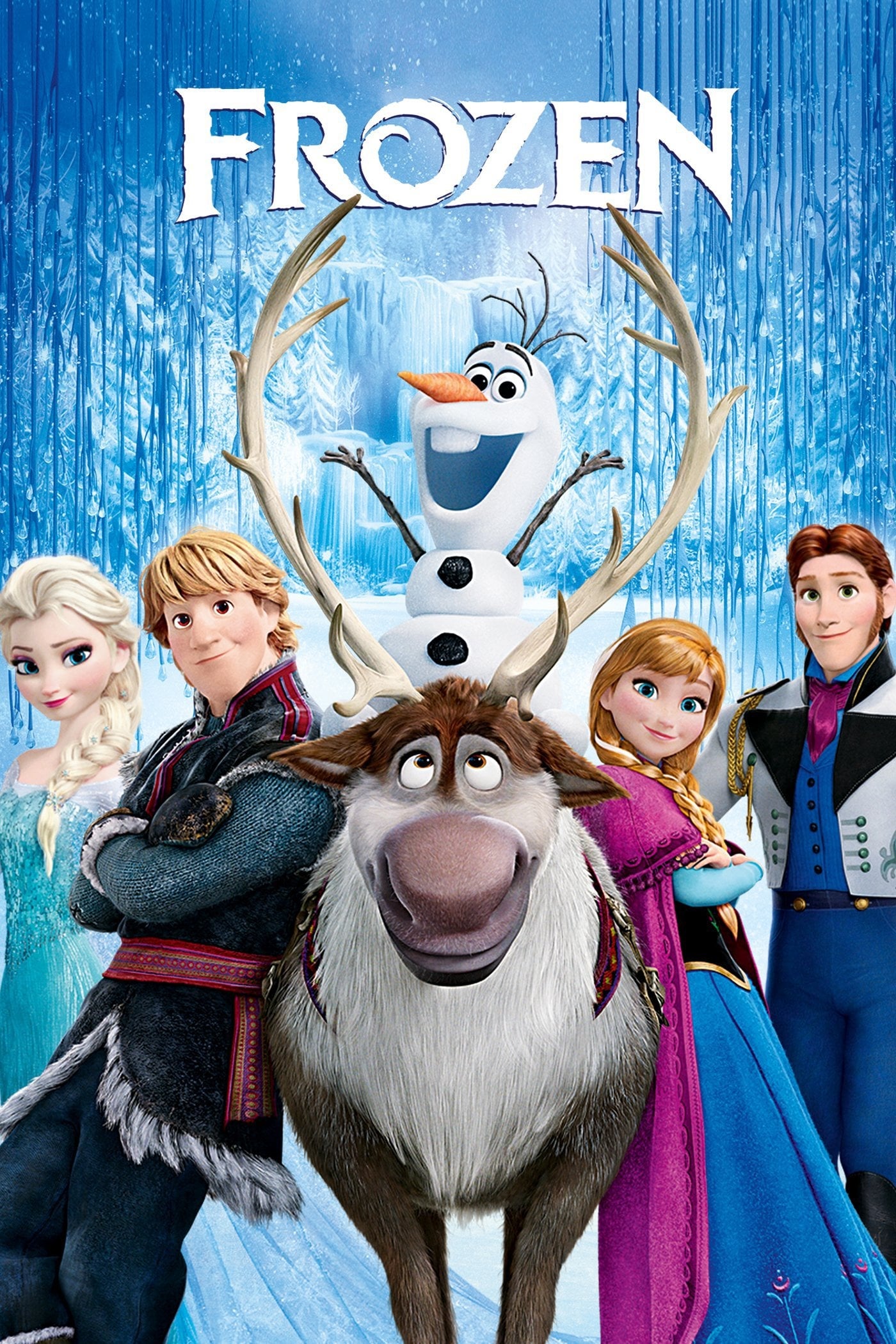
Elsa began as a typical villain, based on the Snow Queen. However, a powerful song highlighting her as a character simply wanting to be free inspired the filmmakers to change the entire story. Instead of a simple good versus evil plot, they decided to center the film around the loving relationship between sisters. As a result, Prince Hans took on the role of the villain.
‘Paddington’ (2014)
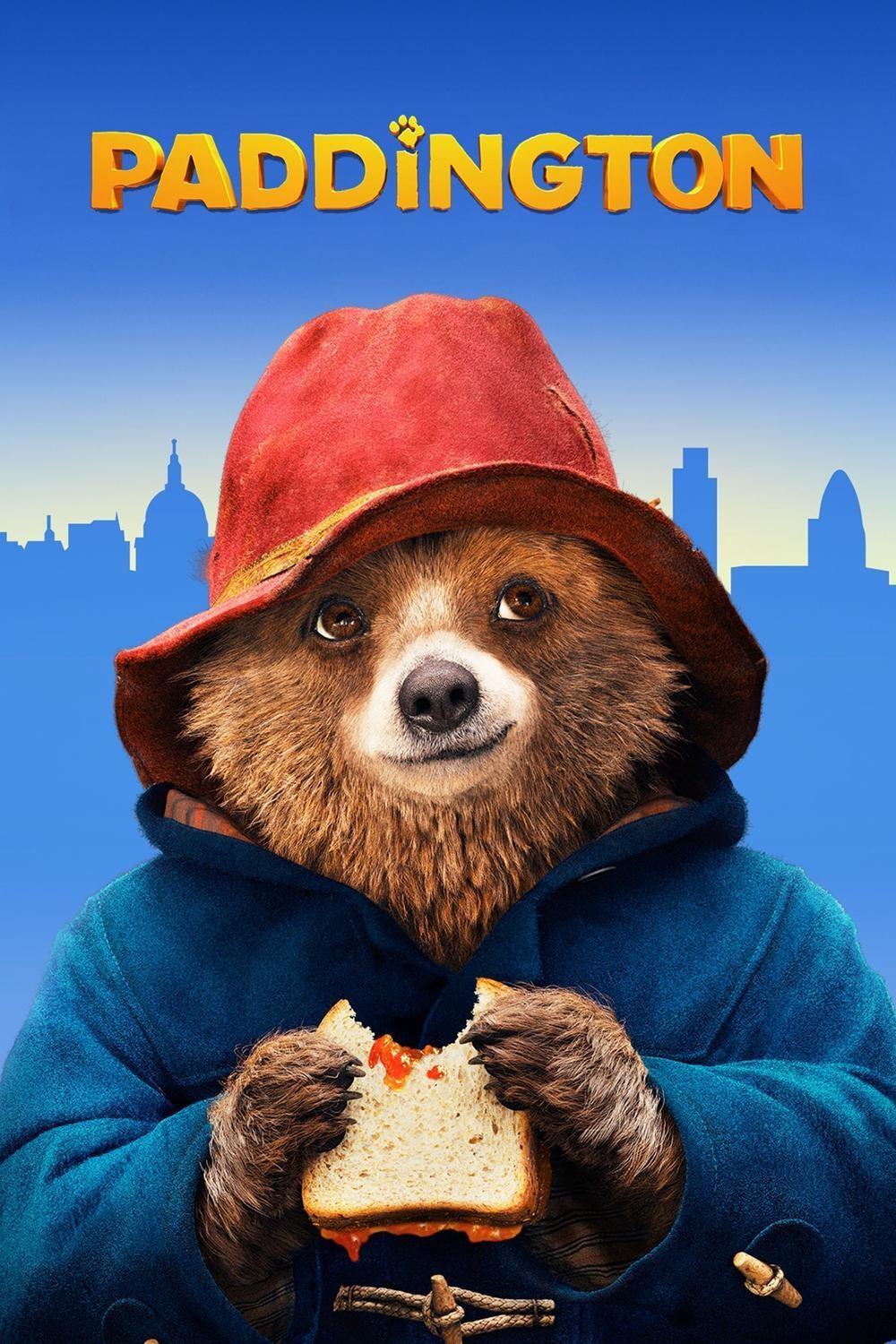
Colin Firth was originally chosen to voice the friendly bear, but he and the director decided his voice sounded too adult for the character’s young and innocent personality. Ben Whishaw then took over and perfectly captured the gentle, naive tone the film needed. Whishaw’s voice acting was a major reason the movie was so charming and heartwarming, and the change in actors prevented the main character from feeling out of sync with the animation.
‘Get Out’ (2017)
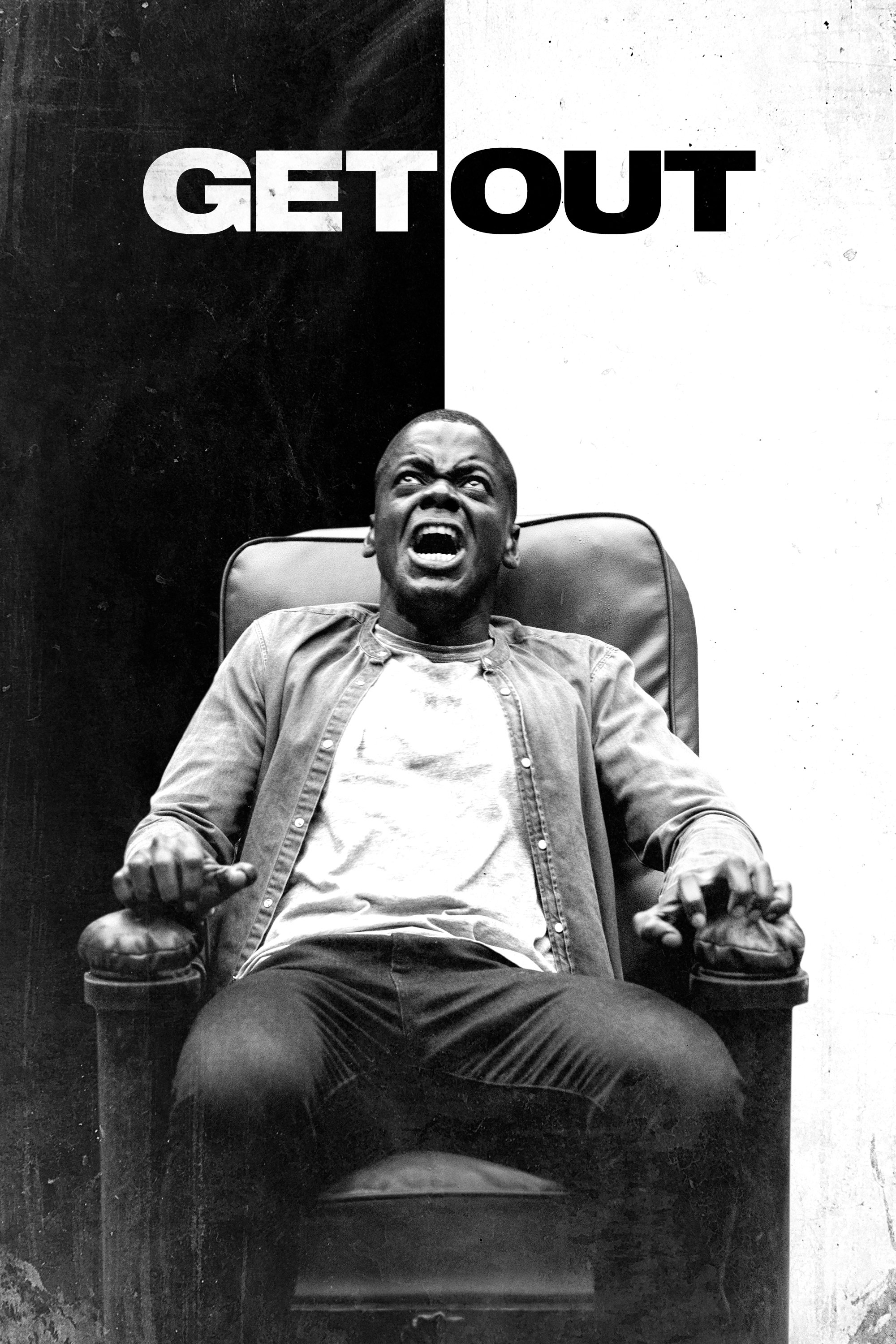
Jordan Peele initially created an ending for the film where Chris was arrested. However, test audiences felt this was too depressing and unfair after everything he’d been through. So, Peele filmed a new scene where Rod comes to Chris’s rescue. This provided a much-needed moment of hope and victory for viewers. The final ending allowed the film to deliver a sense of justice while still making its important social points.
‘Legally Blonde’ (2001)
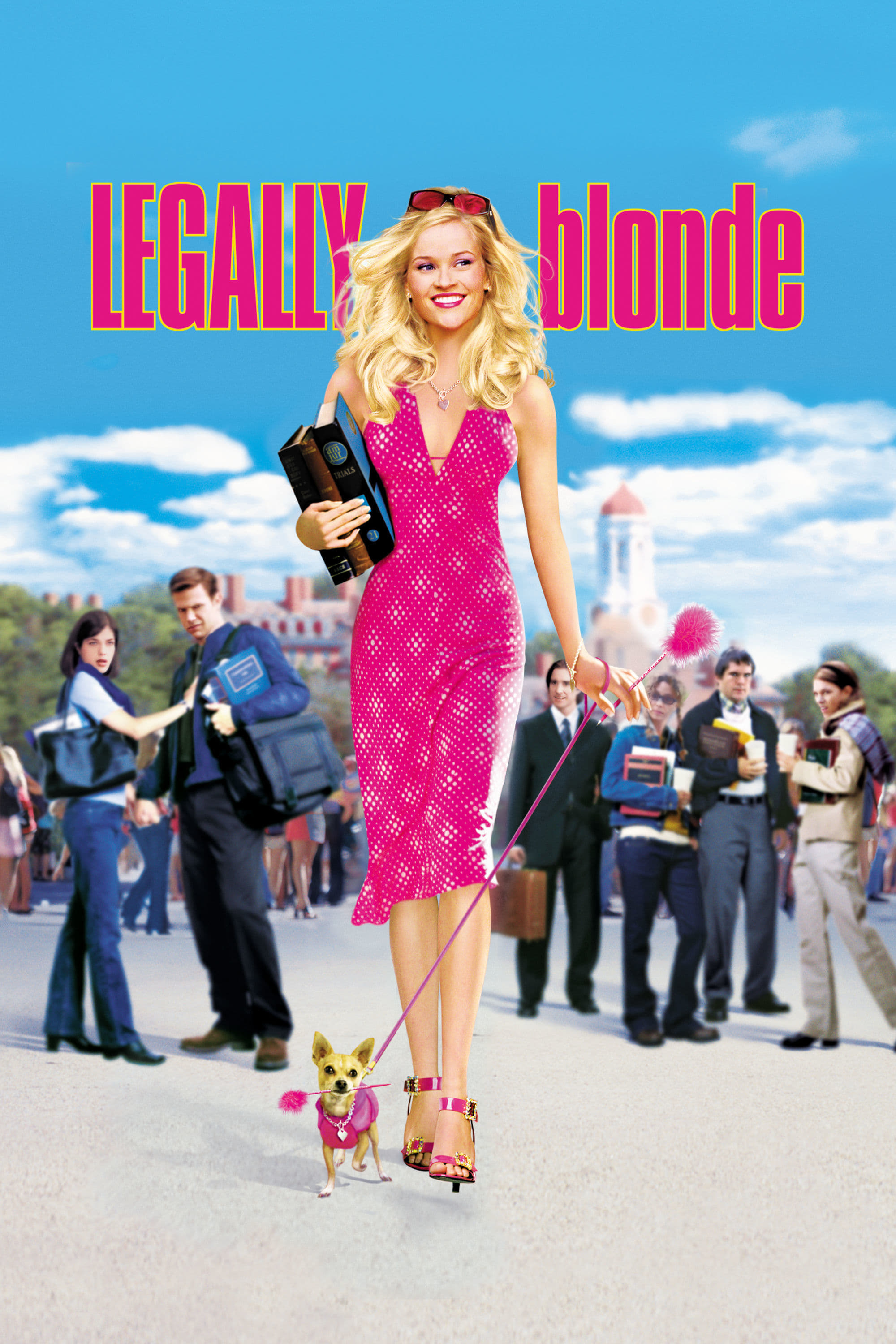
The film initially ended with a possible romance at the courthouse, but viewers felt it was more important to see Elle Woods thrive in her career. So, the filmmakers shot a new scene two years later showing Elle giving a graduation speech as valedictorian. This change emphasized Elle’s skills as a lawyer and created a more inspiring message, shifting the focus from a simple love story to one about achieving your goals.
‘The Shawshank Redemption’ (1994)
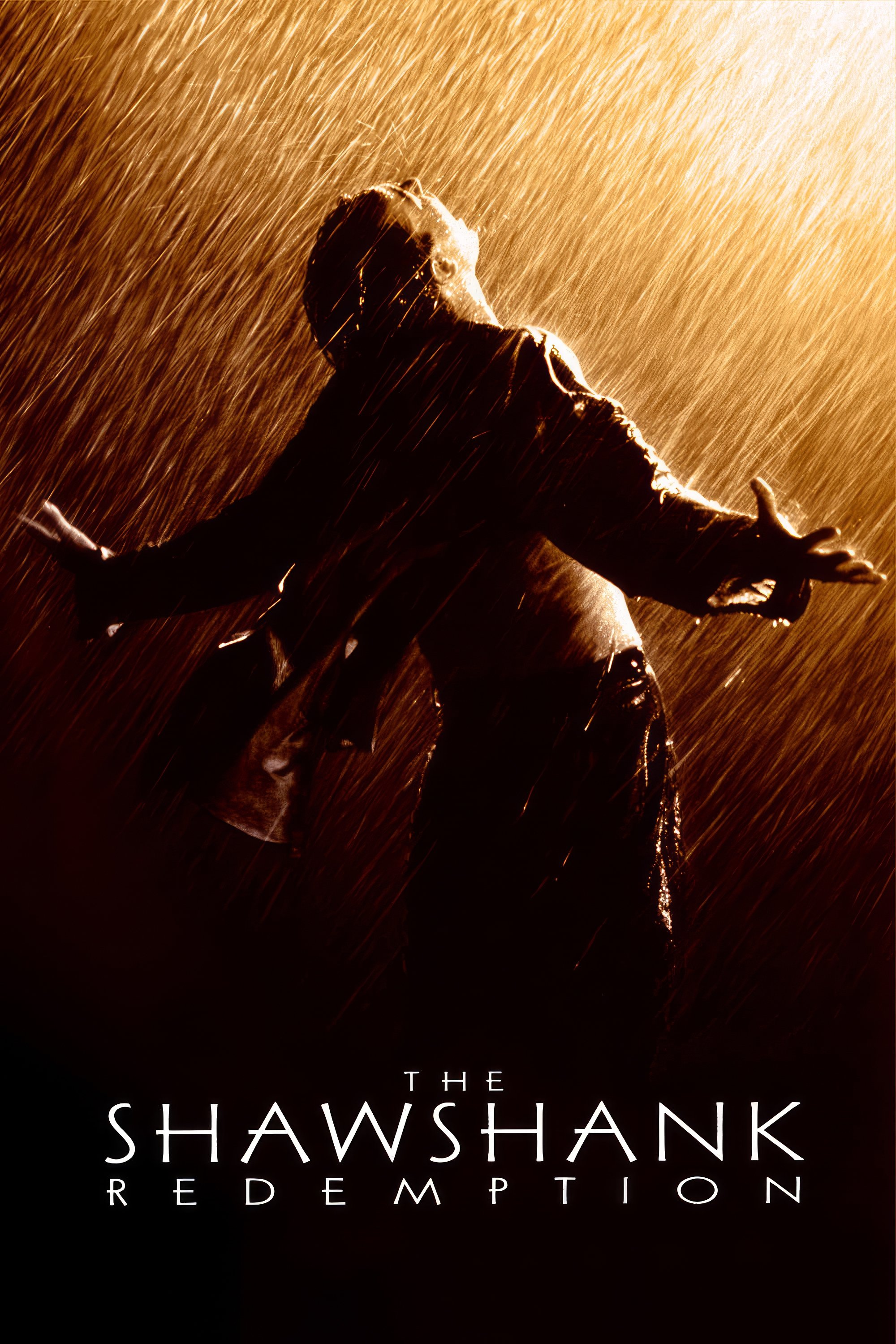
Originally, director Frank Darabont planned to end the movie with Red riding the bus, hopeful about finding his friend. However, the studio wanted to show the actual reunion on the beach in Zihuatanejo. Darabont compromised, filming the reunion from afar to keep a hopeful and slightly unreal feeling. This touching moment created one of the most beloved endings in film, and the image of their reunion became iconic, symbolizing their newfound freedom.
‘Predator’ (1987)
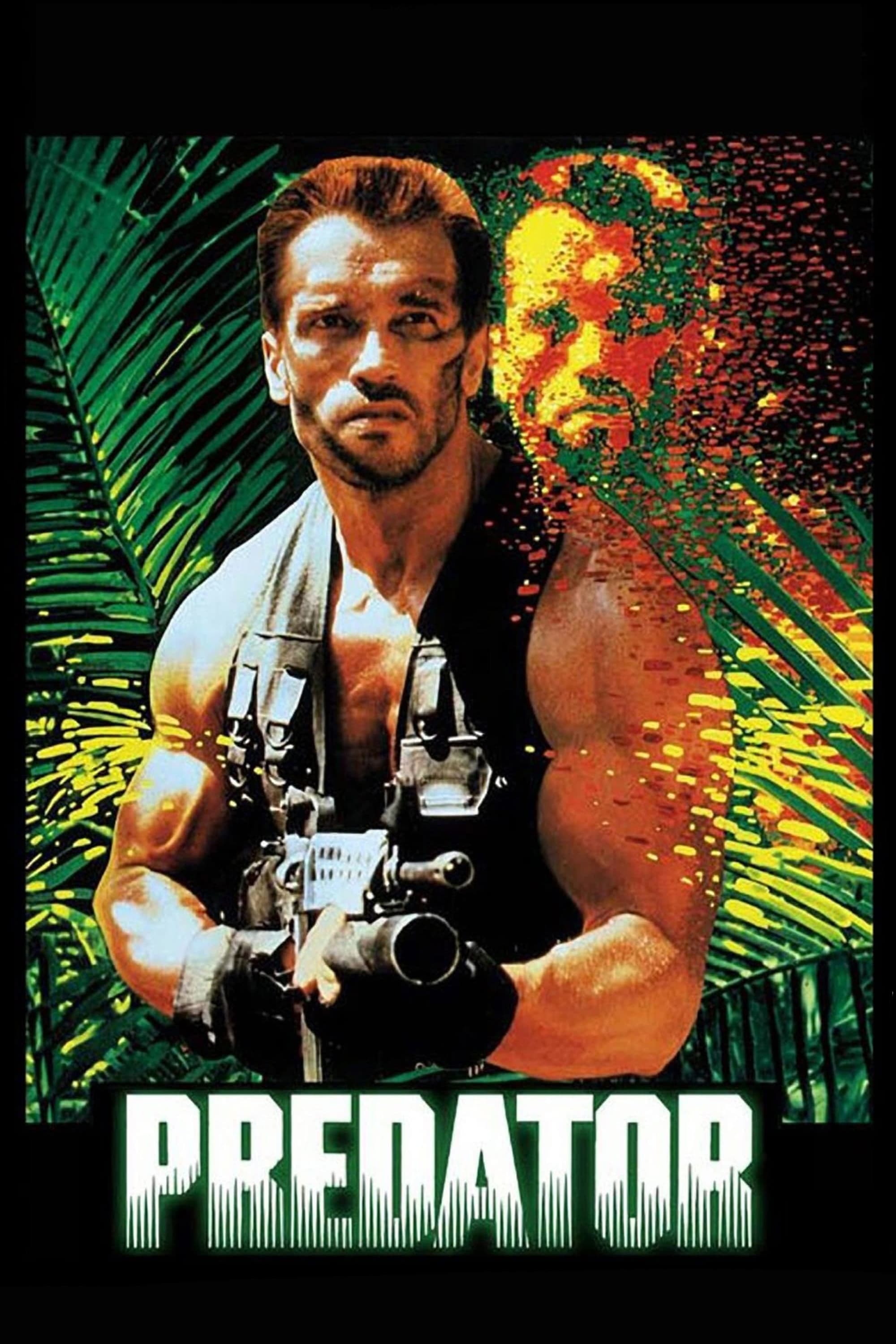
Initially, Jean-Claude Van Damme was chosen to play the alien hunter, wearing a bulky, insect-like costume. However, the costume looked silly in the jungle environment, and Van Damme found it physically challenging. Kevin Peter Hall then took over, wearing a redesigned suit that was much more frightening. This change resulted in the monster’s now-famous look and launched a successful film series. Had the original costume been used, the serious thriller might have ended up being a comedy.
‘Dr. Strangelove or: How I Learned to Stop Worrying and Love the Bomb’ (1964)
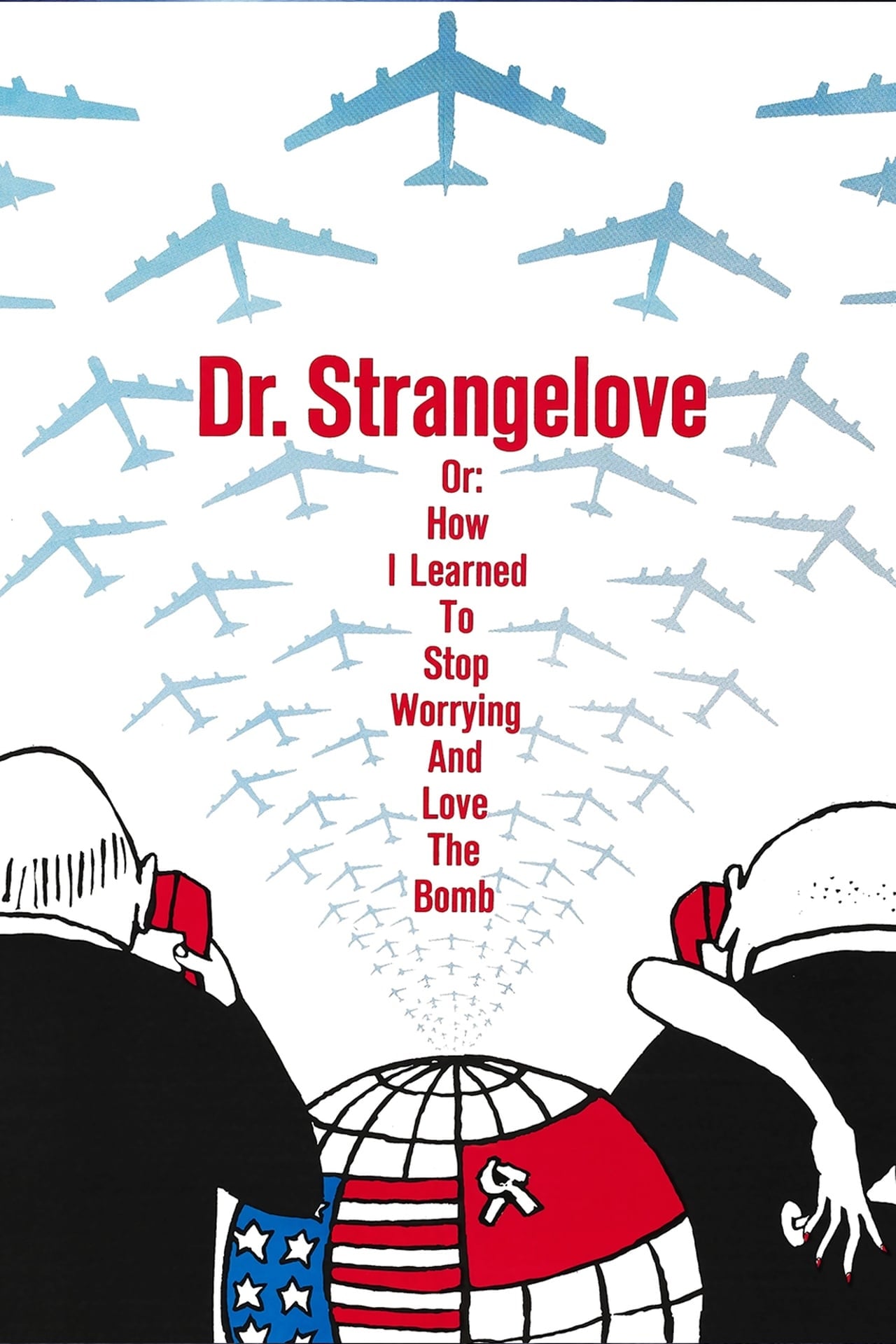
The film initially concluded with a silly custard pie fight in the War Room. However, Stanley Kubrick believed this scene didn’t fit the movie’s serious, satirical style. He removed it and instead finished with a sequence of nuclear explosions. This change maintained the film’s dark humor and sharp social criticism. The pie fight would have made the ending much less thought-provoking.
‘Annie Hall’ (1977)
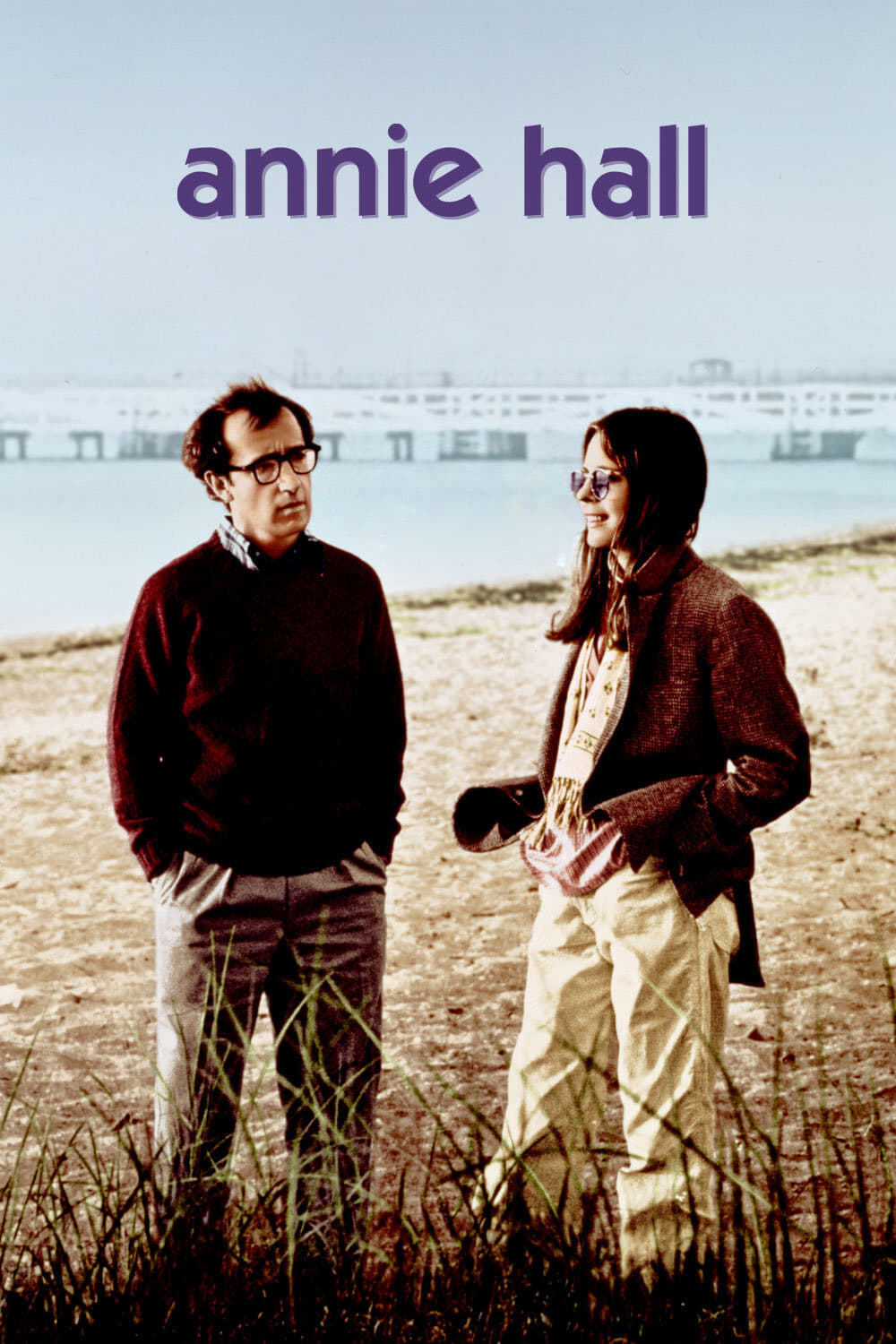
Woody Allen initially planned the film as a murder mystery with a love story woven in. However, while editing, he discovered the scenes focusing on the relationship were the most compelling. He made the bold decision to remove the entire mystery plot, choosing instead to center the film solely on the connection between the characters Alvy and Annie. This change resulted in a highly innovative romantic comedy that ultimately won an Academy Award for Best Picture. By restructuring the film, Allen transformed a muddled genre piece into an insightful exploration of its characters.
‘The Wizard of Oz’ (1939)
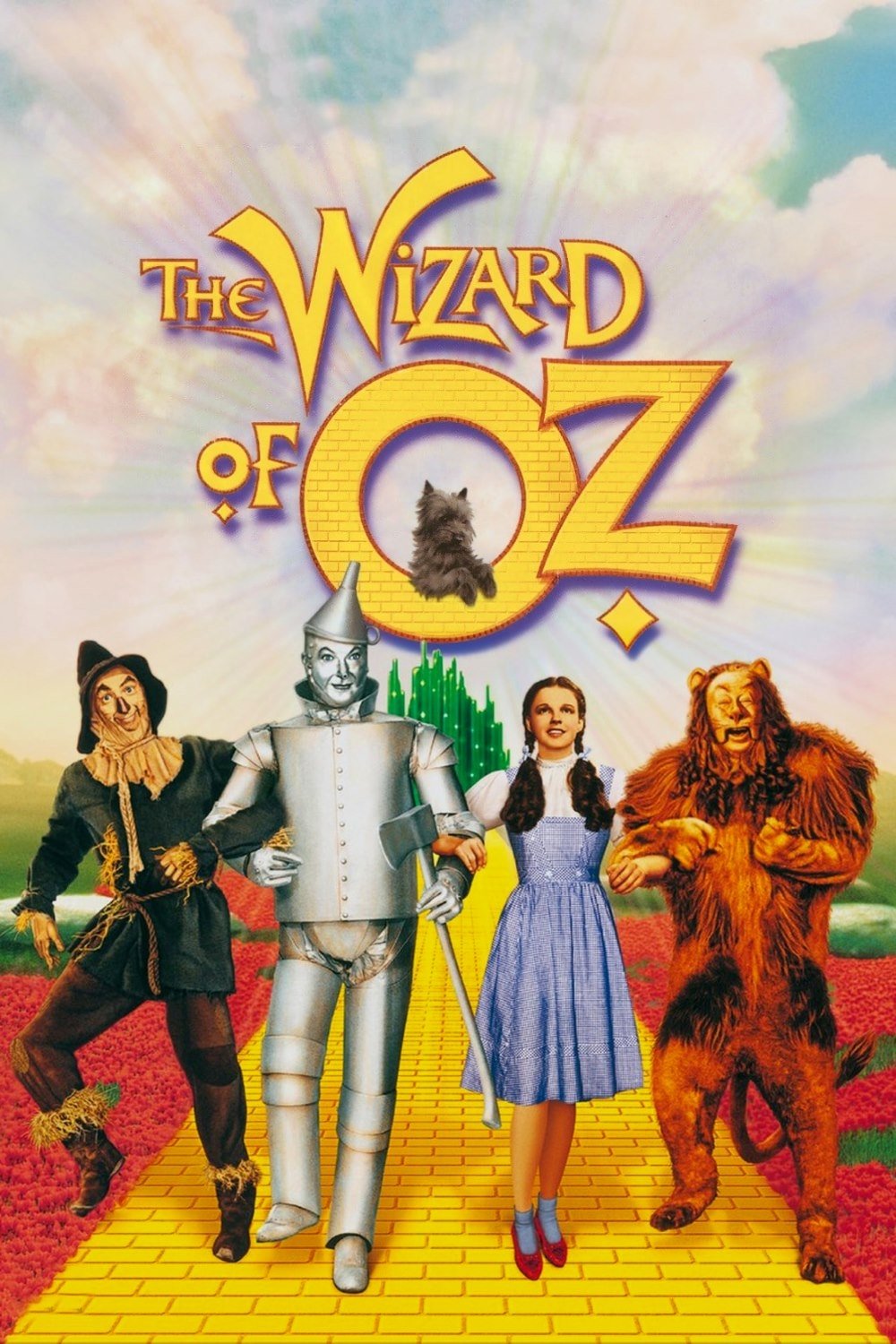
I was so relieved when the producers stood their ground about keeping ‘Over the Rainbow’ in the movie! The studio guys thought it was too slow for the beginning and worried about Judy Garland singing in a barn – can you believe that? They almost cut the most beautiful song! Thankfully, it stayed in, won an Oscar, and became Judy’s song. Honestly, taking it out would have completely destroyed the heart of Dorothy’s story. It’s just…everything.
‘Rogue One: A Star Wars Story’ (2016)
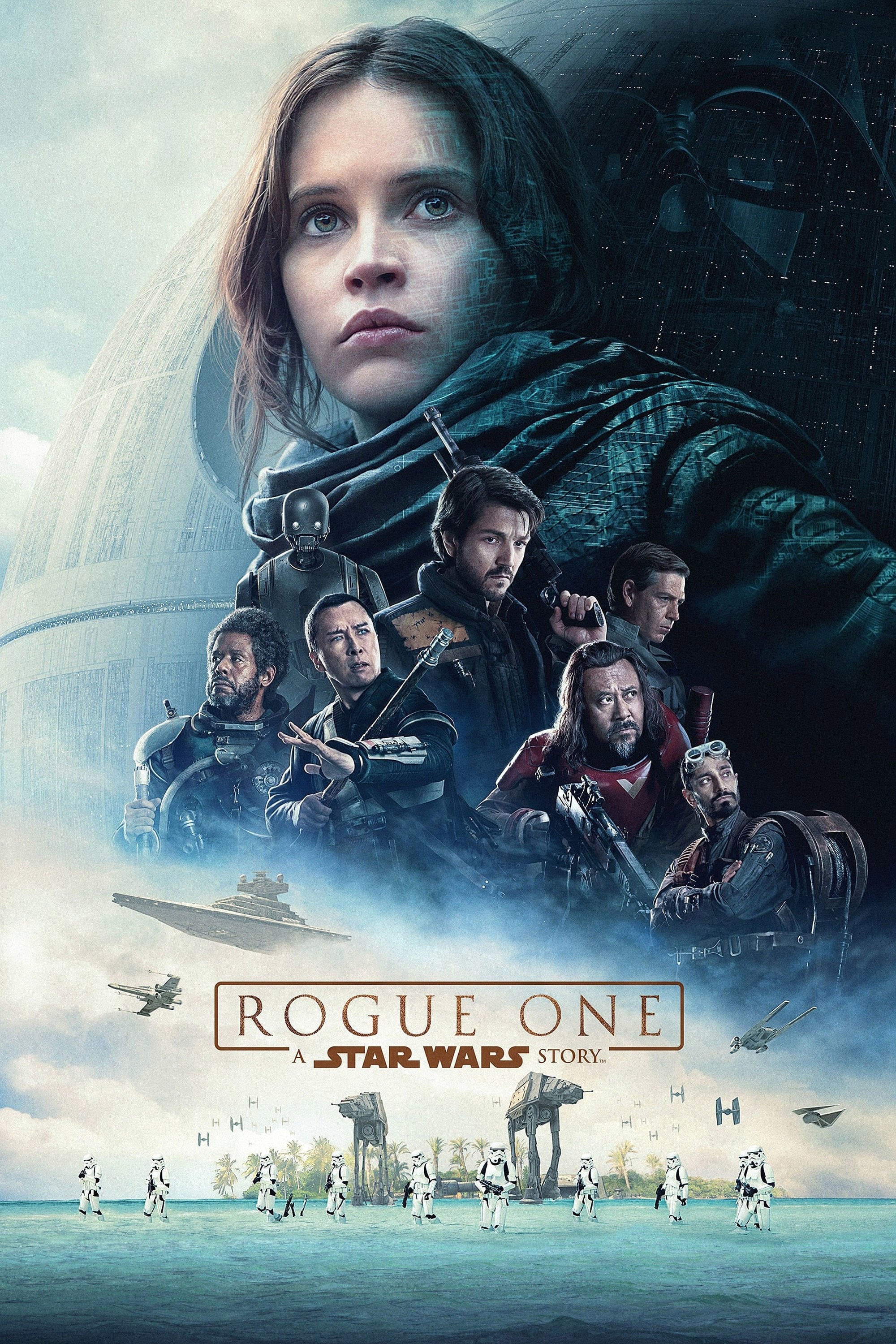
The first cut of the movie had a different finale, with the heroes lasting longer or finding a different way to escape. However, significant portions of the film were reshot to make the story clearer and seamlessly connect to the beginning of the 1977 original. The iconic hallway scene with Darth Vader was actually added during these late reshoots and quickly became a fan favorite – one of the most celebrated scenes in the whole series. These changes were crucial in making the film feel like a true prequel with a compelling and suspenseful story.
Tell us in the comments which of these late changes you believe most significantly affected the course of film history.
Read More
- Invincible Season 4 Gender Swaps Tech Jacket As Fans Question Major Comic Change
- Building Agents That Learn and Improve Themselves
- Gold Rate Forecast
- Superman Flops Financially: $350M Budget, Still No Profit (Scoop Confirmed)
- Silver Rate Forecast
- Games That Faced Bans in Countries Over Political Themes
- Trading Crypto with AI: A New Approach to Portfolio Management
- 15 Films That Were Shot Entirely on Phones
- Unveiling the Schwab U.S. Dividend Equity ETF: A Portent of Financial Growth
- 22 Films Where the White Protagonist Is Canonically the Sidekick to a Black Lead
2025-12-04 14:20