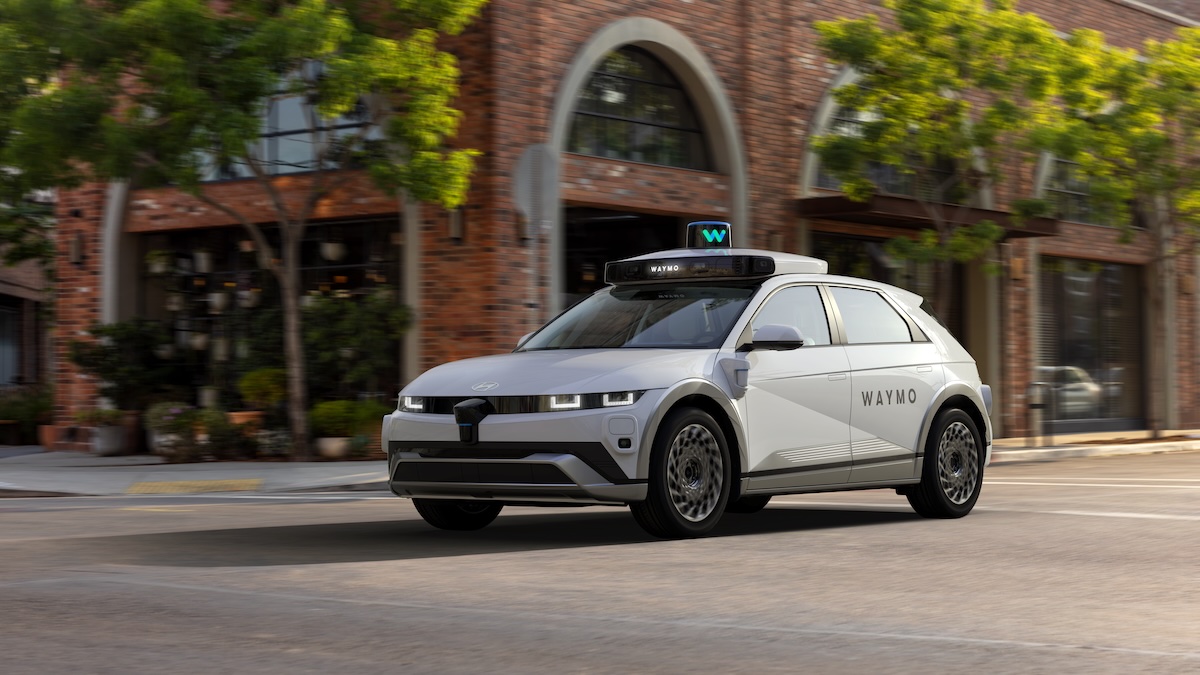
Waymo, owned by Alphabet, appears to be gaining a significant advantage in the U.S. robotaxi market, and the reason might surprise investors. Waymo uses a combination of LiDAR, cameras, and radar for its self-driving technology, while its main competitor, Tesla, relies mostly on cameras and computer vision.
Waymo uses LiDAR — Tesla does not
LiDAR technology uses lasers and sensors to instantly and accurately measure distances and movement in the real world. This allows self-driving cars to create a constantly updating 3D map of their surroundings, helping them avoid obstacles like traffic, road closures, and people.
While self-driving cars can be built using only cameras, adding LiDAR technology is more expensive. Some estimates suggest Waymo’s vehicles cost two to three times more than Tesla’s robotaxis. However, those who support using LiDAR argue it creates a more detailed and reliable self-driving system, better equipped to handle unpredictable road situations and ensure safety.
Industry professionals largely agree that LiDAR technology is better than using just radar or cameras. A 2023 study by Oliver Wyman indicated LiDAR will likely become the standard for vehicle safety. Ford CEO Jim Farley reinforced this in June 2025, stating that LiDAR is essential for achieving their goals, and he specifically praised Waymo’s use of the technology.
The new Waymo Driver could be a big upgrade
Waymo has just released the sixth version of its self-driving technology, Waymo Driver. This updated system features an improved vision system with a high-resolution 17-megapixel camera. Waymo says this camera offers significantly better performance than those in other vehicles, especially in challenging conditions like low light and with a wider range of colors and details.
Waymo’s updated self-driving system, the Waymo Driver, now features improved LiDAR technology. LiDAR helps Waymo vehicles understand the world around them by combining camera images with precise distance measurements. Thanks to advancements in the auto industry over the last five years, this technology is now more affordable, and Waymo says the upgrades also improve visibility in challenging weather conditions like rain and snow.
As I watch the robotaxi competition unfold, it’s becoming clear that simply having the most cars on the road isn’t enough to win. The *way* these vehicles achieve self-driving capability is just as important. Right now, I’m giving Waymo a strong look as a potential frontrunner, and it’s largely due to their use of LiDAR technology. It’s definitely more expensive and complicated than systems relying solely on cameras, but I believe that extra investment could pay off in the long run. LiDAR promises greater safety and accuracy, which could give Waymo a real, lasting edge in the self-driving car market.
Waymo isn’t a company you can buy stock in directly, and it’s currently unclear how much it impacts Alphabet’s overall stock value. However, over the past year, Alphabet’s stock has performed better than the Nasdaq-100 and Tesla. If Waymo becomes a leader in self-driving taxis, the technology it uses for sensing its surroundings – specifically its LiDAR – could be a key factor in its success.
Read More
- Top 20 Dinosaur Movies, Ranked
- 20 Movies Where the Black Villain Was Secretly the Most Popular Character
- Celebs Who Narrowly Escaped The 9/11 Attacks
- 25 “Woke” Films That Used Black Trauma to Humanize White Leads
- Spotting the Loops in Autonomous Systems
- Gold Rate Forecast
- The 10 Most Underrated Jim Carrey Movies, Ranked (From Least to Most Underrated)
- Silver Rate Forecast
- The Best Directors of 2025
- Transformers Under the Microscope: What Graph Neural Networks Reveal
2026-02-17 13:04