Computer-generated imagery, or CGI, has dramatically changed how movies are made, letting filmmakers create unbelievable worlds and even make actors appear younger. Studios spend huge sums on visual effects to revive deceased stars or significantly reduce the apparent age of current actors. However, this technology doesn’t always succeed, sometimes resulting in characters that look almost human but feel strangely off – a phenomenon known as the ‘uncanny valley.’ These digital imperfections can pull viewers out of the story and become distracting. The following examples highlight some of the most noticeable and unsuccessful attempts at digitally recreating actors’ faces in film history.
‘Captain America: Civil War’ (2016)

The movie uses a special visual effect to make Tony Stark appear younger in a flashback. Robert Downey Jr. acted out the scene, and then artists digitally smoothed his face to look more youthful. However, many viewers have commented that the effect makes his skin look too perfect and artificial, resembling a plastic doll rather than a real teenager.
‘X-Men: The Last Stand’ (2006)
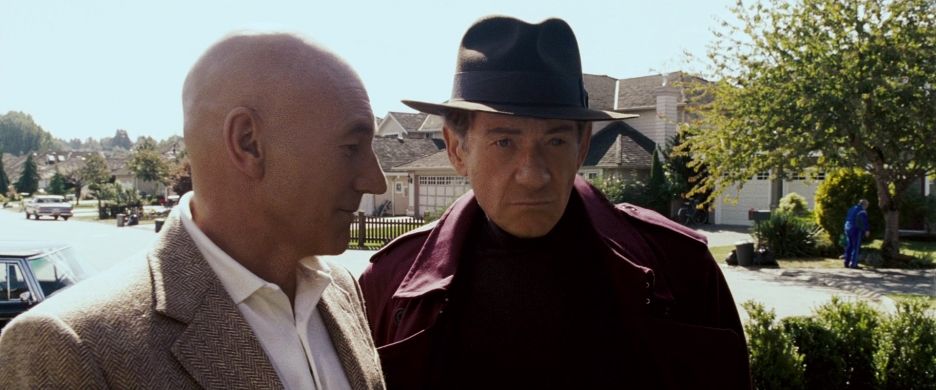
In the opening scenes of this superhero movie, Patrick Stewart and Ian McKellen had their faces digitally altered to appear younger. Visual effects artists tried to remove wrinkles and smooth their skin, aiming to make them look twenty years younger. However, the technology wasn’t quite there yet, and the result was an unnatural, glowing effect that actually made their faces look flatter and reduced their ability to convey emotion.
‘Tron: Legacy’ (2010)
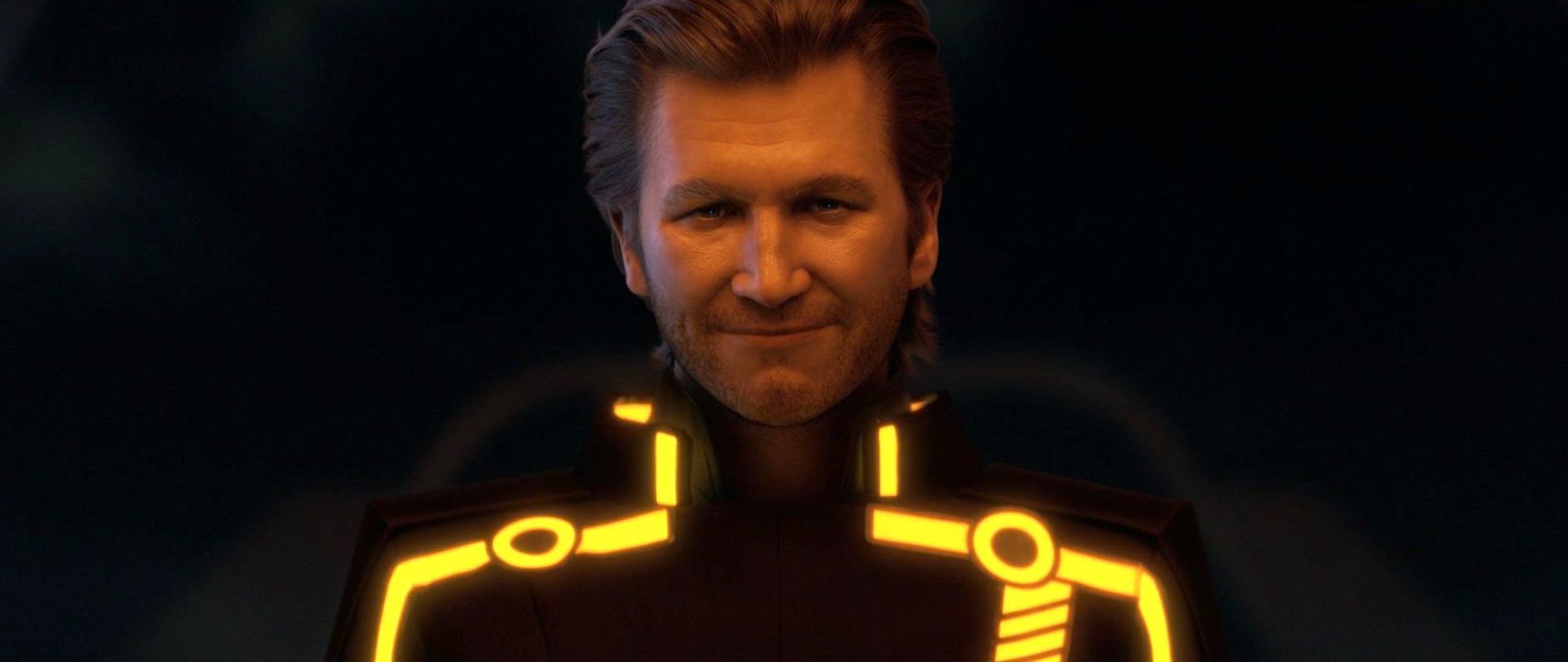
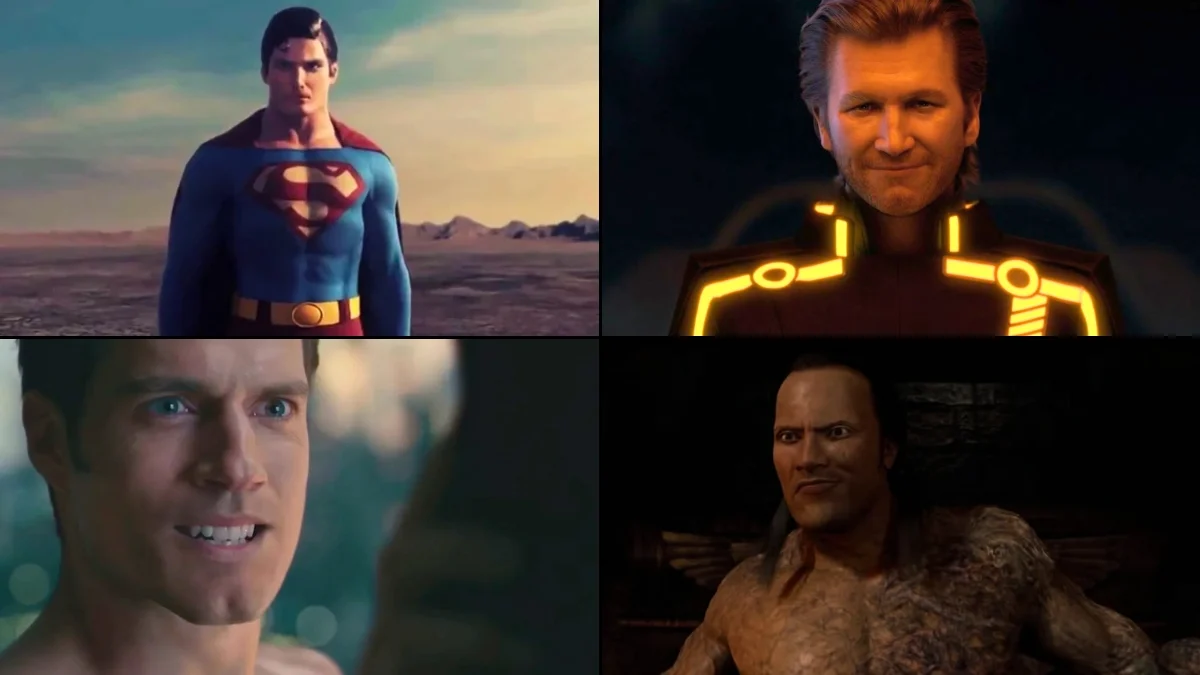
In this sci-fi film, Jeff Bridges stars as an older man and a younger version of himself, Clu, who is entirely created using computer graphics. Clu is based on Bridges’s appearance and past work, but despite smooth movements, his face sometimes looks unnatural and stiff when he speaks. This gives him an unsettling, lifeless look that makes it hard for viewers to see him as a convincing villain.
‘Star Wars: The Rise of Skywalker’ (2019)
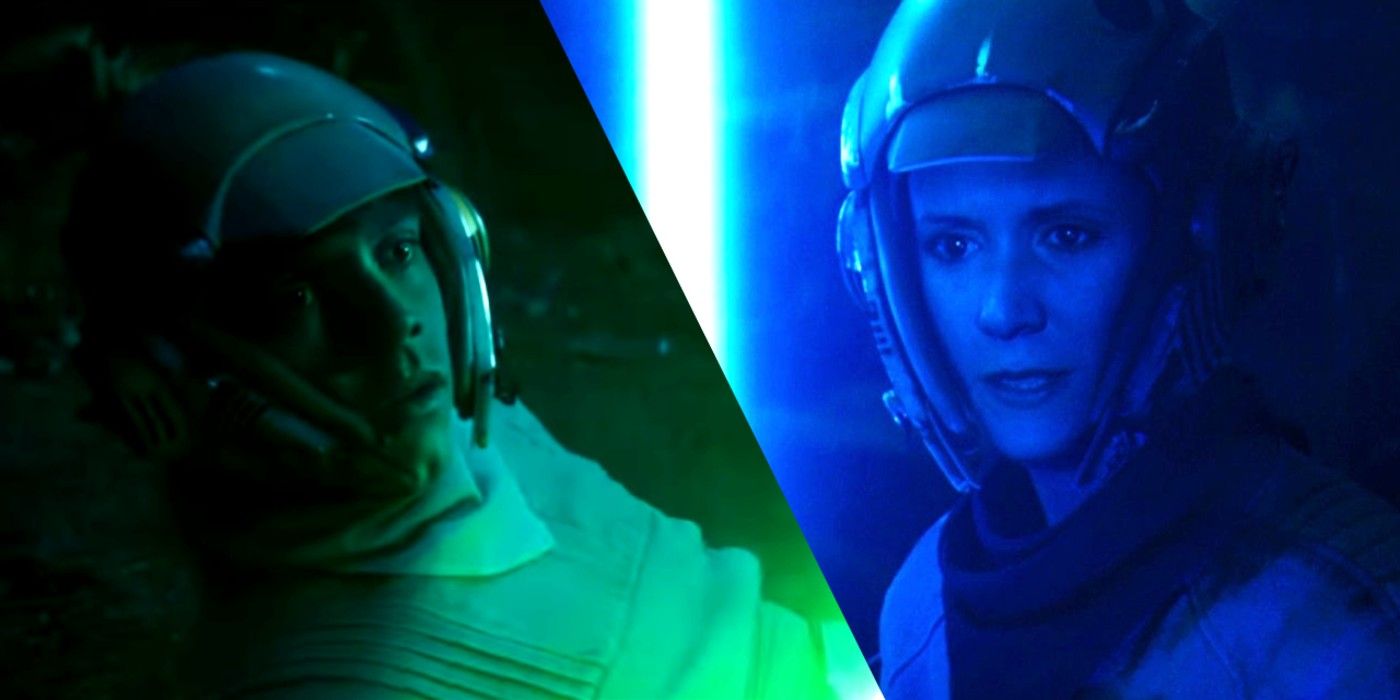
Creating a flashback scene meant digitally recreating young Luke Skywalker and Princess Leia training. While stunt performers did the physical work, artists used their younger faces – Mark Hamill and Carrie Fisher – through digital editing. Unfortunately, the lighting on these digitally-altered faces didn’t always blend well with the scene, making them appear artificial and disconnected. This created a distracting visual effect, breaking the audience’s immersion in the story.
‘The Irishman’ (2019)

Martin Scorsese used special effects to make Robert De Niro and Al Pacino appear younger in the film, allowing them to portray their characters over many years. While the technology smoothed out their faces, it couldn’t hide the fact that the actors still moved like older men. For example, in one scene, a younger version of Frank Sheeran is shown confronting a shopkeeper, but he does so with the stiff movements of a seventy-year-old. This difference between their young faces and old bodies was distracting and pulled viewers out of the movie.
‘Rogue One: A Star Wars Story’ (2016)

Though Peter Cushing, the original actor, had passed away, his character, Grand Moff Tarkin, appeared in this prequel. The filmmakers brought him back using special effects – they digitally recreated his appearance based on a scan and used actor Guy Henry’s performance as a base. However, the digital recreation wasn’t perfect; the character’s facial expressions sometimes lacked the subtlety of the original, making him look more like a detailed video game character than a real person.
‘Ghostbusters: Afterlife’ (2021)
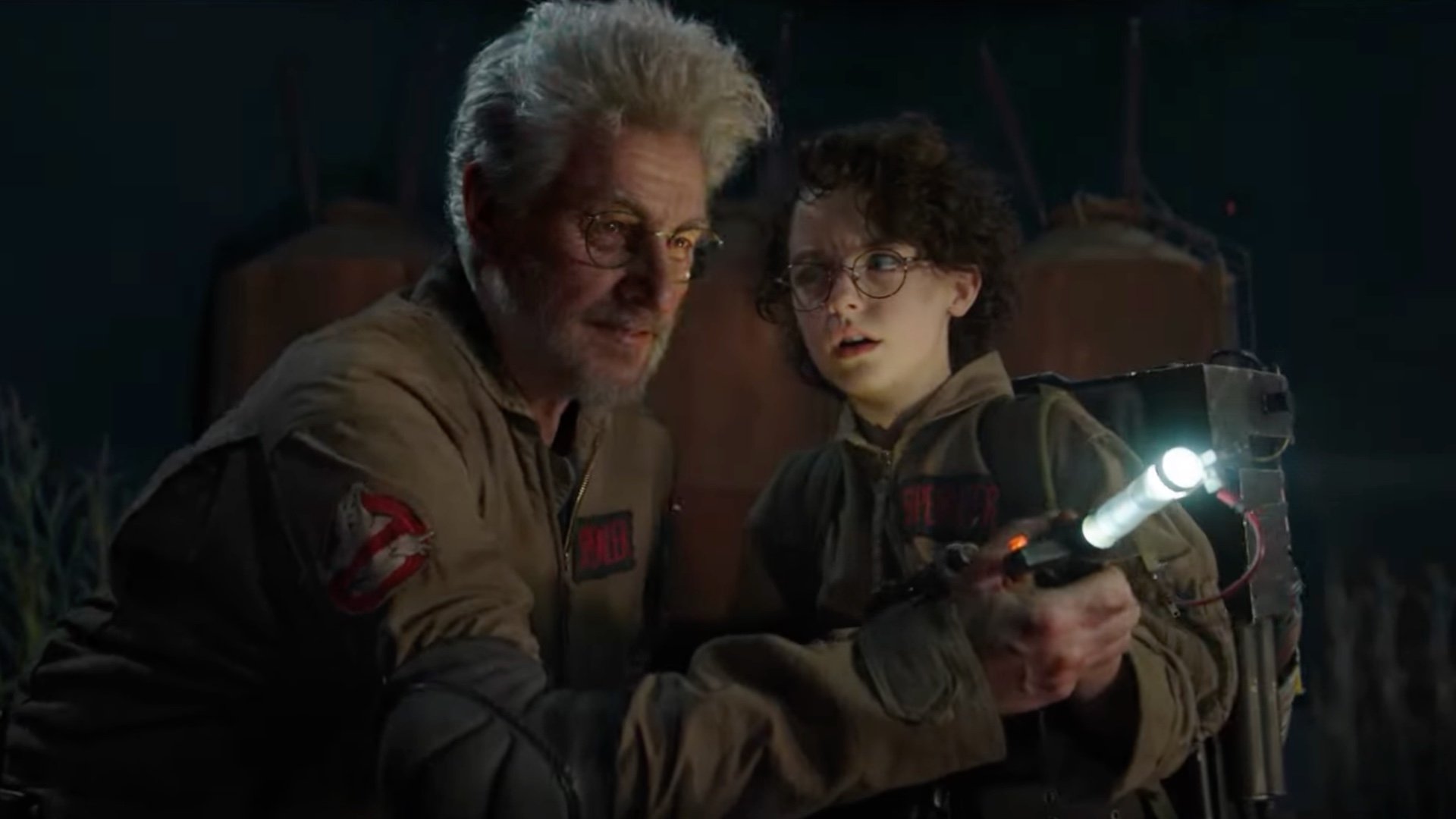
For the movie’s emotional finale, filmmakers digitally brought back the late Harold Ramis as his character, Egon Spengler. They created a digital version of his head using old footage and placed it on another actor. While the character doesn’t speak, which helps mask some imperfections in the animation, his facial expressions still appear a little stiff and unnatural. The scene mainly relies on viewers’ fond memories of Ramis to overcome the slightly unsettling feeling of seeing a digitally recreated version of him.
‘Alien: Romulus’ (2024)

Okay, let’s talk about this new film’s attempt to bring back a familiar face. They’ve introduced a damaged android modeled after the late Ian Holm, and honestly, it’s… unsettling, but not in a good way. They used a mix of practical animatronics and CGI, and while the idea is interesting, the execution falls short. I kept getting pulled out of the movie because the lip sync was often off, and the digital skin just looked… artificial, especially in brighter scenes. It’s a shame, because it really undermined the suspense they were building. Instead of being scared, I was just noticing the effects, and that’s never a good sign in a horror film.
‘The Matrix Reloaded’ (2003)
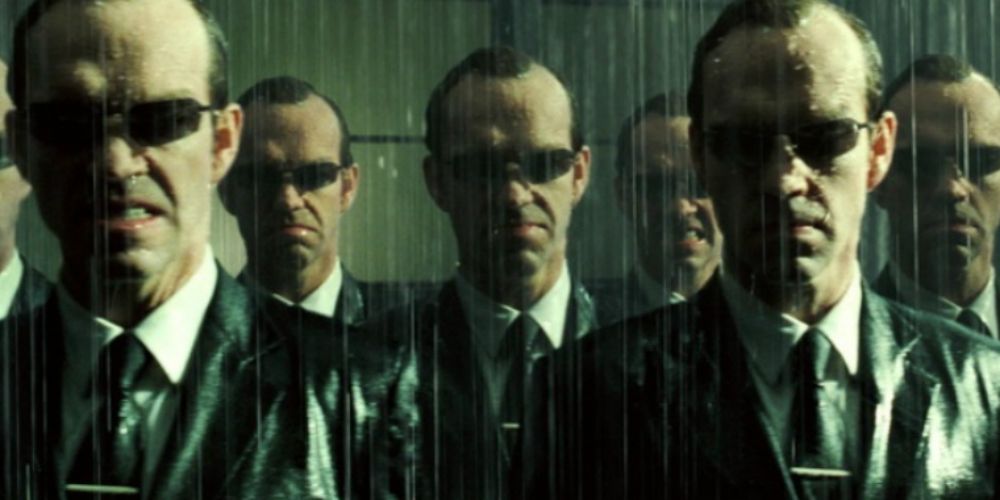
Keanu Reeves performs an epic fight against countless copies of Agent Smith in a scene called the Burly Brawl. To achieve incredible camera angles, the action switches between real stunts and completely digital characters. However, the digital version of Neo looks unrealistic, with stiff, unnatural movements and skin. This change transforms the intense fight into something more like a cartoon.
‘Air Force One’ (1997)

In the movie, Harrison Ford plays the President and has to be rescued from an airplane hijacking. The climax involves him falling from the plane into the water. Unfortunately, due to budget and technological constraints, the scene where his face is digitally placed onto the stuntman looks noticeably blurry and unrealistic. The shaky camera work doesn’t hide the poor quality of the visual effects.
‘Green Lantern’ (2011)

Ryan Reynolds’ costume in the film isn’t a physical suit; it was created using computer effects after filming. Specifically, his domino mask doesn’t quite look right – it doesn’t move naturally with his face and sometimes seems to float above his skin. This makes it harder for his eyes to show genuine emotion, especially in close-up shots, and the bright green color emphasizes that the effect isn’t realistic.
‘Harry Potter and the Philosopher’s Stone’ (2001)

Okay, so revisiting the first Harry Potter movie, there’s this big showdown with a troll in the girls’ bathroom. I remember being thrilled when Harry and Ron took it on! But rewatching it now, the CGI of Harry riding on the troll’s shoulders… it really hasn’t held up. They fully replaced Daniel Radcliffe with a digital version, and honestly, it looks super fake. His face is just…smooth, like there’s zero texture or emotion. It’s a really obvious early attempt at digital face replacement and it’s aged pretty poorly, unfortunately. It’s a bit jarring now compared to the effects we see today.
‘Justice League’ (2017)

During reshoots for this superhero movie, Henry Cavill was required to keep a mustache for a different project. This meant visual effects artists had to digitally remove it from his face in every shot where he played Superman. Unfortunately, the process wasn’t perfect, leaving his upper lip looking strange and blurry in some scenes. This noticeable visual issue became a source of much criticism and distracted viewers from the actor’s performance.
‘The Flash’ (2023)

As a fan, I was really disappointed with the Speed Force sequence. It tried to honor past Superman actors like Christopher Reeve and George Reeves by bringing them back with CGI, but it just didn’t work. They looked like lifeless, plastic figures – completely lacking any real spark. Honestly, the visual effects were surprisingly bad, and a lot of fans and critics agreed it felt poorly done and even a little unsettling. It just didn’t feel right.
‘The Mummy Returns’ (2001)
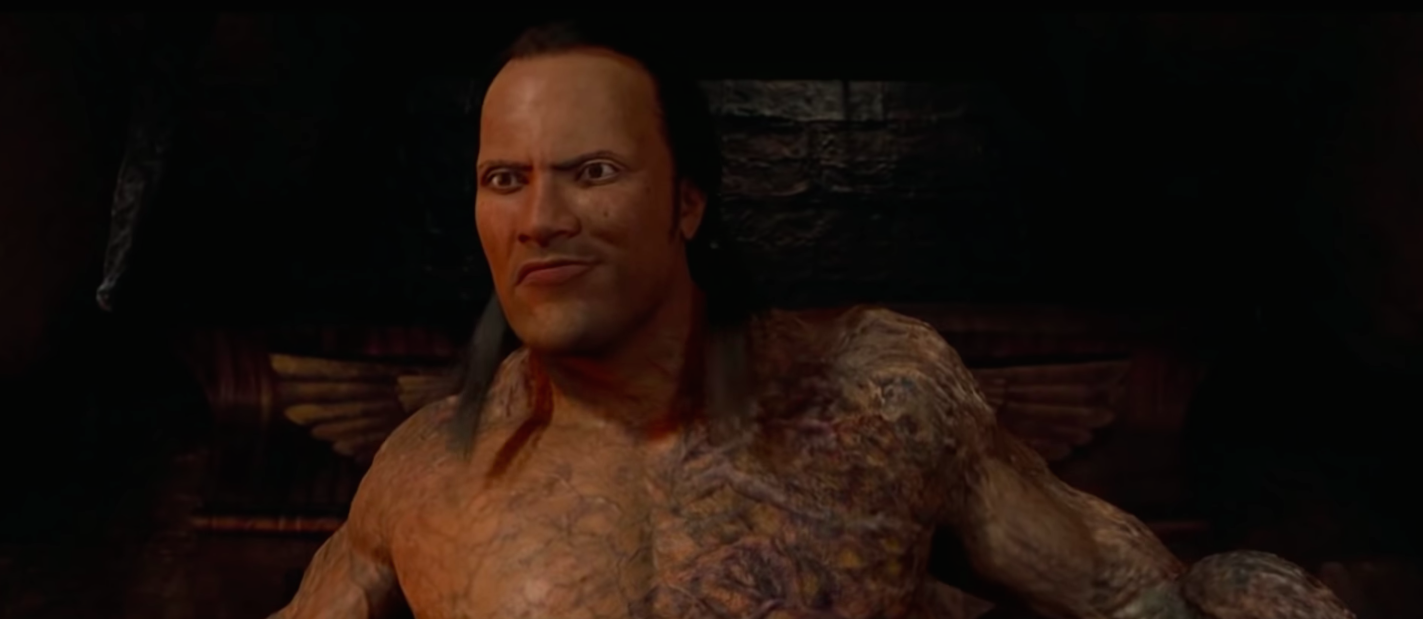
I’ll never forget seeing Dwayne Johnson as the Scorpion King! They turned him into this half-human, half-scorpion creature, and honestly, it hasn’t aged well. The special effects, especially when they zoomed in on his face, looked like something straight out of an old video game – really blocky and unnatural. The lighting didn’t even seem to fit, and his mouth moved in this stiff, robotic way. It’s become the example everyone points to when talking about bad CGI in big movies – a truly unforgettable disaster, and not in a good way!
Tell us which one of these digital disasters made you cringe the most in the comments.
Read More
- 20 Movies Where the Black Villain Was Secretly the Most Popular Character
- Transformers Under the Microscope: What Graph Neural Networks Reveal
- Celebs Who Narrowly Escaped The 9/11 Attacks
- Trading on Thin Air: AI Agents Conquer Crypto Volatility
- Silver Rate Forecast
- Gold Rate Forecast
- Invincible Season 4 Gender Swaps Tech Jacket As Fans Question Major Comic Change
- 22 Films Where the White Protagonist Is Canonically the Sidekick to a Black Lead
- Every Notable ‘Star Trek: The Original Series’ Actor Who Died
- Trading Smarter: AI-Powered Execution Schedules
2025-11-26 04:46