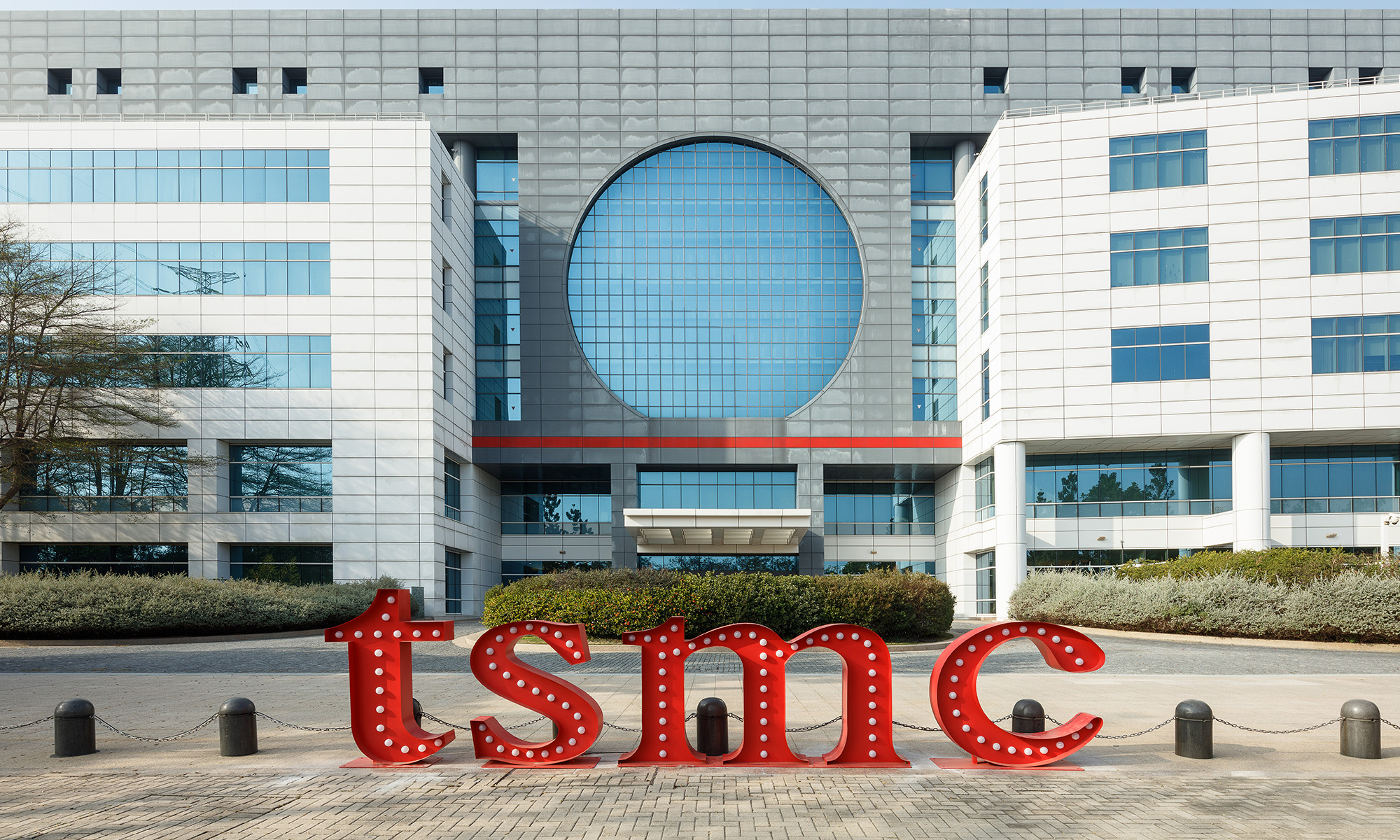
Many years later, as the dust motes danced in the perpetually humid air of the Hsinchu Science Park, old Man Chen would recall the winter of 2025 as a season of impossible promises. He’d swear the very silicon wafers hummed with a nervous energy, a premonition of fortunes made and lost, all dictated by the whims of a market that remembered nothing and forgave less. It was a time when the scent of rain on hot concrete mingled with the metallic tang of ambition, and the whispers of exponential growth carried a subtle undertone of despair. They said Taiwan Semiconductor, that behemoth of polished steel and silent calculation, held the future in its clean rooms, but futures, like dreams, are notoriously unreliable.
The company, known simply as TSMC, had enjoyed a year of peculiar blessings. Shares had climbed, a dizzying ascent fueled by the insatiable hunger for chips, those tiny, inscrutable gods of the modern age. Fifty-nine percent, they said, a number that felt less like a statistic and more like a coded message. But the market, as Old Man Chen well knew, is a fickle mistress. A surge today is merely the prelude to a reckoning tomorrow. The reports spoke of a projected 26.3% increase in overall semiconductor revenue, a number that, while impressive, felt less like a guarantee and more like a postponement of the inevitable. A momentary reprieve in a world governed by entropy.
TSMC, of course, was positioned to benefit, to swell with the tide. It manufactured the dreams of others, the intricate designs of those who believed they could conjure intelligence from sand. The company’s dominance, they claimed, stemmed from its relentless pursuit of miniaturization, its ability to etch ever-finer lines onto the silicon canvas. They spoke of “Foundry 2.0,” a phrase that sounded suspiciously like a marketing ploy designed to mask the fundamental precariousness of the entire enterprise. The company’s market share had indeed grown, by a reported six percentage points, reaching a commanding 39%. But such numbers, while flattering, failed to account for the hidden vulnerabilities, the supply chain chokepoints, the geopolitical currents that could shatter the illusion of control.
The expansion of capacity, the doubling of 2-nanometer production, was presented as a triumph of engineering. But Old Man Chen remembered the boom-and-bust cycles of the past, the mountains of unsold chips gathering dust in forgotten warehouses. The reported orders from Nvidia for H200 data center chips, the 2 million units destined for China, felt less like a validation of demand and more like a frantic attempt to fill the void, to stave off the inevitable correction. The whispers of TSMC ramping up production to meet these demands seemed to ignore the historical pattern of oversupply, of prices collapsing under the weight of excess capacity.
Analysts, predictably, were optimistic. They projected an 18% increase in fourth-quarter revenue, a 22% acceleration in the first quarter of 2026. But Old Man Chen had learned to distrust such pronouncements. He knew that forecasts were merely wishful thinking dressed up in the language of mathematics. The company’s own projections, the talk of surpassing analysts’ expectations, sounded like a carefully orchestrated campaign to maintain the illusion of momentum. The promise of a 23.3% full-year growth rate felt particularly audacious, a bold declaration in the face of mounting uncertainties.
The January 15th earnings report, then, will be a ritual of sorts, a moment of truth shrouded in carefully crafted narratives. It will be a day for celebrating triumphs and glossing over vulnerabilities. The market, of course, will react with its customary volatility, driven by algorithms and herd instincts. A momentary surge, perhaps, fueled by short-term optimism. But Old Man Chen, watching from the shadows, would remain skeptical. He knew that the silicon prophecy, like all prophecies, was ultimately destined to be self-fulfilling, and profoundly ambiguous. The future, he suspected, was not something to be predicted, but something to be endured.
Read More
- Gold Rate Forecast
- Invincible Season 4 Gender Swaps Tech Jacket As Fans Question Major Comic Change
- 22 Films Where the White Protagonist Is Canonically the Sidekick to a Black Lead
- 14 Movies Where the Black Character Refuses to Save the White Protagonist
- Silver Rate Forecast
- Unveiling the Schwab U.S. Dividend Equity ETF: A Portent of Financial Growth
- Superman Flops Financially: $350M Budget, Still No Profit (Scoop Confirmed)
- The Best Former NFL Players Turned Actors, Ranked
- ONE PIECE Season 2 Confirms Sanji’s OTHER Backstory in the Live-Action
- Why Won’t It Just *Do* What You Ask? Unpacking the Quirks of AI Language
2026-01-15 17:54